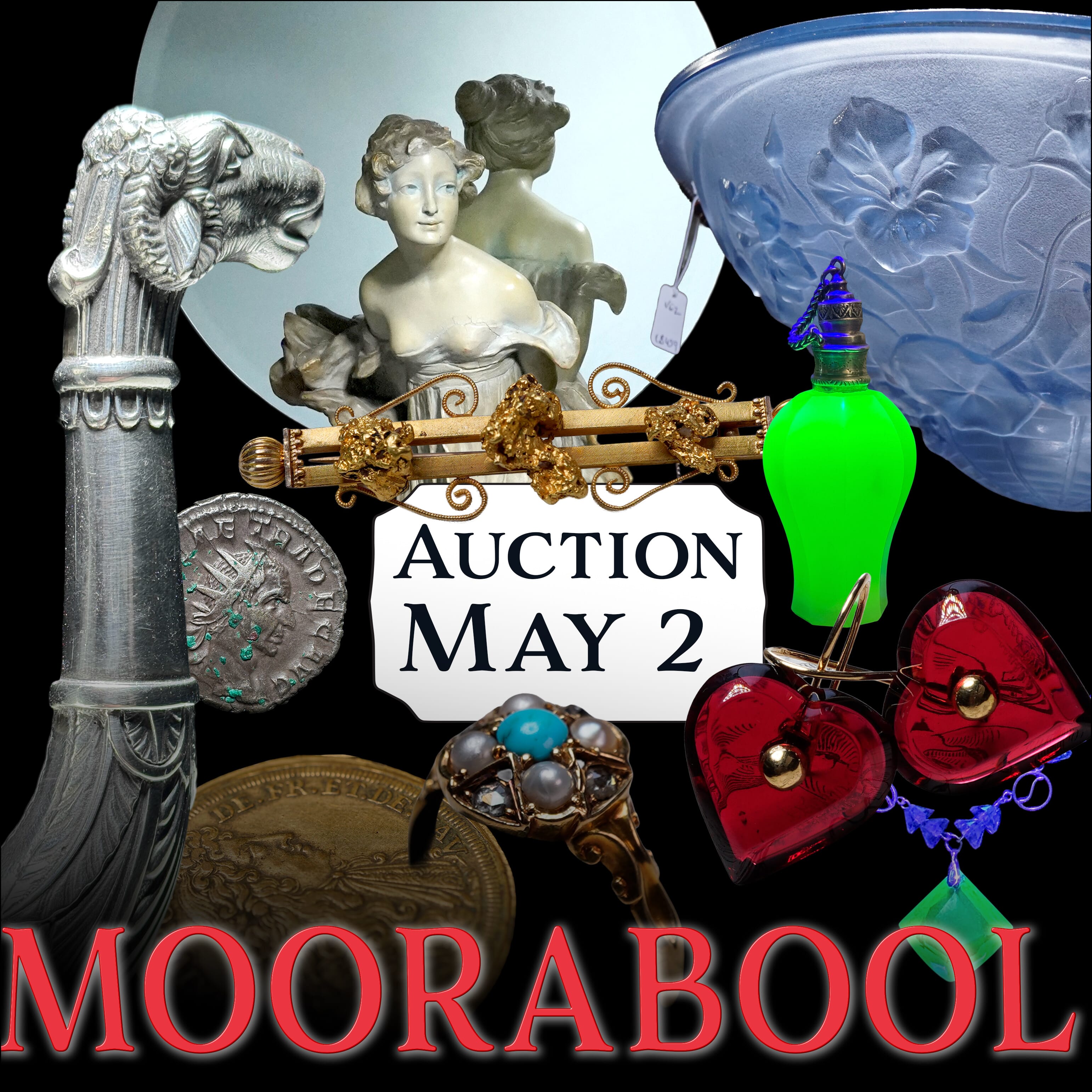
We’re pleased to have our next auction posted on Invaluable – finally!
It’s a wonderful array of items, from the sublime to the ridiculous….
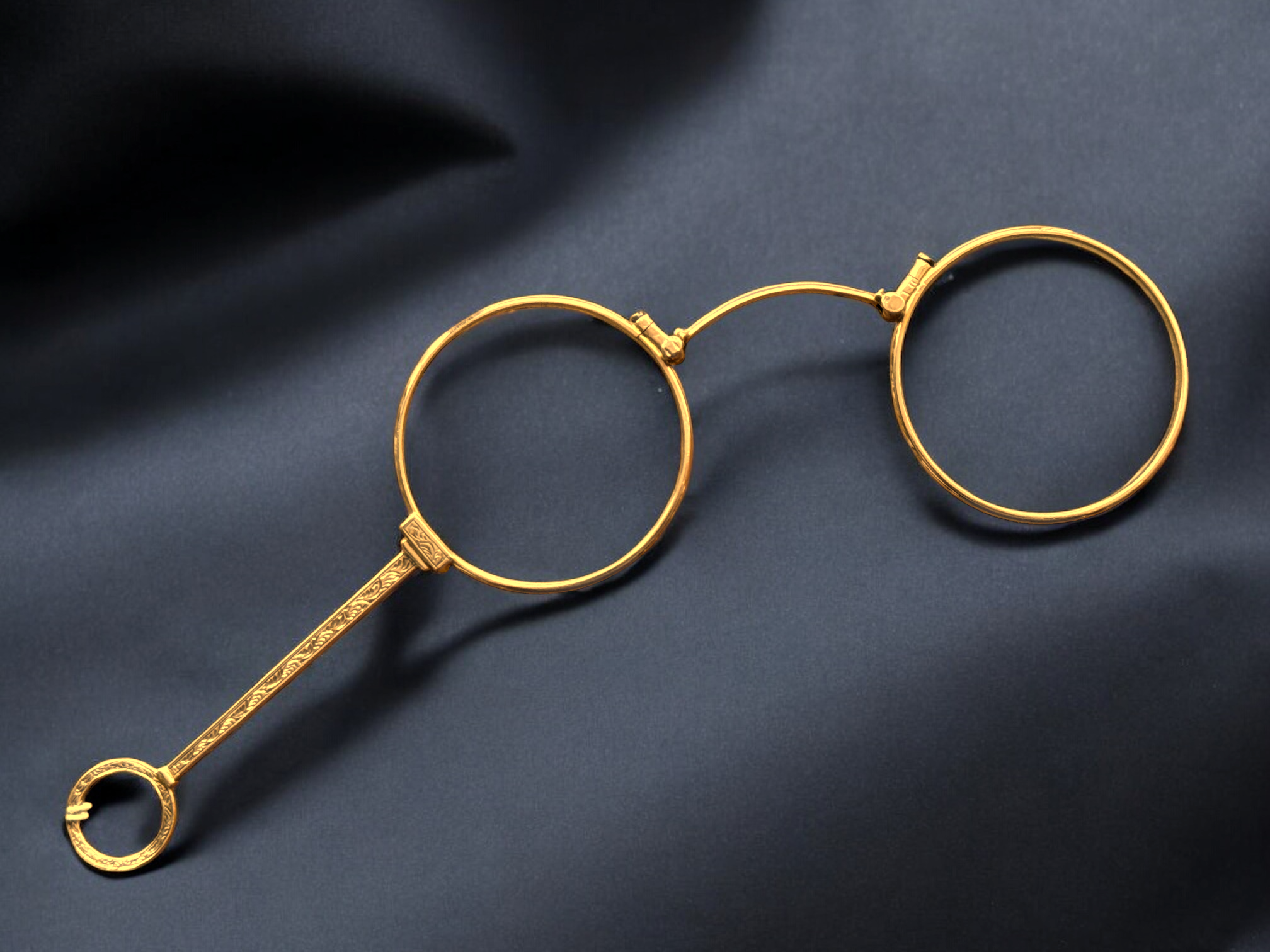
Silver and Metalwork
The sale’s silver offerings are anchored by two outstanding pieces.
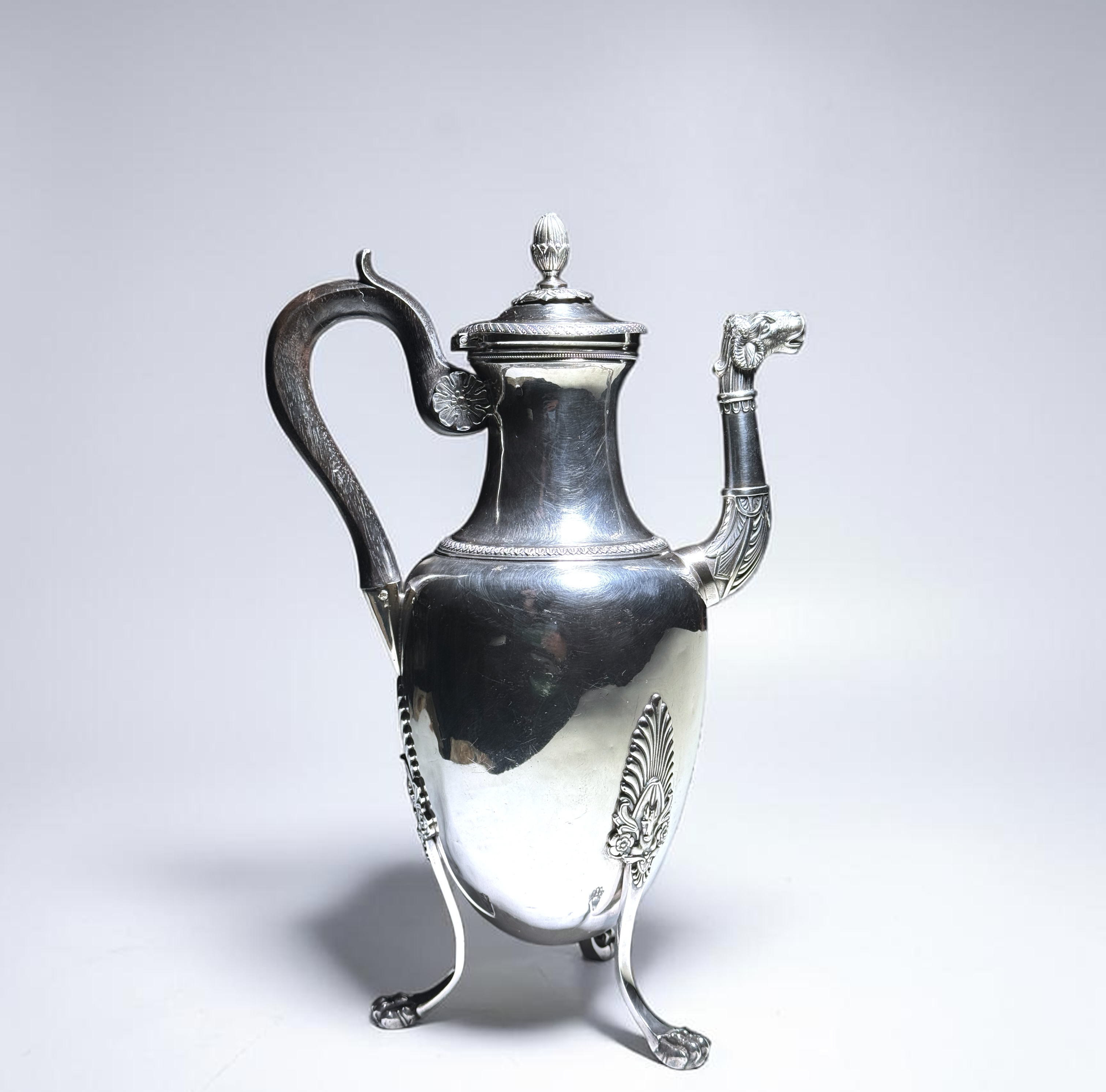
A French First Empire coffee pot bearing the maker’s mark of Naudin Frères, Paris, circa 1809-19. Made in 950/1000 first-standard silver, the body raised on lion’s paw feet with sculptural horse’s-head mounts and a full Bourbon count’s armorial engraving, and is among the finest pieces of early 19th-century French silversmithing to have appeared in a Moorabool sale. At 980 grams and 34 centimetres high, it is a commanding presence.
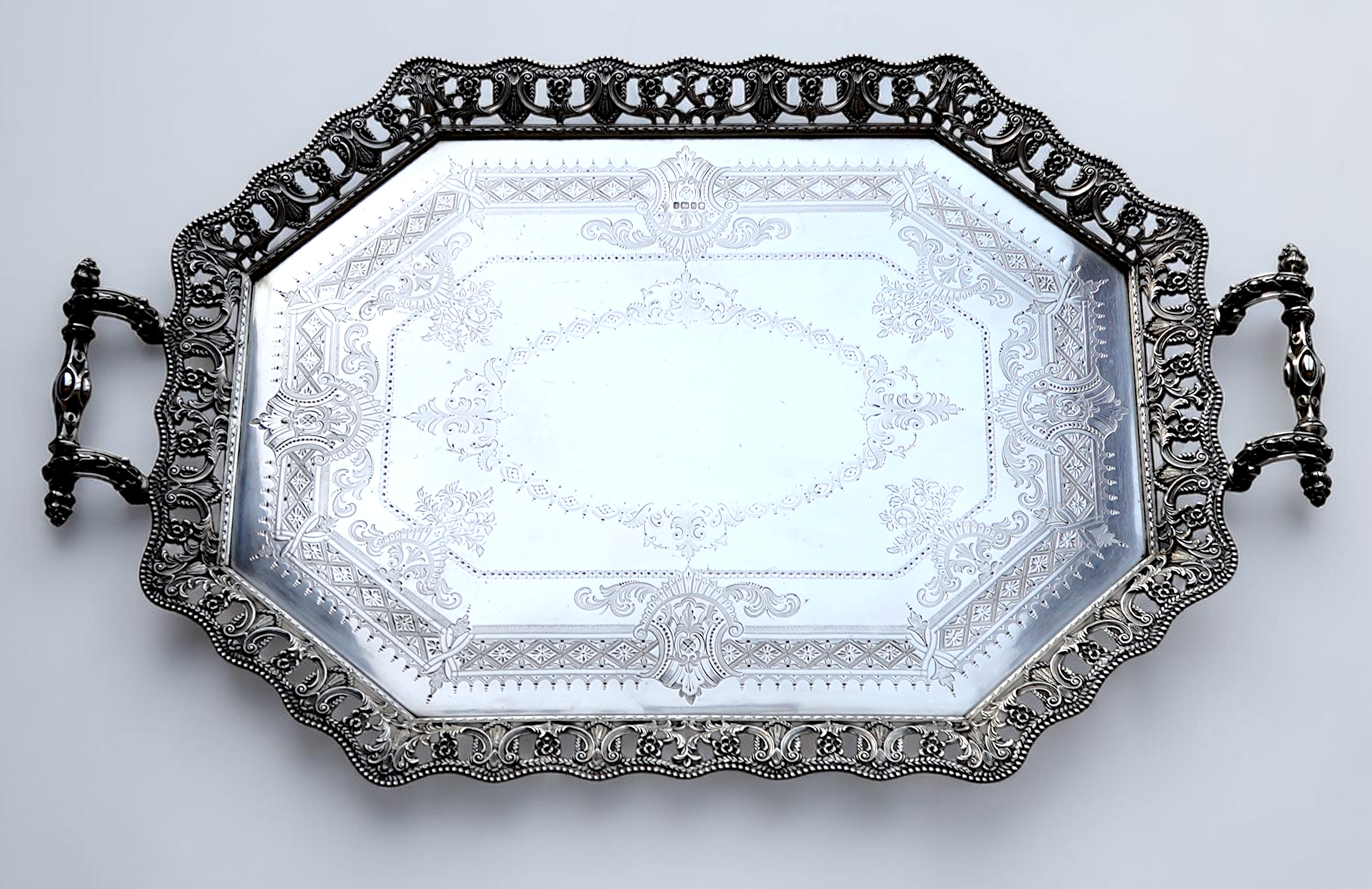
The second standout silver piece is a two-handled sterling silver gallery tray by Martin, Hall & Co., Sheffield, 1875, of extraordinary scale and quality: 5kg of richly engraved Victorian silver, the pierced foliate gallery and bright-cut ornament of the highest Sheffield workmanship. These two outstanding lots have a direct connection to a historically interesting early 20th century Melbourne provenance, the collection of Dr Ryan of Tara Hall, Studley Park Road.
Further silver highlights include a William IV seven-bar toast rack, an Edinburgh 1842 presentation salver, a Georgian marrow scoop & toddy ladle, a Georg Jensen Acorn caddy spoon, a Continental .800 cigarette case with fine beautiful enamel figural panel, and many more Sterling lots.
Gold Jewellery and Gems
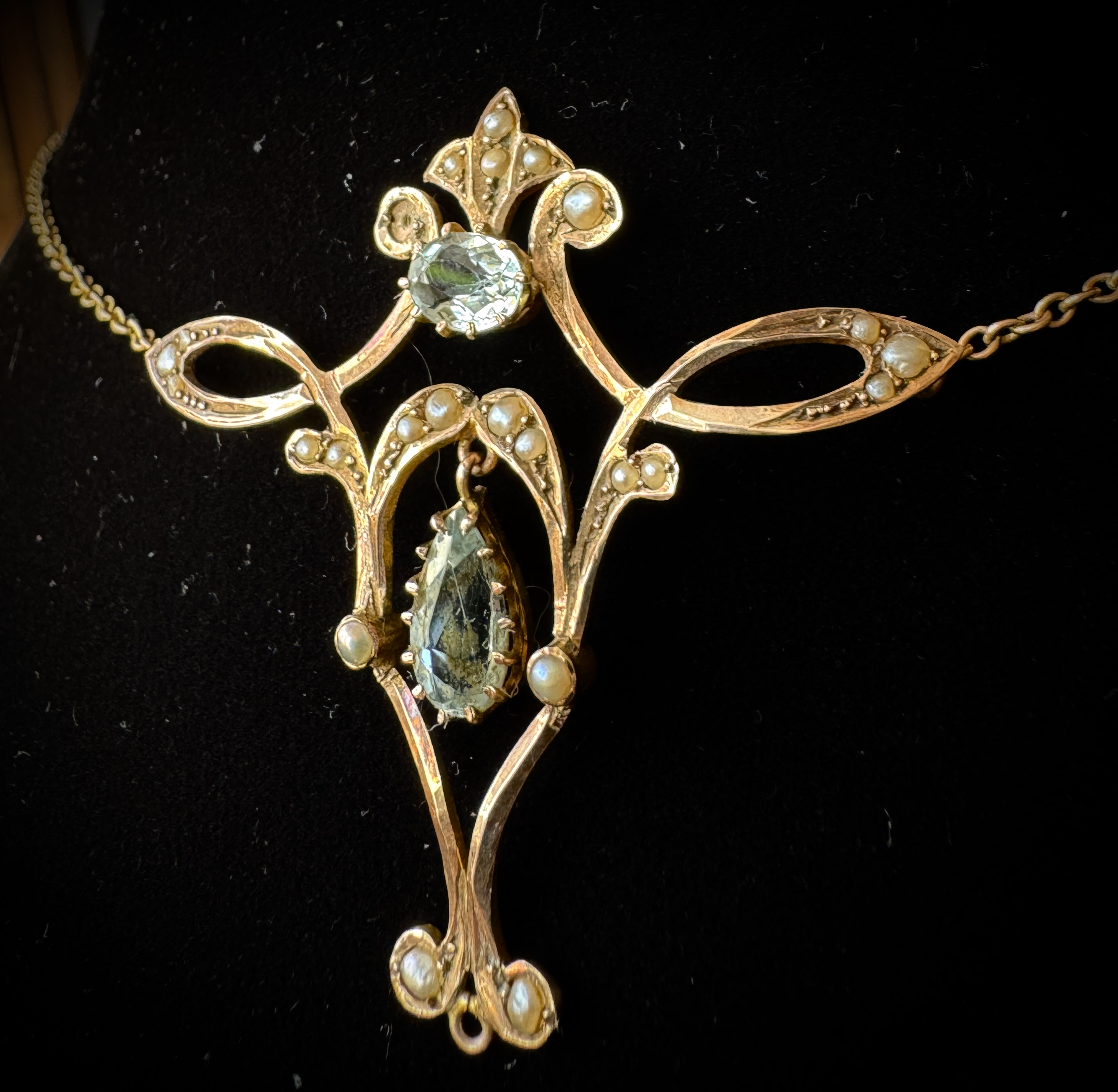
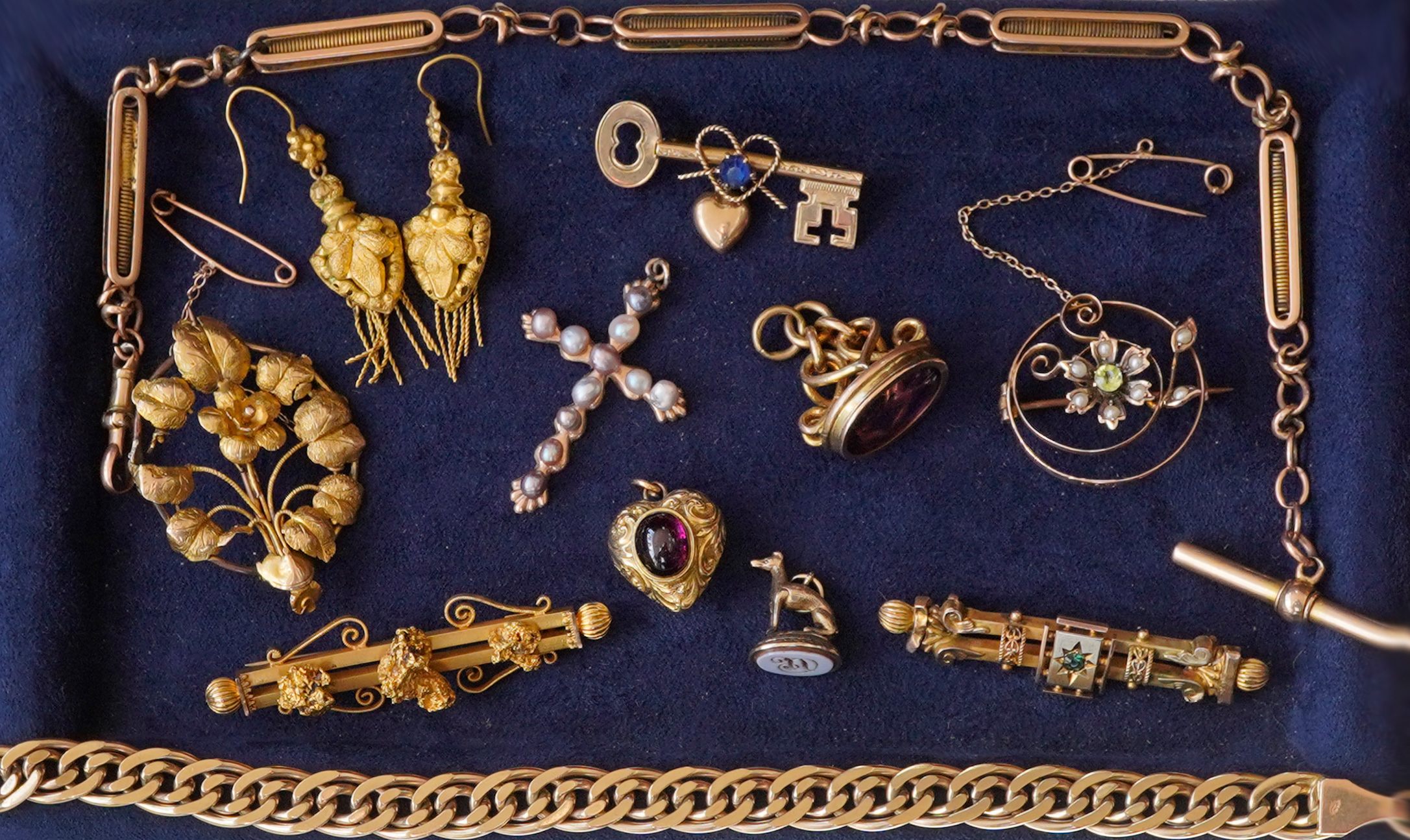
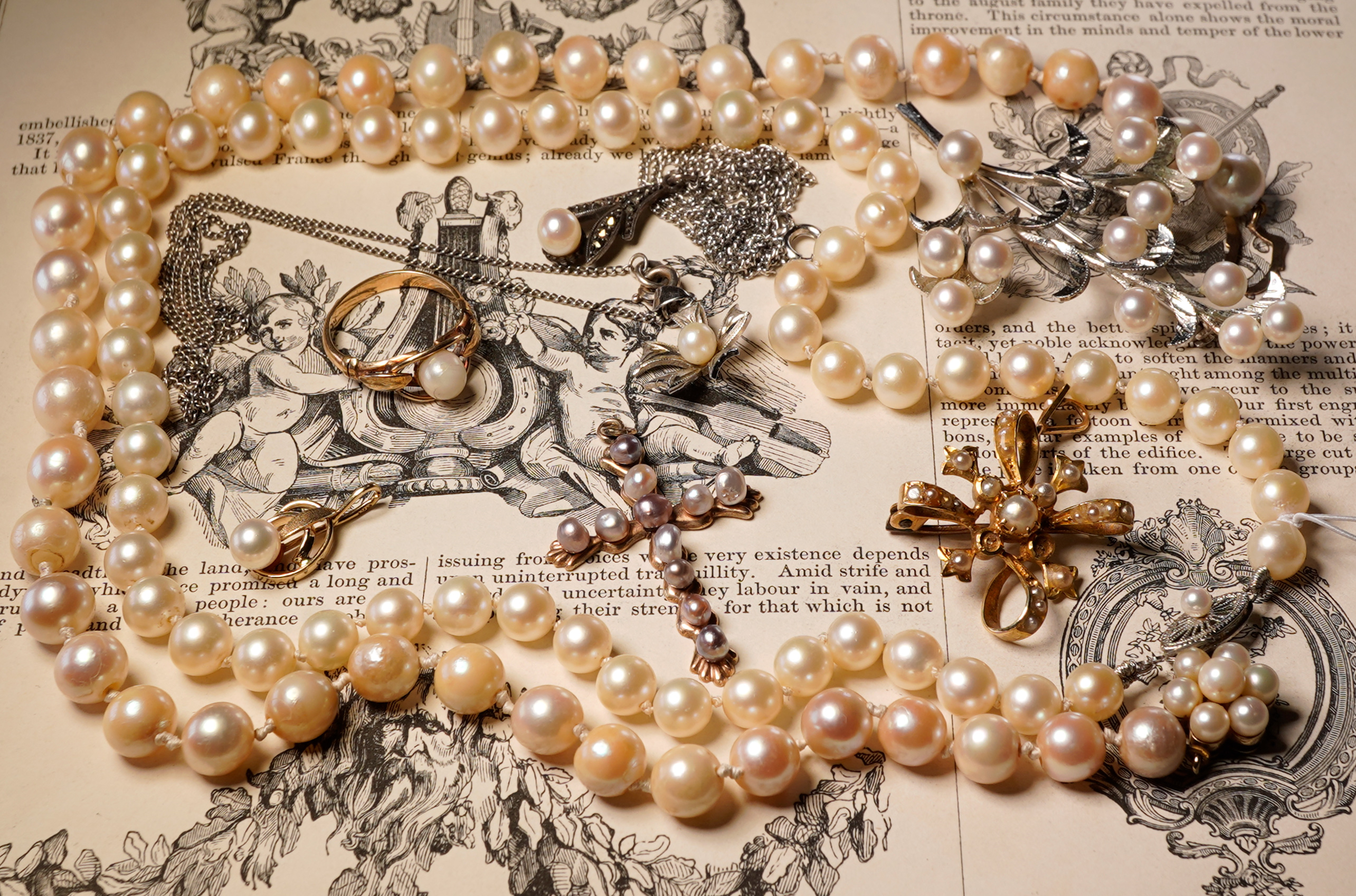
The ‘Vertu’ section is especially well represented in this sale. Colonial Australian gold is represented at its finest by an important 15ct gold bar brooch set with three substantial natural alluvial gold nuggets — unworked and rugged in their mounts, the contrast with the refined wirework frame capturing perfectly the romance of the Victorian gold rush. A more modern 18ct gold Cleopatra-collar necklace of 50.8 grams offers significant intrinsic and aesthetic value, while a Victorian 15ct gold Albert watch chain of 27.9 grams in engine-turned torpedo links represents the pinnacle of the English goldsmith’s art for masculine accessories.
Among the rings, highlights include an 18ct gold three-stone diamond ring, an 18ct Ceylon sapphire and diamond cluster ring with bright cornflower-blue stone of approximately 2.25 carats, an 18ct Birmingham 1870 turquoise, pearl and rose-cut diamond dress ring, and an exceptional 18ct gold sculptural ring by Sandy Kilpatrick of 22.2 grams. Loose gemstones include a cushion-cut aquamarine of approximately 10.45 carats of excellent clarity.
Glass – including Uranium
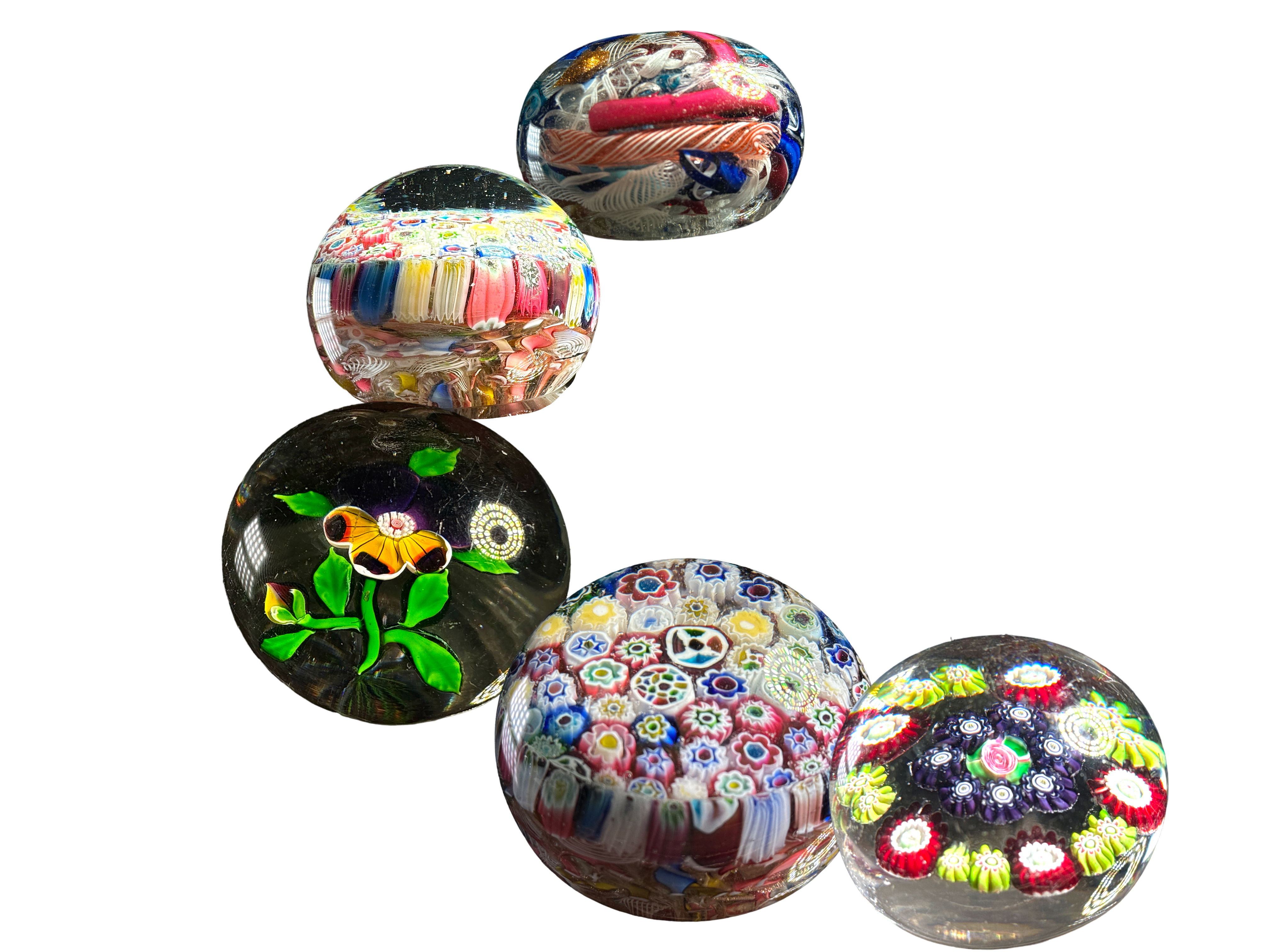
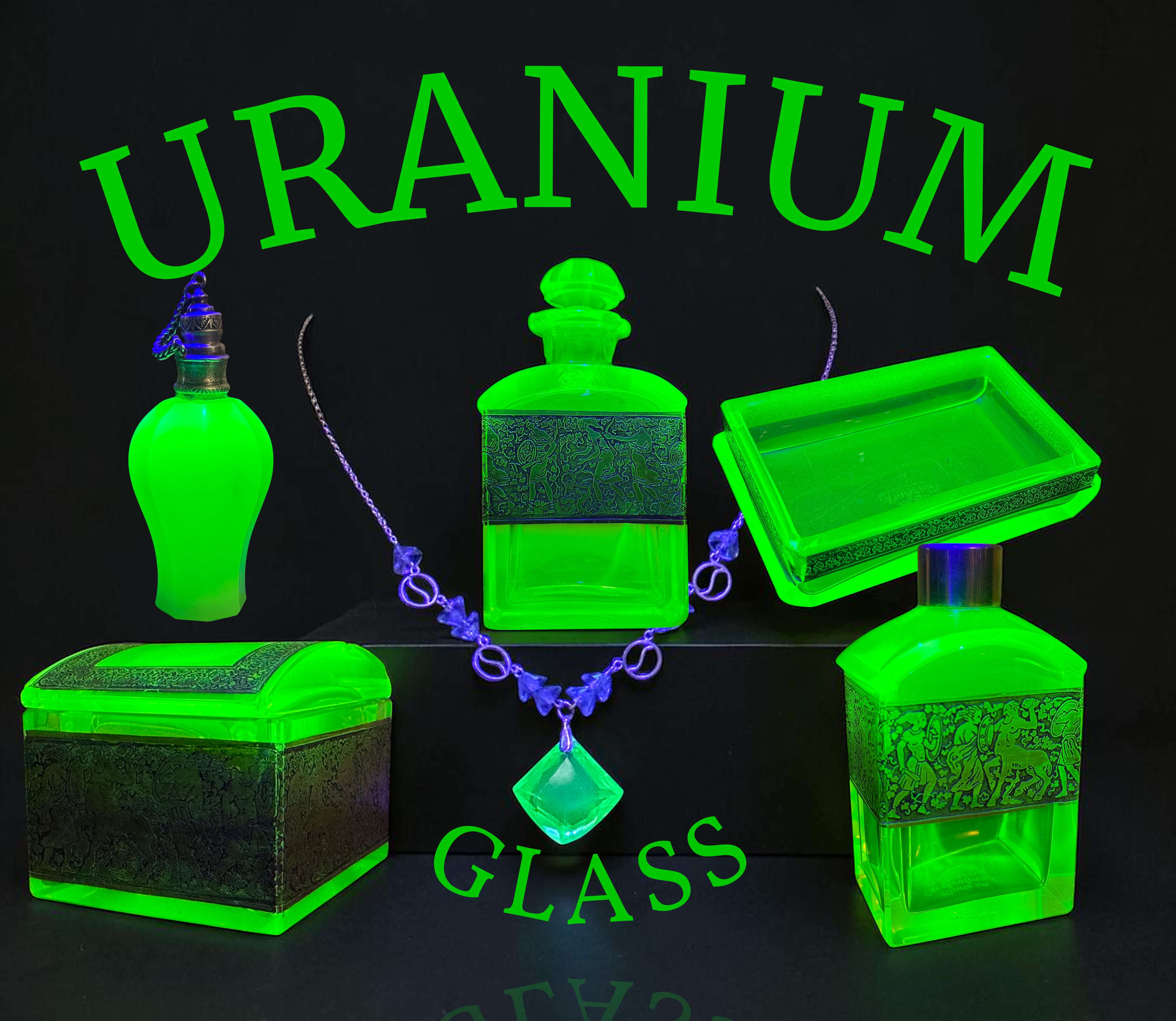
A stylish collection of Art Deco glassware includes figural flower bowls by Muller & Co, Walther & Sohne, and Sowerby. Most startling is a part Moser of Karlsbad dressing table set with acid etched panels, which comes to life under a UV blacklight: they are made from Uranium Glass, rarely seen in this quality. A small perfume is an even earlier piece, and a gold mounted necklace with a large Uranium cut ‘gem’ shows the value placed on this remarkable material in the early 20th century.
Horology
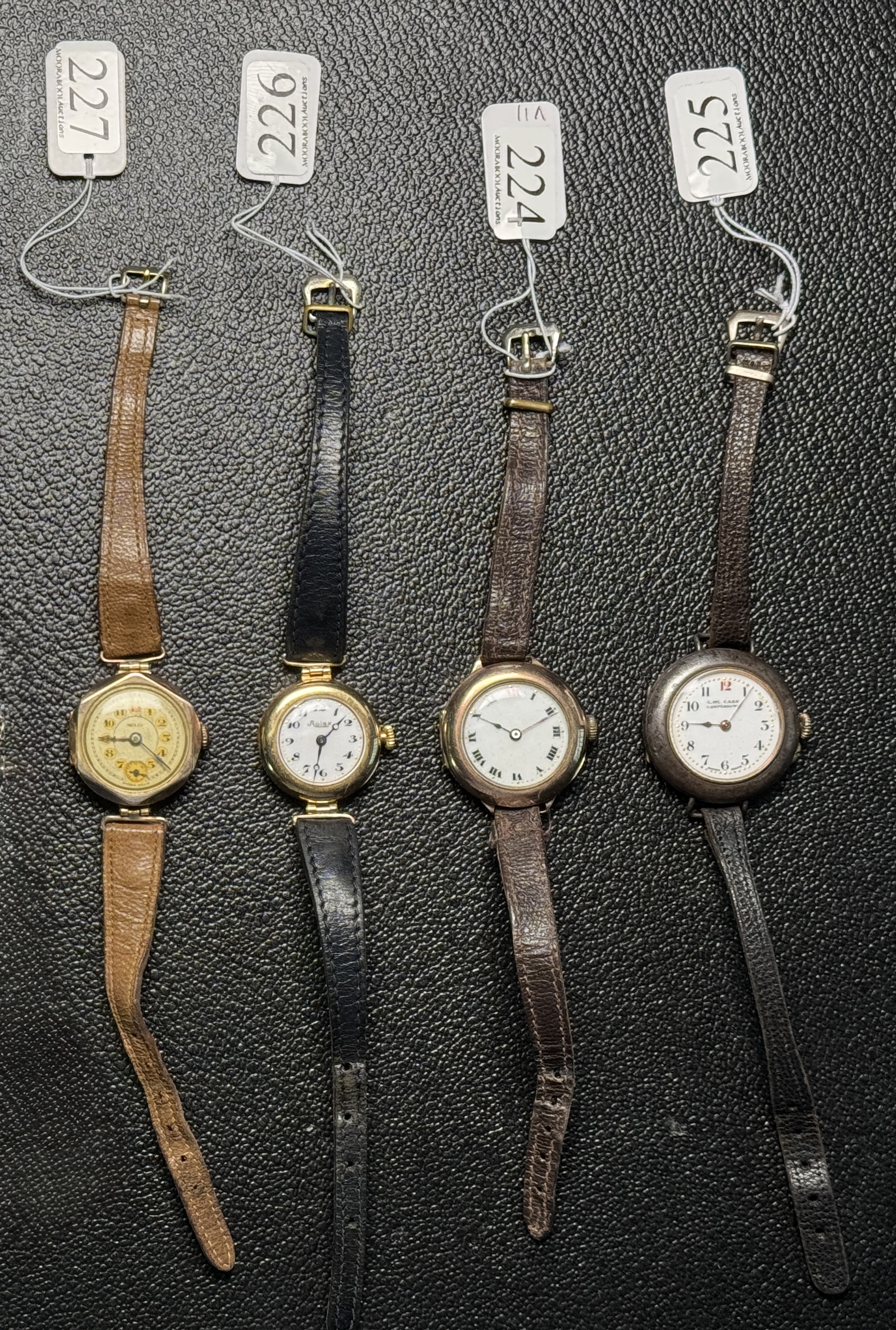
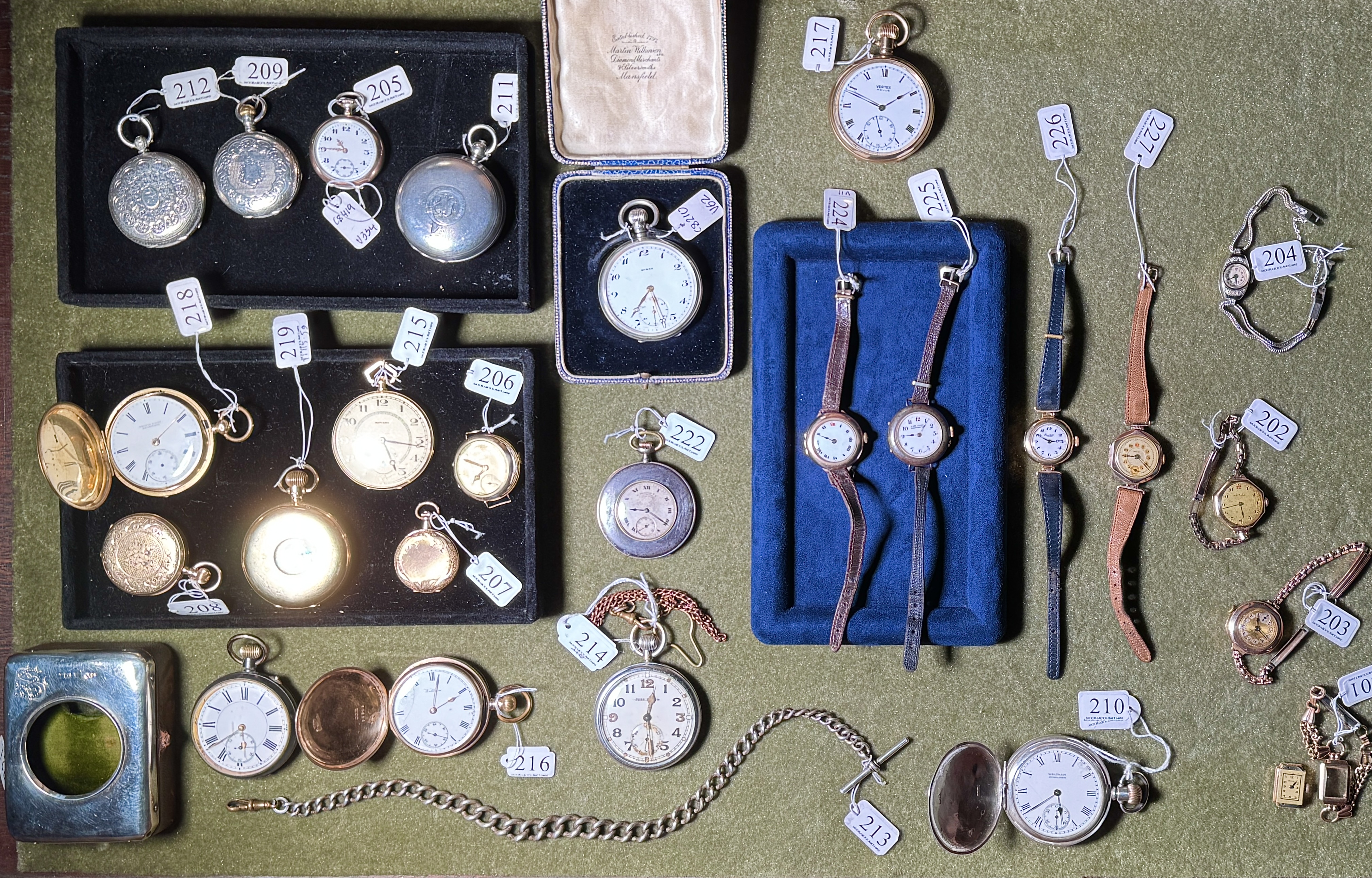
A rare 9ct gold Rolex officers’ trench wristwatch from the Wilsdorf & Davis period, c. 1916, with Aegler Rebberg movement and the characteristic red XII marker, opens a strong watch section. A Movado 18ct gold open-face pocket watch with Grand Prix Bruxelles 1910 engraved to the dust cover is offered from a local estate inheritance, running well. The Zenith 18ct gold half-hunter, c. 1925, with total weight of 115.5 grams including movement, carries a reserve set to reflect substantial intrinsic gold value. Further Rolex pieces include a gunmetal open-face pocket watch retailed by William Drummond & Co., Melbourne, c. 1908–1913. Lady’s watches include an Omega Seamaster Aqua Terra with full box and papers.
Works of Art and Sculpture
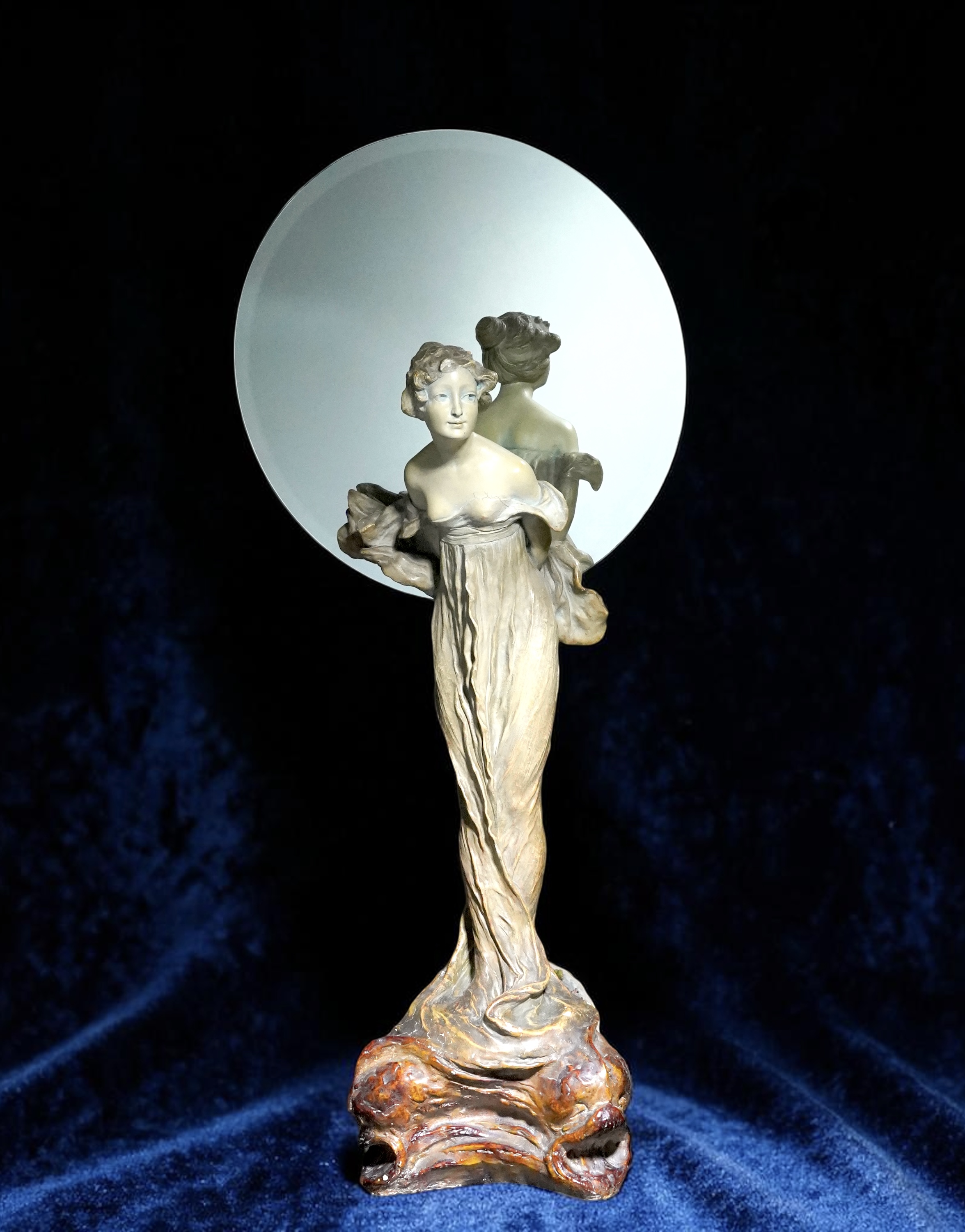
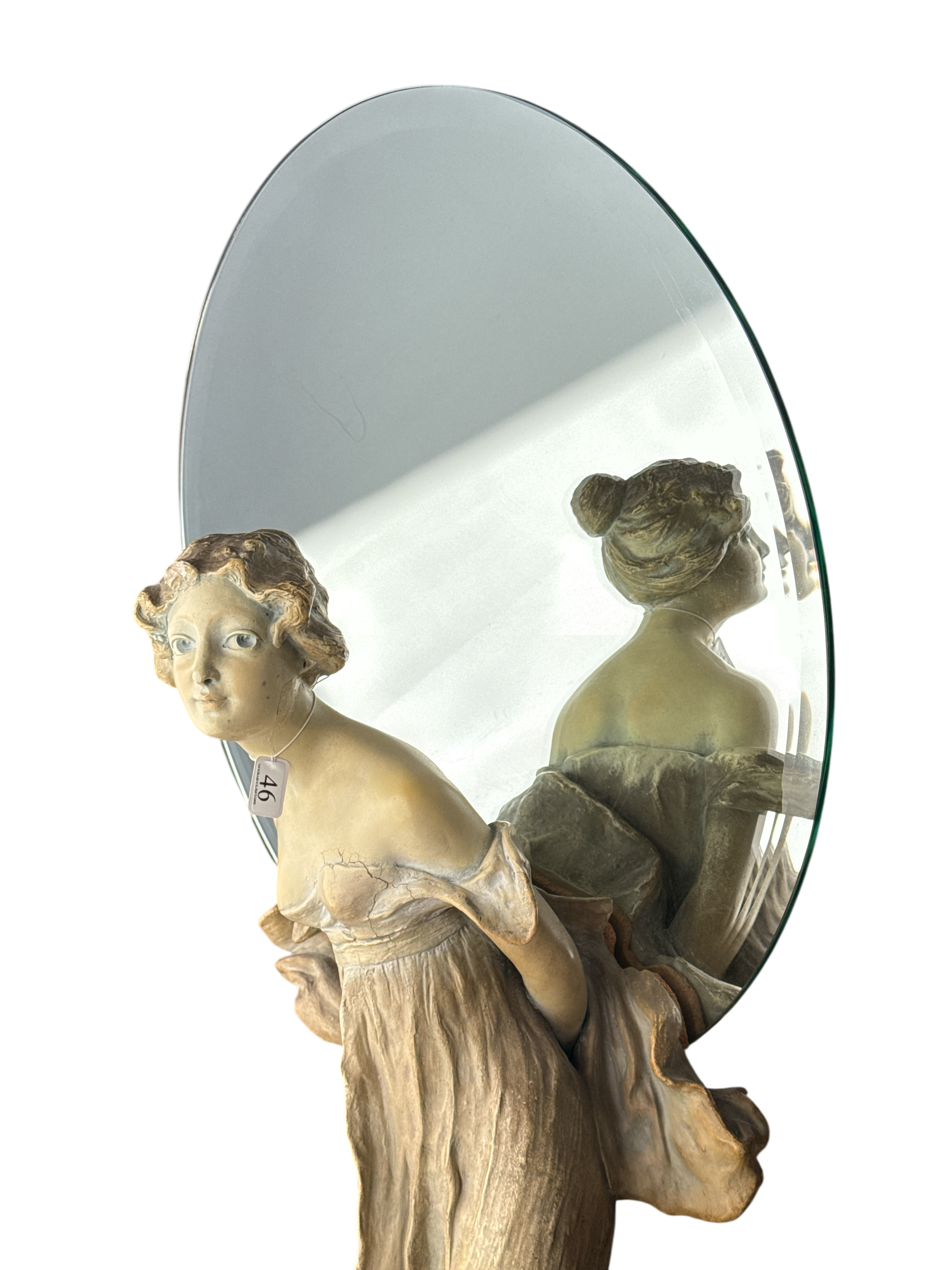
A large Continental Art Nouveau cold-painted terracotta figure of an elegant young woman holding a circular mirror, standing over a metre high and raised on a naturalistically modelled base with dolphin heads, is among the most visually striking decorative objects in recent Moorabool sales. A Chinese Qing dynasty Official’s Hat armchair in hongmu hardwood with elaborate openwork deer-and-lingzhi back splat is offered from an old Geelong family collection.
Asian Works of Art
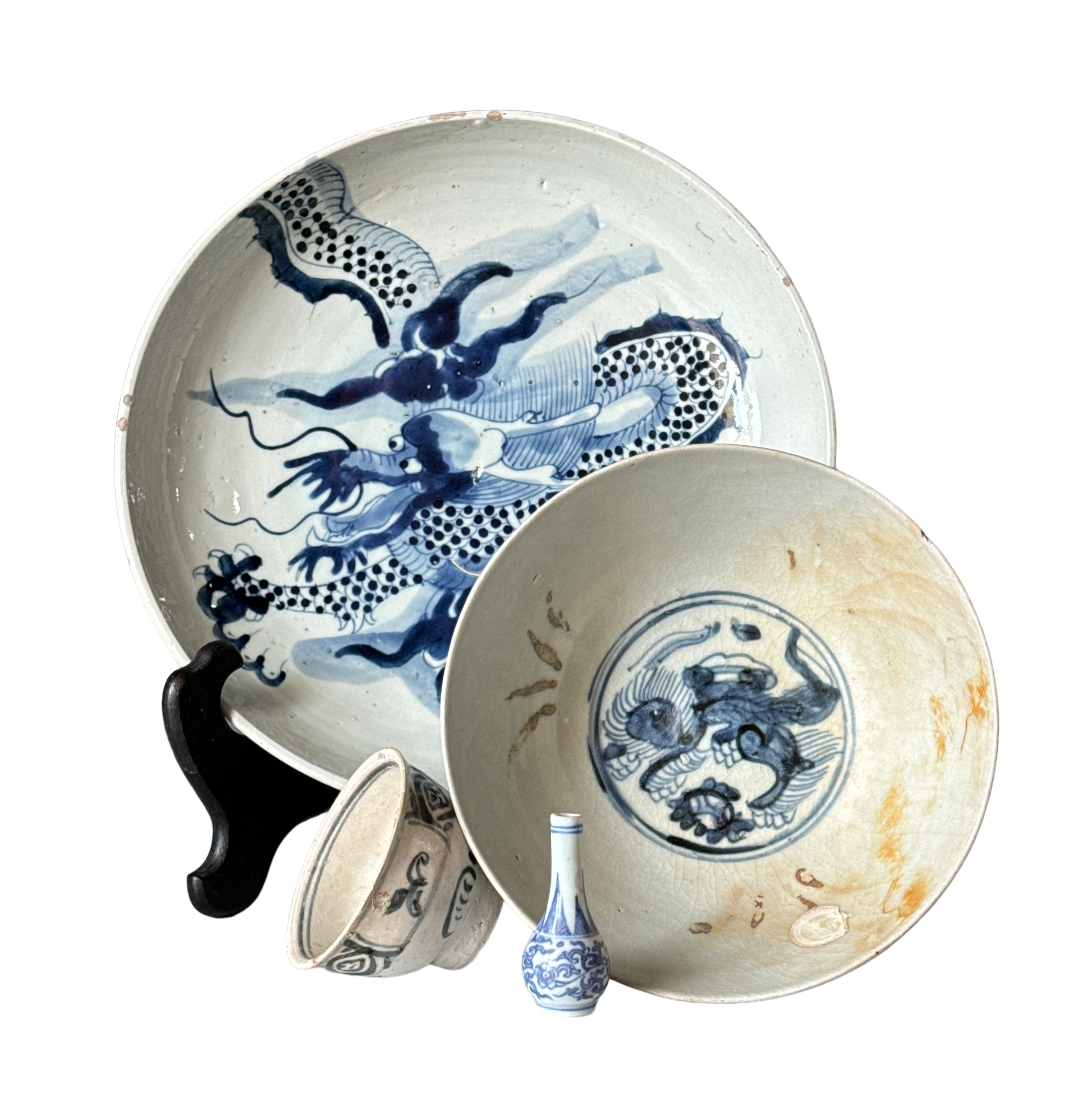
Early Asian ceramics from a single collector’s estate (active in SE Asia in the 1980’s) form a specialist section of genuine depth. A Khmer stoneware baluster pedestal vase of the Angkor period (11th–12th century), covered in iron-brown glaze with comparable examples in the Musée Guimet and the National Gallery of Victoria, is the outstanding piece. Ming dynasty Zhangzhou export wares include a qilin dish, a susancai lidded box, and a pair of blue and white vessels. Thai Sawankhalok stoneware runs to eight lots including a large animal-finial storage jar and a mangosteen-form lidded box. Vietnamese Chu Dau and Chinese Longquan celadon are also represented.
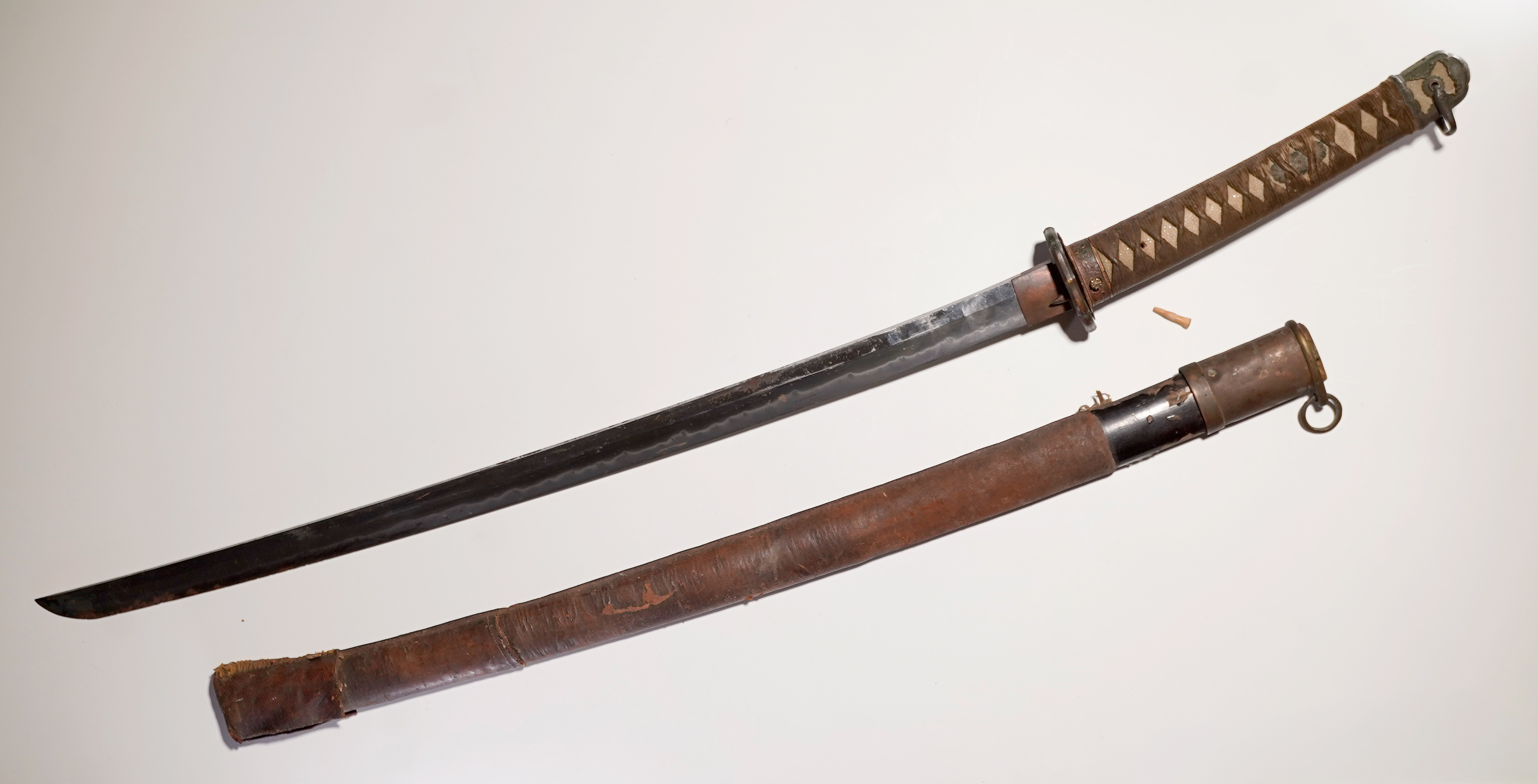
A Japanese katana brought back from WWII by a RAN soldier and recently discovered in his shed turns out to be an important historical piece, bearing the signature of Fujiwara Kanefusa, 23rd generation (Katō Kōichi, 1900–1977). He was one of the most decorated swordsmiths of the wartime era, ranked first seat at the 6th Exhibition of Swords (1941) and awarded kibin no retsu at the Tosho Banzuke (1942) — the highest competitive honours available to an active Japanese swordsmith.
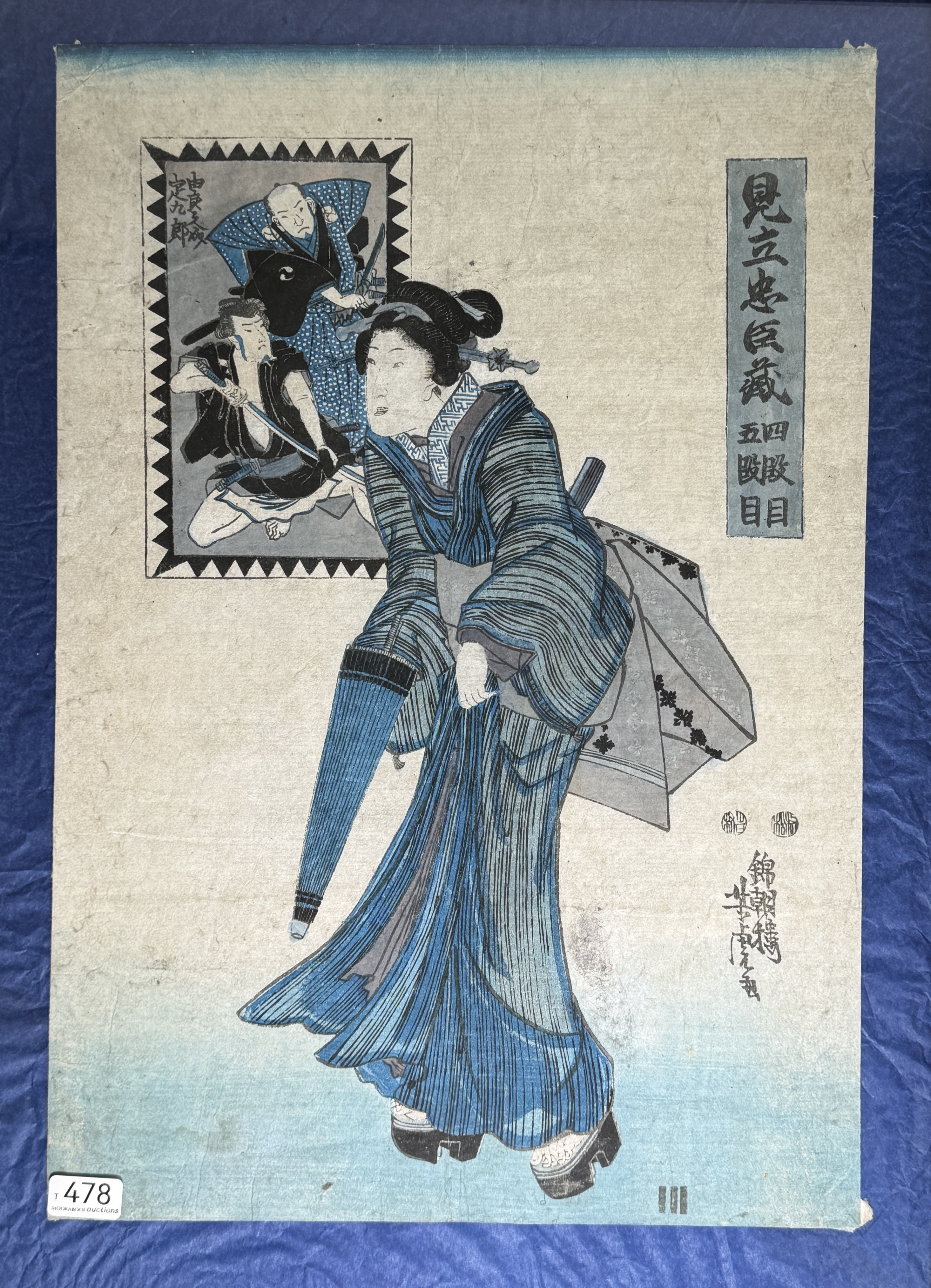
A rare Edo-period woodblock print (nishiki-e) by Utagawa Yoshitora, c. 1847, from the Mitate Chūshingura series, rounds out the Asian section.
Indonesian Textiles
From the same collection as the ceramics come twenty-five lots of Indonesian ceremonial textiles, including East Sumbanese hinggi kombu with horse, deer and rooster iconography, Palembang limar songket, Torajan sekomandi ceremonial cloth, Javanese batik tulis, and cloths from Flores, Timor and the Solor-Alor archipelago — all in natural morinda and indigo dyes.

Furniture
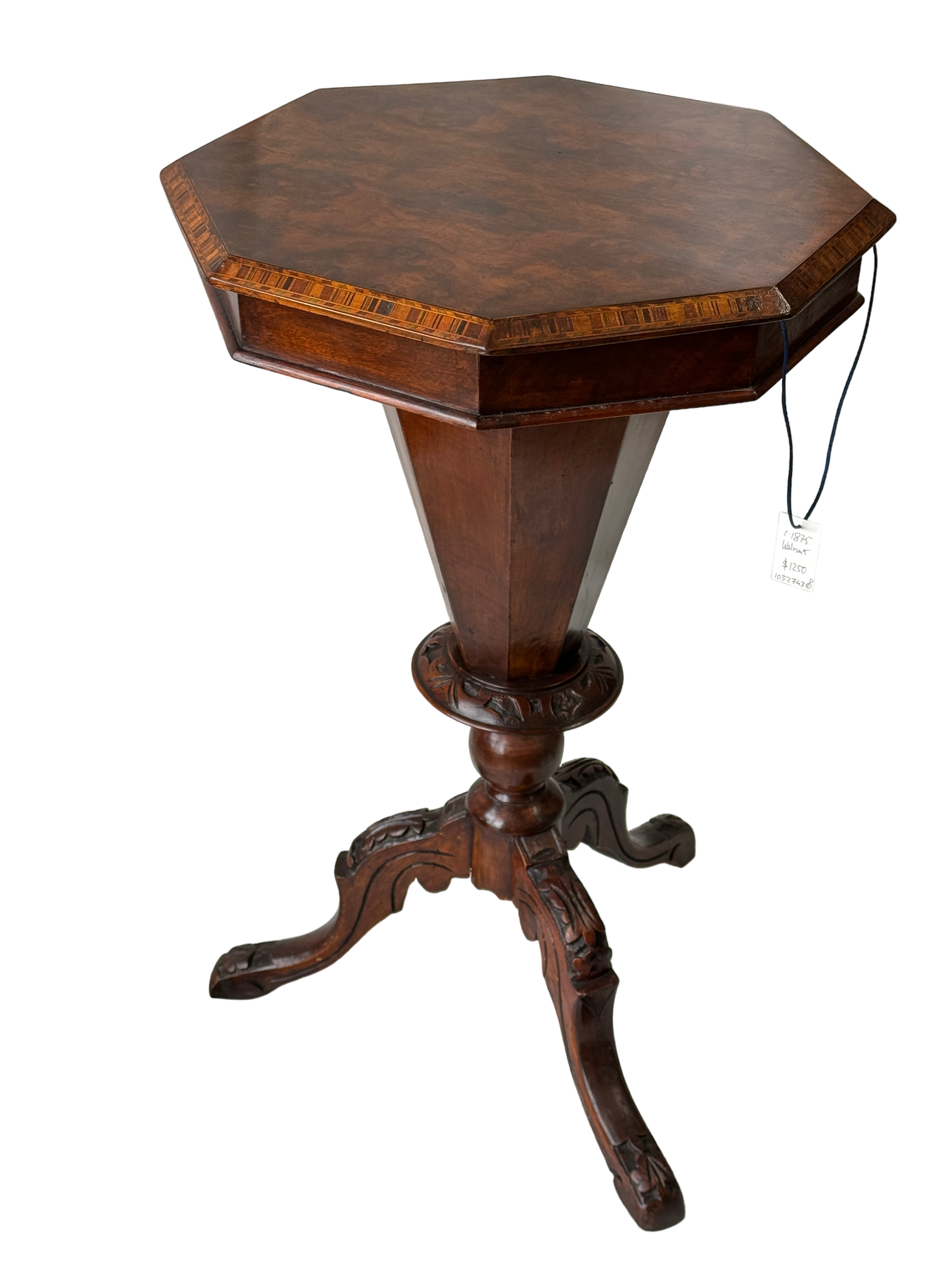
Notable furniture includes a large Victorian ebonized Aesthetic Movement cabinet with japonesque gilt decoration and bevelled mirror doors; a French carved walnut armoire of monumental scale with original bevelled mirror plates; a rare Art Deco dining suite of burr birch veneer with possible Victorian Railways provenance, including extending table, eight chairs and matching sideboard; and an Australian cedar chevalier mirror, a 2-drawer desk & a large partners desk.
Books, Coins, Banknotes
Australian colonial books include some with an 1850’s provenance of Parliament of Victoria Library, including a rare first edition of Barrett Browning’s Aurora Leigh, 1857, and Legislative Council of Victoria library bindings on a ‘Jerdan Autobiography’ four-volume first edition. Coins include an Imperial Russian collection staring a gold 1898 5-rouble, alongside a collection of Australian gold sovereigns, Roman coins, and some fascinating French Revolutionary period coins. Banknotes span Soviet, Chinese, Imperial Russian, Caribbean, Hong Kong, and early Australian decimal issues including a consecutive DJF one-dollar run.
And of course, there are numerous ‘bargain box lots’ to discover.
Sale Details & Catalogue
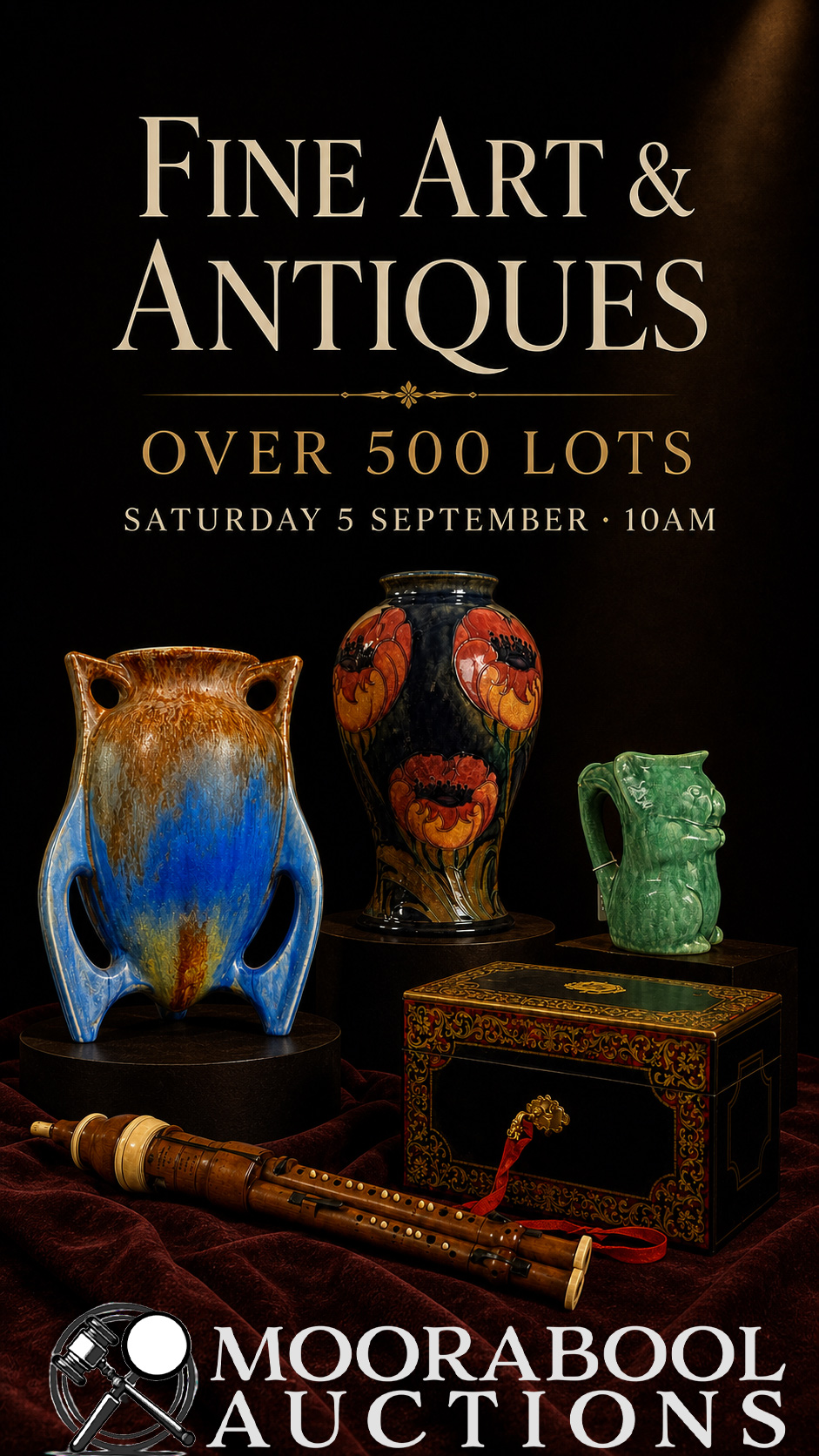
This is a sale you can attend in person, or follow the action via our live streaming service on Invaluable.
Sale is to take place on Saturday 2nd May,
starting at 10am.
16-18 Ryrie St, Geelong
ph 03 52292970
This is a sale you can attend in person, or follow the action via our live streaming service on Invaluable.
Bidding can be done in the rooms, or online using the Invaluable app. We also offer absentee bidding, and in some cases telephone bidding.
Commission via invaluable is 23% hammer price; our in-house commission is 20%. There are no other fees.
Shipping is mostly possible in-house. We assume all addresses outside Victoria will need shipping, and send an invoice in the days following the sale.