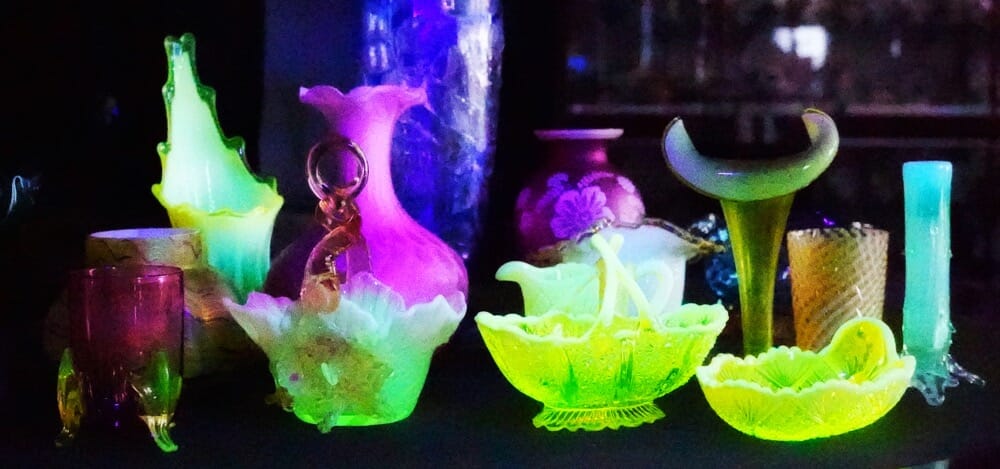
Yes, these pieces are so radioactive they glow! With the help of a ‘black light’ Ultraviolet torch, these innocent yellow pieces with the whitish ‘Vaseline’ finish really put on a show. But no need to be alarmed – the radiation they emit is a tiny fraction of a percent of our everyday experience, where the sky, the ground, and the items we interact with emit some degree of radiation. It’s just that these ‘Uranium Glass’ pieces are so pretty!

As a result, they’re well collected.
Originally, Uranium was a curious mineral, often a bi-product of metal mining and with no real use. Glass blowers found it gave a tint to glass, inventing a use for it – of course, the fluorescent nature under UV light was still hidden until this modern age.

There’s an ancient Roman instance of Uranium in glass, with some mosaic tiles in a Bay of Naples Villa having 1% Uranium Oxide. During the Middle Ages, it appears in German glass as a tinting agent, and continued up into the Victorian era, particularly in the Bohemian works of Franz Xaver Riedel, who named his product after his daughter Anna – hence ‘Annagrün’ (Anna yellow-green) and ‘Annagelb’ (Anna yellow)! This pioneering commercial effort lasted 1830-48, by which time many other European glassmakers were copying the method.
France and England were prolific in the late 19th century, and America came to love their radioactive wares.

circa 1890
Then came the Atomic Bomb, and the Cold War; suddenly the Uranium was the ‘hottest’ commodity on the planet, and a strategic resource; the US confiscated all supplies as they pushed on with their nuclear ambition.
These days, there’s plenty of Uranium around – but putting it in your glassware isn’t really done!
We have an interesting selection of Uranium Glass in stock.
See the Uranium Glass Collection here >>




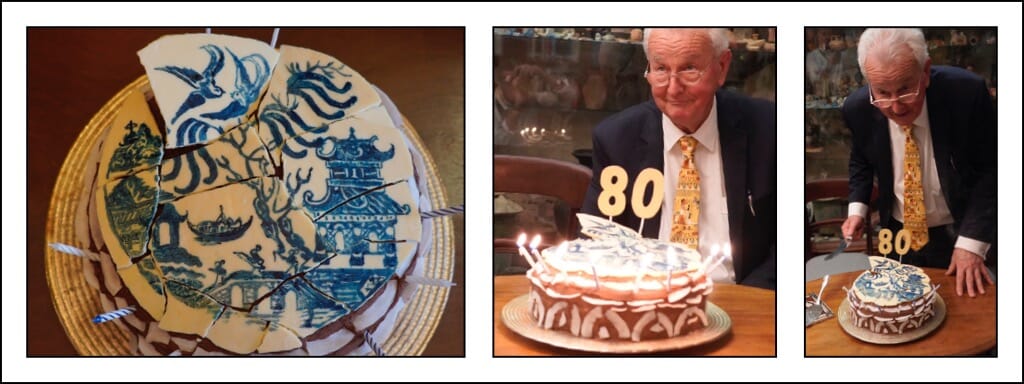

 – through 59 consecutive years exhibiting, including the boom years for Antiques in the 1980’s-90’s…. fast-forward to 2019 and there was no Dealers Association Antique Fair held, breaking his 59-year consecutive stretch… a reflection on the shrinking Antiques Market.

 Then comes the ‘big one’ –





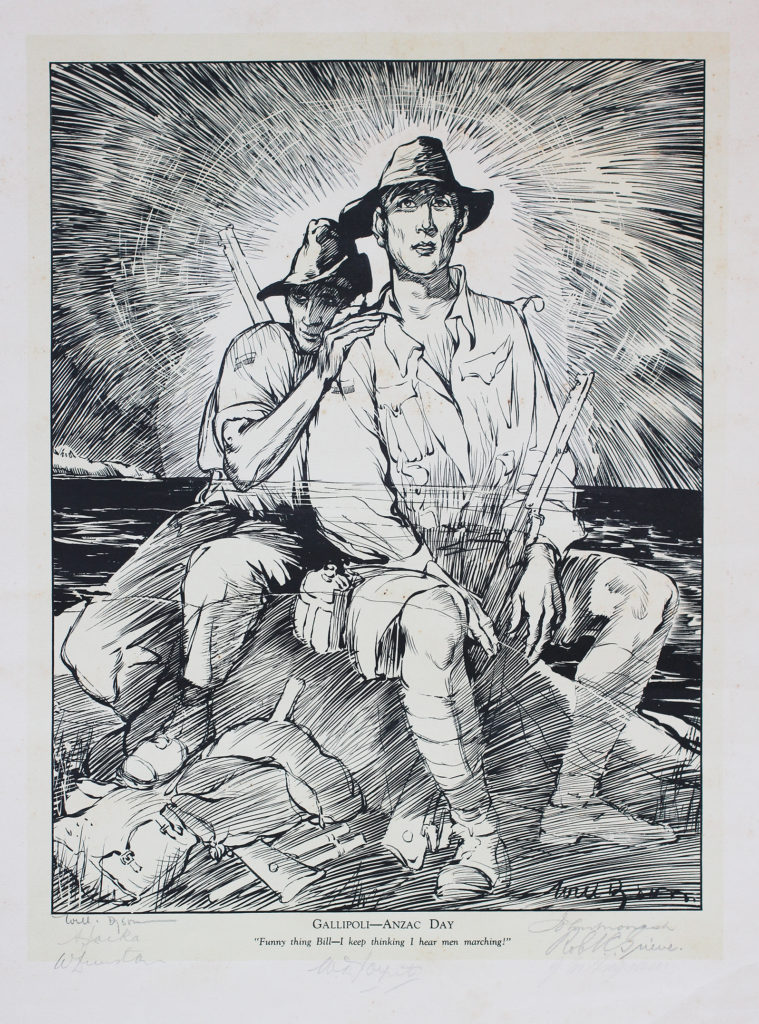
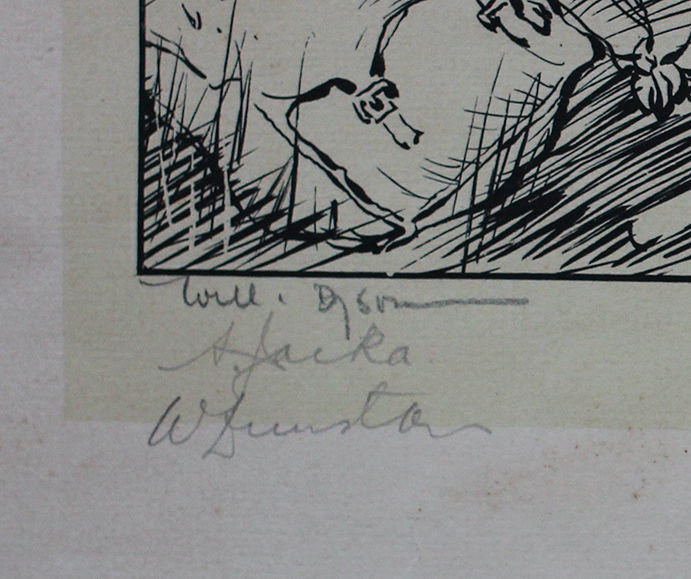
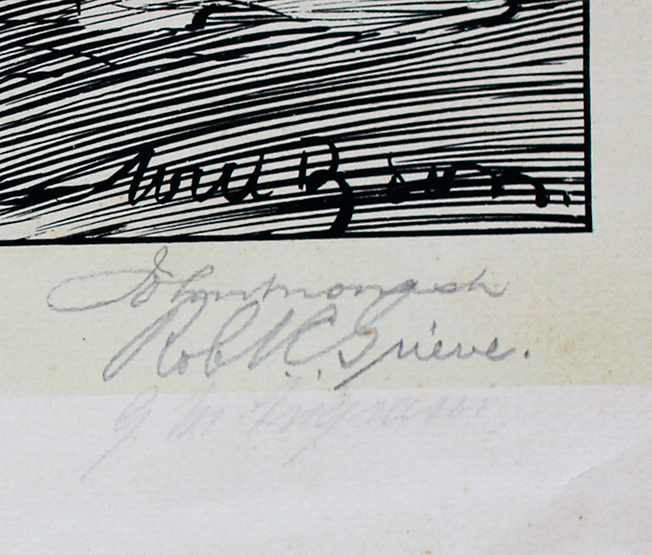


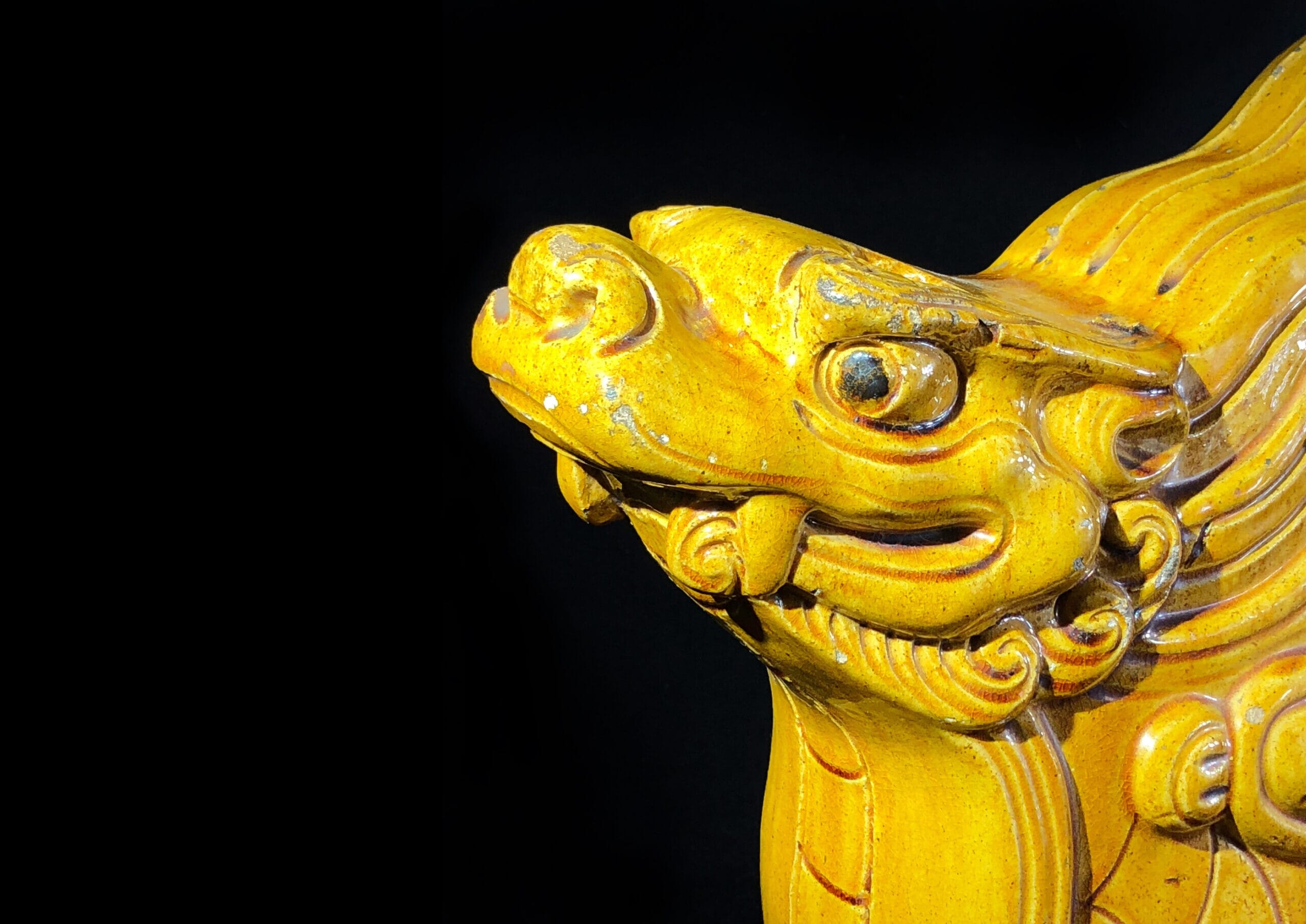
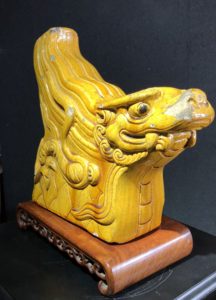


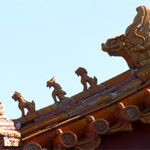
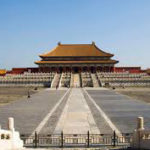
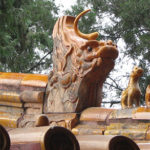
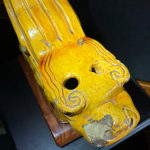 What’s interesting are their intact ‘horns’, missing from ours. Examine our head and you will see the two holes they were once inserted into.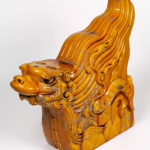
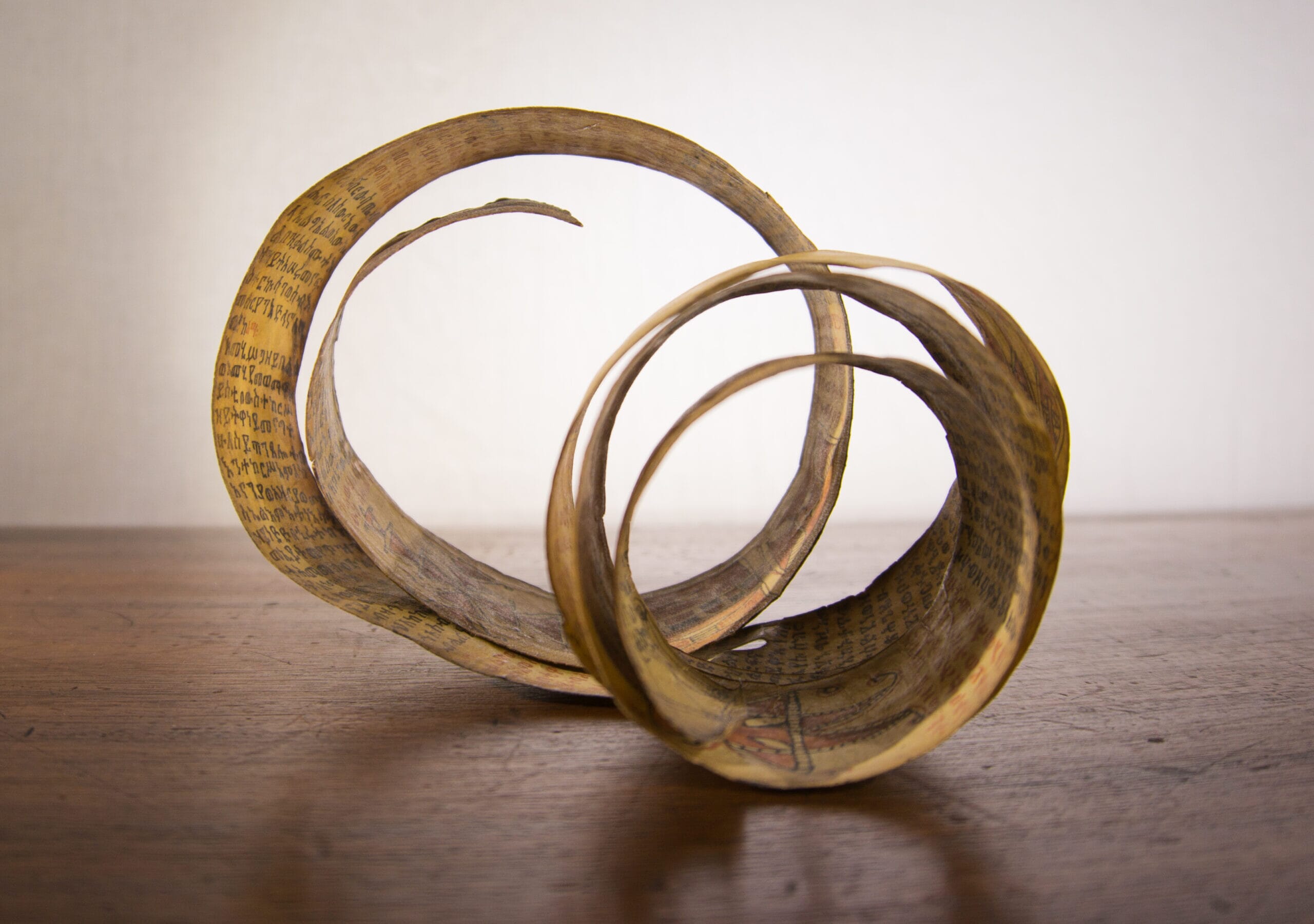

 The Abyssinia Expedition has been described as “one of the most expensive affairs of honour in history”. The honor of course was the British Empire’s. They were caught up in a difficult situation in a far-off foreign land; a local ruler, Tewodro, had sought help from the powers of the day to consolidate his power over present-day Ethiopia – in particular, he was after technology, realising that modern weapons would swiftly defeat his tribal competitors. He tried Russia, Prussia, Austria, the French, and the English. Queen Victoria sent

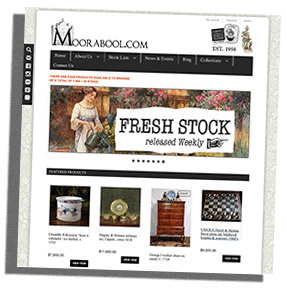


 If you’re wanting to save items, there’s a ‘wishlist’. These save to an account you make – we strongly recommend making an account, which will save your wishlist and your shipping details for any purchases. It will also keep track of these for you!
 Drop in to our site and have an explore. There’s an ‘enquiry’ button on each page, and please feel free to send a message. As it is a new setup, if something doesn’t quite work or seem right…. let us know!