Posted on

Fresh Stock at Moorabool Antiques

18th century enamel bird at Moorabool Antiques, Geelong

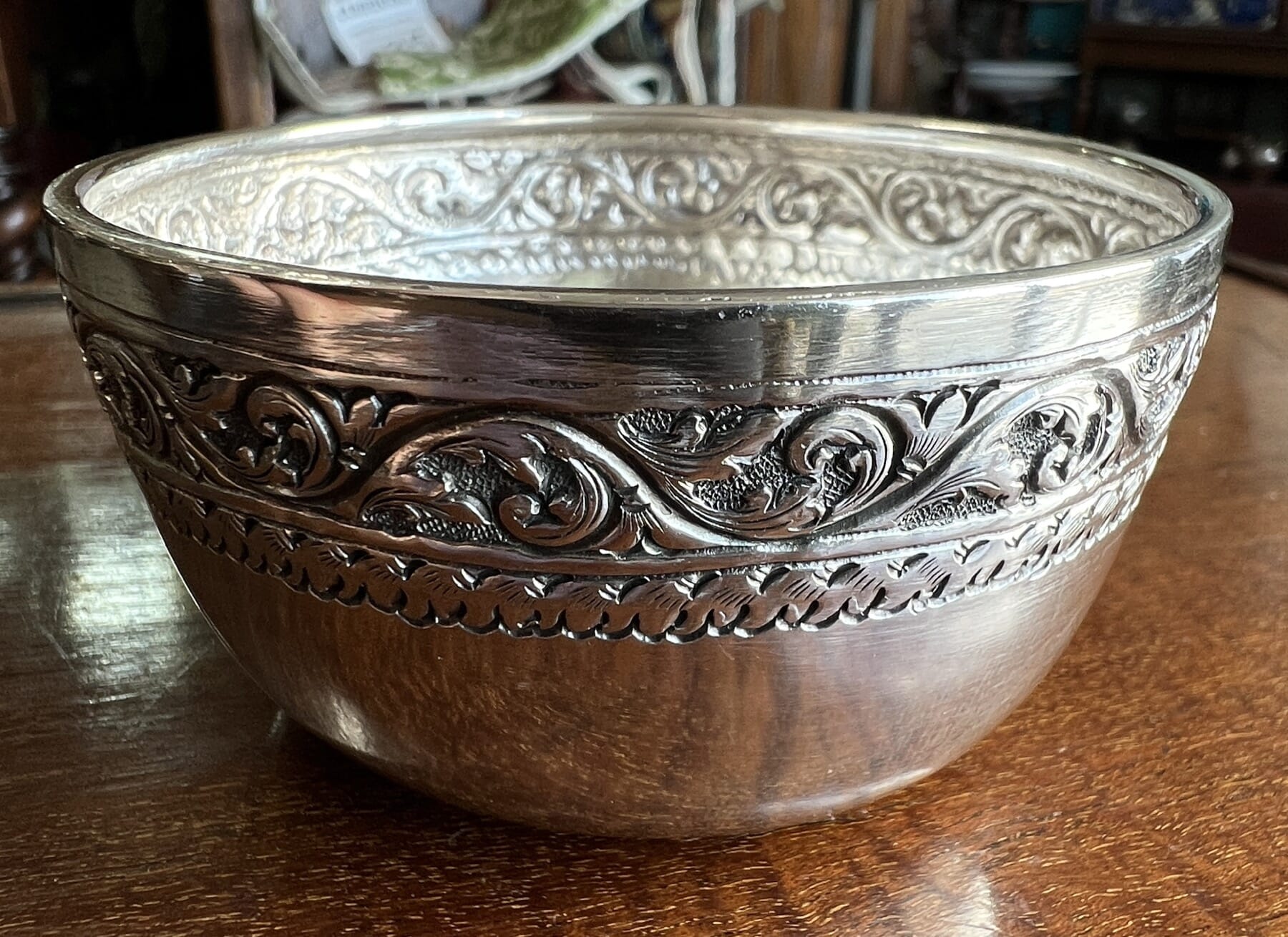
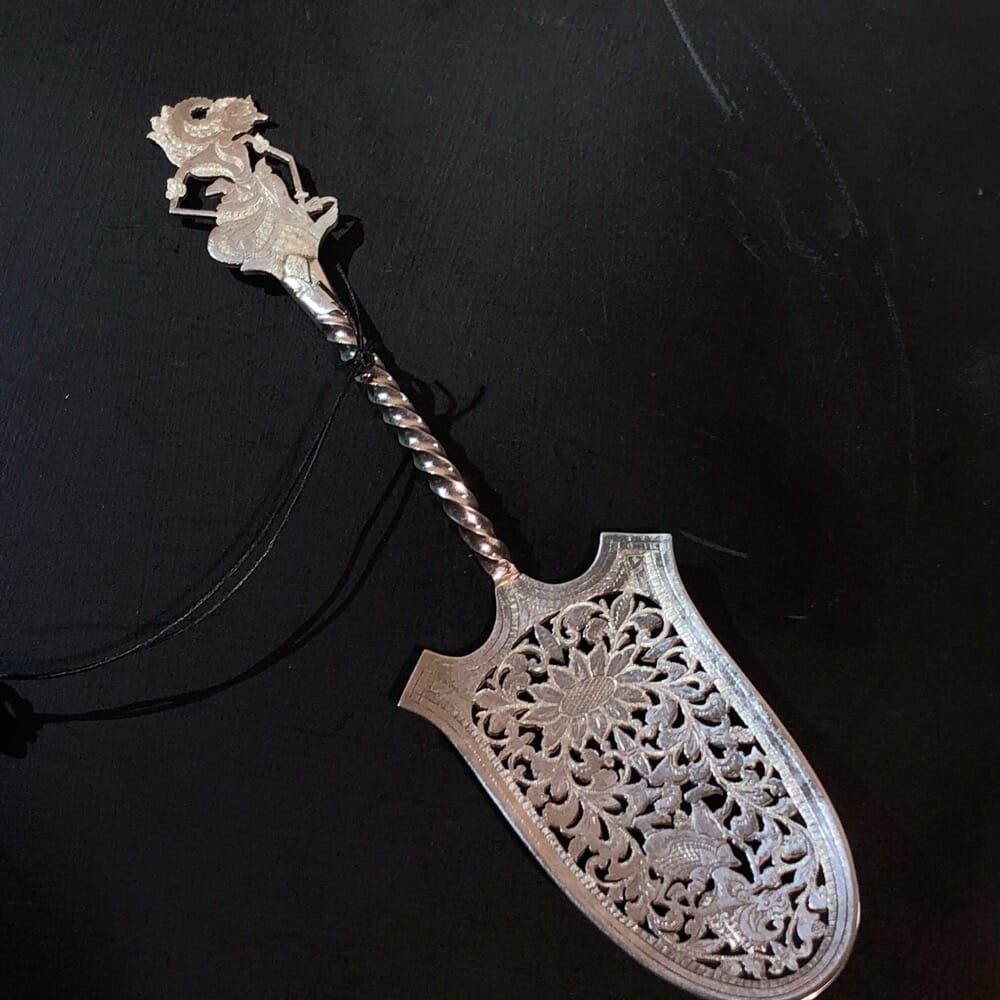
18th Century Enamels – Asian Silver – Antiquities & Fossils – plus more!
All fresh to stock, April 28th, 2023.

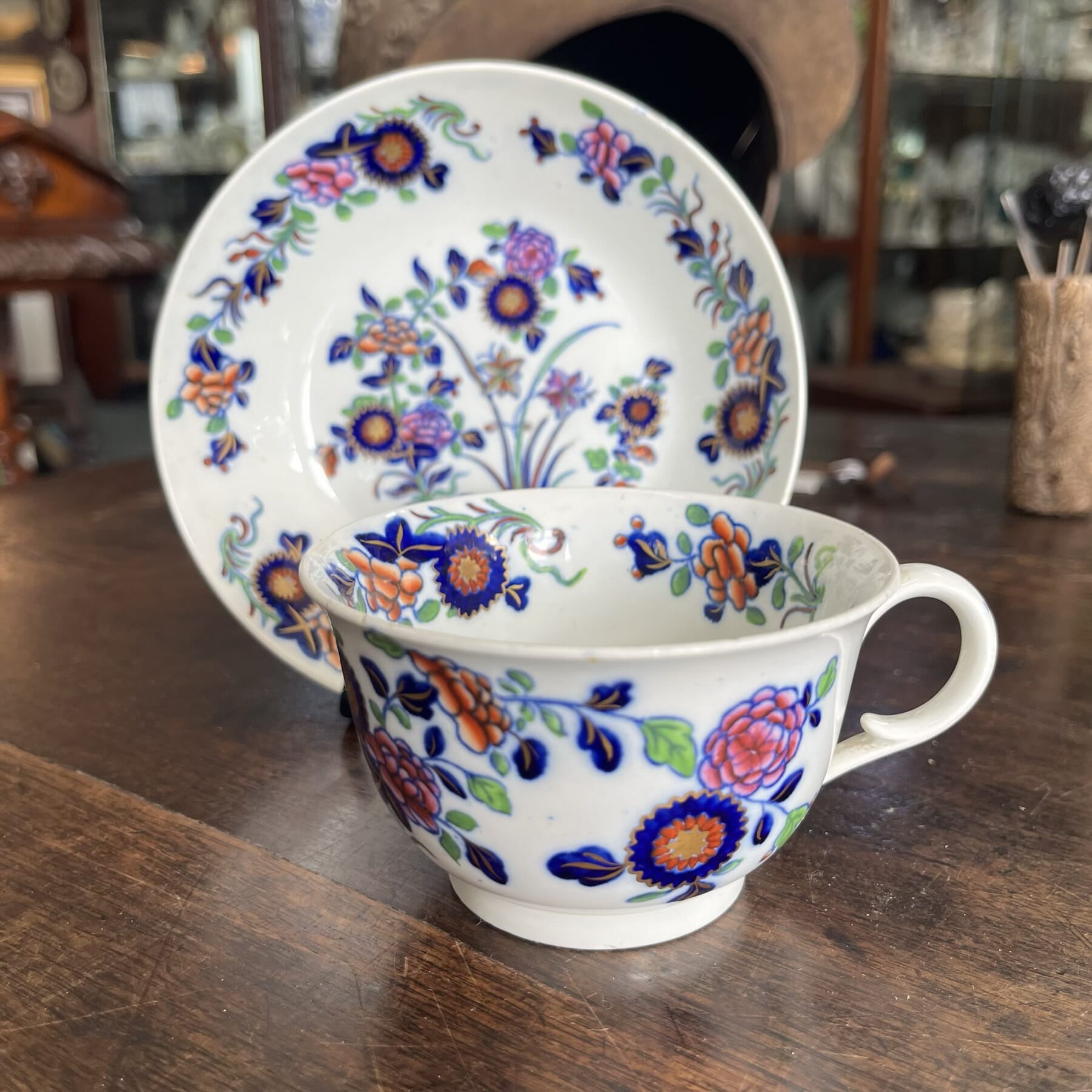
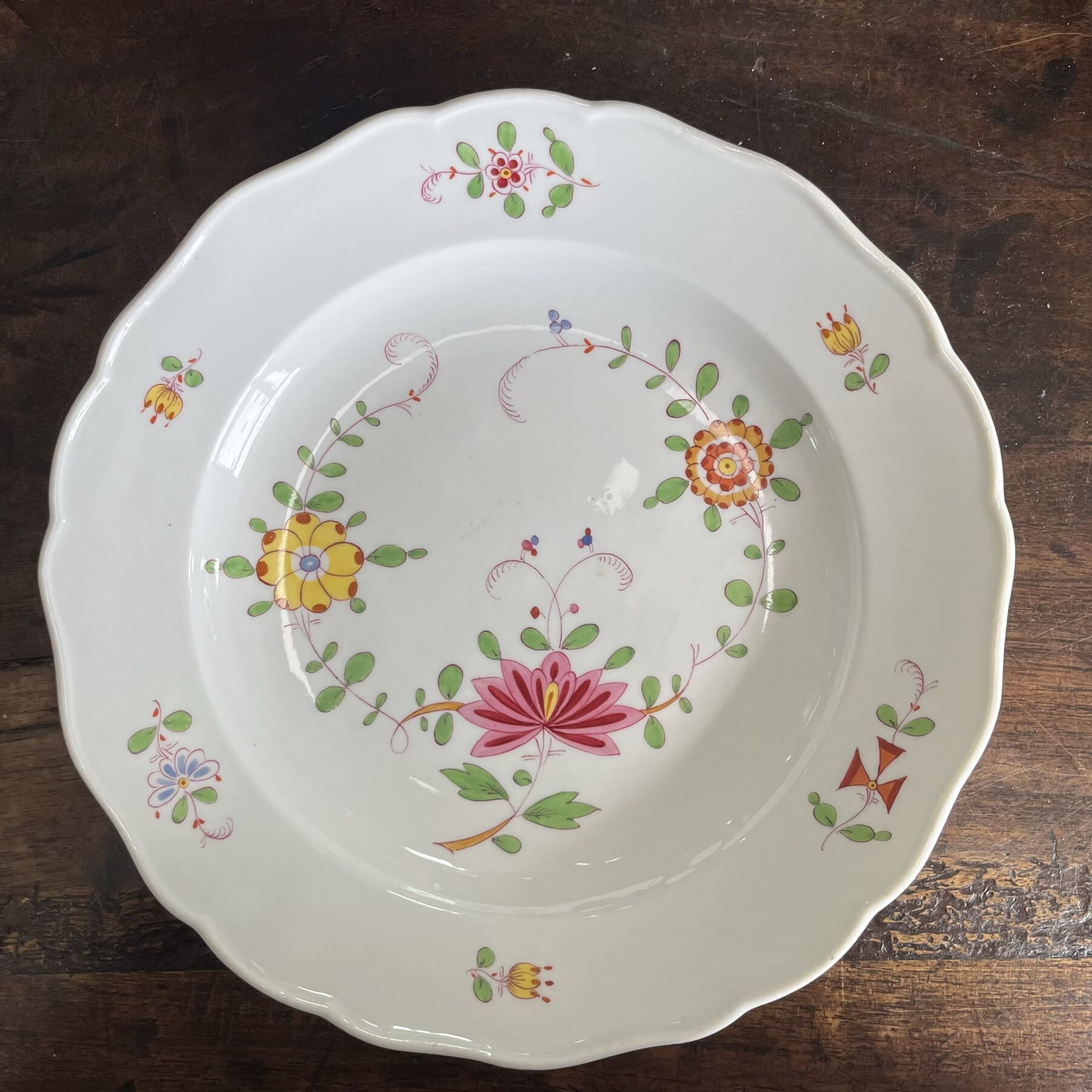
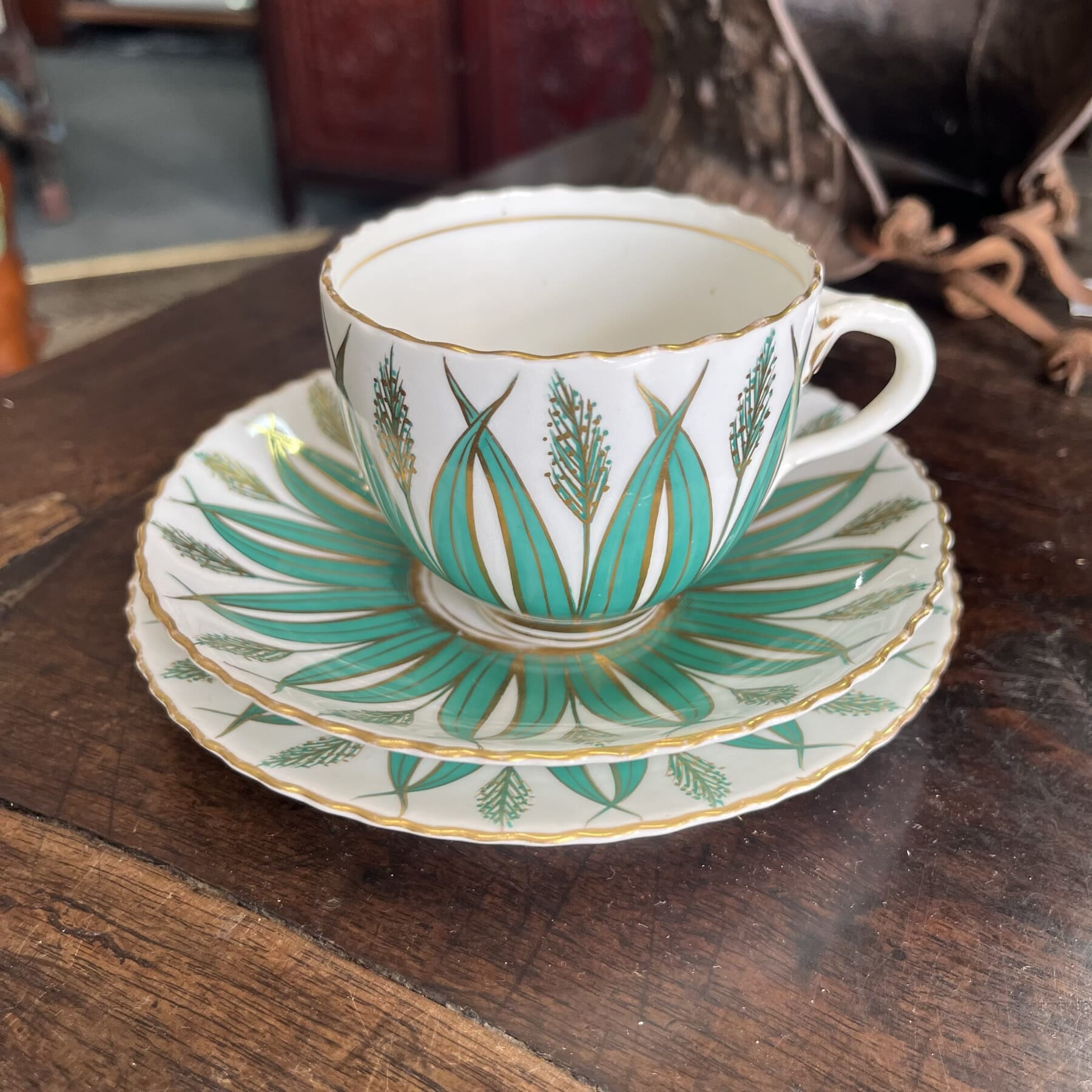
We have a good group of interesting items for you to browse, Fresh to our stock.
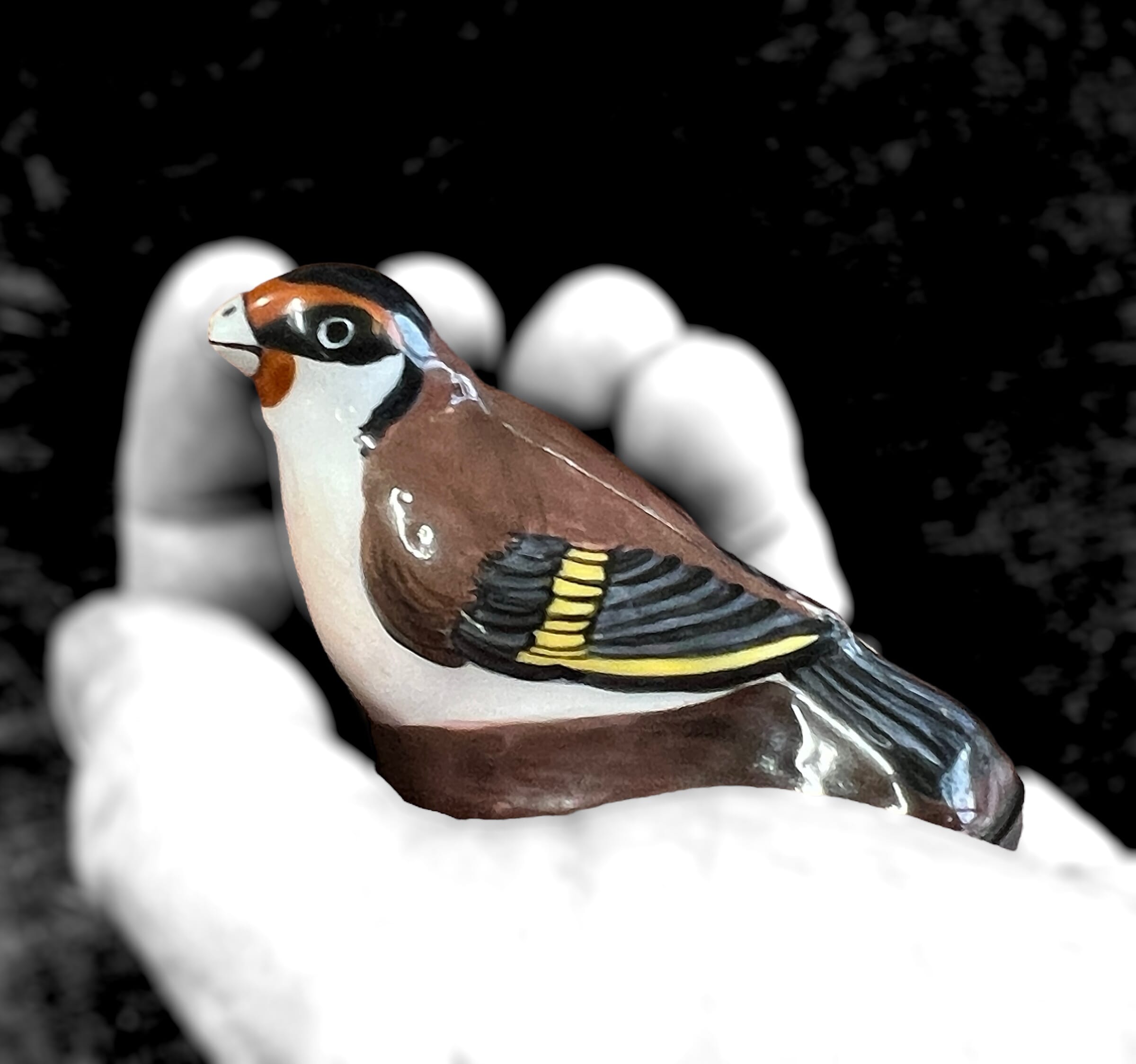
There’s some fine & rare early English Enamels – including a very ‘sweet’ Goldfinch. This little box had a purpose – to hold breath fresheners, essential in an age with minimal dental hygiene!
Vertu

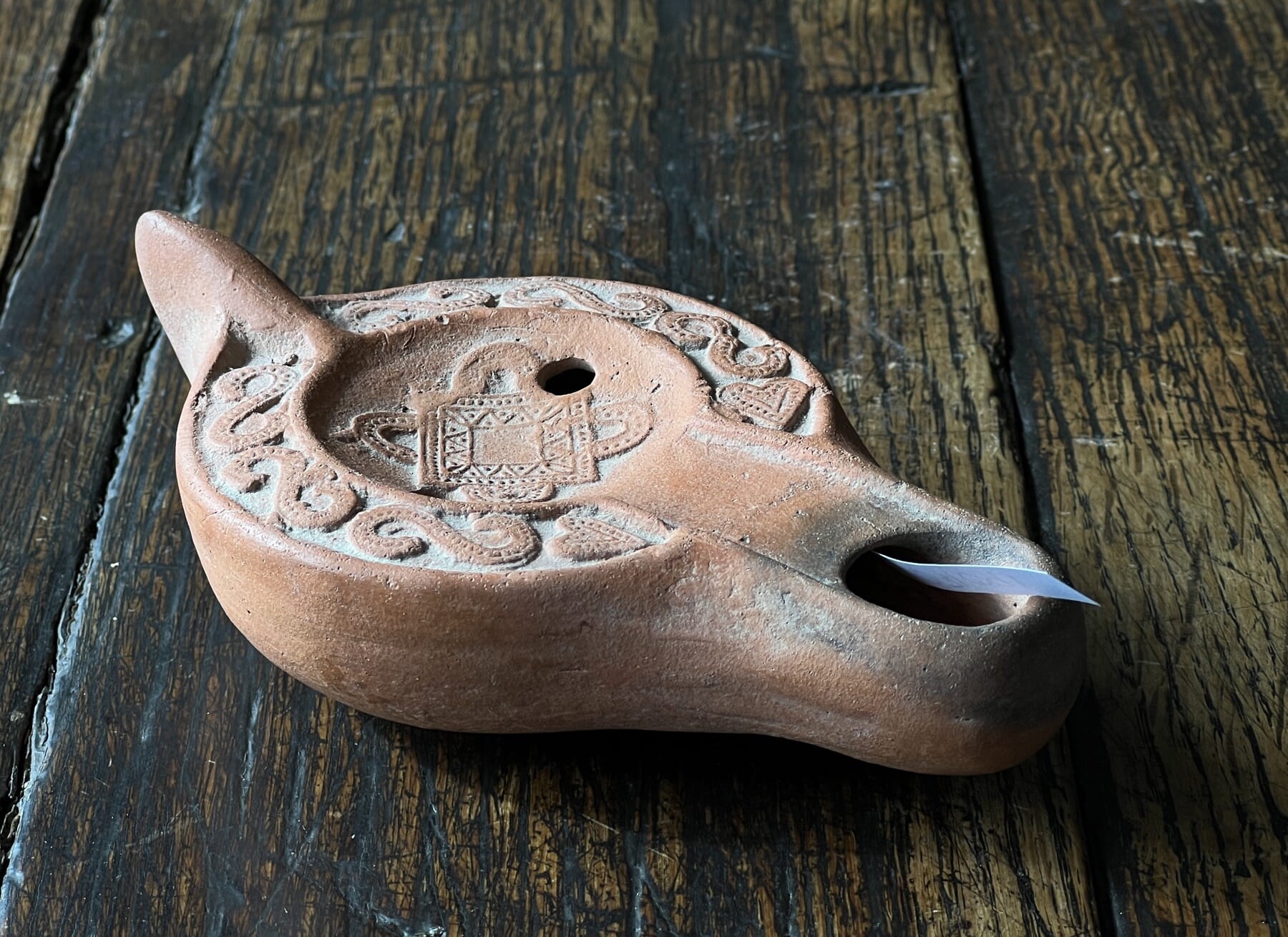
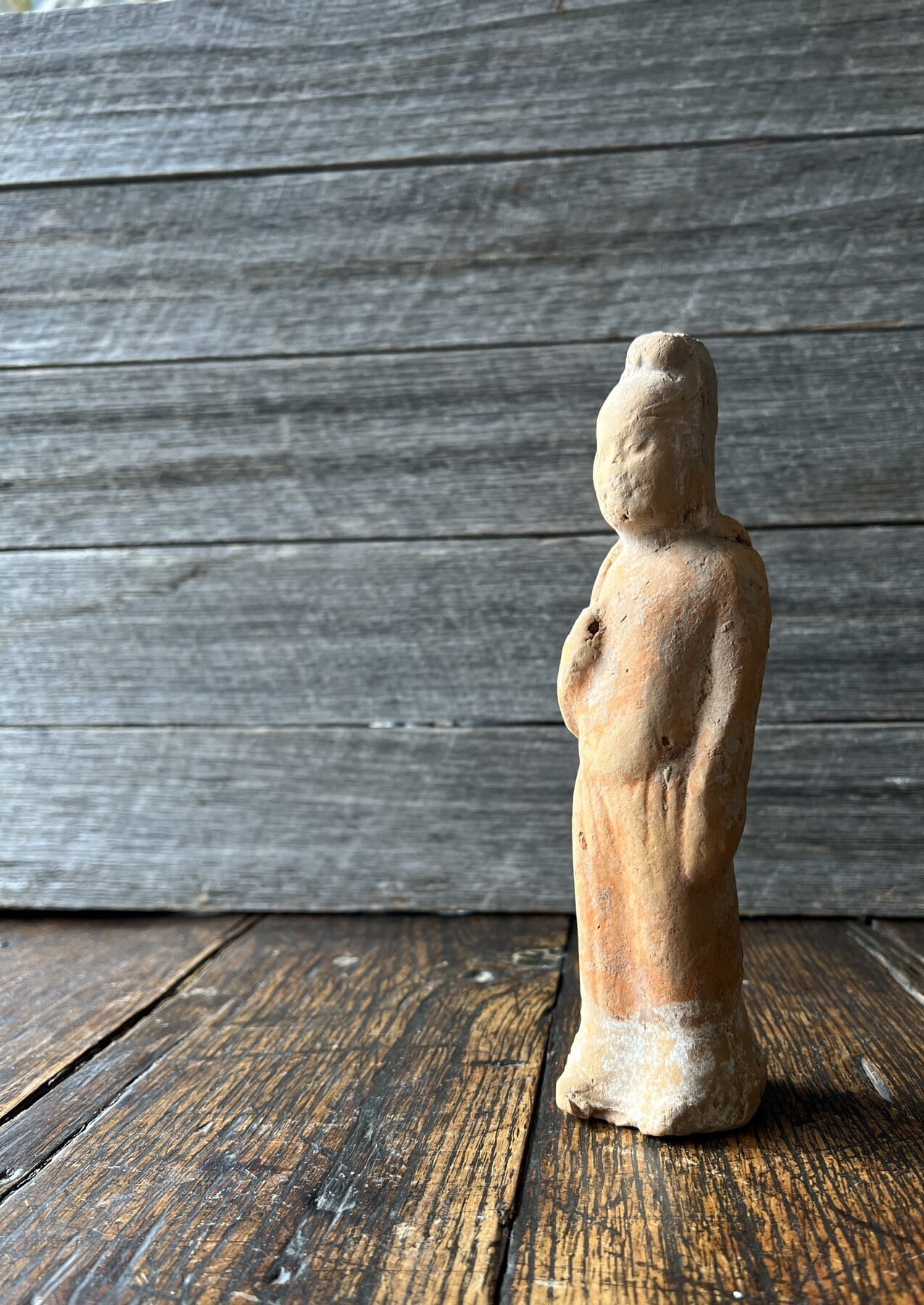
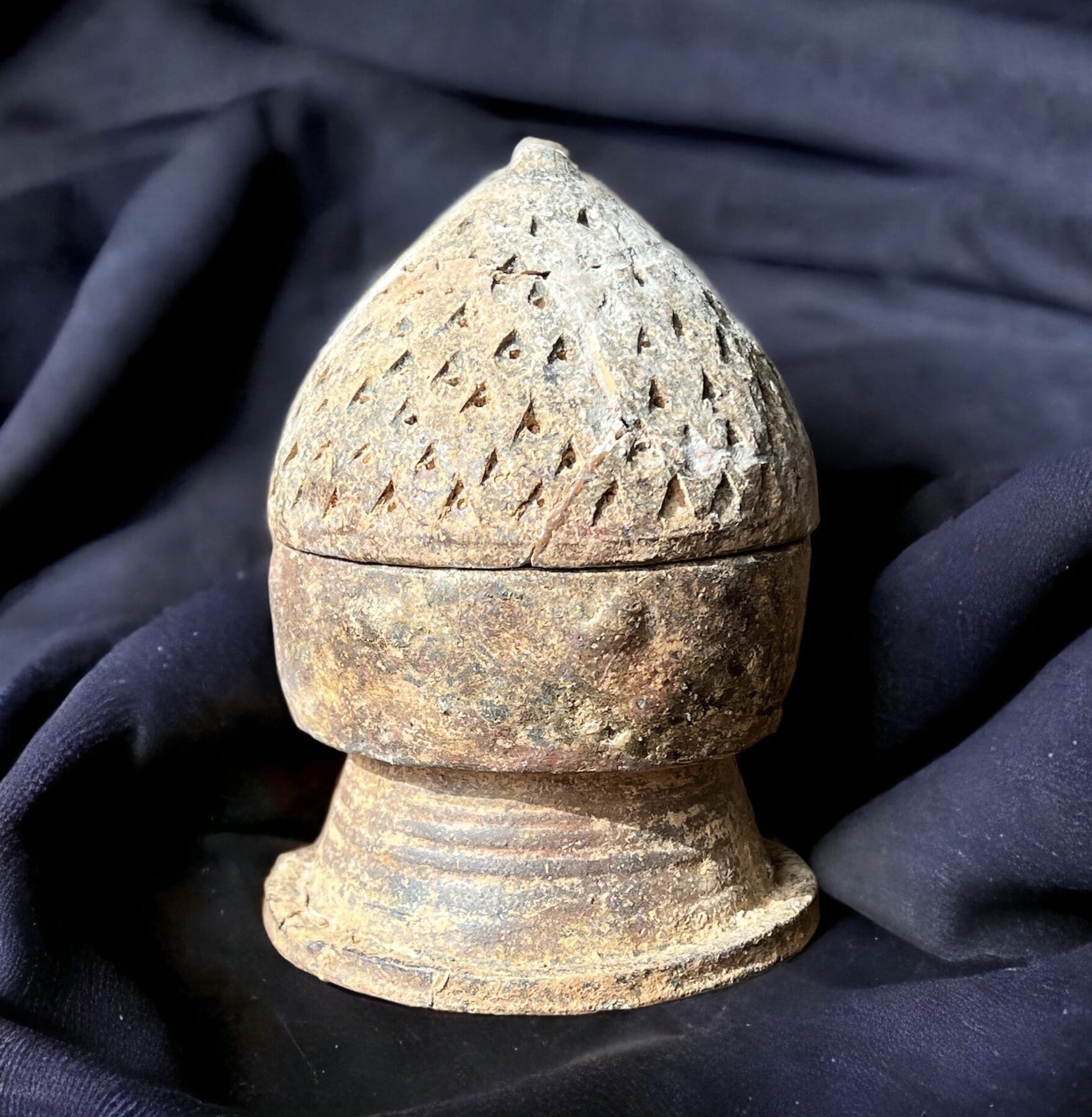
Antiquities

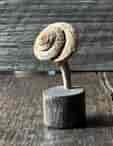
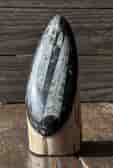
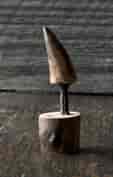
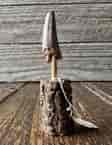
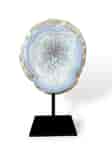
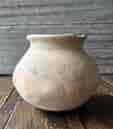
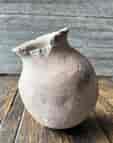
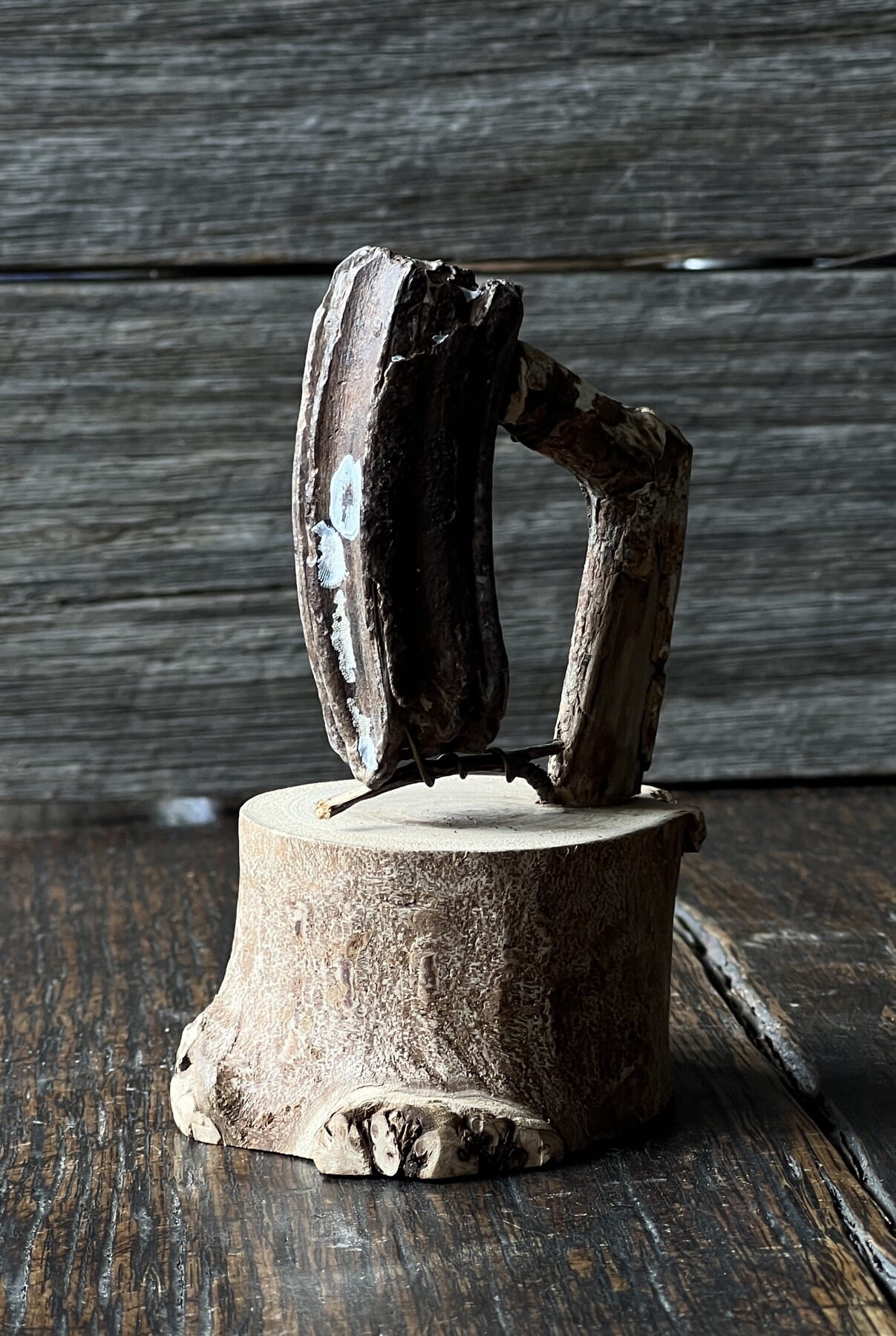
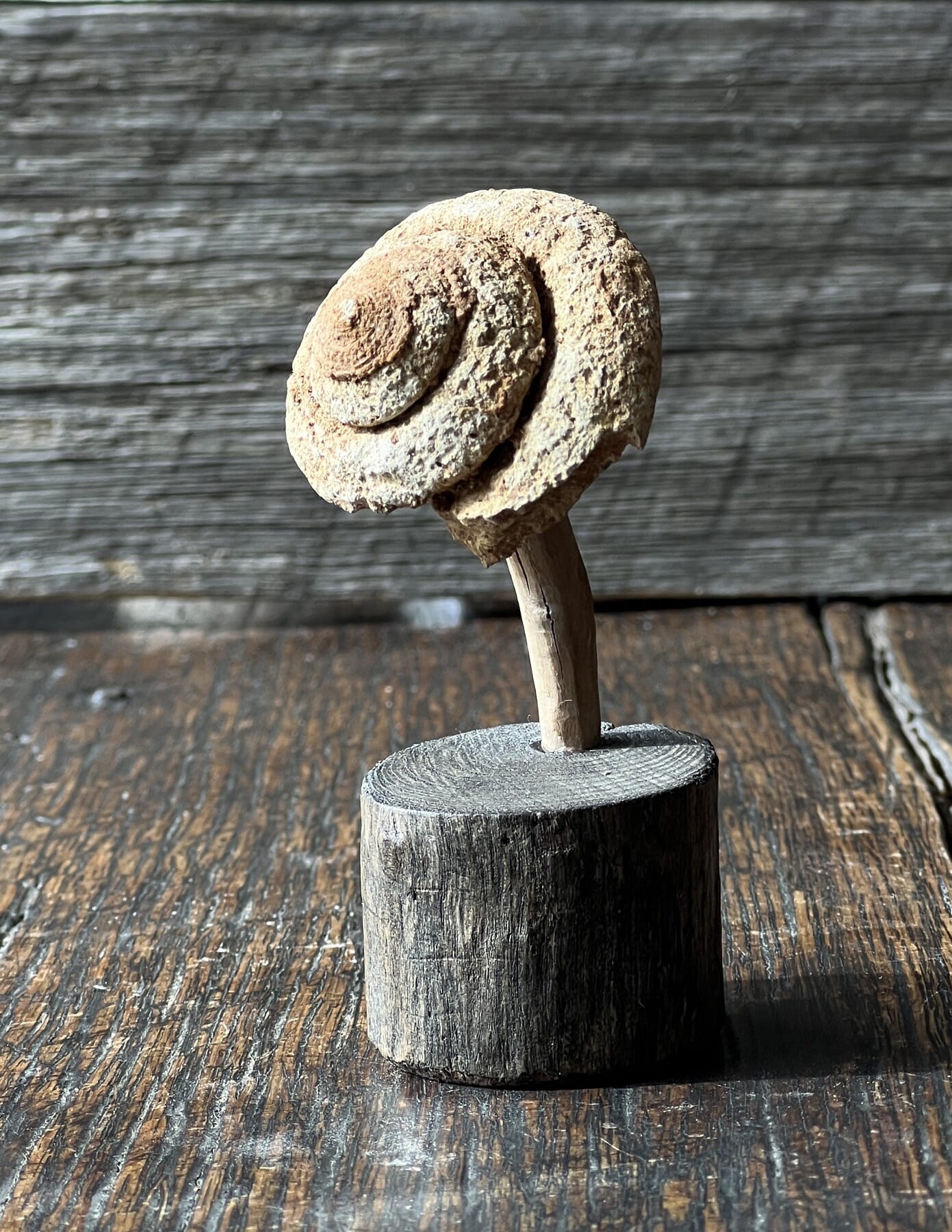
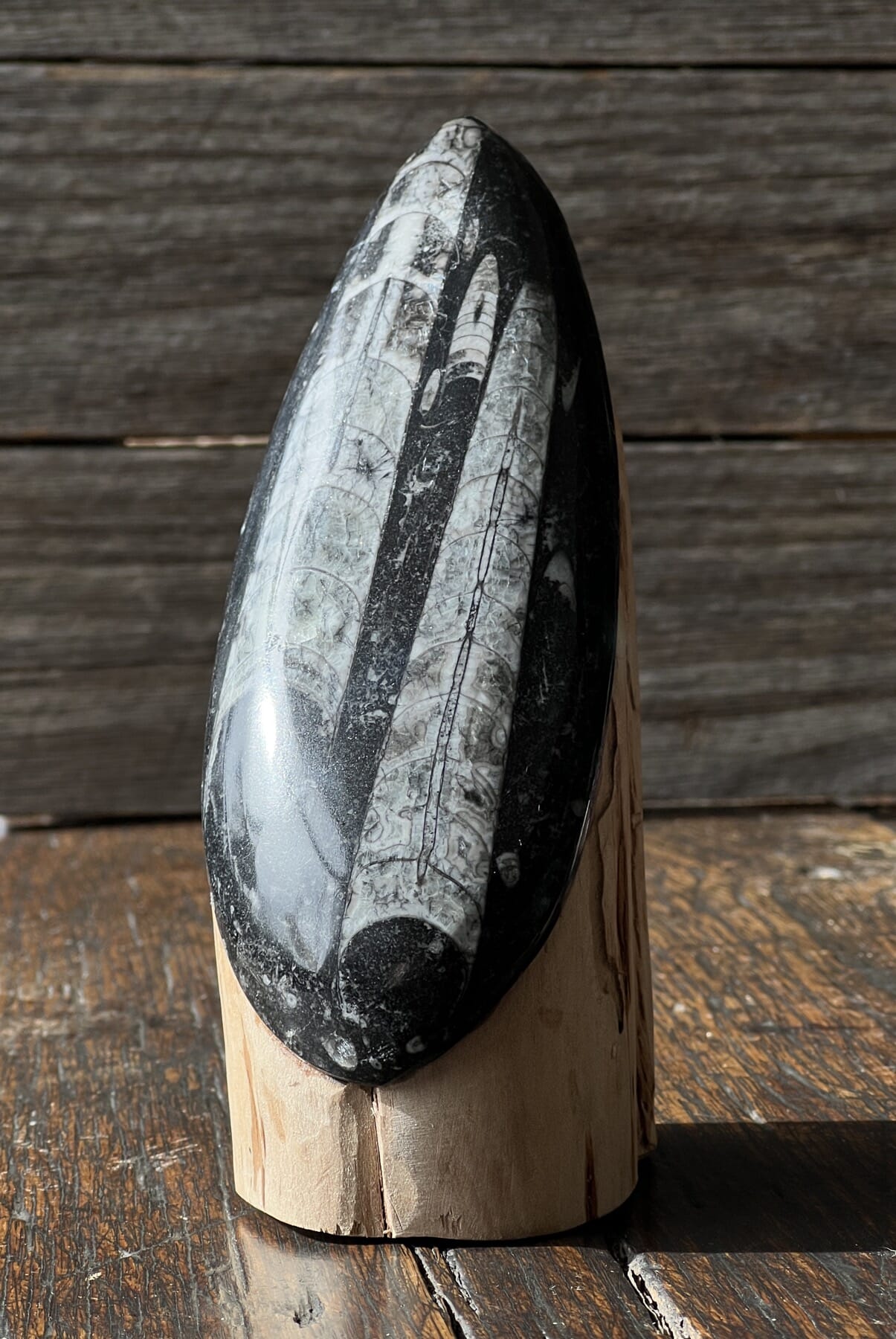
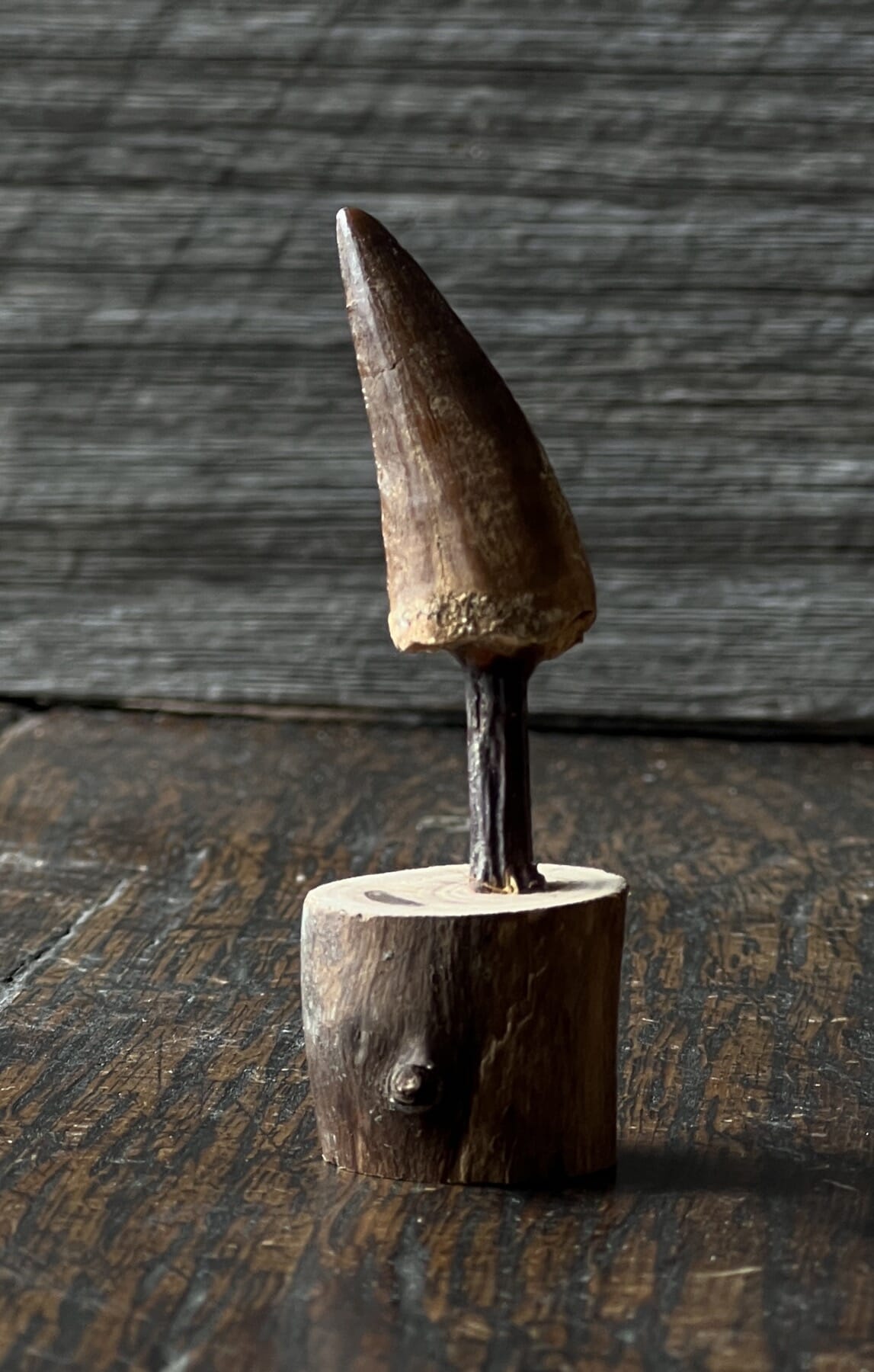
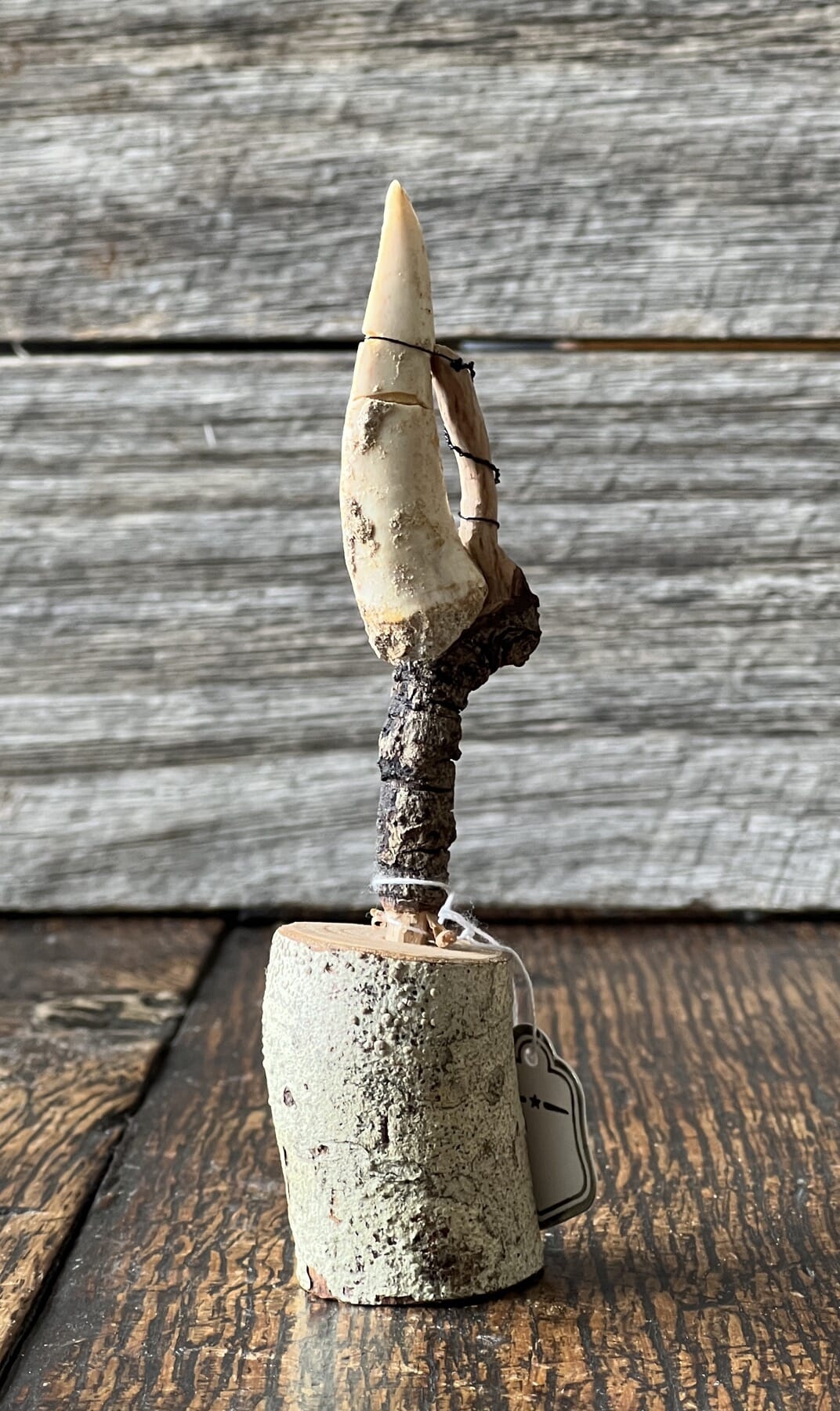
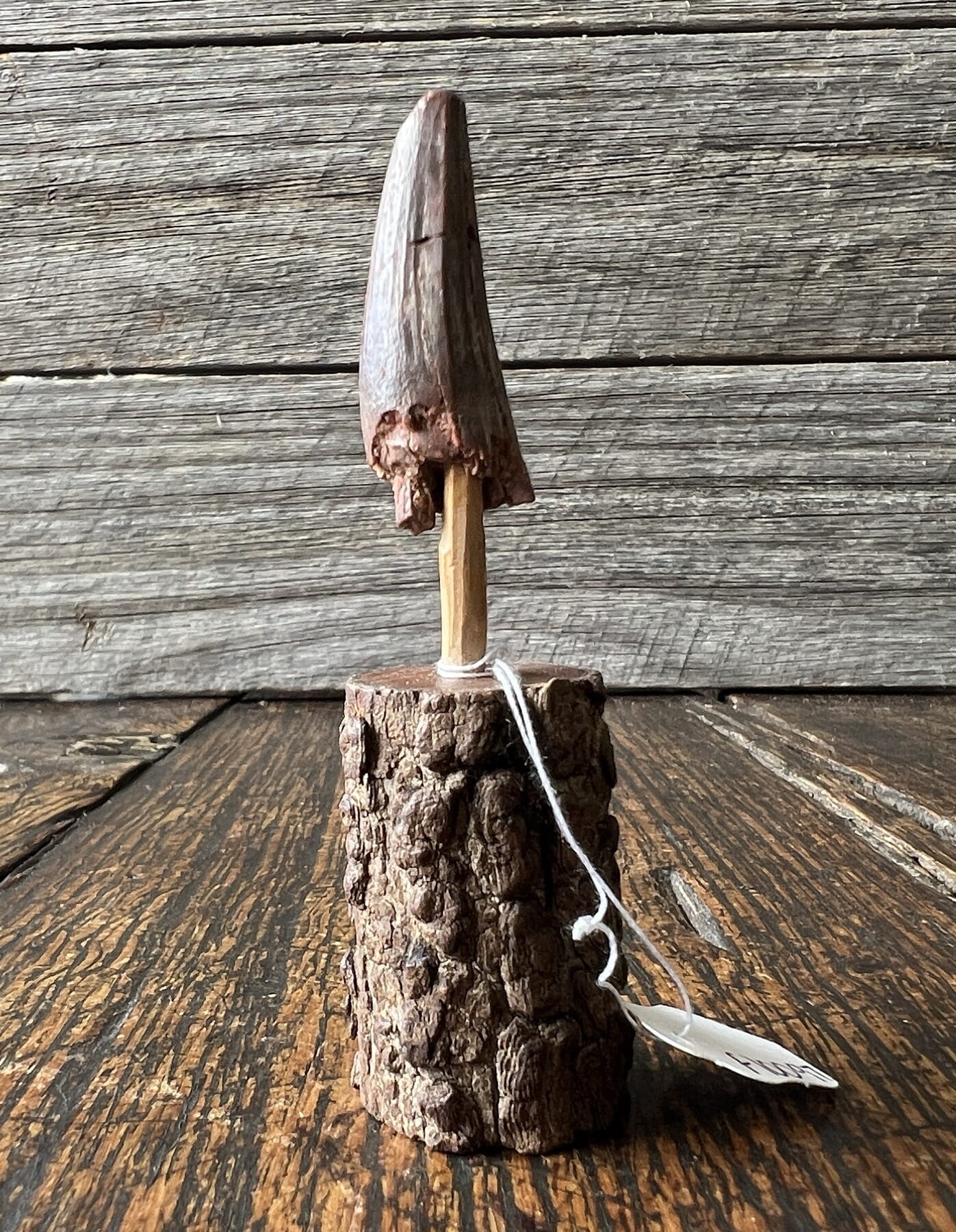
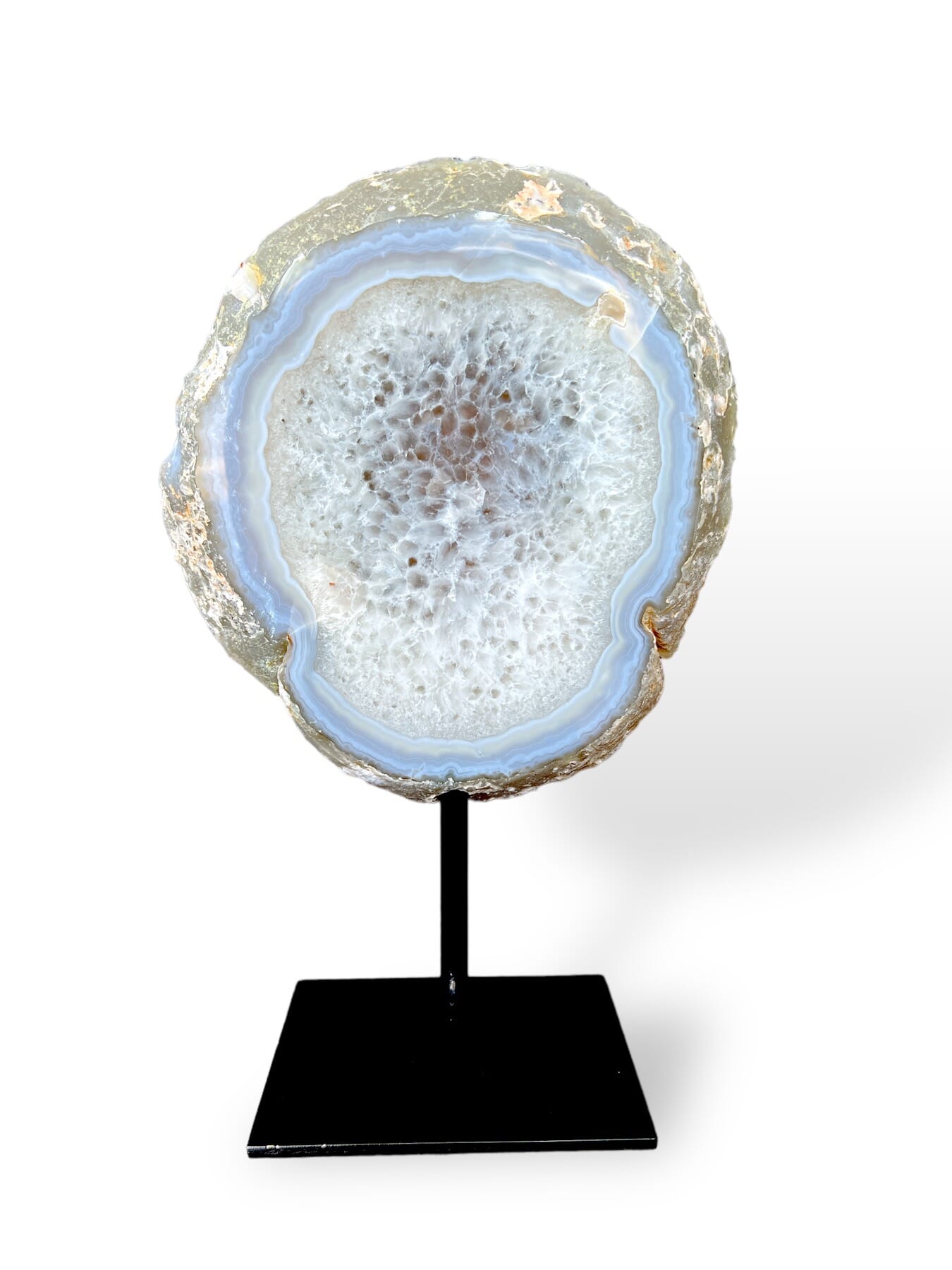
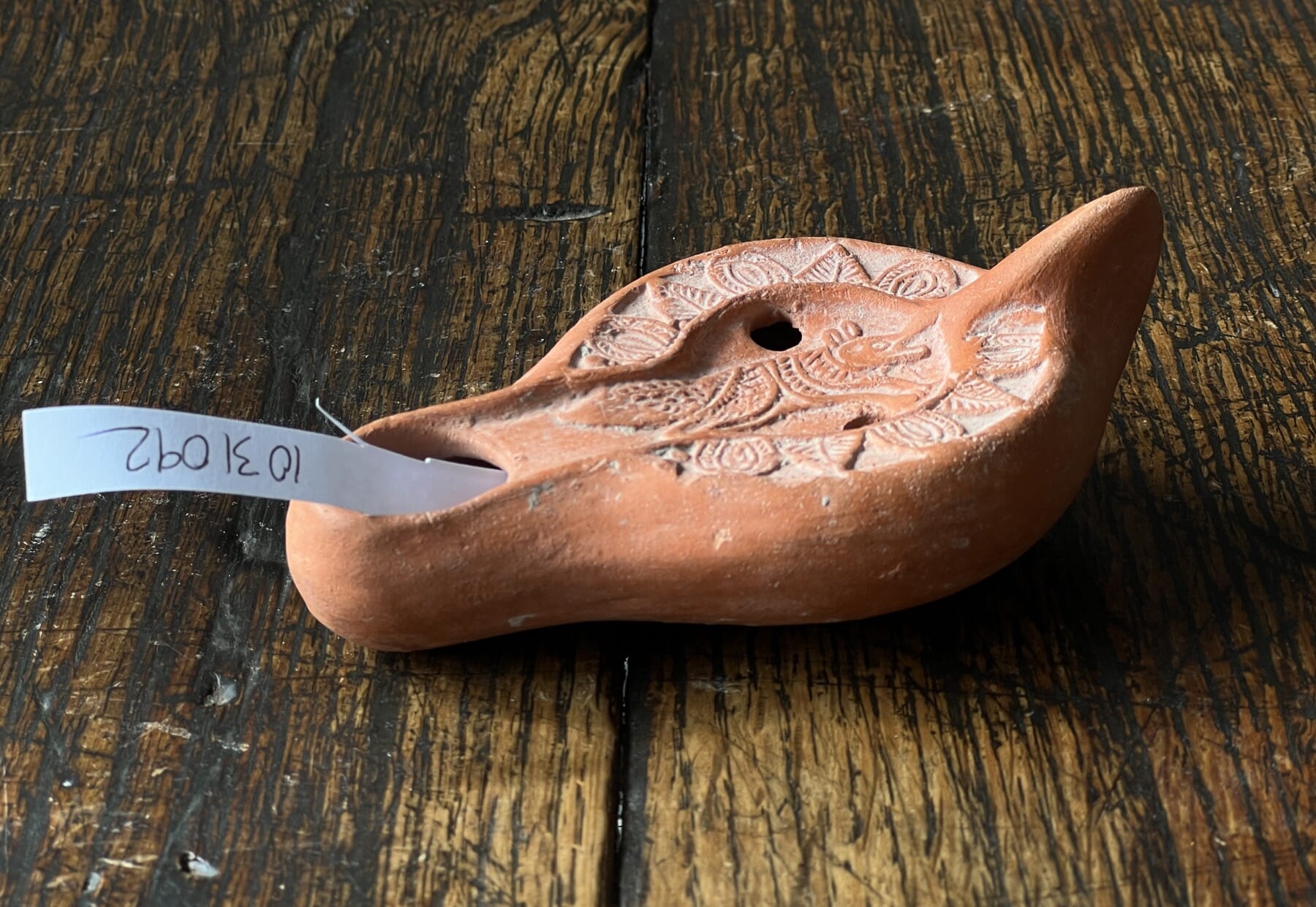
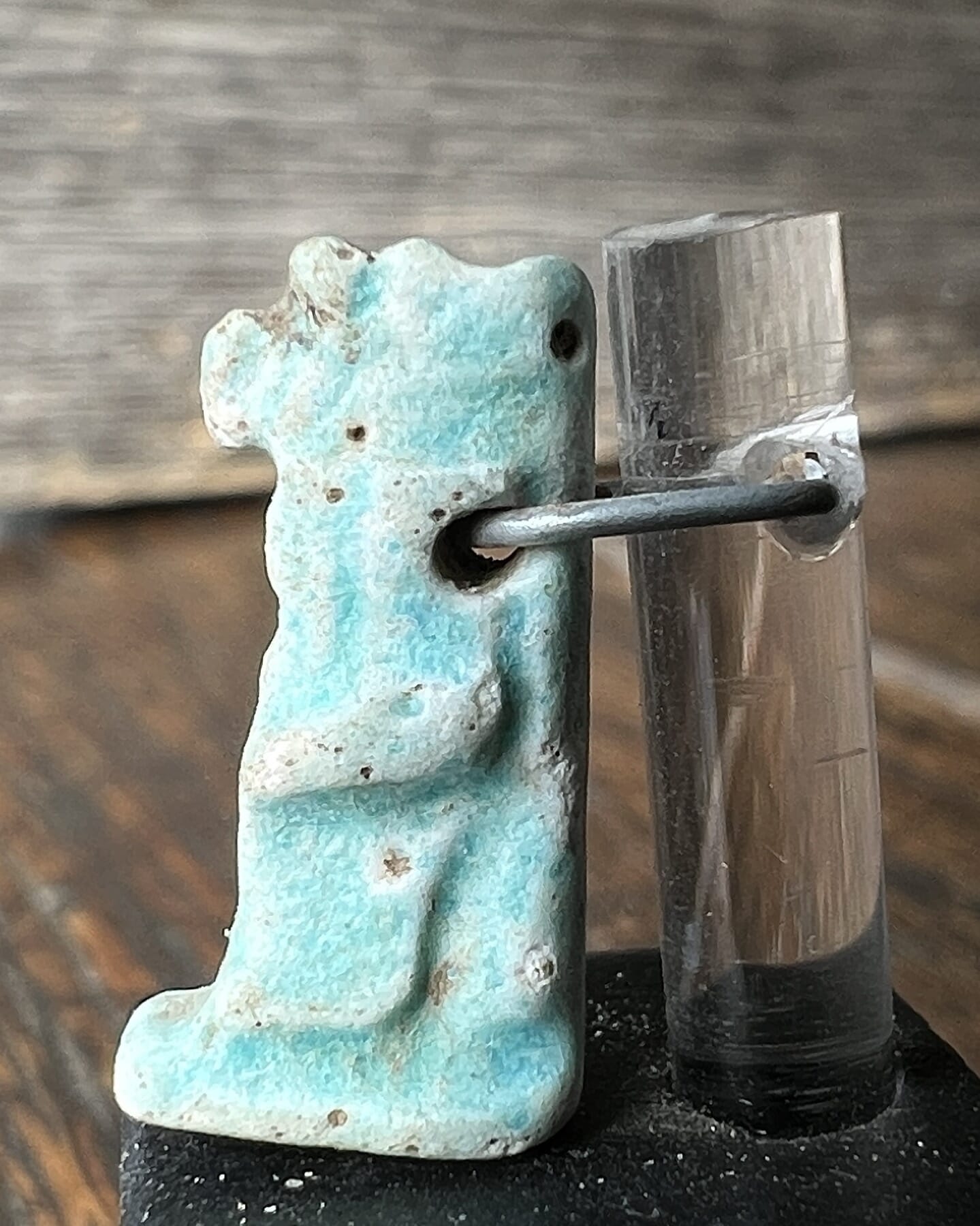
A fresh group of Antiquities have been prepared for your viewing pleasure…. there’s a few more interesting Fossils & Minerals from our Natural History department, all recently mounted for display.

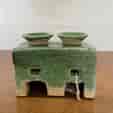
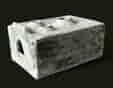
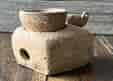
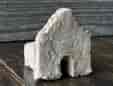
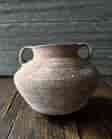
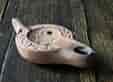
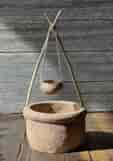
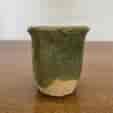
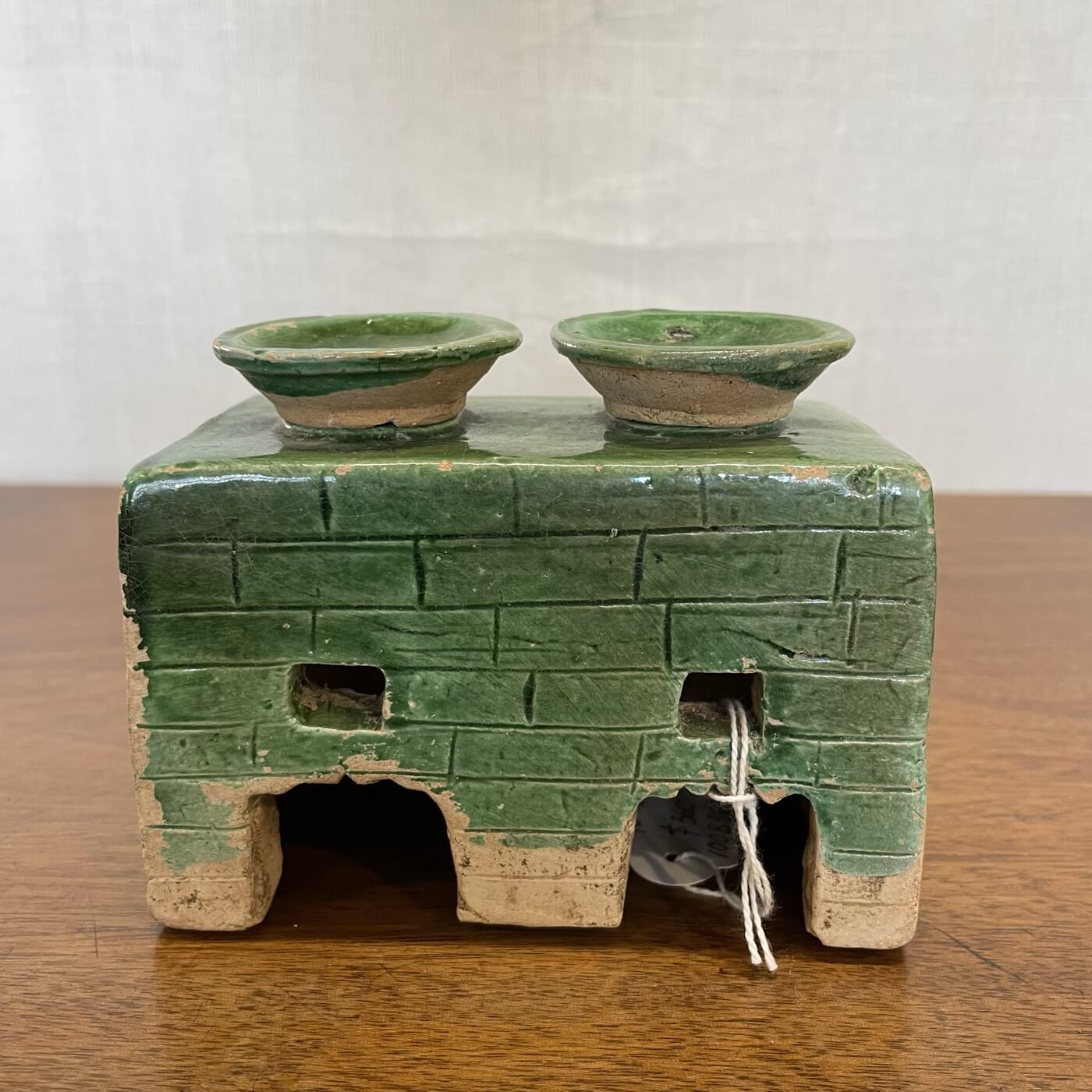
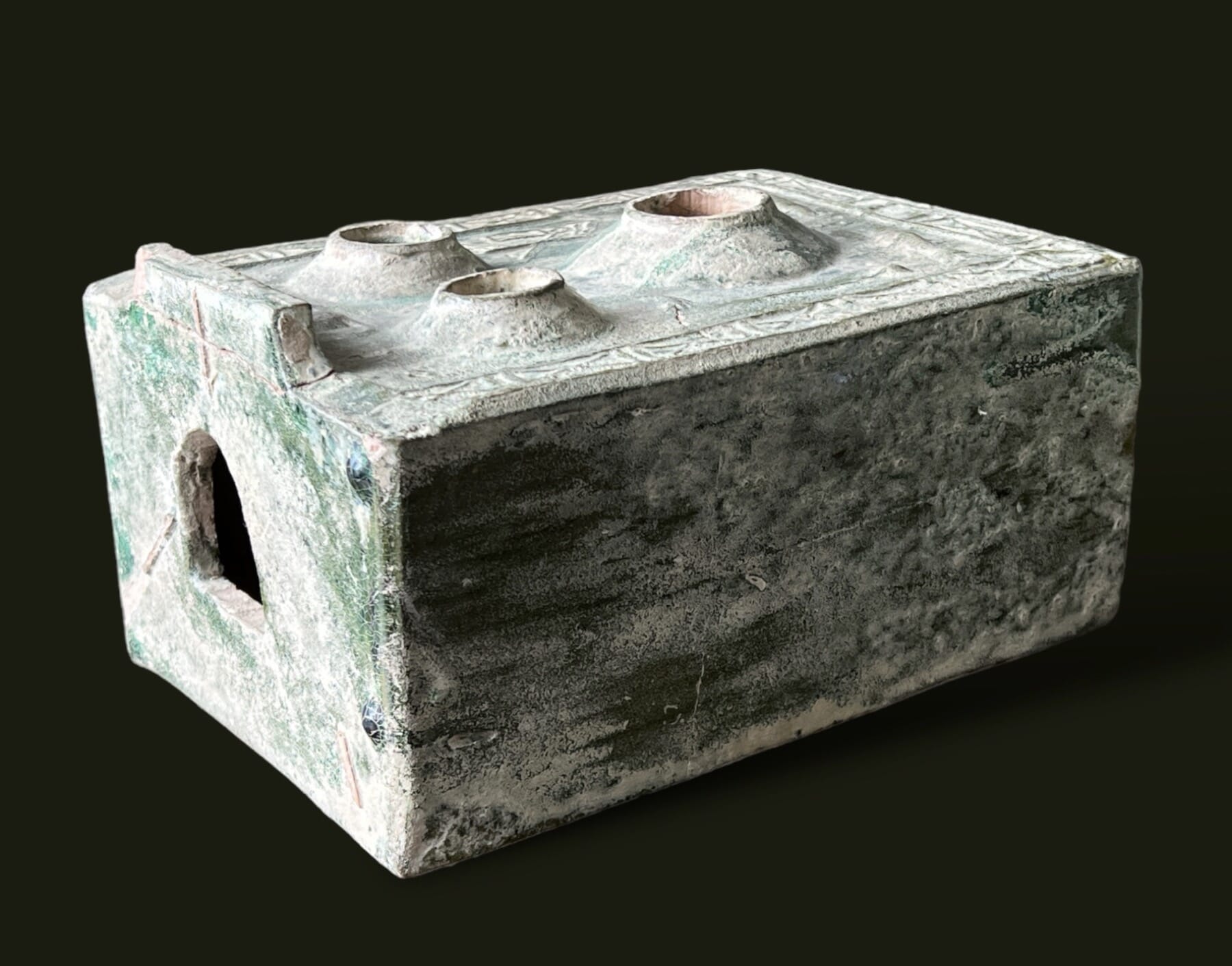
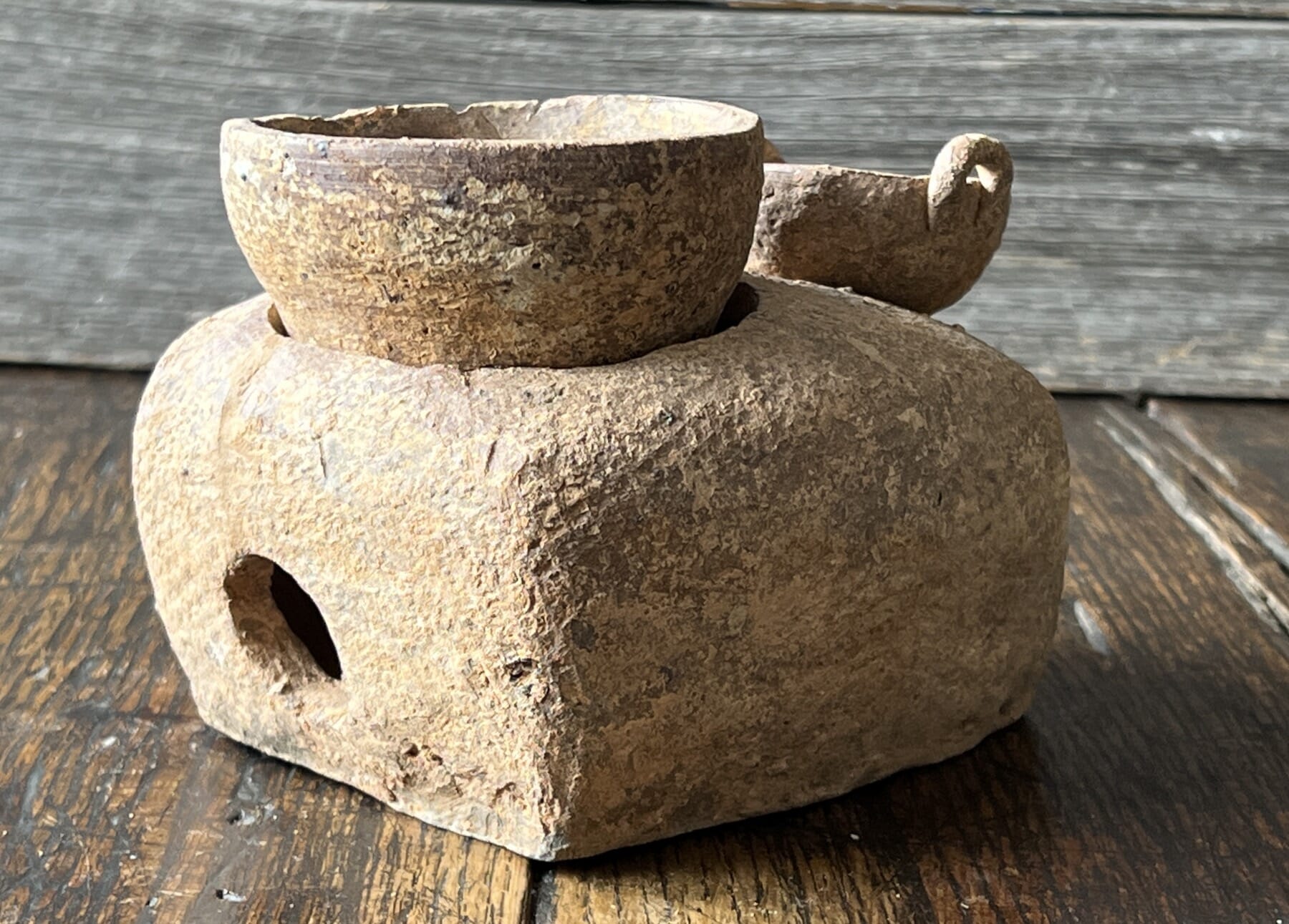
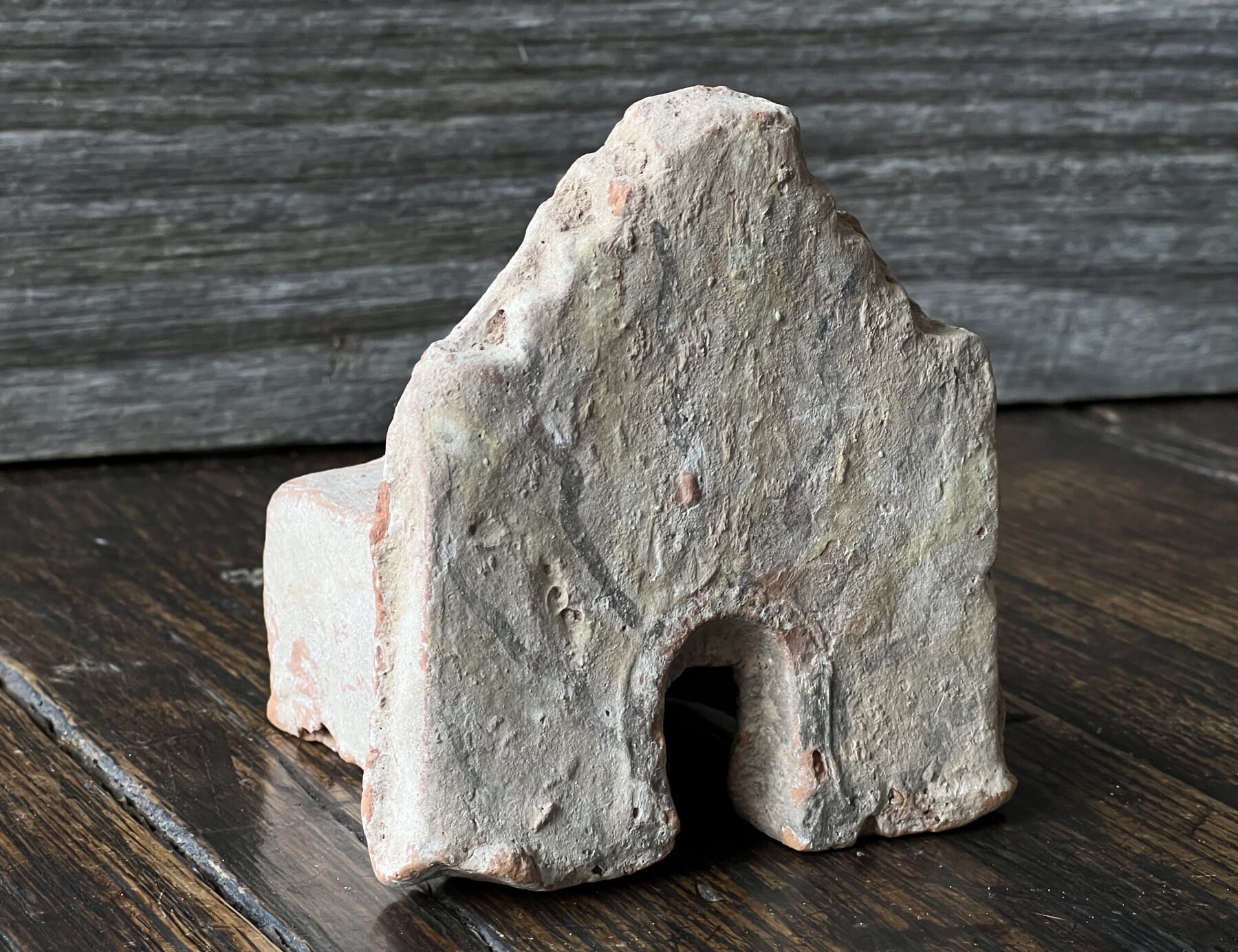
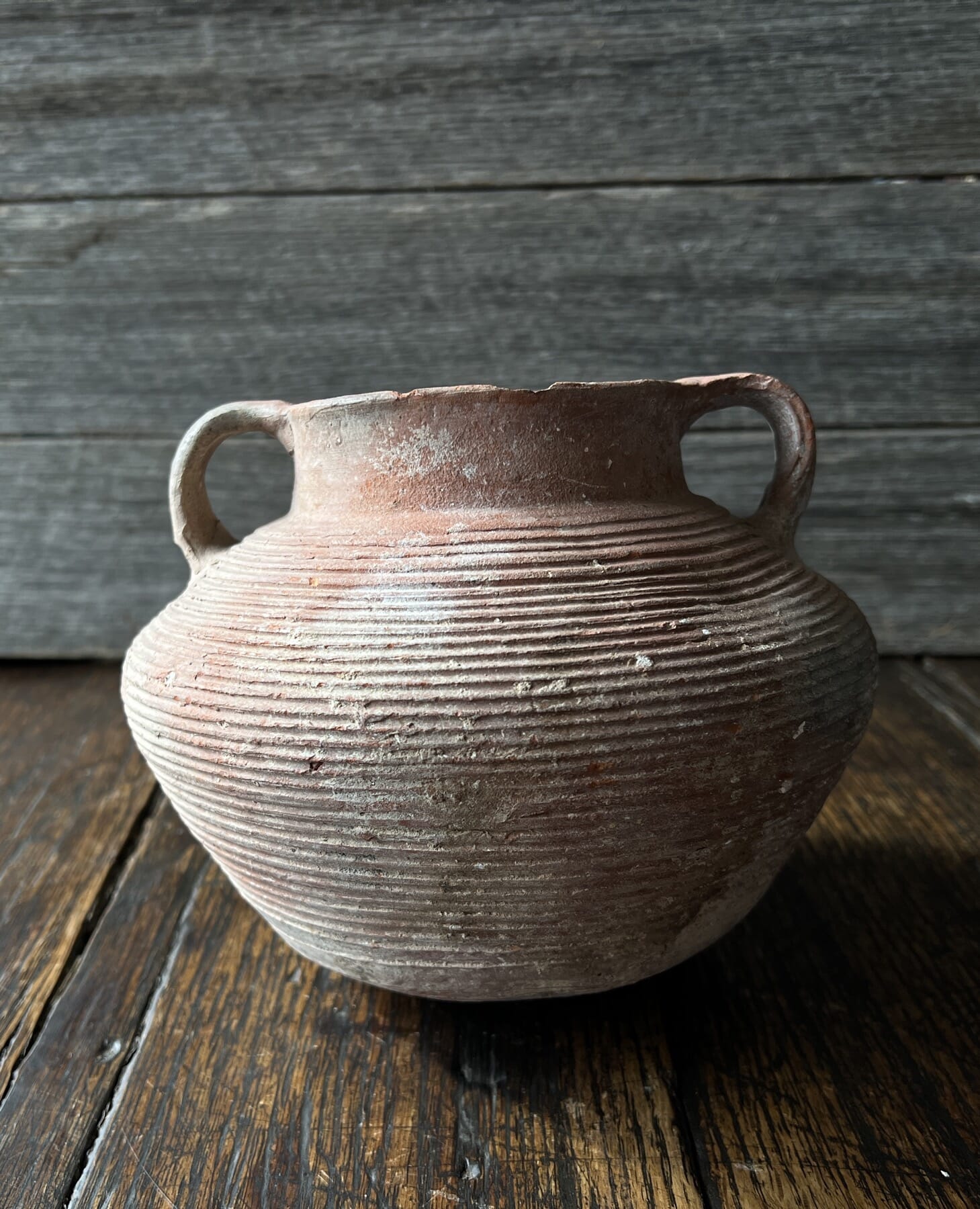
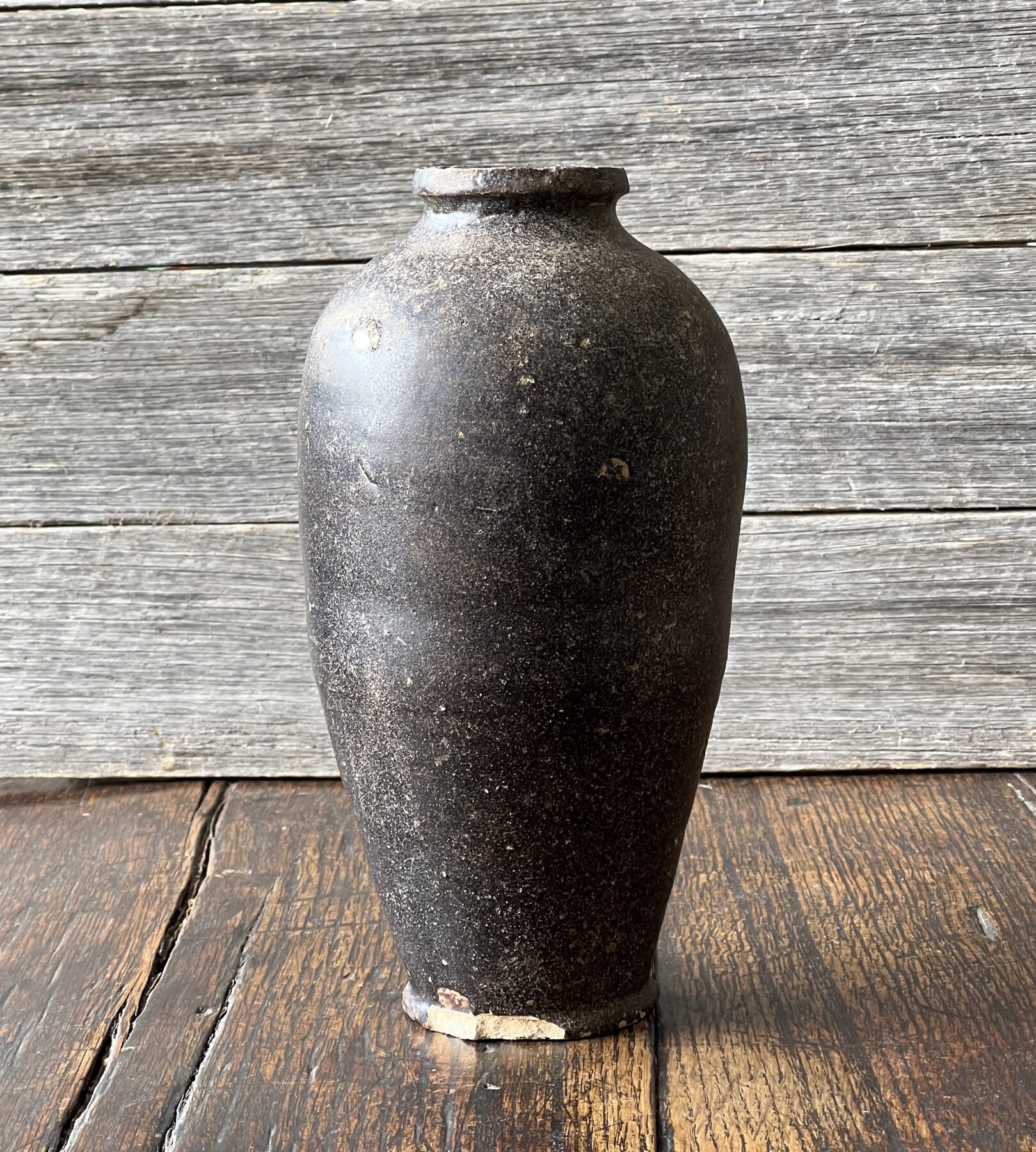
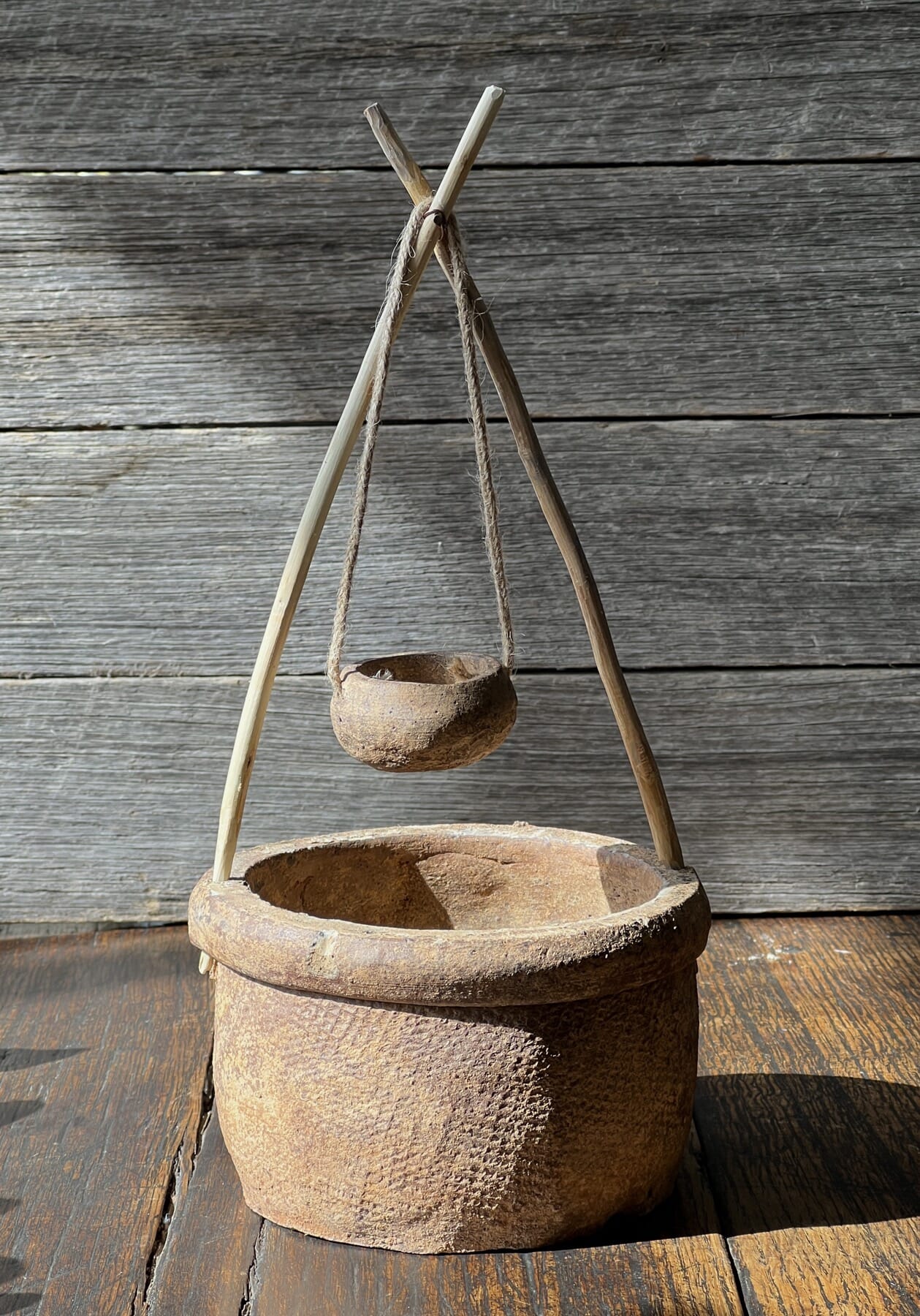
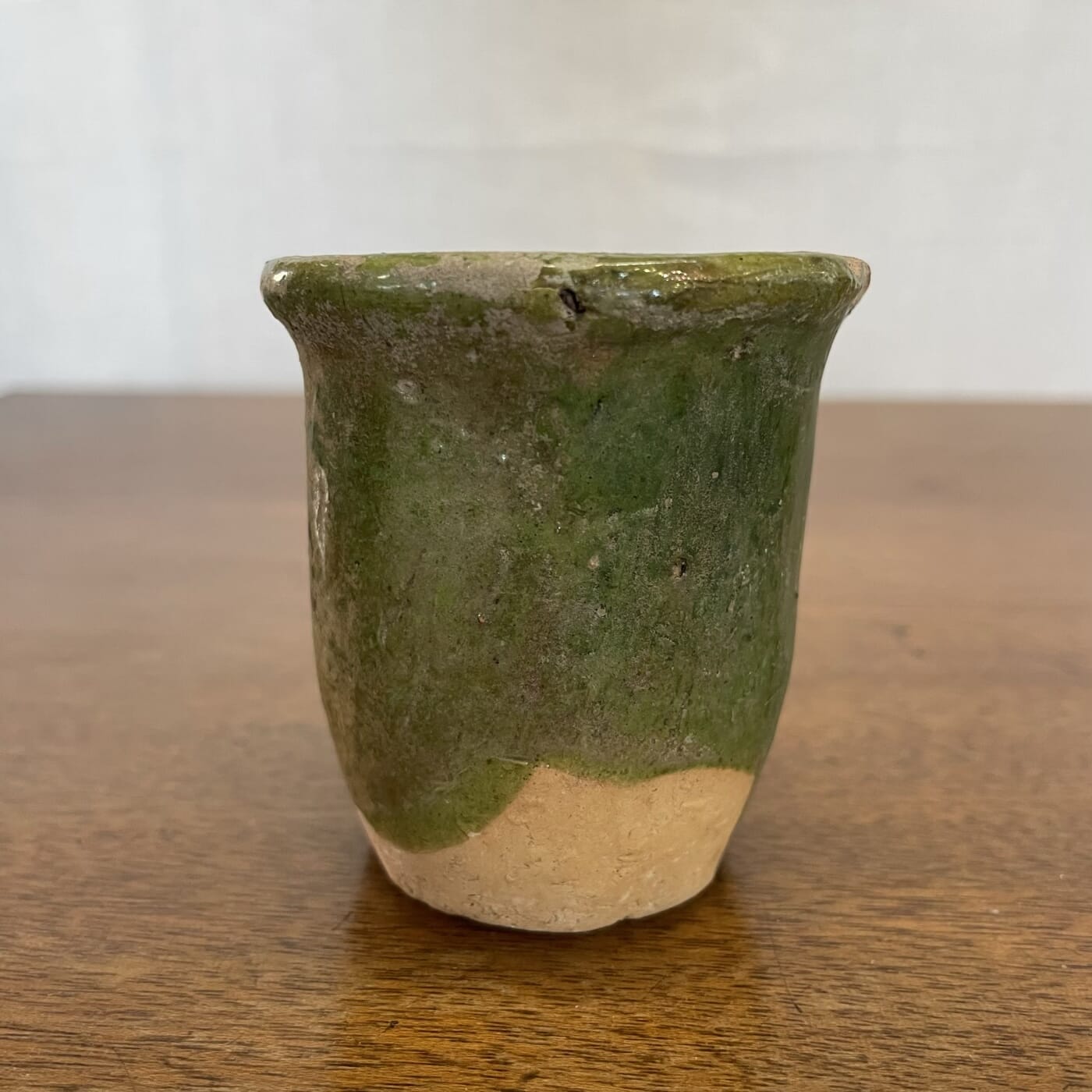
Antiquities include a fascinating group of four Chinese pottery ‘stoves’, small-scale models of the ‘latest’ luxury cooking apparatus, spanning 1,800 years, from the 2nd century BC Han Dynasty example through to the 16th century AD Ming Dynasty double-burner.

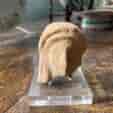
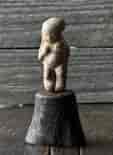
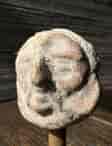
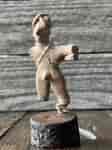
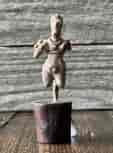
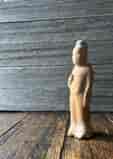
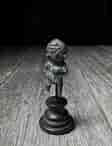
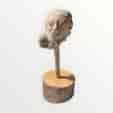
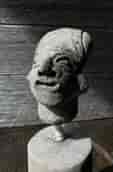
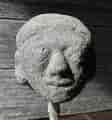
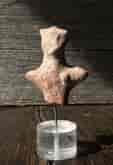
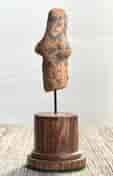
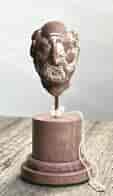
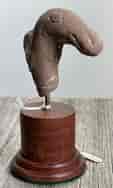
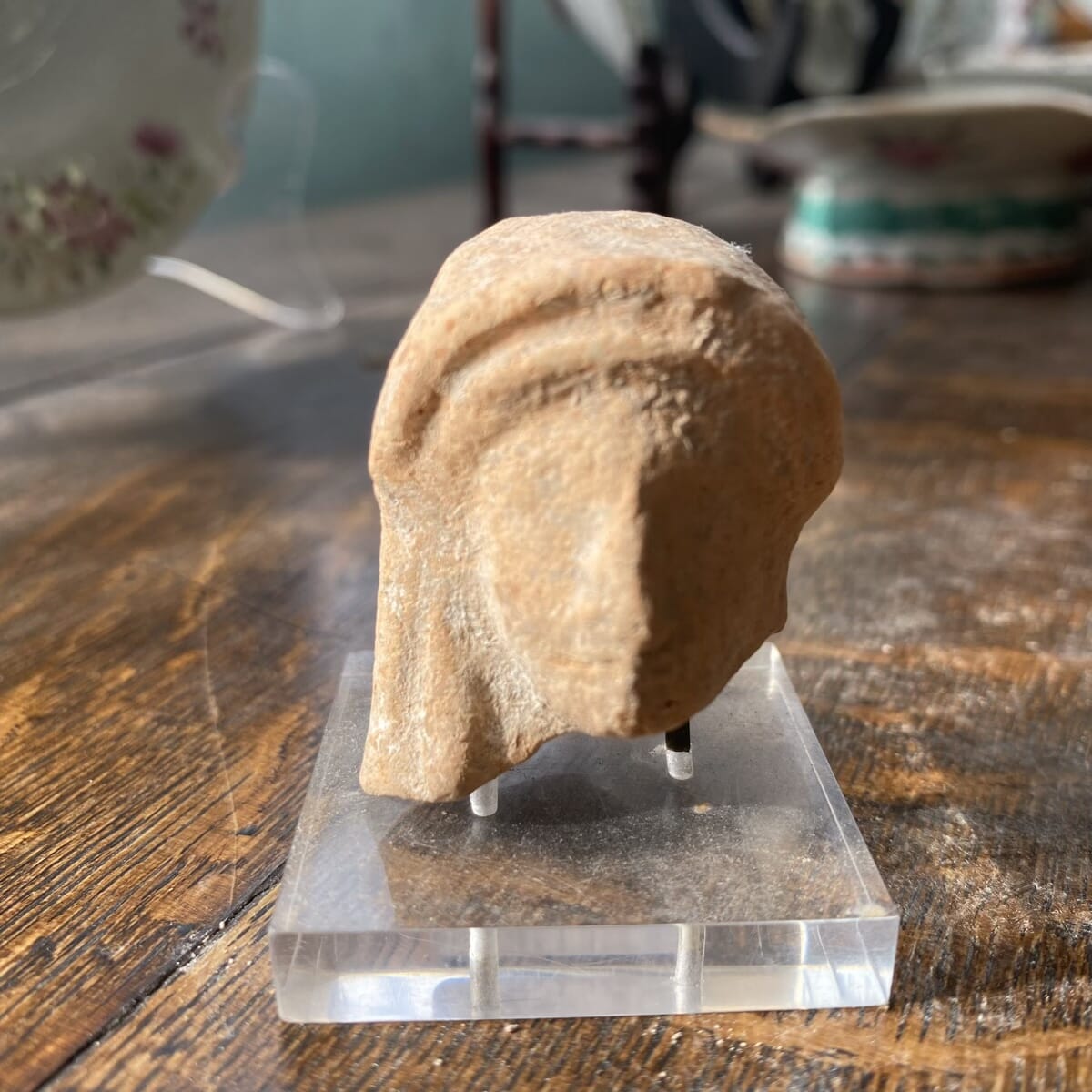
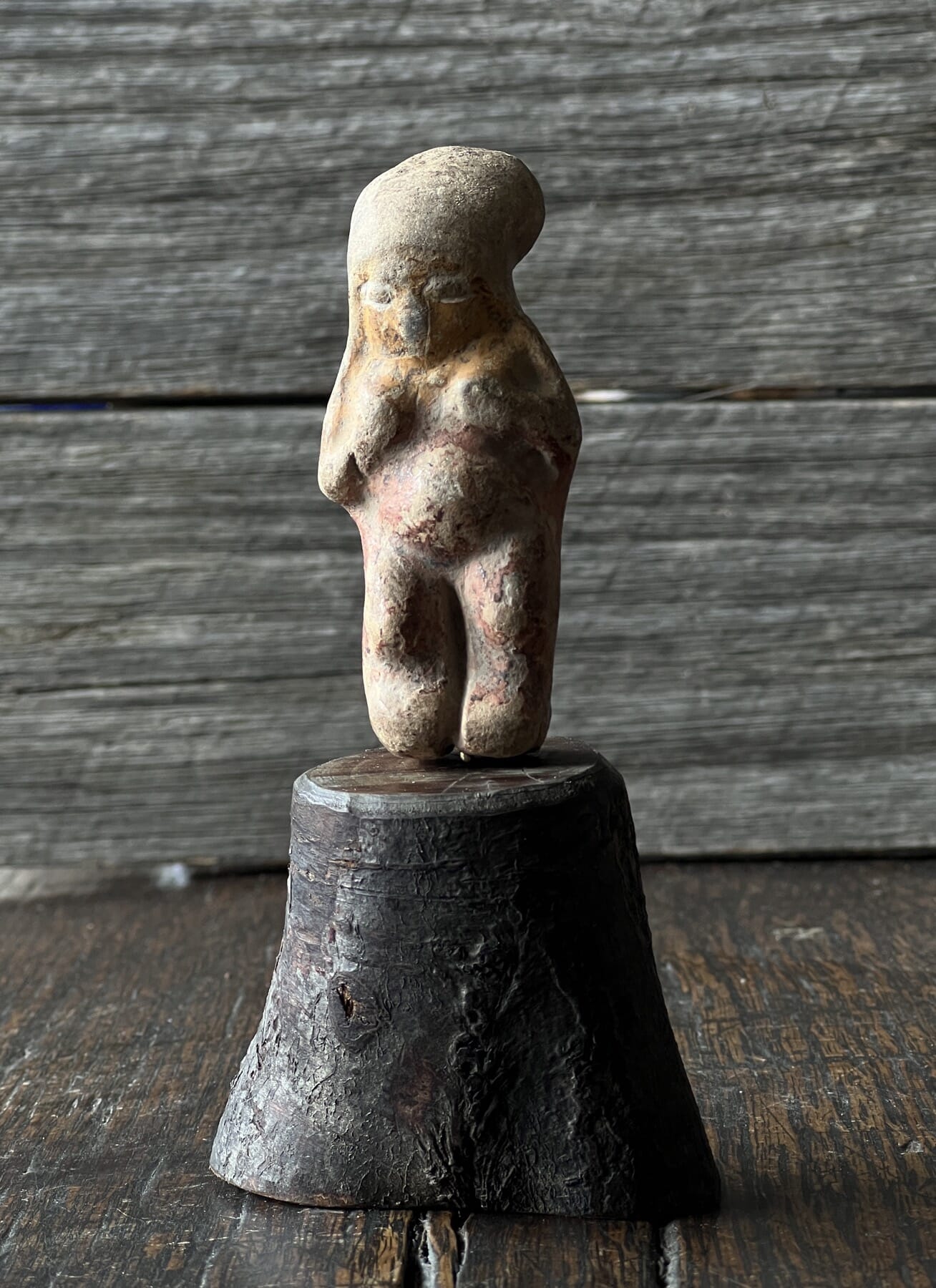
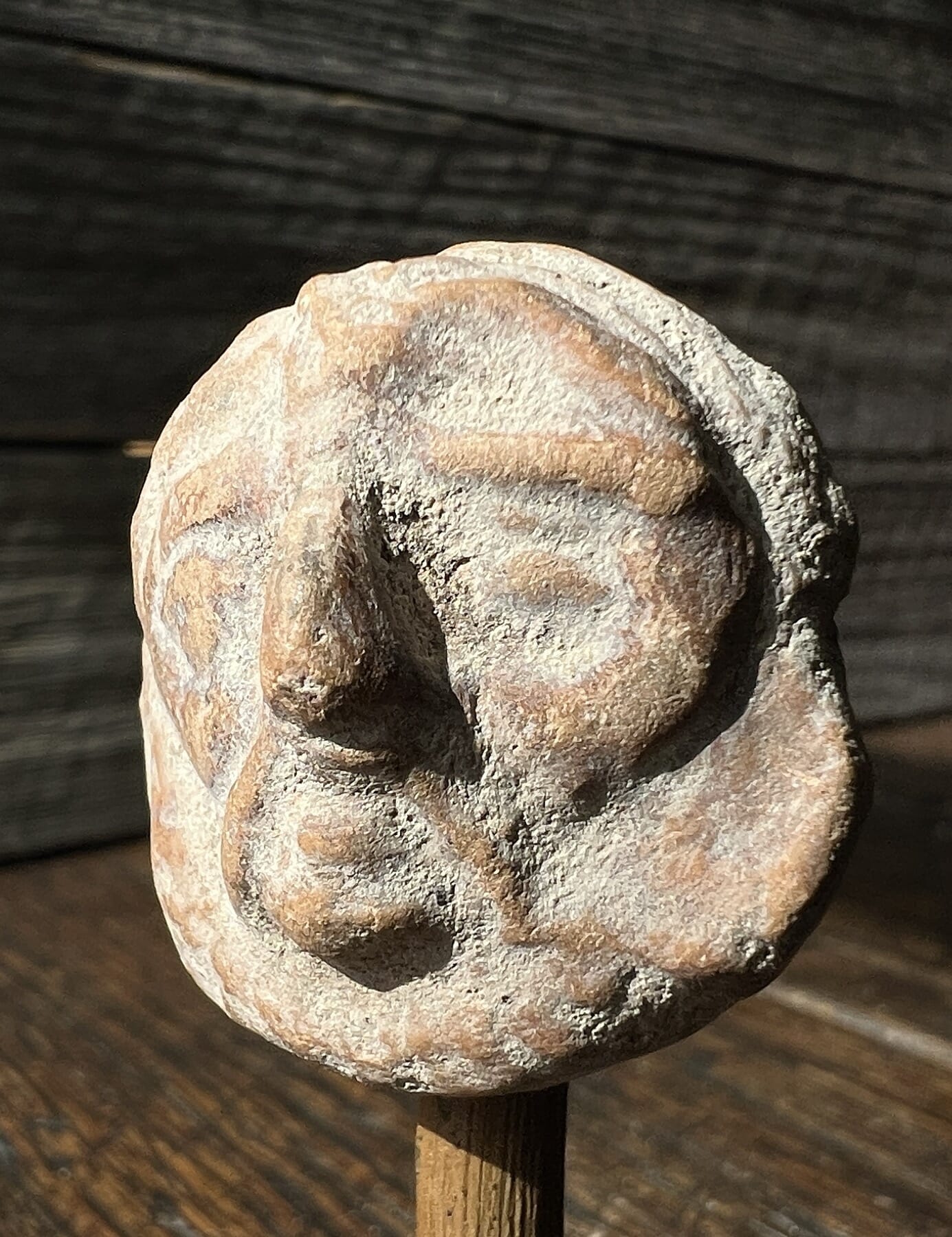
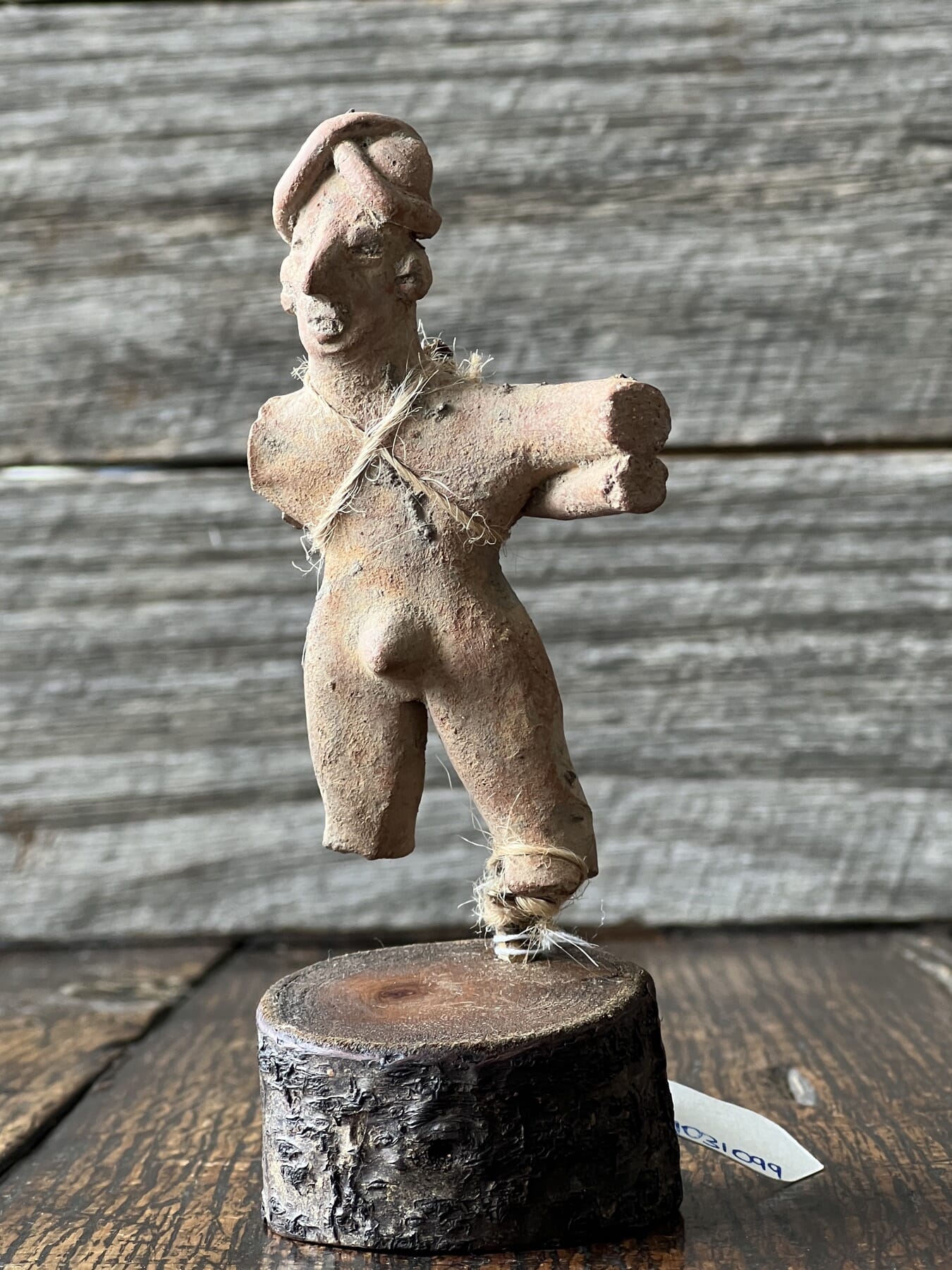
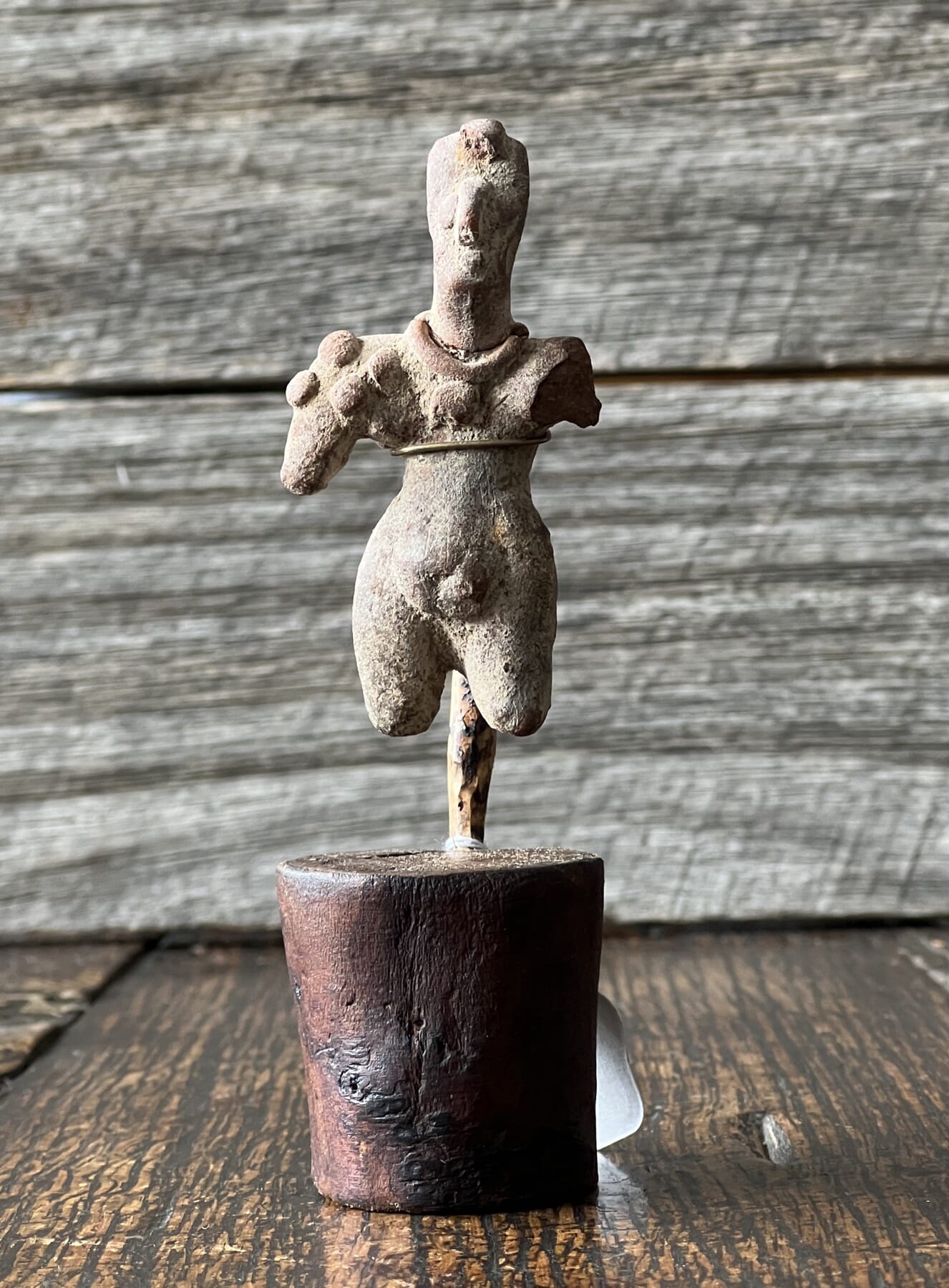
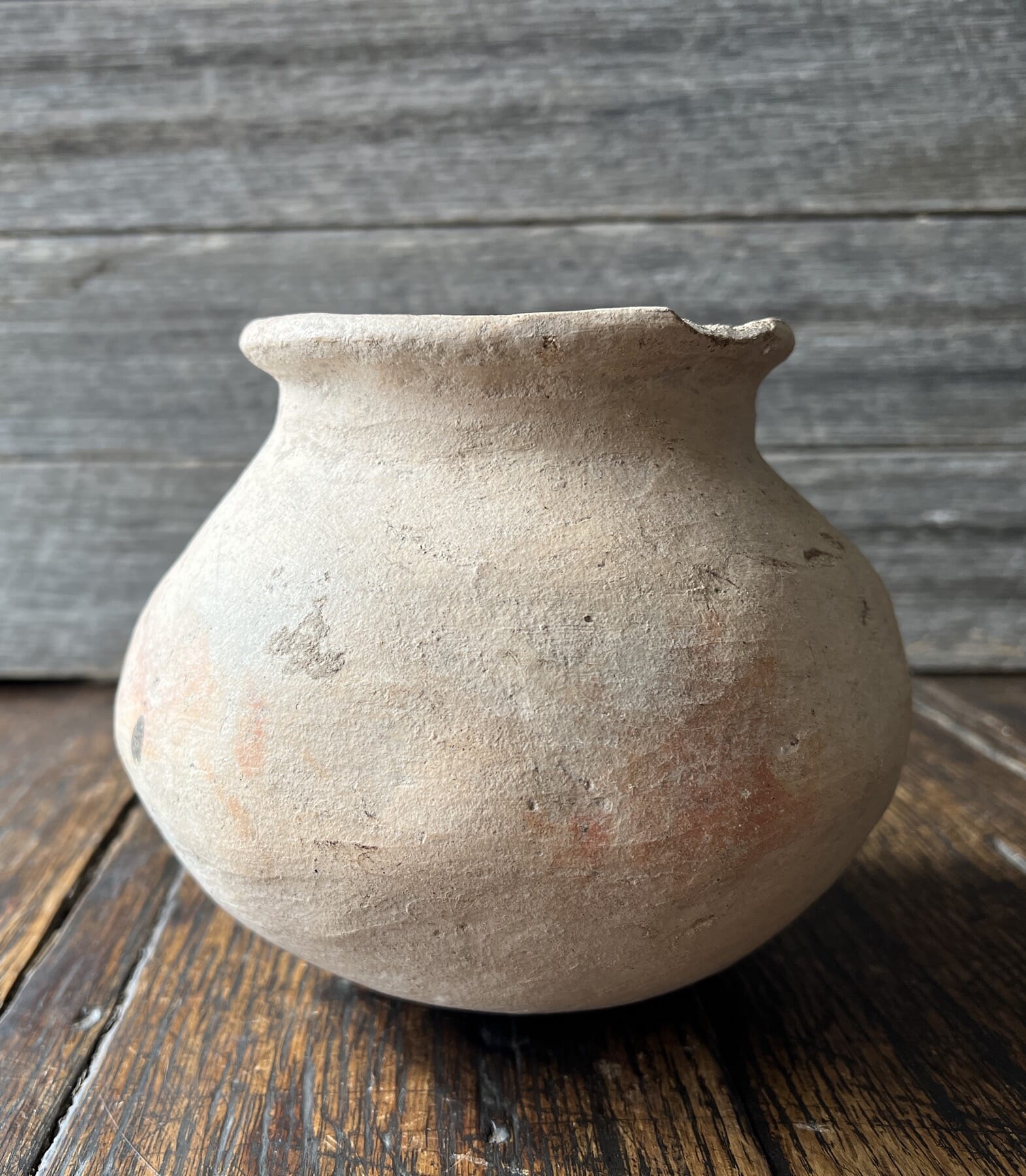
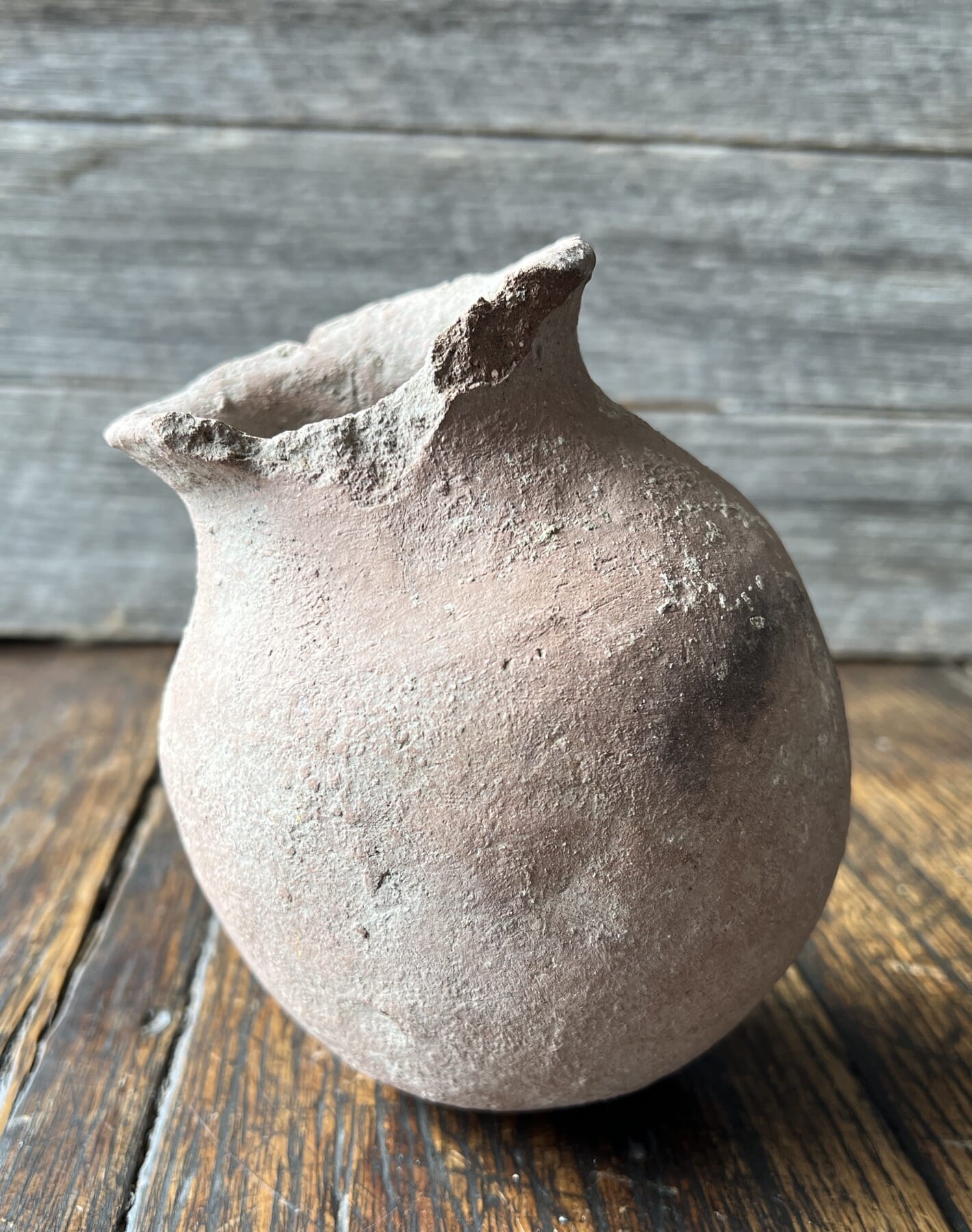
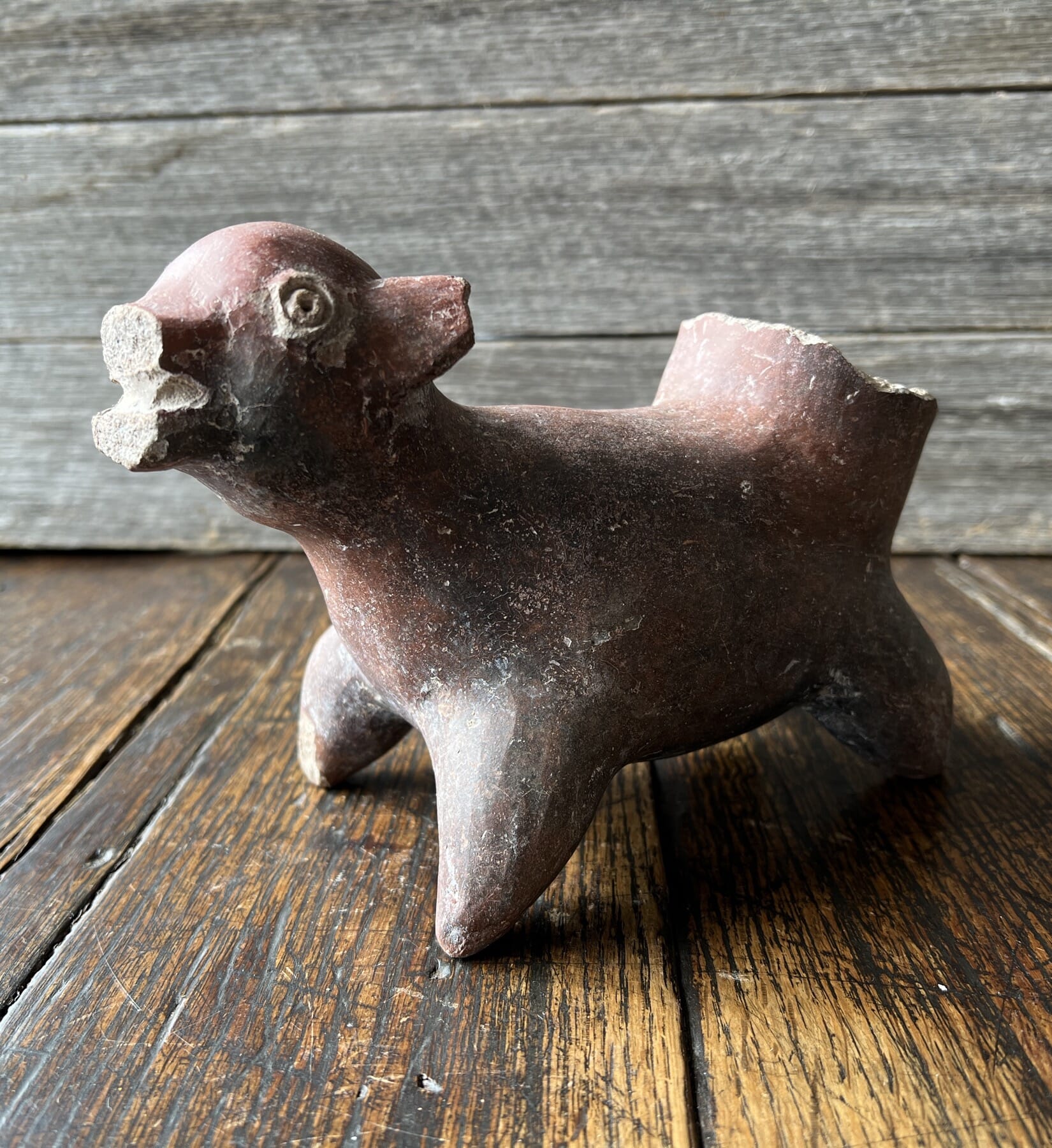
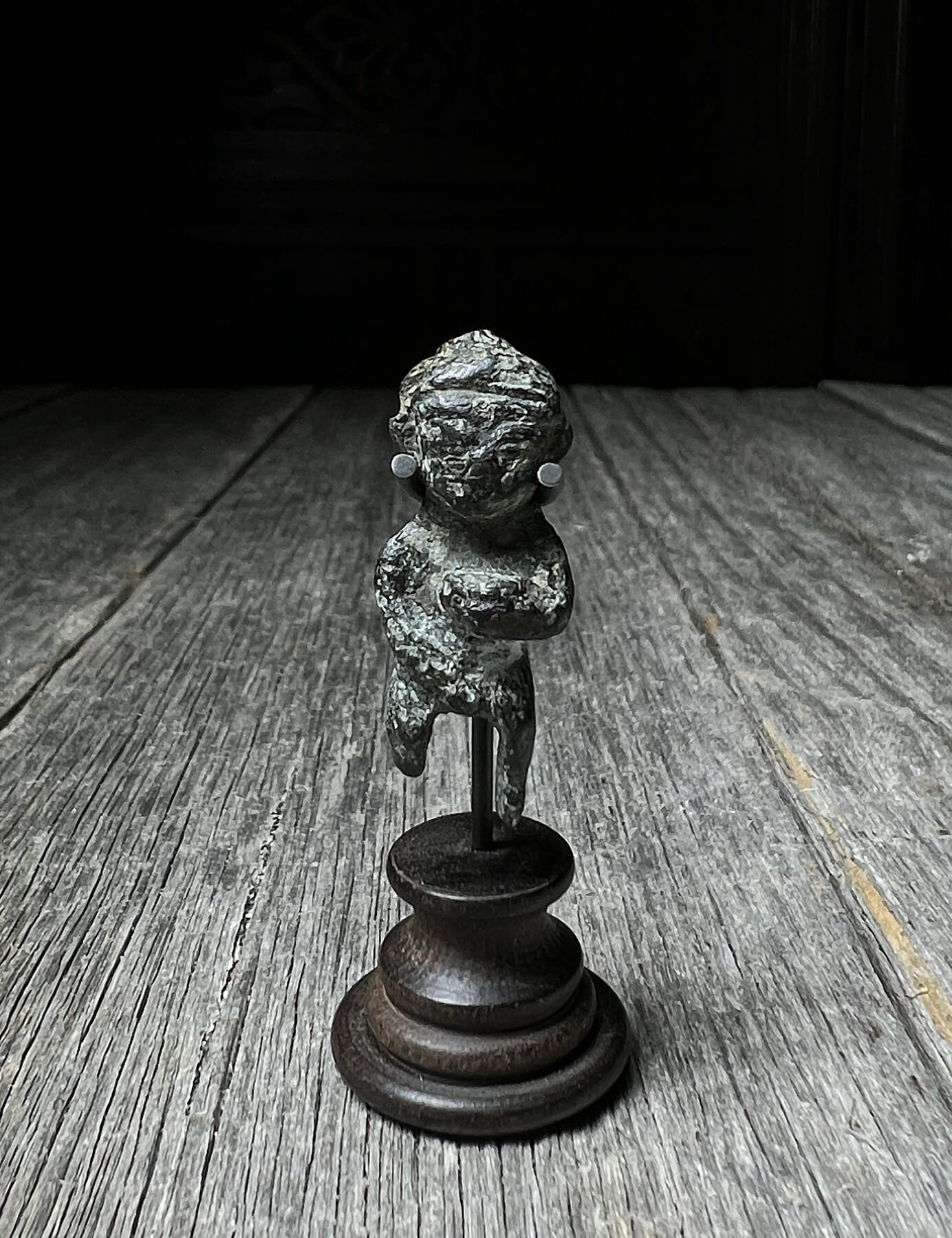
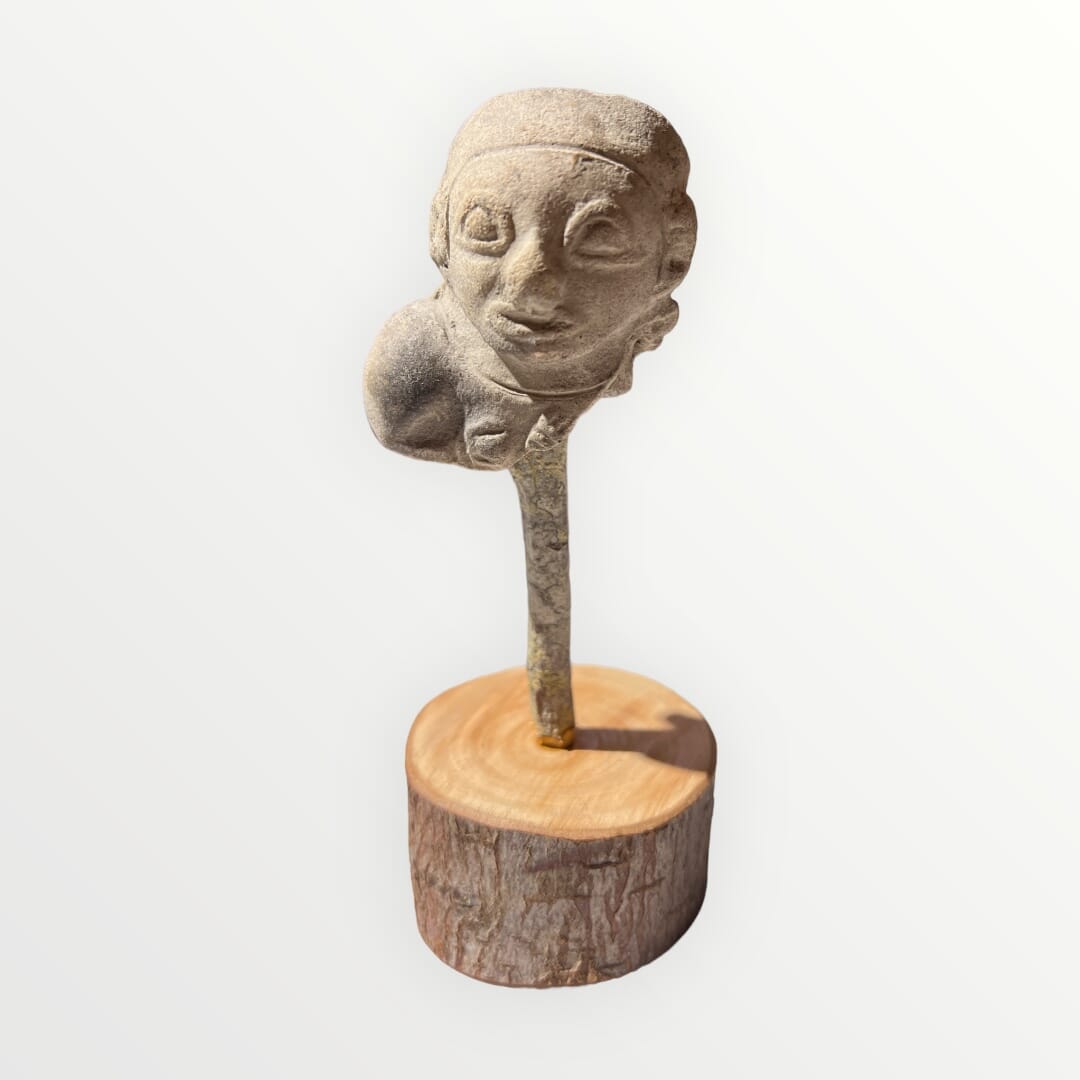
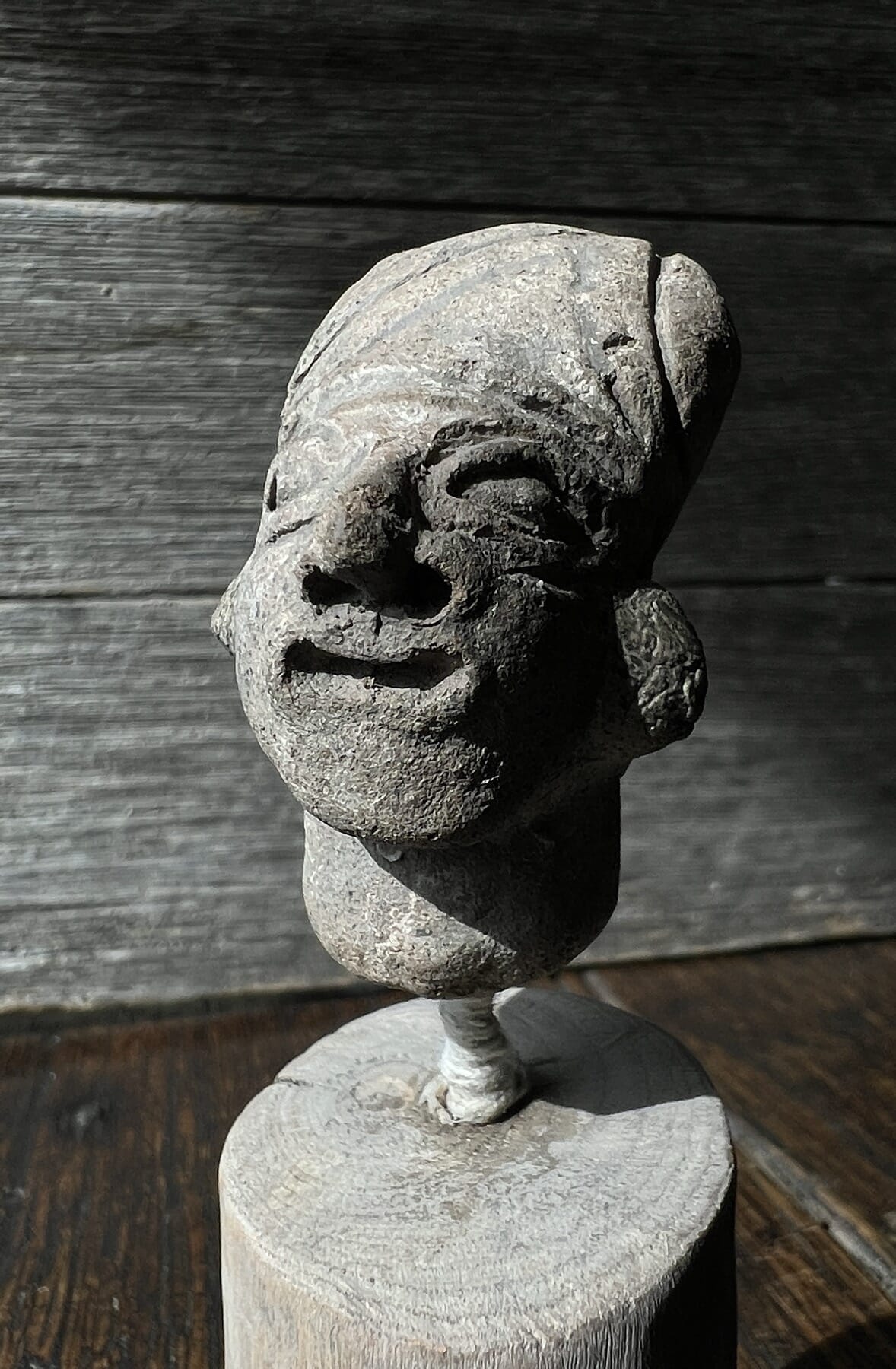
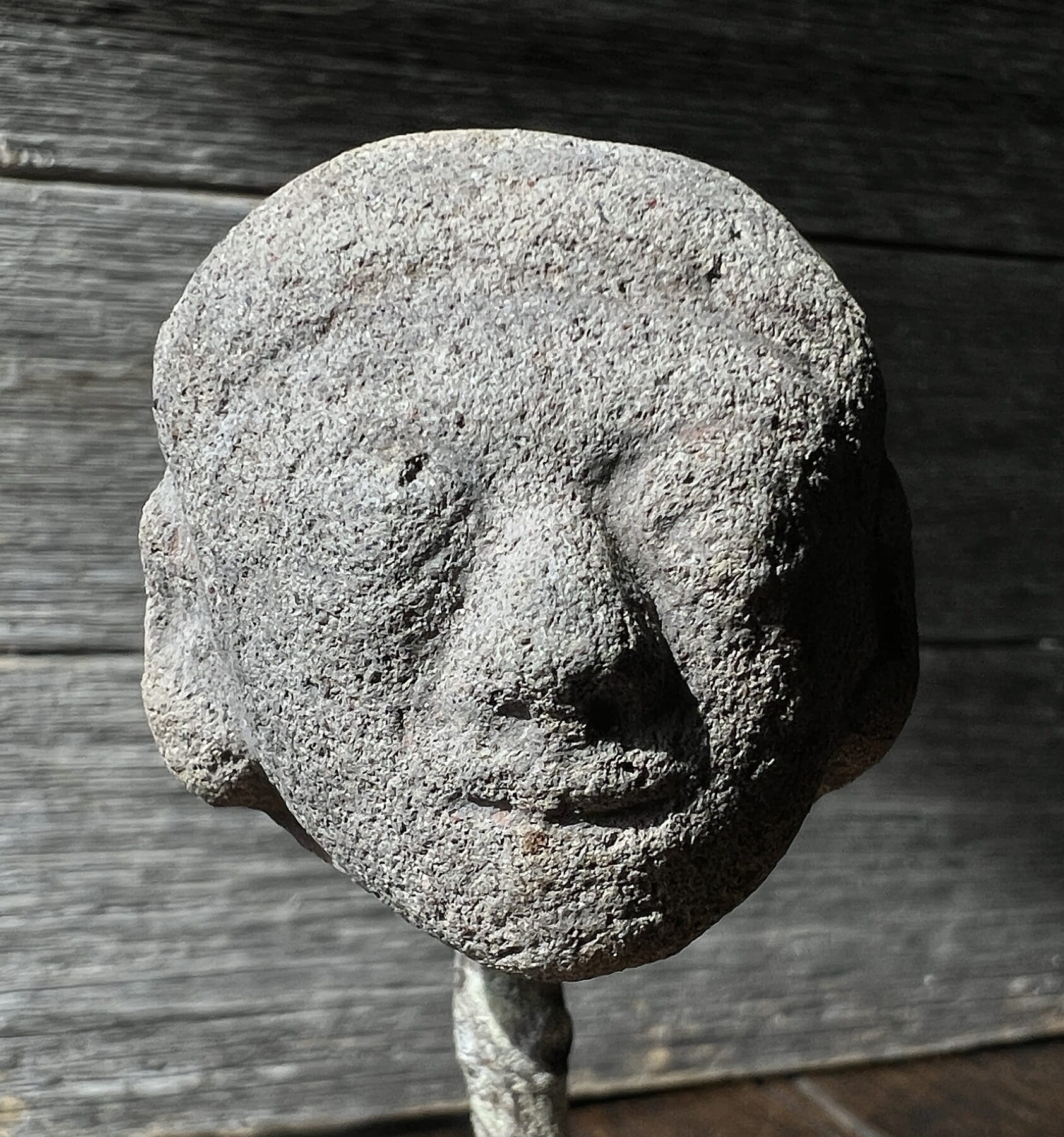
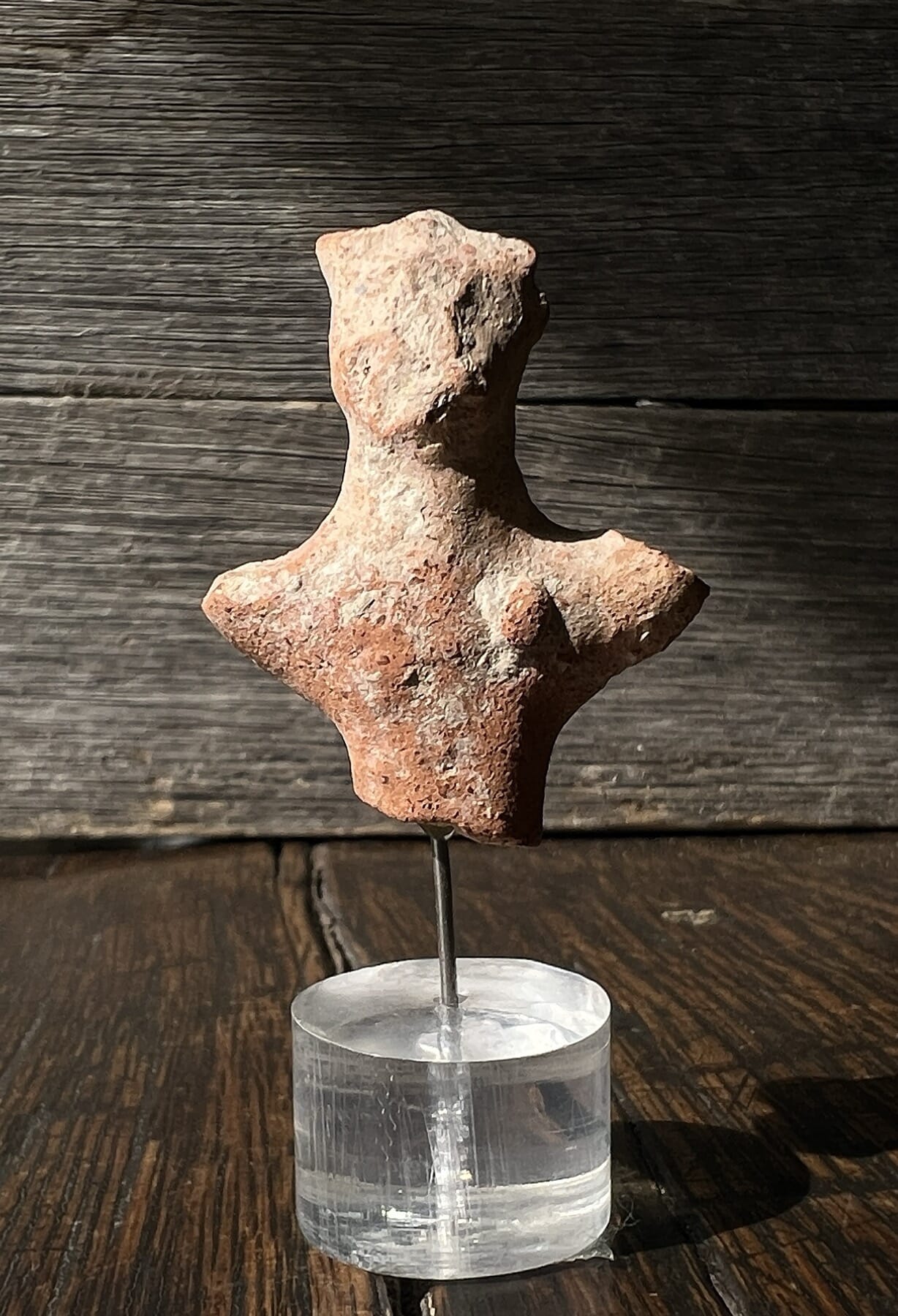
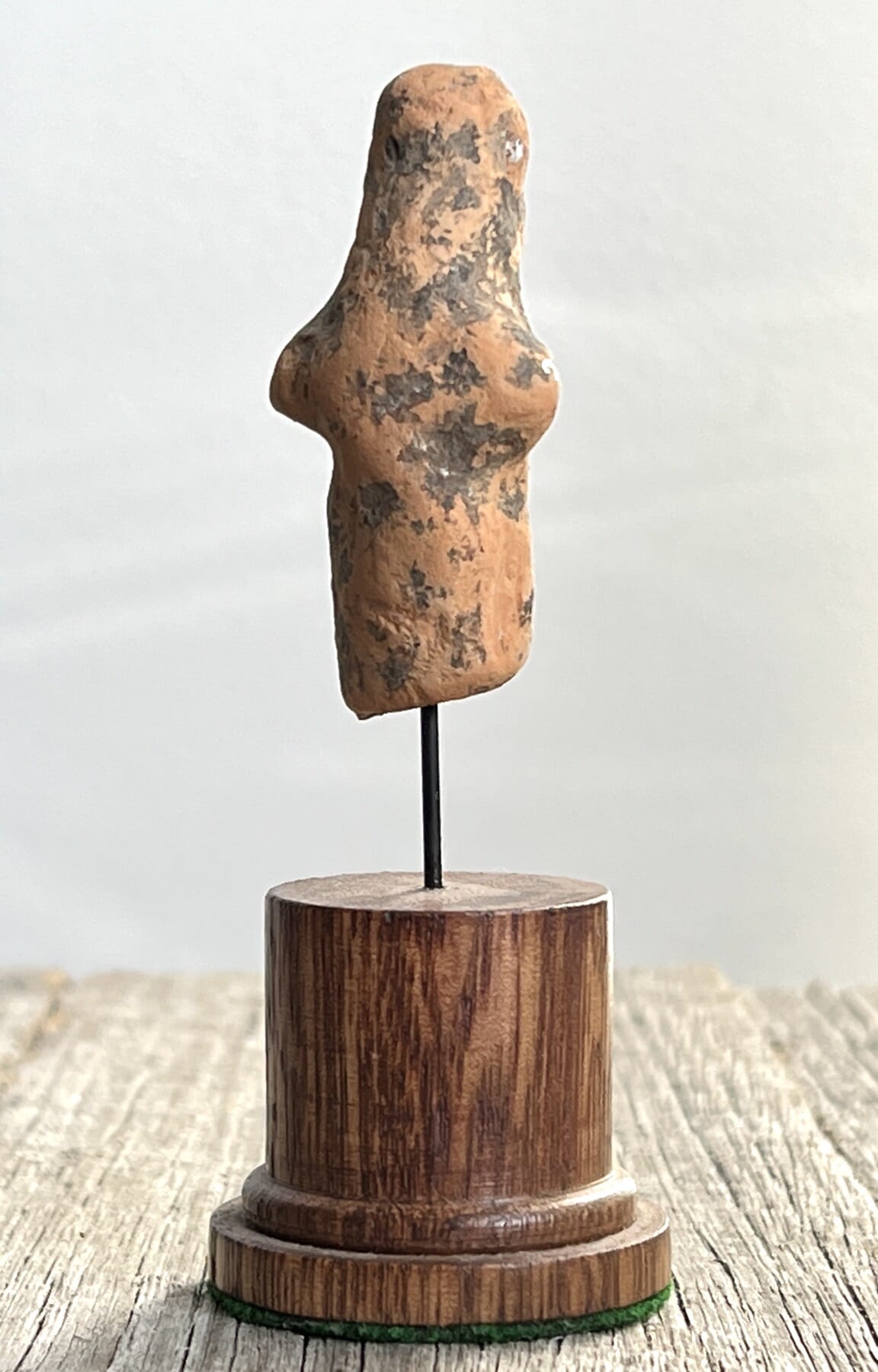
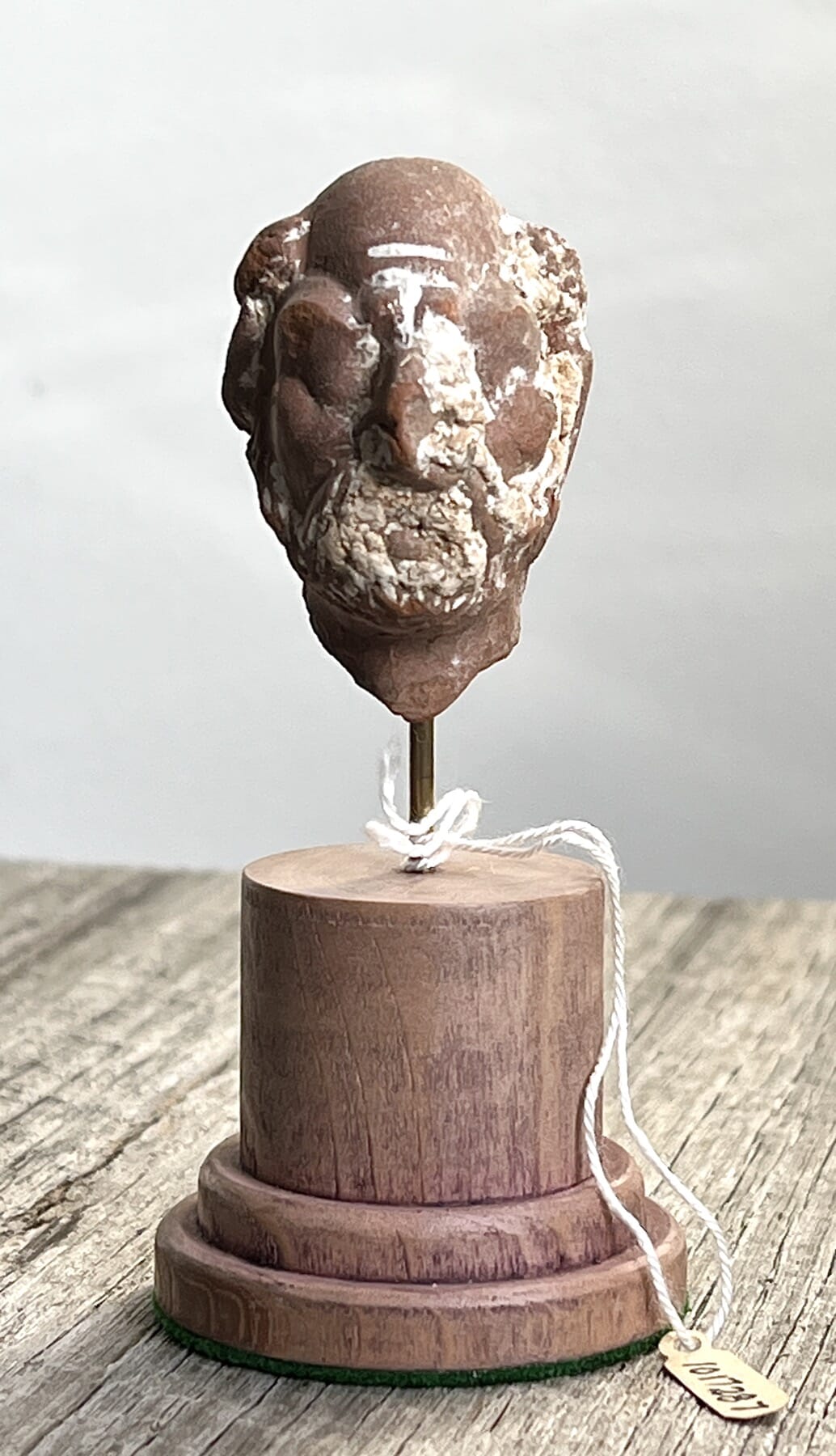
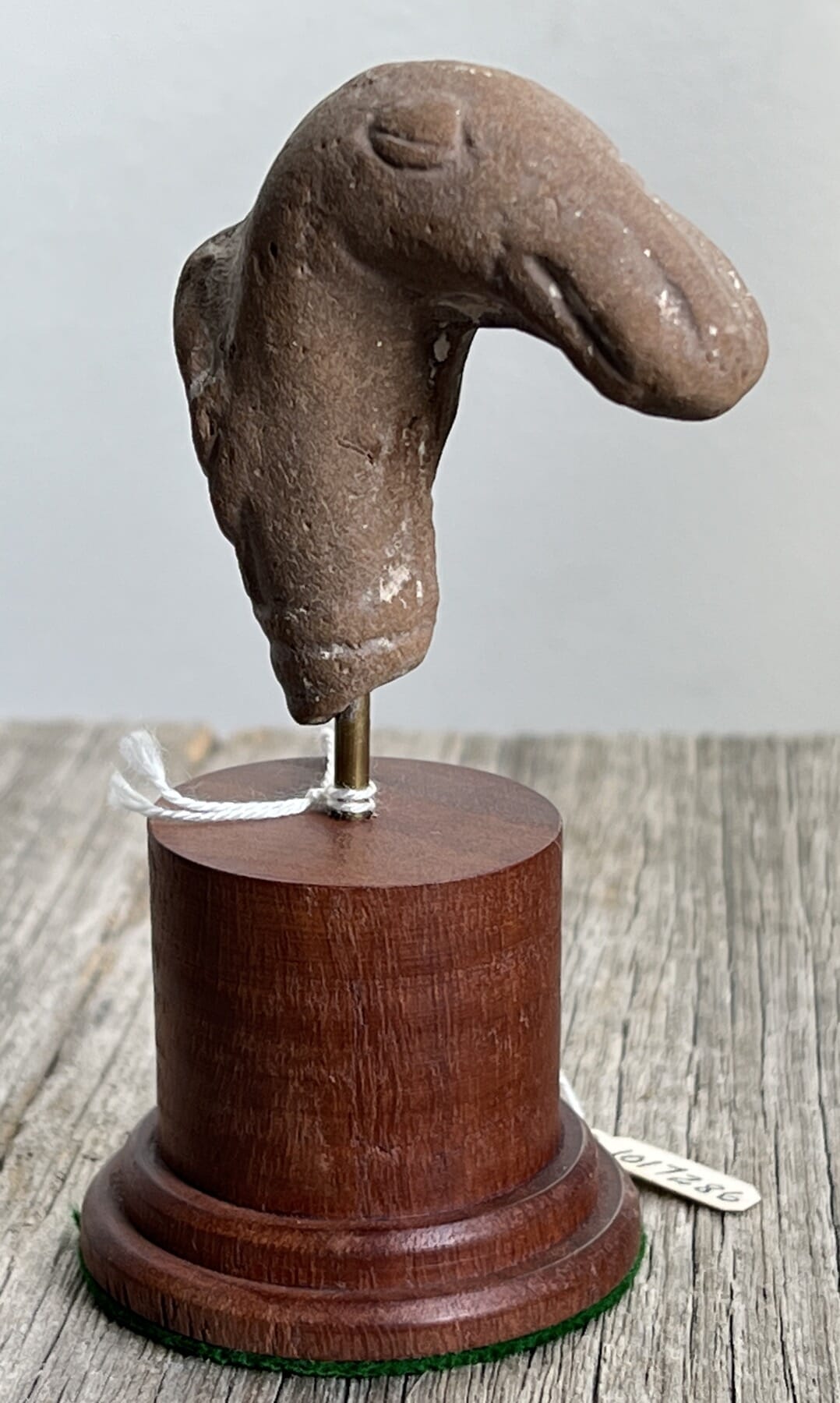
There’s a small collection of Pre-Columbian pottery figures – or rather, some heads absent their bodies, and two with most limbs intact. They come from South American cultures, 500-1500 years old. Once again, they are recently mounted for display.

And there’s many more curious ancient artefacts to browse, with more in preparation for release in the very near future.

General Fresh Stock

Posted on

April Fresh Stock: Lambeth Stoneware, Bronze bust, Georgian Engravings…

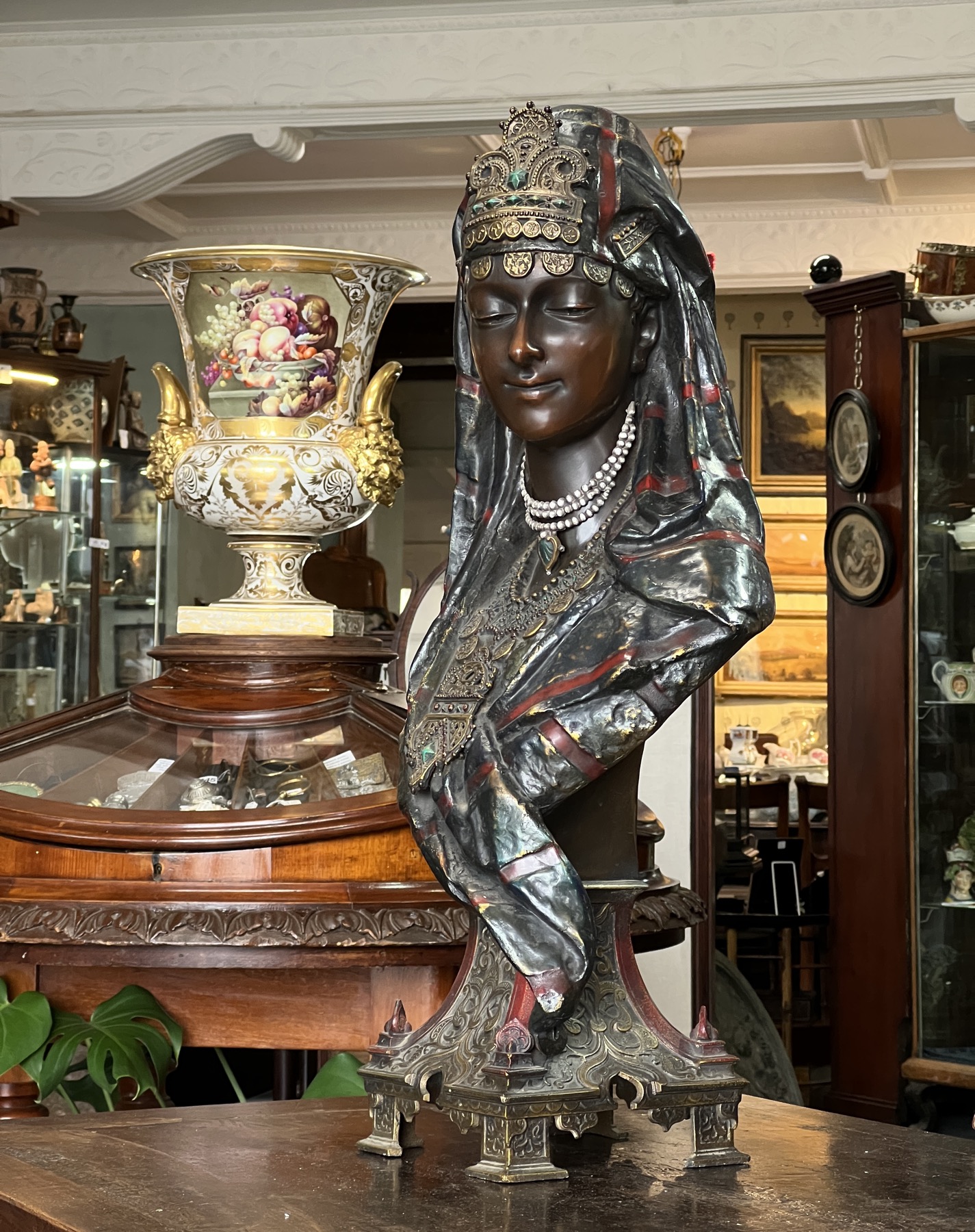
Large cast bronze Orientalist female bust, from a pair by Louis Hottot (1834-1905) known as 'Ottoman Couple",
Large cast bronze ‘Orientalist ‘Ottoman’ female bust, by Louis Hottot (1834-1905)

Welcome to our latest Stock Release.
You’ll find some special pieces, the most dramatic being a life-size bronze bust of a very exotic lady: this is a large cast bronze bust of an exotic beauty, from a pair by Louis Hottot (1834-1905) known as the ‘Ottoman Couple”. This is a dramatic 20th century version with excellent surface colouring, rather beautiful in real-life.

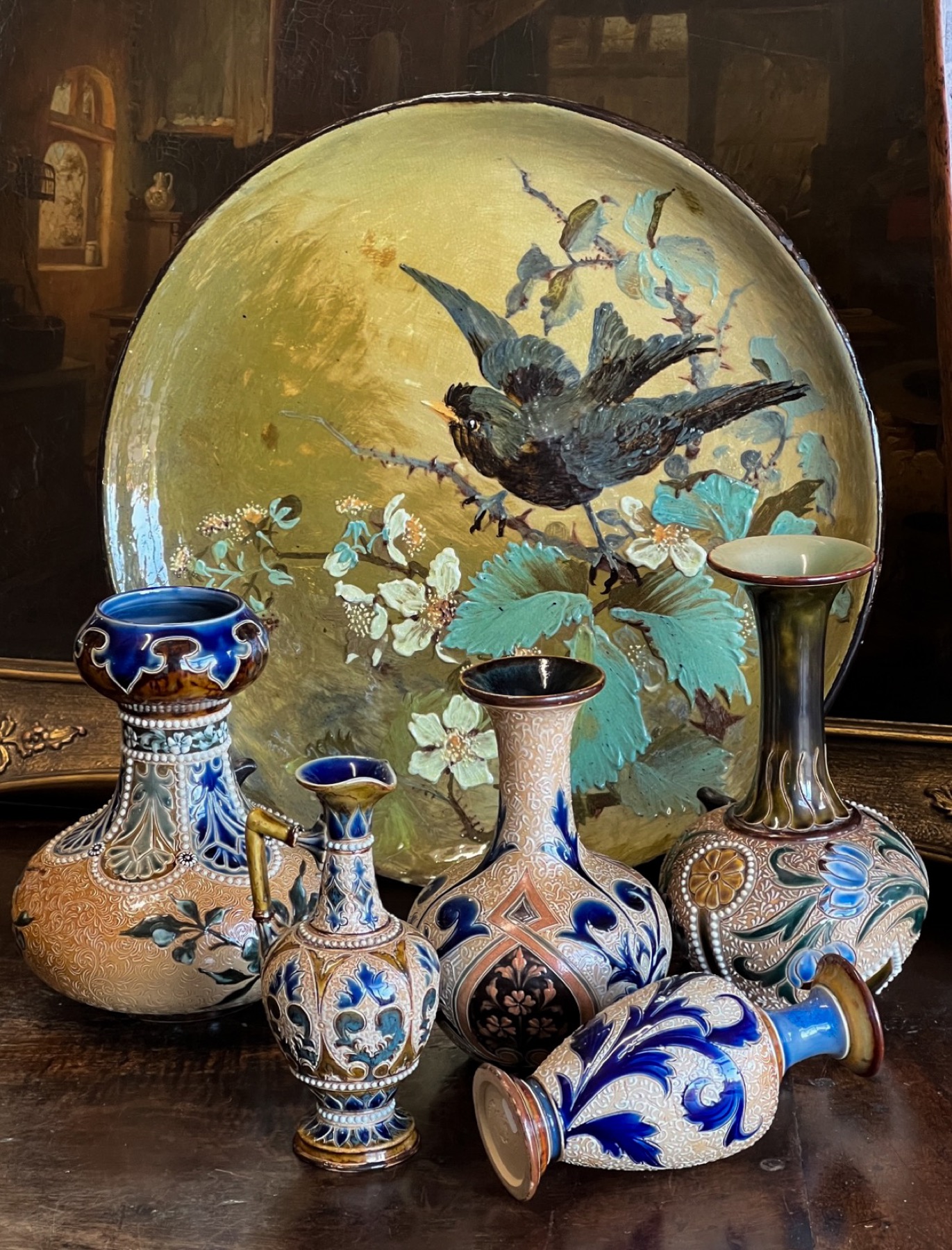
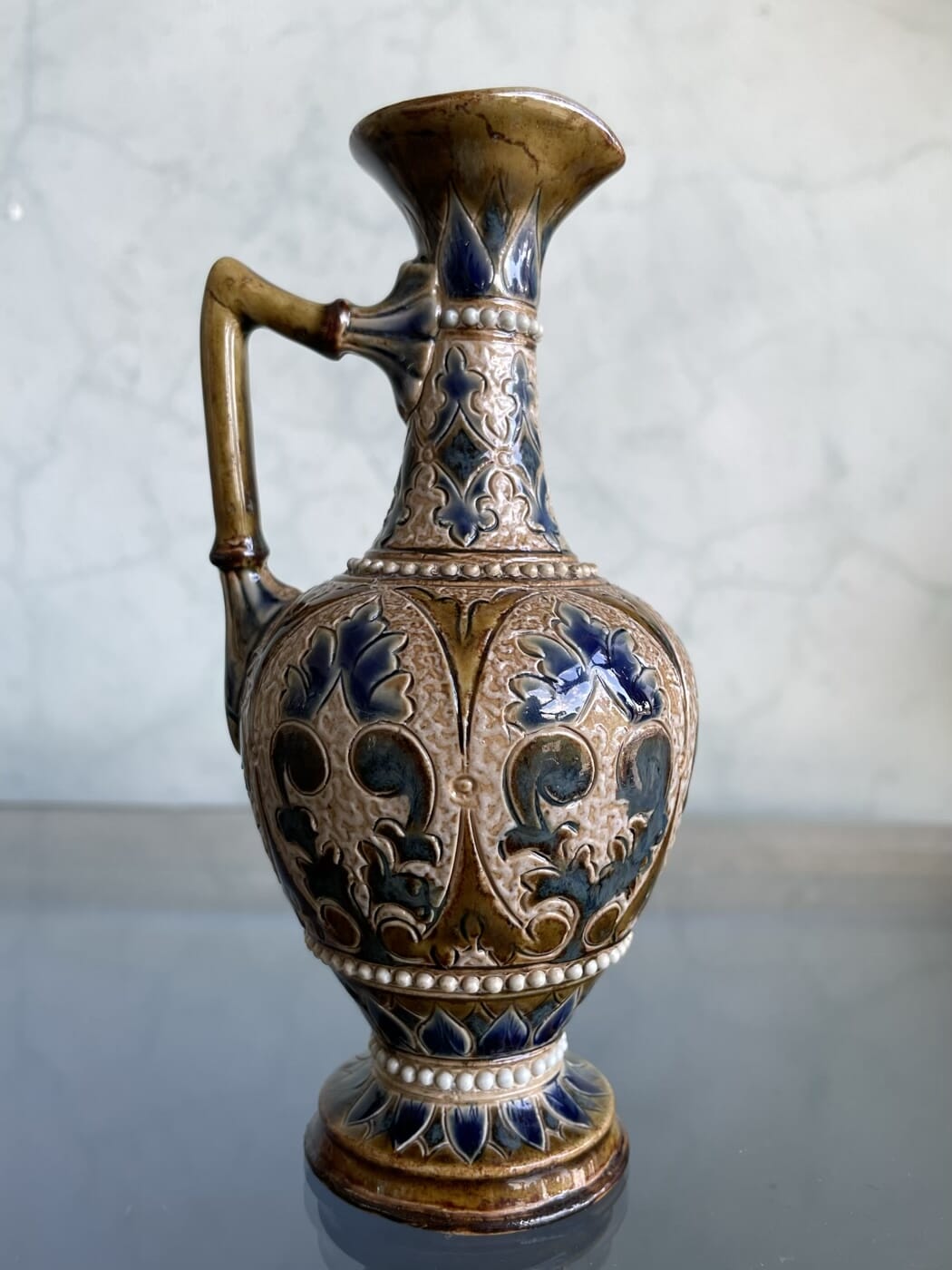
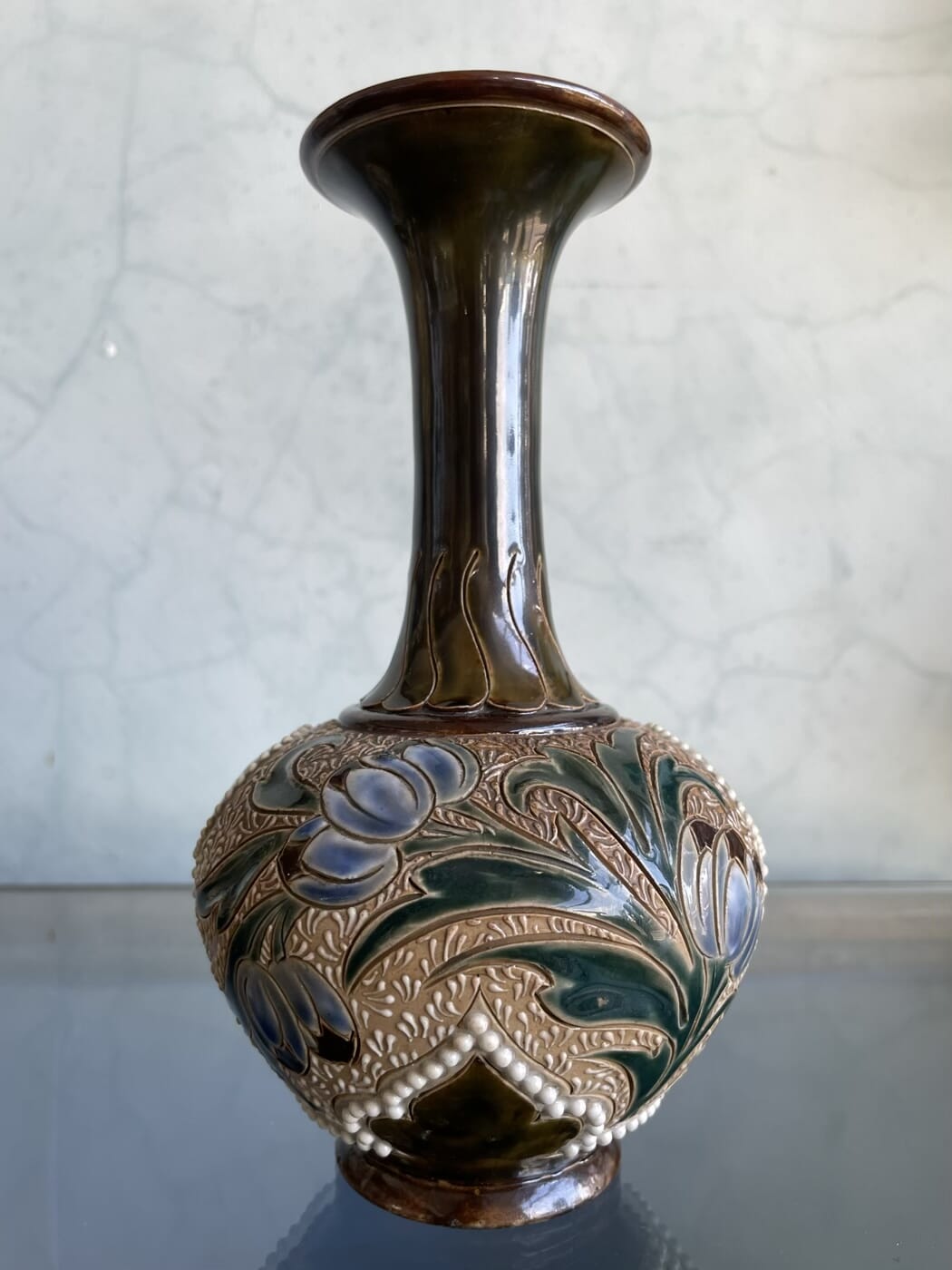
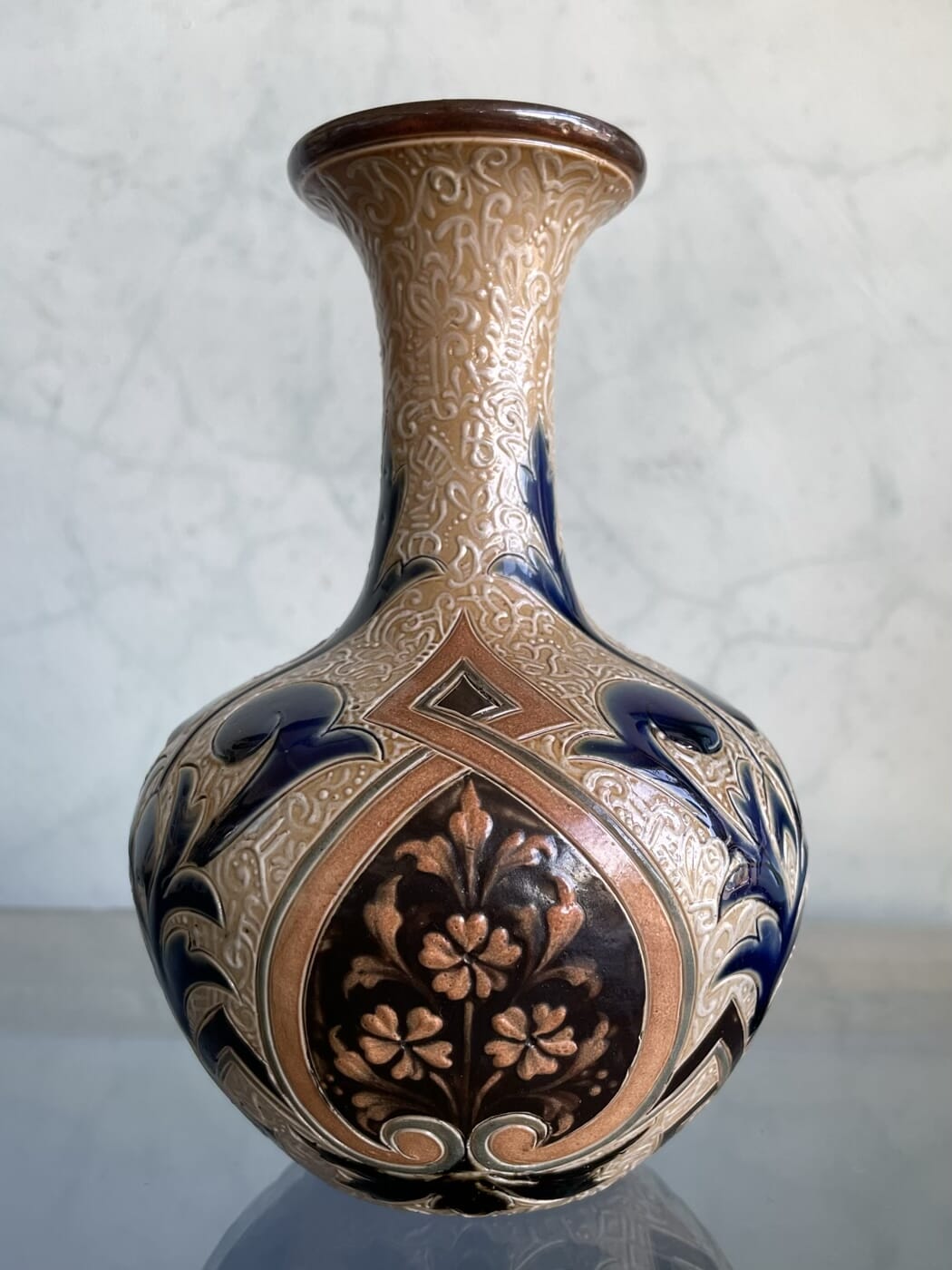
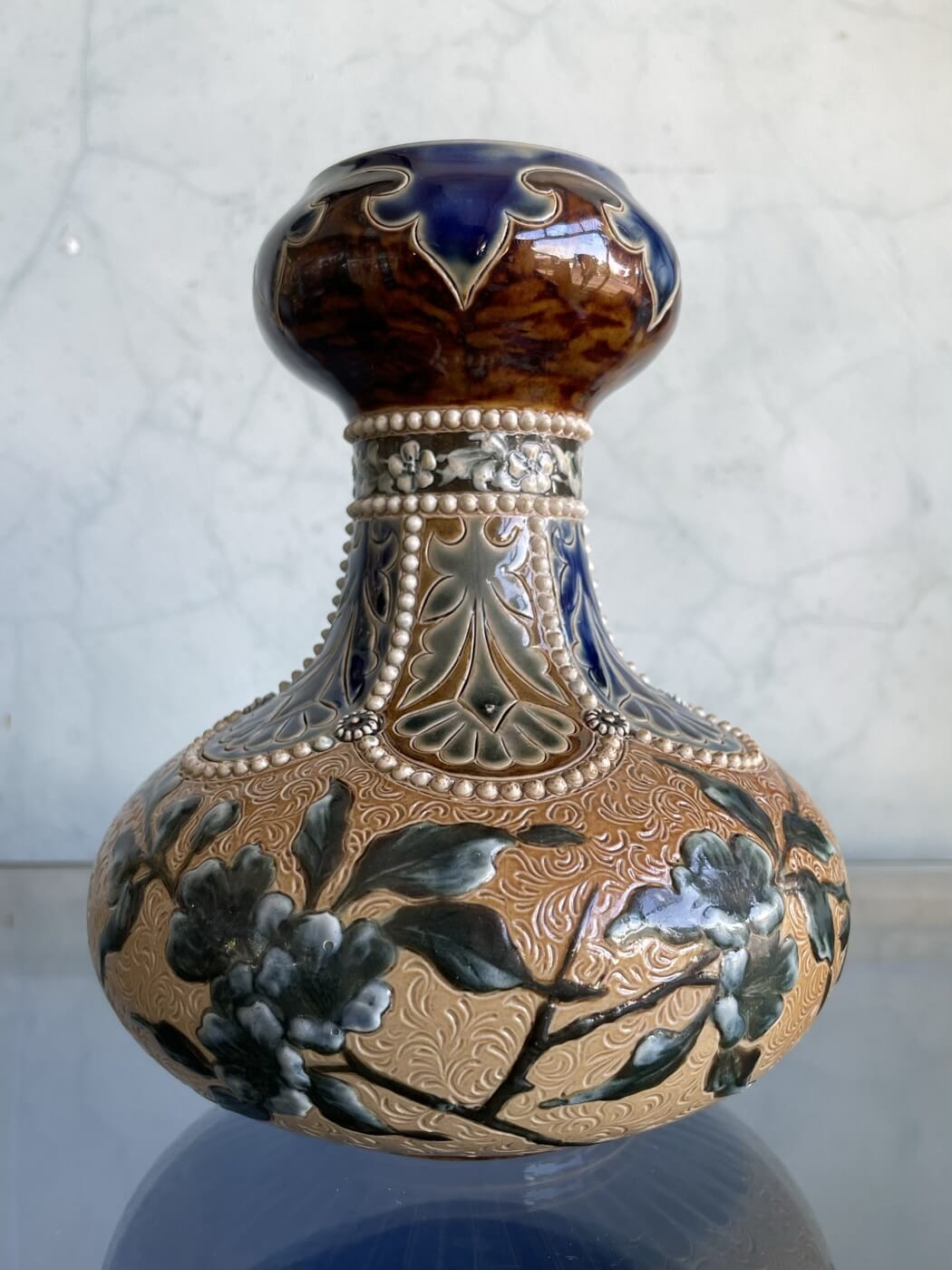
Doulton Lambeth Pottery
A Collection of Doulton Lambeth Pottery at Moorabool Antiques, Geelong

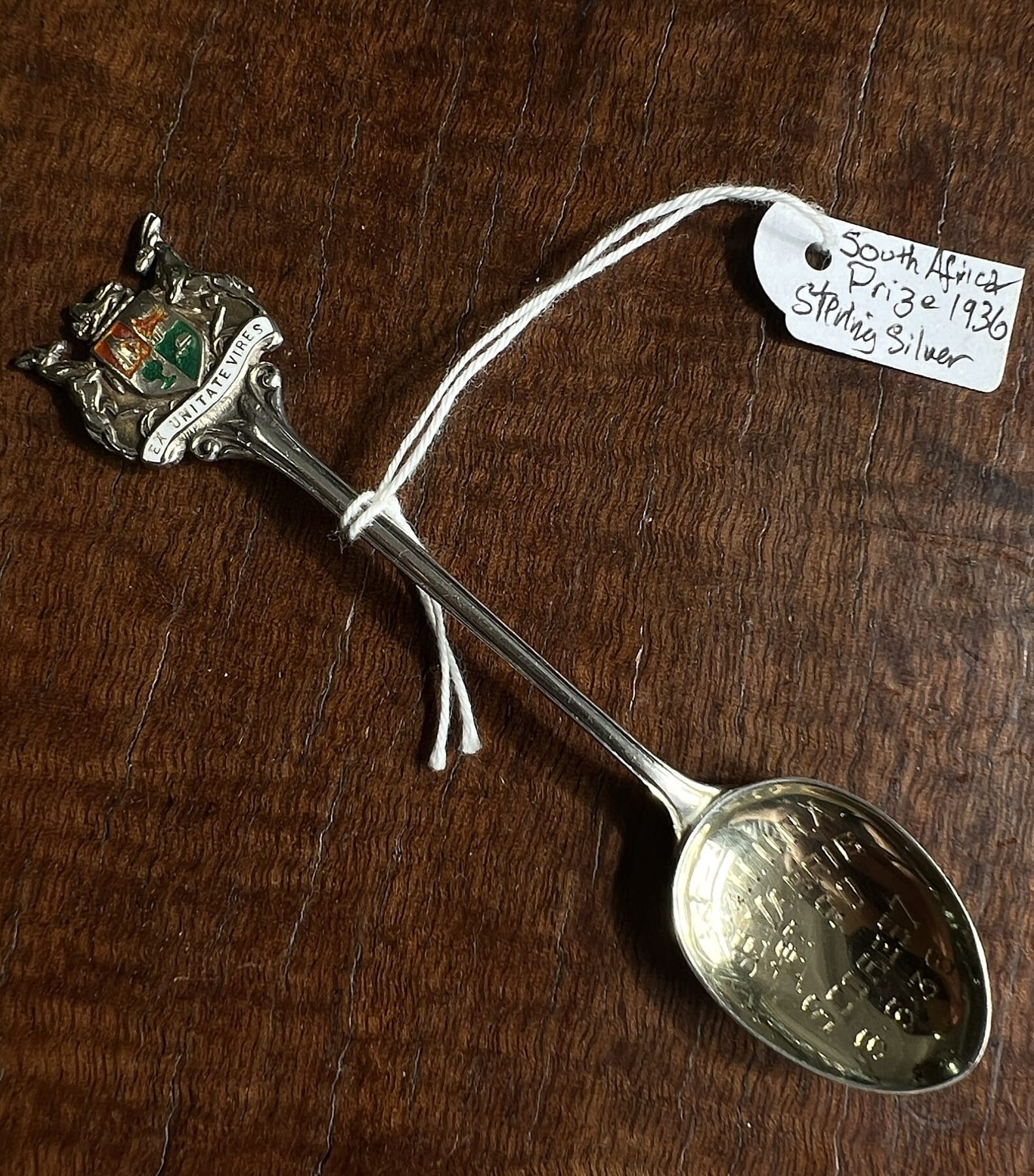
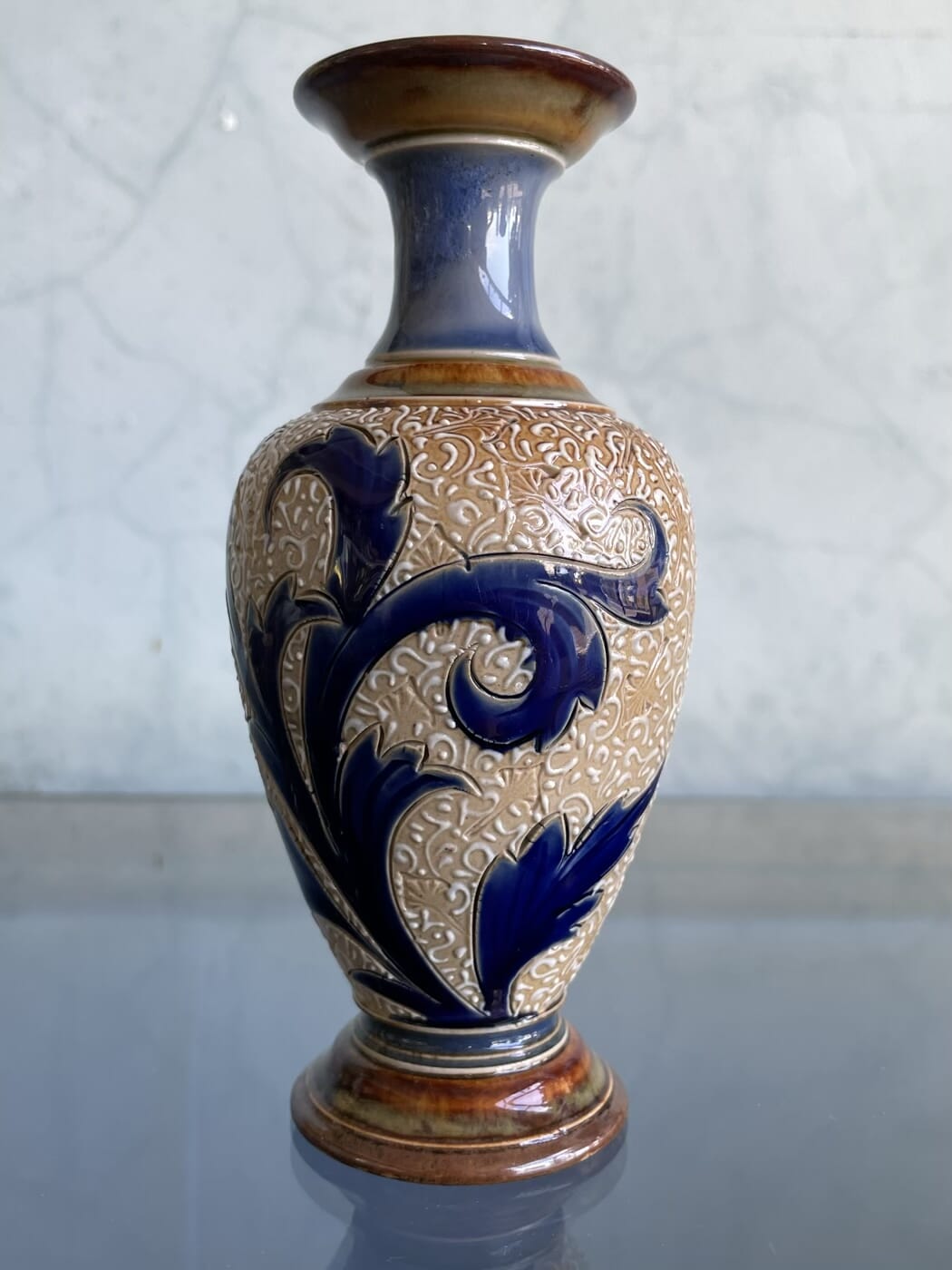
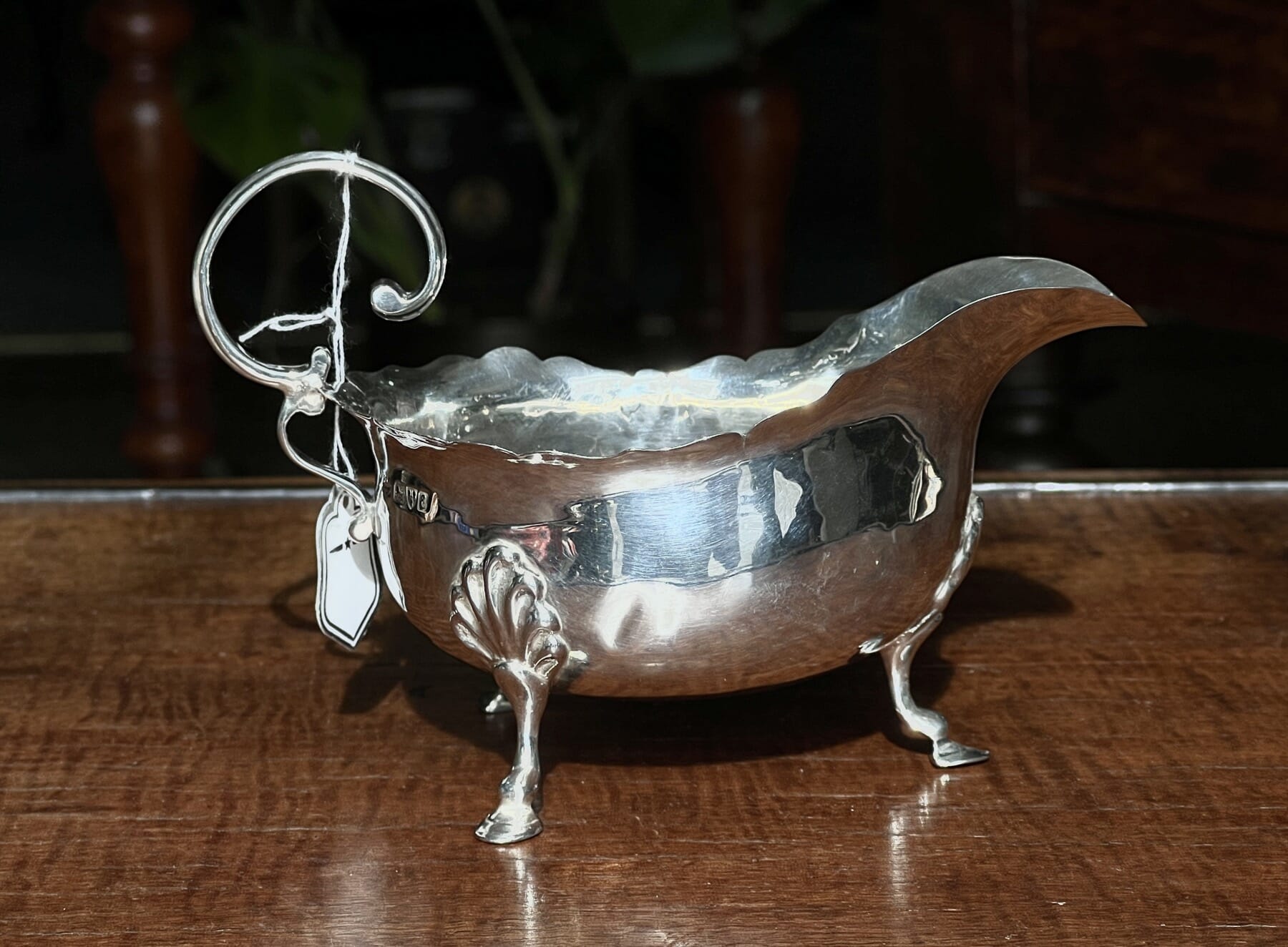
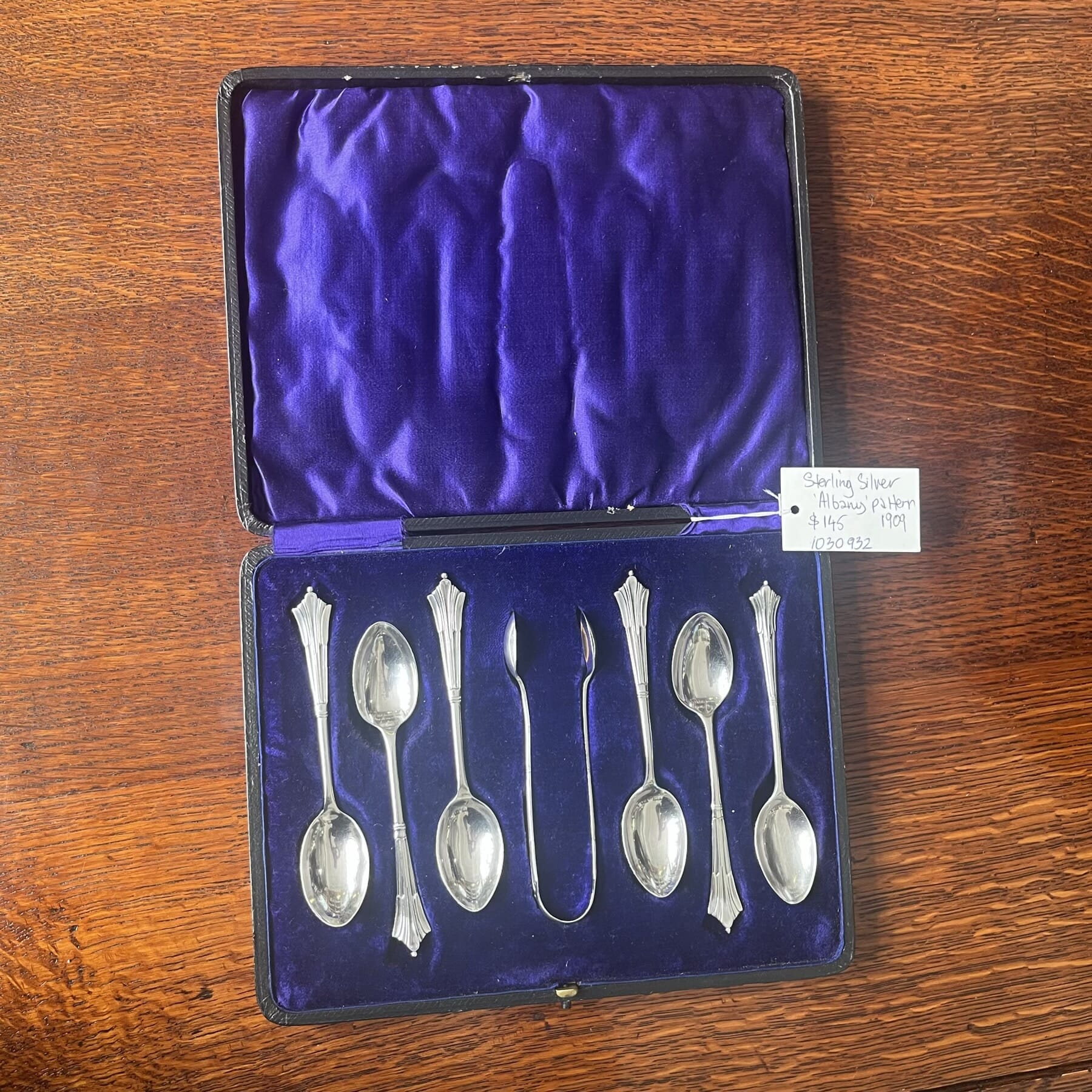
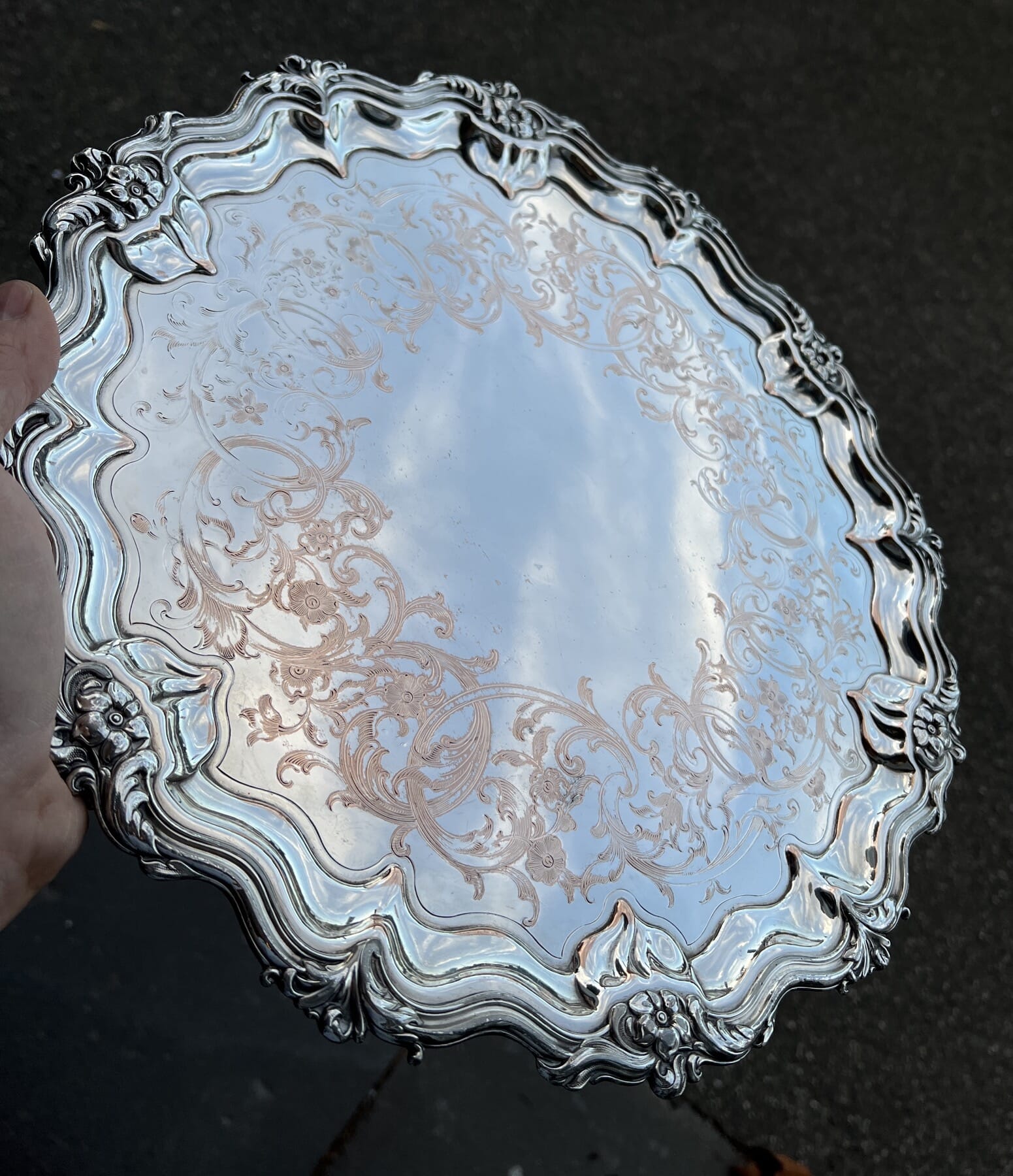
There’s some great Sterling Silver, a small but select collection of Doulton Lambeth Stoneware vases, and more Victorian Glass.

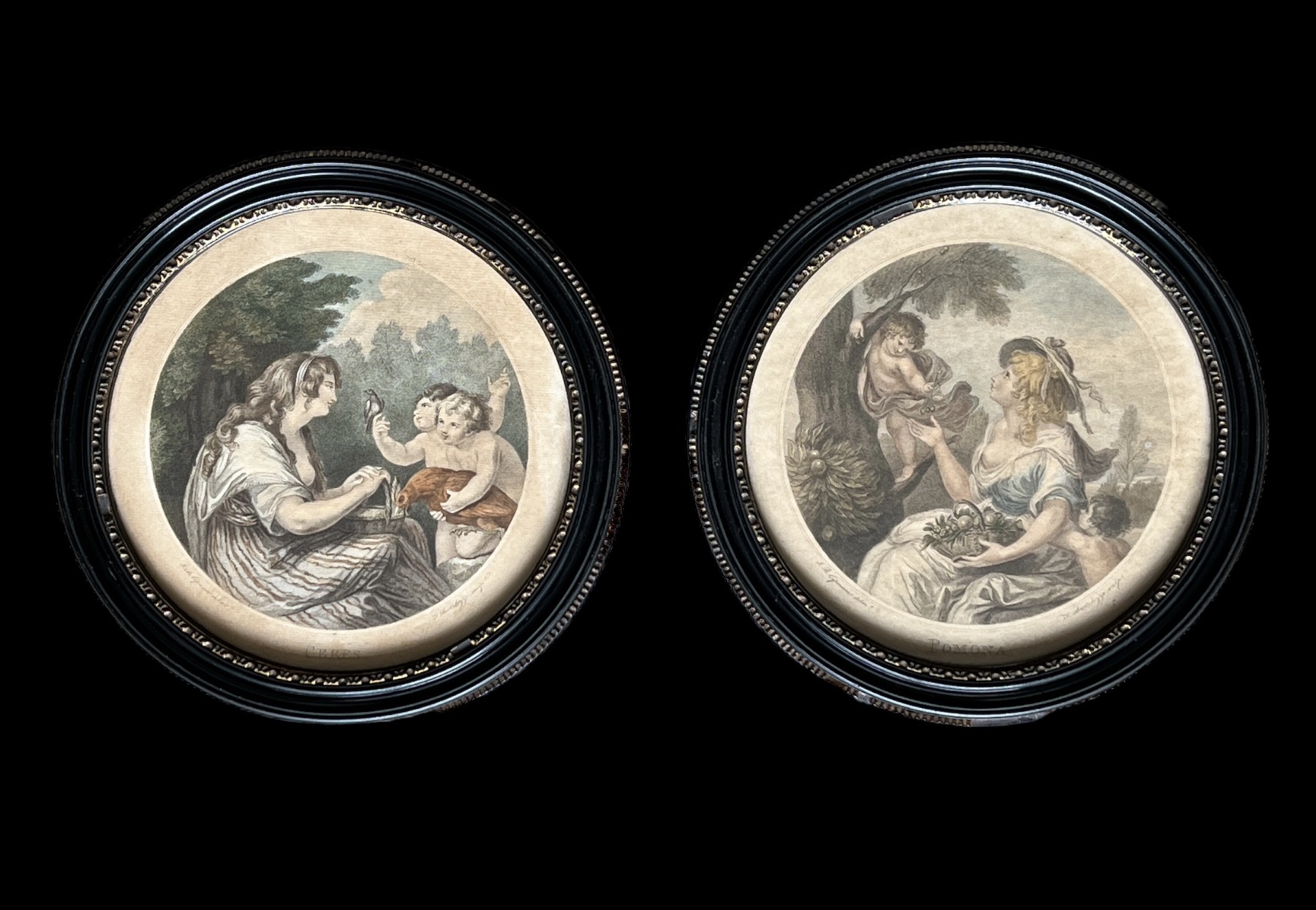
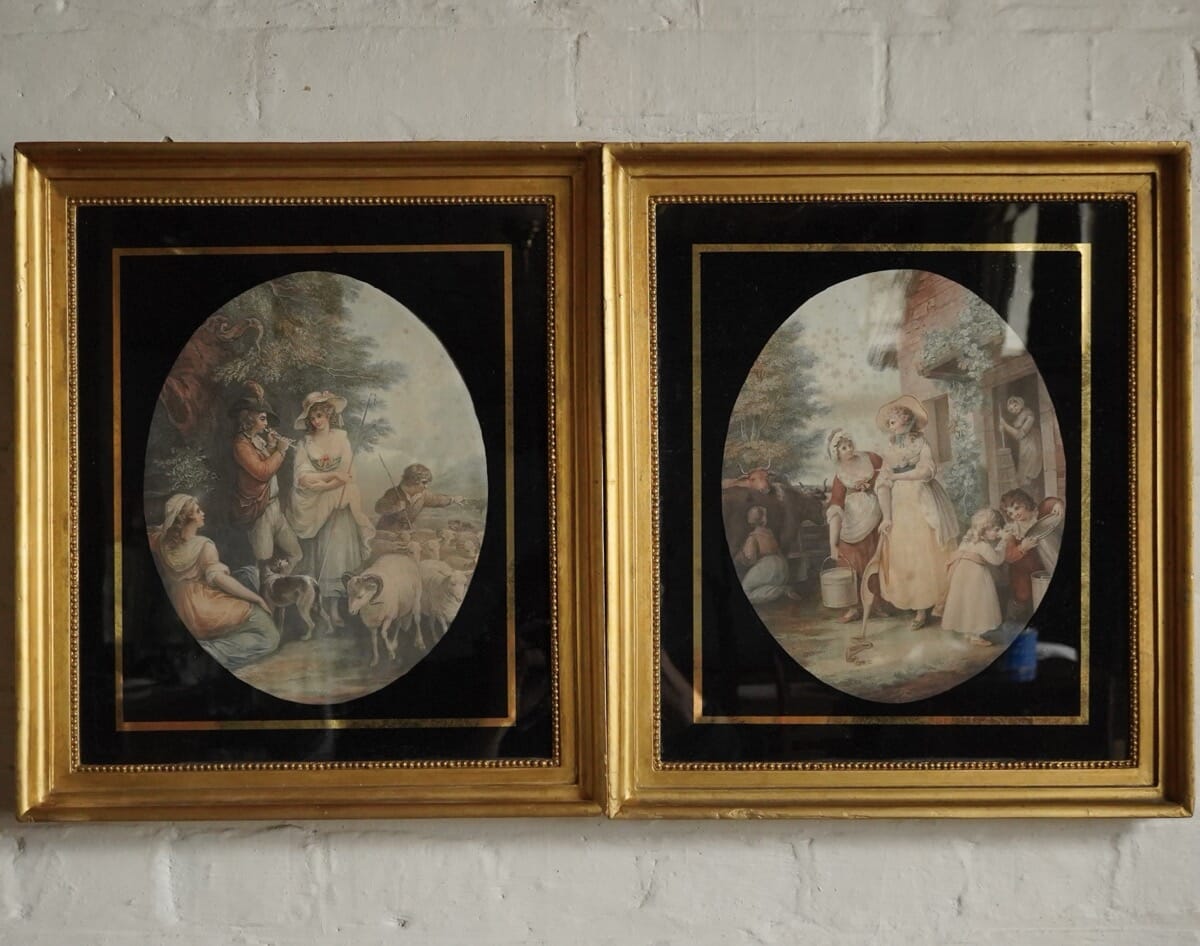
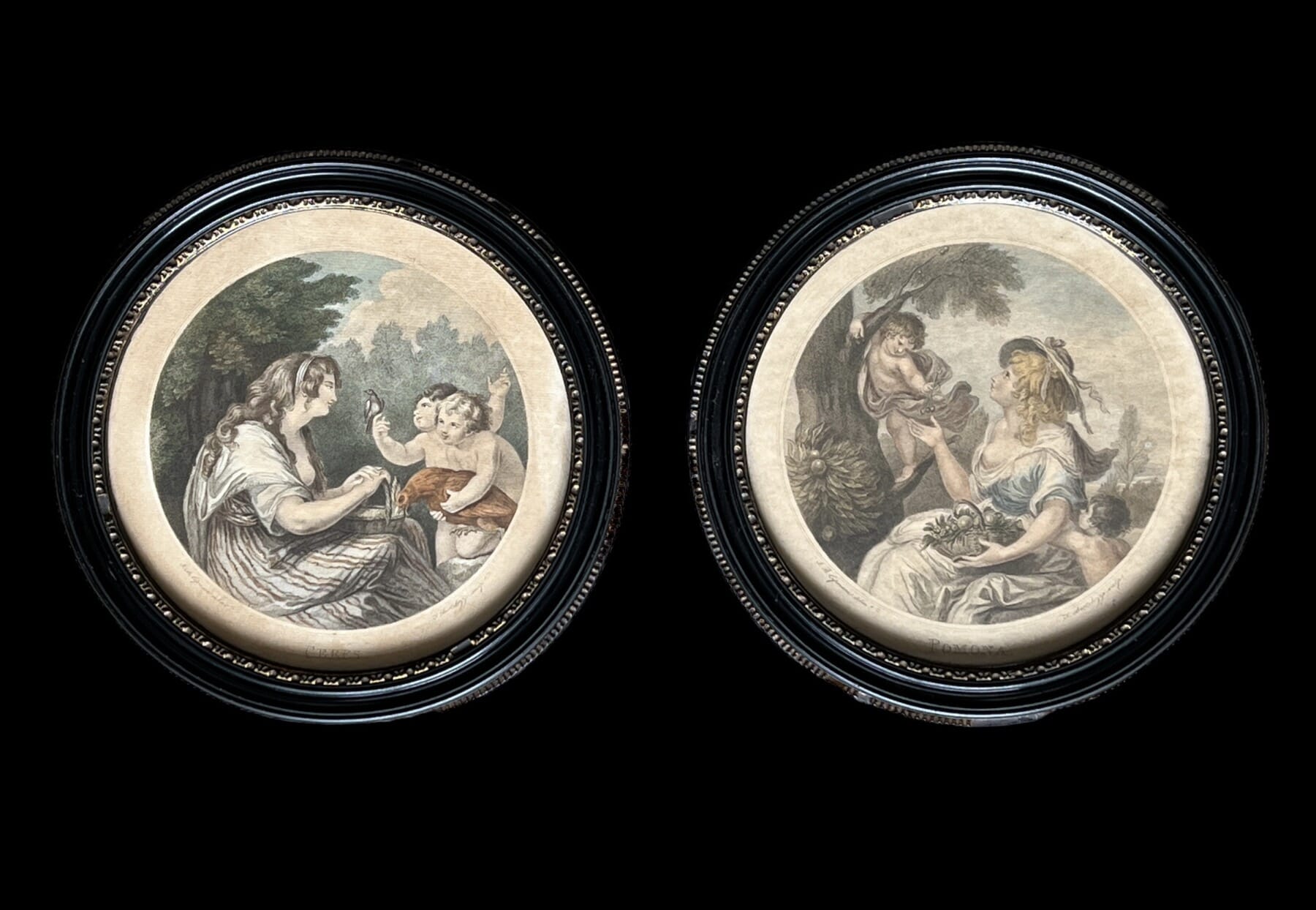
Lastly, there is a fine pair of 18th century circular engravings, or ‘Tondo’, with original colouring. These were published in London in 1787, engraved in London by Royal Academian Francesco Bartolozzi, after originals by his good friend & fellow Royal Academian, Giovanni Battisia Cipriani. Housed in turned wood & gesso period frames, they would make an elegant addition to someone’s wall……
Enjoy!

FRESH STOCK to MOORABOOL….

Posted on
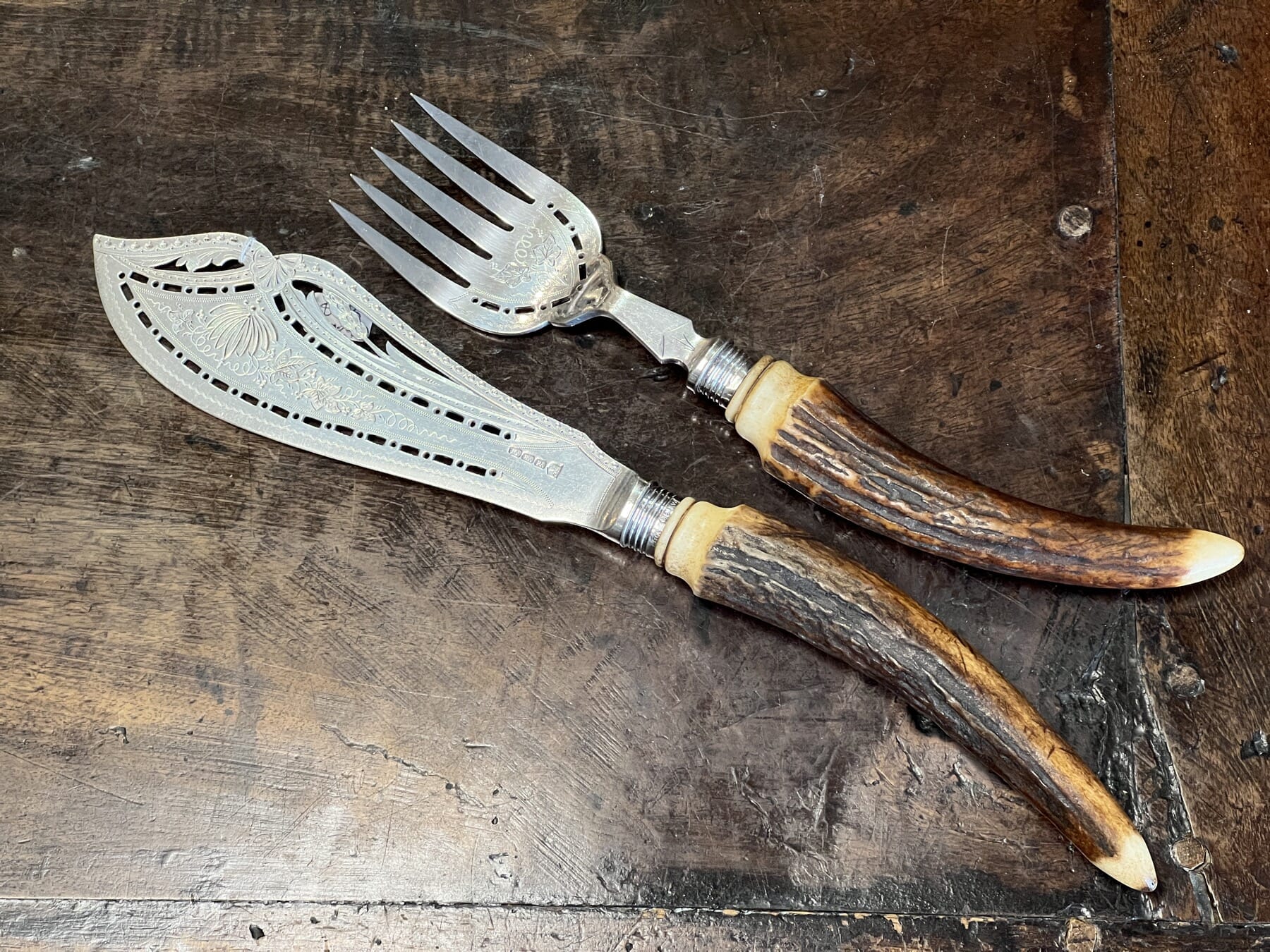
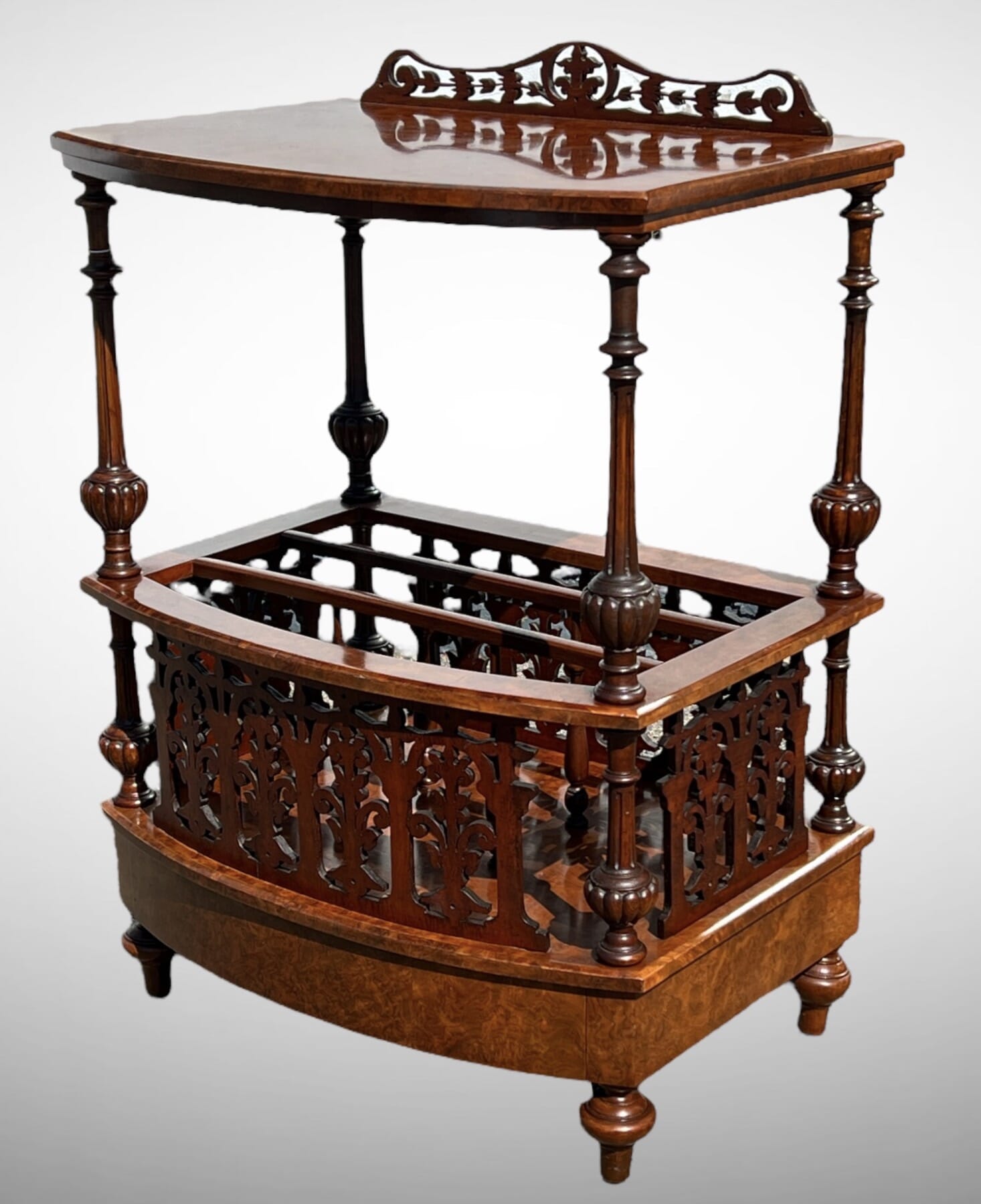
Fresh Stock April 15th – Victorian Furniture, Glove stretchers + more!

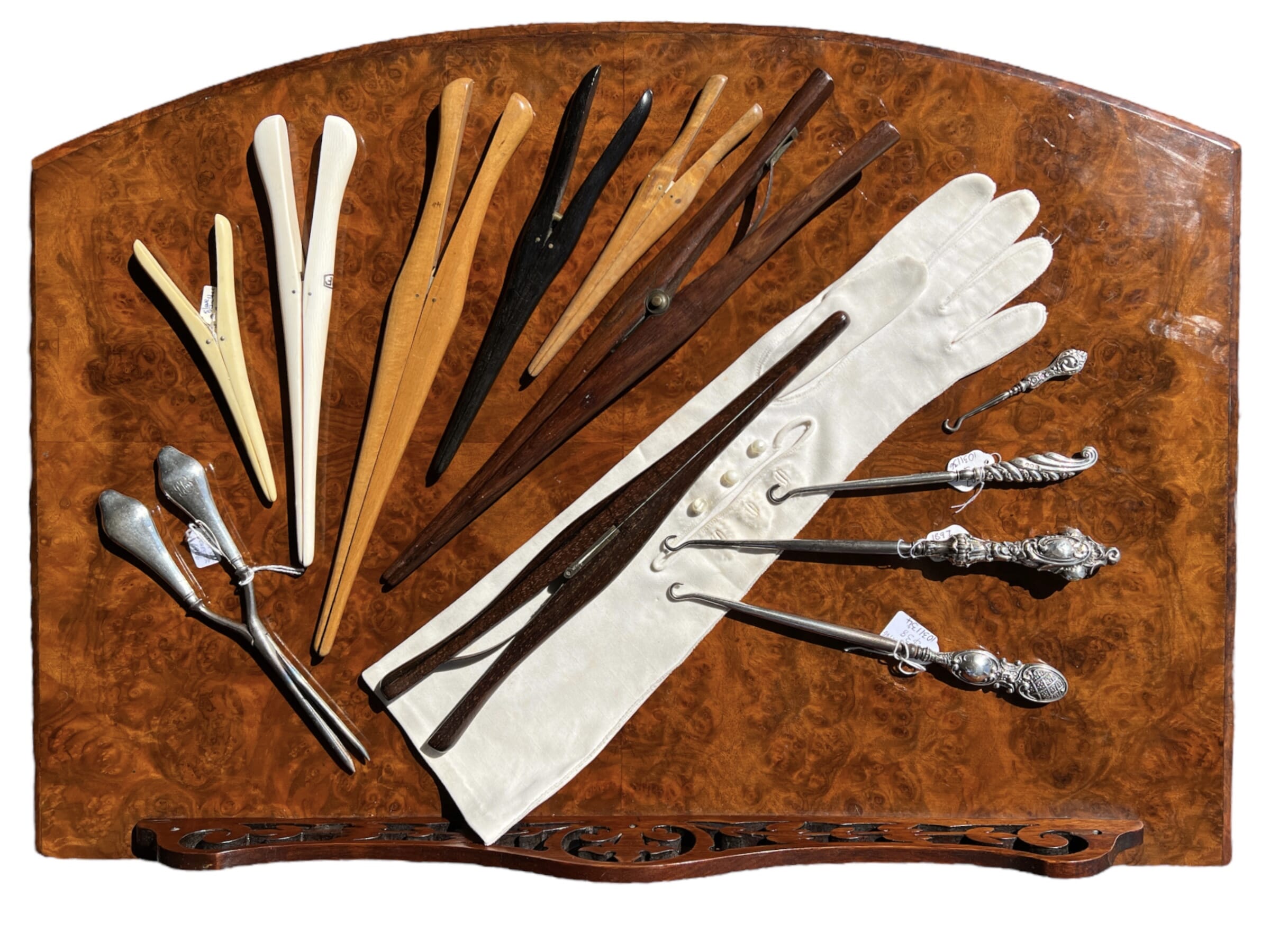
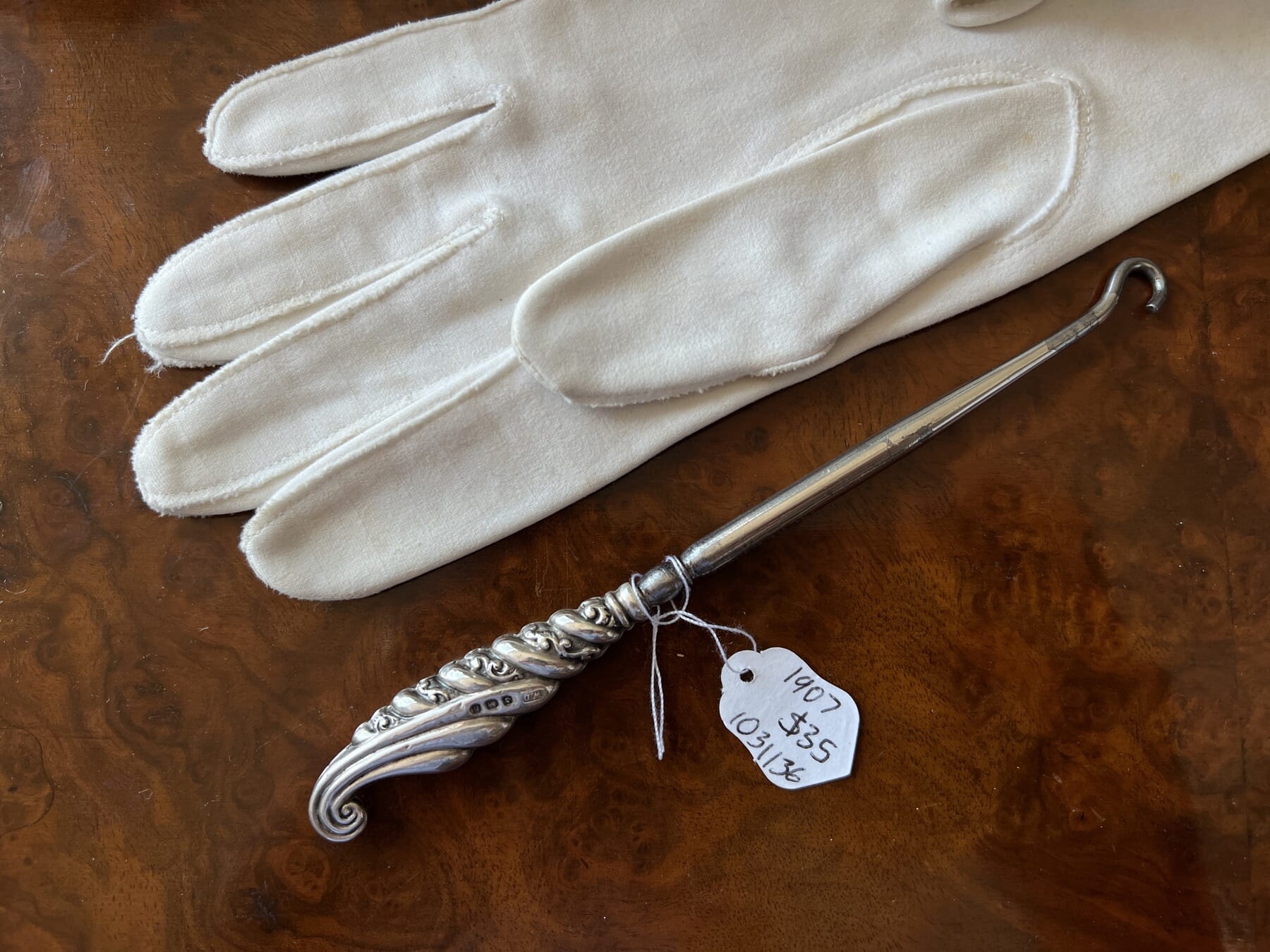
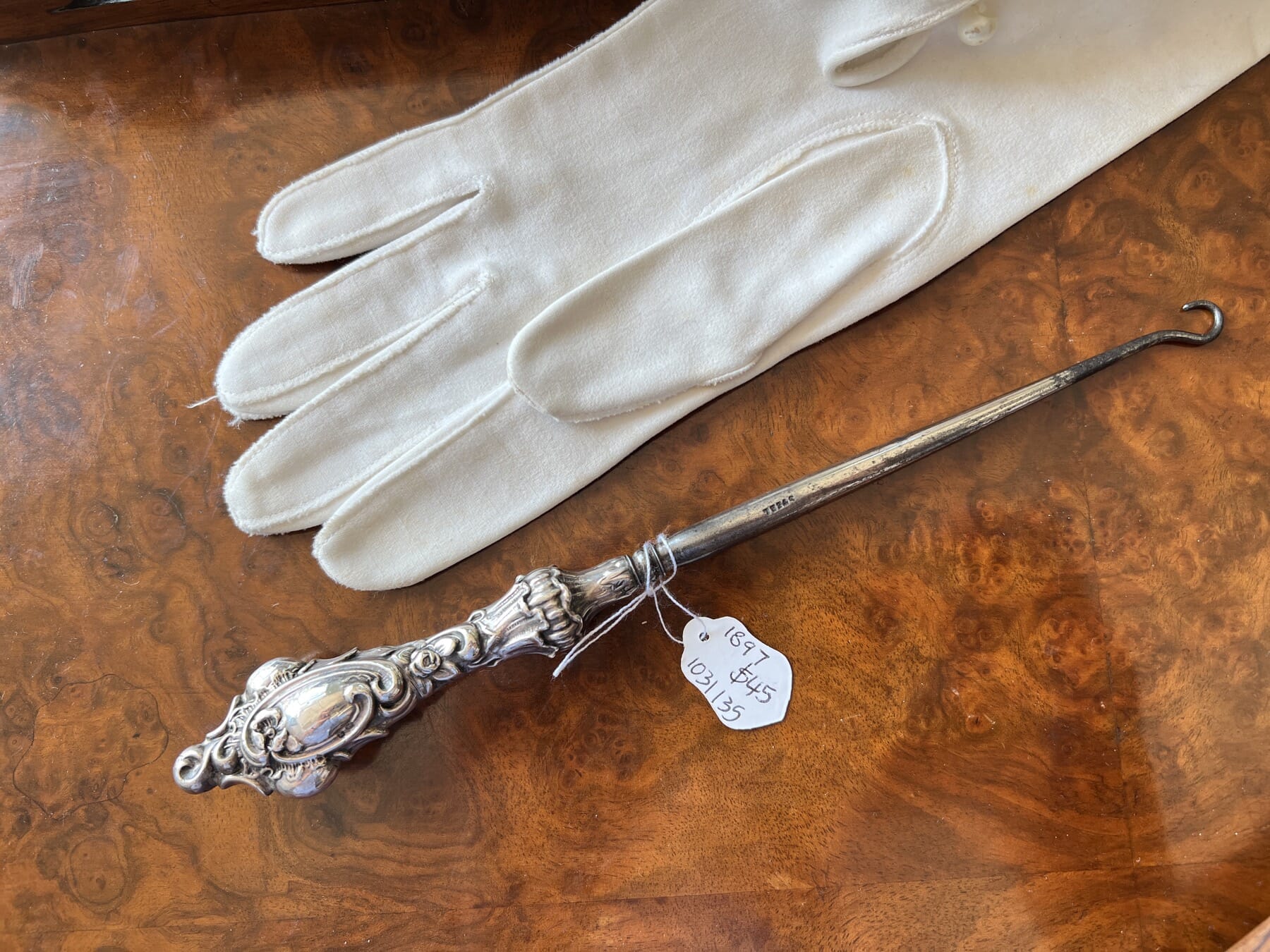
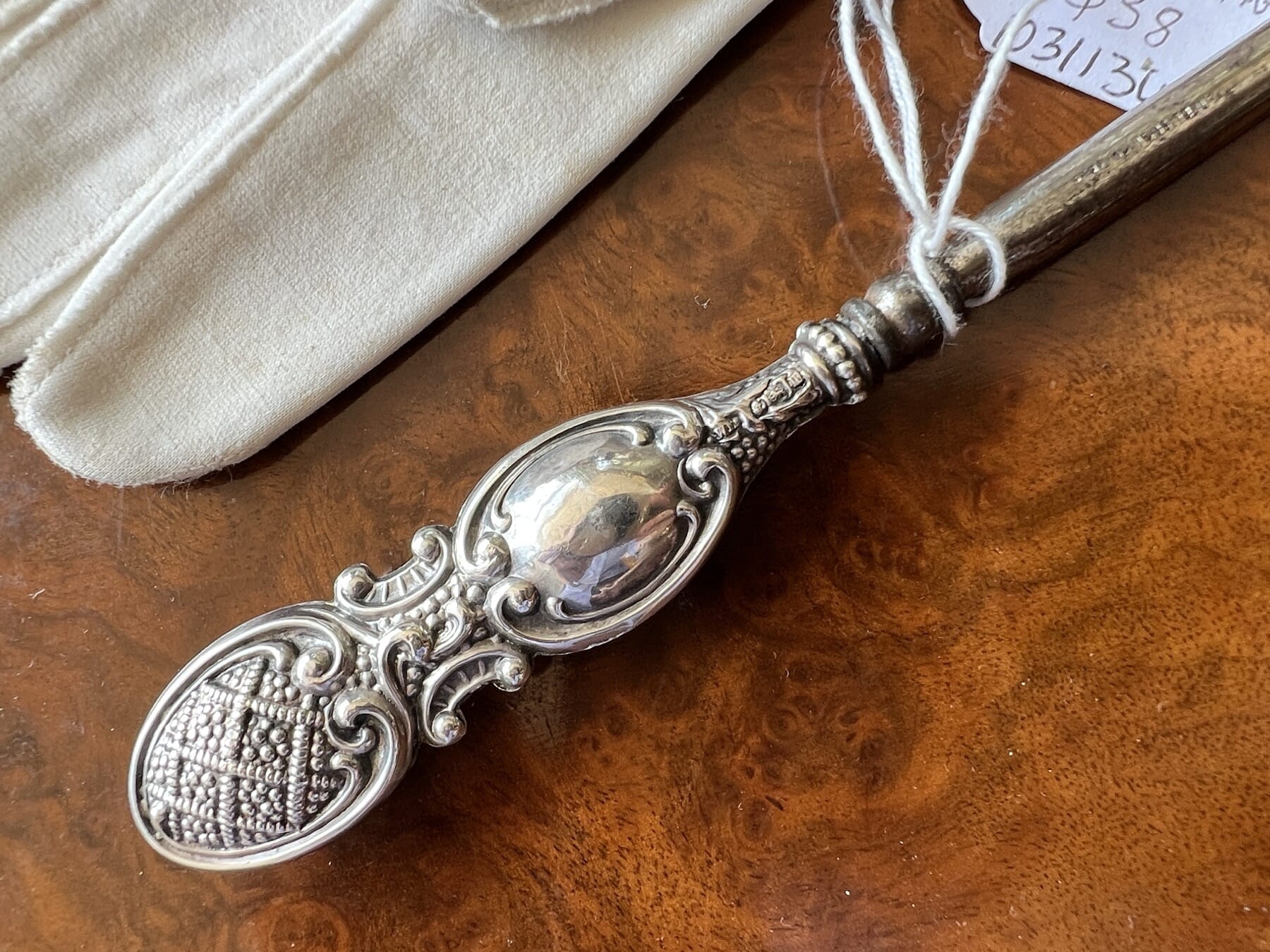
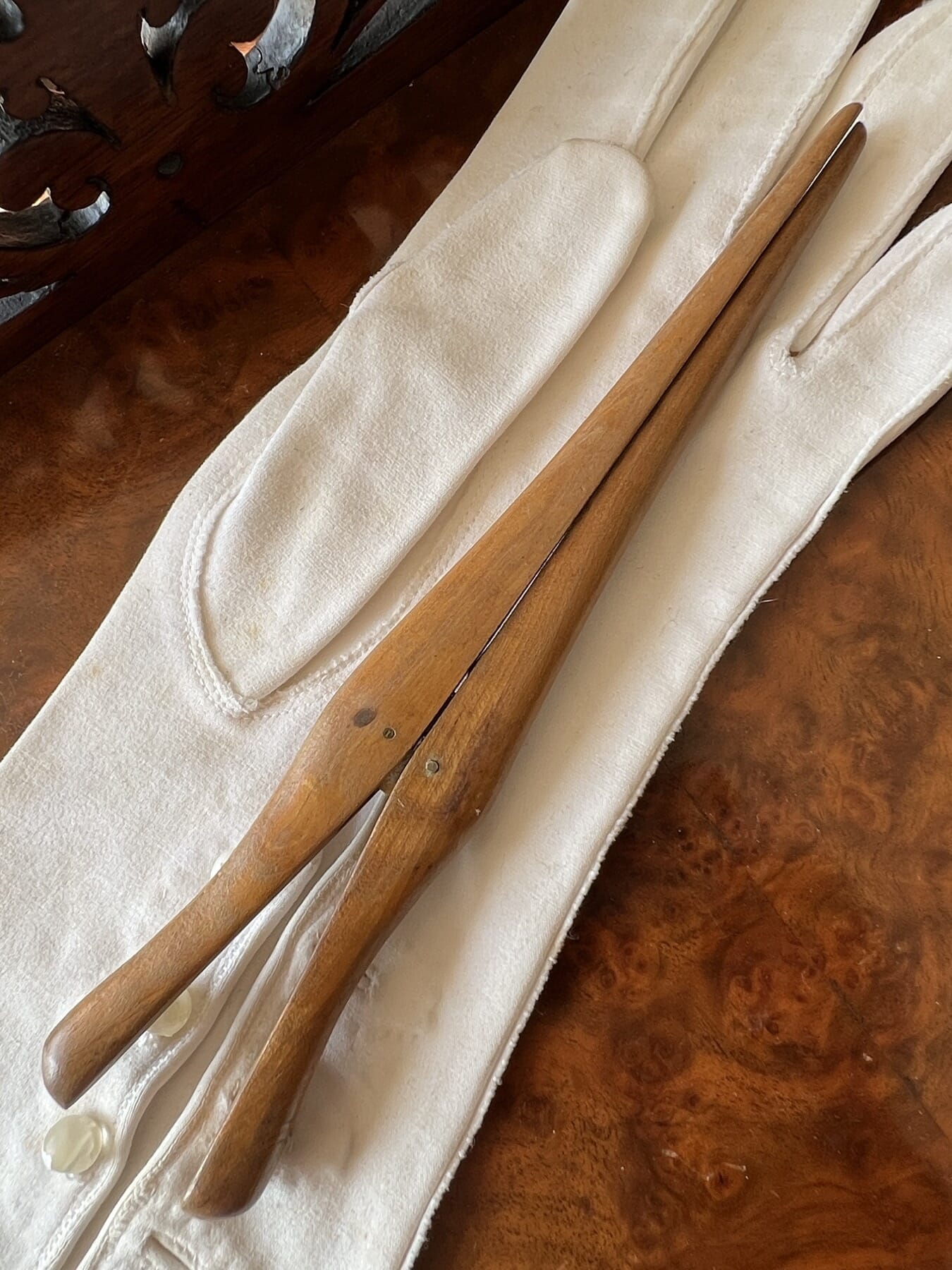
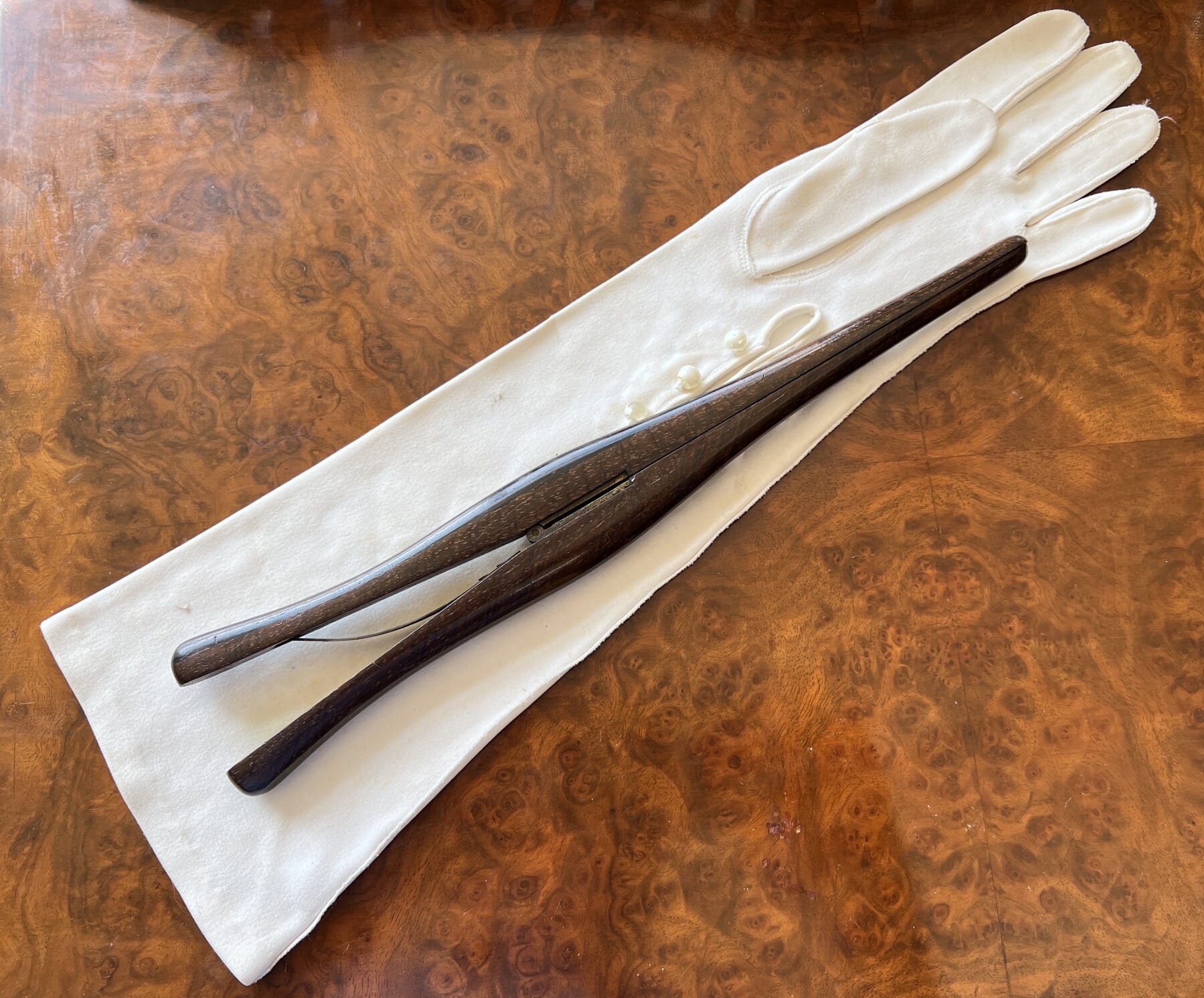
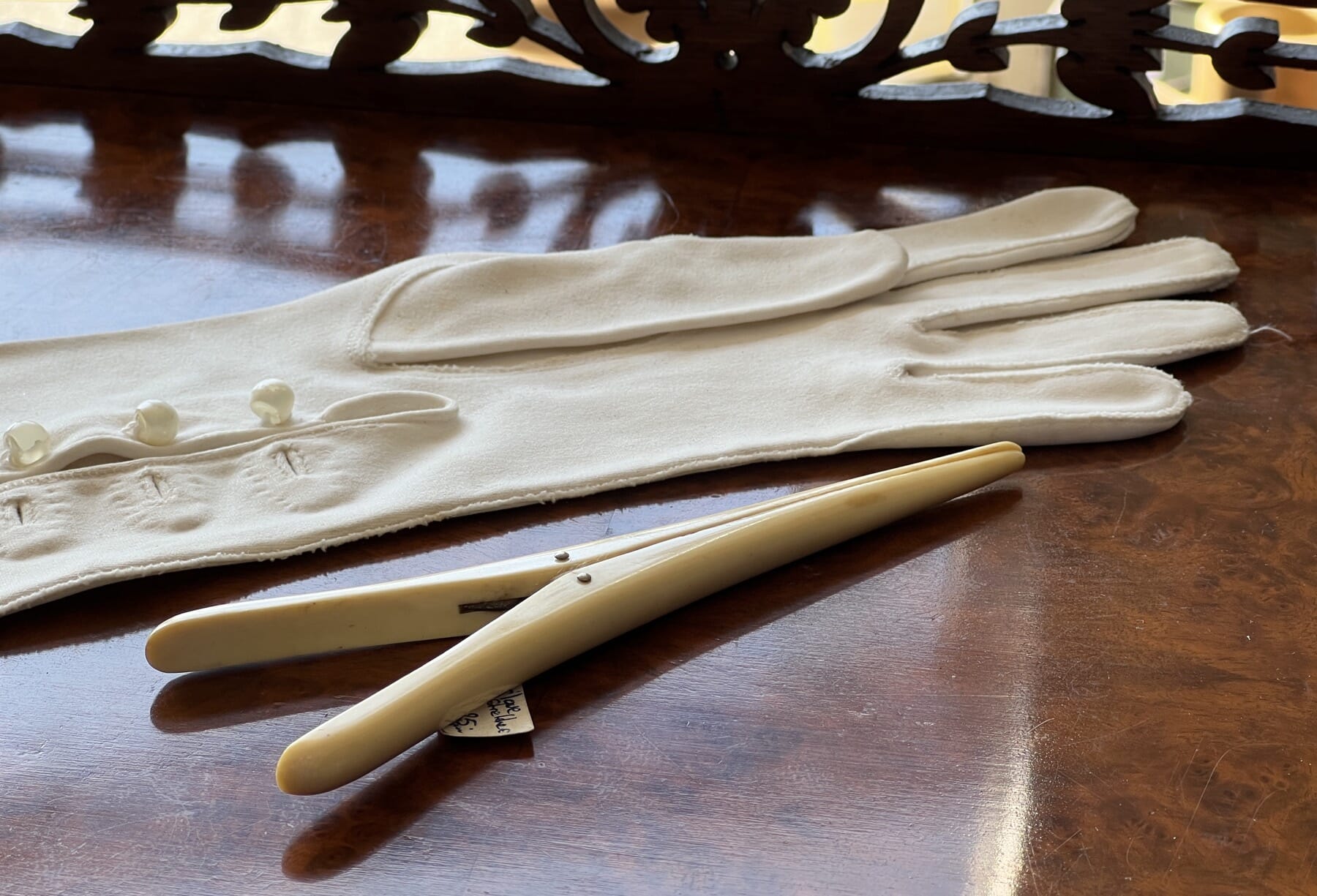
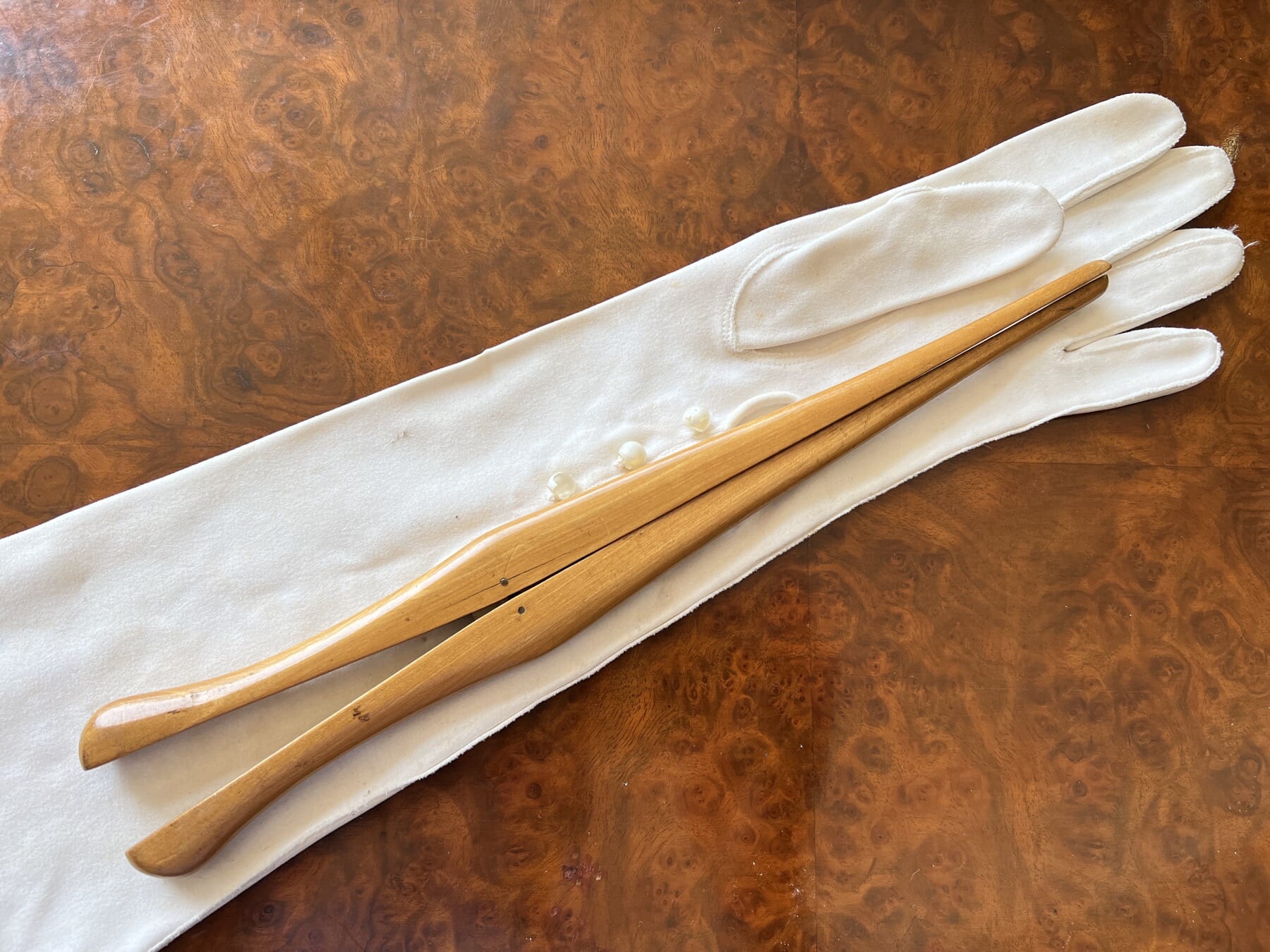
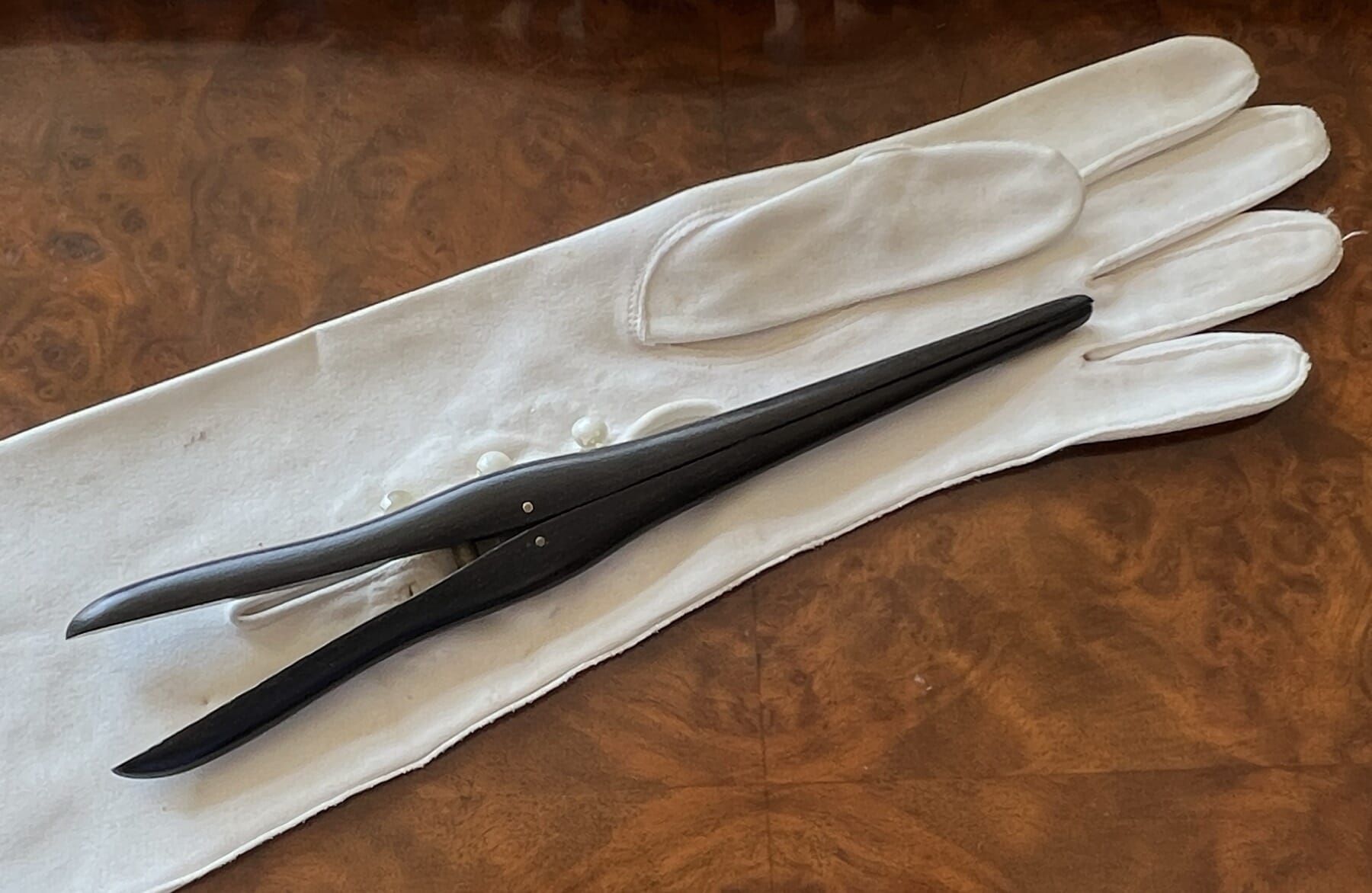
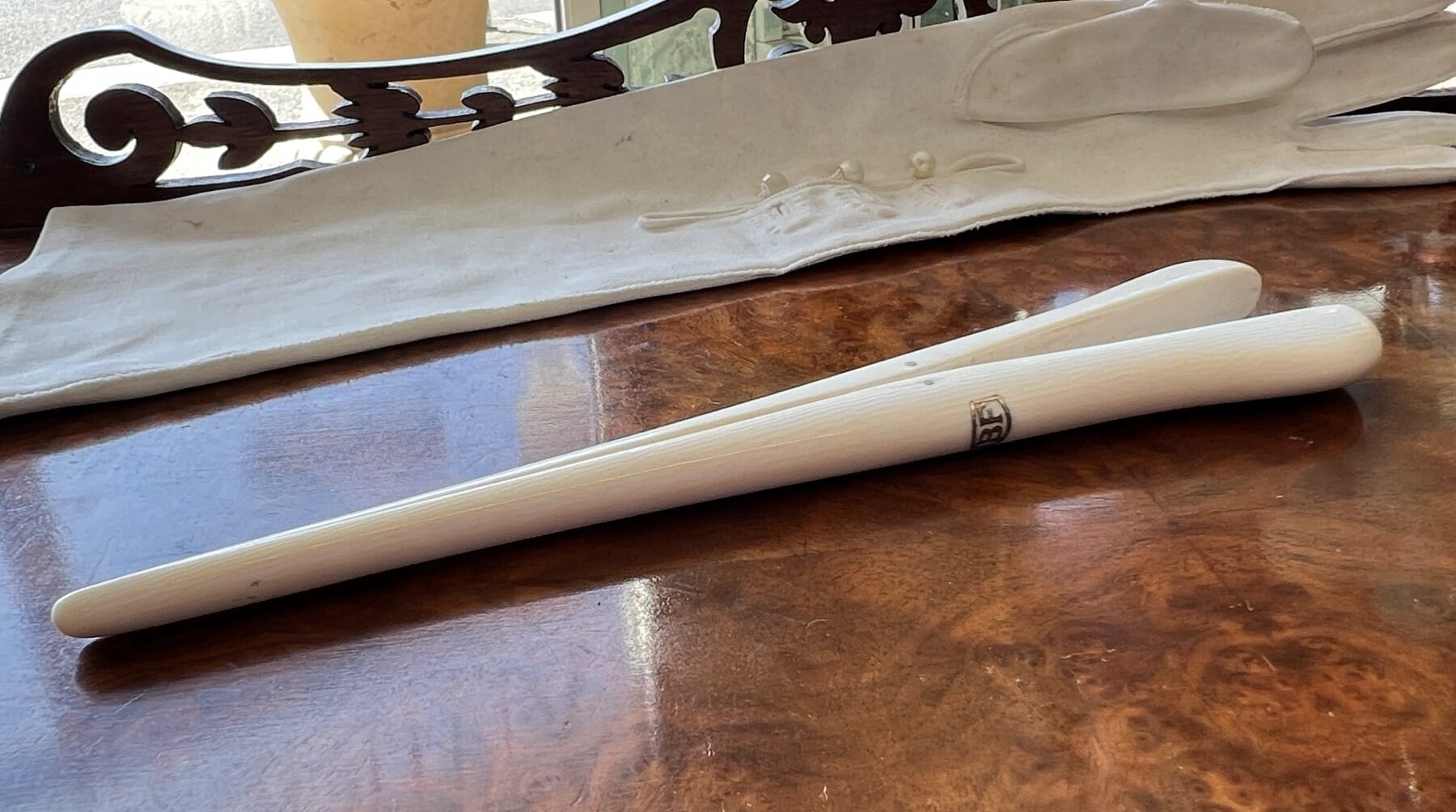
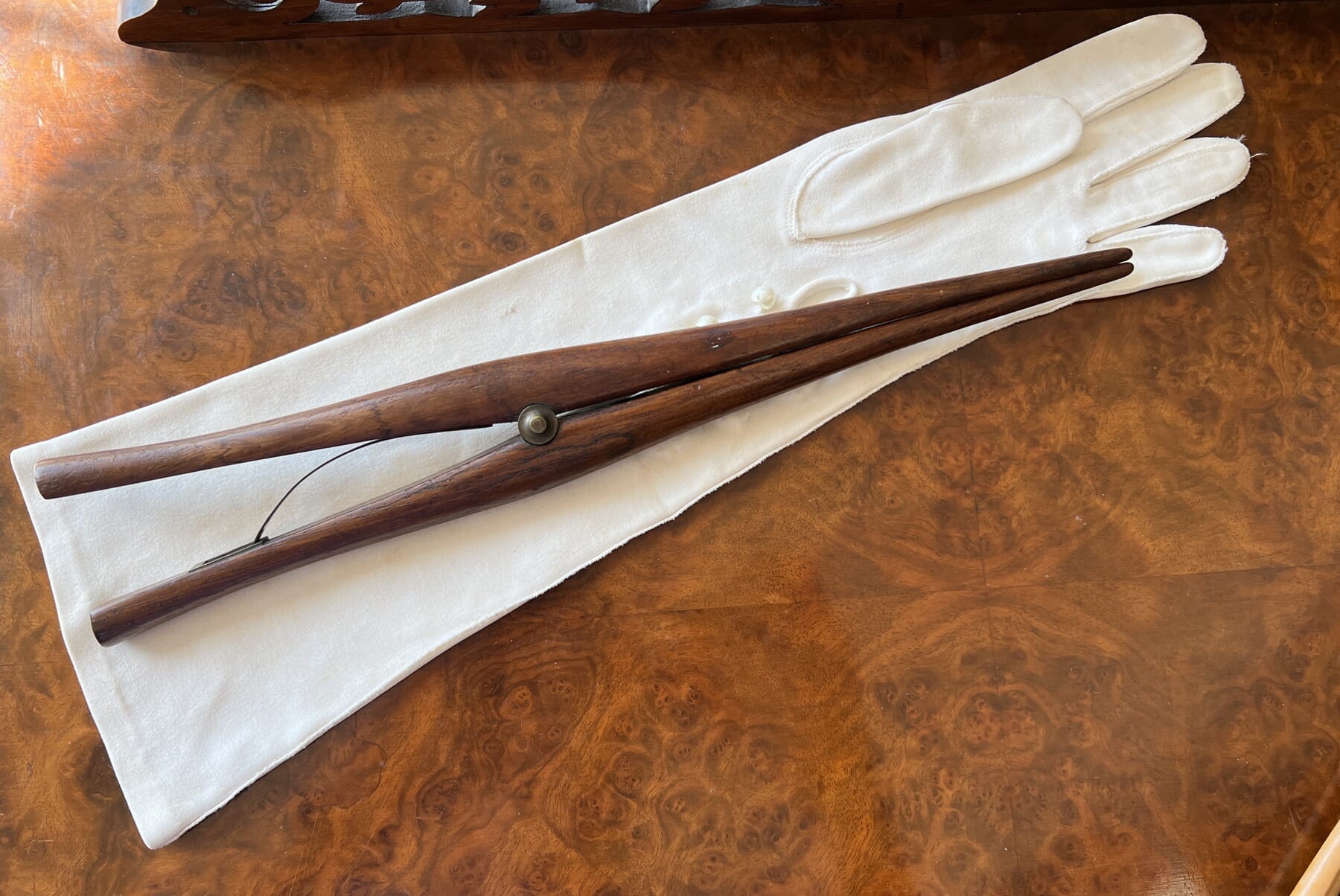
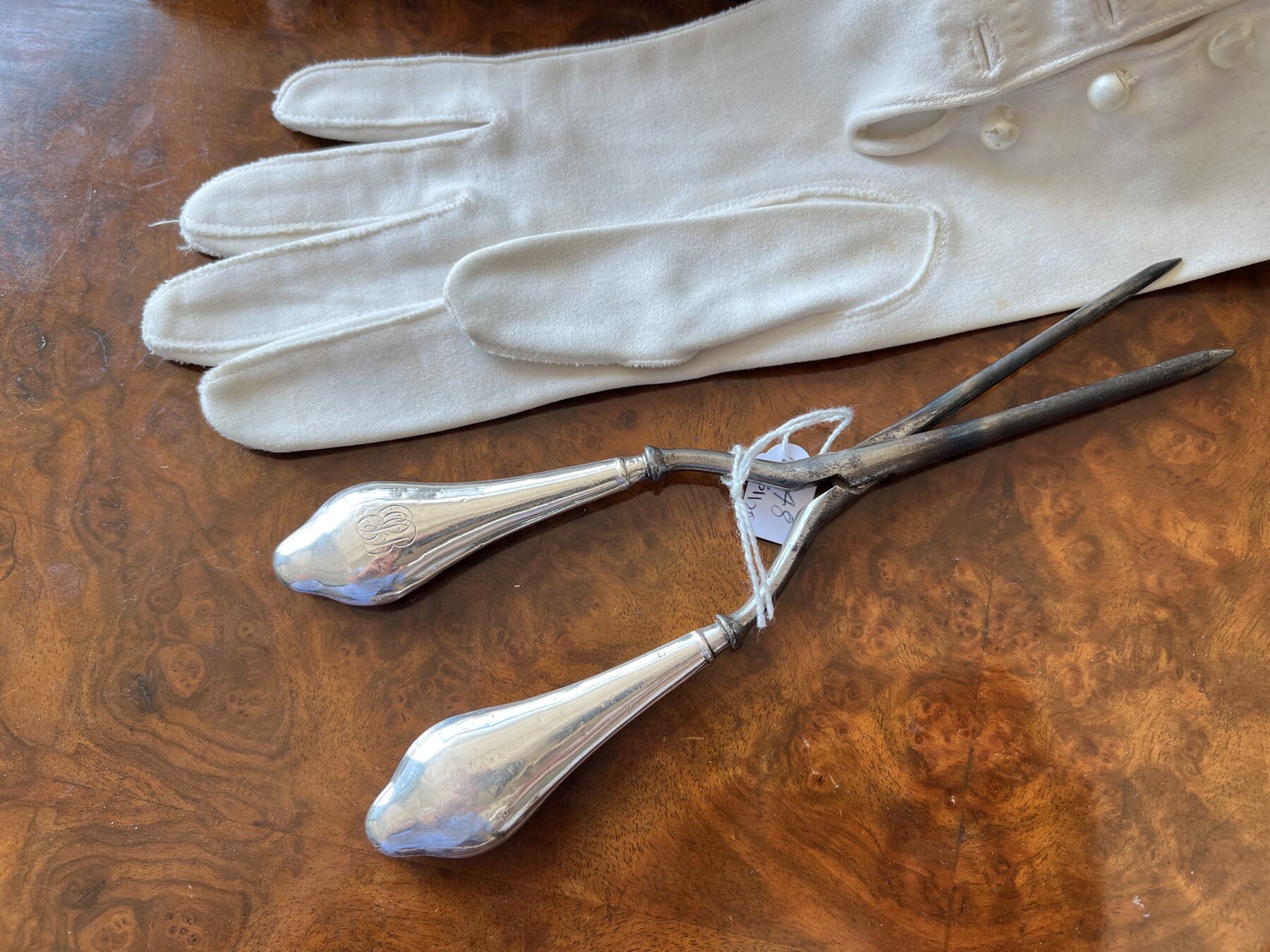
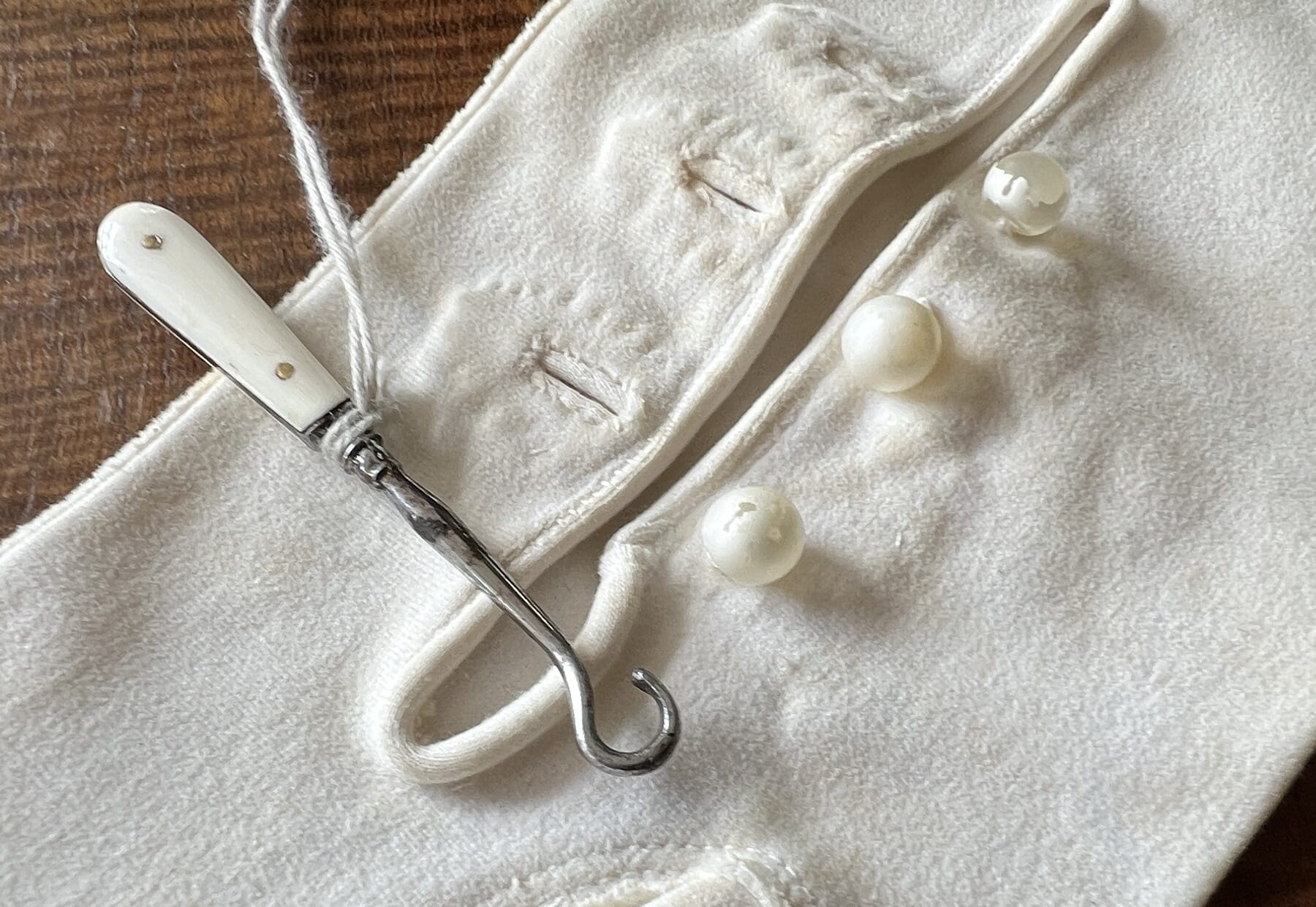
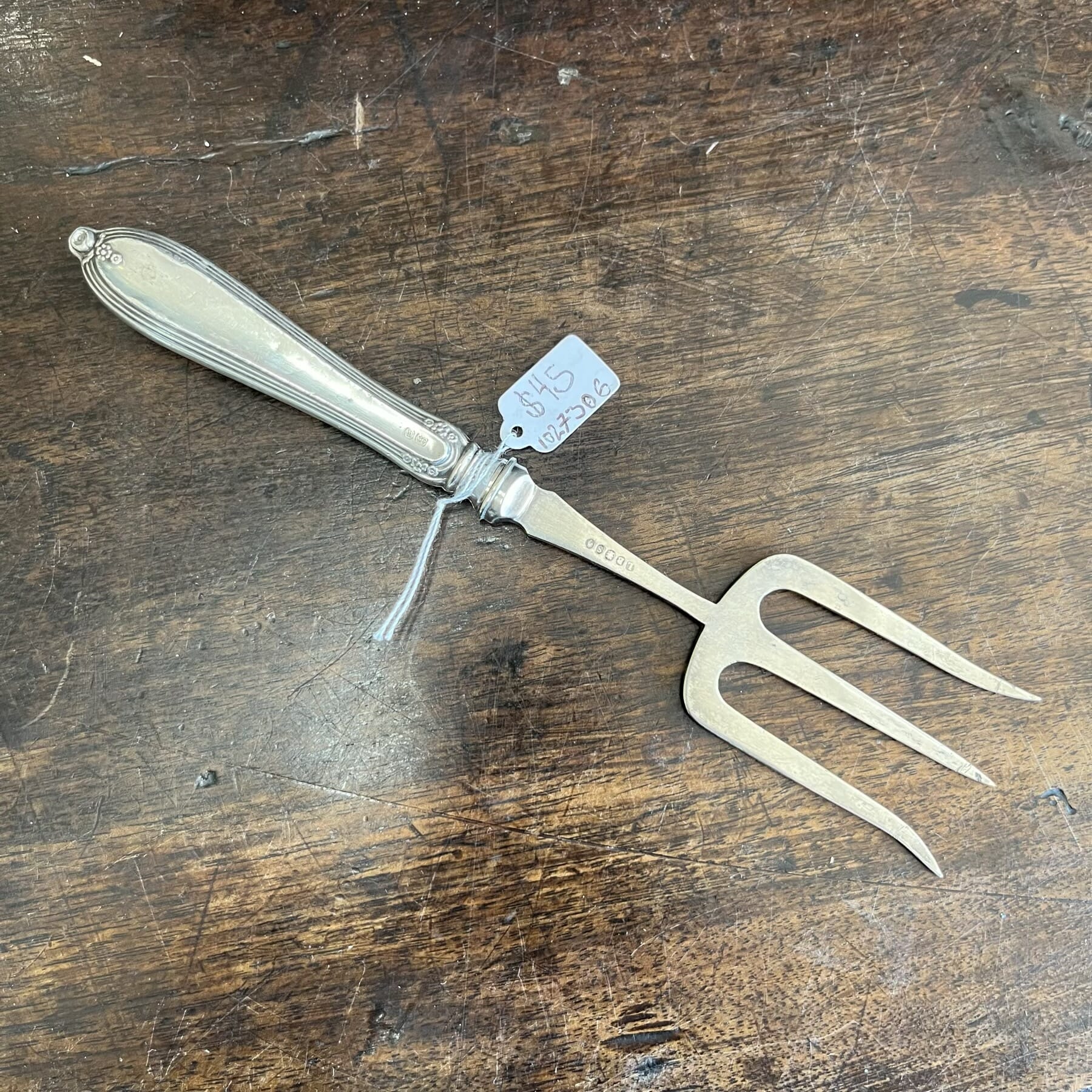
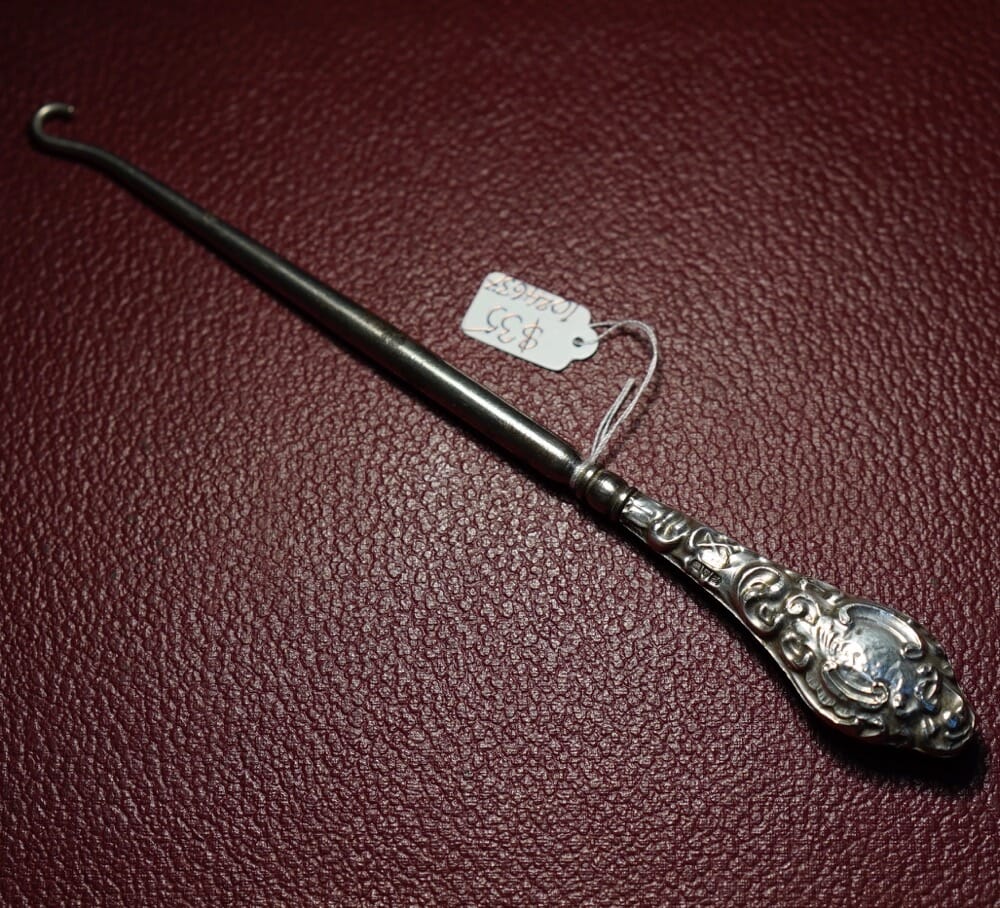
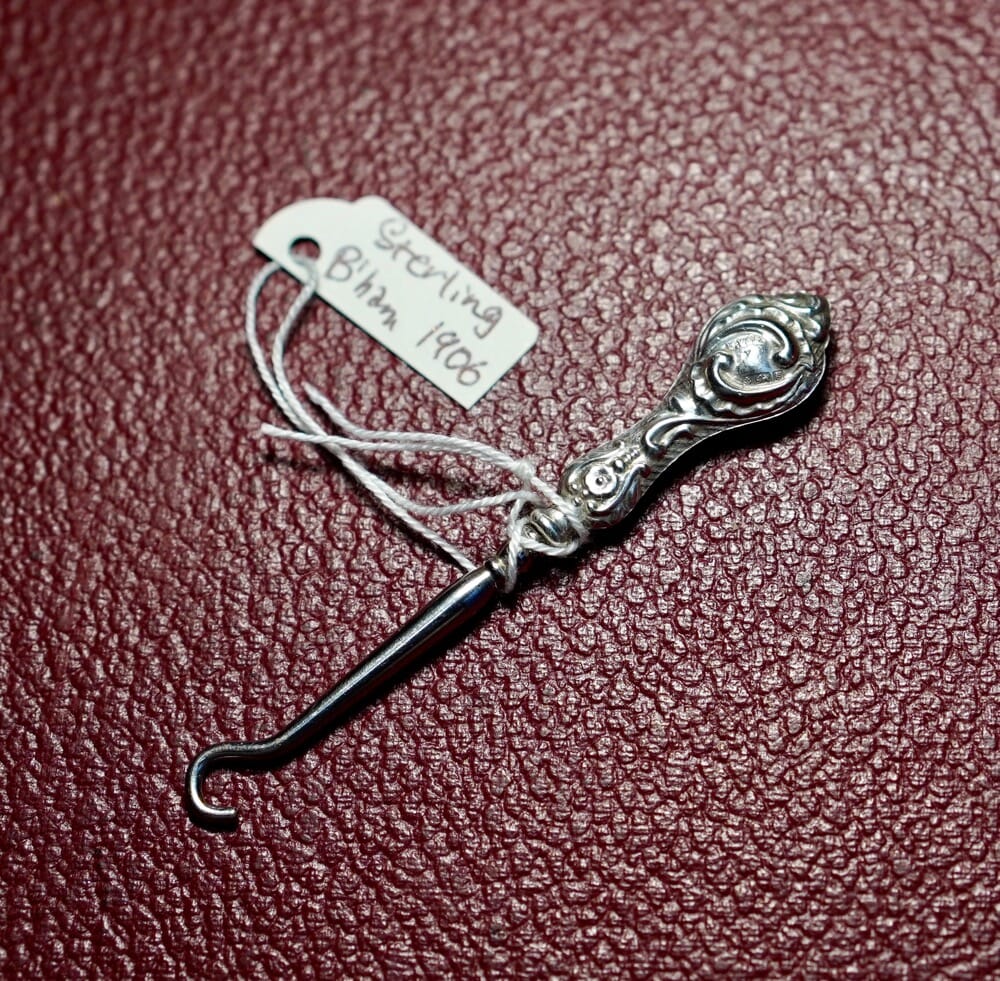
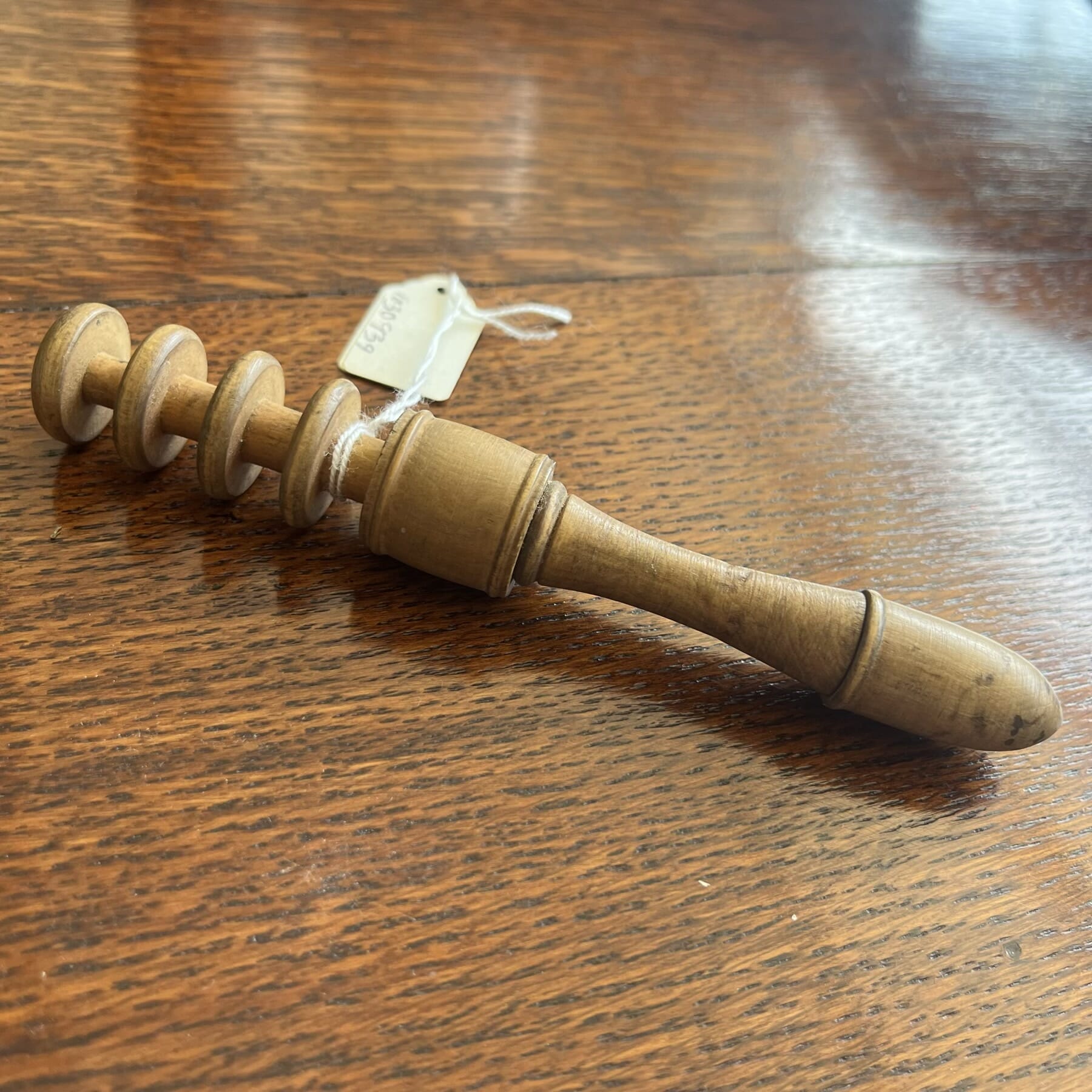
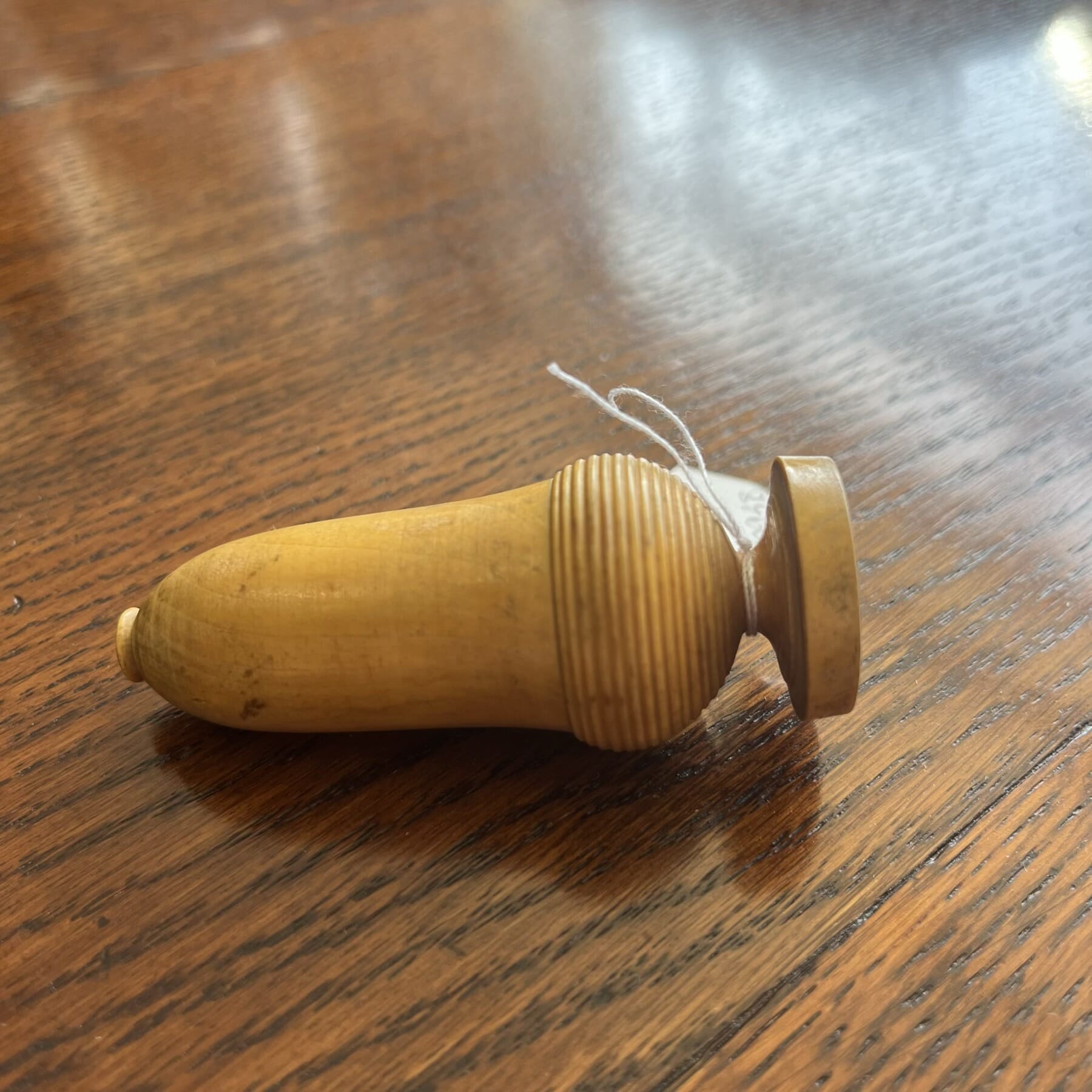
Glove Stretchers & Button Hooks
Posted on

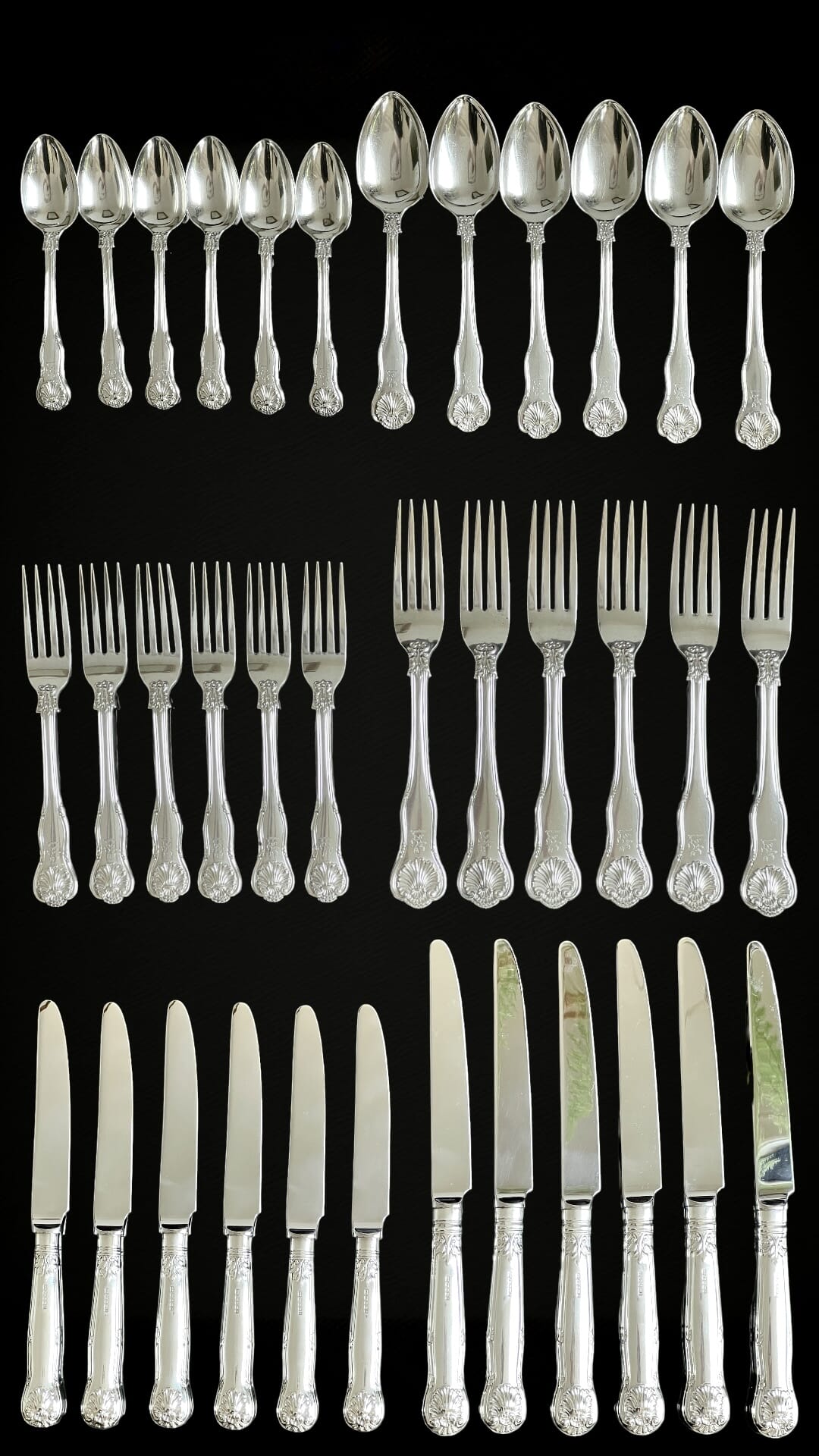
Macintosh Clan Silverware & etc.

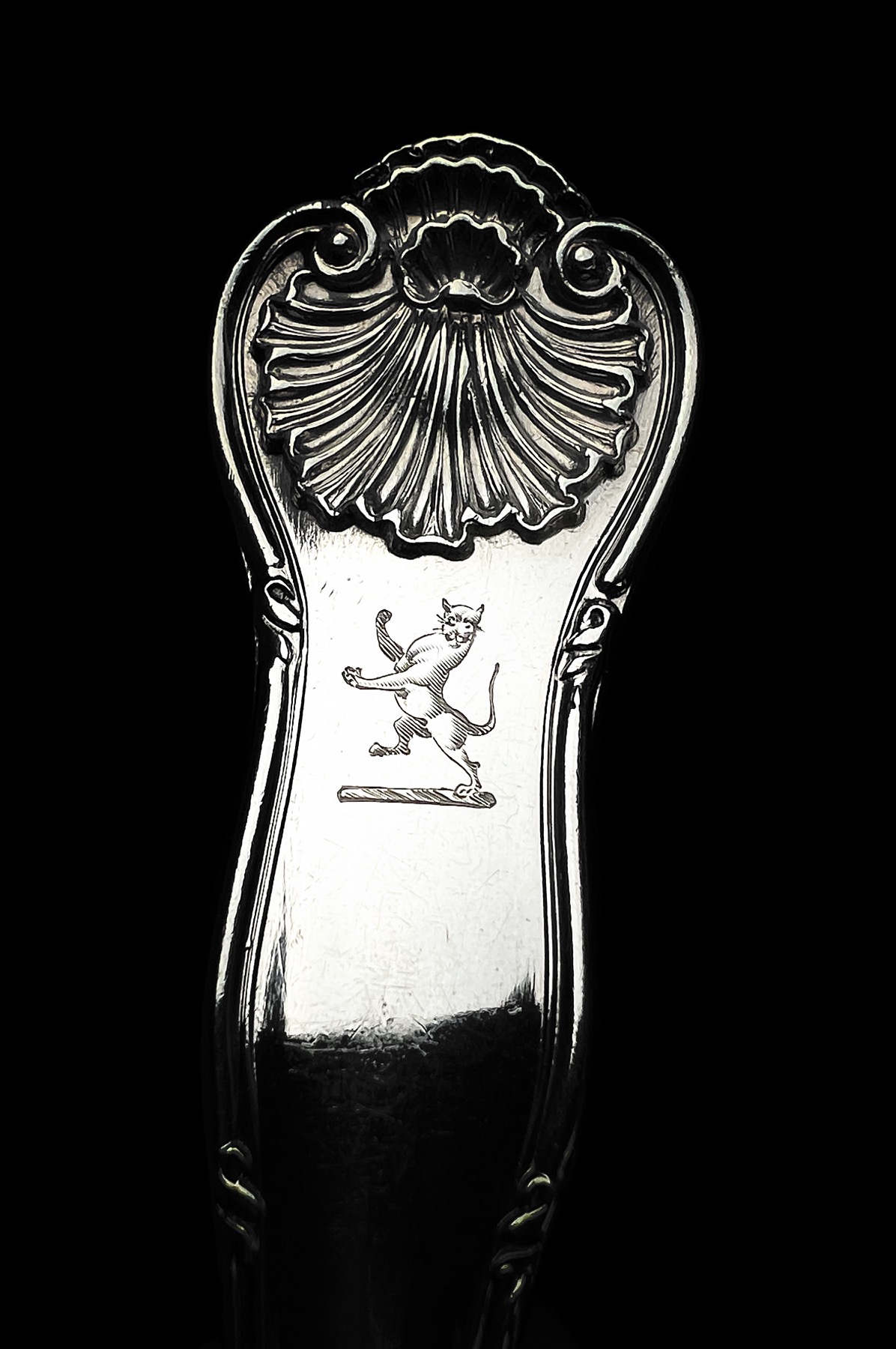
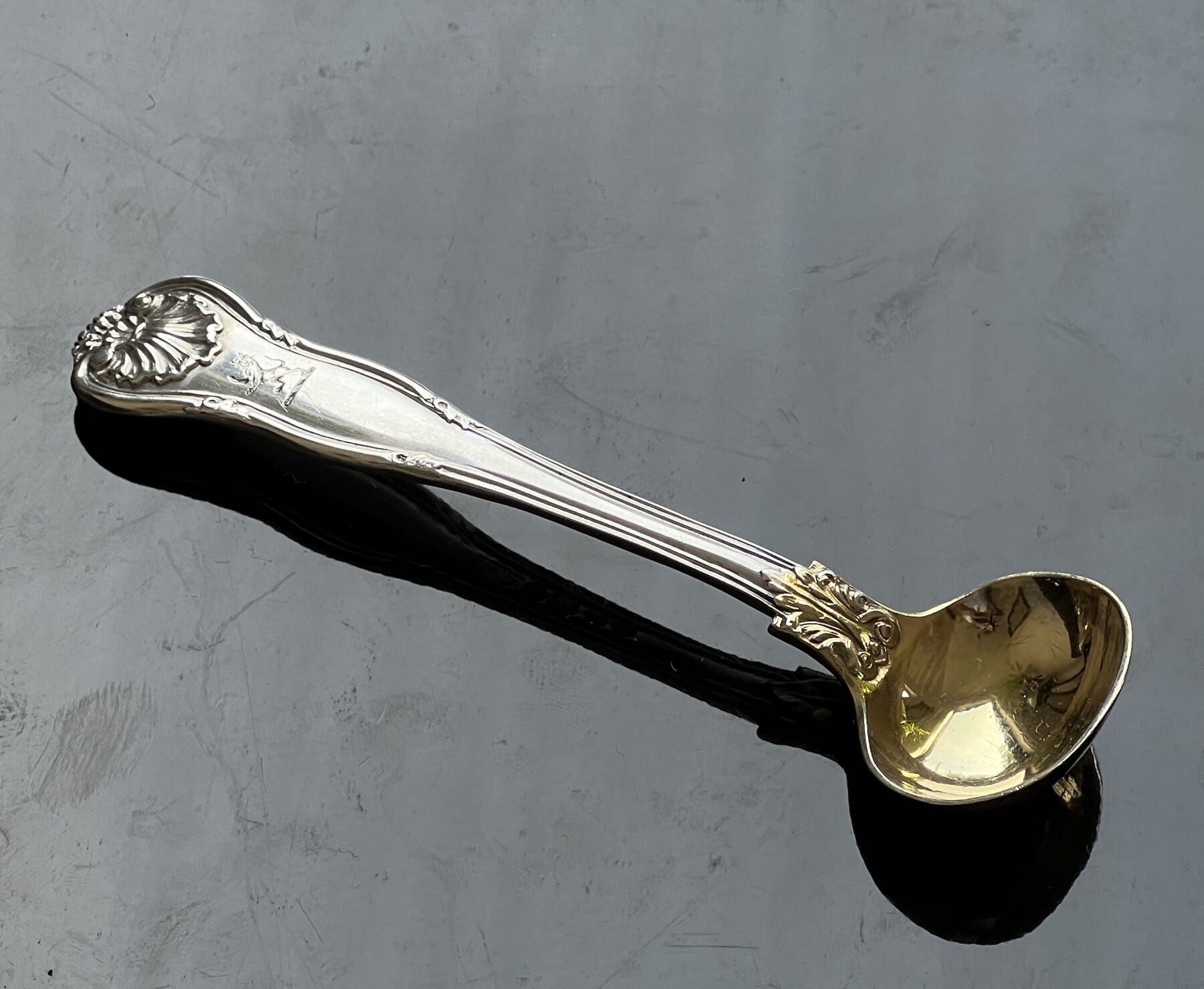
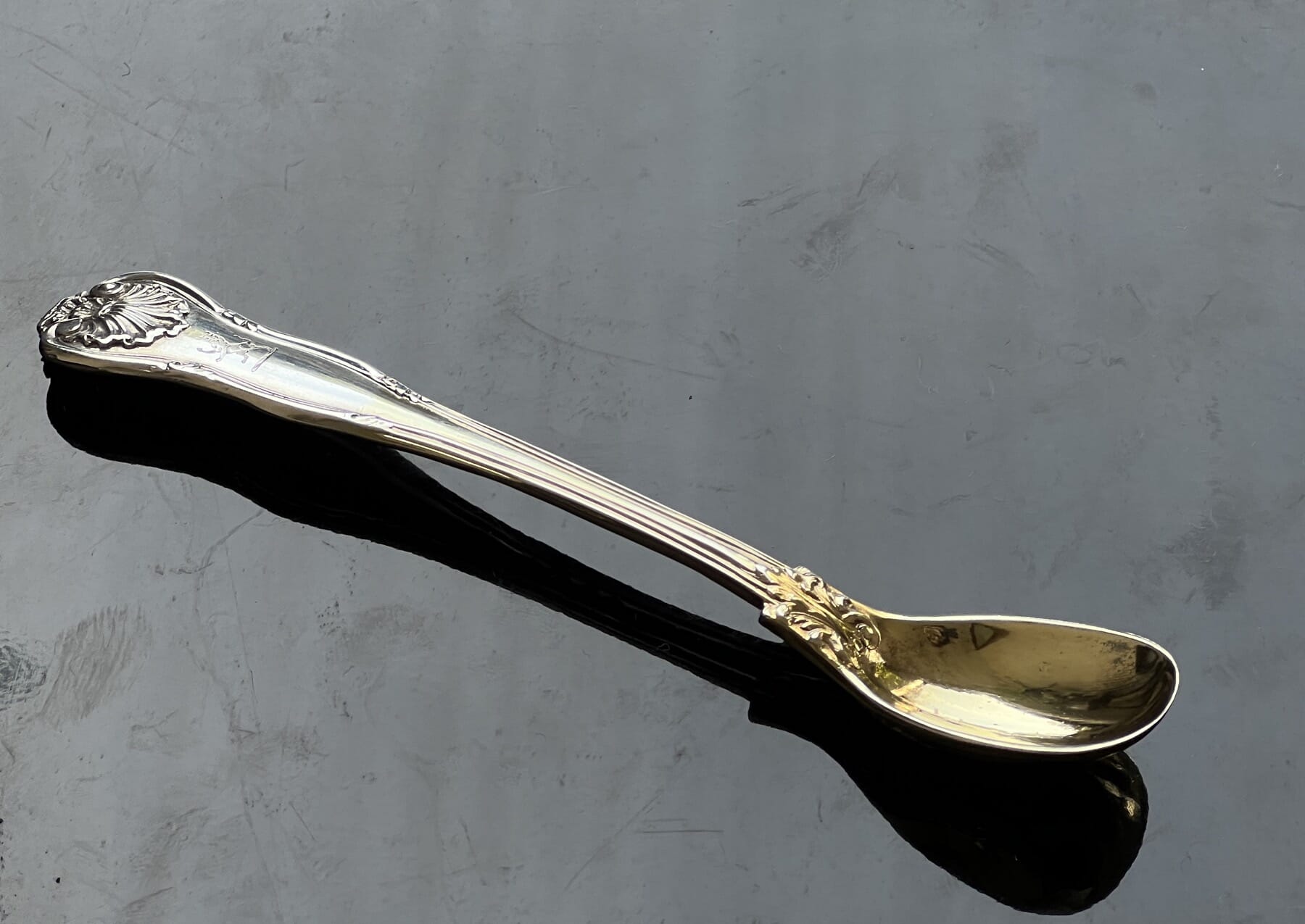
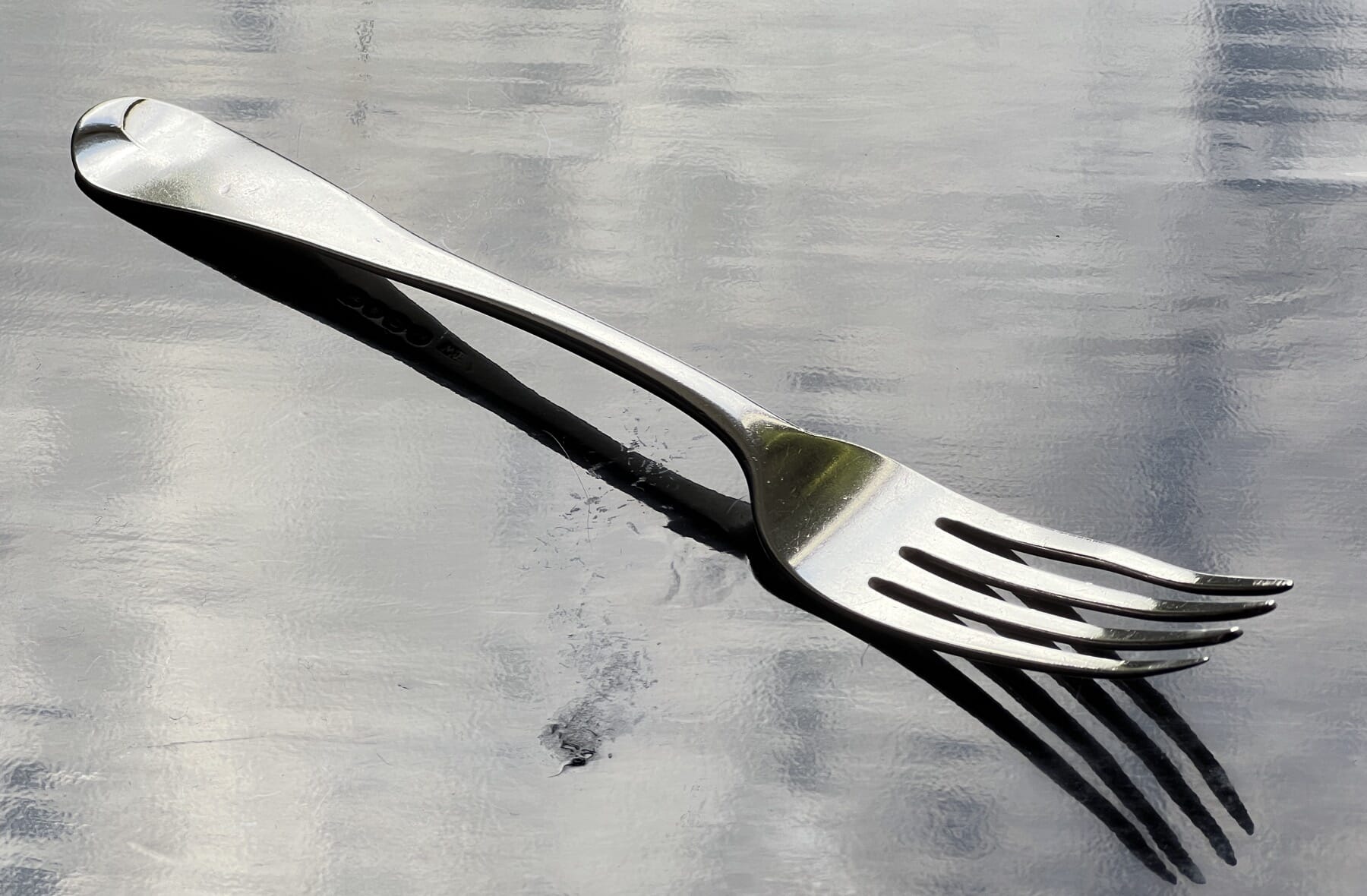
Macintosh Clan Family Crest, on Sterling Silver at Moorabool Antiques, Geelong, Australia
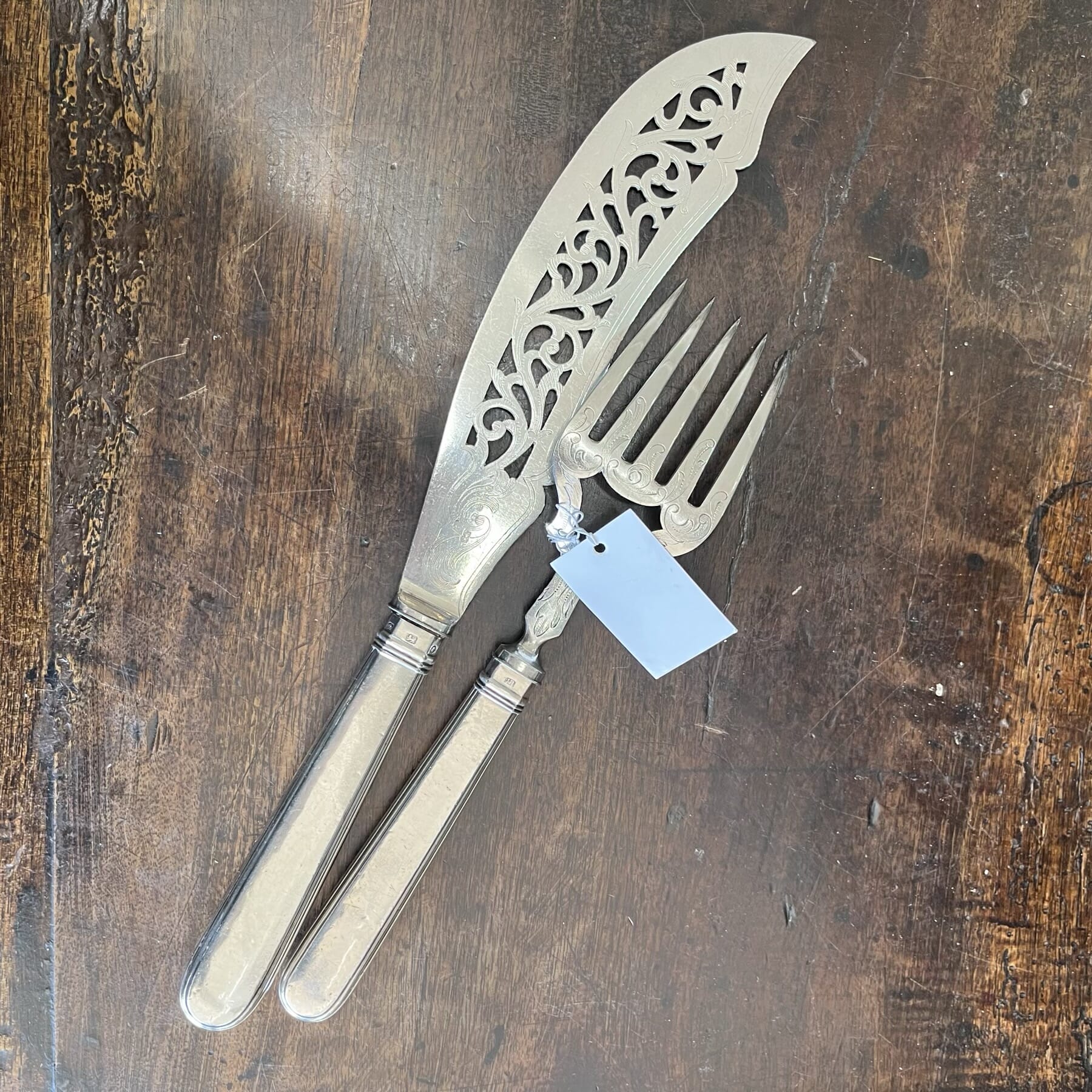
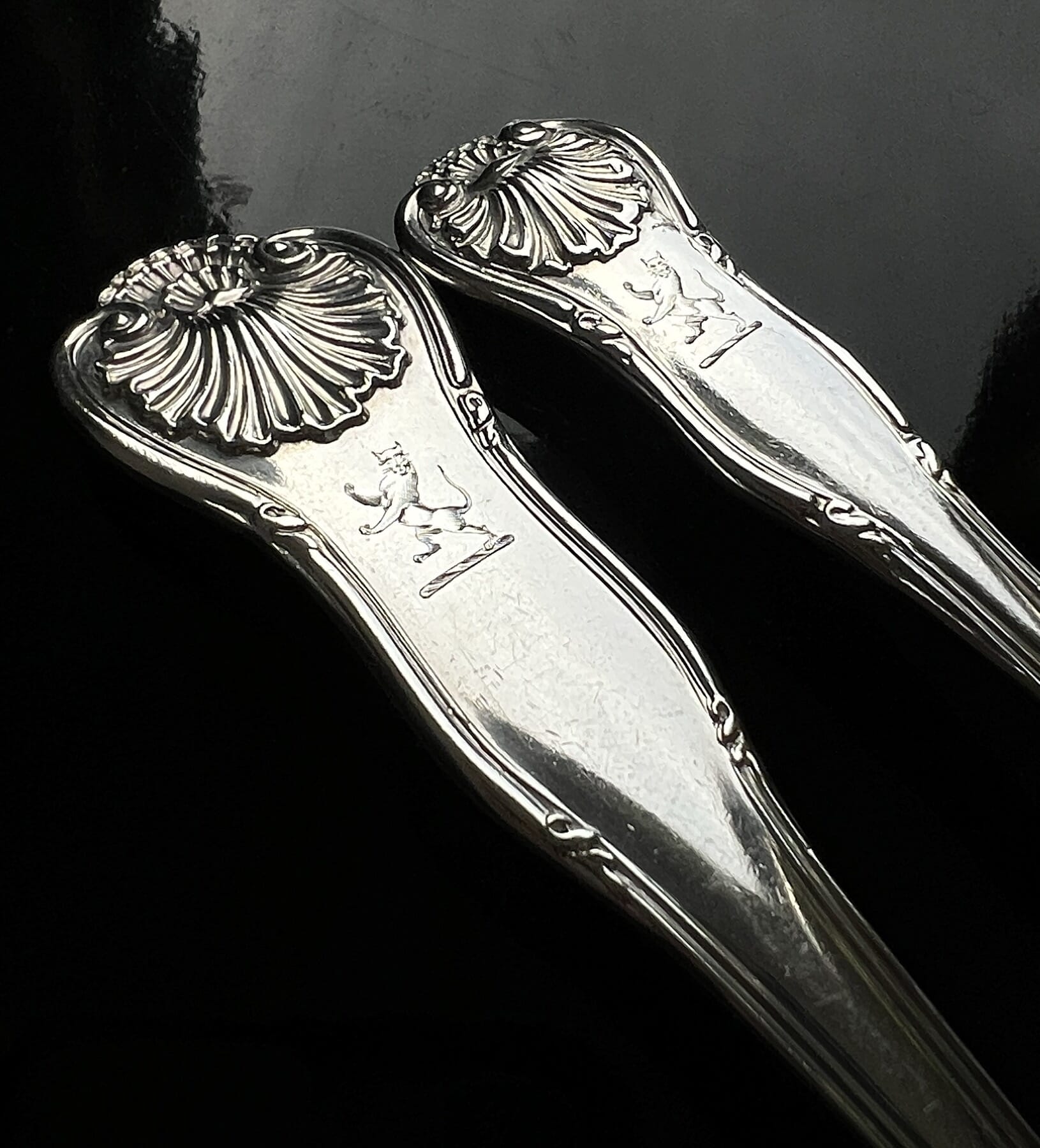
The Macintosh Clan Family Crest, on Sterling Silver cutlery at Moorabool Antiques, Geelong, Australia

“Touch not the Cat bot aglove’

The Scottish Clans are a proud lot of Gentry. Of all the clans, Macintosh is a very familiar name – and part of that is the very memorable crest.

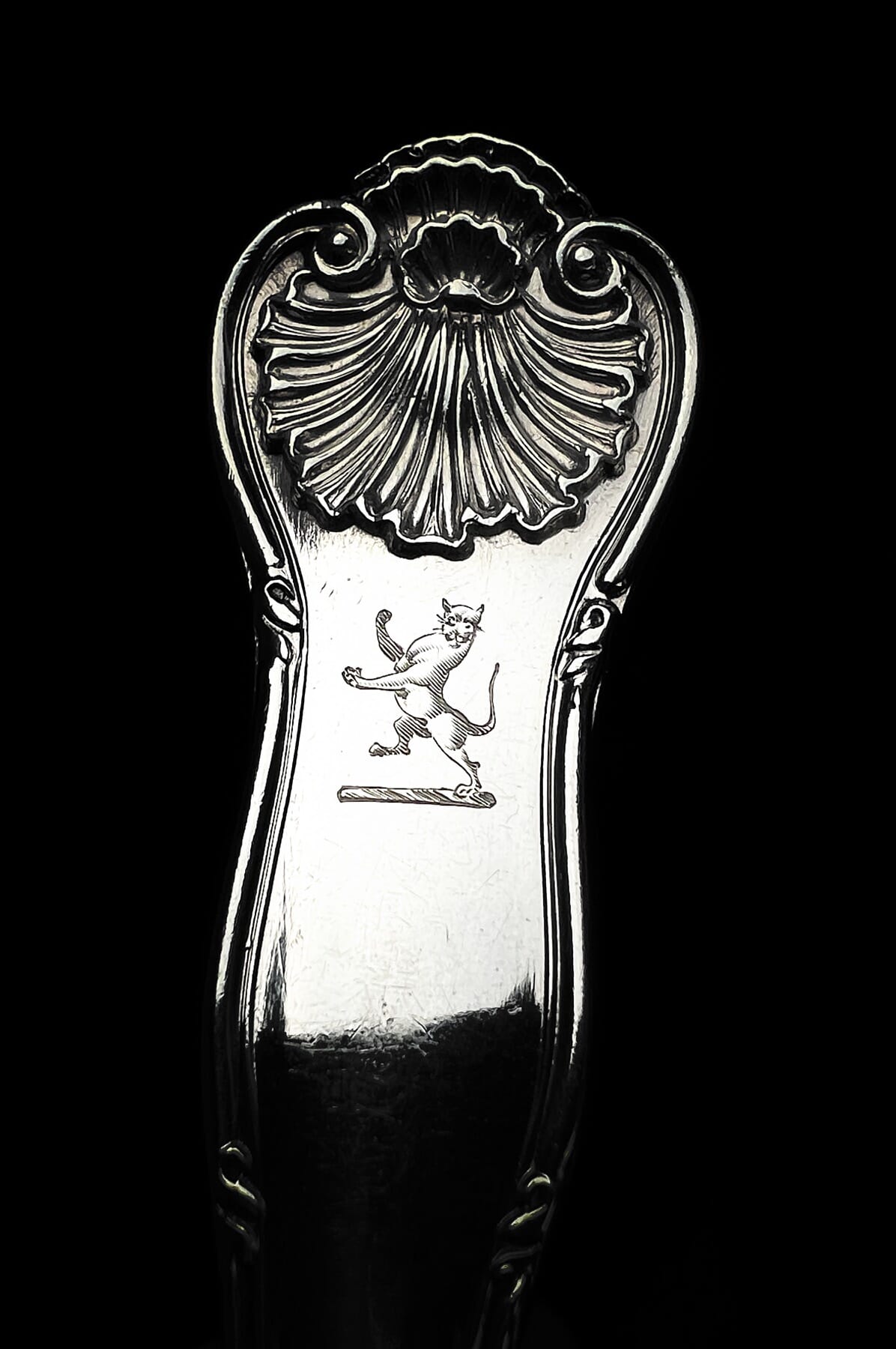
It’s a Wildcat, beautifully engraved to each piece. The motto when included reads ‘TOUCH NOT THE CAT BOT(without) A-GLOVE’ – in other words, don’t mess with these wild Scotsmen!

These fierce Scots supported Robert the Bruce in the 14th century; Mary Queen of Scotts in the 16th century; and Bonnie Prince Charlie in the 18th century.


Their crest is in keeping with this ‘prickly’ nature: A wild cat, ‘guardant’ – rising up with claws out to attack.

The silverware is lucky to be here, having been rescued from the ‘Scrap Merchant’ recently in rural Victoria. The knives were made to match in England, with Sterling Silver handles, in 2015!

Posted on

Fresh to Moorabool

We hope you’re having a nice relaxing – and healthy- Easter.

Here’s a selection of interesting items you may enjoy, Fresh to Moorabool & with interesting stories to tell.

Wellington Portrait

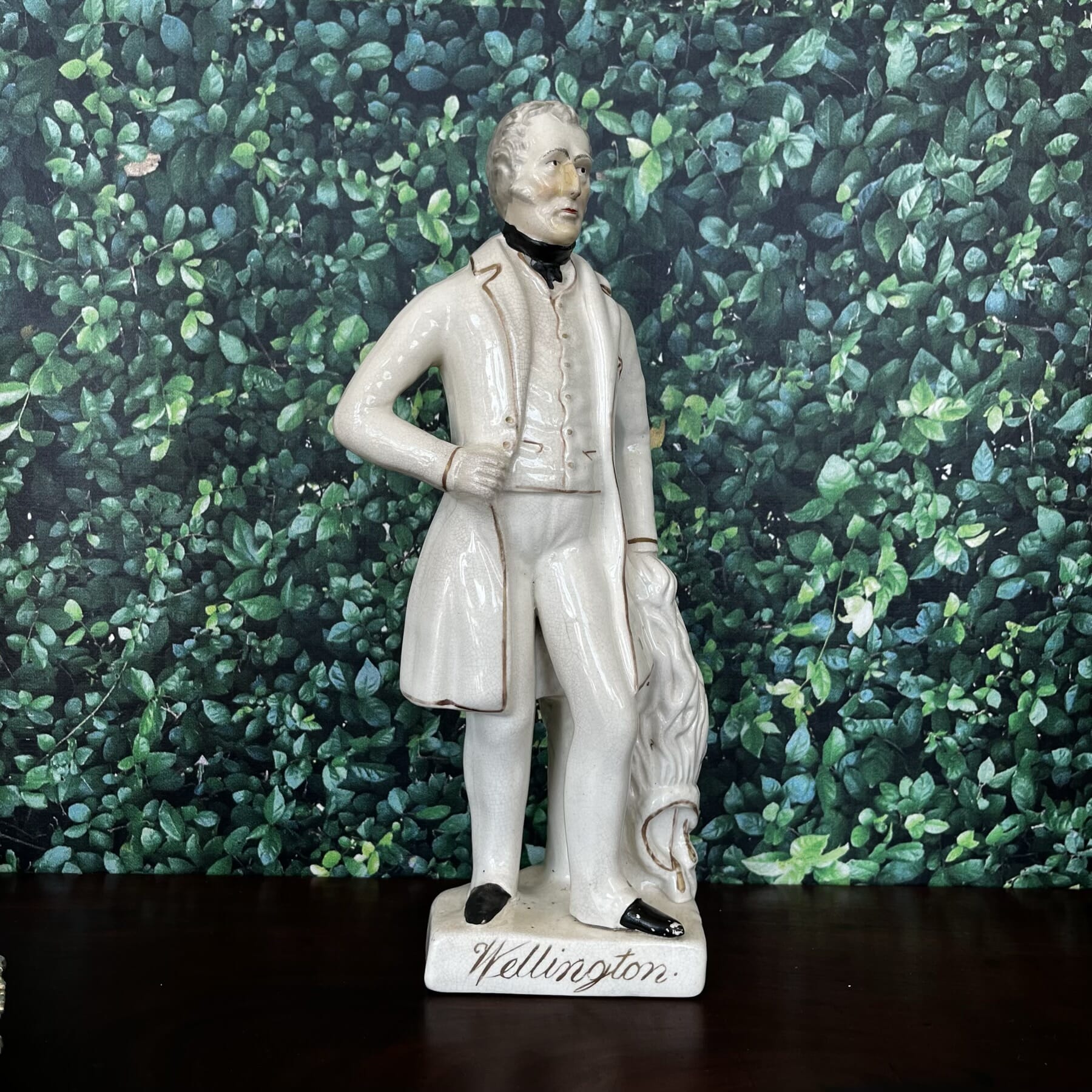
Duke of Wellington, early 19th Century portrait @ Moorabool Antiques, Australia
Duke of Wellington, earlier 19th Century portrait @ Moorabool Antiques, Australia

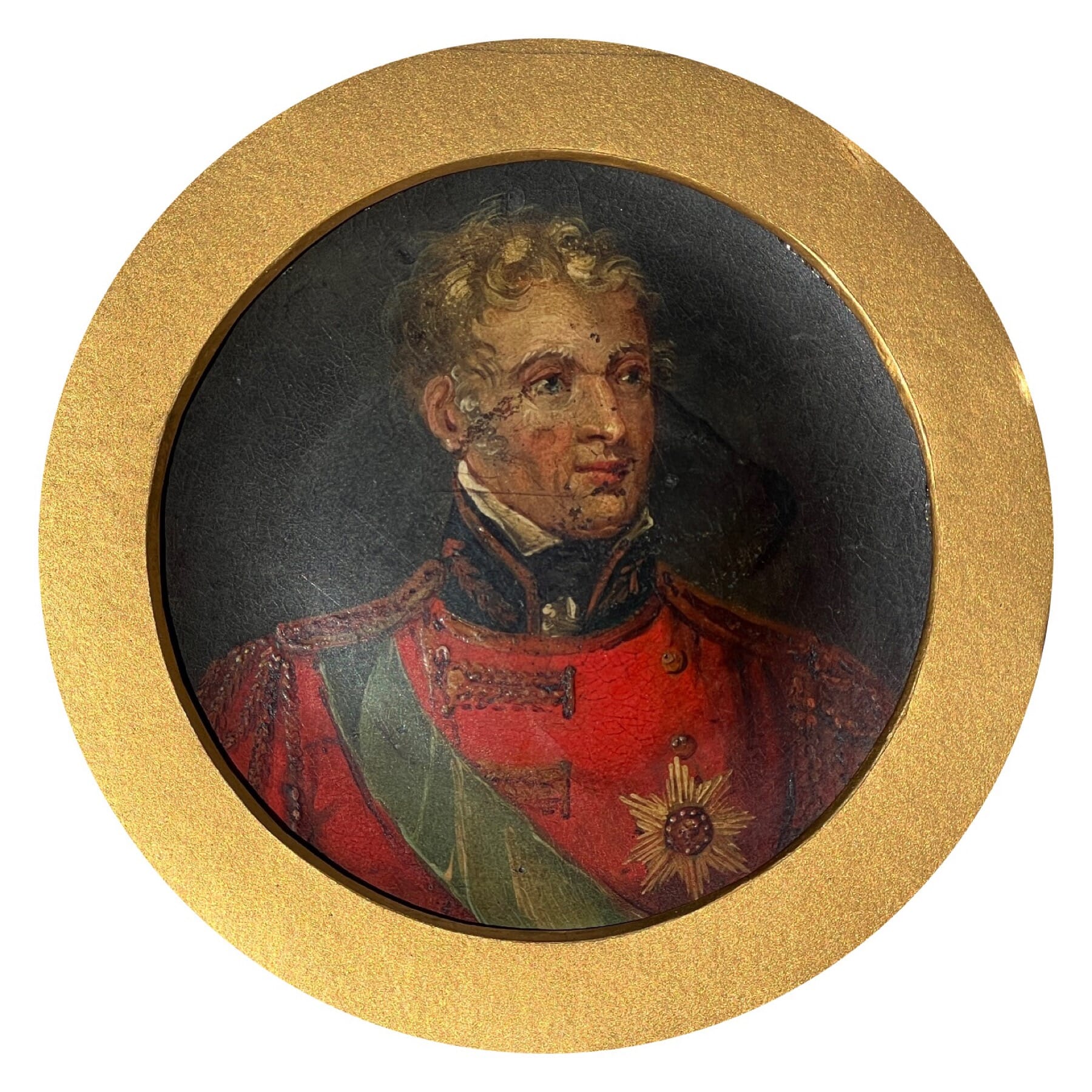
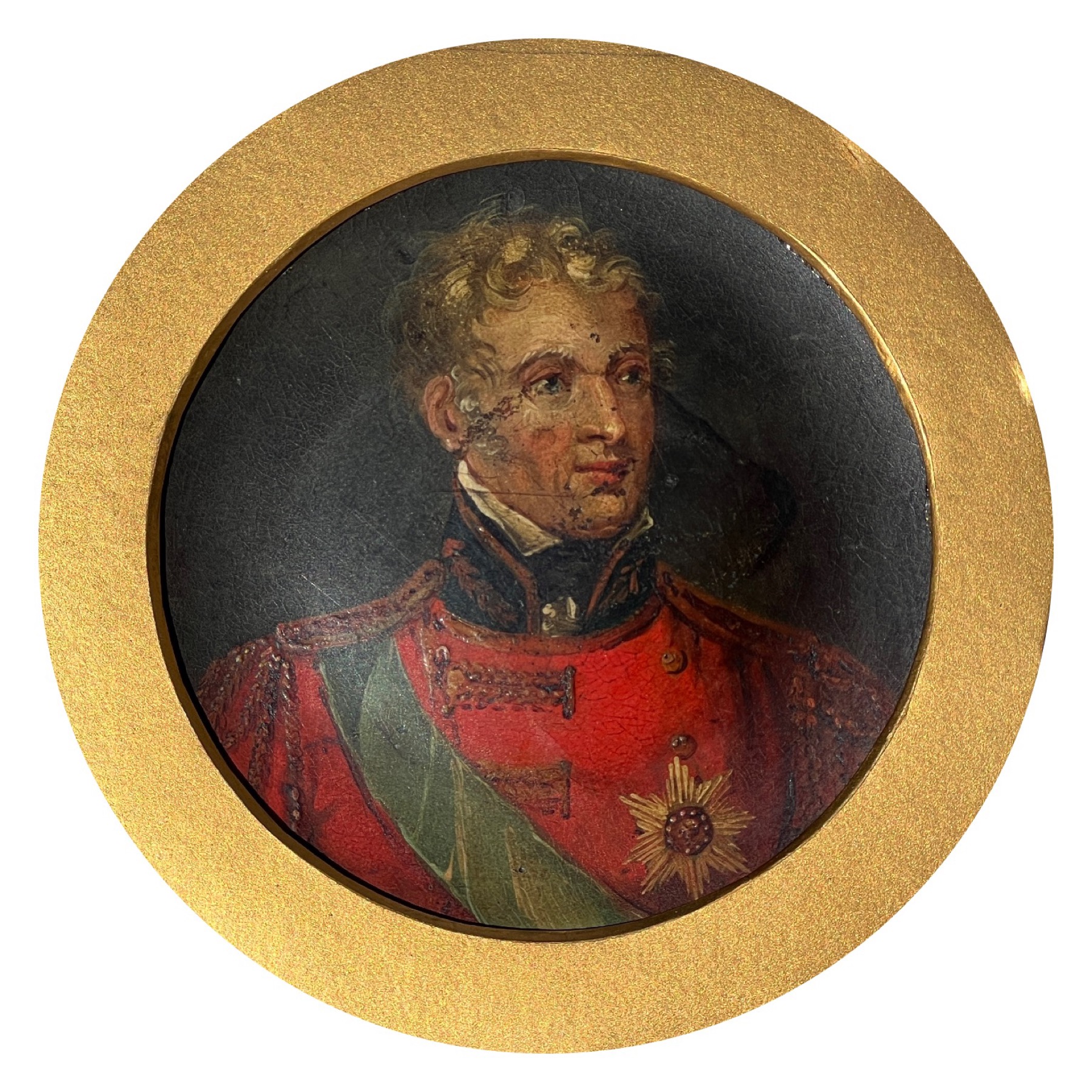
A small oil portrait of Arthur Wellesley, 1st Duke of Wellington (1769-1852) .
This well-painted miniature shows the famous Duke in his Major-General’s bright red dress uniform, with the Blue Sash & Order of the Garter star worn on his left breast. What’s interesting is the light tone of his wild hair – we’re used to a few famous depictions of him , all of which seem to show him with dark hair until he reaches old age, when it is obviously age-related white hair. The V& A Museum, London, has a portrait miniatures of Wellington with pale hair, the 1808 portrait by Richard Cosway. Another of a youthful Arthur Wellesley in the Stratfield Saye House collection is by John Hoppner, painted when Arthur was in his mid 20’s, circa 1795 – before he earned his place in the history books.
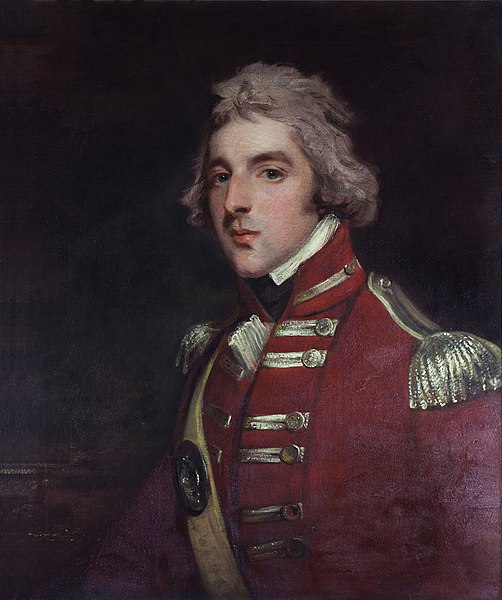

A youthful Arthur Wellesley, by John Hopner c.1795. source: wiki commons.

Wellington Shield Sketch

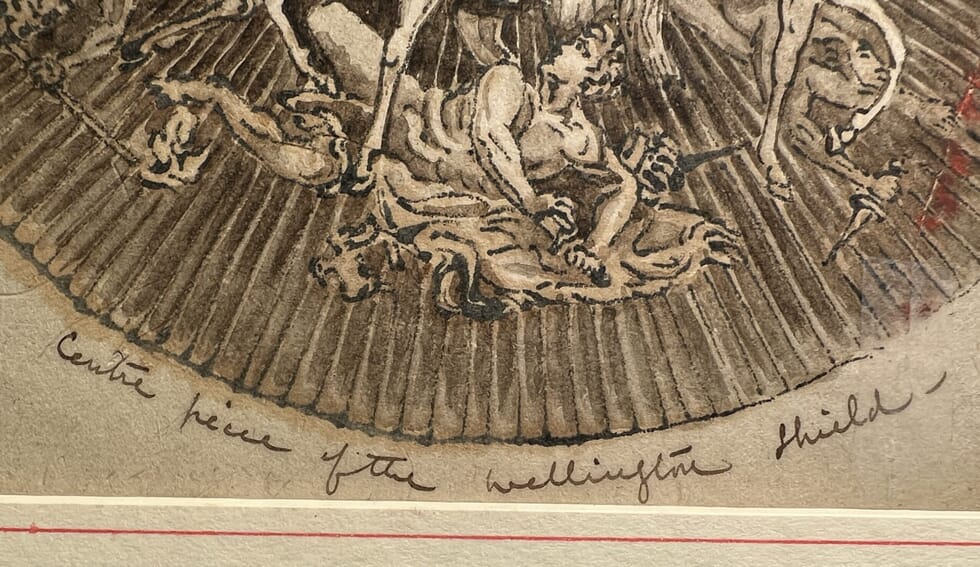
The Wellington Shield - Sketch at Moorabool Antiques

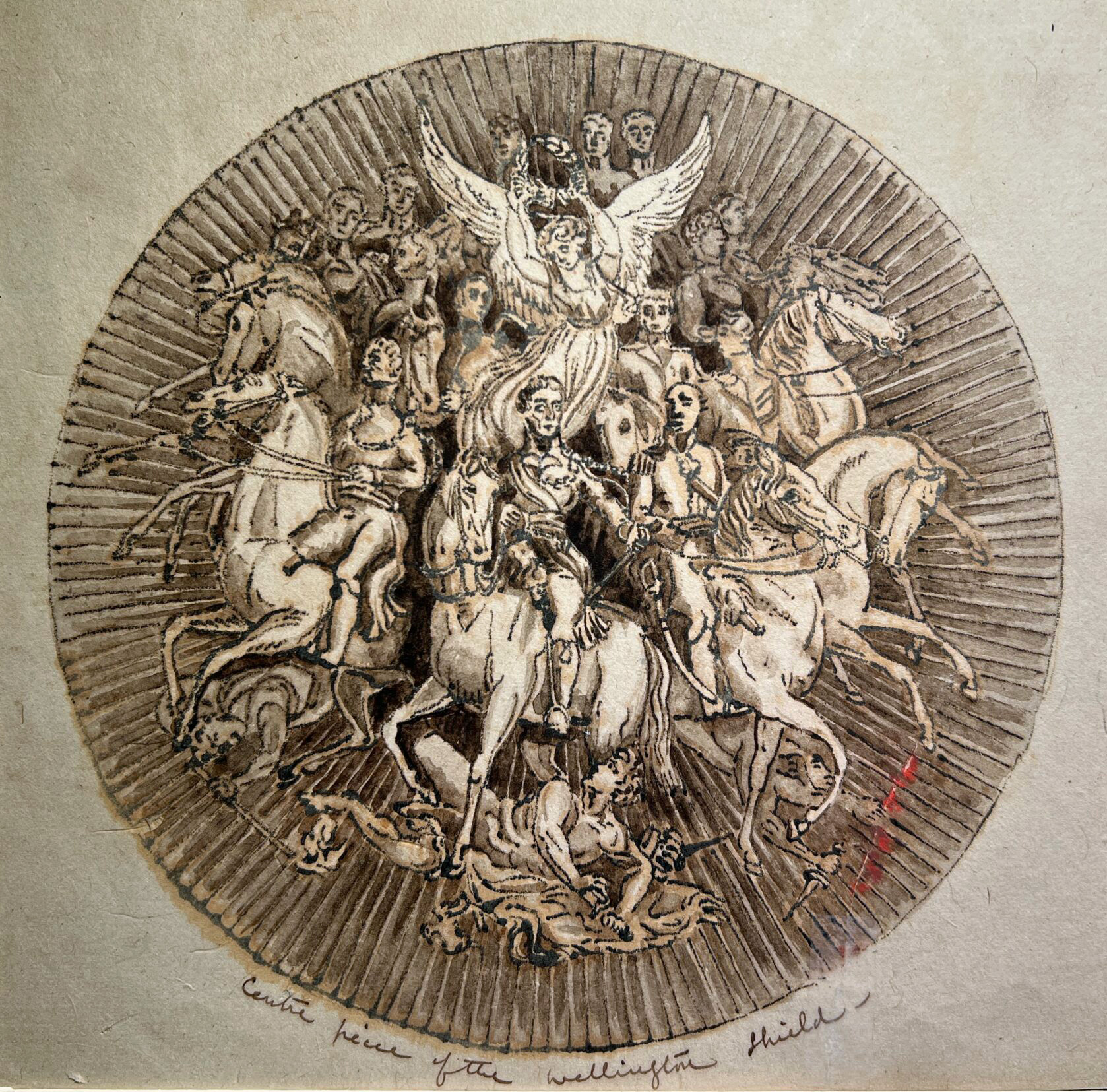
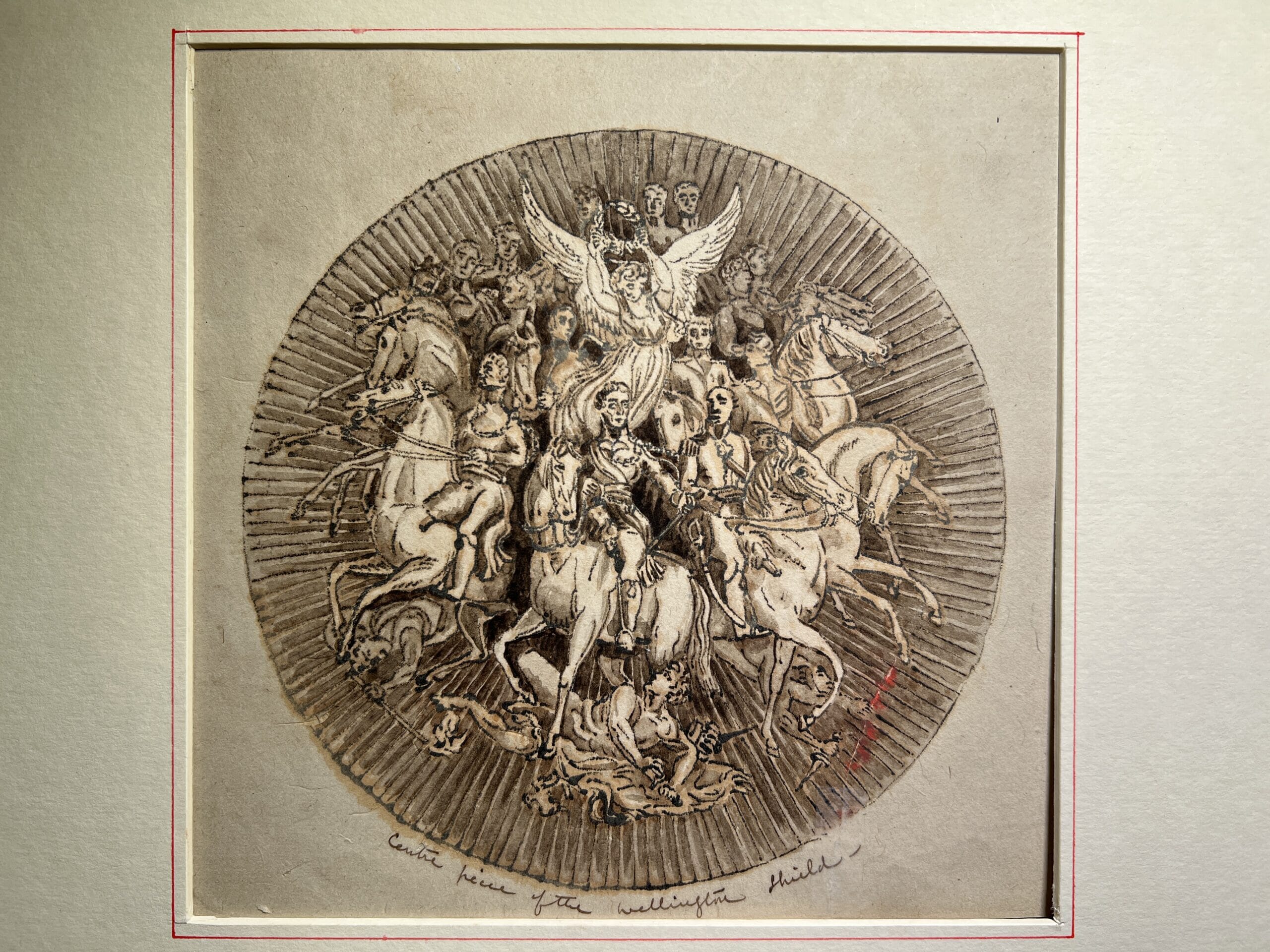
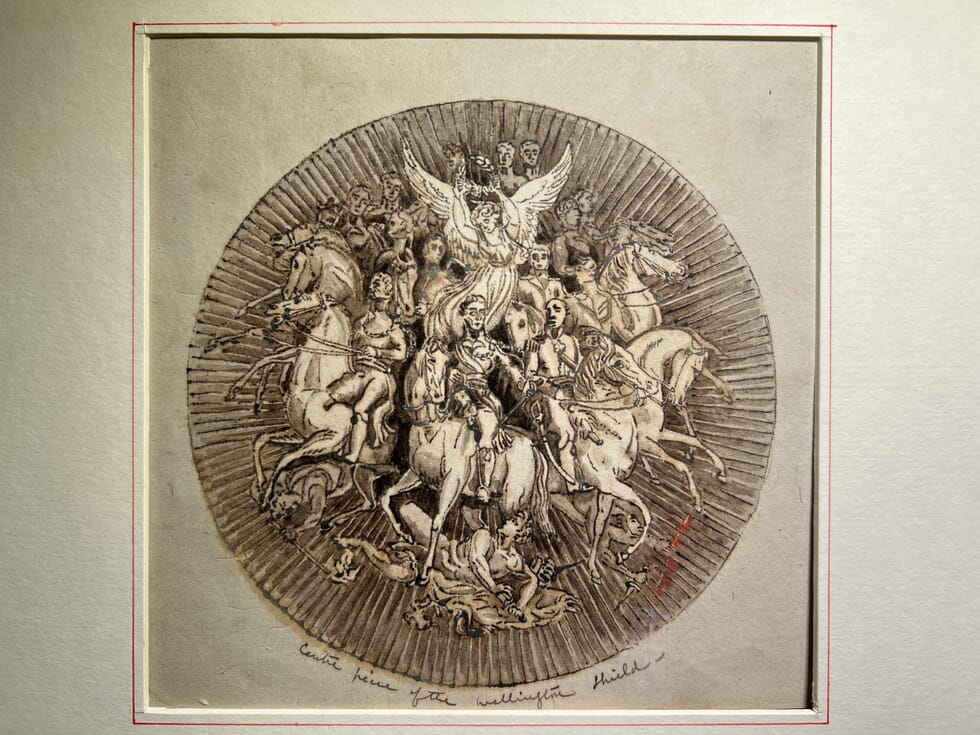
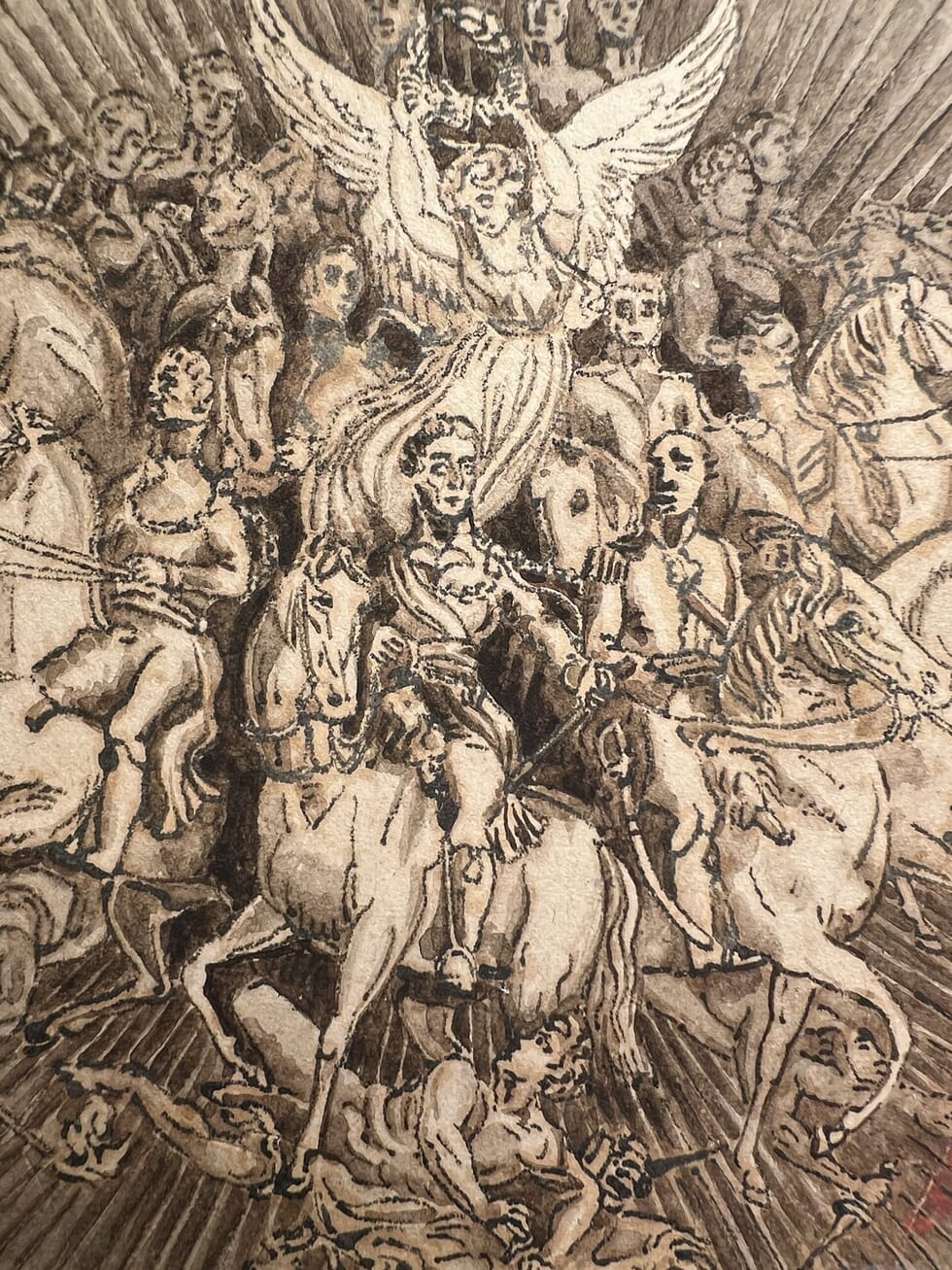
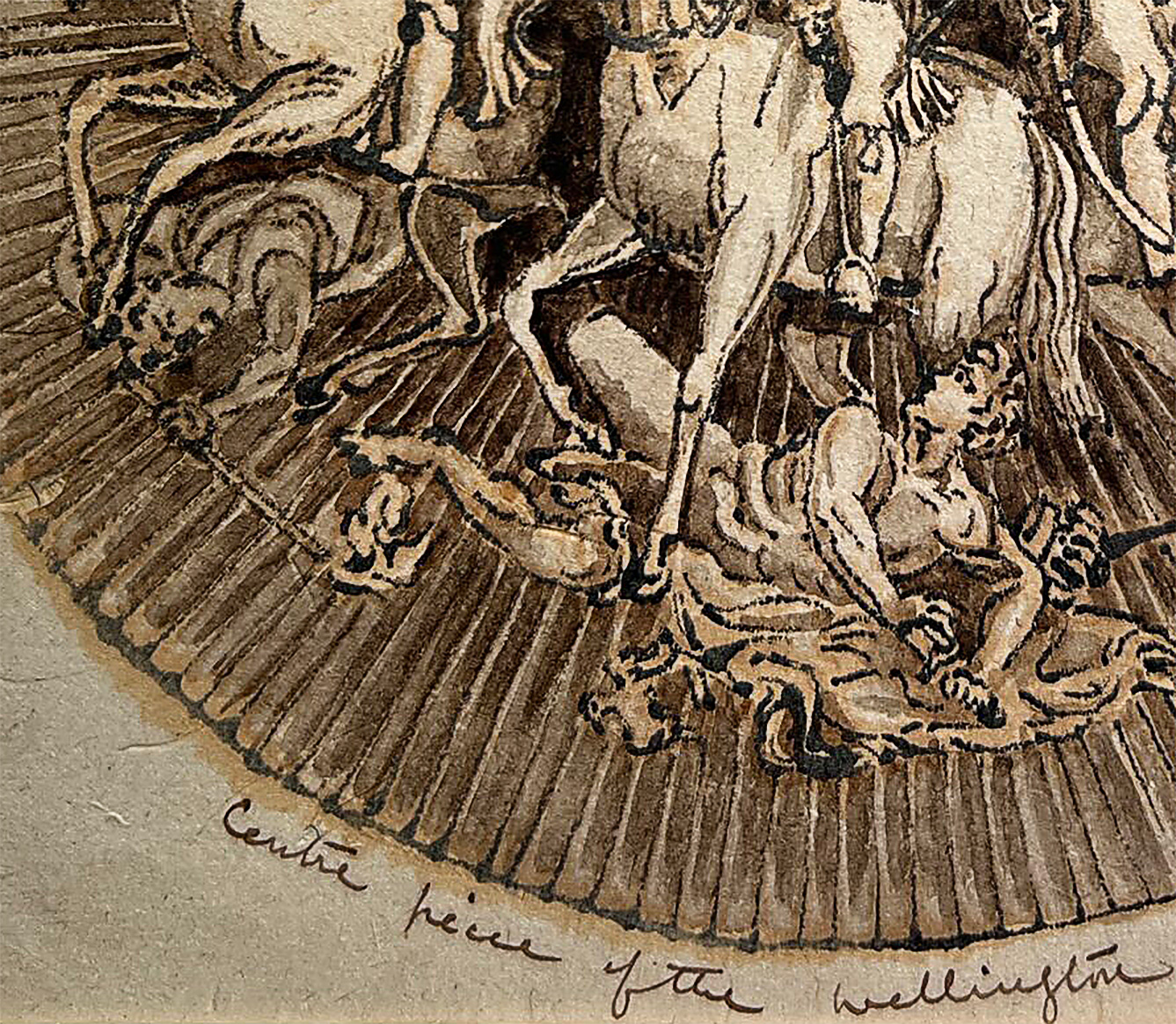
Related directly to the portrait above, this curious pen & wash sketch depicts the special thank-you presented to Wellington in 1821, commissioned by the Merchants and Bankers of London. It is a large gilt-silver work of art, They were obviously very, very grateful for Wellington’s part in keeping the trade routes freely flowing! This interesting small-scale ink & wash depiction has a story to tell – we’ve discovered the source the artist used.

The Macintosh Clan Silver

Macintosh Clan Family Crest, on Sterling Silver at Moorabool Antiques, Geelong, Australia

A recent find at Moorabool was a large quantity of luxury silver. Unsurprisingly, it has an aristocratic crest engraved on the handles – and one which we are already familiar with, as we have had ceramics with the same symbol.
This is the Wildcat of Clan Macintosh.

These fierce Scots supported Robert the Bruce in the 14th century; Mary Queen of Scotts in the 16th century; and Bonnie Prince Charlie in the 18th century.
Their crest is in keeping with this ‘prickly’ nature: A wild cat, ‘guardant’ – rising up with claws out to attack.
The motto when included reads ‘TOUCH NOT THE CAT BOT(without) A-GLOVE’ – in other words, don’t mess with these wild Scotsmen!

Macintosh Clan Crest on Sterling SIlver @ Moorabool ANtiques, Geelong
Macintosh Clan Crest on Sterling SIlver @ Moorabool Antiques, Geelong
Moorabool Heading
Posted on

An interesting Ink Sketch of the Waterloo Shield

The Wellington Shield sketch c. 1835

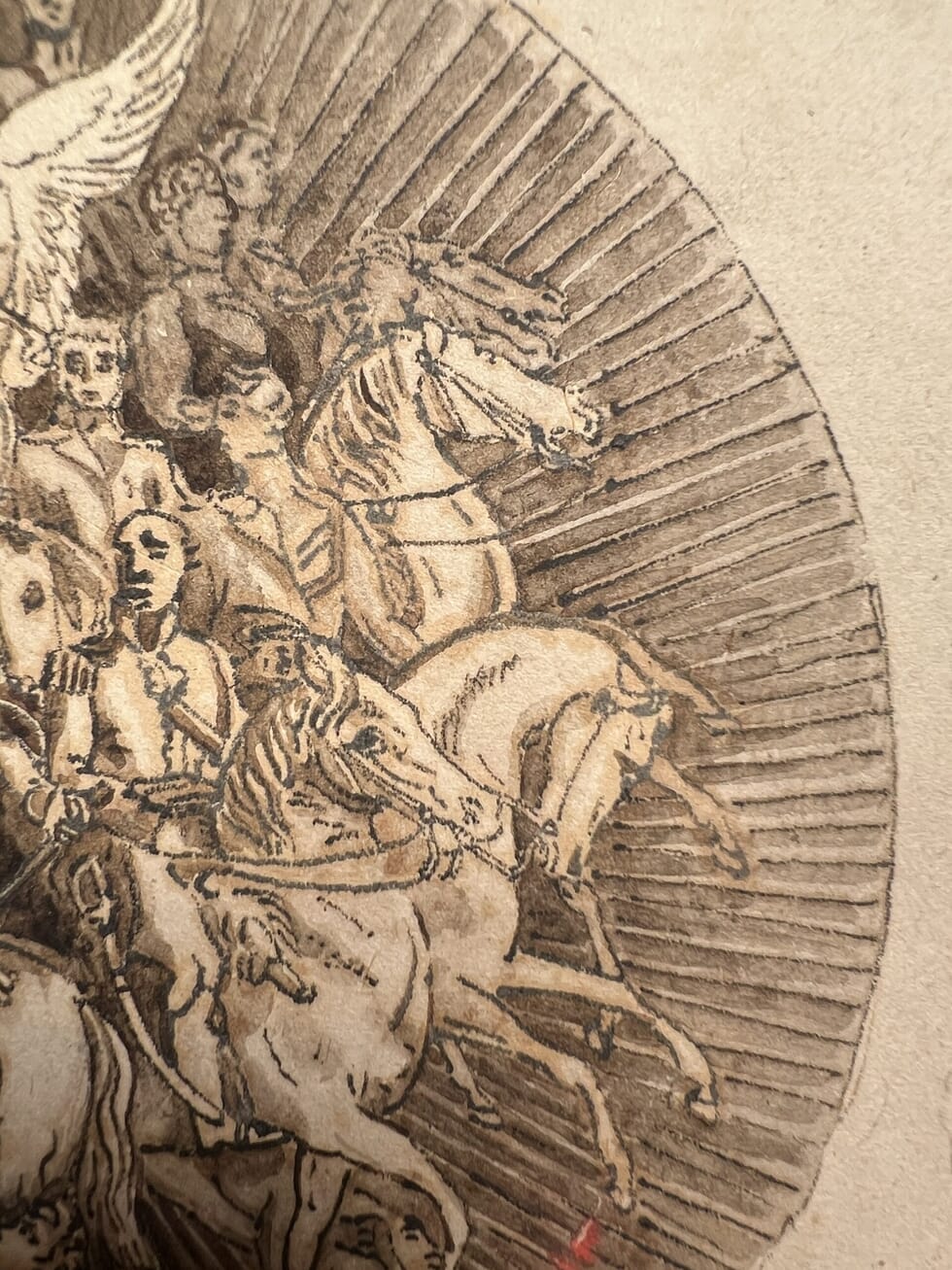
A curious ink sketch of the fabulous ’Wellington Shield’ has a story to tell.
Arthur Wellesley, 1st Duke of Wellington (1769-1852) was the hero of the moment when he led the British & Allies to victory over the French at Waterloo in 1815. It had been 23 years of constant fighting with the neighbours – namely Napoleon’s France – and finally, there was the reality of a genuine peace. The National was truely grateful.

Duke of Wellington, early 19th Century portrait @ Moorabool Antiques, Australia
The Duke of Wellington, early 19th Century portrait @ Moorabool Antiques, Australia
TheWellingtonShield
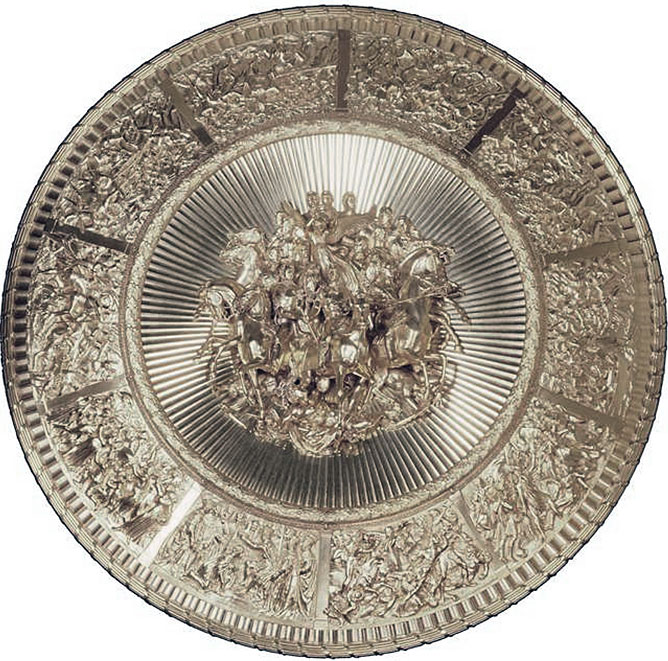
The Silver-Gilt Wellington Shield, Designed by Thomas Stothard, made by Silversmiths Green, Ward & Green, and presented to Wellington in 1821 by the Merchants and Bankers of the City of London.

The Wellington Shield is a magnificent creation, paid for by The Merchants and Bankers of London as a token of thanks for keeping Britain free of Napoleon – and the essential trade networks flowing. Commissioned in 1817, it was presented in 1821. Now in pride of place amongst all Wellington’s treasures at his London home, Aspley House, No. 1 London Road (also a ‘Present’ from the grateful people!), it was lauded as the most spectacular silver charger ever made at the time. Inspired by the description of Achille’s shield in the Iliad, it shows Wellington being crowned by a winged Nike ‘Victory’ figure, surrounded by his loyal troops, and surrounded by ten detailed panels showing scenes from his career. Large and highly-detailed, it was examined, described, and replicated in publications across the British Empire. It was put on show every year at the annual ‘Waterloo Banquets’ held at Apsley House until Wellington’s death in 1852.

The shield can now be seen in Aspley House, part of the Wellington Museum, No1 London Road. Photo source: WikiCommons


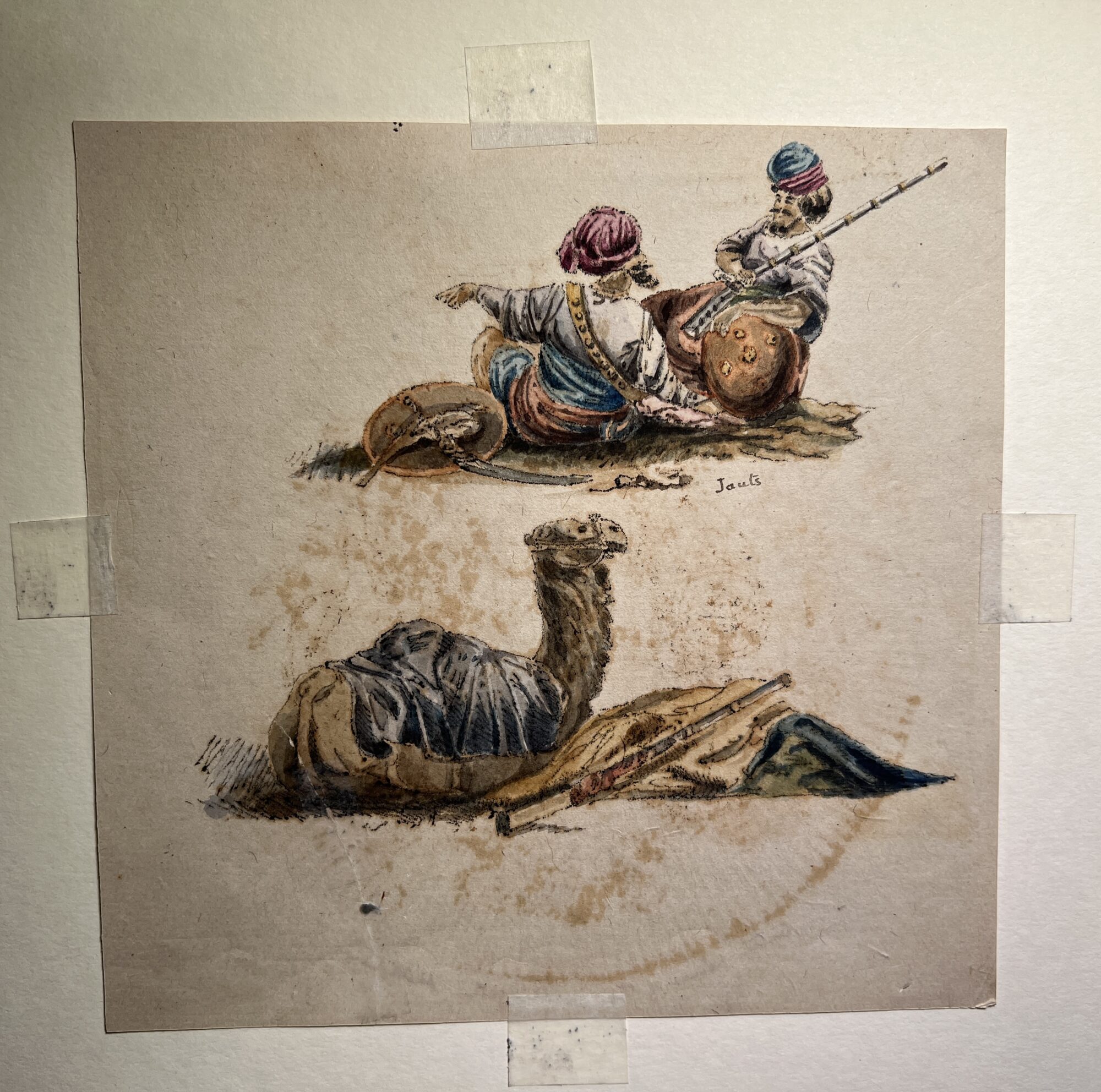
We recently came across an interesting hand-drawn ink sketch of the Shield. Part of an anonymous sketchbook, the other side bears an image of two Indian soldiers, and a camel resting alongside a rifle. Other works in the album had European views, portraits of notables, and quite a few images of ports in Europe.
How do we interpret this all?

The reverse of the sketch bears these interesting studies.

Dating to the earlier 19th century, I believe it is the sketchbook of someone who really wanted to travel – but perhaps didn’t even set foot in the exotic locations depicted. It may well have been a young lady (there were some flower studies, always popular with young lady artists), who had the ‘wanderlust‘ to see the exotic sights that these images portray – but she could well have done it all during her idle time in the ‘drawing room’ of her family home, thanks to the array of newspapers and magazines that came readily available as the 19th century progressed.

This theory comes from the discovery of the source of this piece, and also from a clue that both images share: a very faint black smudging along the edges of all figures.

The Source

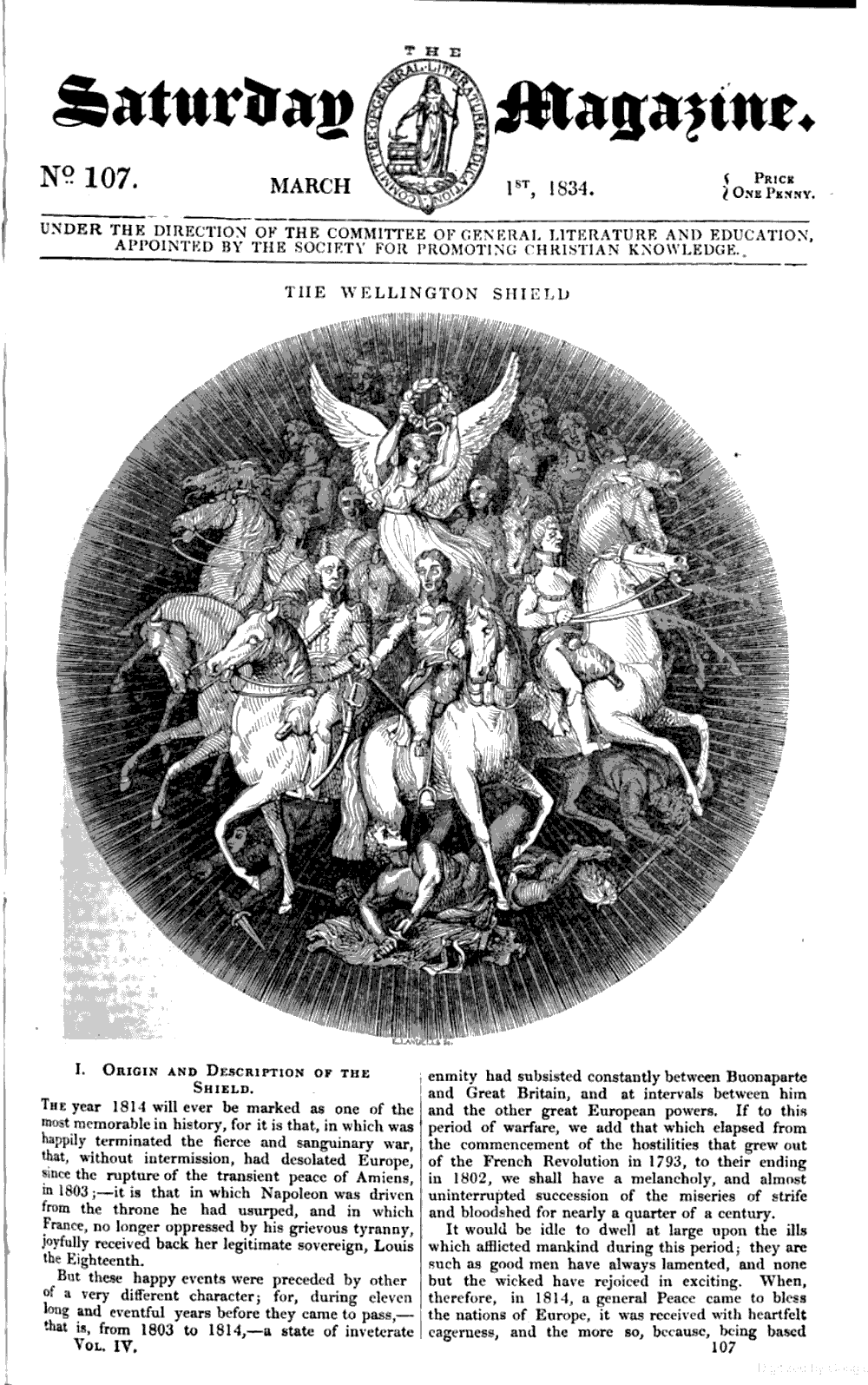
The Saturday Magazine March 1 1834- The Wellington Shield
The Saturday Magazine March 1 , 1834
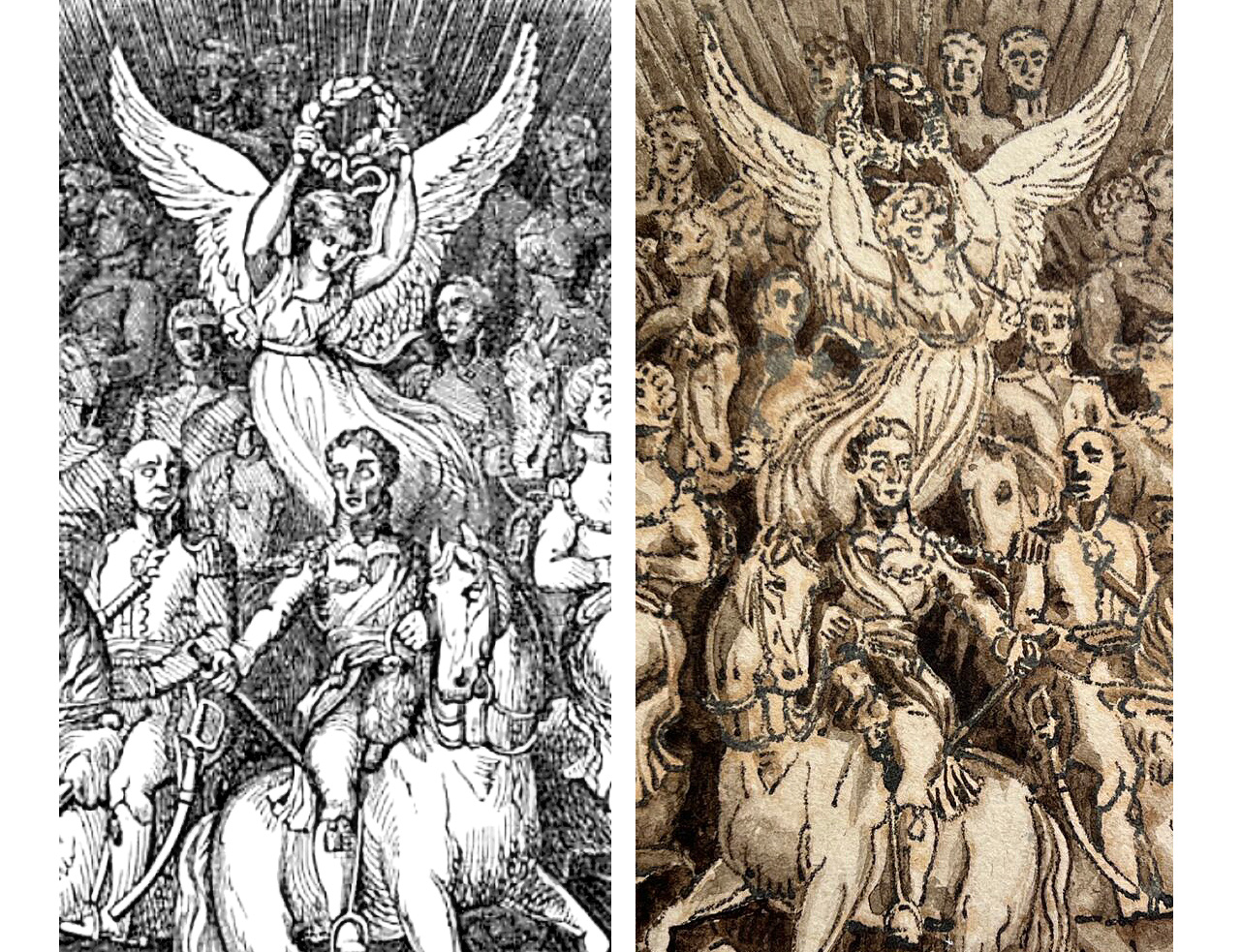
Left – image from the ‘Saturday Magazine’, March 1st 1834
Right – the sketch being discussed, desaturated for comparison.

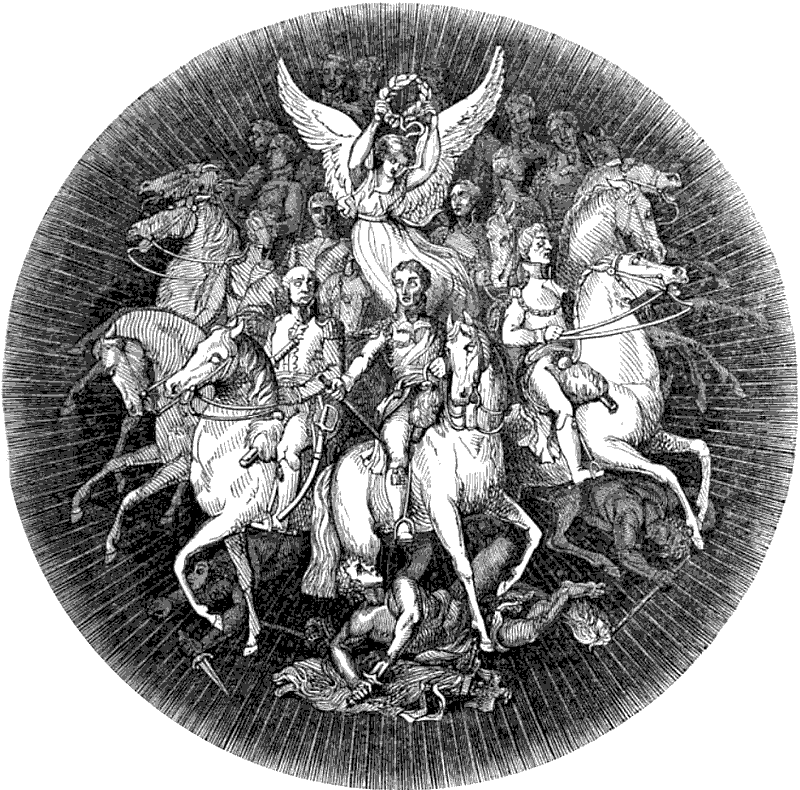
This is the fine woodblock engraving which illustrated an article on the shield in the ‘Saturday Magazine‘, published March 1st, 1834. This was a small, illustrated magazine that was sold for one penny, ‘Under direction of the Society for Promoting Christian Knowledge‘ – although it’s contents are of social / scientific / political nature, not religious.

The publisher was John Parker (1791-1870). His father was in the Royal Navy, and Parker served his apprenticeship at a London printer, which he ended up managing. From 1829, he became the director of the Cambridge University Press – and the appointed publisher for the Christian Knowledge Society, for which the magazine was published. While he printed bibles, apparently when Parker introduced ‘steam power’ for the presses, the ‘Christian Knowledge Society’ revisited the technology!

This illustration of the shield accompanied a long article waxing lyrical about the shield and how it came to be:


“…..the Duke of Wellington, England’s great General …. had finally planted the triumphant standard of our country on the soil of France itself. ……. honours were heaped on him from all sides, and men taxed their ingenuity to devise modes in which they might best mark their gratitude to him.
To this feeling, so universally displayed, is to be attributed the production of the Wellington Shield, one of the most magnificent works of art ever executed in the precious metals. “

The Wellington Shield - source 1834
The Wellington Shield – source in The Saturday Magazine, 1st March 1834

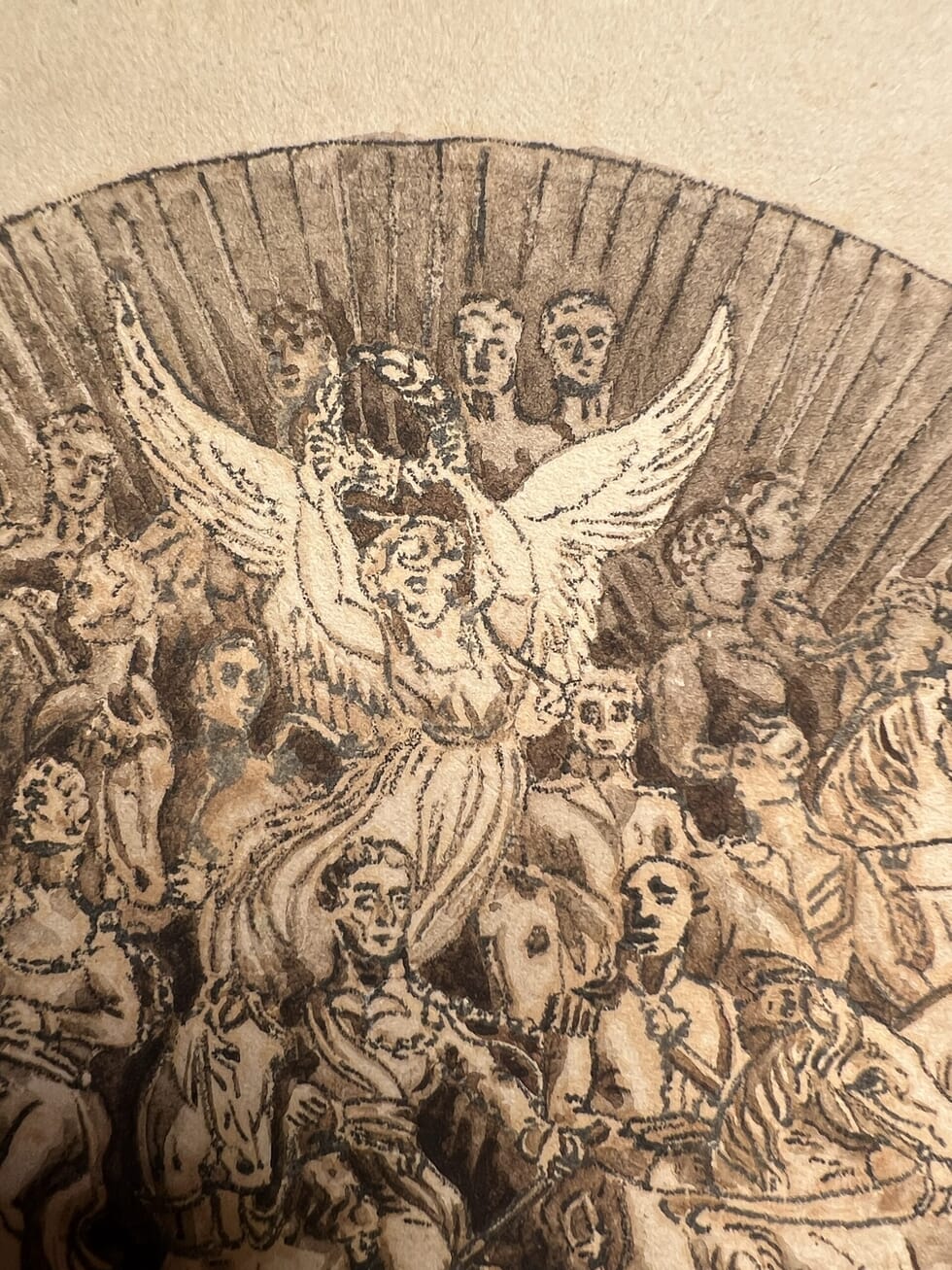
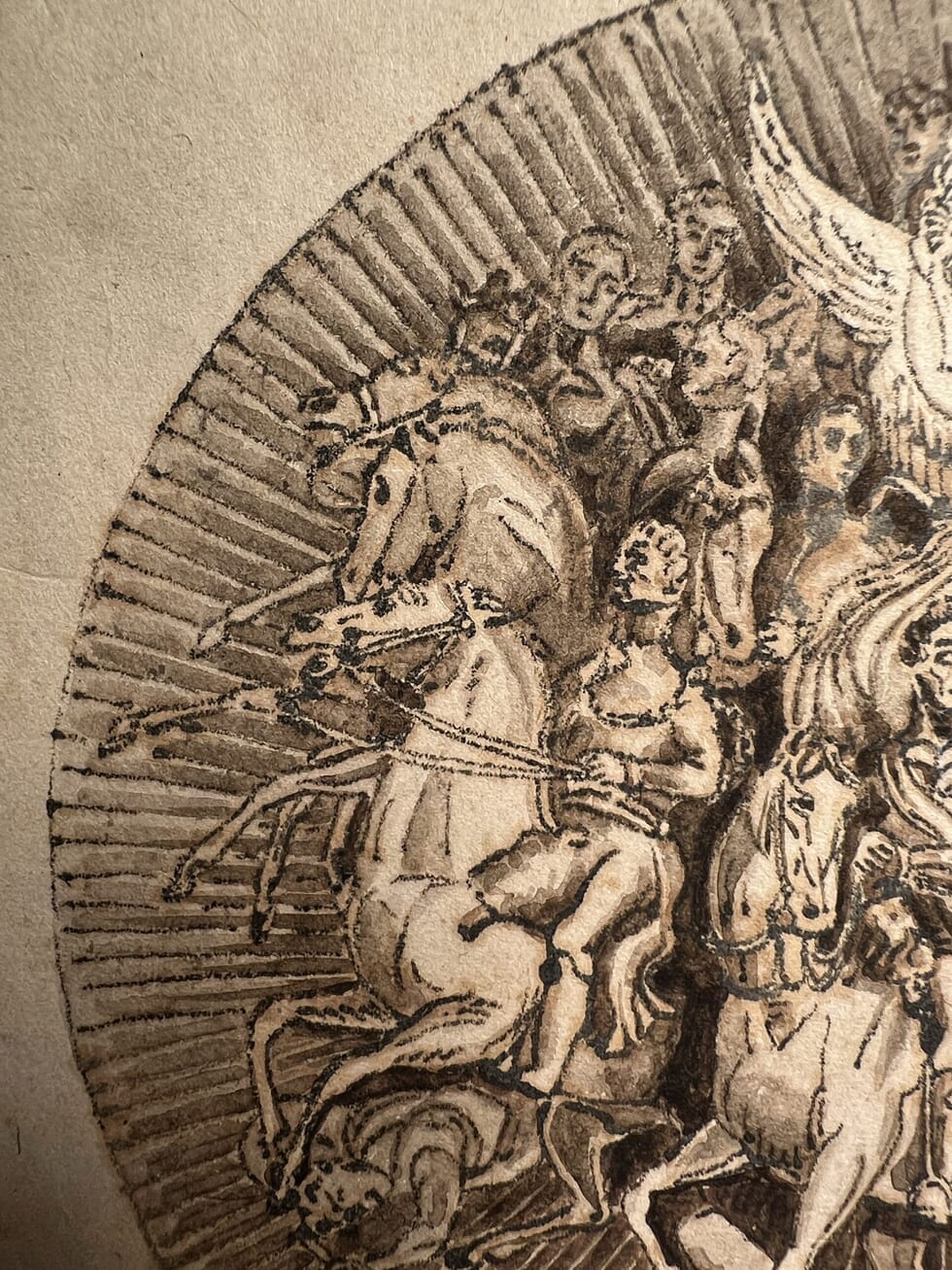
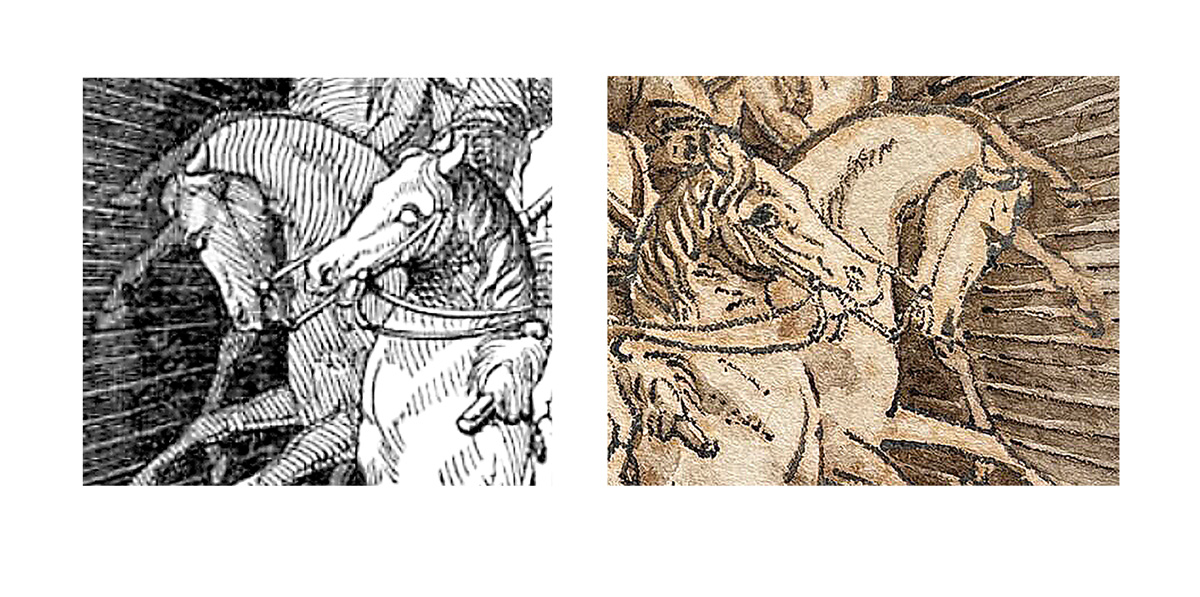
It is, however, reversed. How could this happen? The clue is the fuzzy, ‘bleeding’ nature of the principal outlines evident in the sketchbook, even on other pages.

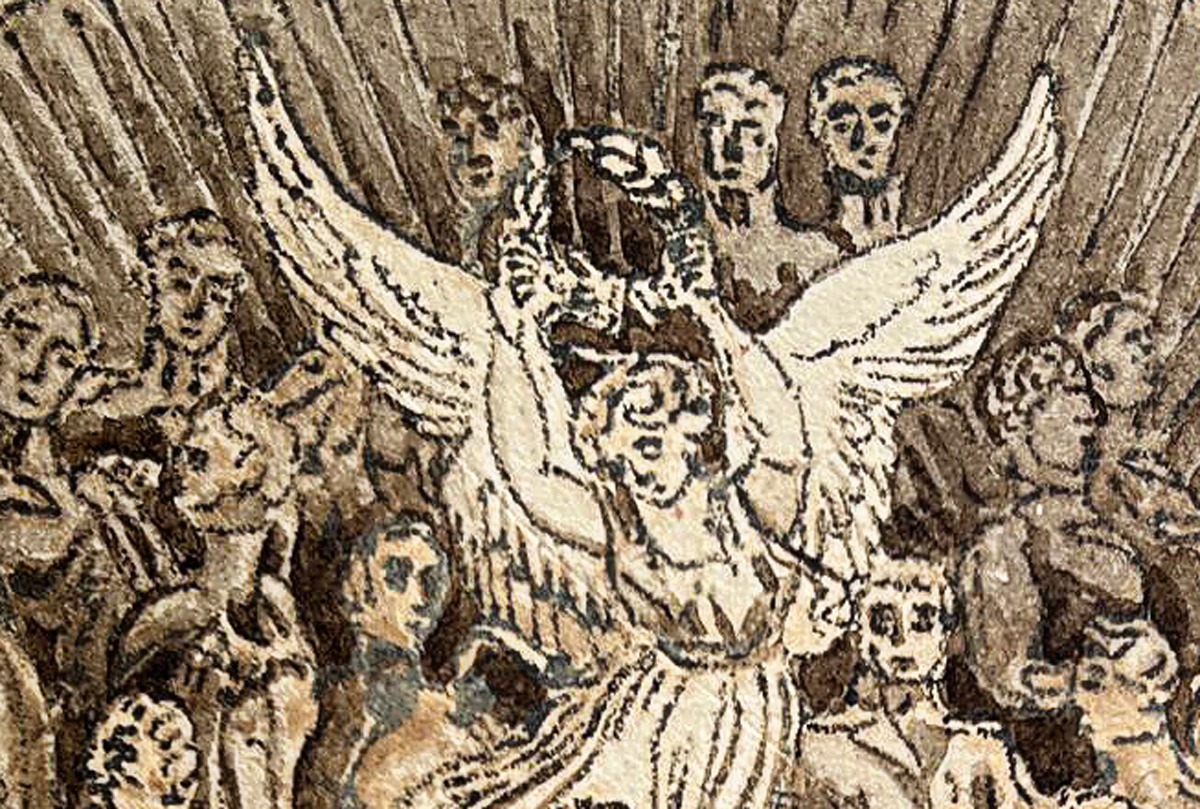
Nike - The Wellington Shield - circa 1835
Note the ‘bleeding’ to the dark outlines

This is evidence of the technique used: a primitive transfer, where the artist has used an ink to carefully trace the main features in the print, then placed the blank paper onto the still-wet ink. After some pressure, probably in a book press, the image would be transferred – somewhat fuzzy, and needing the secondary touch-ups and washes of solid colour to create the image as presented. As part of the process, the image appears in reverse – and tends to bleed.

The Saturday Magazine March 1 1834- The Wellington Shield - circa 1835
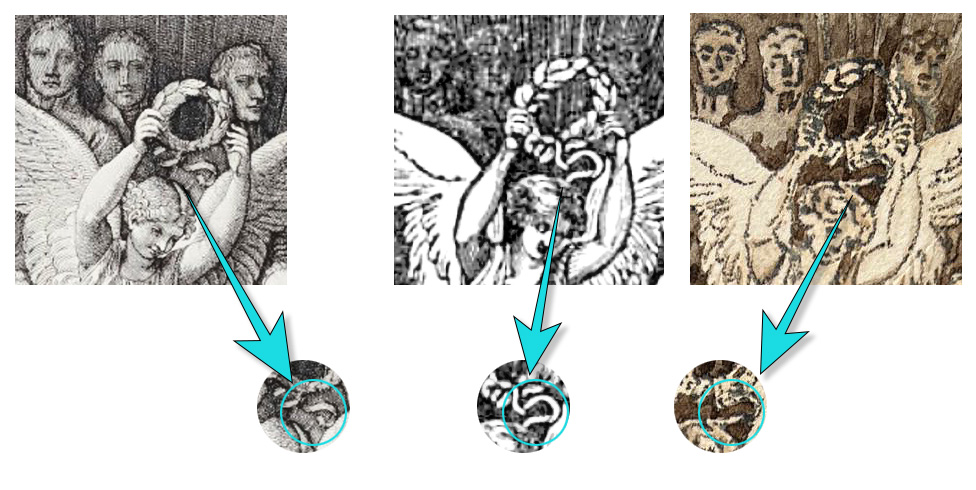
Left: Thomas Stothard’s 1820 very accurate engraving of the shield.
Center: woodblock from the 1834 ‘Saturday Magazine’
Right: the same detail in the ink sketch, reversed.

The differences between these details reveal the ink sketch is not copied from Stothard’s version, but is identical to the ‘Saturday Magazine’ version. The give-away is the bow beneath the laurel wreath – while it is complete with two loops on Strothard’s depiction, the Magazine has unravelled the loop, leaving it out on one side – and the artist of the ink sketch has followed this mistake.

WellingtonShield
left: Magazine, 1834. right: Ink sketch

This is a fascinating depiction of a historical artefact, from the time when Antiquity was the inspiration for heroic representation. The artist has used an interesting technique to replicate their own version in reverse – and the result is not unlike an ‘Old Master’ pen & wash drawing from a much earlier period.

WellingtonShield
left: Magazine, 1834. right: Ink sketch

More Wellington Items

Posted on

Fresh to Stock – Georgian Silver & Furniture, Artworks, plus more…

Welcome to another Fresh Stock release at Moorabool.com

There’s some splendid Georgian items fresh to stock at Moorabool. While you will see a lot released already – there’s more to come over the next week. Check back regularly!

Georgian Furniture, Ceramics & Glass in Geelong

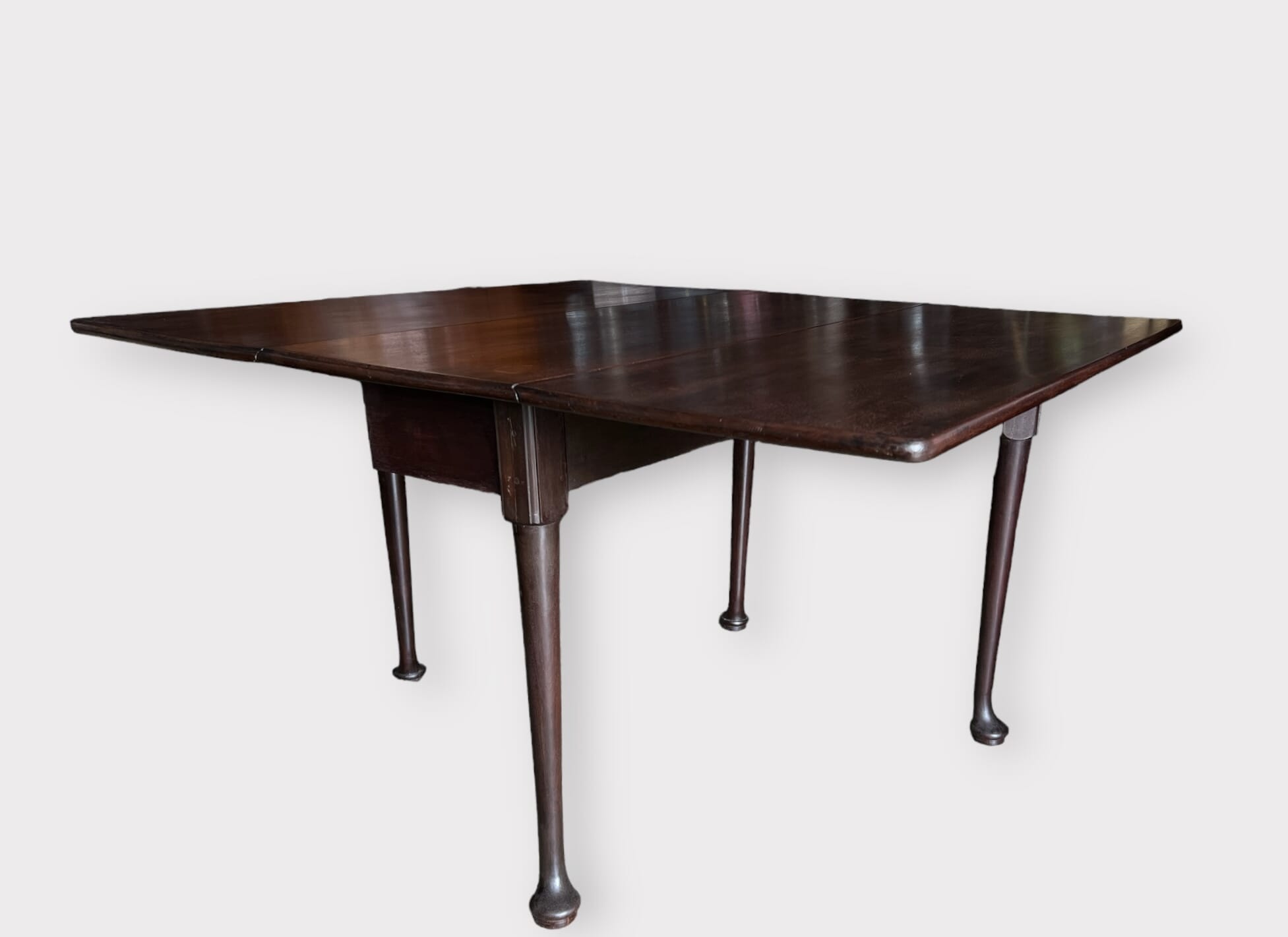
You’ll notice a new ‘Gallery’ link has been added to the home page – the Georgian Gallery, as seen to the right. This will give you quick access to Furniture, Glass, Silver & Ceramics from the Georgian period.


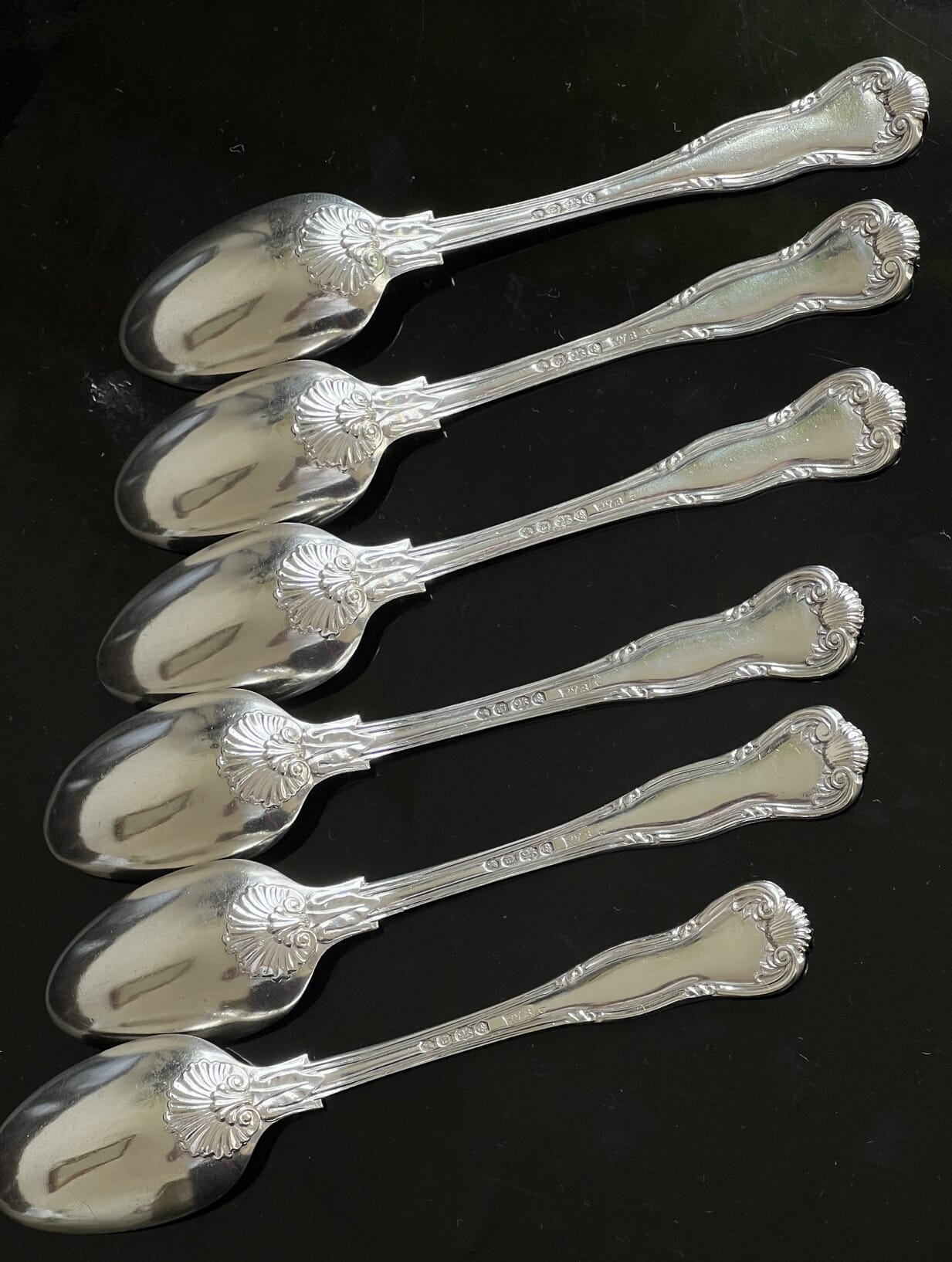
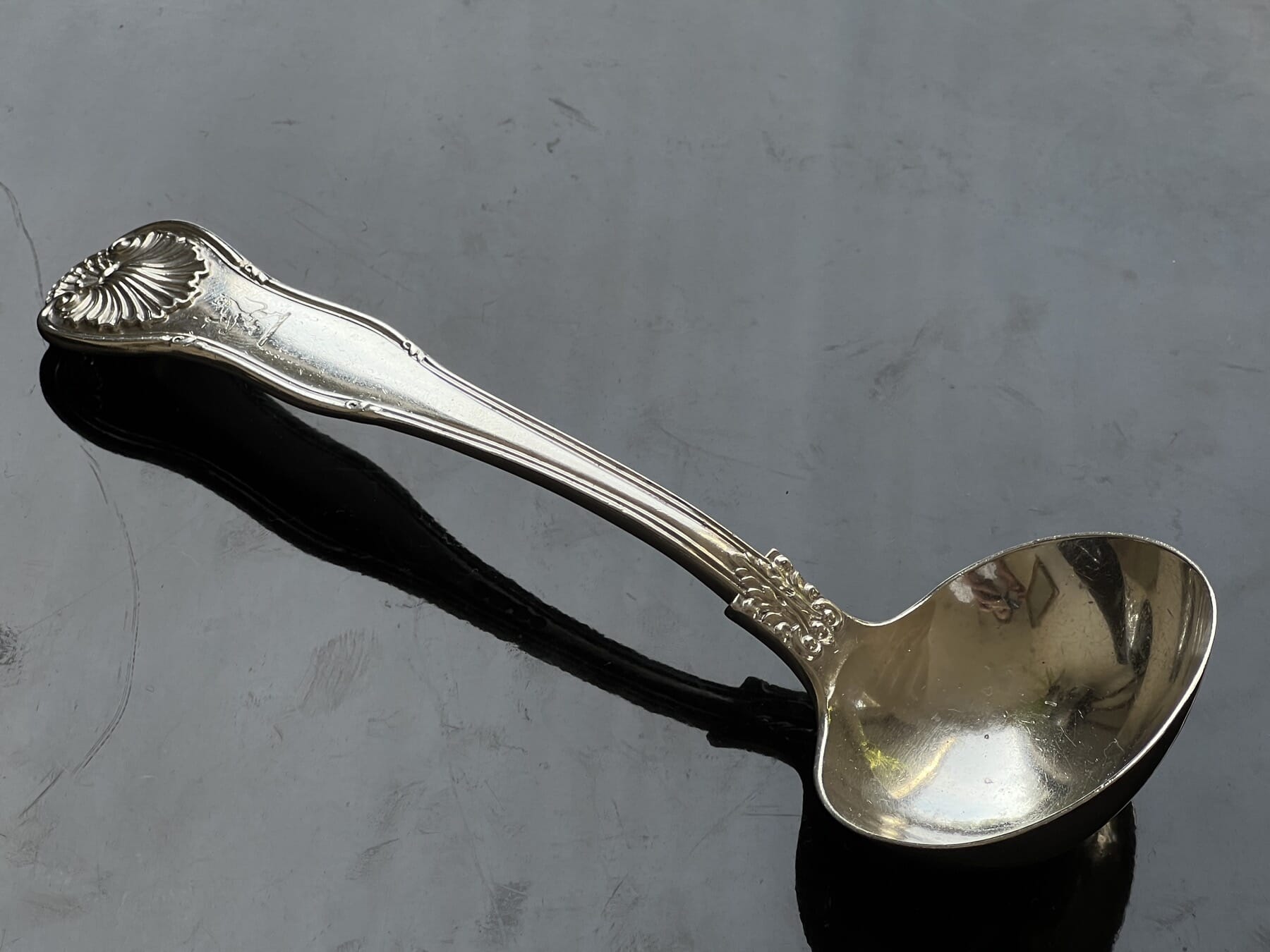
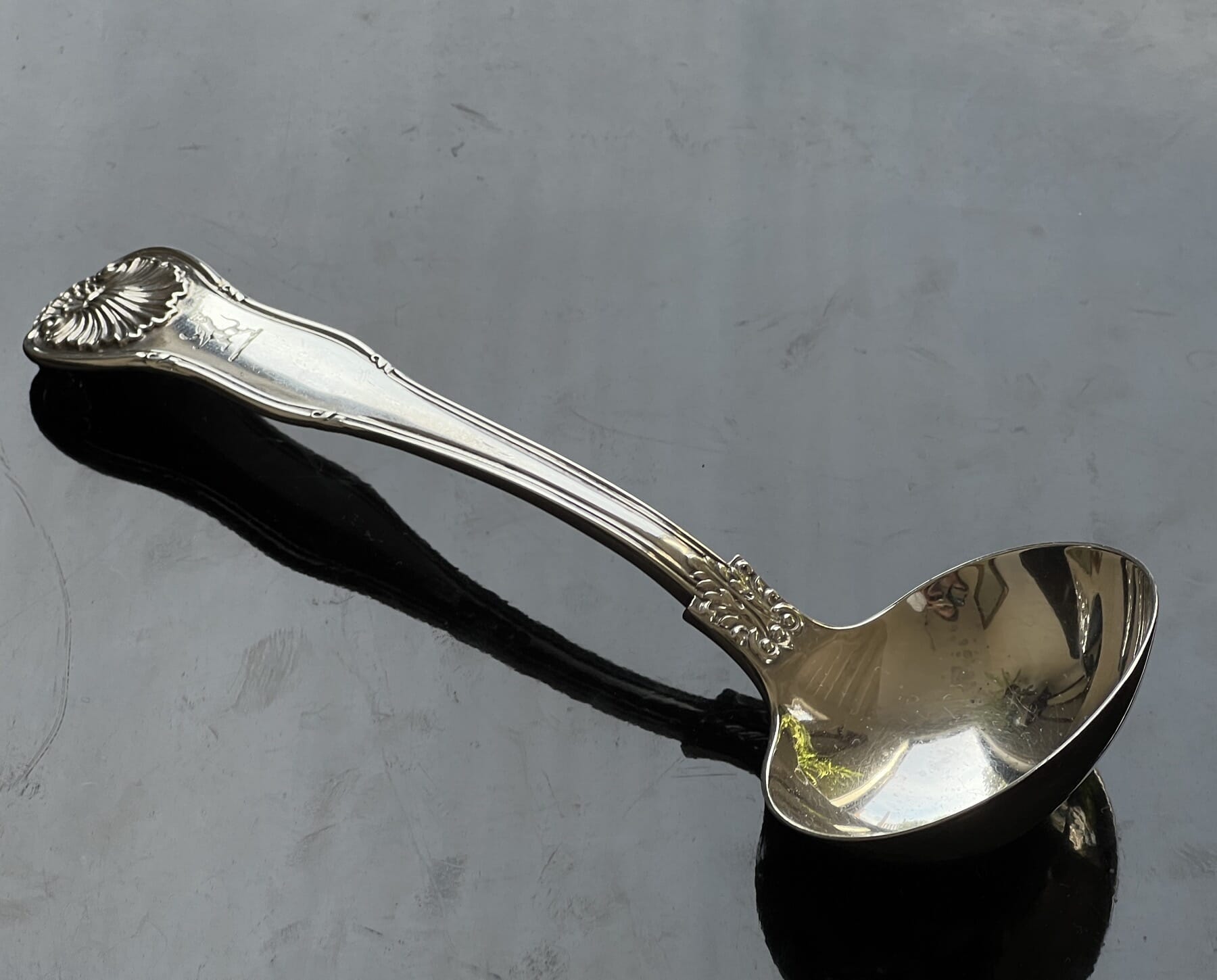
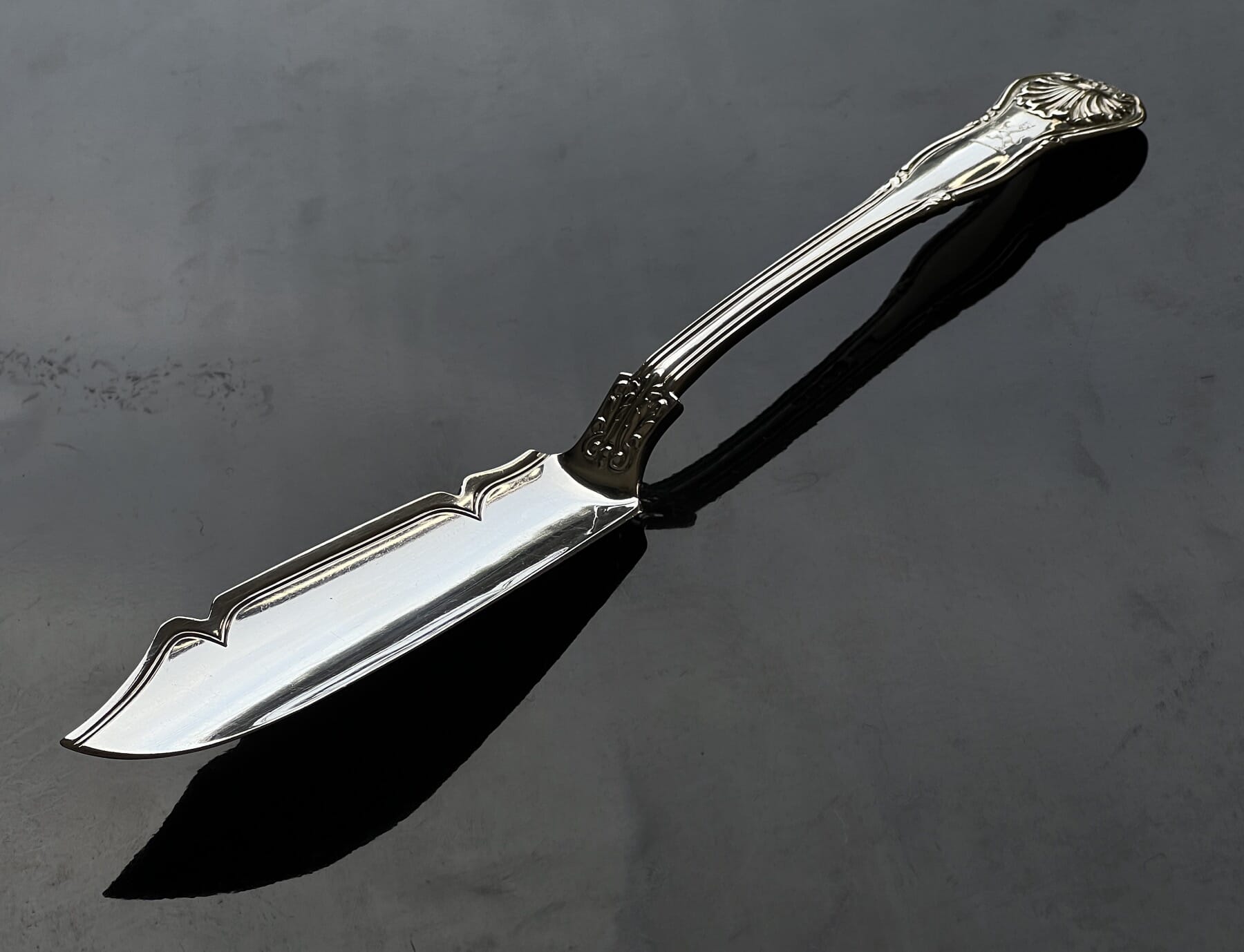
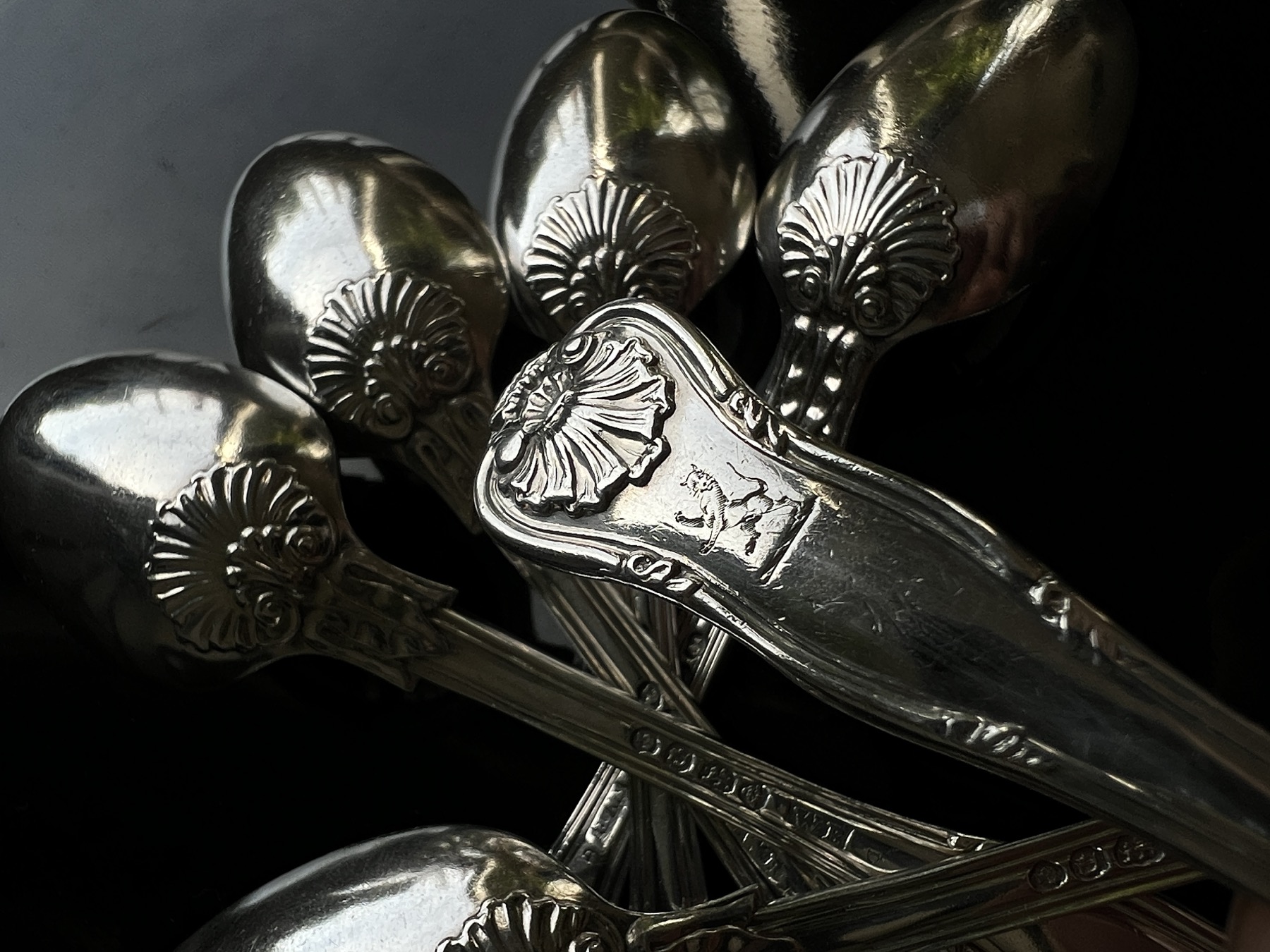
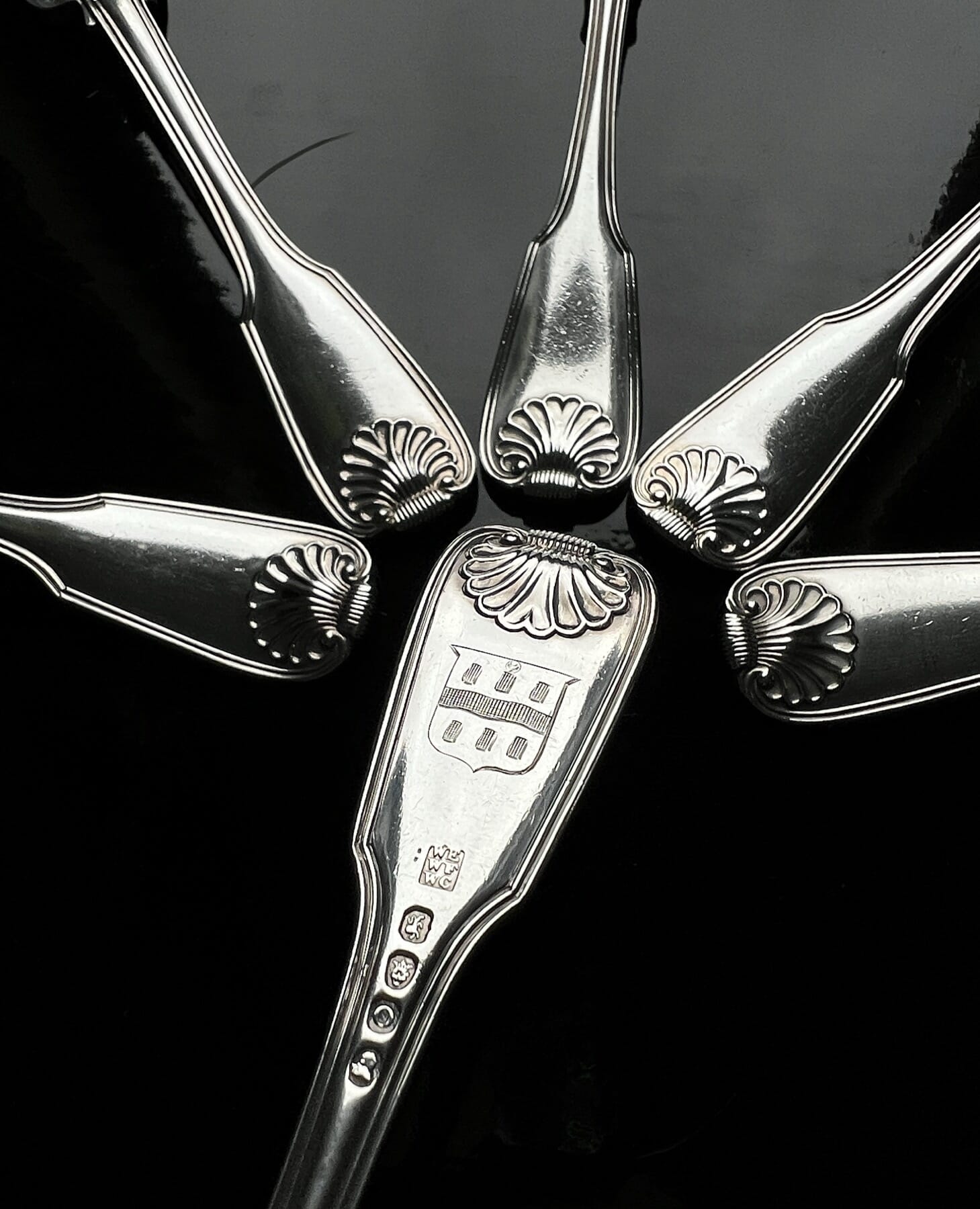
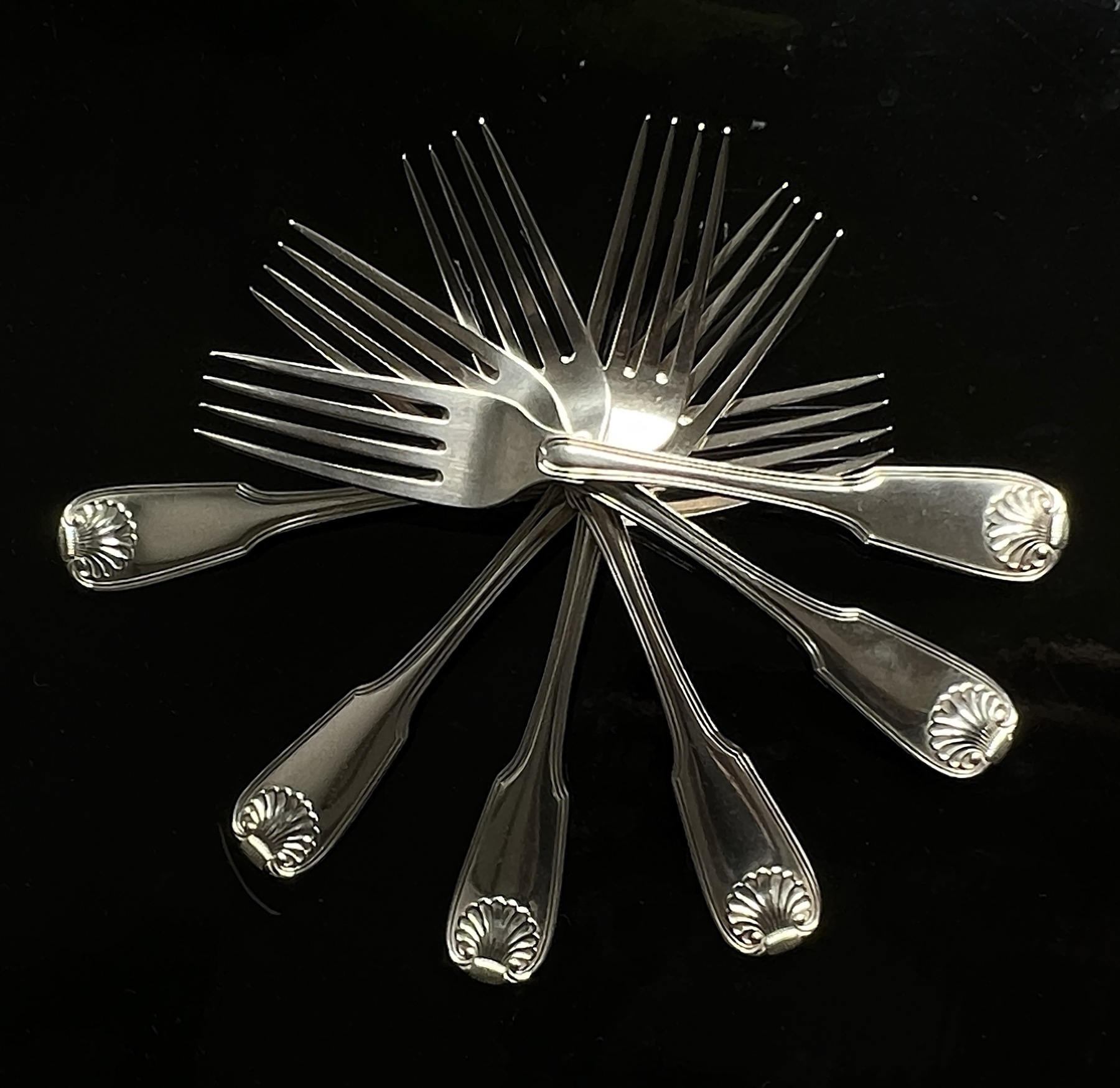
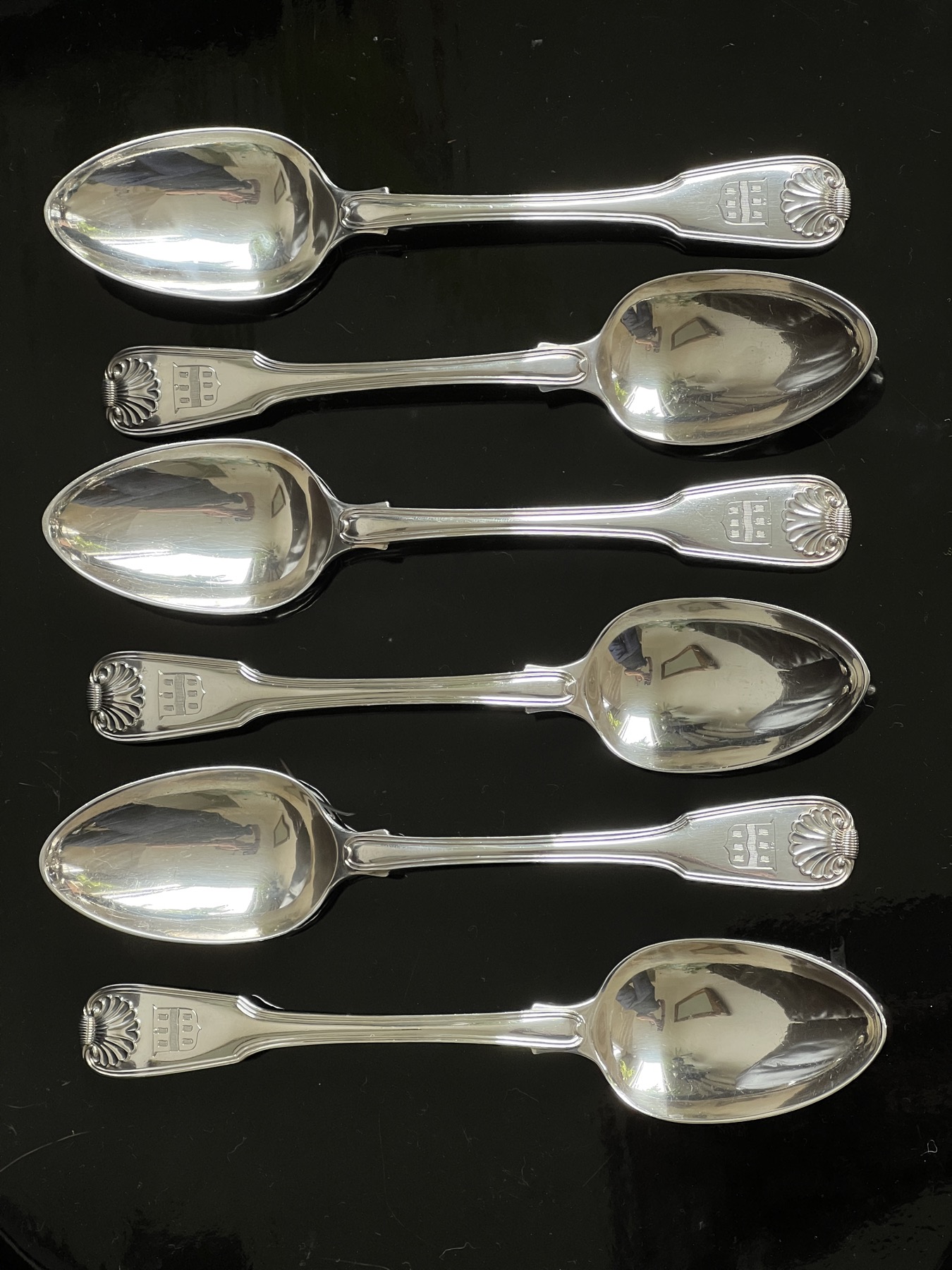
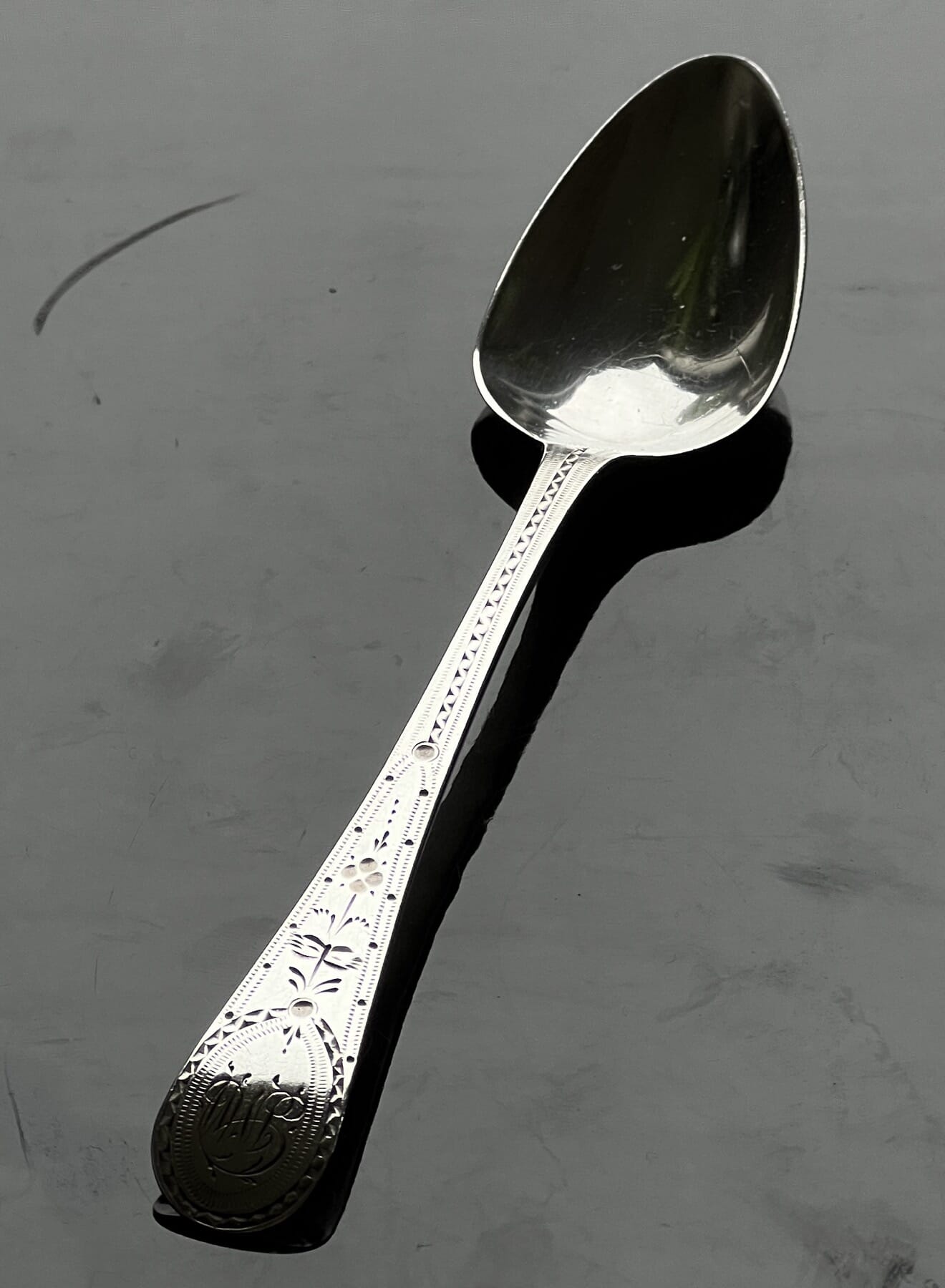
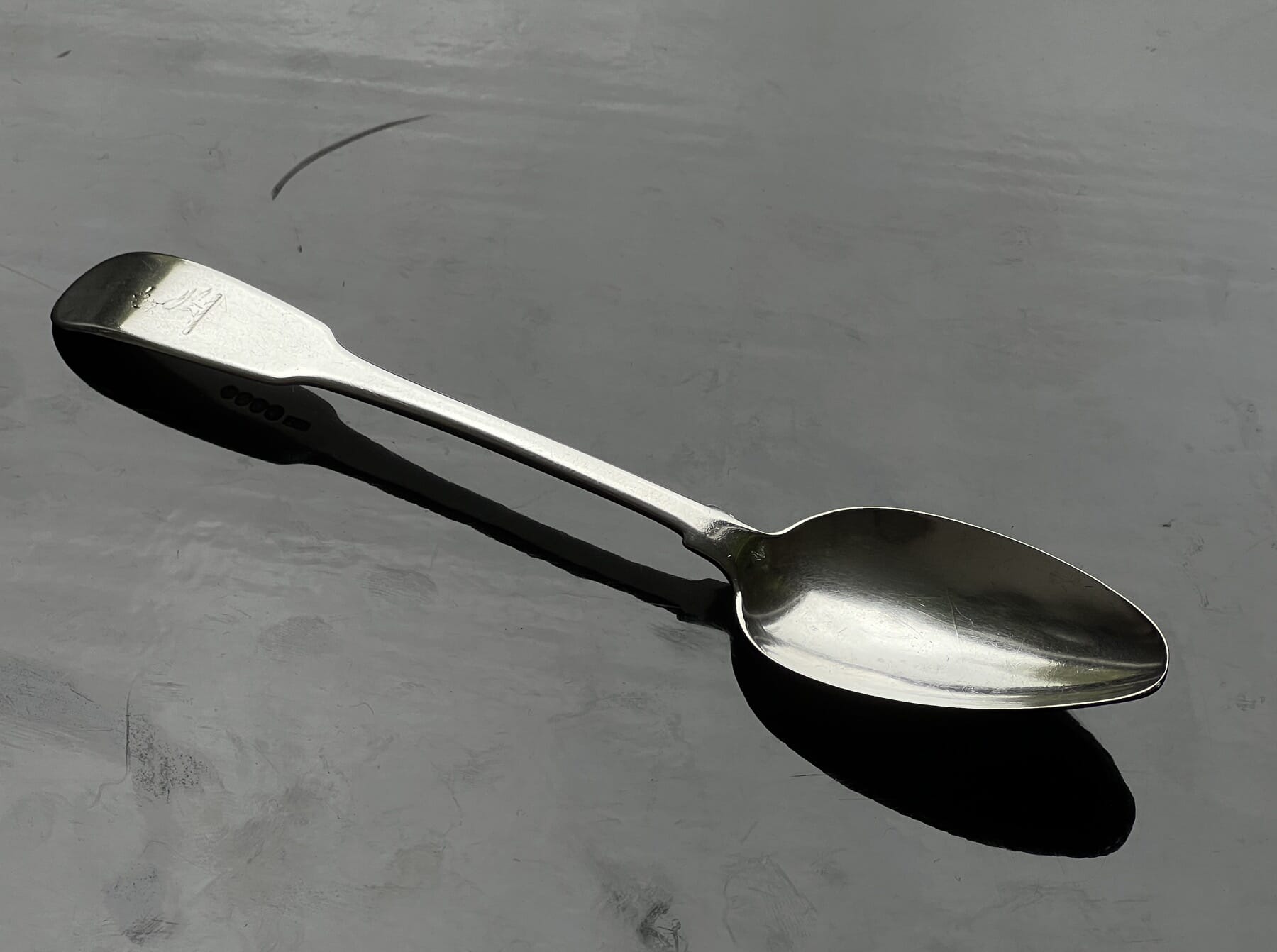
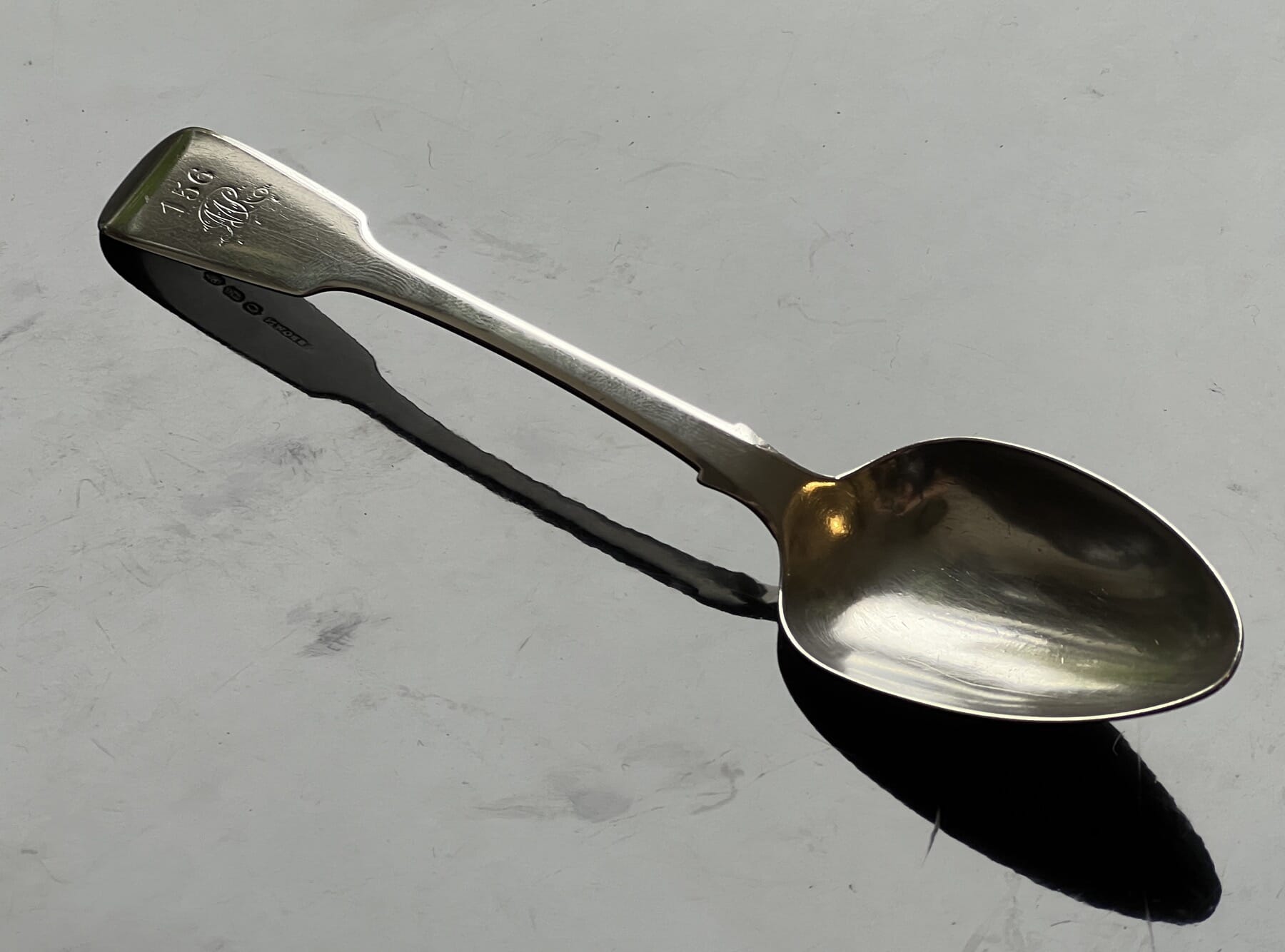
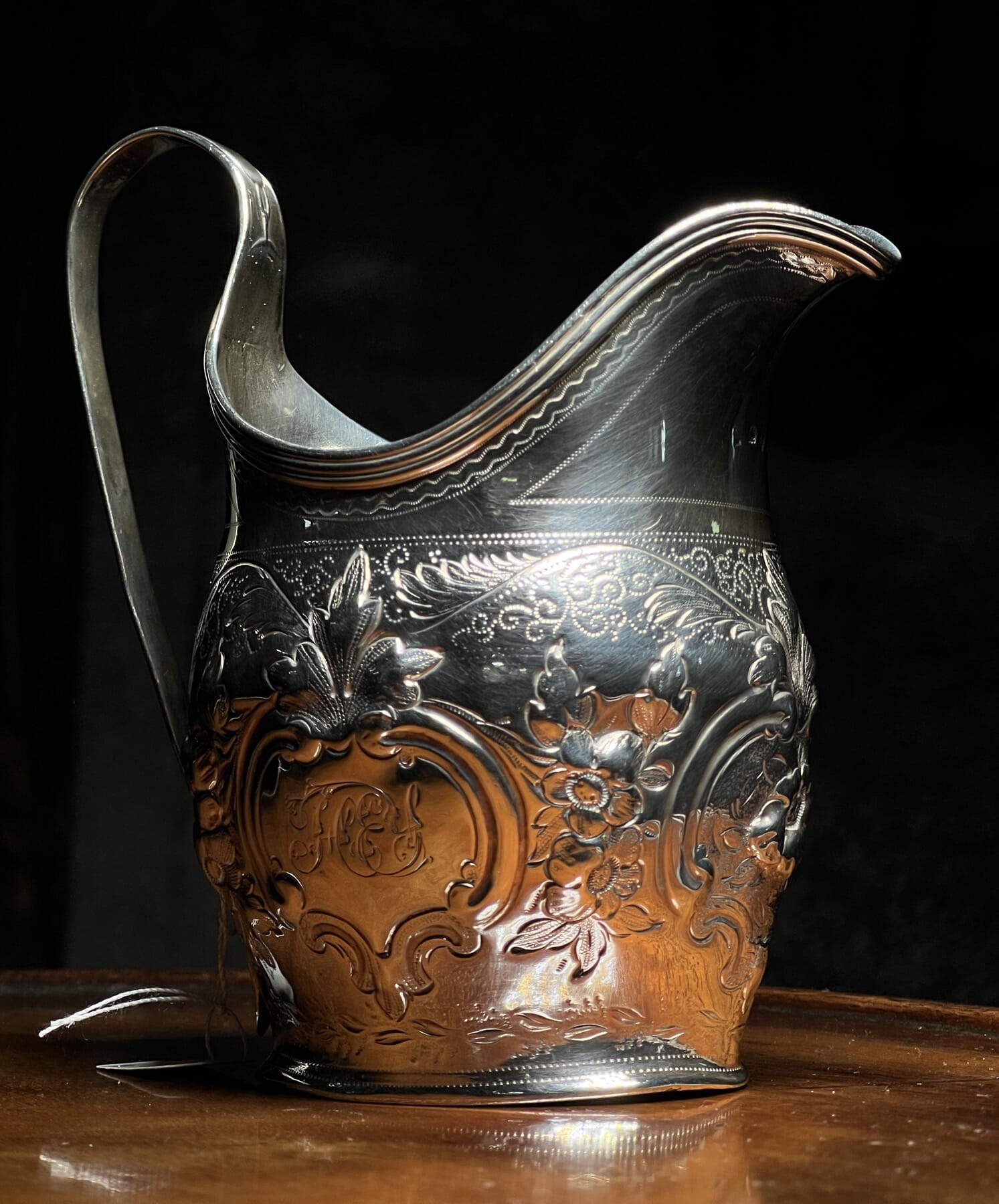
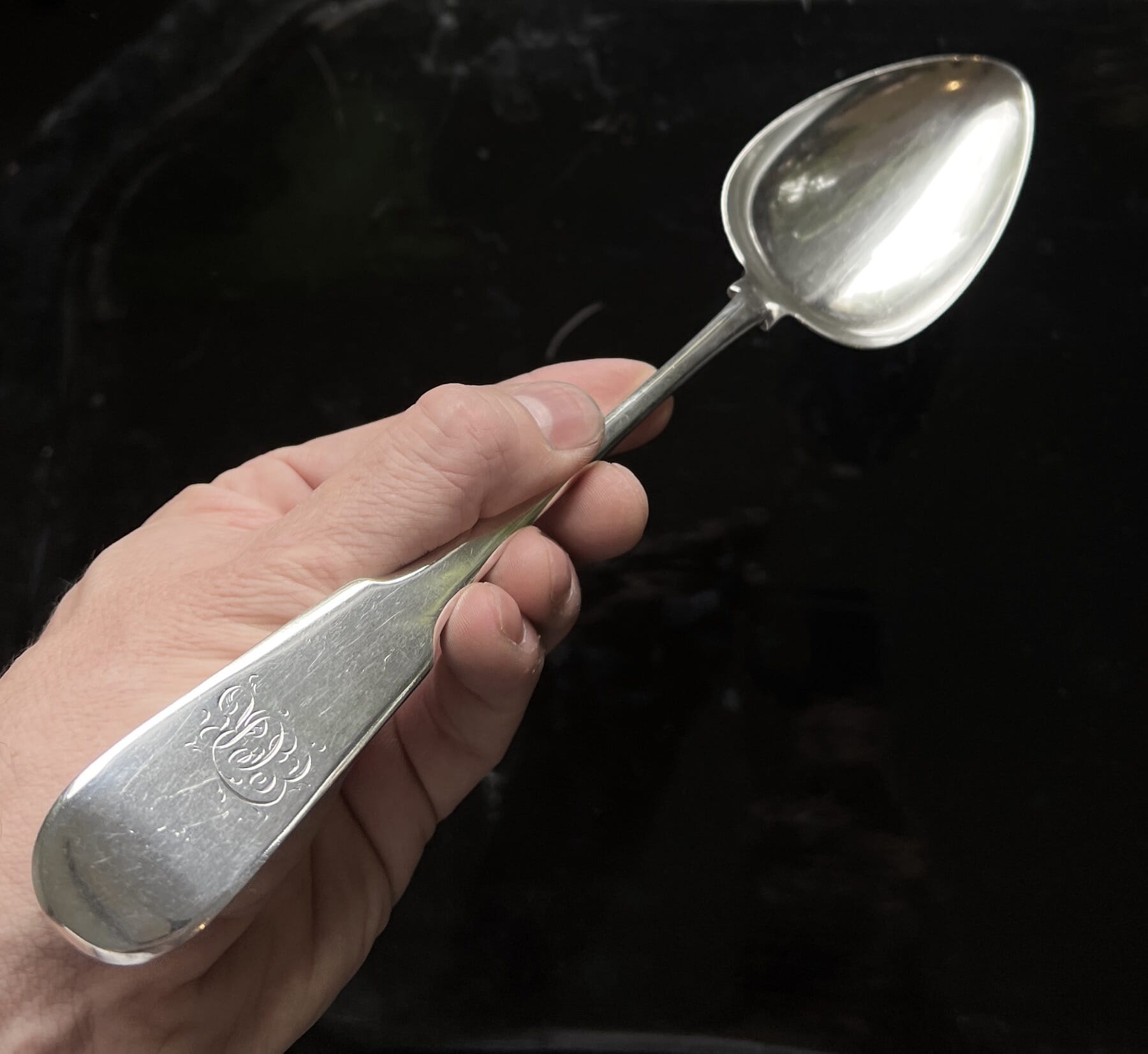
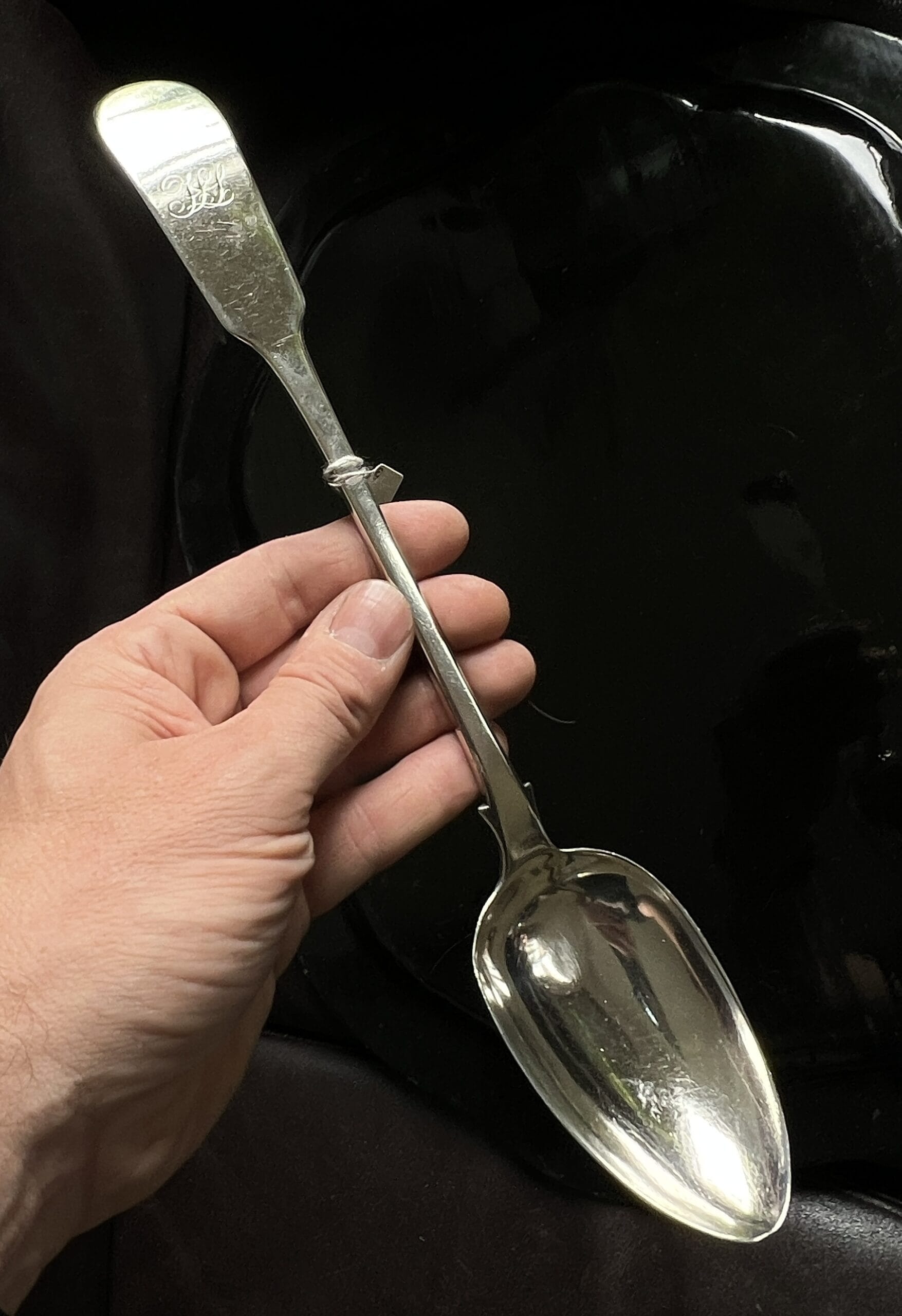
A collection of Georgian Shell pattern Sterling Silver is exceptional in quality & weight, fine examples of the best tableware money could buy in the early 19th century.

Georgian Sterling Silver, 1809
Georgian Sterling Silver, London 1809
Georgian Silver Fiddle Shell Spoons at Moorabool Antiques, Geelong
Georgian Silver Spoons, London 1809

Portrait Miniatures

Samuel-Betts-Miniature-Artist's Signature Piece
Samuel-Betts-Miniature-Artist’s Signature Piece at Moorabool Antiques, Geelong

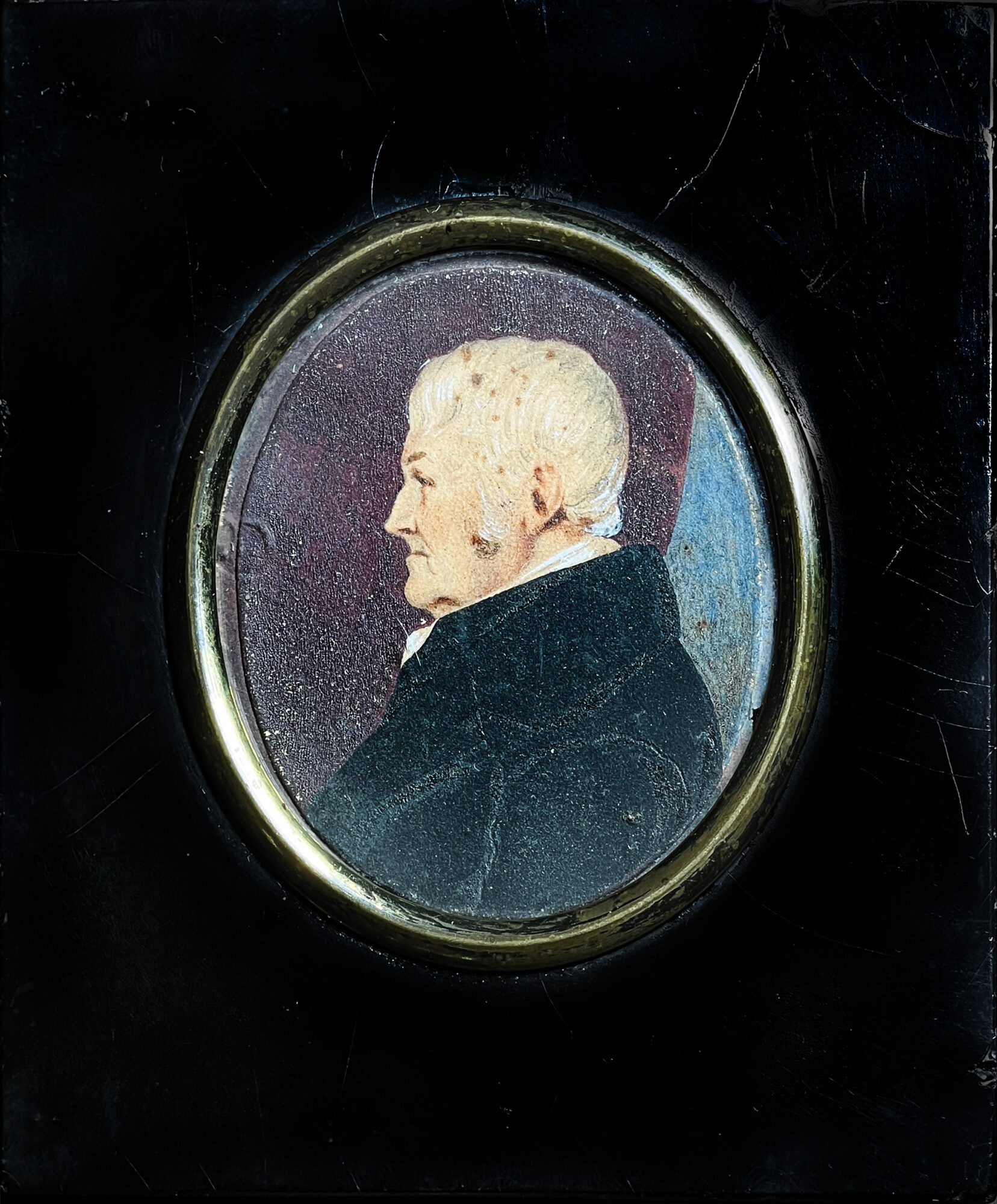
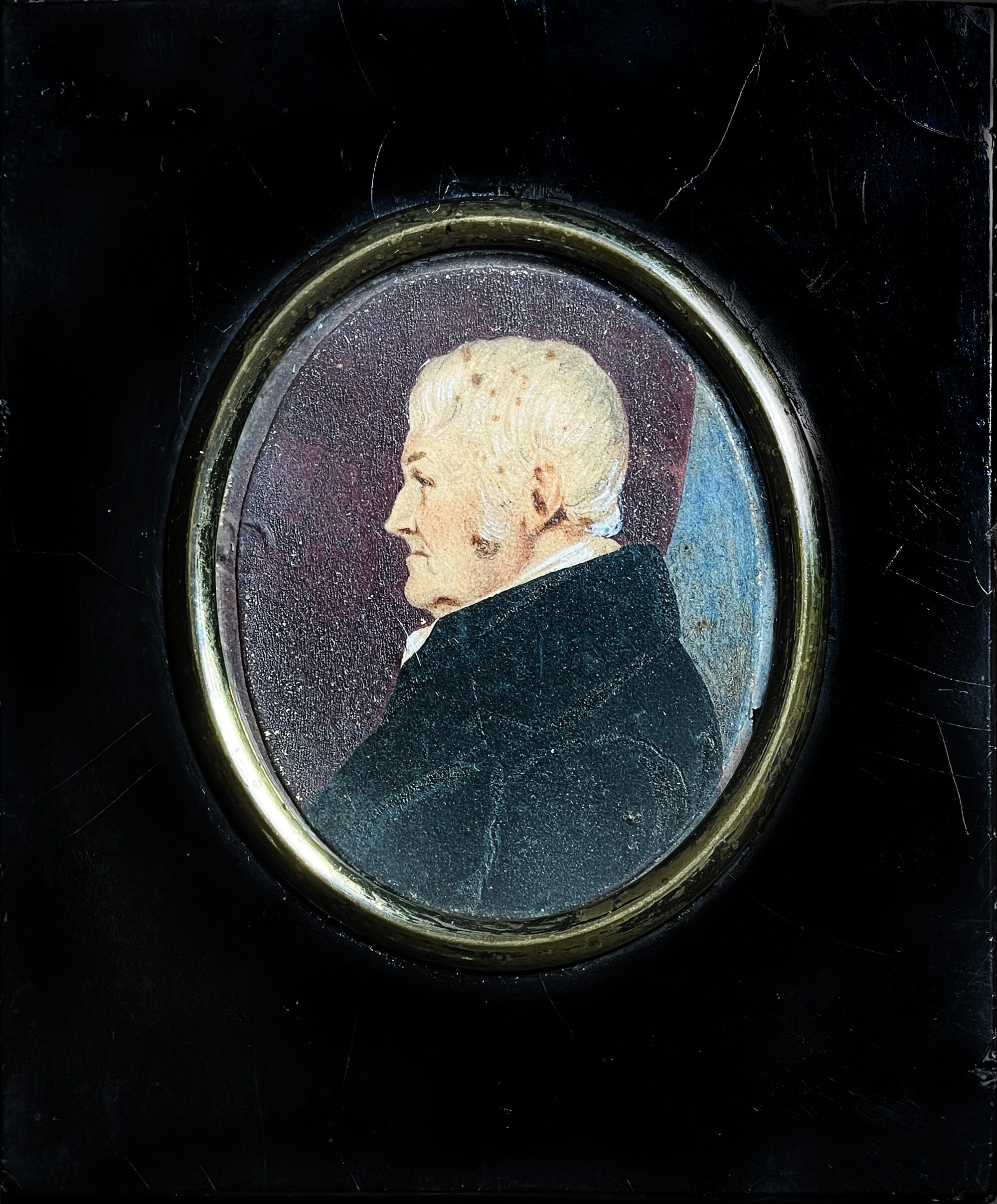
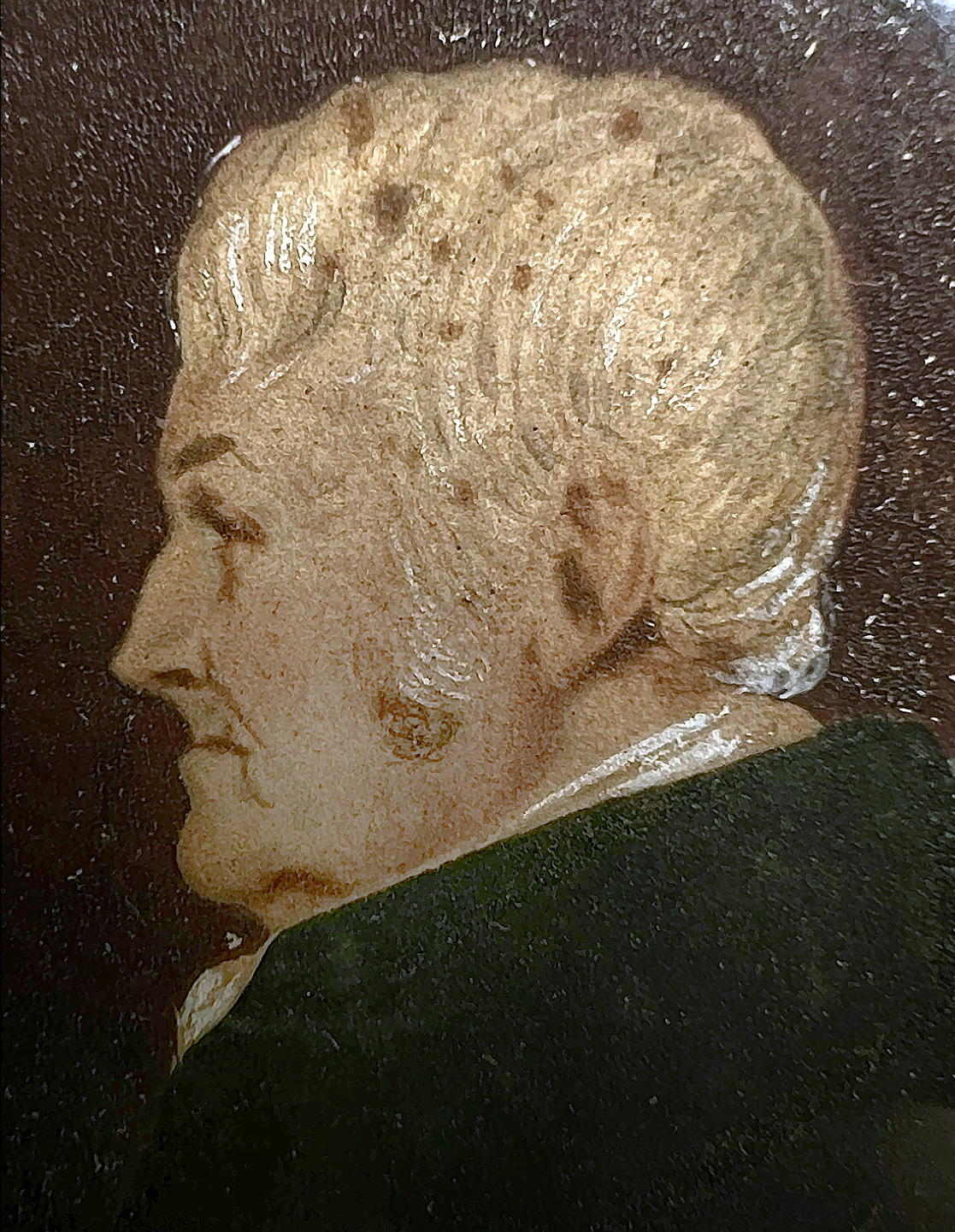
We have a fascinating group of Portrait Miniatures, including a new discovery – a ‘Signature Piece’ of an artist who is known to have produced oil miniatures, but has not previously been identified.

While we don’t know the sitter, we have the name of the artist – Mr Betts – and the place – Shipston-on-Stour – and the date, 1847. The literature only records paper-cut profiles, and the miniaturist scholar McKechnie wrote in 1978 “…..Mr Betts ‘engages in every instance to give an acknowledged beautifully Coloured Miniature Profile, highly finished for 5s.’ No examples are known to me.”

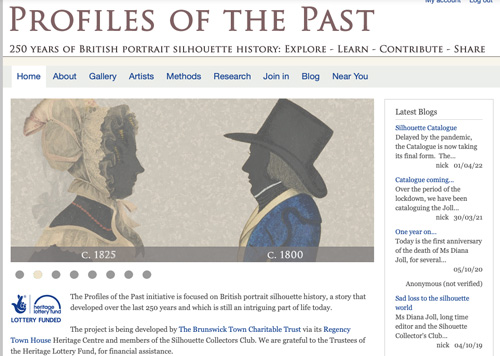
More recently, on the fantastic online resource for Portraits fans, http://www.profilesofthepast.org.uk, it states “With so few works to compare, assessing Betts’ stylistic attributes can only be tentative”. This is because no examples of his oil-miniature work were known – until now!

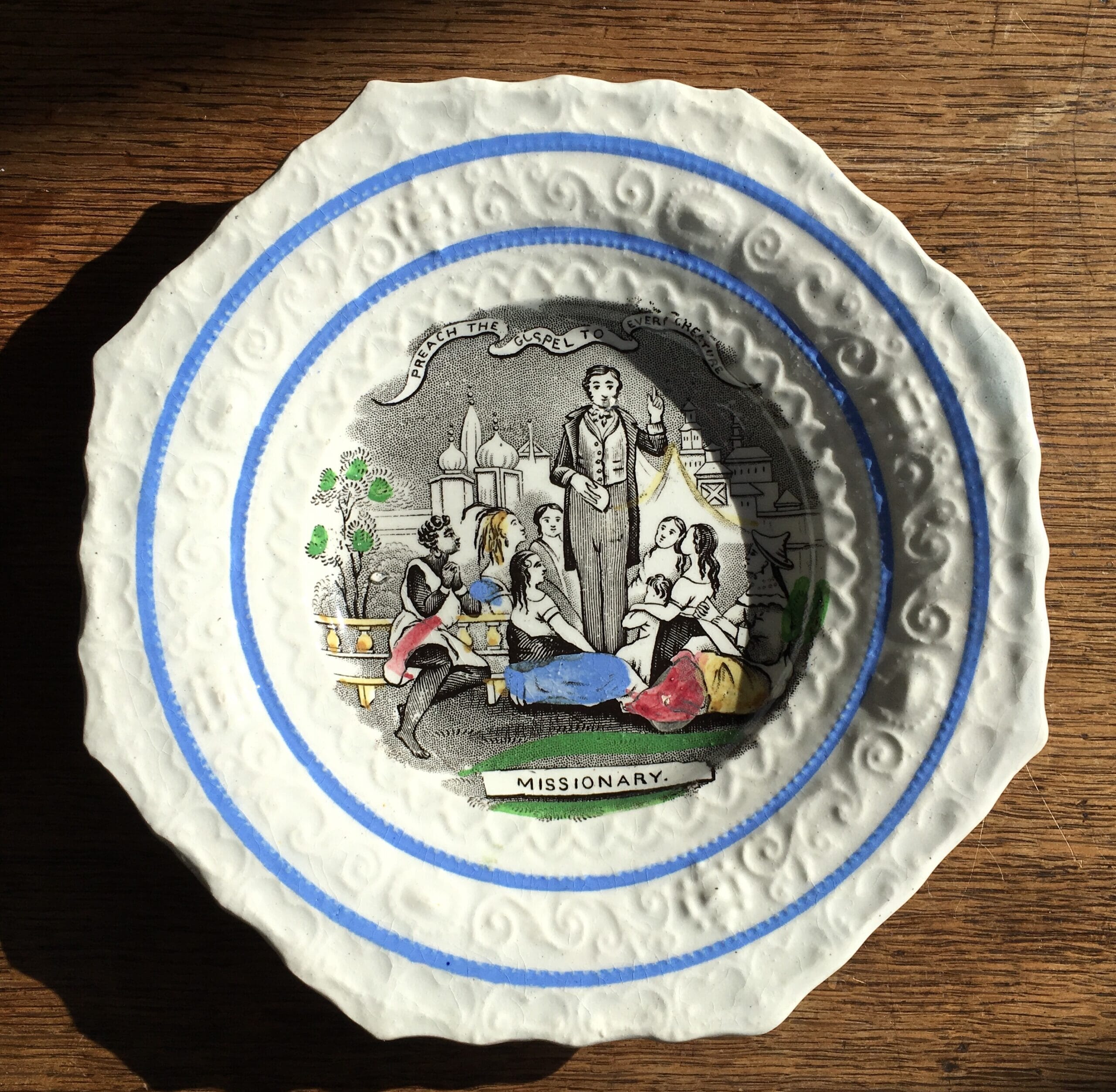
English Transfer Printed Pottery

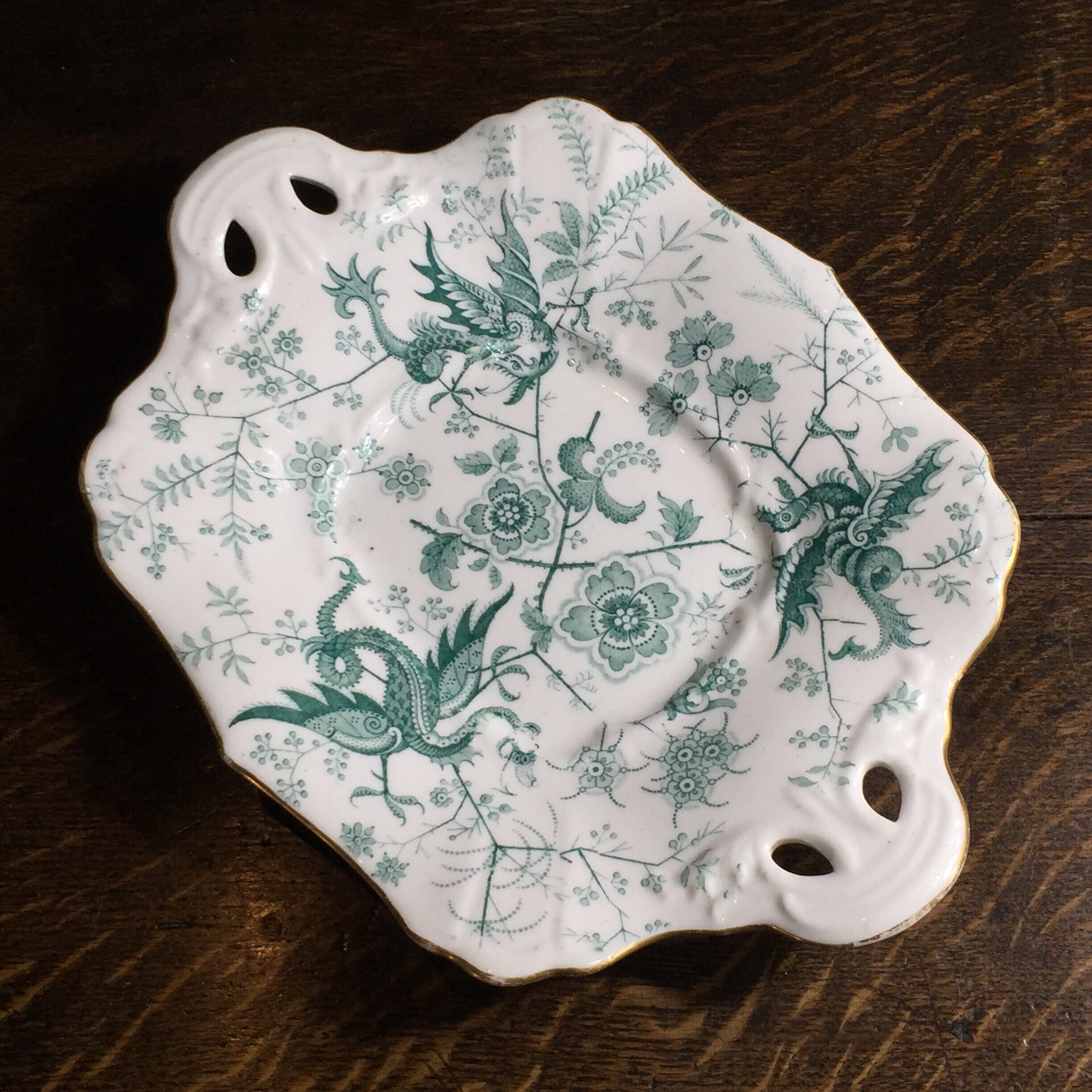
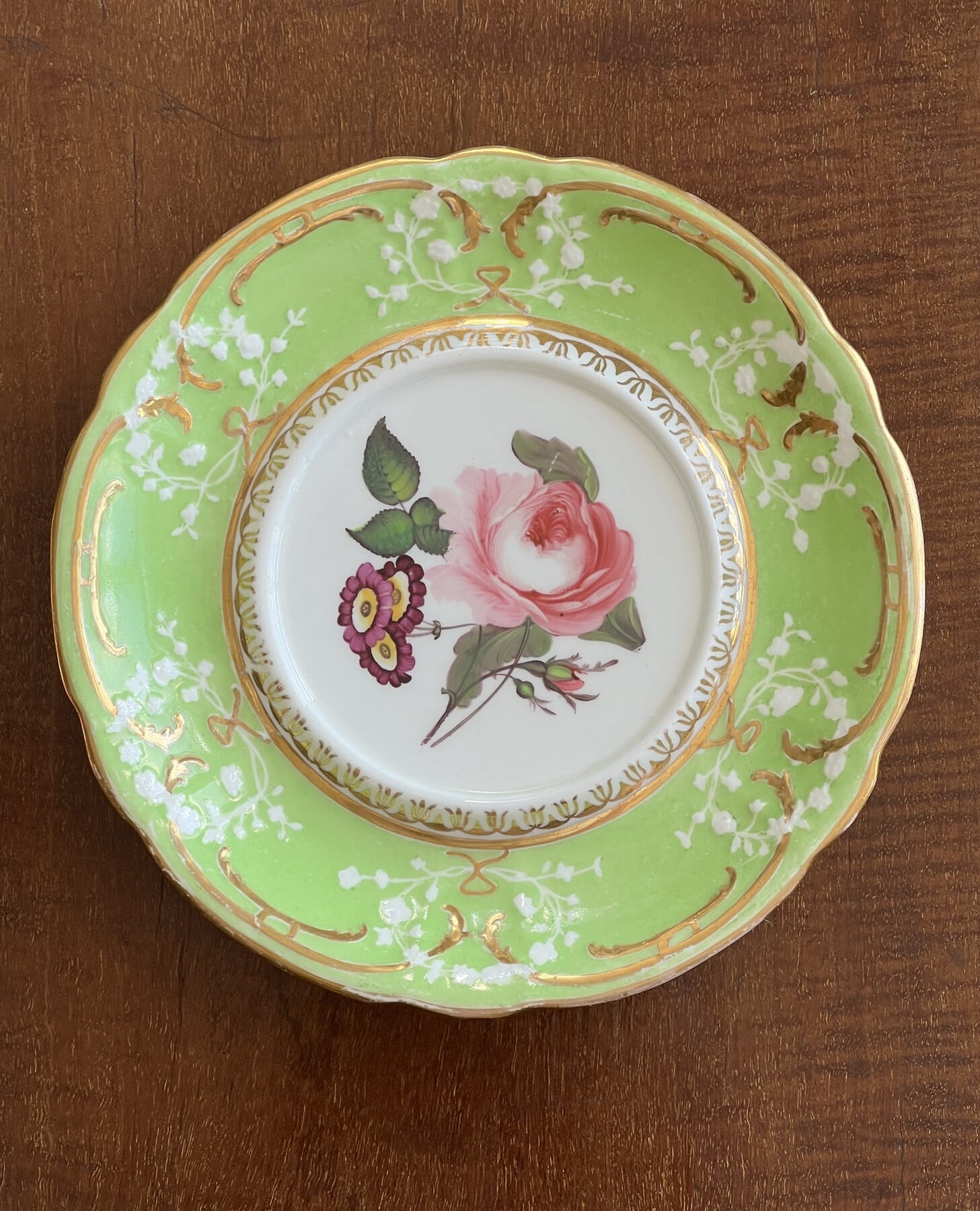
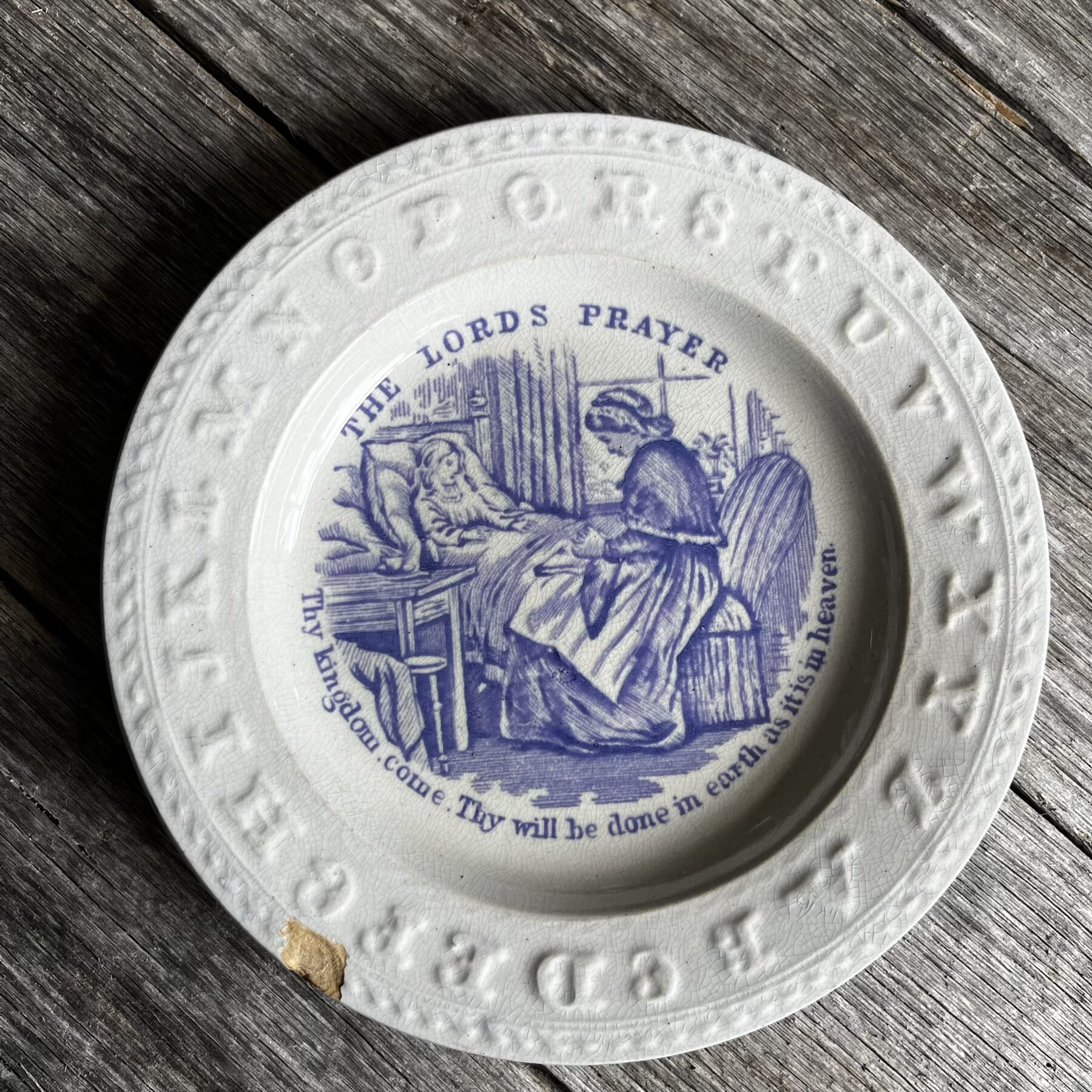
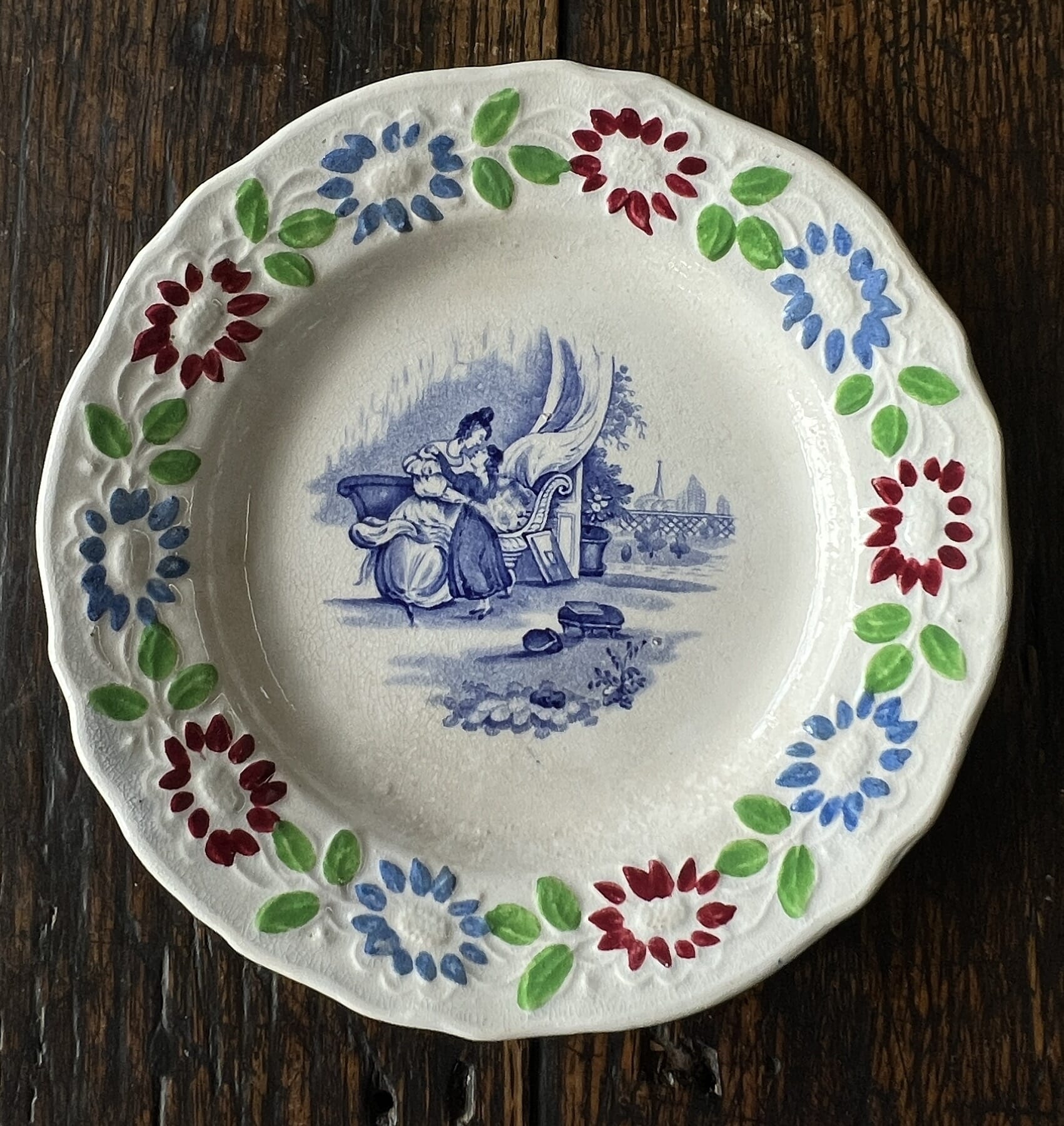
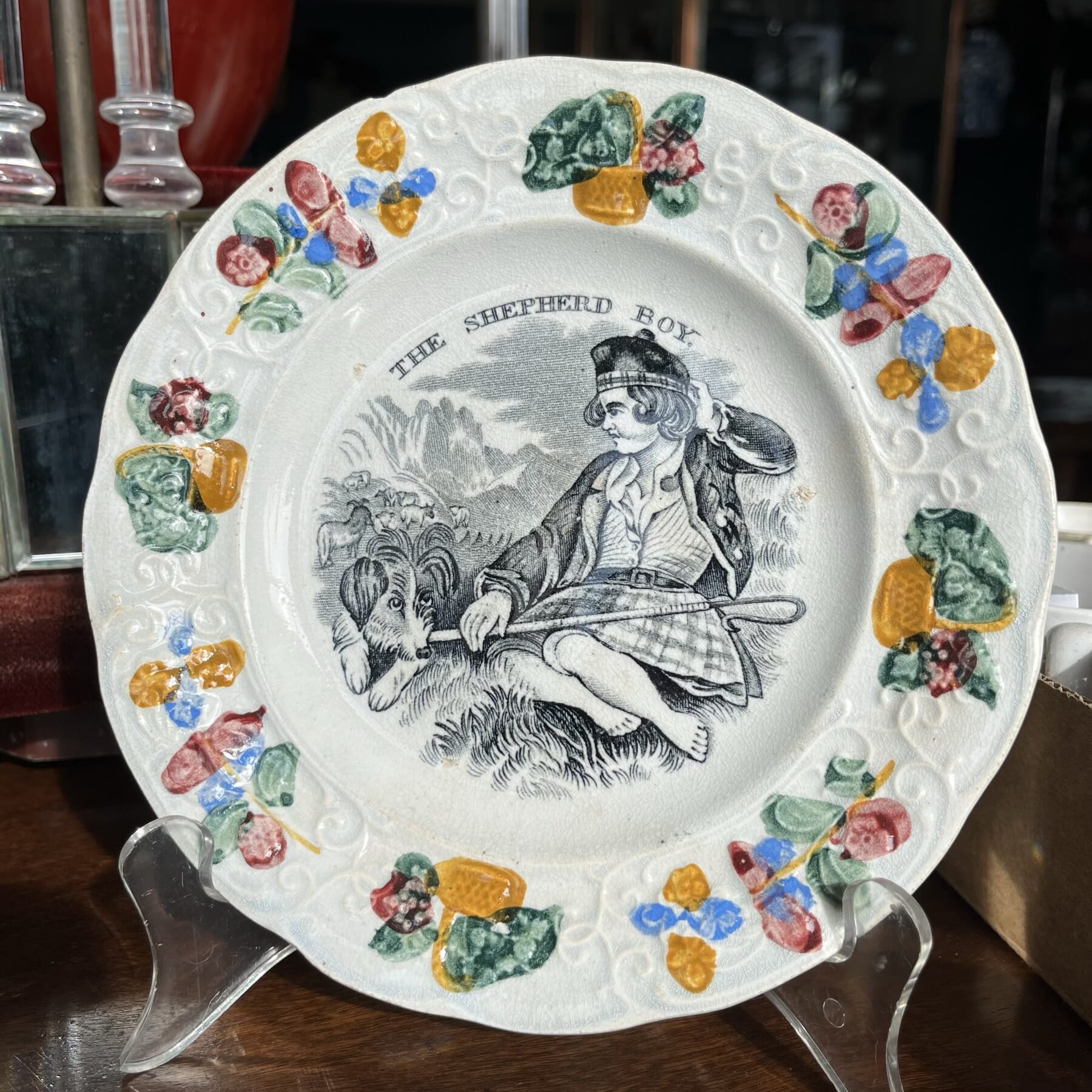
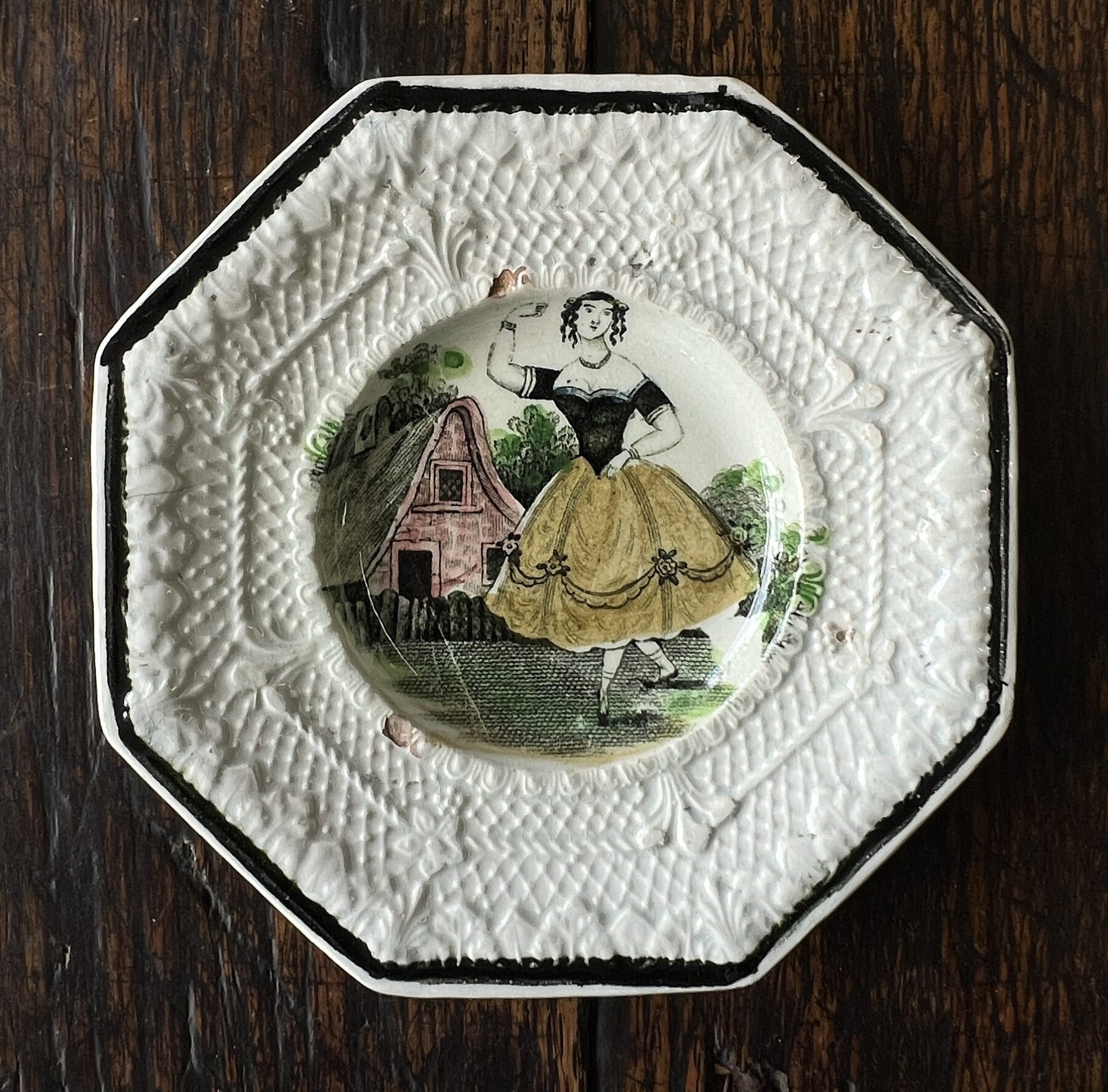
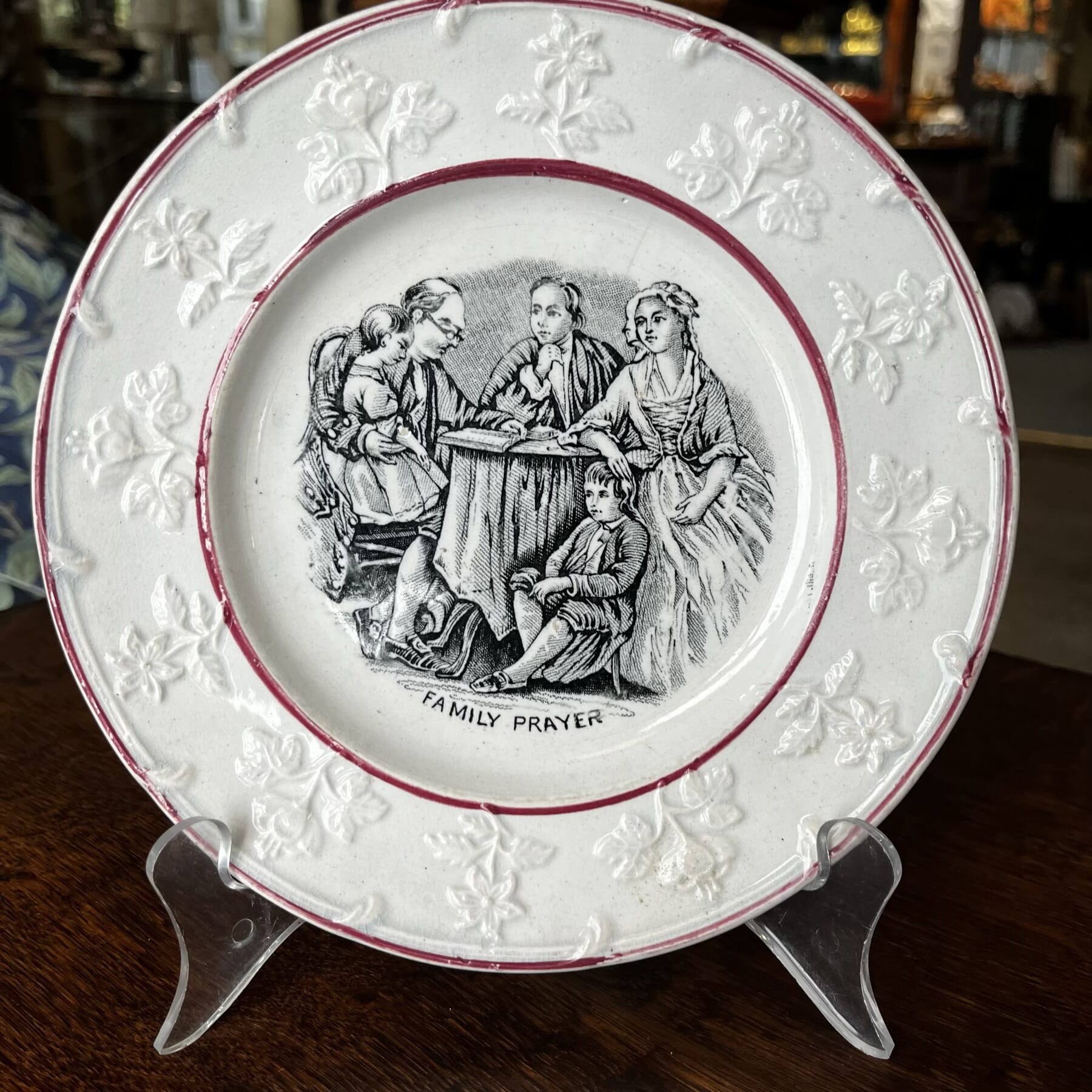
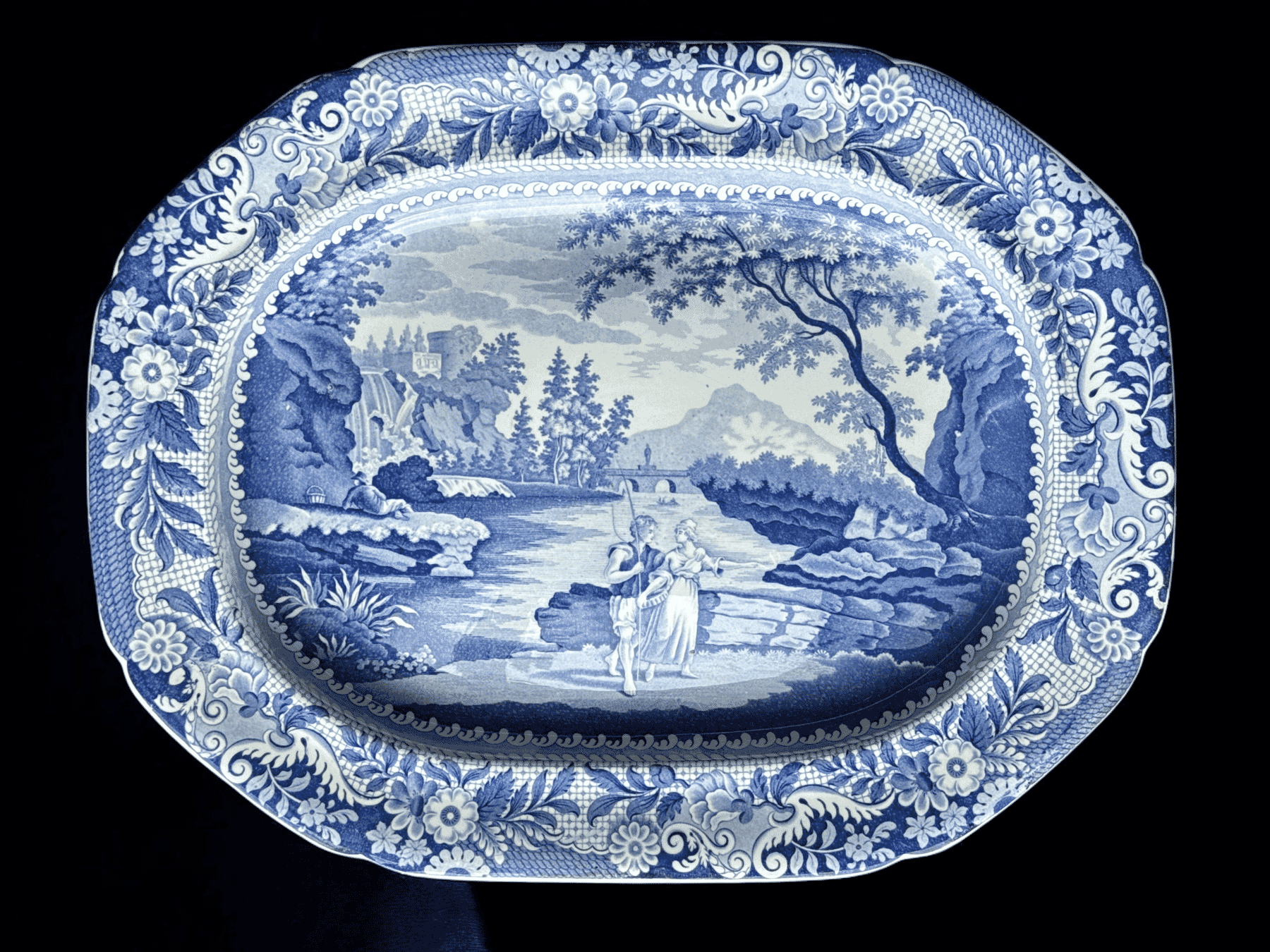
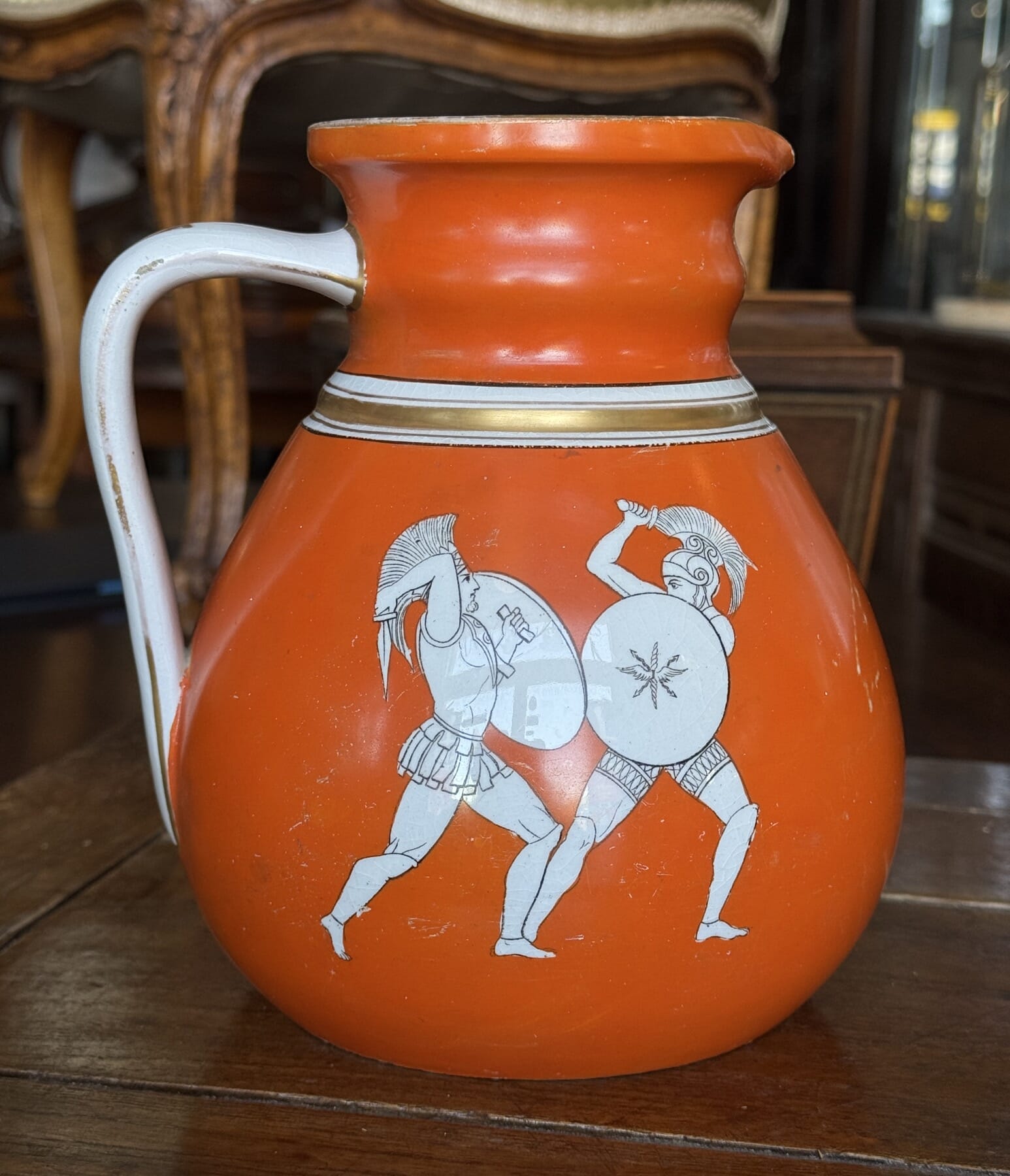
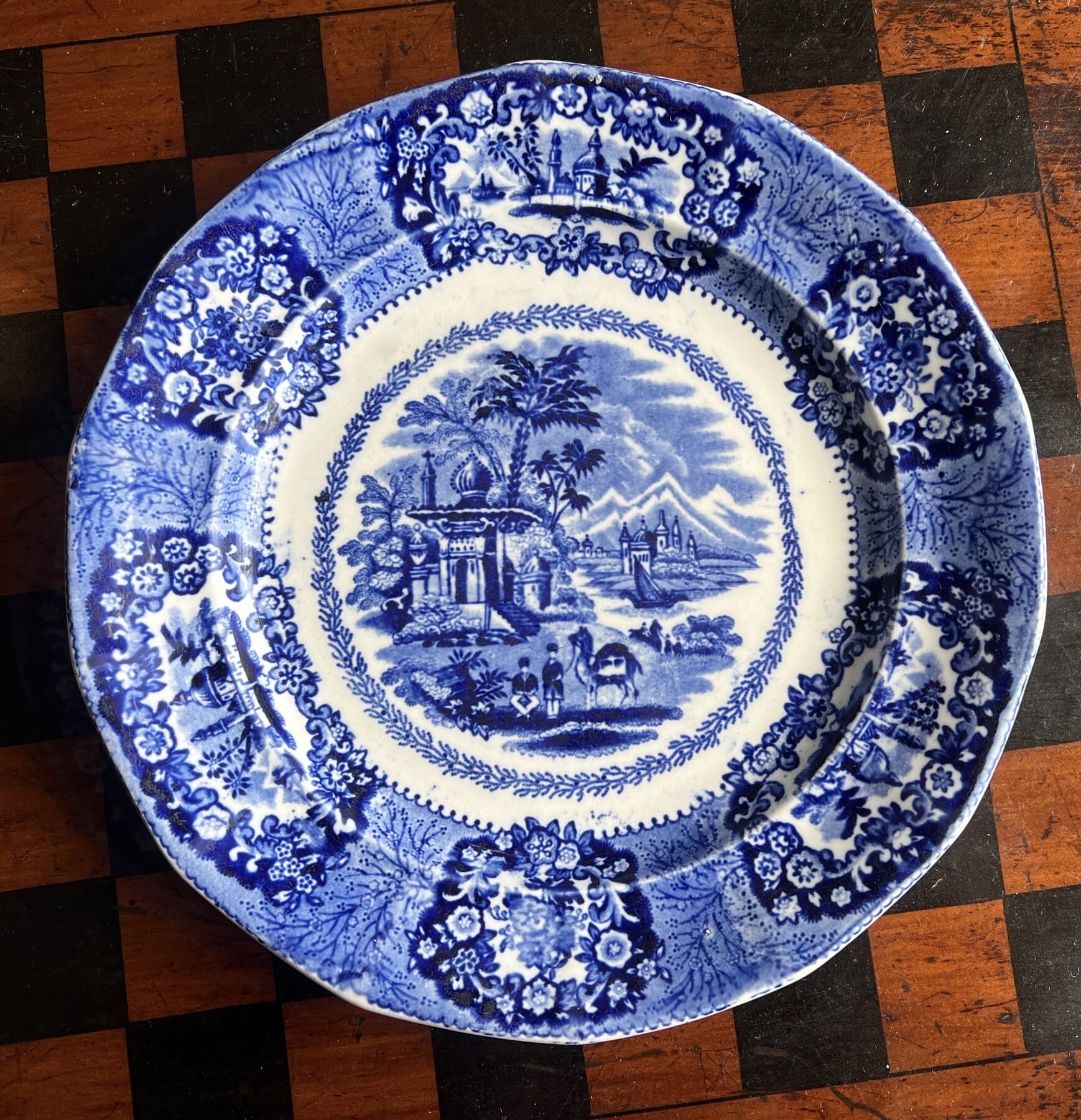
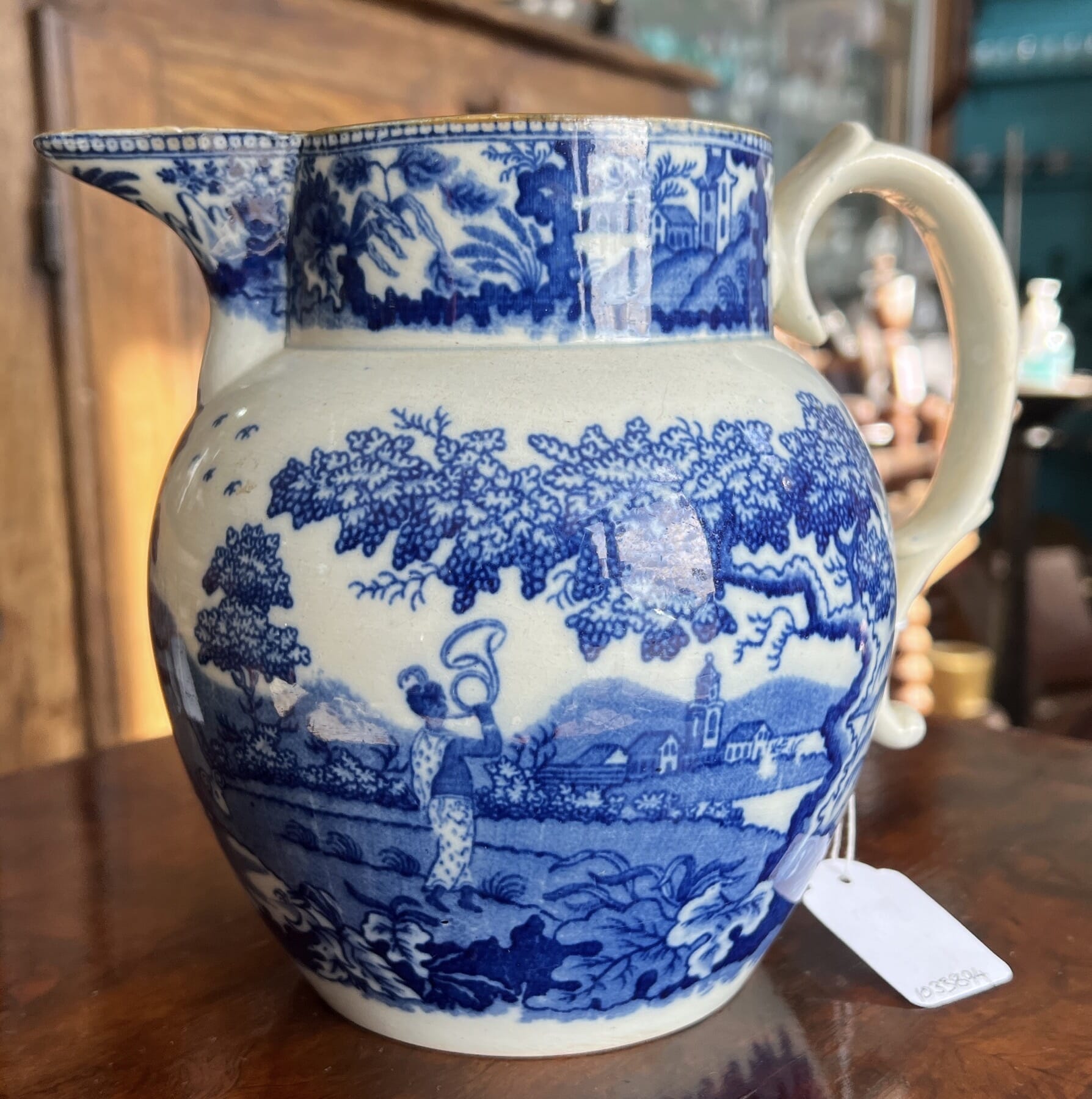
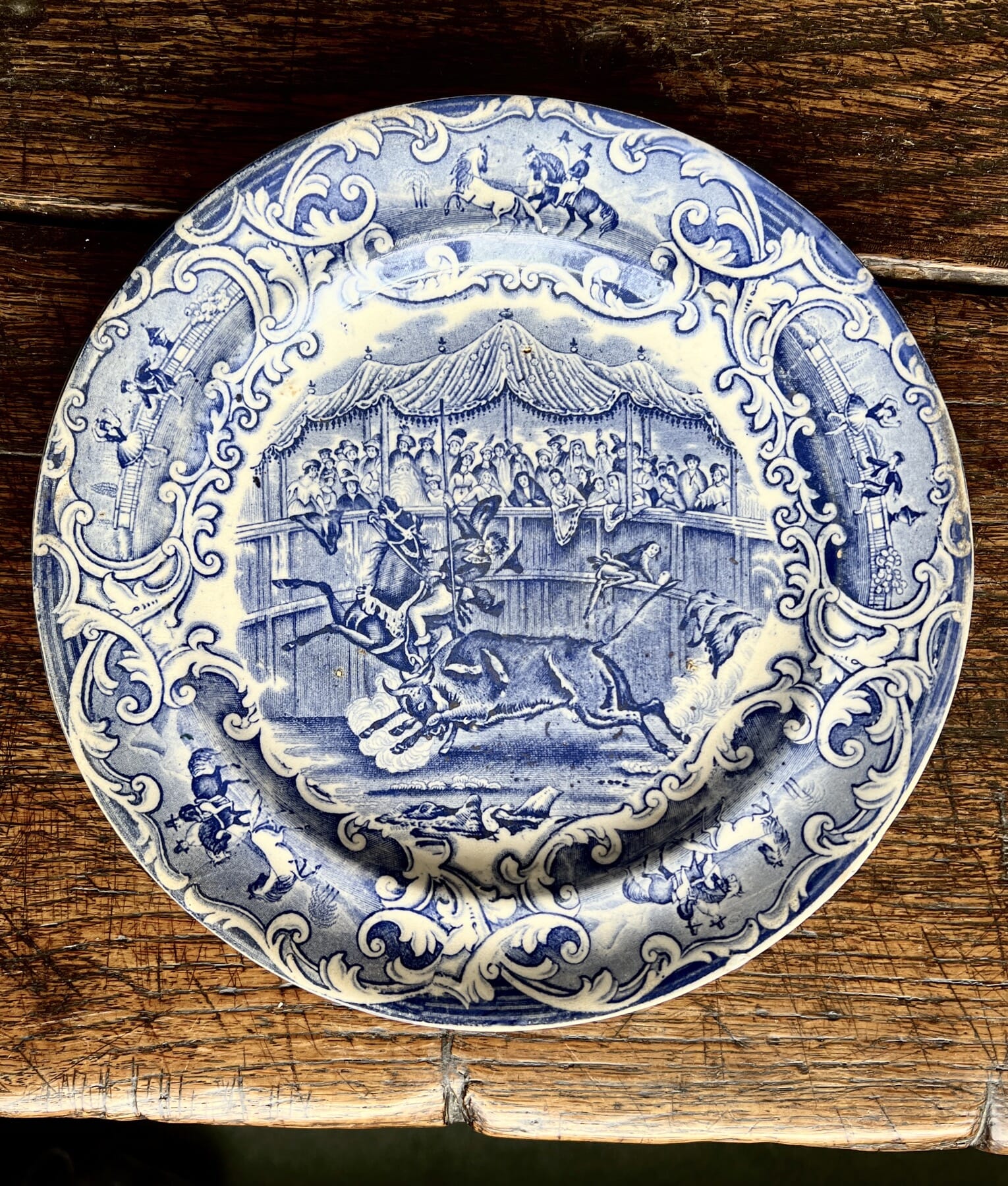
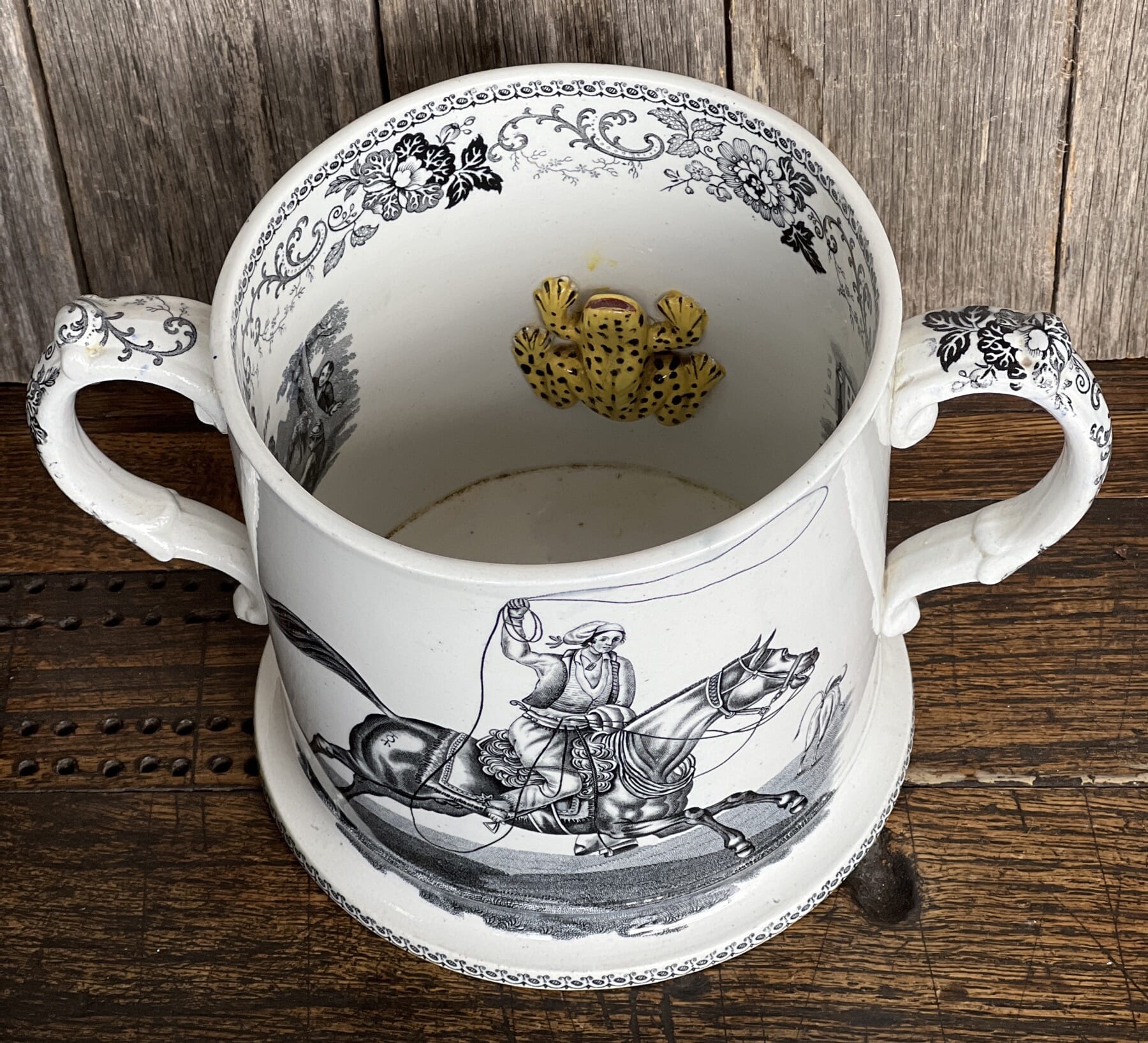
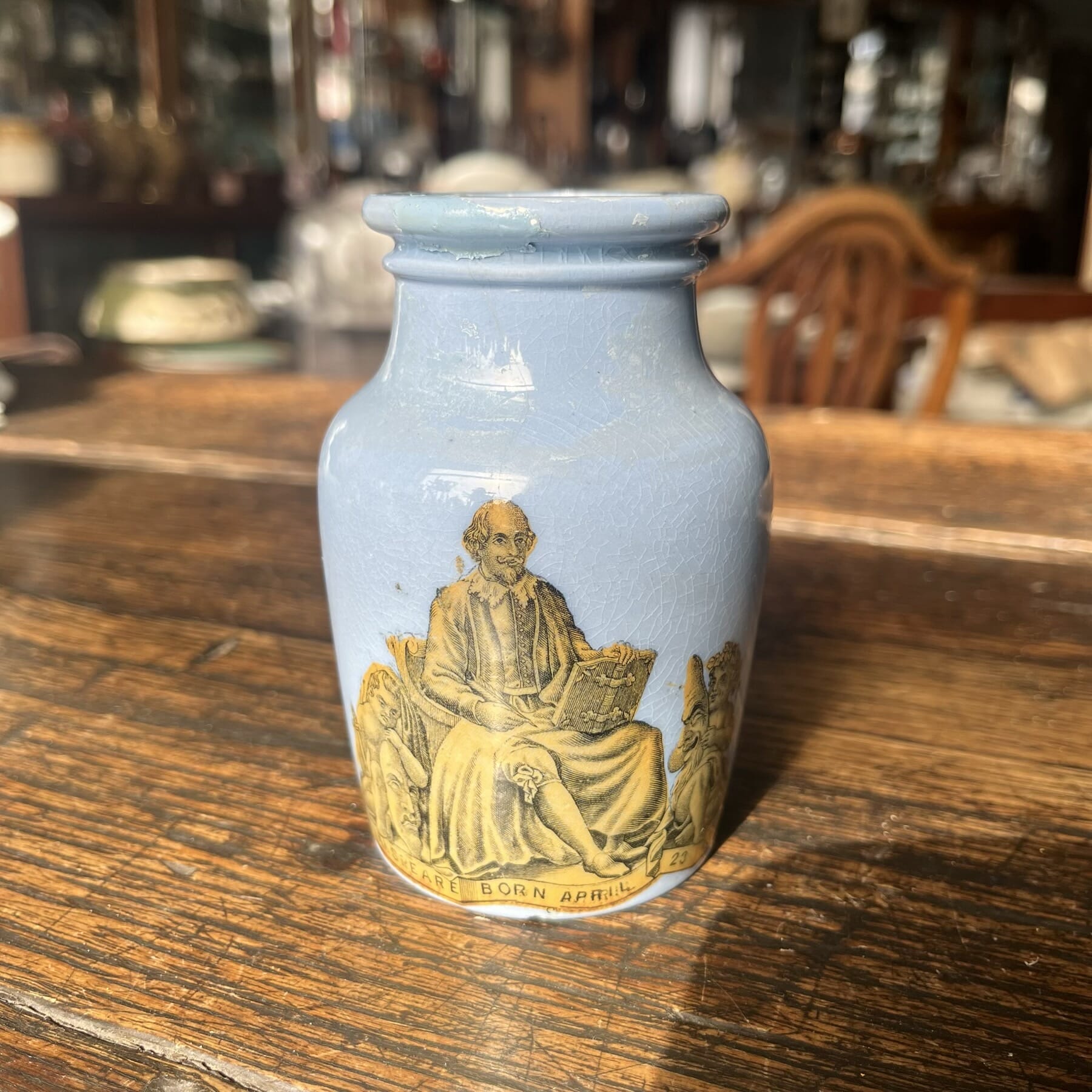
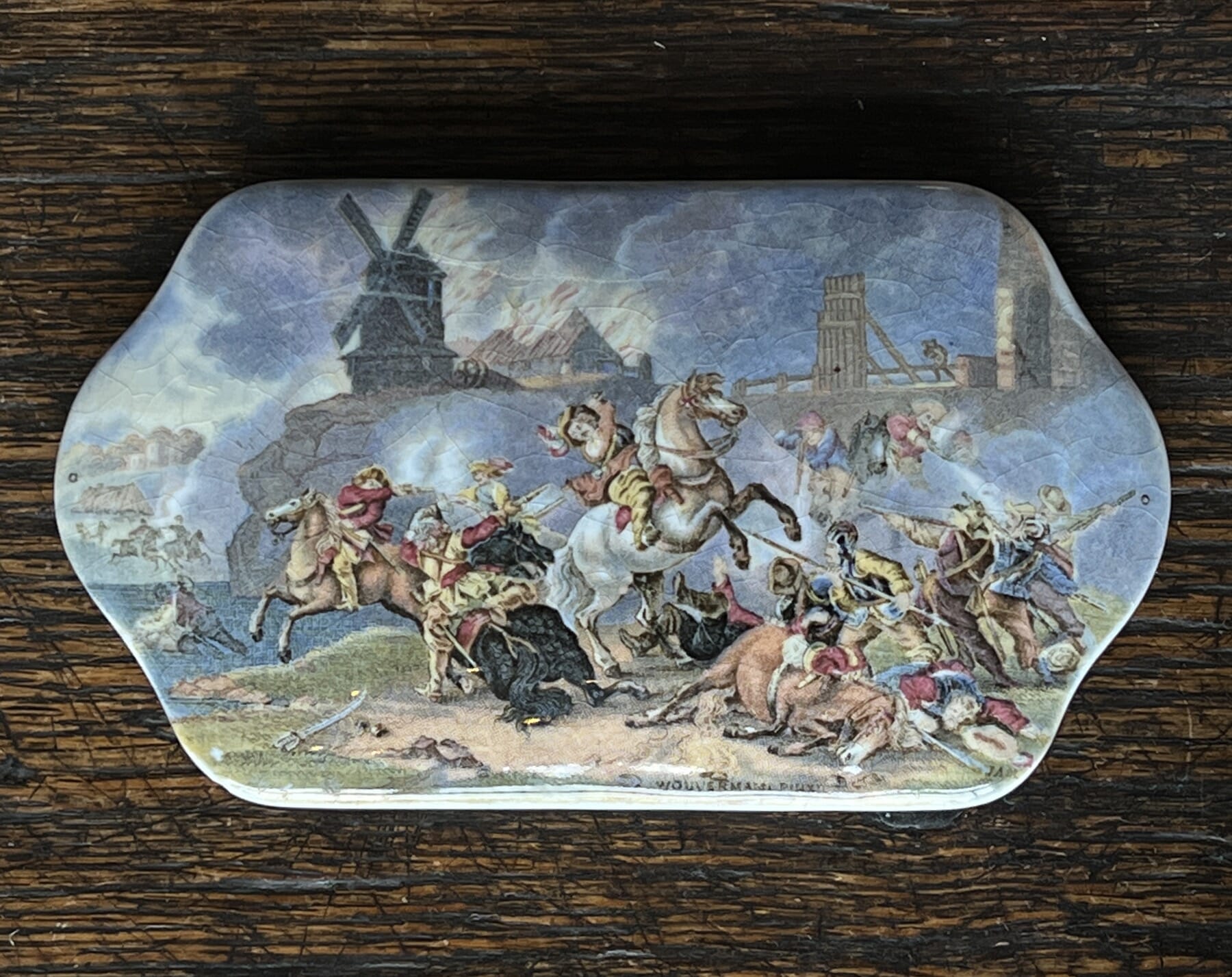
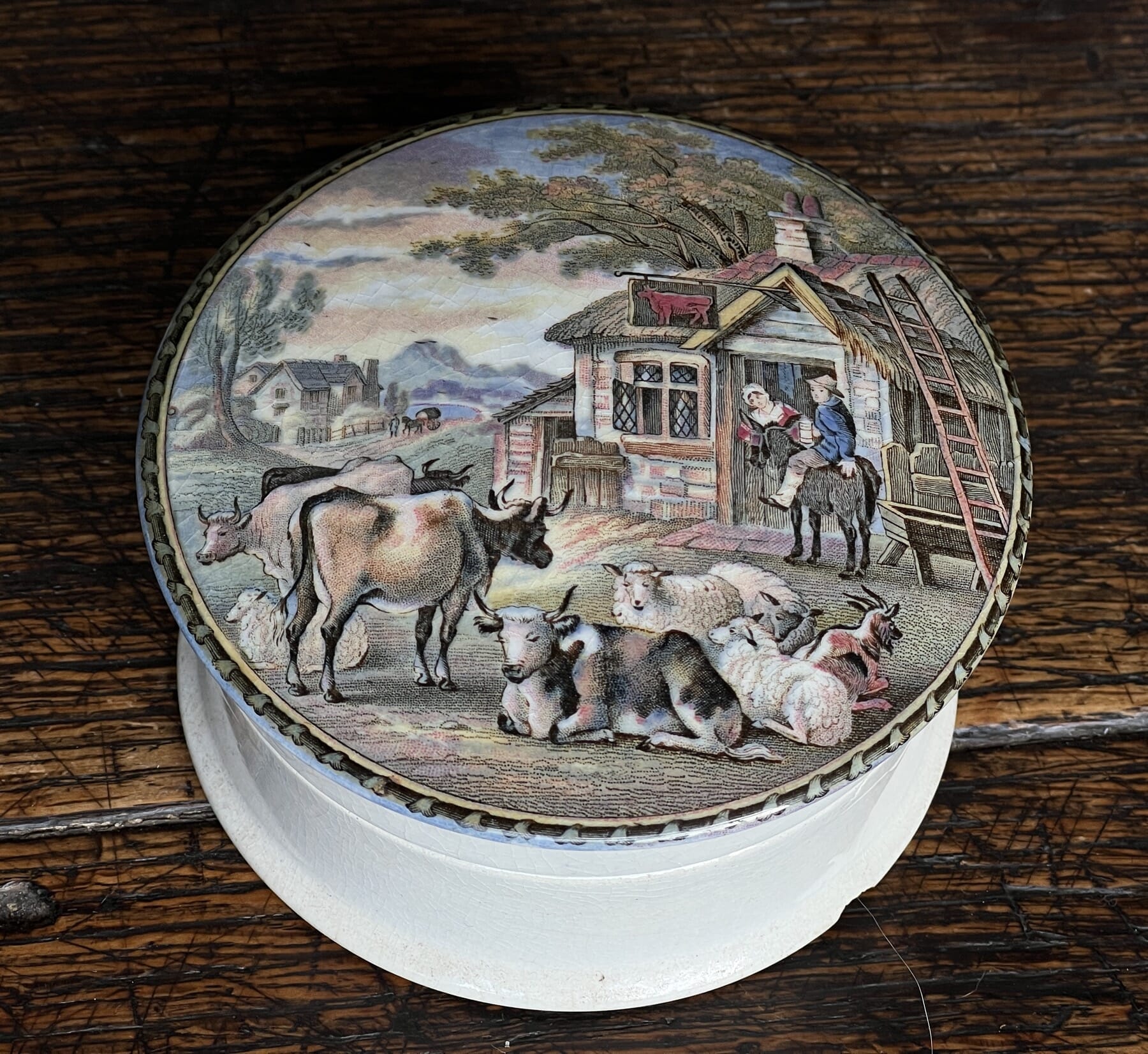
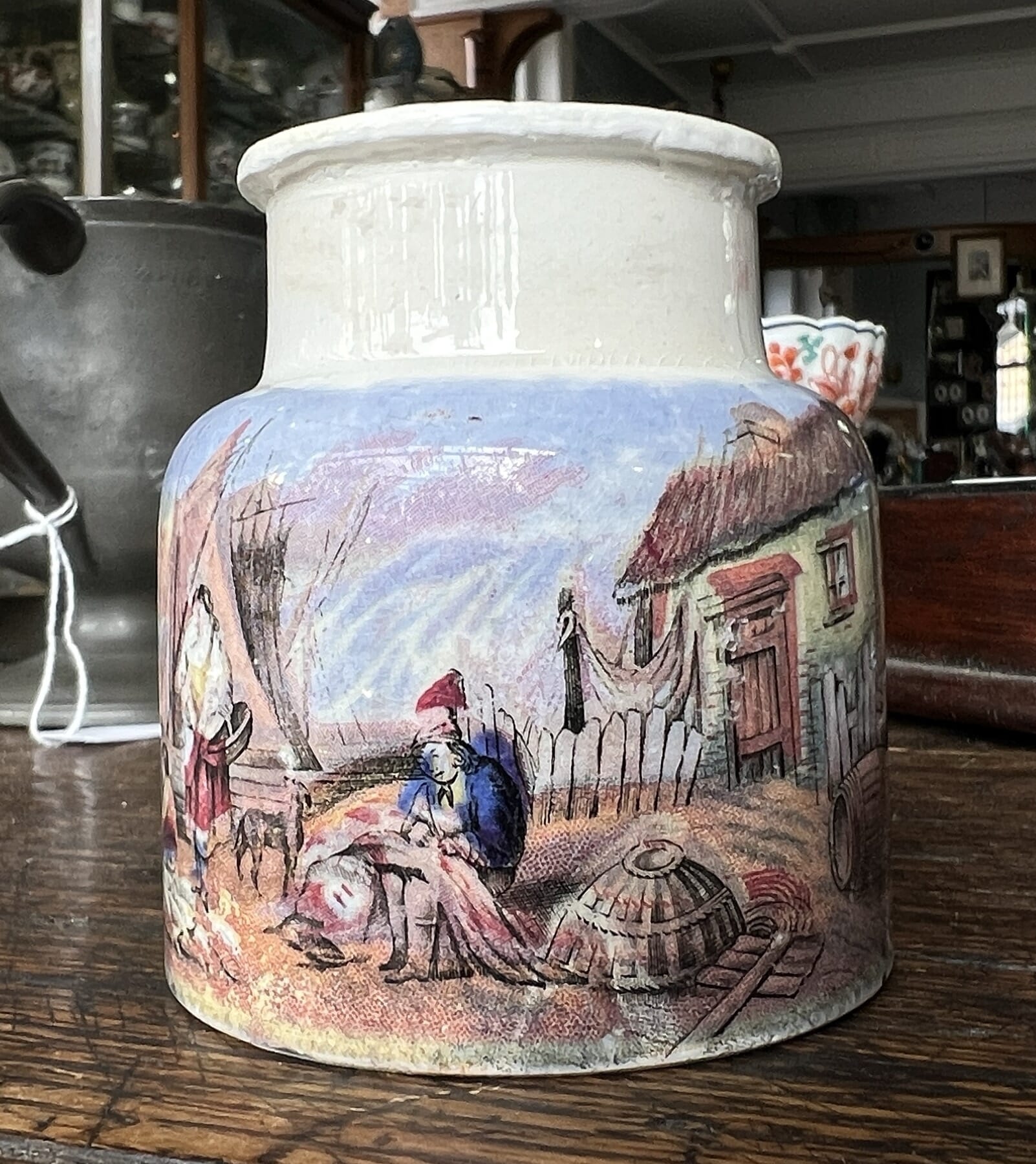
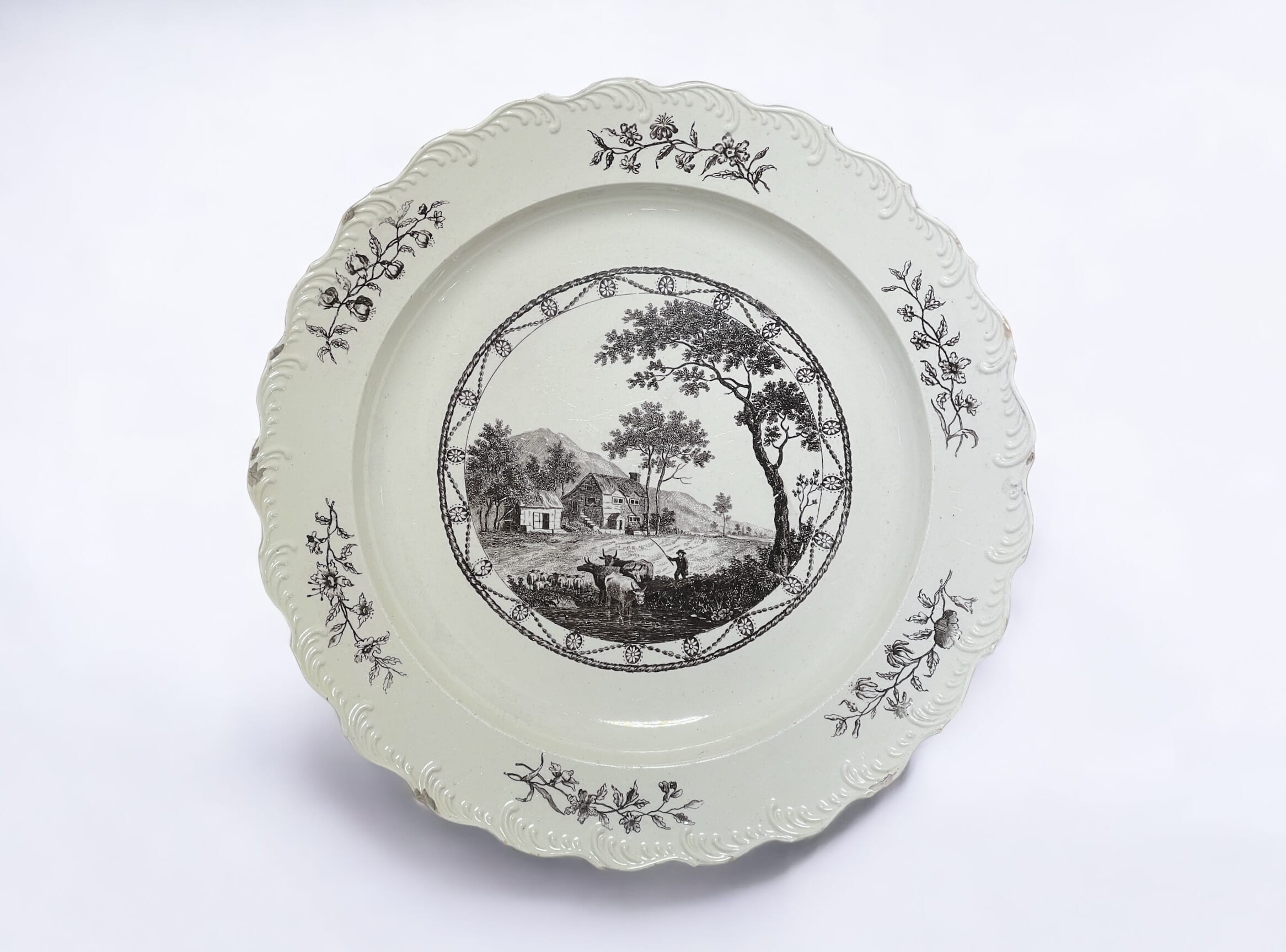
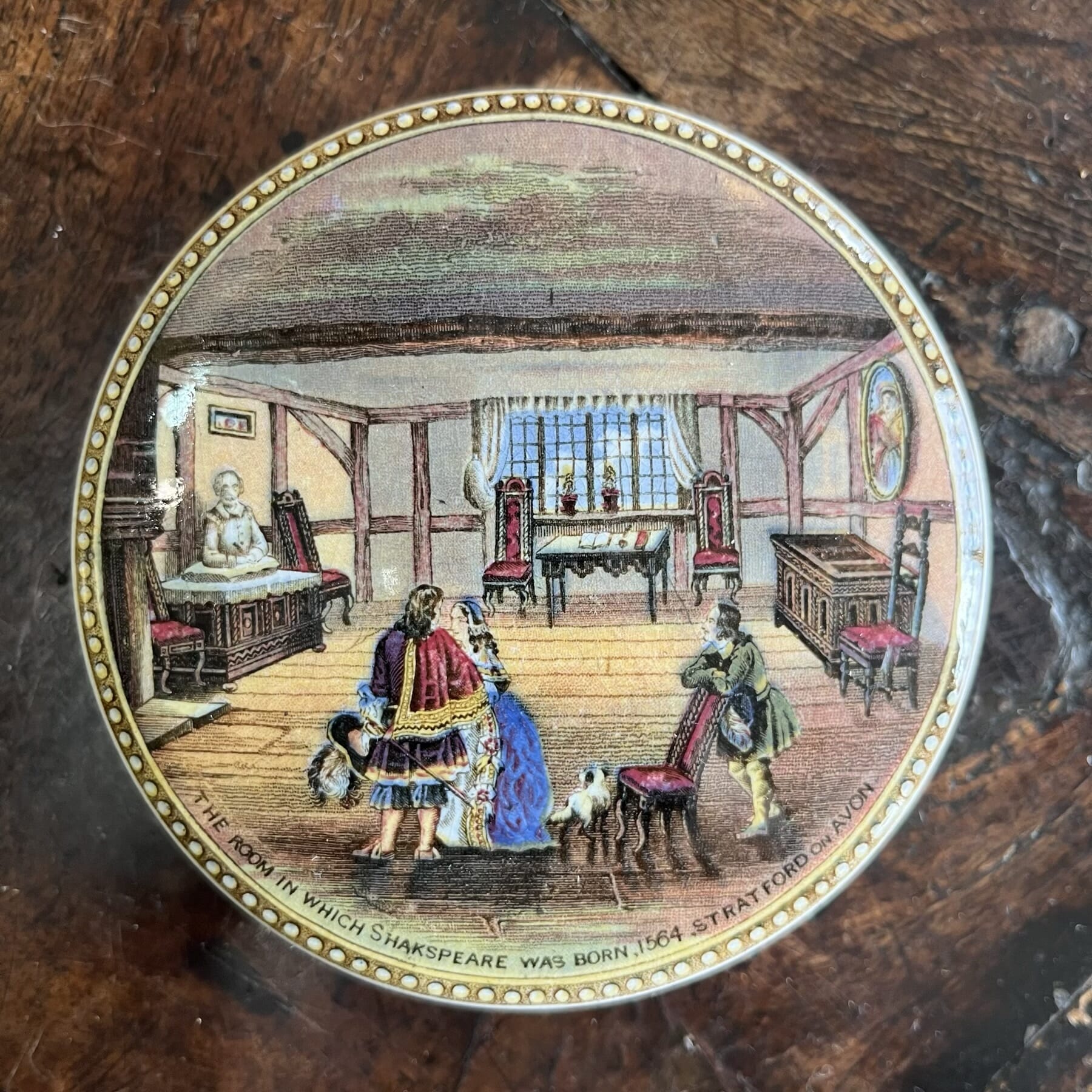
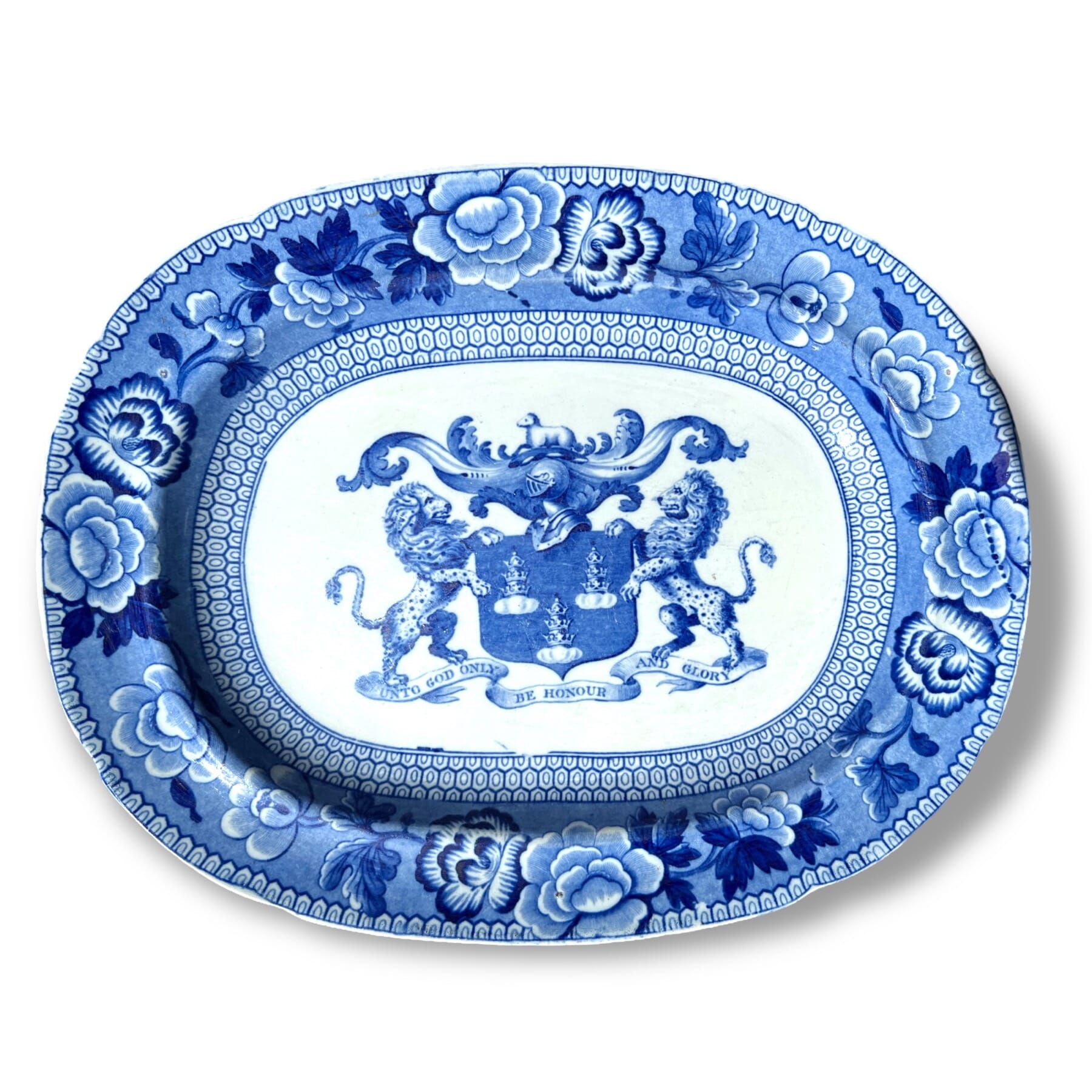
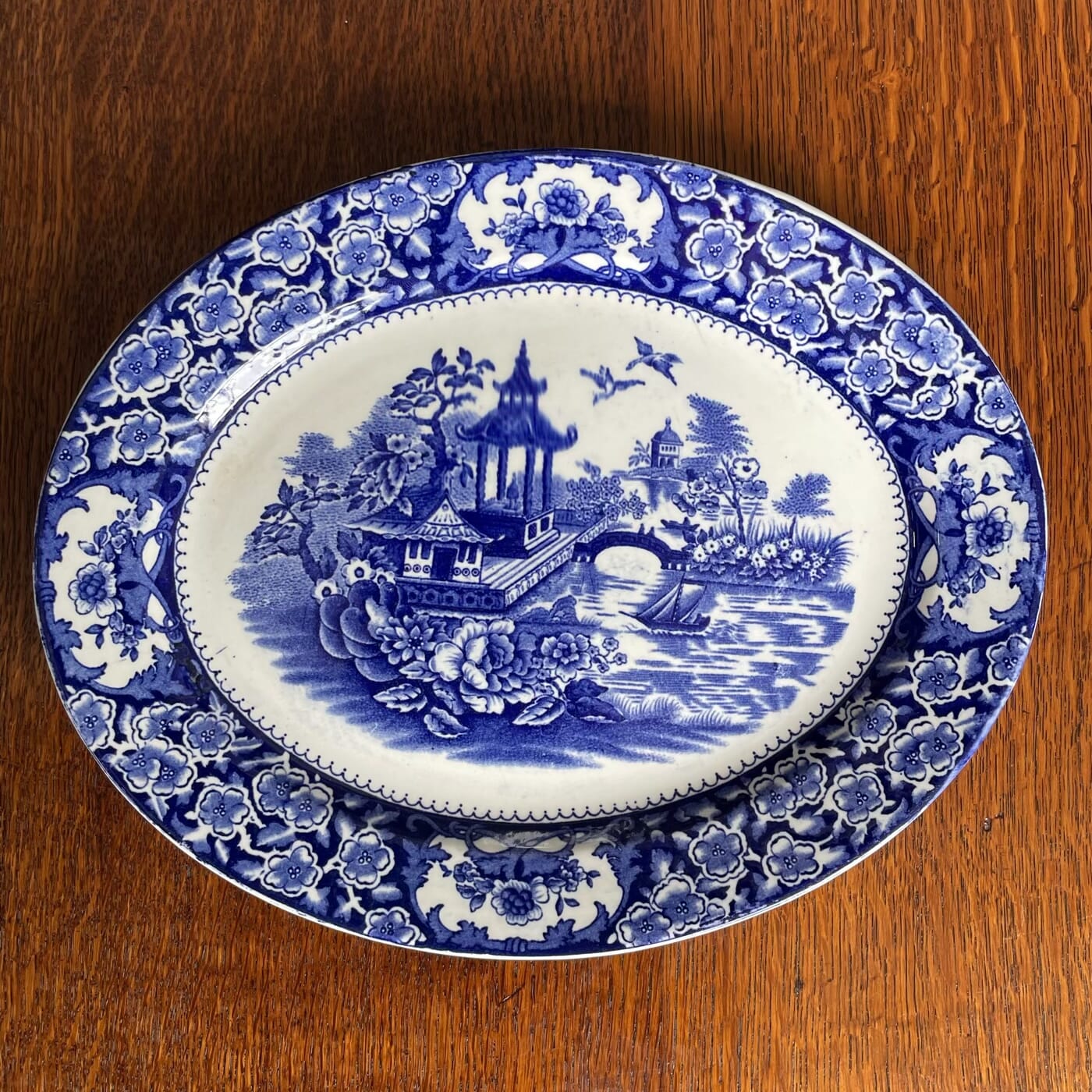
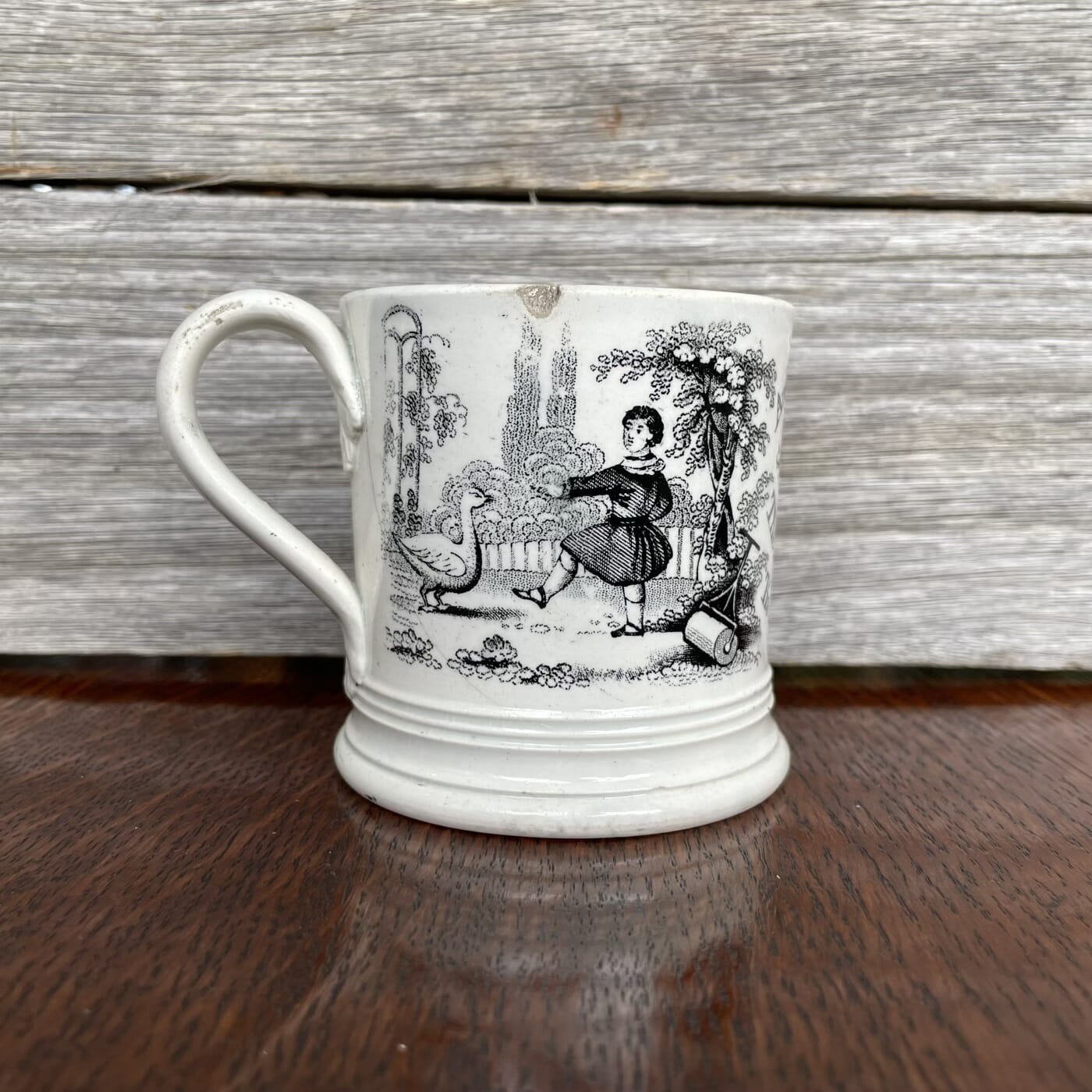
There’s a fine selection of English Transfer Printed Pottery from the mid-19th century, including some examples apparently not previously identified in the literature.

More Fresh Stock

Posted on

The mysterious Mr Betts – a miniature artist ‘signature piece’ discovered.

Samuel-Betts-Miniature-Artist's Signature Piece
Samuel Betts Artist oil miniature 1847
Samuel Betts Artist oil miniature 1847 at Moorabool Antiques, Geelong

The miniature portrait-painter of the 18th & 19th centuries was the equivalent of the portrait photographer today. His skills provided a memory of a person by re-creating their likeness – the personalities that smile or scowl from their frames to this day are testimonial to their skills.

There were a large number of them in the Georgian & Victorian eras, some famous and therefore expensive, others unknown and inexpensive. It seems a large number were not signed on the front: however, just occasionally there is an inscription on the back of the work.

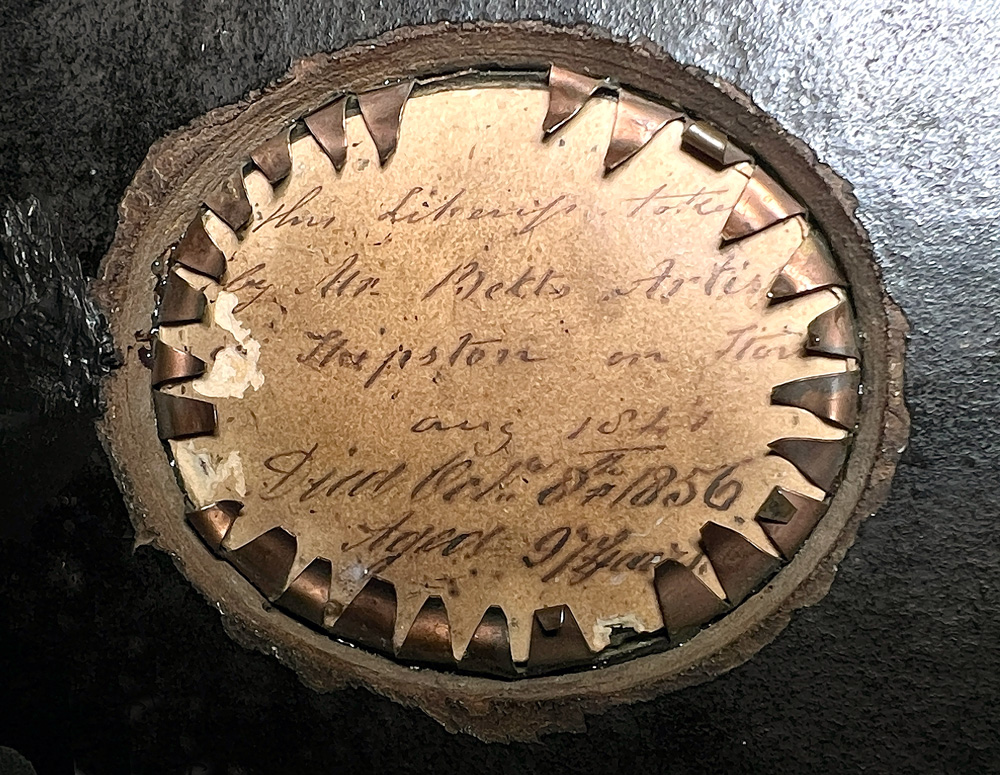
A piece purchased recently here in Geelong was just an anonymous gent of the earlier 19th century – until we took the backing off. A large inscription in cursive pinwork met our eye, reading:

Samuel-Betts-Miniature-Artist's Signature Piece at Moorabool Antiques, Geelong
Samuel Betts portrait miniature – the inscription on this Artist’s ‘Signature Piece’ at Moorabool Antiques, Geelong

“This likeness taken
by Mr Betts Artist
of Shipston-on-Stour
aug 1847
Died Oct 8th 1856
Aged 97 years”

There’s a portion missing – very faintly visible is the trace of an initial and a surname, which unfortunately seems to have been written on the copper fastenings and has not survived. However, it’s the artist in this case that is extremely interesting.

ProfilesOfThePast
ProfilesOfThePast.org.uk

There’s a go-to source for all who love portrait miniatures: the massive online resource of ‘profilesofthepast.org.uk‘. This is a superb study site funded by the UK’s ‘National Lottery Heritage Fund’, and for a decade has been accumulating work on miniature artists. They build on the various works on the subject published in the 20th century – but with the wonder of the internet, are able to update further discoveries / research, with the active encouragement for visitors to upload their own miniatures.

I’ve gone ahead and uploaded this example, as it can now stand as a ‘signature piece’ – meaning other unidentified portrait miniatures could potentially be linked to the mysterious Mr Samuel Betts by comparing them to this piece.

We’re always amazed at what turns up in Geelong!

NOTE: THIS ITEM HAS BEEN SOLD

Posted on

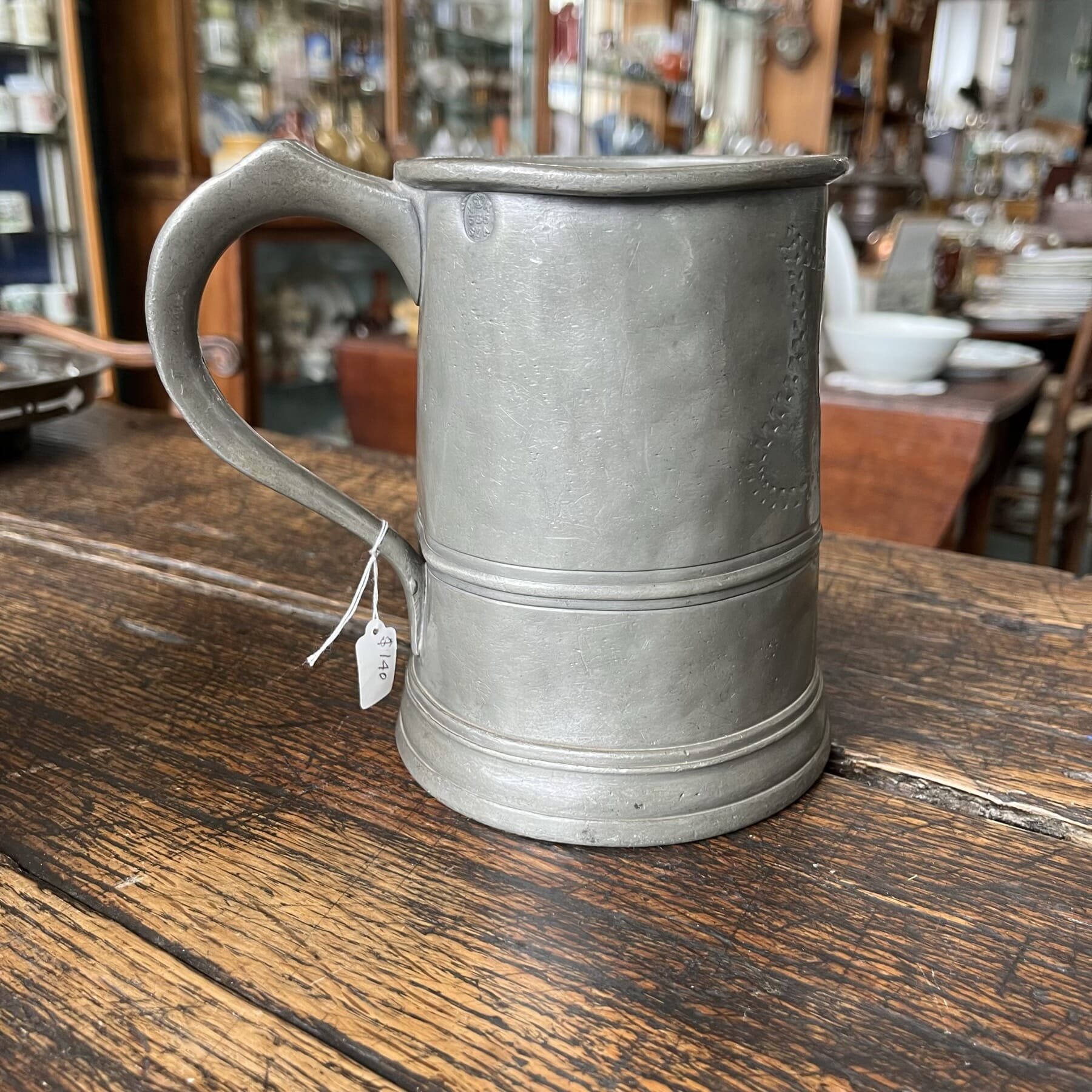
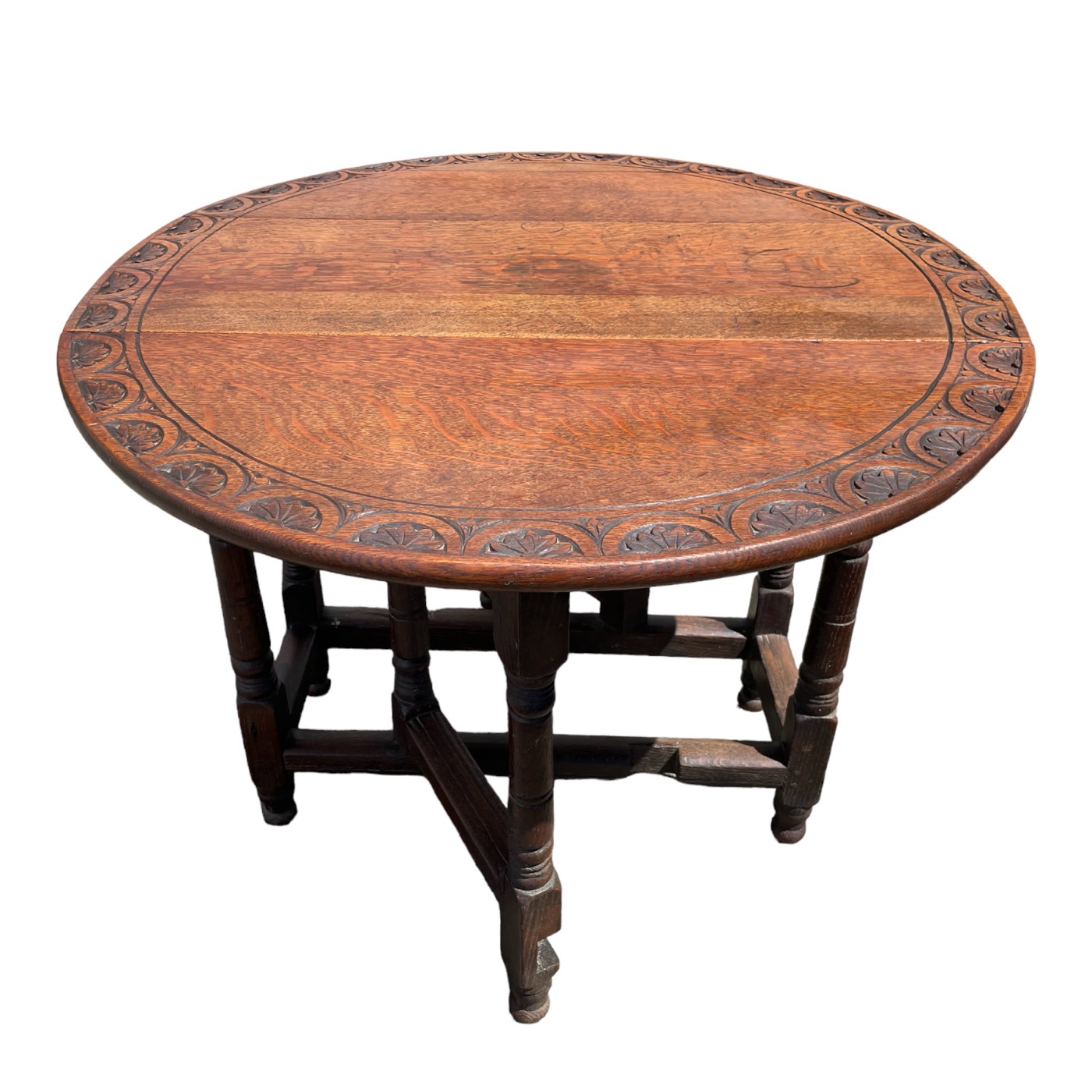
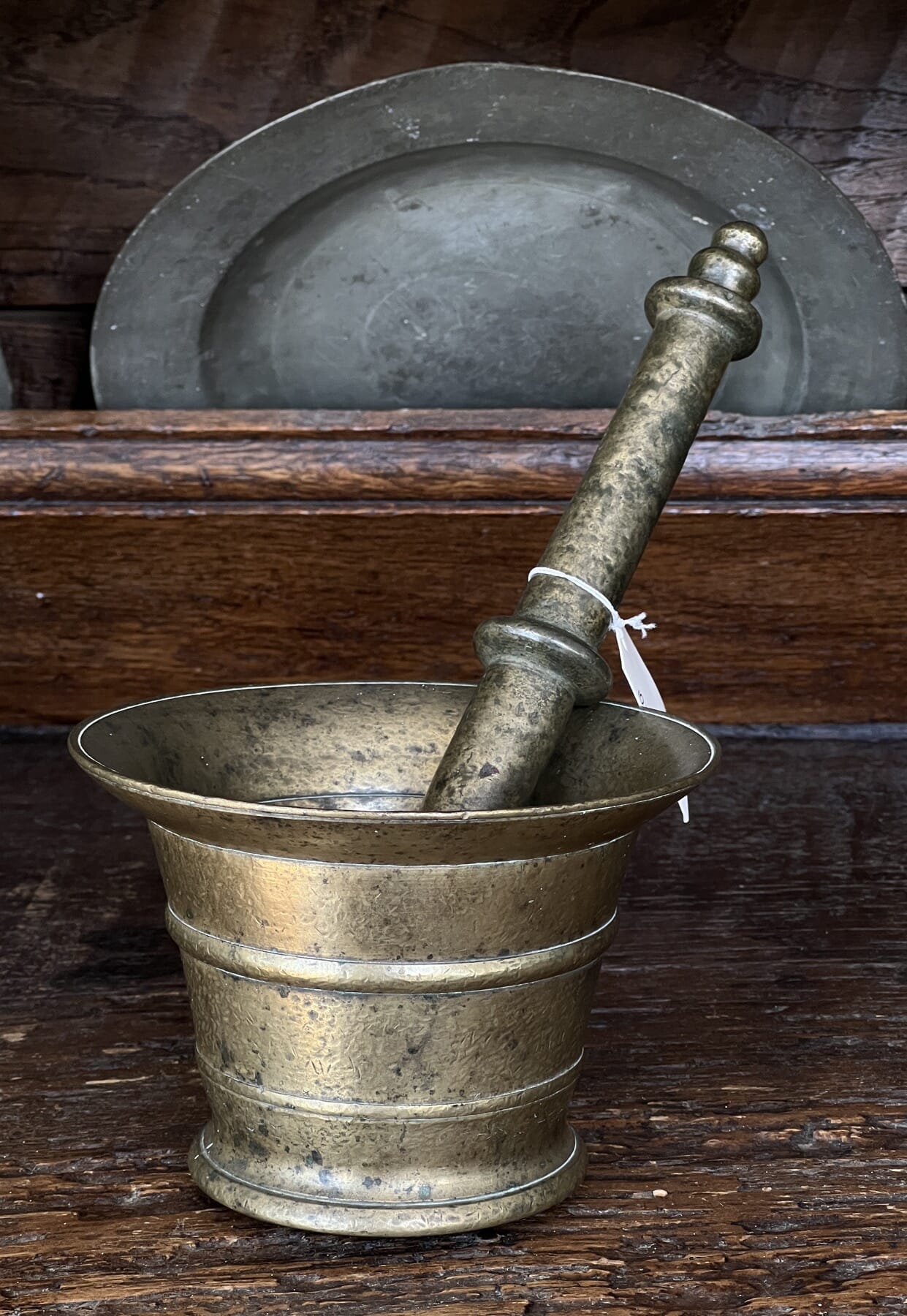
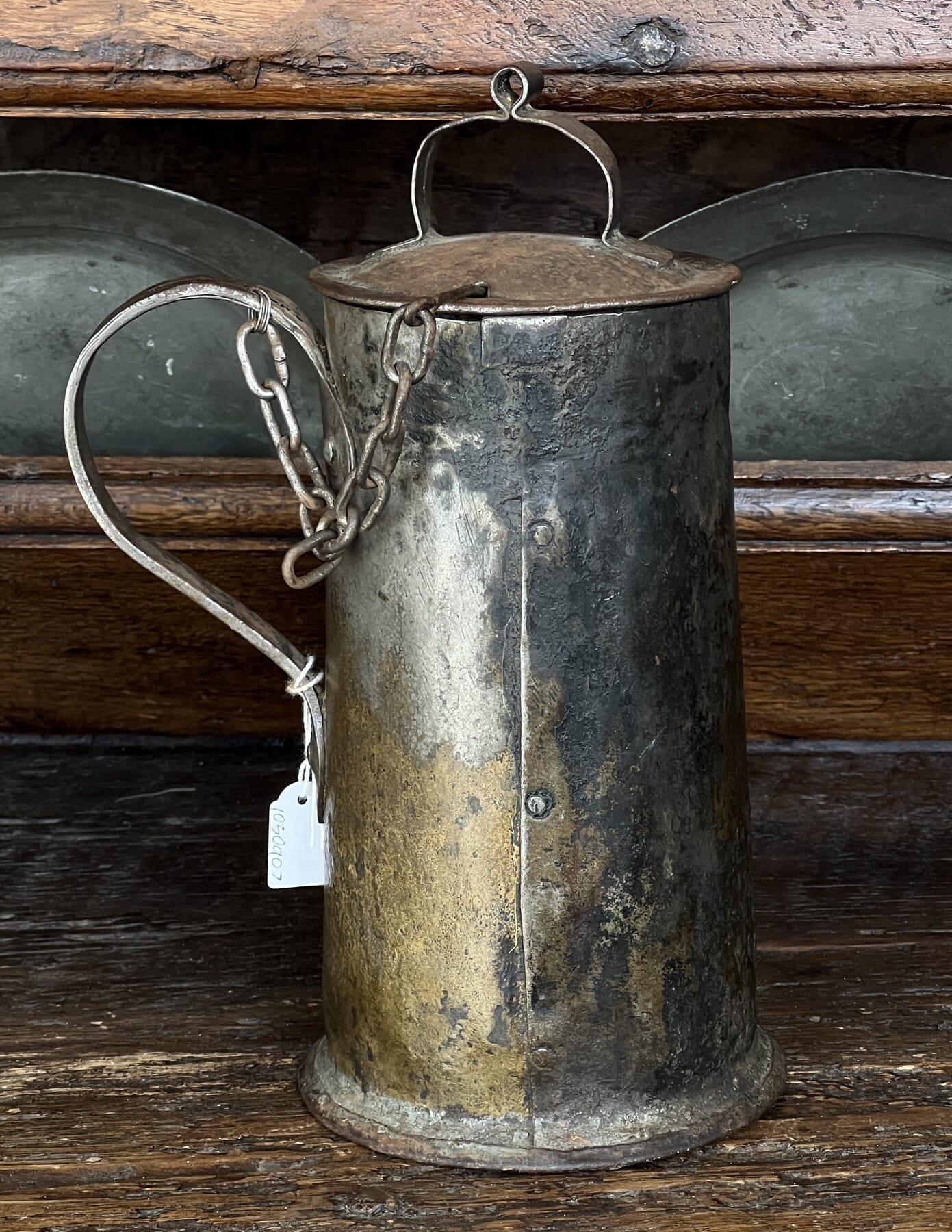
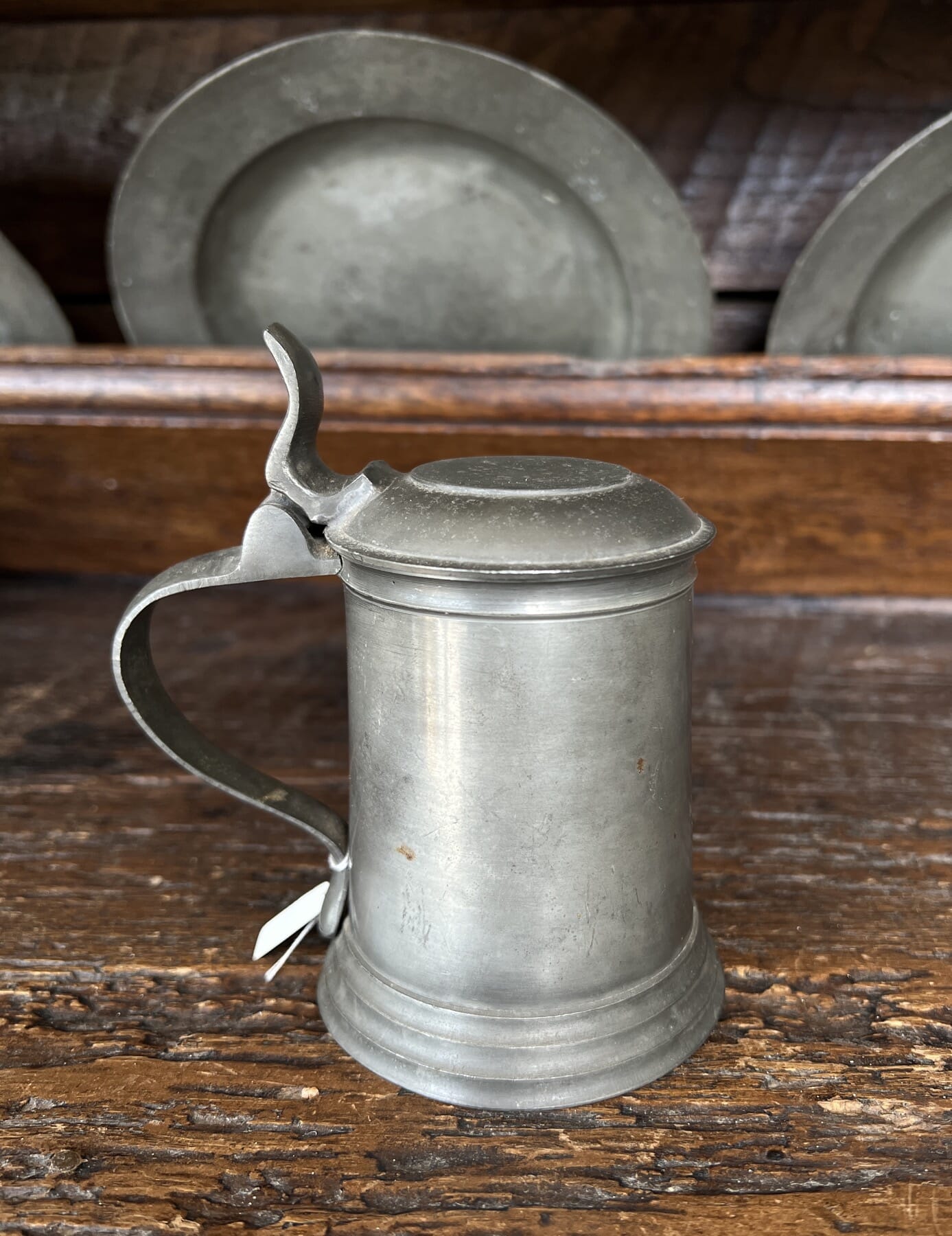
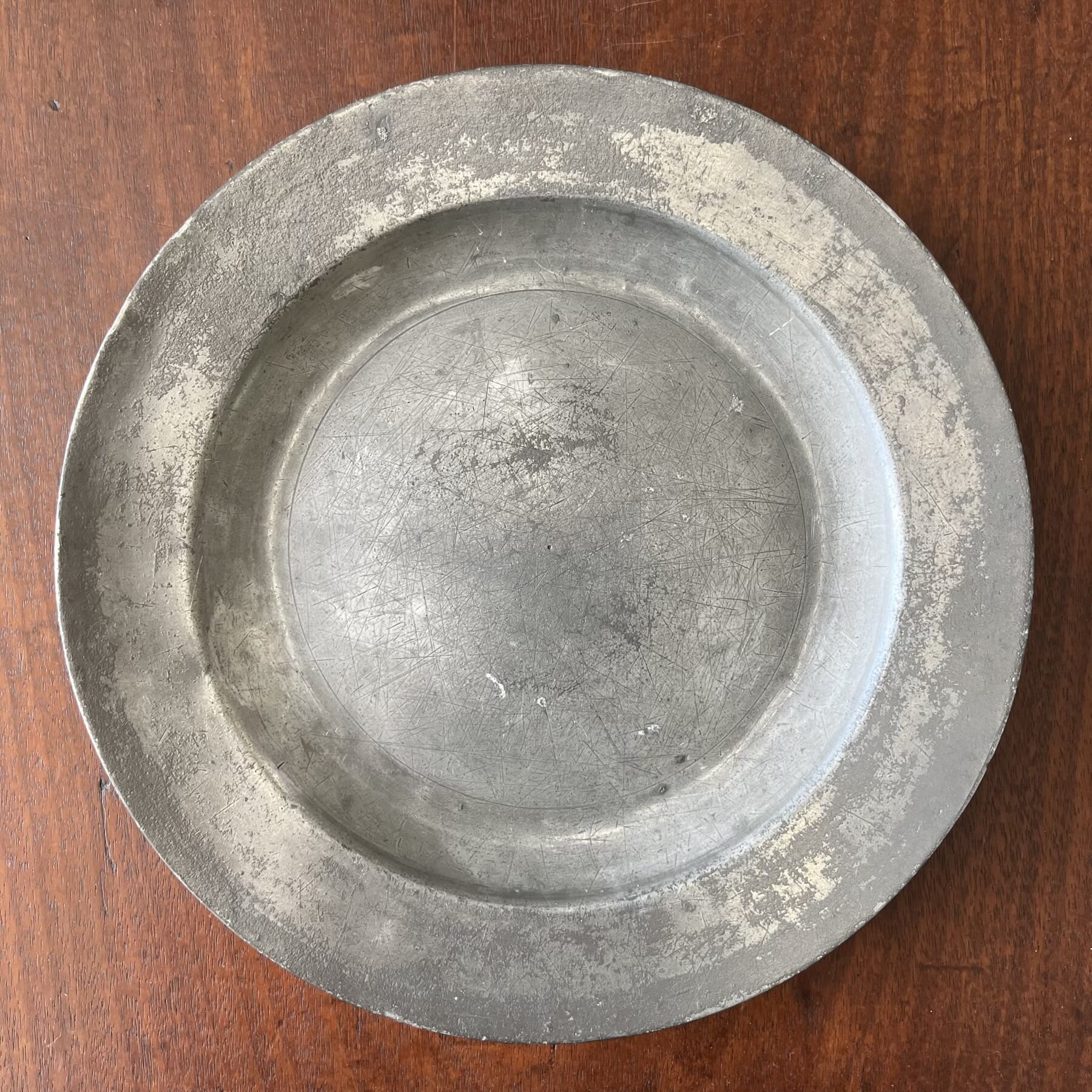
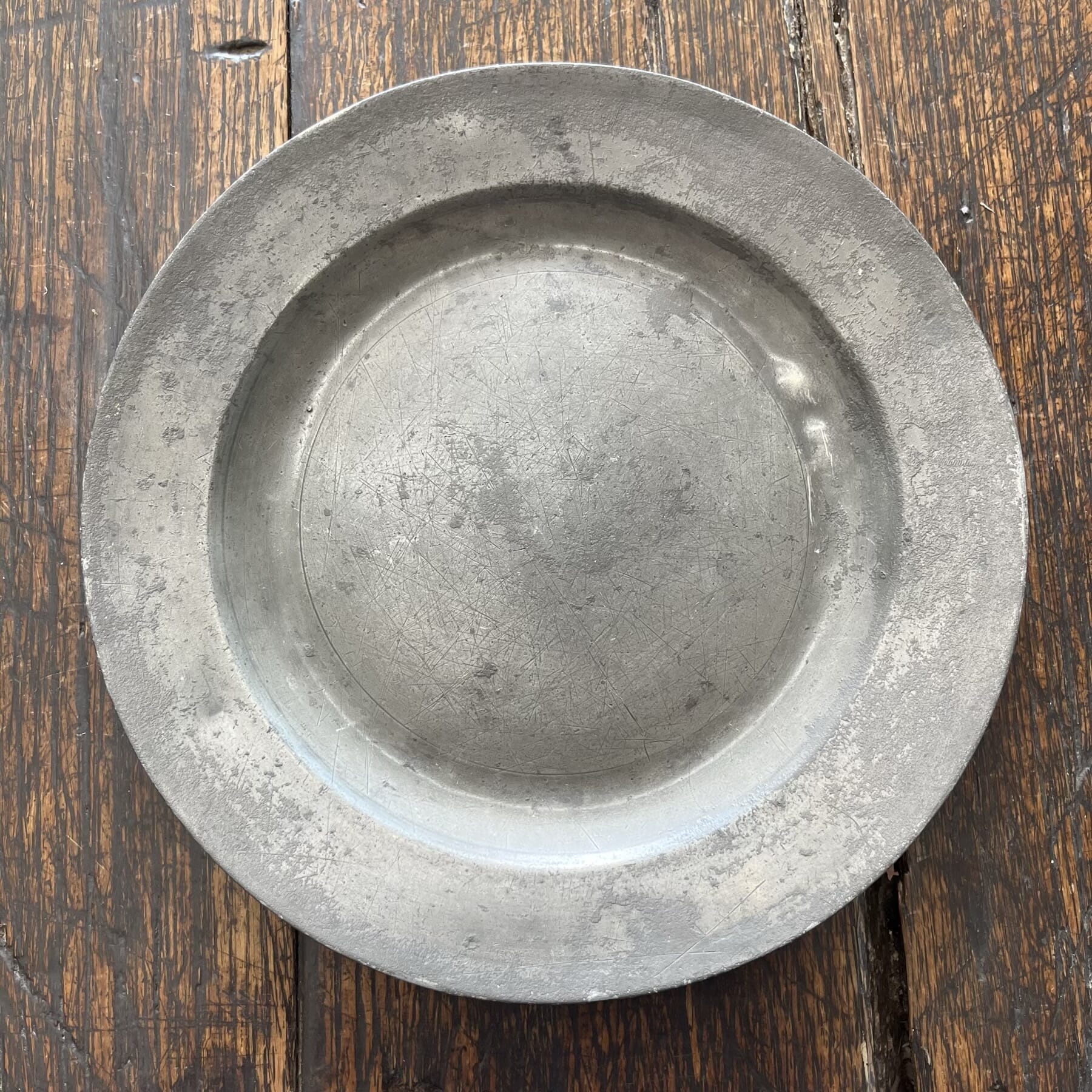
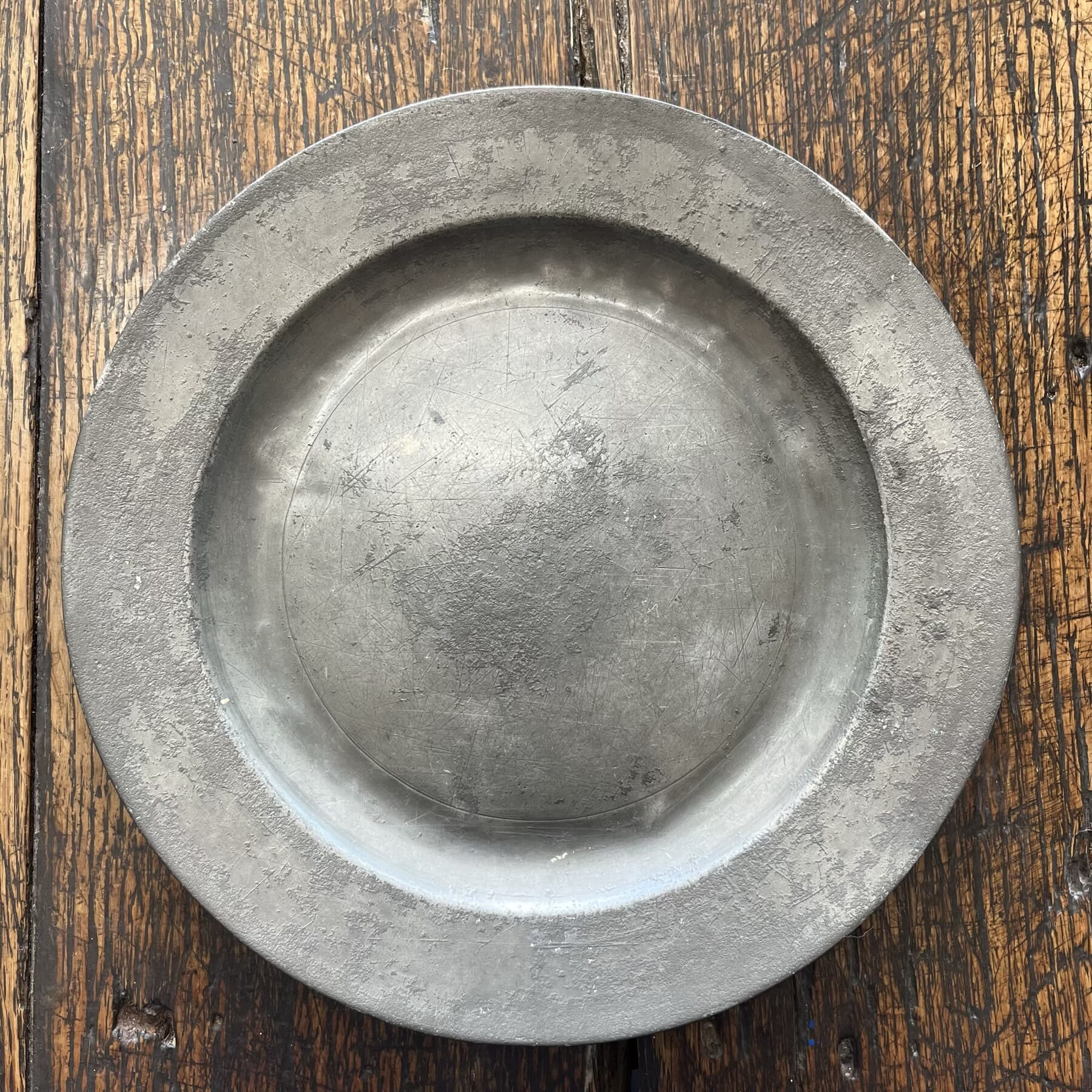
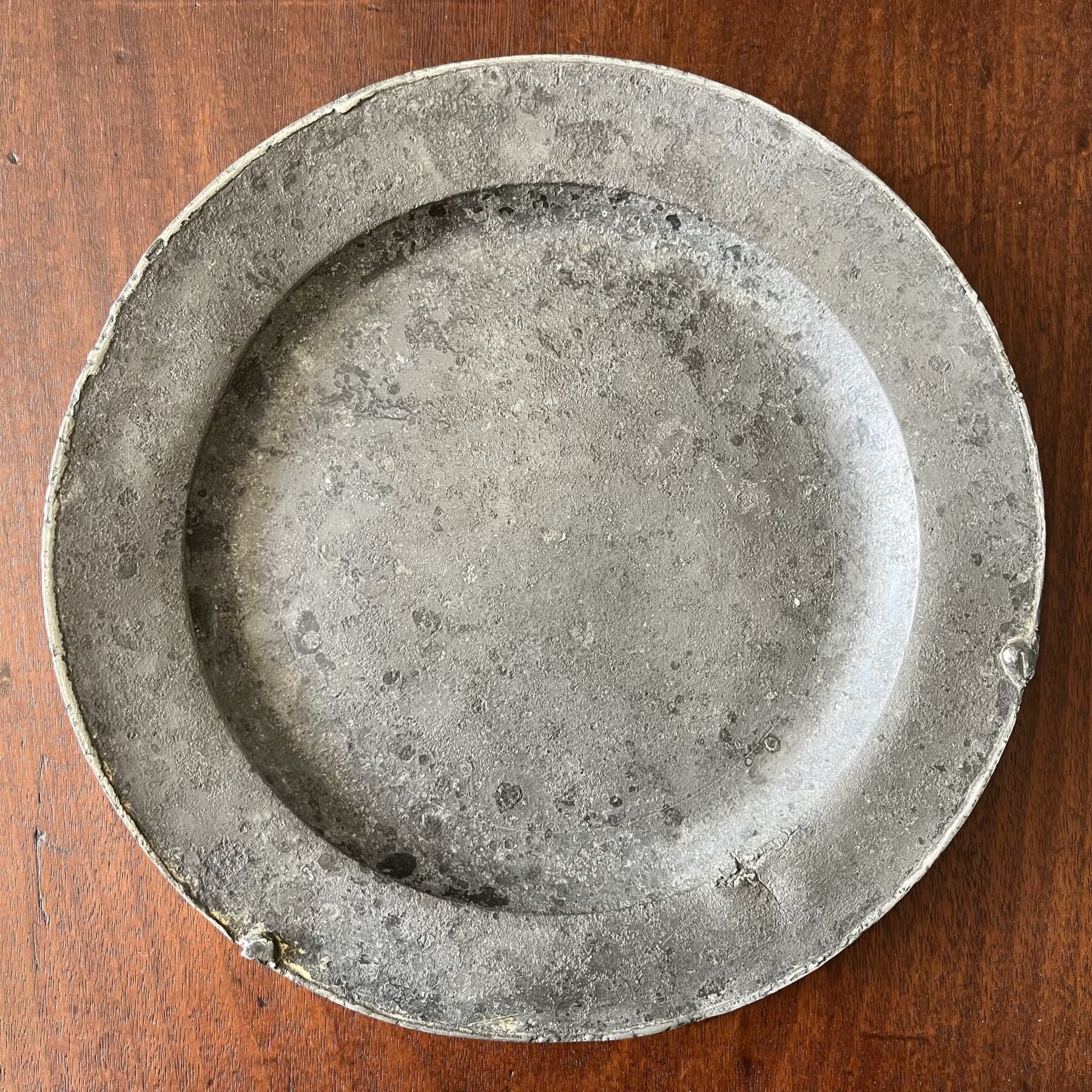
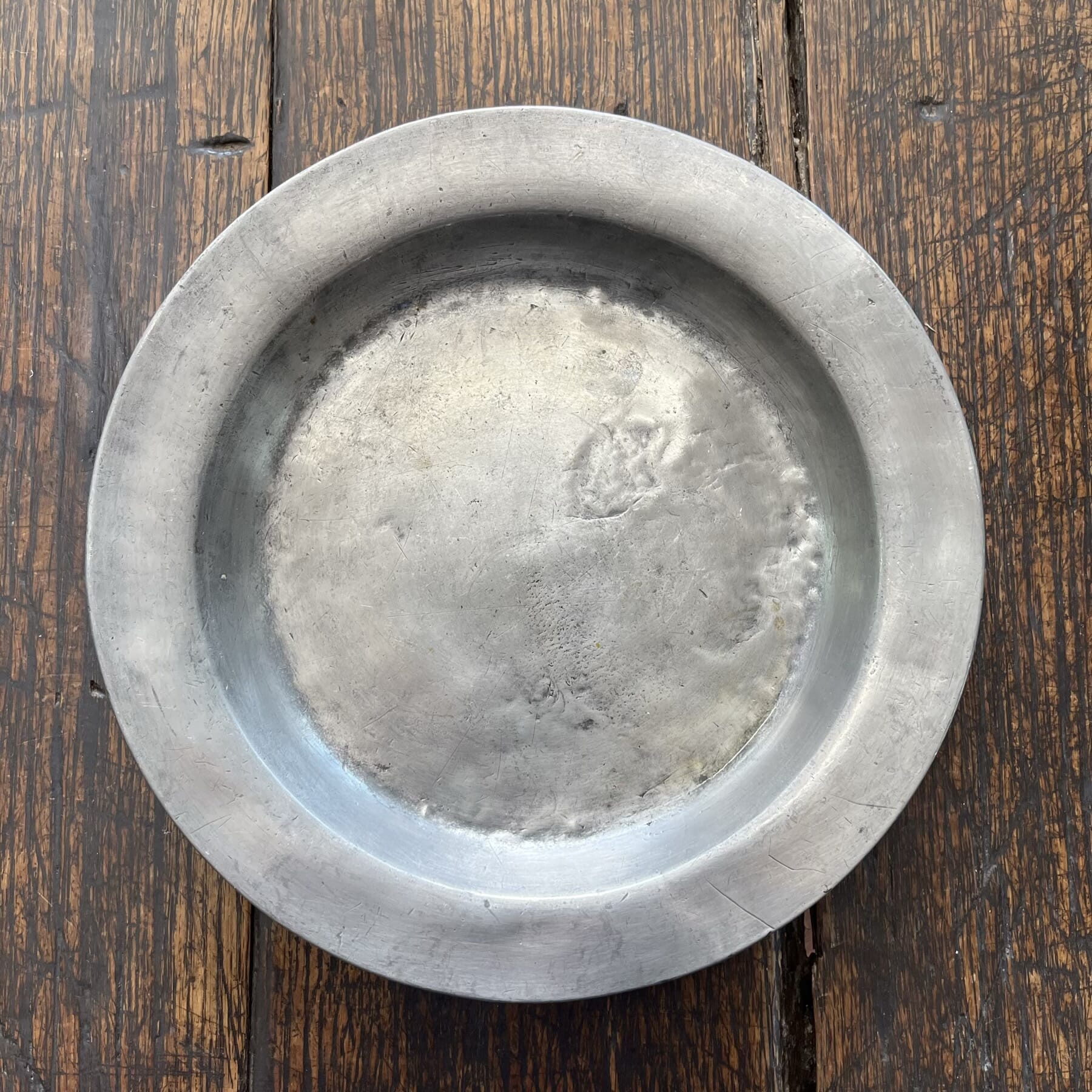
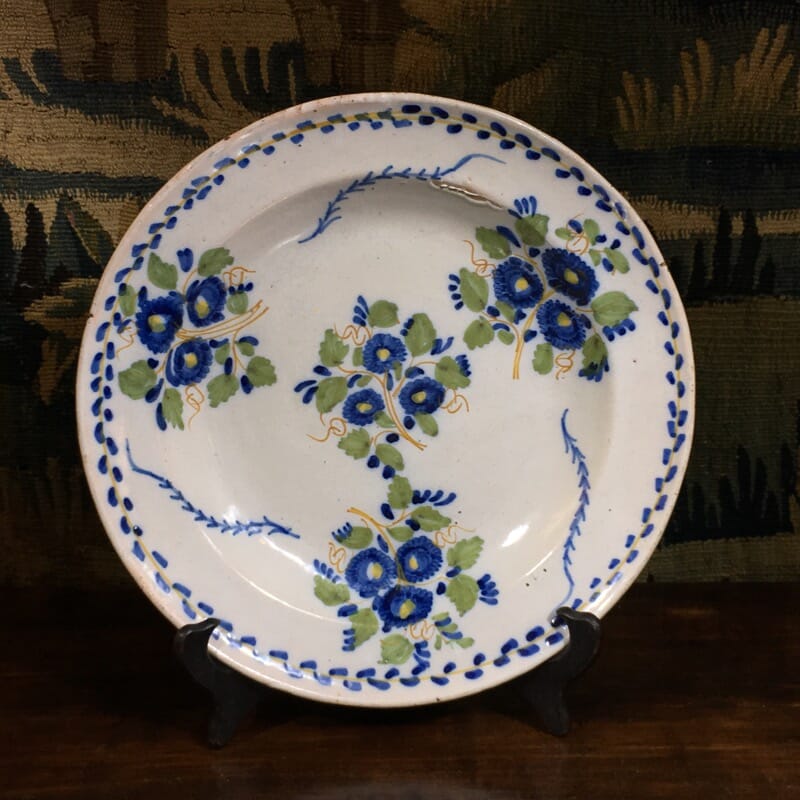
Fresh Stock: Early Oak, Pewter, & some Fine Porcelain

Early Oak

Another week and we have a lovely range of fresh stock ready of your viewing pleasure.
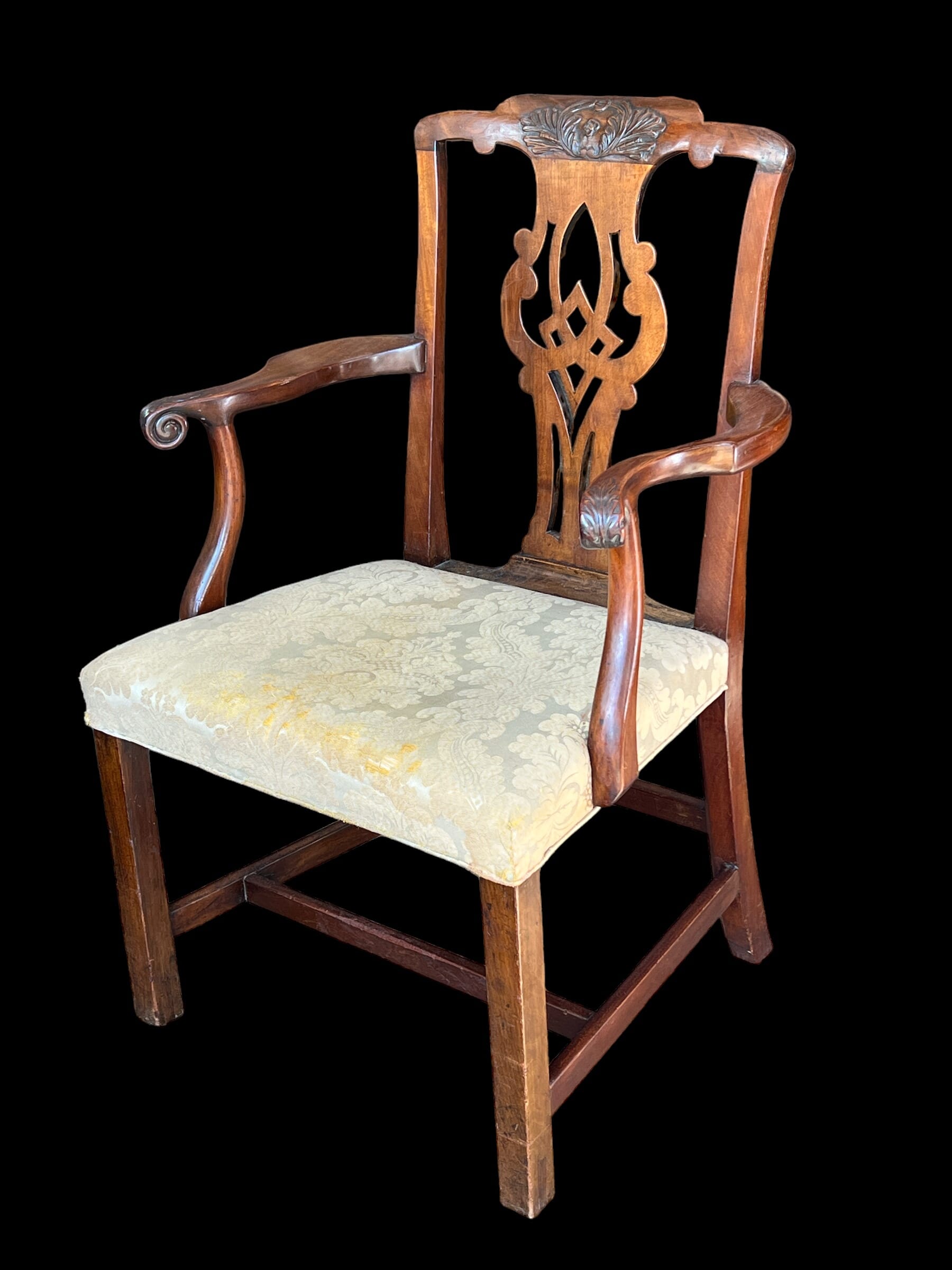
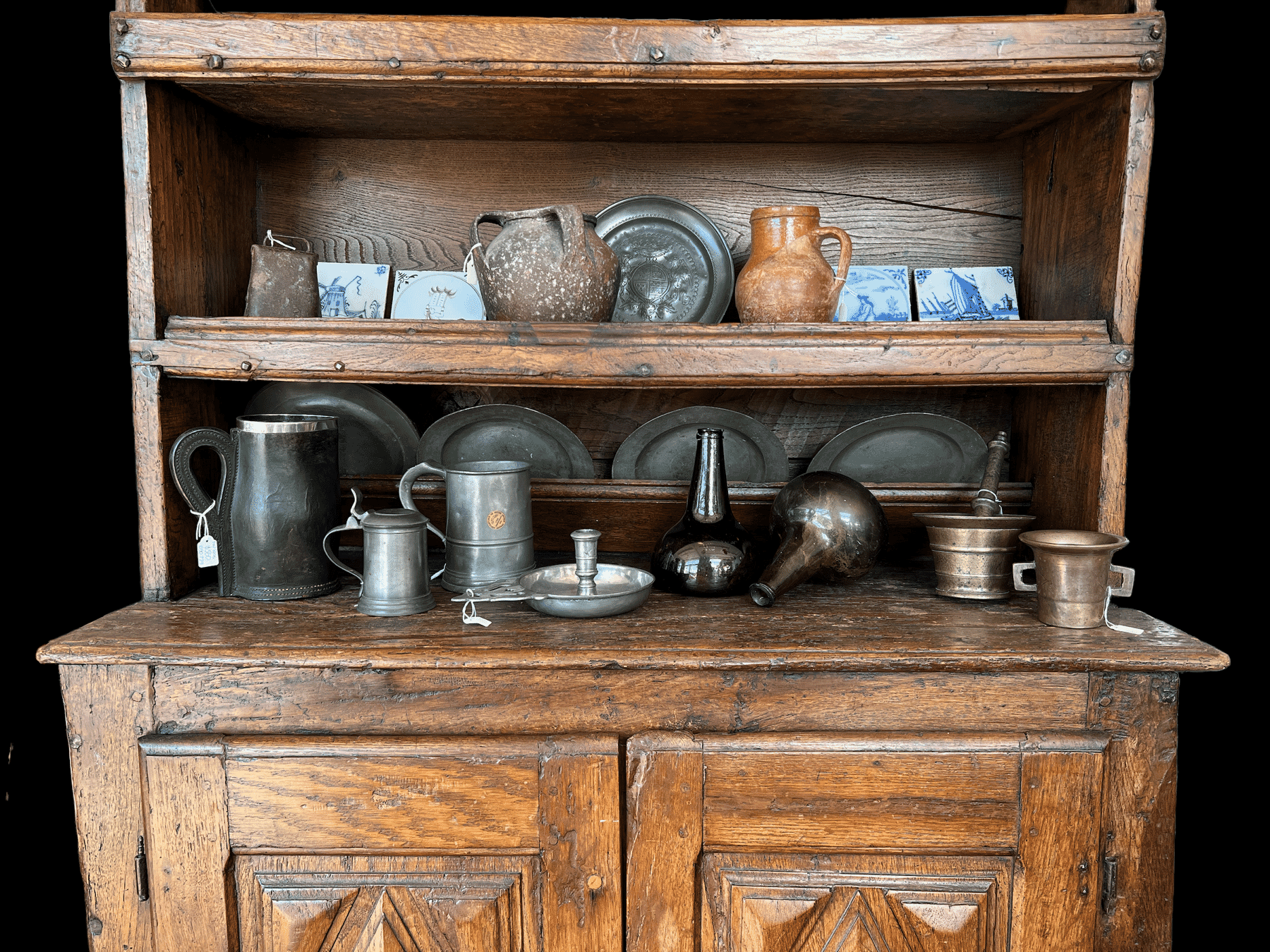
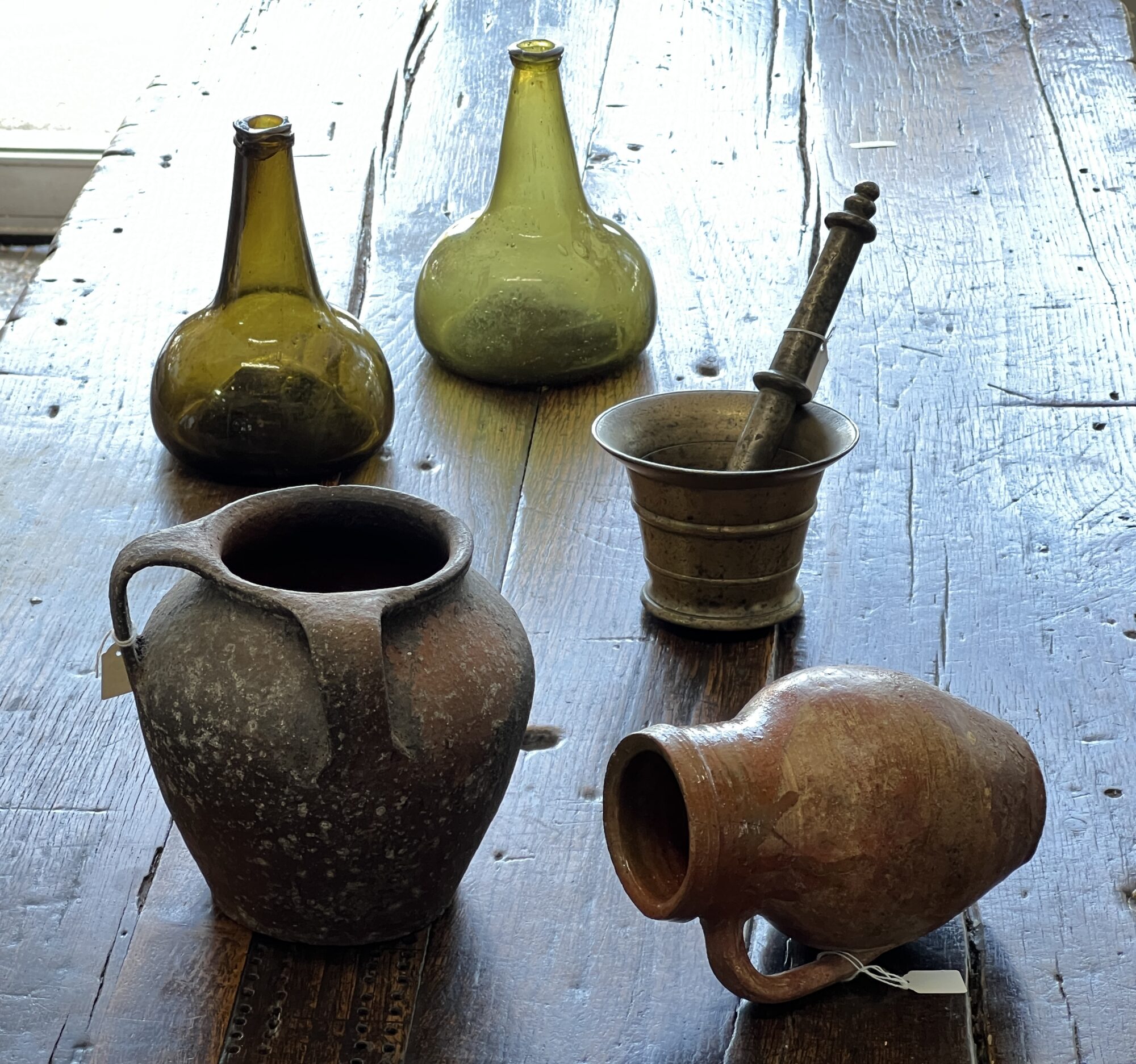
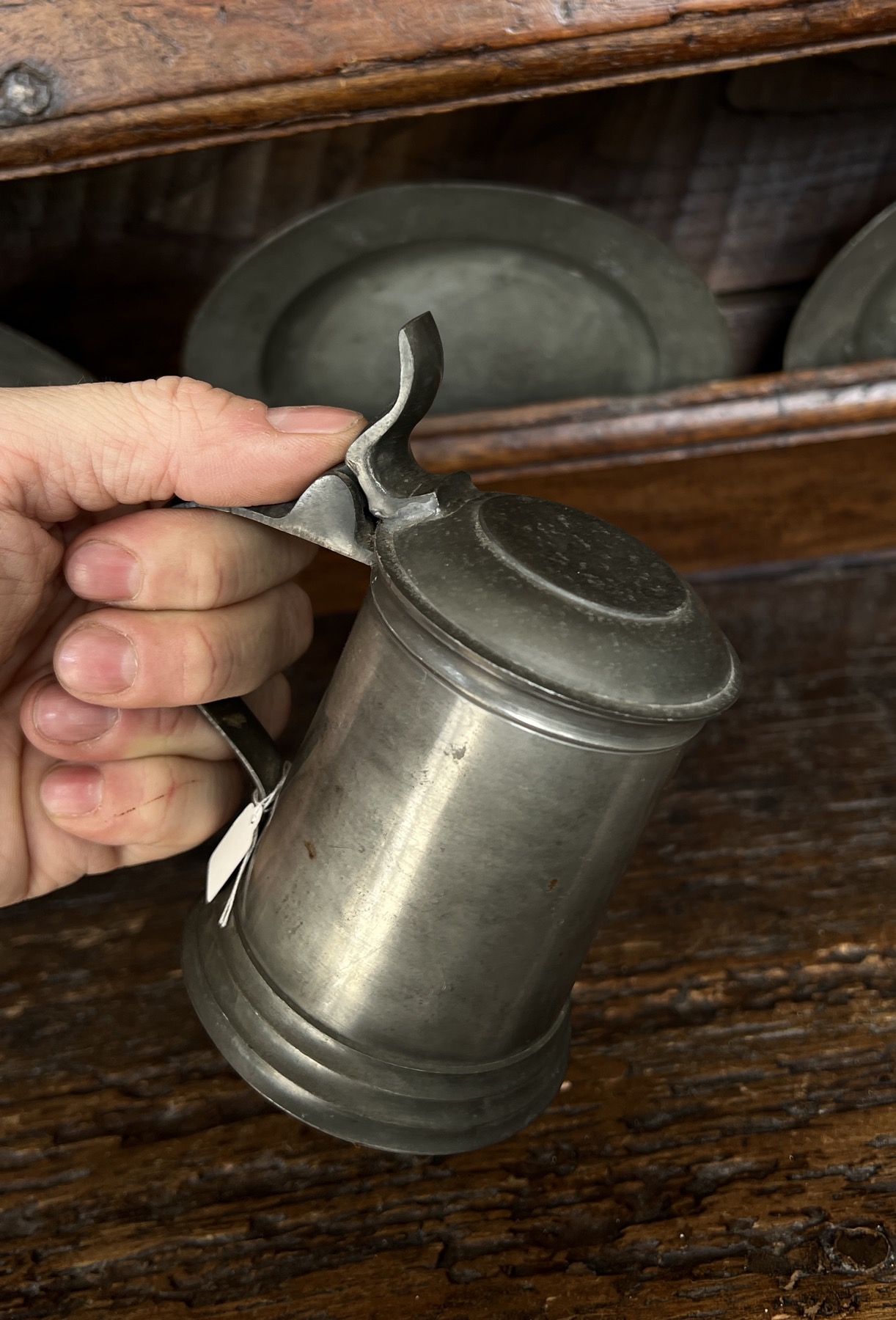
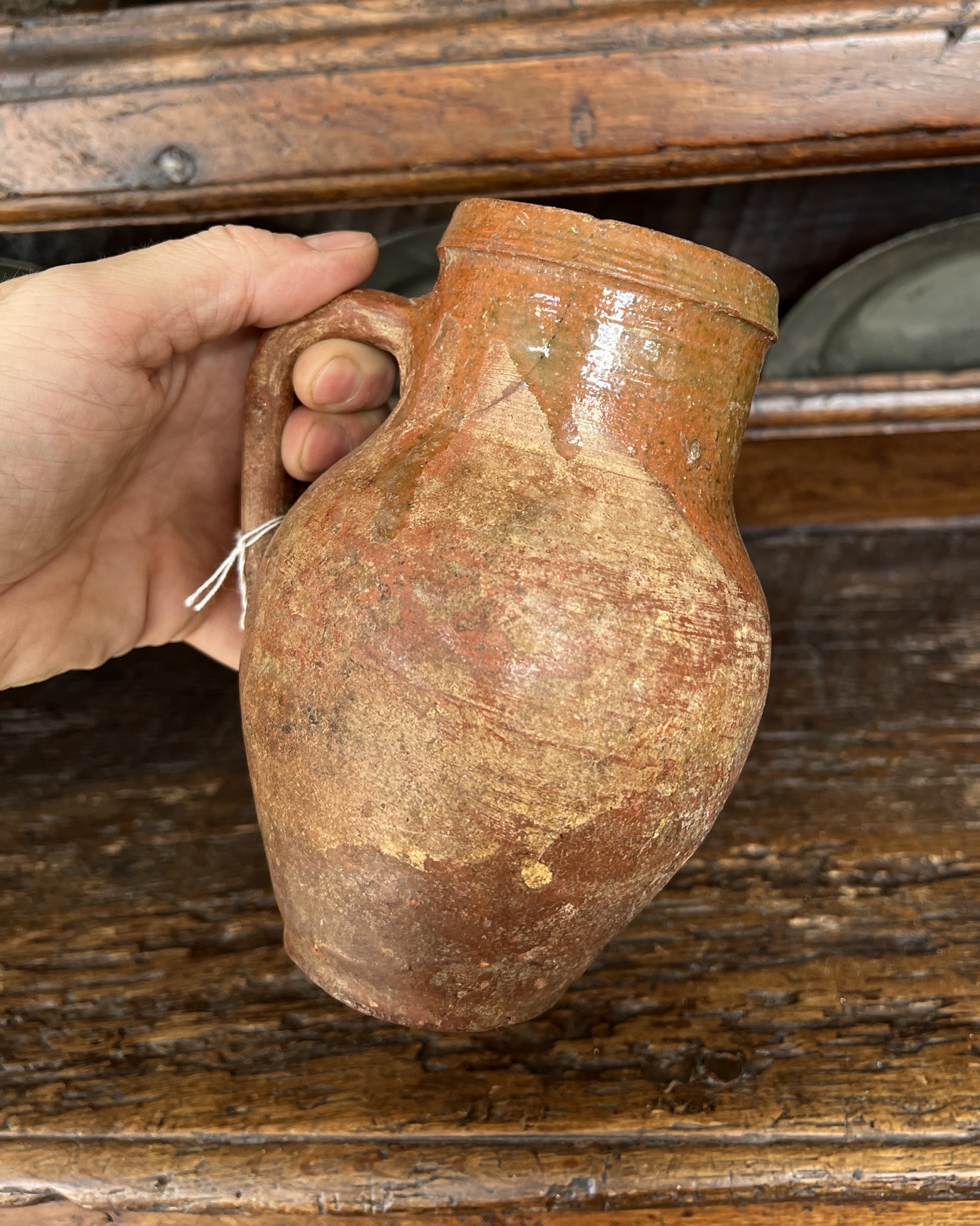
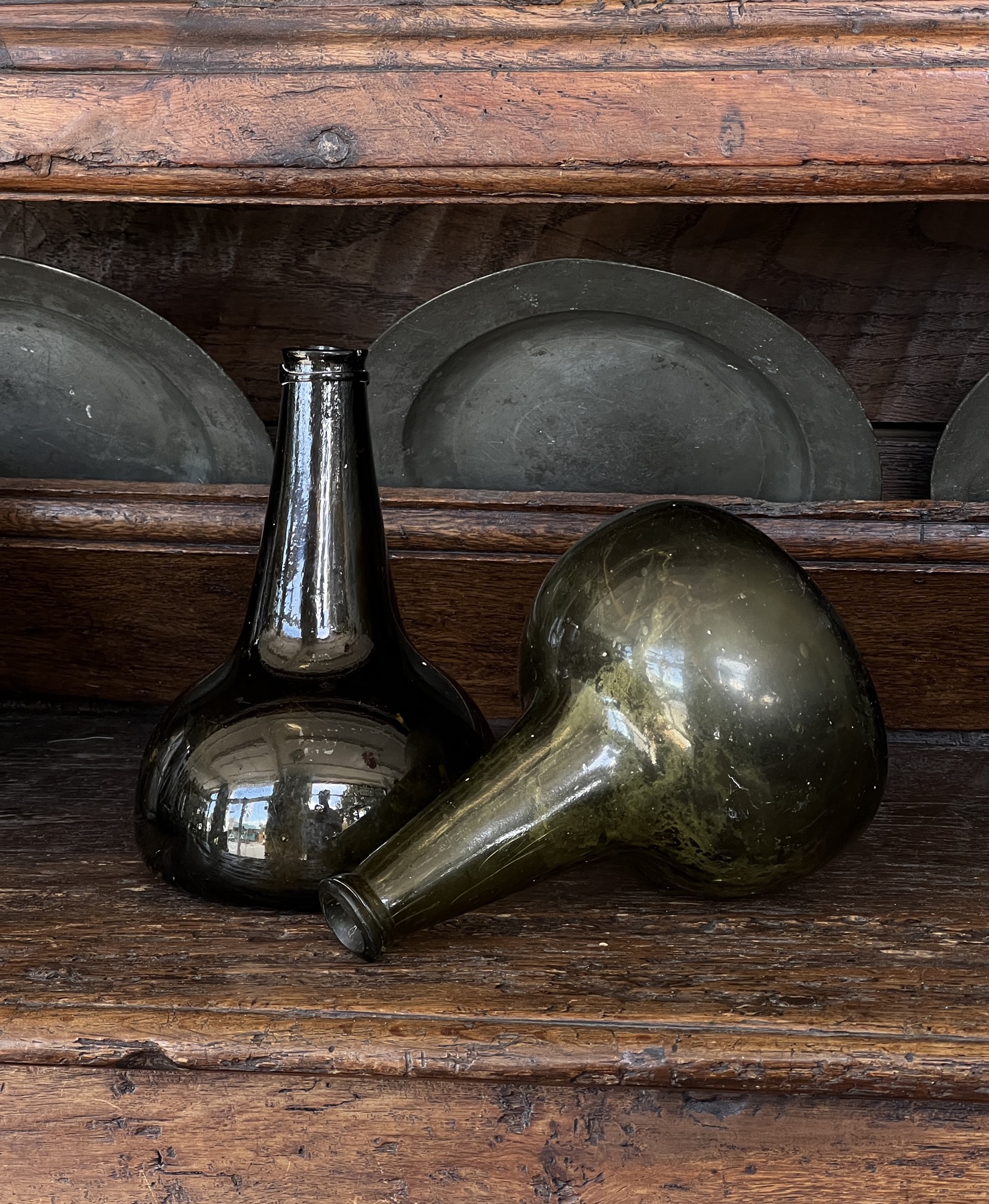
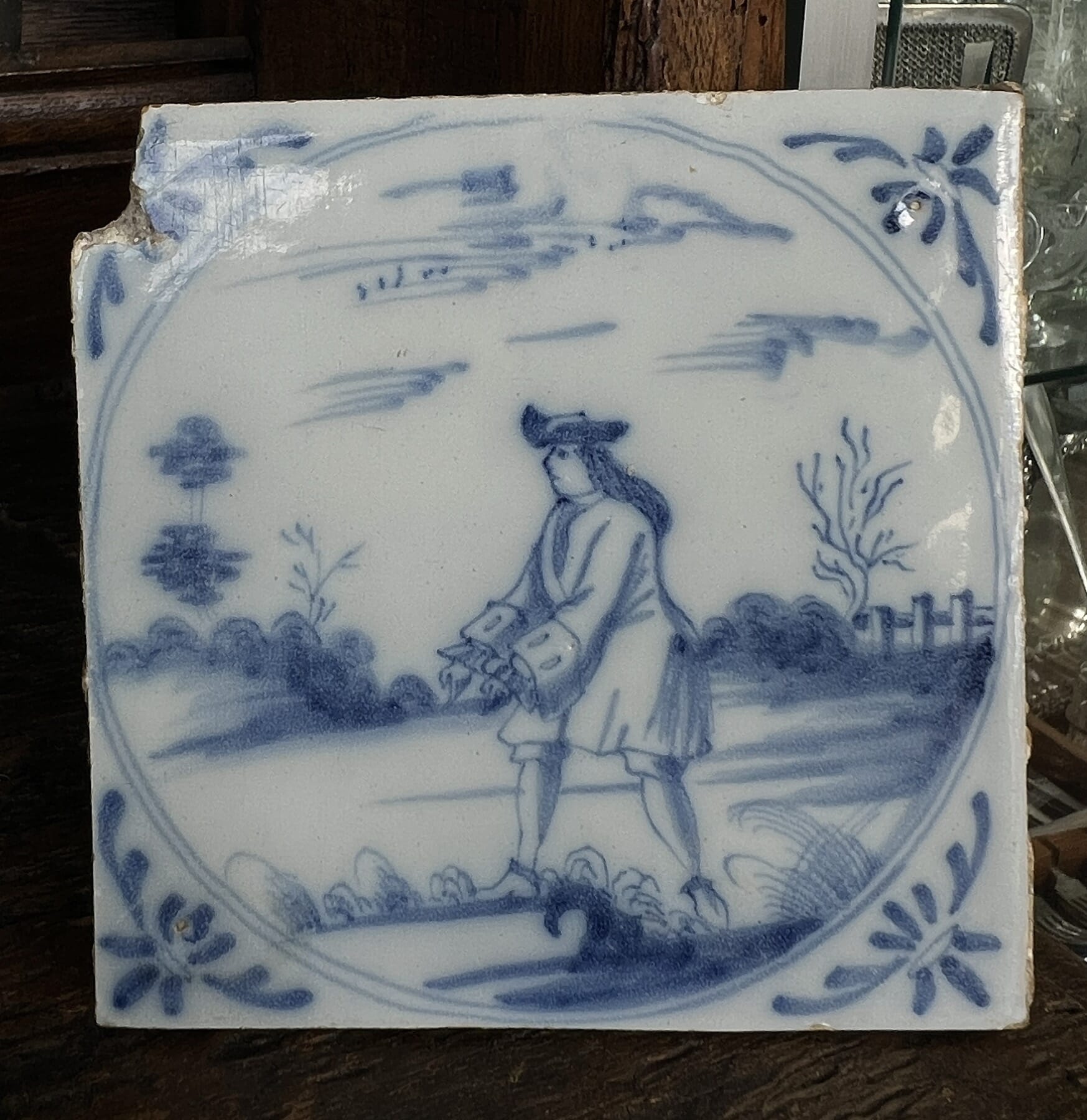
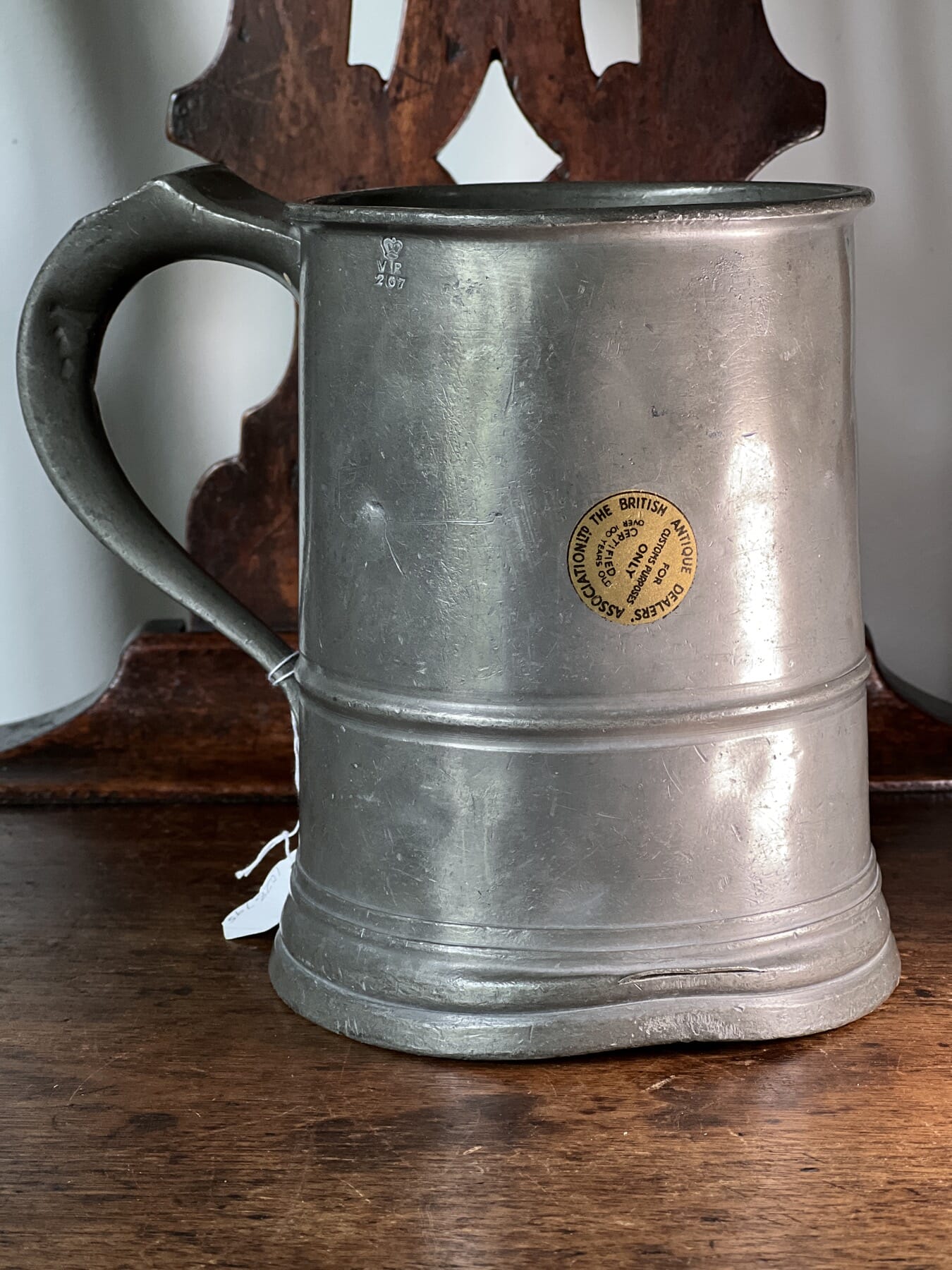
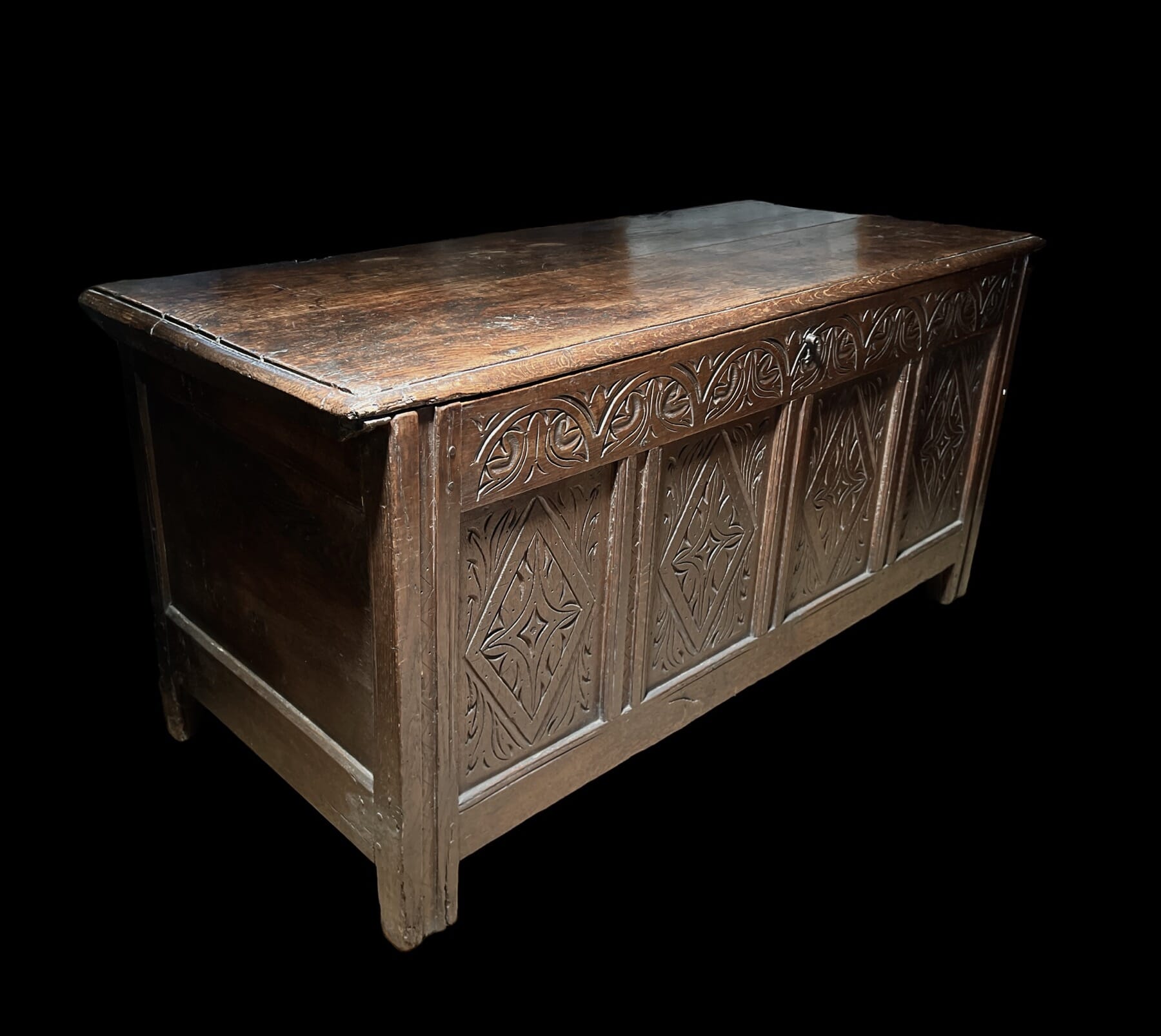
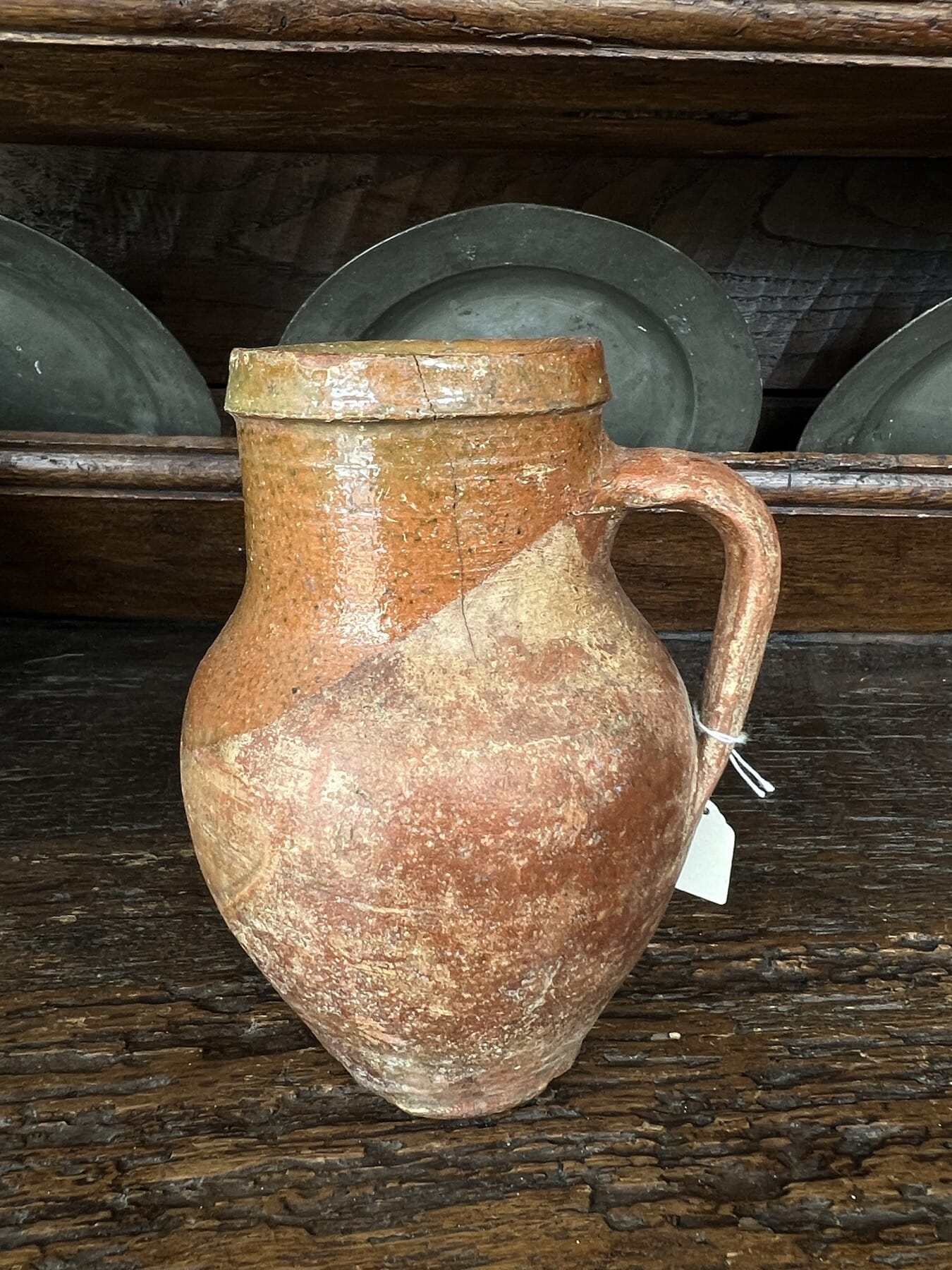
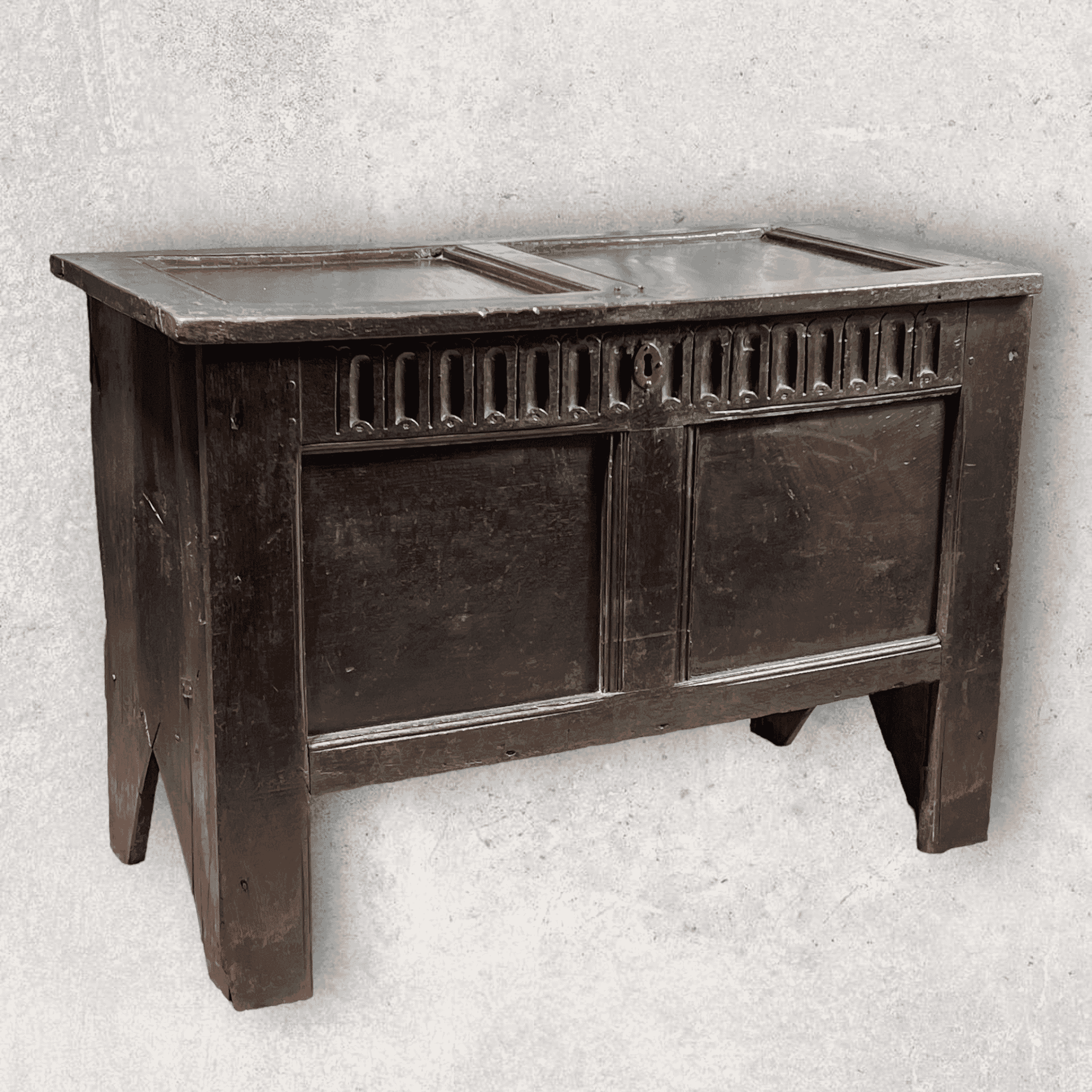
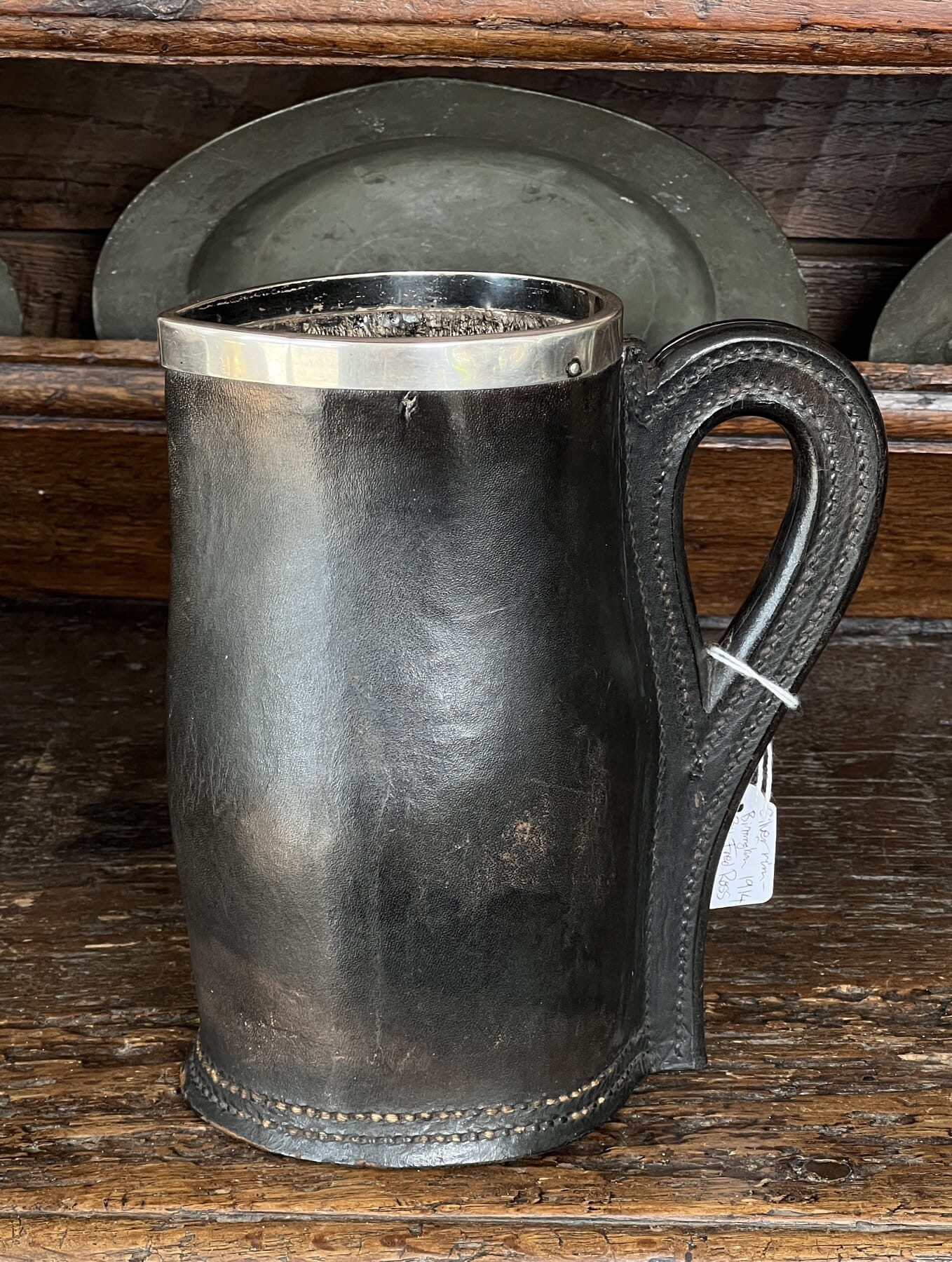
It’s dominated by Early pieces – 17th & 18th century Oak Furniture, Pewter, Glass & Ceramics.

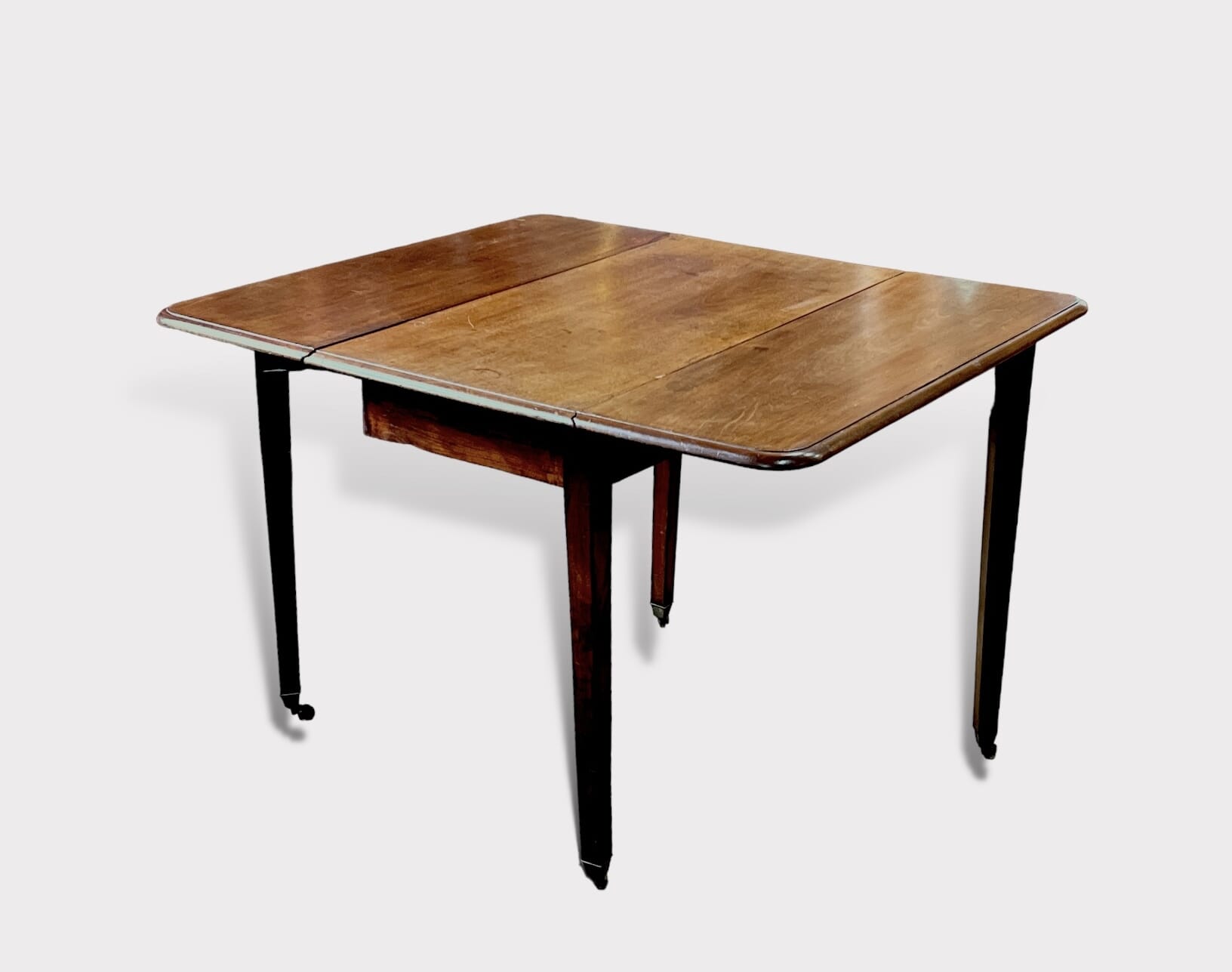
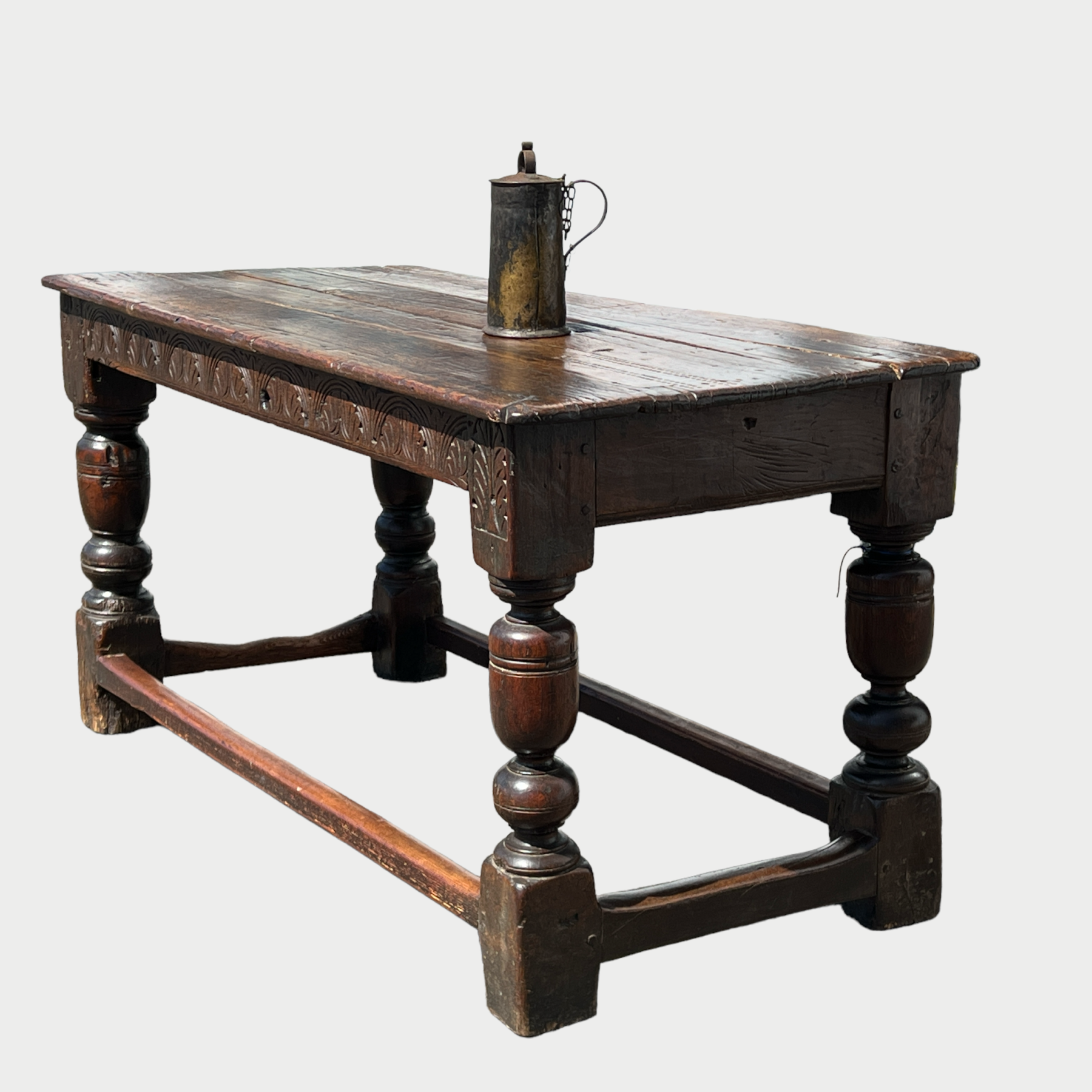
English Oak refectory table, 17th century
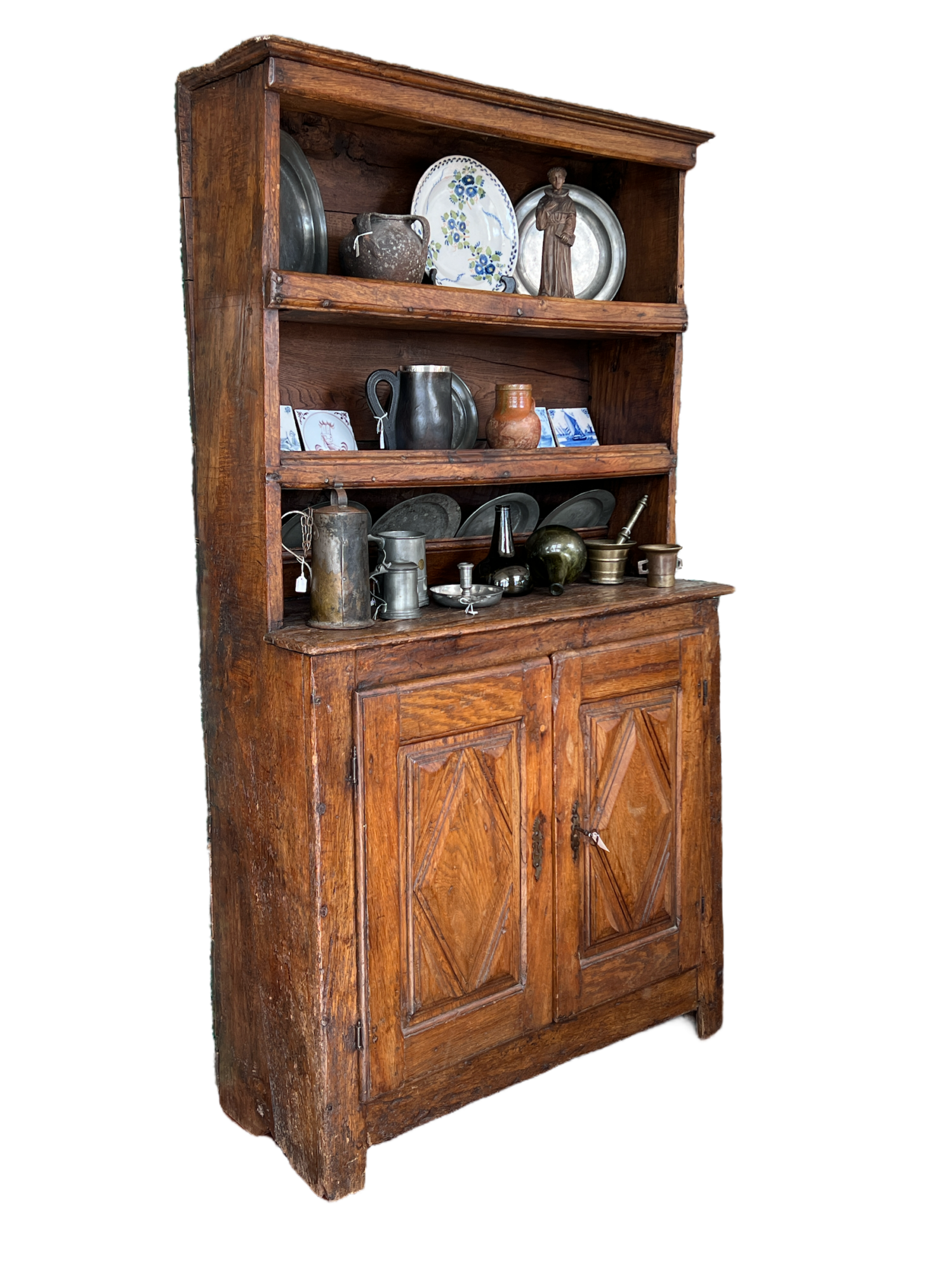
17th century Oak Dresser
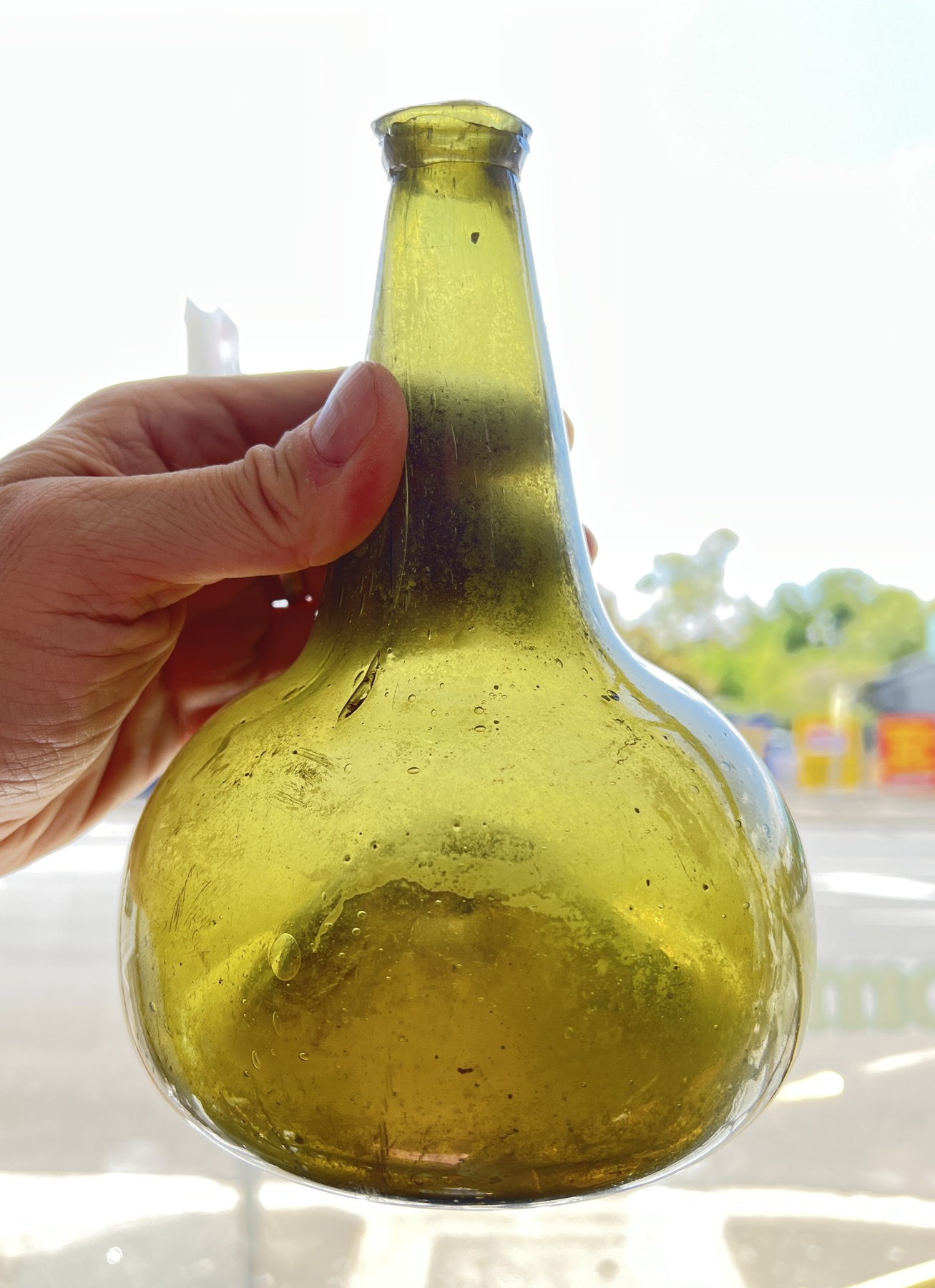
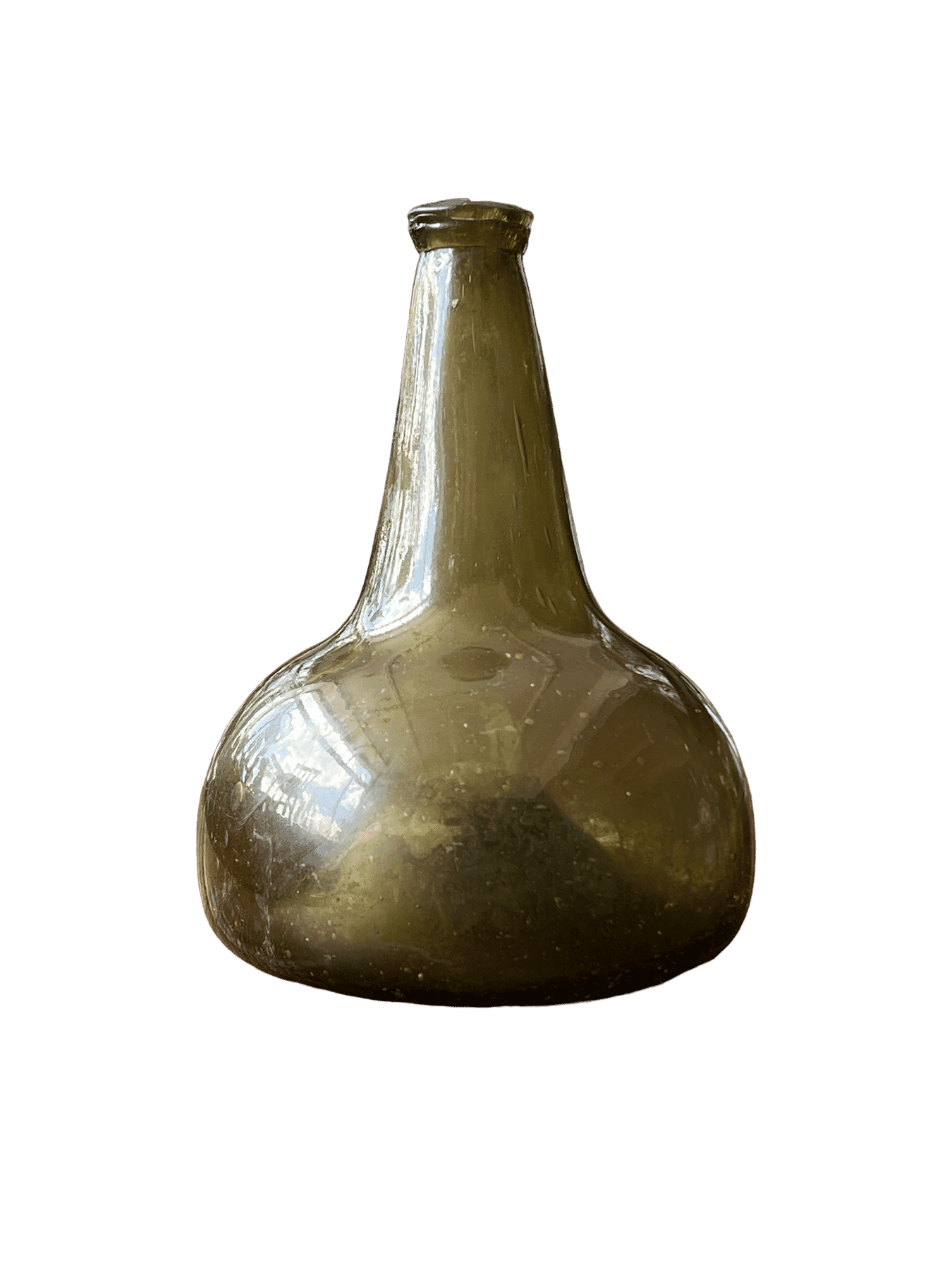
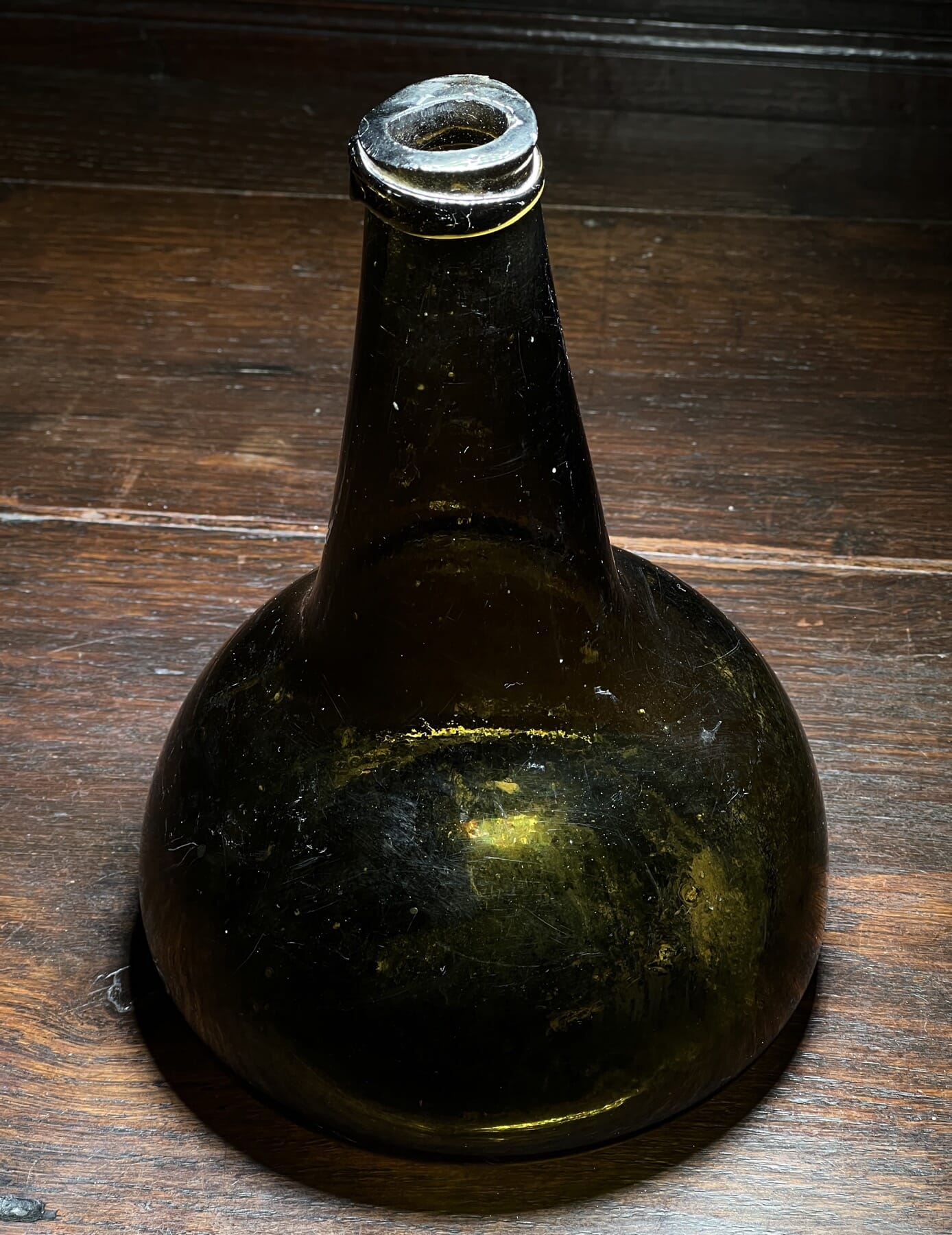
  • Dutch Onion Bottle
  • English Oak refectory table, 17th century
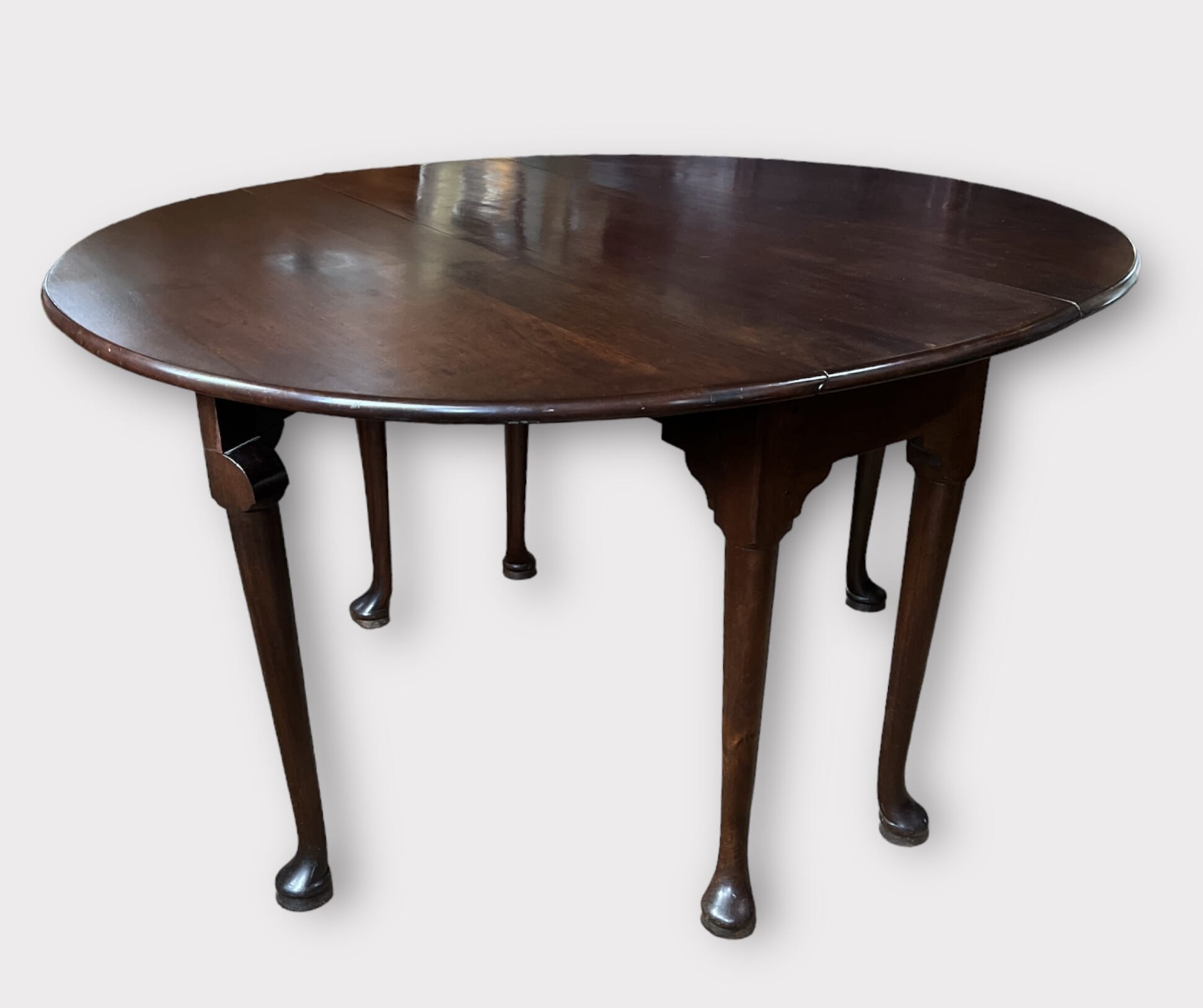
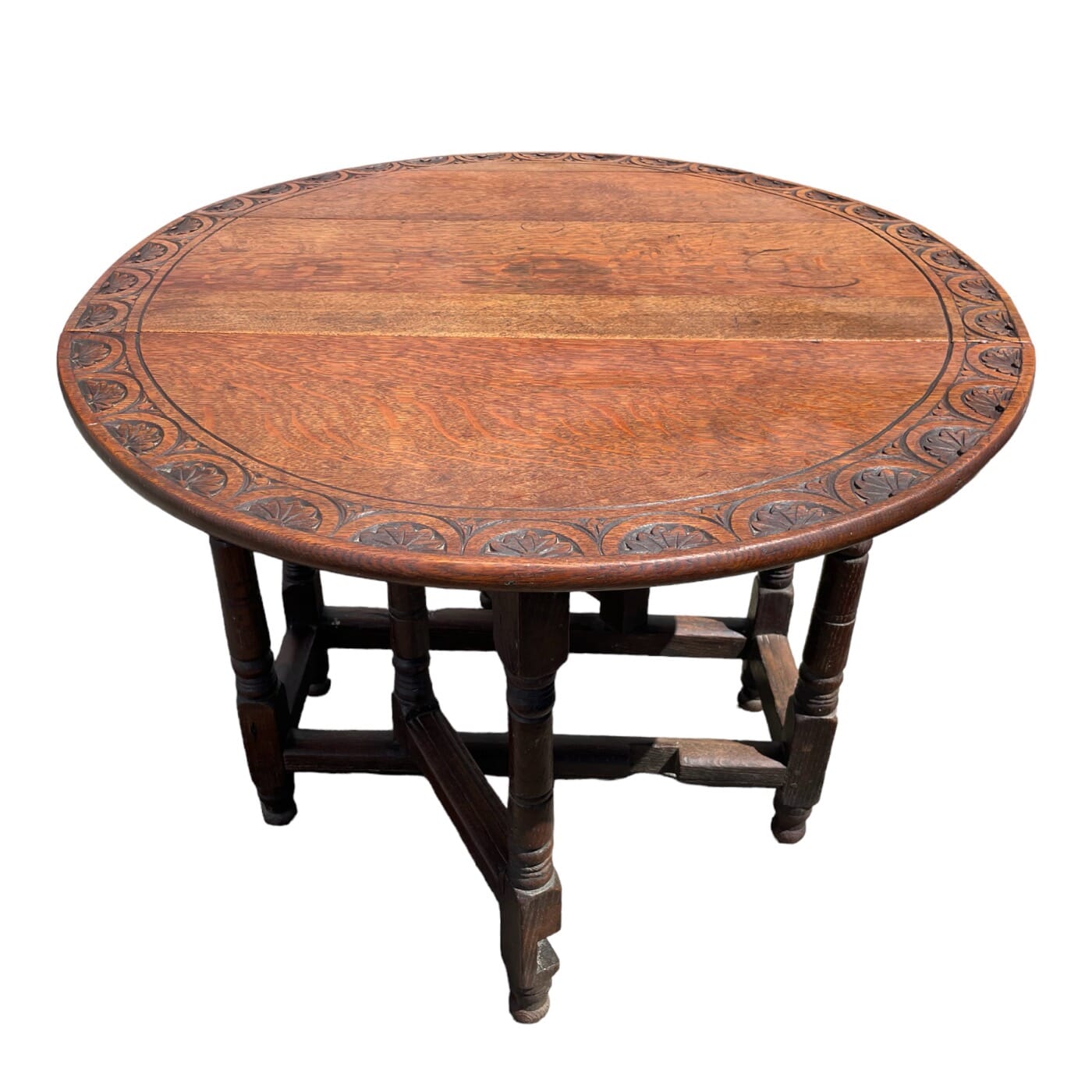
  • Oak Gateleg Table
Posted on

Fresh Stock -3rd March

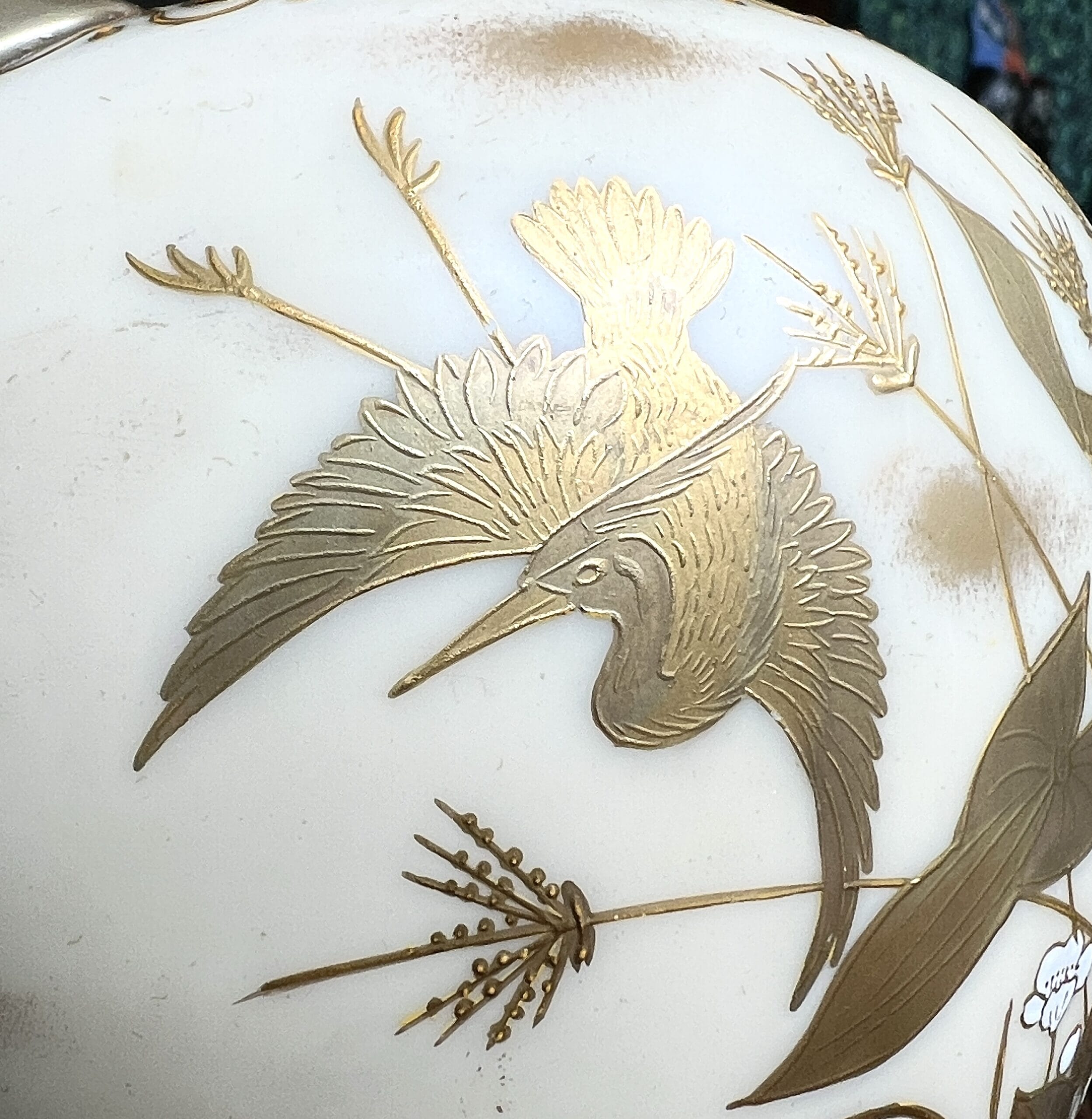
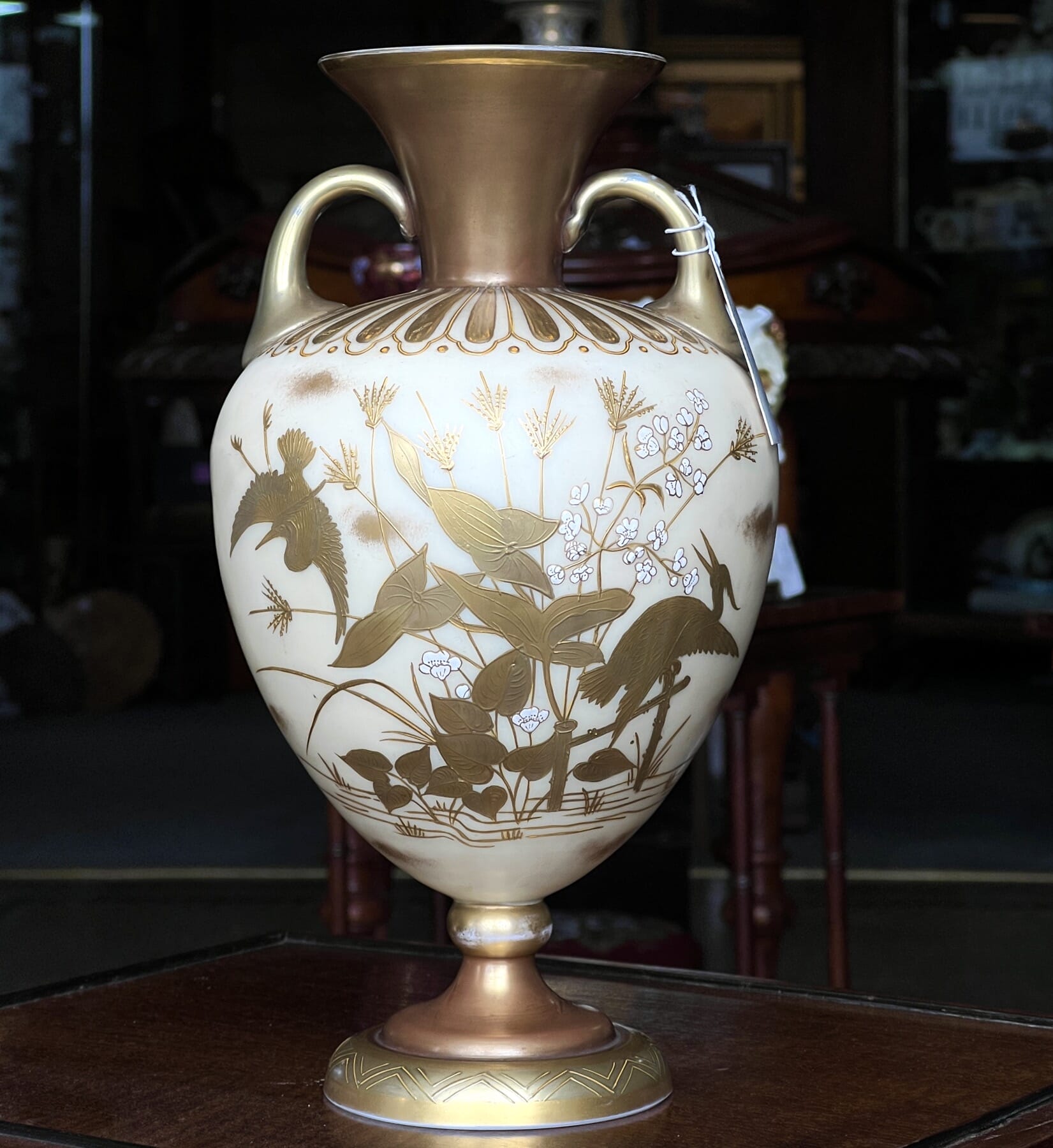
Webb Aesthetic gilt crane detail from a Vase at Moorabool Antiques

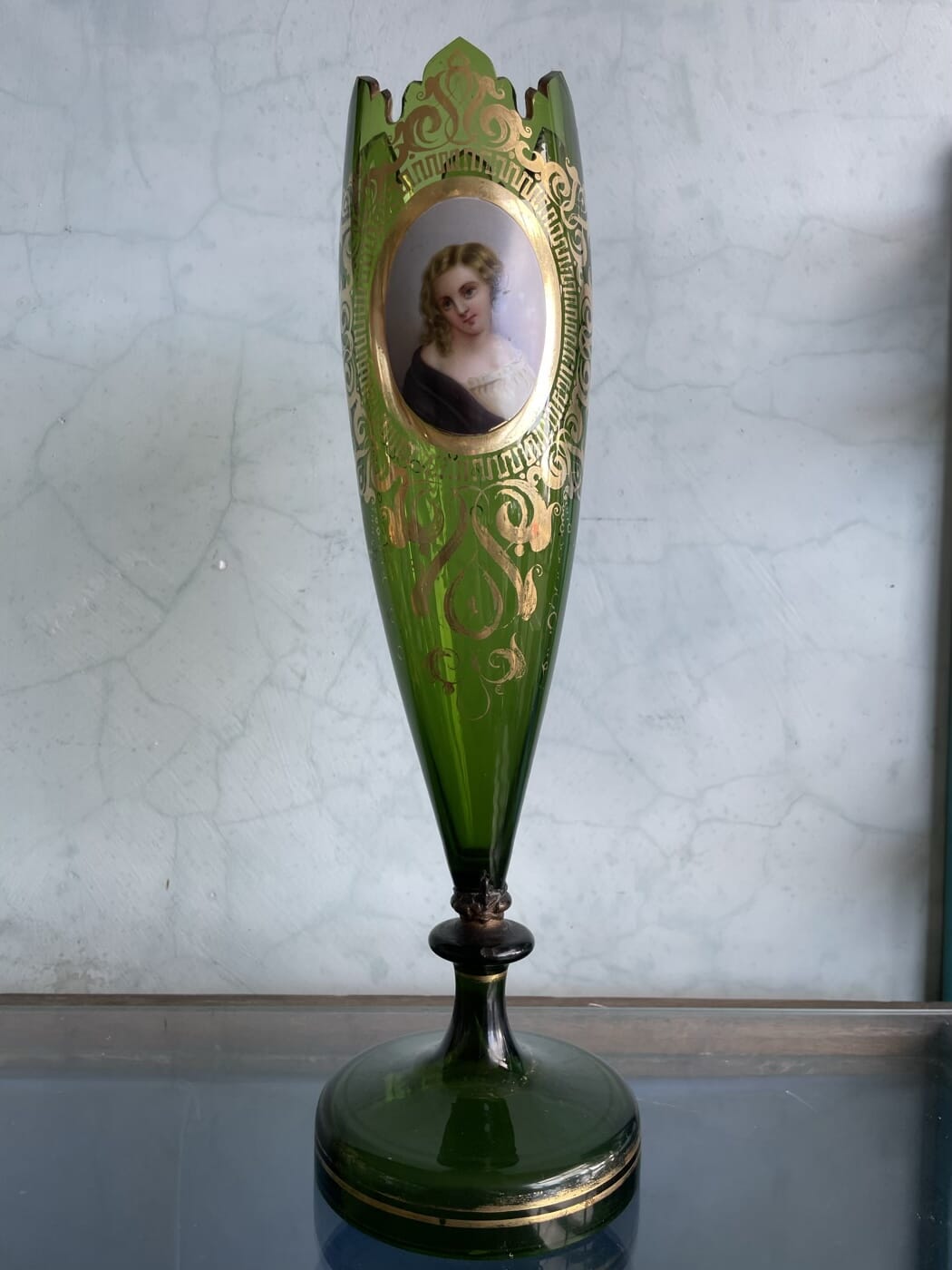
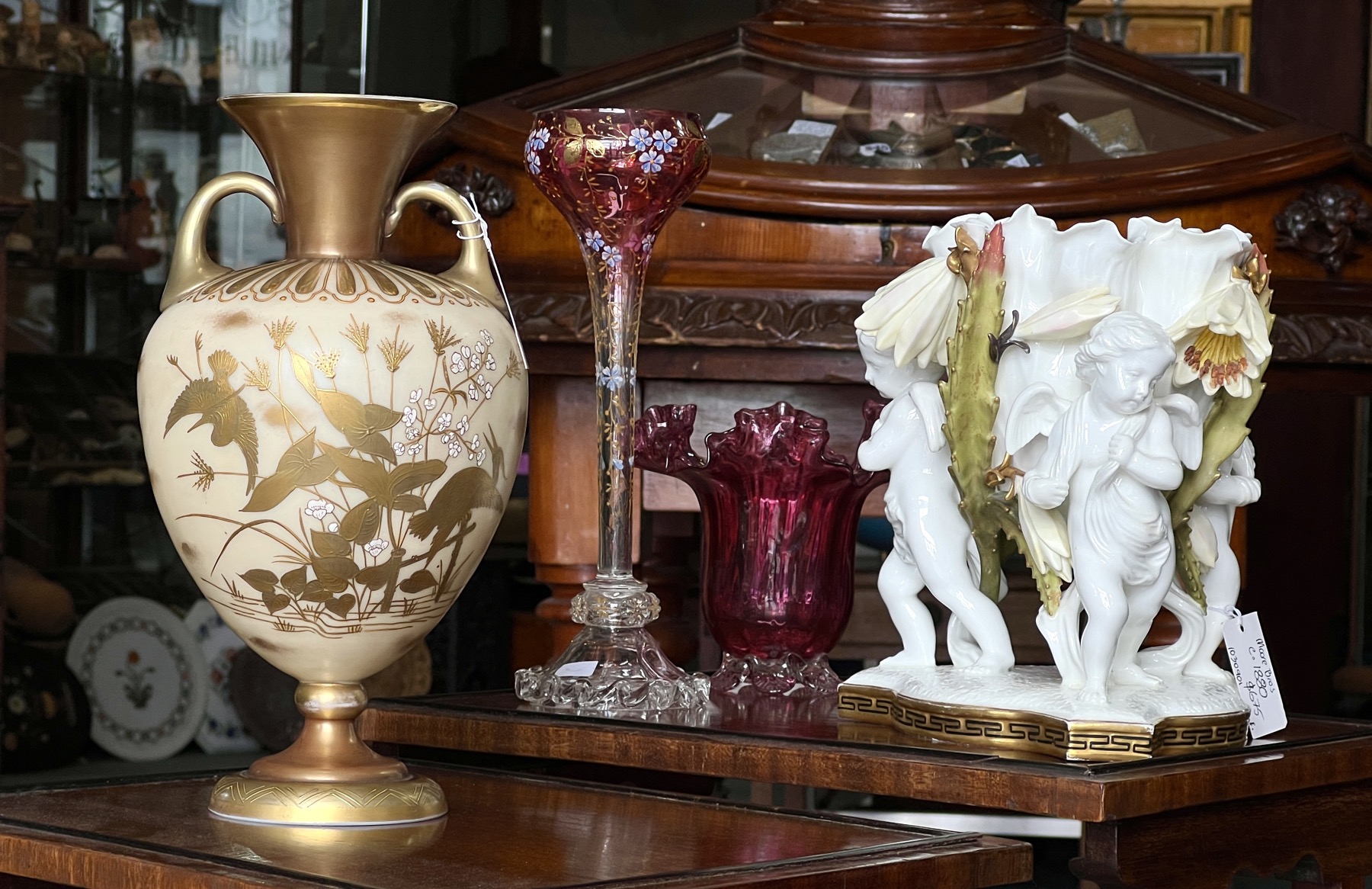
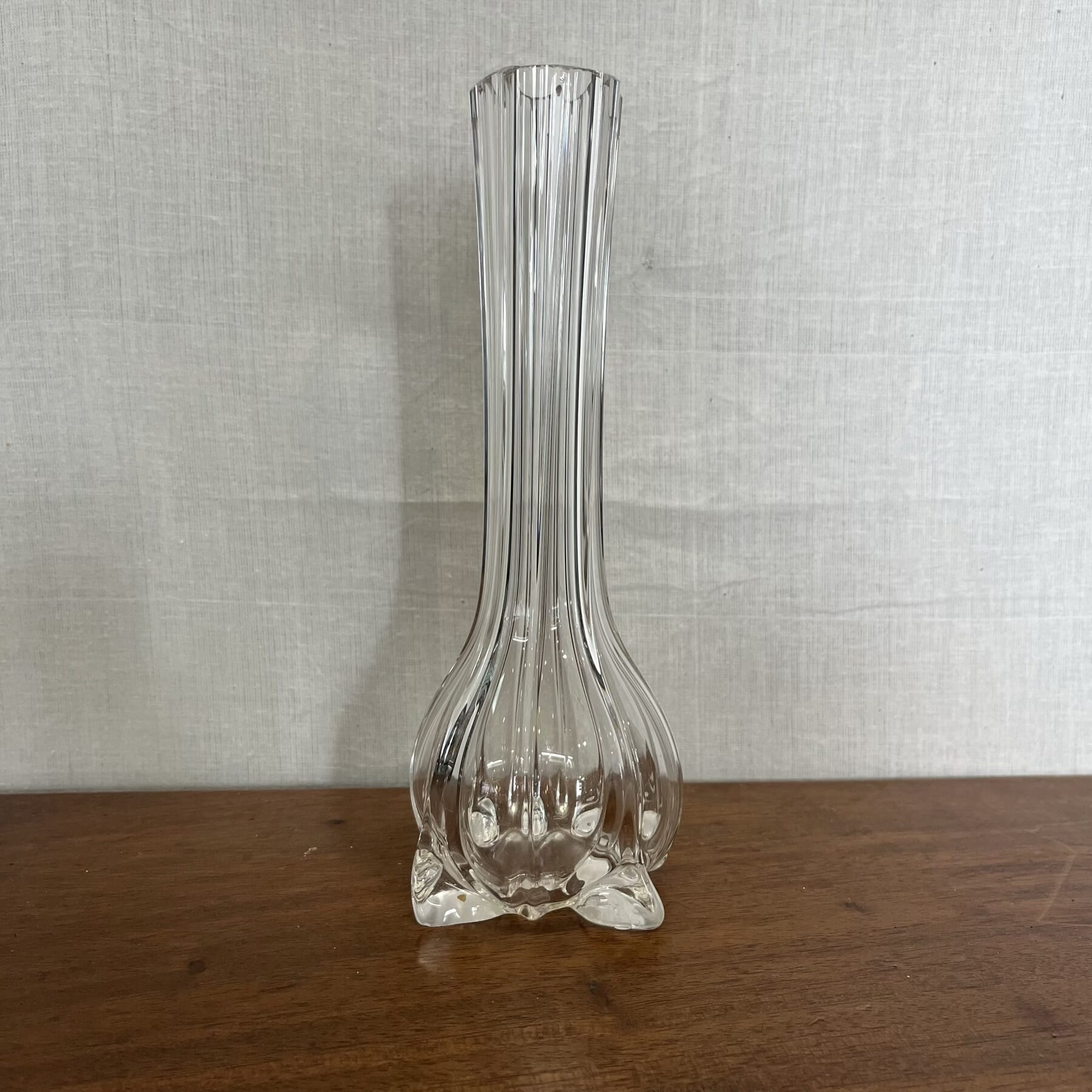
This week we have a lovely variety of Victorian Class & Ceramics.

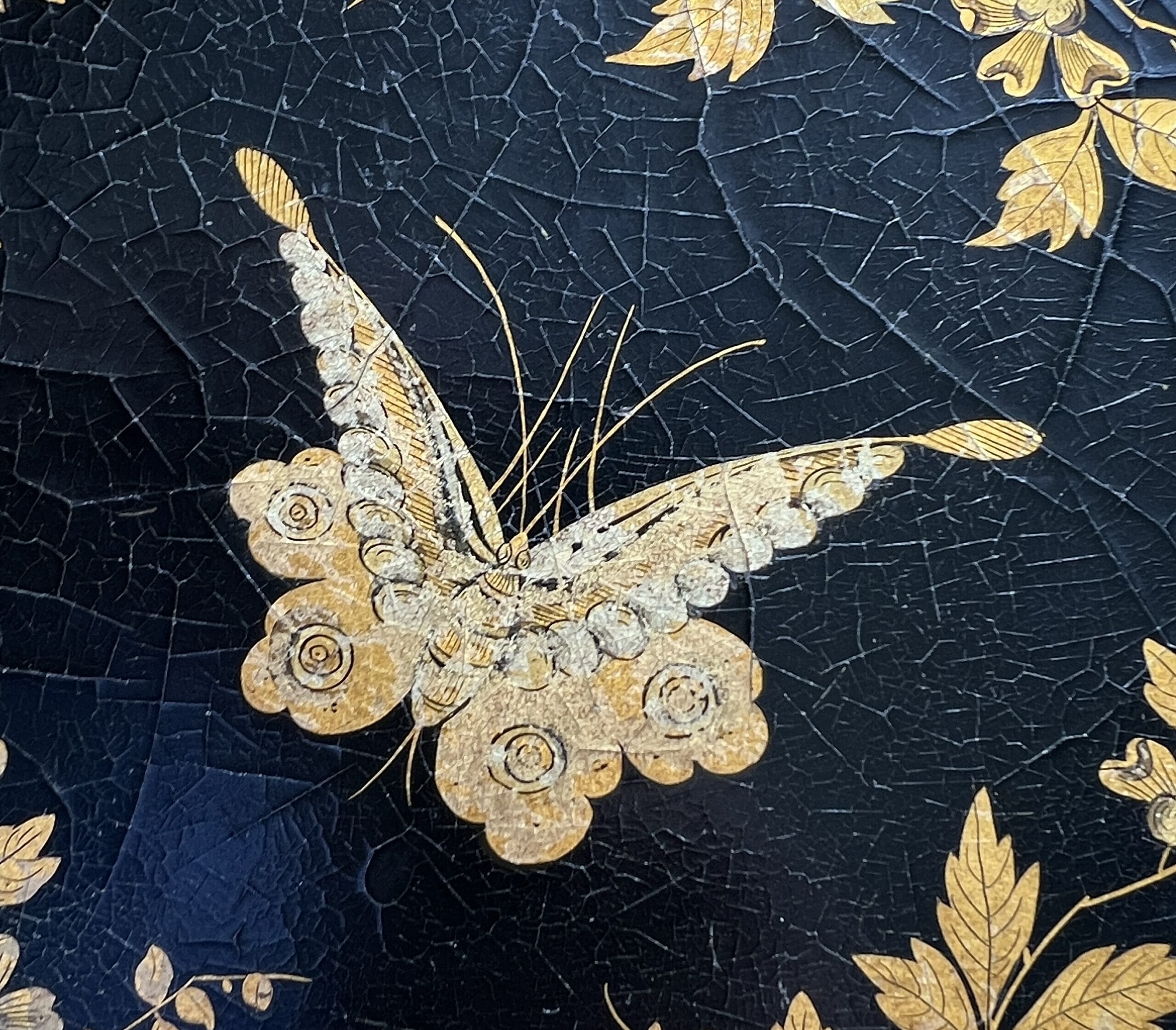
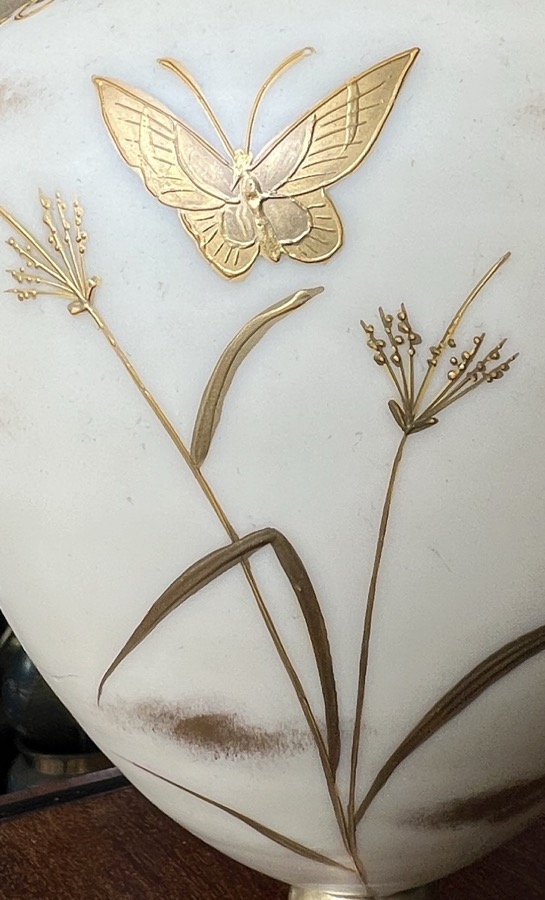
Webb Butterfly on a vase at MOORABOOL ANTIQUES
A Webb Butterfly…

The stunning Aesthetic ivory-toned vase is a fine example of the ‘Japanesque’ taste that was the height of fashion in the 1870’s, and although unmarked, the quality leads us to attribute it to Webb. A butterfly to the back supports this – it was a favourite detail by their artists.


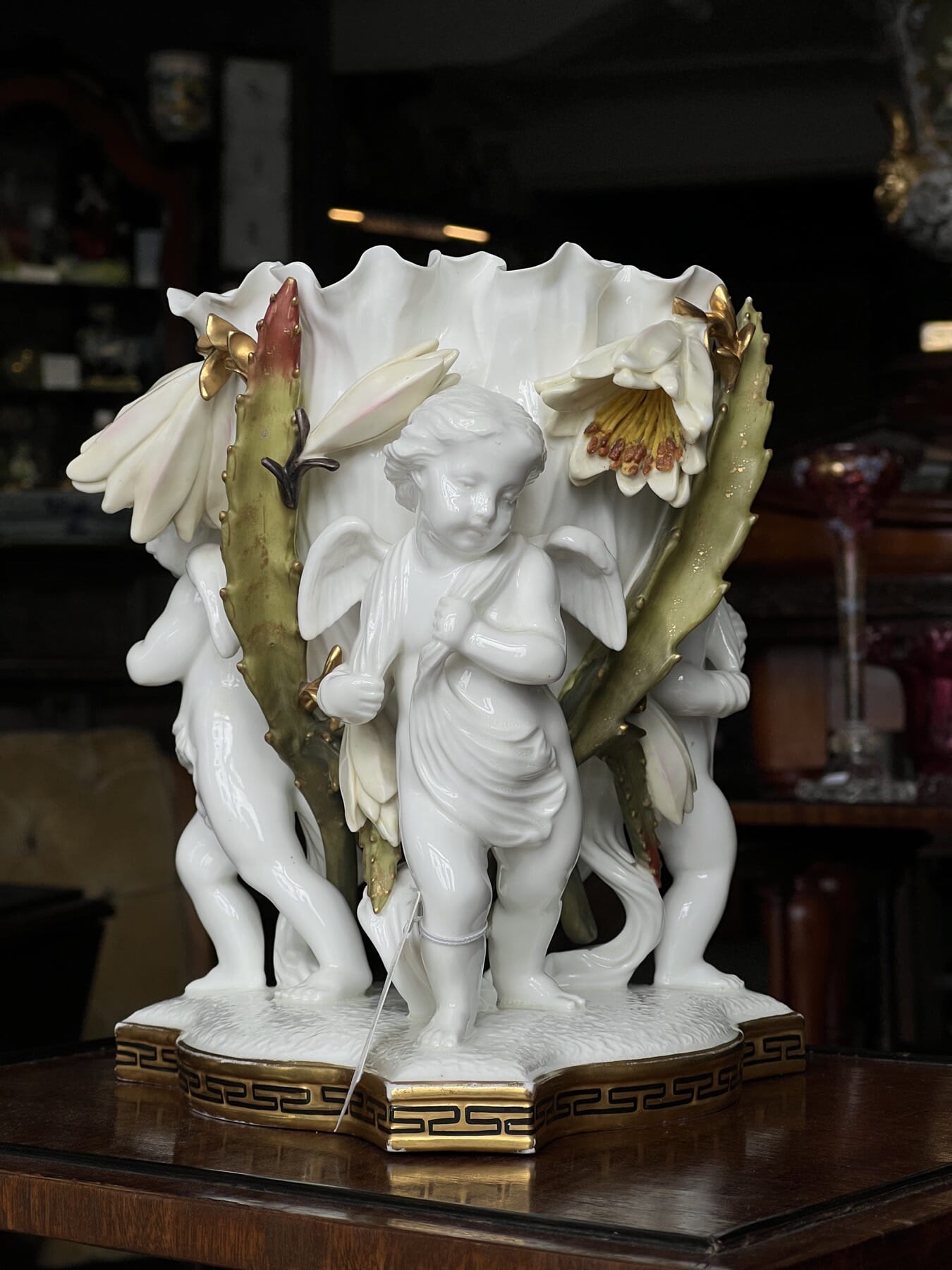
The Moore Brothers is a dramatic example, bearing an interesting variation of the mark that dates it to the first decade of production.

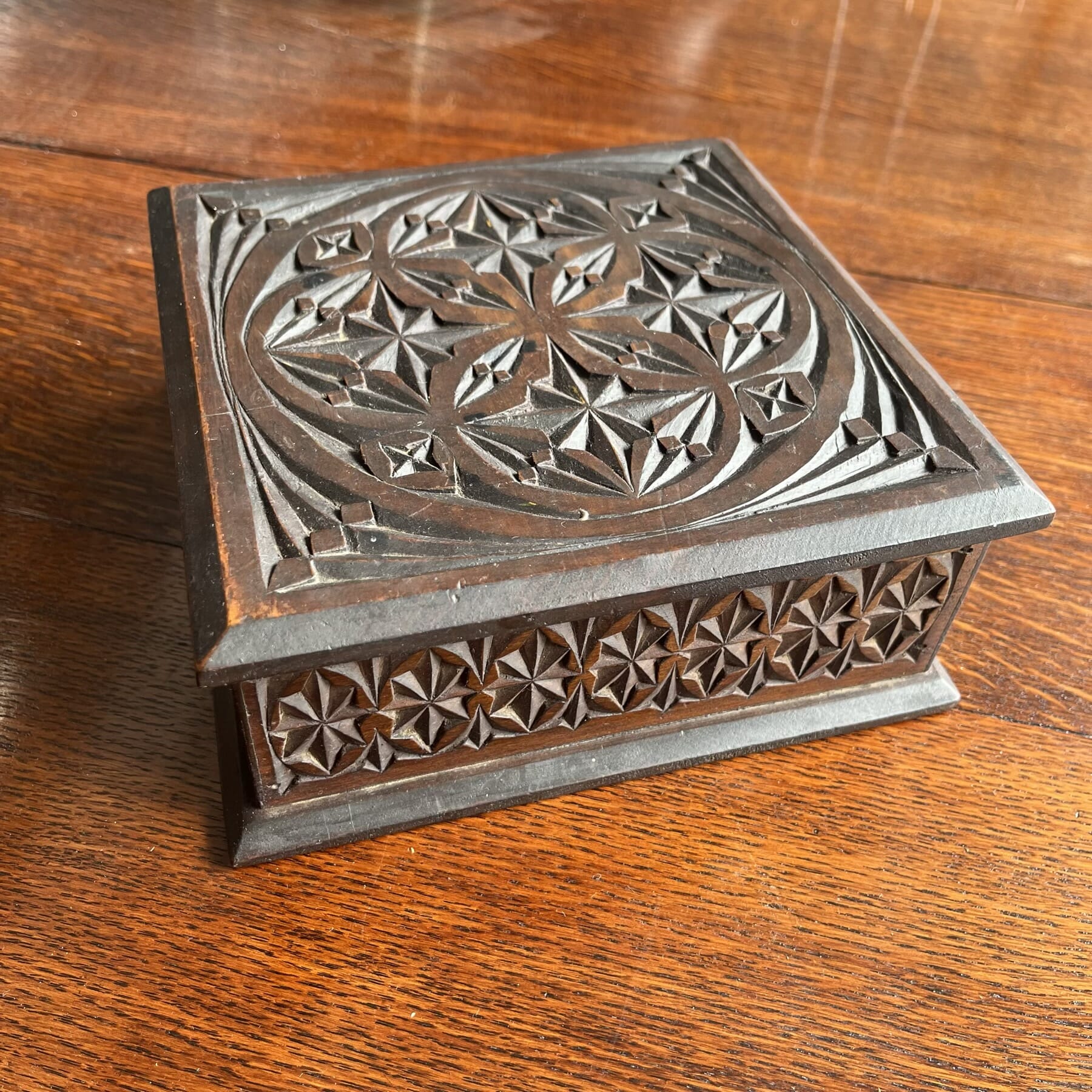
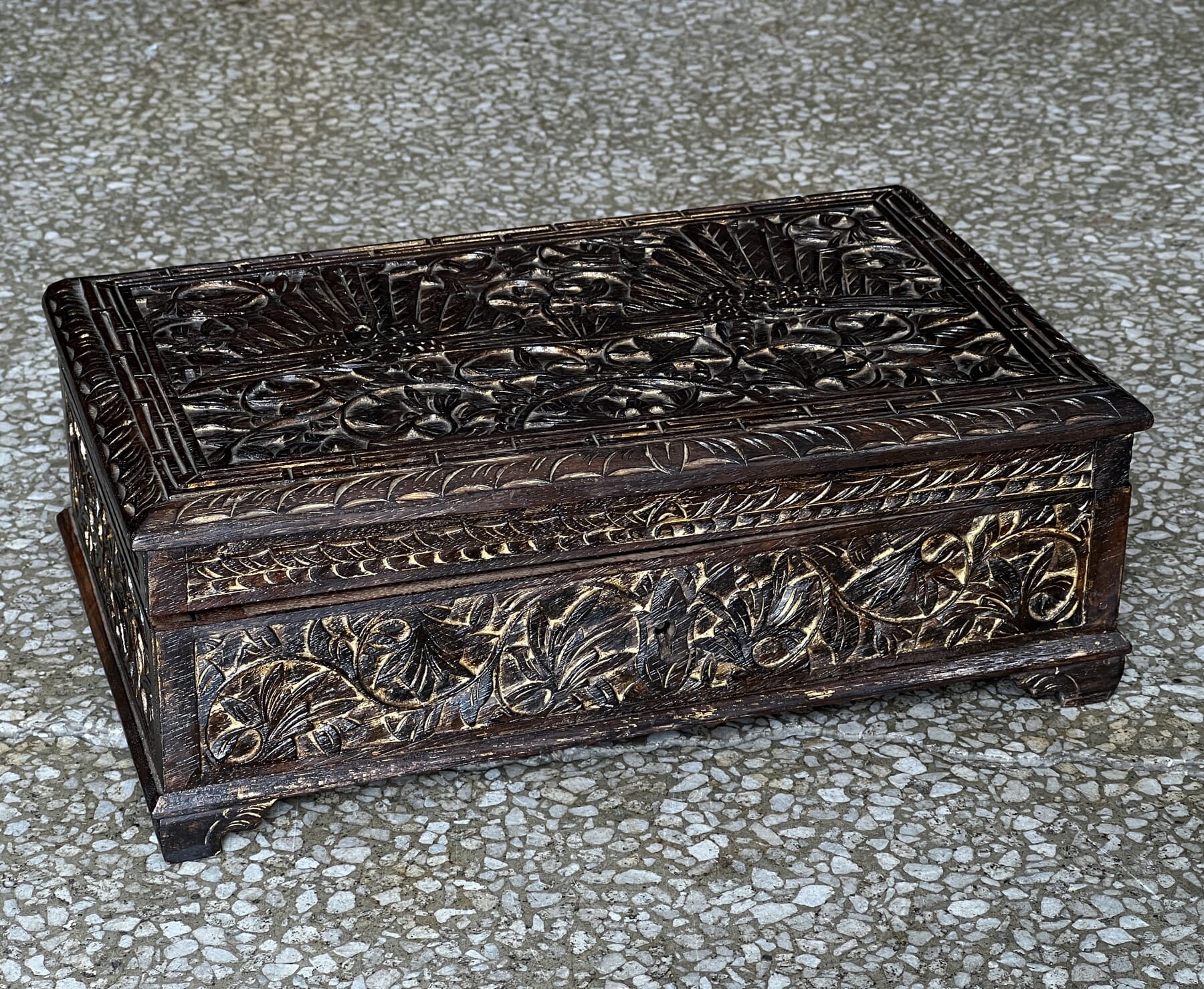
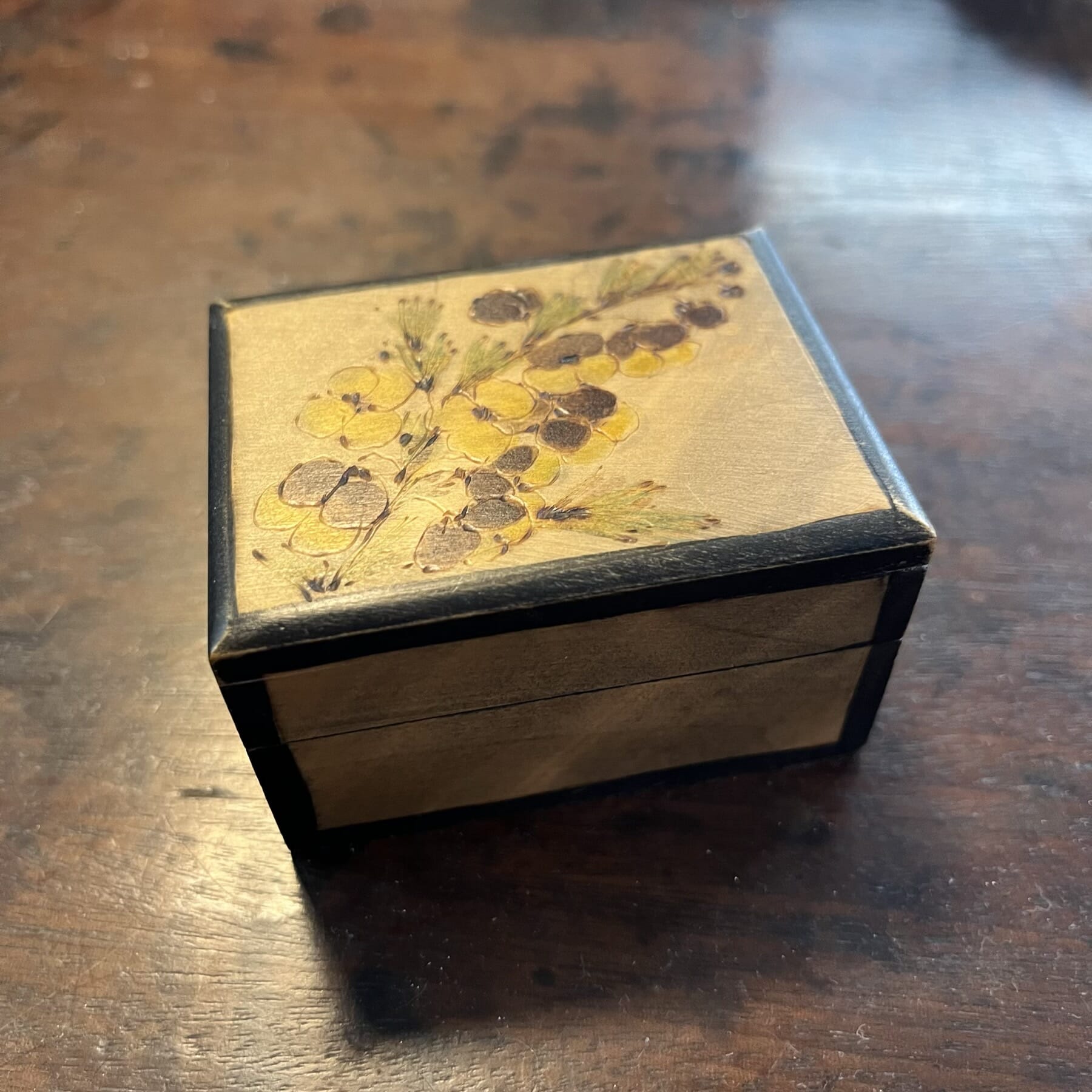
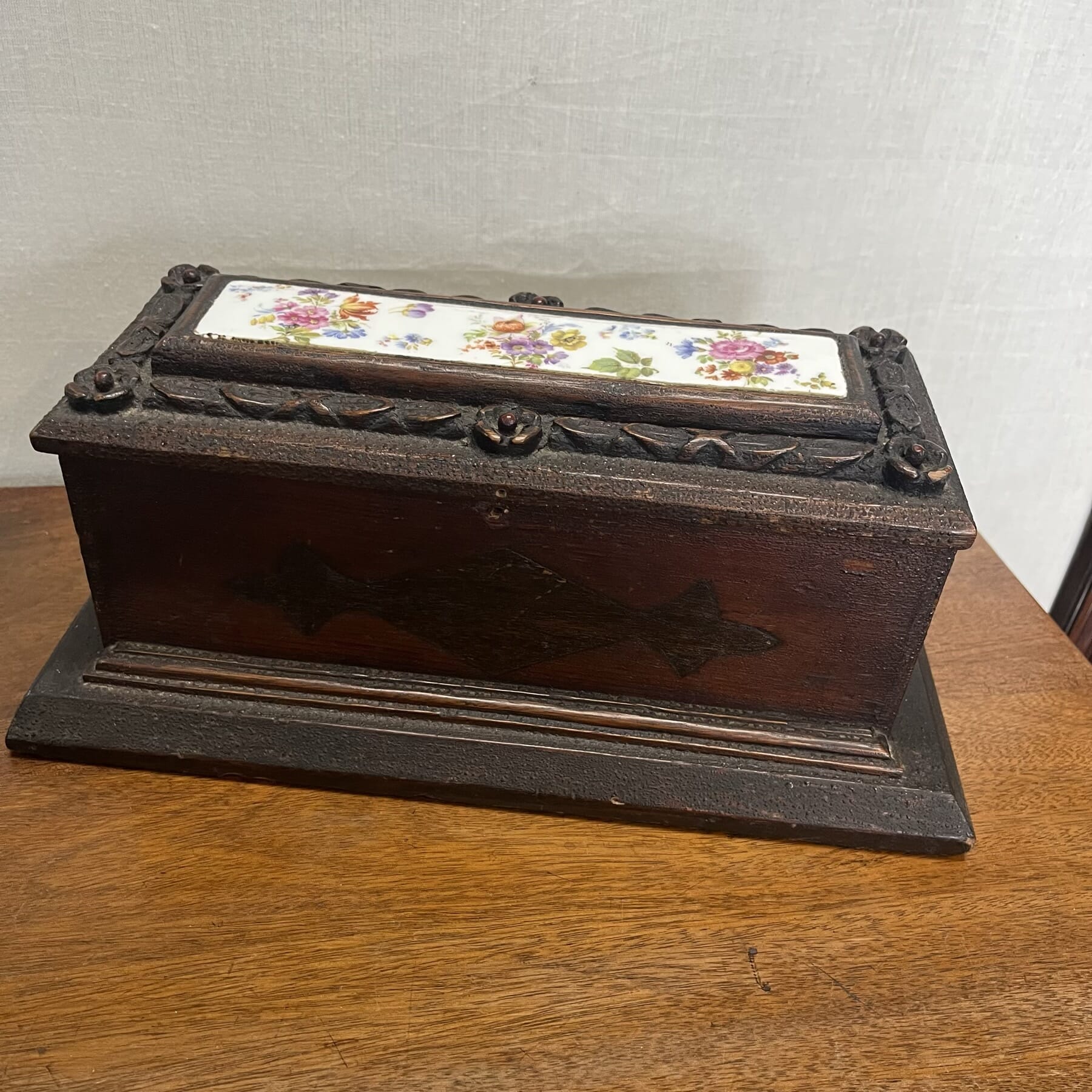
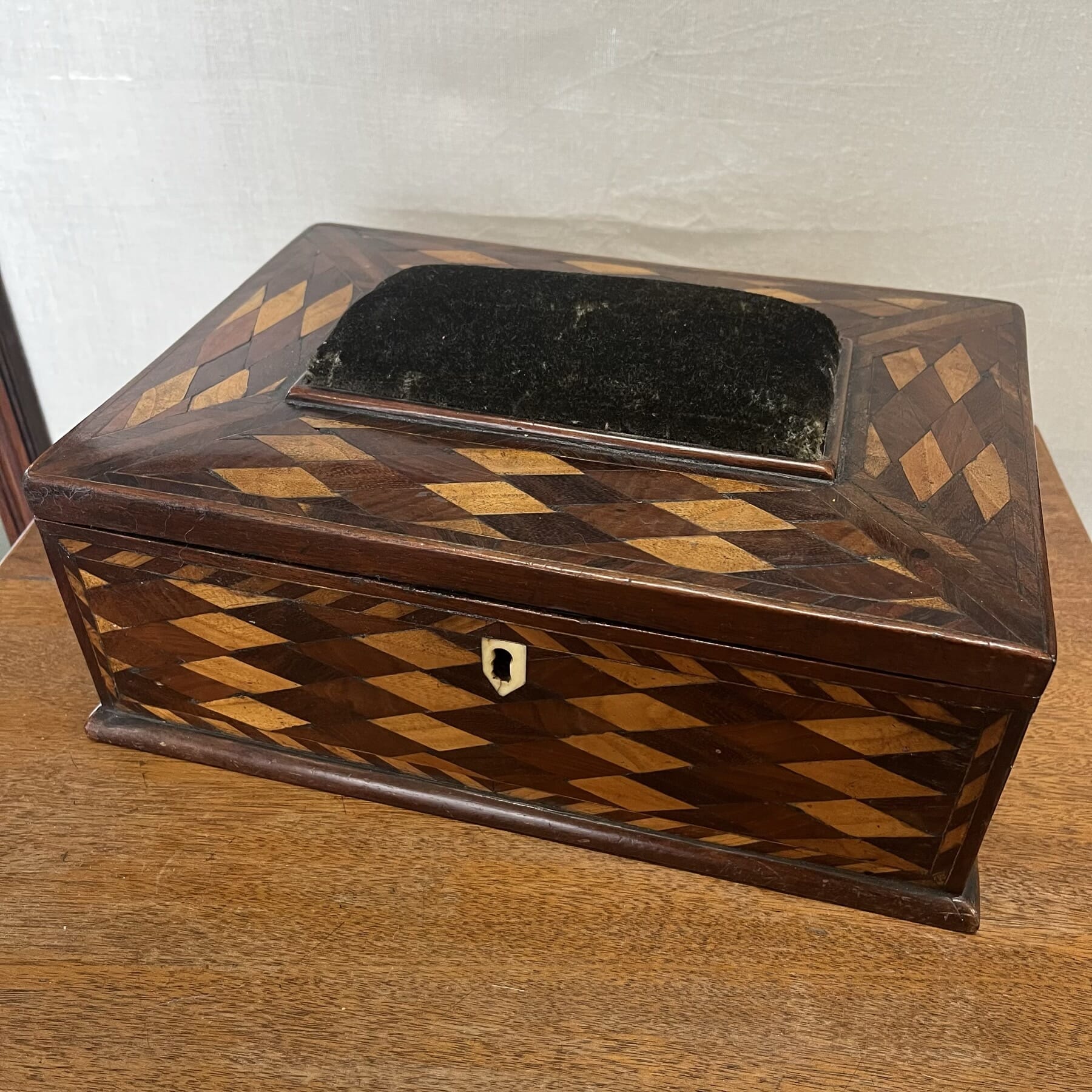
Among the boxes is a work-box with a large pin cushion to the lid. We have catalogued it as ‘Colonial’, as it is a British – type box – but the woods are remarkable – and unidentified – suggesting it may be from India, Sri Lanka, or somewhere similar.

In other news…. the NEW WEBSITE is almost ready – still a few kinks to iron out, but at last, it’s coming together and we can’t wait to share it with you.

Enjoy!