Posted on

A Rare Wedgwood ‘Egyptian’ jug, 1854

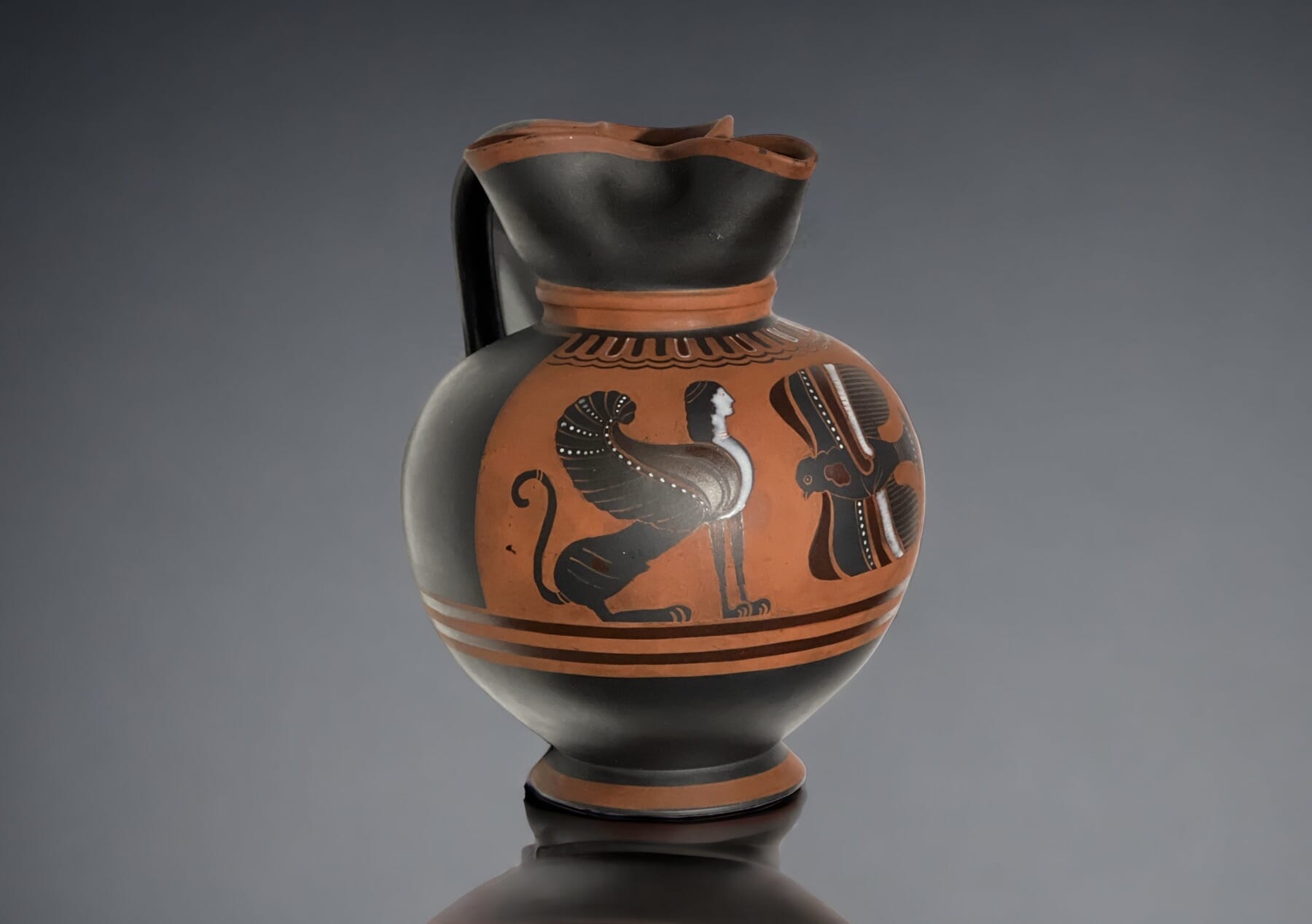
Wedgwood 'Egyptian' Jug, registered 1854, at Moorabool Antiques, Geelong


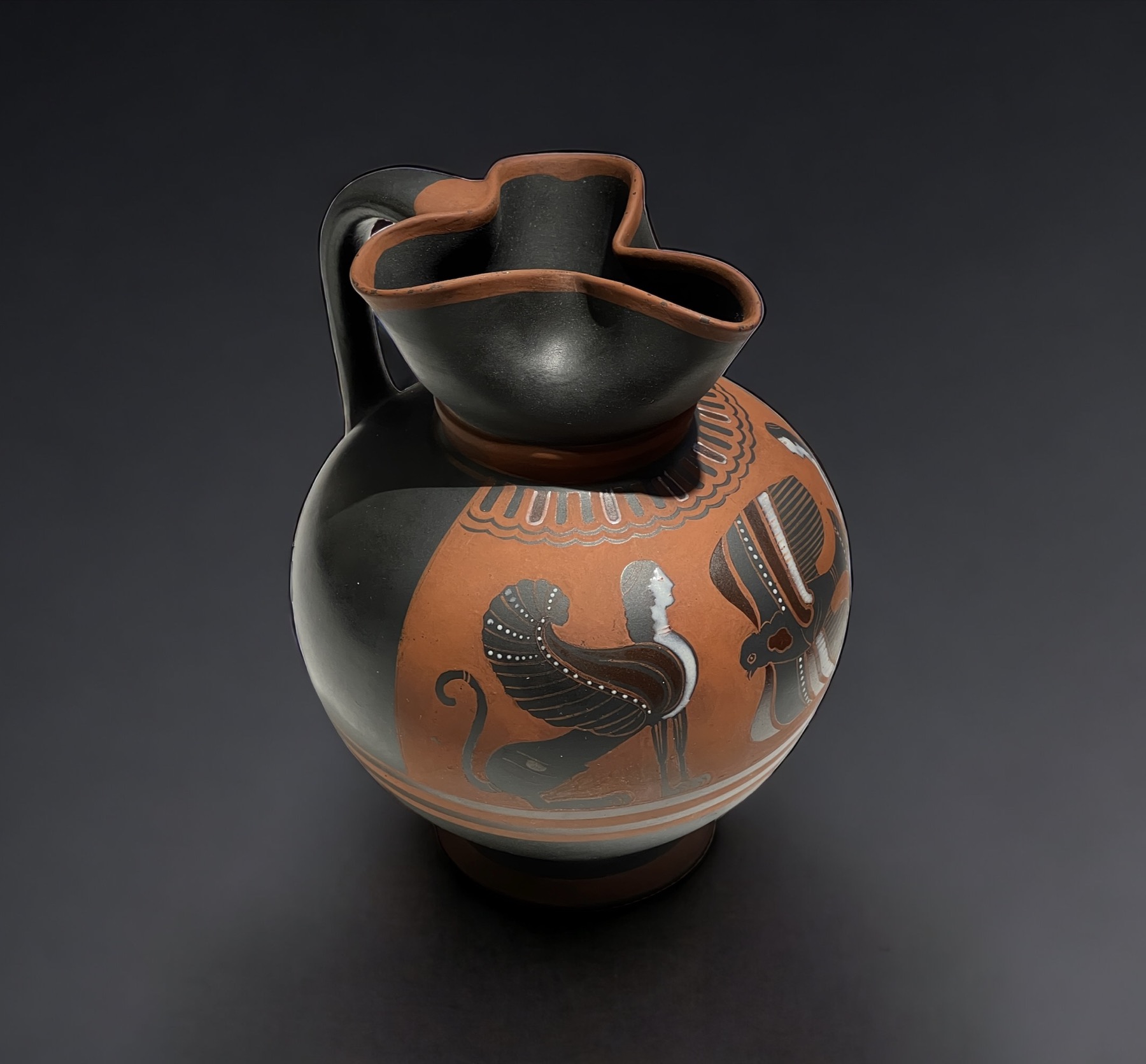
This rare piece of Wedgwood came to Moorabool recently, and is quite a remarkable piece.
  • Wedgwood 'Egyptian' Jug, registered 1854, at Moorabool Antiques, Geelong
  • Wedgwood 'Egyptian' Jug, registered 1854
  • Wedgwood 'Egyptian' Jug, registered 1854, at Moorabool Antiques, Geelong
  • Wedgwood 'Egyptian' Jug, registered 1854, at Moorabool Antiques, Geelong
  • Wedgwood 'Egyptian' Jug, registered 1854, at Moorabool Antiques, Geelong

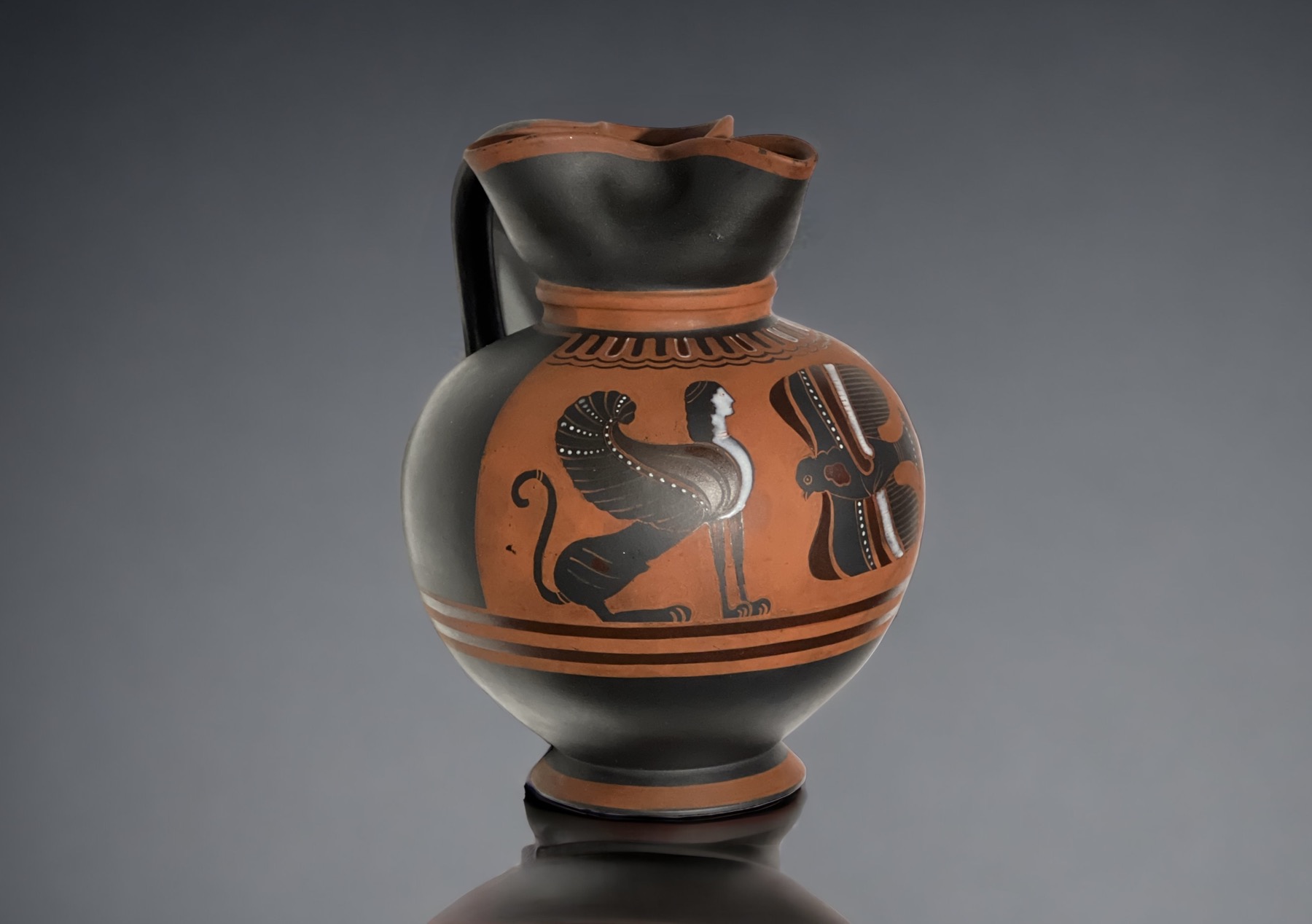
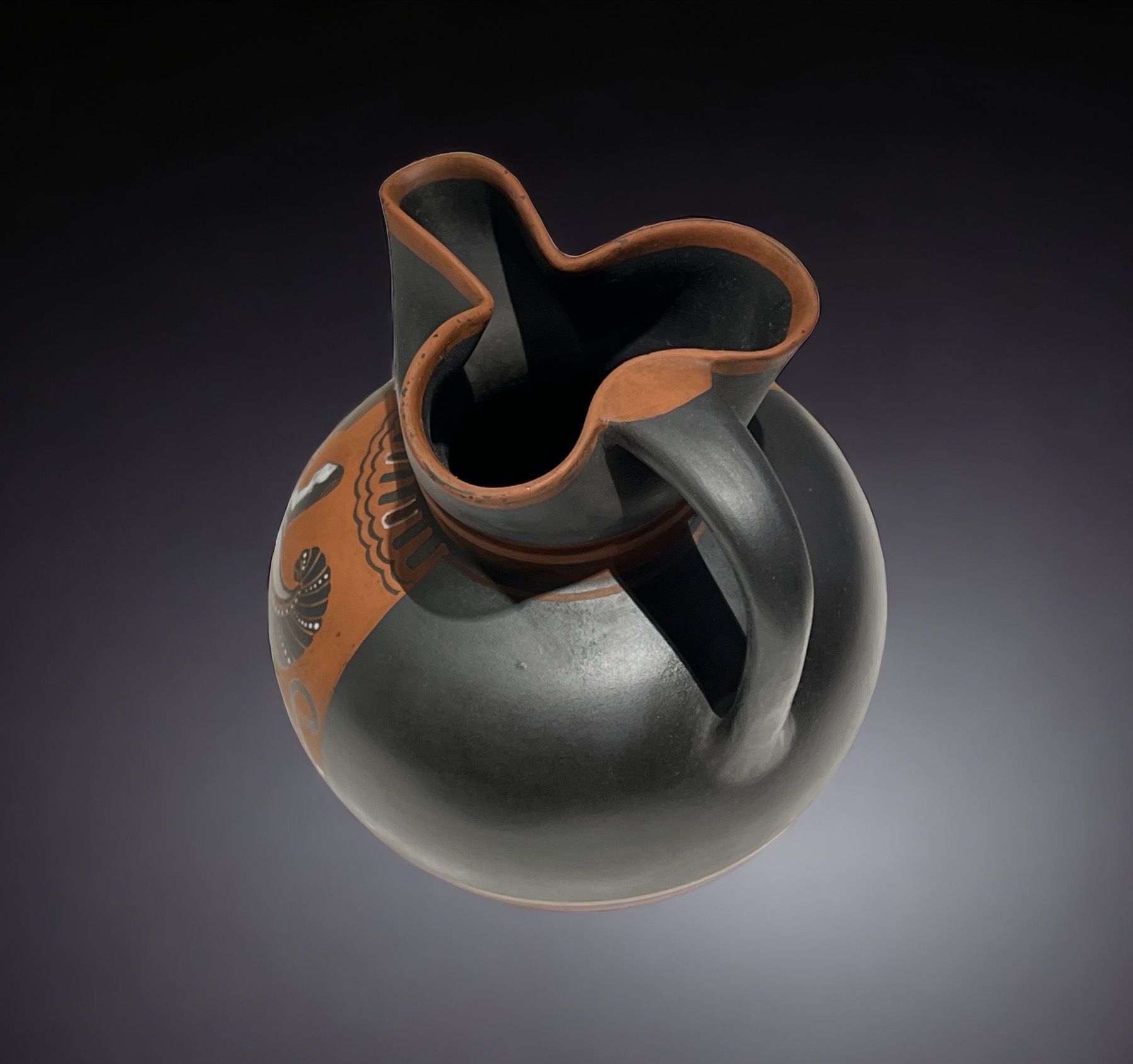
Rare Wedgwood ‘Egyptian Jug’, modelled in black basalt after an Ancient Greek oinochoe, with a faithful painted ‘black-figure’ style panel featuring a bird in flight flanked by two facing sphinx, defined by terracotta slip painted ground colour, with bands below to the foot & to the trefoil lip, the figures with white enamel highlights.

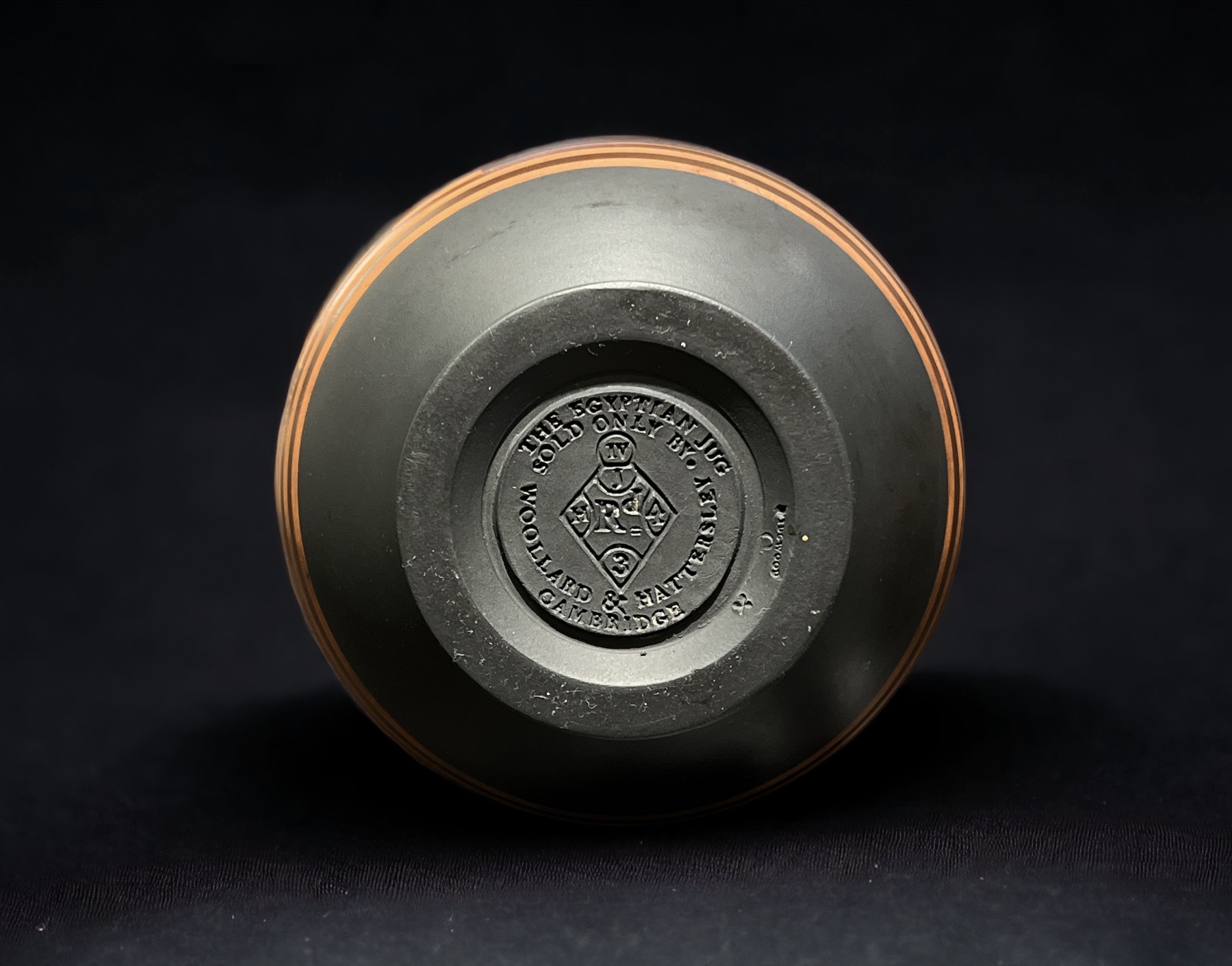
Large impressed registration triangle, with circular inscription “THE EGYPTIAN JUG / SOLD ONLY BY º / WOOLLARD & HATTERSLEY / CAMBRIDGE”. , also ‘WEDGWOOD” and modeller’s marks.
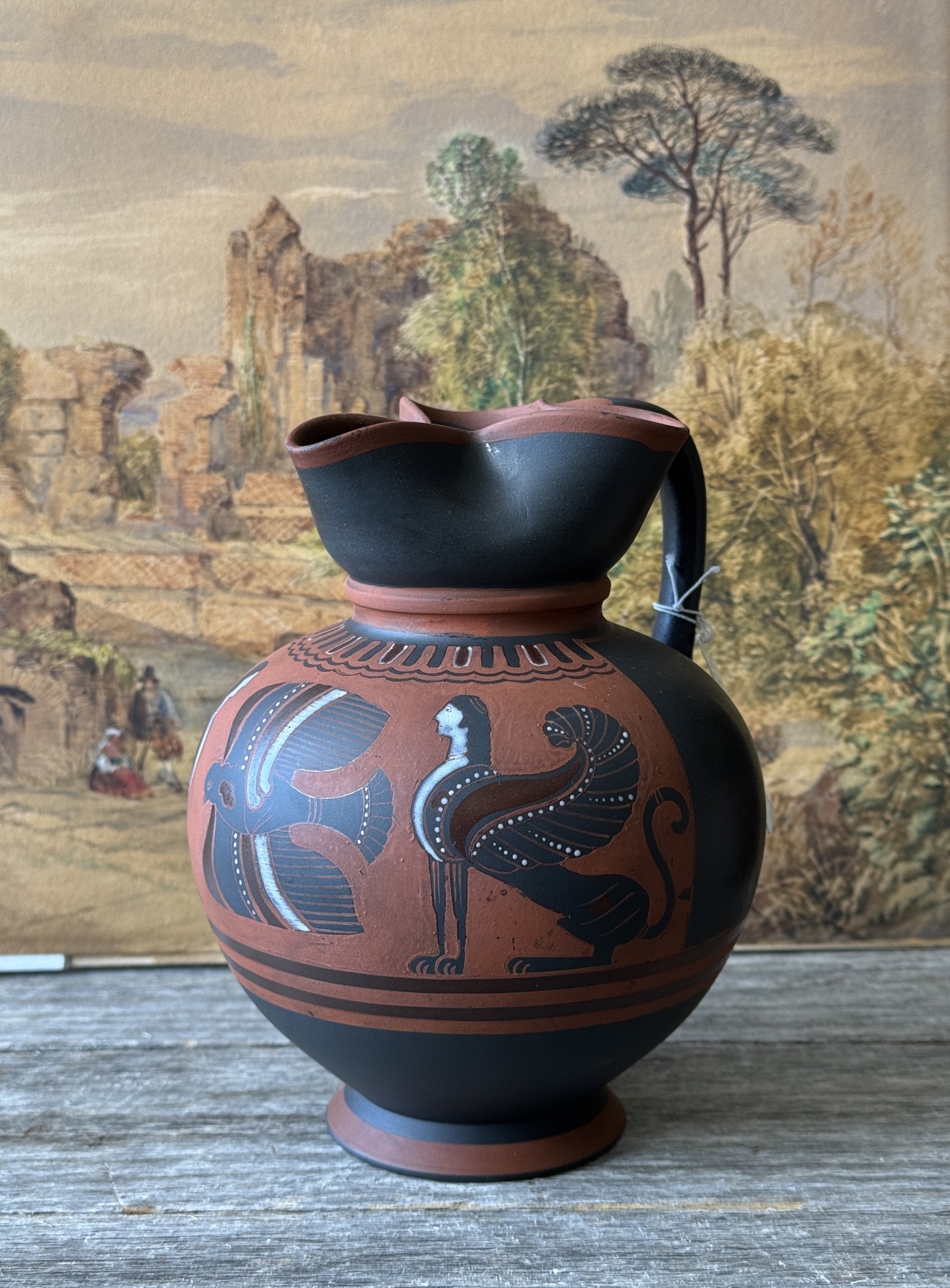
Wedgwood Egyptian Jug

This rarity was made for Woollard & Hattersley, who had the design registered in April 1854 as ‘The Egyptian Jug’ (ref. British Museum’s description), and made at Wedgwood. Established in 1761, Woollard & Hattersley were grocers, who also listed themselves as ‘ University Providers’. Their adverts list the various beverages they stocked, no doubt in great demand in the many Cambridge University halls. This jug is sometimes listed as an ‘ale jug’, and would be quite useful as one – perhaps a promotional giveaway of the early Victorian period….
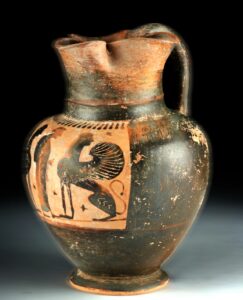
Greek original, Attic, 5th century BC


It is a superb example of the interest in re-imagining the classical world through the ‘revival’ movements – with one glaring mistake: although claiming to belong to the ‘Egyptian’ removal, it is in fact a faithful copy of a Corinthian Greek archaic style oinochoe, dating to the 6th century BC!

There were several versions made. Although apparently not in the literature, there are two examples in auction records that have a clue to the ambiguous ‘Egyptian’ naming: they are impressed-marked “THE CANTERBURY JUG” instead of “THE EGYPTIAN JUG” – but then the decorator of the jug has painted over the top of the impressed mark, with “EGYPTIAN” !
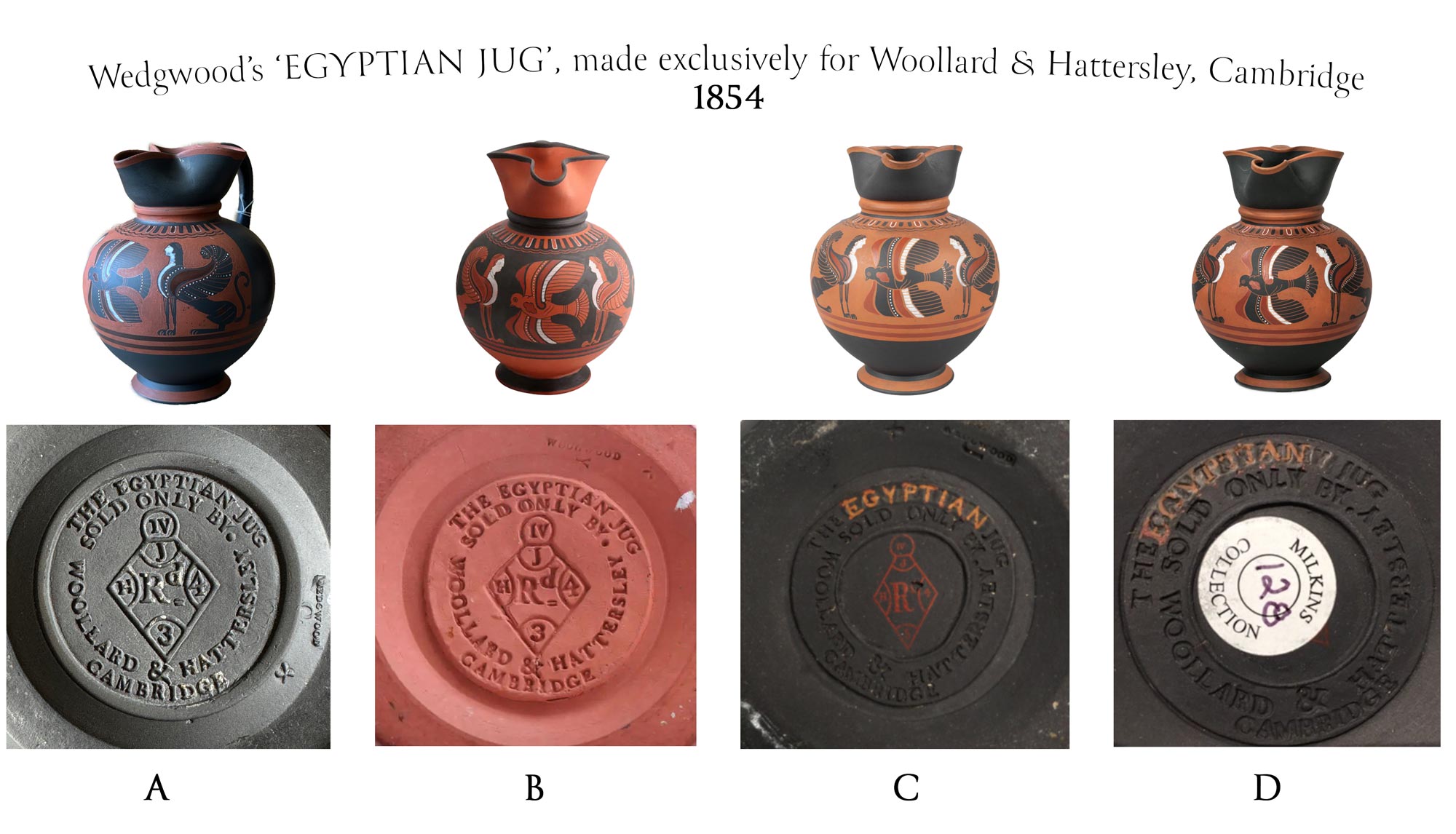
A- example @ Moorabool Antiques, solid black body with red painted background EGYPTIAN JUG
B- solid red ware example, the background painted in black – EGYPTIAN JUG
C- solid black, red printed registration diamond, red painted background CANTERBURY / EGYPTIAN
D- solid black, red printed registration diamond, red painted background CANTERBURY / EGYPTIAN

‘The Canterbury Jug ‘ was perhaps a reference to an example of a Greek oinochoe jug, in the collection of an antiquarian of the region, as yet untraced. The design was registered in 1854, but promptly re-named, as shown by examples with ‘Egyptian’ painted over ‘Canterbury’. The marking stamp was then modified for the following products, creating the inaccurate name ‘Egyptian Jug’. It is a rarity amongst Wedgwood products due to the registration & patron mark.

A curios example sold in America recently (C) bears the registration diamond for 1854, but also a painted inscription for the word ‘Egyptian’. Careful examination reveals a different impressed word beneath – ‘CANTERBURY’ – so originally it was inscribed ‘THE CANTERBURY JUG’. Another example was sold in America with the exact same feature (D), meaning it was not a unique production issue. We can conclude this mark was original, but for some reason, the name of the custom-order by Woollard & Hattersley was changed to ‘EGYPTIAN’. Subsequent productions also differ in the way the registration diamond is shown; one is printed on in red, while the other is impressed.
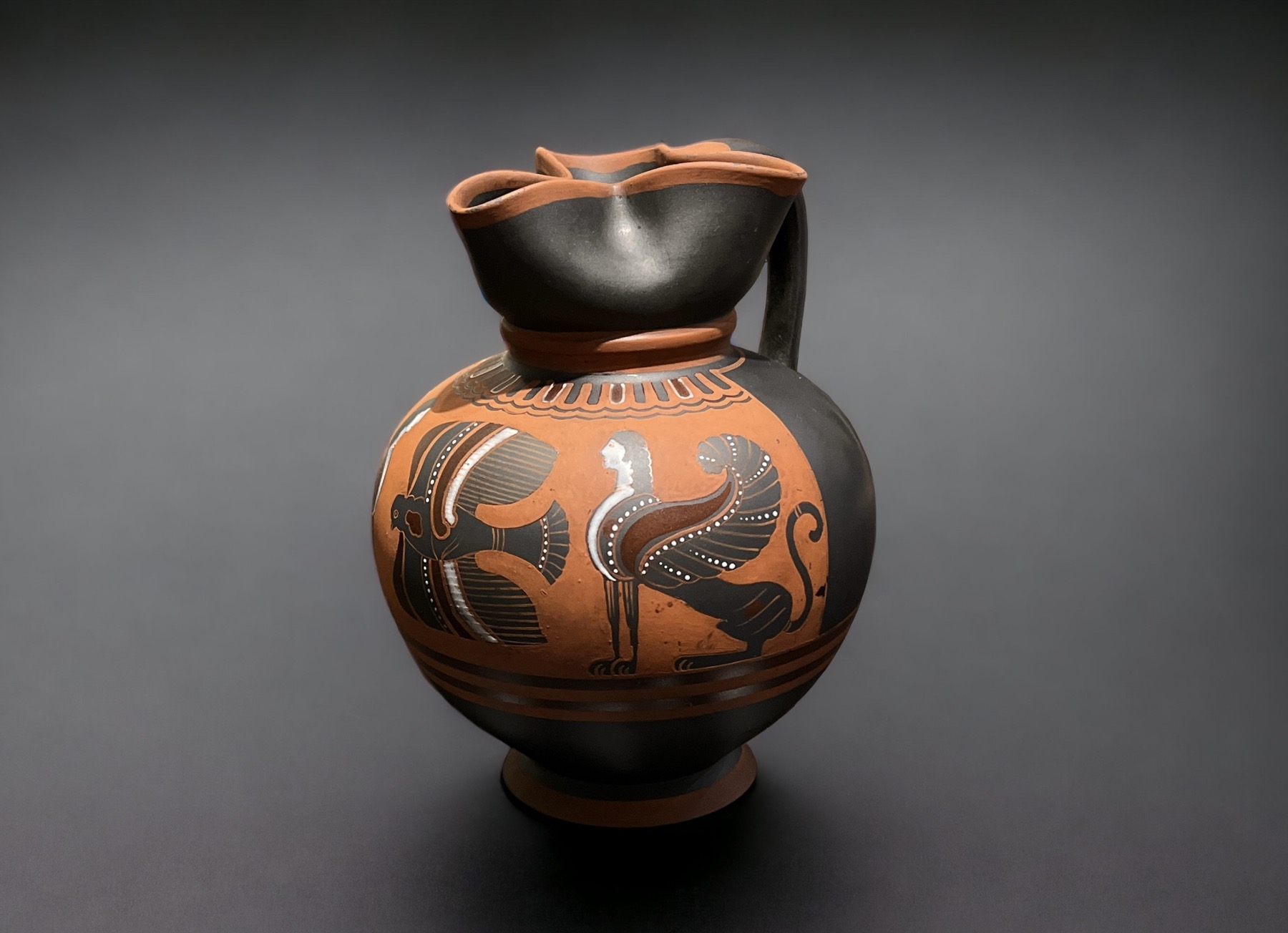
Wedgwood 'Egyptian' Jug, registered 1854
Based on a Corinthian Greek ‘Black Figure’ jug of the 6th century BC
Posted on

Tags – a Fresh way to browse our stock!

With over 10,000 items on moorabool.com, it’s always a struggle to find what you’re looking for.
For some time now, we’ve been adding ‘tags’ to every item – descriptive words that define the item.
We’re now pleased to launch our ‘Tag’ page…. a great way to see the variety we have in stock, and to find your particular areas of interest to browse.

You can access this browsing technique on any page in the main menu above – select ‘Browse our Stock’.

Posted on

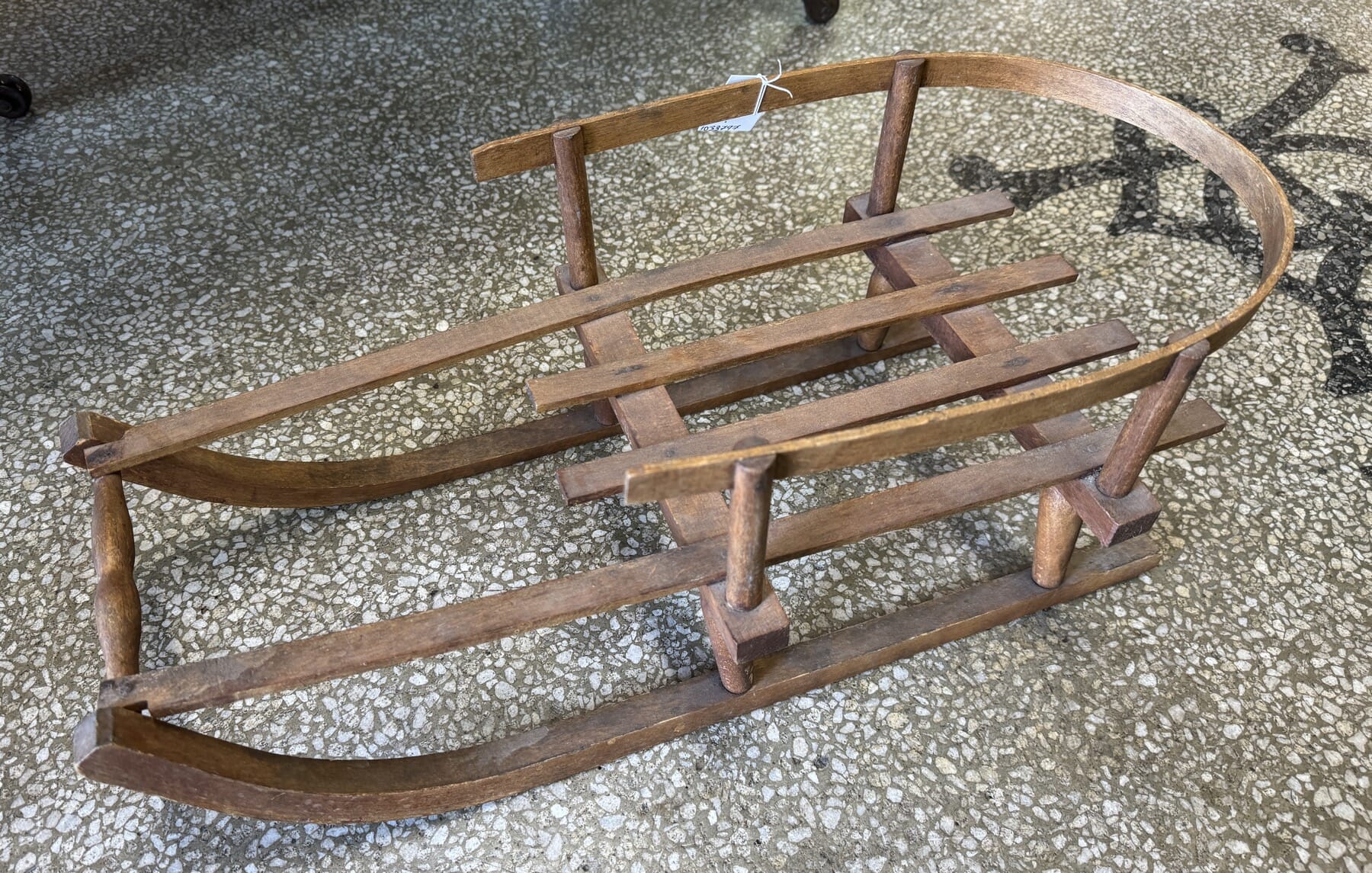
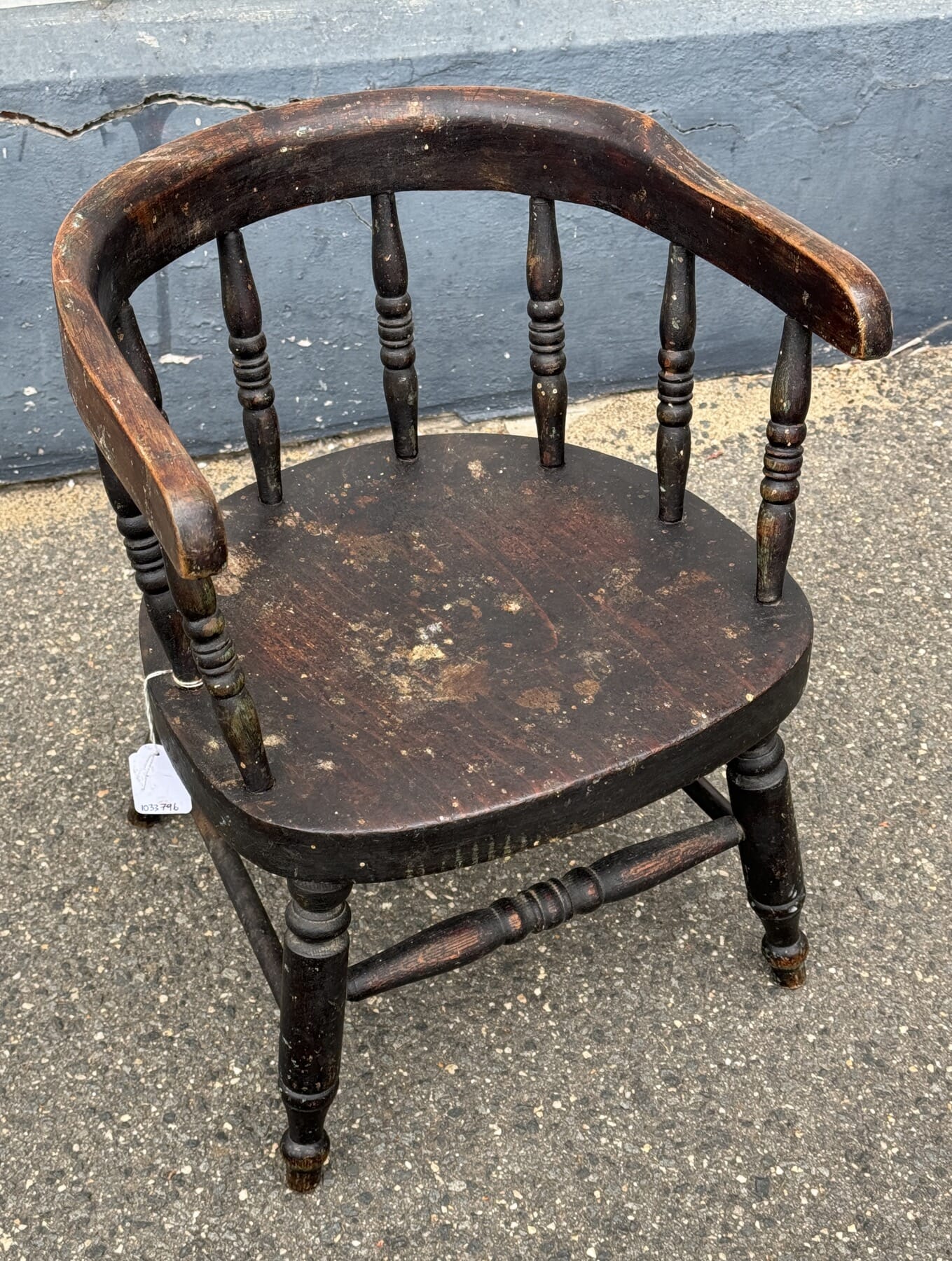
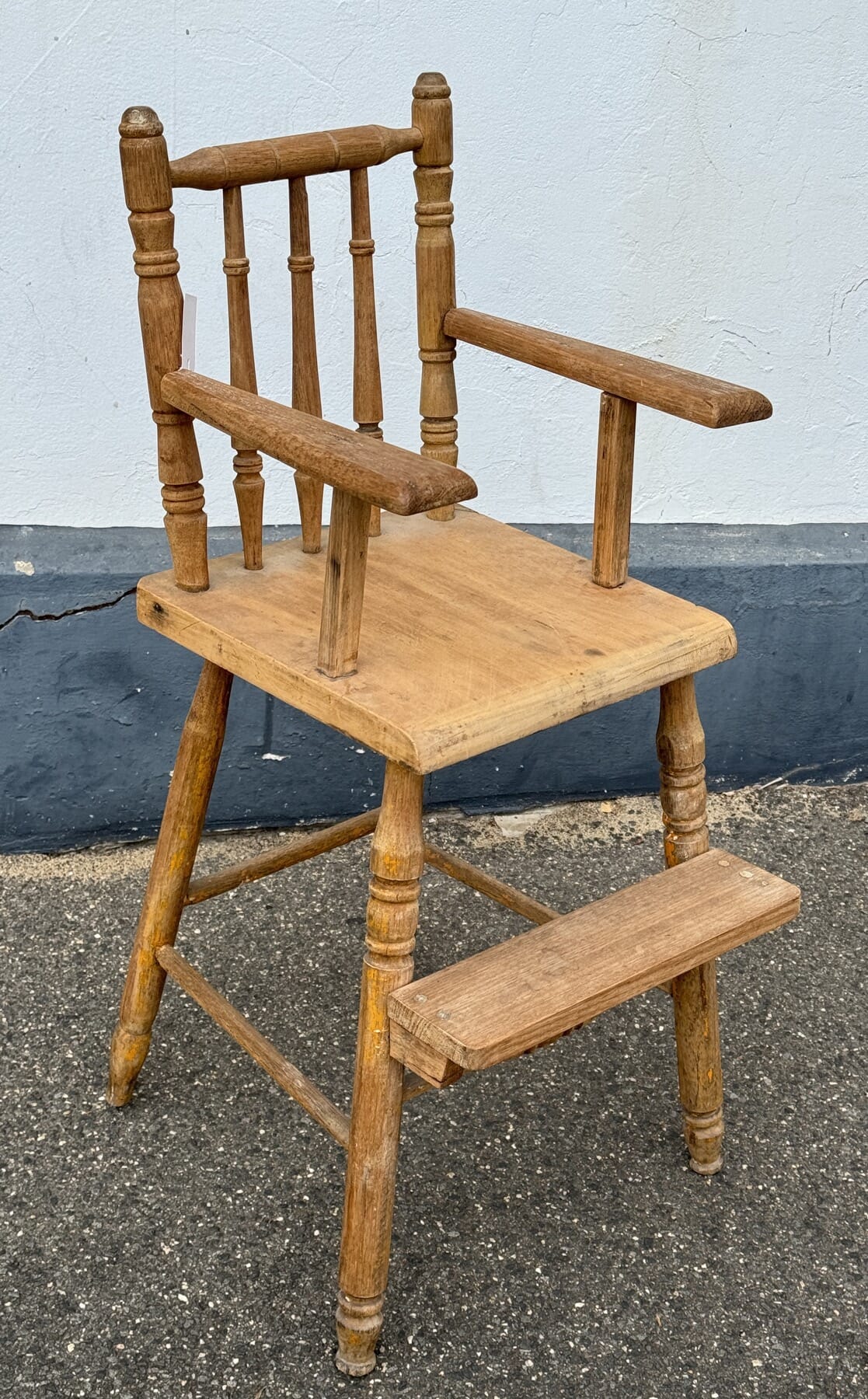
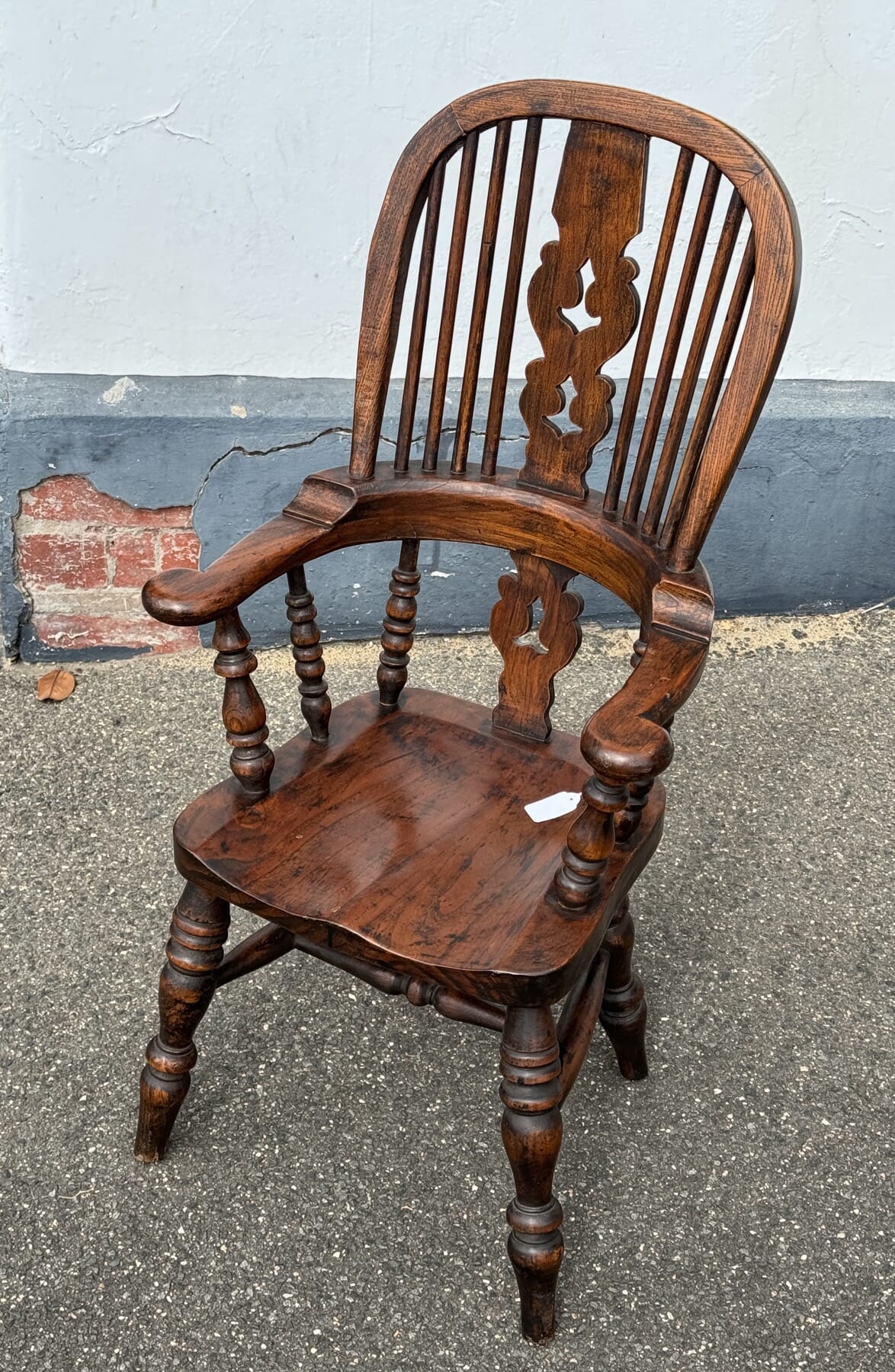
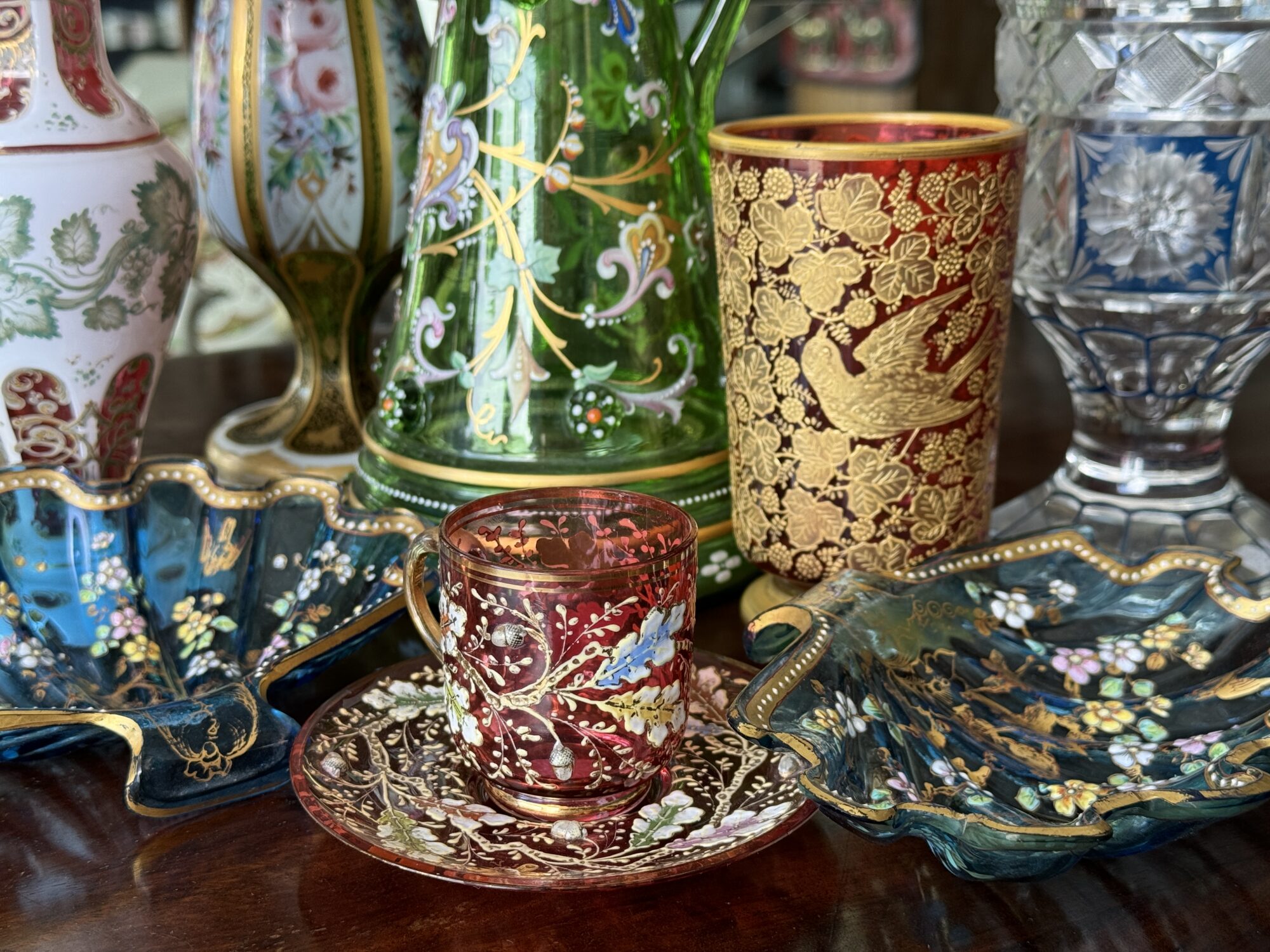
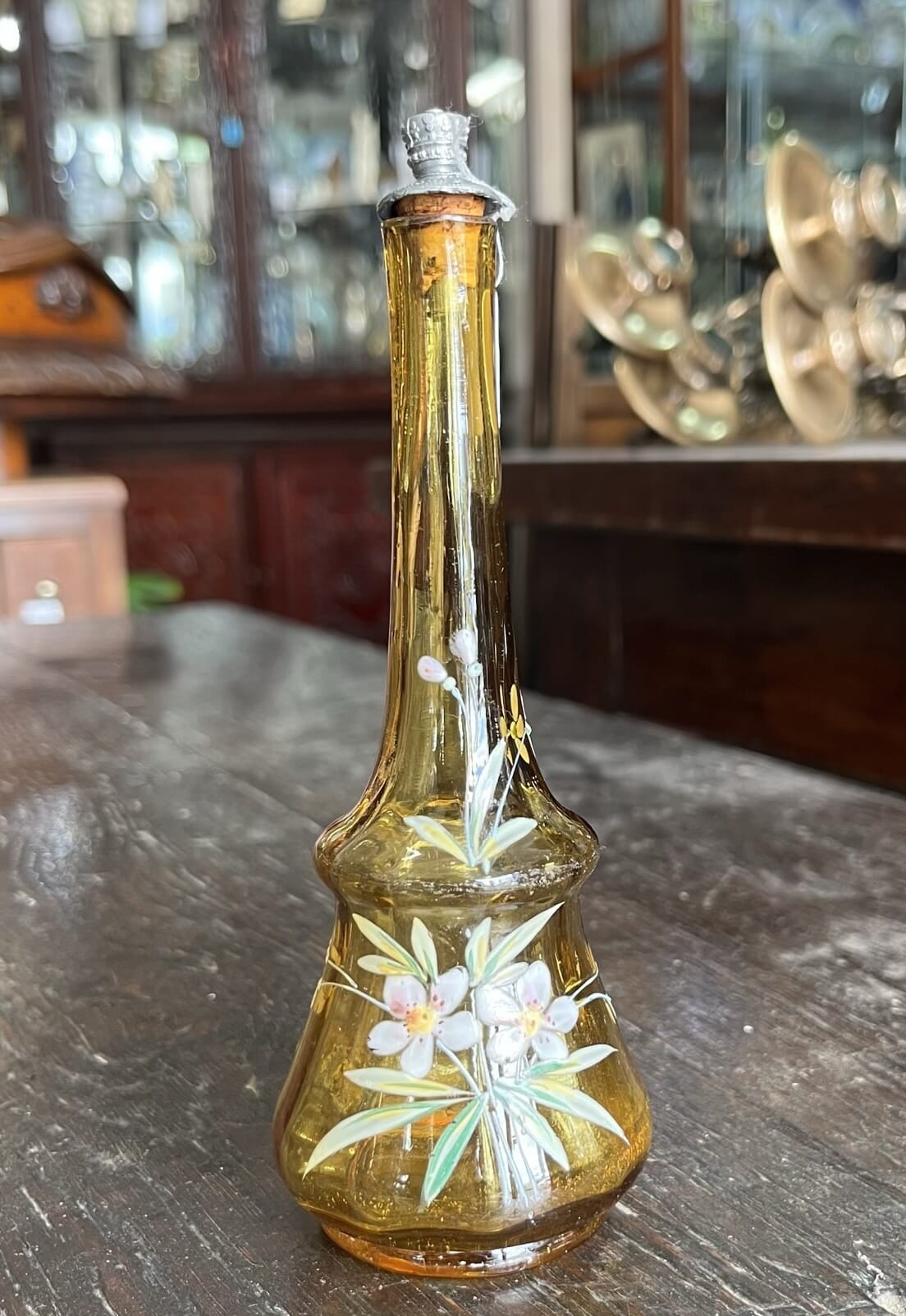
Fresh Stock – from Children’s Chairs to Moser Glass

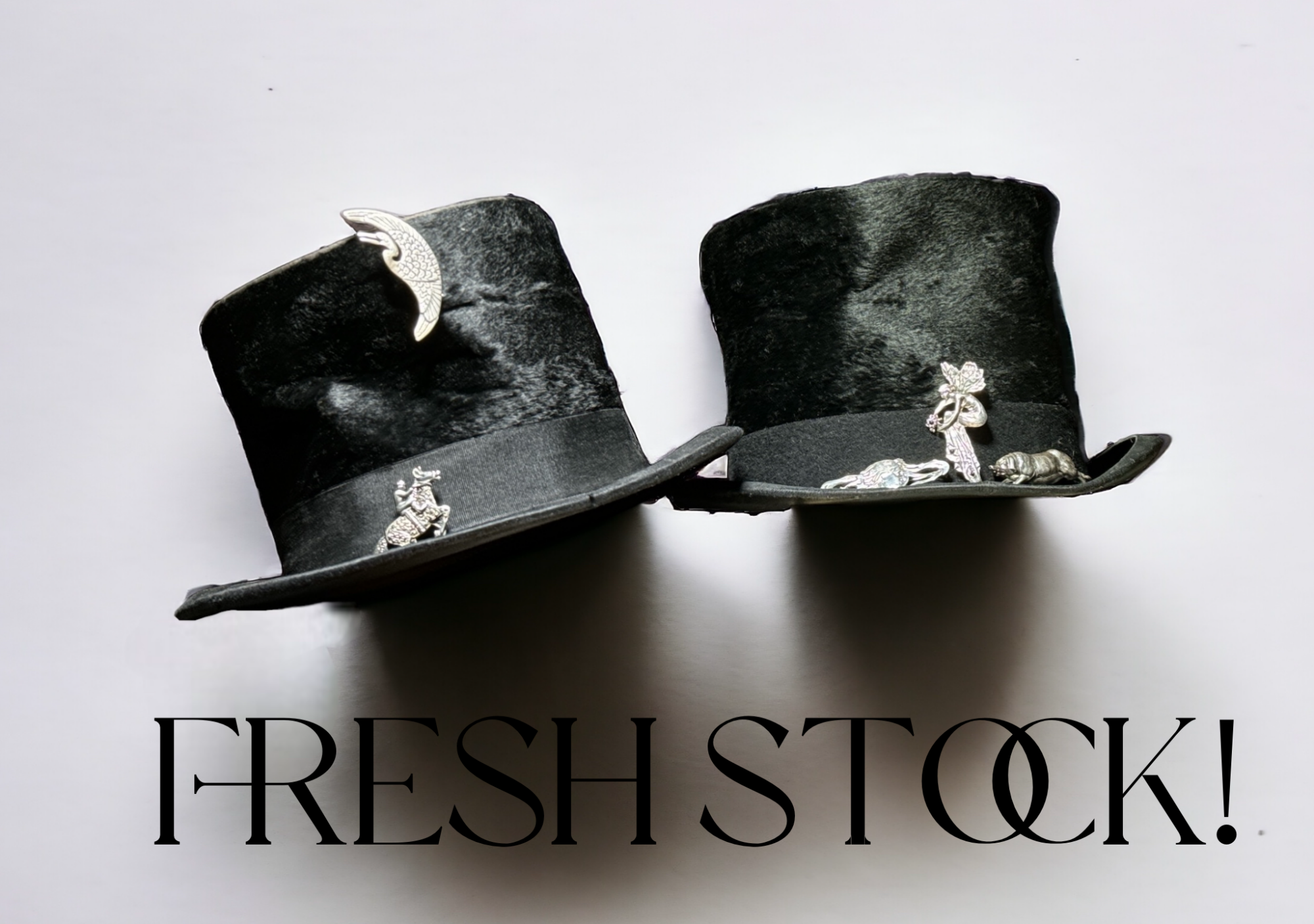
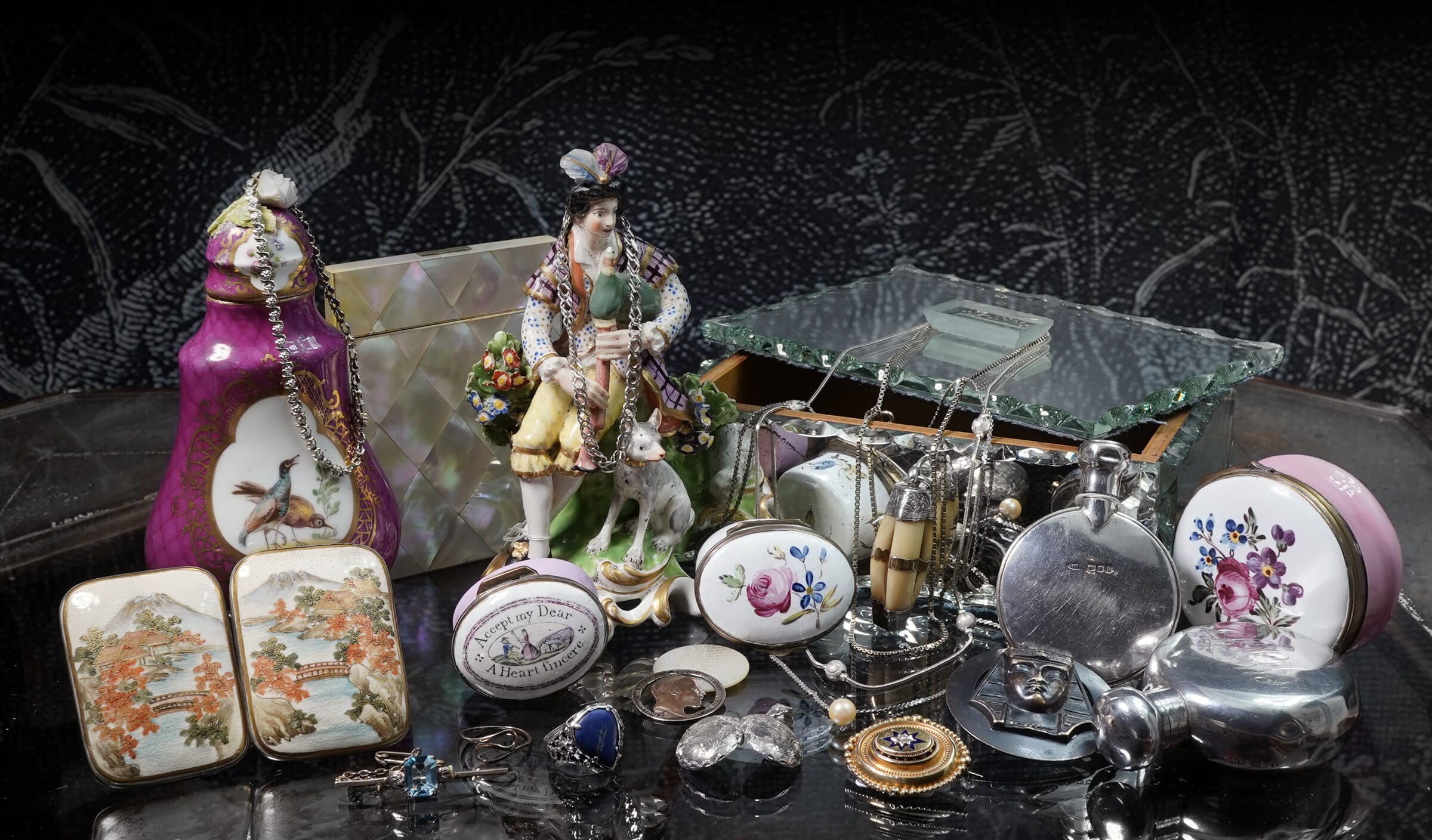
Welcome to the latest Fresh Stock release on moorabool.com . This is a terrifically diverse one, bringing together a series of small collections of interesting things for you to browse.

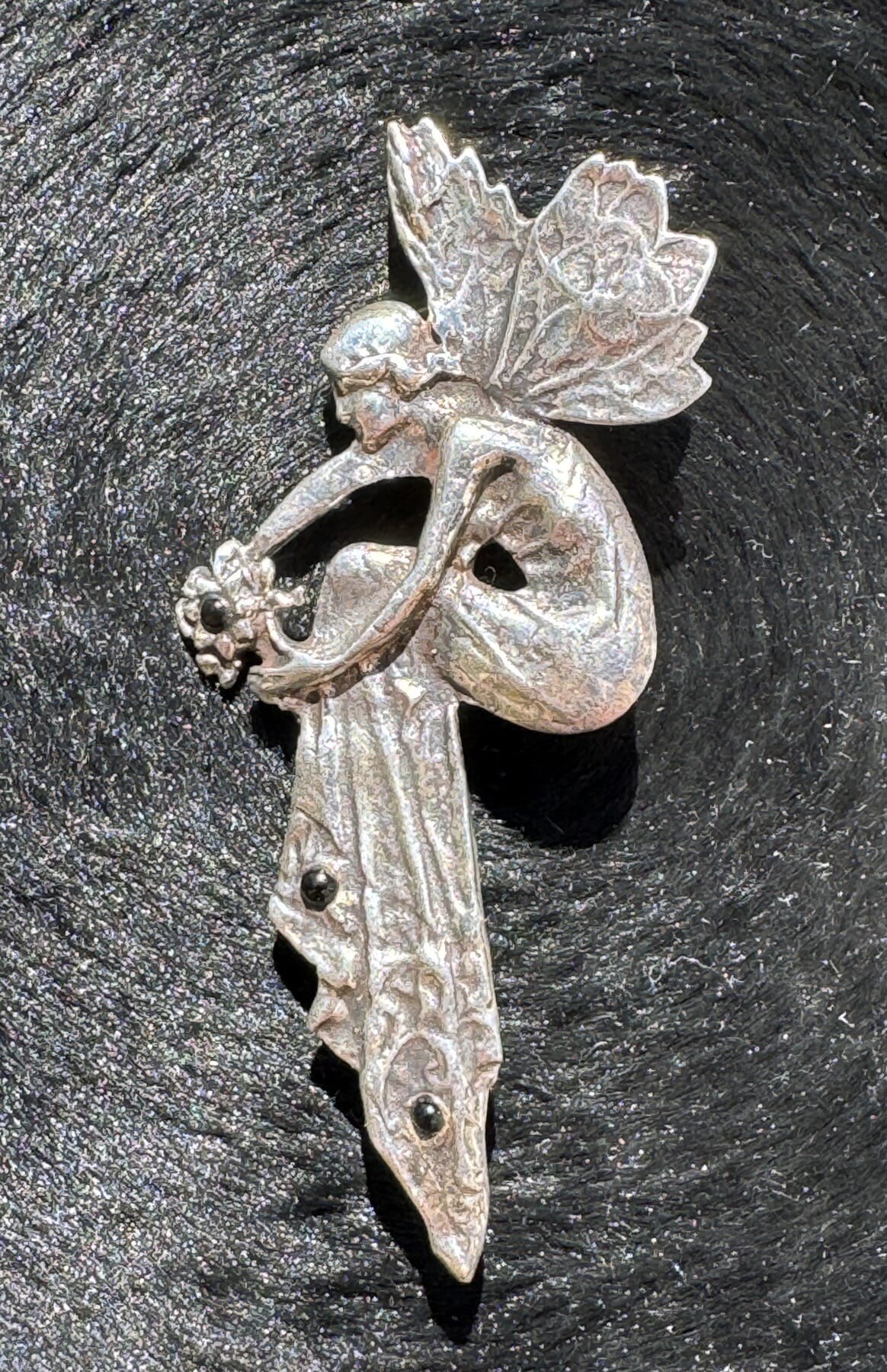
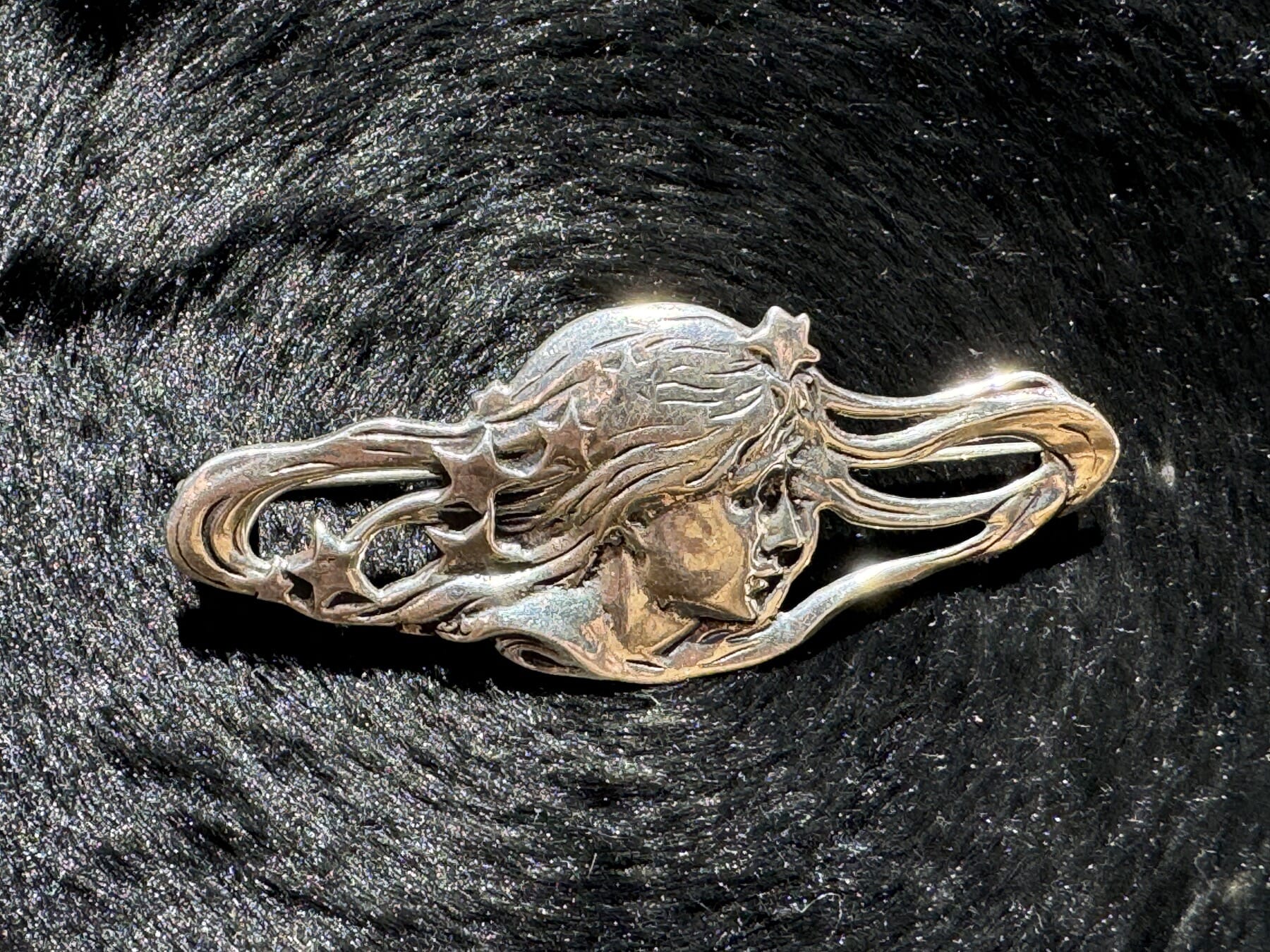
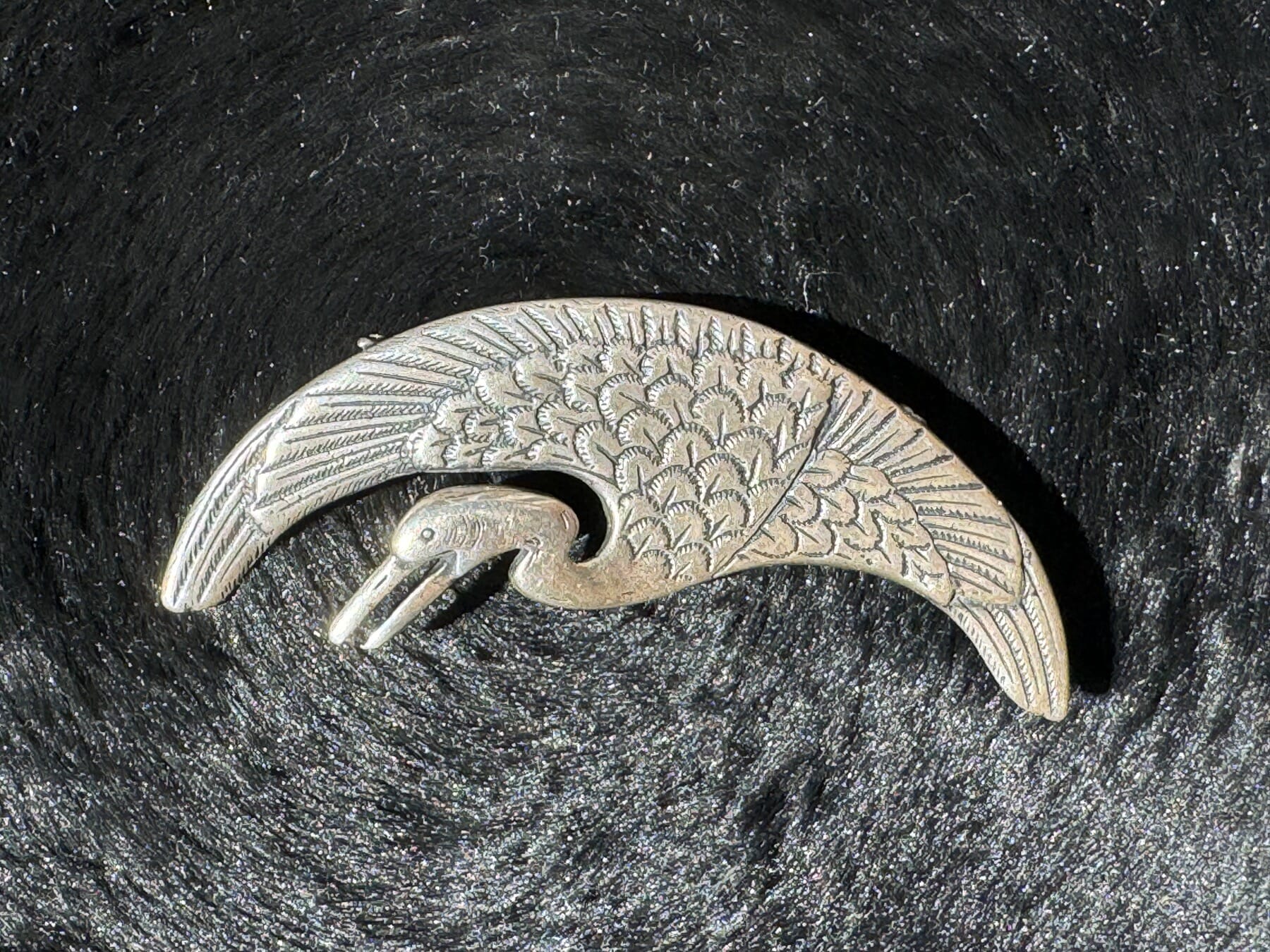
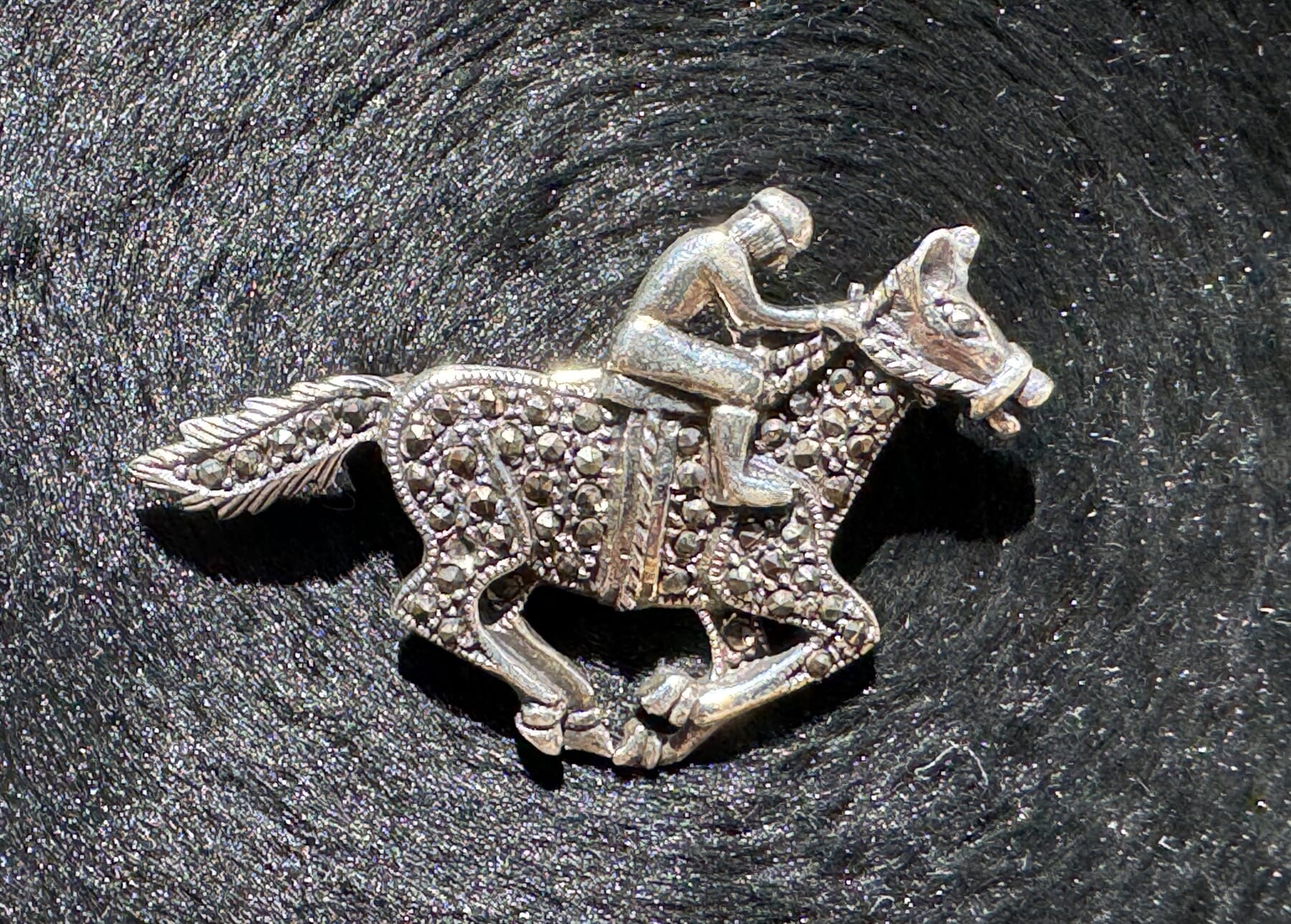
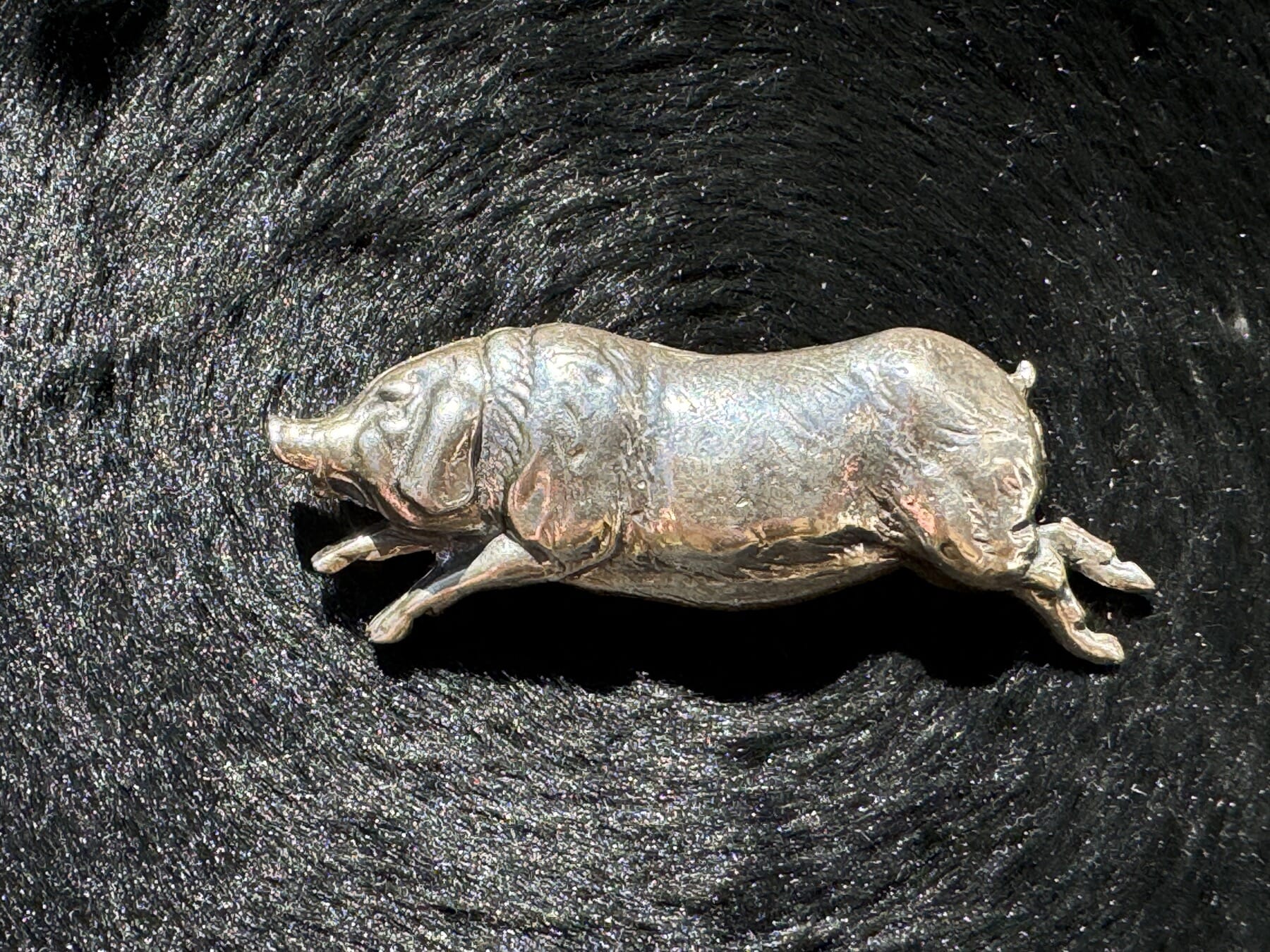
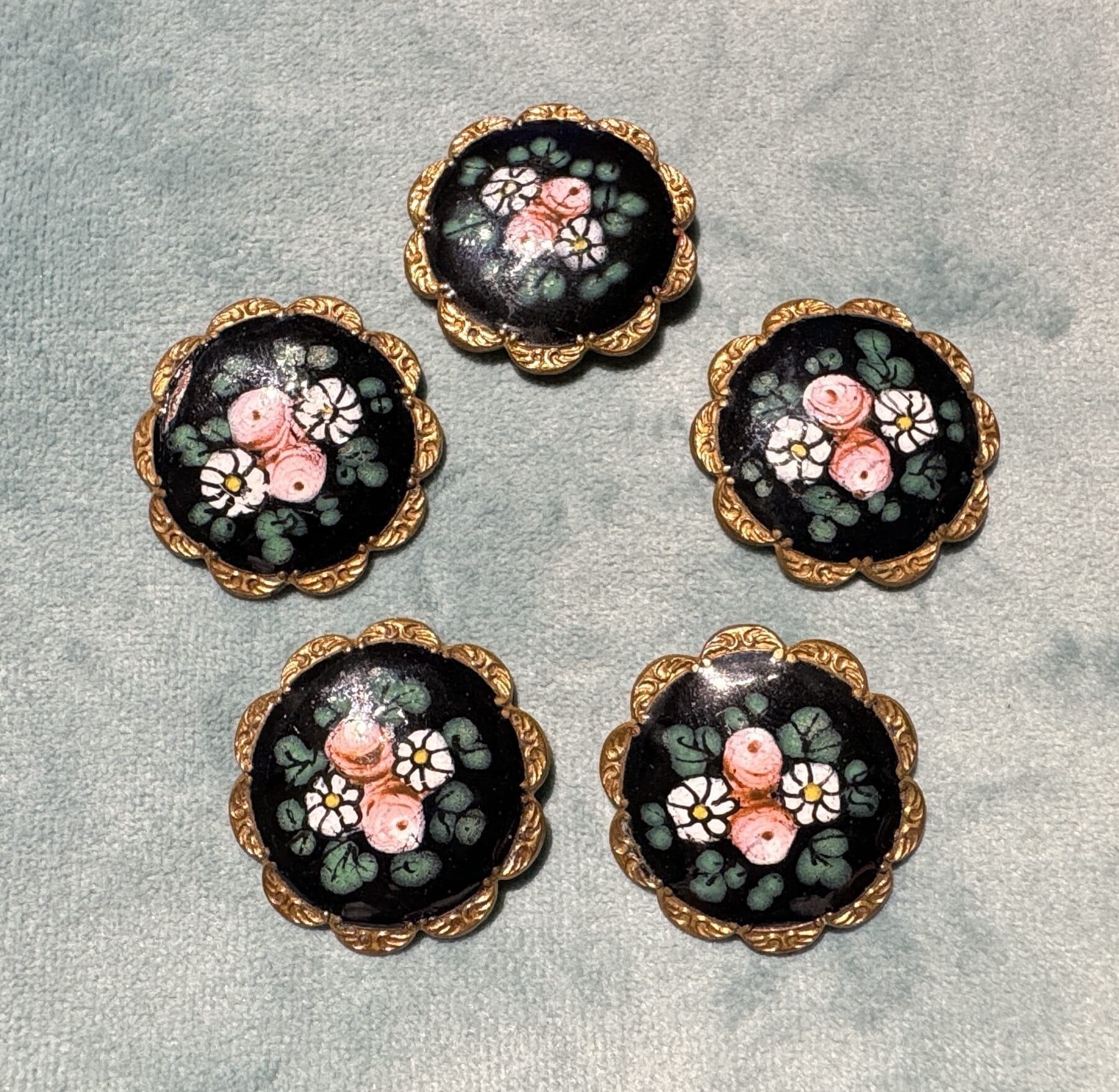
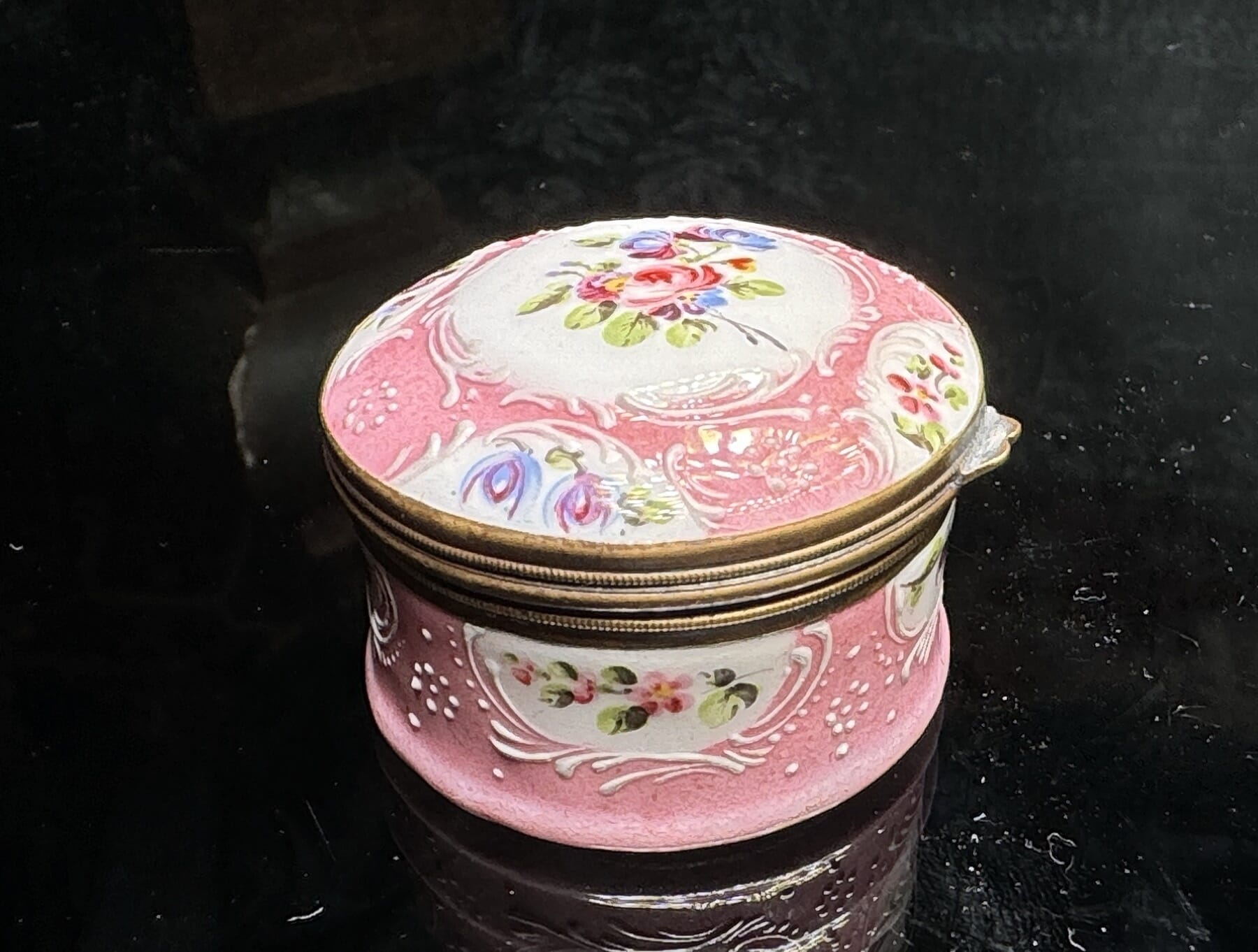
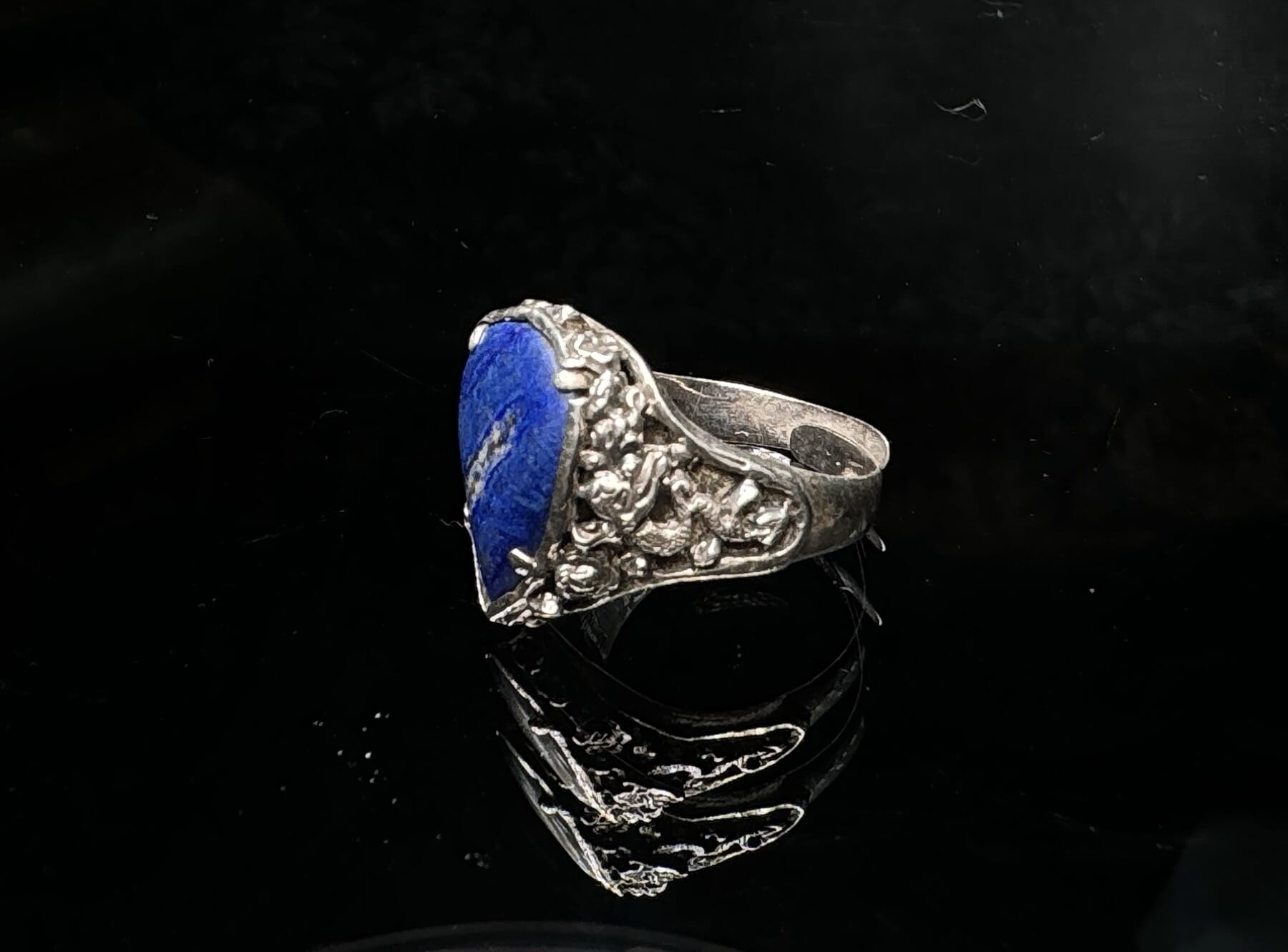
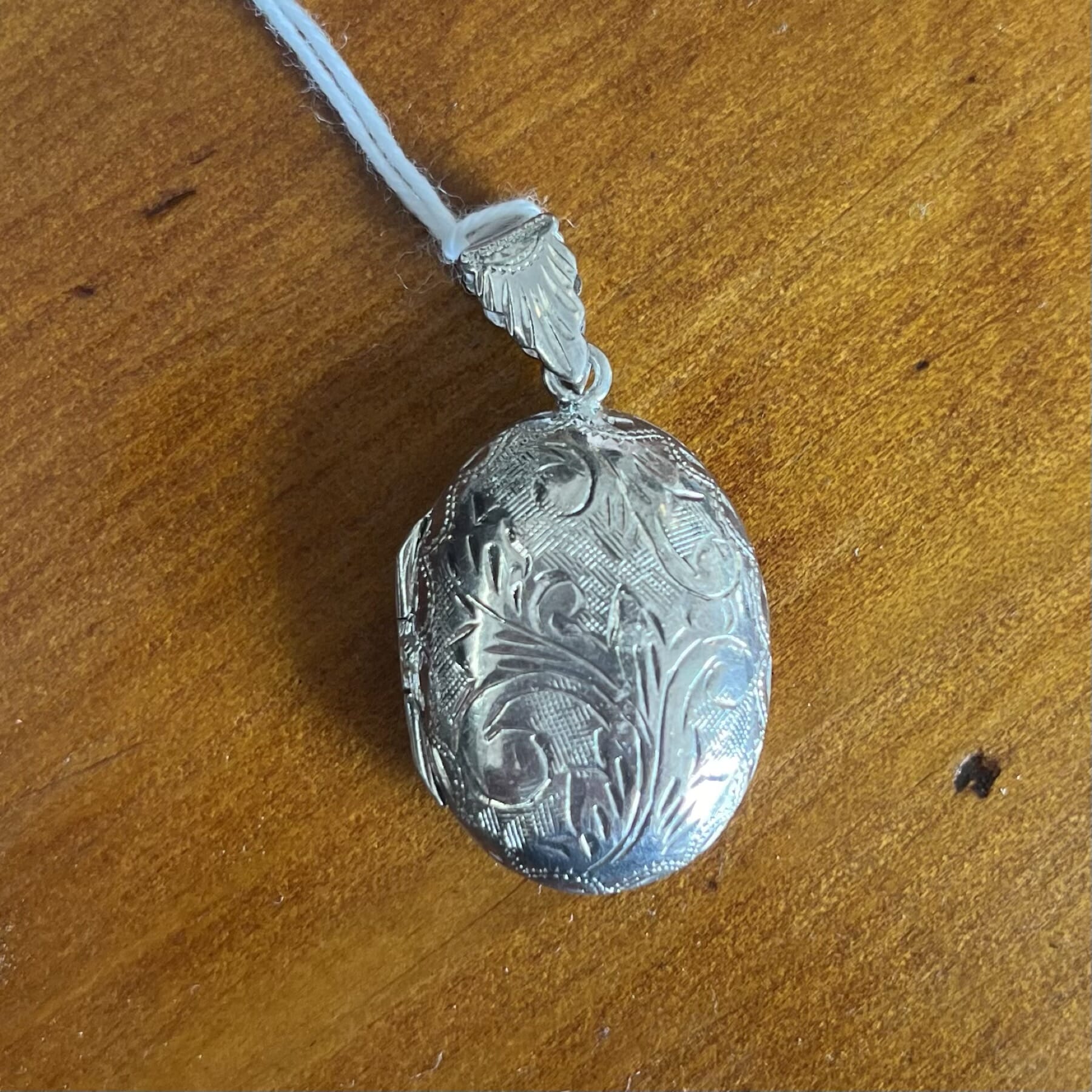
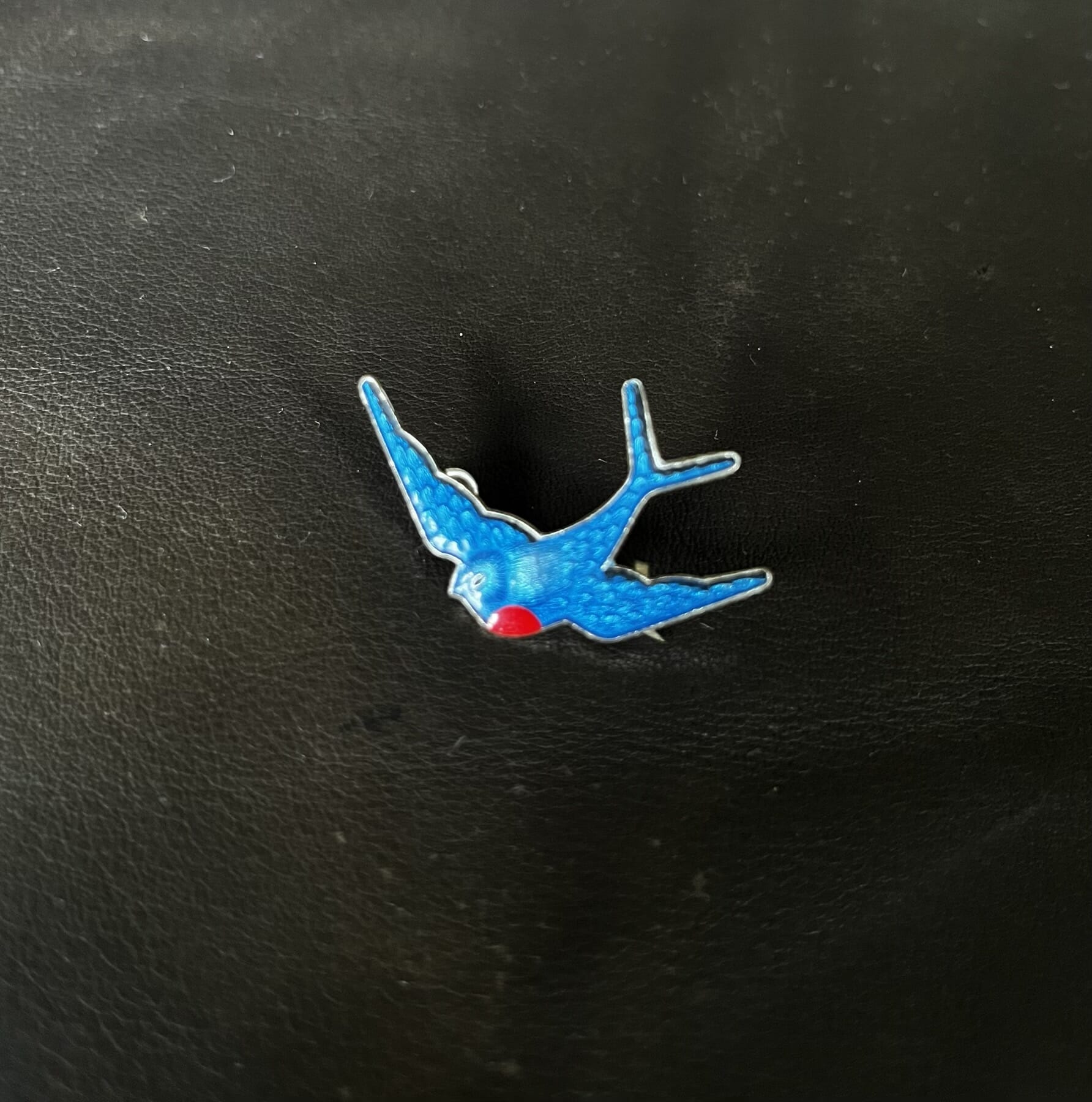
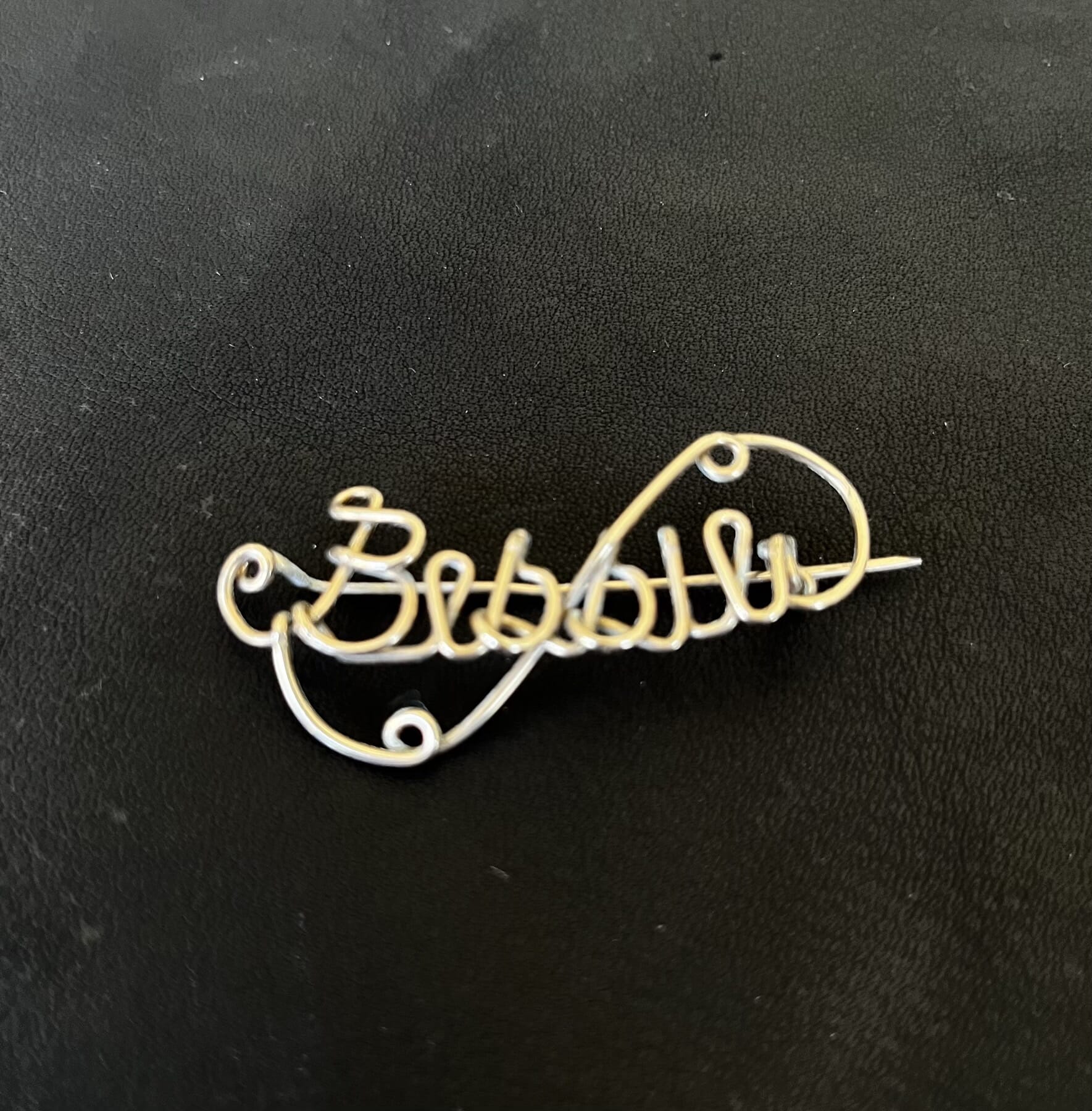
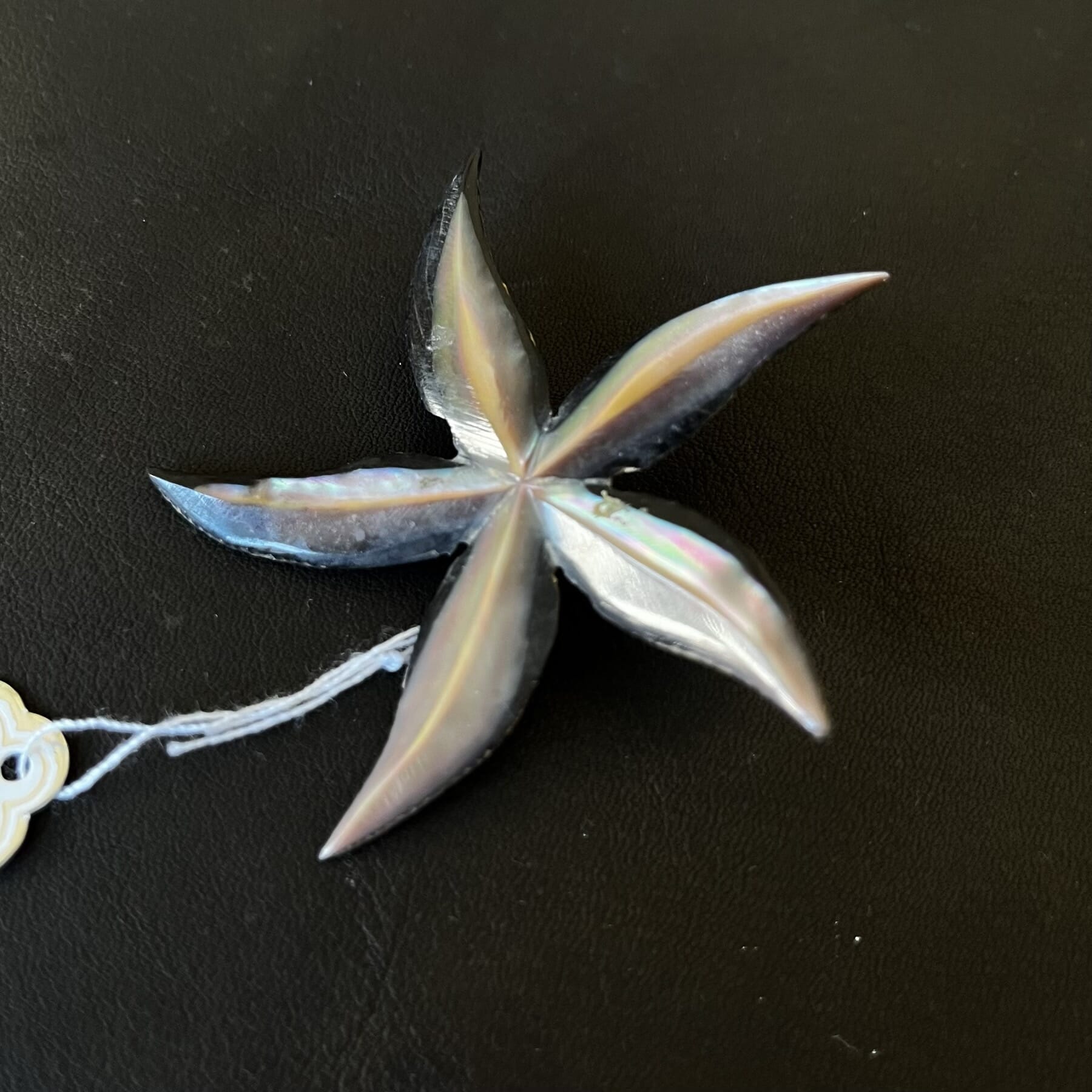
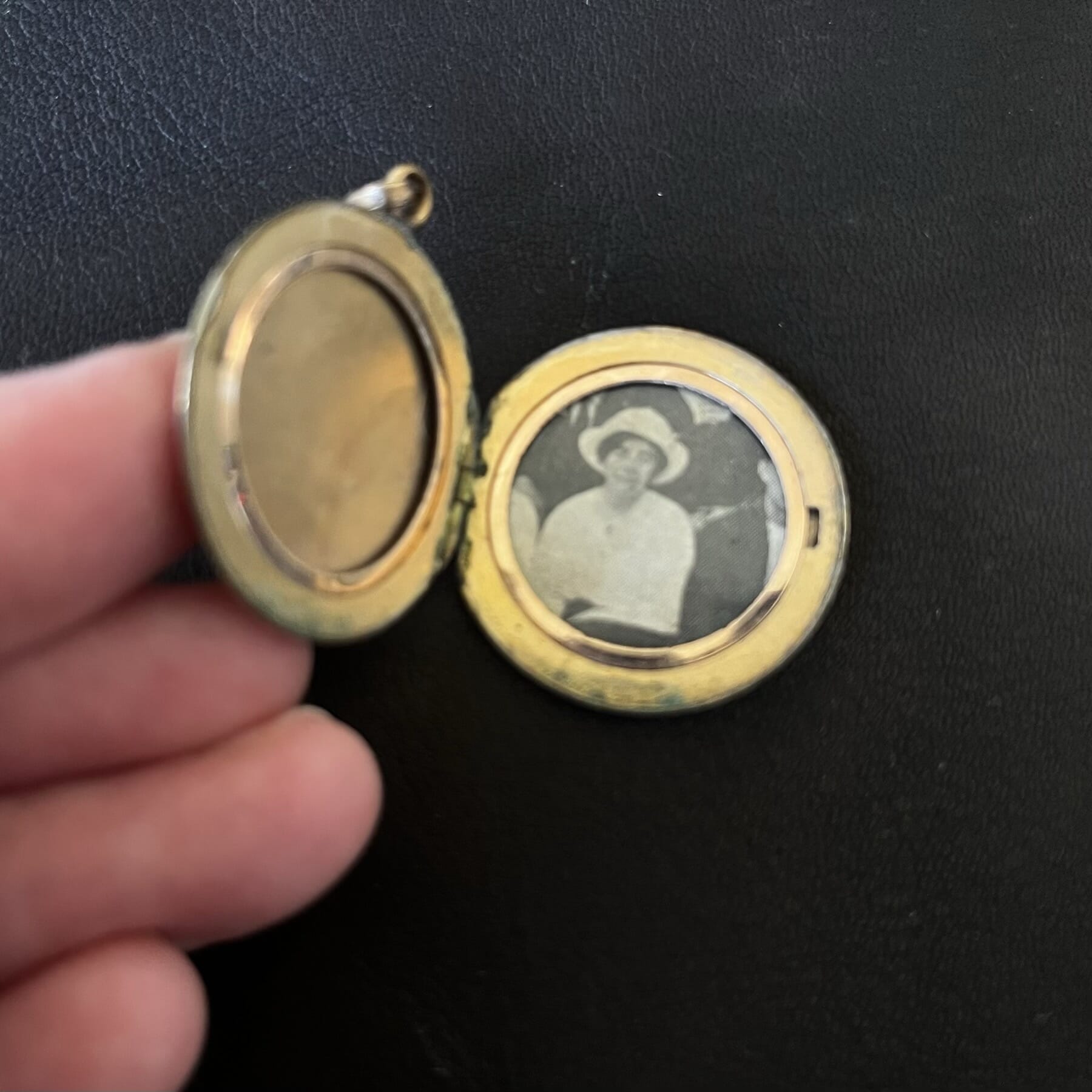
To start with: some Silver Brooches… wouldn’t they make lovely presents?

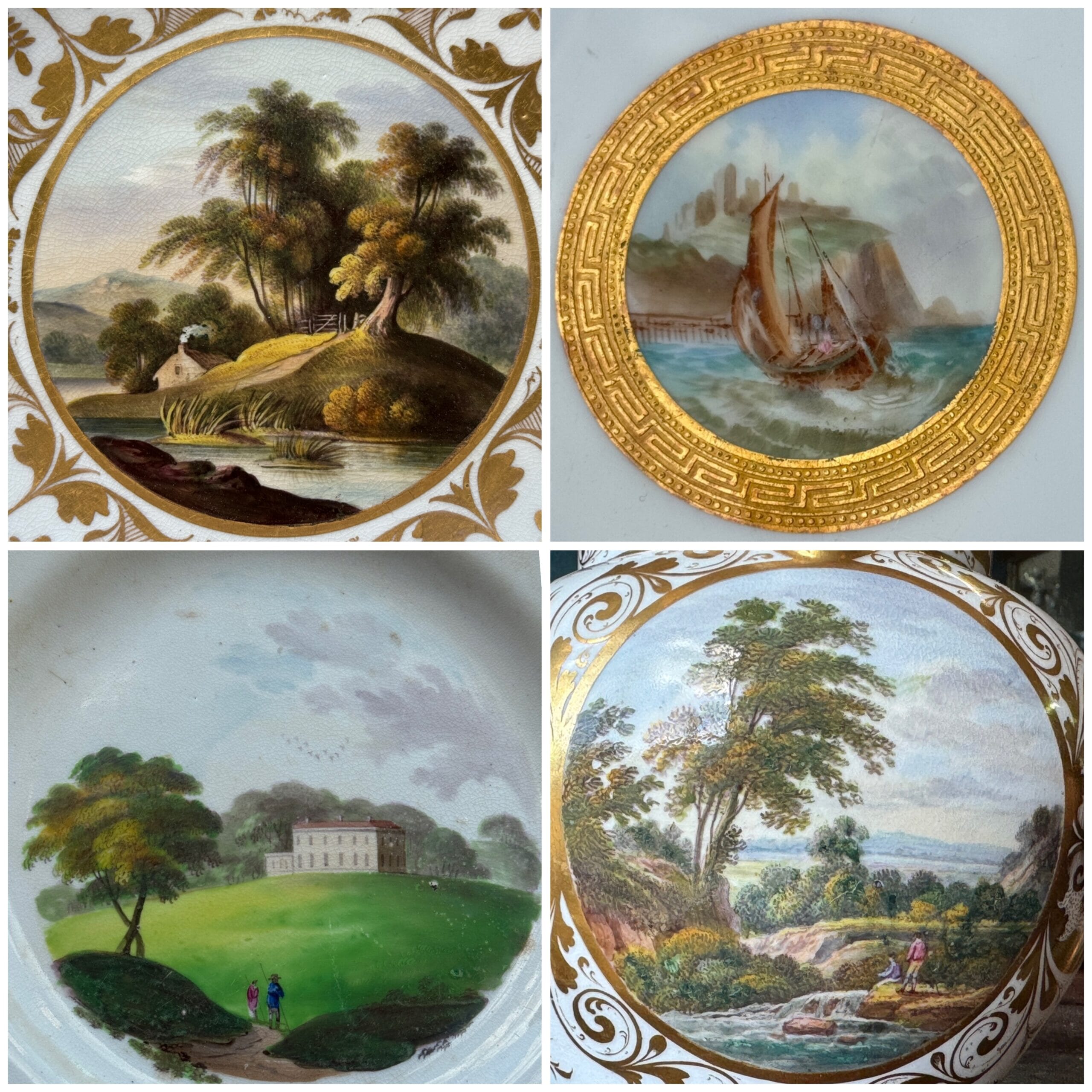
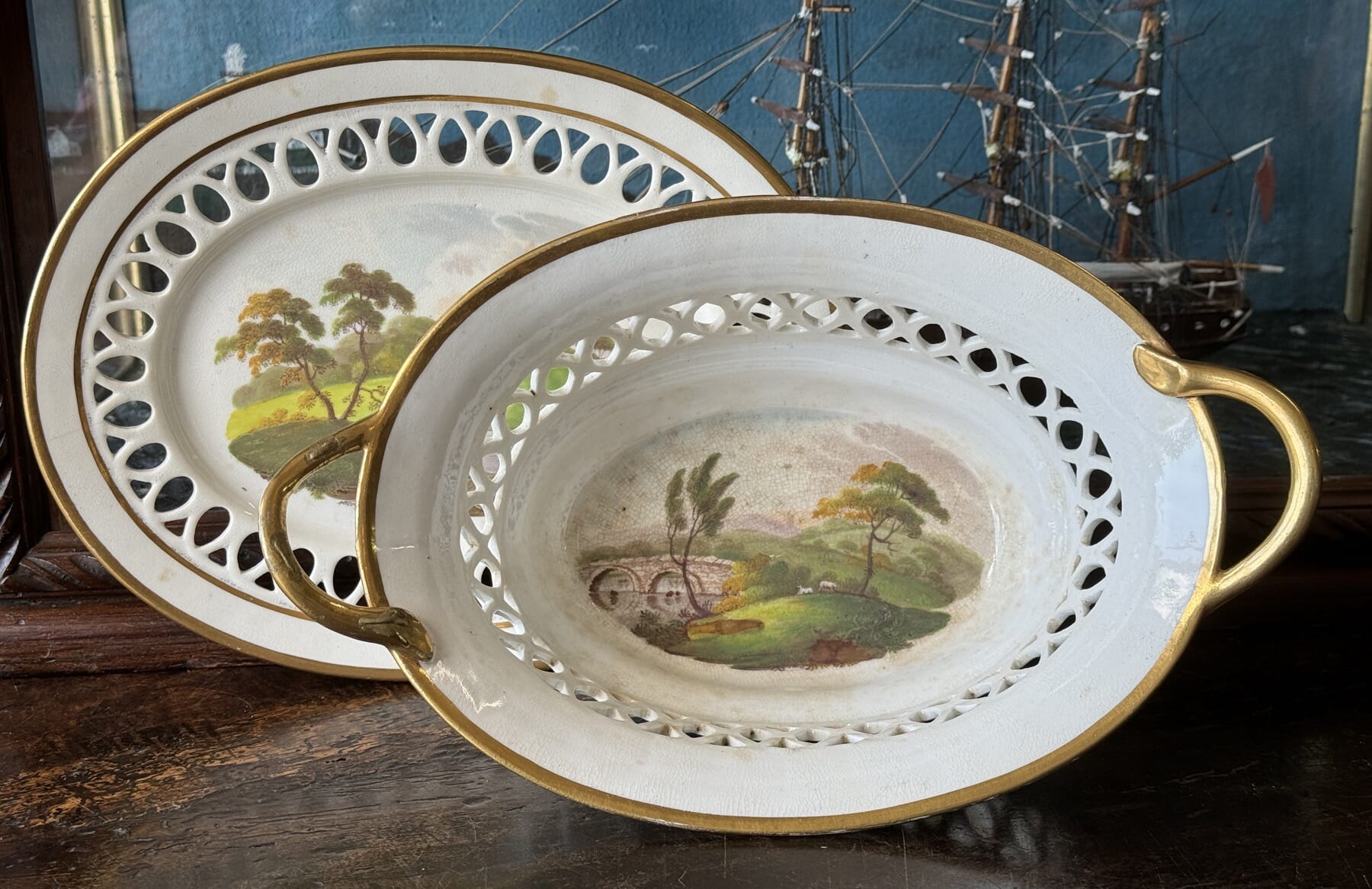
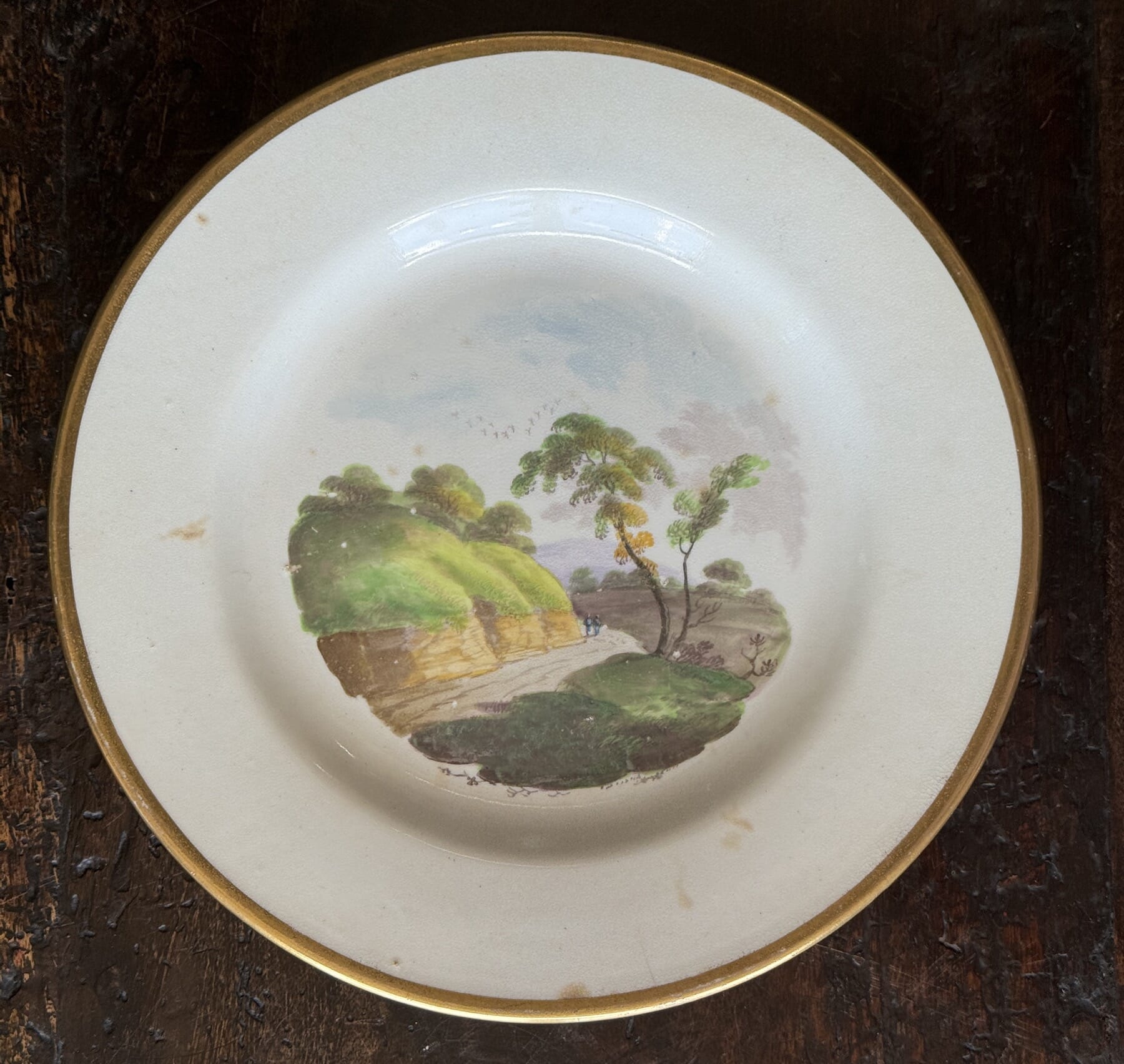
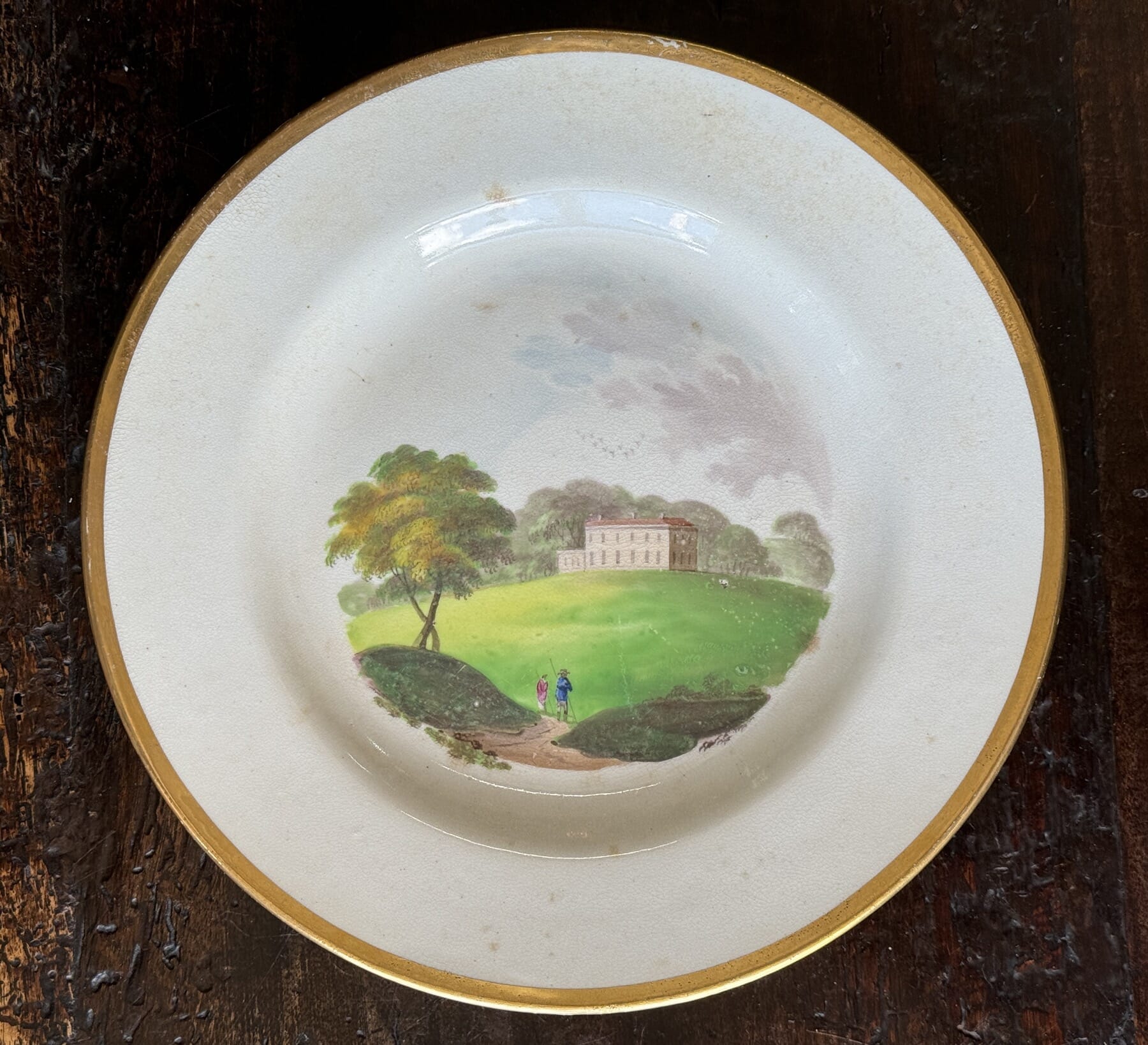
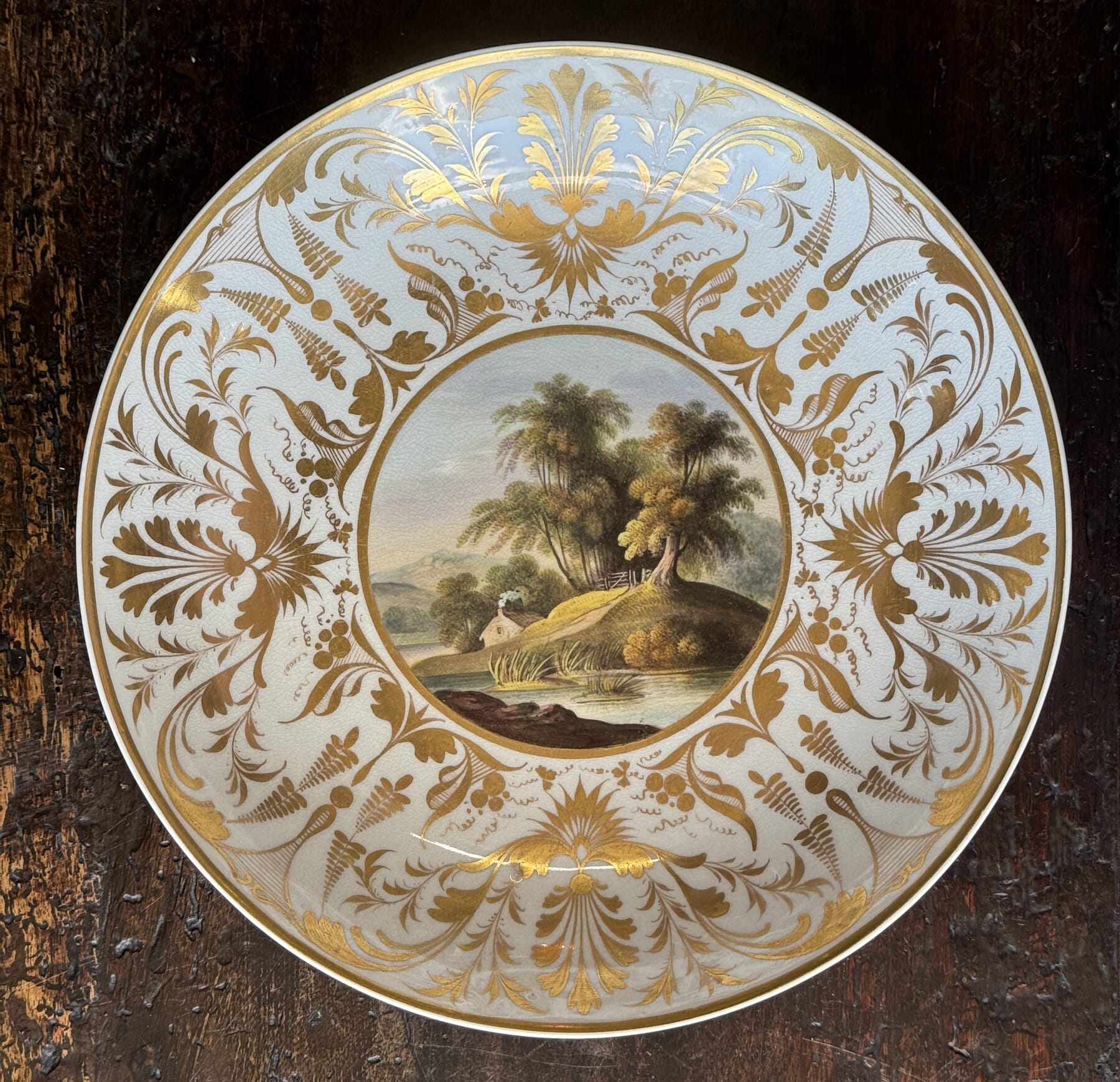
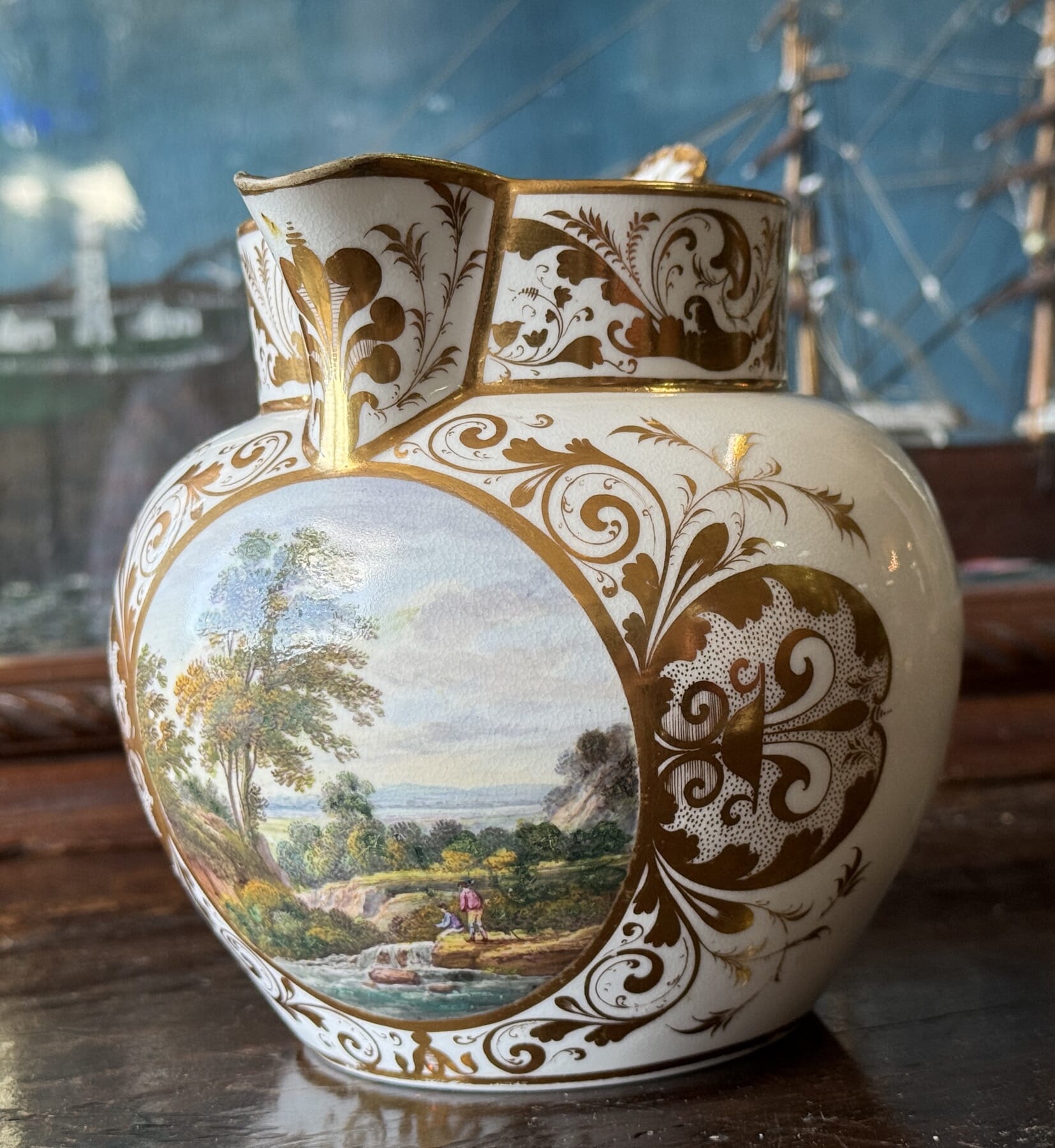
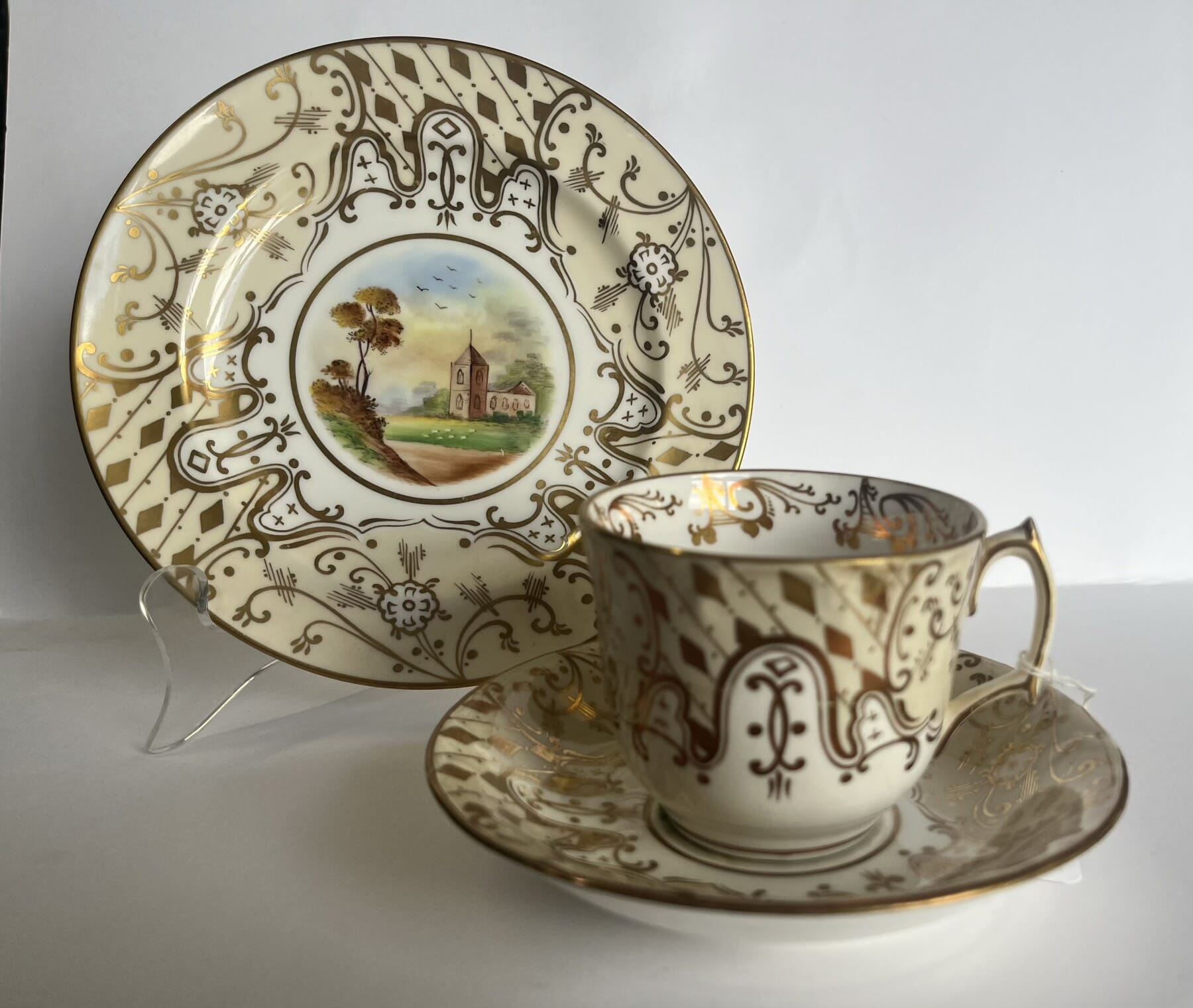
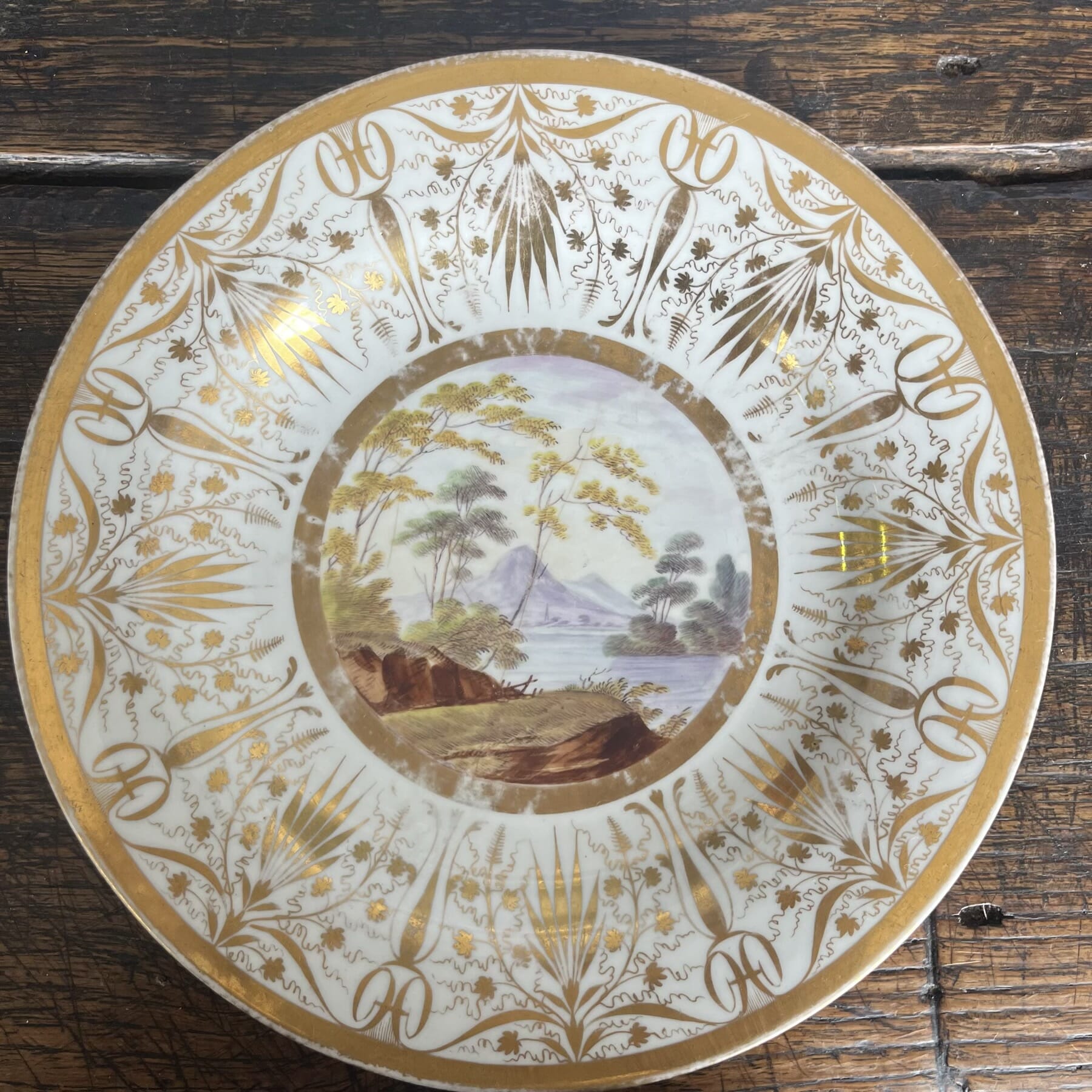
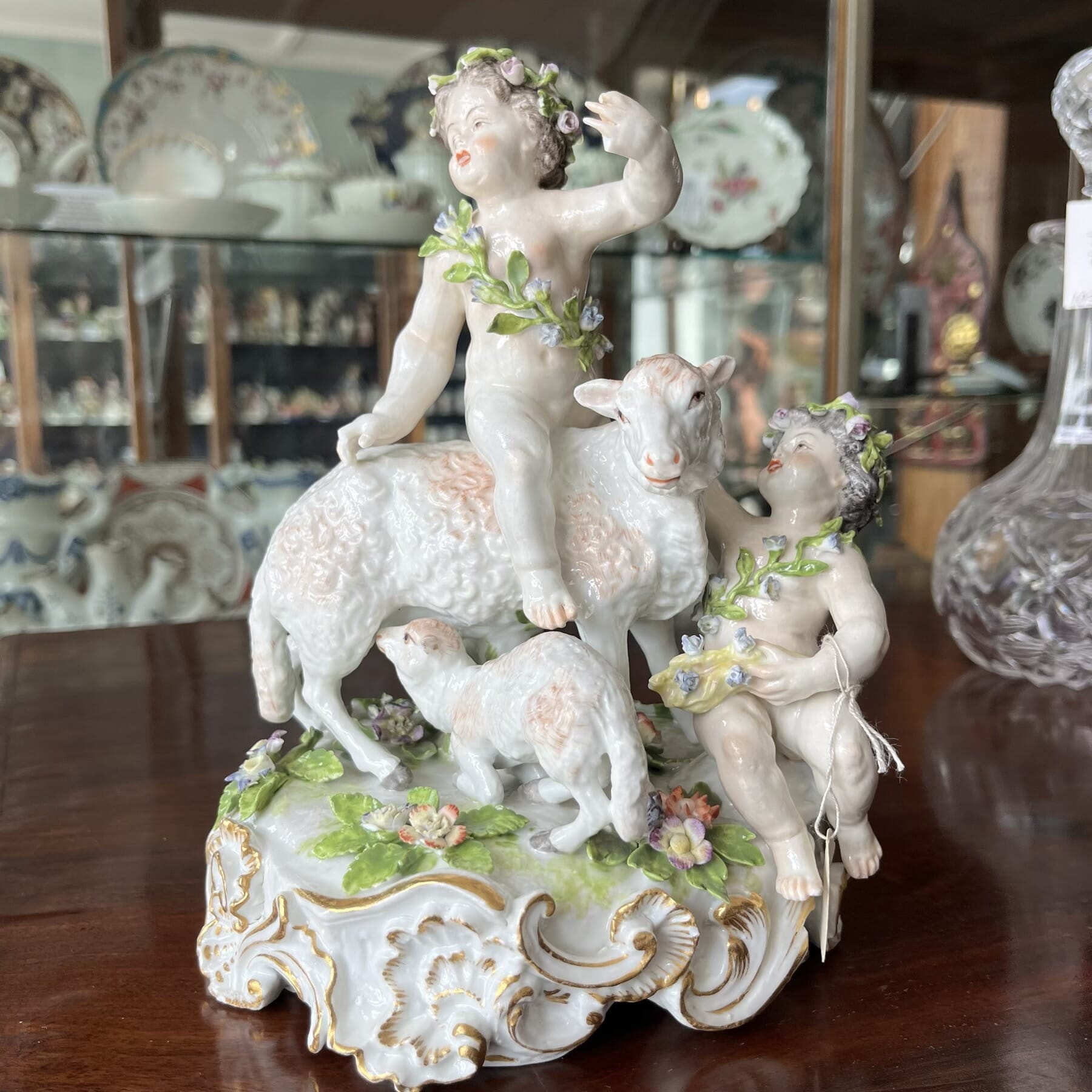
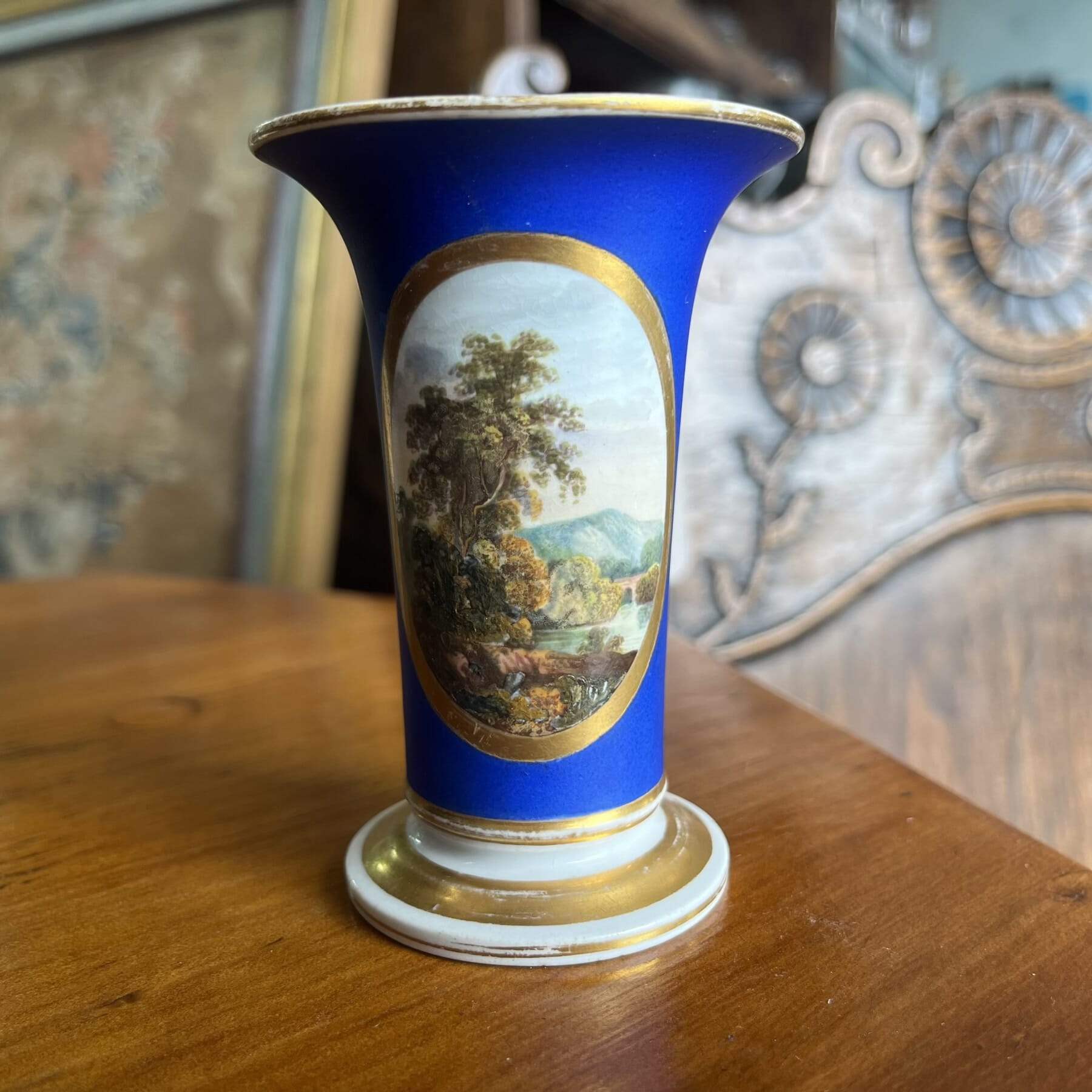
There’s some fine Ceramics, including superb quality Derby pieces from the early 19th century, one showing ‘ A View near Melbourn, Derbyshire’ !

Posted on

Asian Arts – Chinese & South-East Asian Ceramics

Welcome to our Asian Special.

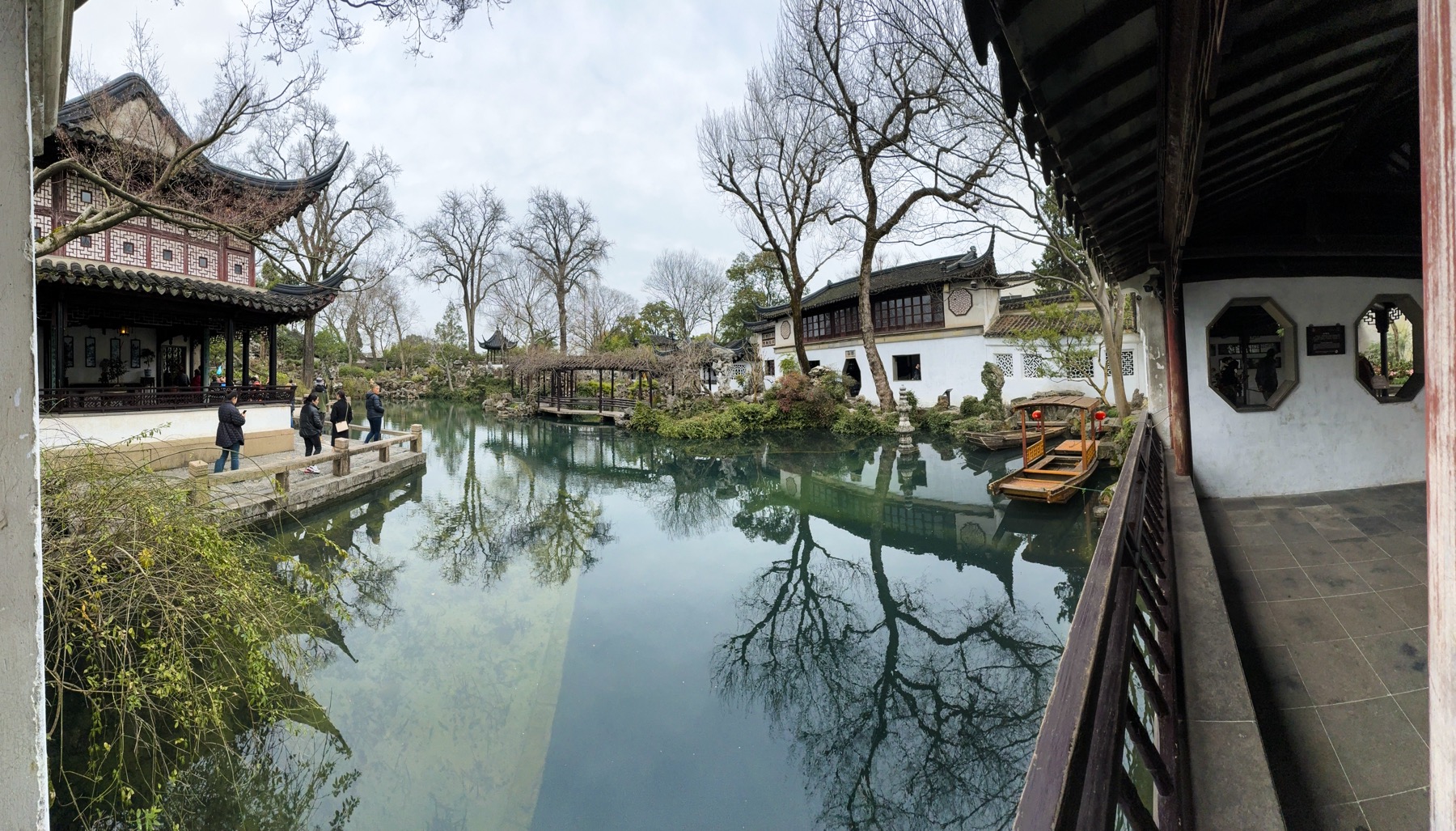
We’re actually in Asia for this one! Paul & Glenys, your proprietors at Moorabool Antiques, are on a ‘China Expedition’ – visiting the sights & enjoying the unique culture that is China…..

Of course, this is not a ‘buying’ trip: China prohibits the export of anything that could be considered Antique. Rather, it is a fact-finding visit: exploring some of the regions where the Chinese items we are familiar with came from, and spending some time in the numerous Museums & Galleries and their fine collections of Chinese Art & Antiques…..

On our return, we will have a wealth of knowledge to draw on when cataloguing the incredible items from Asia which Australians are well known to have collected over the past few hundred years……

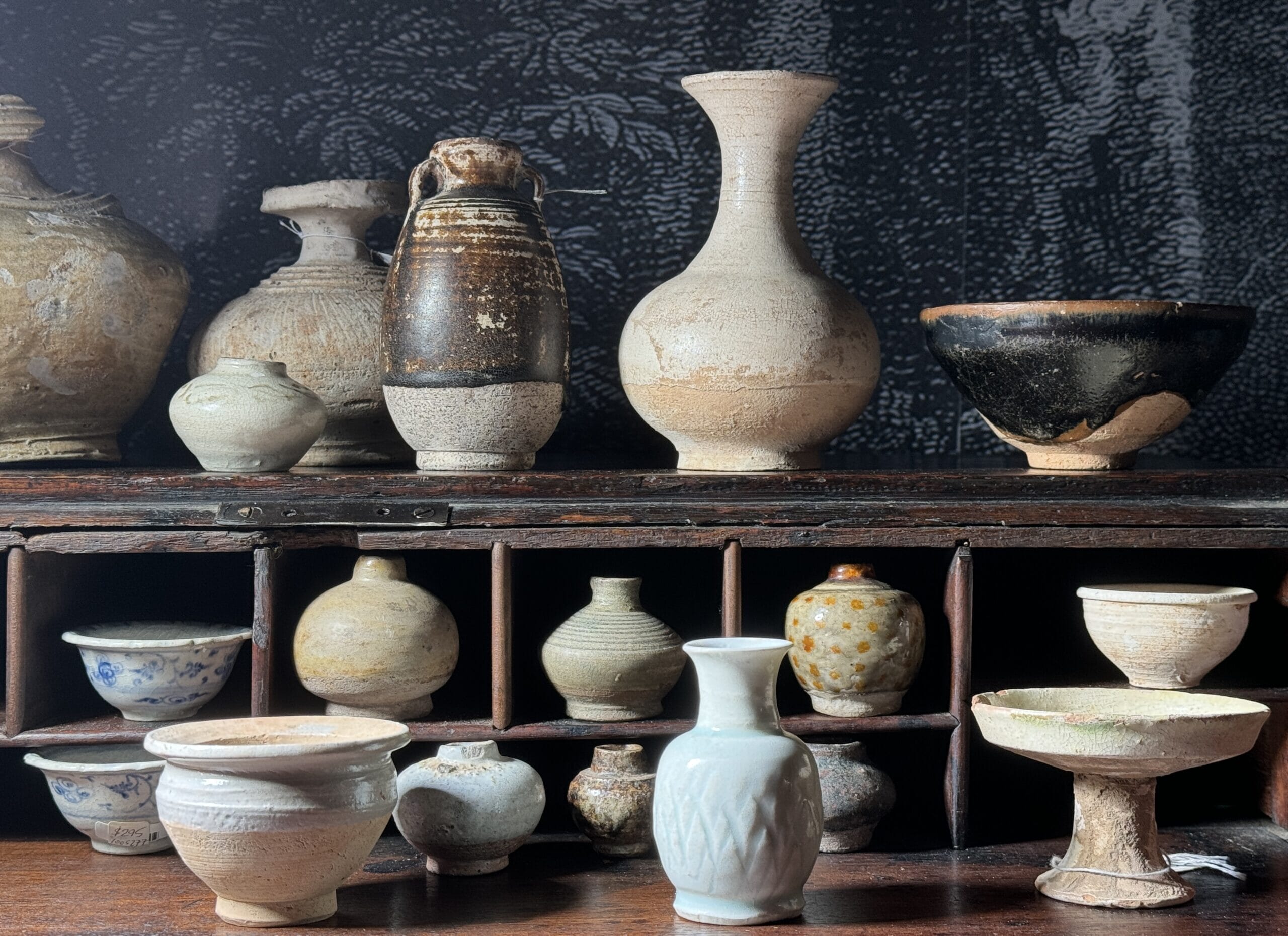
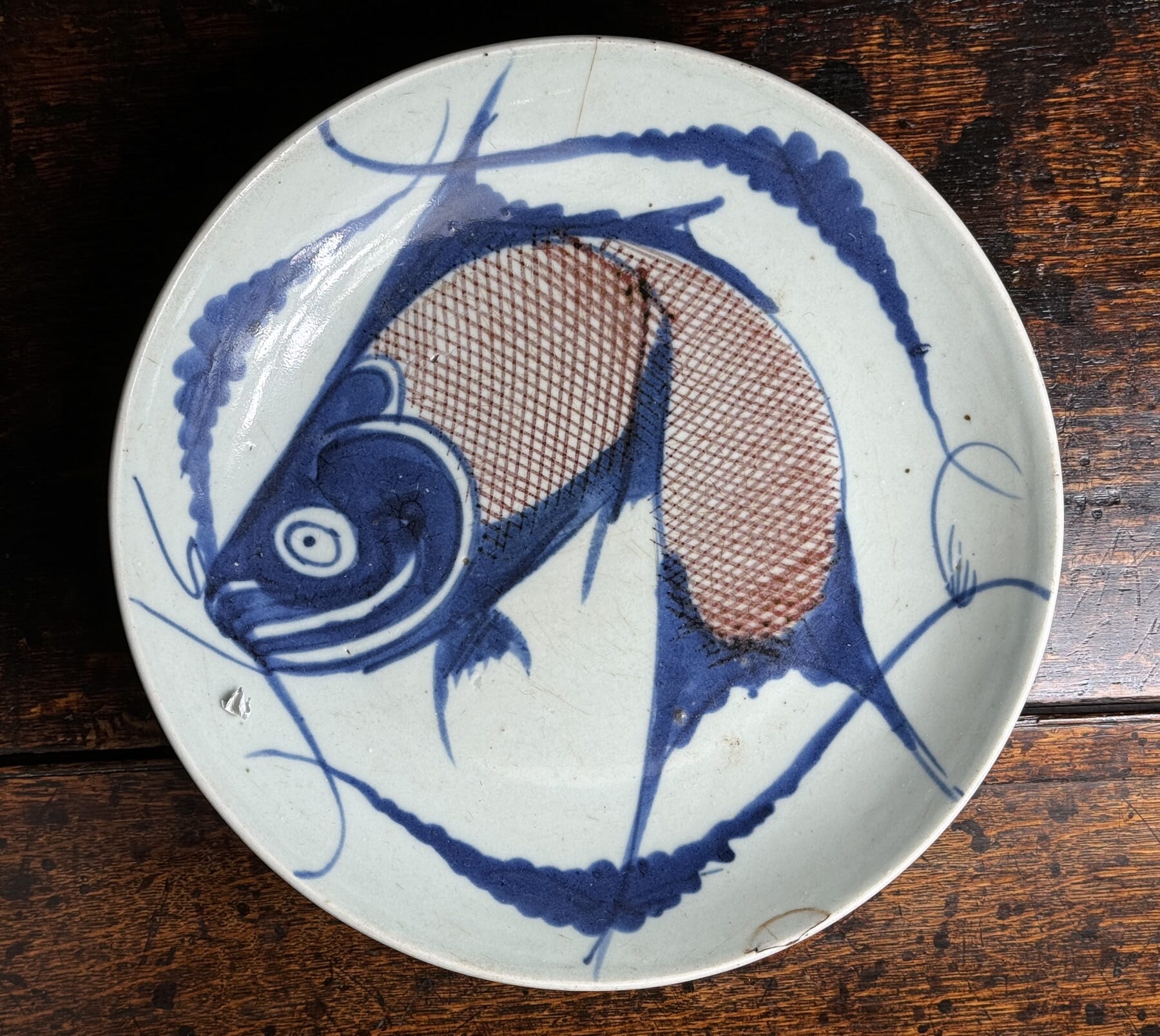
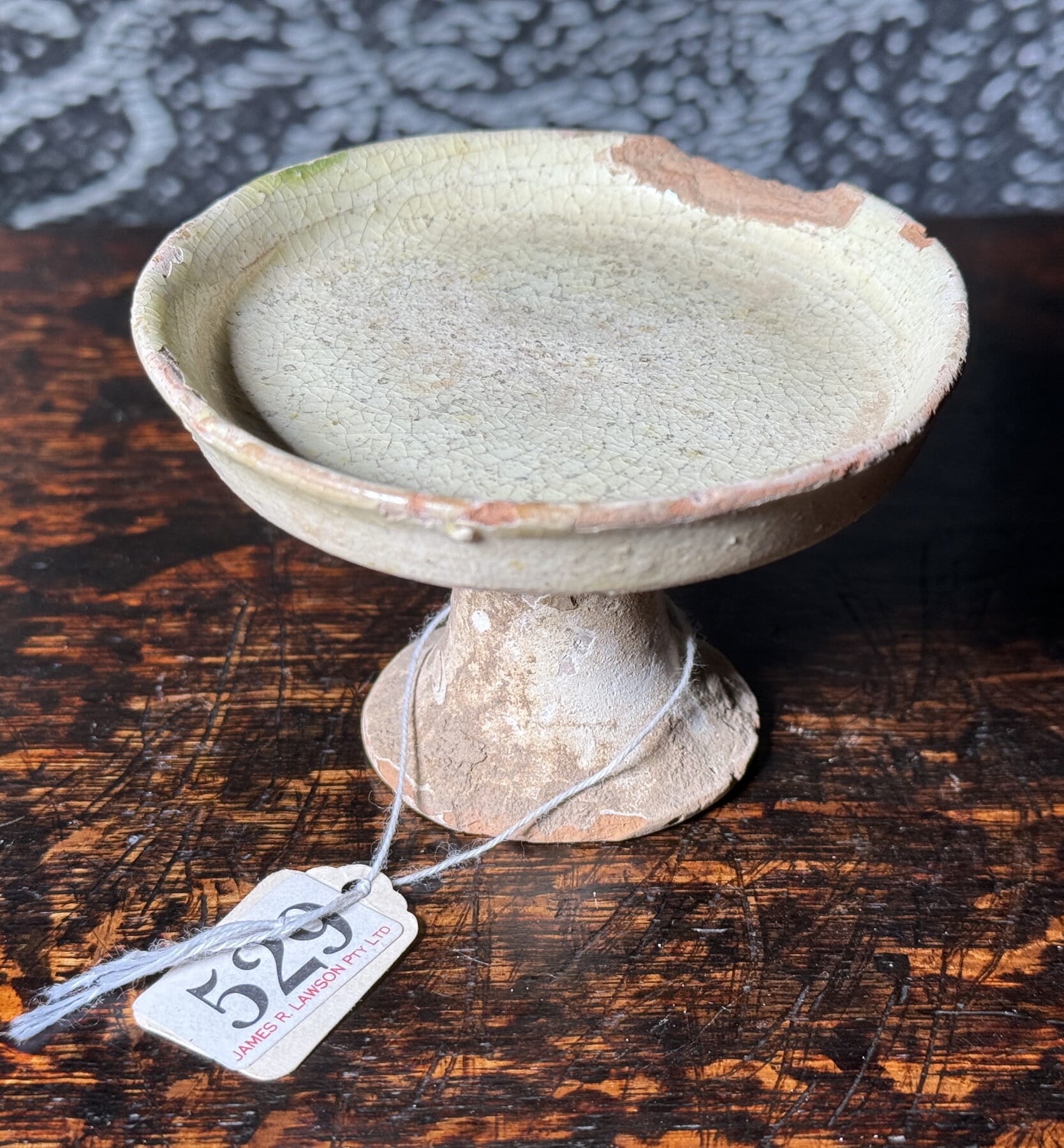
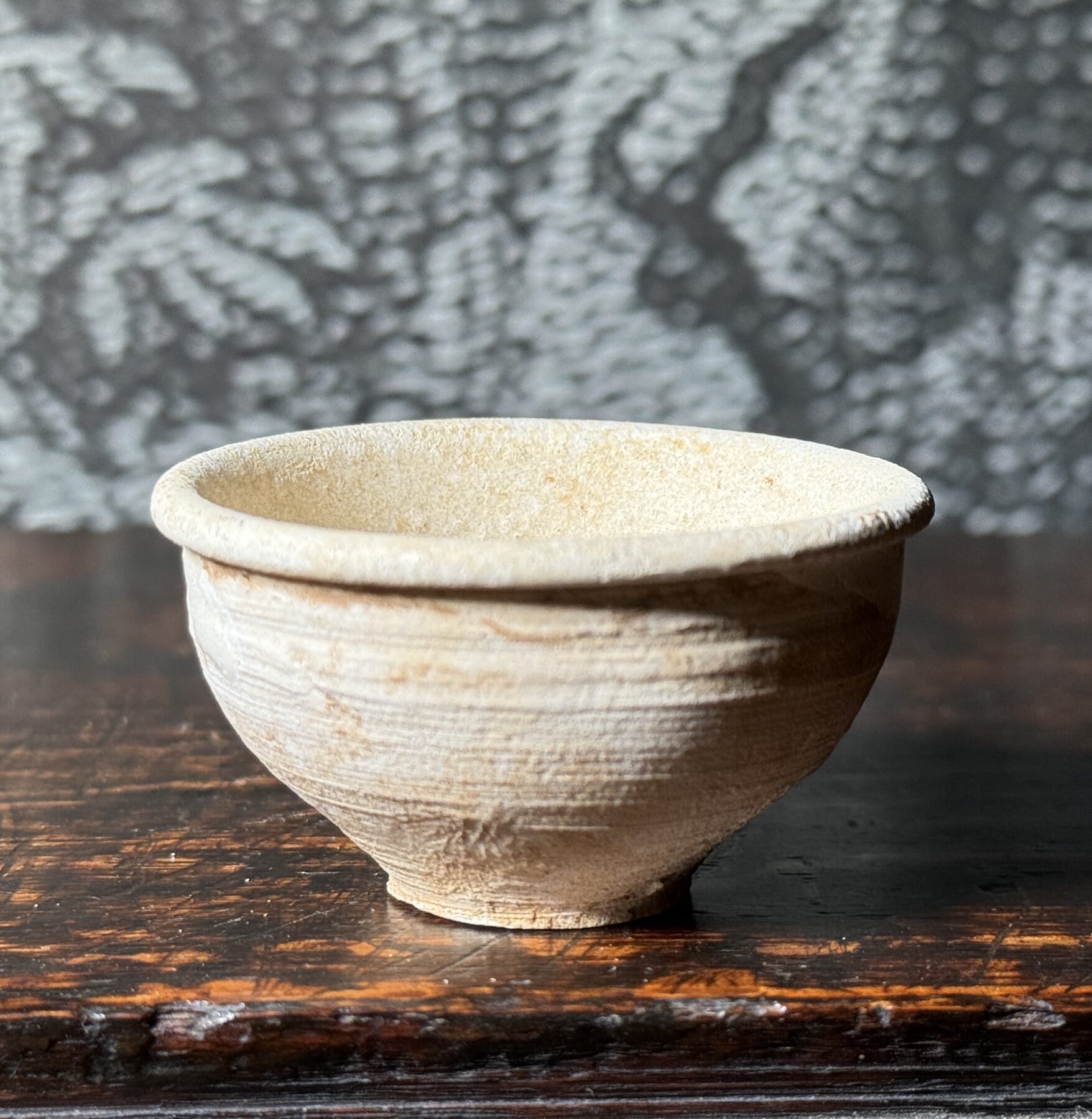
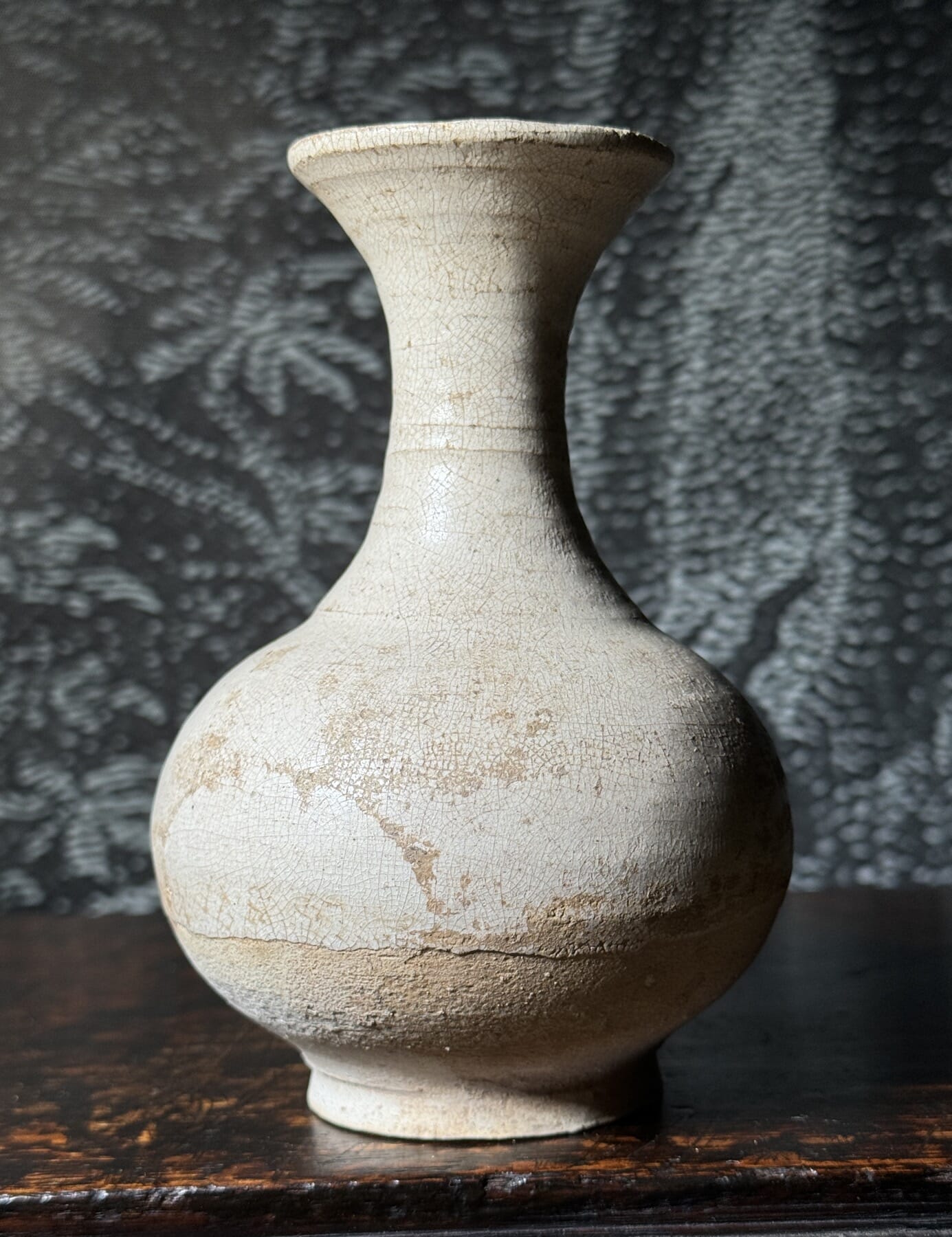
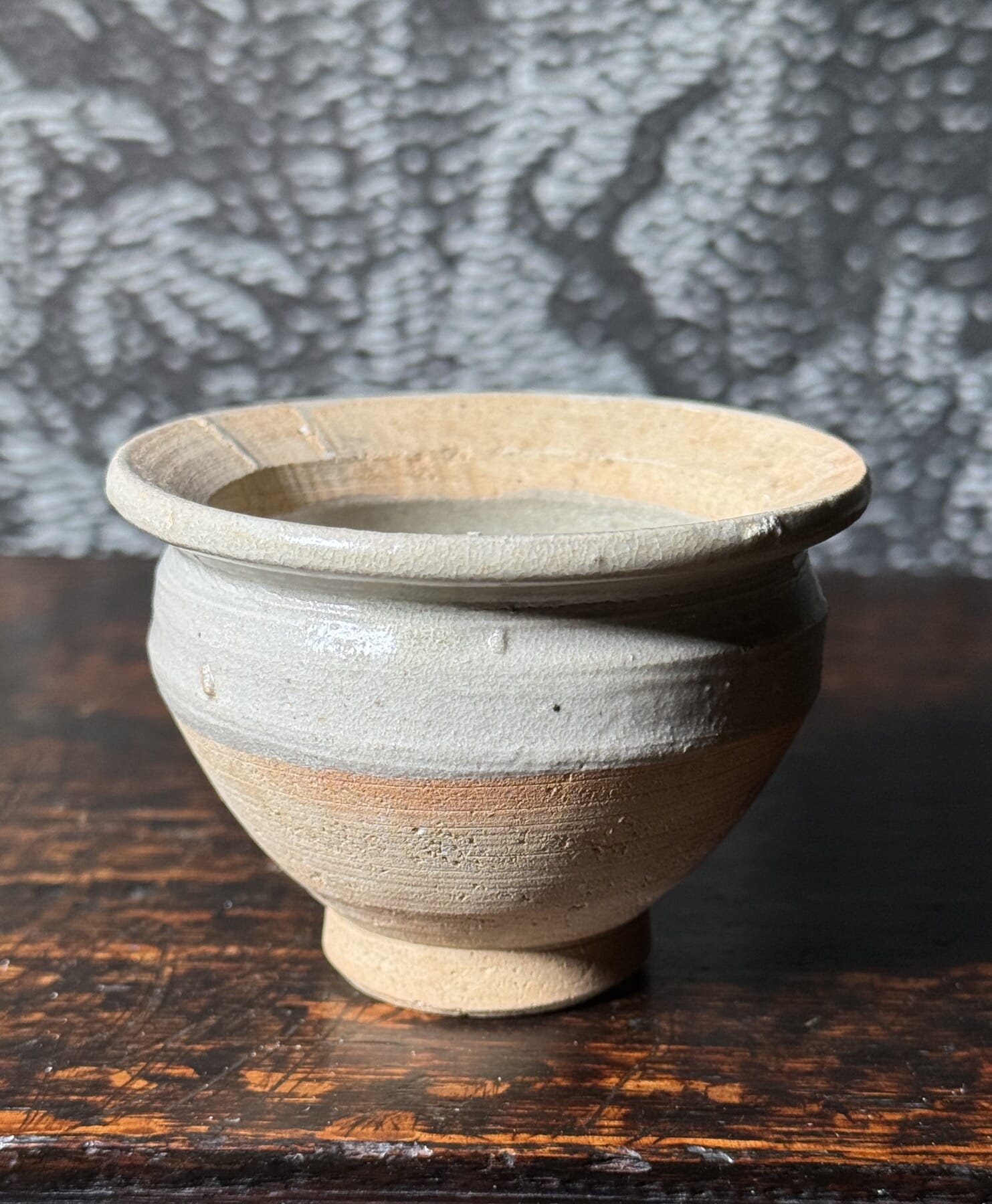
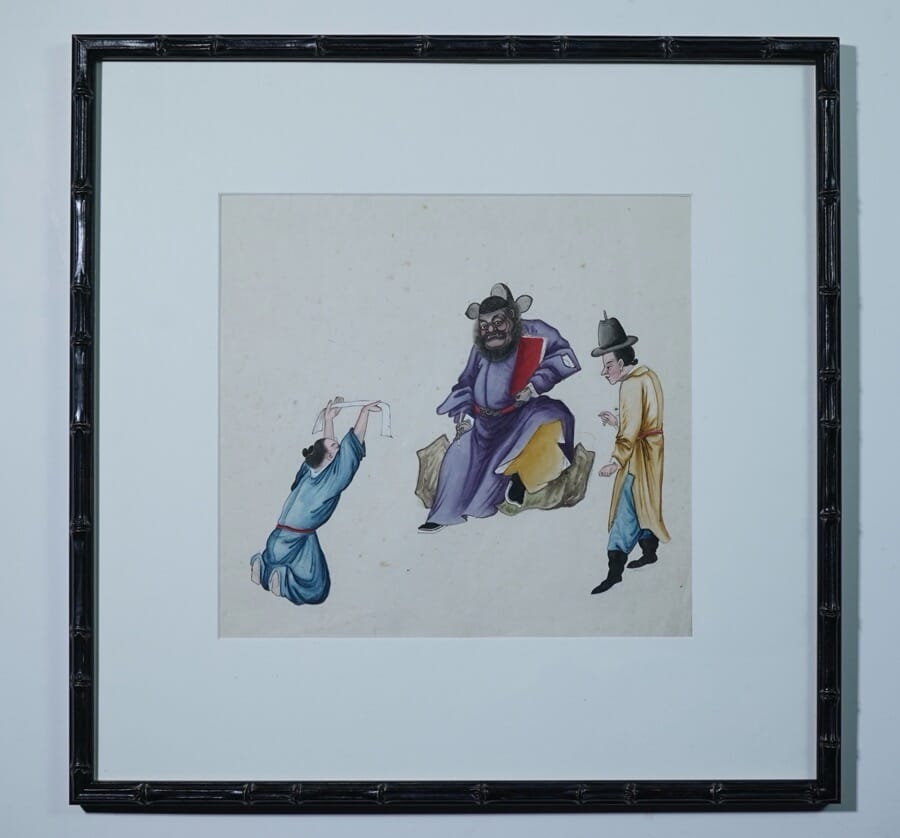
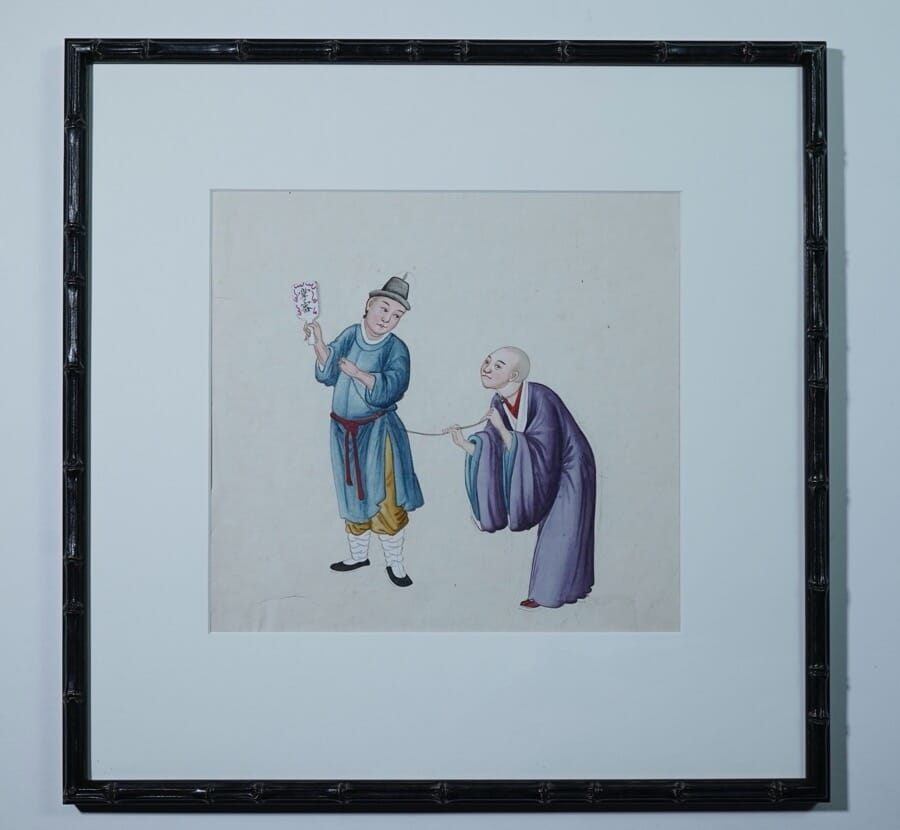
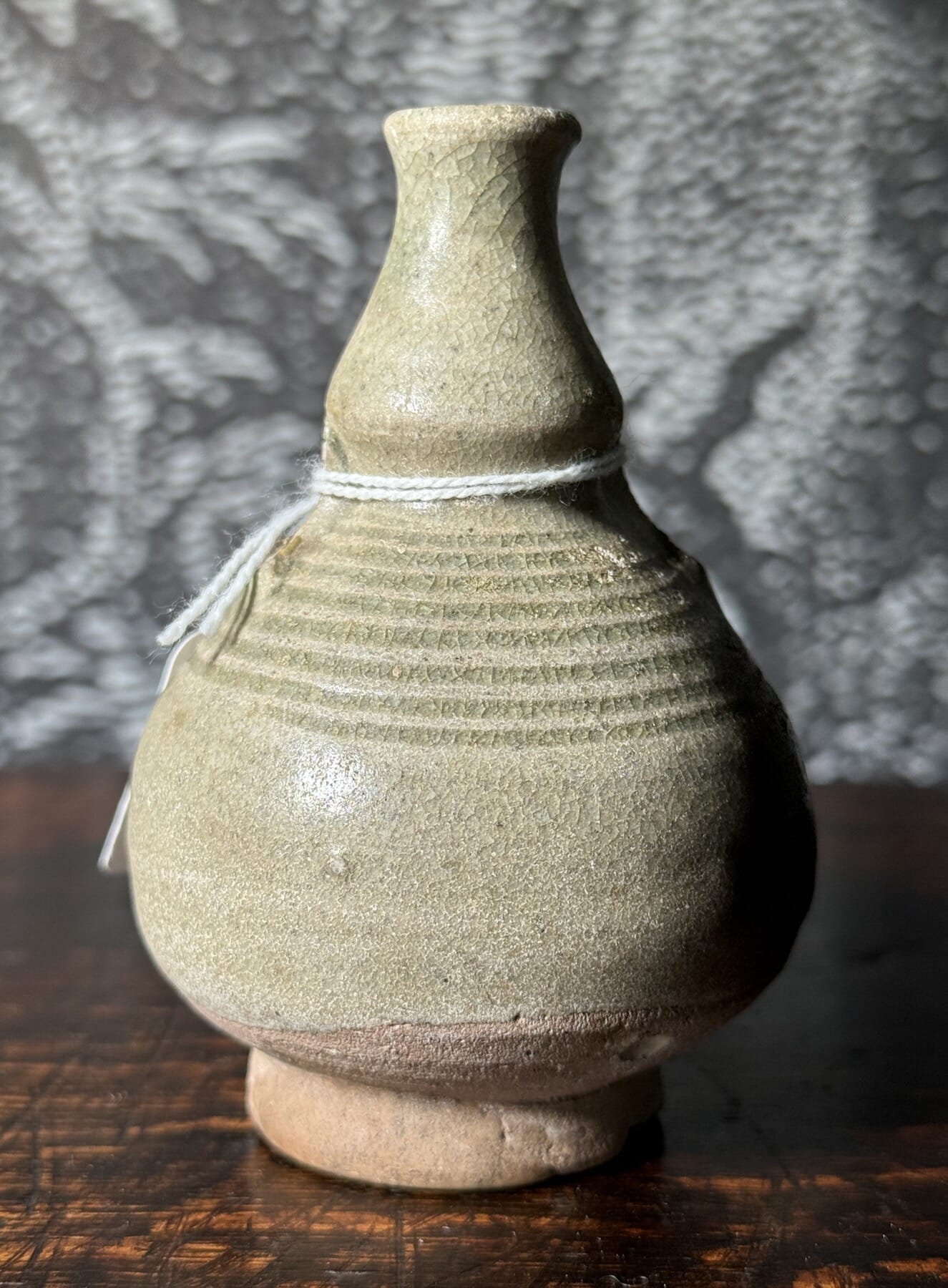
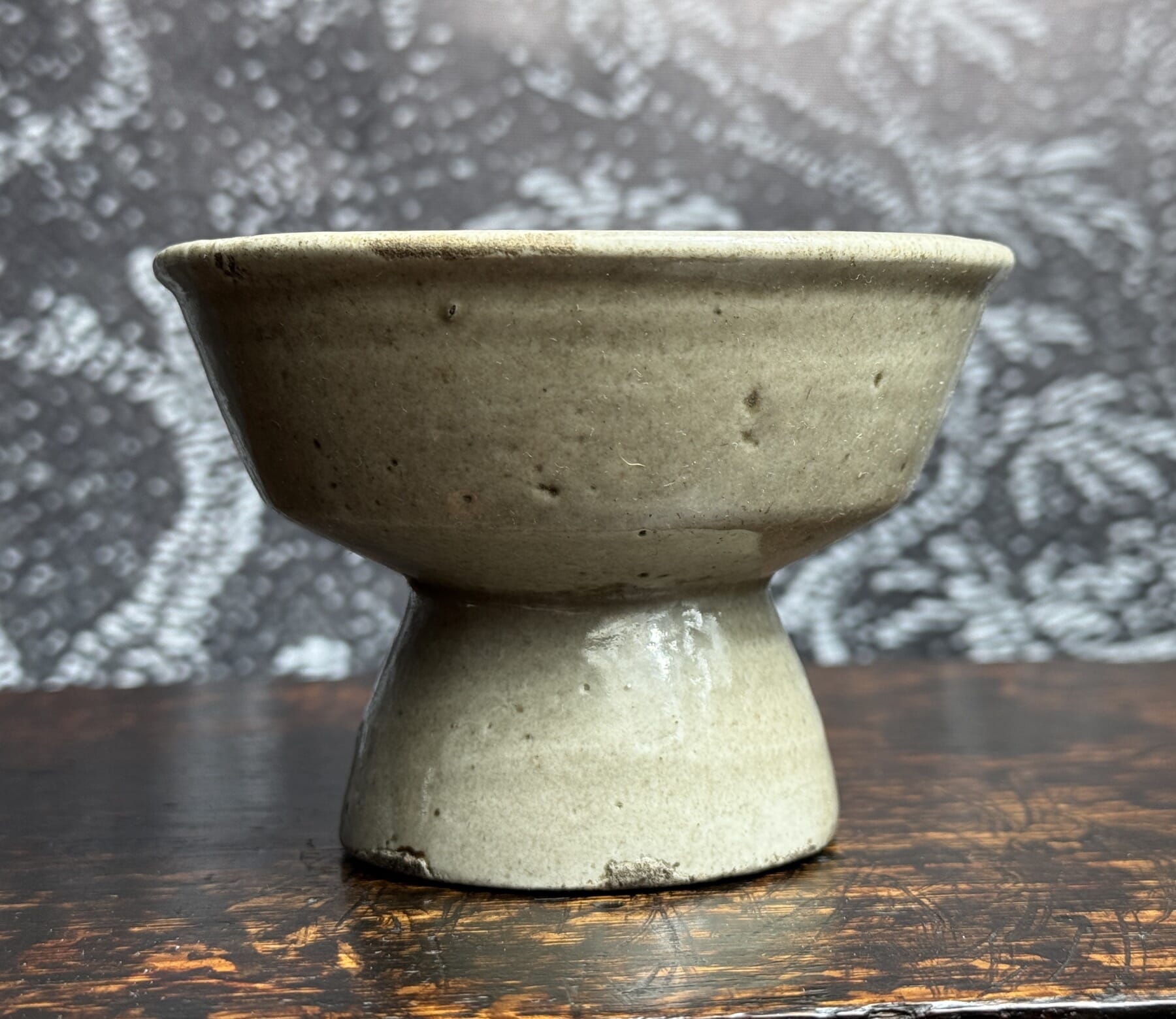
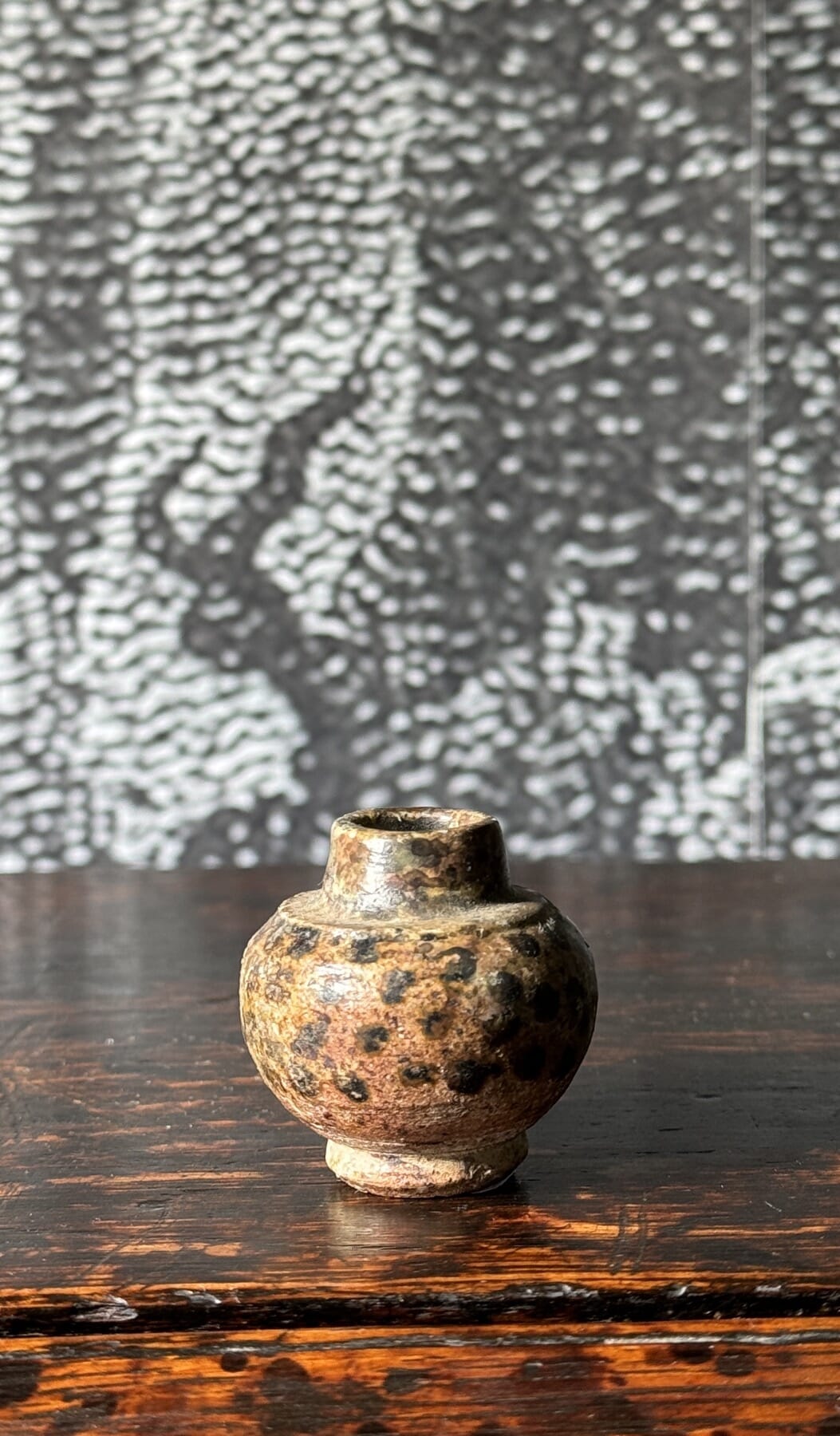
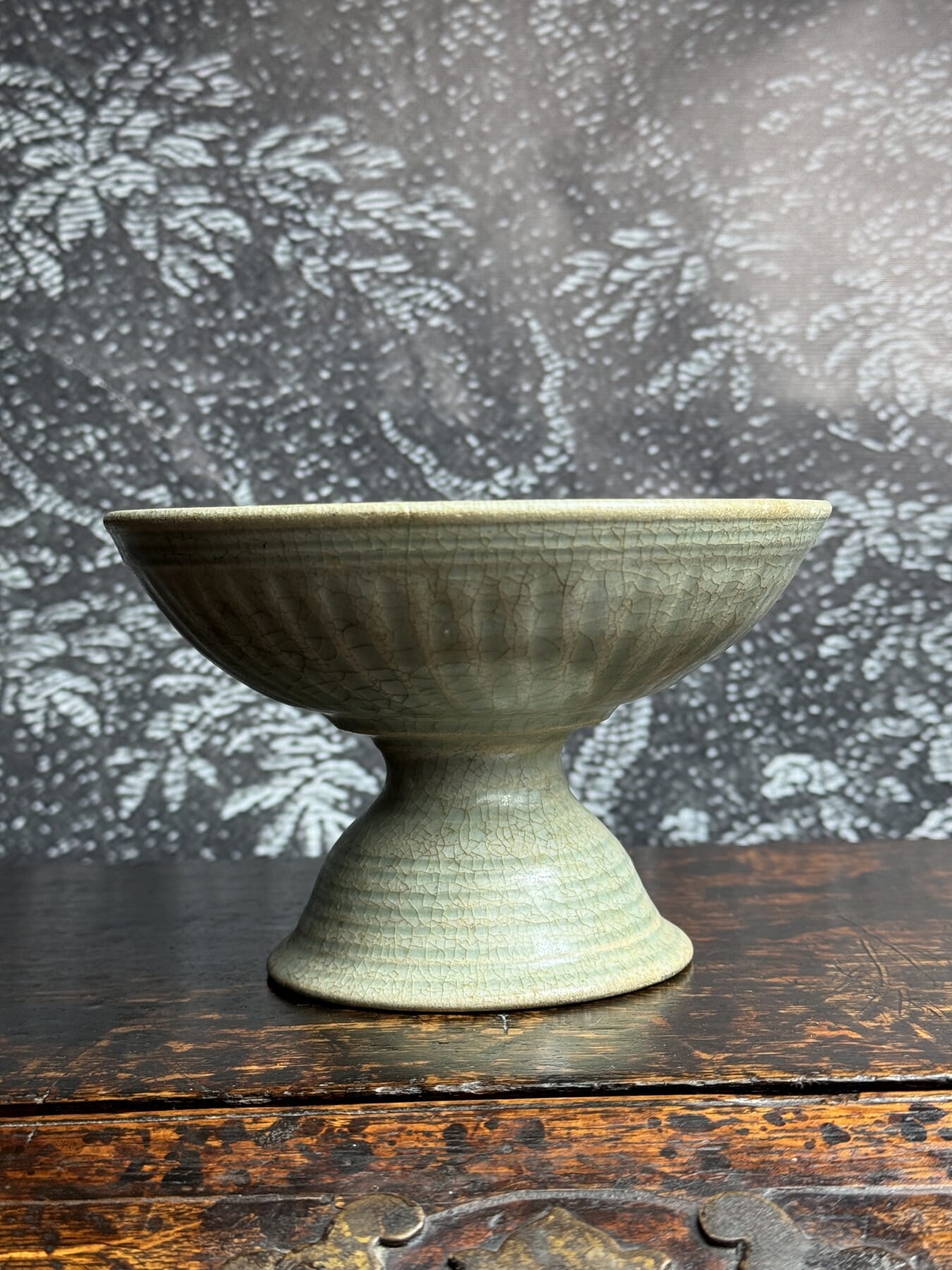
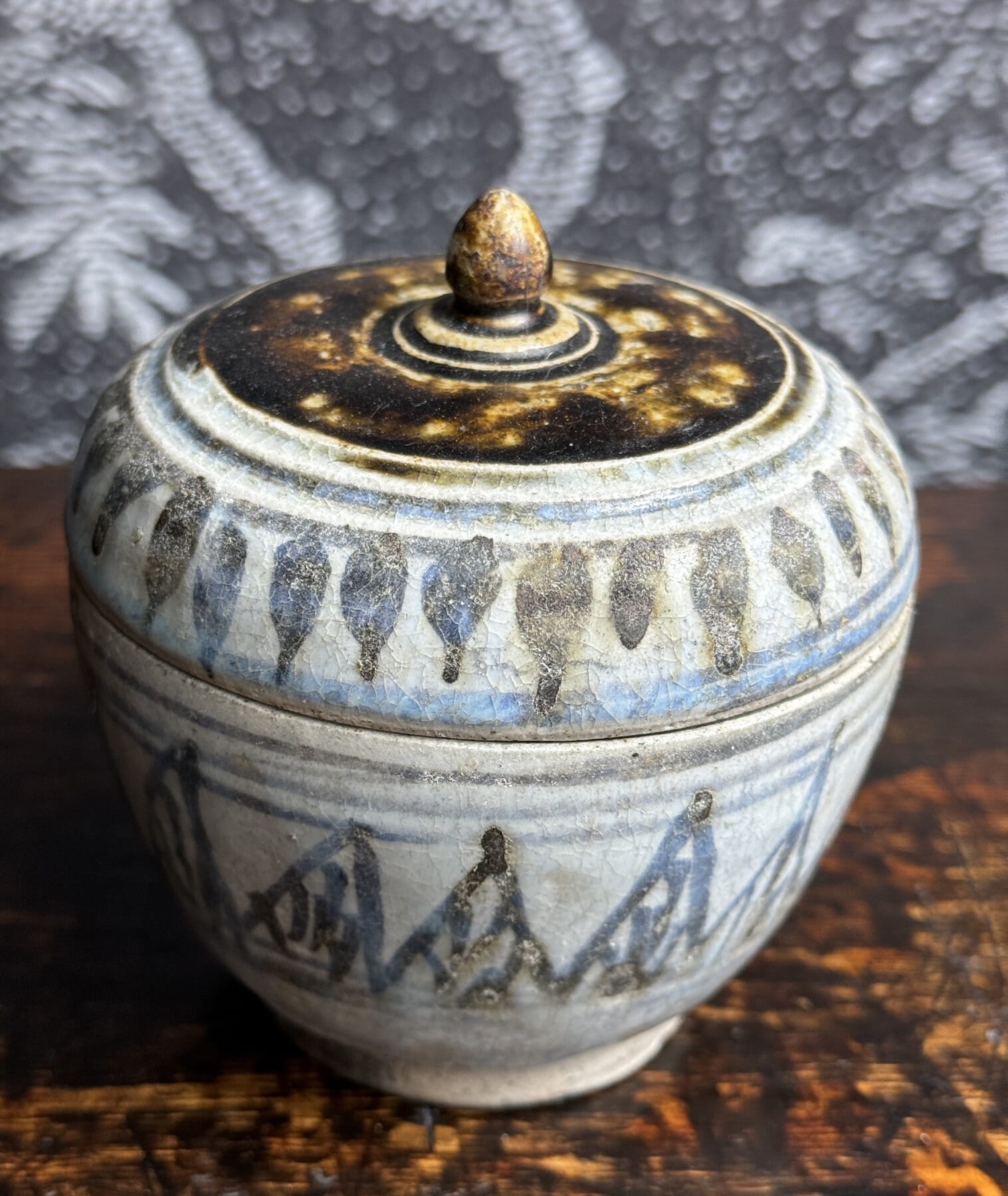
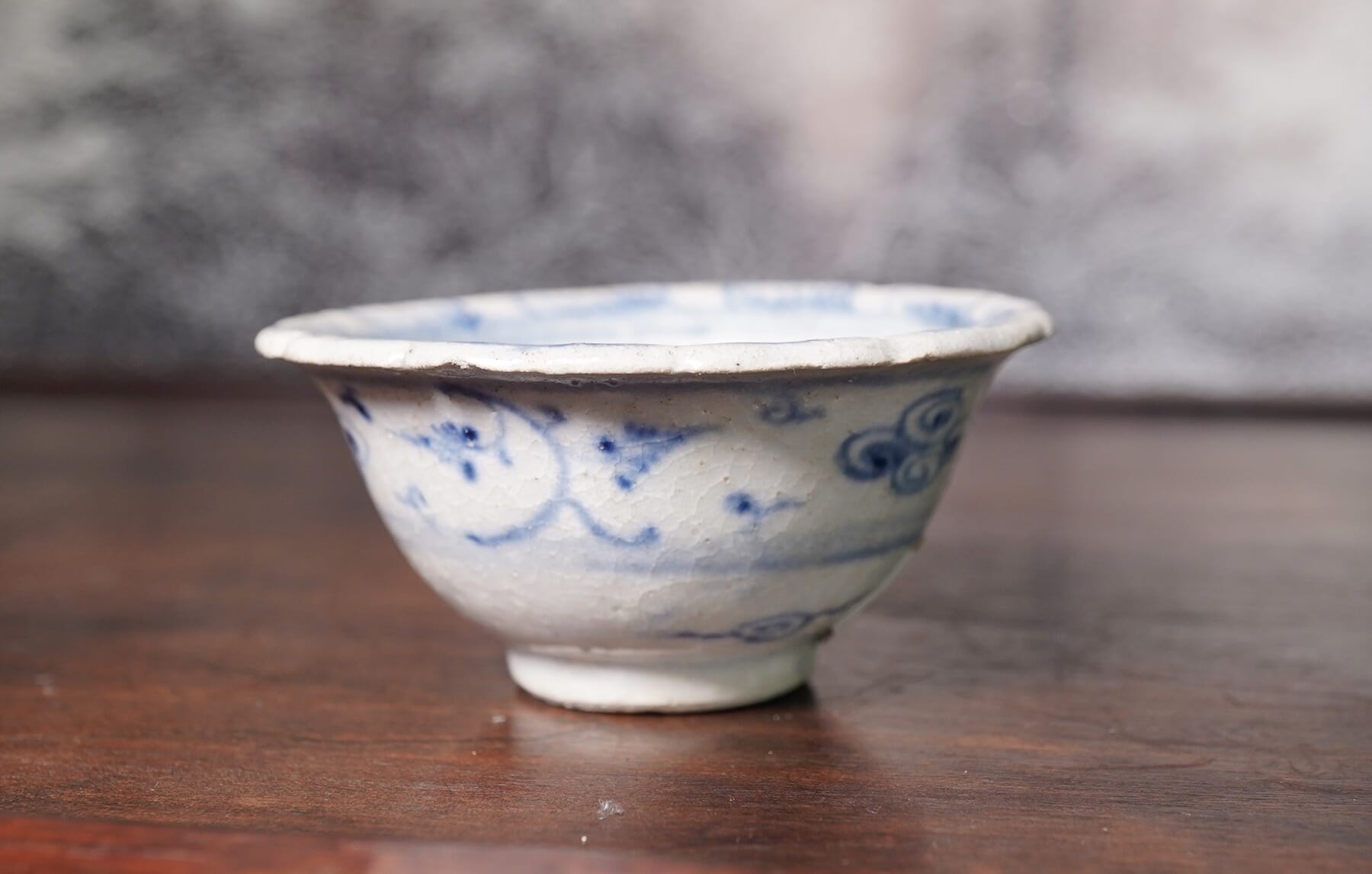
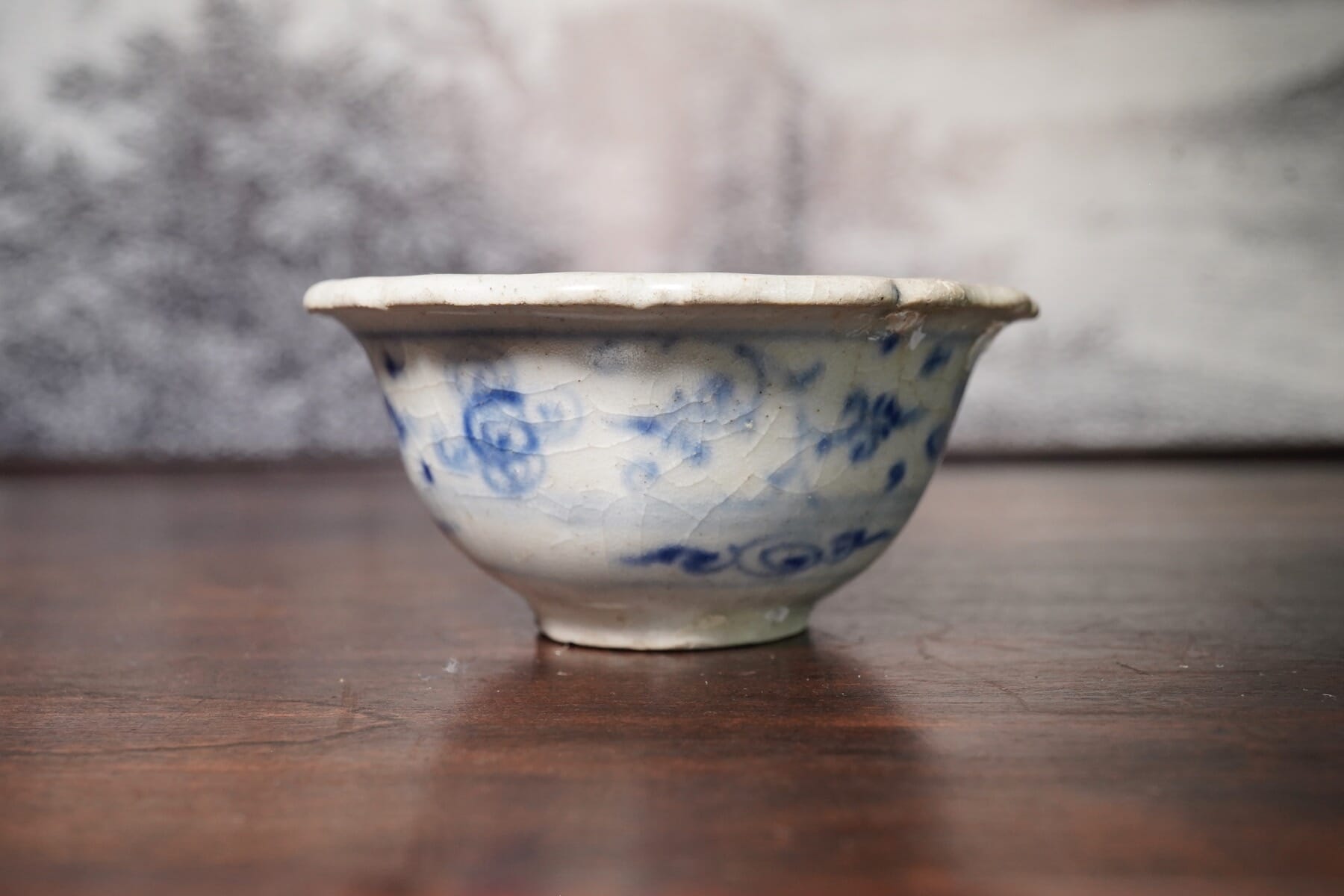
This stock release includes several such local collections of interesting Asian ceramics, including some over 1,000 years old.

Enjoy!

Posted on

Beautiful Bow!

Beautiful Bow Porcelain

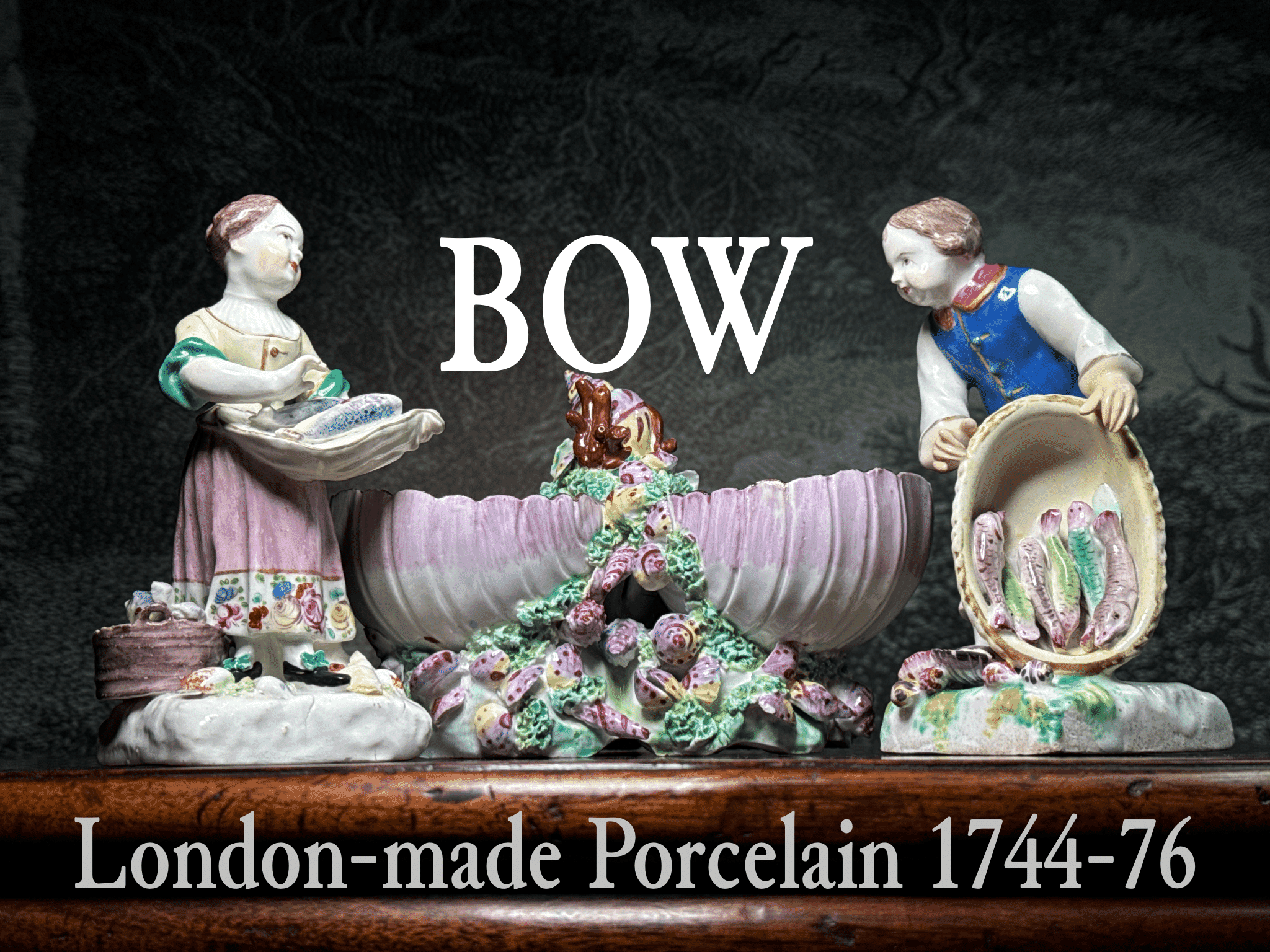
Moorabool has a nice collection of Fresh Bow Porcelain to share…….

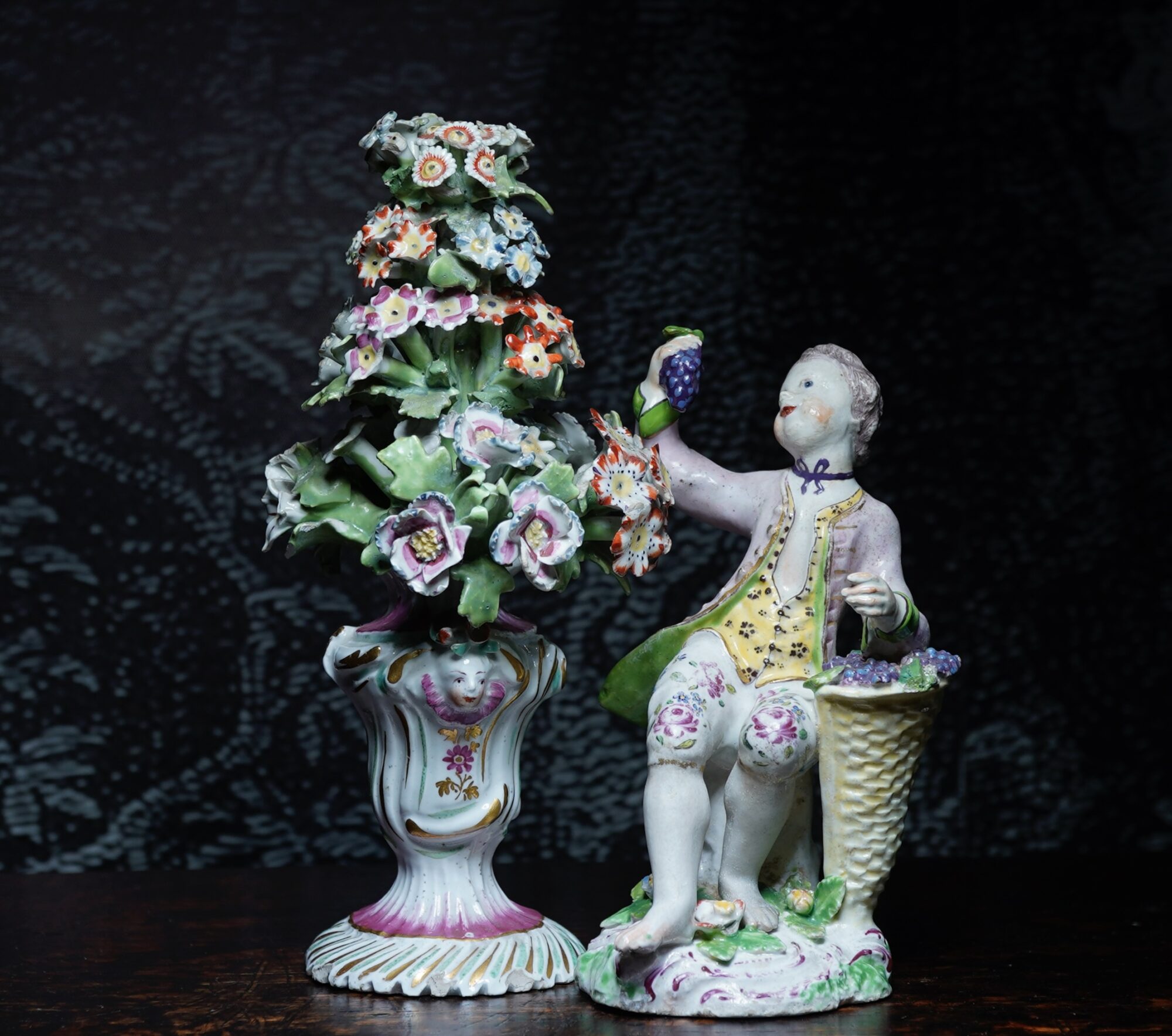
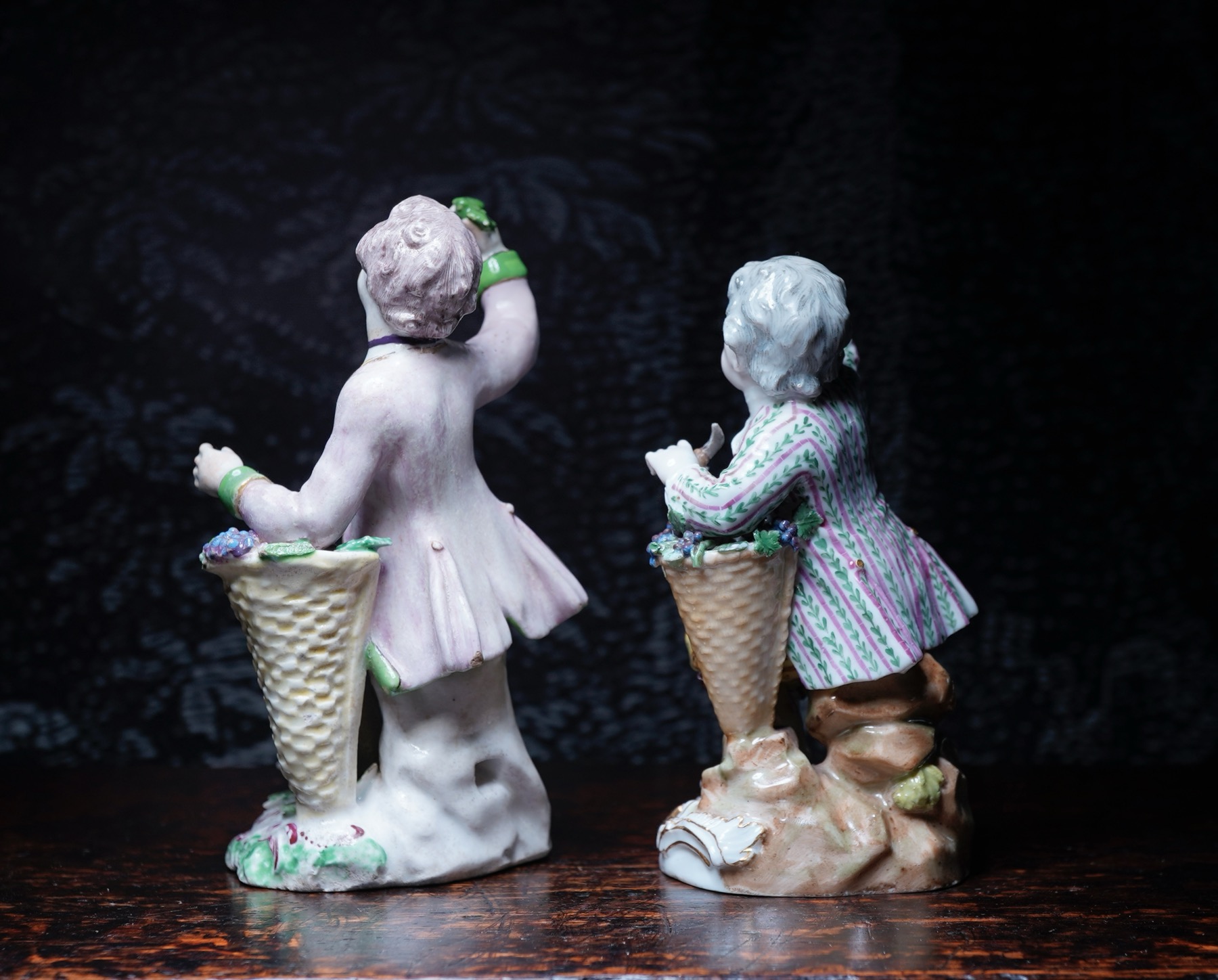
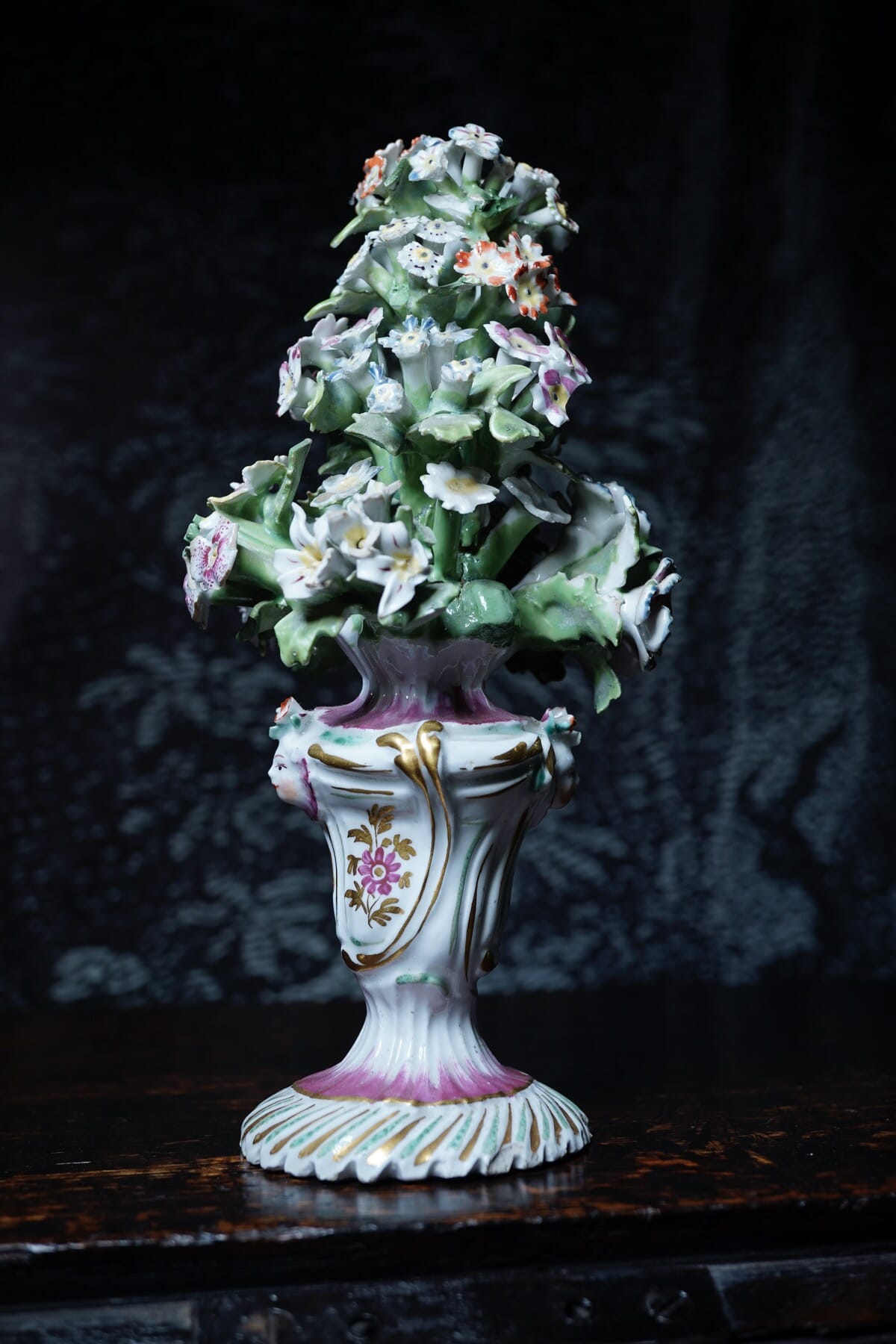
Bow Porcelain figure & garden urn, 1750's & 1765
Bow Porcelain figure & garden urn, 1750’s & 1765

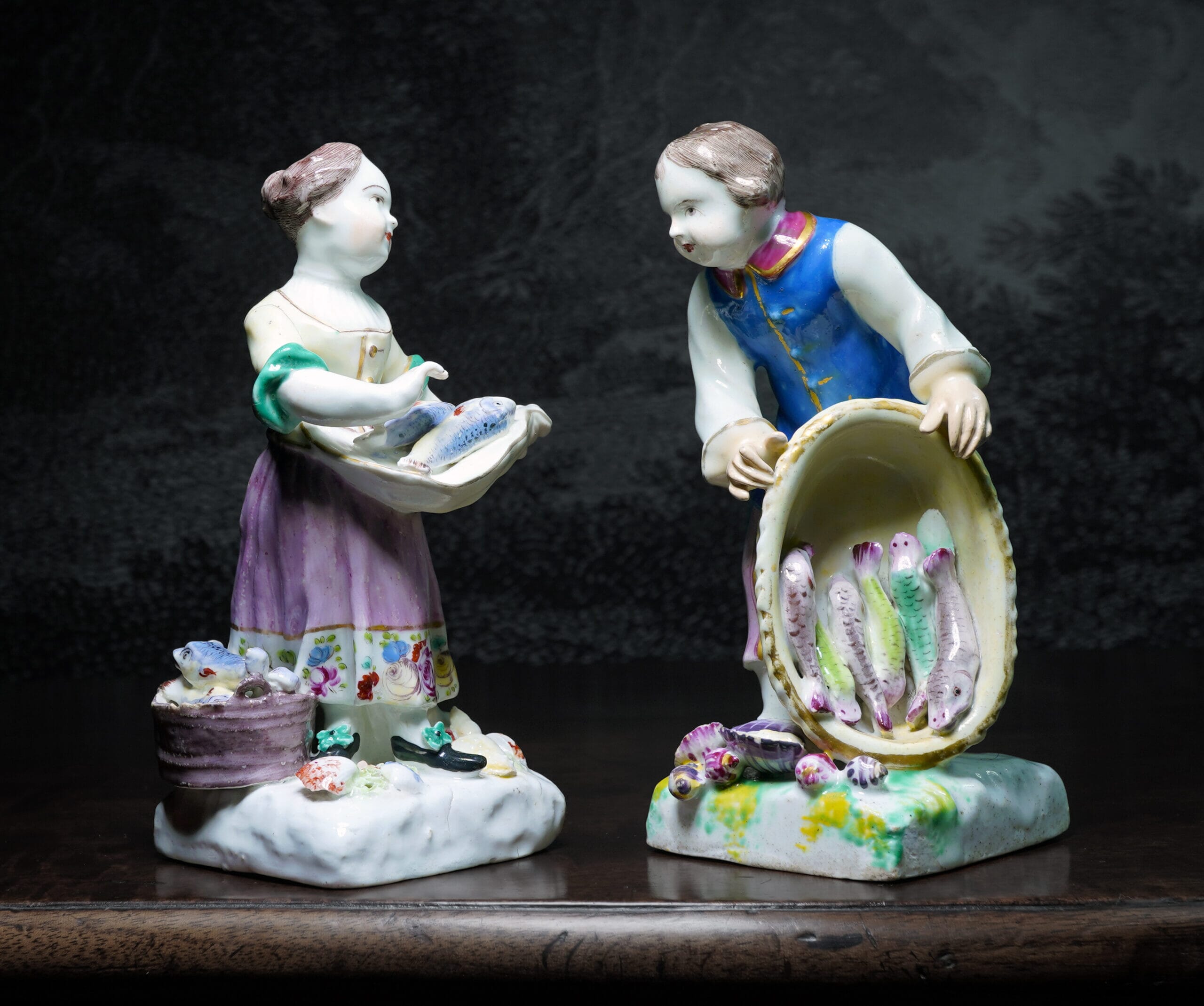
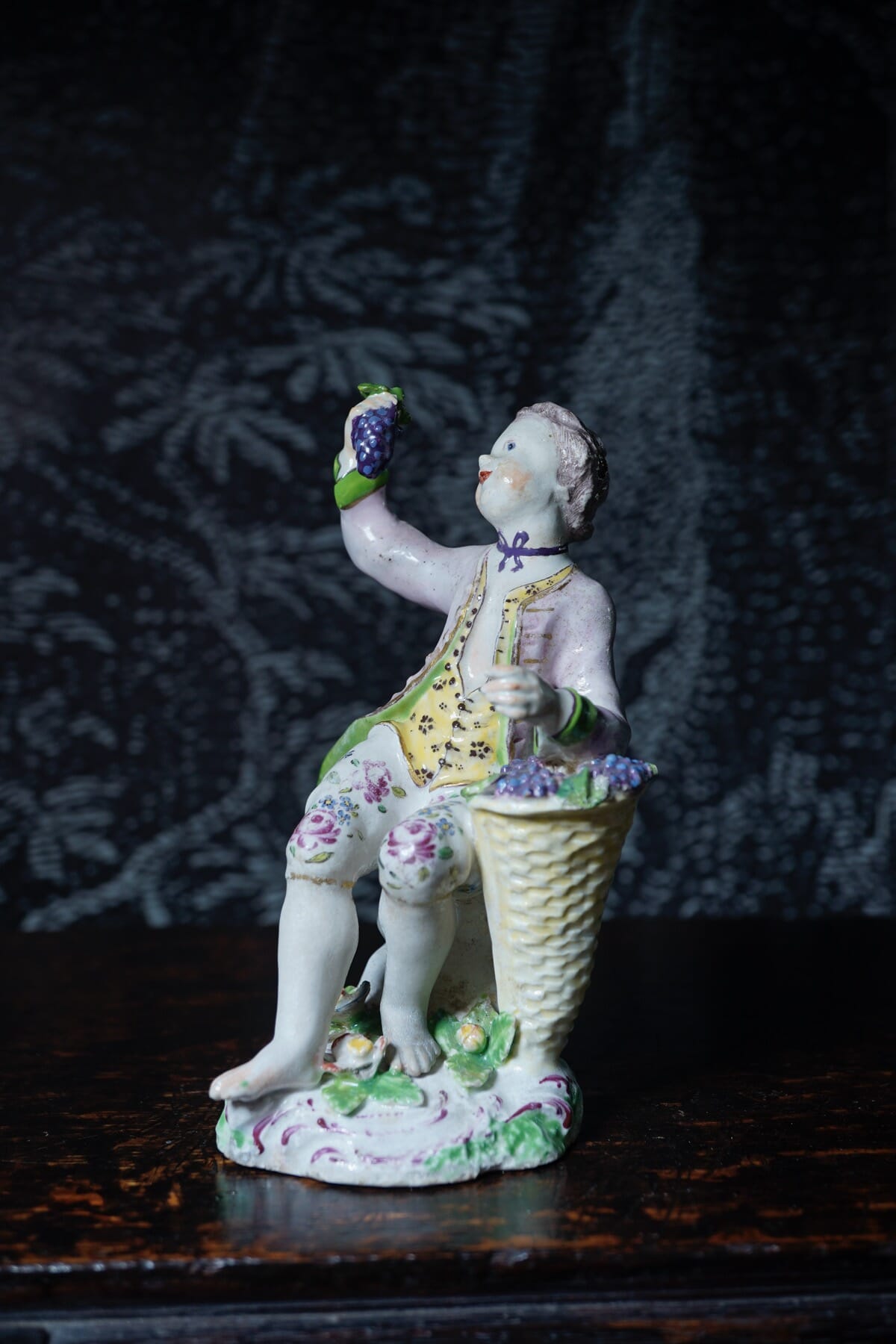
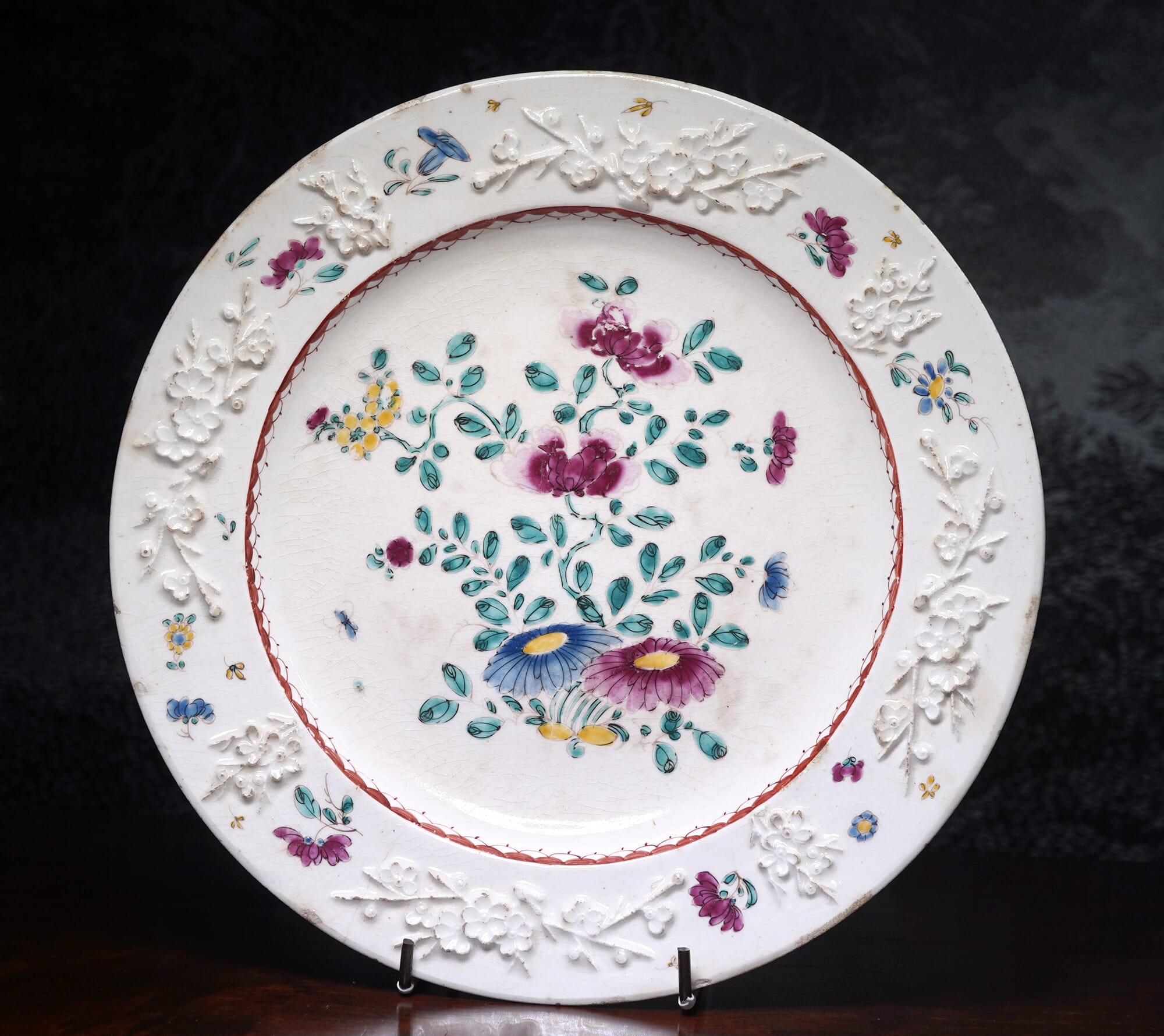
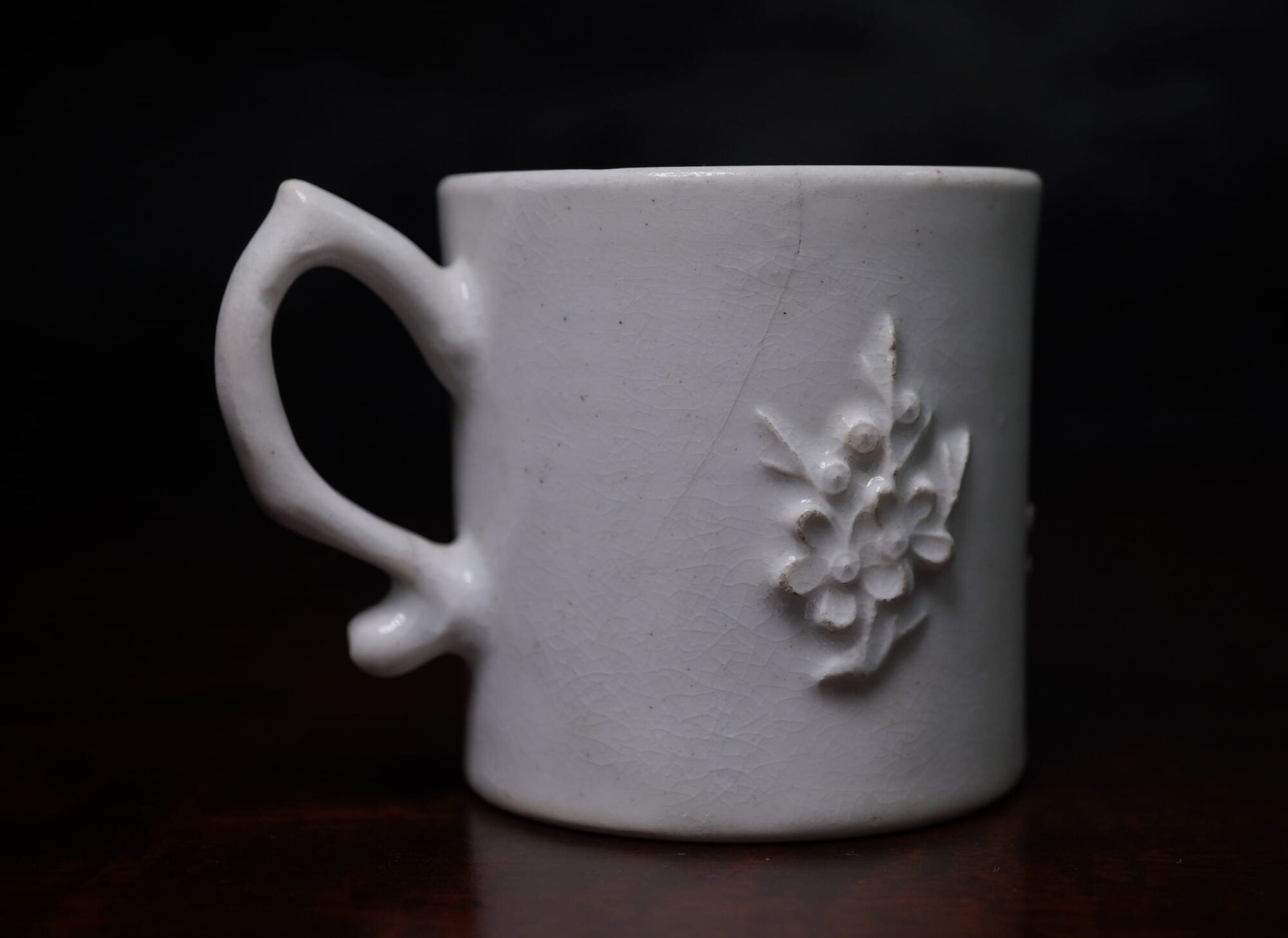
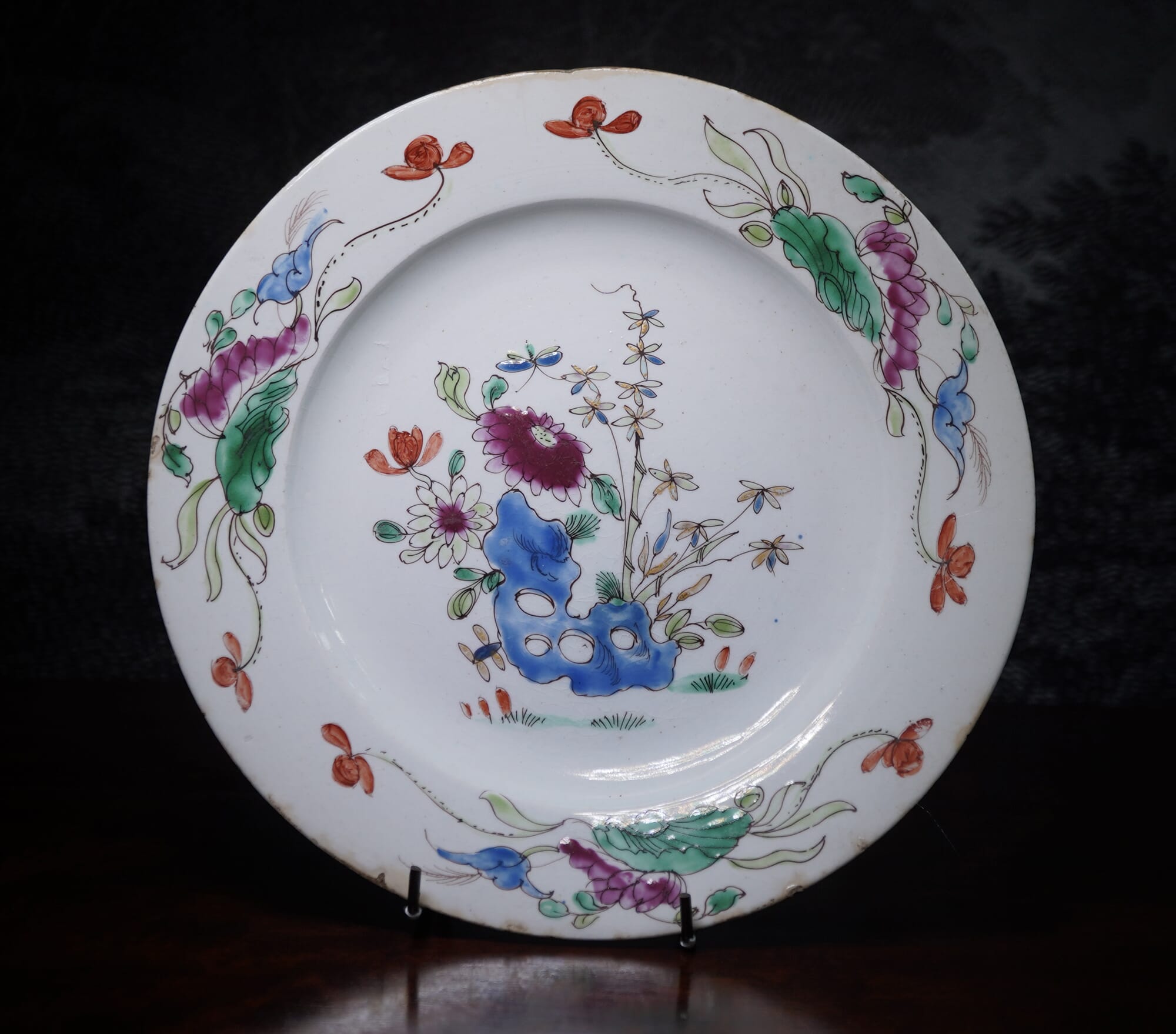
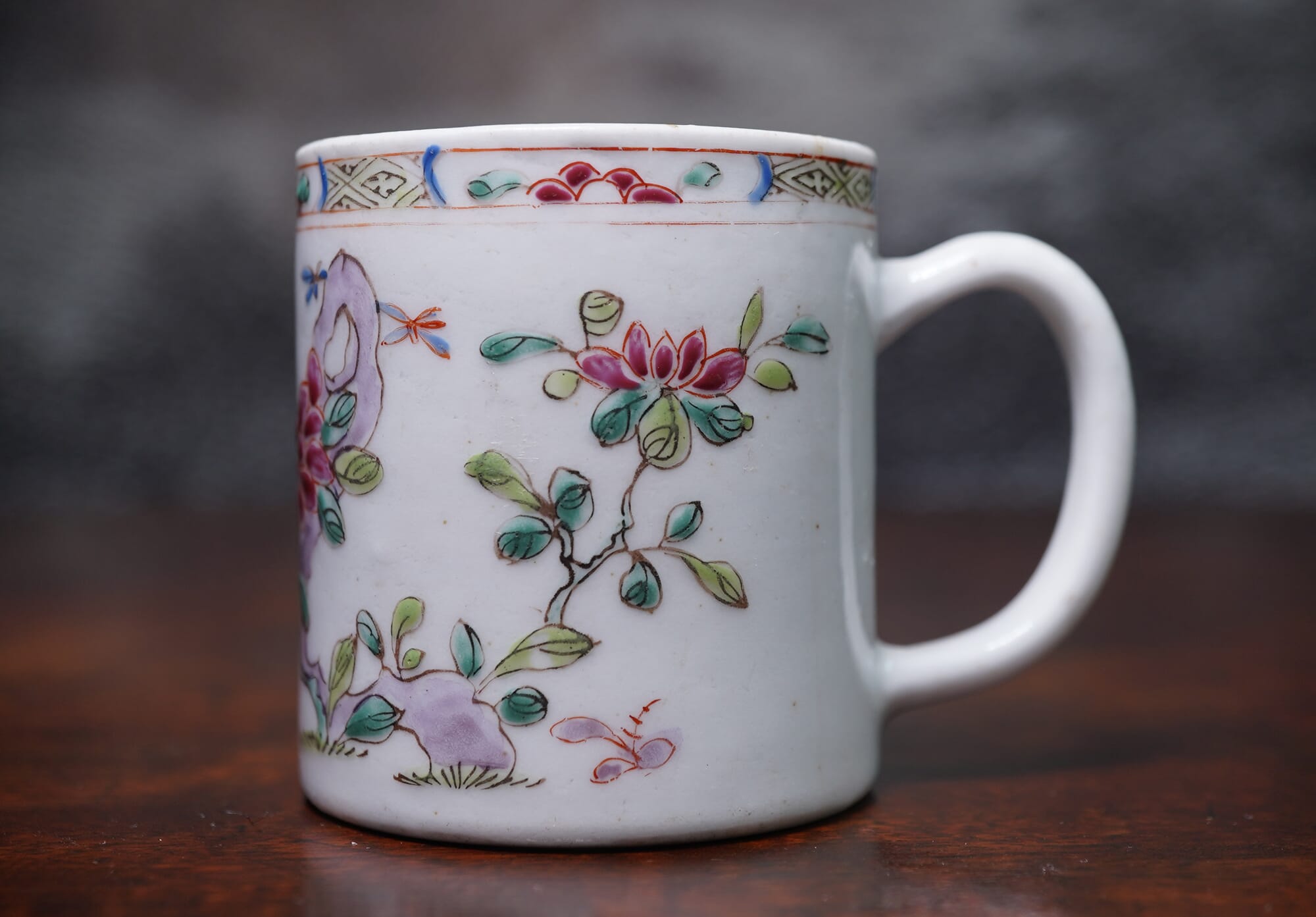
Bow Porcelain has a keen following among collectors, valued for its cheerful, bright colours and quirky modelling. 

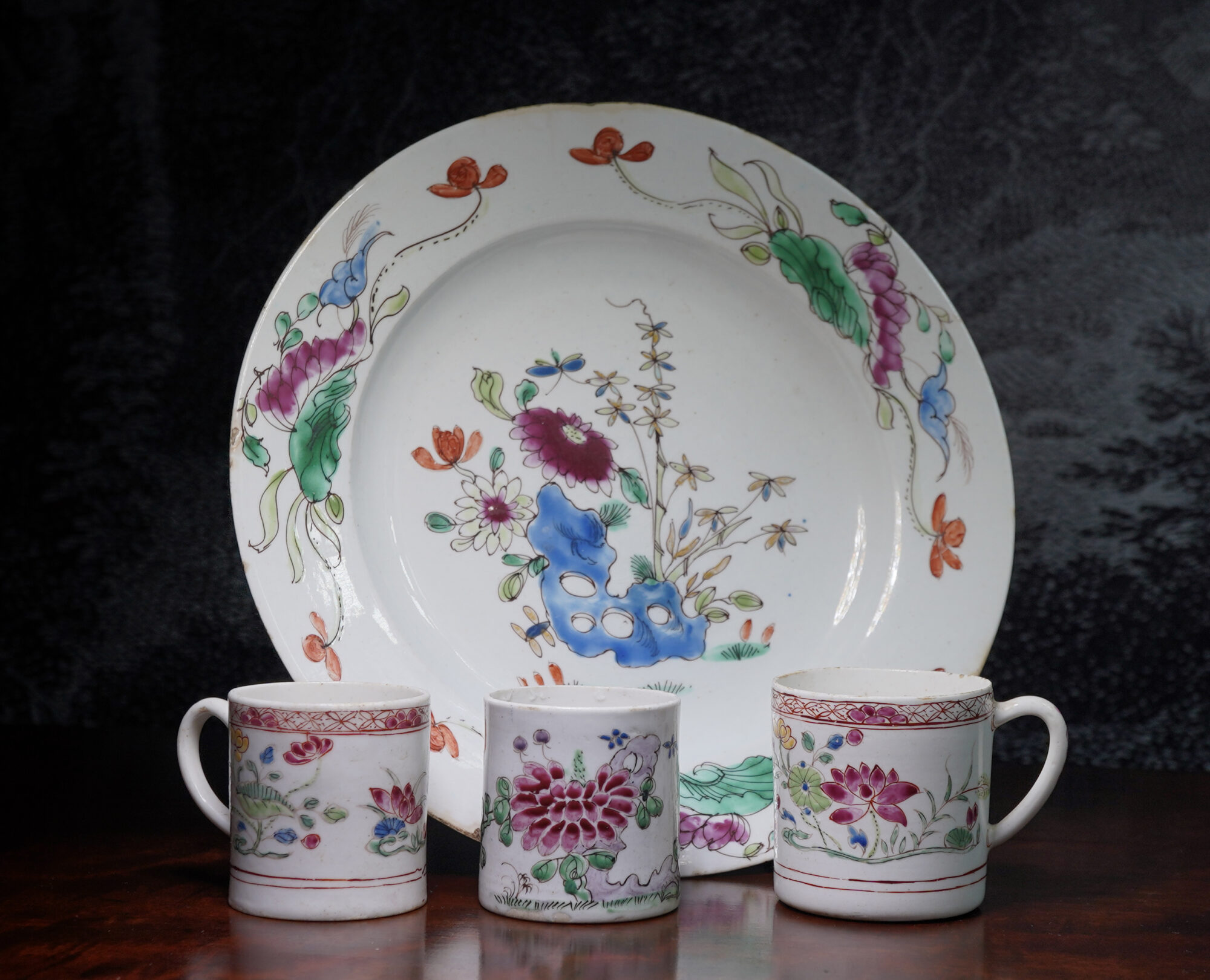
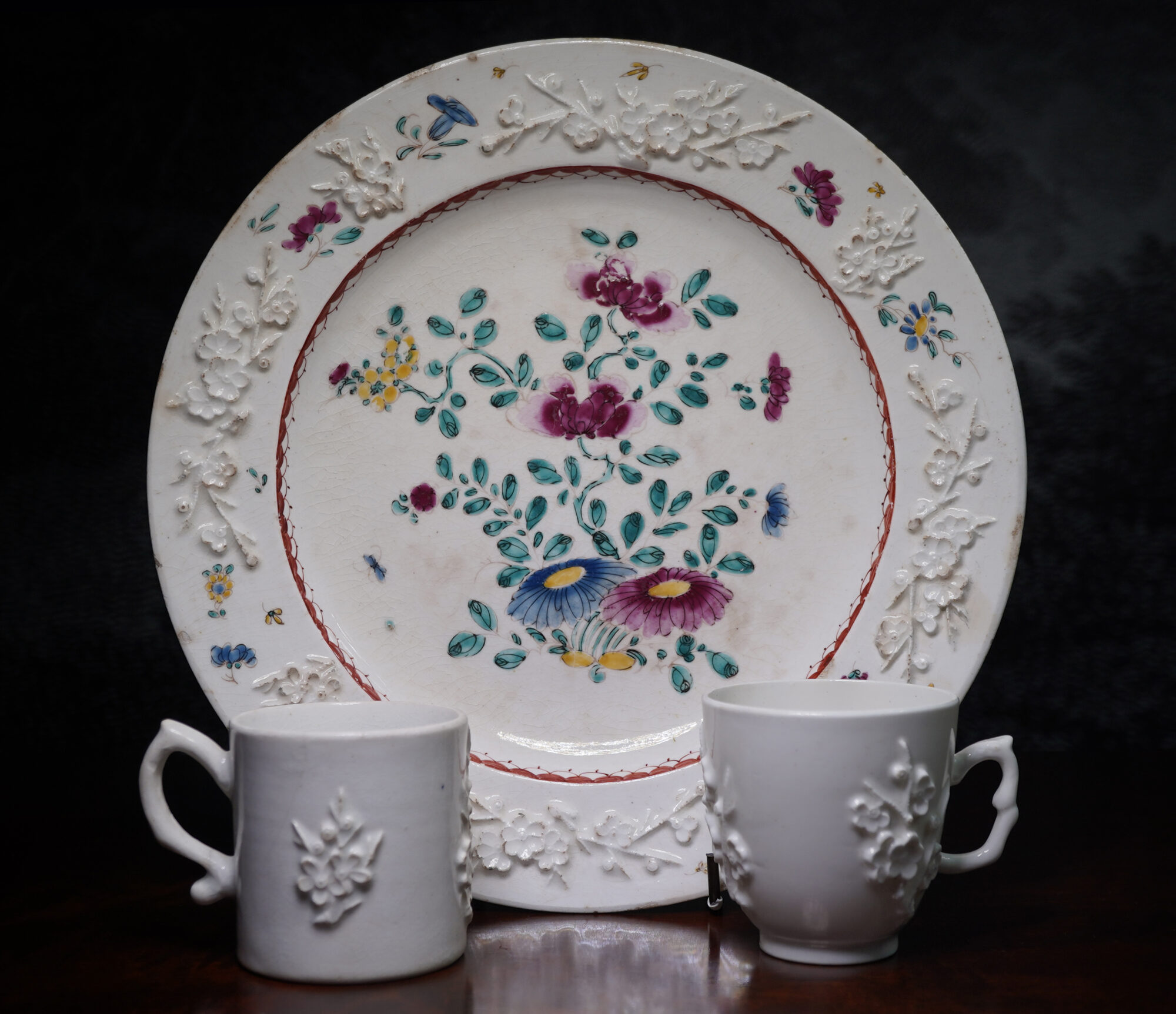
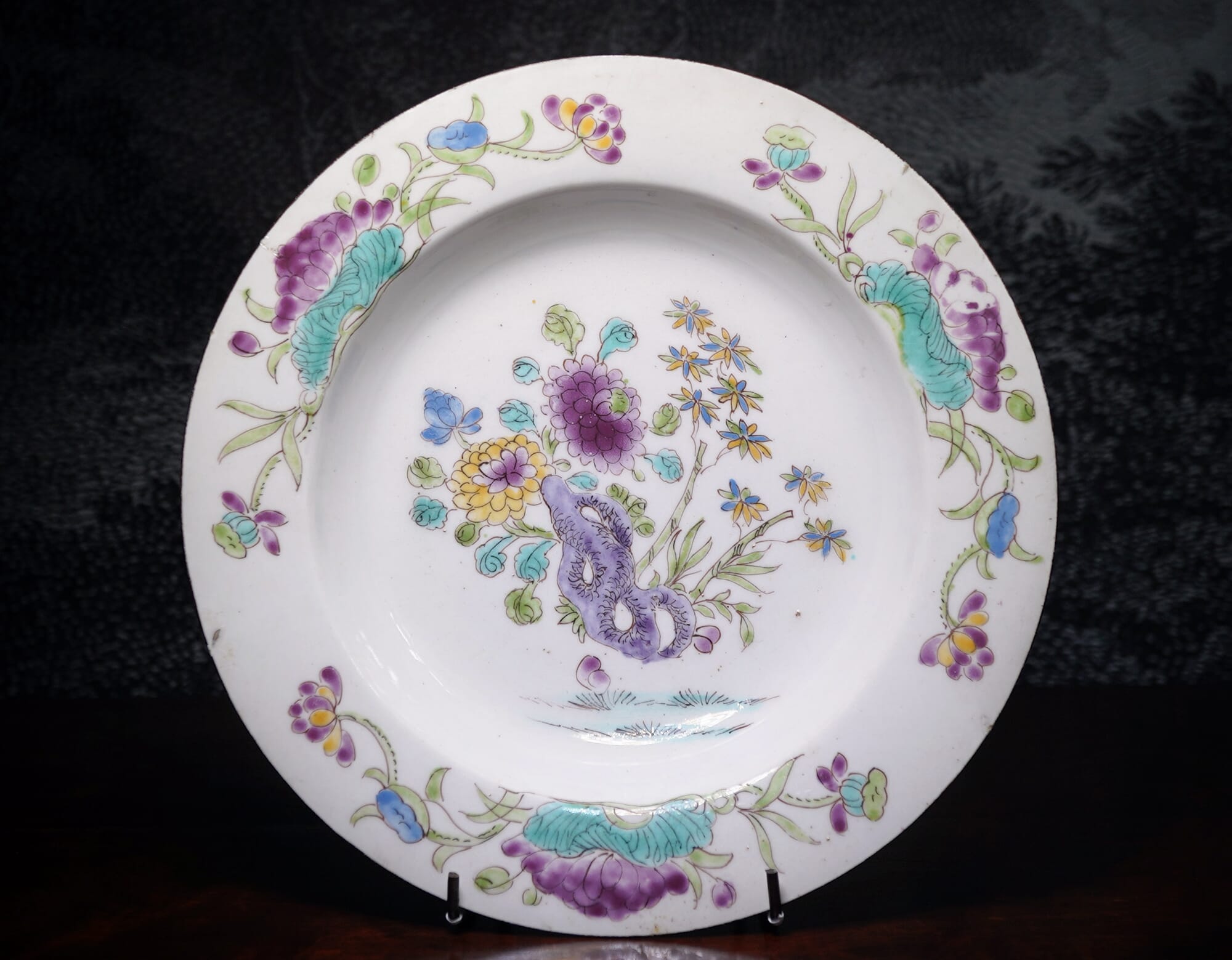
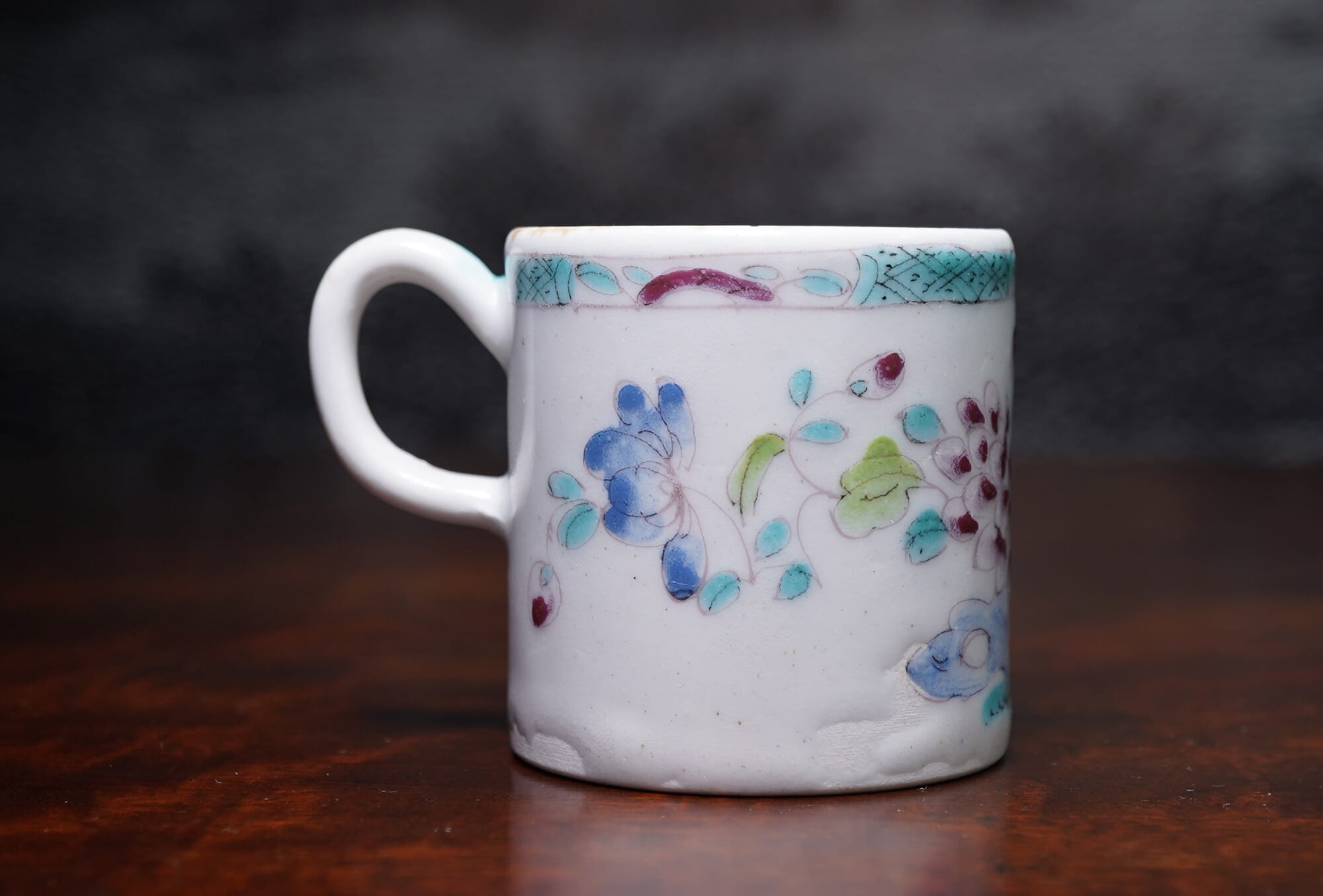
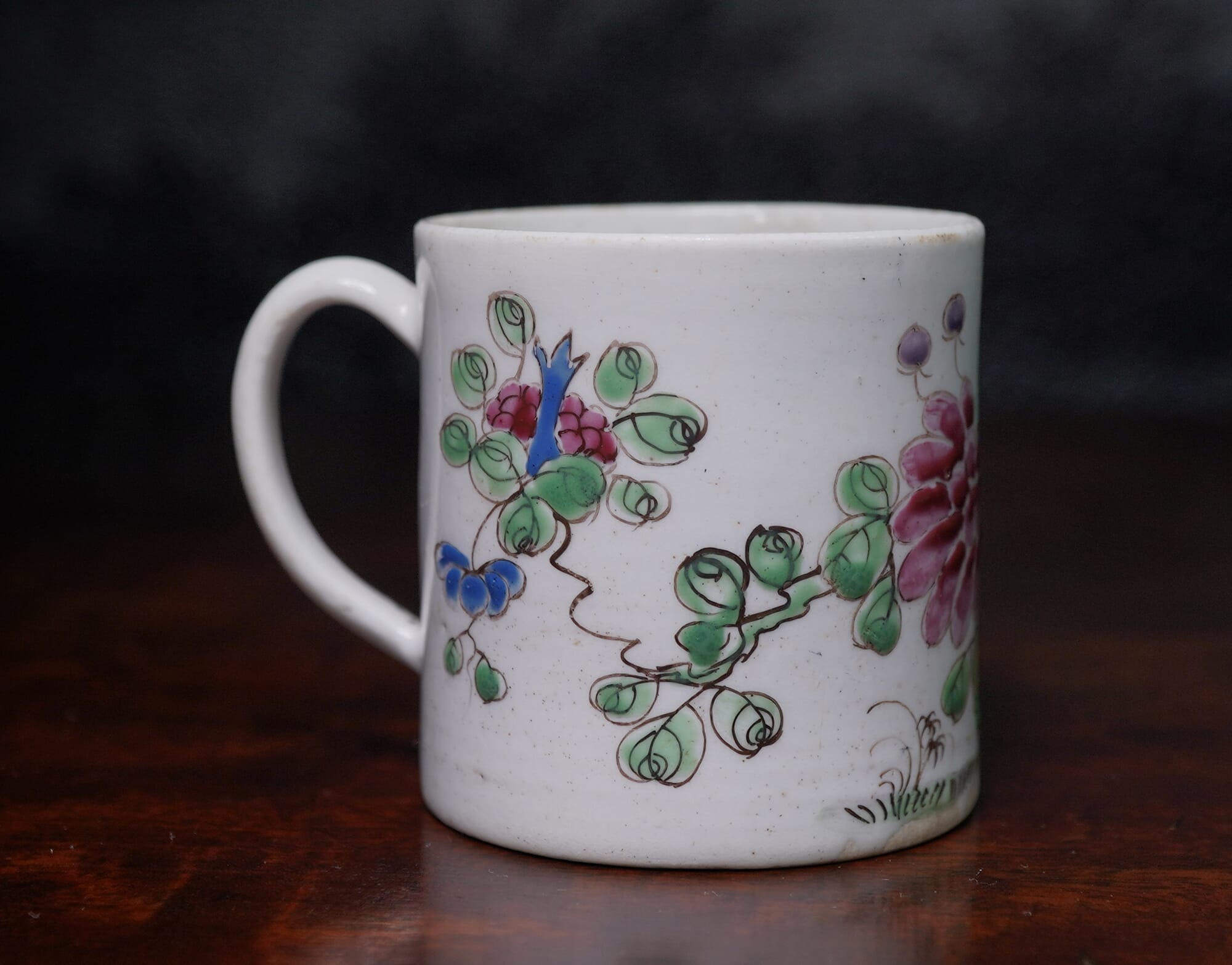
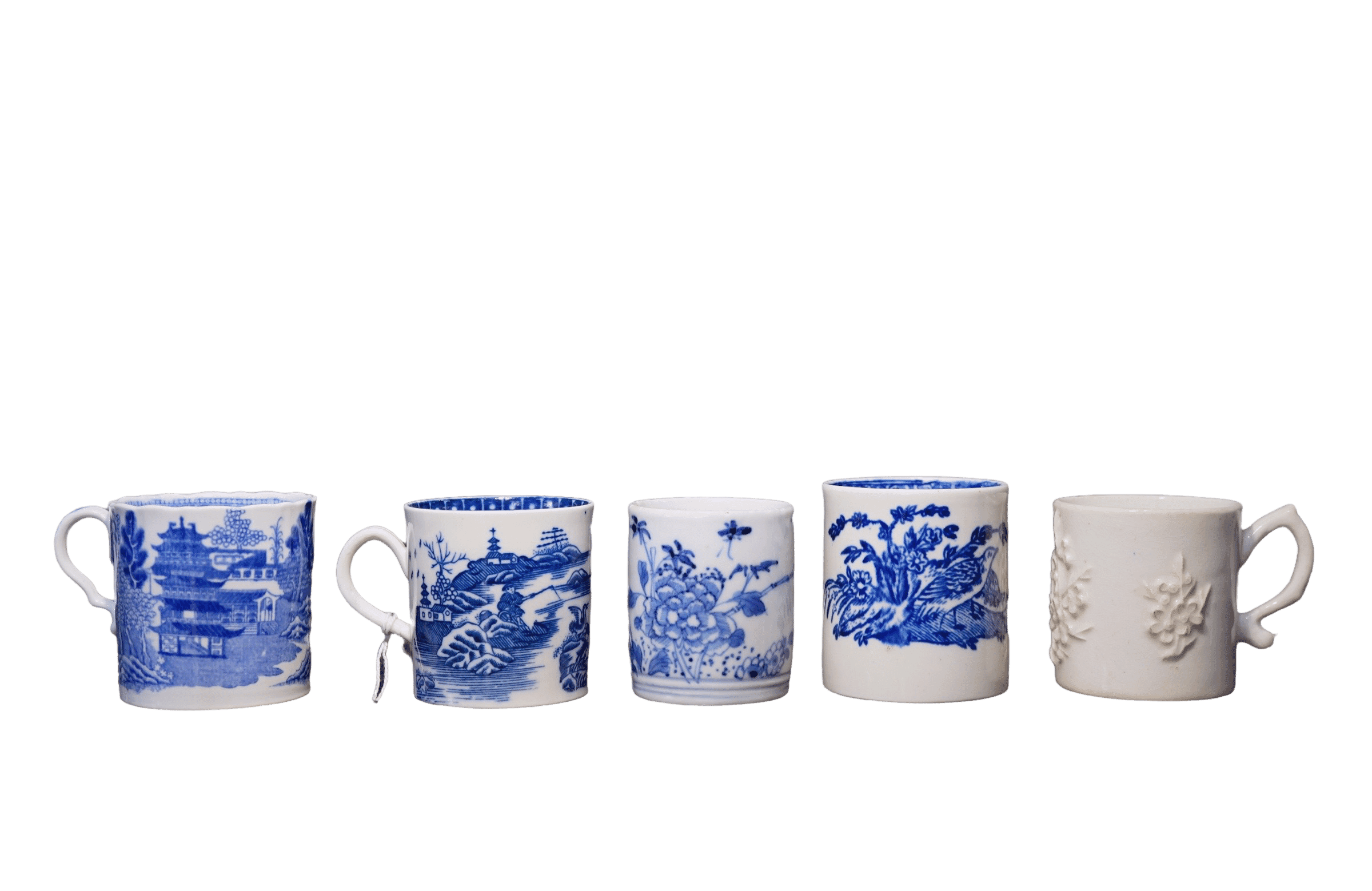
A selection of Beautiful Bow, with bright Chinese-style flower decoration, 1750’s

Founded in the mid 1740’s by Thomas Frye, it produced a variety of wares in direct competition to the fellow-fledgling factory in the region, Chelsea. While Chelsea produced high-end luxury ceramics, Bow was happy to produce less expensive wares – and did so on a large scale, becoming the largest manufacturer of the period in England. 

Like Chelsea, it was located within the bounds of present-day London – although in the mid-18th century, both places were still smaller hamlets on the Thames River, yet to be enveloped by the expanding metropolis.

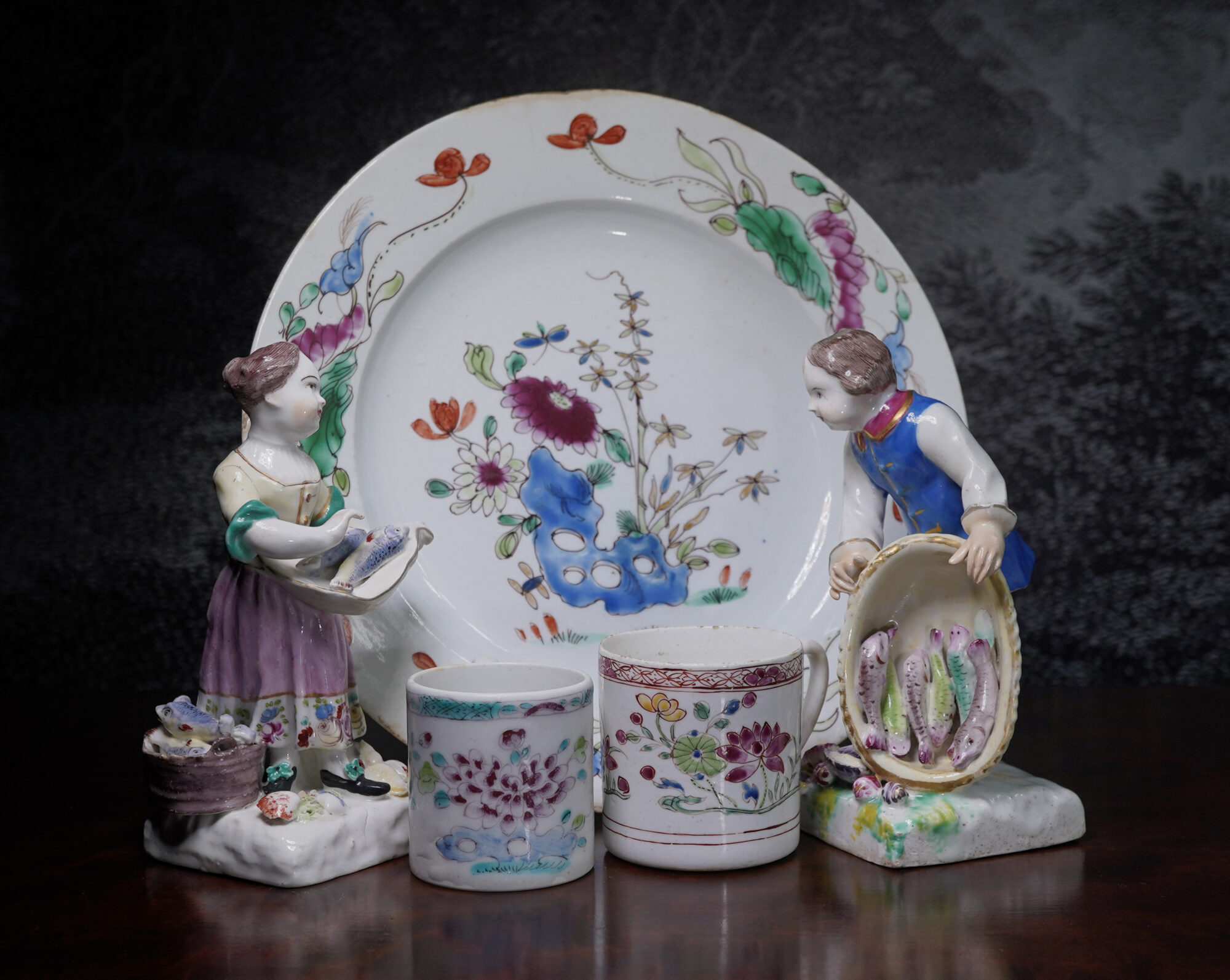
Bow Porcelain from the 1750’s, showing the influence of Meissen in the ‘Fisherfolk’ figures, and Asian imports in the plate & coffee cans – all very much in fashion in the 1750’s.

The products of these early factories were a direct response to the red-hot London market for Asian Porcelain imports – so it’s hardly surprising that the pieces are often imitations of Chinese & Japanese designs.

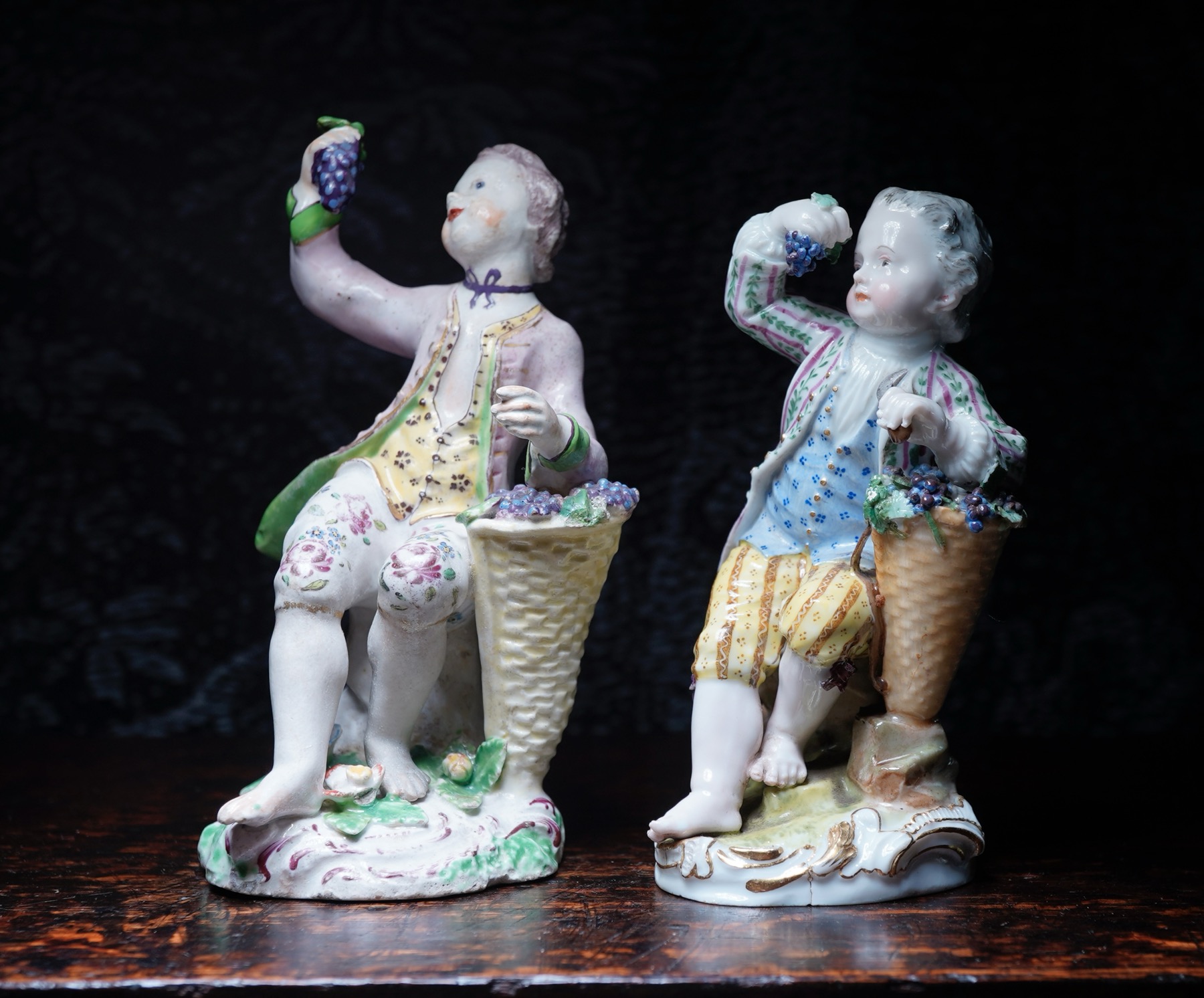
Many items are copies of Chelsea forms, and Chelsea in turn copied the expensive imports from Meissen. We have several pieces in stock that follow this fascinating storyline…… 

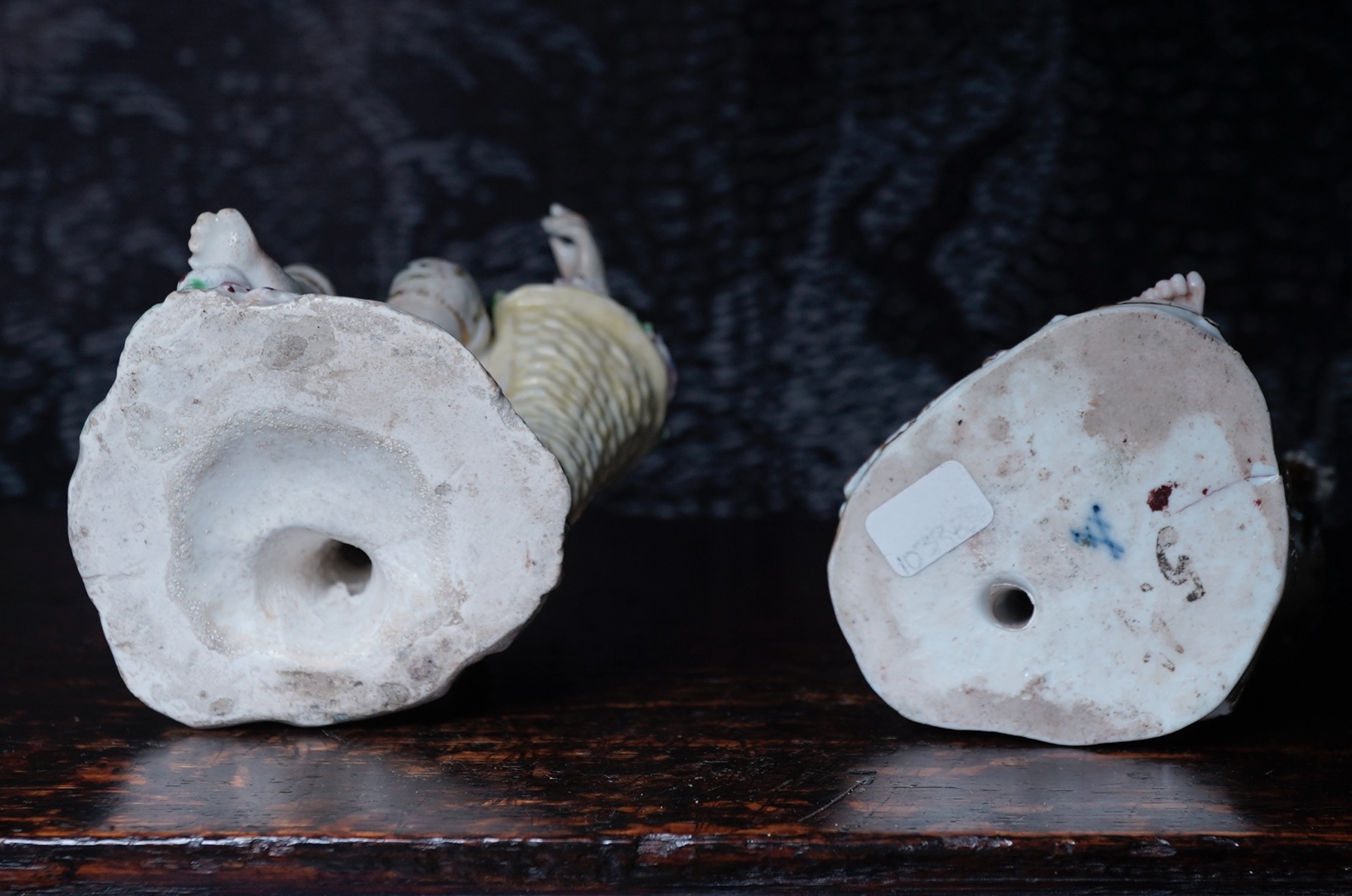
  • Bow (left) and Meissen (right) figure of 'Autumn'

By the 1770’s, the Bow style was overshadowed by multiple other porcelain manufacturers such as Worcester and Derby. Chelsea also found itself in trouble, and had their ‘strategic merge’ with William Duesbury’s Derby factory in 1770, which led to their closure a few years later. The same fate befell Bow, with the owner recorded as bankrupt in 1763, and the sale of moulds & equipment to Duesbury of Derby in 1776.

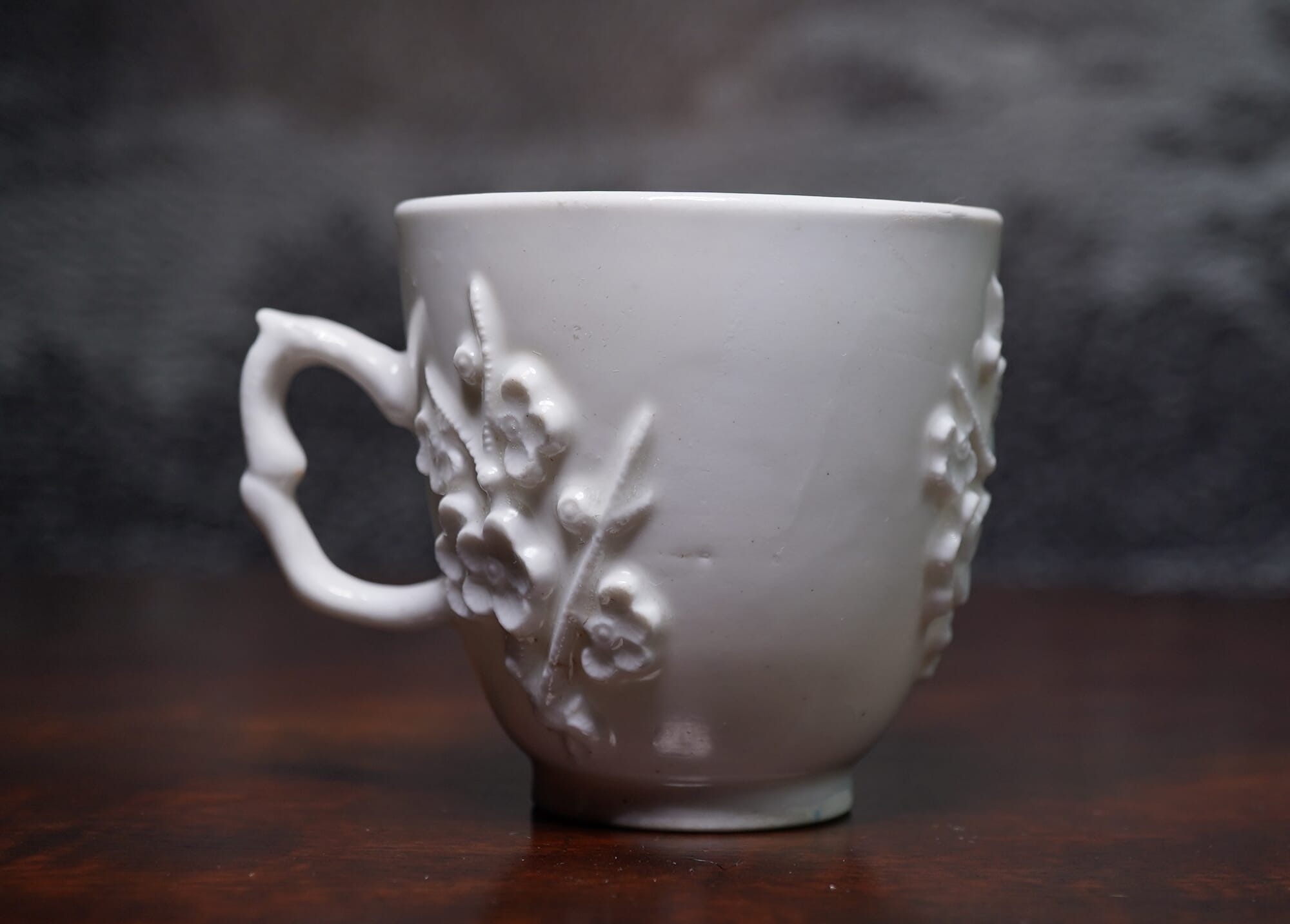
Prunus ‘Sprigging’, directly copying Chinese imports, 1750’s

Browse the latest uploaded Bow Porcelain collection below, or click the button to see all Bow Porcelain in stock.

Posted on

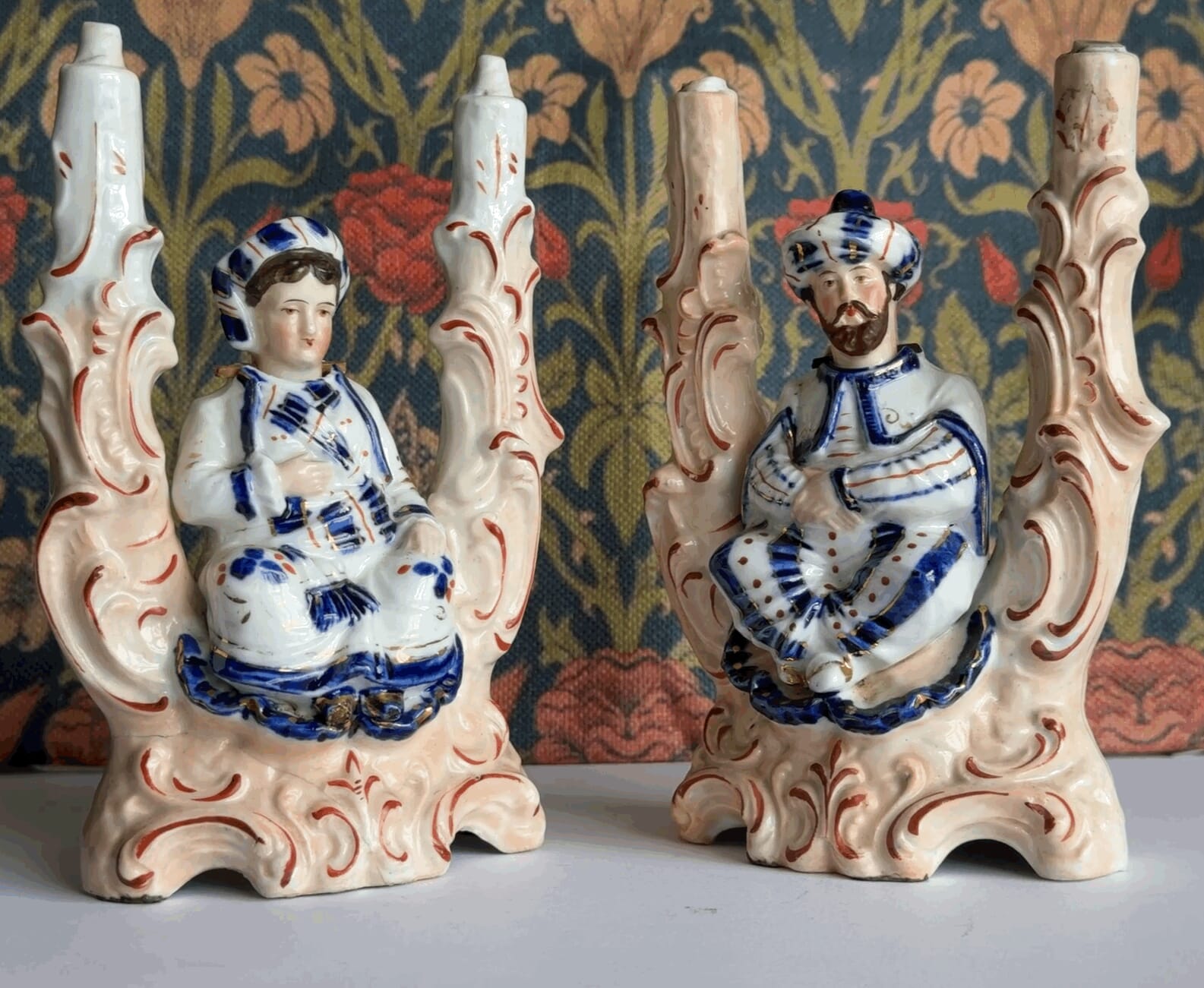
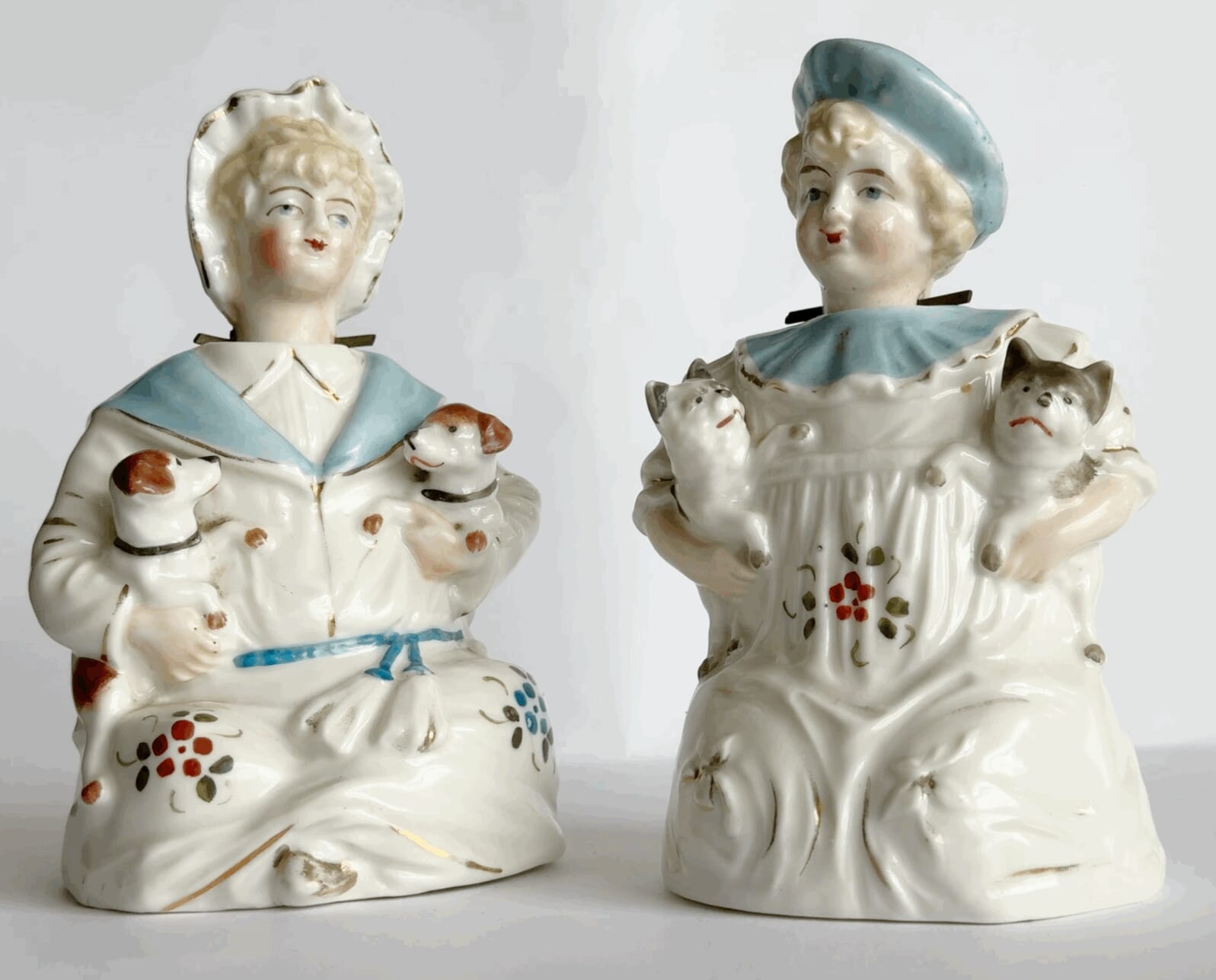
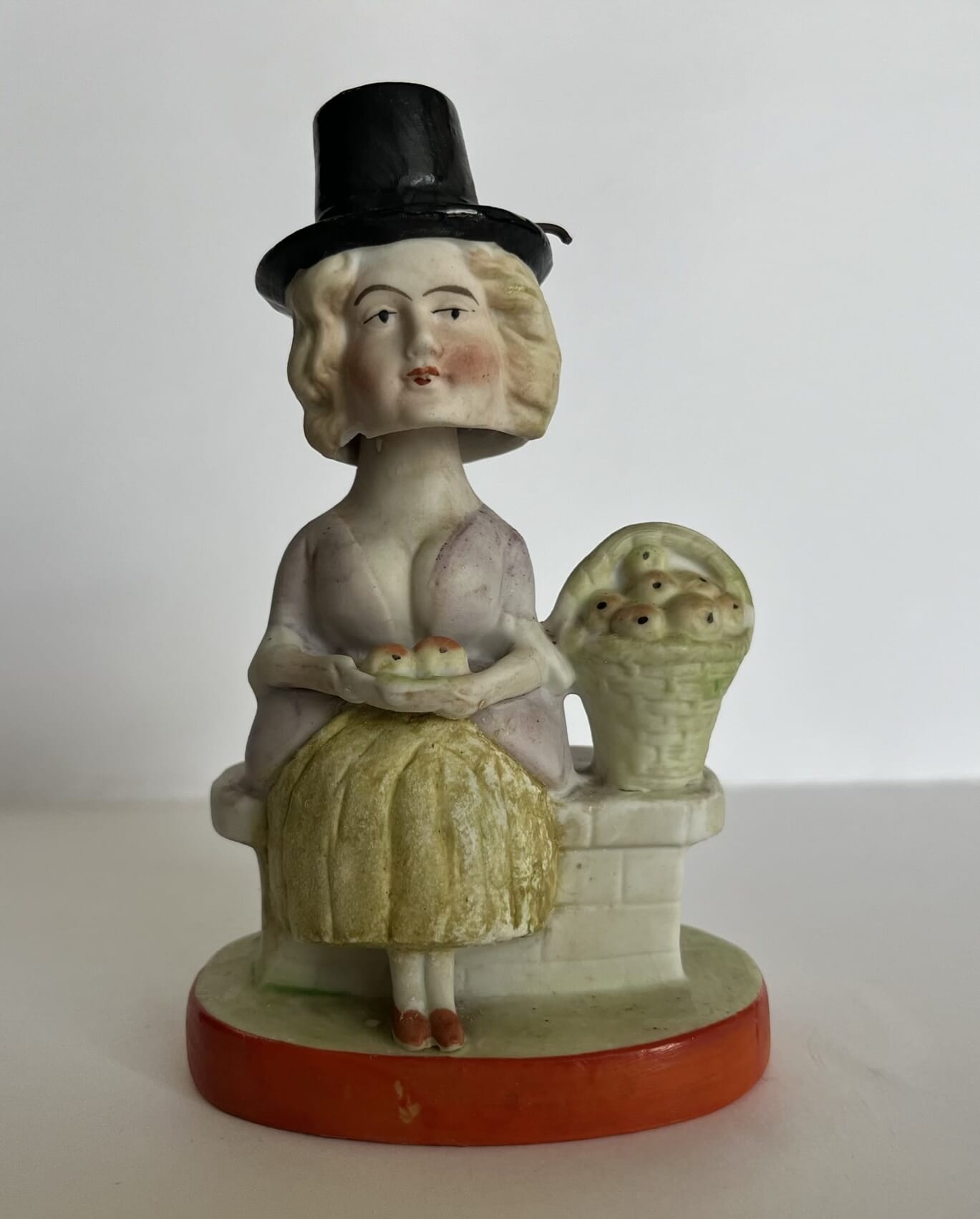
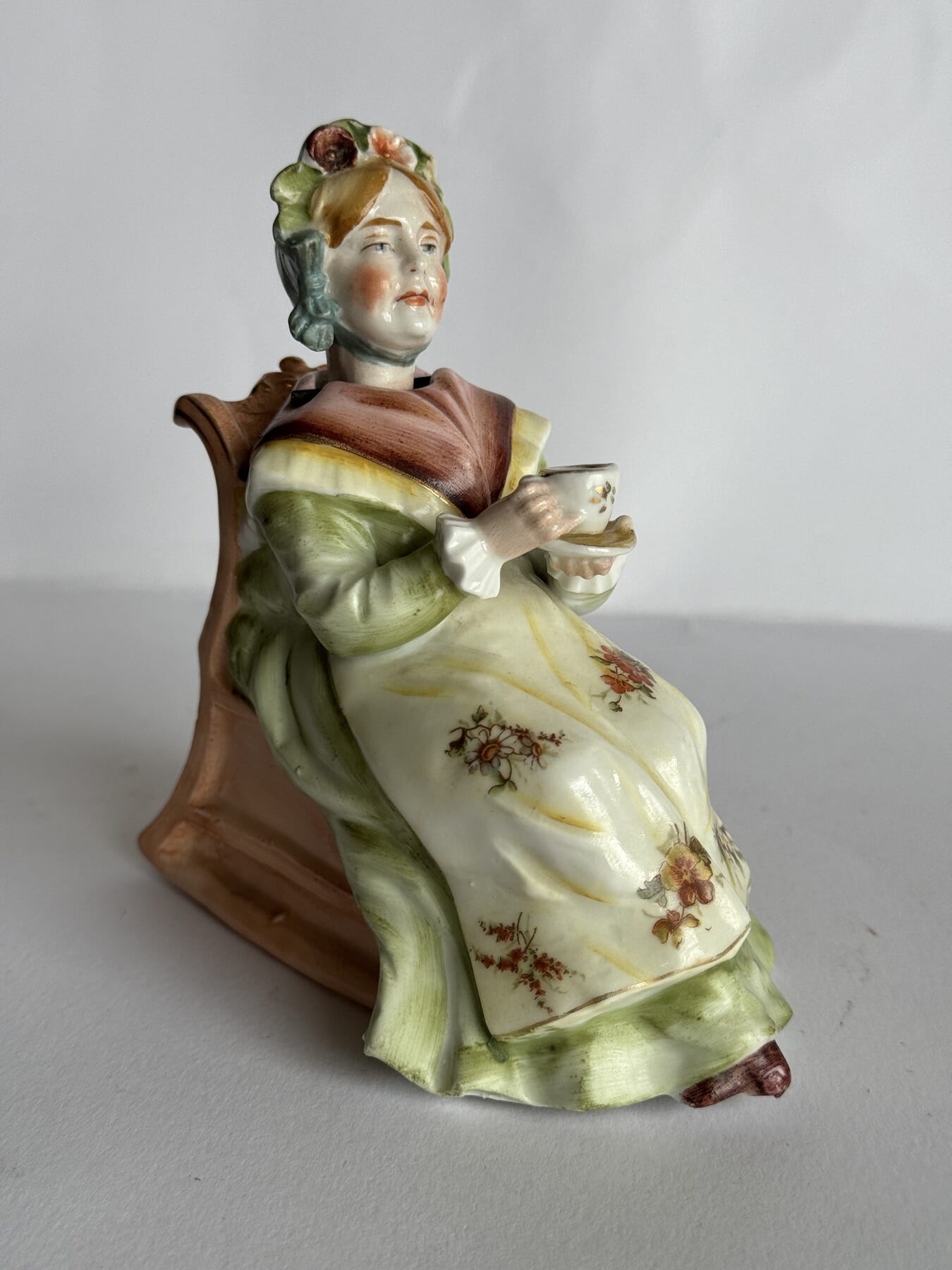
Nod if you like Antiques….. a collection of ‘Nodders’ + other funny things.

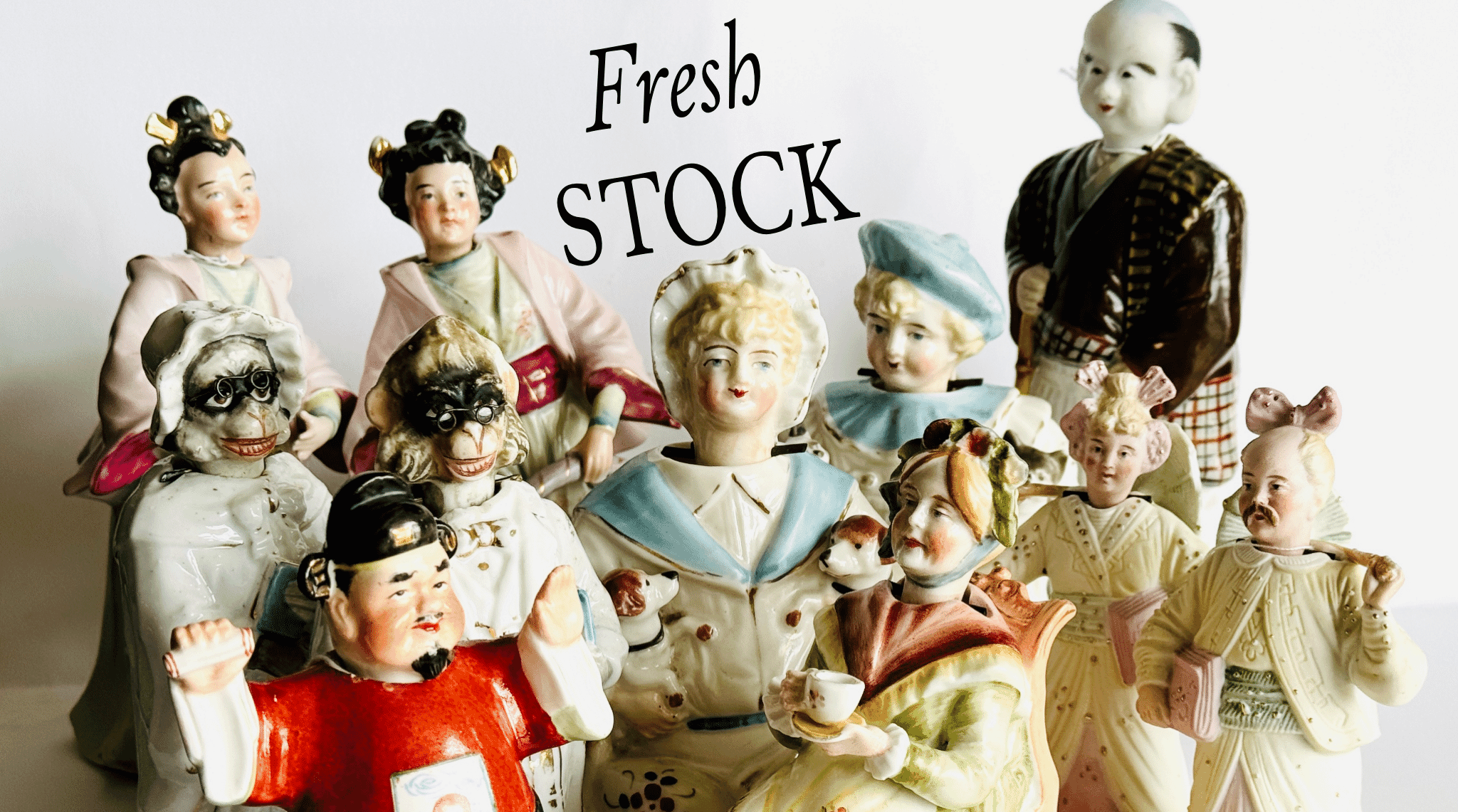
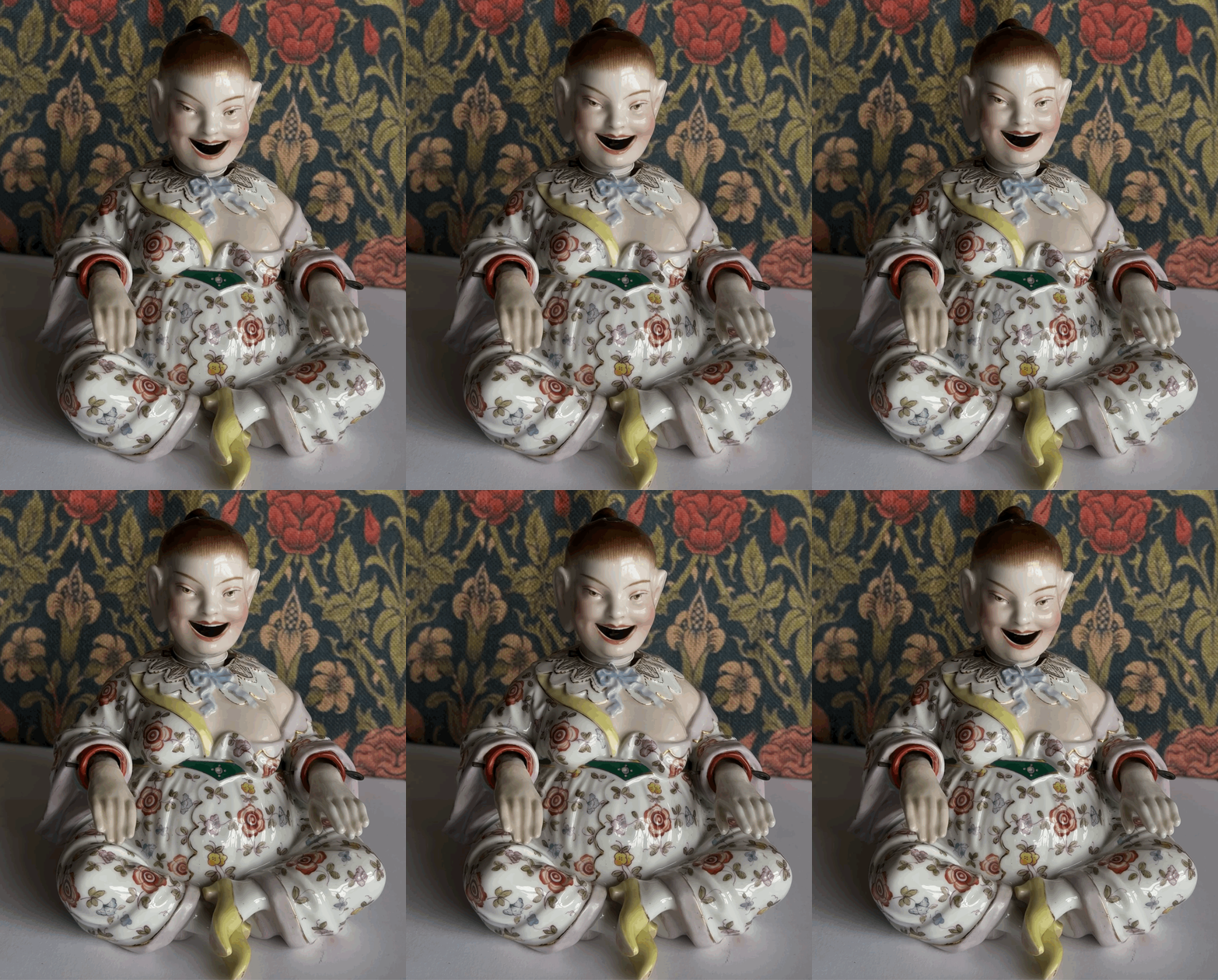
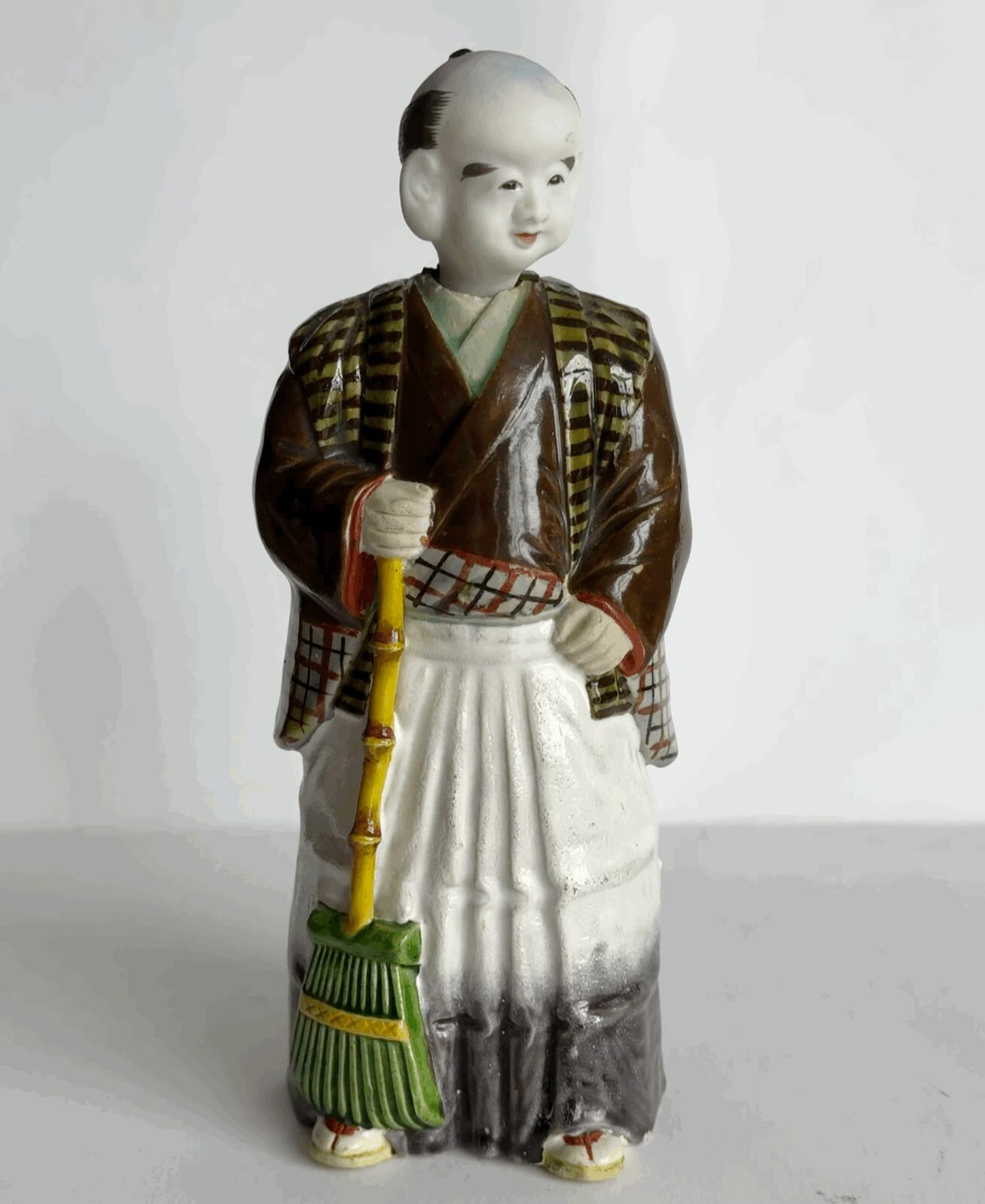
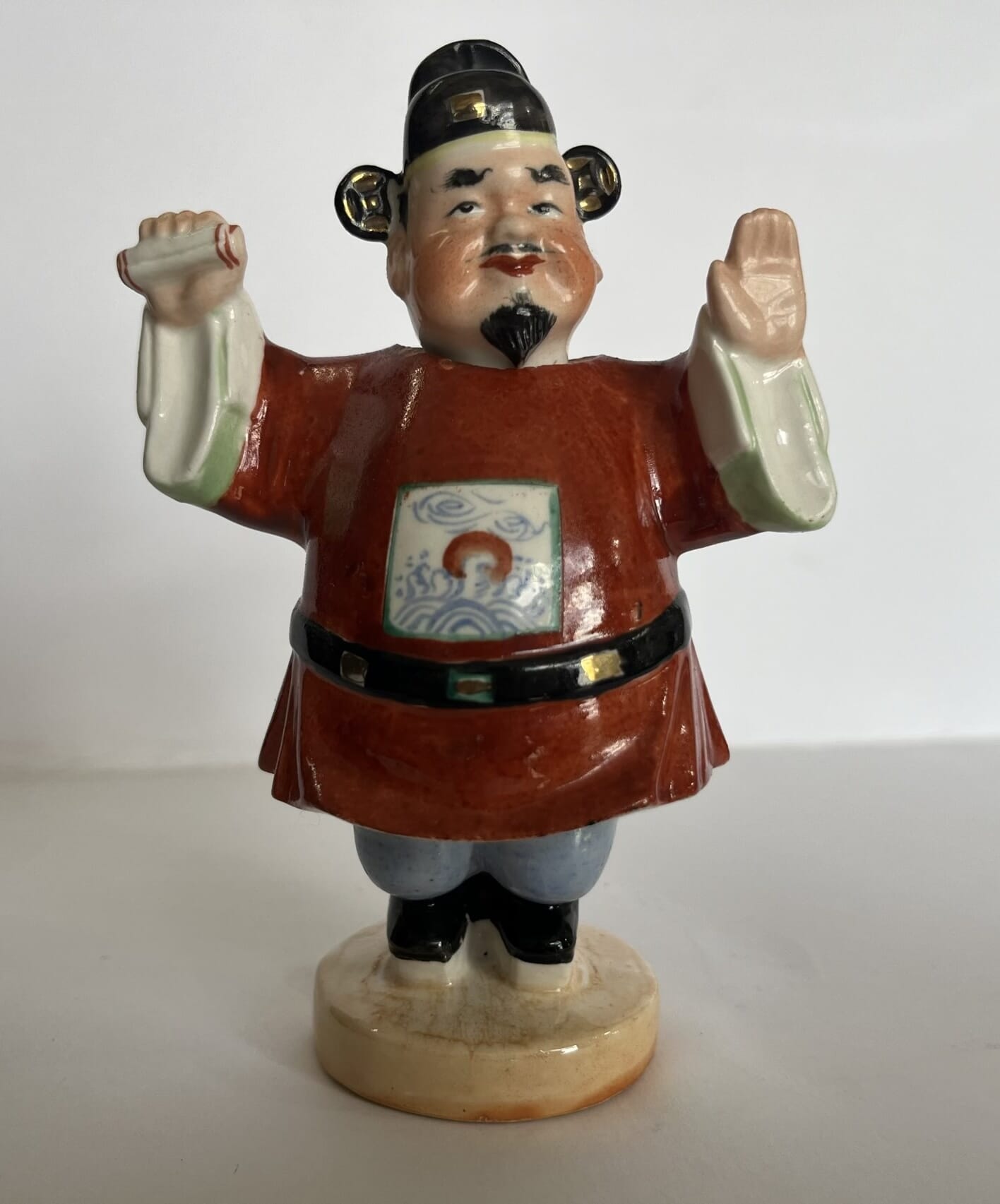
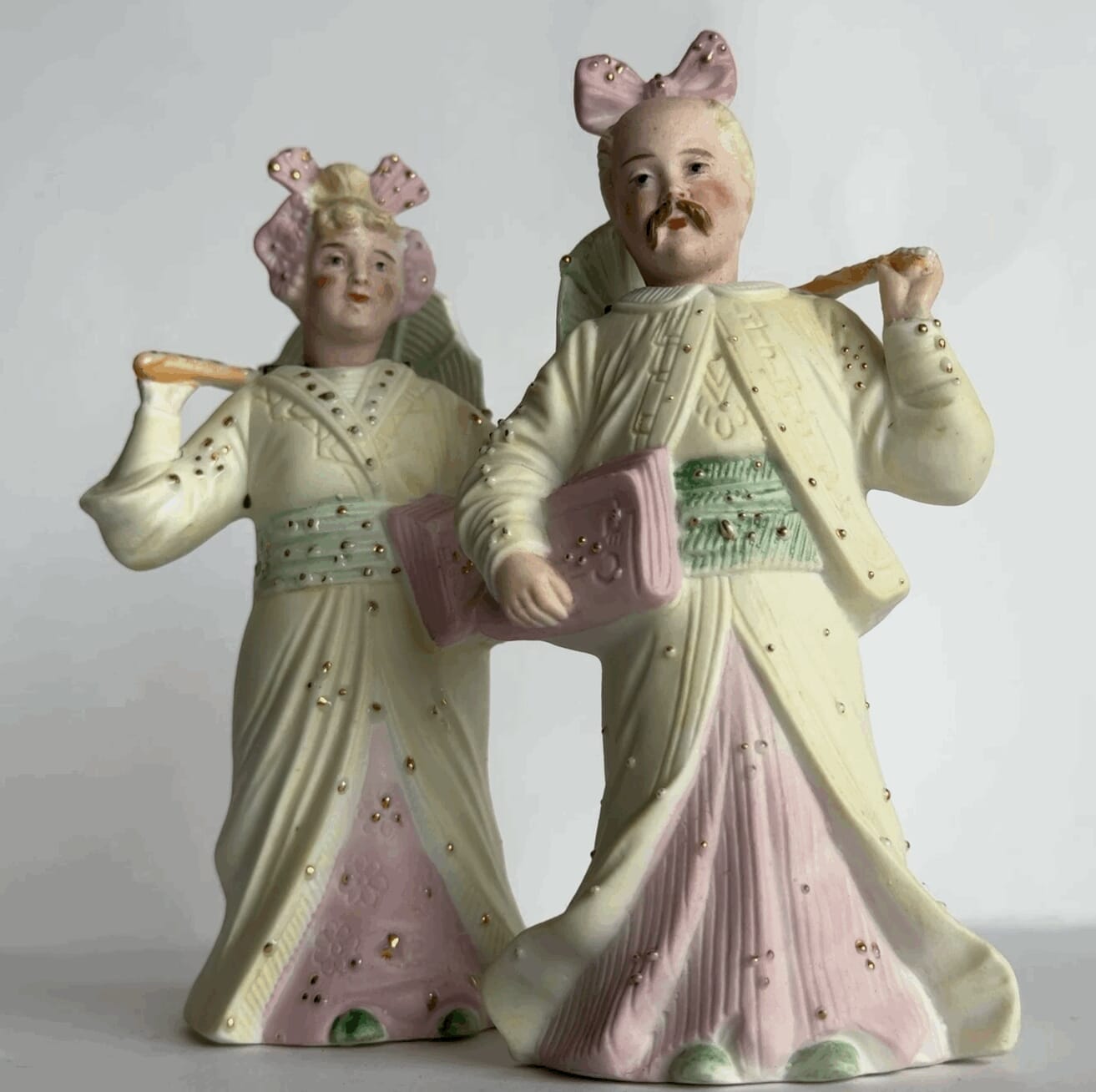
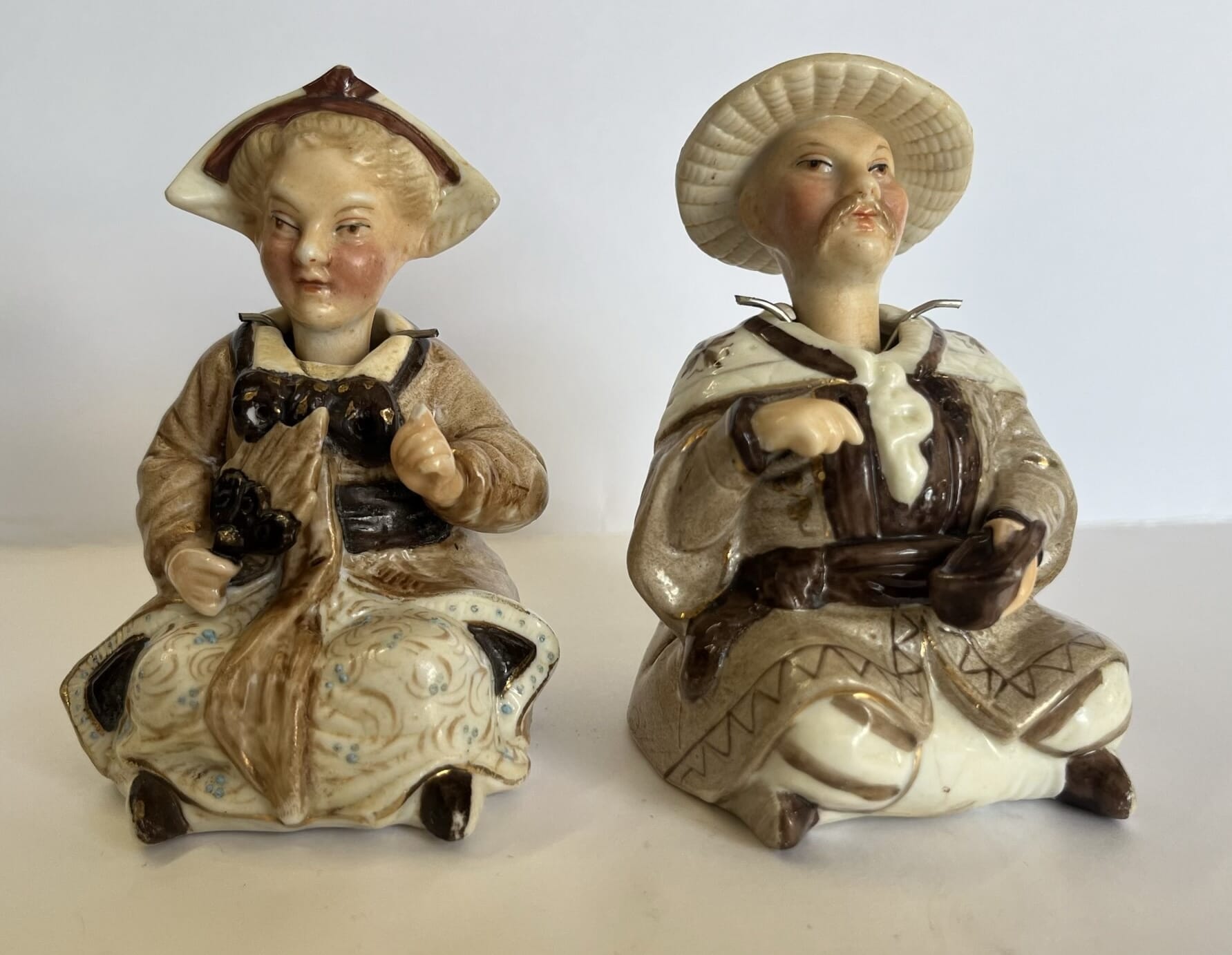
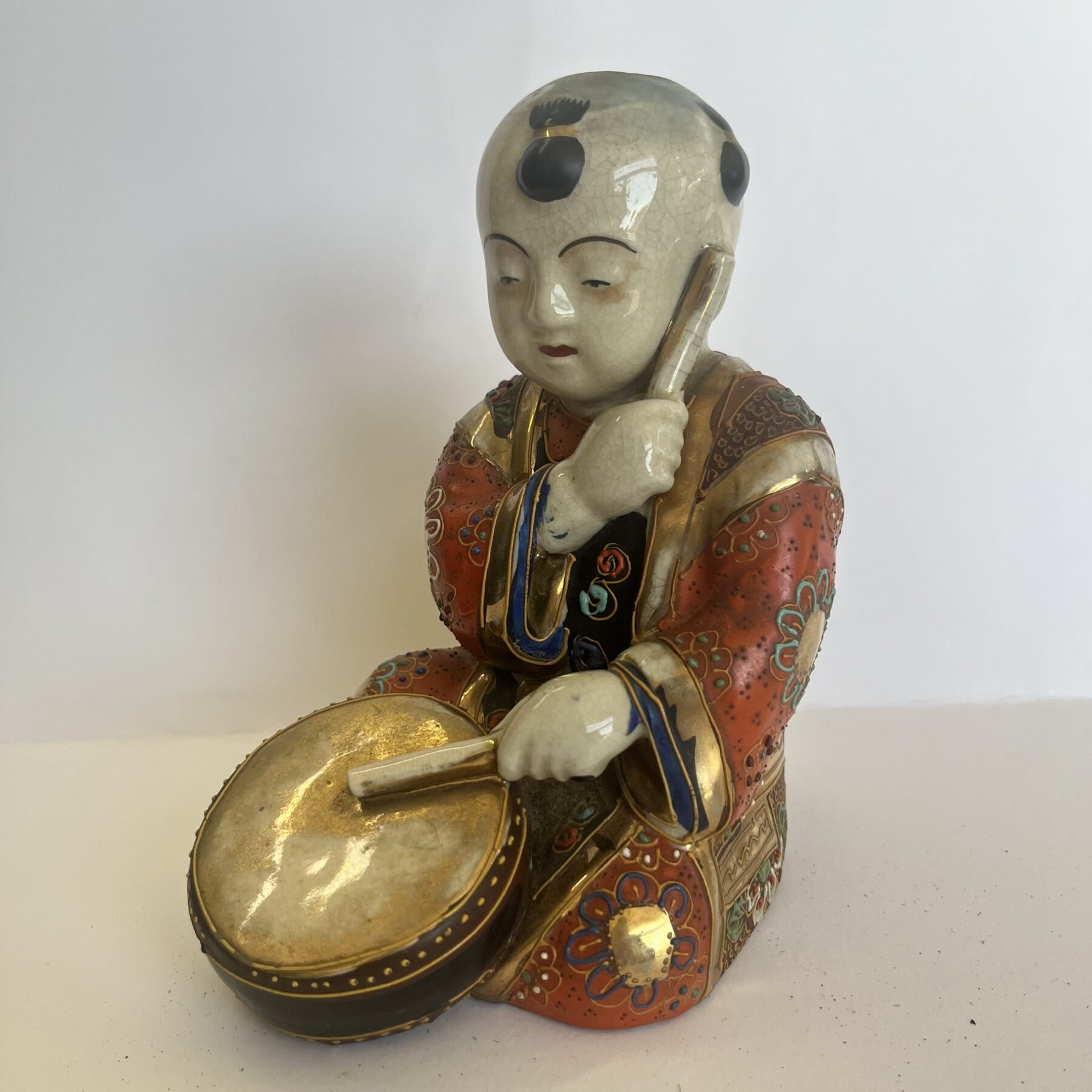
Japanesque Nodders
Japanesque Nodders

Today’s Fresh Stock is a bit of a laugh…..

These classic bits of Victorian are the ultimate ….. ‘kitsch’!

A fair number of people will not like them at all…. but they’re still going to make you smile, no matter what!

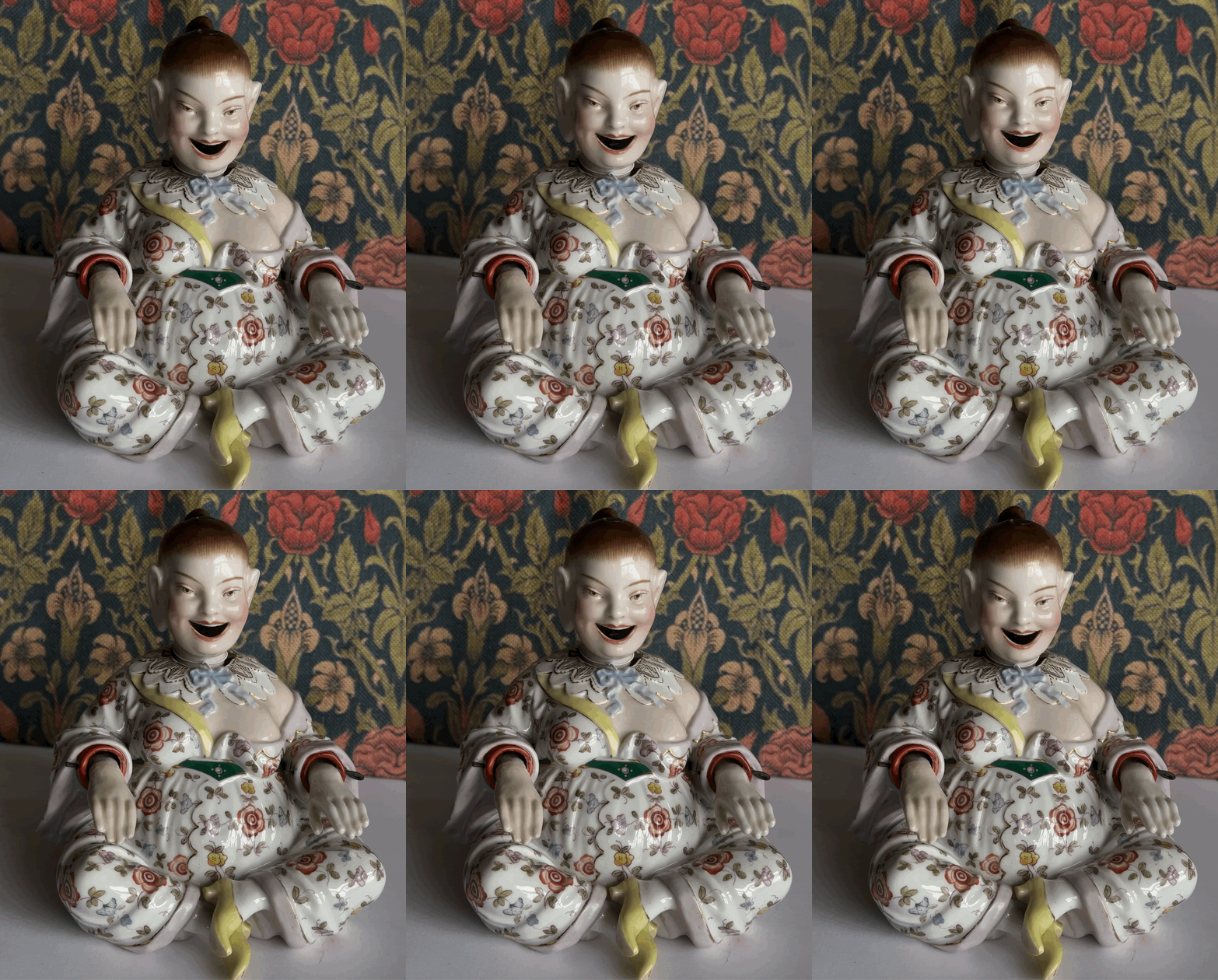
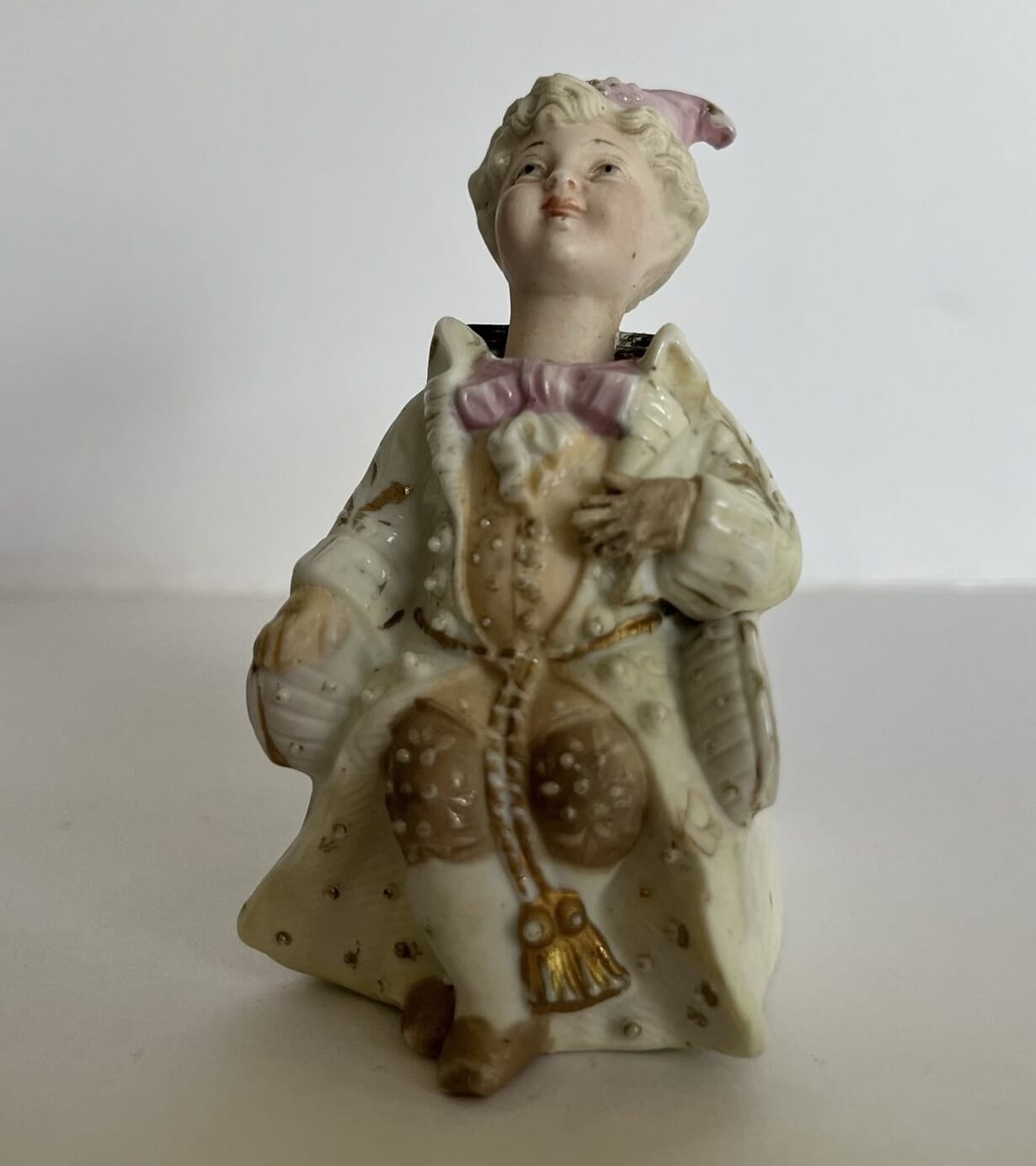
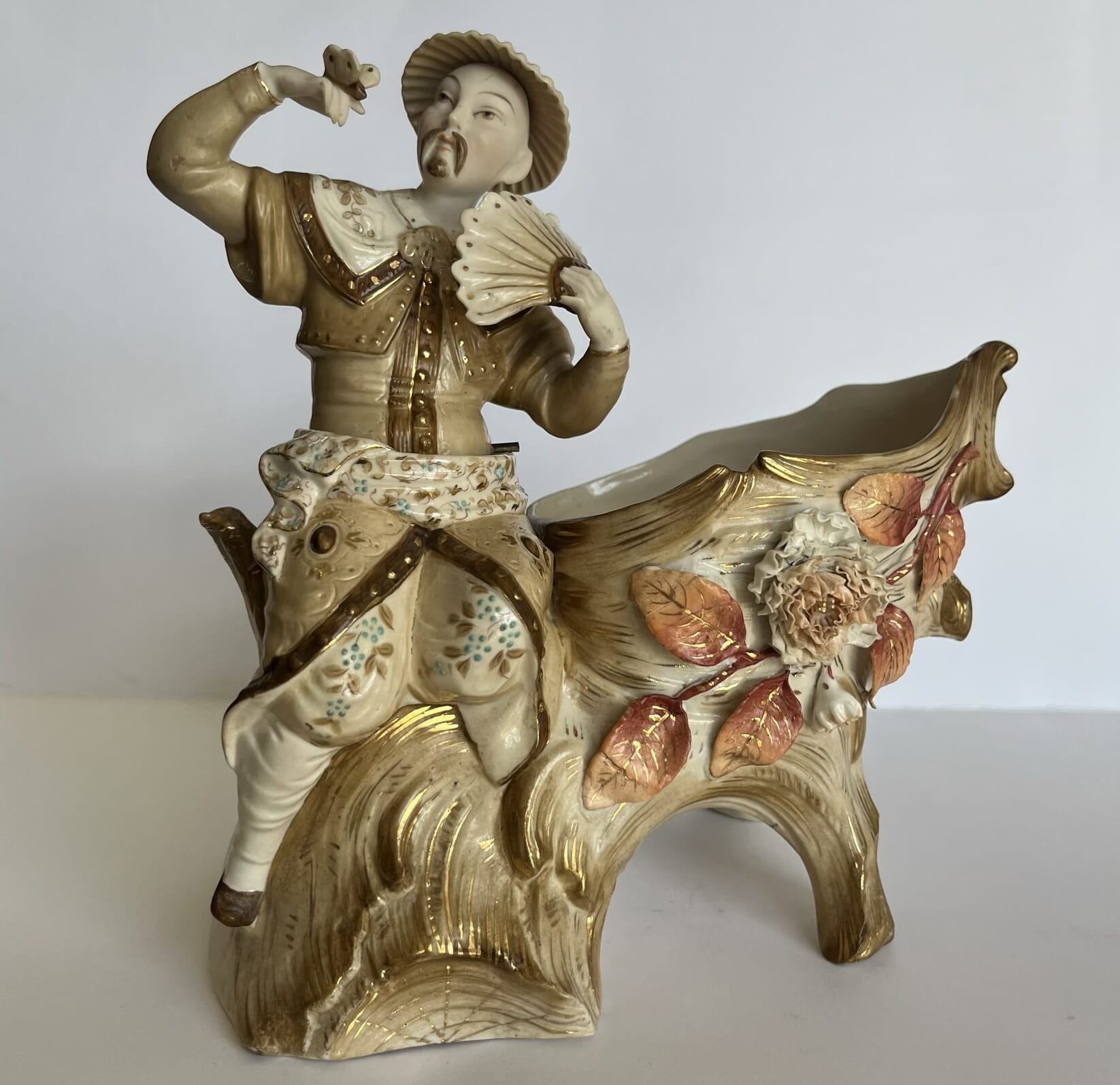
The originals were actually probably Chinese temple figures, designed to look alive. An early European example can be found in the production of the Meissen factory in the mid 18th century – copying Chinese examples. It’s no surprise then that these late 19th century examples – made in Germany for English, American & Australian markets, amongst others – are also Asian in origin. They fit the definition of ‘Chinoiserie’, being entirely the product of European Imaginations of what they thought Chinese or Japanese characters looked like. A little off the mark with this example – the very pretty man with a magnificent moustache, flowing dress, and sun parasol over his shoulder – and a lovely big pink bow in his hair – he’s more of a German than an Asian!

A Nodders Committee: most agree, but there’s always one that disagrees…….

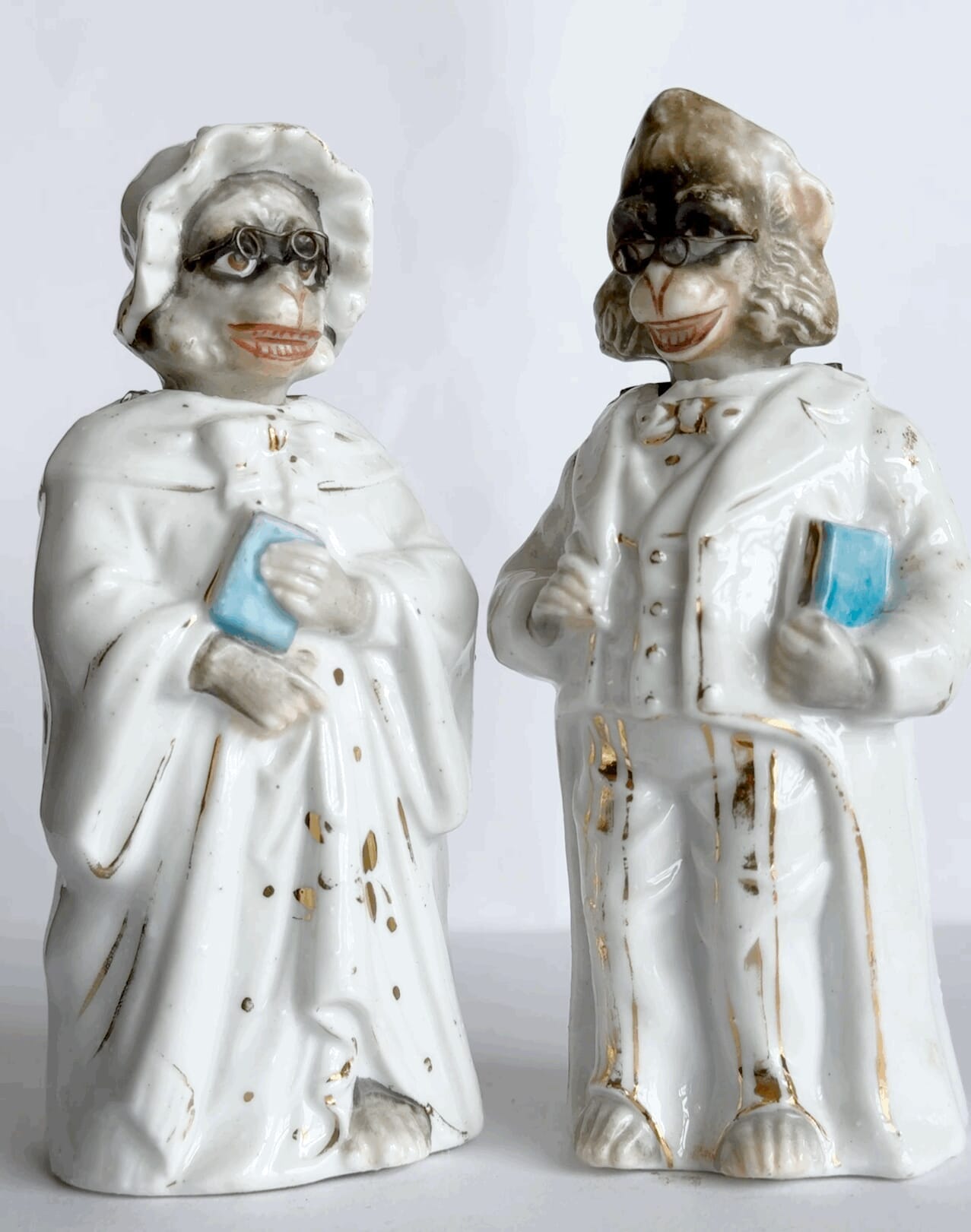
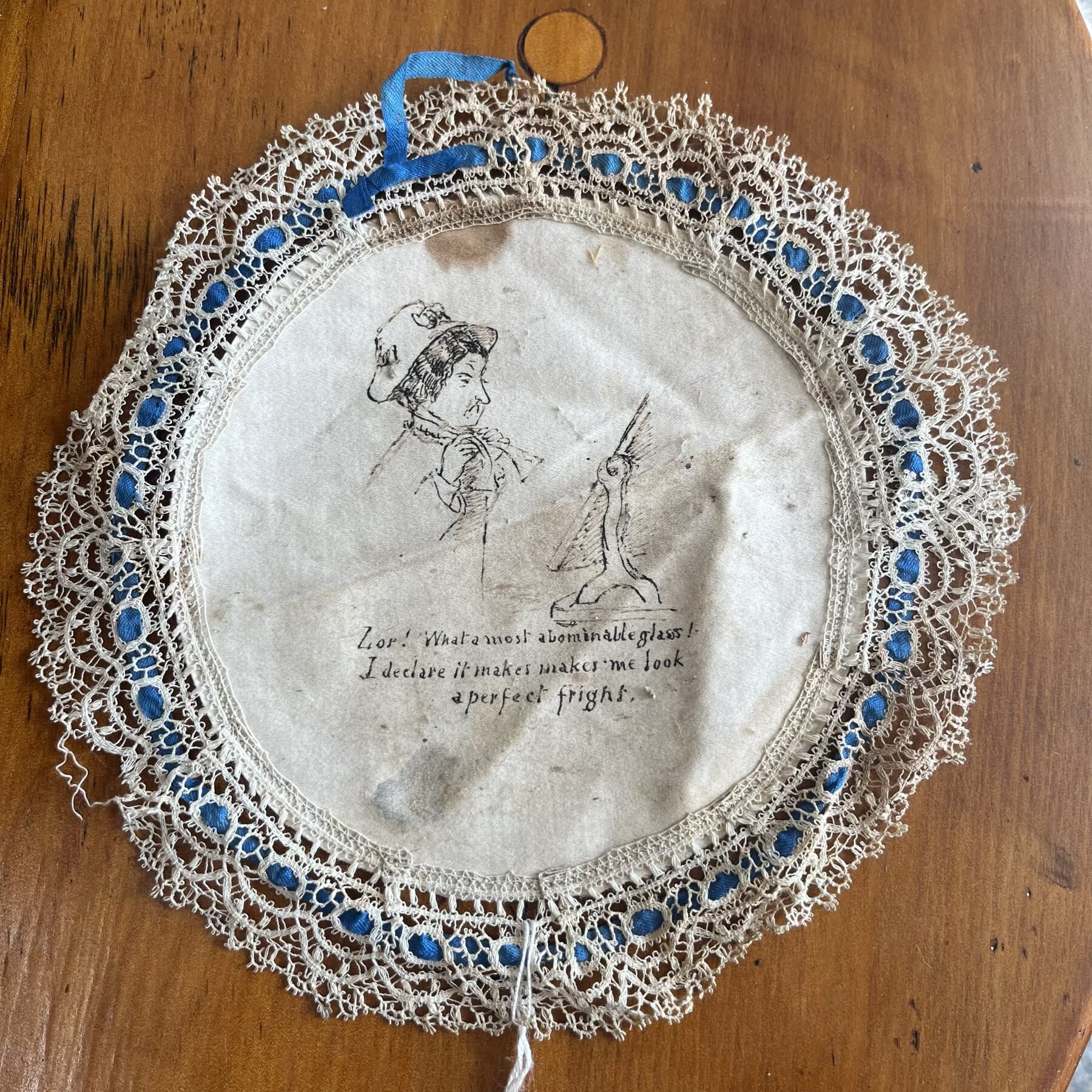
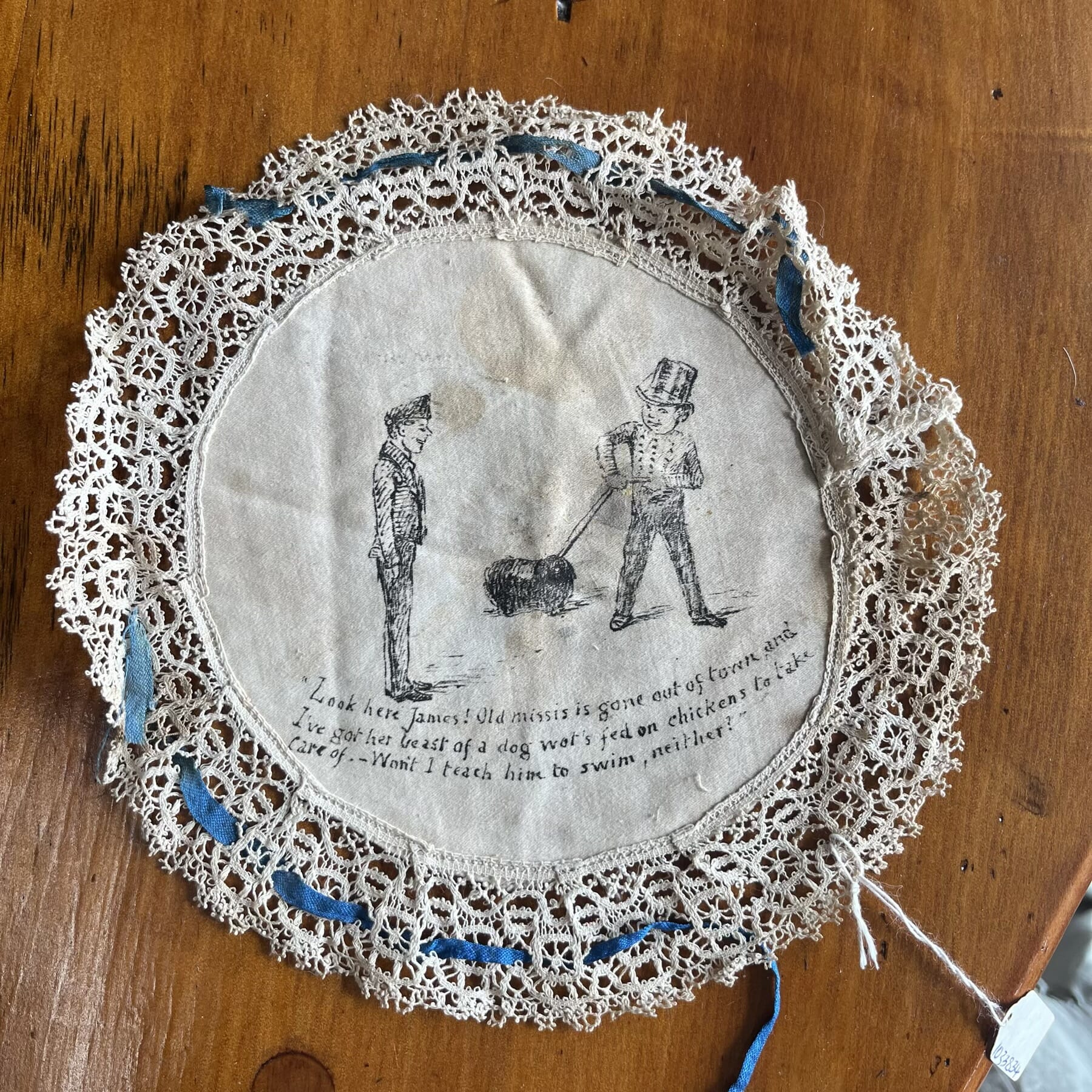
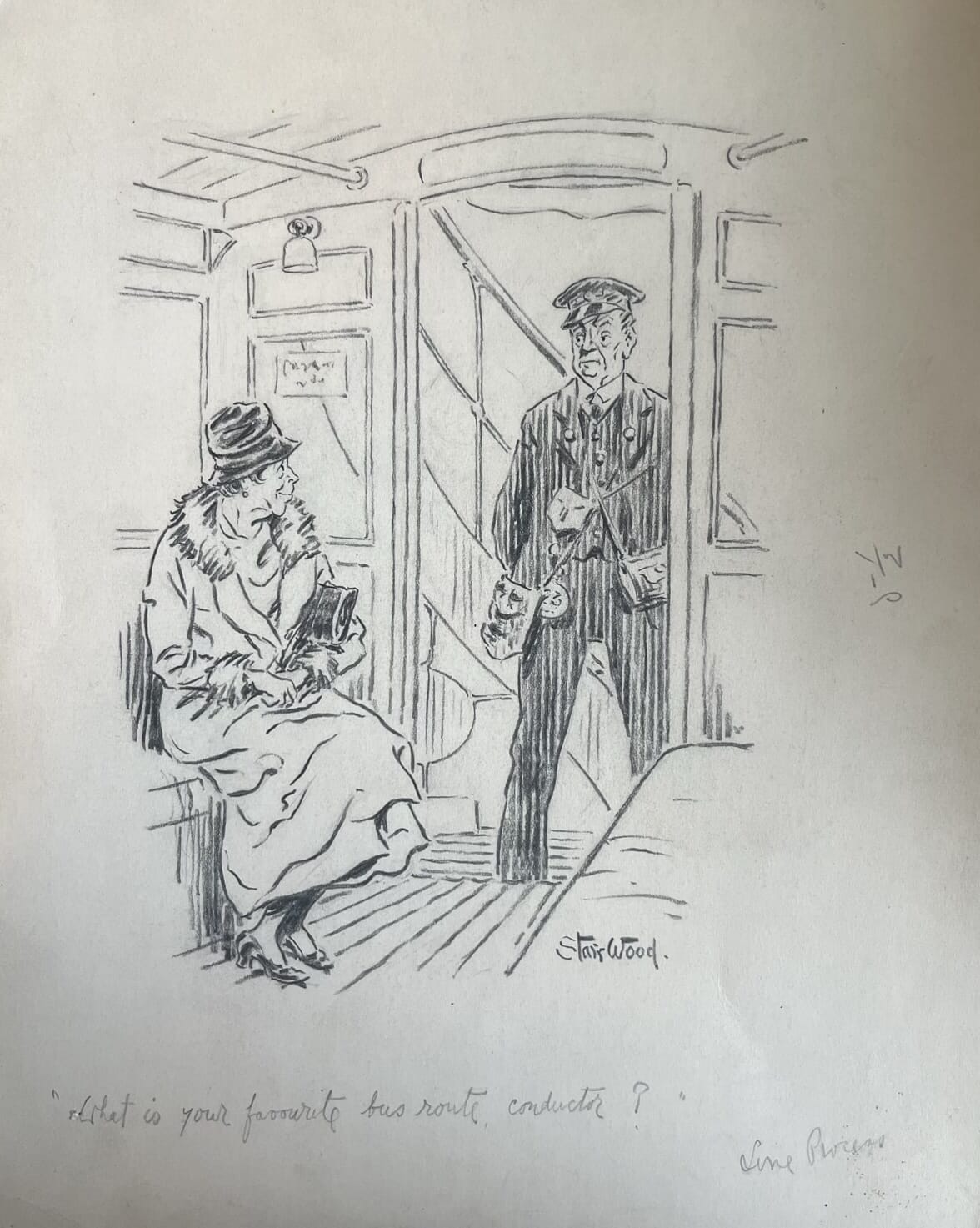
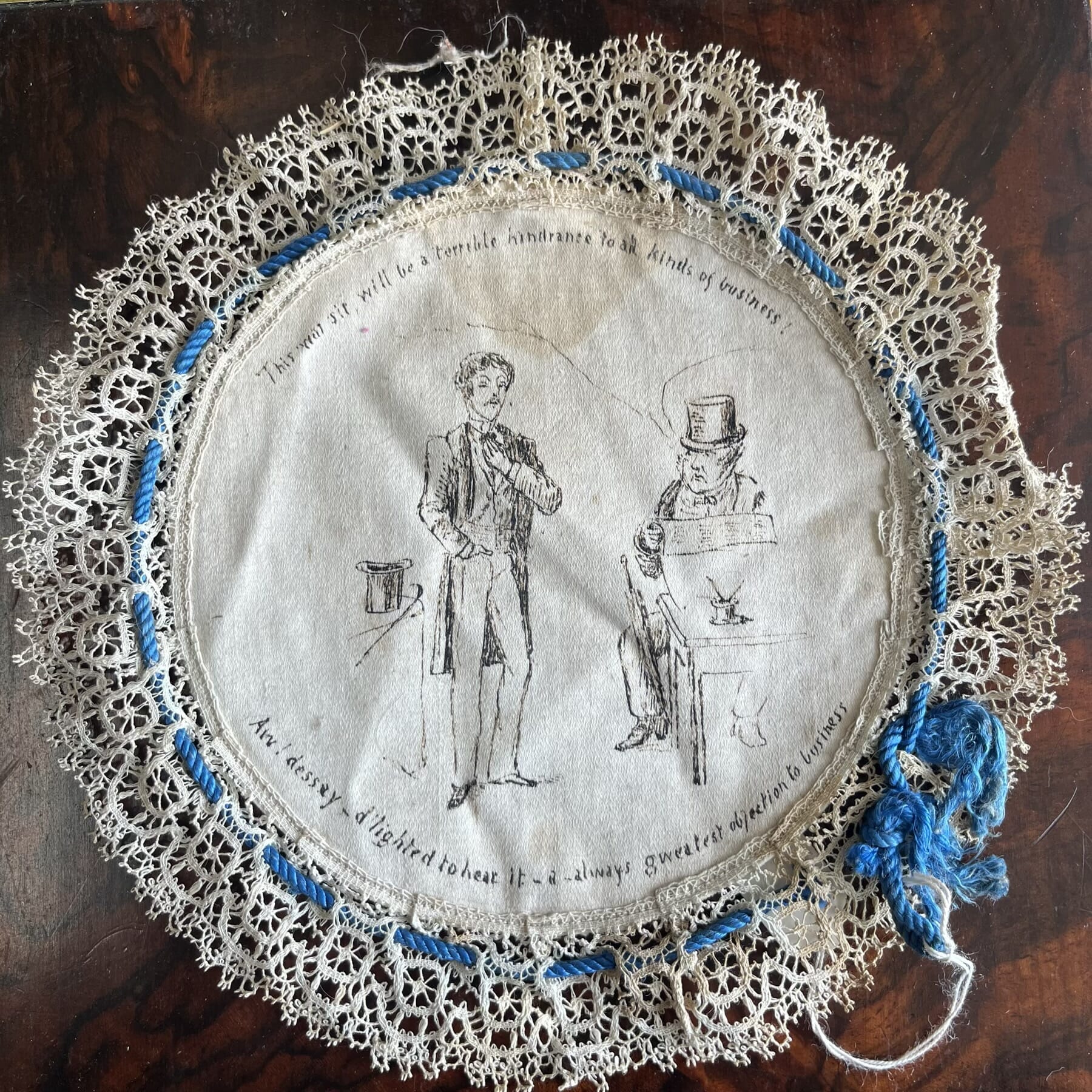
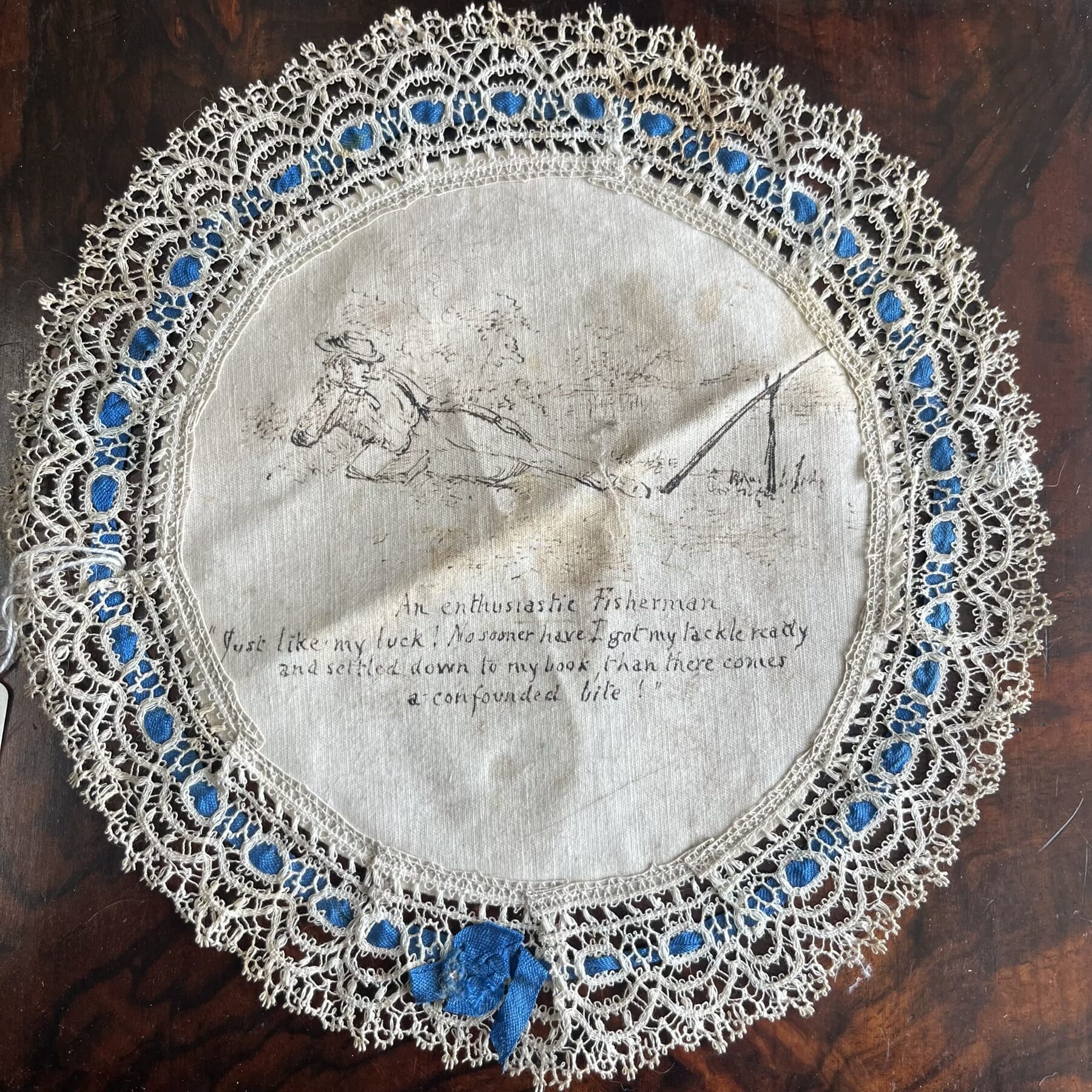
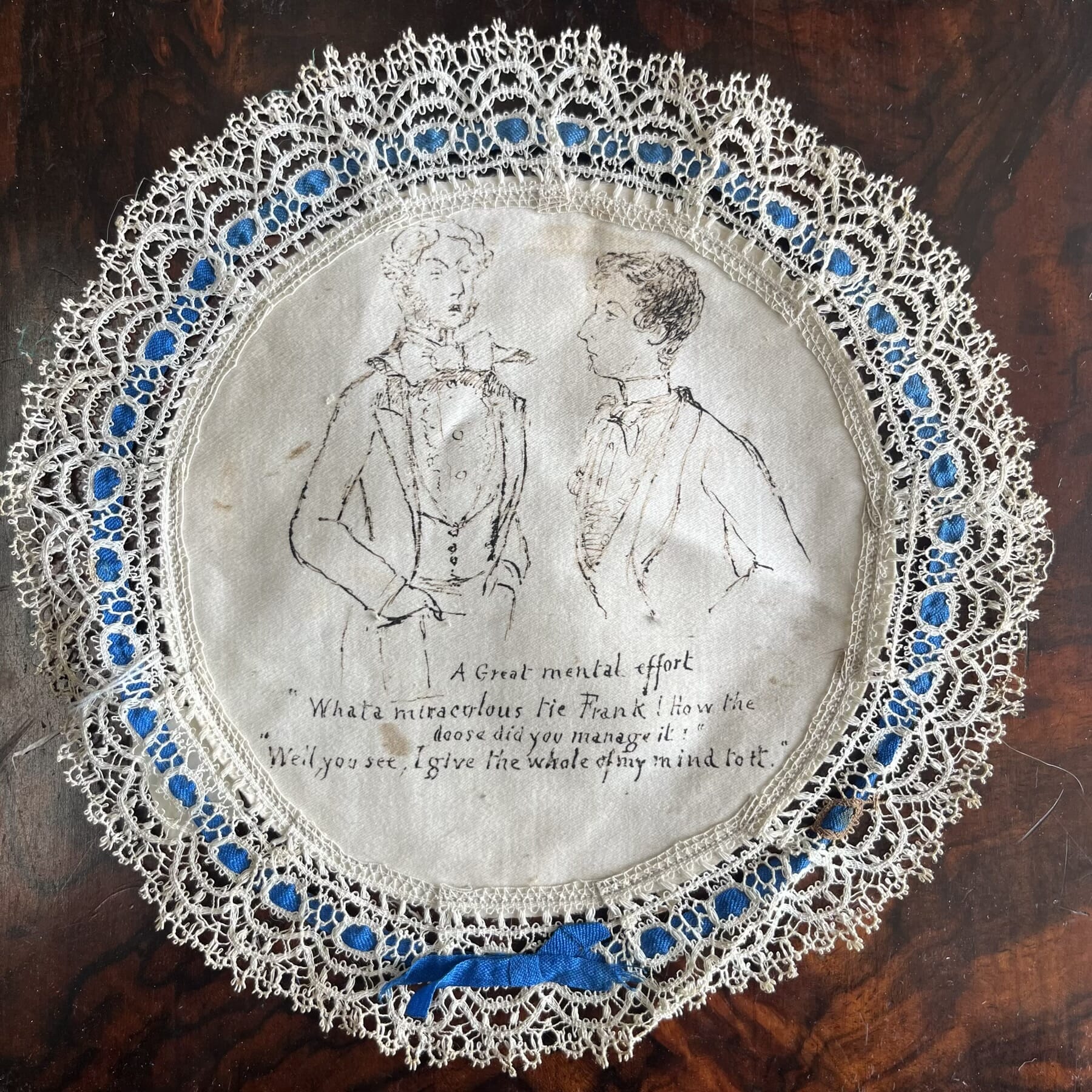
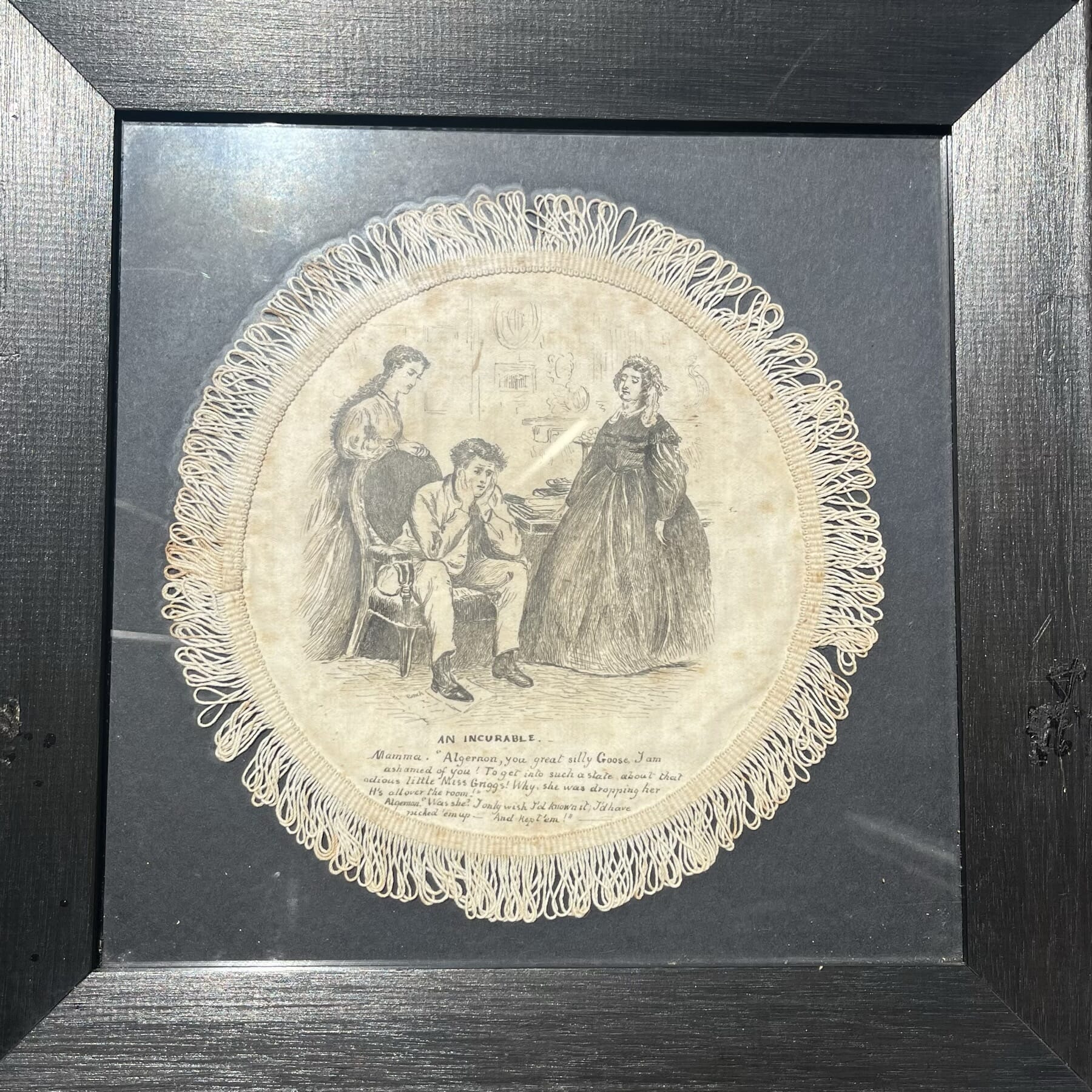
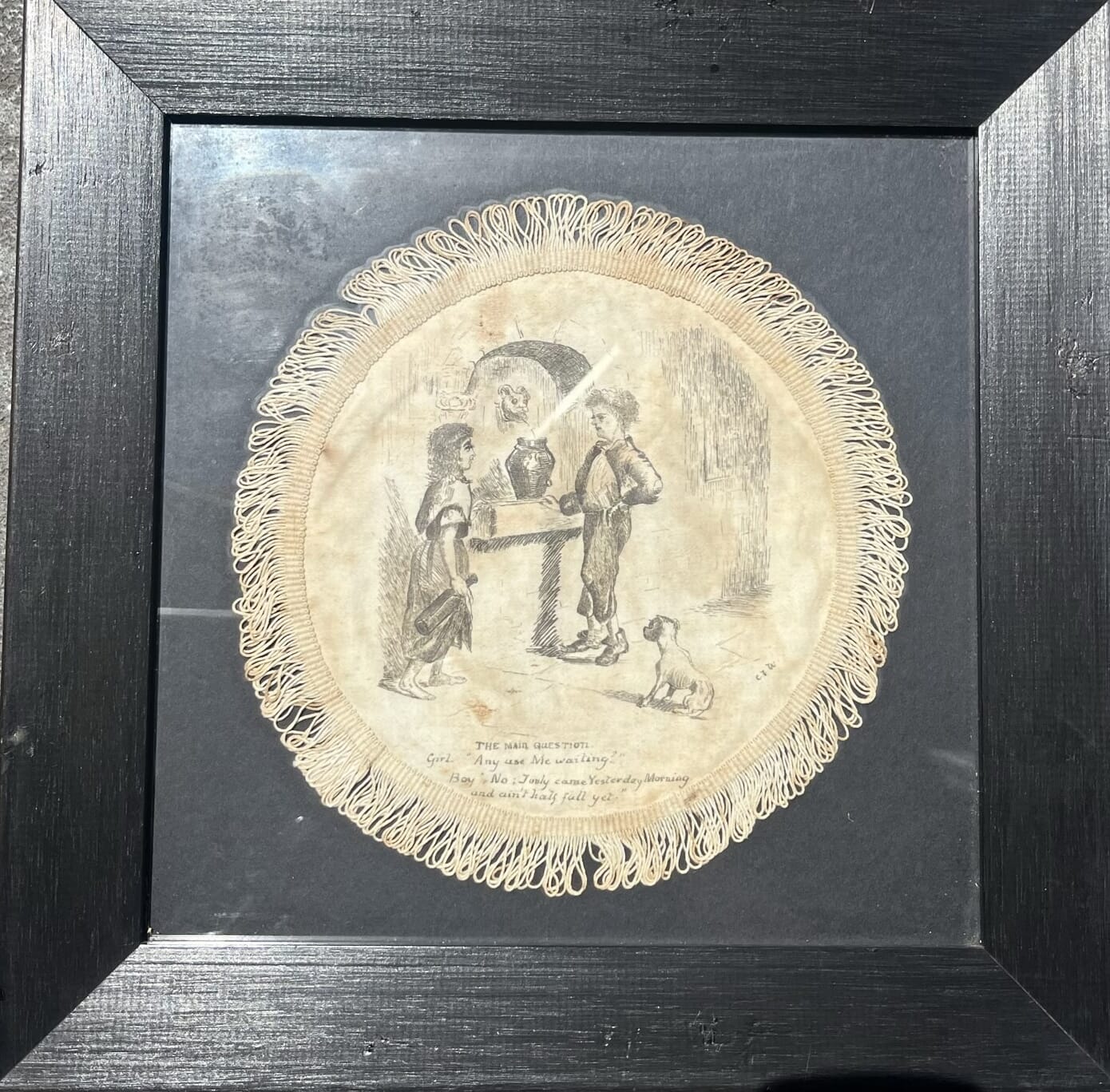
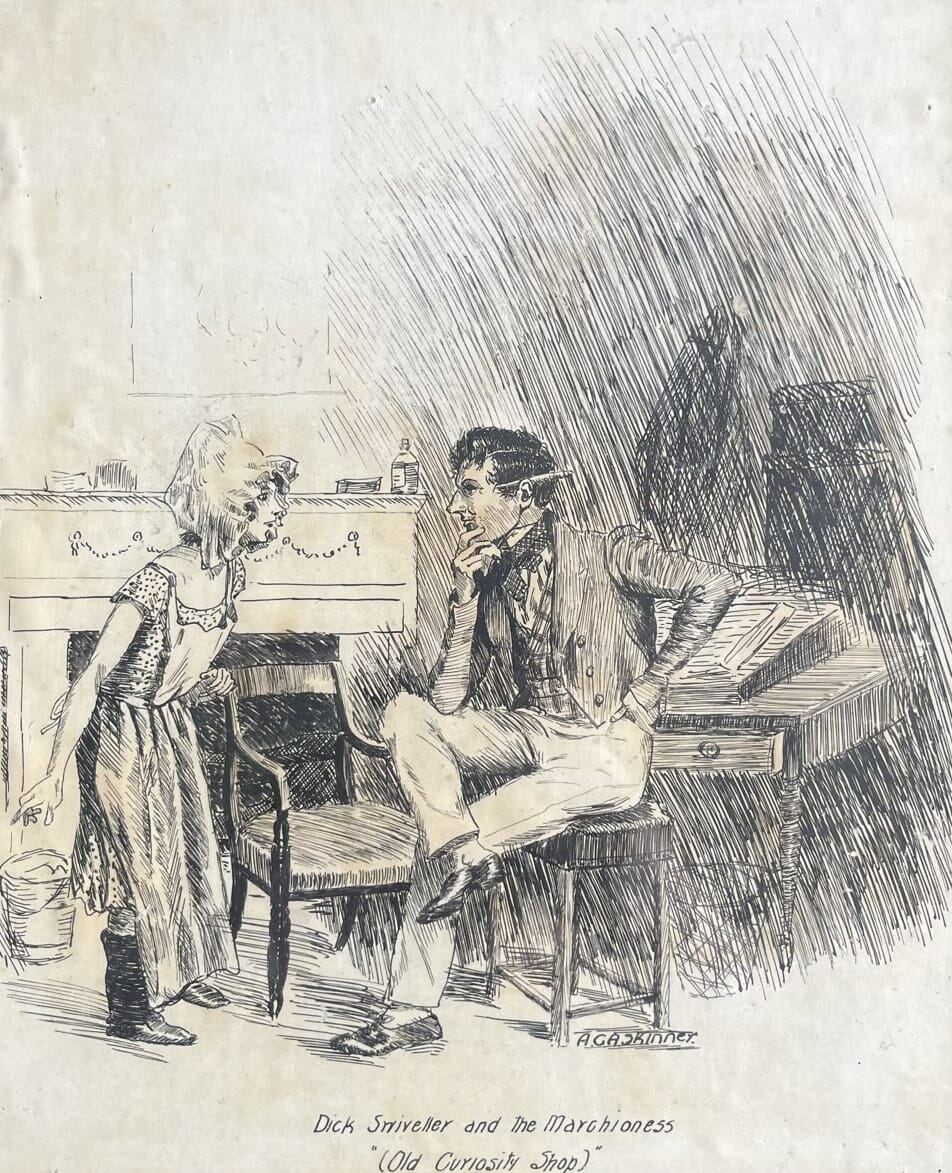
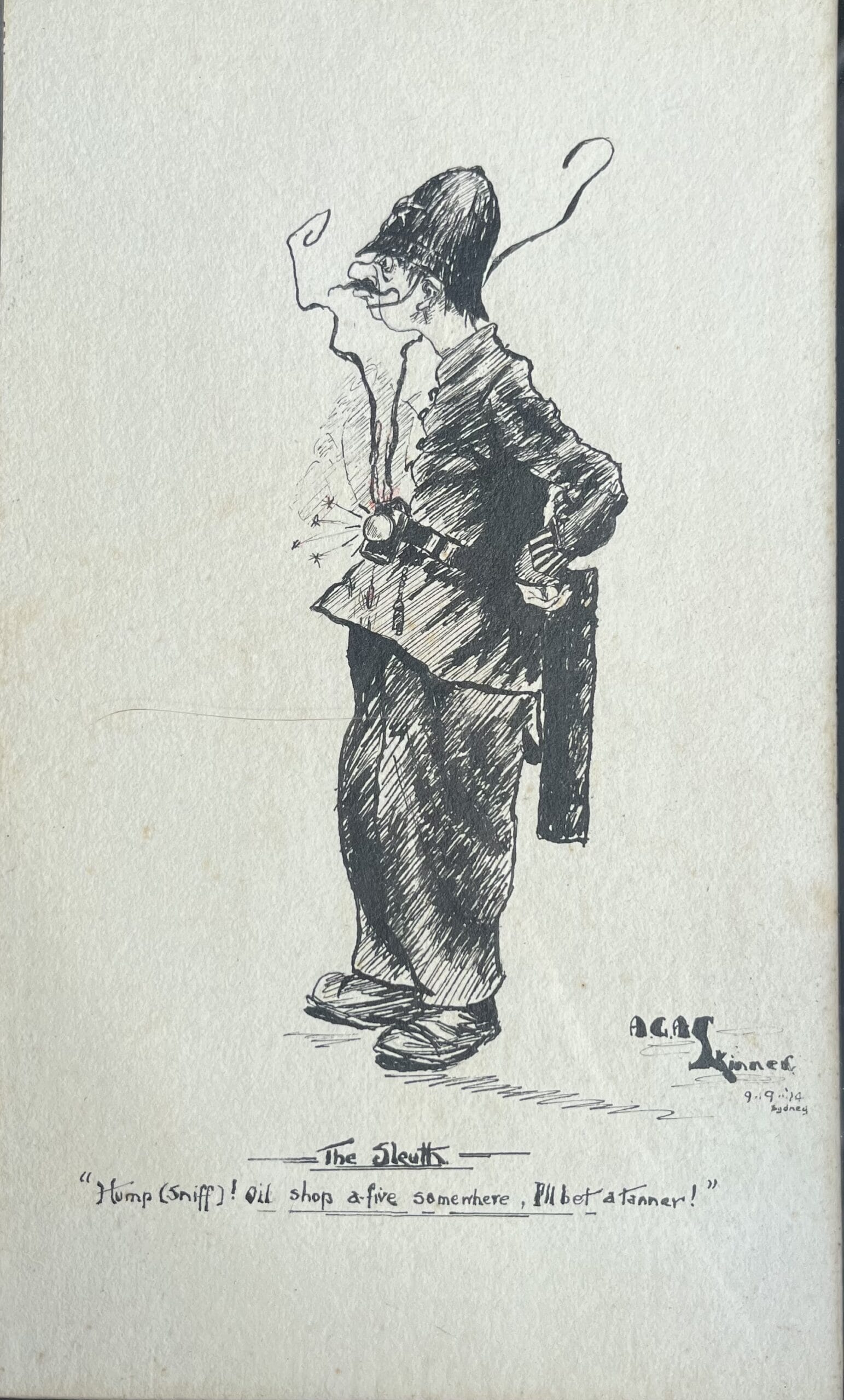
There’s some serious stock as well, don’t worry: although amongst these you’ll find some more ‘funnies’ – cartoon sketches which were probably printed in publications of the period.
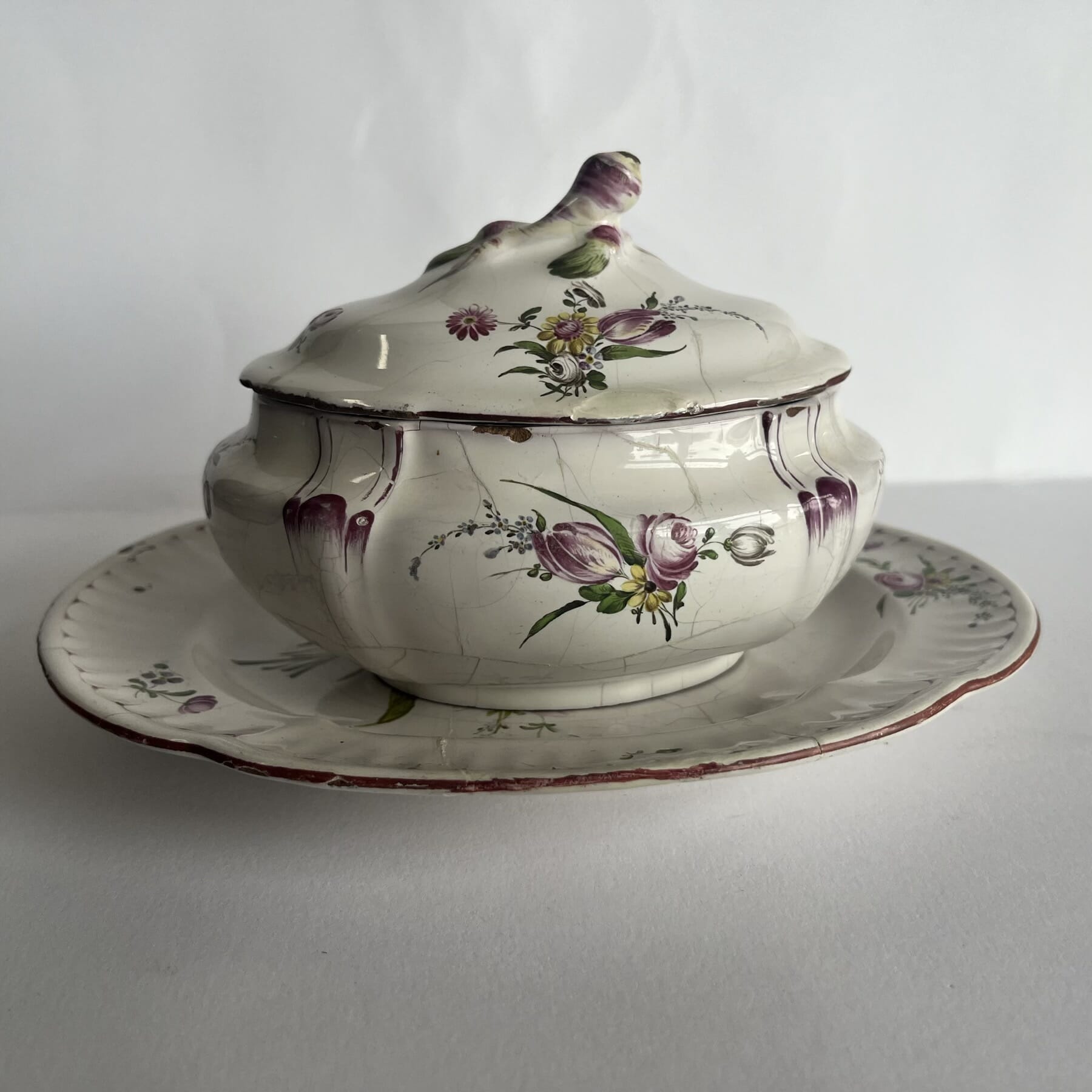
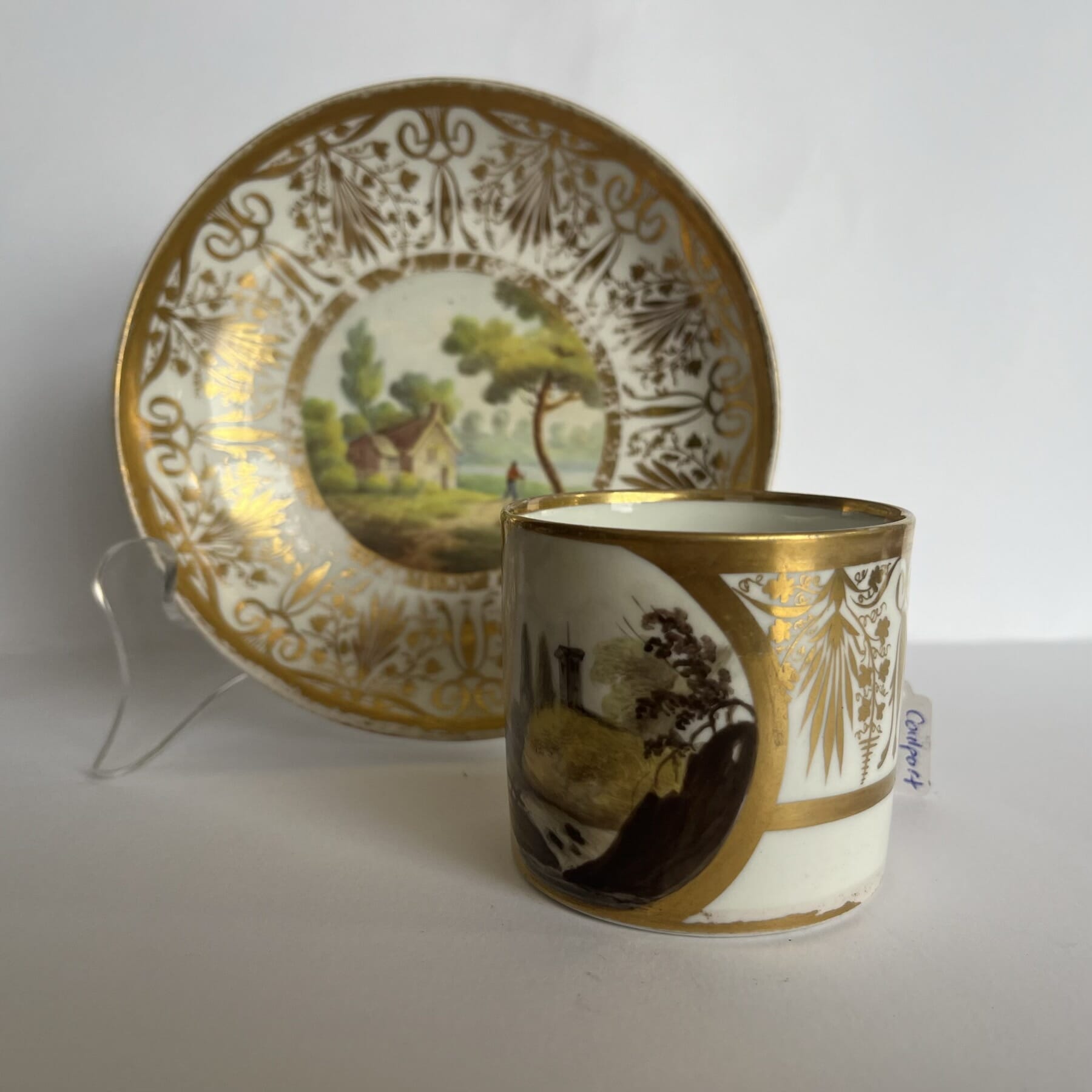
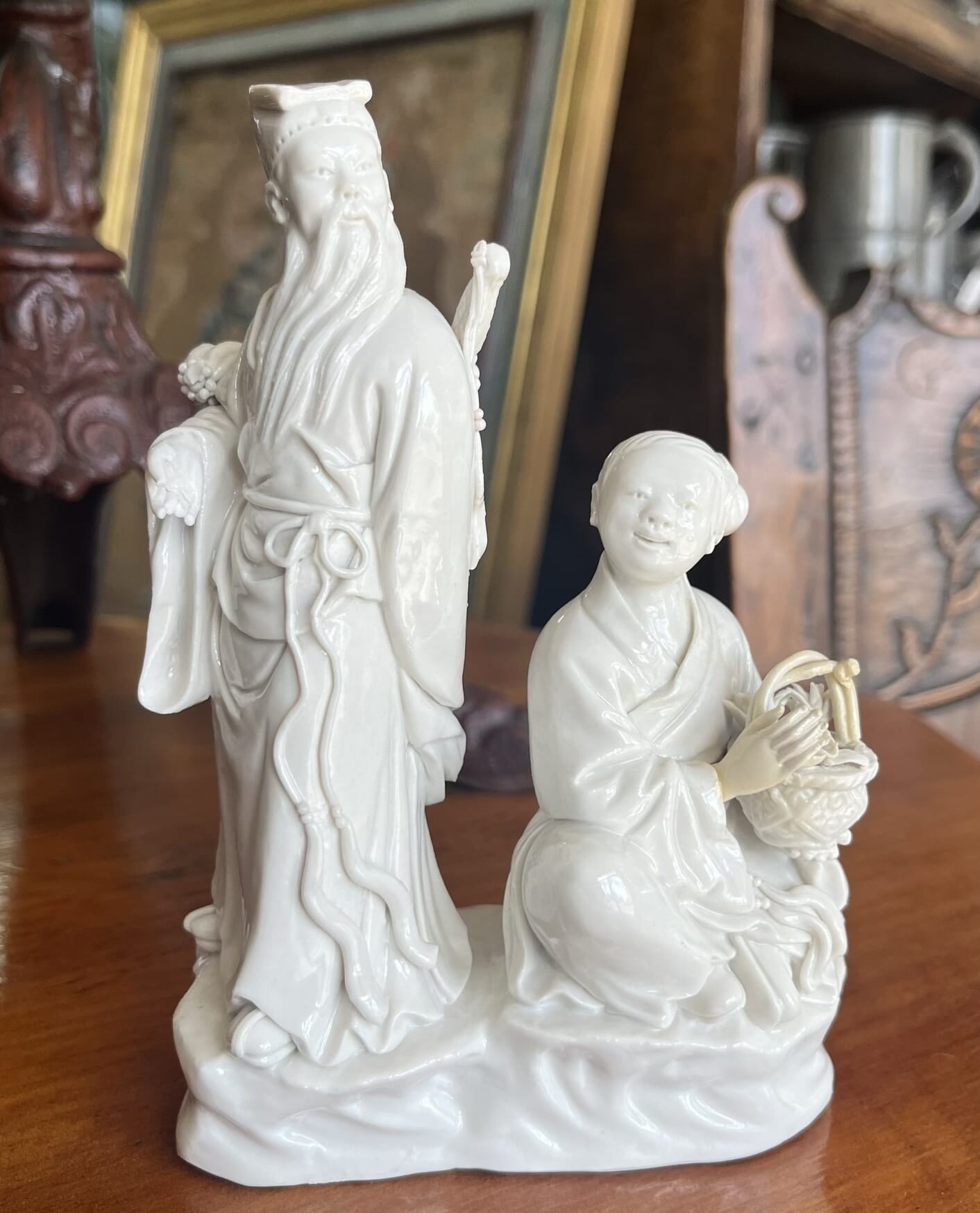
But also some ‘serious’ ceramics, including Baxter Studio decorated Coalport, Rockingham, and 18th century French Faience.

Enjoy!

Posted on

Fresh to Stock – Small & Precious ‘Vertu’

Welcome to another fabulous ‘Fresh Stock’ at Moorabool Antiques.
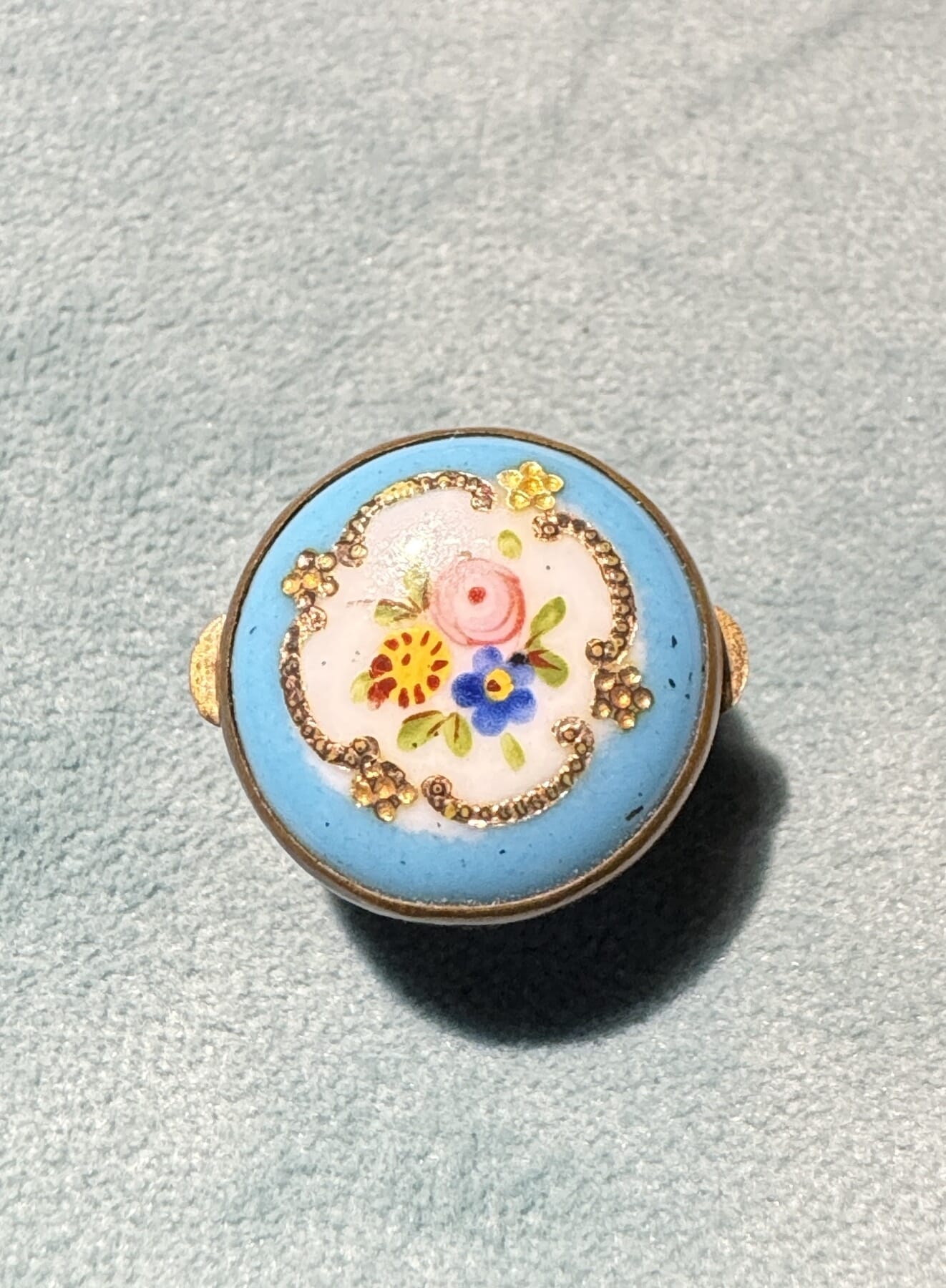
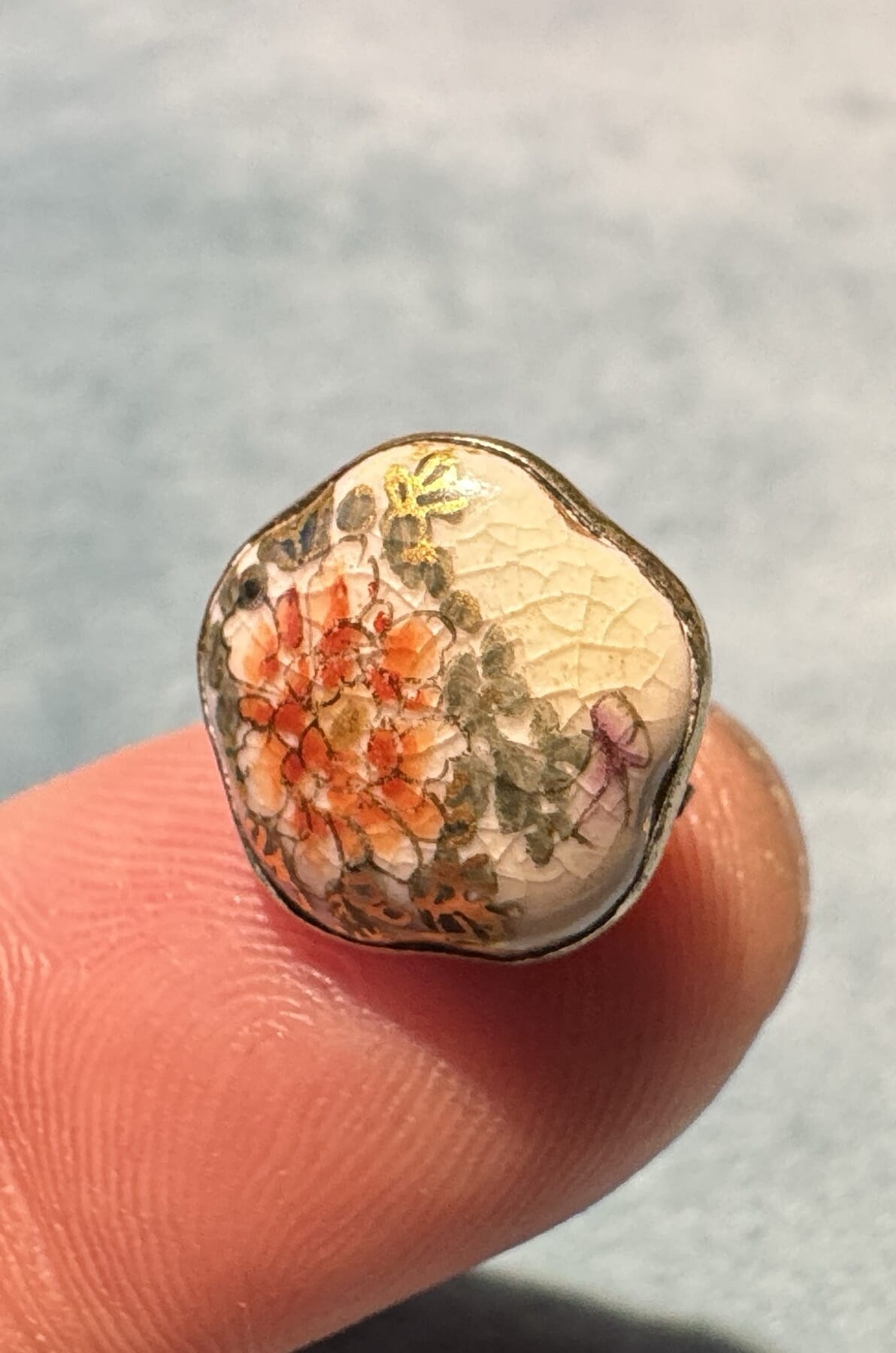
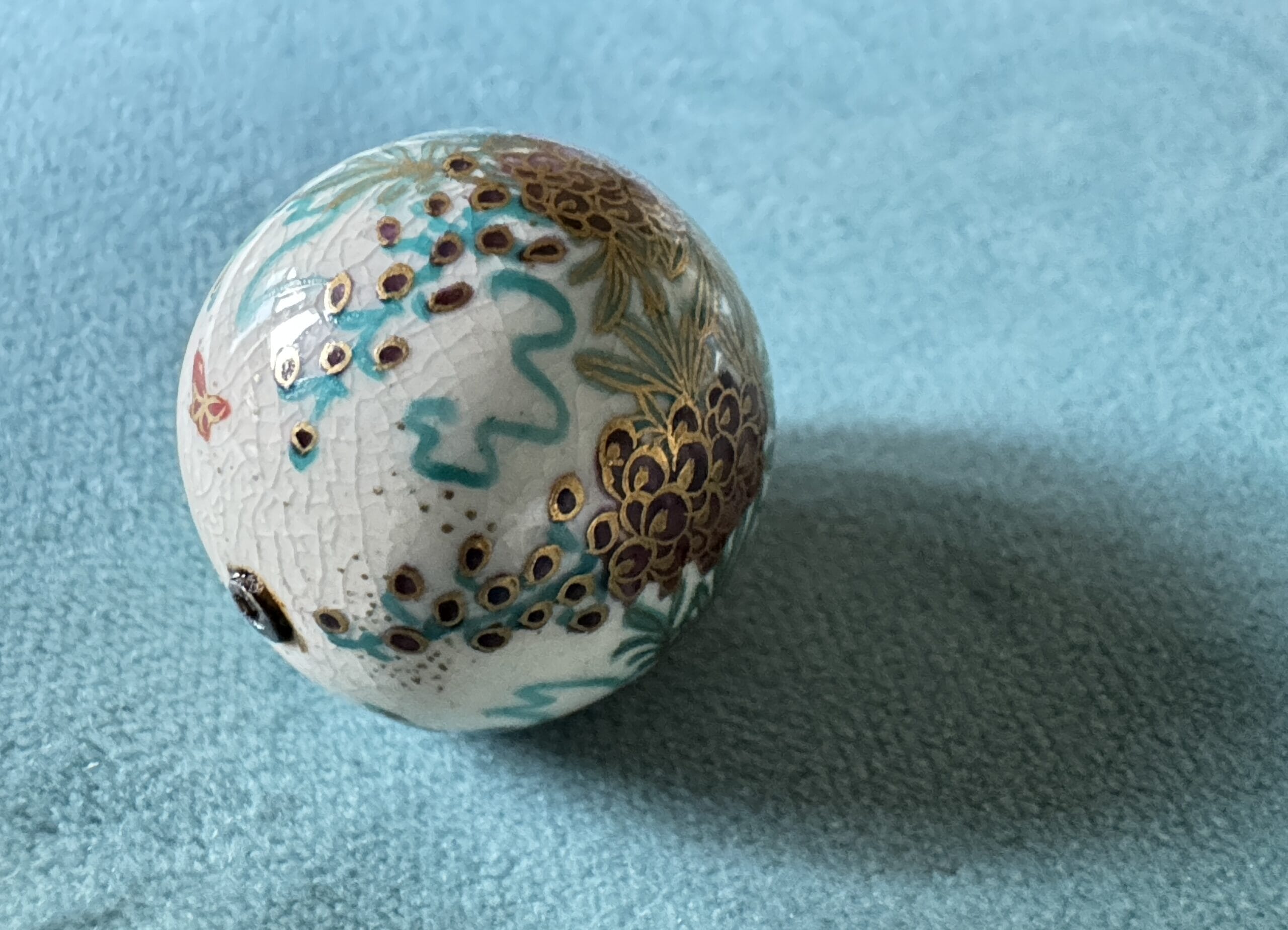
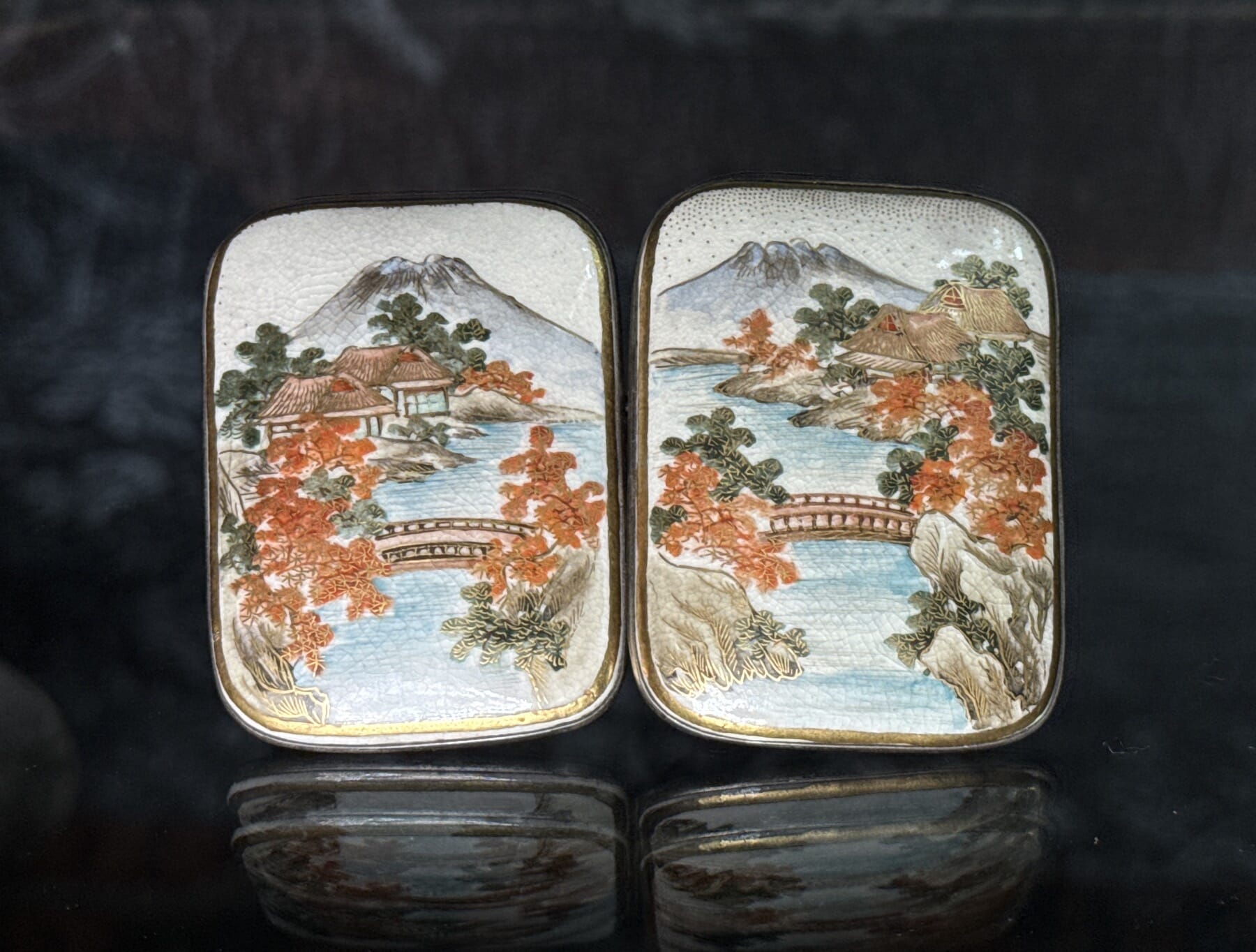
This release has a great variety, with some choice small precious pieces of ‘Vertu’, some Furniture – and lots more.

Enjoy!

Posted on

Fresh stock – it’s almost Valentines Day!

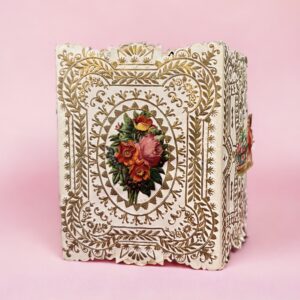
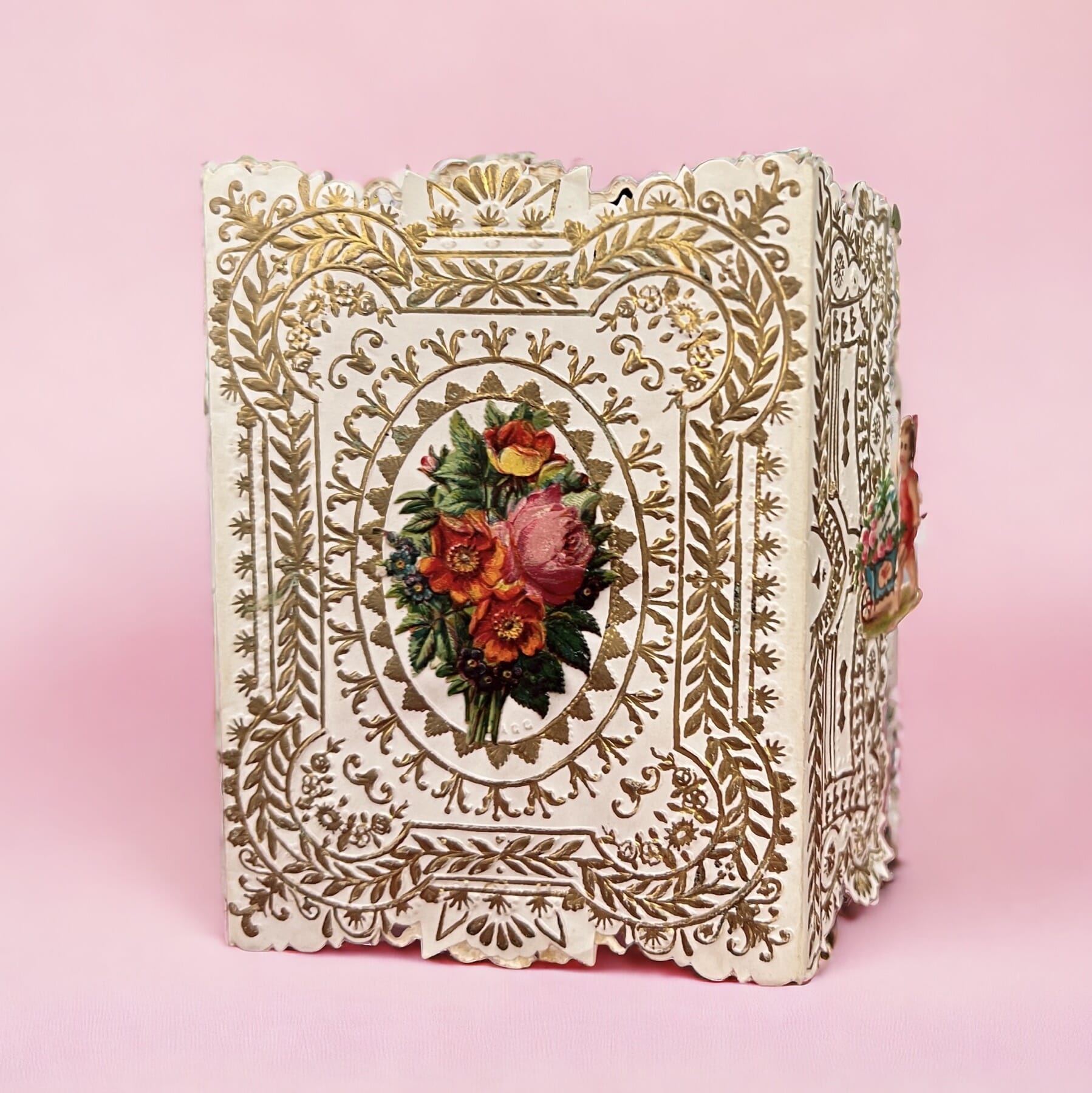
Welcome to our latest Fresh Stock Release. This coming week brings Valentines Day, and we start things with a fantastic early Victorian example of a fancy ‘Valentines Day Card’.

SPRAGG Victorian Valentines Day Card, c.1860

Victorian Valentines Day cards were sent anonymously and often carried no message to the recipient. They had emerged as a trend in the earliest Victorian period, and grew in popularity as the century advanced. Technology led to elaborate mass production utilising die cut embossed ‘paper lacework’, as seen in this example, and chromolithography printing allowing multiple bright colours. The ‘Penny Post’ introduction in the 1840’s was the crucial component in the rise of the printed cards, allowing an admirer anywhere to send a cord to someone. Records for cards sent for Valentines Day 1841 show 400,000 within the English postal service – and this number increased constantly every year. The poor postmen were given an extra allowance ‘for refreshments, to help them keep up their energy’ while doing cupid’s work! 
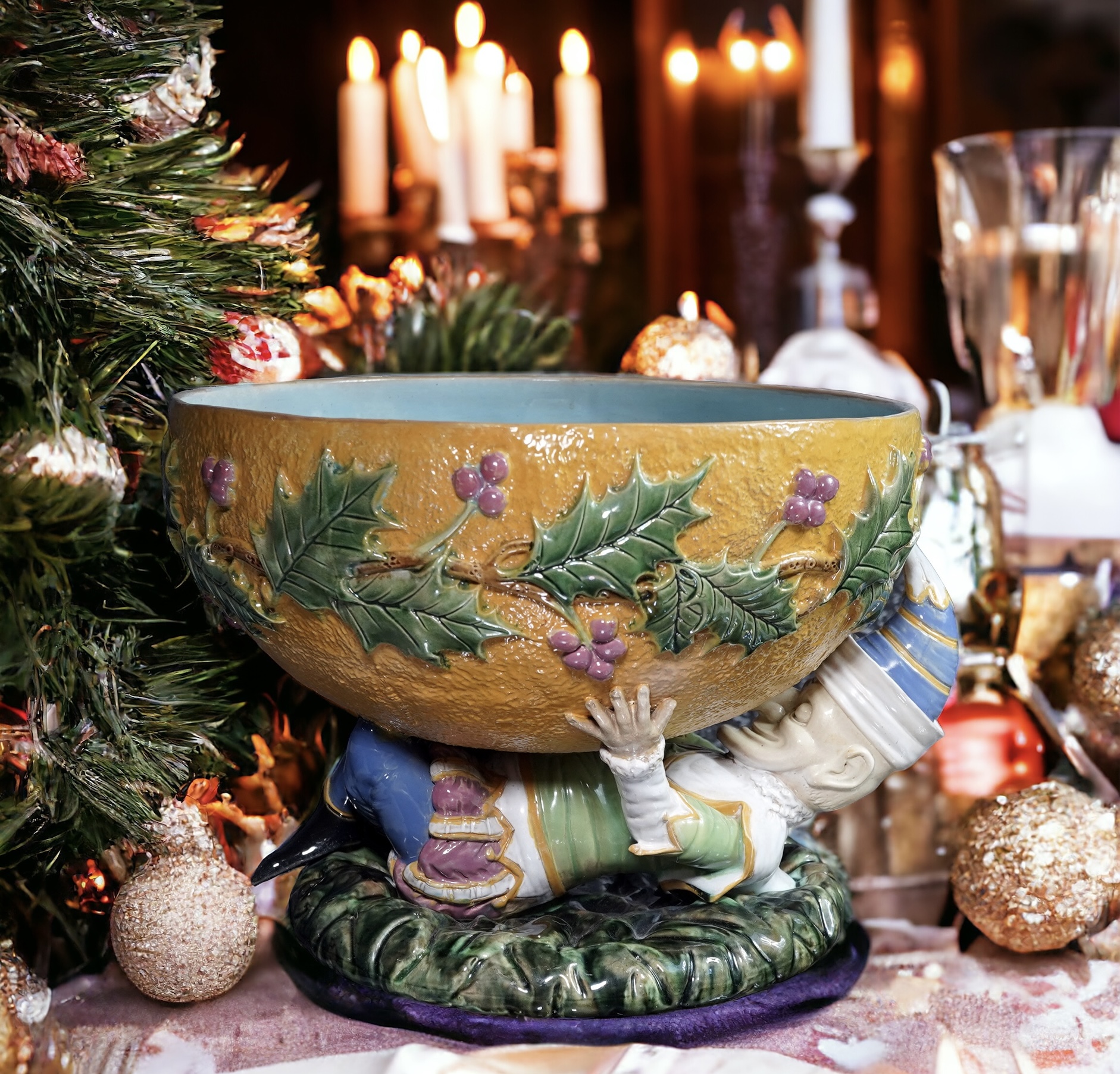
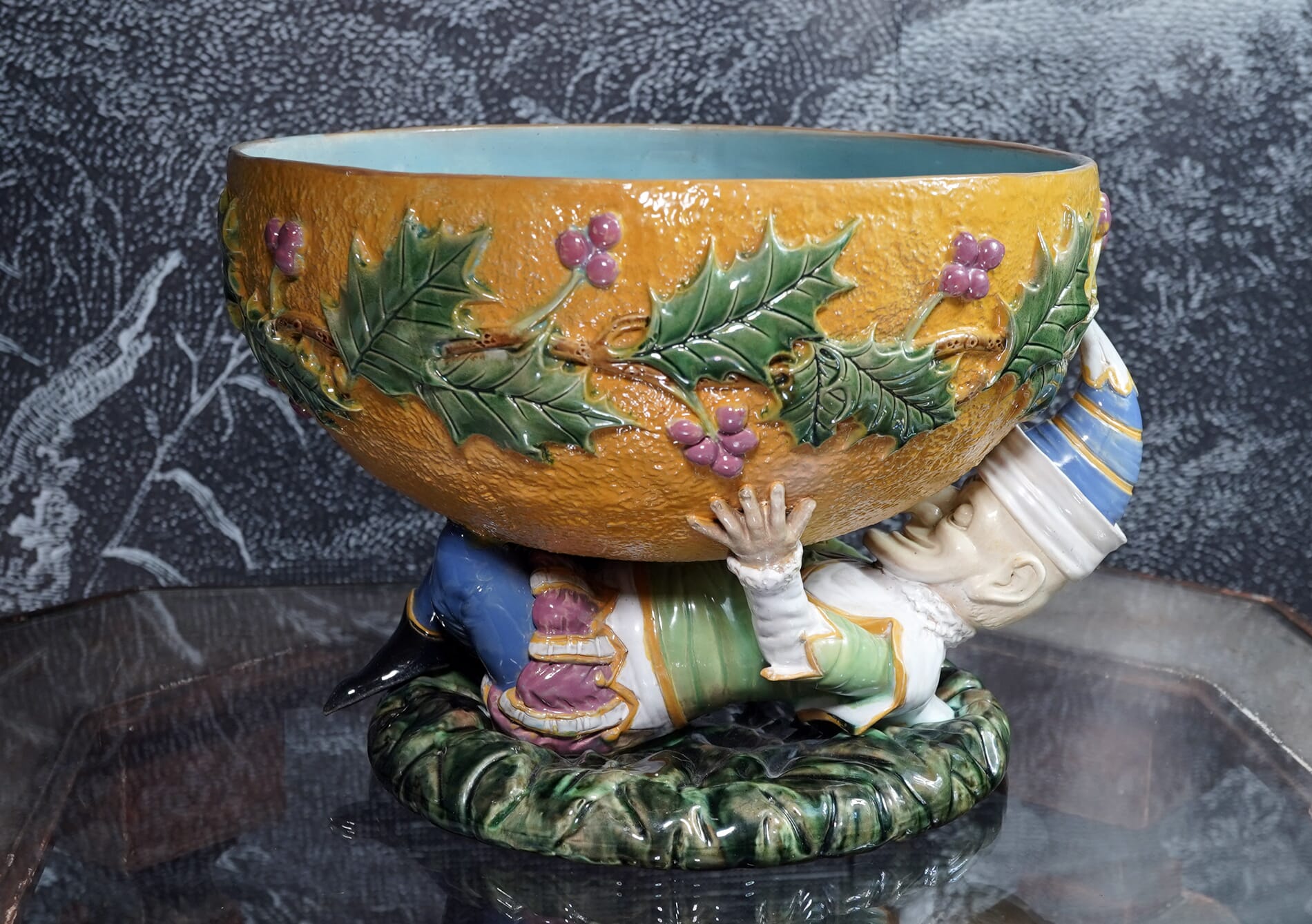
This remarkable large piece of English Majolica is the ultimate pottery rarity. It’s a Punch punchbowl – the figure balancing it on his belly is the character so familiar to Victorians as the character of the ‘Punch’ satyrical magazine. The bowl itself is like a giant orange, and the moulded holly around the edge reveals the intended usage for the bowl: Yuletide Cheer, sitting in the middle of a lavish Christmas table.

It was created by George Jones, famous for his quirky products. It bears the diamond registration mark for 1873, as well as the ‘GJ’ impressed initials of the proprietor. This is interesting, as 1873 is also the year George Jones included his sons in the business, changing the mark to ‘GJ & Sons’. This bowl must have been made in the initial part of 1873, before the change of the mark was implemented. It’s rare we can date something so precisely…..
Posted on

Fresh Finds for February……

Welcome to our first February stock release, full of interesting items.

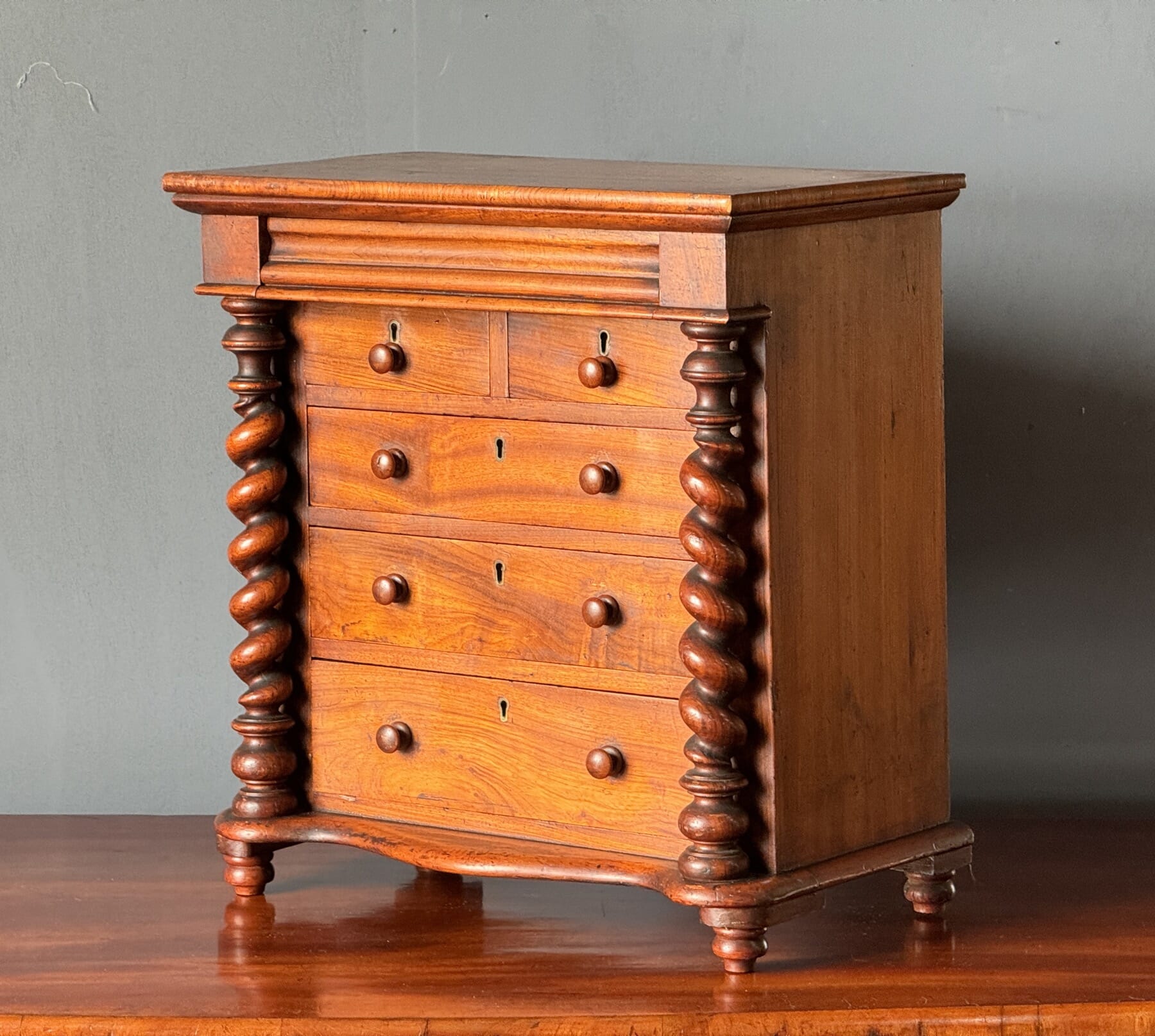
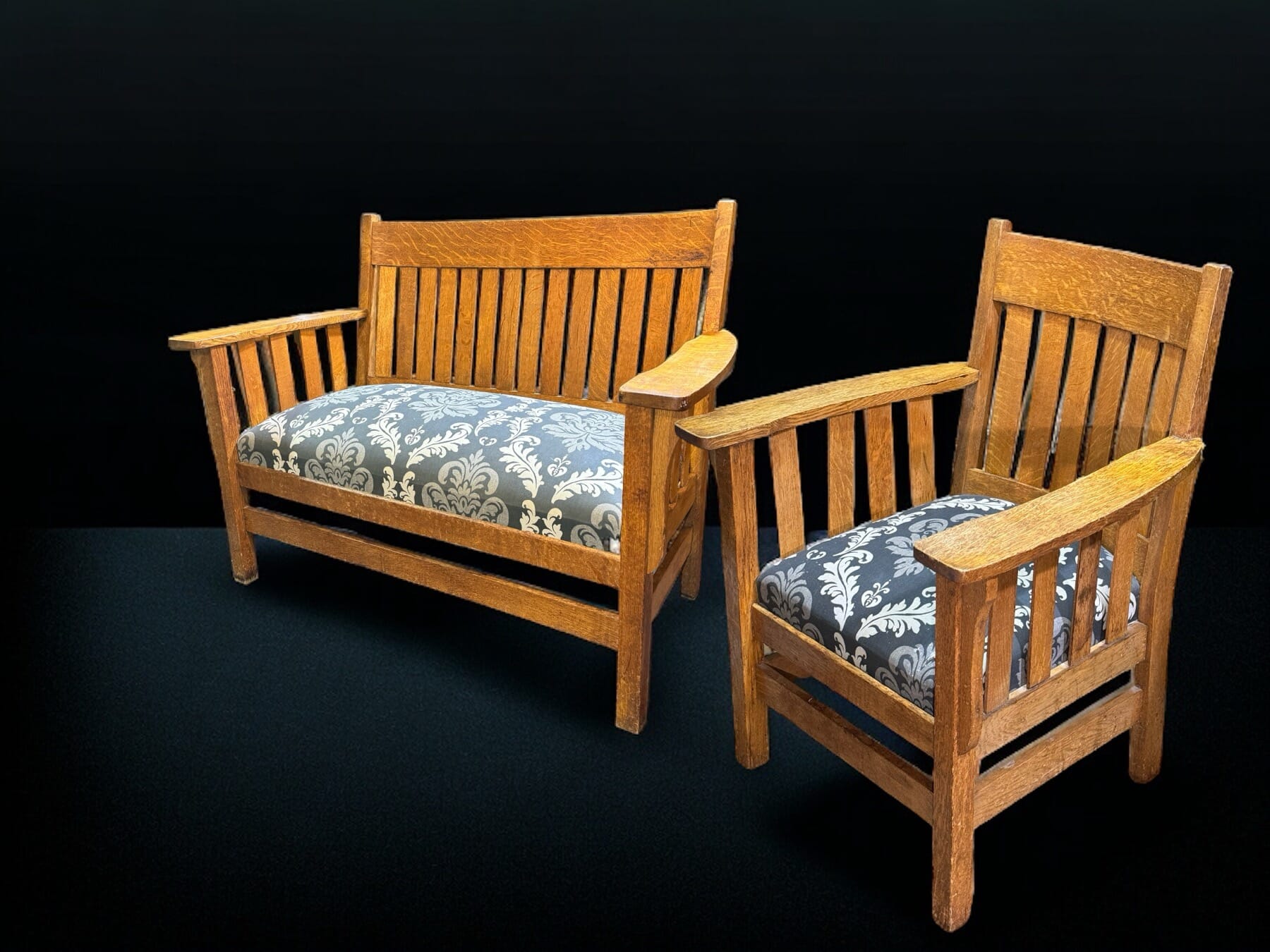
There’s some furniture, including the superb miniature chest of drawers seen above: it’s an ‘apprentice’ piece, so-called as an apprentice could show their skills by producing a miniature masterpiece. This example is Australian, made from solid cedar, absolutely original and a prime piece of Australiana.

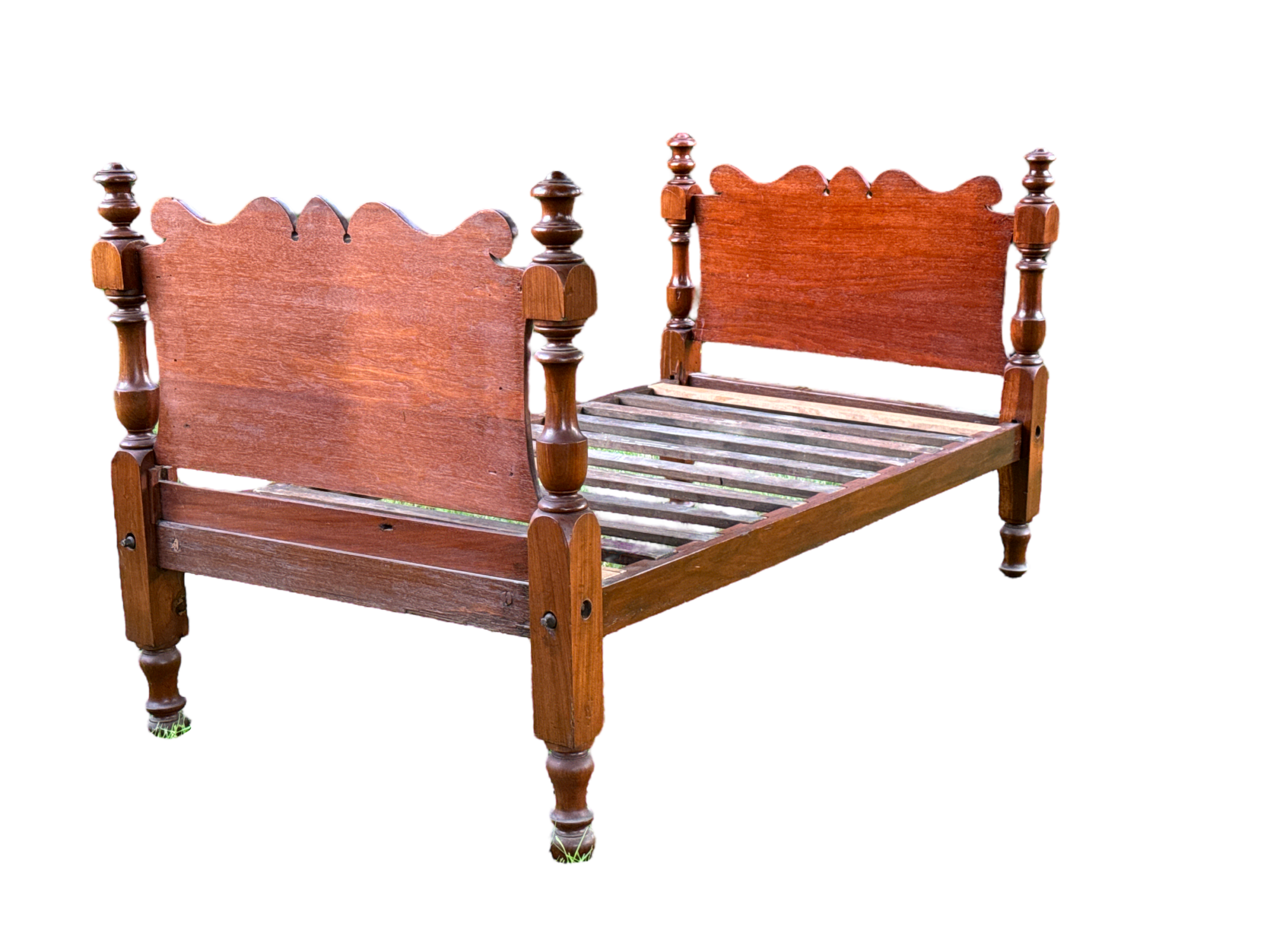
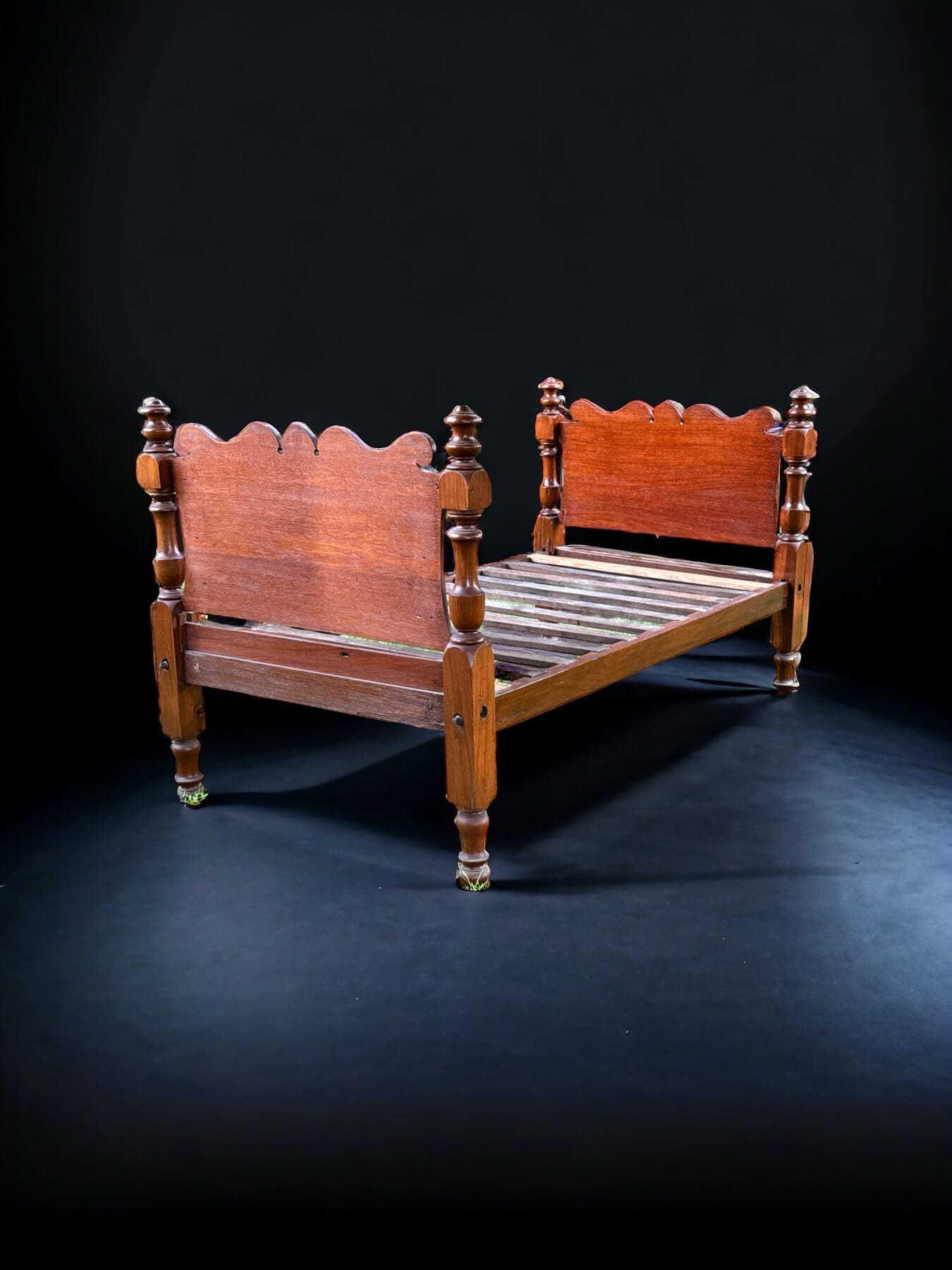
A cedar bed from the 1840’s originates in Tasmania, and has very heavy original ‘gumtree’ side rails and splats.

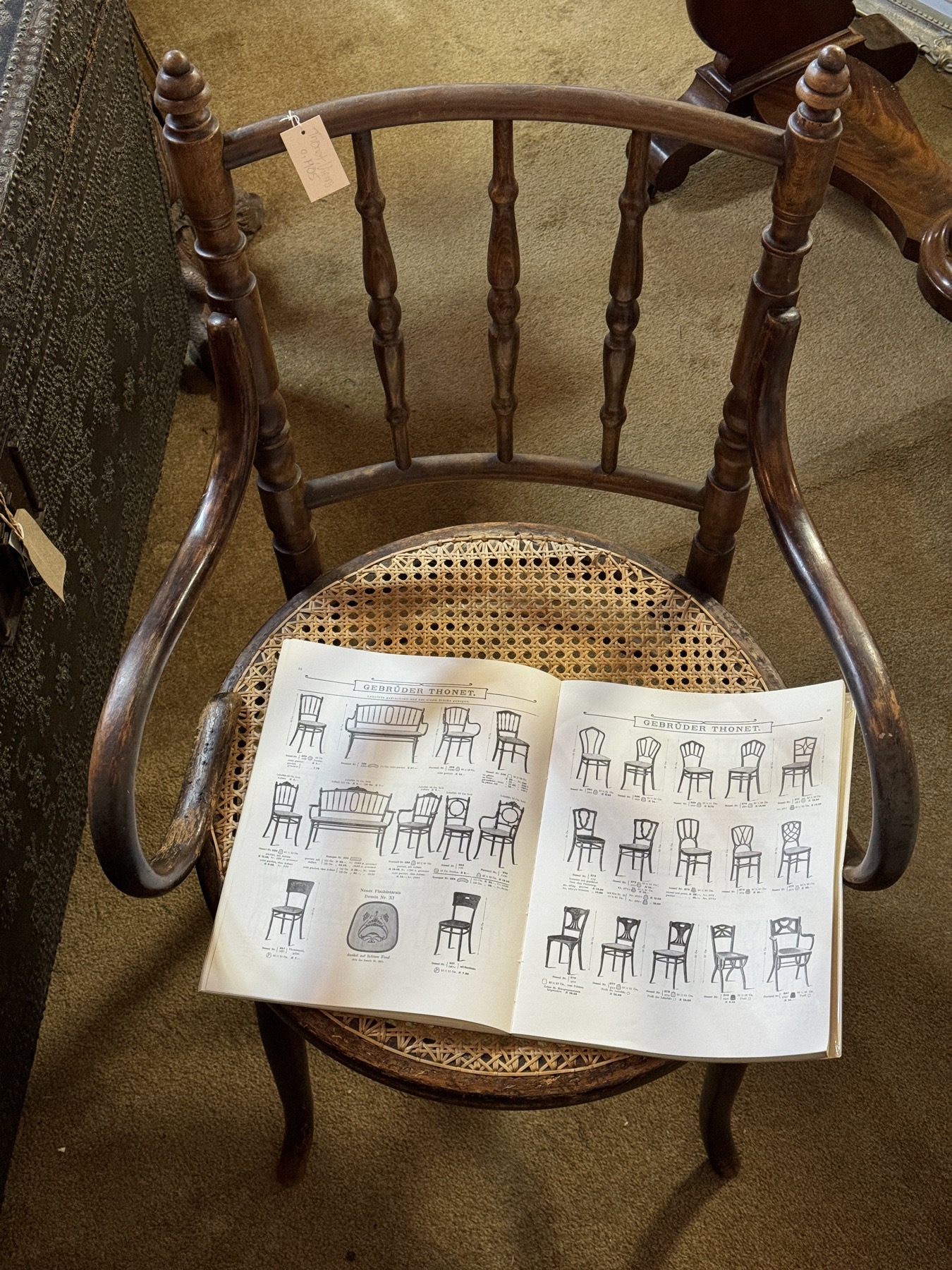
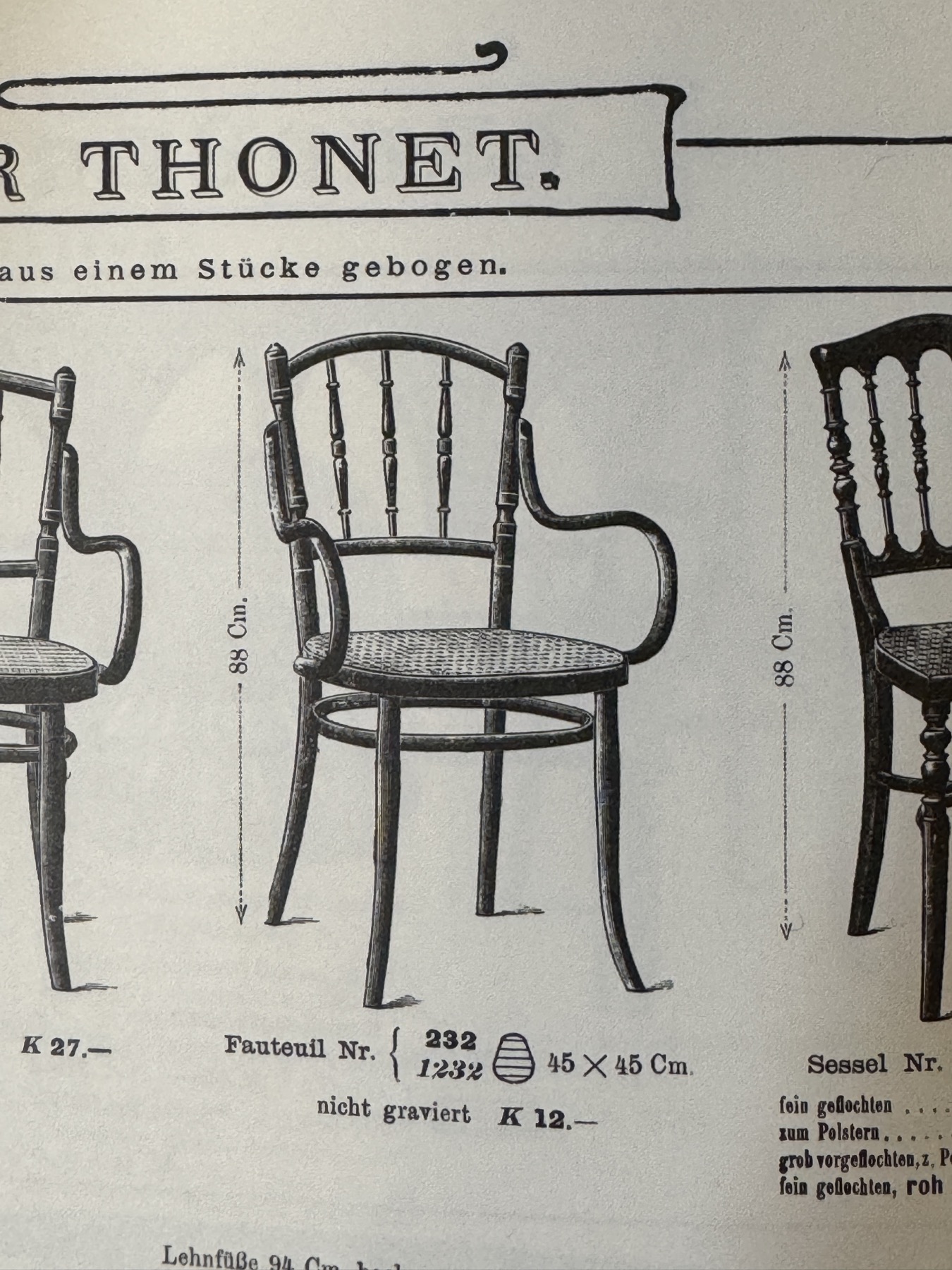
1905 Thonet Catalogue

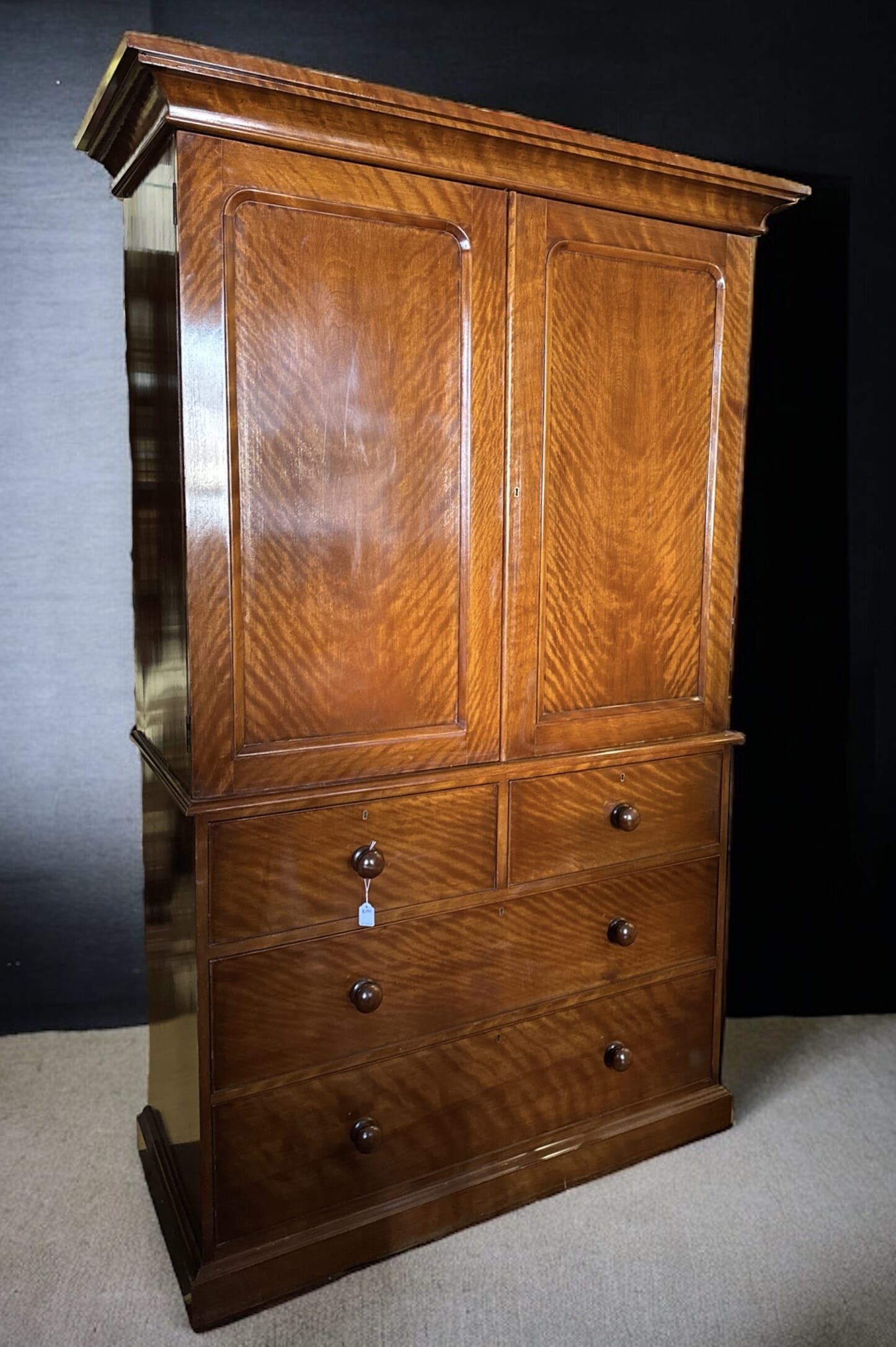
There’s a fine quality English linen press, with a mark identifying the maker as C.J. Freeman – Furniture Manufactory – Norwich. The beautiful timber is carefully selected maple.

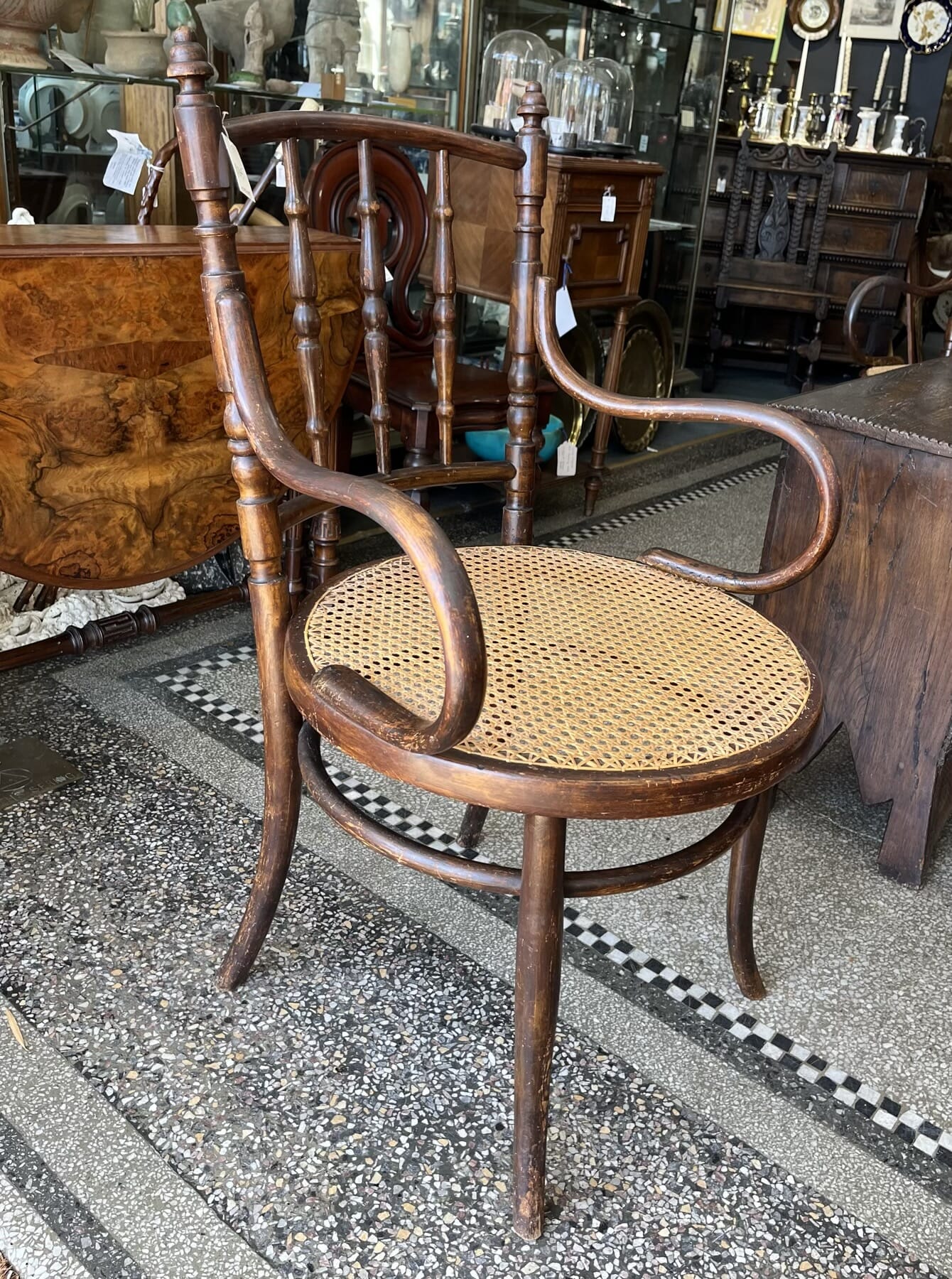
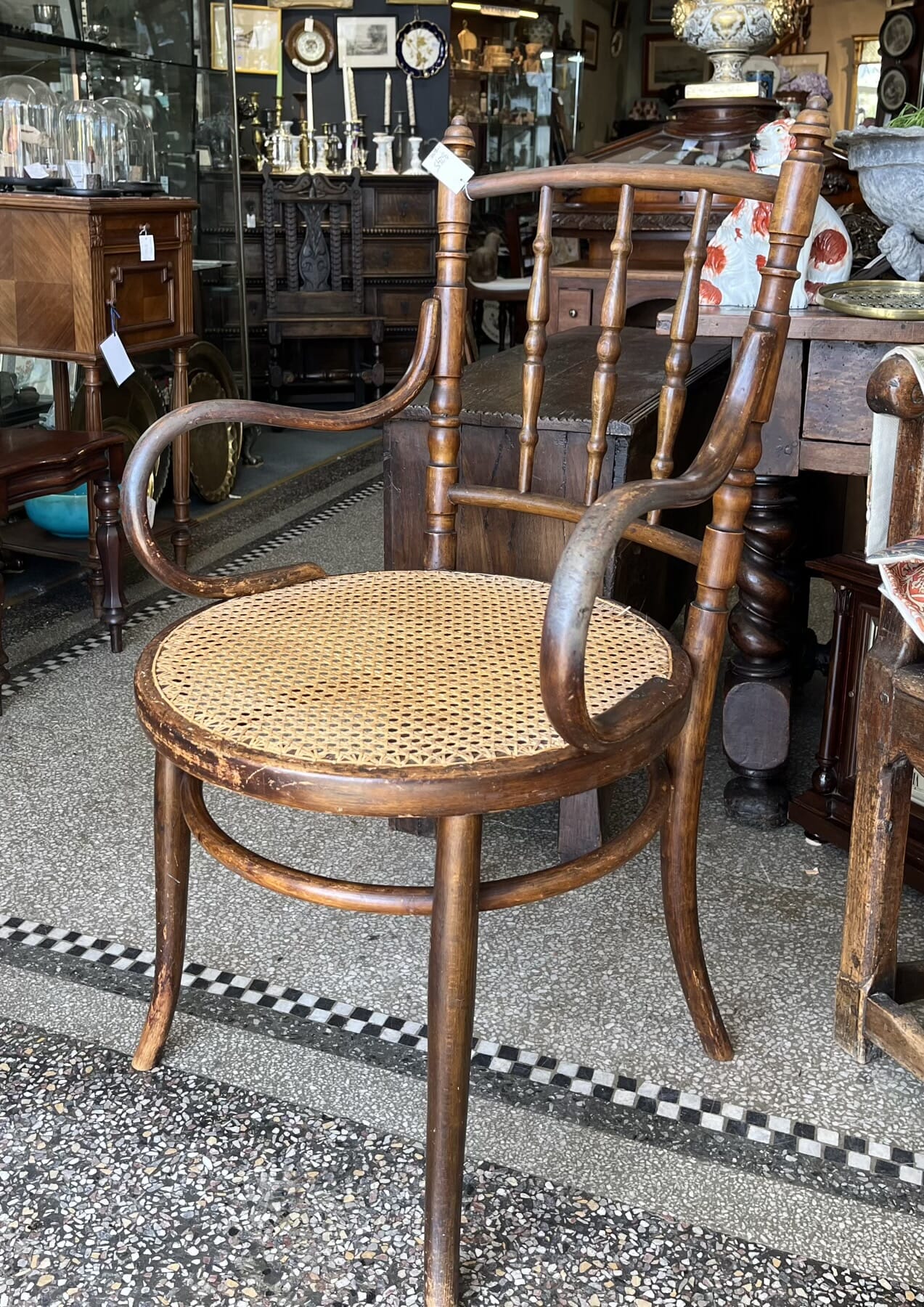
A couple of bentwood chairs are interesting, appearing in the 1905 Thonet catalogue.

Have a browse through our latest uploads….

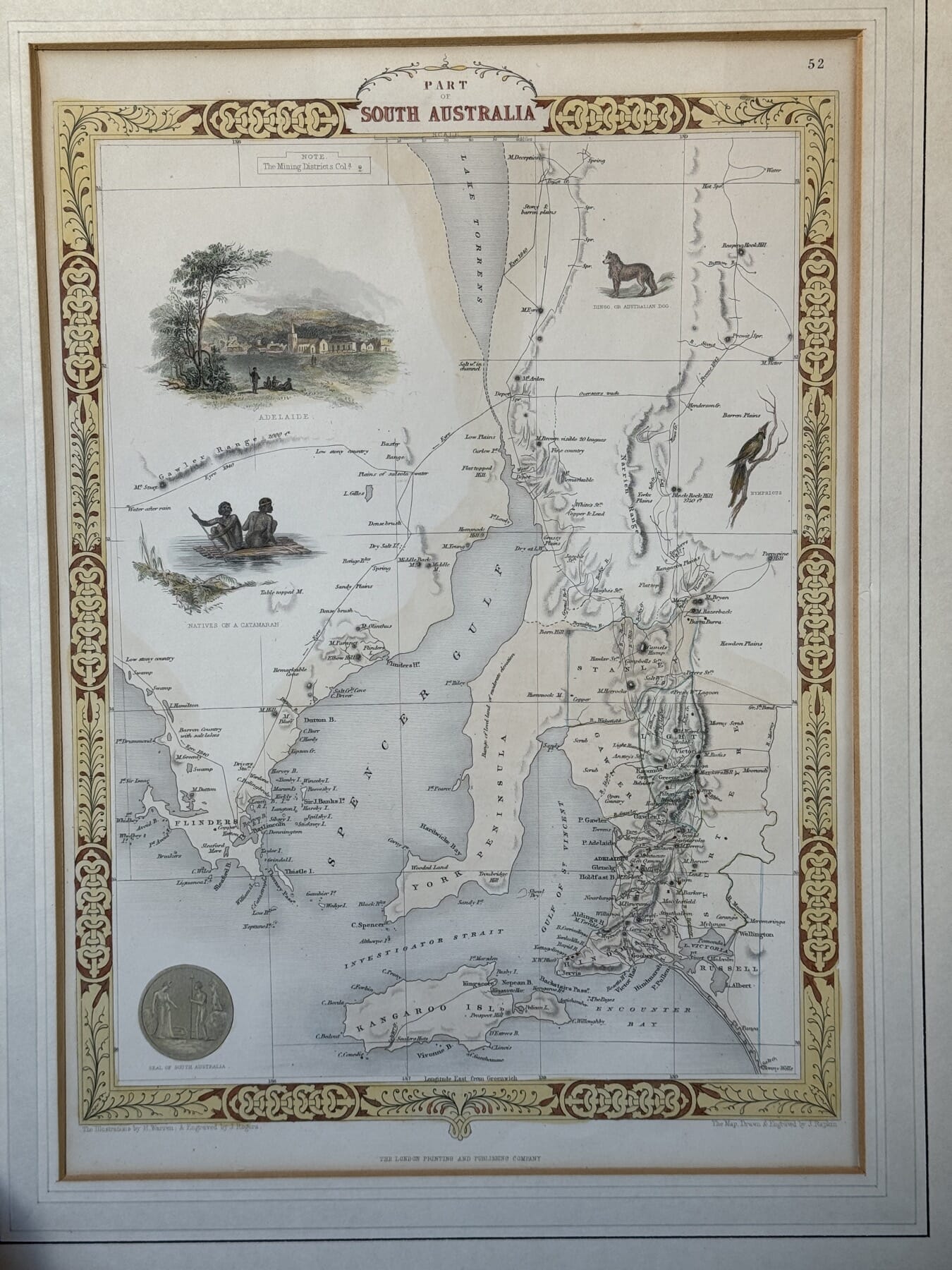
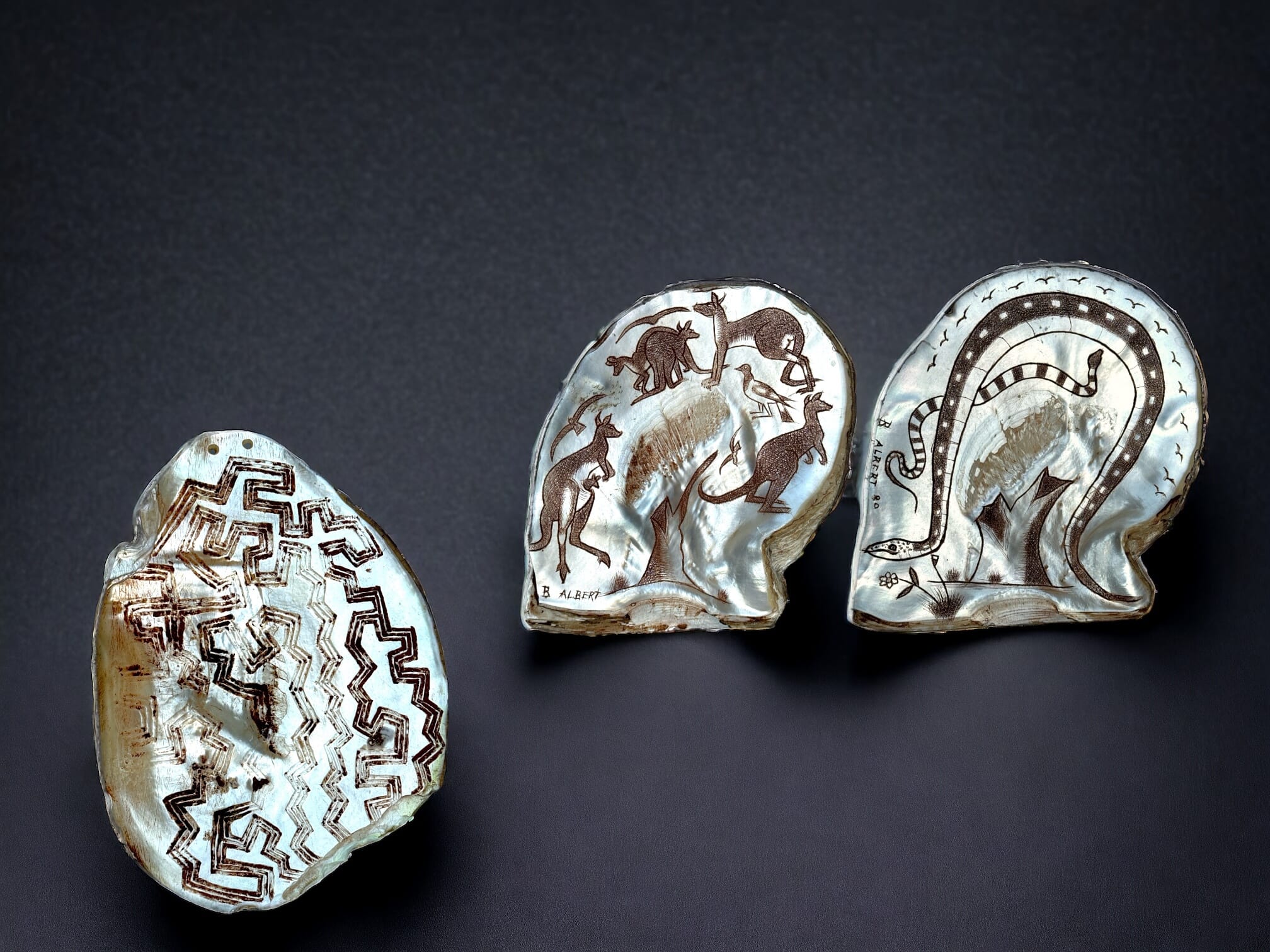
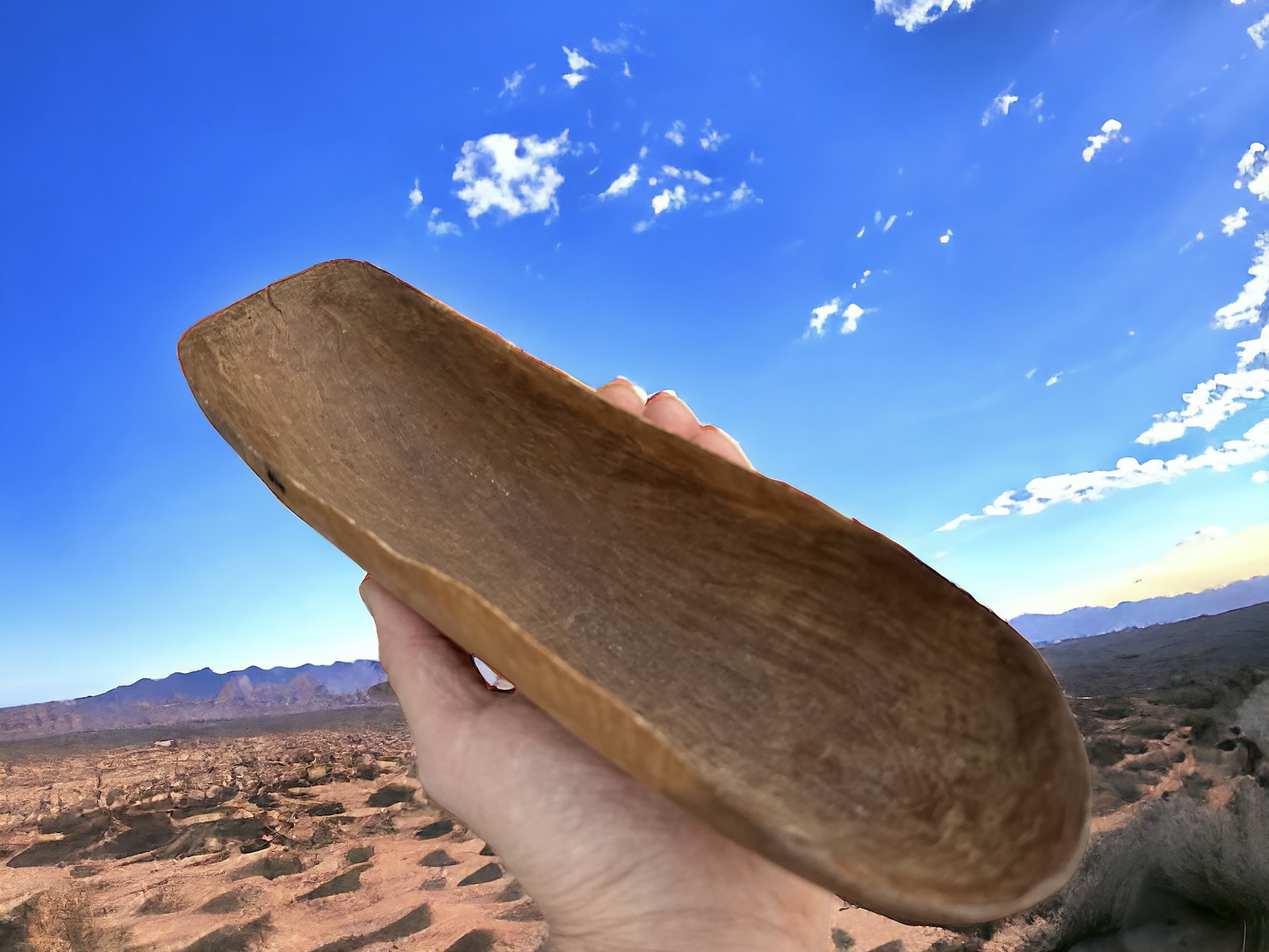
Australiana

Posted on

Australia Day Special

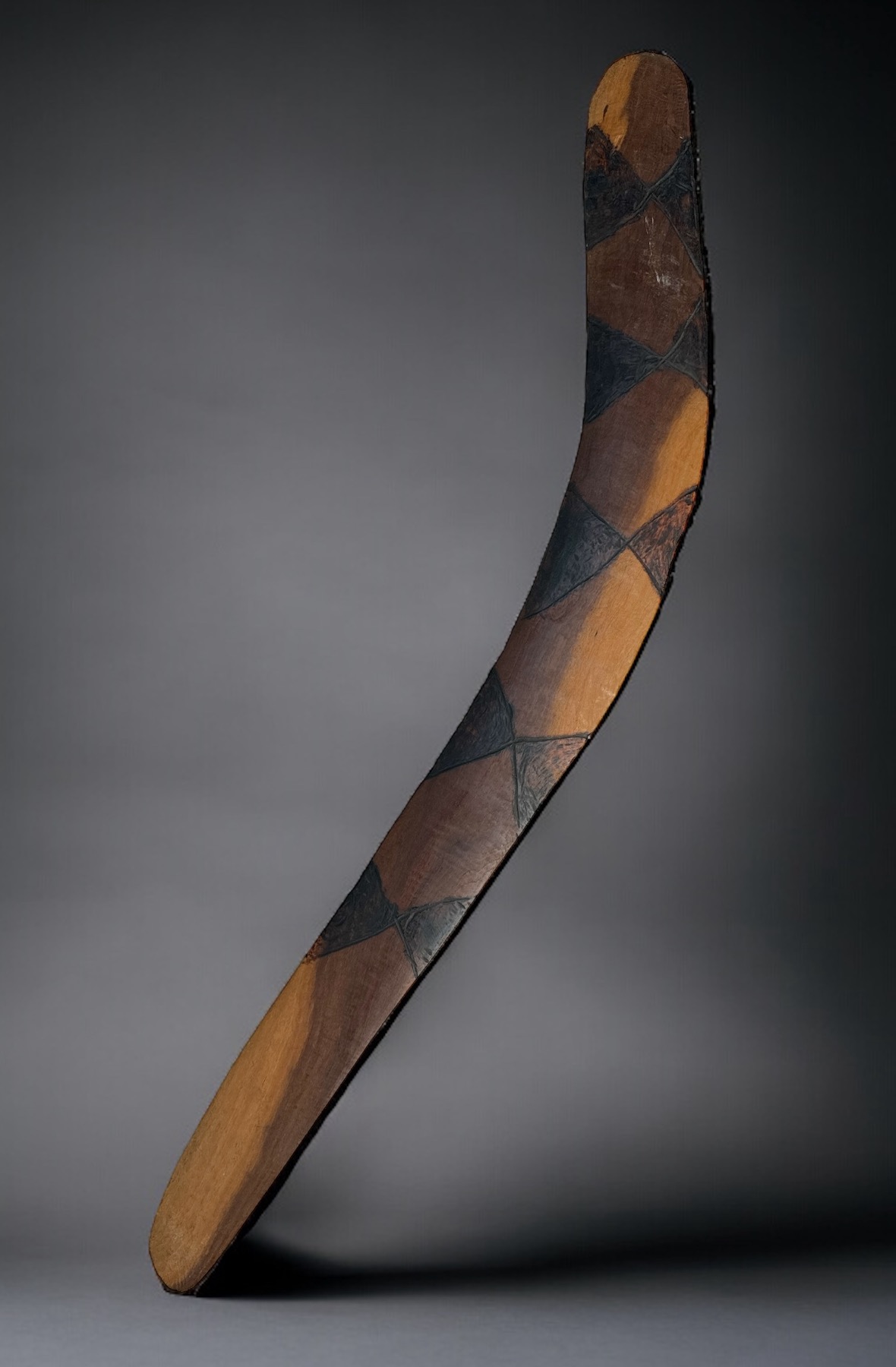
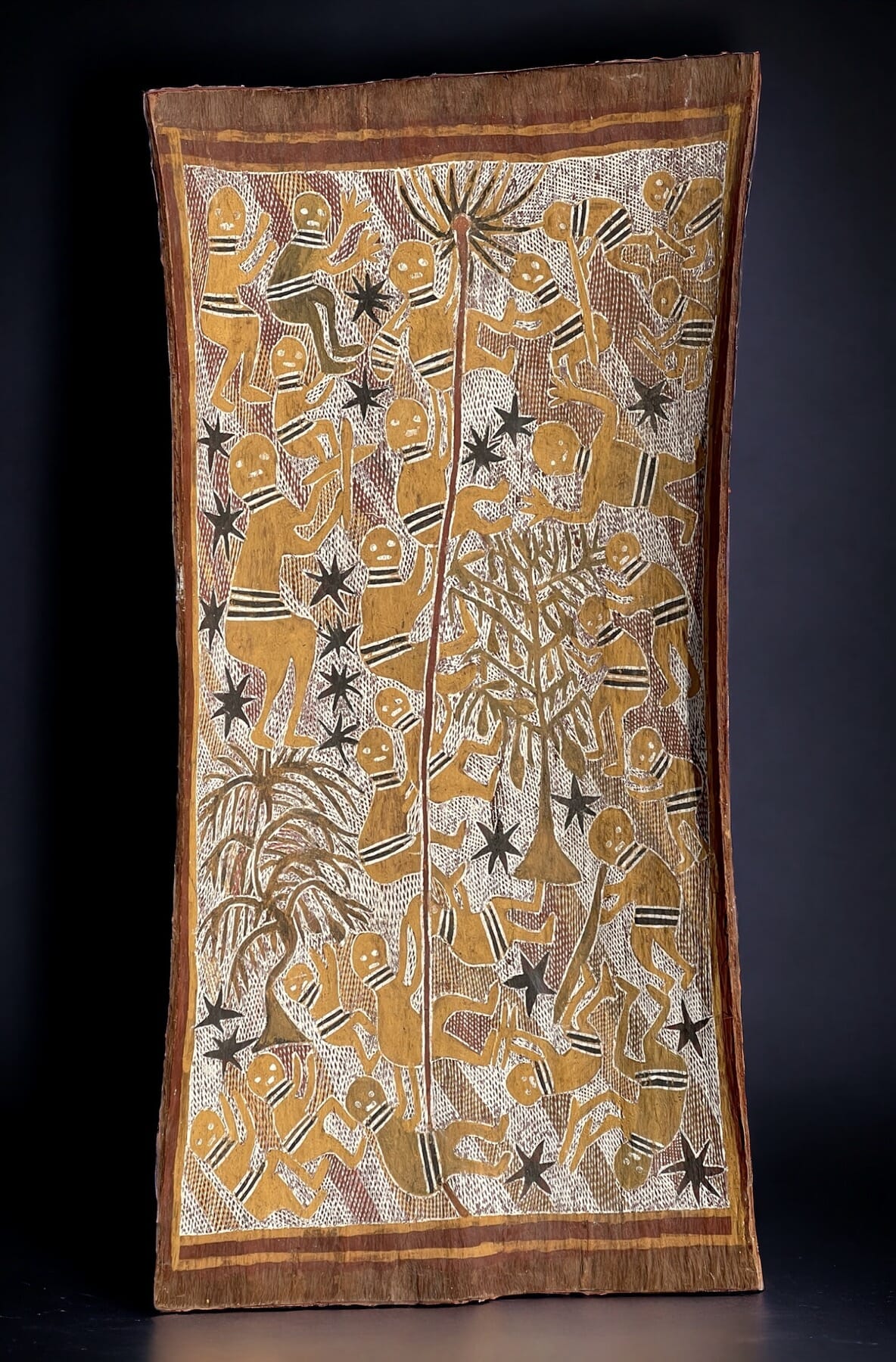
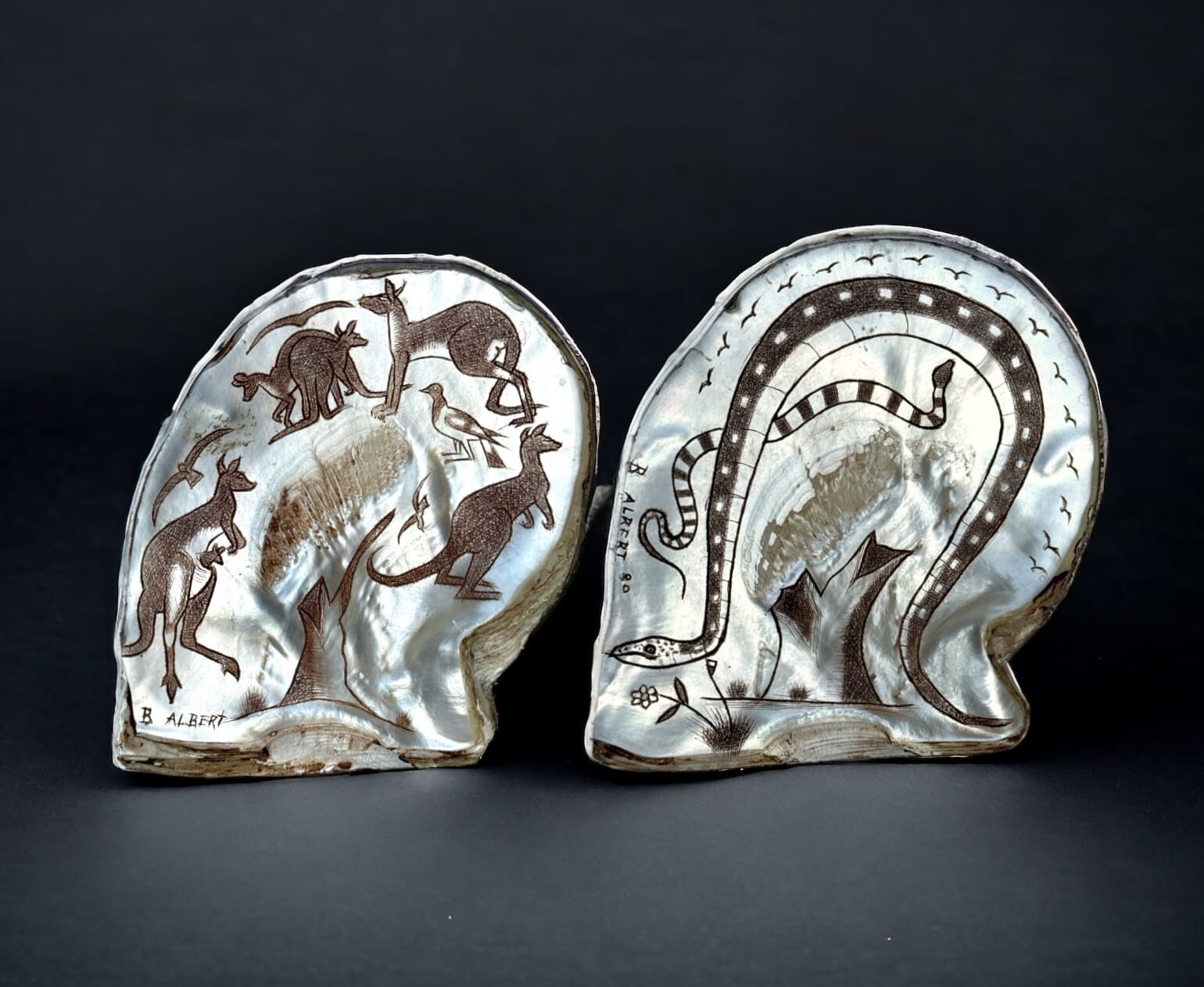
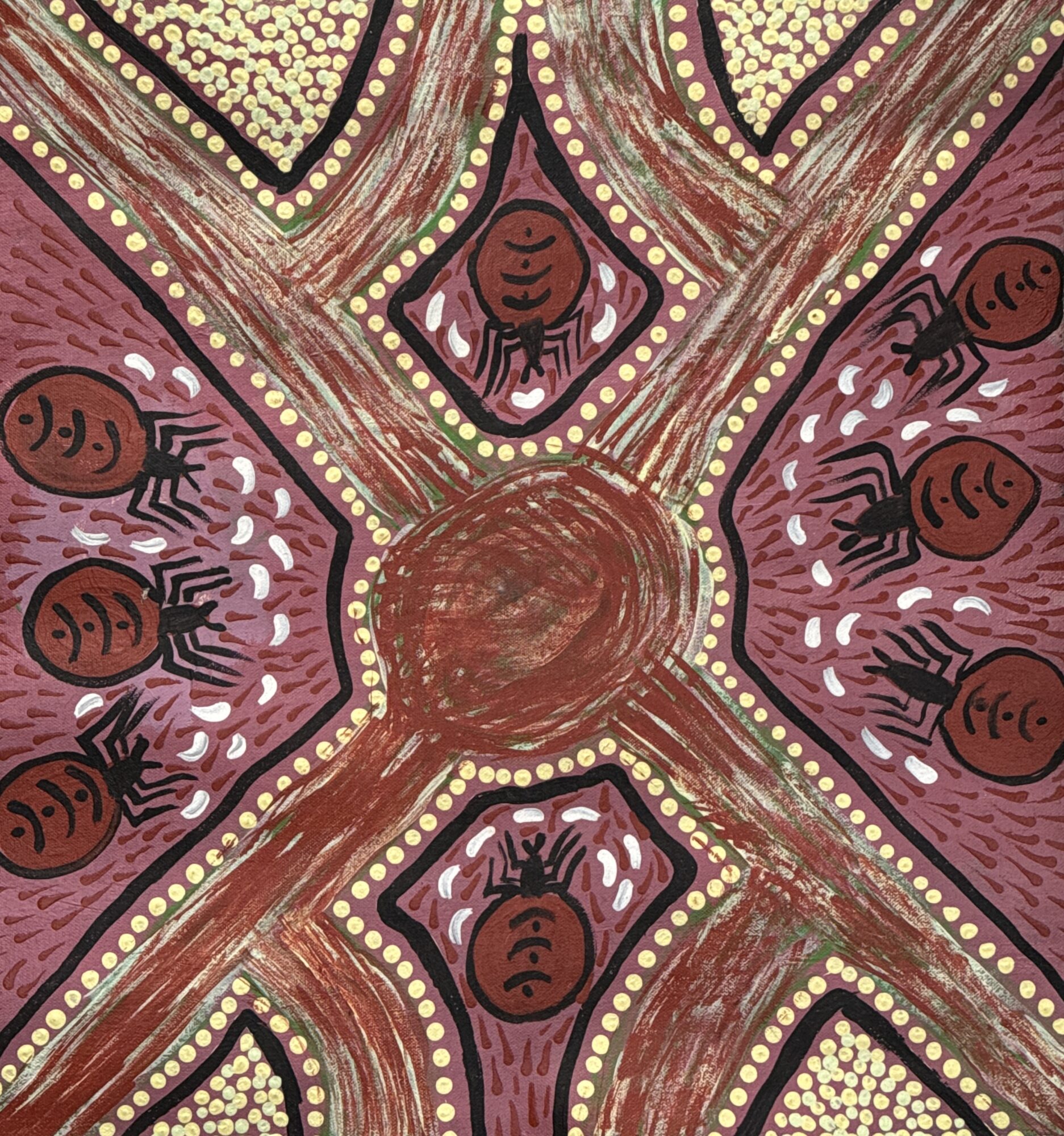
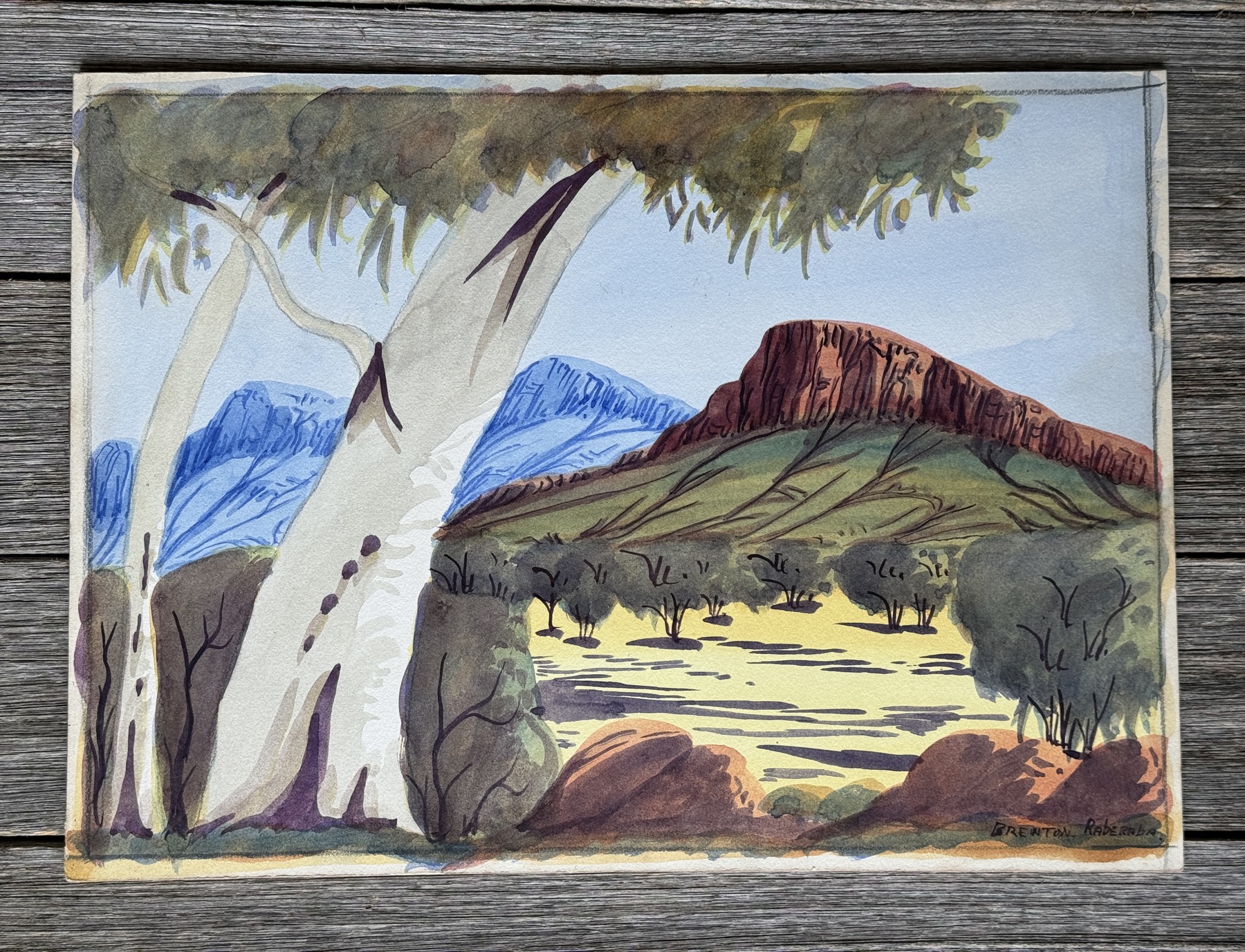
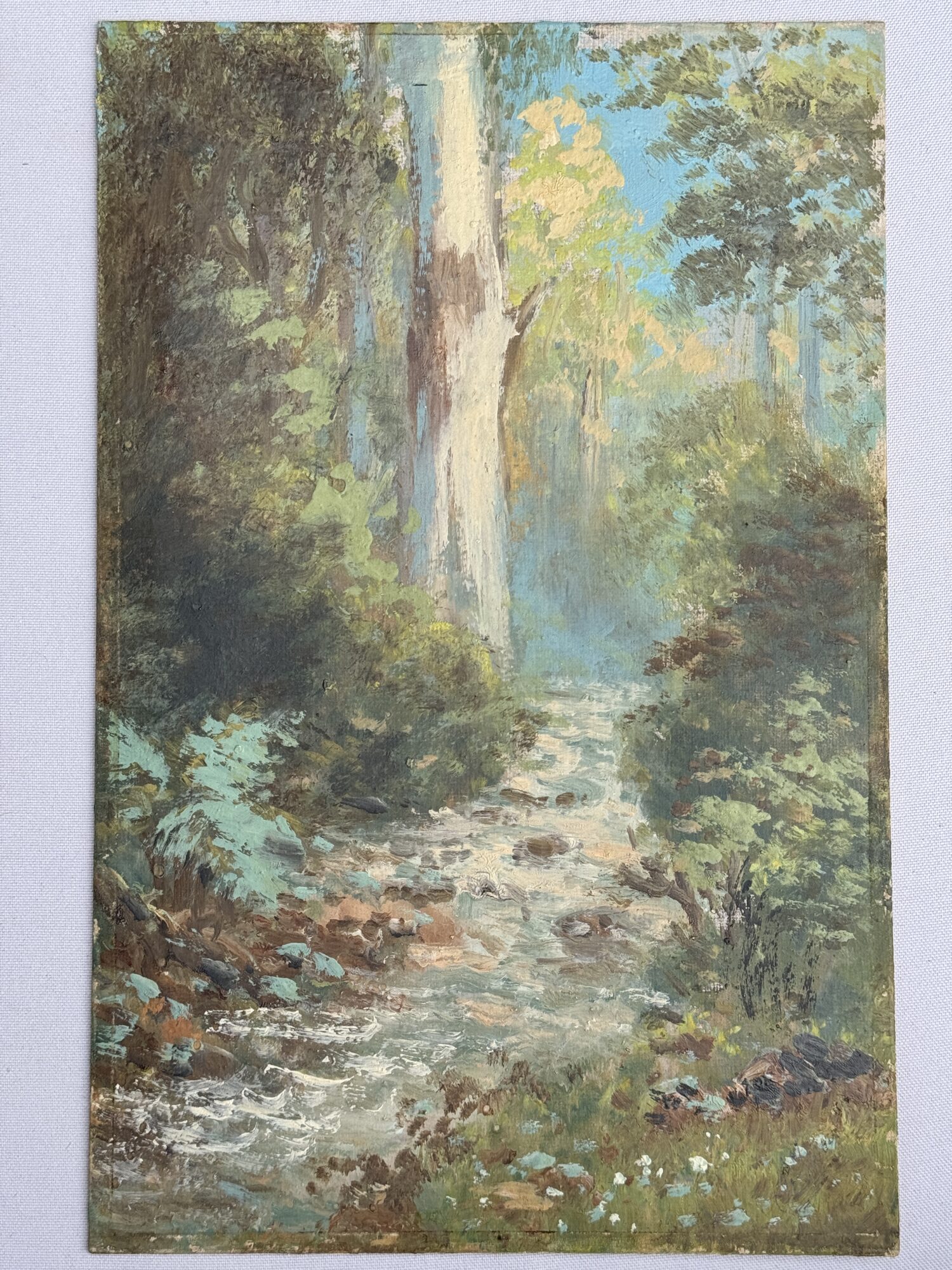
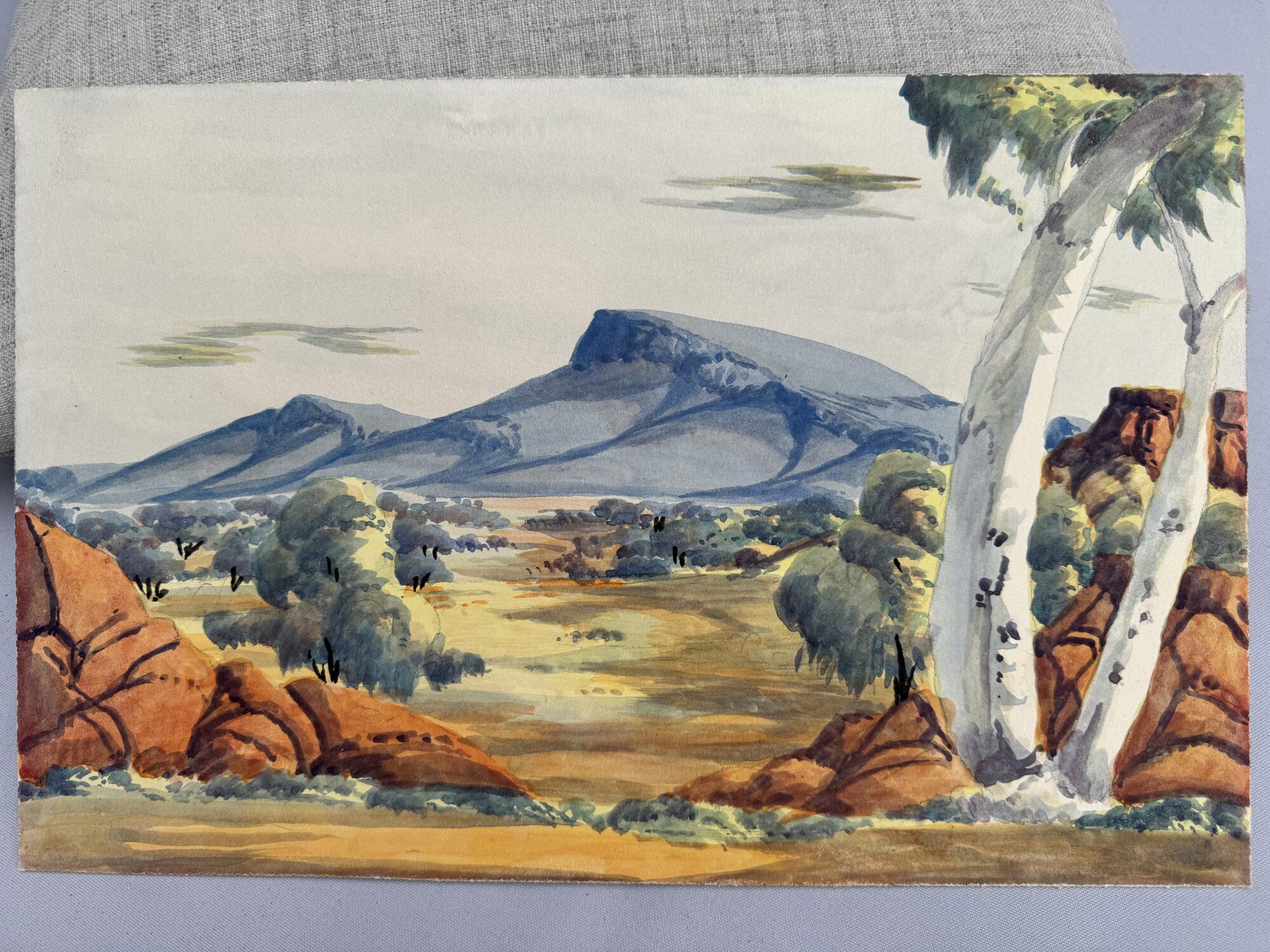
No matter what your opinion regarding the 26th January, those who live in Australia have a lot to celebrate.  The Ancient Past was when the first settlers came, over expanses of water, up to 60,000 years ago.  Isolated, they developed their own unique culture which is now rightfully called ‘the oldest continual culture on earth’.  Their ability to sustain themselves in the often harsh Australian landscapes can only be admired …. 

When the next phase of settlers came, the Europeans, they died of thirst and hunger, in places where the Aboriginal ‘First Nation’ peoples were perfectly at home.

The inevitable influx of fortune-seeking Europeans from the initial First Fleet of 1788 spread across the land, and formed another unique culture: Australian.  While initially English, there were large numbers of Scots and Irish settlers, seeking to escape the harsh social realities in their homelands. Soon, people from all corners of the globe were arriving, drawn by the potential for success and safety Australia’s fledgling nation offered. After the World Wars of the 20th century, and other humanitarian crisis which resulted in refugee influxes, Australia welcomed more & more diversity to its shores. 
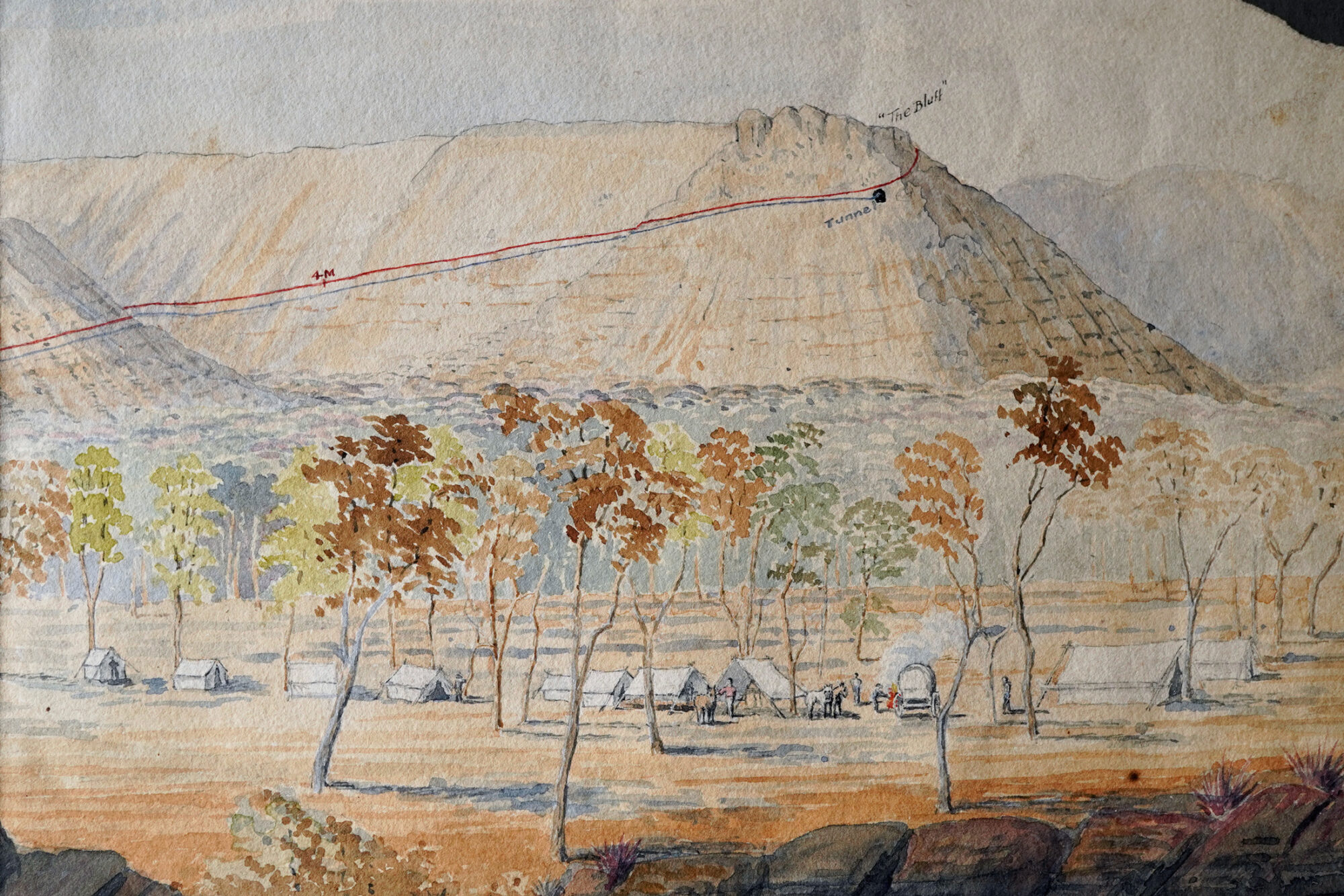
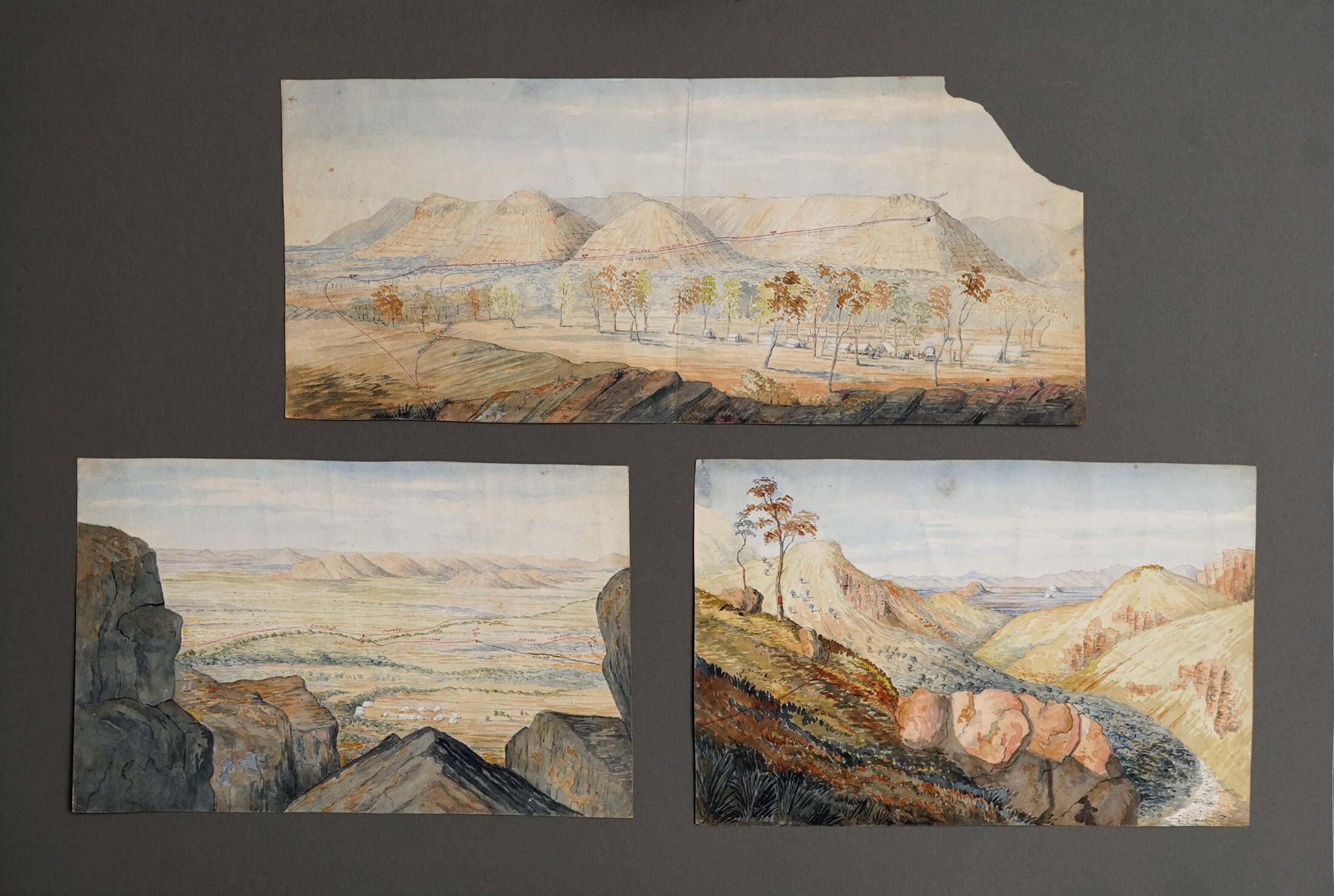
Surveyors planning a railway in Queensland, circa 1890

The result of this is Australia as we see it today:  Original ancient Aboriginal culture, with British social stability and institutions, enhanced by Greeks, Italians, Germans, Scandinavians, and Asian arrivals, each with their own cultural background to add to the mix.  Australians are no longer exclusively any of these cultures – especially after a generation or two of children have grown up in this ‘new’ culture.  

Rather, Australia is a splendid mix of ‘people of the world’ – hopefully the best aspects of each culture. 

So let’s not get bogged down in invasions, or cultural clashes – Australian culture dictates everyone has a fair chance. Say G’day, and celebrate us for what we are – and dream of what we could be – 

Happy Australian Day !

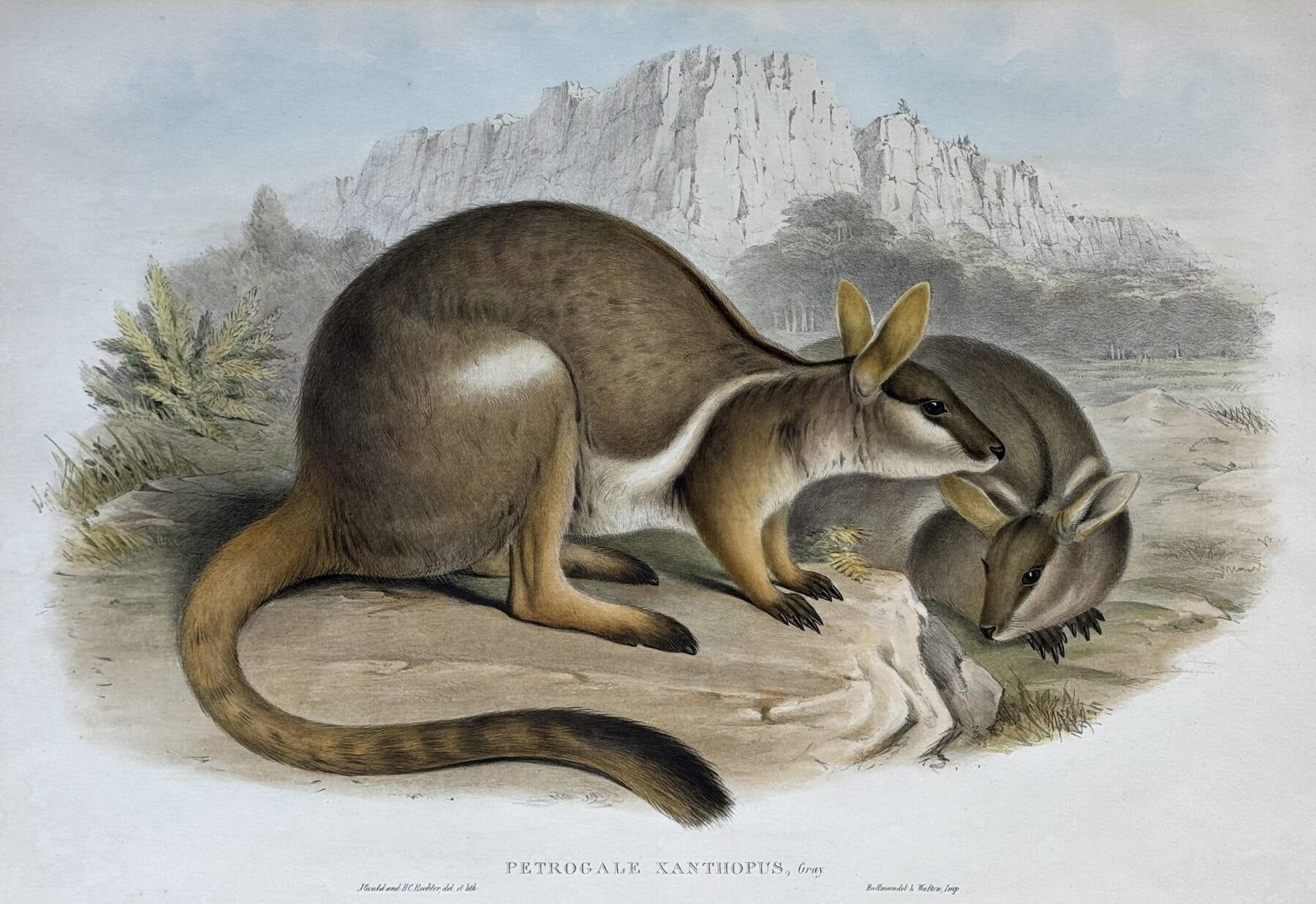
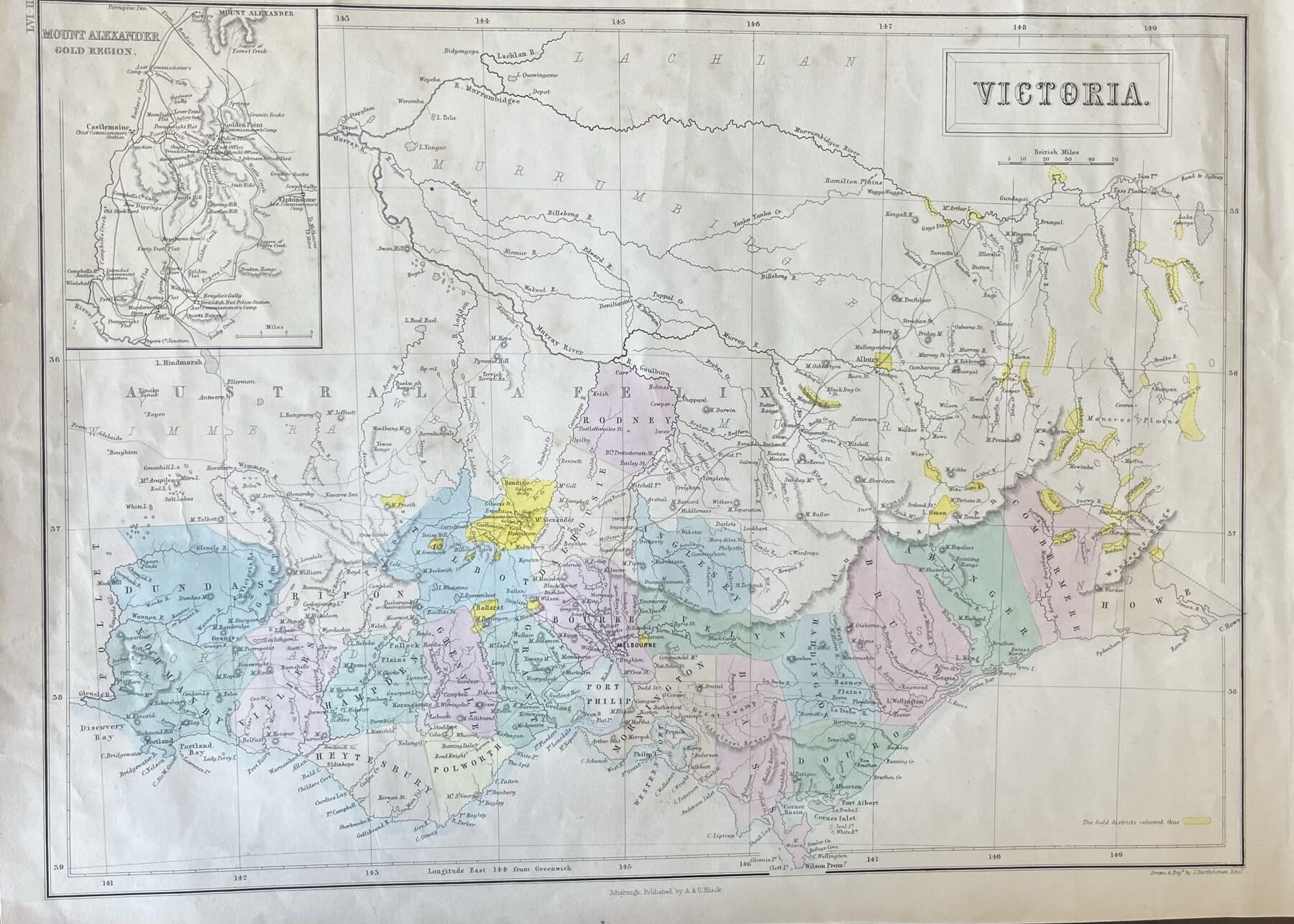
Fresh Australiana

Coming Soon…. more Australiana.