Posted on

A rare fake ‘TP Dexter’ Sterling Jug: Silver Fraud!

Serling Silver Jugs

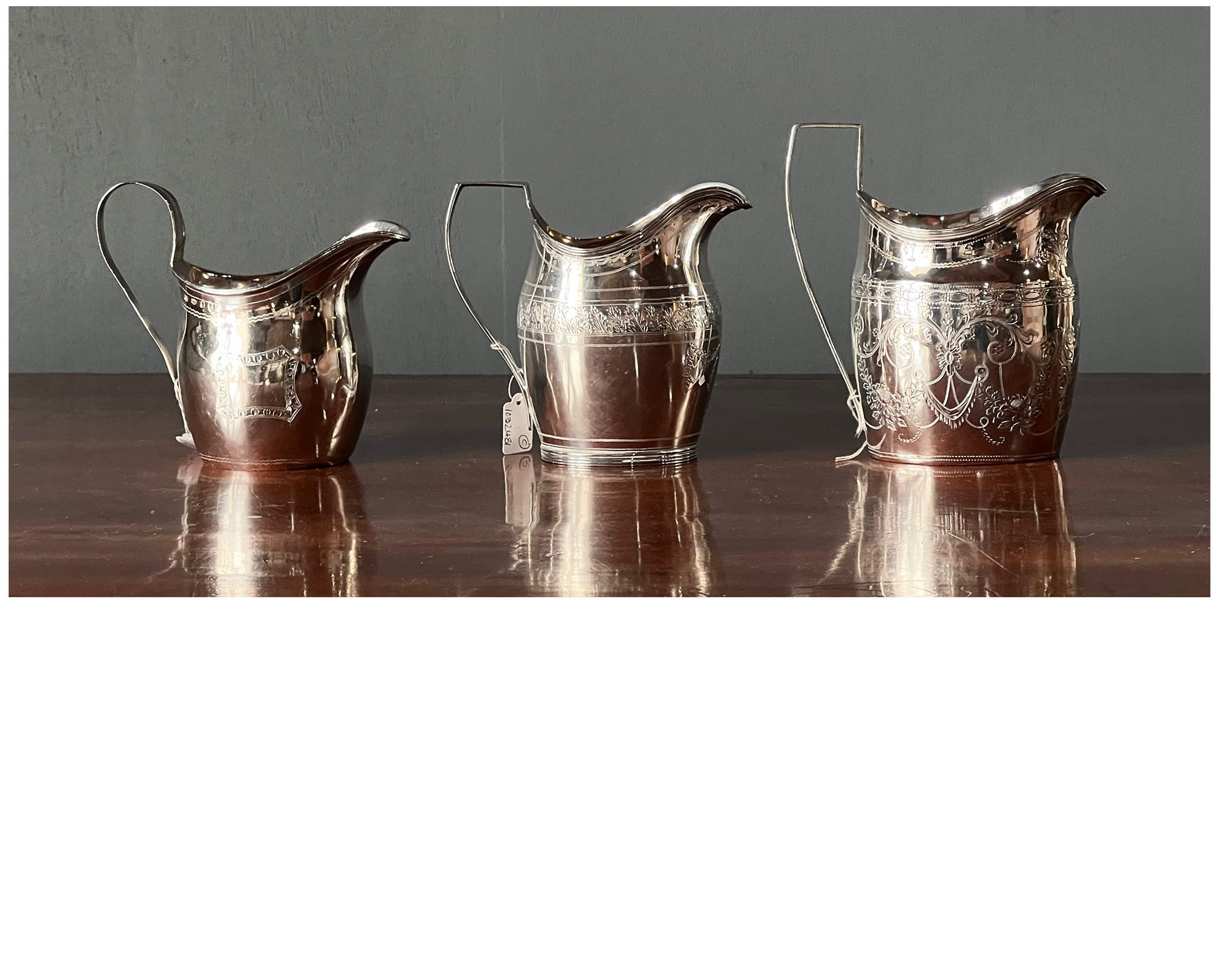
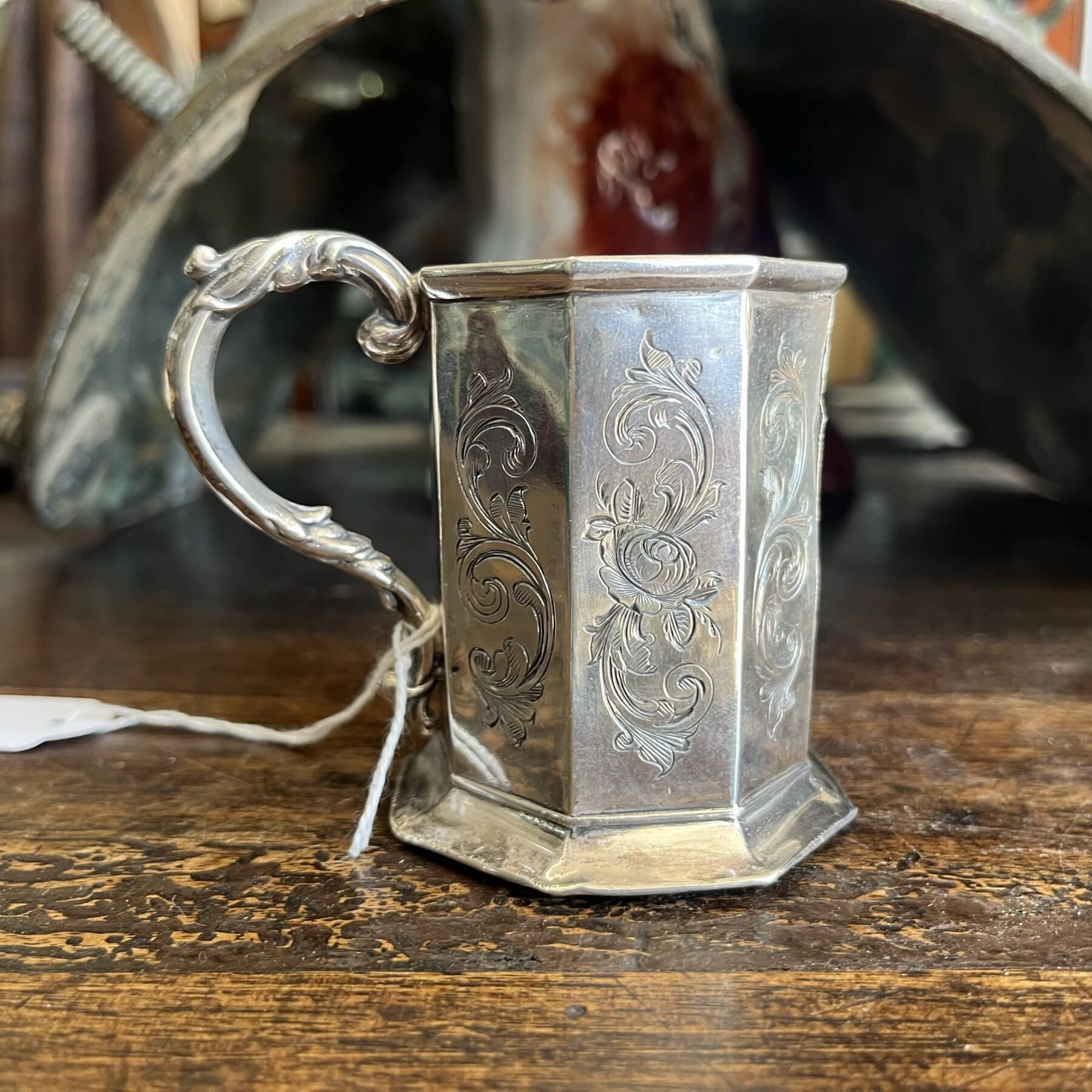
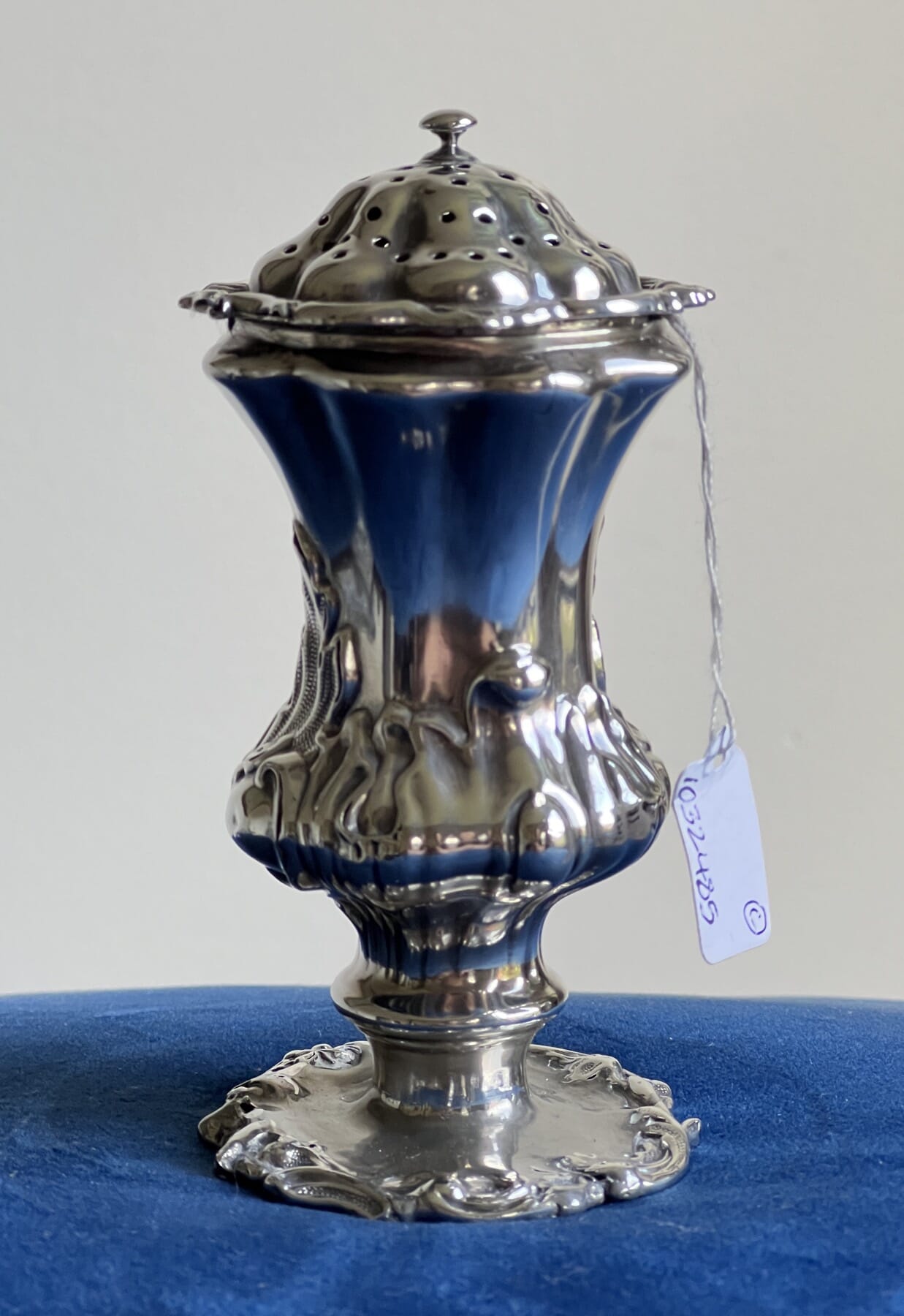
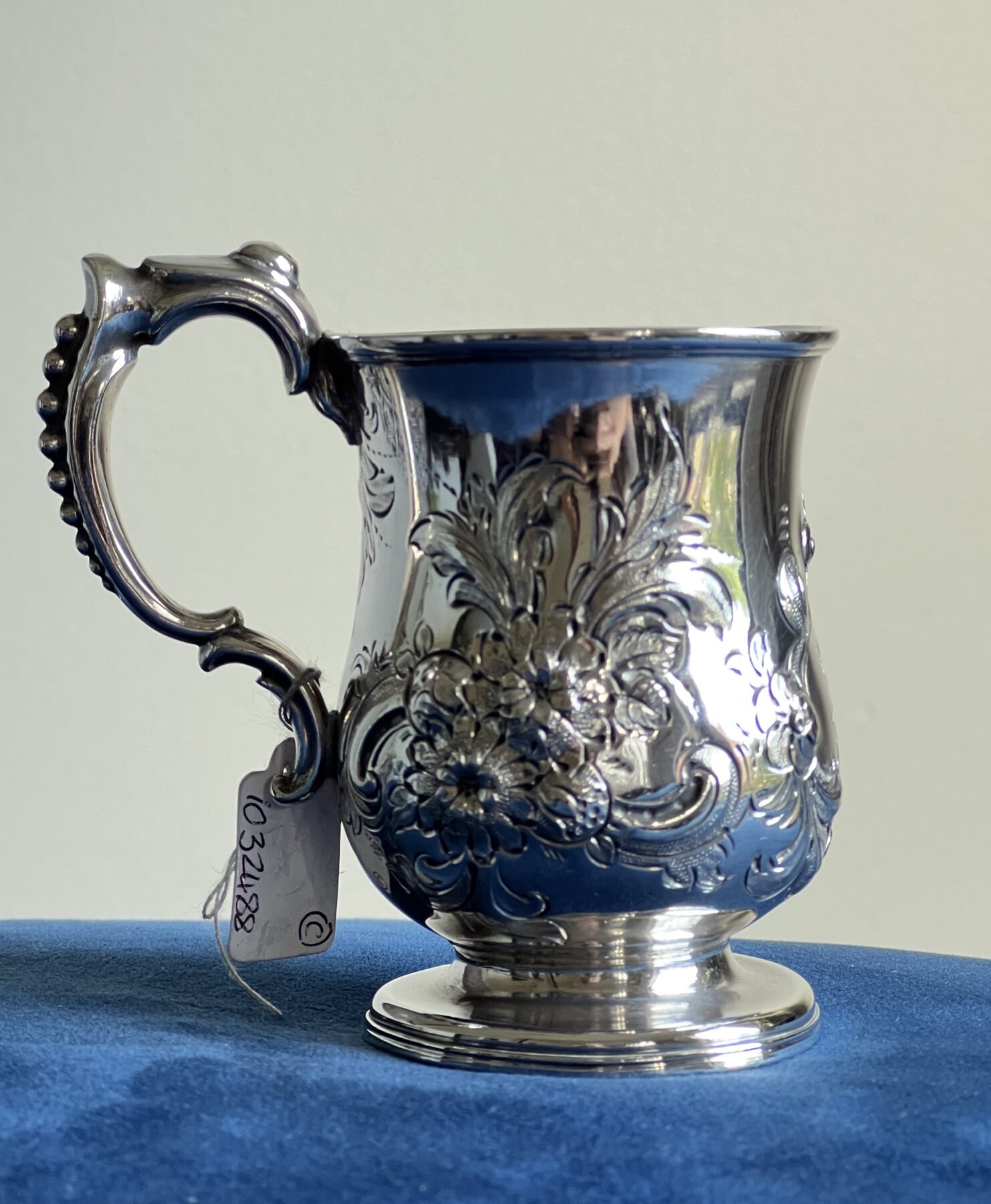
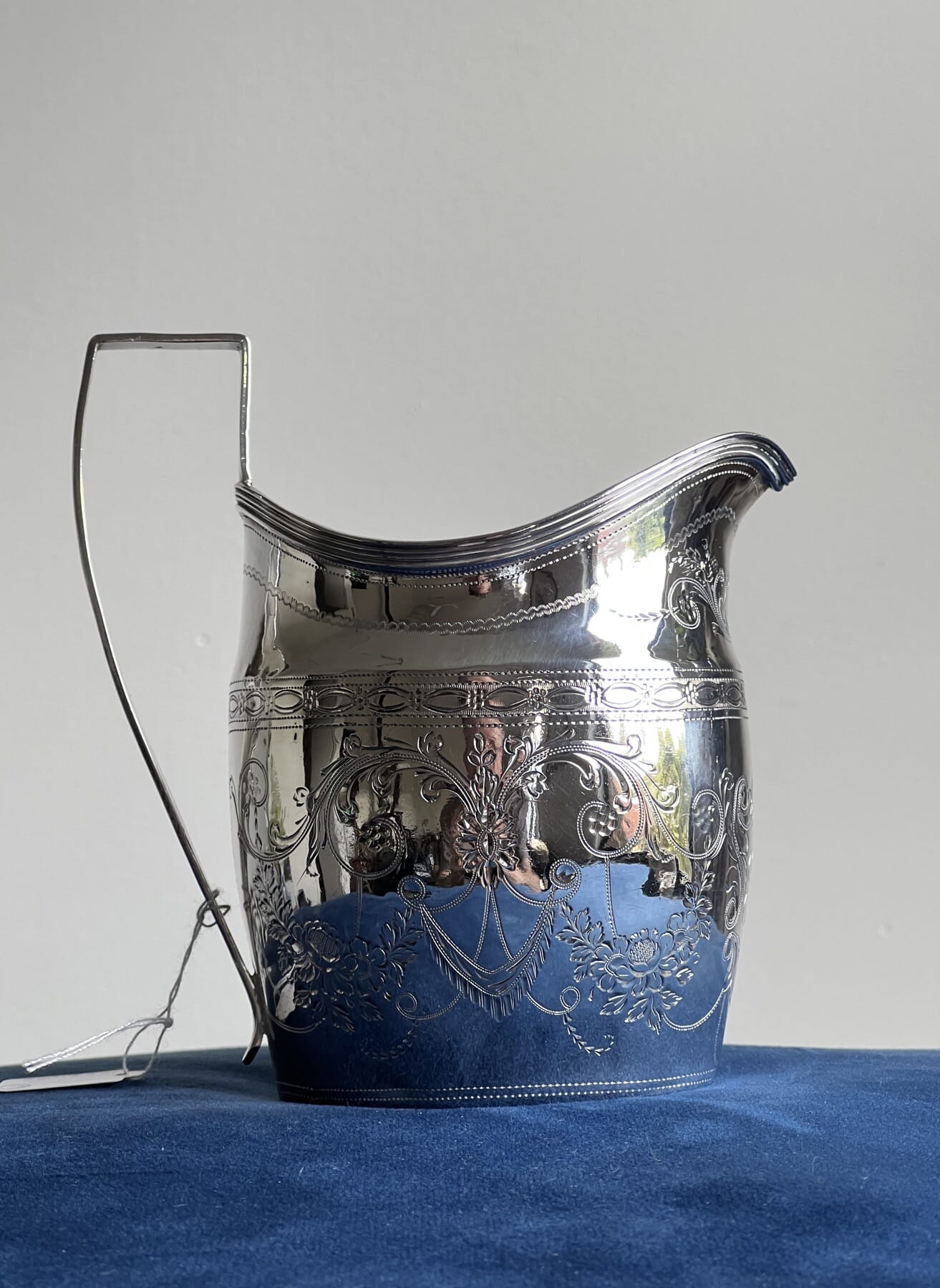
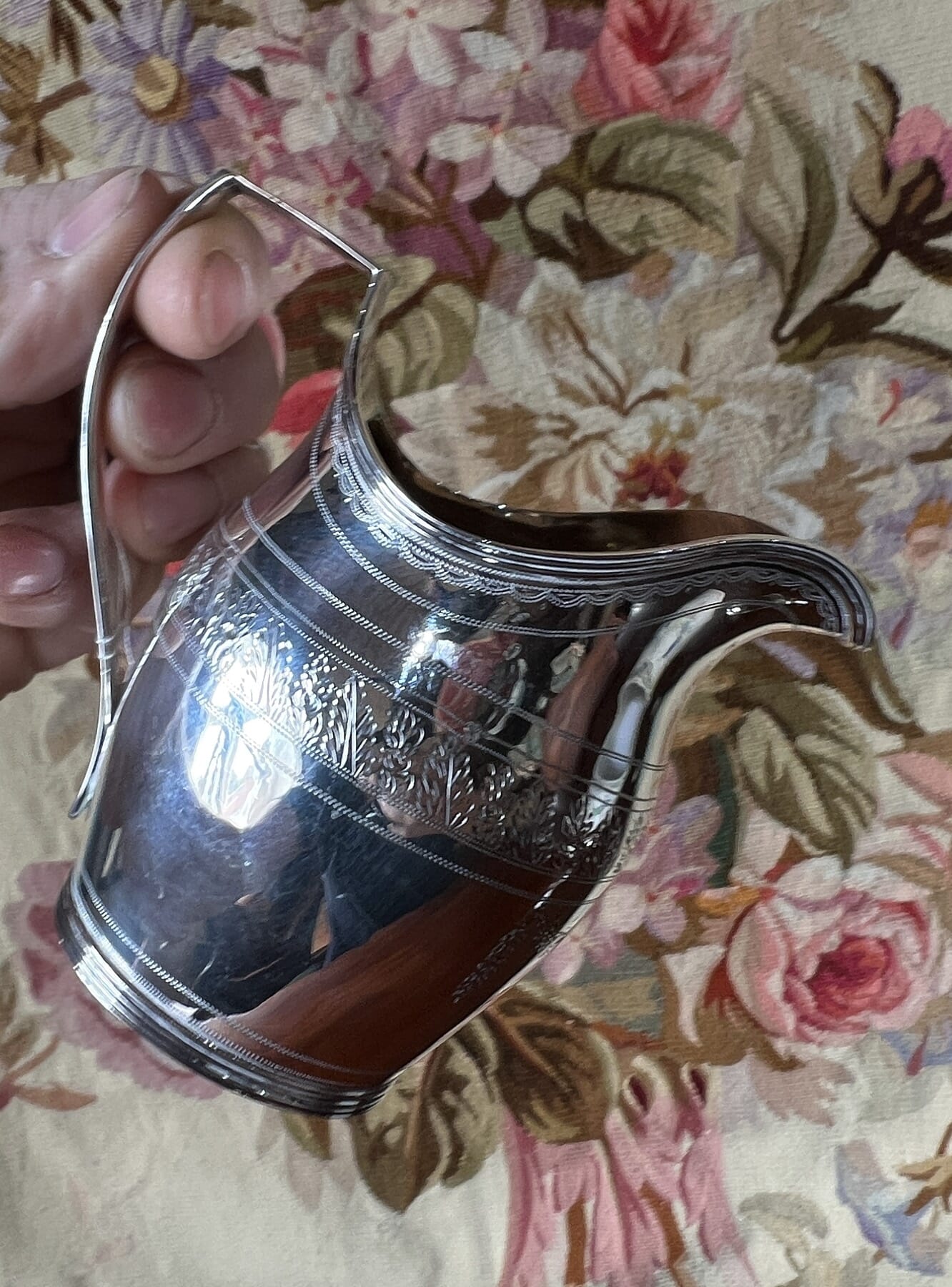
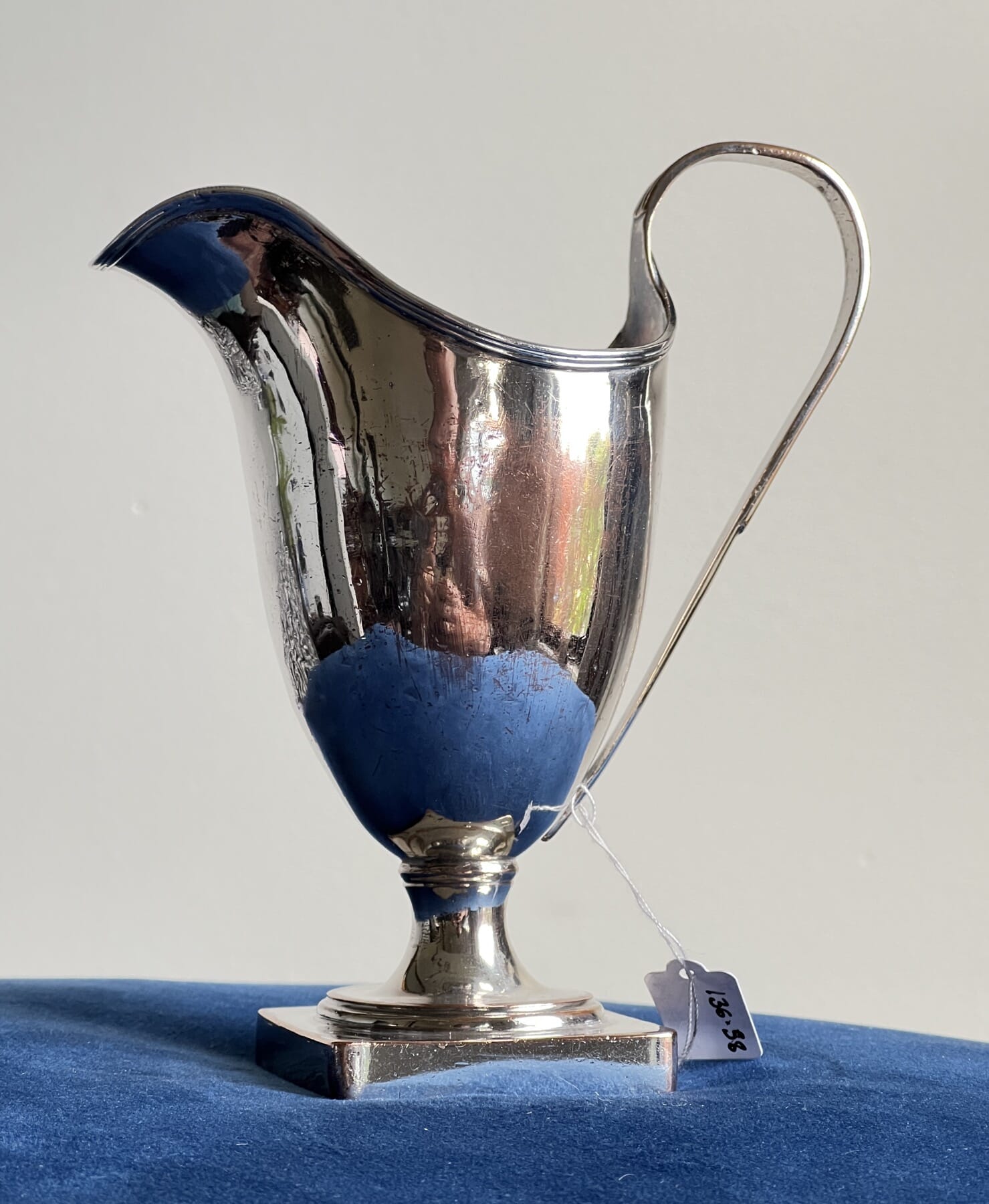
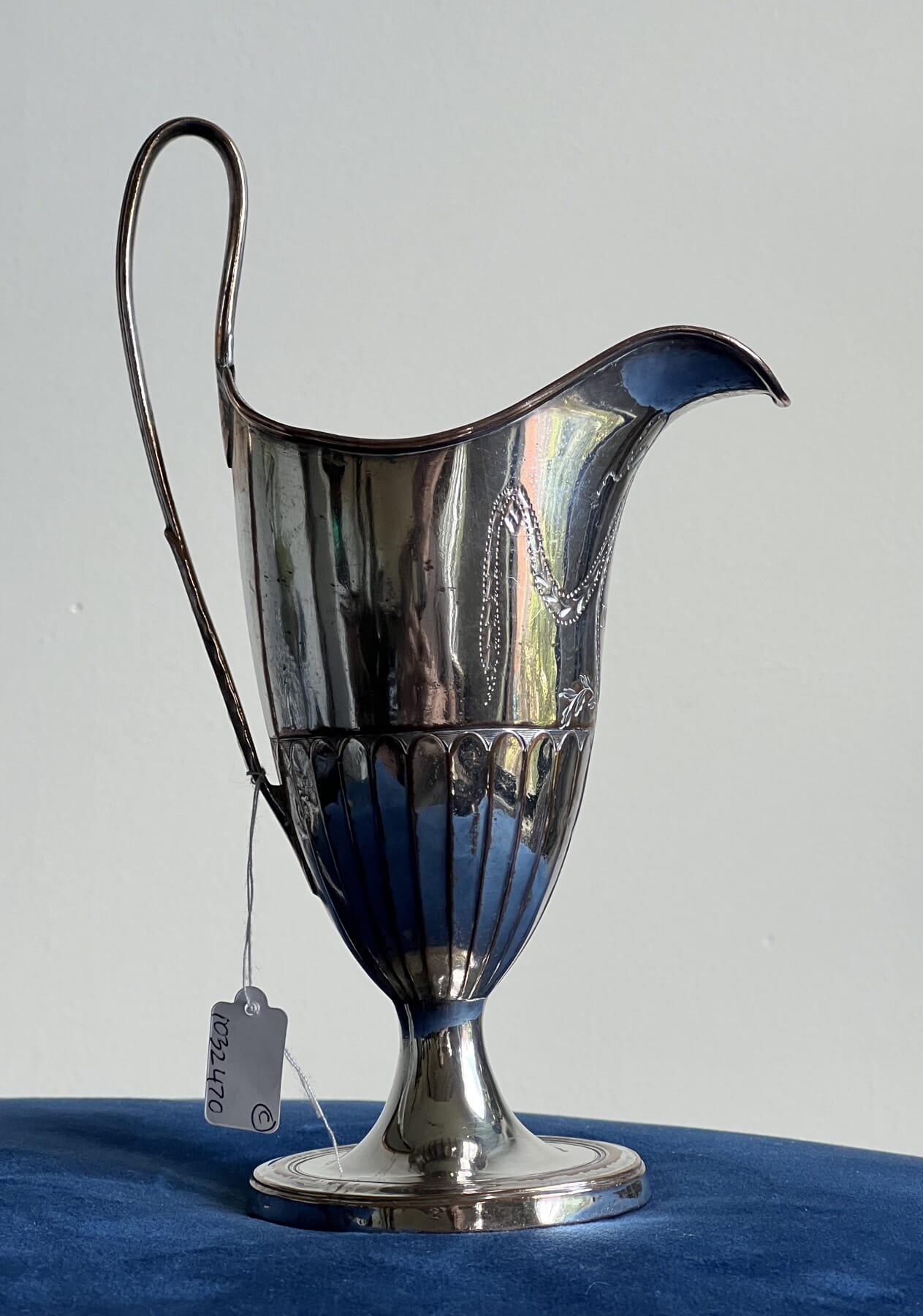
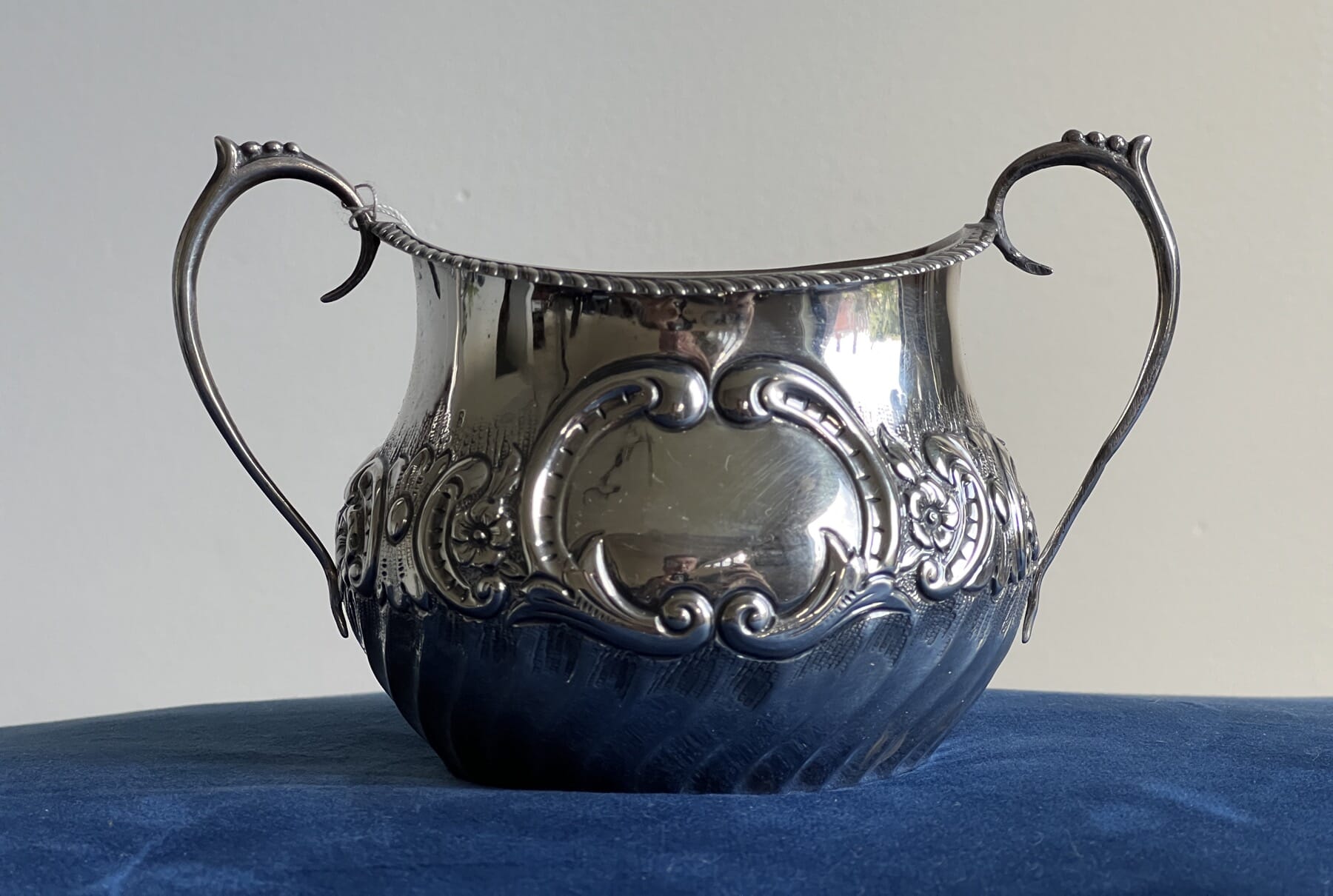
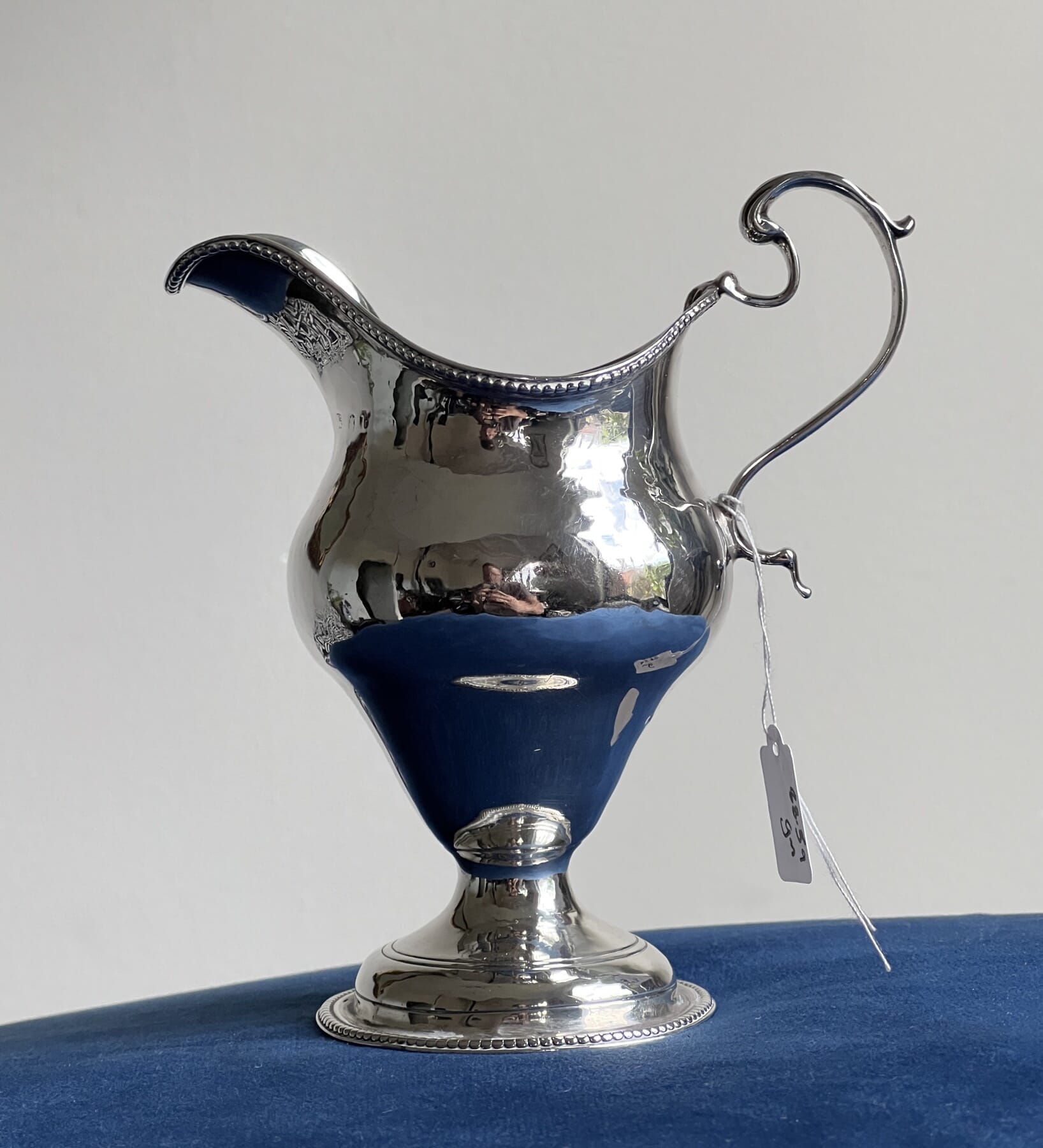
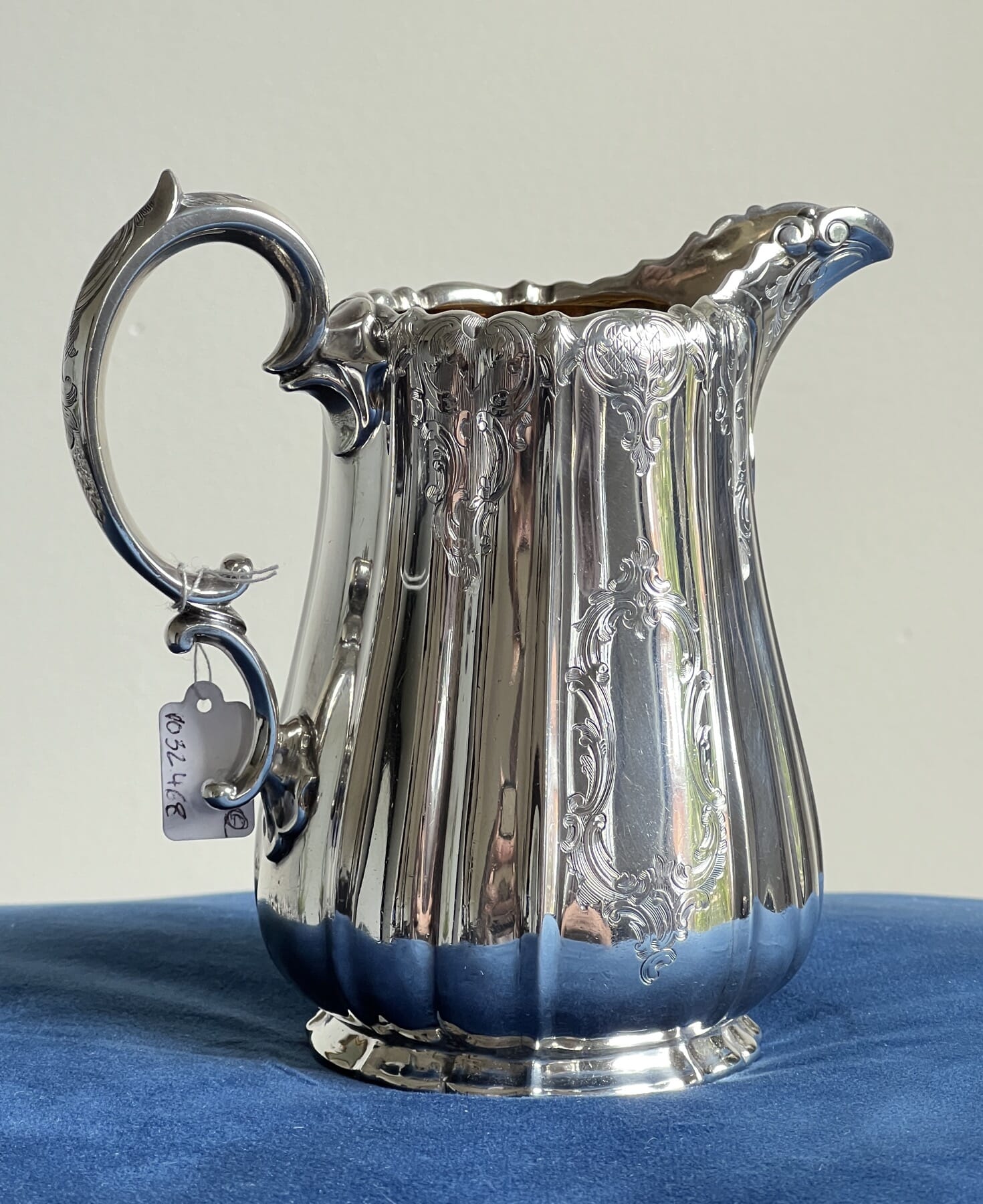
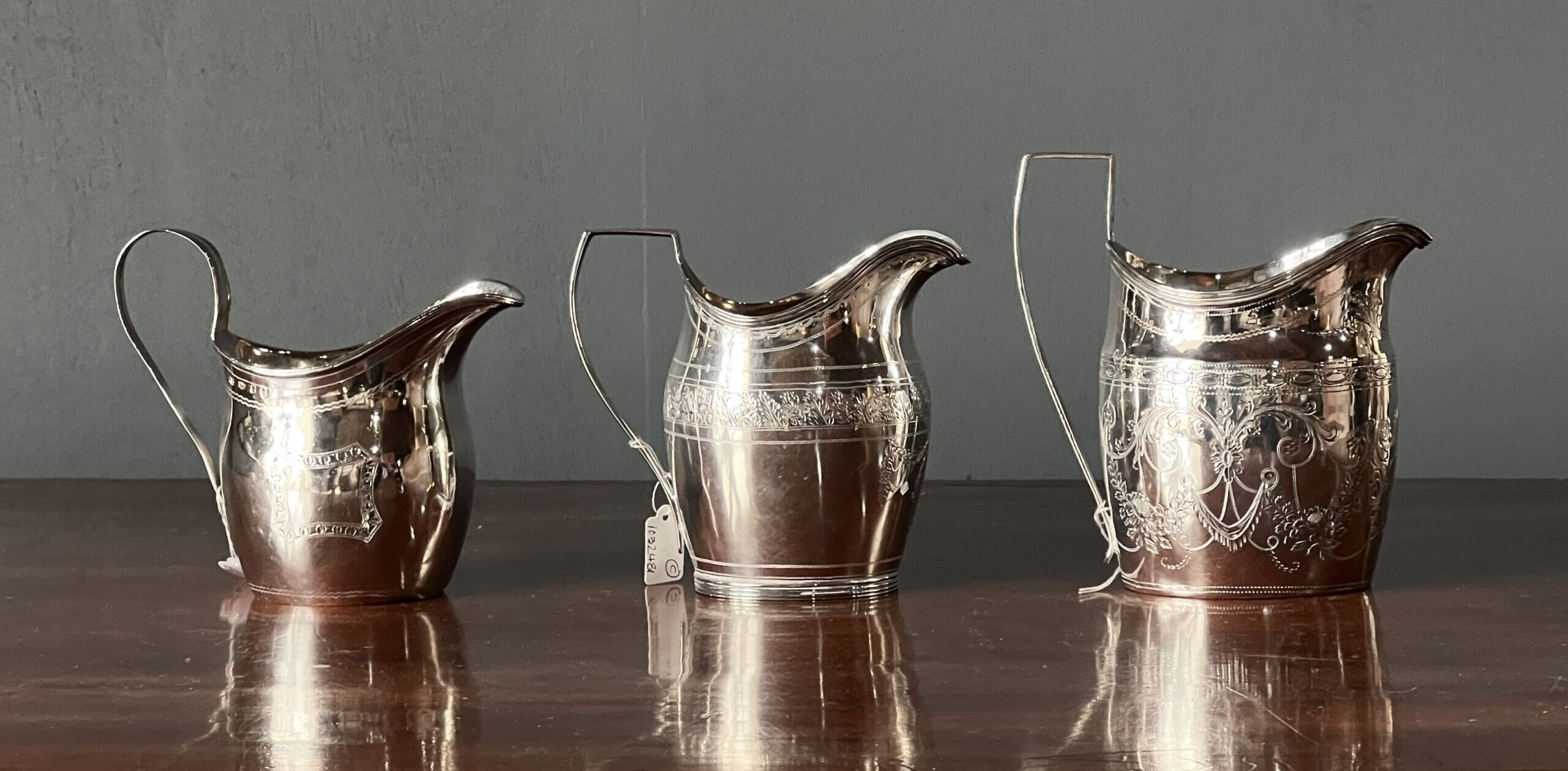
These three jugs look very similar, and yet only one is genuine.
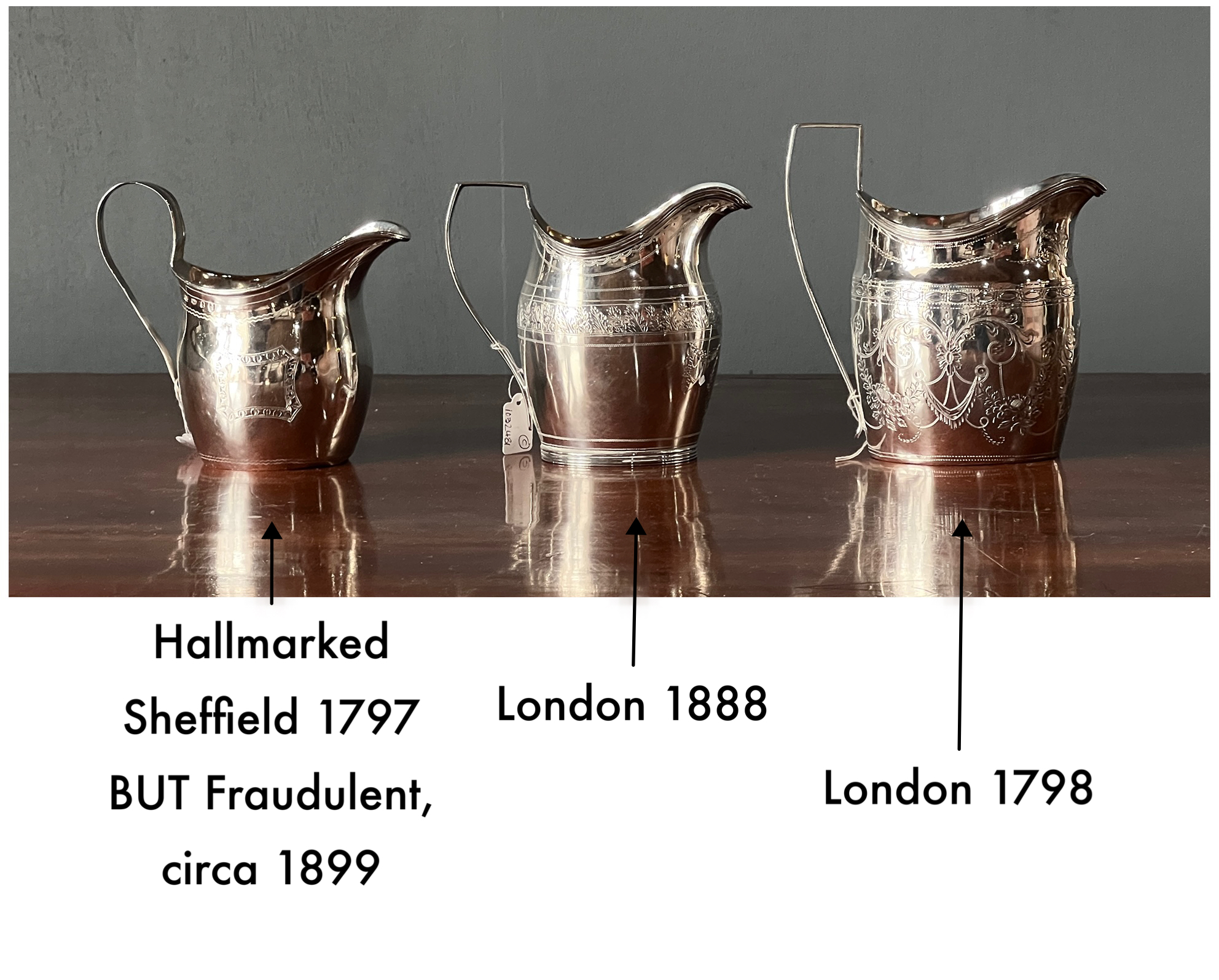
Below is a Genuine engraved jug of 1798, a Victorian version of 1888, and another Victorian…. but with marks claiming it is Sheffield 1797.
Can you pick the fake?

Slide down the bar on below image to reveal the dates
Left ImageRight Image

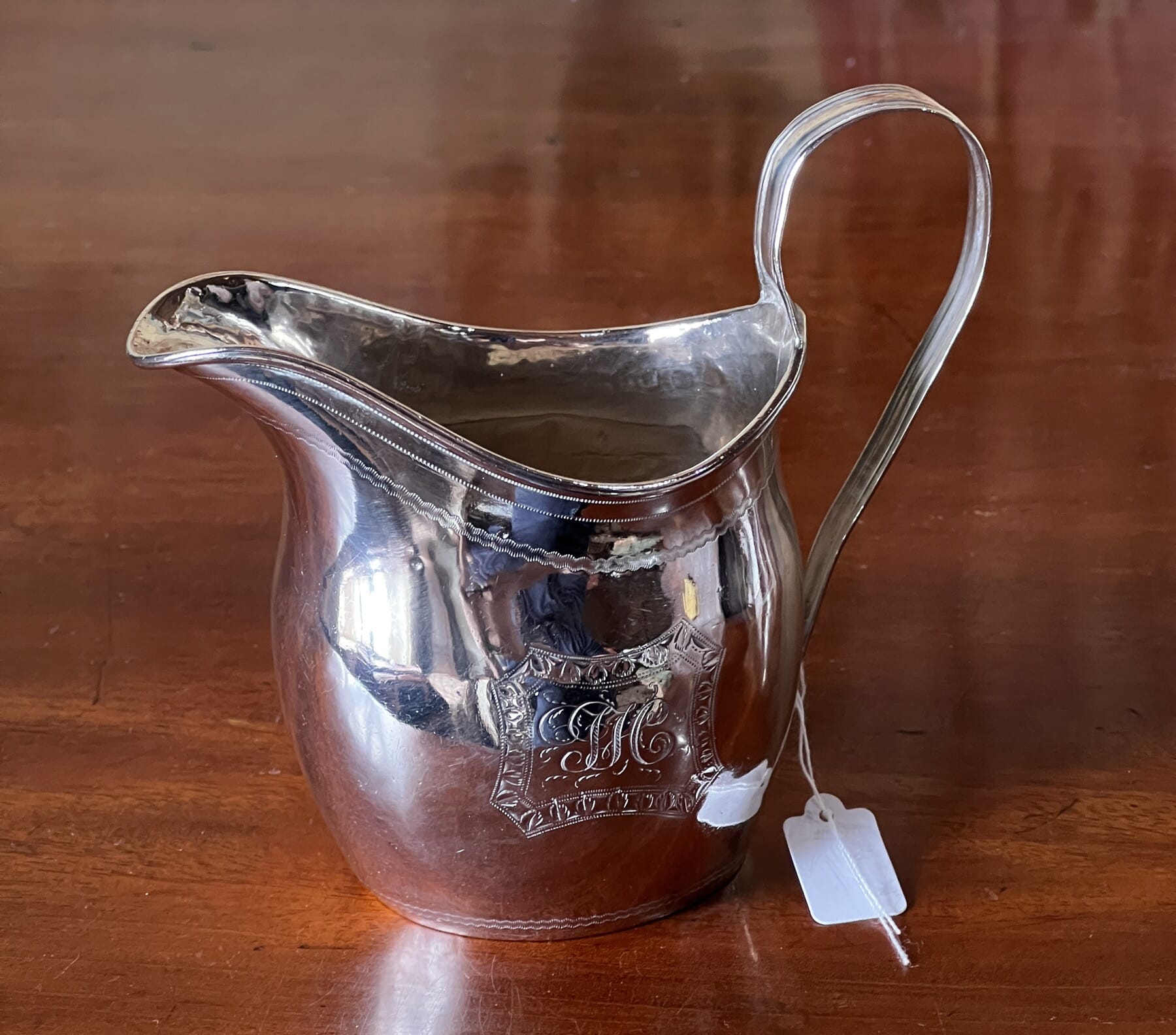
Late 19th century Sterling Silver milk jug, of helmet shape, with elegant curved handle, the body with engraved lines to rim, a central reserve with initials ‘JJC’ to one side , the other blank. 
Hallmarked for Birmingham 1795, also ‘TL’ for an unknown maker –a mark used in documented ‘fraudulent’ pieces of Sterling Silver discovered in the premises of Reuben Lyon in the late 19th century.
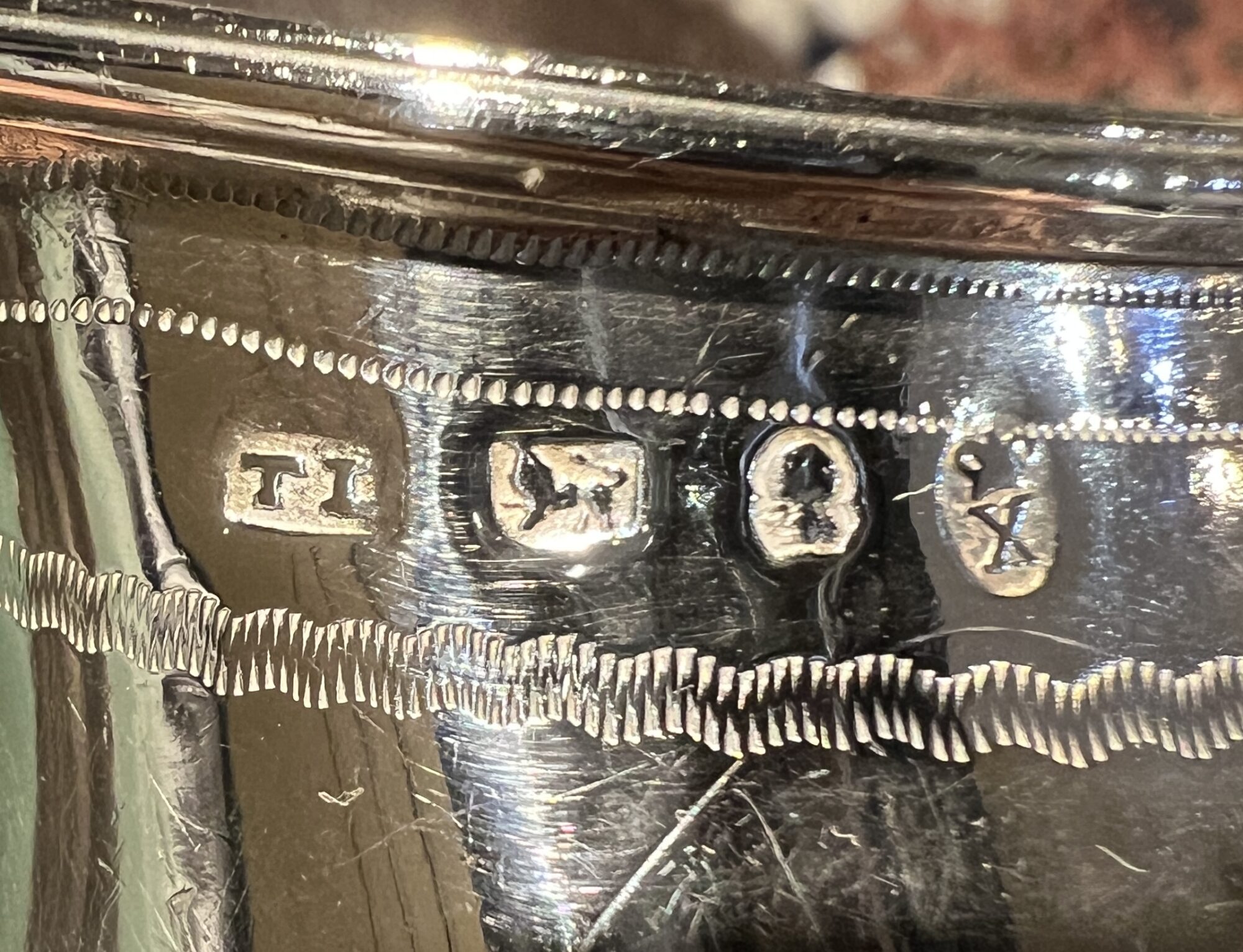
FAKE sterling silver hallmarks
The FAKE sterling silver hallmarks, claiming to be Birmingham 1797

The fraudulent nature of this piece of Sterling Silver is an interesting study. 
The hallmarks are clear, and ye have something different about their wear; particularly notable is the background, which shows up lumps & bumps not usually seen in hallmarks. This is because normal hallmarks verified at the assay office have been struck into the piece using a die, with a flat end incised with the initials; the background is therefore flat. The ‘bumps’ indicate this piece is cast at the time of making, ie. there is some texture from the casting medium that cannot be buffed out from the recessed marks……… something that is only done by a forger. 
This maker’s mark ‘TD’ appears to be copying T.P. Dexter’s mark, which was only registered in 1805. As the registry of marks was not published or accessible in the 19th century like it is now, it would not have been possible for a forger to look up the active dates of a silversmith. In this case, it is a decade out, making identification easier. 
In 1899, the London Goldsmith’s Company published a booklet to expose a group of fakes they had detected and destroyed recently. At the premises of 70-year old Reuben Lyon of Holborn, more than 200 fraudulently hallmarked ‘Antique’ pieces were found by officers of the Goldsmith’s Guild, and the hallmarks of ‘around 50’ makers on the pieces recorded and published. The ‘TD’ mark is one of them. 

These pieces were destroyed by the guild. This is still their practice, and they constantly assess the trade in Anbtqiuue silver to ensure that fraudulent pieces are not circulating as genuine. A silver collector witnessed this in action in London recently: visiting one of the seller son silver, a man entered with a portable anvil, the fake was brought out, and completely mashed into a formless lump with a hammer!

Interestingly, an article written about forged silver at the time refers to the technique of casting marks, ‘…adopted by a forger a year or so ago, who recieved his due punishment…’ This suggests the evidence of casting in a piece puts it into an 1890’s context,  100 years after the marks they were depicting. 

The fakes were detected, and their source investigated by the Guild. Reuben claimed innocence, stating he had purchased the goods ‘from a man named ‘Clarke’ …. who had subsequently disappeared’. He was fined £3,000, an immense amount for the time. It was the end of him and his business…..


This was a time of intense interest in English Silver from the Georgian period, especially by the Americans – and the occasional Australian. I wonder if ‘Clarke’ tried selling to this lucrative market of wealth Australians, far away from the eyes of the Goldsmith’s Guild?
This jug came from a local source, and may well have been imported into Australia as an ‘Antique’ around turn of the century, despite it being pretty recently made! 

The irony is, this is now a rarity; in the UK, the Guild has ‘taken care’ of any examples, and only in a place like Australia are there examples to be seen…. at least knowingly!

Read more on the Reuben Lyon pieces here >
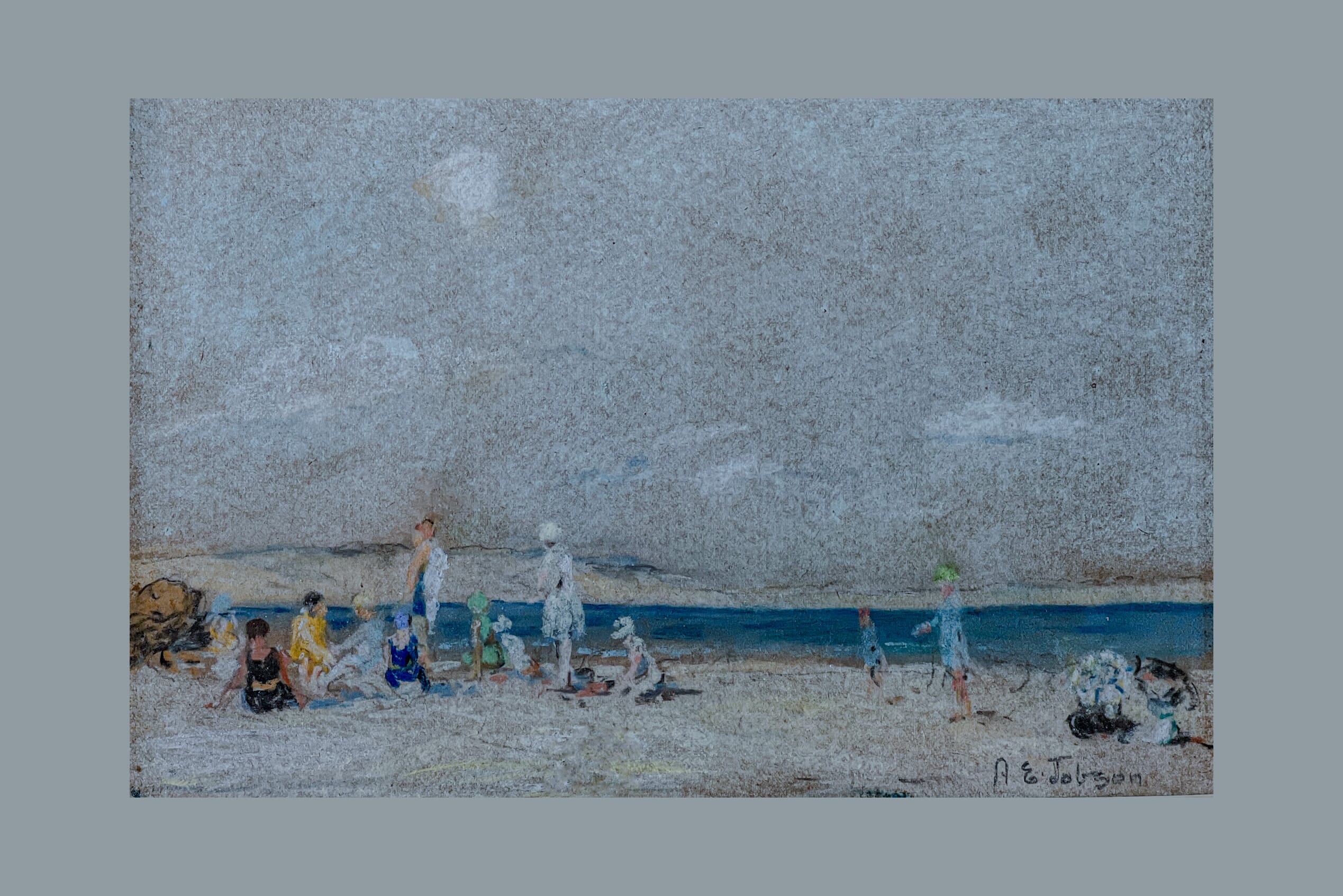
The London Assay Office report >

Posted on

Introducing…. artist A. E. Jobson 1868-1955

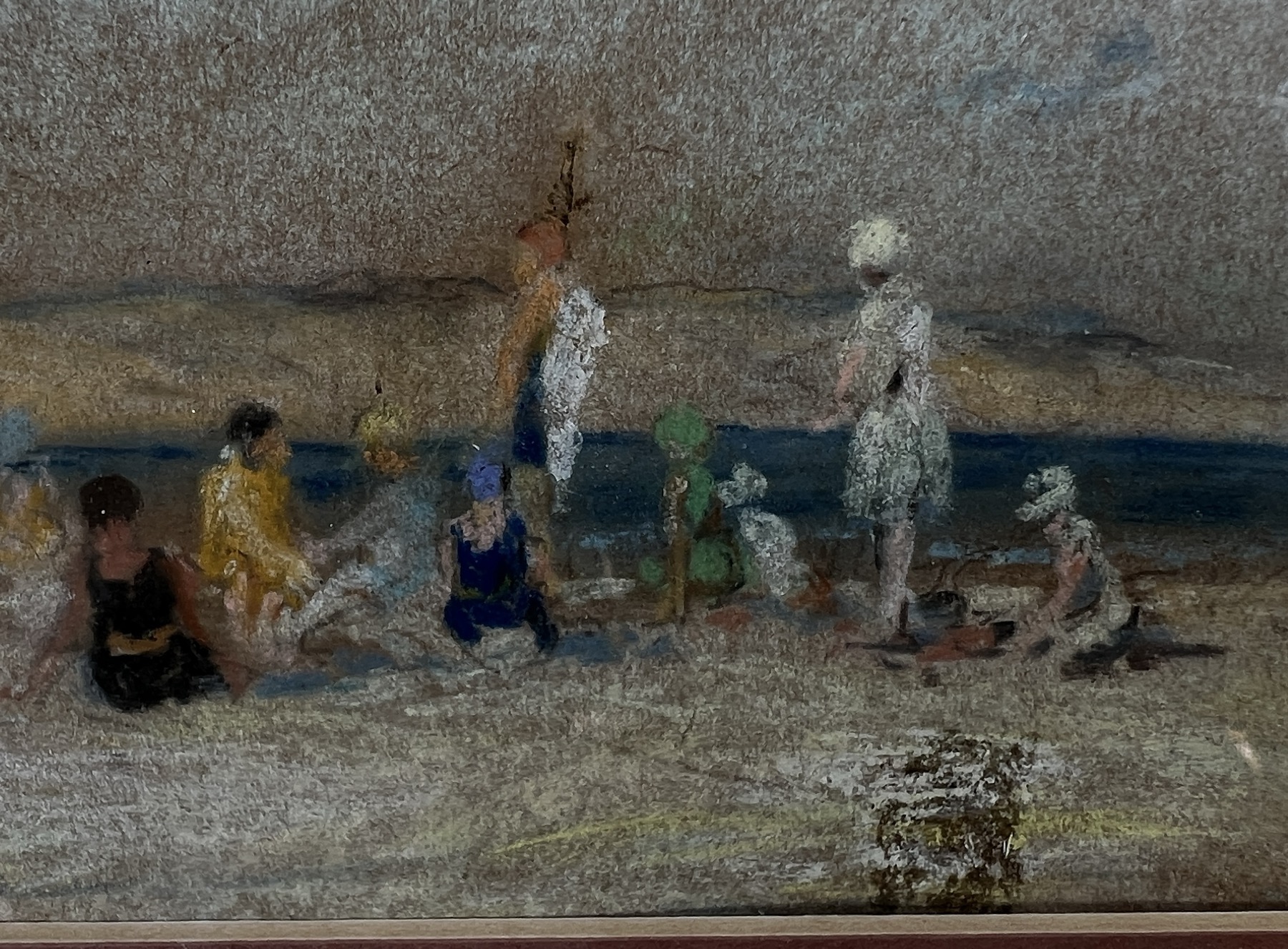
A E Jobson pastel - with restorations

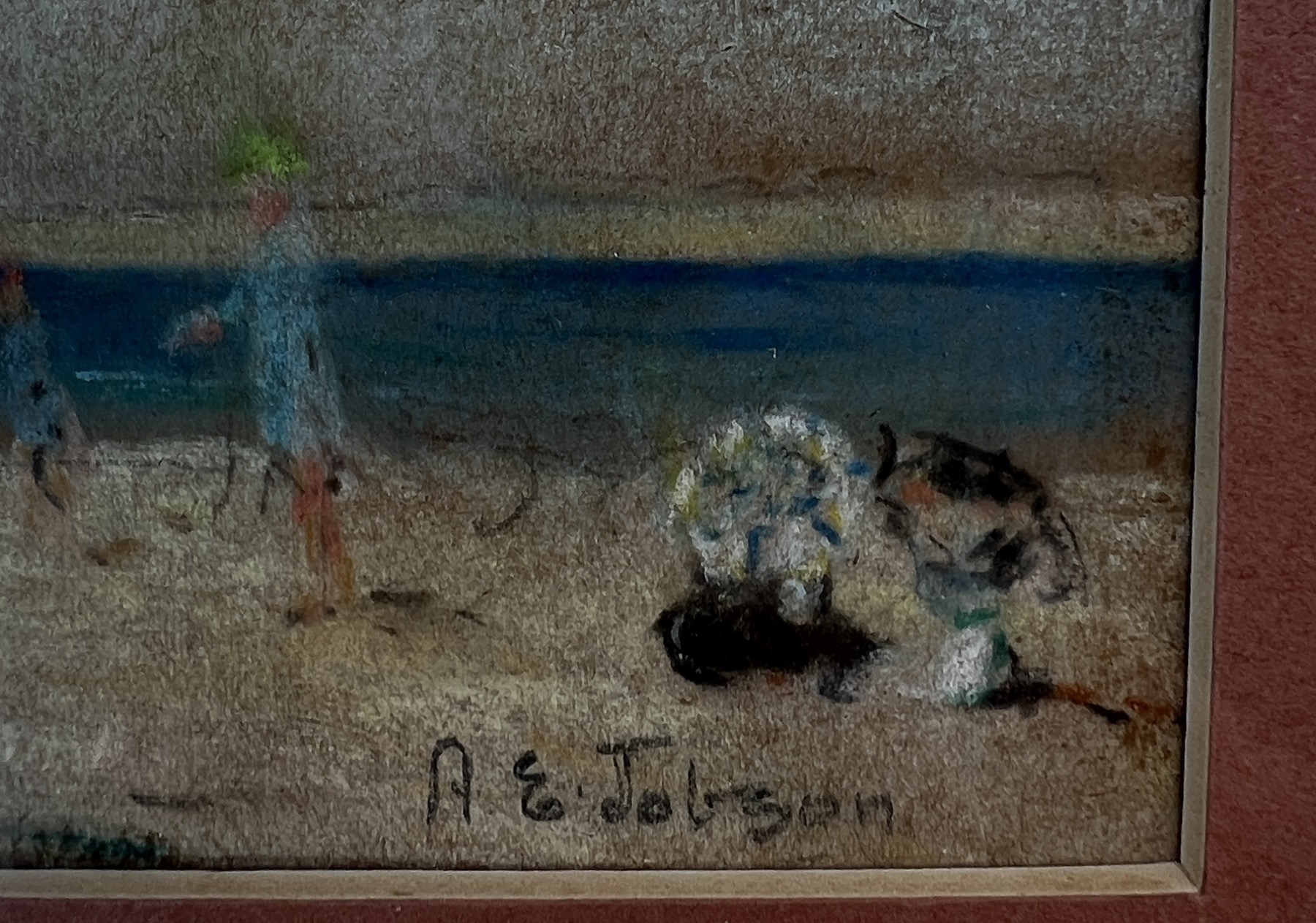
An interesting recent discovery by Moorabool was this small pastel scene of an Australian beach.
Signed ‘A. E. Jobson’, it is an interesting chalk sketch, done on a coarse textured grey toned paper.

Looking for the artist proved to be pointless; they are not recorded anywhere, and seem to belong to the class of ‘talented amateur’. We believe we have a likely candidate, a local Melbourne author who used the name ‘A.E.Jobson’.

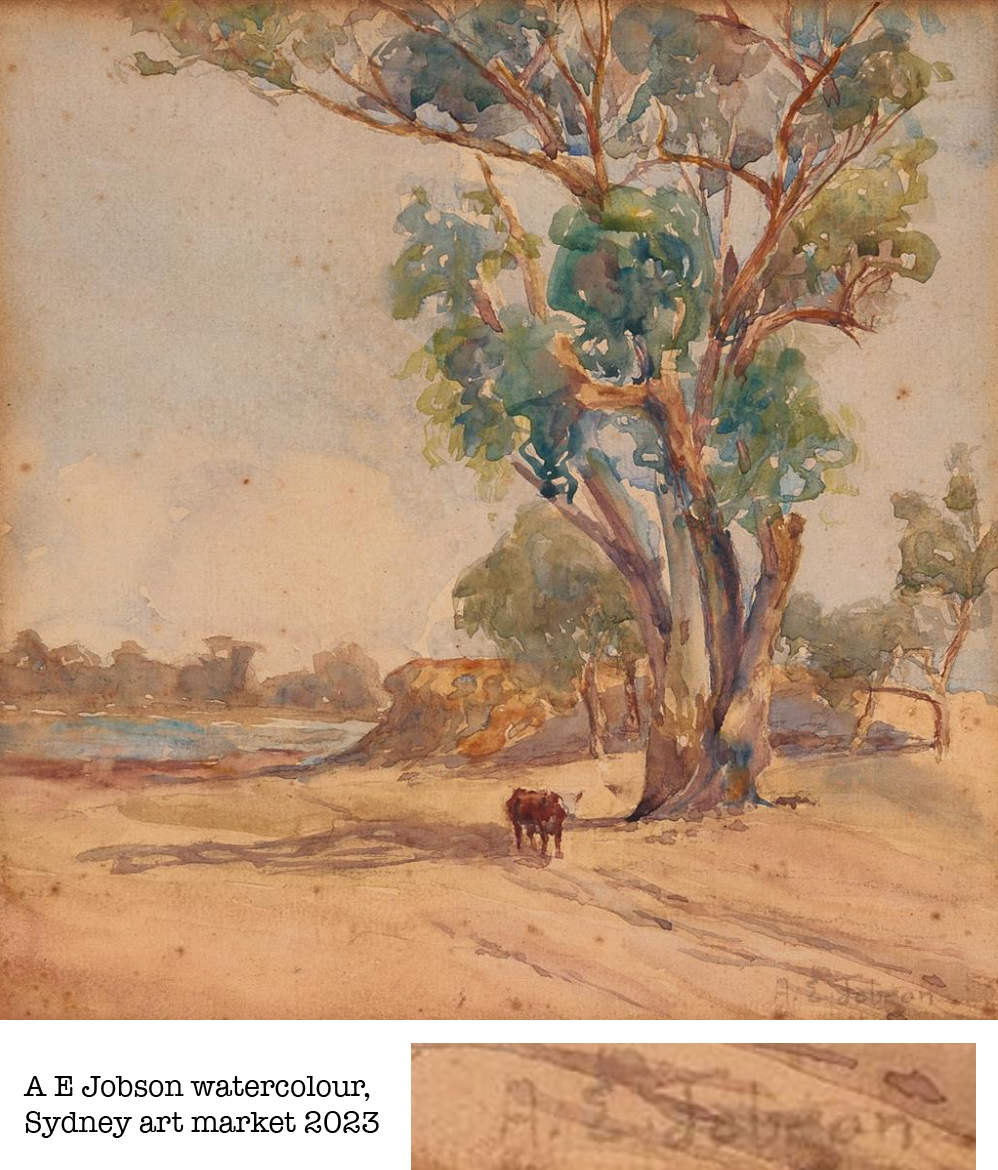
AE Jobson Signature
AE Jobson’s Signature


As with many artistic people, it seems that Jobson could draw as well as write. It was writing which came to dominate, as they found success when they began publishing their short stories.

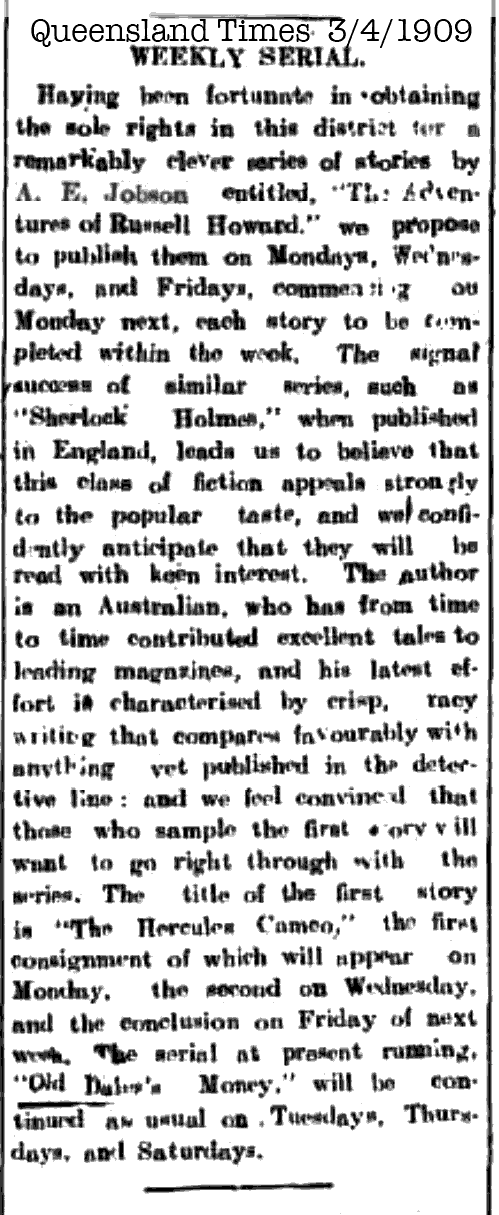
A report in the ‘Queensland Times’ sheds some light:

they have obtained the ‘sole rights’ to a ‘remarkable clever series of stories’ which they promise are just like Sherlock Holmes….

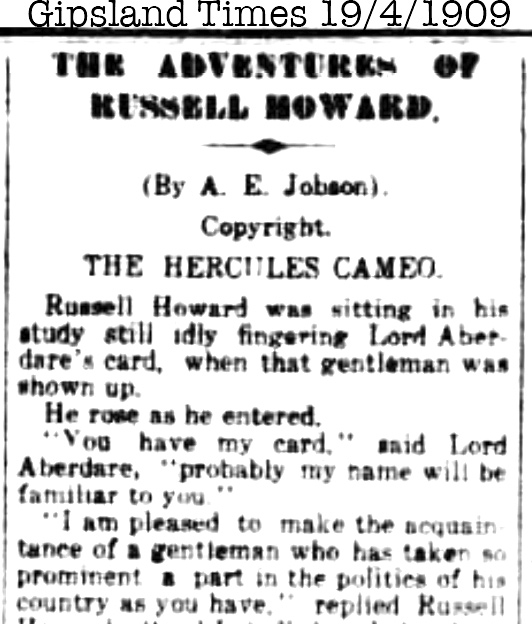
The first story to be published is interesting. Titled ‘The Hercules Cameo’, it is a story about a carved cameo of Hercules – purchased at Christies for 3000 Guineas – stolen by a German prince, and recovered by a private eye named Russel Howard. Hobson clearly had an active interest in the art world.

Over the next few years, we traced 12 newspaper stories published by A.E. Jobson:

Over the next few years, we traced 12 newspaper stories published by A.E. Jobson:

  • 1: The Hercules Cameo
  • 2: The Seventh Burglary
  • 3: The Removal of the Millionaire
  • 4: The Case of Lord Ponderry
  • 5: The Scheming Lady
  • 6: The Two Wax Candles
  • 7: The Lady with the Pince-Nez
  • 8: The Modern Highwayman
  • 9: The Prince’s Letter
  • 10: The Man Who Stole the Child
  • 11: The Fire Insurance Matter
  • 12: The Open Shaft

But who was A. E. Jobson?

These ‘AE Jobson’ stories, and at least one published book, never give the name of the author beyond the initials. There is a distinct possibility that this was intentional, to hide the author’s true identity. The ‘Queensland Times’ article of 1909 does refer to ‘him’, but they were not necessarily aware of exactly who was writing the stories, being rather a long way away. This is something often seen in the world of literature. Clearly, some research is needed!

Searching the available records, two candidates appear with the right initials and in the right context, an Arthur Earnest Jobson, Banker in Sydney, and Adelaide Ellen Hobson, daughter-in-law to prominent Victorian businessman, John Jobson JP.
Nothing came of researching Arthur the banker, but Adelaide was a different matter.

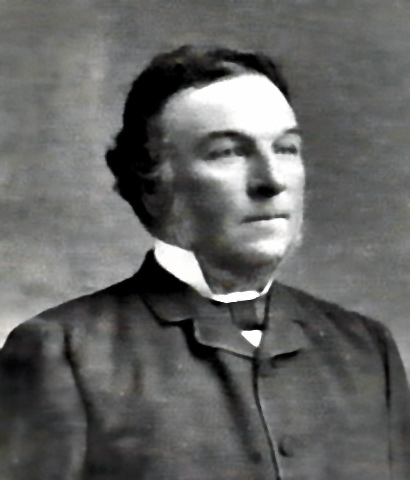
John Jobson, Williamstown, c. 1895- father-in-law to Adelaide Ellen Jobson

Adelaide Ellen Jobson was born at Port Adelaide, 1868, the eldest in her family. Her father, Stedman, died in 1887. Three years later, she married Charles Jobson, son of John Jobson, JP, businessman, Williamstown Football Club president, & Mayor of Williamstown (Victoria) in 1885.  

The pastel has a certain ‘family’ feel to it: there are 6 children represented, plus a few adults. 

The scene could well be Port Phillip Bay, somewhere near Spotswood where a day’s outing with the family would be likely-  with Williamstown’s ‘back beach’ being a prime candidate. 

Williamstown back-beach, 1906 postcard

We propose Adelaide Ellen Jobson was a very creative lady, who raised a family of five, but longed to write and paint to express herself; when her oldest children were entering their teens, she would have had more time to dedicate to writing, and so her first few stories were submitted to the papers for publication. Over the next decade, she produced quite a number of fictional books. A quick read – as they are all rather short stories, suitable for a newspaper – certainly shows an active mind, and perhaps we can see a female perspective: one story, written in 1916, is an interesting study. 

It begins “Samson Greene was an artist, and it happened on one day in September, or it may have been in early October, that he was in Bathurst. Anyway, when he rose in the morning the sun was shining briskly upon everything.”   

The character Samson is something of an old-fashioned gentleman artist, but by the end of the story, he is helplessly in love with a girl he ‘accidentally’ met while out painting – except the whole thing is a set-up by the girl, who has set a trap for him which he falls for, hook line & sinker!  It has a definite twinge of ‘Barbara Cartland’ to it, and attributing it to a female author makes perfect sense. 

Adelaide Jobson, Beach at Williamstown, c. 1910

Her other artistic enterprise was pastel art. This small work documents a lazy day at the beach very well, with family members relaxing and children playing. She had five children between 1892-1909, so if this piece was dated to around 1910-15, the children shown could well be her own. The location is not distinct, but the general layout of the water/land conforms to the local area they grew up in; Williamstown has a beach with beautiful white sand like this, and the distant higher ground could be the far side of Port Phillip Bay, a scene still the same today. 

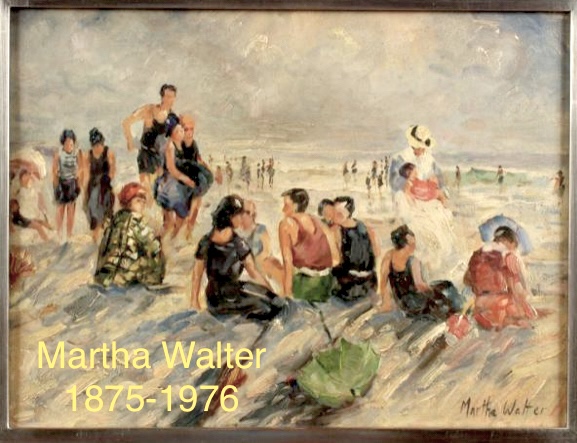
Martha Walter oil painting, beach scene
American artist Martha Walter, beach scene from the same period in oils.

An interesting comparison can be made with American artist Martha Walter. She was active in the early 20th century, the same date as the work we are examining, and the similarity is unmistakable. Rather than a direct influence, it is probably just a result of the shared ‘beach culture’ seen in America and Australia – the gathering of families, the bathing suits – combined with an impressionist style which was the international vogue at the time.
The price is certainly different, with Walter’s work bringing many thousands for even minor paintings!

Adelaide Ellen Jobson could have been a notable artist, but her success as a published author, and no doubt also her dedication to her large family, restricted her opportunities. She’s a talented amateur, previously unrecorded.

We’d love to hear anything else you may have to add to this very brief répertoire!

Posted on

Fresh Stock – Derby Figures, Staffordshire Poodles, Artworks + more

Welcome to our latest ‘Fresh Stock’ release.

It’s a terrific variety of fine pieces this week. There’s lots more to come in the next few weeks also…. just in time for Christmas!

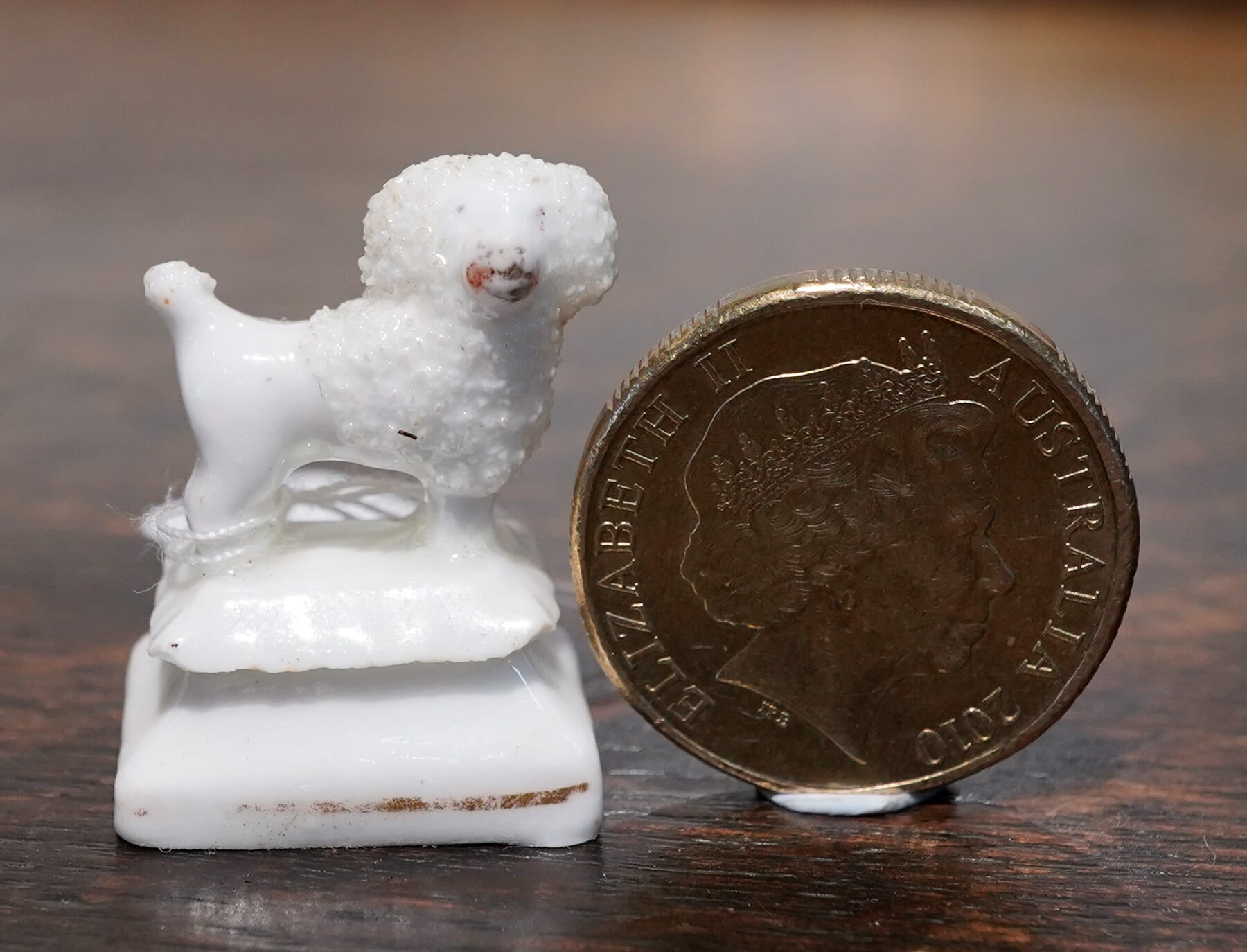
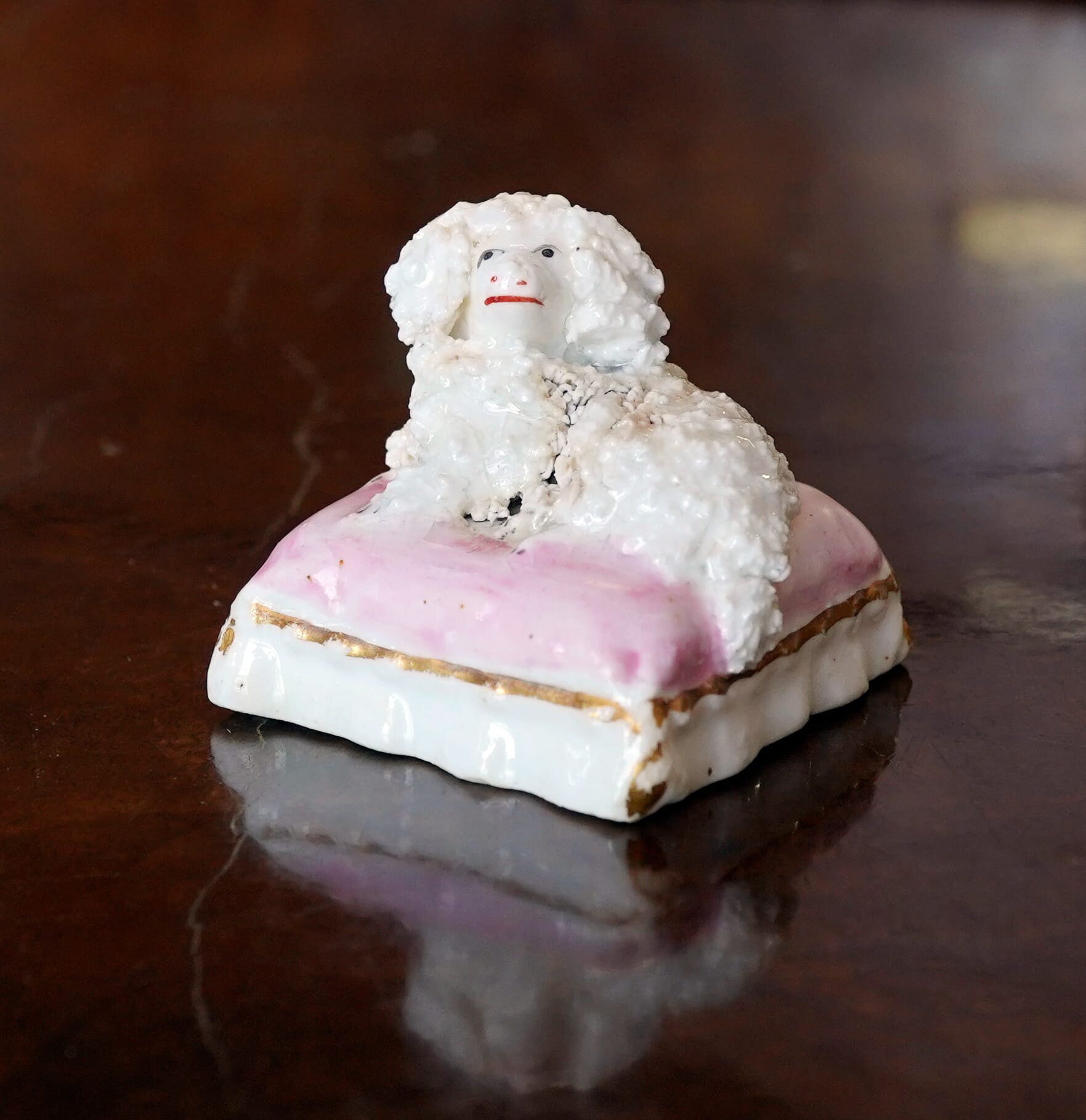
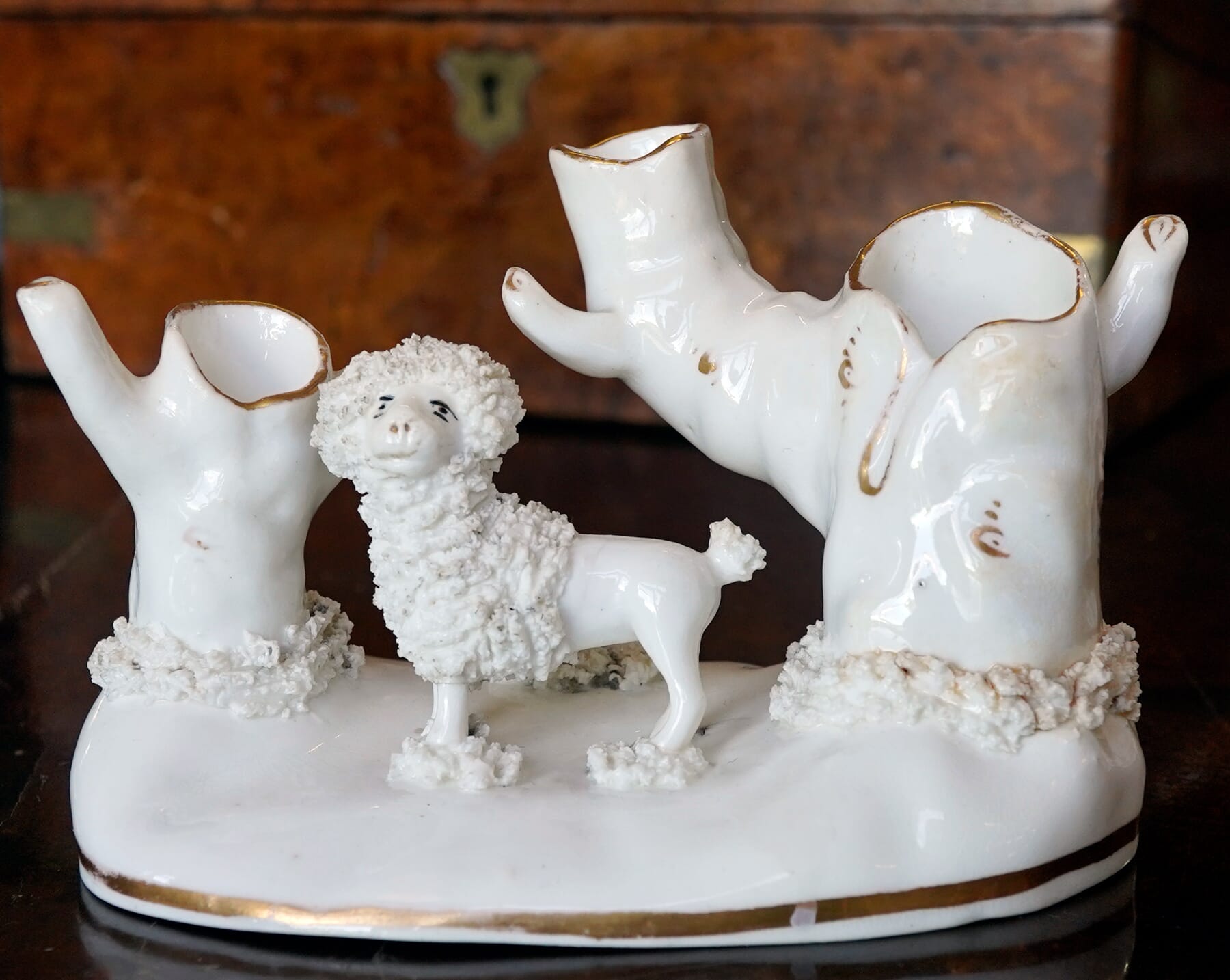
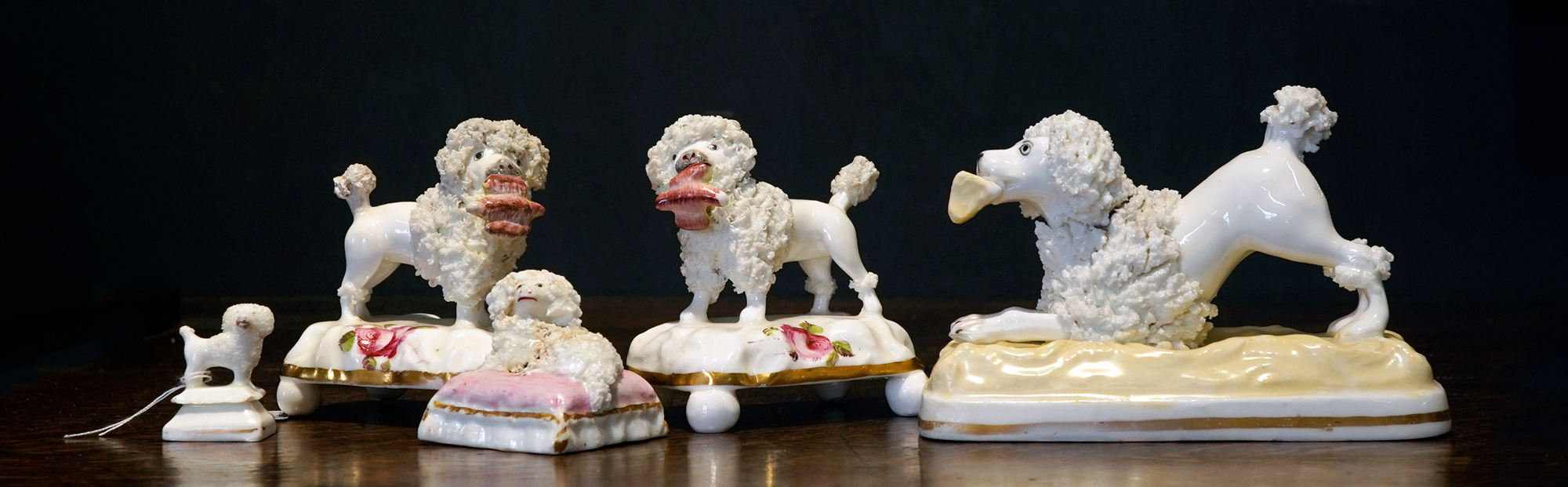
How much is that doggy in the window….? The two rare mini-dogs are in today’s Fresh Stock, the others already in stock. Quite a pack of poodles!

NewArtists in Stock‘ Page

Artists In Stock
Artists In Stock

NEW! Introducing our New Page, ‘Artists in Stock’. Here you can browse through an alphabetical listing of Artists, grouped by Period & Country, to find any of interest. Clicking their name will bring up all works by that artist.

<- click the image to go to the page

Christmas is Coming…..

The year is nearly over, and that means it’s time to think about Christmas.
At Moorabool, we have a vast selection of potential Christmas Presents for you to browse……

Why not get in early and let us post them to you?

Our cut-off dates for Australian Post items is:
WA -15th Dec
NT 14th Dec
VIC, NSW & QLD 18th Dec

International – last week of November – 1st week December.

Posted on

Fresh Stock featuring Quality Asian, Fine Furniture, Artworks etc.

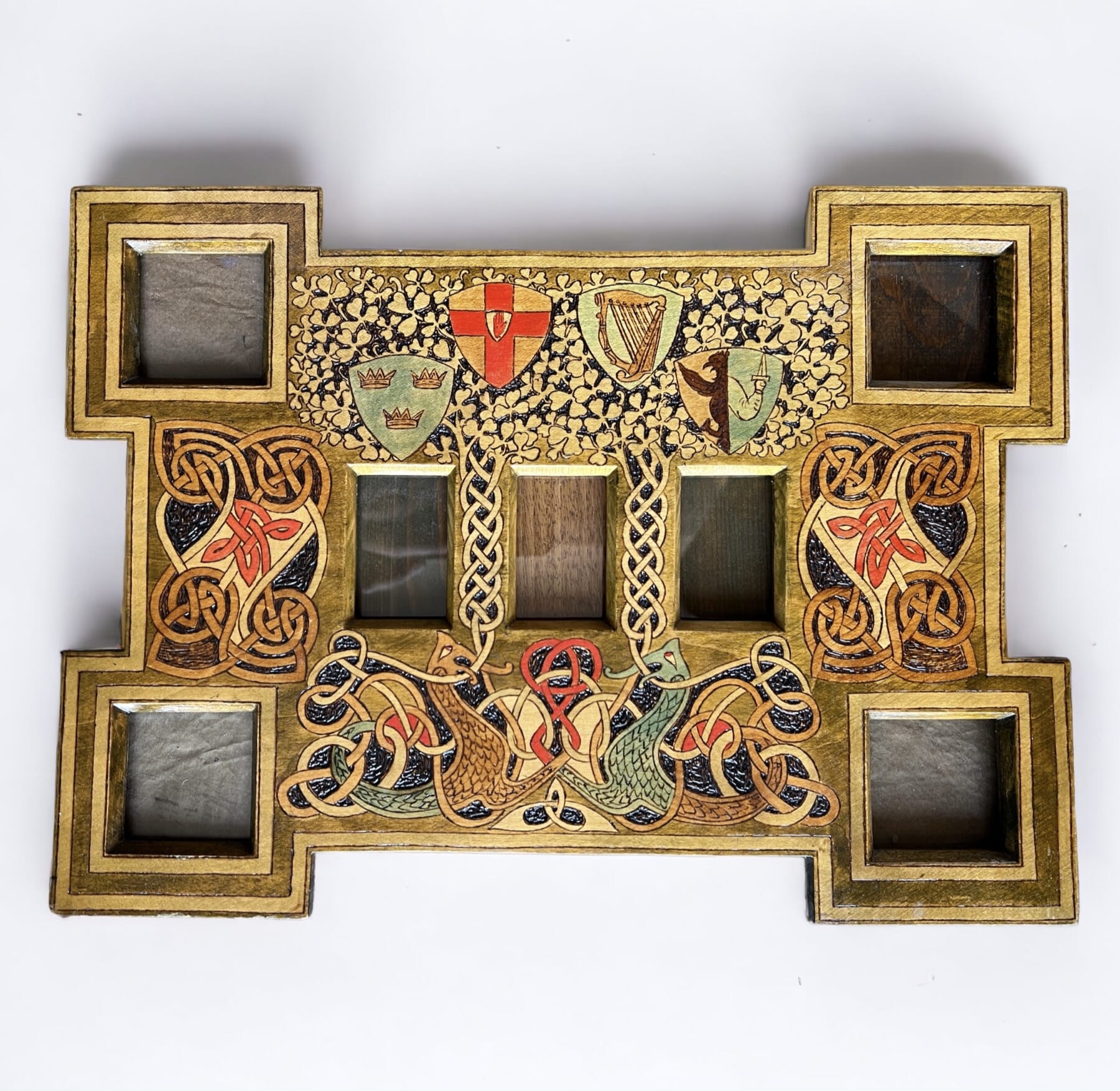
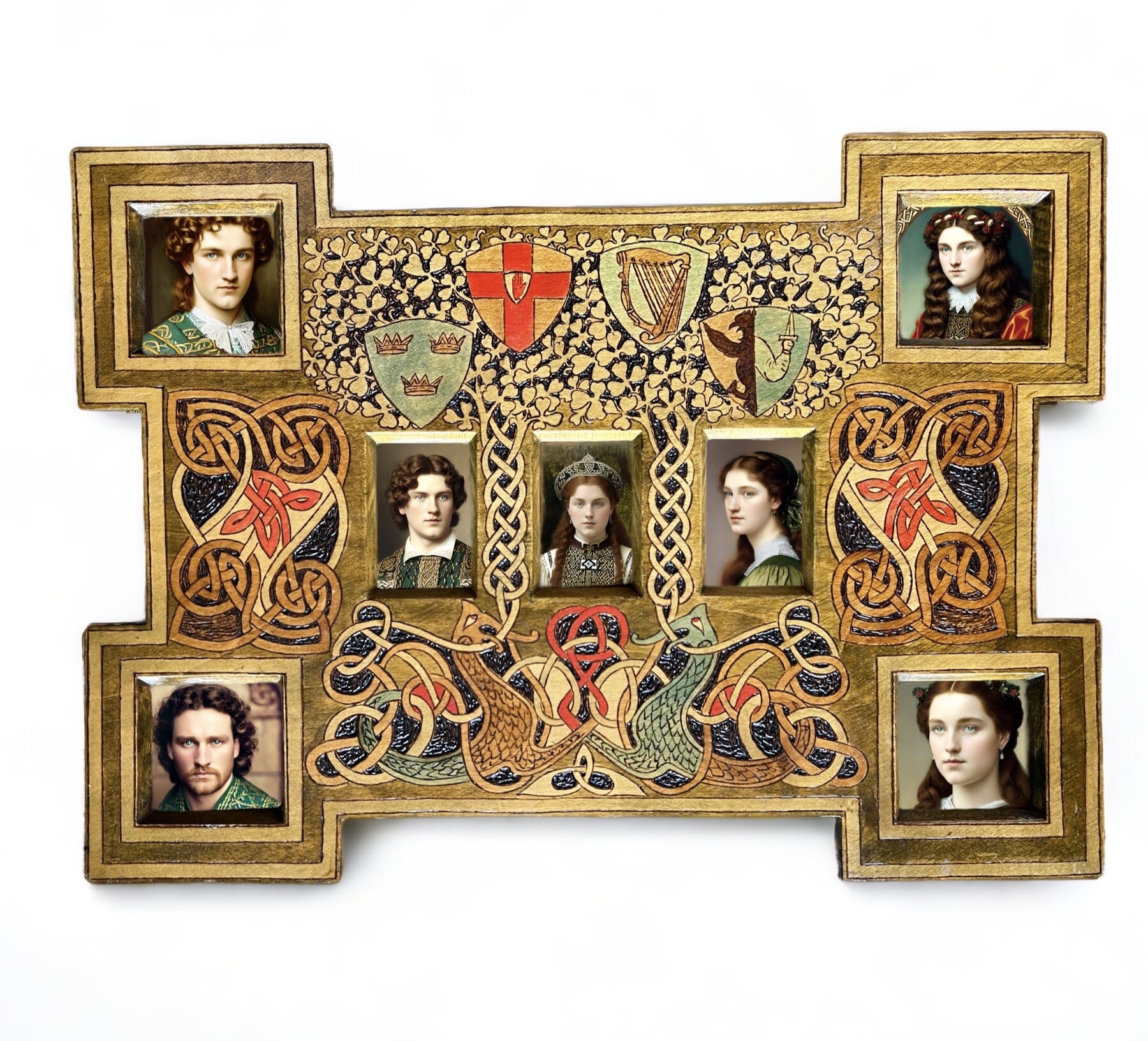
Belfast School of Pokerwork frame, c. 1900

Welcome to the latest Fresh Stock release.

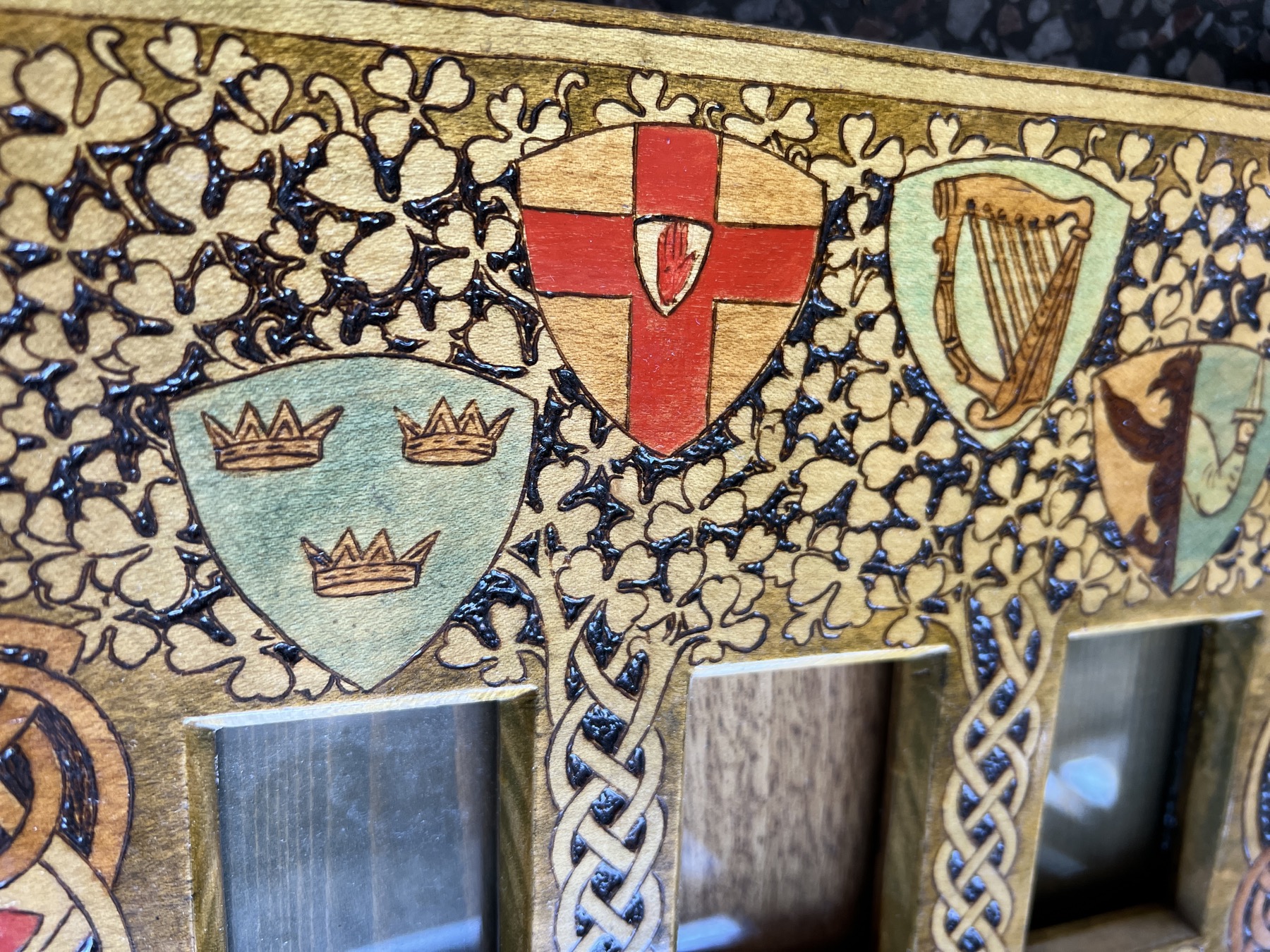
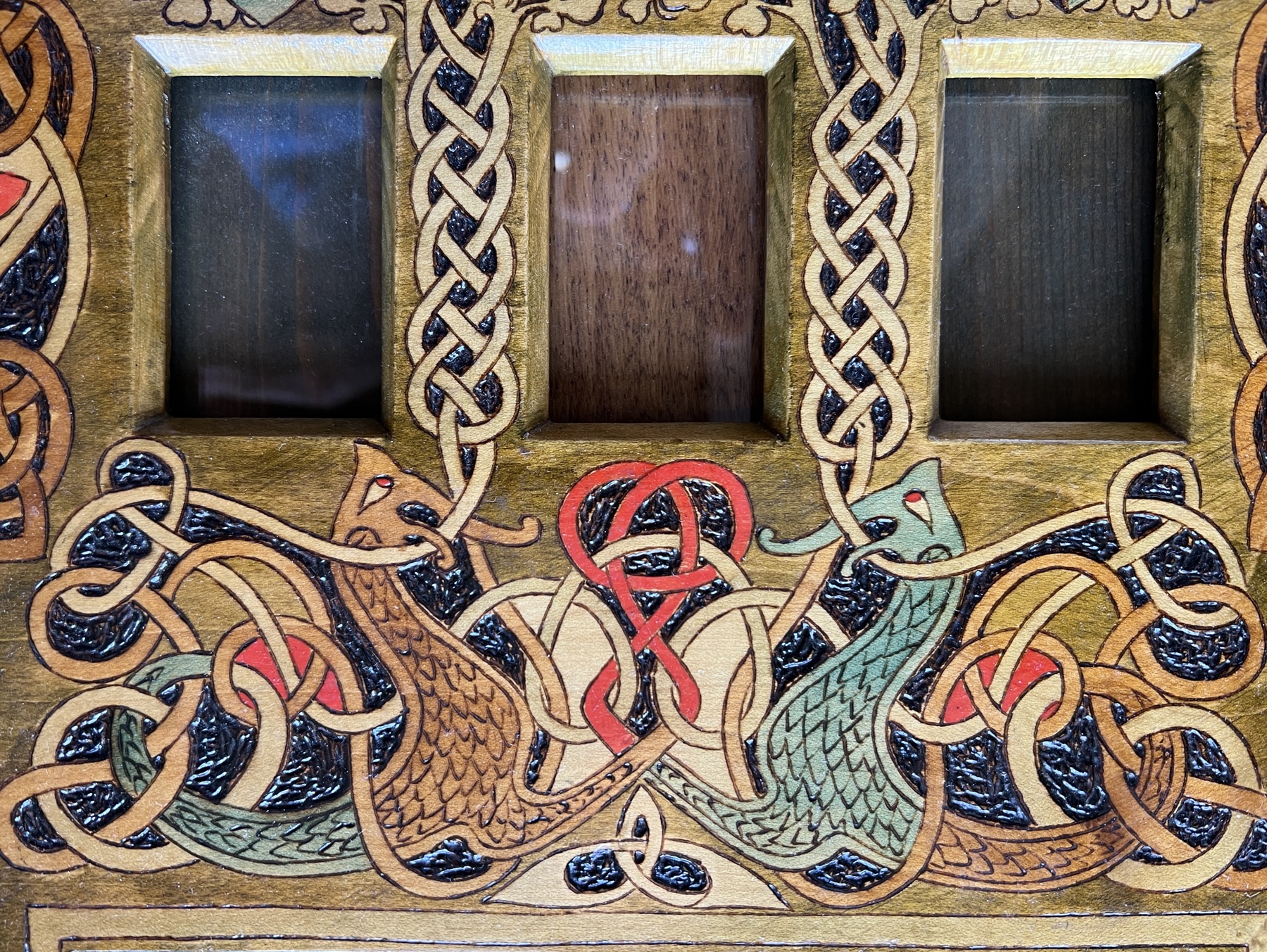
A remarkable piece in today’s release is an example of ‘pokerwork’. It was a simple process, where a tip of iron was heated in the flame of a kerosene lamp, and the red hot metal used to make charred impressions into raw wood. Woodstain colours could then be used to enhance the design. This late Victorian craze continued into the early 20th century in Australia, usually involving gum leaves and wattle with e occasional koala or kangaroo. This example is very different, with remarkable Celtic designs, a pair of dragons, and four heraldic shields entwined within the leaves of the two knot work ‘trees’ that rise up the centre. The leaves on the trees are shamrocks, and the shields represent the four realms of Ireland, Munster, Ulster, Leinster, and Connacht… this is clearly an Irish creation. A little internet sleuthing, and a fascinating little-known Arts & Crafts workshop that specialised in pokerwork, the Belfast School of Pokerwork. Examples are rarely seen, but the Irish nature of their products are unmistakable.

Munster, Ulster, Leinster, and Connacht
An example from the Belfast School of Pokerwork.

The Belfast School of Pokerwork was run by Mina Robinson, who along with Eta Lowry founded the Irish Decorative Arts Association of Belfast around 1894. The ‘School of Pokerwork’ was a part of this association, and at one stage there were 12 women working on the products they sold.

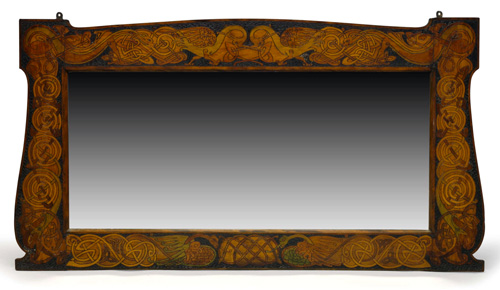
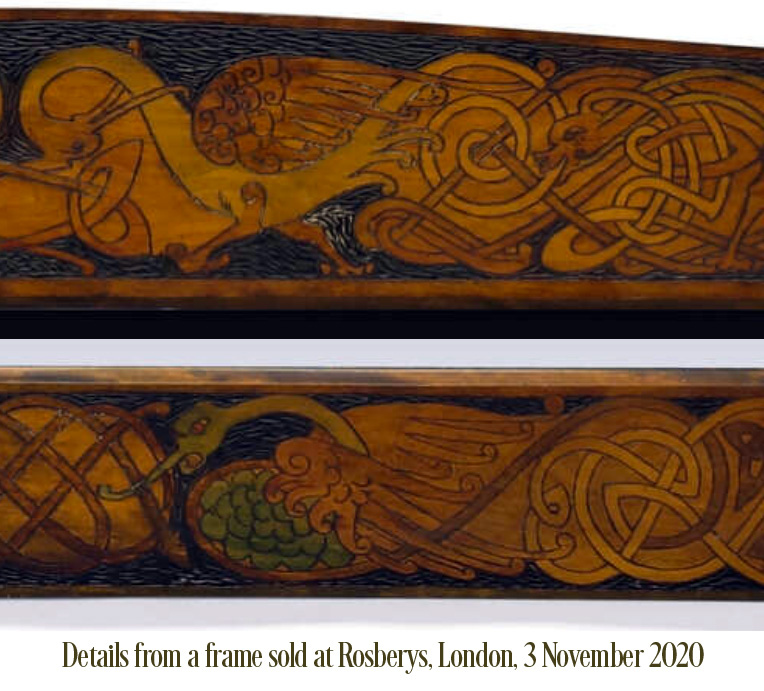
A mirror with this same Celtic knot work incorporating beasts was sold by Roseberys, London, in 2020 (3/11/20, lot 26) , bearing the label of William Rodman & Co. They were framers & mounters of pictures, their premises described as an ‘Artist’s Materials Warehouse’ and ‘Dealers in Works of Art’.

Rosebery’s Mirror

That work is very close to documented examples of Eva McKee’s work, as is this piece. However, it seems Mina Robinson and Eta Lowry were also poker-workers, and their styles may be indistinguishable.

Many larger examples of Celtic pokerwork frames were made at the Belfast School of Pokerwork, which featured female artisans. It is recorded that in 1904 almost all of (famous Irish artist) Percy French’s paintings were exhibited with pokerwork frames decorated by the Association,  at its annual summer show in Portrush, Co. Antrim.

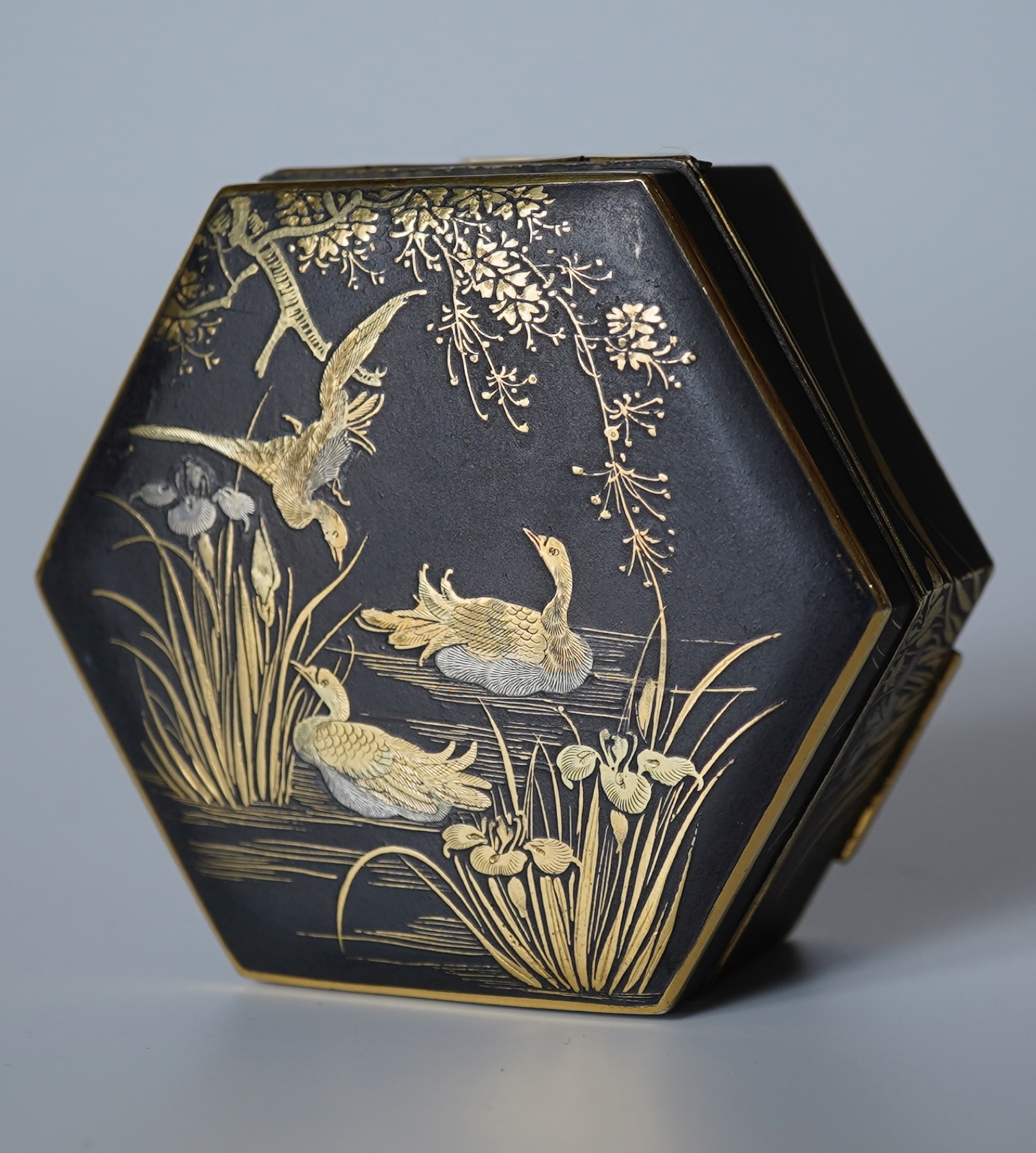
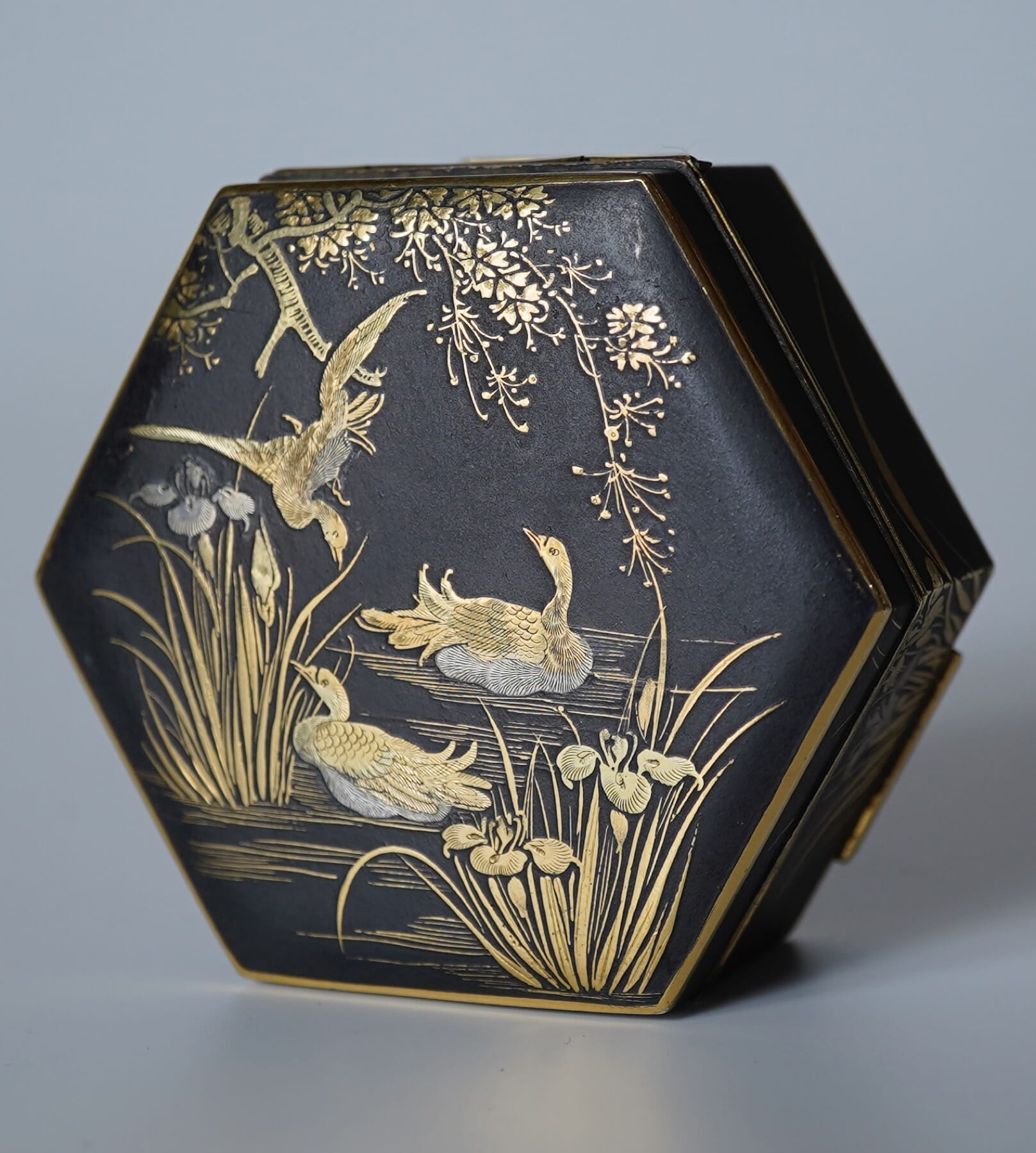
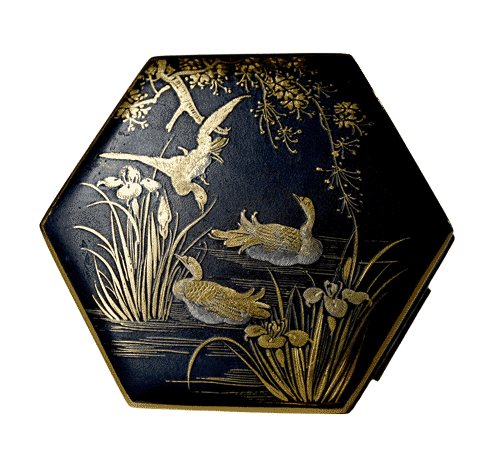
An exquisite ‘Zogan’ box is another superb item Fresh to Stock.
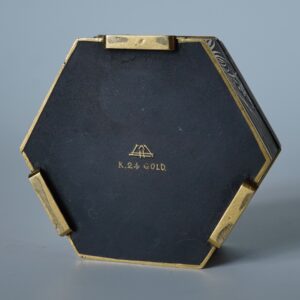
The main body is iron, the black a patinated layer made using tea amongst other things. The fine inlay work is 2-tones of gold and some silver.
It’s marked inside with a double-peaked ‘Mt Fuji’, standing for Fujii Yoshitoyo’s workshop in Kyoto – the double peaks relating to his name having double ‘i’s.

Fujii Zogan mark
Fujii Zogan mark

Here’s the rest of our ‘Fresh Stock’ for this week.

ASIAN COLLECTION

AUSTRALIANA

…..plus lots more !

See the rest of our latest additions:

FREE POSTAGE!

-=#FREE SHIPPING NOVEMBER!#=-

*Shipping is on us! Simply click ‘buy’ and go through payment without shipping cost. …some conditions apply, flip for details.

*Conditions:

Some items excluded, ie. all furniture, large artworks & objects.
INTERNATIONAL shipping not included – BUT ask & we will offer a discounted rate
Please ask if unsure.

Christmas is Coming…..

43 Days until Christmas!

The year is nearly over, and that means it’s time to think about Christmas.
At Moorabool, we have a vast selection of potential Christmas Presents for you to browse……

Why not get in early and let us post them to you?

Our cut-off dates for Australian Post items is:
WA -15th Dec
NT 14th Dec
VIC, NSW & QLD 18th Dec

International – last week of November – 1st week December.

Posted on

A Phar Lap Australian Silver Charm

Sterling medallion commemorating Phar Lap win, 1930 Melbourne Cup

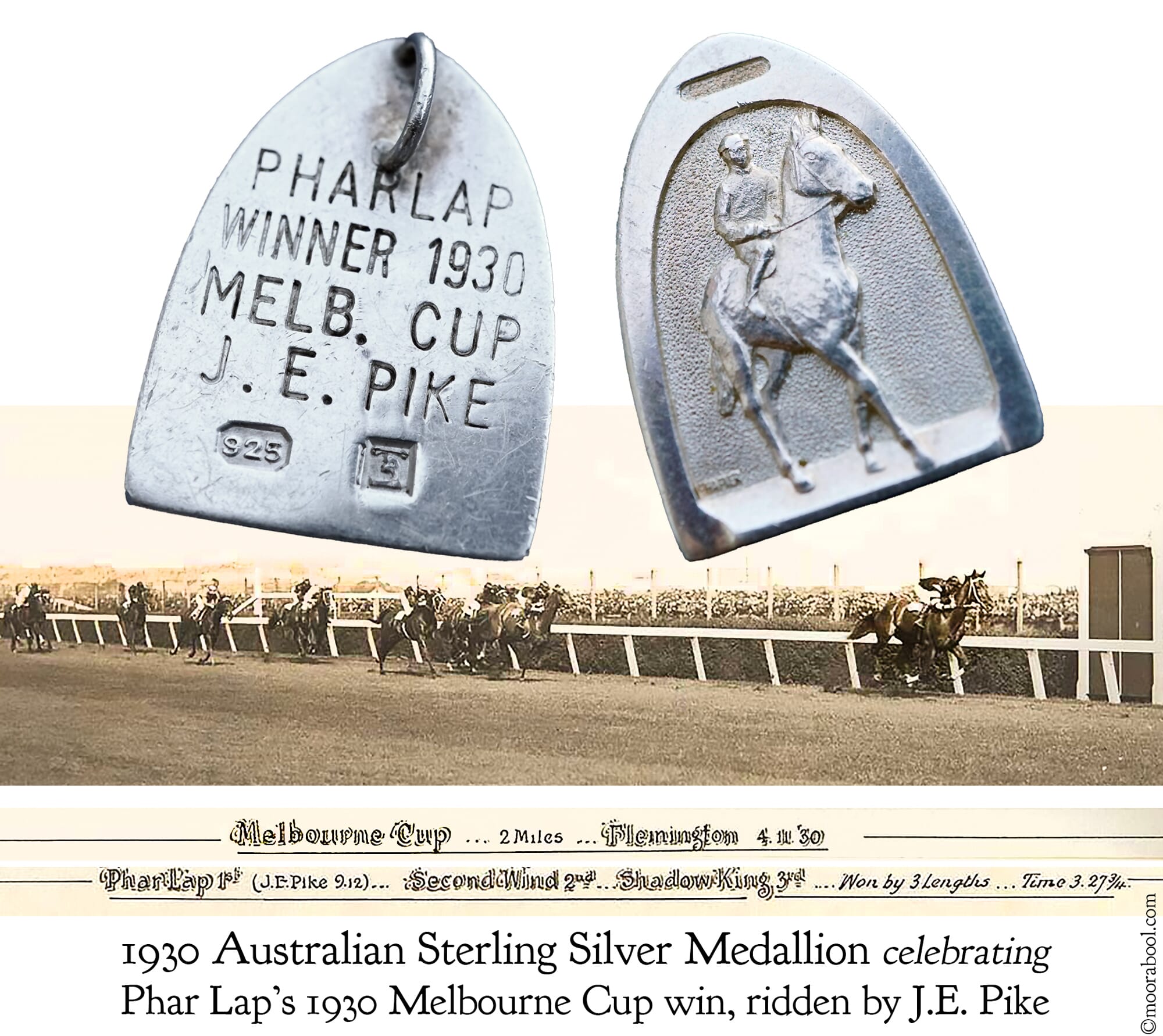
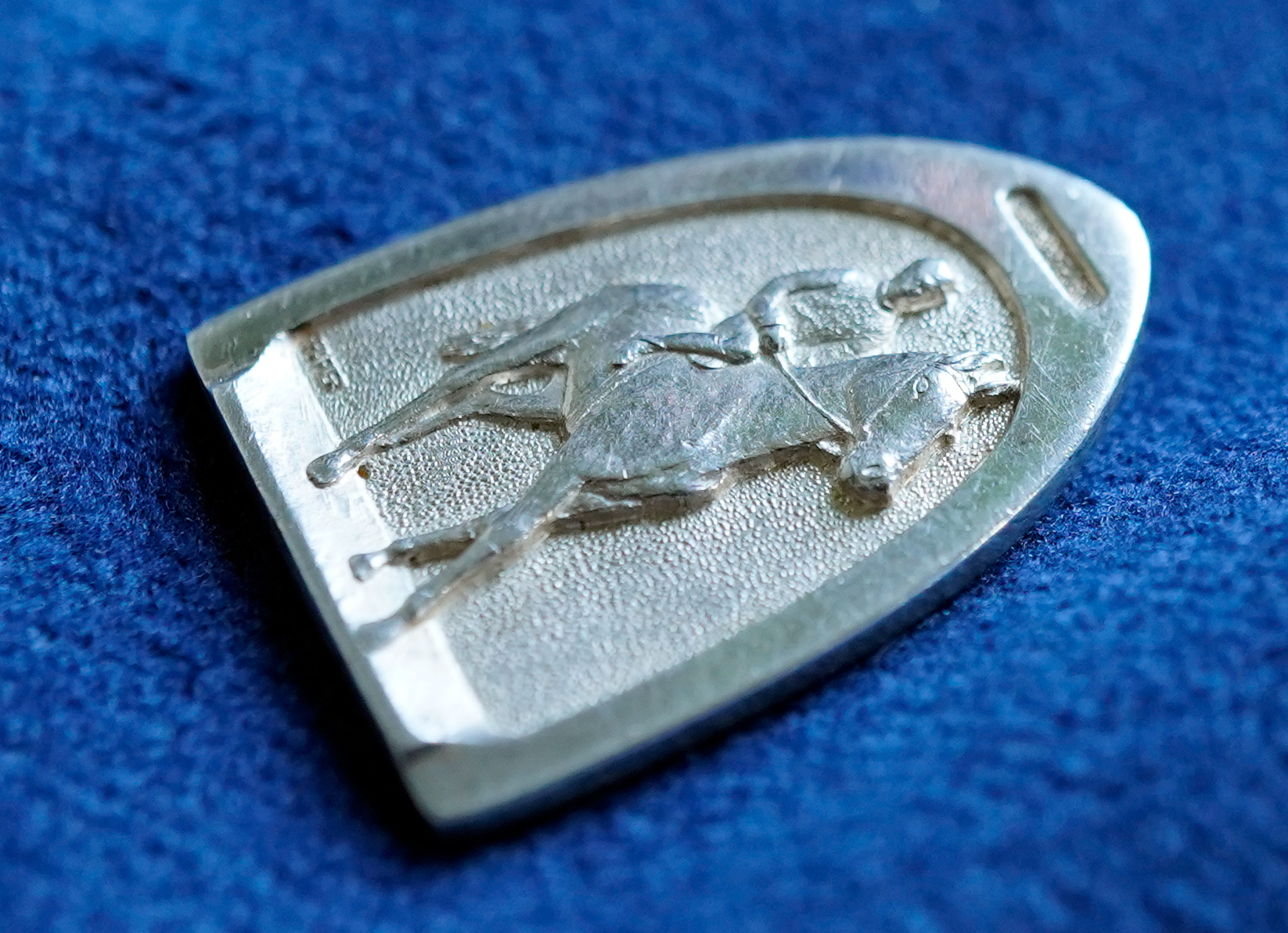
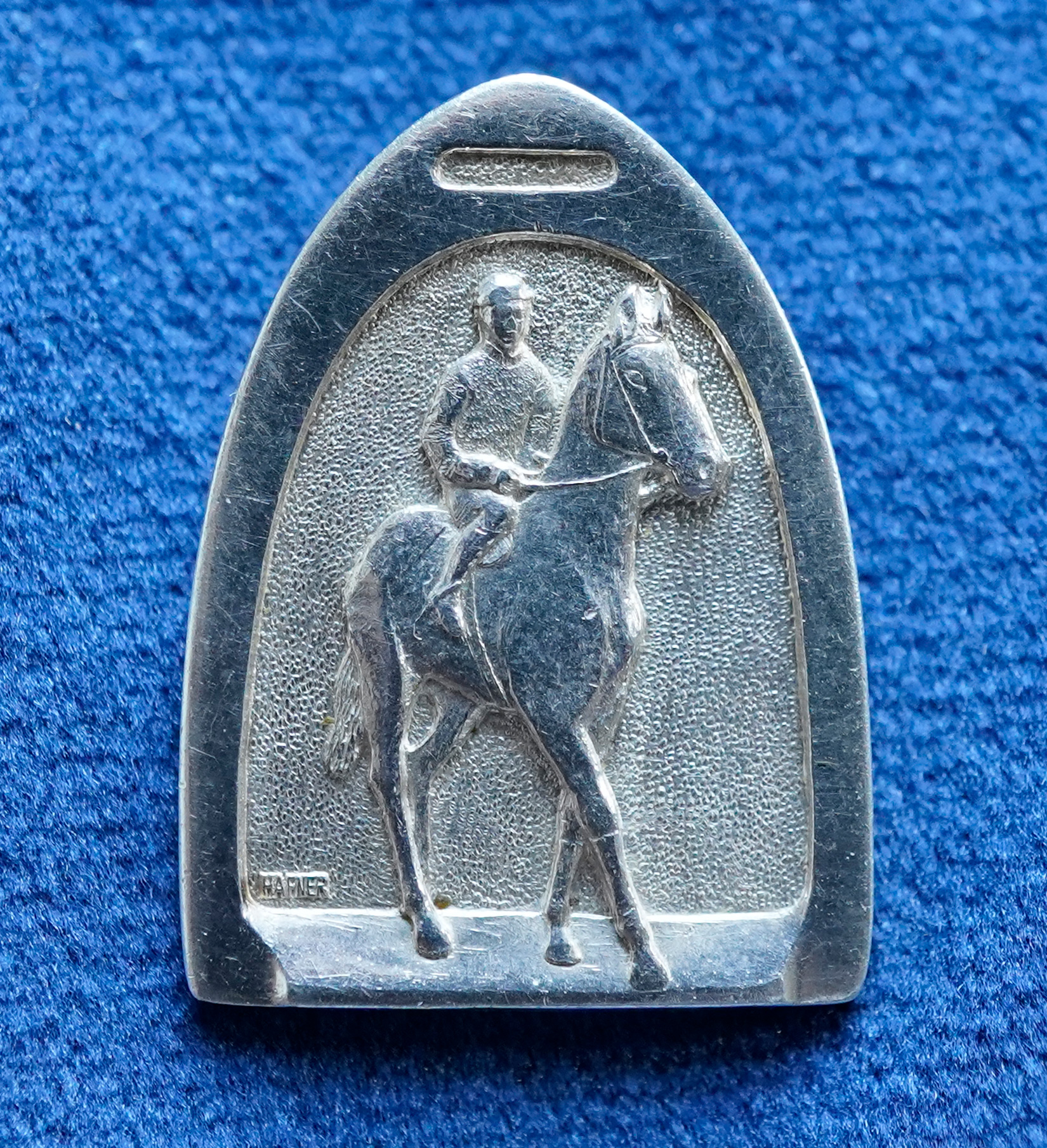
This rare piece of Australiana was produced in Melbourne by a local jeweller in solid Sterling Silver to commemorate the legendary ride of J.E. Pike on ‘Phar Lap’ where he won the Melbourne Cup in 1930 by 3 lengths.

J.E.Pike-Phar Lap Medallion 1930 Melbourne Cup Sterling Silver
J.E.Pike’s ‘Phar Lap’ Medallion, commemorating the 1930 Melbourne Cup win, Australian Sterling Silver

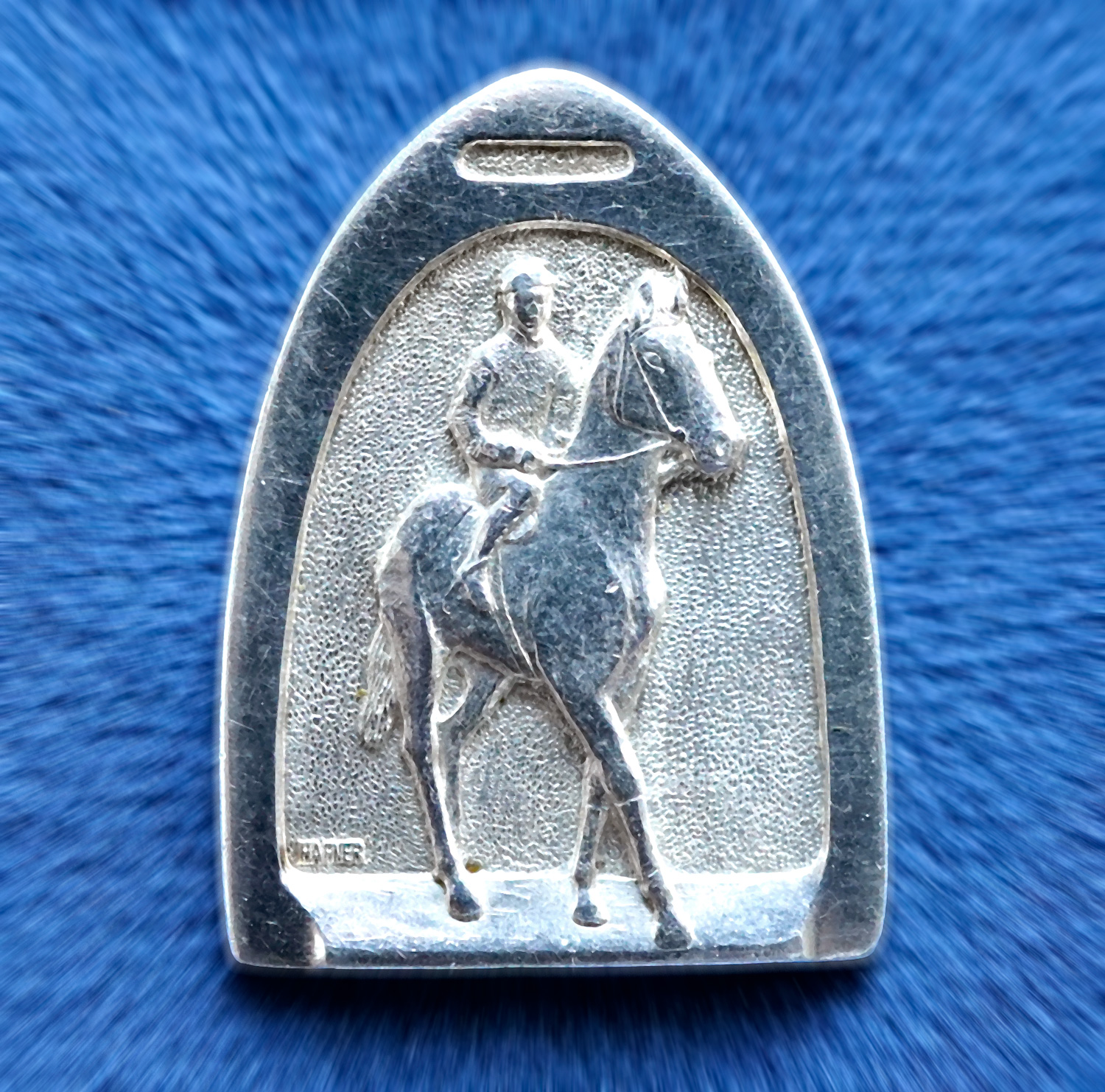
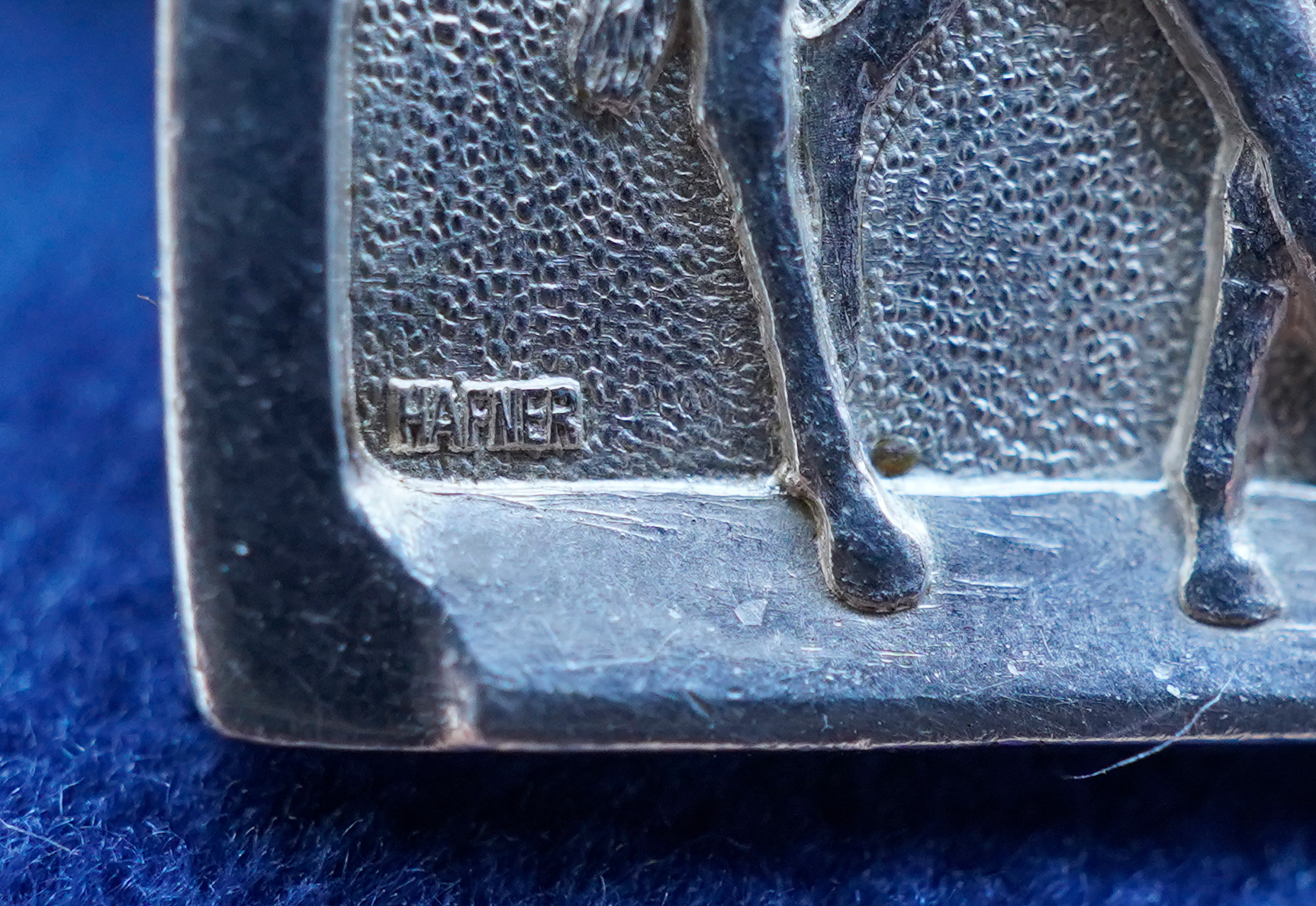
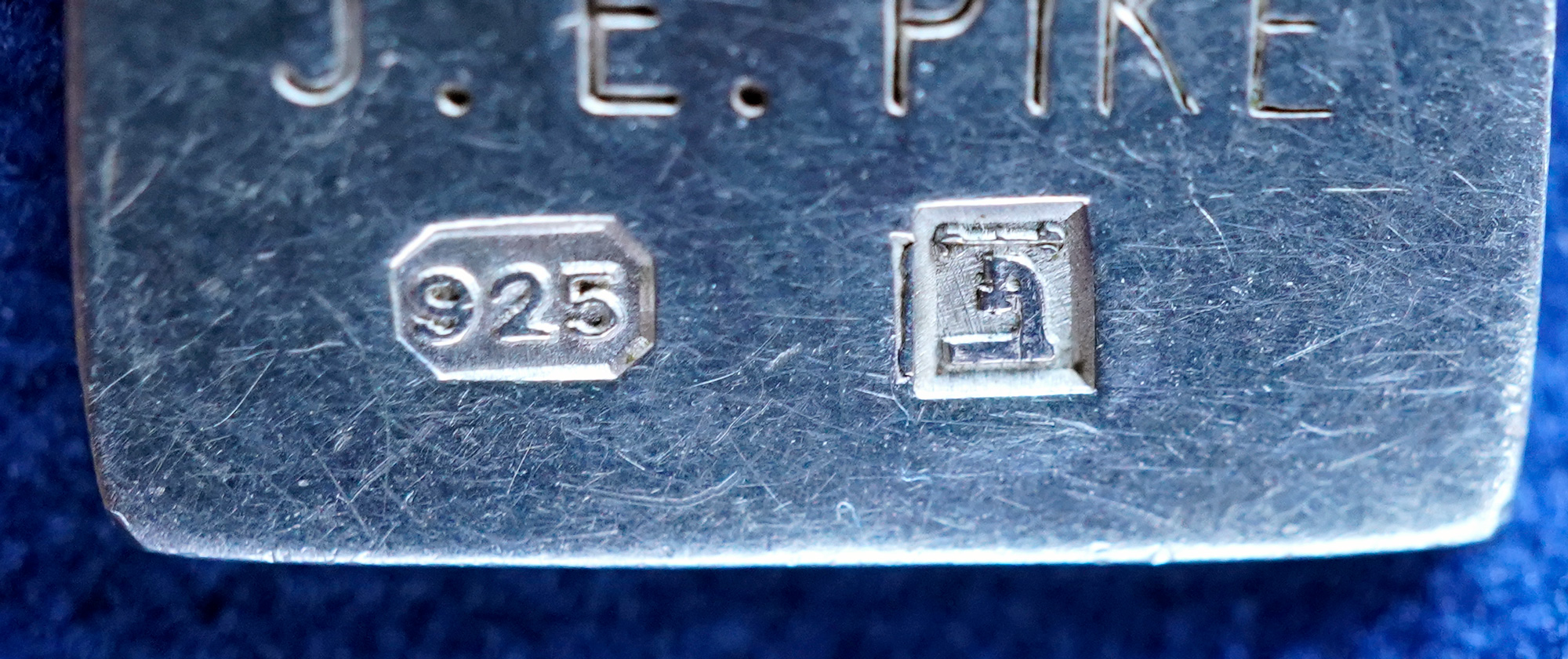
Sterling silver medallion with horse & jockey on front framed within a stirrup, engraved on reverse Phar Lap / Winner 1930 / Melb.Cup / J.E.Pike” , also marked with sculptor’s name ‘Hafner’, and hallmarked ‘925’ & printing press.

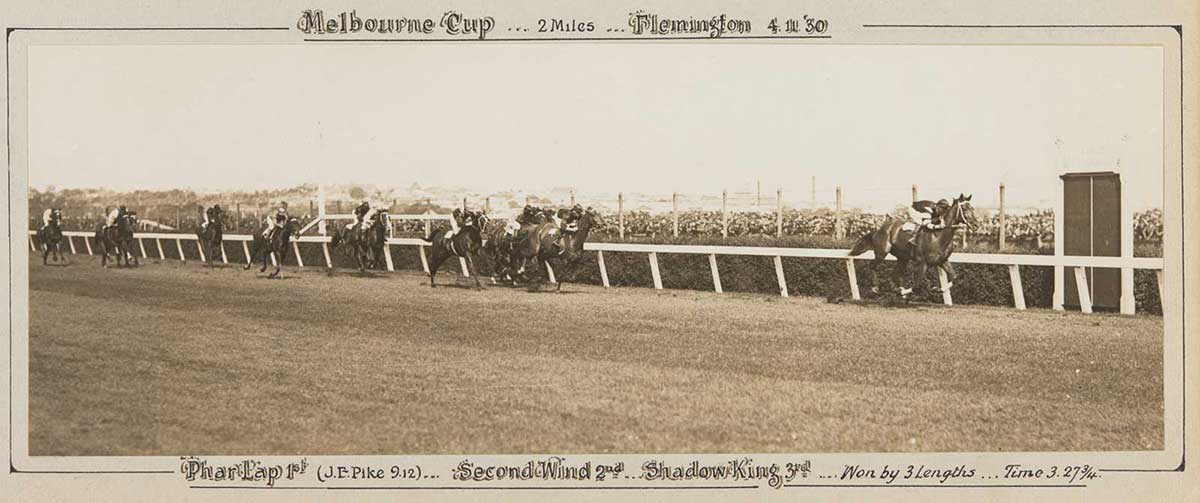
Phar Lap wins 1930 Melbourne Cup
Phar Lap wins 1930 Melbourne Cup by 3 lengths… the making of an Australian legend. The silver medallion was made to commemorate this feat.

The shape is reminiscent of religious pendants made to wear as ‘charms’ – however, the design of this piece has a major flaw that would not make it durable. All other charms have a suspension loop cast into the top: this plaque has a very thin wire loop soldered onto the back. This suggests it is just for short-term use – perhaps so you could pin it to a jacket lapel when you were attending the Melbourne Cup….?

It is certainly a rarity, with just one other example being traced on the market.

J.E.Pike-Phar Lap Medallion 1930 Melbourne Cup Sterling Silver Stirrup Commemorative
Emil Hafner mark on Sterling Silver Phar Lap Medallion

The sculptor’s name ‘Hafner’ gives us the context & date for the piece.
Emil Hafner (1917-2021) was a post-war immigrant artisan from Czechoslovakia. His speciality was die-casting, and he was responsible for a large number of medals, coins, and commemoratives produced in Melbourne in the second half of the 20th century.
Emil Hefner graduated in 1948 at the Art and Trade College in Czechoslovakia. Between 1948 and 1952 he worked as a gun-engraver and die-sinking in Germany and later England. After migrating, he continued his work in Australia with ‘K.G. Luke’ and later with the ‘House of Hawke’, as well as teaching part-time at RMIT (Royal Melbourne Institute of Technology) for nine years. He subsequently established his own company, Hafner Mint Manufacturing.
This silver medallion, commemorating the 1930 win of Phar Lap, would logically have been made in 1980 – celebrating 50 years since the event.

See Emil Hafner’s pieces in Museums Victoria Collection here >
J.E.Pike-Phar Lap Medallion 1930 Melbourne Cup Sterling Silver Printing Press Hallmark
Phar Lap Medallion with .925 designating ‘Sterling’ silver standard, and ‘Printing Press’ Hallmark for the silversmith. Note an apparent border for another hallmark protruding from the side of the printing press mark.
Posted on

Fresh Stock @ Moorabool

Welcome to the latest ‘Fresh’ items to enter our stock at Moorabool Antiques.

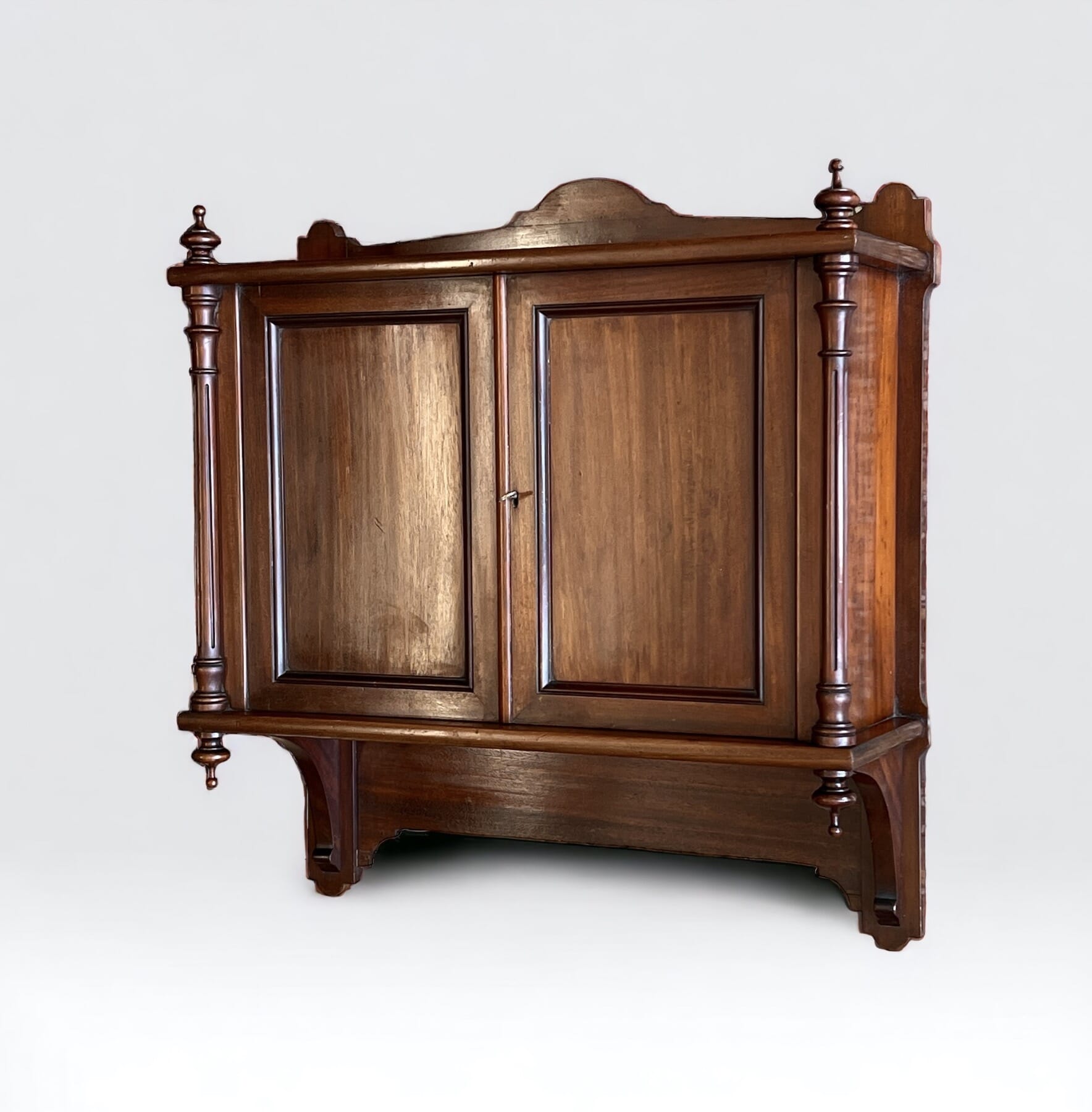
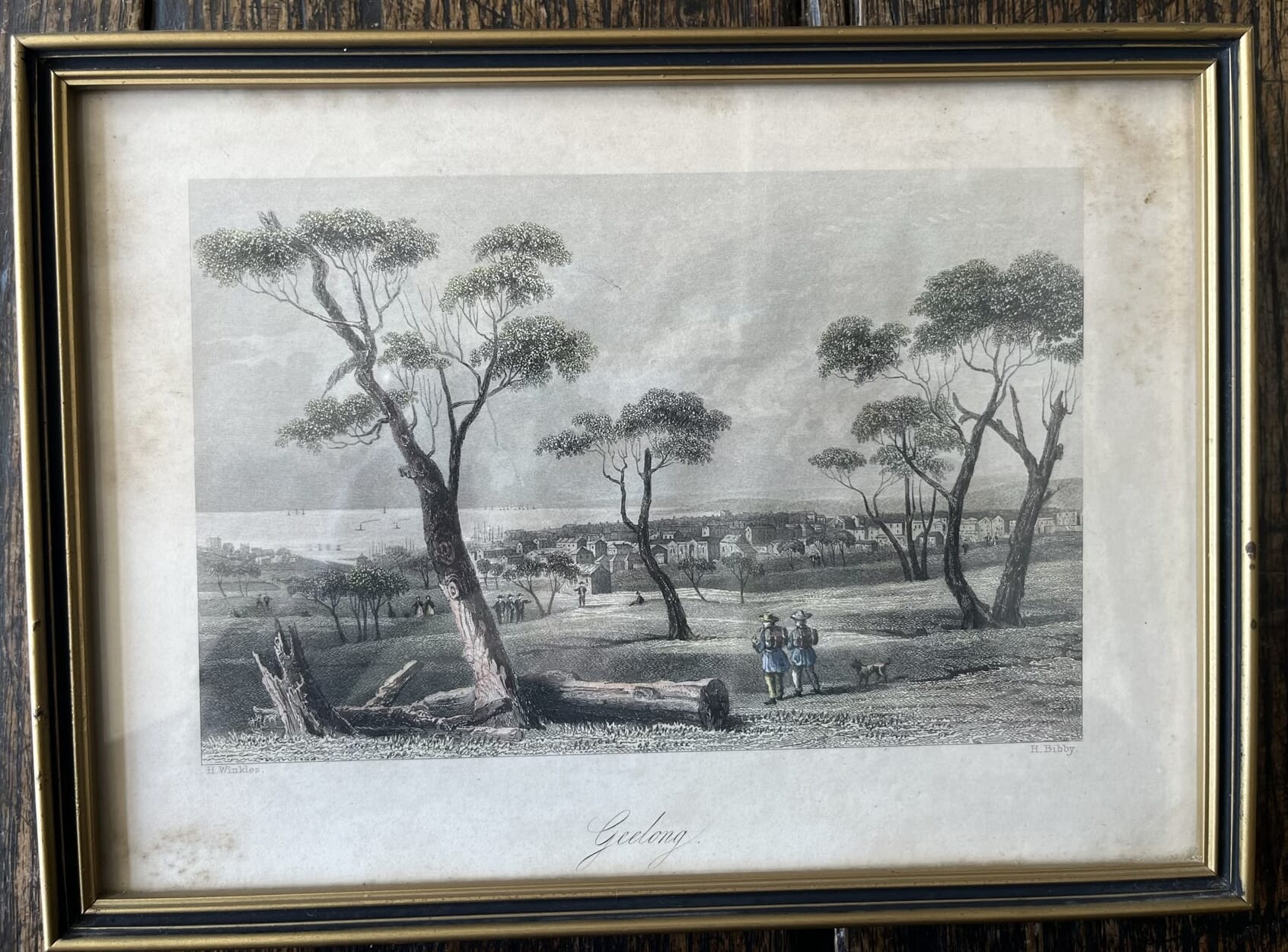
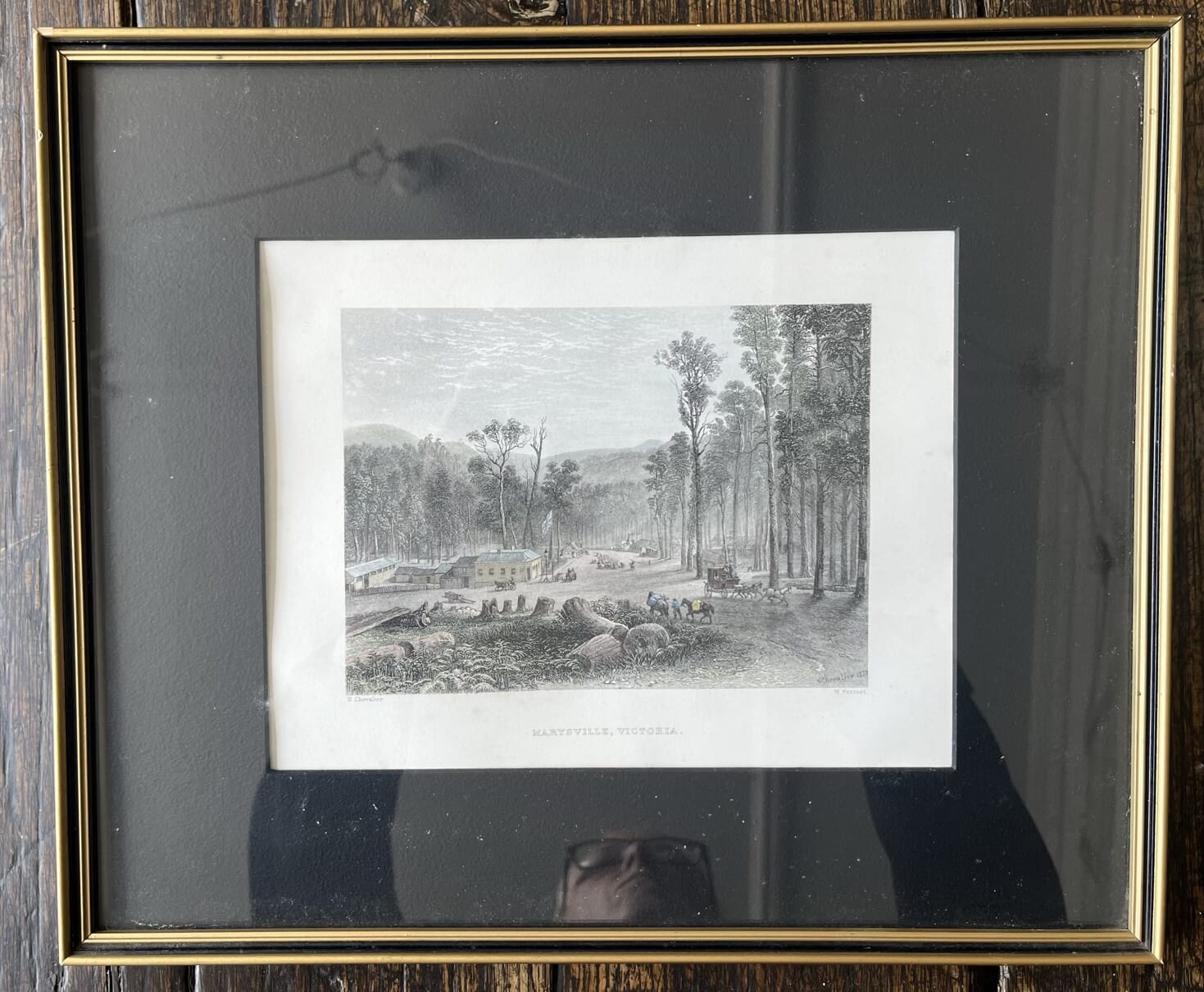
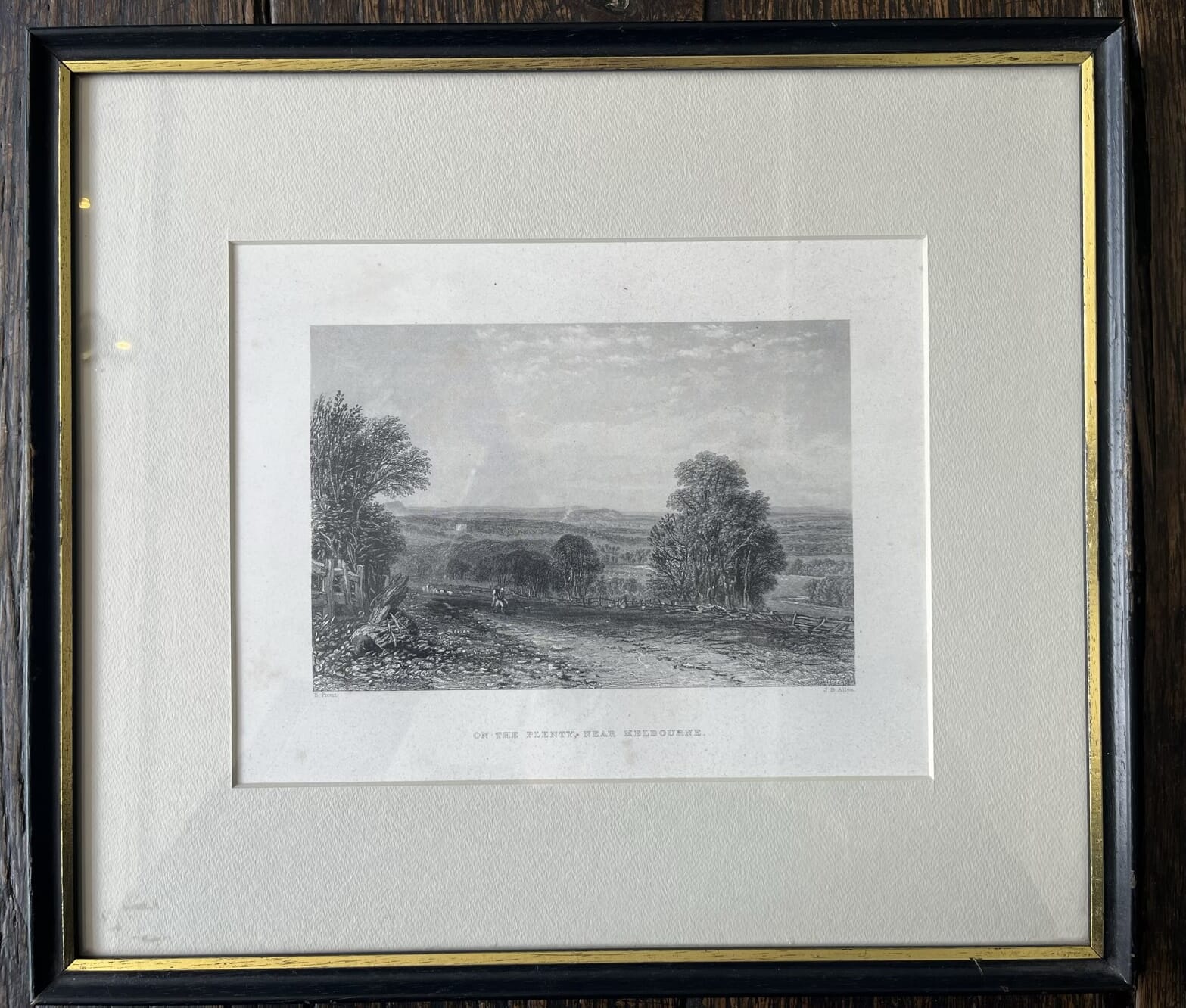
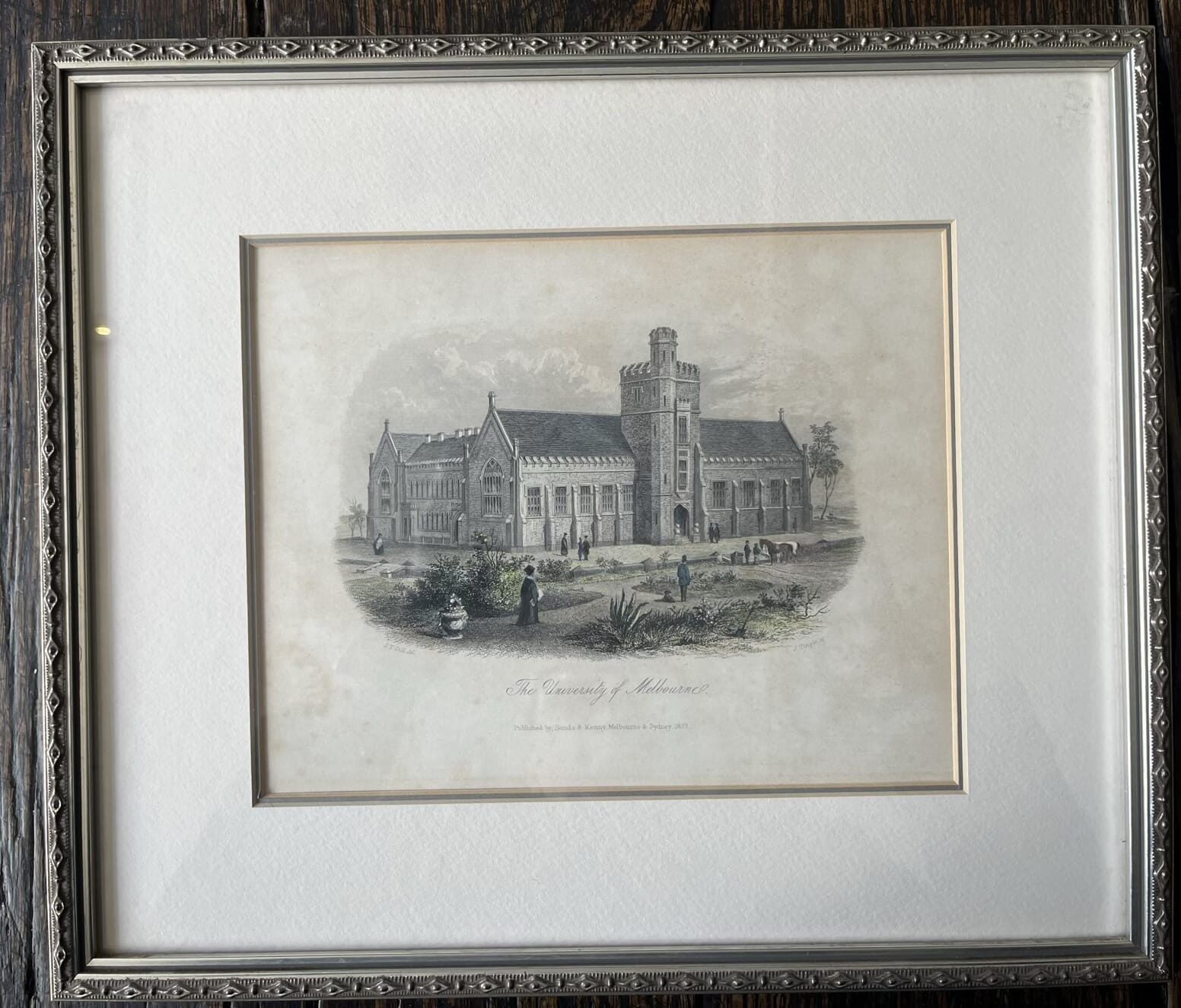
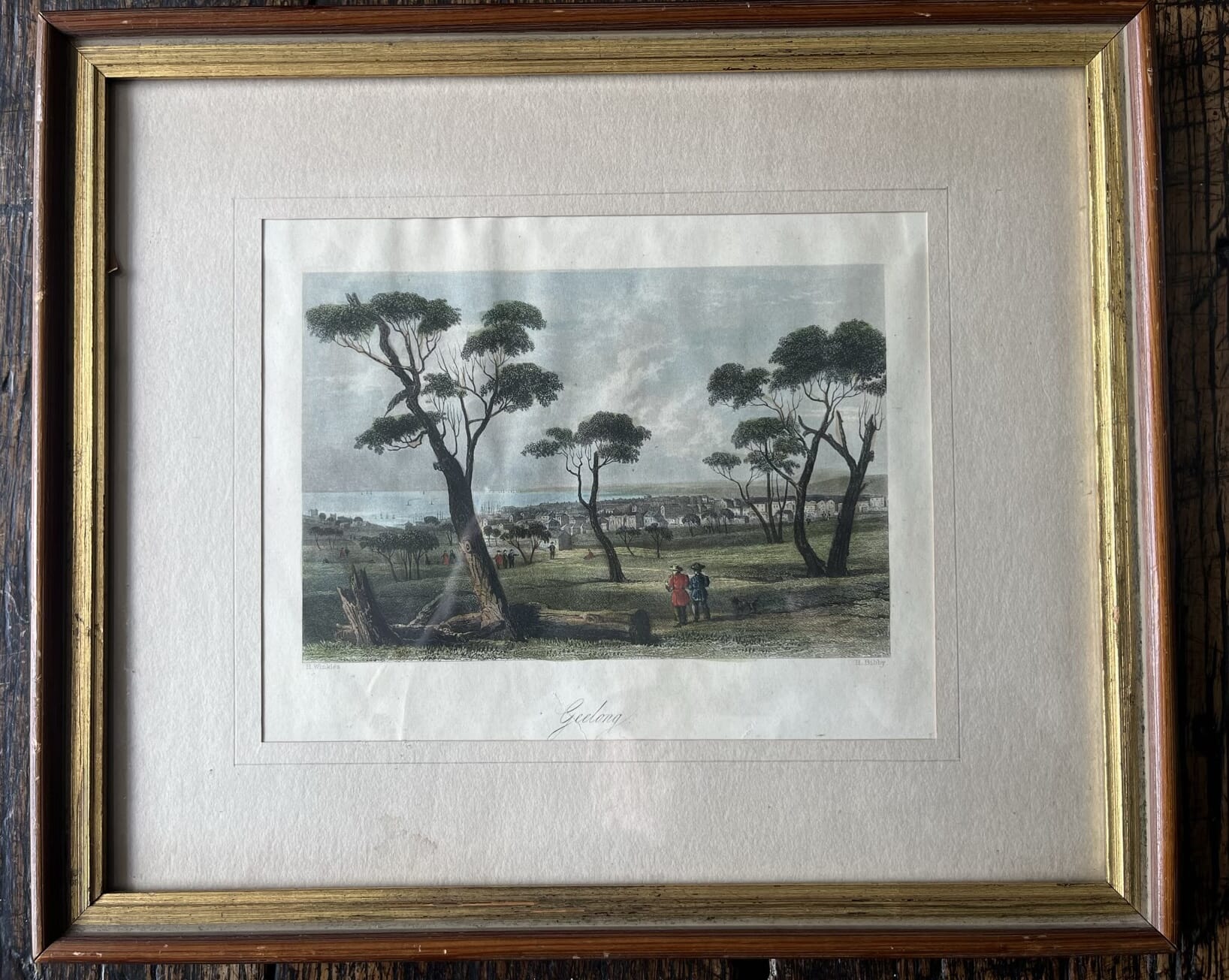
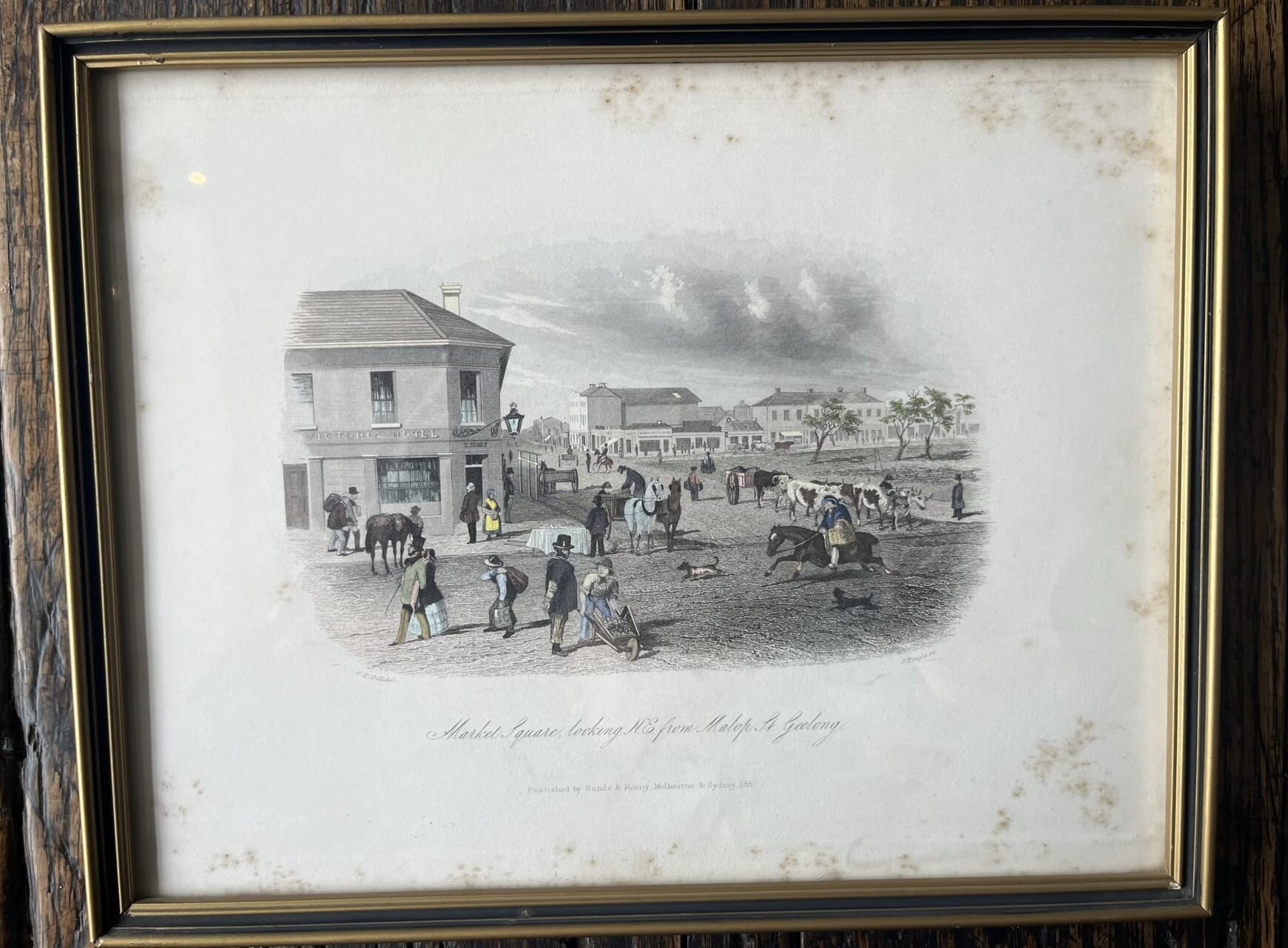
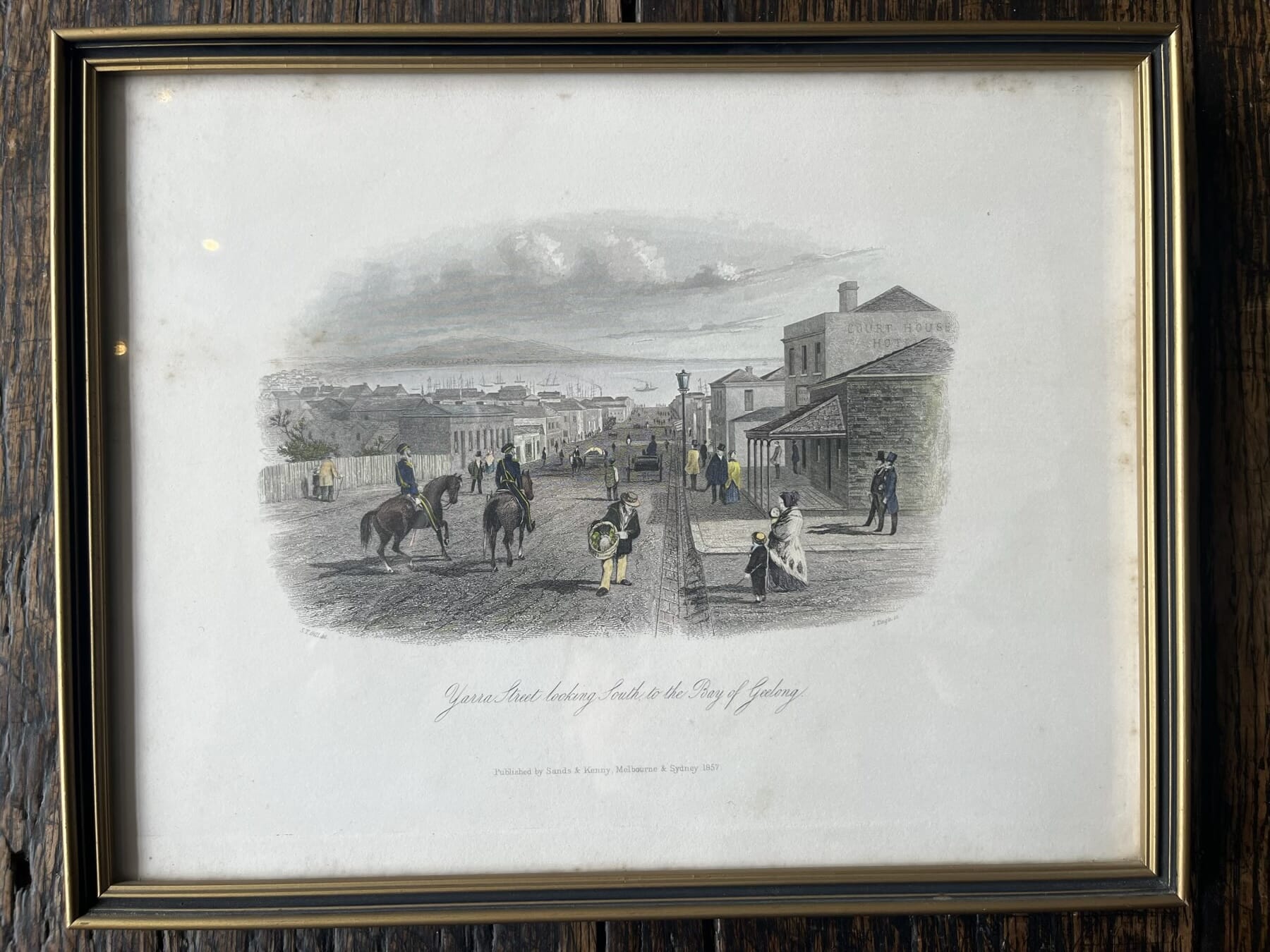
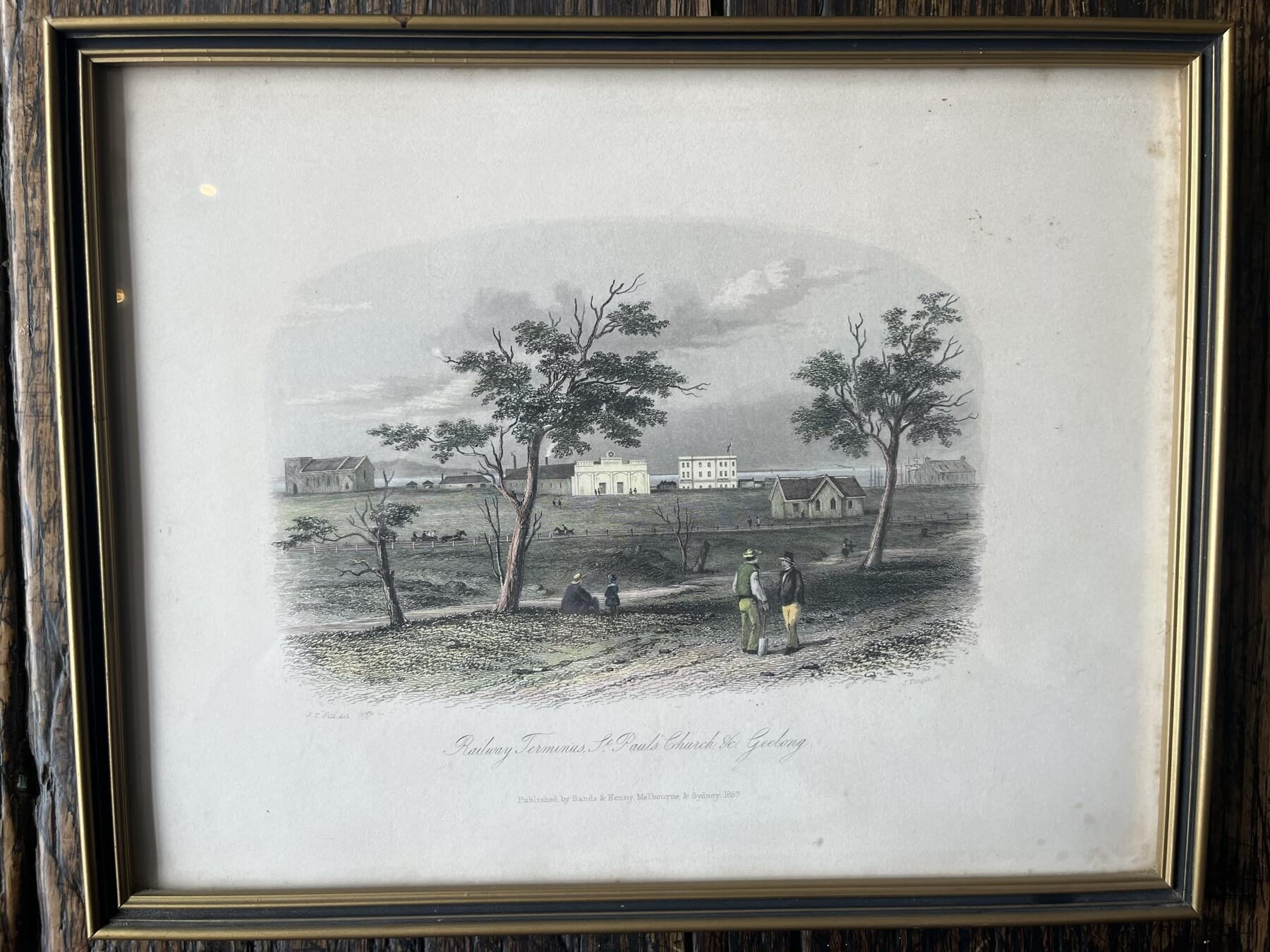
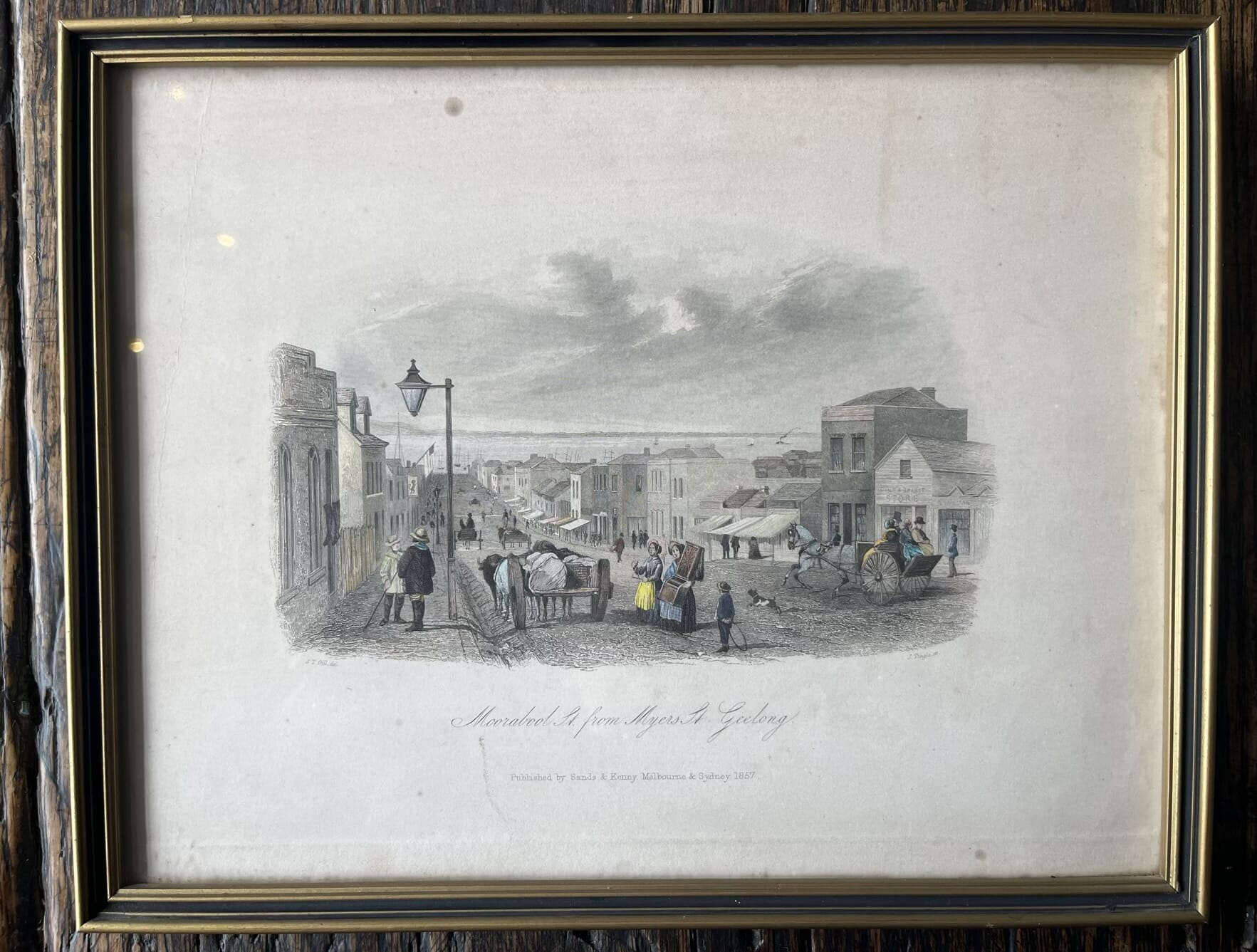
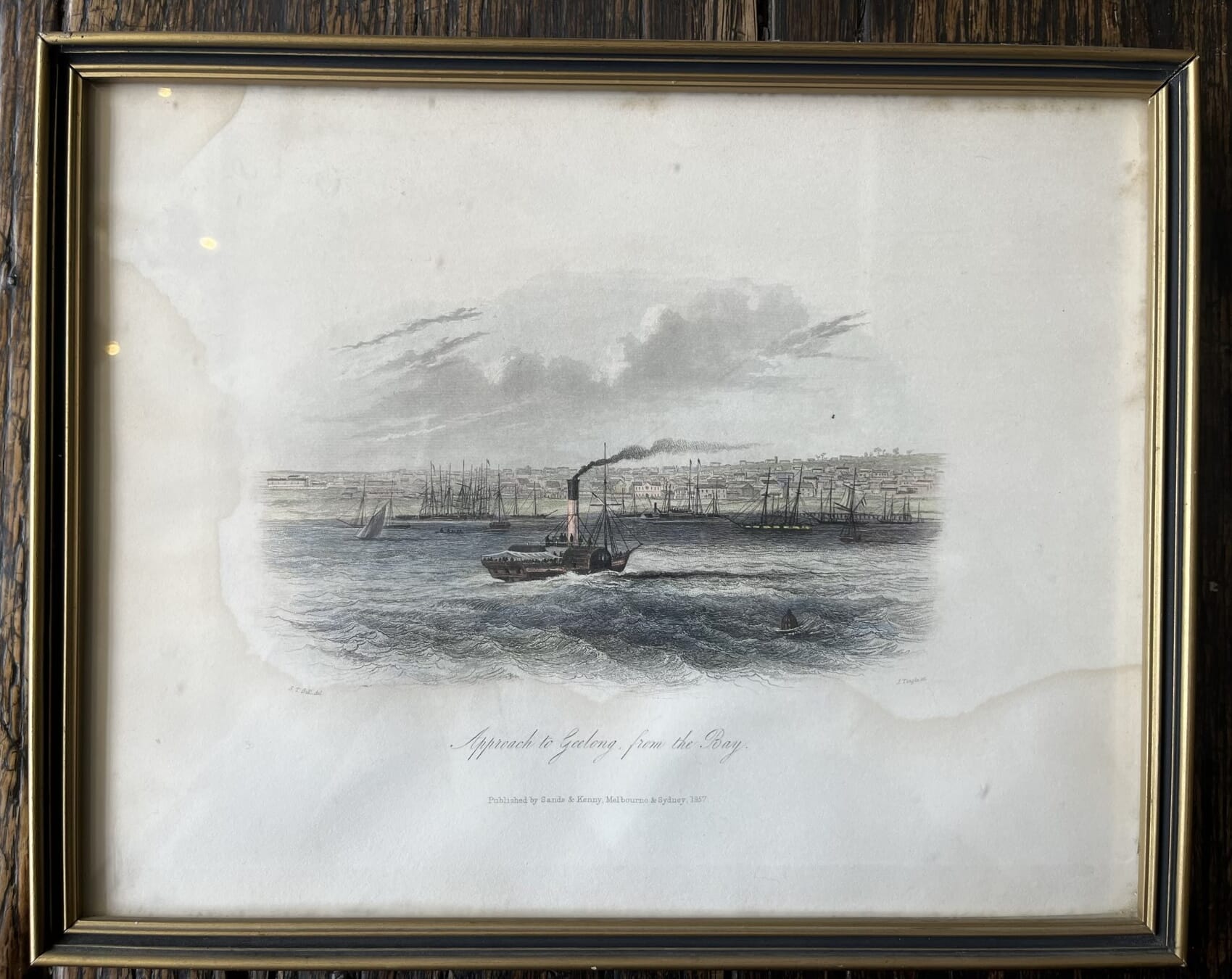
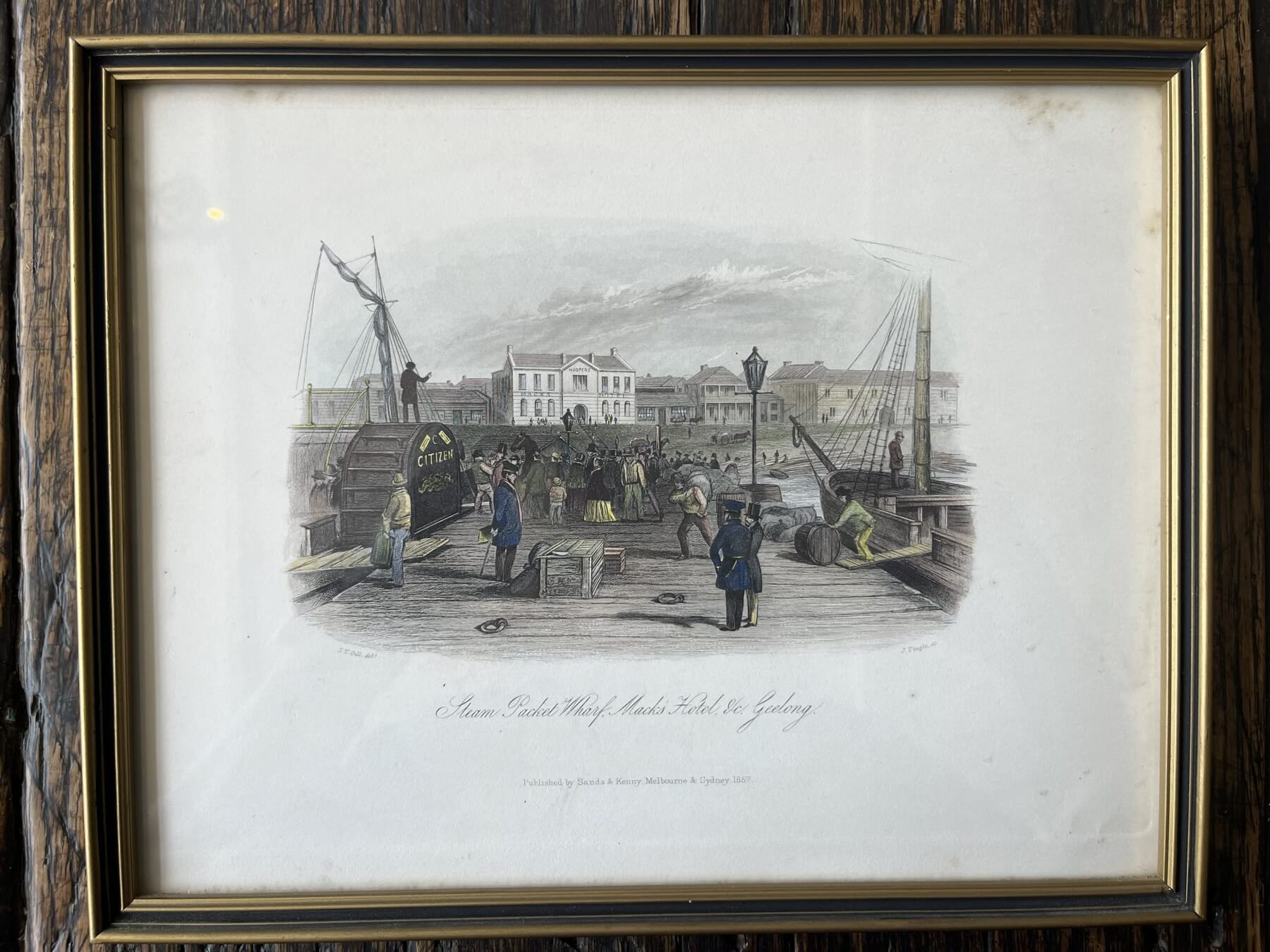
This week, there’s a good selection of English Sterling Silver, some handy Furniture, a selection of local S.T.Gill prints, plus lots more!

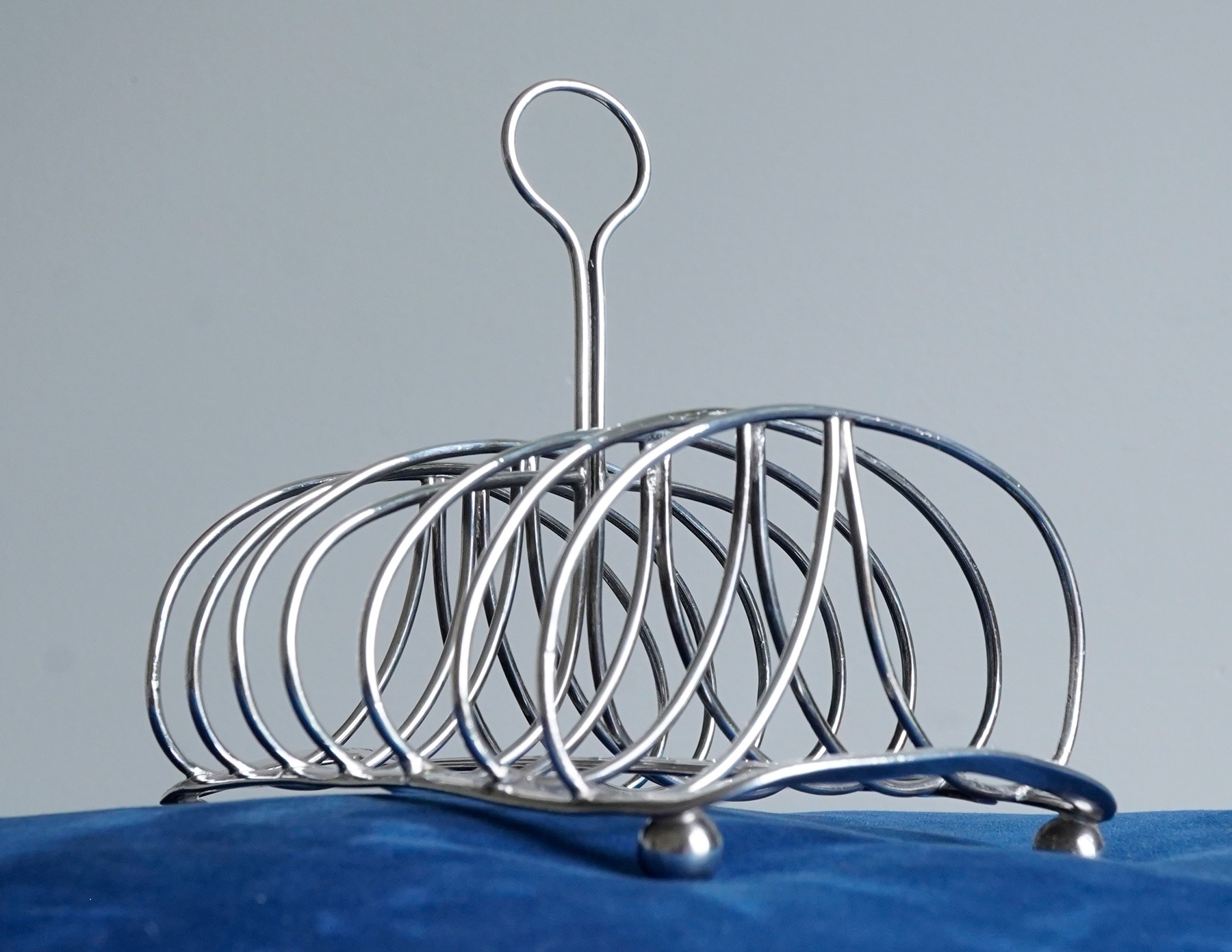
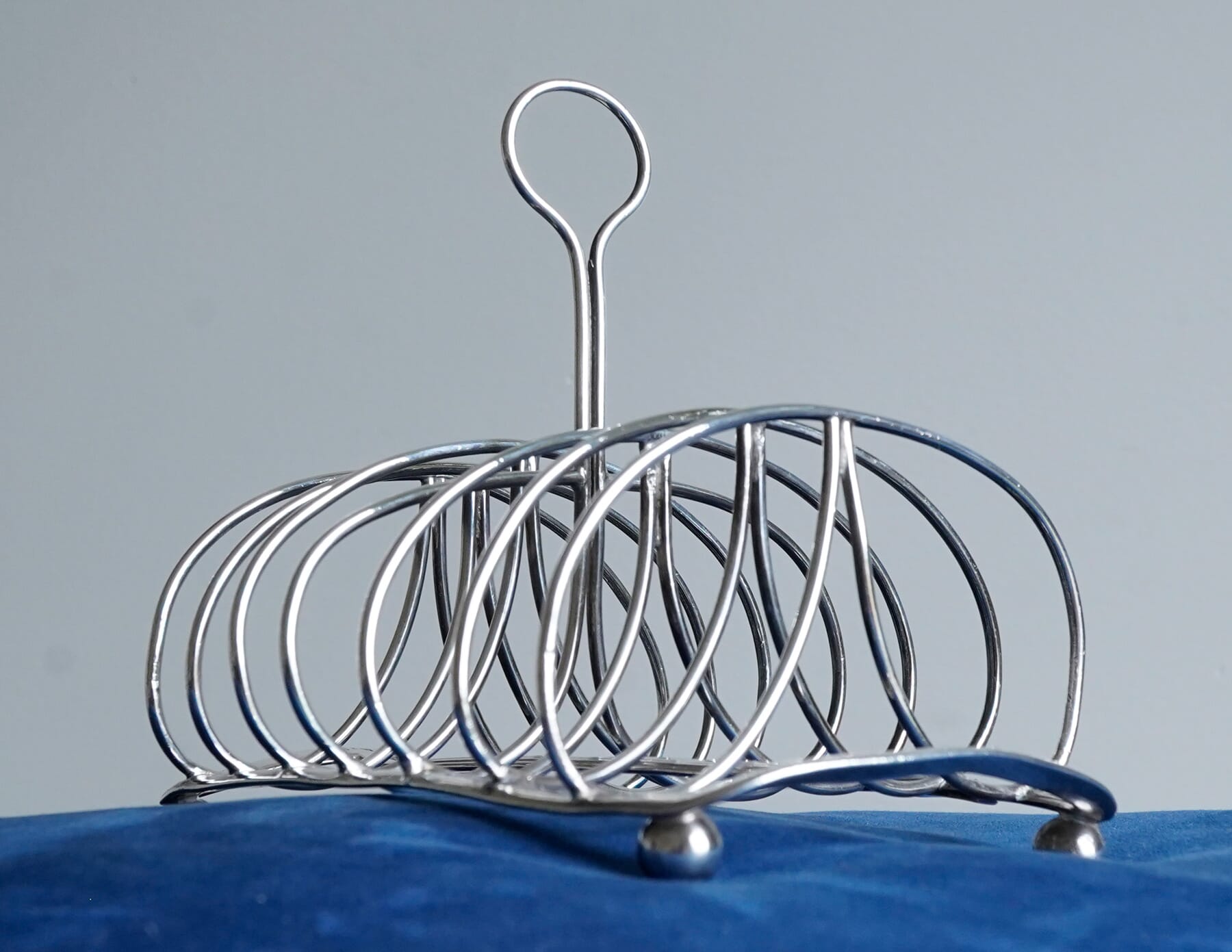
Mathew Boulton Sterling Silver Toastrack 1820

This amazing piece of Georgian Sterling is a rare toast rack, made by Mathew Boulton. He was one of the great minds of the Industrial Revolution, responsible for endless inventions, and the first mass produced steam engine, the Boulton & Watt. As a silversmith, he petitioned Parliament for an assay office to be opened up in Sheffield, which had become a major production centre for silversmiths by the latter 18th century. Previously, they had to travel all the way to London or Chester to have their Sterling goods assayed & marked – but in 1773, the Birmingham assay office opened, with Boulton as the main patron.
This remarkable simple toast rack is a classic design from Boulton – simple in construction, with no unnecessary decoration, it is almost modernistic in design – certainly a good example of ‘form follows function’. And still very usable!

Serling Silver Jugs
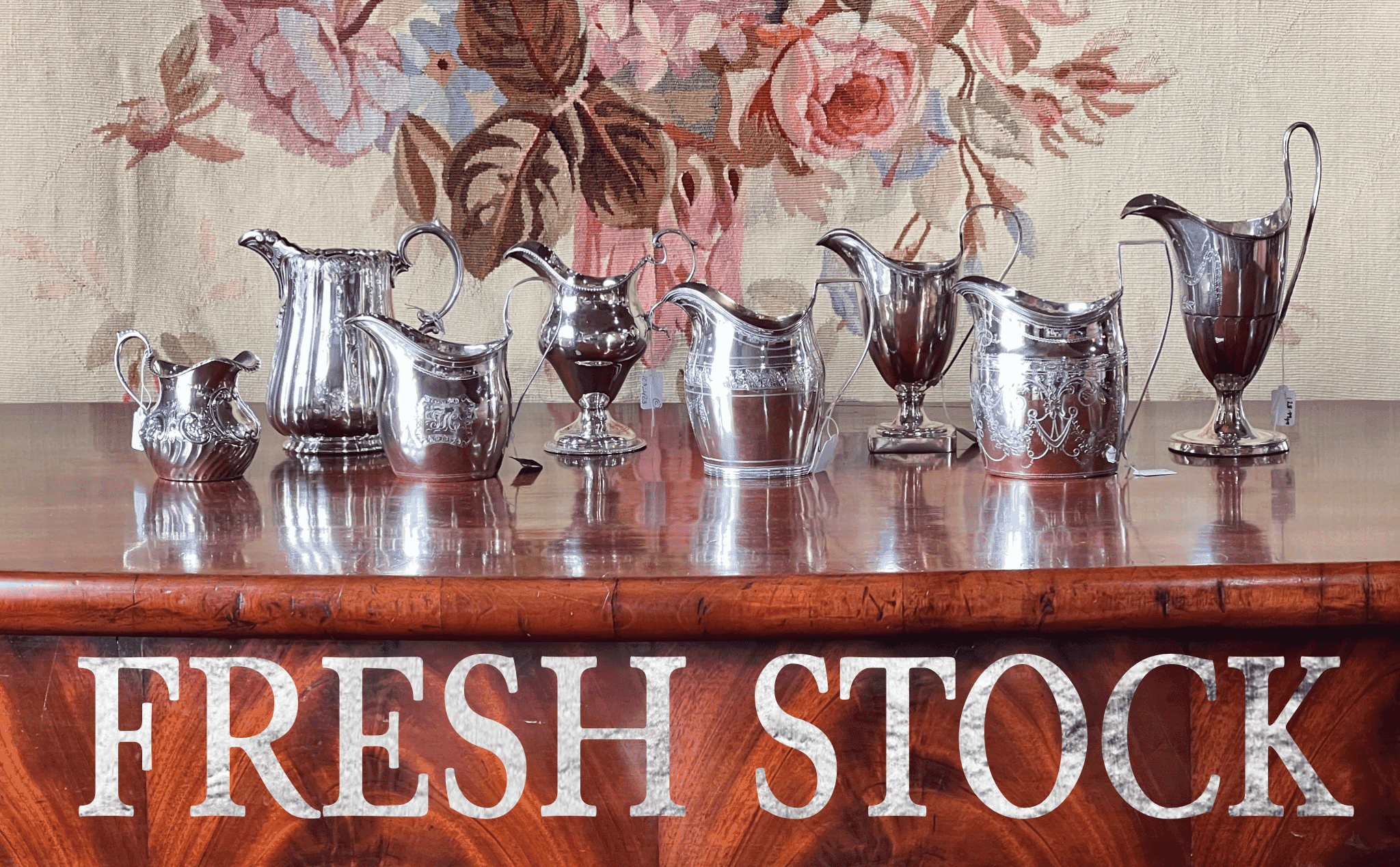
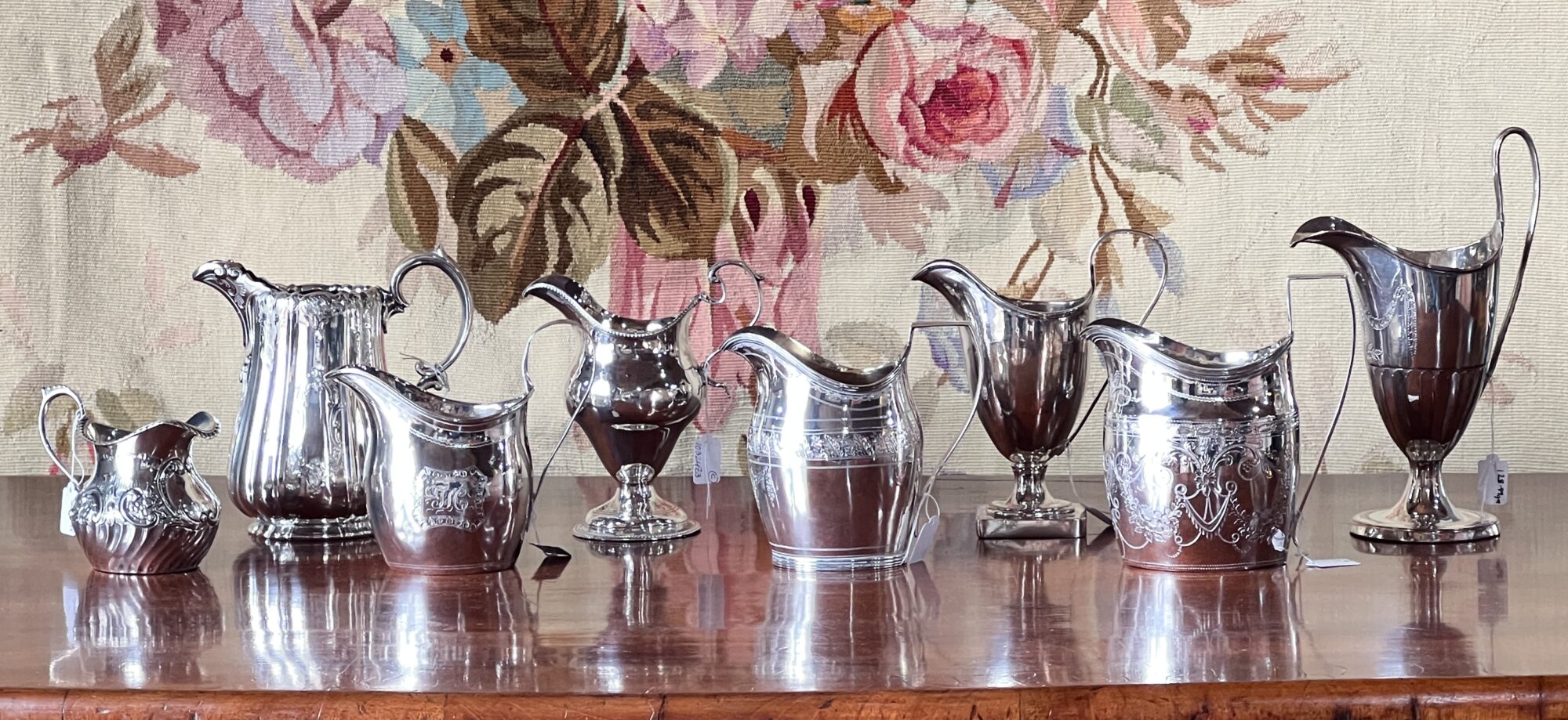
A good selection of English Sterling Silver Jugs, Georgian & Victorian, FRESH to stock @ Moorabool Antiques, Geelong

Amongst the silver are a lovely series of jugs. Several are 18th century, several 19th century – but one is a ‘naughty’ piece. While it looks 18th century, it was made 100 years later – but hallmarked for 1797. It’s the product of an interesting group of ‘Silver Frauds’, created by a silversmith and exposed as fraudulently marked with ‘antique’ hallmarks in 1899. This particular jug is a good example of the mistake they made: the day letter for 1797 isn’t compatible with the maker’s mark, which only appears in the 1840’s!

Can you pick which one? (Slide down to see….)

Fresh Sterling Silver

Fresh Stock

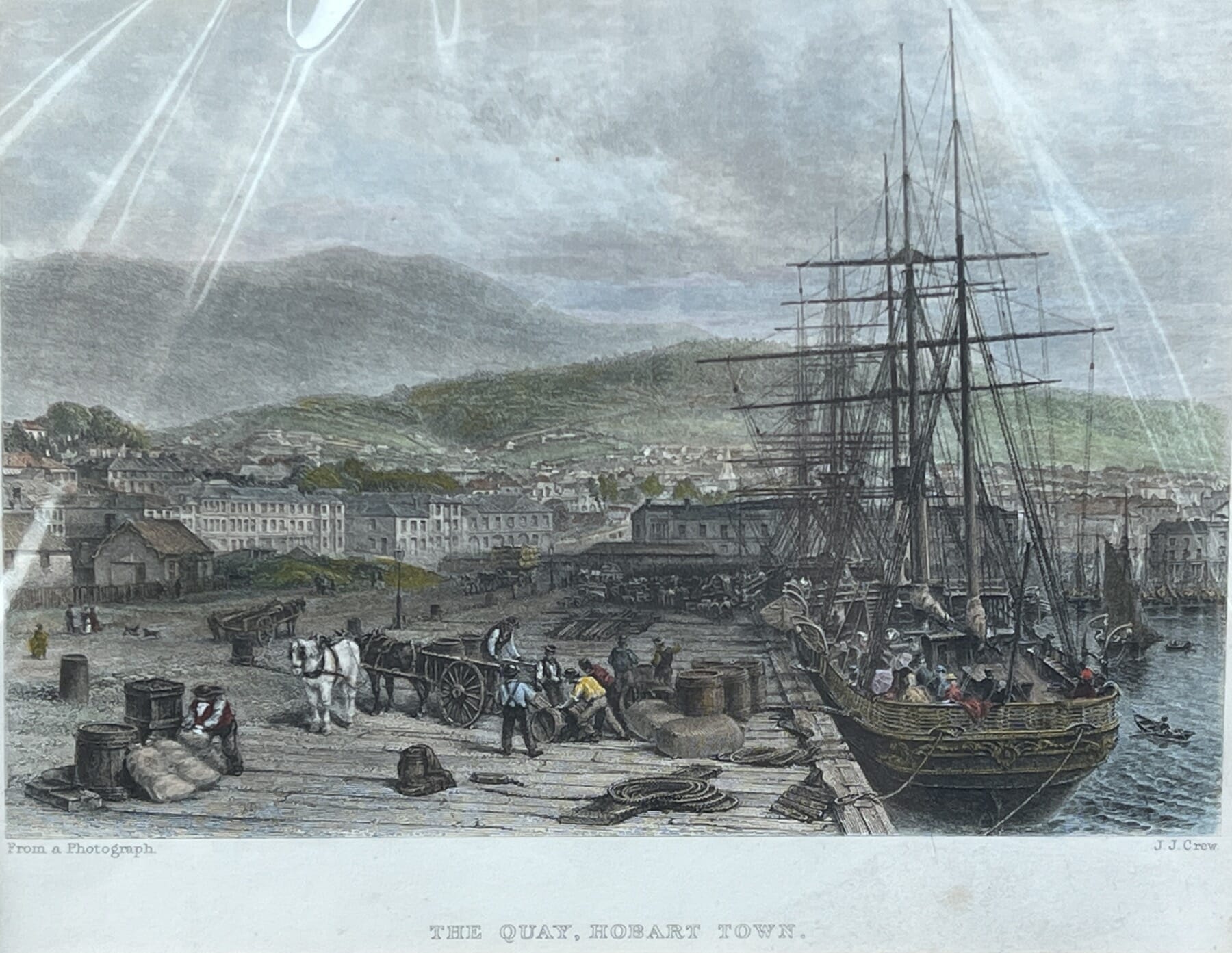
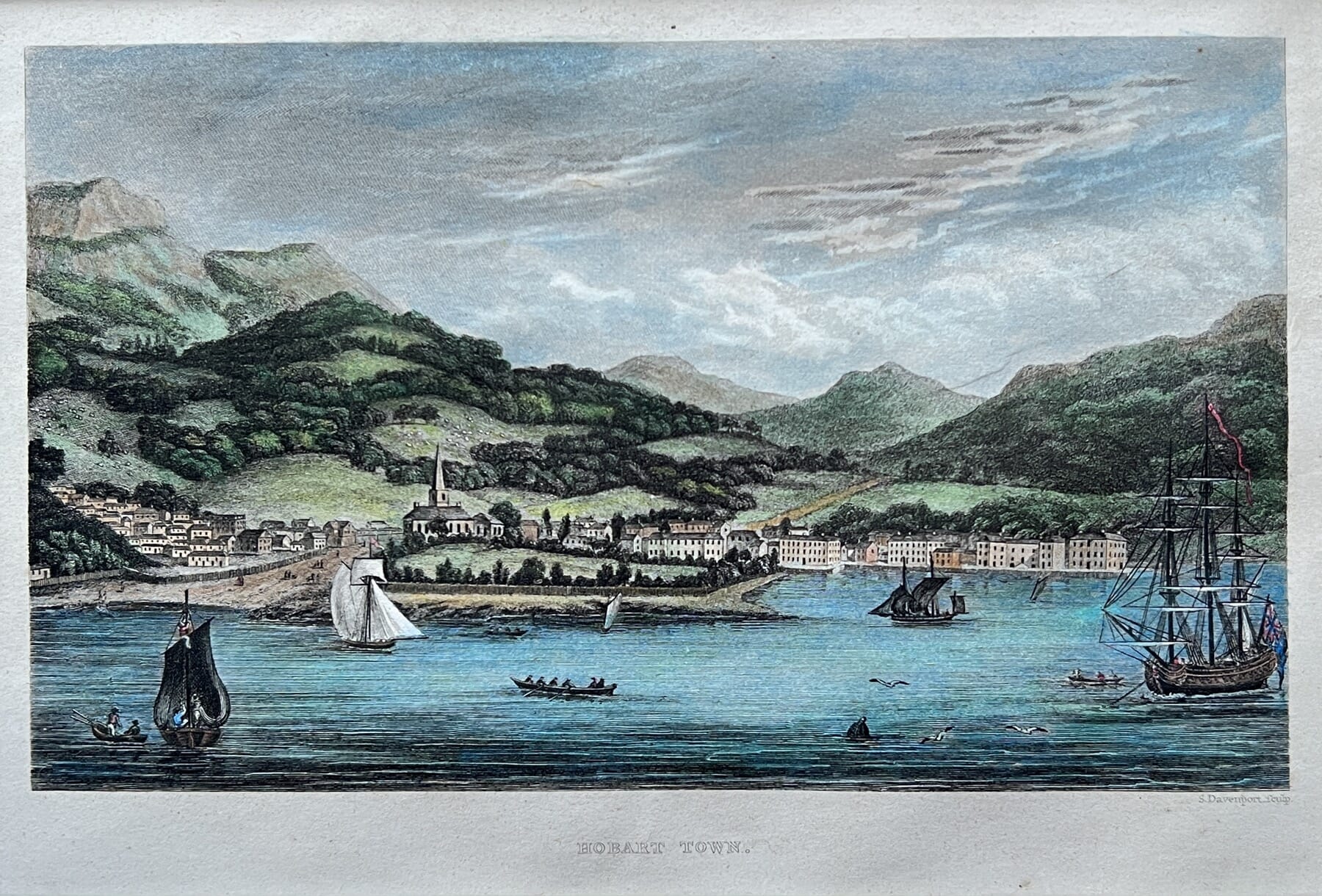
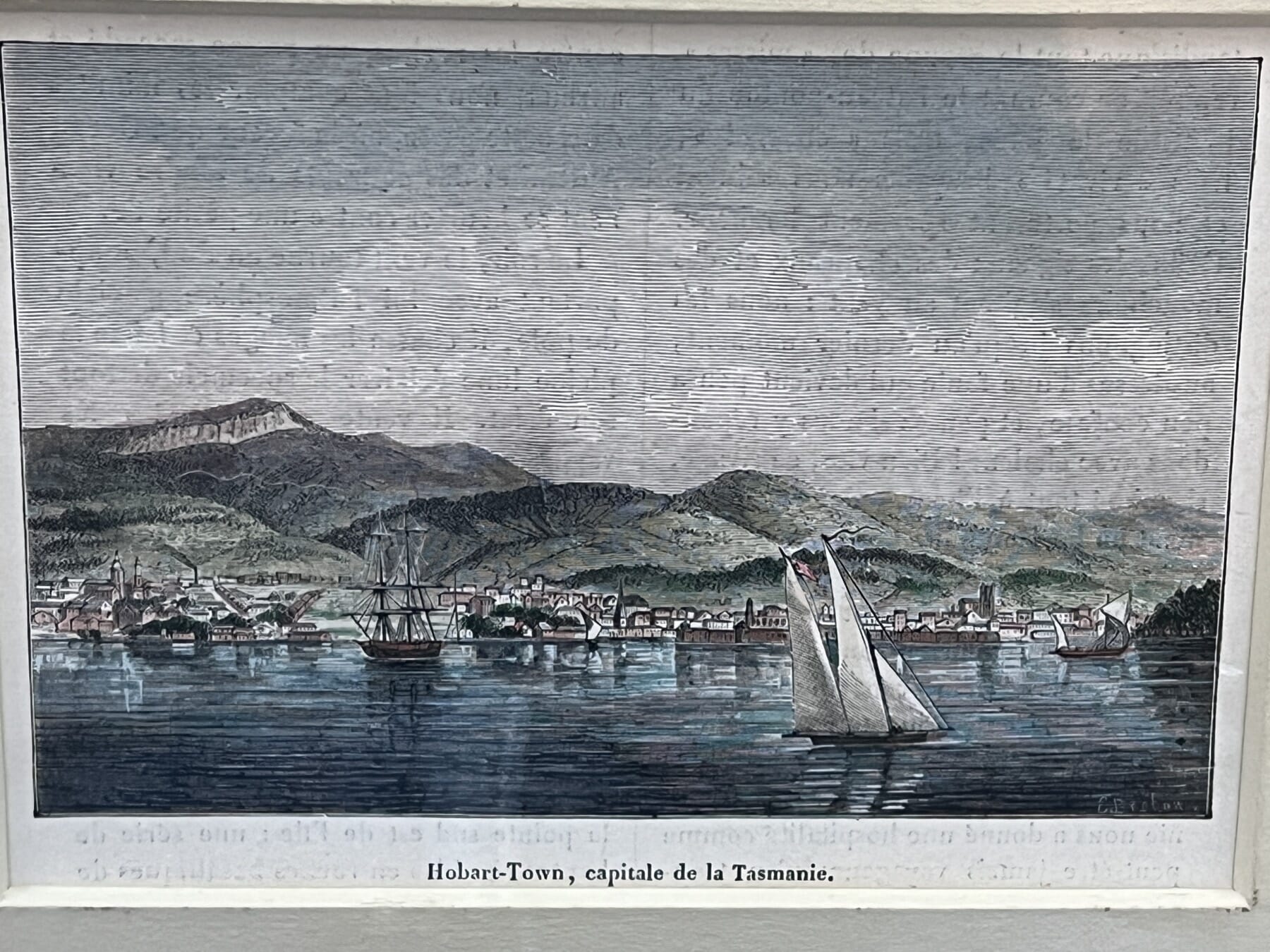
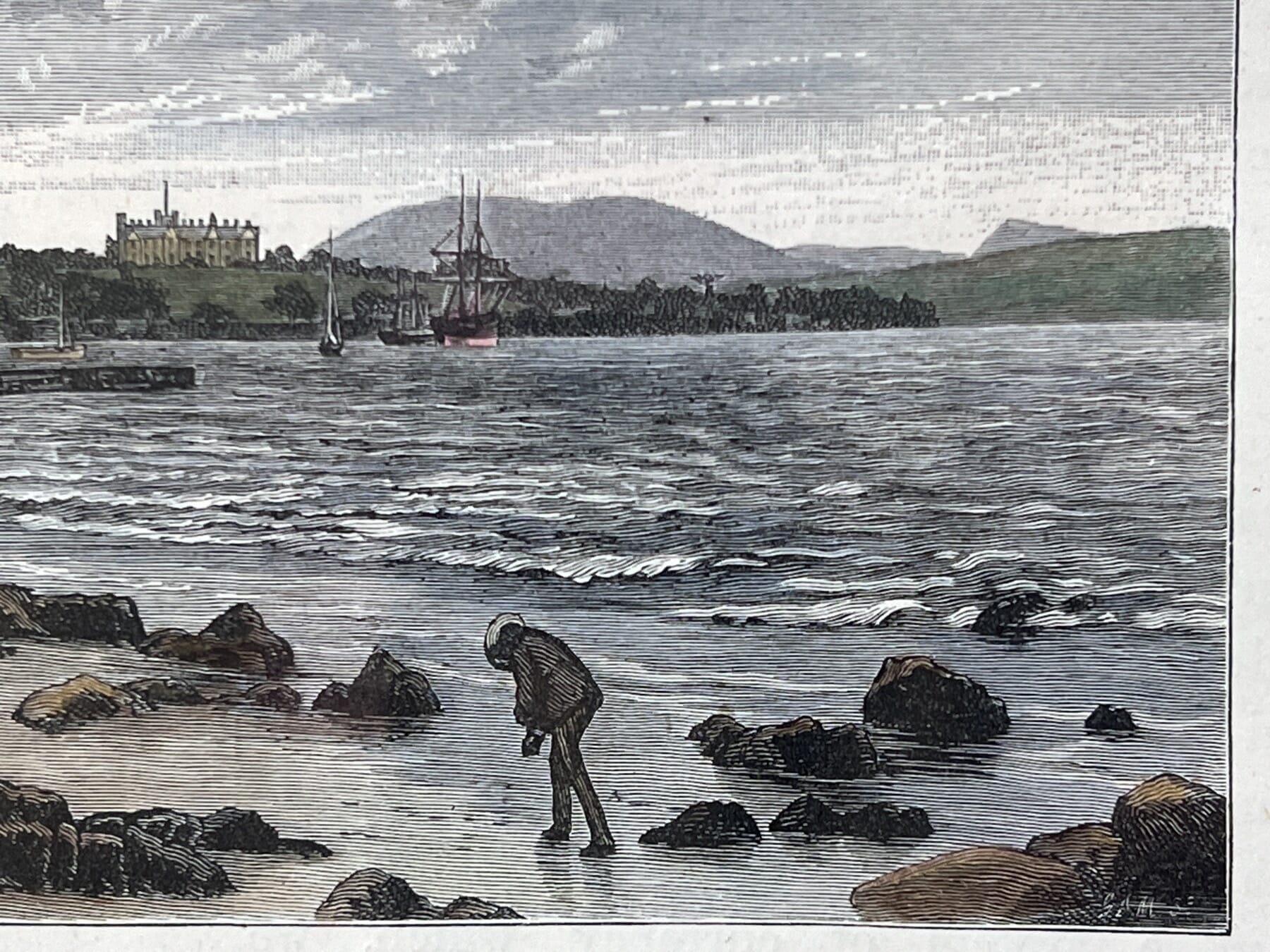
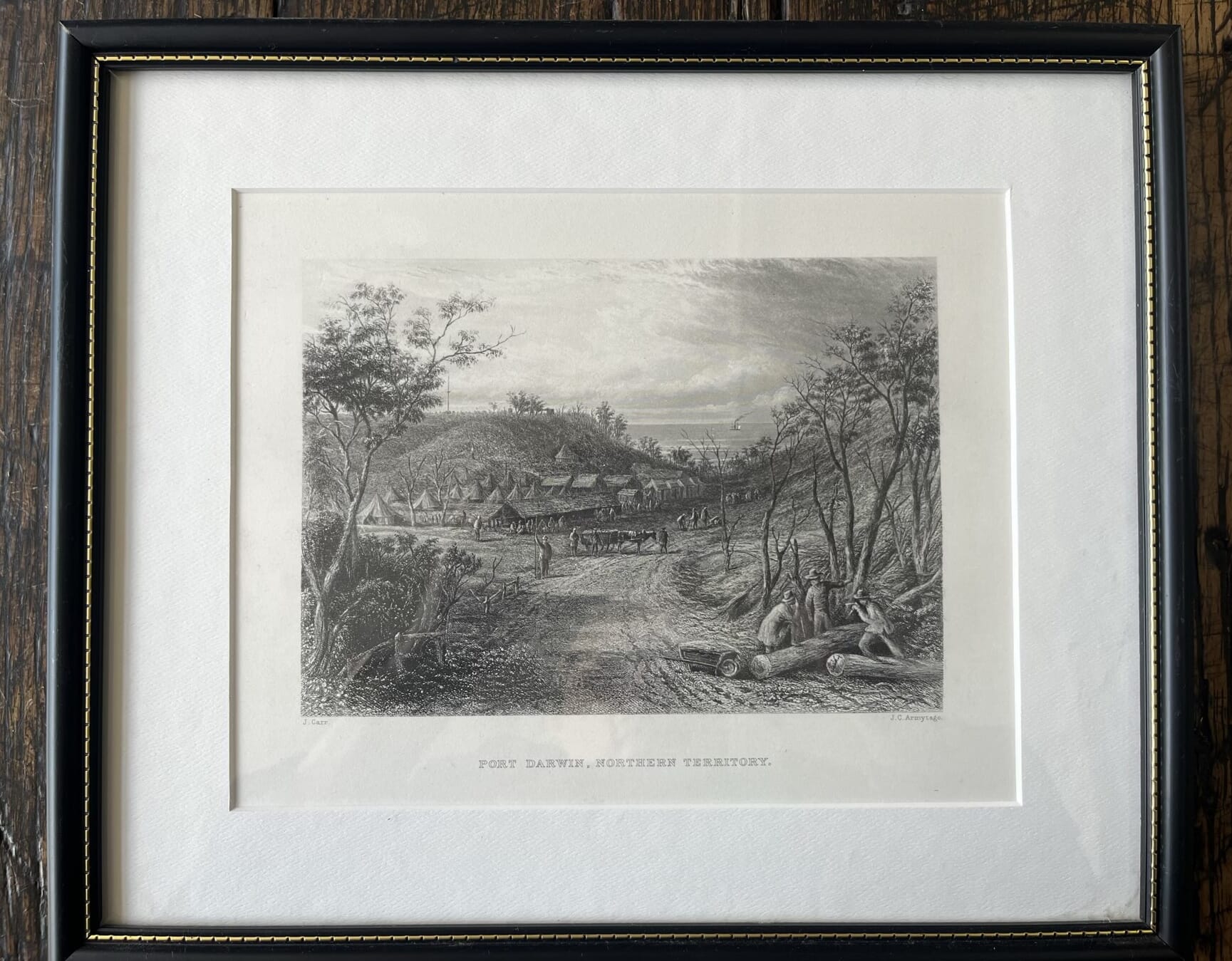
Australiana Prints

Posted on

Fresh Stock – English 19th c. porcelain + all things French!

Welcome to the latest Fresh Stock release on Moorabool.com.
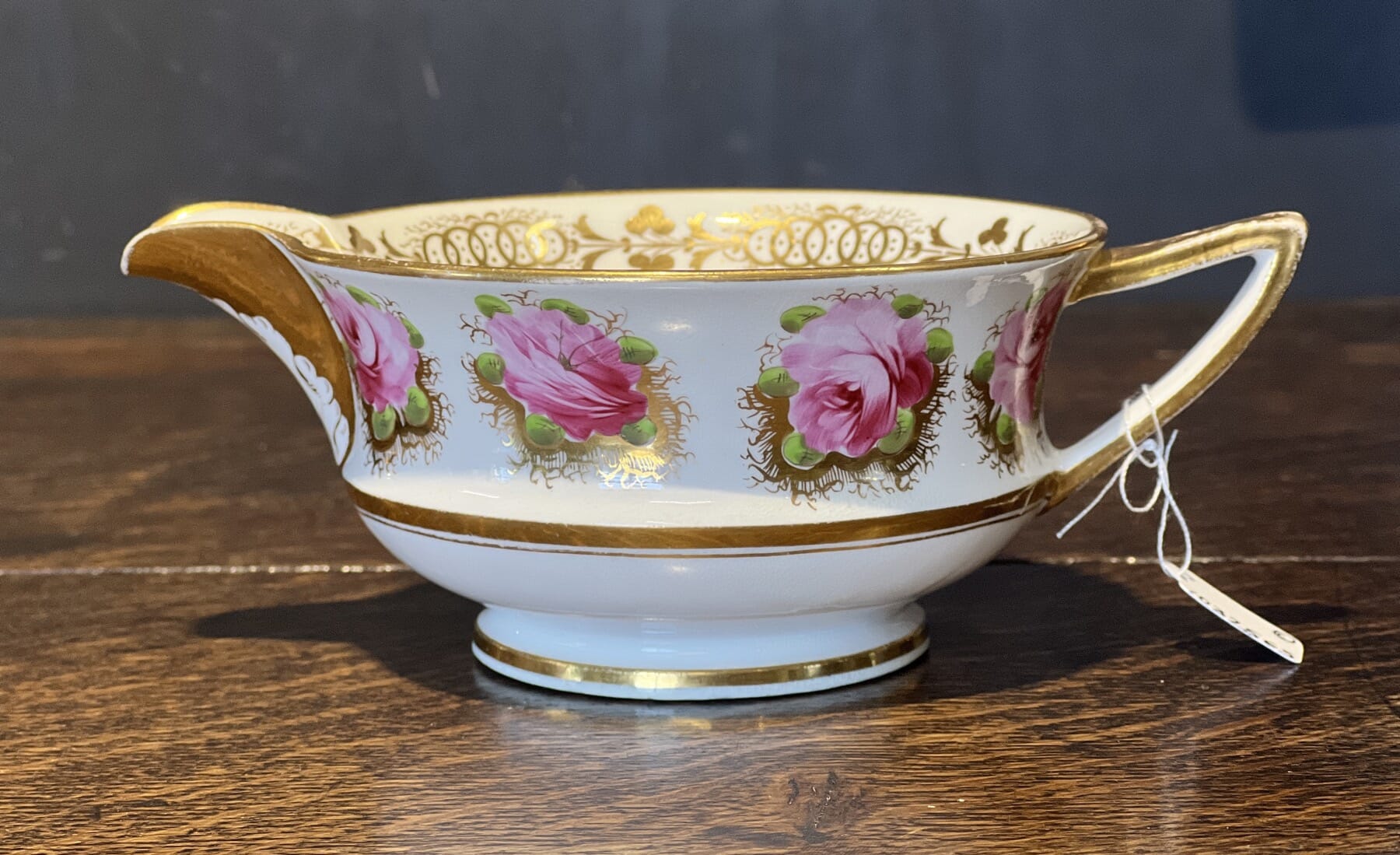
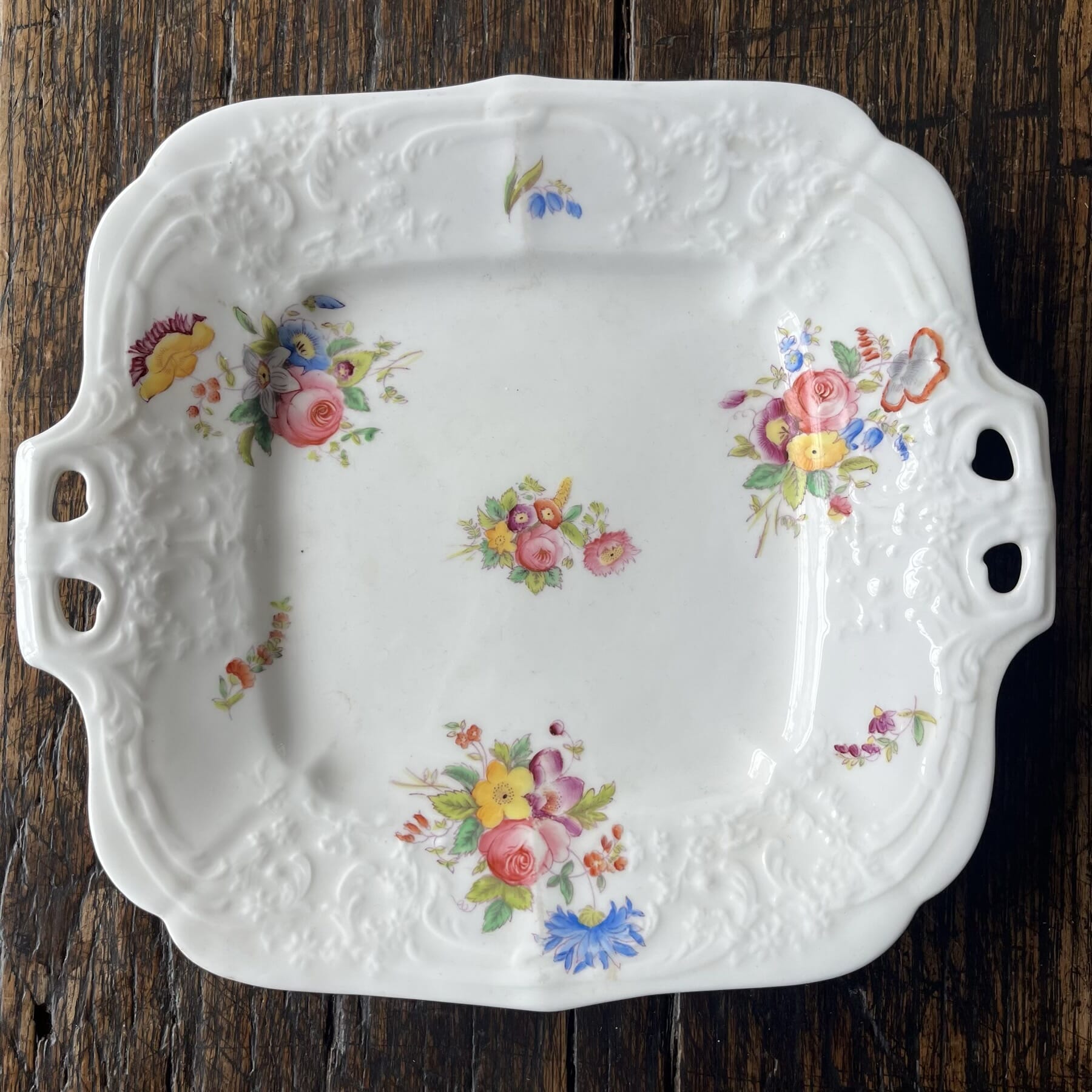
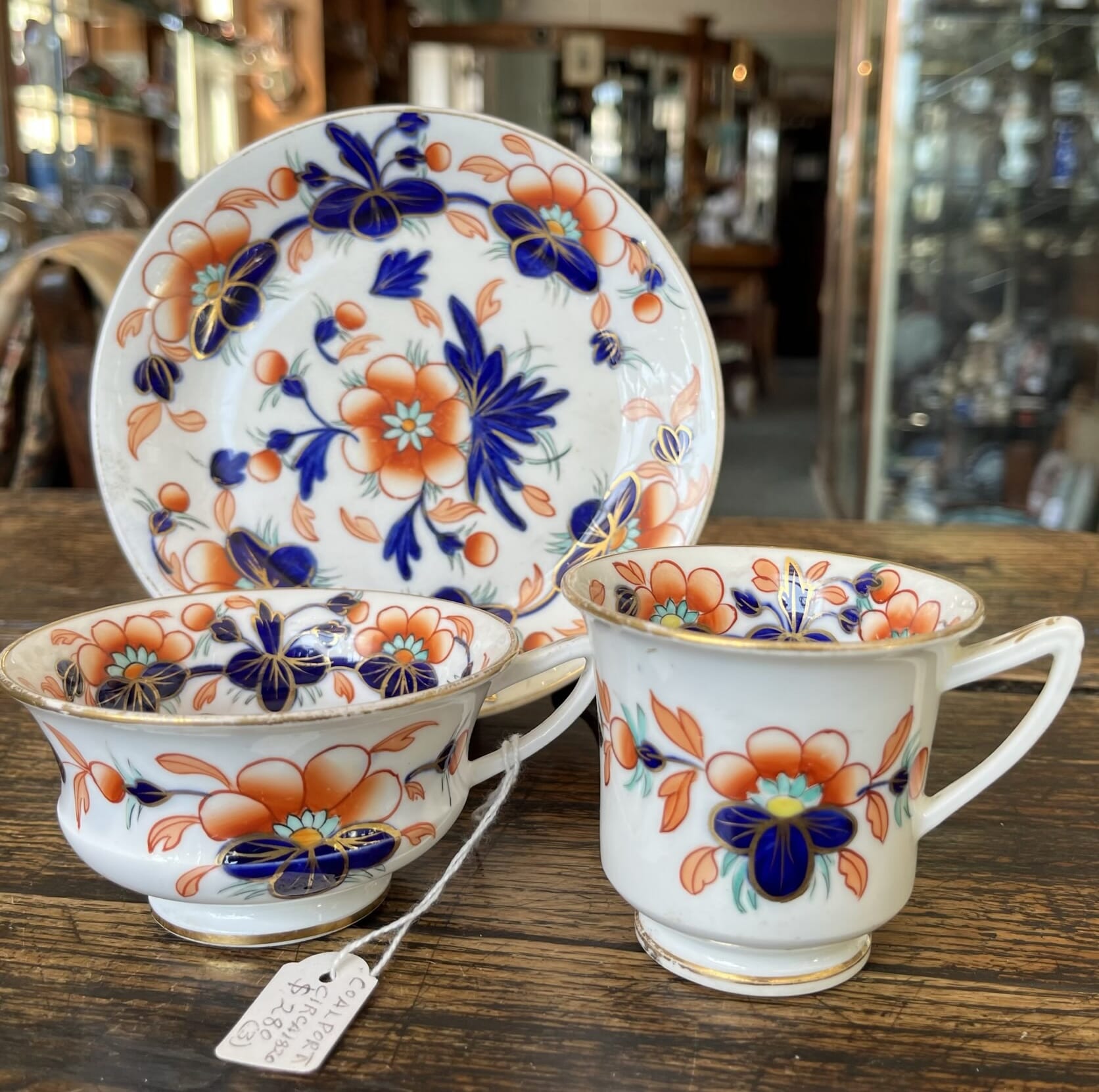
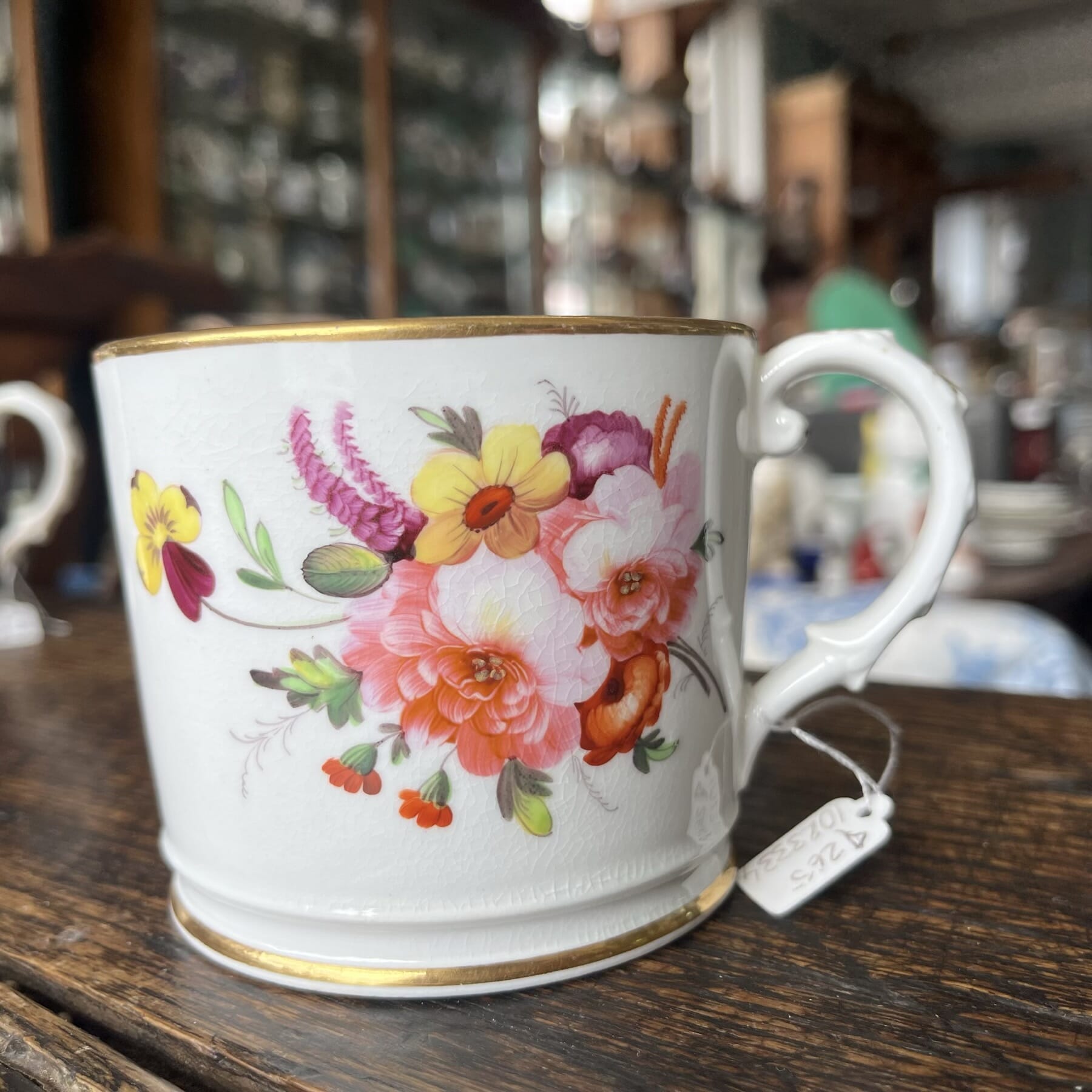
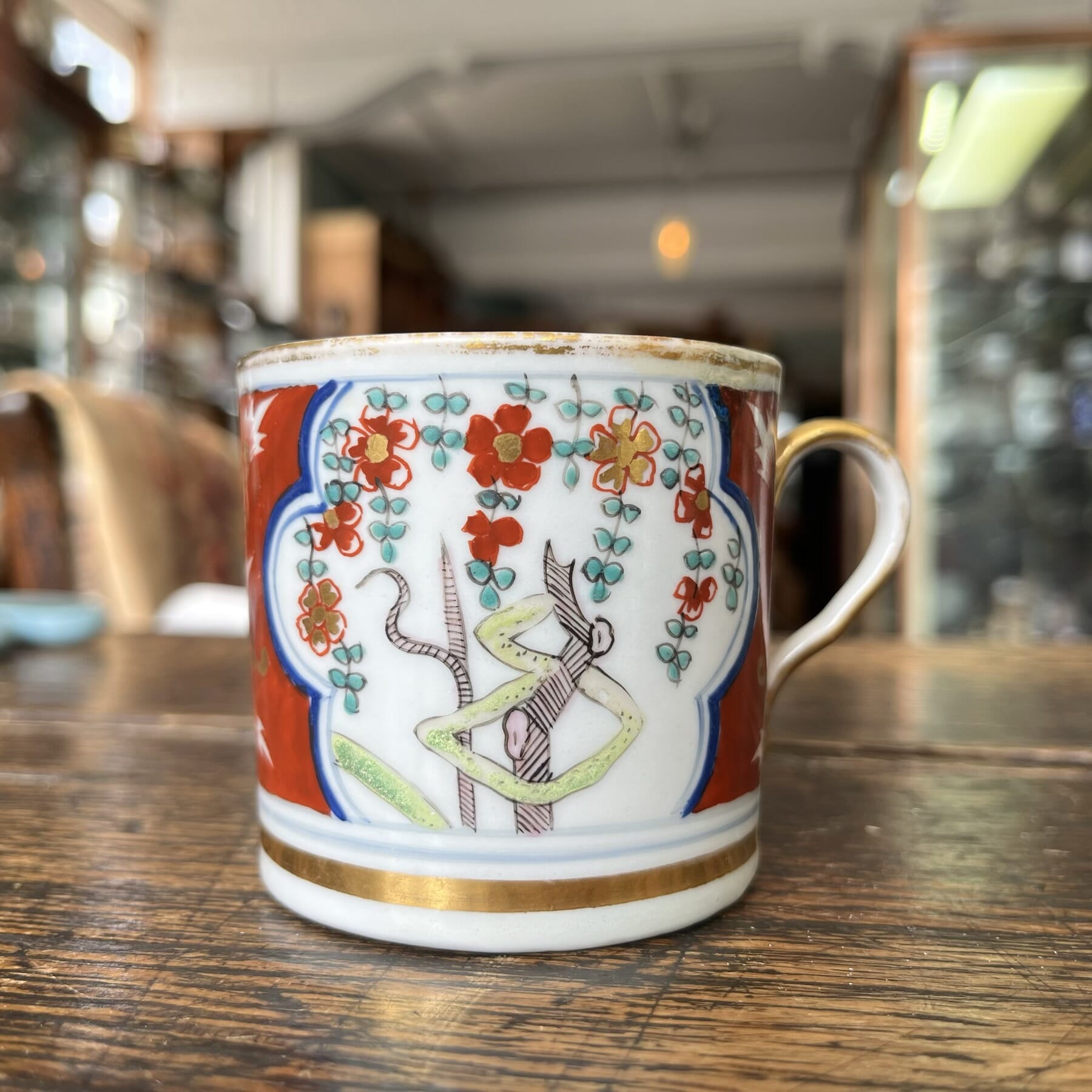
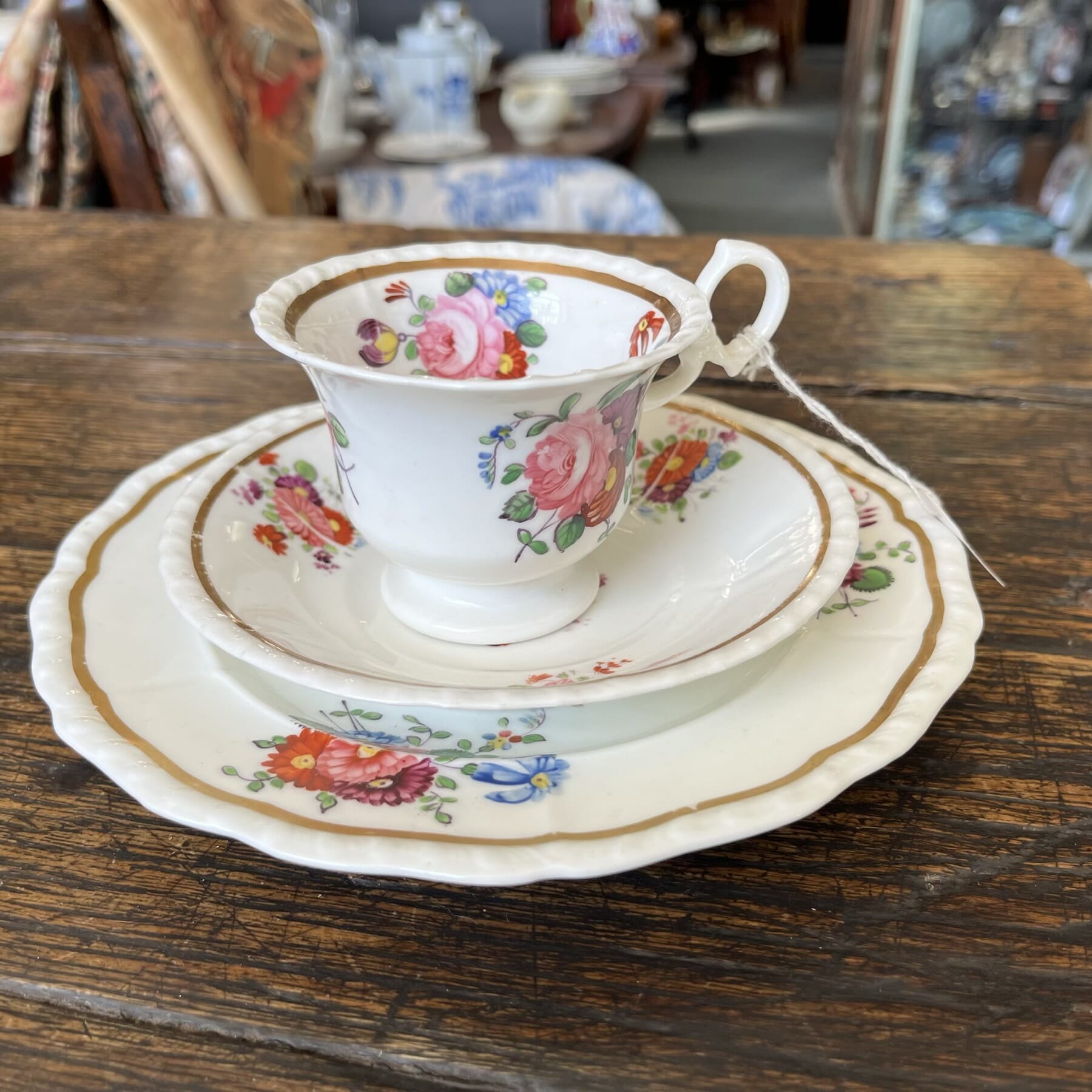
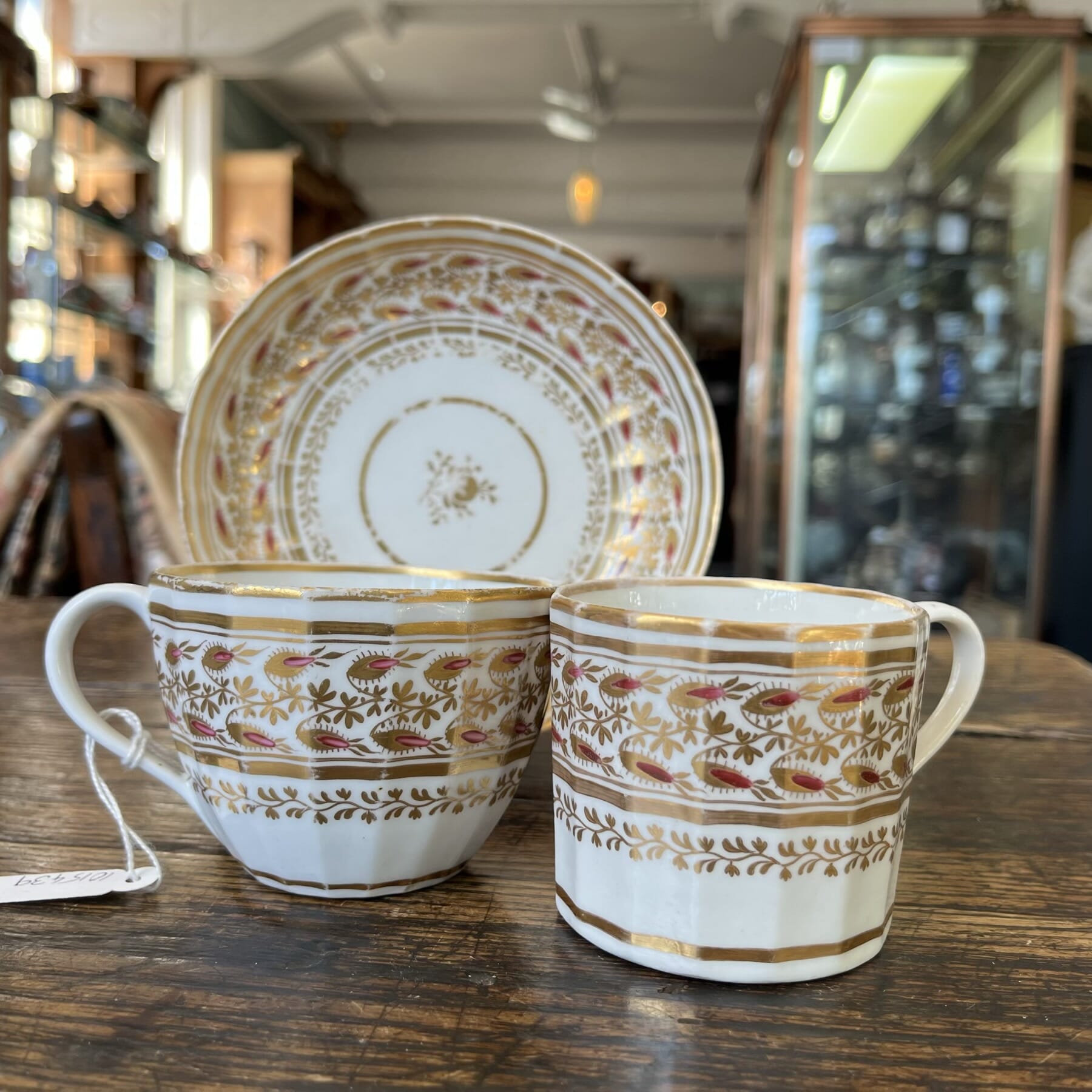
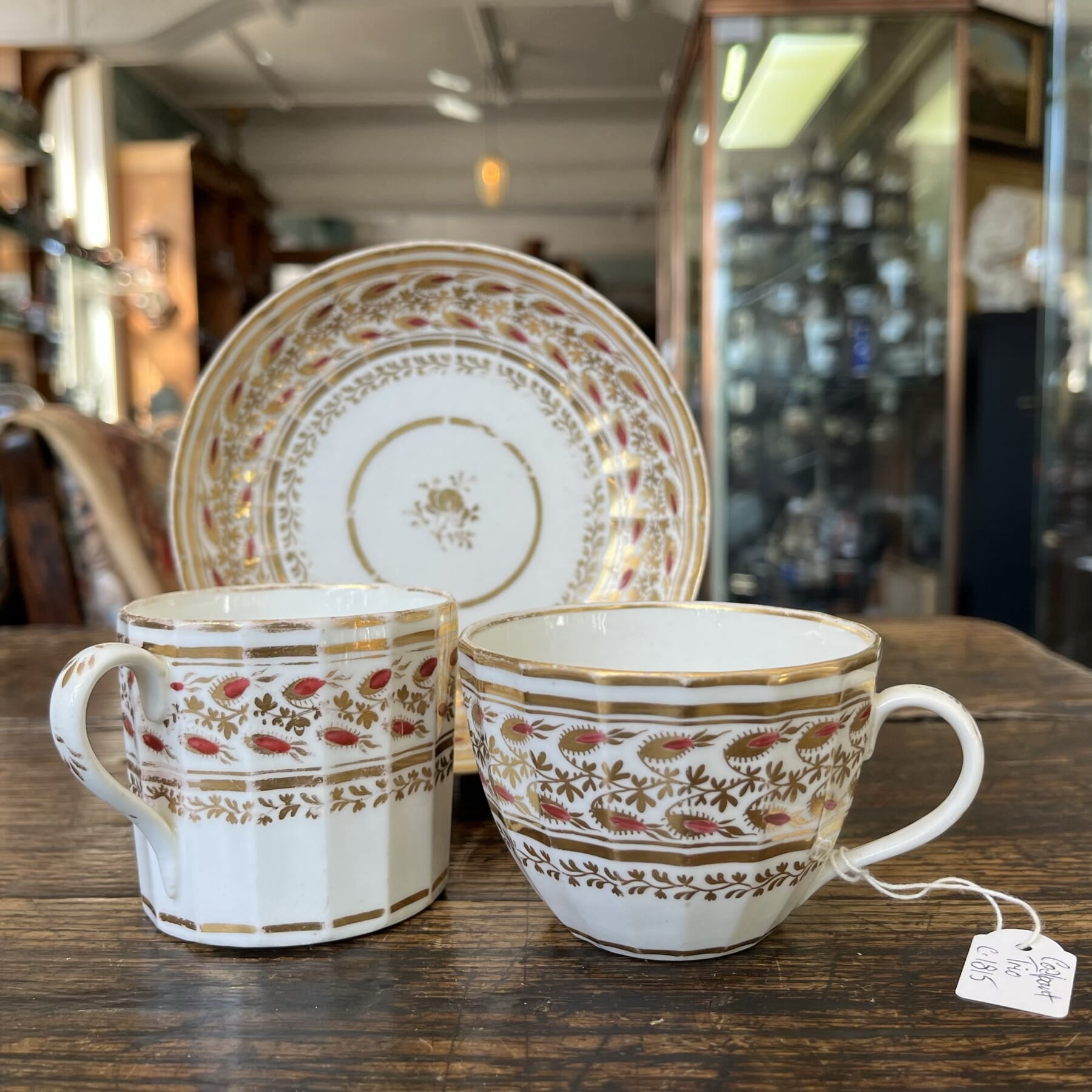
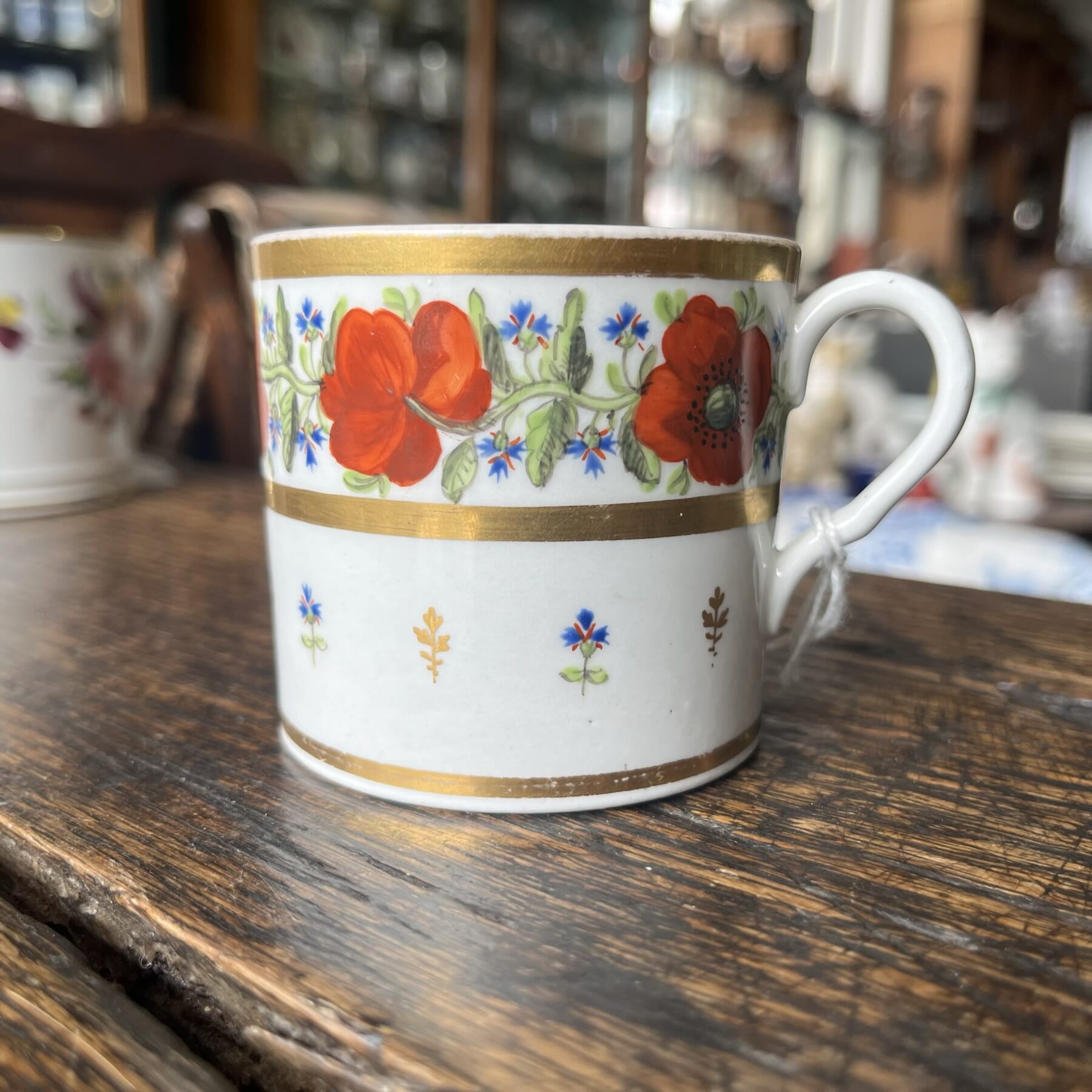
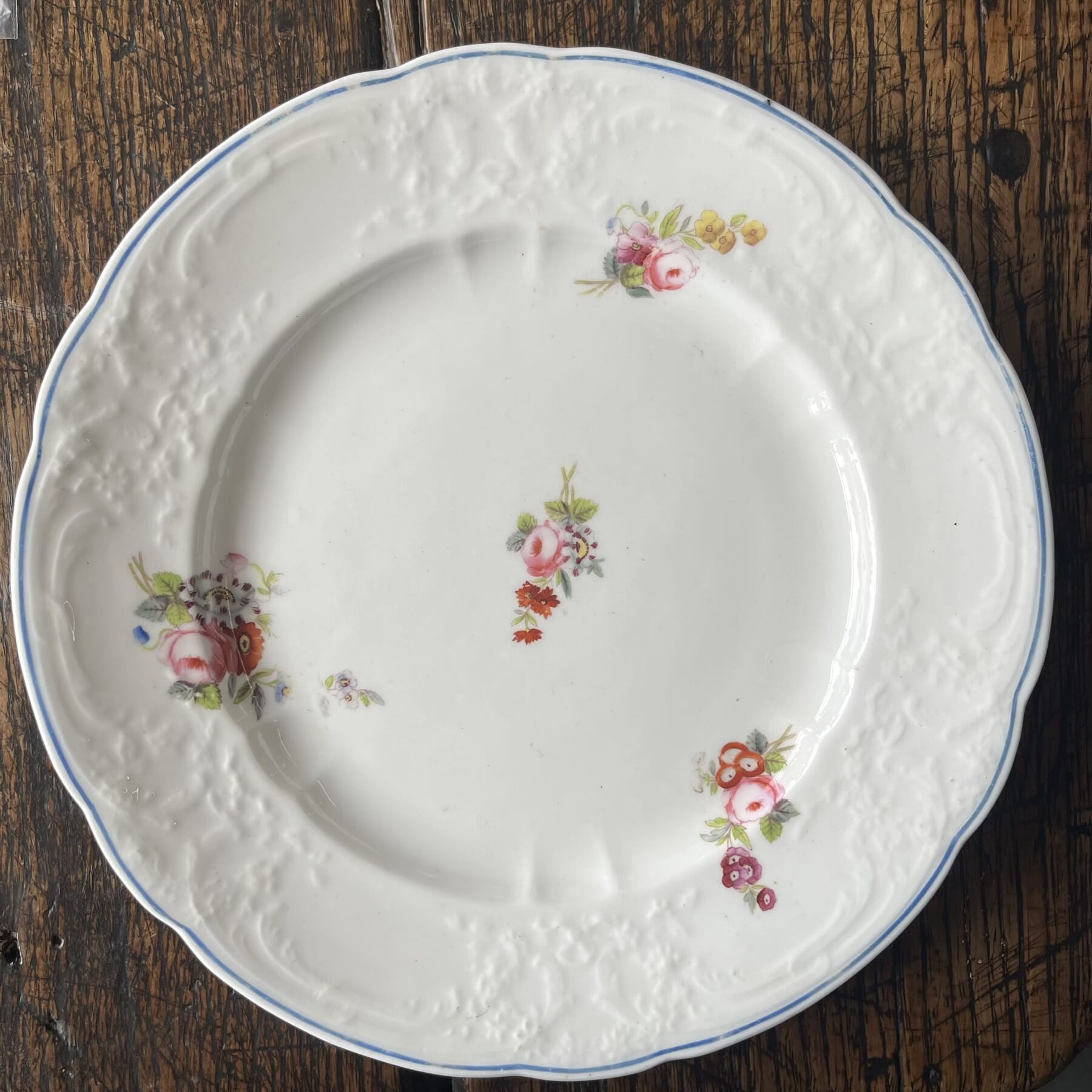
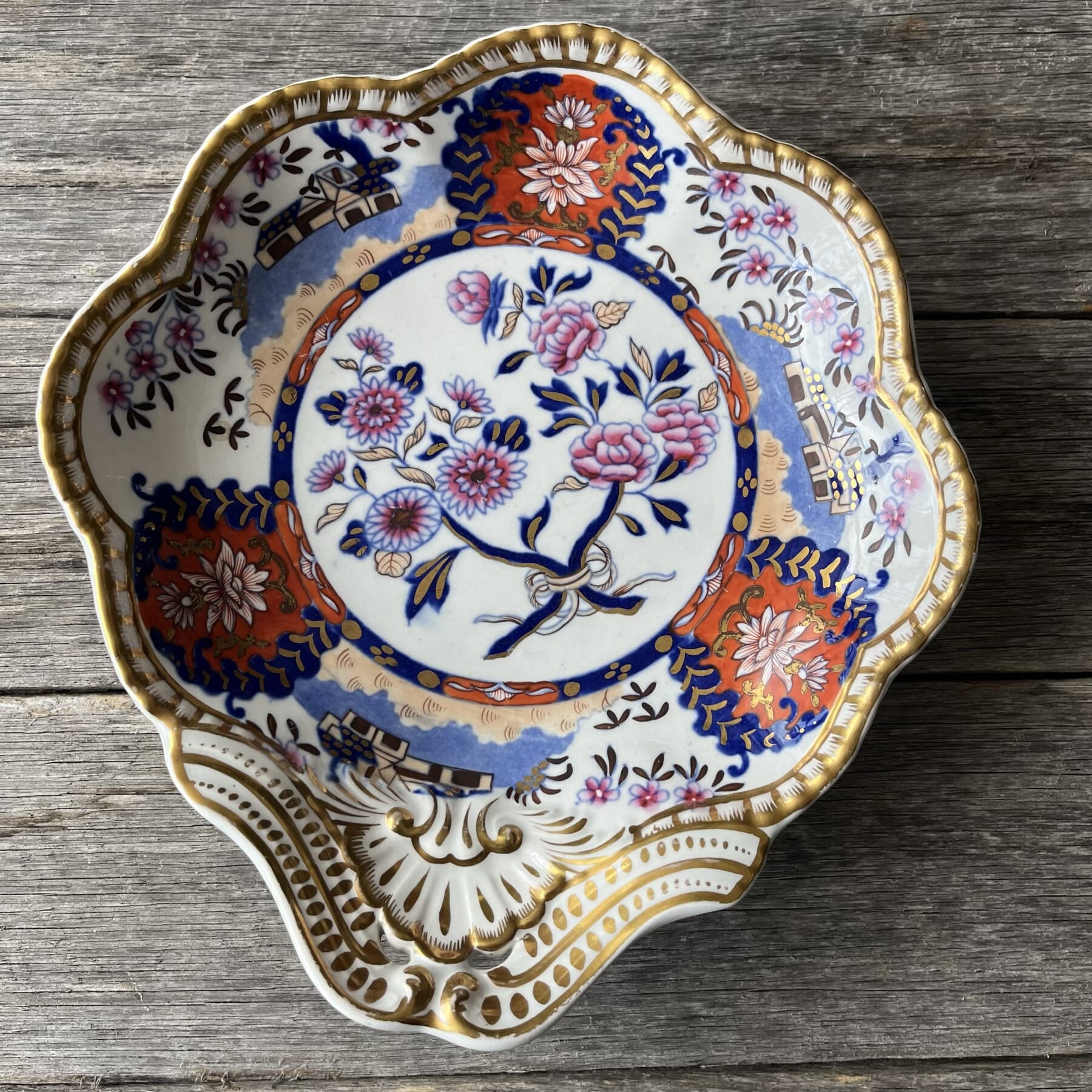
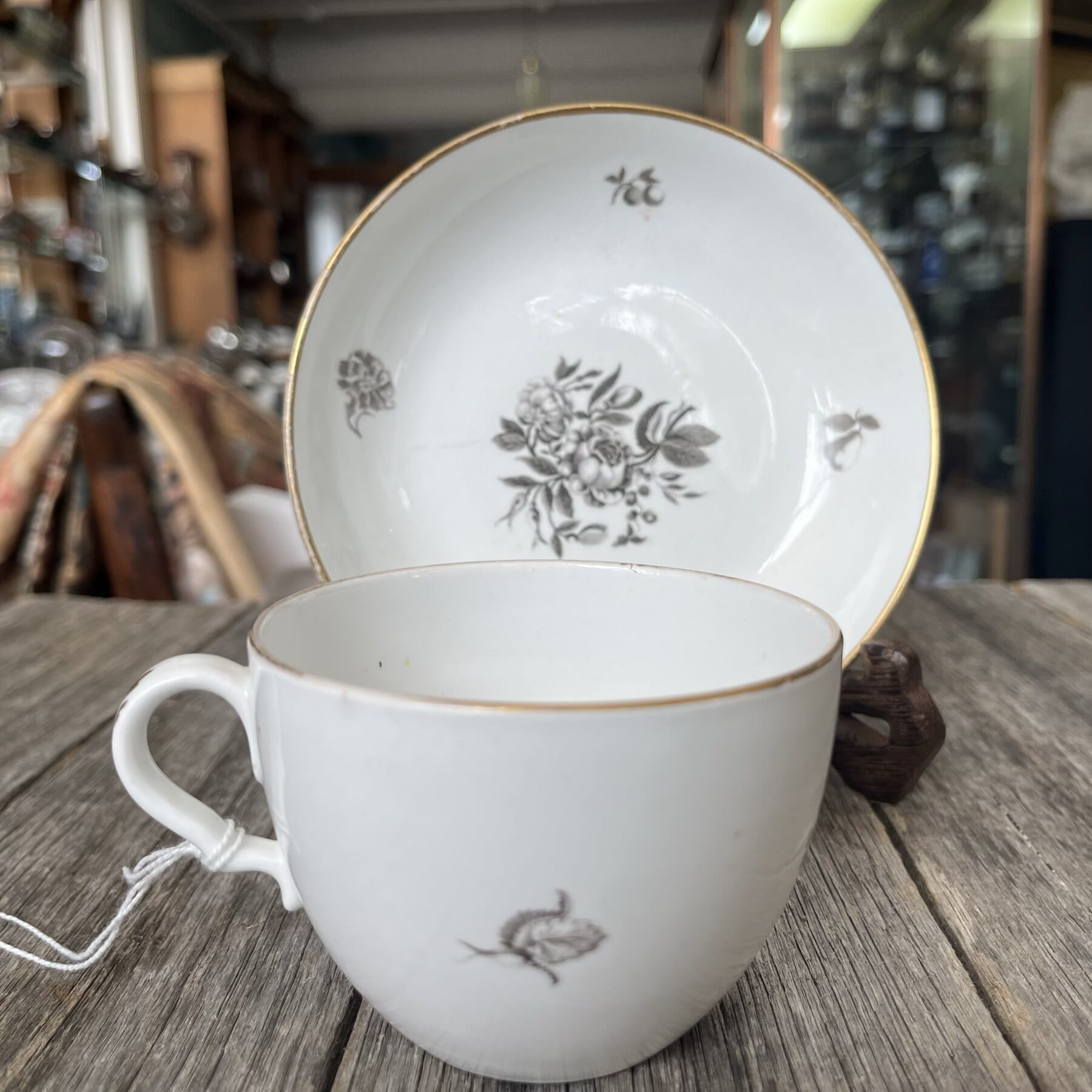
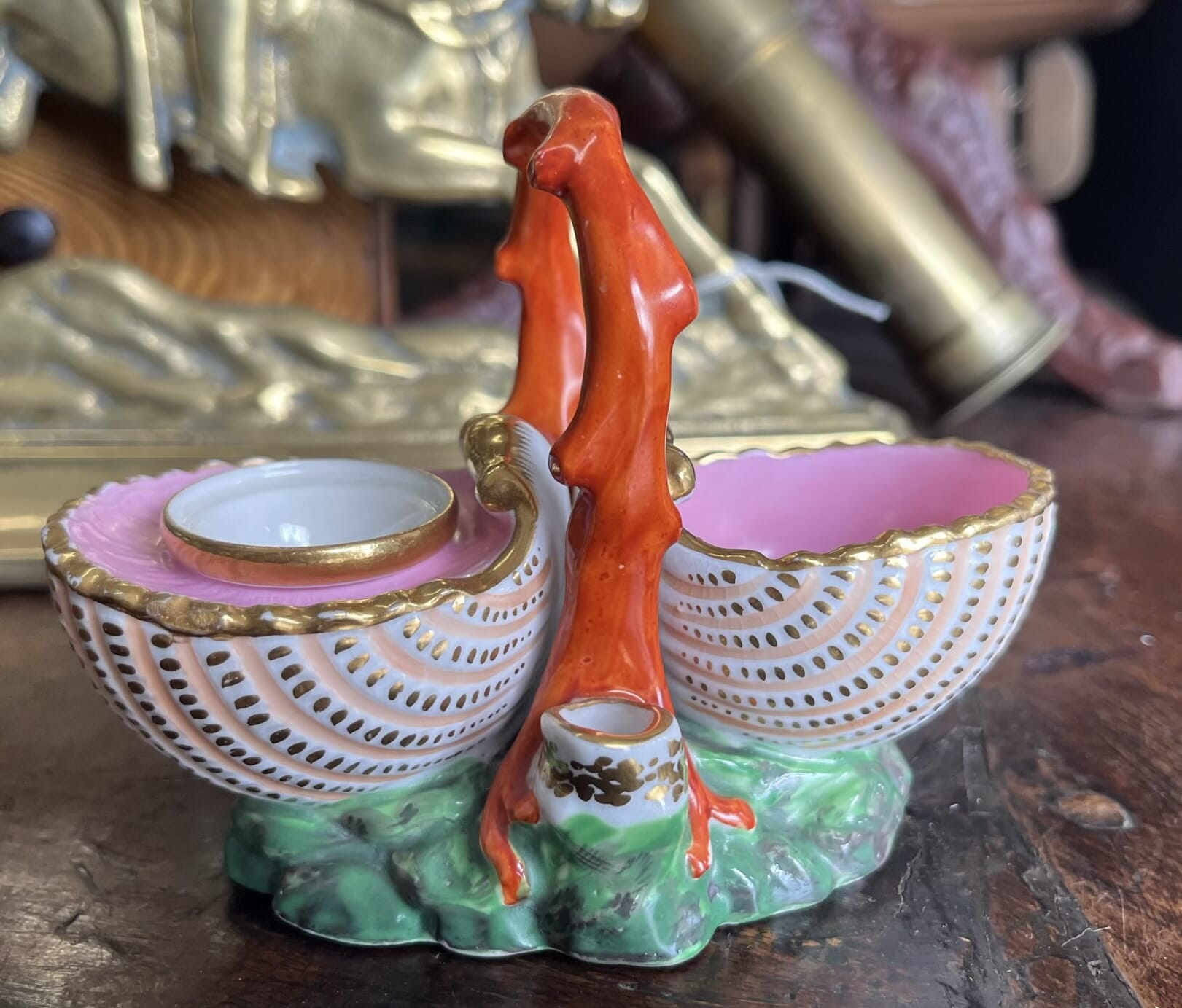
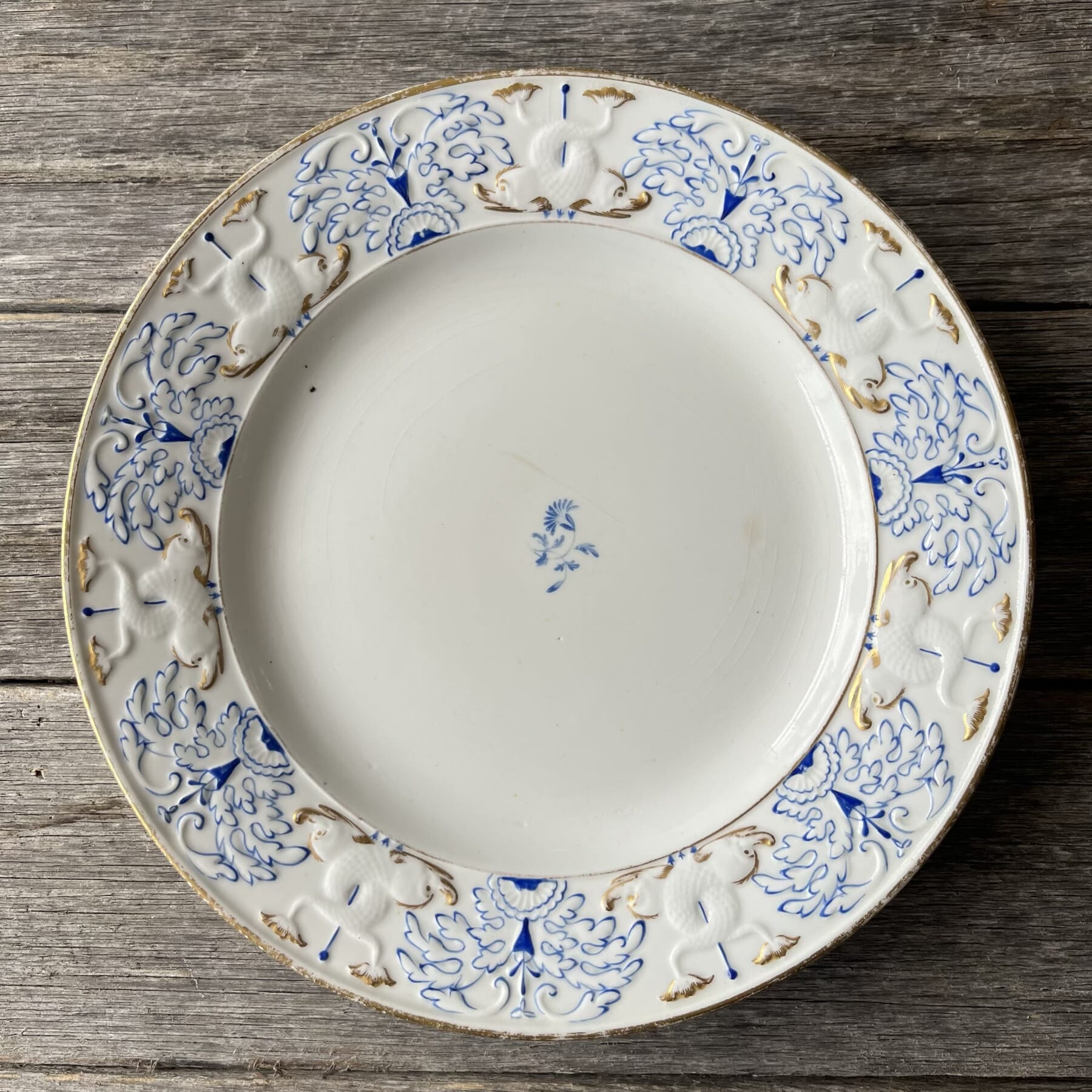
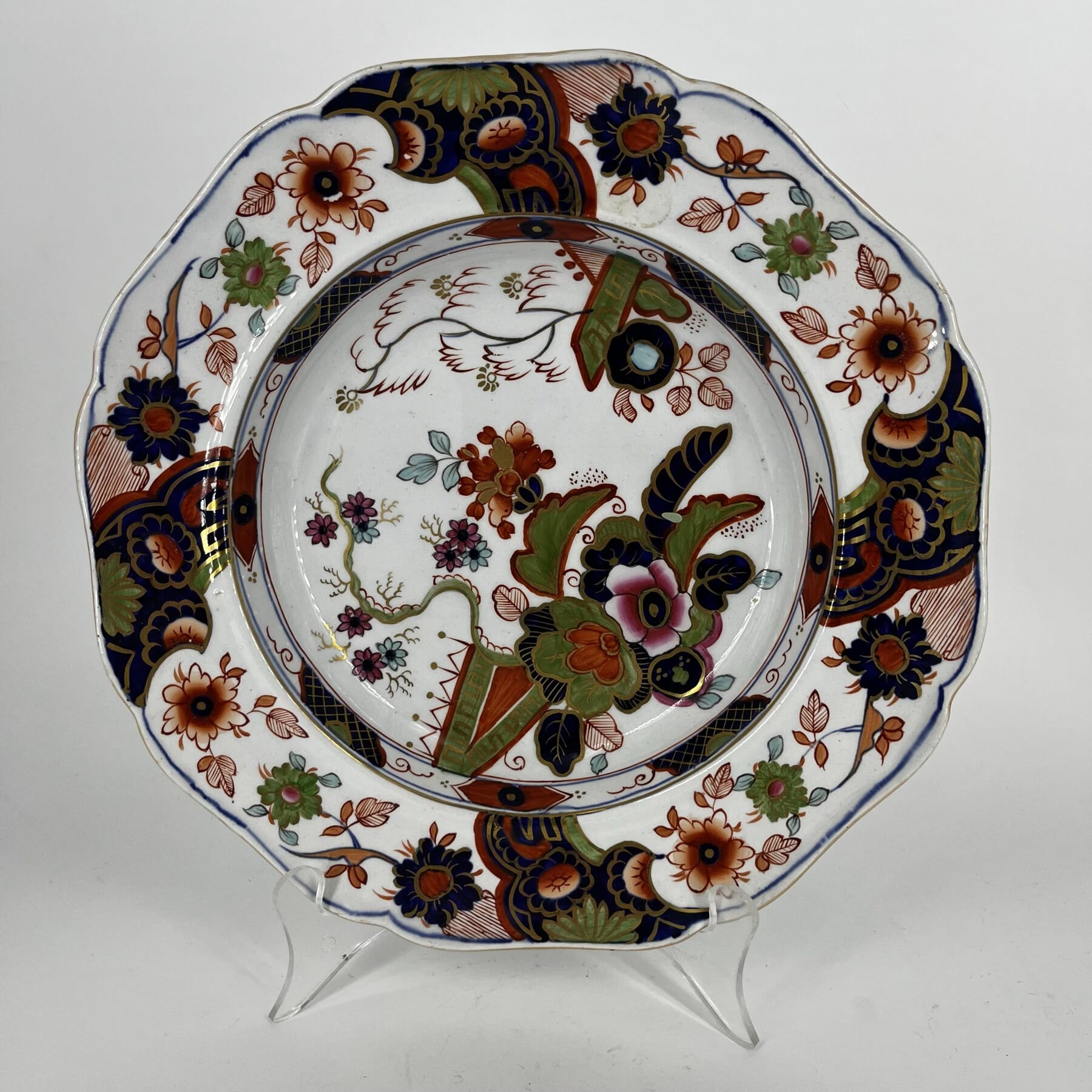
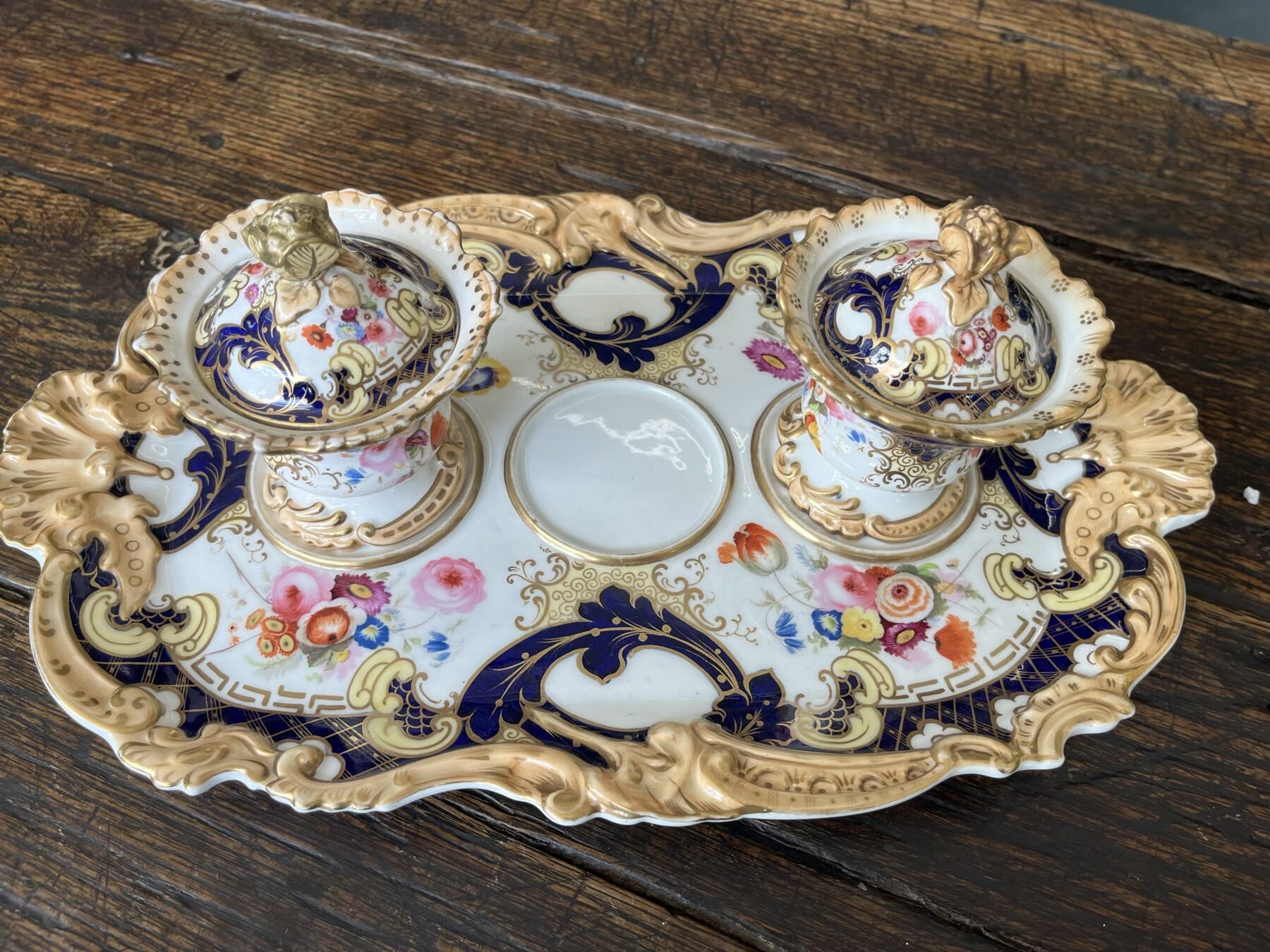
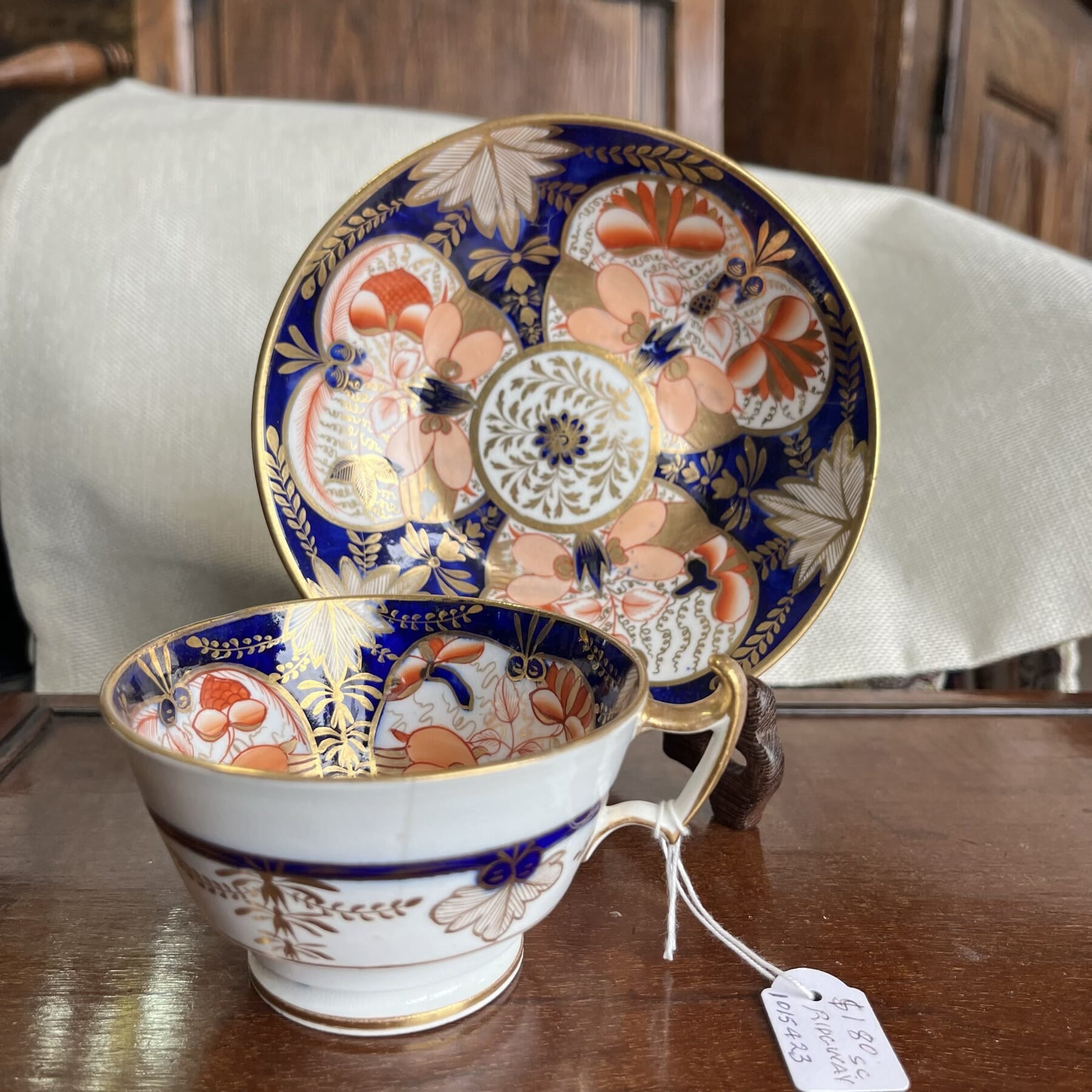
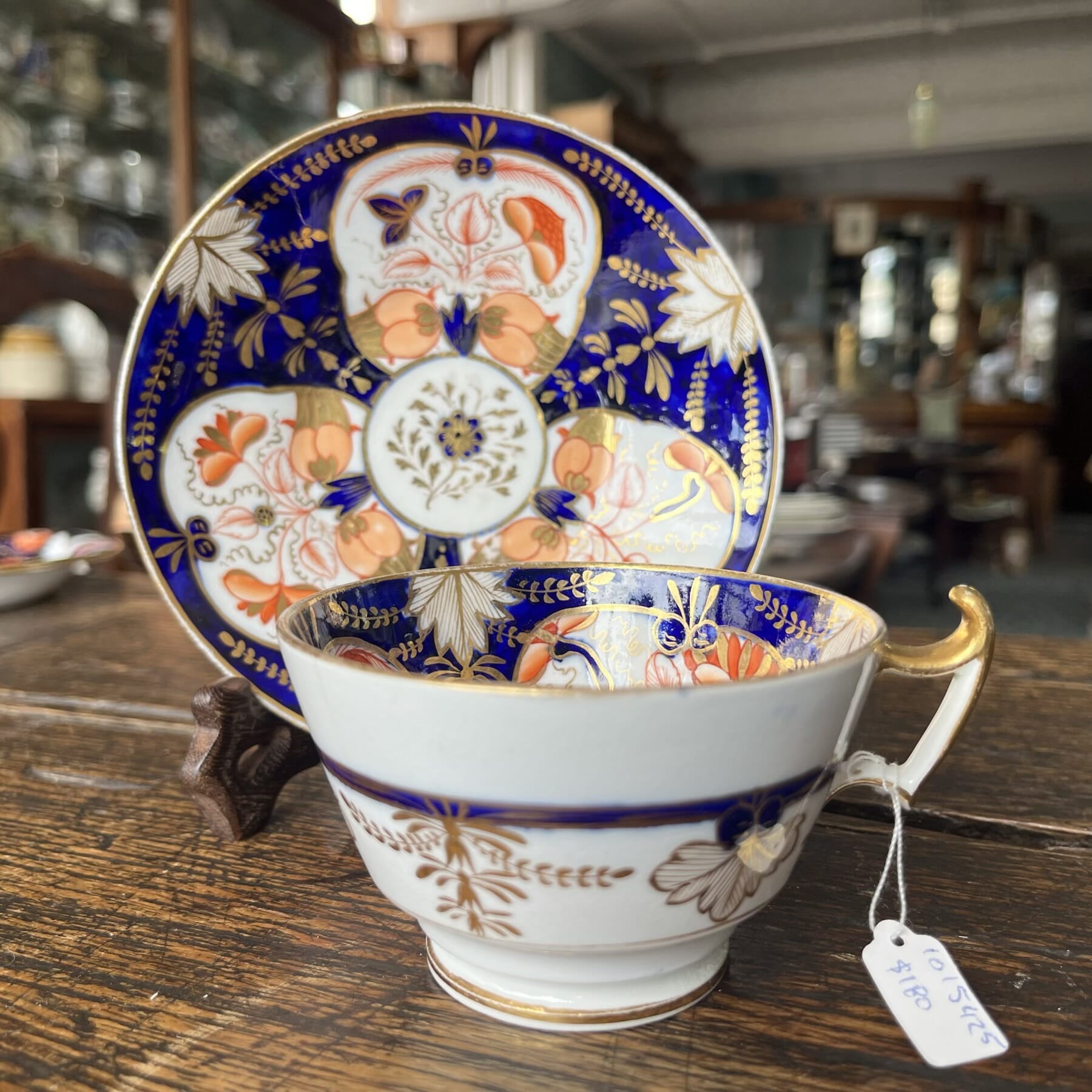
This week along with some lovely 19th century porcelain including Coalport, Spode, Ridgway and others


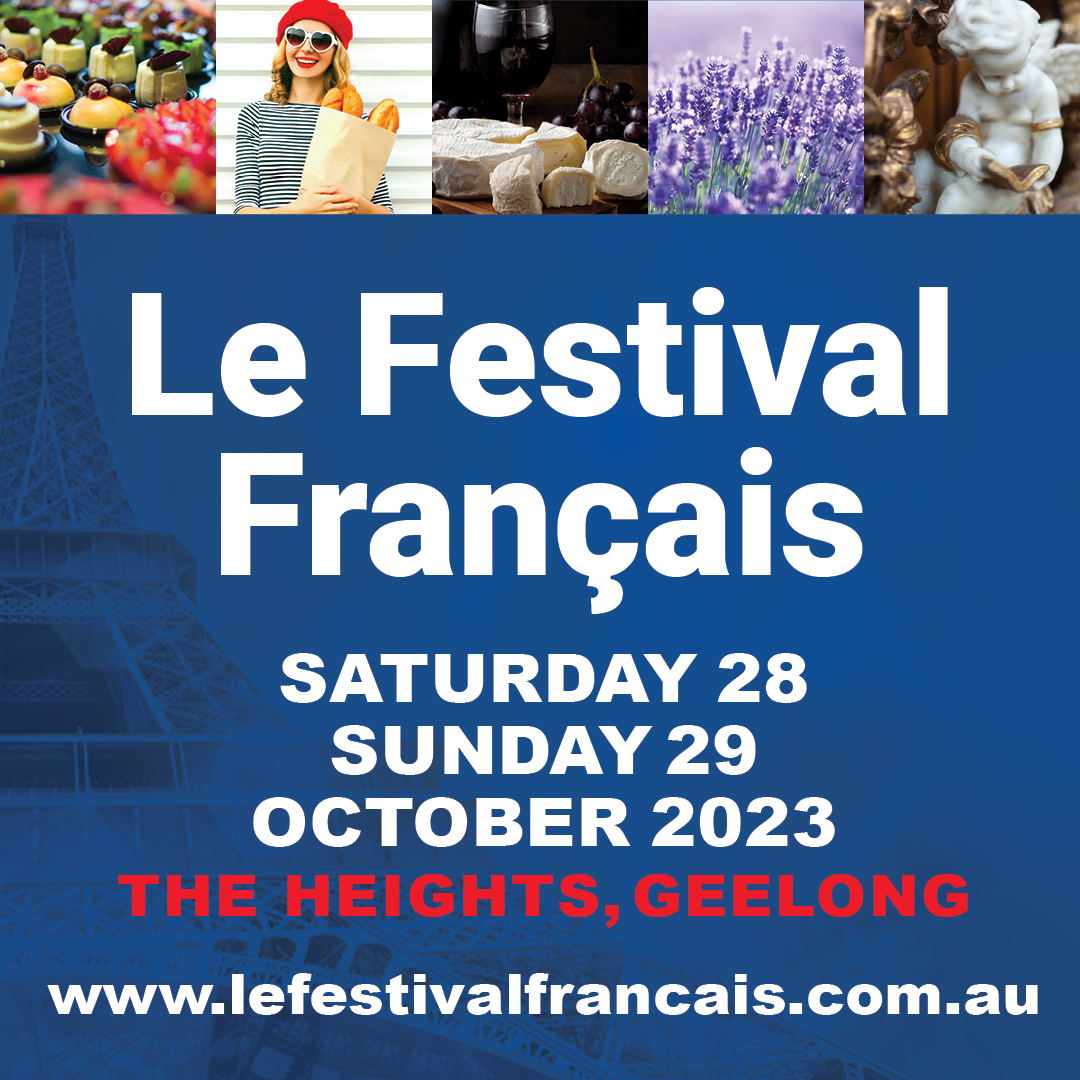
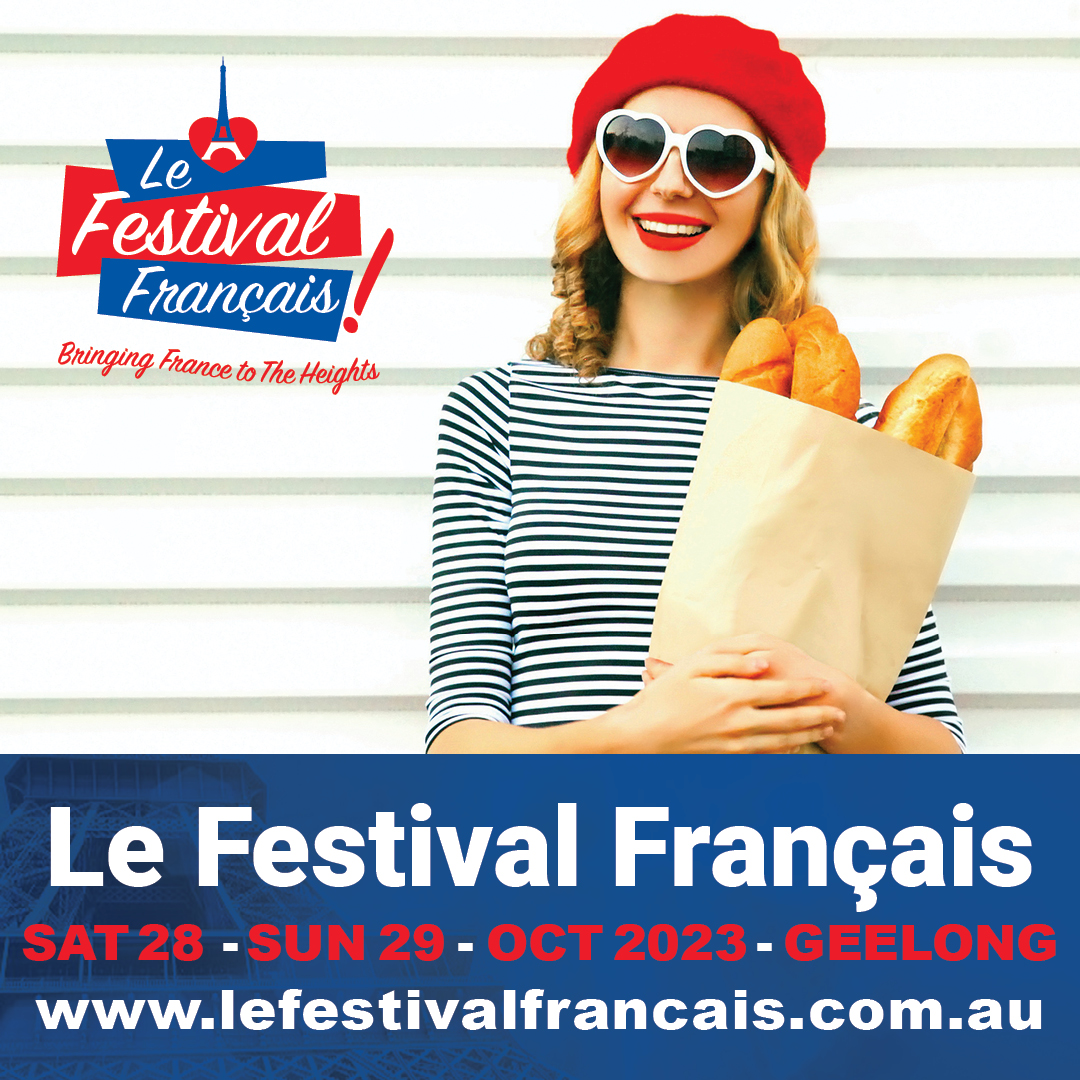
We have our fabulous ‘Le Festival Français’ this weekend….. learn more >
Fresh Ceramics – Coalport

Spode

Ridgway

Tres Français!

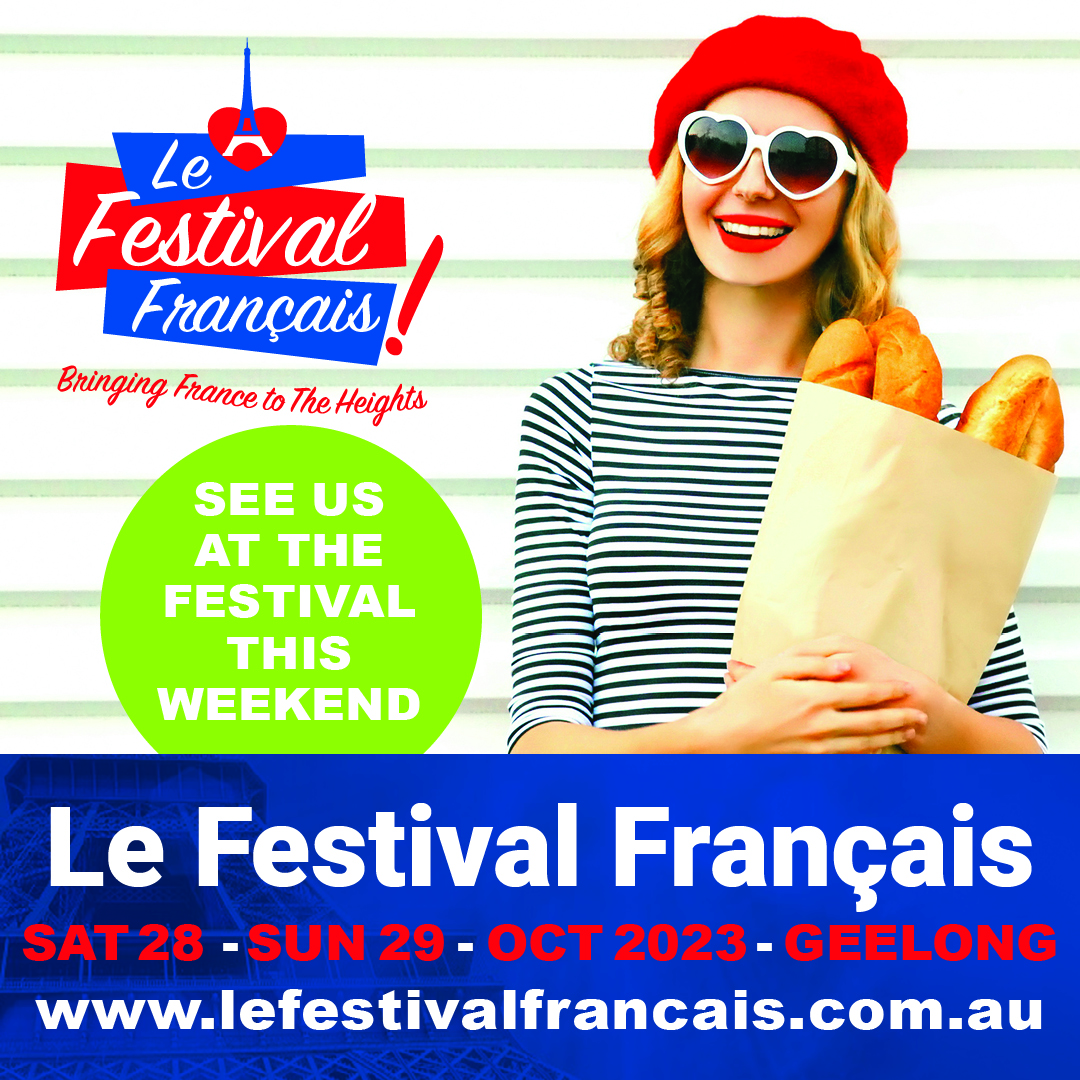
Le Festival Français, Geelong 2023

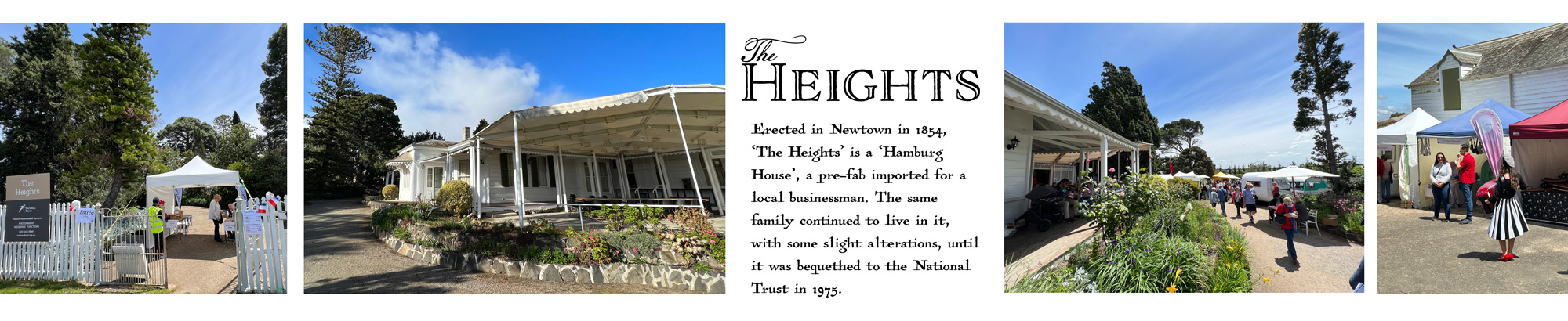
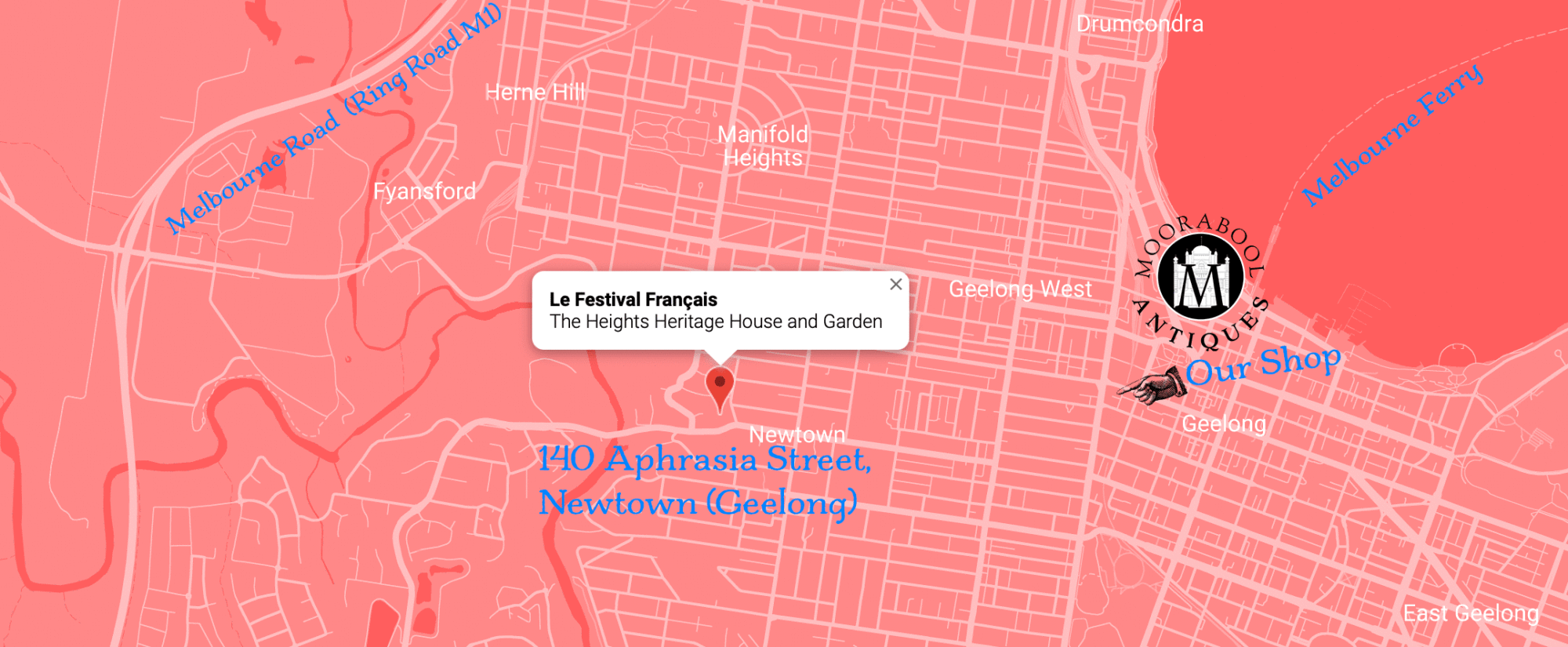
For all our local customers…. there’s an event this weekend, at the National Trust property in Geelong, ‘The Heights’.
There’s a lot going on, a busy schedule of entertainment for the two days of this coming weekend.
Paul gives a talk on French Culture Saturday afternoon, and we have the privilege of setting up a series of French Displays within the house, part of taking a ‘house tour’ while there.

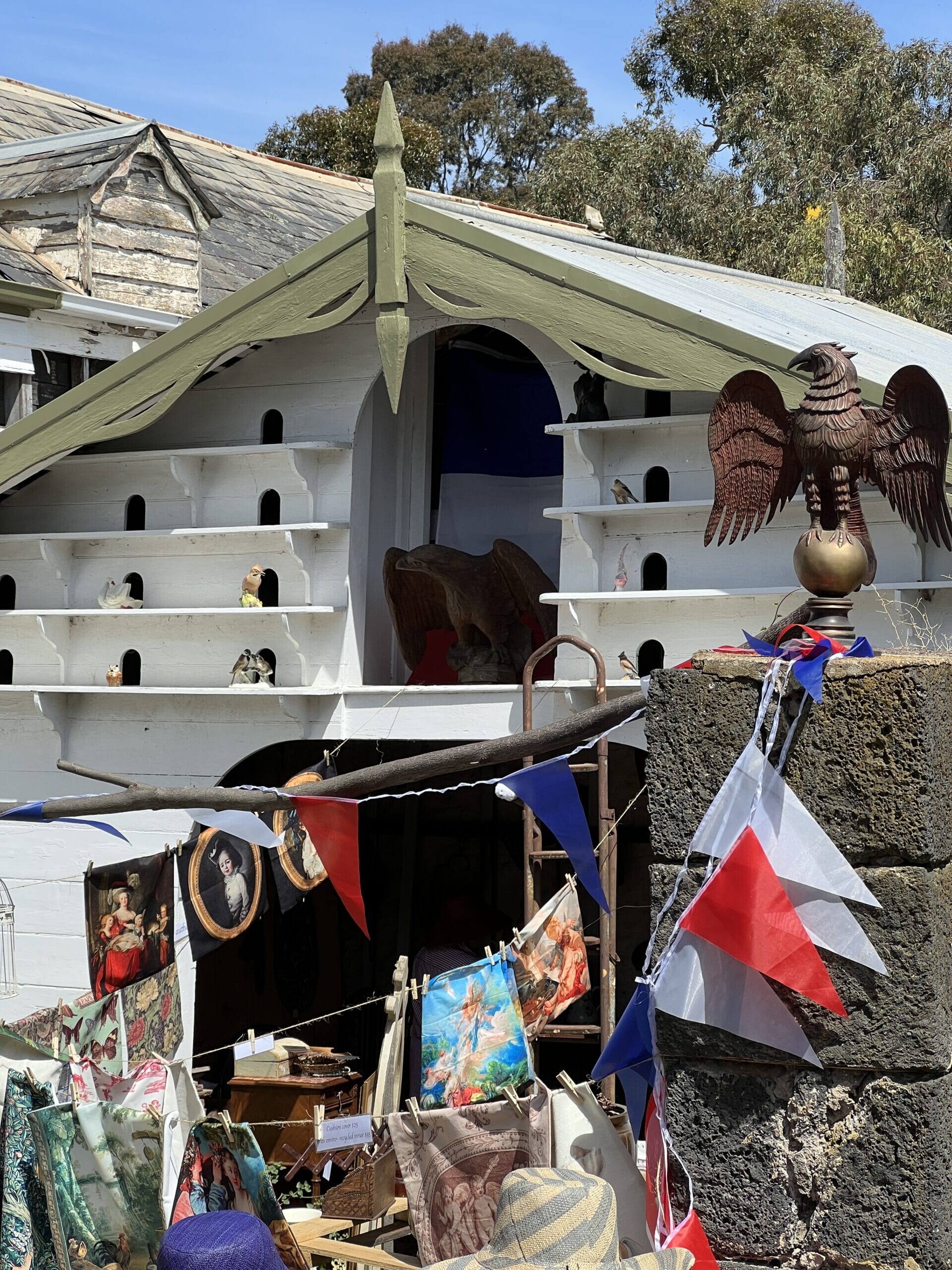
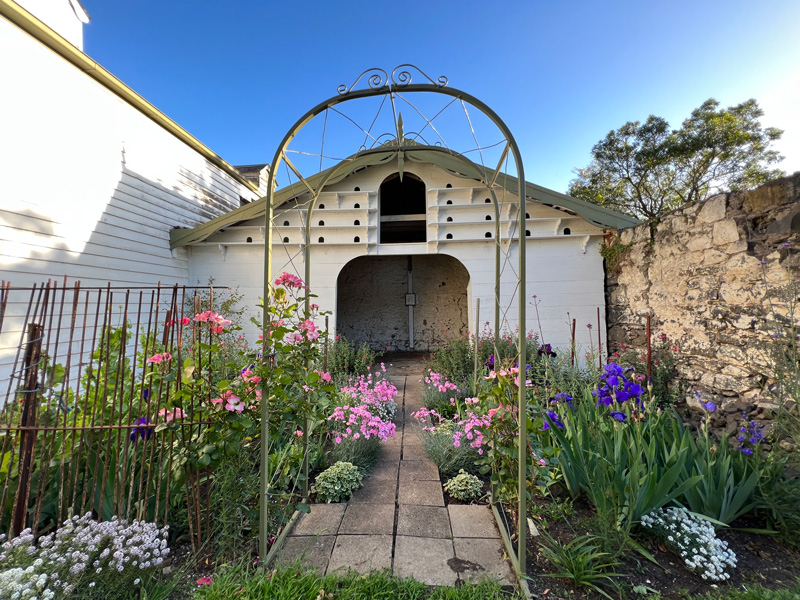
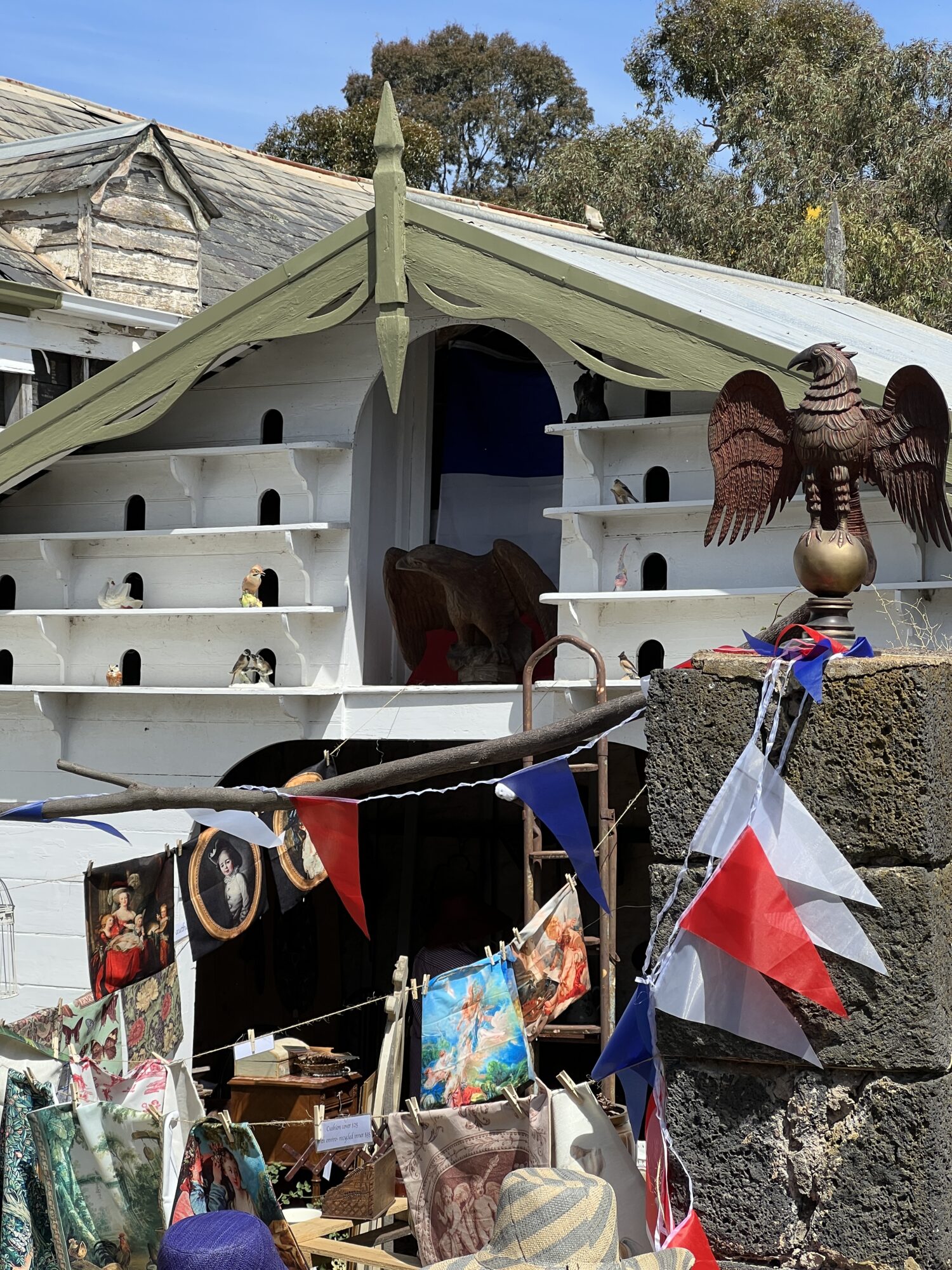
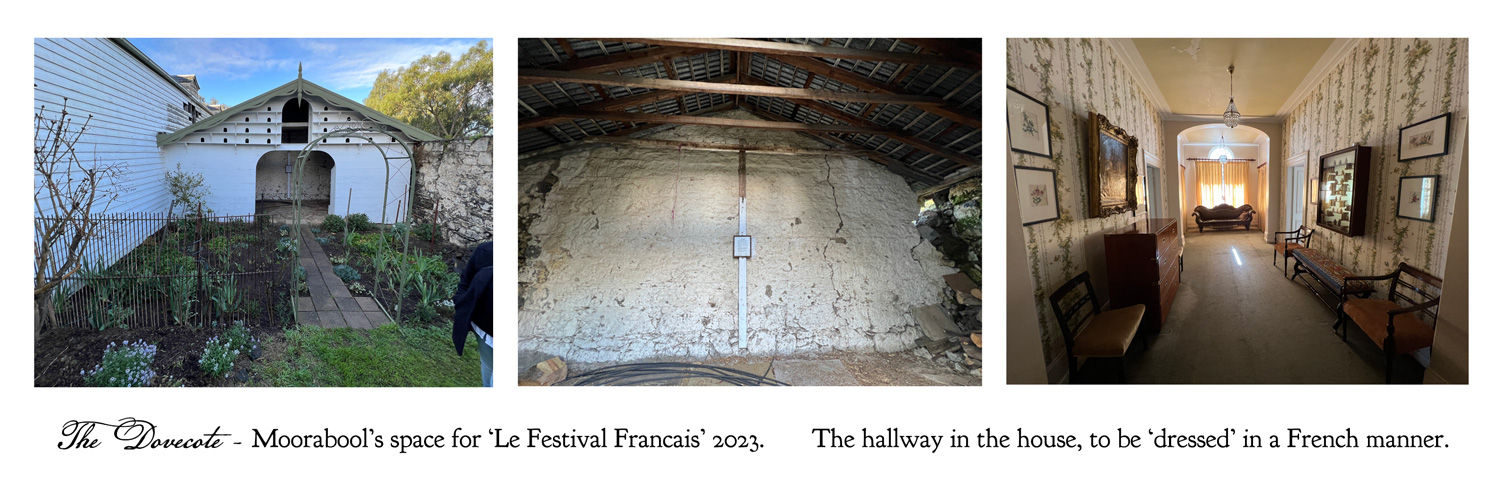
As well, we have taken on the ‘Dovecot’, a gorgeous Victorian outbuilding that has a flower garden flourishing in its forecourt; imagine this with antiques strewn through…. starting at $5!

Left ImageRight Image

Read more>>

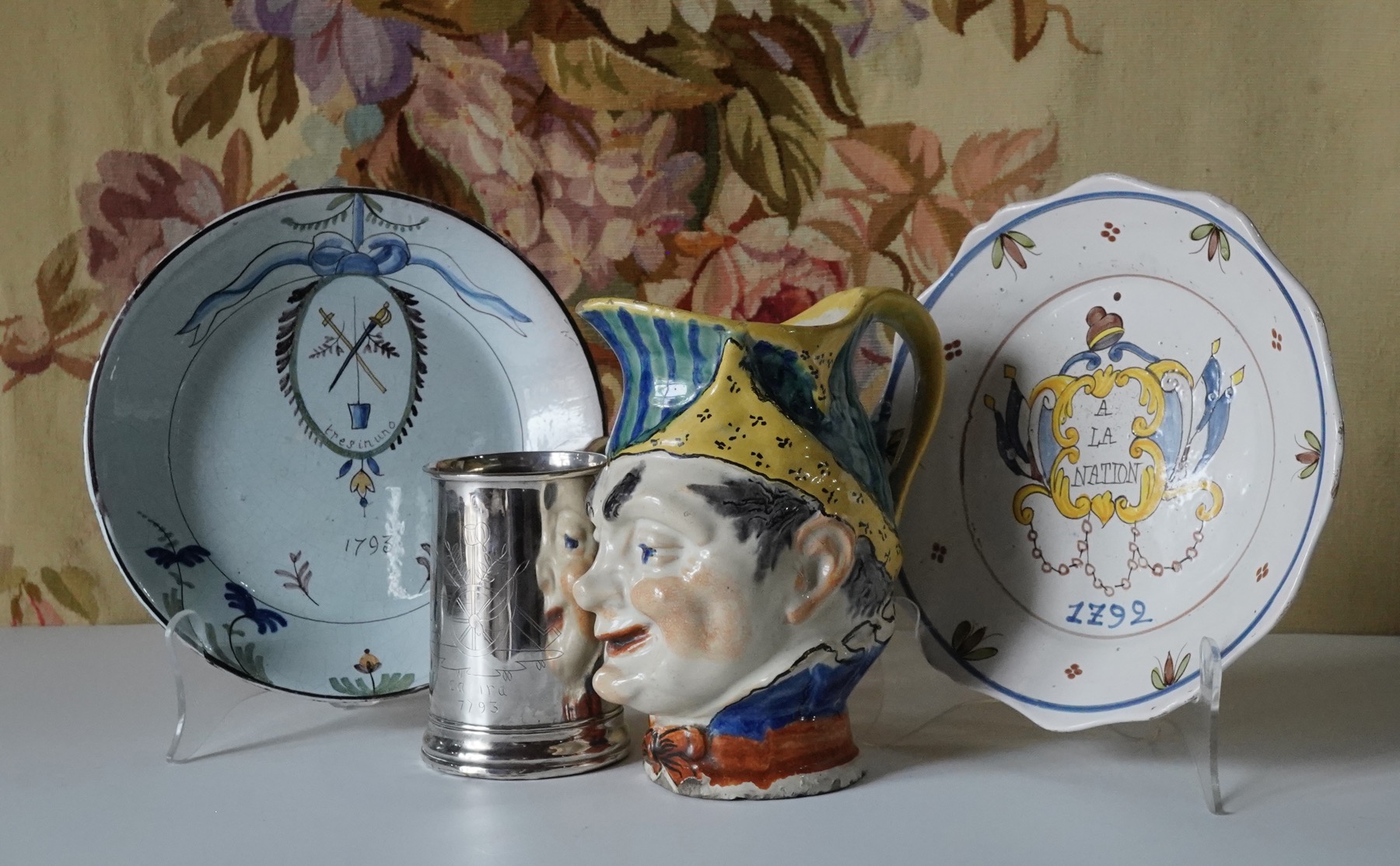
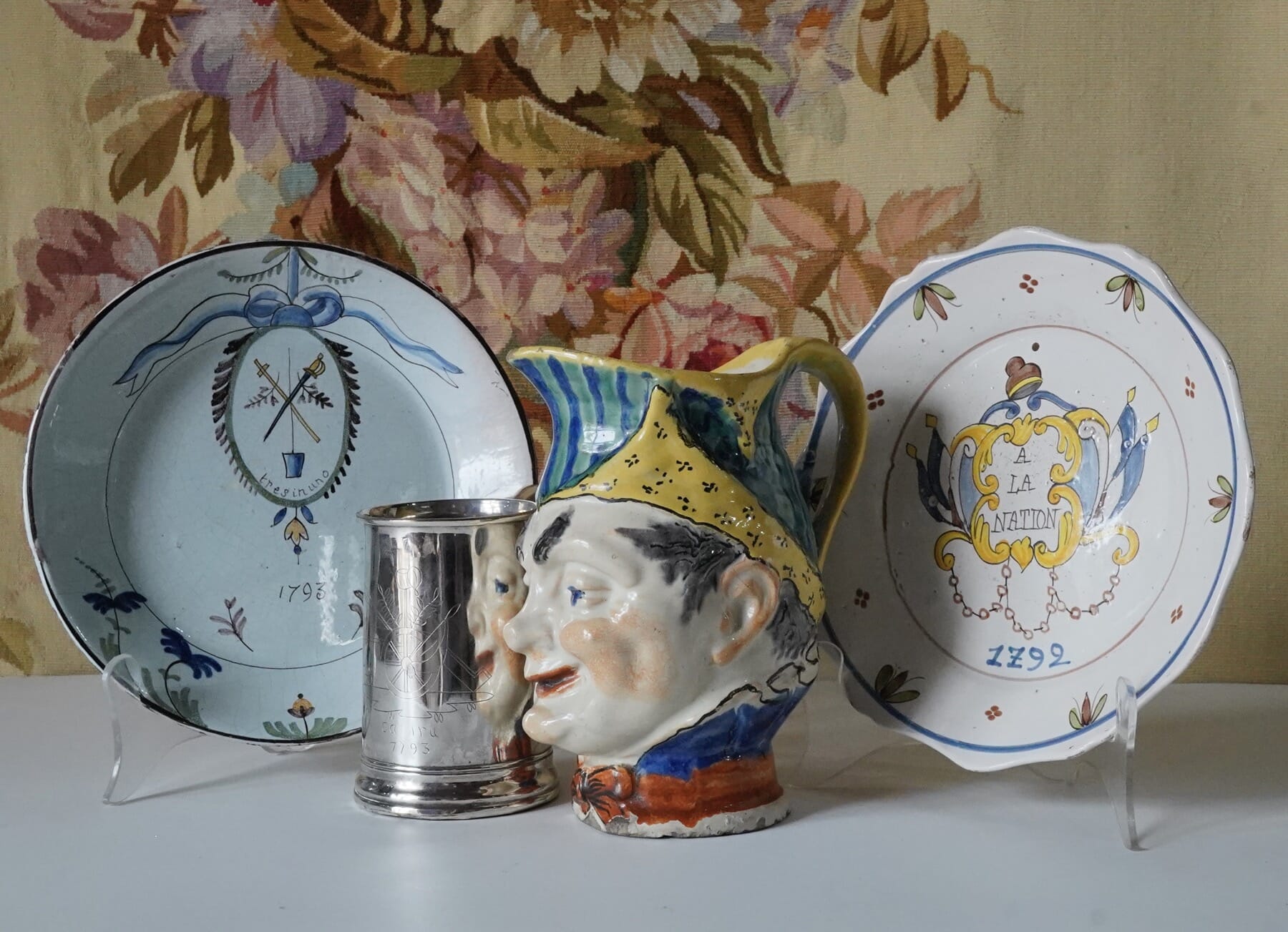
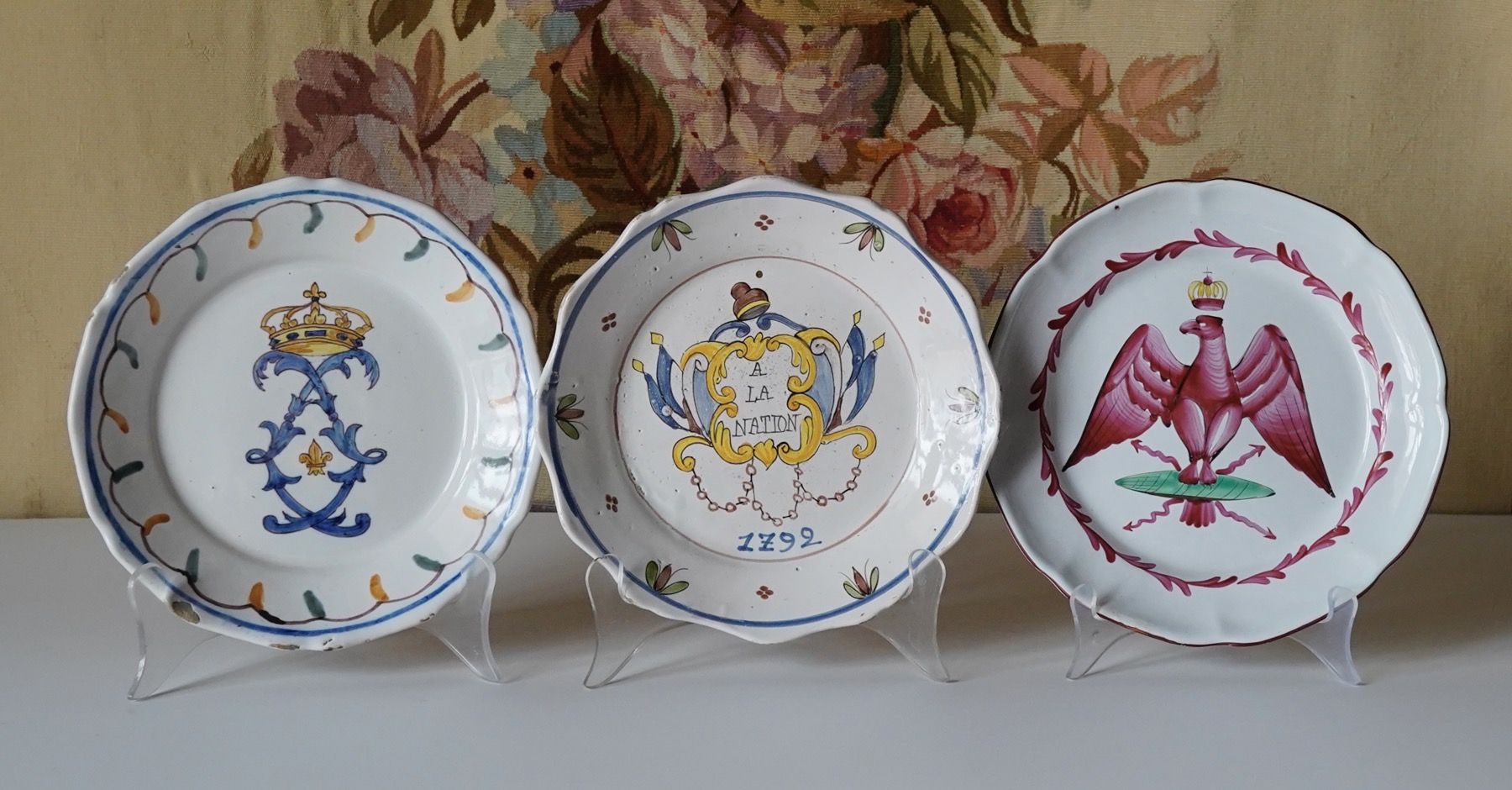
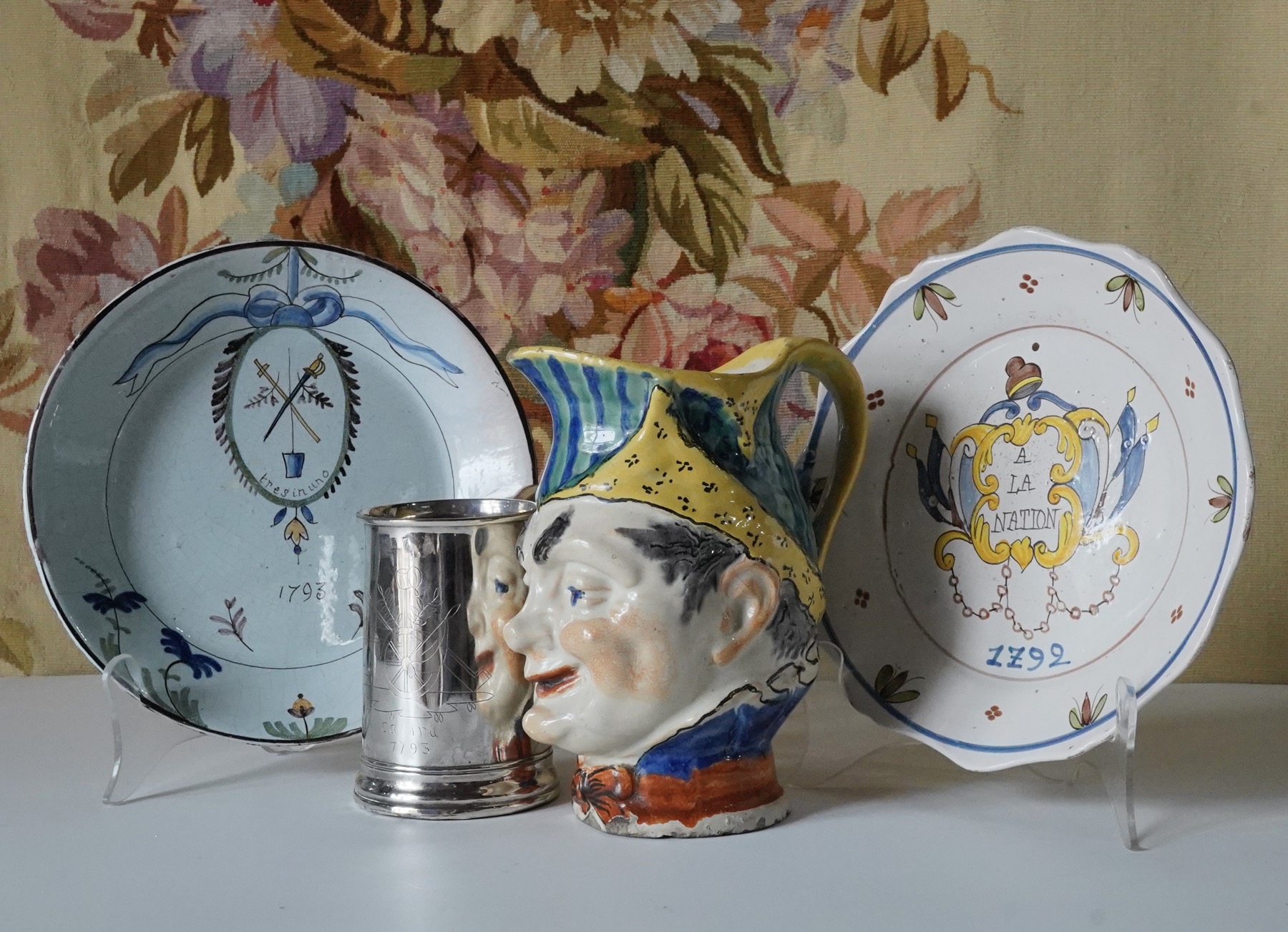
French Revolutionary items, 1790's
French Revolutionary items, 1790’s, on display & for sale @ ‘The Heights’ -Le Festival Français, last weekend in October, 2023.

Visit Le Festival Français webpage >
Posted on

French Feature

French Revolutionary items, 1790's

Moorabool is privileged to be asked to infuse some ‘French Culture’ into Geelong’s National Trust house ‘The Heights’. This is part of their special event, ‘Le Festival Français’ – an annual weekend of celebrating everything French.

THe Heights

On the last weekend of October, 2023, this historic house will have a ‘trés Français’ look.

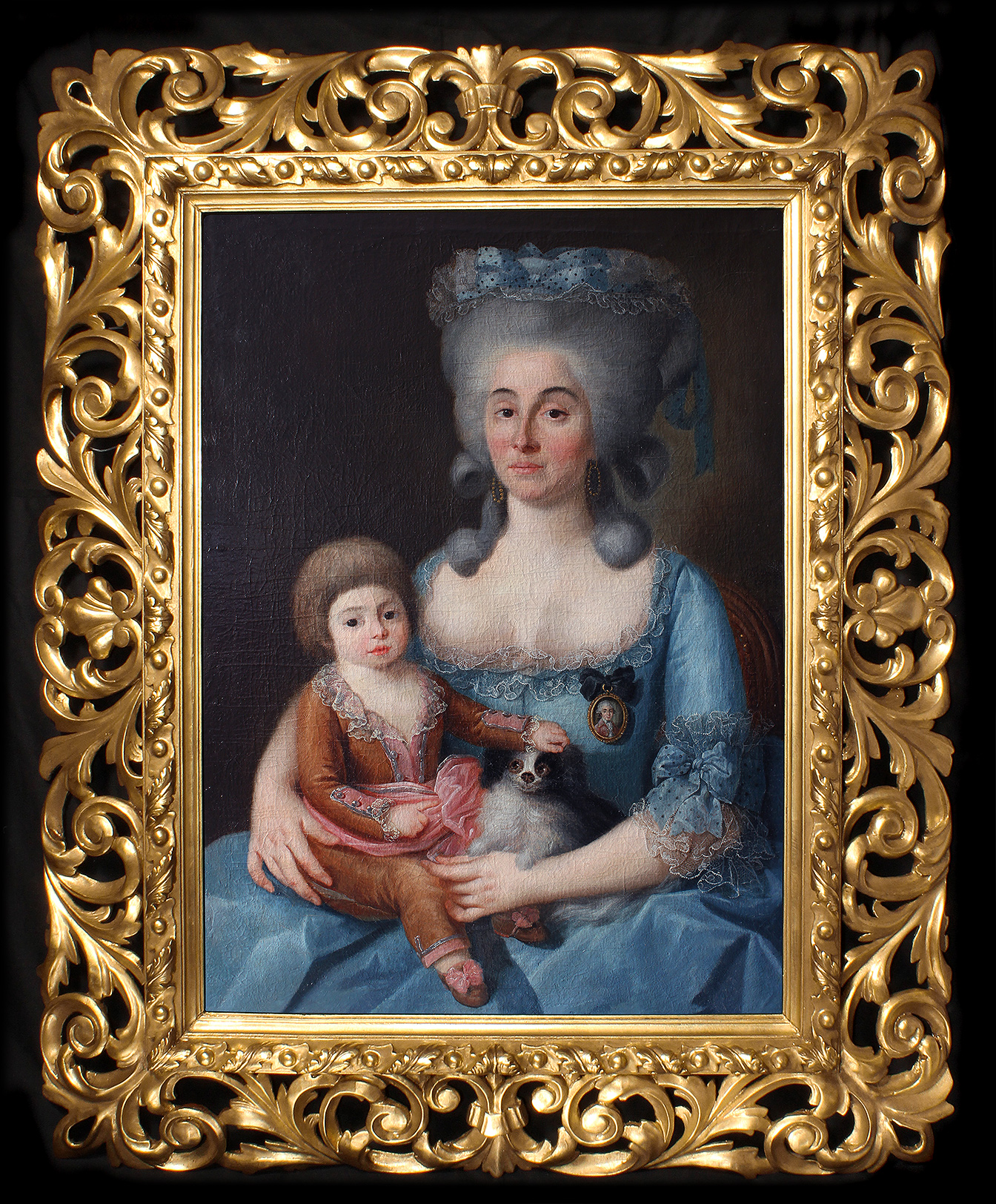
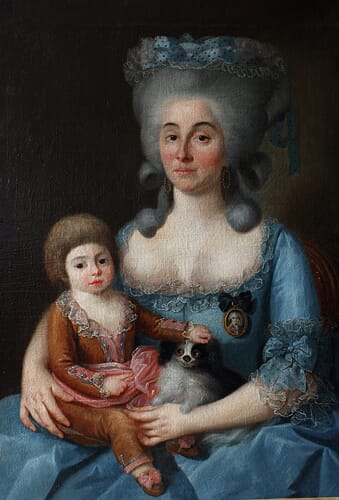
Thomire Painting
Pierre Augustin Thomire (Paris 1724 – Béraut 1808)
Lady with child & dog, signed & dated 1783

We have selected a quantity of French items both in stock at Moorabool, and in the ‘Lorraine Rosenberg Reference Library’, also at Moorabool.
The late Lorraine Rosenberg was a self-confessed Francophile, and French items such as some superb Sévres were collected as study pieces.

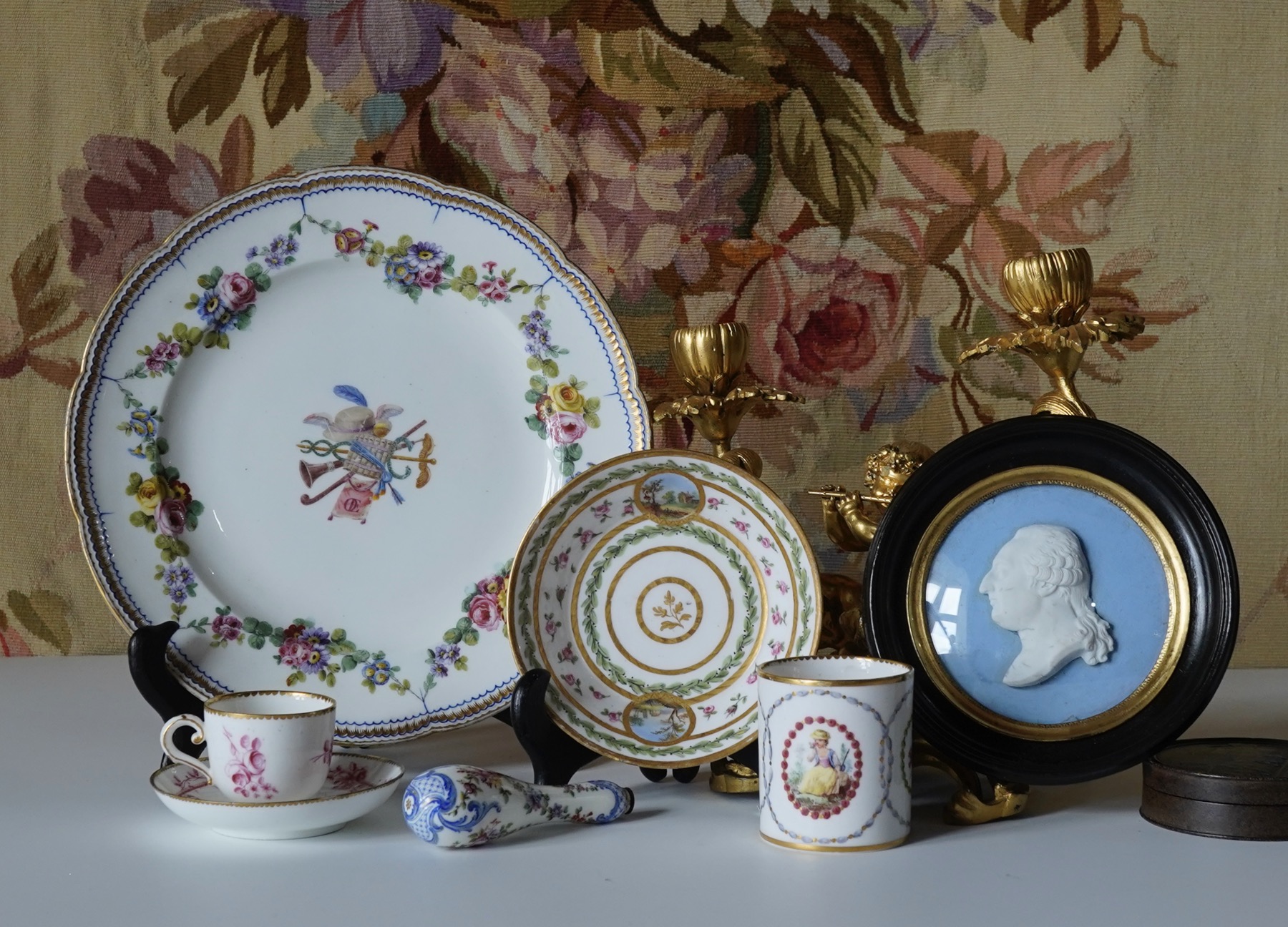
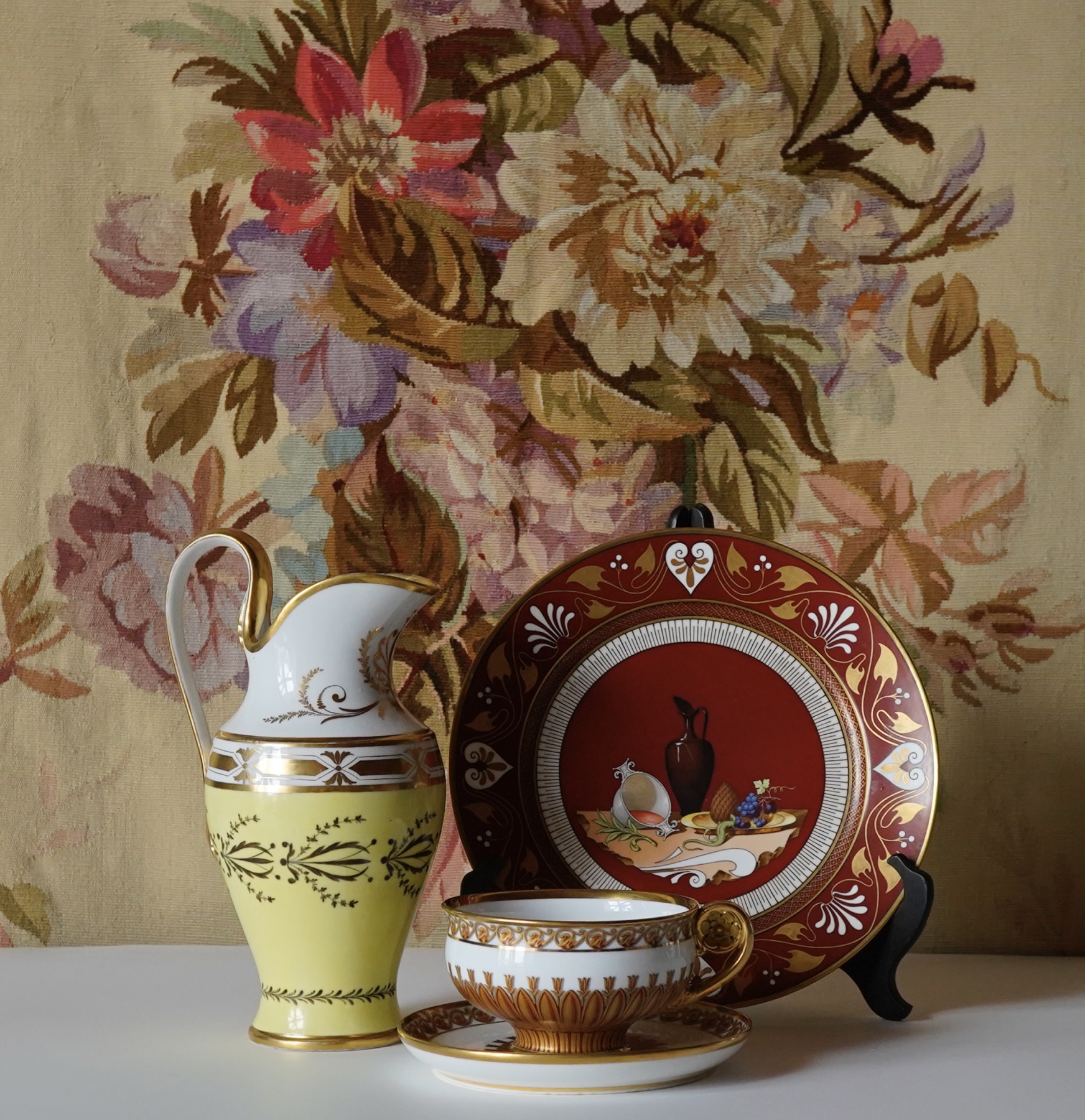
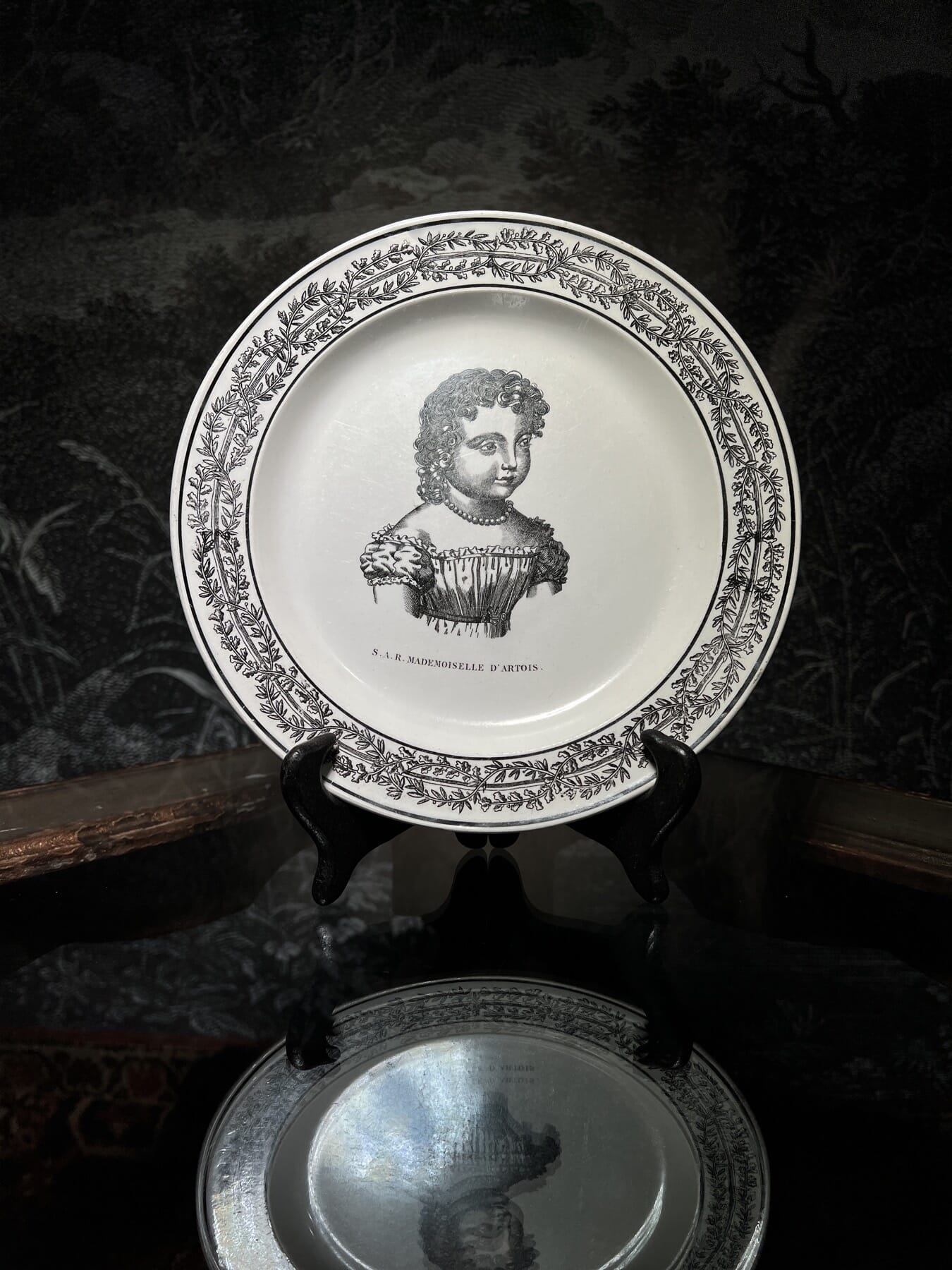
French Royalty, Sèvres Porcelain including portrait of Louis XV, 18th century
French Royalty, Sèvres Porcelain including portrait of Louis XV, 18th century. Moorabool Stock & Reference Collection.

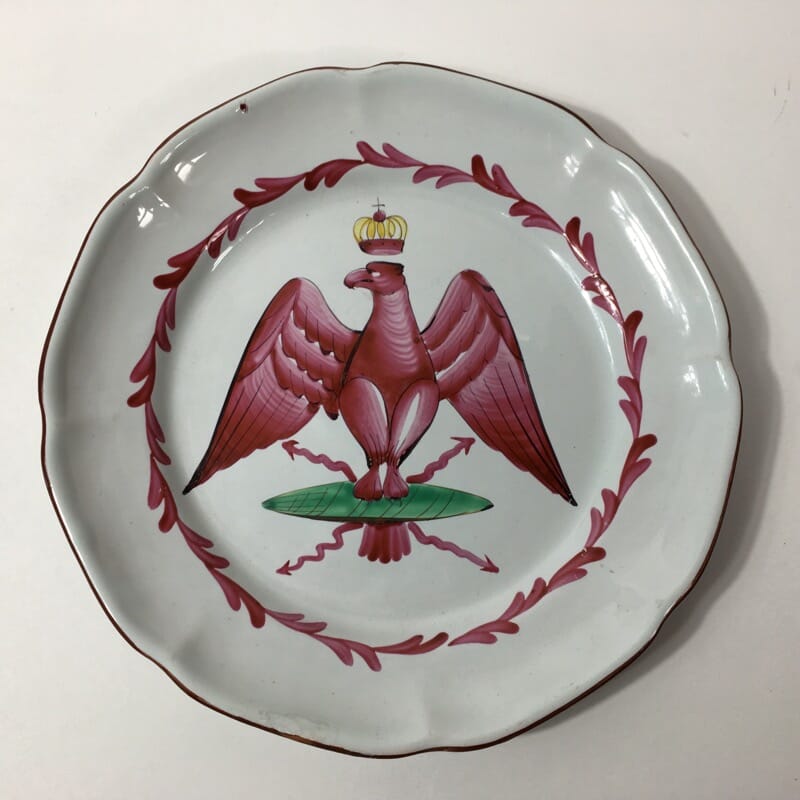
A very French item is the Faience plate with propaganda. These must have been like a ‘political poster’ stating your views – think Australia’s recent YES/NO exercise. If you supported the Revolutionaries, you would display your plate with Revolutionary motifs; if you were w Royalist, you would make sure your Royalist plate disappeared from view as soon as the Revolutionaries started guillotining everyone with Royal sympathies!

Three Ages of French History: Royalty, Revolution, and Napoleon.

We have defined three main periods to focus on.

*ROYALTY*

~REVOLUTION~

-#NAPOLEON#-

Paul Rosenberg is giving a talk on these important aspects of French Culture, using these pieces as illustrations.

For all who are unable to see the actual display, we have compiled the pieces on this page for you to enjoy.

The following pieces were included in the ‘Festival Français’ display, ‘The Heights’ Geelong October 28-29, 2023.

Royalty

Revolution!

Napoleon

Aubusson Display

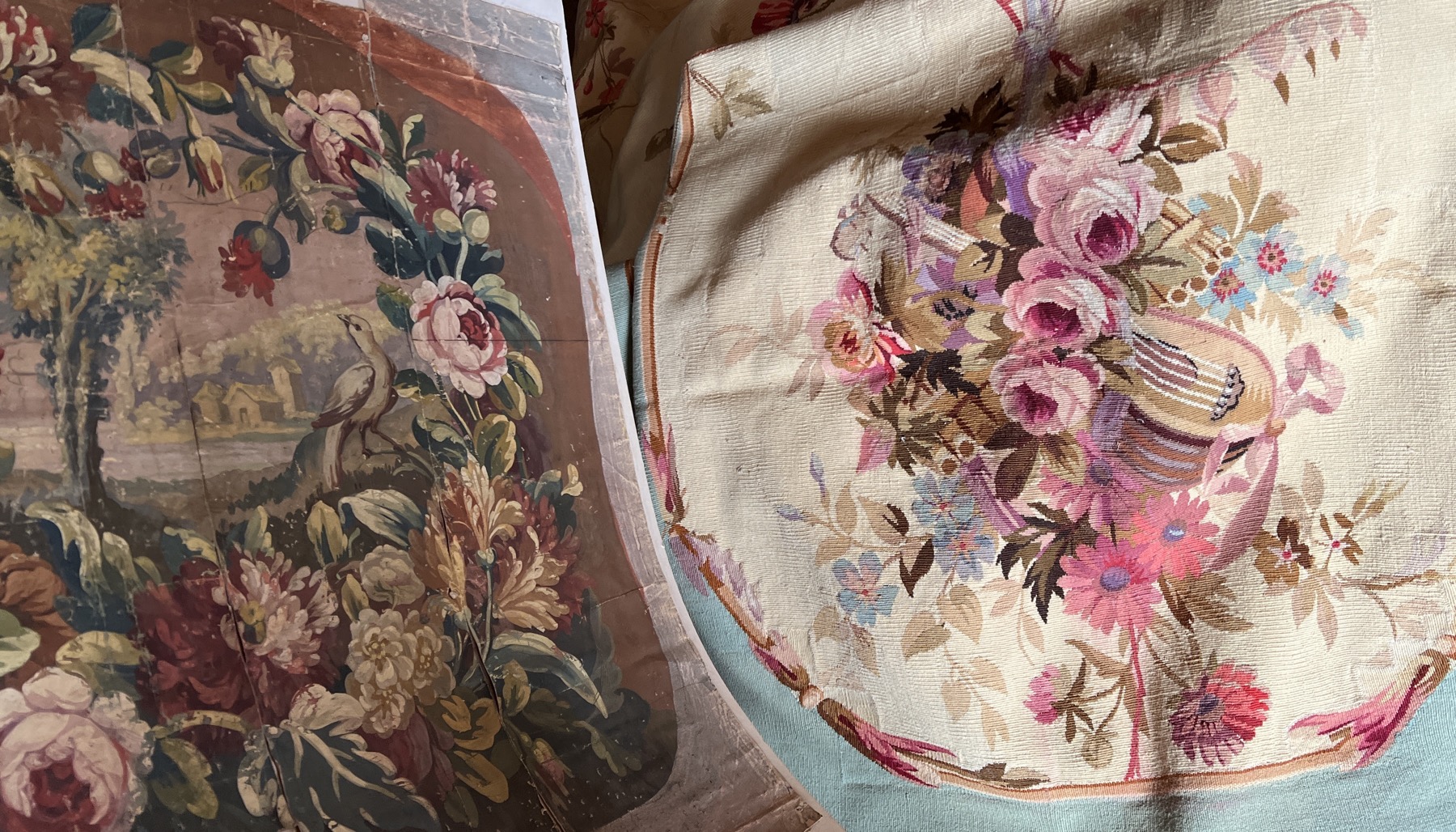
These fabulous tapestries are an unused suite fro the late 19th century, never attached to furniture, or installed on the walls. There’s even an unused floor ‘rug’ – the colours still fresh, having been packed away in a chest since being brought to Australia over 100 years ago!

Aubusson Tapestry, France: left is a 'cartoon' design, 19th century, right is a woven chair seat of the same period, unused.
Aubusson Tapestry, France: left is a ‘cartoon’ design, 19th century, right is a woven chair seat of the same period, unused.

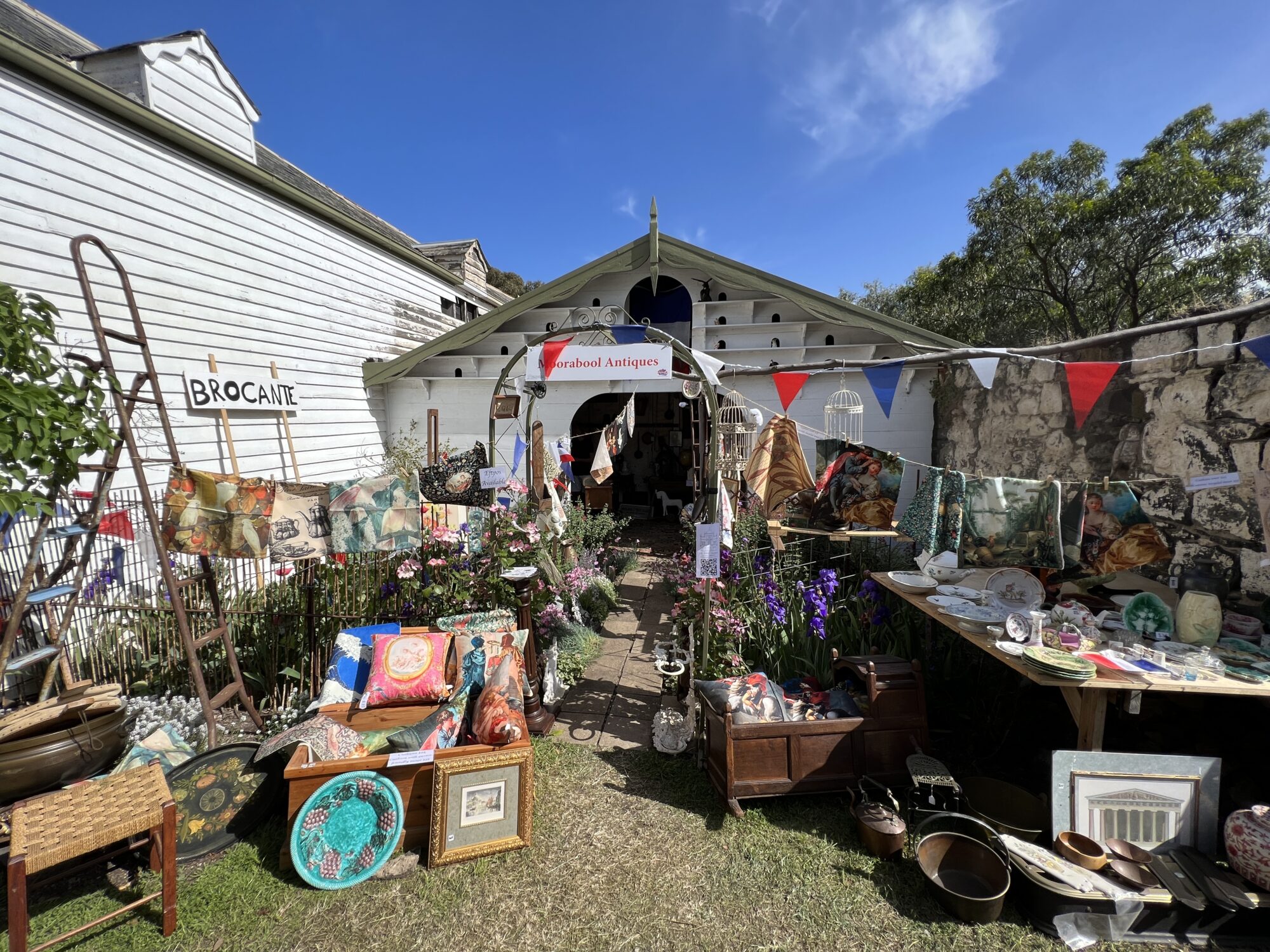
Le Brocante de Moorabool

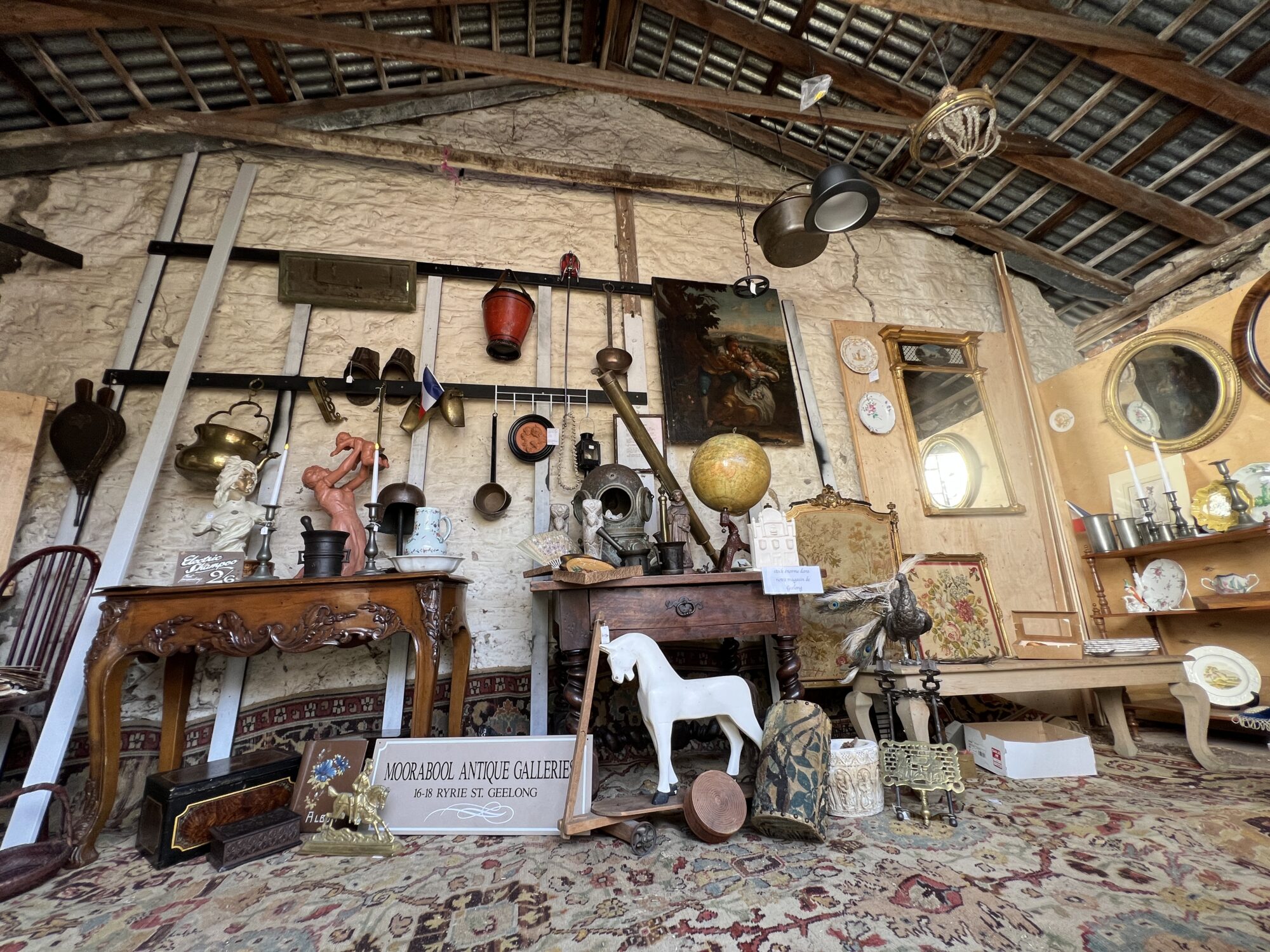
Moorabool's Brocante at 'The Heights' Geelong October 2023
Moorabool’s Brocante at ‘The Heights’ Geelong October 2023

Below you will find the various pieces of French origin we had on display for the weekend in the ‘Dovecot Brocante’.

Posted on

Très Français! French Celebration @ ‘The Heights’, Geelong, 28-29 Oct. 2023

Moorabool's Brocante at 'The Heights' Geelong October 2023

Bonjour!

Moorabool is pleased to be a part of the 2023 ‘Le Festival Français’, to be held on the last weekend of October 2023.

It’s a fabulous celebration of all things French – Food, Wine, Music – there’s even a ‘New Caledonia Tourism’ stand which is giving away a trip to that French Paradise in the Pacific….

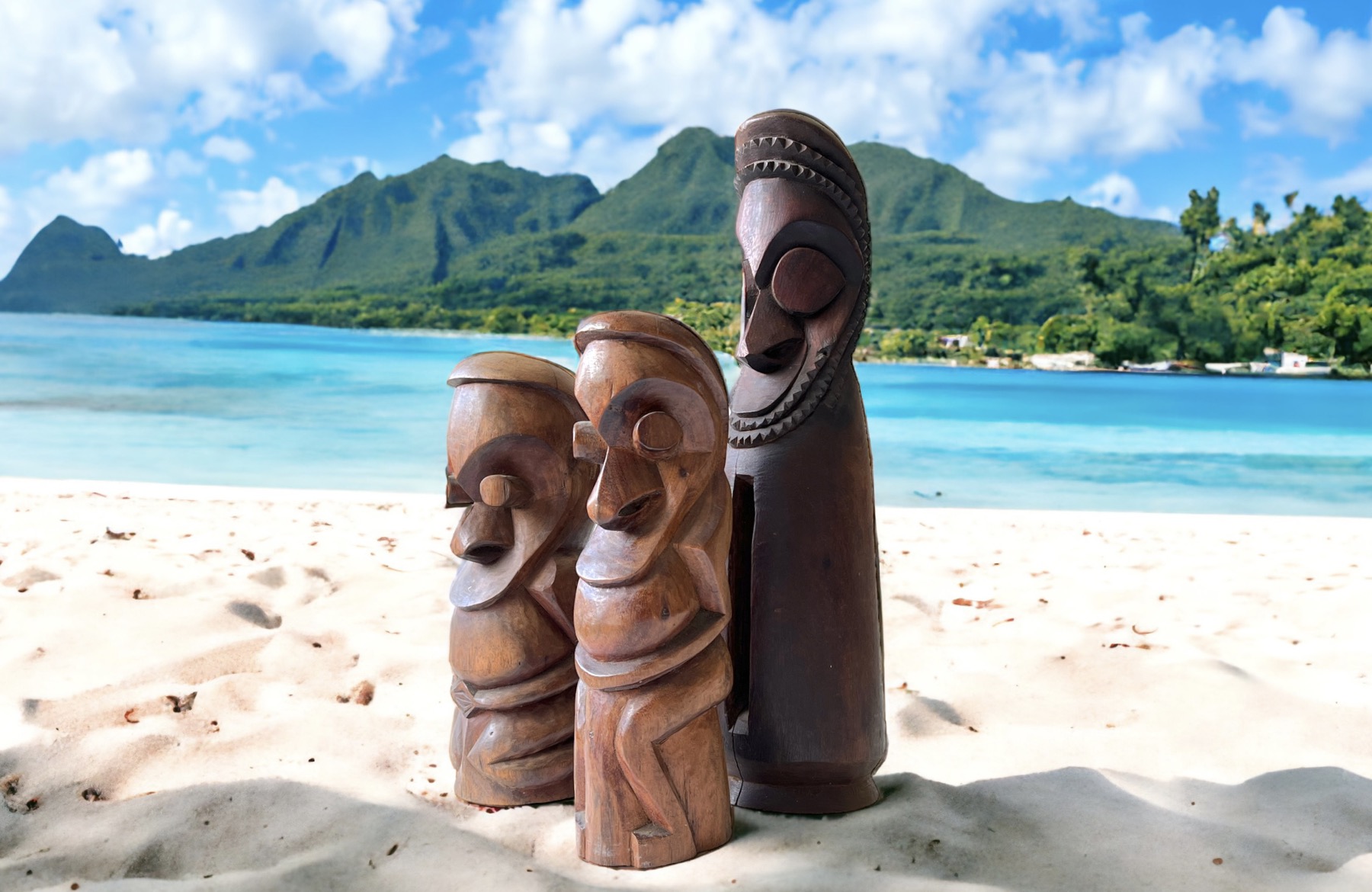
New Caledonian figures @ MOORABOOL ANTIQUES
Some New Caledonian figures in stock

The location is a favourite of Moorabool’s: ‘The Heights’, one of Geleong’s historic National Trust properties. John & Lorraine Rosenberg were always involved with projects at this fascinating property, and their son Paul had his introduction to presenting the ‘world of Antiques’ to an appreciative audience here in the 1990’s with an exhibition & talk on ceramics.

THe Heights

This year, we have the privilege of providing something ‘Fresh’ for the interior of the historic house, installing a series of displays to set the theme of French Culture. Paul is to talk on this subject, 3.30 on the Saturday (bookings essential via Le Festival Website).
The house itself has an interesting story. It is actually Continental – not French, but not far off: it was imported from Germany in 1854 as a pre-fab, and has the distinction of being the largest prefab in Victoria.

Read more about ‘The Heights’ on the National Trust’s website:

Our display throughout the house, titled ‘Tres Français’, is a look at three main epochs of French History:

Three Ages of French History: Royalty, Revolution, and Napoleon.
  • the Ancien Regime, with Royal objects of the 18th century
  • the Revolution, with some Revolutionary Rarities
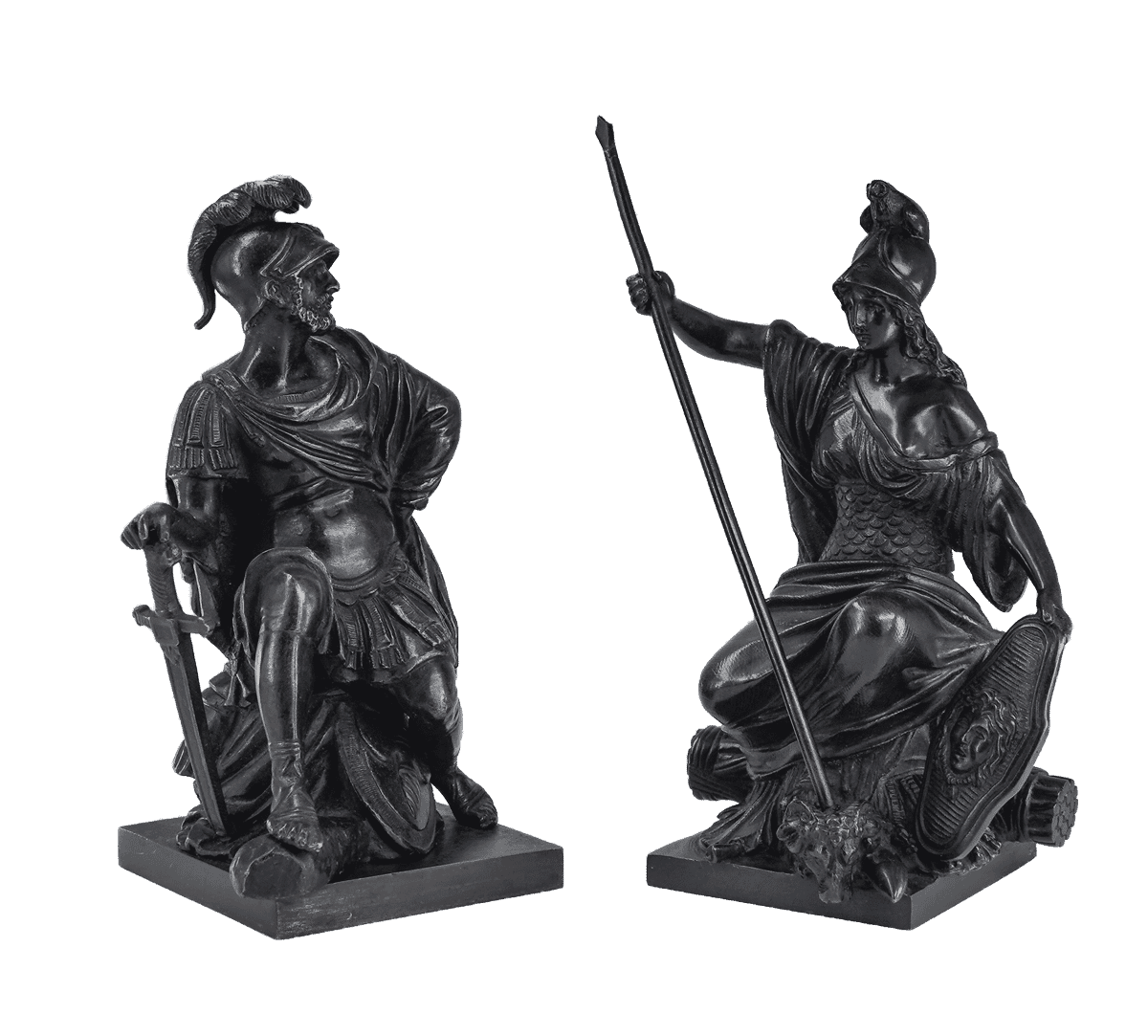
  • the one & only Napoleon, with a series of period & later ‘Napoleonic’ items

Most of the items illustrated here & on display in ‘The Heights’ are shop stock, a few are from the Lorraine Rosenberg Reference Collection @ Moorabool Antiques, Geelong.

French Royalty, Sèvres Porcelain including portrait of Louis XV, 18th century
French Revolutionary items, 1790's
French Revolutionary items, 1790’s, including the ‘Head of Danton’
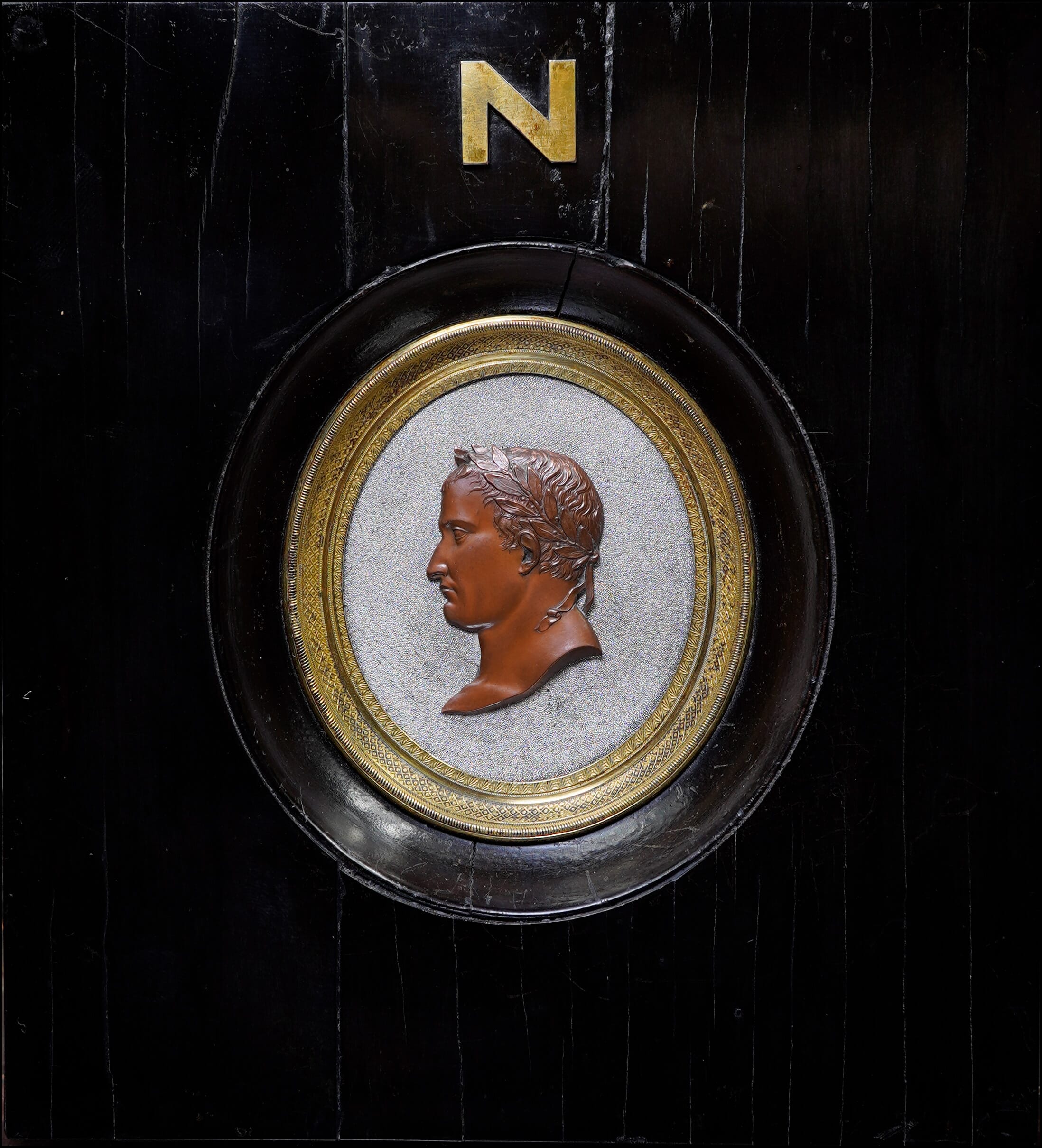
Napoleonic - including the 'original' Napoleon Bonaparte (central profile) and Napoleon III, Sèvres plate to the left.
Napoleonic – including the ‘original’ Napoleon Bonaparte (central profile) and Napoleon III, Sèvres plate to the left.

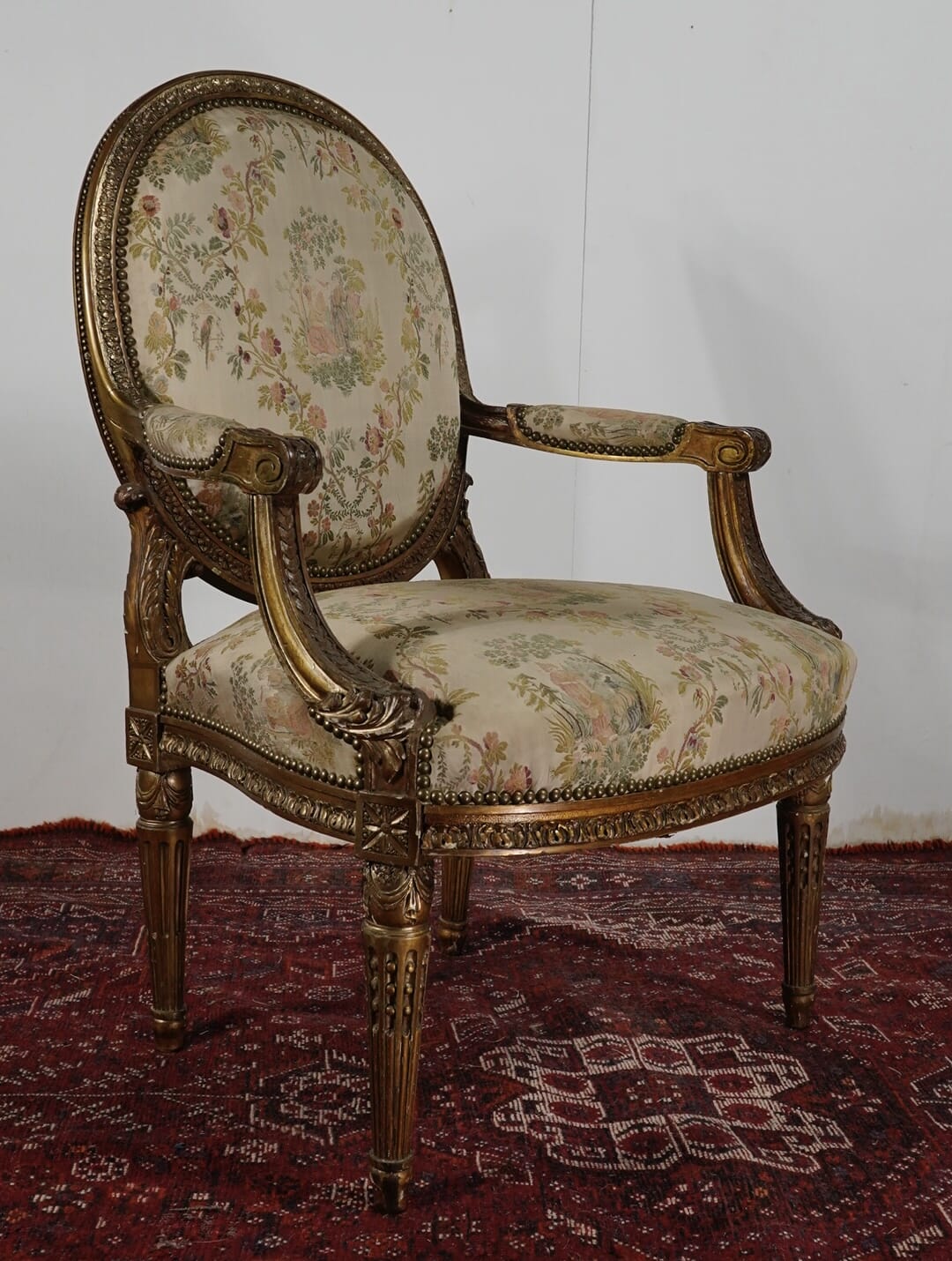
There is also an installation of a remarkable suite of Aubusson room furnishings, later 19th century, complete with carpet, wall panels, and upholstery for chairs. We’ve brought out our original 18th century Aubusson-clad Louis XV chair, and the collection of original designs, called ‘cartoons’, which were used by the Aubusson craftsmen to create their famous products in the 18th & 19th century.

Aubusson Tapestry, France: left is a 'cartoon' design, 19th century, right is a woven chair seat of the same period, unused.
Aubusson Tapestry, France: left is a ‘cartoon’ design, 19th century, right is a woven chair seat of the same period, unused.

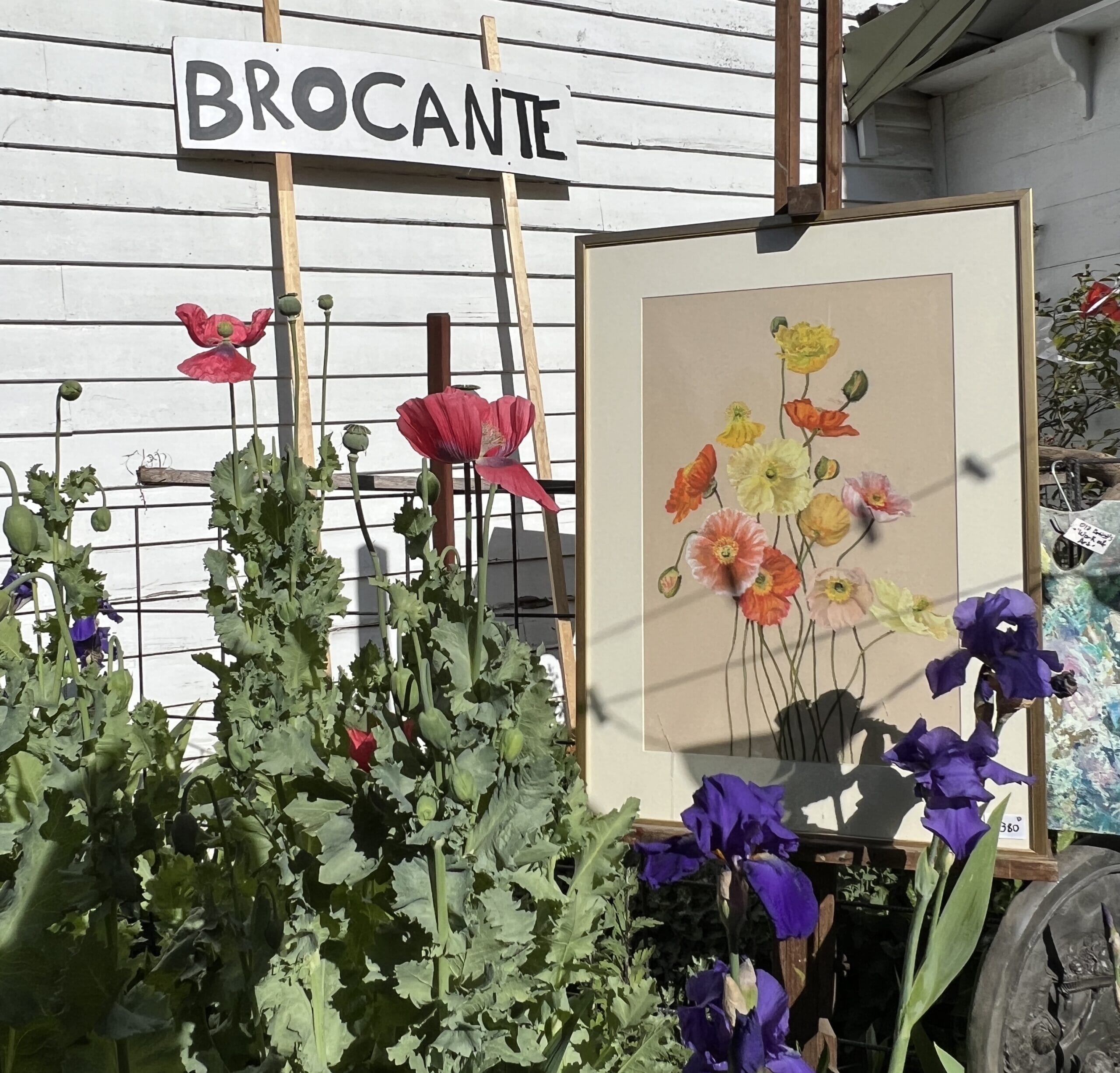
As well, we are putting together a ‘Brocante’ – the French equivalent of a flea market – in the historic dovecot, next to the stables. Here you’ll find almost everything – from some special 18th century – and pricey – items, right down to $5 Irrésistible French Bargains.

Moorabool's Brocante at 'The Heights' Geelong October 2023
Moorabool’s Brocante at ‘The Heights’ Geelong October 2023
Moorabool's Brocante at 'The Heights' Geelong October 2023
Moorabool’s Brocante at ‘The Heights’ Geelong October 2023

A feature will be an extensive array of brand-new French-theme cushions, with a cover just $25, or a full cushion with eco-friendly Australian made inner, $35.

Come along and enjoy the Fabulous French Food & Wine, Music & Entertainment, and of course, the ‘Antiquités’!

Posted on

Fresh Stock – Fine Chinese, Shipwreck Ceramics, Pottery Rarities

Fresh Stock -Majolica Figures

Welcome to the latest Fresh Stock release on Moorabool.com.
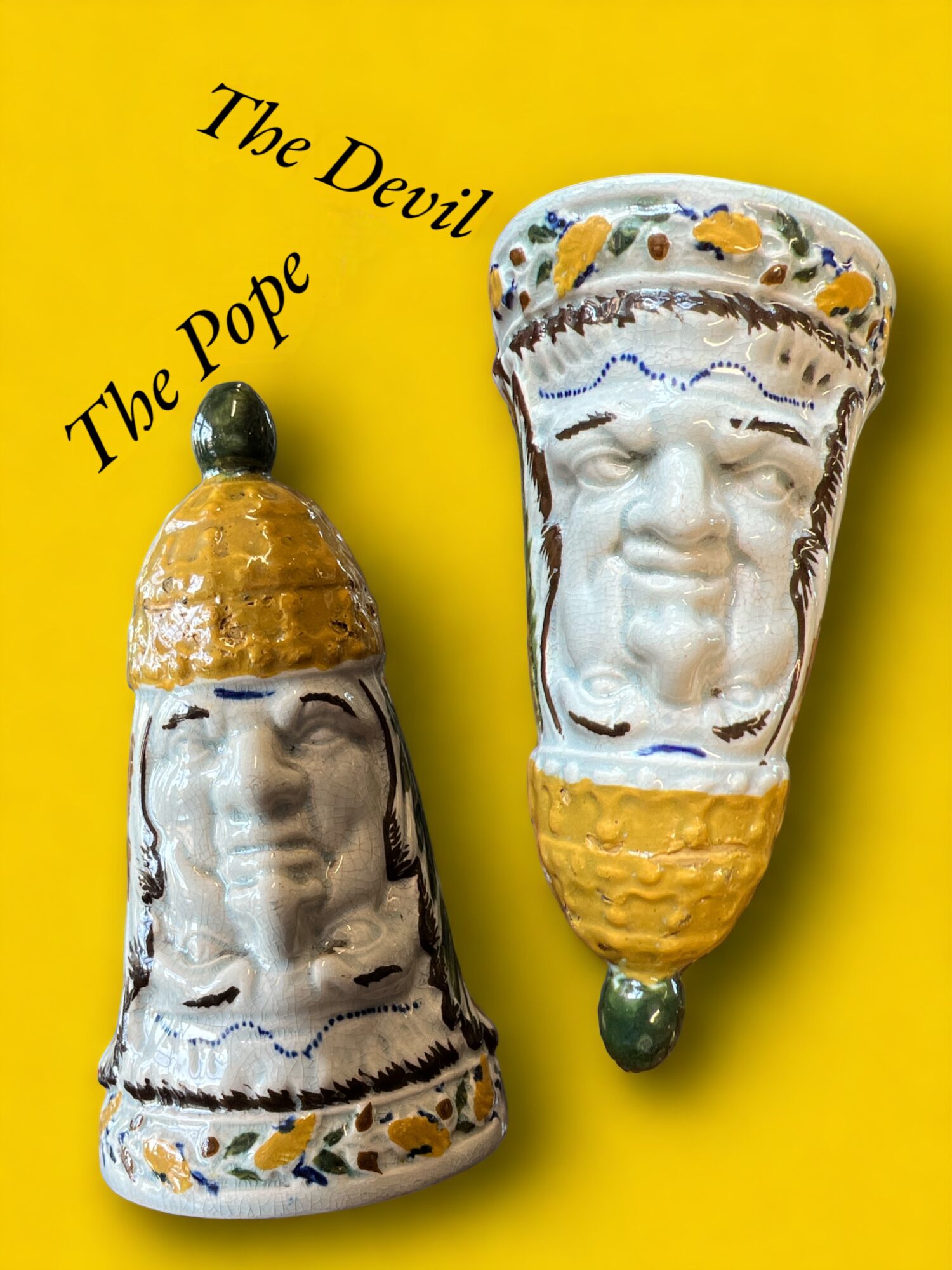
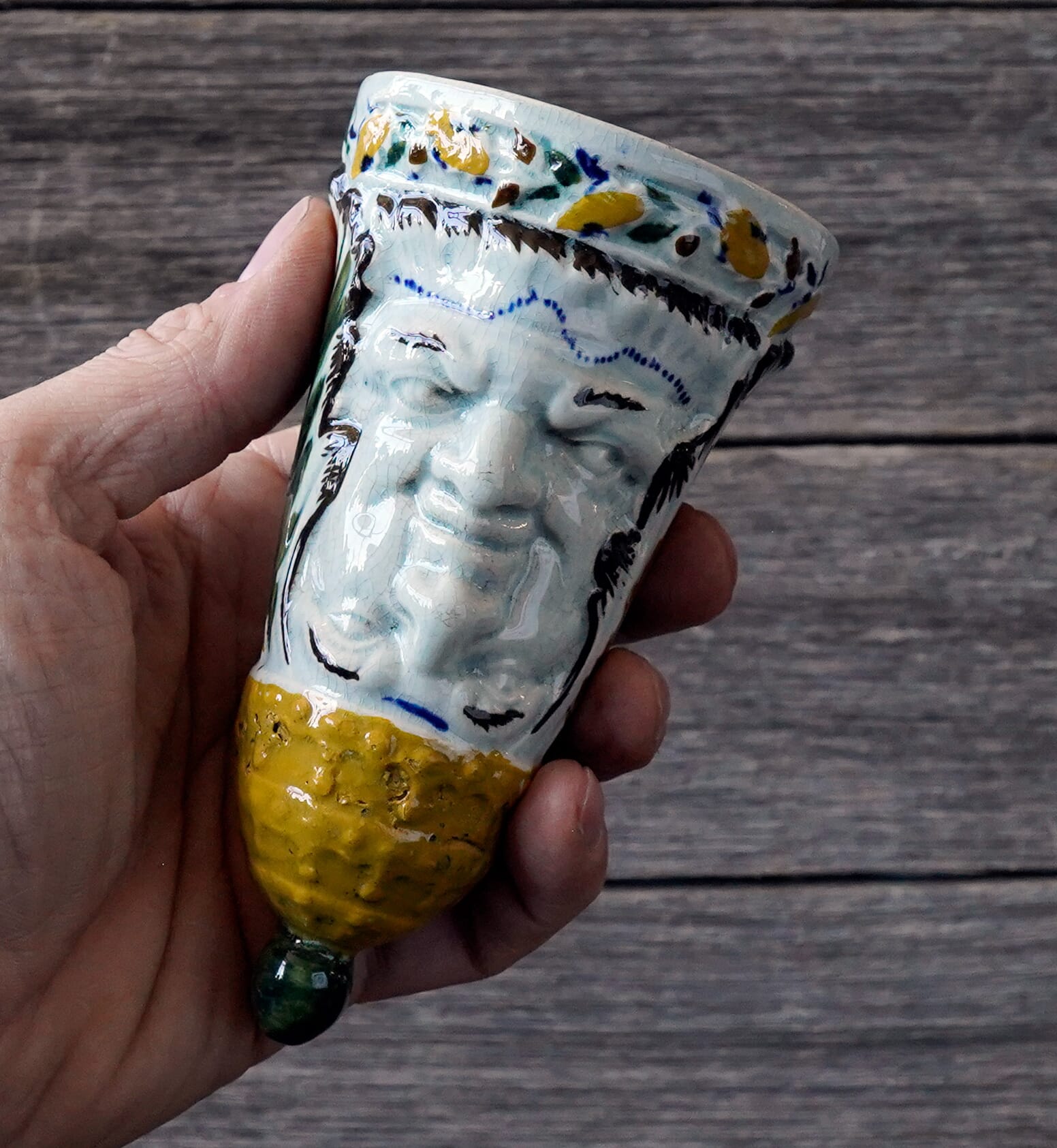
This week you will find a good selection of collector’s Pottery, including the rare ‘Pope & Devil’ stirrup cup seen here. This is a drinking vessel, used while on horseback to have a drop of something before going on the hunt – you had to swig the whole thing as the cup cannot be put down until empty. When full, the face seen is the ‘Devil’ – when empty, the ‘Pope’ in his crown! It’s an early 19th century Pratt-type pottery example, and in superb condition.

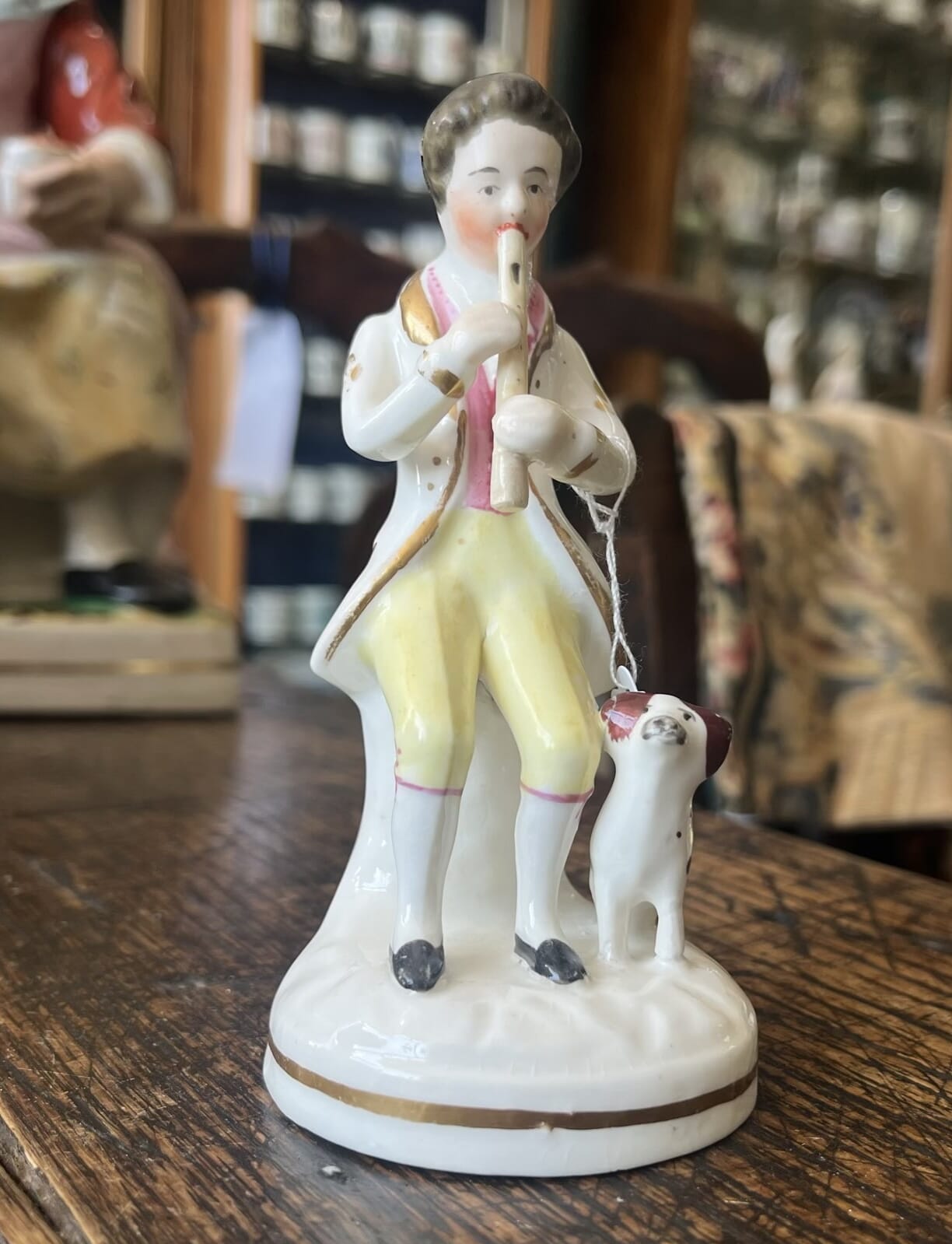
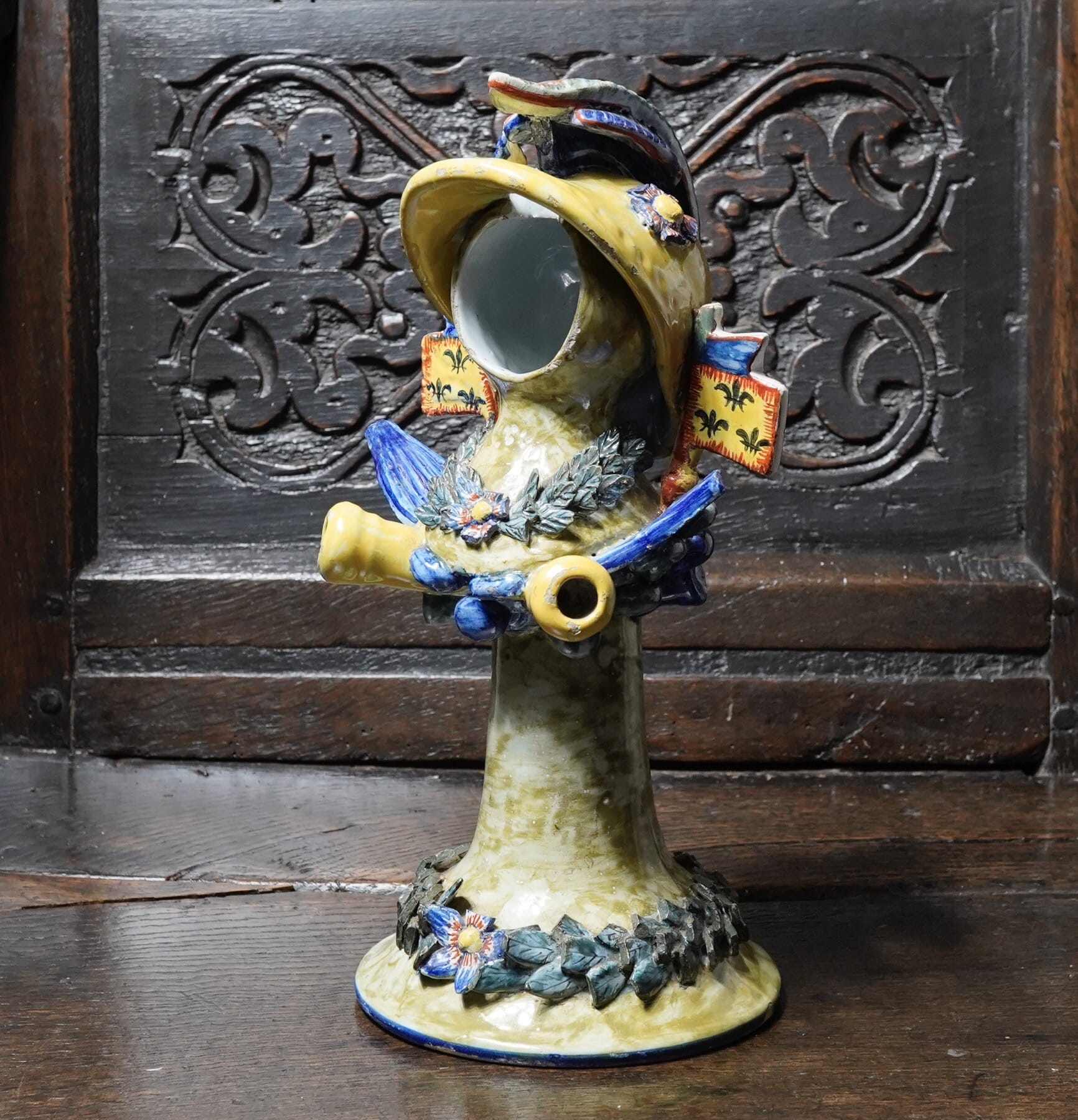
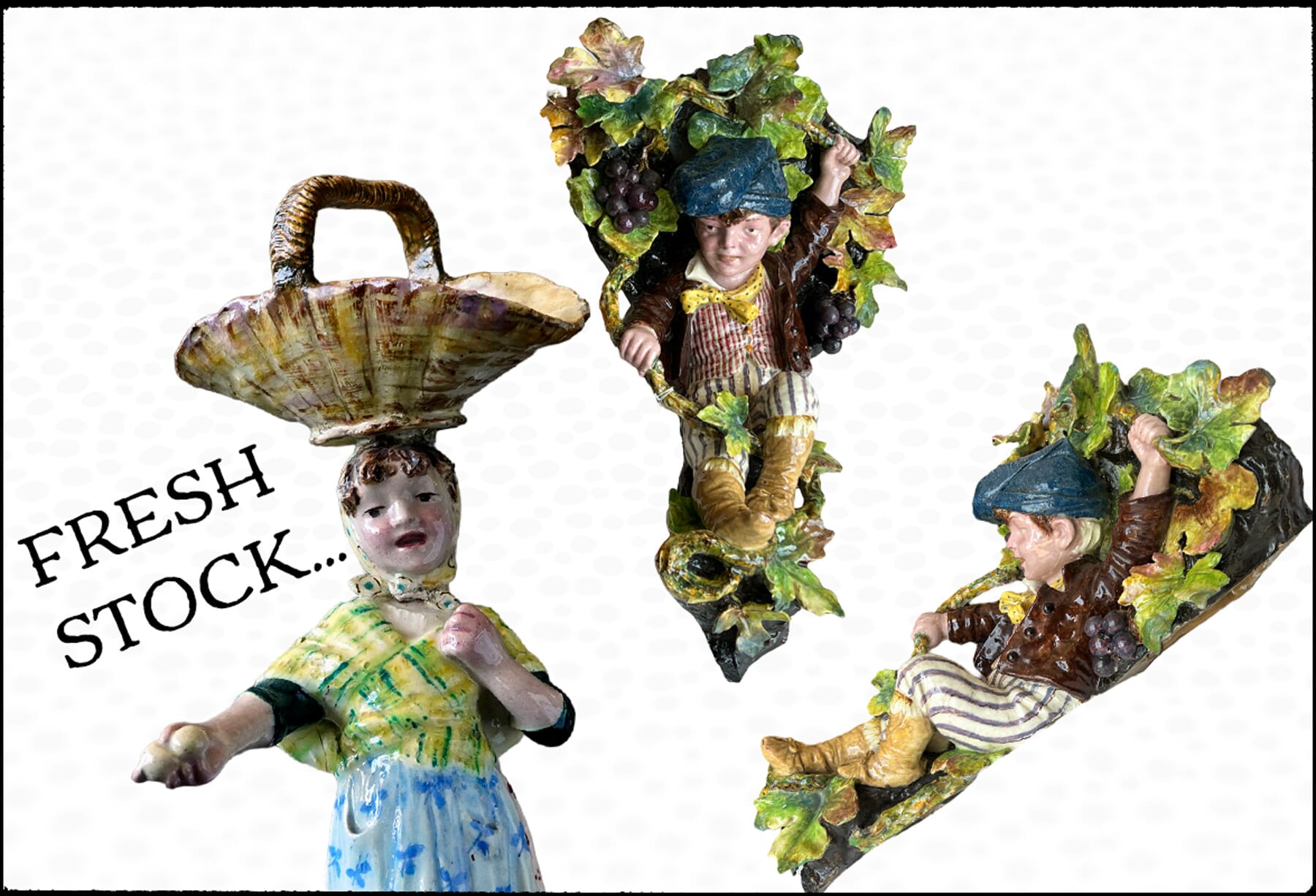
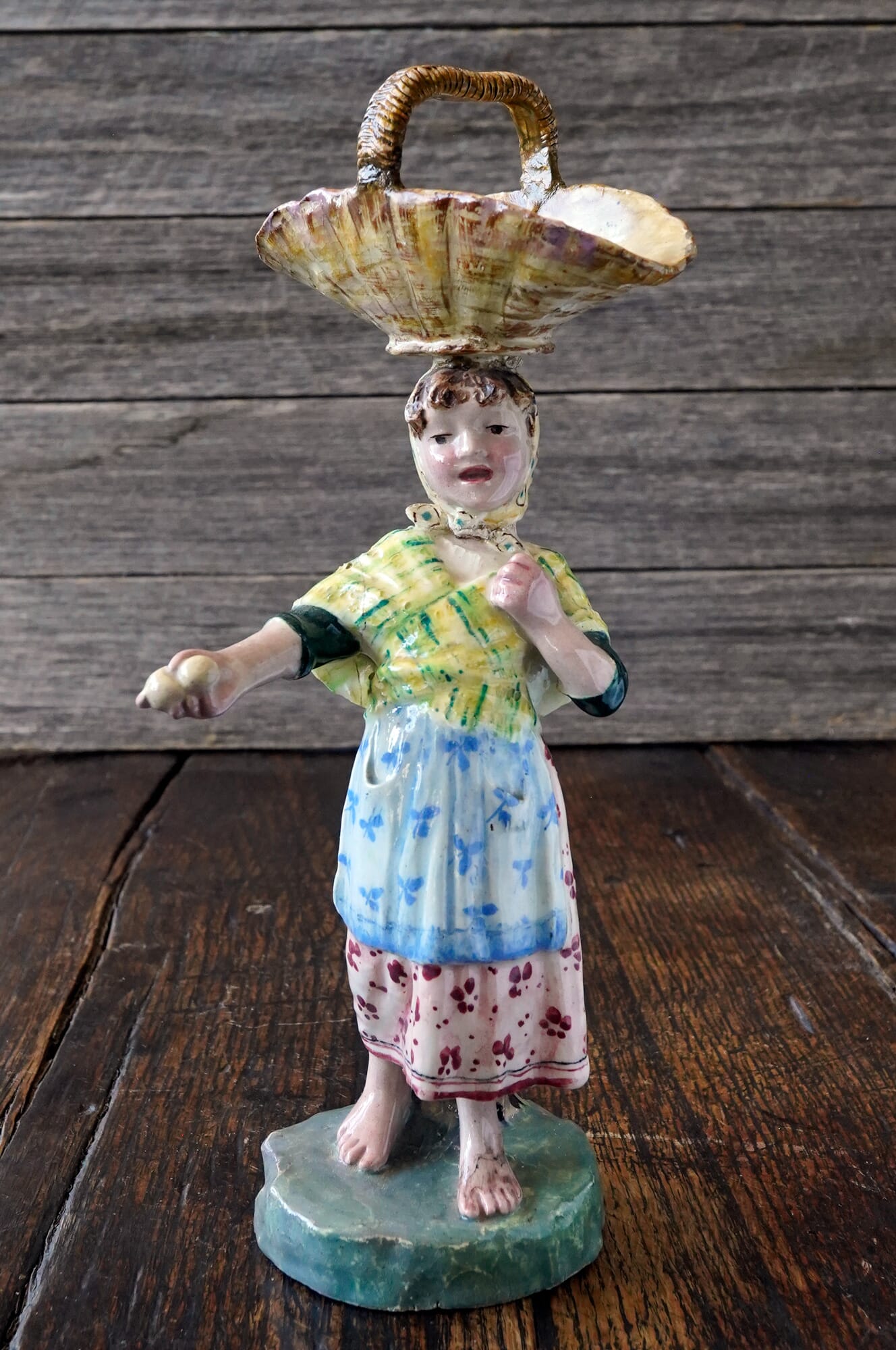
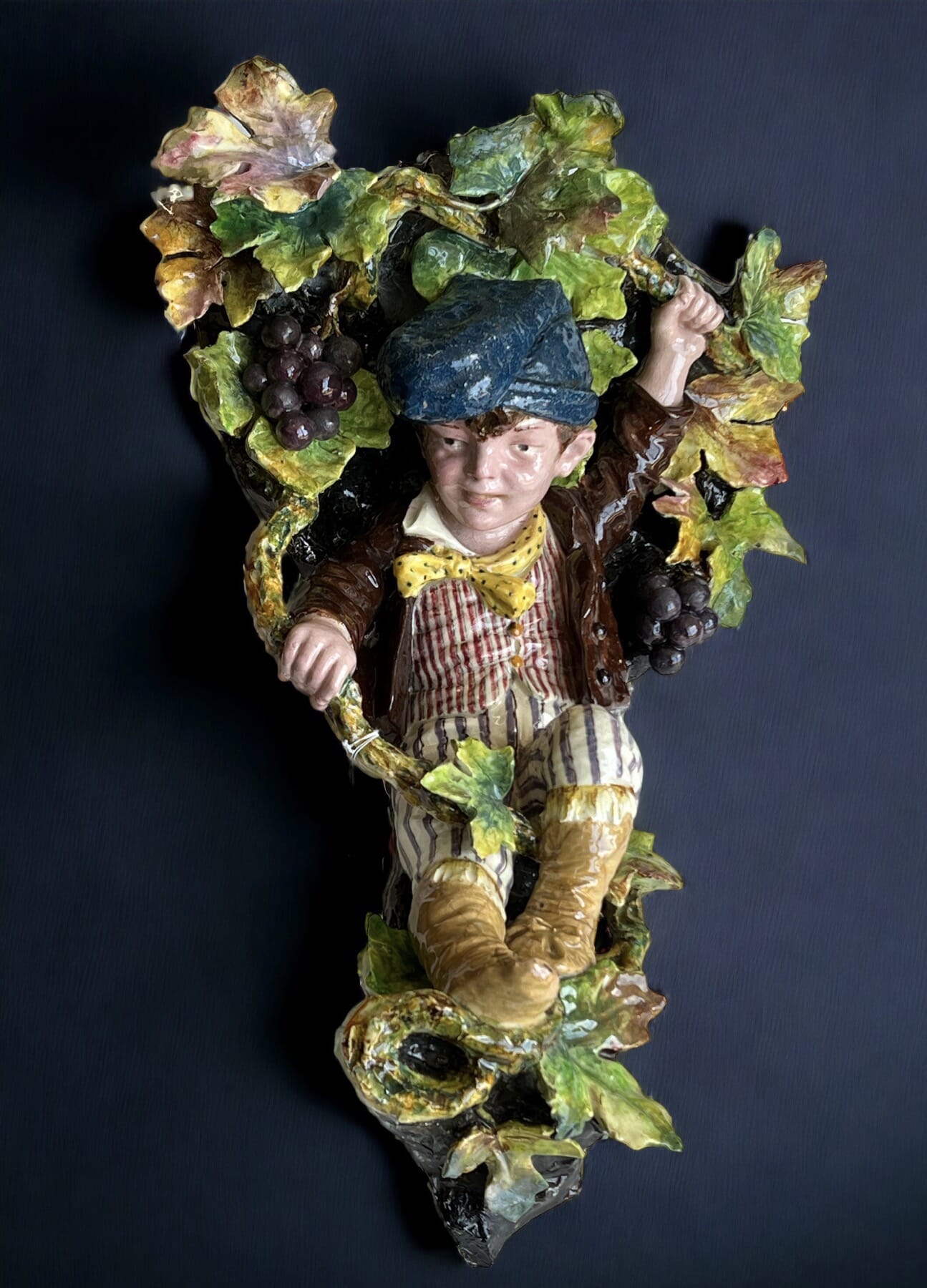
The characters seen at the start of this page are interesting French pottery, which we have attributed to the Choisy-le-Roi factory, 1870’s. The boy is something we have never seen before – designed to go in the upper corner of a room, it has mounting points to hang it off the ceiling – serving no purpose other than decoration.

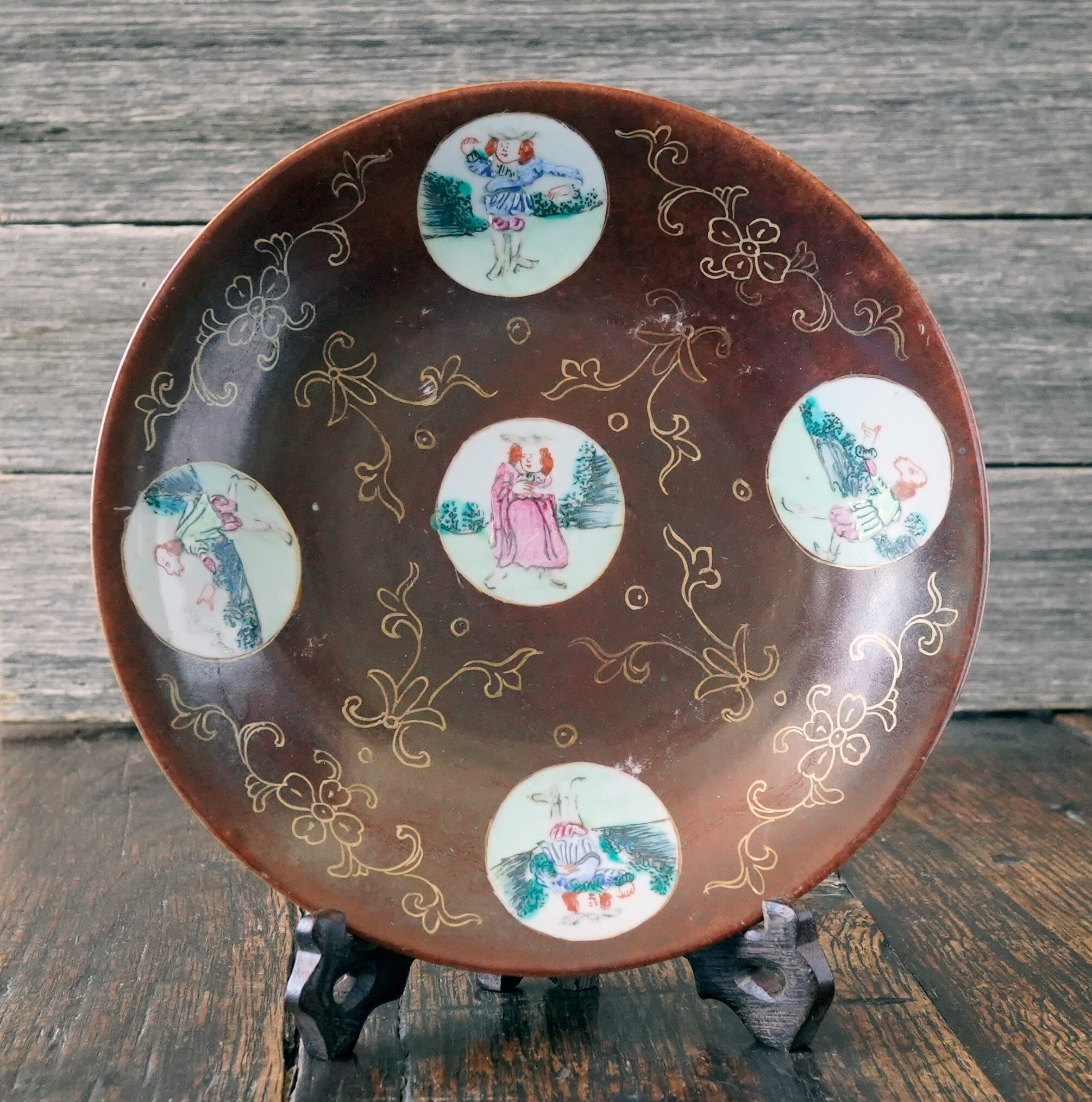
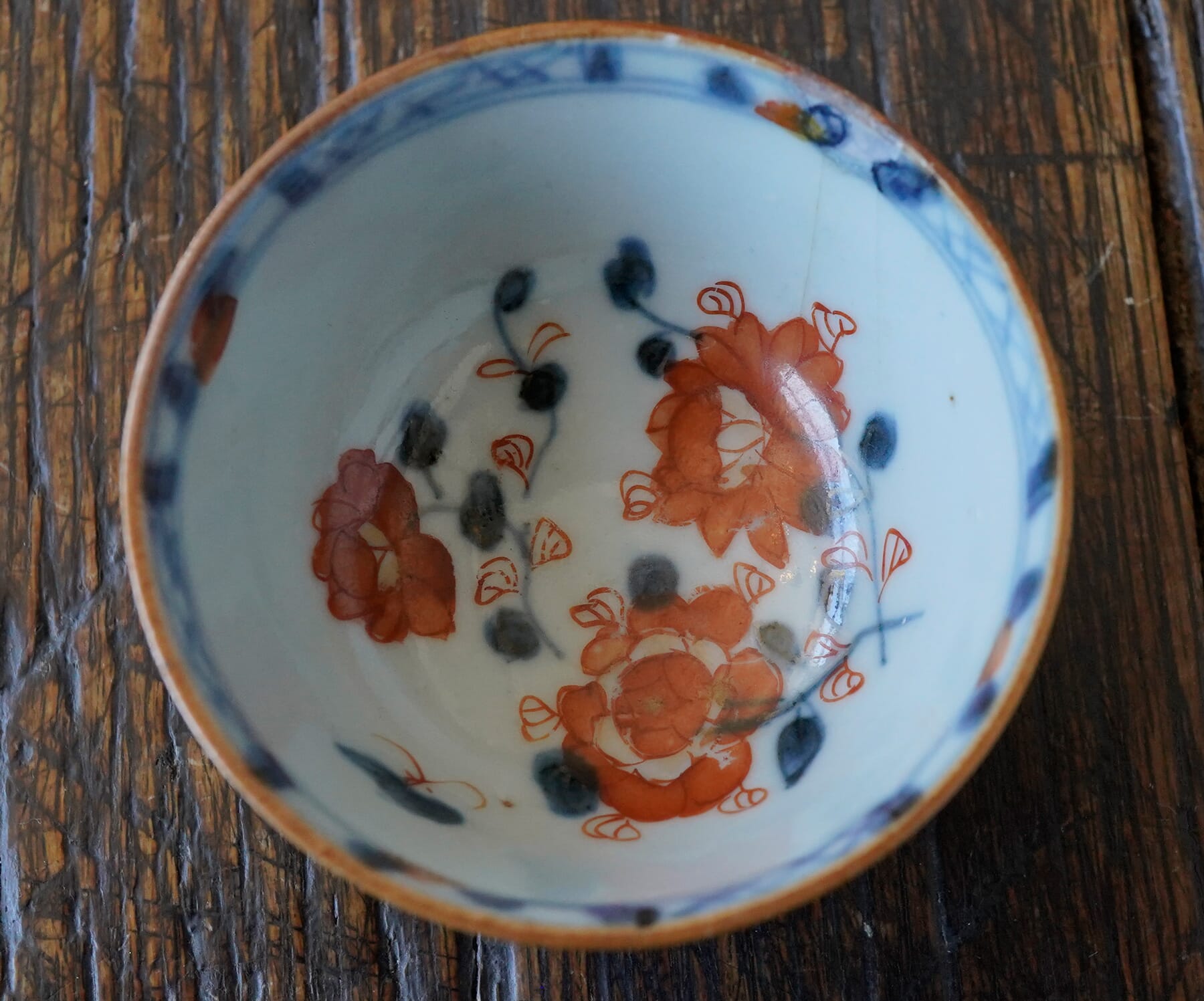
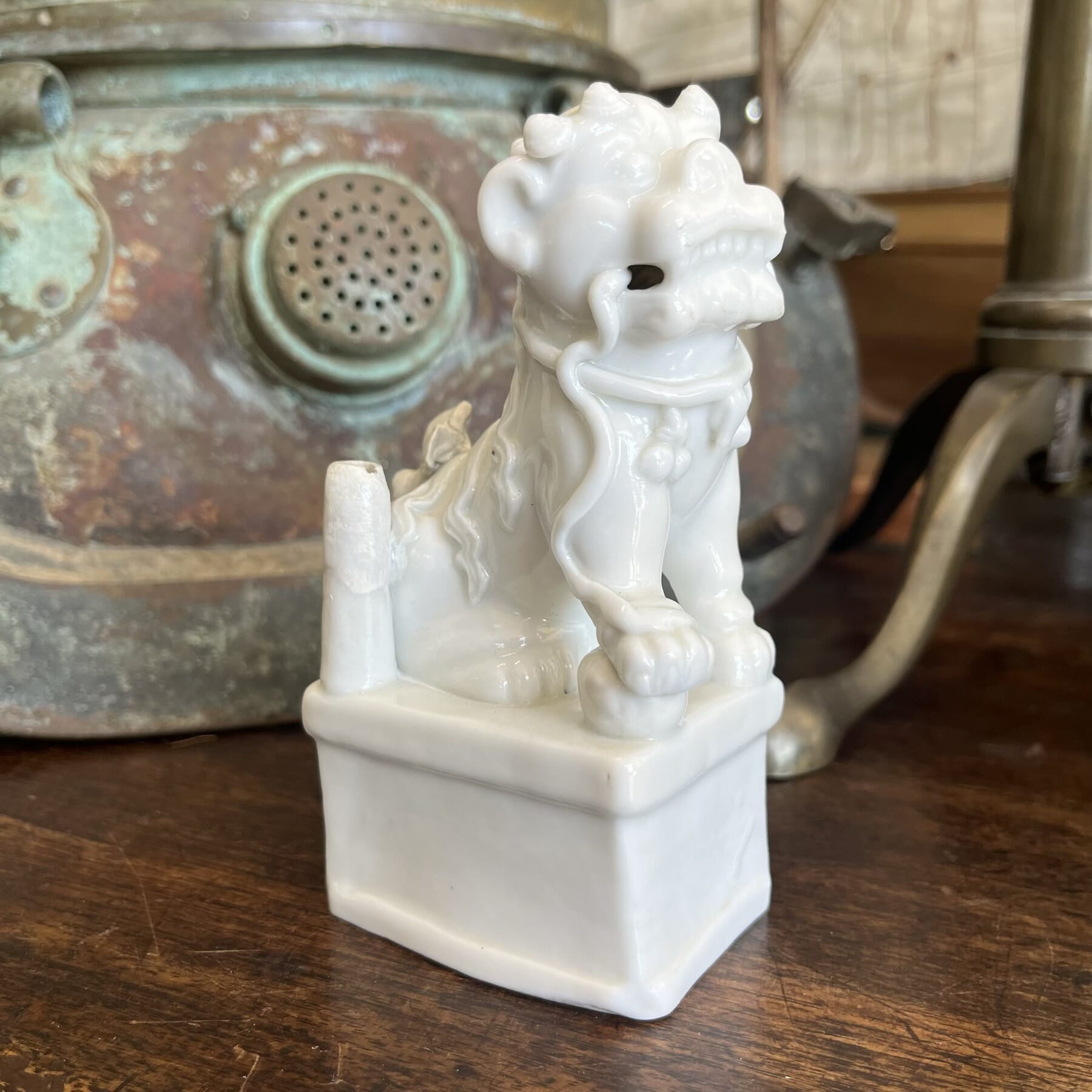
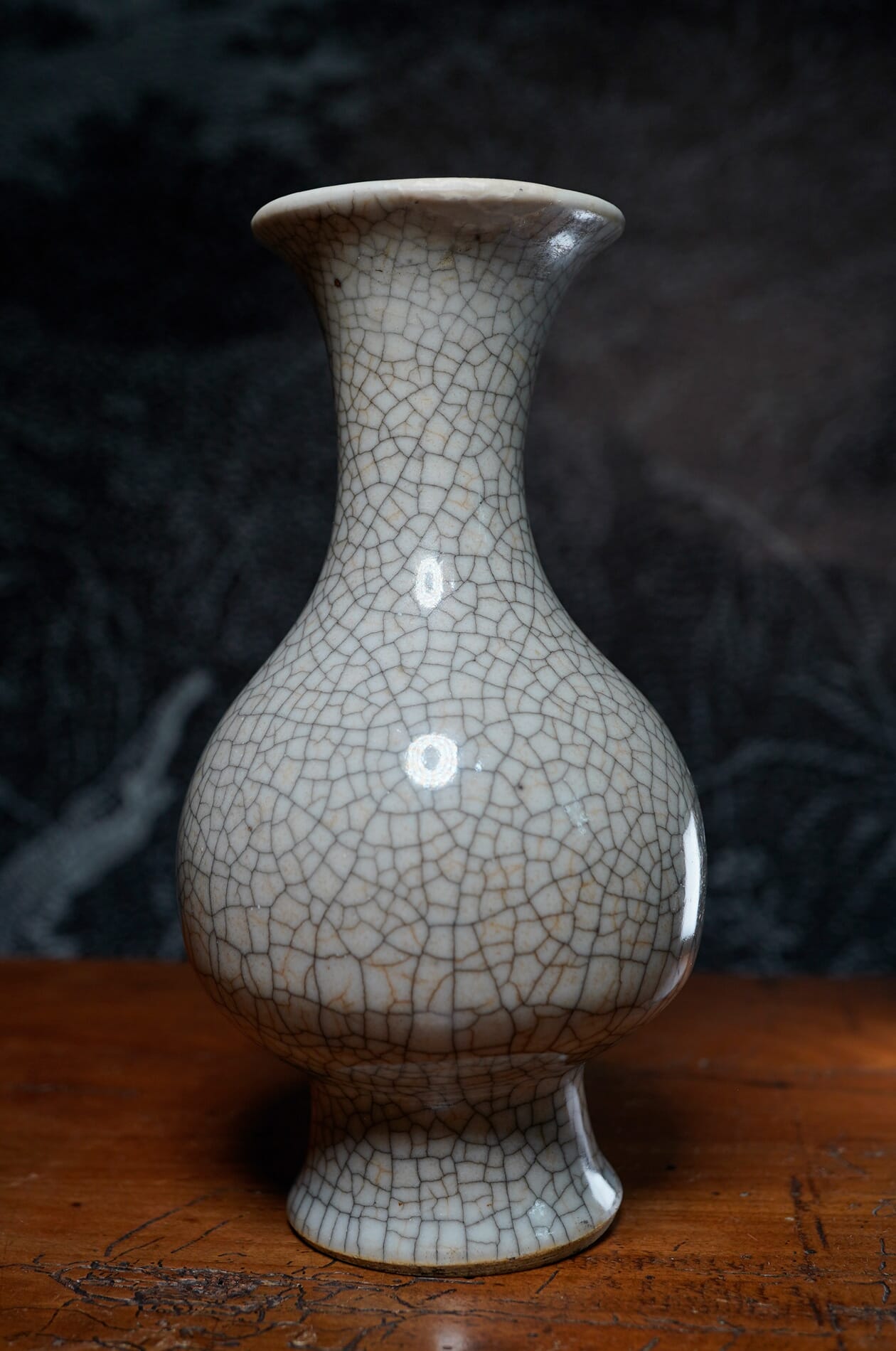
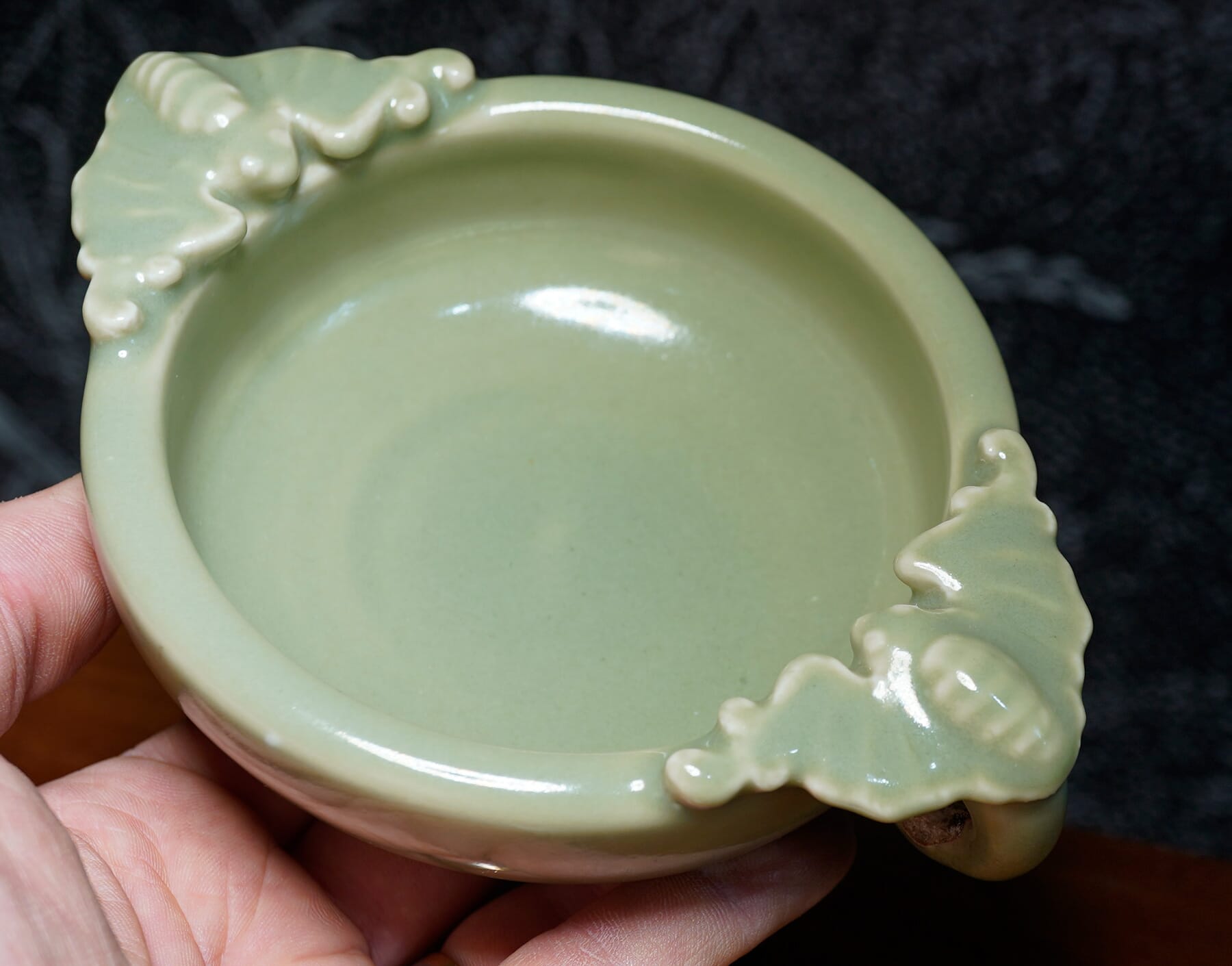
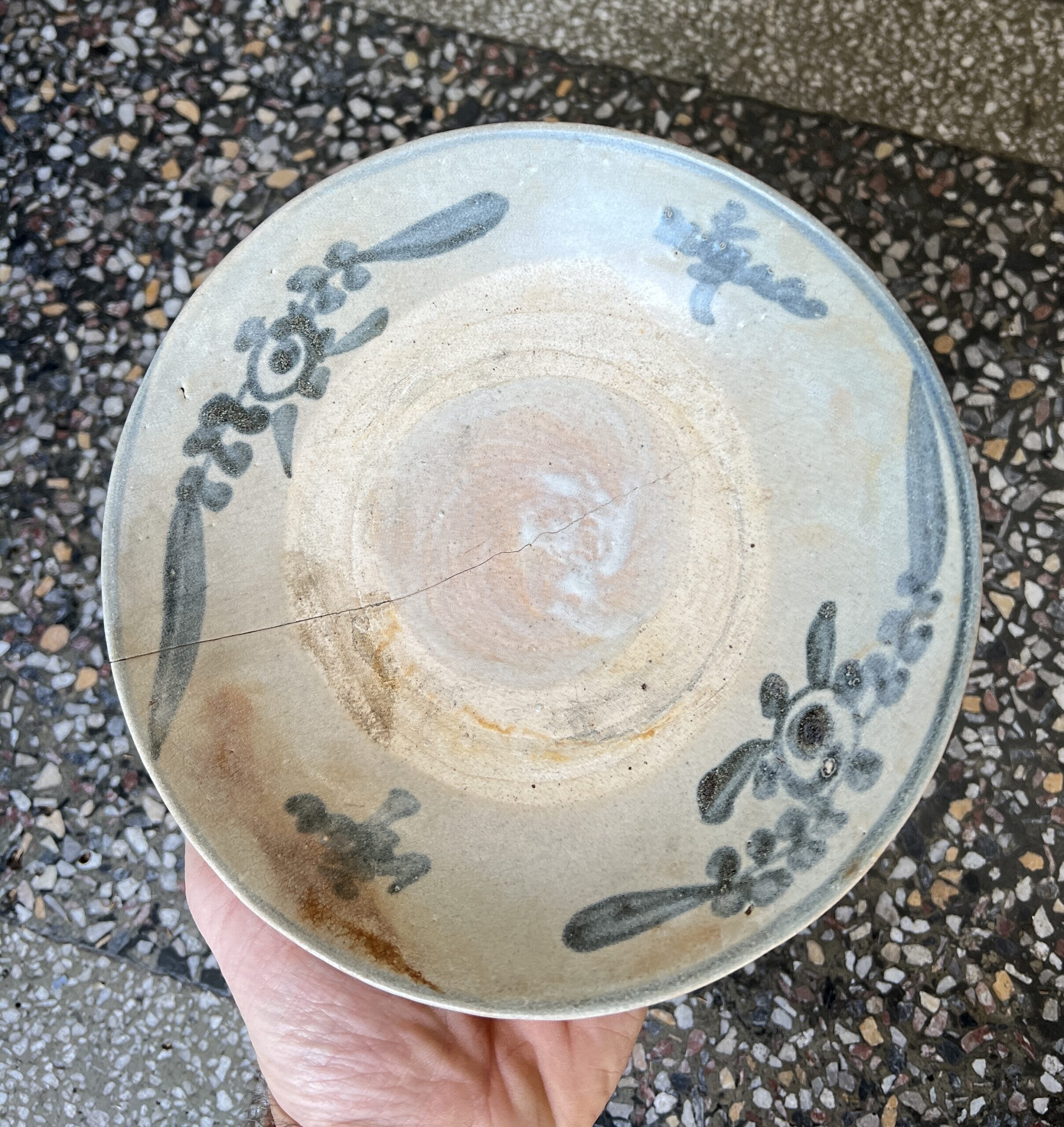
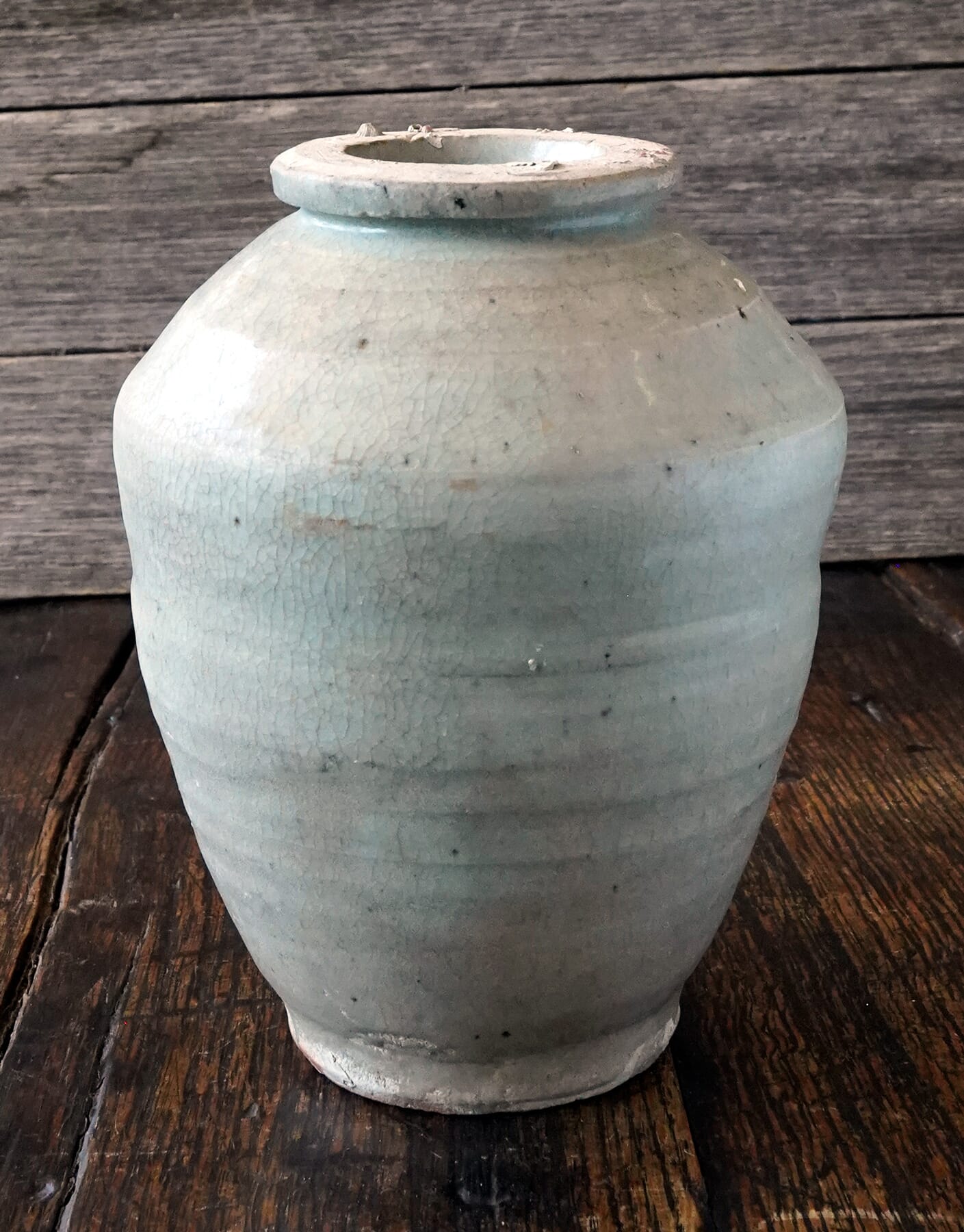
There’s also some rather special Chinese pieces to be seen from several local collections.

Enjoy!

Fresh Pottery

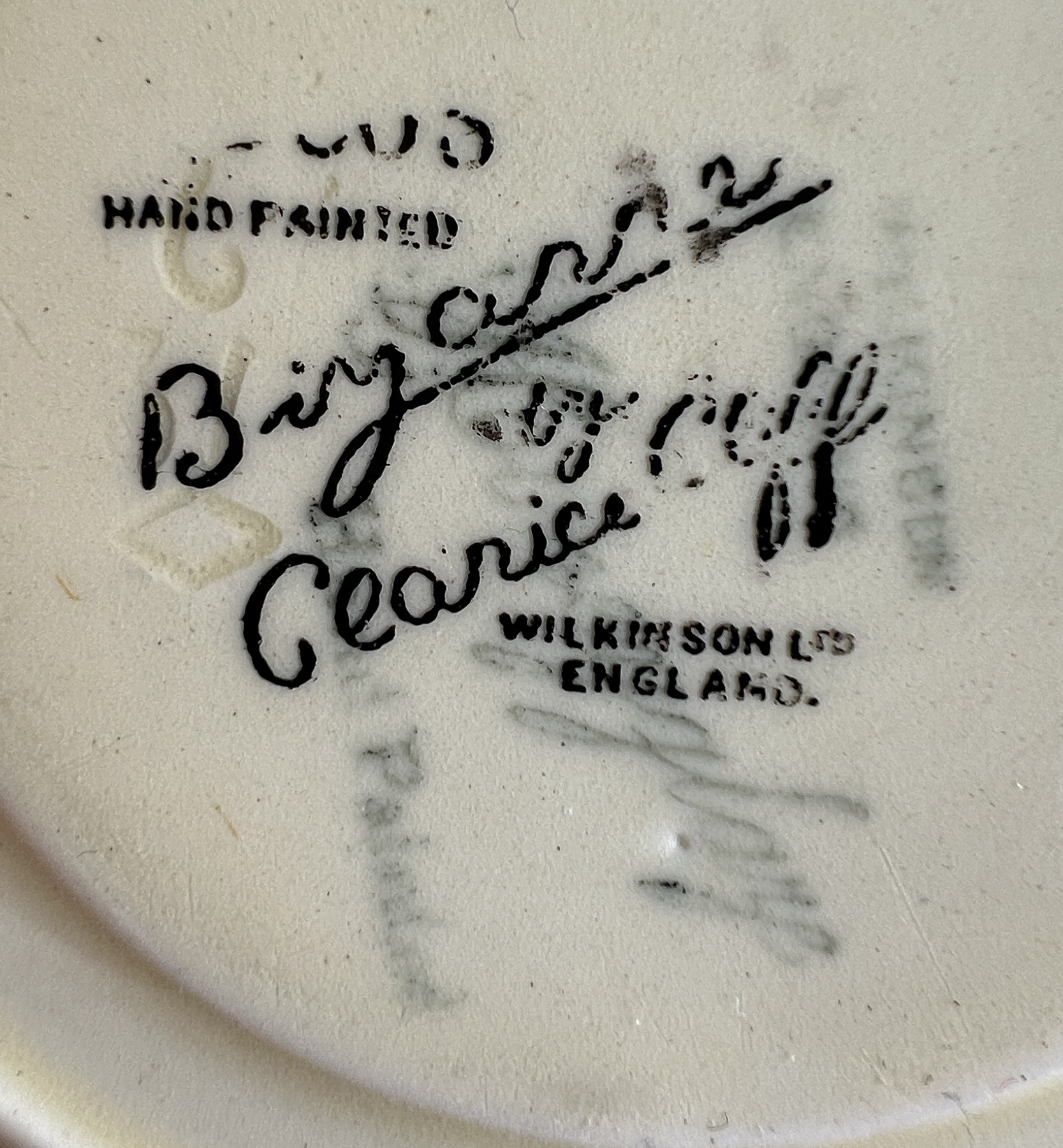
Clarice Cliff marks 1931
Clarice Cliff multi-marks, inc. 1931

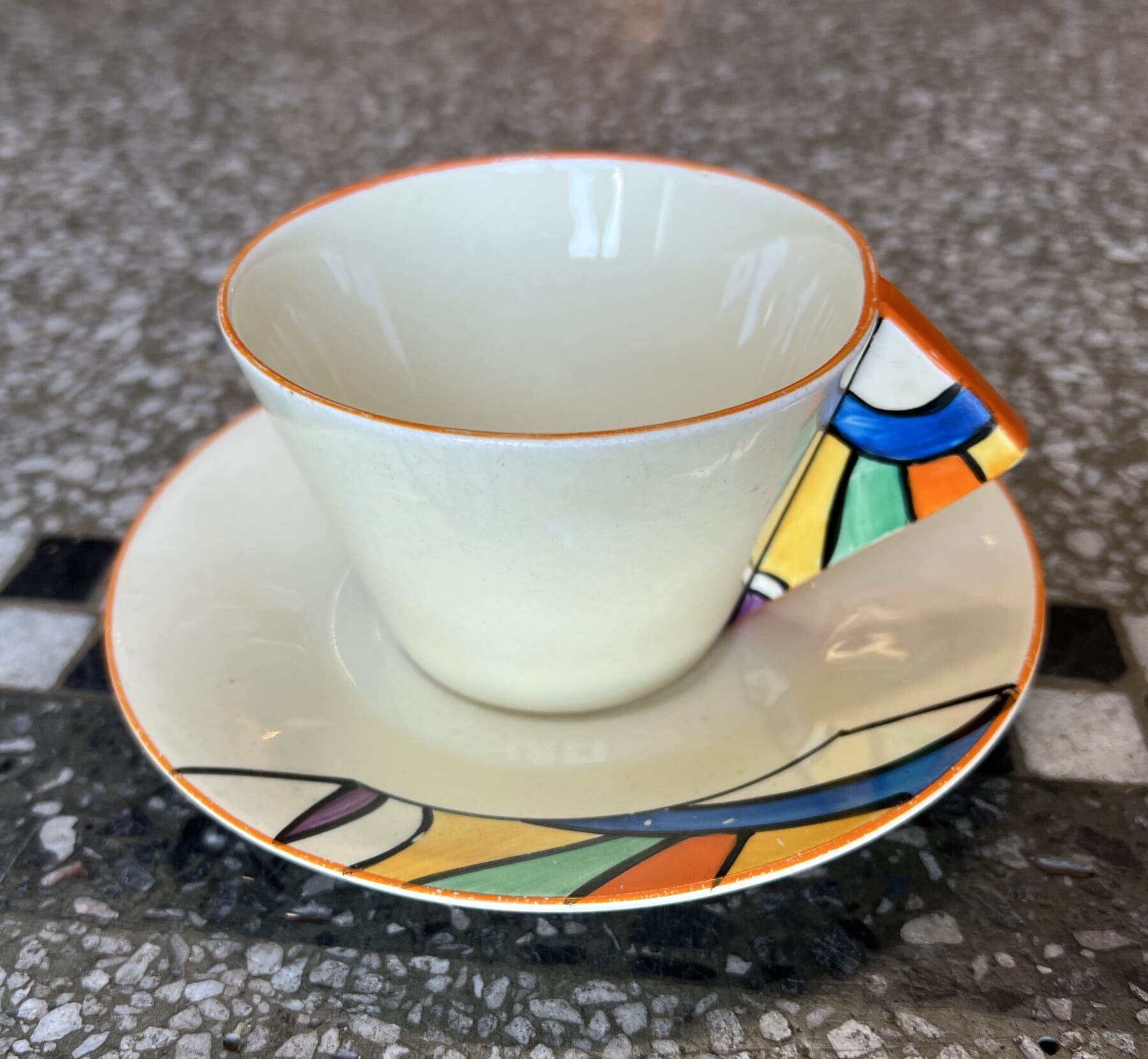
Some particularly interesting items are released in our pottery today. The ‘Clarice Cliff’ cup & saucer is an iconic example of Art Deco, from the very first years of this ‘Bizarre’ line of products, and has a fascinating ‘adapted’ mark, meant for 2 other patterns, but partly cut off before being applied. The saucer was also previously a plain ‘Honeyglaze’ piece, according to the mark still visible beneath- repurposed by Clarice & her band of merry painters for the mad-modern Art Deco designs they became fabled for.

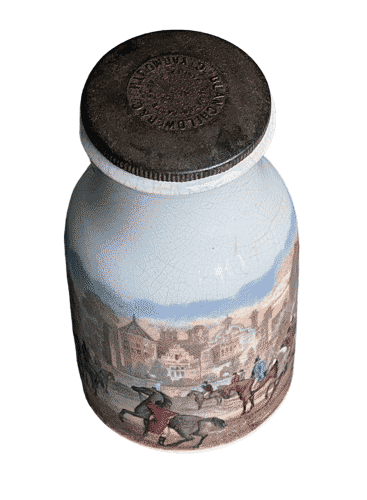
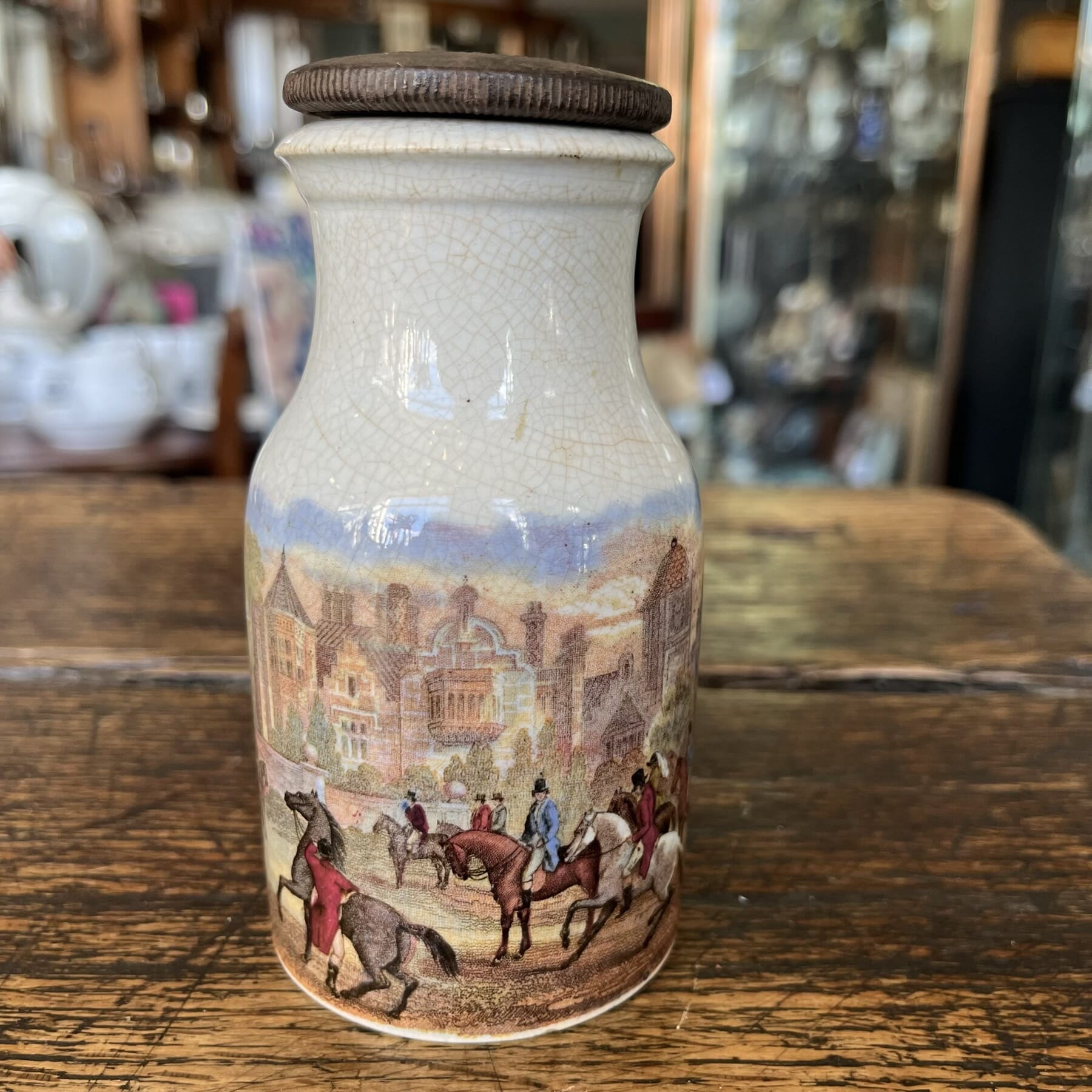
The Pratt printed bottle (the later ‘Pratt’, not to be confused with the earlier Pratt ‘Pope & Devil’ above) is a rarity, as it retains the original metal stopper – advertising it’s contents, which we otherwise have to guess at. This bottle was used by Blanchflower & Co of Greater Yarmouth to hold their ‘bloater fish paste’…. made from salted, smoked herrings called “bloaters”, which are smoked whole with the insides still in them. The result is a more ‘gamey’ flavour than cleaned herrings! Fortunately used up long ago, the tin lid & cork are rare survivors, and illustrate the exact contents of these interesting early examples of recyclable packaging from the Victorian era.

Fresh to Stock

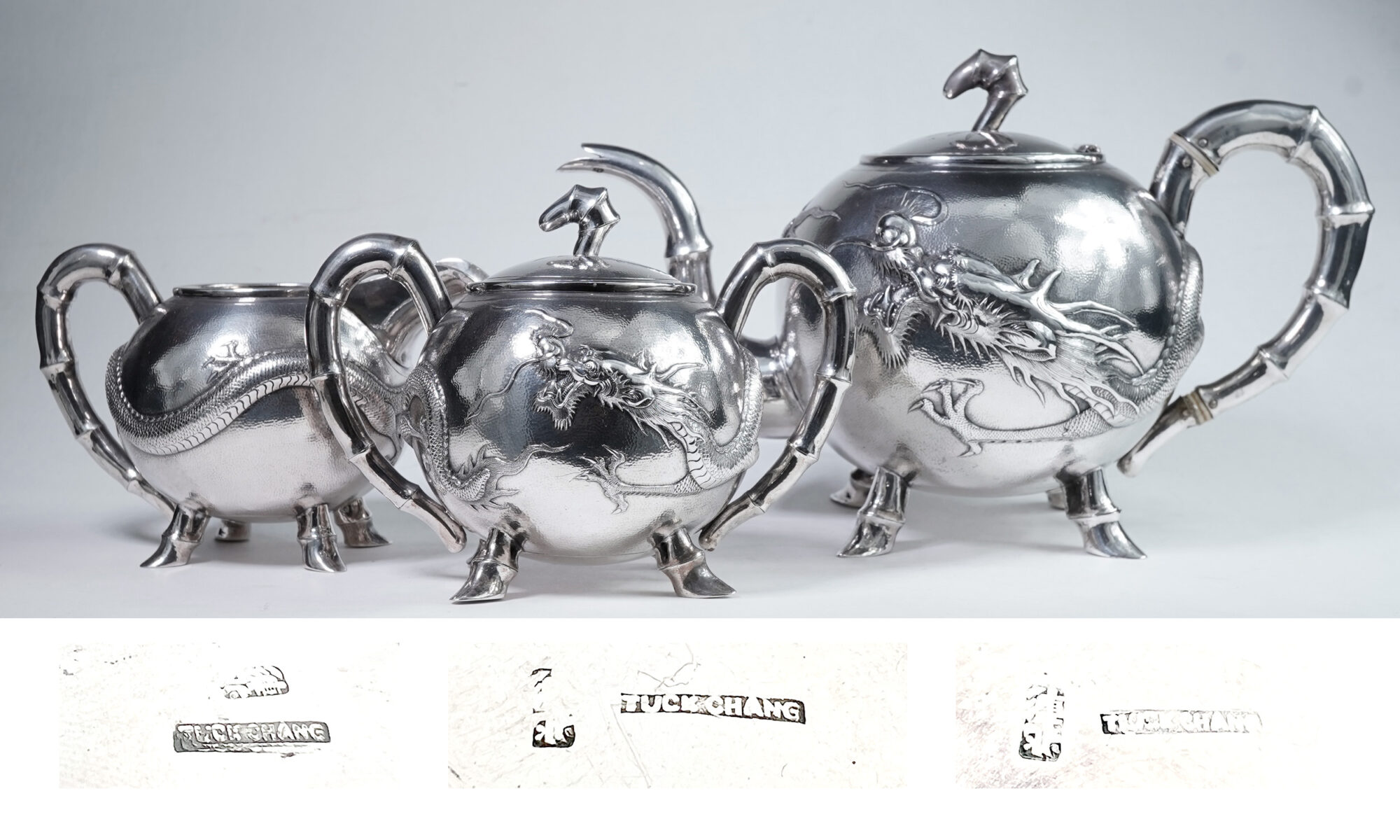
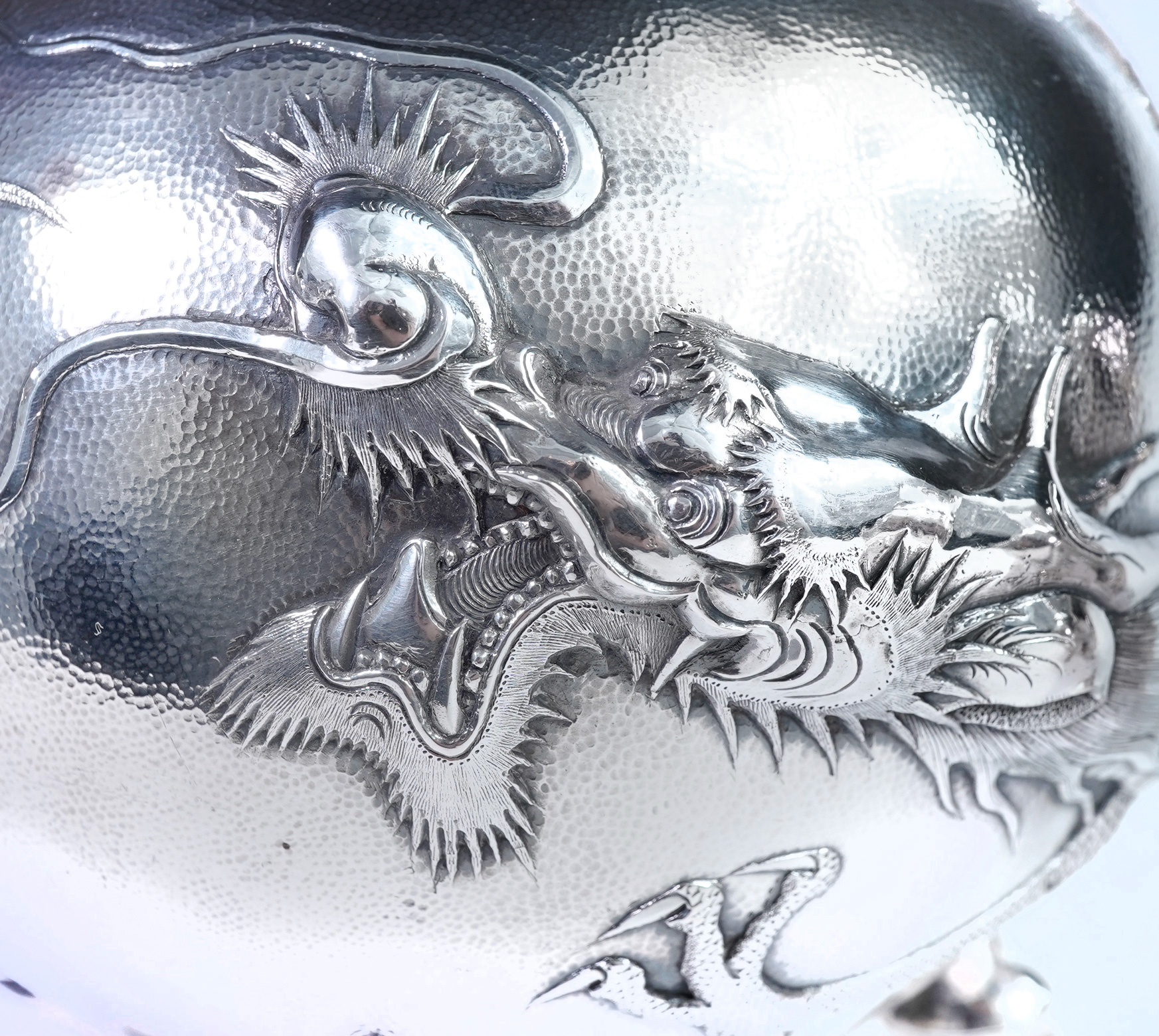
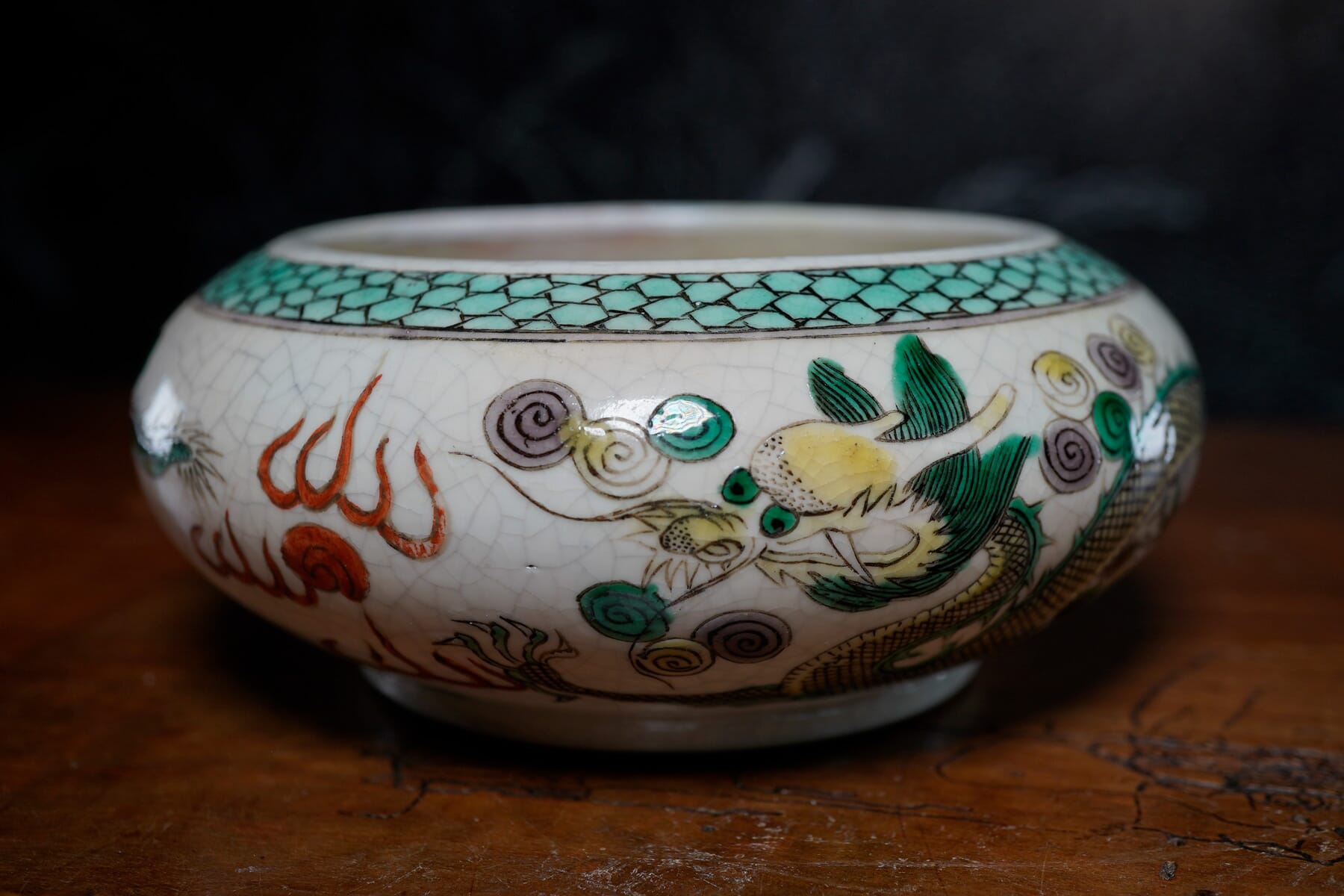
This remarkable solid-silver teaset is unsurprisingly Chinese. Each piece has a magnificent dragon embossed on it, with the long body wrapped all around until it almost catches its own tail…. It is the creation of Shanghai’s finest silversmith of the late Qing Dynasty, Tuck Chang. His pieces – or more precisely, the products of his busy workshop, were sold in colonial Shanghai, but also exported and in the best department stores in New York, London – and Melbourne.

Tuck-Chang-Silver-Teaset

Fresh Chinese

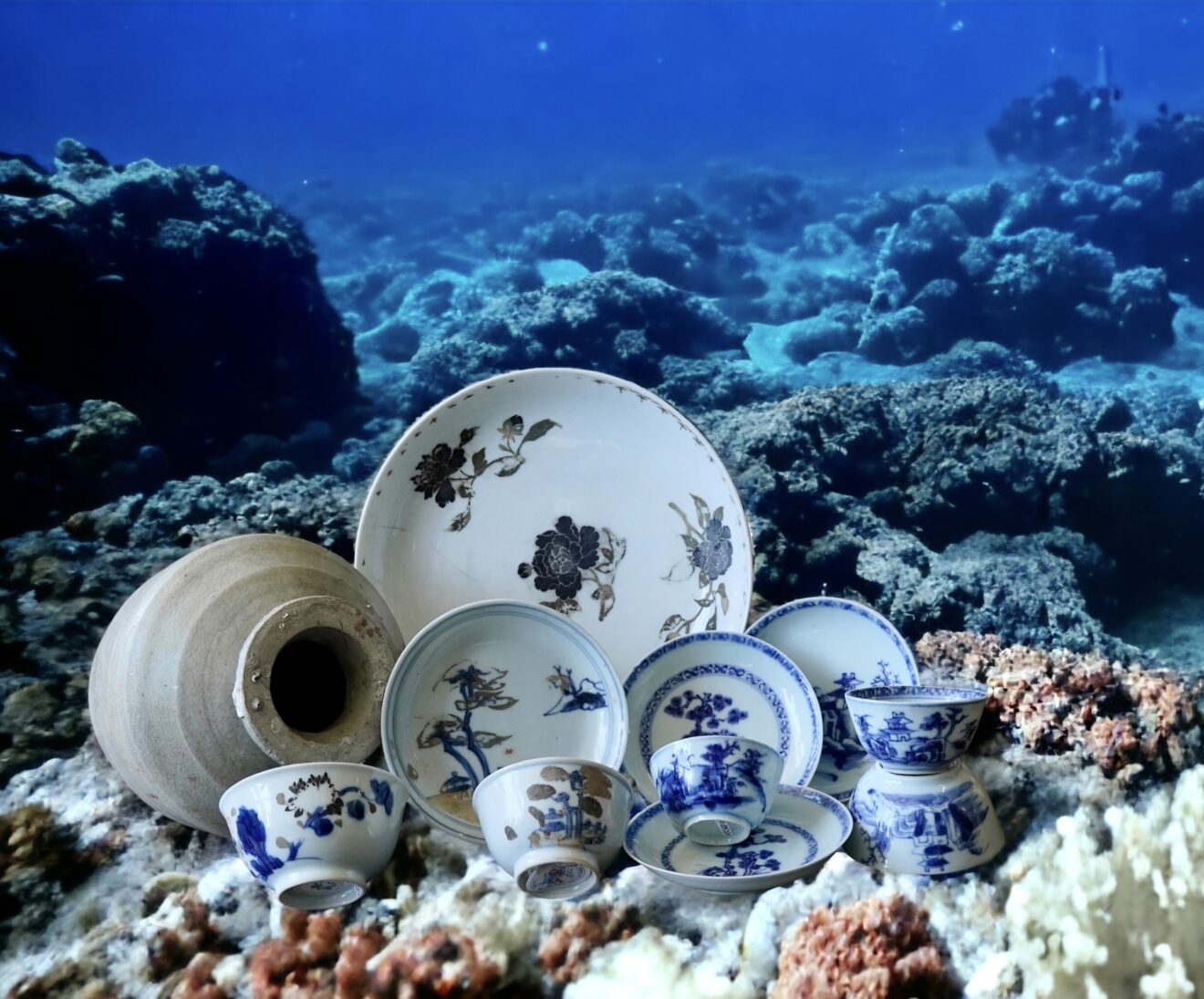
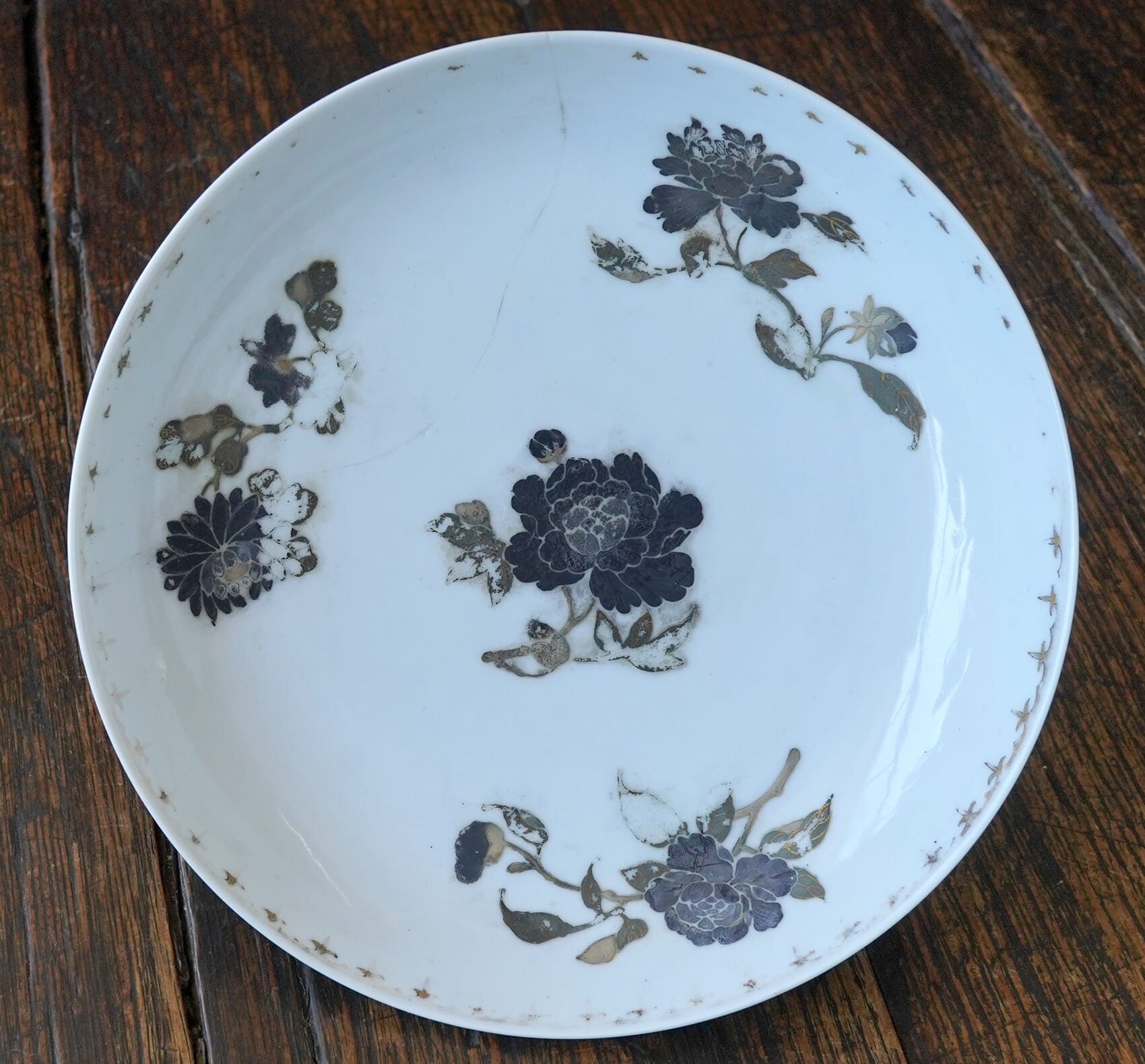
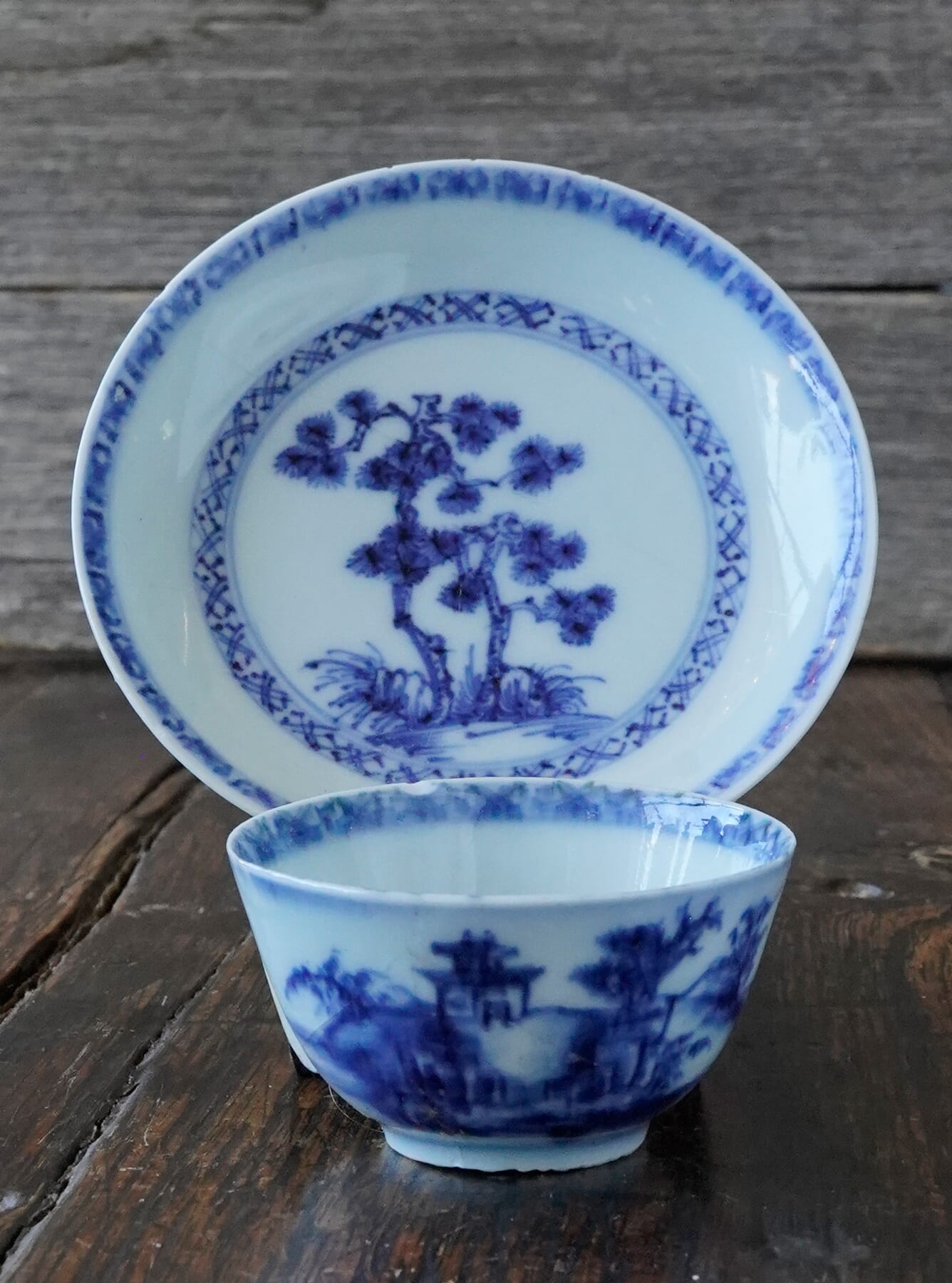
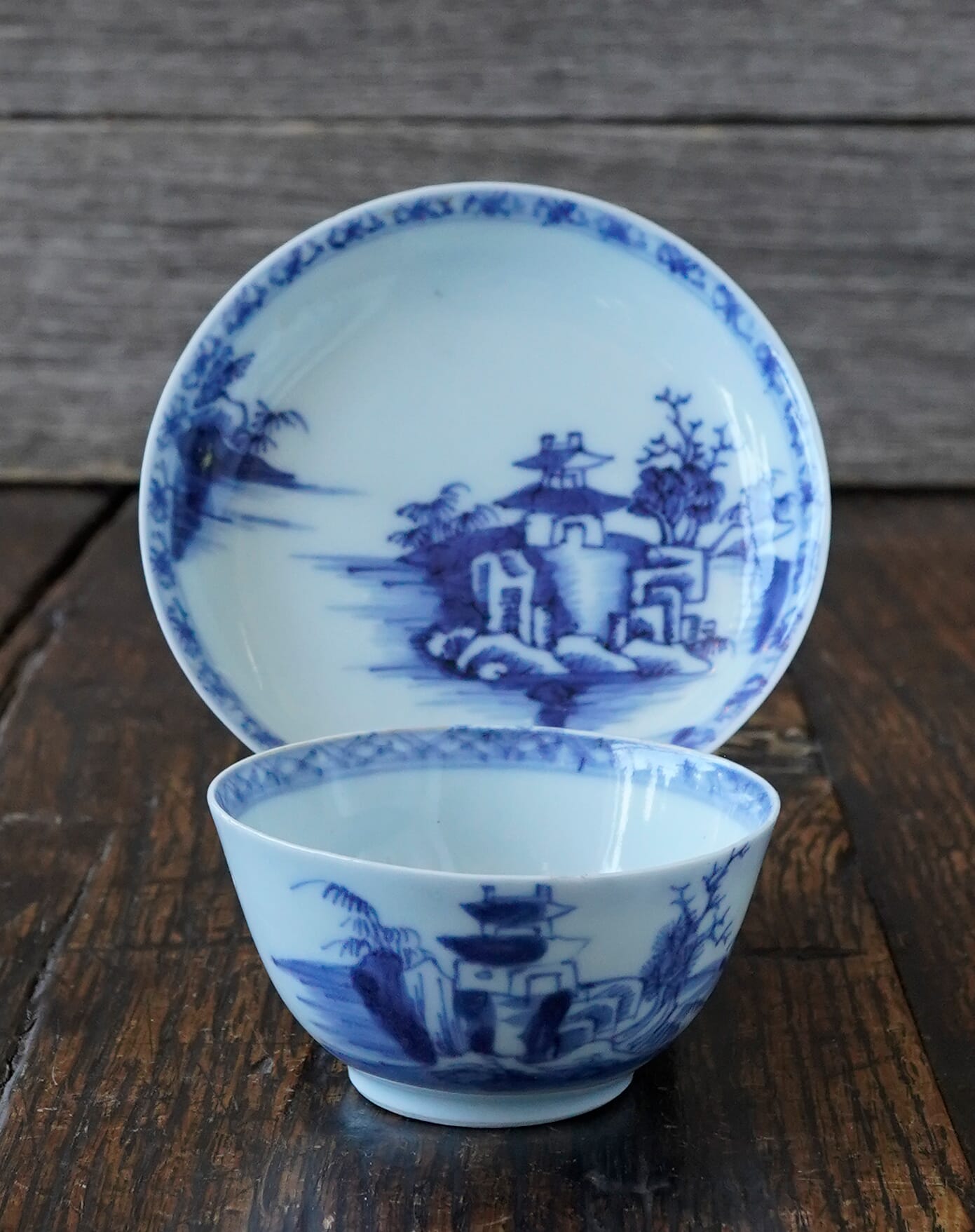
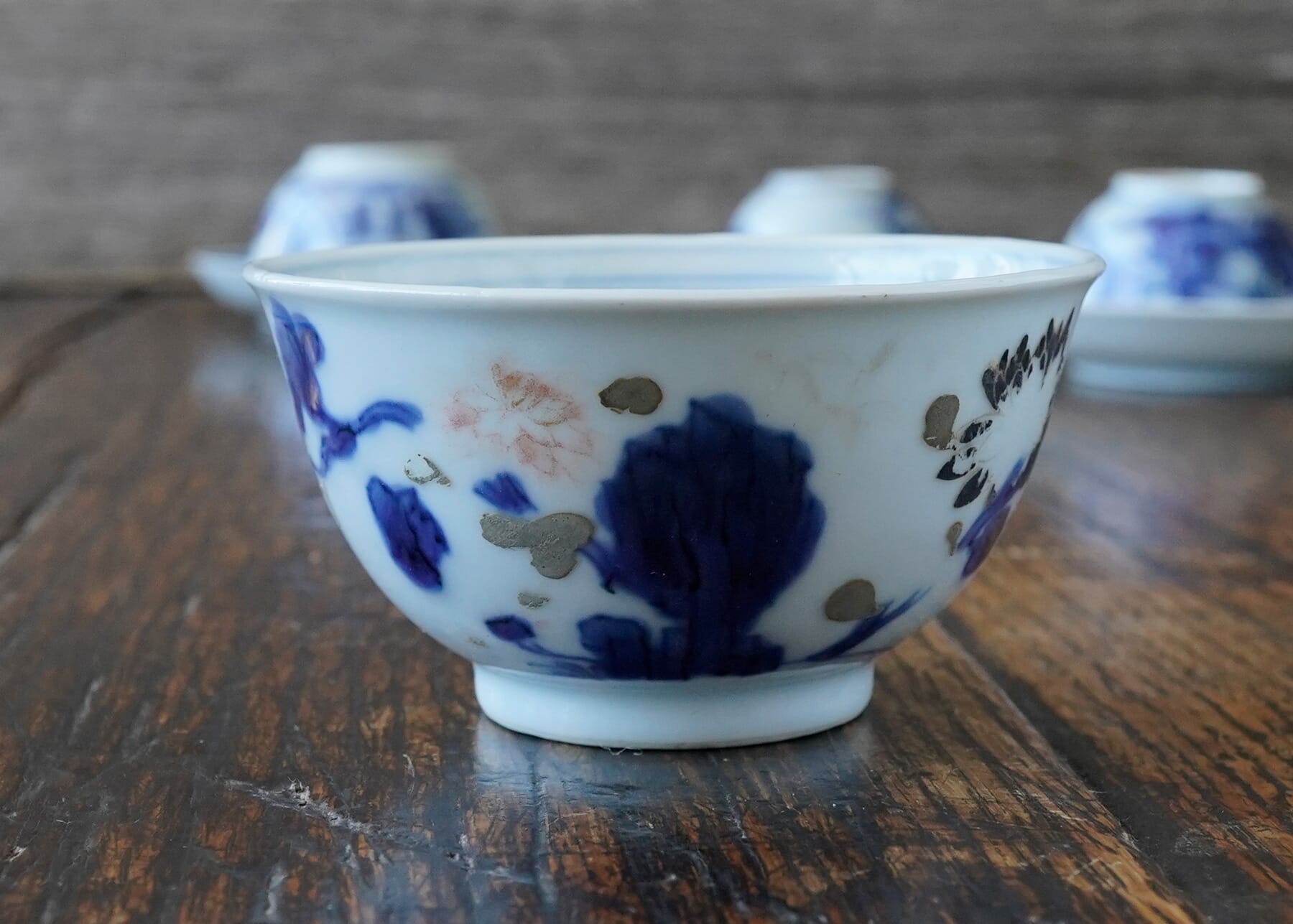
Curated Collection: Shipwreck Ceramics

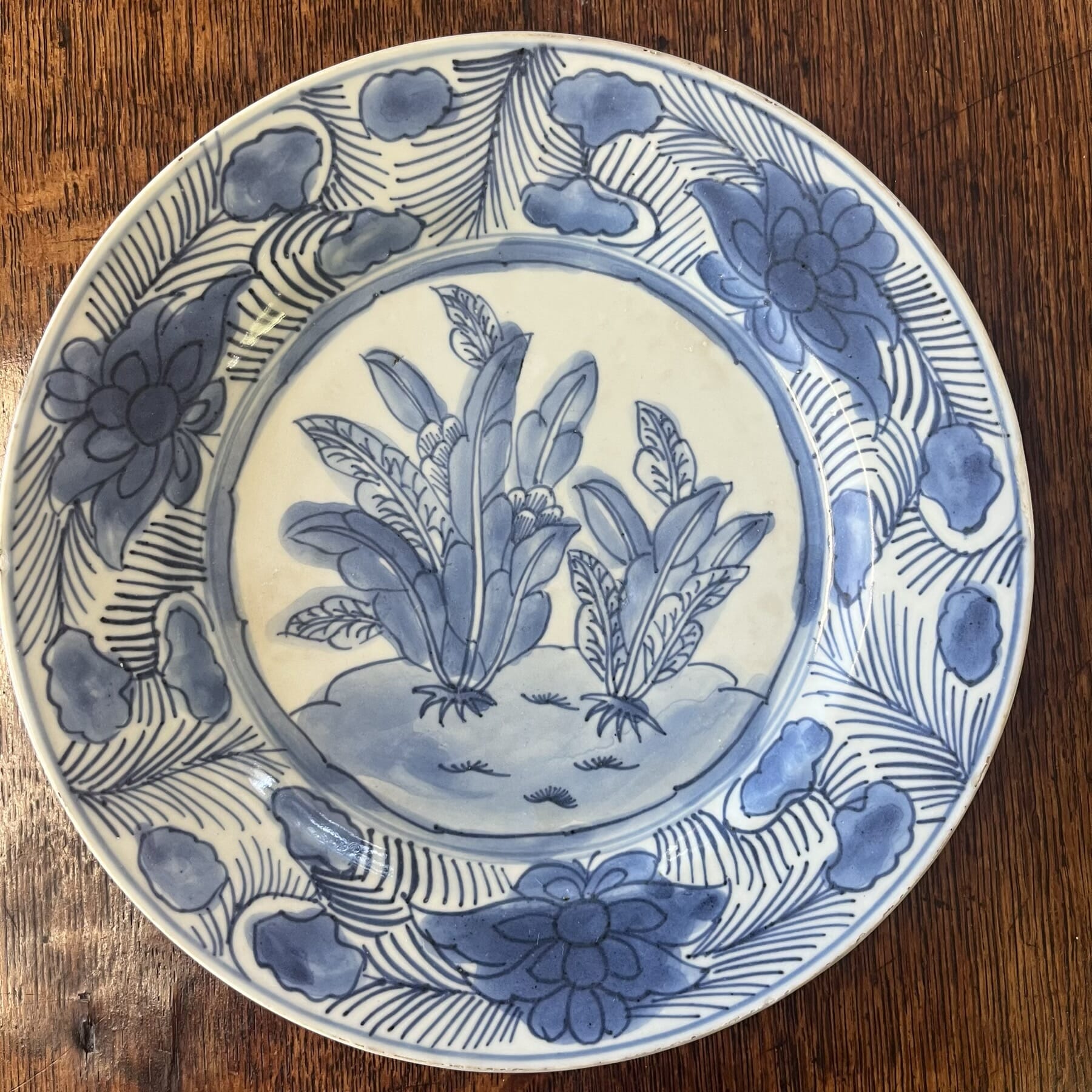
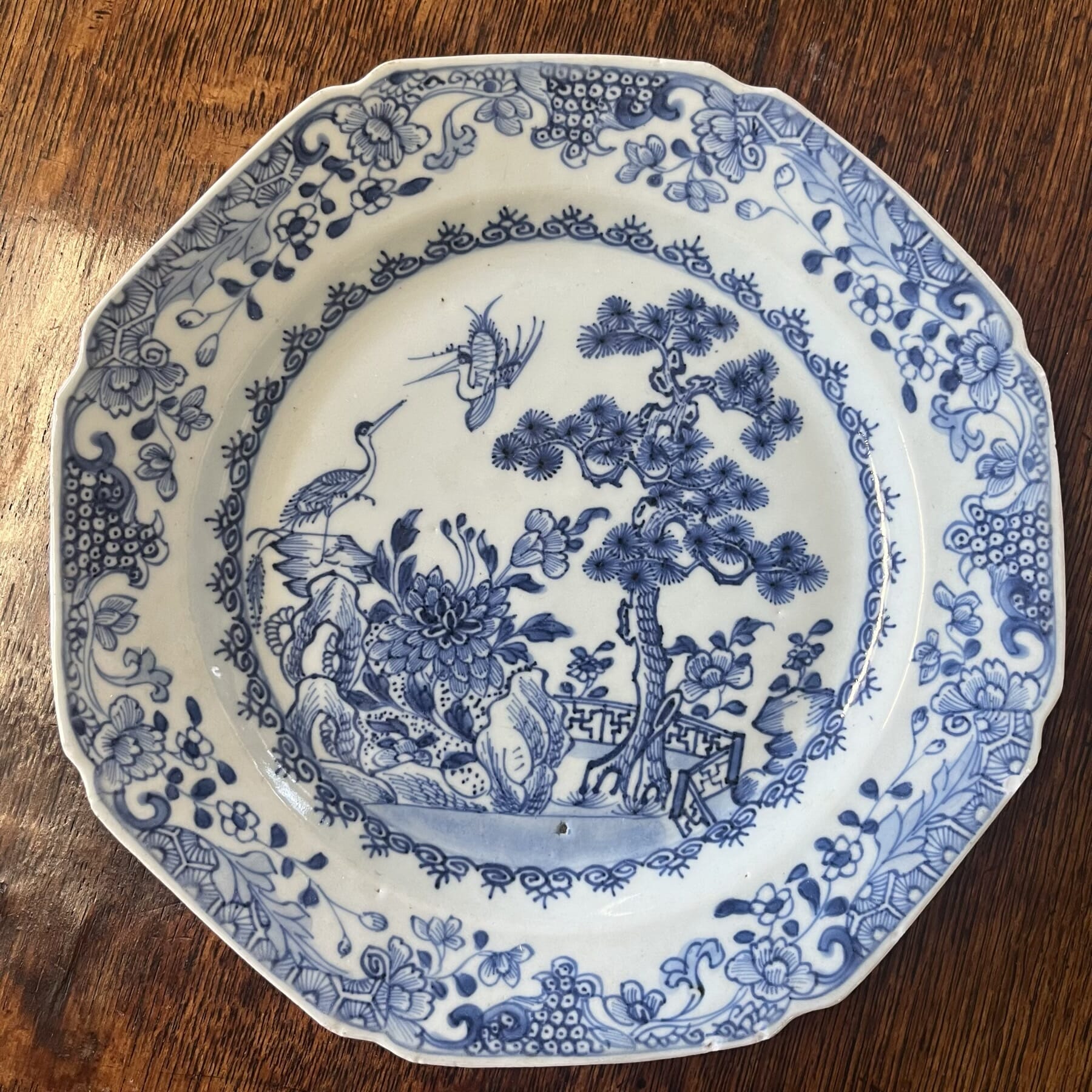
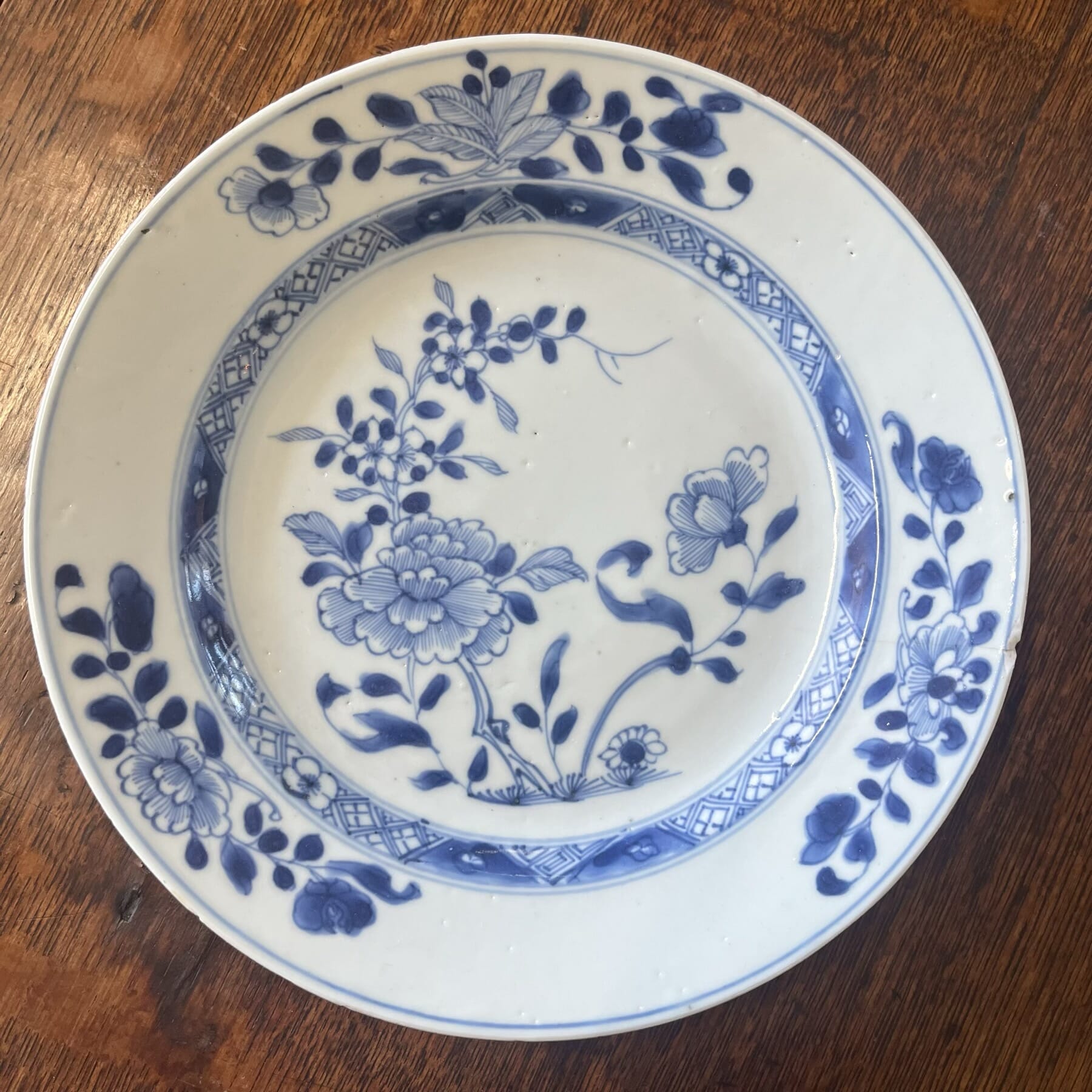
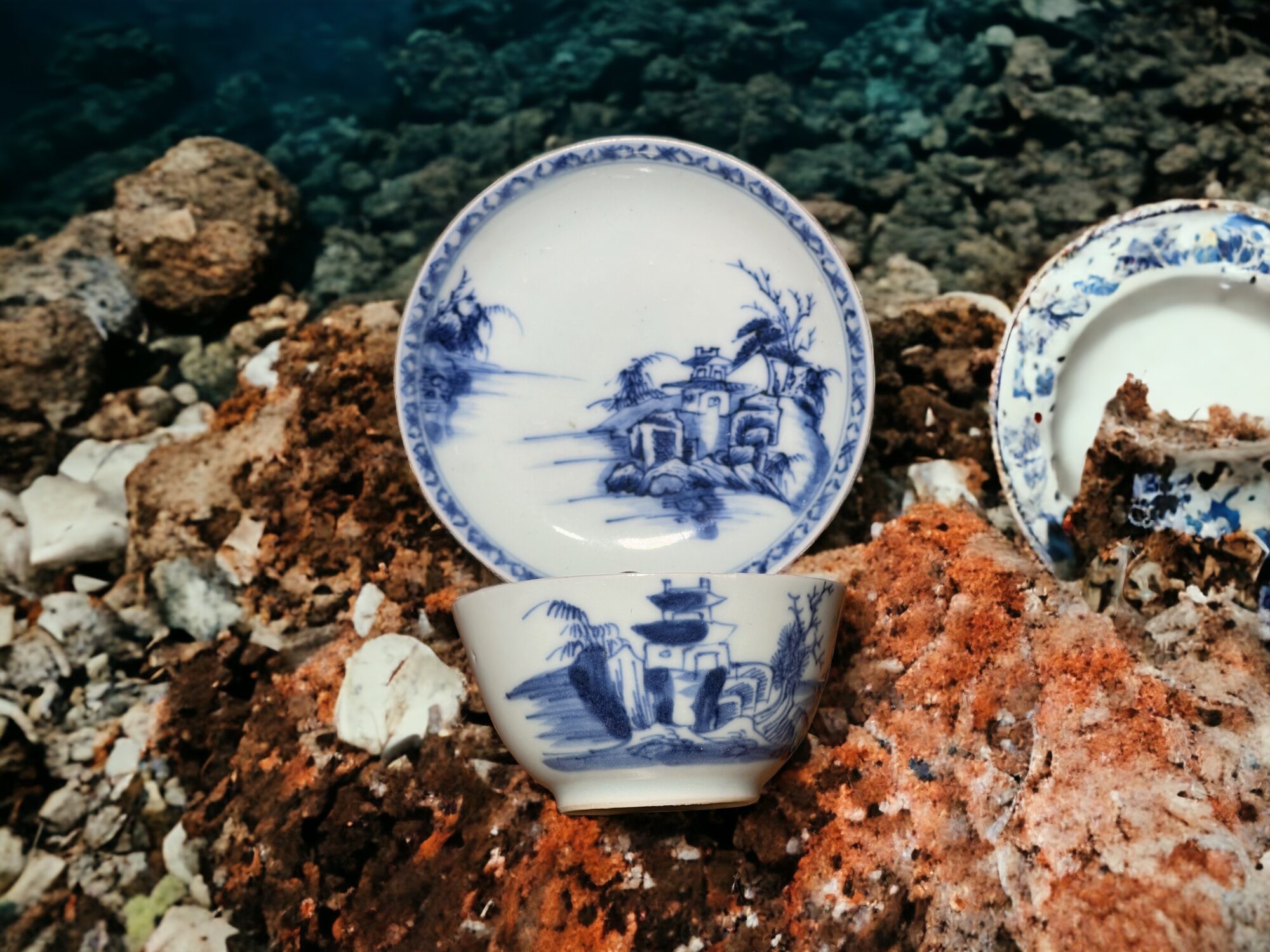
Geldermalsen - Nankin Cargo - Shipwreck Ceramics, c.1750
Geldermalsen – ‘Nankin Cargo’ – Shipwreck Ceramics, Chinese c.1750
Shipwreck Ceramics - the Nankin Cargo c.1750
Qinglong porcelain c.1750 – Guaranteed!

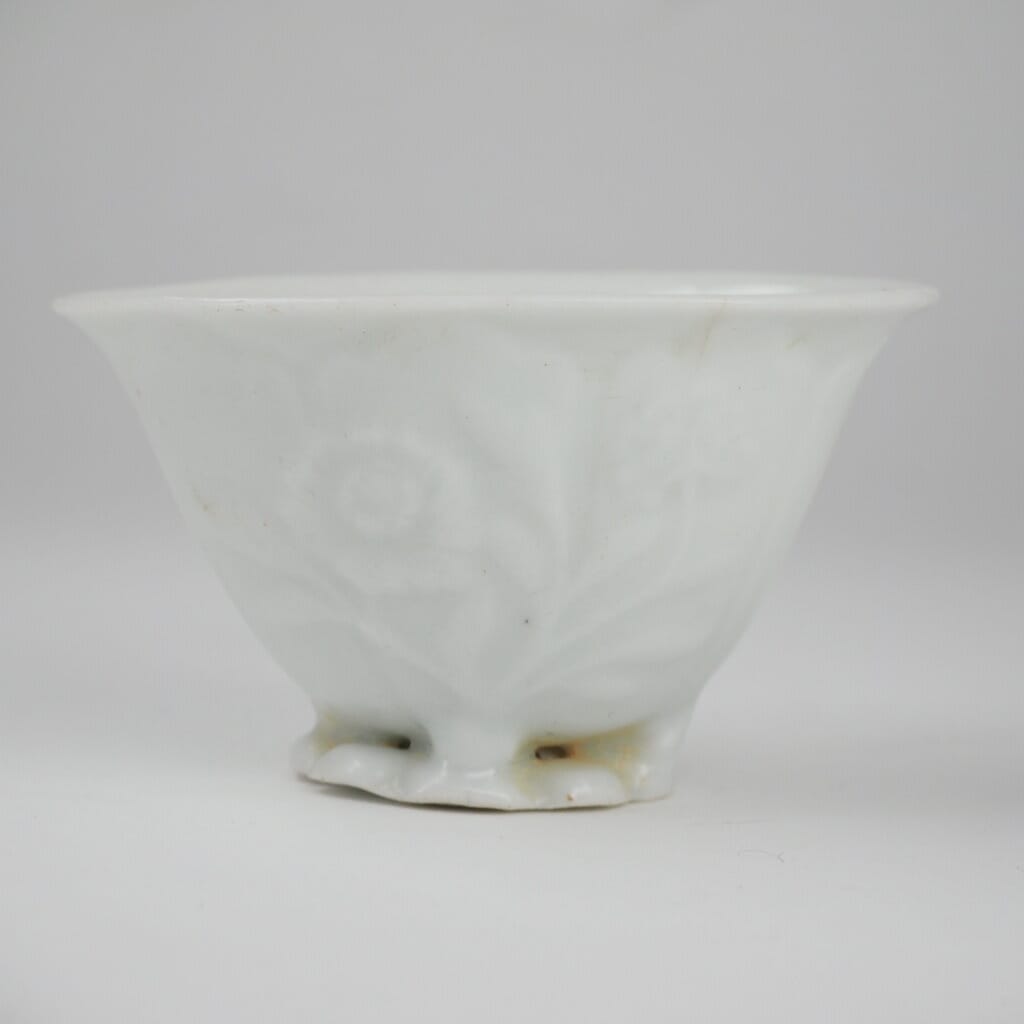
These Chinese porcelain items were recovered from a shipwreck in the South China Sea in the 1980’s.
Shipwrecks are always important in the ceramics world, as they act as time capsules material culture for the date the ship sank. While metal and wood will perish with time, ceramics are extremely durable. These pieces are sometimes in exceptional condition despite being under the sea for over 200 years.
What makes these Chinese Porcelain pieces particularly desirable is their context: the Dutch ship Geldermalsen sank in 1752, and the items were recovered by a professional team; therefore, in the present-day world of Chinese Ceramics, where the fakes have become harder to spot, they are corner-pieces in a collection, being absolutely Guaranteed Genuine.
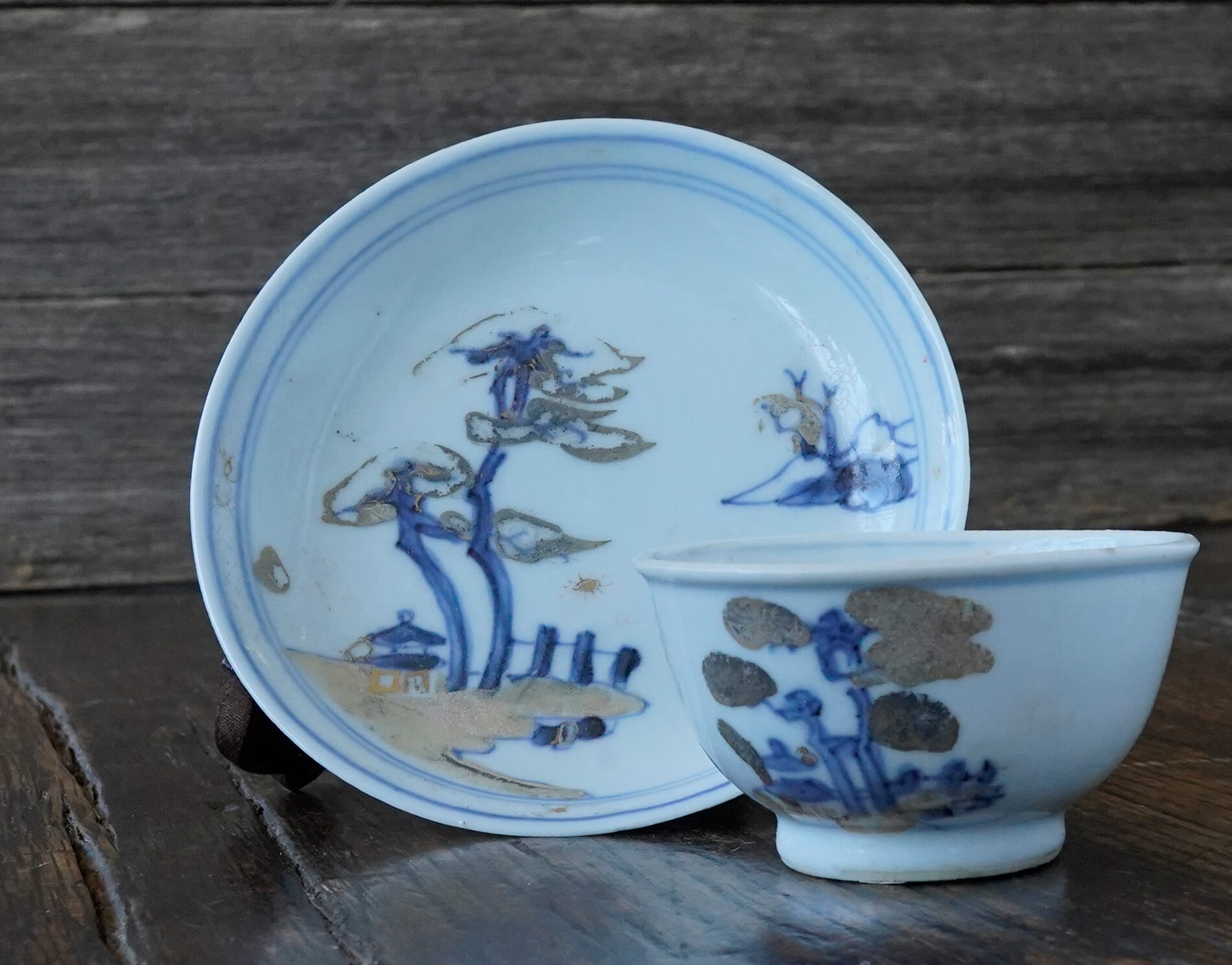
Moorabool has a sample of these in their ceramics reference library to use for education and study: directly comparing a piece from a known wreck to a piece of uncertain provenance can be invaluable during our researching. They are essential for our dating of Chinese Ceramics, and while condition is usually important for a collector, the authenticity of these pieces and the way this can help verify other pieces is invaluable, far outweighing any condition concerns….

Coming soon…

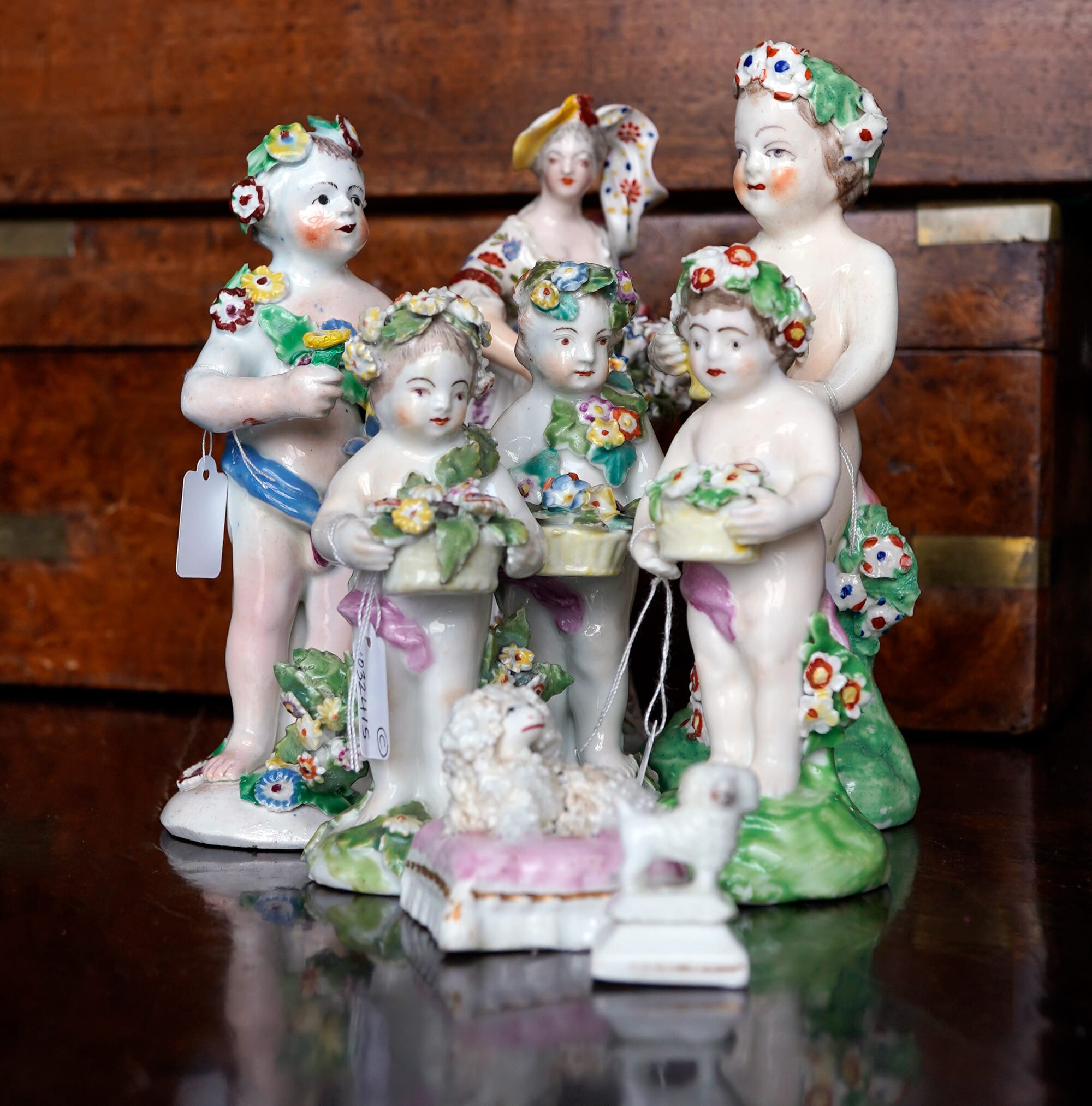
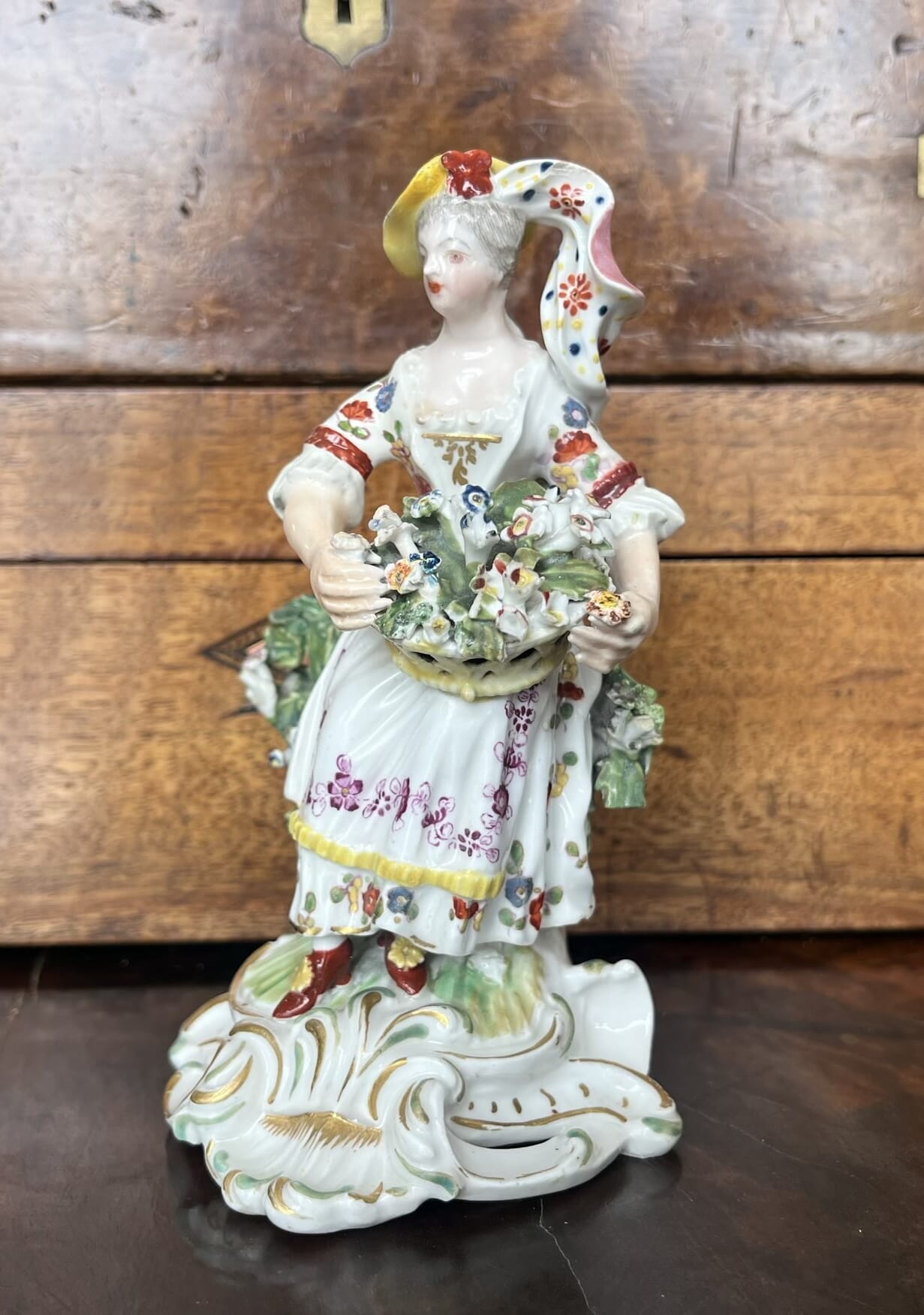
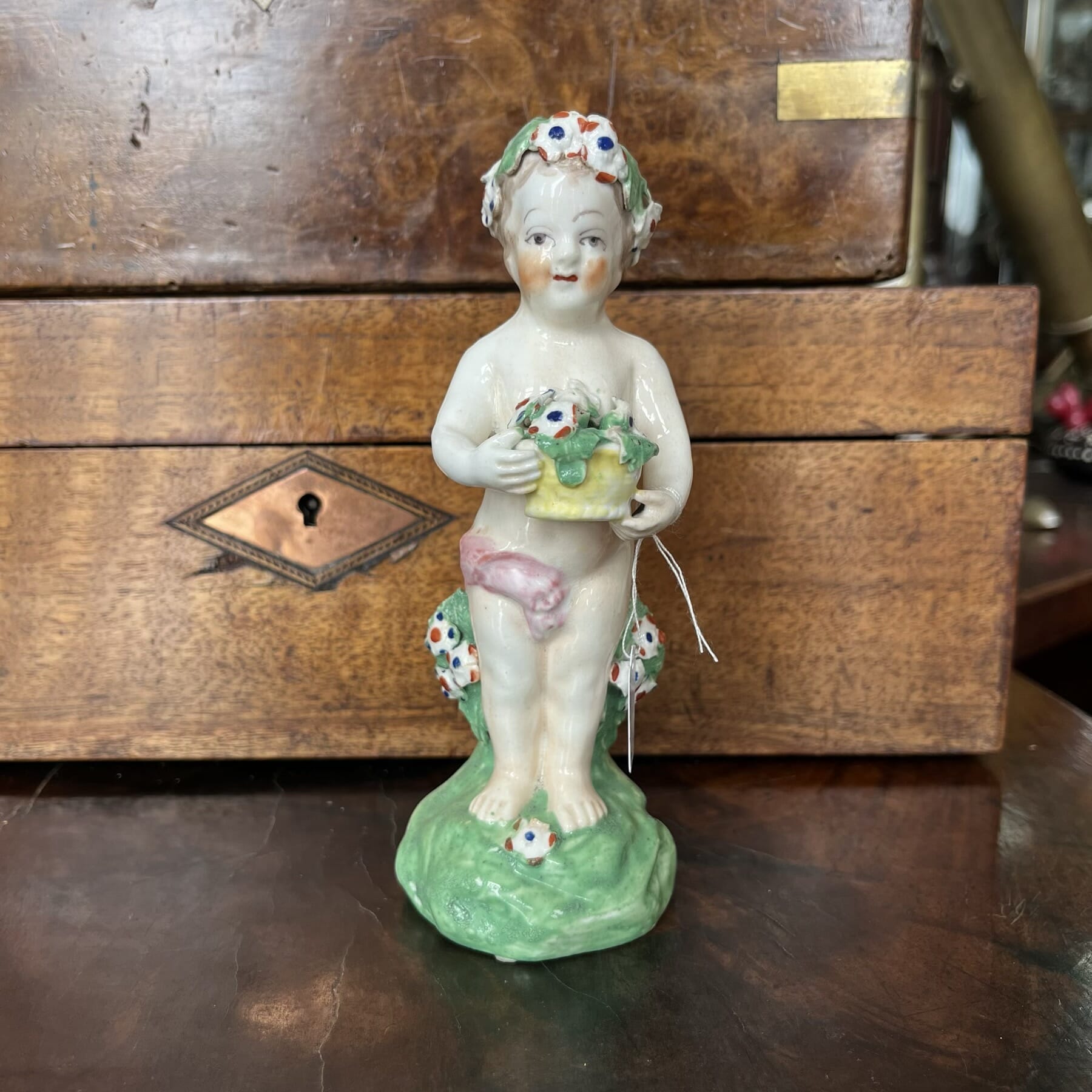
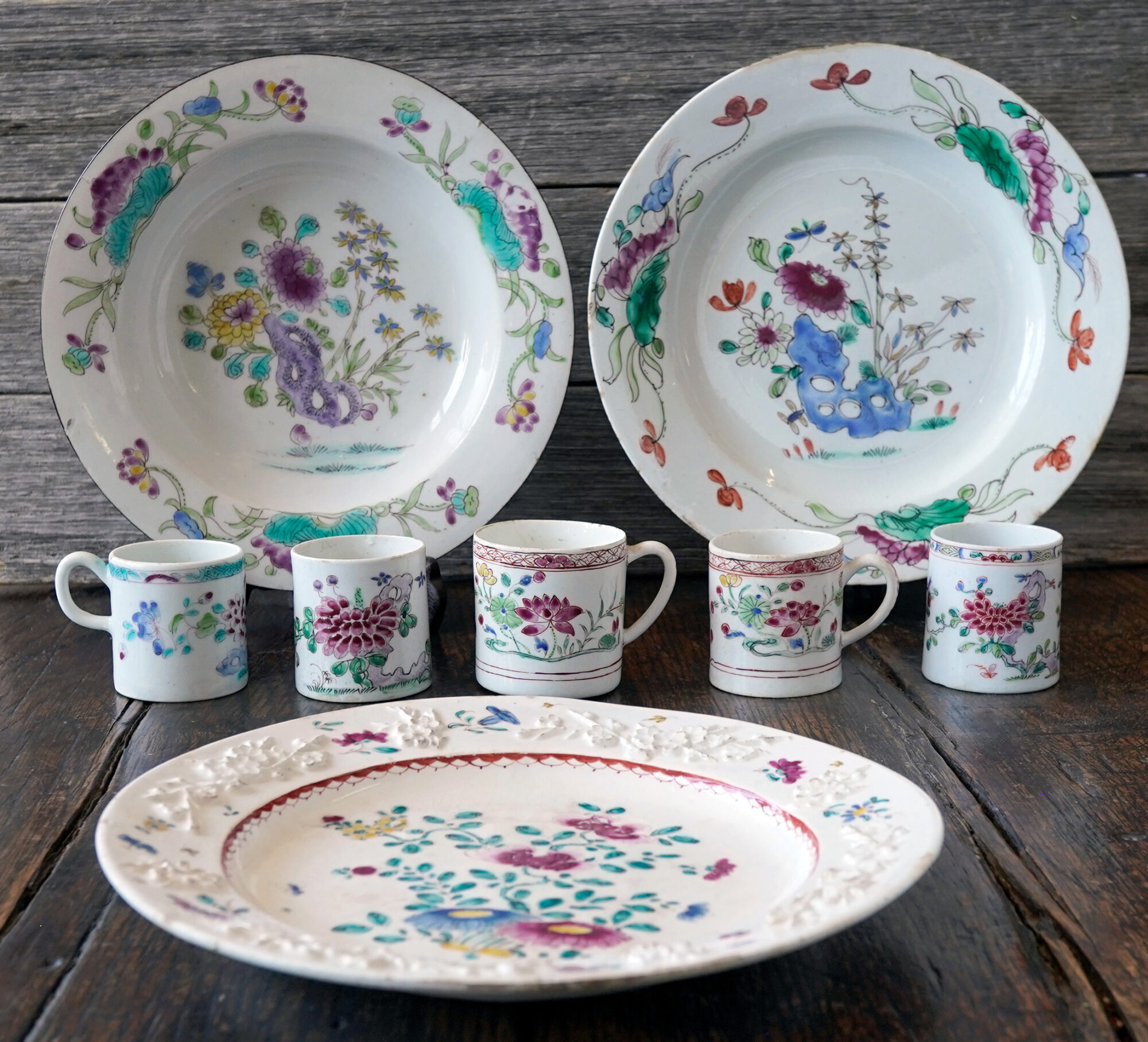
Moorabool has a collection of quality 18th century British Porcelain – including Derby, Chelsea, Isleworth, and this selection of Beautiful Bow. Currently being catalogued, it will be out in the next few weeks as a special ‘Fresh Stock’.

Tres Français!

Saturday 28, Sunday 29 October 2023

Le Festival Français, Geelong 2023

We have a treat for our local customers: a weekend of French food & fun, hosted at Geelong’s beautiful National Trust property, ‘The Heights’. 
Moorabool is opening a genuine ‘Brocante’ – we have taken the charming Dovecote in the garden, and will have it stuffed full of interesting items to buy. 

As well, Paul Rosenberg will be giving a lecture, ‘Trés Français’, taking a small audience through the wonderful influence France has had on our culture. This takes place inside the house, spaces strictly limited, so head to lefestivalfrancais.com.au if you would like to come. 

Paul’s talk will be at 3pm on Saturday 28th October. Bookings essential!

Note: the funds from entry etc. go towards the actual property, a terrific fundraiser for this treasured local property.

THe Heights

The house will also be opening for guided tours throughout the weekend: we’re excited to be involved with this also, and Moorabool has been asked to ‘dress’ the rooms in a French theme. 

Vite! …and apologies to those who live too far away: we’ll post some photos ….. 

Read more & book tickets >>

image