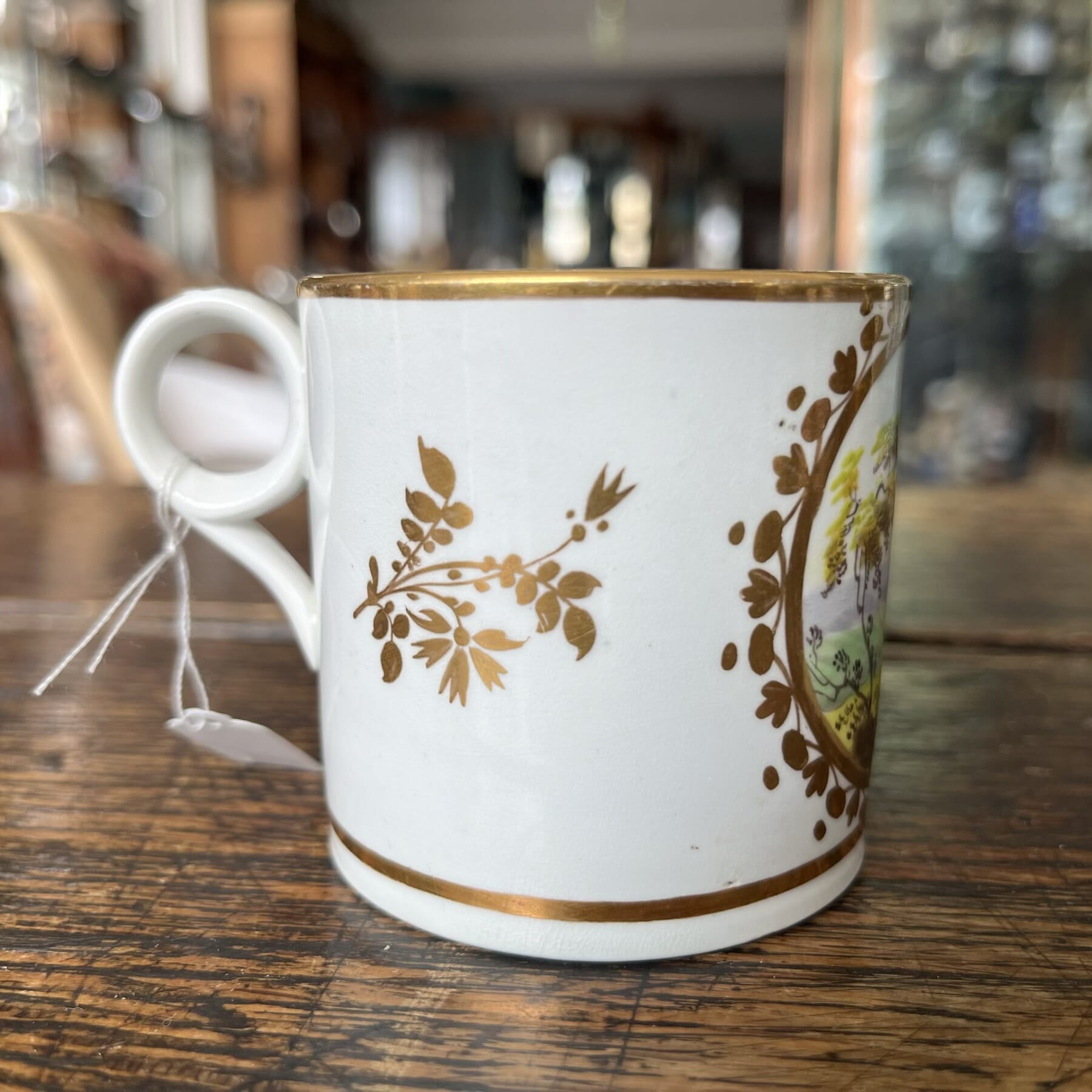
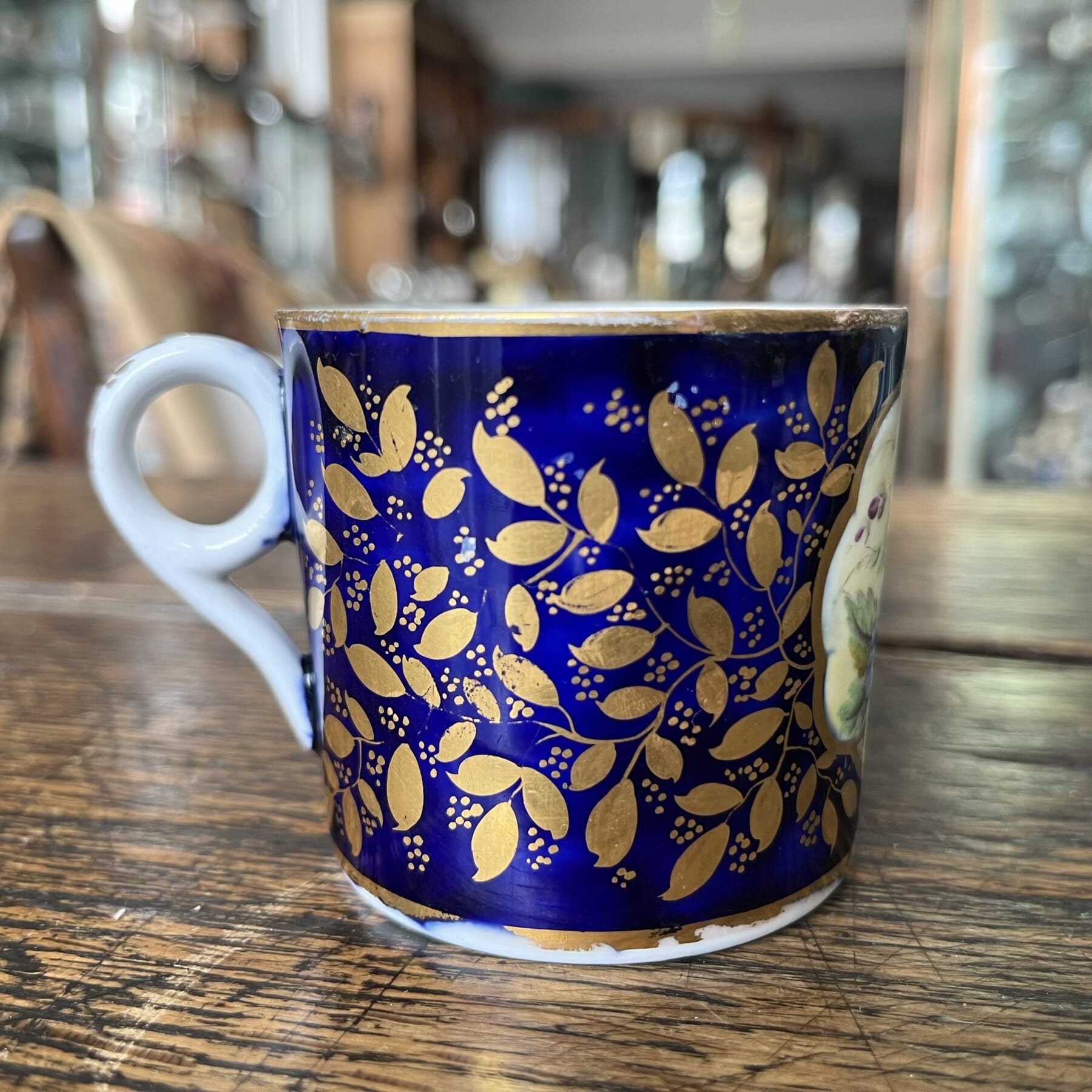
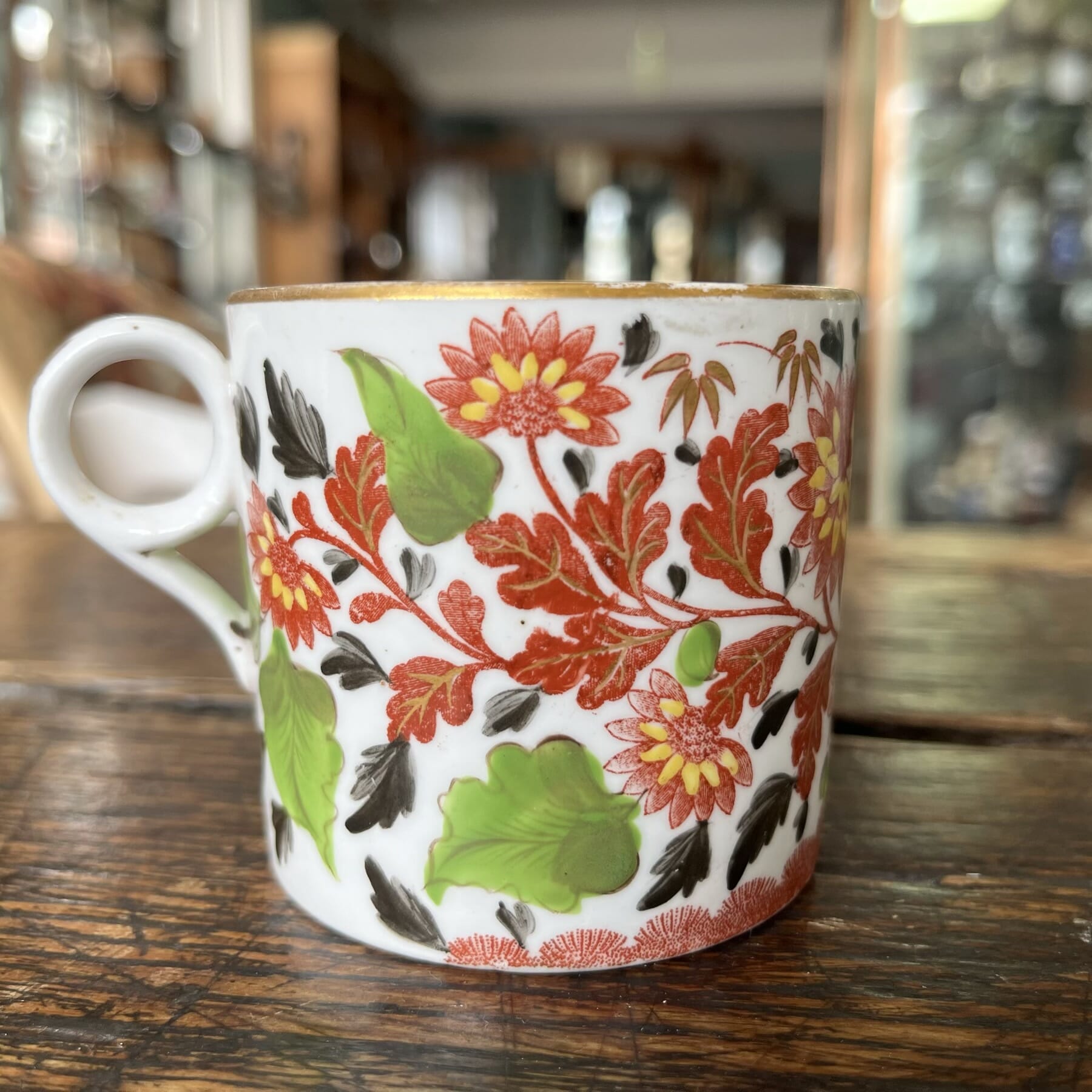
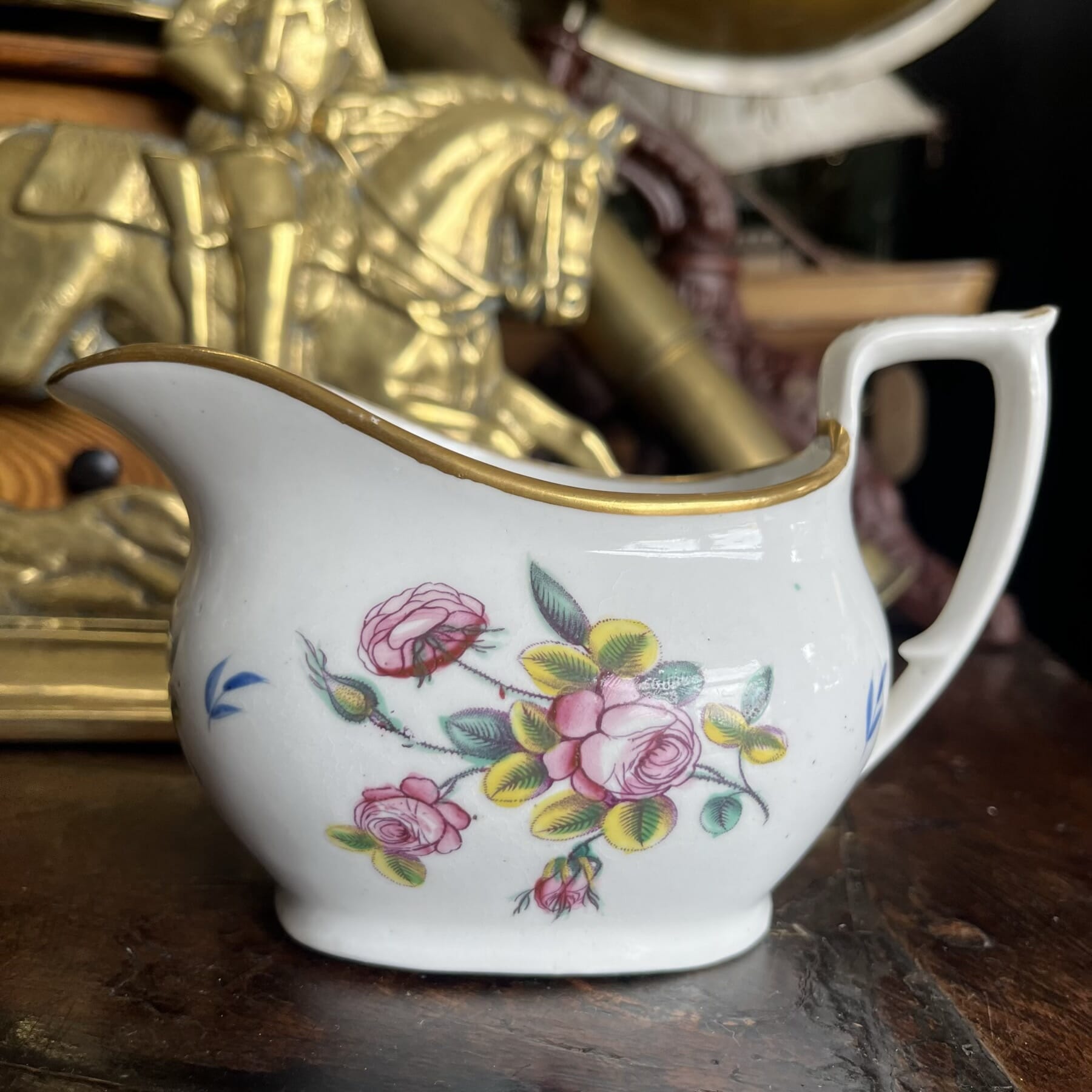
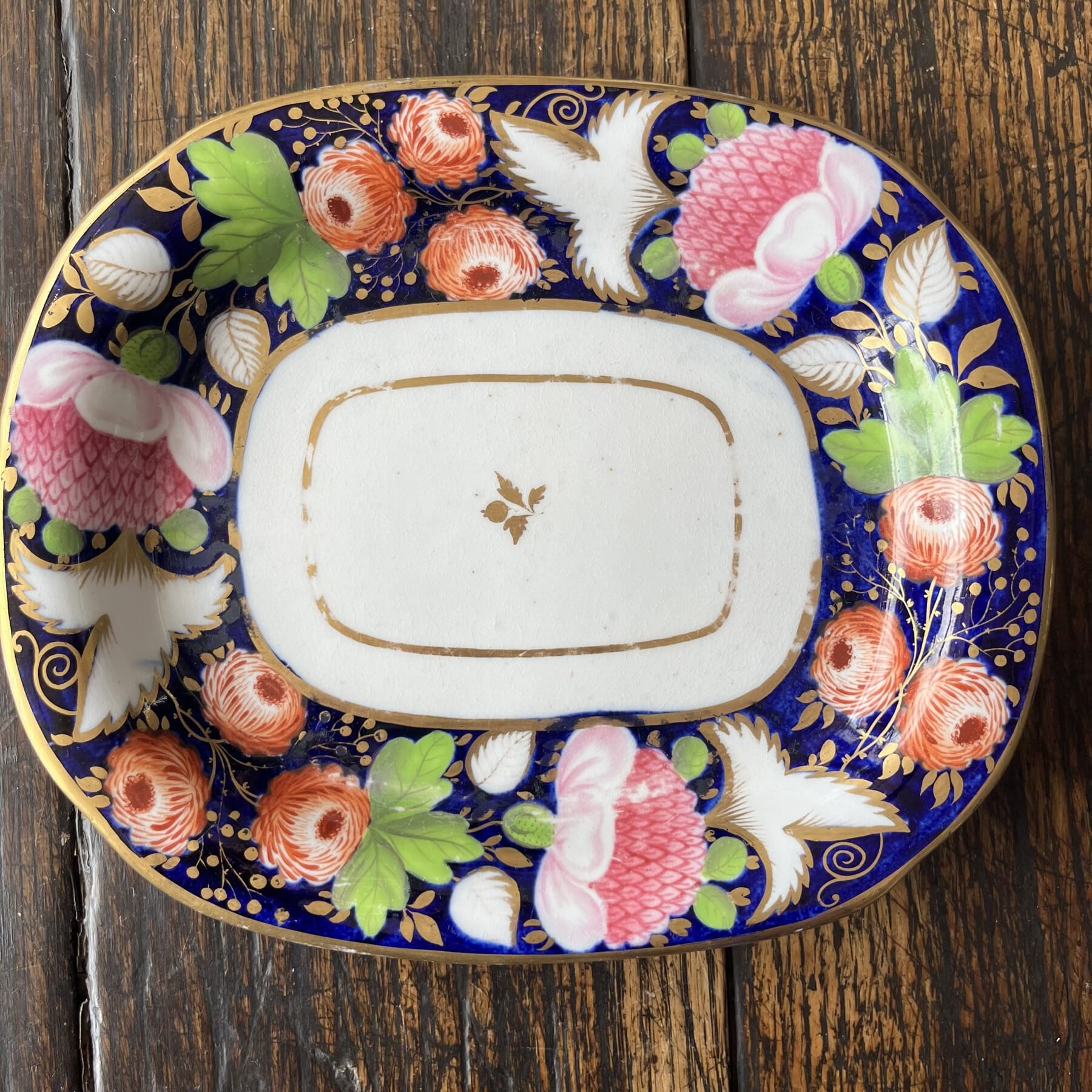
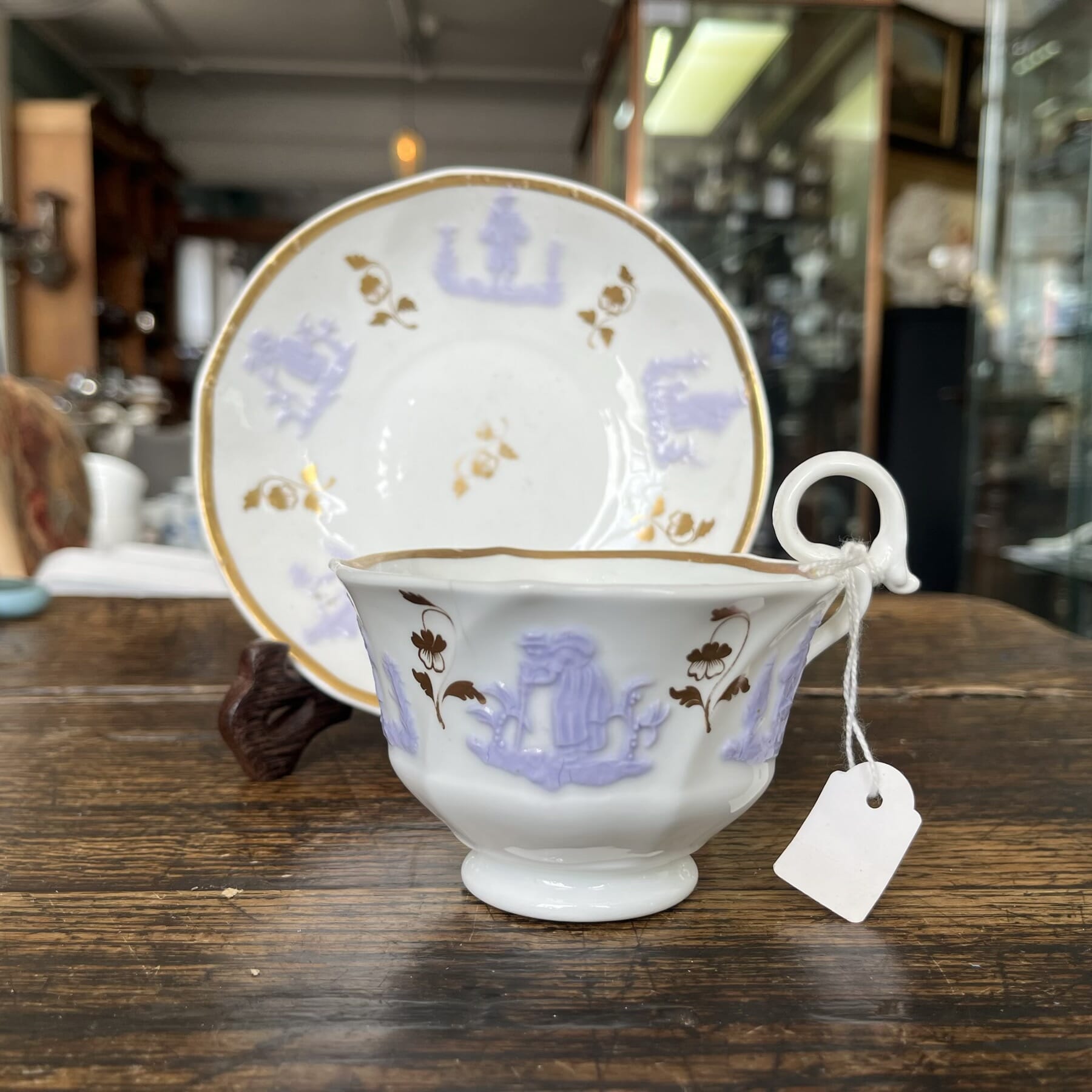
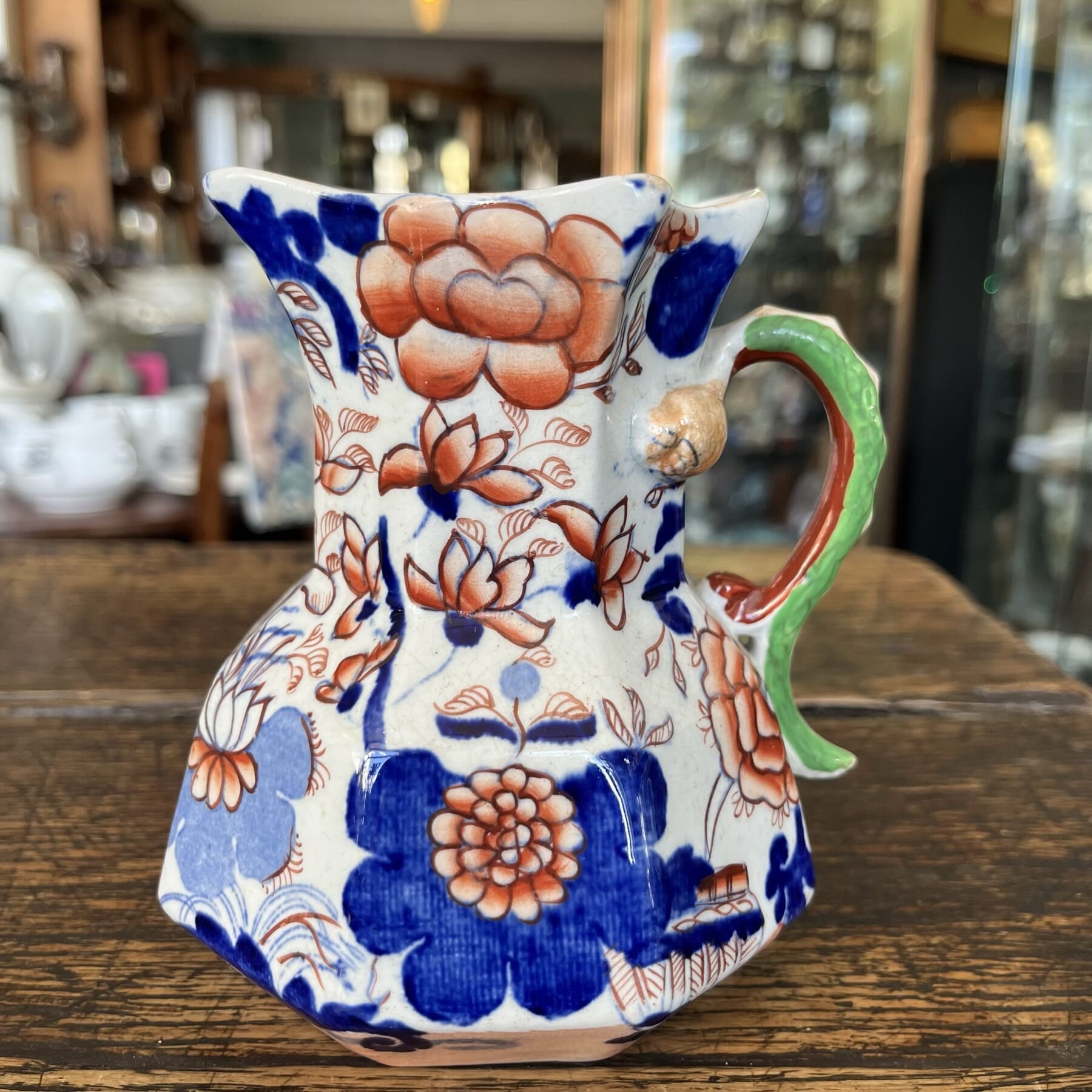
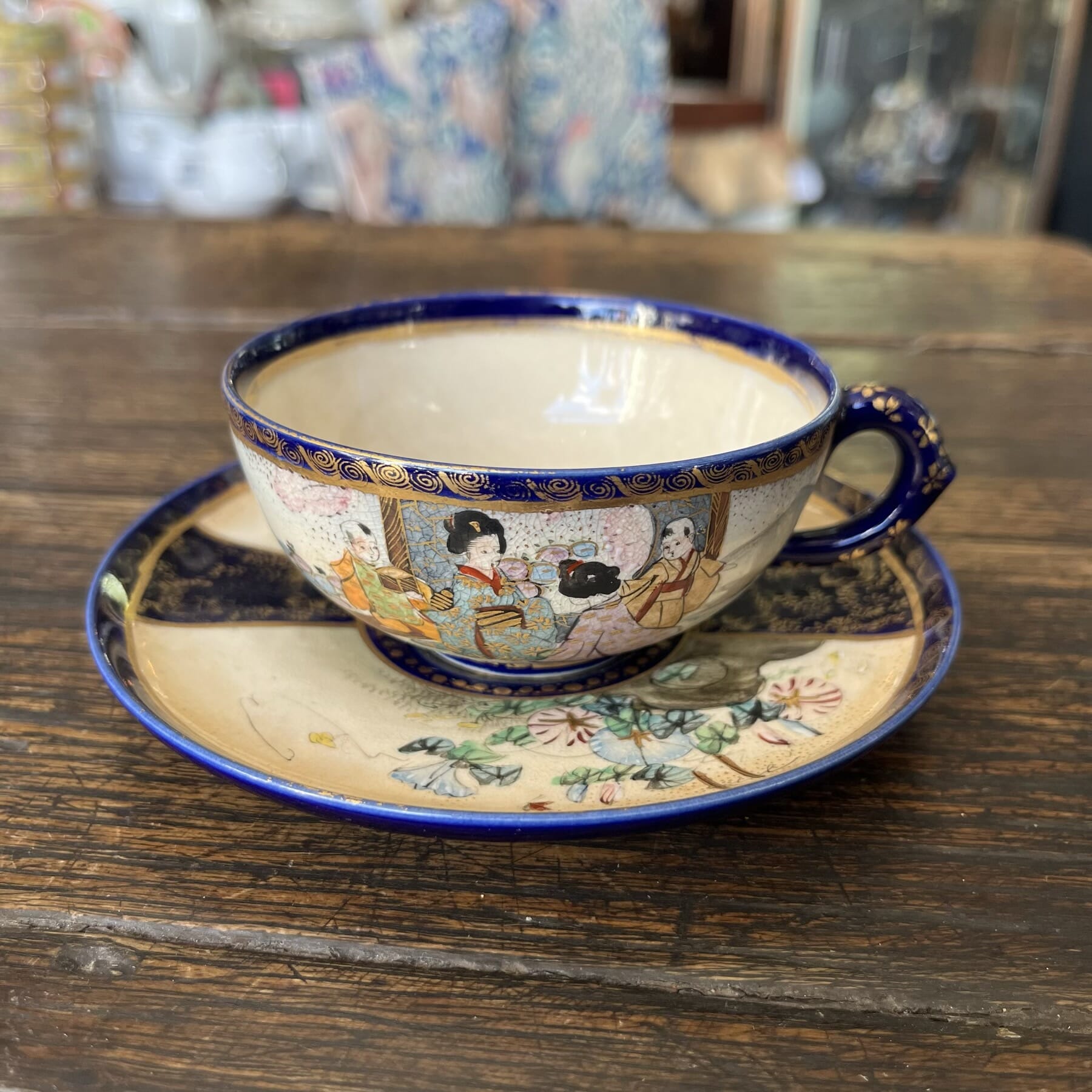
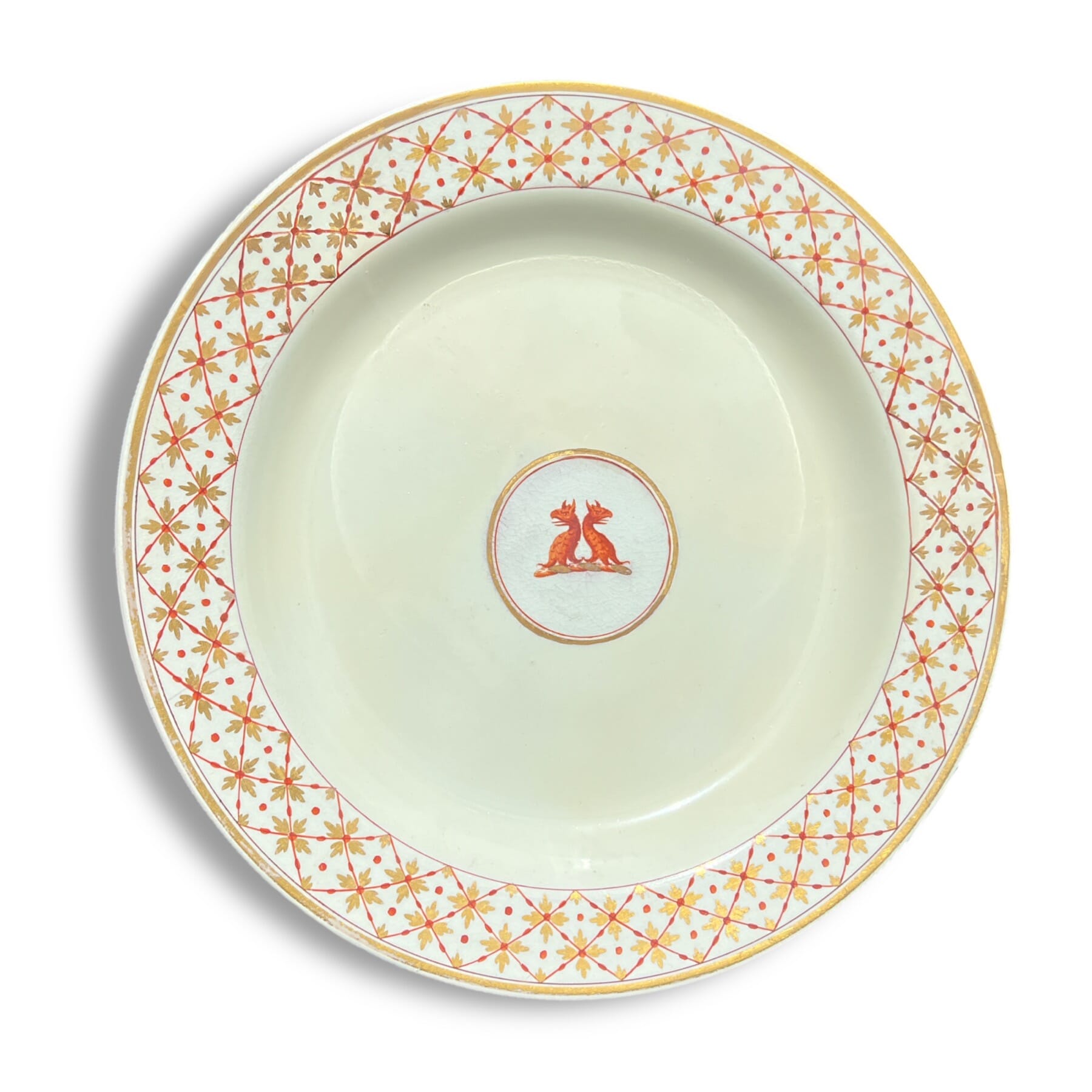
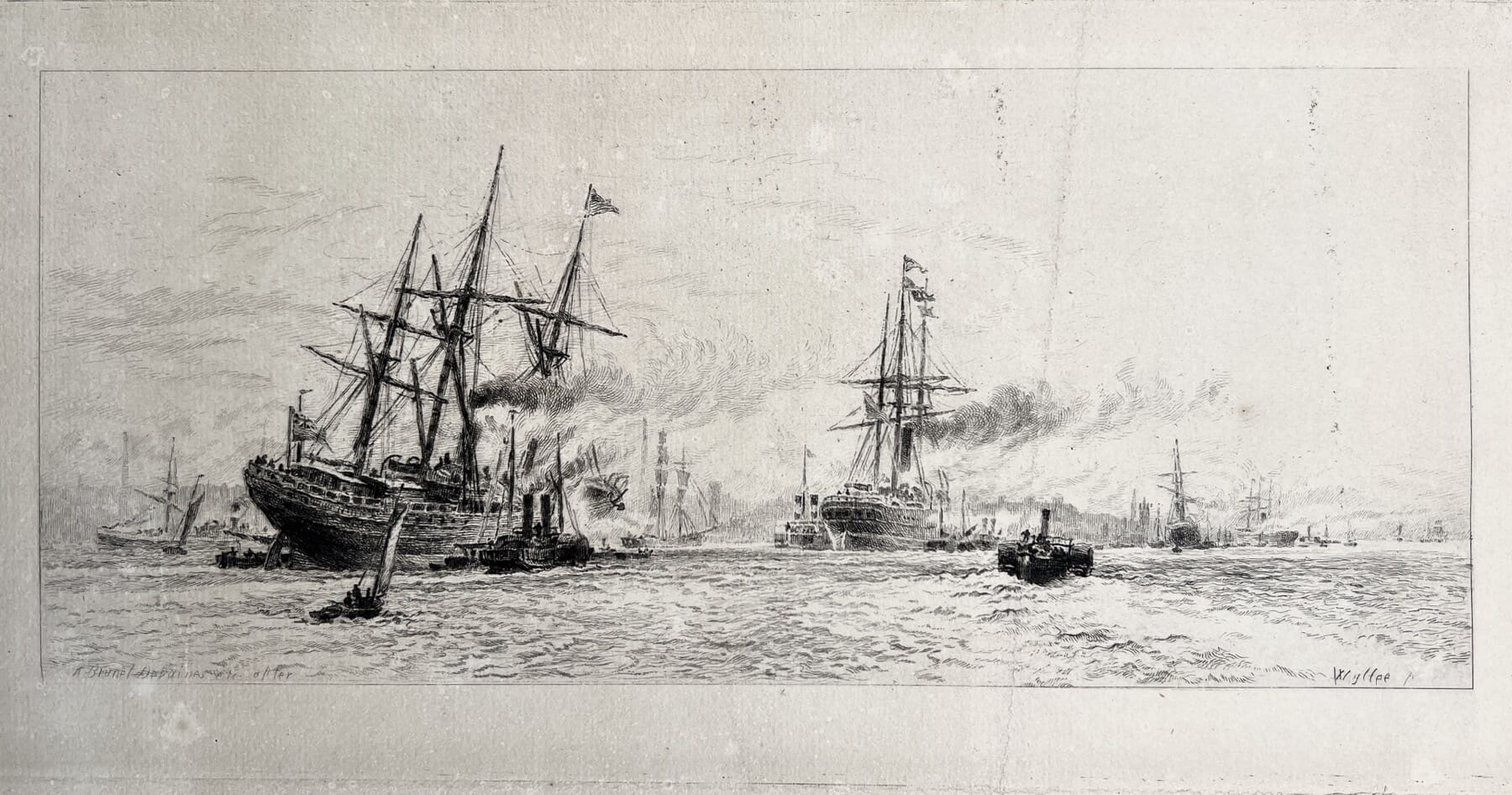
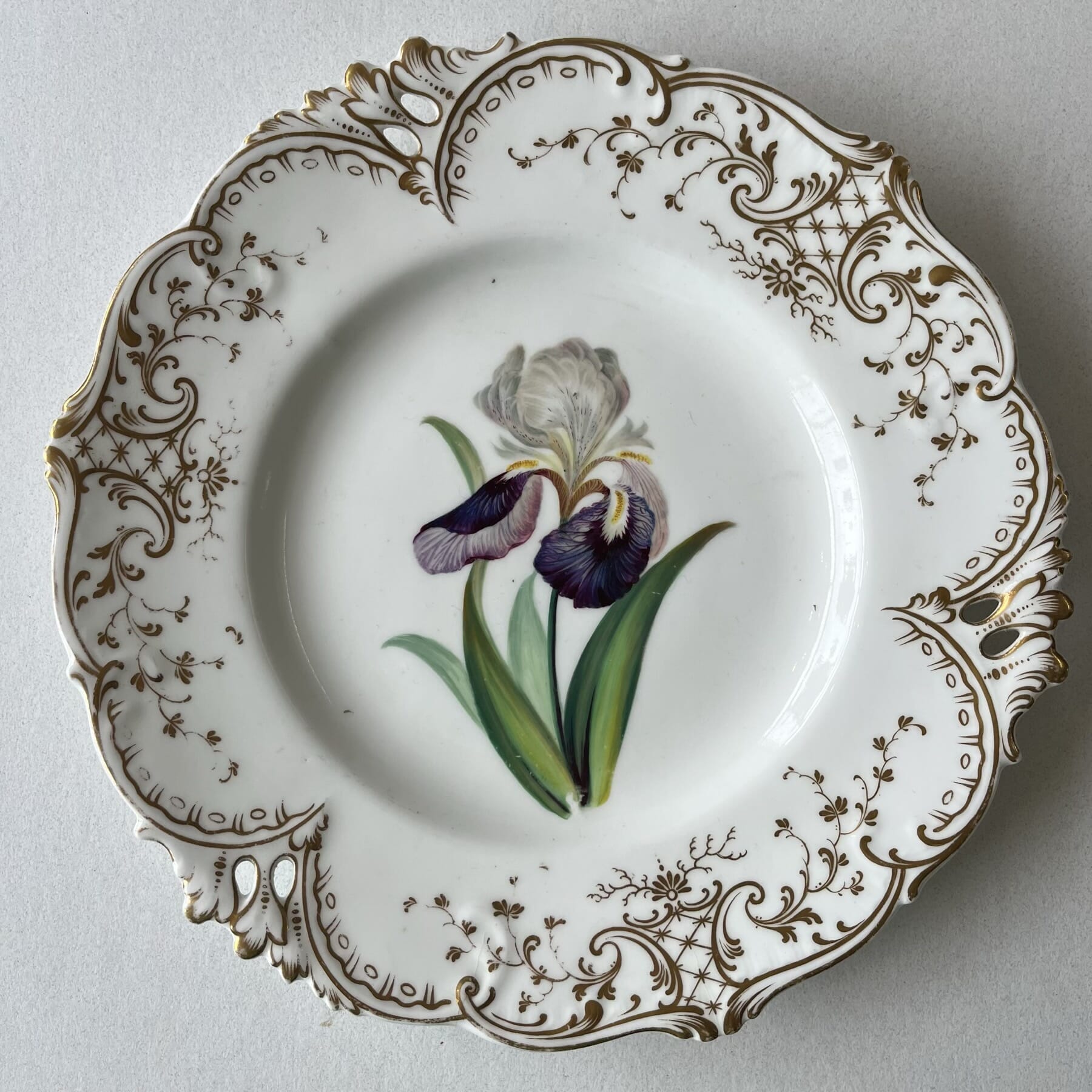
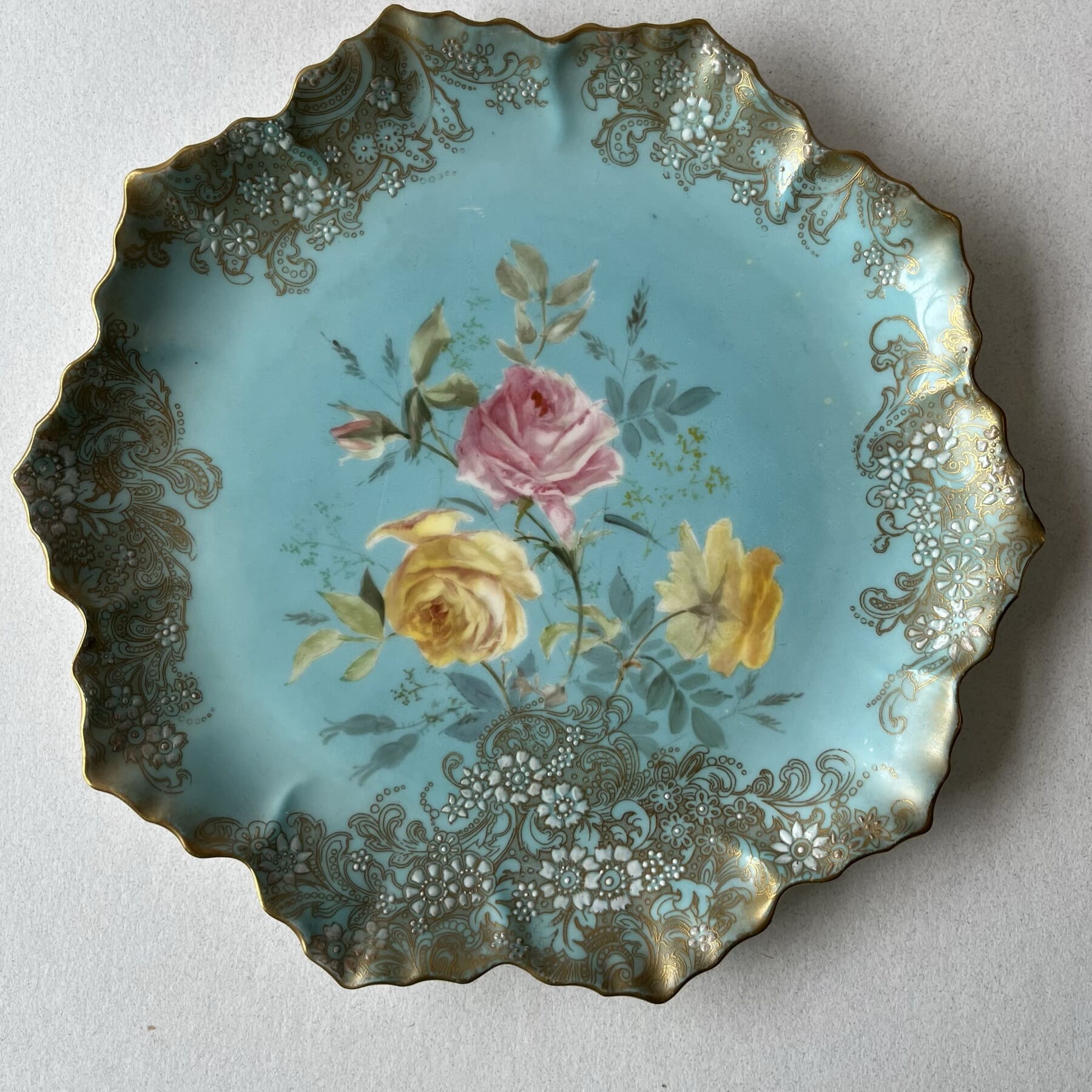
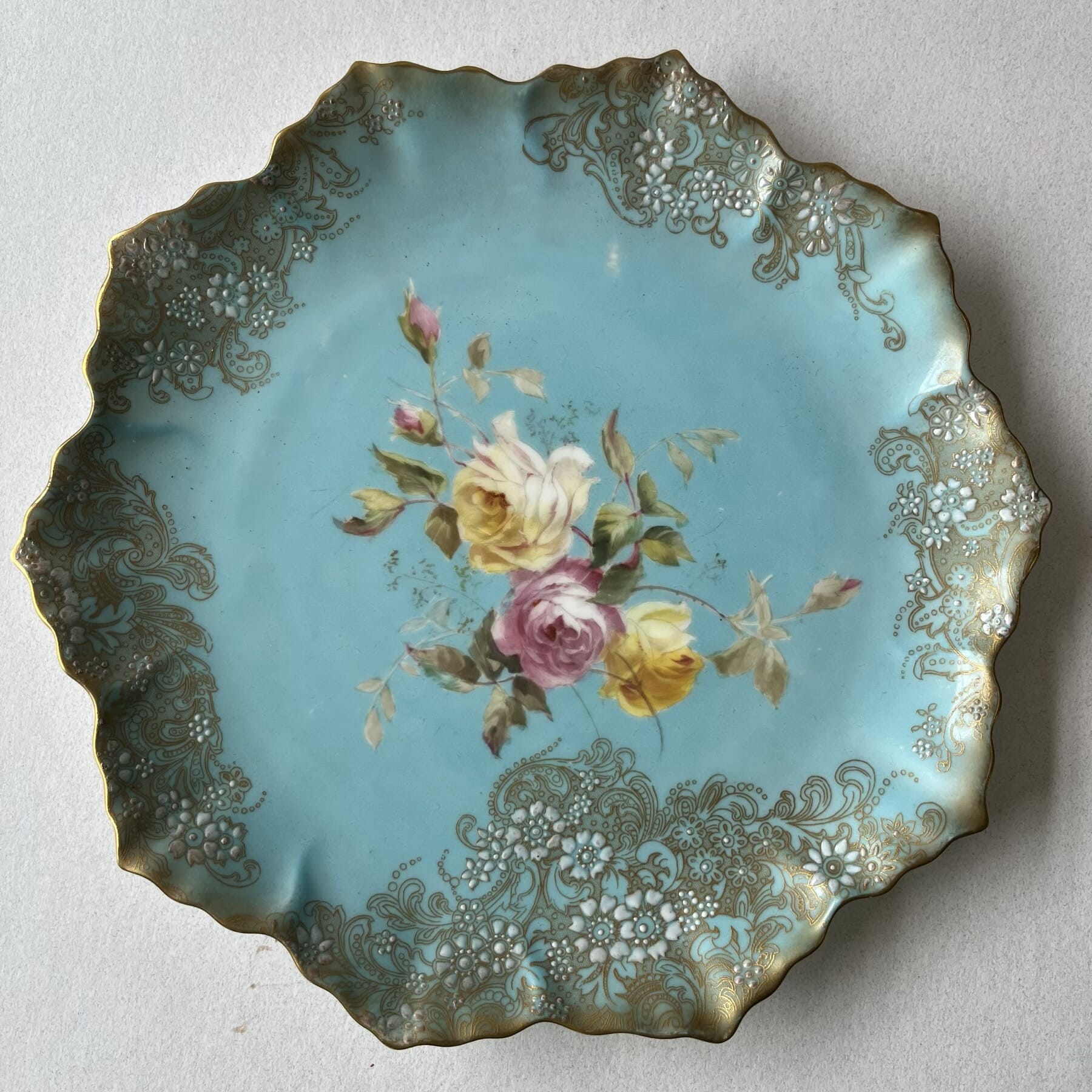
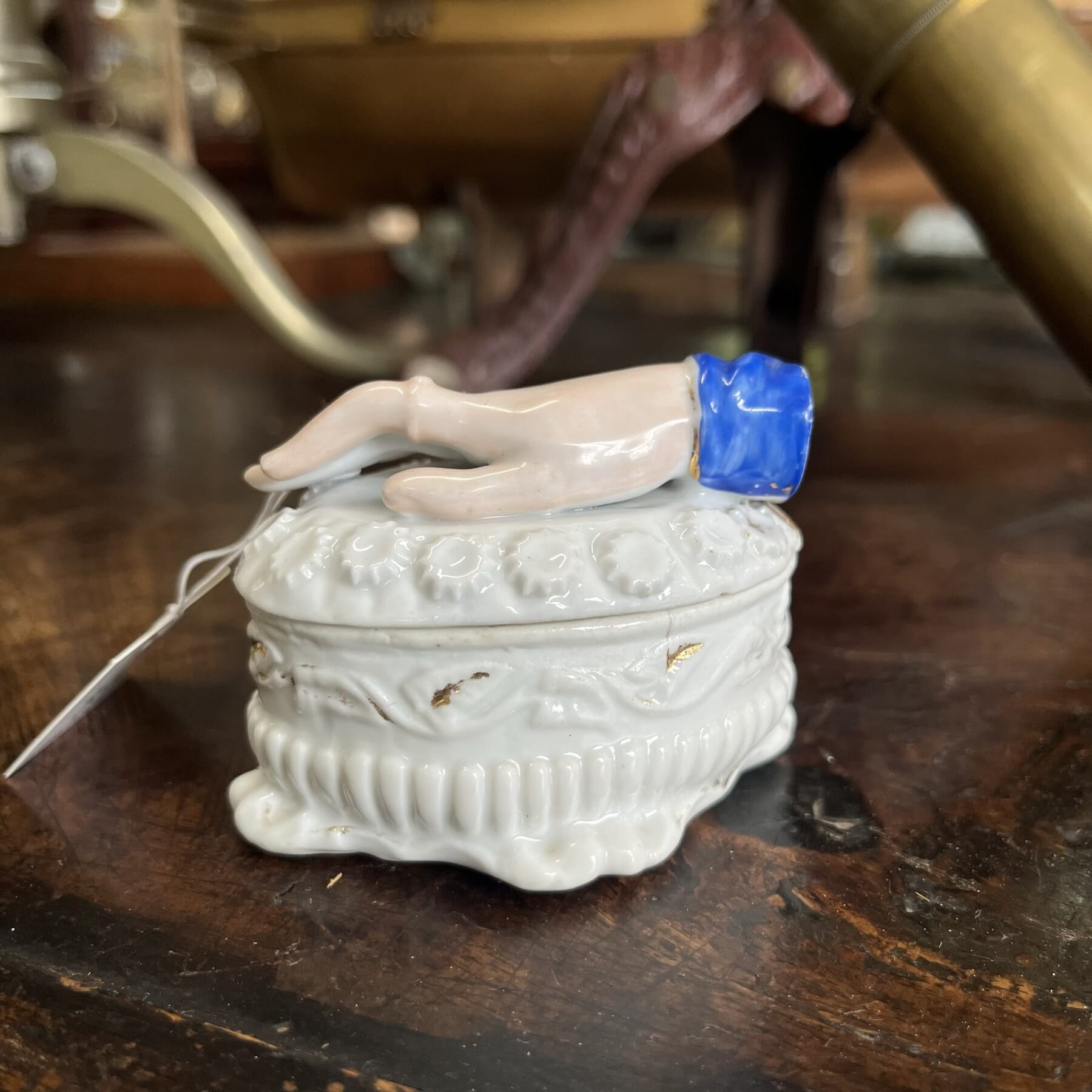
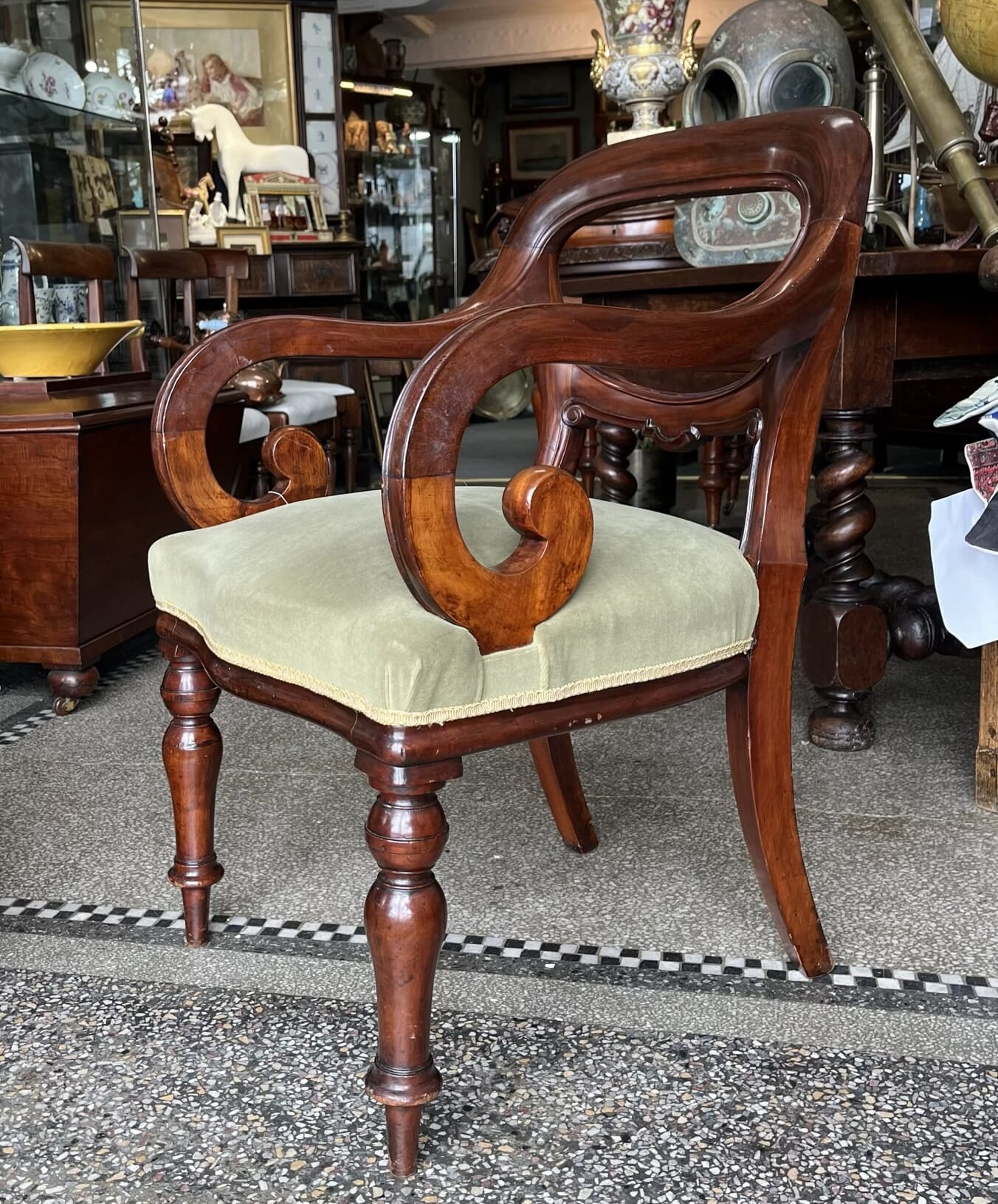
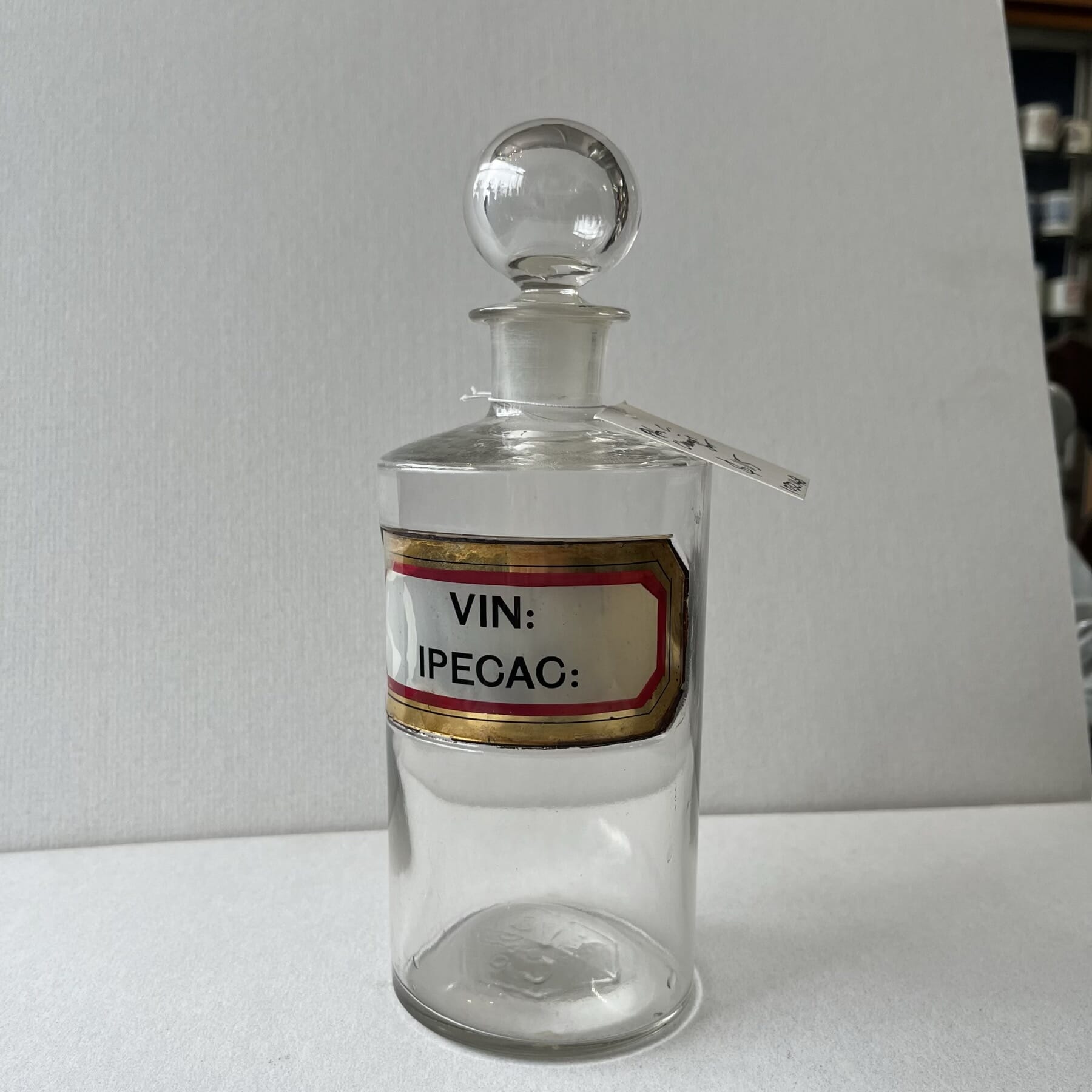
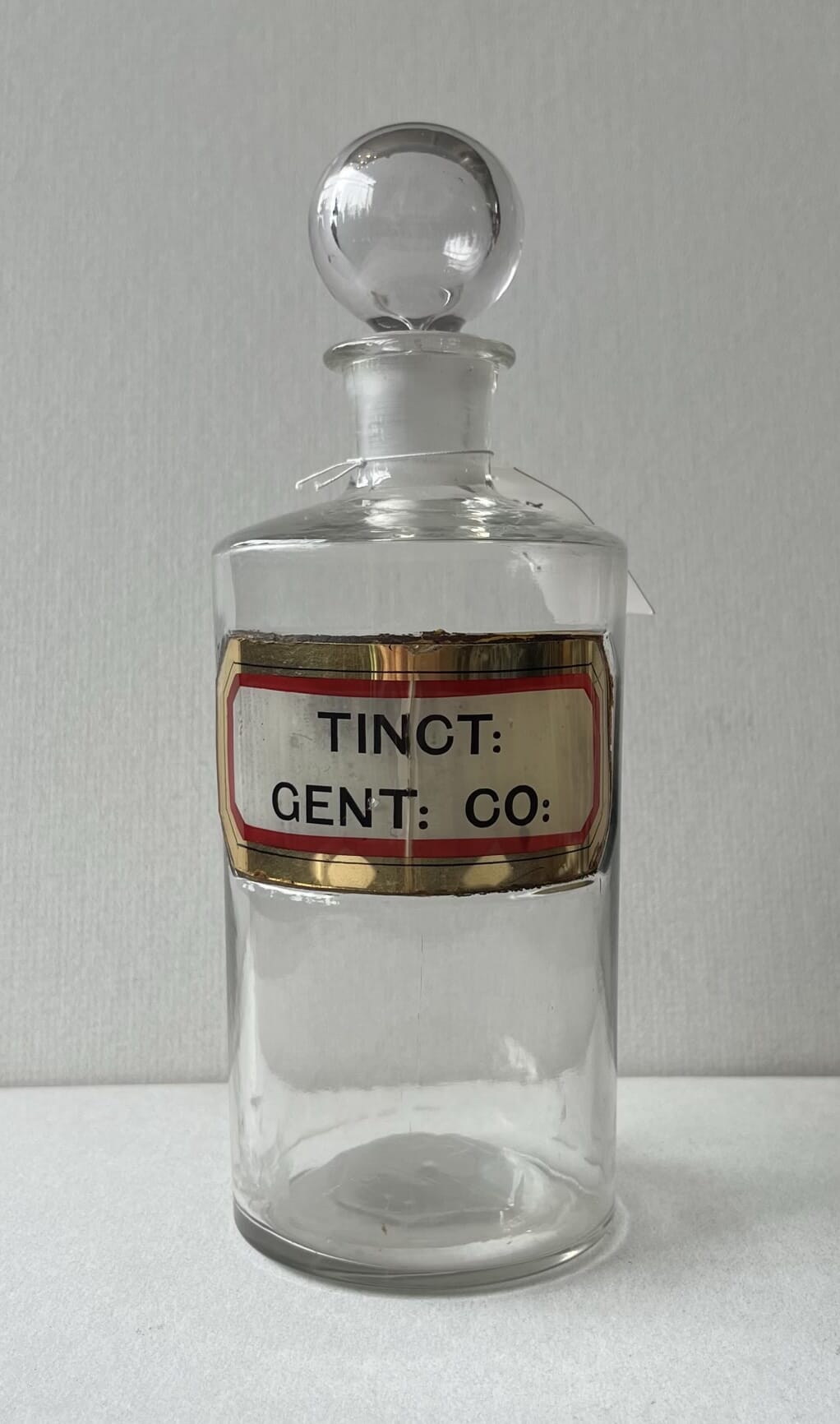
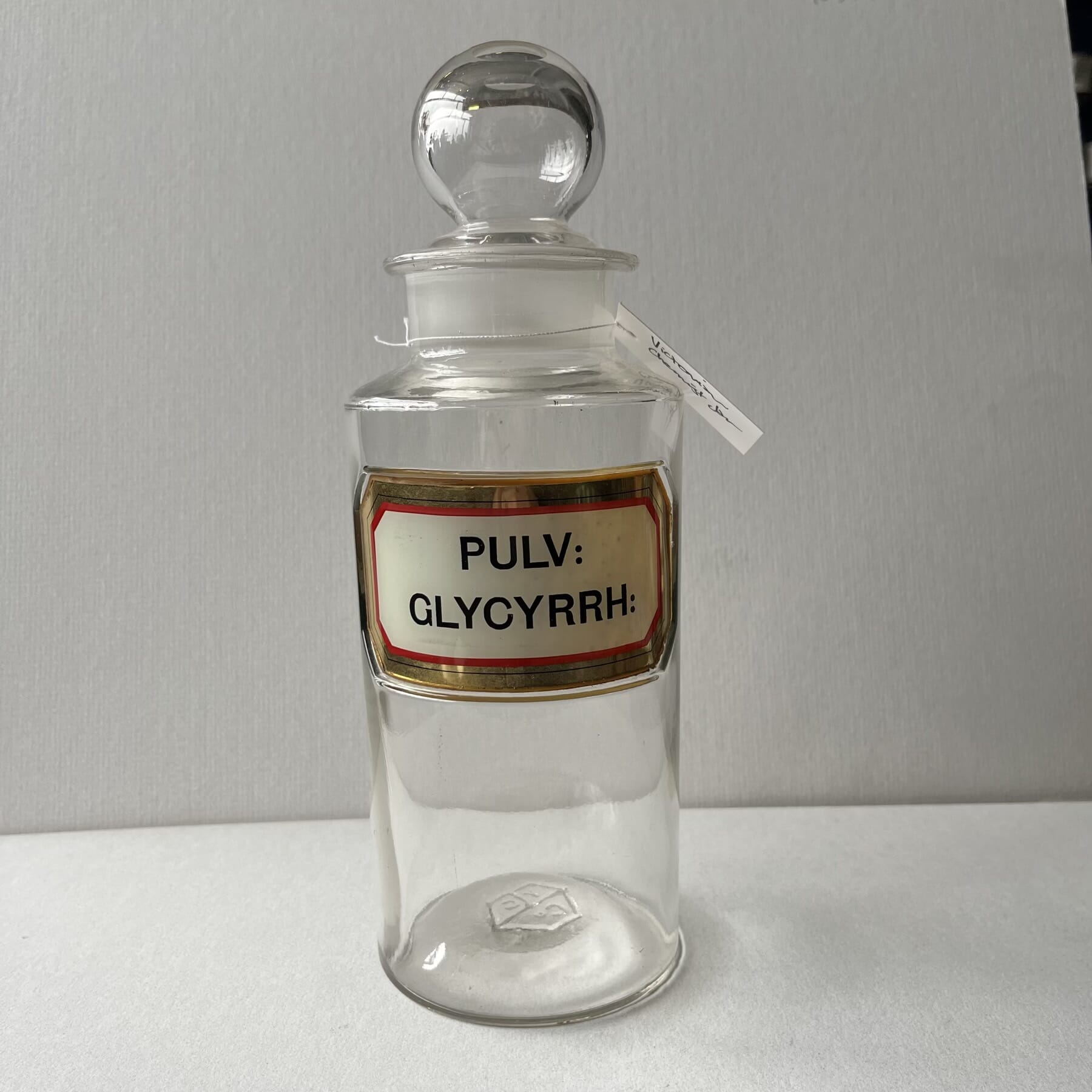
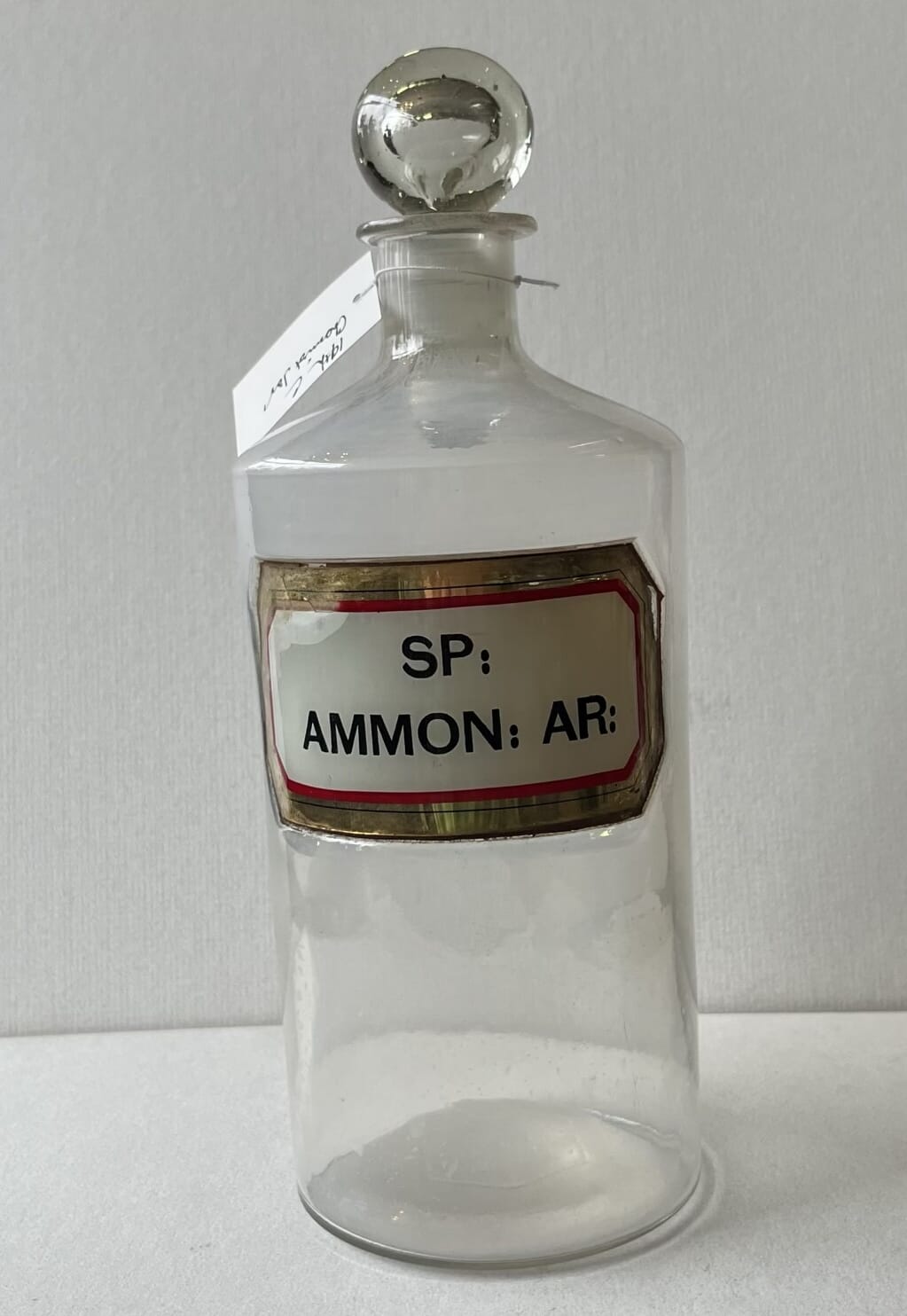
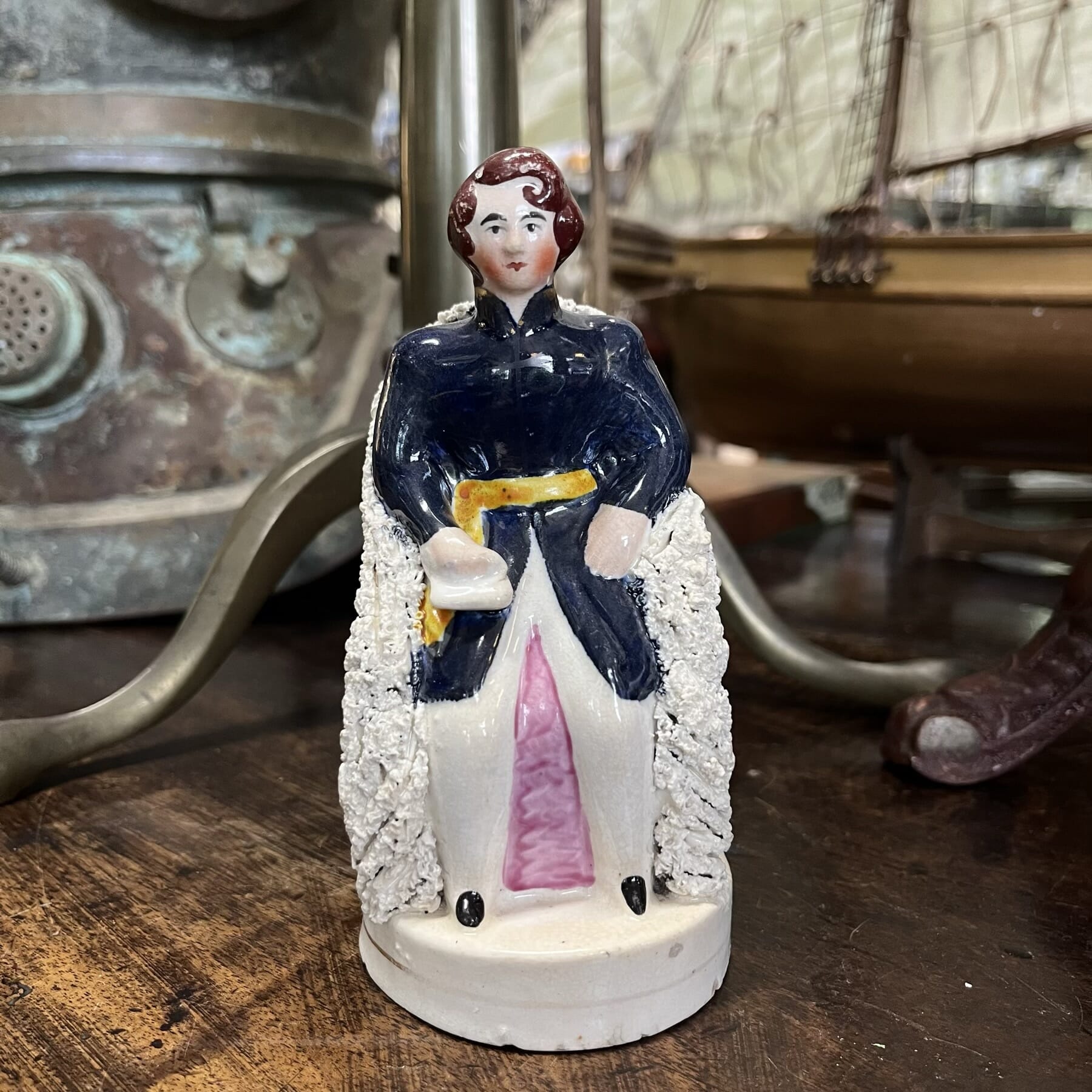
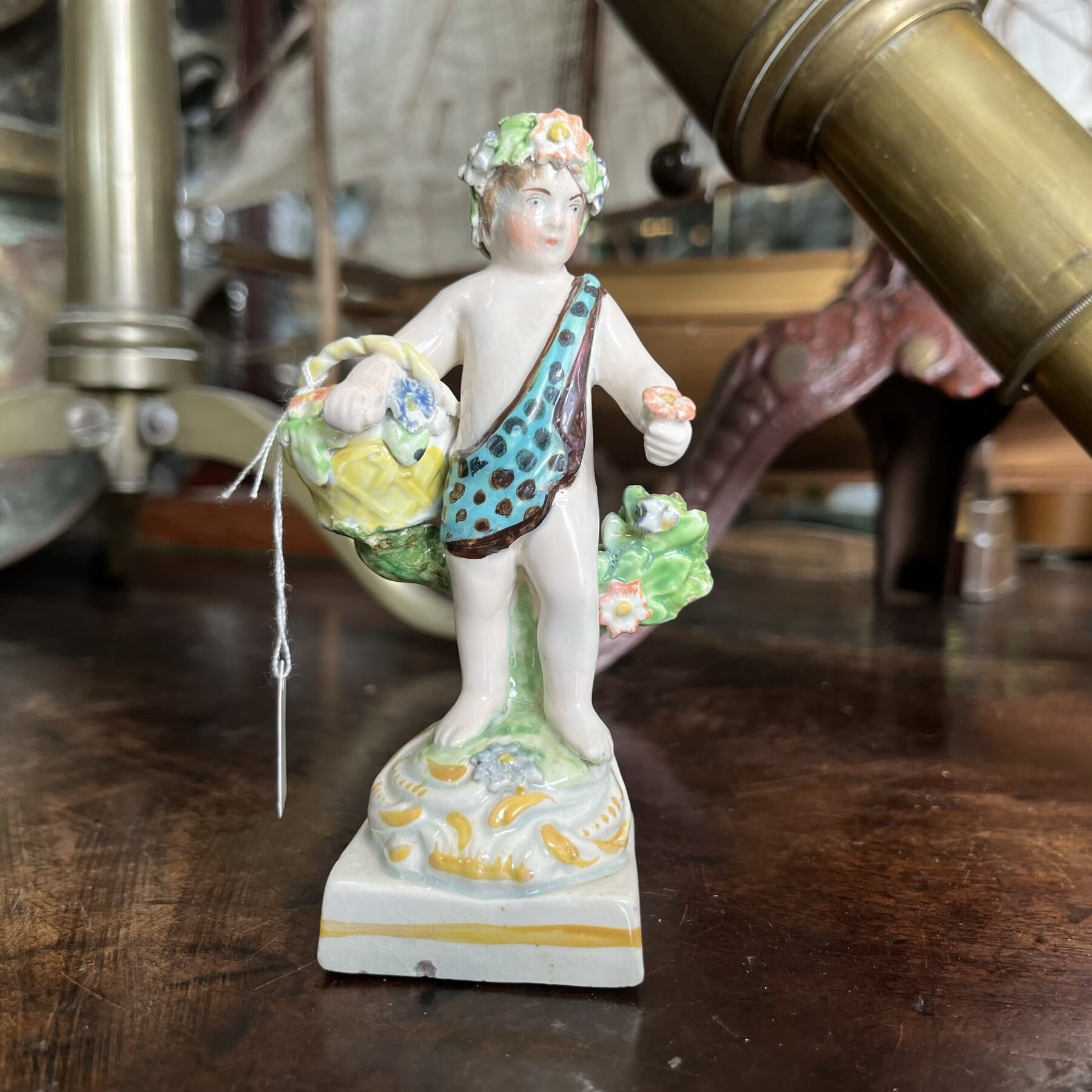
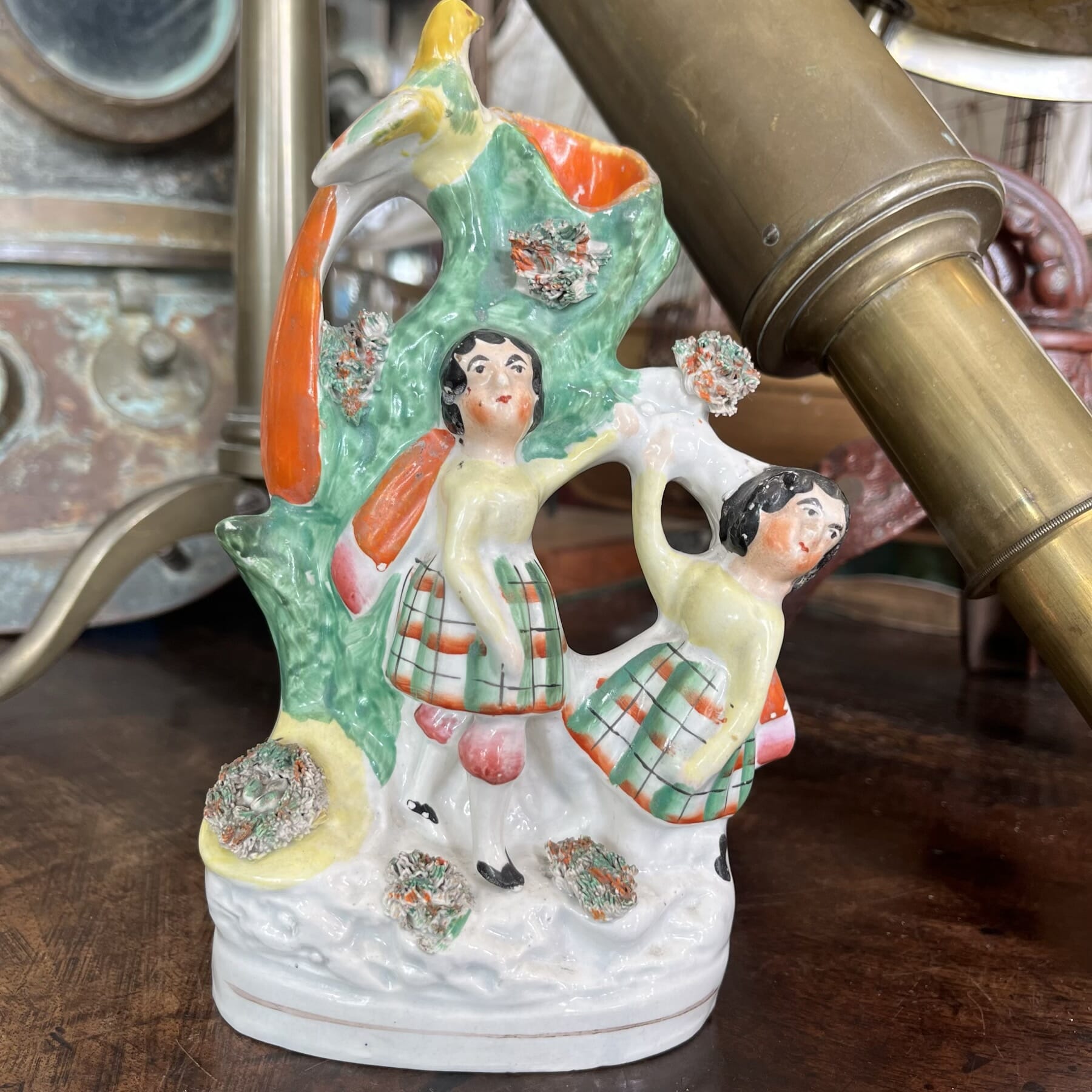
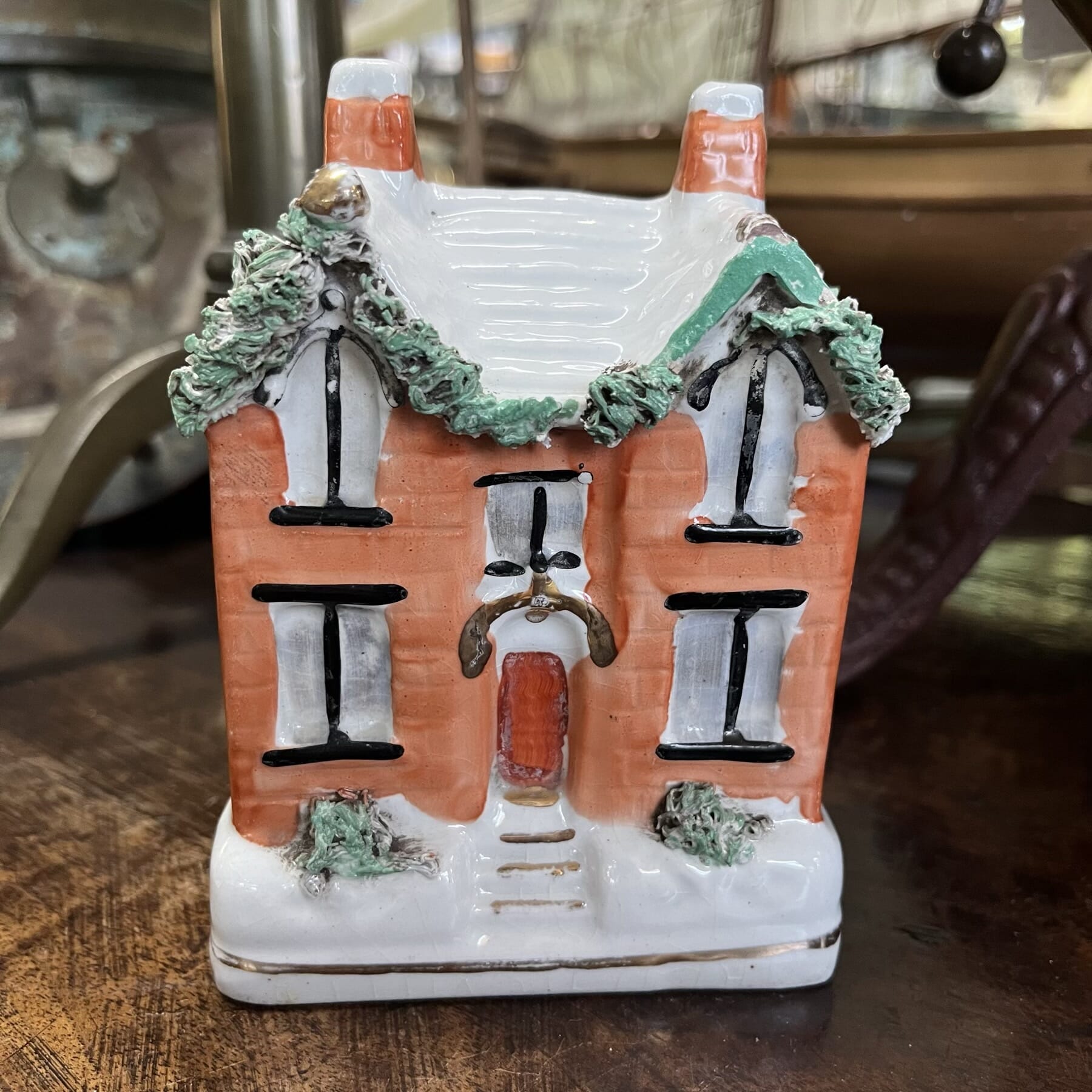
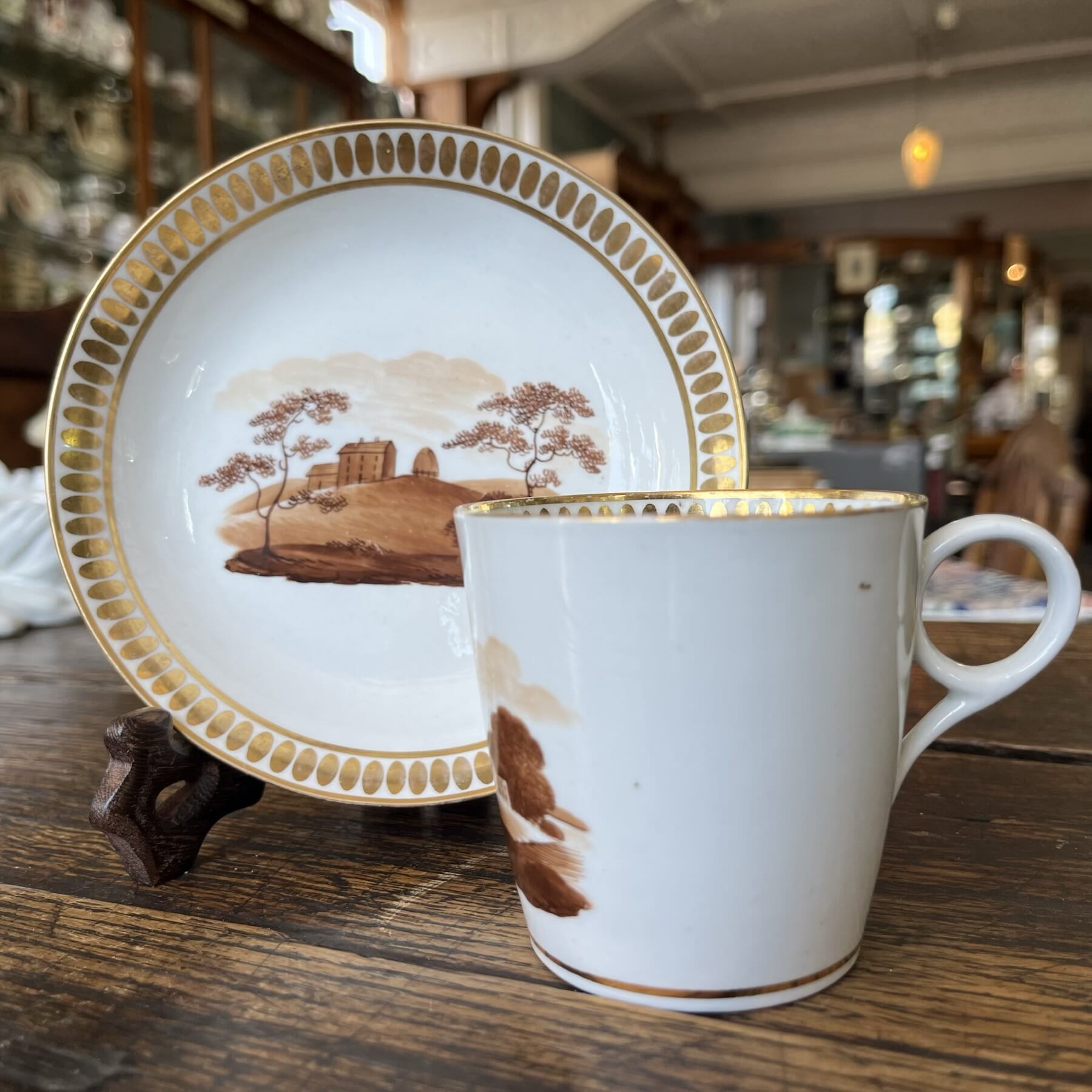
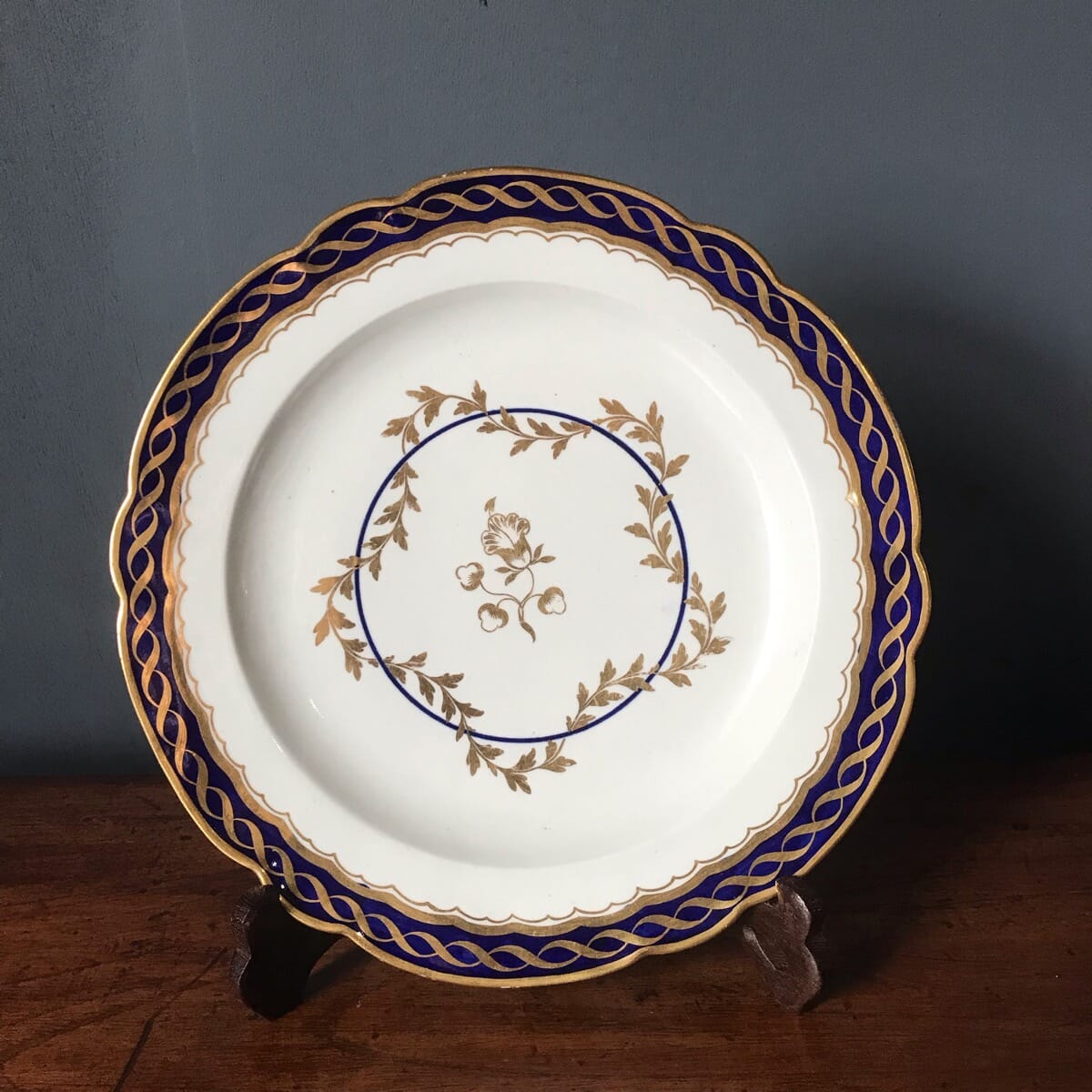
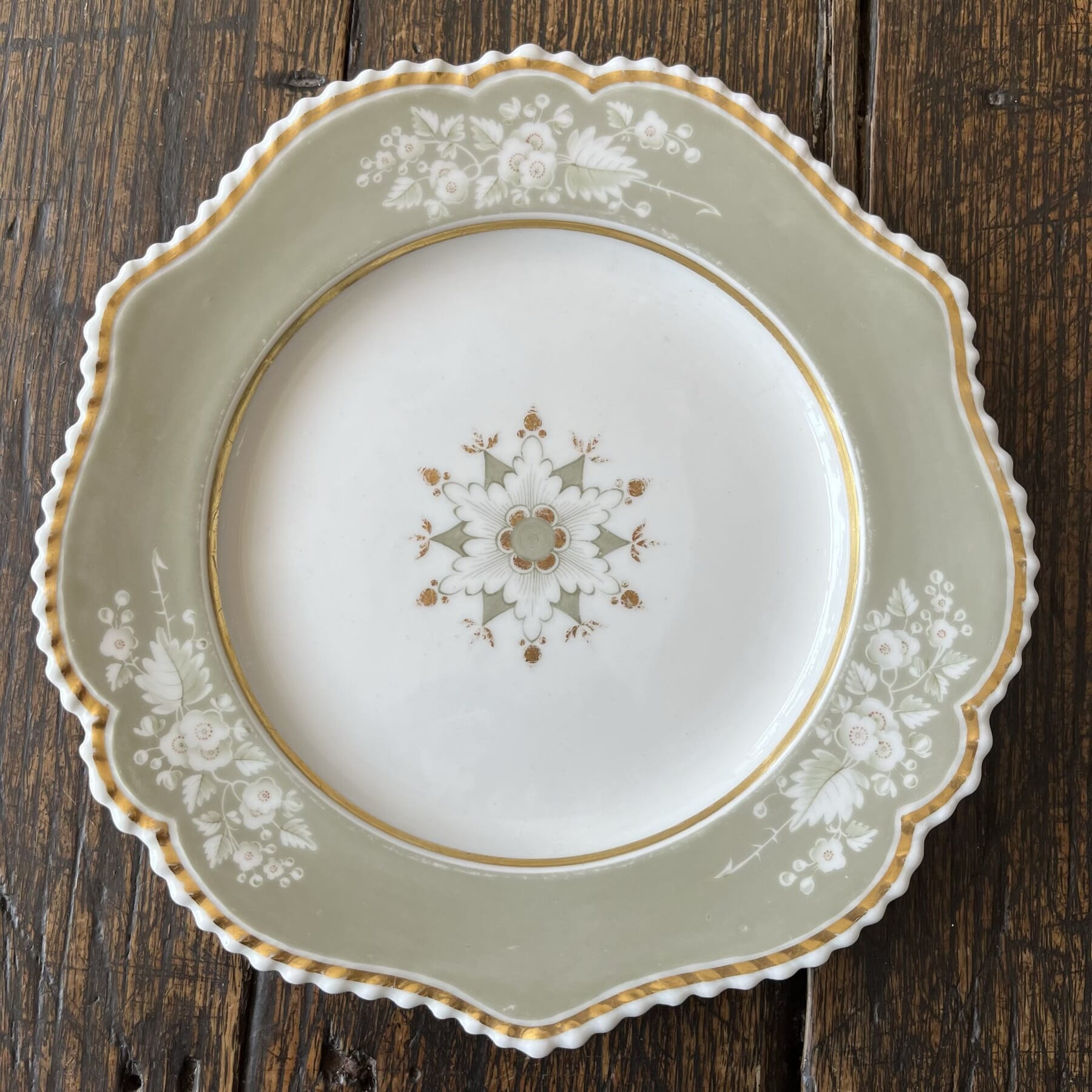
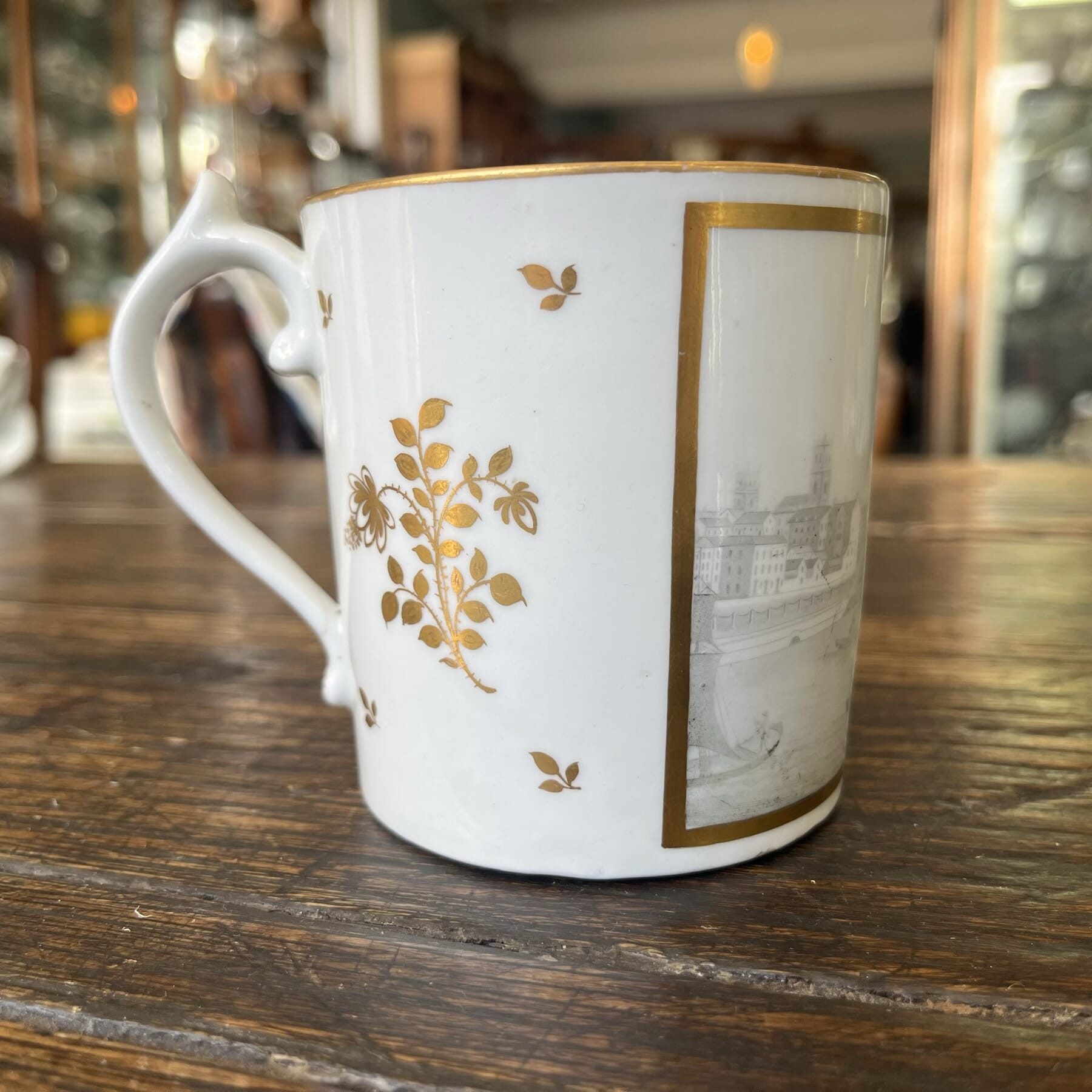
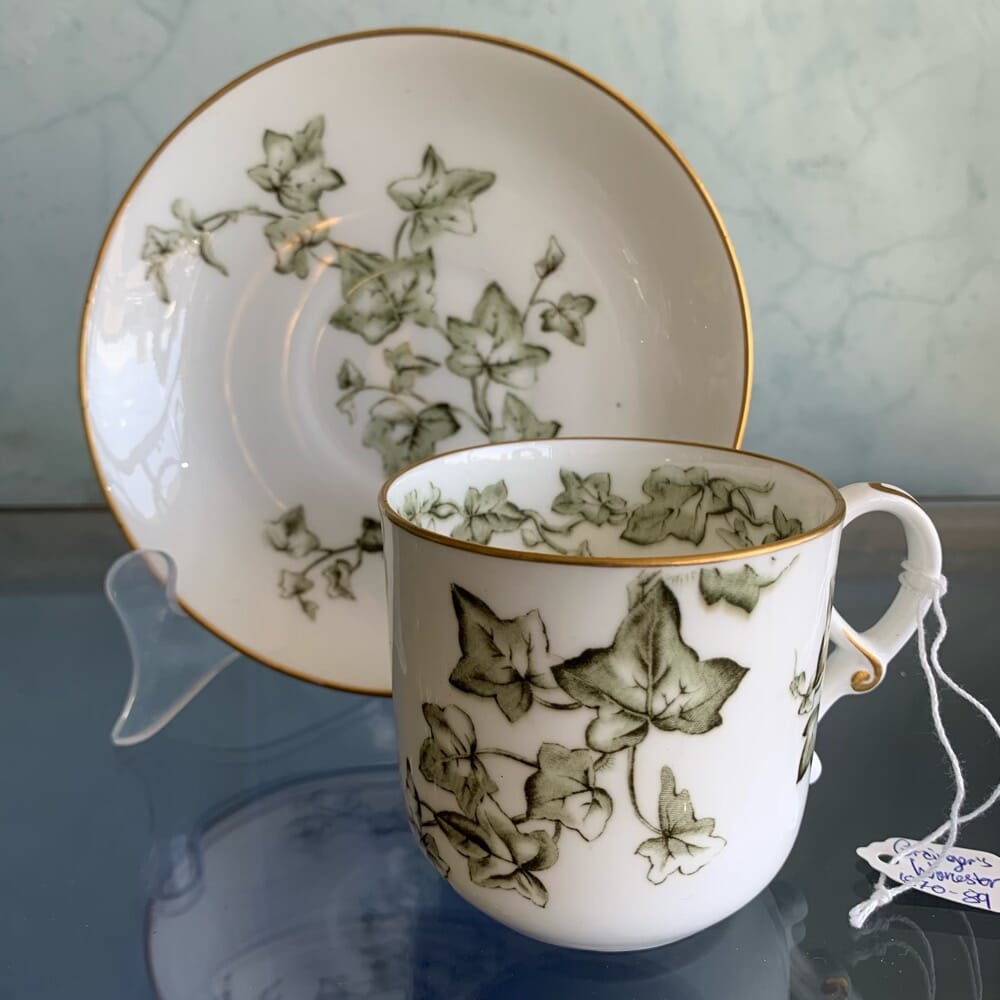
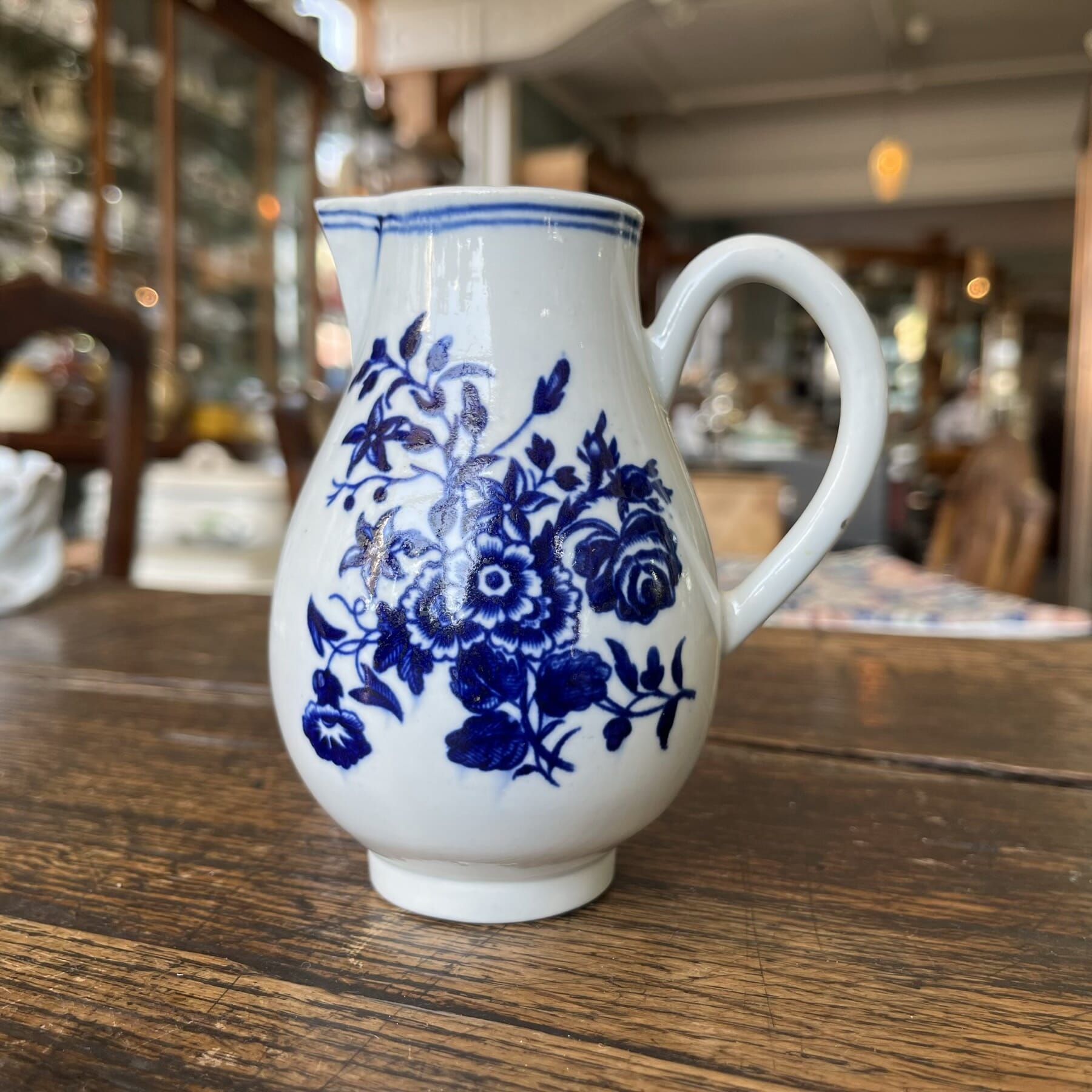
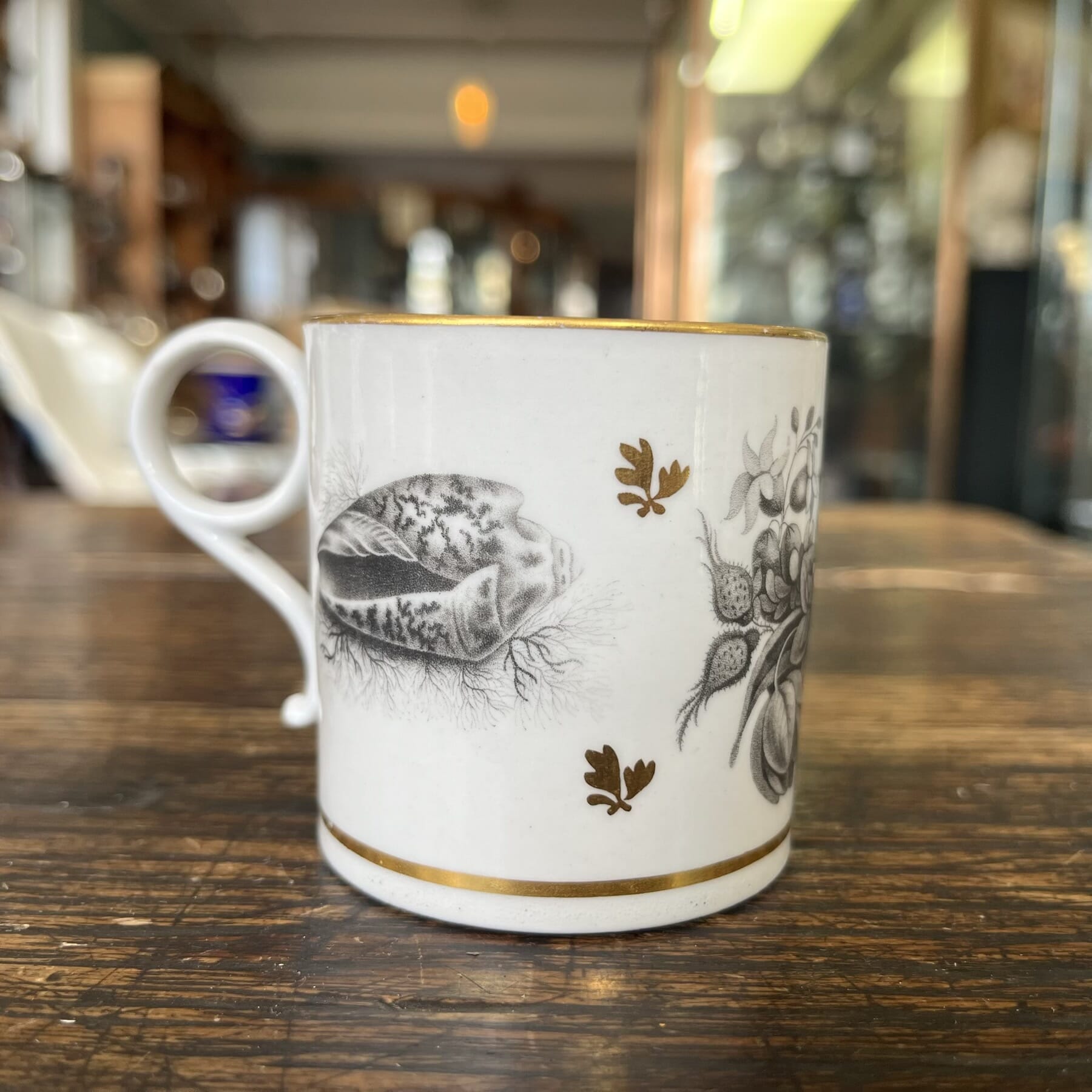
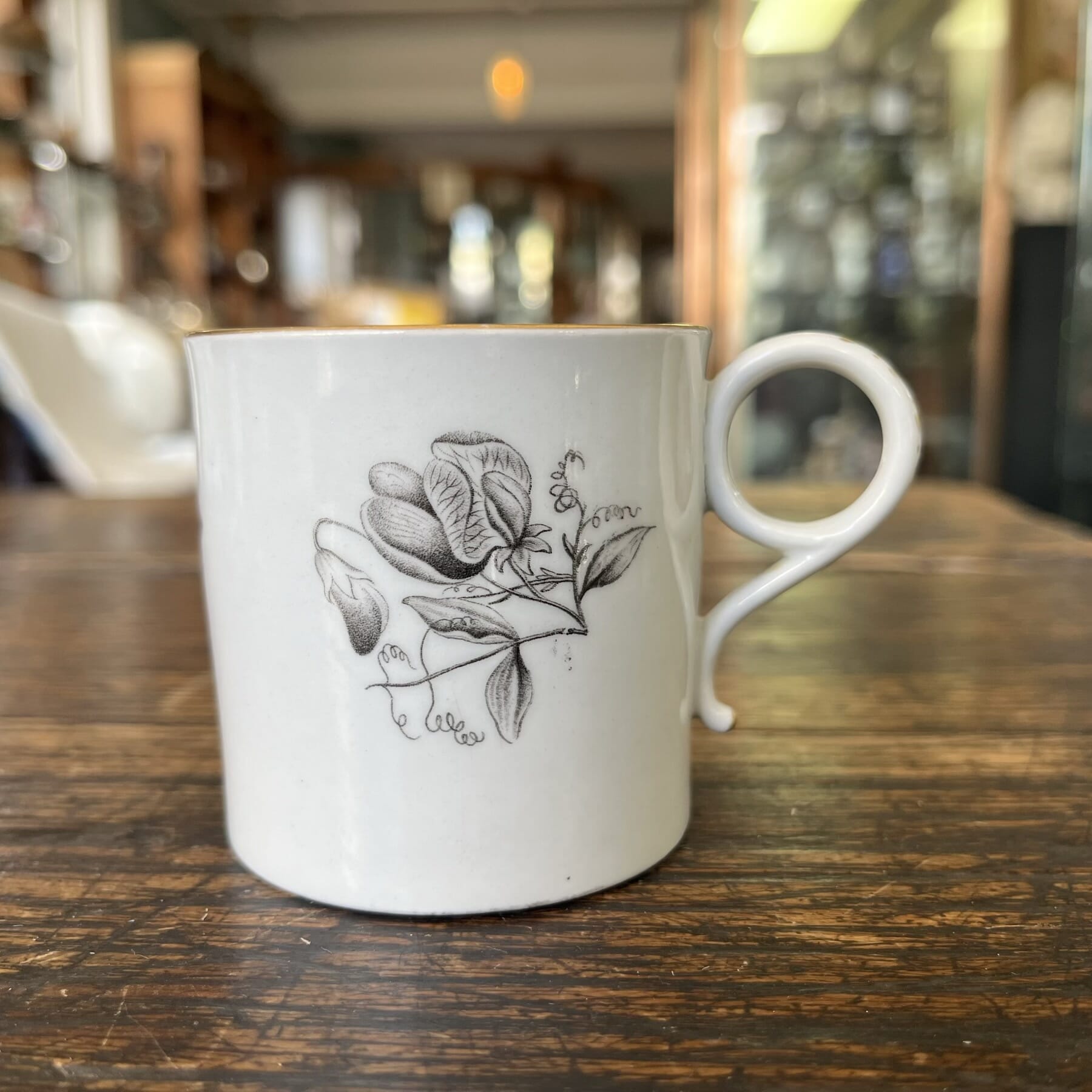
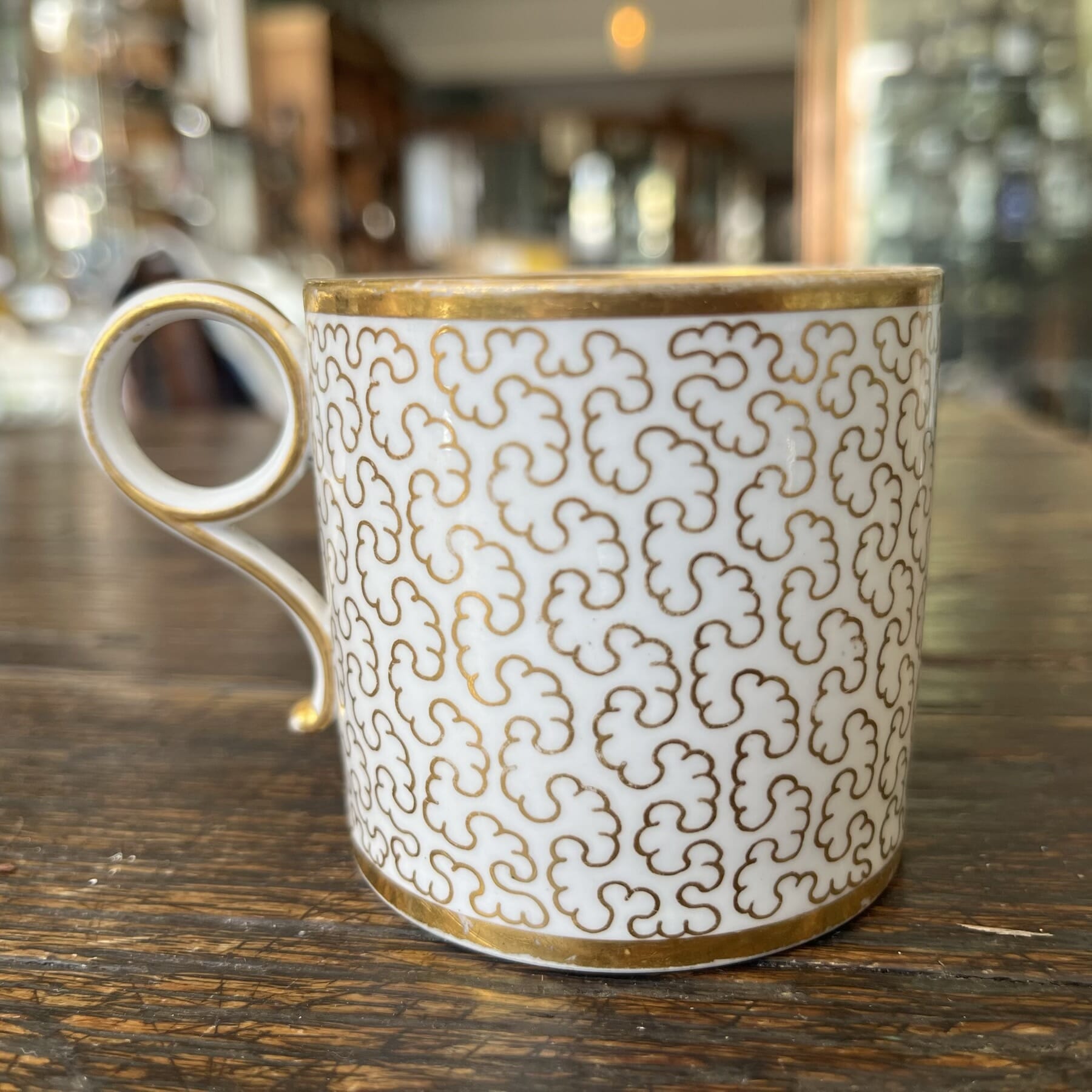
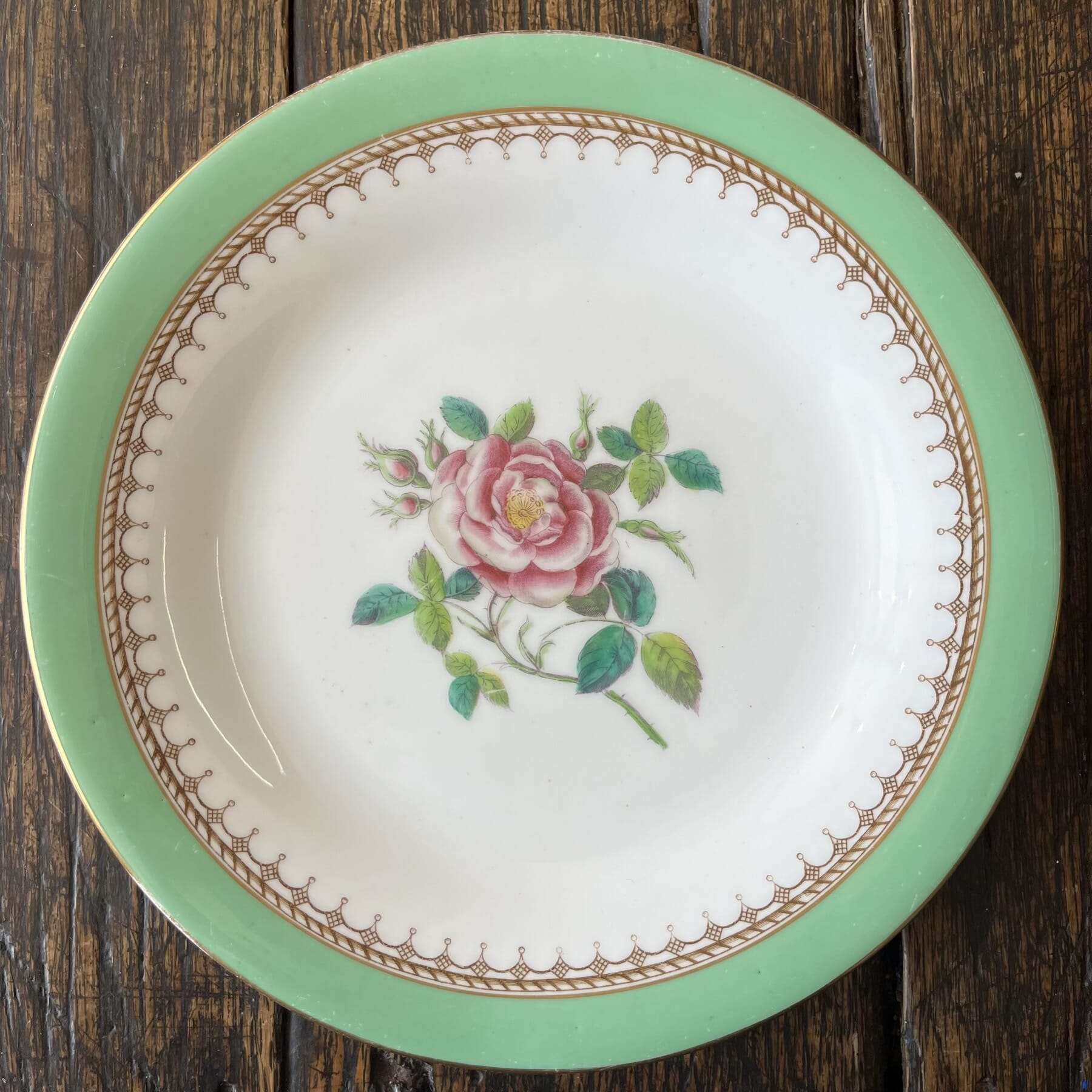
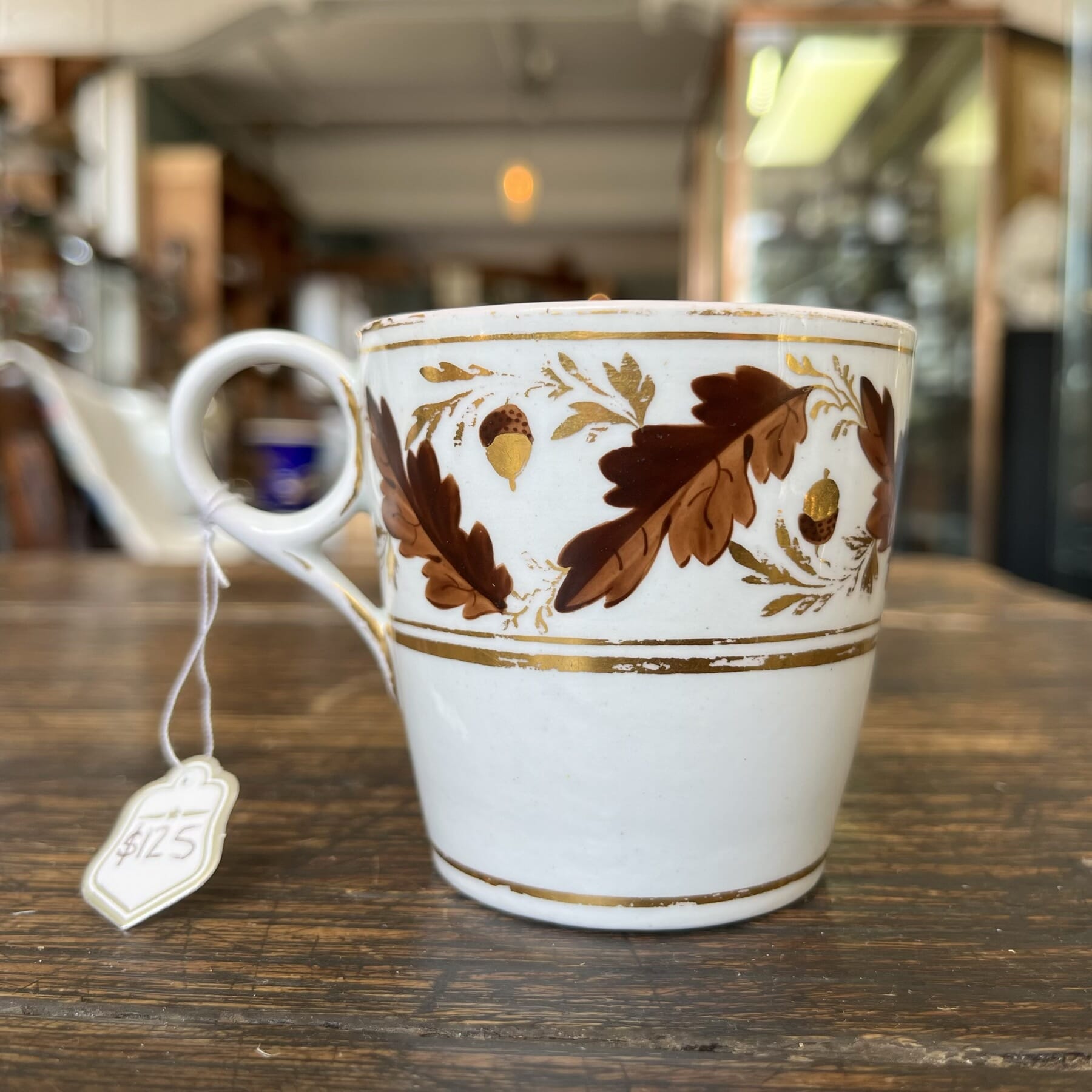
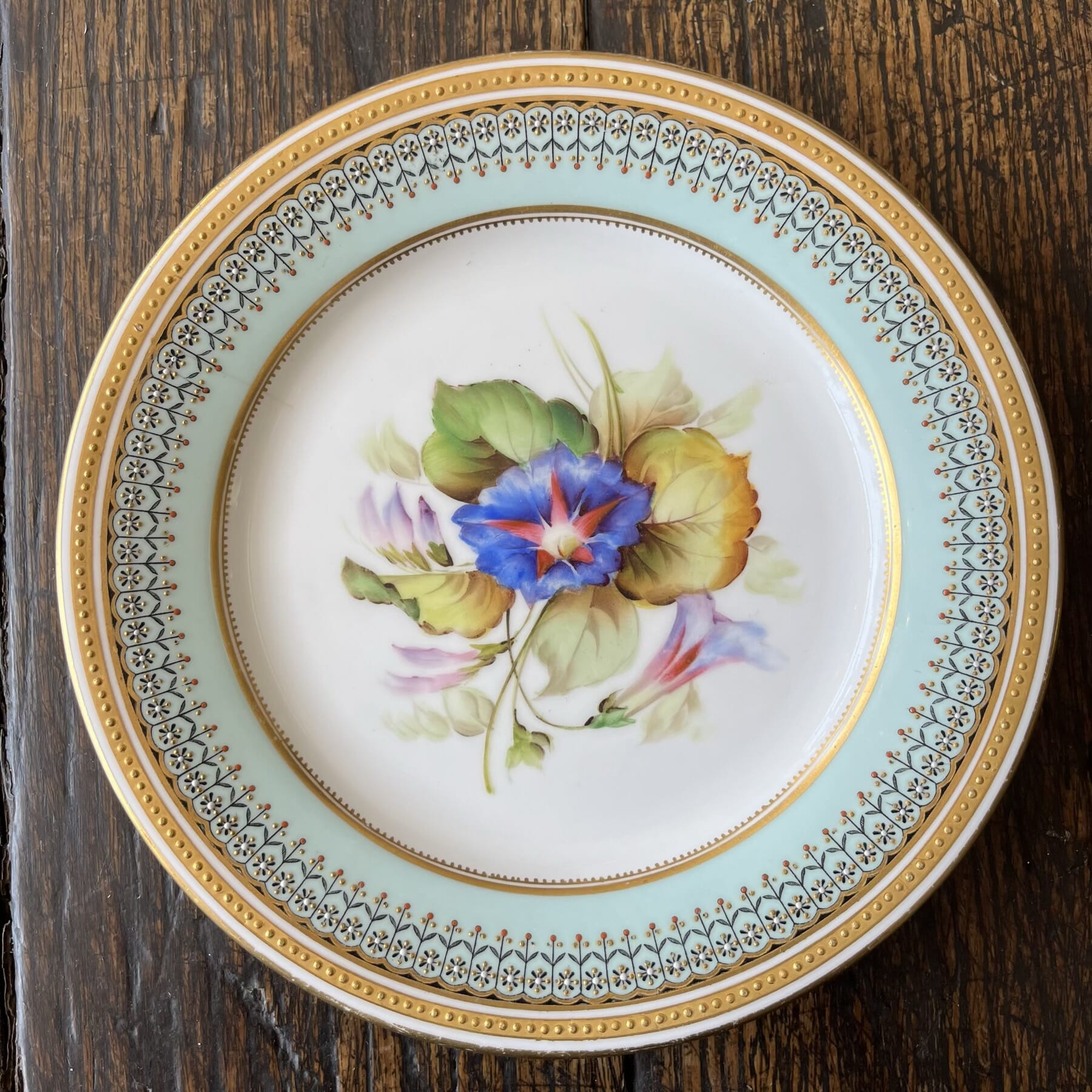
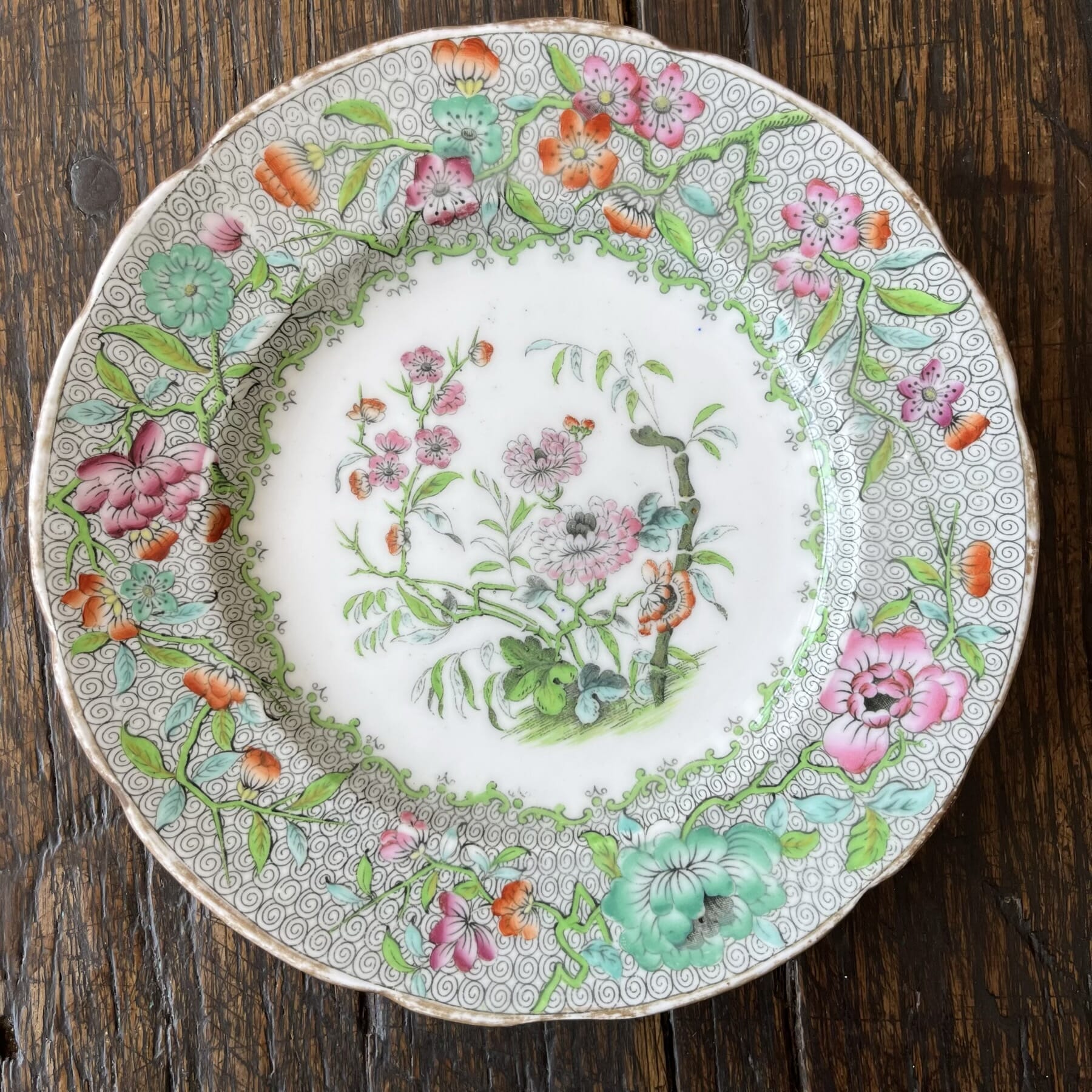
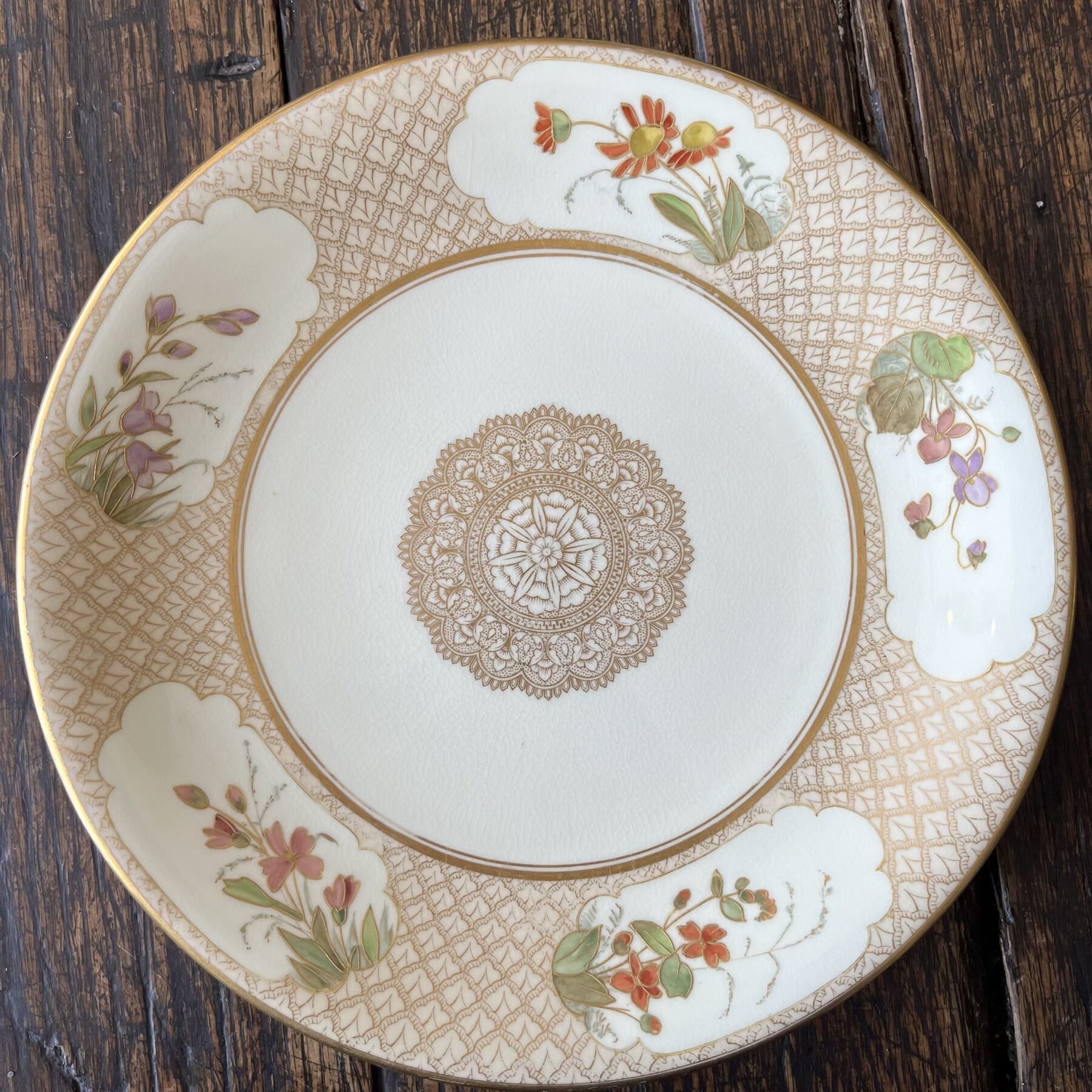
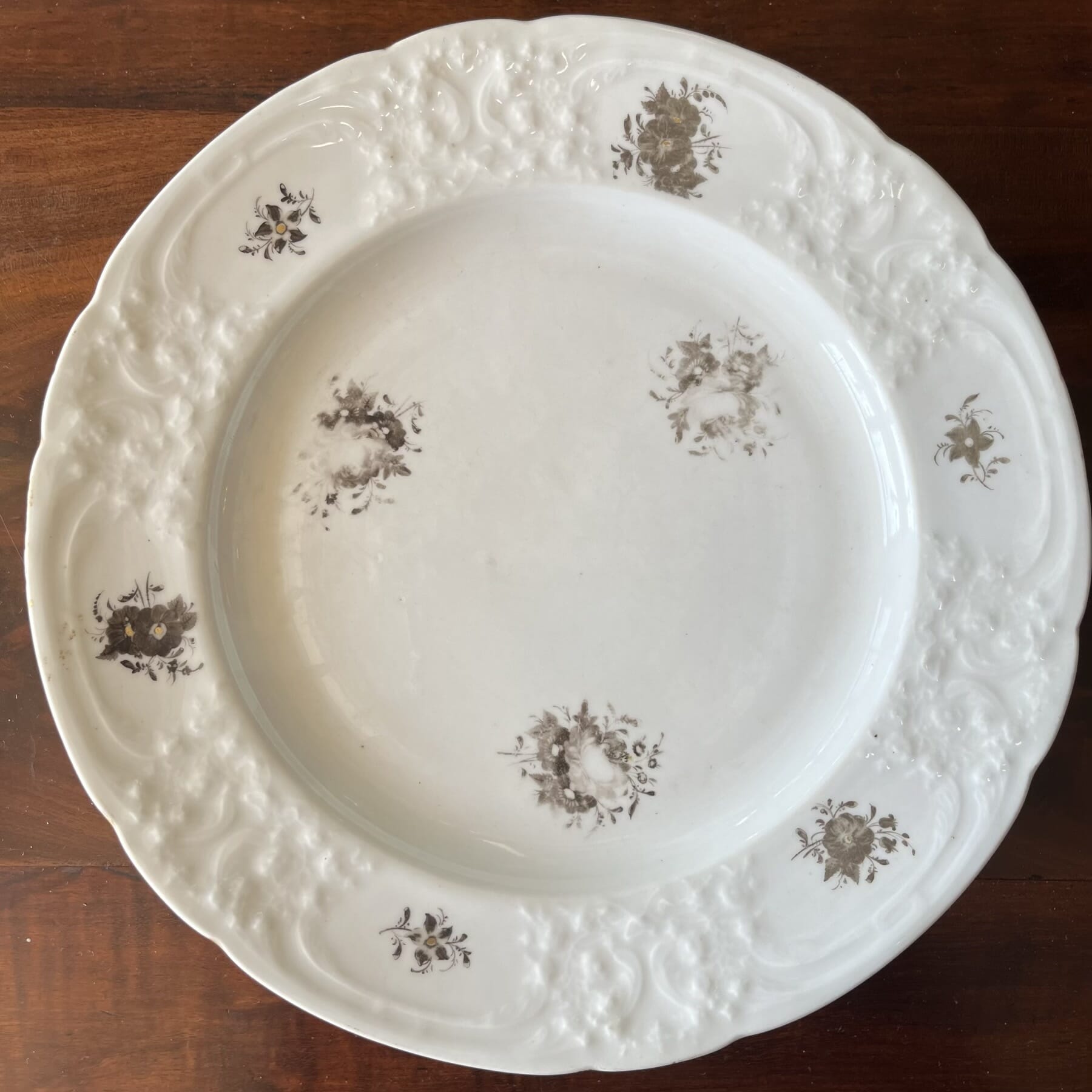
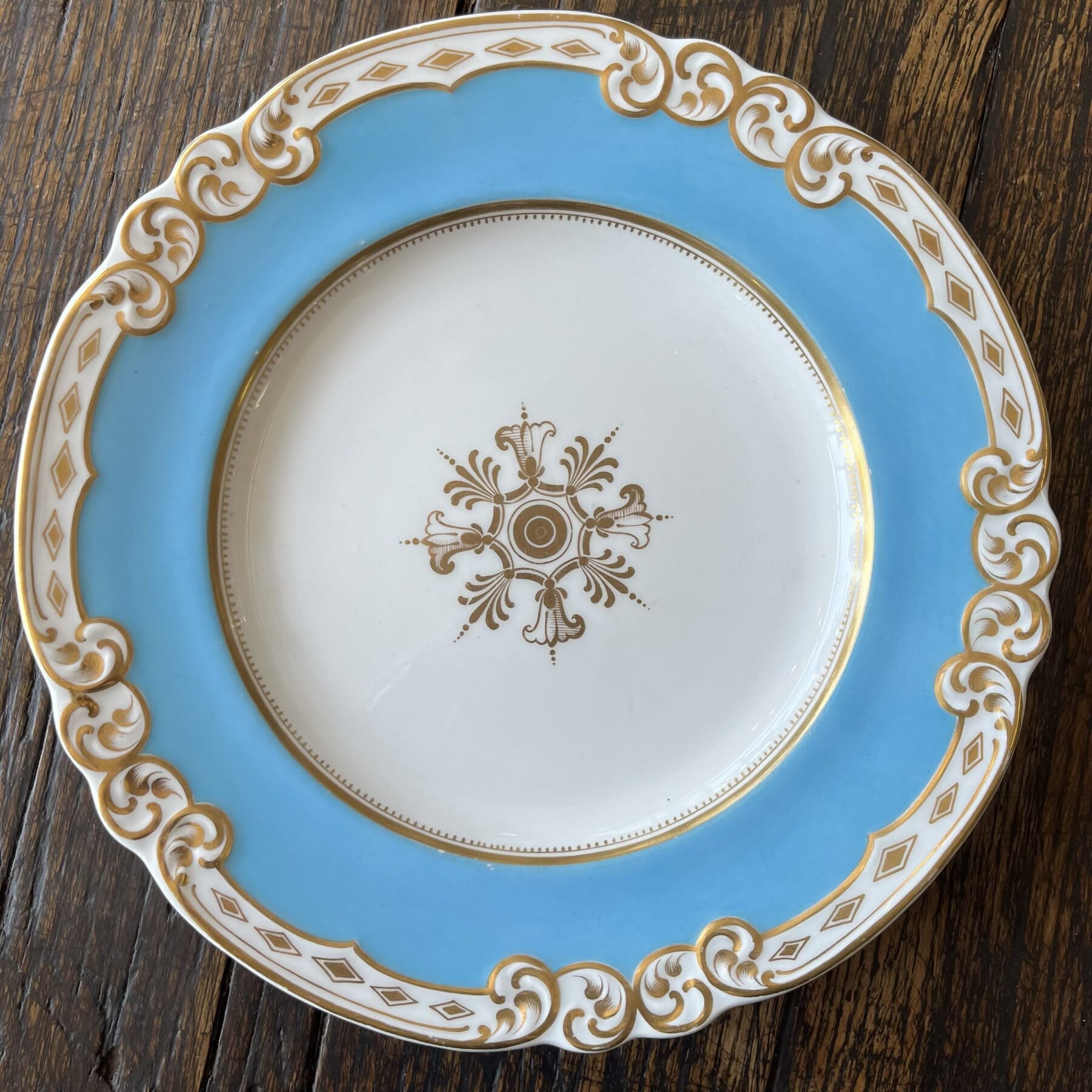
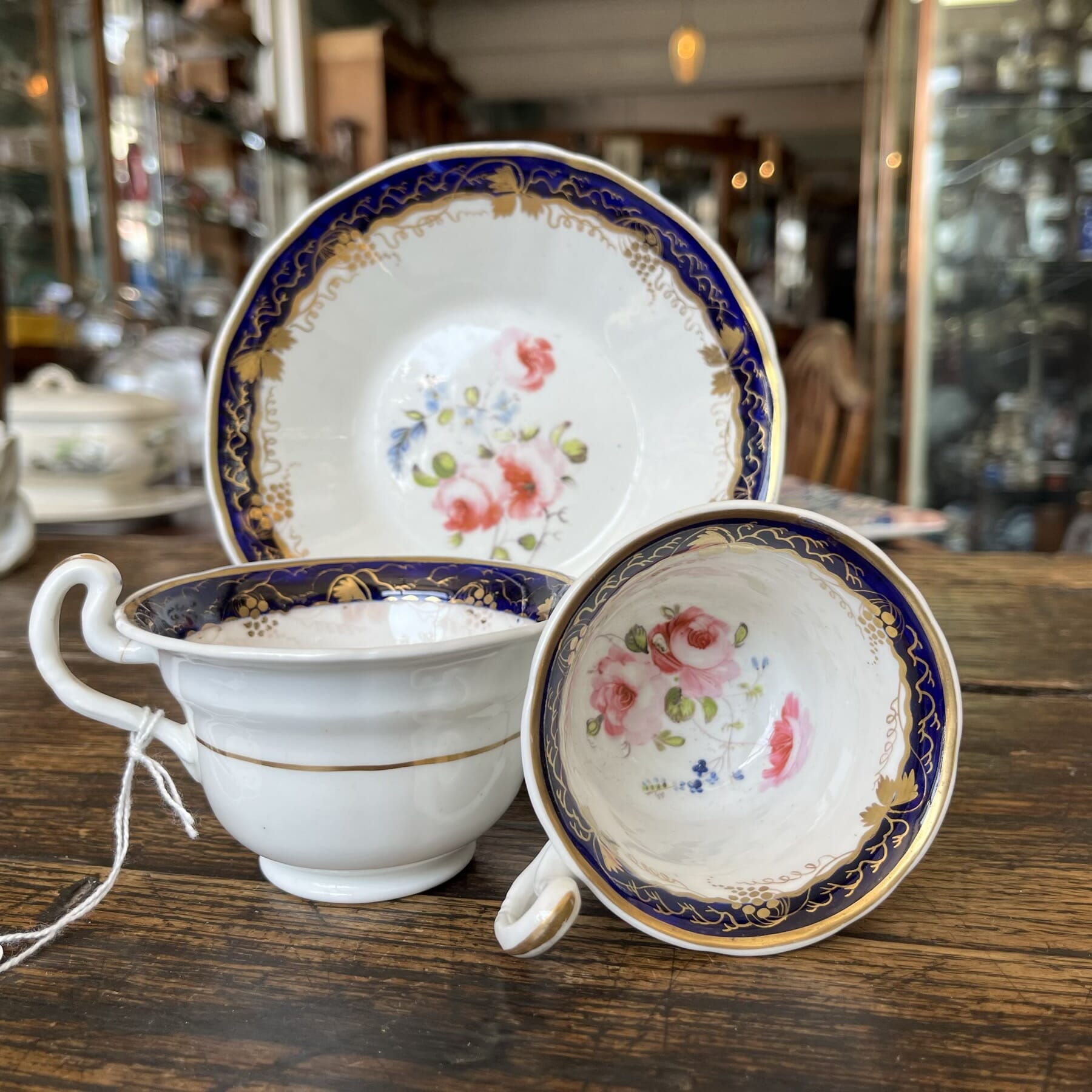
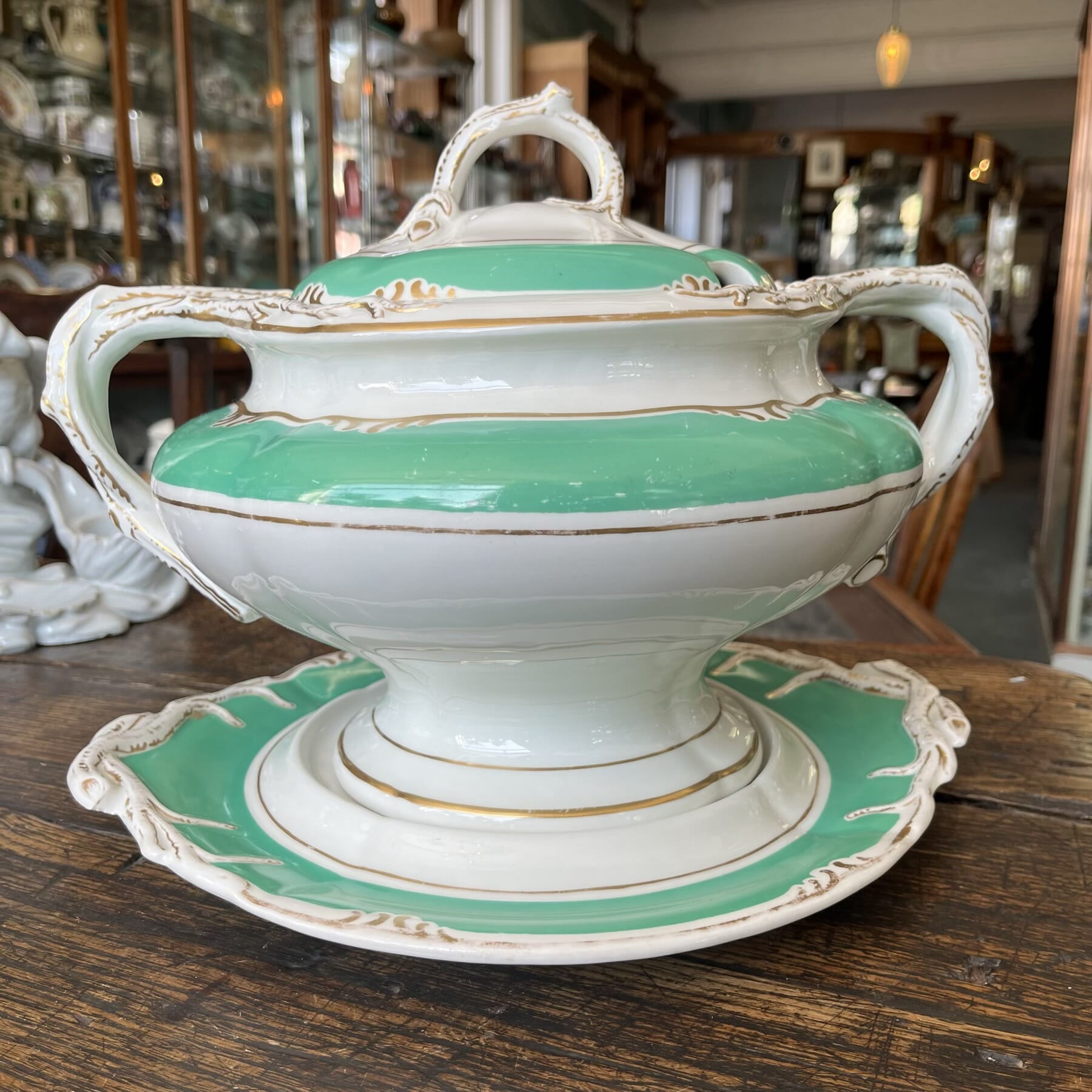
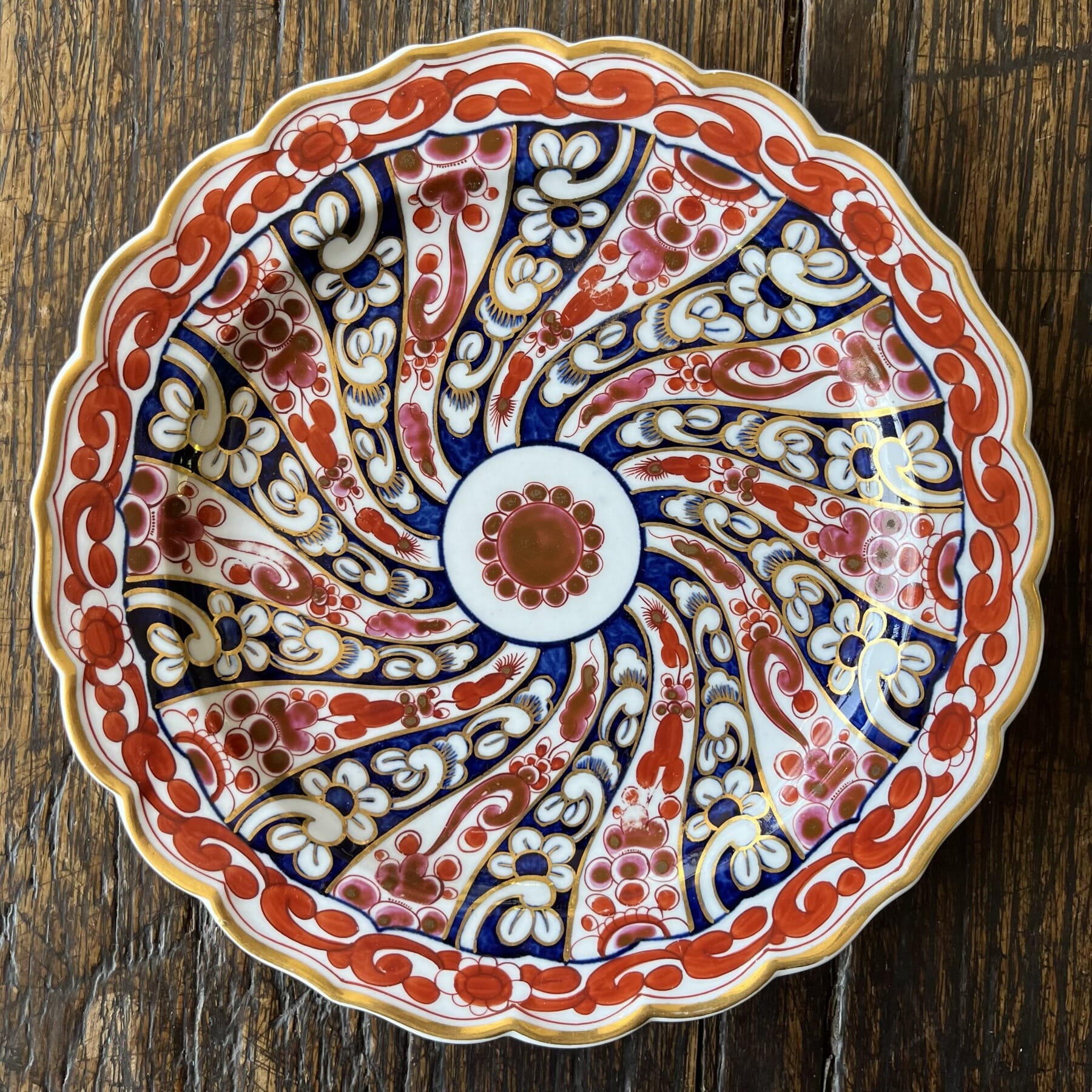
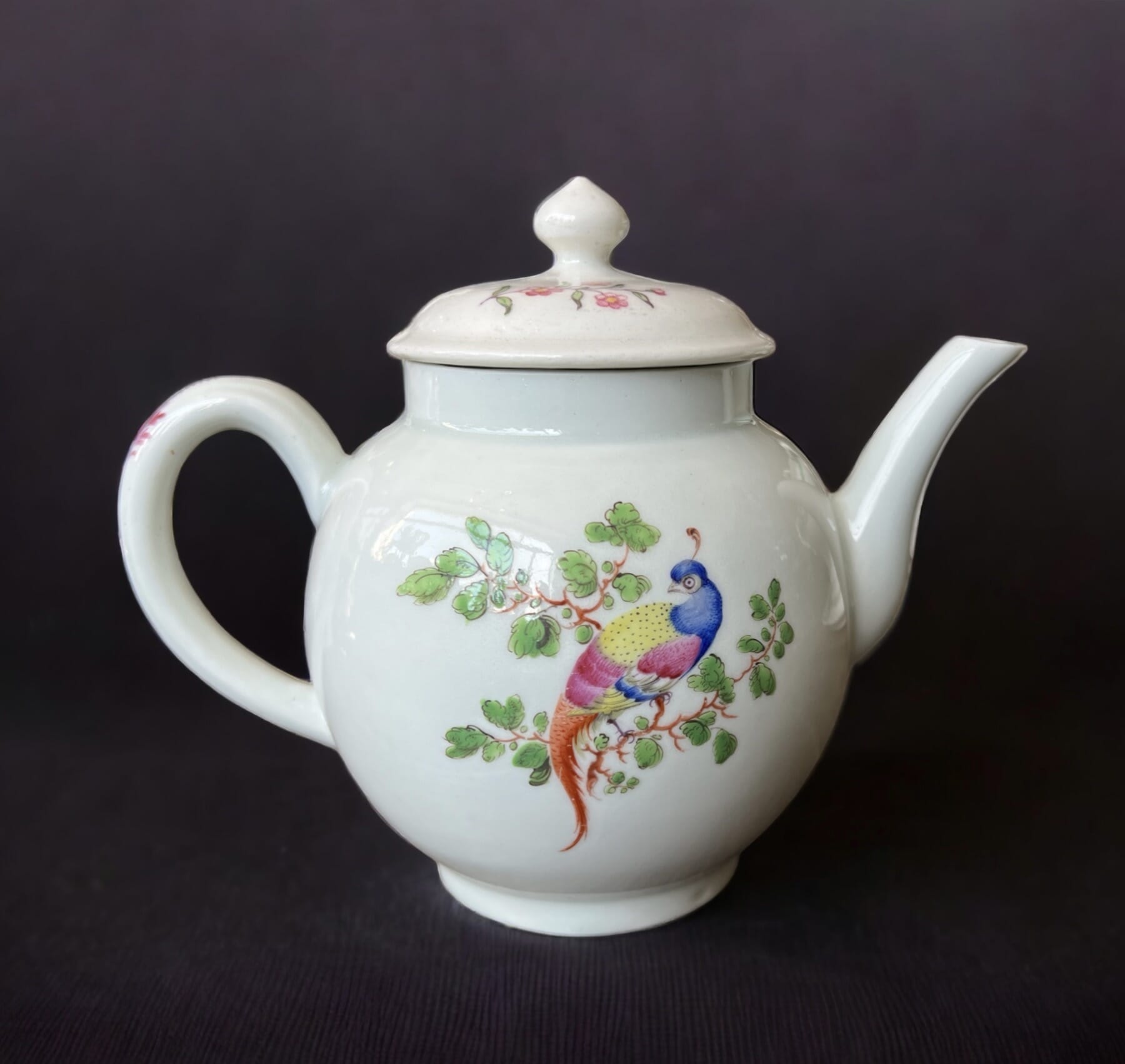
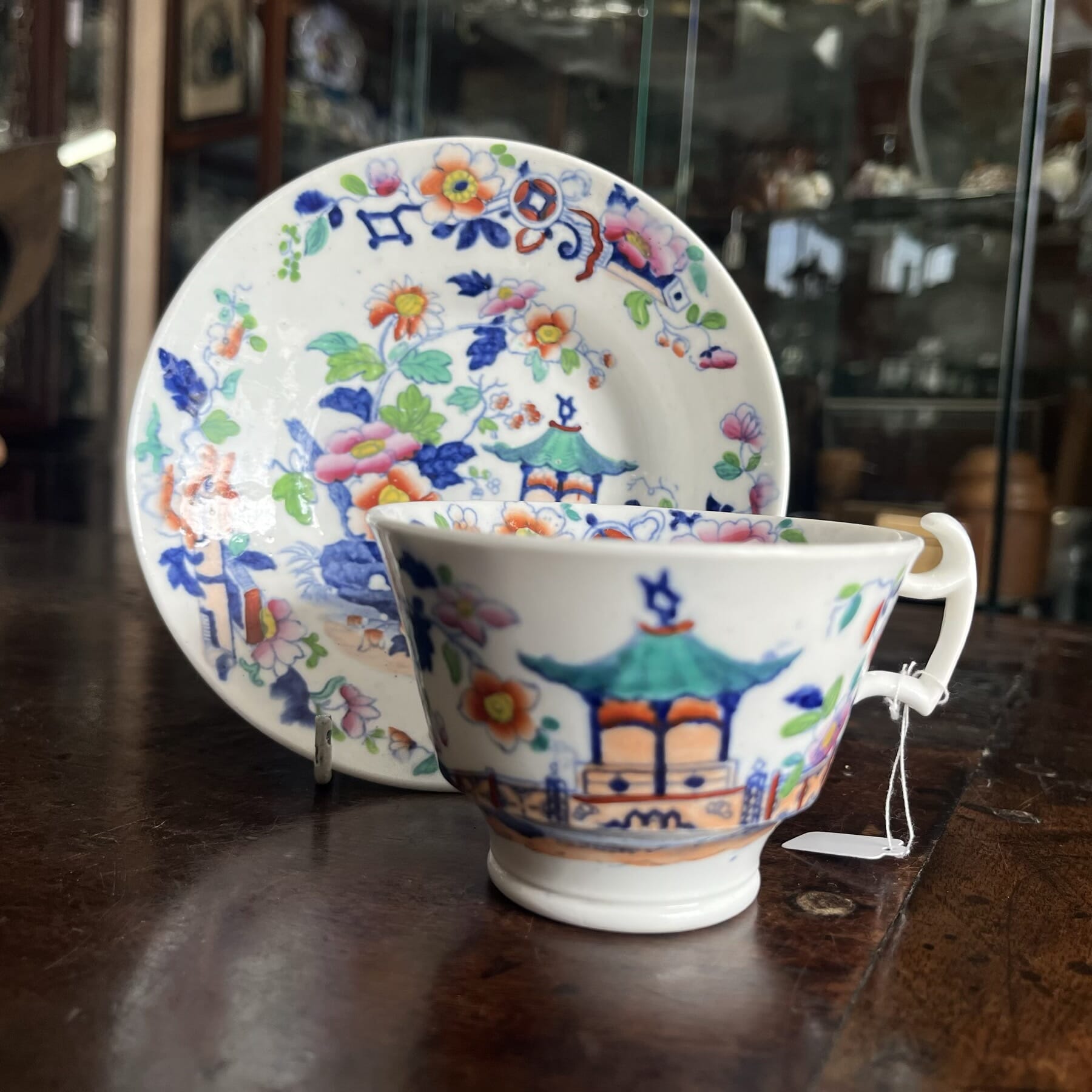
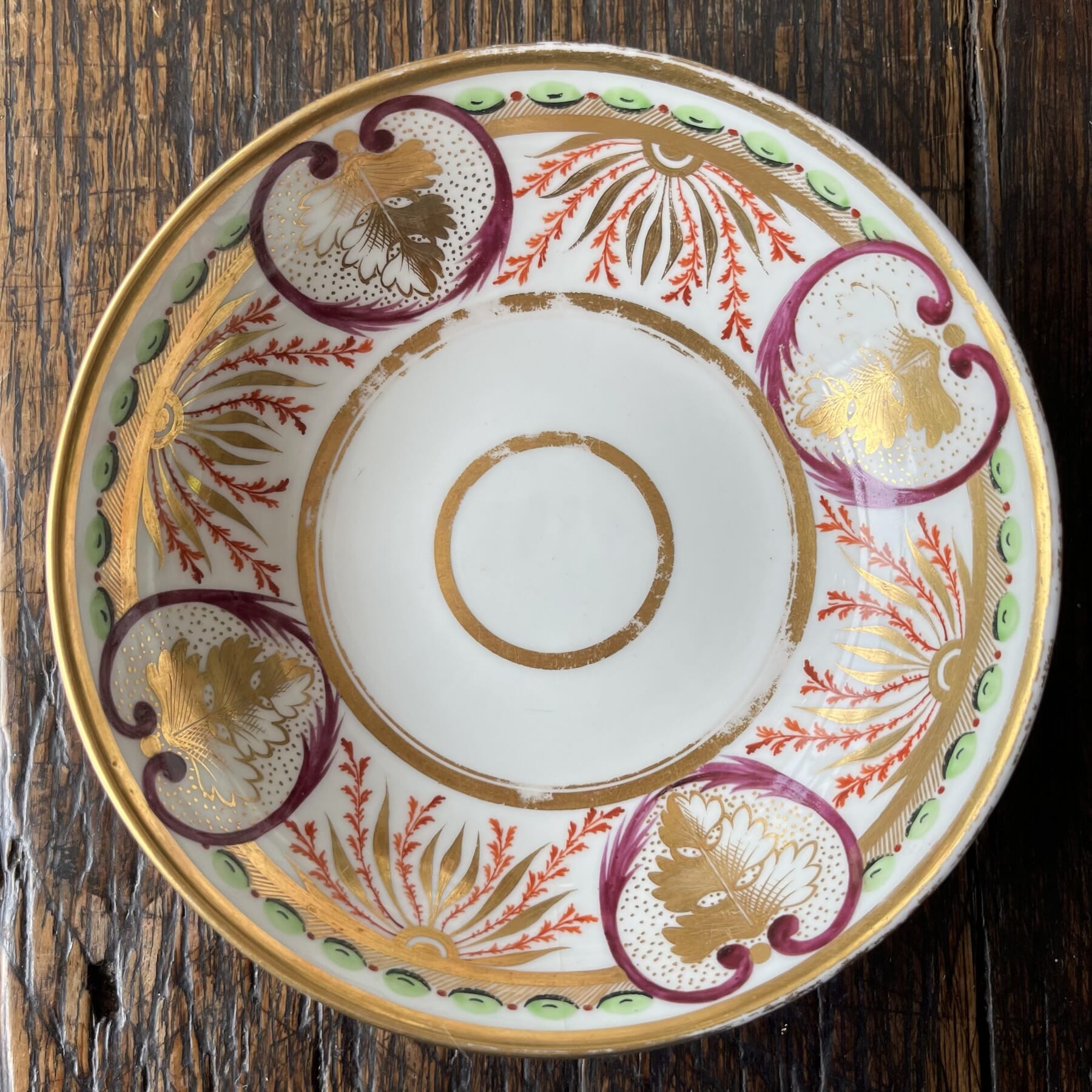
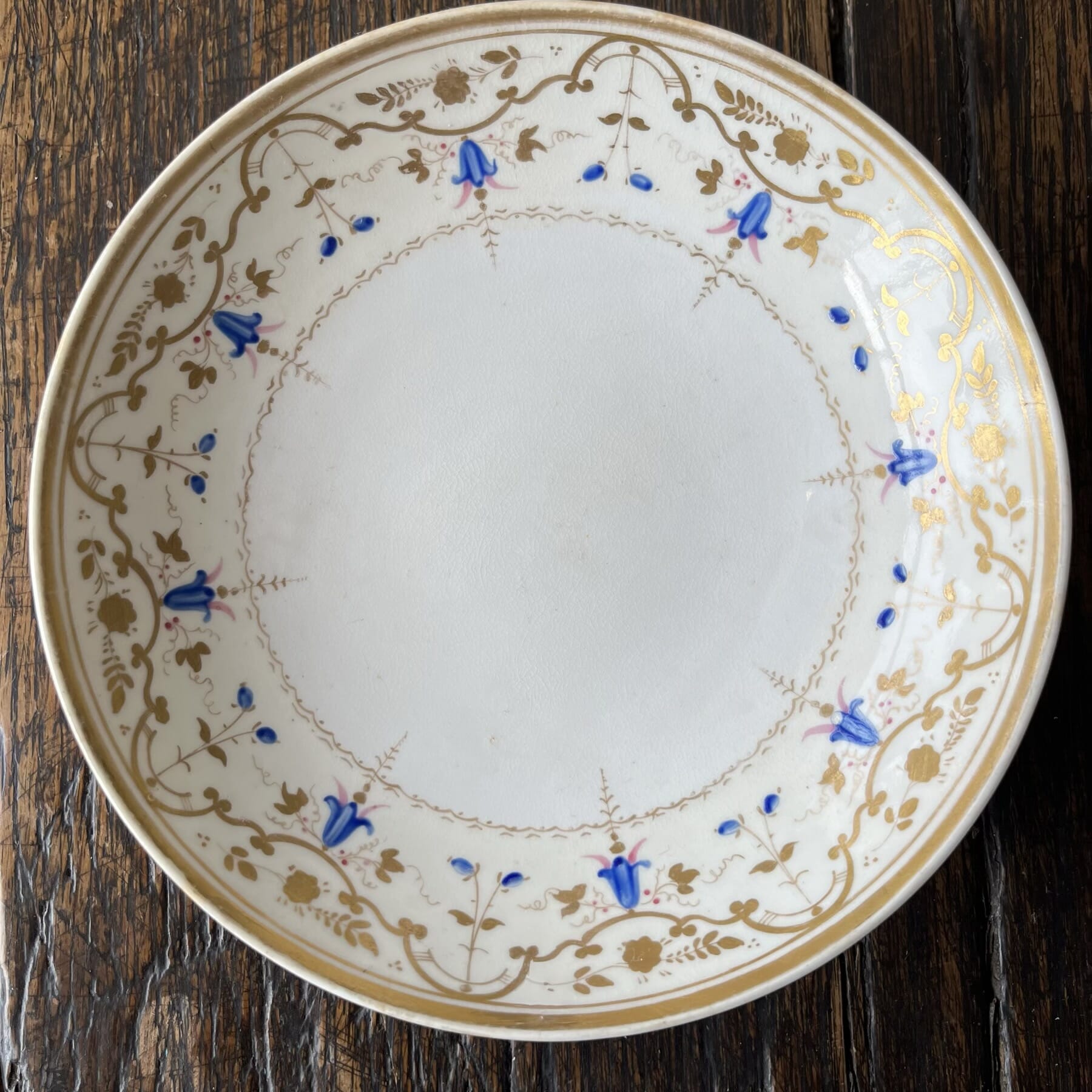
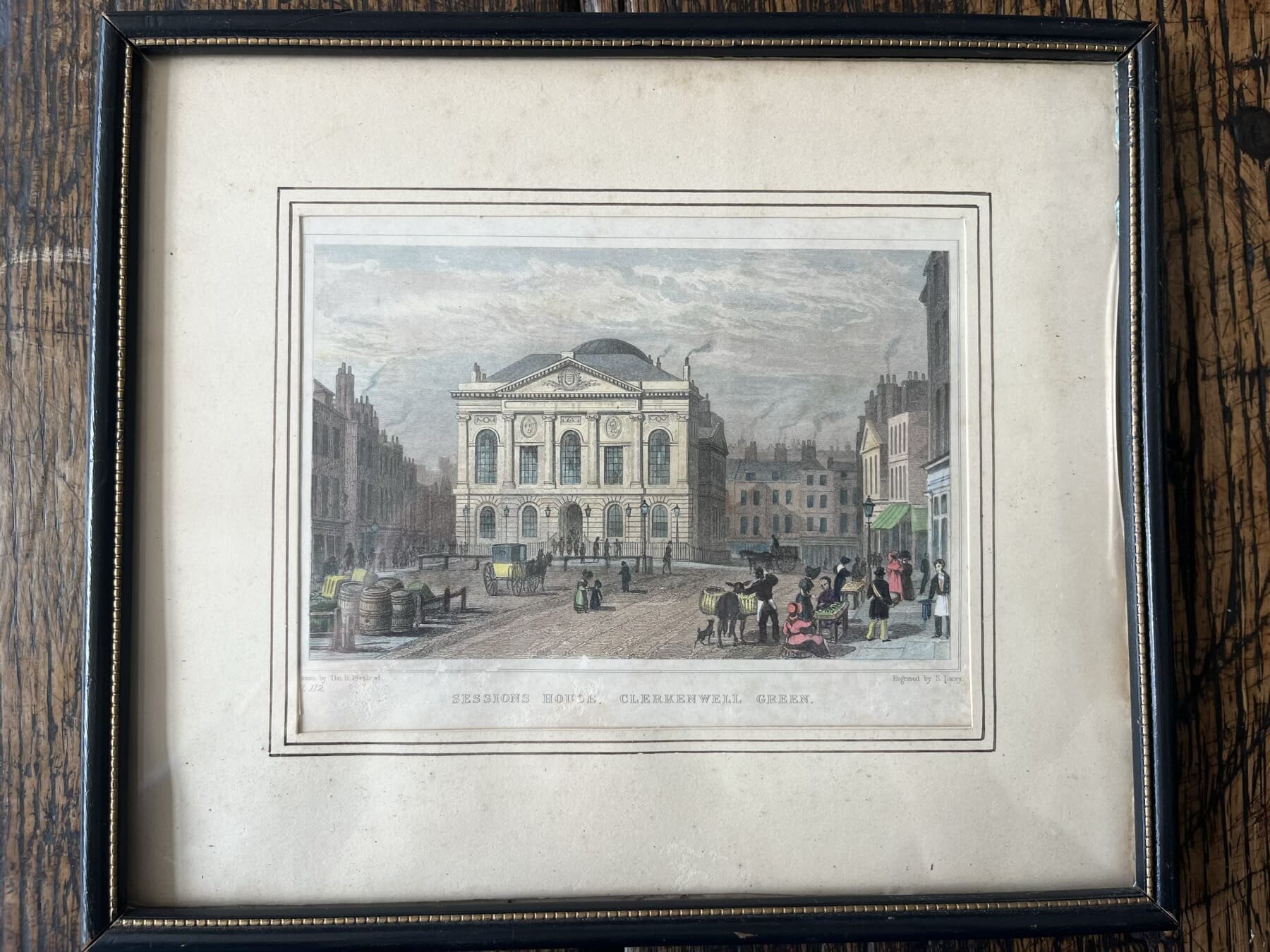
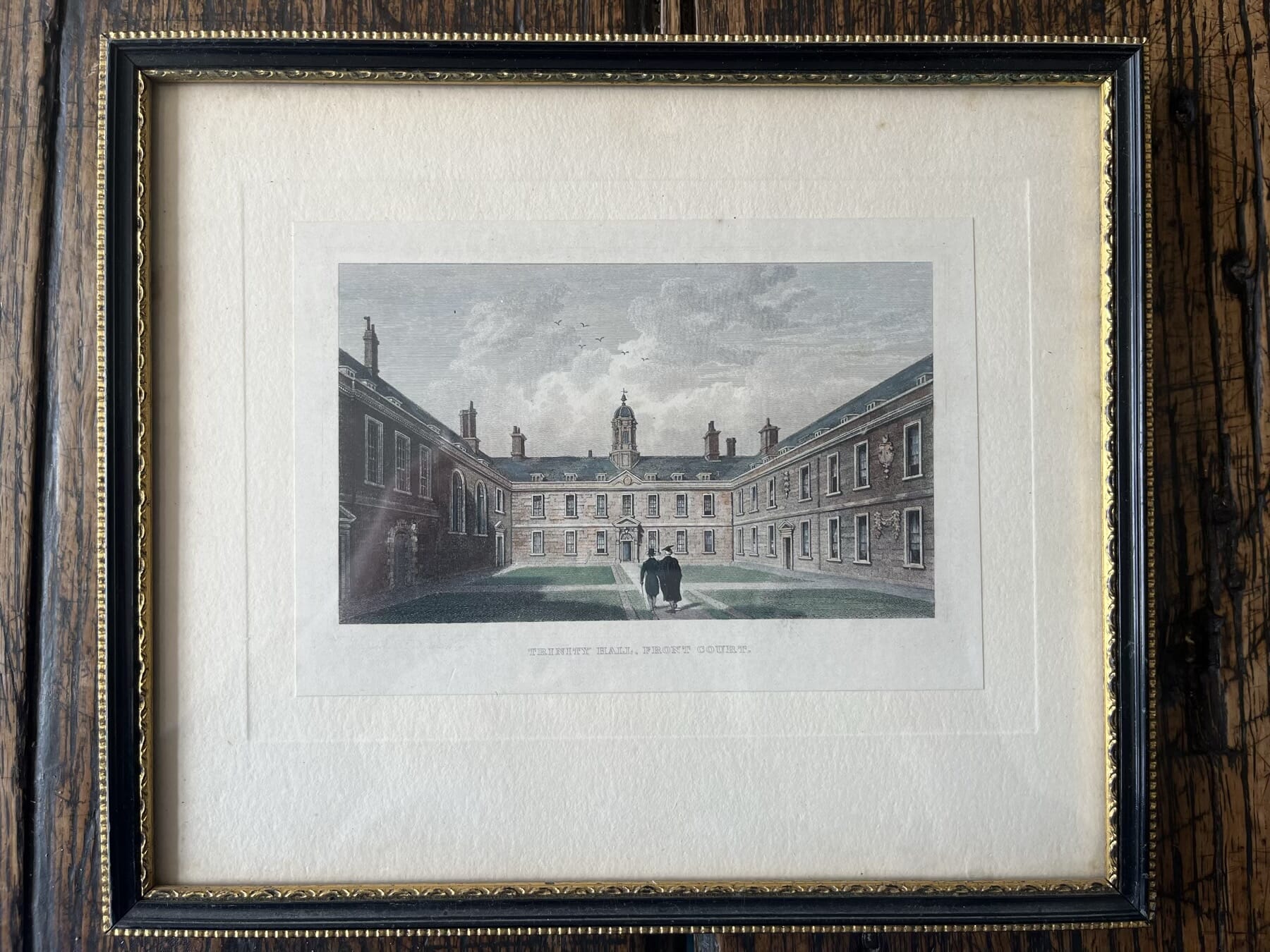
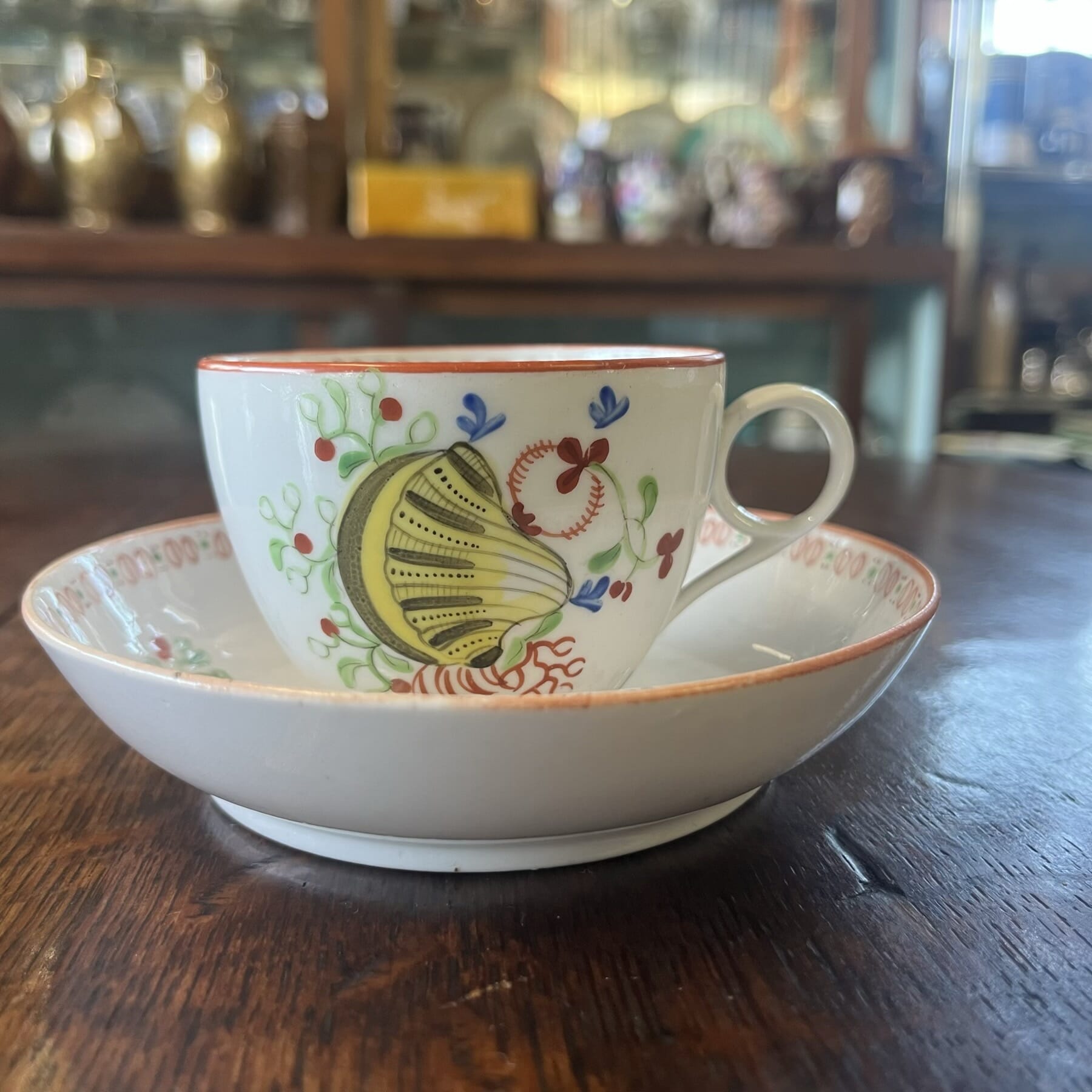
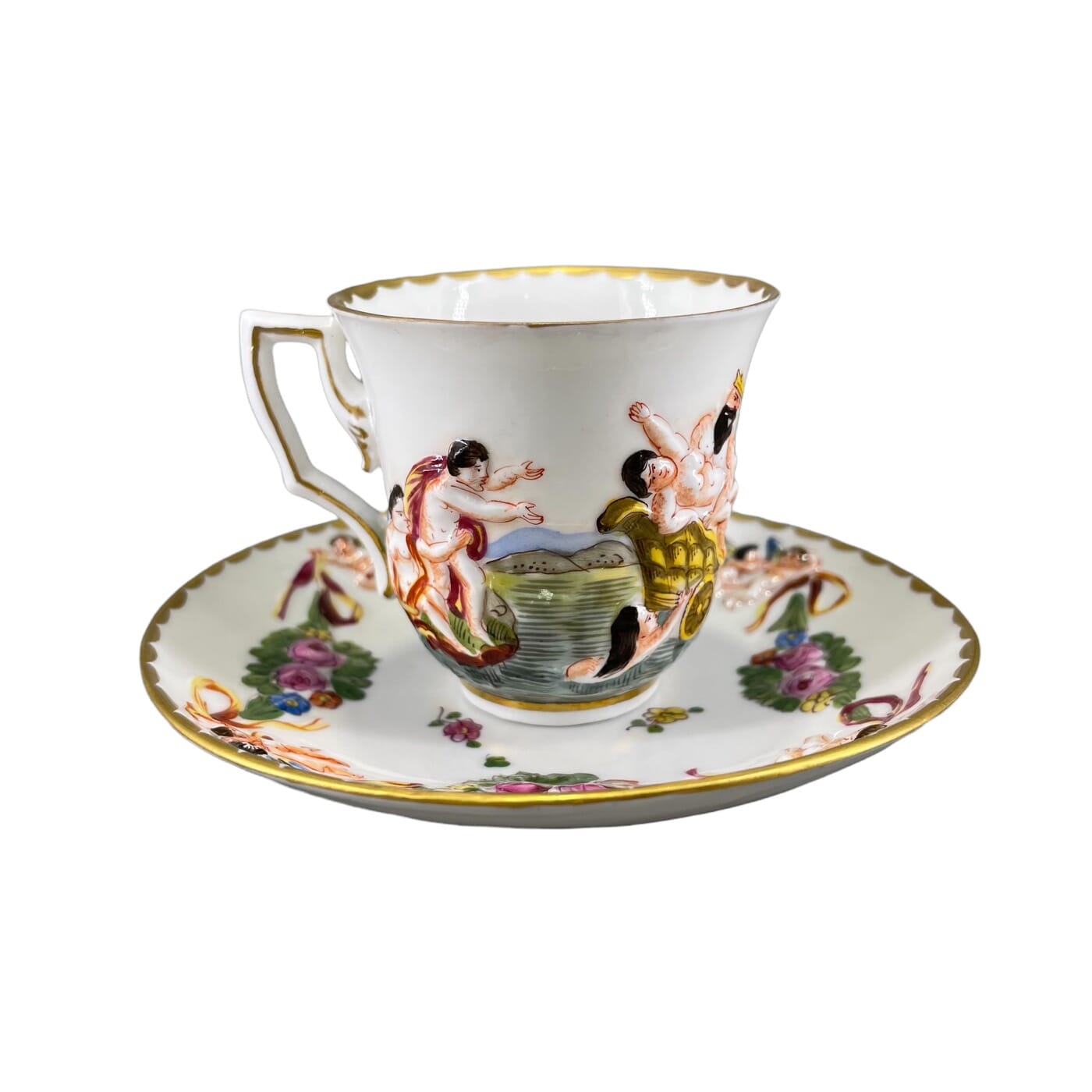
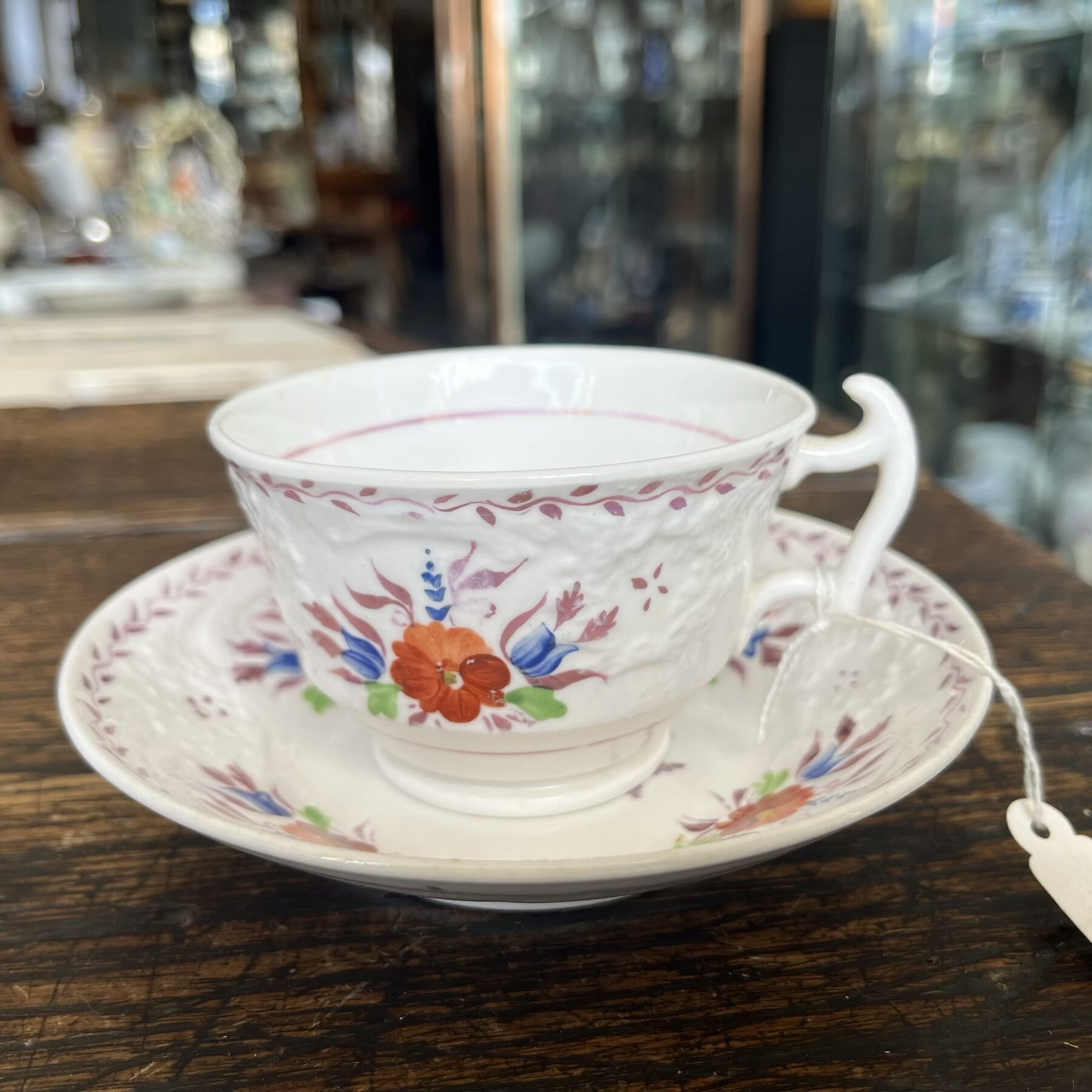
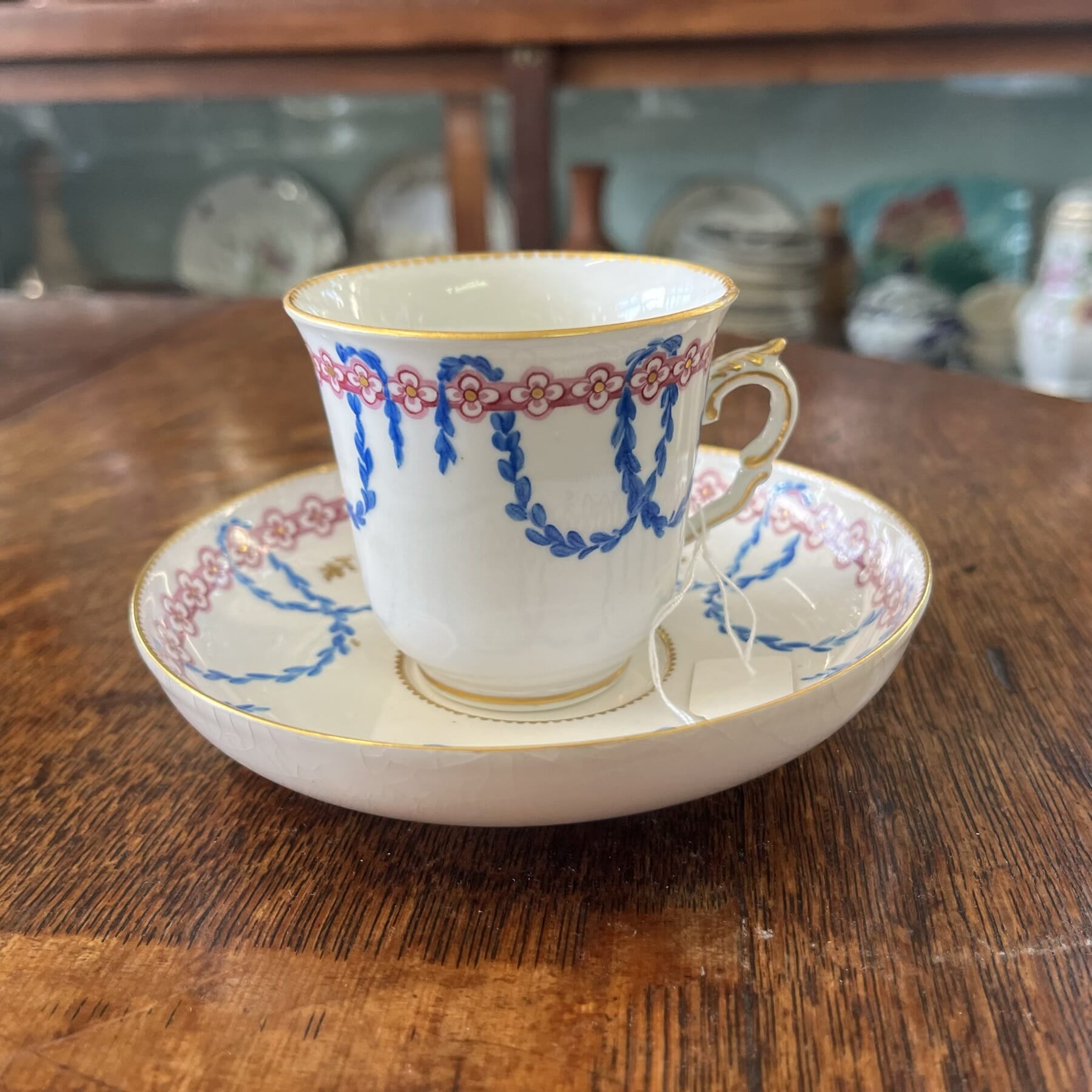
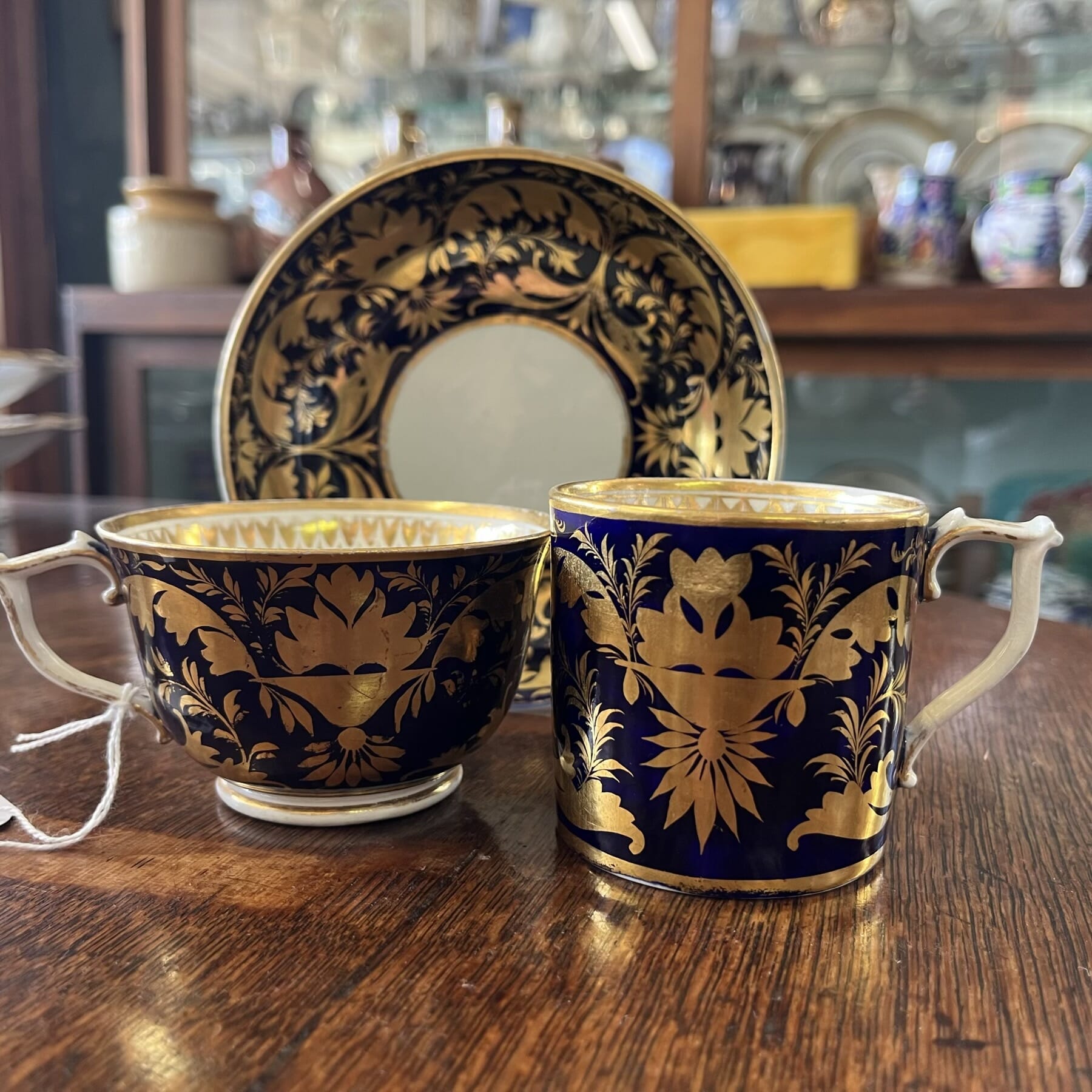
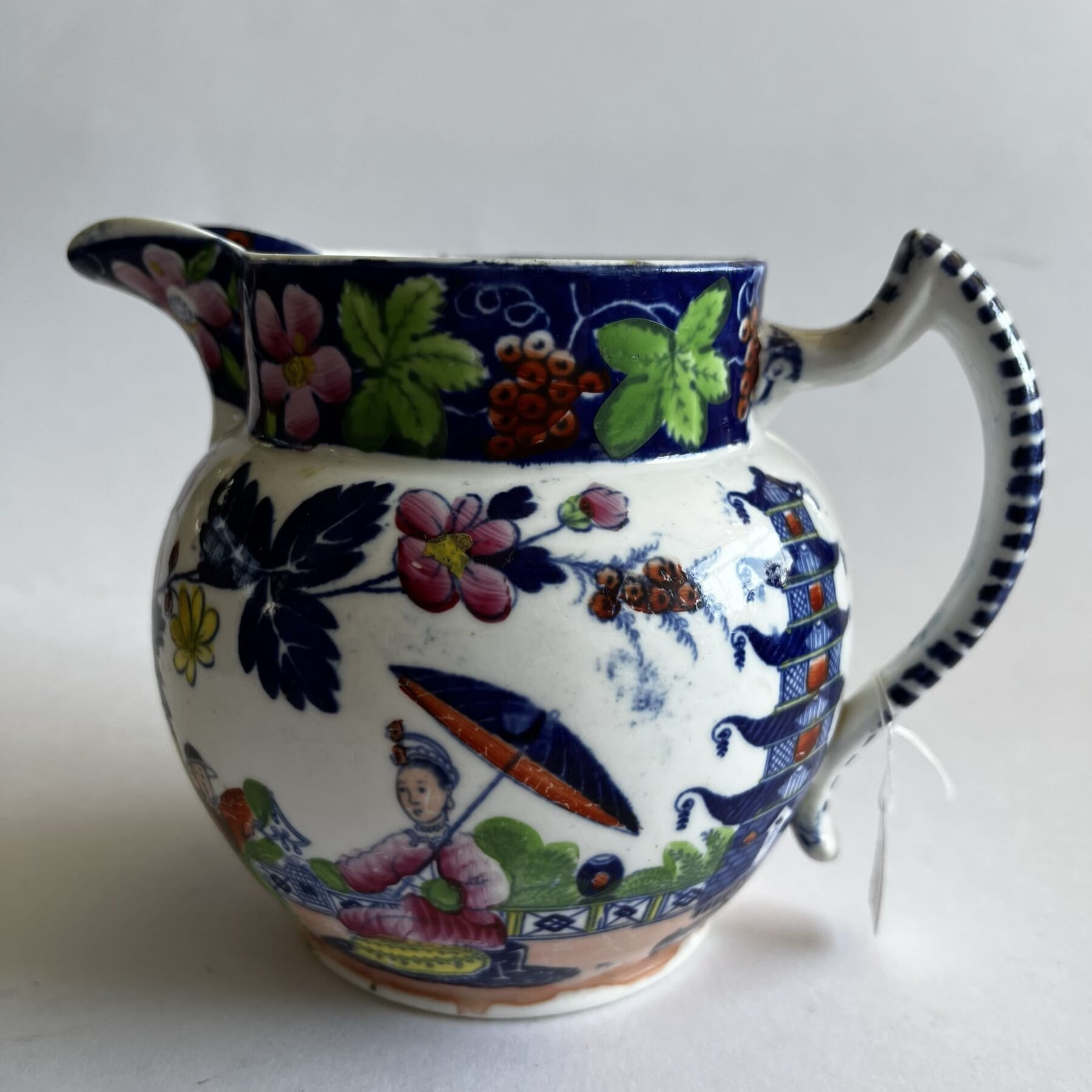
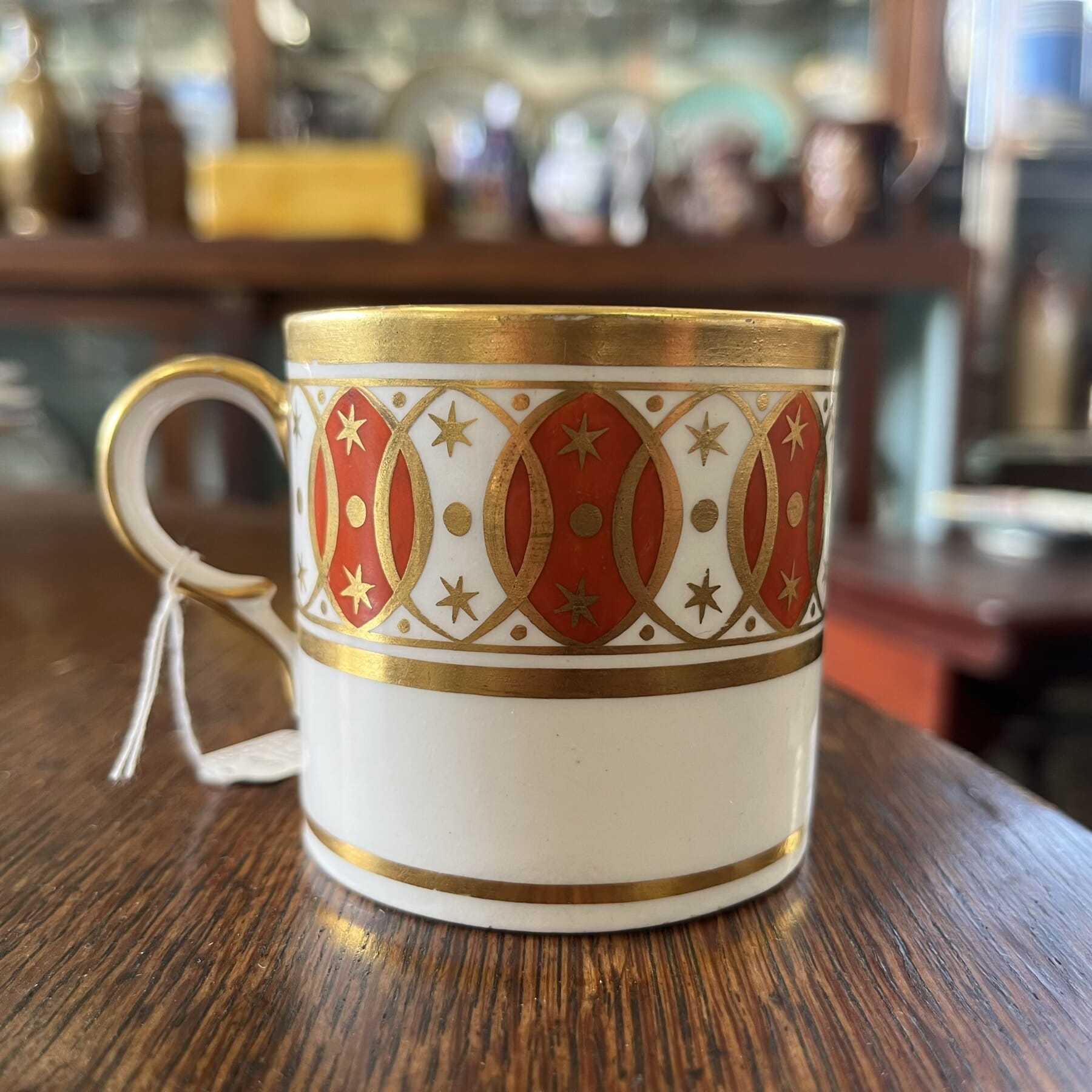
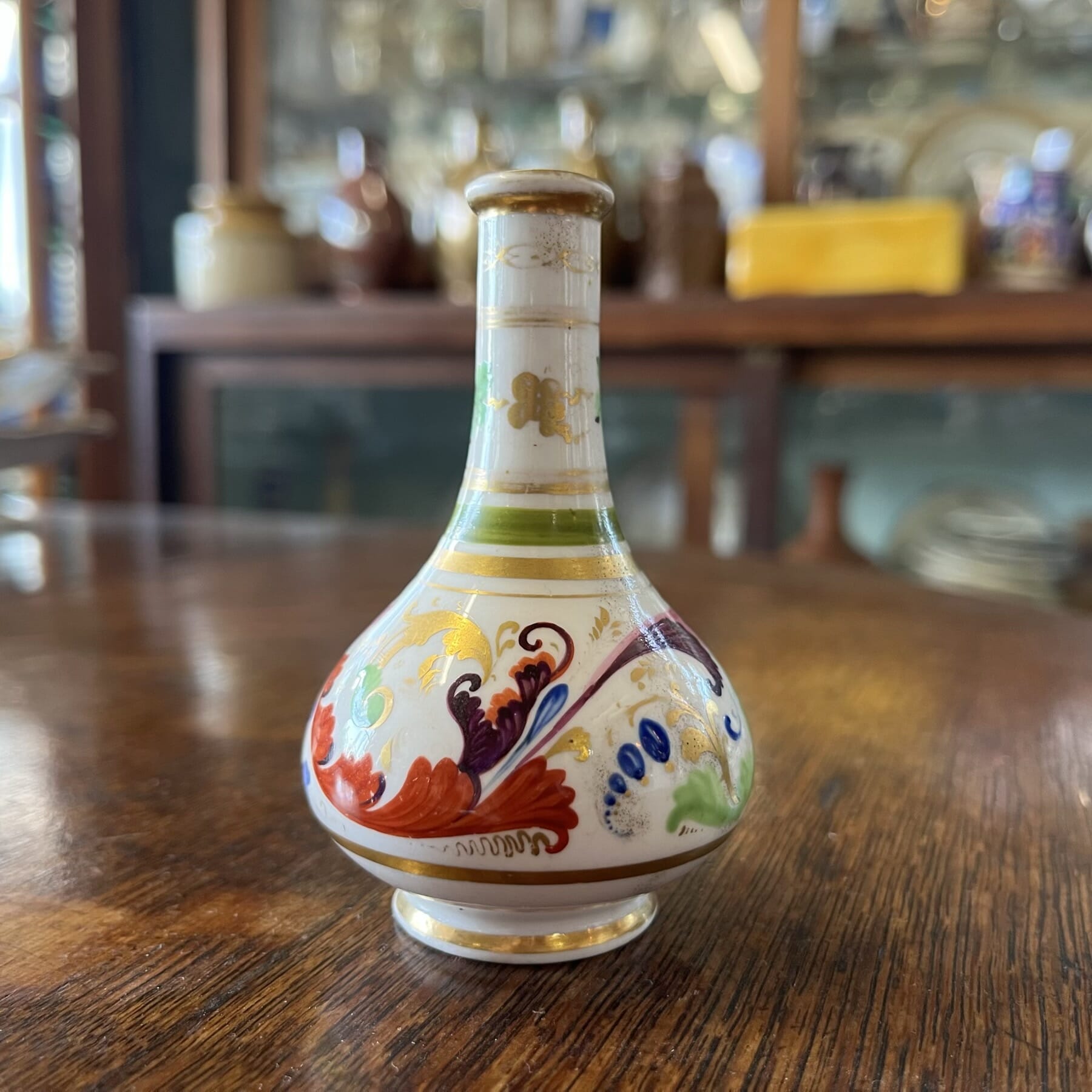
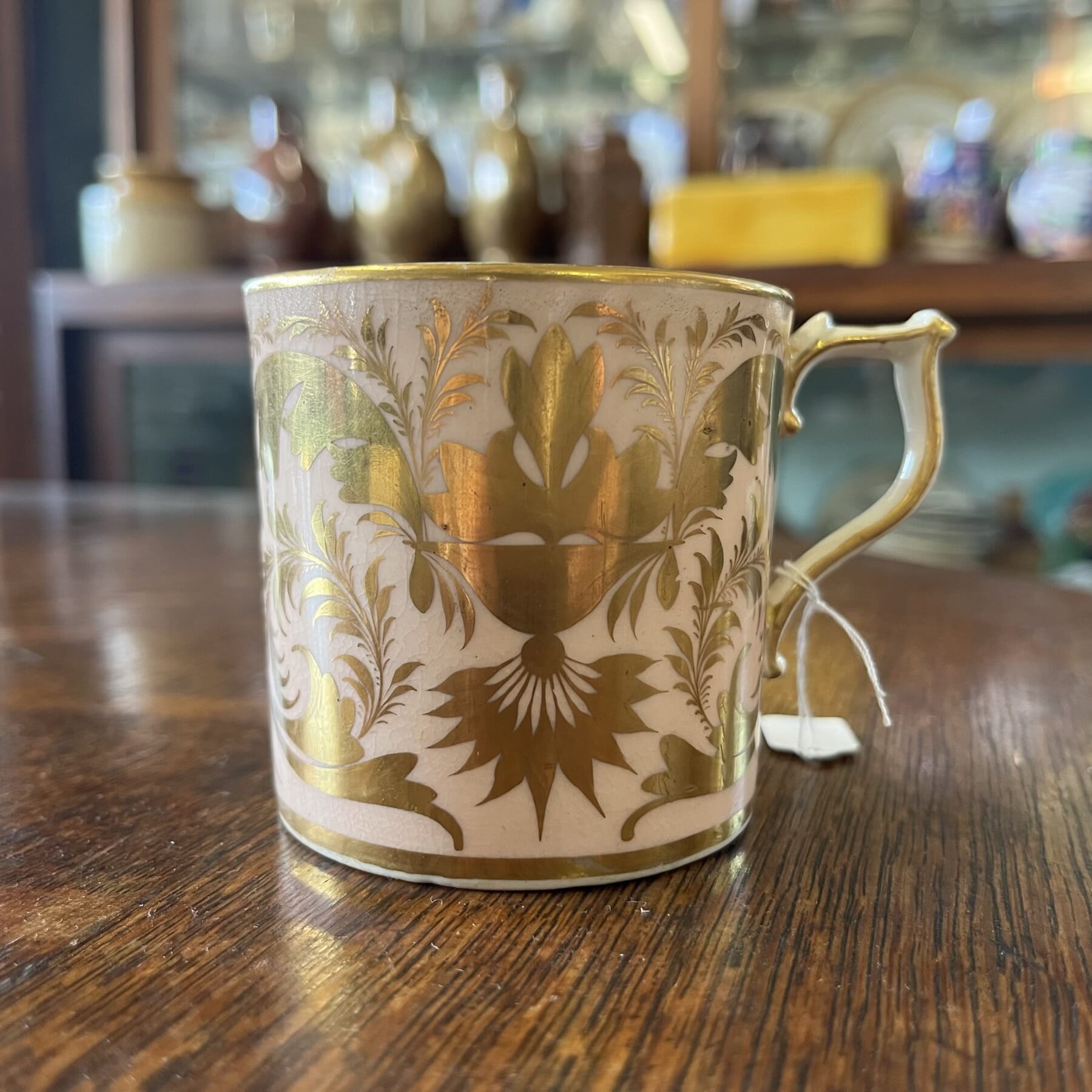
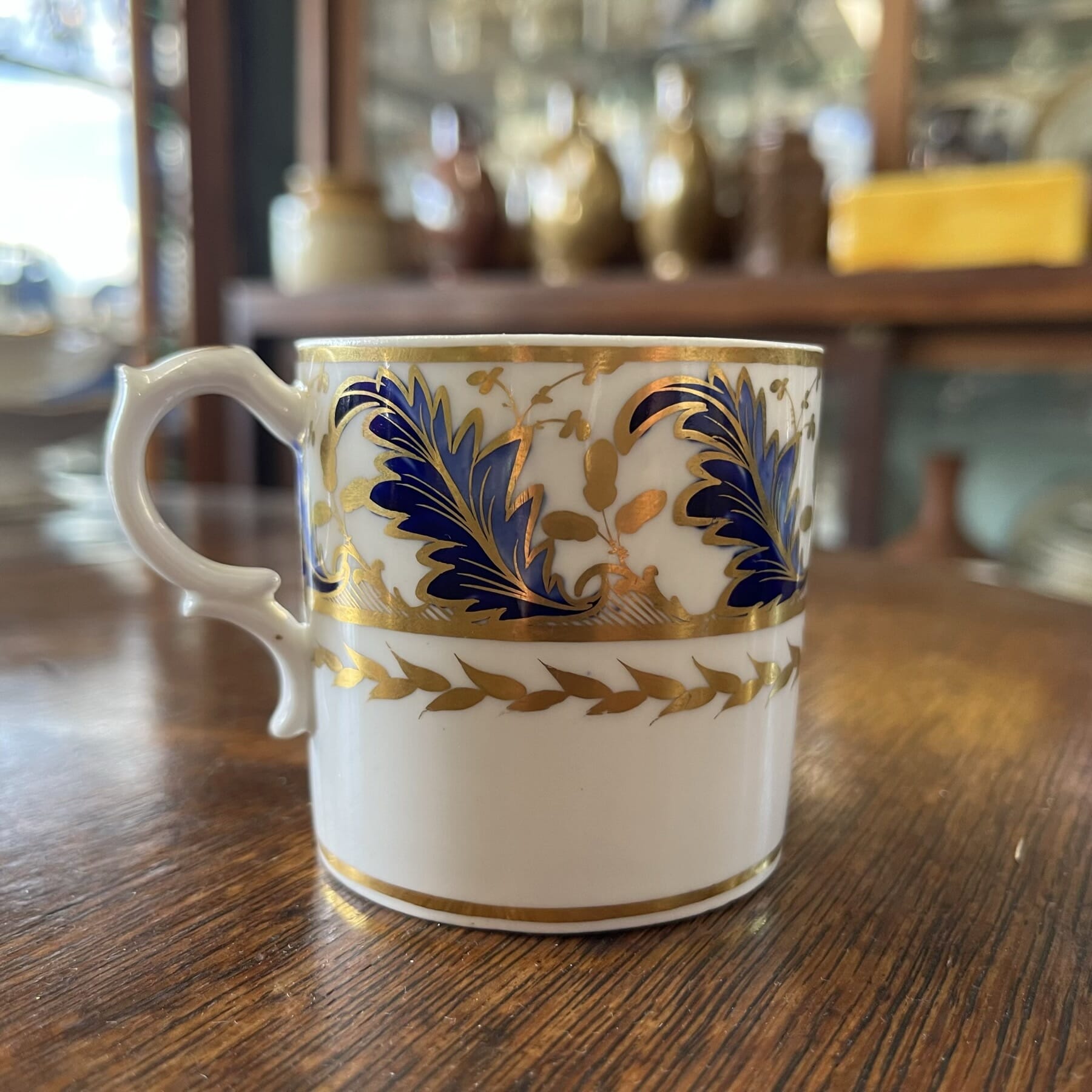
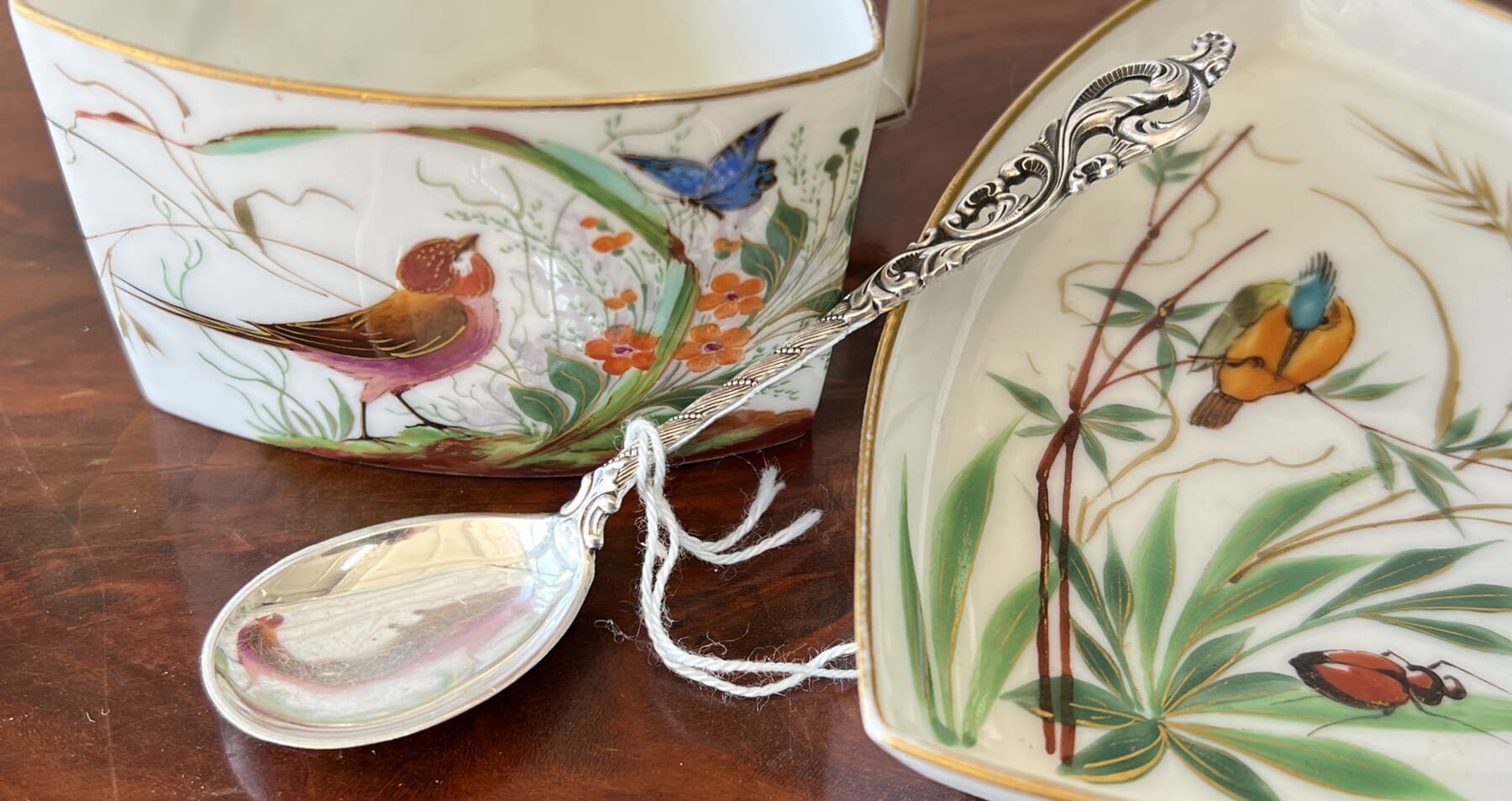
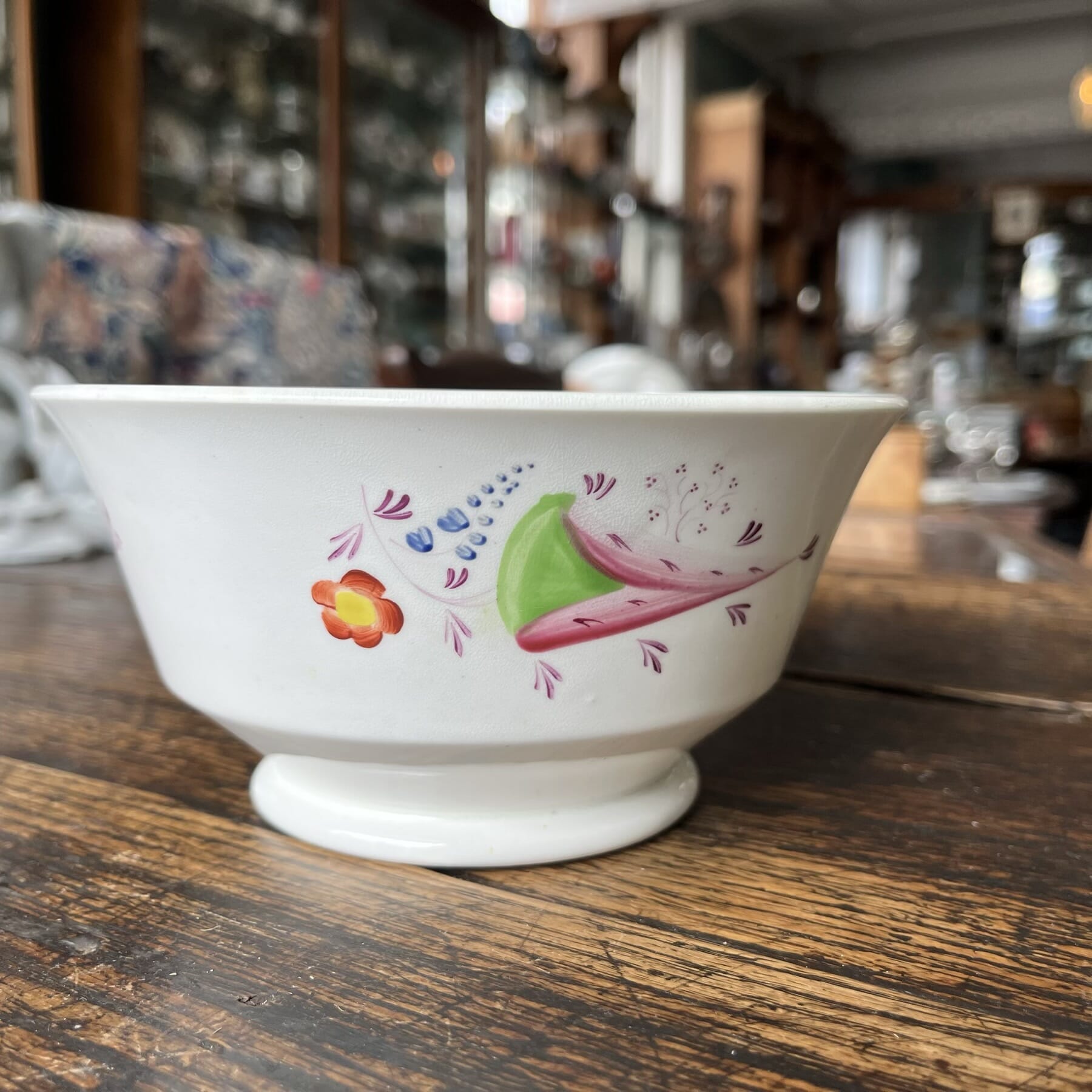
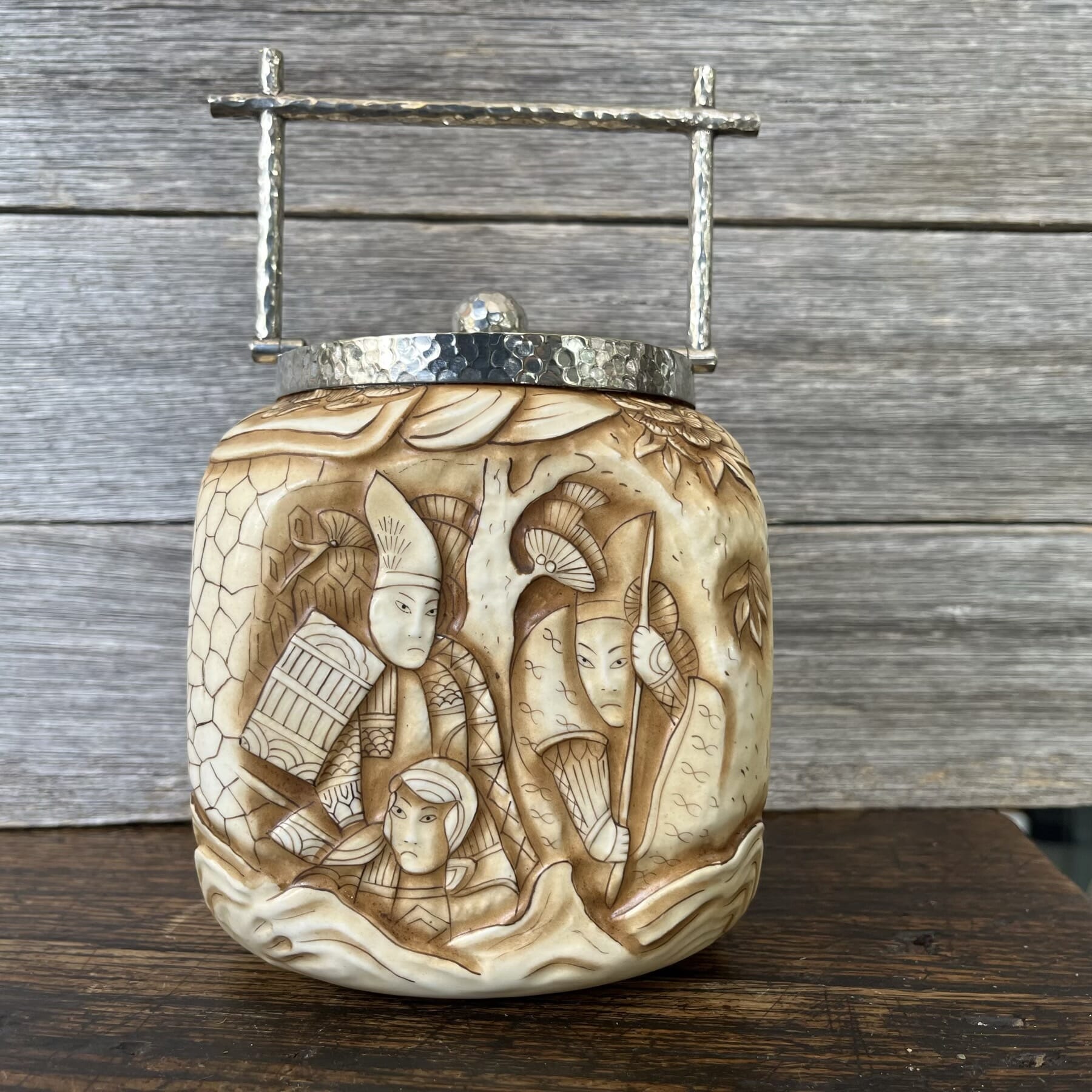
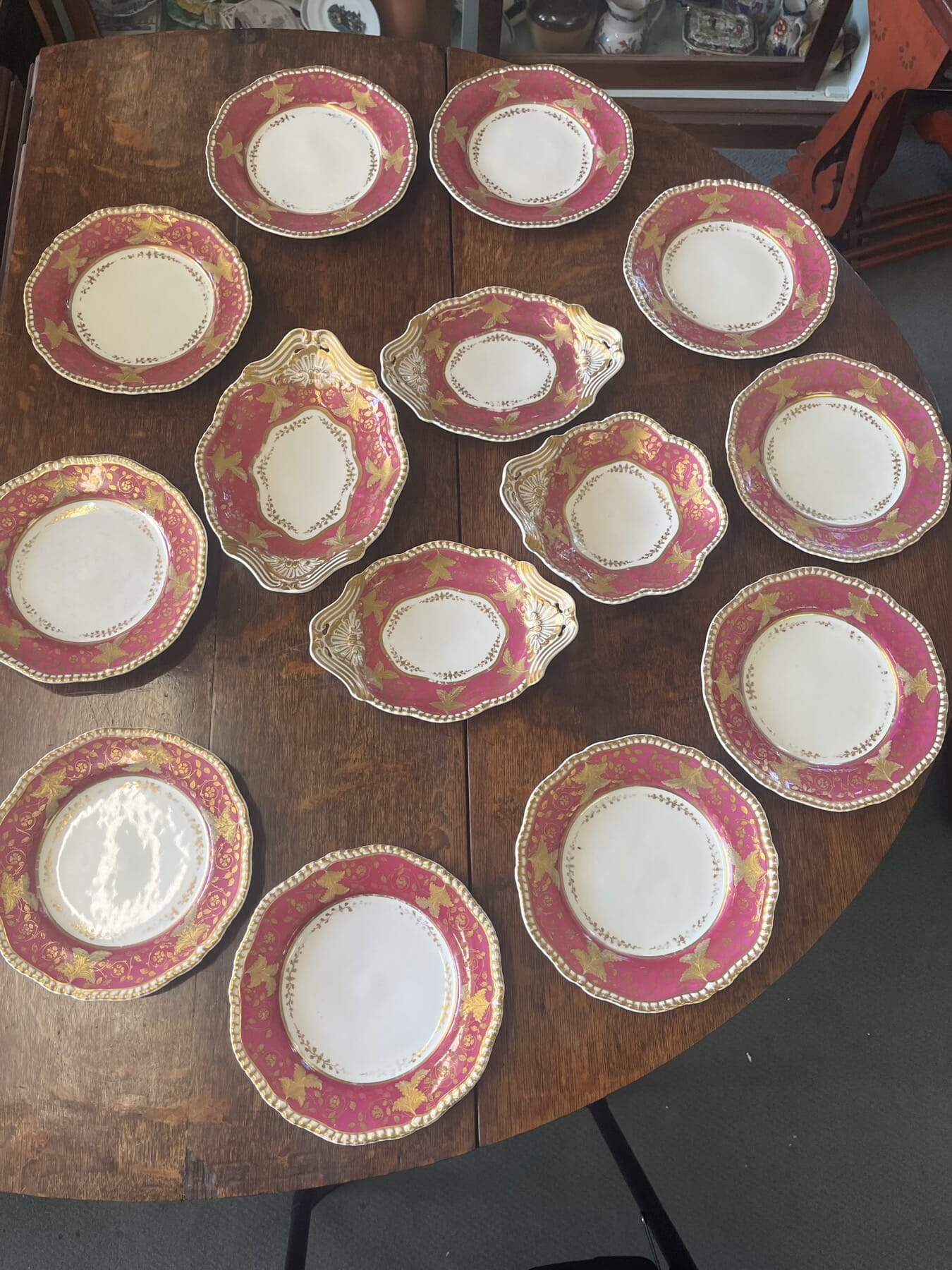
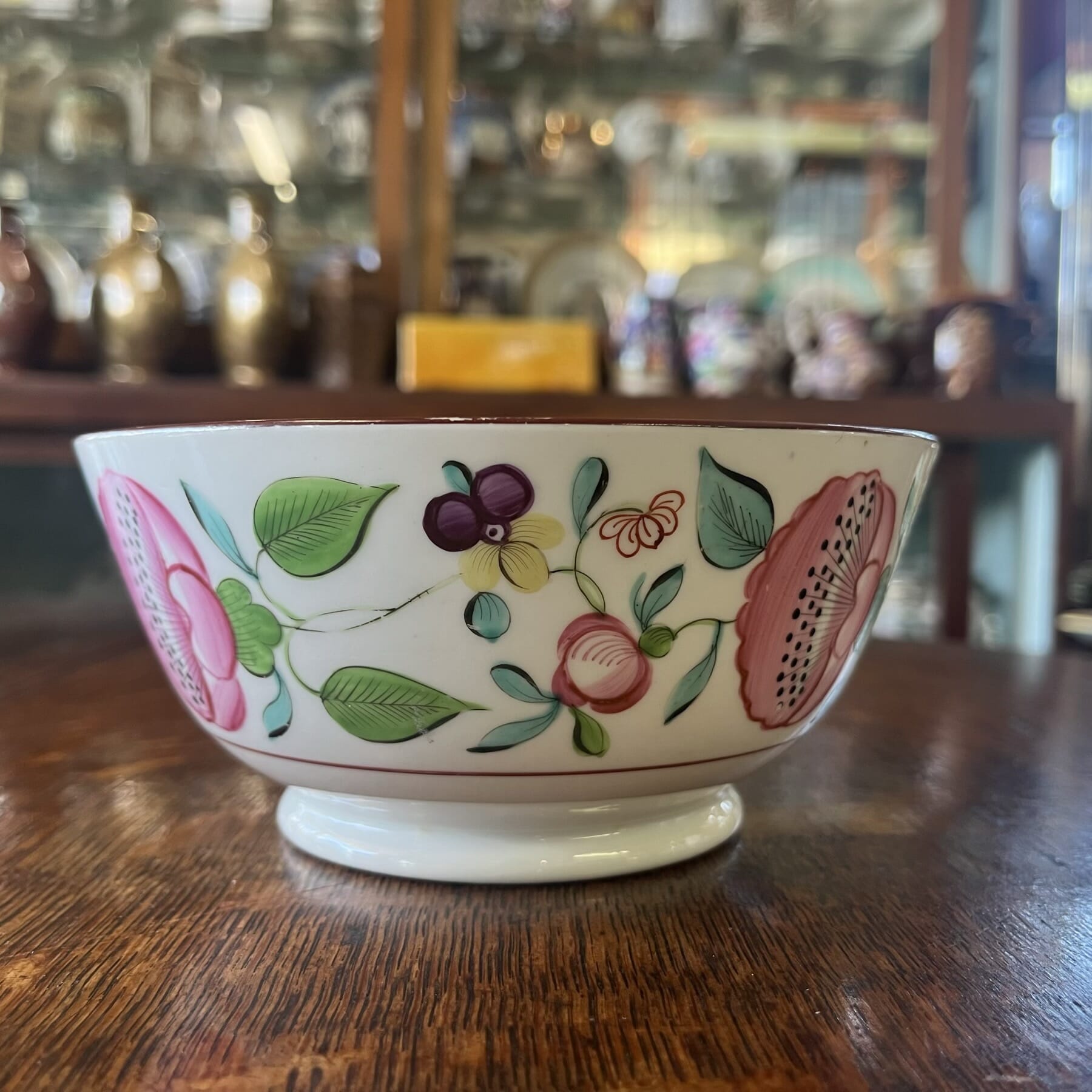
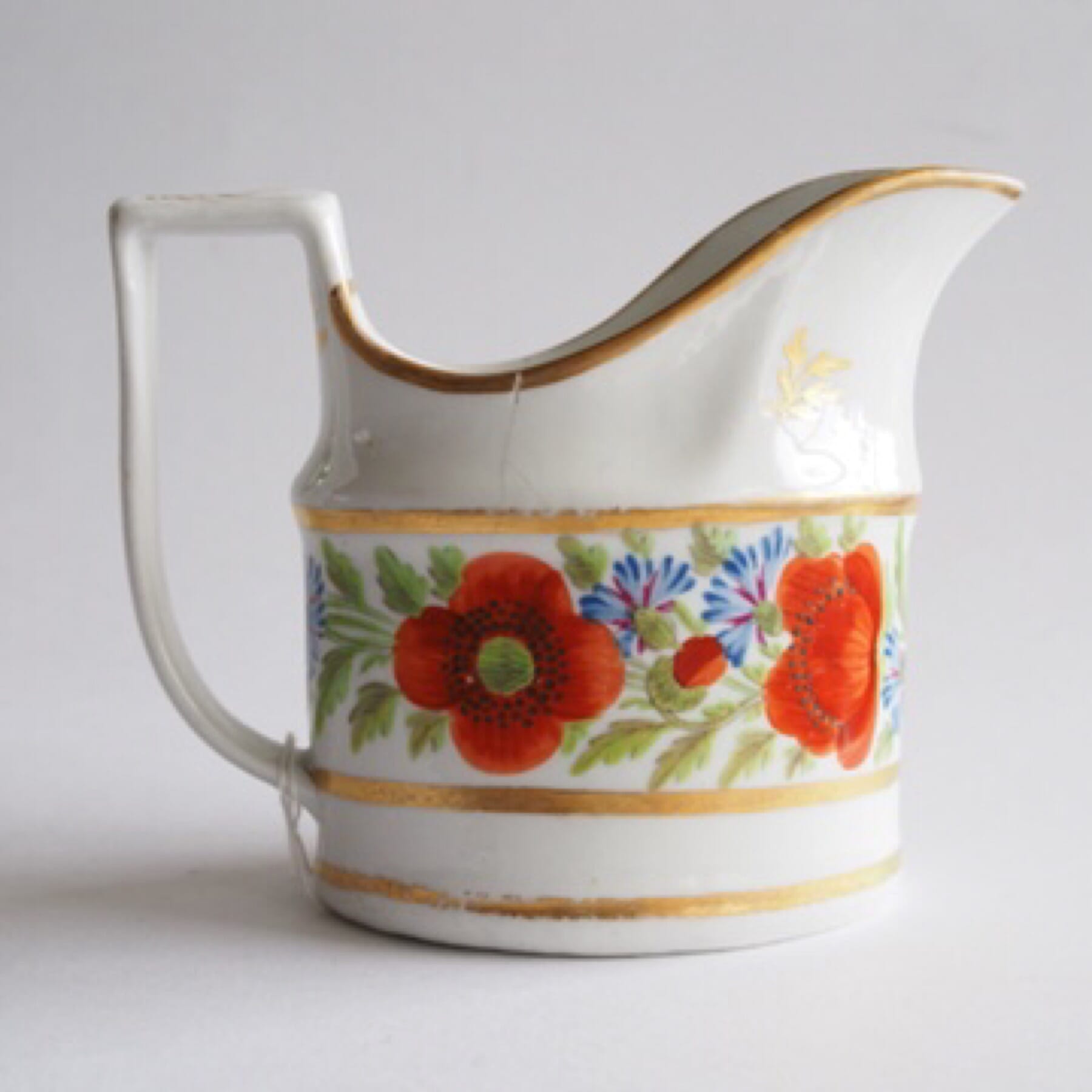
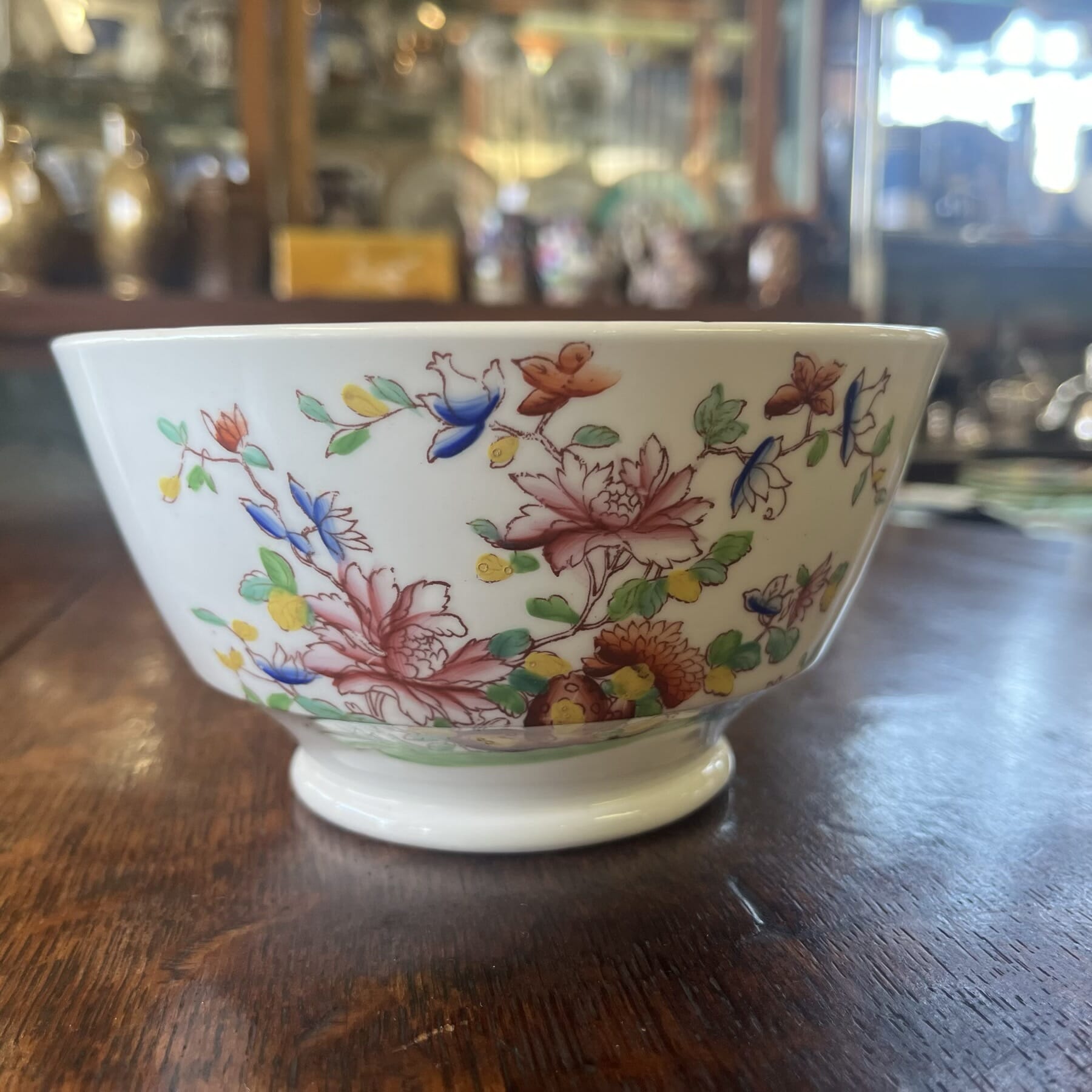
Welcome to the latest Fresh Stock release on Moorabool.com. This week along with some lovely 19th century porcelain including Coalport, Spode, Ridgway and others
For all our local customers…. there’s an event this weekend, at the National Trust property in Geelong, ‘The Heights’. There’s a lot going on, a busy schedule of entertainment for the two days of this coming weekend. Paul gives a talk on French Culture Saturday afternoon, and we have the privilege of setting up a series of French Displays within the house, part of taking a ‘house tour’ while there.
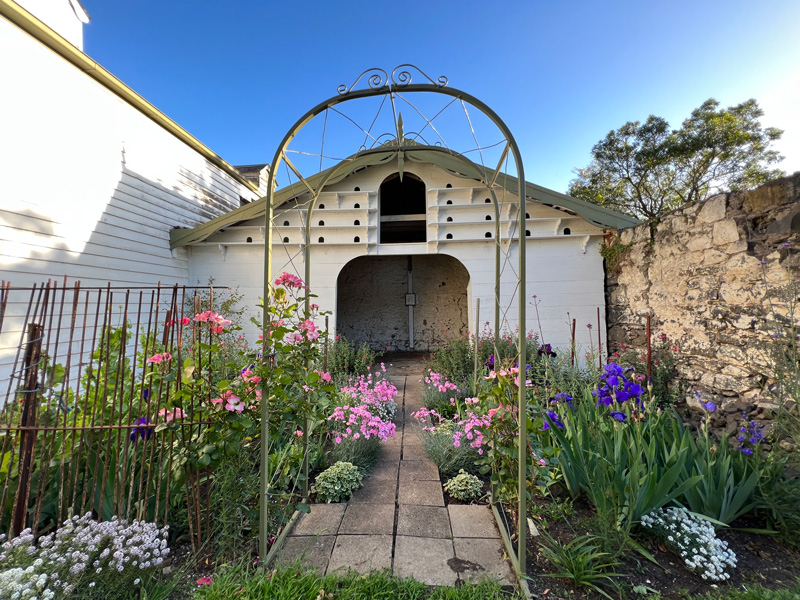
As well, we have taken on the ‘Dovecot’, a gorgeous Victorian outbuilding that has a flower garden flourishing in its forecourt; imagine this with antiques strewn through…. starting at $5!
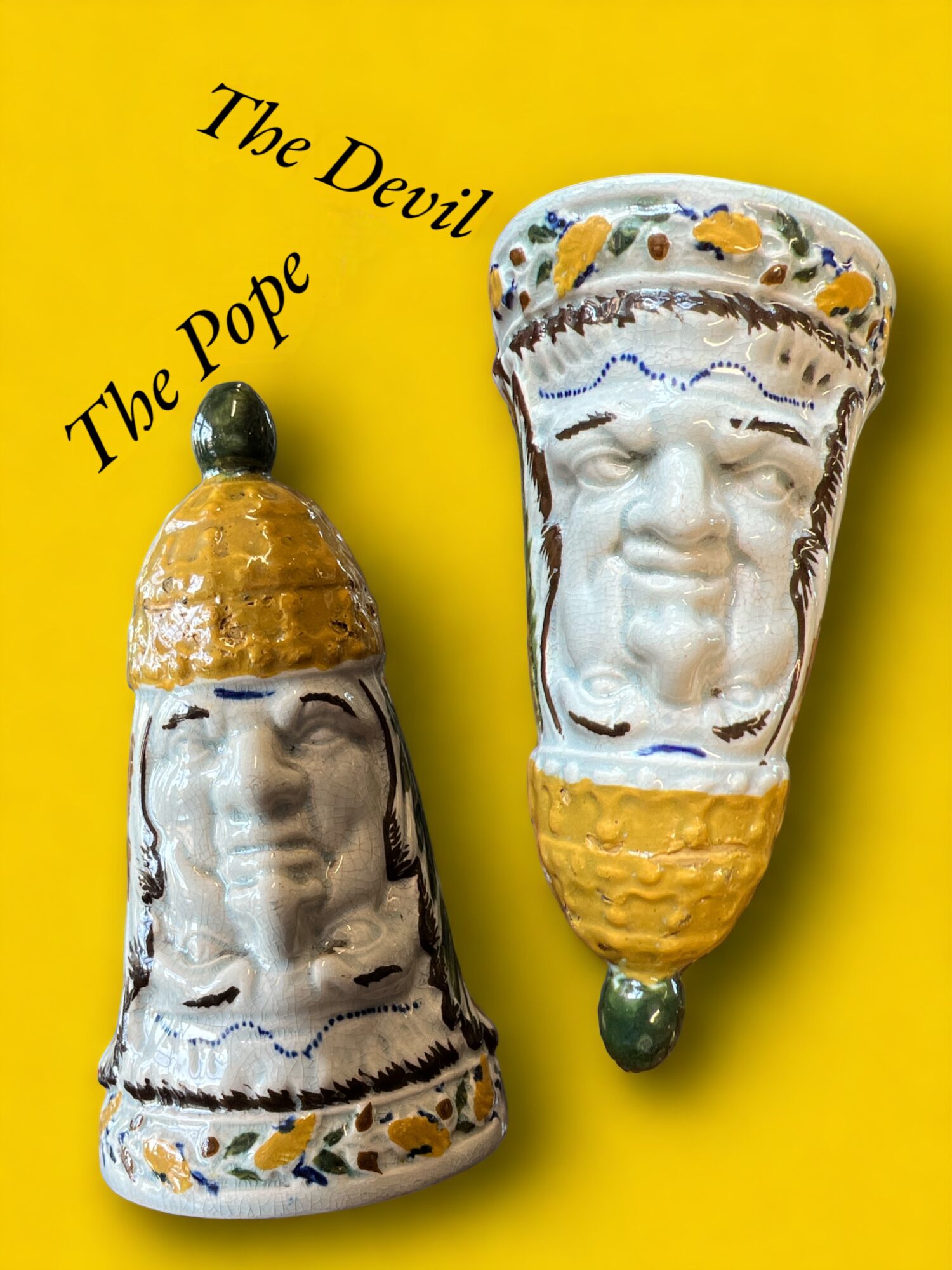
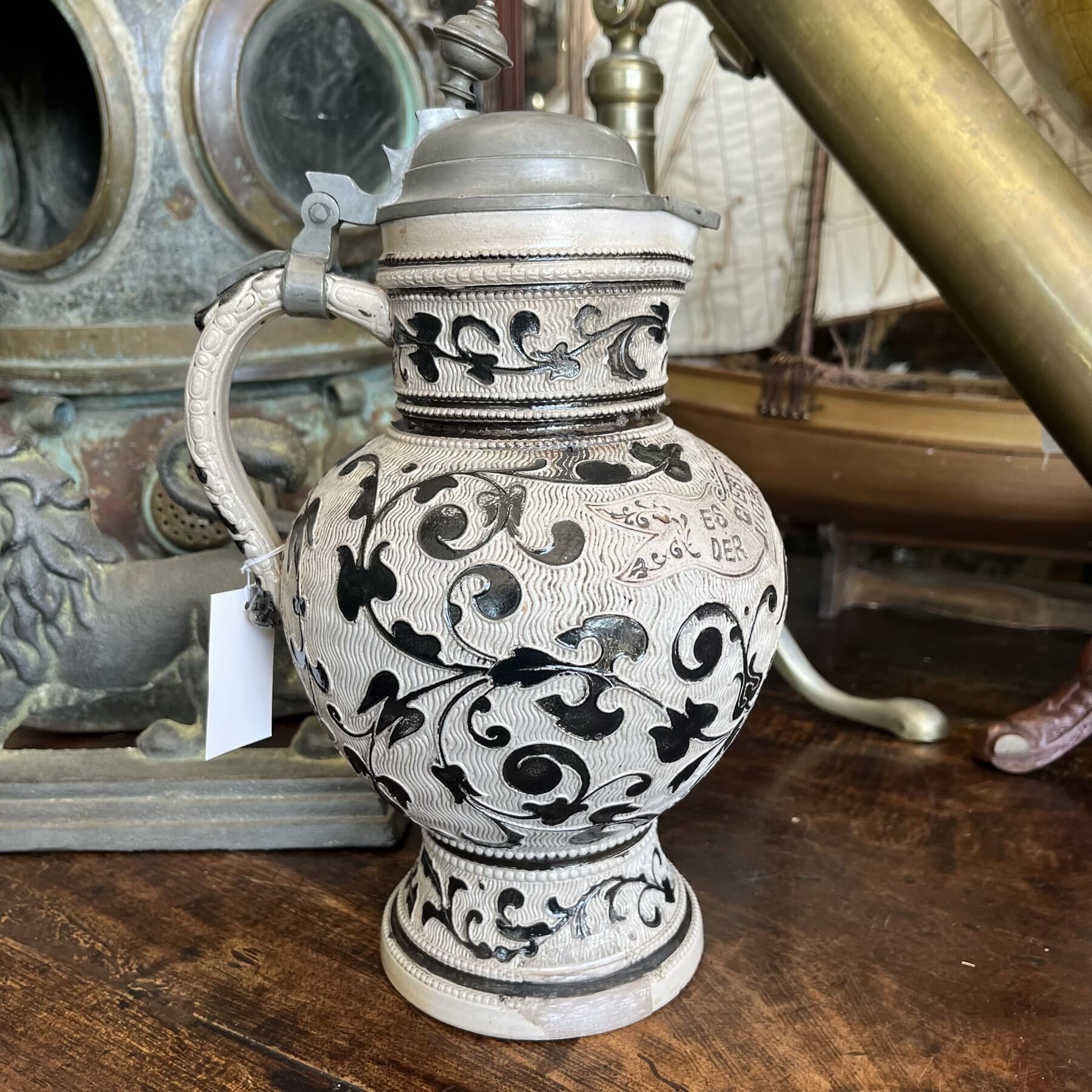
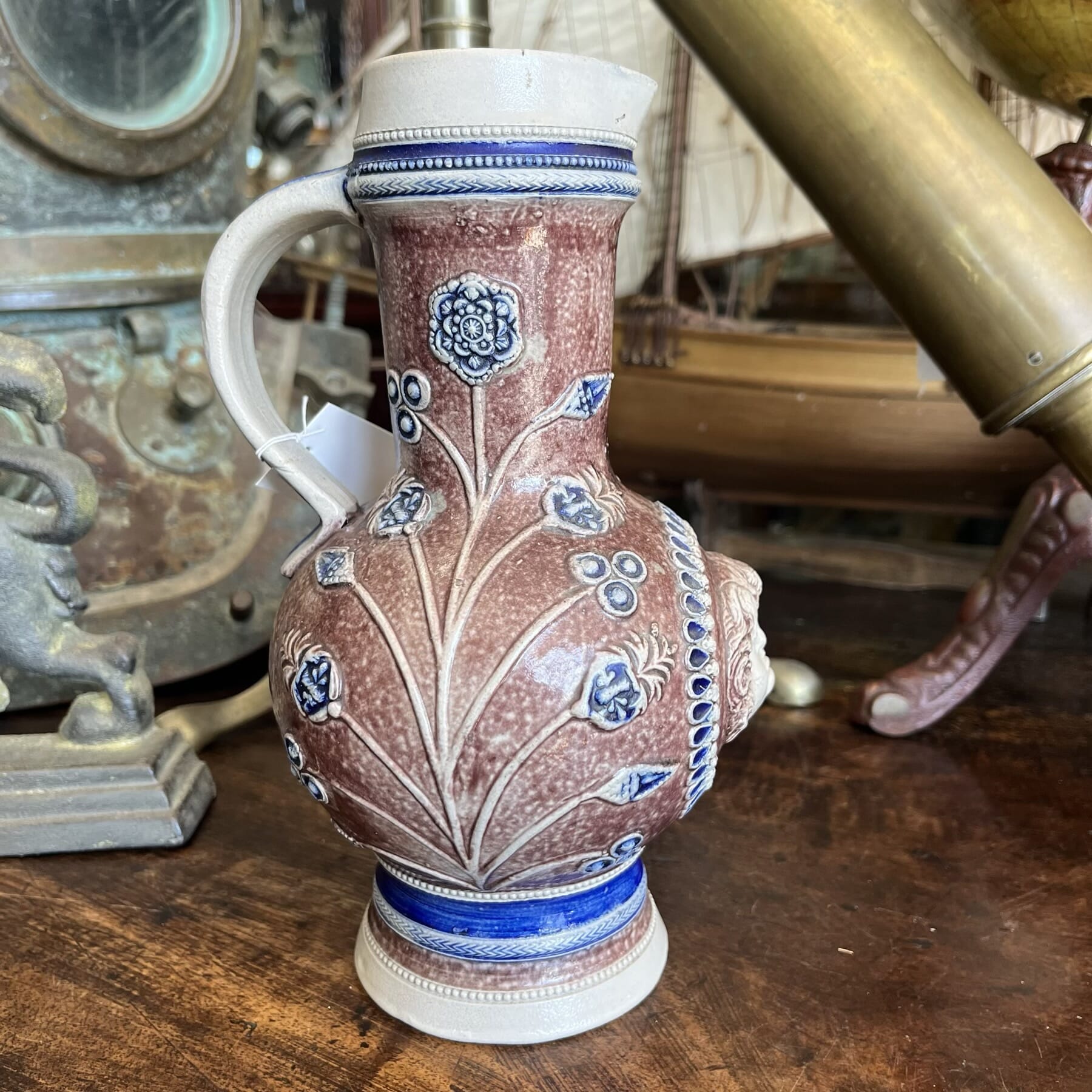
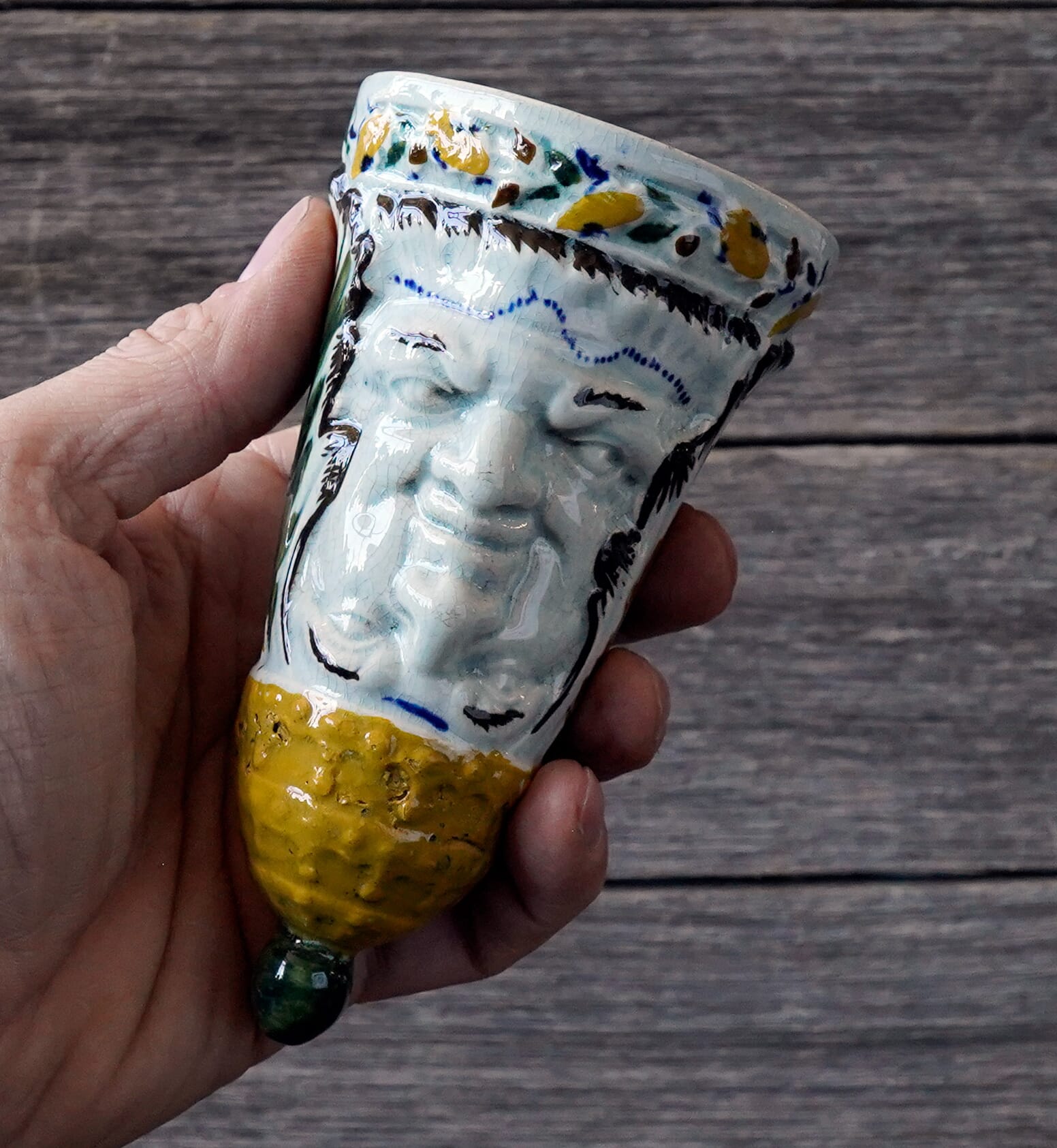
Welcome to the latest Fresh Stock release on Moorabool.com. This week you will find a good selection of collector’s Pottery, including the rare ‘Pope & Devil’ stirrup cup seen here. This is a drinking vessel, used while on horseback to have a drop of something before going on the hunt – you had to swig the whole thing as the cup cannot be put down until empty. When full, the face seen is the ‘Devil’ – when empty, the ‘Pope’ in his crown! It’s an early 19th century Pratt-type pottery example, and in superb condition.
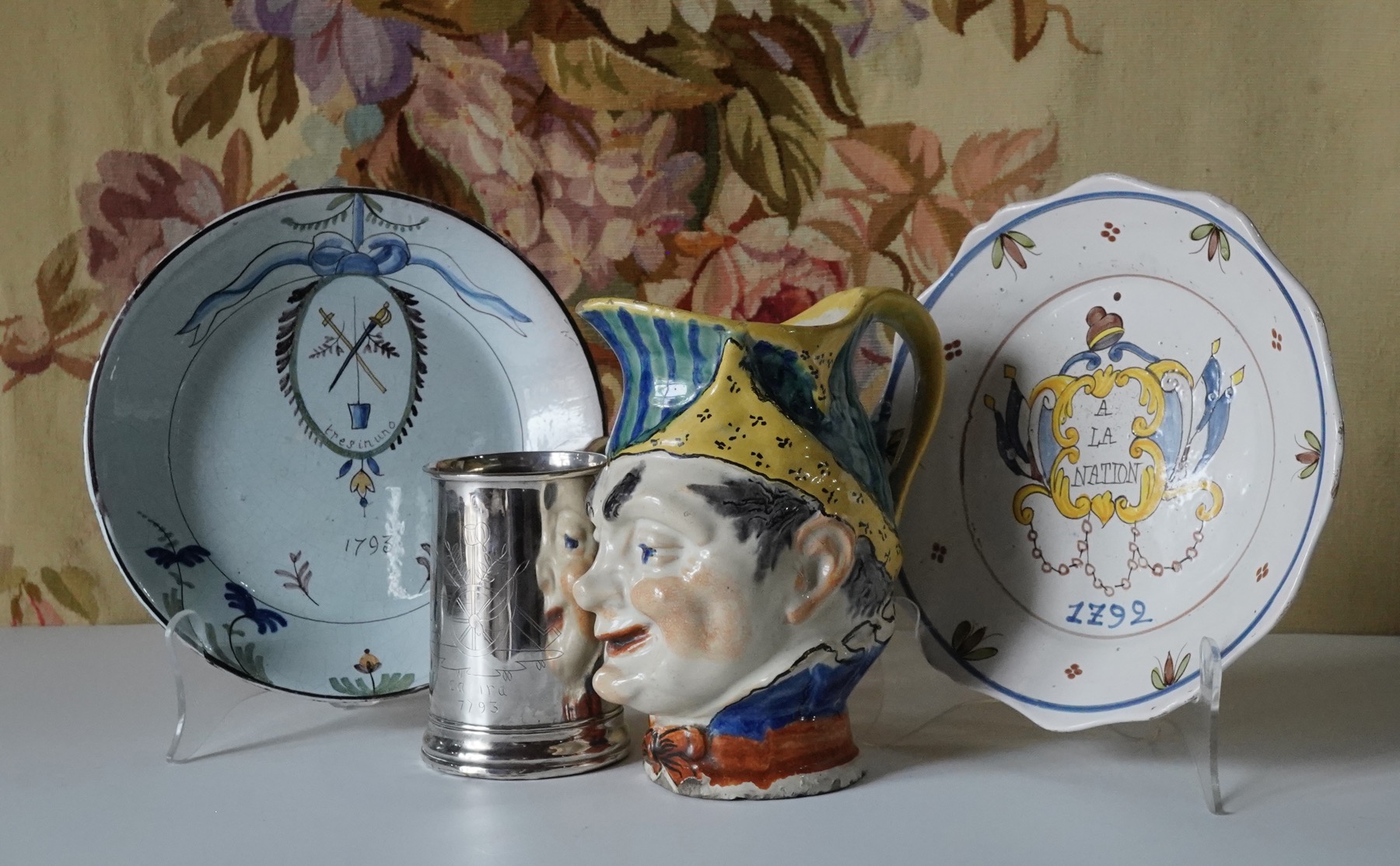
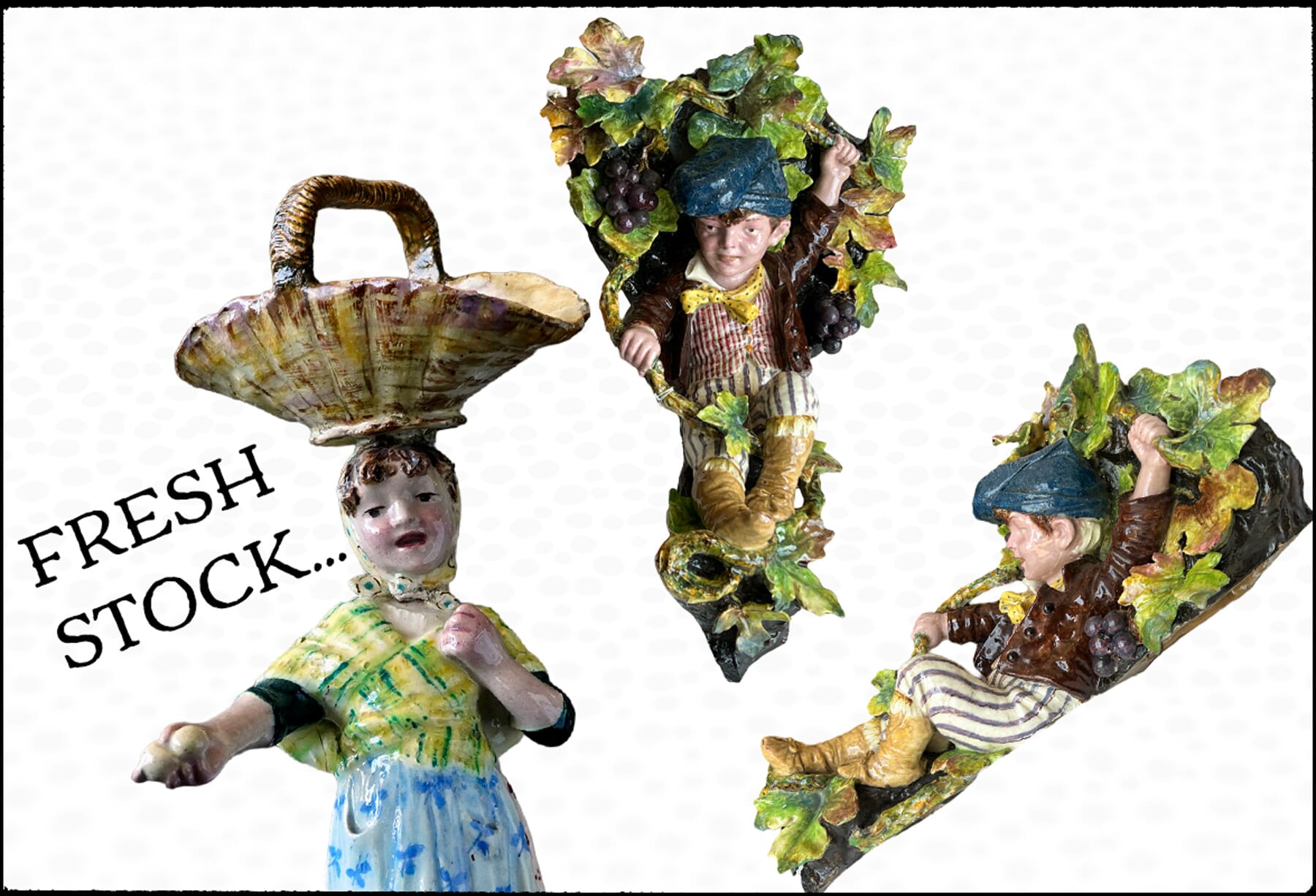
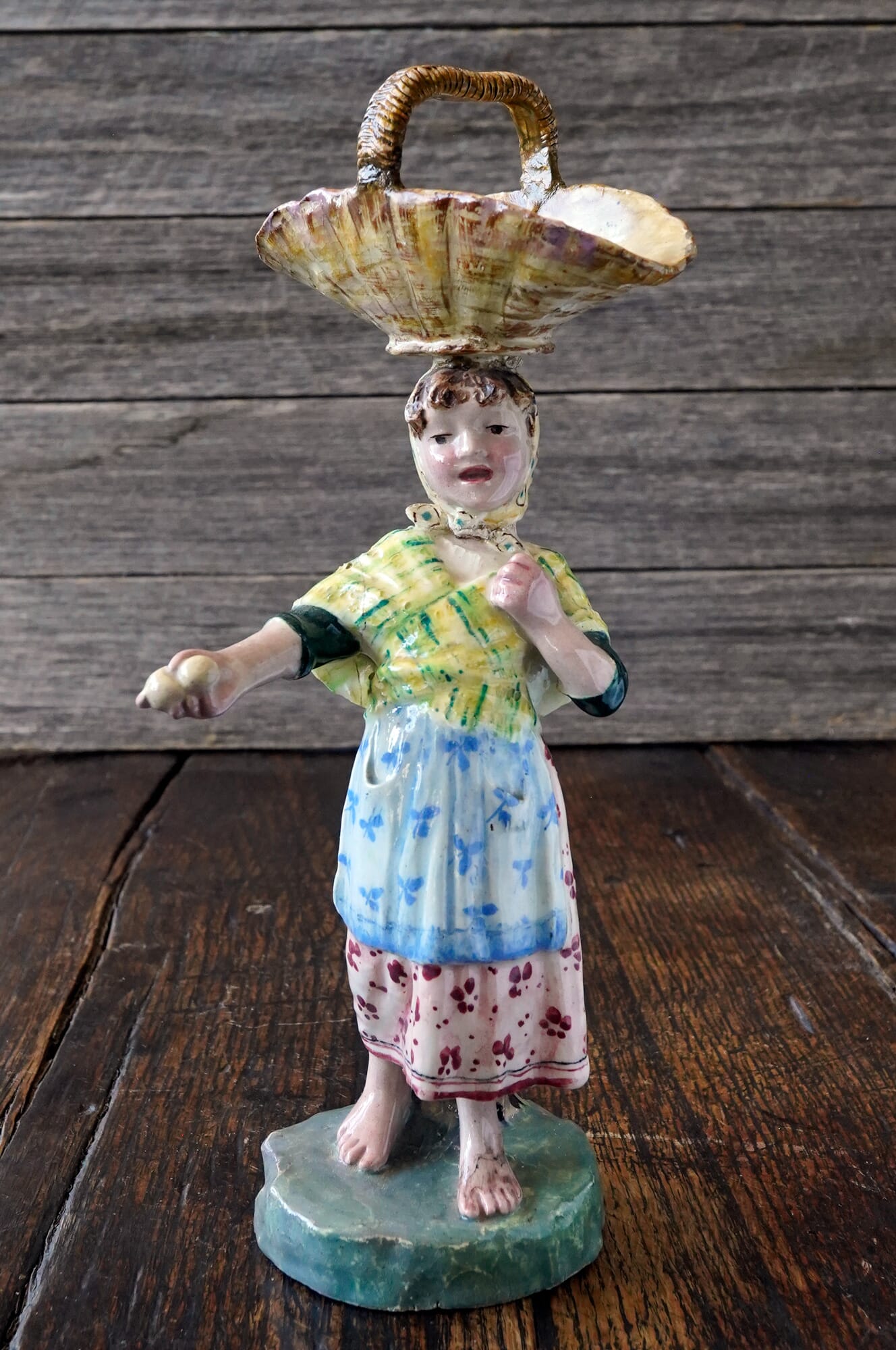
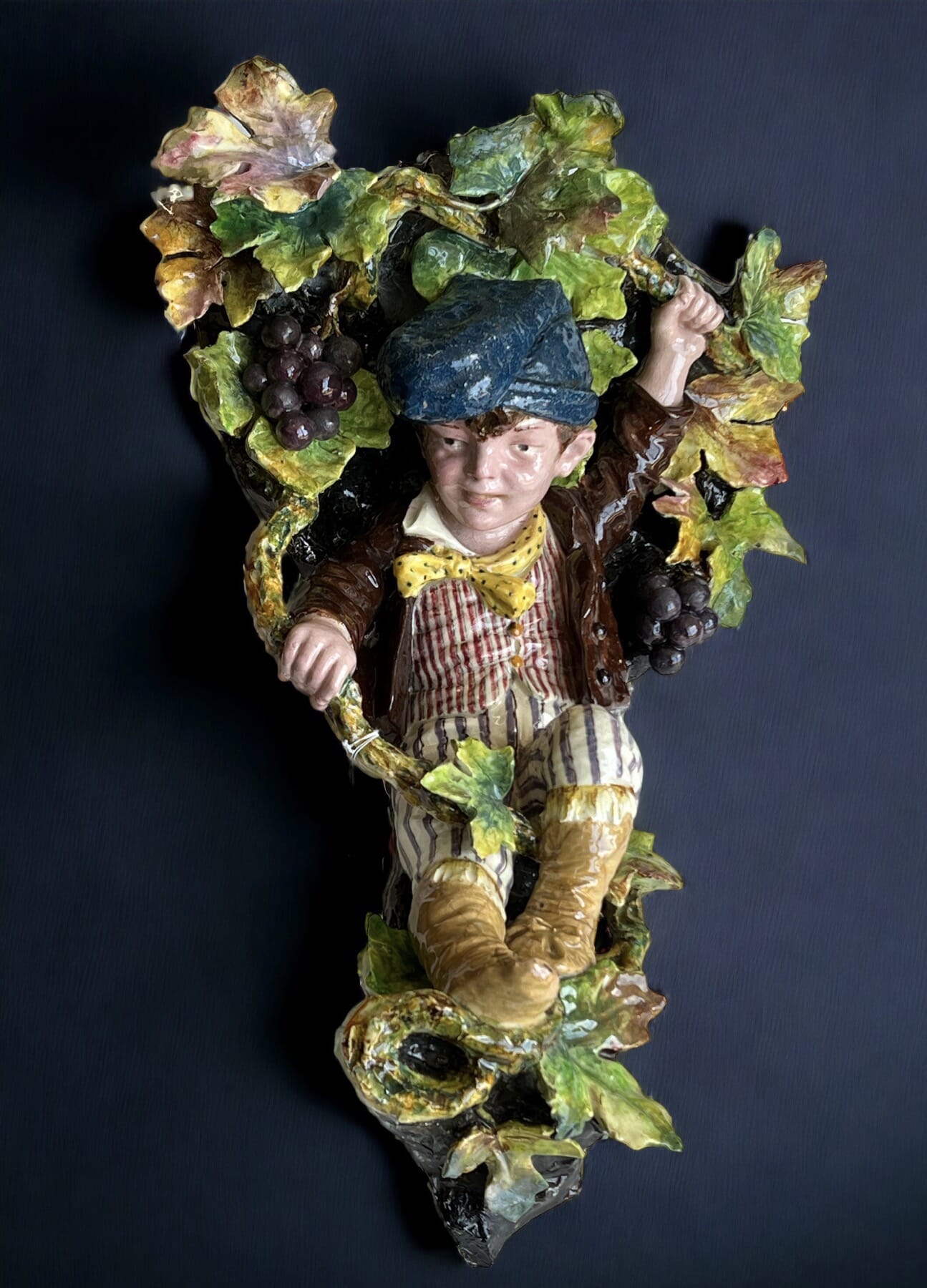
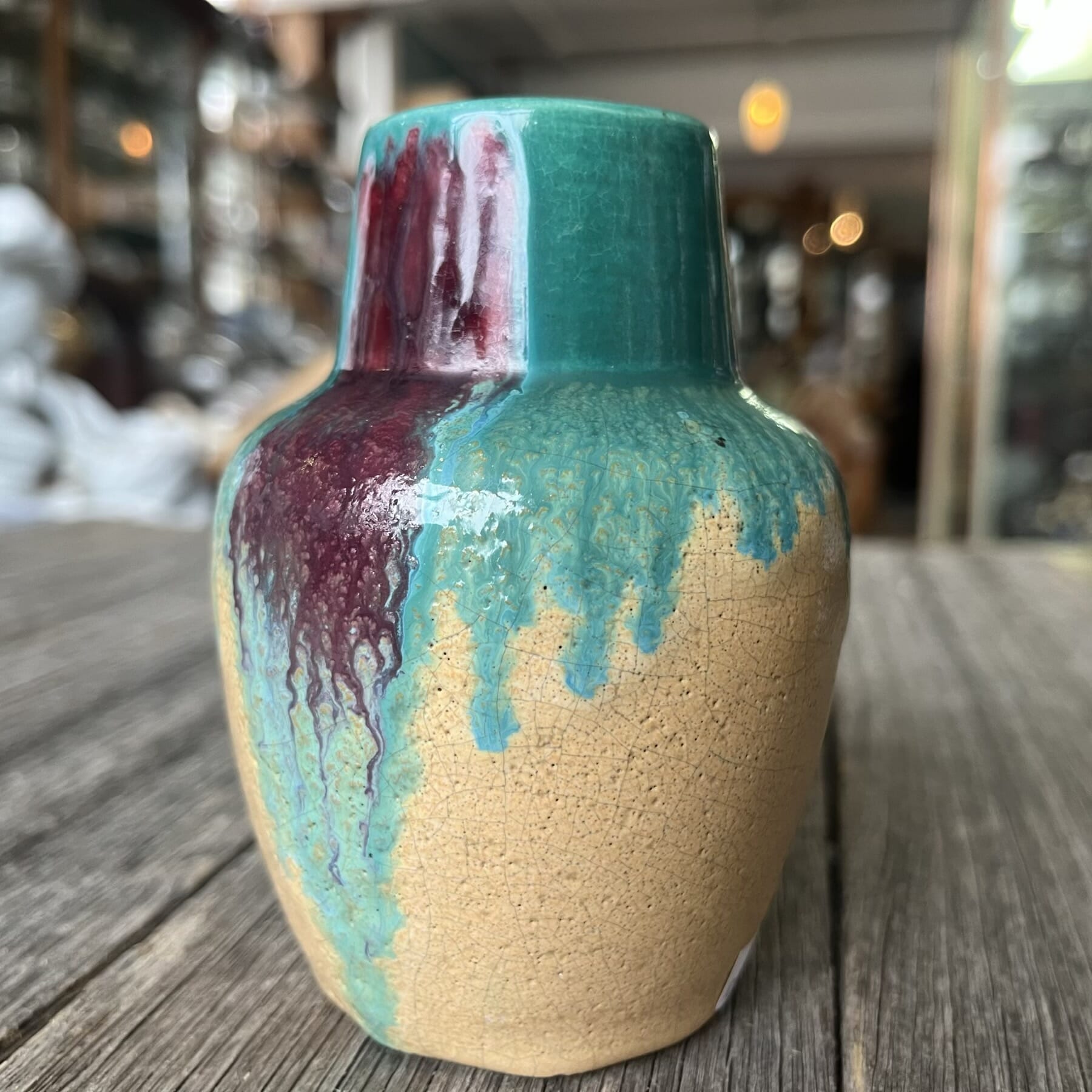
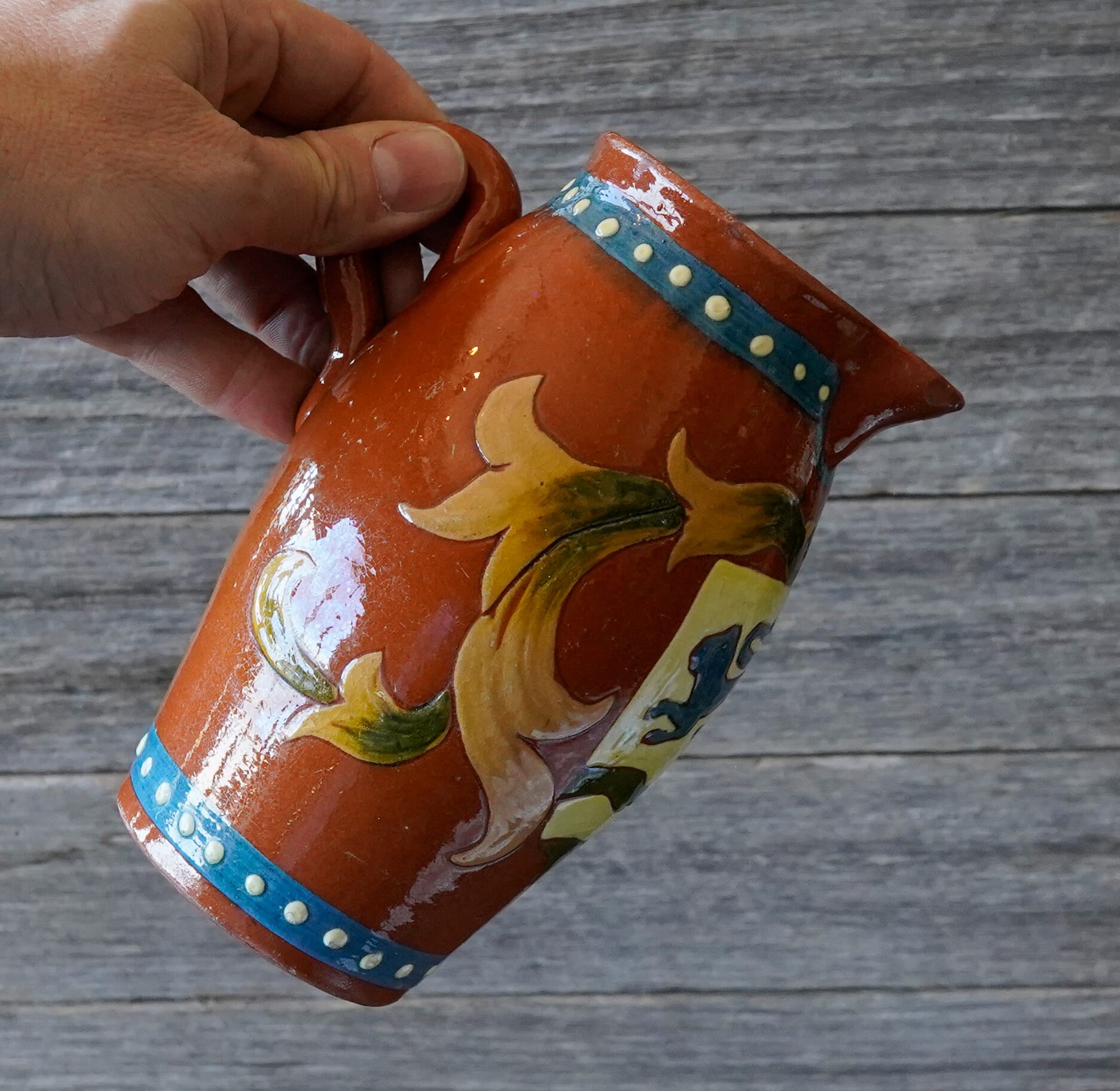
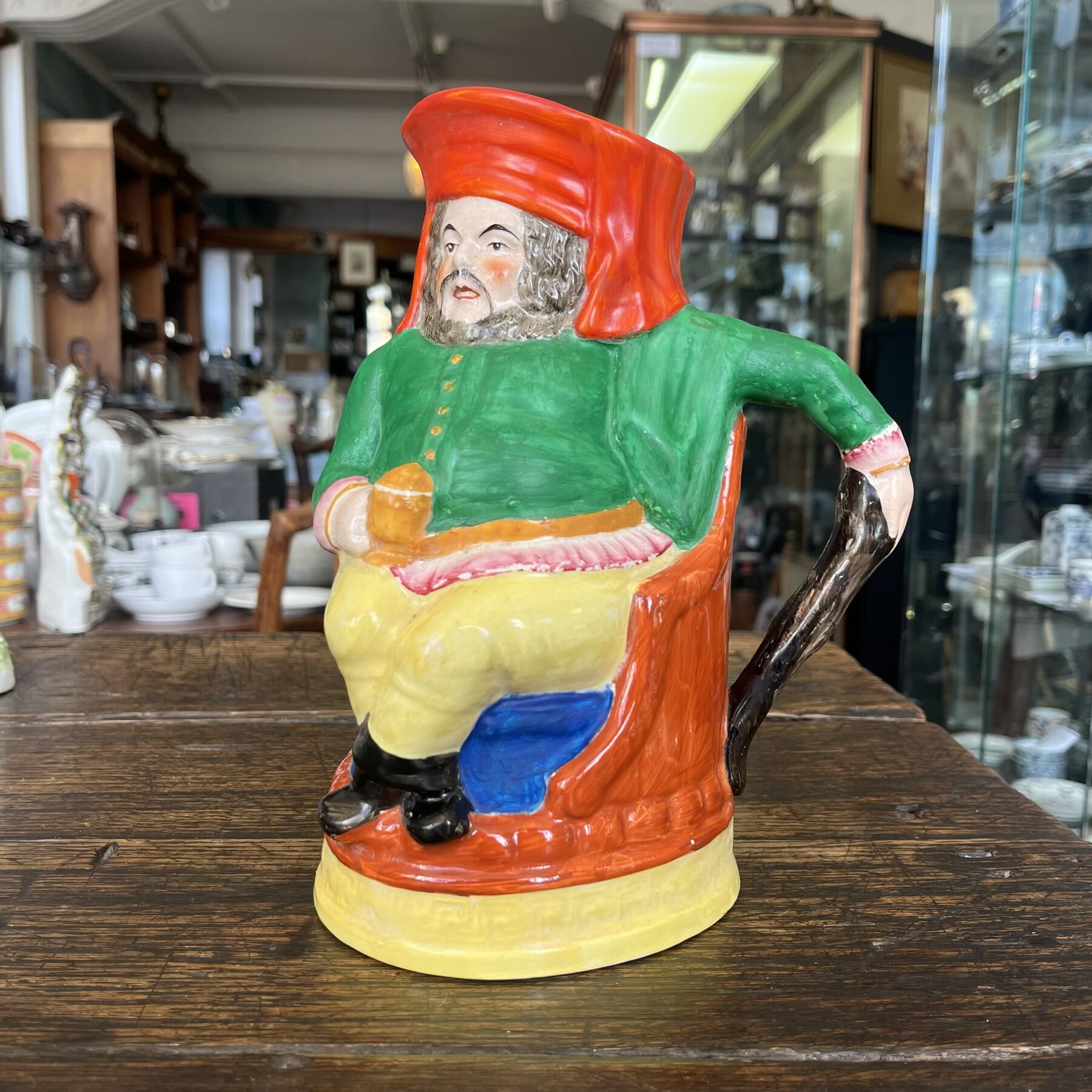
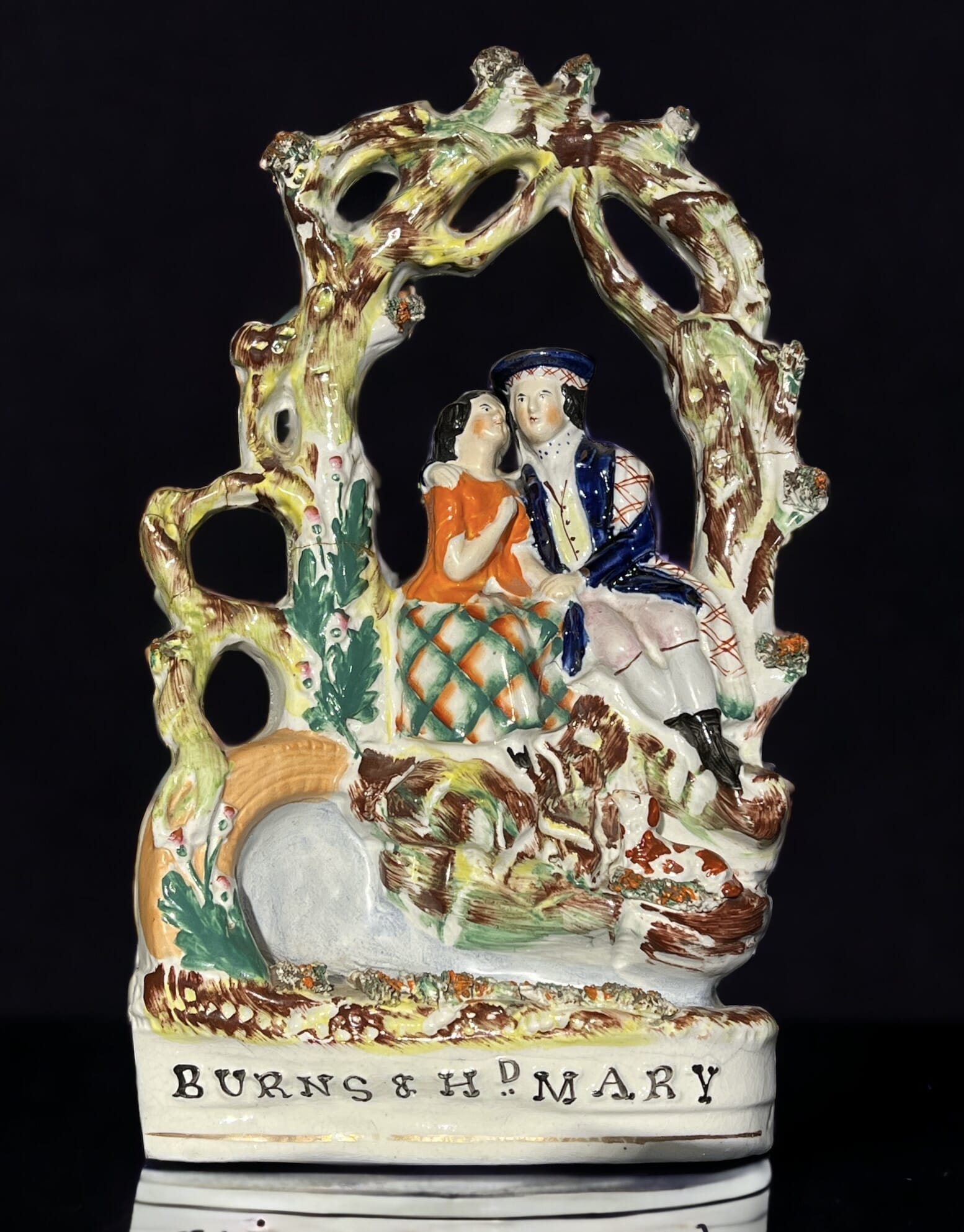
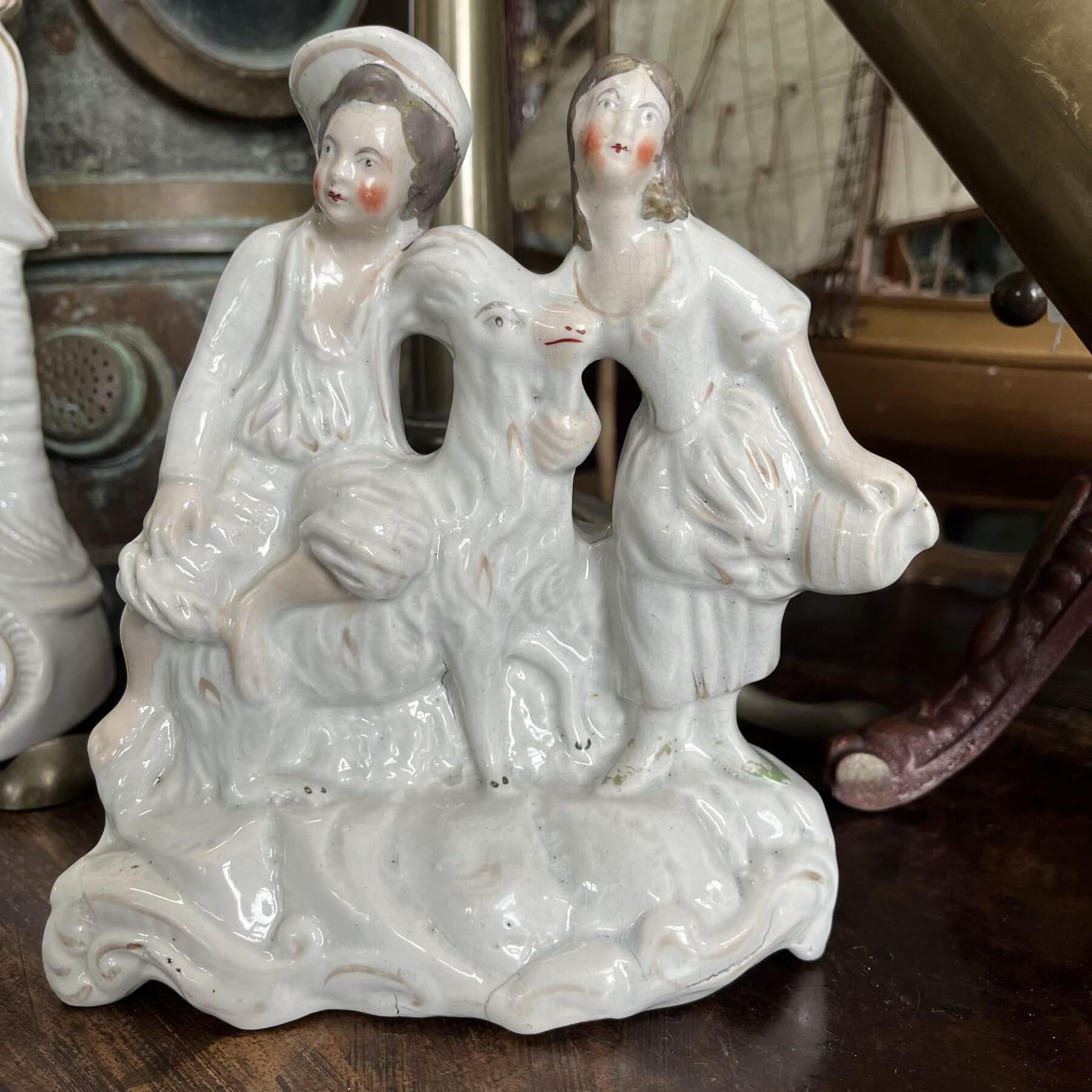
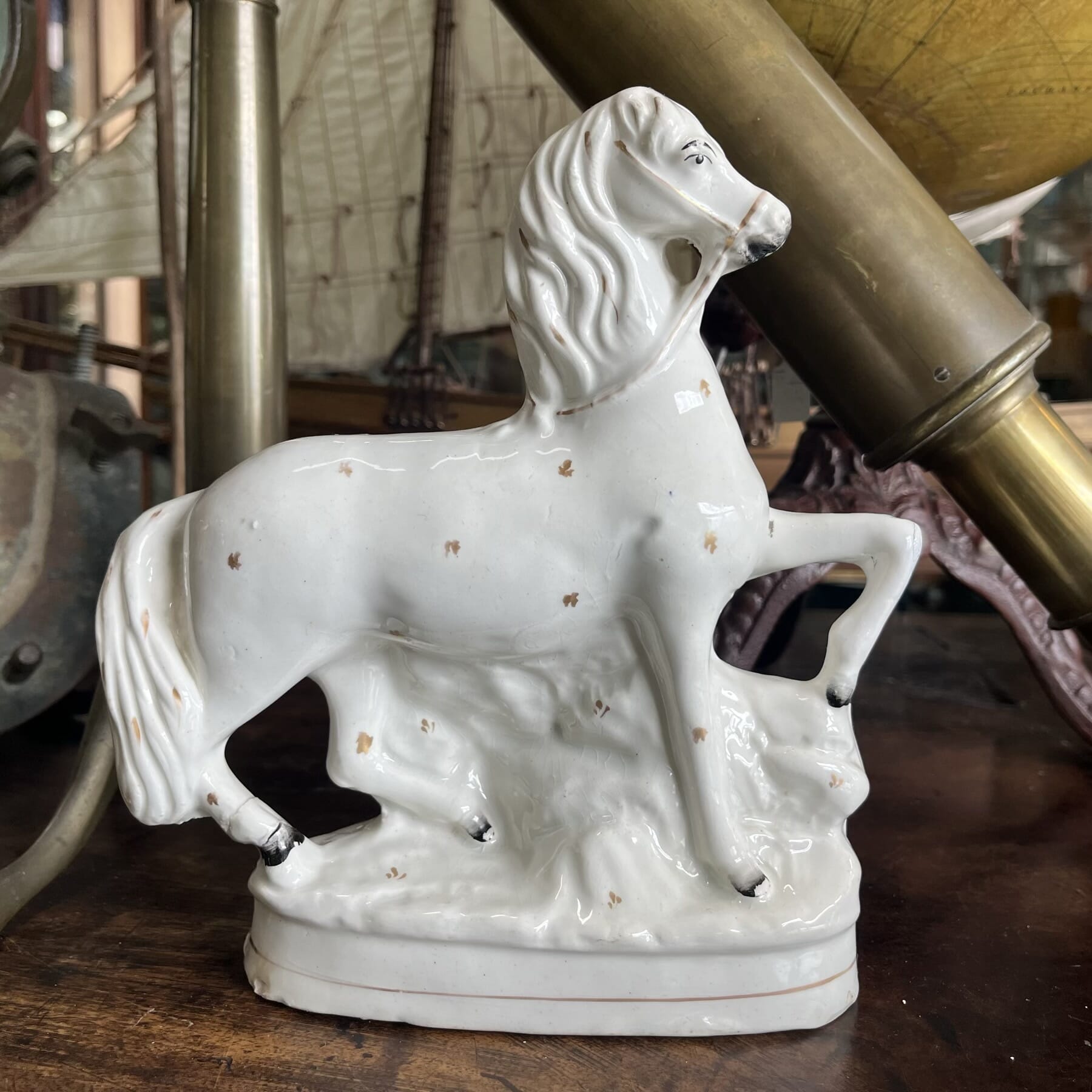
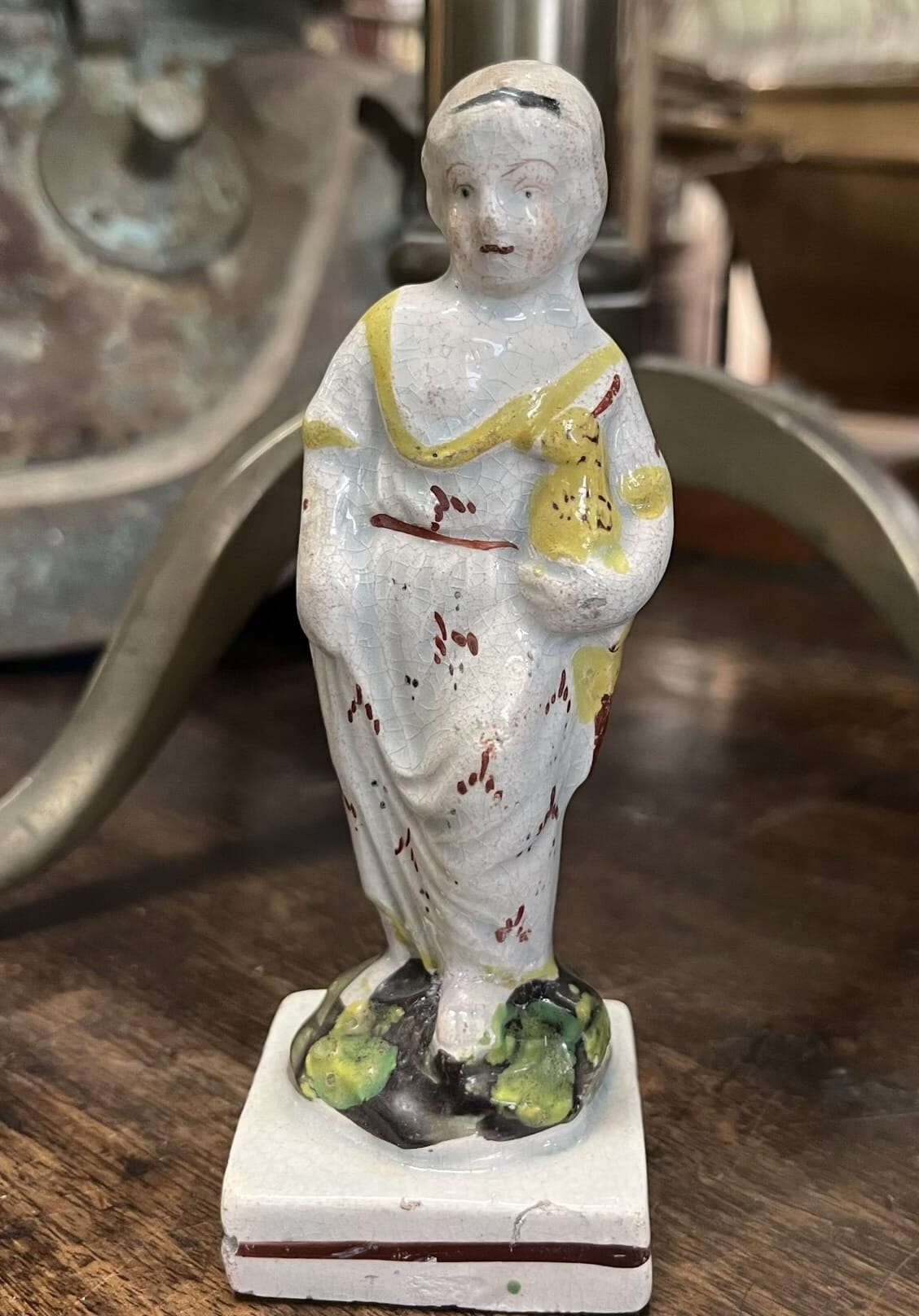
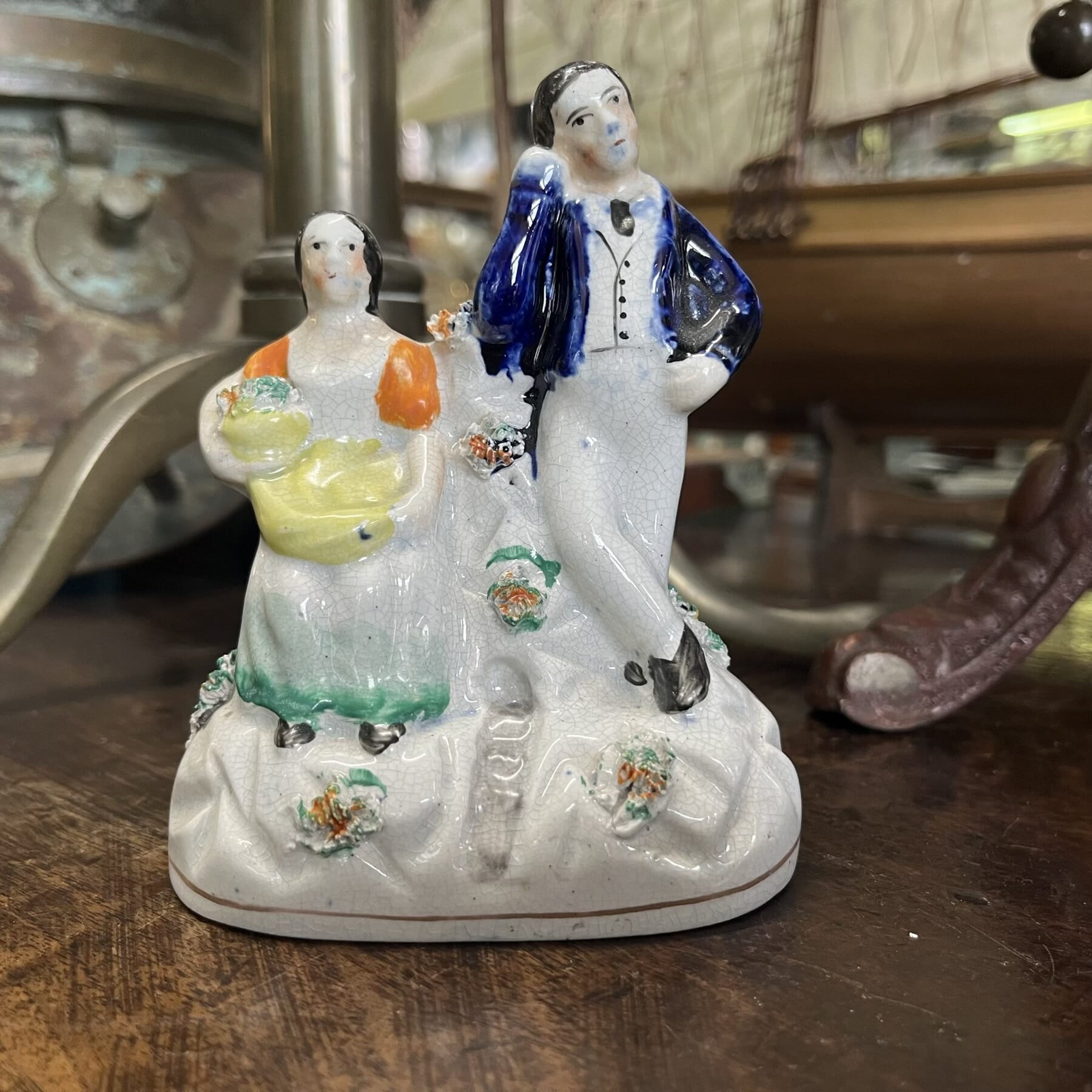
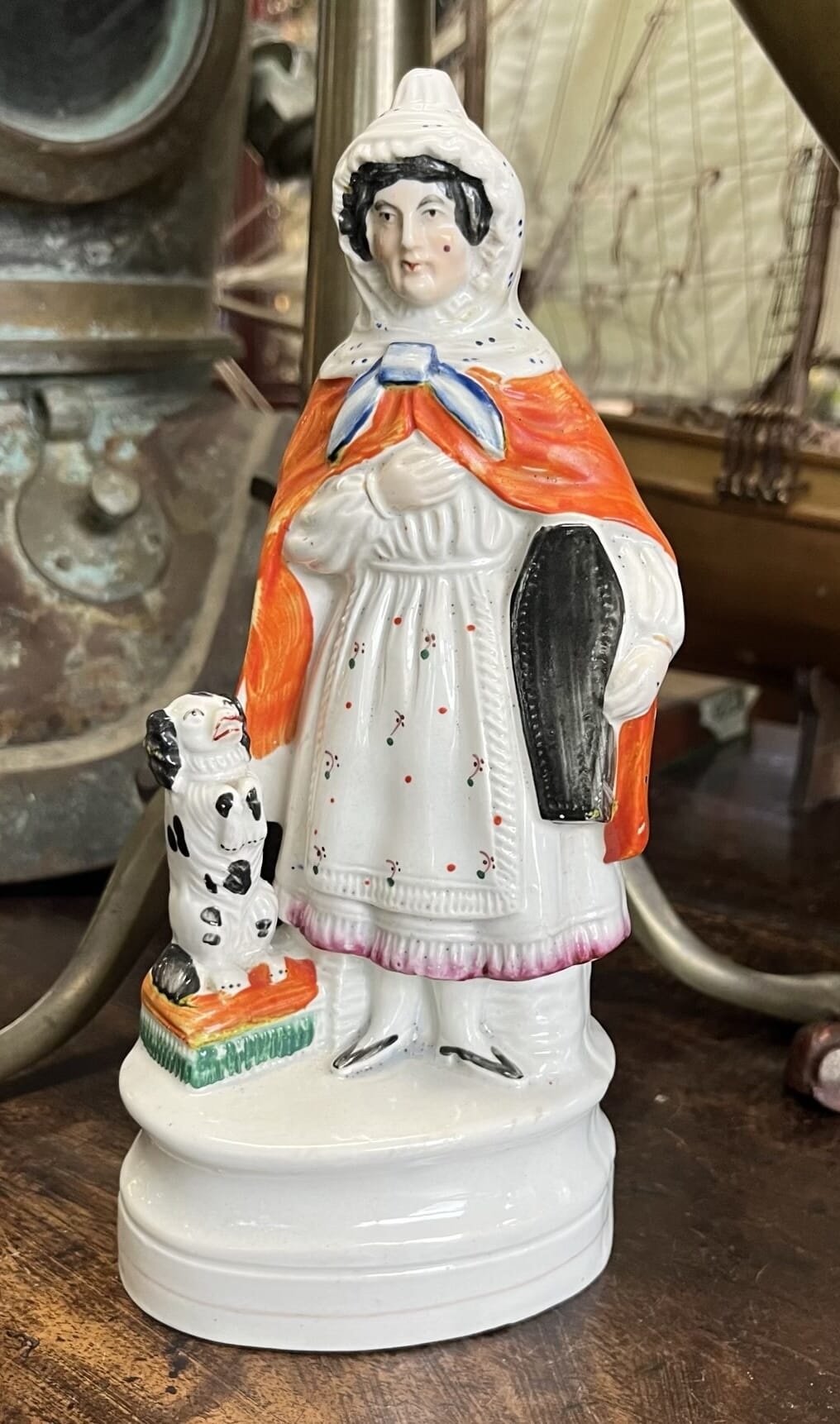
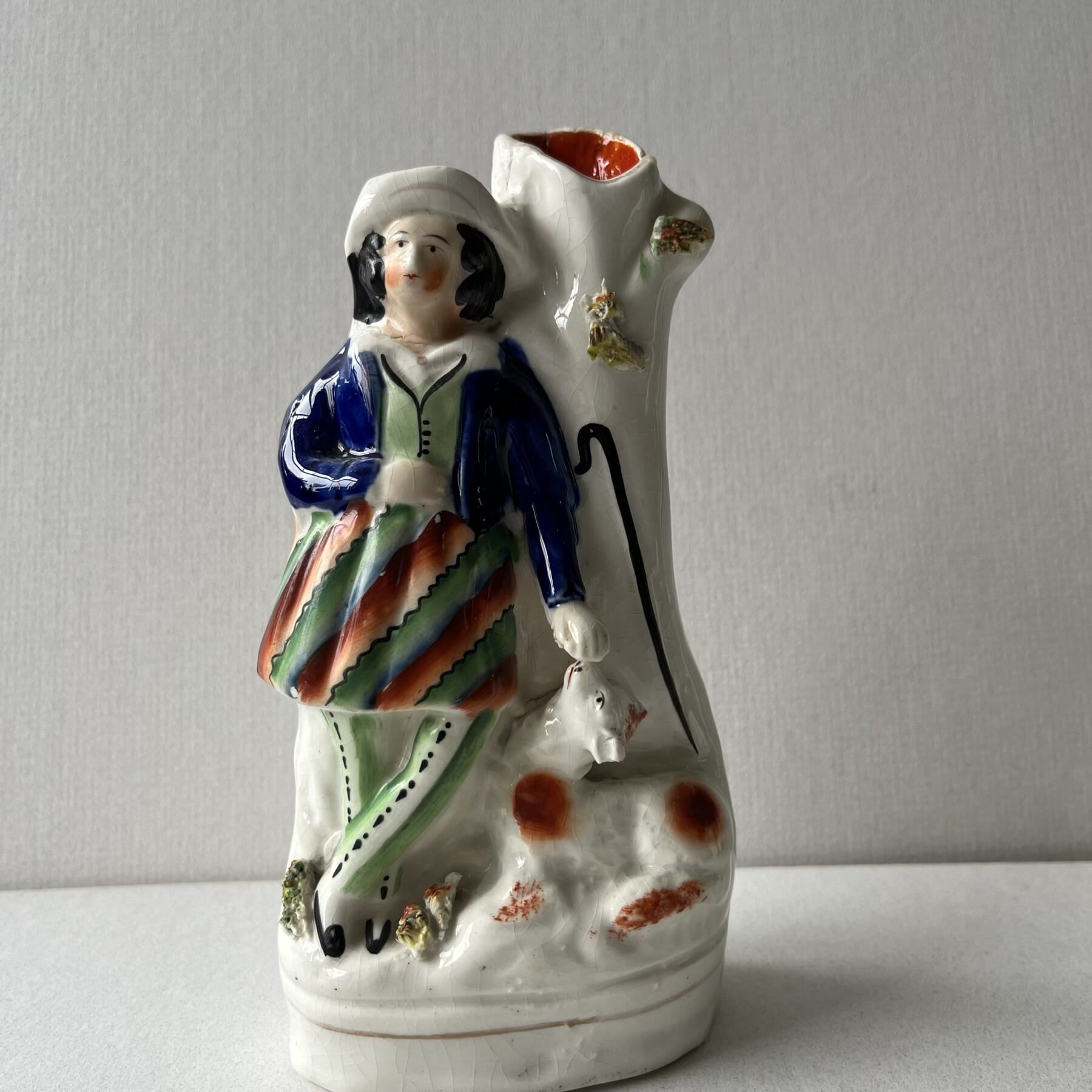
The characters seen at the start of this page are interesting French pottery, which we have attributed to the Choisy-le-Roi factory, 1870’s. The boy is something we have never seen before – designed to go in the upper corner of a room, it has mounting points to hang it off the ceiling – serving no purpose other than decoration.
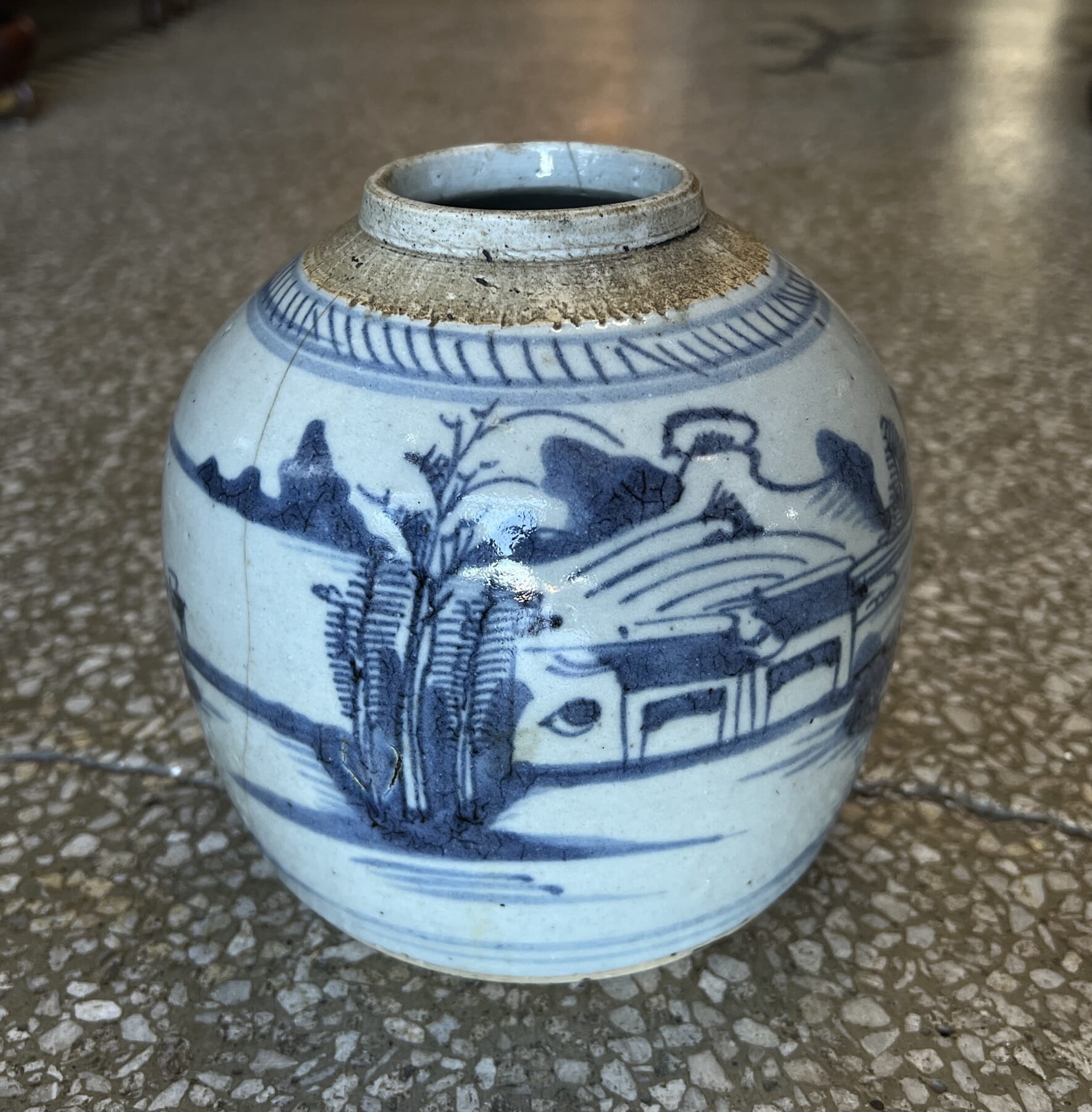
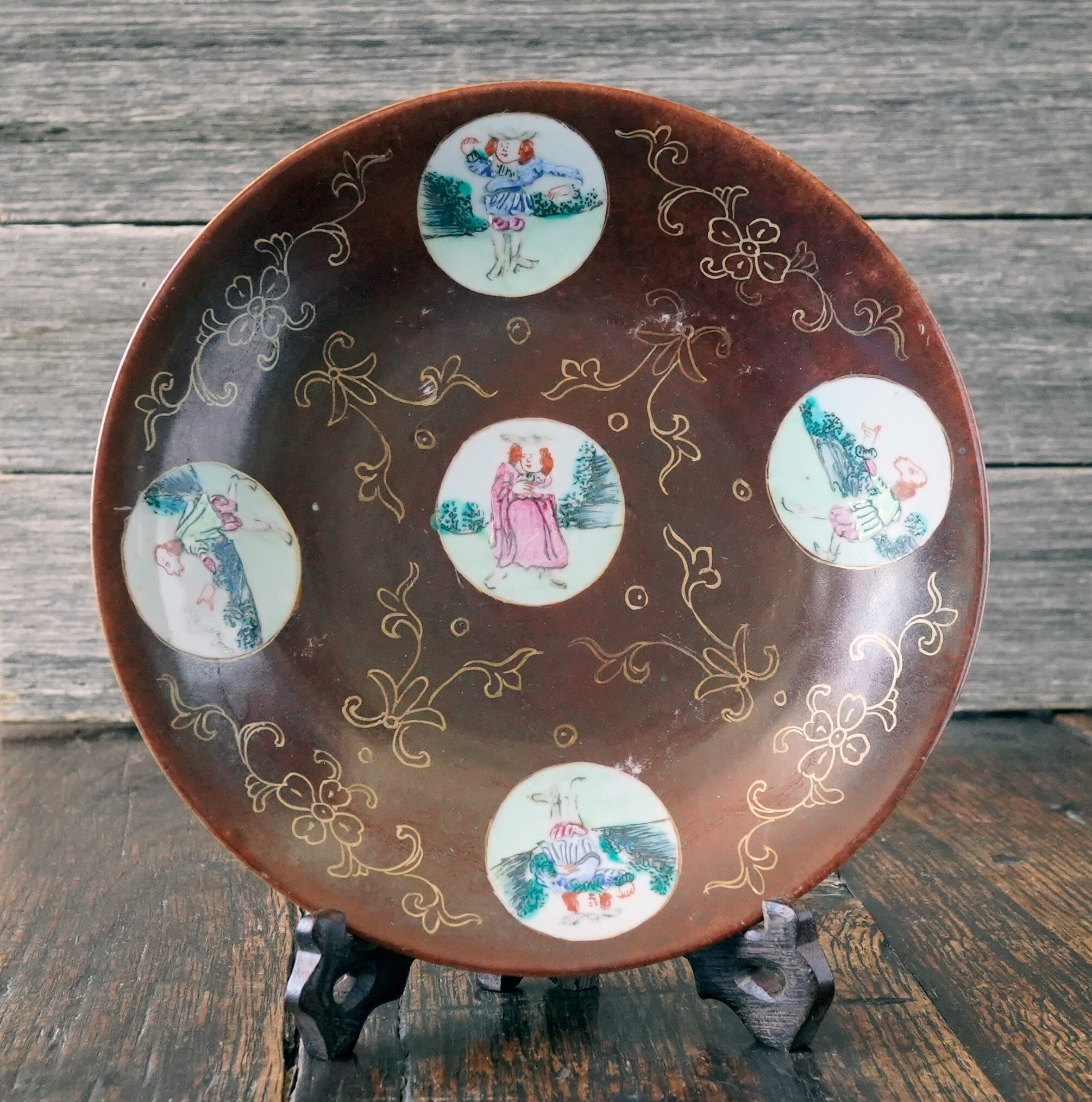
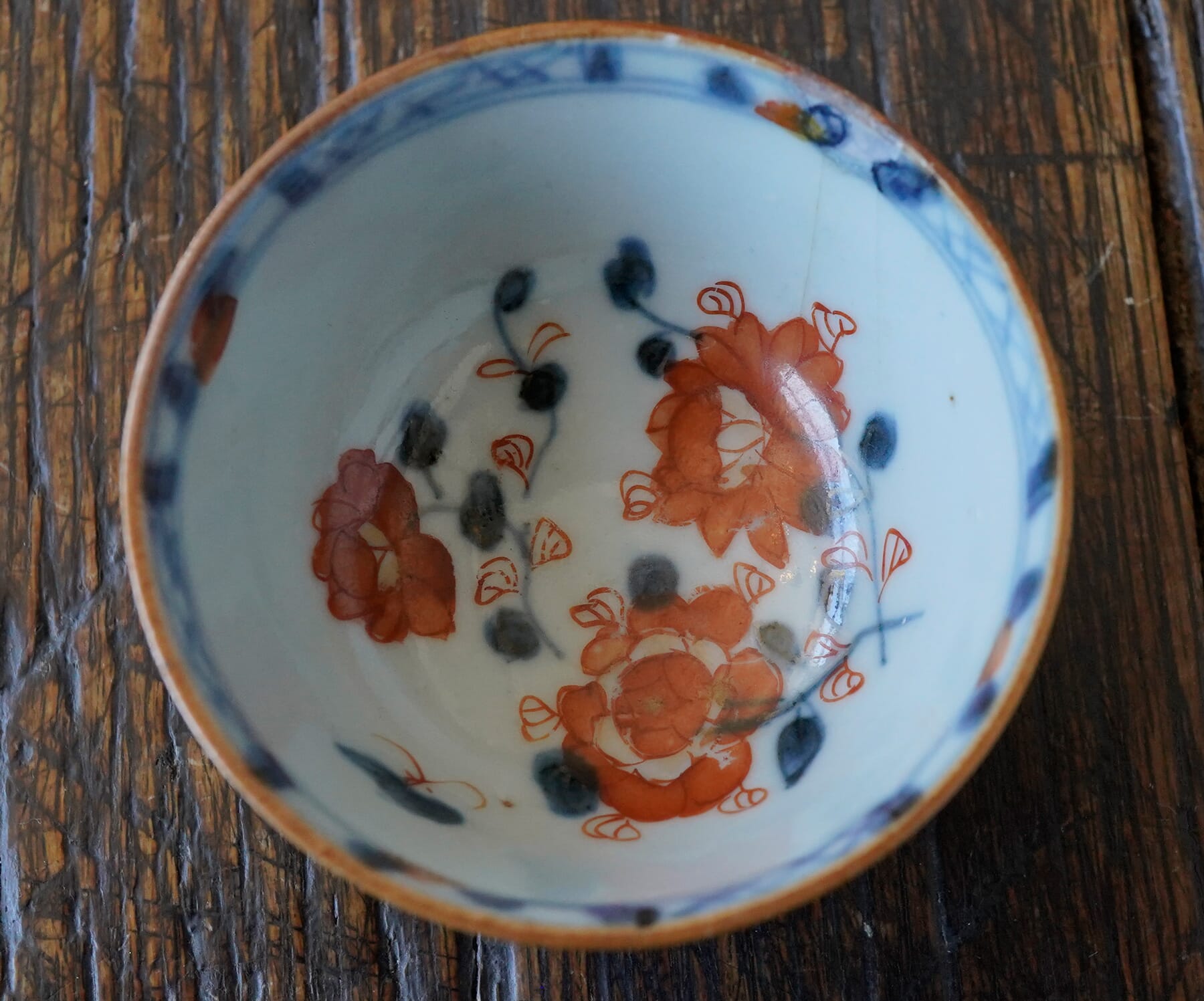
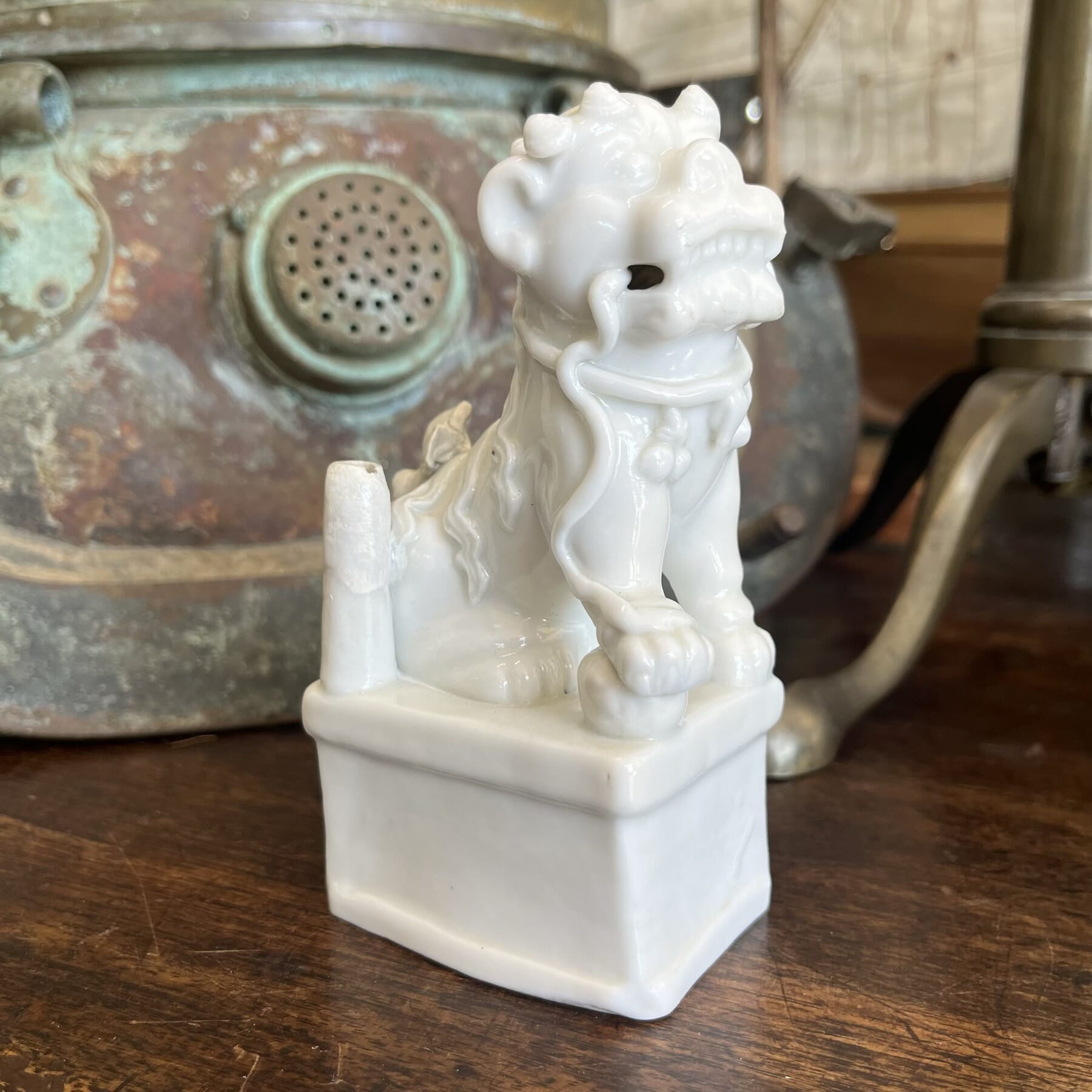
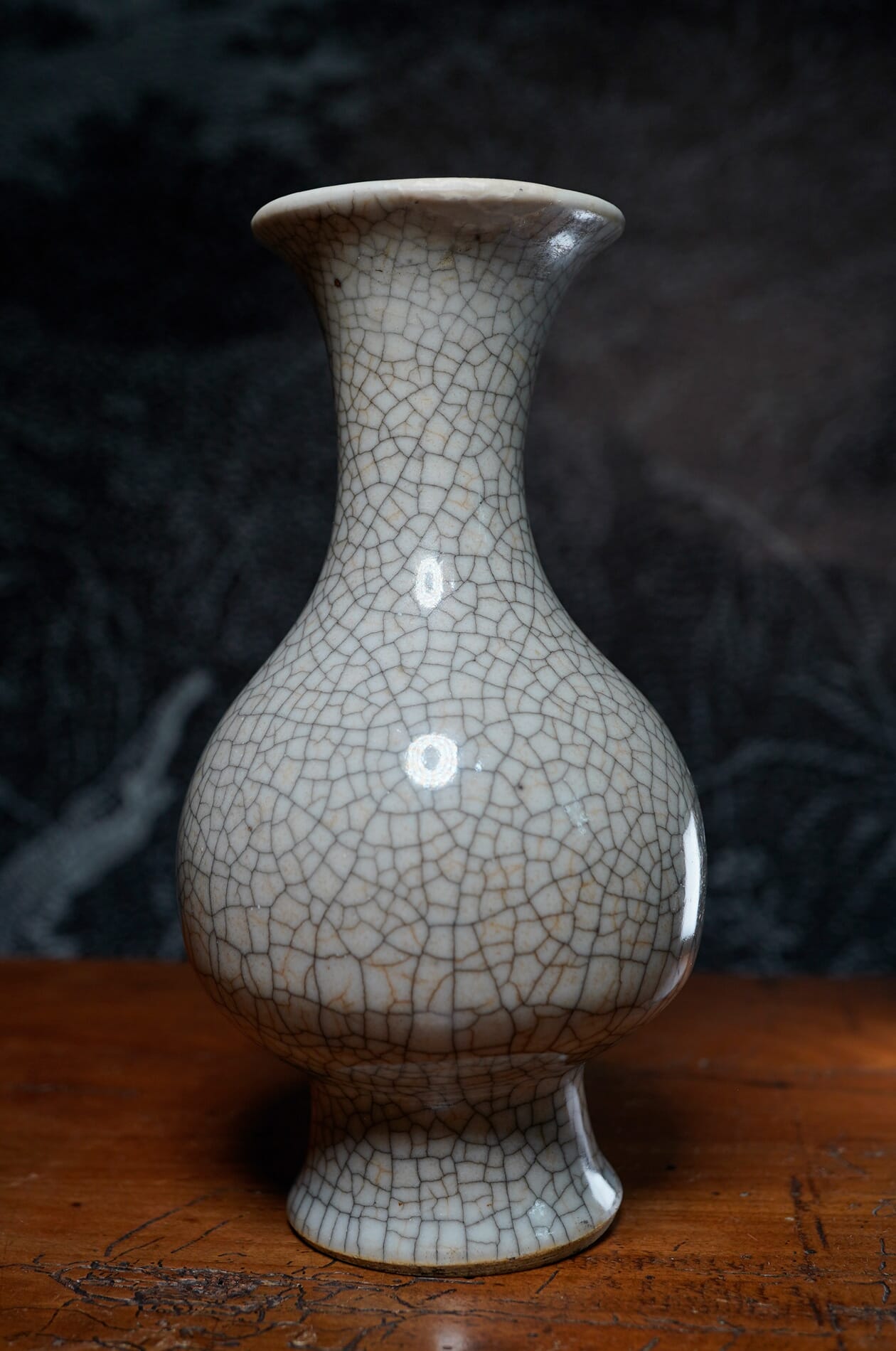
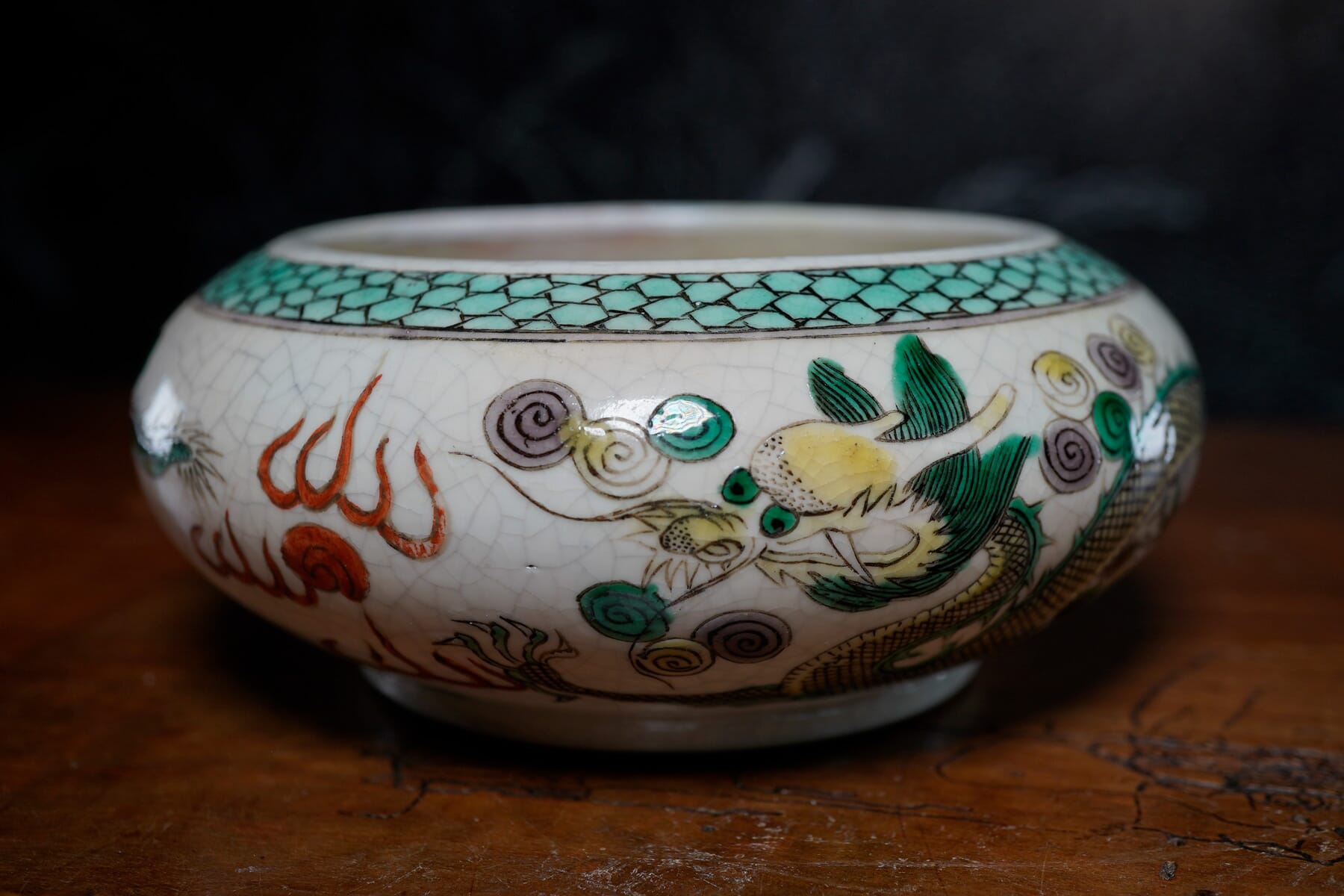
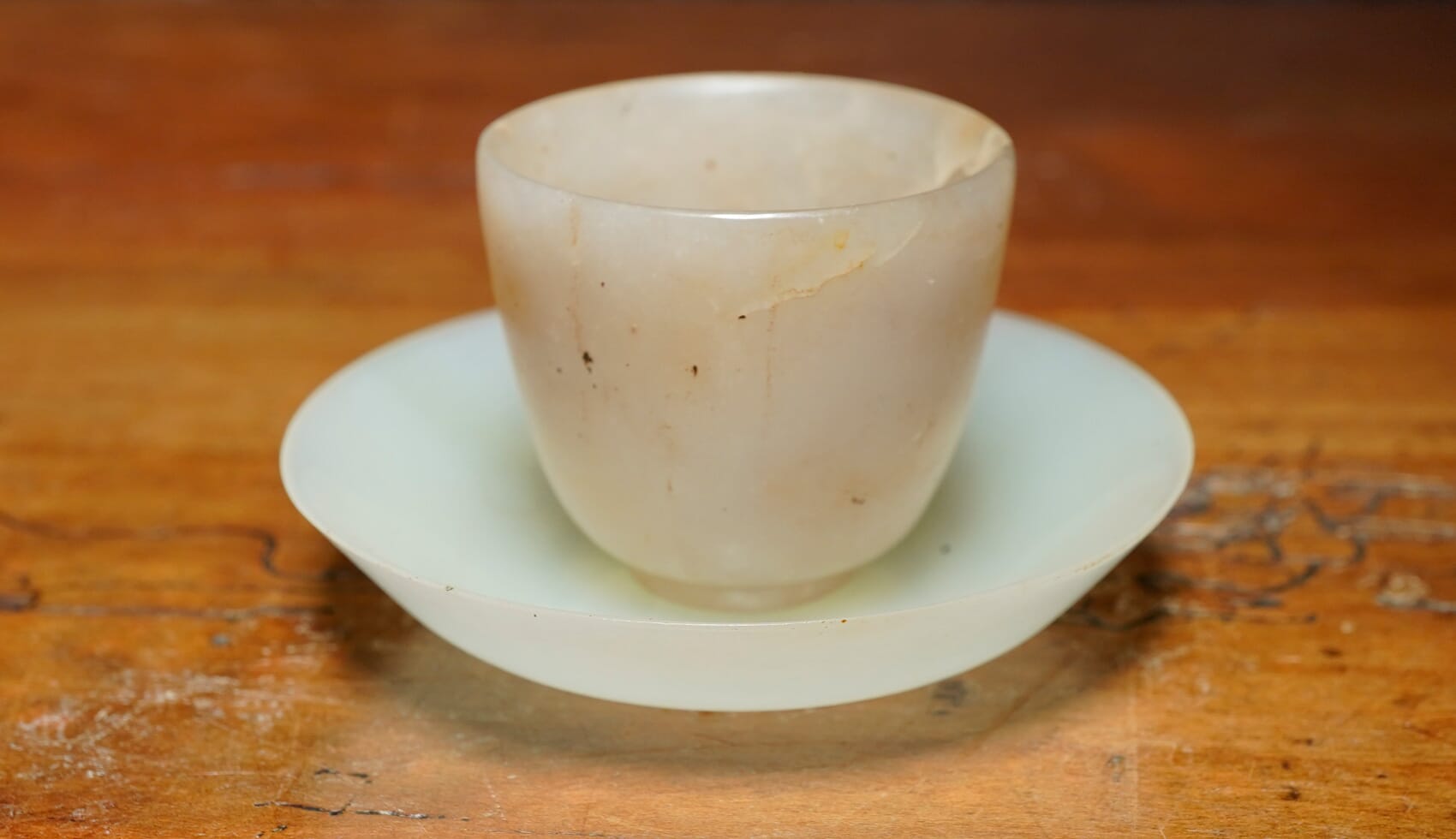
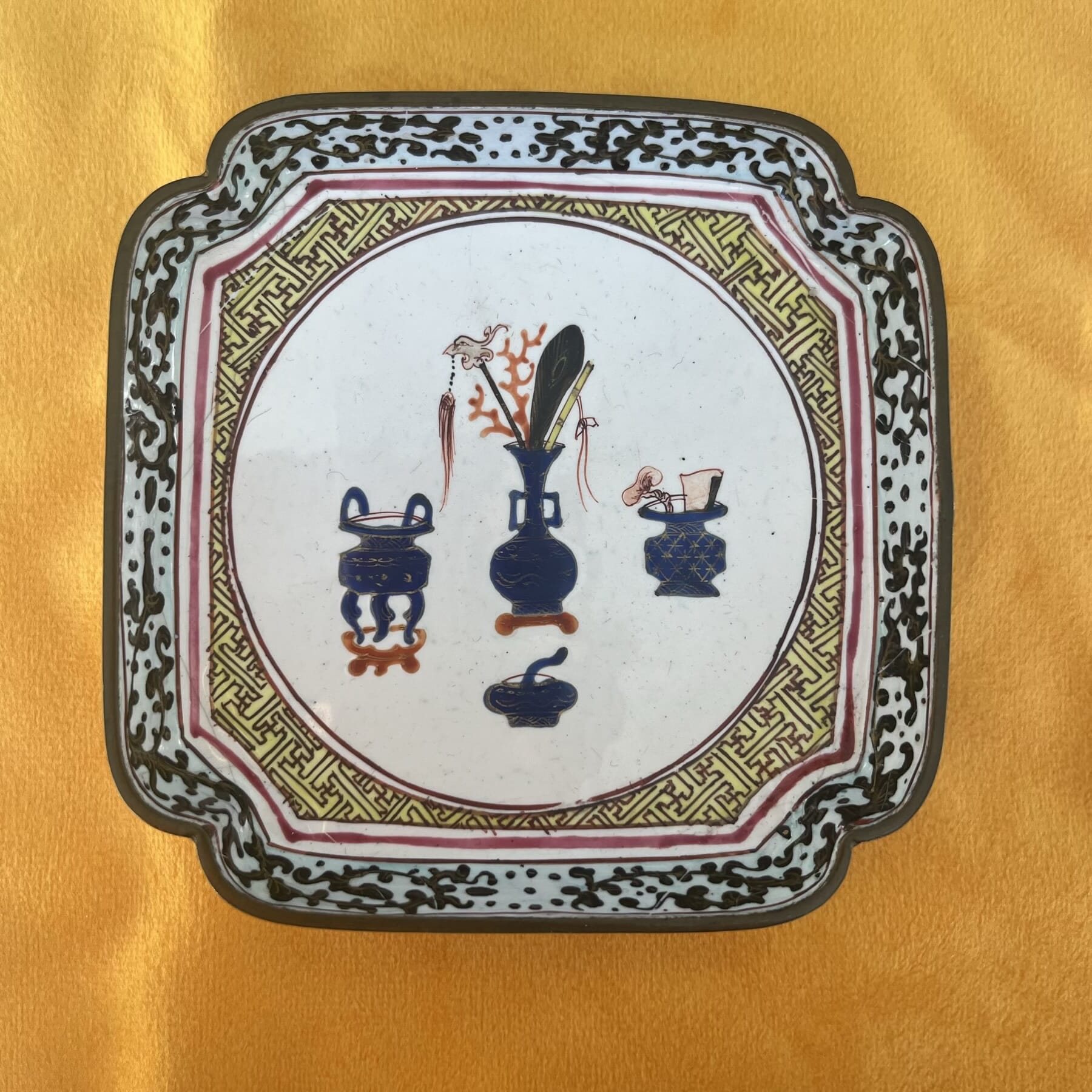
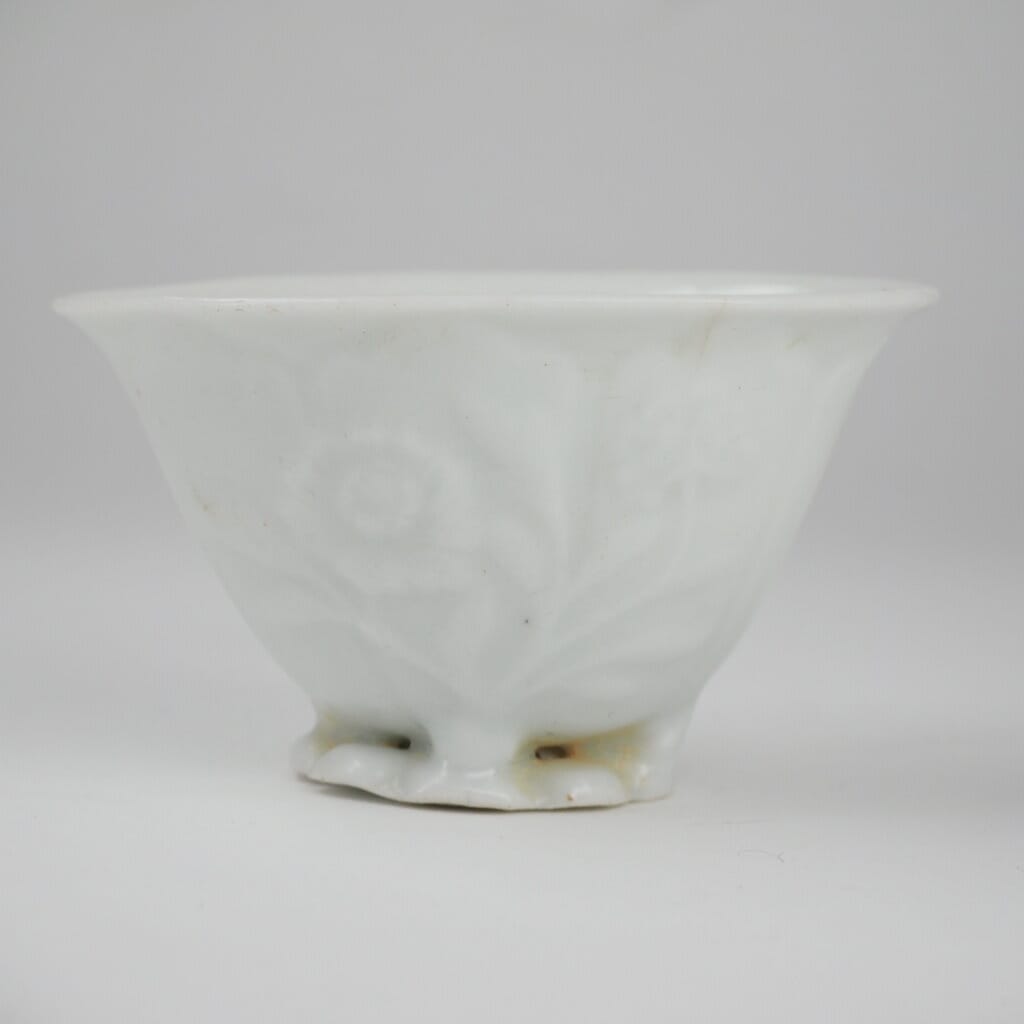
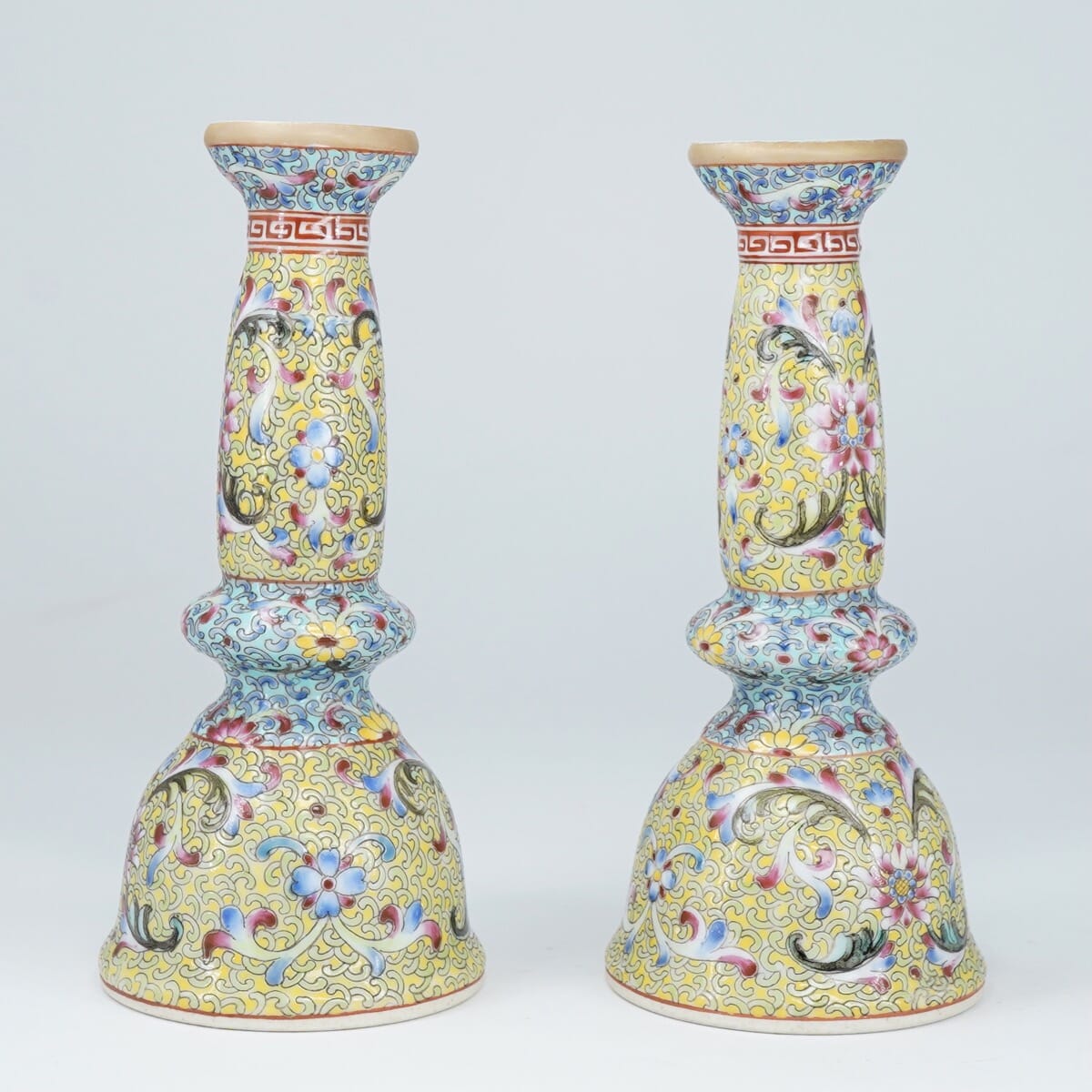
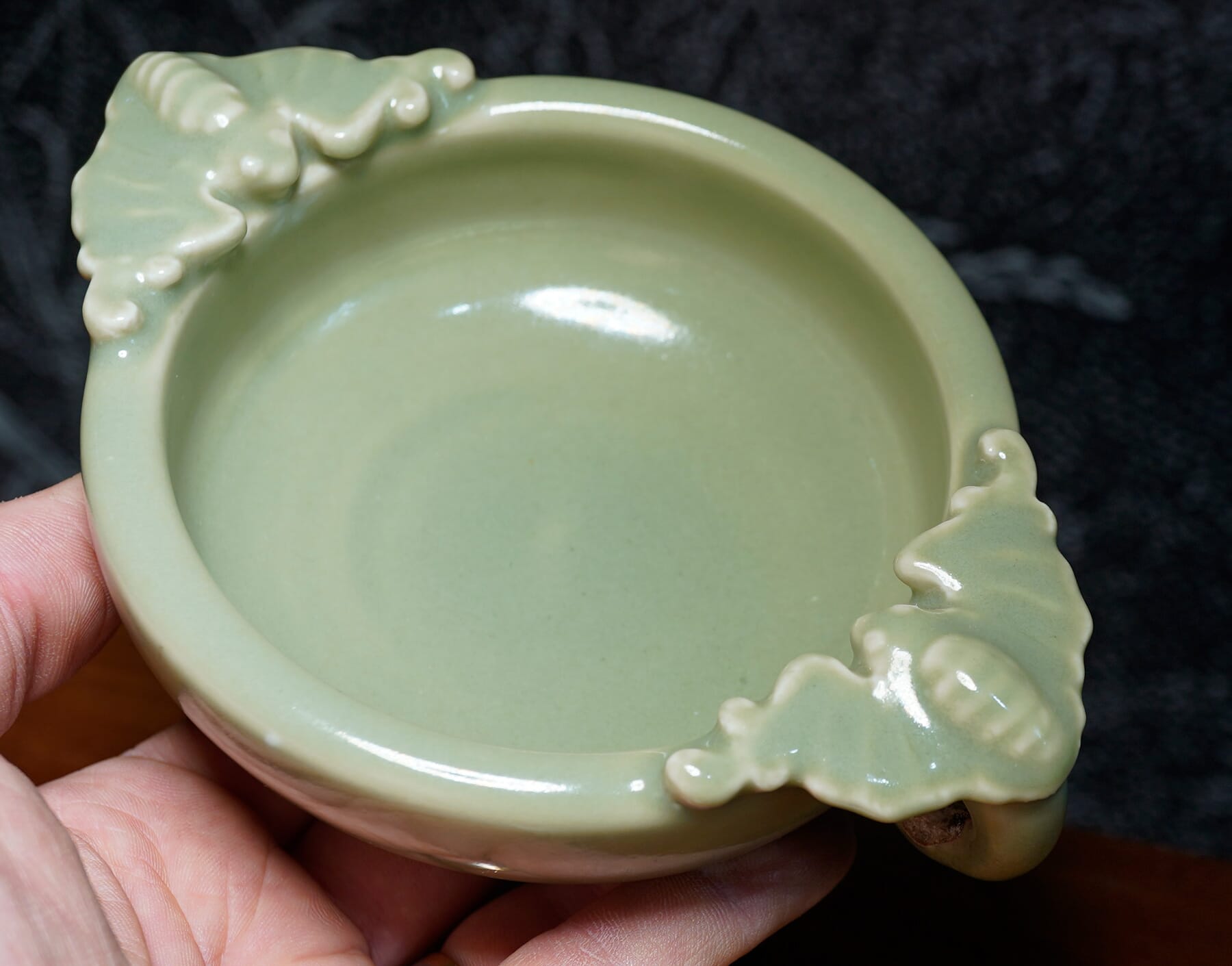
There’s also some rather special Chinese pieces to be seen from several local collections.
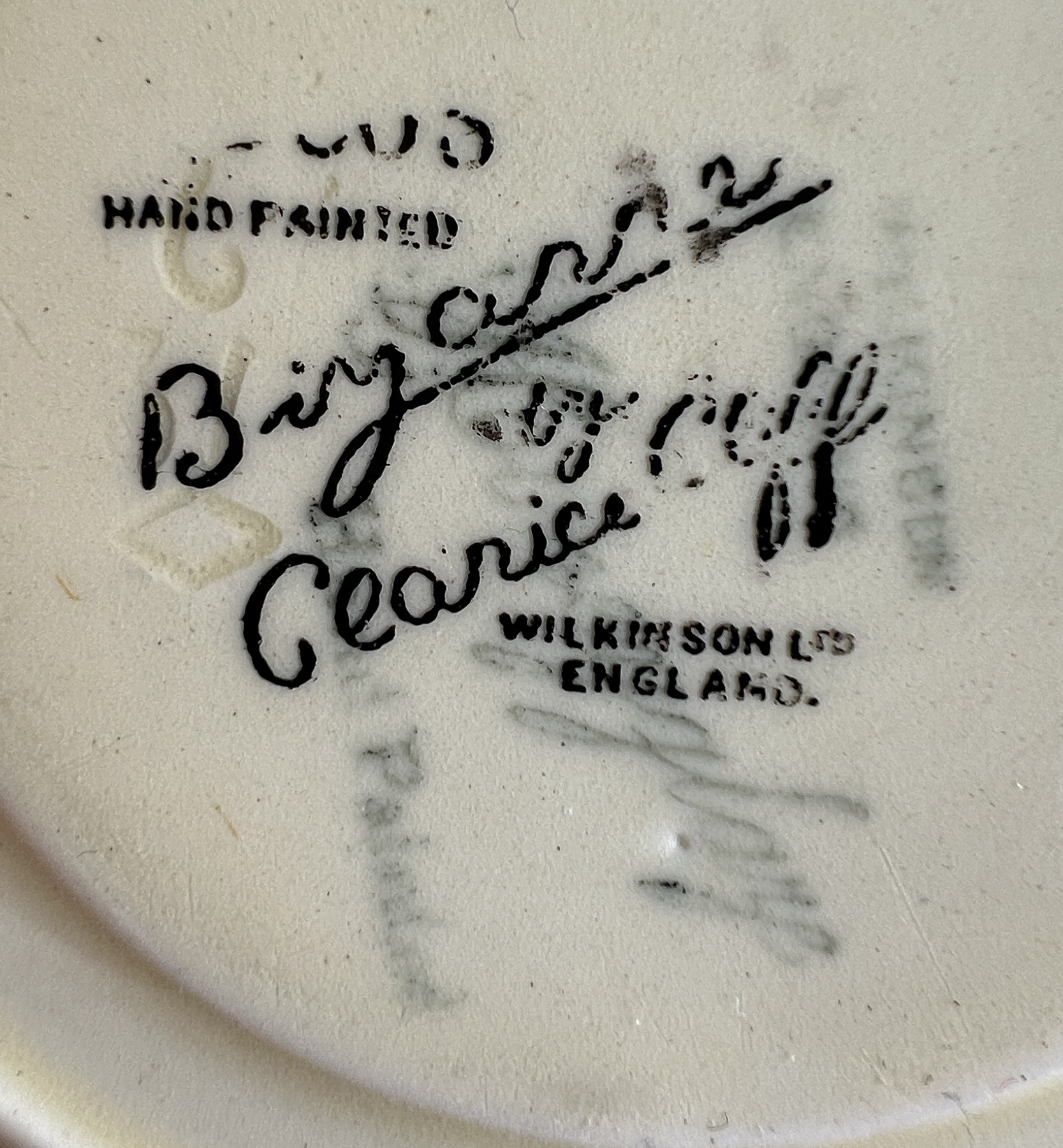
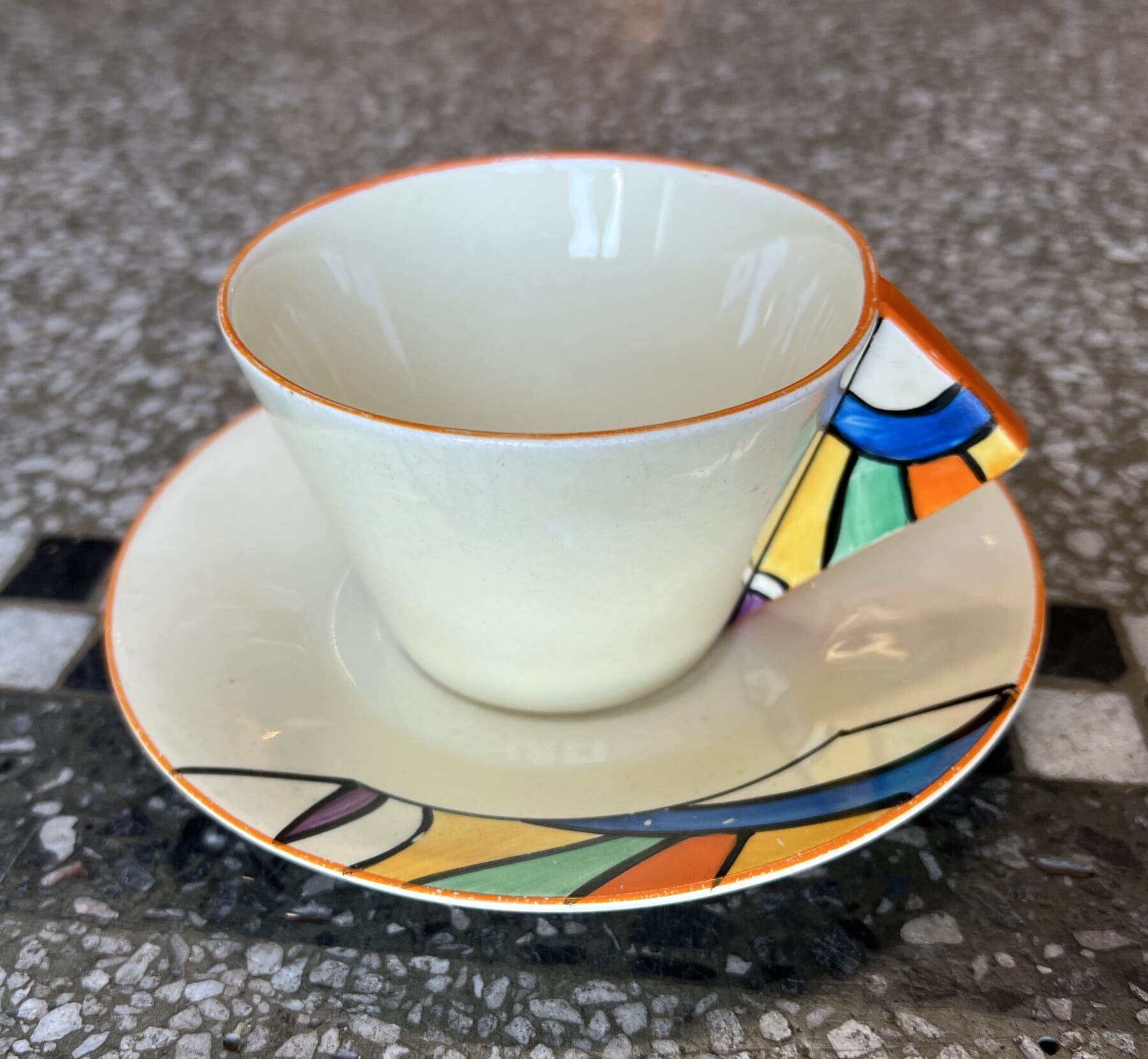
Some particularly interesting items are released in our pottery today. The ‘Clarice Cliff’ cup & saucer is an iconic example of Art Deco, from the very first years of this ‘Bizarre’ line of products, and has a fascinating ‘adapted’ mark, meant for 2 other patterns, but partly cut off before being applied. The saucer was also previously a plain ‘Honeyglaze’ piece, according to the mark still visible beneath- repurposed by Clarice & her band of merry painters for the mad-modern Art Deco designs they became fabled for.
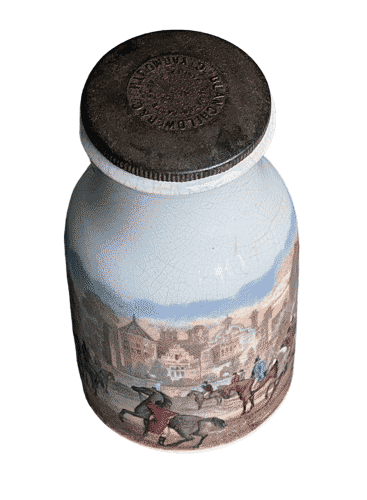
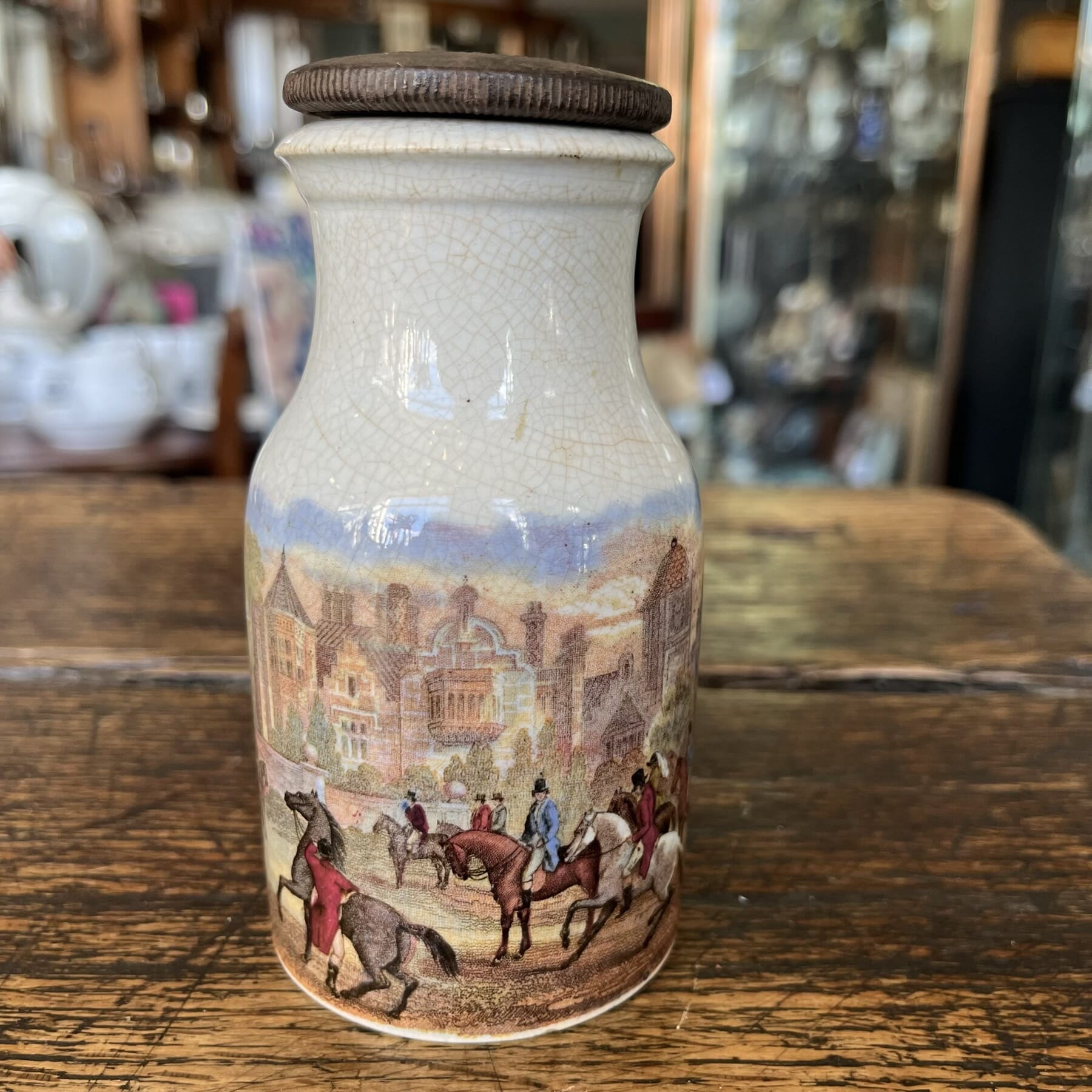
The Pratt printed bottle (the later ‘Pratt’, not to be confused with the earlier Pratt ‘Pope & Devil’ above) is a rarity, as it retains the original metal stopper – advertising it’s contents, which we otherwise have to guess at. This bottle was used by Blanchflower & Co of Greater Yarmouth to hold their ‘bloater fish paste’…. made from salted, smoked herrings called “bloaters”, which are smoked whole with the insides still in them. The result is a more ‘gamey’ flavour than cleaned herrings! Fortunately used up long ago, the tin lid & cork are rare survivors, and illustrate the exact contents of these interesting early examples of recyclable packaging from the Victorian era.
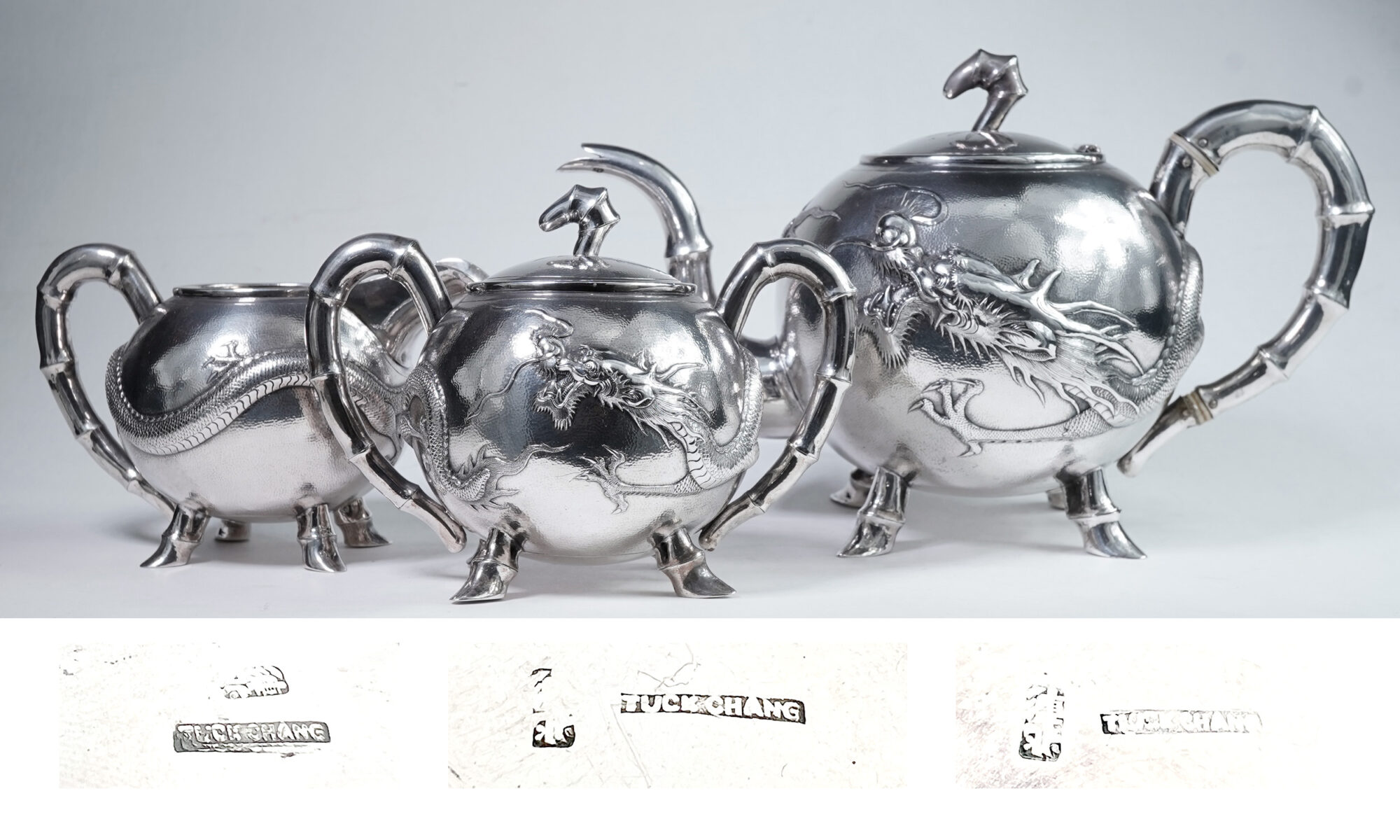
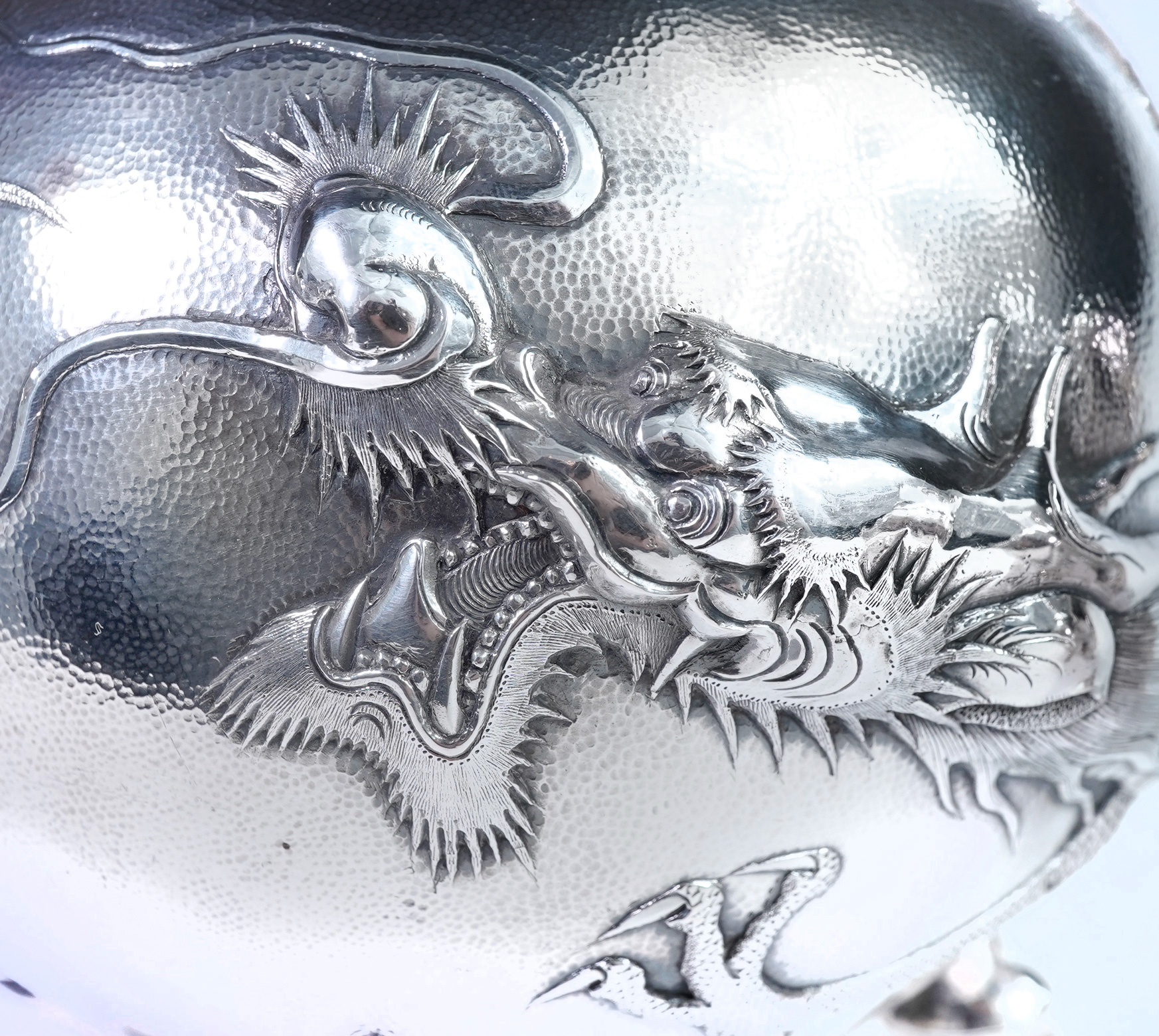
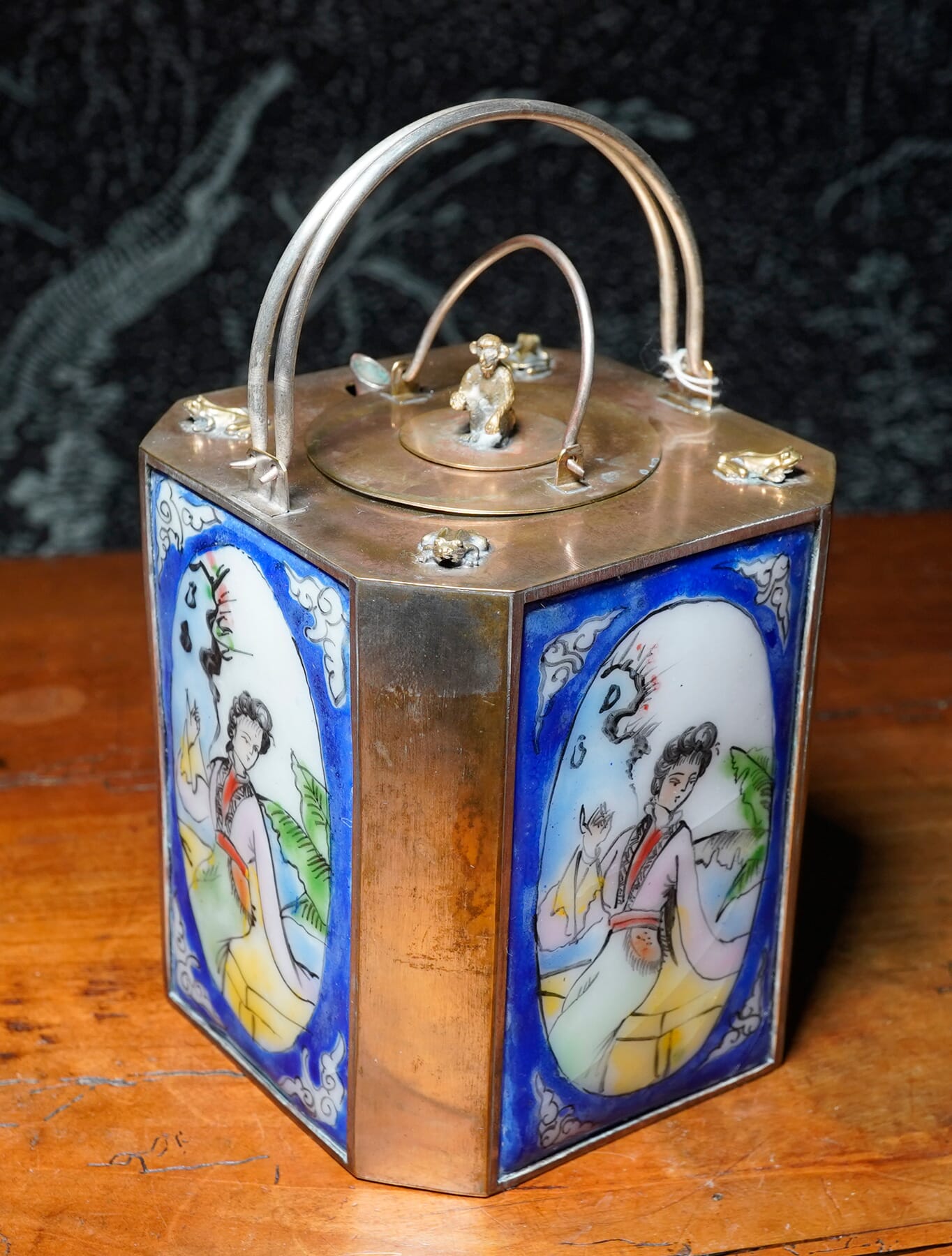
This remarkable solid-silver teaset is unsurprisingly Chinese. Each piece has a magnificent dragon embossed on it, with the long body wrapped all around until it almost catches its own tail…. It is the creation of Shanghai’s finest silversmith of the late Qing Dynasty, Tuck Chang. His pieces – or more precisely, the products of his busy workshop, were sold in colonial Shanghai, but also exported and in the best department stores in New York, London – and Melbourne.
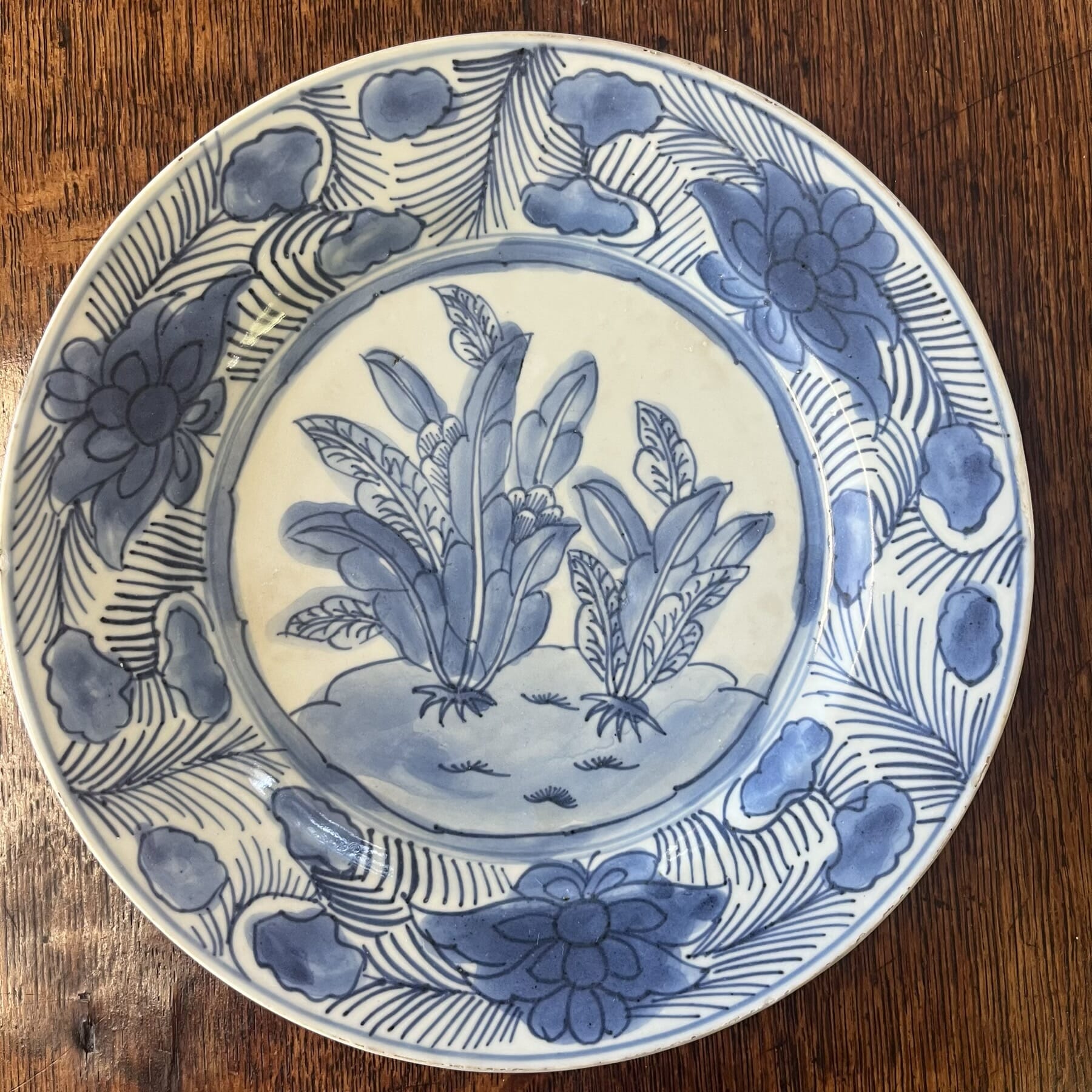
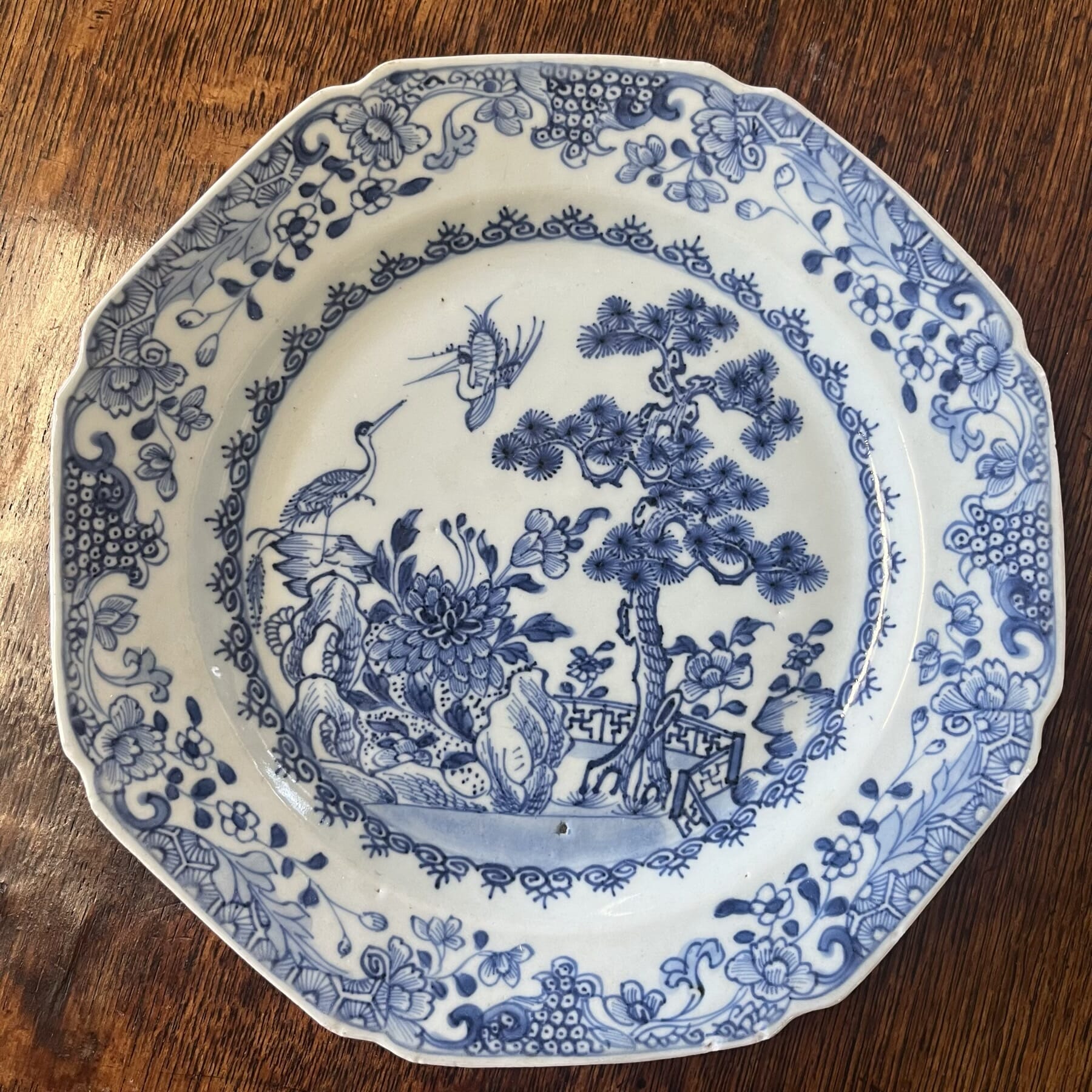
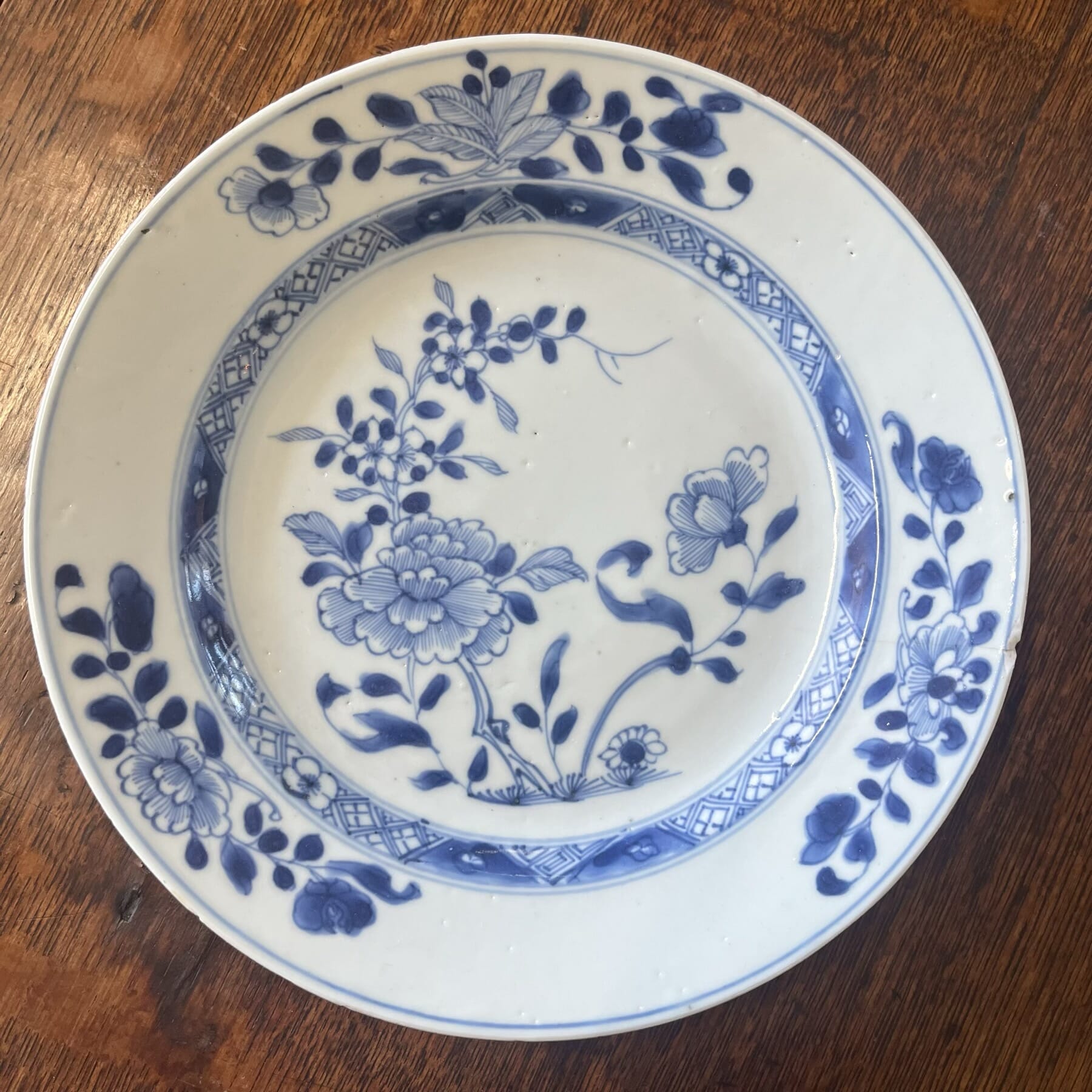
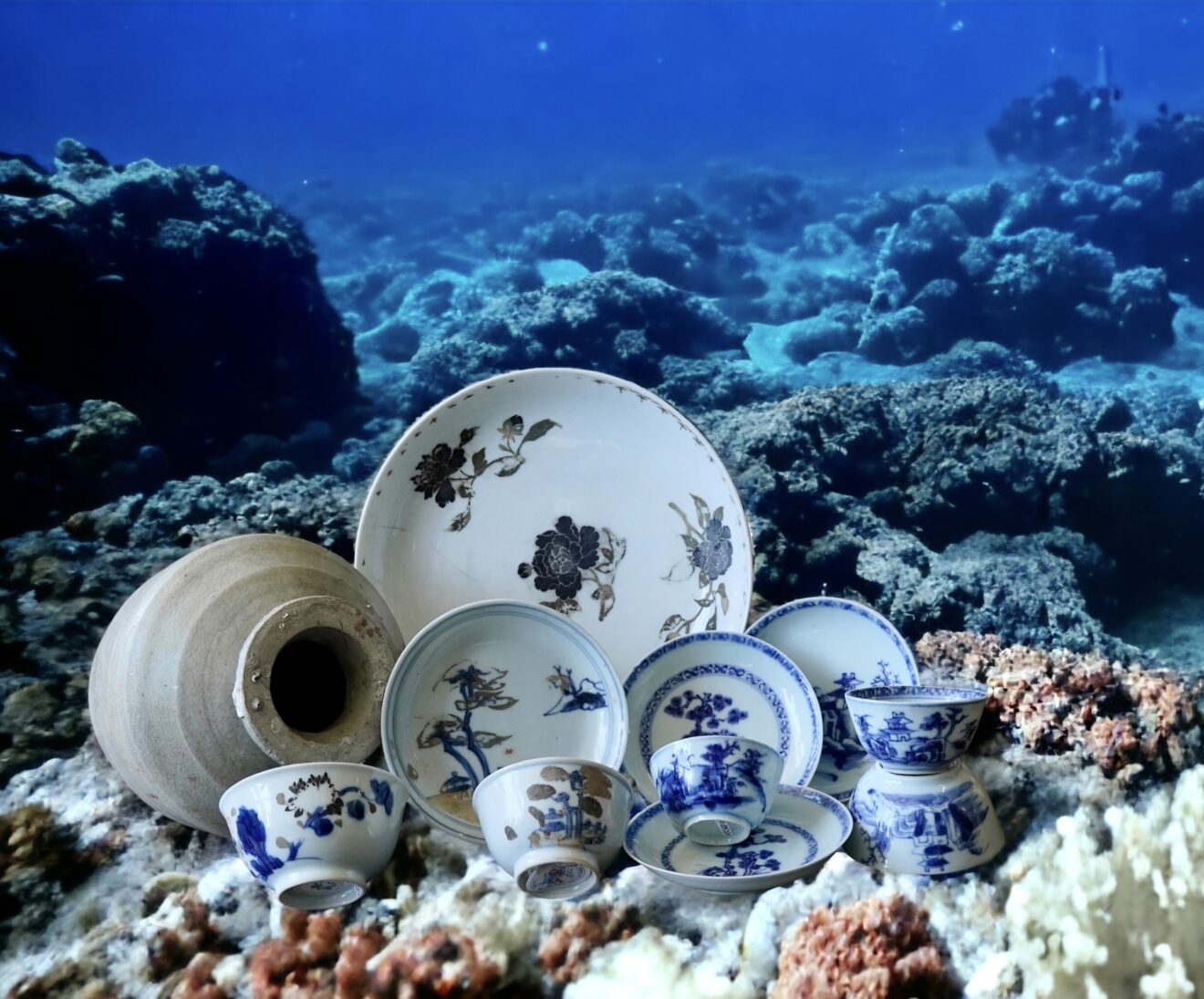
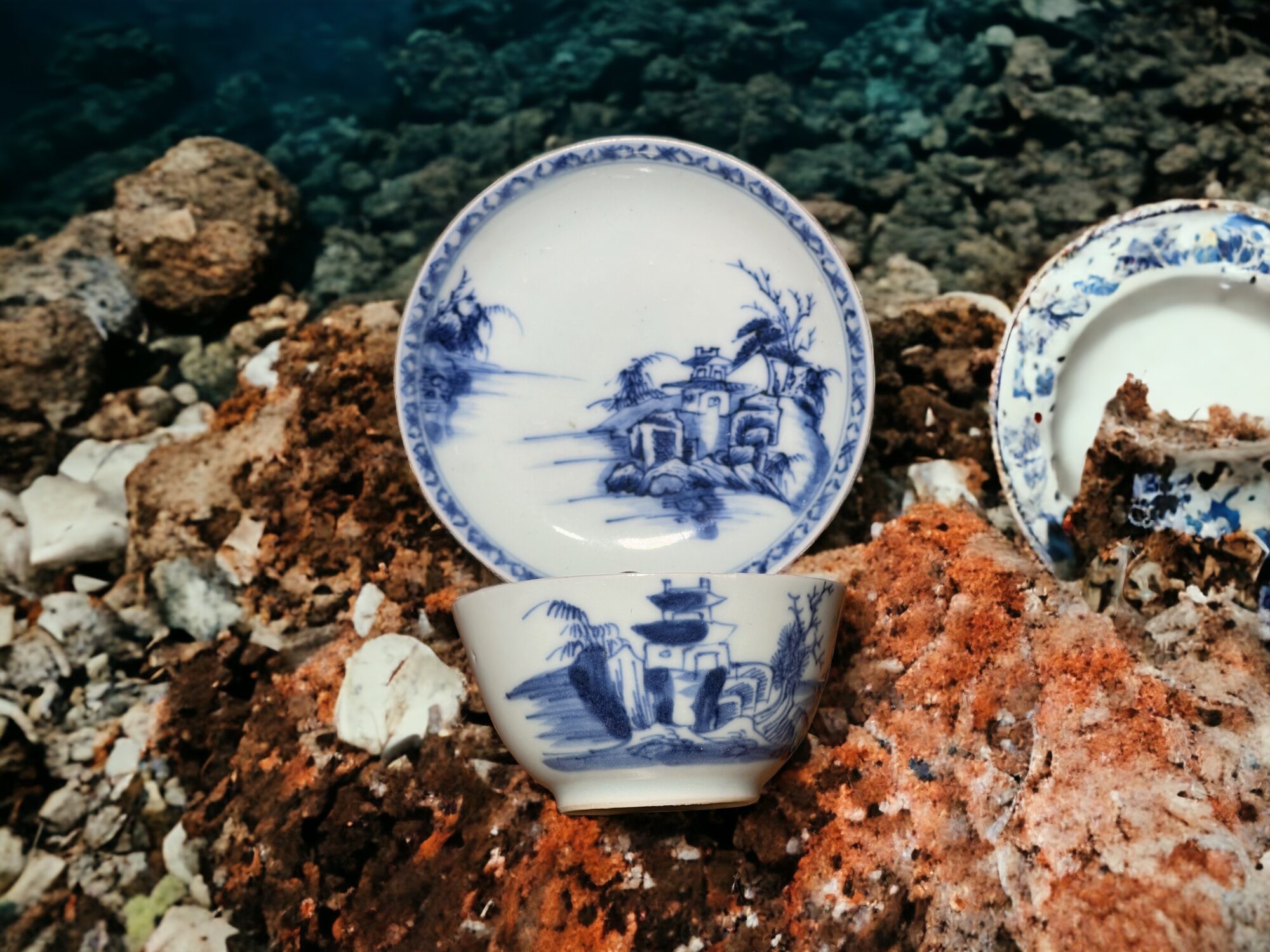
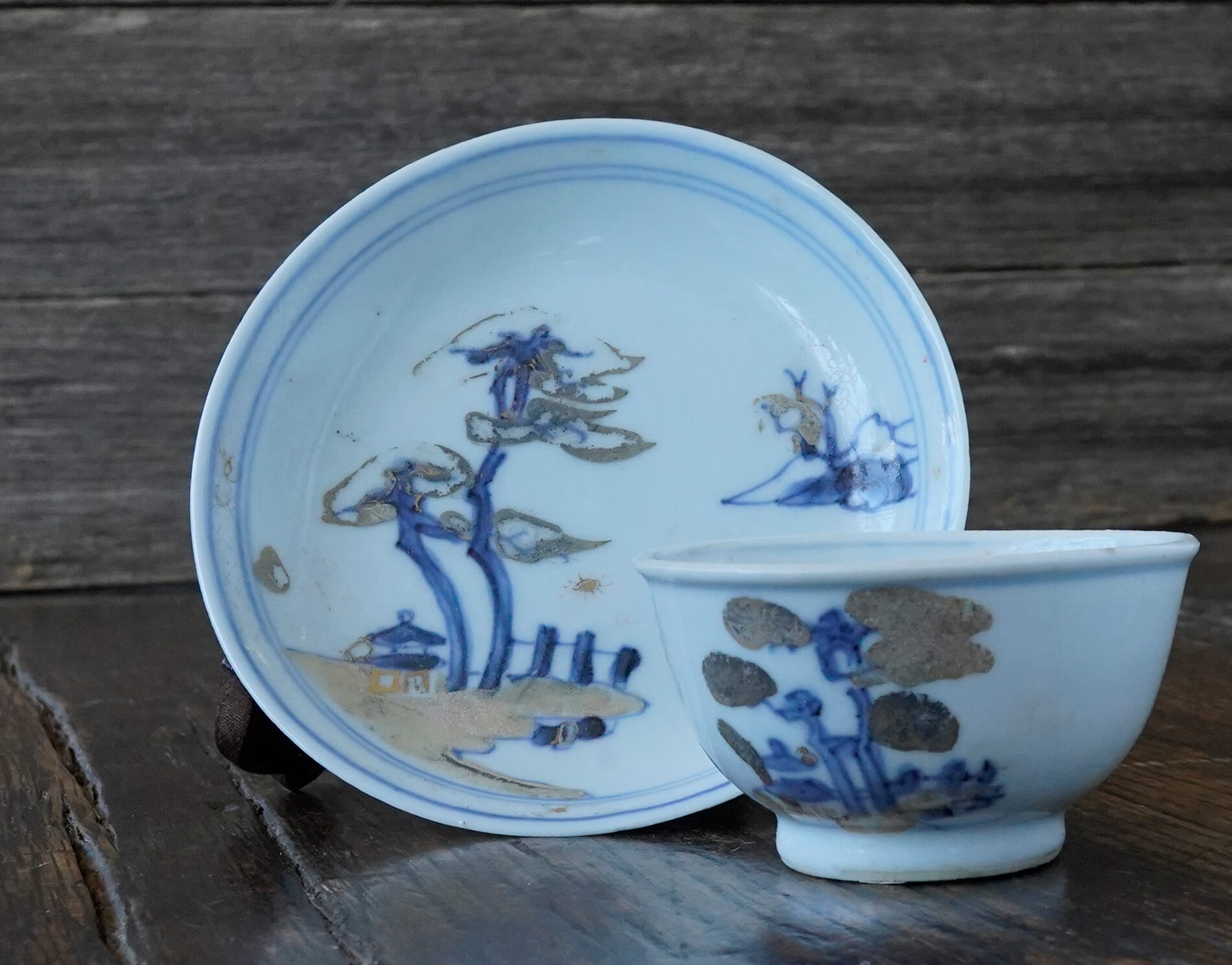
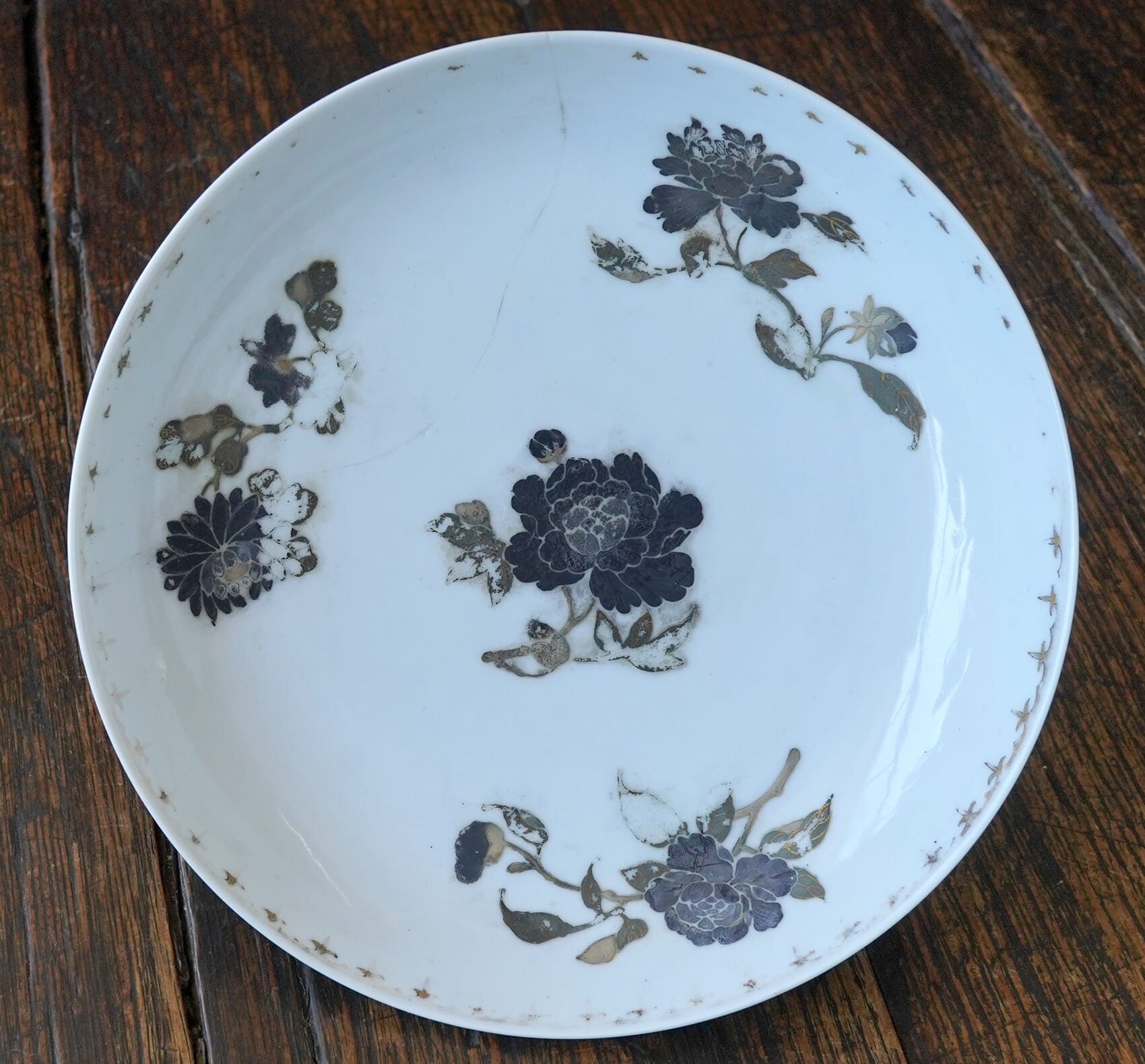
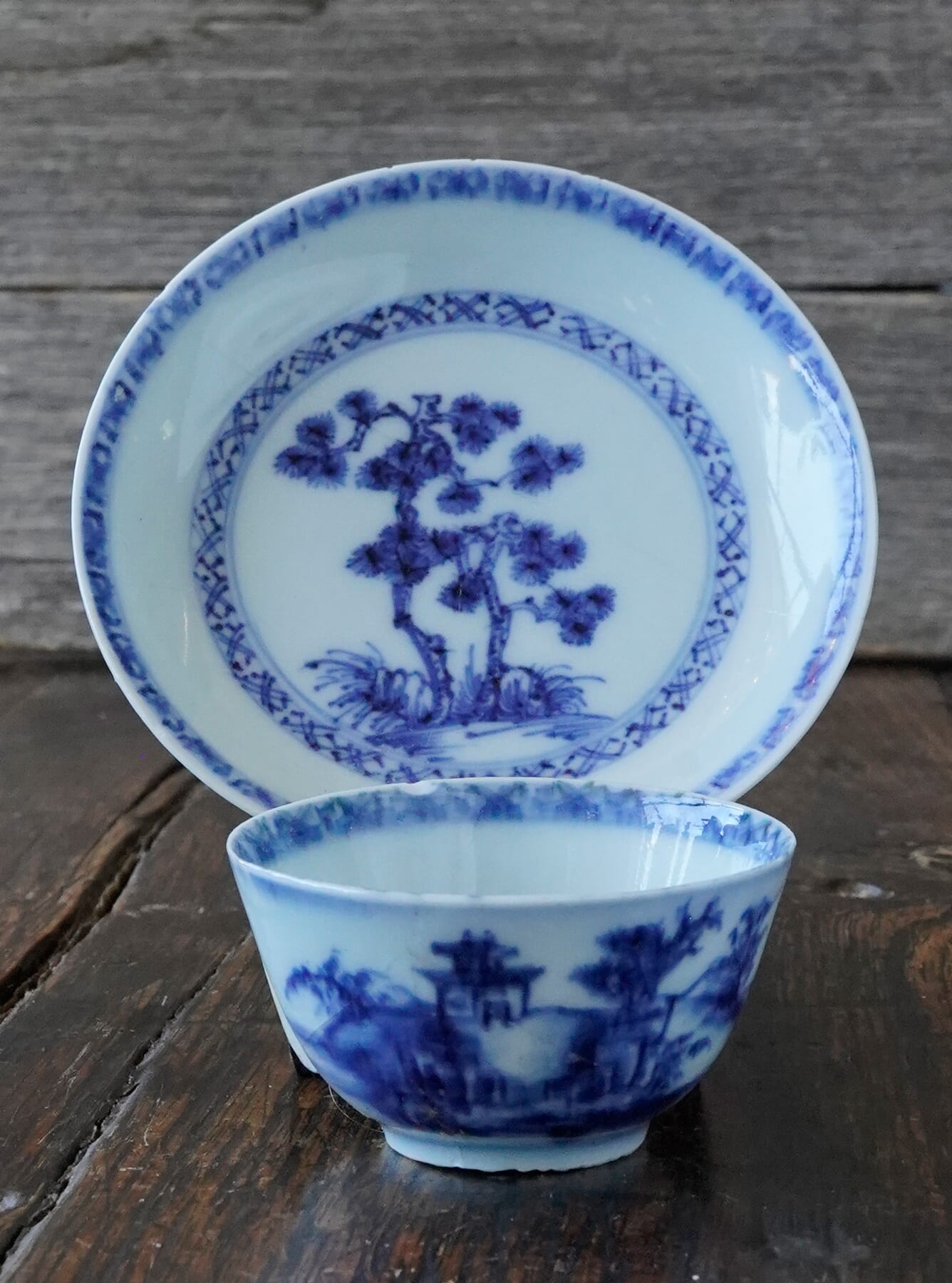
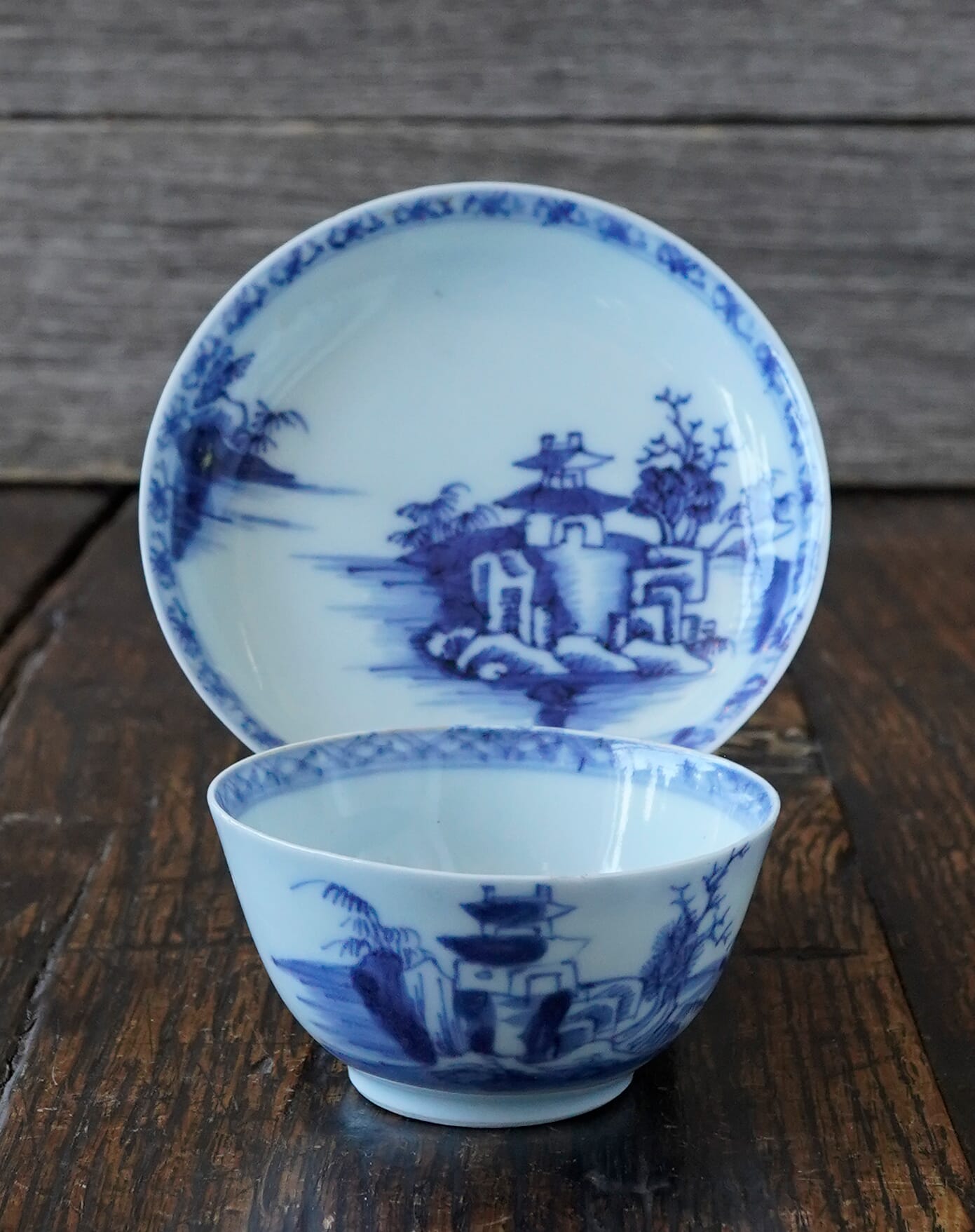
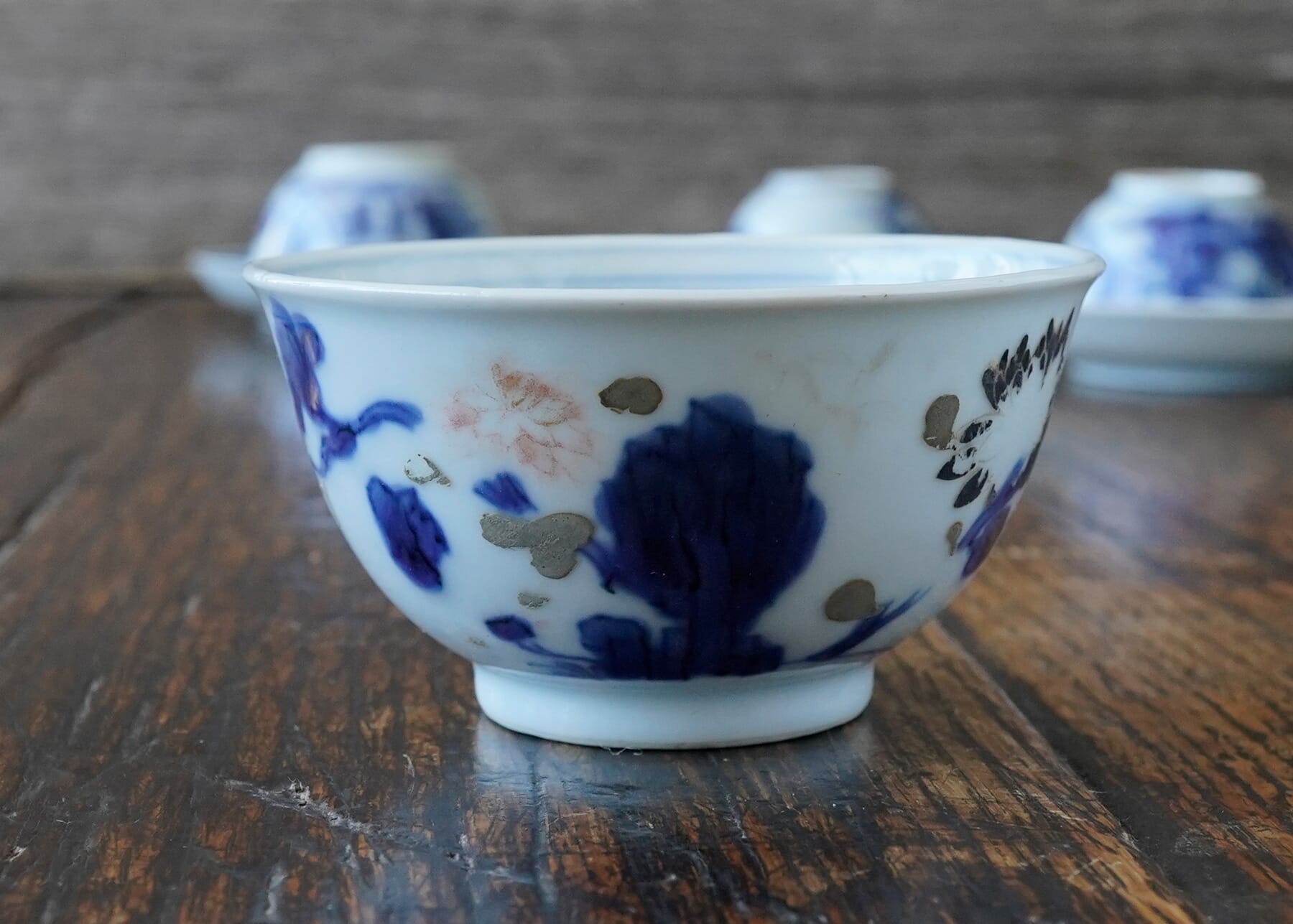
Geldermalsen – ‘Nankin Cargo’ – Shipwreck Ceramics, Chinese c.1750
Qinglong porcelain c.1750 – Guaranteed!
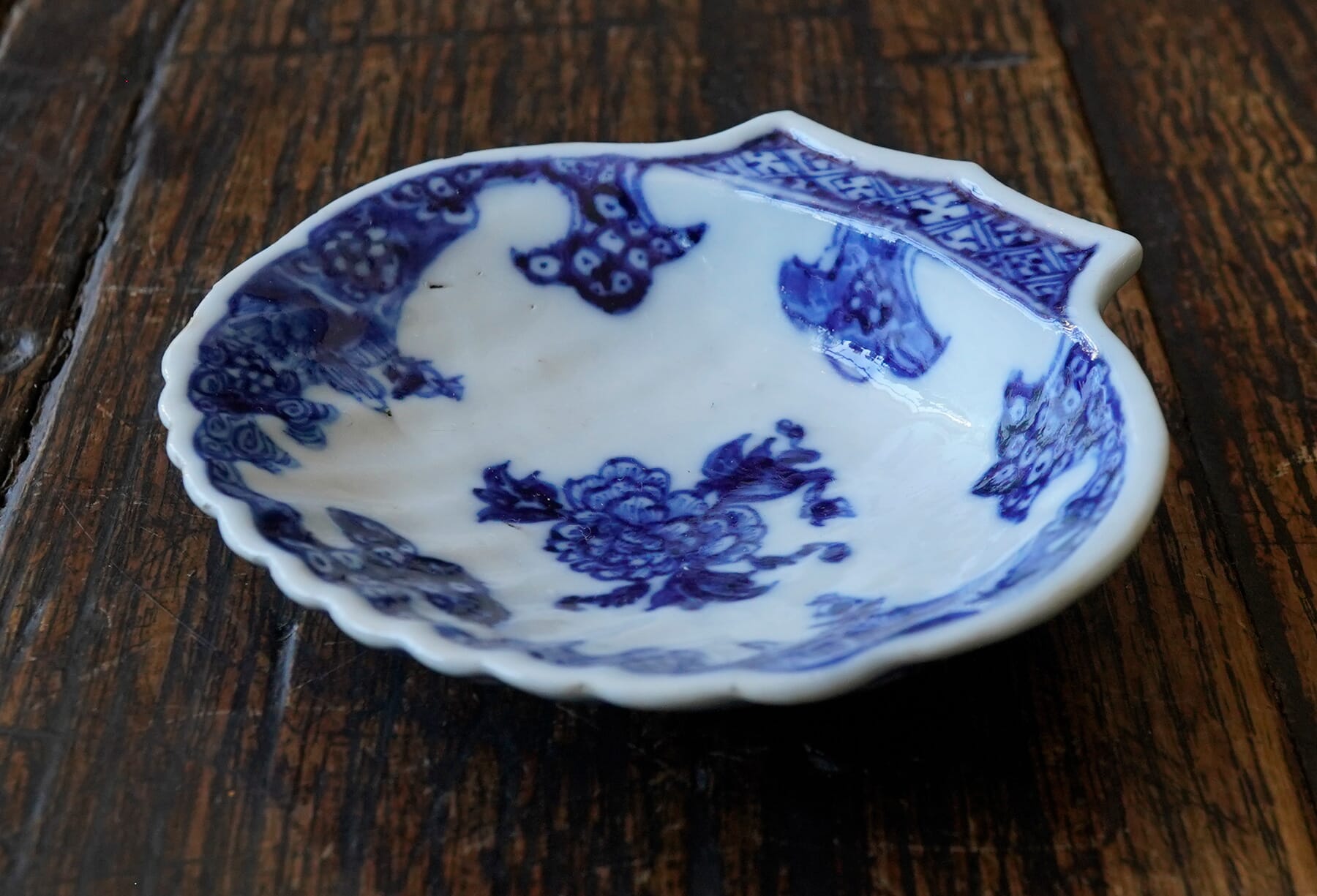
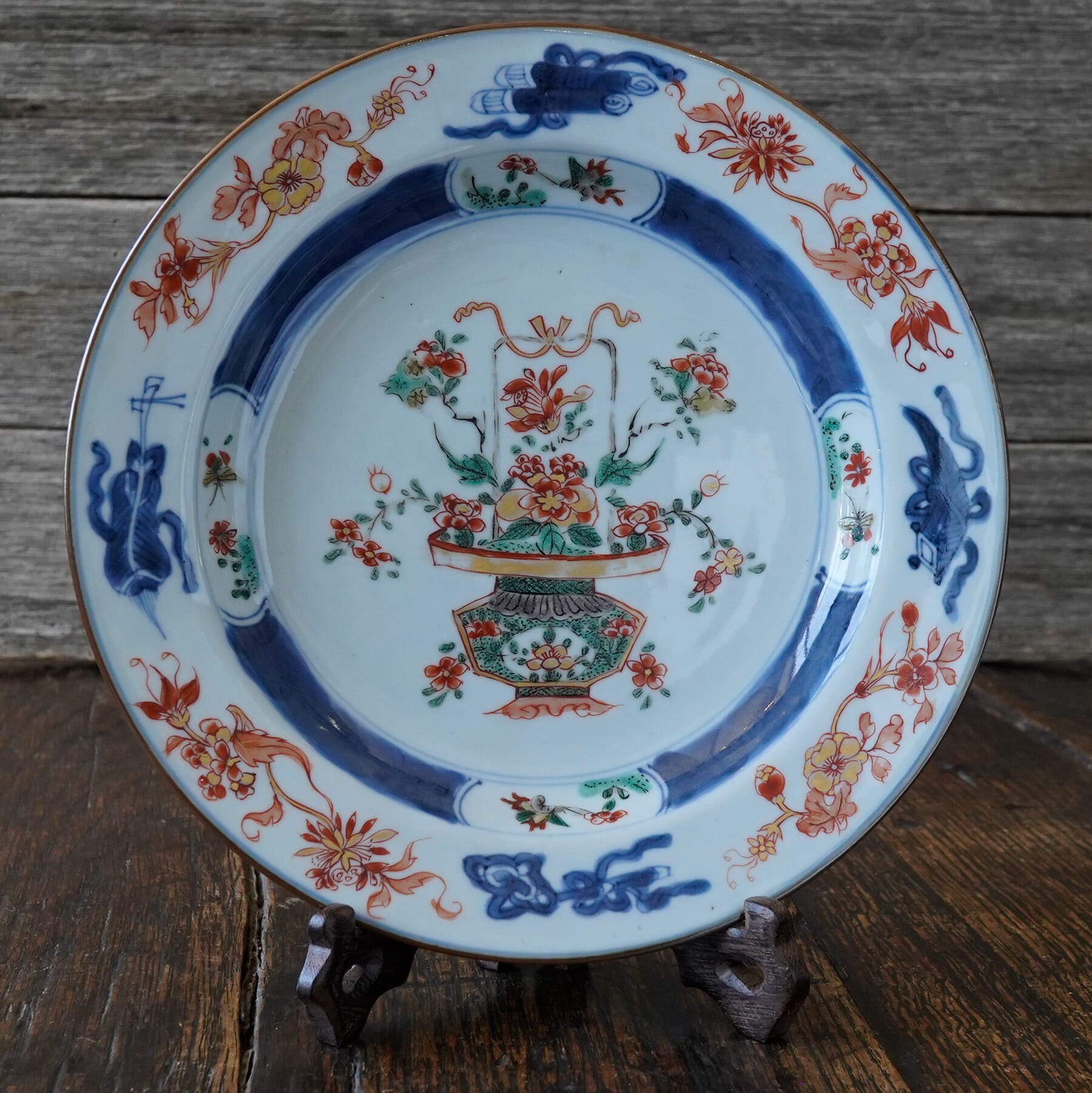
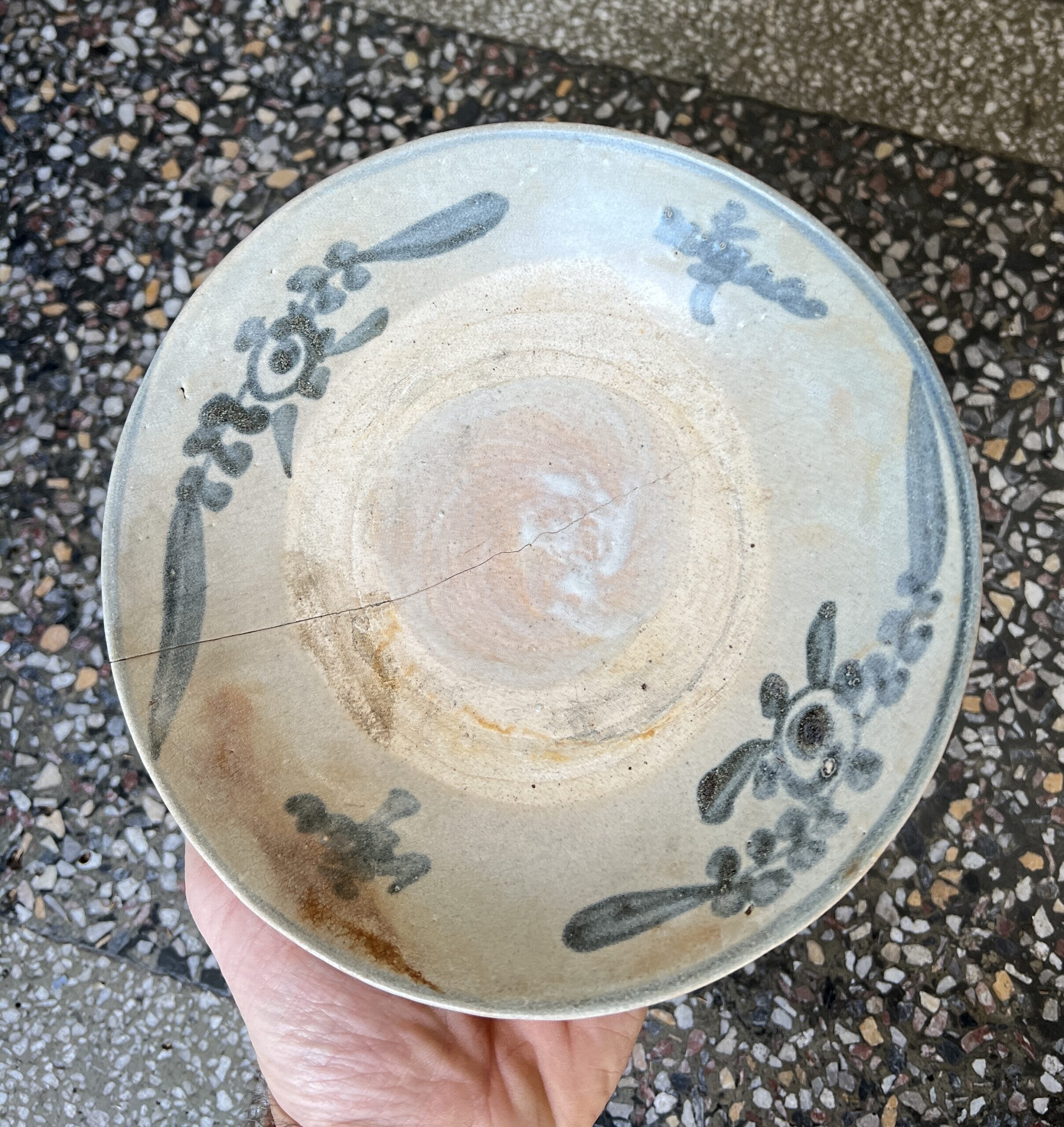
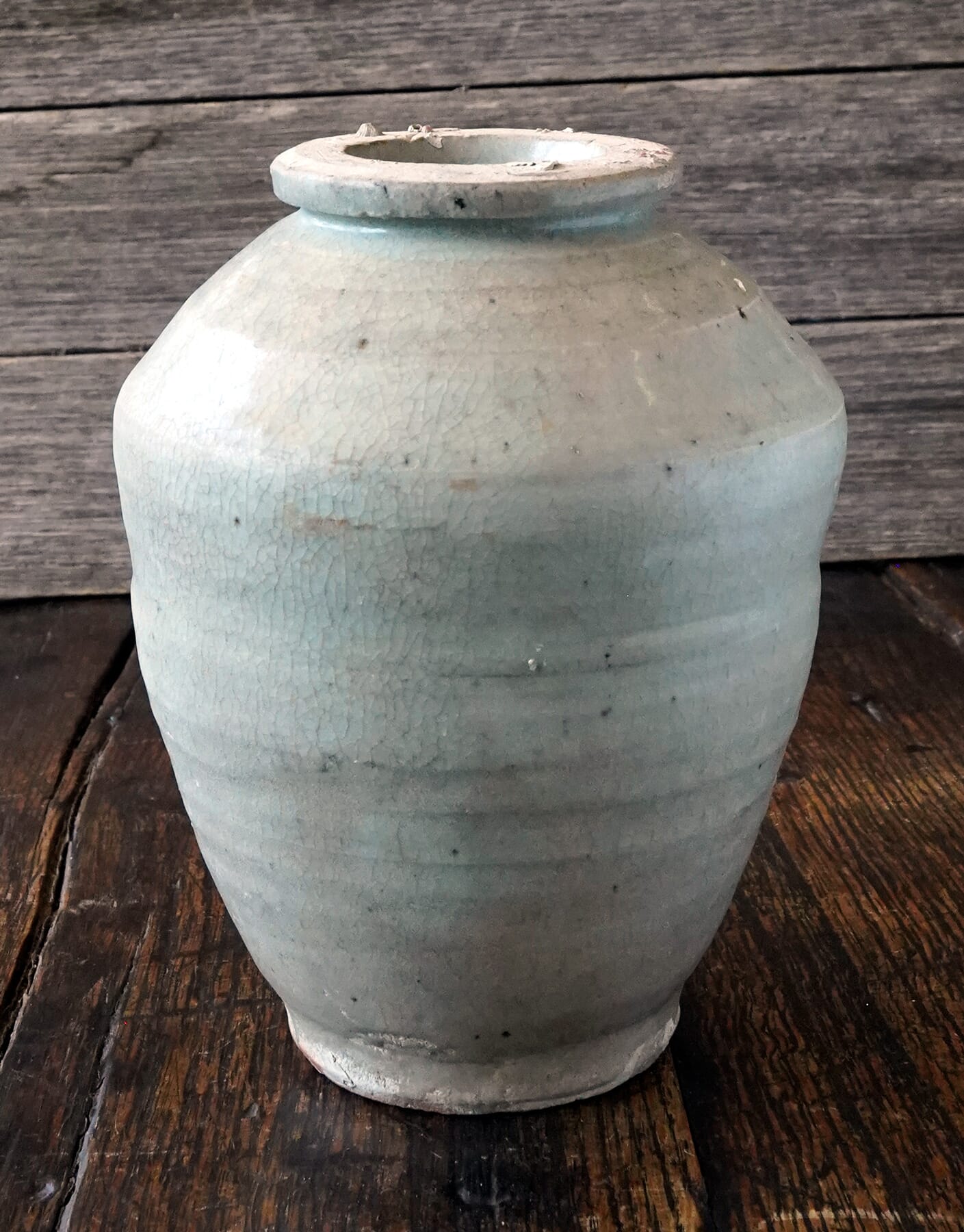
These Chinese porcelain items were recovered from a shipwreck in the South China Sea in the 1980’s. Shipwrecks are always important in the ceramics world, as they act as time capsules material culture for the date the ship sank. While metal and wood will perish with time, ceramics are extremely durable. These pieces are sometimes in exceptional condition despite being under the sea for over 200 years. What makes these Chinese Porcelain pieces particularly desirable is their context: the Dutch ship Geldermalsen sank in 1752, and the items were recovered by a professional team; therefore, in the present-day world of Chinese Ceramics, where the fakes have become harder to spot, they are corner-pieces in a collection, being absolutely Guaranteed Genuine. Moorabool has a sample of these in their ceramics reference library to use for education and study: directly comparing a piece from a known wreck to a piece of uncertain provenance can be invaluable during our researching. They are essential for our dating of Chinese Ceramics, and while condition is usually important for a collector, the authenticity of these pieces and the way this can help verify other pieces is invaluable, far outweighing any condition concerns….
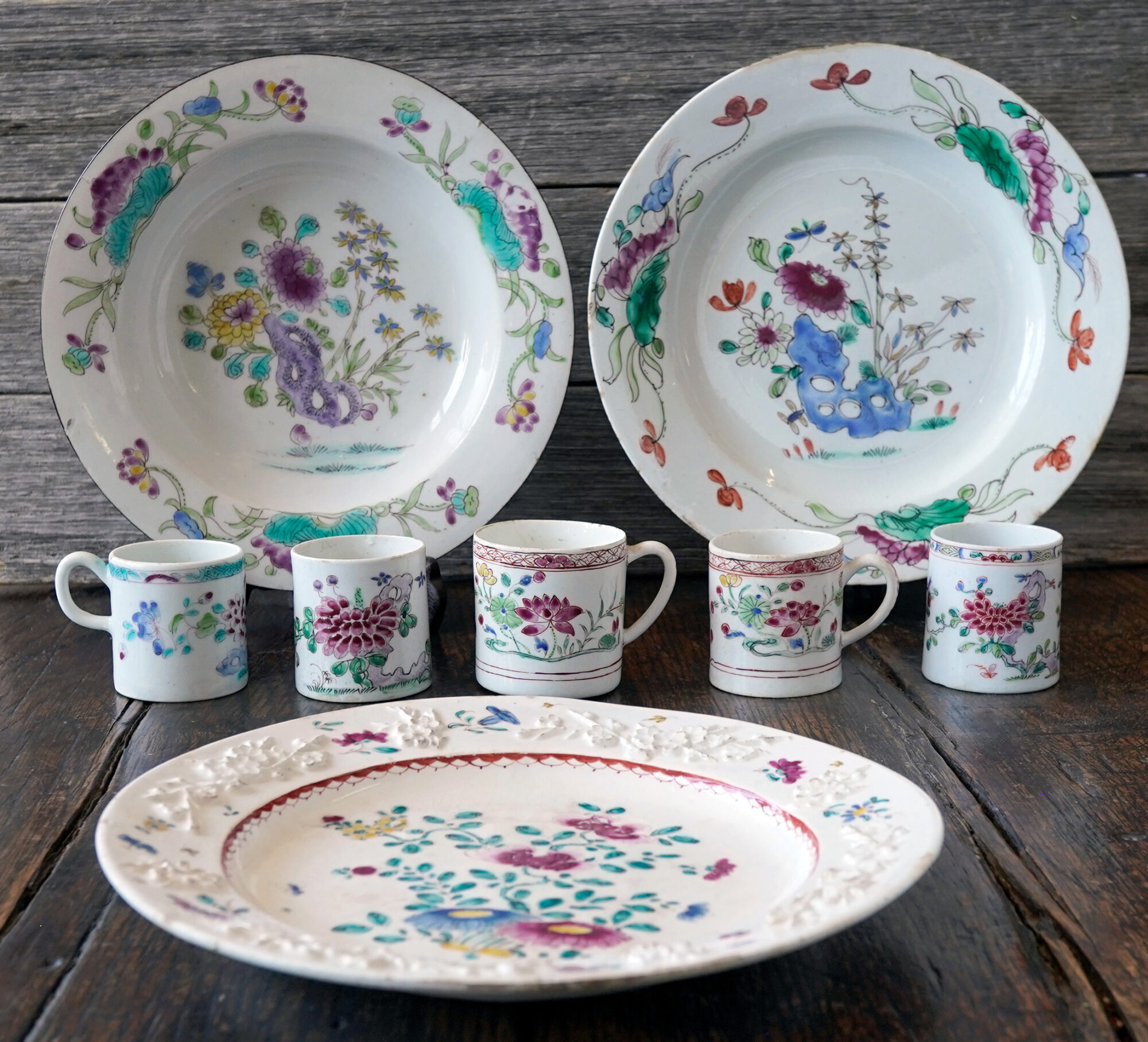
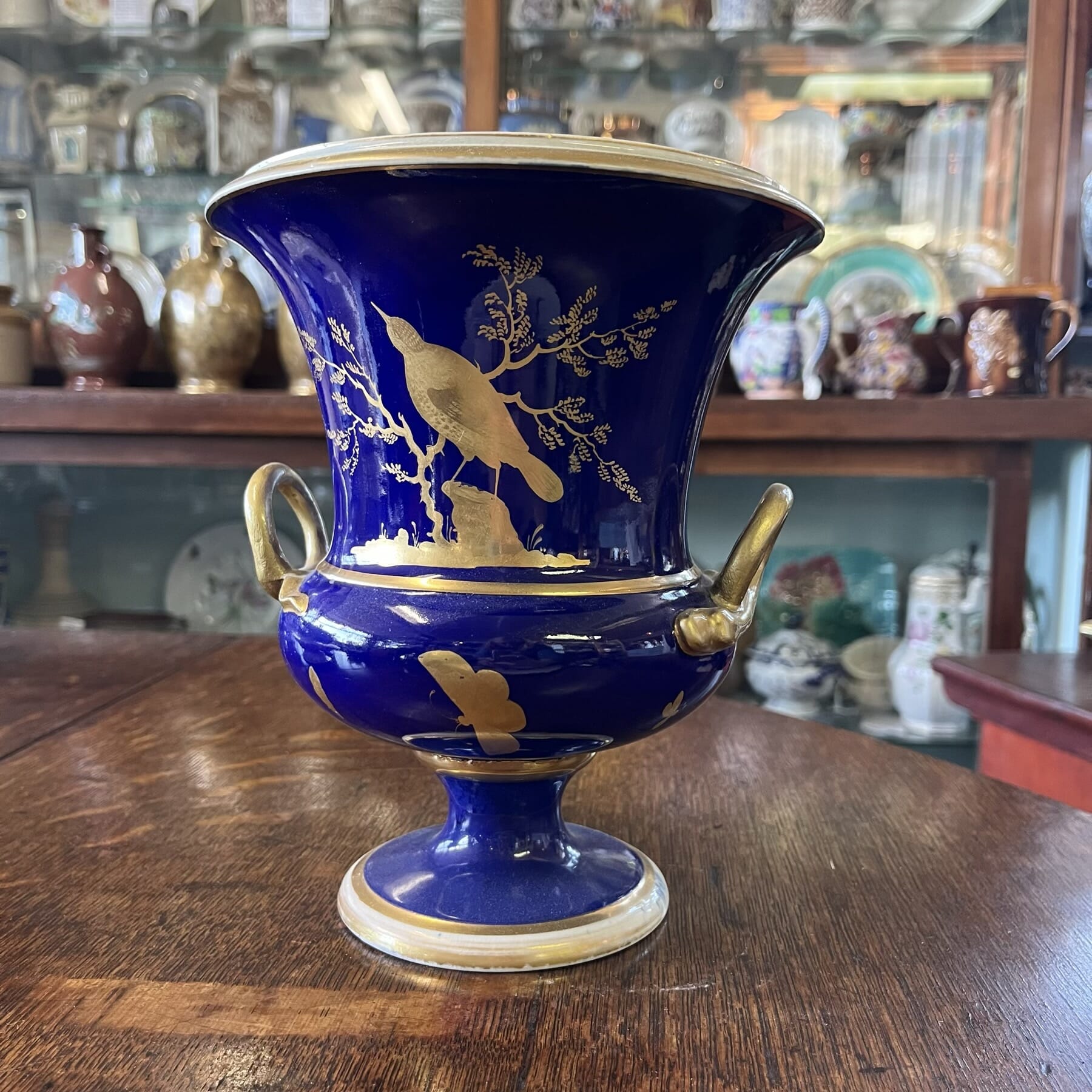
Moorabool has a collection of quality 18th century British Porcelain – including Derby, Chelsea, Isleworth, and this selection of Beautiful Bow. Currently being catalogued, it will be out in the next few weeks as a special ‘Fresh Stock’.
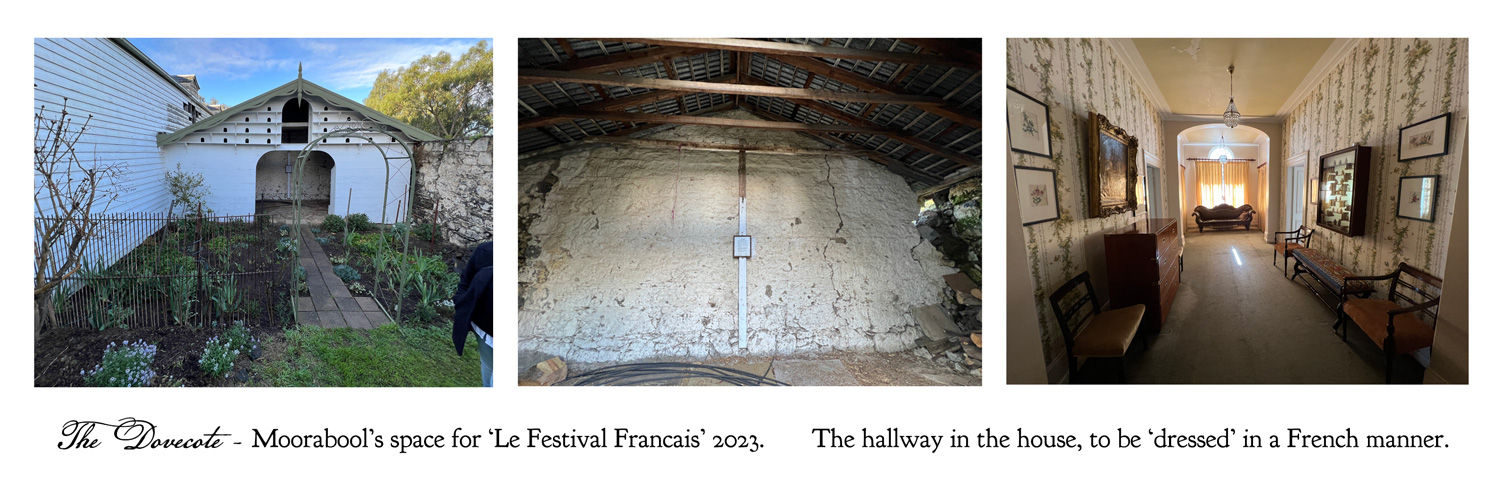
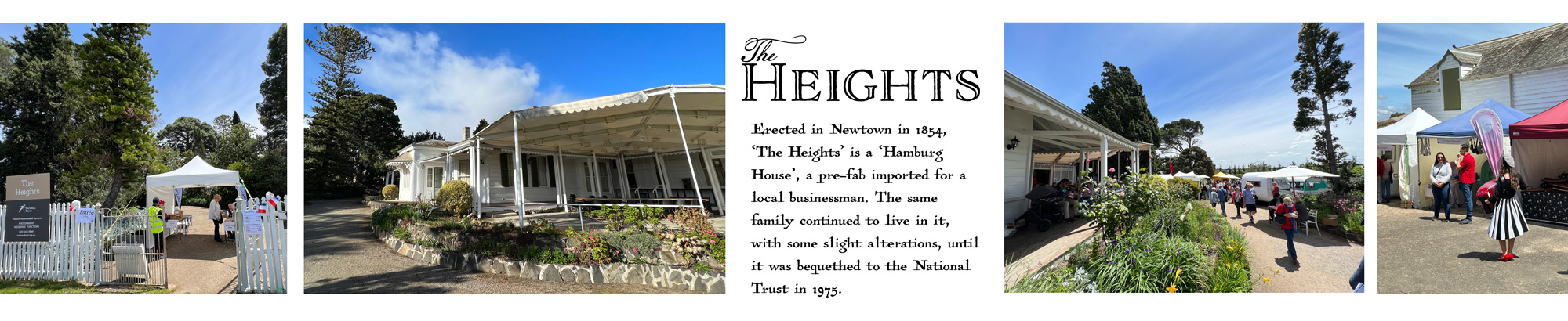
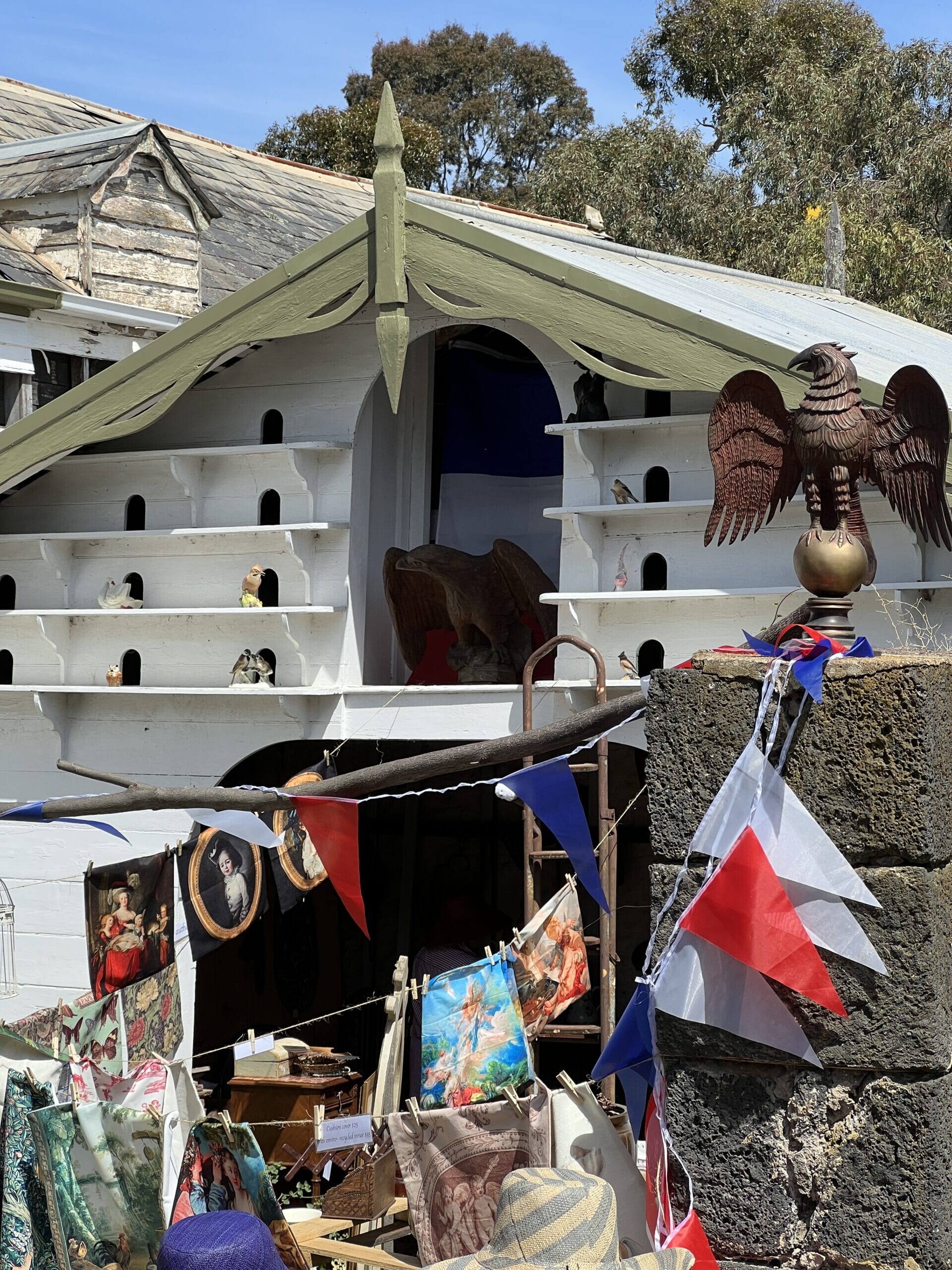
We have a treat for our local customers: a weekend of French food & fun, hosted at Geelong’s beautiful National Trust property, ‘The Heights’. Moorabool is opening a genuine ‘Brocante’ – we have taken the charming Dovecote in the garden, and will have it stuffed full of interesting items to buy.
As well, Paul Rosenberg will be giving a lecture, ‘Trés Français’, taking a small audience through the wonderful influence France has had on our culture. This takes place inside the house, spaces strictly limited, so head to lefestivalfrancais.com.au if you would like to come.
Paul’s talk will be at 3pm on Saturday 28th October. Bookings essential!
Note: the funds from entry etc. go towards the actual property, a terrific fundraiser for this treasured local property.
The house will also be opening for guided tours throughout the weekend: we’re excited to be involved with this also, and Moorabool has been asked to ‘dress’ the rooms in a French theme.
Vite! …and apologies to those who live too far away: we’ll post some photos …..
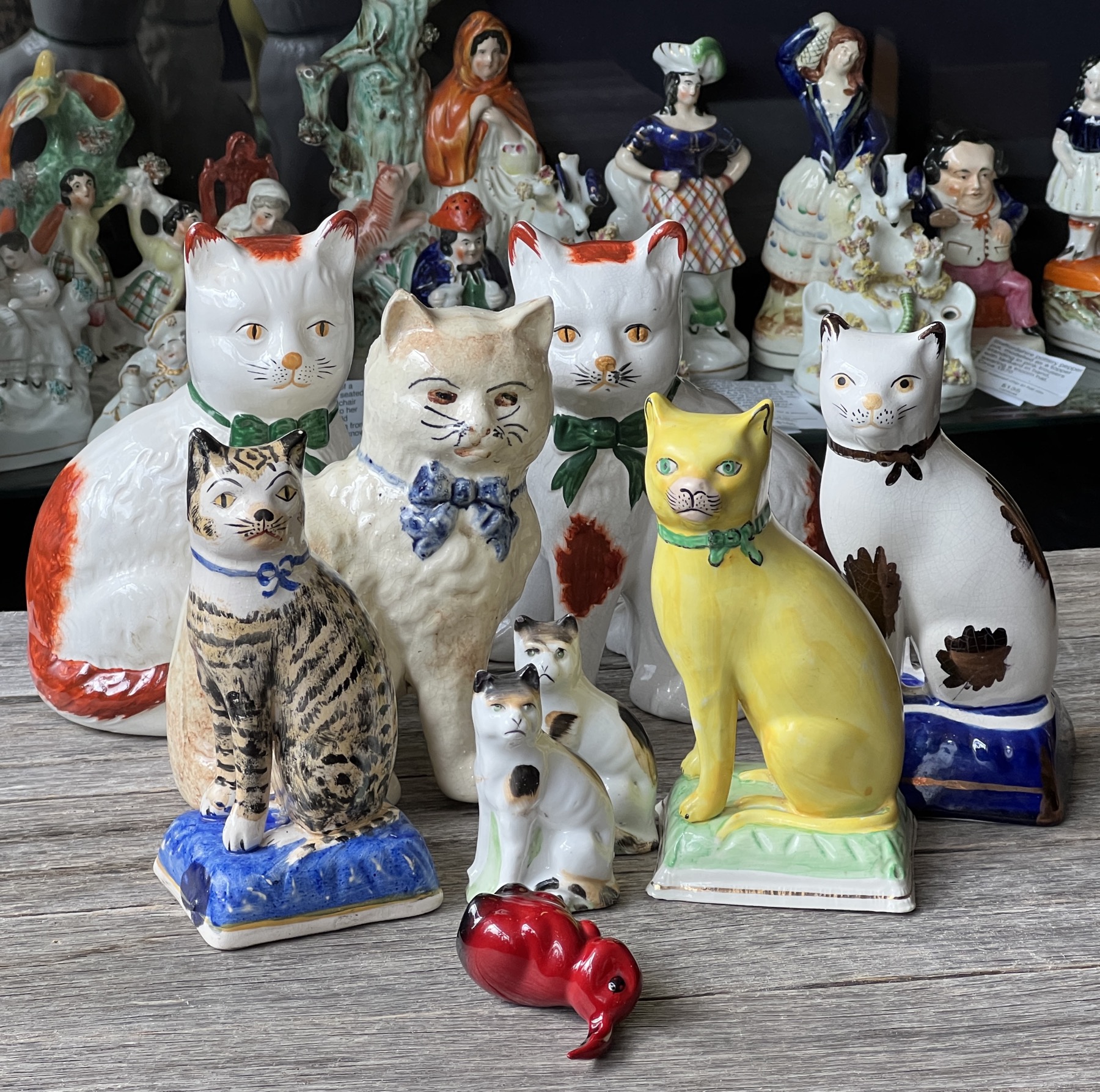
Welcome to the latest Fresh Stock release on Moorabool.com. This week has seen a wide variety of quality pieces entering our stock – including a Scottish ‘Dancing Sword’, Indian bronze ‘toys’, and a Glaring of Cats!
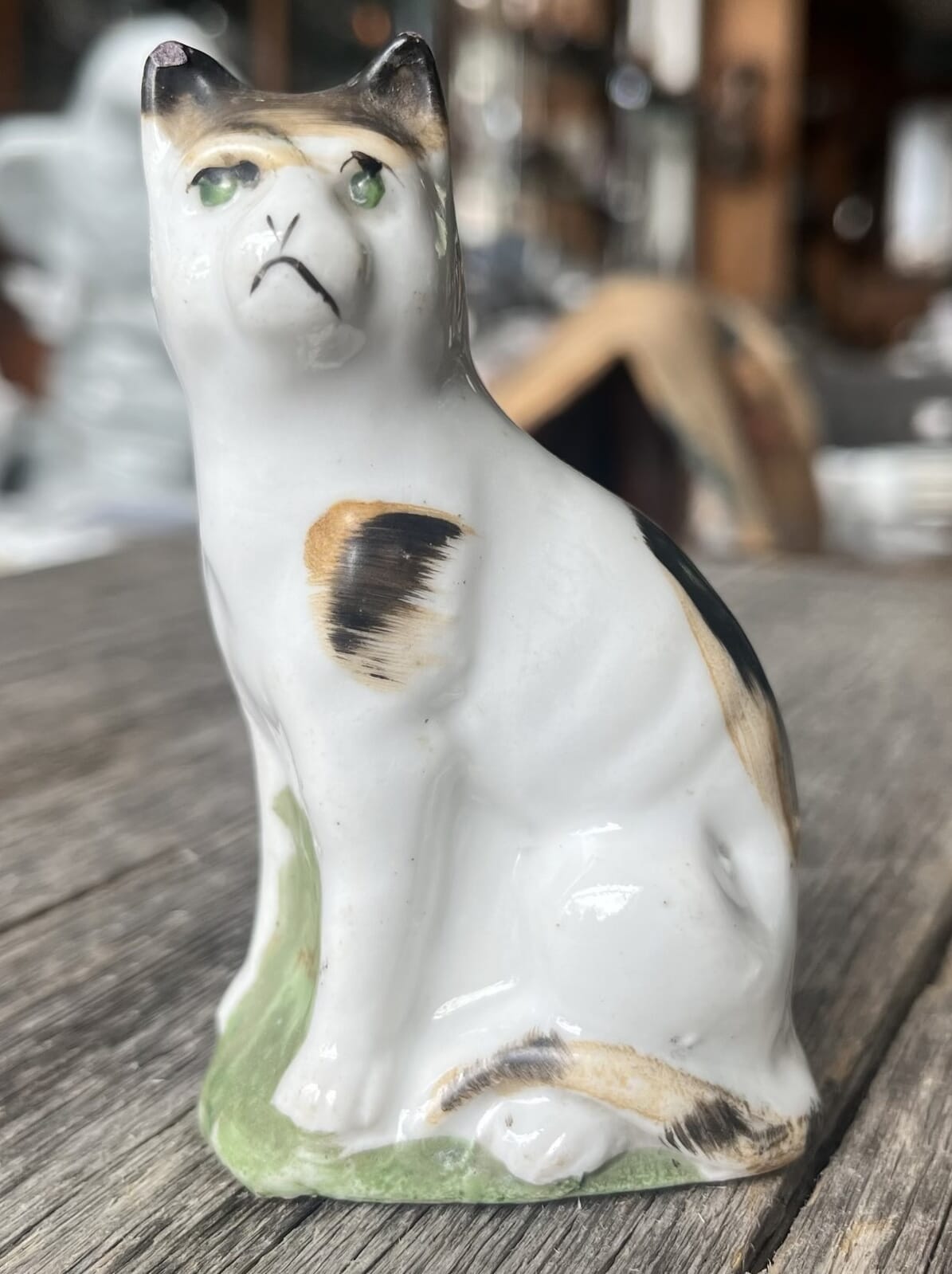
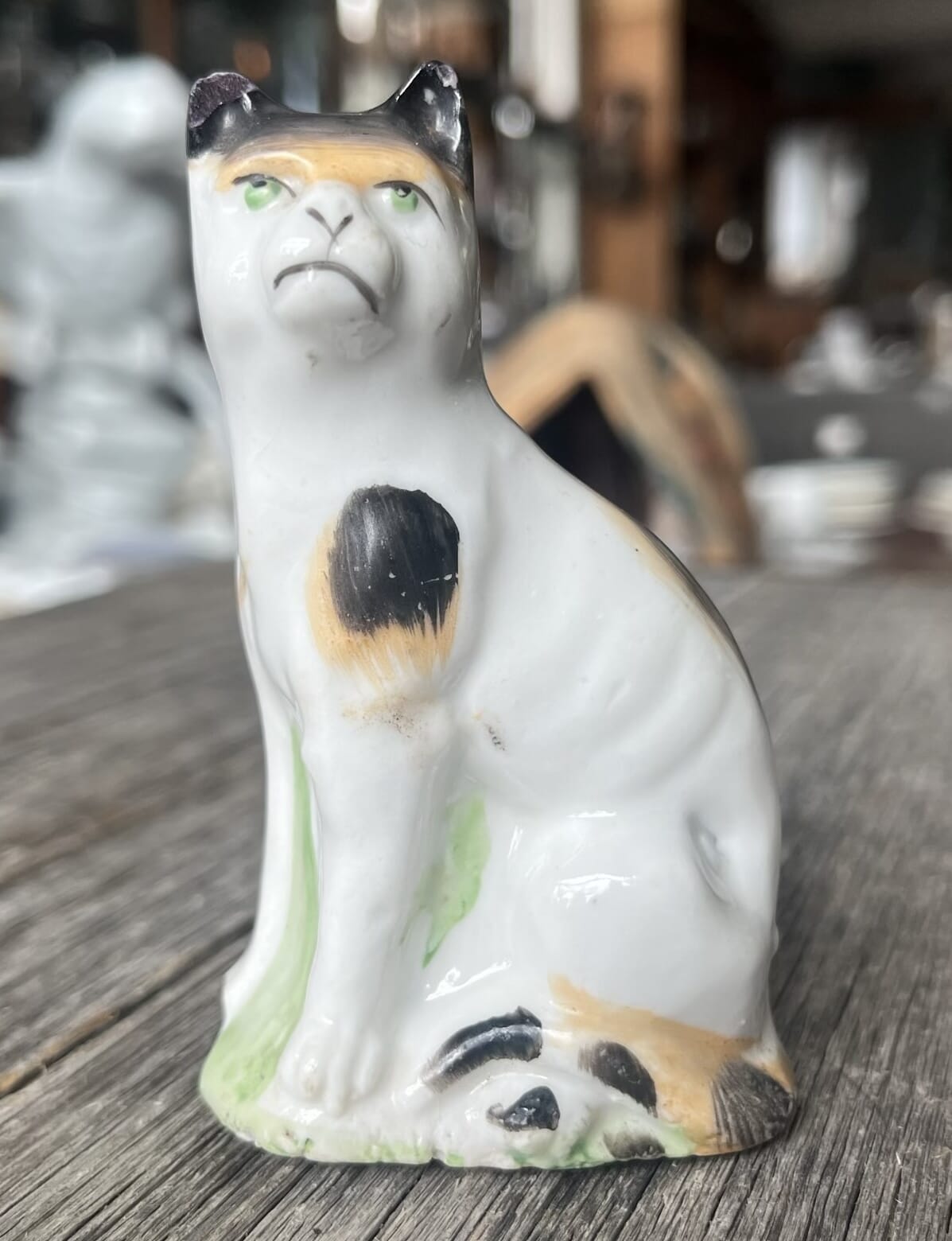
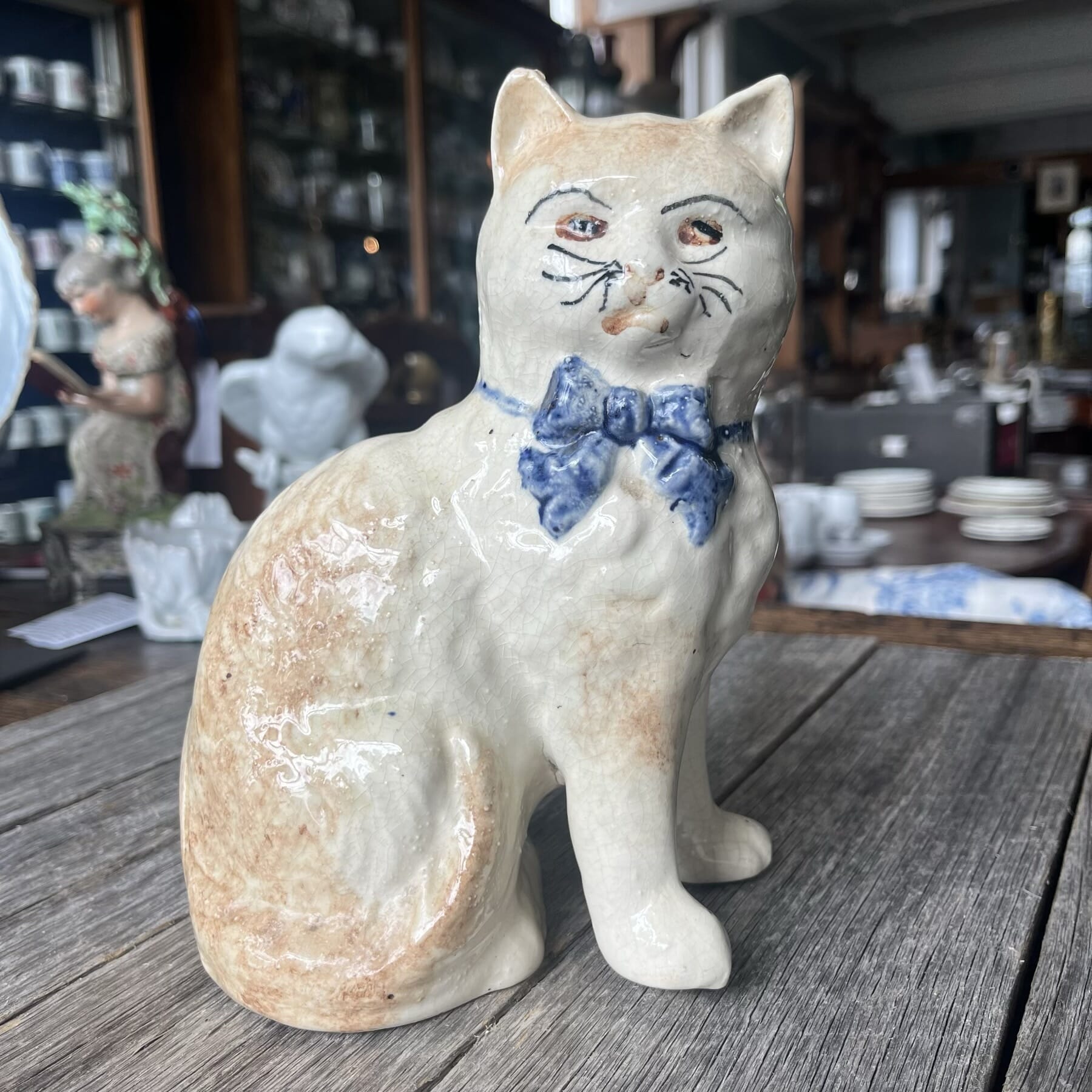
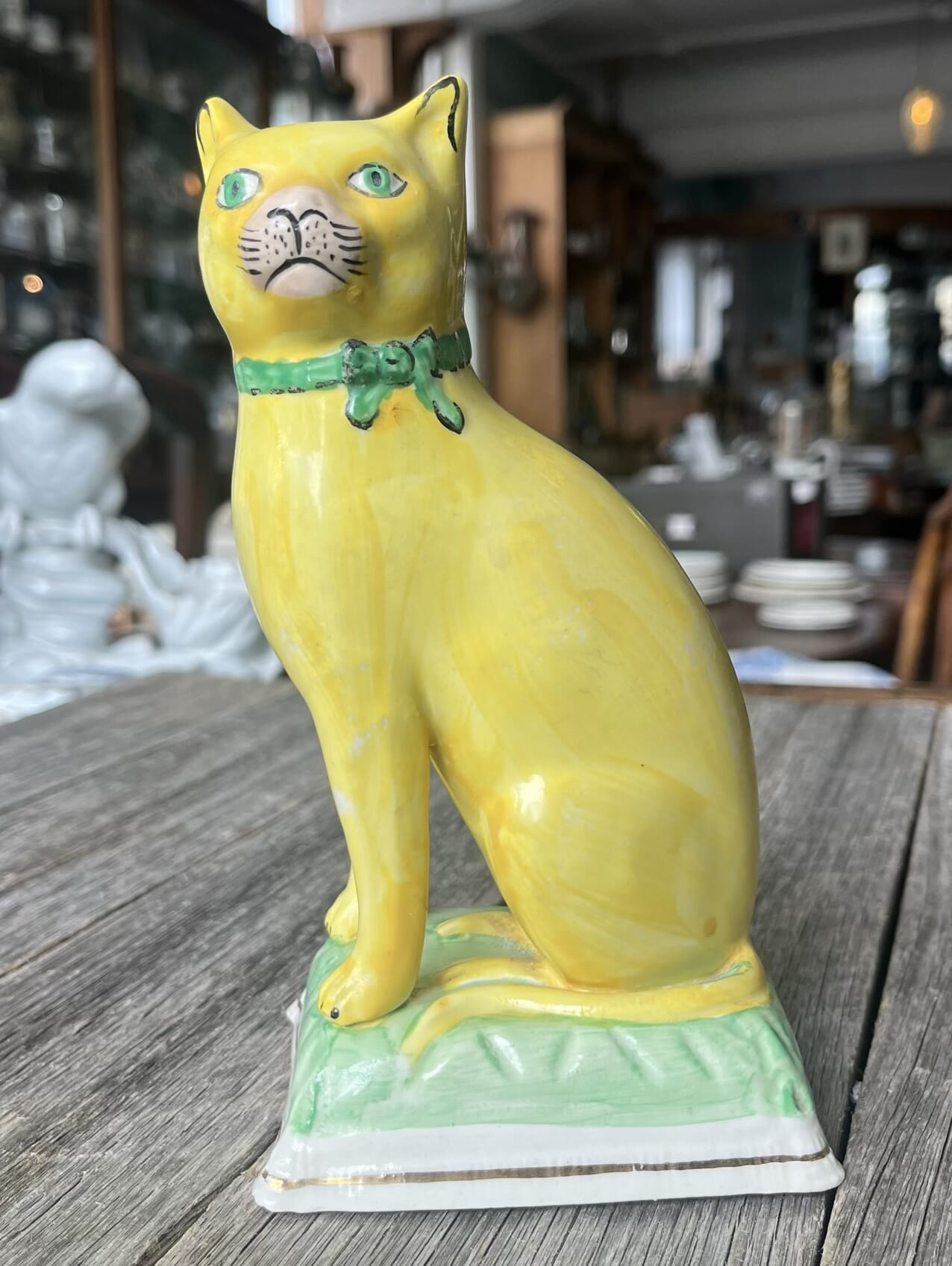
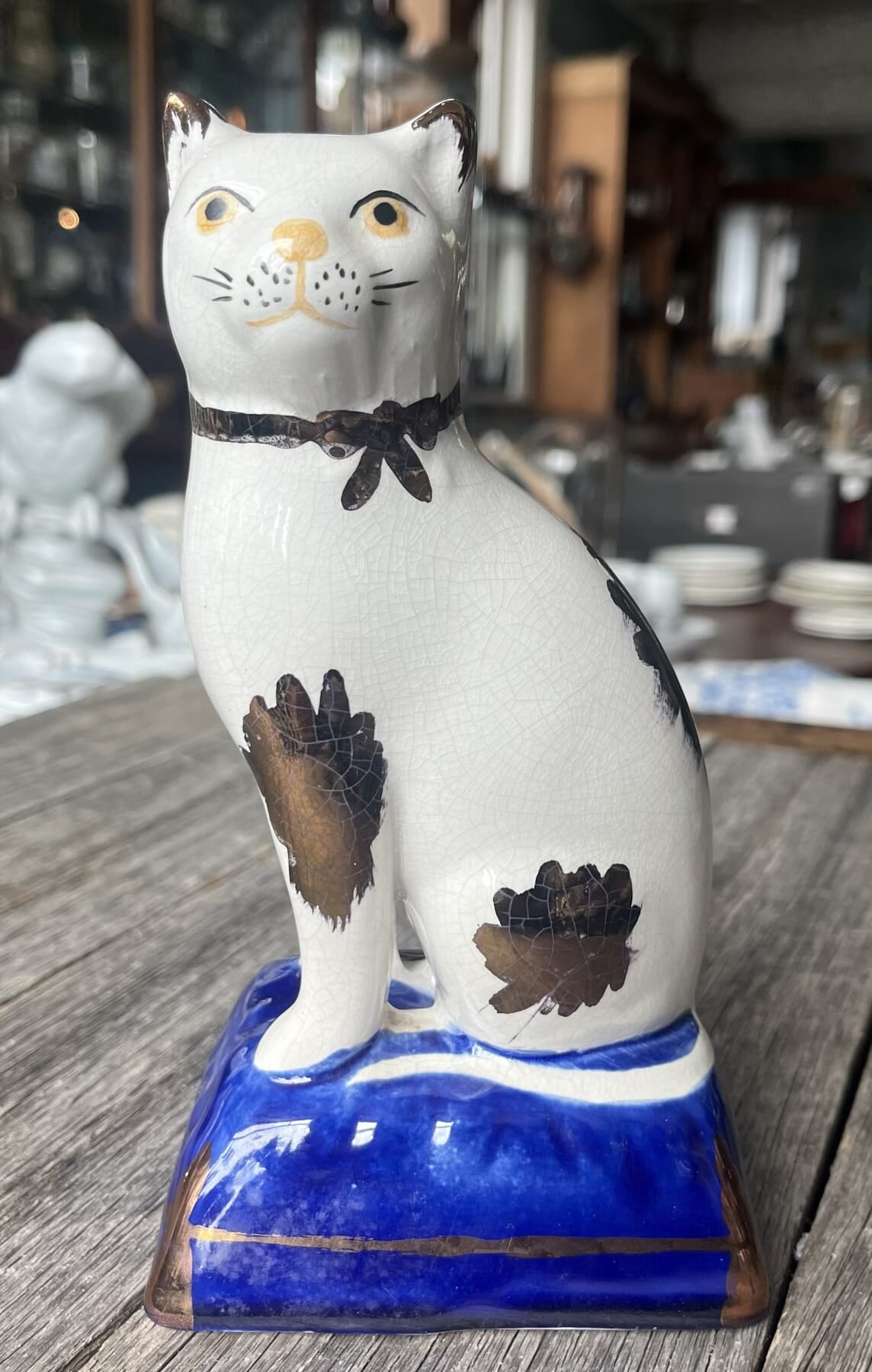
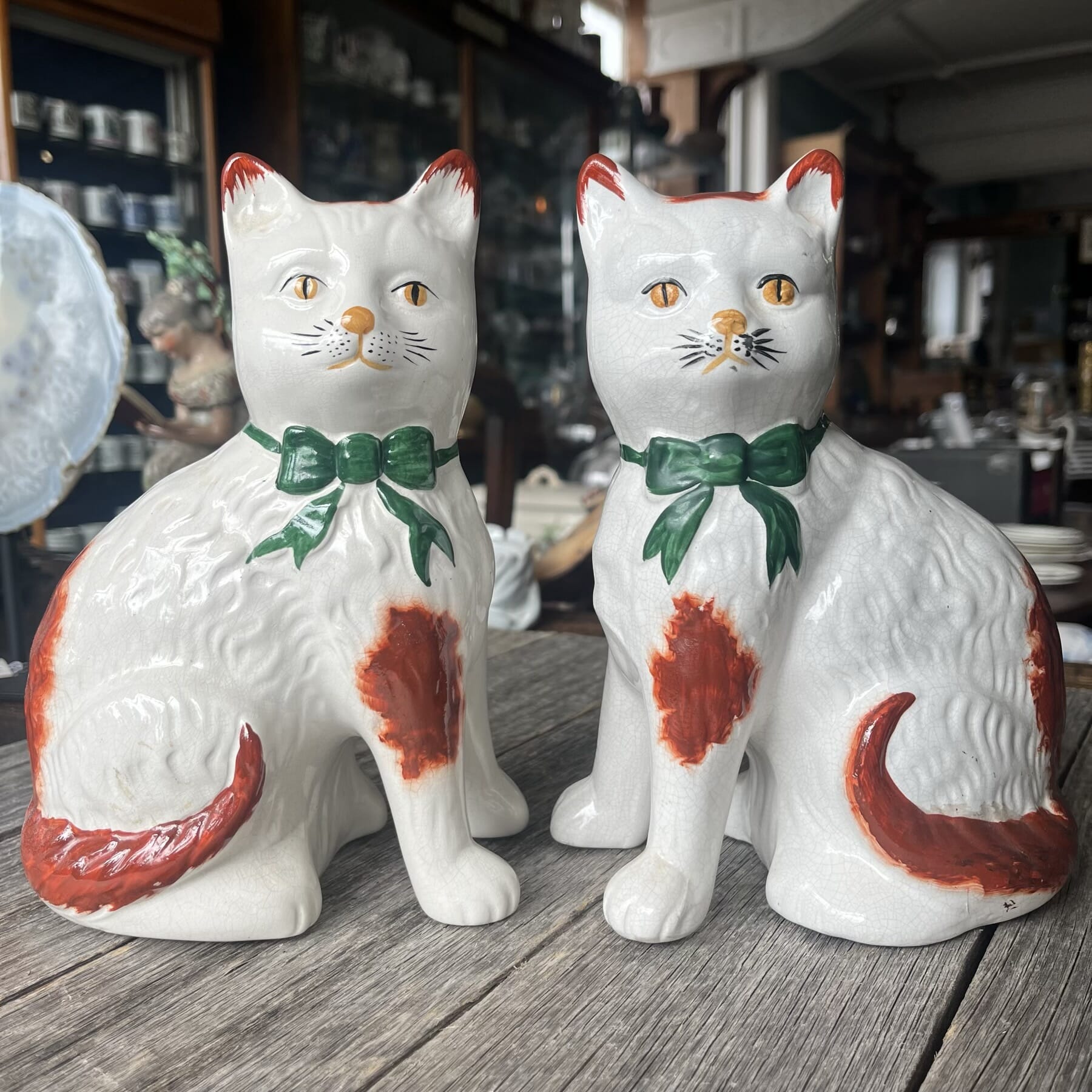
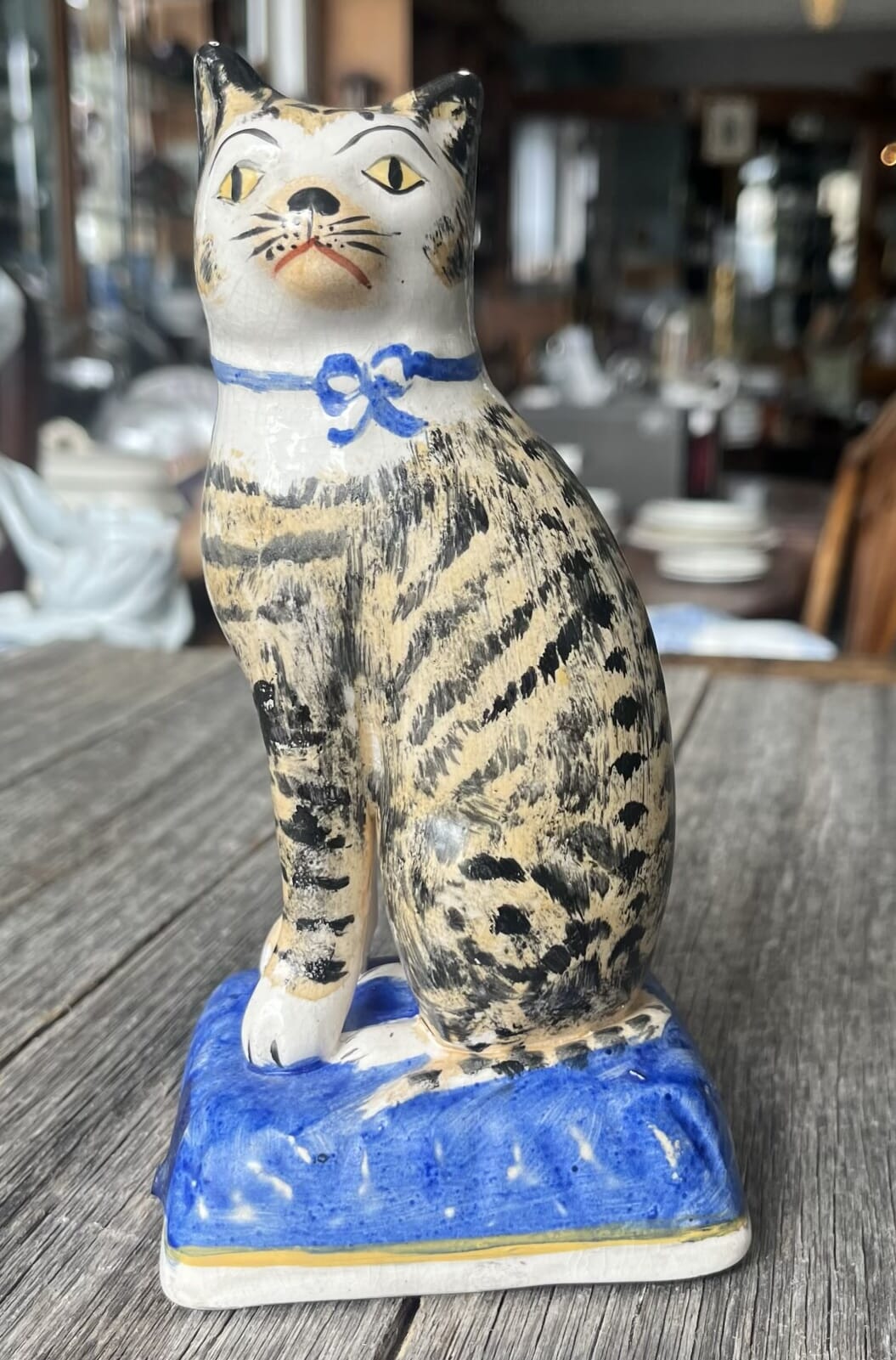
….who killed bunny?!! mostly English Pottery cats, the red rabbit is Royal Doulton Flambe.
There’s some rather special pieces to be seen – be sure to check out the ‘Curated Collections’ through the links below.
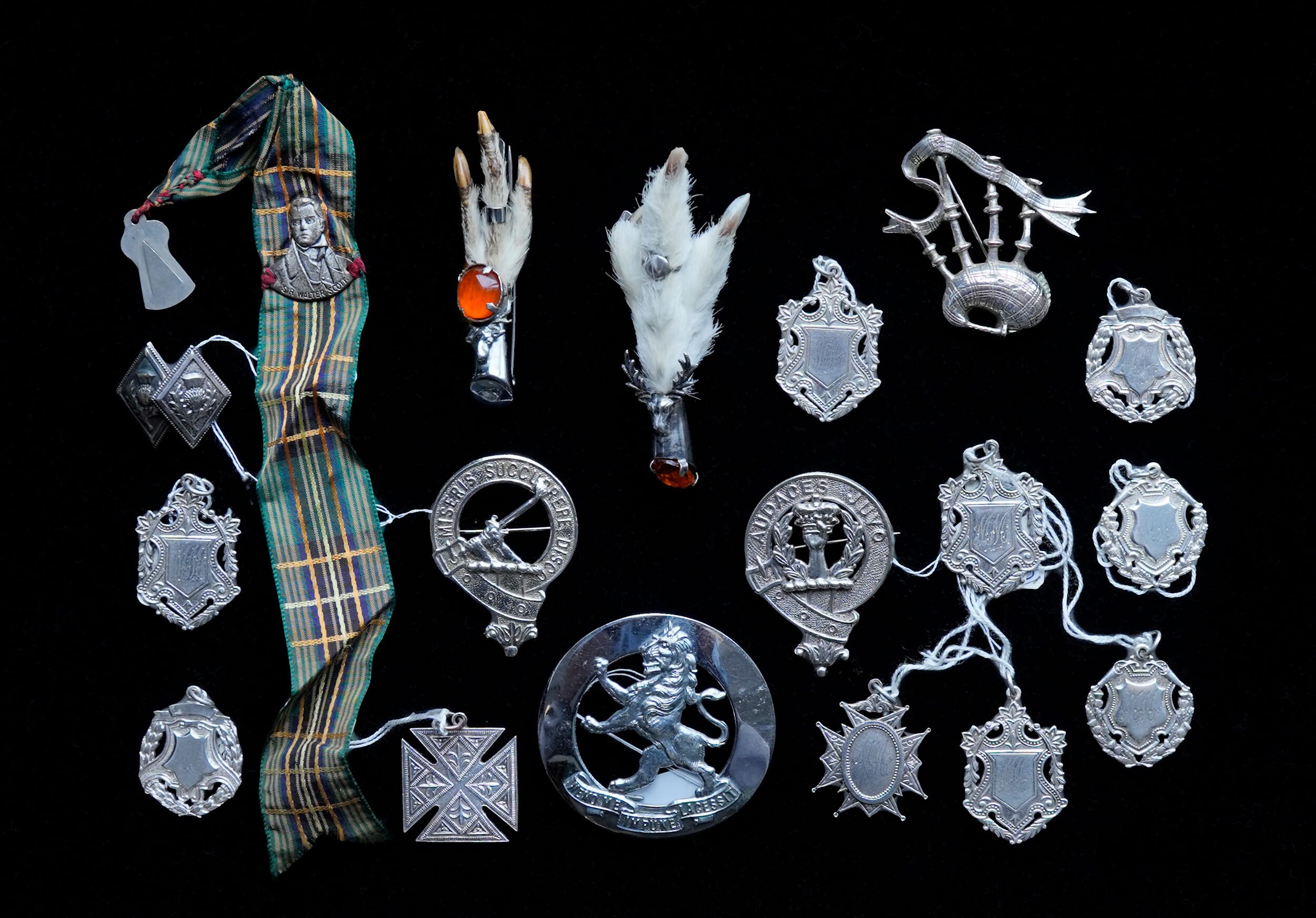
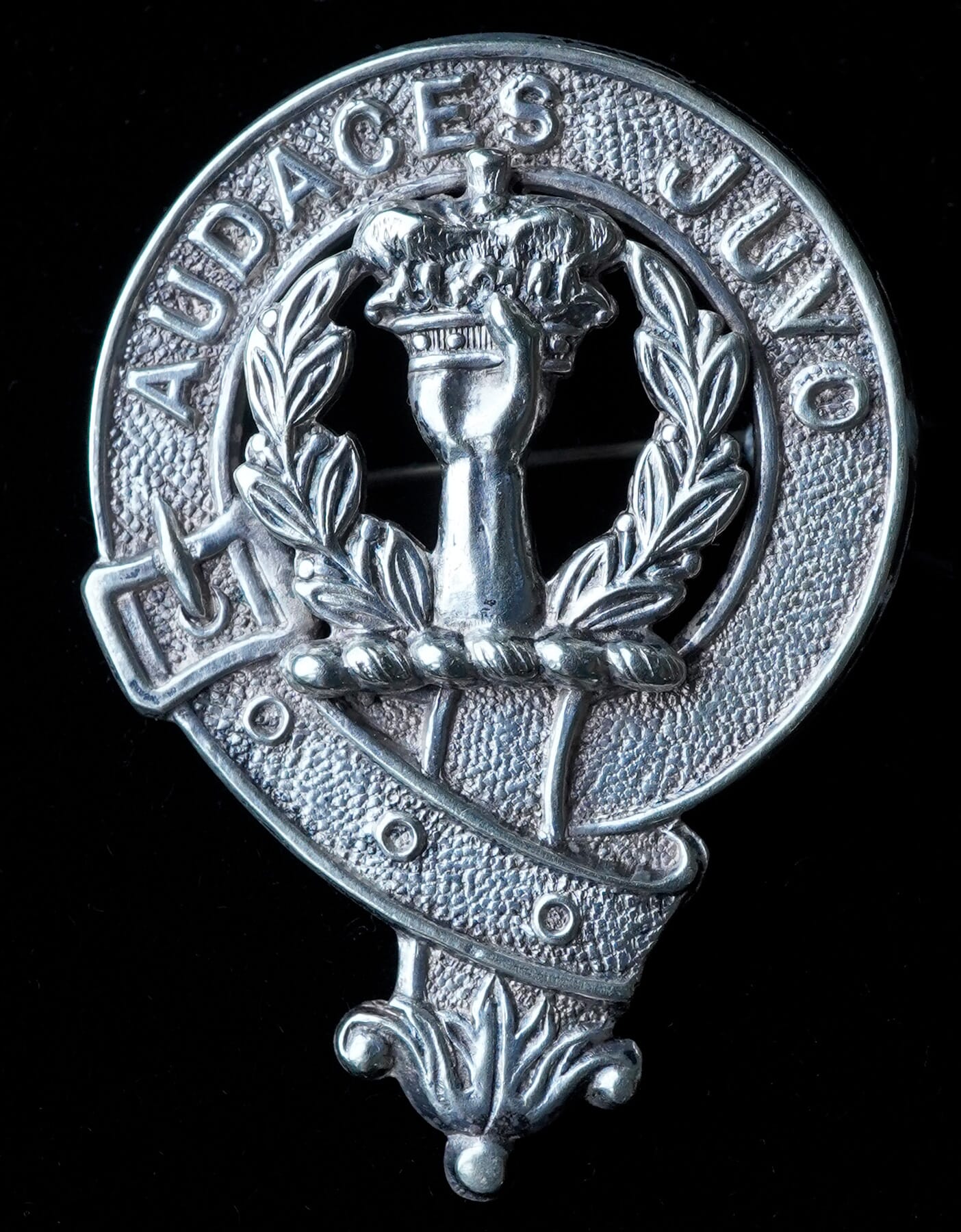
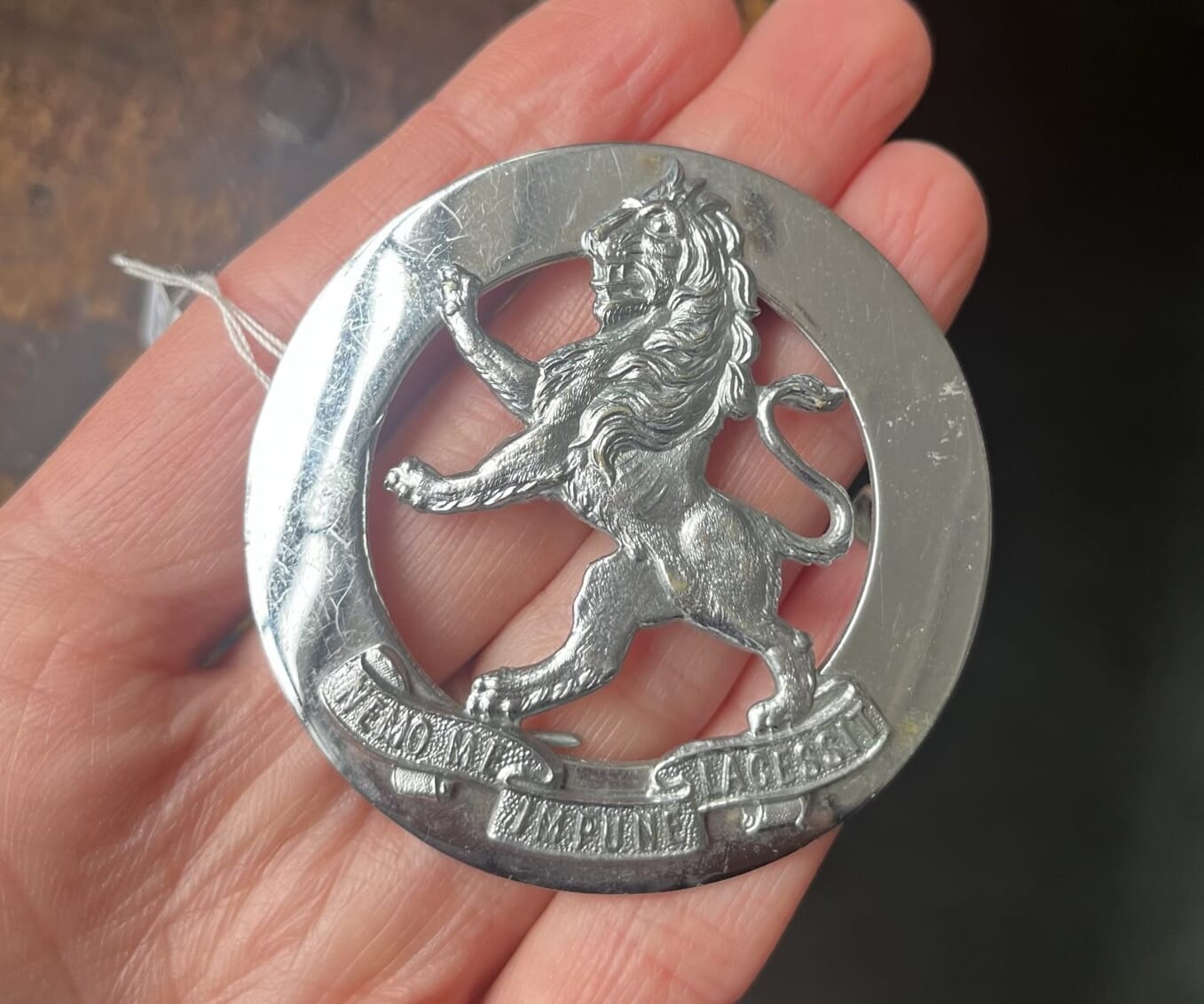
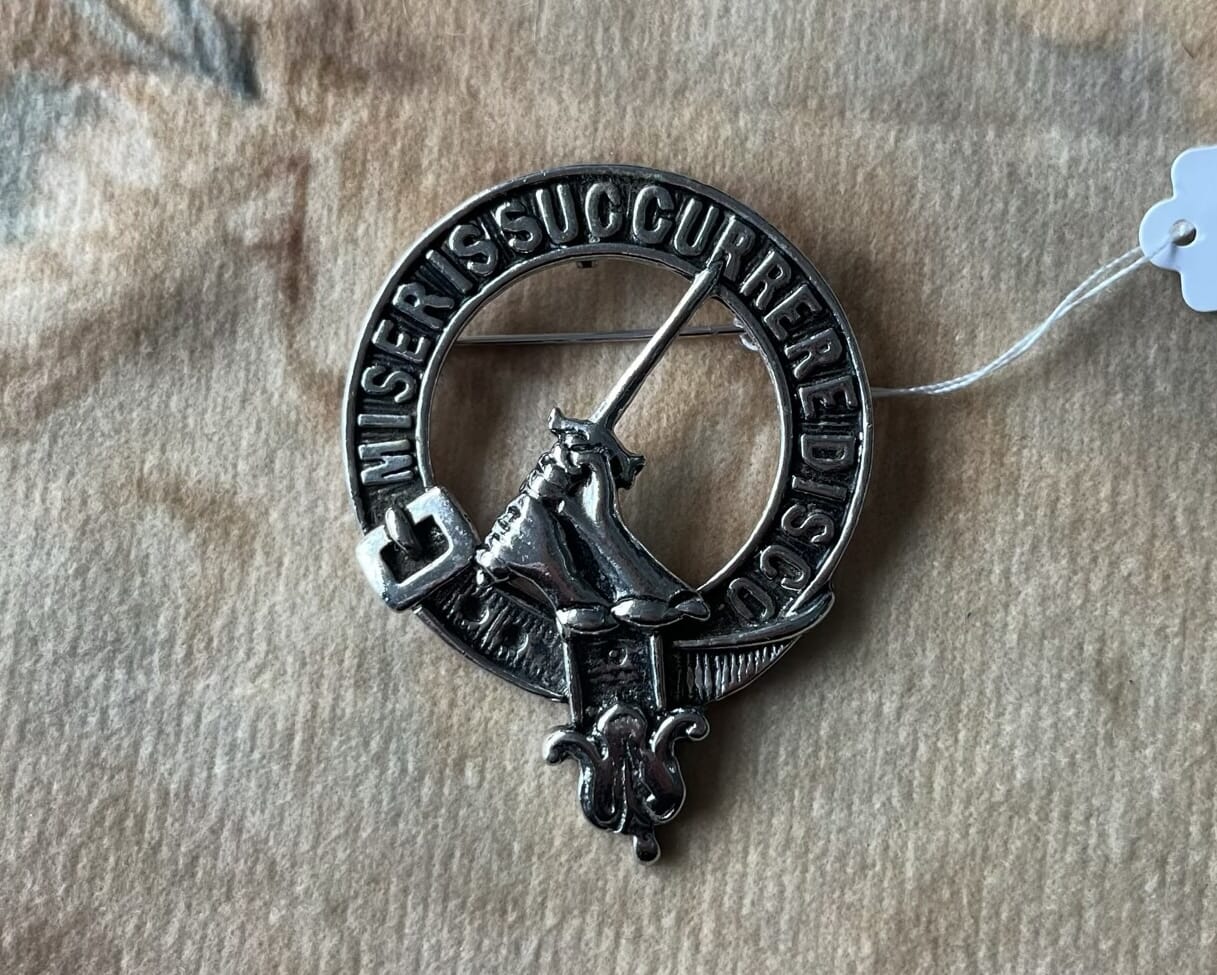
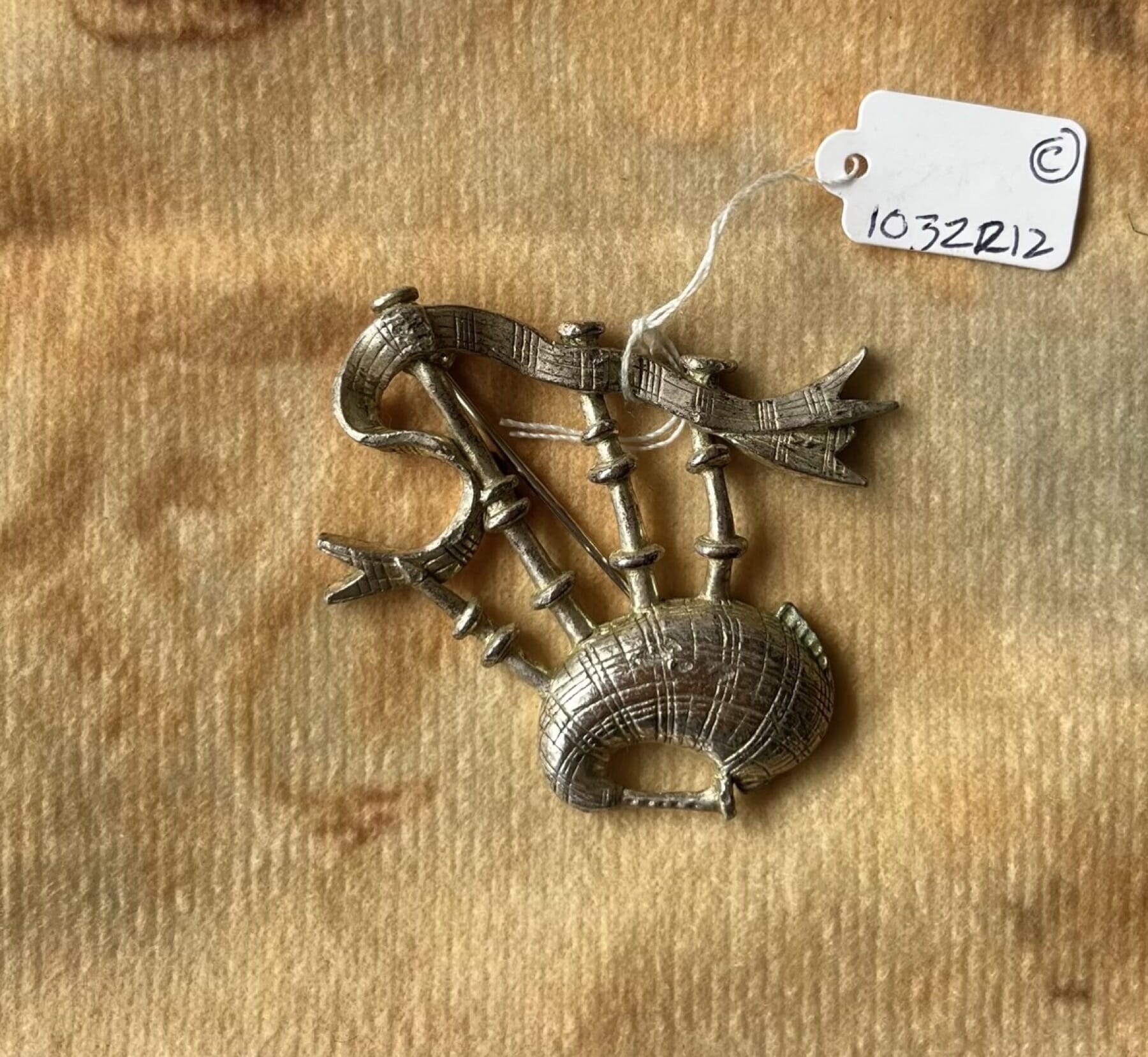
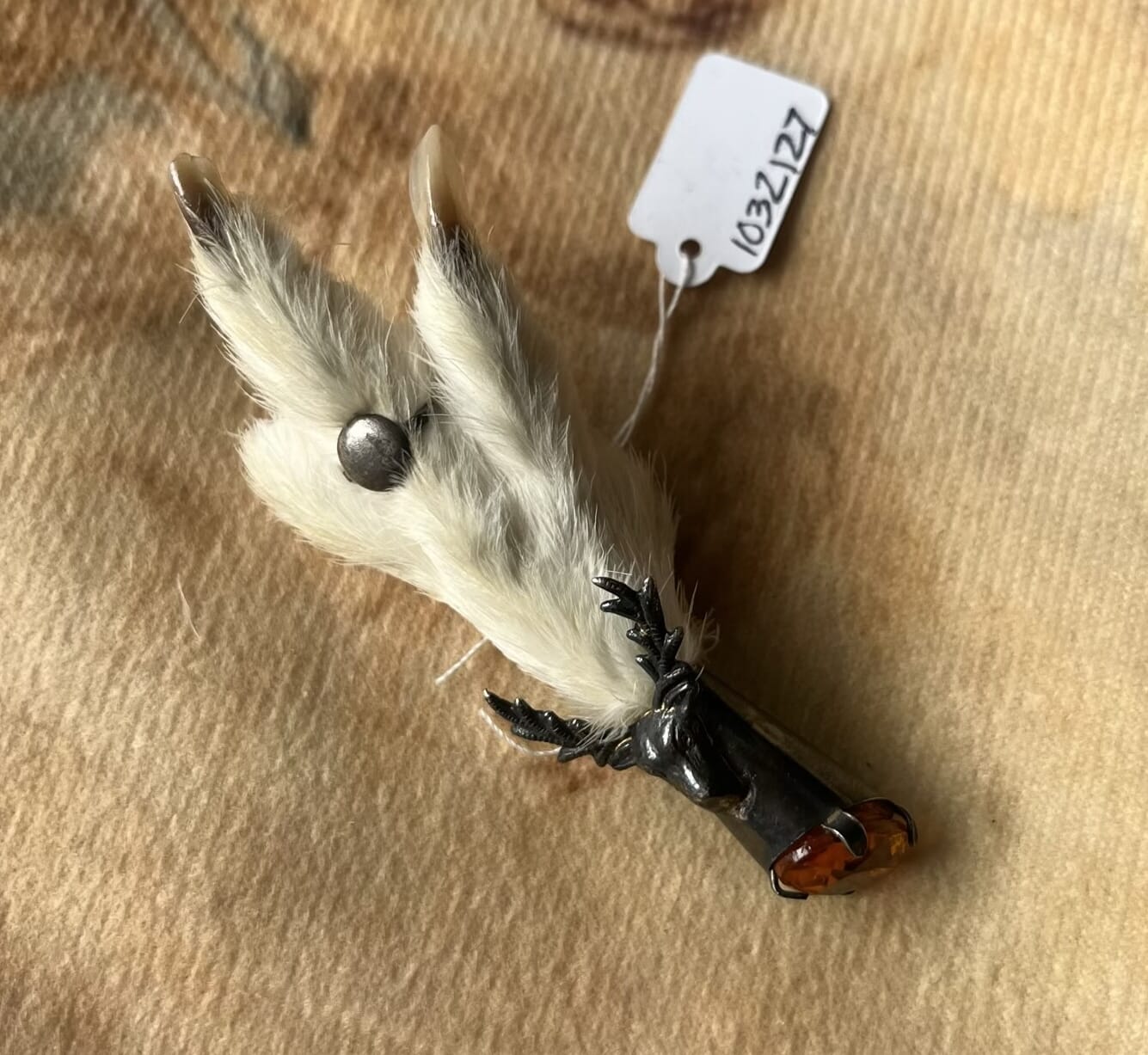
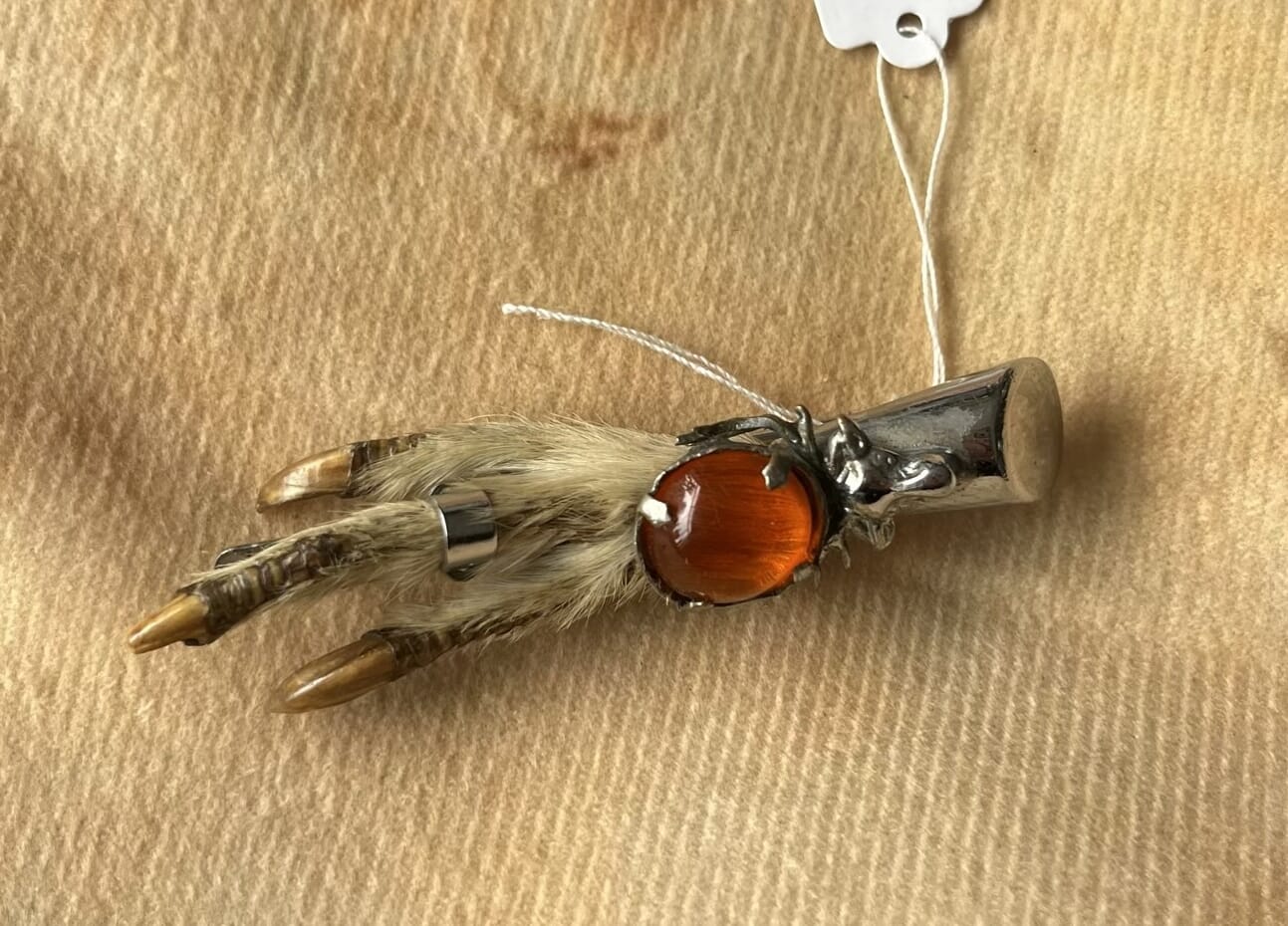
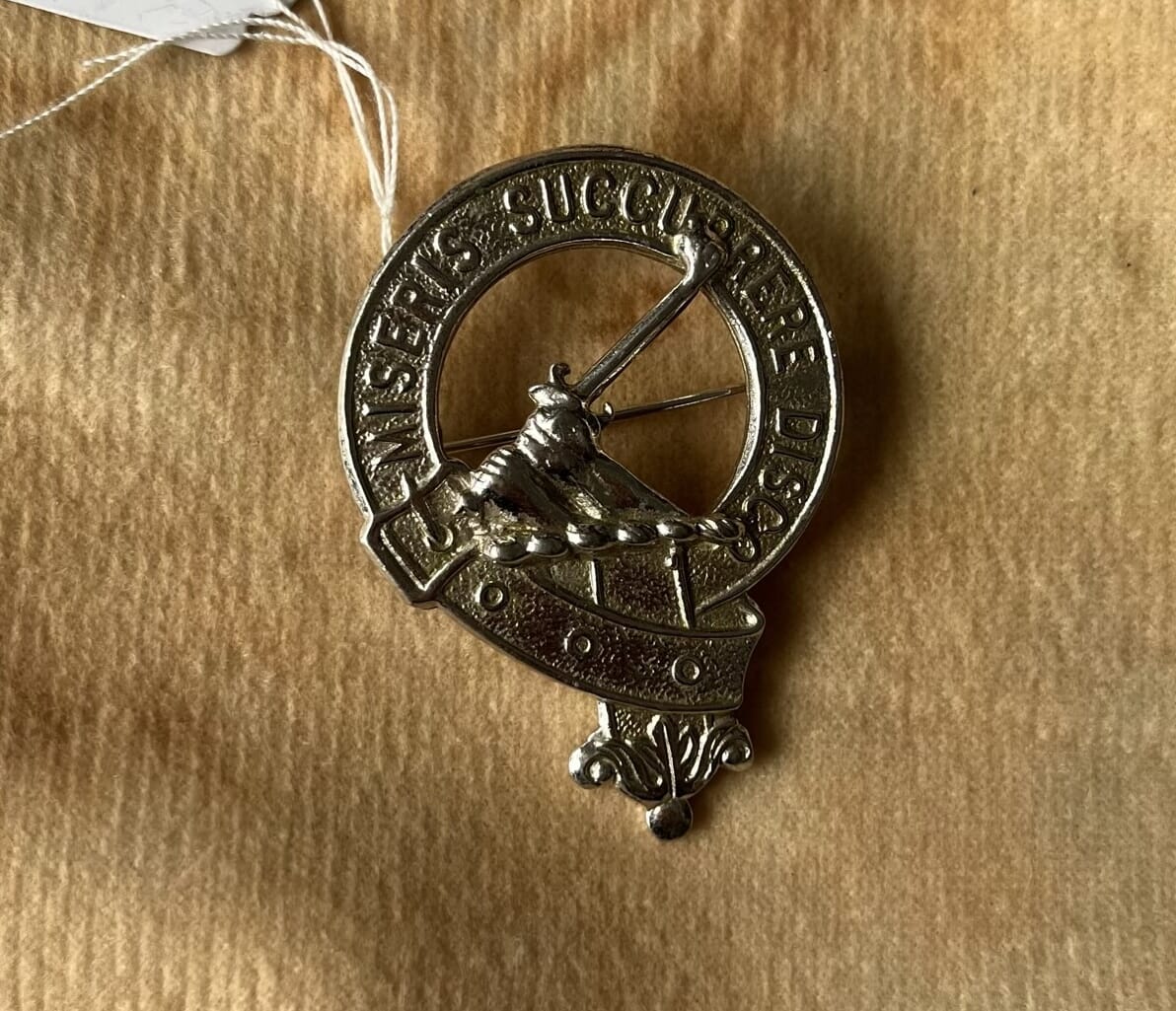
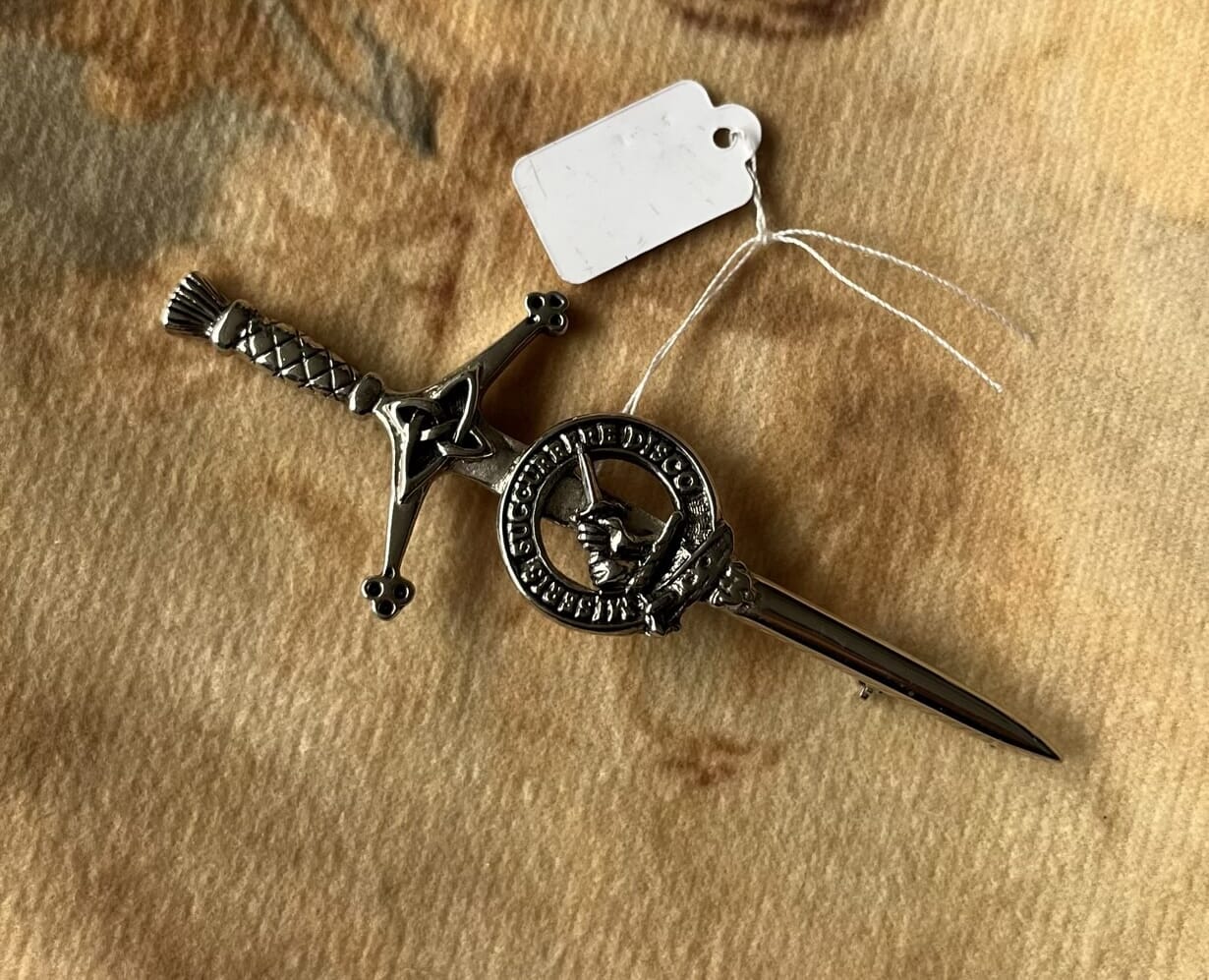
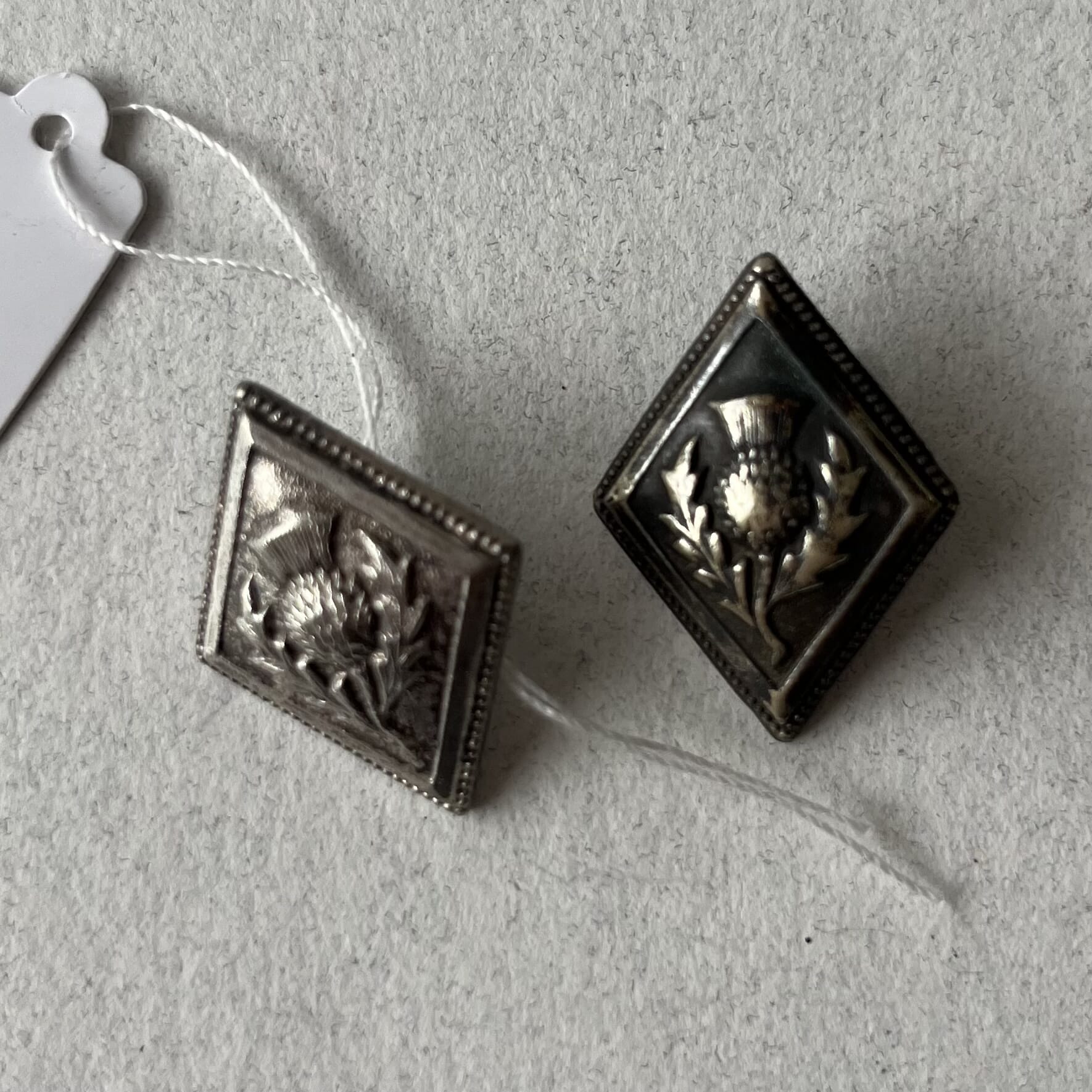
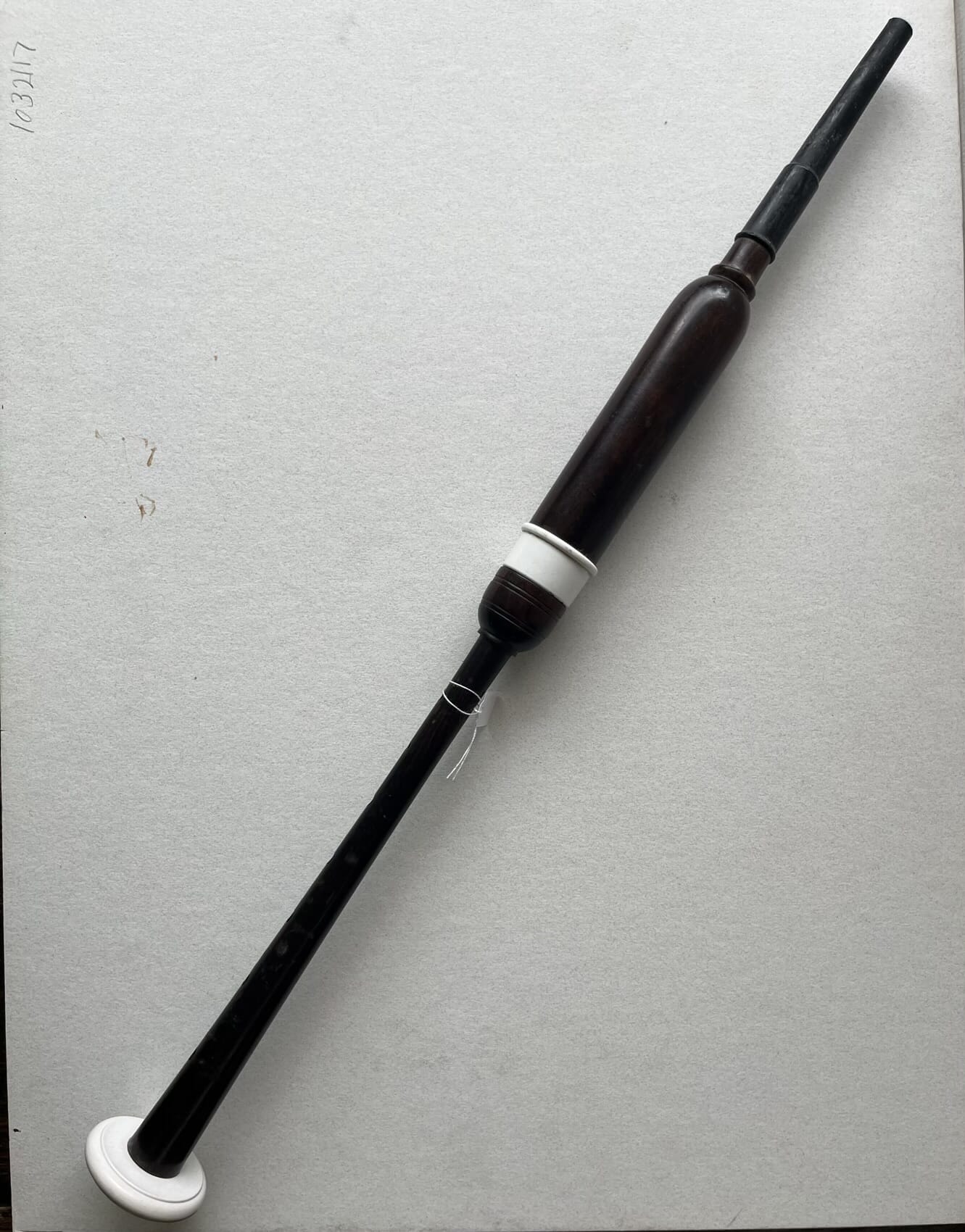
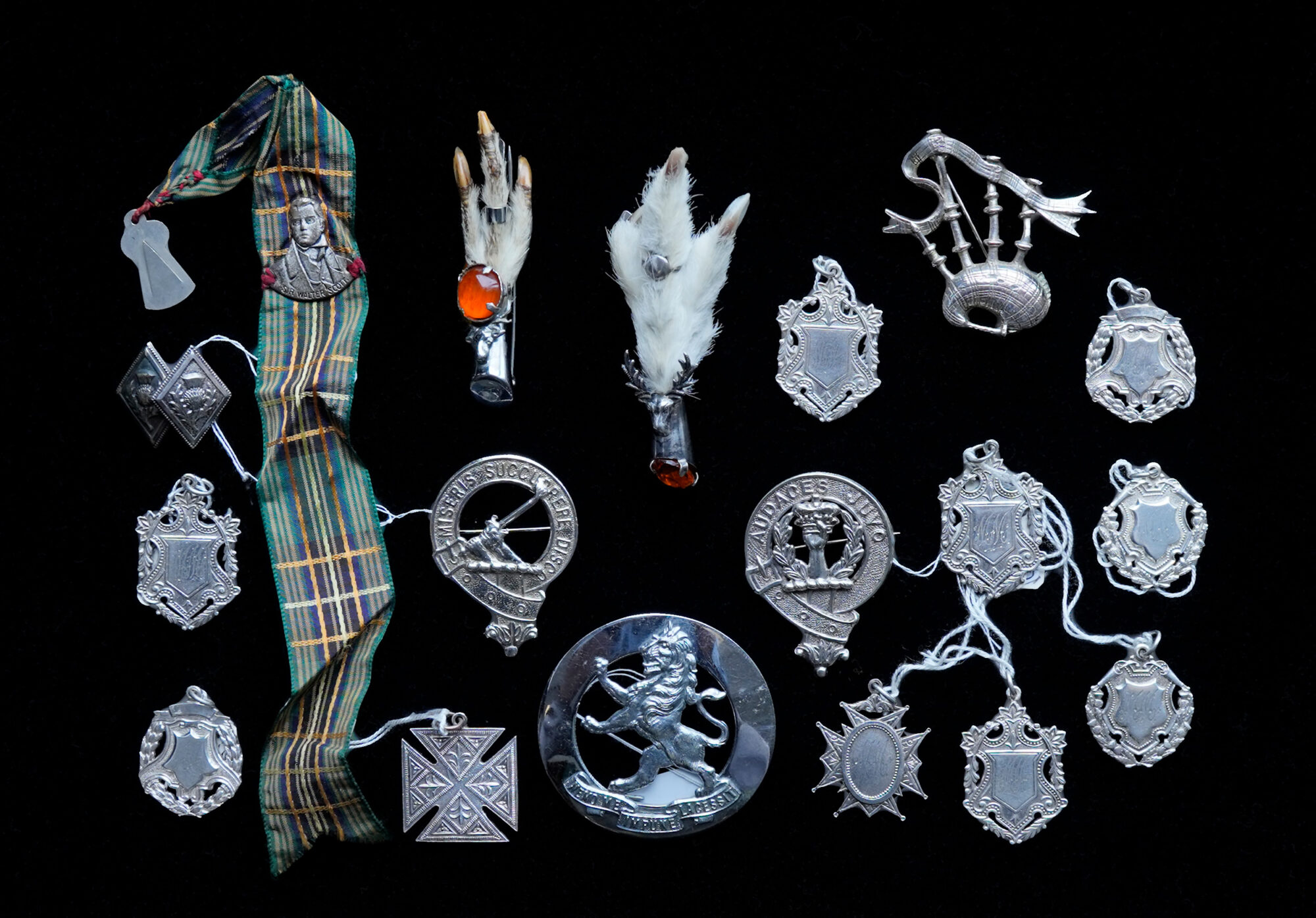
Ach Aye… we have a bonnie wee bit o’ Scottish paraphernalia today.
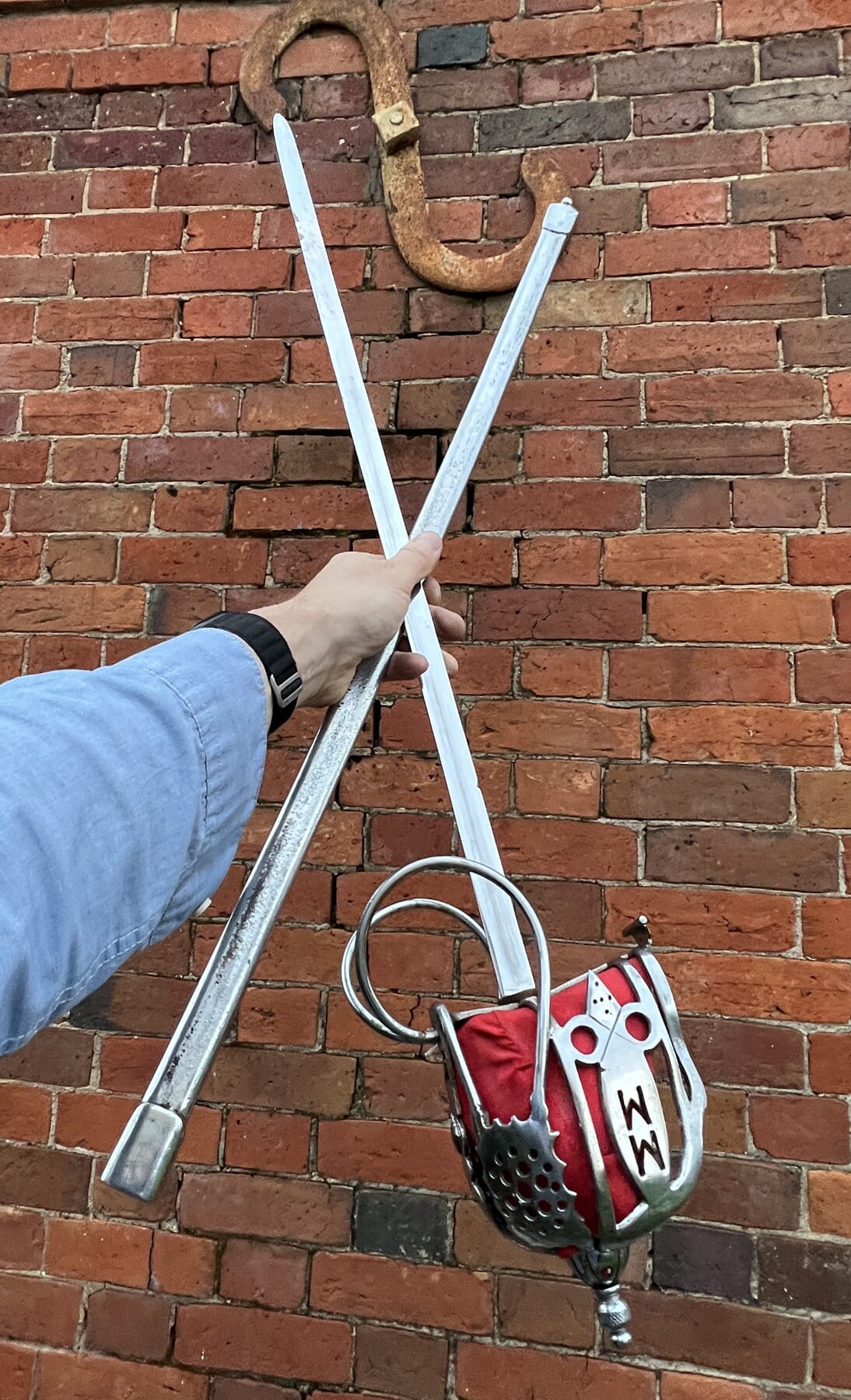
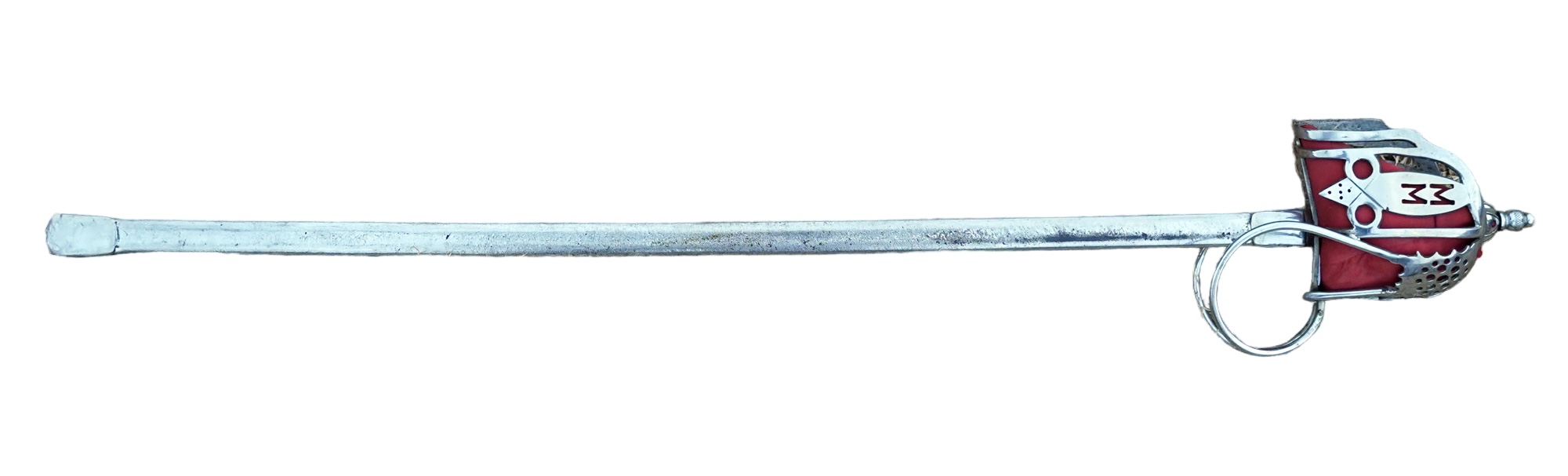
Scottish ‘Dancing Sword’ – Macmillan Clan
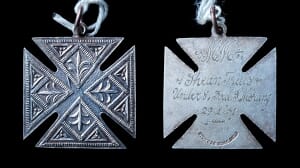
Won for ‘Shean Truis’ dance, South Morang, 29th Jan 1951.
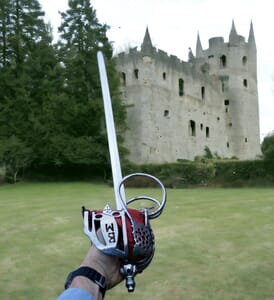
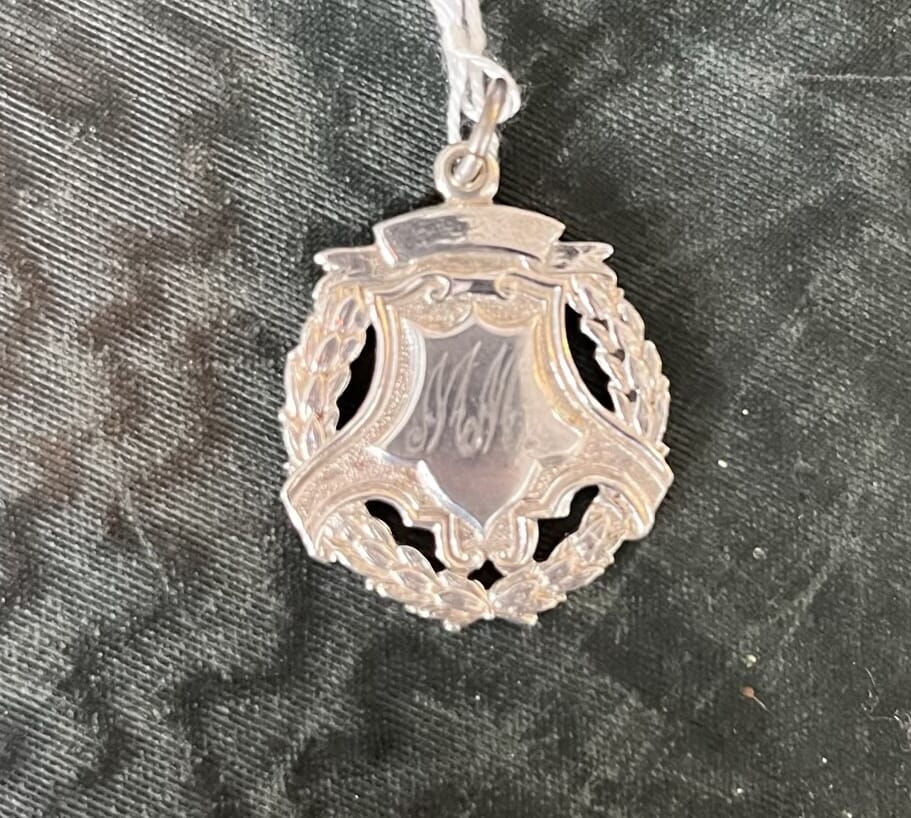
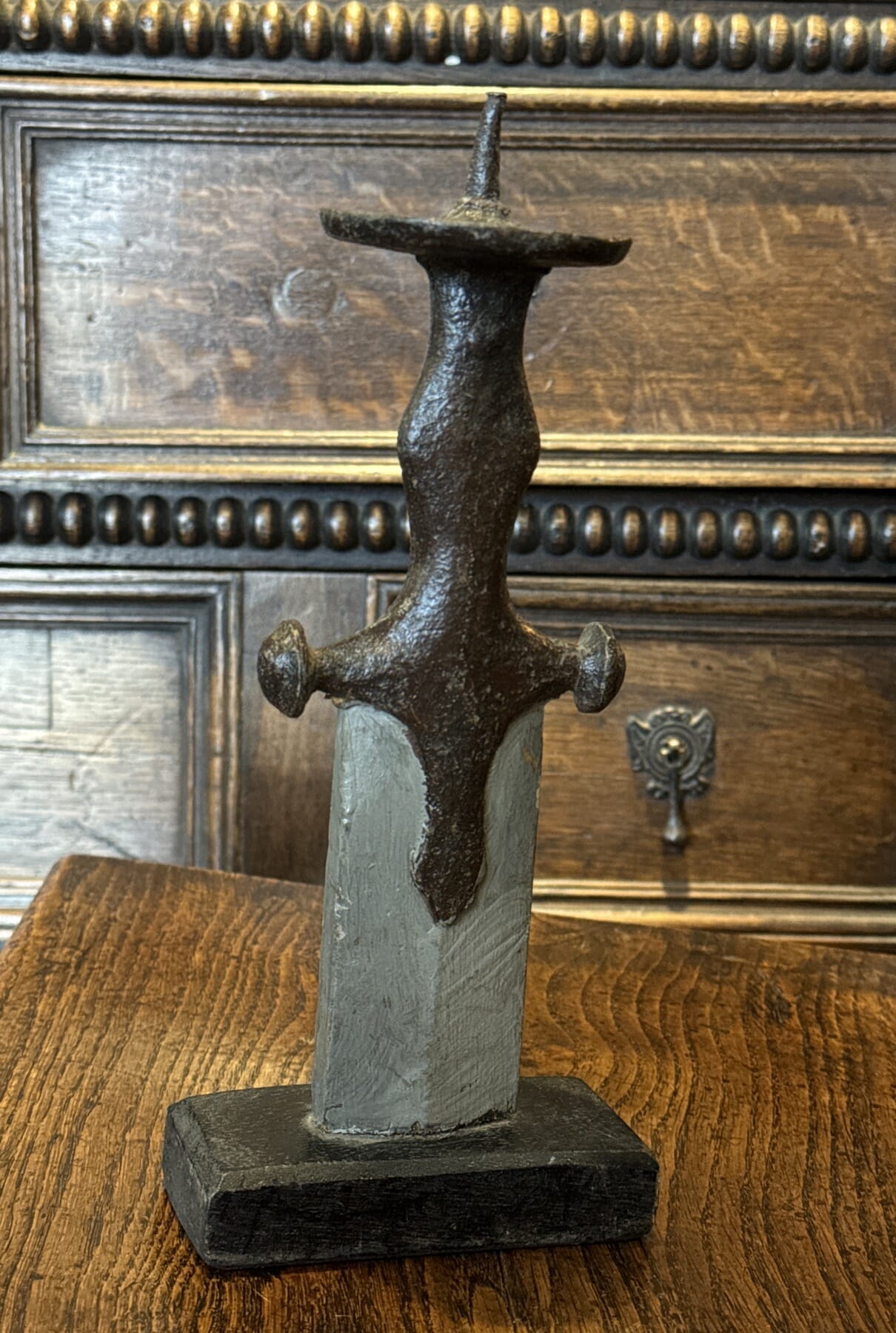
Most of these items are from a local source – ‘Lady M. Macmillan’, who won the Australian Sterling Silver awards for her Highland Dancing in the 1950’s! The magnificent Scottish basket-hilted sword was her ‘Dancing Sword’, and bears her initials. The Scottish ‘sword dance’ required two of these, which were placed crossed at right angles, forming four quarters: it was the moving into & out of these quarters that made up this unique Scottish ‘Sword Dance’. She won these in various regional Victorian Highland Dancing events, and seems to have favoured the ‘Highland Fling’.
We now have a Curated Collection for our Scottish pieces. Check it out here>
Visit the Scottish Collection
Curated Collection: Indian Antiques
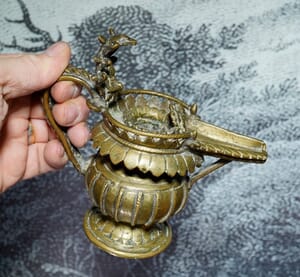
Indian- Nepalese bronze Sukunda oil lamp
We have some interesting additions to our Anglo-Indian ‘Curated Collection’ today, featuring a selection of bronze pieces.
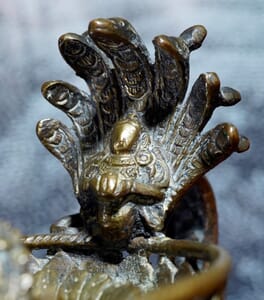
This fascinating piece is almost Baroque in style. It is a ‘Sukunda‘ lamp, and has a seven-headed cobra on the handle enclosing the image of a diety.
Sukunda lamps are indigenous to the Newar people of the Kathmandu Valley and play an important role in most rituals, including birth, marriage and death rituals.
The body of the vessel holds the oil; this is ladled out and placed into the rectangular dish at the front, which holds the wick of the lamp.
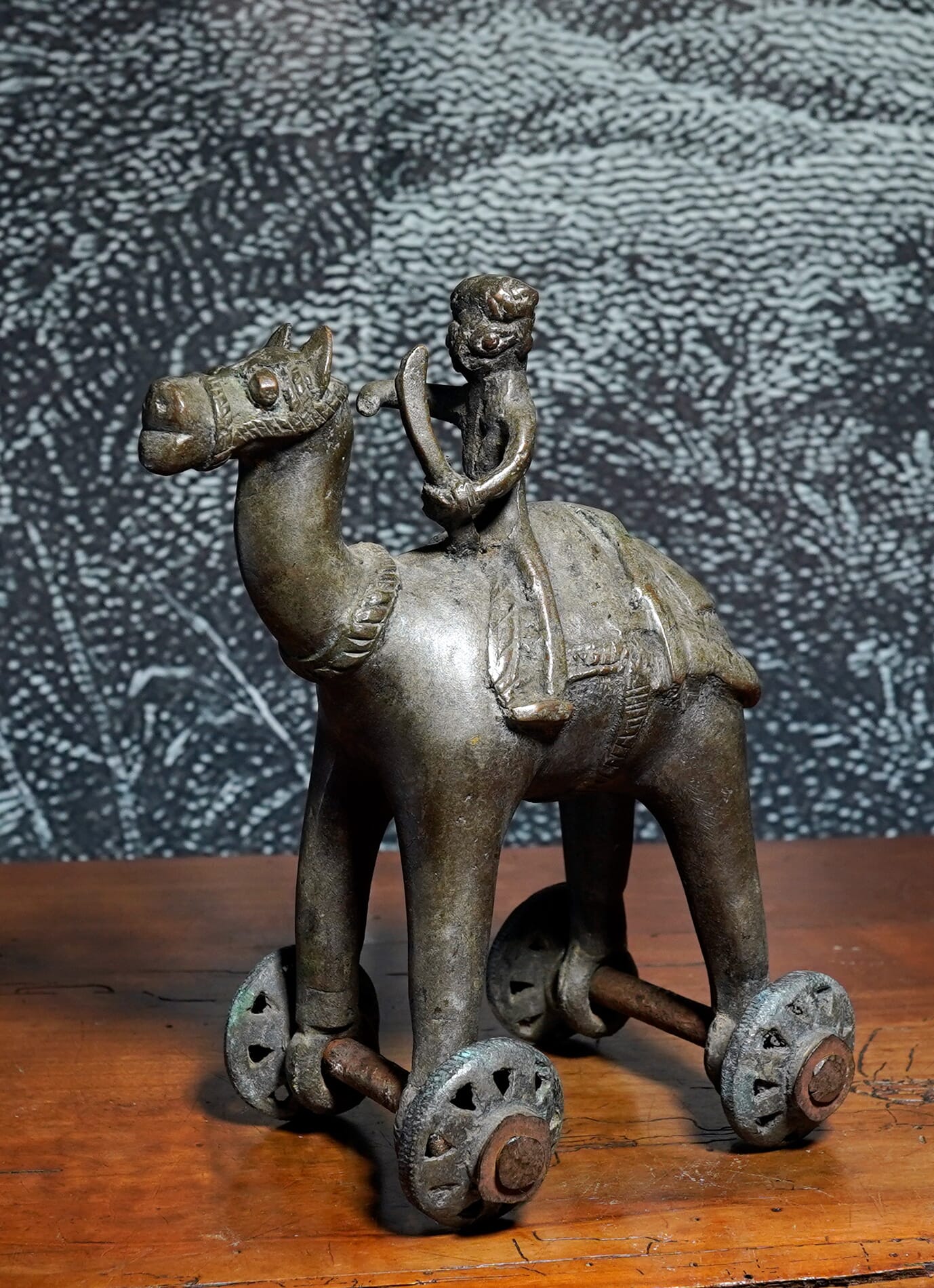
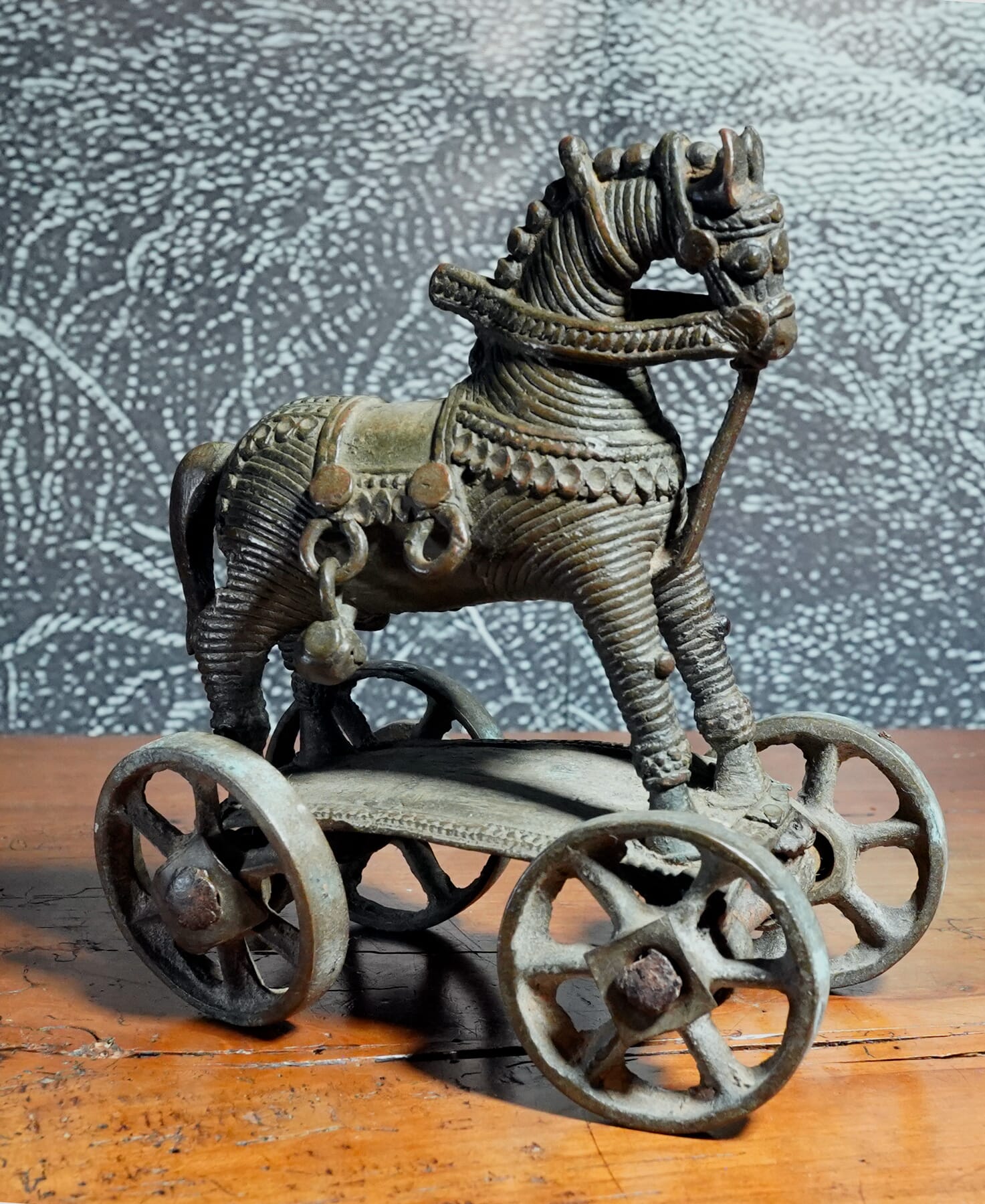
Indian Bronze ‘toys’, although they probably also had a ritual significance. 19th century
We have a treat for our local customers: a weekend of French food & fun, hosted at Geelong’s beautiful National Trust property, ‘The Heights’. Moorabool is opening a genuine ‘Brocante’ – we have taken the charming Dovecote in the garden, and will have it stuffed full of interesting items to buy.
As well, Paul Rosenberg will be giving a lecture, ‘Trés Français’, taking a small audience through the wonderful influence France has had on our culture. This takes place inside the house, spaces strictly limited, so head to lefestivalfrancais.com.au if you would like to come.
Paul’s talk will be at 3pm on Saturday 28th October. Bookings essential!
Note: the funds from entry etc. go towards the actual property, a terrific fundraiser for this treasured local property.
The house will also be opening for guided tours throughout the weekend: we’re excited to be involved with this also, and Moorabool has been asked to ‘dress’ the rooms in a French theme.
Vite! …and apologies to those who live too far away: we’ll post some photos …..
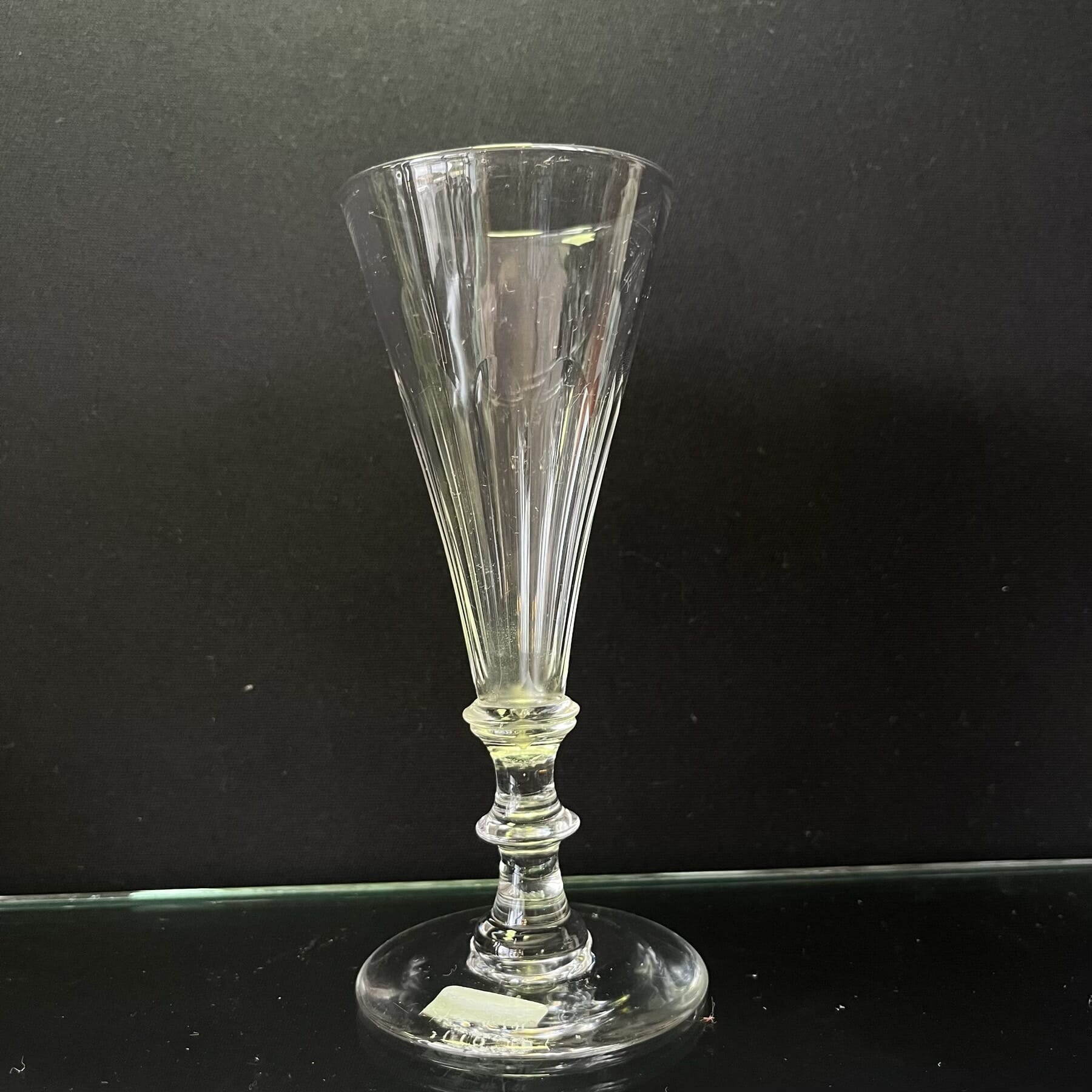
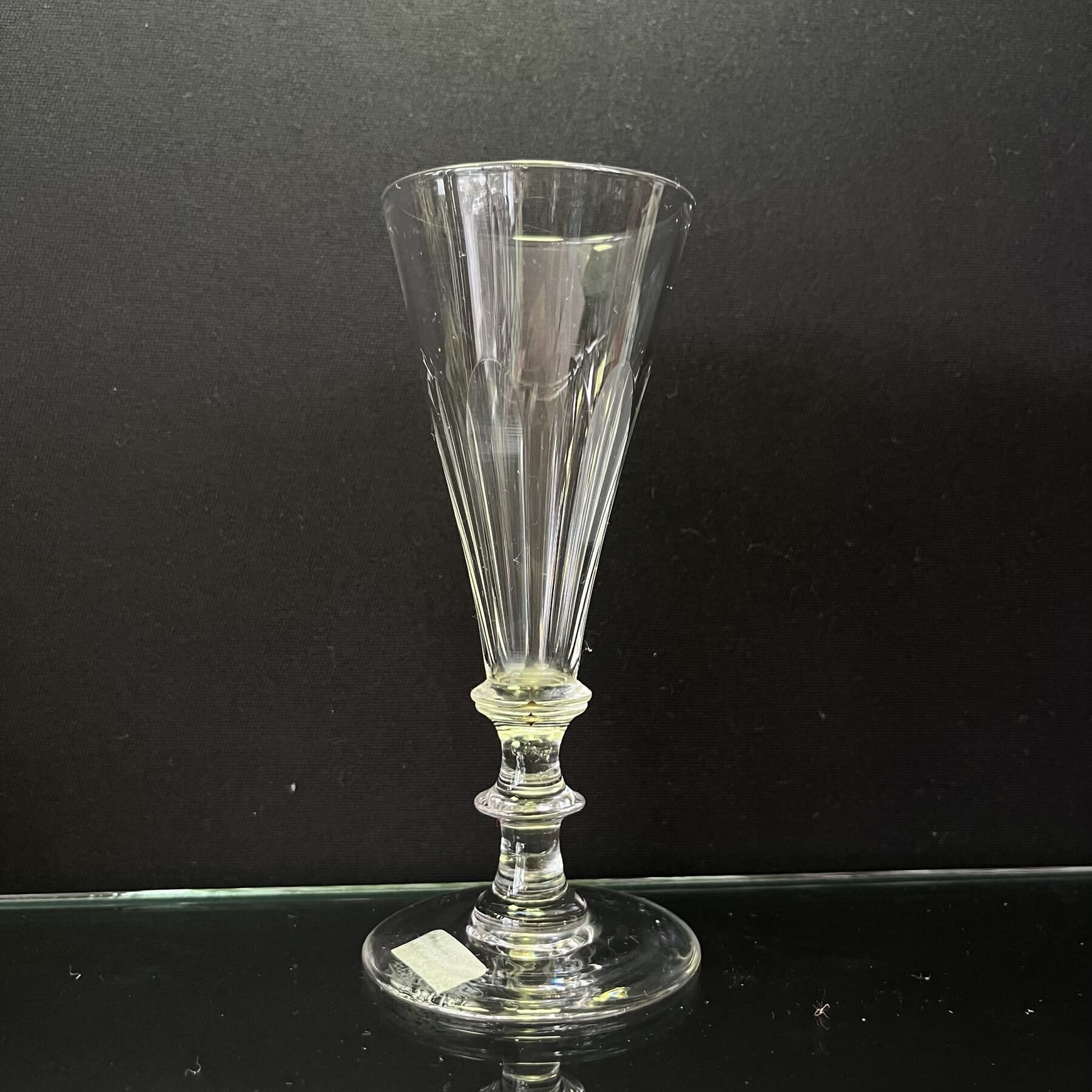
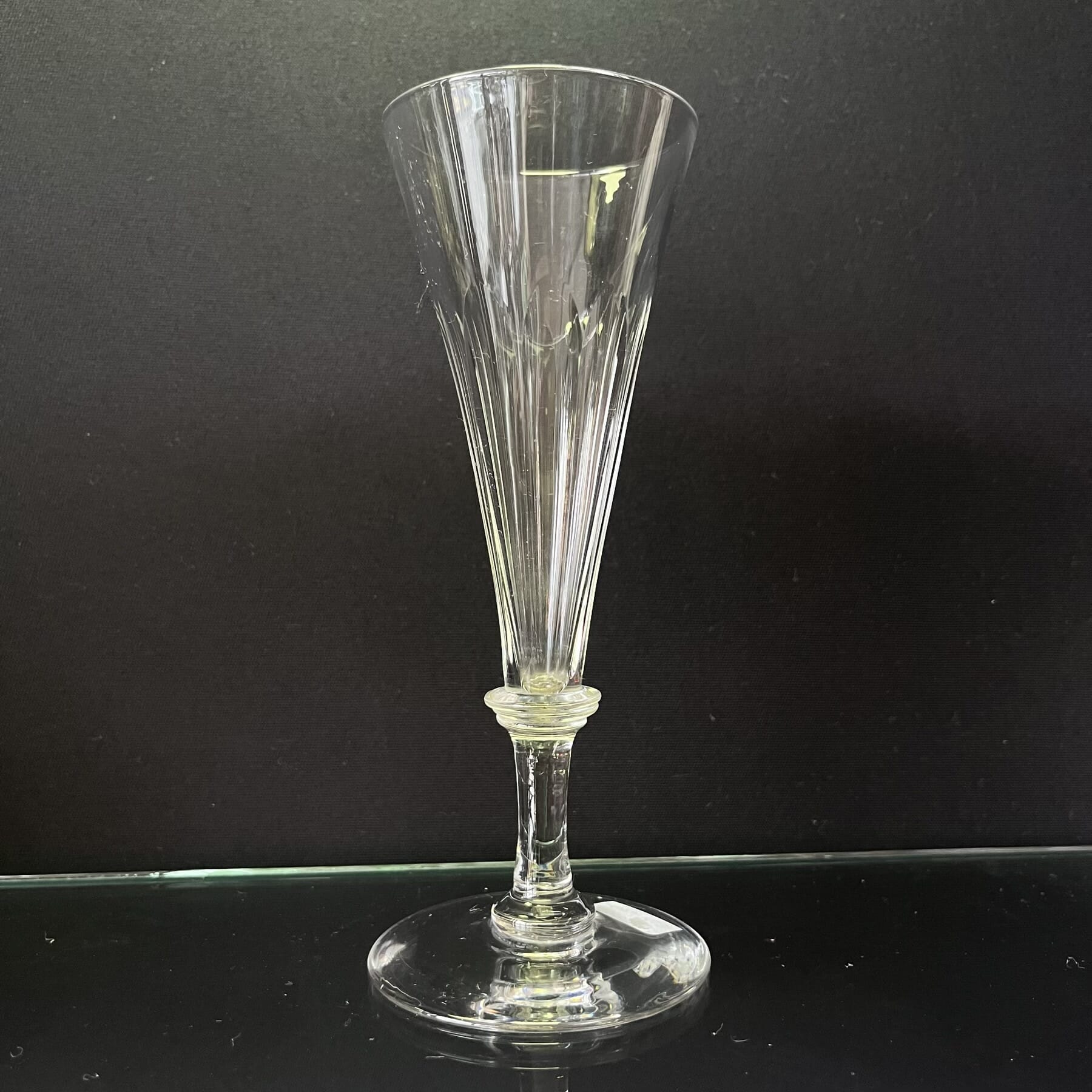
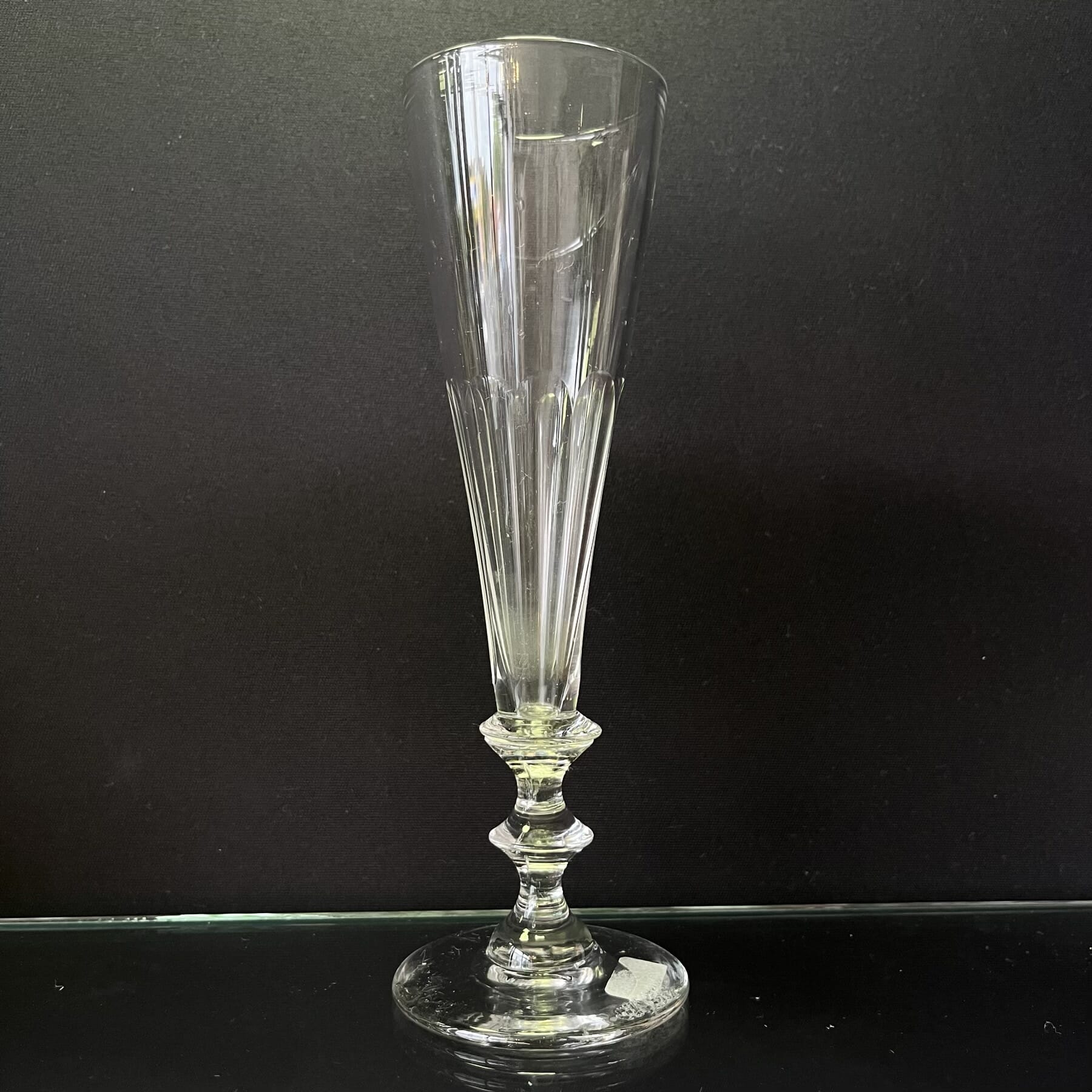
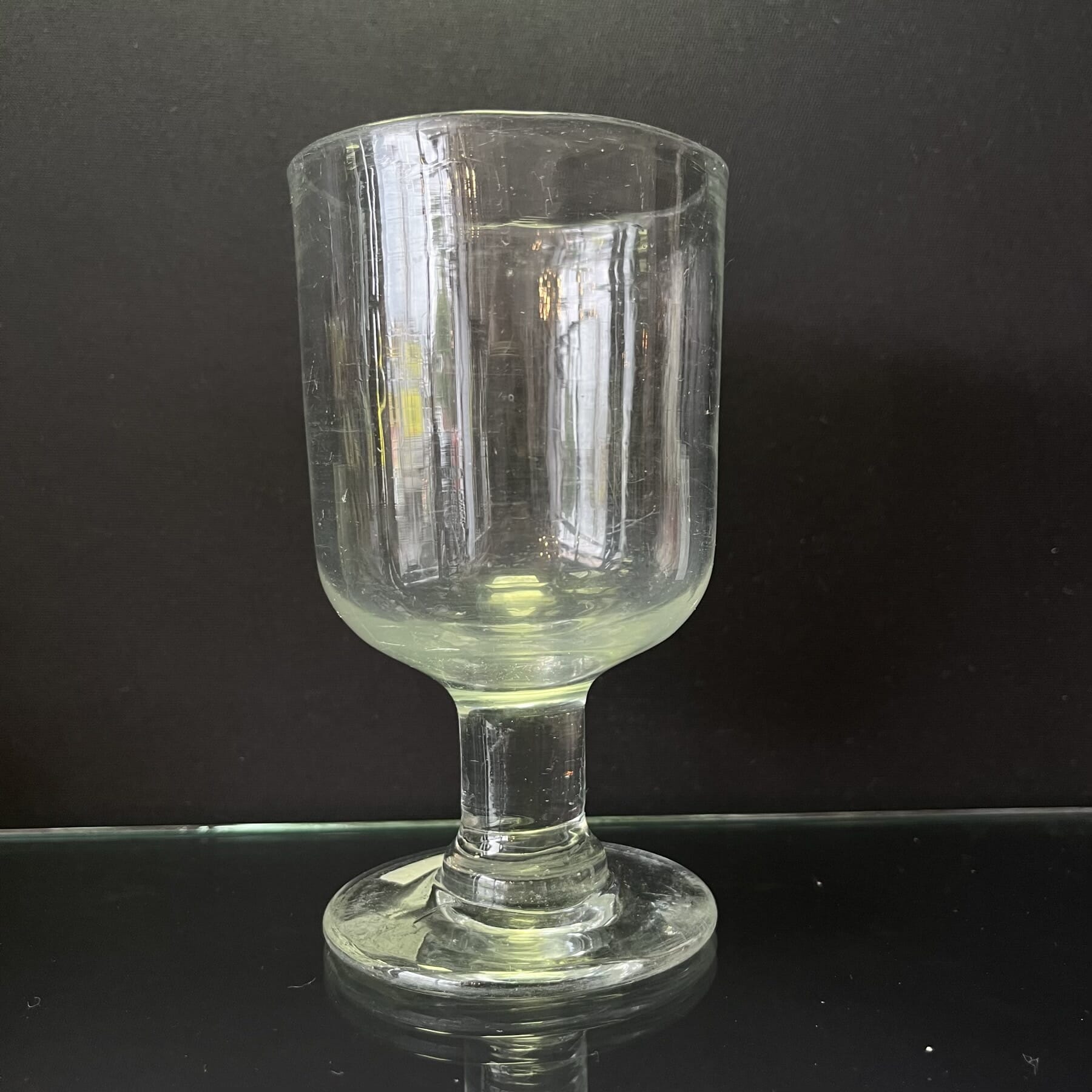
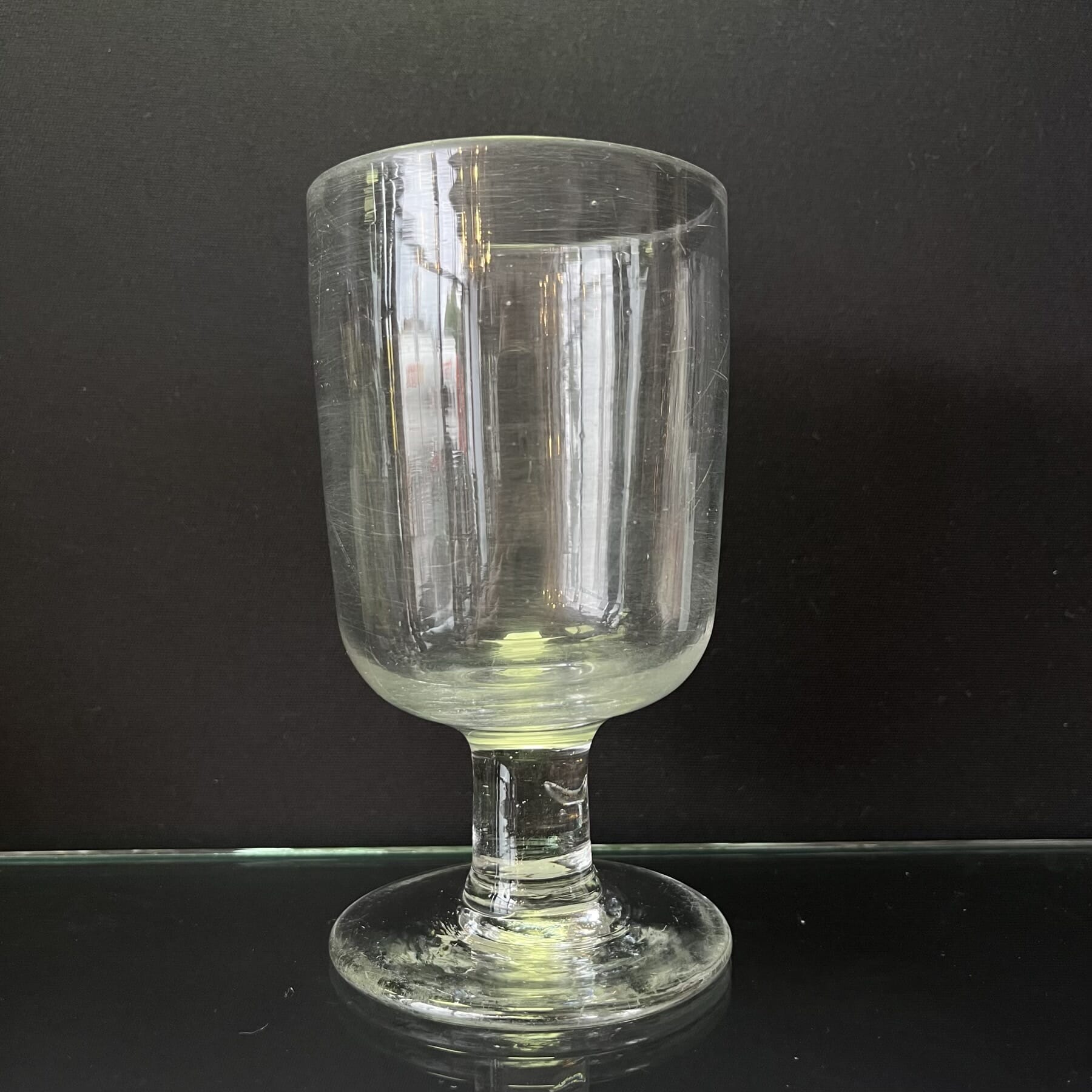
Welcome to the latest Fresh Stock release on Moorabool.com. This week has seen a wide variety of quality pieces entering our stock lists, from stunning Chinese Silver to a election of usable Victorian glass.
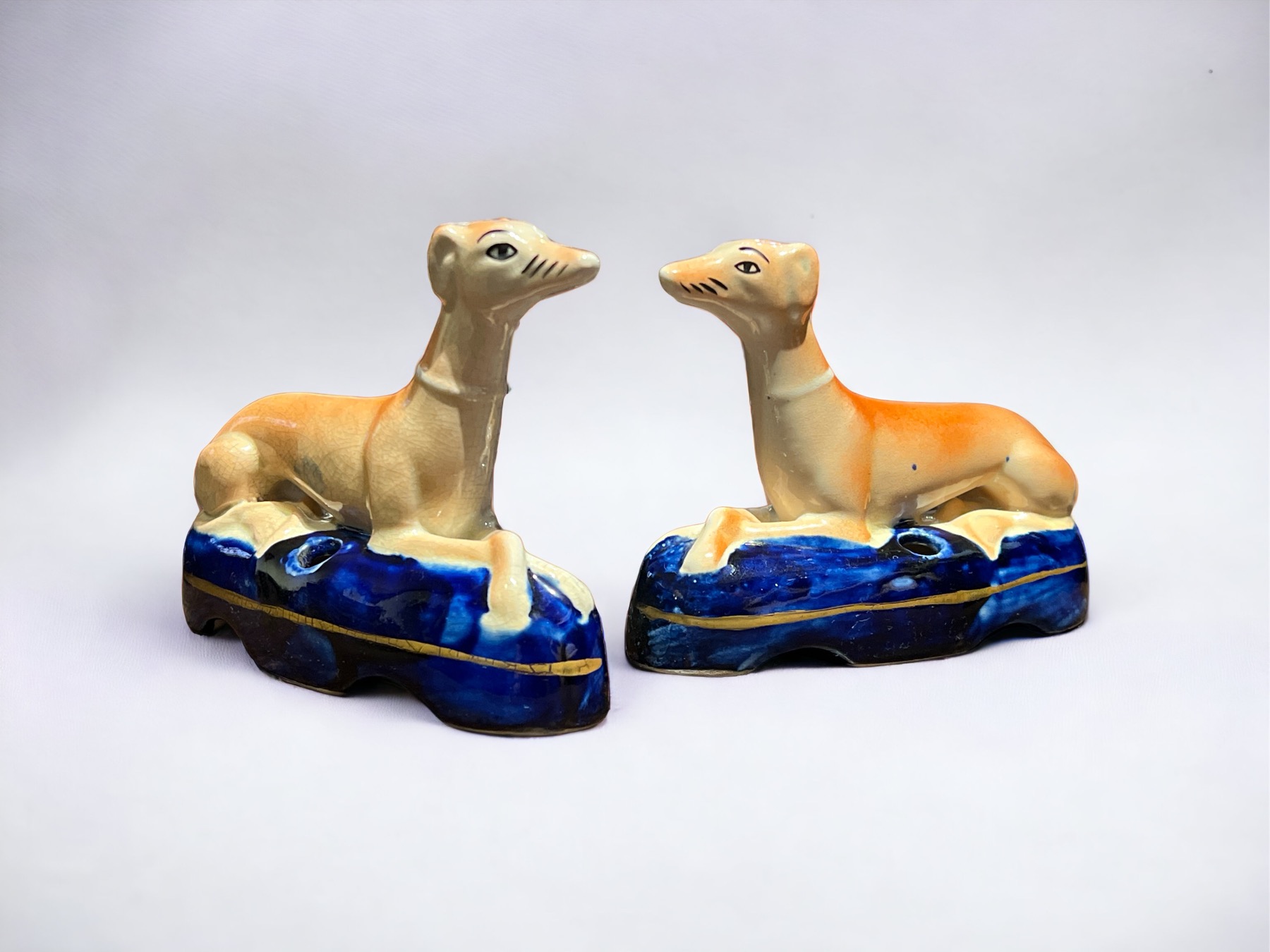
There’s even some cheerful Staffordshire at very tempting prices!
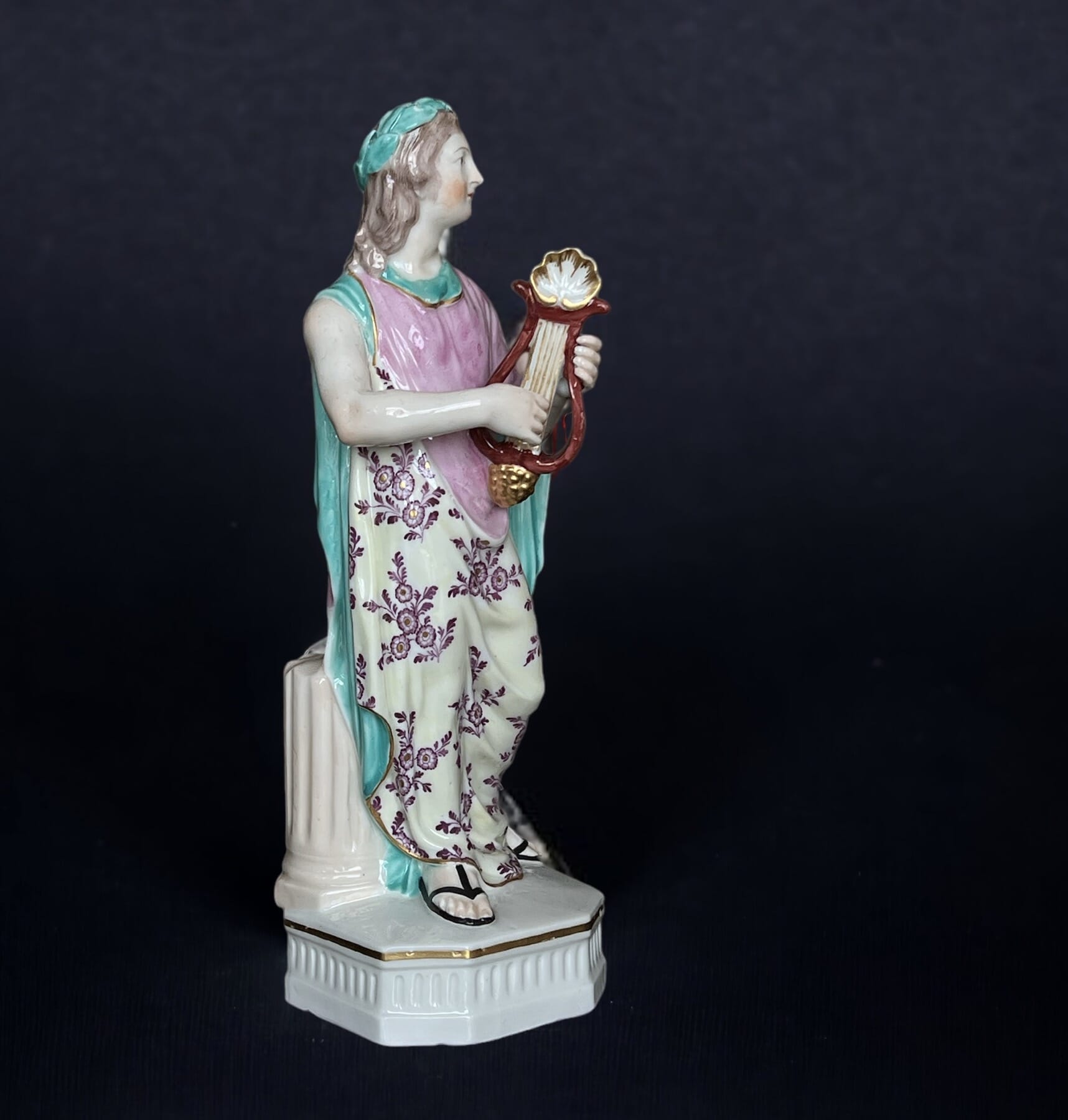
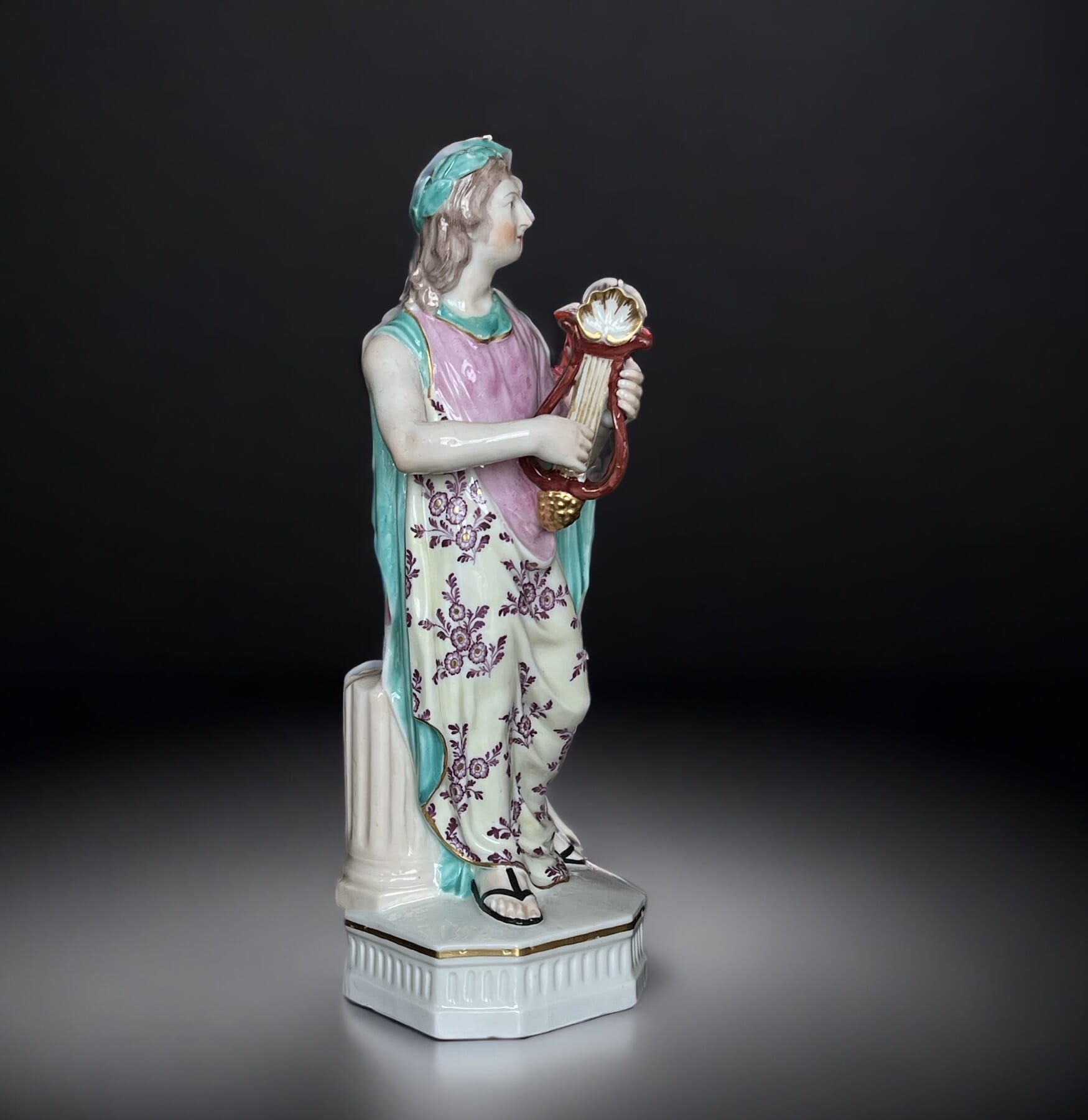
This superb quality 18th century figure is remarkable for its condition. Apollo stands, lyre in hand, laurel wreath on his head – and somehow, he has made it through 240 years with only a very slight chip up underneath the plinth.
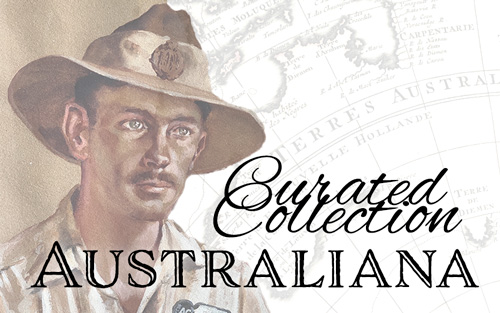
Australiana
Moorabool has a good selection of ‘Australiana’ to offer, fresh to the market in 2023. From fine art to furniture, there’s a ‘Curated Collection’ of quality pieces for you to browse.
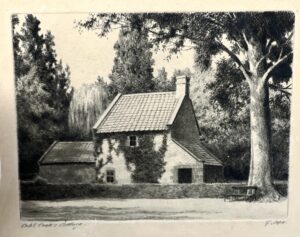
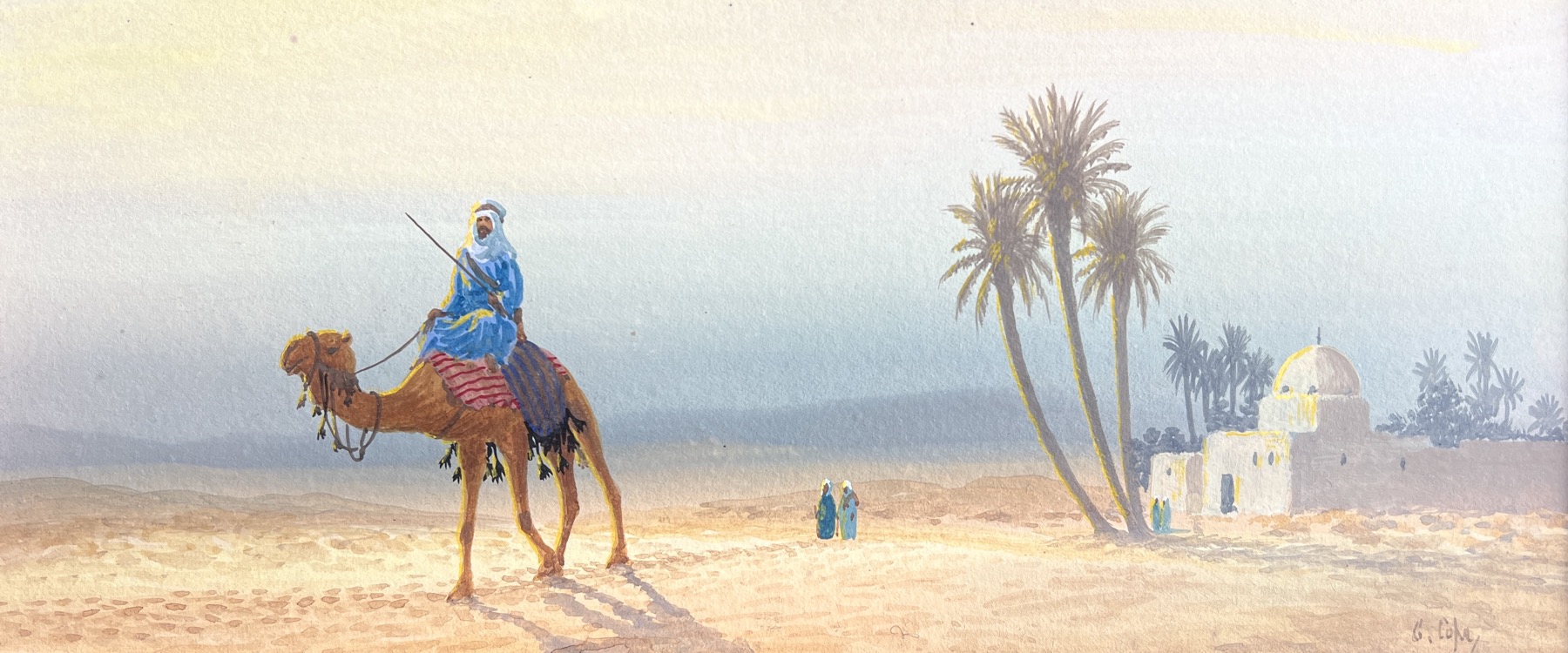
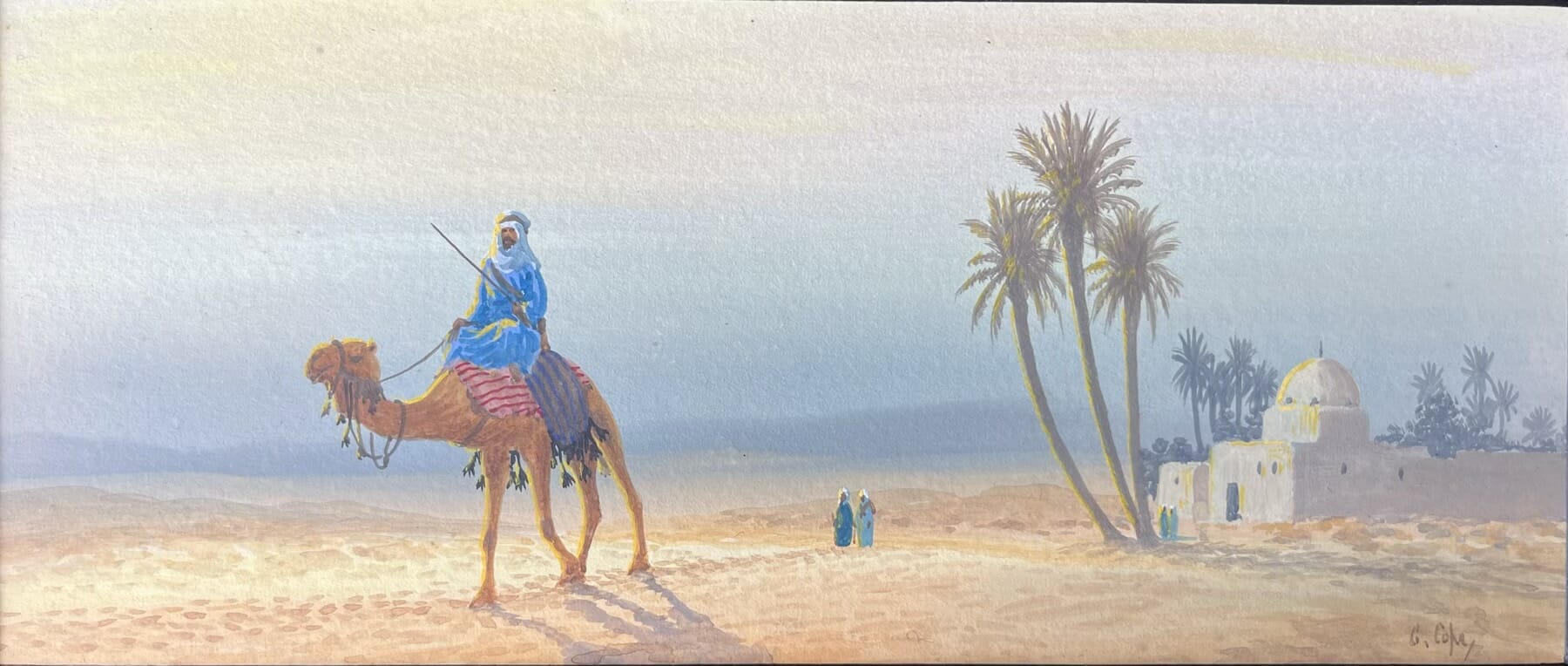
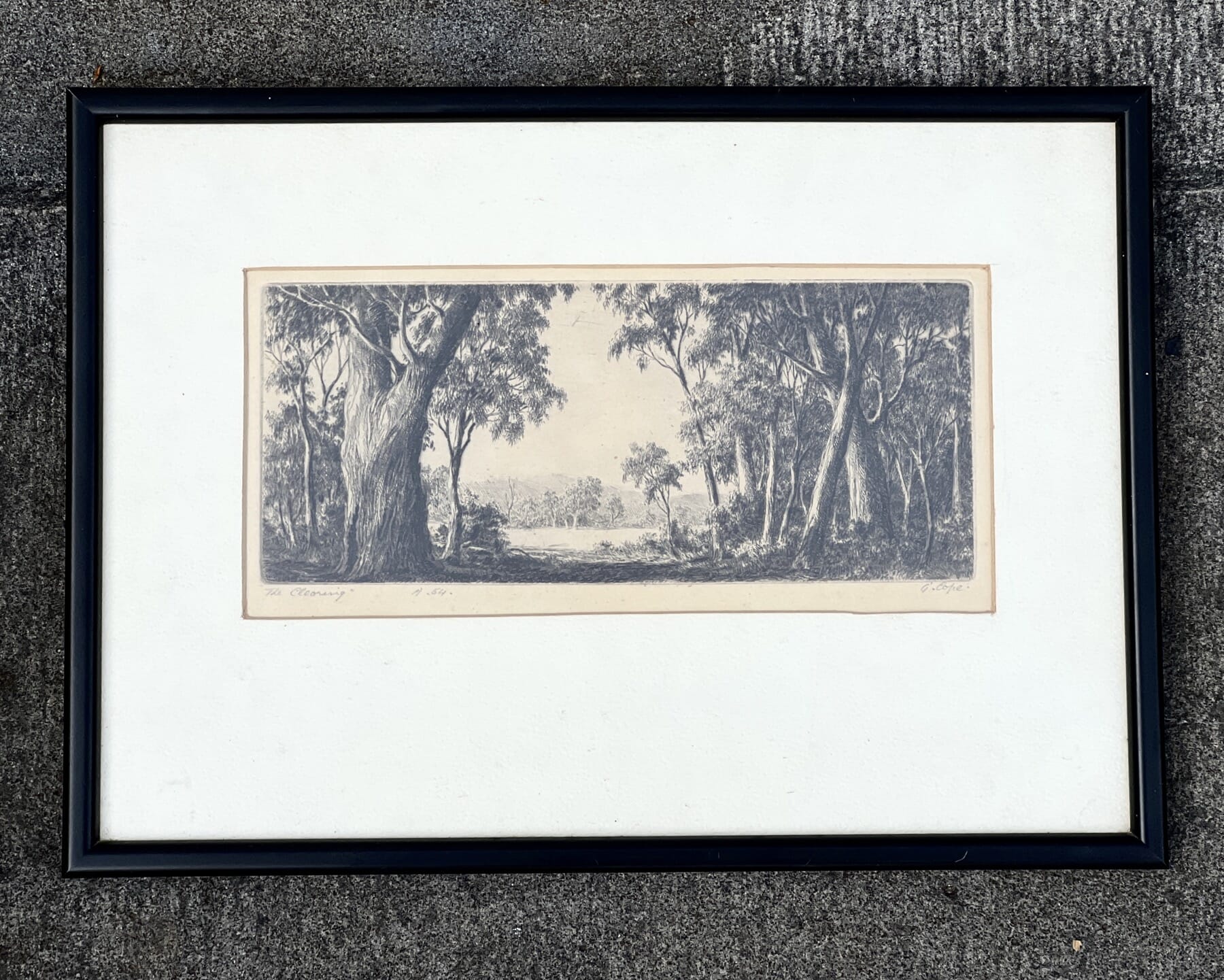
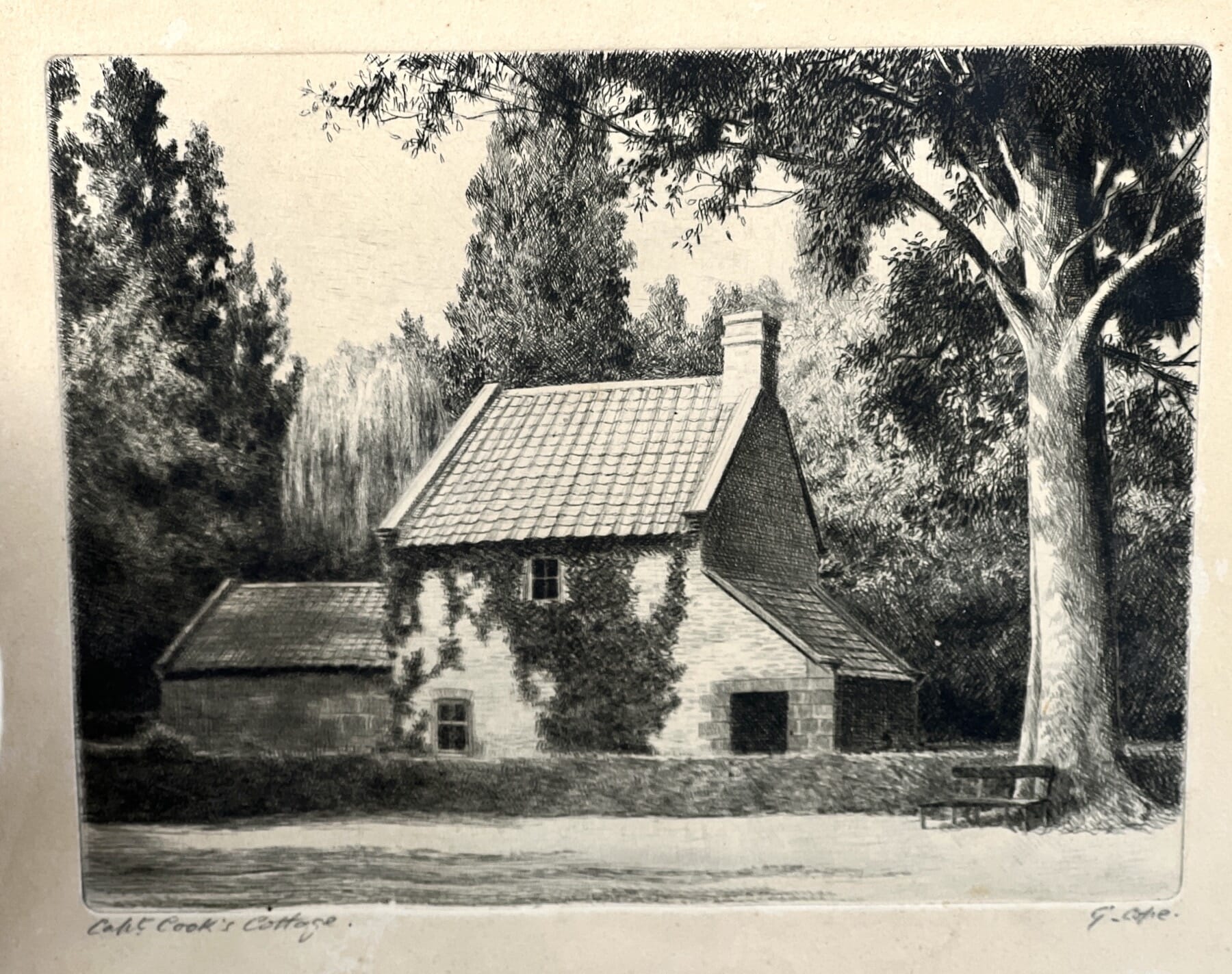
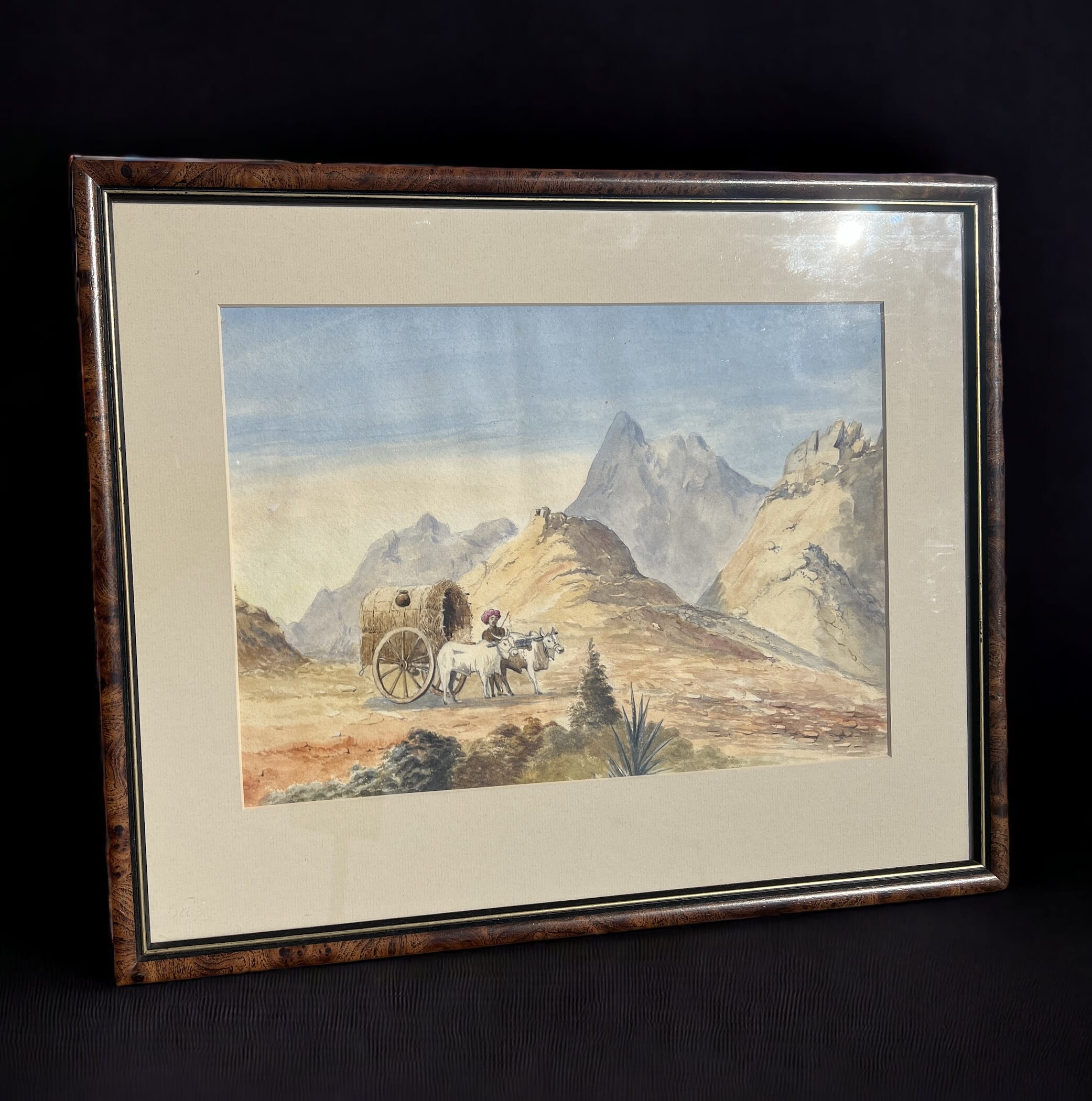
An interesting group consists of a watercolour and two etchings, signed ‘G.Cope’. When we look up this name, there is an American artist of the right period – but why are they mainly Australian scenes with the occasional Egyptian and English scene mixed in?
Ernest E. Abbott (1888-1973) signed G Cope – Captain Cook’s Cottage, Fitzroy Gardens, 1934-39
It turns out ‘George Cope’ was an alias, used by English/Australian artist Ernest Edwin Abbott (1888-1973). Born in 1888 at Bideford, Devon, he came to Australia and trained as a sign writer in Western Australia. In 1917 he opened a studio in Melbourne. He seems to have completely given up on art in around 1939- the beginning of WWII. The last 30 years of his life don’t seem to have any artistic products; he ran a machine workshop instead.
Subjects are mainly Australian scenery, but he also did English and Egyptian scenes. This suggests trips back to England via the Suez Canal, with a stop over to paint & sketch.
George Cope /Ernest E. Abbott….. Pharaoh’s Tomb, circa 1925
In the case of our Arab watercolour, the tomb is not an ancient Egyptian tomb as the title suggests, but a typical Arab whitewashed tomb complex of a much later date: perhaps the local tradition was that it was the tomb of a Pharaoh, which suggests he was there in-person to paint it. Other watercolours show ancient Egyptian temples in great detail, which support the ‘on-site’ idea, rather than an imaginative scene done in a Melbourne studio.
Online art records are full of discrepancies when it comes to Cope-signed etchings: it seems the American artist George Cope (1855-1929) has been mistaken for this ‘alias’, but a check of the American’s artworks reveals they are very different in nature – and never Australian subjects. The mystery is why E.E. Abbott took that exact name….. and why he was never publicly acknowledged, or exhibited, like his contemporaries such as Baldwinson and Victor Cobb. There’s more to be discovered about the mysterious George Cope /Ernest E. Abbott…..
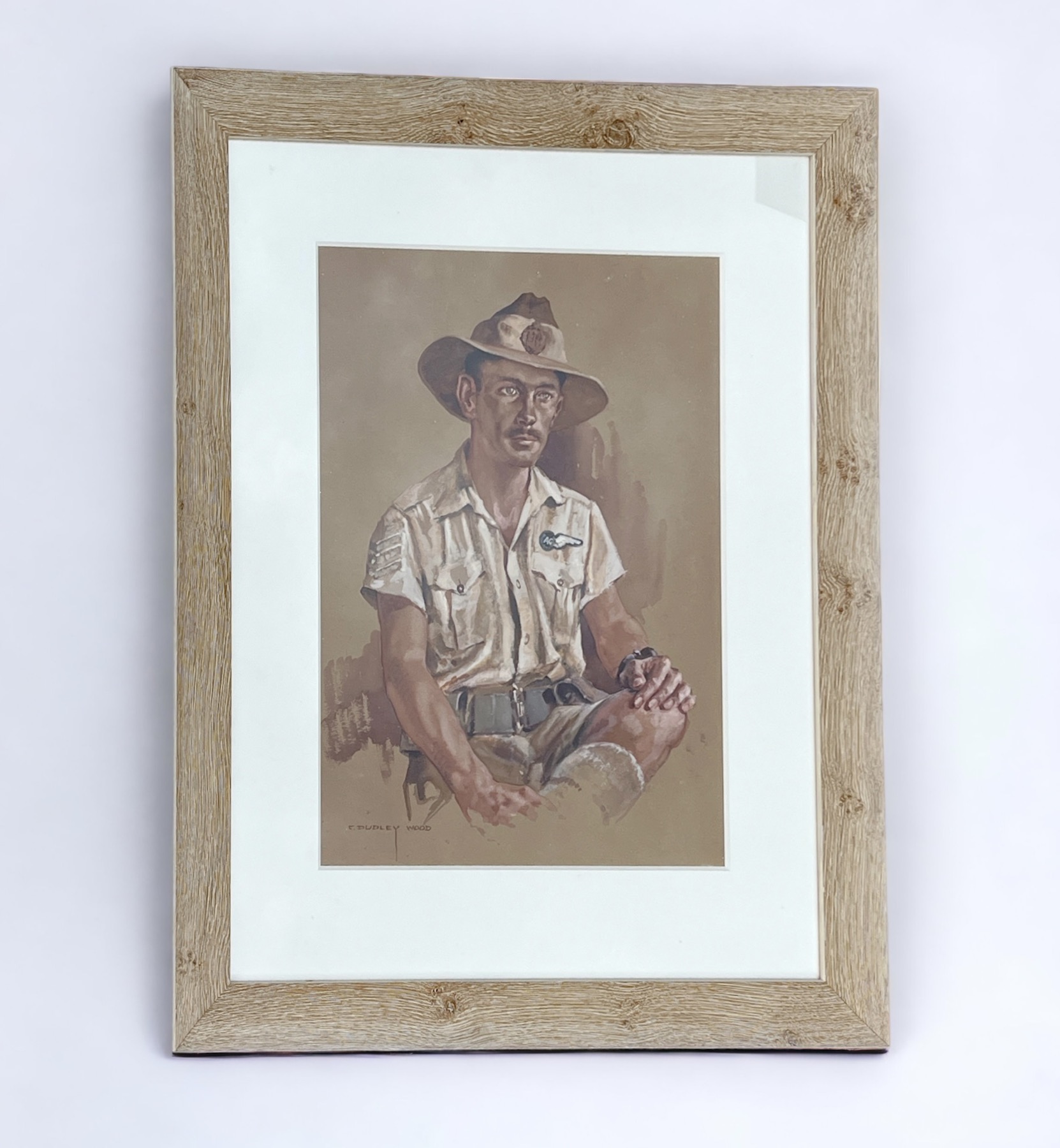
Clifford Dudley-Wood’s portrait of RAAF officer Peter Napier Munro, 1945
This portrait by Clifford Dudley Wood (1905-1980) dates to his war-time military service: although he was not designated an official ‘War Artist’, he did produce a number of works & portraits recording his experience. Being handy with a paint brush, he was actually in the ‘Camouflage Brigade’, responsible for the confusing patterns to preserve allied military equipment!
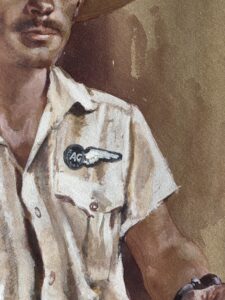
This portrait shows a NCO Sargent, who judging by his brevet – the badge with ‘AG’ and a wing on his shirt – was an air-gunner in the Australian Airforce. He had the tough job of keeping the enemy aircraft at bay with his guns, and was therefore a primary target for them, and the highest-risk category in the force…. a little poking around in the War Memorial records, and we have his details and an amazing photograph! He was WO Peter N. Munro, from Orange.
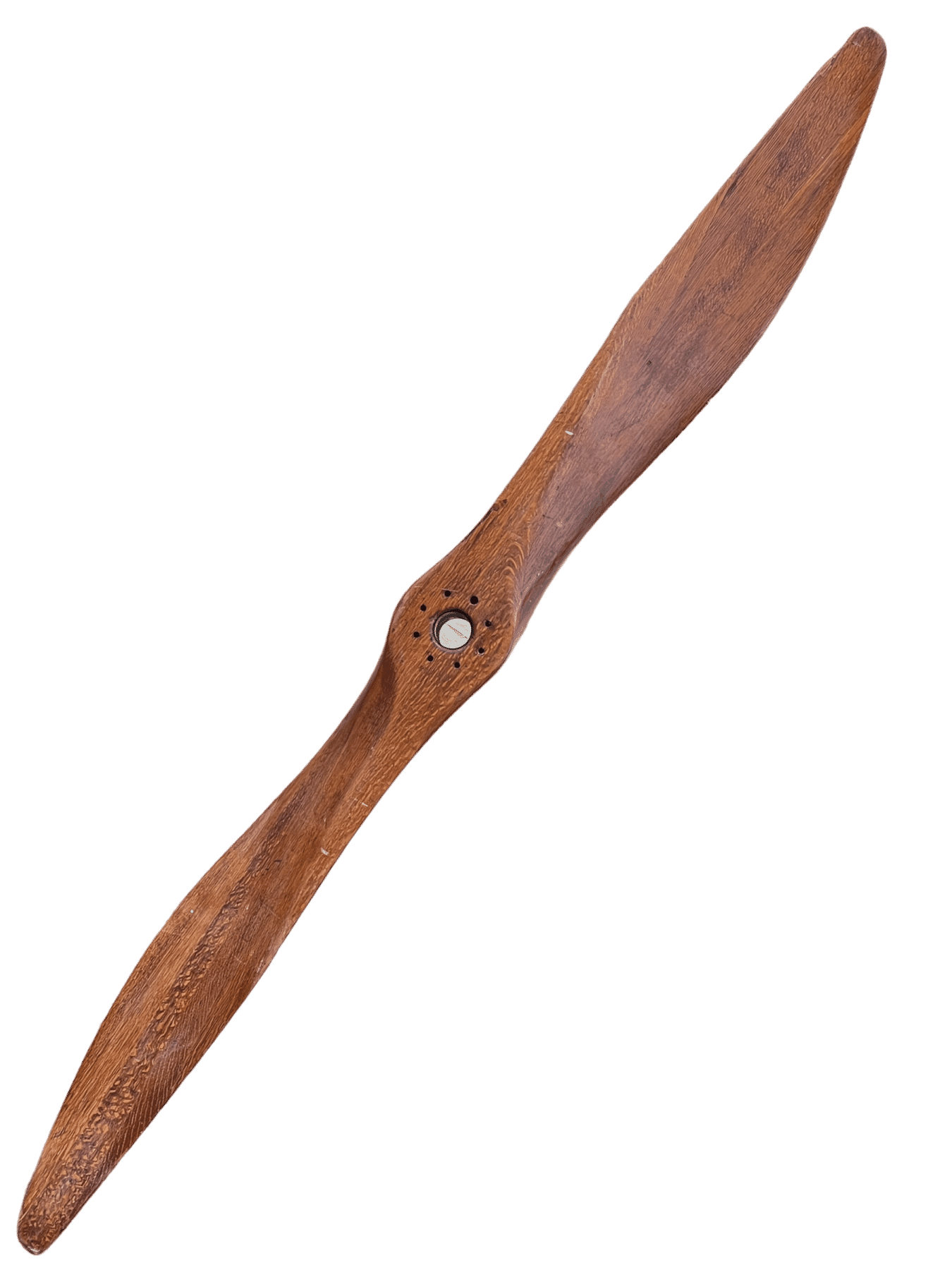
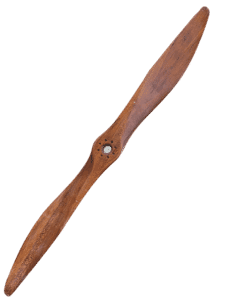
1918 S4C propellor, WWI
The artist, Clifford Dudley Wood, was born in Geelong, studied art & design at Swinburne Technical College in Melbourne in the early 1920s, and exhibited with the Victorian Artists Society. He was twice a finalist for the coveted Archibald Prize. During the Great Depression, he made a living from commercial art, being responsible for many magazine adverts and iconographic adverts. At the same time, he began exhibiting his own artwork.
During World War Two, he was stationed on RAAF bases, and they utilised his ‘skills with a paintbrush….’ for creating camouflage! It is apparent that he also had time for private commissions: this portrait is one of a group of ‘men in uniform’ by Dudley-Wood.
We have a treat for our local customers: a weekend of French food & fun, hosted at Geelong’s beautiful National Trust property, ‘The Heights’. Moorabool is opening a genuine ‘Brocante’ – we have taken the charming Dovecote in the garden, and will have it stuffed full of interesting items to buy.
As well, Paul Rosenberg will be giving a lecture, ‘Trés Français’, taking a small audience through the wonderful influence France has had on our culture. This takes place inside the house, spaces strictly limited, so head to lefestivalfrancais.com.au if you would like to come.
Note: the funds from entry etc. go towards the actual property, a terrific fundraiser for this treasured local property.
The house will also be opening for guided tours throughout the weekend: we’re excited to be involved with this also, and Moorabool has been asked to ‘dress’ the rooms in a French theme.
Vite! …and apologies to those who live too far away: we’ll post some photos …..
Welcome to the latest Fresh Stock release on Moorabool.com. This week has seen a wide variety of quality pieces entering our stock lists, from a terrific selection of Worcester Porcelain, to a range of quality Chinese items, Indian & Colonial items, and Australiana items.
There’s some rather special pieces to be seen – be sure to check out the ‘Curated Collections’ through the links below.
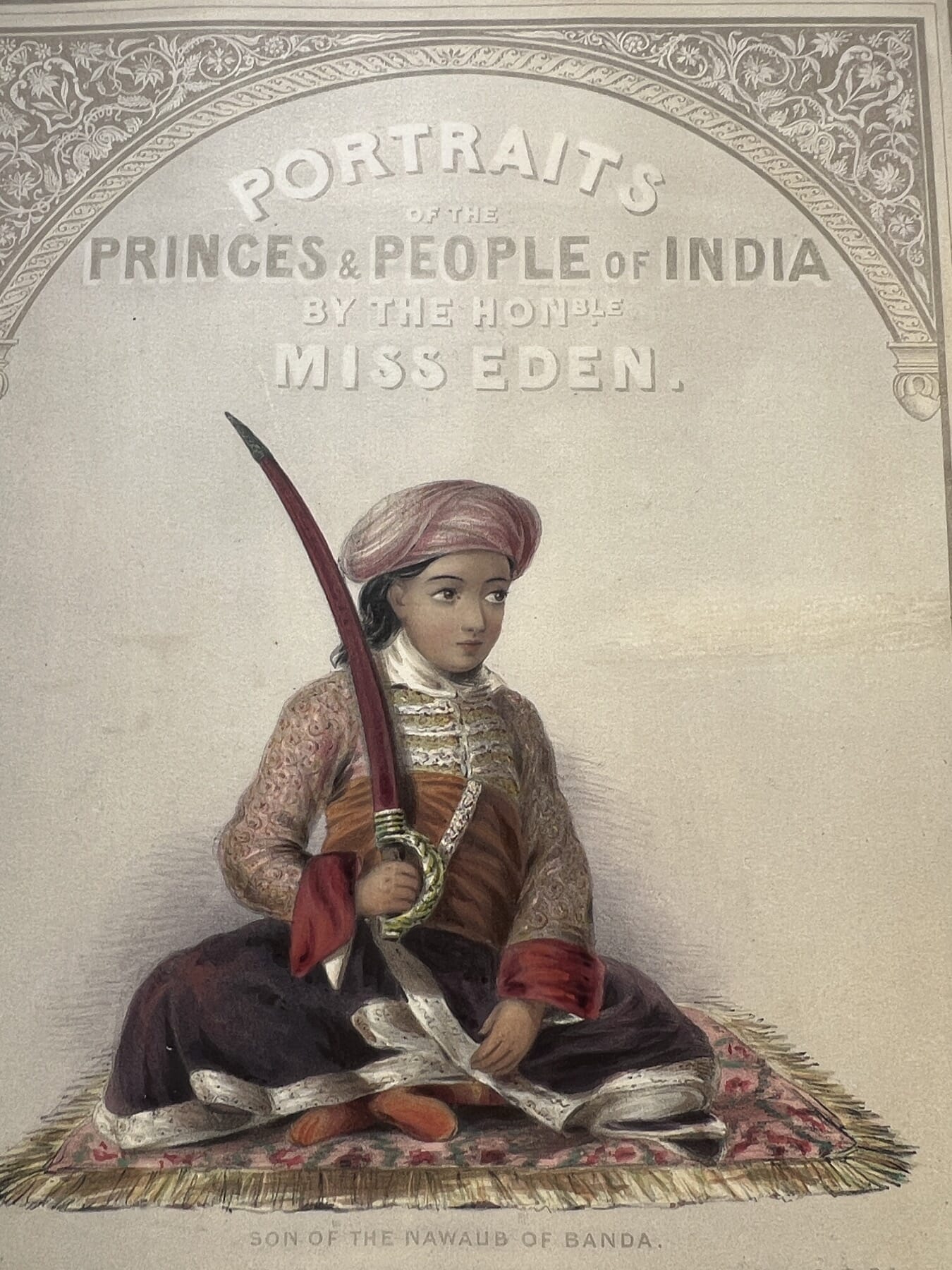
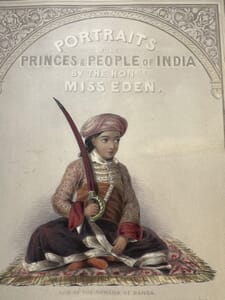
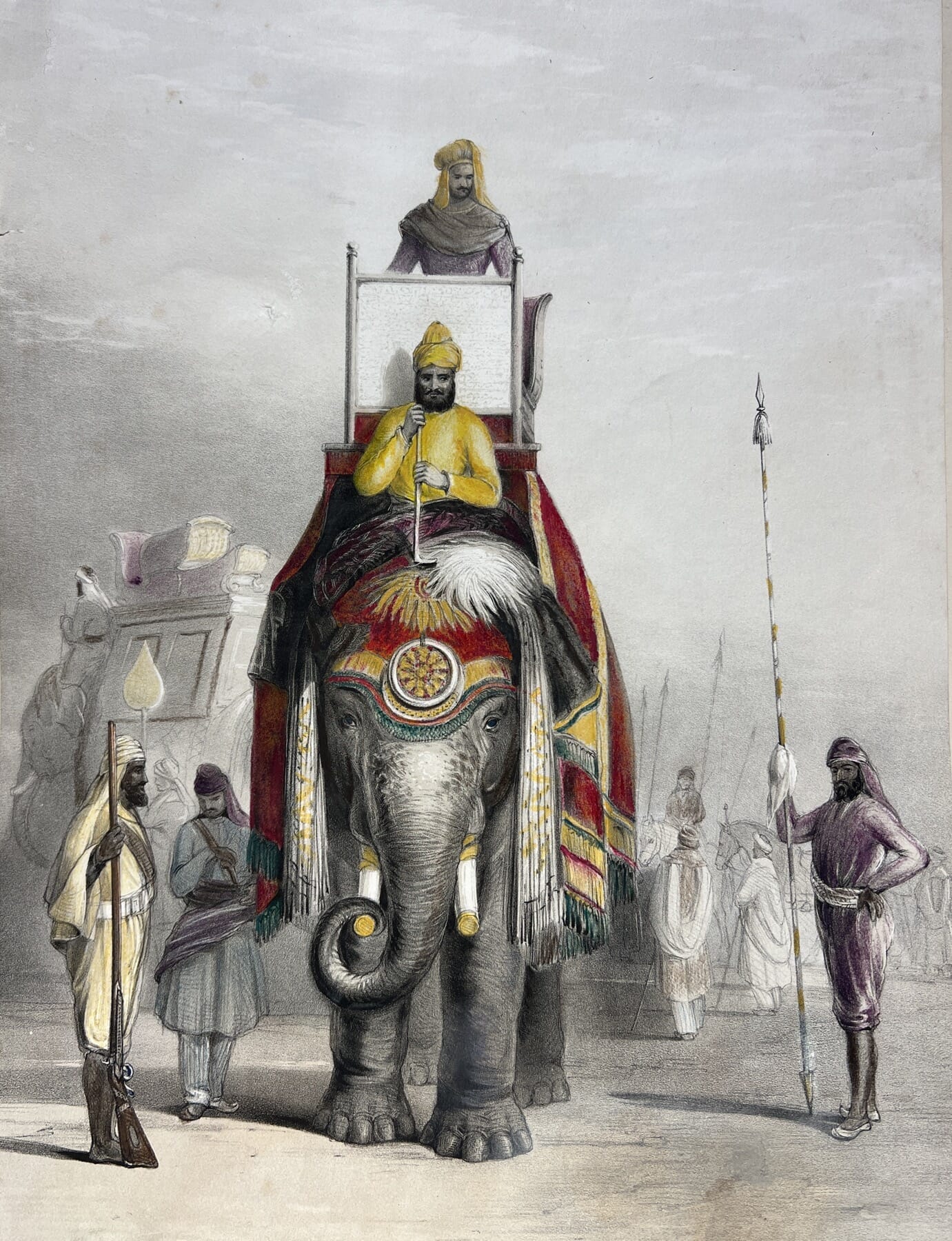
Ali Bahadur II (1832-73) by Emily Eden
This beautiful hand-coloured lithograph of an Indian Prince is a rarity. It is one of 28 plates from a private publication of 1844, created for the remarkable Emily Eden, using her sketches she did while India in the 1830’s. Her brother was governor at the time, and she wrote – and sketched – extensively. Queen Victoria was a friend, and a copy of the publication is still in the Royal Collection: no doubt her interest in India was encouraged by Emily’s accounts and illustrations. While a number of monotone examples were published, the coloured version is regarded as a great rarity, with only a handful finished like this: we have two examples to offer.
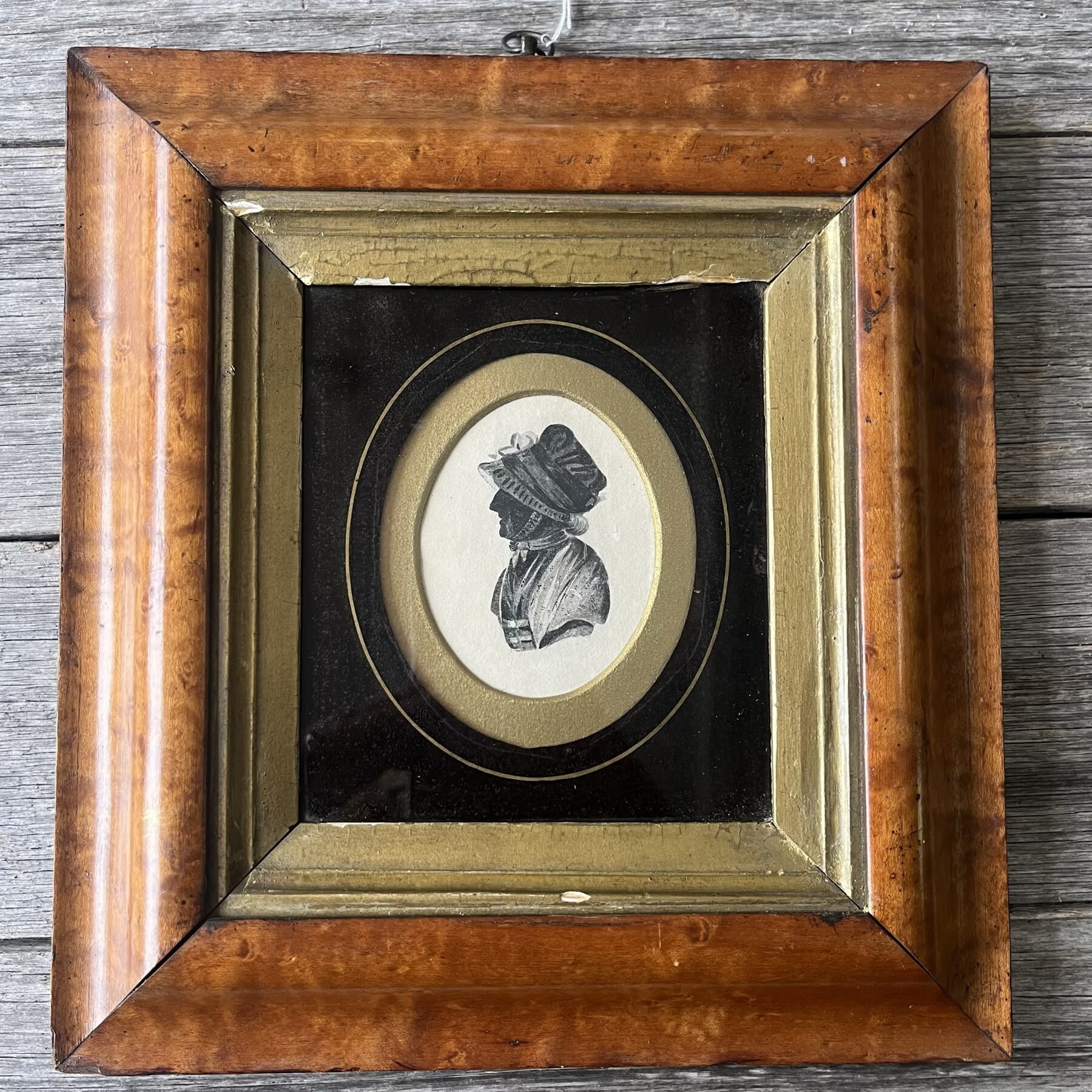
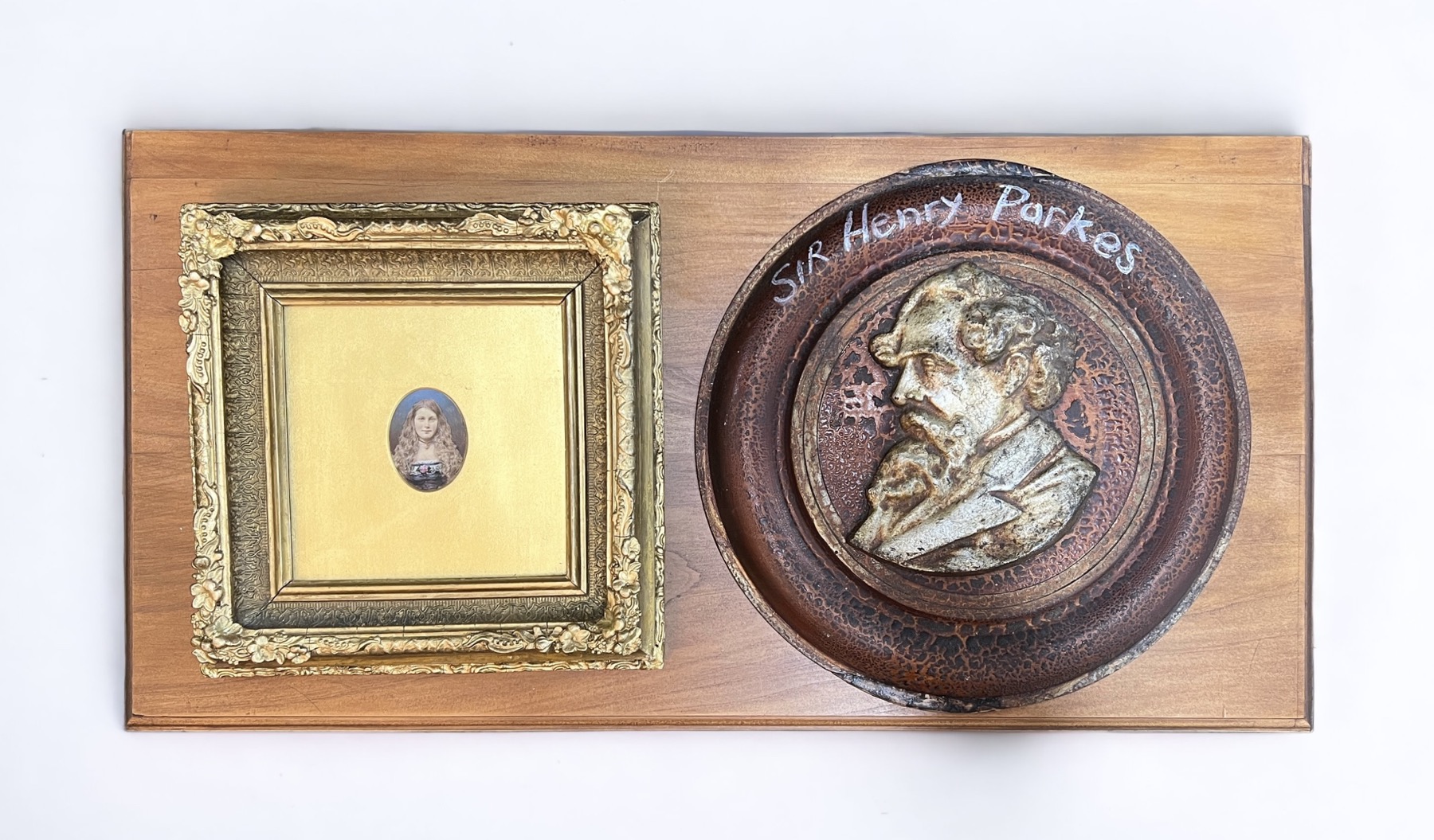
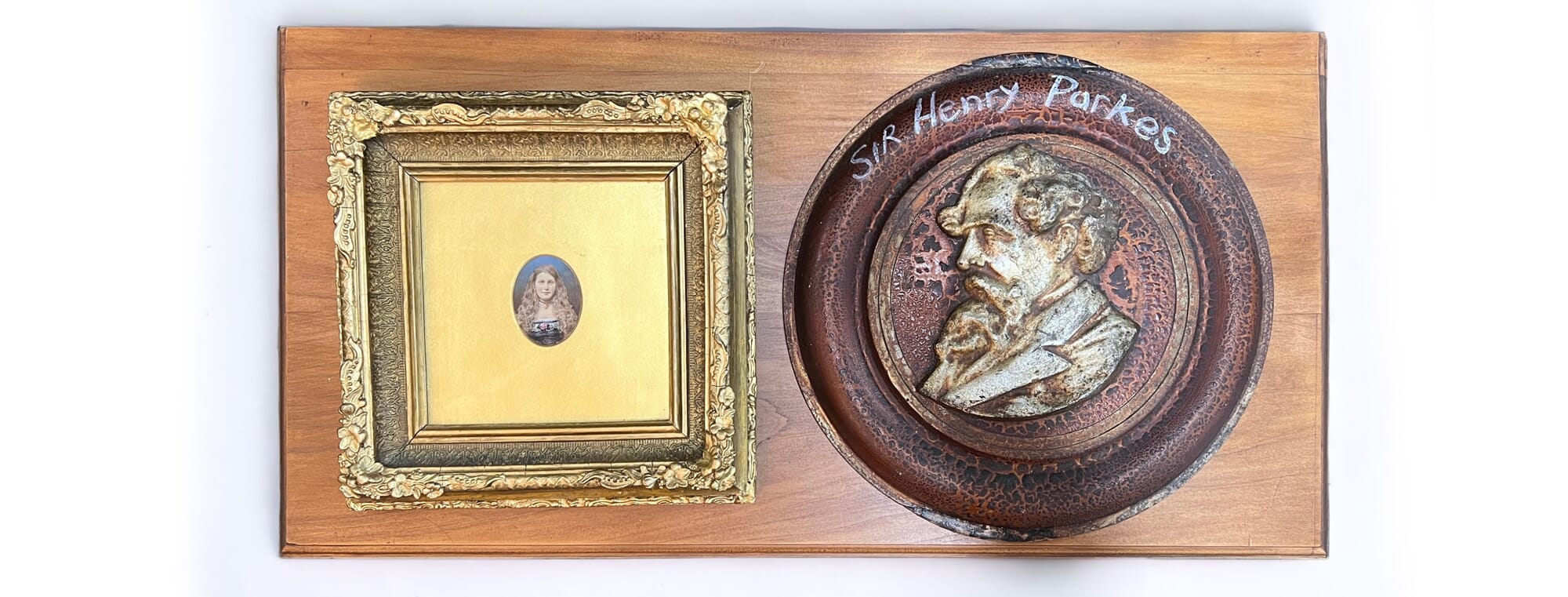
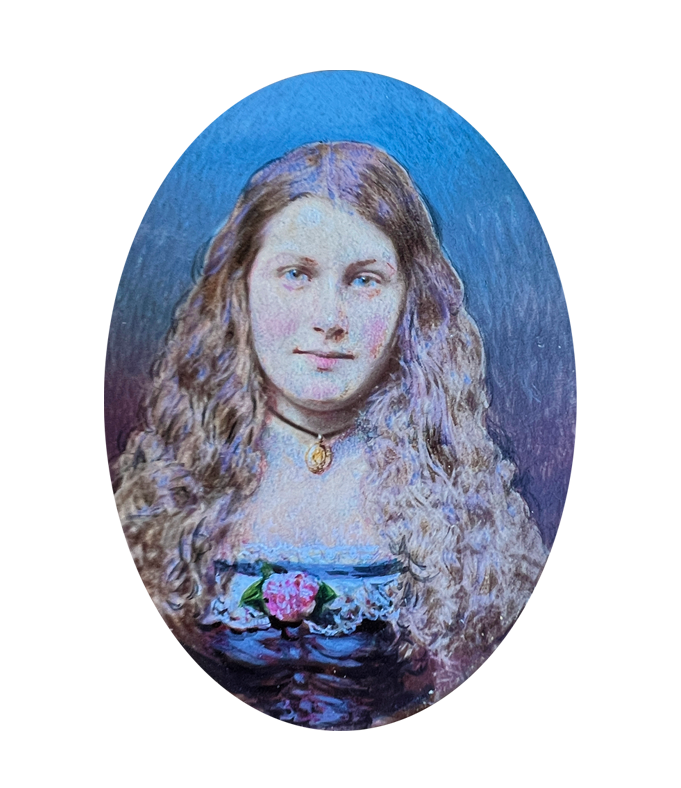
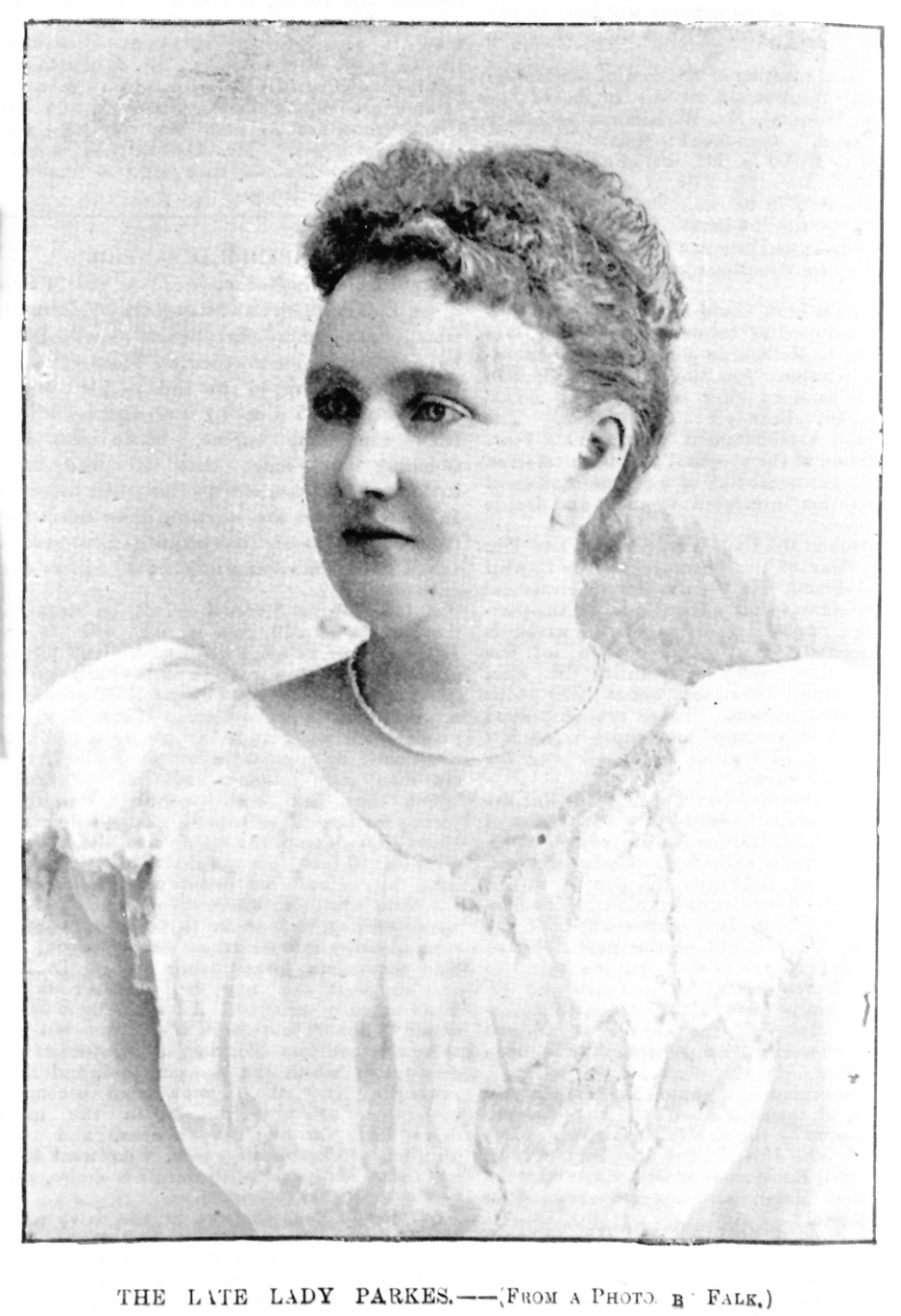
The two portraits shown here are some of our exciting recent Australiana discoveries. They are husband & wife, titled ‘Sir Henry Parkes’ & ‘Lady Parkes as young girl’. The question is, which ‘Lady Parkes’ is it? Sir Henry is of course identified by the inscription to his mount – or is he…..
There’s a lot to the story of the above two influential Australians….. read more on our blog post.
We have a treat for our local customers: a weekend of French food & fun, hosted at Geelong’s beautiful National Trust property, ‘The Heights’. Moorabool is opening a genuine ‘Brocante’ – we have taken the charming Dovecote in the garden, and will have it stuffed full of interesting items to buy.
As well, Paul Rosenberg will be giving a lecture, ‘Trés Français’, taking a small audience through the wonderful influence France has had on our culture. This takes place inside the house, spaces strictly limited, so head to lefestivalfrancais.com.au if you would like to come.
Note: the funds from entry etc. go towards the actual property, a terrific fundraiser for this treasured local property.
The house will also be opening for guided tours throughout the weekend: we’re excited to be involved with this also, and Moorabool has been asked to ‘dress’ the rooms in a French theme.
Vite! …and apologies to those who live too far away: we’ll post some photos …..
Australia became a Nation in 1901, but it was a long process that made this possible. The six far-flung colonies had each developed in their separate ways, and it was the perseverance of Sir Henry Parkes that brought them together. He deserves the title ‘The Father of Federation’.
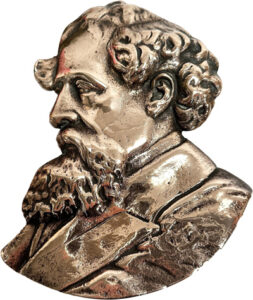
An amusing Australian adaptation…. Charles Dickens as Sir Henry Parkes!
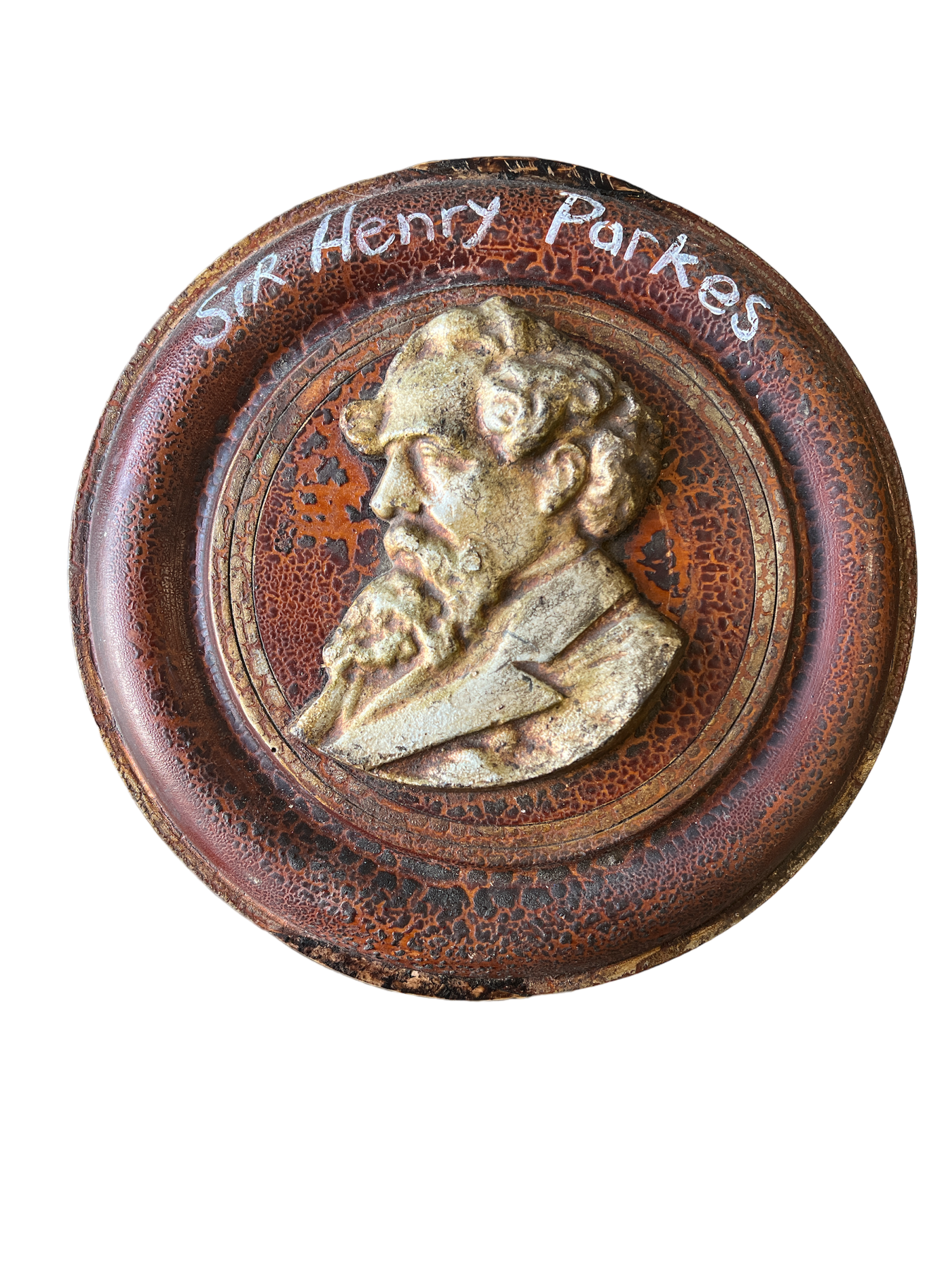
Moorabool has recently discovered two items that relate to Sir Henry Parkes and his wife, Lady Parkes. The first is a cast-iron plaque showing a portrait of a bearded gentleman. Mounted onto a turned cowrie pine back, it is typical of the Victorian plaques of notable people, made in large numbers to adorn public buildings like halls and libraries. This example is identified around the edge as ‘SIR Henry Parkes’.
Brass ‘Dickens’ plaque
HOWEVER…. it’s actually a terrific example of Aussie ingenuity. You see, this is not intended as a portrait of Sir Henry Parkes – rather, it was cast in Britain in the 1860’s-70’s as the literary giant, Charles Dickens – who sported a similar magnificent beard and wild hair. Imported into Australia, and perhaps displayed on a library wall somewhere, when Sir Henry Parkes rose to fame in the latter 19th century, an enterprising scholar has added the inscription to make it the ‘Father of Federation’!
Henry Parkes, Fancy Goods & Toy Seller
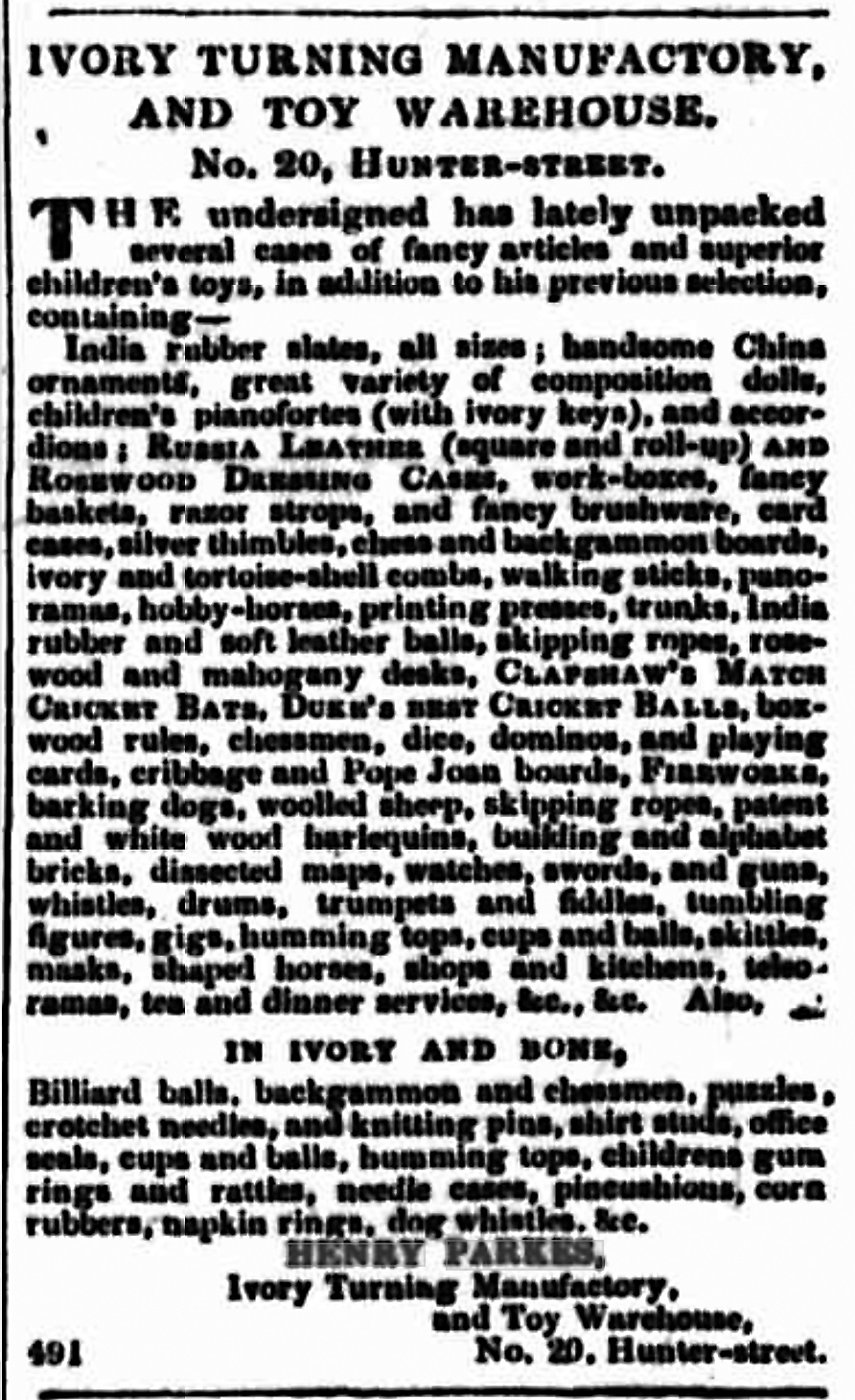
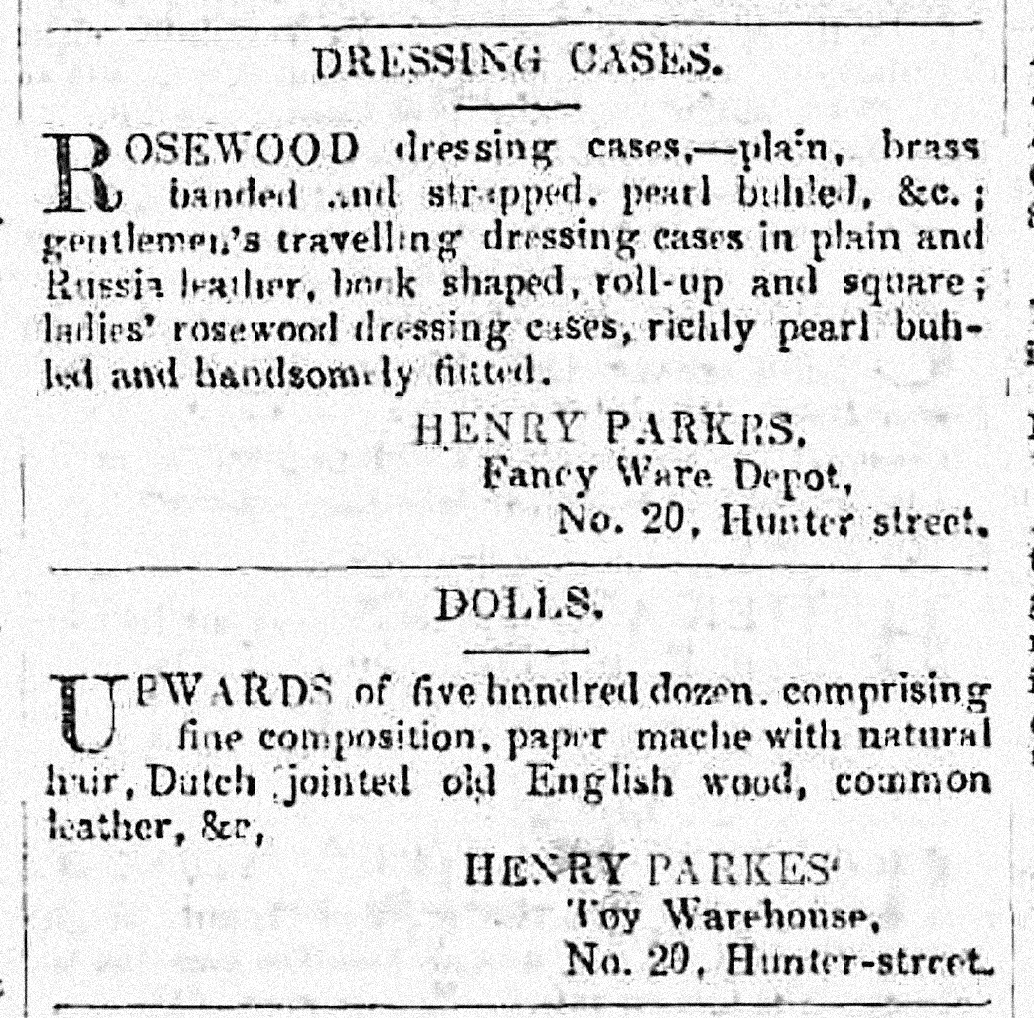
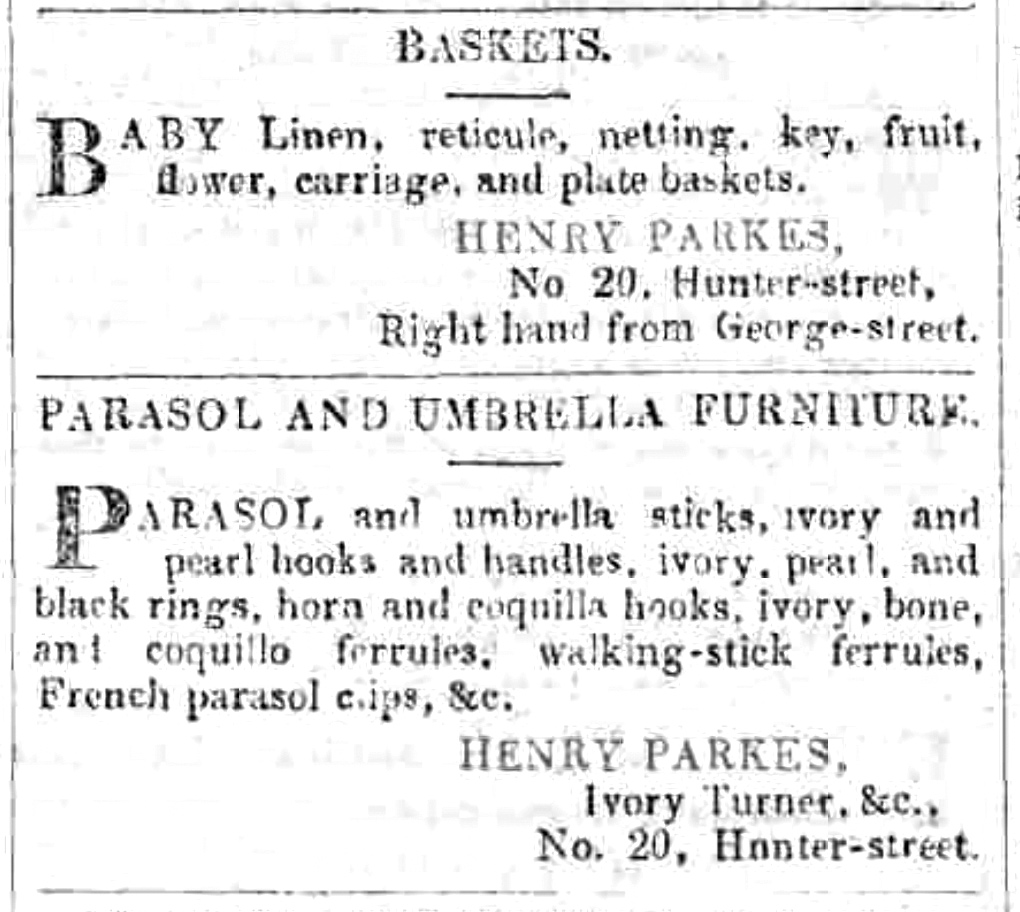
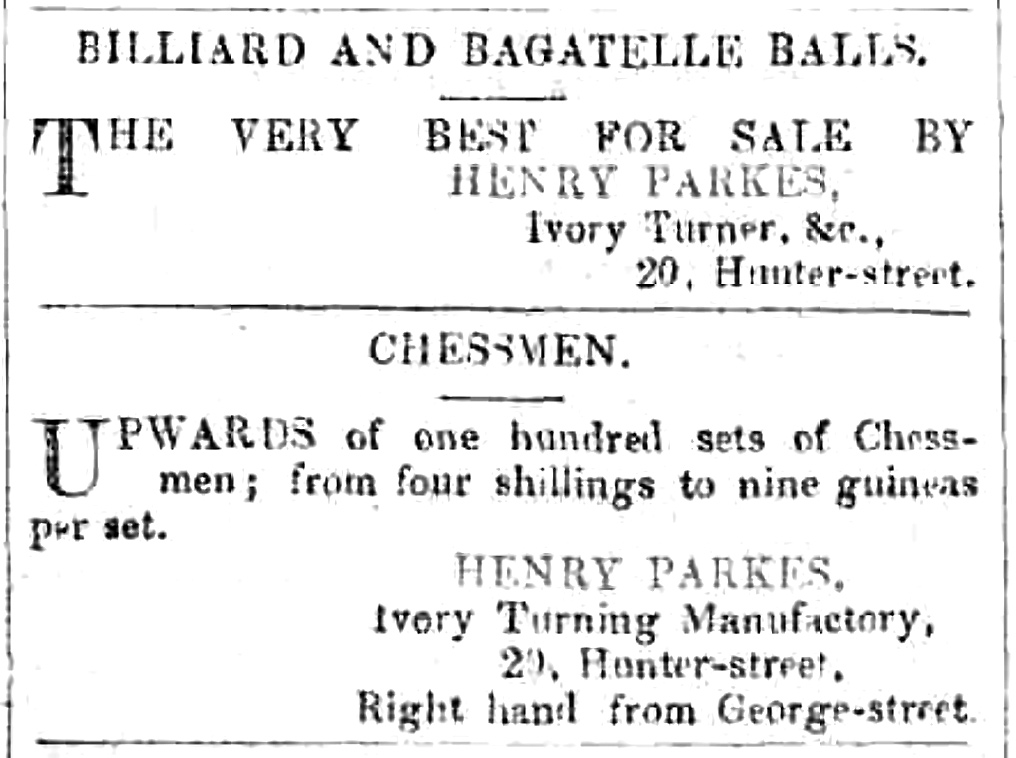
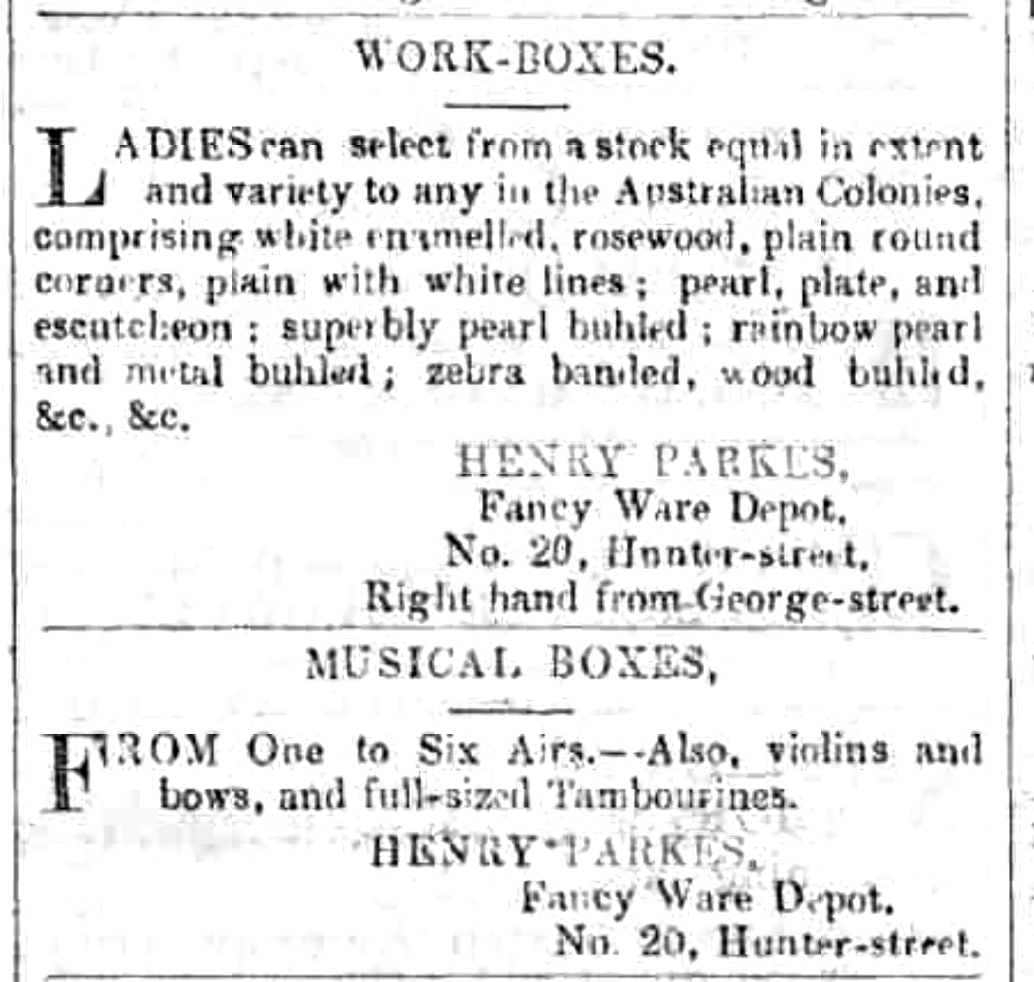
Did you know the ‘Father of Federation’ spent a lot of his time retailing ‘fancy goods’ in Sydney? His adverts make fascinating reading, giving a glimpse into the parlours and nurseries of Sydney in the mid-19th century.
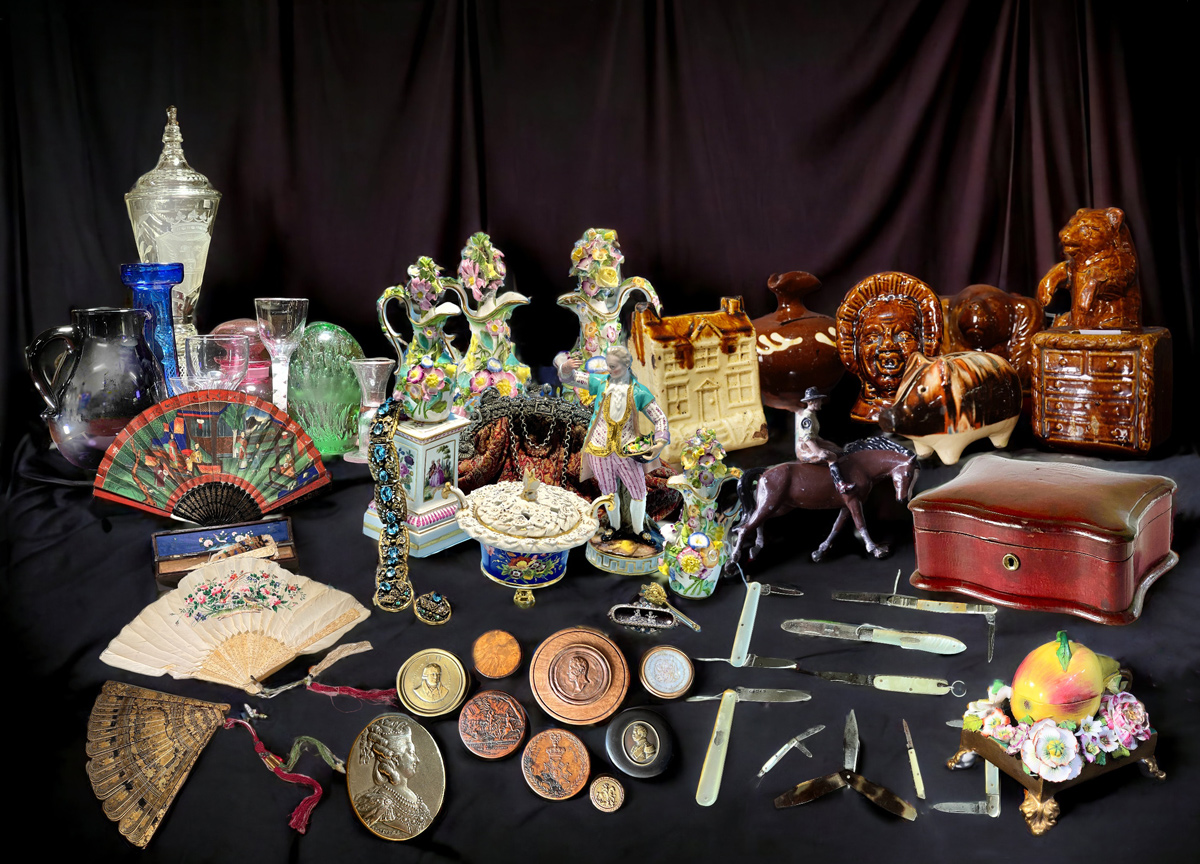
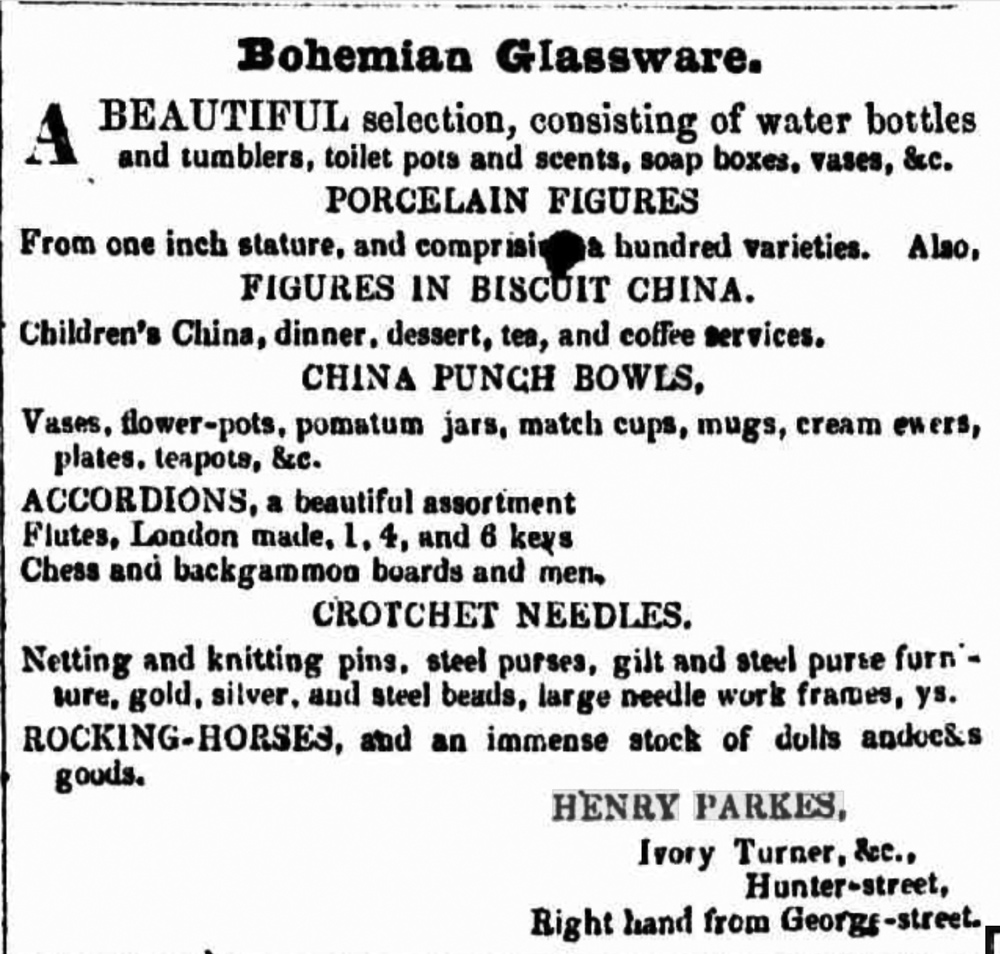
Here’s a sample – from the stock of Moorabool Antiques, 170 years later! His shop must have been a present-day Antique Collector’s Aladdin’s Cave….
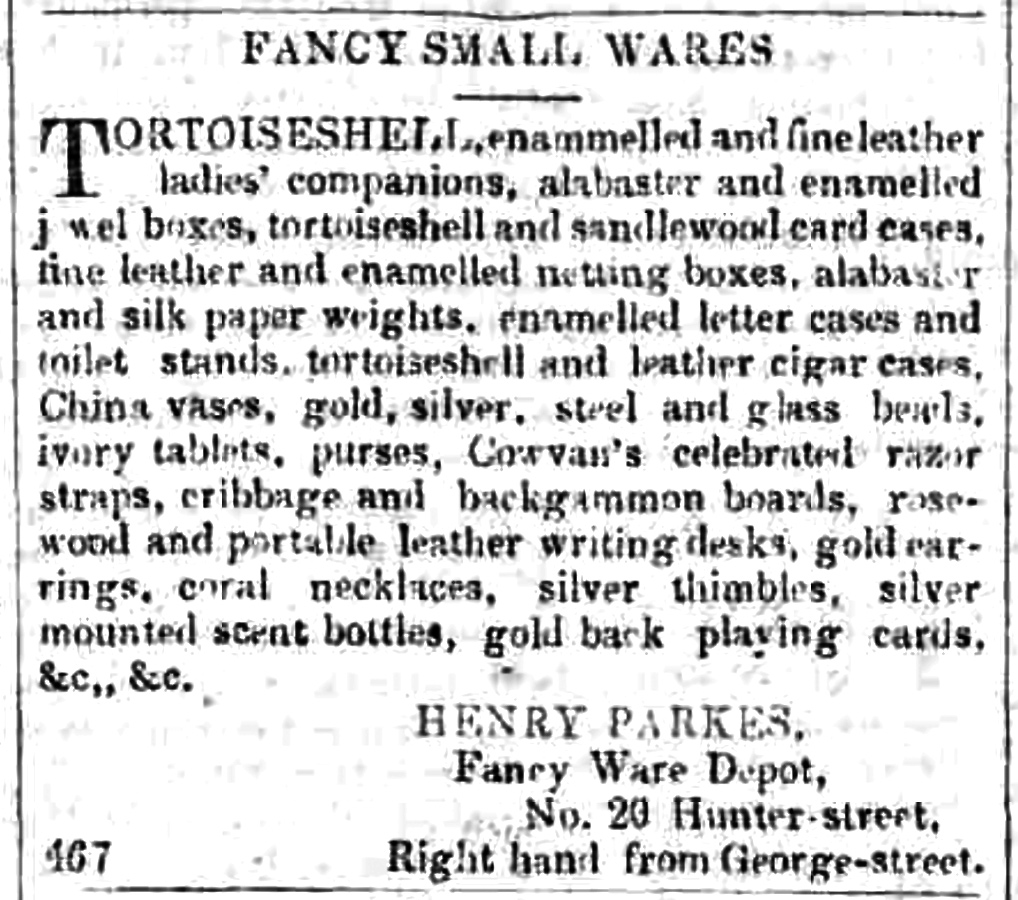
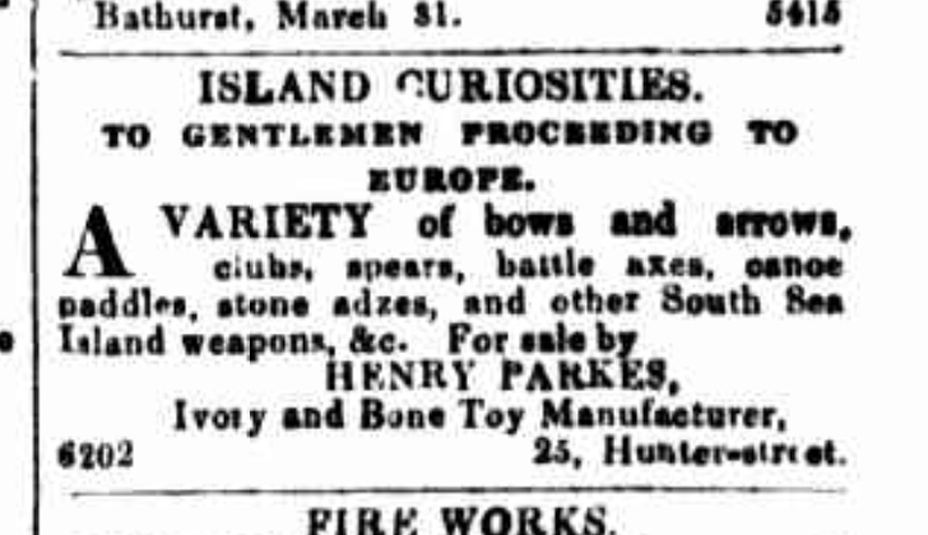
Adverts for Parkes, 1840’s-50’s
Sir Henry Parkes would have felt quite at home at Moorabool Antiques…. he was a business man and craftsman, learning the trade of ivory-turning before migrating to Australia in 1839. He opened a shop in Hunter Street, Sydney, where he sold ivory products he made, as well as a broad range of imported decorative & useful items:
“Bohemian Glass, Vases of rich and various patterns, handsome China ornaments, PORCELAIN FIGURES From one inch stature, and comprising a hundred varieties. Also, FIGURES IN BISCUIT CHINA. Children’s China, dinner, dessert, tea, and coffee Services. CHINA PUNCH BOWLS, Vases, flower-pots, pomatum jars, match cups, mugs, cream ewers, plates, teapots, etc. ROSEWOOD DRESSING CASES, work-boxes, fancy baskets, FANCY SMALL WARES: TORTOlSESHELL, enammelled and fine leather ladies’ companions, alabaster and enamelled jewel boxes, tortoiseshell and sandlewood card caes, fine leather and enamelled netting boxes, alabaster and silk paper weights, enamelled letter cases and toilet stands, tortoiseshell and leather cigar cases…….”
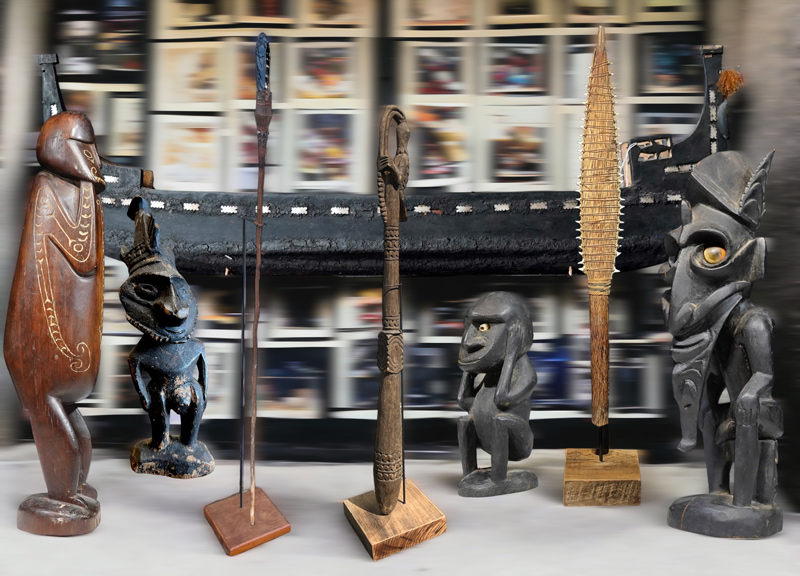
Another advert from 1846 is fascinating, as it is solely advertising Pacific Tribal Artifacts:
“ISLAND CURIOSITIES – To Gentlemen proceeding to Europe – A variety of bows and arrows, clubs, spears, battle axes, canoe paddles, stone adzes and other South Sea Island weapons &ect.”
Sounds familiar…. you’ll find exactly the same at Moorabool Antiques today – but now they’re Antique!
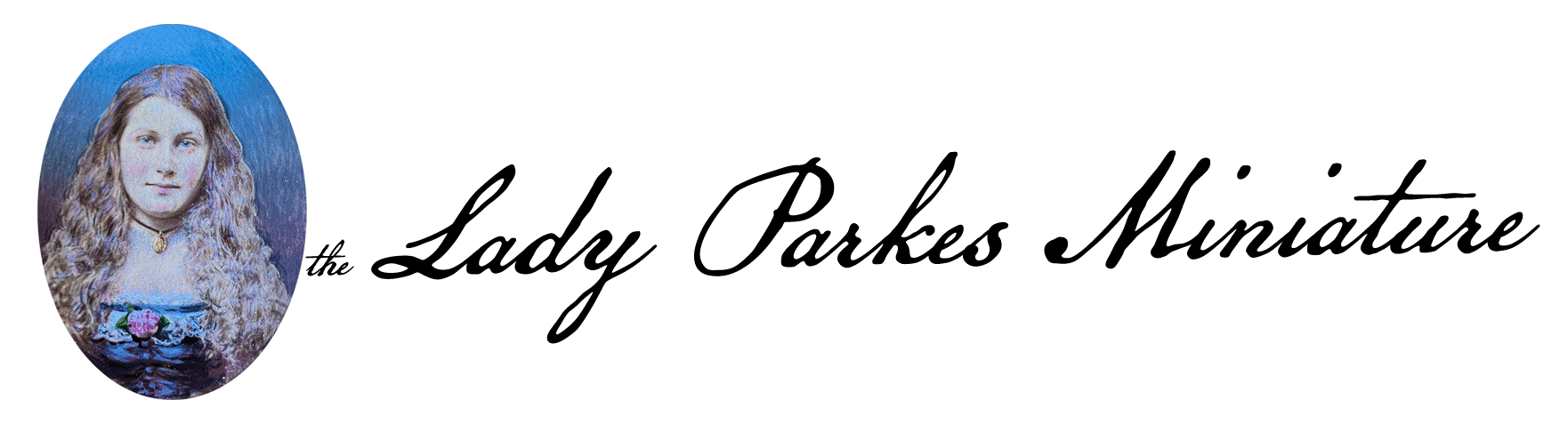
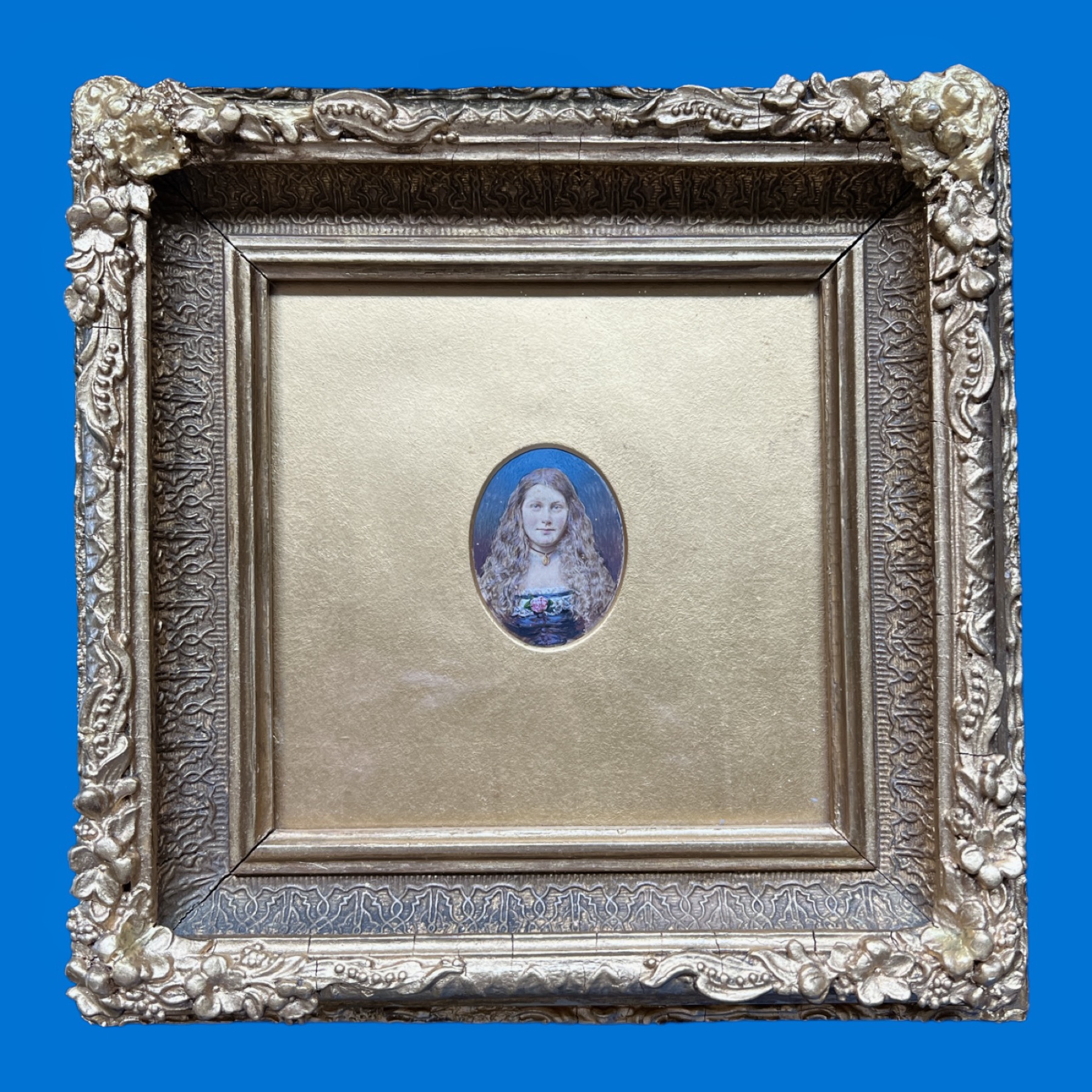
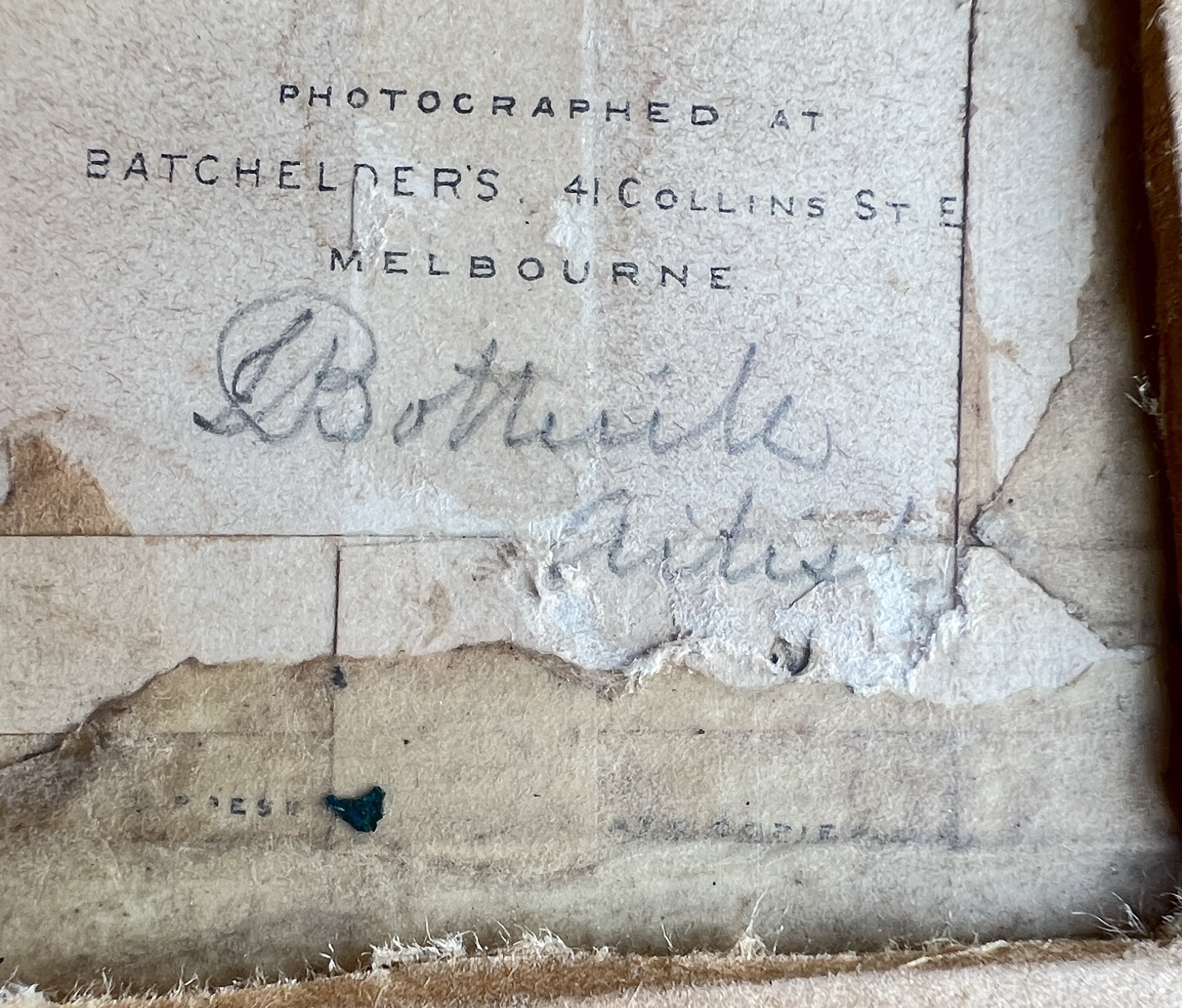
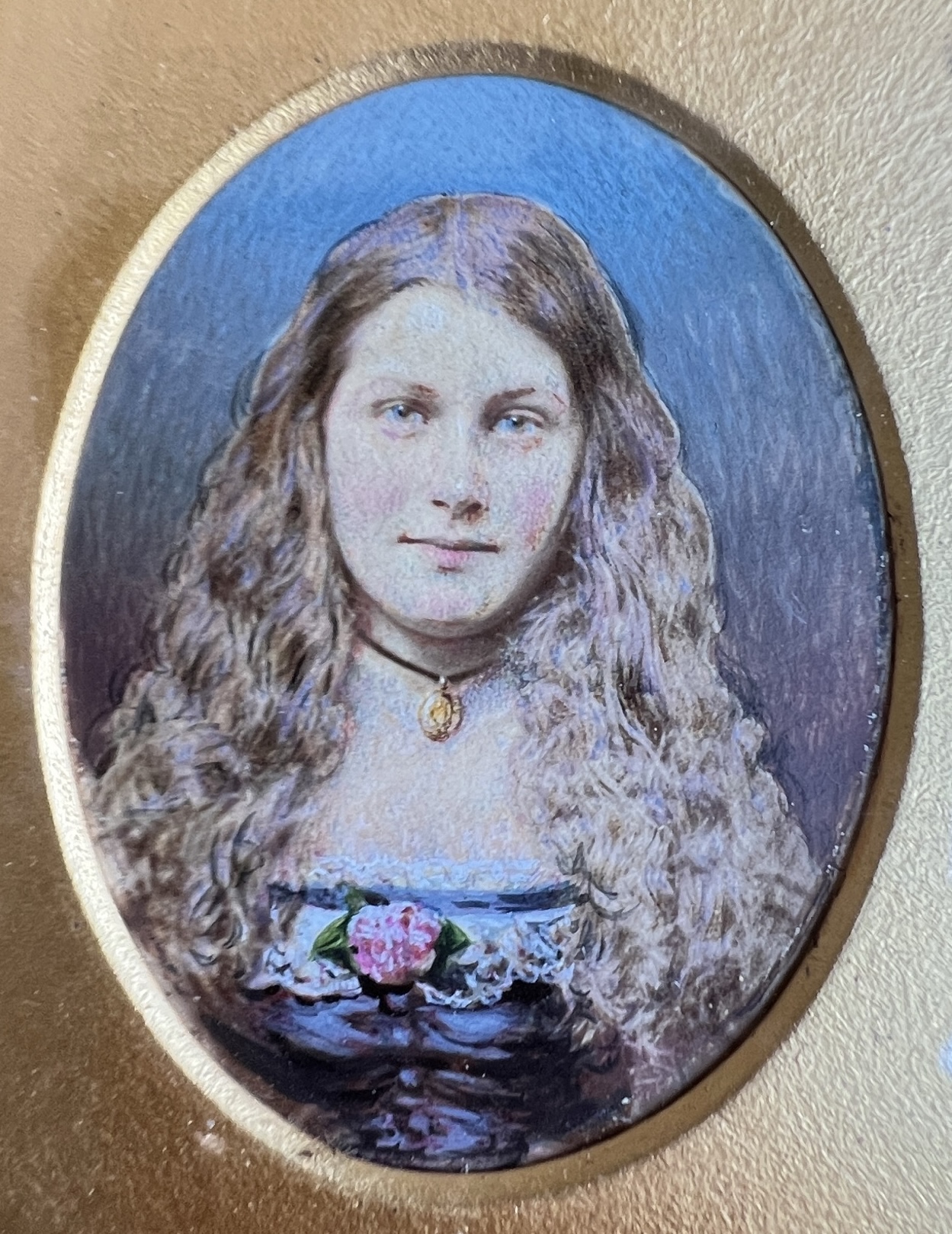
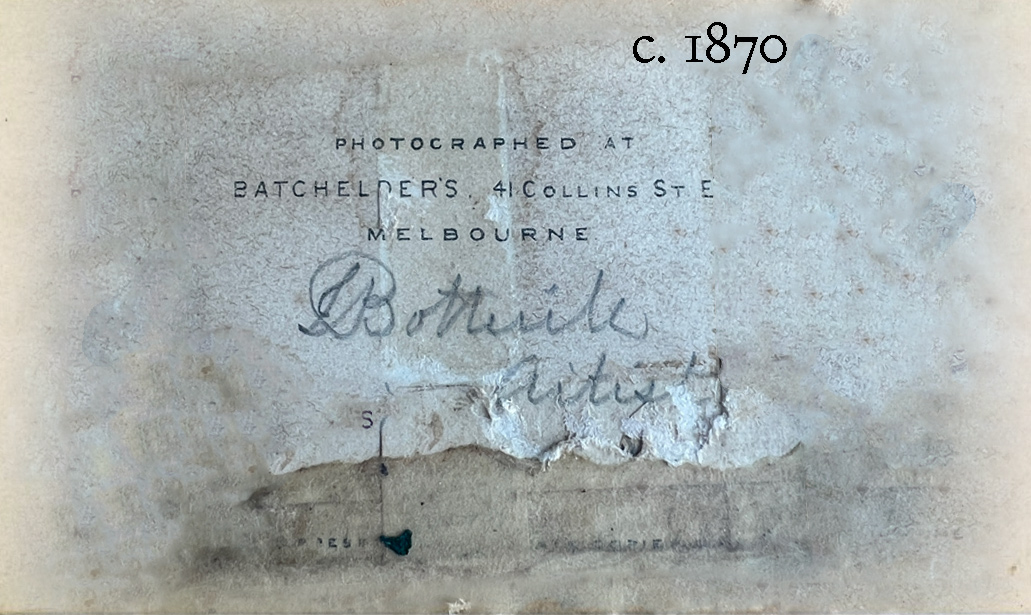
The second ‘Parkes’ item is a very personal portrait miniature. Purchased in original frame and untitled, an investigation of the backing discovered two inscriptions: firstly, it is a hand-coloured photographic portrait, with a printed back stating it is ‘Photographed at Bachelder’s, 41 Collins Street E, Melbourne’. Second, it has an inscription declaring it depicts ‘Lady Parkes as Young Girl’.
It suddenly becomes an important part of the story of Australia.
Portrait of ‘Lady Parkes as Young Girl’
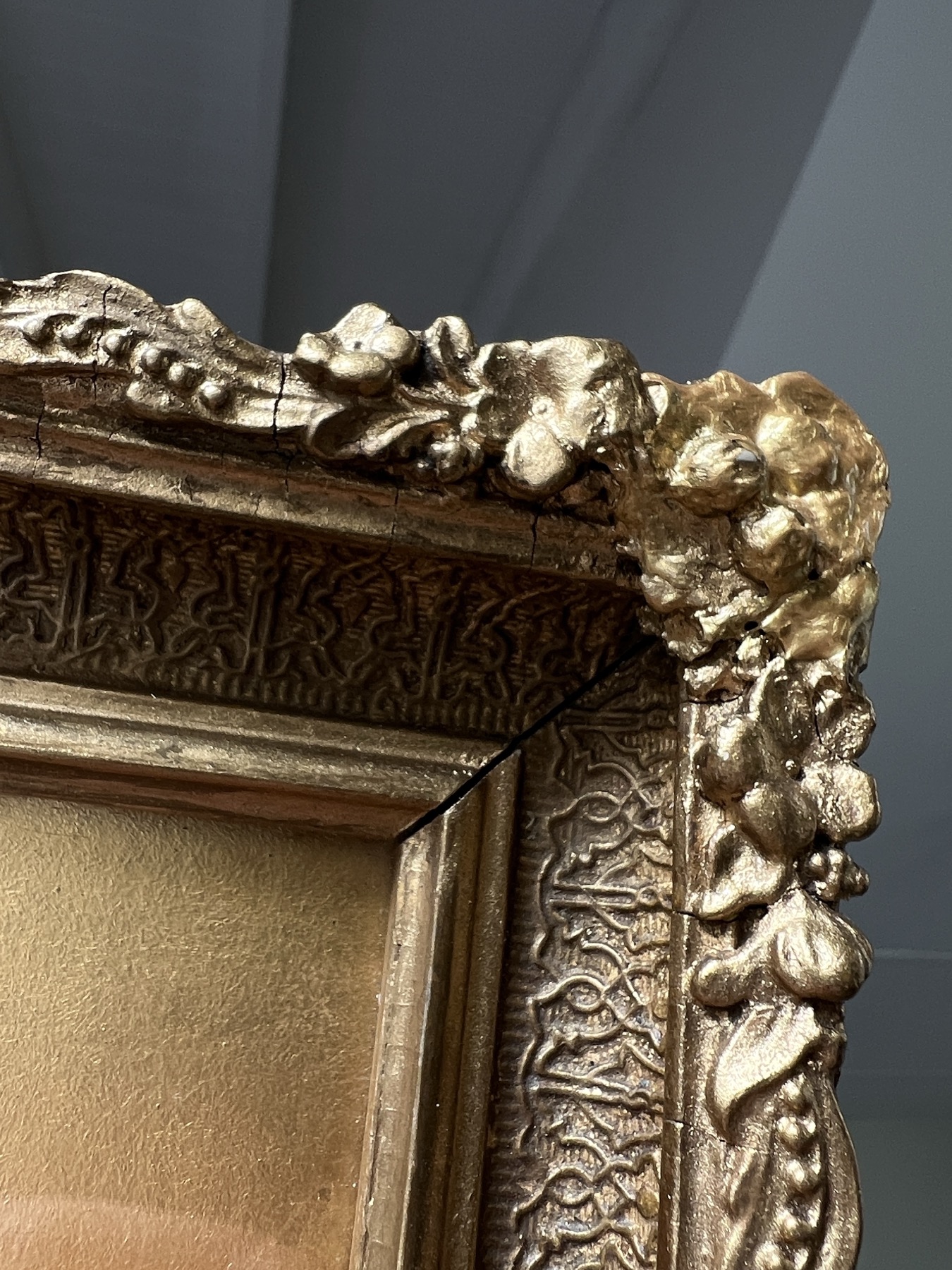
The frame and mount are original, with the backing paper replaced with opening to show back of photo.
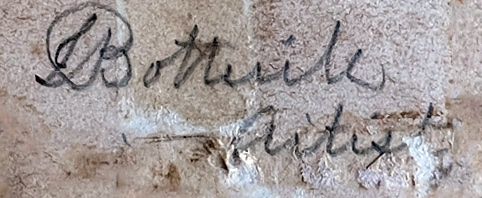
The inscription on the back reads ‘PHOTOGRAPHED AT BATCHELDER’S 41 COLLINS ST E., MELBOURNE’, over which is inscribed in pencil ‘Botterill / Artist’.
The three ‘Lady Parkes’
Who was the subject?
Lady Clarinda 1813-1888
There were three ‘Lady Parkes’, as Sir Henry always seems to have needed a companion – especially in his old age, where he had terrible luck with his partners.
His first wife, Lady Clarinda Parkes, was a Birmingham Dressmaker & Sunday-School teacher who married 21-year old Henry Parkes in Birmingham in 1836, when he was just ‘Mr Parkes’, son of a farmer and a novice businessman (which didn’t prosper for him). She came out to Australia with him, having their first child just 2 days before they landed, the first of 12. She had little public interaction, even when he became a notable in New South Wales government. She died in Sydney in 1888, aged 75 – and as this image we are considering is of a young ‘Mrs Parkes’, and is taken by a Melbourne photographer, it cannot be Clarinda who is depicted. She had 12 children, 6 of whom were still alive in 1888.
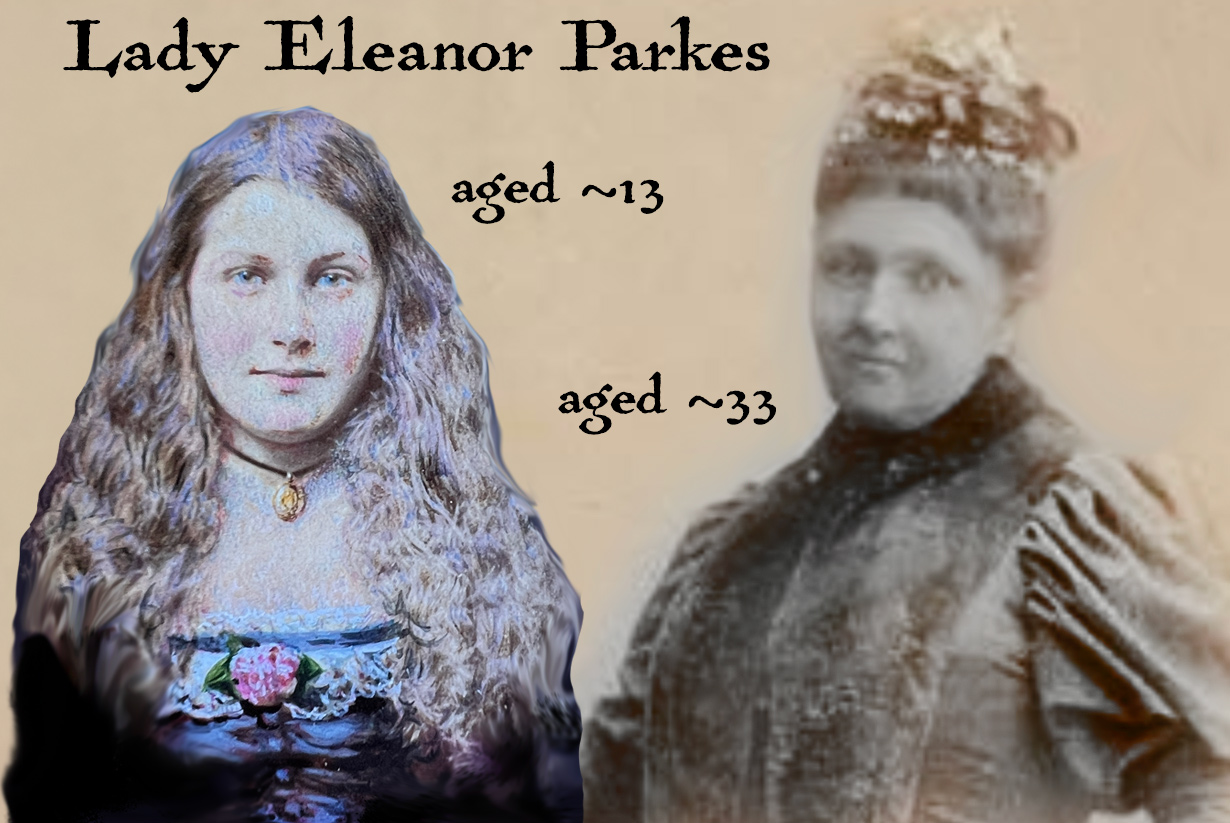
Lady Eleanor 1857-1895
The second ‘Lady Parkes’ was Lady Eleanor Parkes, a Sydney resident who married Sir Henry a few months after his first wife had died, in 1889. She took a keen interest in Politics, particularly social matters such as the plight of the ‘waifs’, the homeless youth of the time. She travelled with her husband as his political position grew, and appears to have been actively interested and supportive of his policies. She died from cancer in 1895, and they had five children.
Lady Julia 1872-1919
The third ‘Lady Parkes’ was Lady Julia Parkes, an Irish migrant born in 1872, employed as Nanny & House-keeper in the Parkes household, where she nursed the weakening Lady Eleanor. She married the 79 year old Sir Henry in 1895 – just months after the death of Eleanor. This was the shortest marriage, as Sir Henry died just 6 months later, in April 1896.
Setting out the three ‘Lady Parkes’ as above makes him look awfully unlucky – and afraid of being lonely…. But unlike Henry VIII, he wasn’t desperately seeking an heir – he’d already fathered a dozen children. Rather, he sought someone of the opposite sex to make his home ‘homely’, a companion for his old age and protector of his children.
So which of the three is the portrait at Moorabool?
Clarinda, the first Mrs Parkes, who married him when he was just a lad of 21, was apparently the love-of-his-life for the next five decades – but it was only months after she died (after a long illness) that Eleanor was married to Henry. As a contemporary commentator said in the papers, ‘…the community was startled by a report which was published, that Sir HENRY PARKES had just been married”…. The shock wasn’t just that ‘….she is considerably younger than her husband’ – 32, when he was 74 – but also the fact they had been an item while his elderly wife was ailing, and in fact already had two children together! So the untold story was that Sir Henry Parkes had married his mistress after his wife had died. His political opponents and the papers made the most of the situation….
This relationship was contentious – his daughters were reported to have left the house in disgust, his servants all quit before he returned with his bride, and the doors of Parliament were closed to him due to his ‘indiscretion’.
It was justified in the press:
The facts of the matter are, we learn, that the aged statesman, feeling the loneliness of his life when State cares, gave him a brief respite, determined some short time ago—for he is not a man to dilly-dally in such an important matter—that his final days should be soothed and made happy by a second partner of his joys and sorrows. …..
However, the plan of being soothed by Eleanor came crashing down when she became ill and soon died, in 1895.
Sir Henry Parkes continued his career of scandal by marrying his housekeeper, Julia, only three months after Eleanor passed away! Julia was an Irish migrant, and had been employed as the housekeeper / nanny in the Parkes household. She nursed the ailing Lady Eleanor, and it is said that Eleanor herself requested that Julia marry the elderly Sir Henry Parkes. Although somewhat scandalous, this made sense in the Victorian world: there were five young children in the household, and Henry had died penniless and in debt. Julia fulfilled his wish – she dedicated the rest of her life to this step-family, never re-marrying and going to great lengths to provide them with a stable upbringing. She was a remarkable woman.
The Image: both a Photograph and a hand-painted Miniature.
“Lady Eleanor Parkes as a Young Girl”
This very engaging image is actually an albumen silver carte-de-visite, the traditional way of providing images for family & friends; however, while most would be placed into specially made albums with spaces the exact size of the image, this example is intact in it’s original Victorian frame, and behind glass. This is essential, as the fine painted surface, applied over the photographic image, is very vulnerable. The effect is superb, to the degree that when this was sold as a portrait of an unknown girl, it was also described as a ‘portrait miniature’ rather than a hand-coloured photograph.
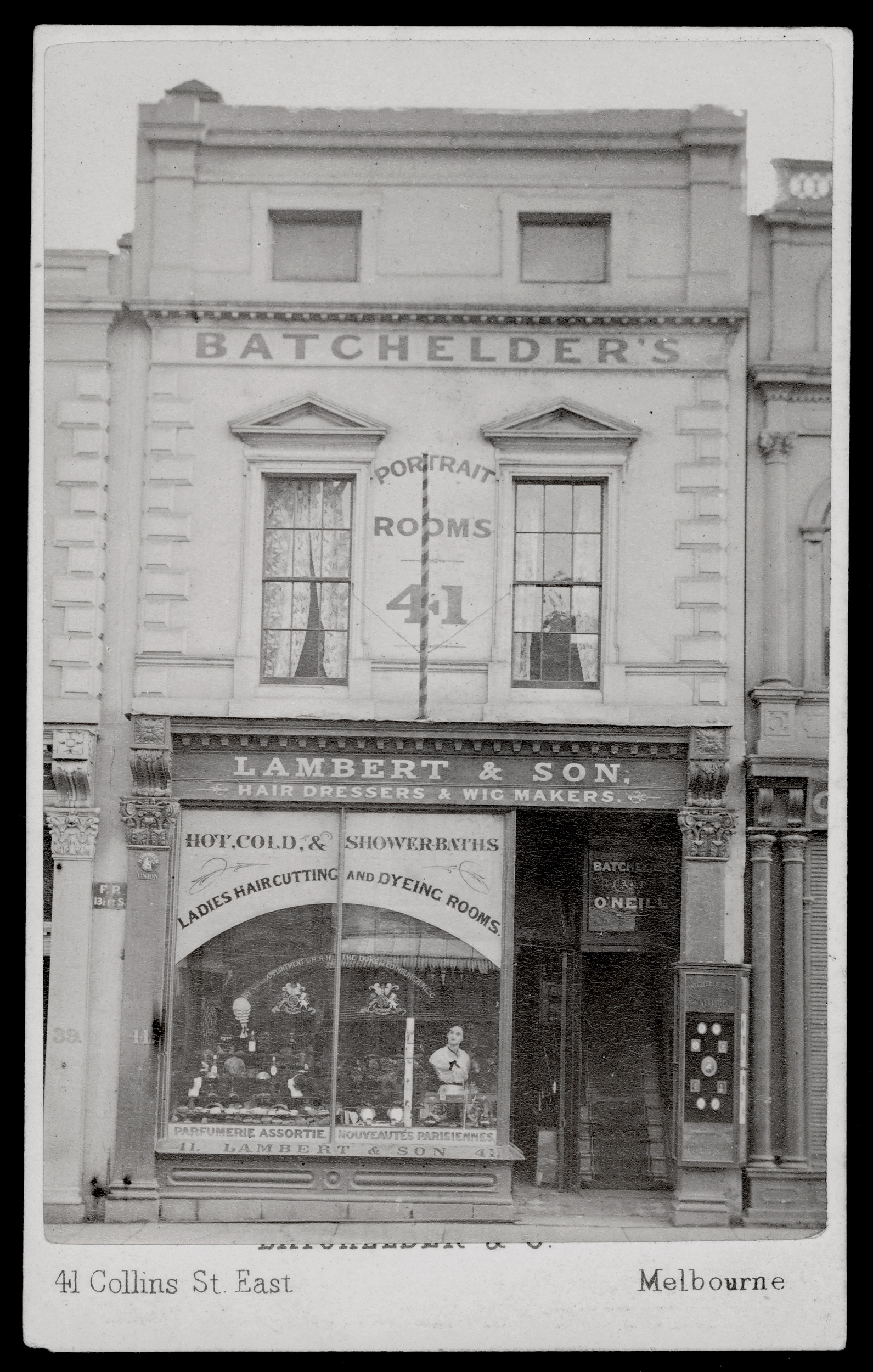
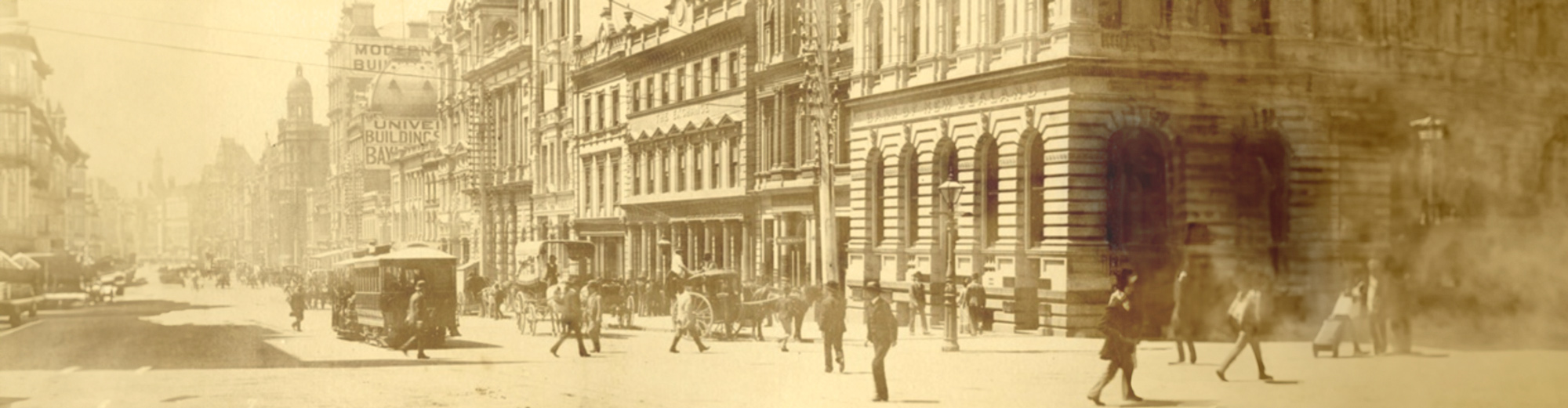
The work is produced in the Batchelder studio, 41 Collins Street East, Melbourne. This was established by the well-known American Batchelder brothers, who had come to the Australian goldfields directly from the Californian goldfields with the sole purpose of setting up a photographic business. While they had left by the stage this photo was taken, the studio name remained associated with the address for several decades.
41 Collins St E- premises of Batchelder & Co, upstairs.
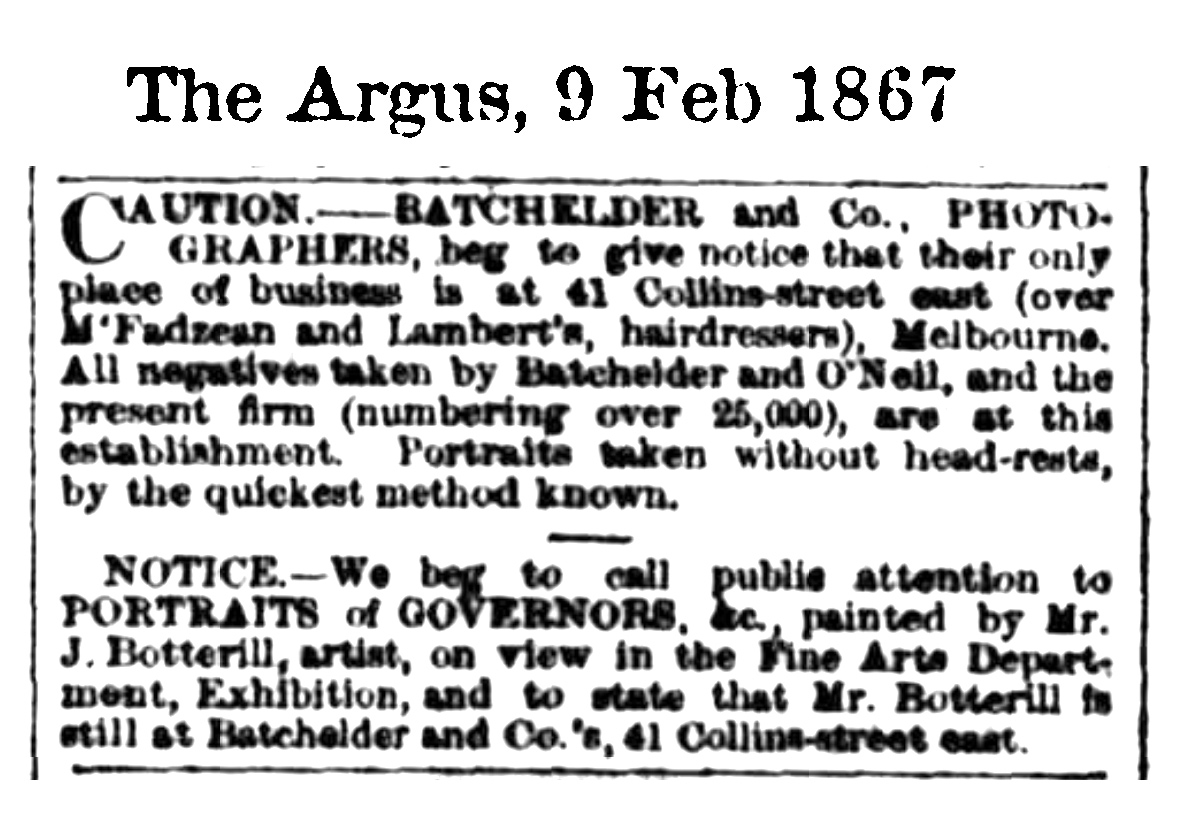
Batchelder’s was regarded as a premium establishment, and many of the images of notable members of Melbourne society of the period were the product of the studio. In 1867, an advert reminds the public that Batchelder’s has now been going for 11 years – ie since 1856 – and has stored over 25,000 negatives in case you would like a re-print!
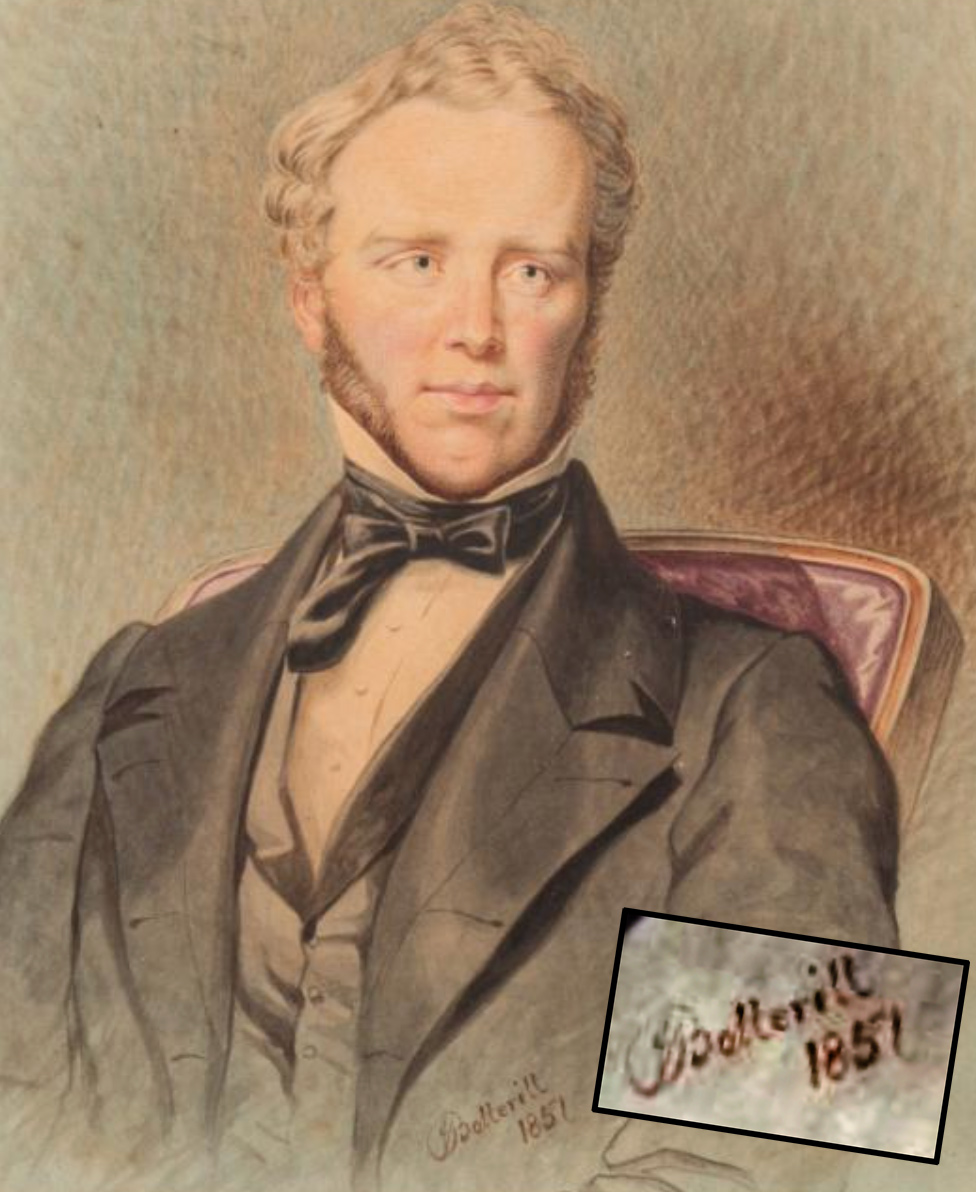
The image is signed in pencil to the back, ‘Botterill / Artist’. This is a very interesting detail: the ‘artist’ was John Botterill, described as miniaturist, portrait painter and professional photographer. He was active in Melbourne in the mid 1850’s joined the organising committee for the 1853 Victorian Fine Arts Society’s exhibition, to which he contributed eight works including a miniature self-portrait. In 1859, he is working as a ‘visiting master’ at Woodford House, a school for Young Ladies in Park Street. In 1861, he joined Batchelder’s Photographic Portrait Rooms in Collins Street East, ‘engaged … to paint miniatures and portraits in oil, watercolour or mezzotint – these deserve what they are receiving, a wide reputation’. He also gained knowledge of photography from somewhere, so probably learnt ‘on the job’ in the busy studio. In 1866, he became one of the partners of the firm alongside Dunn & Wilson, and in 1867 the firm won a medal at the Intercolonial Exhibition for their tinted photographs. This was the work of Botterill, as the advertising from that year emphasises:
“…the PORTRAITS… painted by Mr J. Botterill, artist…. on view in the Fine Art Department , (at the) Exhibition, and to state that Mr Botterill is still at Batchelder and Co’s, 41 Collins St East..”
The use of ‘is still at‘ is curious, and perhaps reveals problems in the company. They parted ways at around this time. In his 1869 adverts, Botterill declares: “J. BOTTERILL. Portrait Painter and Photographer, REMOVED from Batchelder’s to 19 Collins Street East” He continues at this address for several years, before opening in Elizabeth Street for his final years. He died in 1881.
“Lady Parkes as a Young Girl” – but which one?
Who is ‘Lady Parkes’?
The subject of this photo would be hard to place if it didn’t have the inscription, added to the backing of the original. Sir William Parkes had 3 wives, but we can identify who this one is by the fact the photography studio was in Melbourne. His first, Clarinda, was born in England in 1813 and far too old when they migrated to Sydney in 1839. The third, Julia was born in 1872 – probably after this photo was taken – so she’s not possible. The second, Eleanor, was born in 1857, so is the right age for a Melbourne photograph in the late 1860’s, early 70’s.
John Botterill’s signature, Portrait of Eleanor Dixon/Lady Parkes 1870
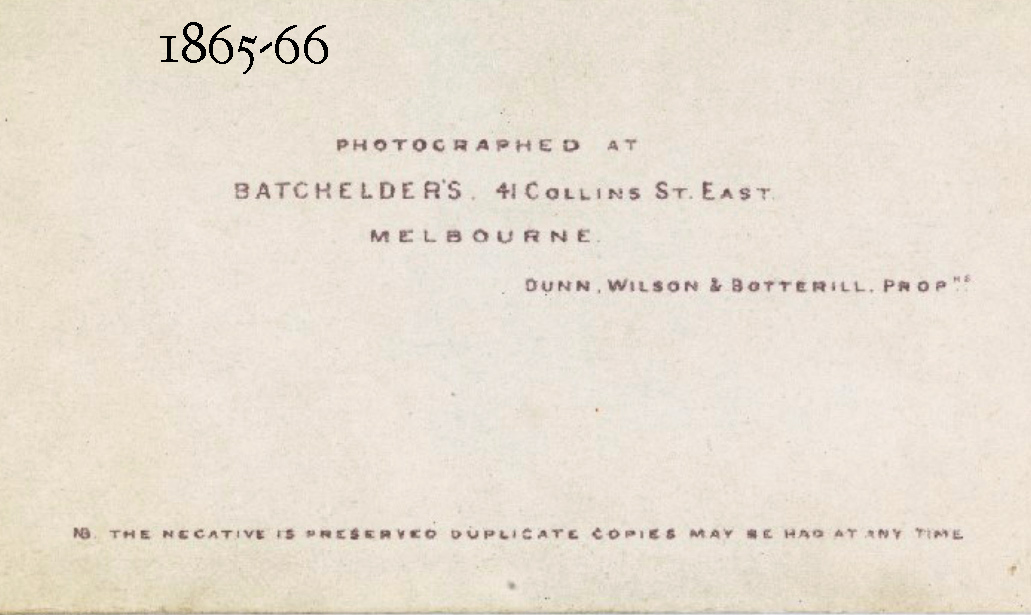
John Botterill signed this piece, on a Batchelder-branded photograph. Note there is no ‘partnership’ described, as was the case 1866-68. Having the partnership details removed would suggest it belongs to a transitional period – the photograph taken at 41 Collins Street East, with the painting done by Botterill a few doors down at his studio, 19 Collins Street East. There was still a strong connection, as after Botterill died in 1881, the Batchelder studio advertises that they have added the archive of Botterill’s negatives to their own extensive archive.
The final dating evidence is the arrival of Eleanor Dixon, the future Lady Parkes, in Melbourne as a migrant. She was from Wooler, Northumberland, one of five children, her father listed as a ‘Master Shoemaker’. He died in 1869, and several months later, Eleanor’s elder brother was married and promptly left for Australia. Eleanor and three siblings followed in 1870, accompanied by their mother.
Lady Eleanor Parkes as a girl, c.1870
1870 becomes the most probable date for the portrait. Eleanor would have been 12 or 13, an appropriate age for the girl in the photo, who still has her hair ‘out’, indicating she was not yet considered an adult. Around her neck is a black ribbon with large gold locket: this is typical Victorian mourning jewellery, and no doubt had a portrait of her late father in it.
We can imagine the scene: the newly arrived family caught up in the bustle & thrill of Marvellous Melbourne in the post-Gold rush boomtown, celebrating their new life with a very fine portrait. She engages the viewer with a very frank, inquisitive look. There’s a pink rose on her dress, and she is presented as a true ‘English Rose’, her hair spilling wildly out over her lace-trimmed dress, not yet constrained on top of the head in an adult style. For the young Eleanor, the future was as golden as the mounts of this image; anything was possible – and indeed, for a few years in the 1890’s she achieved something remarkable, marrying one of the most powerful men of the age, the ‘Father of Federation’.
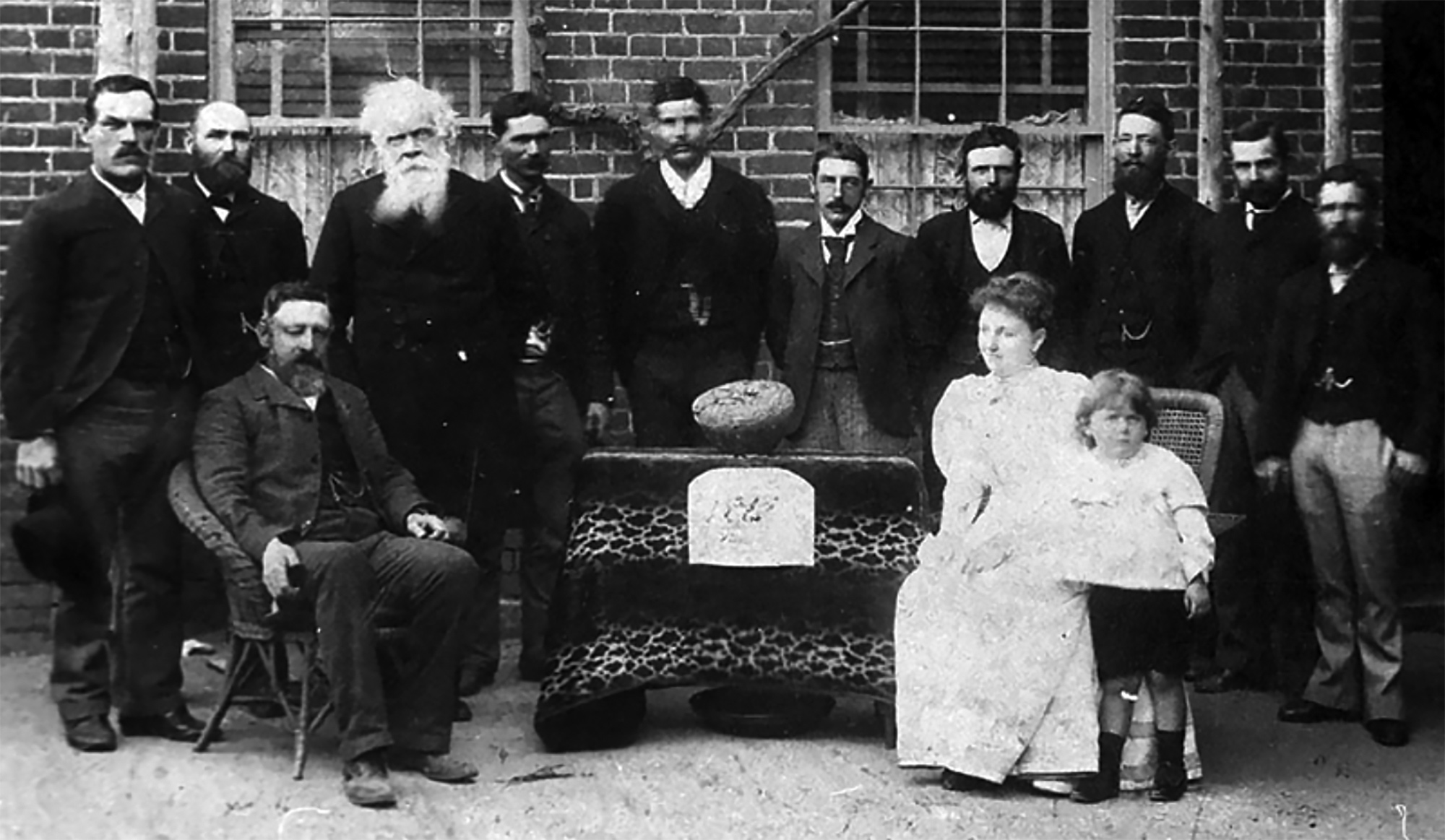
On the theme of a ‘Golden Future’, there’s a wonderful image of Lady Eleanor Parkes on tour with Sir Henry: they were visiting the offices of Bushman’s Mine in around 1890; sitting to the right with her son is Eleanor, beside a very strong table on which sits a big lump of gold castings. The label at the front reveals its weight to be 1,347oz – and named “The Lady Parkes” in her honour!
Bushman’s Mine, Parkes: a 1,347oz ingot titled “The Lady Parkes”, with its namesake sitting to the side! Sir Henry is unmistakable on the other side with his wild white hair & beard.
Further Info on John Botterill & the Batchelder & Co Studio.
The 1866 partnership names appear on the lower image; the circa 1870 card back on the portrait of Lady Eleanor Parkes has had this removed, reflecting the updated state of the company.
1851 John Botterill miniature, English Market 2010’s
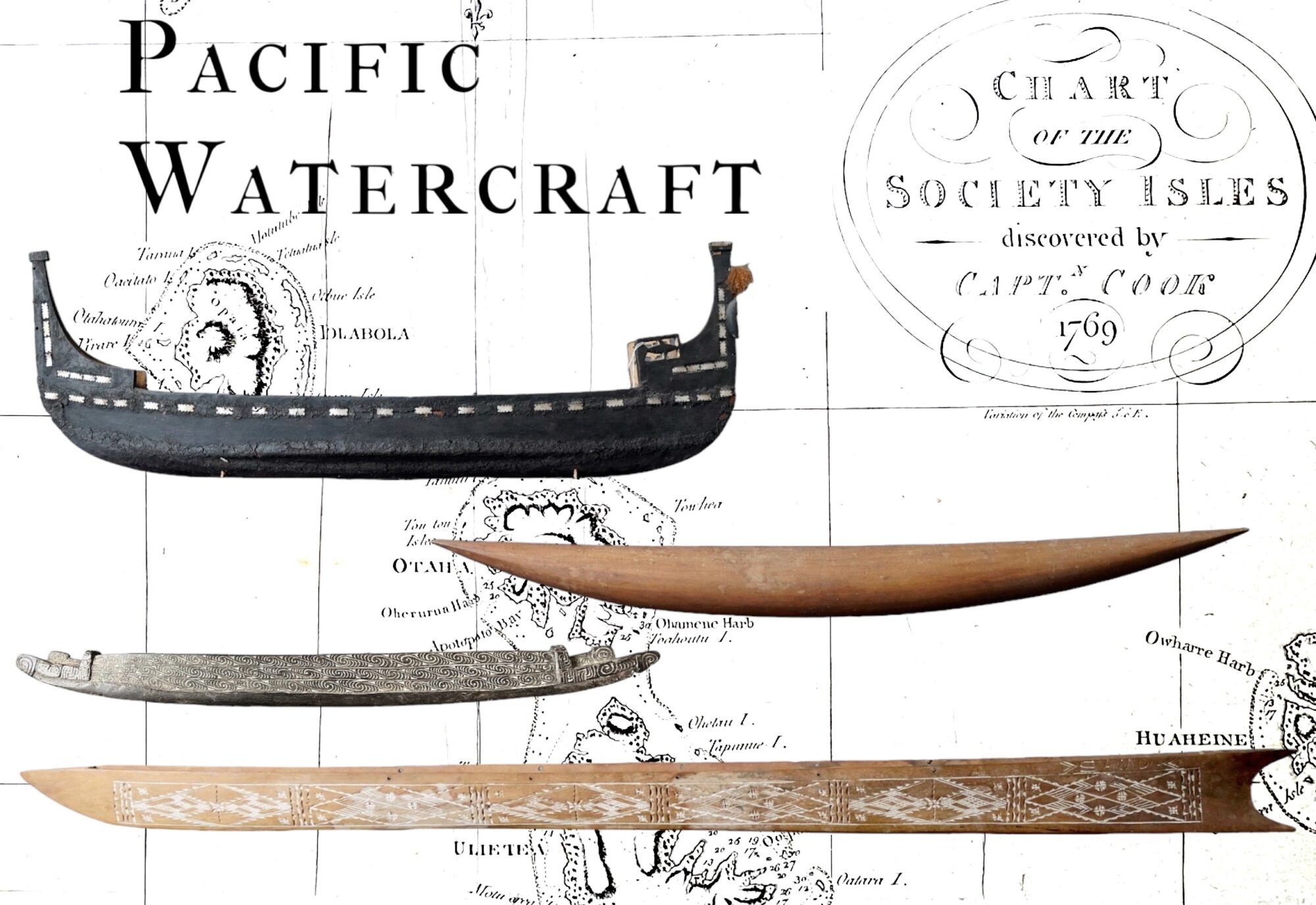
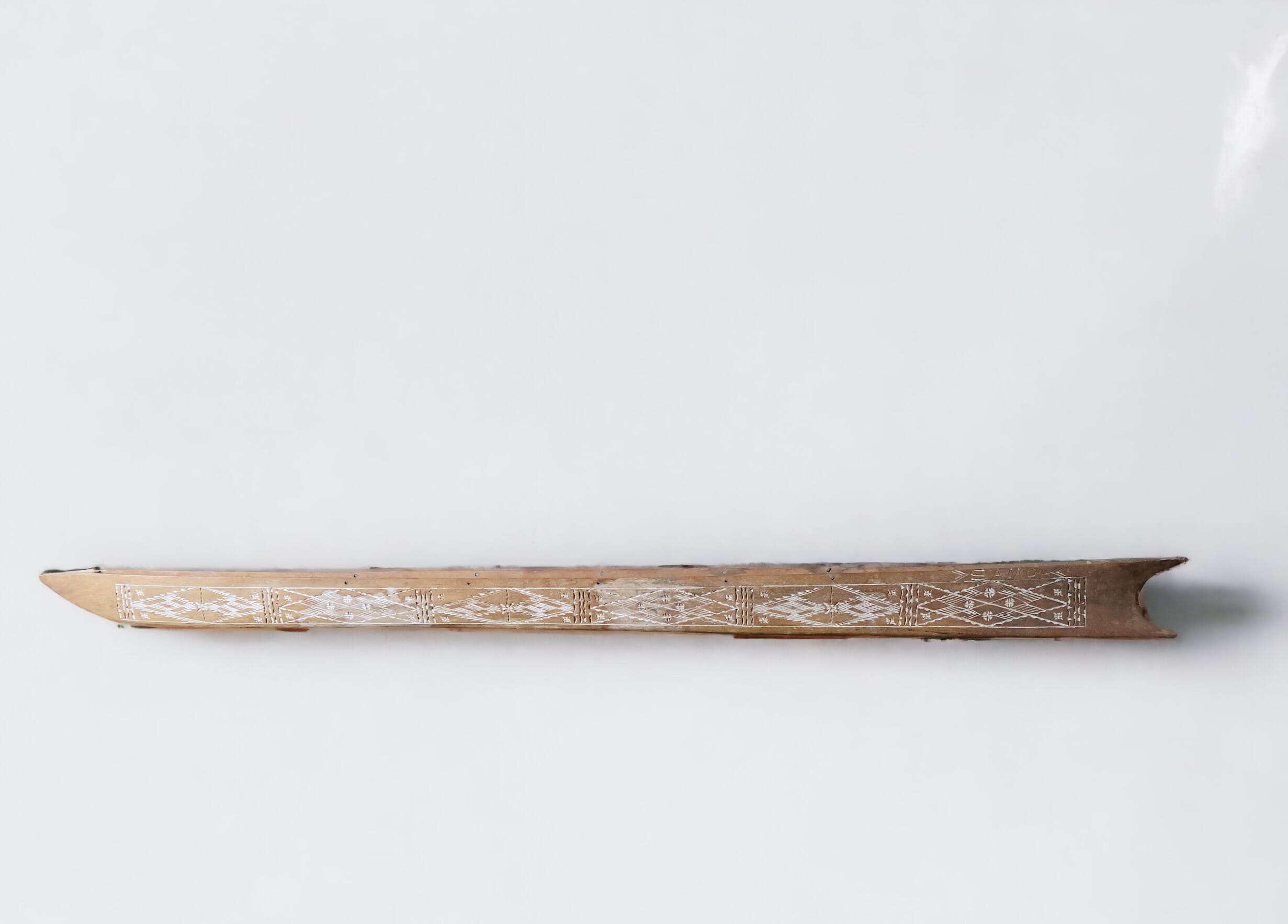
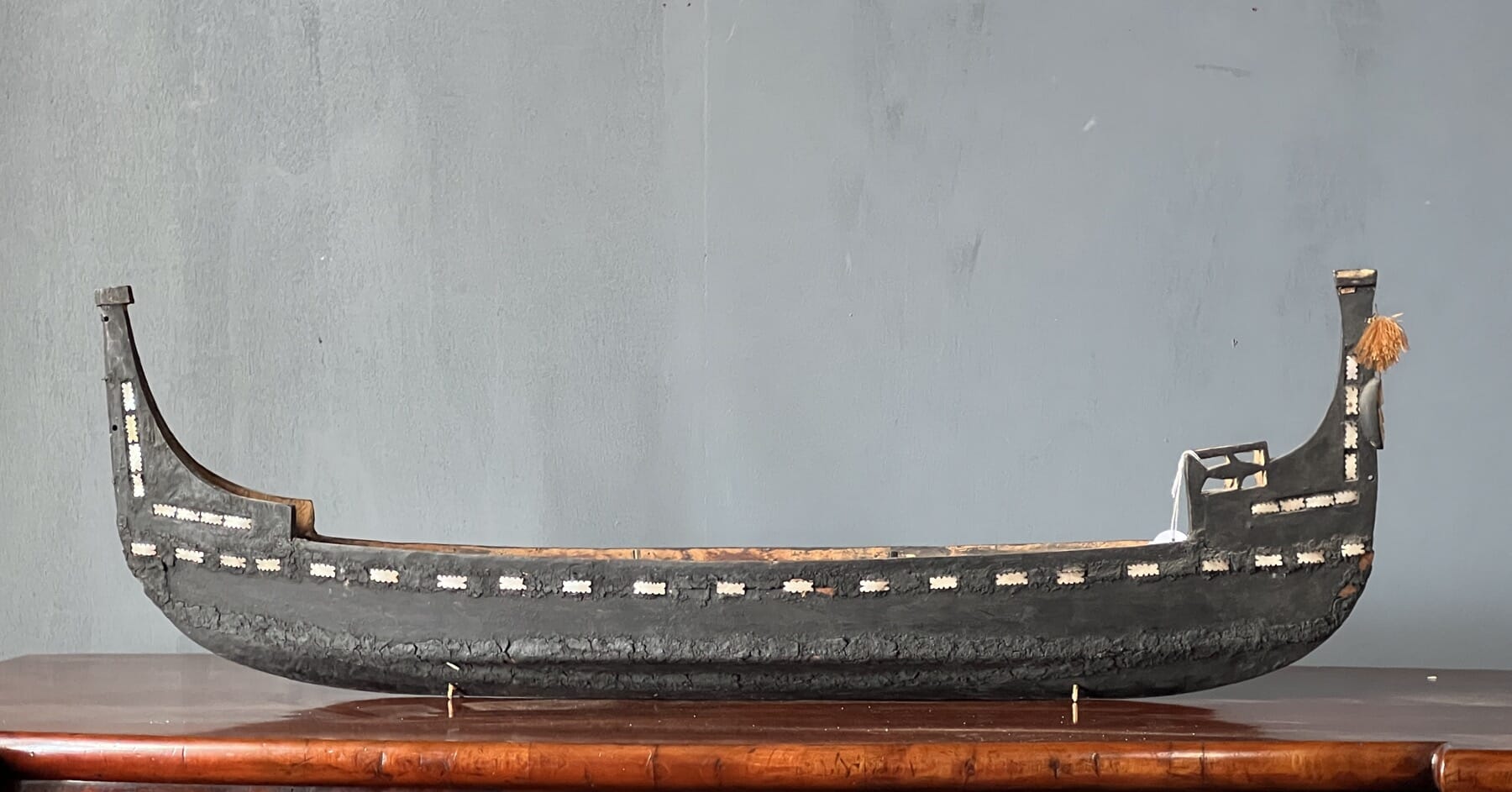
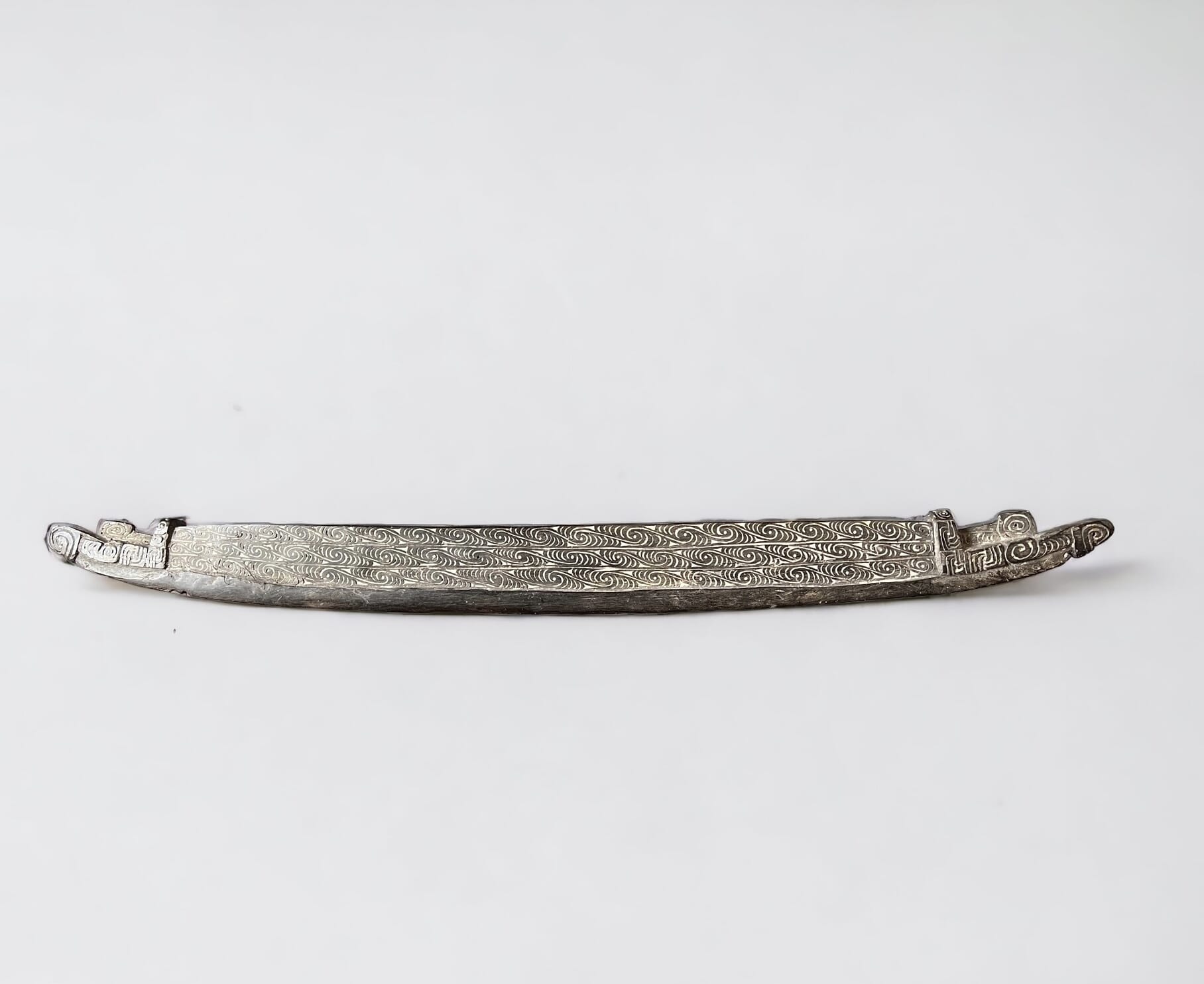
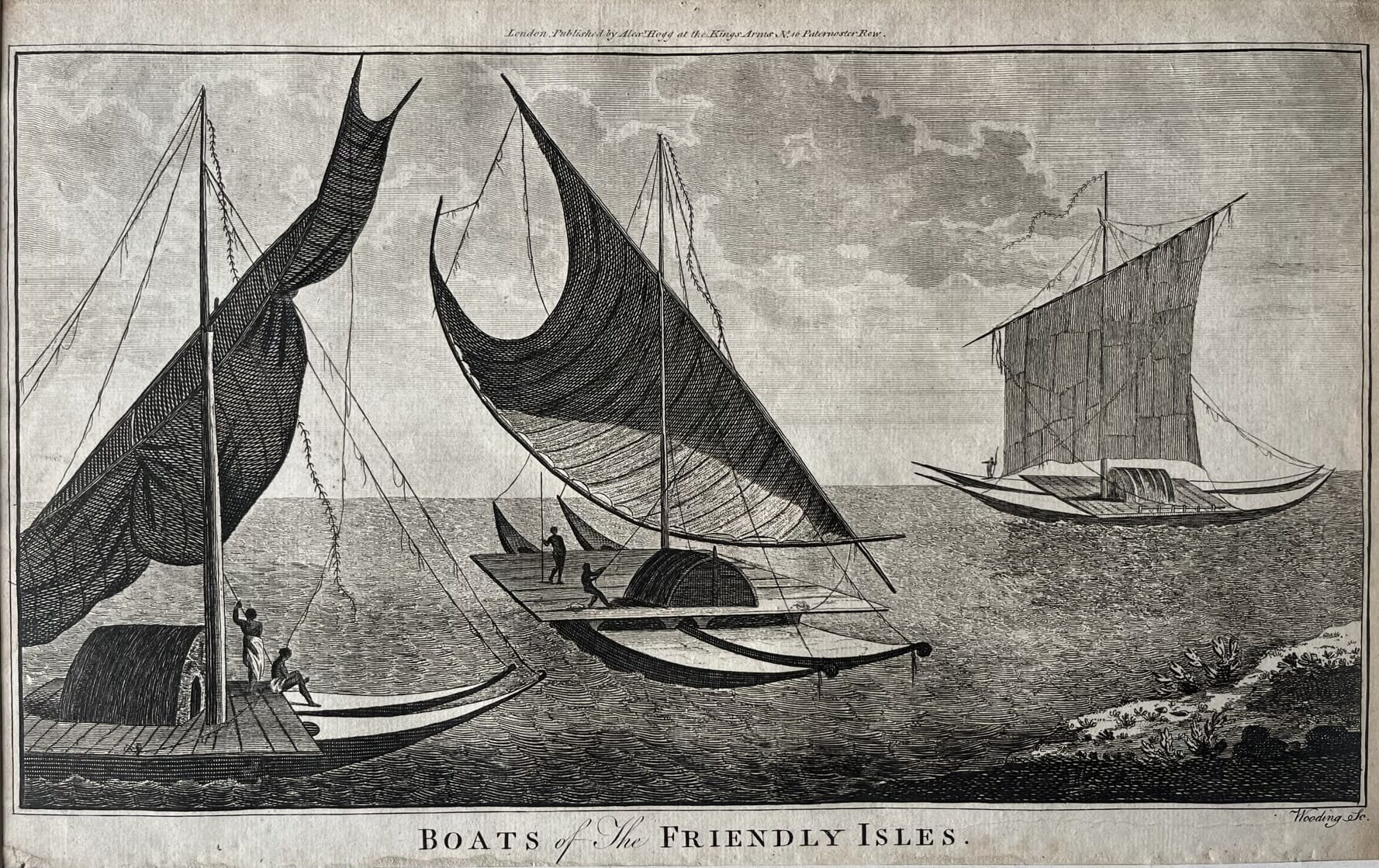
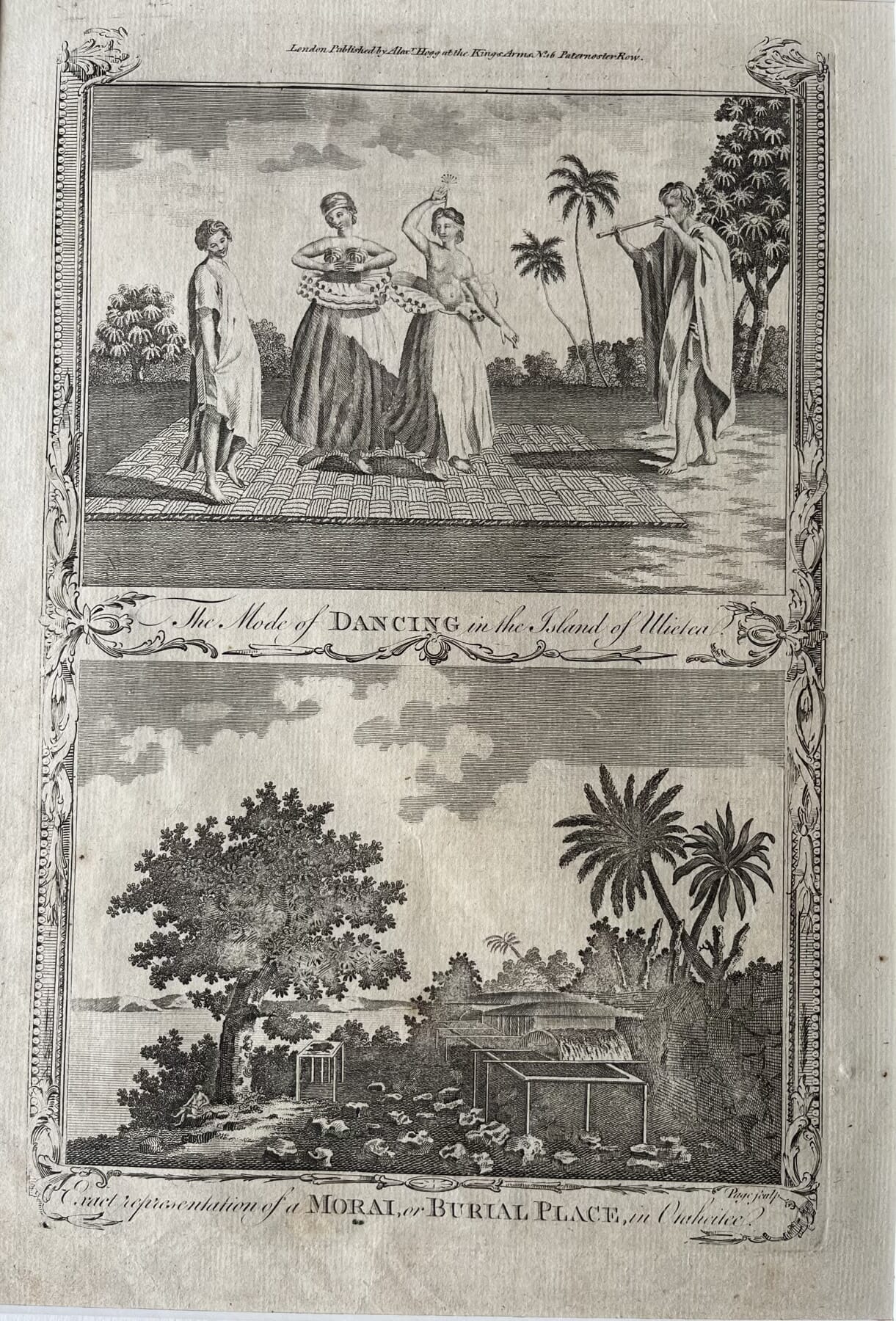
The Pacific Ocean is a large part of the surface of the planet – and it was almost entirely populated by mankind, thanks to the ingenuity of the navigators and ship-builders. Early European explorers were surprised to find flourishing cultures in remote corners of the Pacific, and greatly admired their watercraft. We have some fascinating models of these vessels at Moorabool.
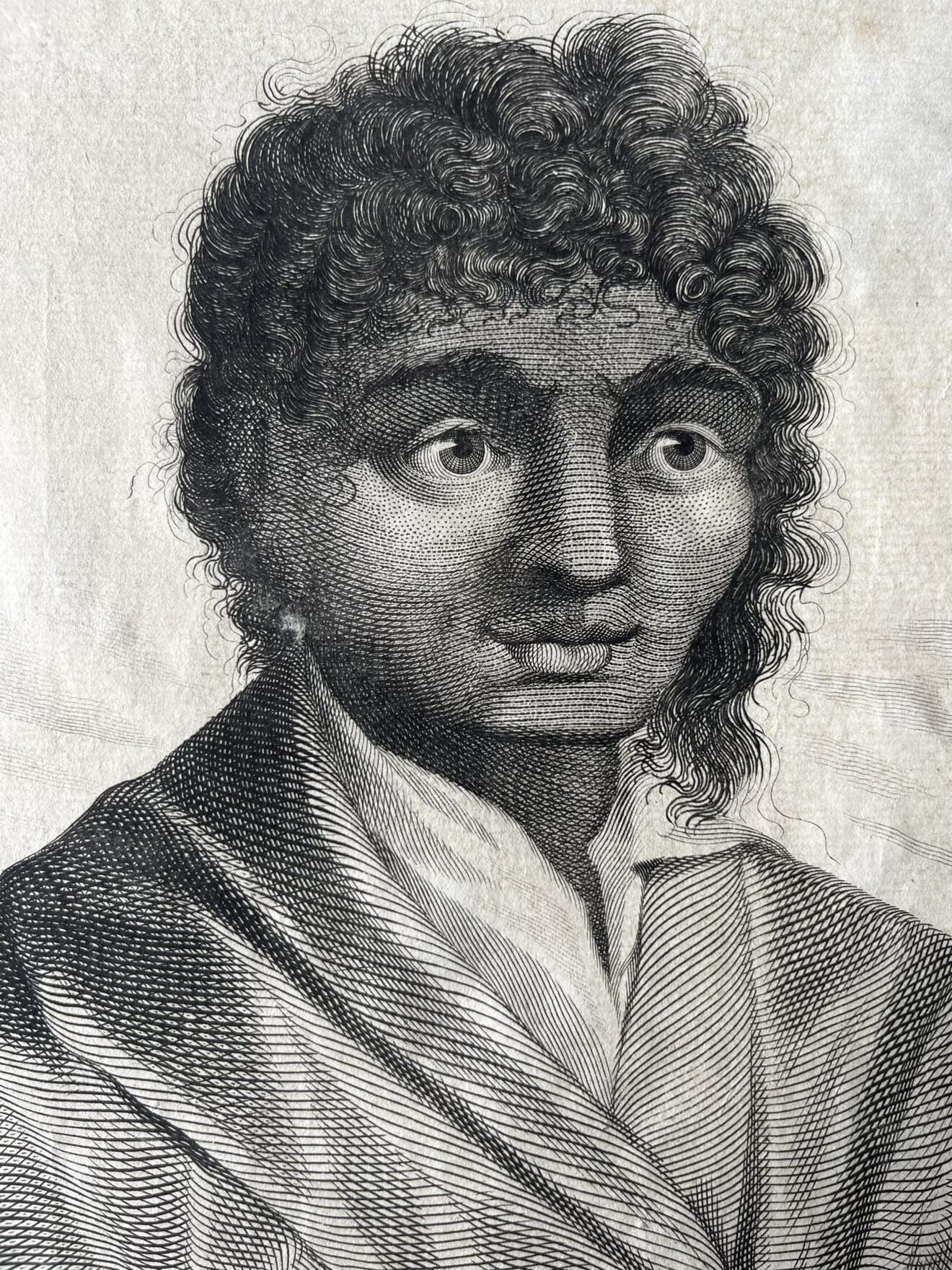
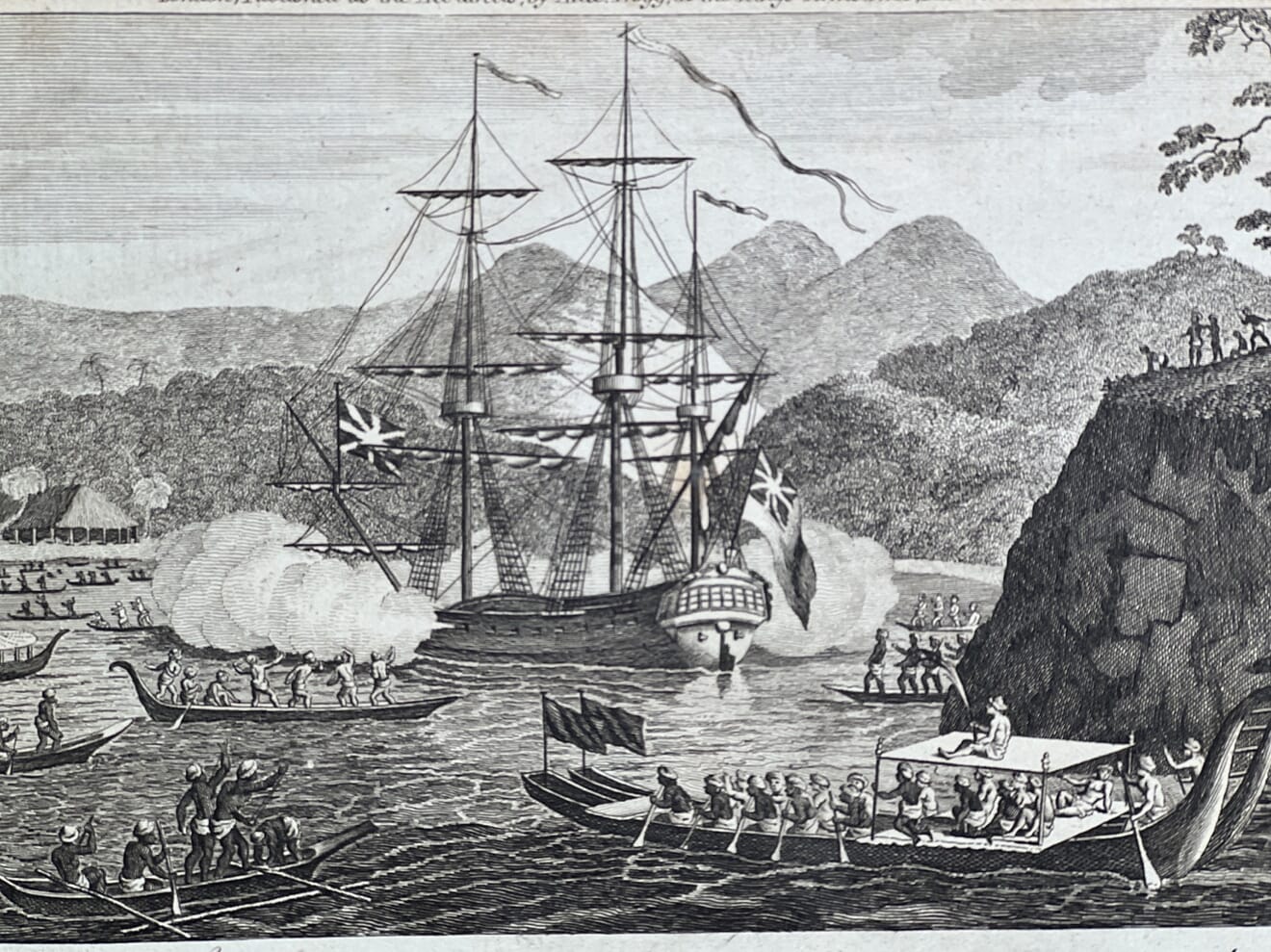
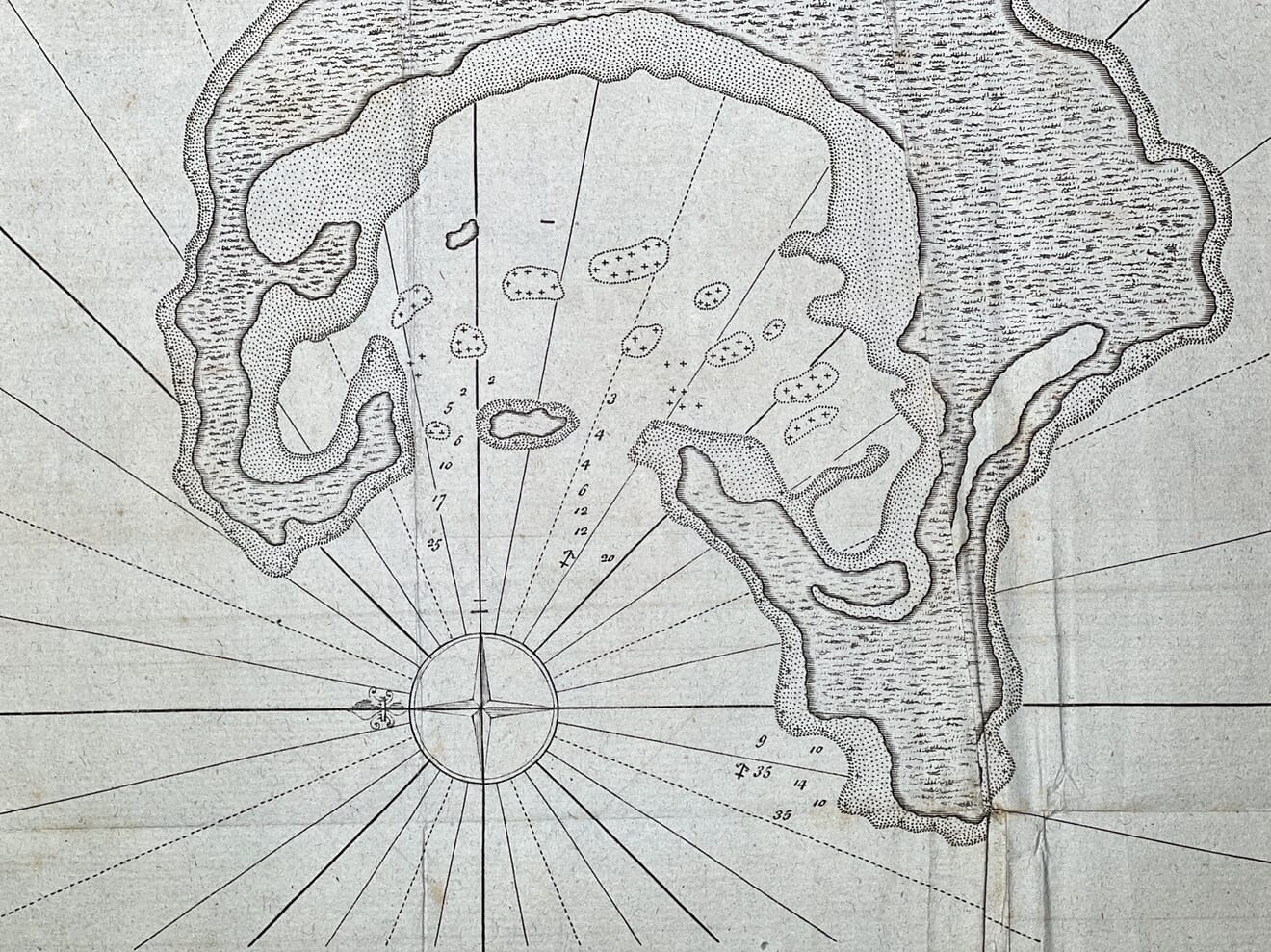
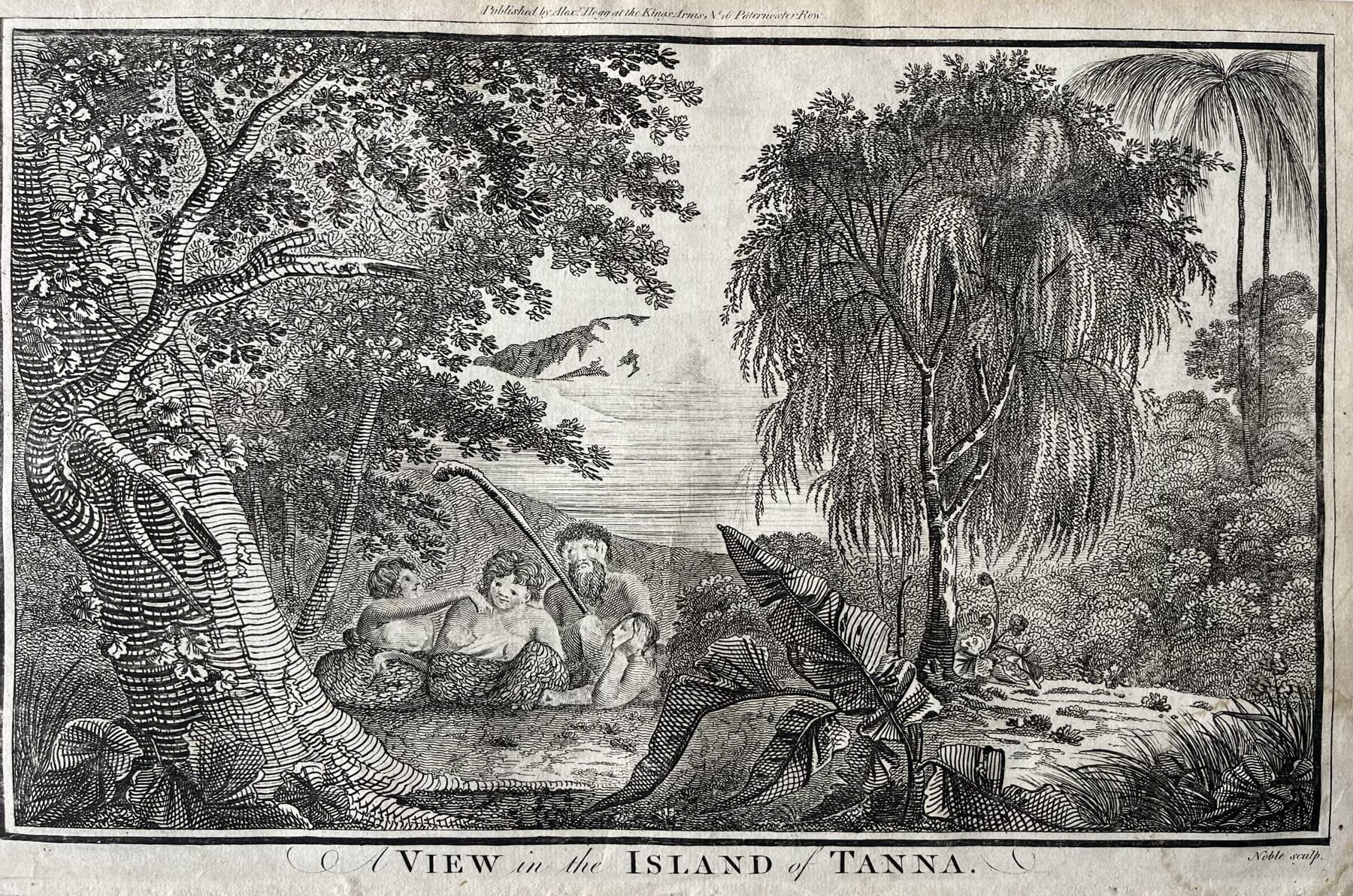
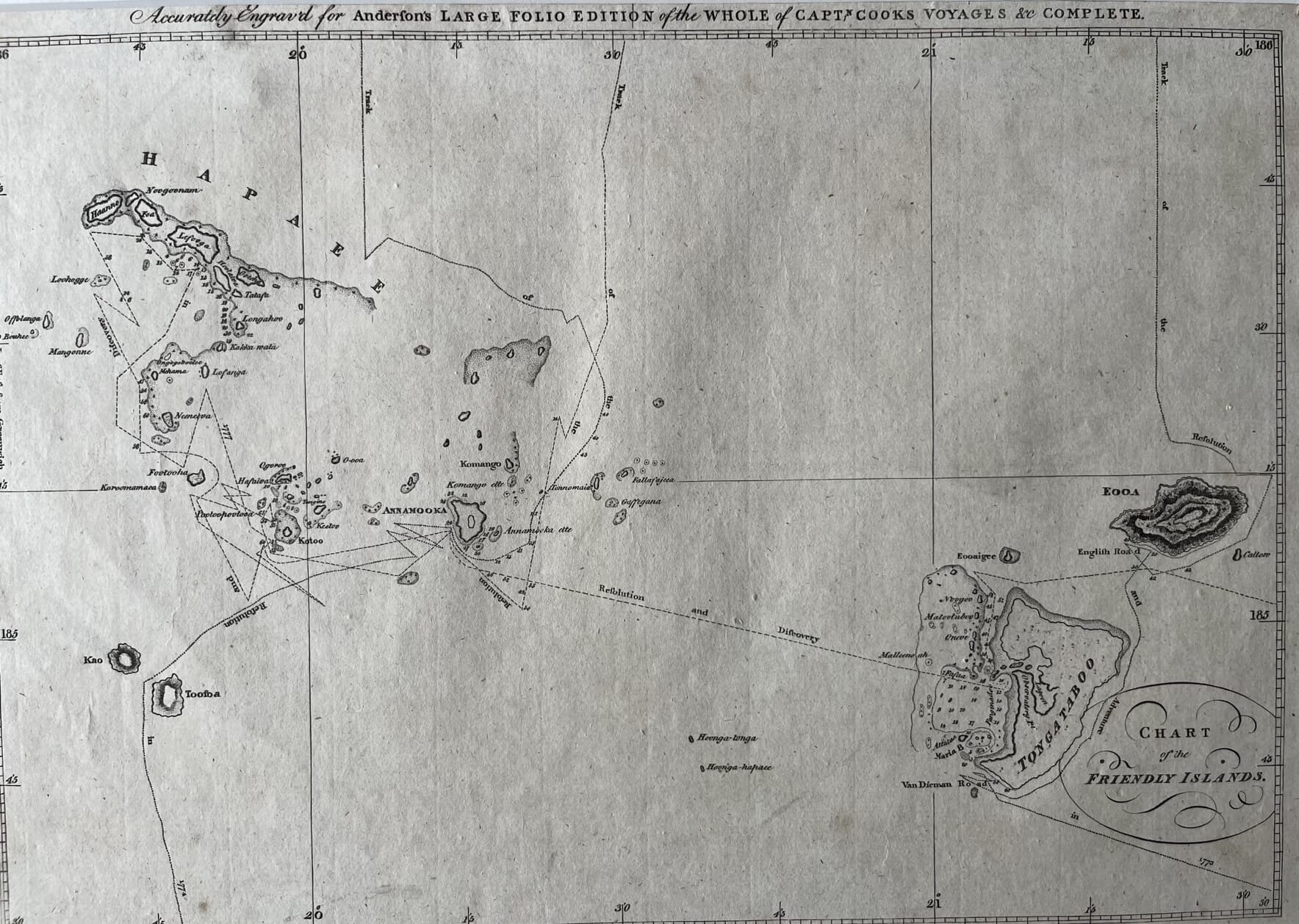
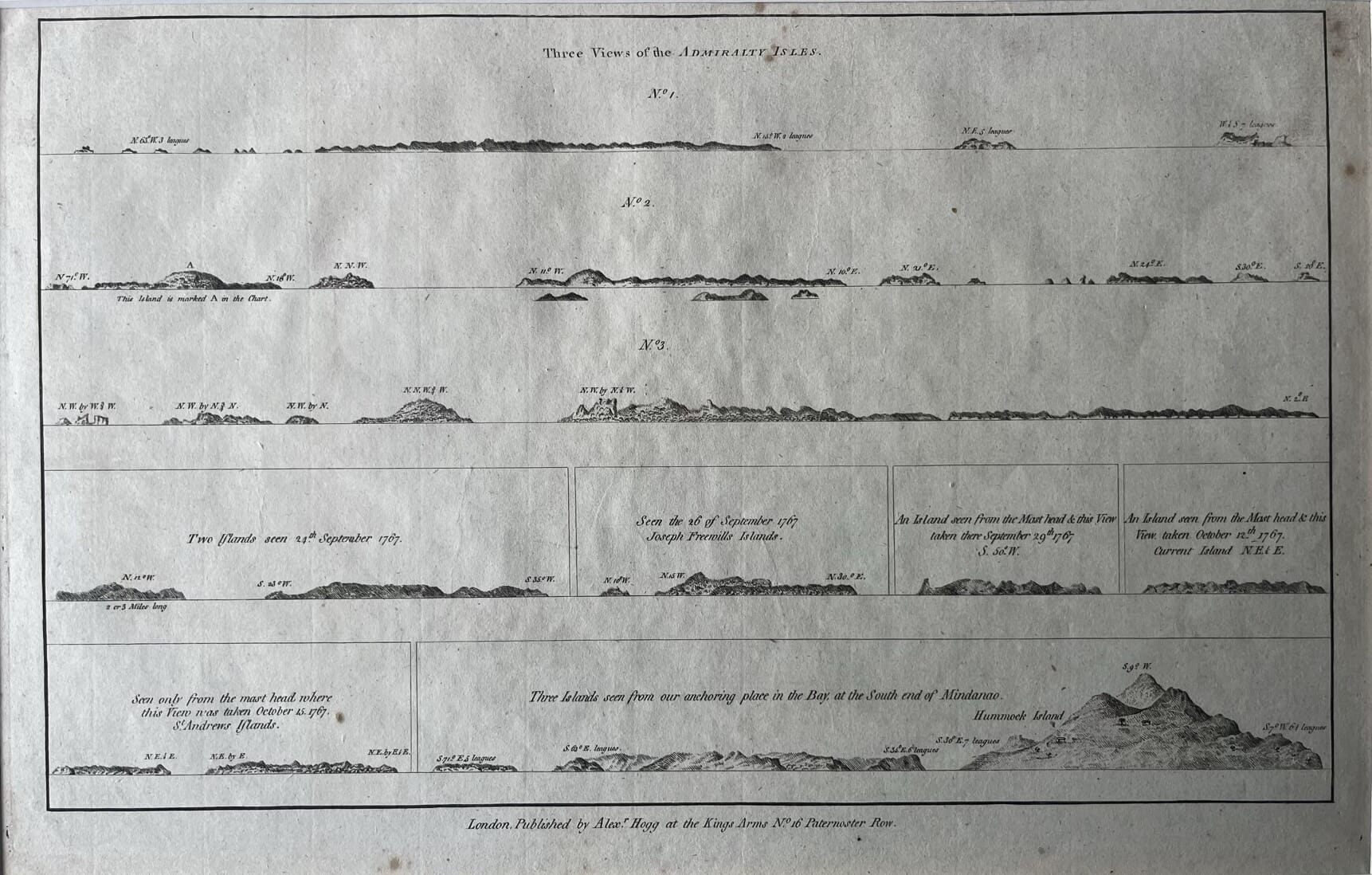
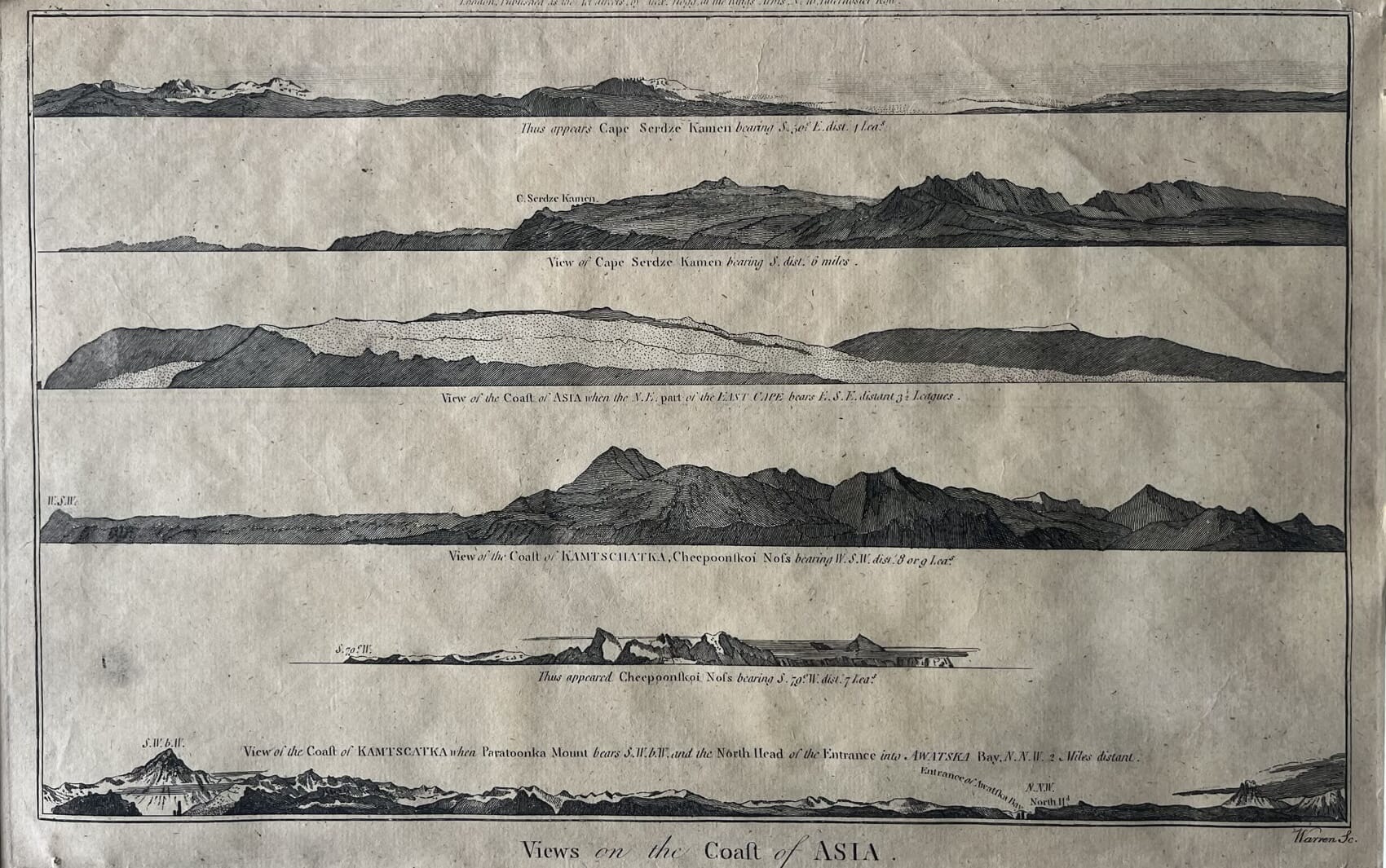
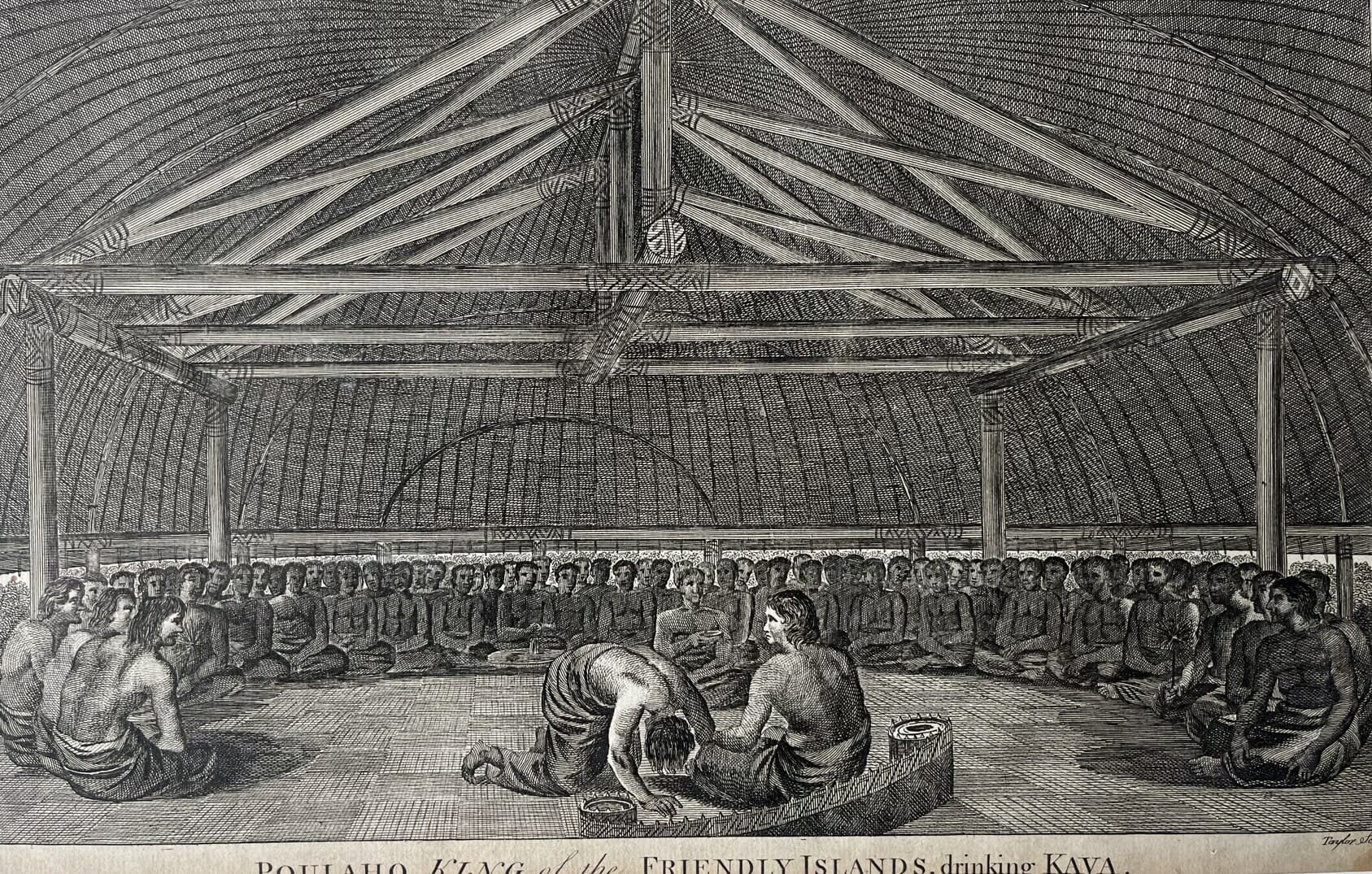
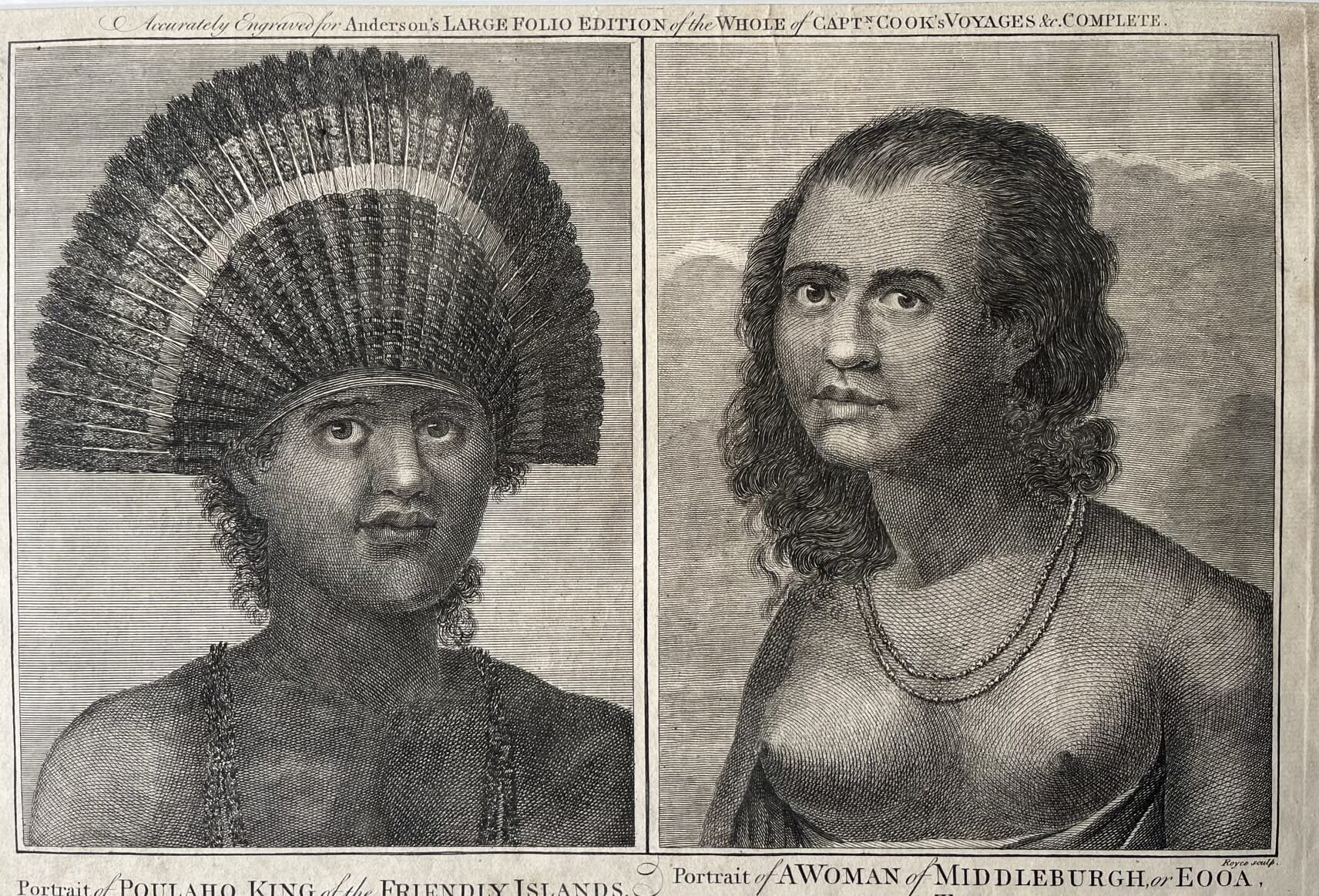
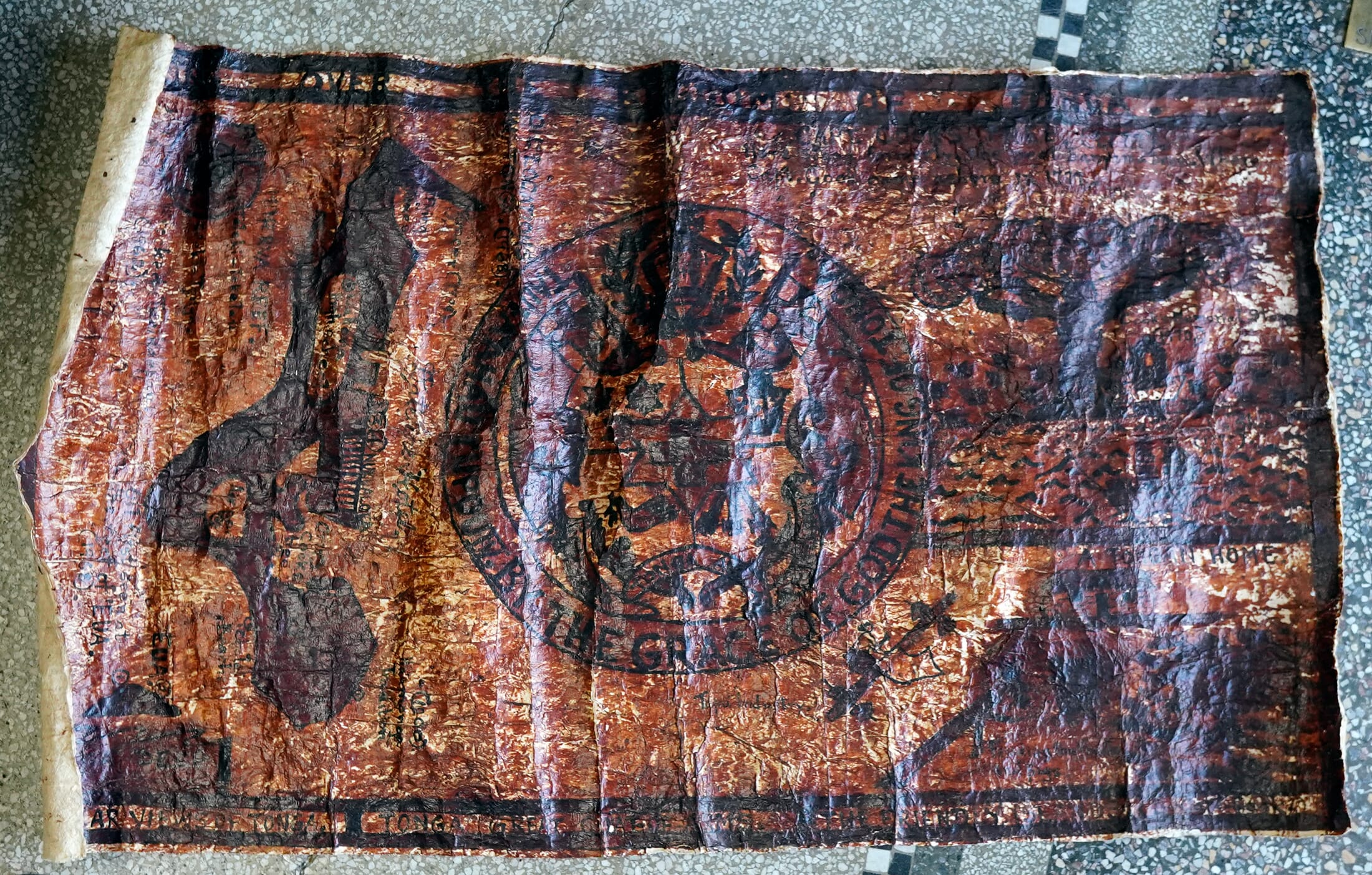
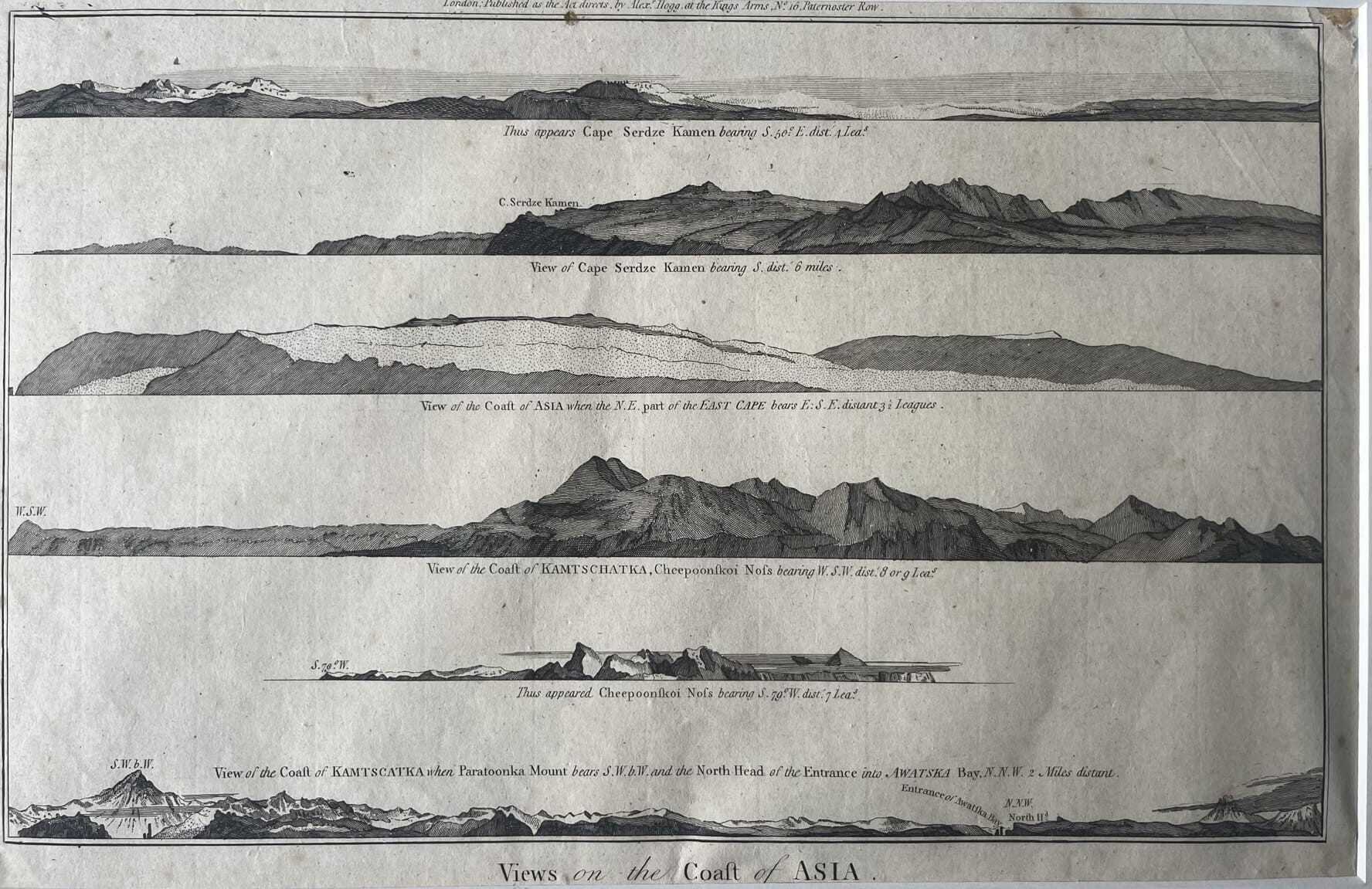
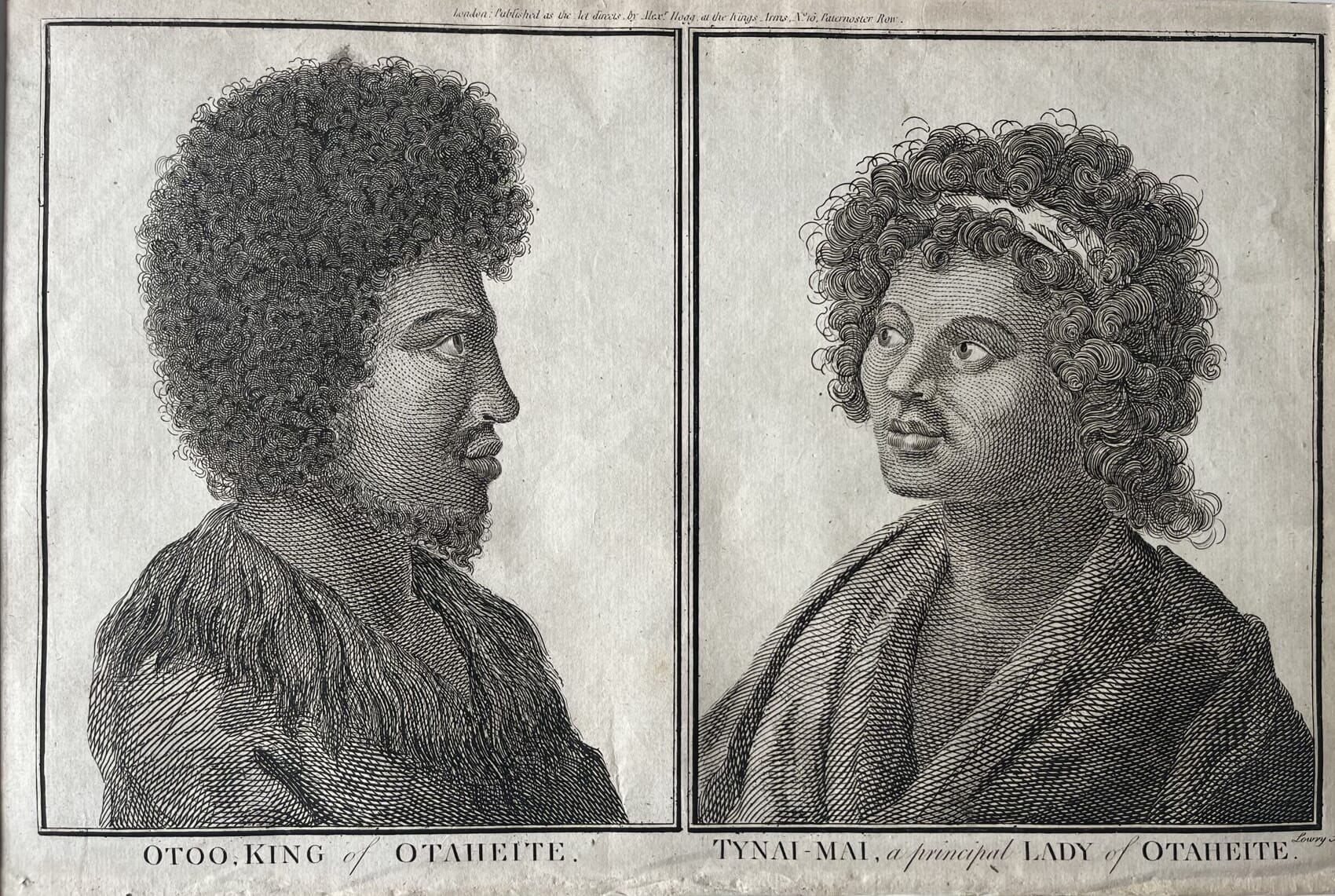
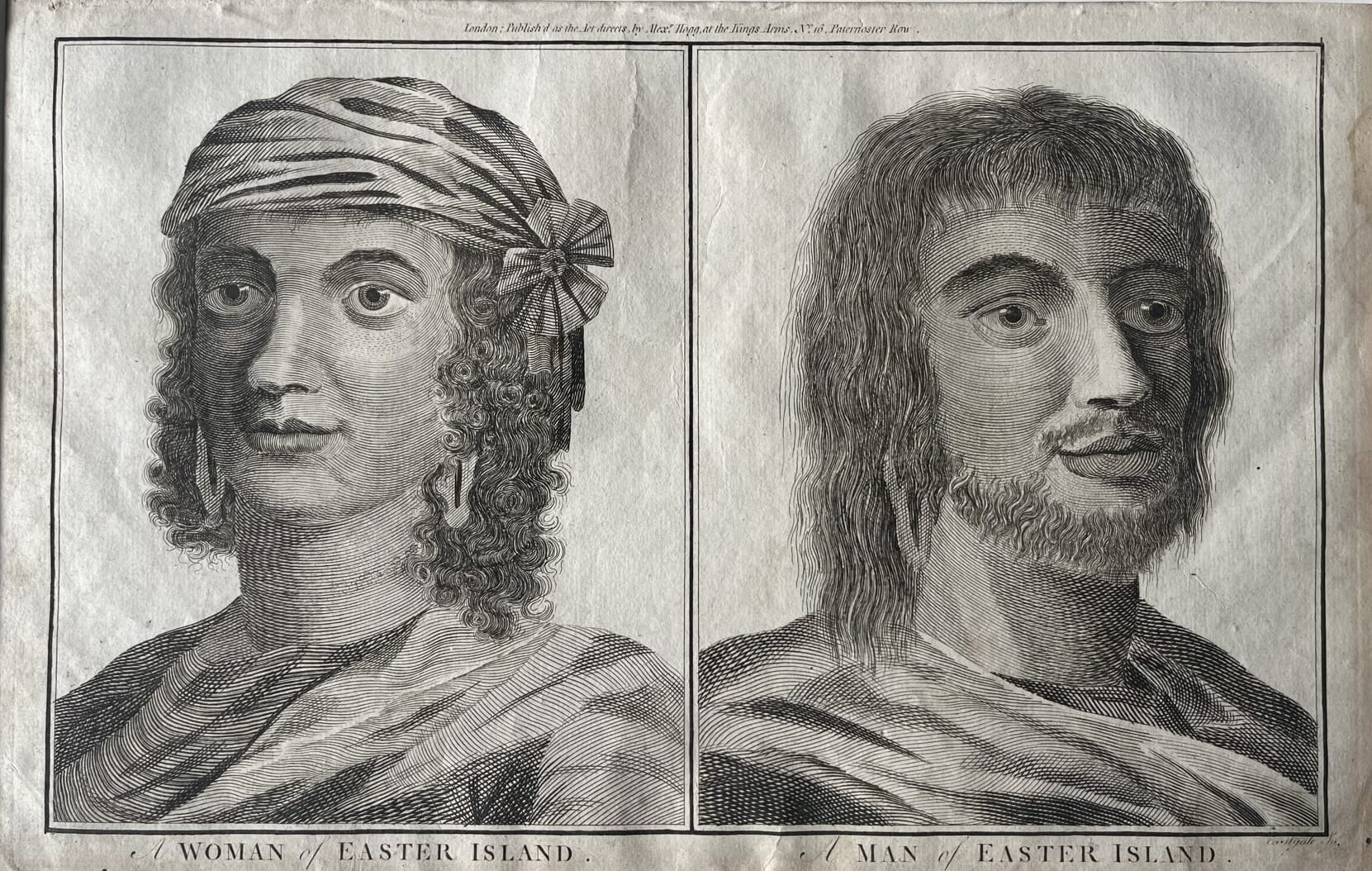
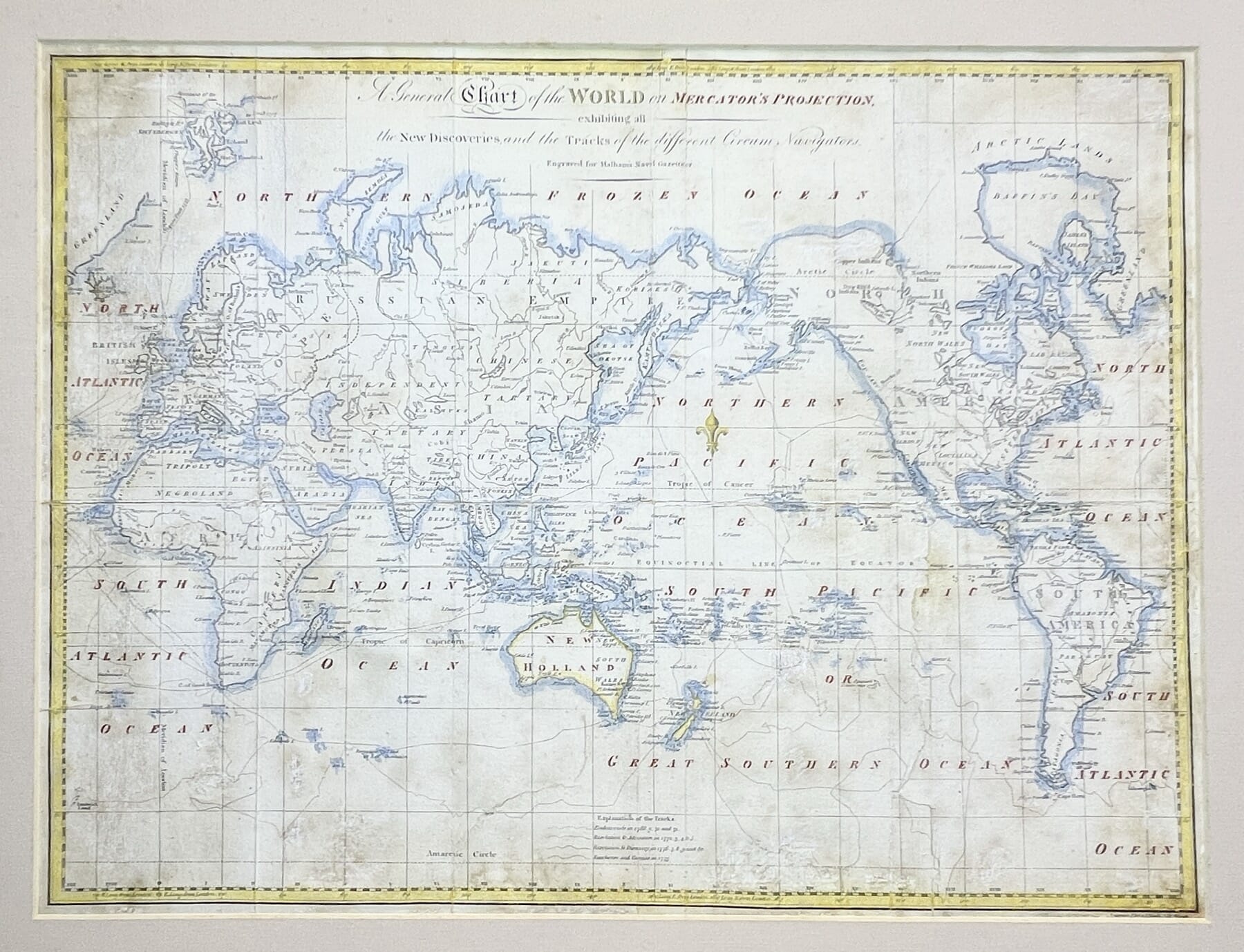
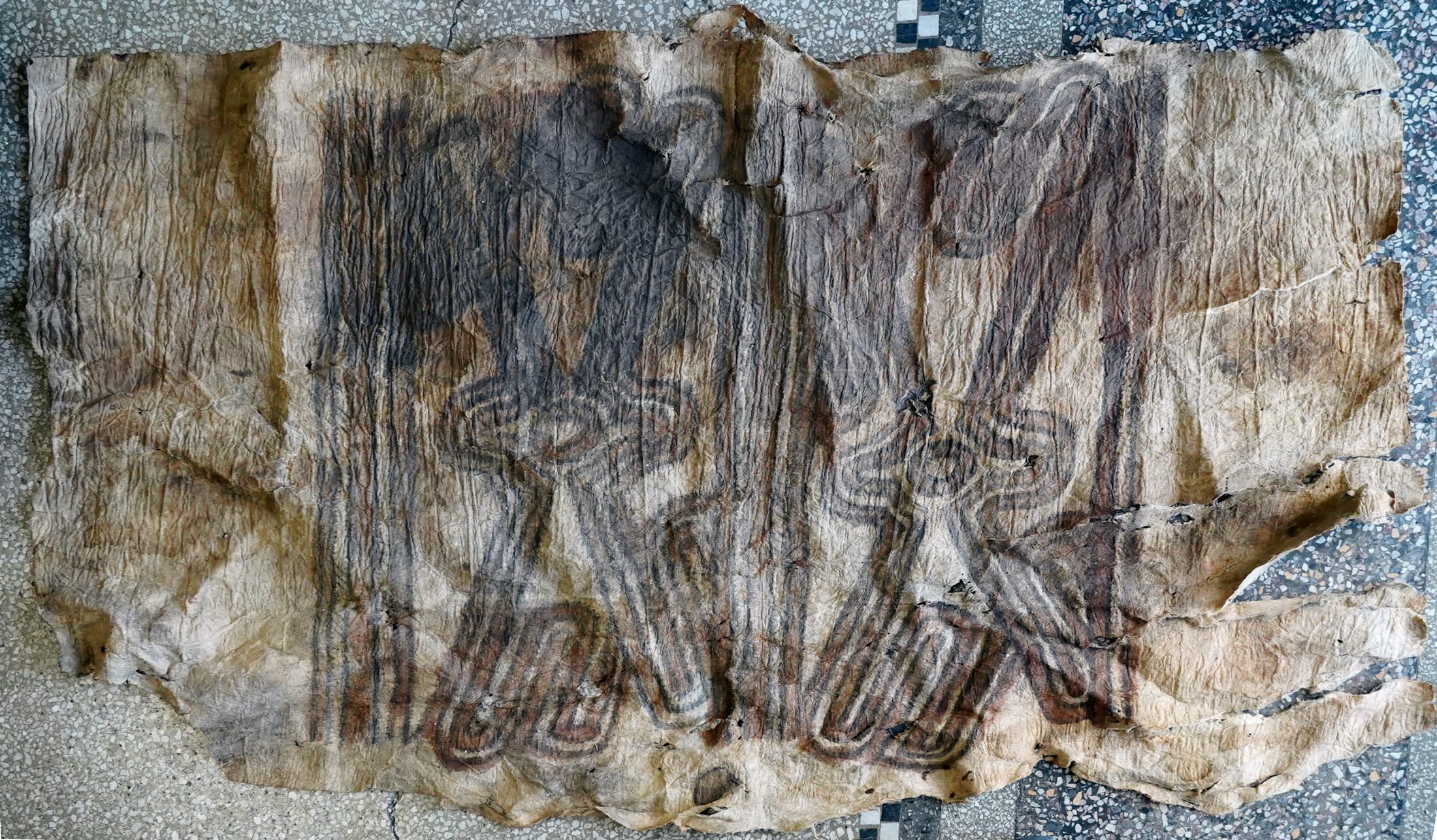
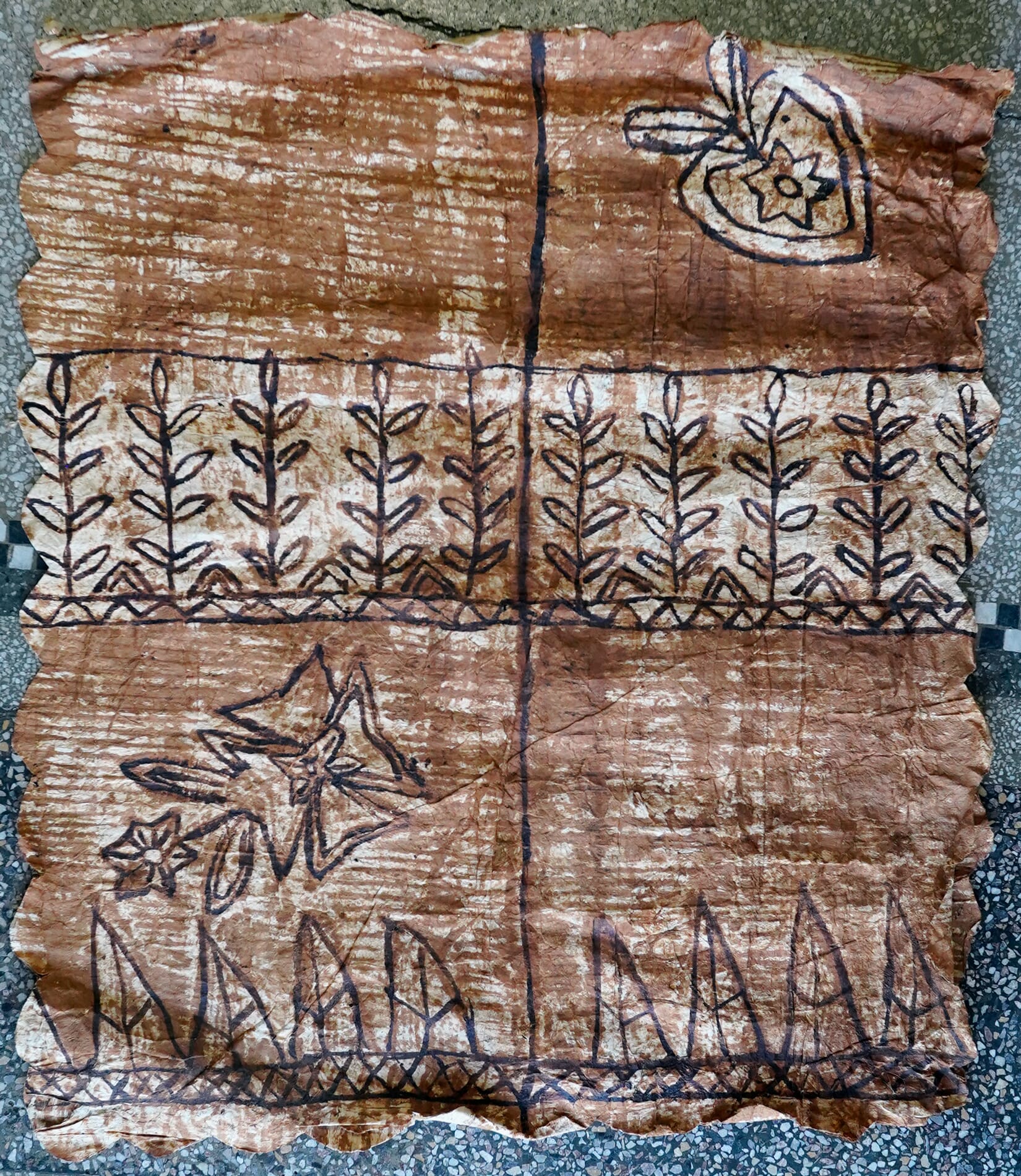
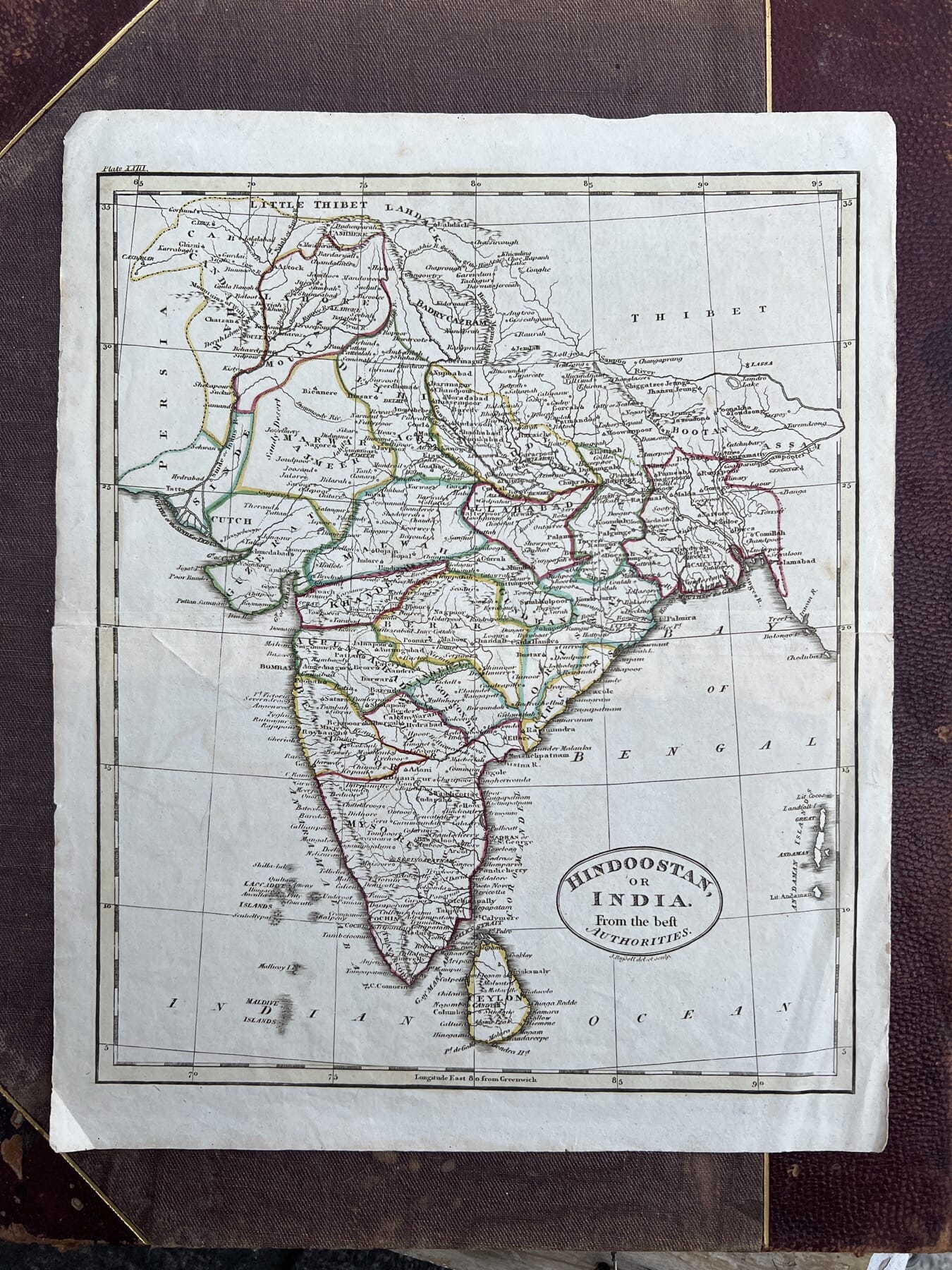
Tonga was explored by Cook in 1774, and named ‘The Friendly Isles’ due to his positive experience there. We have a series of interesting items relating to Tonga, from charts & images produced for the ‘Cook’s Voyages’ volumes printed in the 18th century, to a remarkable cloth map that includes the Captain Cook sites of significance, and the areas where oil was discovered in the 1960’s! For several decades, it looked like an oil rush was about to take place around Tonga, when at least one rich oilfield with millions of barrels potential was found. Today, this is almost forgotten – and Tonga is among the Pacific nations trying to curb the world’s reliance on oil, due to the potentially disastrous affect a rise in sea levels would cause. The ‘Oil Chart’ is a historic irony!
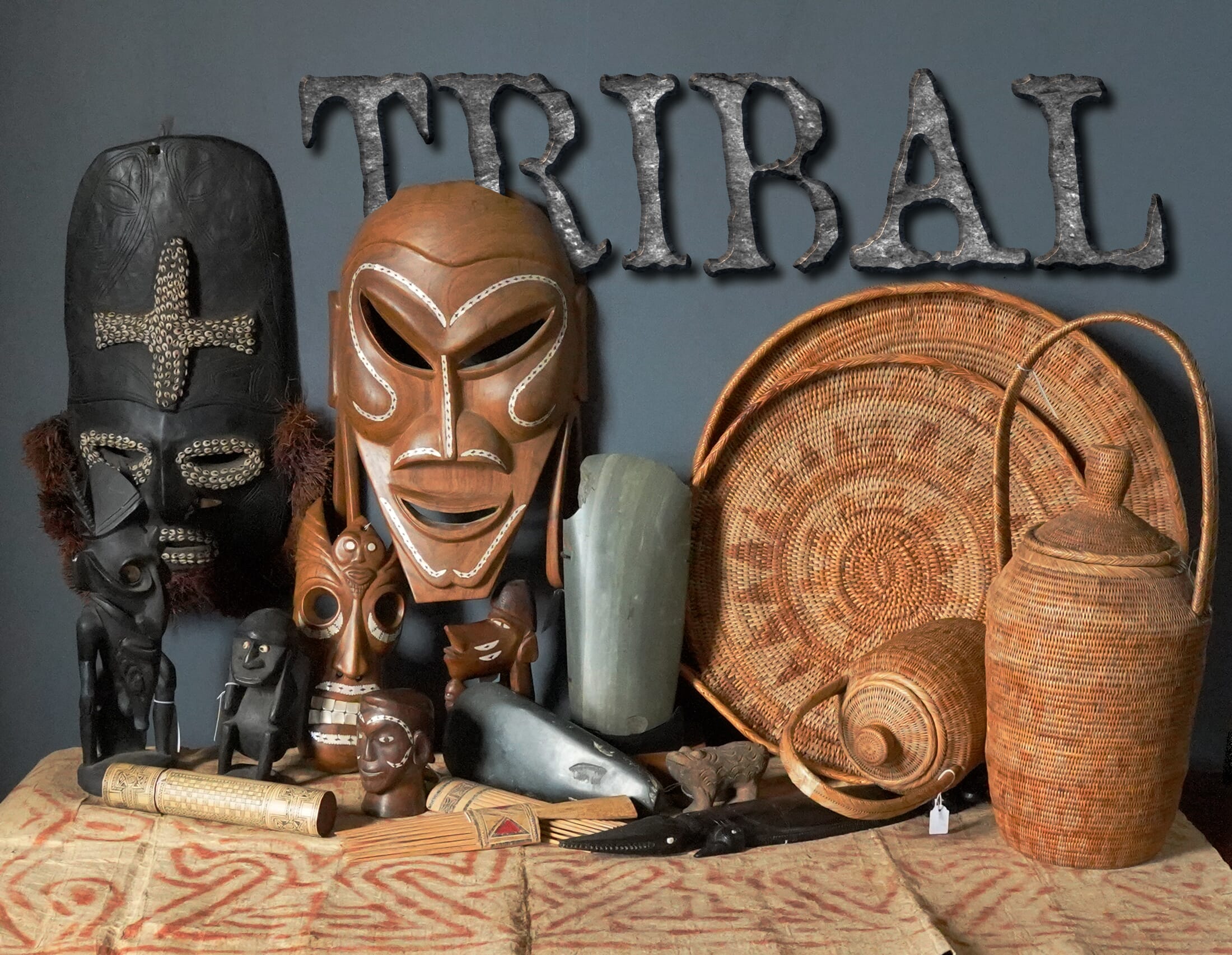
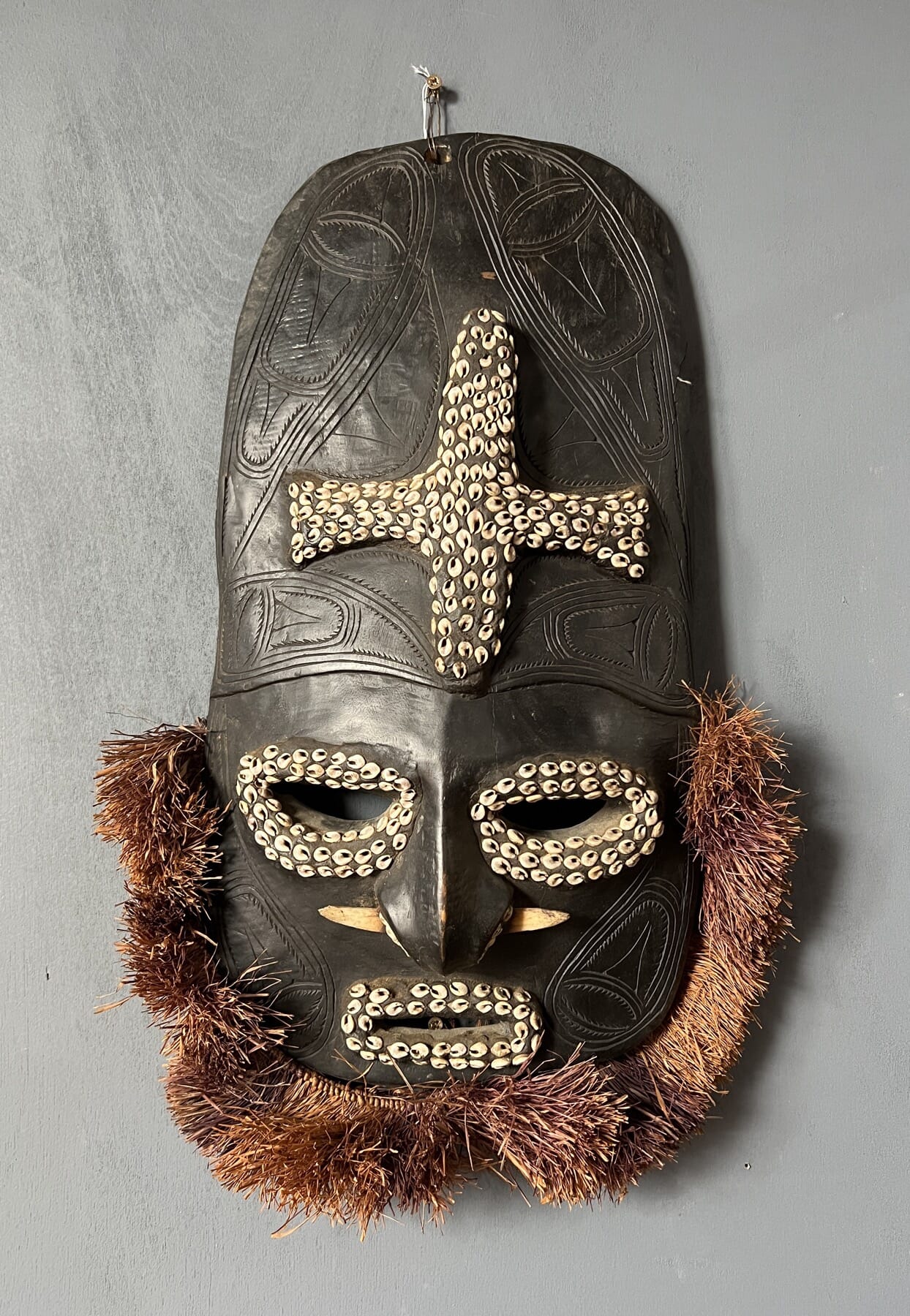
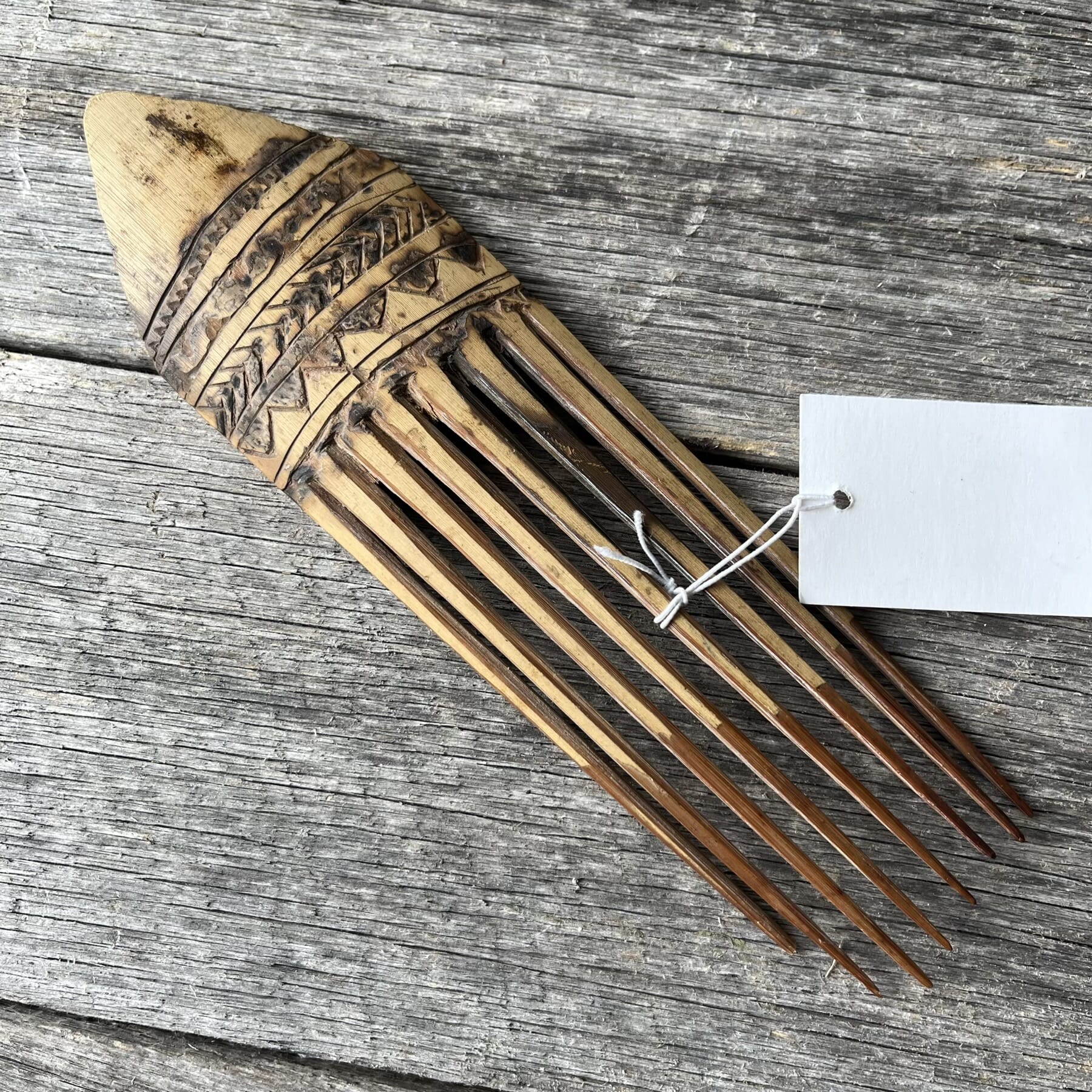
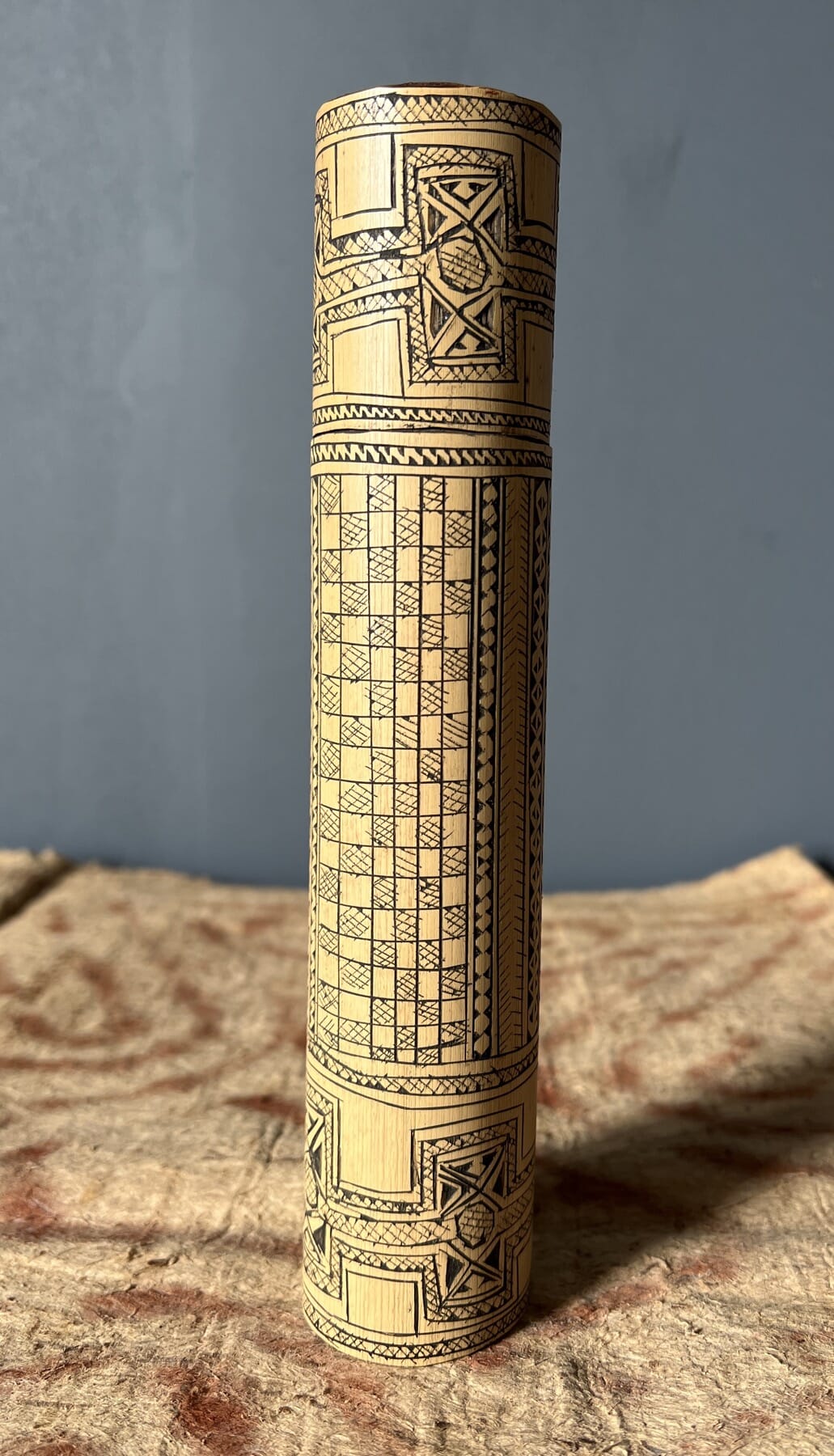
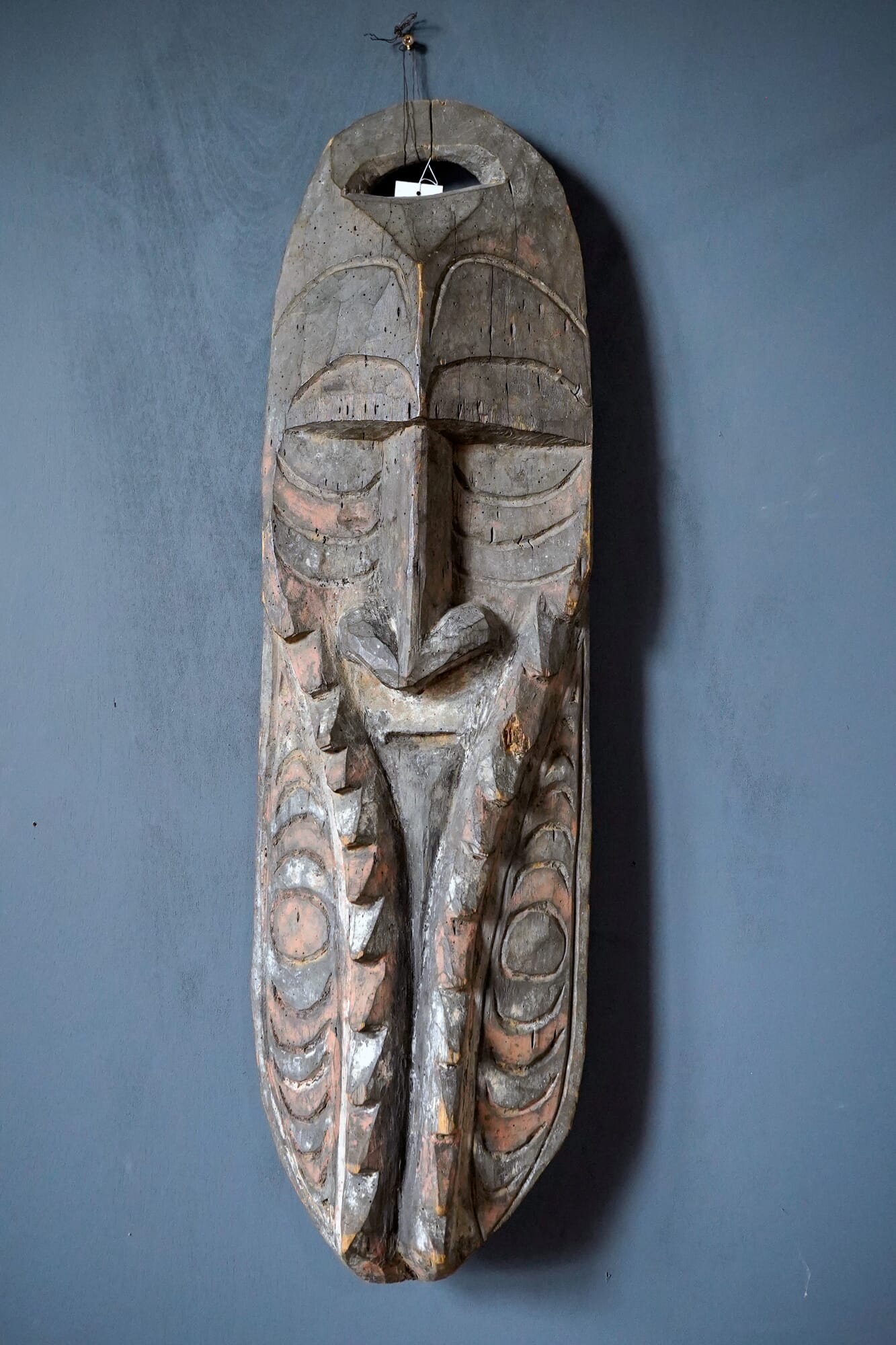
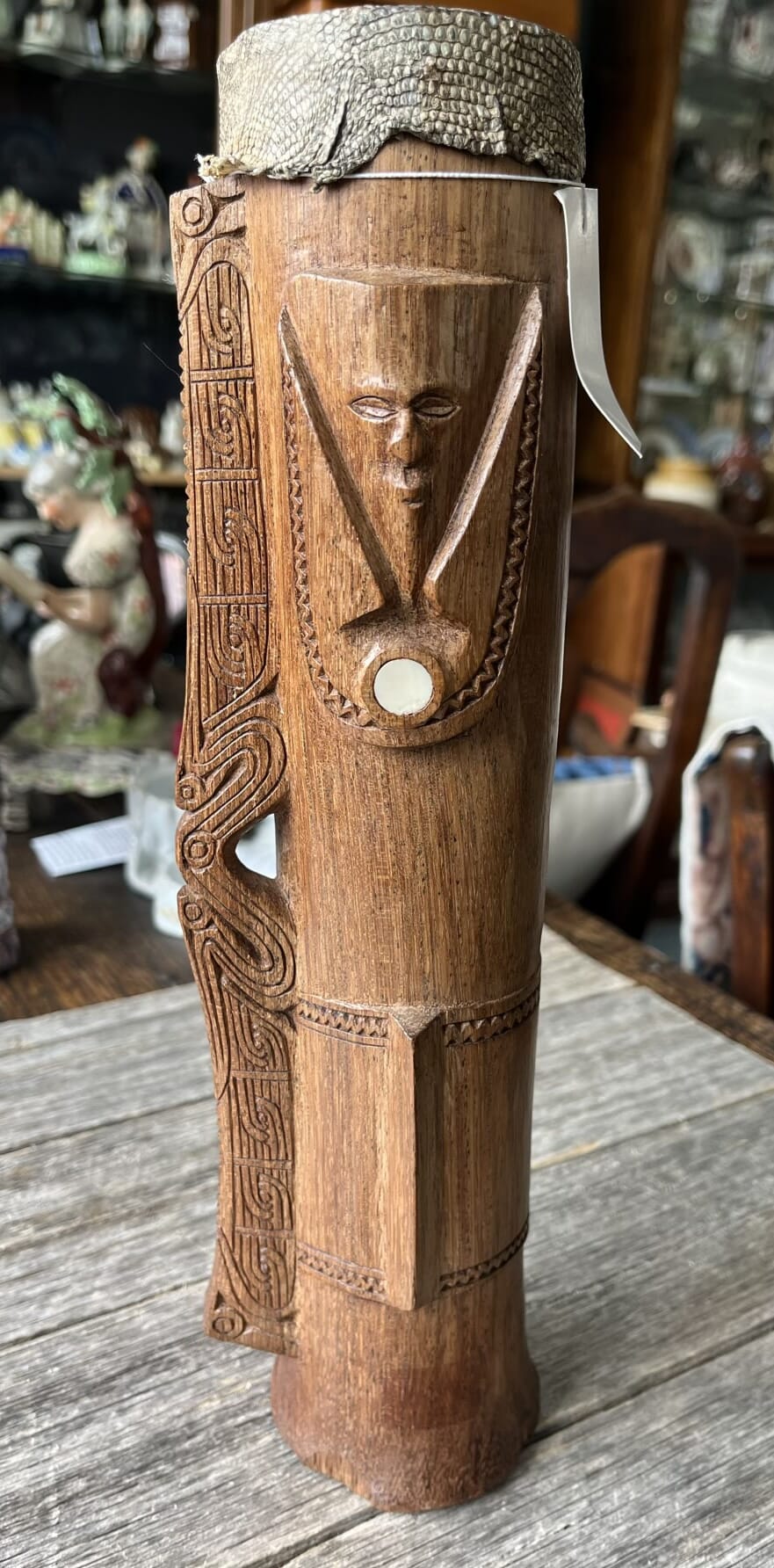
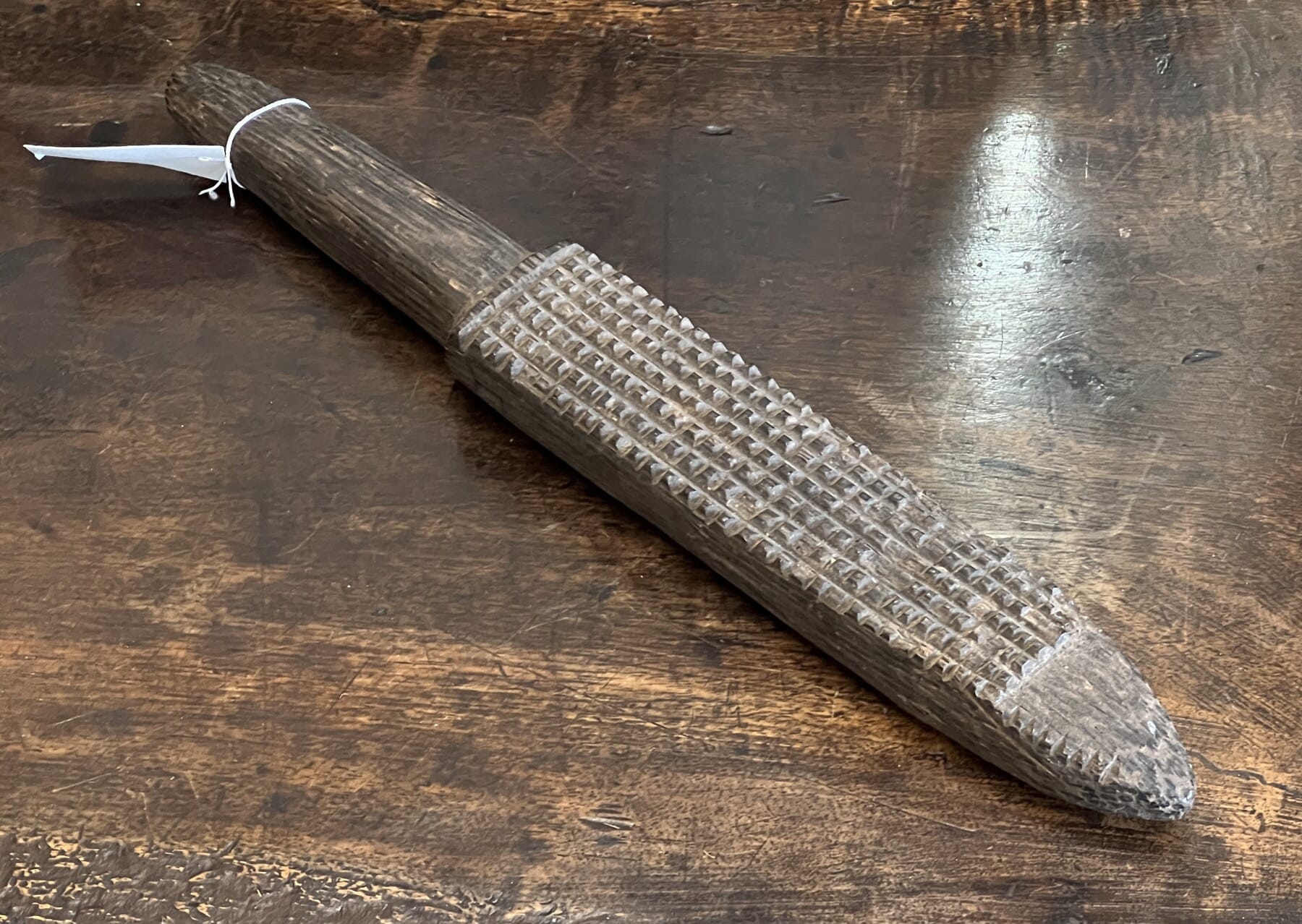
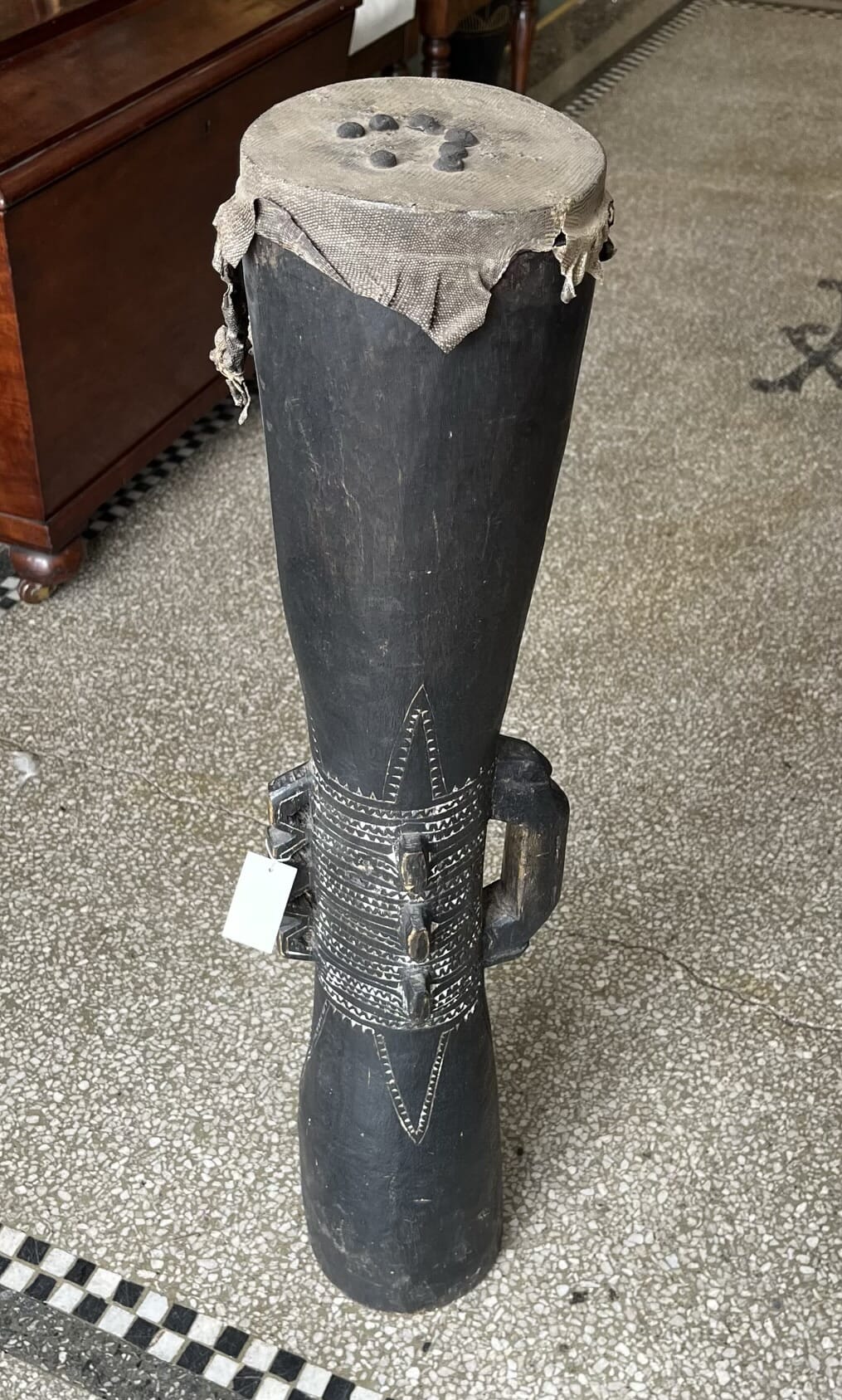
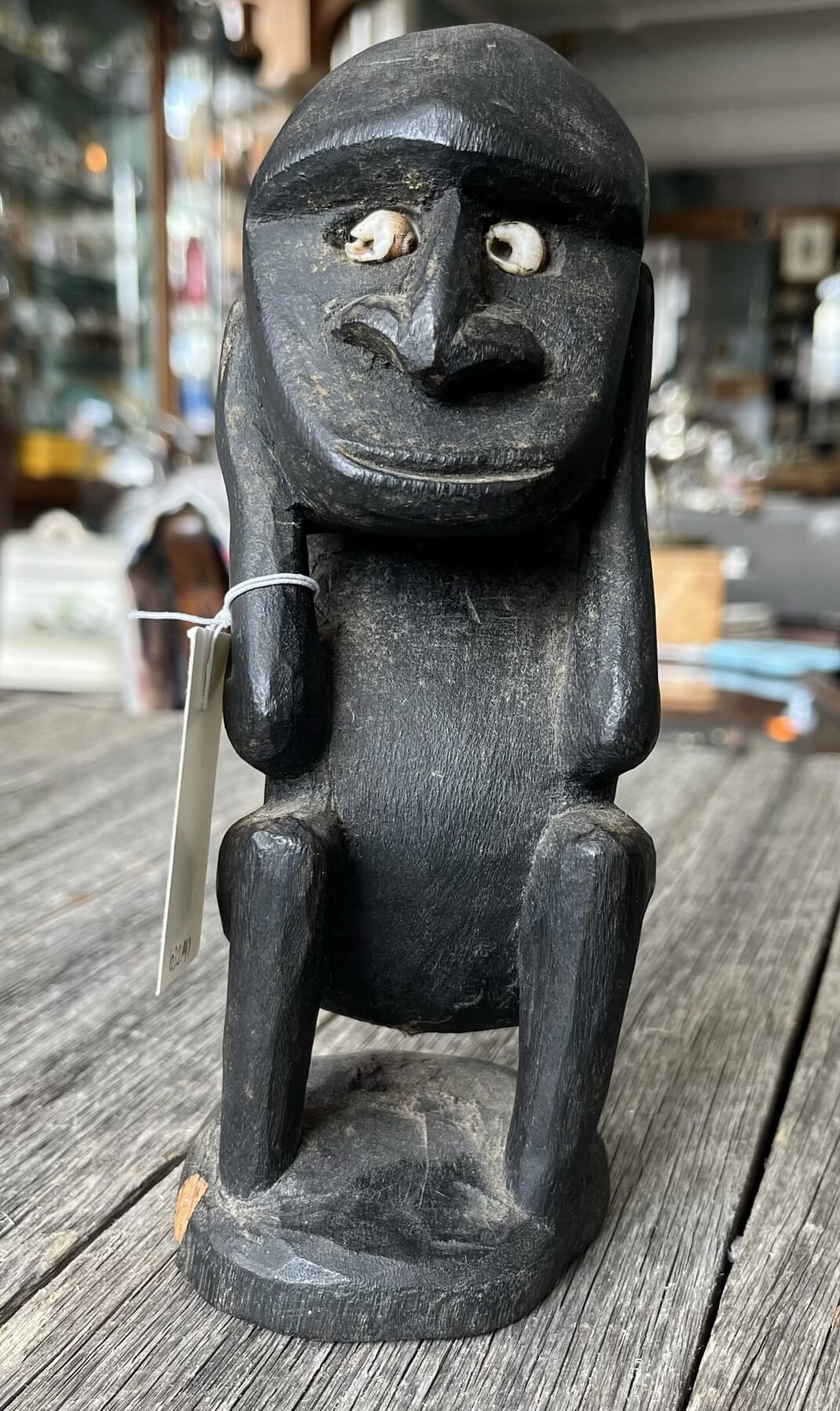
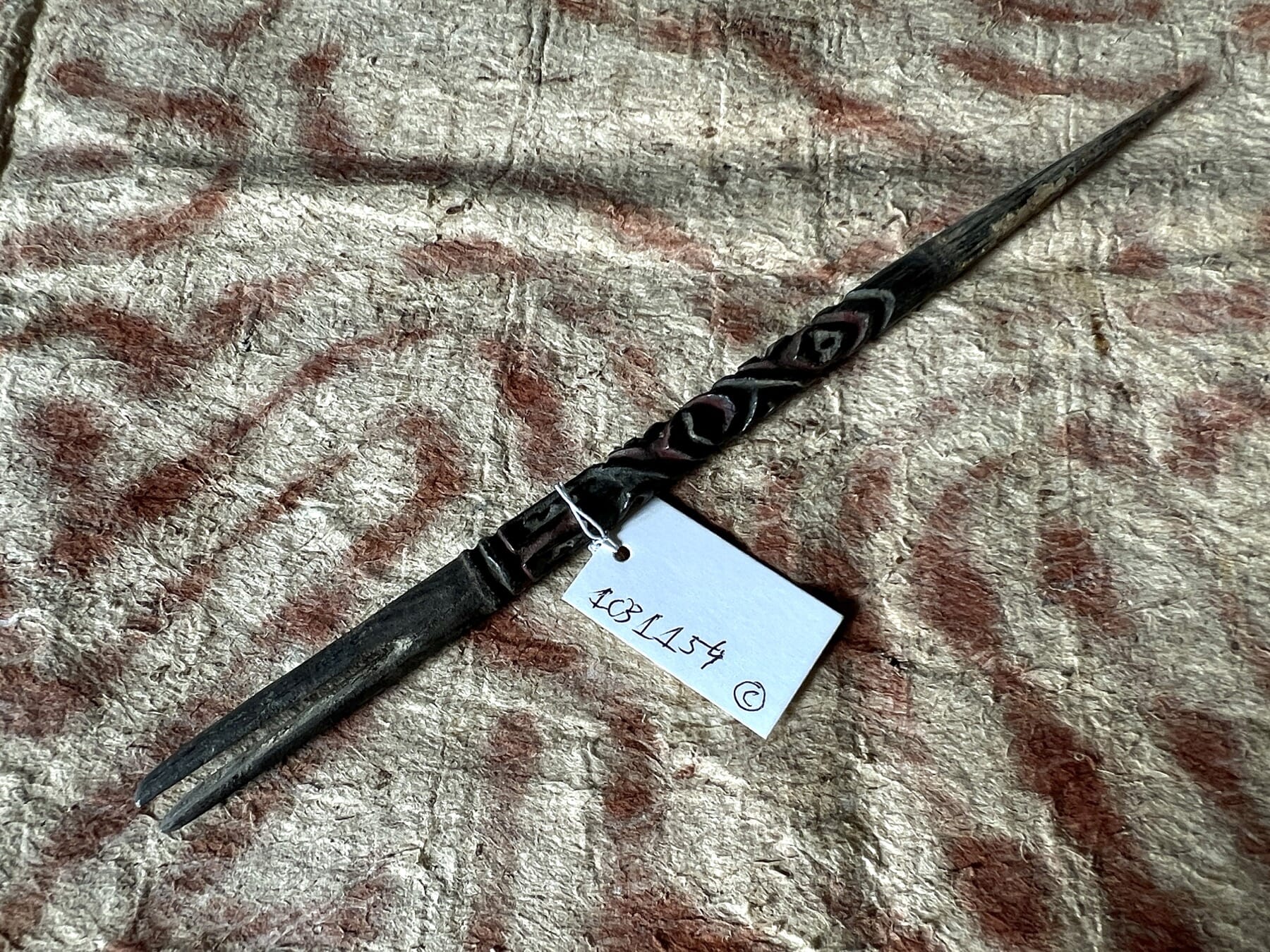
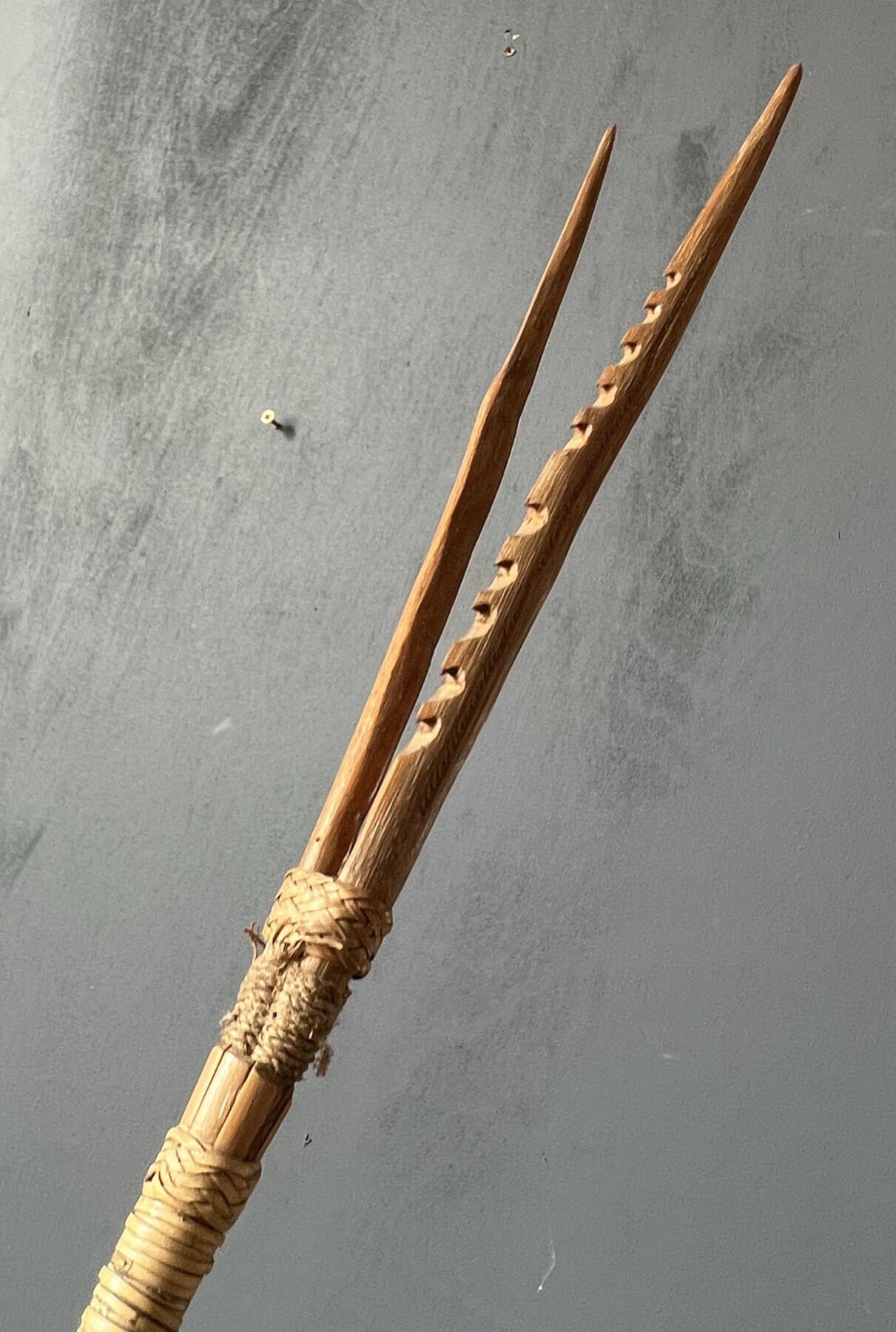
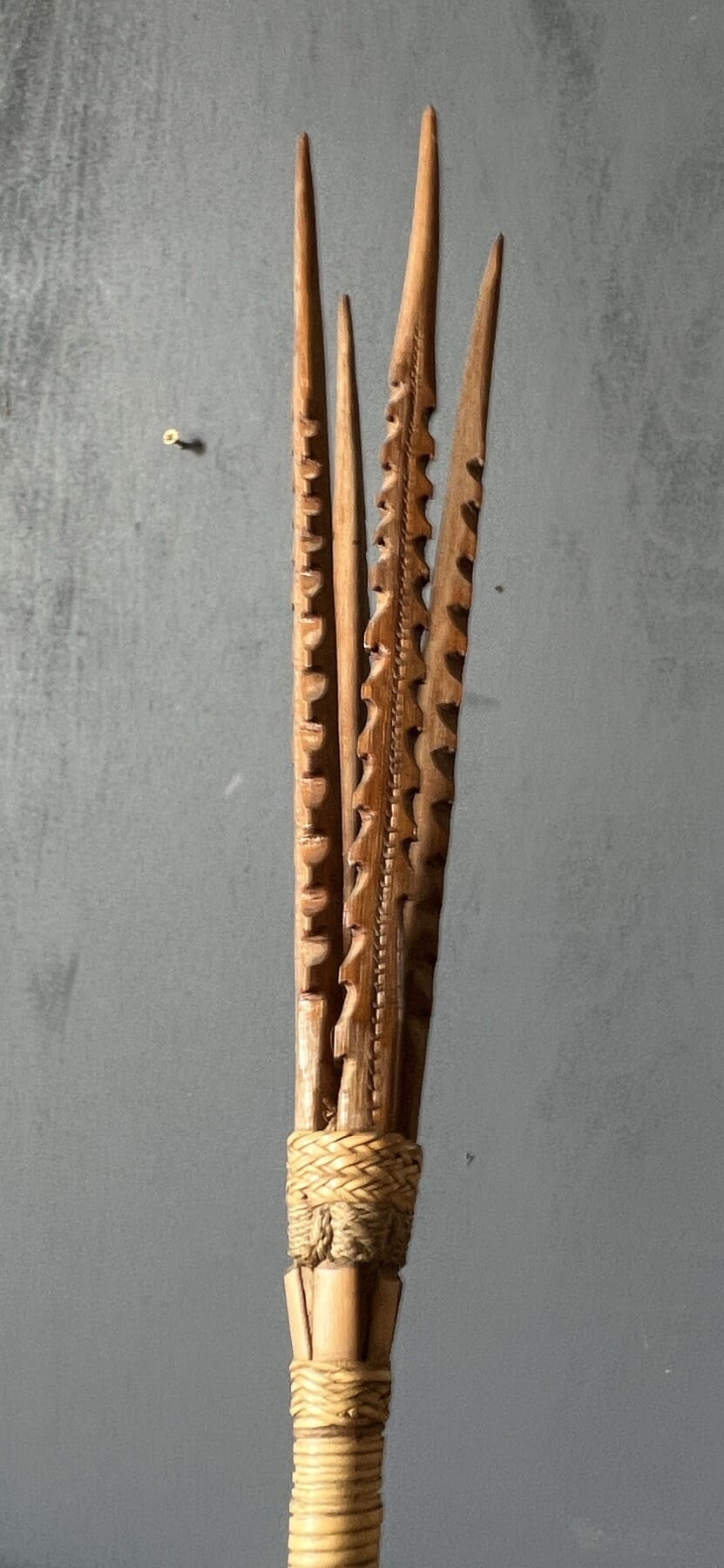
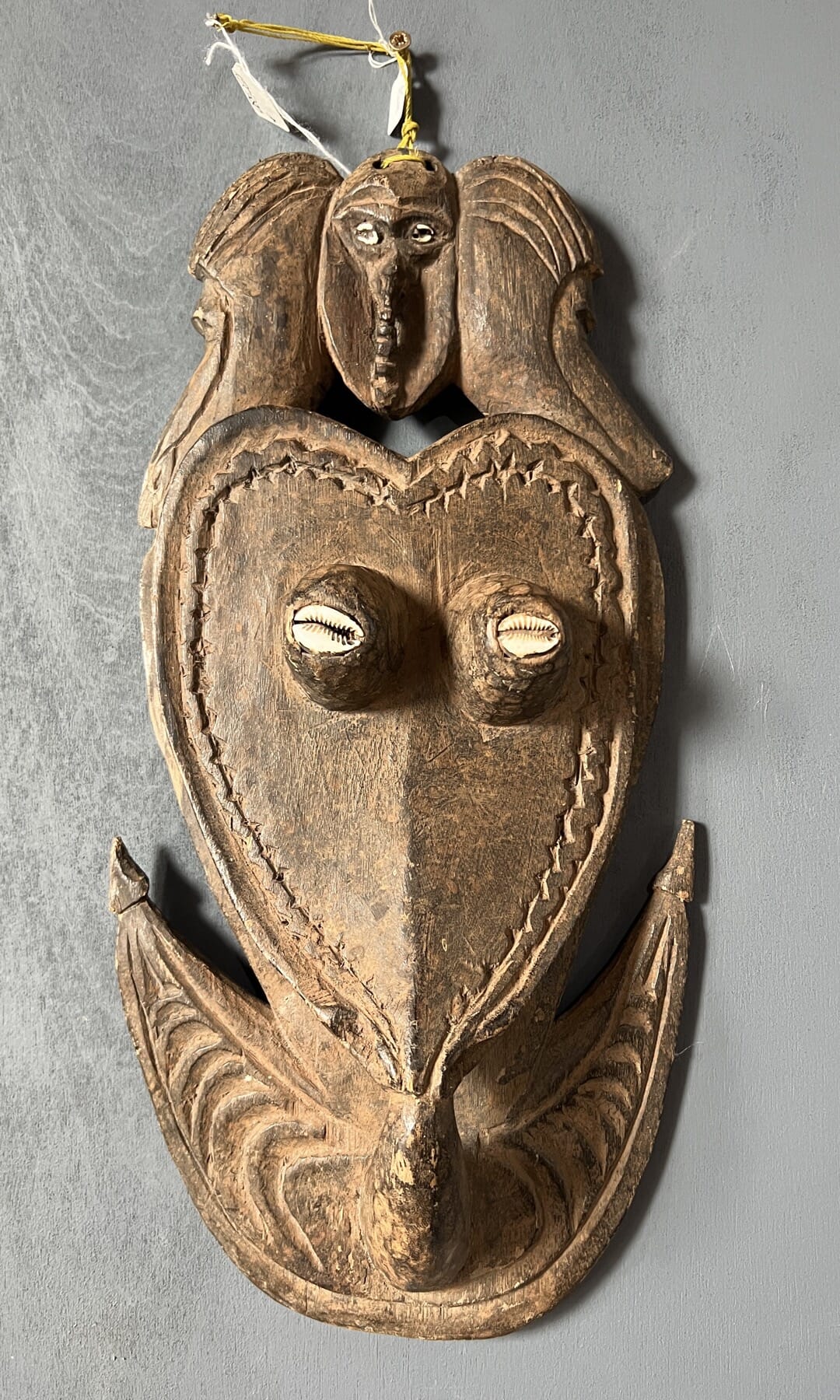
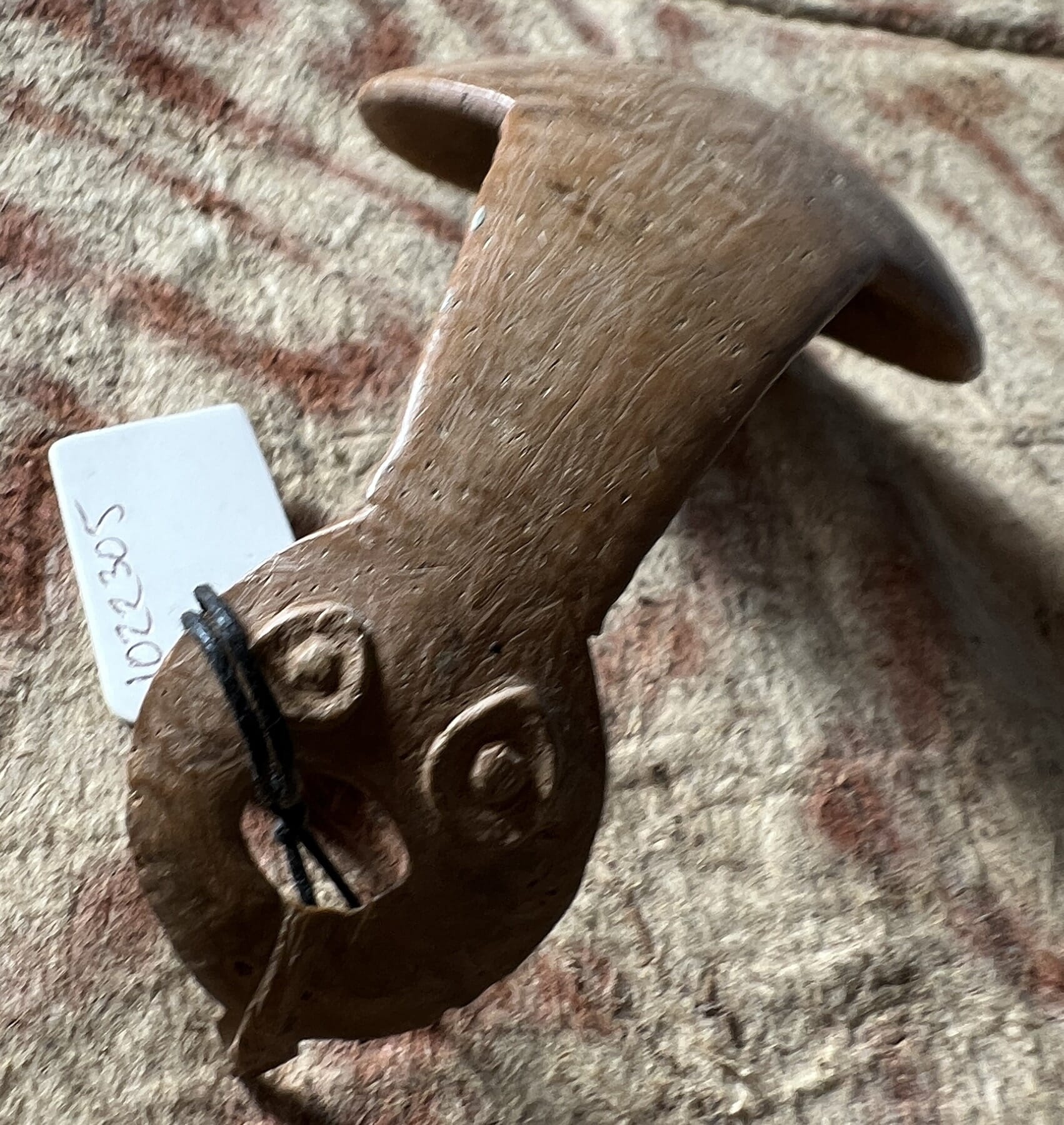
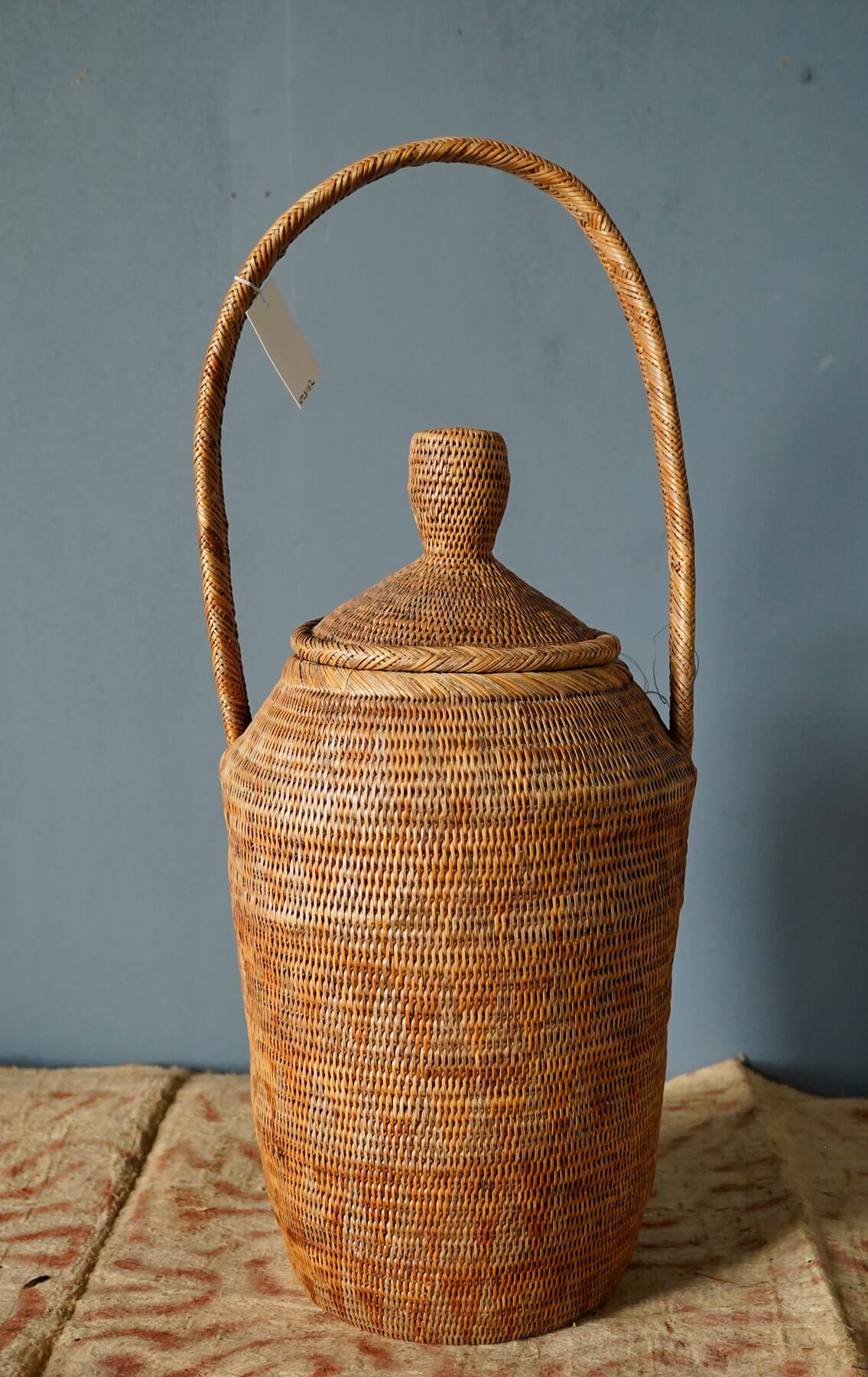
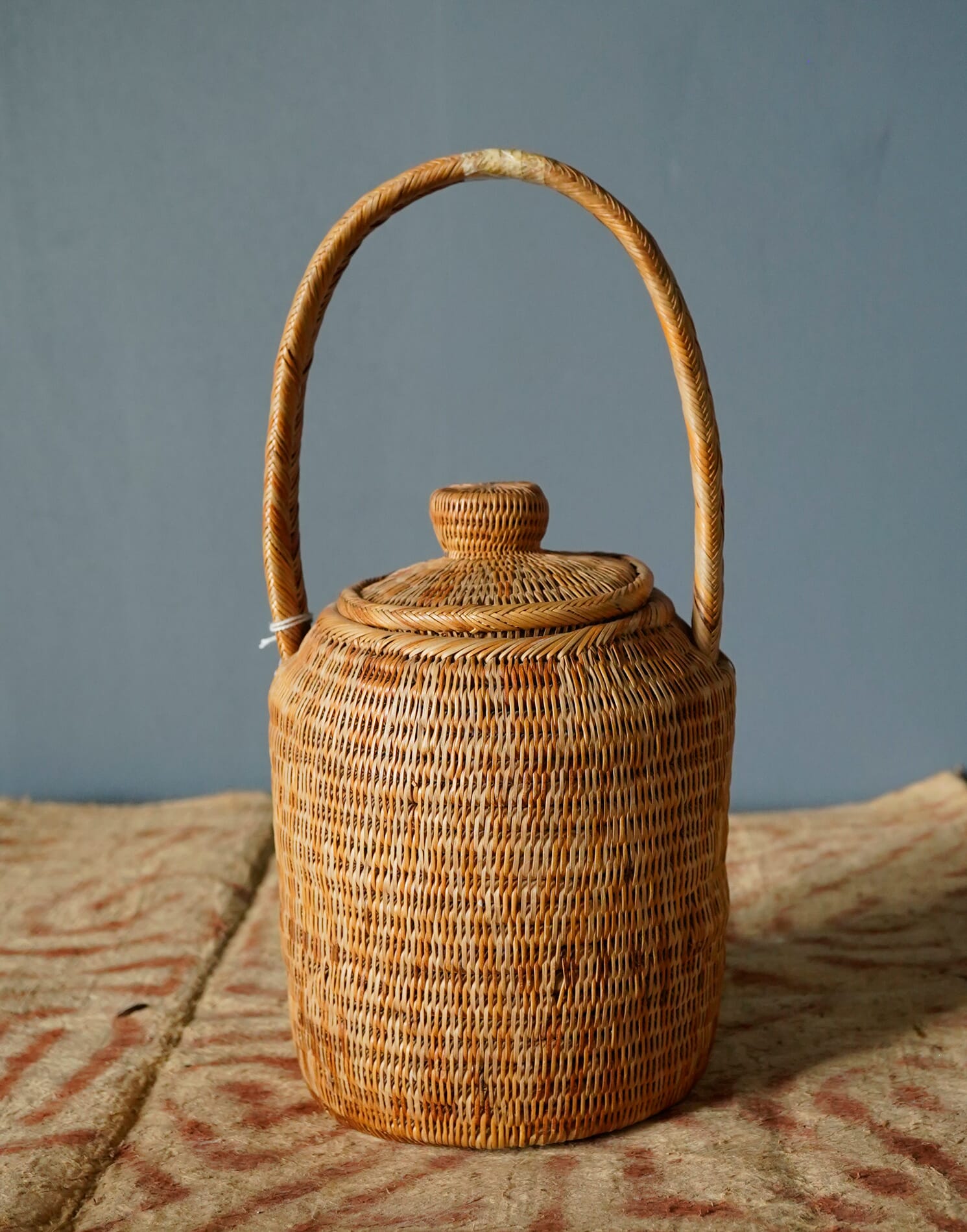
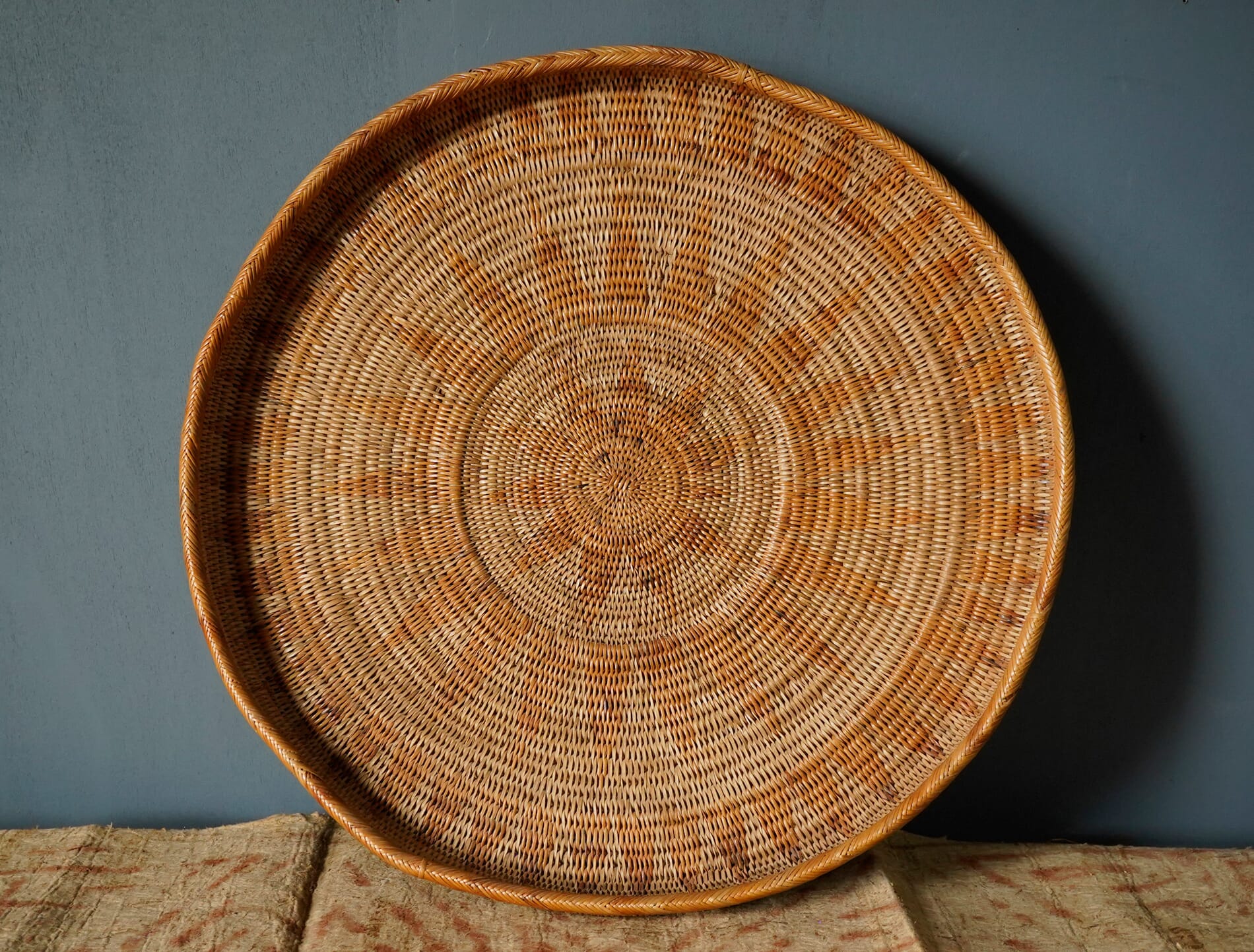
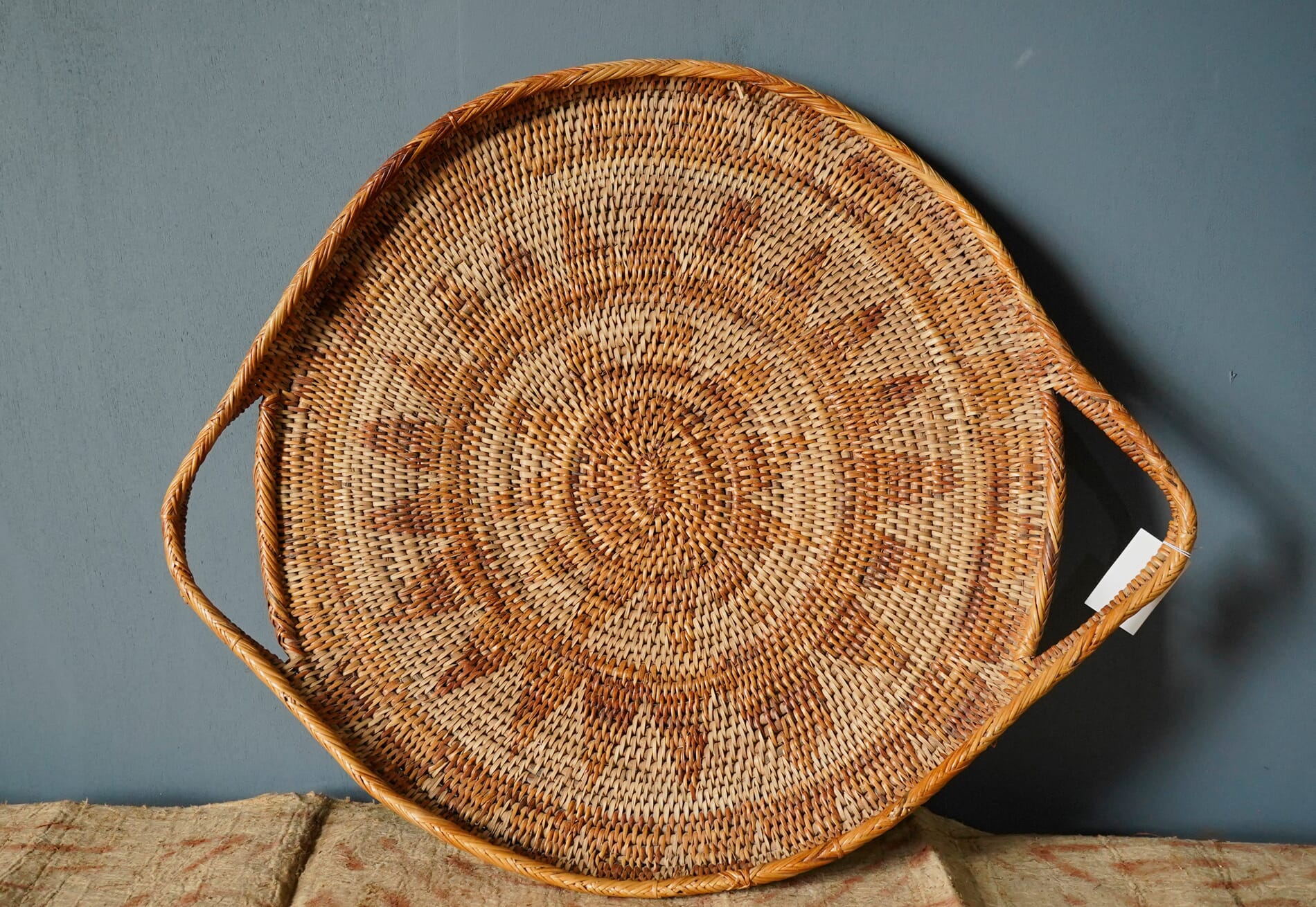
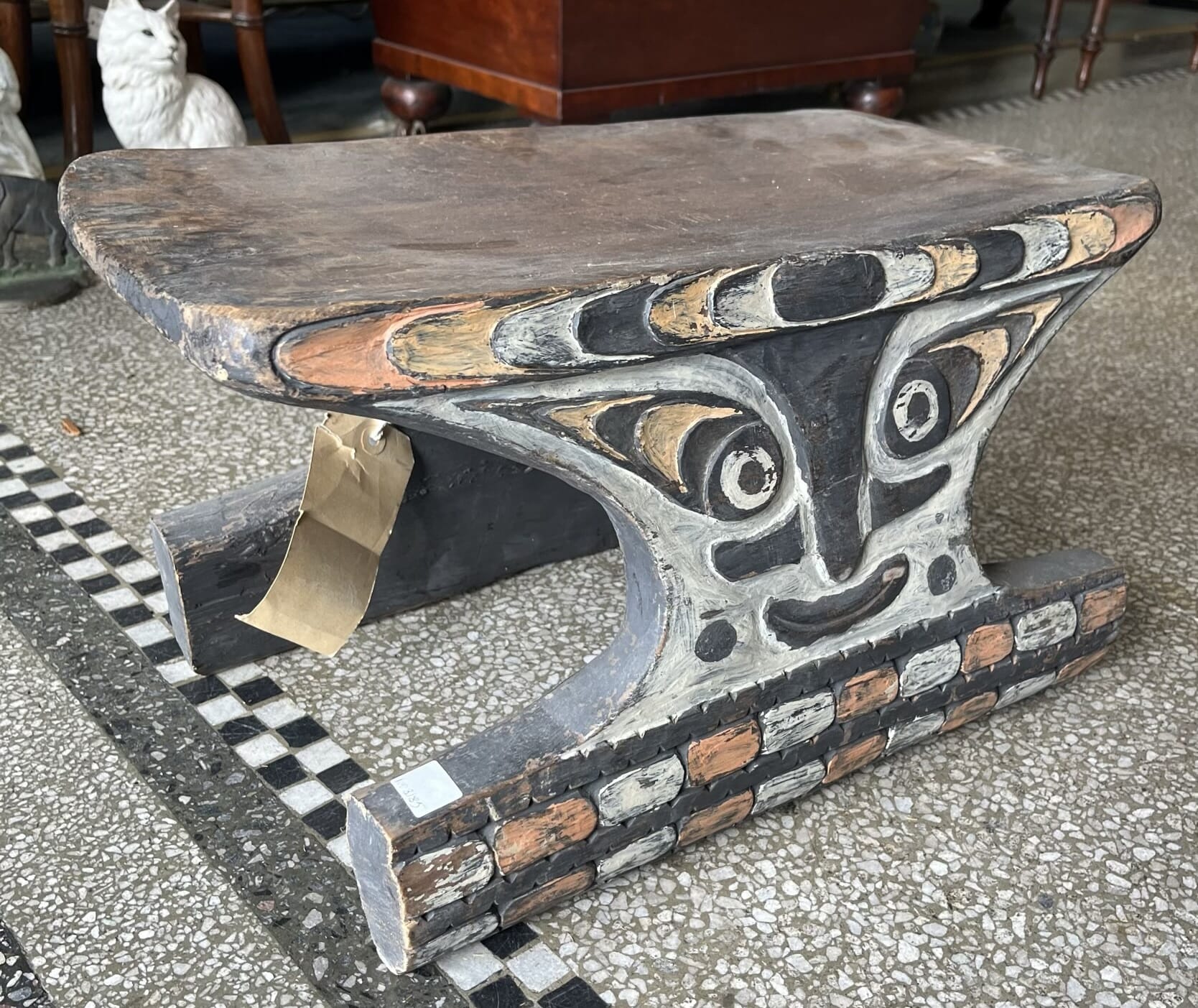
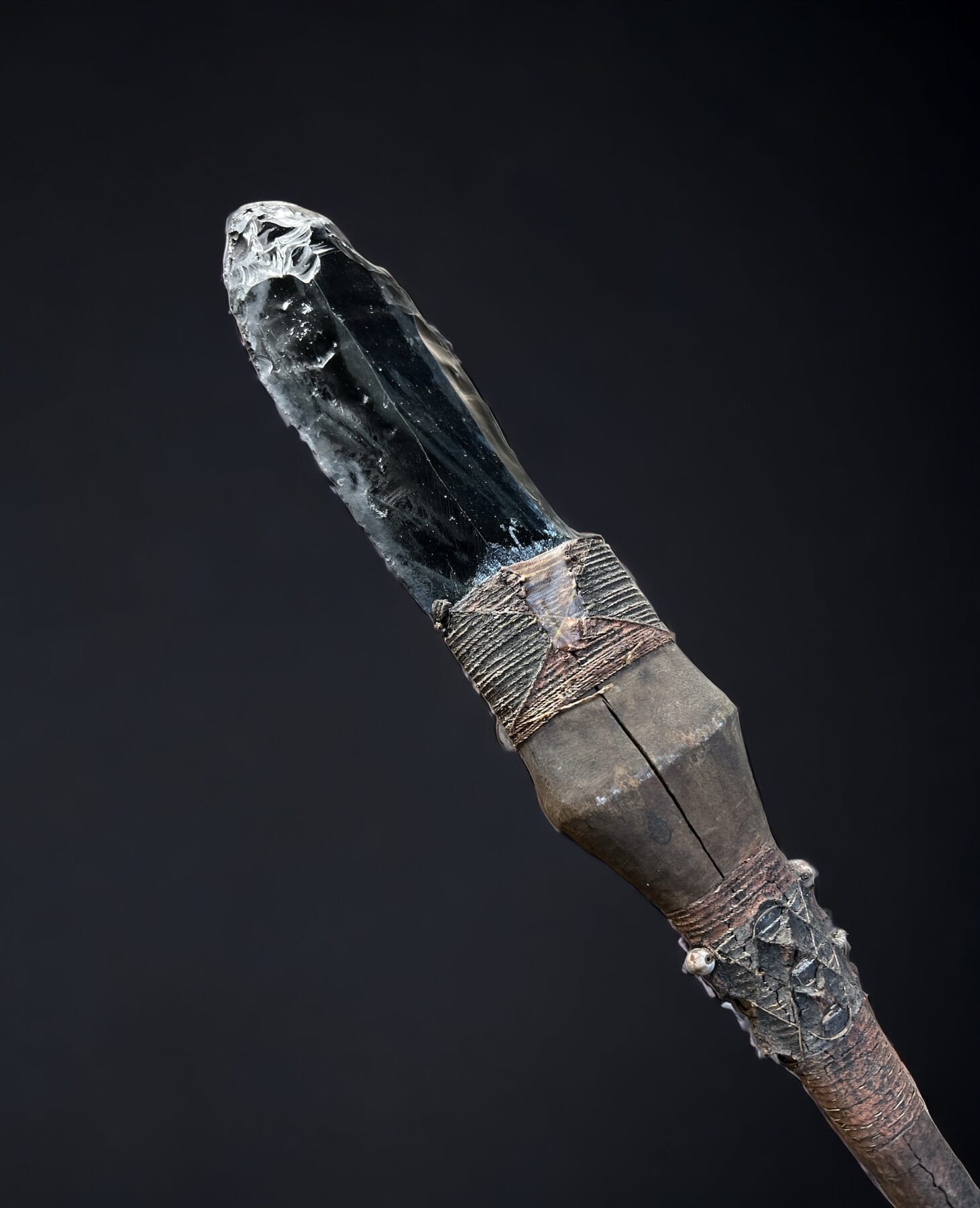
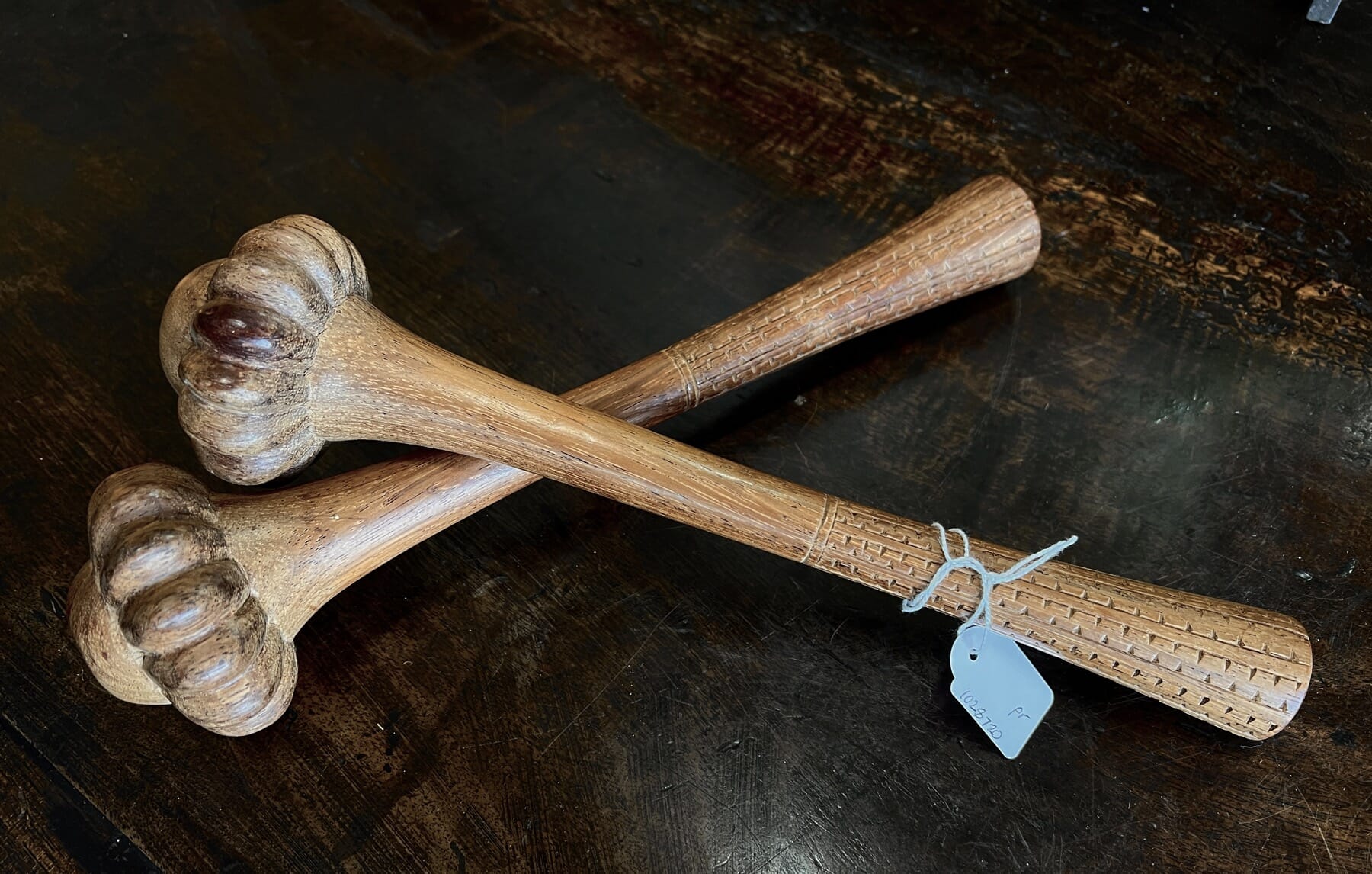
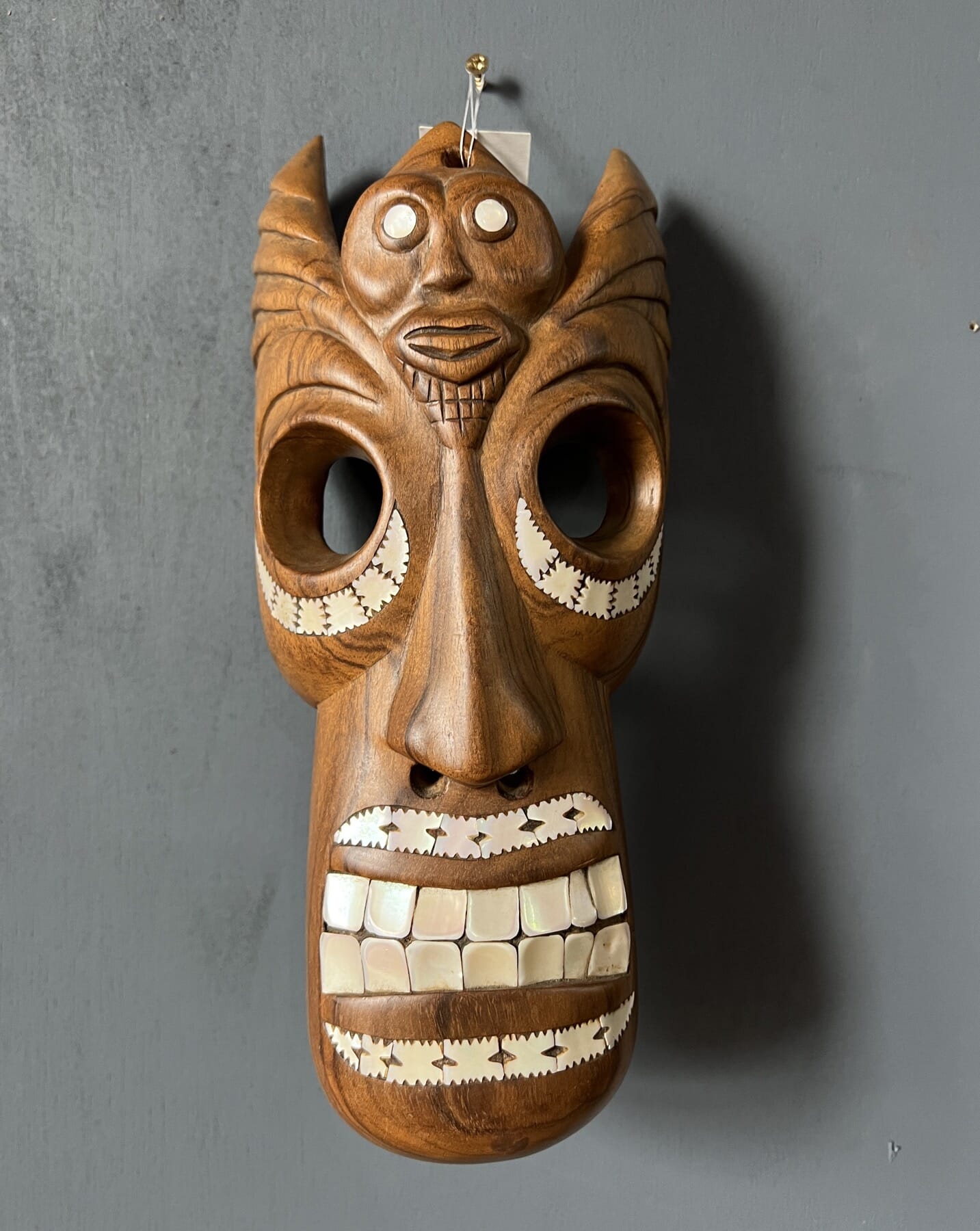
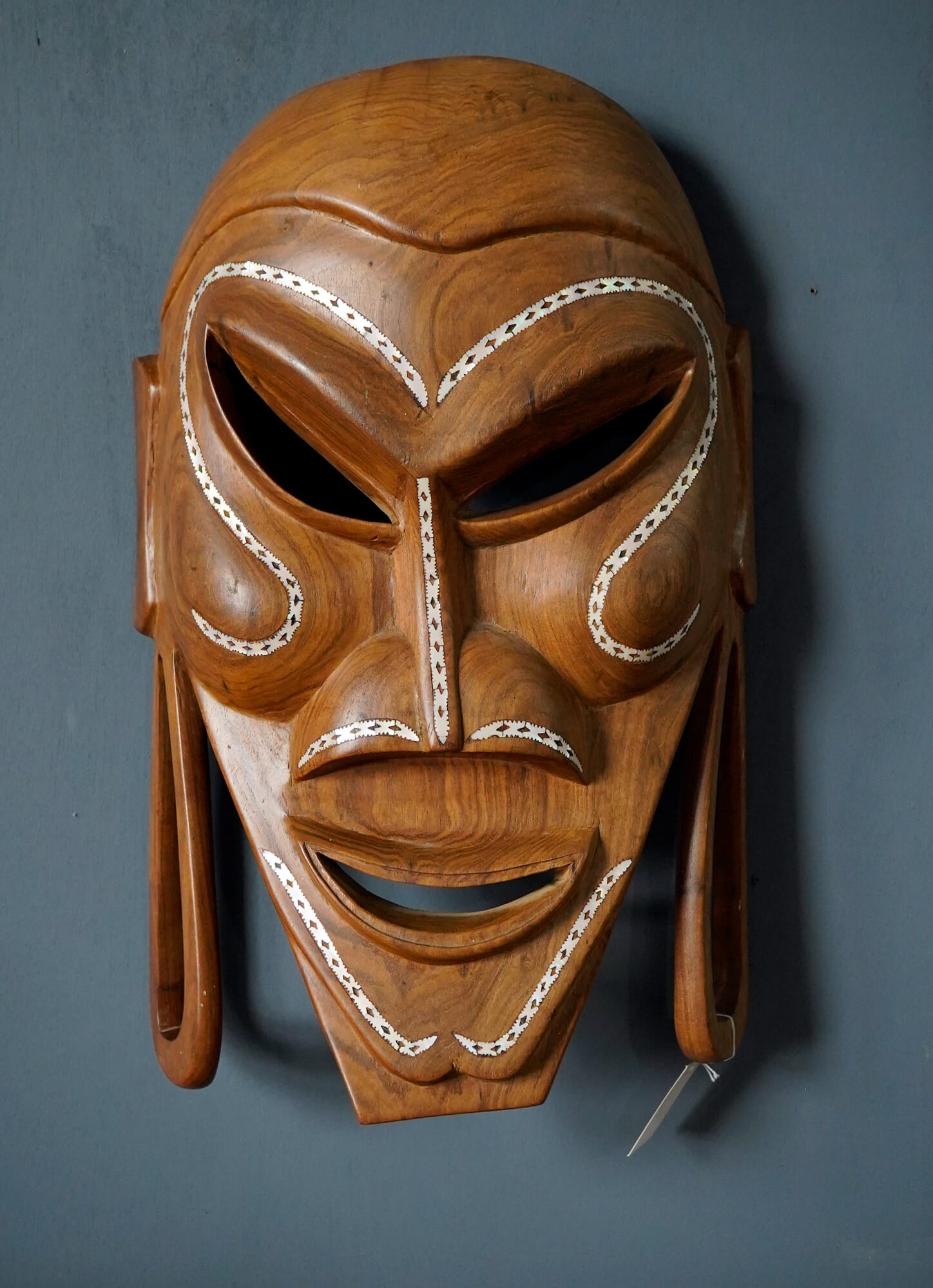
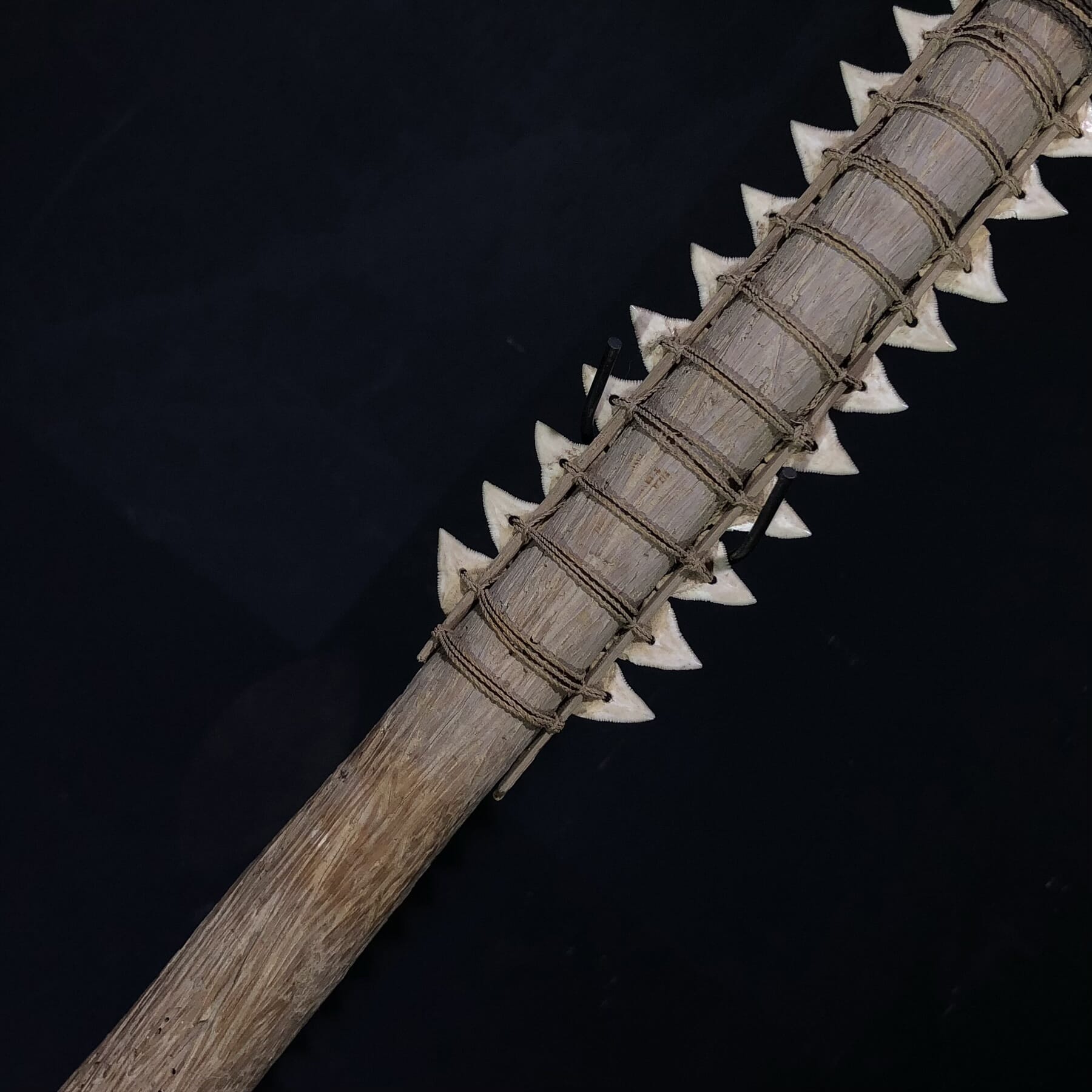
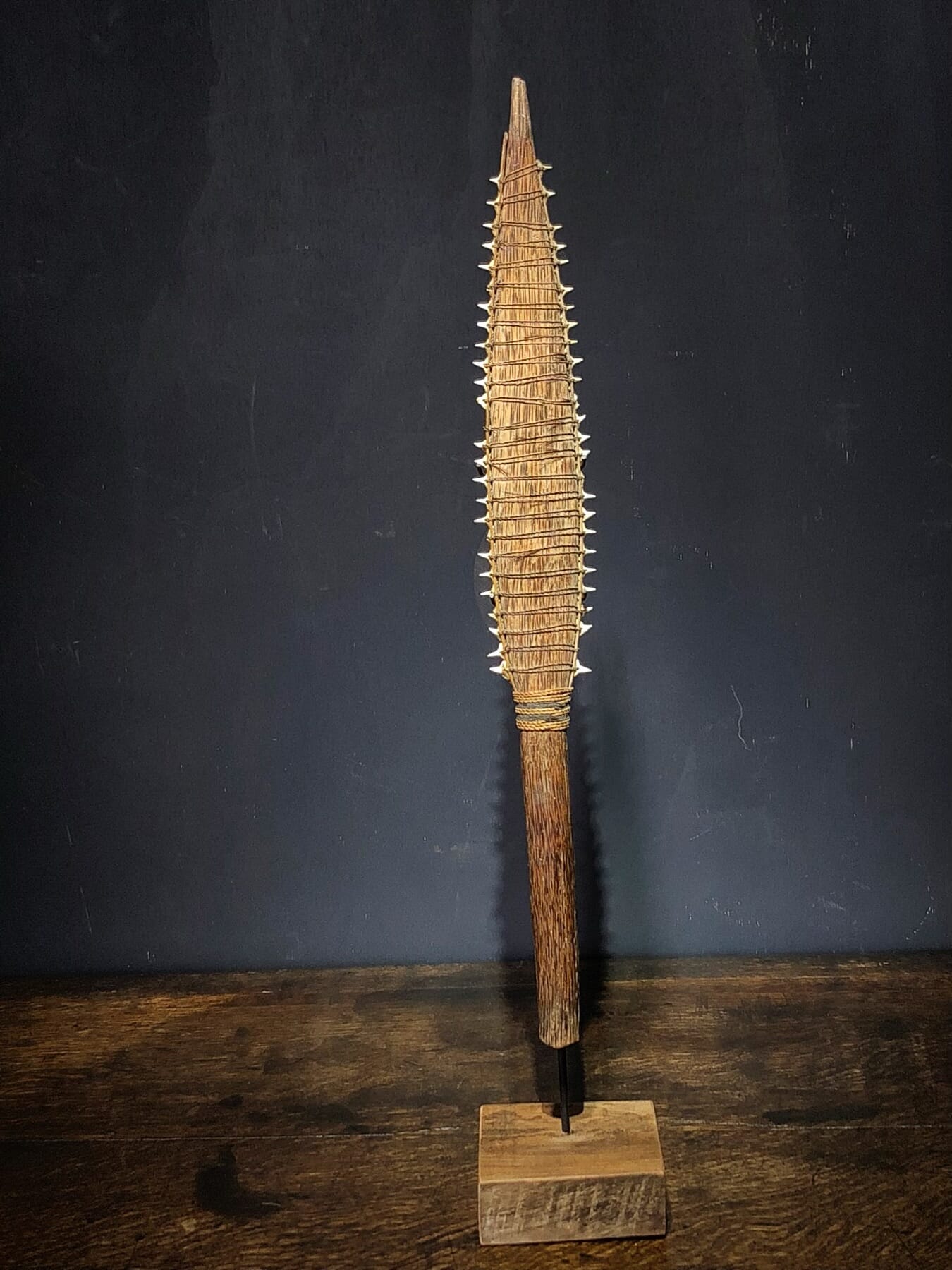
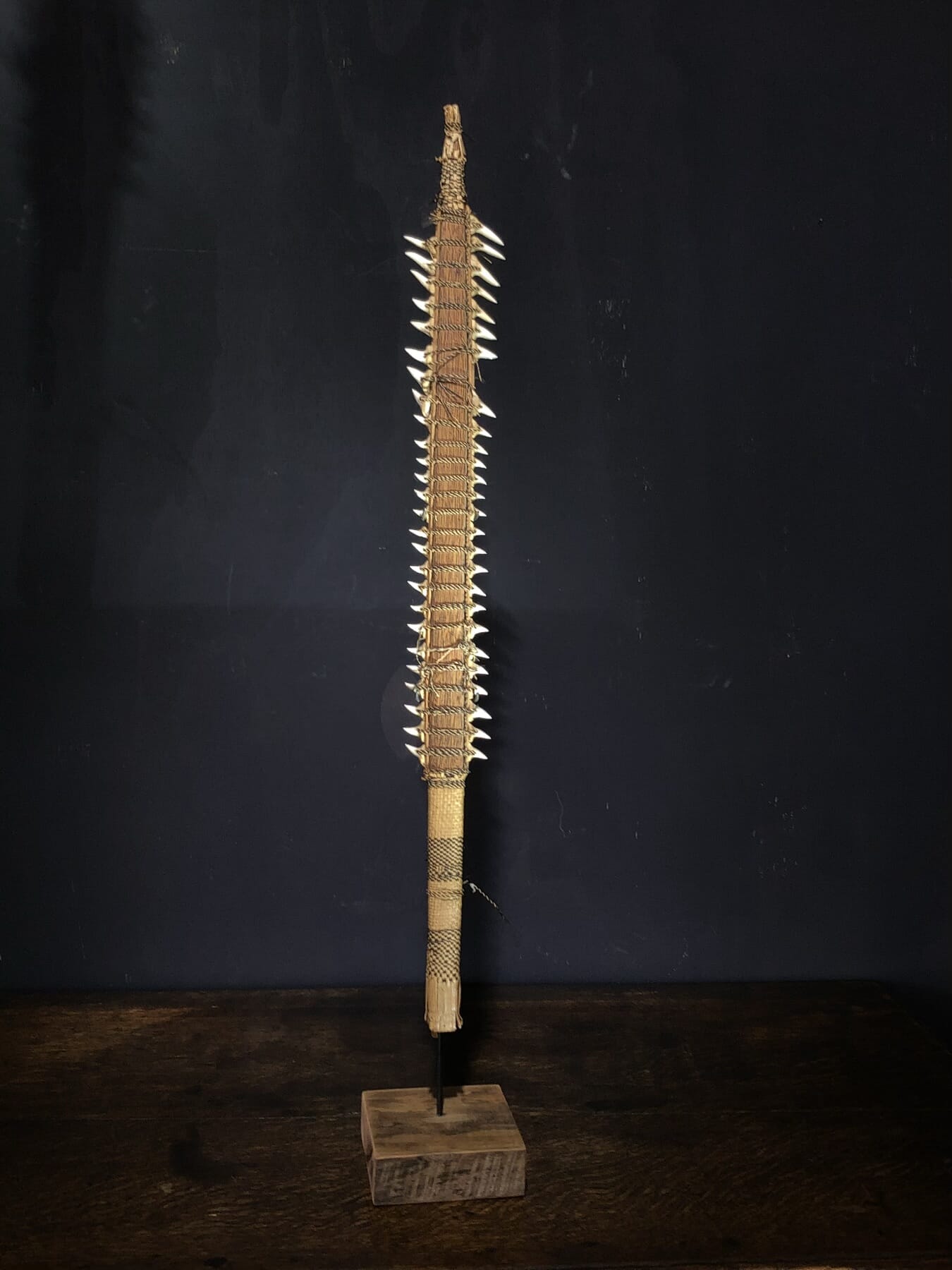
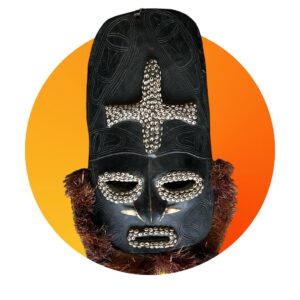
An exotic collection of ‘Tribal’ has just been launched on Moorabool.com – from Australian Aboriginal, to our closest neighbour, Papua New Guinea, and far beyond to the Pacific nations and African cultures, there’s quite a number of interesting ‘tribal’ items to browse.
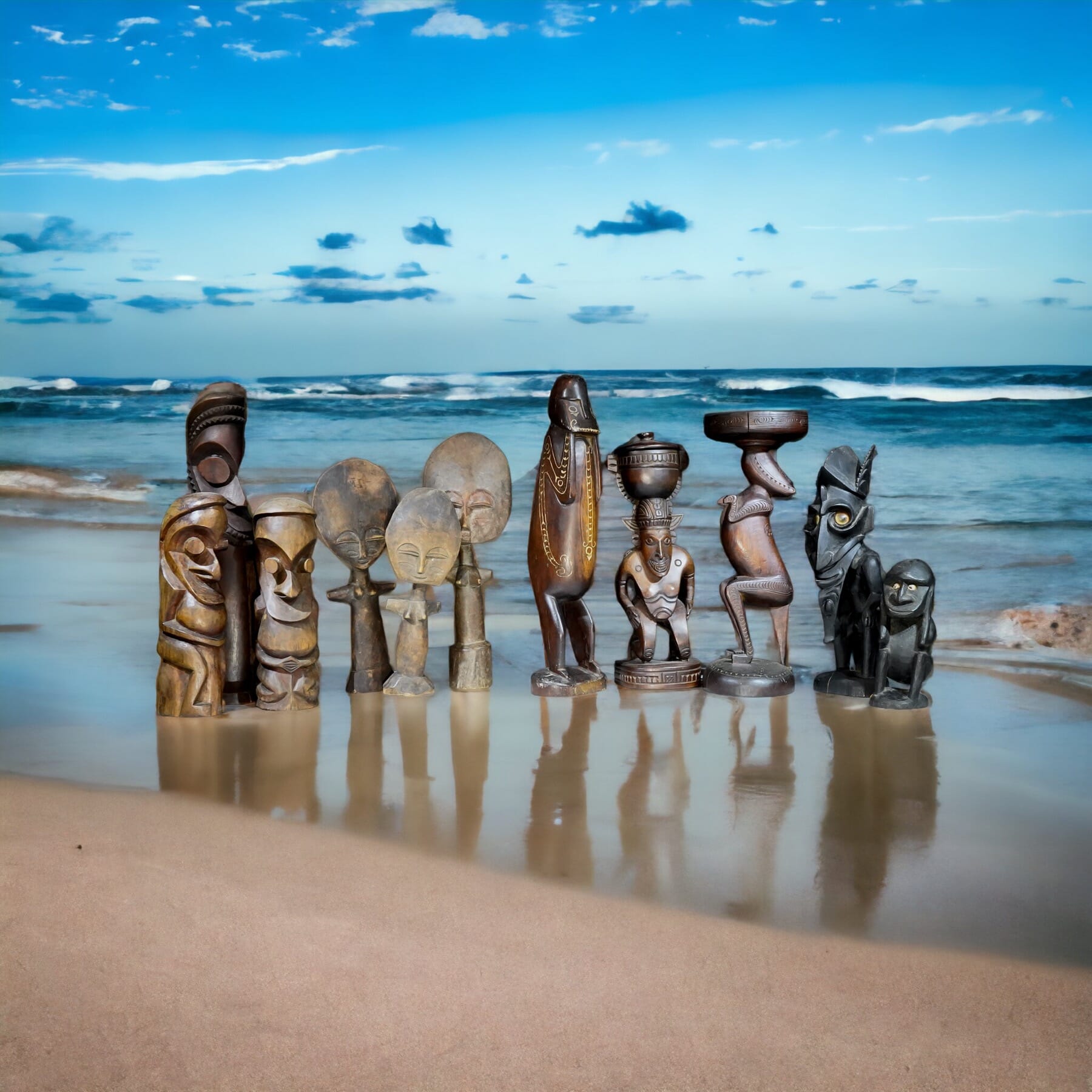
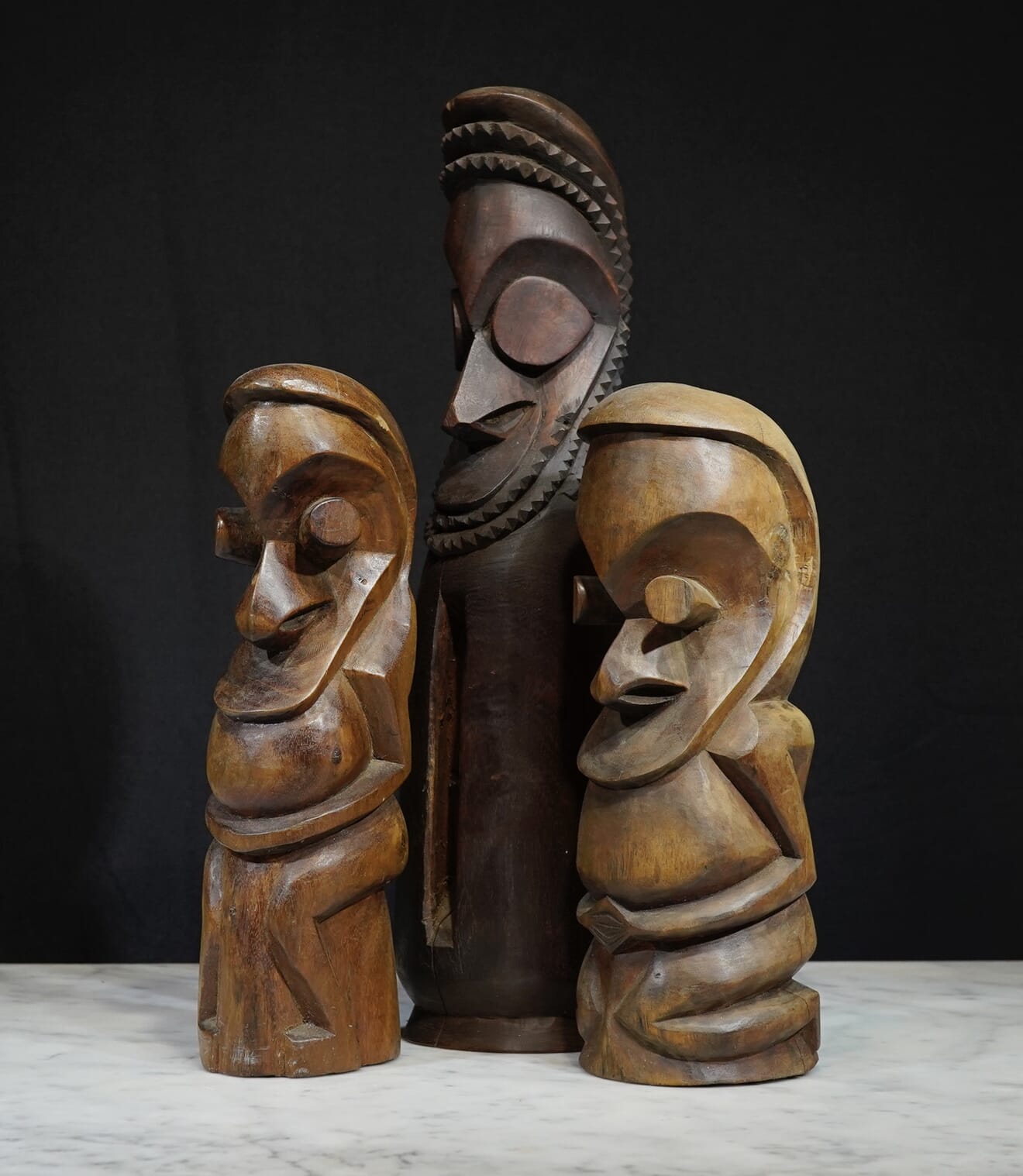
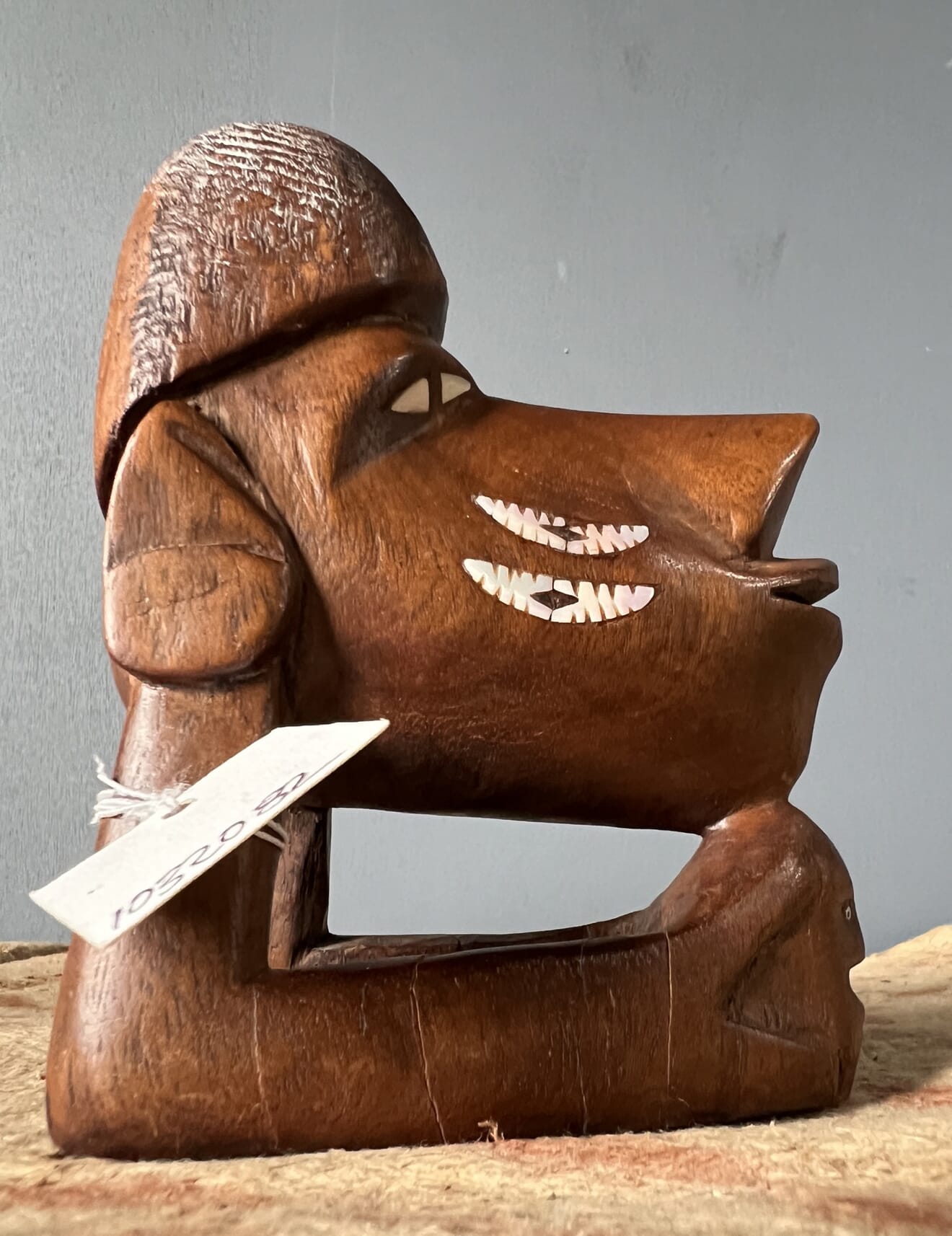
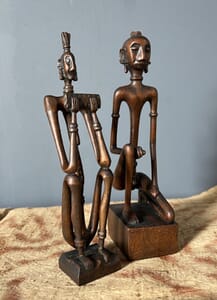
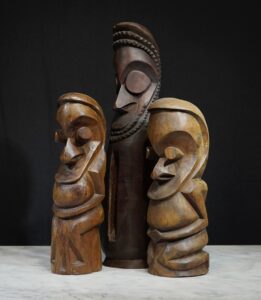
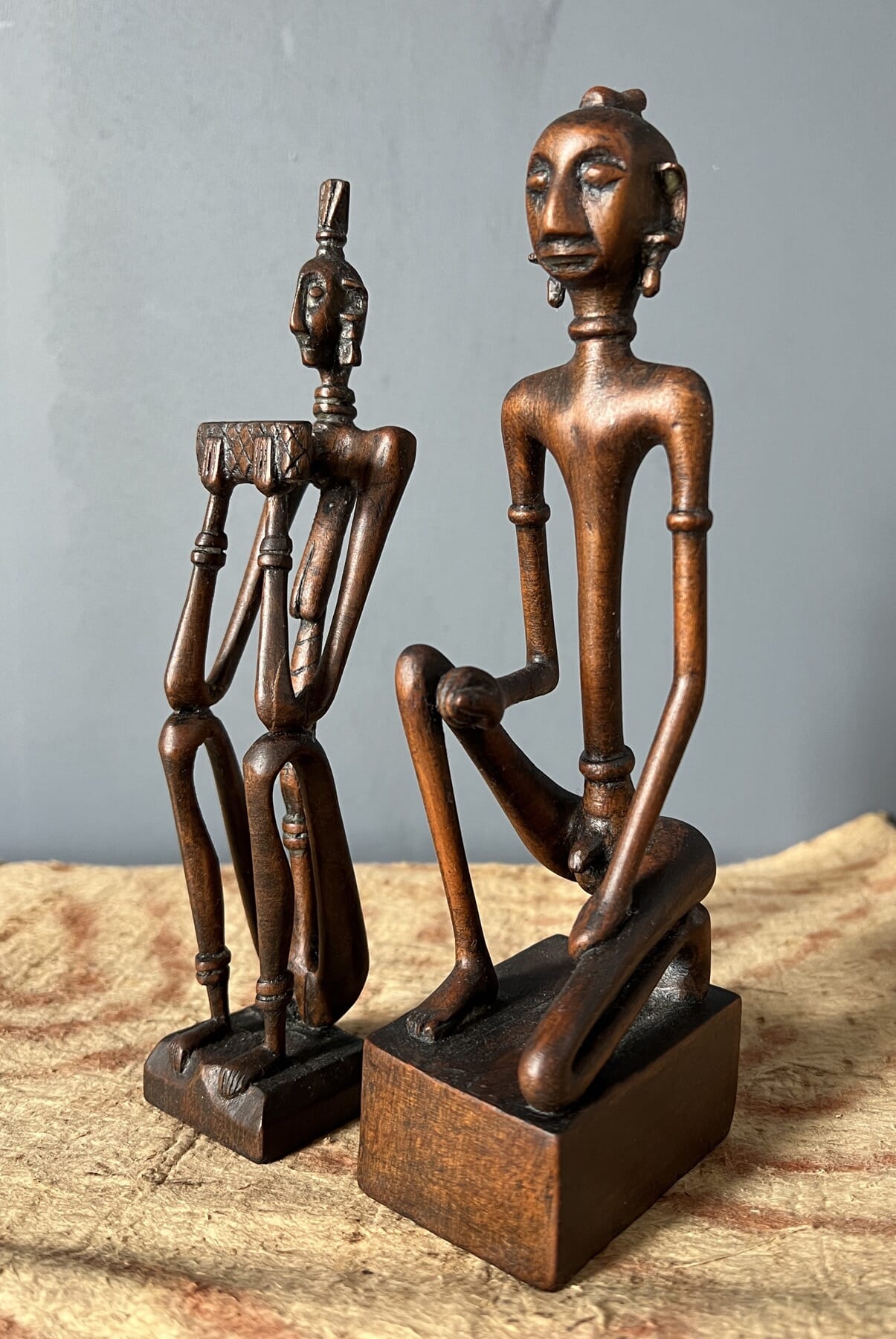
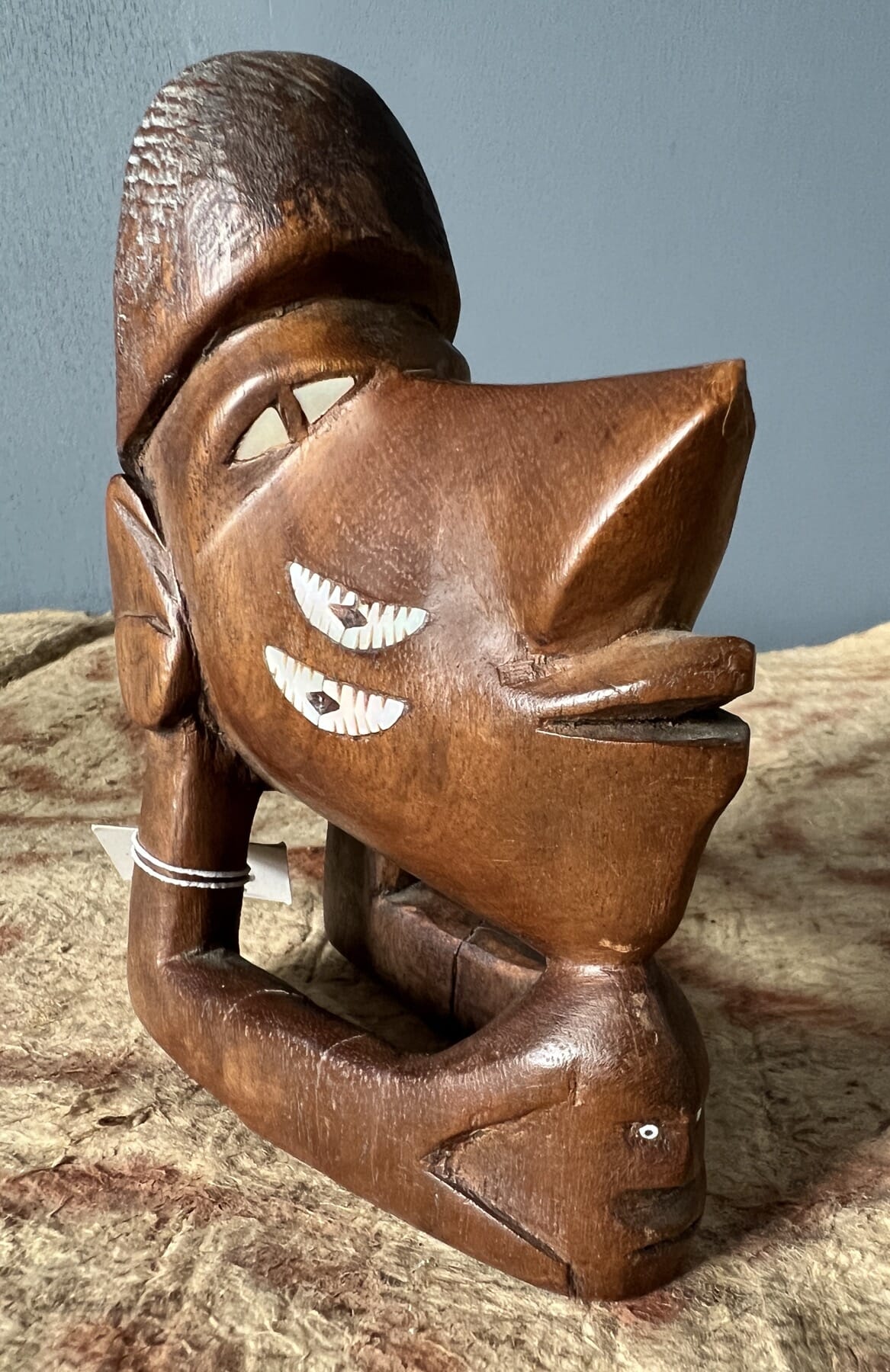
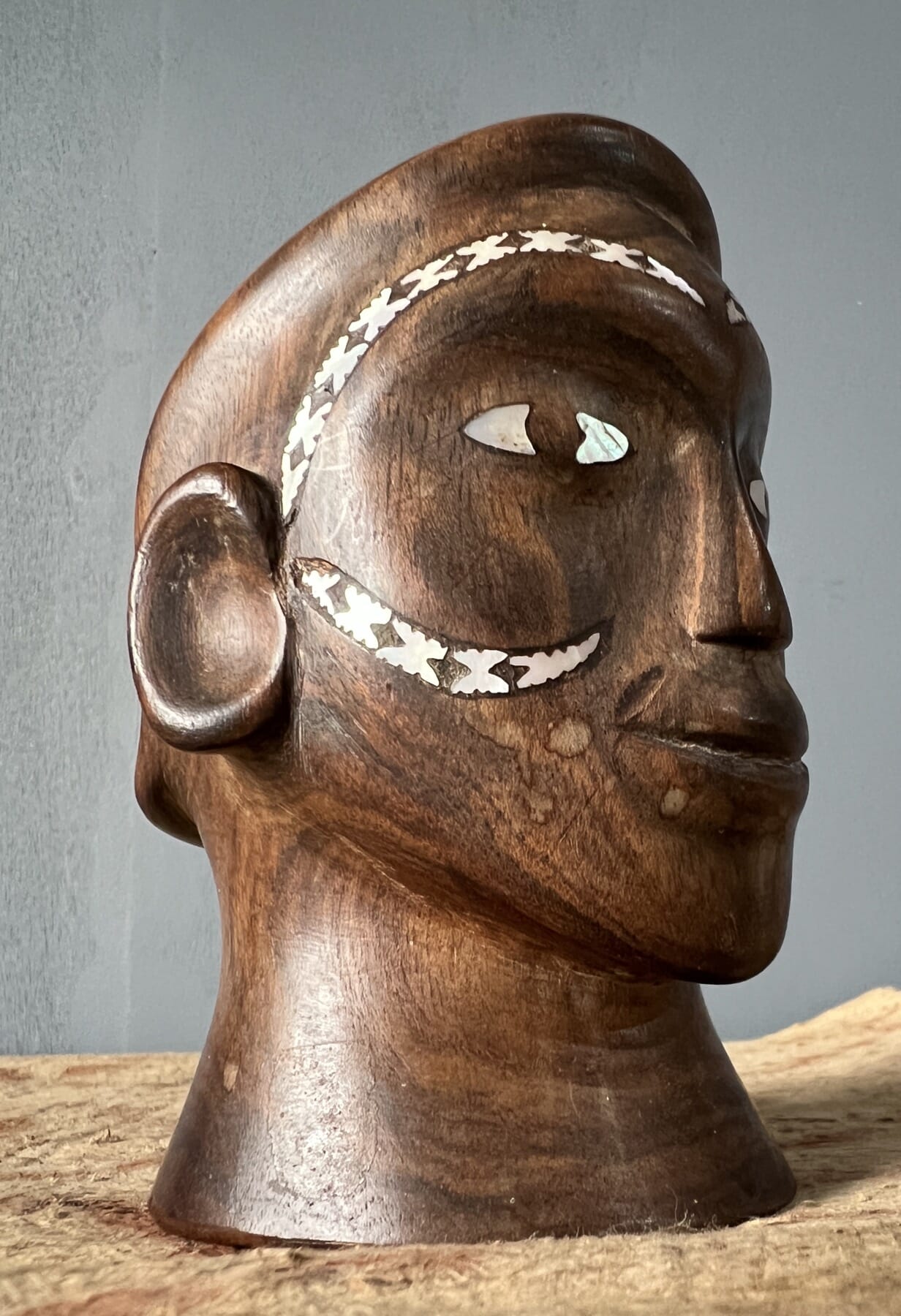
New Caledonia Carved Tribal Figures
Tribal art is important, as while the West became more sophisticated, it remained the same – simple forms, compelling story-telling through highly stylised illustrations in carving and paint. For this reason, the ‘Modernists’, those artists who dragged the Western World into the modern aesthetic, sought out primitive art for its honest truth and pure, basic forms.
Matisse, Gauguin, and Picasso all collected, and were influenced by art & objects from Africa, South America, and the Pacific. In the 19th century, it had been collected as ‘curios’: in the early 20th century, it was seen as an important aspect of the human art-scape, where tribal people had created pure forms unencumbered by the baggage of the Classical (Greek & Roman) world.
Today, this theme is still very much alive – but it has transformed to something new, with modern artists from the First Nations of a multitude of countries now exploring their own heritage, and merging it with the 21st century.
It certainly makes the world a much more graphically interesting – and colourful – place!
Moorabool’s Tribal
Australia is a terrific source for tribal art. When Europeans first came, they were eager to explore the culture that was already here. Collections were formed – many pieces were shipped overseas – even as the catastrophical encroachment of Western culture destroyed the peoples who had created them. The misfortune of colonisation cannot be overstated- but looking back, it was the Europeans who were fascinated by the Aboriginal People who preserved not only the languages in some areas, but also no end of artefacts which they gathered for their collections. Today, these items are often the only surviving link to long-lost Koori culture that goes back tens of thousands of years.
Elsewhere, the travelling Westerners collected also, and often settled in Australia. As the main British presence in the region, Sydney and Melbourne were the access point for the governing of areas such as Fiji and Papua New Guinea. During WWII, this became particularly important as troops moved into the islands north and east of Australia to deflect the planned Japanese take-over. The soldiers on these expeditions often became very involved in the local situations, and numerous examples of soldiers stationed in New Guinea staying on after the war for decades occur: one of the sources for our present collection was a photographer in WWII for the RAAF, and stayed on in a government role, marrying a PNG local and living there for the next 30 years.
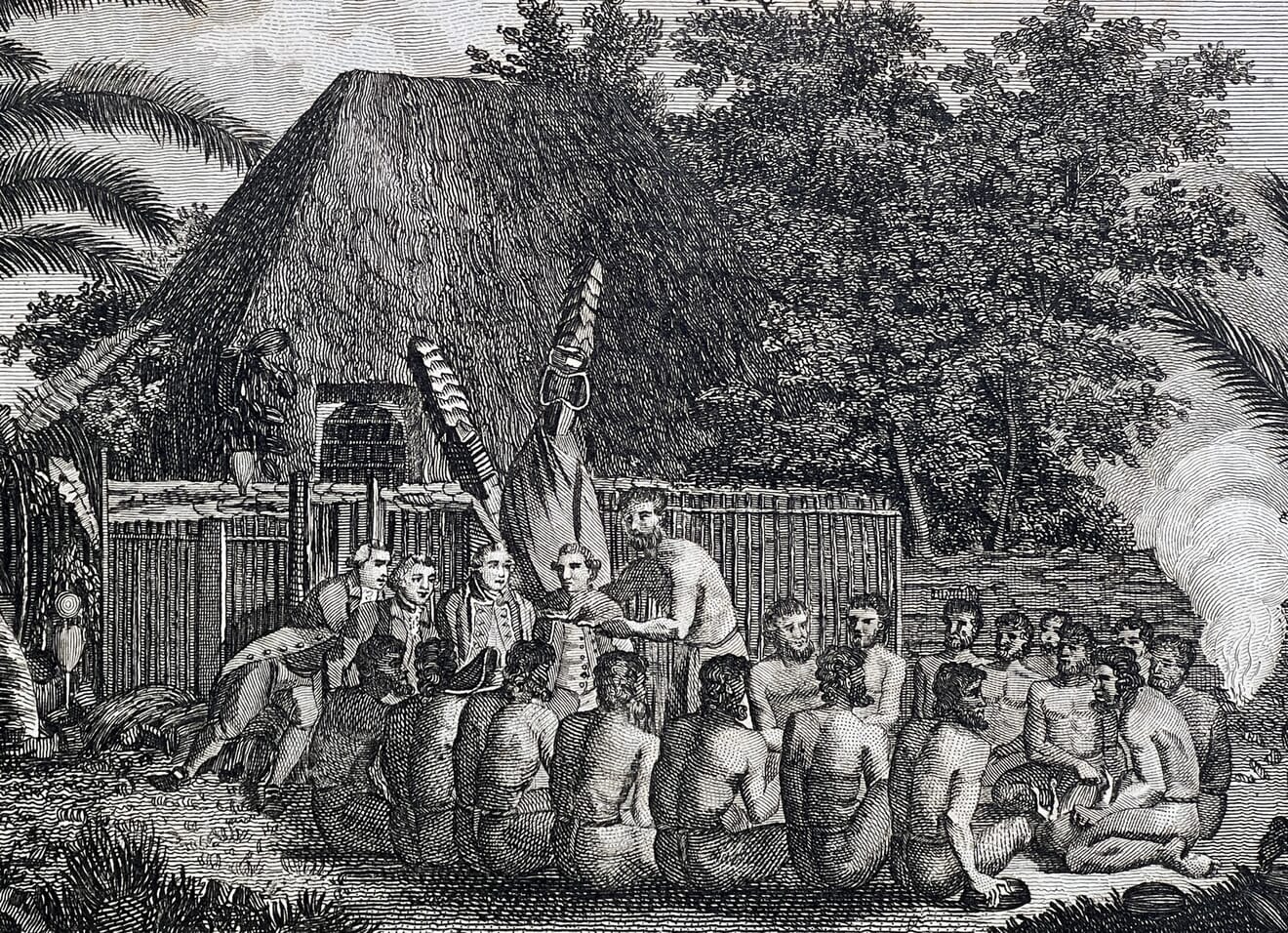
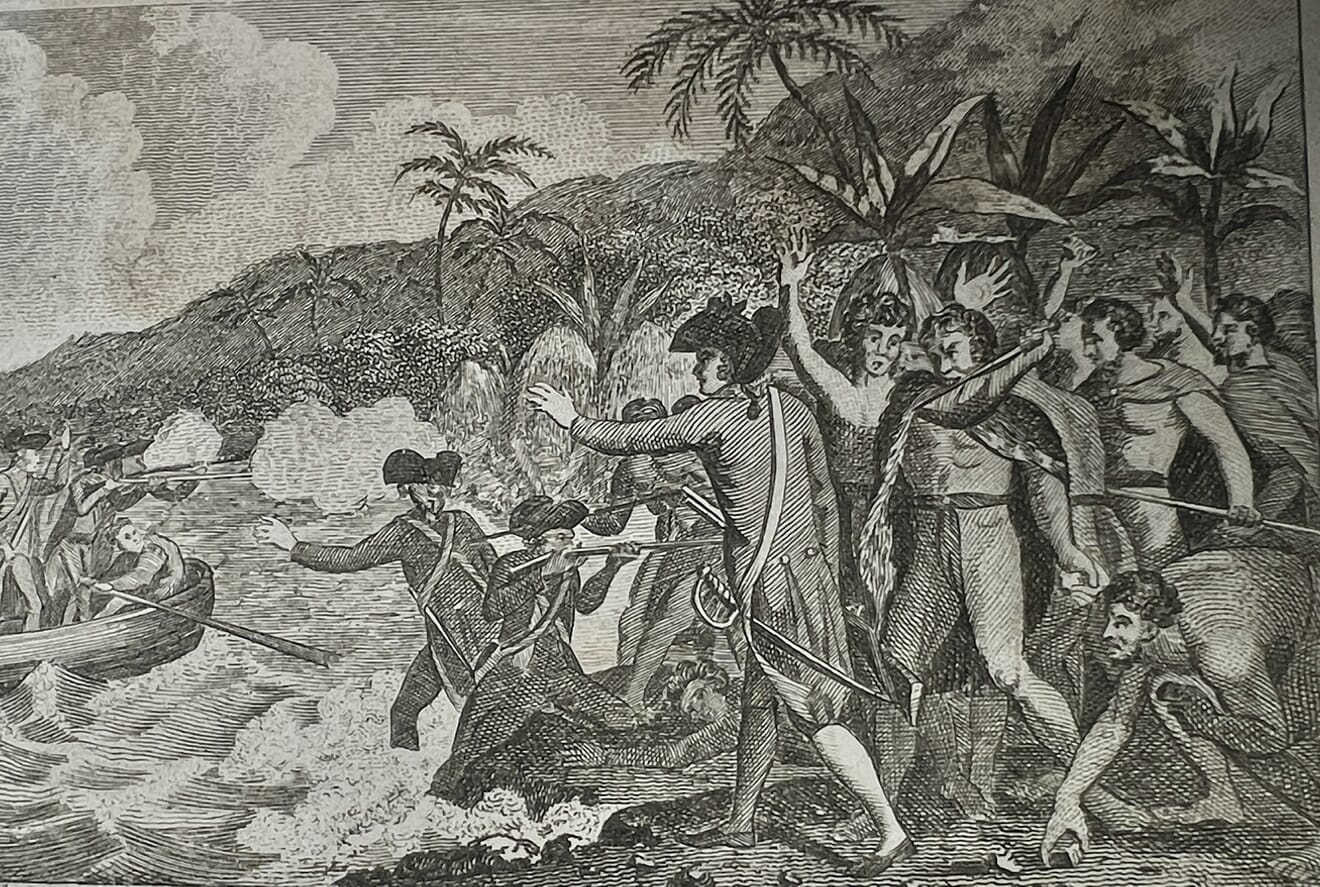
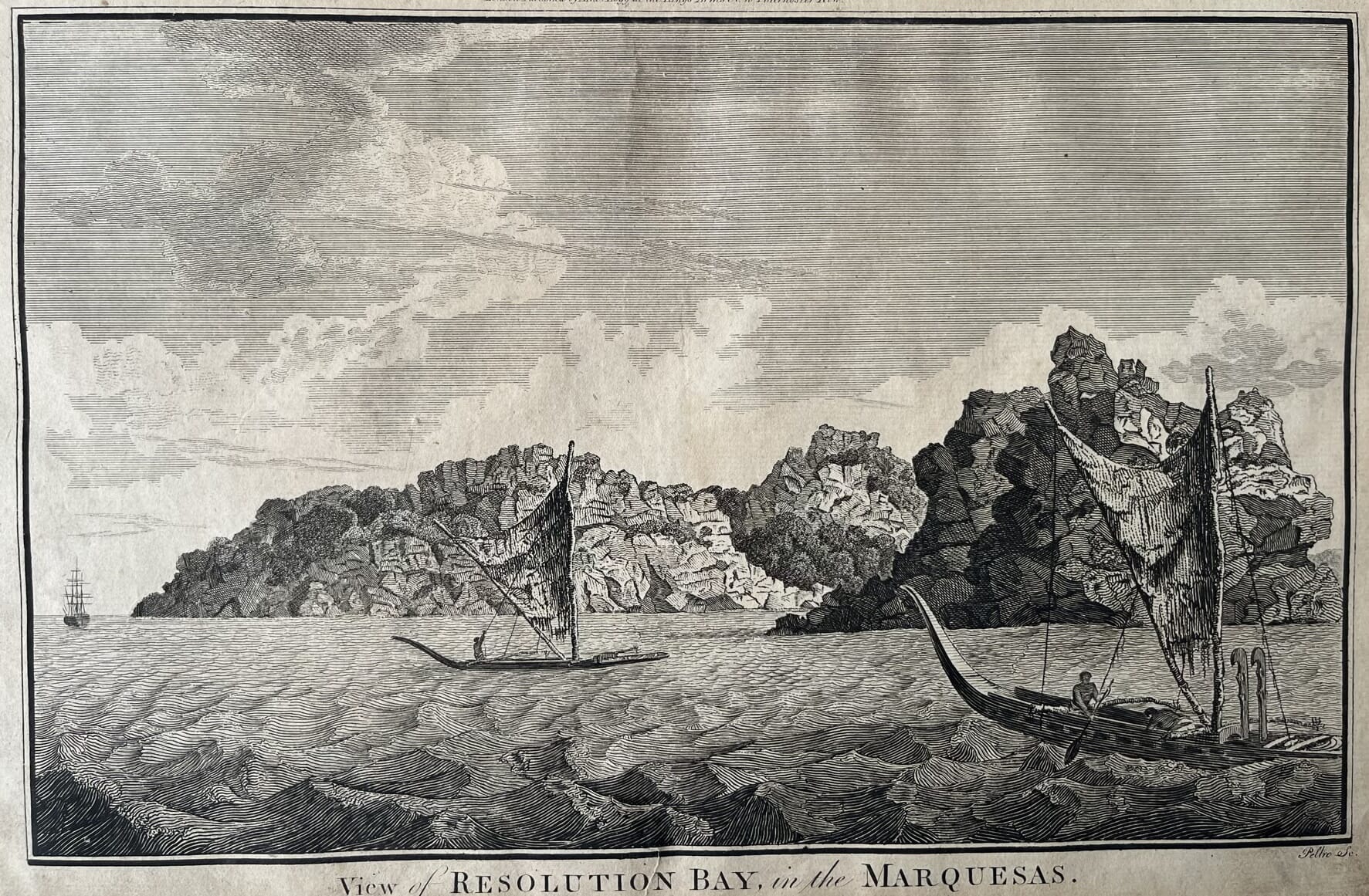
Captain Cook
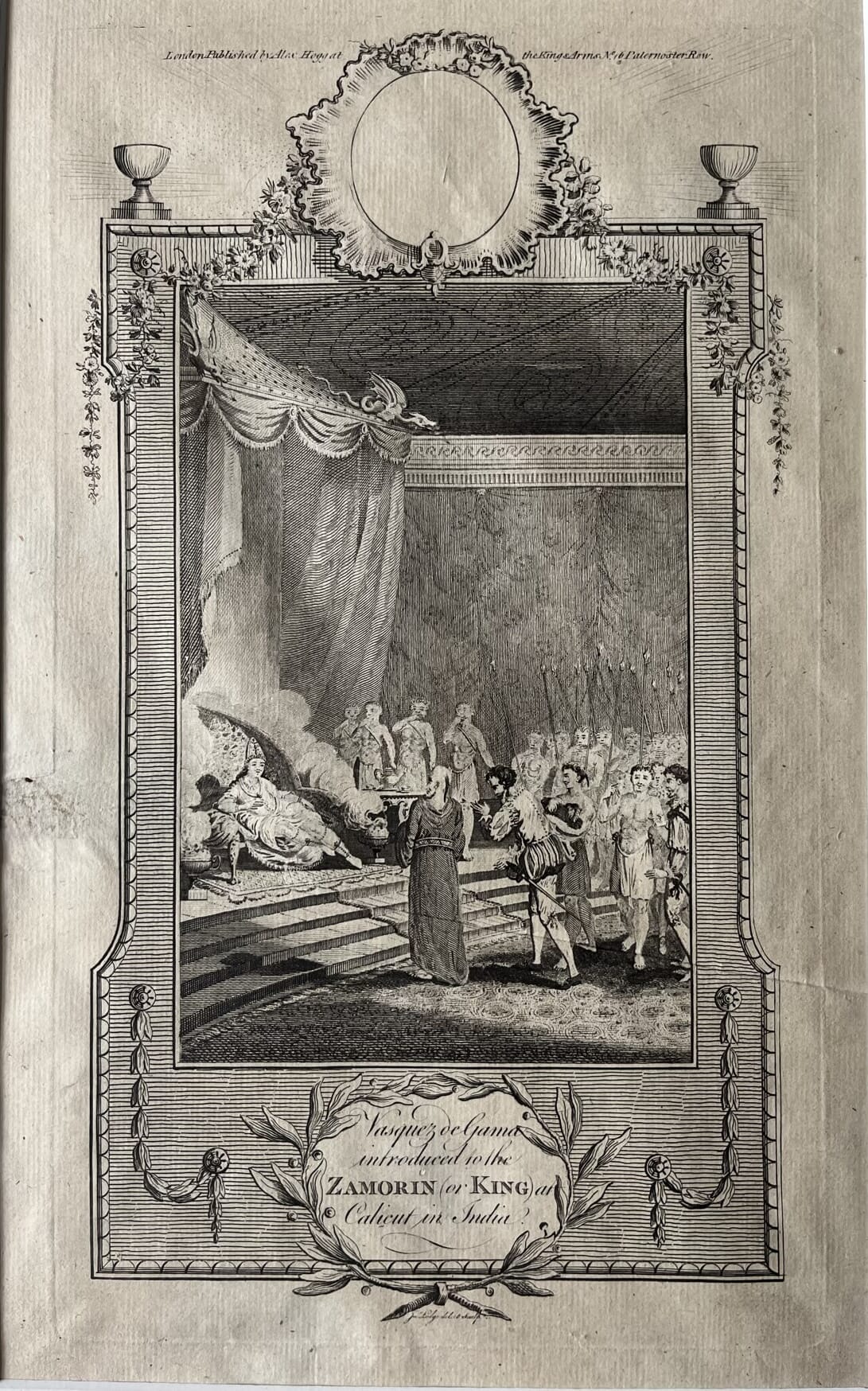
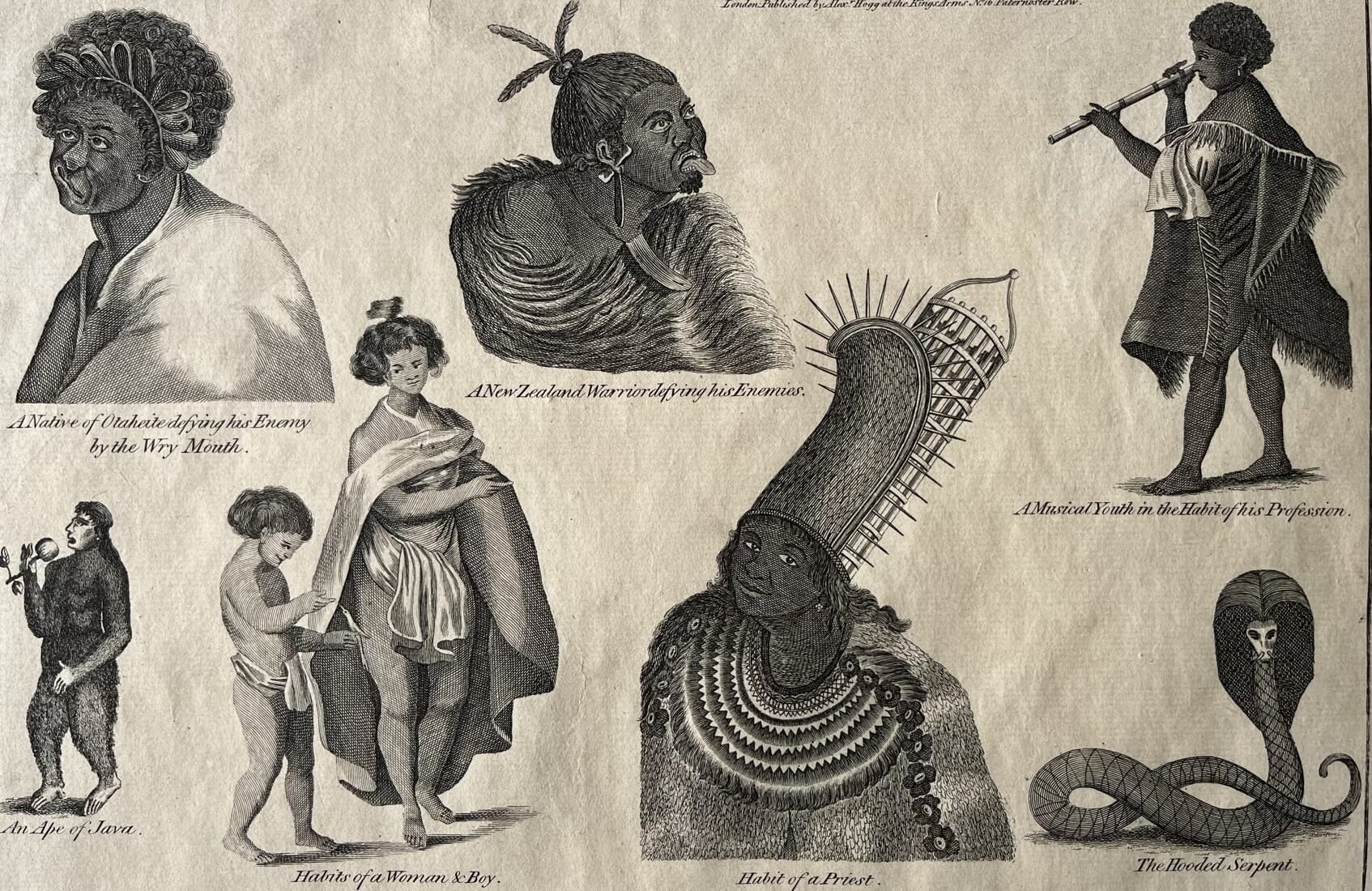
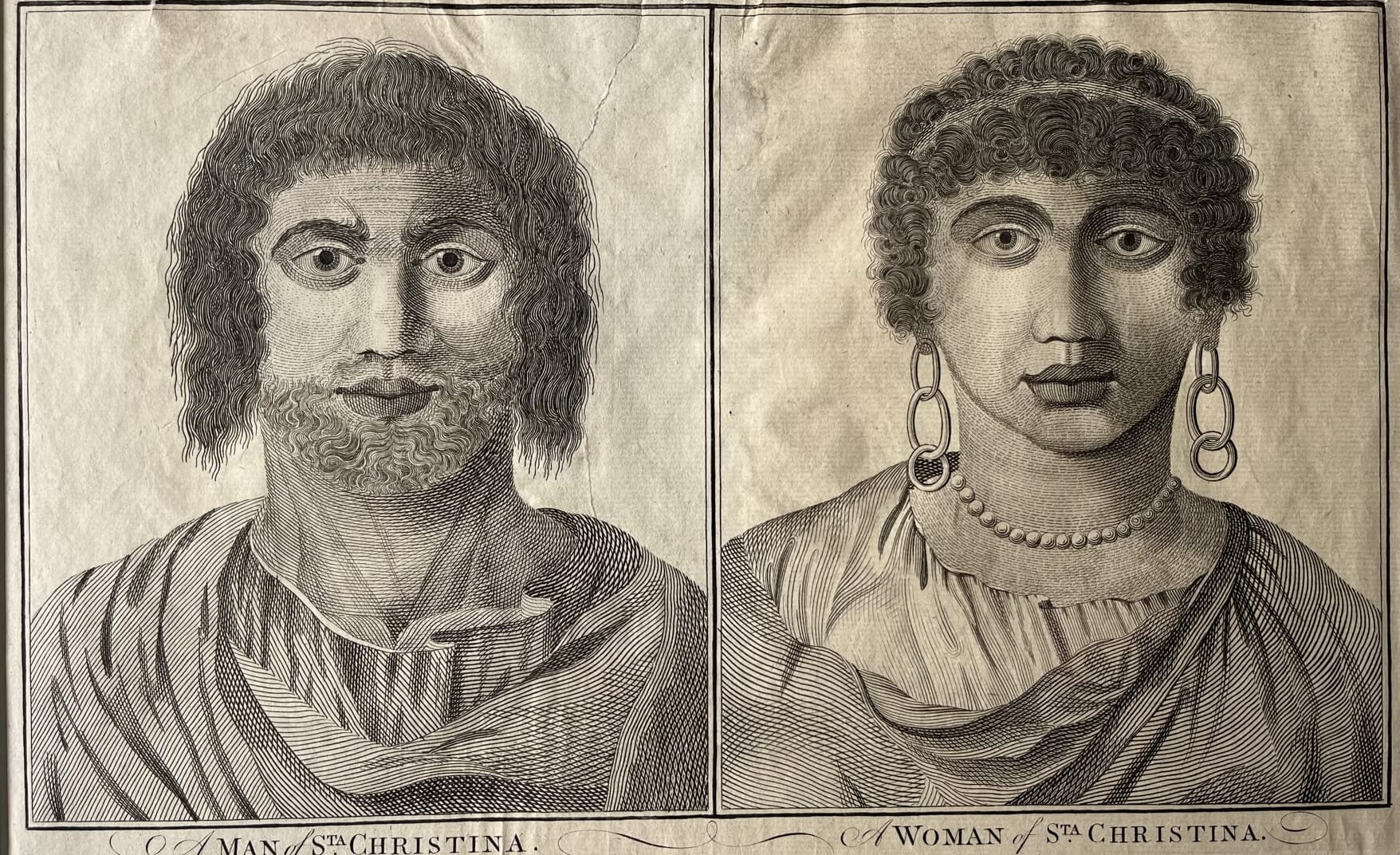
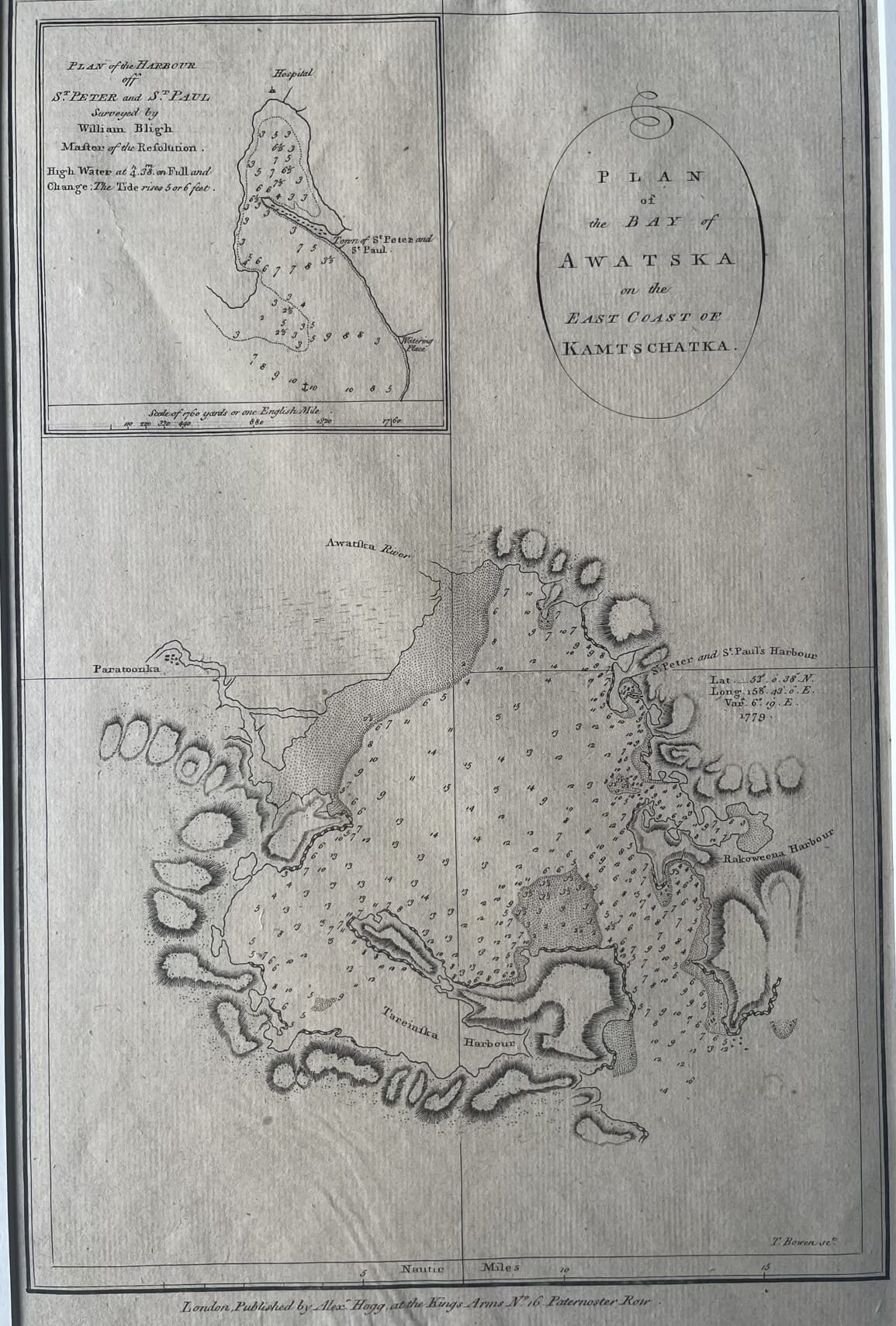
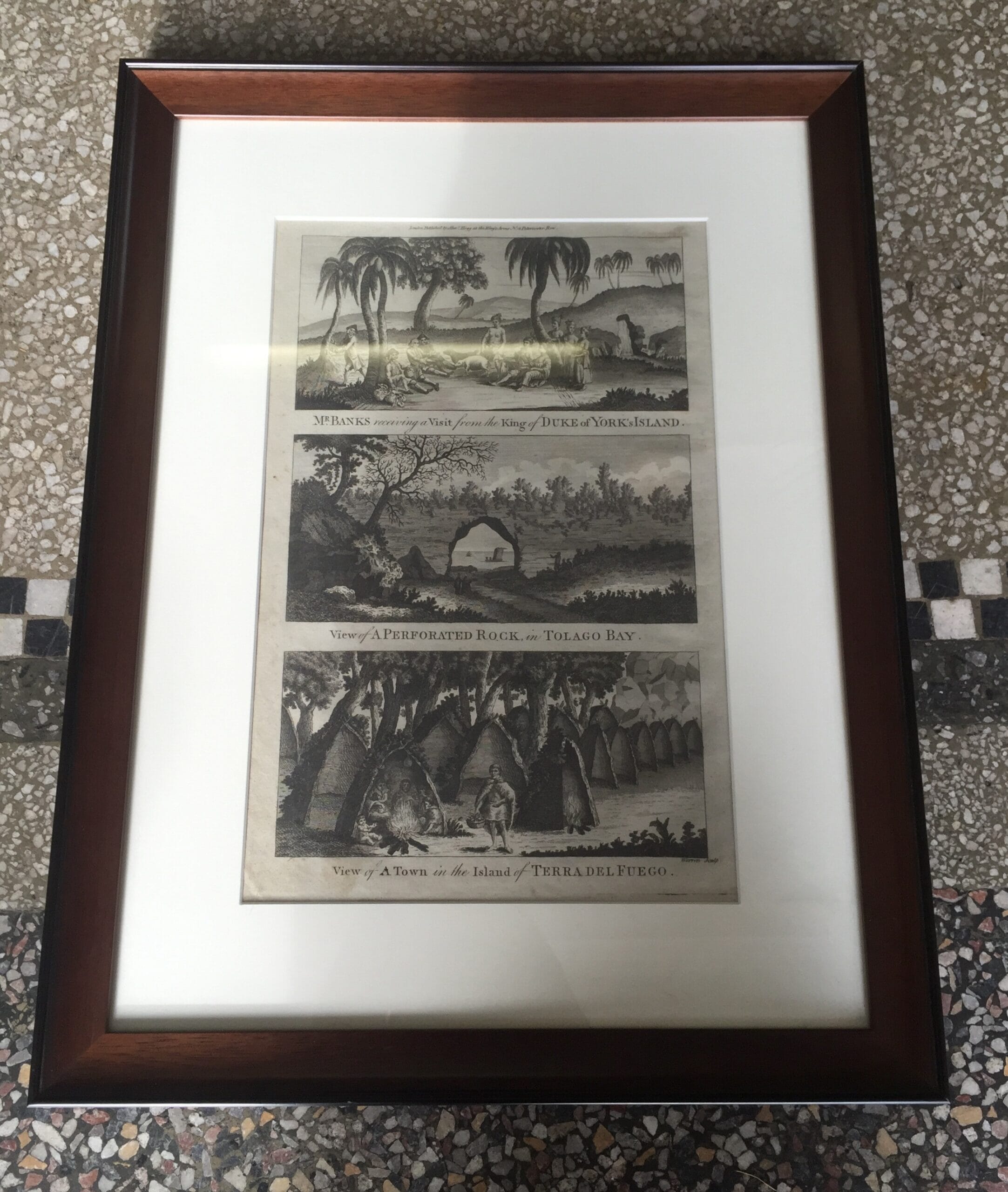
These prints are dramatic records of the British exploration of the Pacific in the 18th century – ‘CNN reporting live from the South Pacific’. They were published by numerous firms in London, and later in France, for many decades, in various sizes.
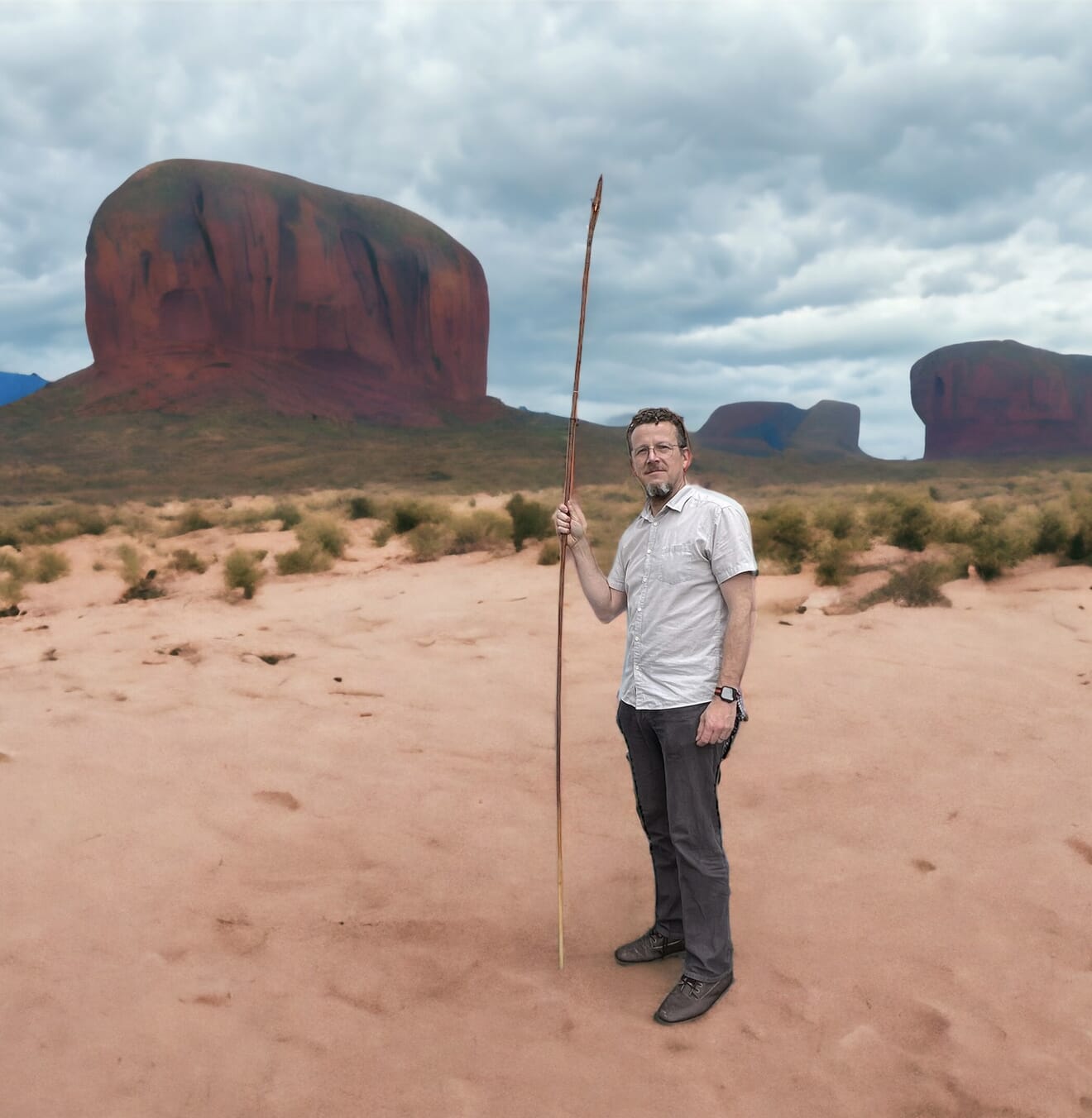
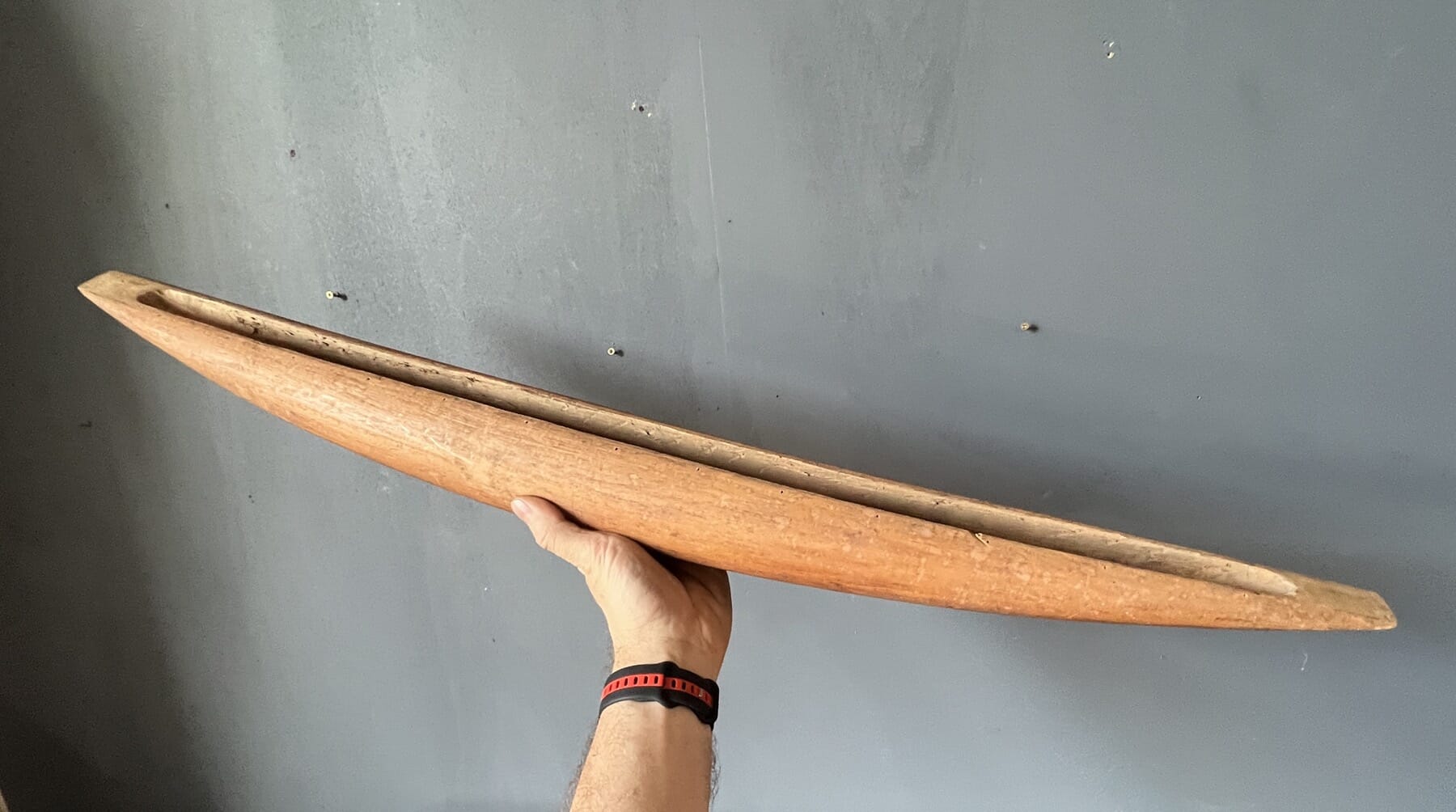
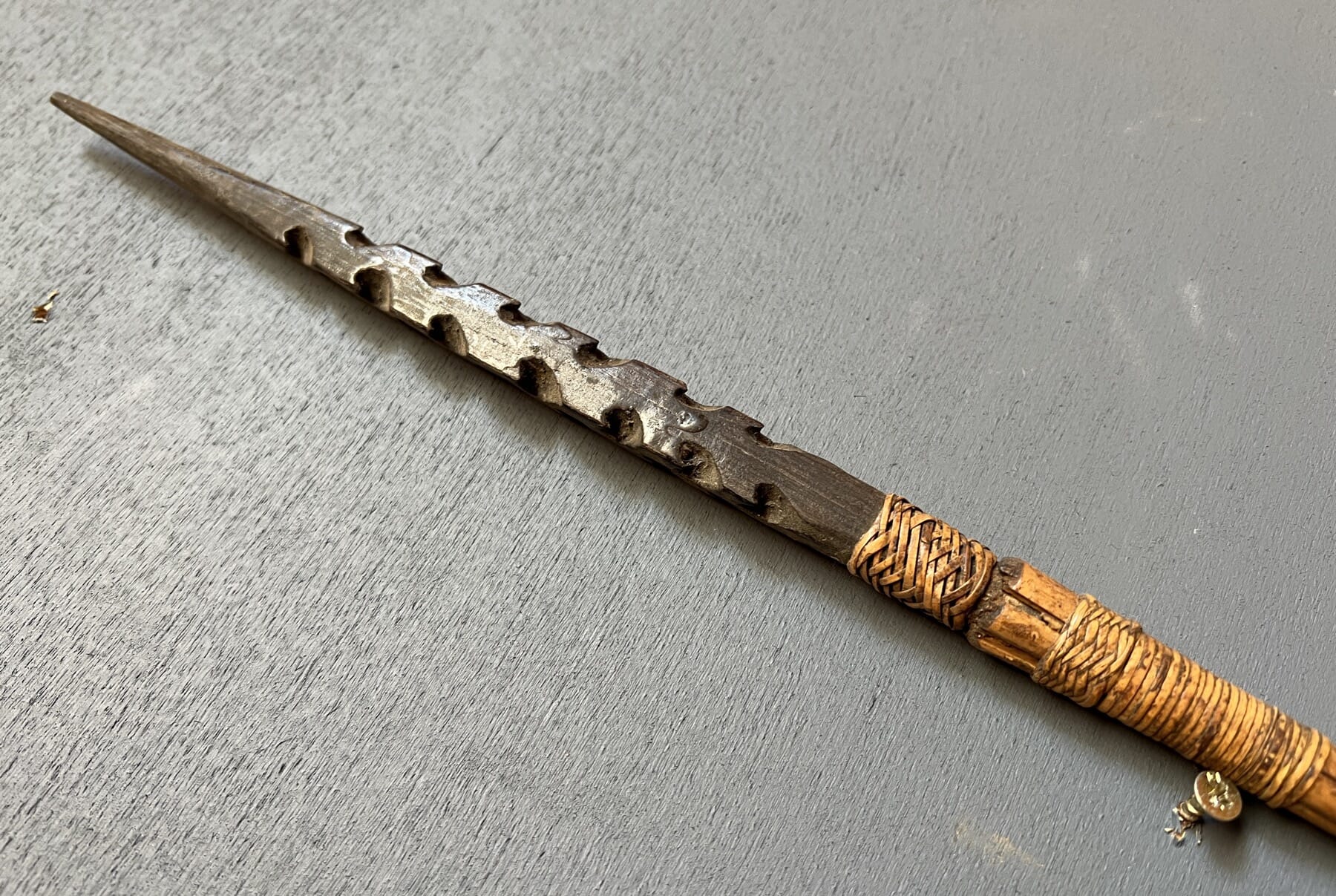
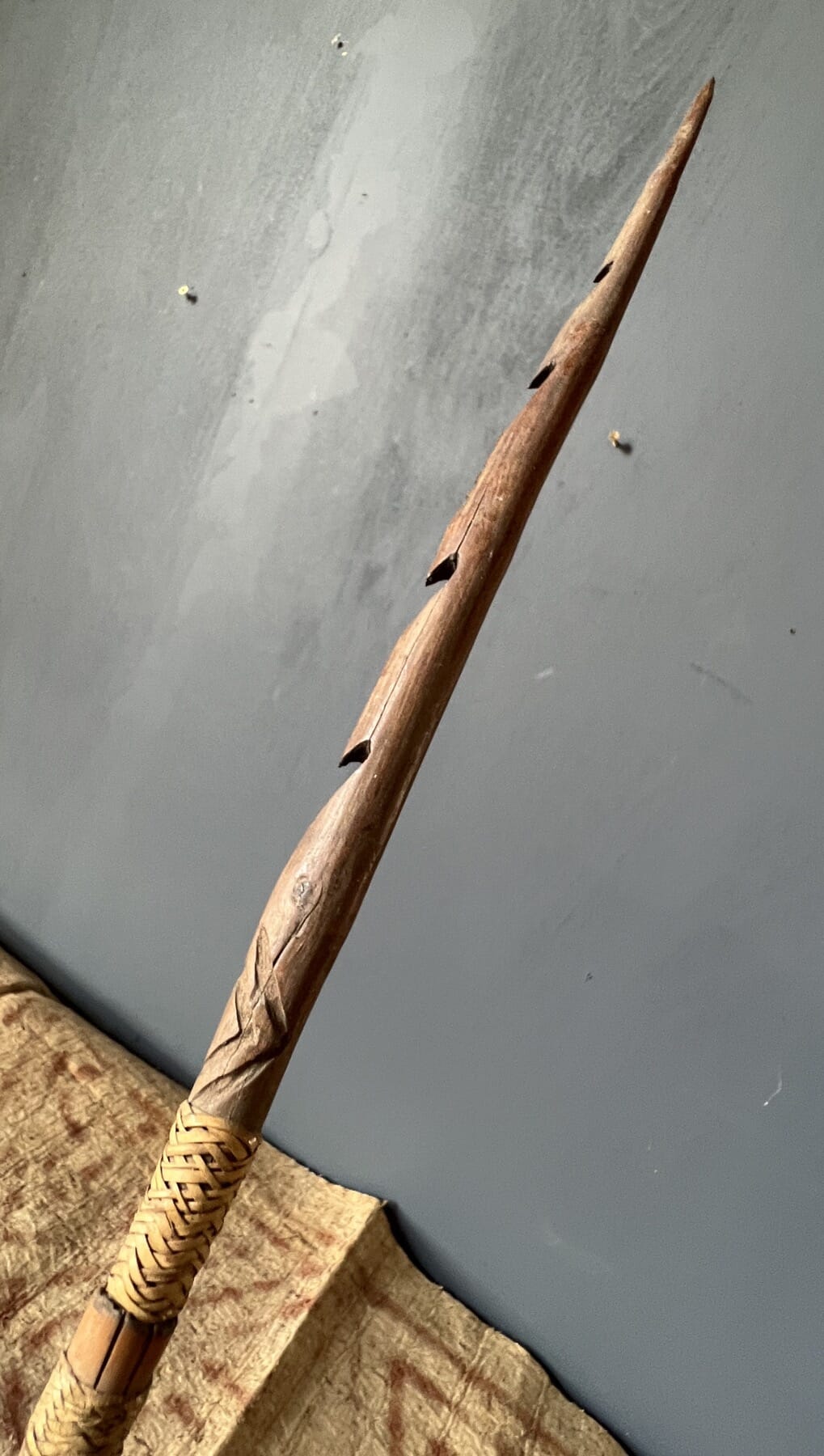
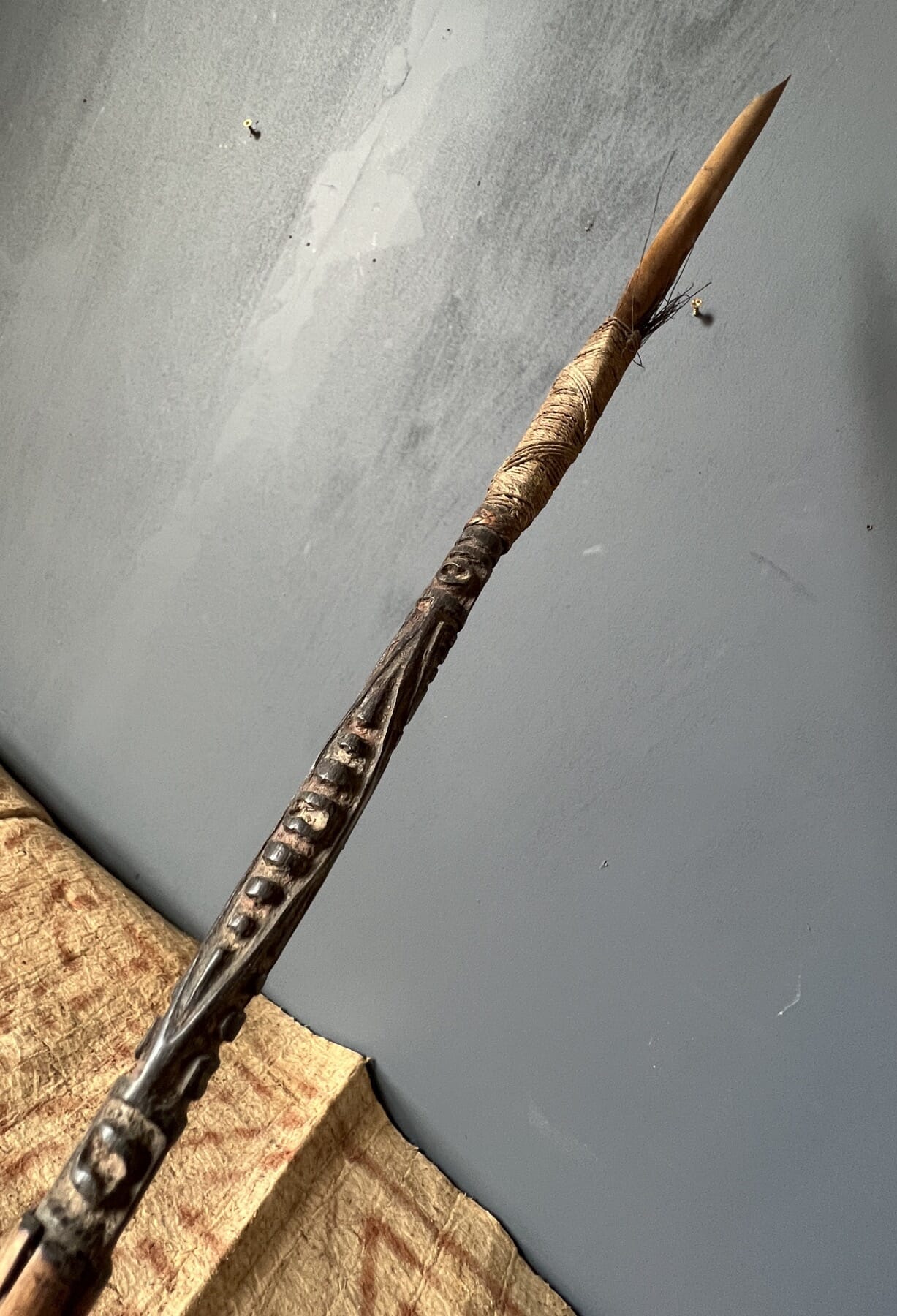
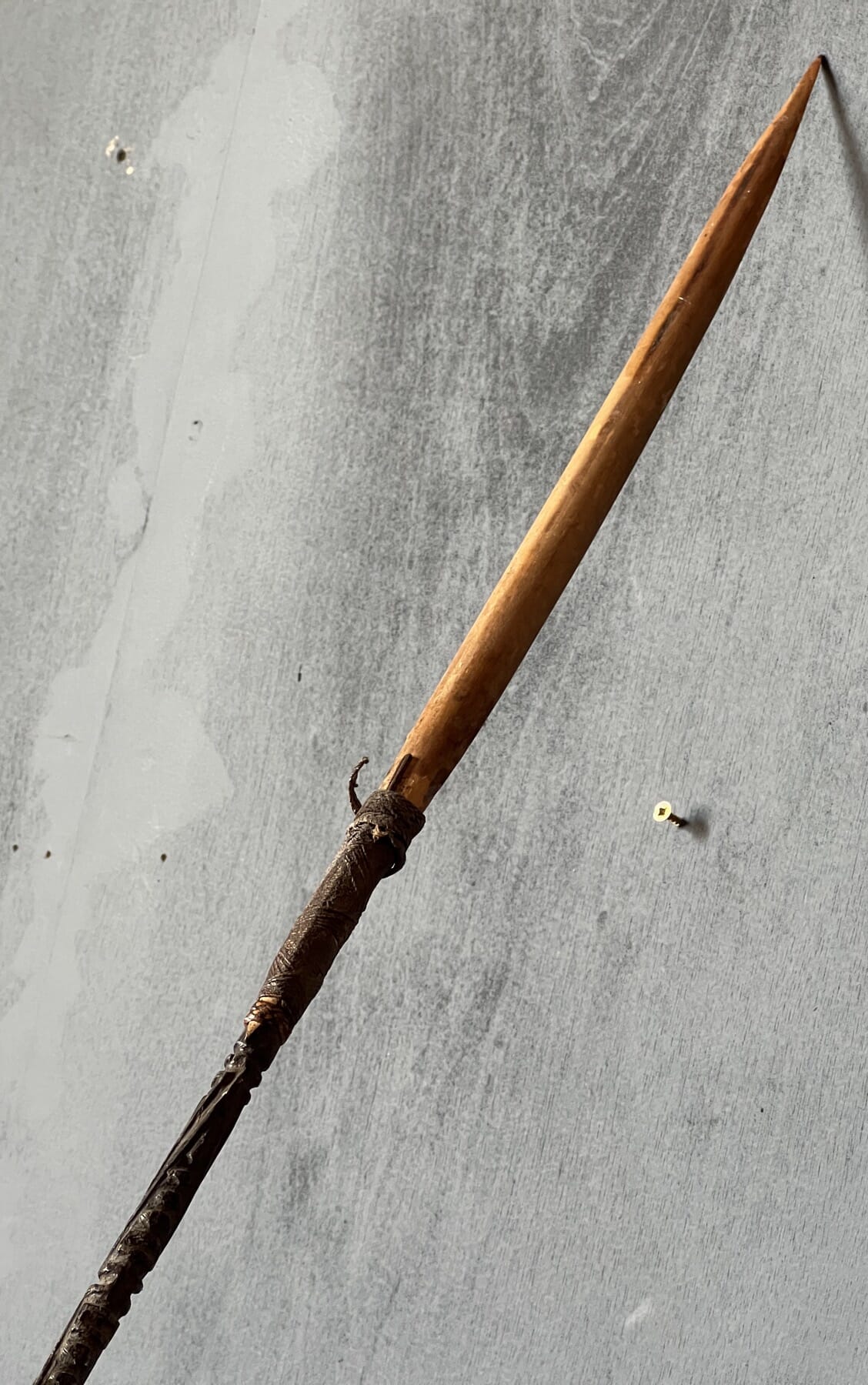
Australian Aboriginal culture, or as it is now popularly called ‘First Nation’, is the oldest continual culture on the planet. Early European contact was dismissive of their achievements, but we now see just how impressive it is for a culture to survive that period of time in an environment Europeans could not survive in for long. We do see a large amount of Australian Aboriginal artifacts at Moorabool – the largest being the ‘woomera’ shown below. This is a prime example of their superior survival skills and technical innovation: a woomera is a spear-thrower, basically a long leaver-extension for a hunting spear. When used to launch a spear, it resulted in an incredible 60% extra force and massive increase in distance. This particular example, at 2.66 meters, is the longest we have seen, and is an original usable piece made without European tools or materials.
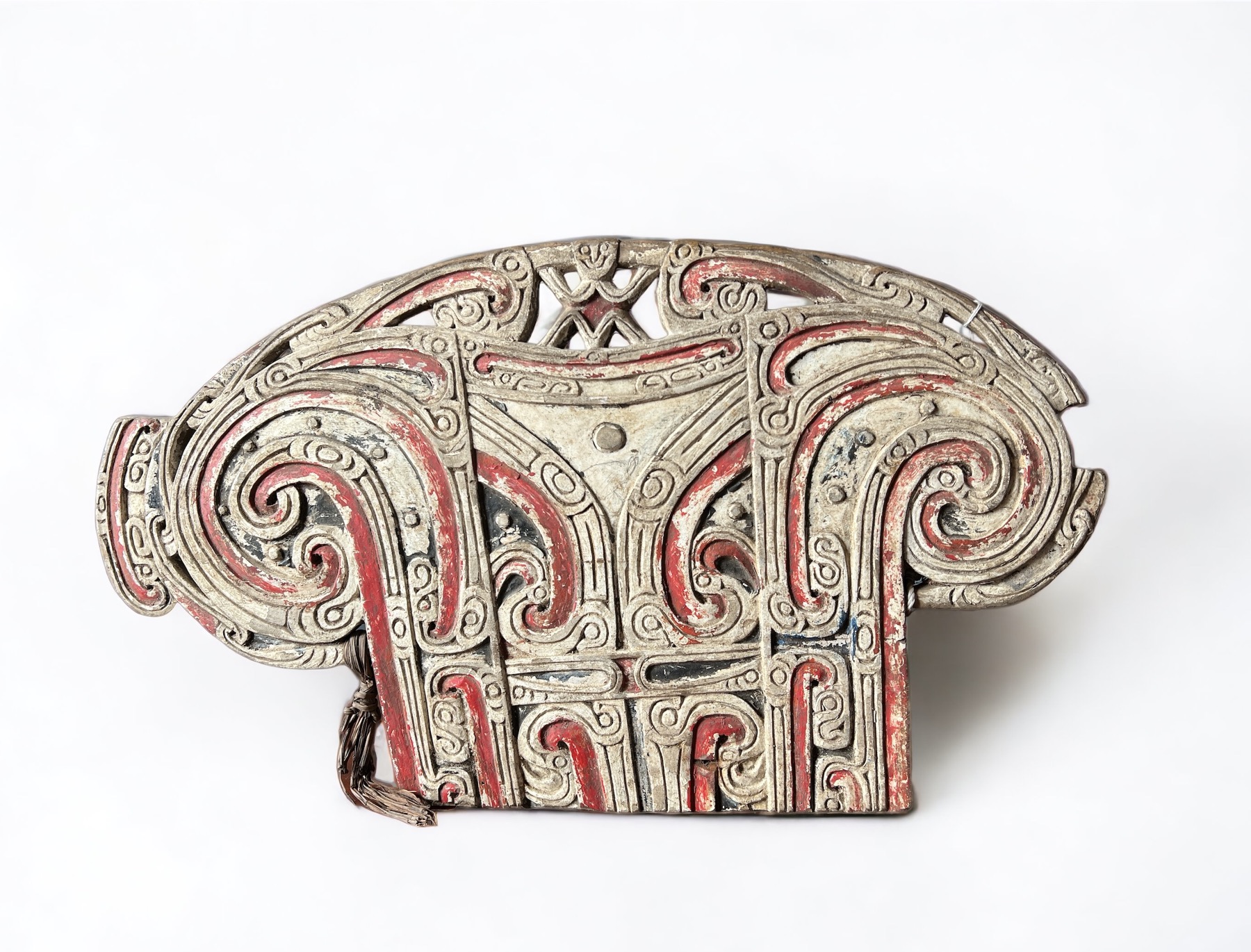
The Trobiand Islands are part of the Solomon Island group, to the north-east of Papua New Guinea. They were the origin of a remarkable style of tribal art, with very stylised, elegant scrolling forms, often in shallow carved format filled with lime pigment to make them stand out.
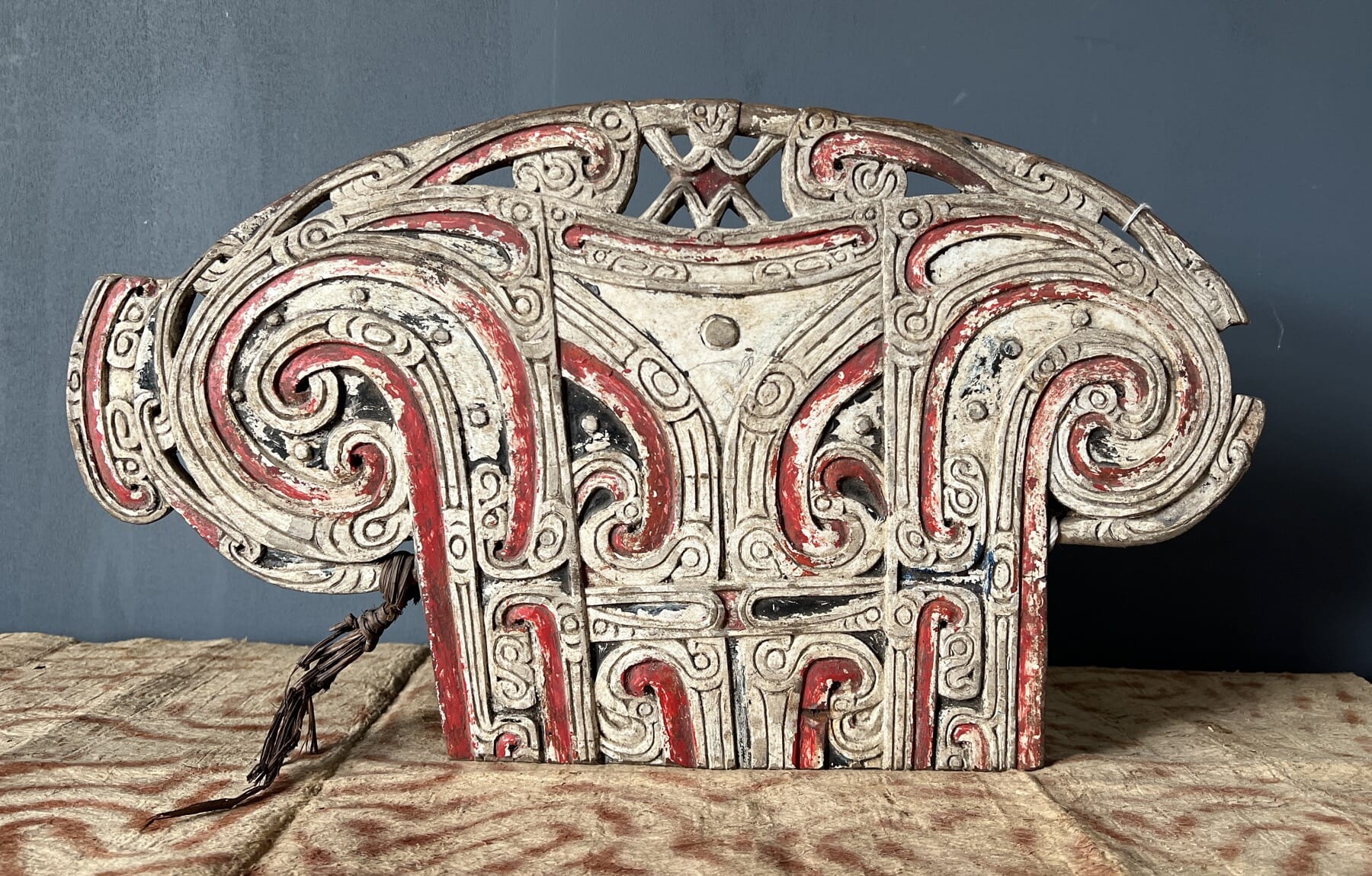
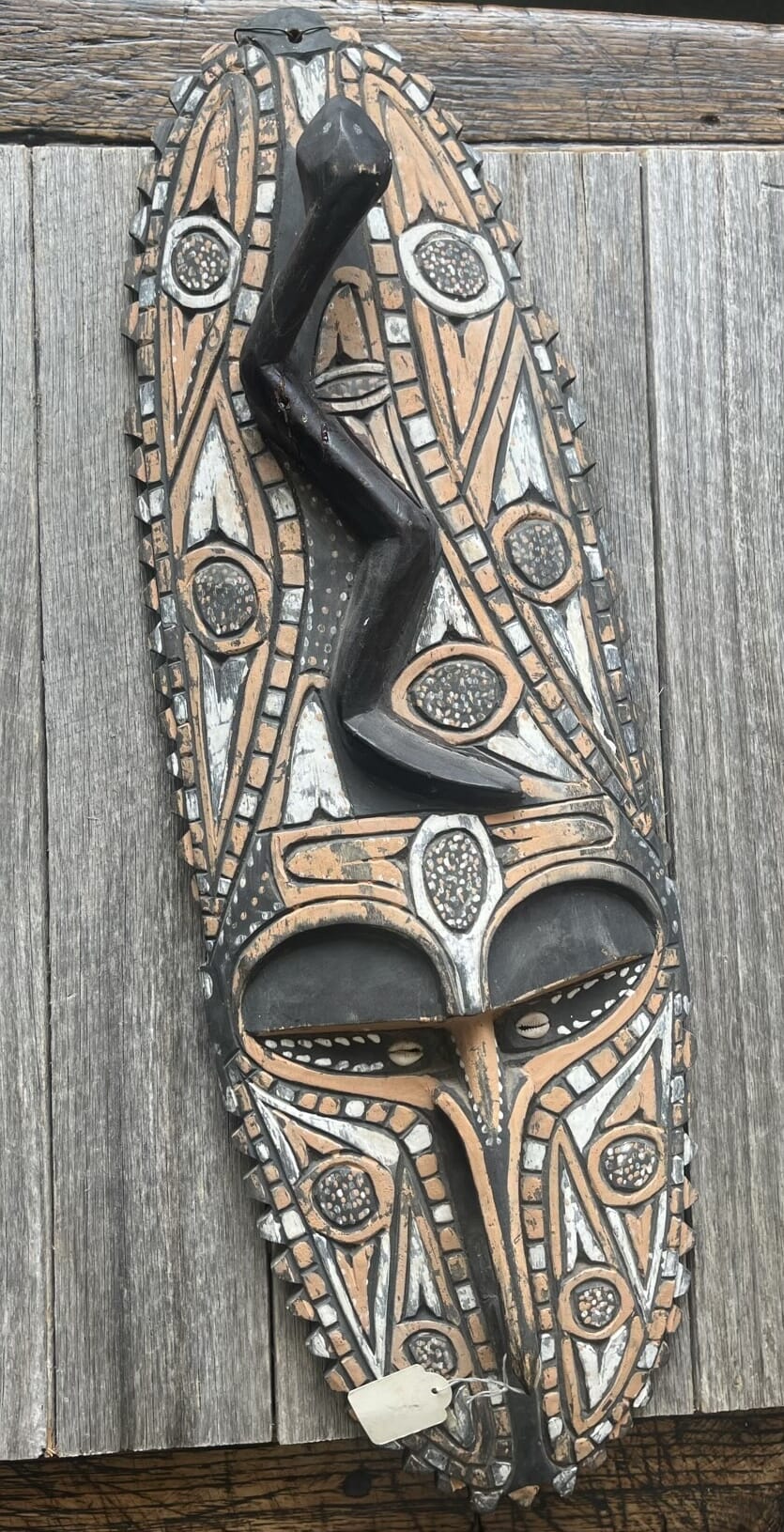
A Trobian Islands Canoe Board
Impressive carved & painted canoe board, with symmetric-carved columns & scrolls, pierced & layered for dramatic effect, incorporating a small seated figure at the very top, the whole picked out in traditional white & red colours.
Solomon Islands/ Trobiand Islands – Milne Bay
earlier 20th century
Provenance: from a Melbourne, Australia, collection
The same iconography can be seen on an example in the British Museum –
These canoe boards were used by the communities of the Solomon Islands, in particular those of the Trobiand Islands, where the vast Milne Bay region supported a flourishing trade network connected by large trading canoes. When voyages of trade were made, they were festival occasions, and both the crew and the canoe was ‘dressed to impress’. These extremely elaborate boards (also known as ‘splashboards’) were placed at the front & back of the dugout canoes, closing off the ends & helping keep water out. They are called ‘migila waga’, roughly translating as ‘the face of the canoe’.
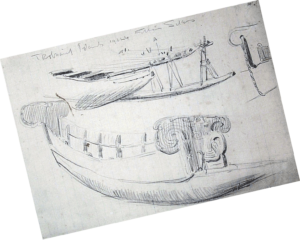
An excellent eyewitness image can be found in the work of the Royal Geographical Society fellow Ellis Silas. He travelled through the region in the 1920’s and sketched numerous examples of the elaborate canoe decorations, now in the British Museum collection.
Early 1920’s sketch by Ellis Silas showing a Trobiand canoe with splashboard in place. British Museum.
The carvings are all meaningful: the seated figure in the centre of this board in particular appears consistently. This is the most important aspect of the piece: known as the bwalai, it must be ‘spelled’ with the right magic by the canoe owner prior to a journey. If the canoe capsizes, the bwalai comes to the rescue by summoning a giant fish that will take the sailors safely ashore. If the magic used is not correct or if the canoe owner forgets to utter the spell, the bwalai will turn into sharks and sea monsters and devour the crew!
The trade ritual was known as the ‘Kula‘, and was different from the commercial trade for goods. The items exchanged were ‘non-use’ decorations, solely to enhance one’s social status. The act of giving was a display of greatness, but given with a show of exaggerated modesty; the goods also had to be passed on within a short period of time, and as they passed through the circle of participants, it is known as the ‘Kula Ring’. It incorporated a large number of wide-spread island communities to the north and east of, including the Massim of the Trobiand Islands. Goods traded were pearlshell plaques, armbands, necklaces, and other distinct items.
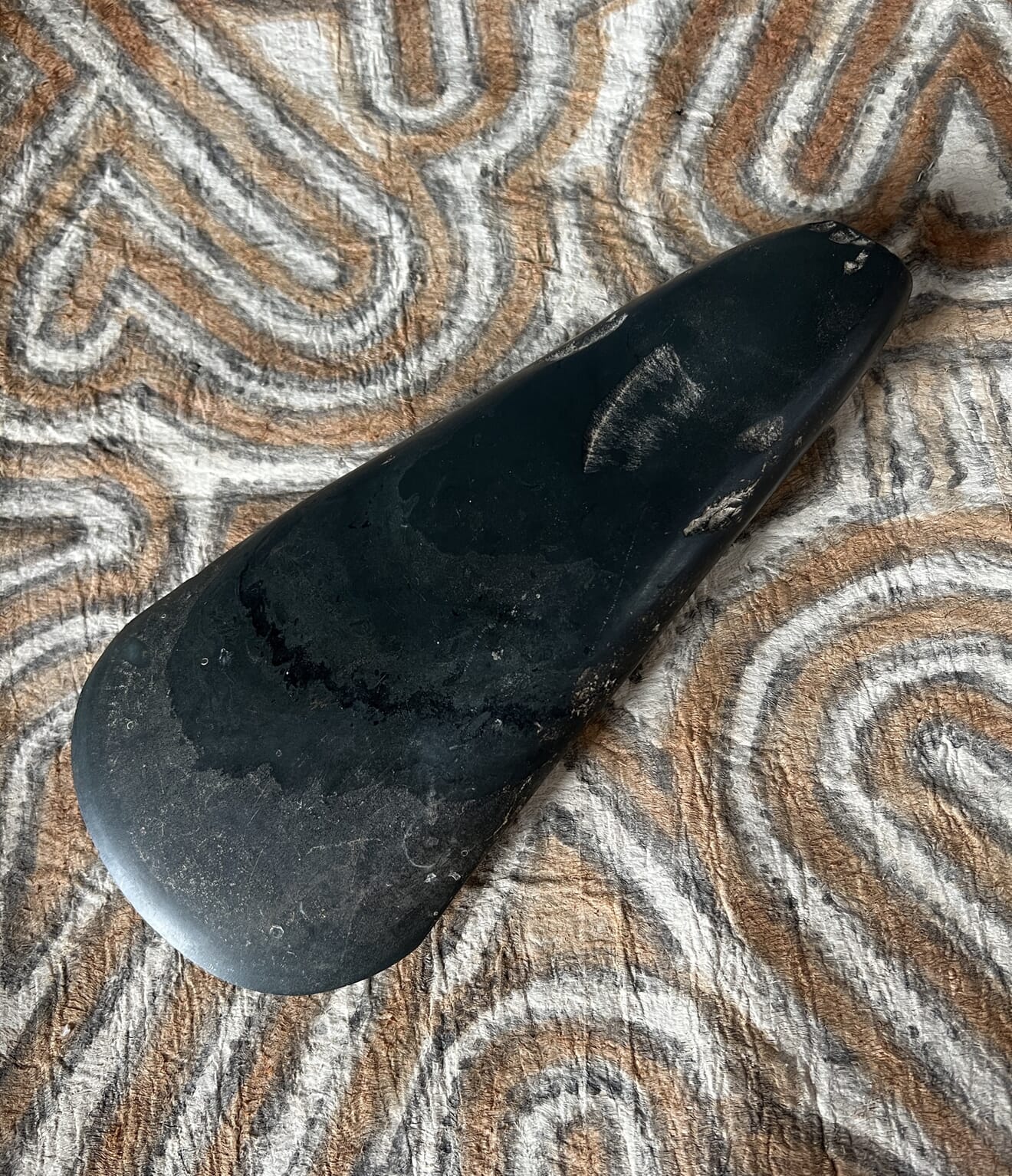
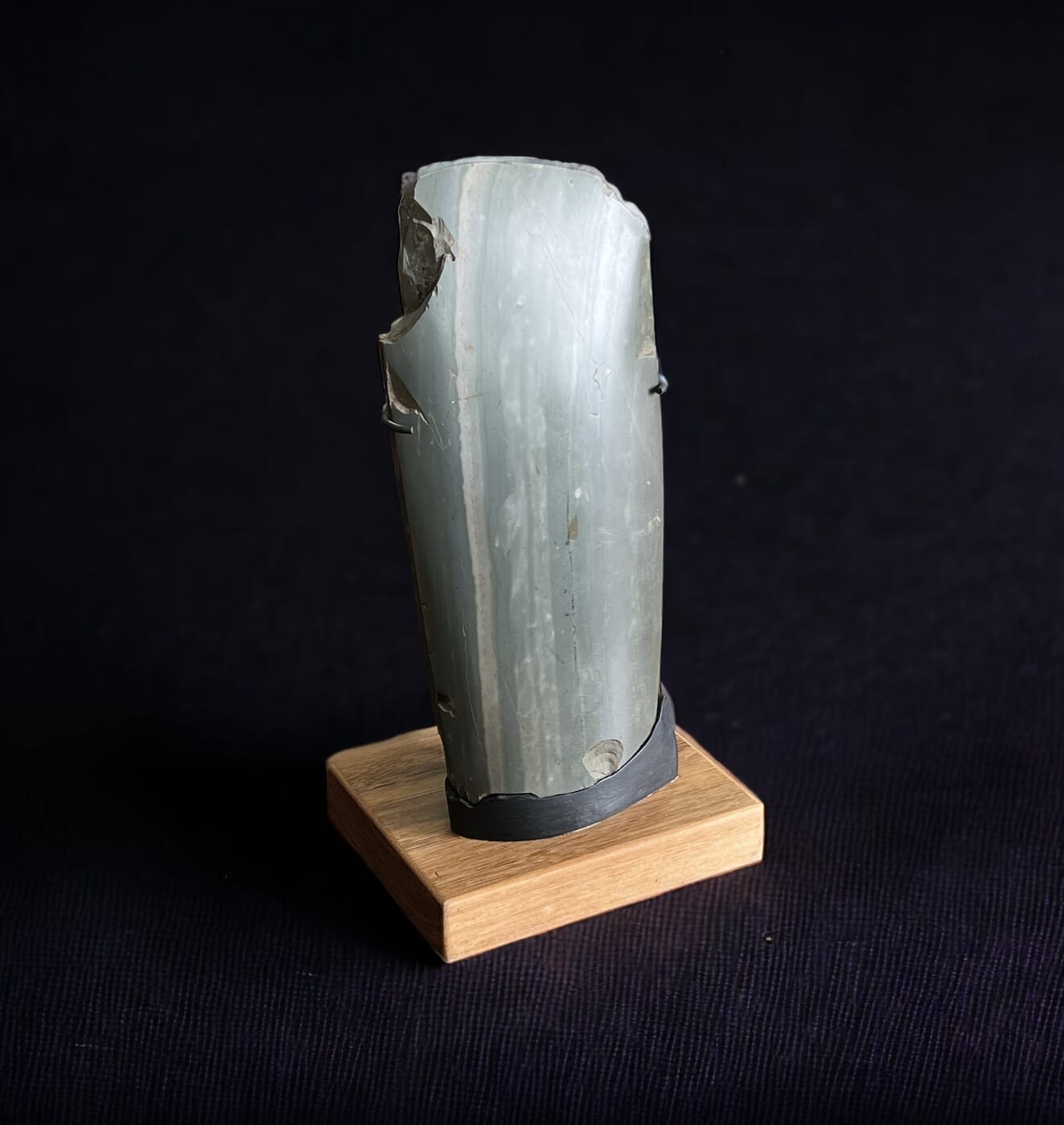
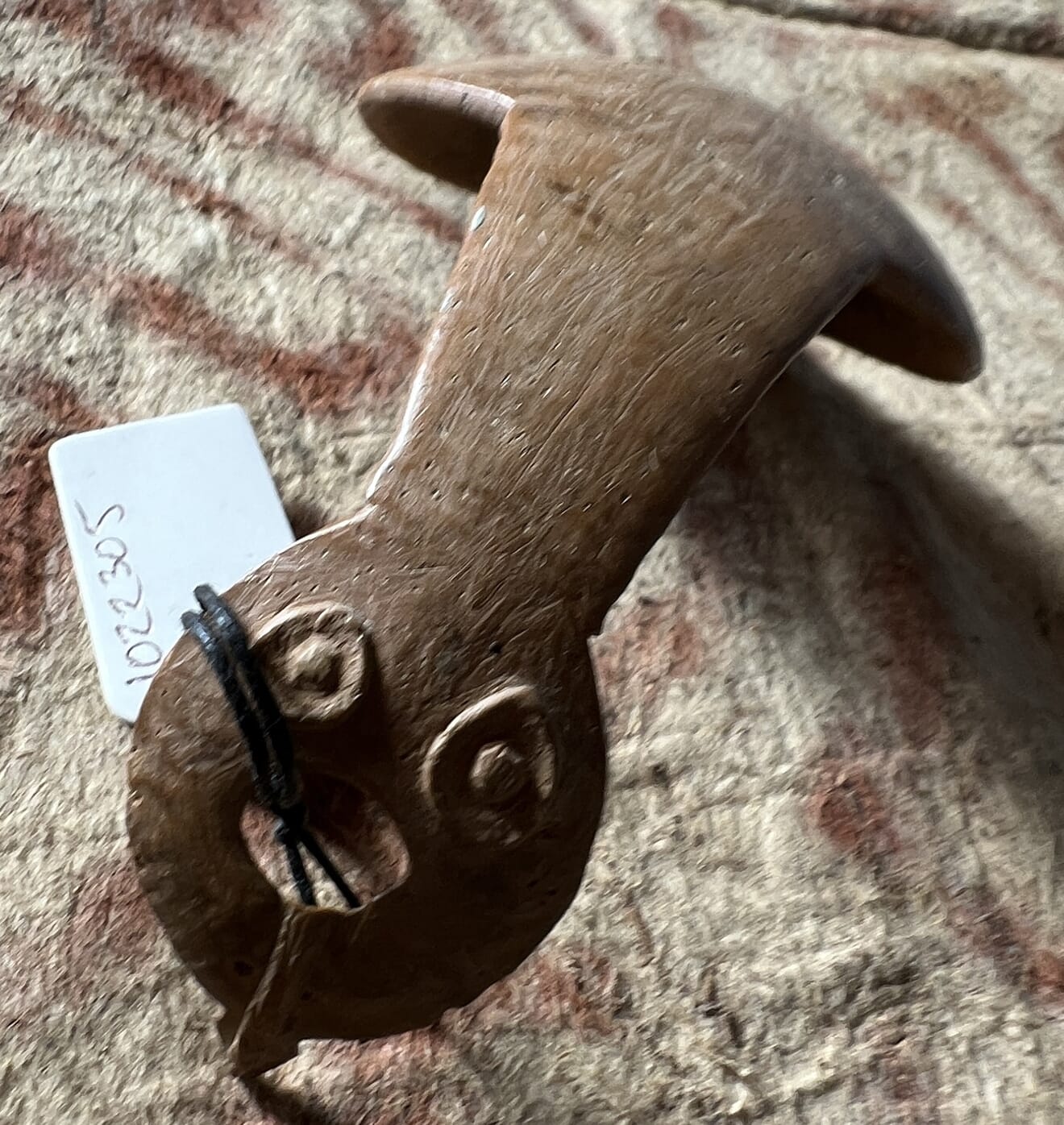
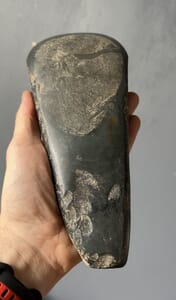
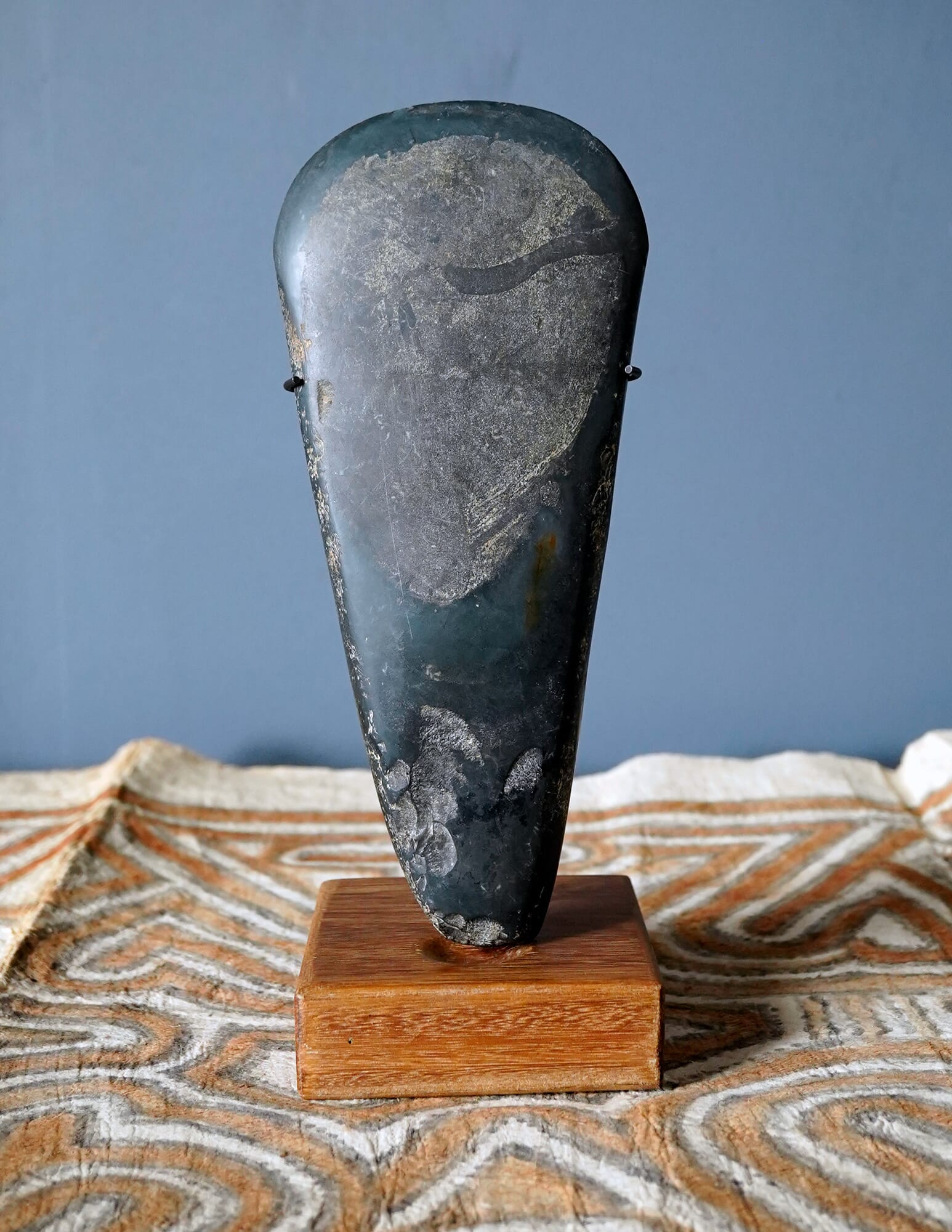
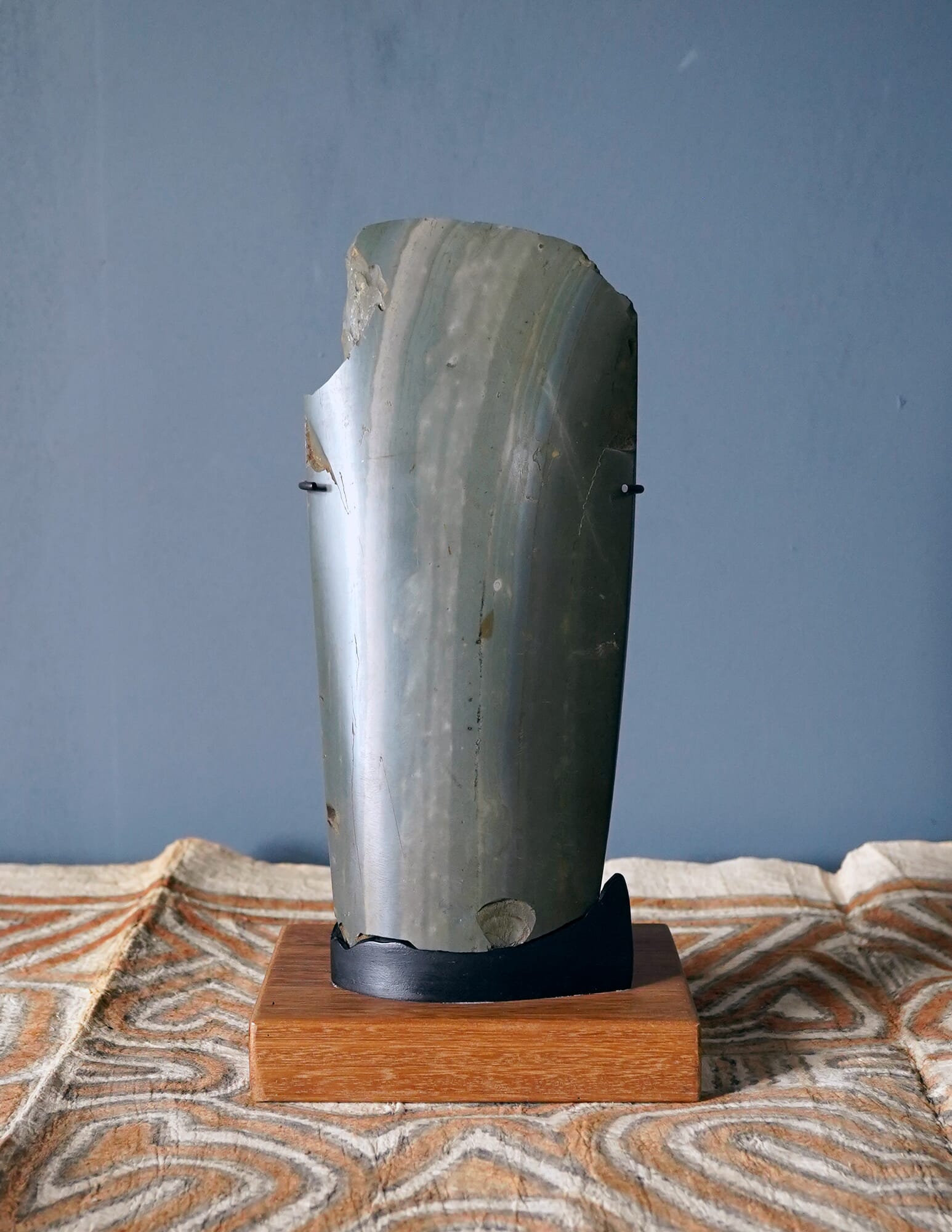
Massim Wealth Axe Head
The large polished adze heads are another aspect of Kula trade. These are extremely robust, and the dense mottled green stone must have taken a huge effort to polish and shape. They were highly treasured items of wealth & status, and while we have dated ours to ’19th century’, it is quite plausible that they are many centuries older, passed from generation to generation. The example with the chips shows an amount of wear to the chip-sites, which can only happen through lots of handling – suggesting a very great age.
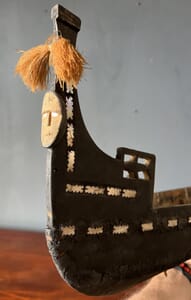
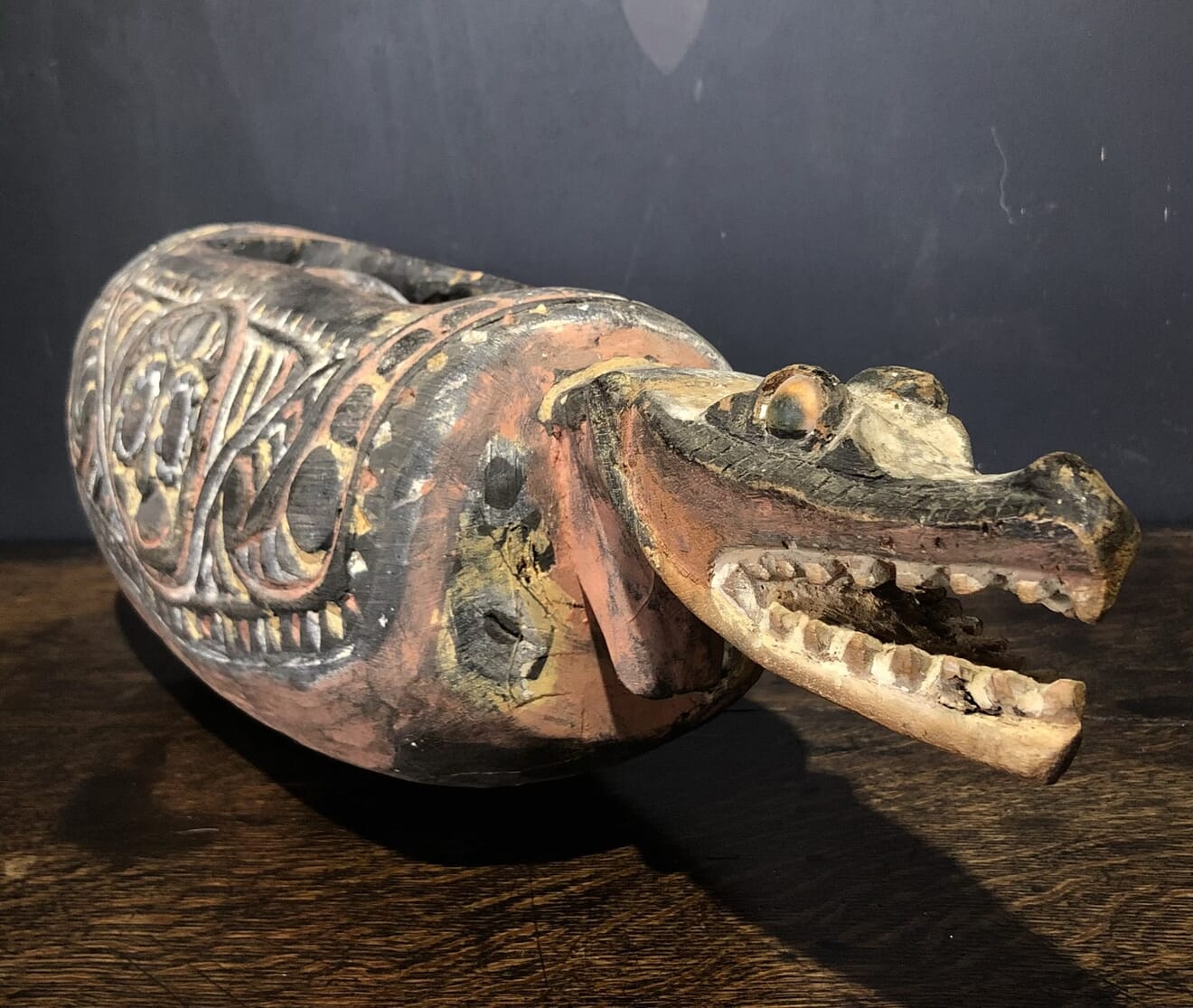
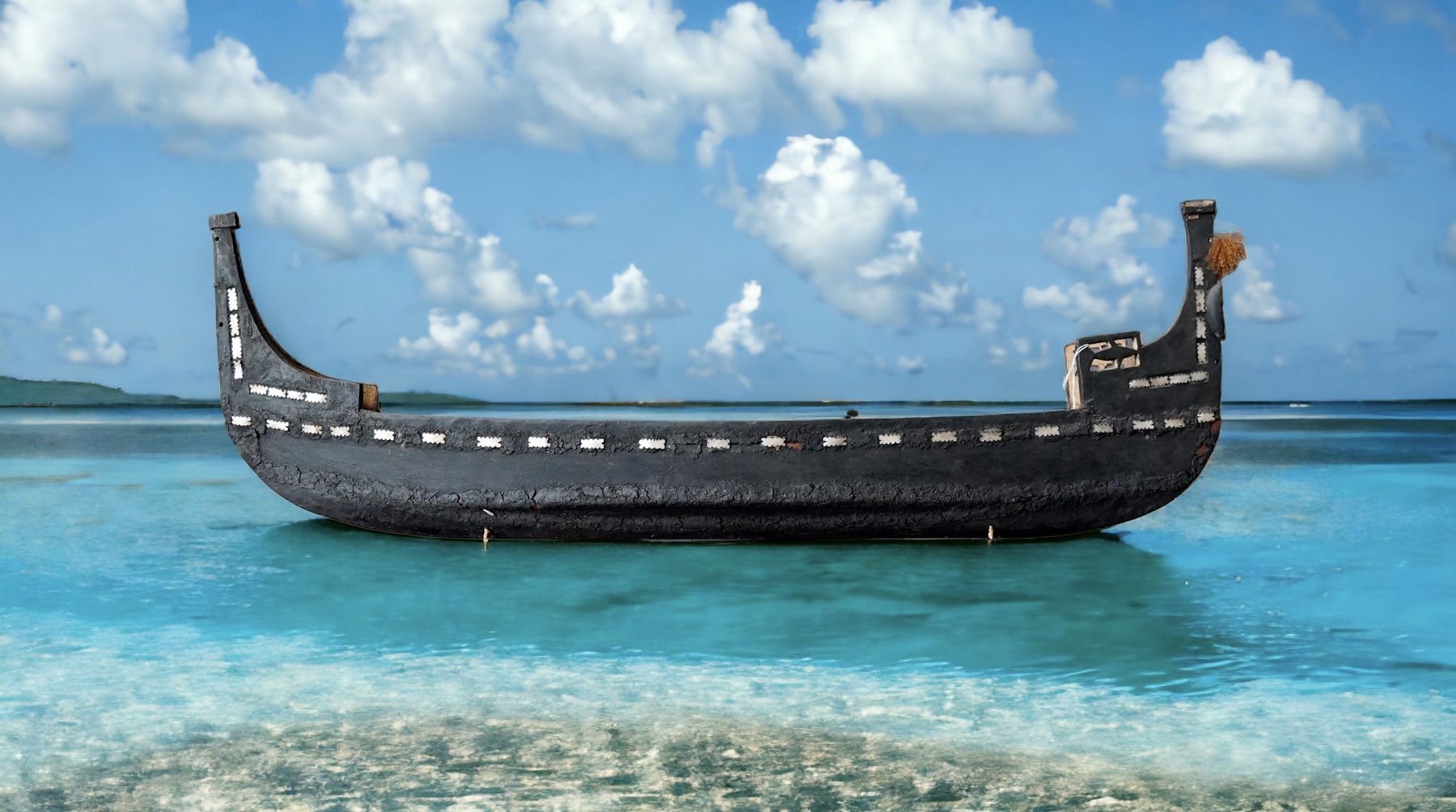
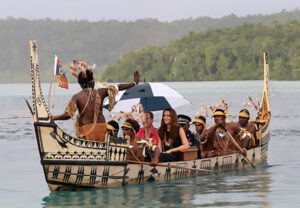
This large model of a War Canoe from the Solomon Islands is quite dramatic. When the Royals Kate & William visited in 2014, they were treated to a ride in one, as shown below.
Solomon Islands Tomako War Canoe model (mocked-up photo of it afloat!)
There’s some superb items this week, from the quirky 1852 ‘Dog’ umbrella stand below, to a herd of ebony elephants, with some remarkable Australian Art with fresh research to enjoy.
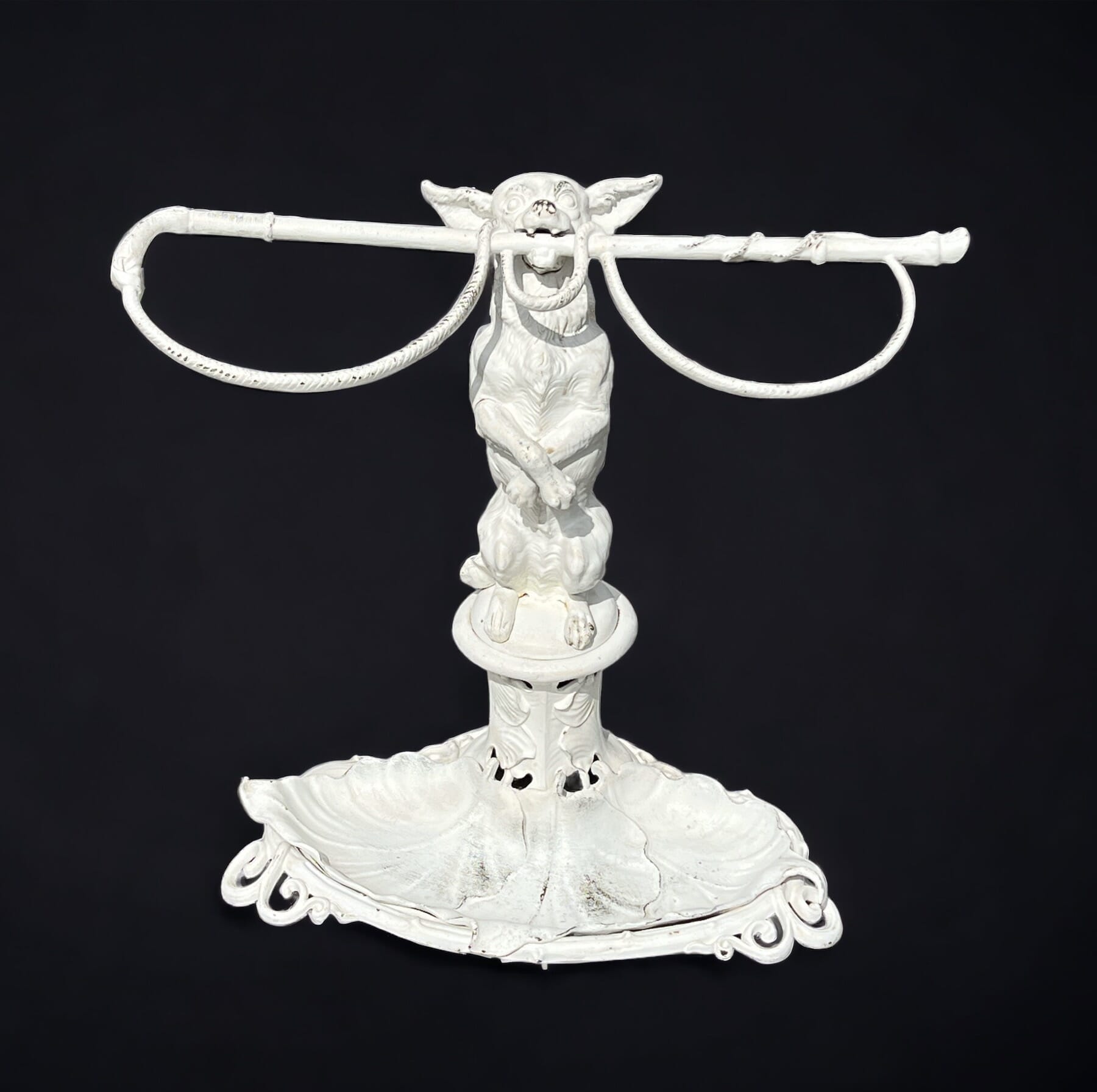
“I think the dog wants to go for a walk…..” A delightful finely detailed Coabrookdale cast iron umbrella & stick stand, with original catalogue entry, 1875. The design bears the registration mark for 1852.
Royalty Prints
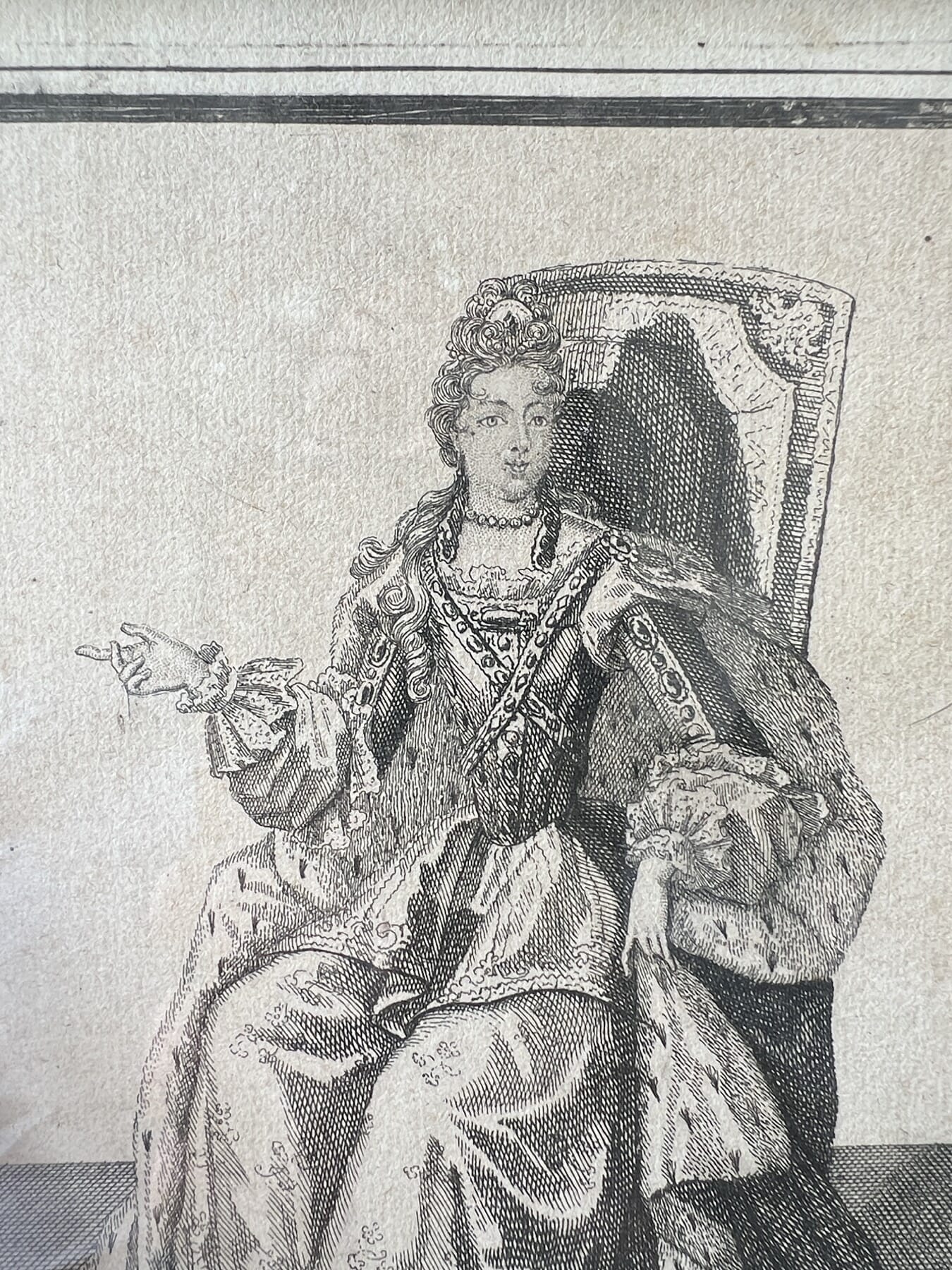
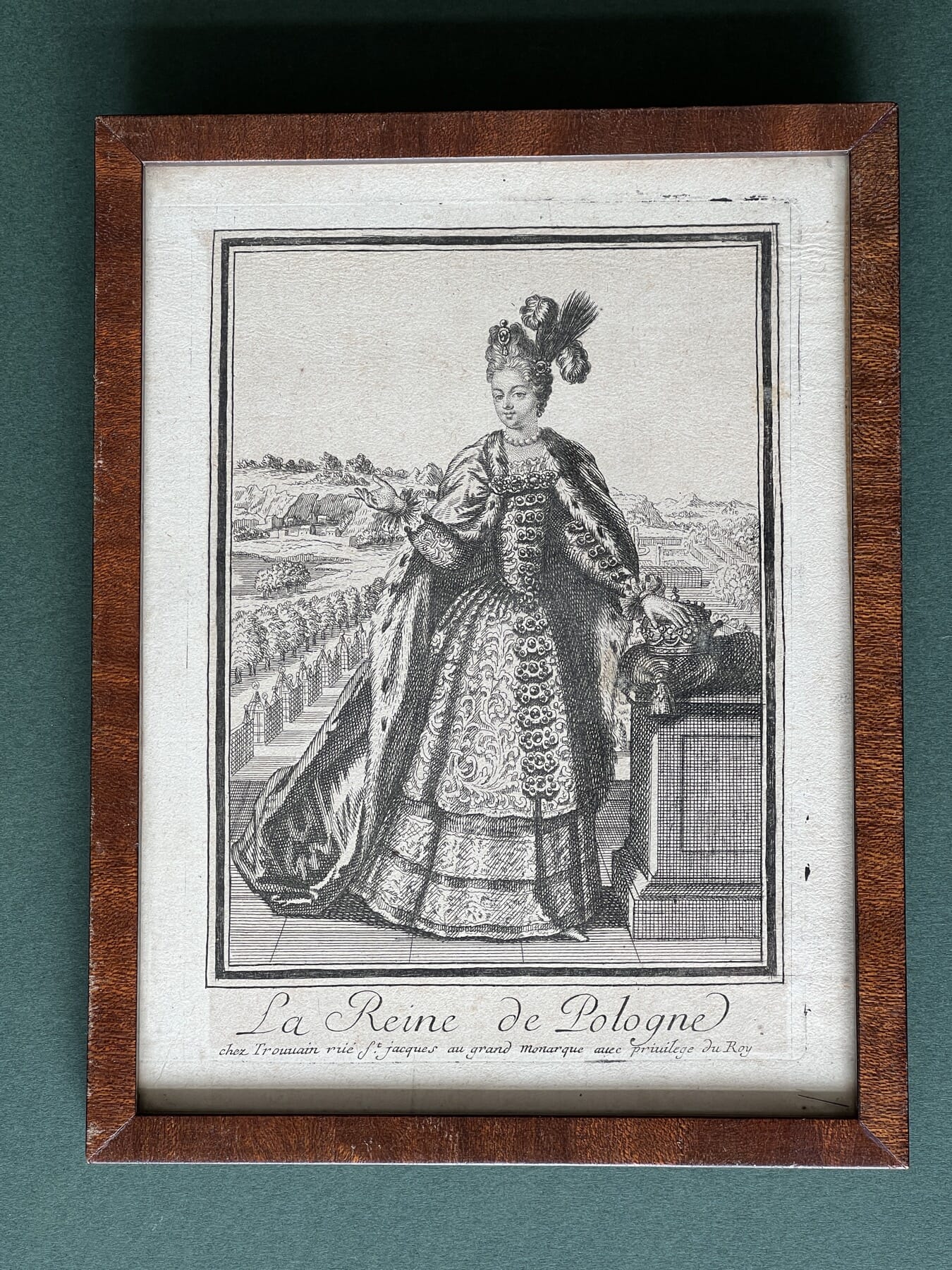
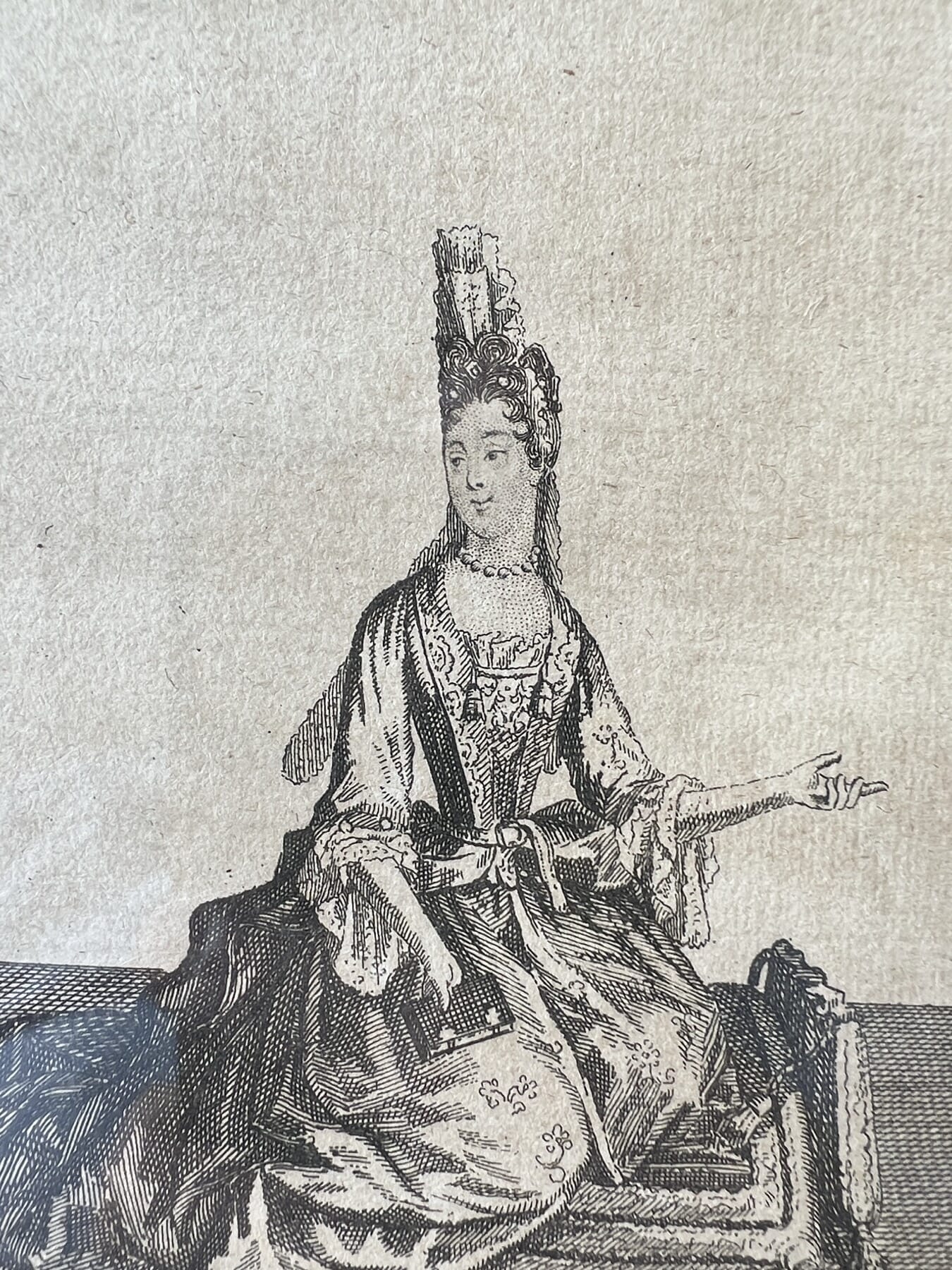
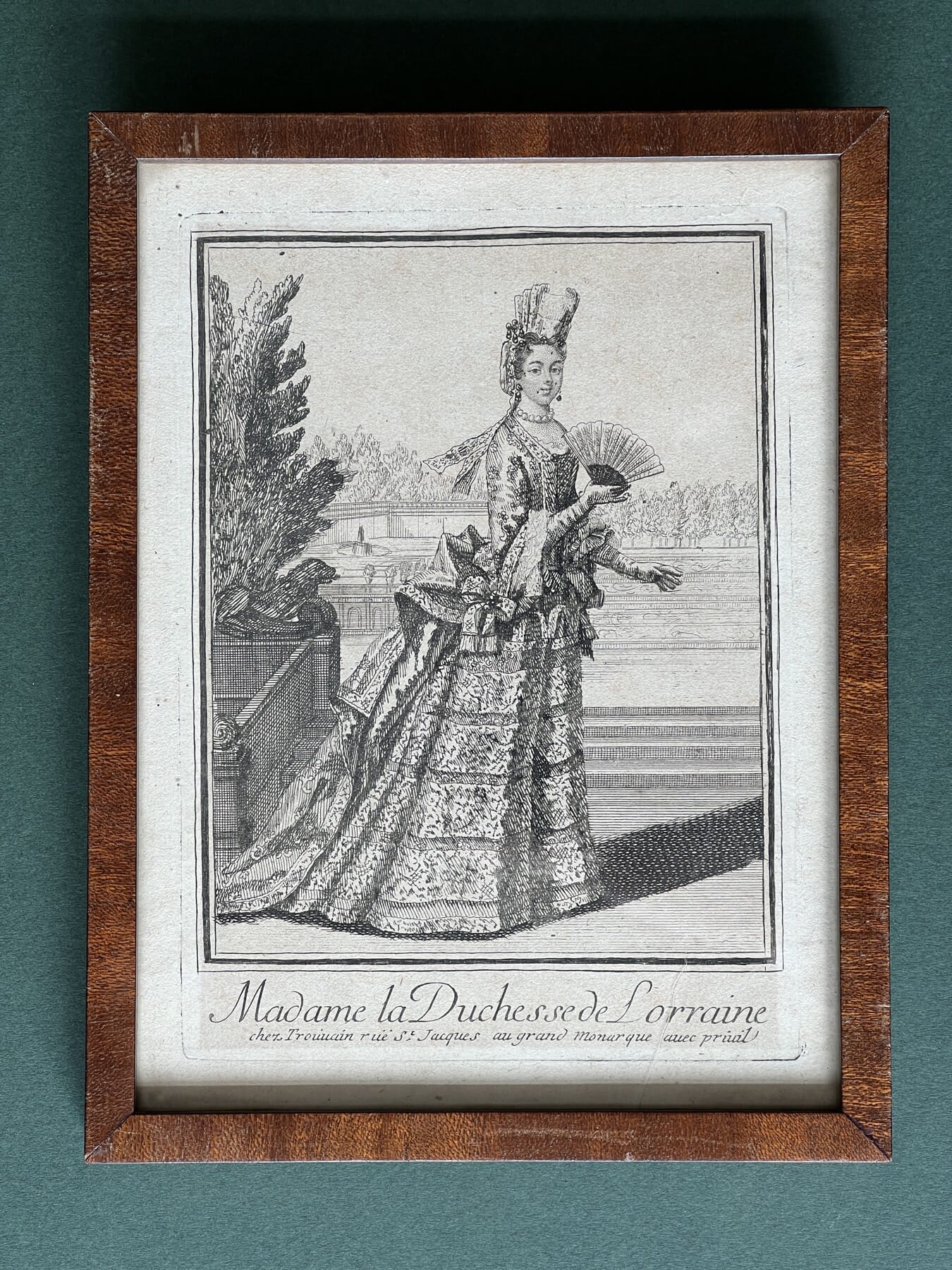
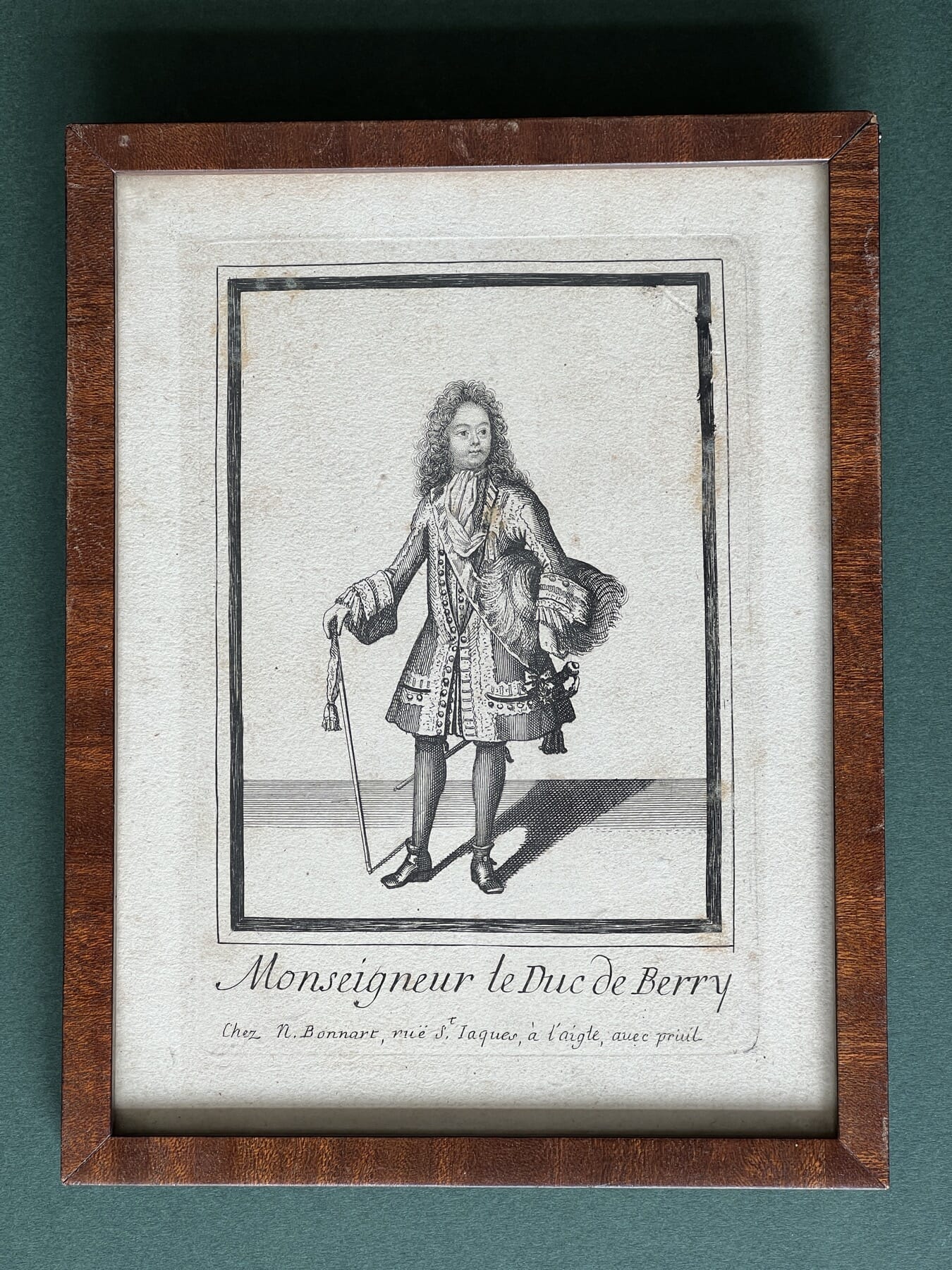
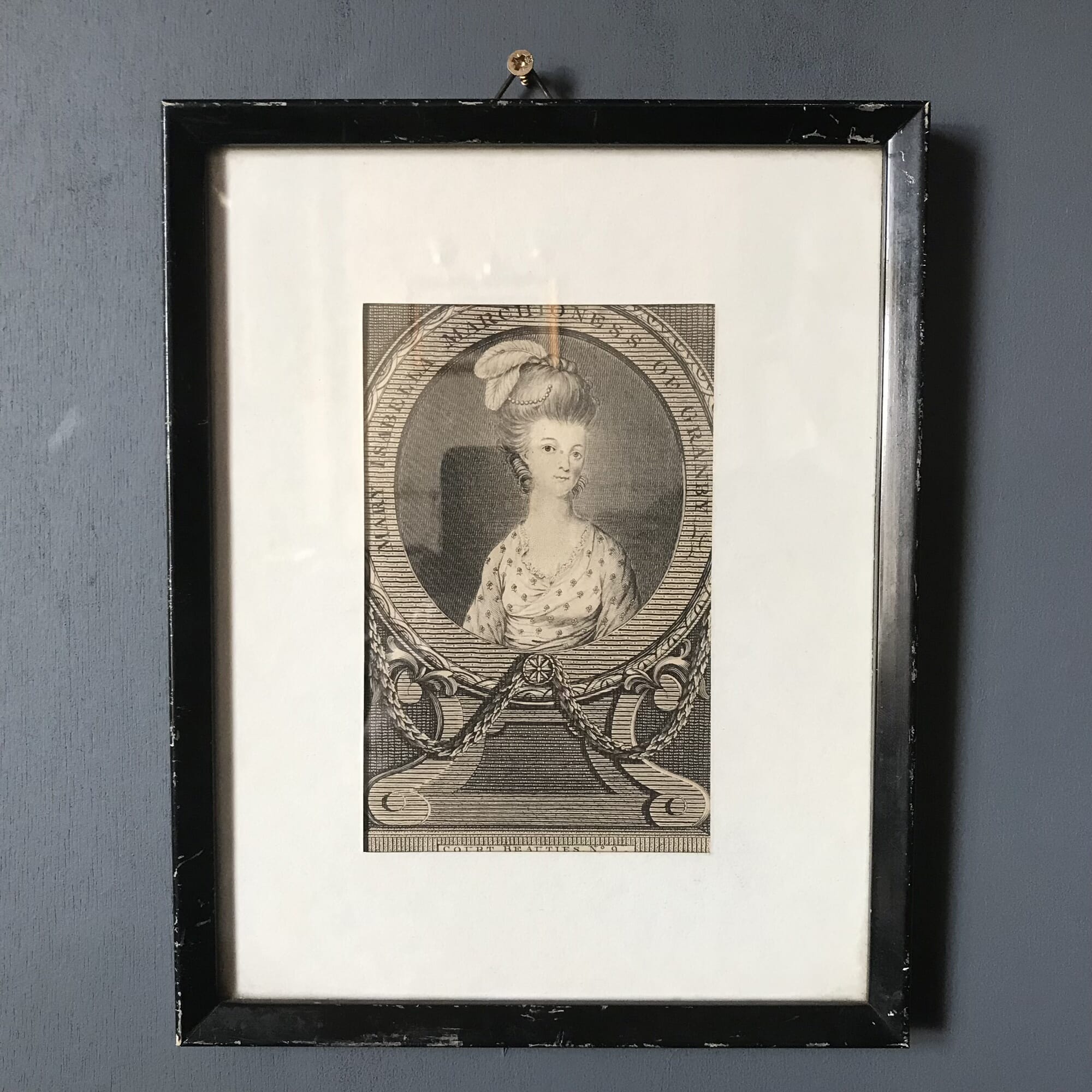
A selection of rare 17th century prints illustrating the ladies of the Royal Families of Europe. Of particular note: Christiane Eberhardine, the wife of August the Strong ( of Meissen fame ) – the ‘Queen of Poland’, although she never actually set foot on Polish soil her whole life!
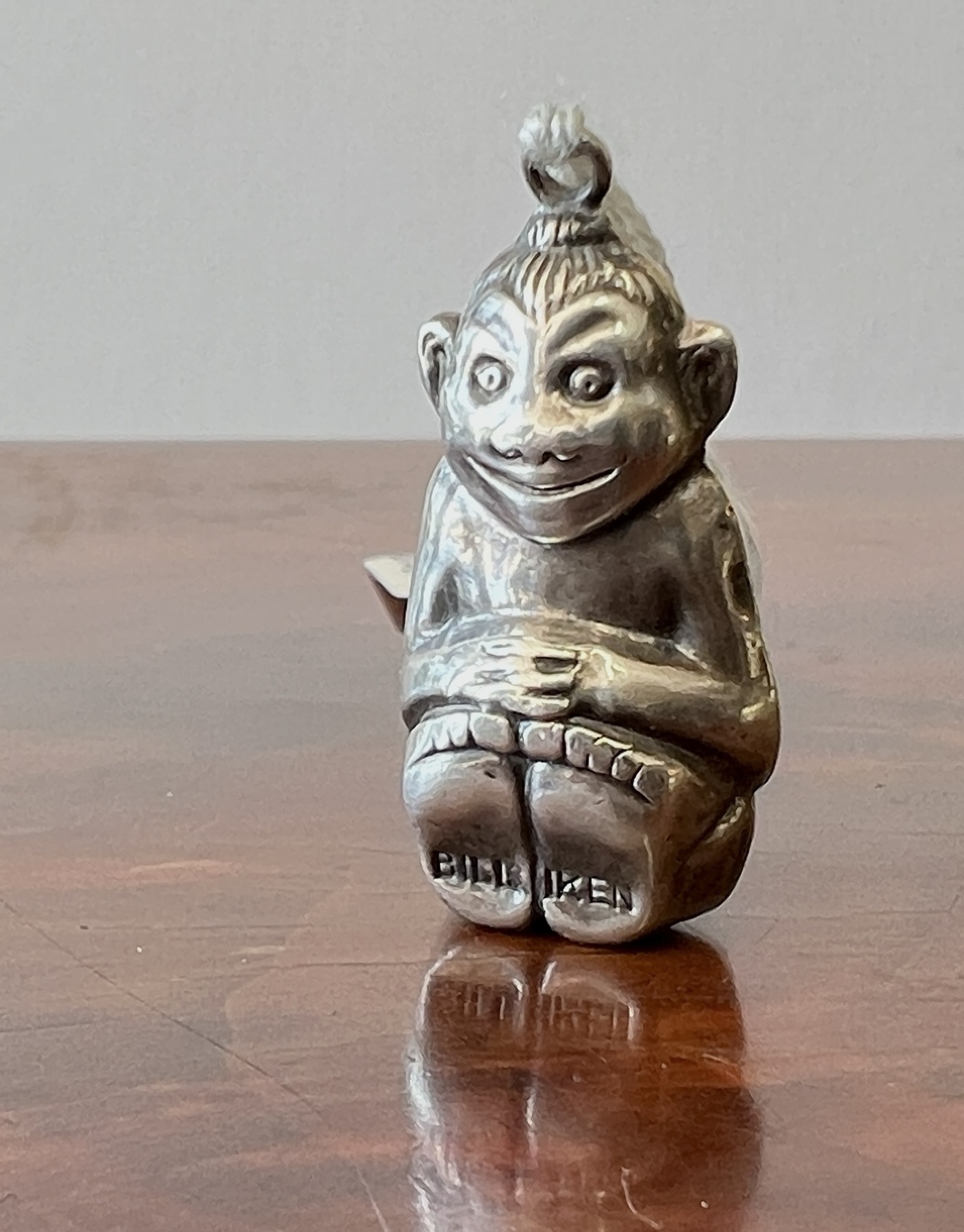
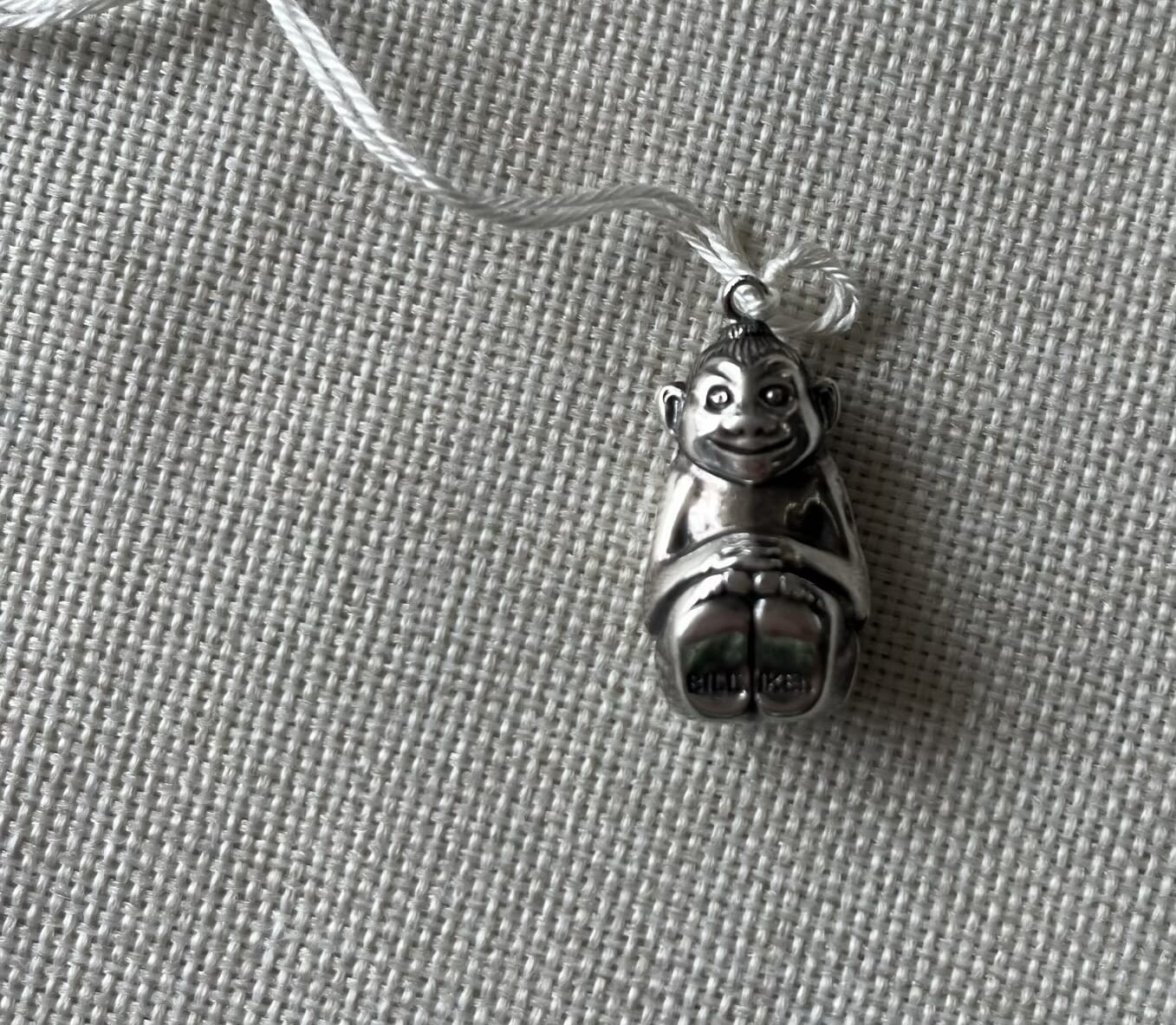
A curio with a tale! Completely made-up in the early 20th century, the BILLIKEN was was first created by American art teacher and illustrator Florence Pretz. It is said that she saw the mysterious figure in a dream. In 1908, she obtained a design patent for the Billiken. To buy a billiken was said to have given the purchaser luck, but to have one given would be better luck. The Billiken is considered the God of Happiness, the God of Luck, and The God Of Things As They Ought To Be.
This example dates to the very first production of these curios, being made by William Vale & Son, Birmingham, in 1908. Is one of 2 variations made by them, this one with his hands on his belly and name on soles of feet.
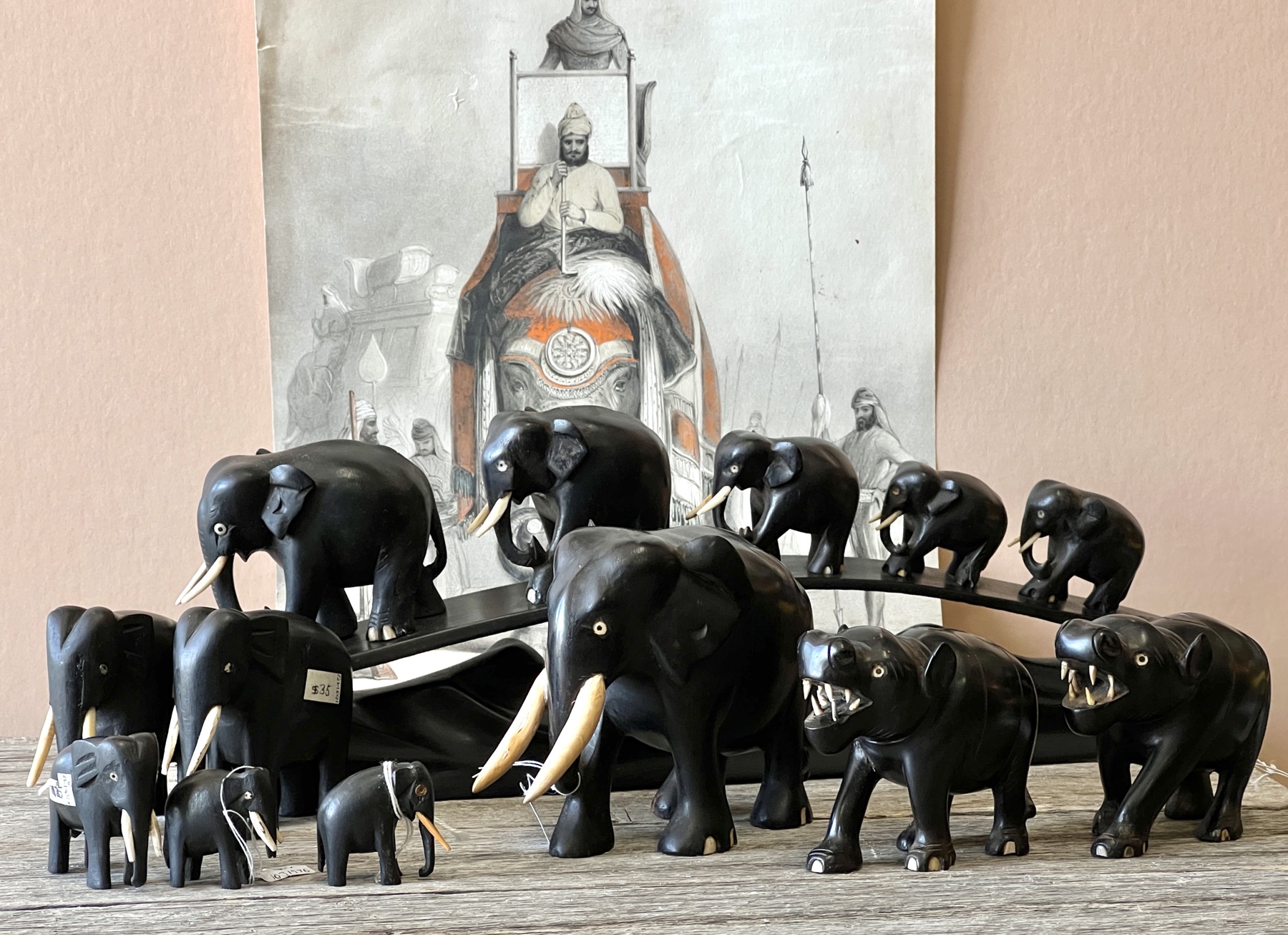
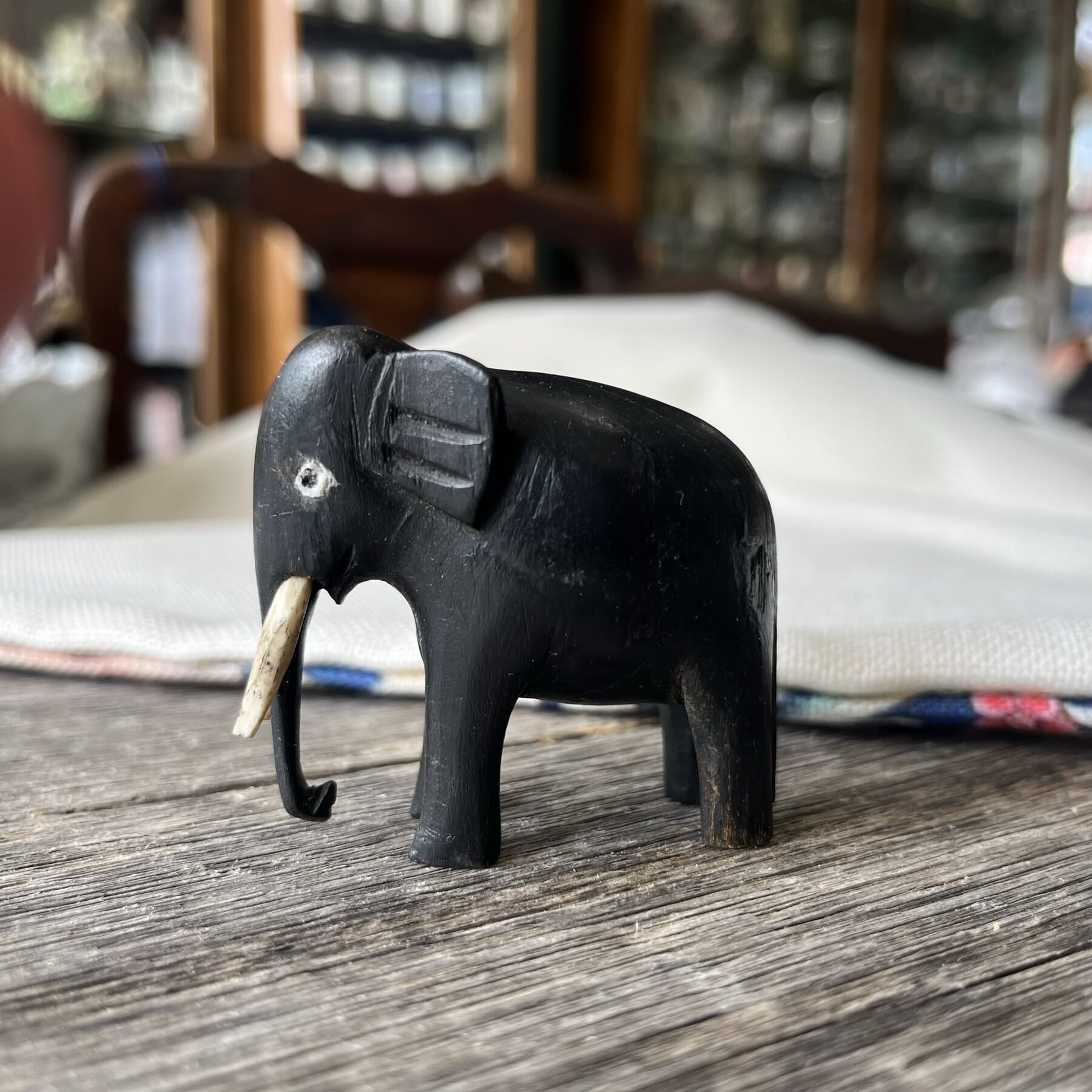
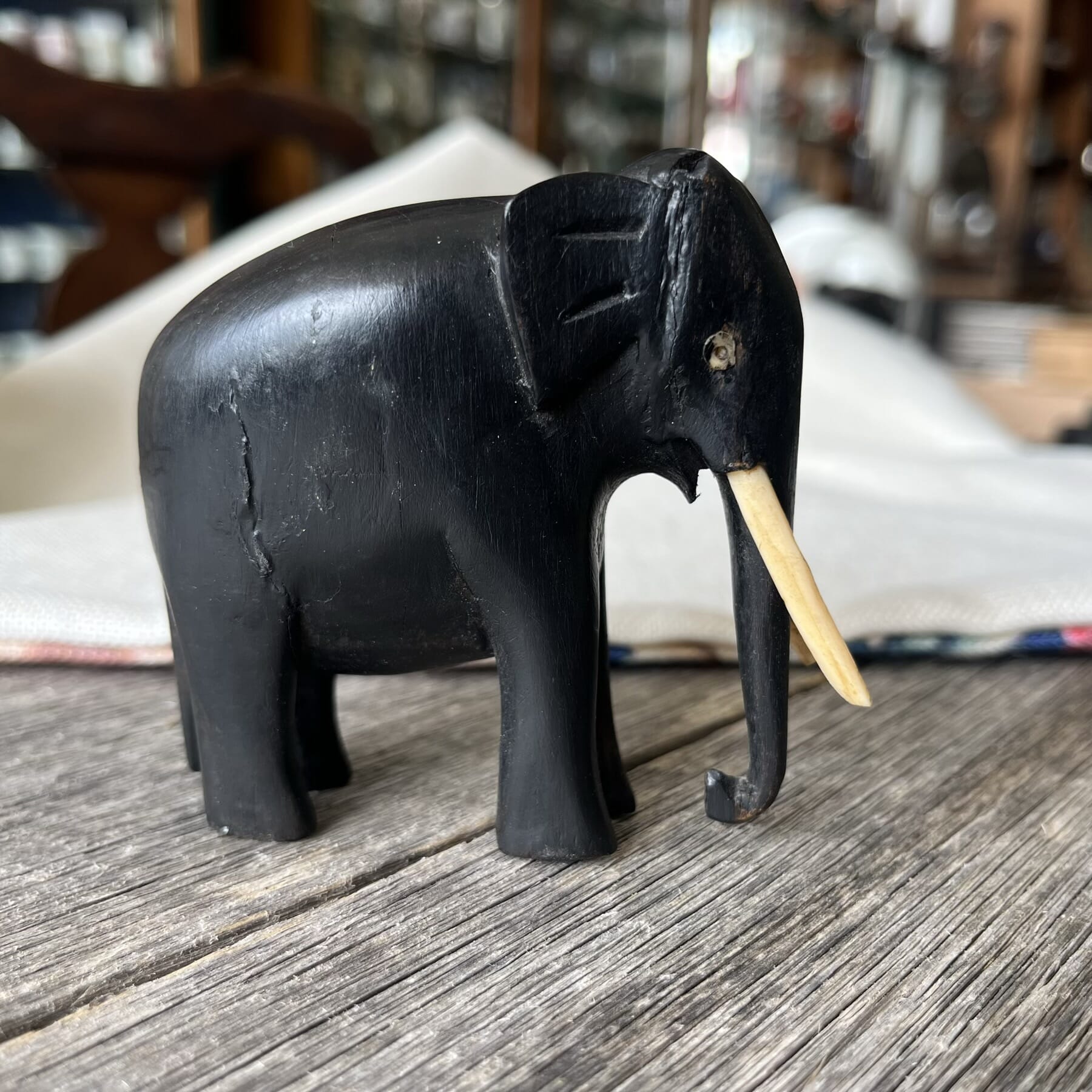
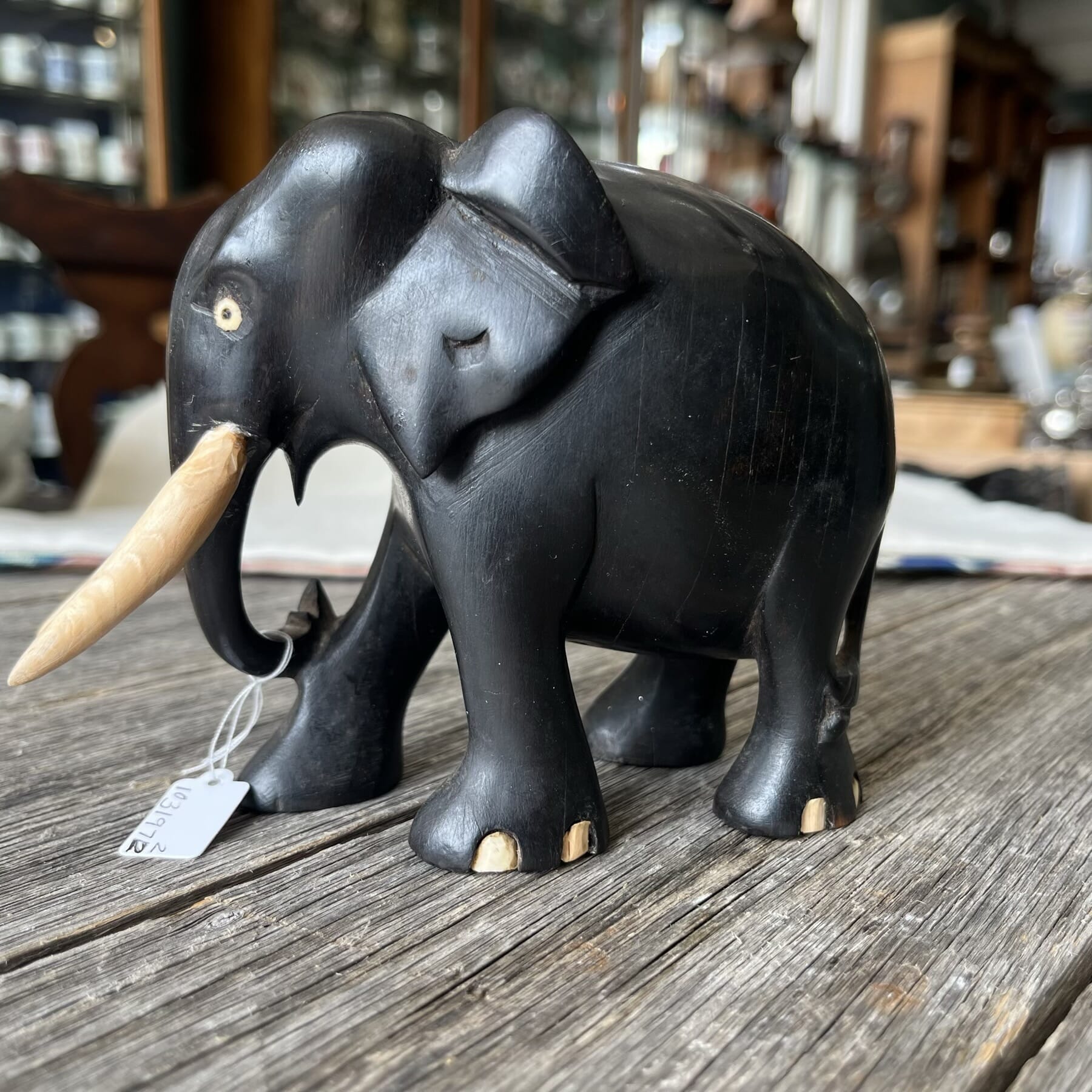
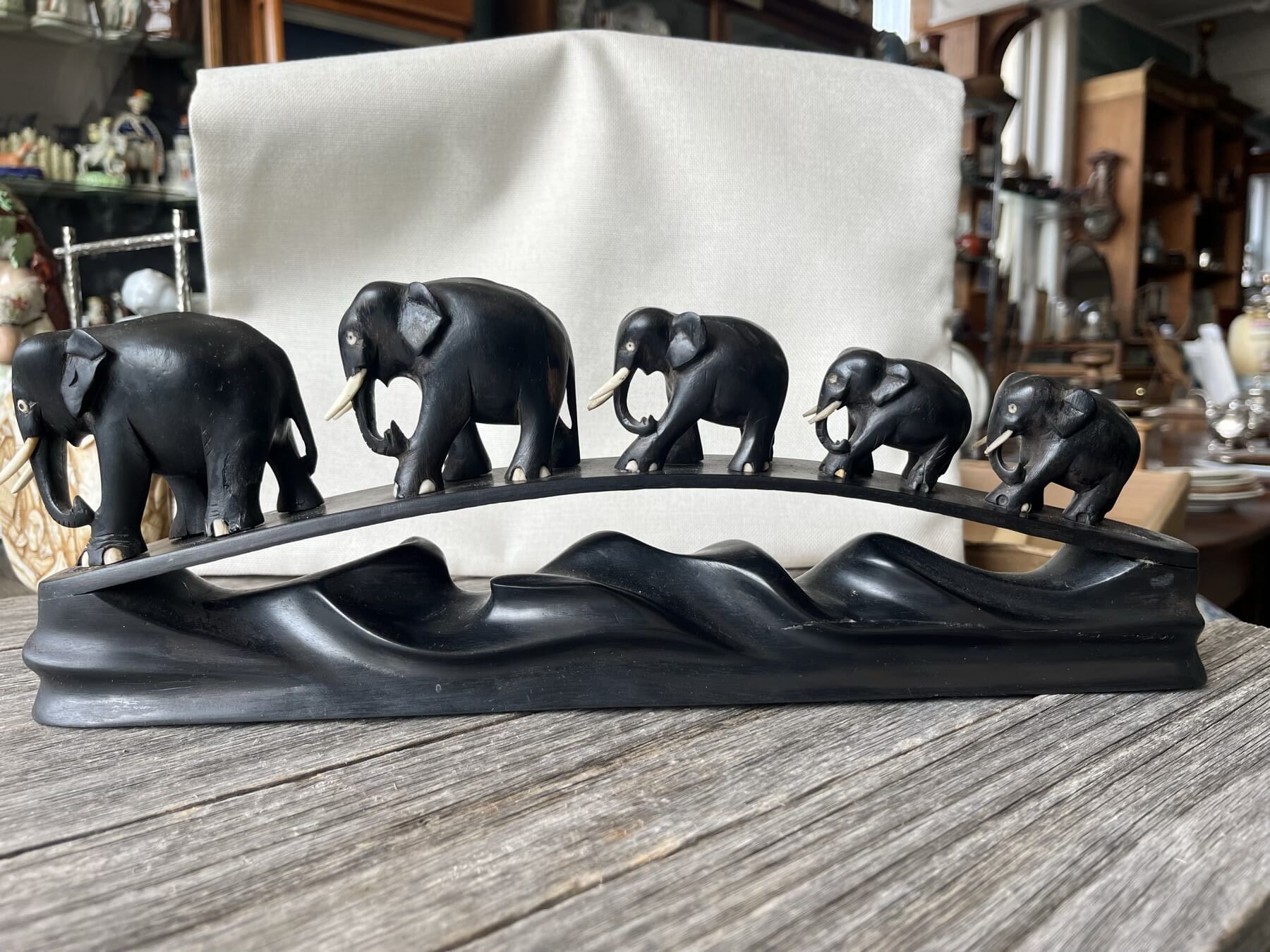
Elephants are fascinating, and we seem to have a whole herd here at Moorabool at the moment!
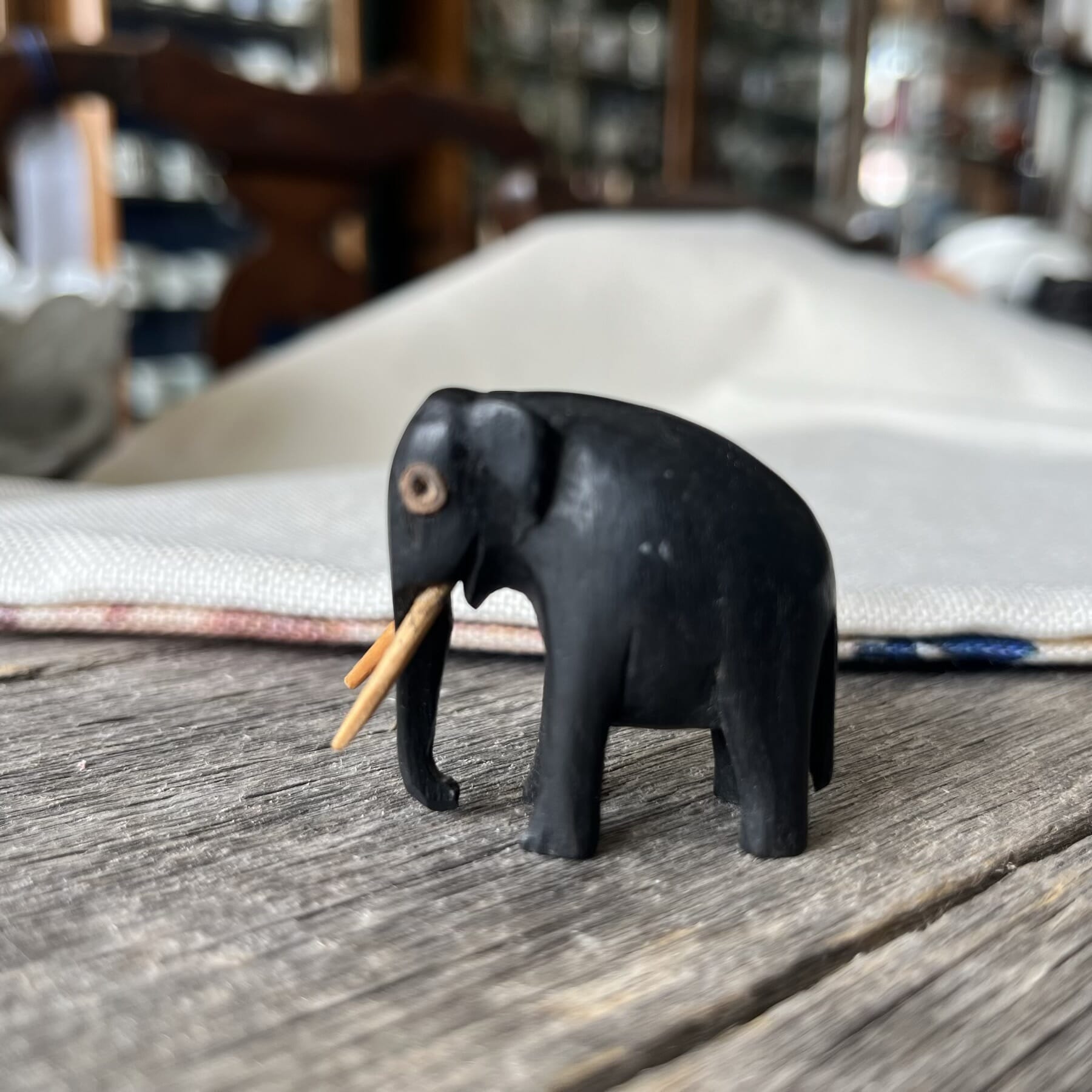
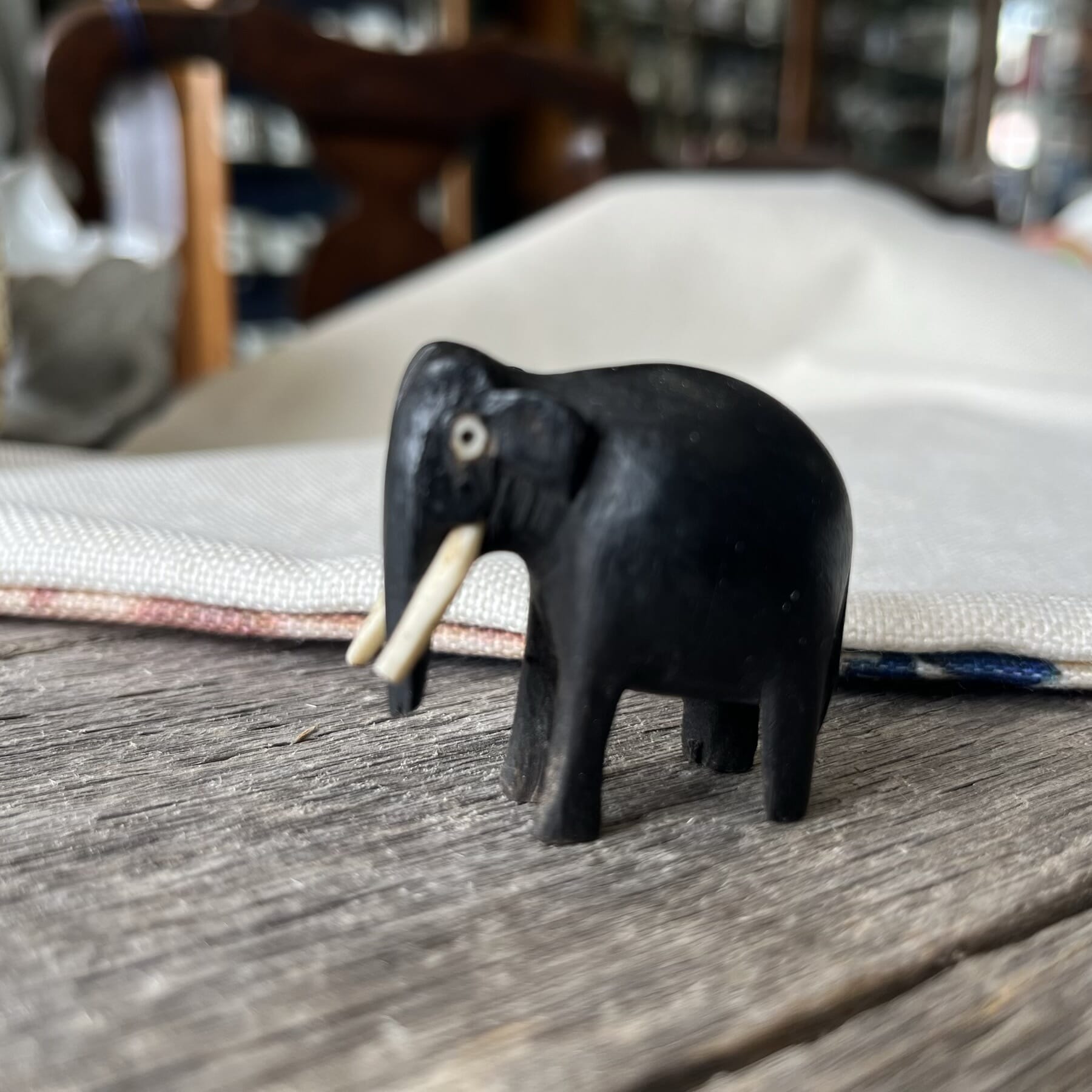
These black ebony wood examples were generally catalogued as ‘African’ – but we have recently discovered their actual source, due to examples that have been made as souvenirs of Ceylon – they are Sri Lankan, and Indian elephants, not African. There are a lot to be found in Australia, probably due to the number of travellers to Australia who had a stop-over there, when the passenger ships used Colombo to resupply.
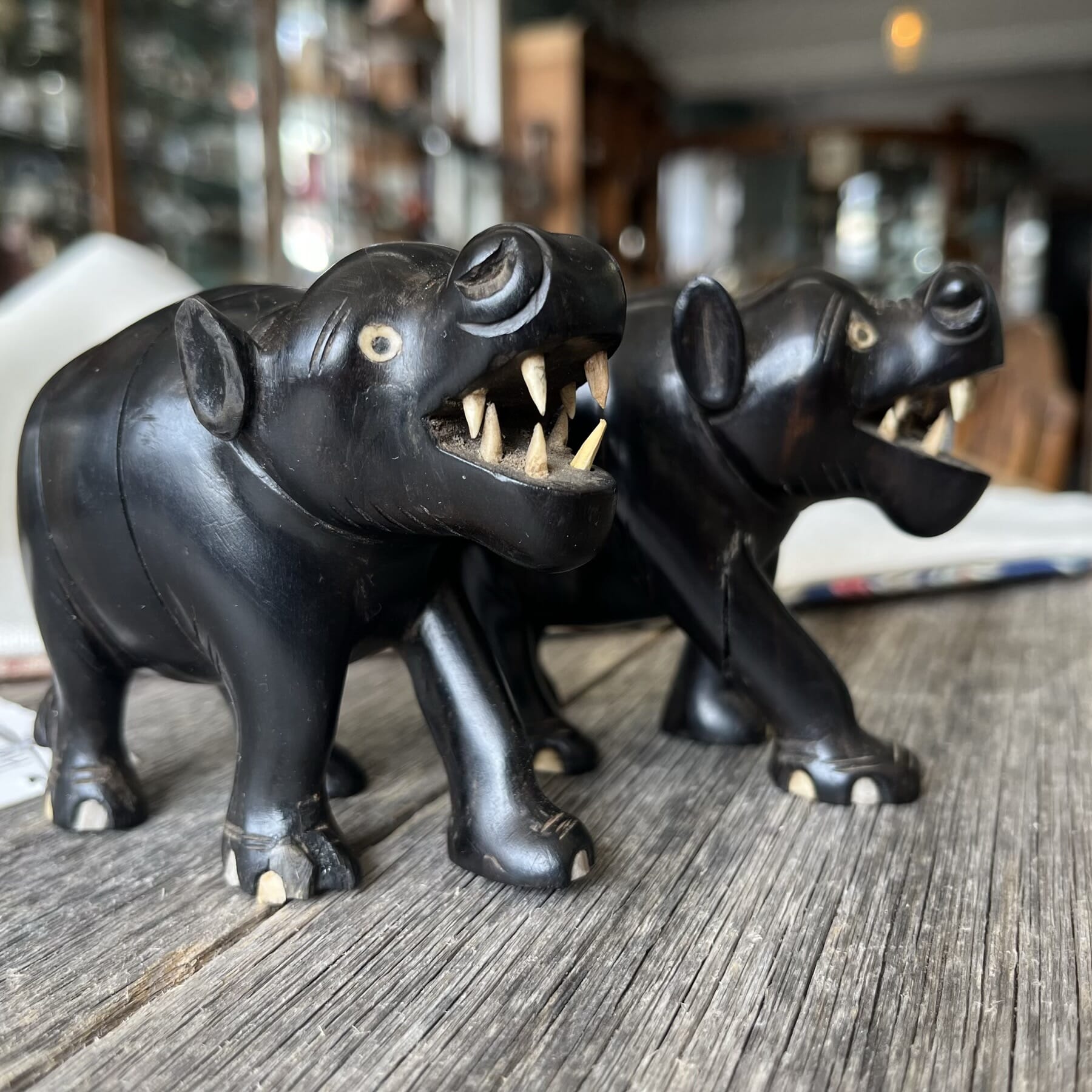
The very unusual pieces below are the ‘Hippos’ – basically elephants without a trunk, clearly made in the same workshops – and we’ve never seen another….
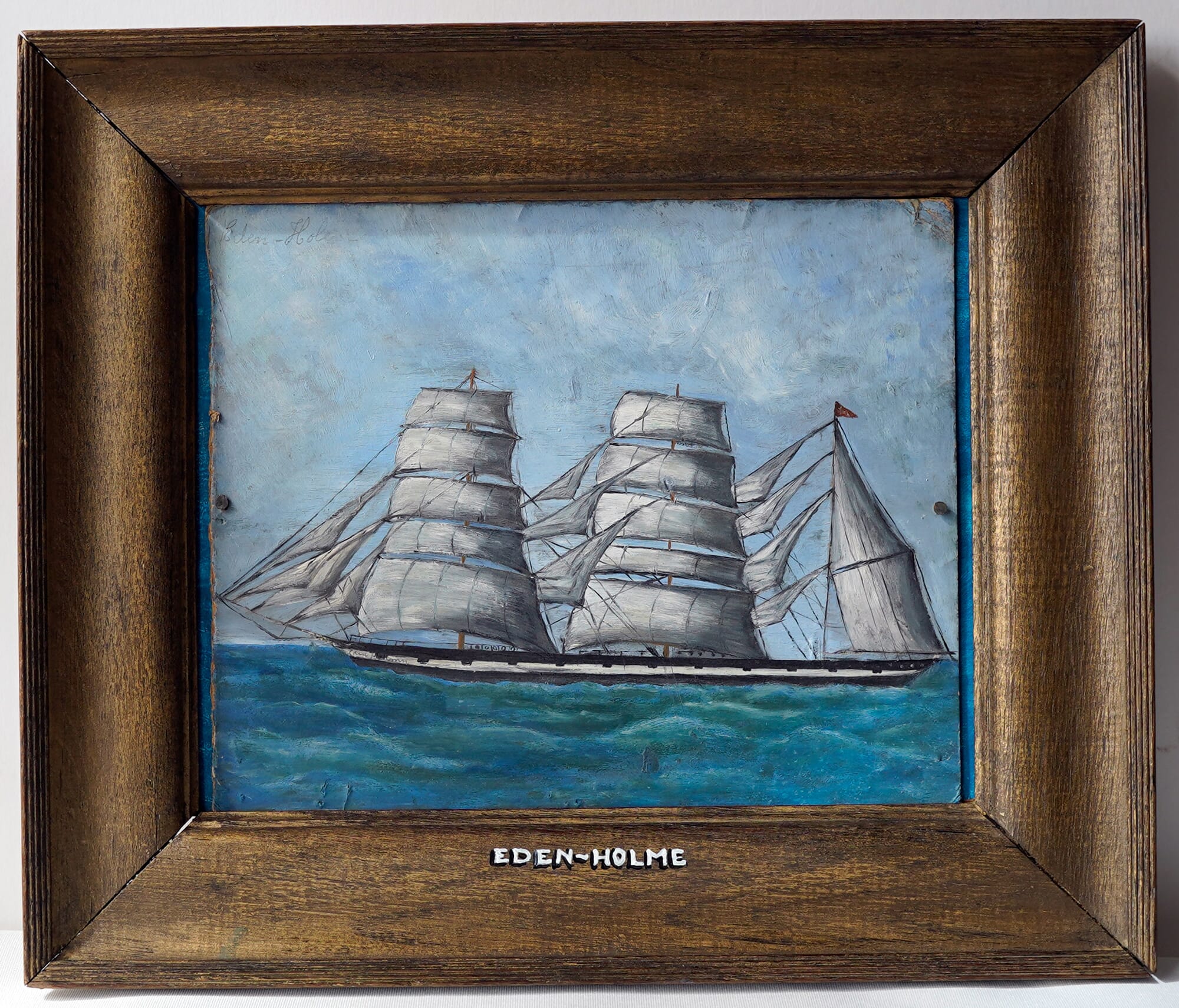
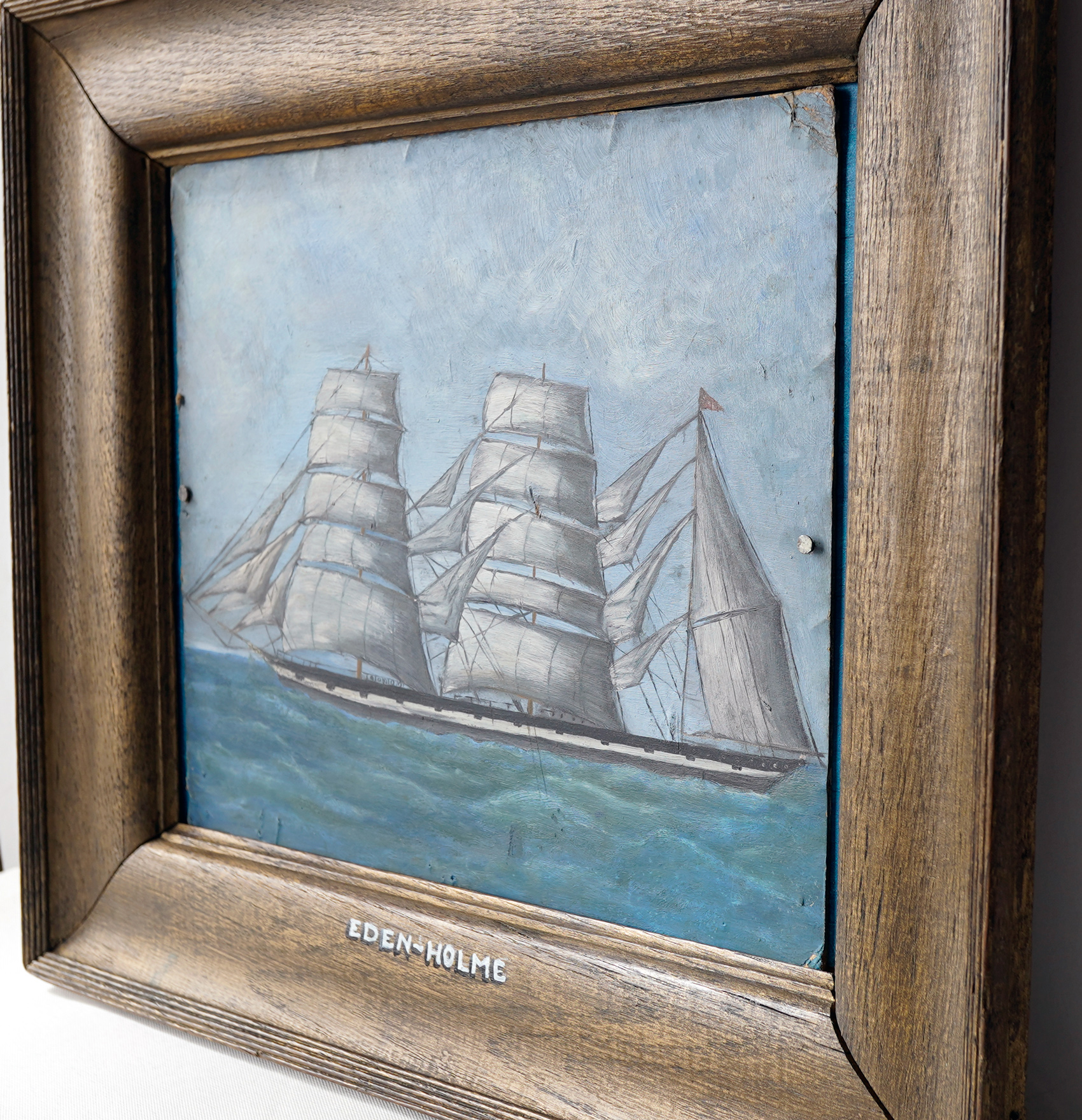
A fascinating story has emerged from an interesting naive ship painting at Moorabool Antiques, Geelong.
It’s a clippership, with the distinct black & white painted mock-gun hatches painted down the side, as was the style. There’s a clear inscription – in two places – identifying it as the ‘Eden Holme’. So what is the story of this interesting ship?
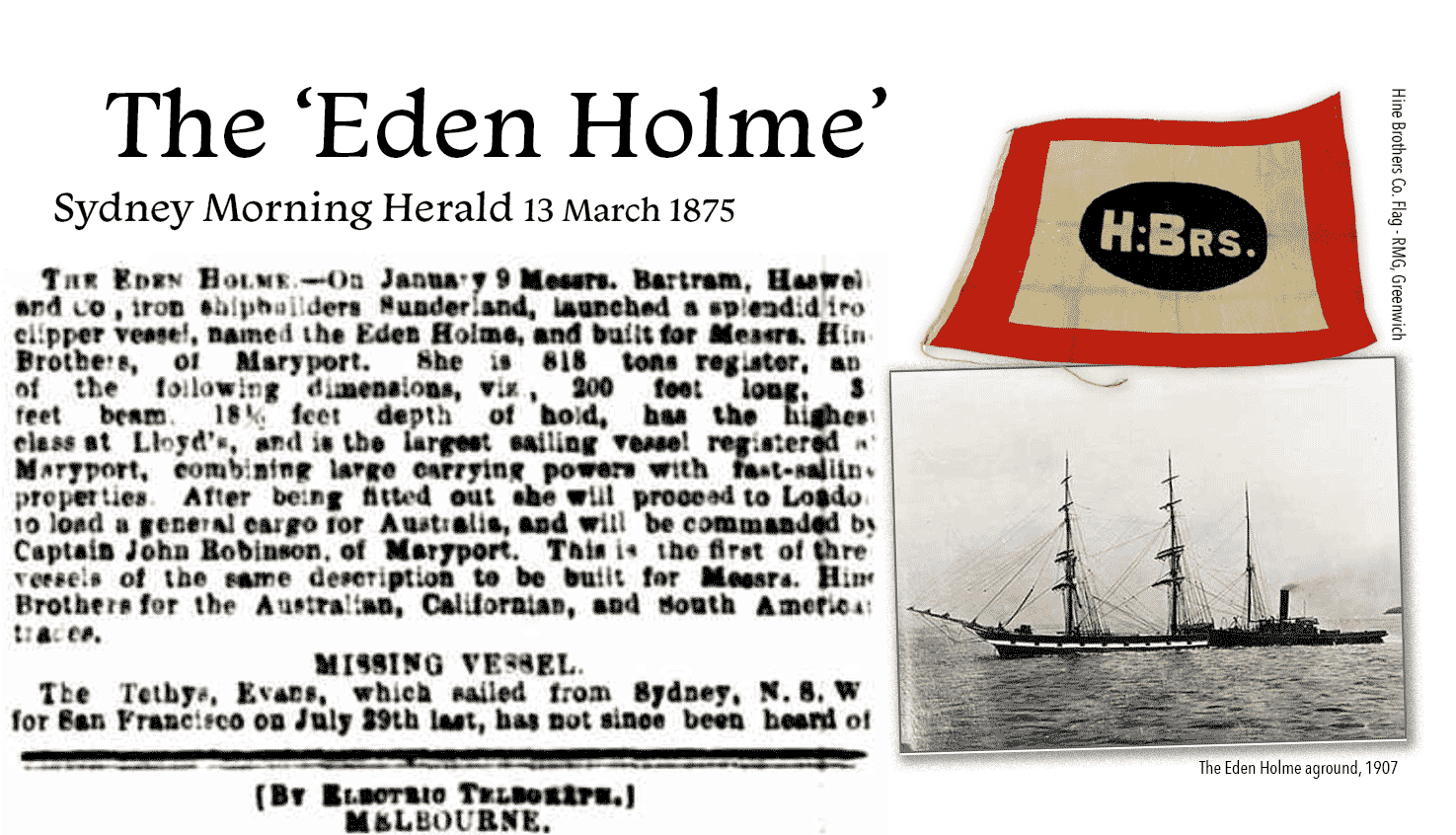
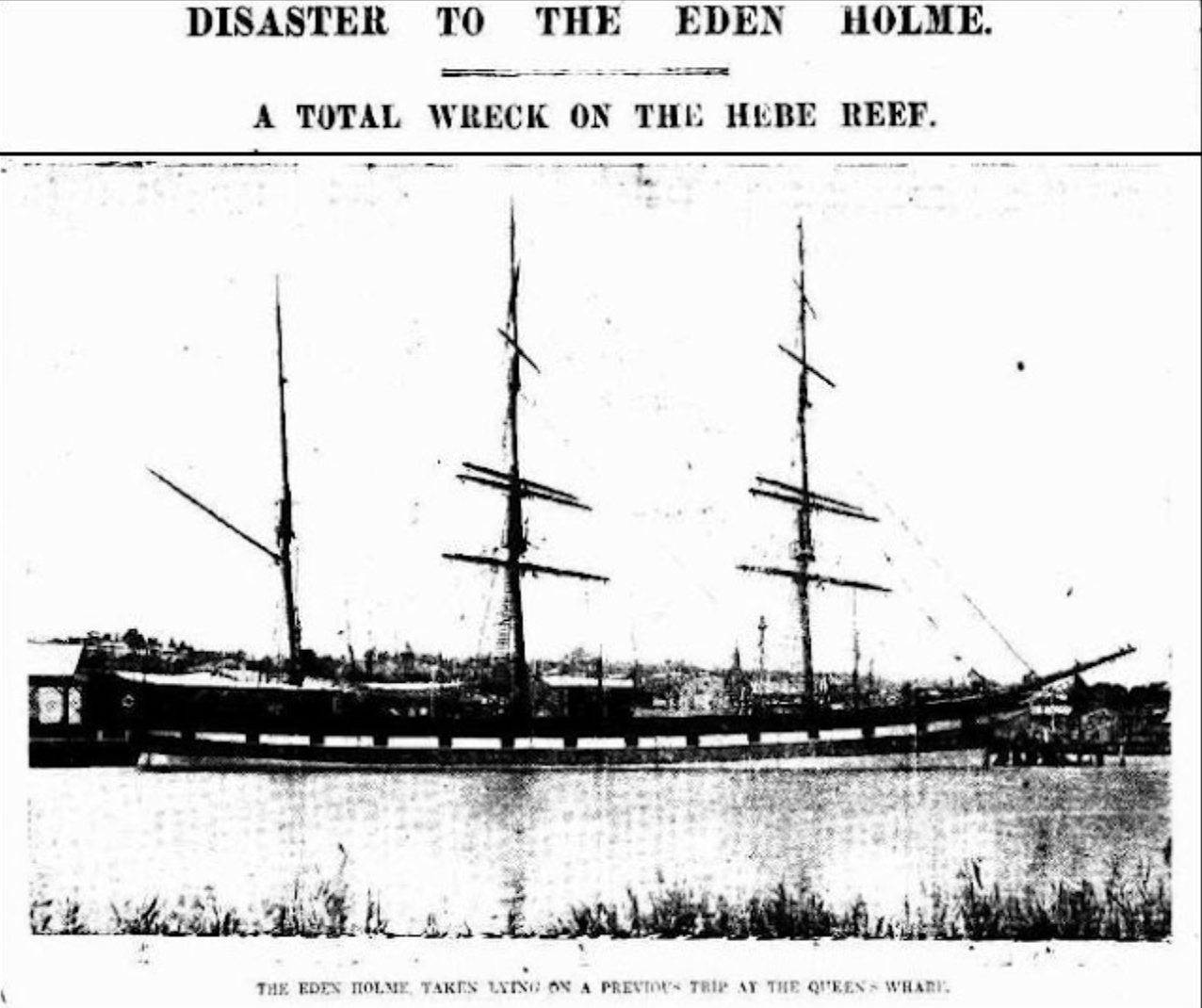
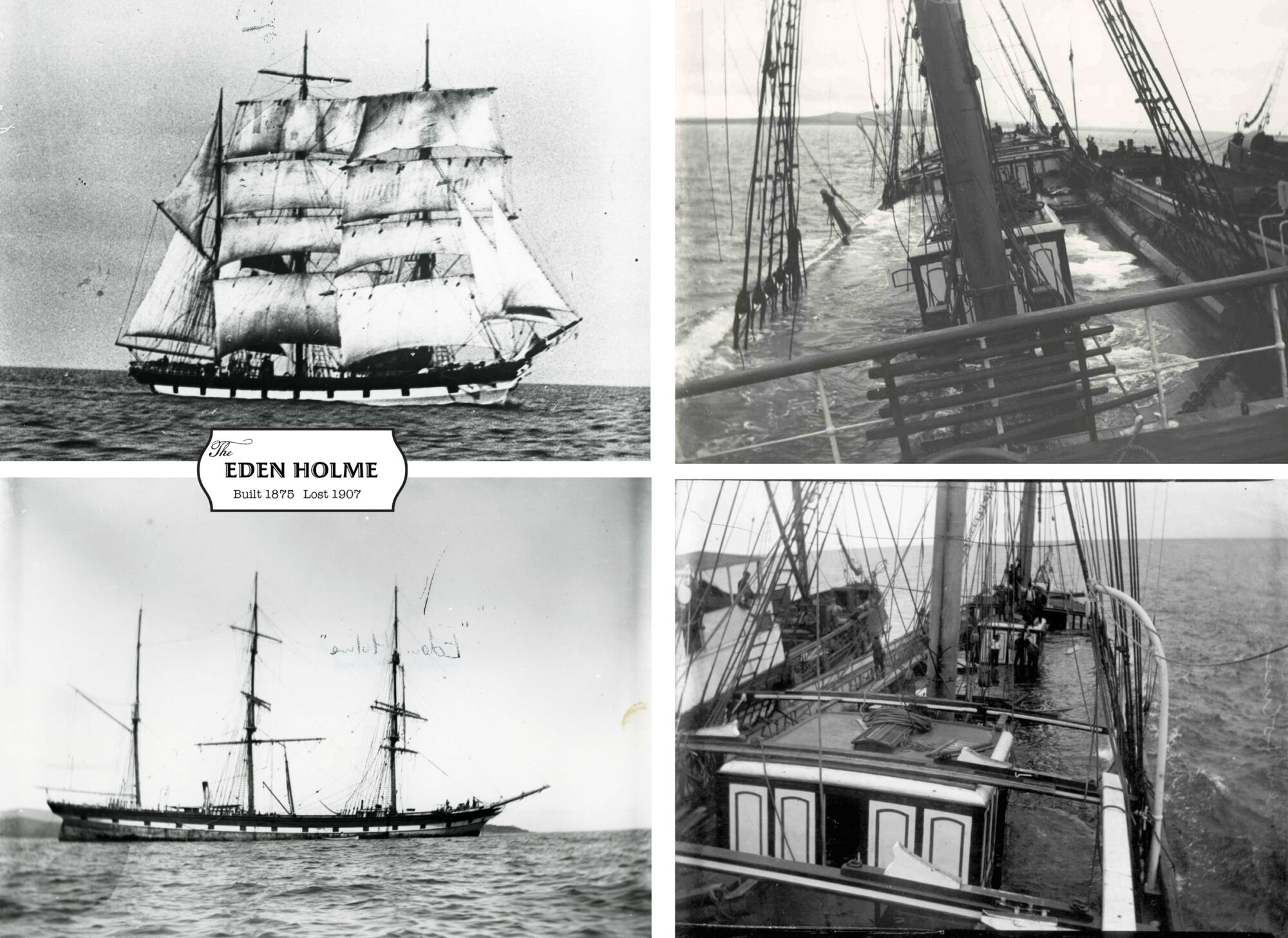
The Eden Holme was a 3-mast barque with iron plate hull, built in Sunderland in 1875. It has the distinction of being the last commercial cargo ship which had a regular schedule between Tasmania and Britain.
Eden Holme clippership 1875-1907
She was one of a small fleet run by the Hine Brothers of Liverpool/Maryport, and used to race the lucrative wool clip from Australia to the wooden mills of the Midlands. This ‘clipper ship race’ was a place were legends were made, and was driven by simple economics: the first to arrive with a cargo of in-demand wool would receive the best price.
Hine Brothers was founded in 1874, securing 16 ships in its first 5 years. There were 6 vessels with ‘Holm’ as their second name, and the company had the habit of buying new, or nearly new ships, rather than buying cheaper but less reliable ships that would cost more in maintenance in the long-run. This should have ensured their success, but the Hine Brothers had rather bad luck with their ships, losing 9 ships before they closed down in 1913. By 1900, the clipper ship routes had been replaced by more reliable screw-powered ships, and their vessels were used for more general trading. The Eden Holme was on a Tasmanian voyage, transporting a ‘general’ cargo from Hobart to Launceston when it ran out of luck.
Eden Holme clippership 1875-1907
Eden Holme clippership 1875-1907
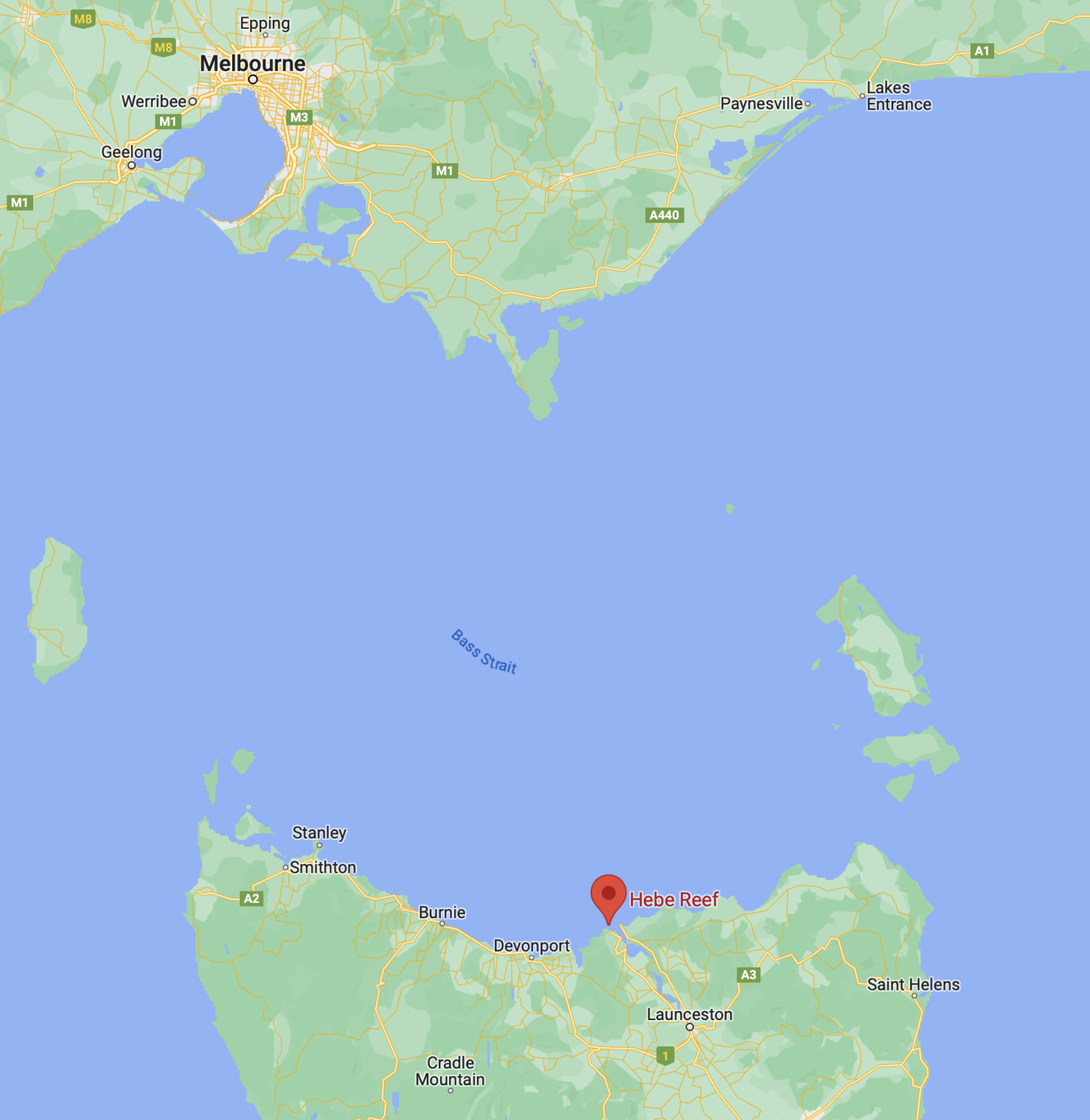
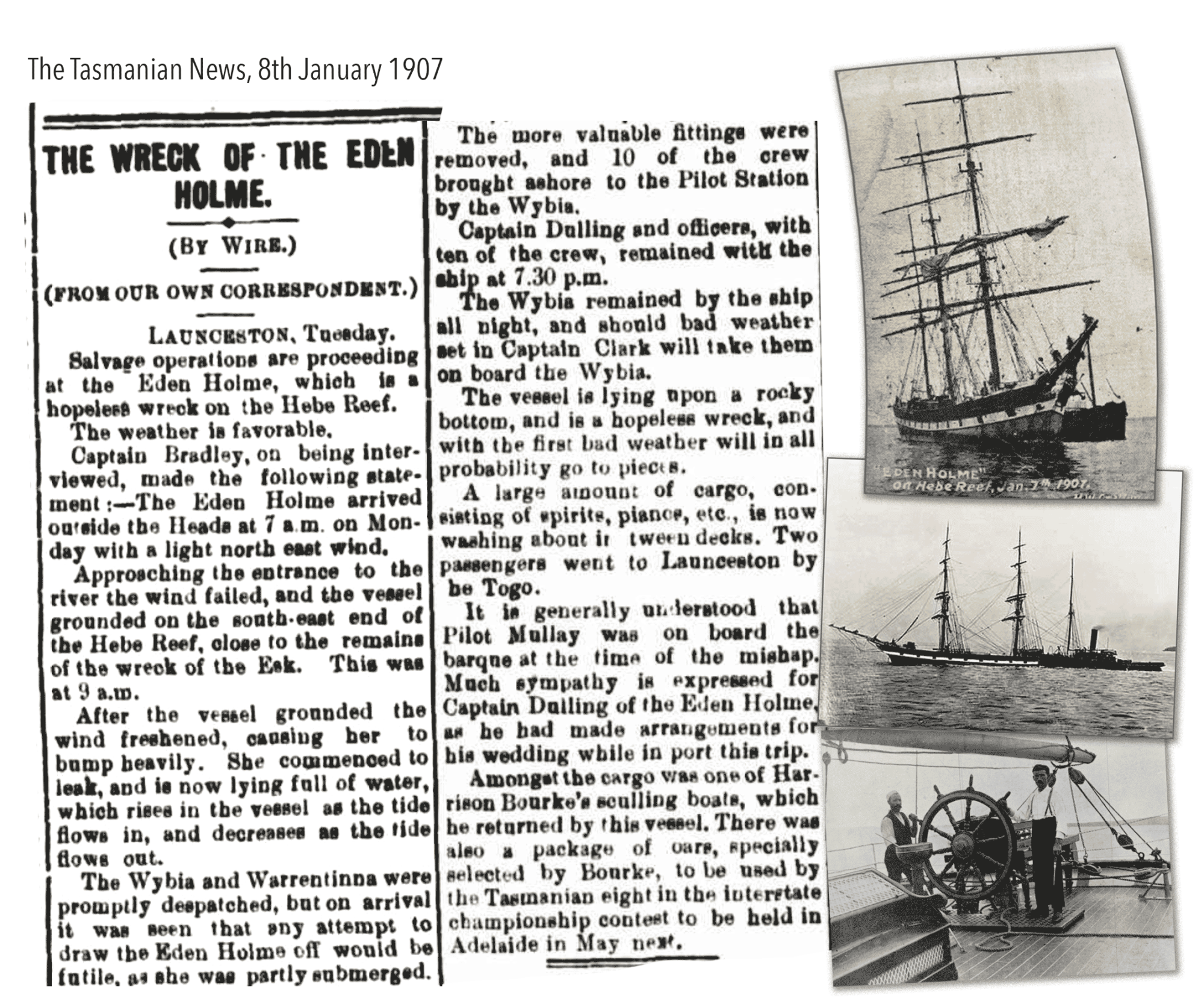
After loading cargo in Hobart, the Eden Holme made its way up to the mouth of the Tamar River, up which lay its destination, Launceston. They arrived off Tamar Heads at about 11 pm on the 6th, and hove-to to await daylight and the arrival of the pilot, who came onboard the next morning at 8.10 am. The tug Wybia was expected to arrive at about 1 pm to tow the barque up the river, but the pilot made the decision to enter the heads, then changed his mind and headed out again with the intention of dropping anchor to await the tug. However, when just west of Hebe Reef the wind died away and Eden Holme began to drift eastwards with the current. Although all on board expected the vessel would drift well clear of the Hebe Reef, it struck a sunken outcrop on the northern end of the reef, then swung around and held fast.
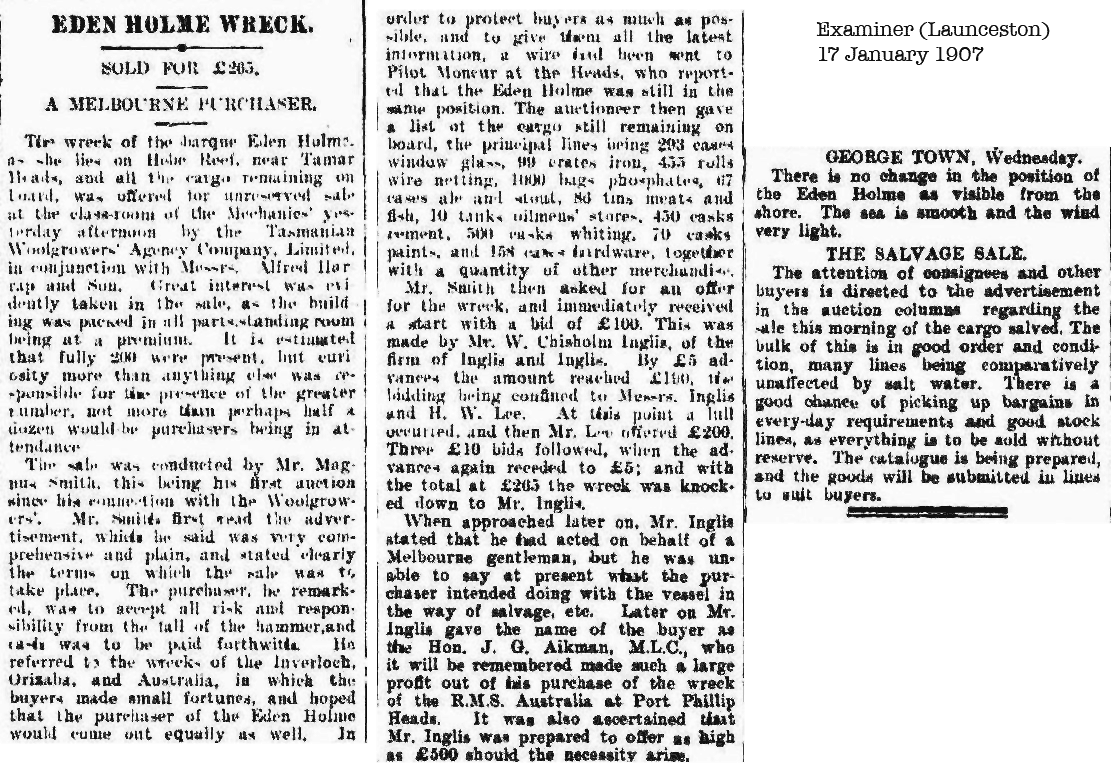
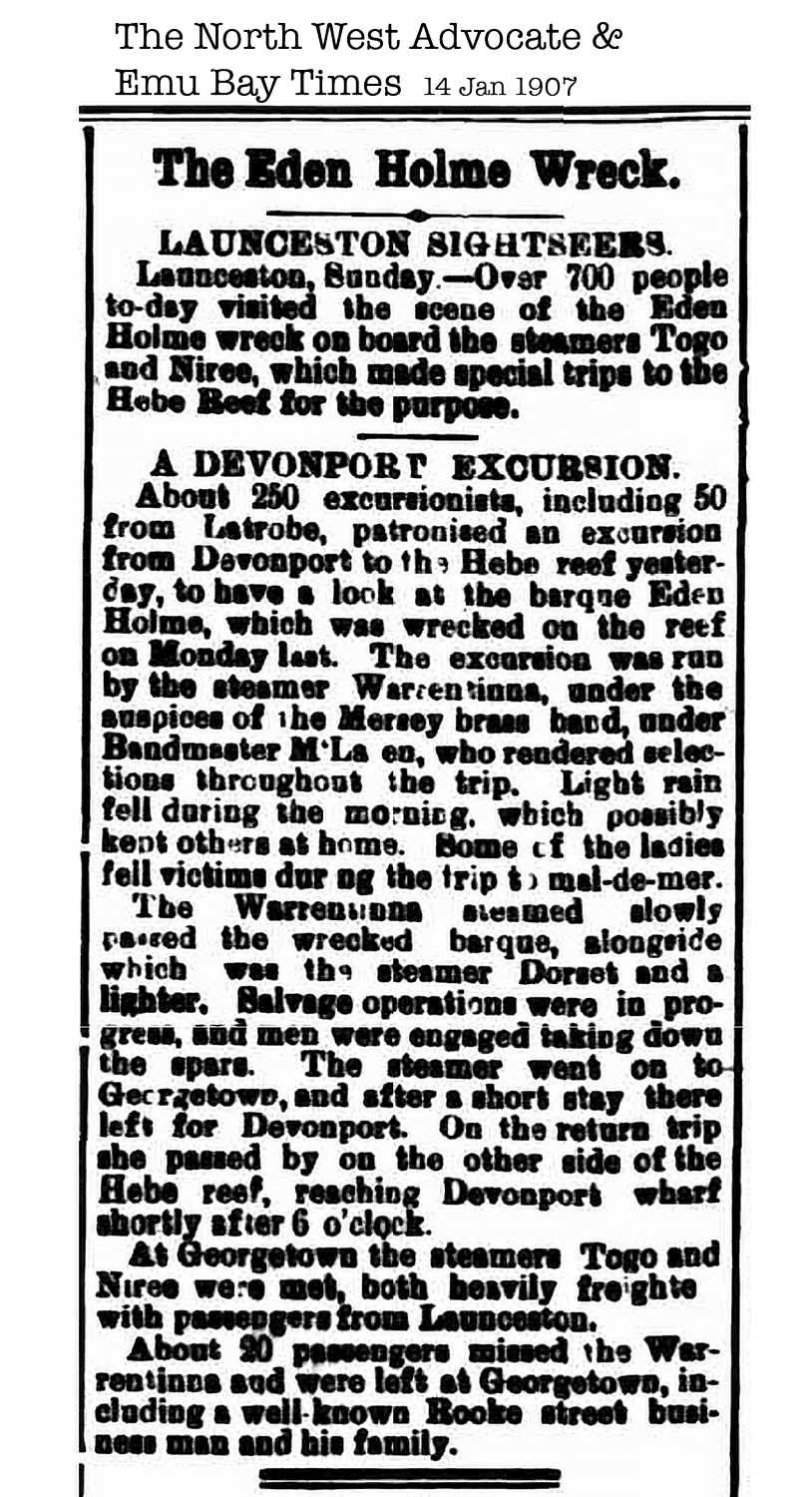
A survey on the following day revealed that the vessel lay with its hull from fore to mizzen masts lying on boulders, both ends being unsupported, and had strained badly with the decks starting to open up. Over the next few days, vessels were able to come alongside and a large amount of the cargo was recovered, much of it quite undamaged. There were sight-seeing cruises from Launceston to those who wanted to gape at the tragedy – complete with brass-band for entertainment. The wreck was sold at auction to J.G. Aikman of Melbourne for £265 on 16 January. Aikman also organised the recovery of large quantities of cargo and the ship’s fittings. There were regular auctions of salvage including one on 17 January that realised about £950 and another on 5 March that realised about £1,300. A diver was also brought to investigate the possibility of refloating Eden Holme, but on the 20th a gale developed during which the vessel broke in two, slipped off the reef and sank.
Moorabool’s Guarantee: All items offered are as described regarding date, condition, and description.
We offer a money-back guarantee, for any return within reasonable time, excluding postage.
Buy with confidence!
POSTAGE
Getting your goods need not be expensive!
We make sure Postage is as affordable as possible – our experienced in-house team can ship safely anywhere in the world, for the best possible price.
Ask for a quote…
Use the ‘Compare Products’ below to keep track of items of interest.

 Coalport serving dish moulded and handprinted with flowers, c.1840$45.00 AUD
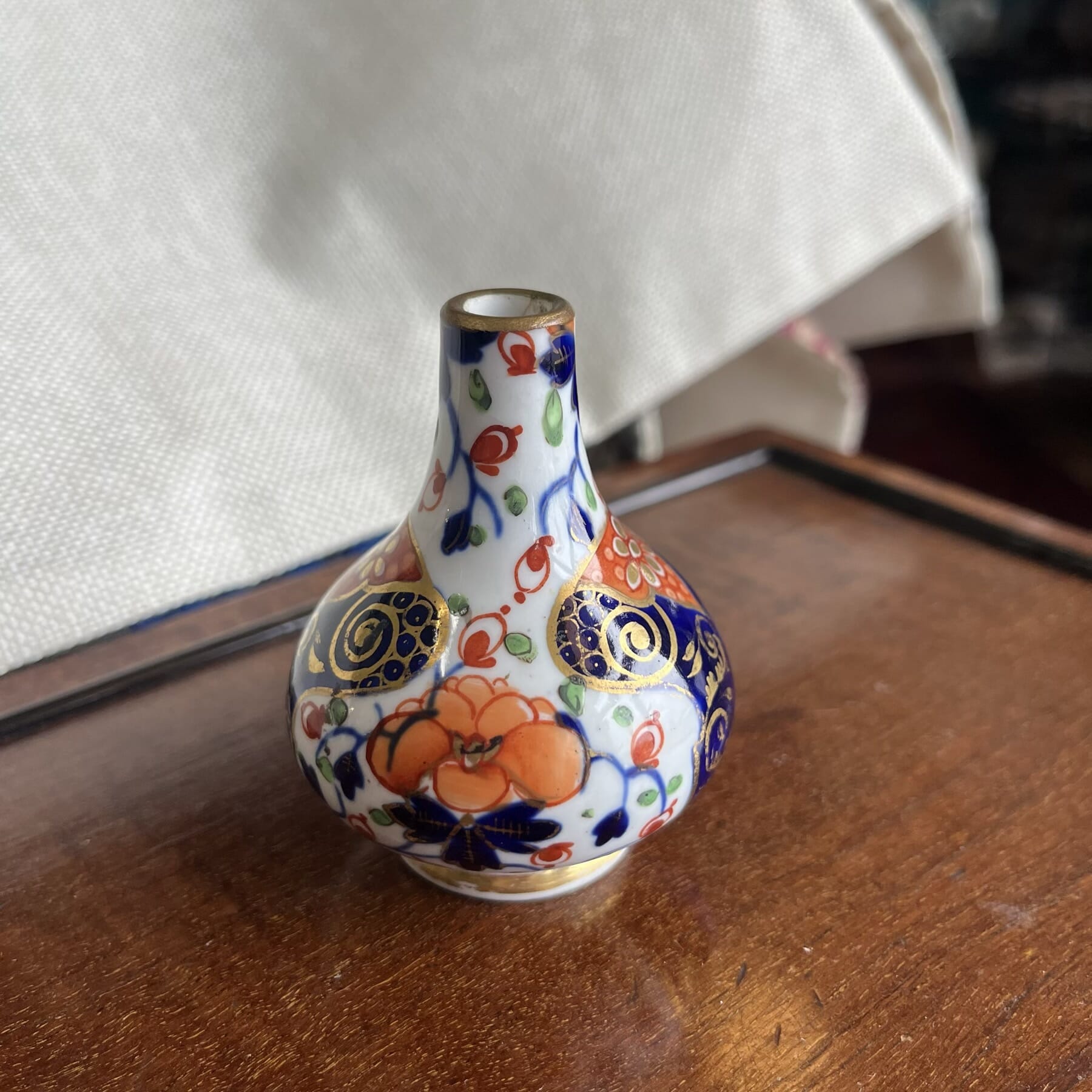
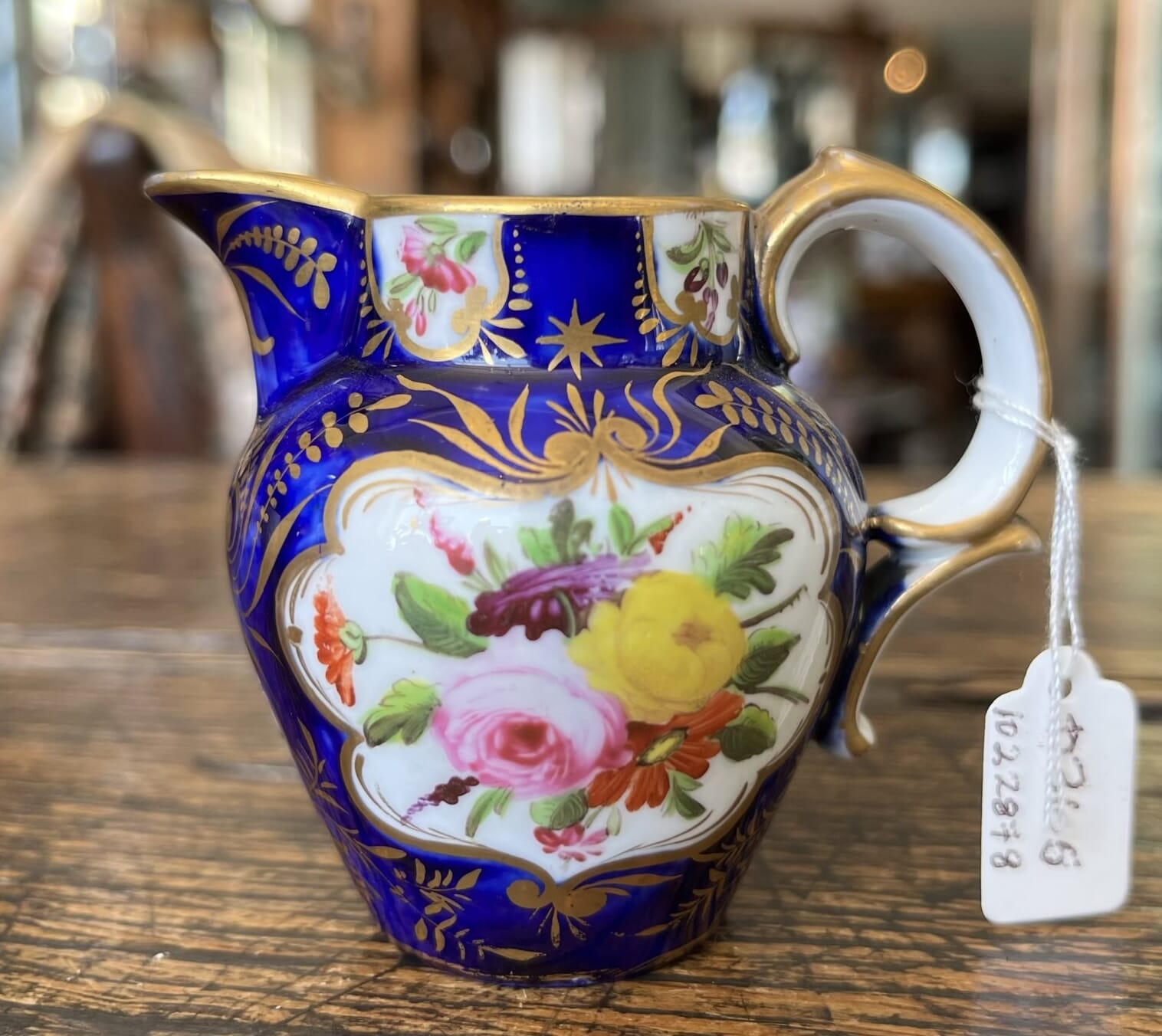
 Miniature Coalport jug, flowers on blue ground, c. 1830Sold
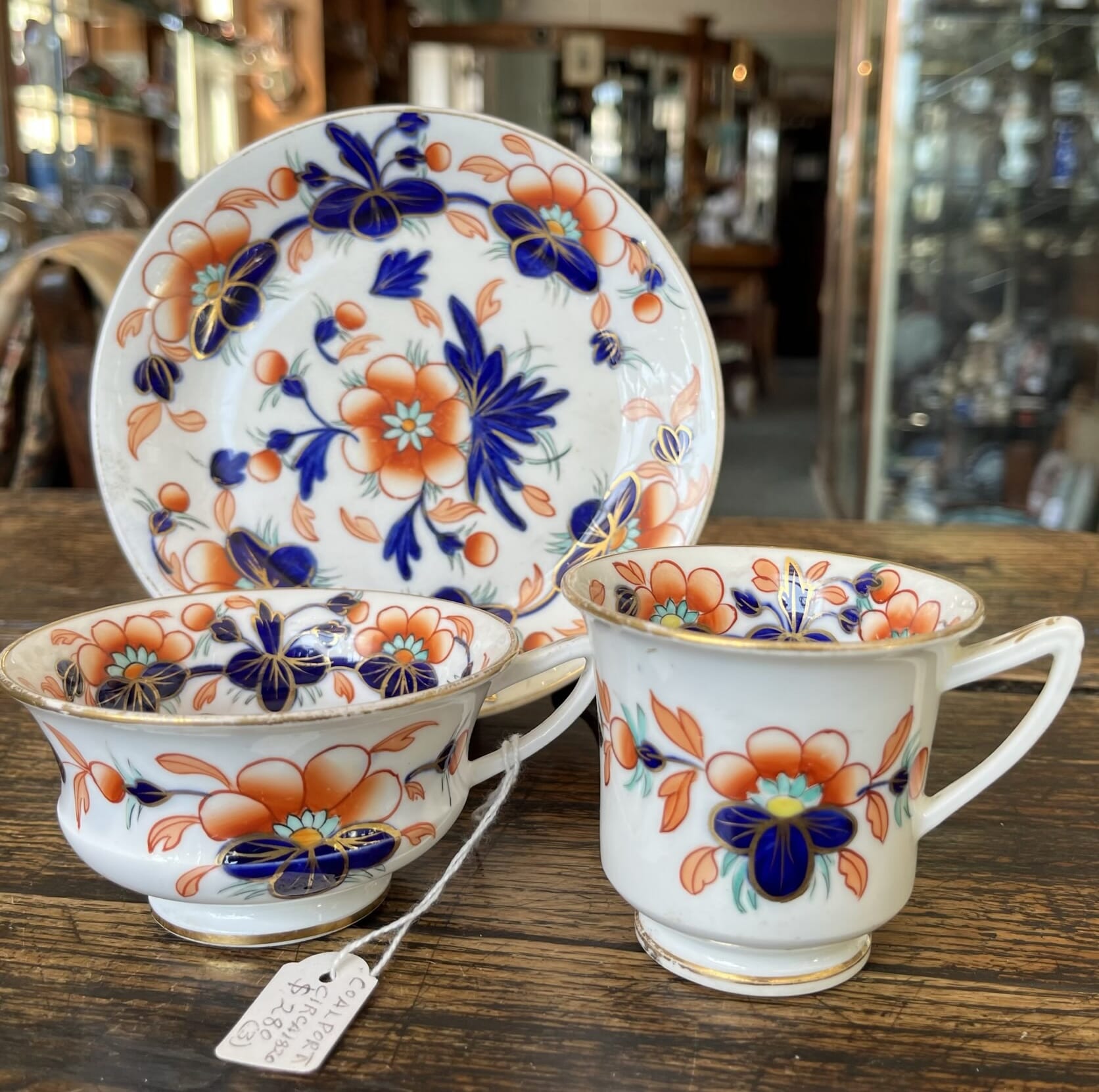
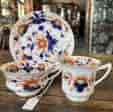 Coalport trio with large Imari flowers, C. 1820$280.00 AUD
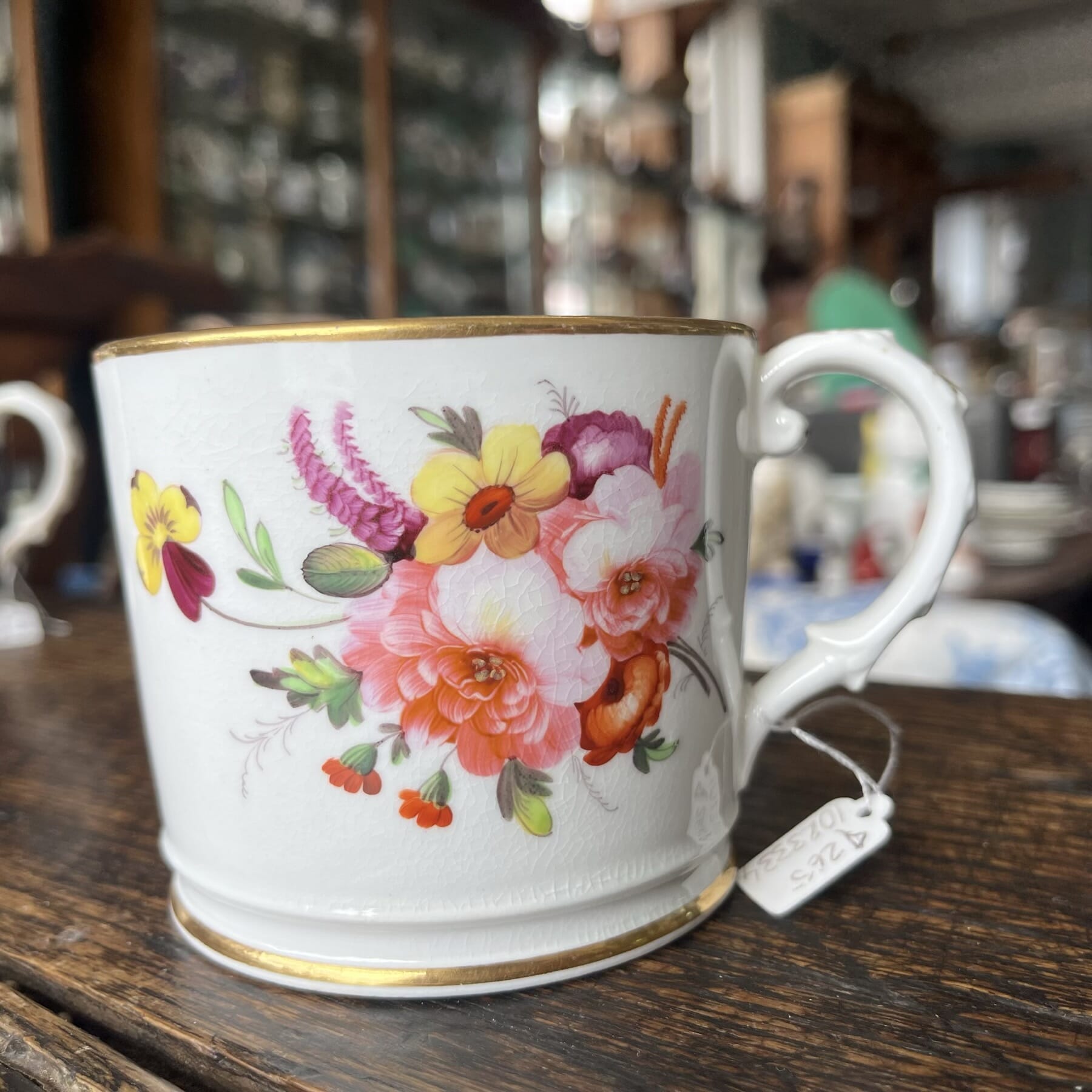
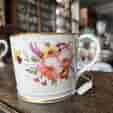 Coalport porcelain mug, superb flowers, circa 1835$265.00 AUD
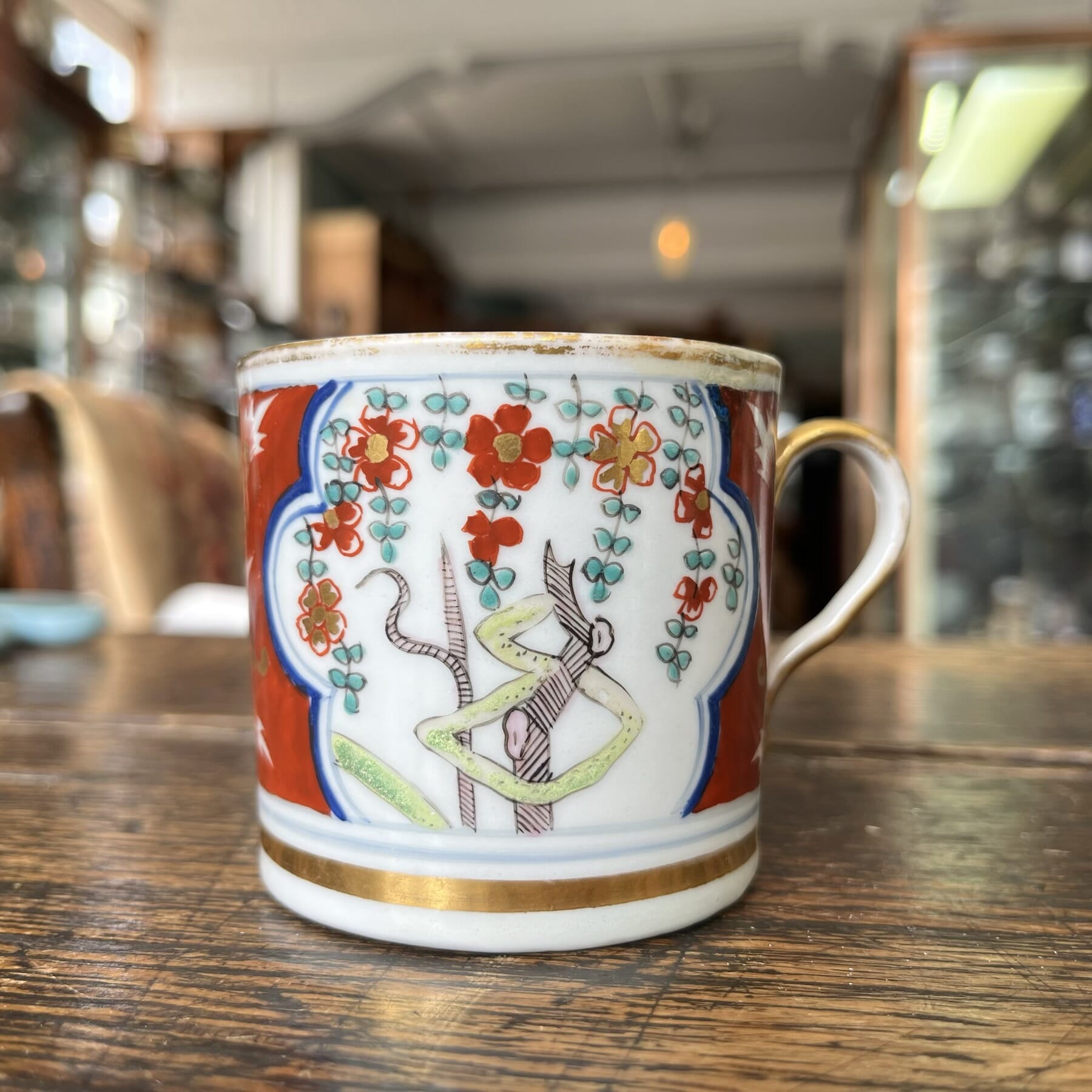
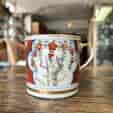 Coalport Bute shaped coffee can, Circa 1803-07$160.00 AUD
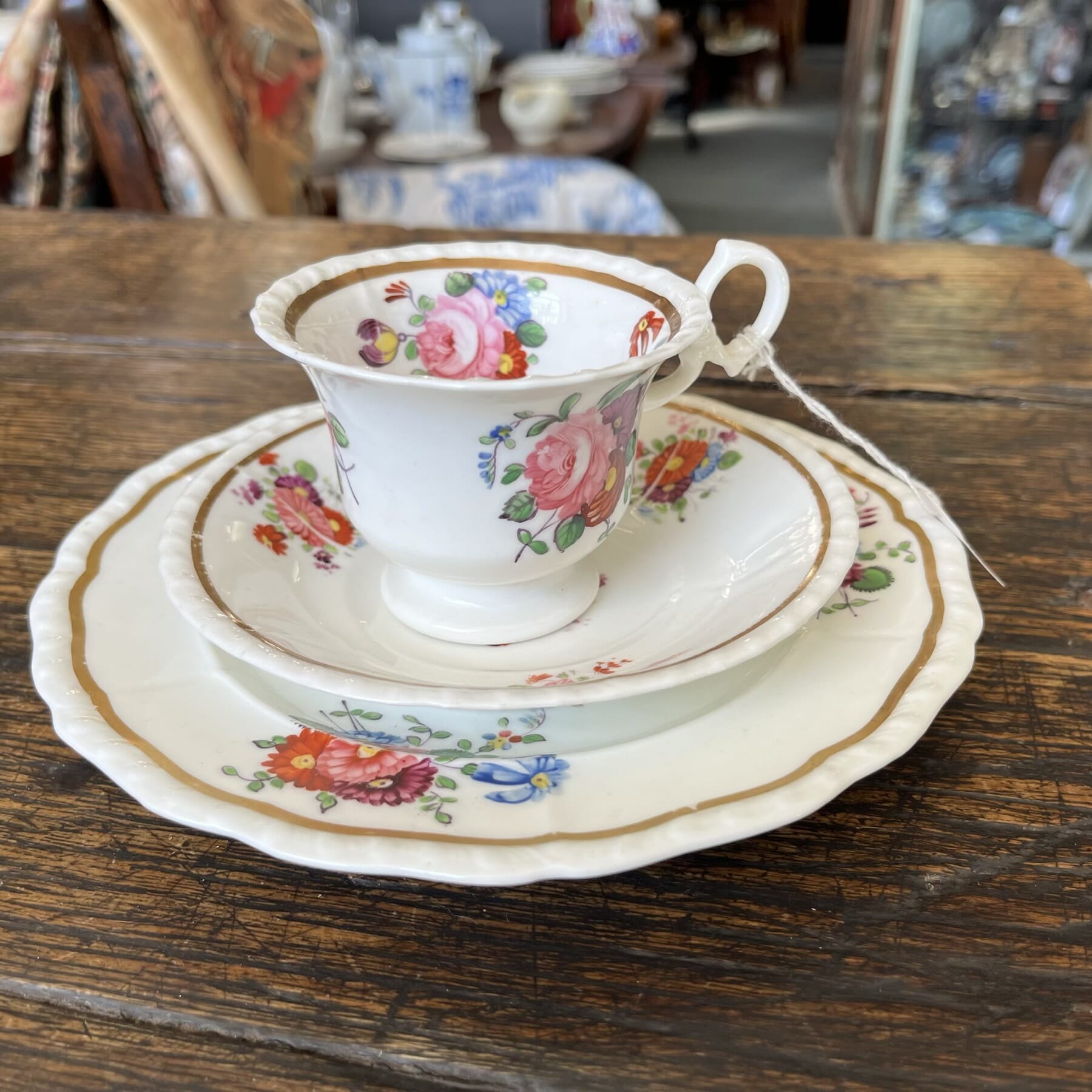
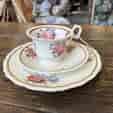 Coalport cup, saucer + plate, hand painted flowers, c 1830$195.00 AUD
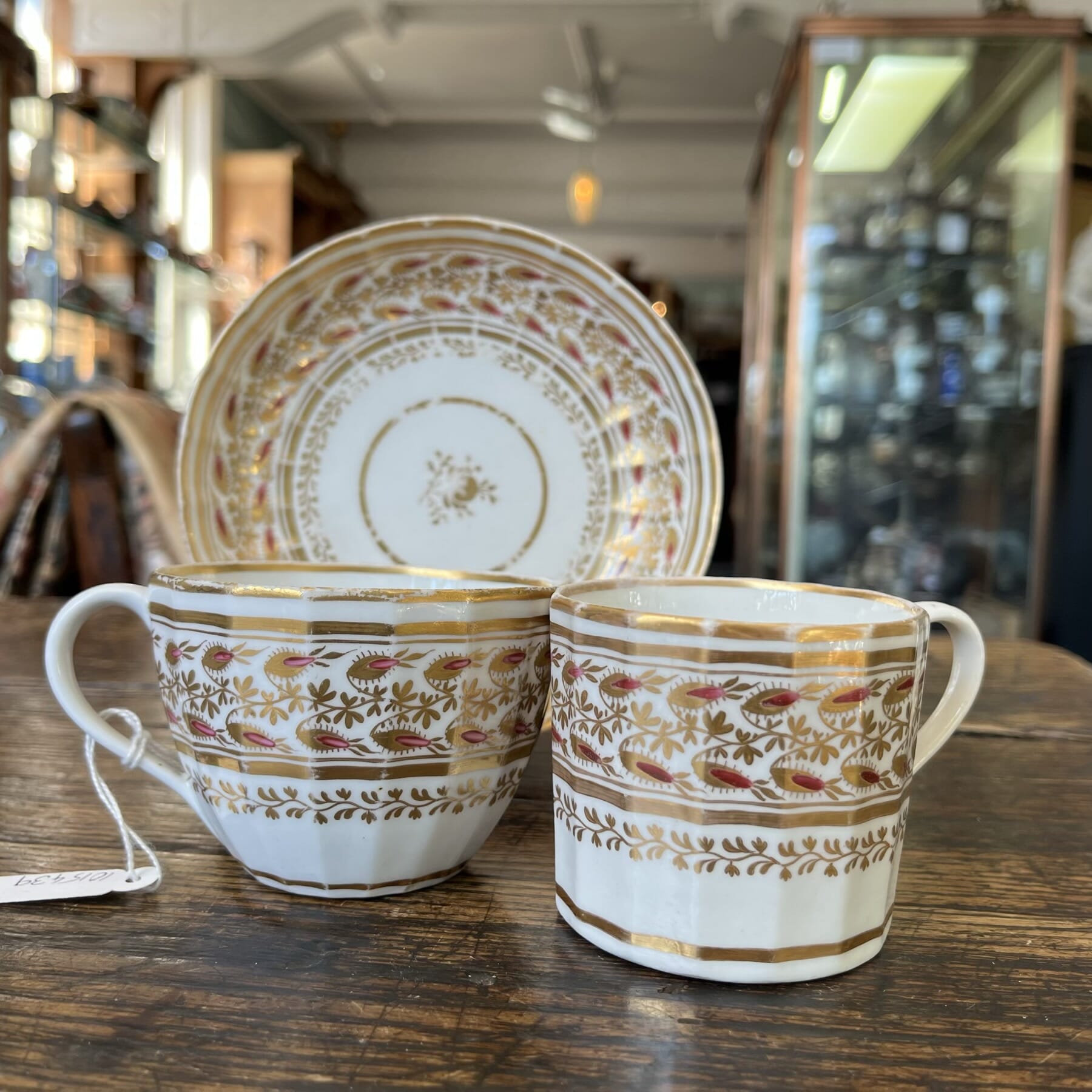
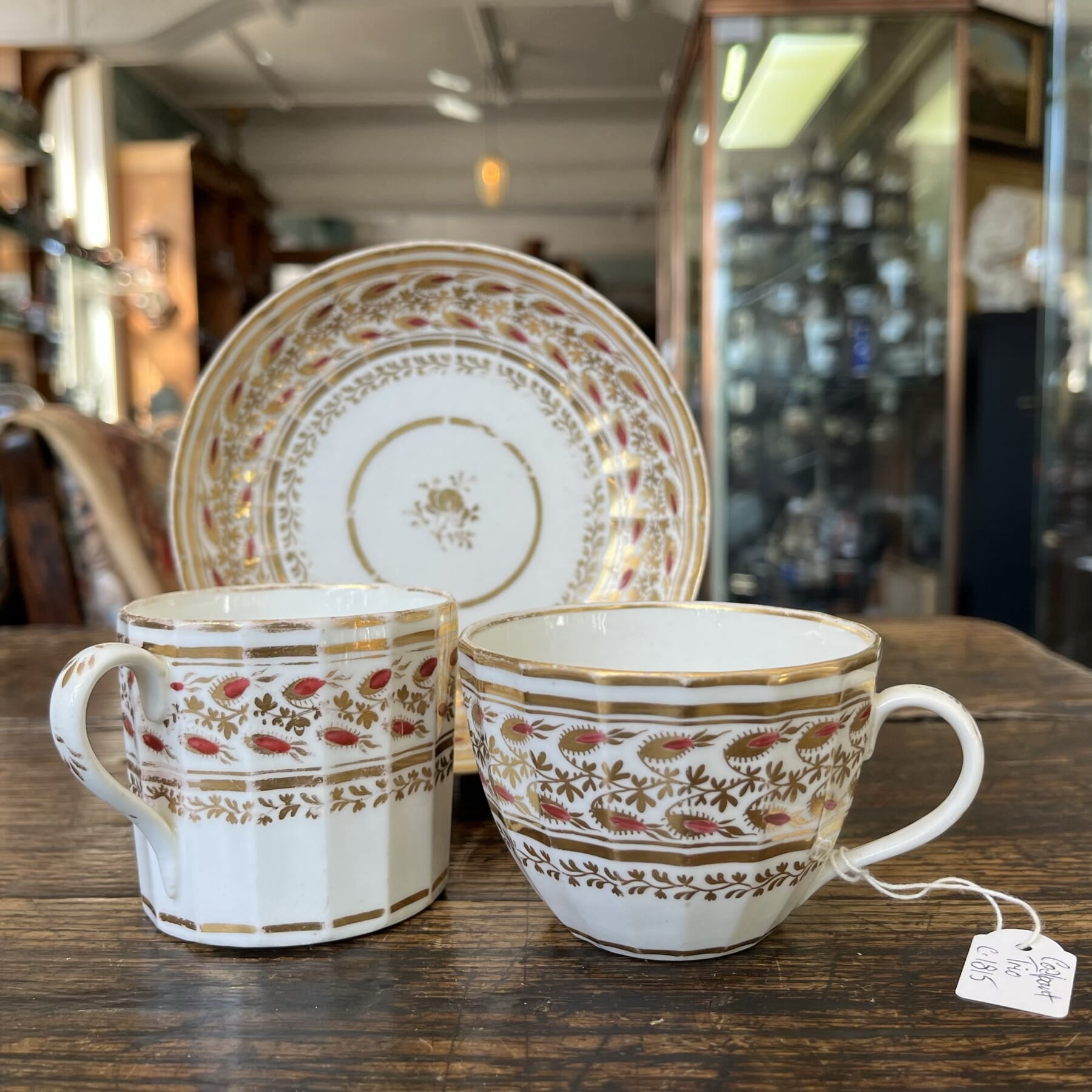
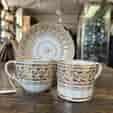 Coalport fluted trio, rosebuds in wide gilt foliage bands, c.1815$380.00 AUD
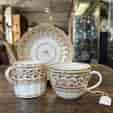 Coalport fluted trio, rosebuds in wide gilt foliage bands, c.1815$380.00 AUD
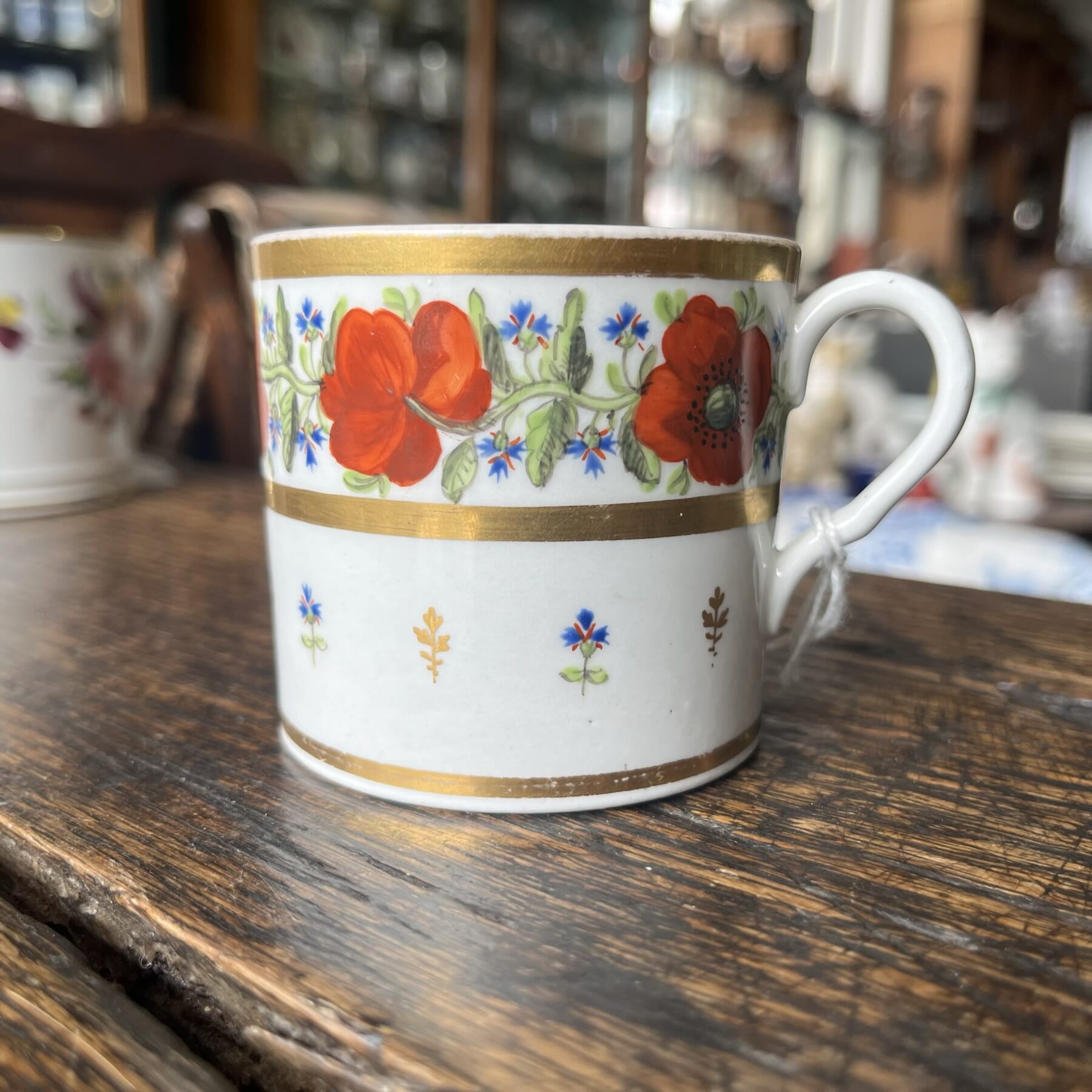
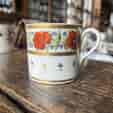 Coalport coffee can, poppies and corn flowers, c 1800Sold
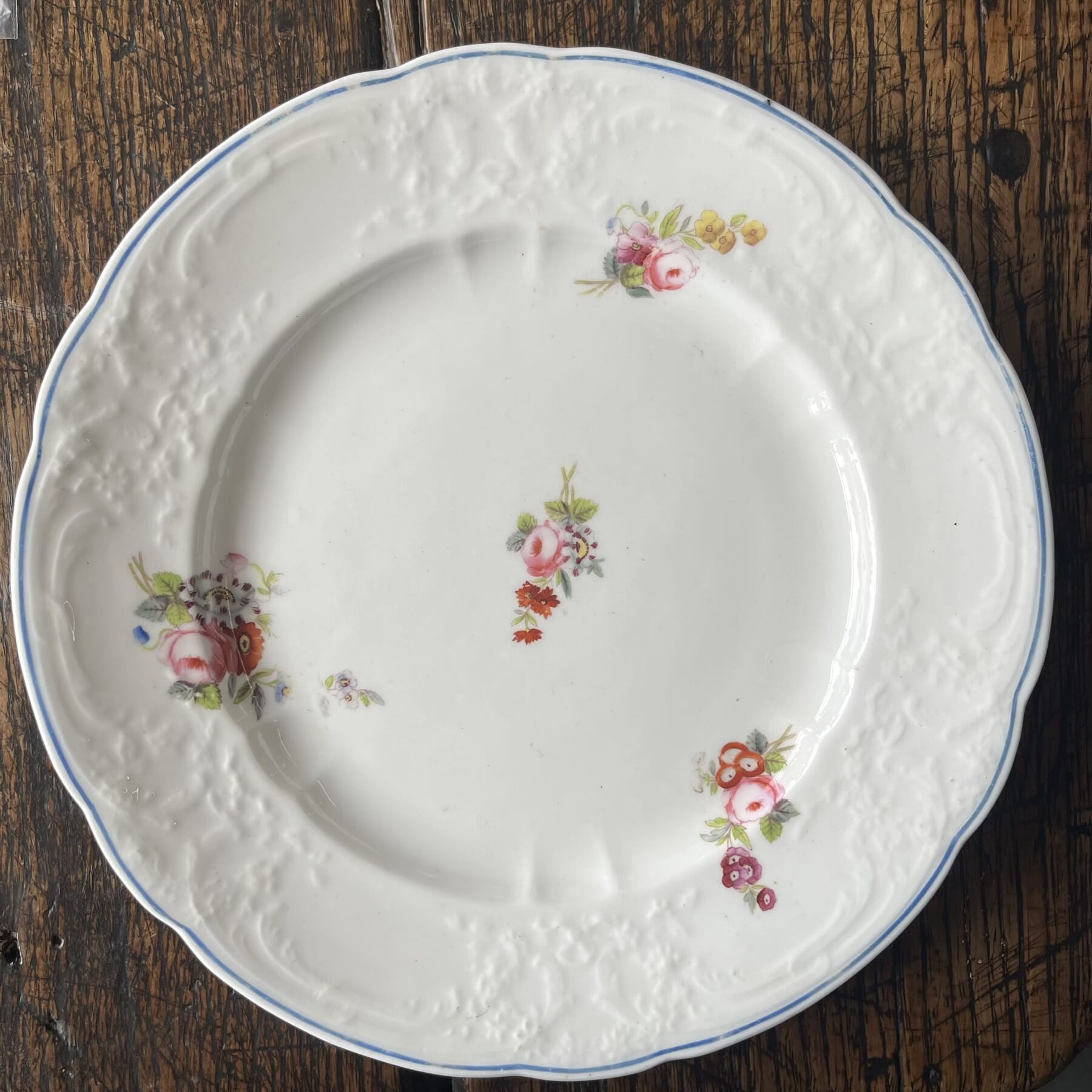
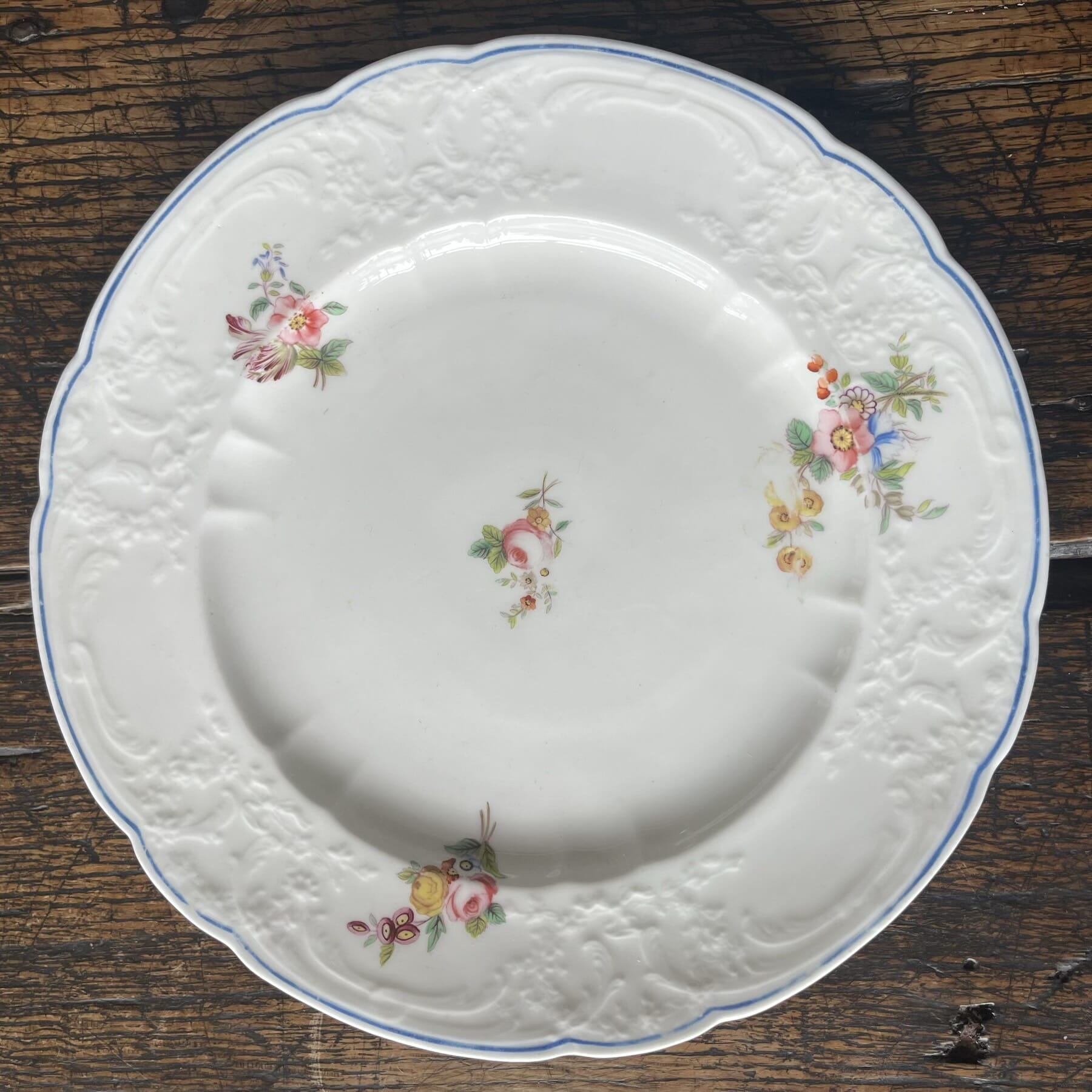
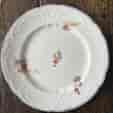 Coalport plate, wreath and scroll moulding, flower sprigs, 1835$95.00 AUD
 Coalport plate, wreath and scroll moulding, flower sprigs, 1835$95.00 AUD
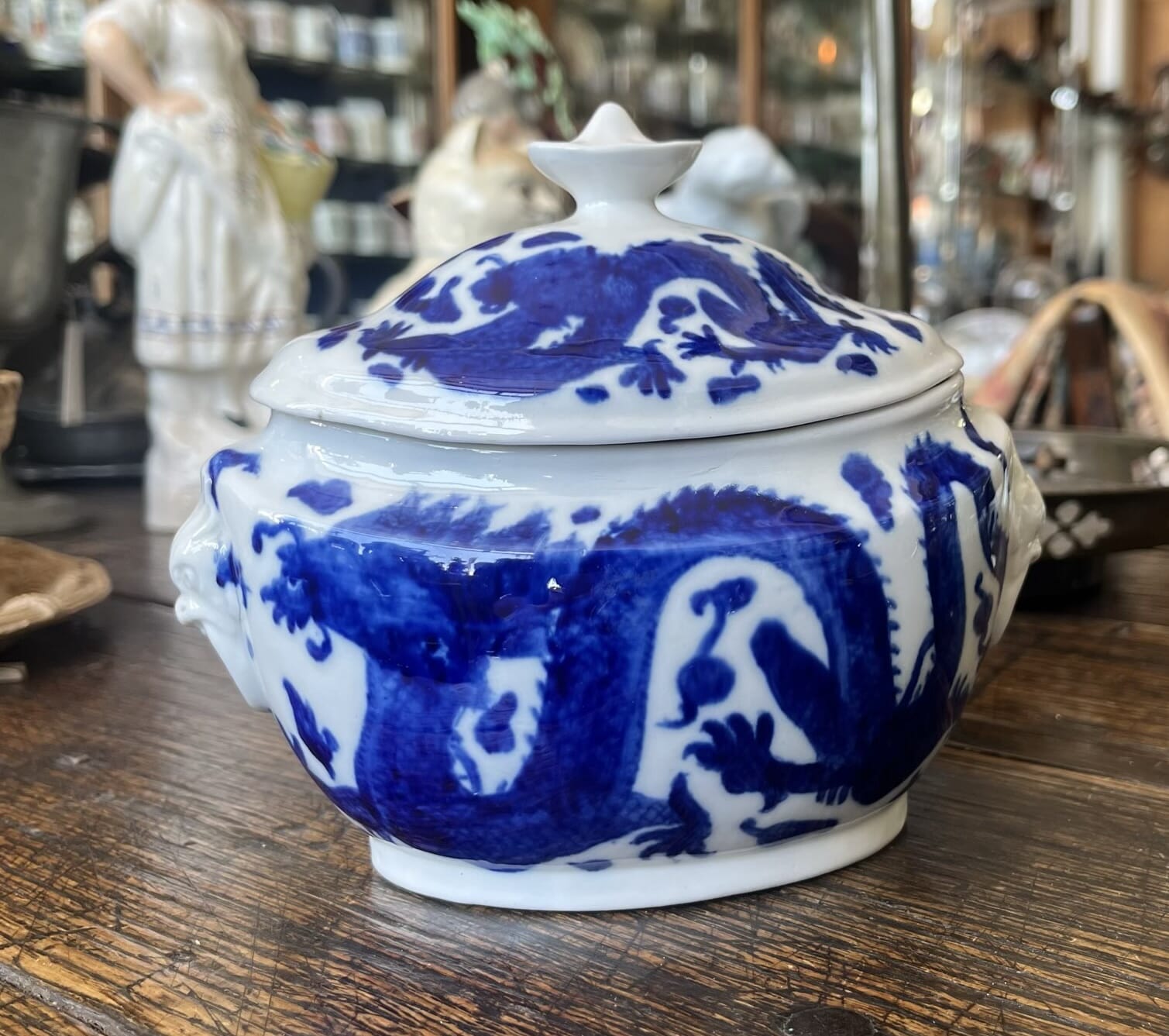
 John Rose Coalport sucrier, blue print of a dragon, c.1810$420.00 AUD
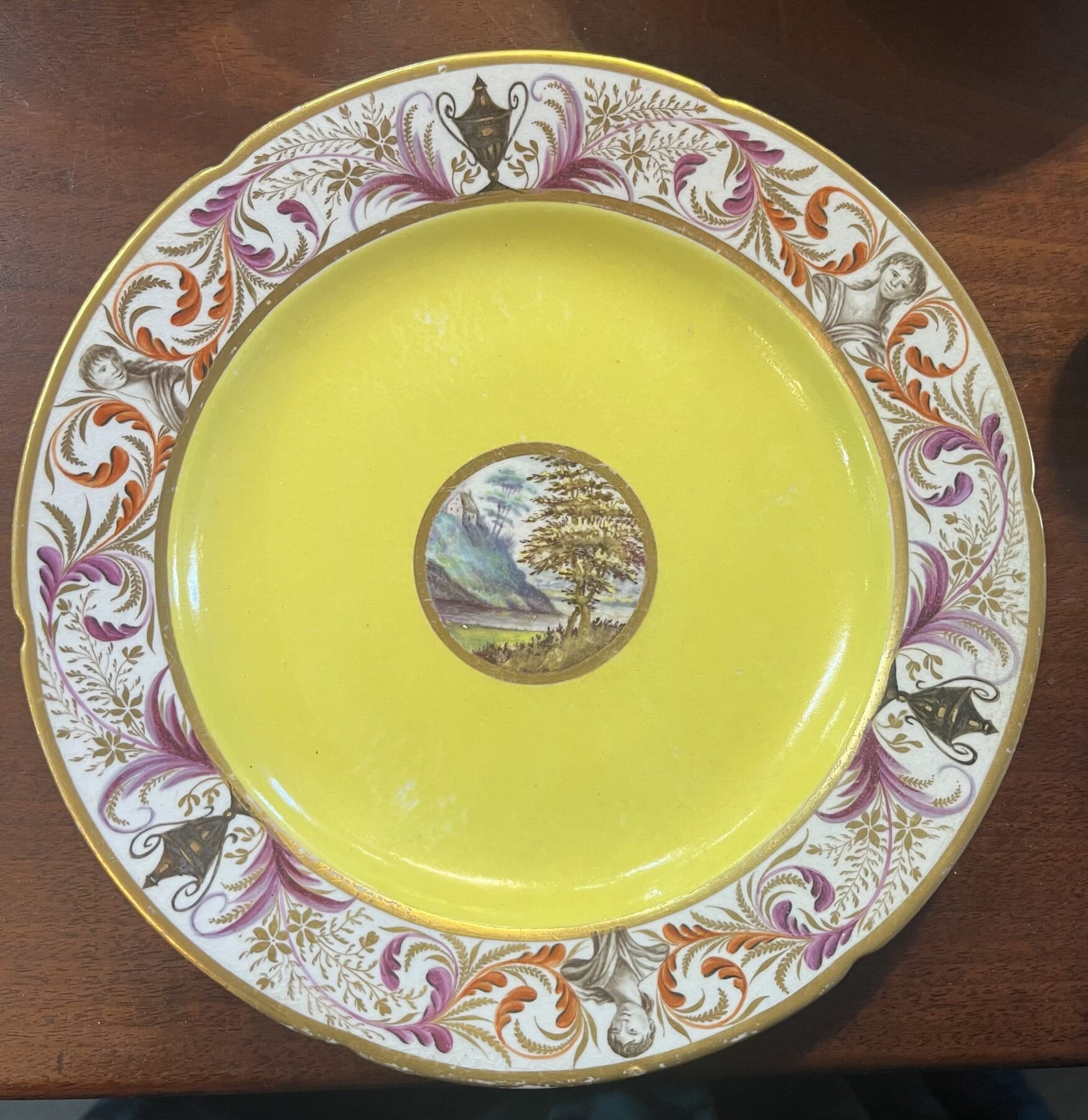
 Coalport plate, London decorated with scene, yellow ground, classical busts, c.1805Sold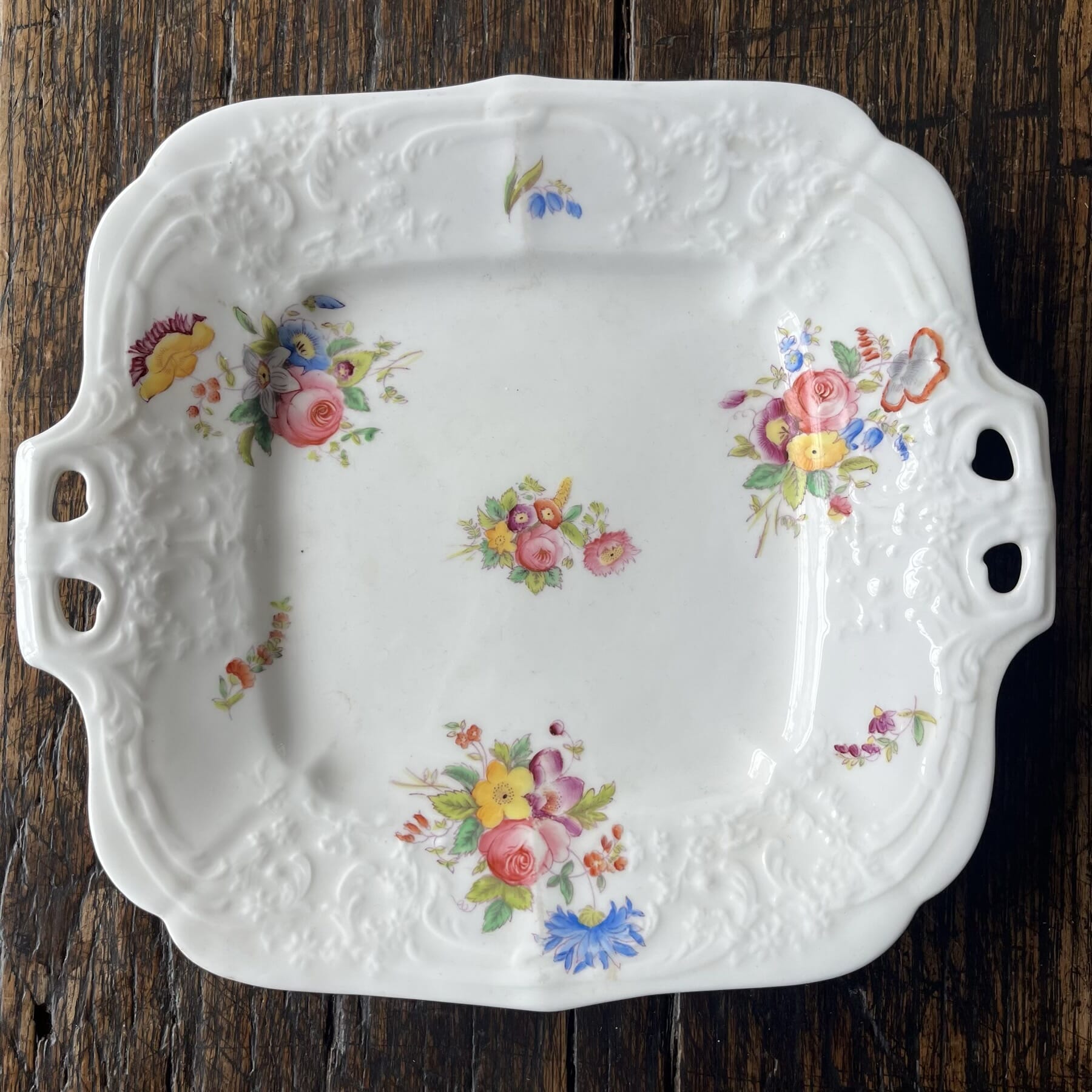
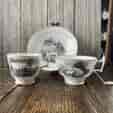 Batt-printed Sheep and Cow trio, possibly Spode, c.1815$295.00 AUD
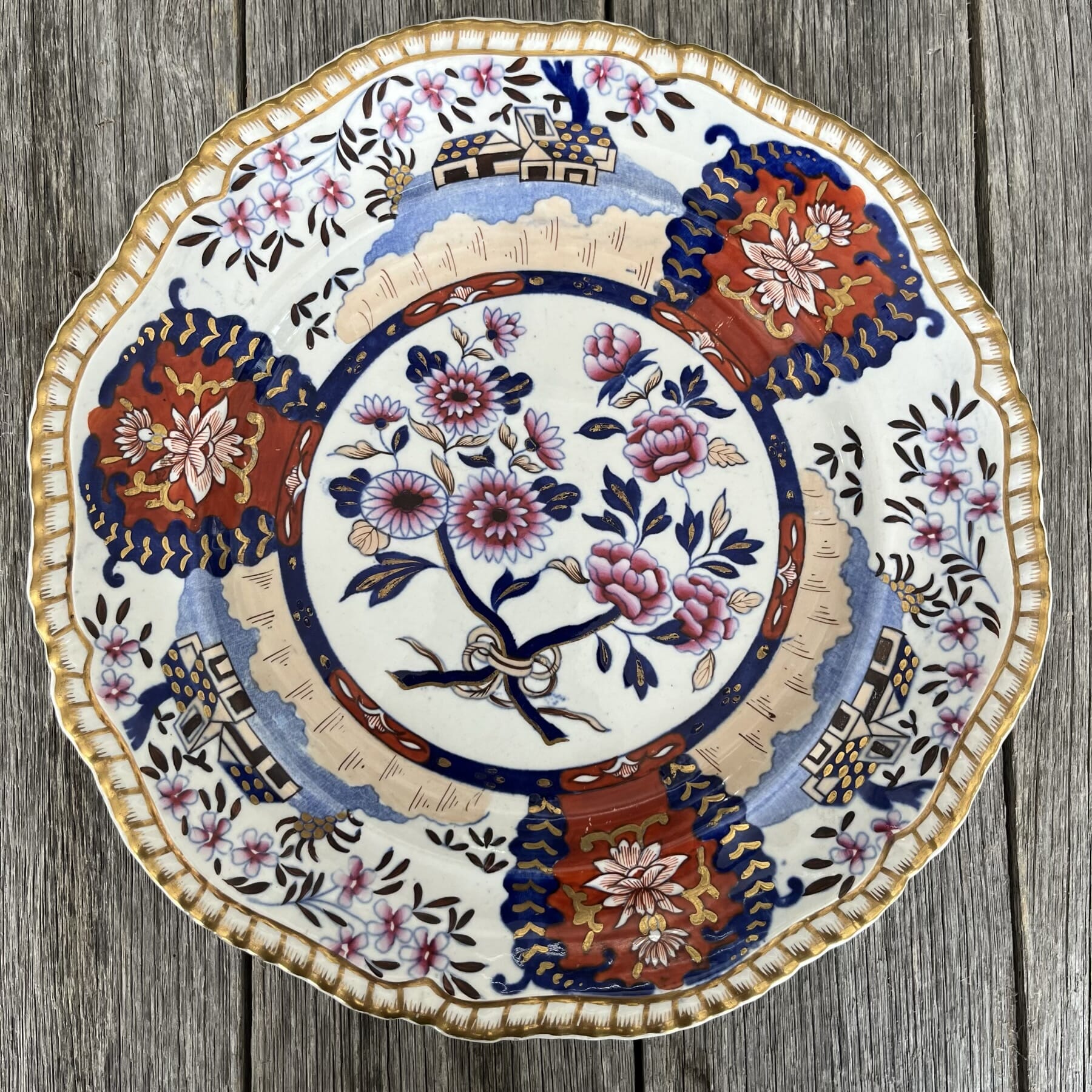
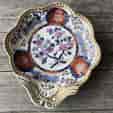 Spode ‘Imperial’ serving dish with Imari pattern, C. 1810$340.00 AUD
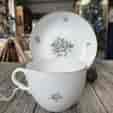 Spode bute shape cup + saucer with bat print of flowers, c.1820$140.00 AUD
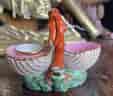 Spode shell shaped desk set, c.1830Sold
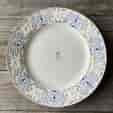 Spode dolphin moulded dish, C. 1810$280.00 AUD
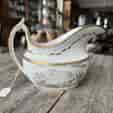 Spode porcelain jug, bat print Country Scenes, pat.557, c1810$195.00 AUD
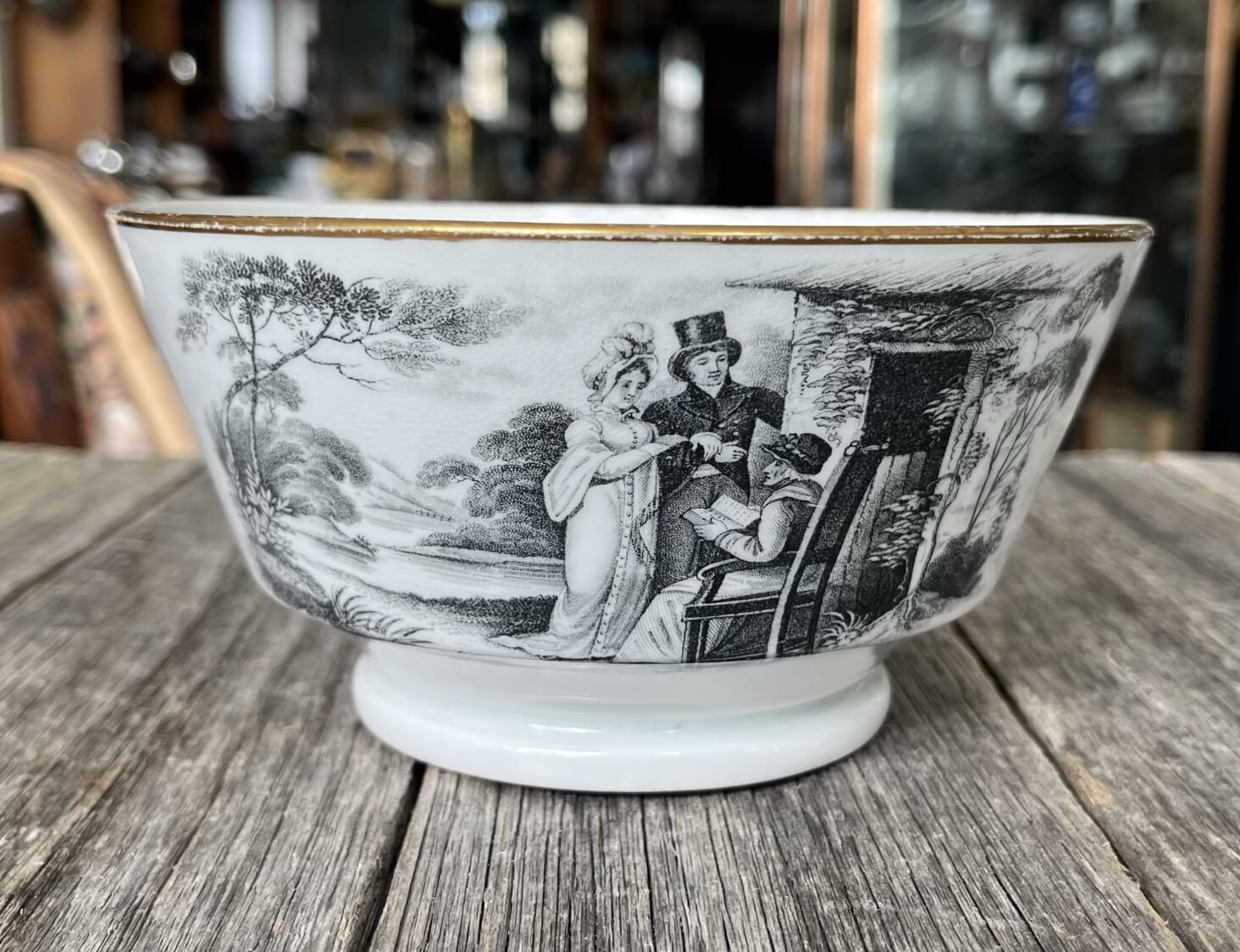
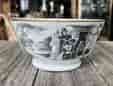 Spode porcelain bowl with bat-print, c. 1810$225.00 AUD
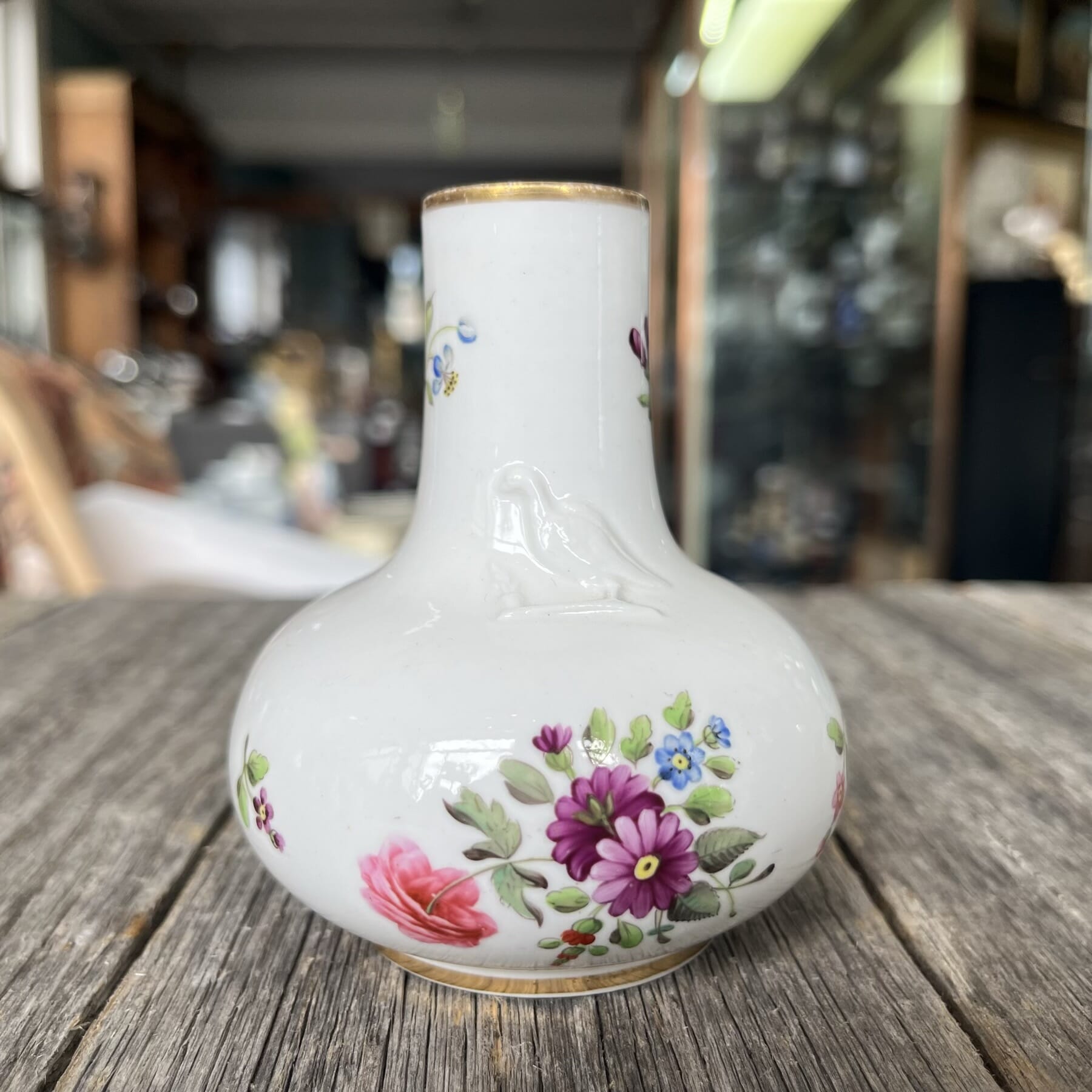
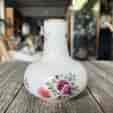 Small Spode ‘lizard’ vase, embossed bird, pat. 1918, scattered flowers, circa 1830$245.00 AUD
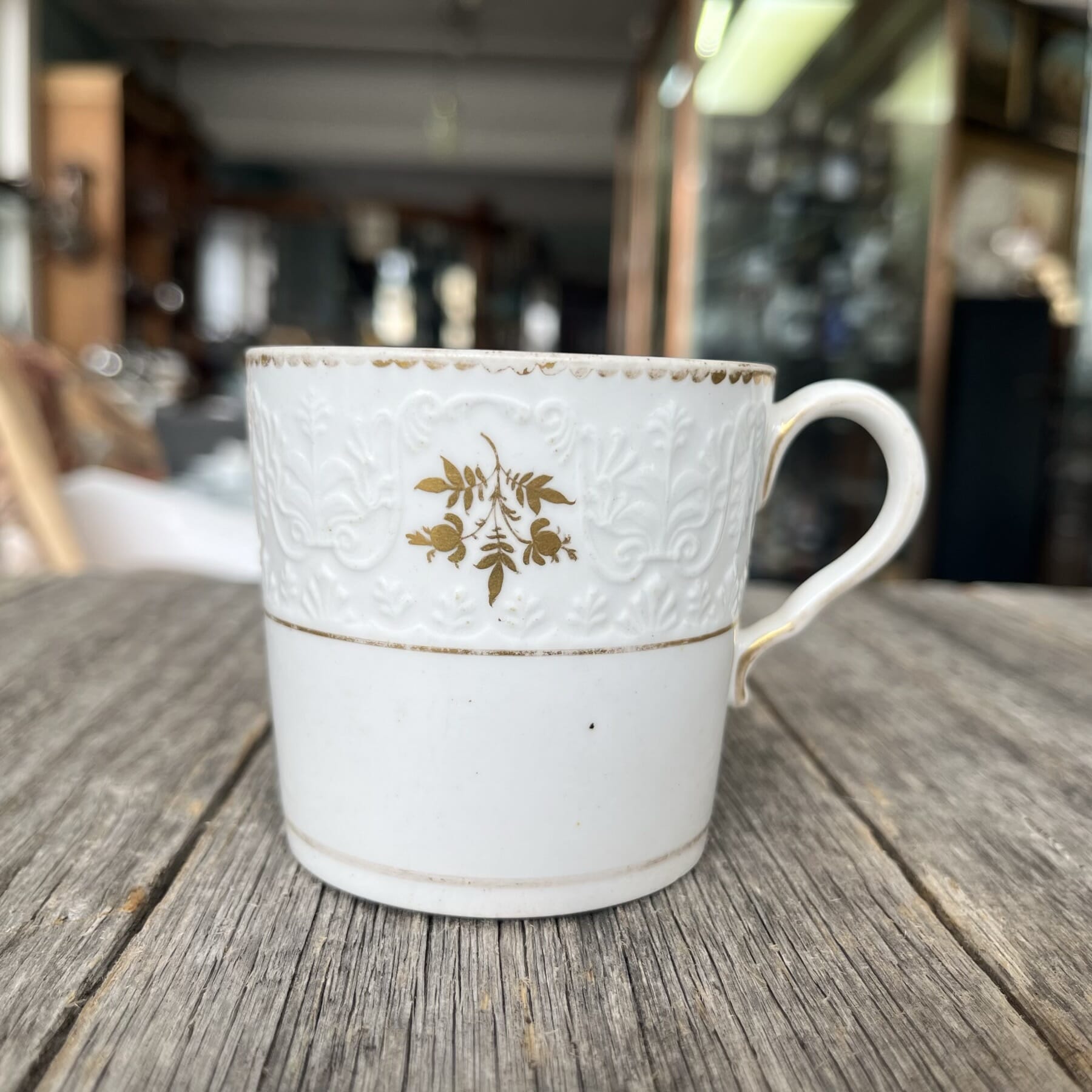
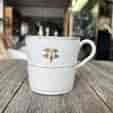 Spode coffee can, finely moulded, C. 1800$195.00 AUD
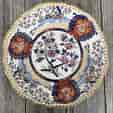 Spode ‘Imperial’ Imari pattern plate, C. 1824$240.00 AUD
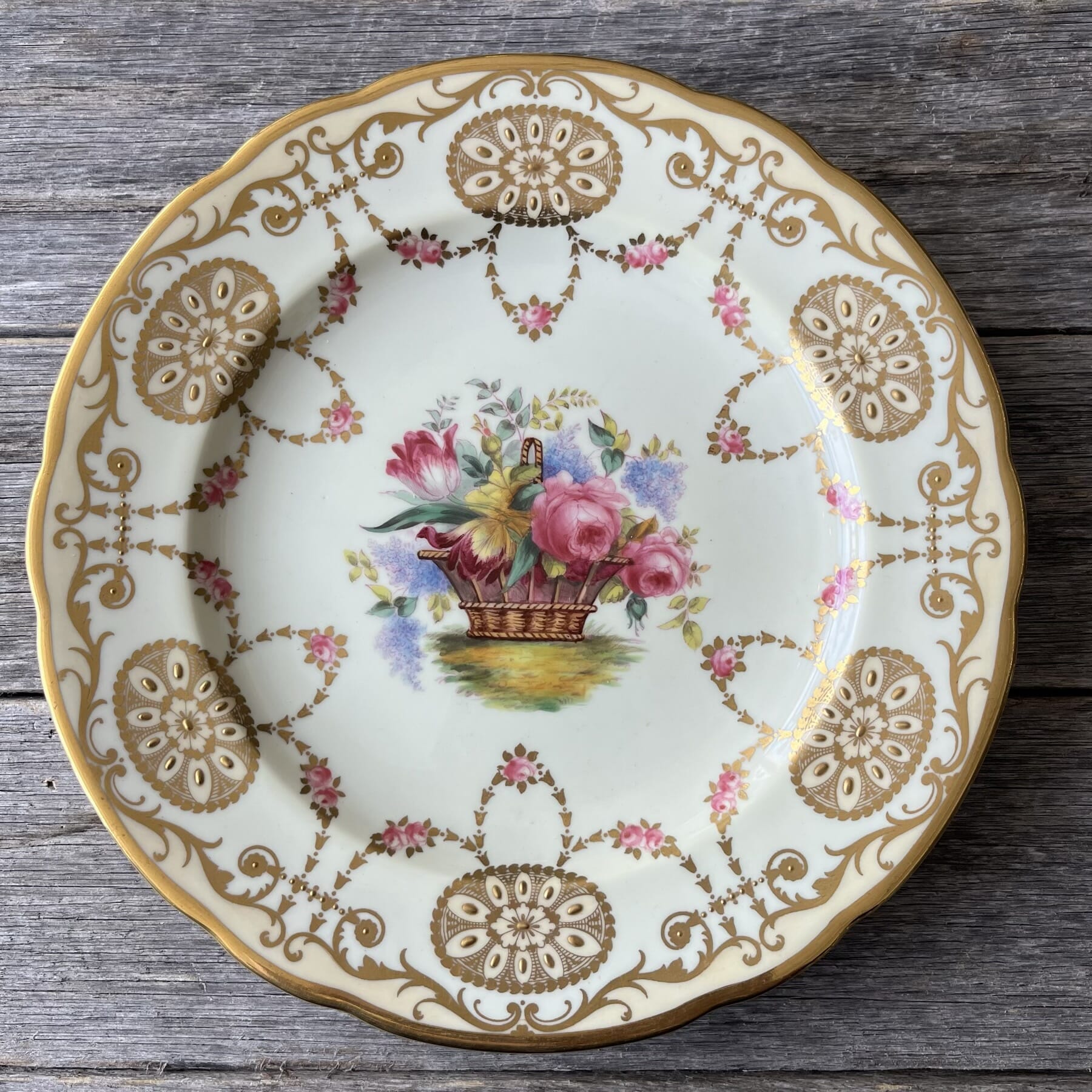
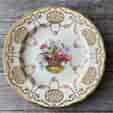 Copeland Spode plate, rich flowers & gilt, Collamore NY, c. 1910$650.00 AUD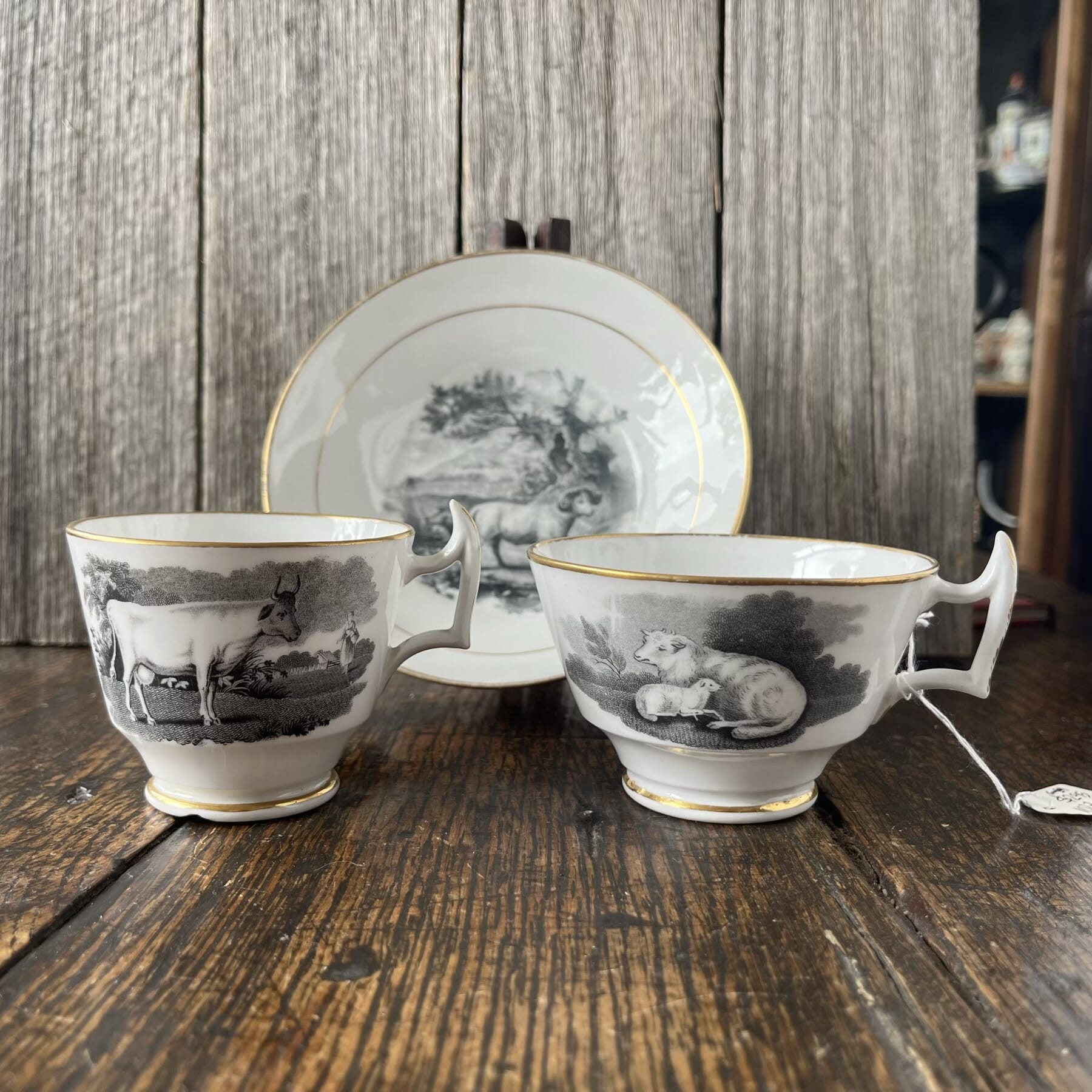
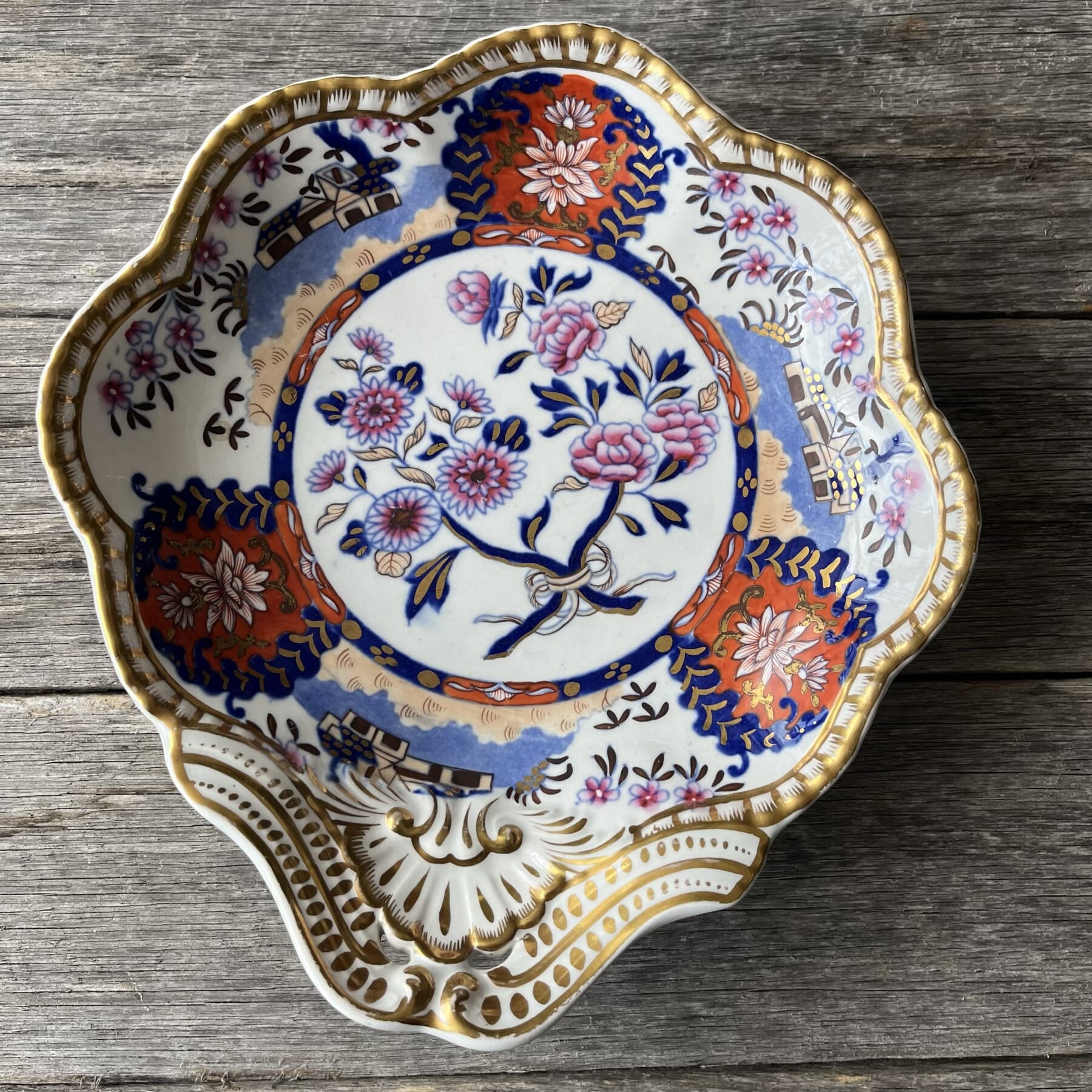
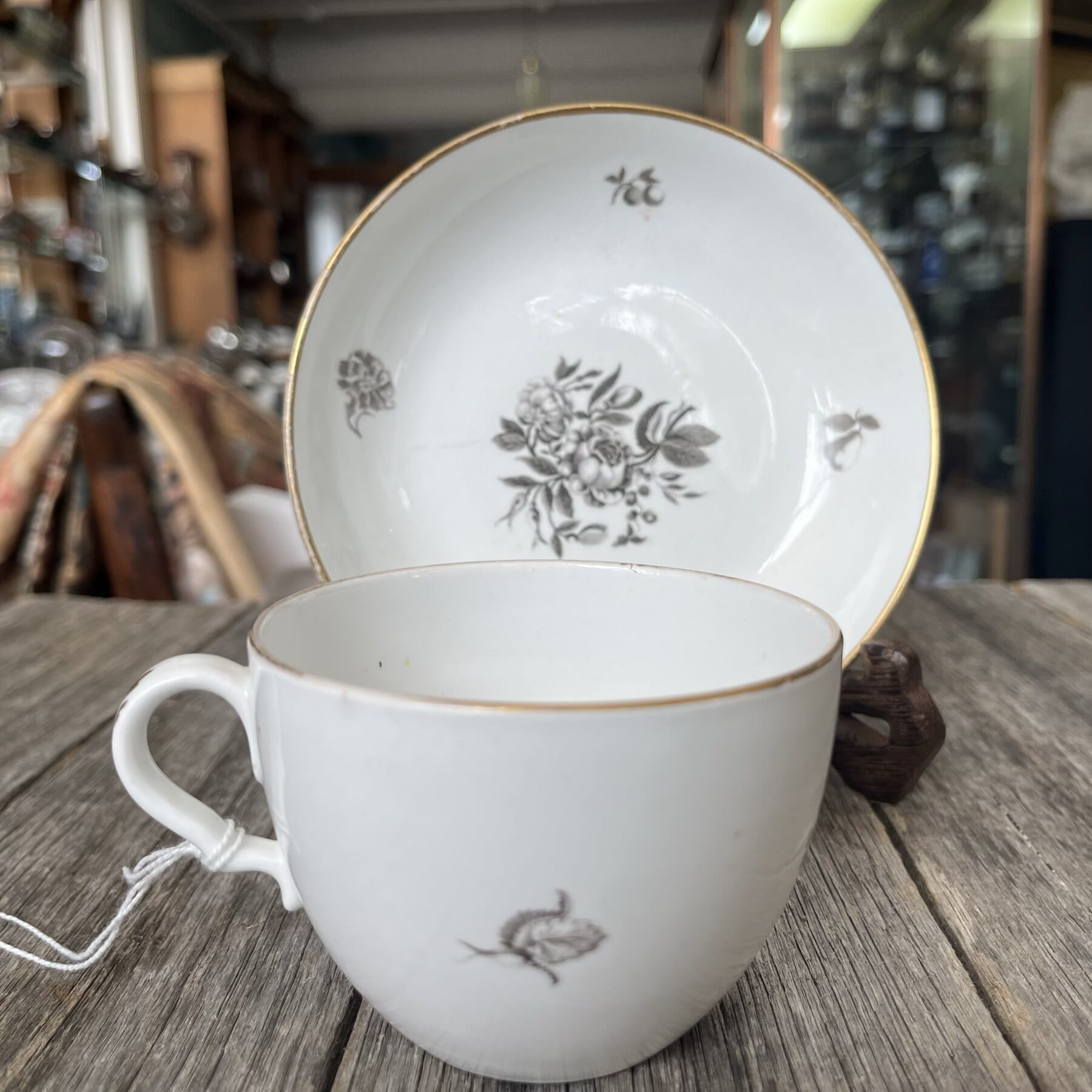
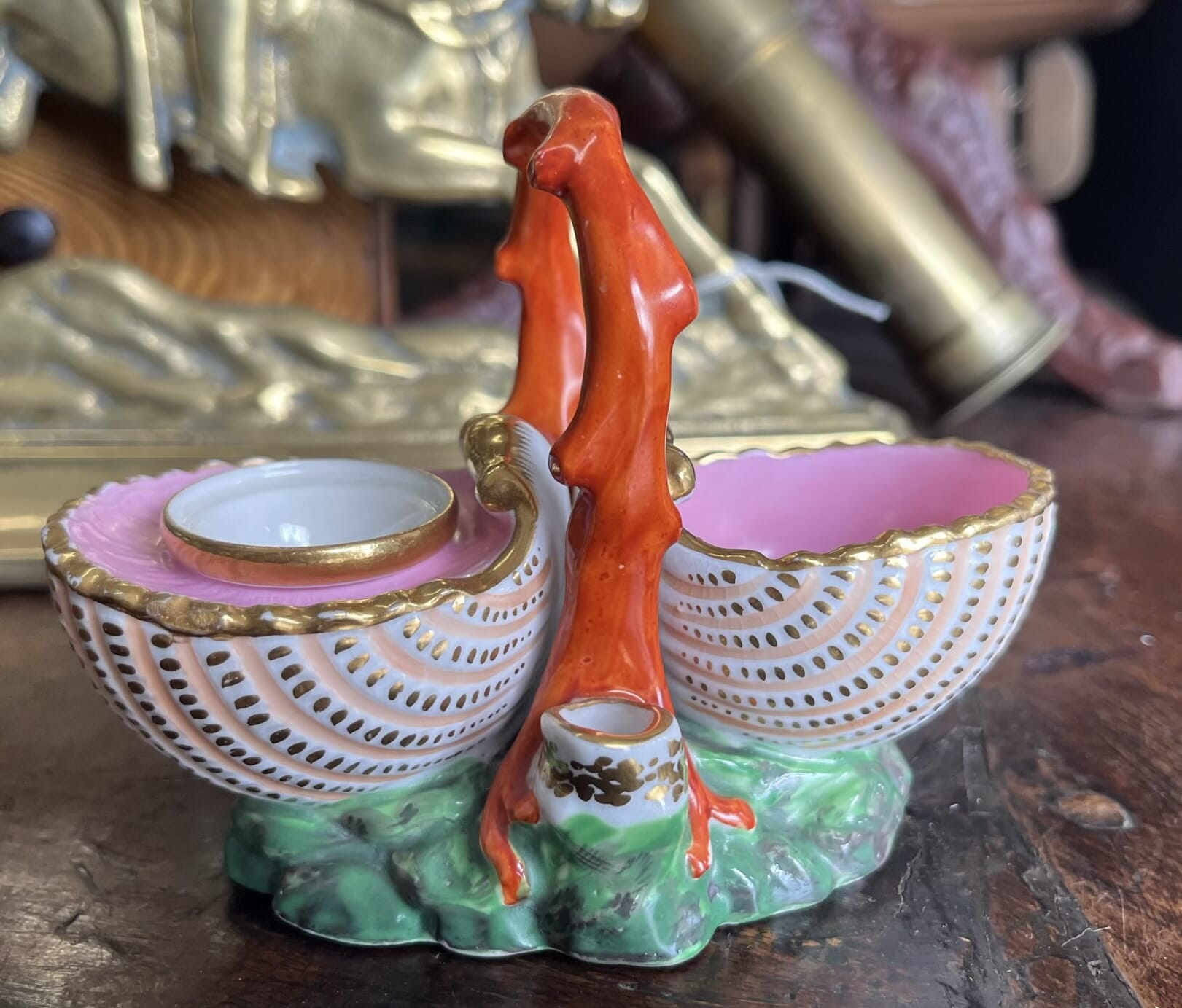
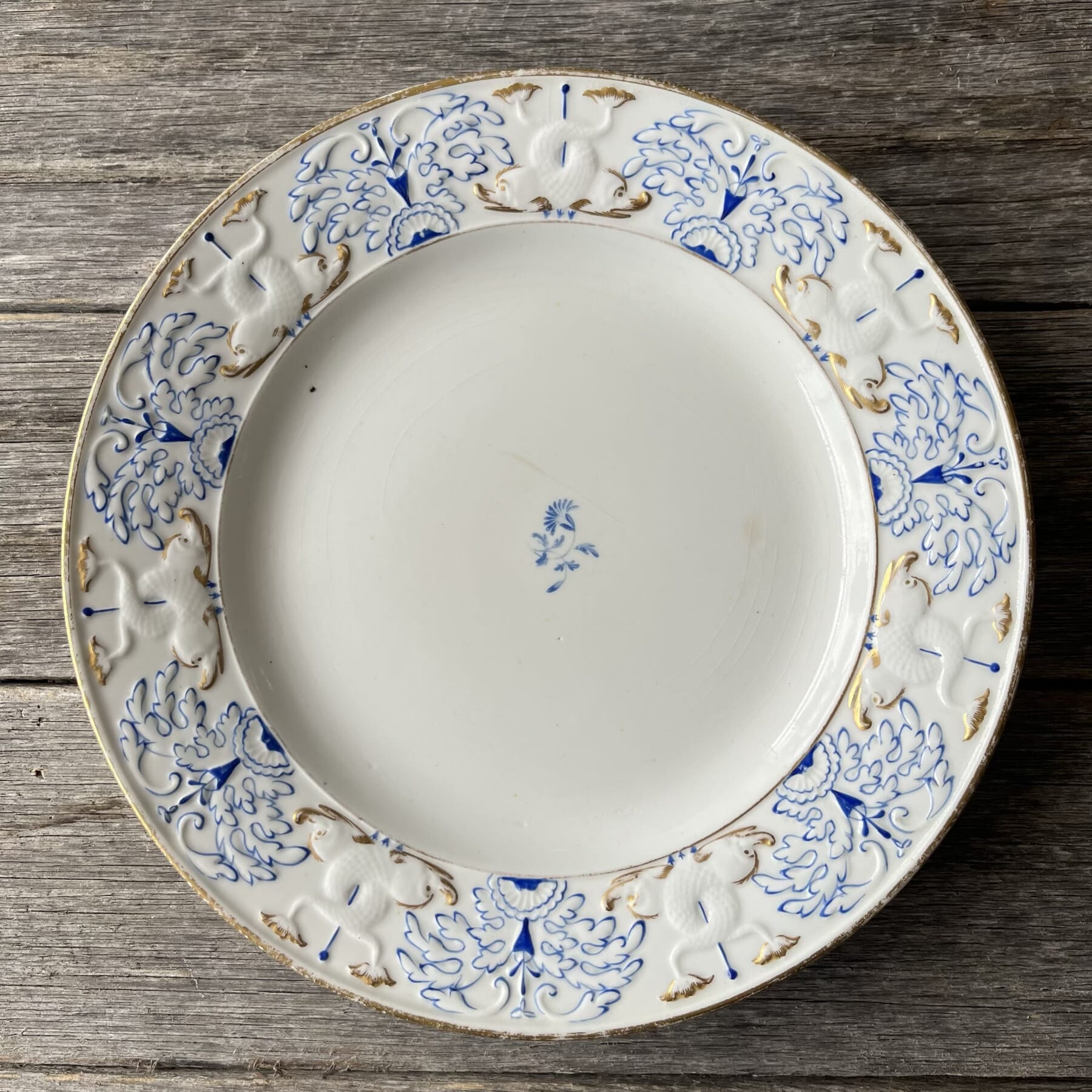
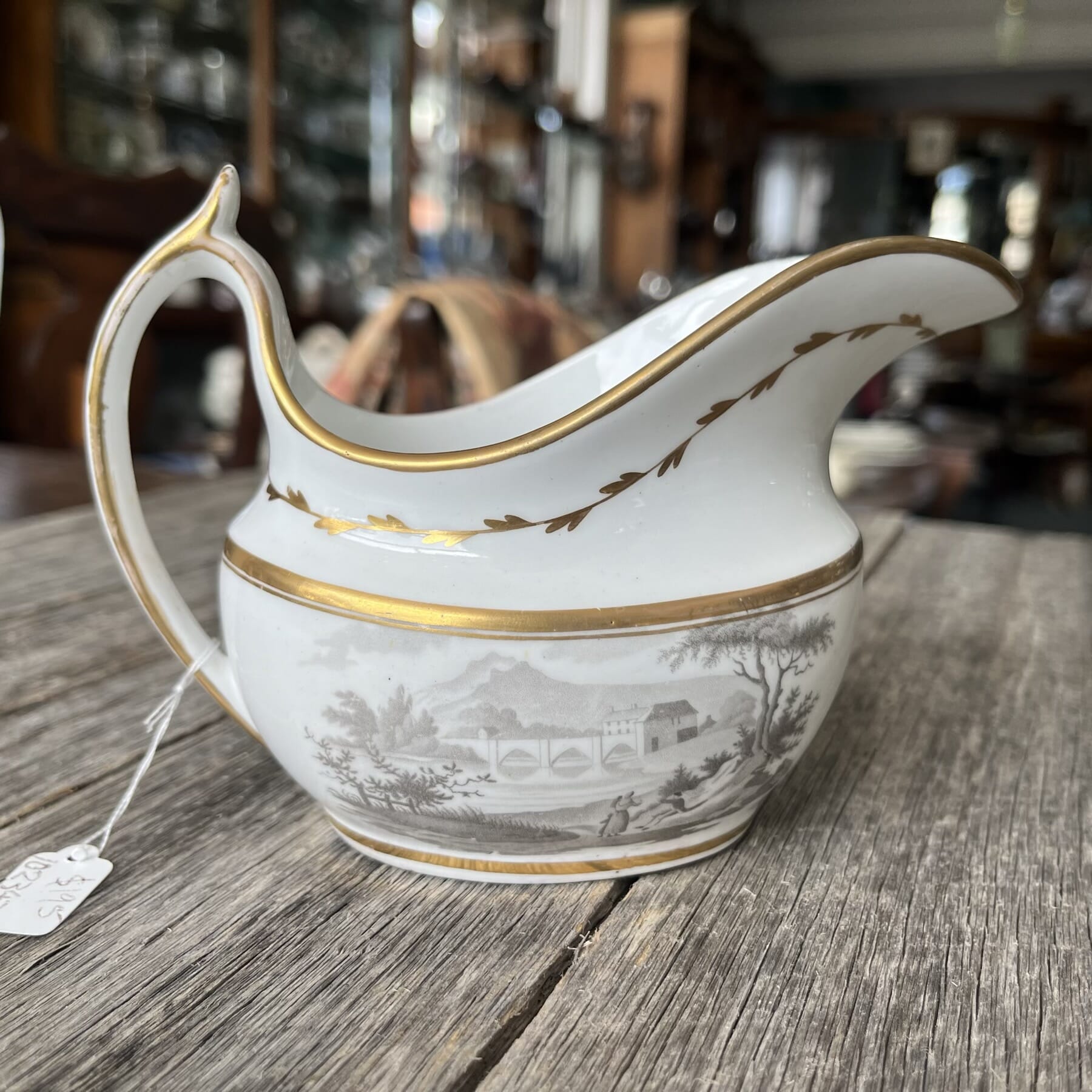
 Tea service for 12, Ridgway blue & gold, C. 1835$650.00 AUD
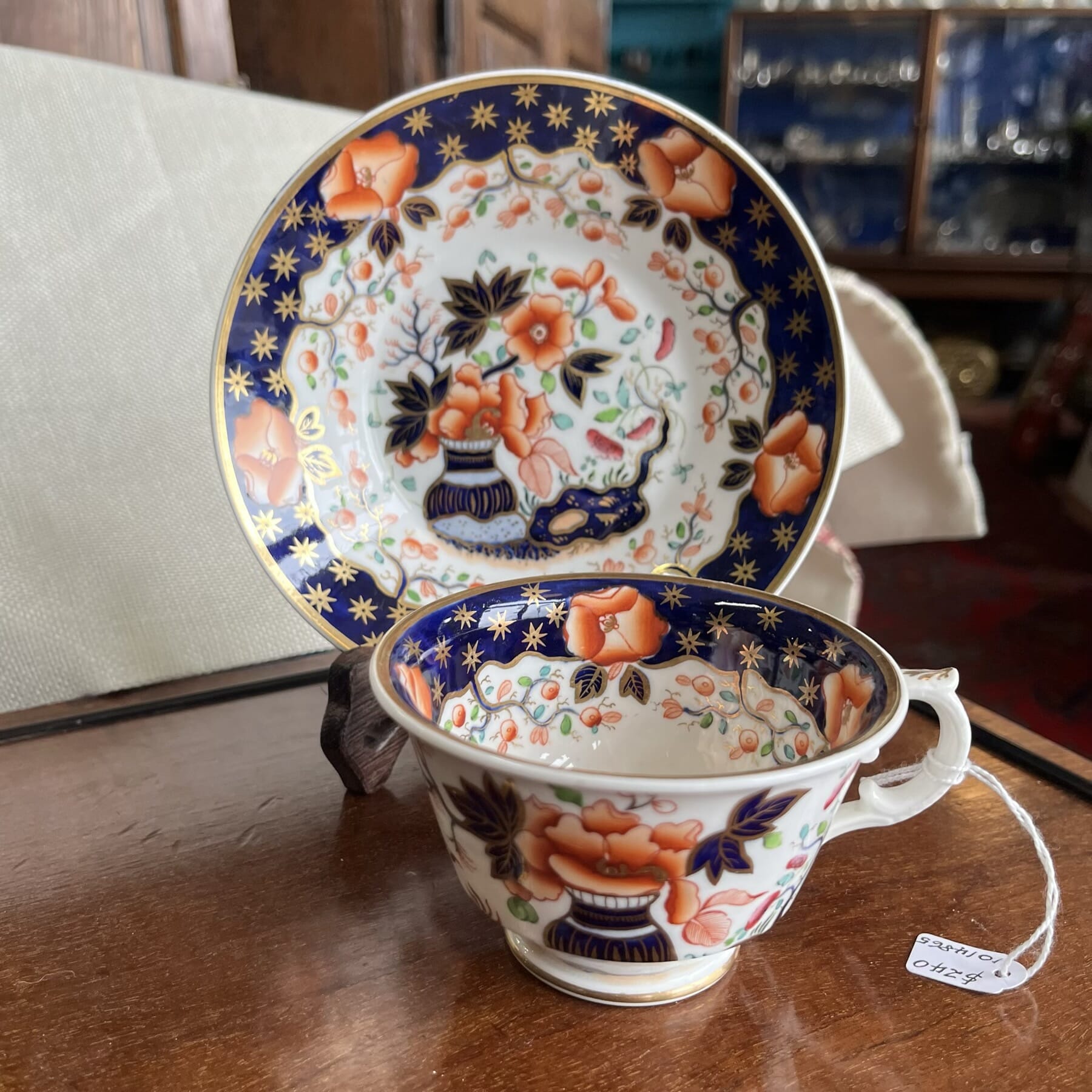
 Ridgway cup & saucer, Imari pattern, c. 1825$240.00 AUD
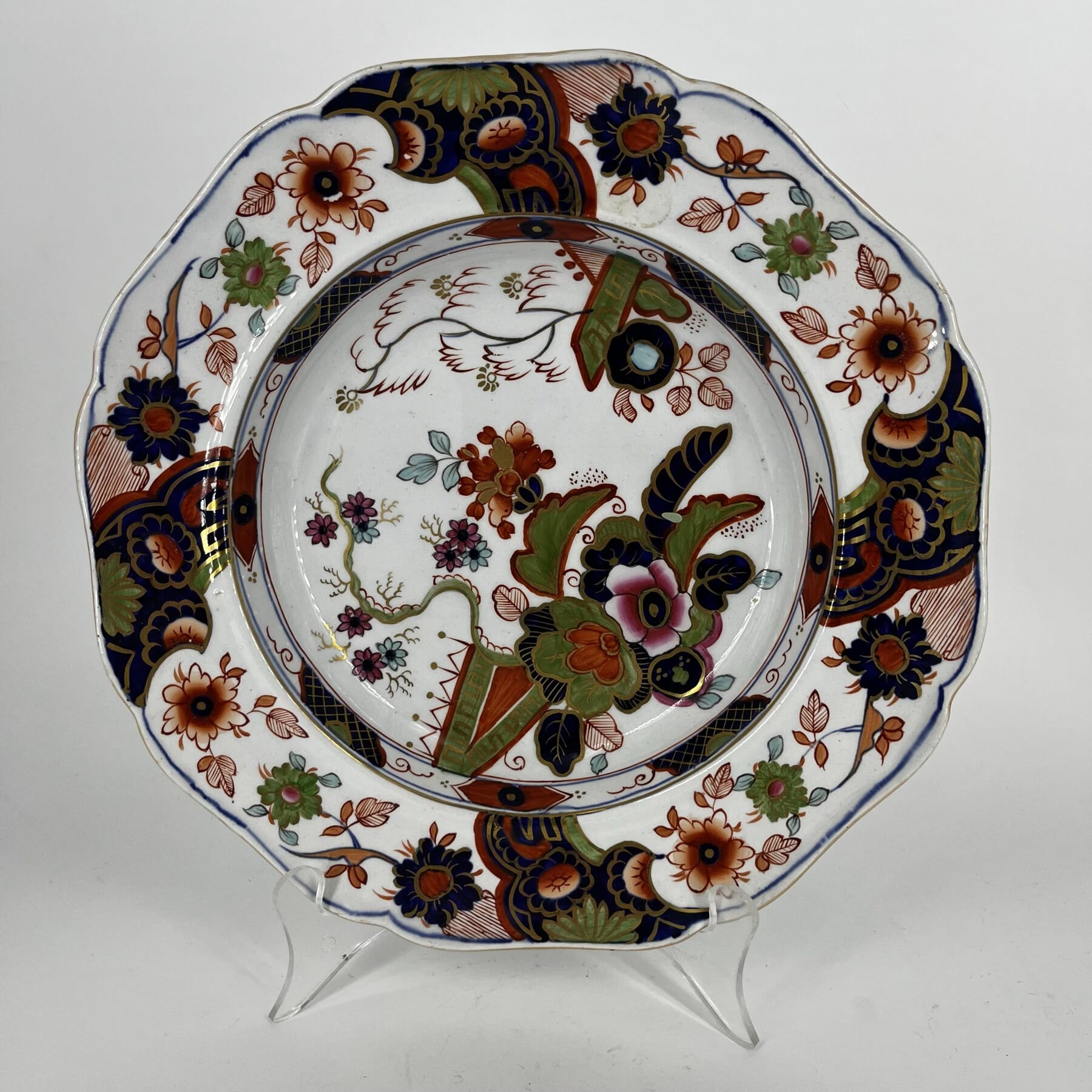
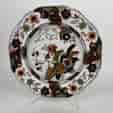 Ridgway Ironstone soup plate, Imari pattern 4511, c.1830$265.00 AUD
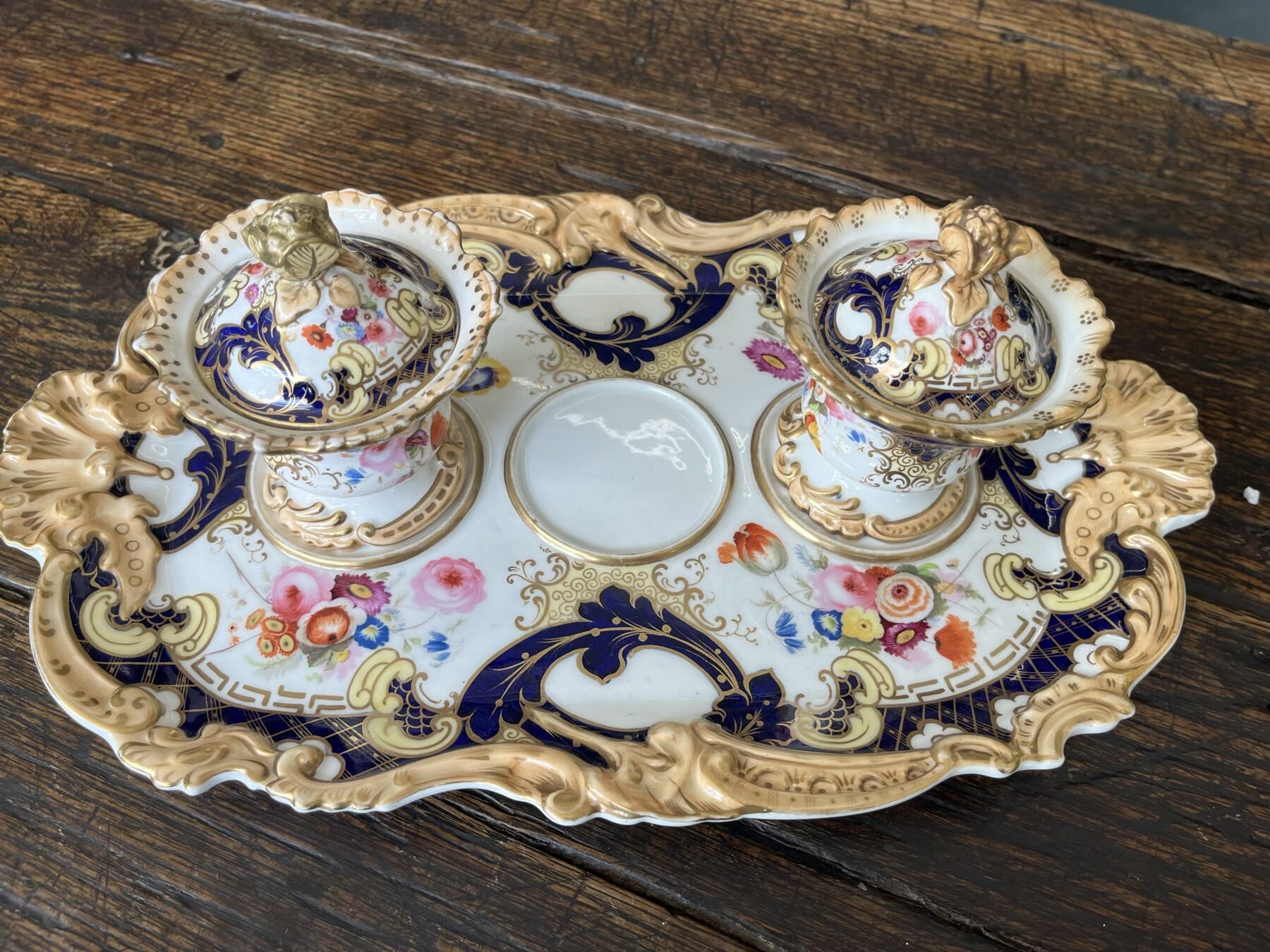
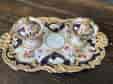 Ridgway desk set with superb flower painting, C. 1835$740.00 AUD
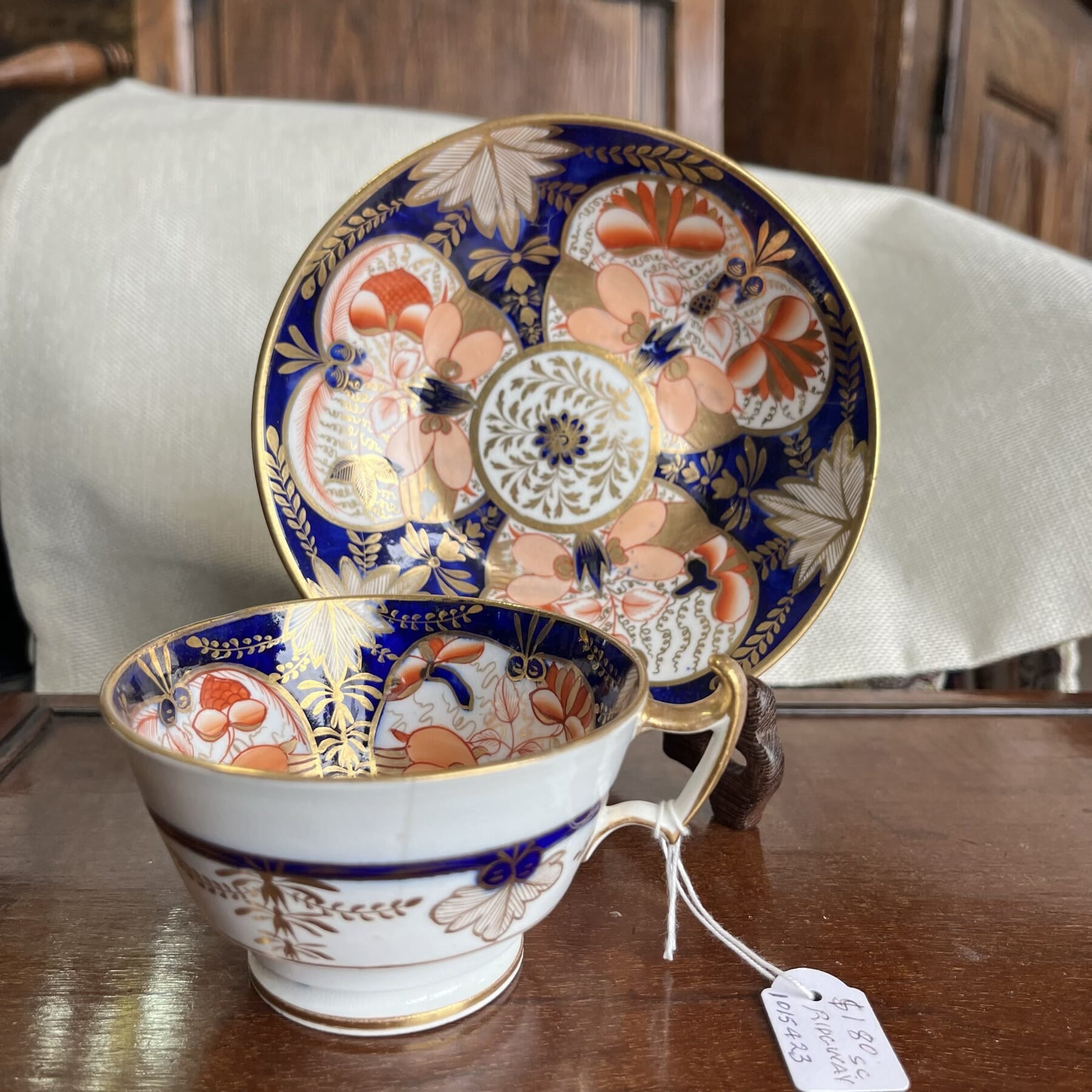
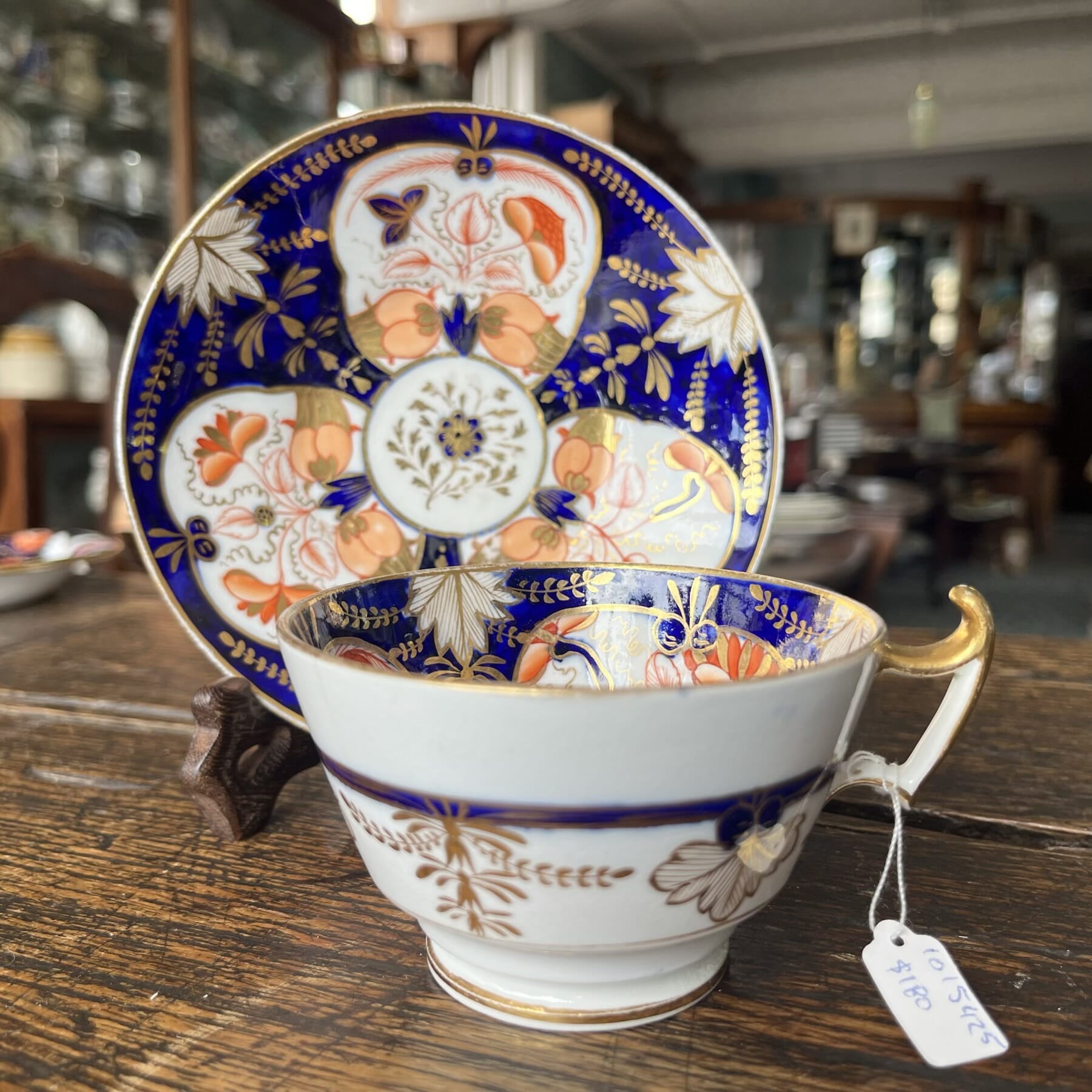
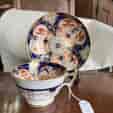 Ridgway Imari cup & saucer, pat. 128 , c.1820$180.00 AUD
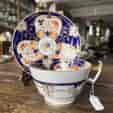 Ridgway Imari cup +saucer, pat. 128 , c.1820$240.00 AUD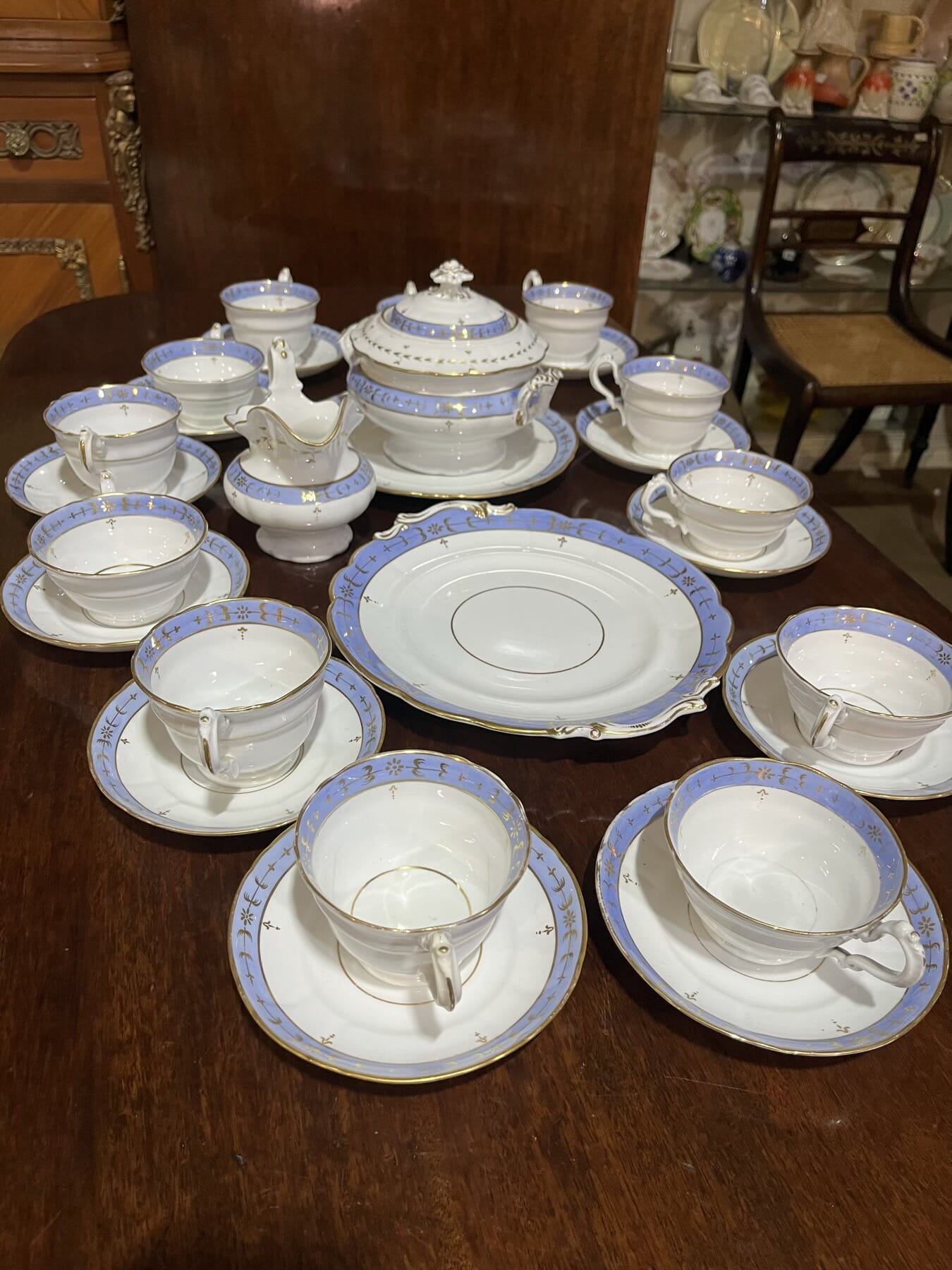
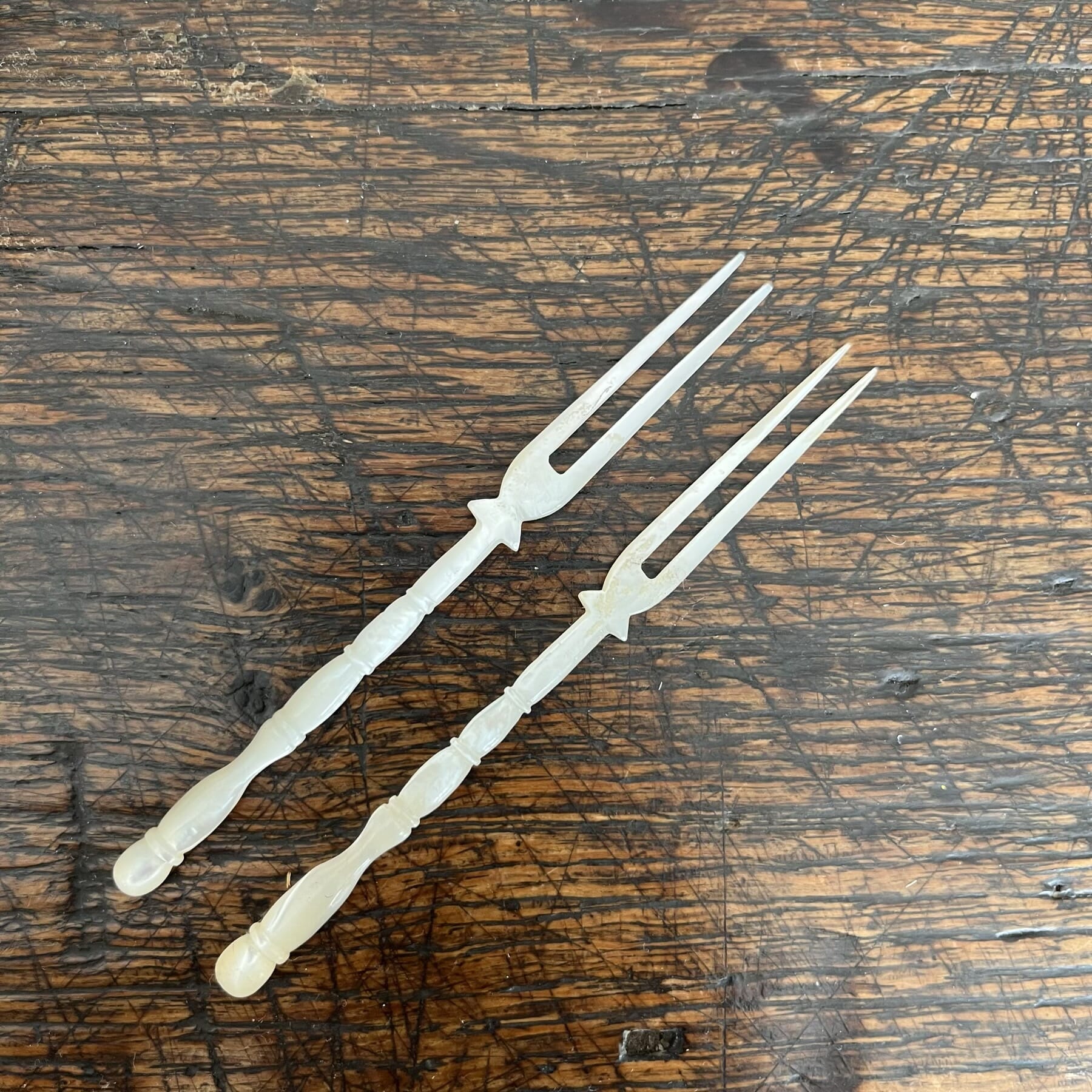
 Pair of mother of pearl cocktail forks, c 1900$35.00 AUD
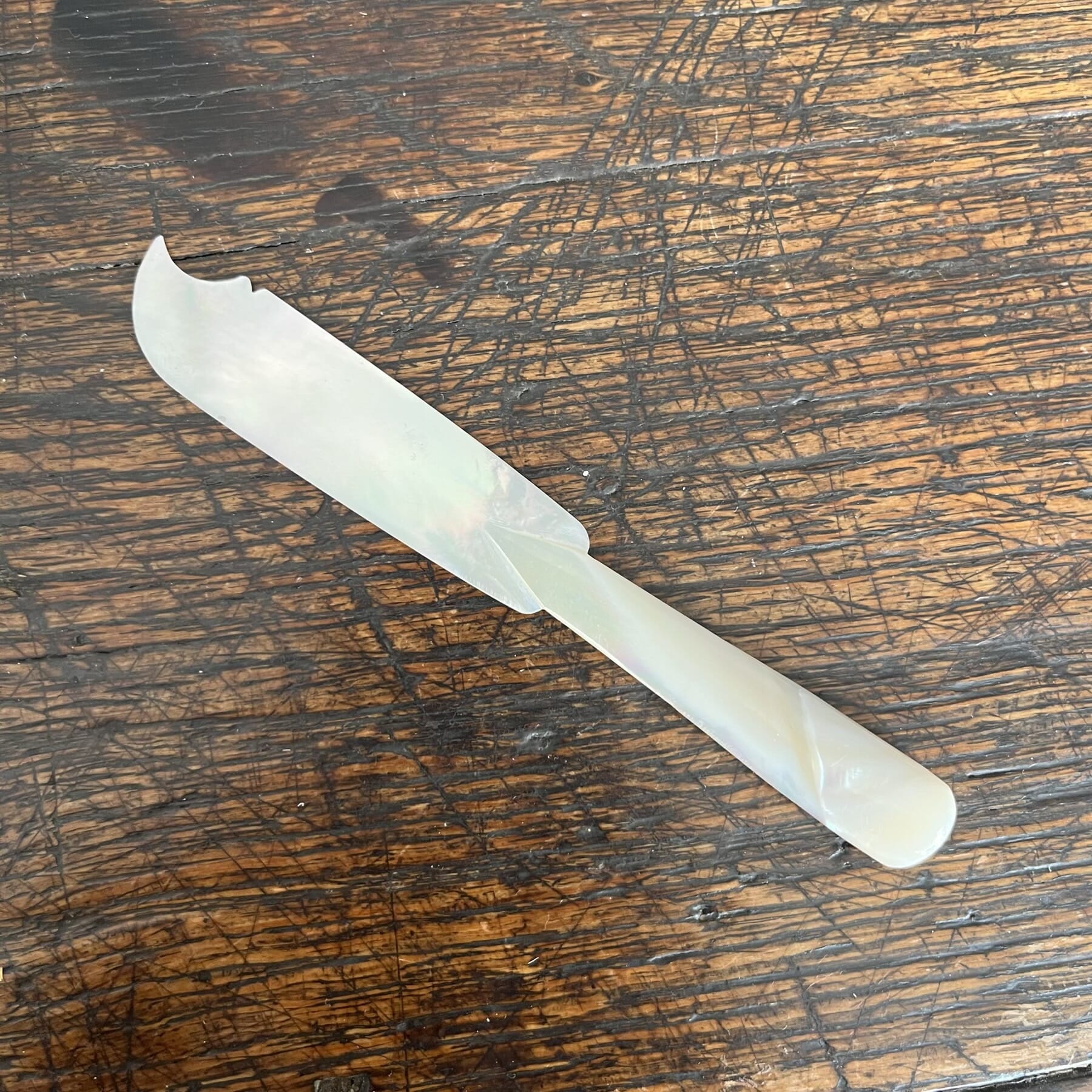
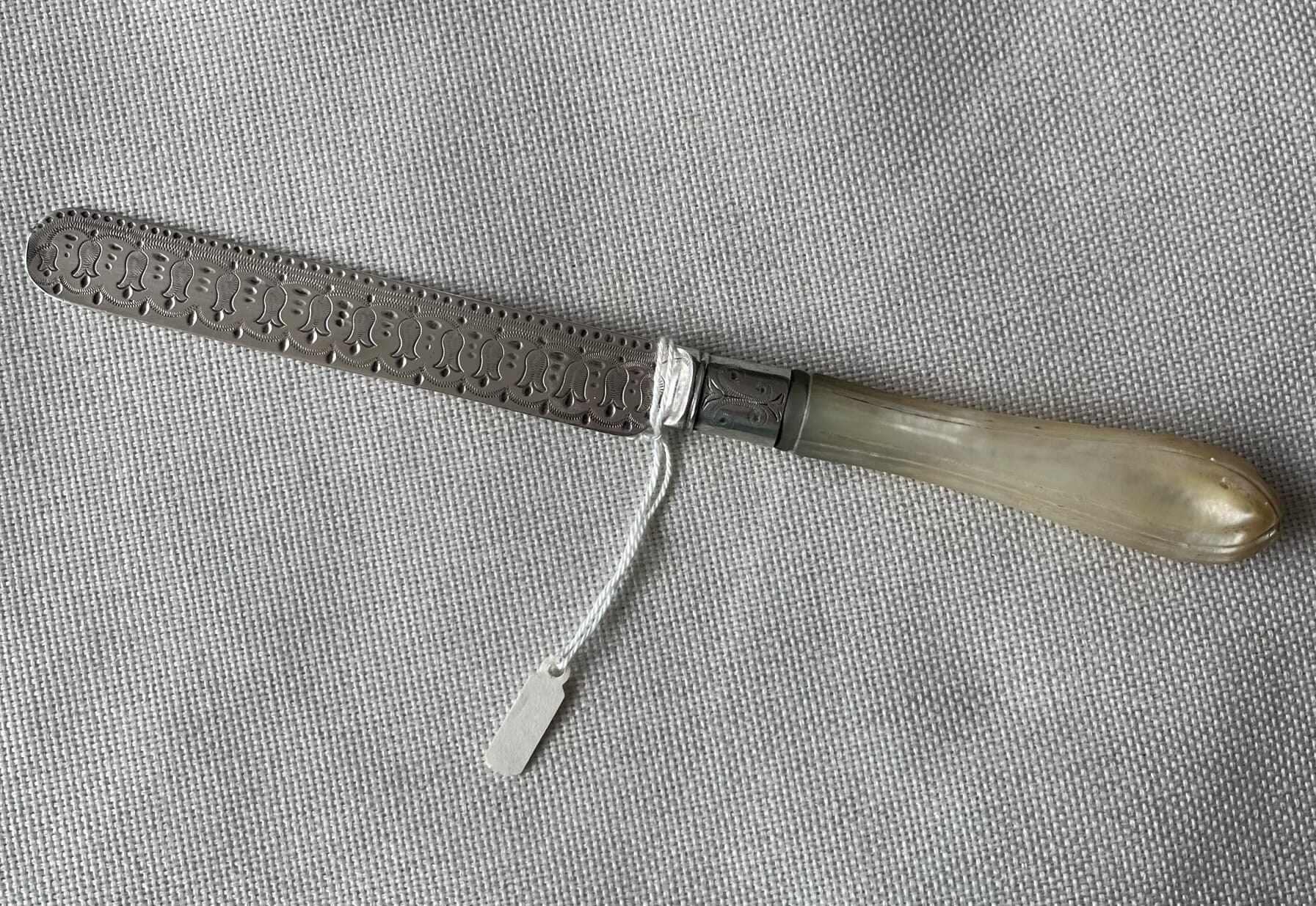
 Mother of pearl pate knife. C 1900$45.00 AUD
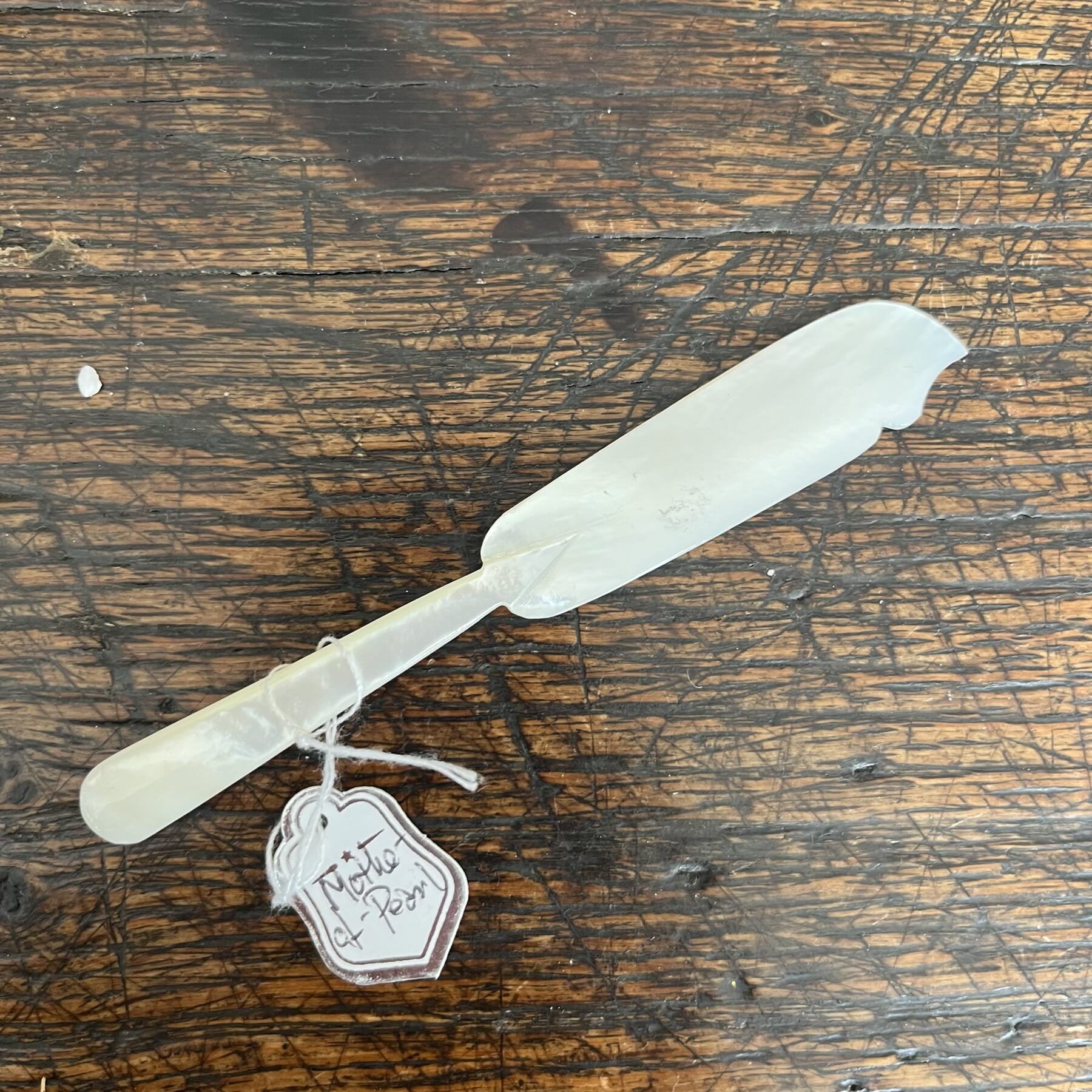
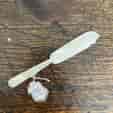 Mother of pearl pate knife$45.00 AUD
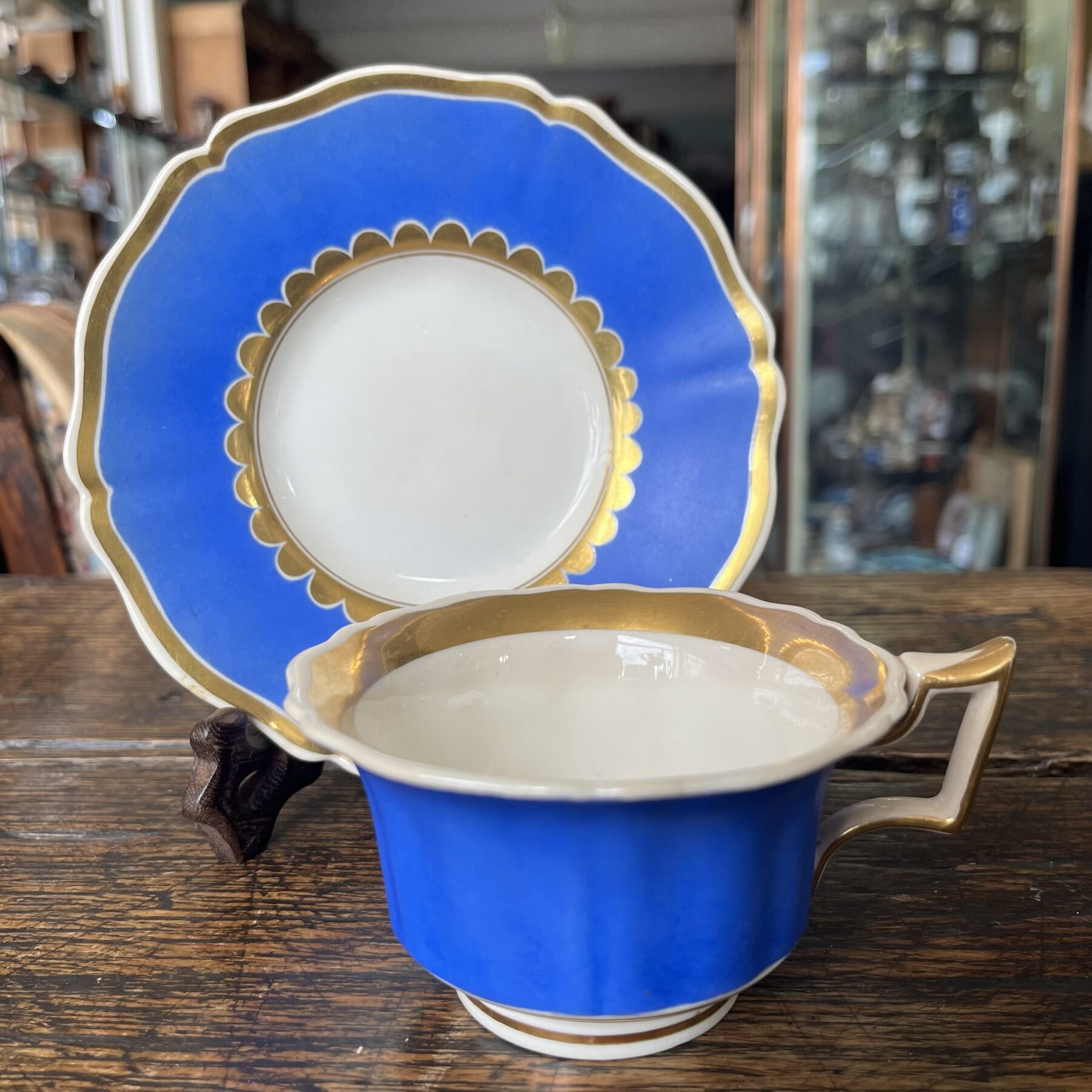
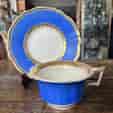 Rockingham ‘Old English’ shape cup & saucer, periwinkle blue ground & gilt rims, c.1830$580.00 AUD
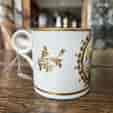 Machin porcelain coffee can, landscape panel pat. 101, c. 1810Sold
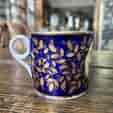 Early Minton porcelain coffee can, pat. 876, circa 1815Sold
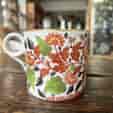 Early Minton Porcelain coffee can, red Oriental Garden print painted pat. 236, c.1815Sold
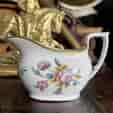 London shaped New Hall creamer, c.1815$280.00 AUD
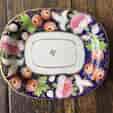 Newhall teapot stand, pattern 1341 – flowers on blue, c. 1810$165.00 AUD
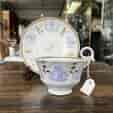 Samuel Alcock cup + saucer, lavender sprigged ‘Rural Occupations’ c.1825$225.00 AUD