Posted on

Fresh for Spring!

Welcome to our Fresh stock – on the First Day of Spring (for us Southerners!).

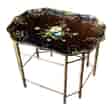
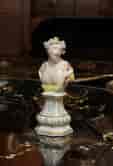
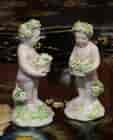
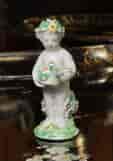
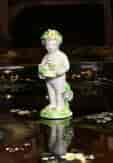
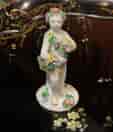
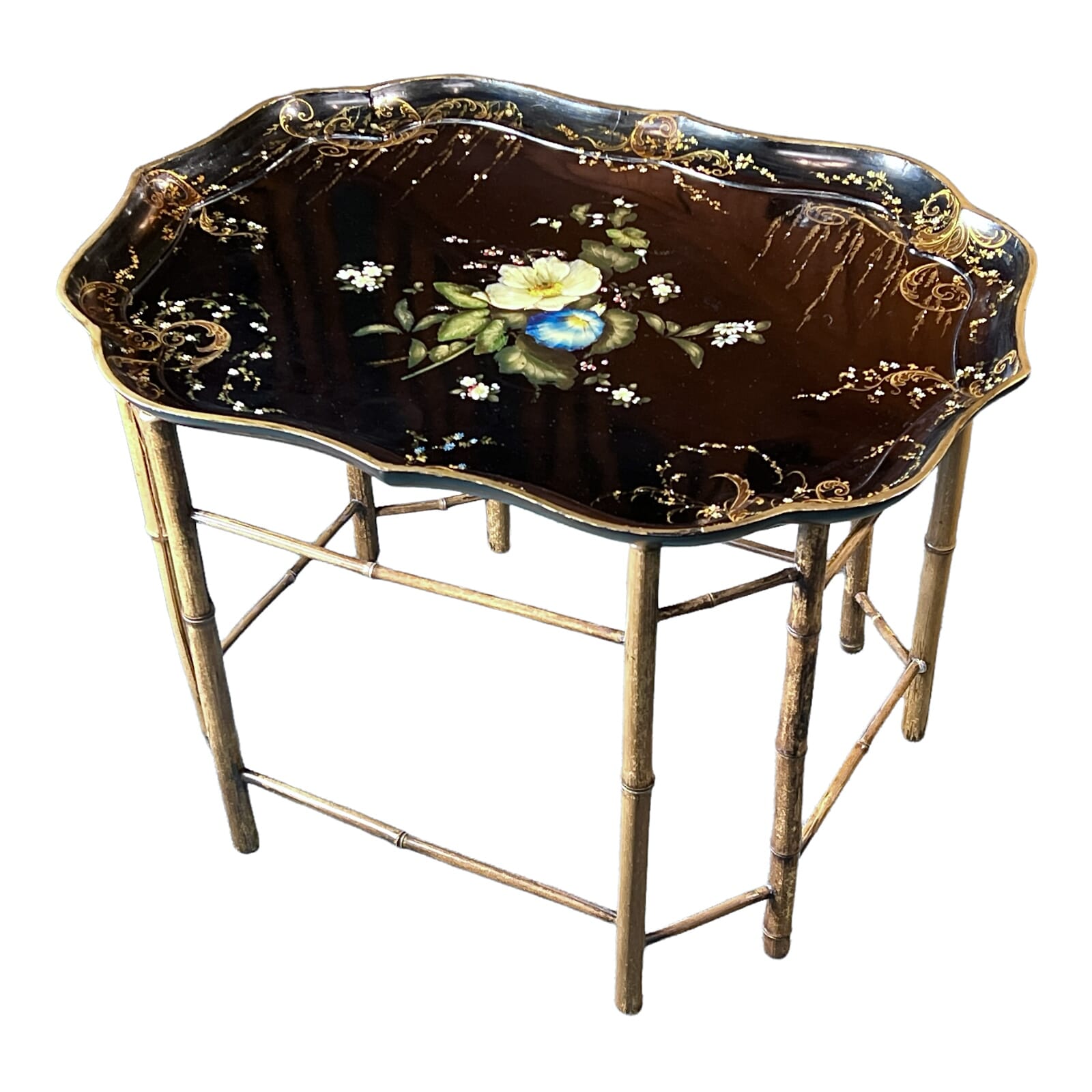
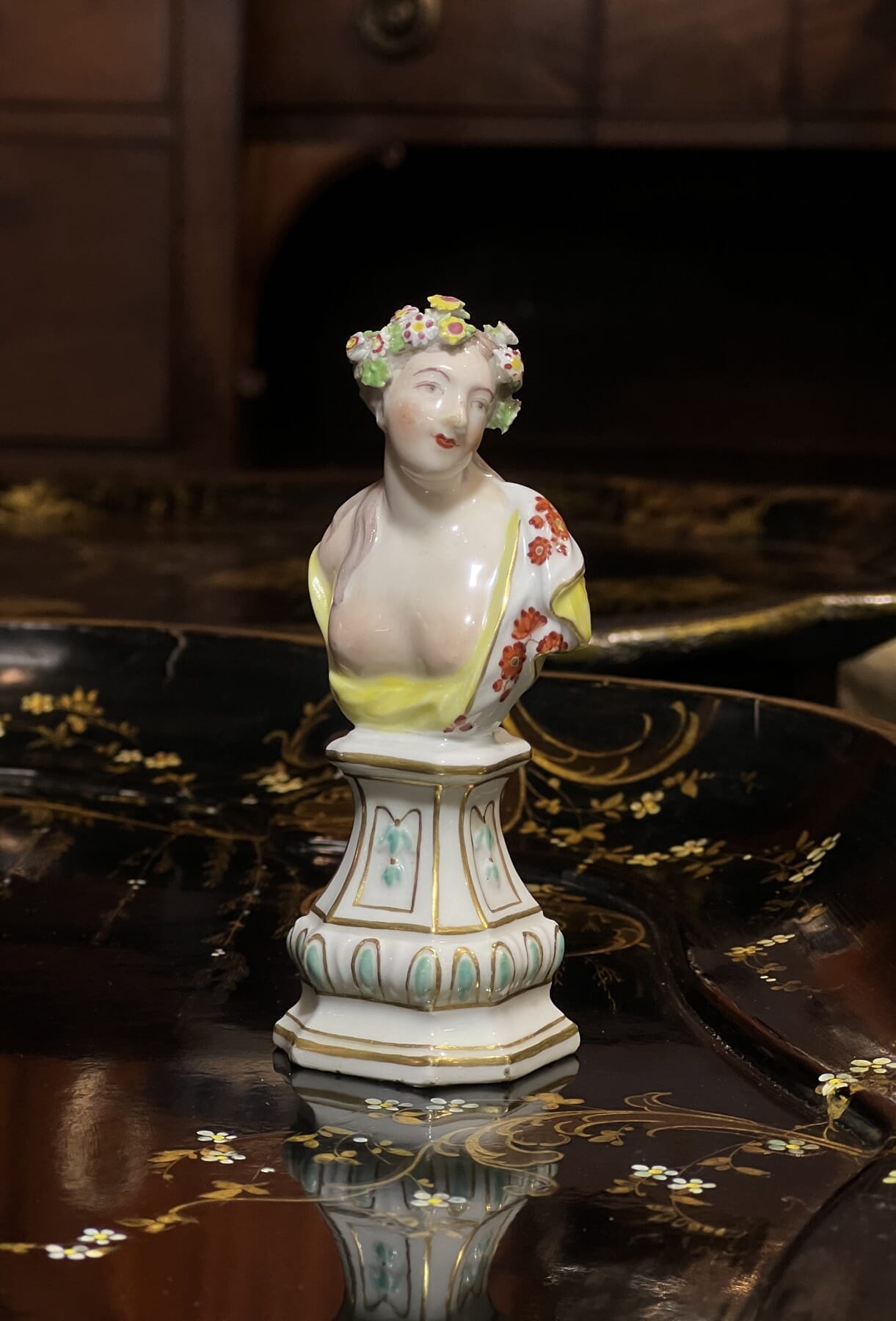
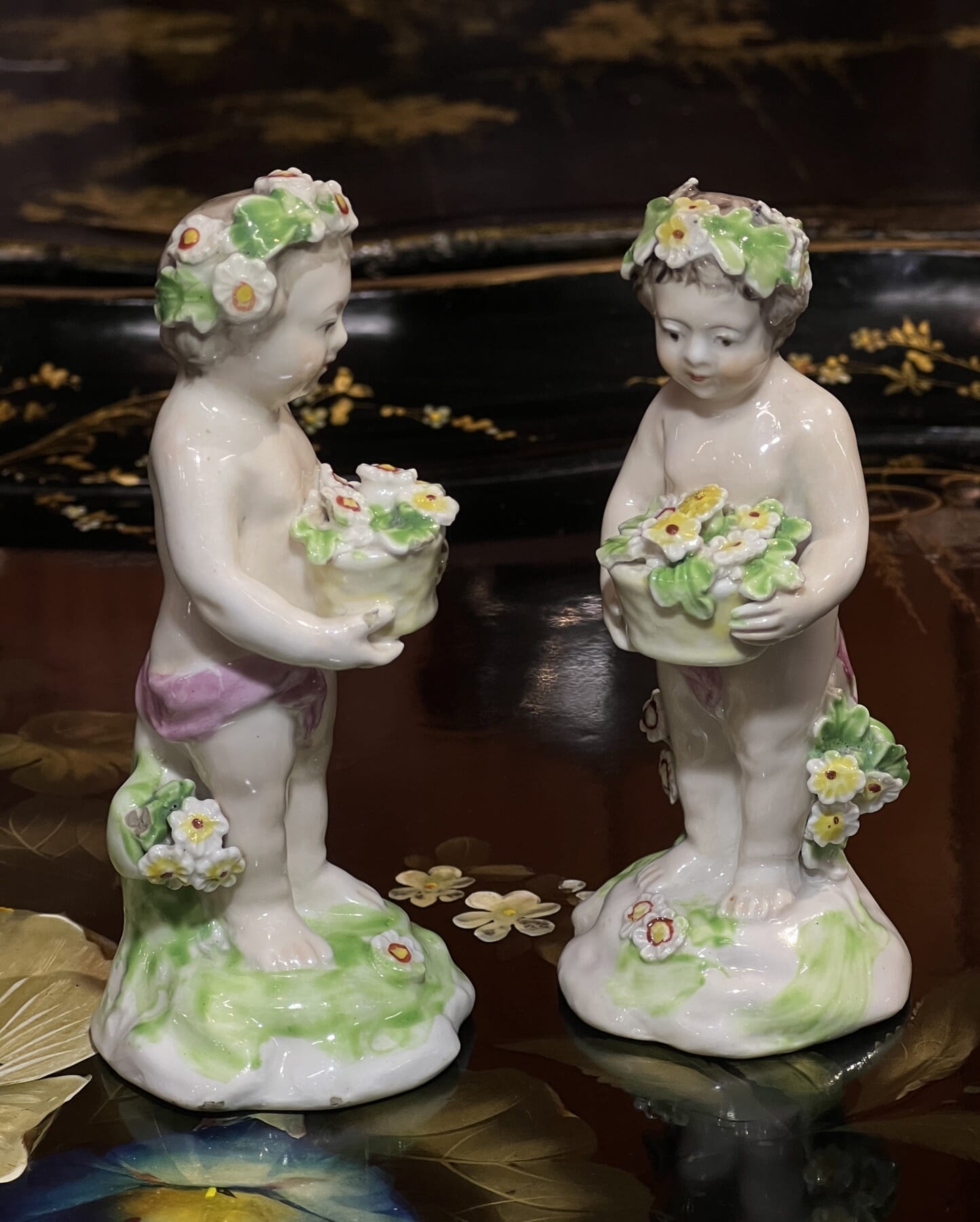
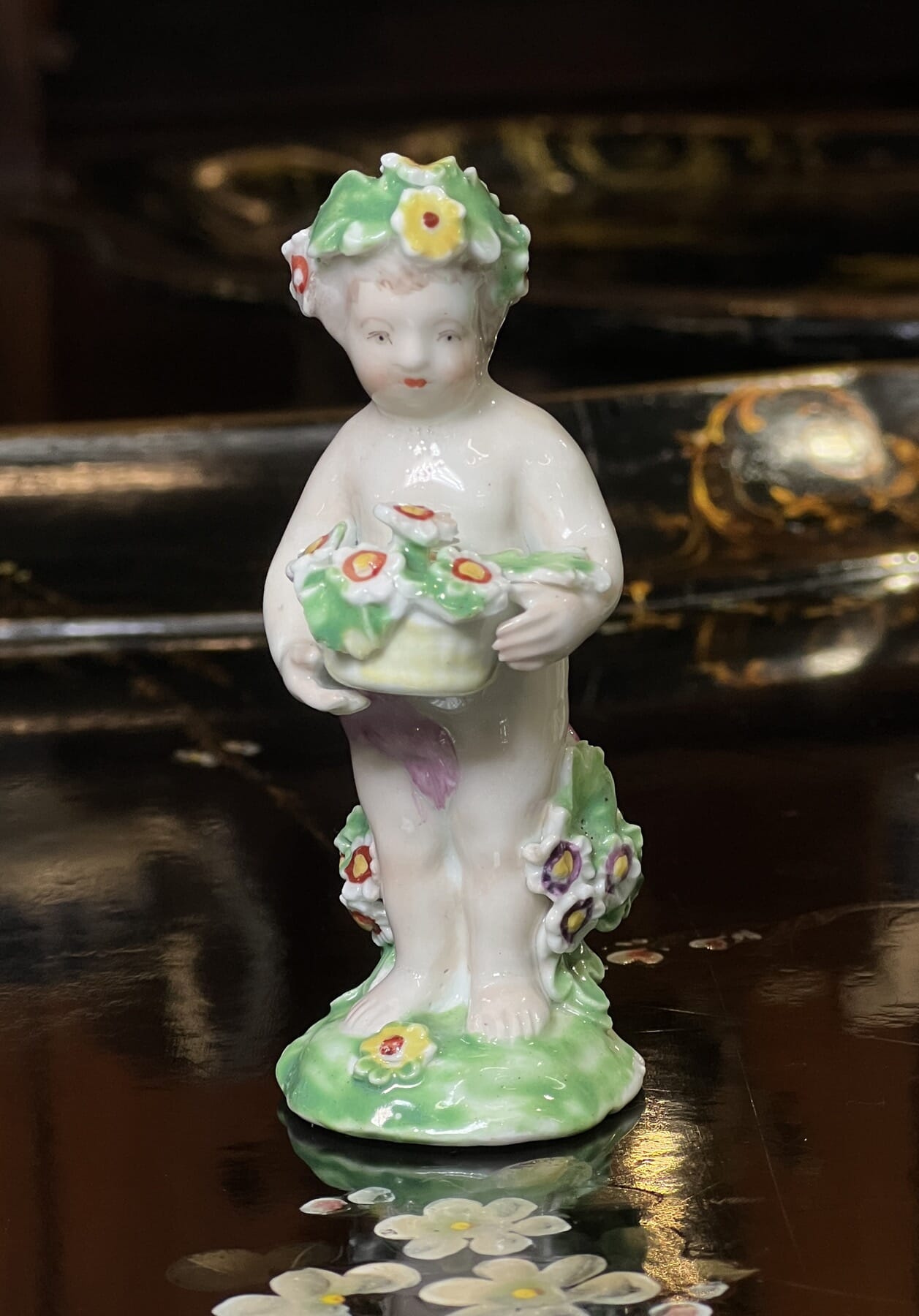
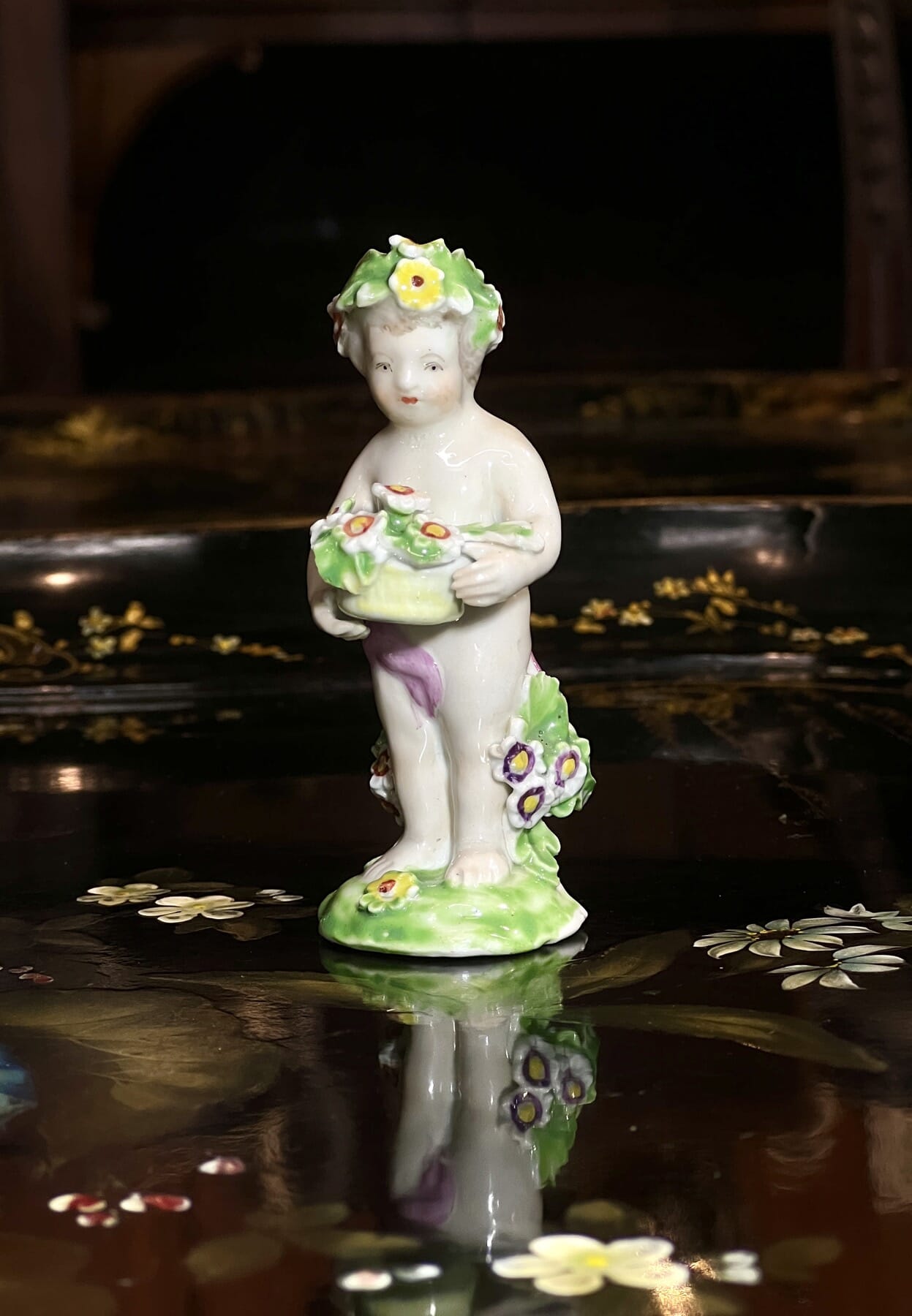
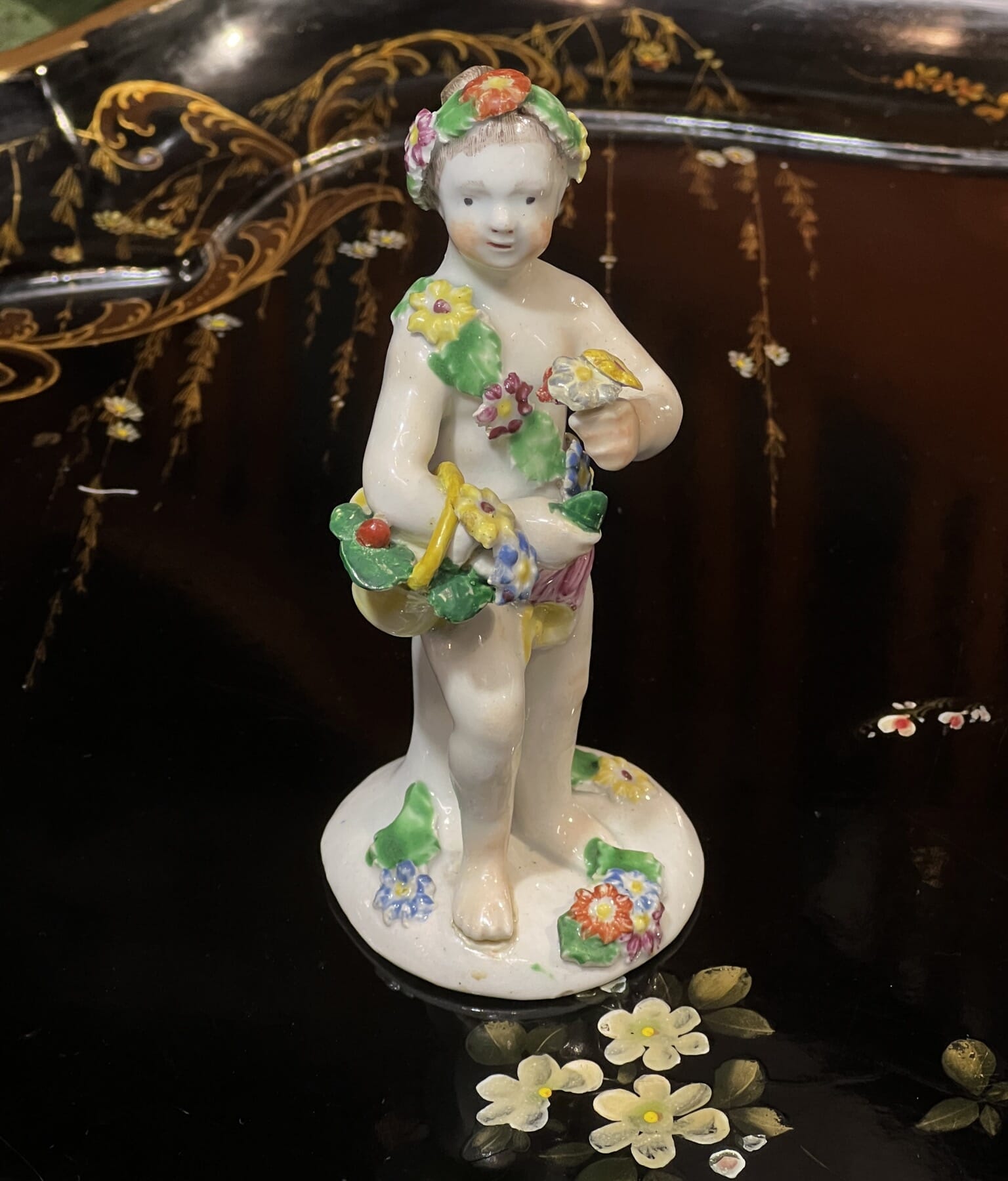
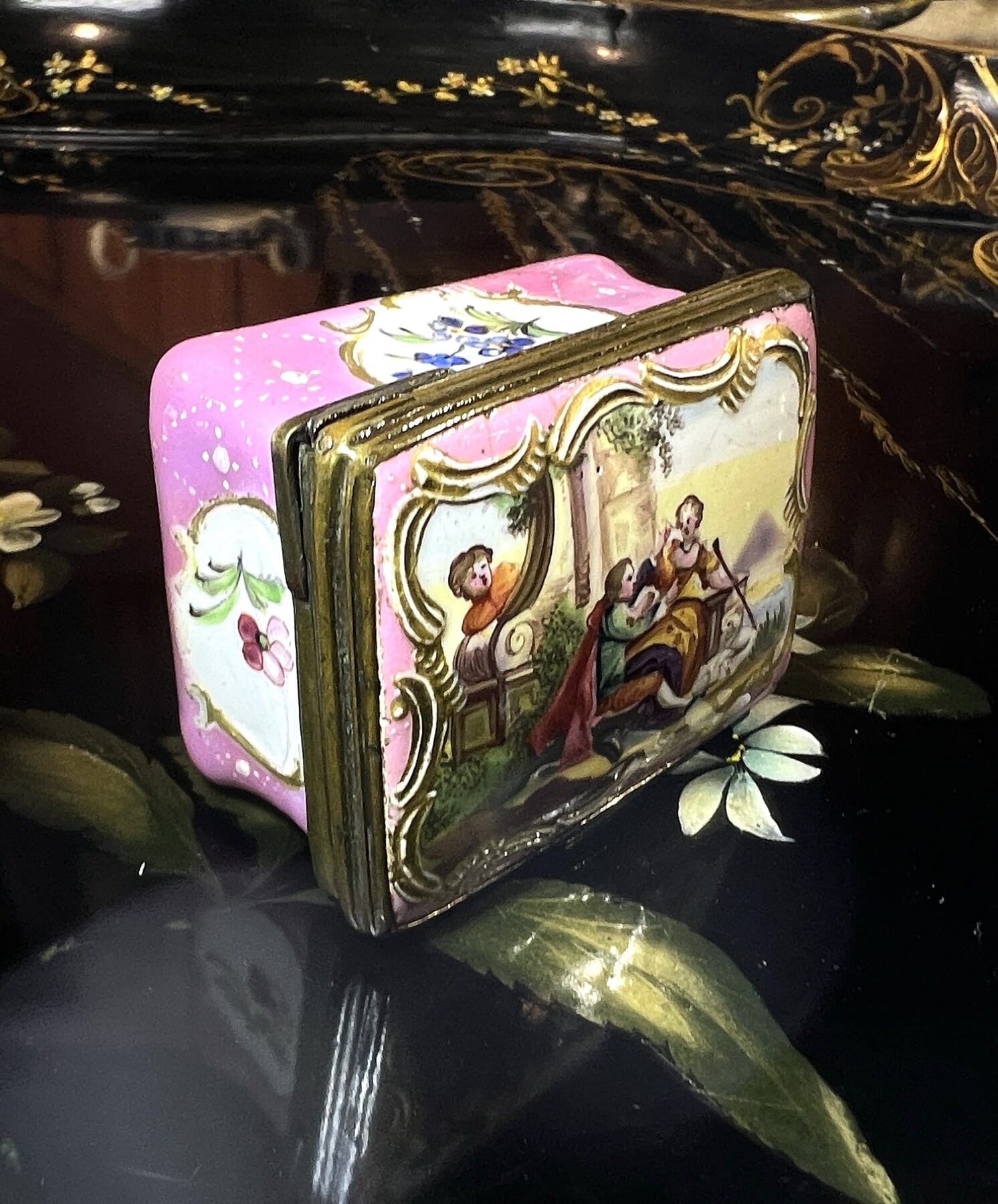
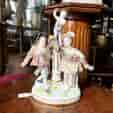
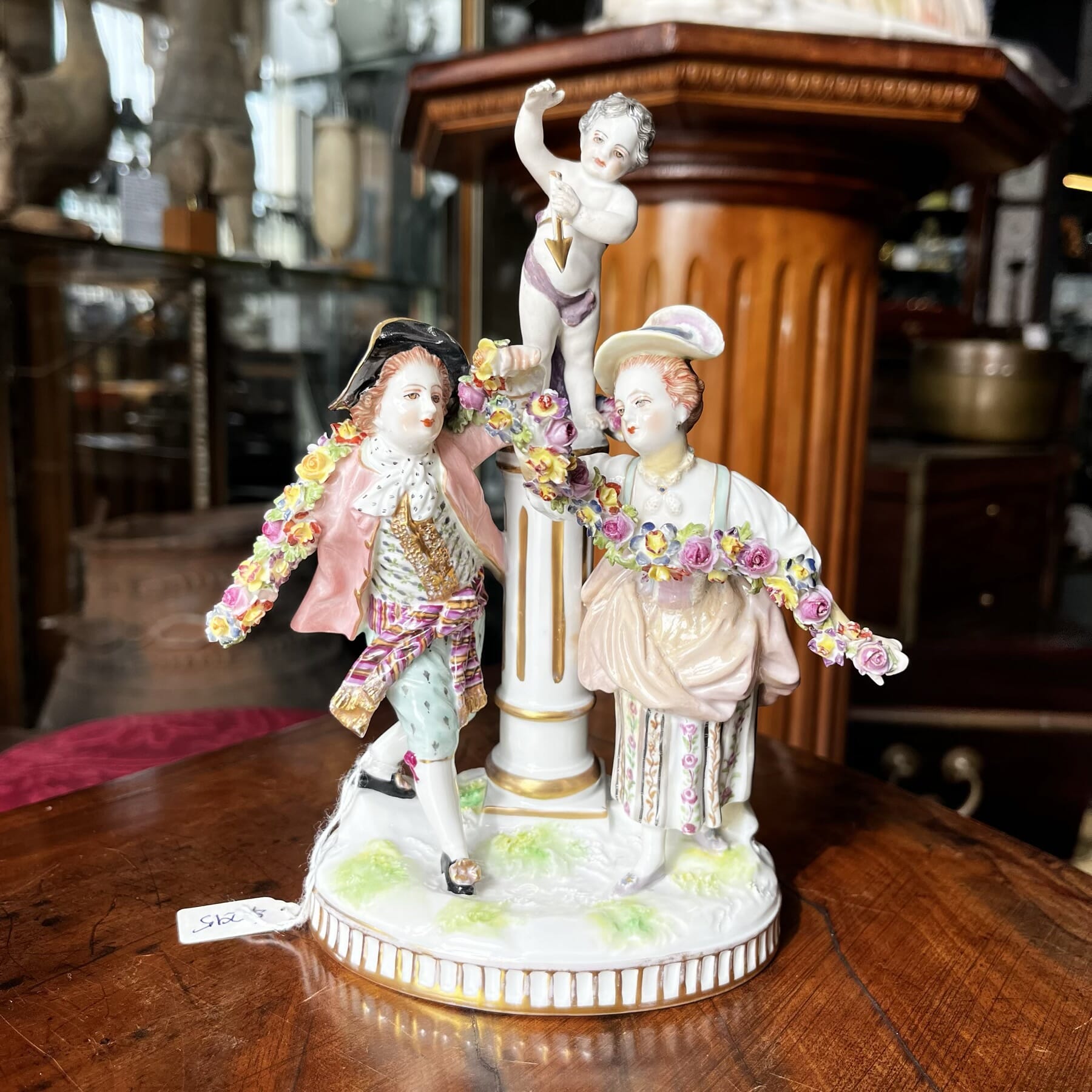
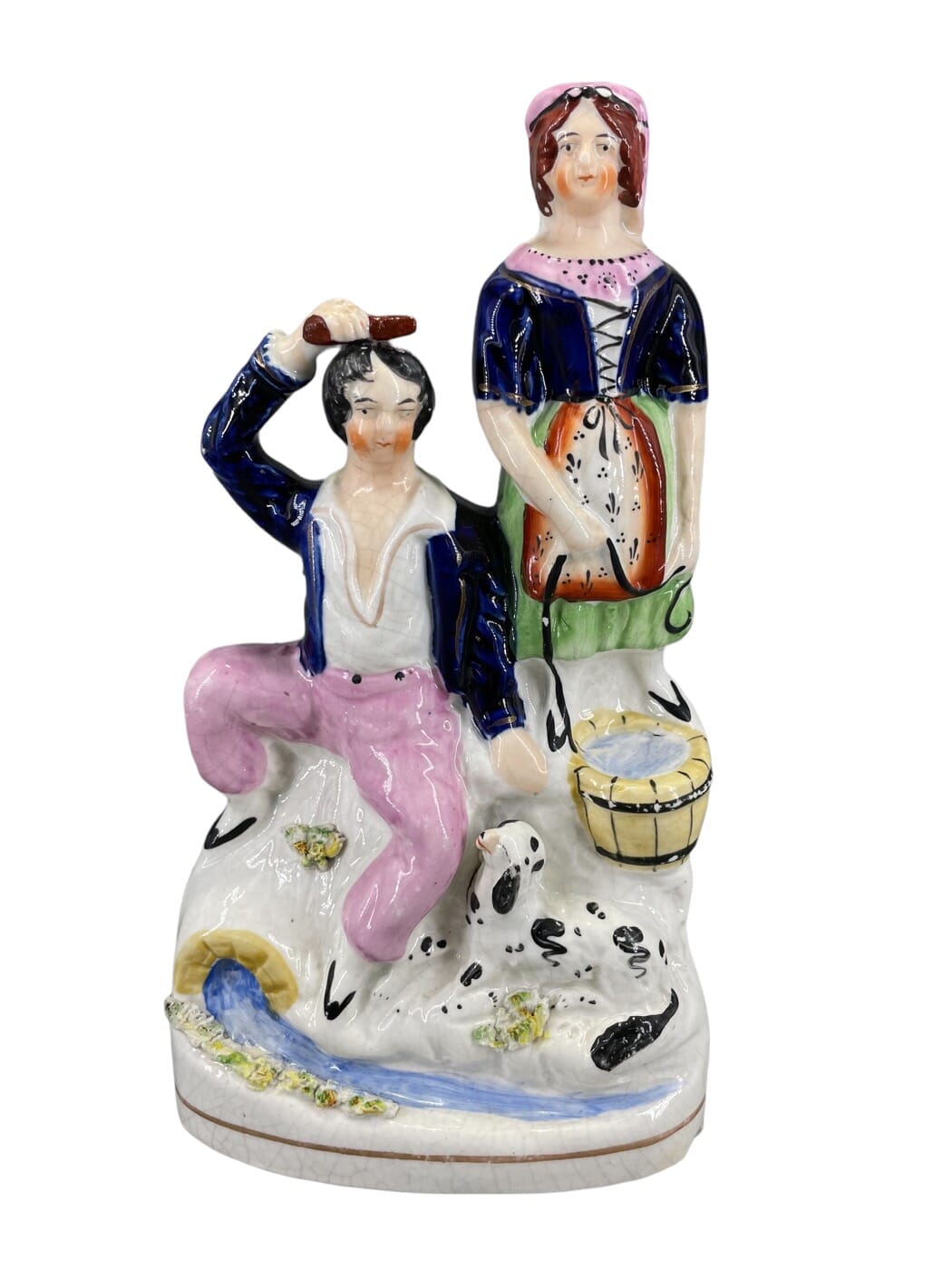
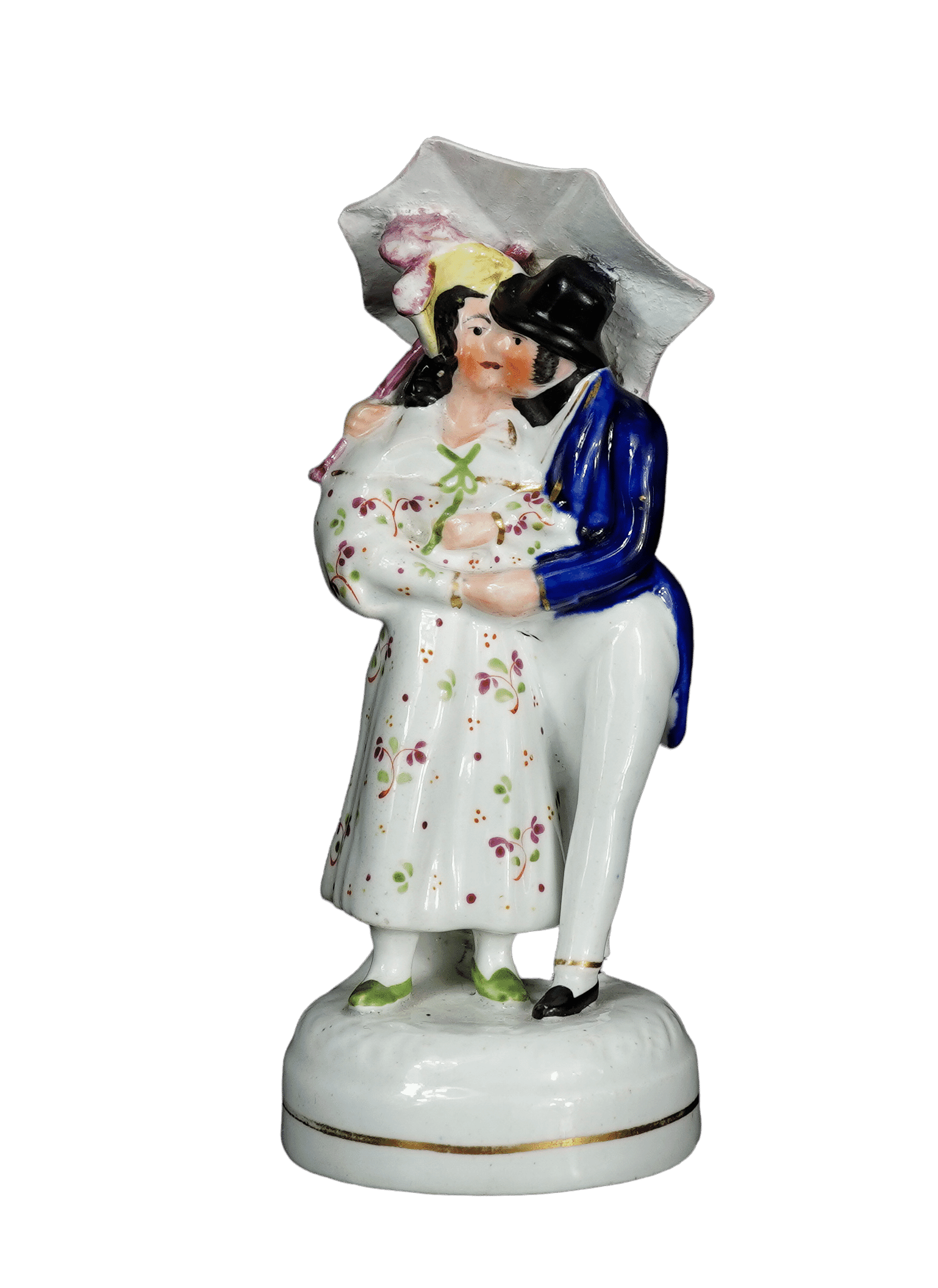
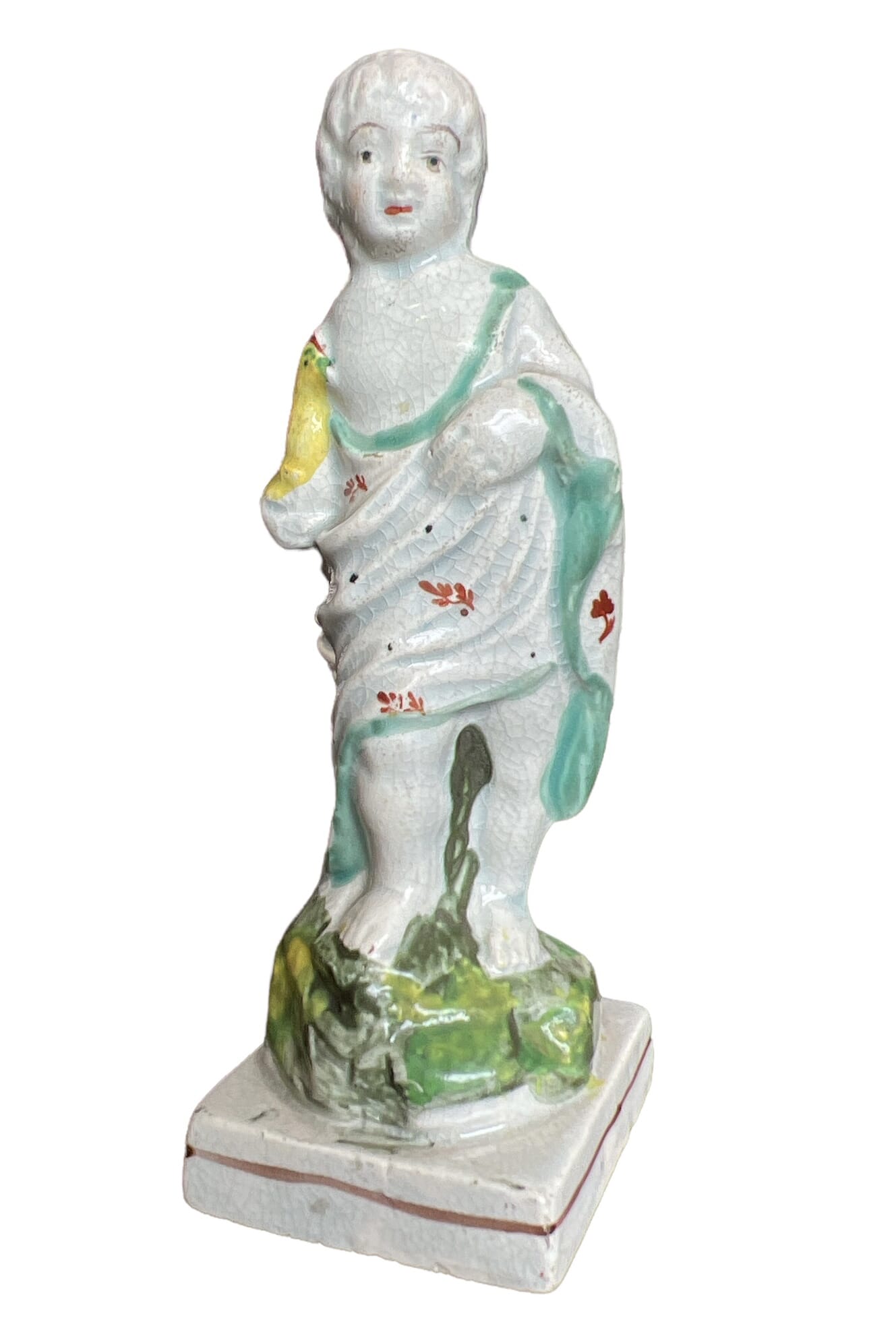
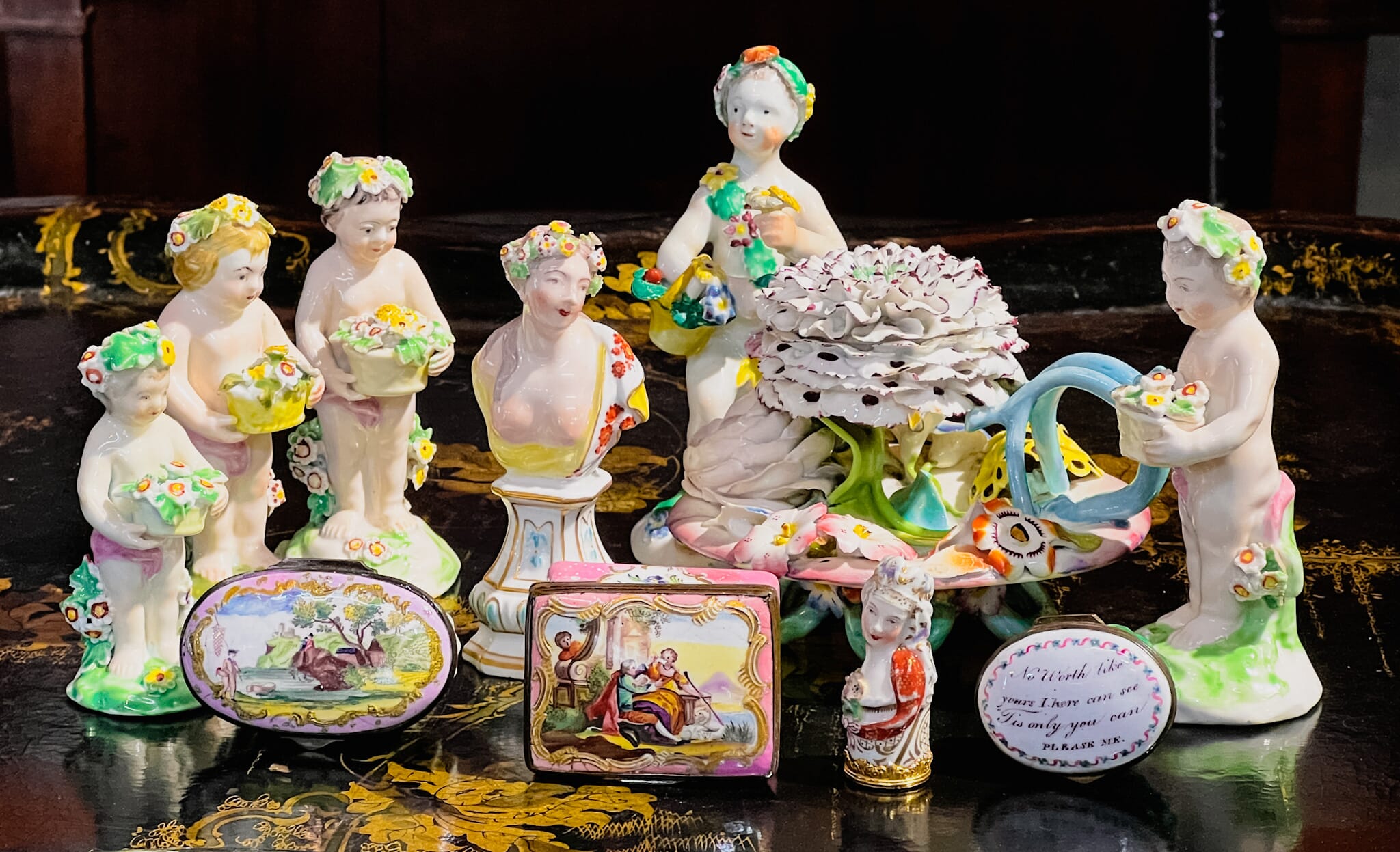
What better way to welcome Spring than with some Derby children with flowers…. and the Regency lacquer tray they are displayed on is simply sensational, converted into a ‘coffee table’ by mounting it on a bamboo base.

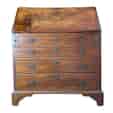
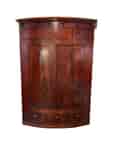
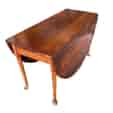
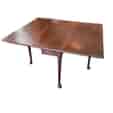
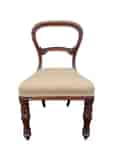
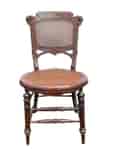
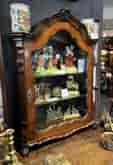
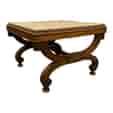
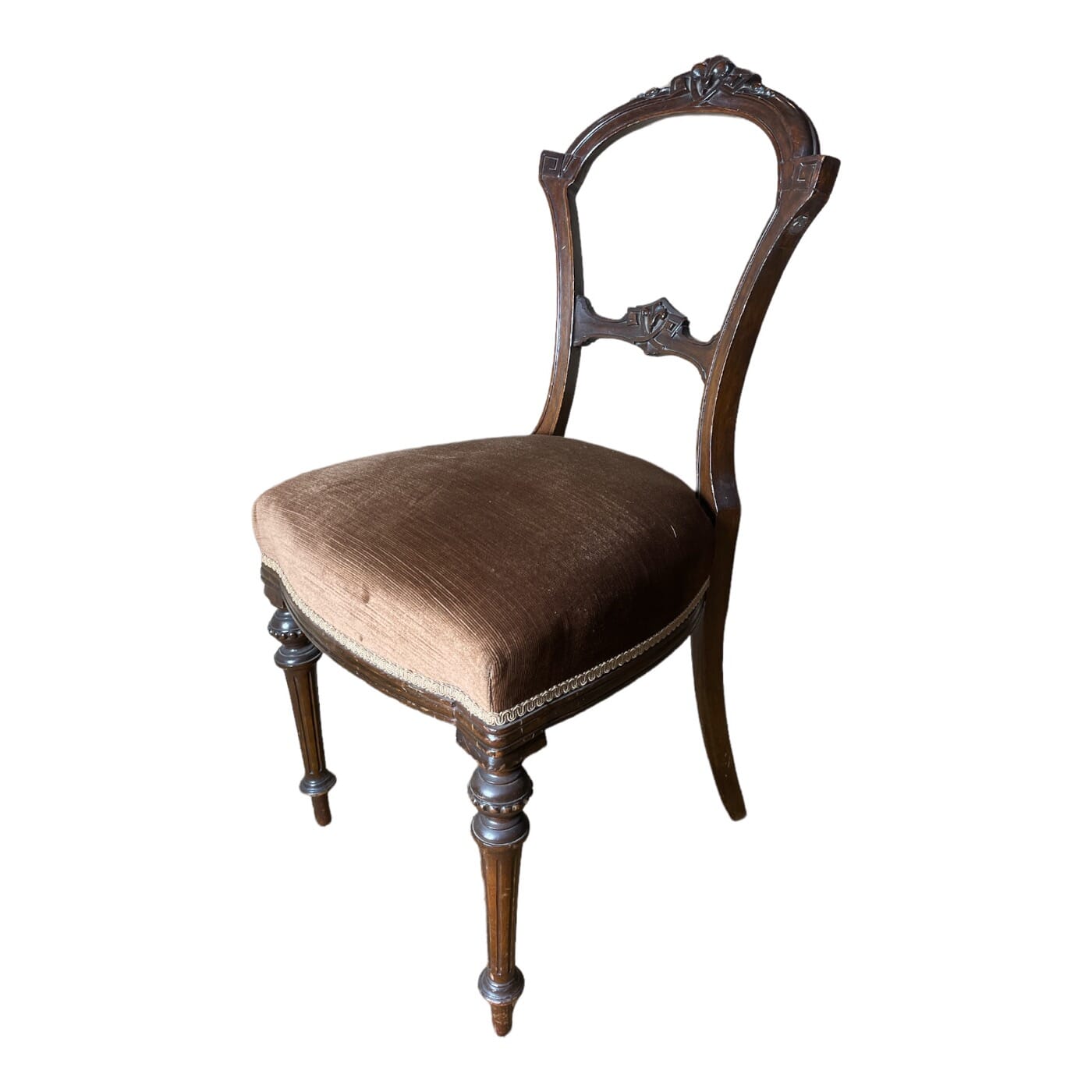
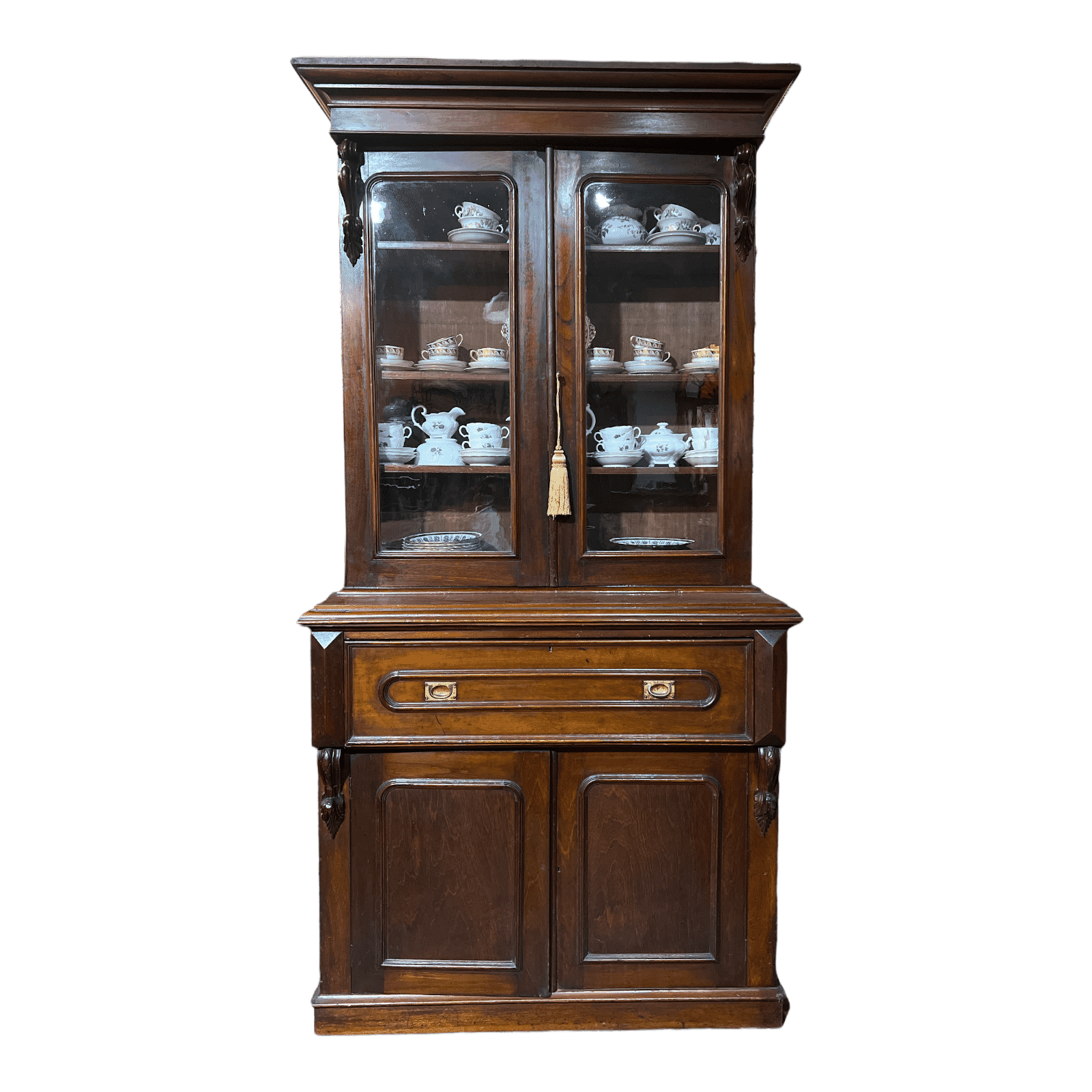
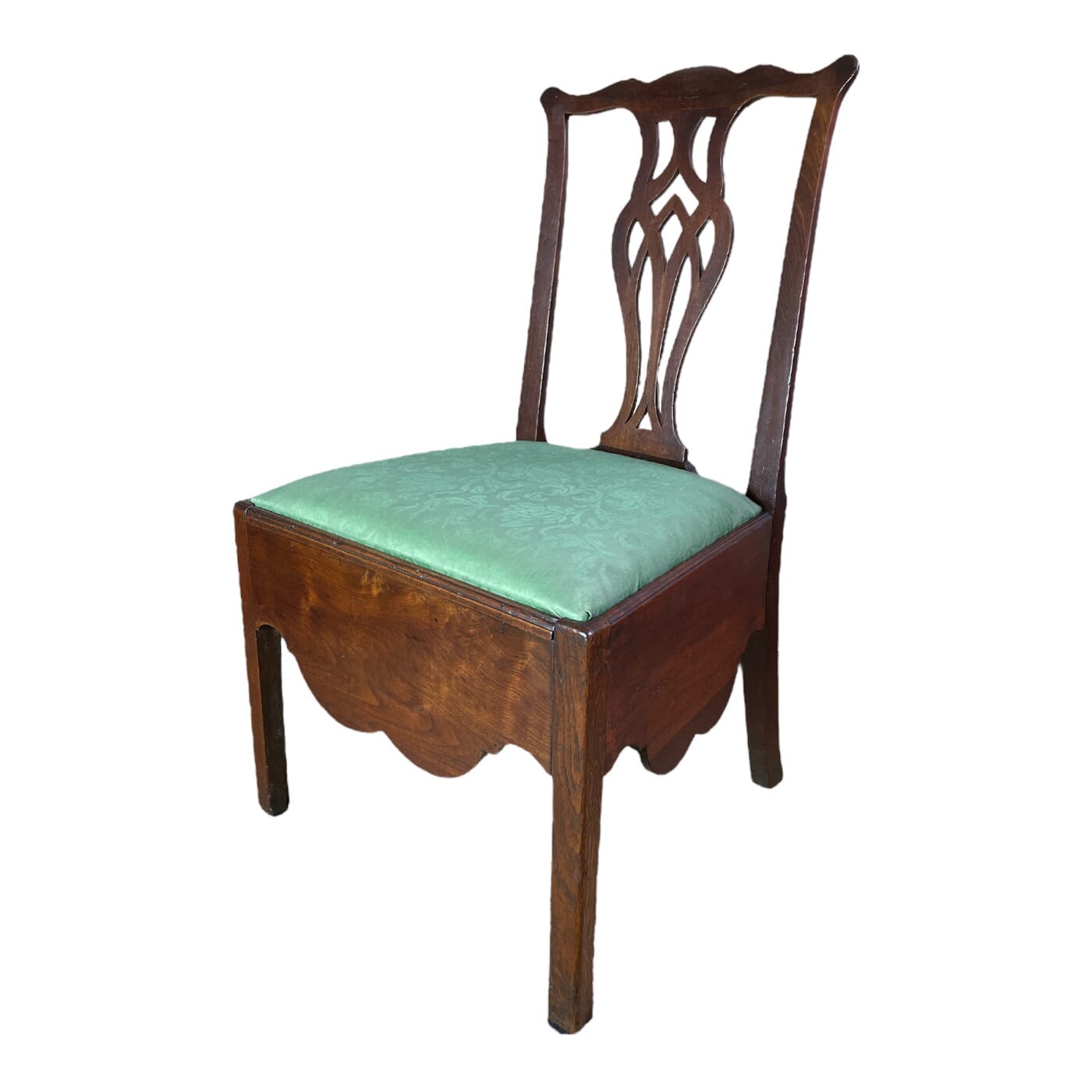
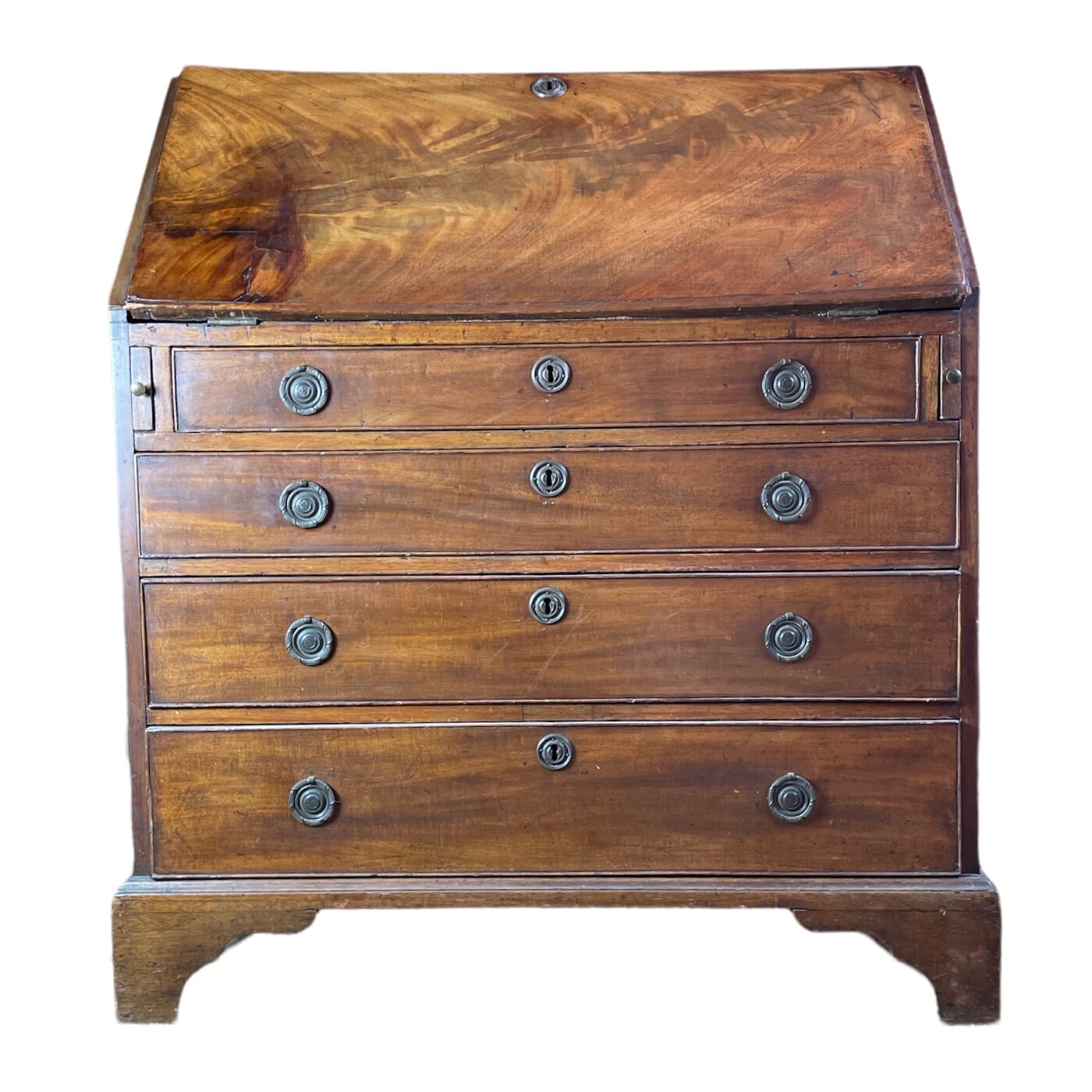
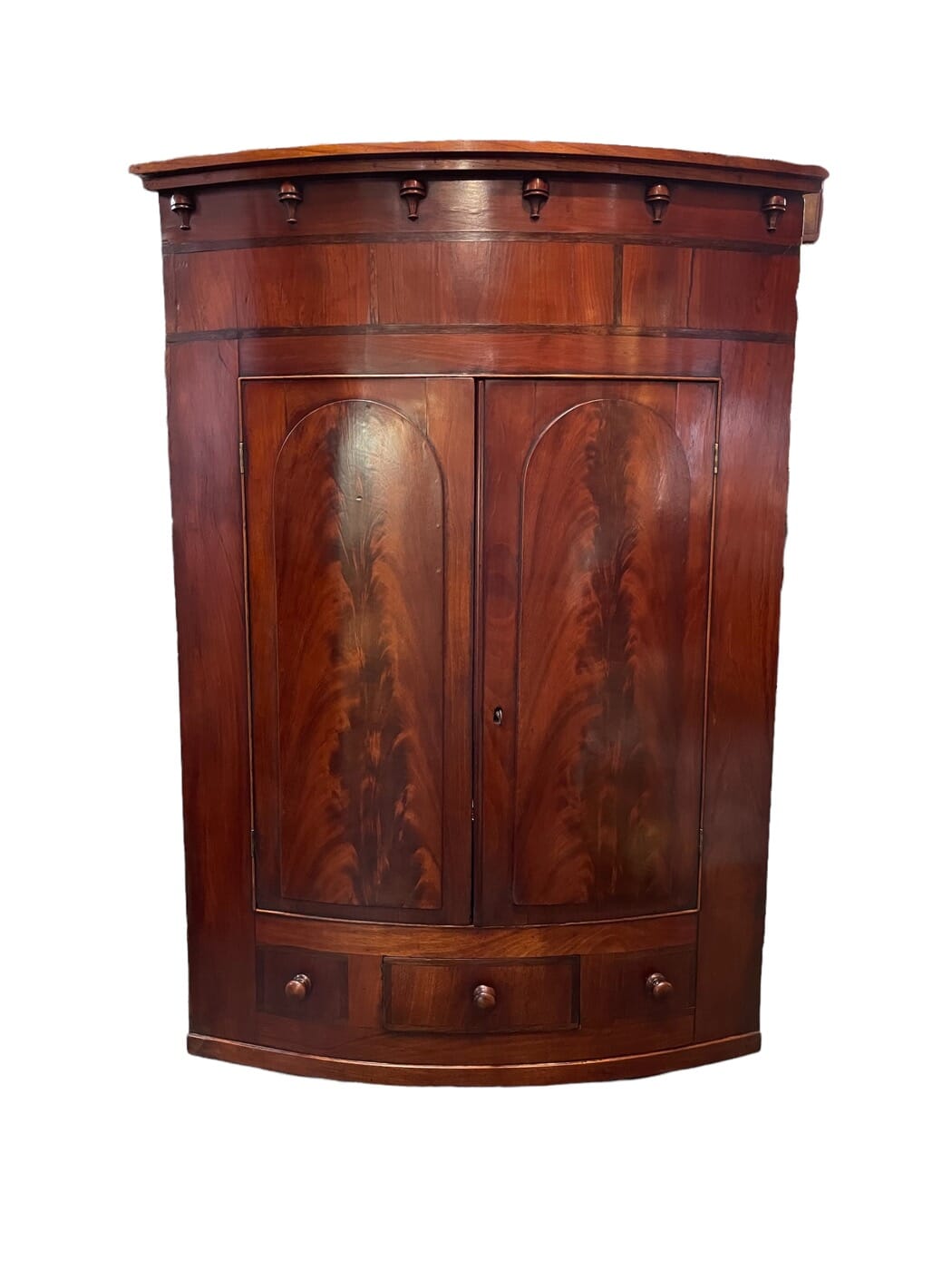
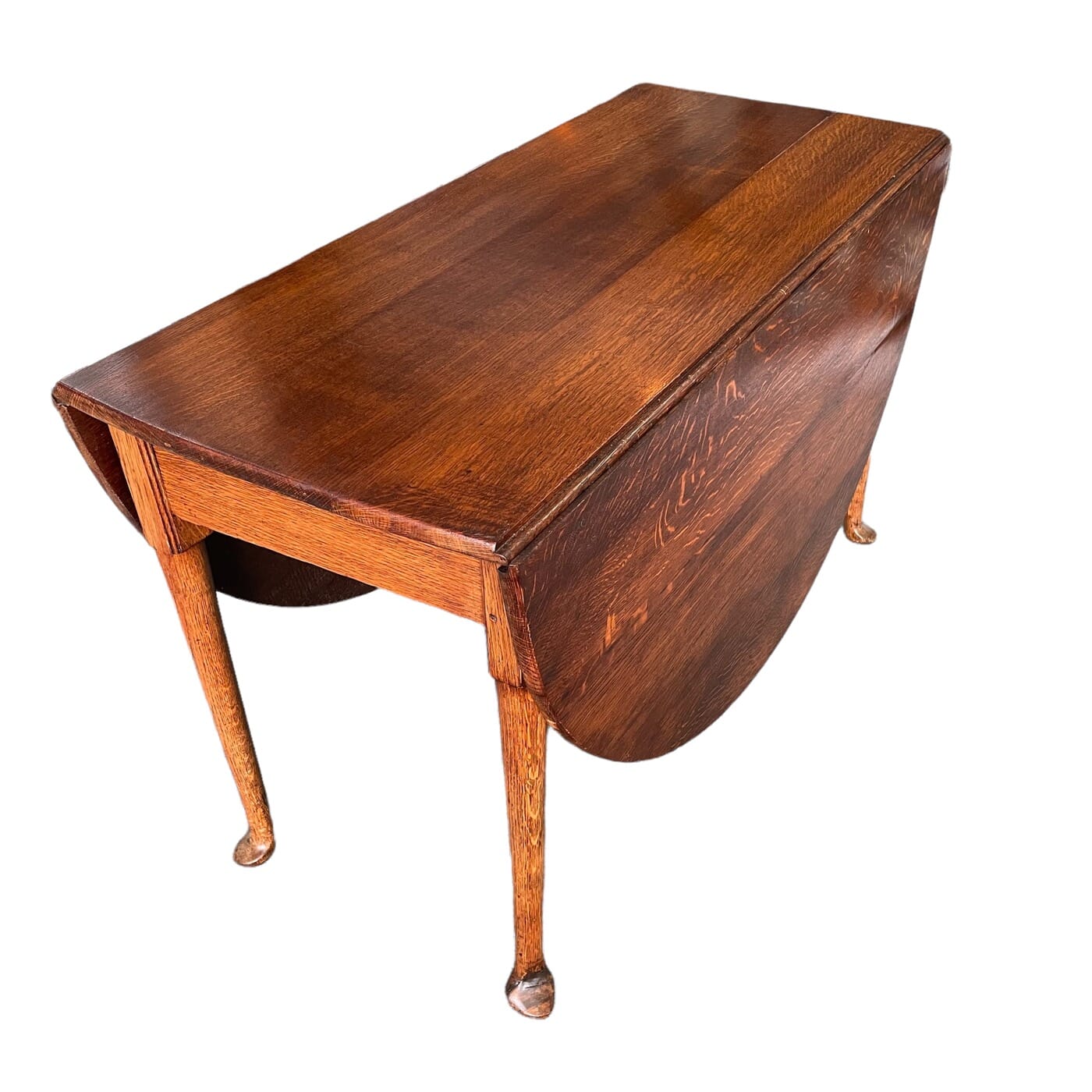
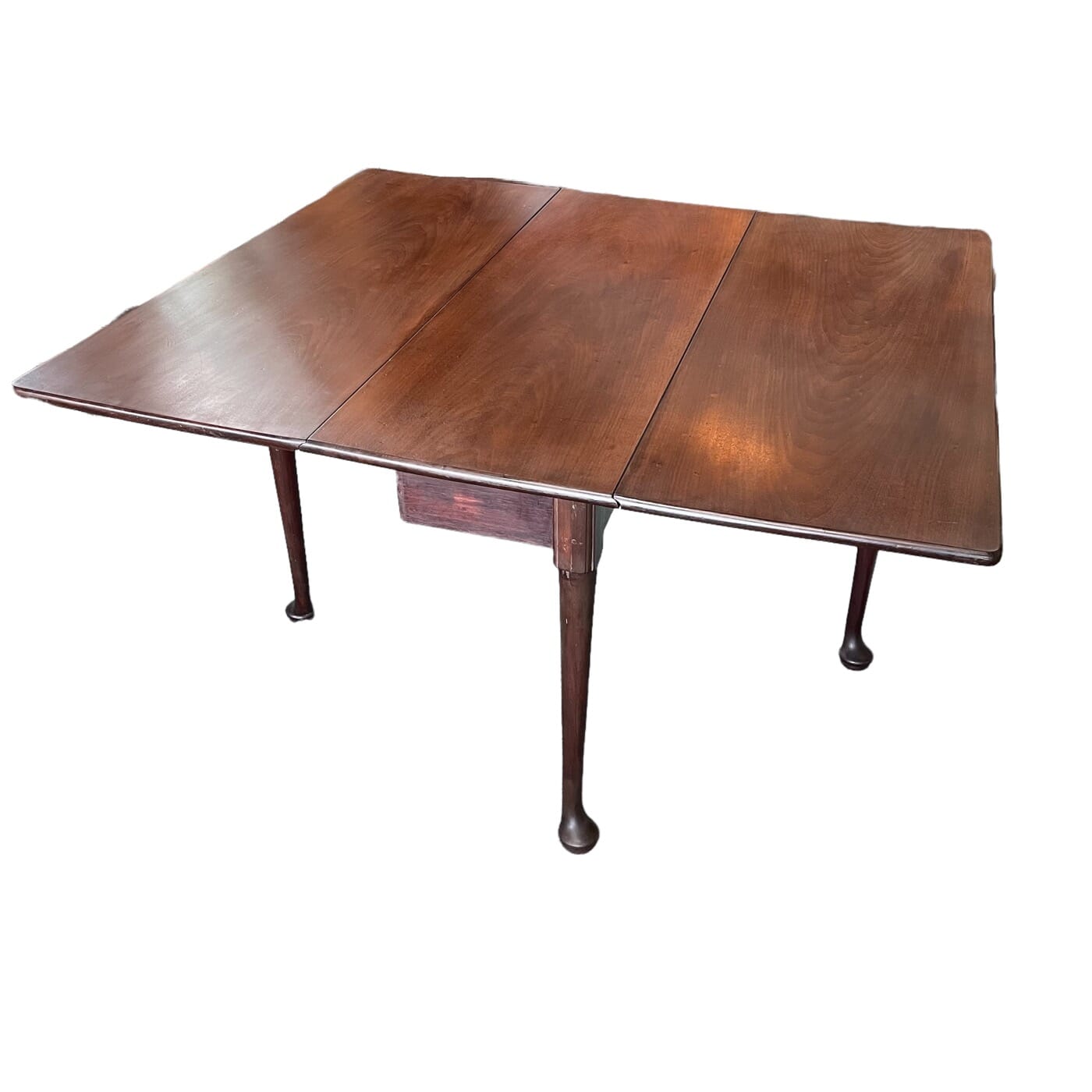
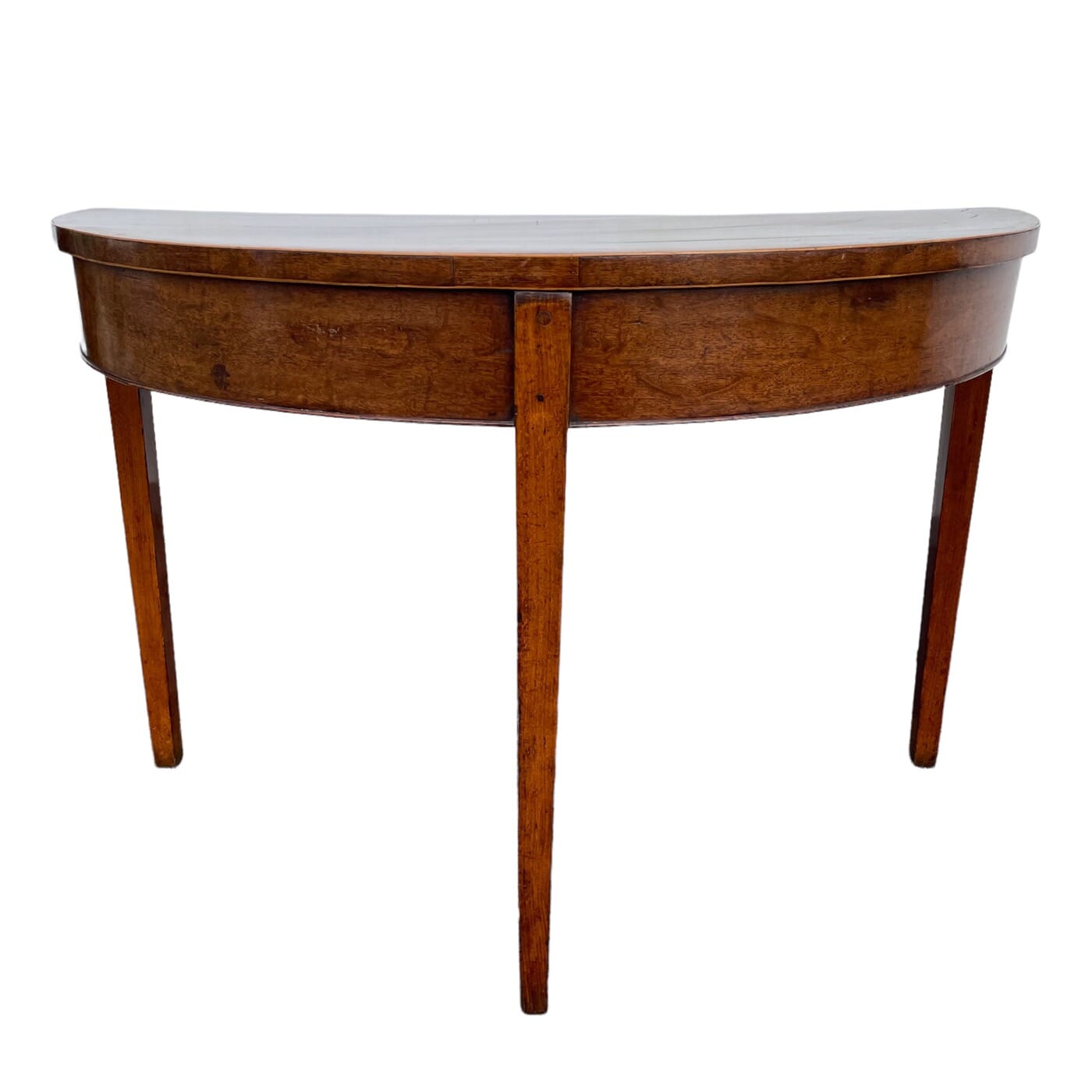
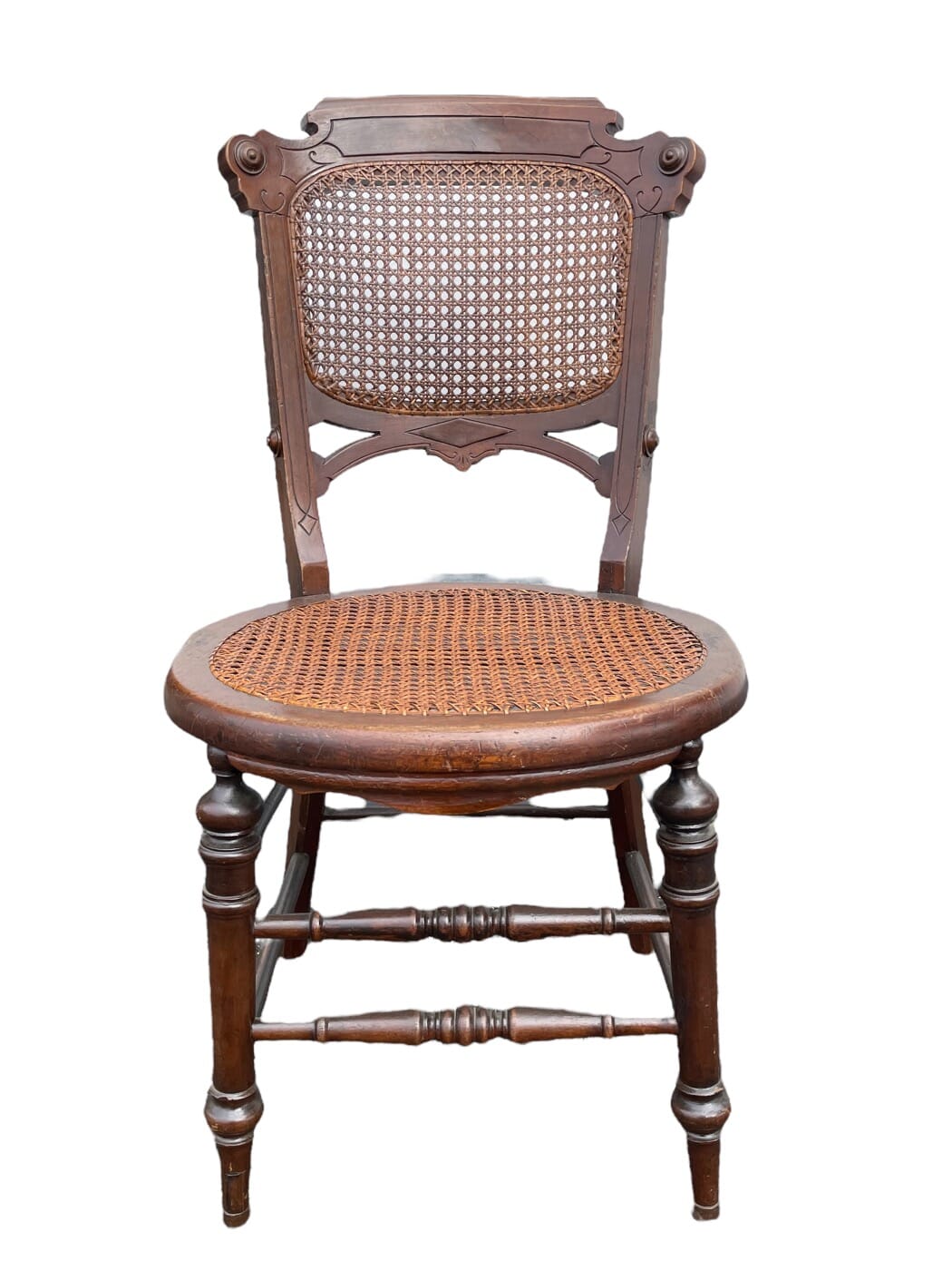
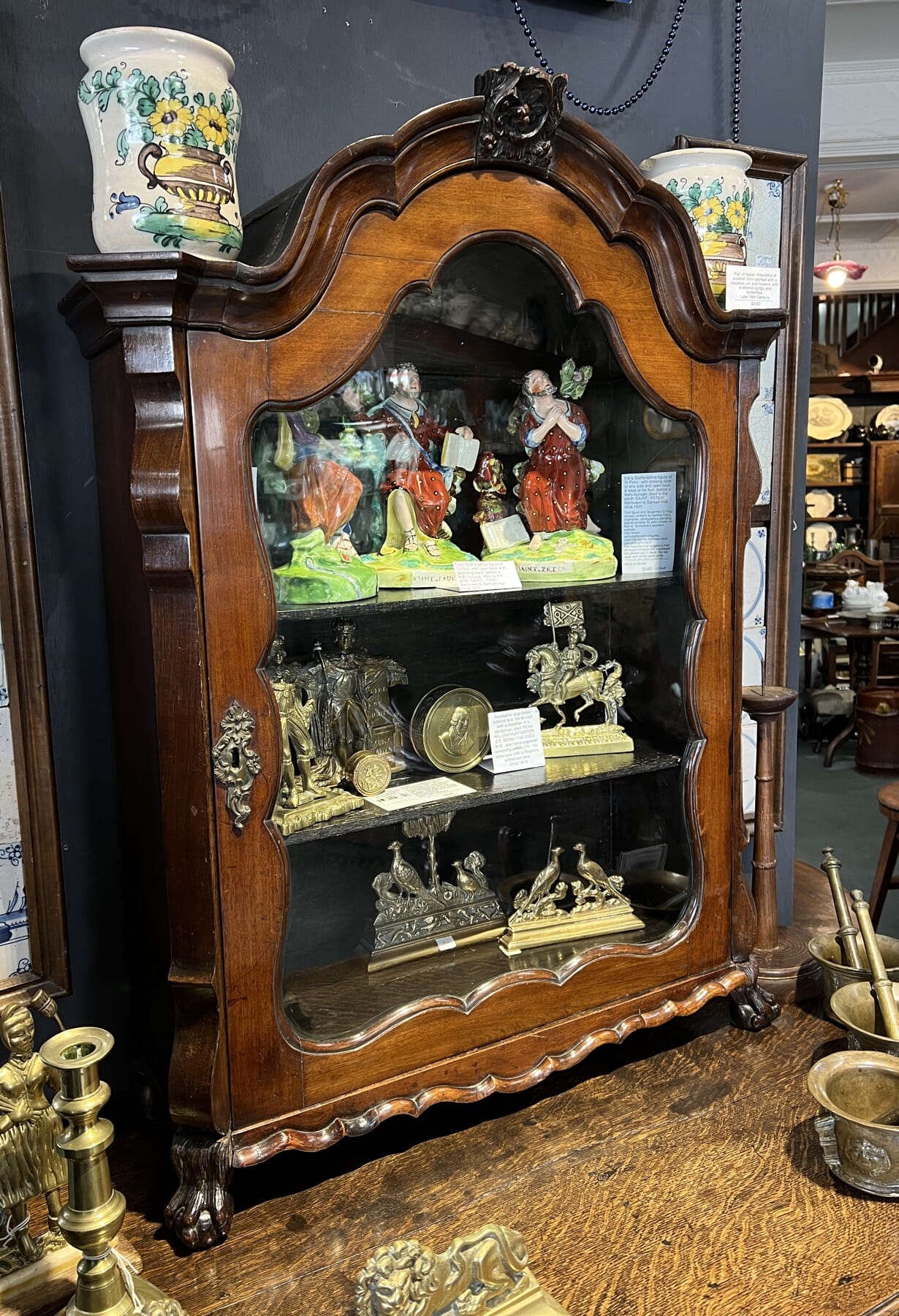
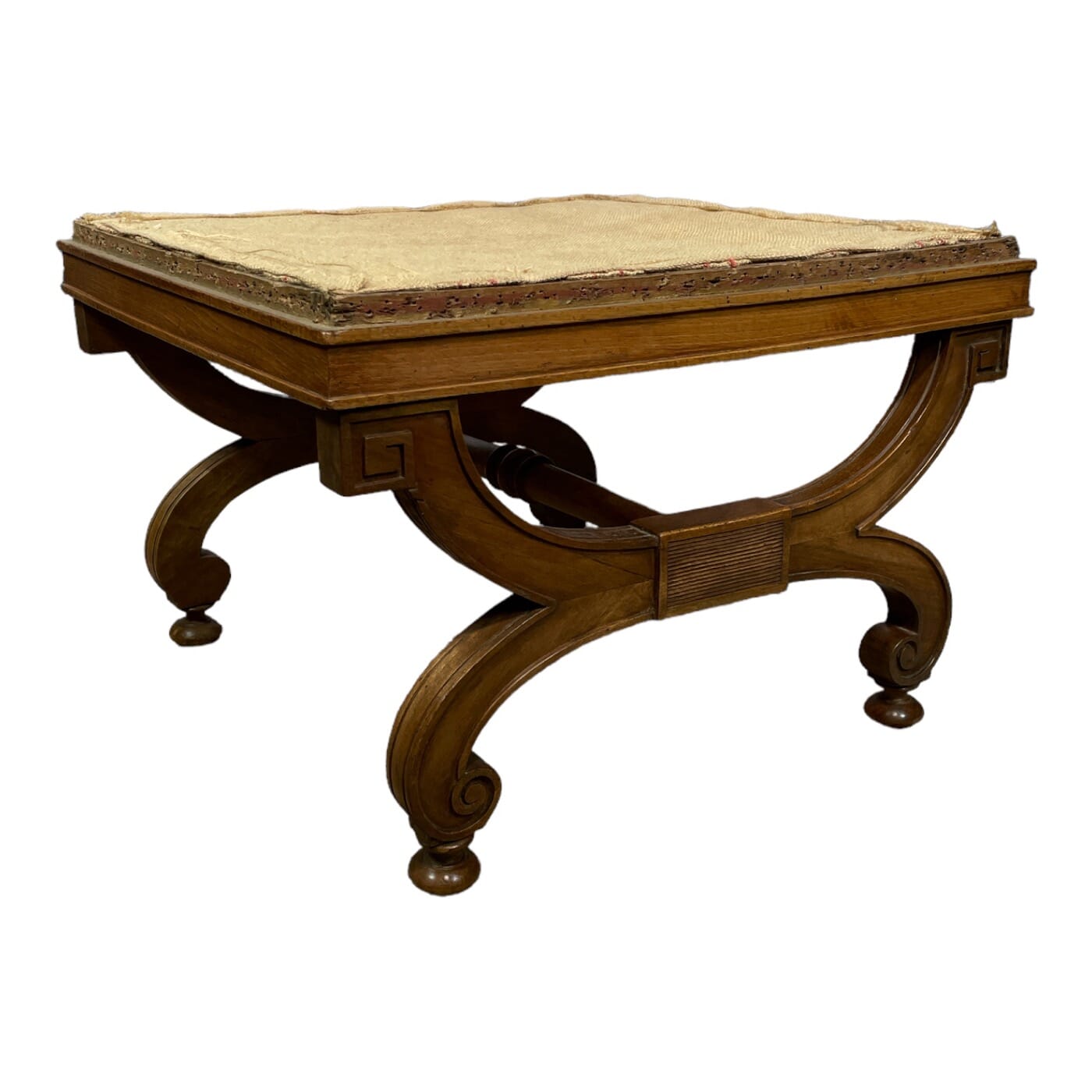
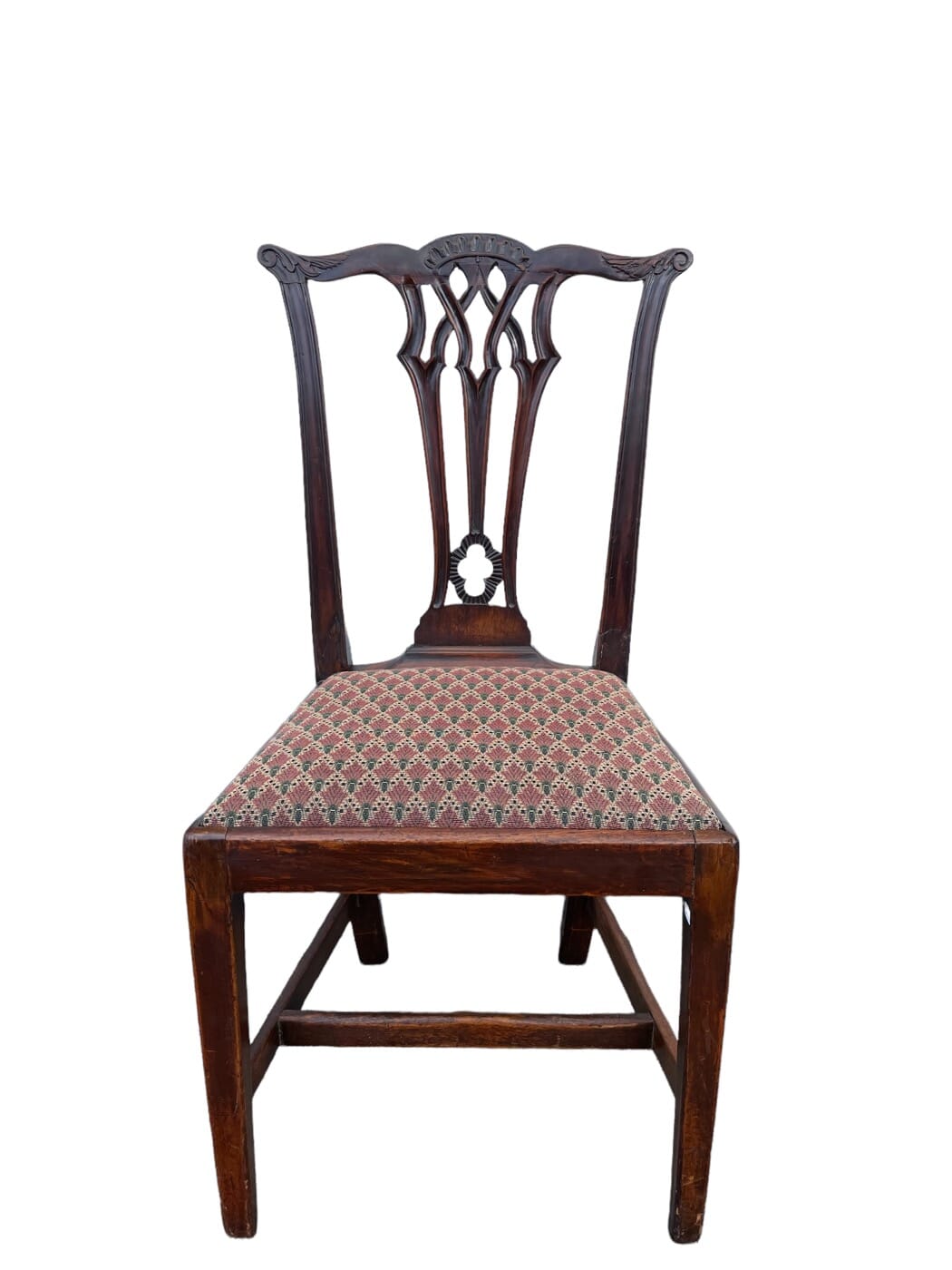
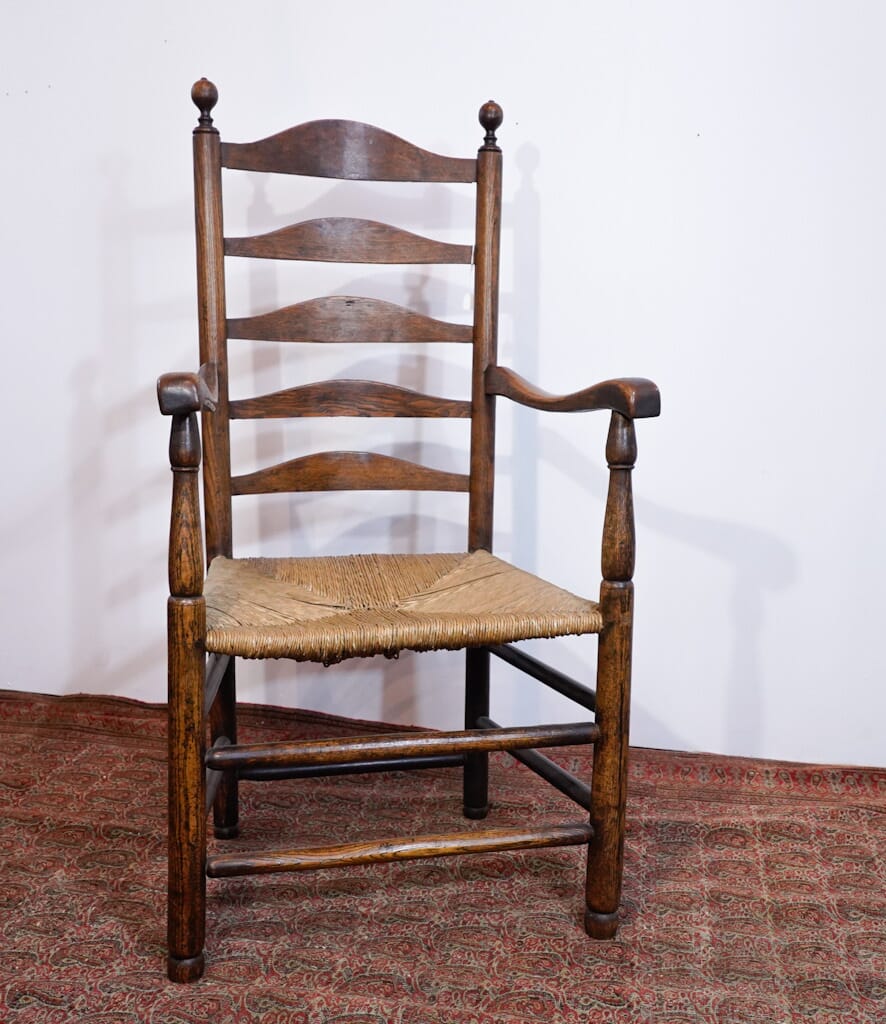
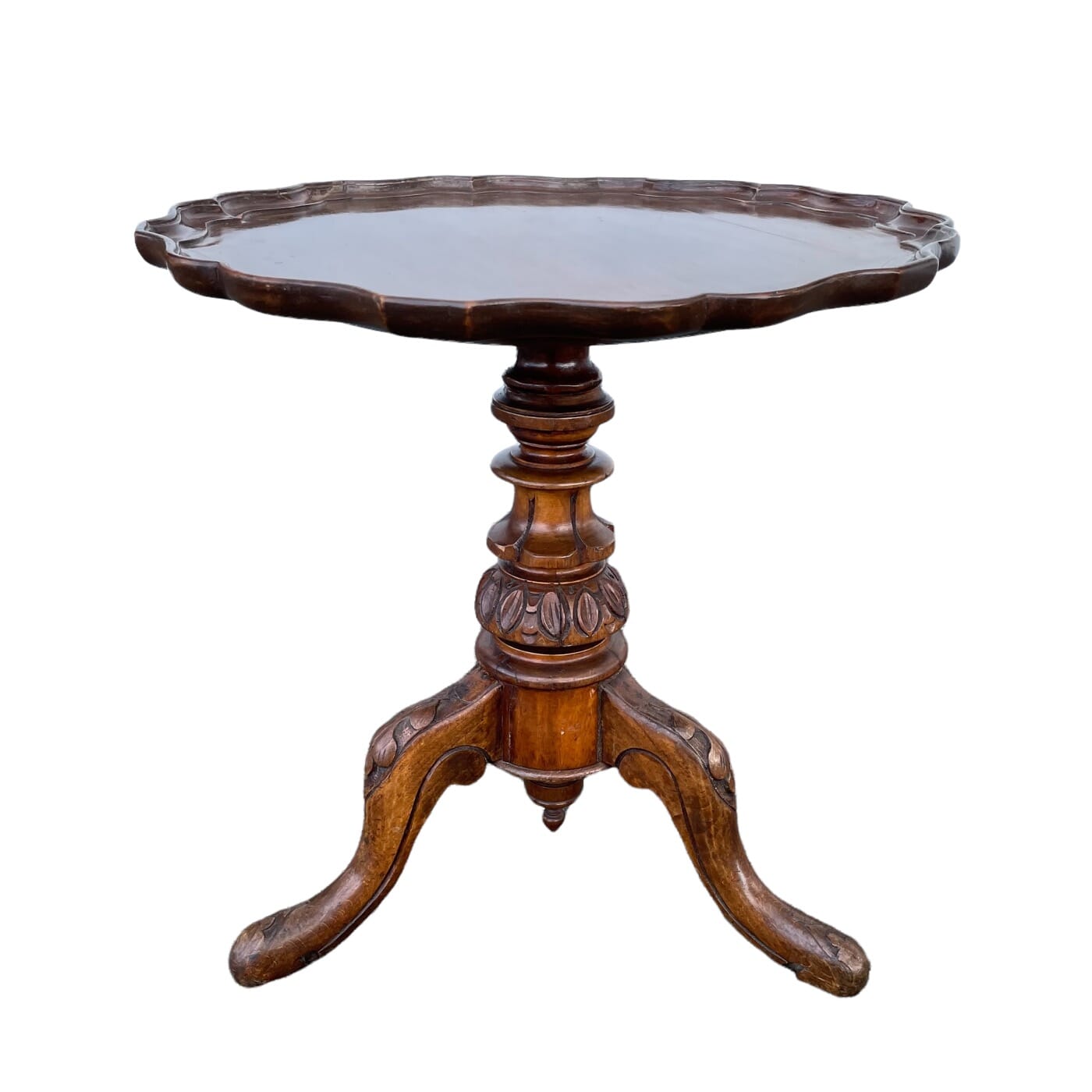
There’s plenty of Fresh Furniture to browse….

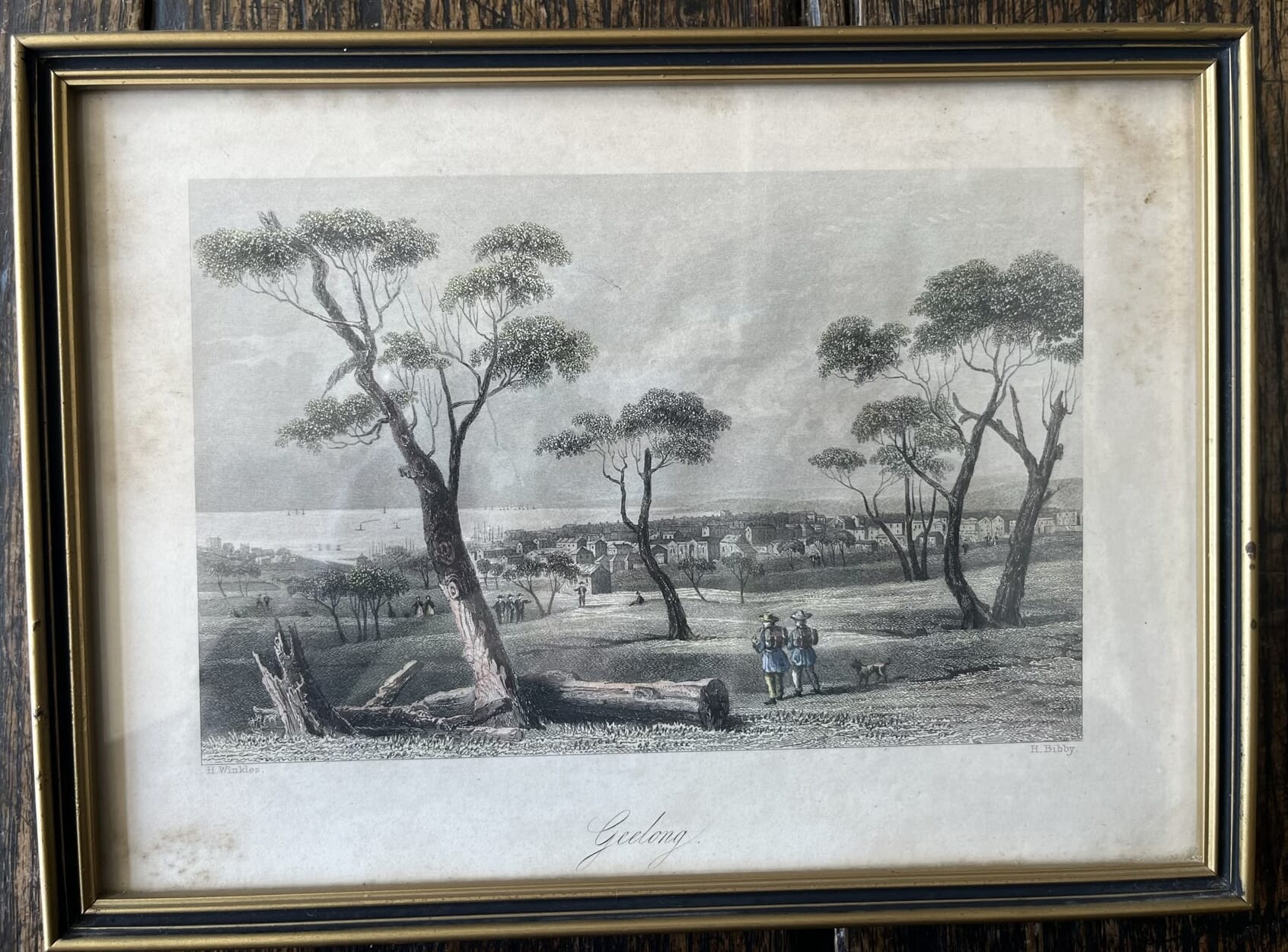
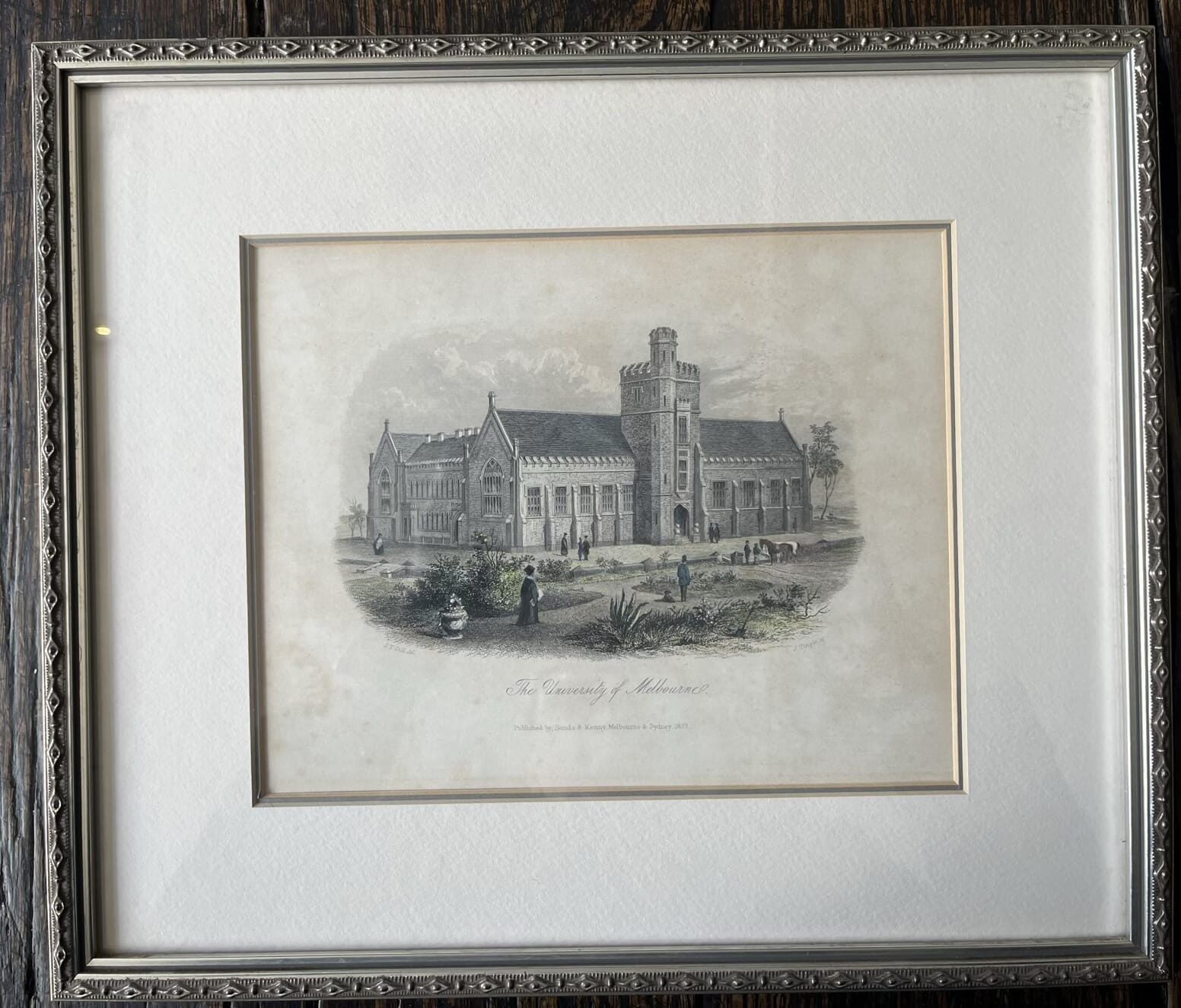
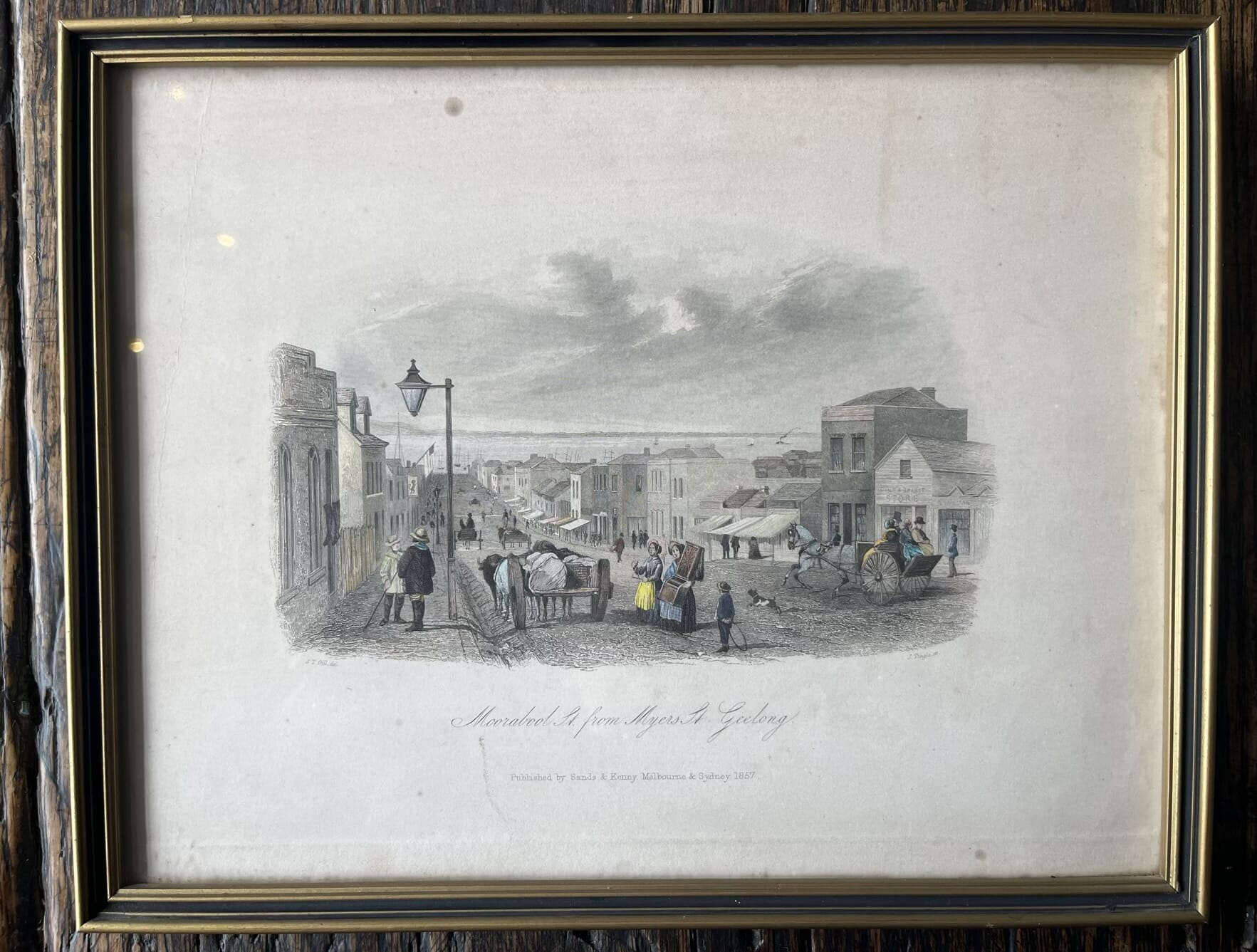
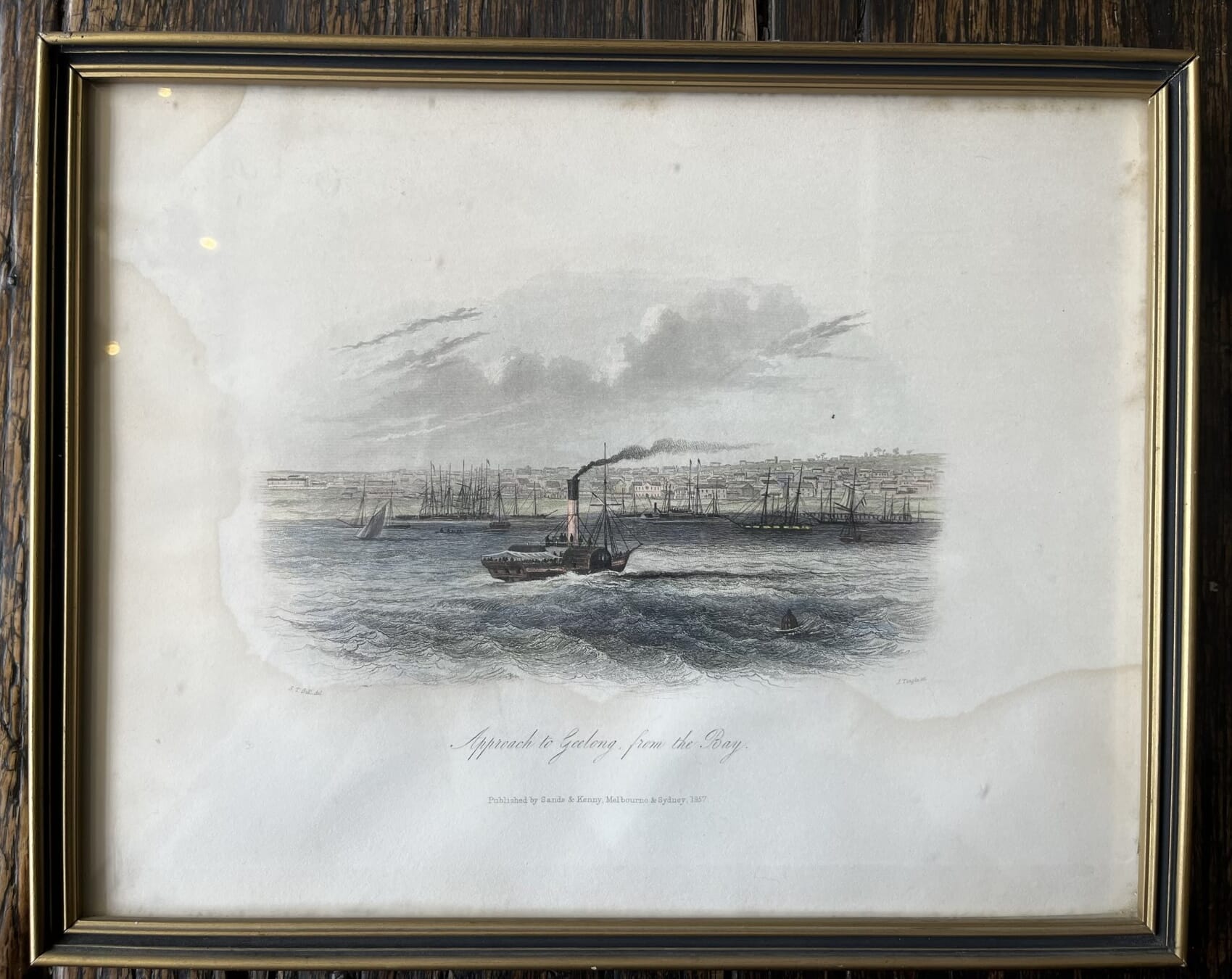
Prints of Geelong

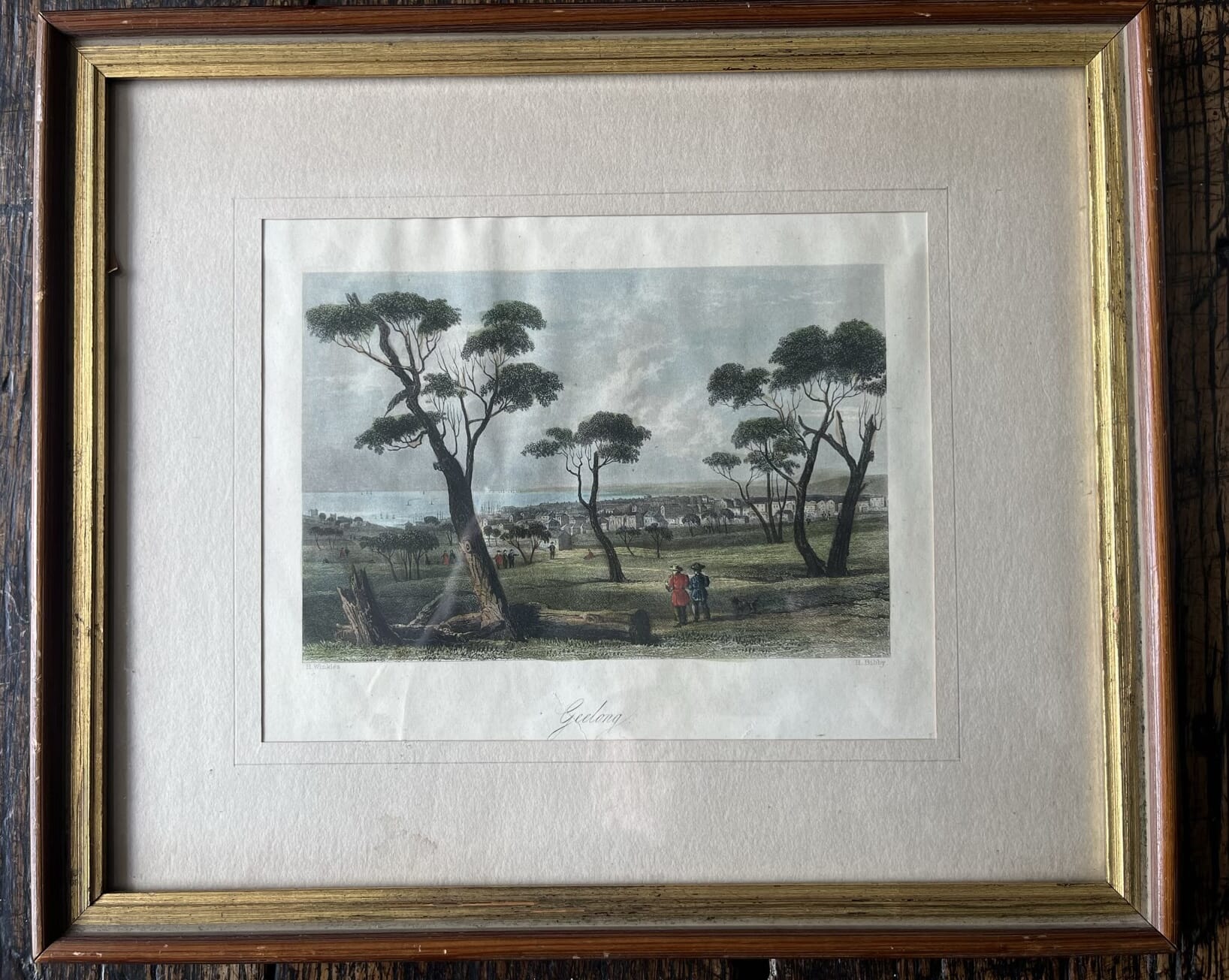
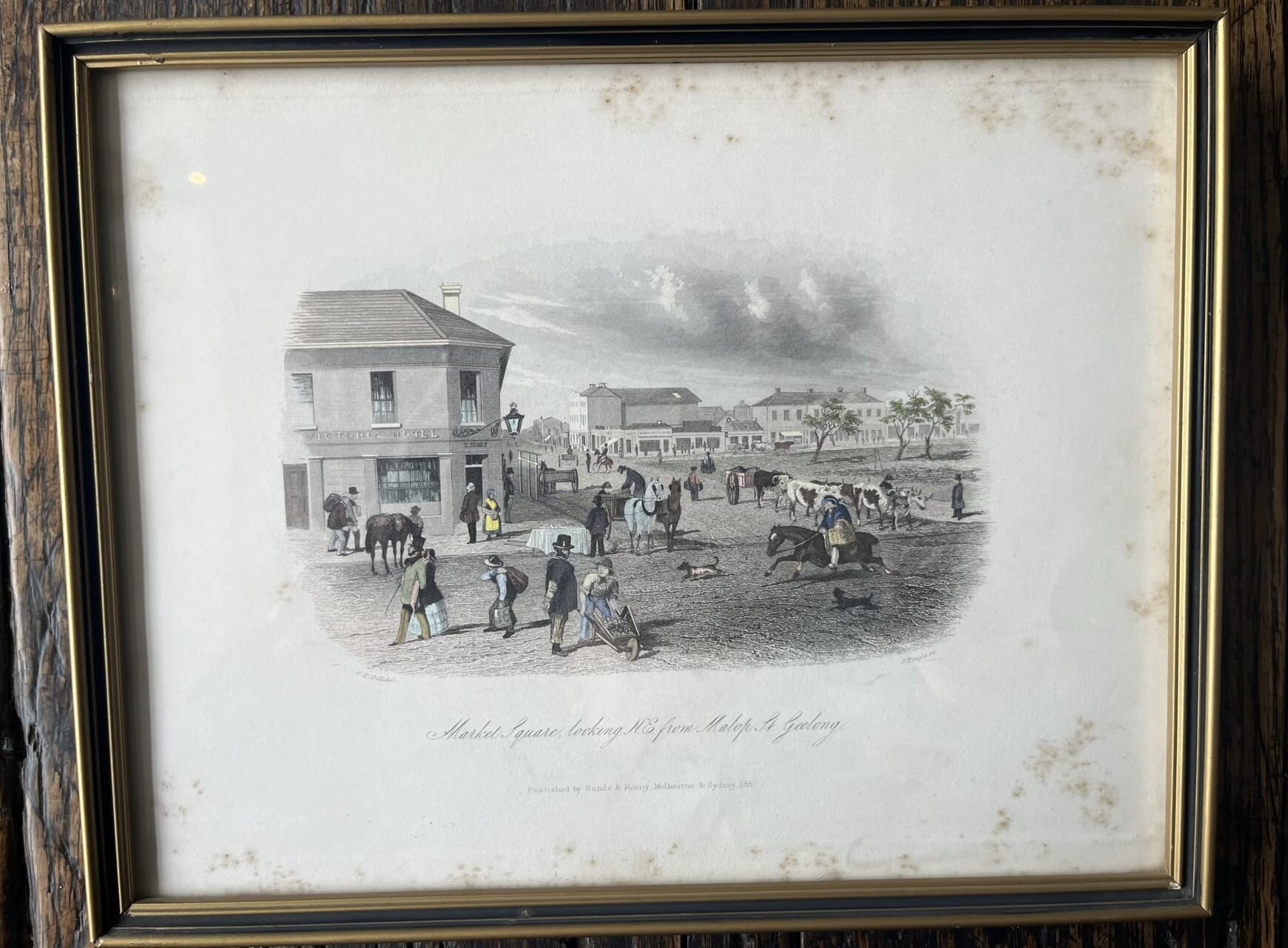
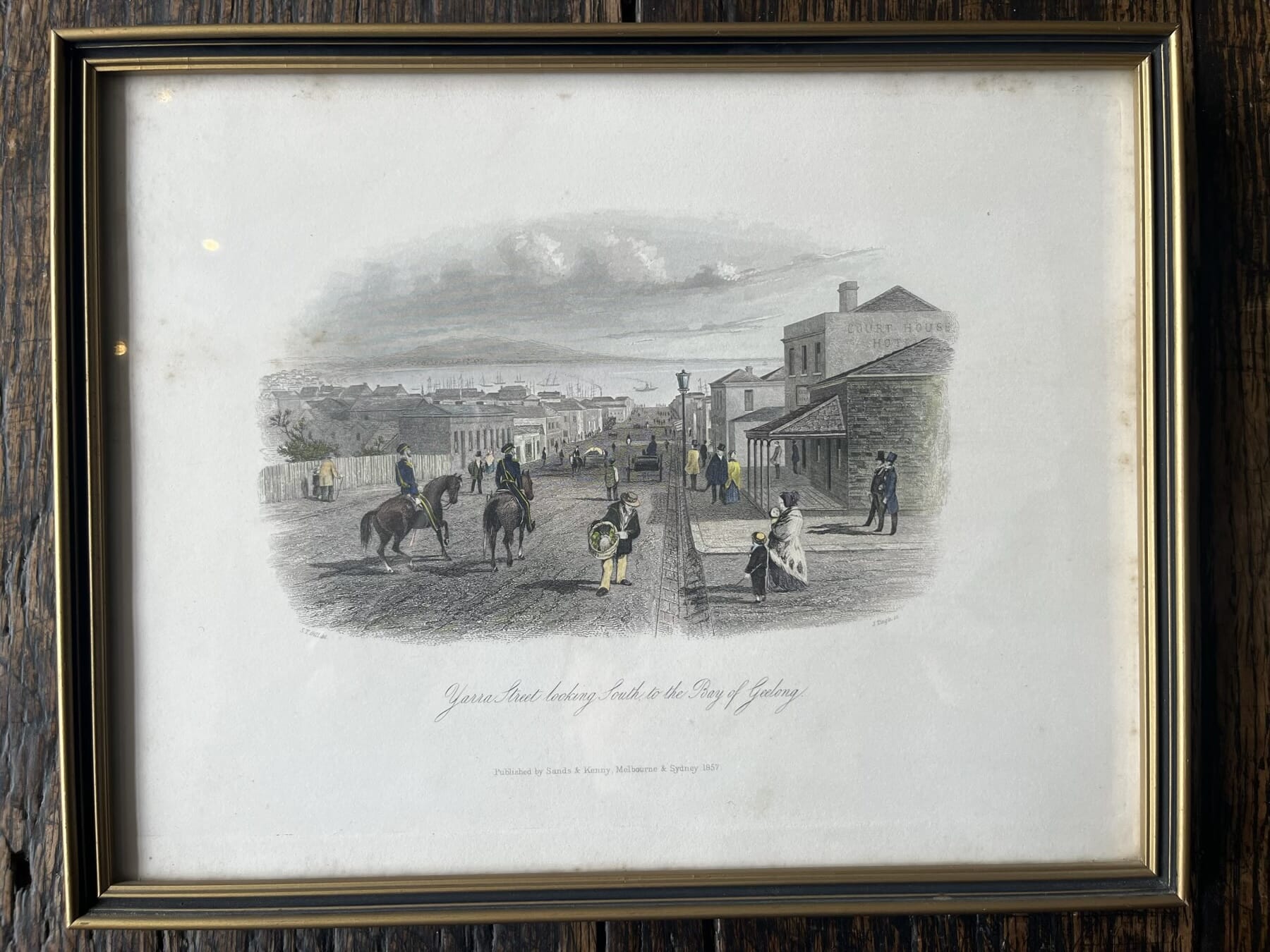
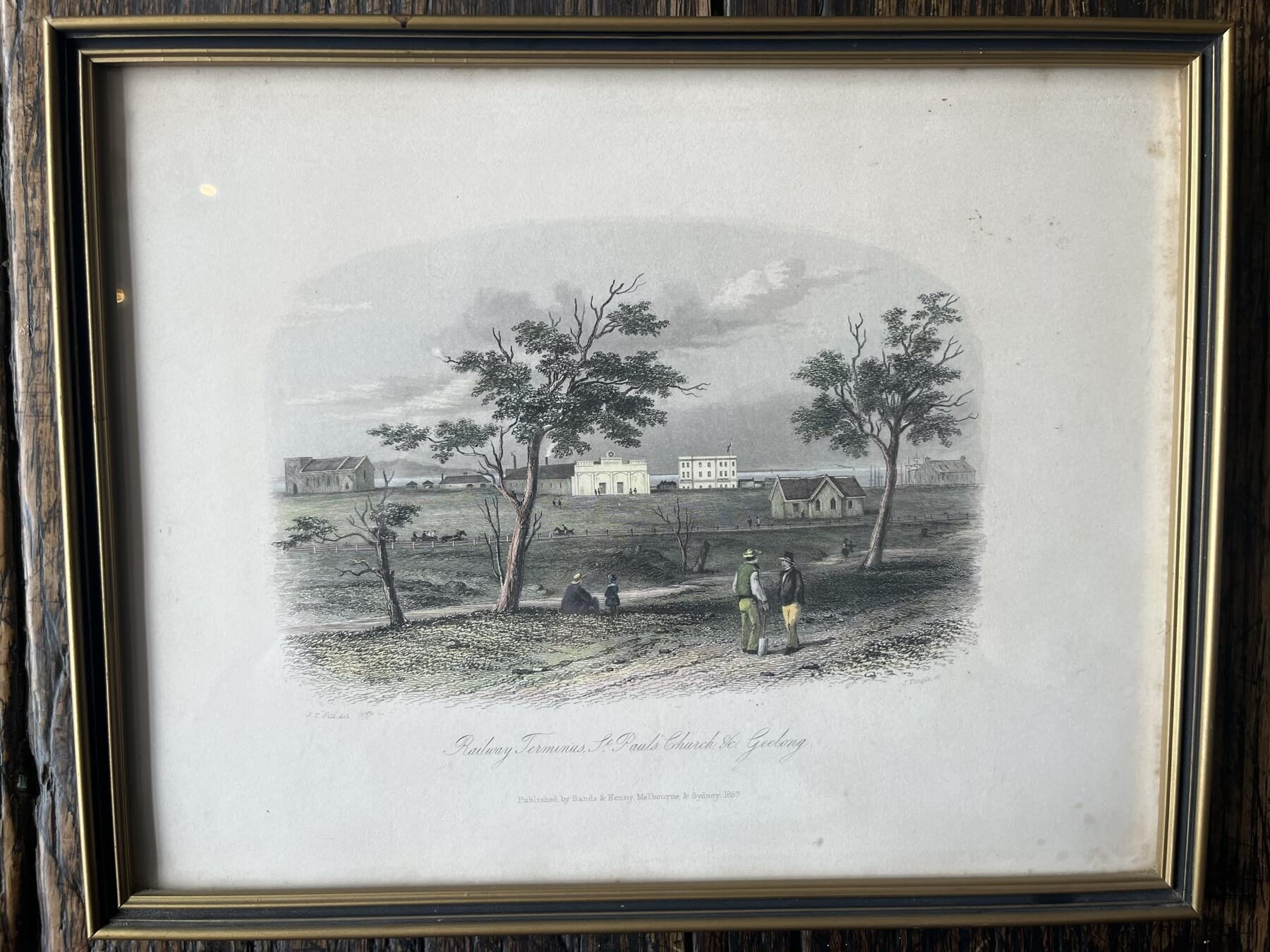
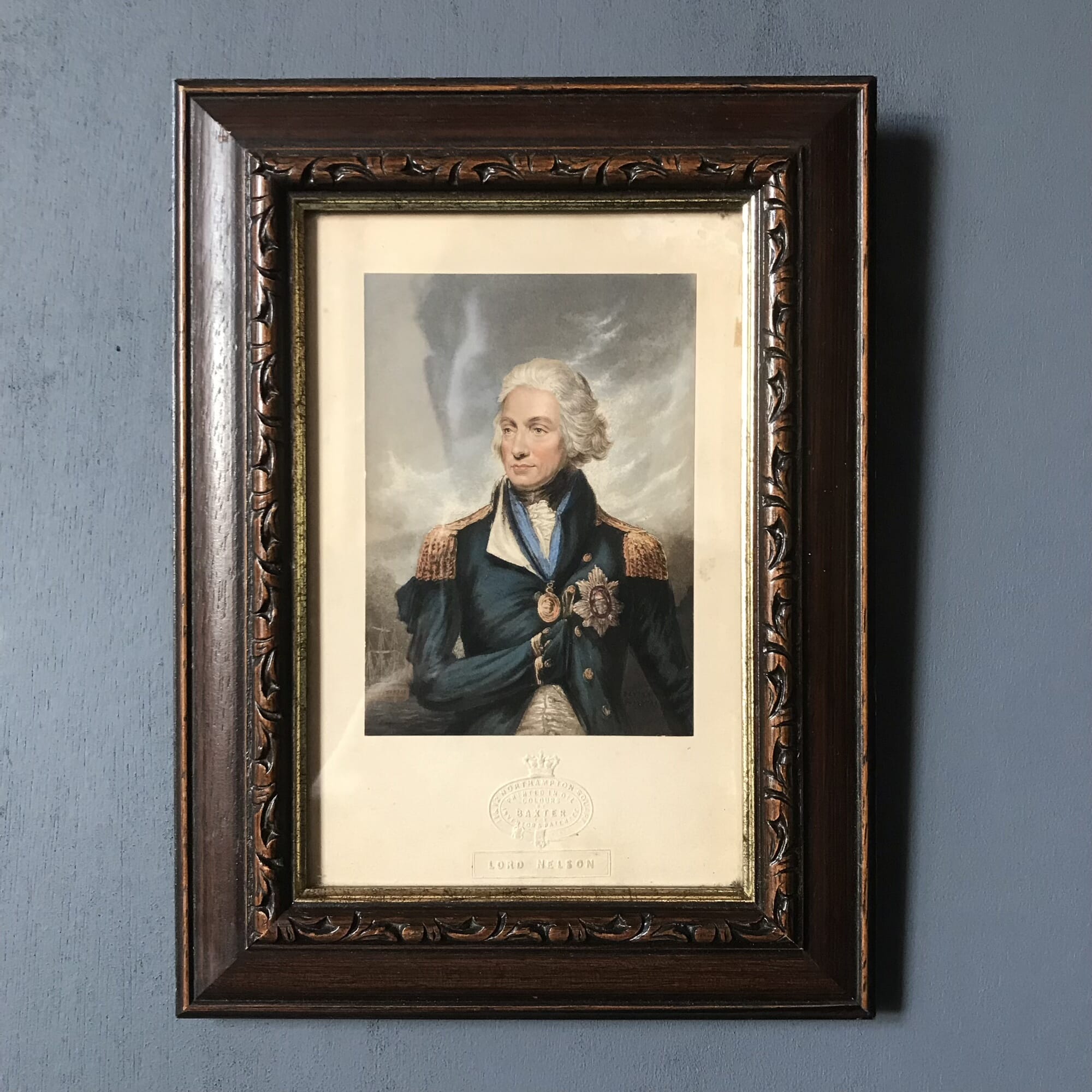
We have started to catalogue our large holding of Prints – and what better place to start than with our local views. You’ll find a good selection of S.T. Gill views of Geelong, from the 1857 publication ‘Views in Victoria’, or the 1890 re-print.
In the near future, we have a lot of other interesting historical views from all around Australia – soon to be found fully sorted by region in the ‘Print Gallery’ we are preparing.

Fossils

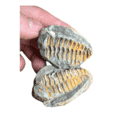
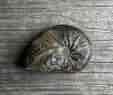
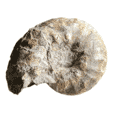
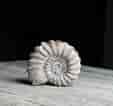
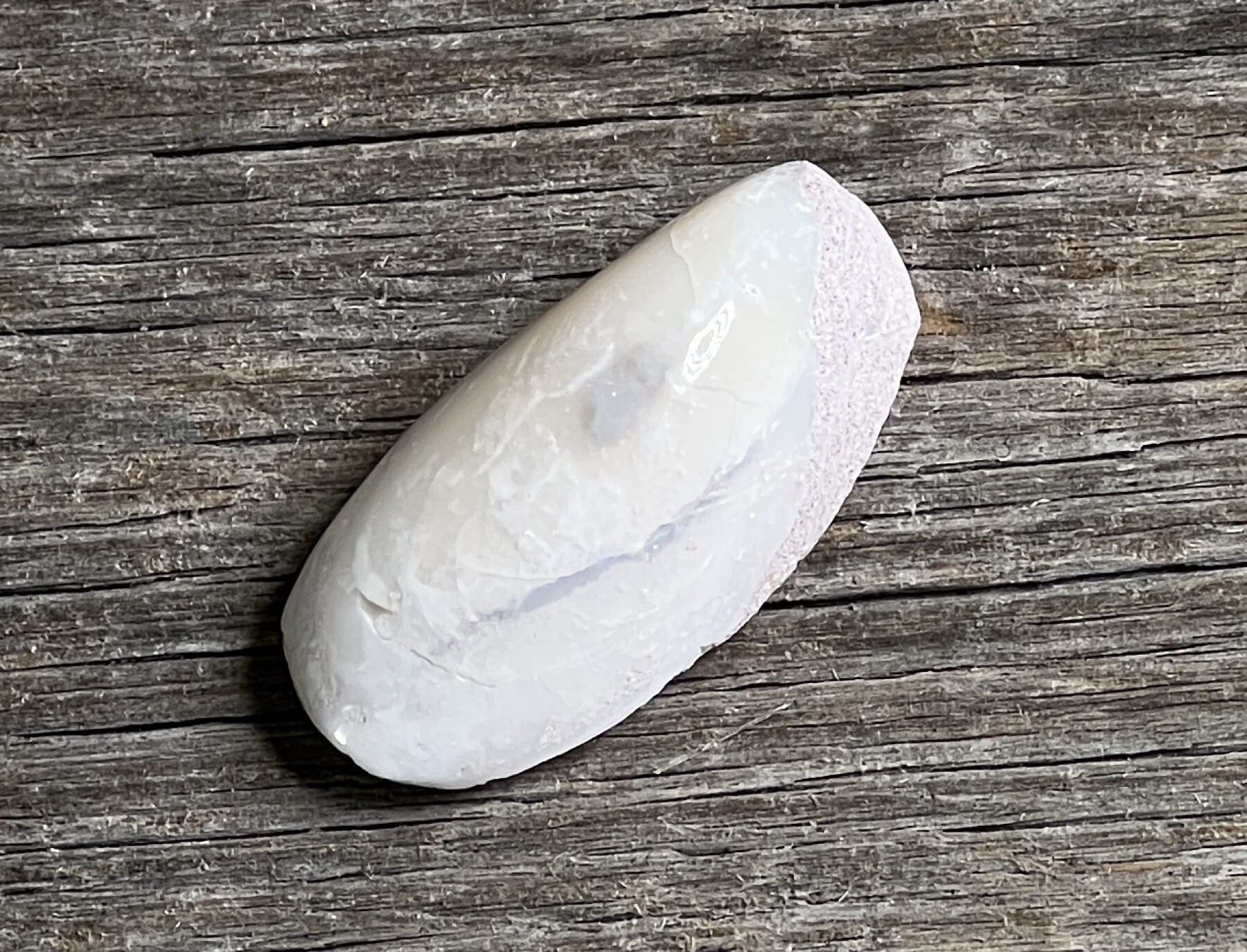
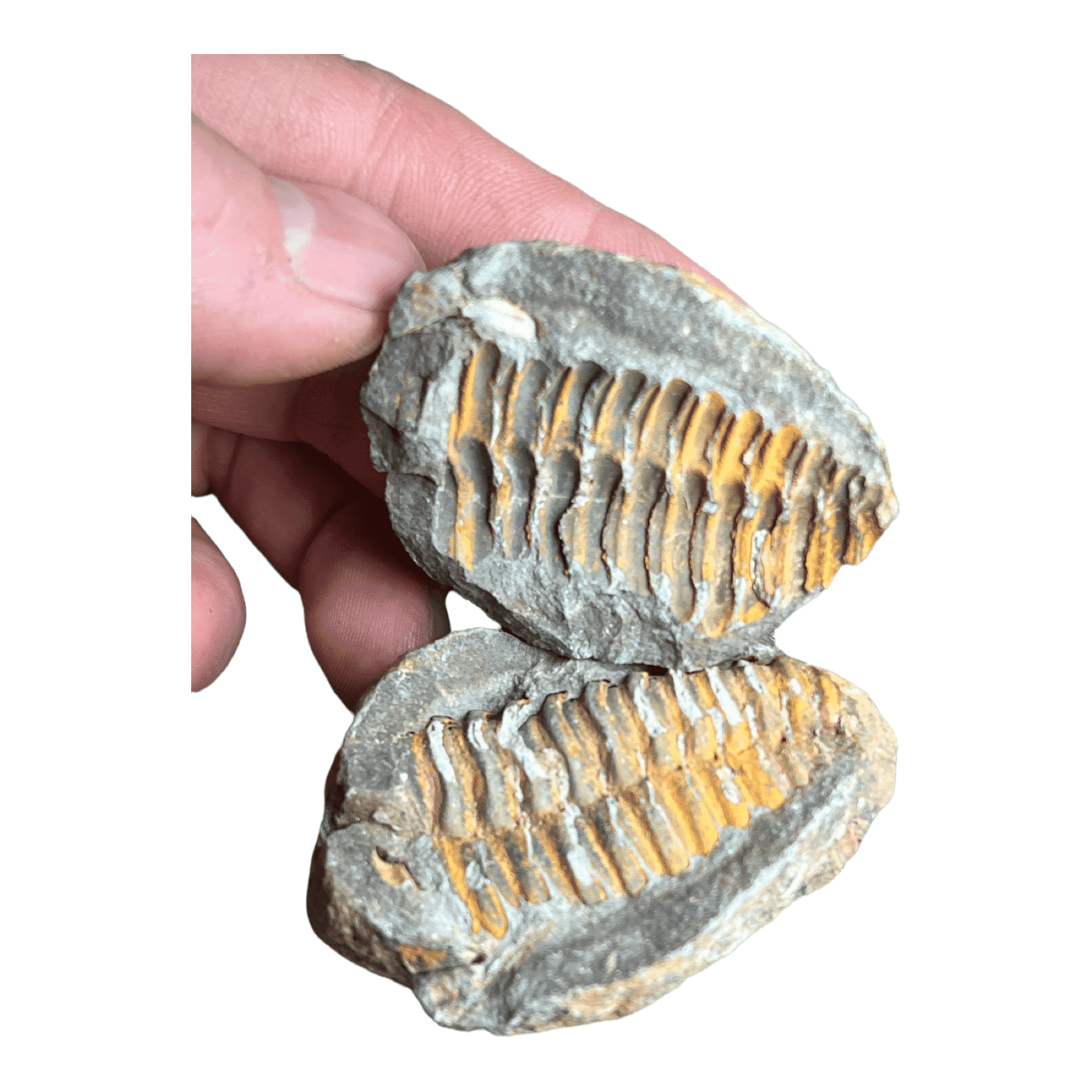
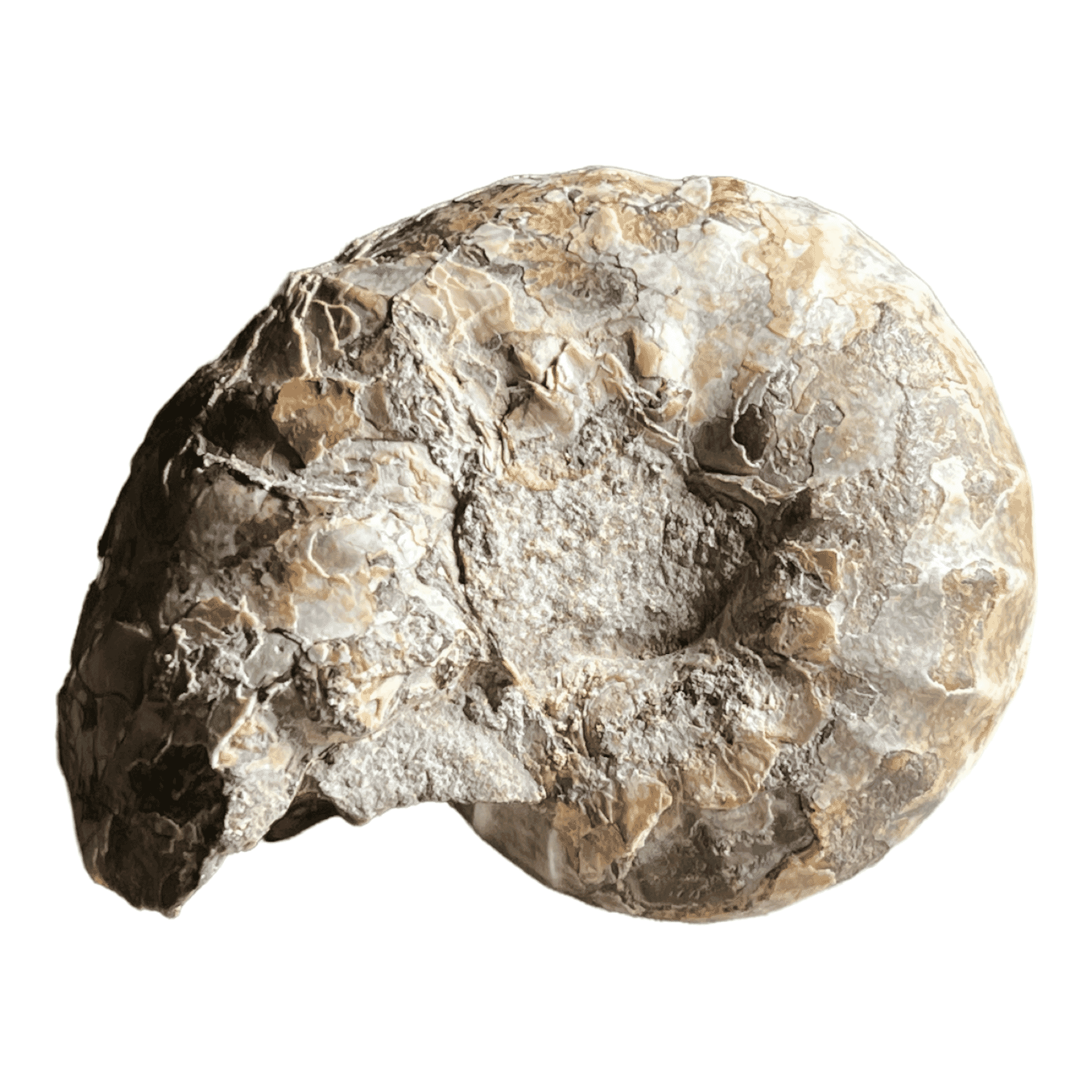
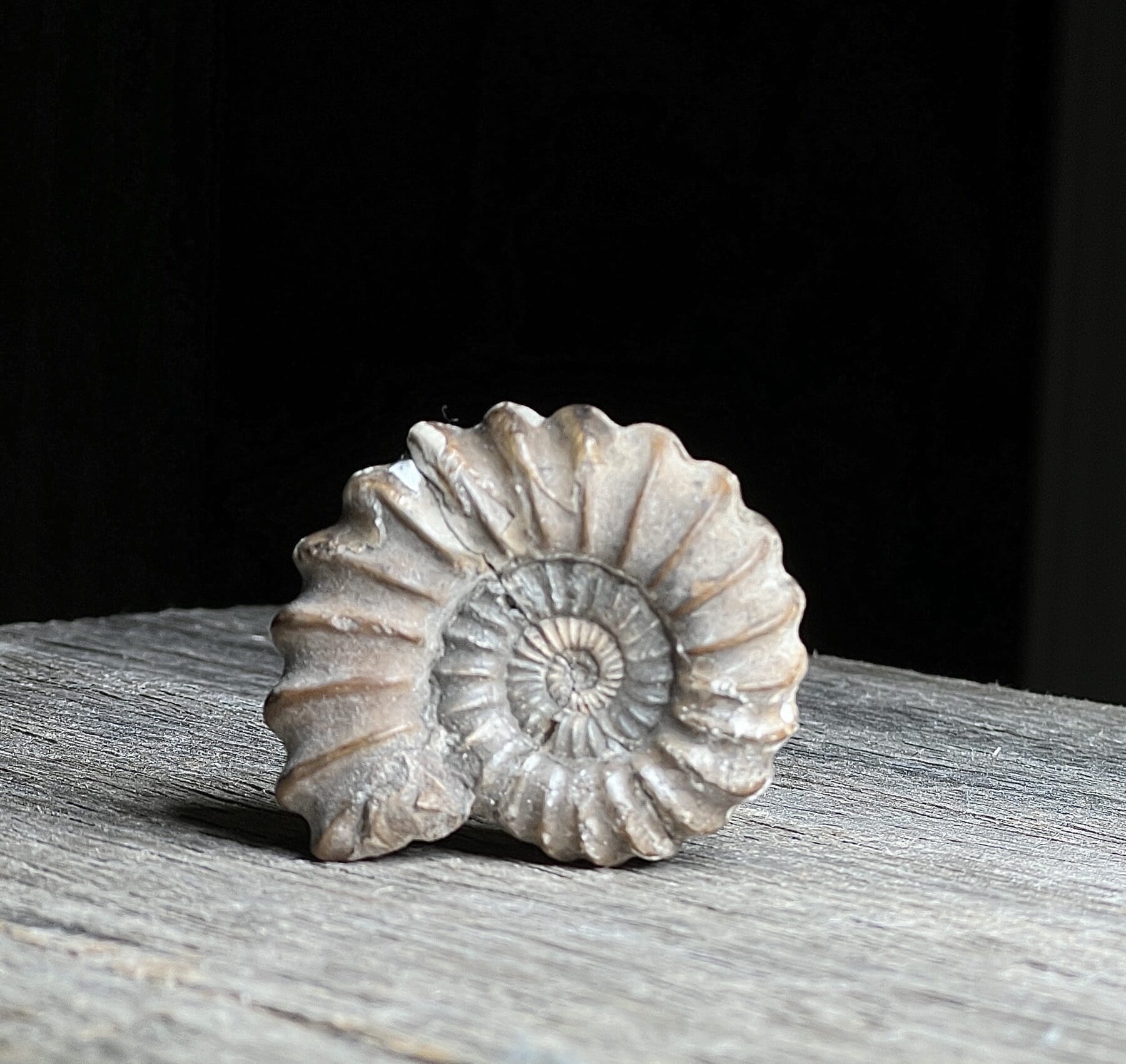
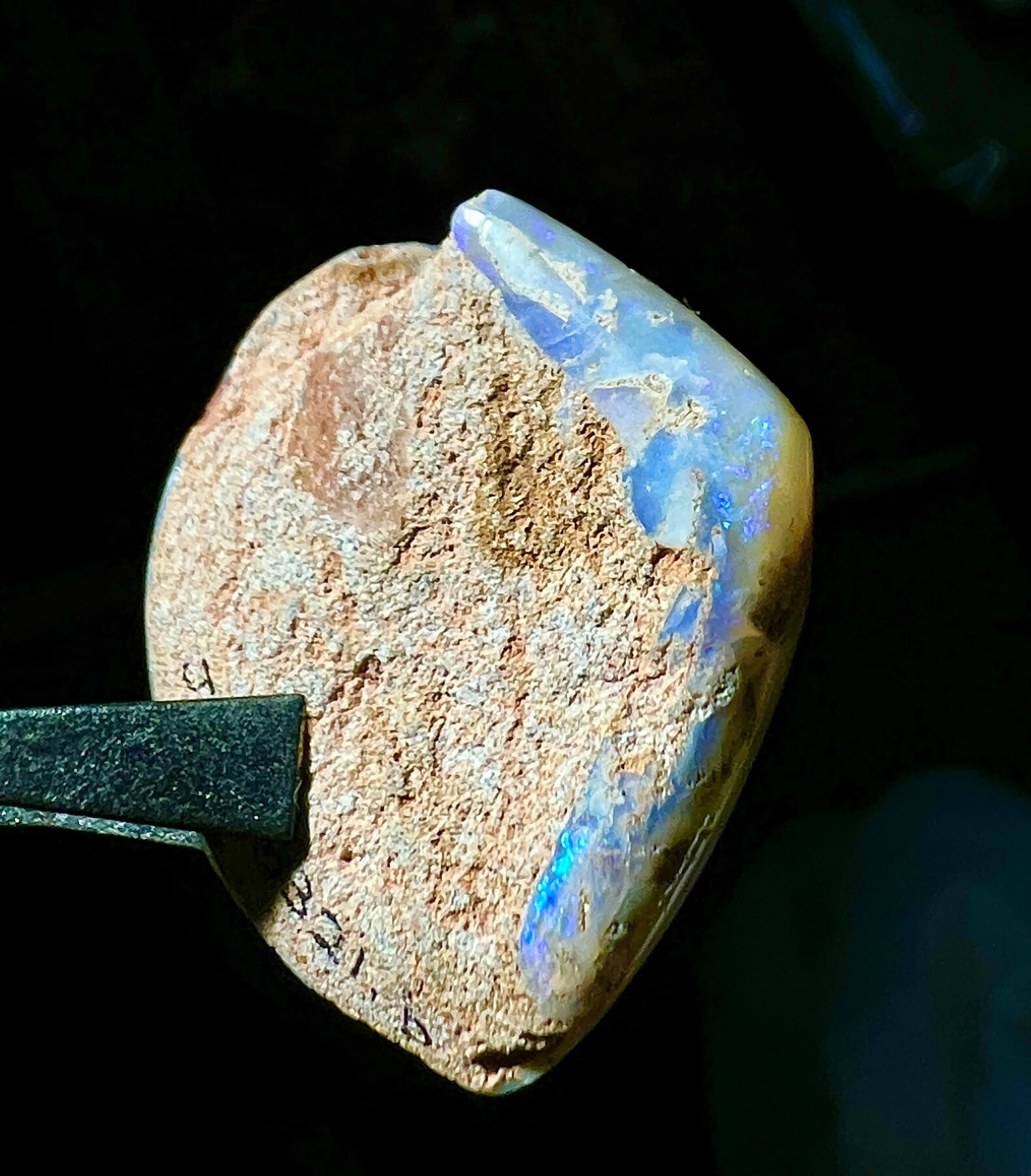
We have a fine selection of Fossils to offer, from several old collections that are being dispersed. Here’s a few, with many more to come.
They make terrific presents….. Millions of years old for a few dollars!

Posted on

The Death of Nelson

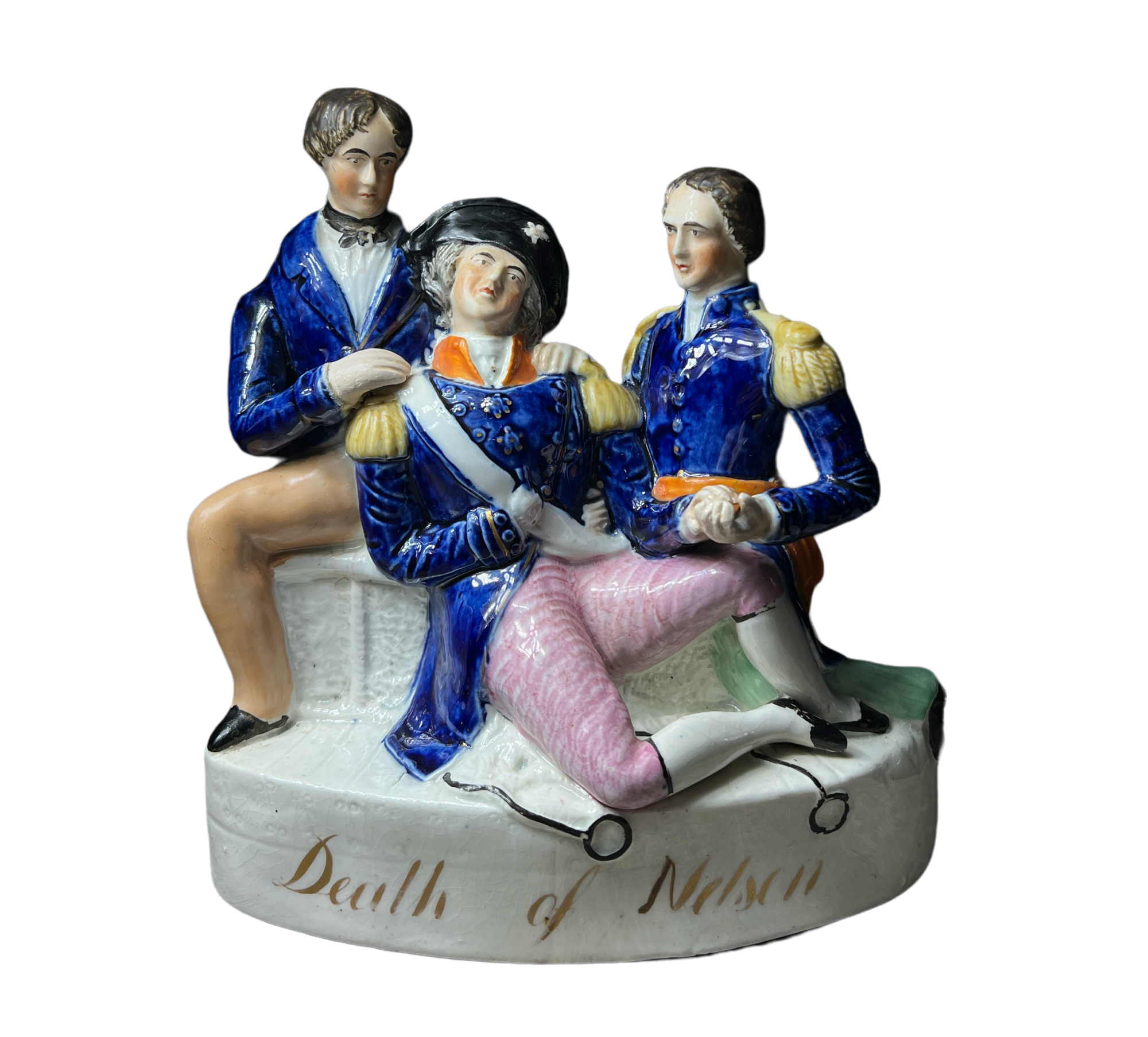
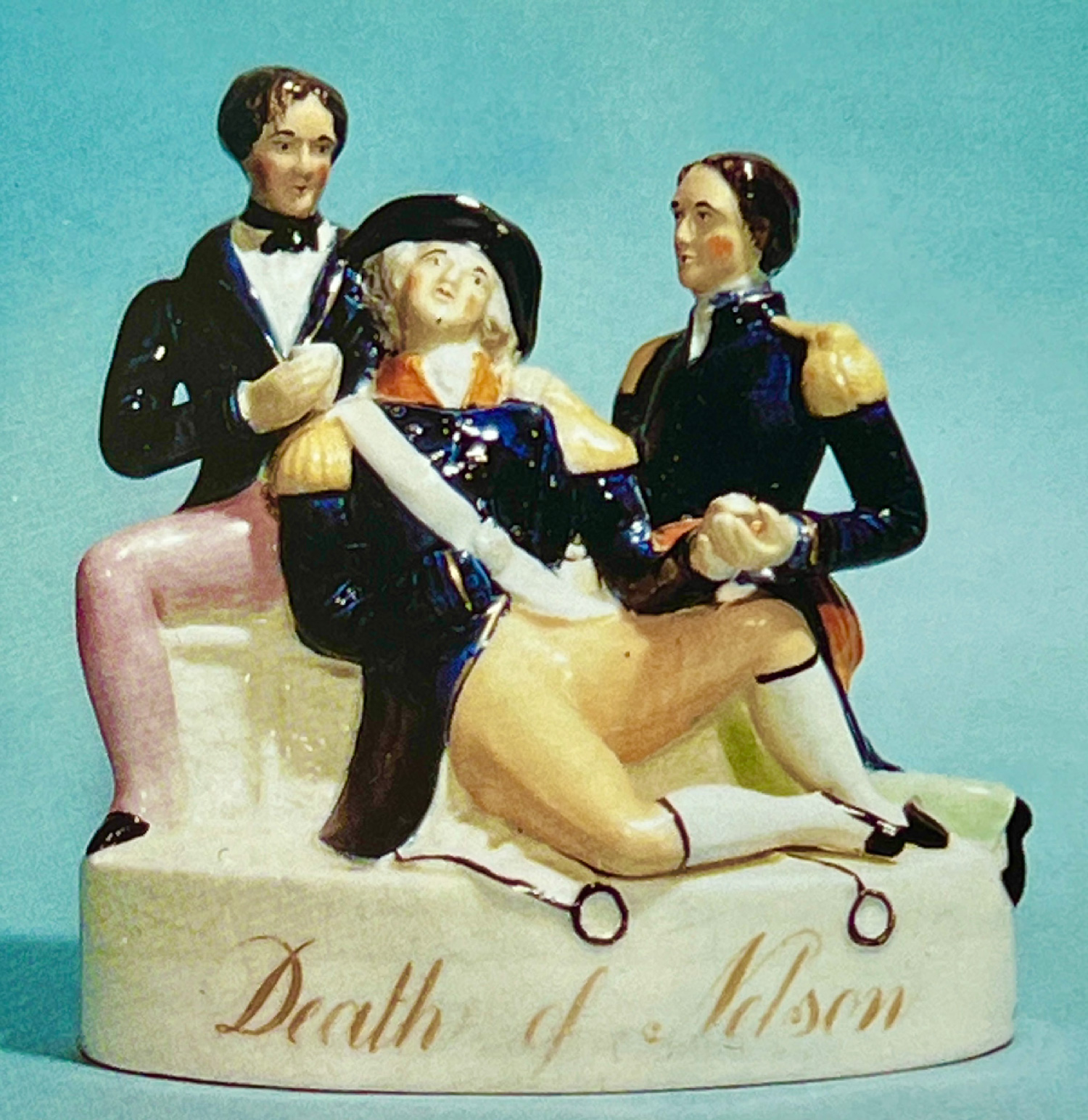
Death of Nelson Staffordshire Figure

Trafalgar, 1805:
It was a tragedy of heroic proportions: the battle with the French was won, but the admiral responsible, Nelson, was dead. While the event happened in 1805, it still had the imagination of the public 40 years later, when the Staffordshire figure illustrated here was made to dramatically illustrate the event.

In the words of William Beatty, Surgeon on the Victory who published his account in 1807:

About fifteen minutes past one o’clock, which was in the heat of the engagement, he (Nelson) was walking the middle of the quarter-deck with Captain HARDY, and in the act of turning near the hatchway with his face towards the stern of the Victory, when the fatal ball was fired from the Enemy’s mizen-top; which, from the situation of the two ships (lying on board of each other), was brought just abaft, and rather below, the Victory’s main-yard, and of course not more than fifteen yards distant from that part of the deck where His LORDSHIP stood. The ball struck the epaulette on his left shoulder, and penetrated his chest. He fell with his face on the deck. Captain HARDY, who was on his right (the side furthest from the Enemy) and advanced some steps before His LORDSHIP, on turning round, saw the Serjeant Major (SECKER) of Marines with two Seamen raising him from the deck; where he had fallen on the same spot on which, a little before, his Secretary had breathed his last, with whose blood His LORDSHIP’s clothes were much soiled. Captain HARDY expressed a hope that he was not severely wounded; to which the gallant Chief replied: “They have done for me at last, HARDY.”—”I hope not,” answered Captain HARDY. “Yes,” replied His LORDSHIP; “my backbone is shot through.”……..

CAPTAIN HARDY ordered the Seamen to carry the Admiral to the cockpit; …. The Reverend Doctor SCOTT, who had been absent in another part of the cockpit administering lemonade to the wounded, now came instantly to His LORDSHIP ….. (Nelson said) “take care of my dear Lady HAMILTON, HARDY; take care of poor Lady HAMILTON. Kiss me, HARDY.” The Captain now knelt down, and kissed his cheek; when HIS LORDSHIP said, “Now I am satisfied. Thank GOD, I have done my duty.” Captain HARDY stood for a minute or two in silent contemplation: he then knelt down again, and kissed HIS LORDSHIP’S forehead. HIS LORDSHIP said: “Who is that?” The Captain answered: “It is HARDY;” to which HIS LORDSHIP replied, “GOD bless you, HARDY!” After this affecting scene Captain HARDY withdrew, and returned to the quarter-deck, having spent about eight minutes in this his last interview with his dying friend.
….The Surgeon again left him, and returned to the wounded who required his assistance; but was not absent five minutes before the Steward announced to him that “he believed HIS LORDSHIP had expired.” The Surgeon returned, and found that the report was but too well founded: HIS LORDSHIP had breathed his last, at thirty minutes past four o’clock; at which period Doctor SCOTT was in the act of rubbing HIS LORDSHIP’S breast, and Mr. BURKE supporting the bed under his shoulders.

Thus died this matchless Hero….”
1809

AUTHENTIC NARRATIVE
OF THE DEATH OF
LORD NELSON:
WITH
THE CIRCUMSTANCES PRECEDING, ATTENDING, AND
SUBSEQUENT TO, THAT EVENT;
THE PROFESSIONAL REPORT
ON HIS LORDSHIP’S WOUND,
AND SEVERAL INTERESTING ANECDOTES 
.
BY WILLIAM BEATTY, M.D.

Nelson memorabilia was a big market throughout the earlier 19th century. This is no surprise when we consider the potential market: England had spent a long time struggling with France, and the soldiers & sailors who went through the experience in the early 19th century – in their teens or twenties – were in their ‘old-age’ years by the 1840’s when this figure was made – the perfect time to buy a figure with sentimental appeal for the mantel! And perhaps, as a present from the next generation, given to the Grandfather who would entertain with his stories of ‘… back when I was in the Navy….’ .

Death of Nelson Staffordshire Figure
Death of Nelson Staffordshire Figure c. 1845

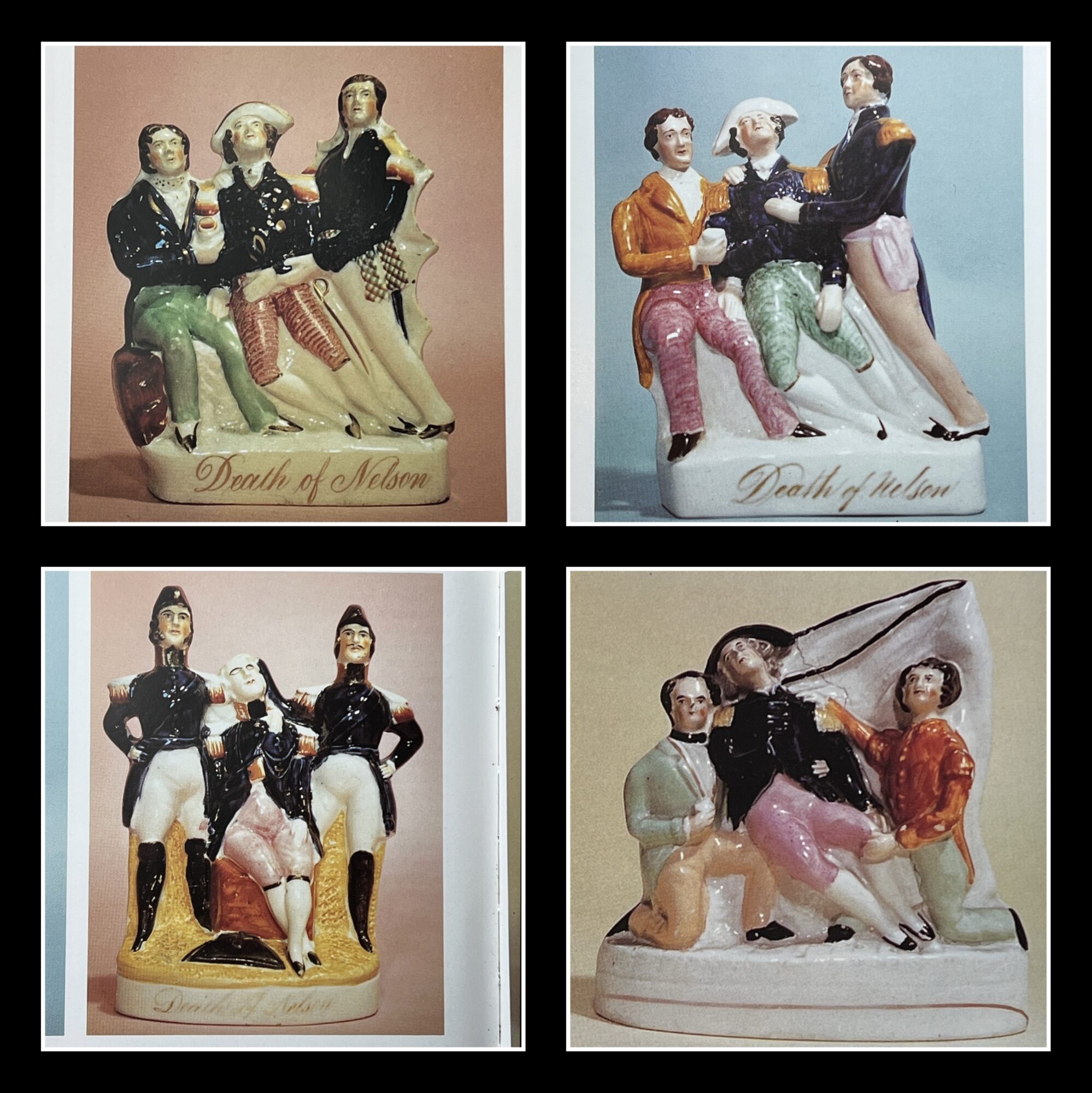
This group is rare: there are several different depictions, by different factories, with the three figures in the group. In Harding, vol. 1 p92, there are 5 variations illustrated; 4 are ‘E’ rarity, suggested at £3-400. This version, however, is ‘C’ rarity: £1,000 – £2,000.
The figures are well modelled, the painting well executed, and the most distinct point-of-difference is the pair of lanyards with rings attached, moulded & painted black front center.

Harding’s example of the rare version of ‘Death of Nelson’
The other 4 Staffordshire ‘Death of Nelson’ groups, as recorded by Harding.
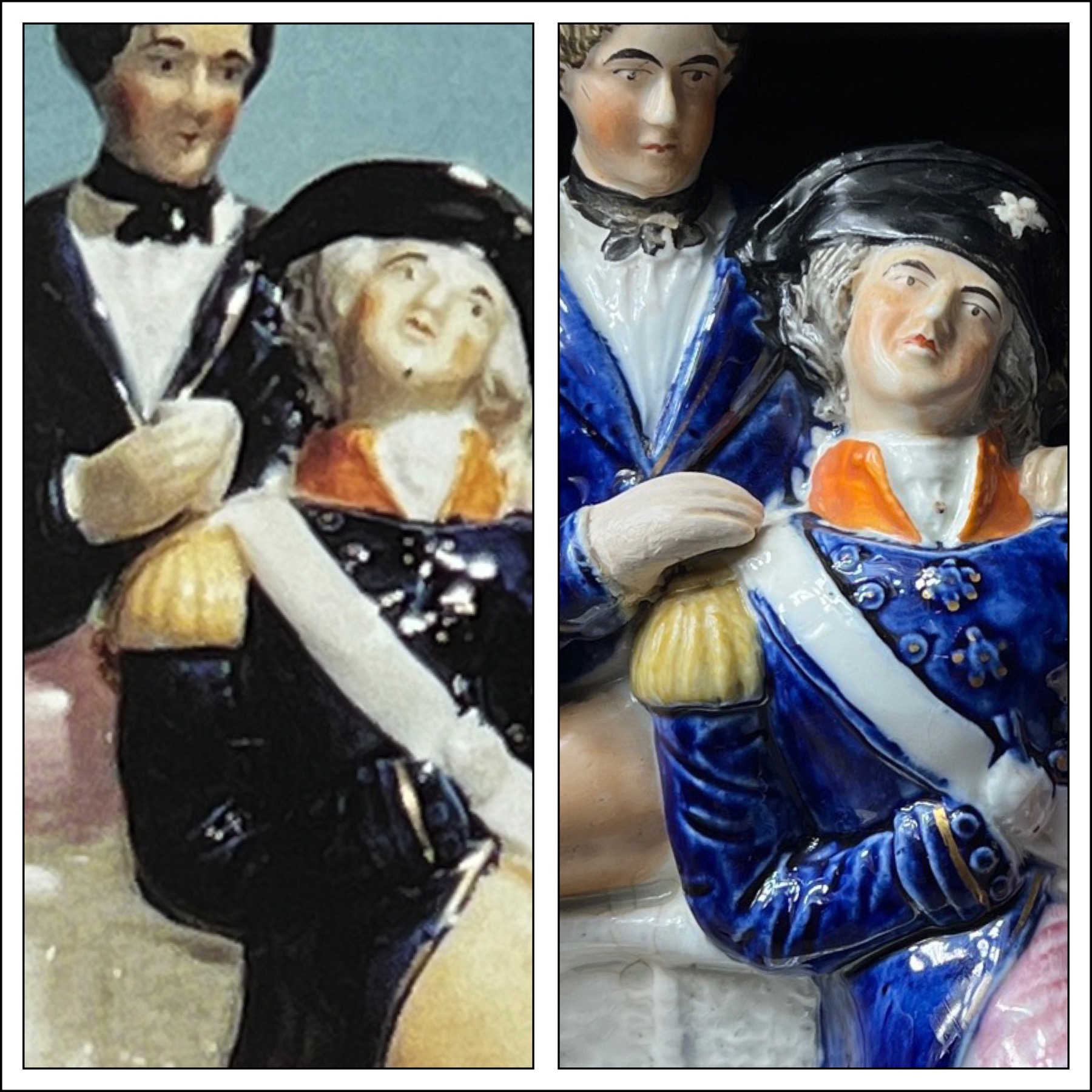
left- Harding’s example, note cup in hand. right- our example, much finer details.

The visible fingers of both officers have been restored in our example – although Nelson has somehow survived intact! Examining the illustrated example reveals a mistake the restorer made: the figure on the left should have a glass of water he is offering to Nelson, not included with the restoration.

This comparison with the example in Harding’s book also emphasizes the superior quality of our example – the detailing seems much crisper, which may simply mean it came out of a newly made mould, as opposed to the harding example, where the mould was well-used and details less distinct.

It’s a fine & desirable rarity, despite its flaws!


Death of Nelson Staffordshire Figure

Who are his companions?

With the tale of his death as told above, we can identify the figures comforting Nelson. To his left is the gent who should have a glass in his hand; this would fit the part played by the Reverend Doctor Scott, who was ‘administering lemonade to the wounded’ and gave Nelson liquid when he requested it.
To his right is an officer, holding his hand; this would be Hardy; famously, towards the end, Nelson said ‘Kiss me, Hardy’.

Posted on

Fresh stock – Fantastic Variety

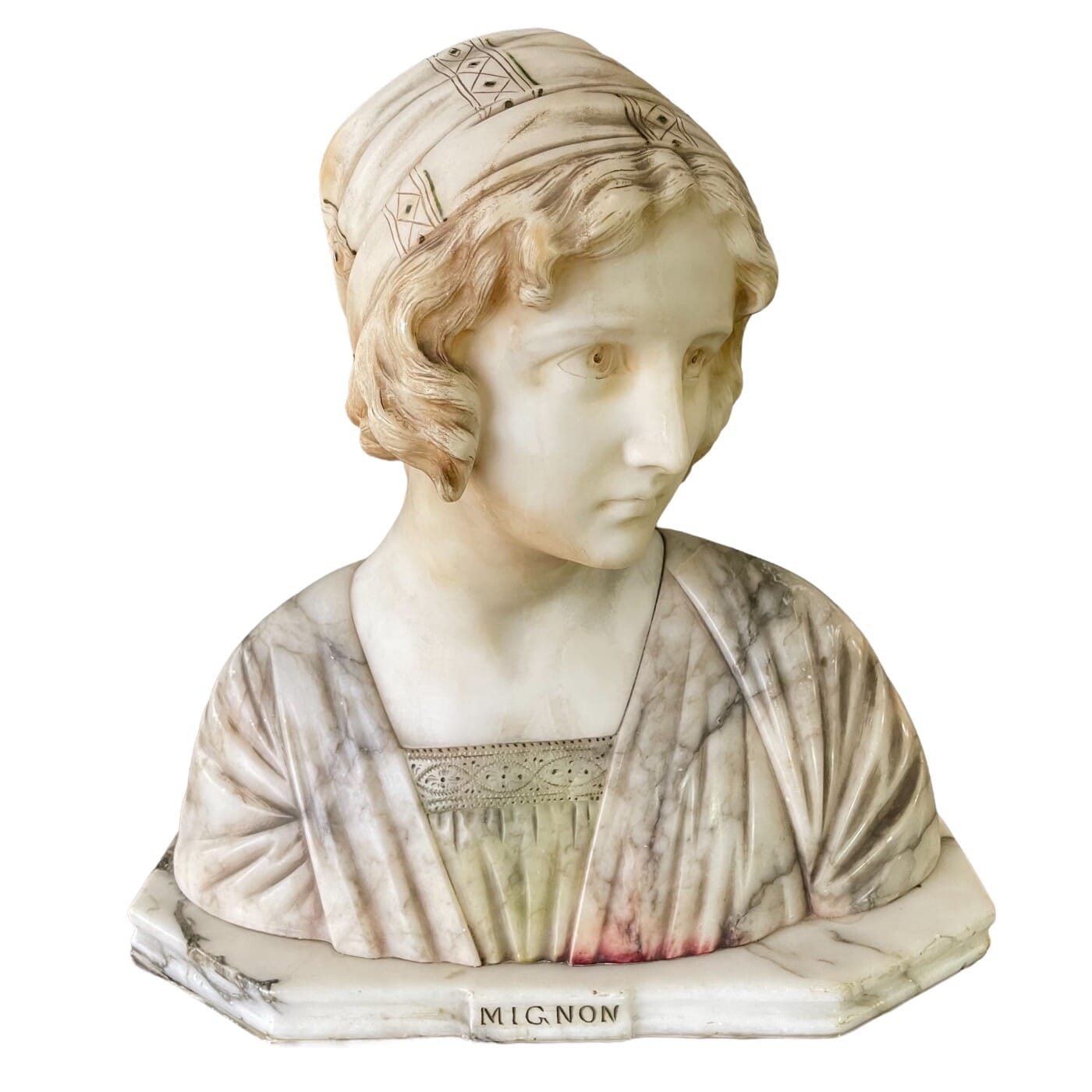
Today we have a big variety – from an almost life-size alabaster bust, to some fresh furniture, antiquities, ‘seaside’ souvenirs, and even a Black Forrest bear.

Enjoy!

Furniture

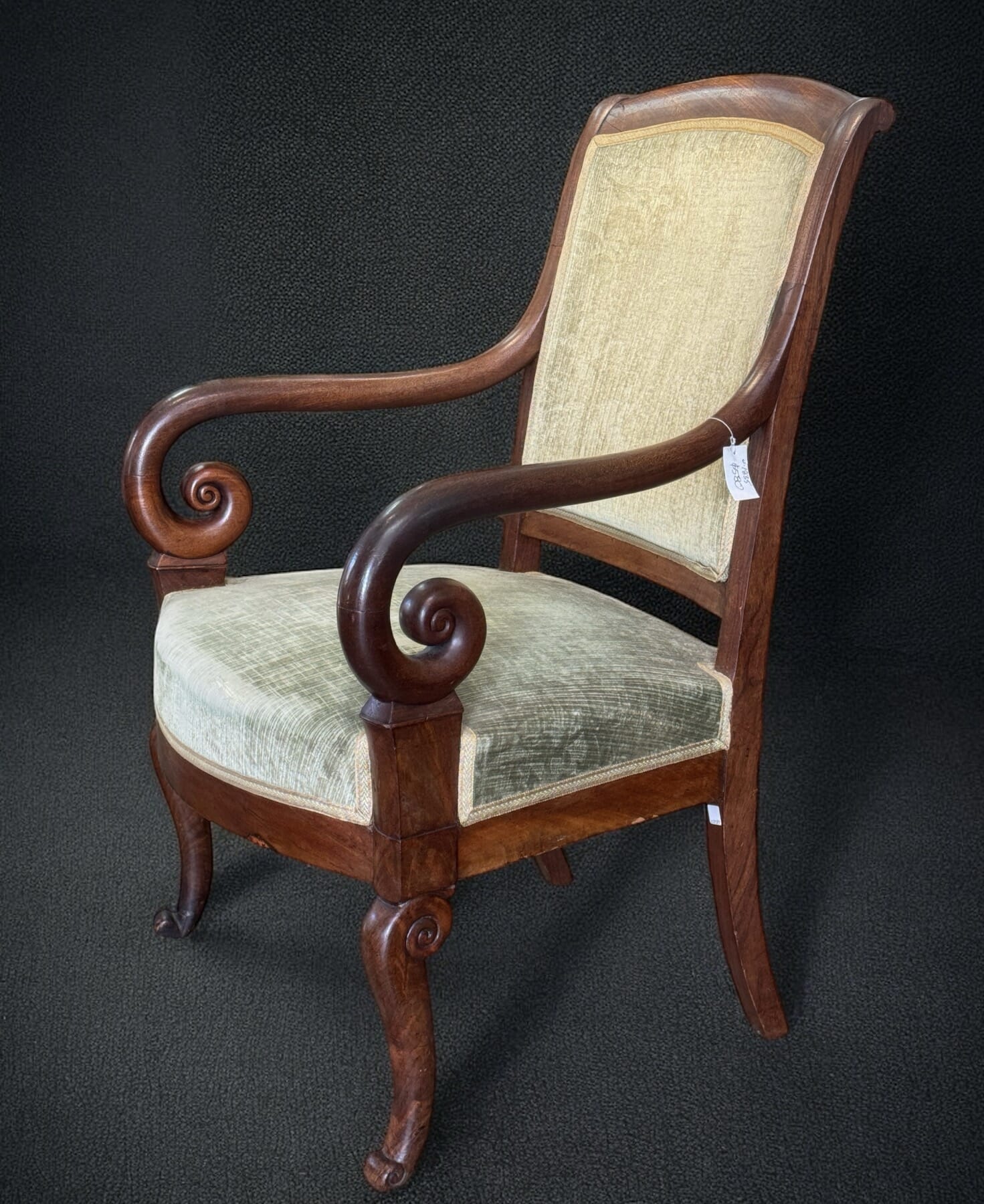
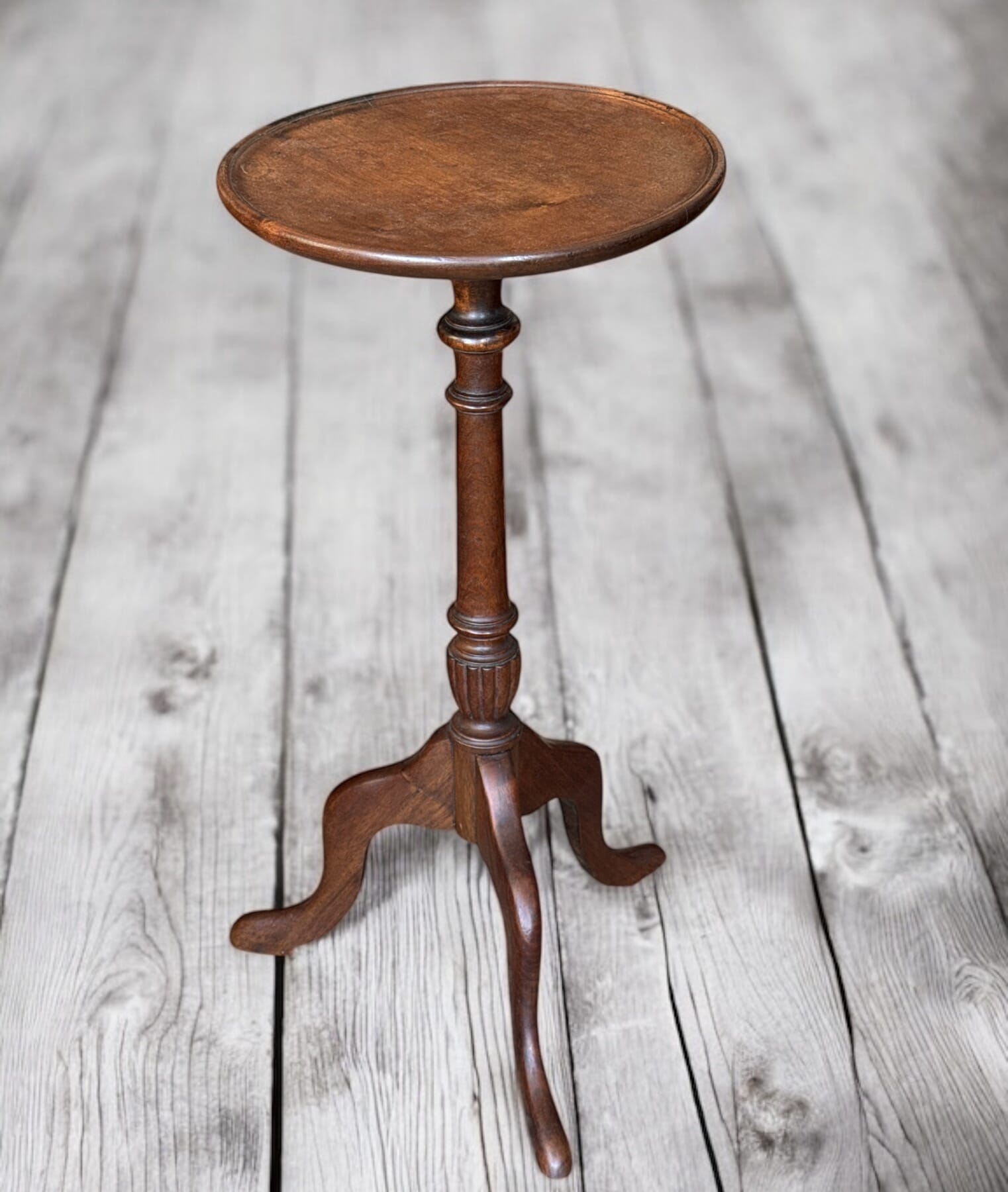
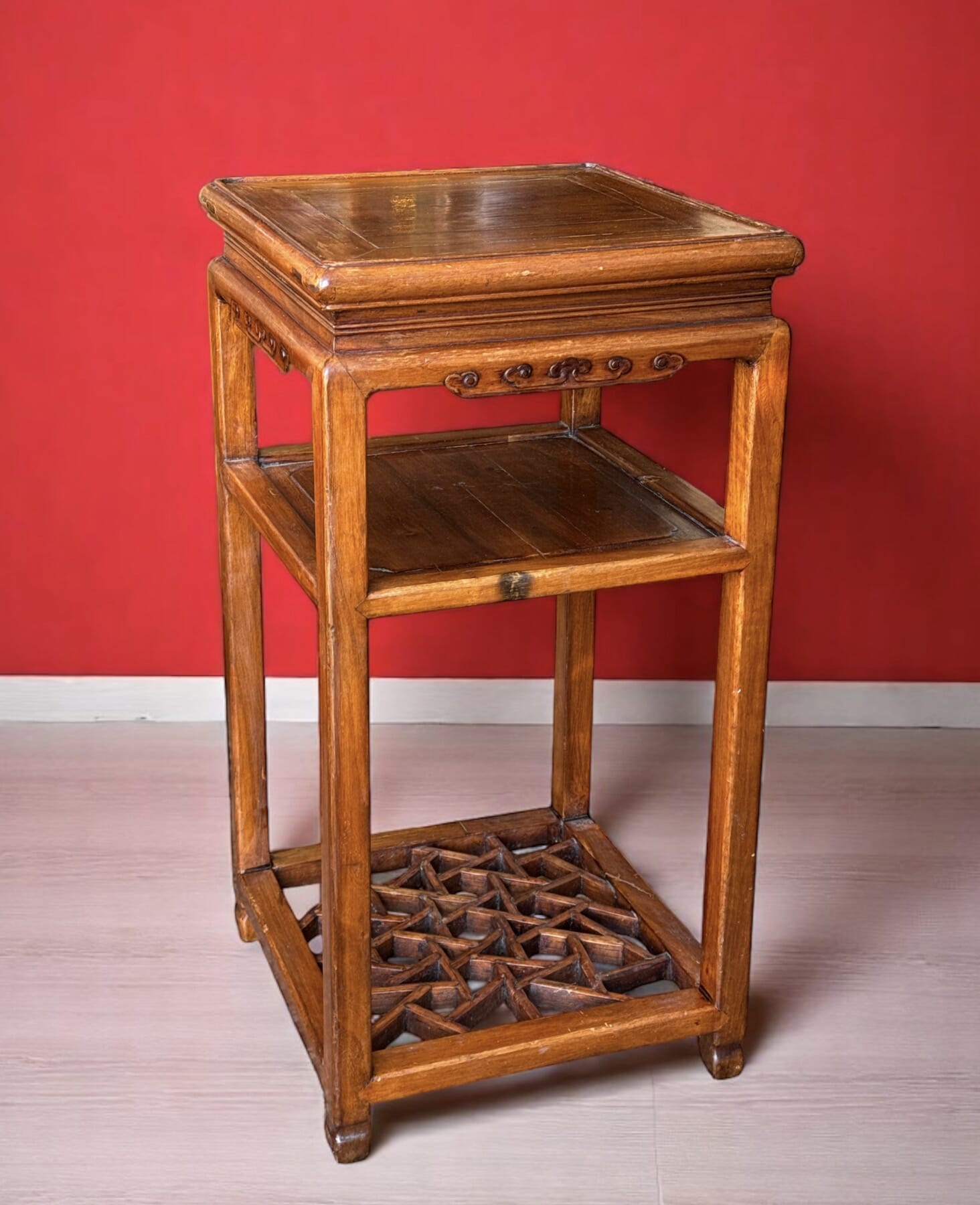
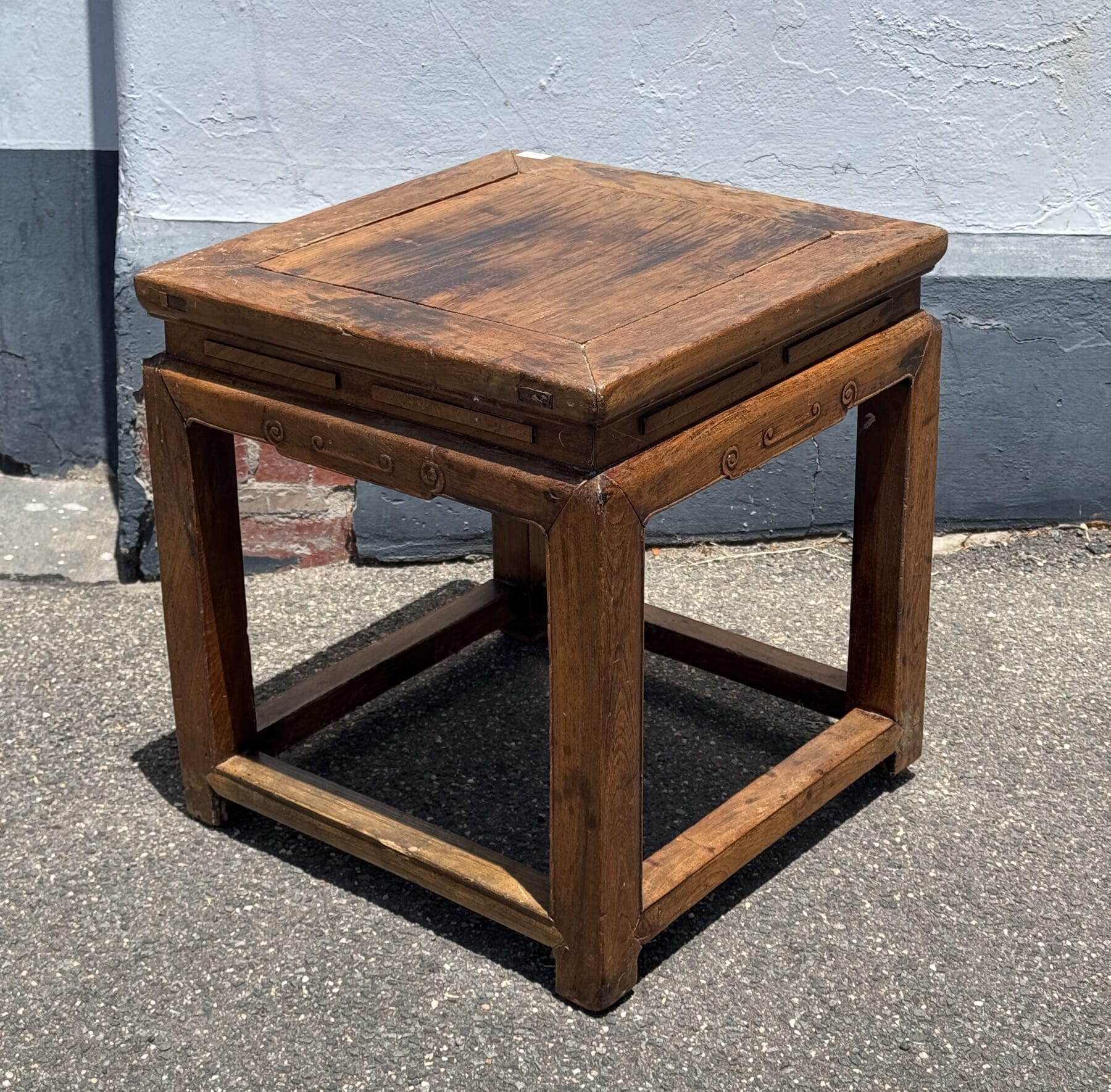
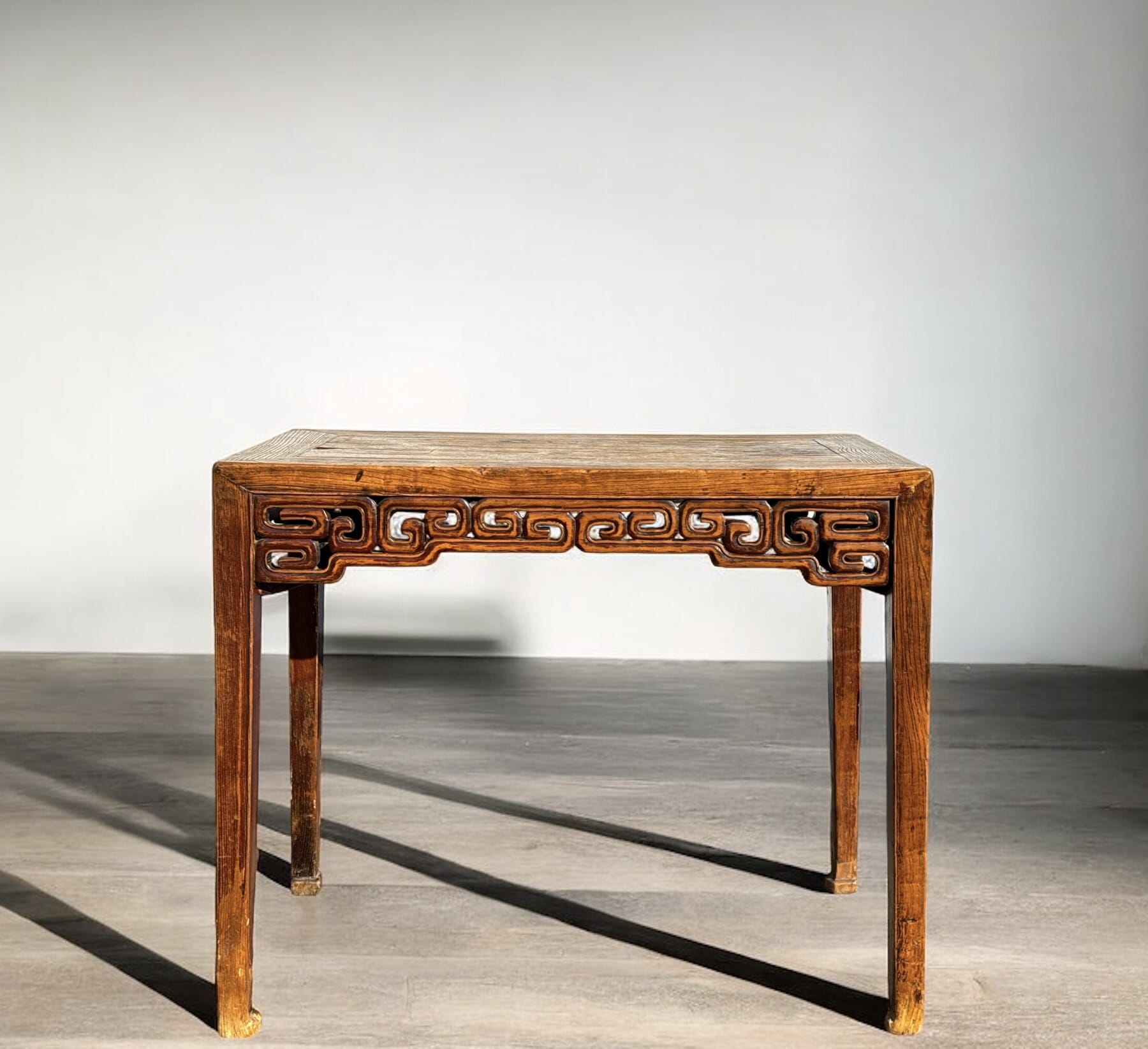
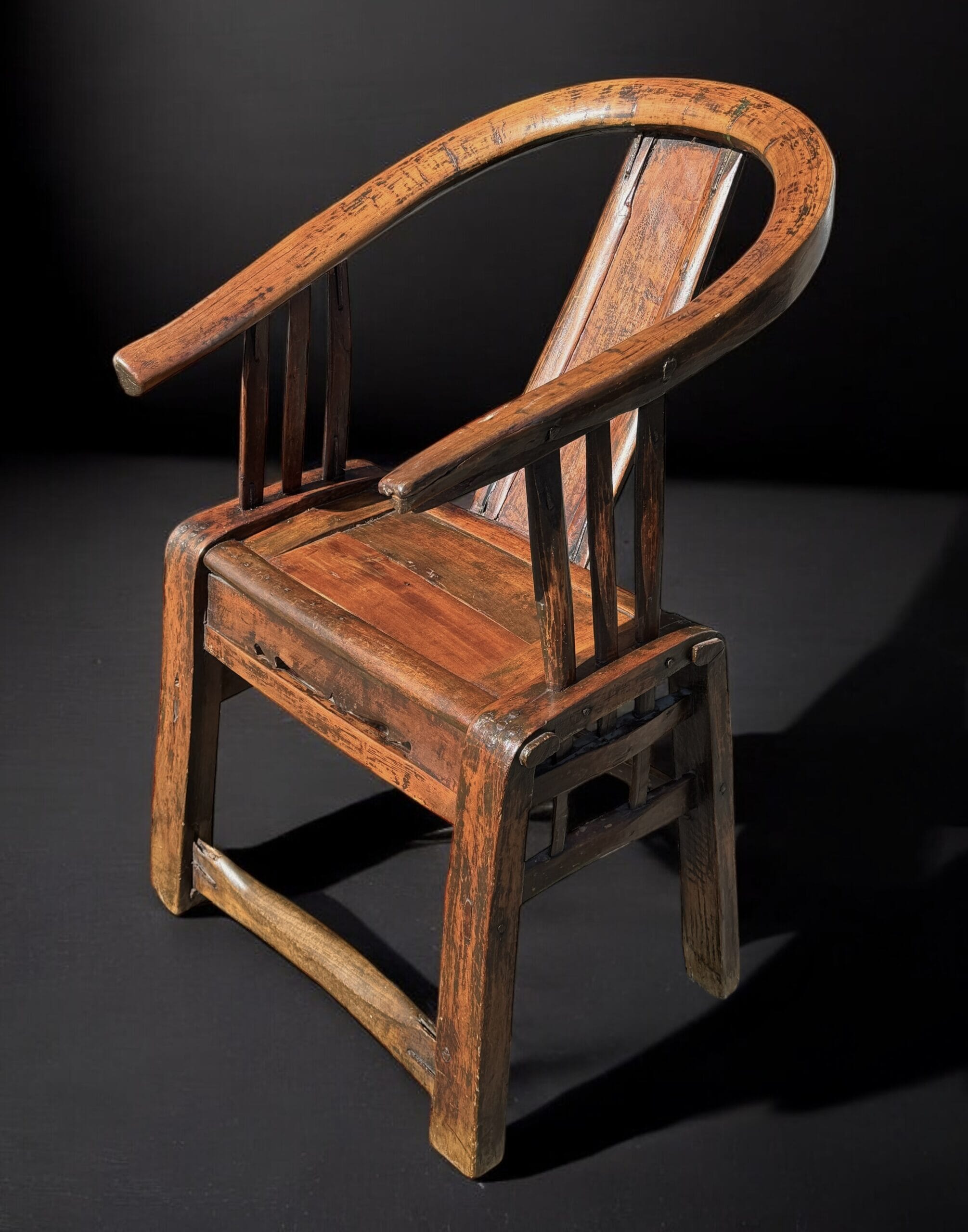
We’re over-stocked with Fine Furniture! Unfortunately, it has been difficult to access the furniture on our website – until now.

See our Antique Furniture
See our Antique Furniture Galleries


We’re pleased to introduce a brand-new browsing page, which groups the furniture into logical galleries for you to enjoy. Click on the above banner – also now featured on the homepage – to see our furniture.
Note: there’s a vast amount of furniture in stock, 600+ pieces, and much is still to be catalogued – if there is something in particular you are looking for, contact us. More added constantly!

Antiquities

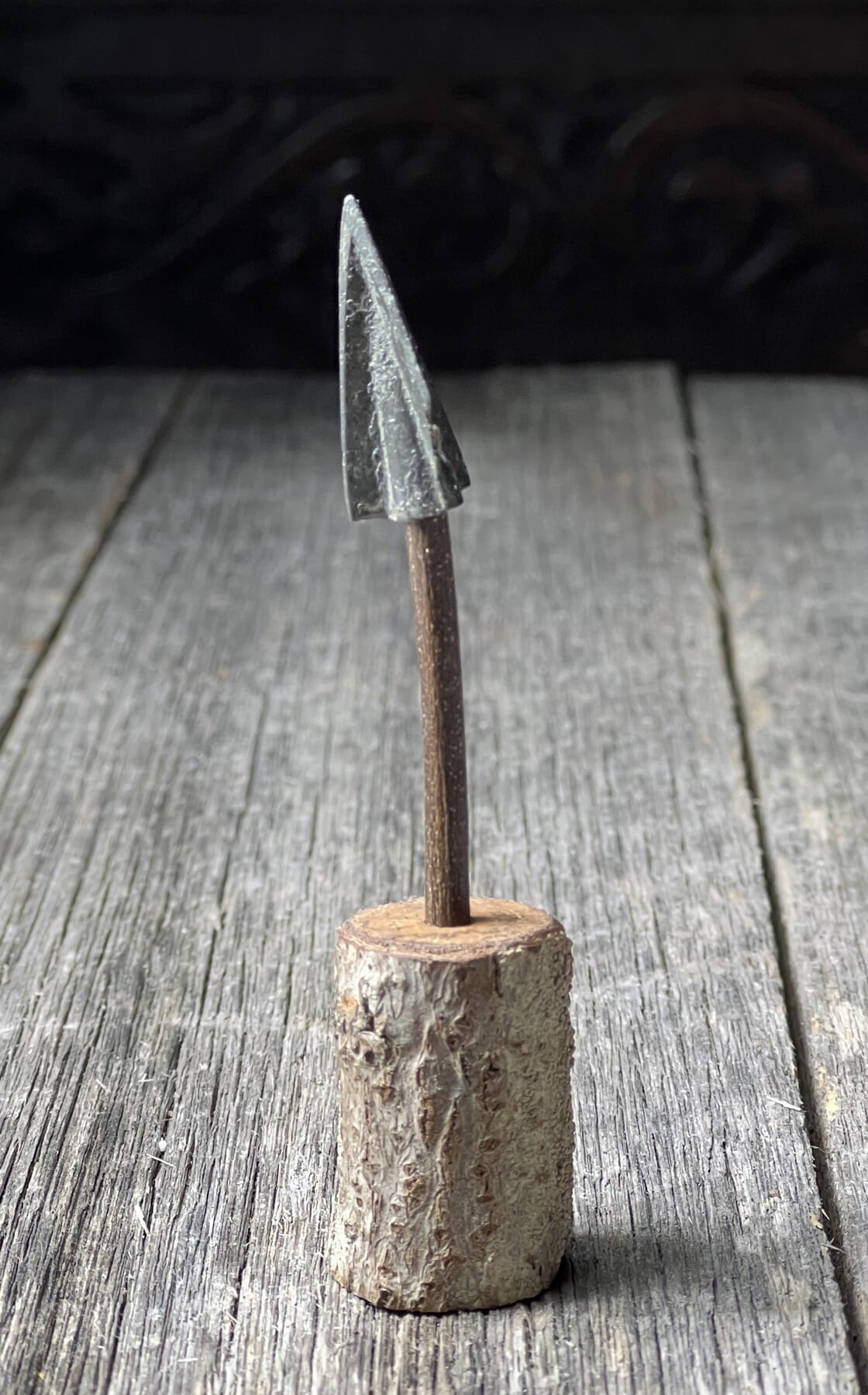
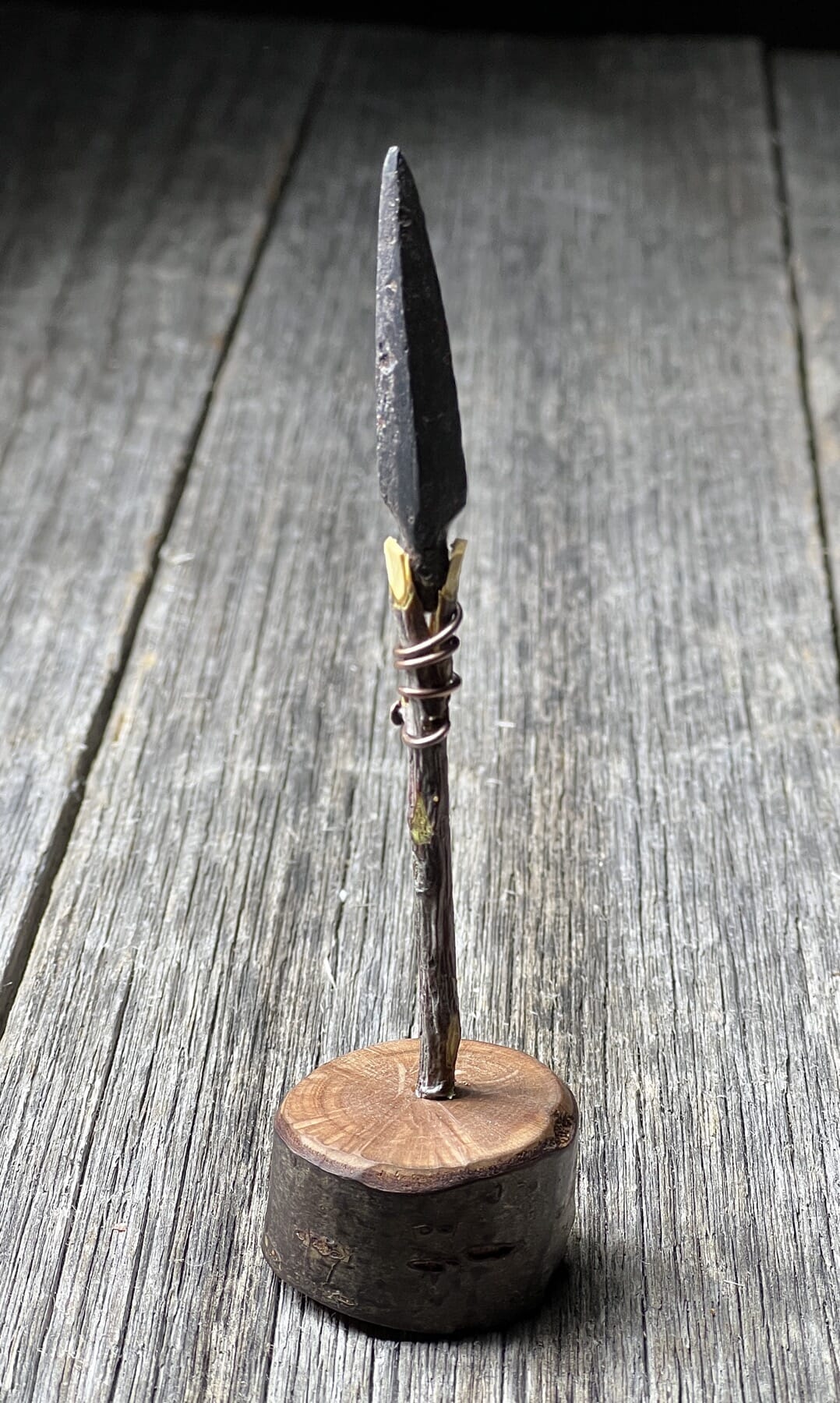
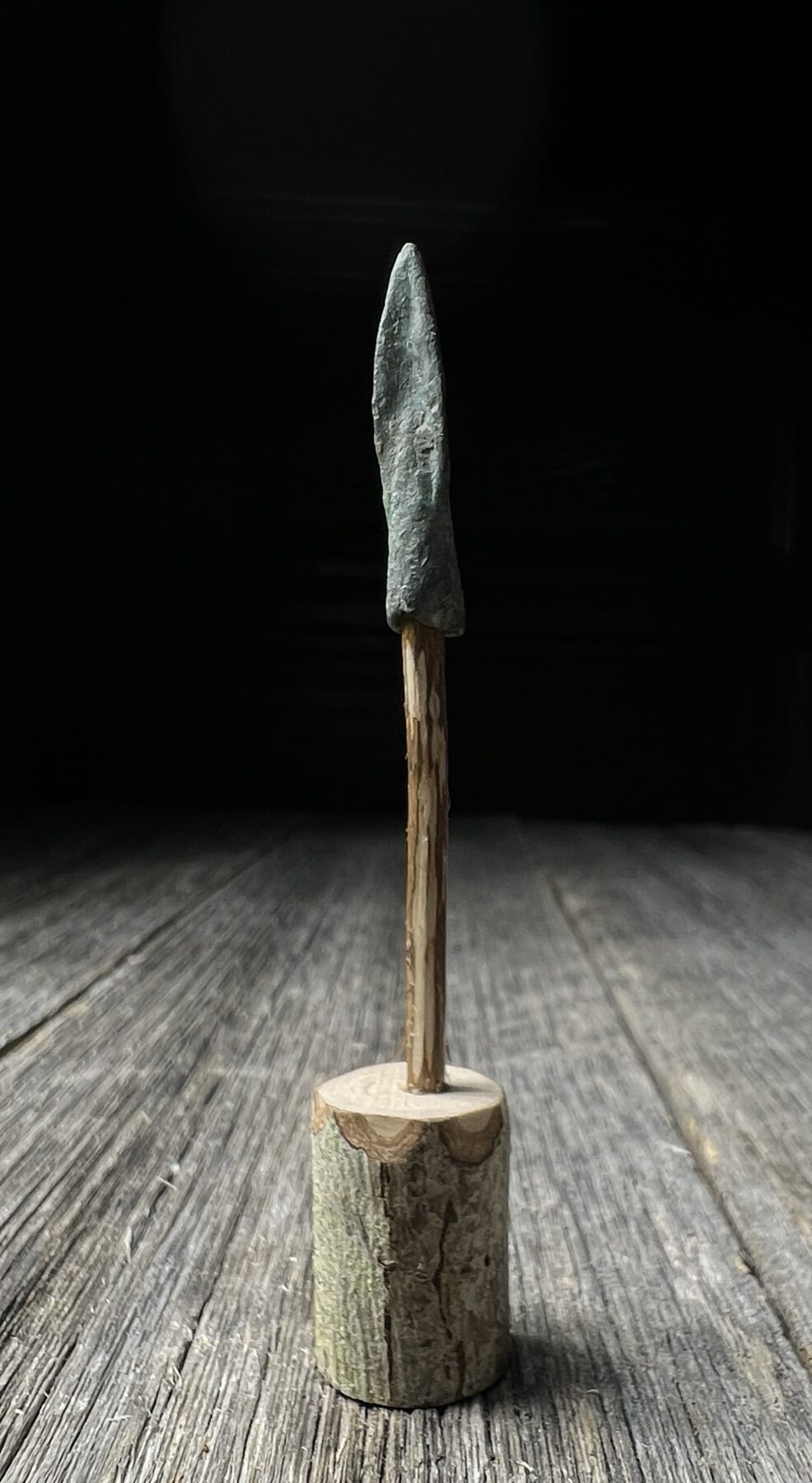
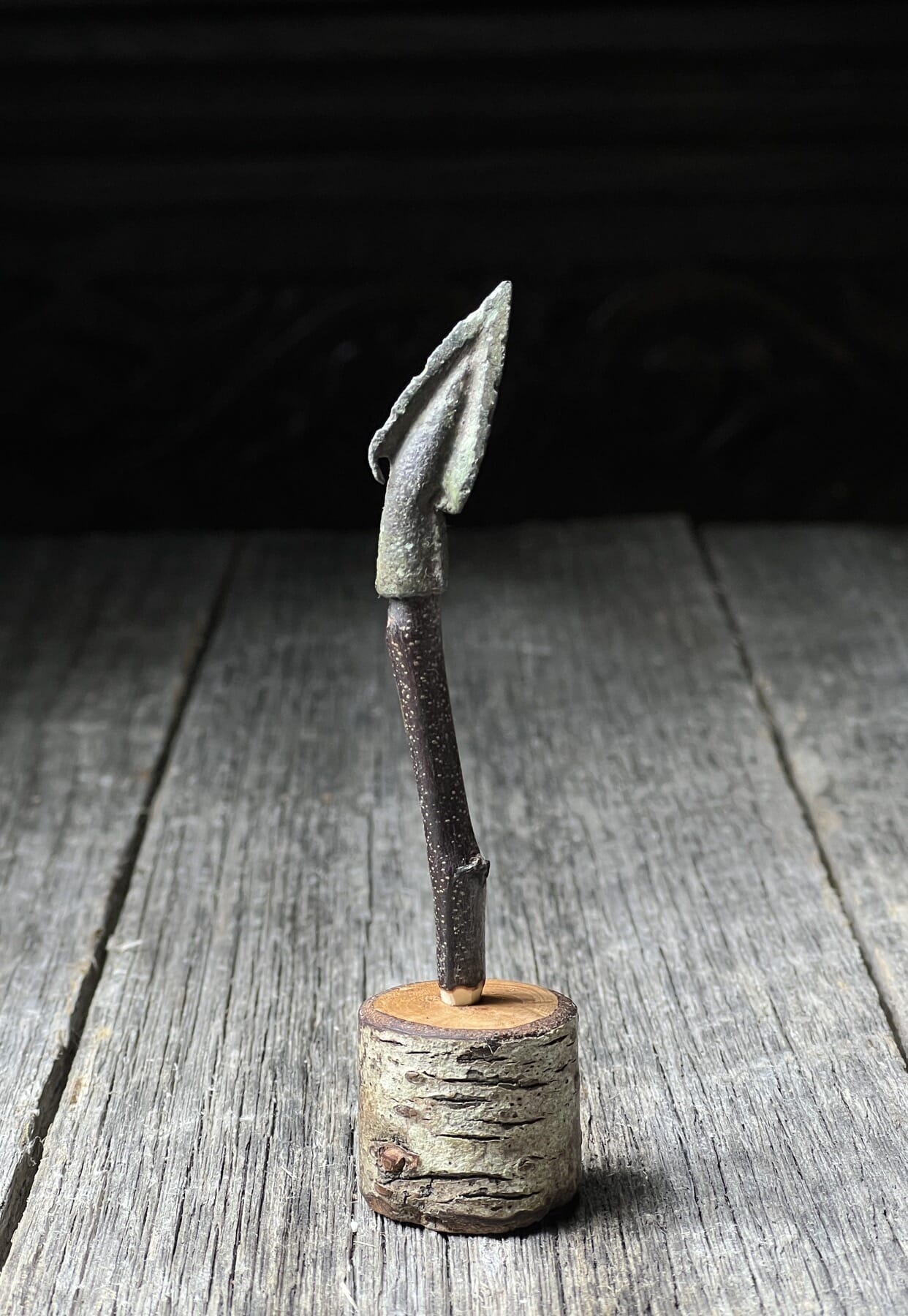
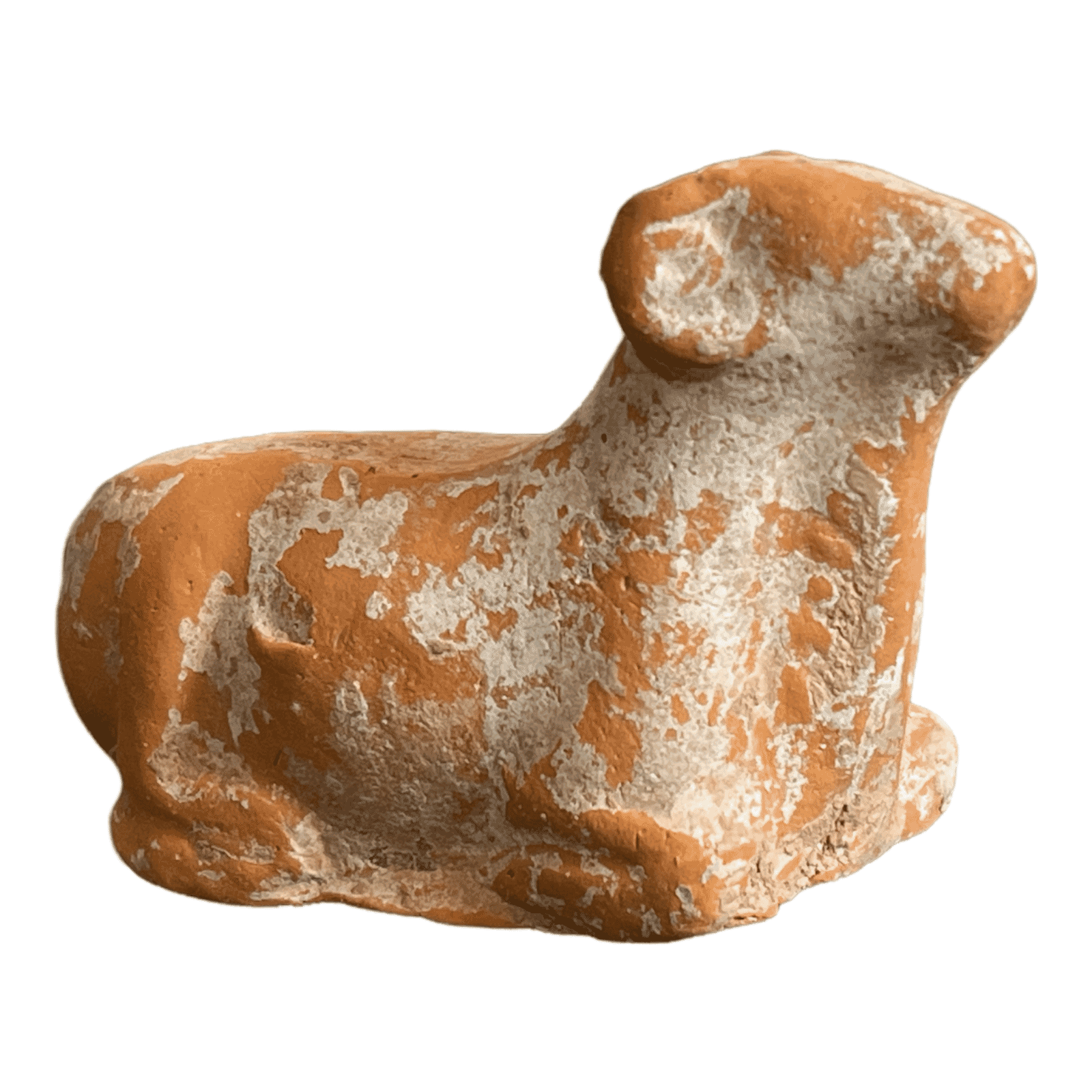
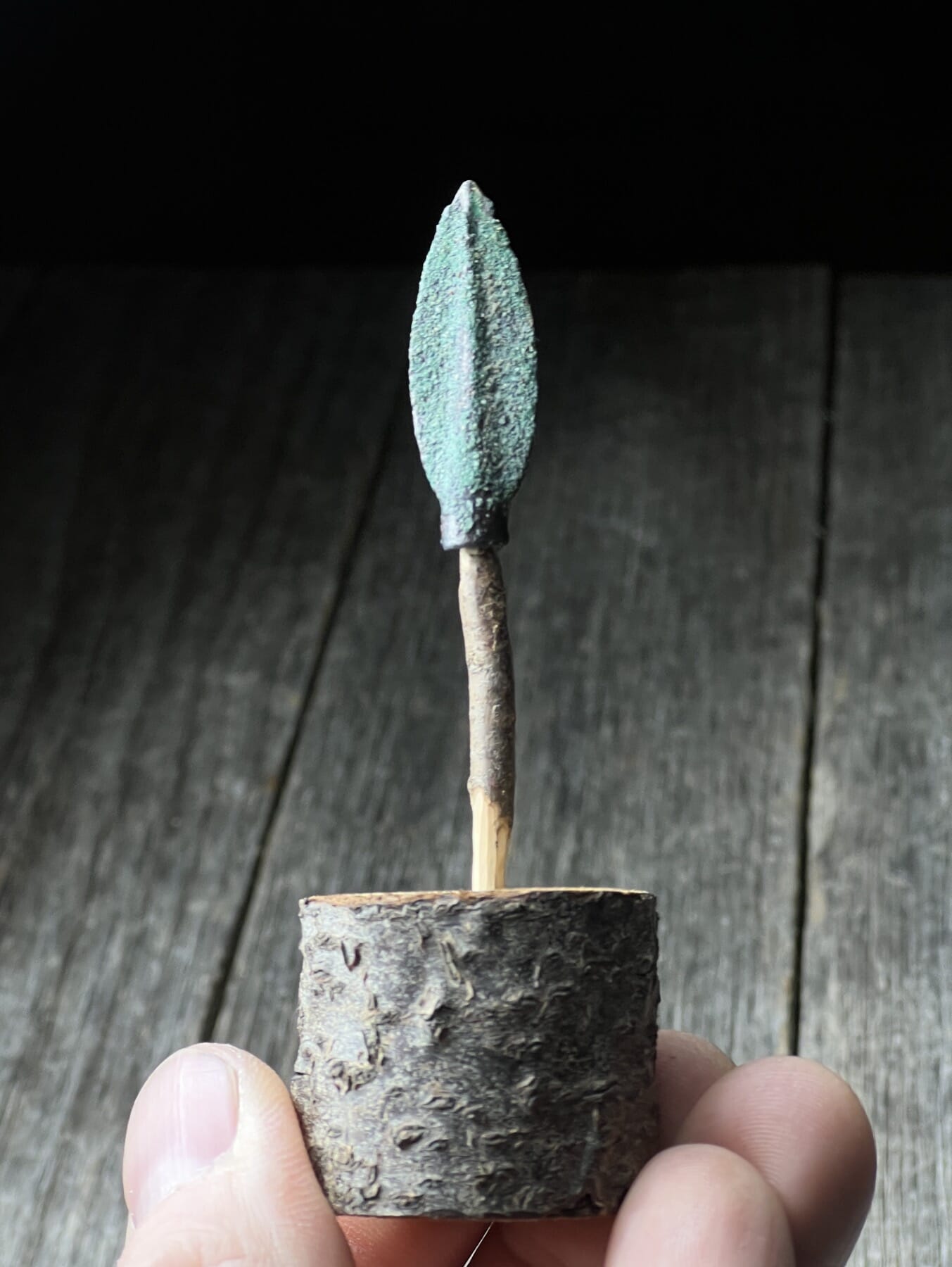
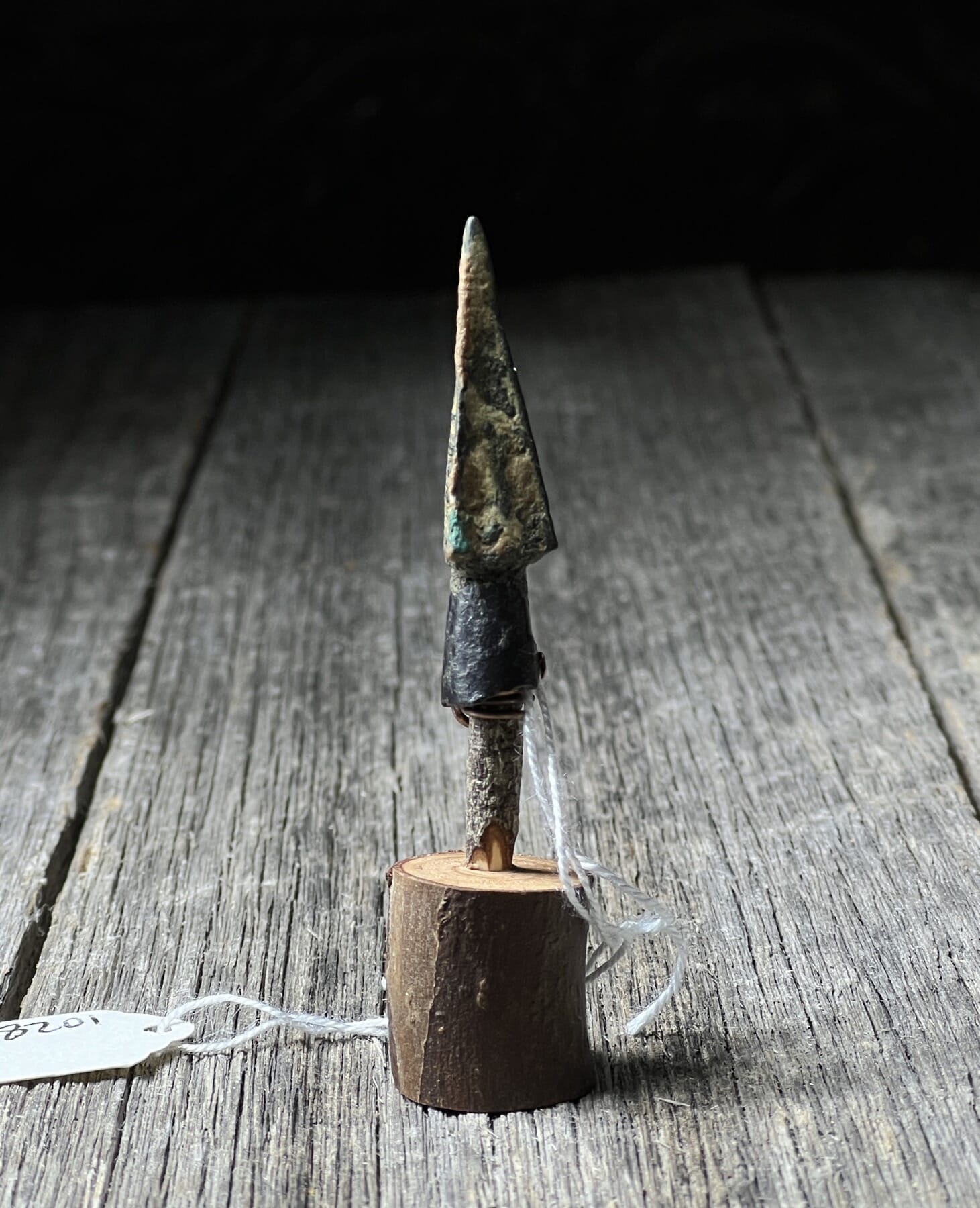
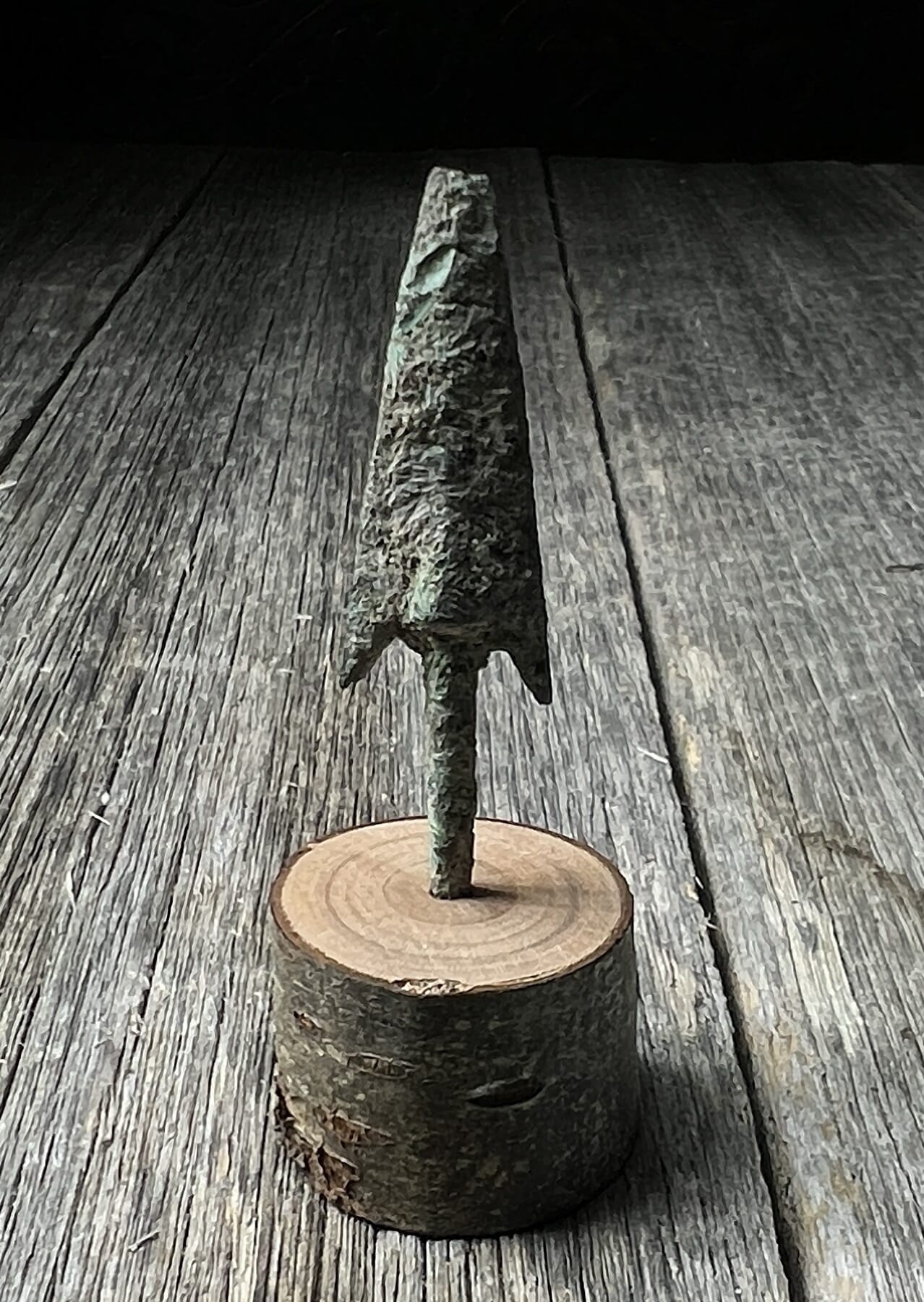
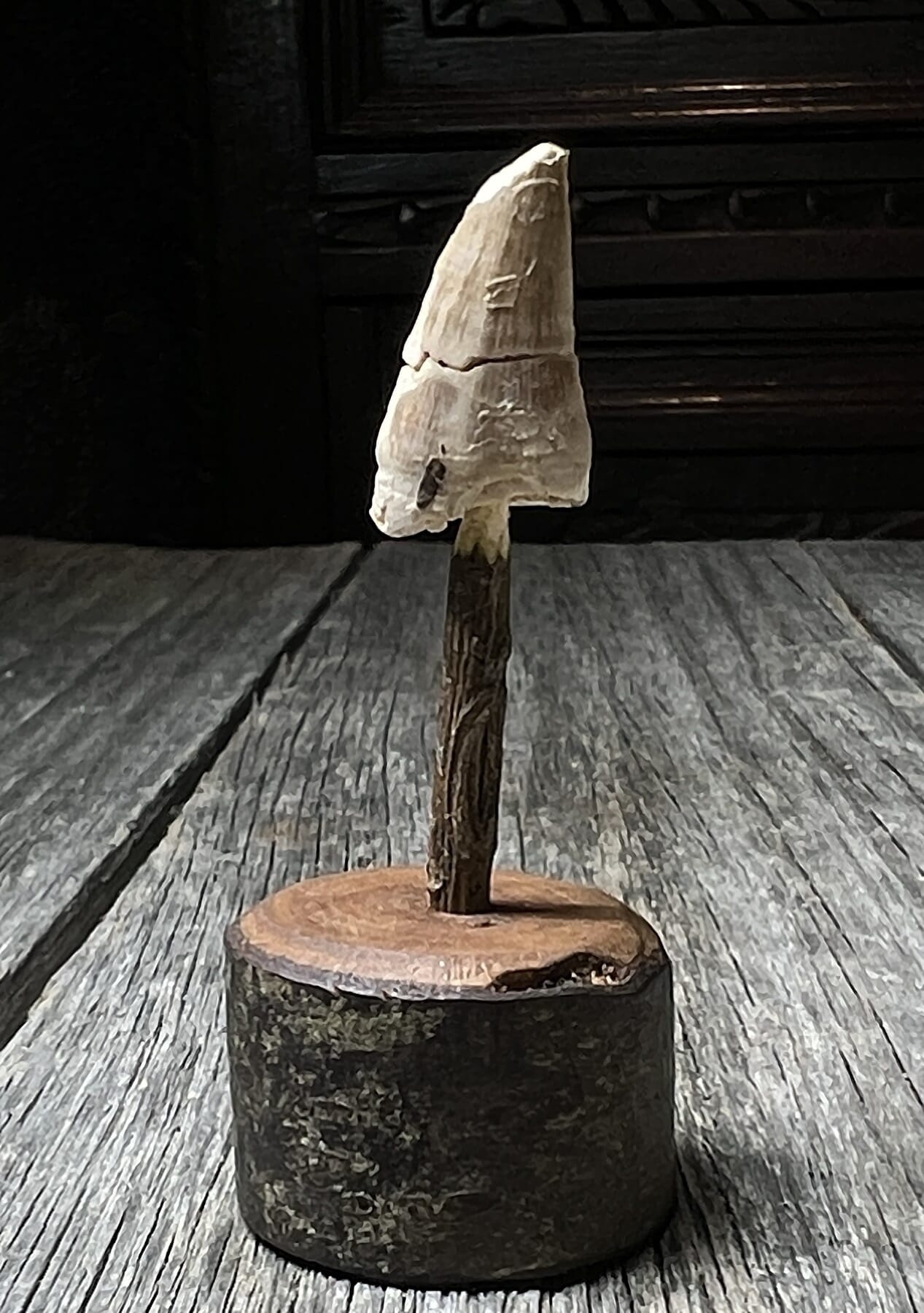
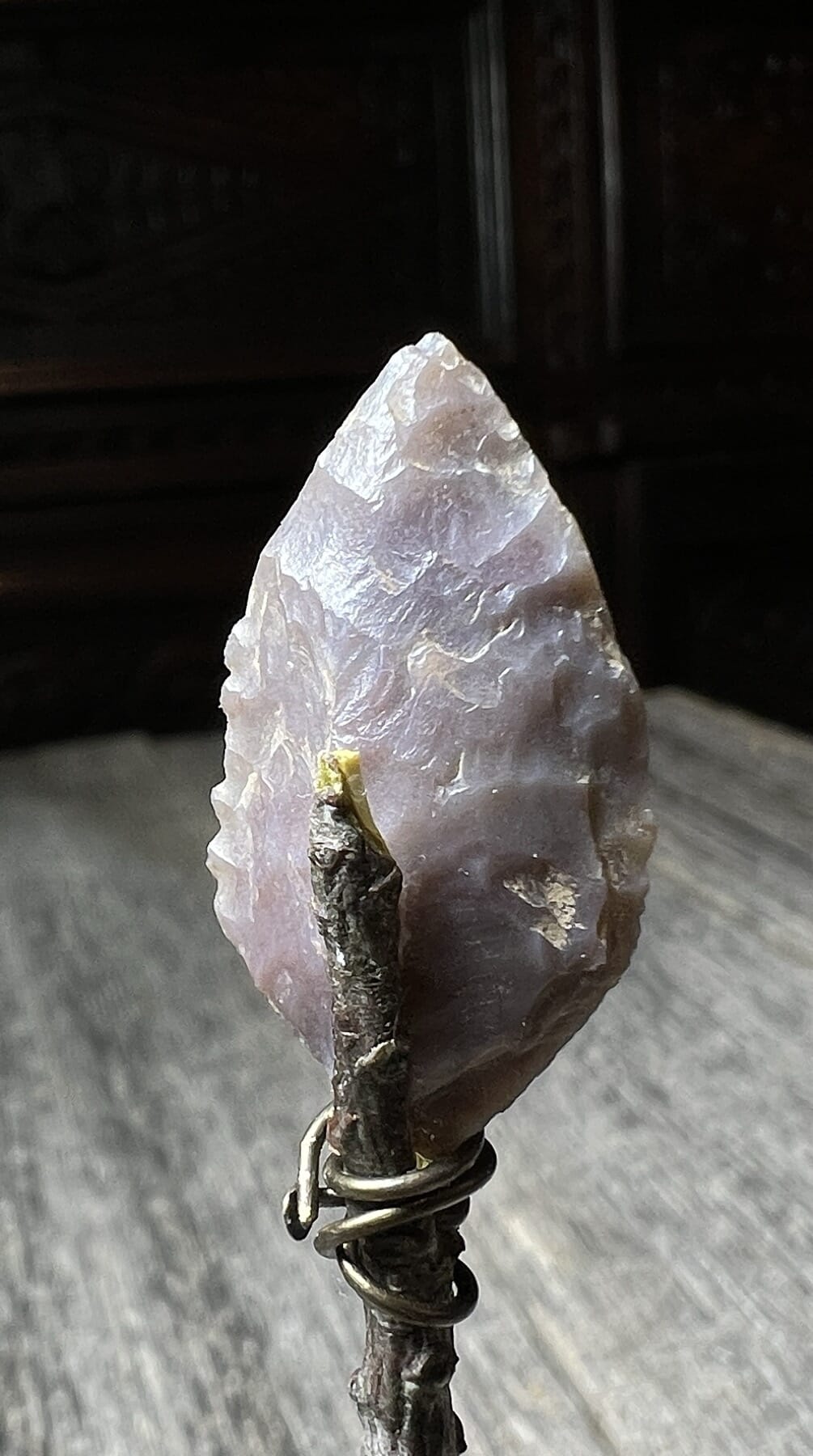
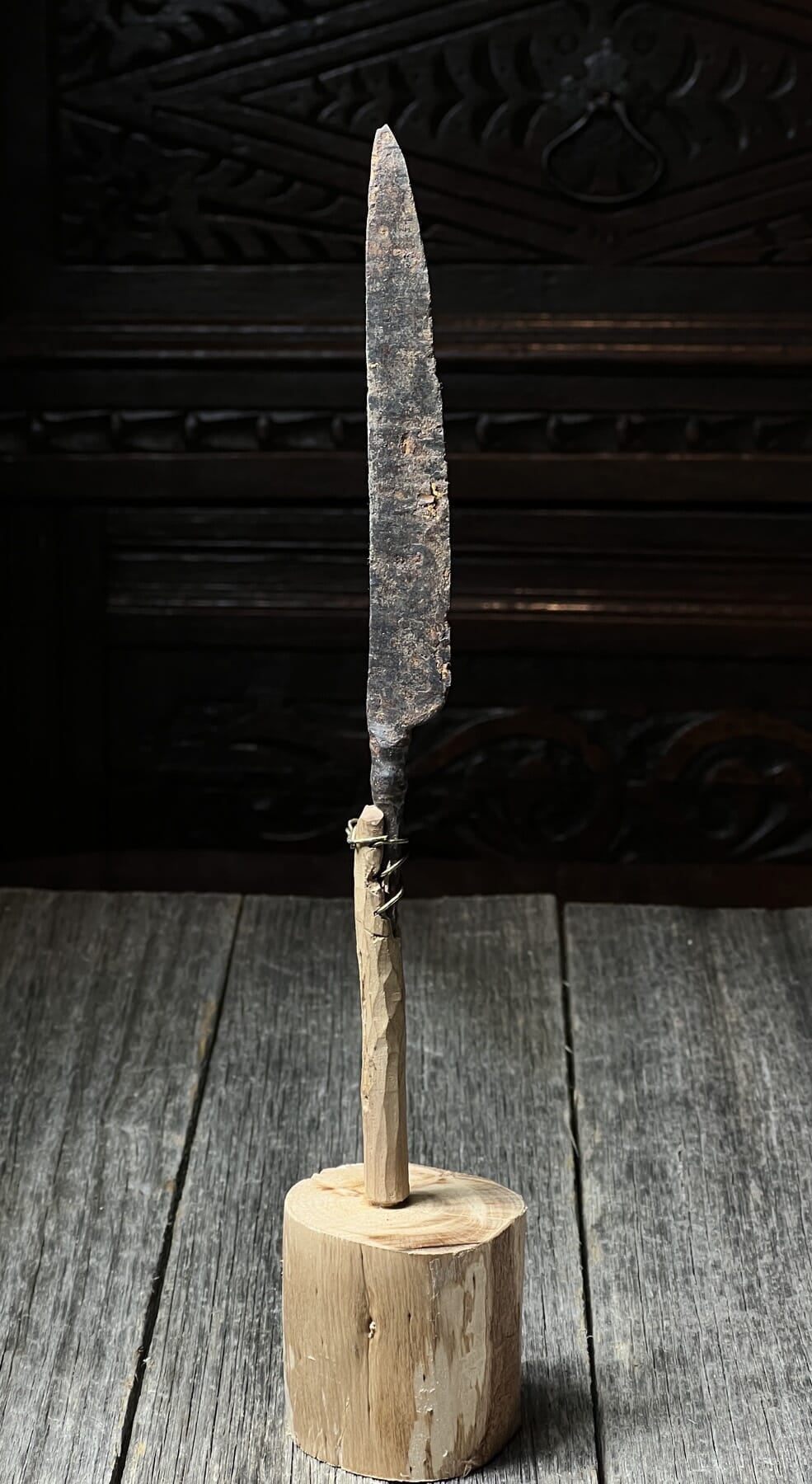
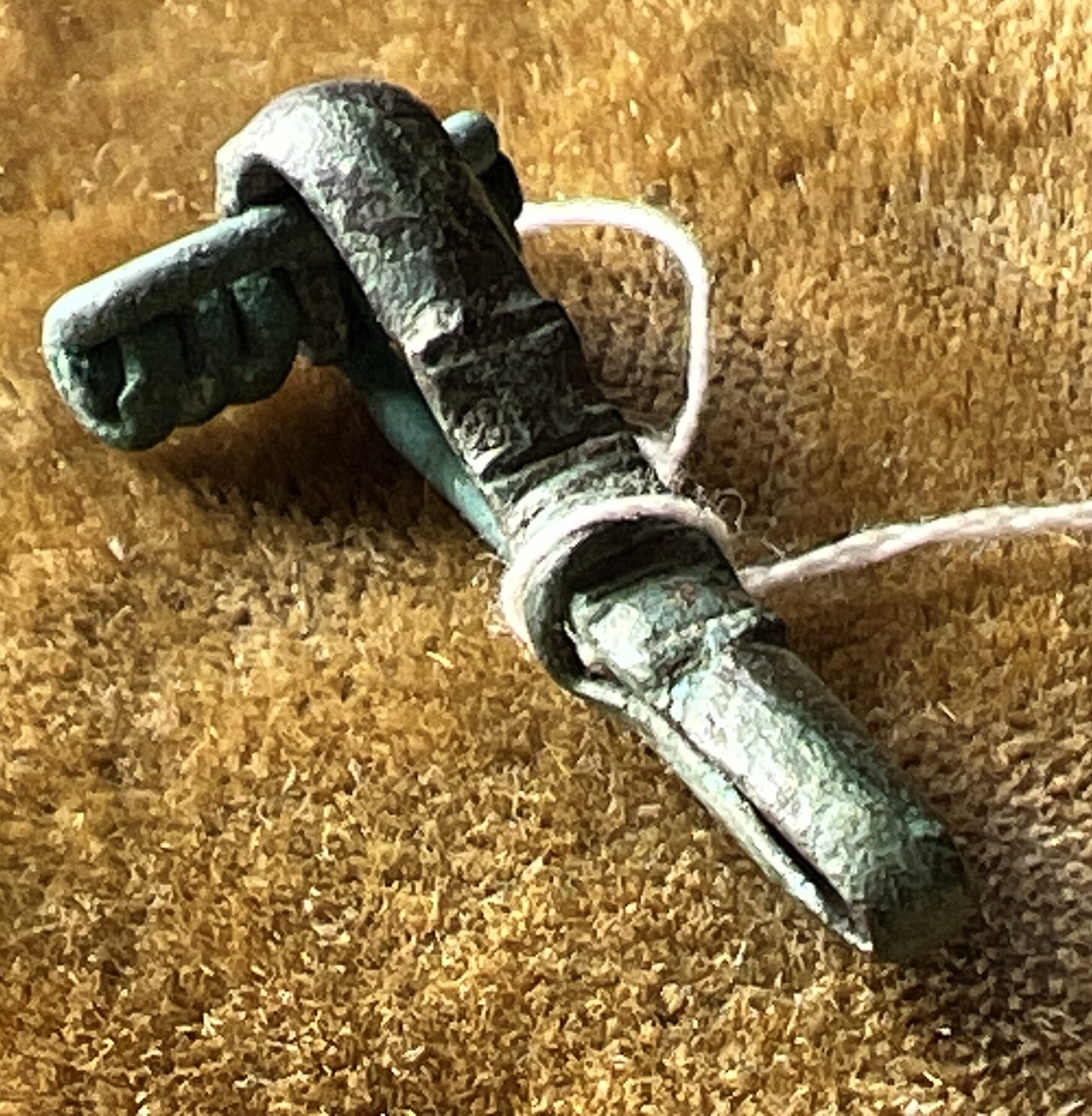
We have some more interesting Ancient pieces for you to enjoy, including a collection of arrowheads. These are not uncommon in the ancient world, as they were a very necessary product. Warfare was a way of life – and a city being attacked needed a vast stock to keep the enemy at bay. The other aspect was hunting – this was an everyday necessity in some cultures, and once again needed a lot of arrowheads made.
Of note in this collection released today is an ancient Egyptian example around 3,000 years old, another Egyptian-made example that is only 2,600 years old (!) – but with Greek origins. Others are Roman, Persian, and a Medieval English example found in the Thames.

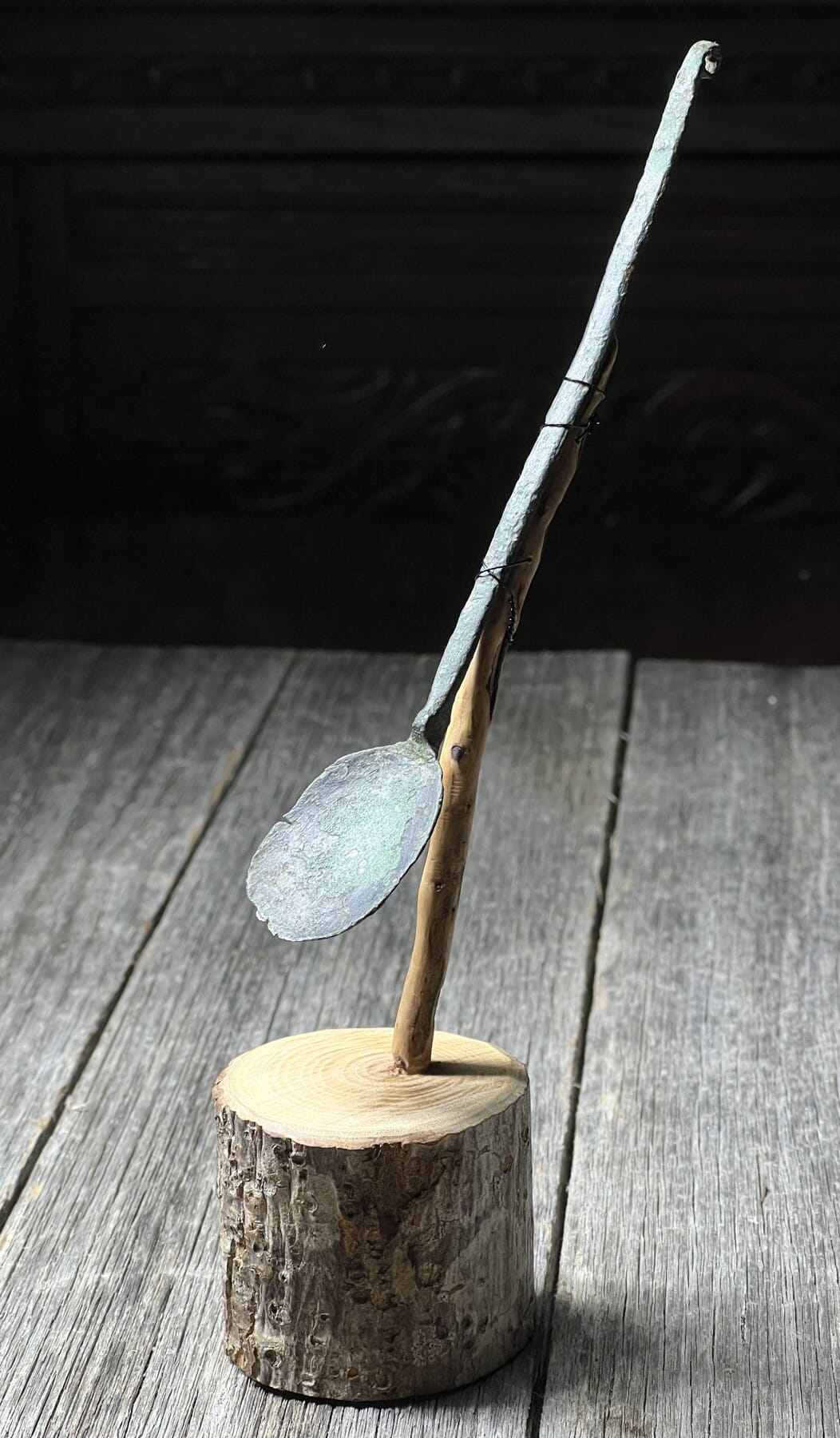
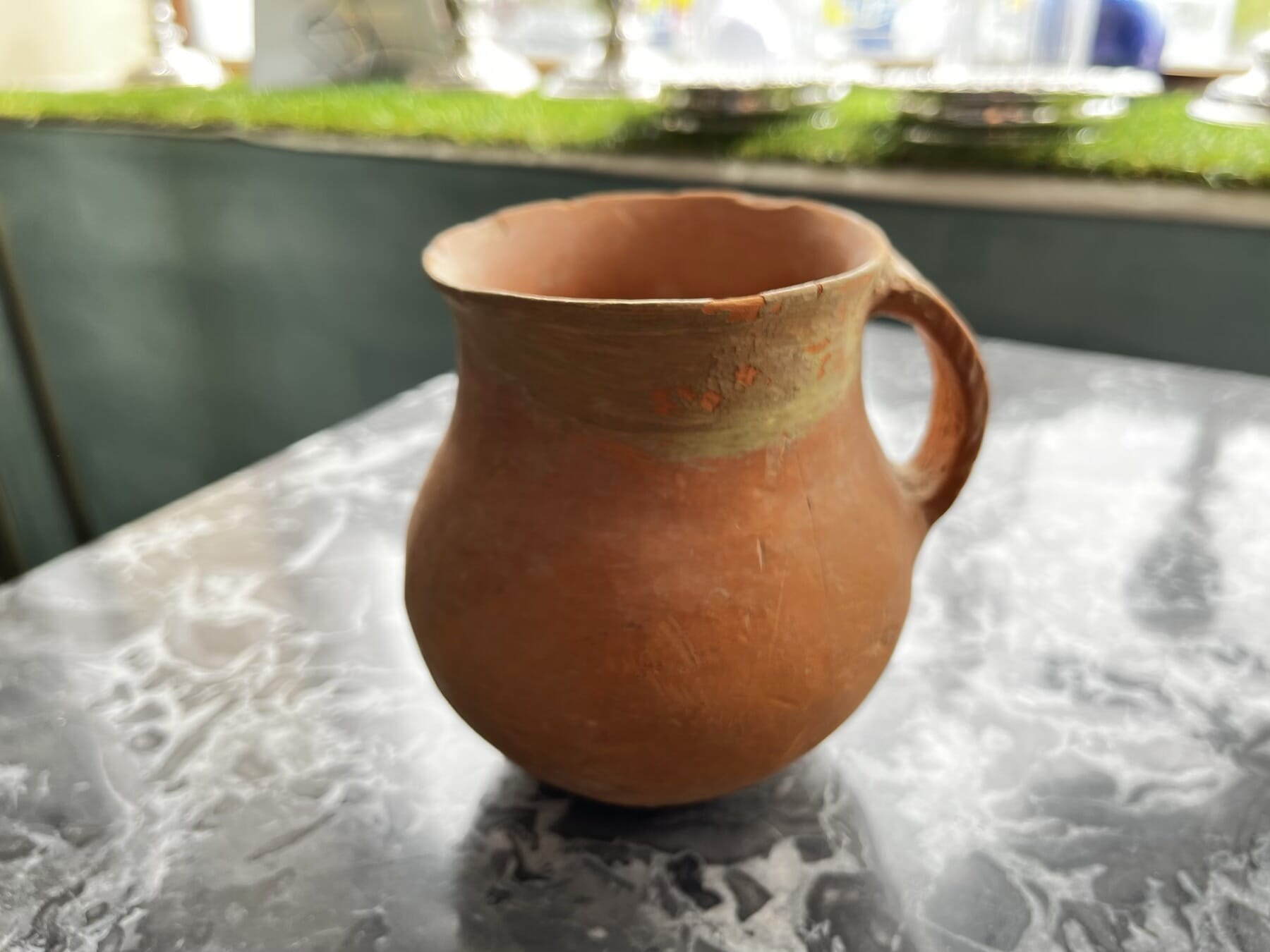
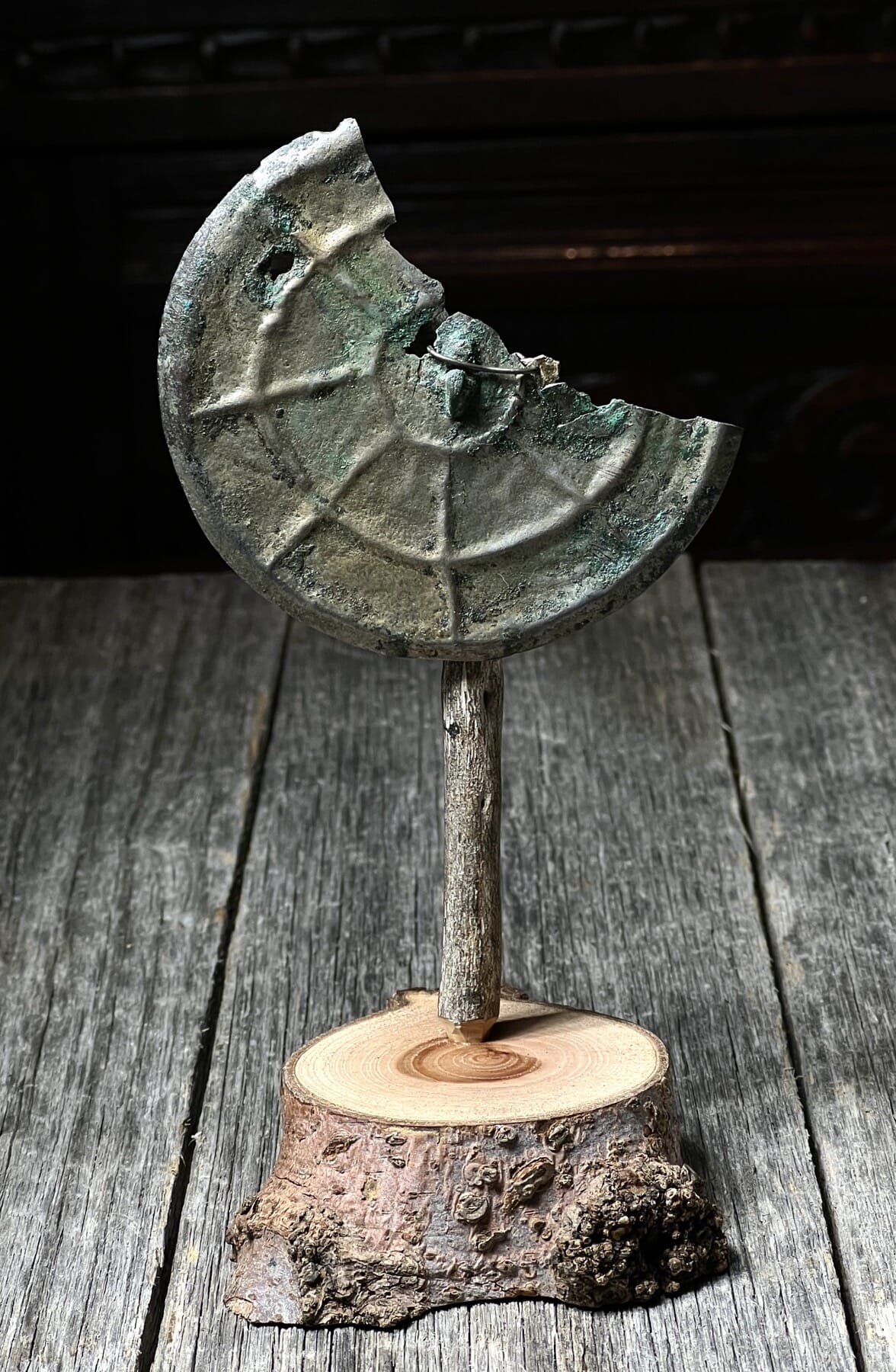
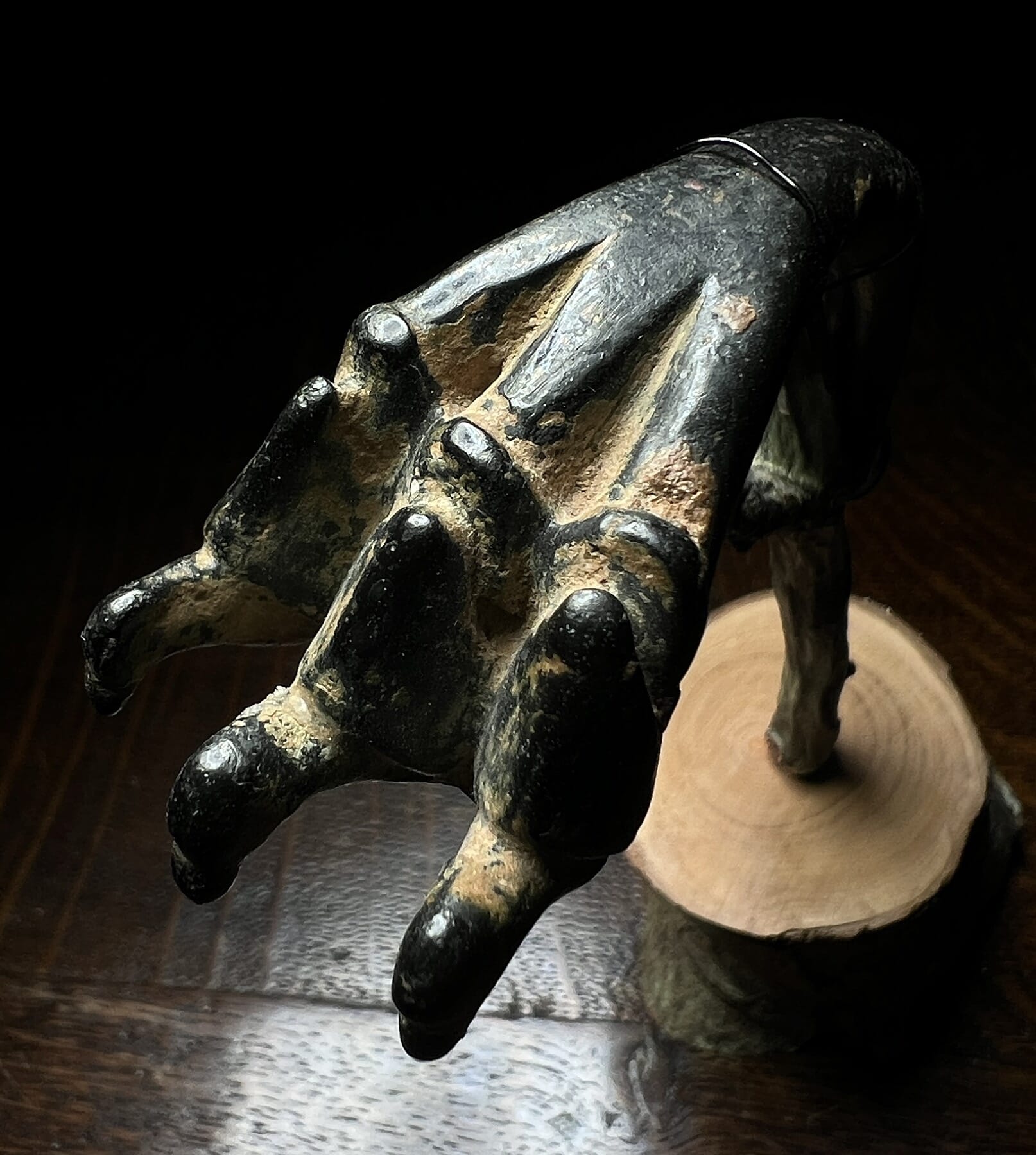
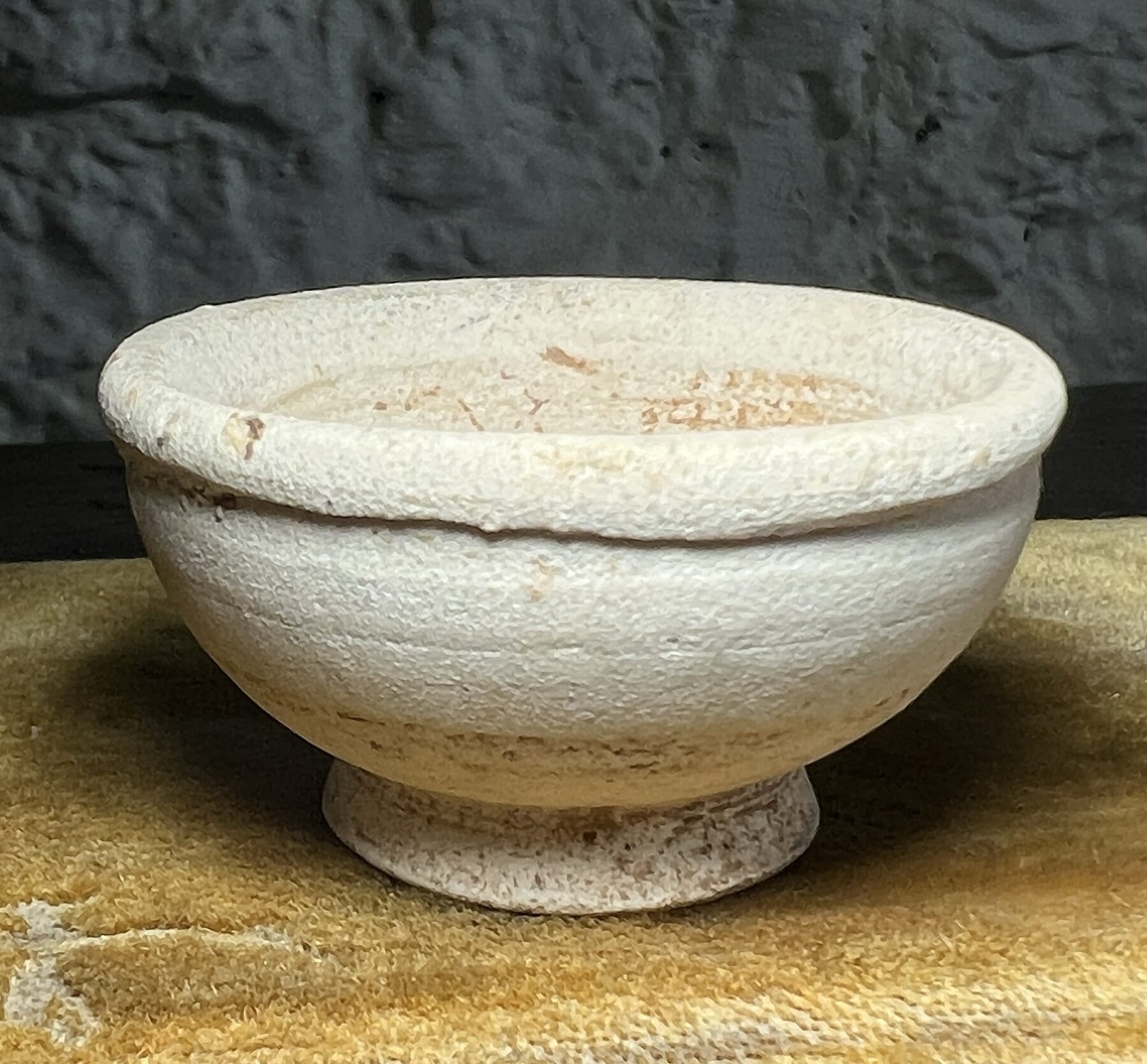
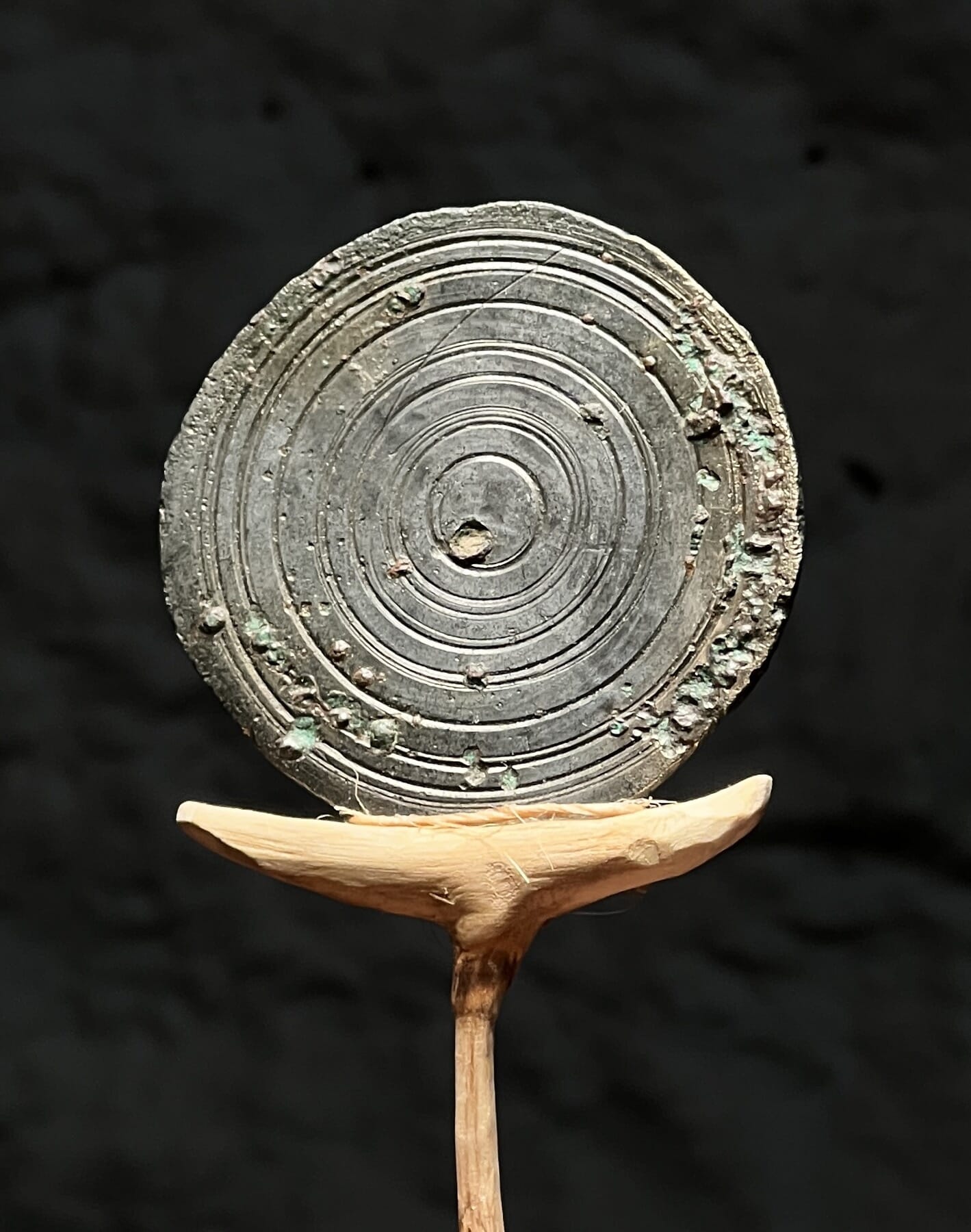
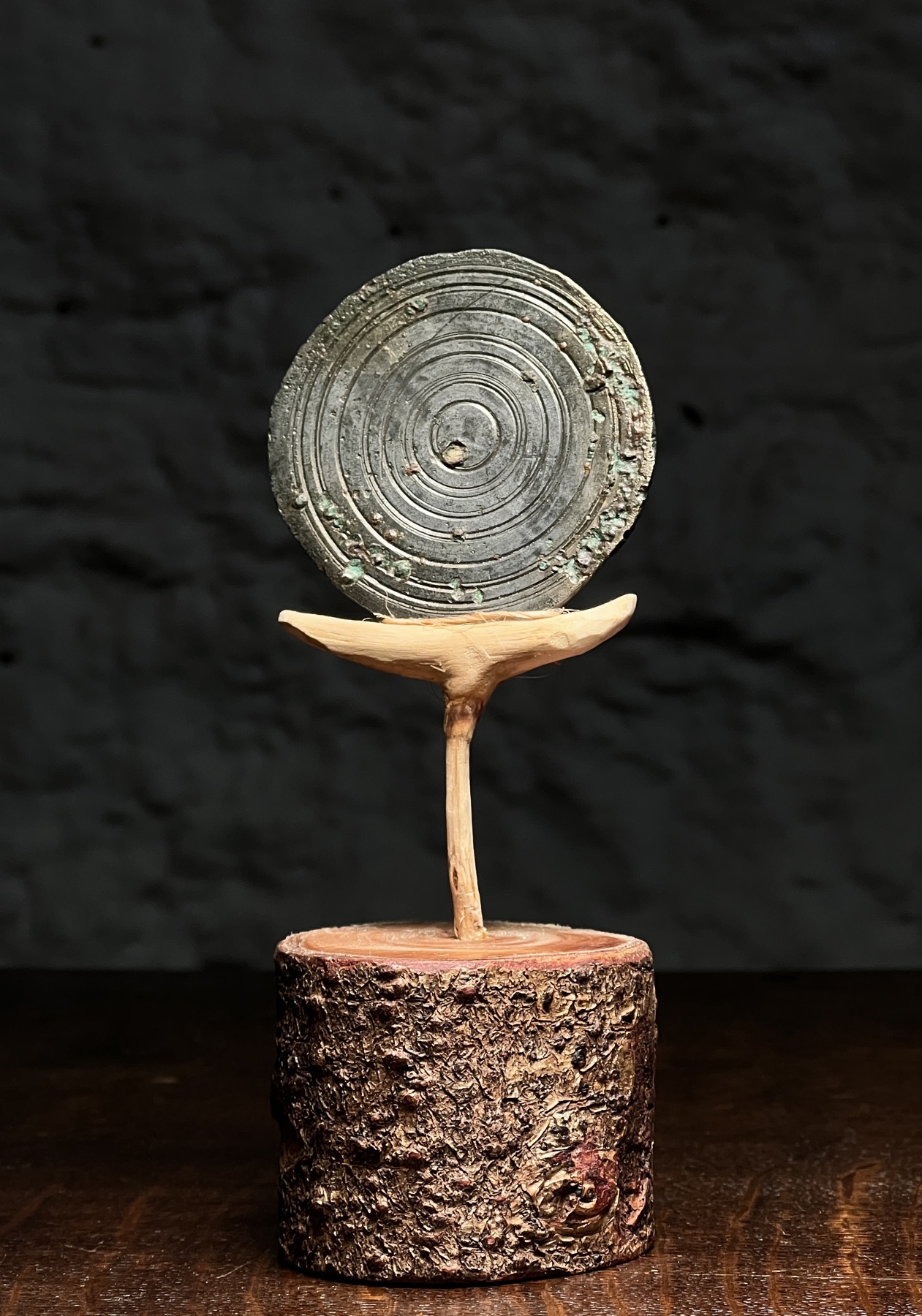
There’s some pottery, and a remarkable ancient bronze mirror…

Seaside Souvenirs

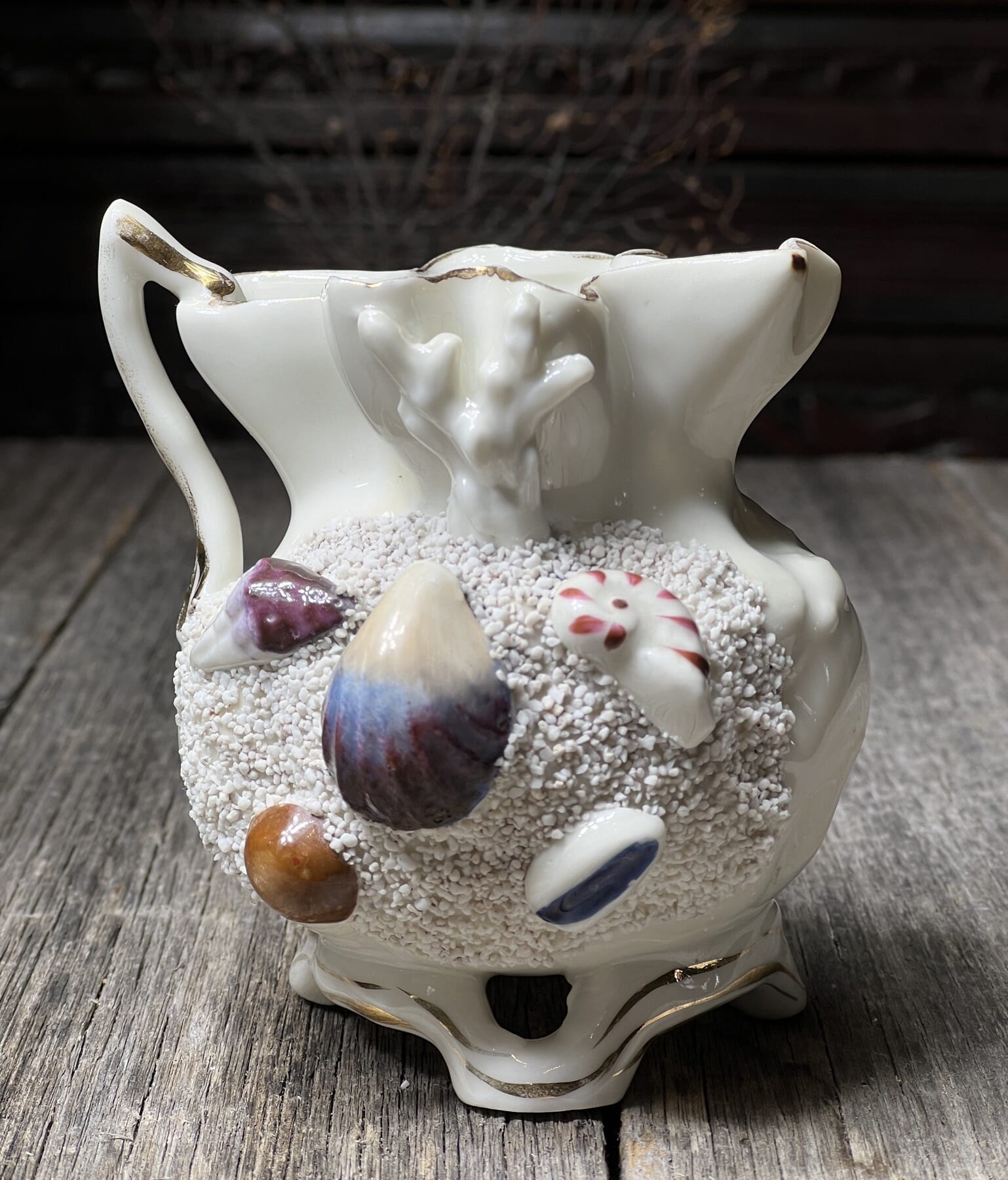
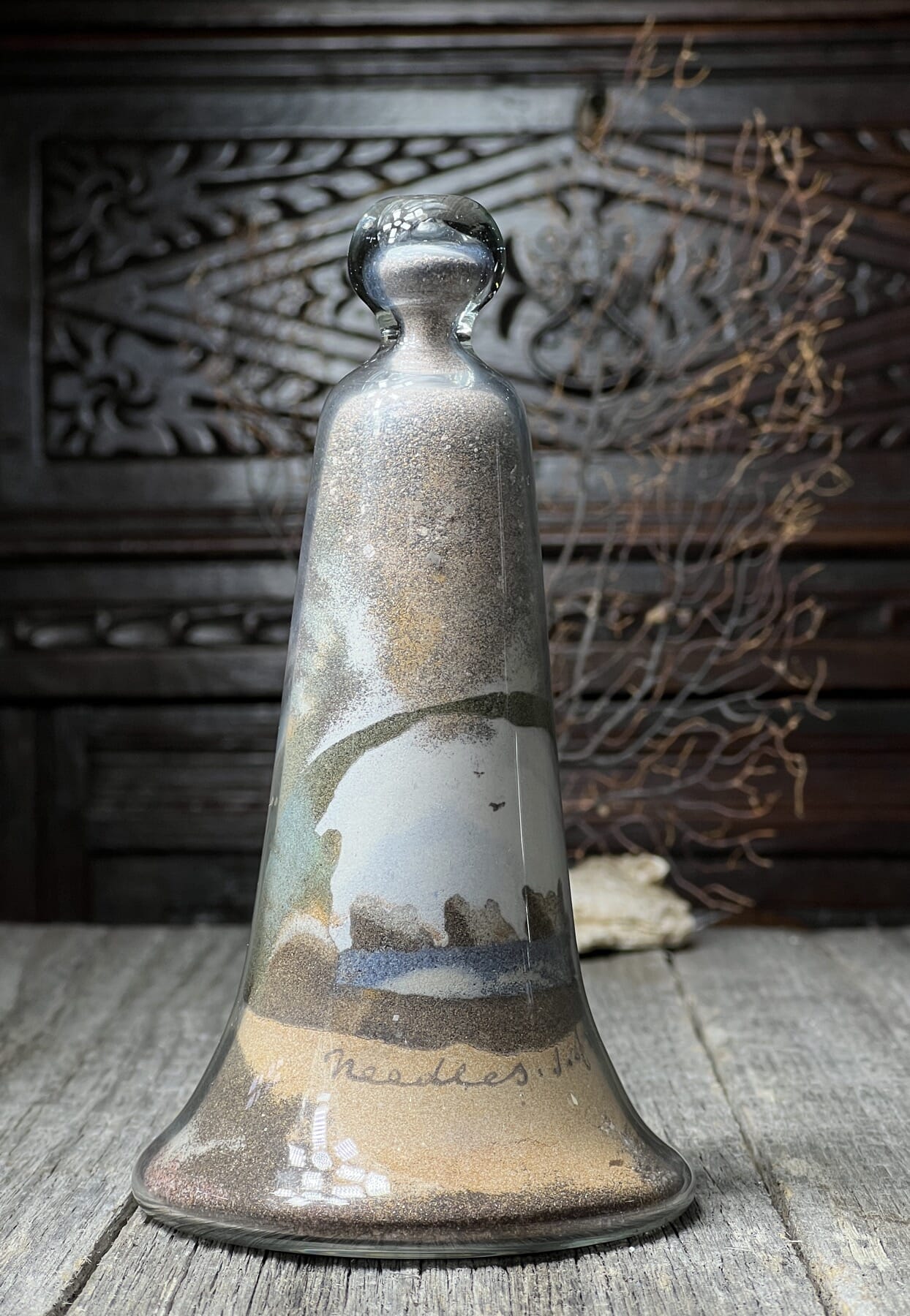
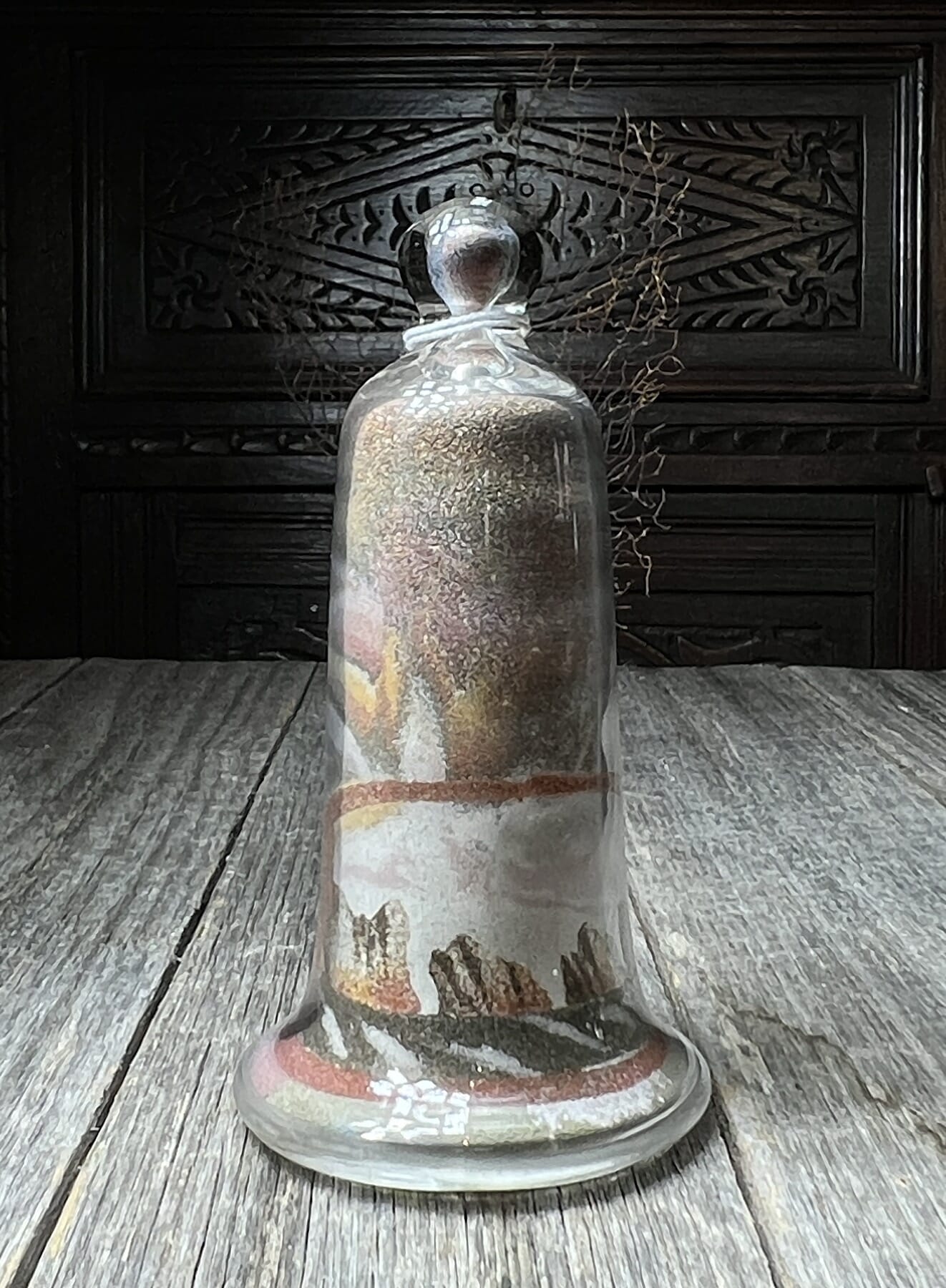
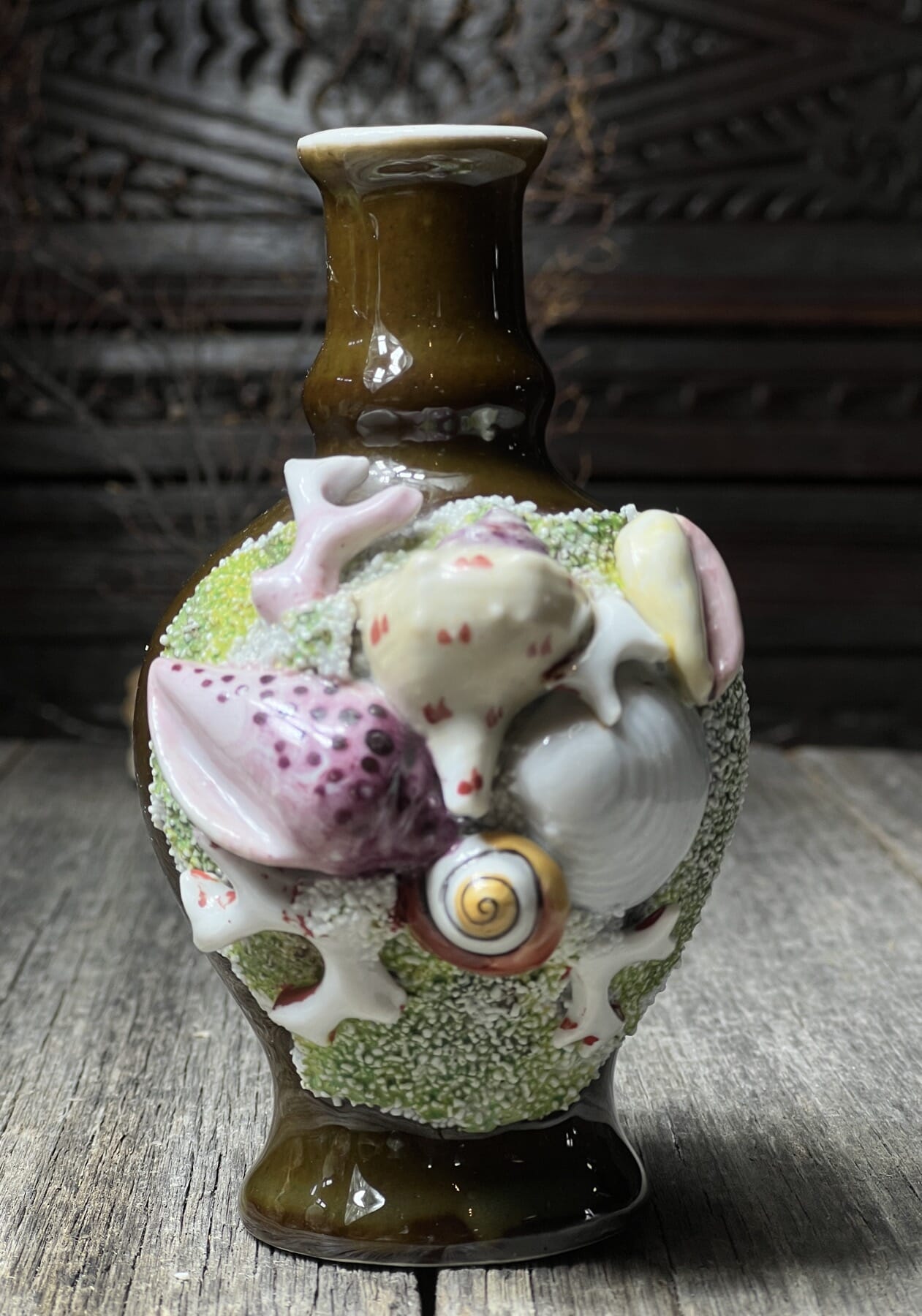
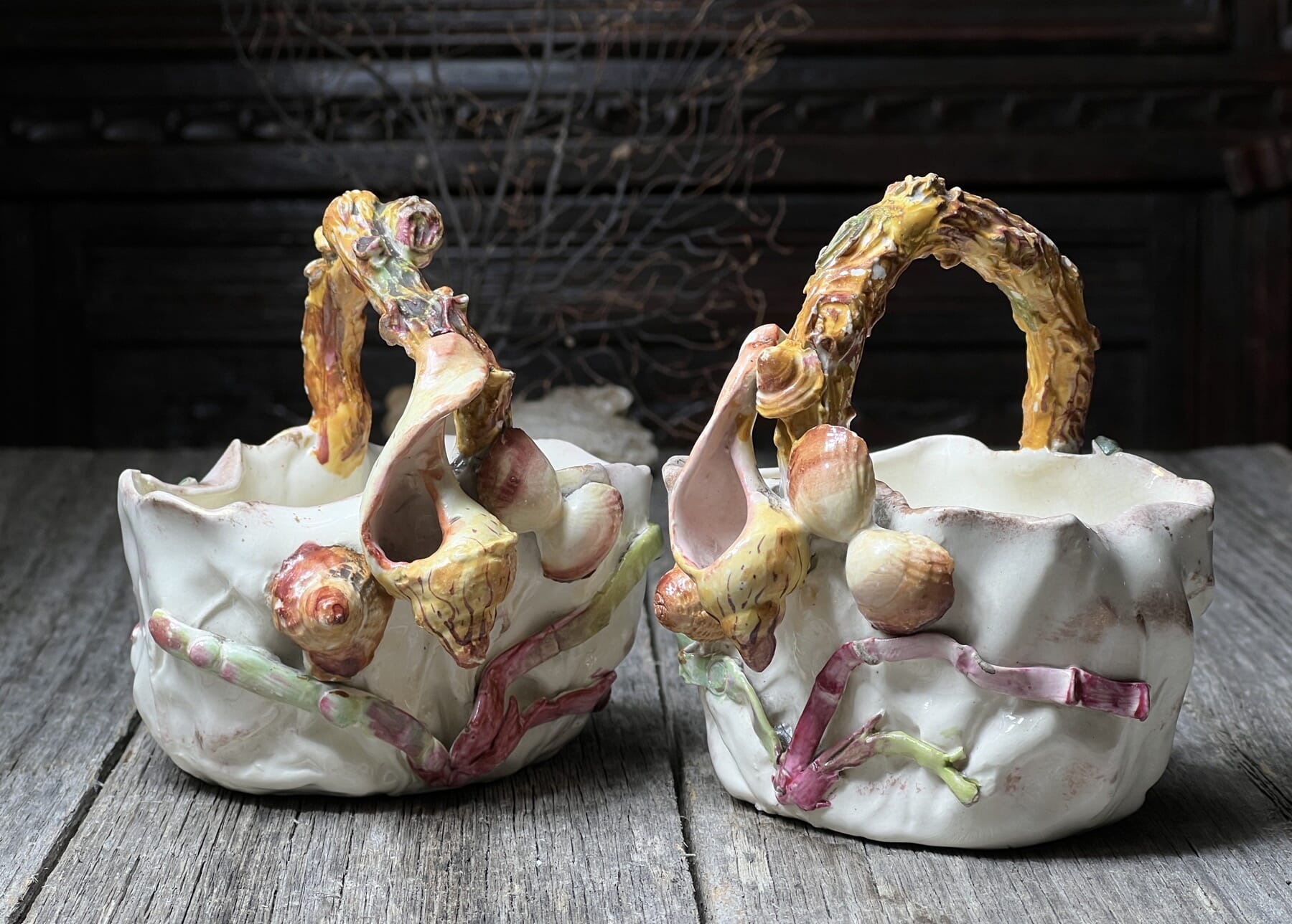
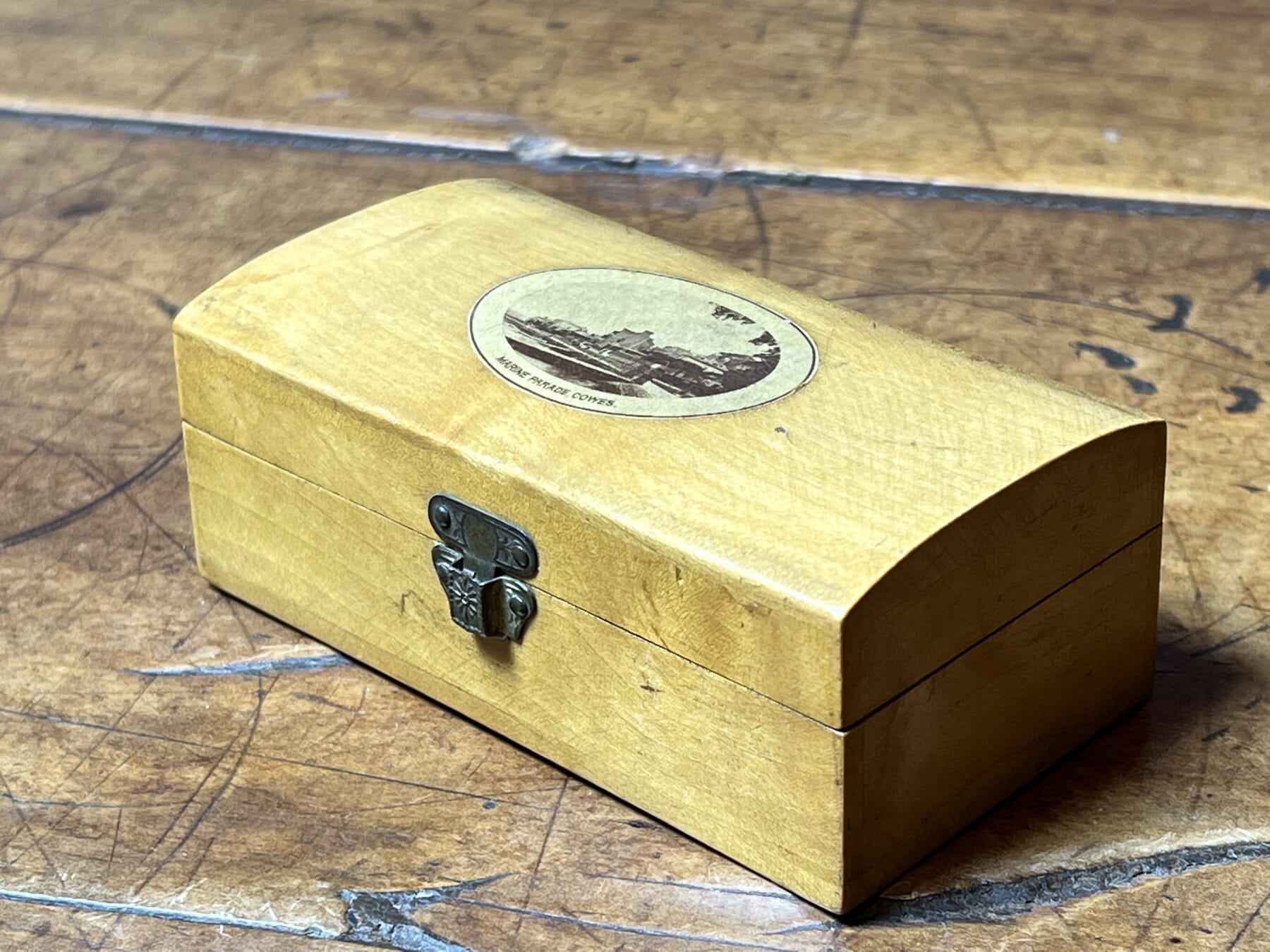
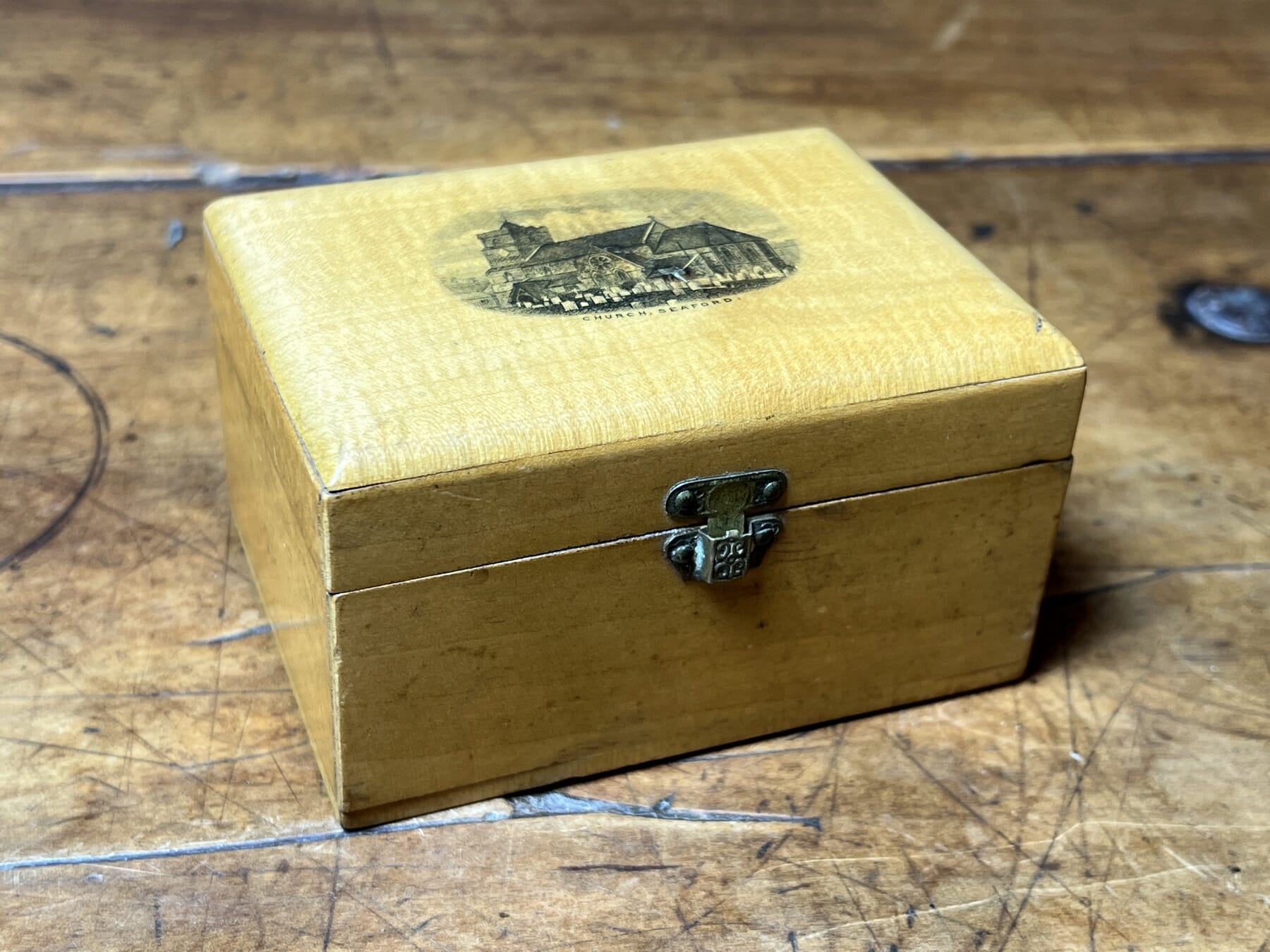
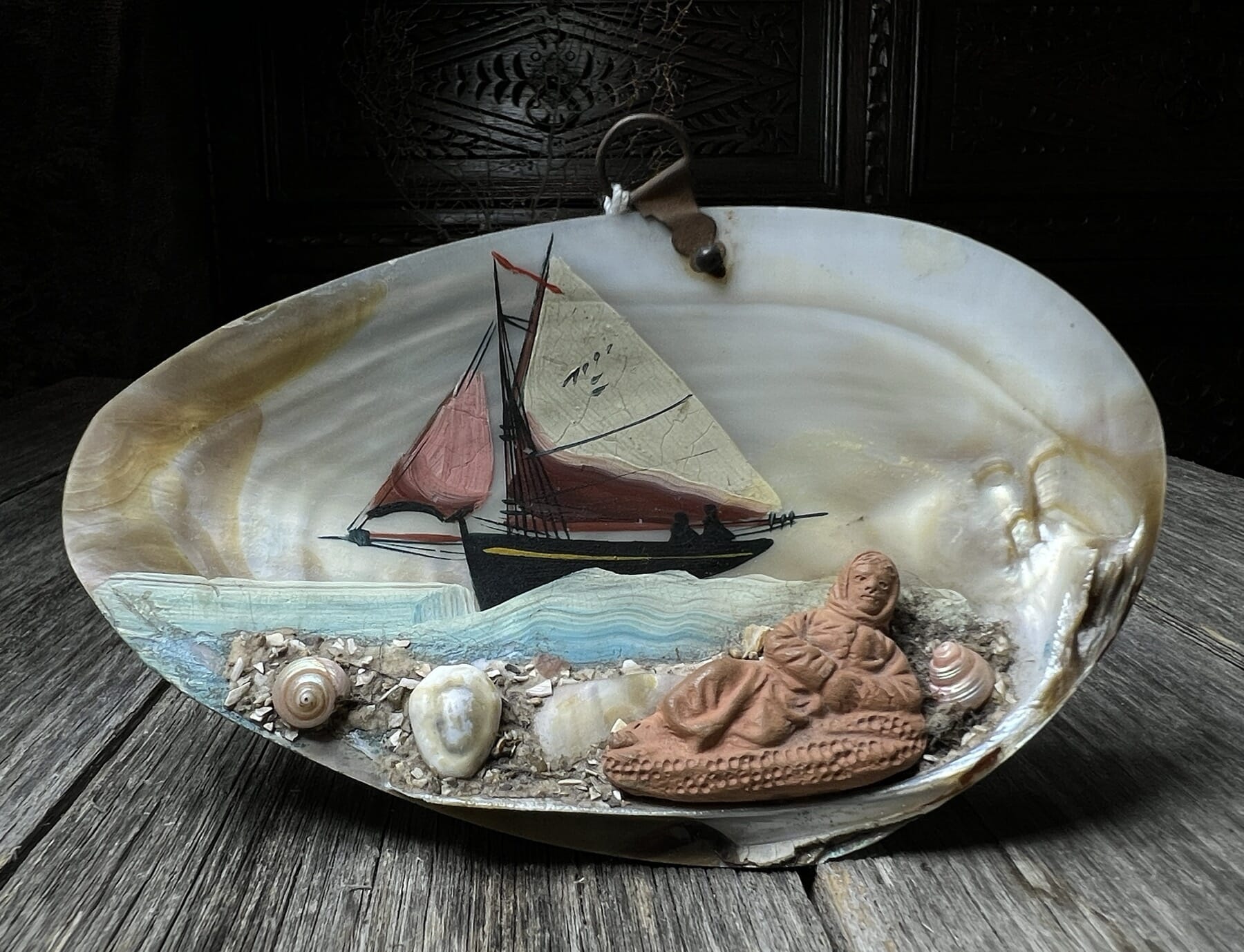
These fun items show the Victorian’s classic holiday – a Seaside trip. The ‘sand pictures’ were a classic souvenir of the Isle of Wight, taken from Alum Beach – and depicting the classic view from the beach of ‘The Needles’, a series of sea-stacks on the neighbouring headland. The mussel shell is painted with a fishing boat, and applied with real shells and a small moulded pottery fishwife….. you can almost hear the seagulls.

Posted on

Fresh Today – Antiquities, Staffordshire Figures, Georgian Cutlery, plus more!

Sterling Silver Georgian

A variety of Fresh items have just been released on Moorabool.com –

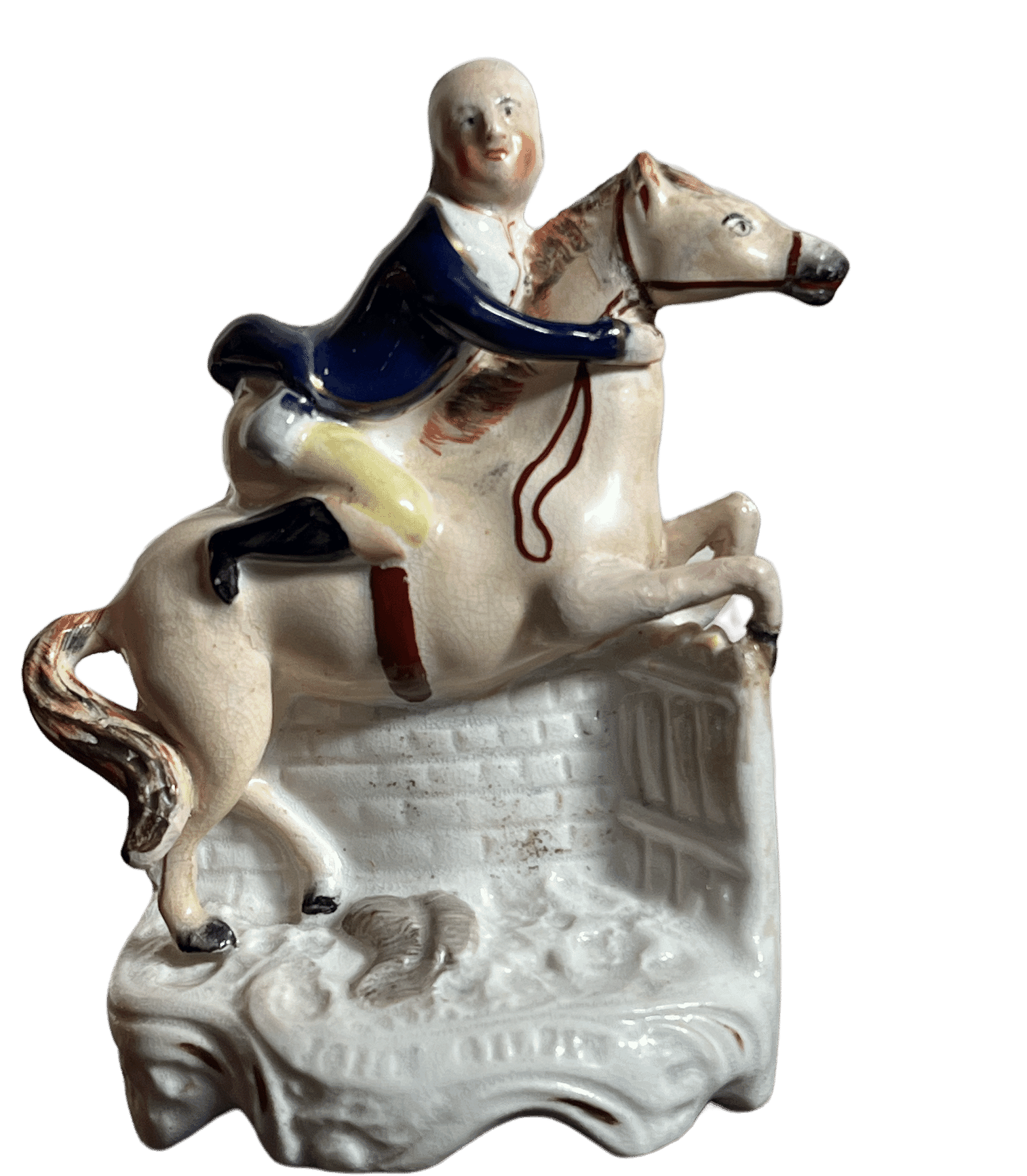
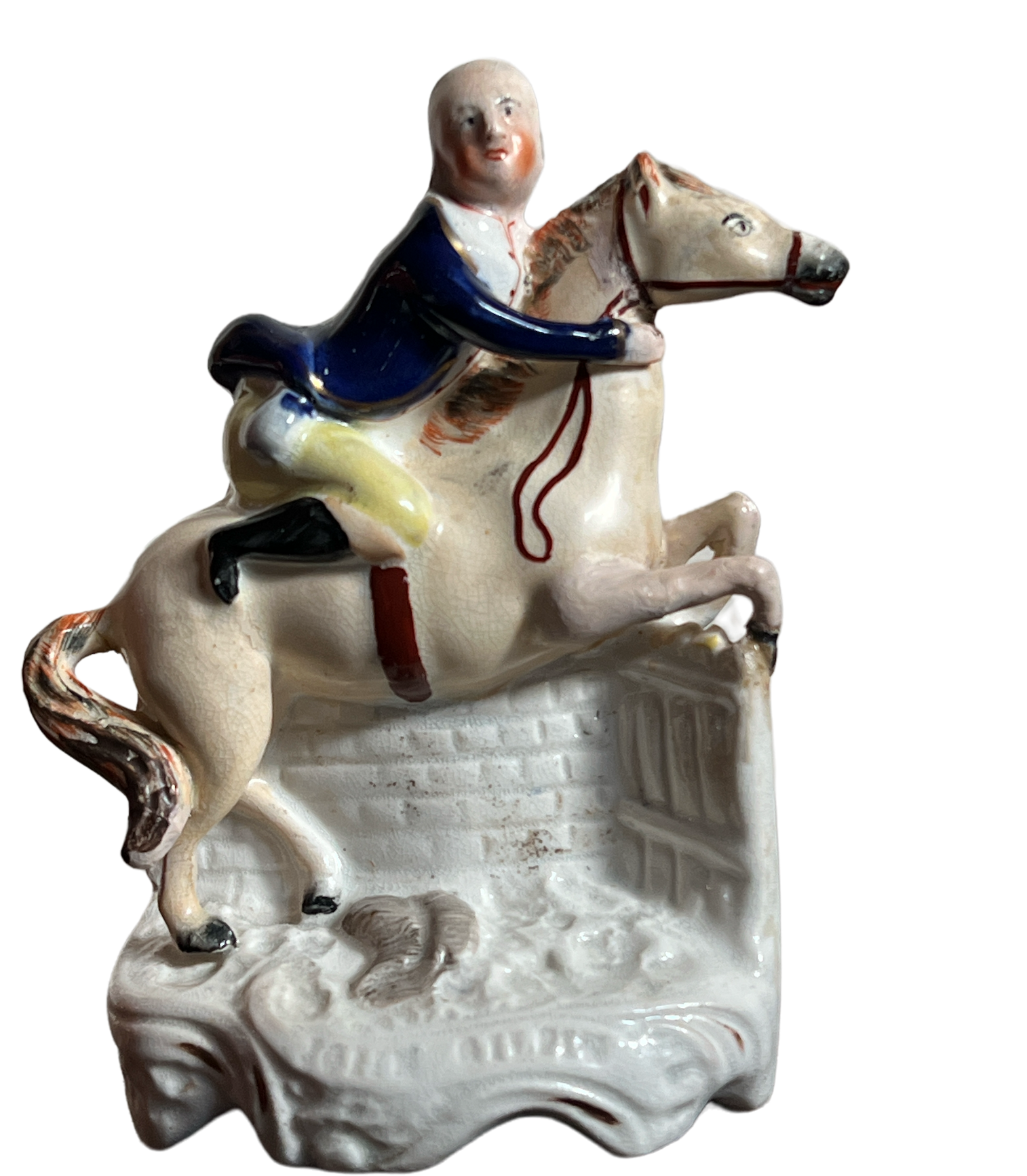
John Gilpin – a Staffordshire Figure of the hapless husband on his runaway horse, made when it became an act at the Astley Theatre, London (the ‘First modern Circus Ring’) in the 1850’s
Astley's Amphitheatre in London, Rowlandson 1808
Asterly’s Amphitheatre in London

“The Diverting History of John Gilpin Shewing how he went Farther than he intended, and came safe Home again ” was a poem penned by William Cowper in 1783, which rapidly became ‘the most popular poem in England’. 

It told the tale of a certain London draper named Beyer, re-named by Cowper to ‘John Gilpin’, and follows the series of unfortunate incidents that befell him when he attempted to ride the 10 miles to an inn in Edmonton, to celebrate his 20th wedding anniversary. As his family took up the entire carriage, he borrowed a horse… which was too lively for him and would not stop! 
It was adapted into a stage play at Astley’s Theatre, London (remembered as ‘the first modern circus ring’), and published as a children’s book; this figure dates to this period. 

Here’s the relevant verses from what is a rather long original poem:

(Line 97)"...But finding soon a smoother road
Beneath his well-shod feet,
The snorting beast began to trot,
Which gall'd him in his seat.


So fair and softly, John he cried,
But John he cried in vain,
That trot became a gallop soon
In spite of curb and rein.


So stooping down, as needs he must
Who cannot sit upright,
He grasp'd the mane with both his hands
And eke with all his might.
His horse who never in that sort
Had handled been before,
What thing upon his back had got
Did wonder more and more.

Away went Gilpin neck or nought,
Away went hat and wig,
He little dreamt when he set out
Of running such a rig.


The wind did blow, the cloak did fly,
Like streamer long and gay,
'Till loop and button failing both
At last it flew away

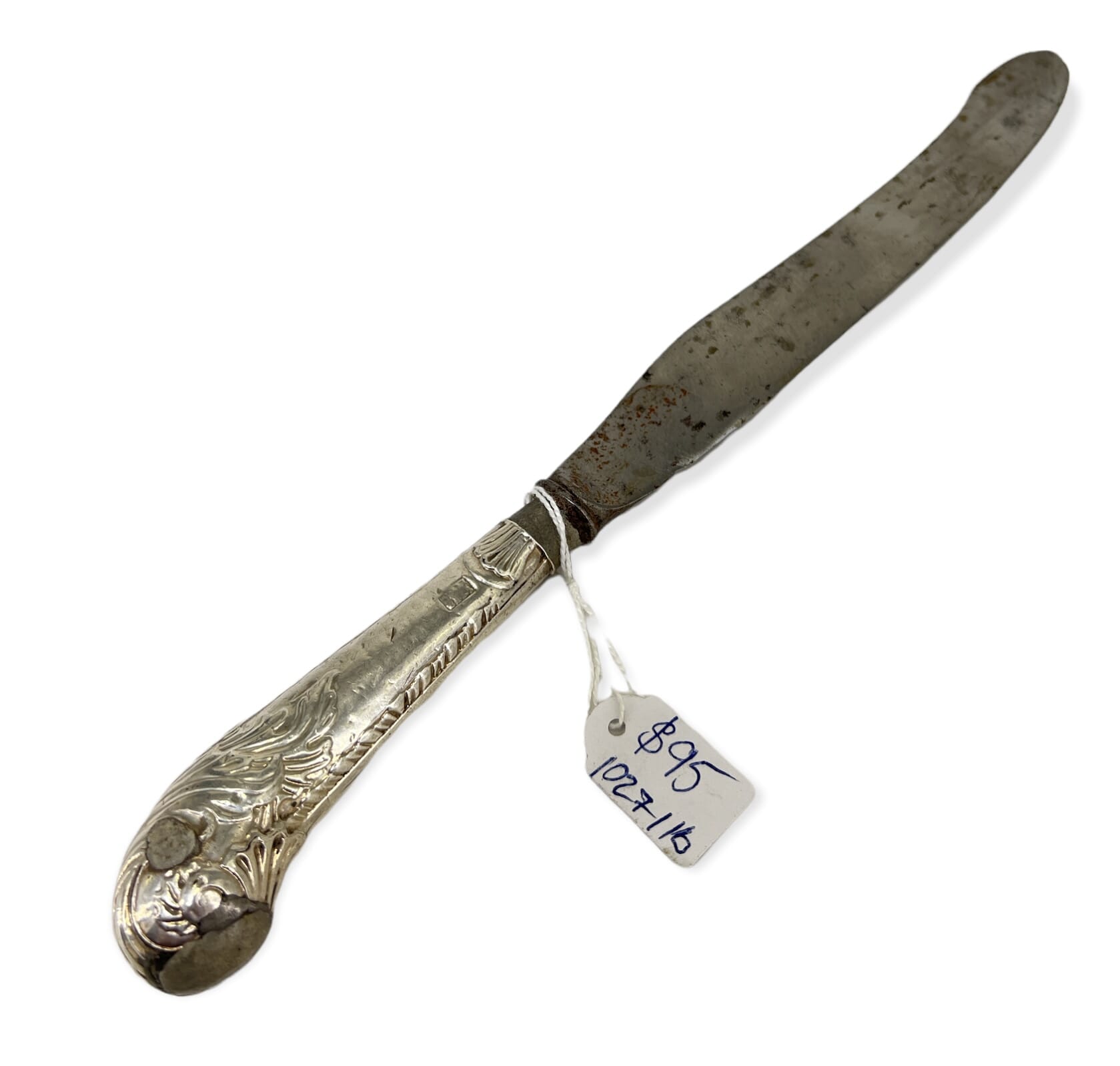
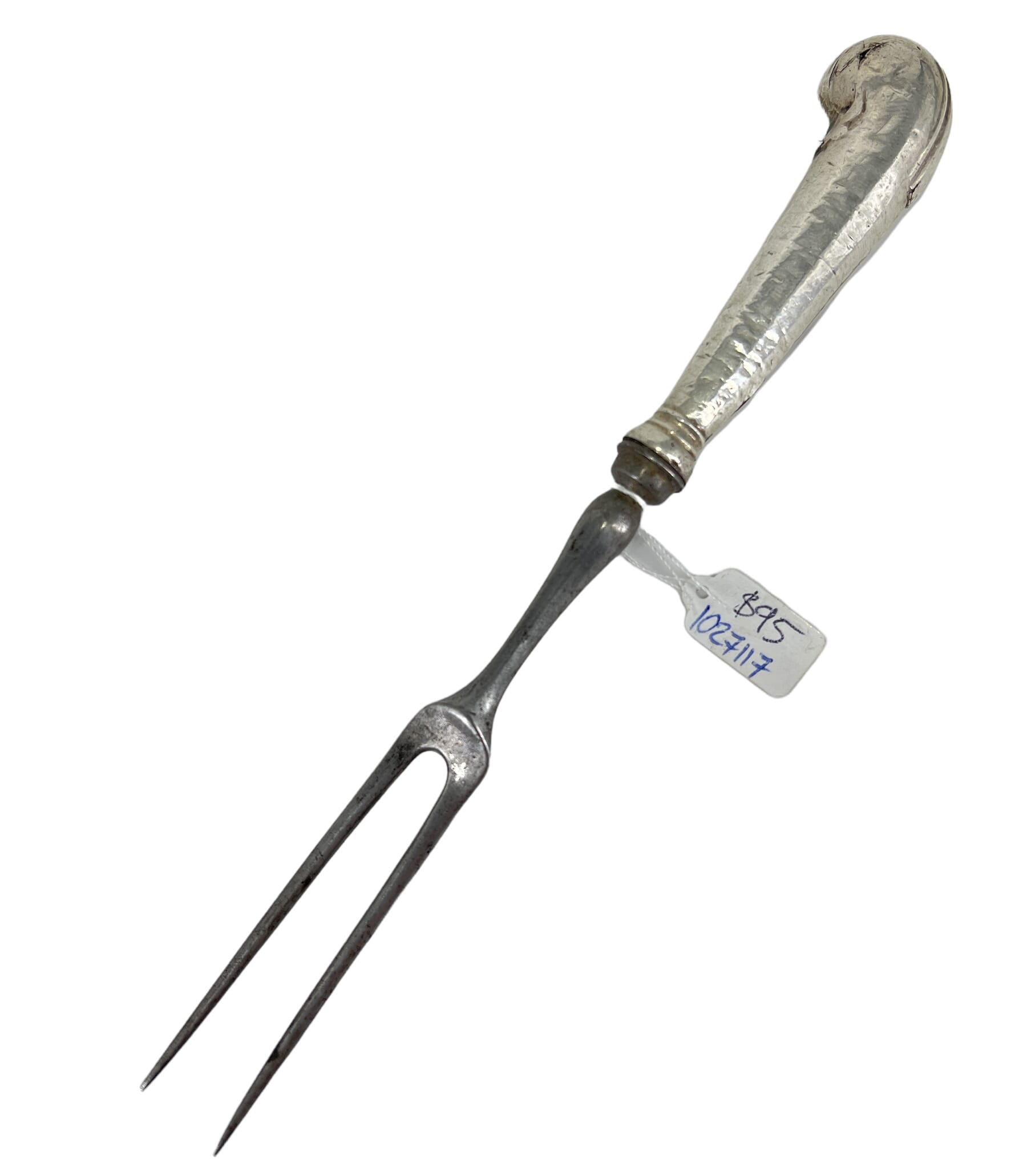
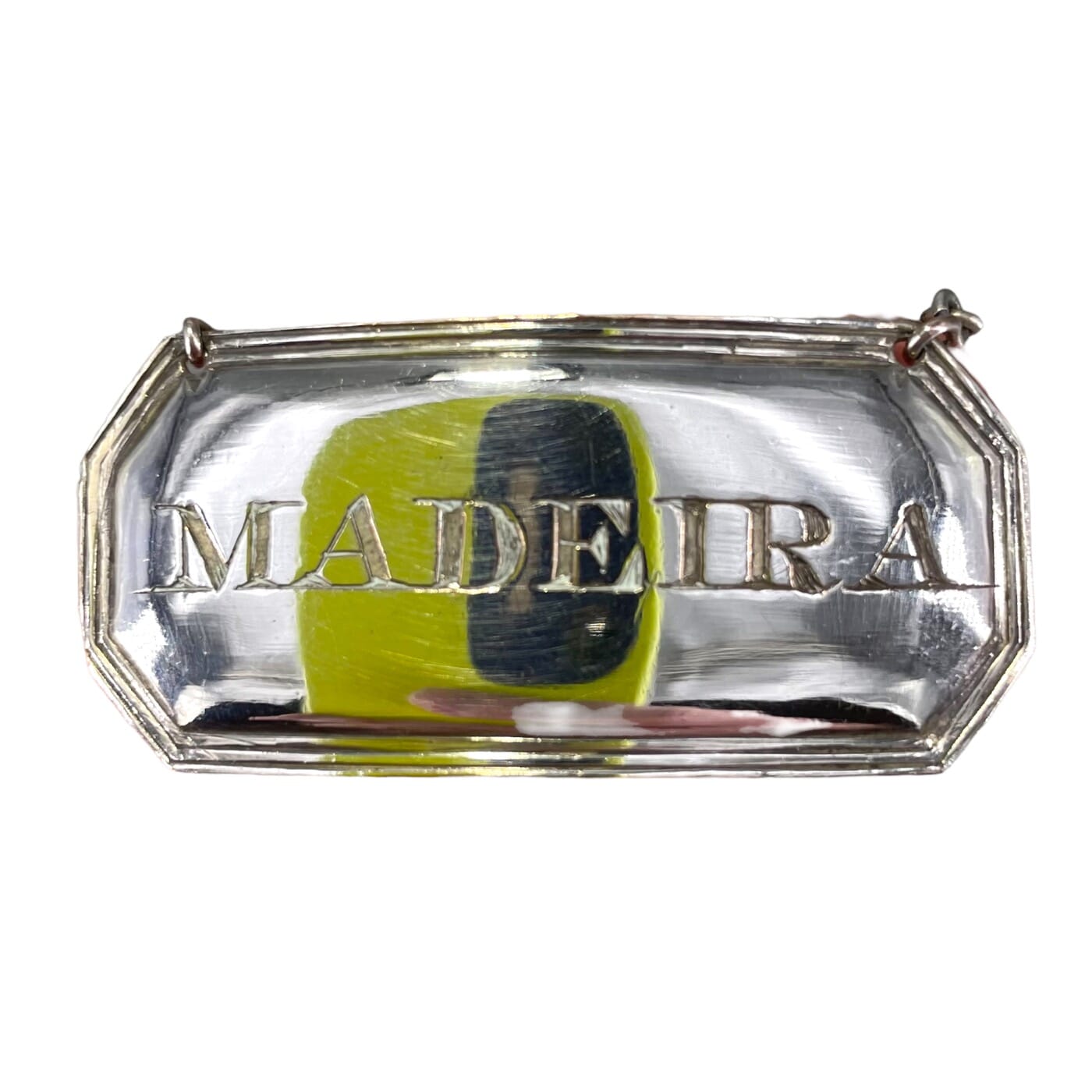
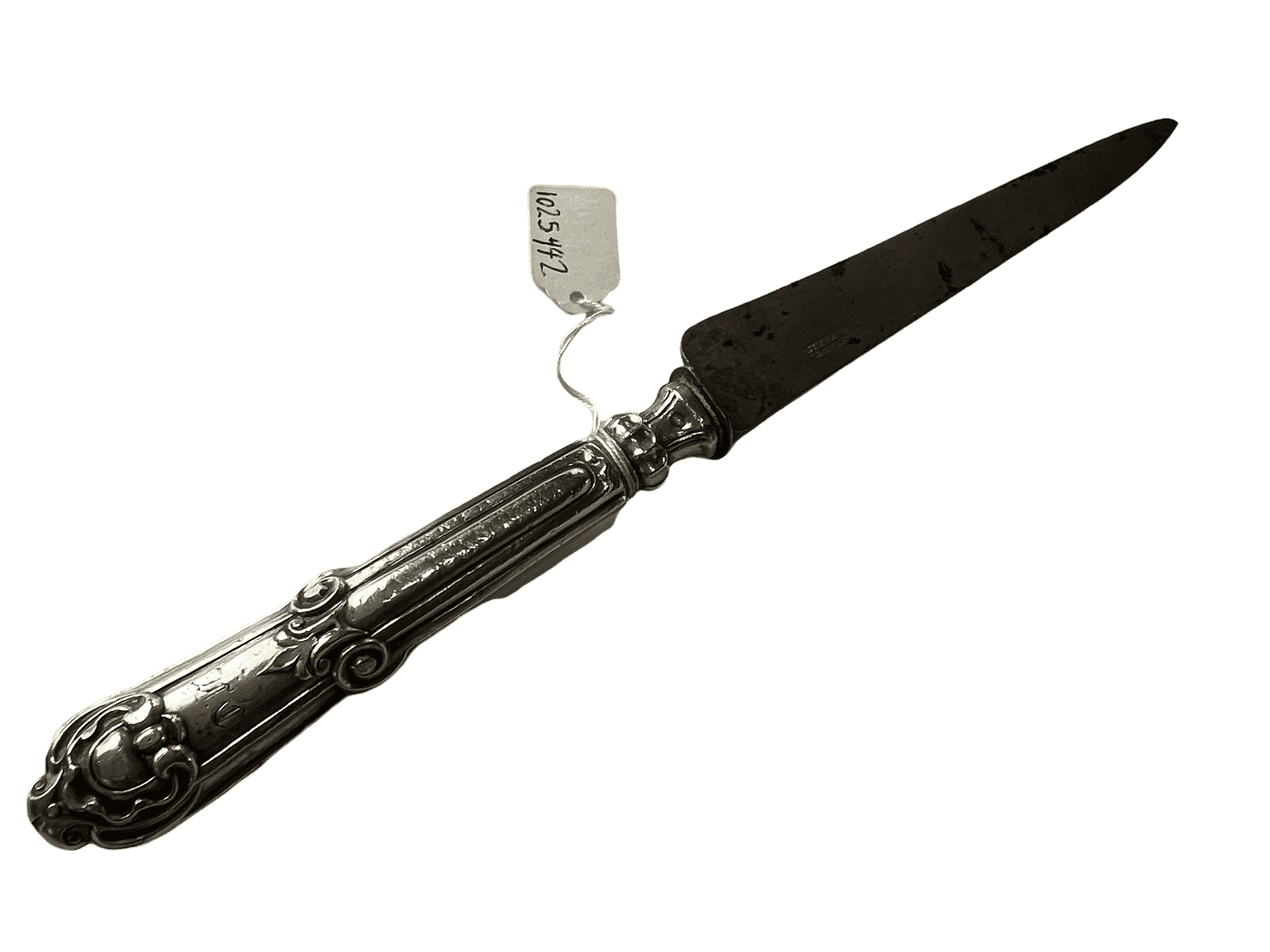
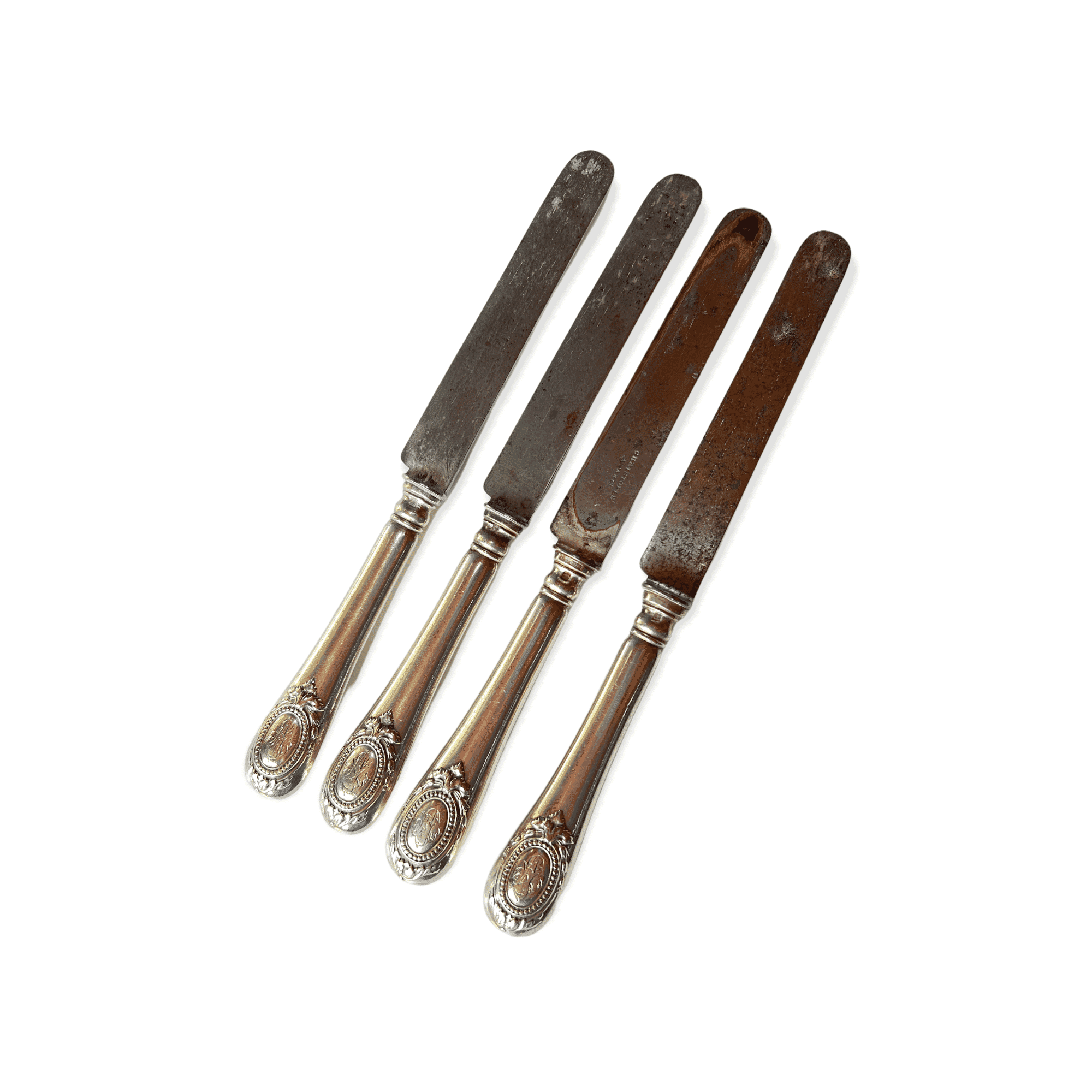
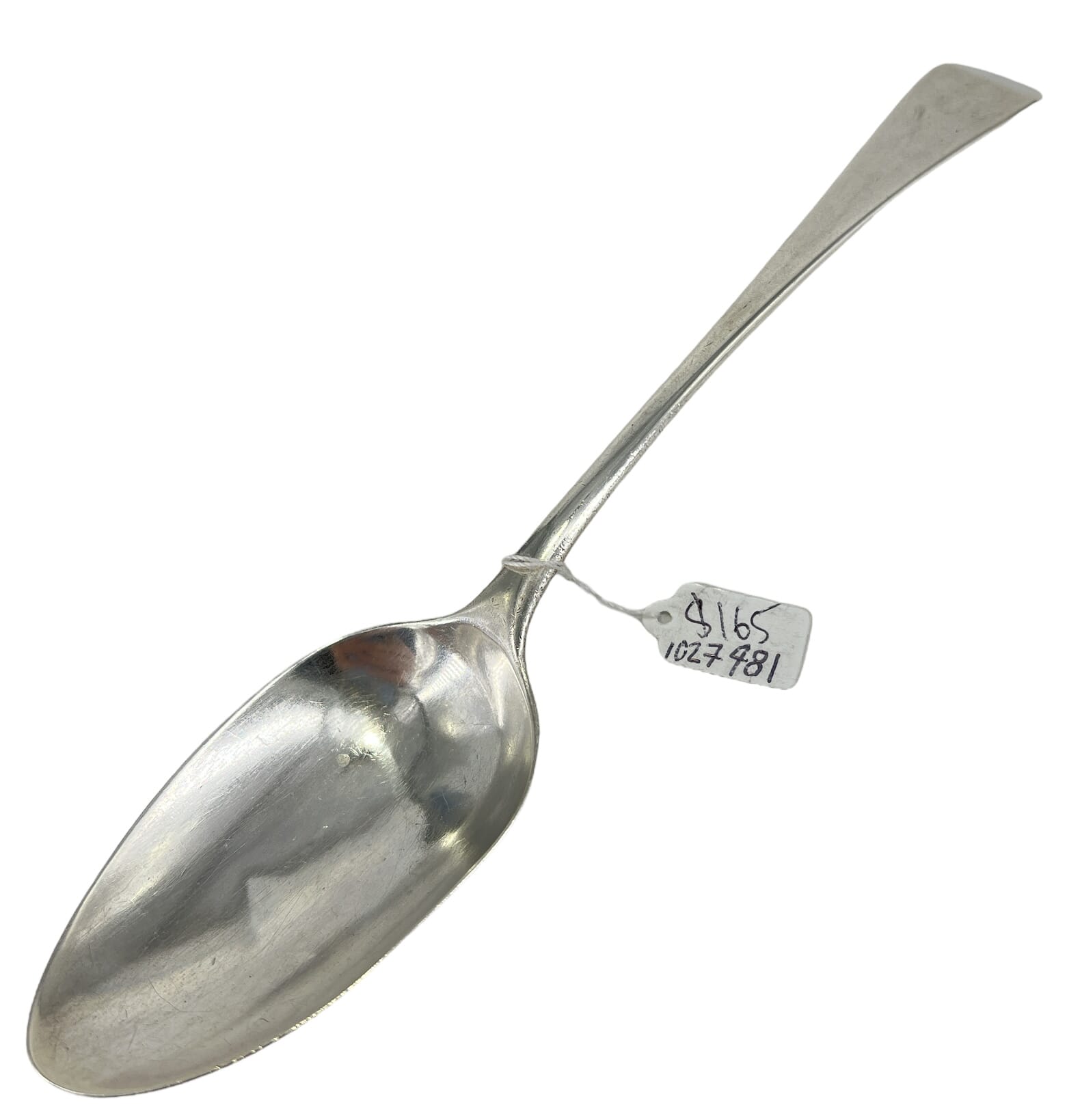
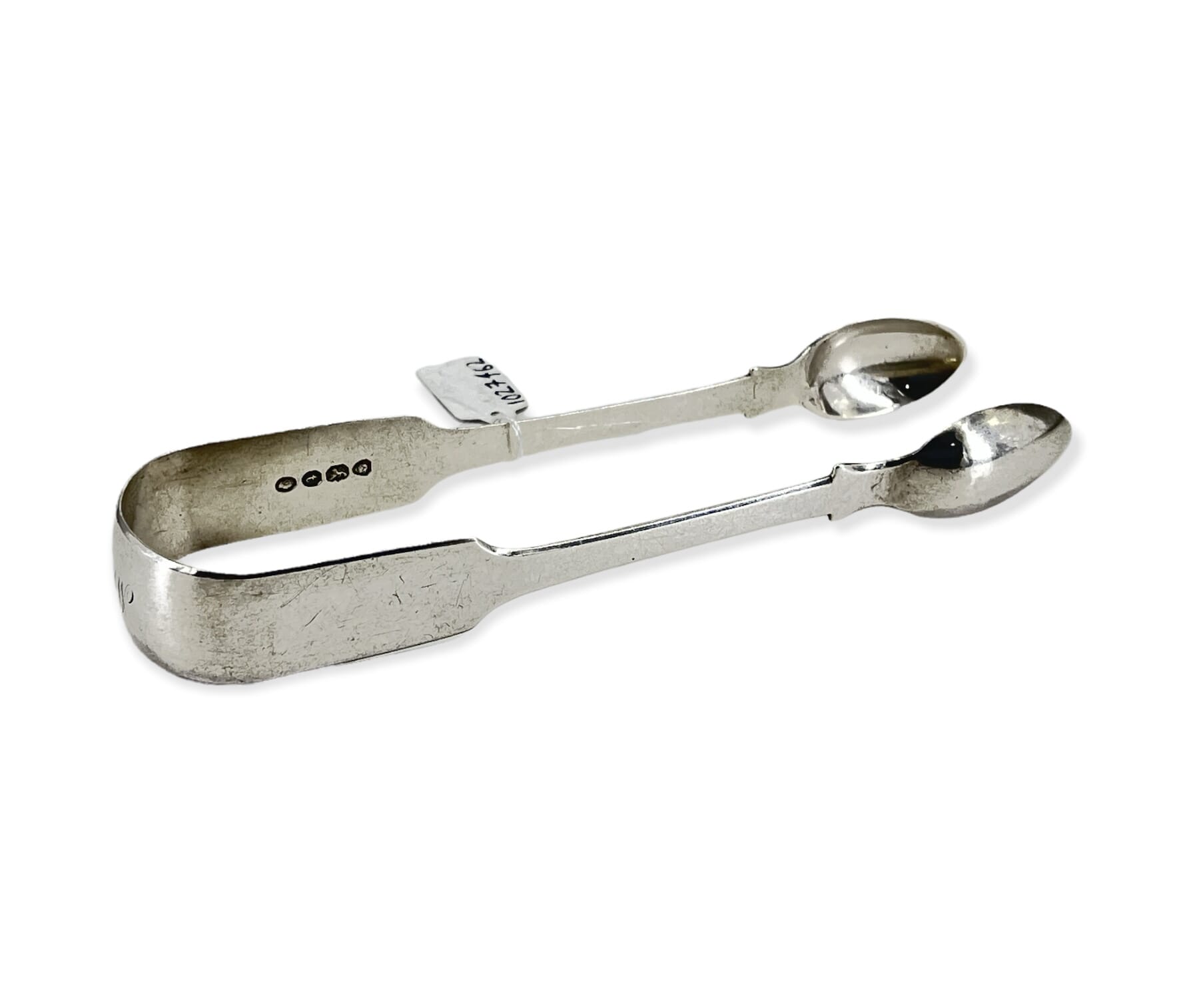
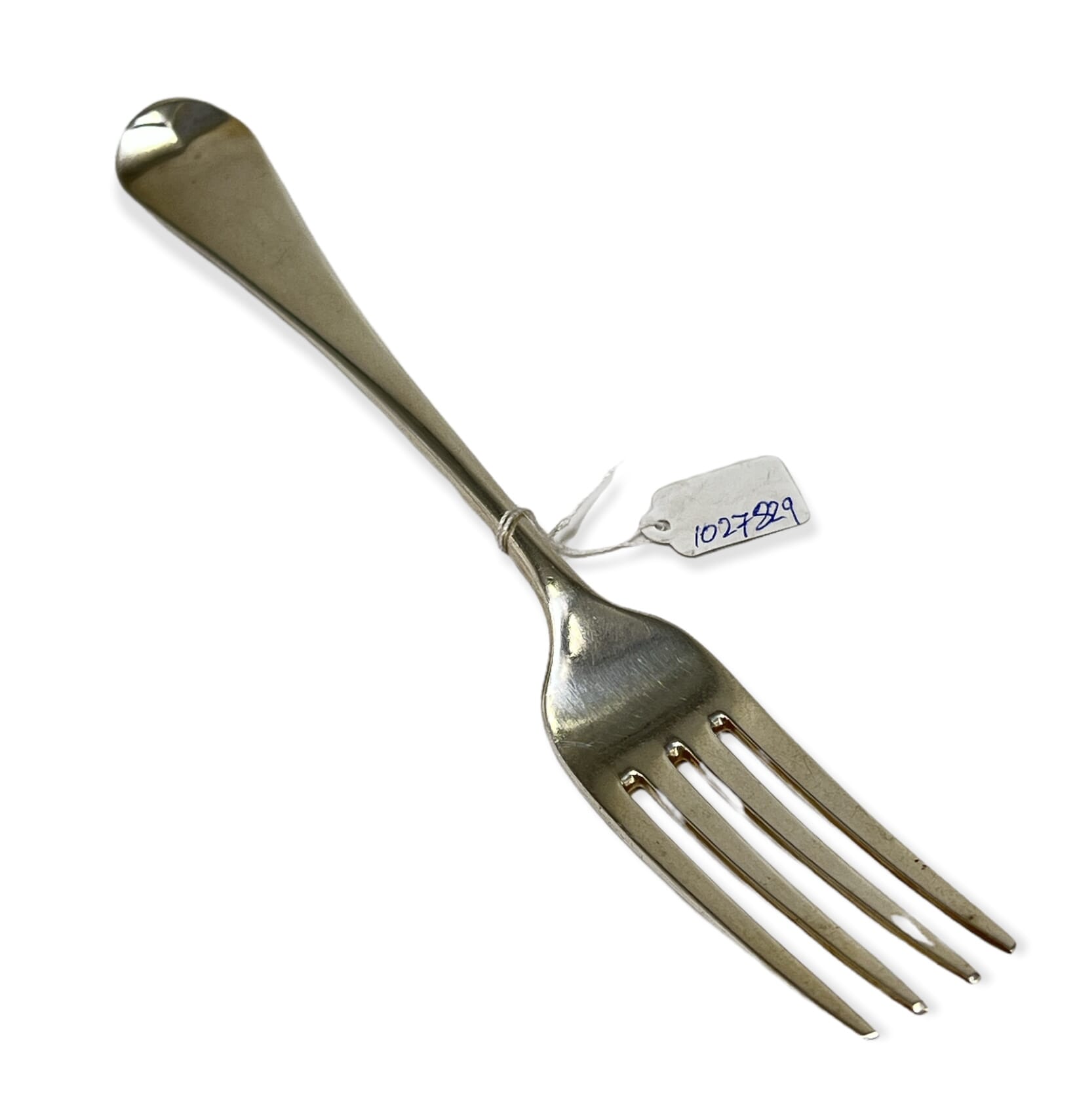
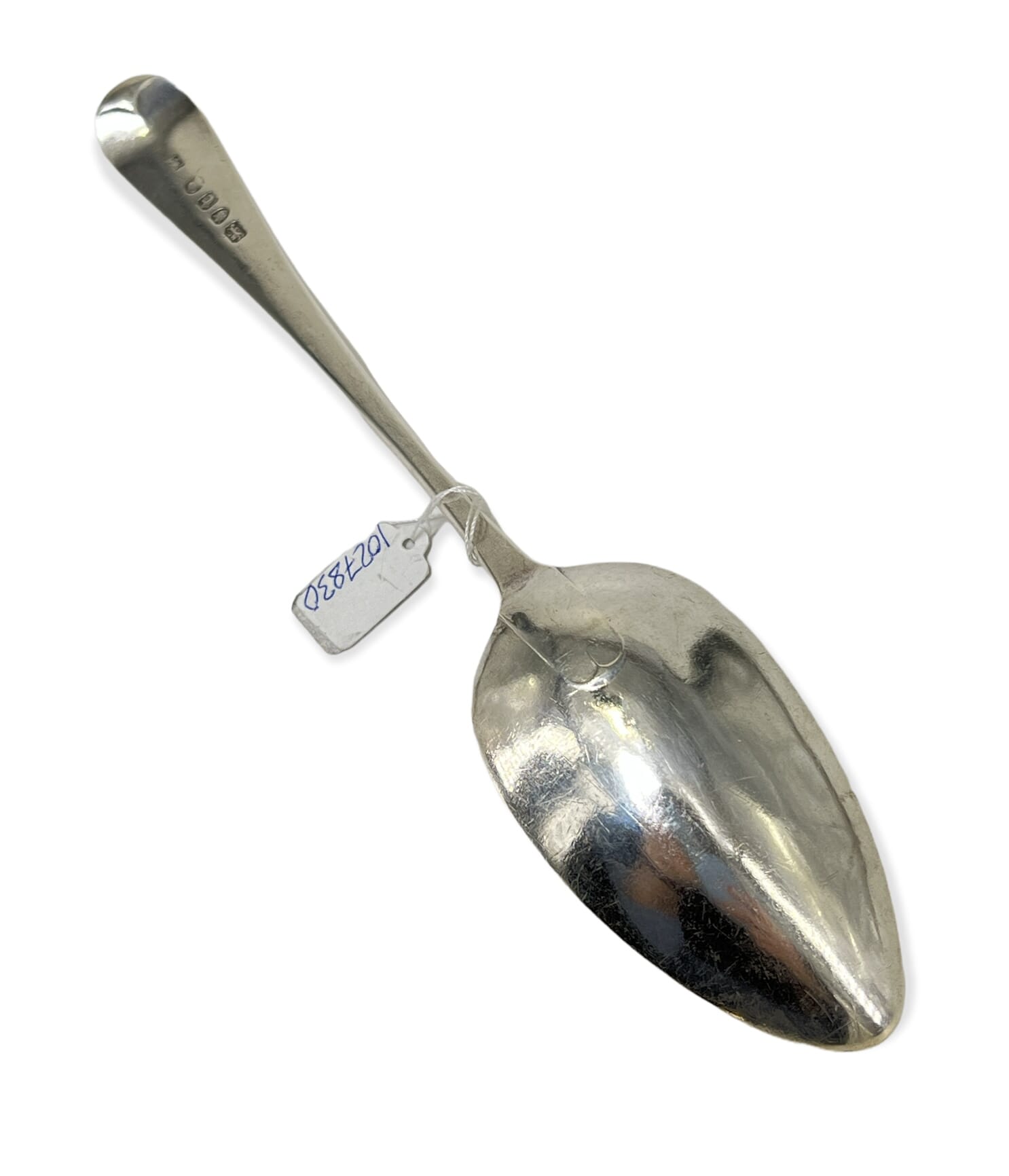
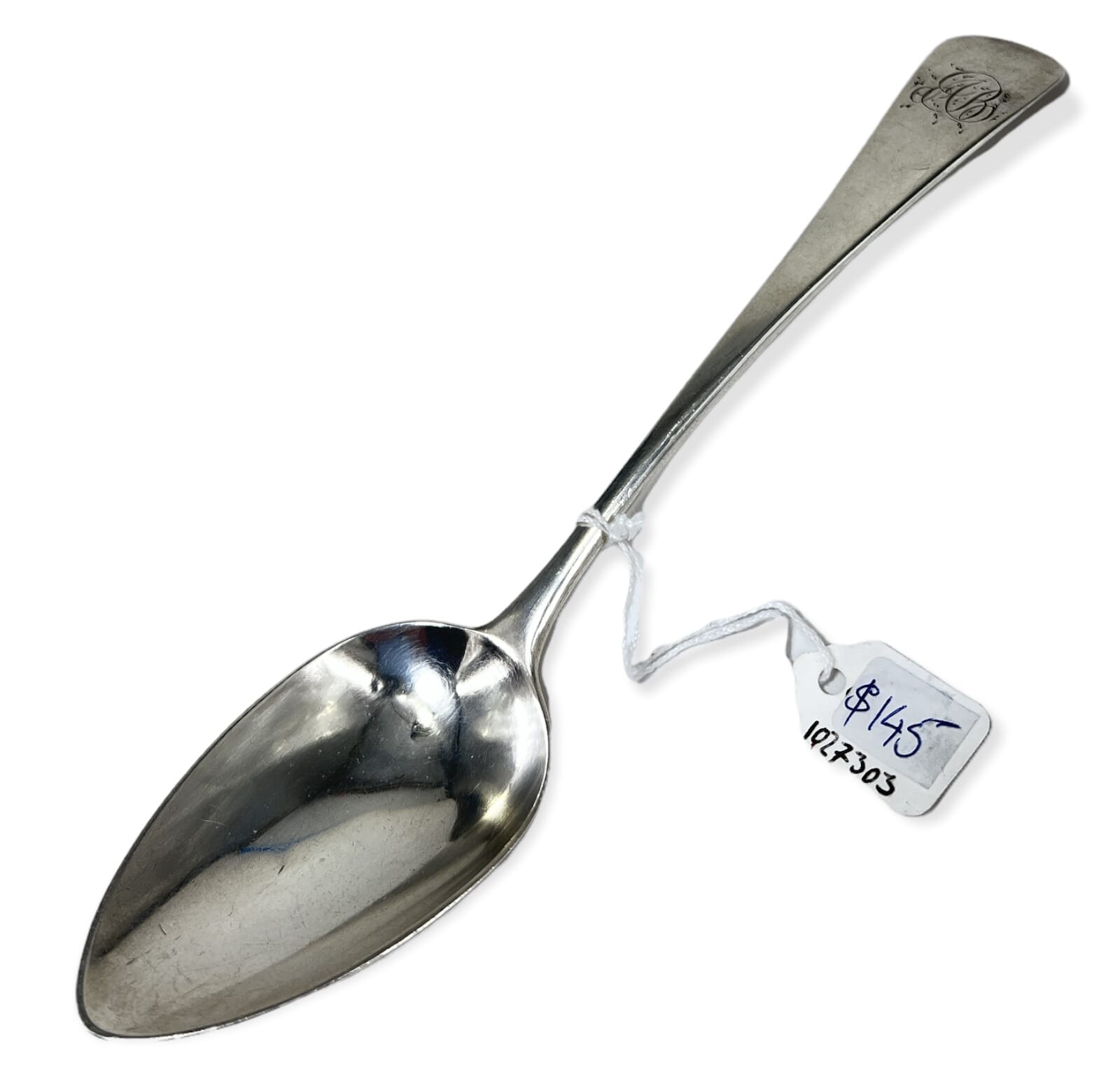
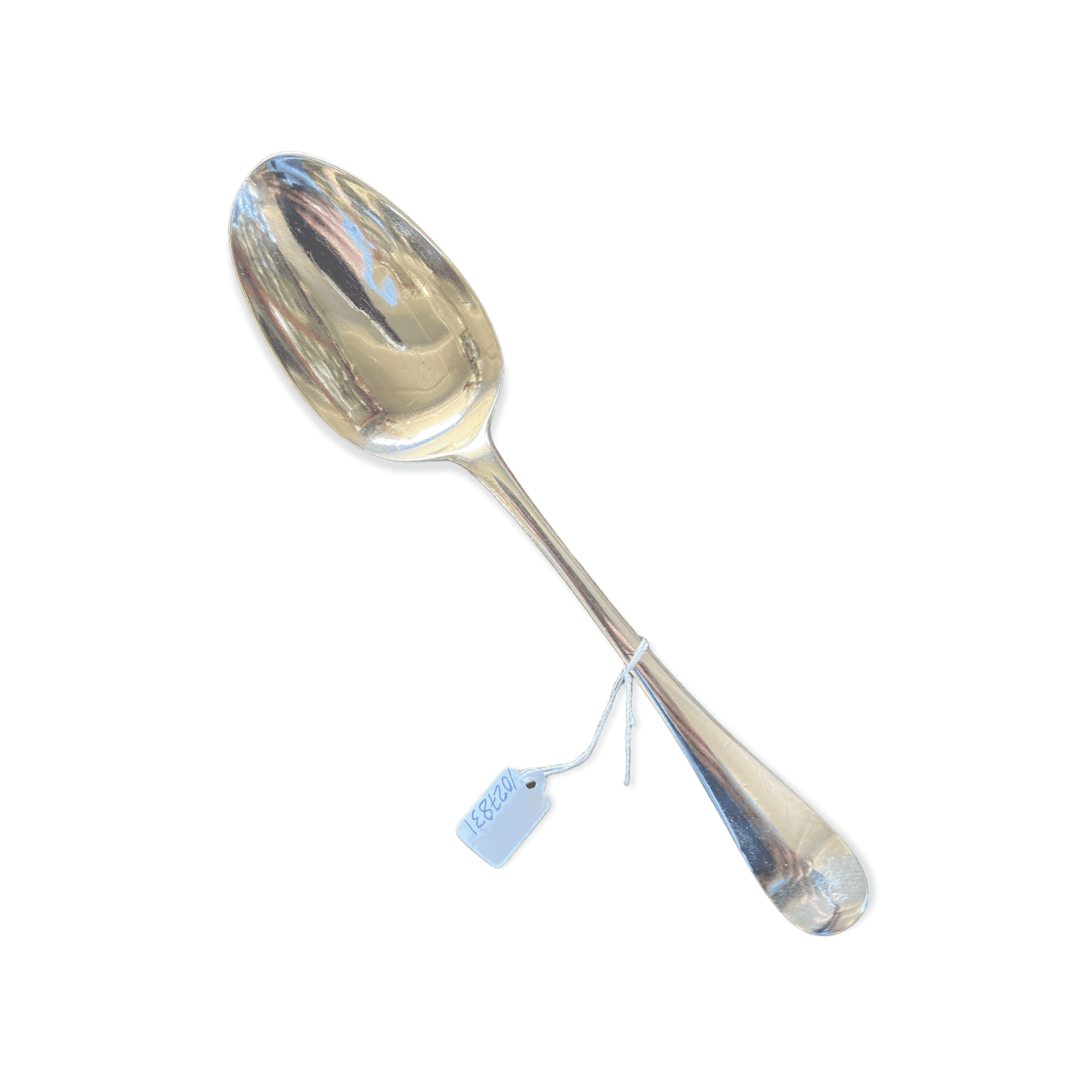
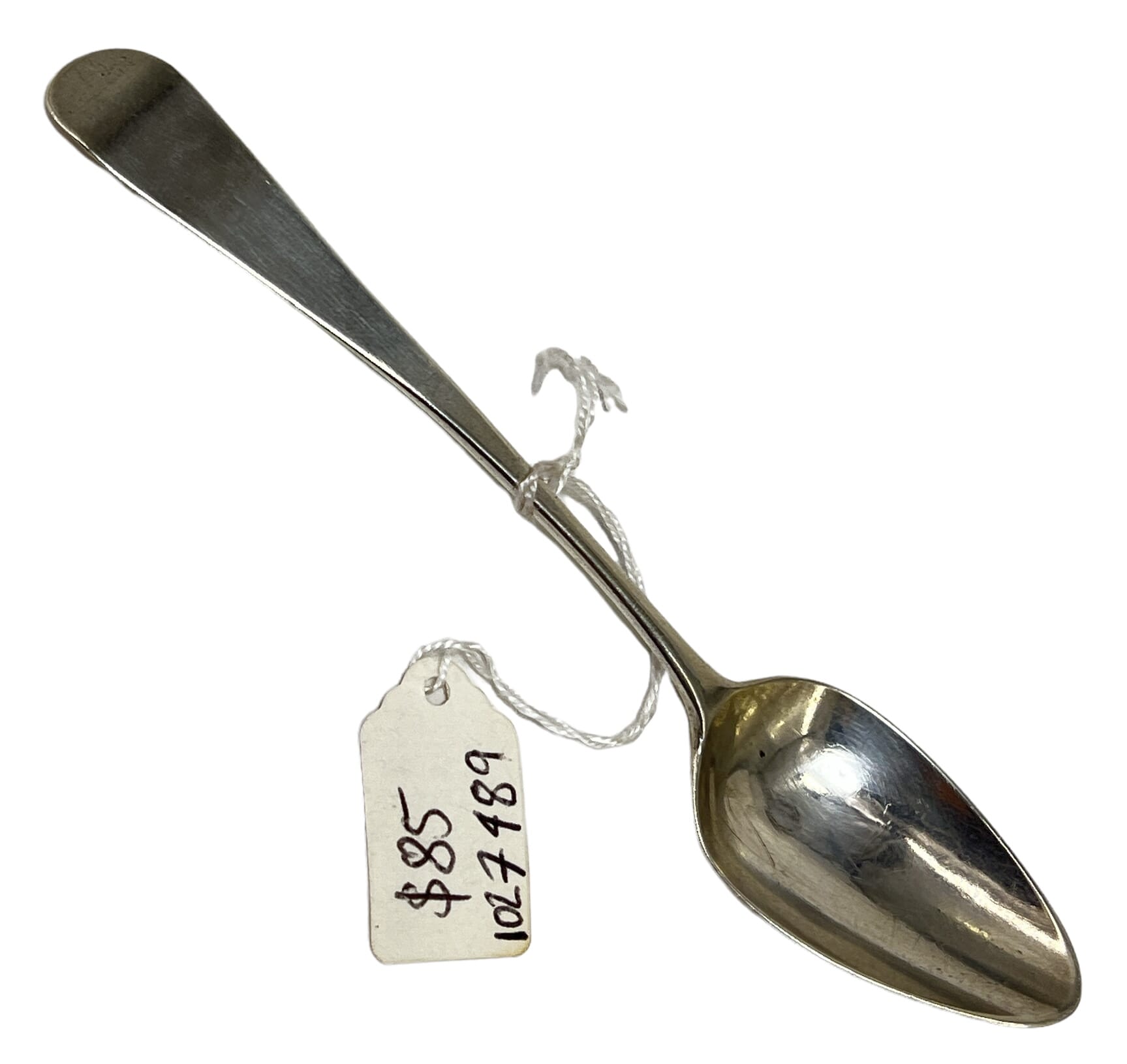
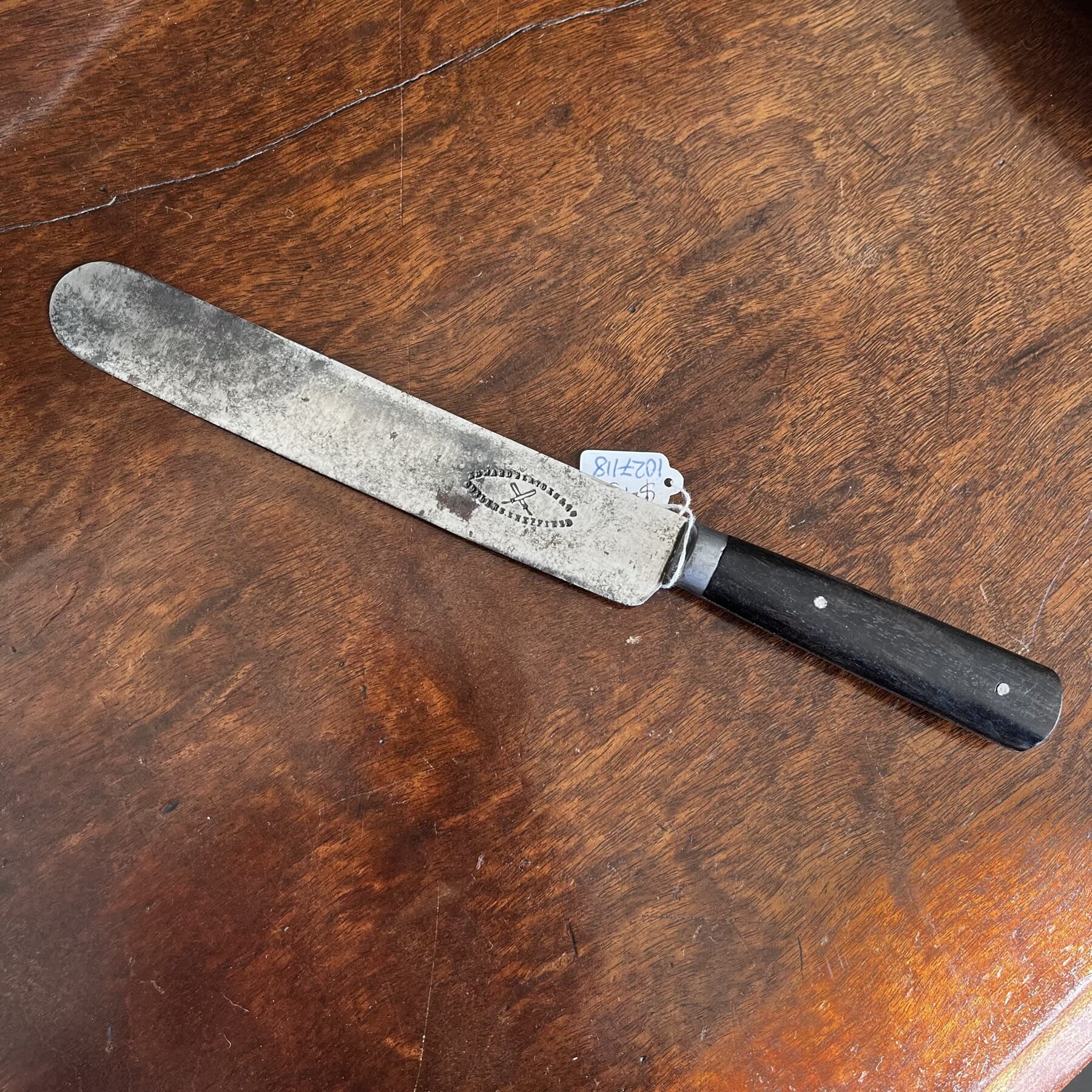
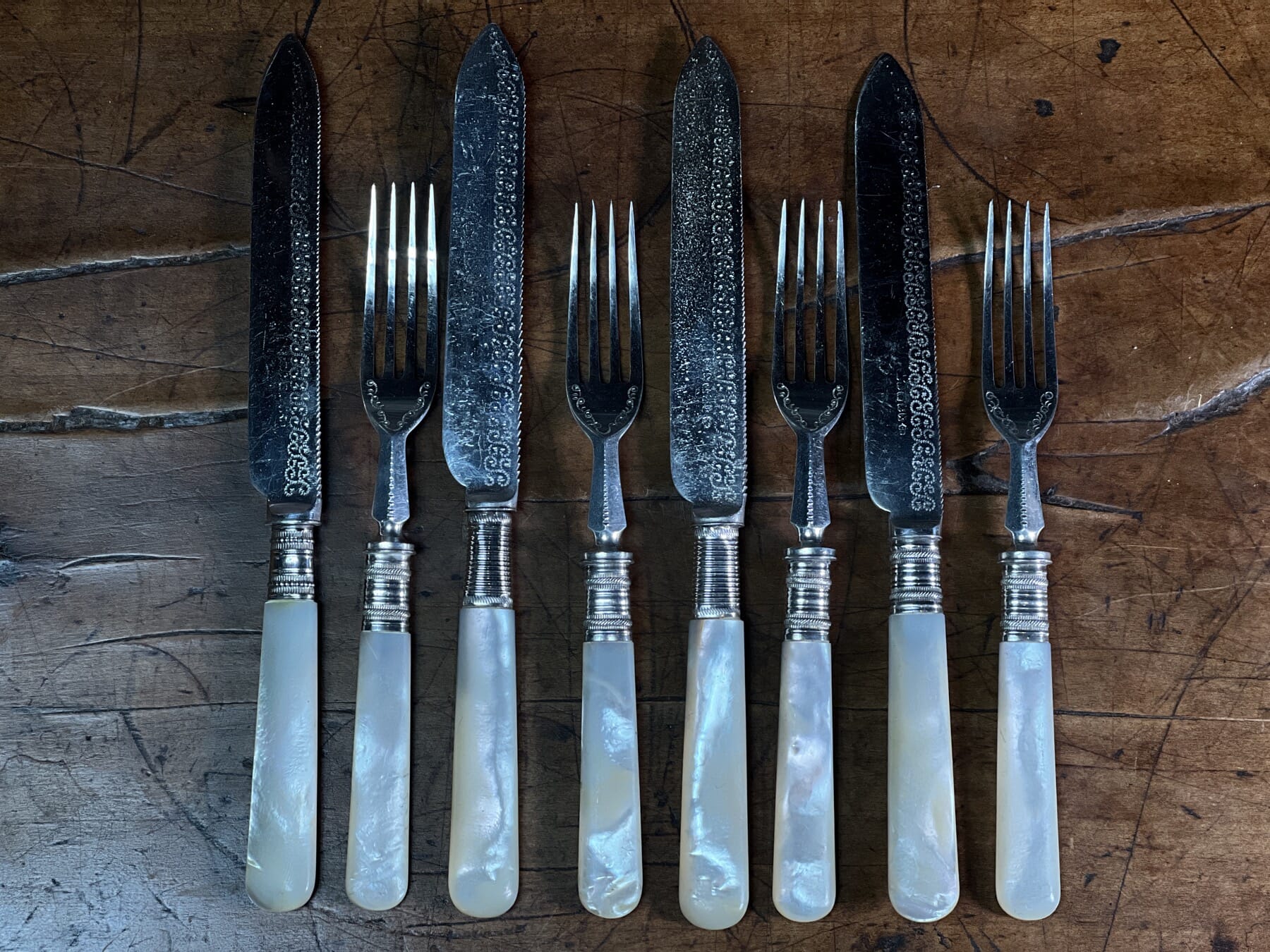
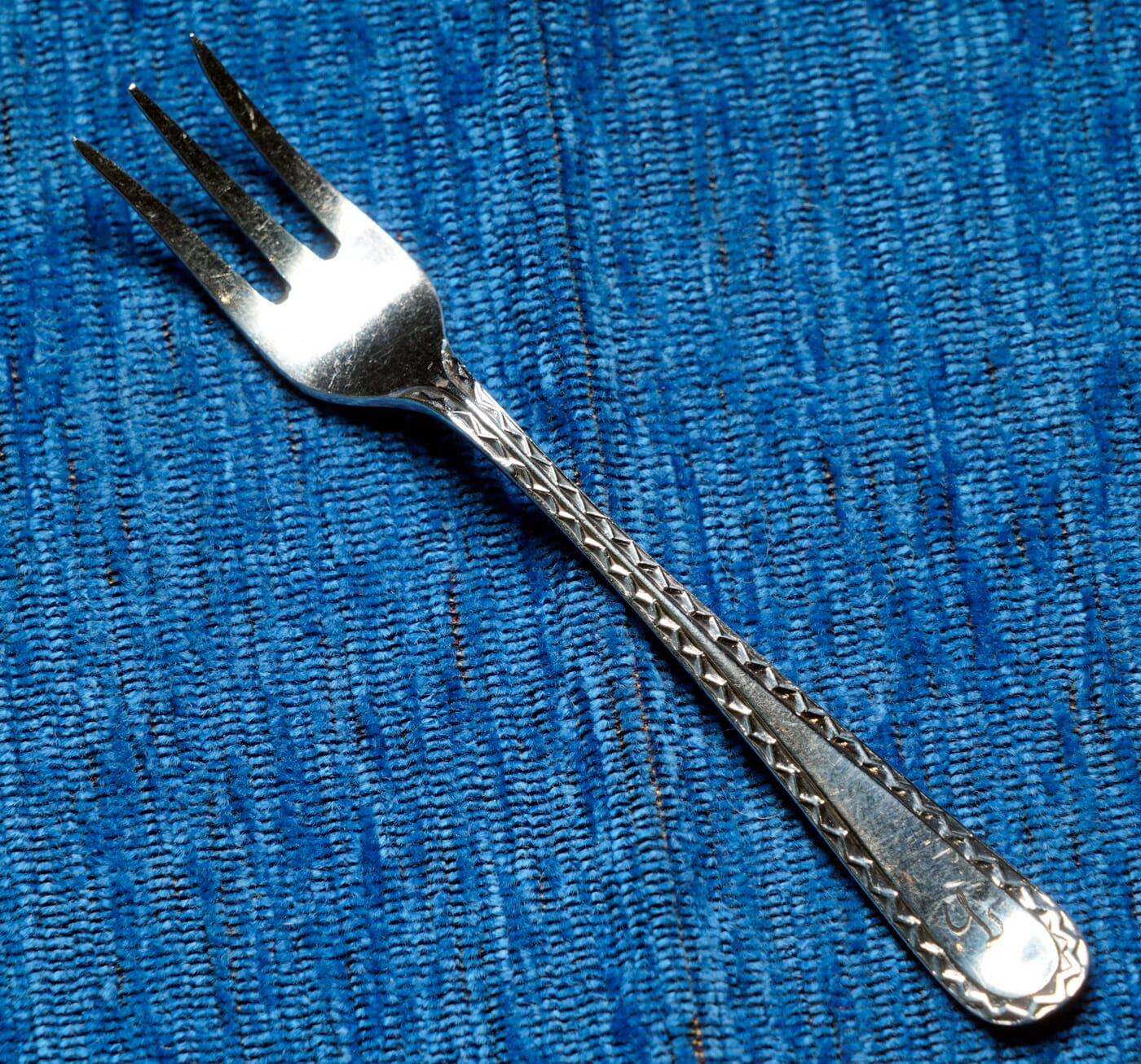
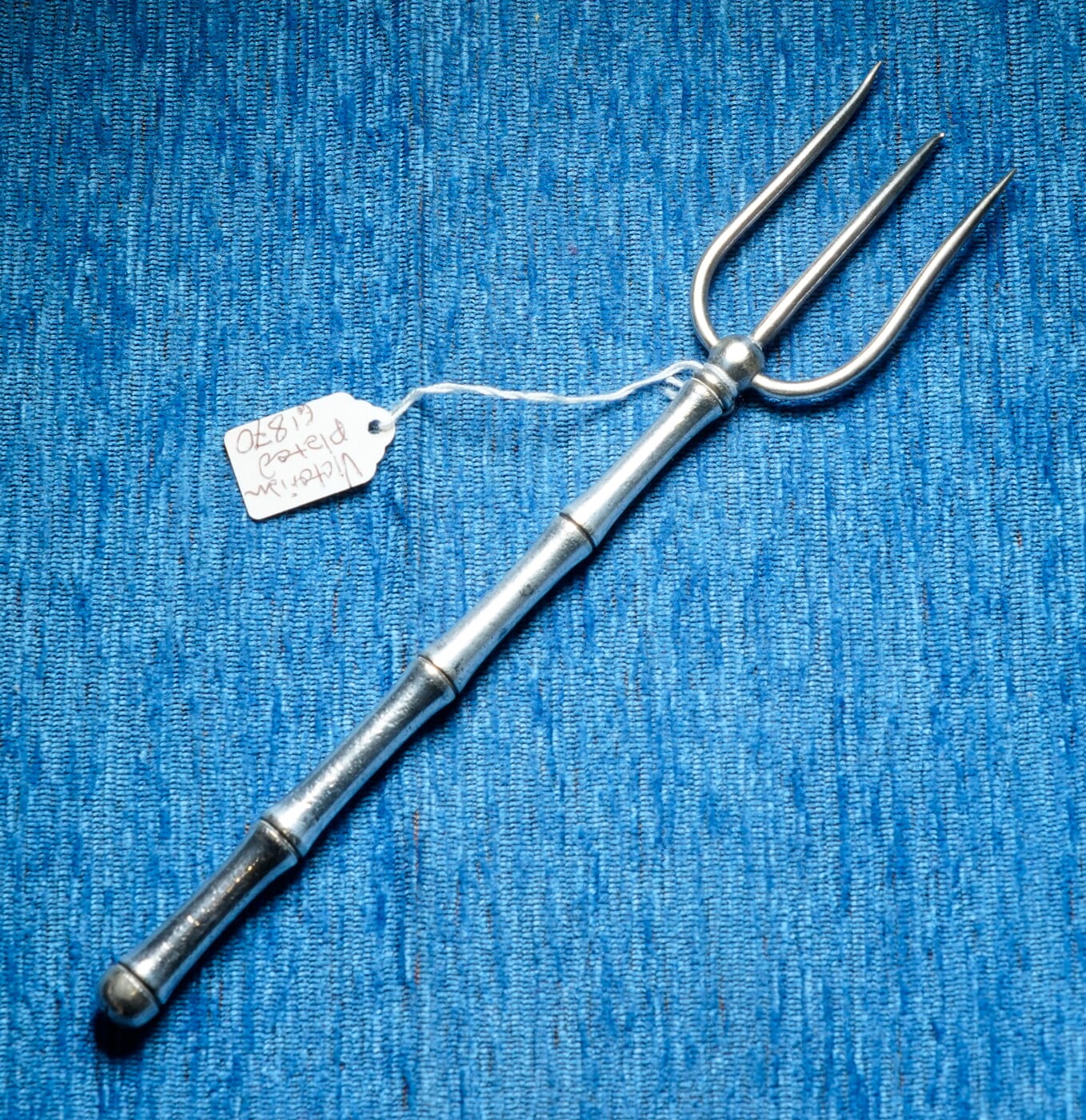
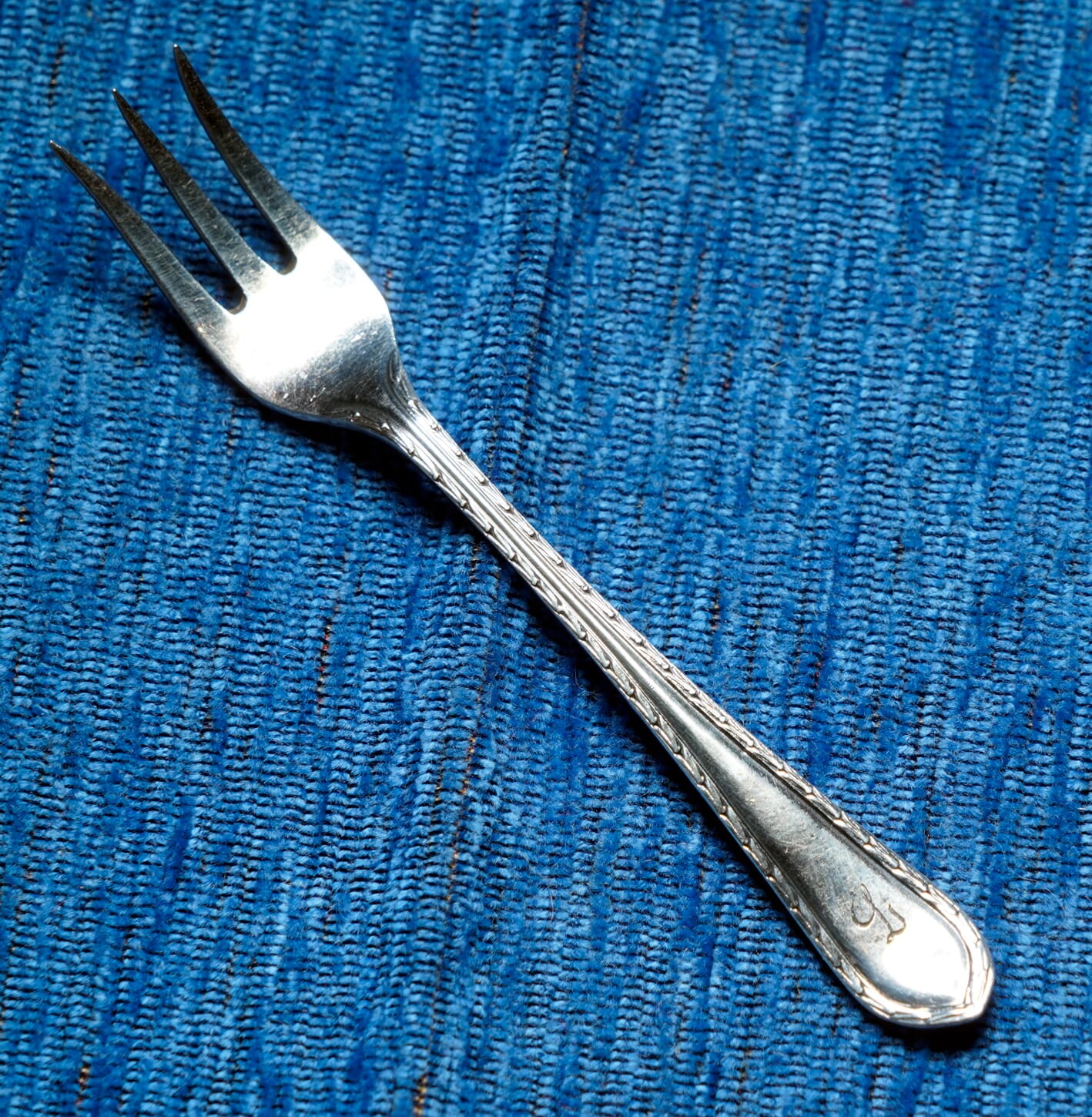
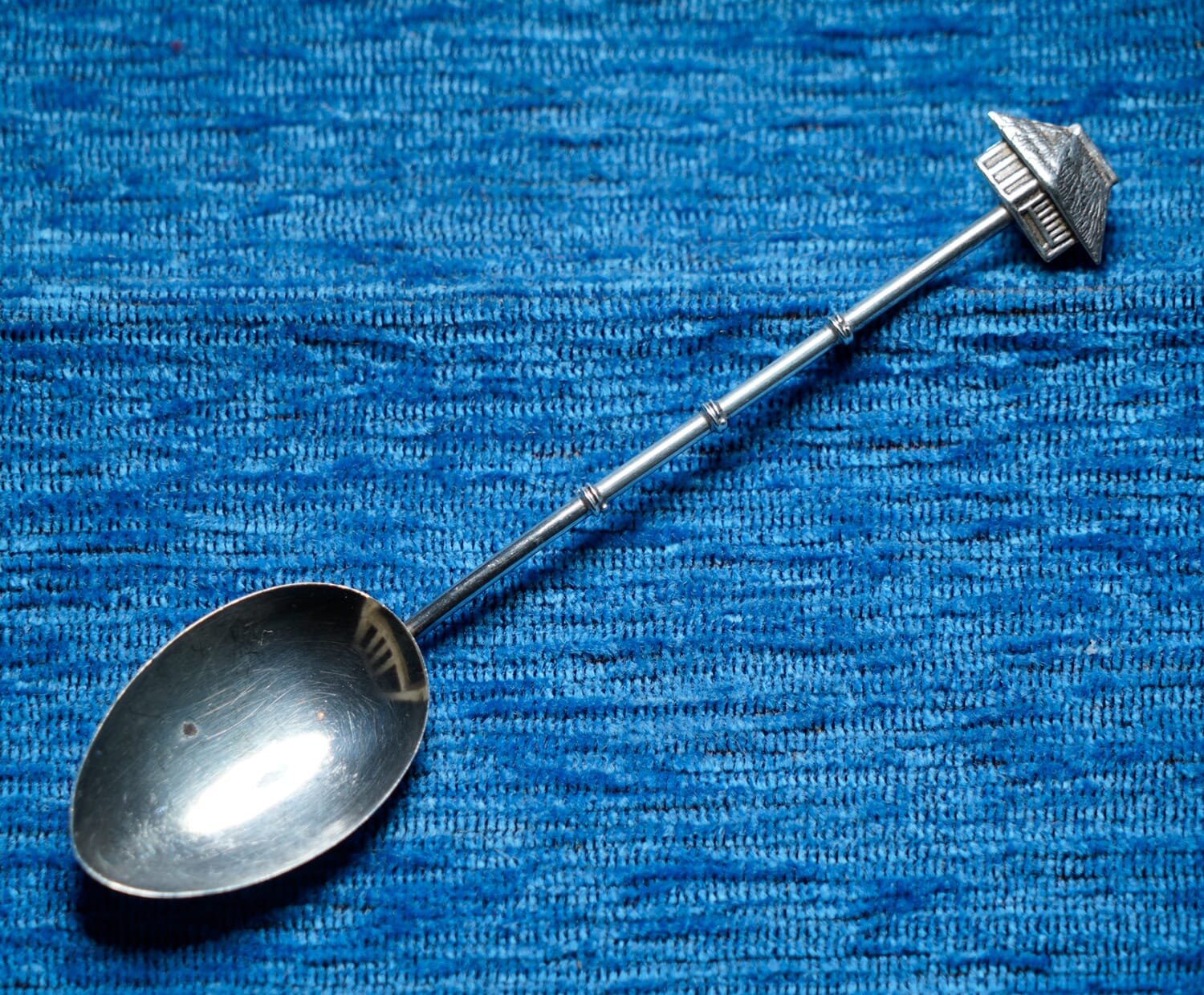
Antique cutlery is a fascinating – and useful – collecting field. There were many different makers, creating many variations, all beautiful. And still very usable! The 200 year old steel of the Georgian implements is incredibly fine quality, and super-sharp after all those years – even without sharpening.


A selection of Antiquities released today

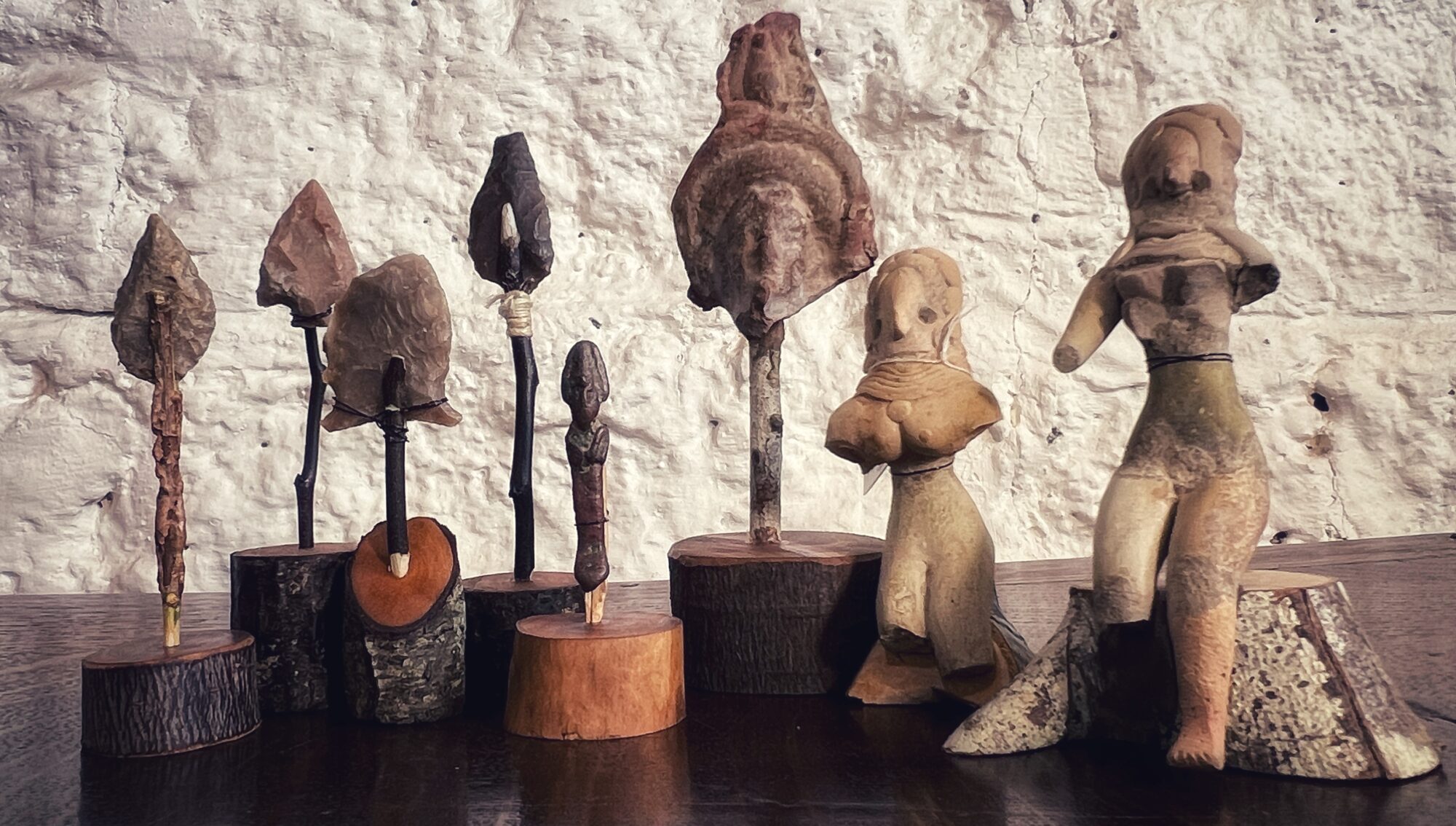
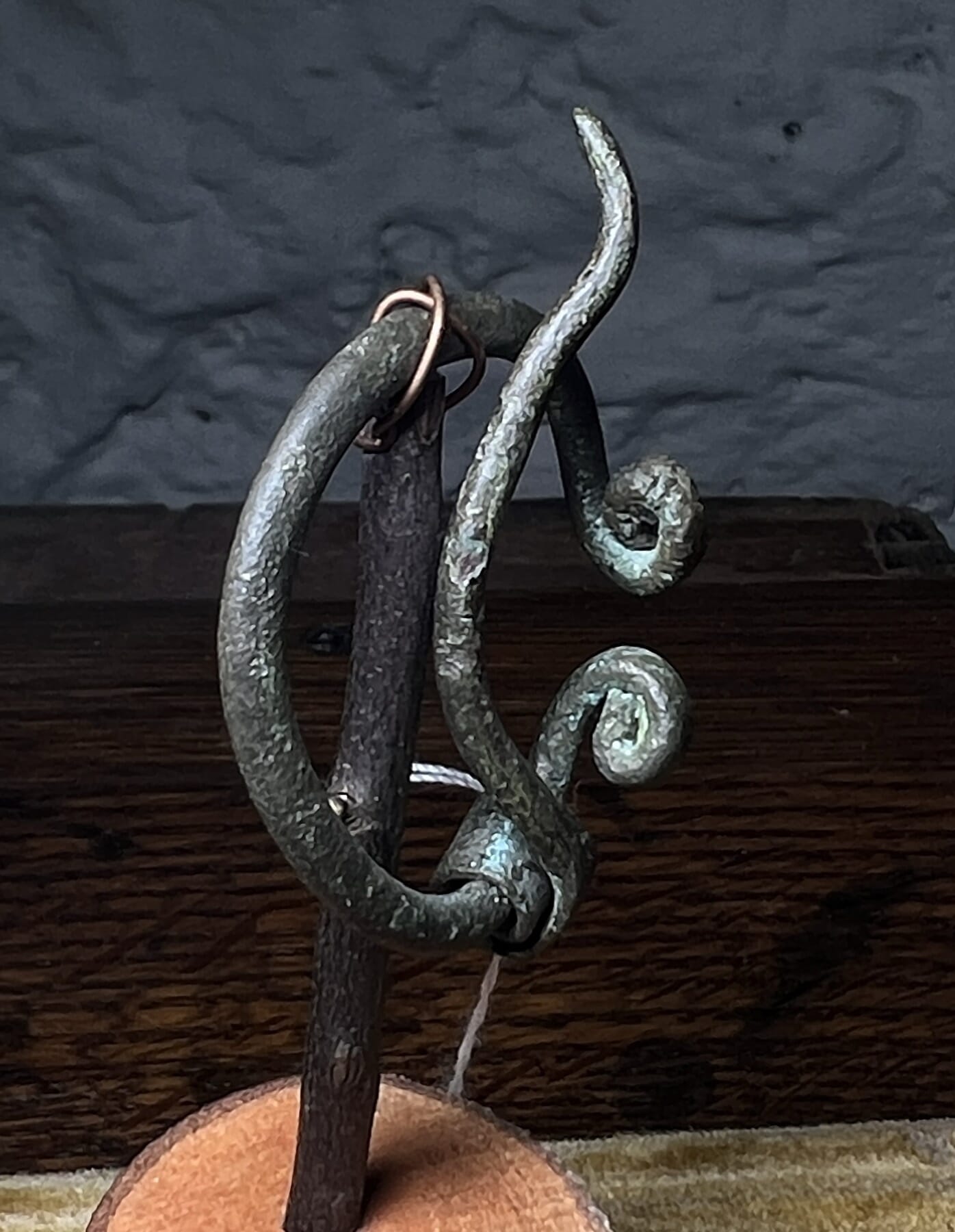
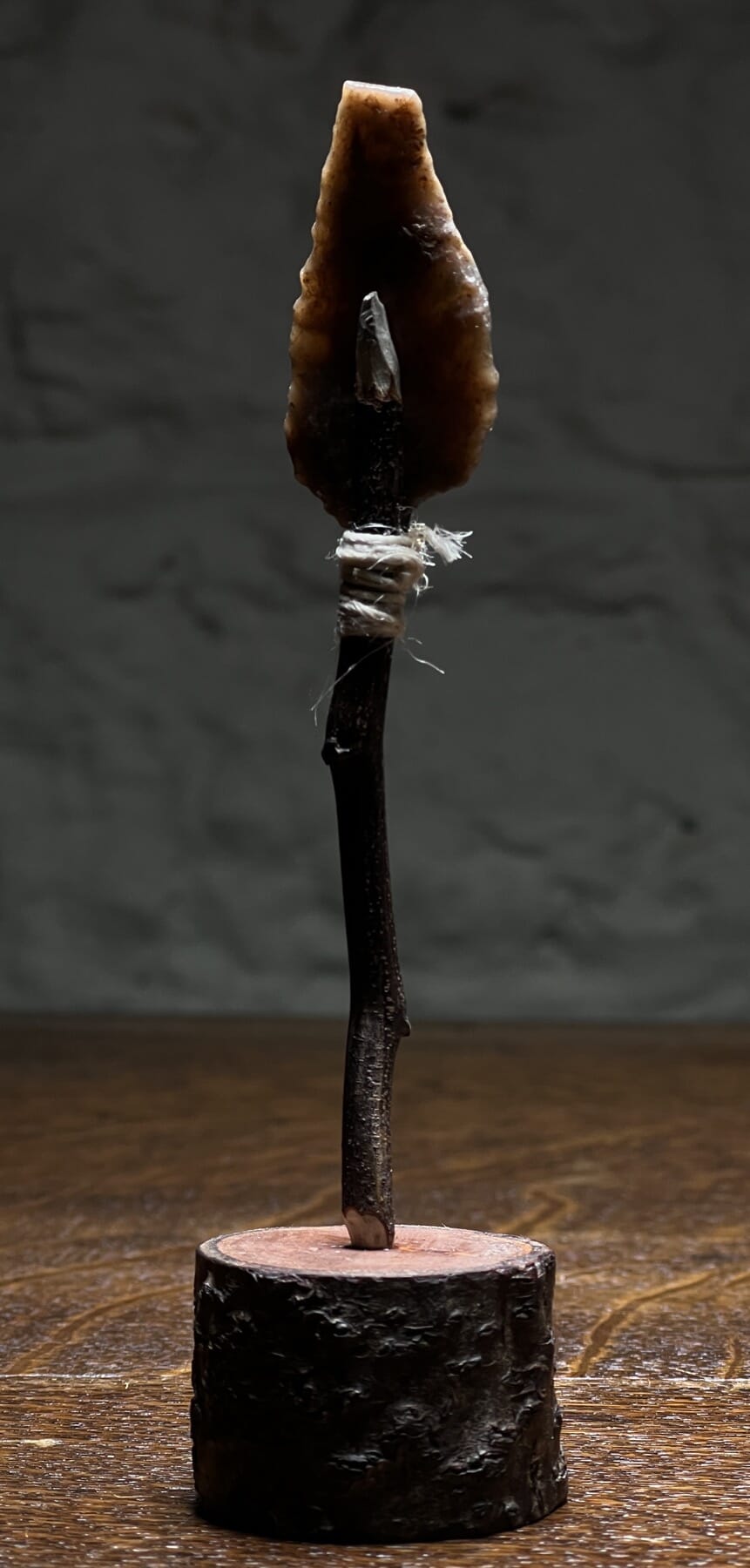
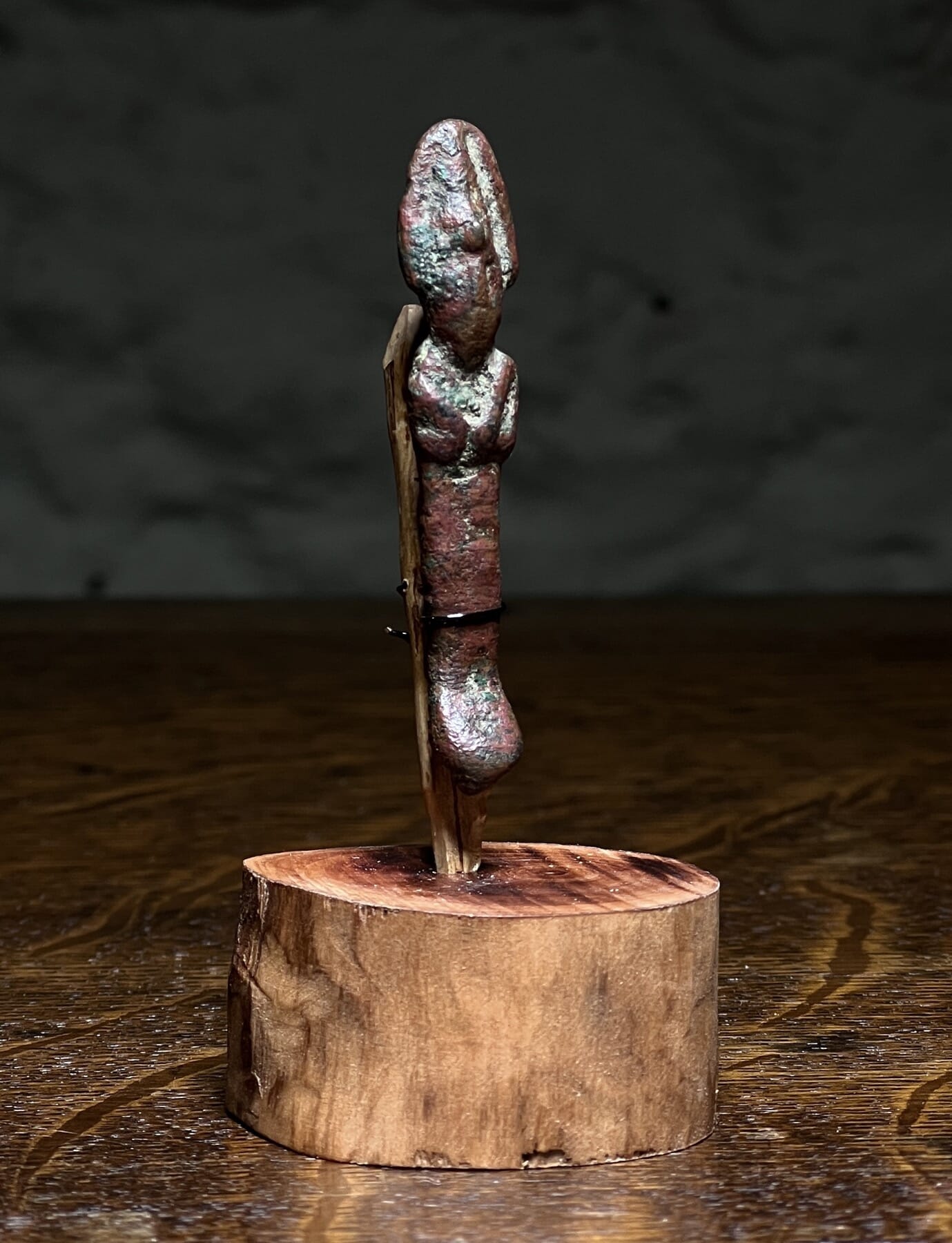
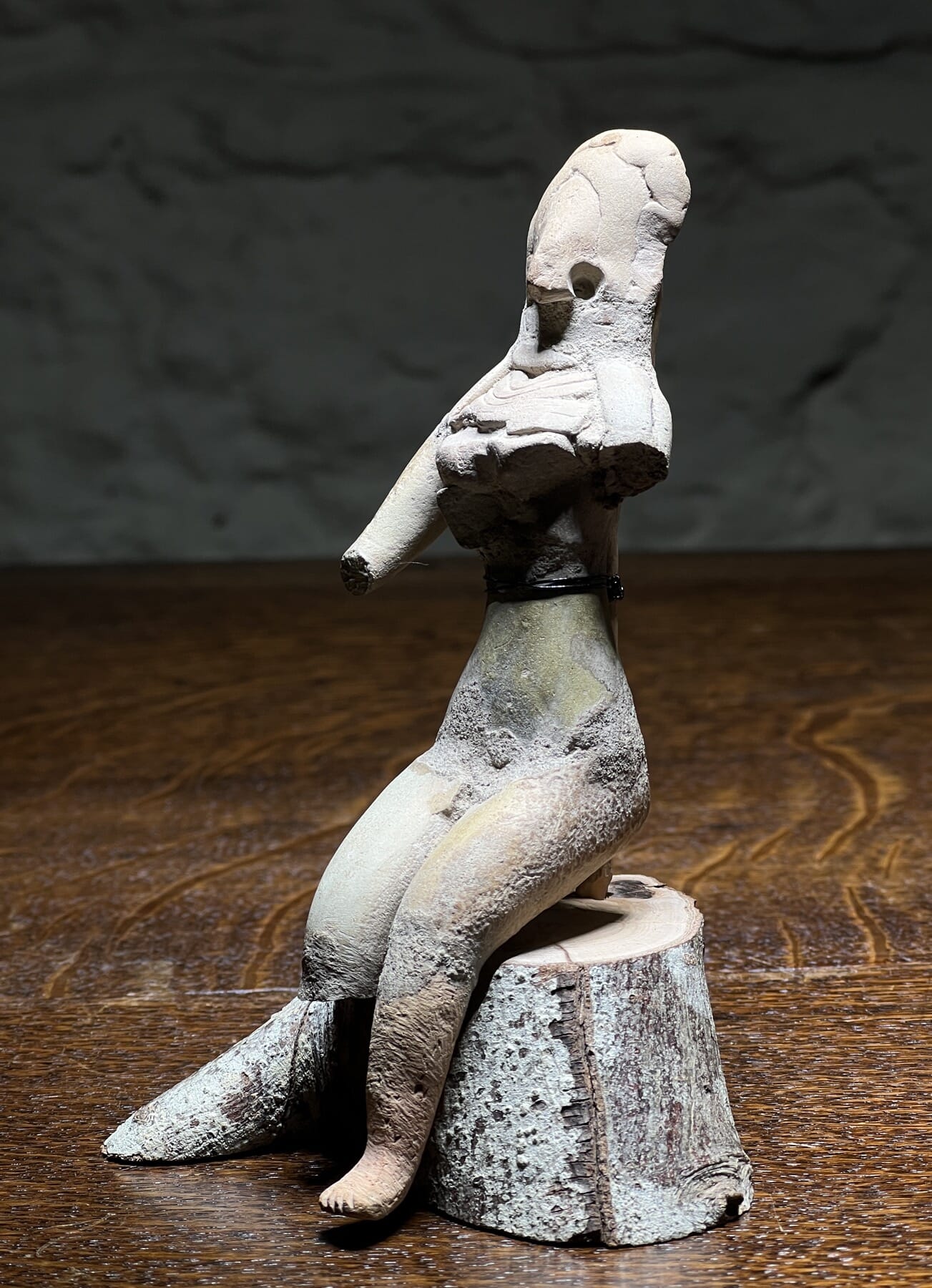
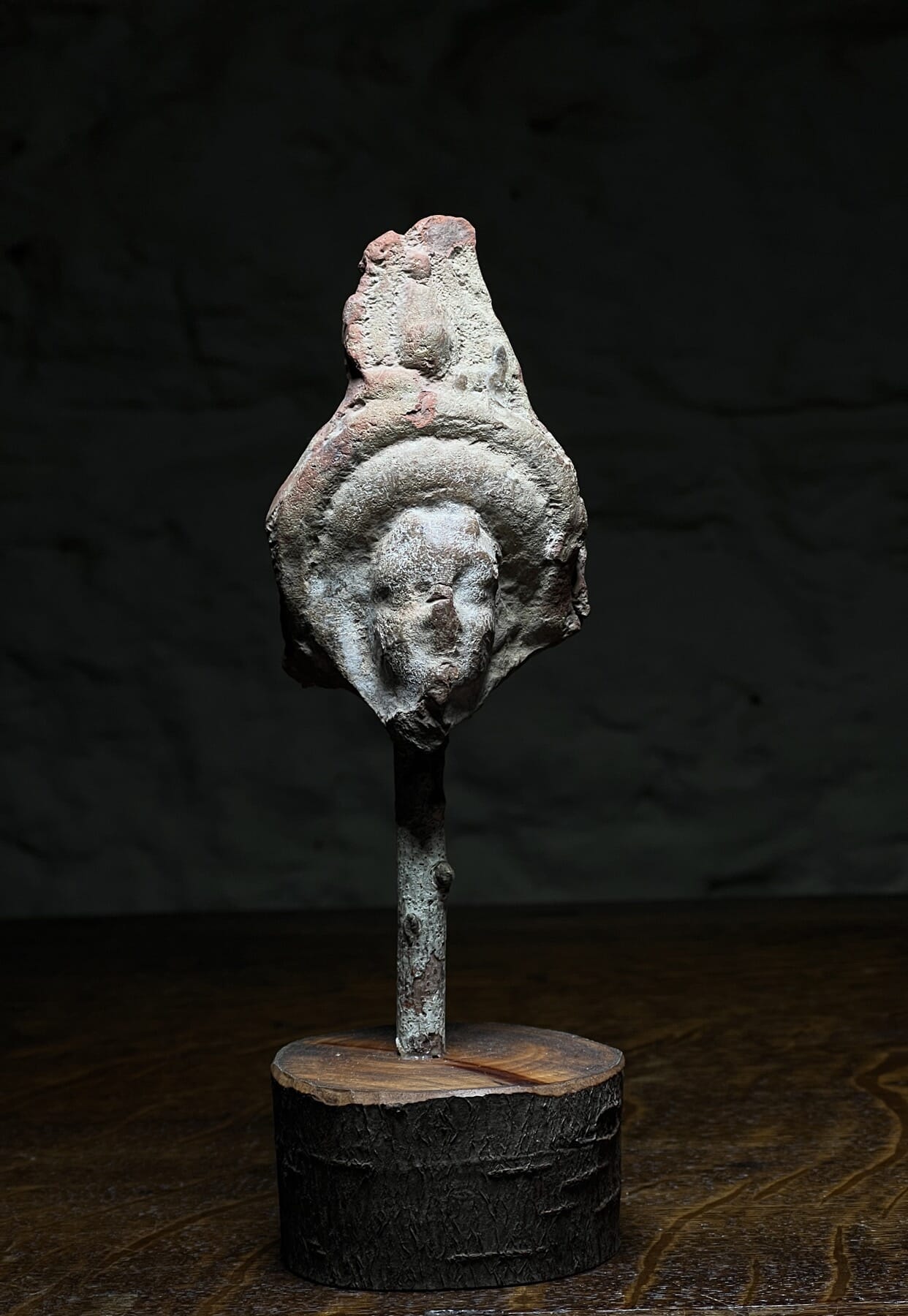
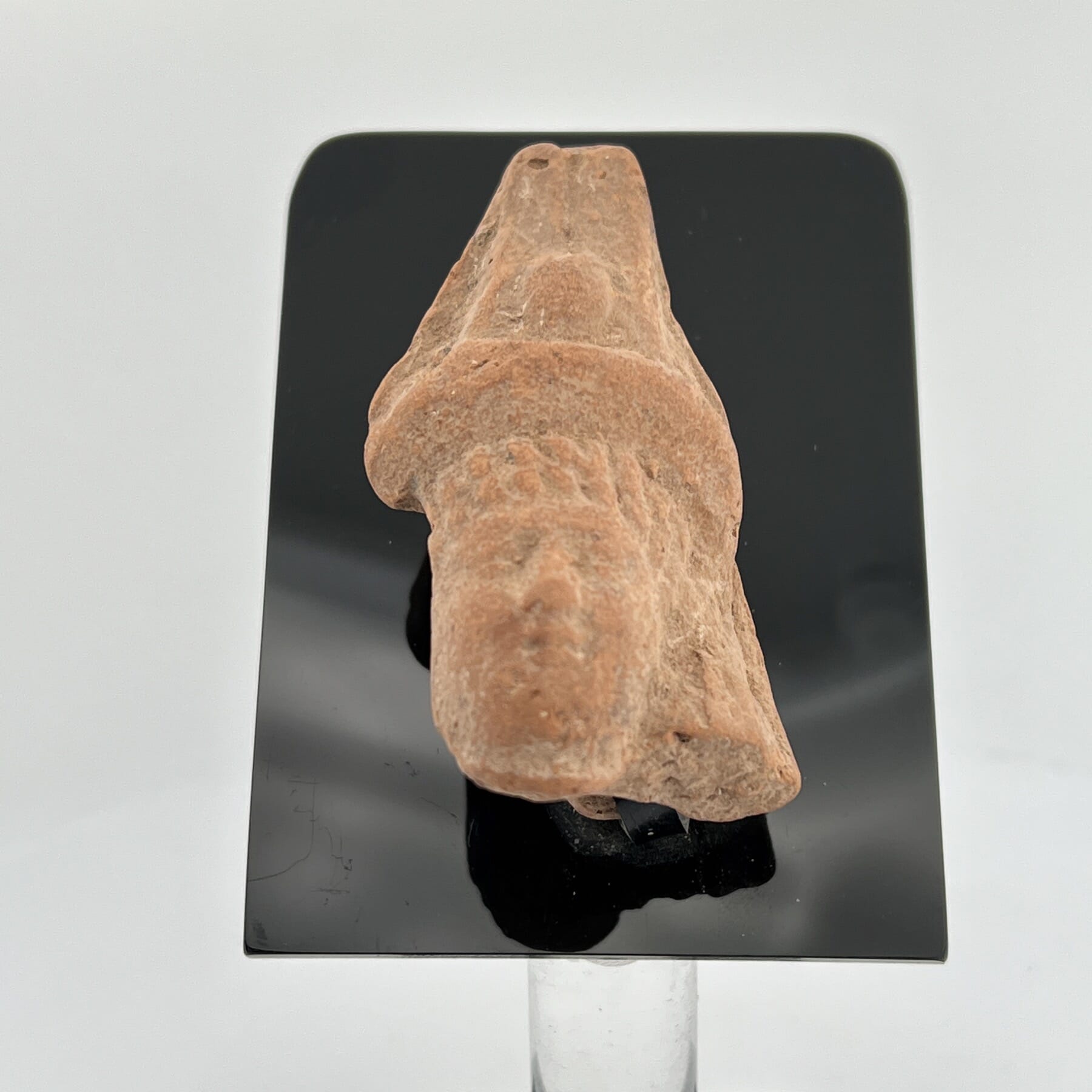
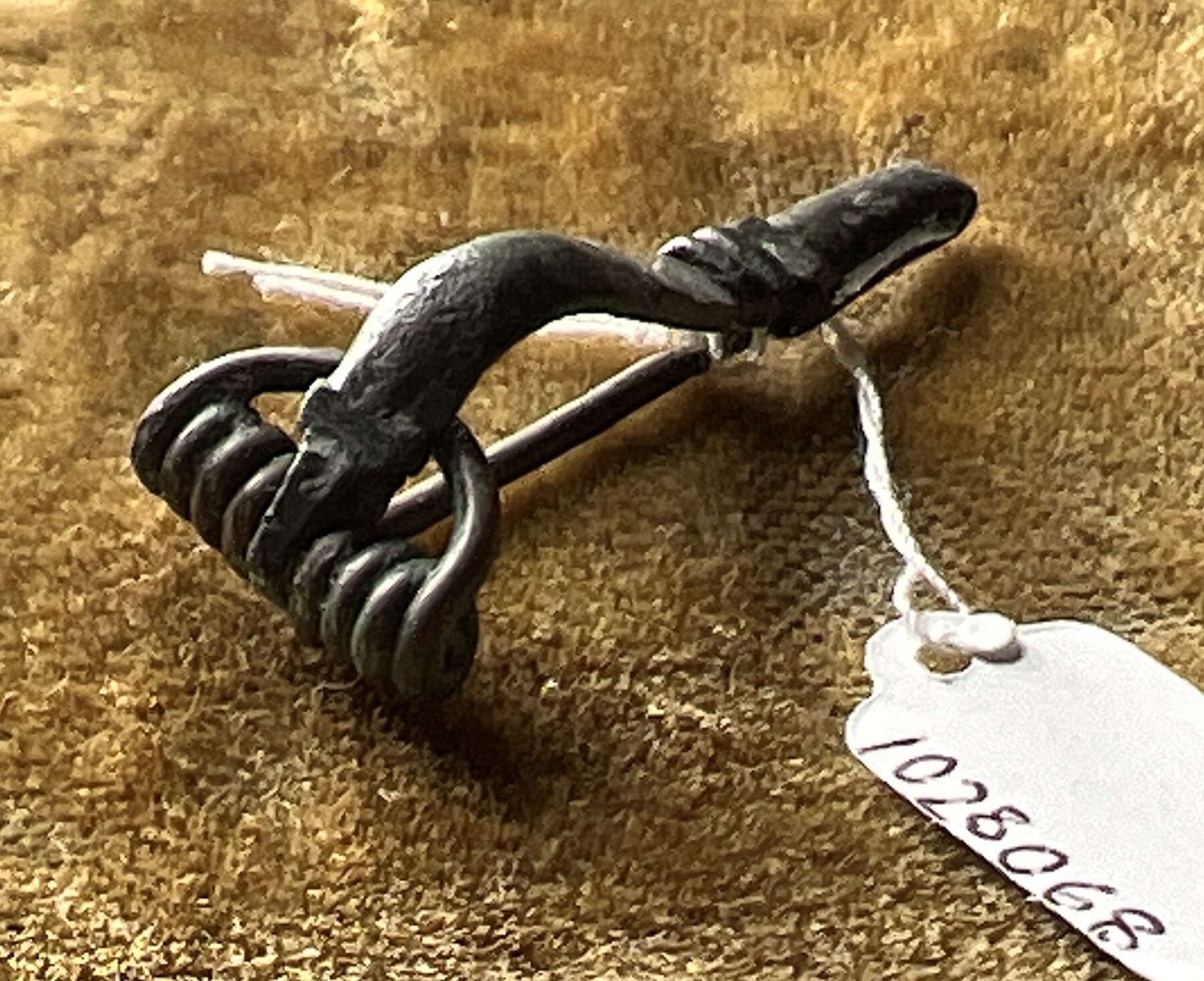
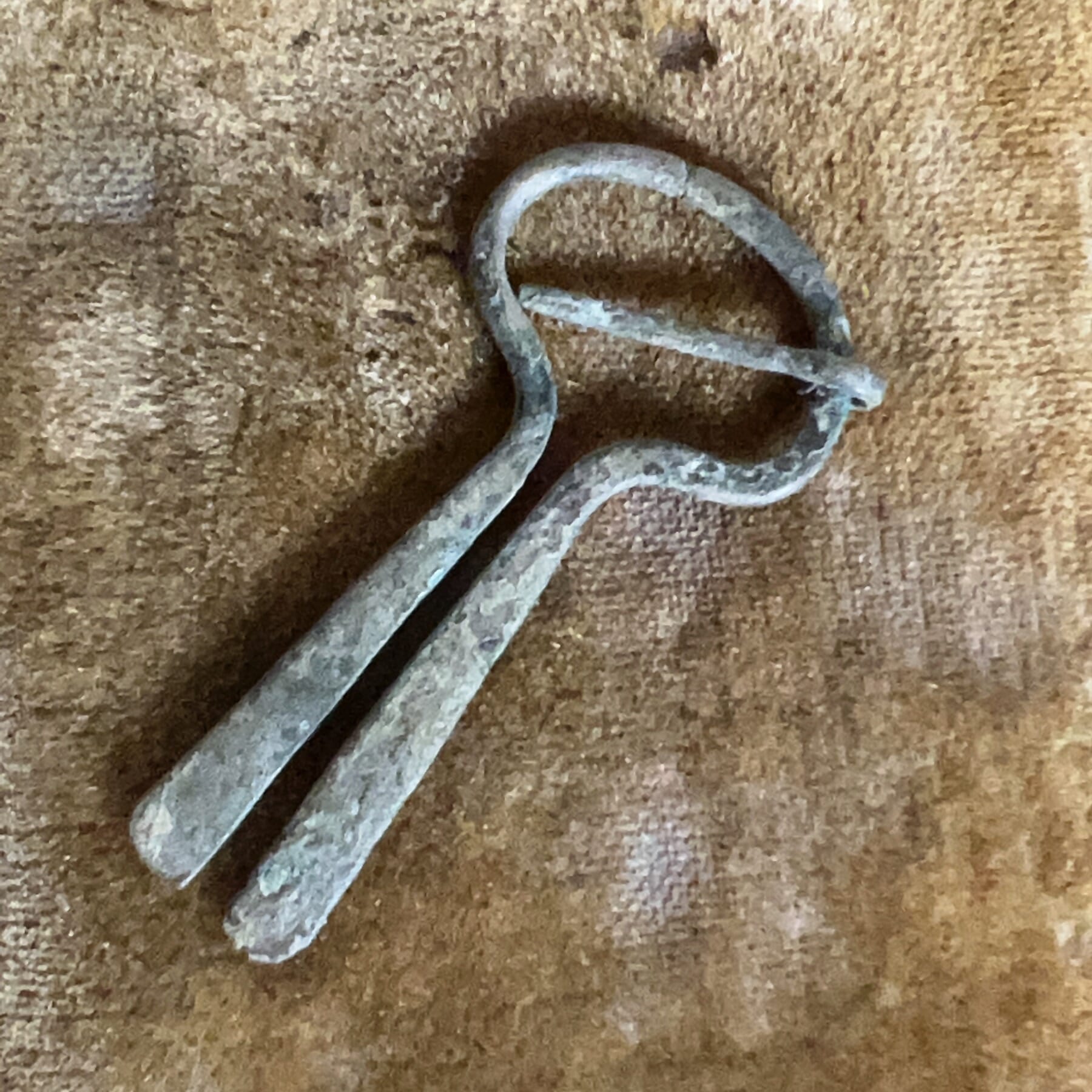
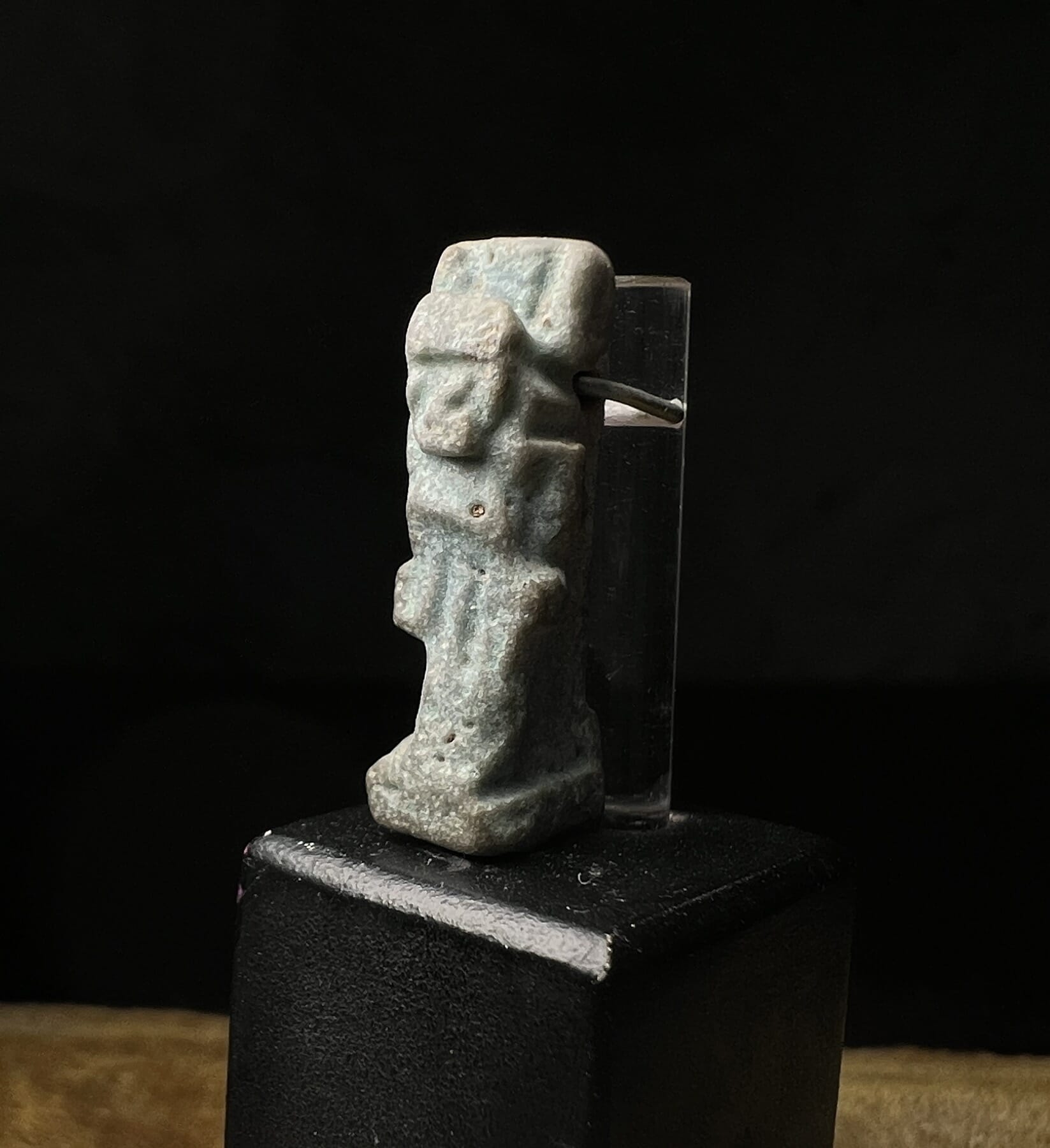
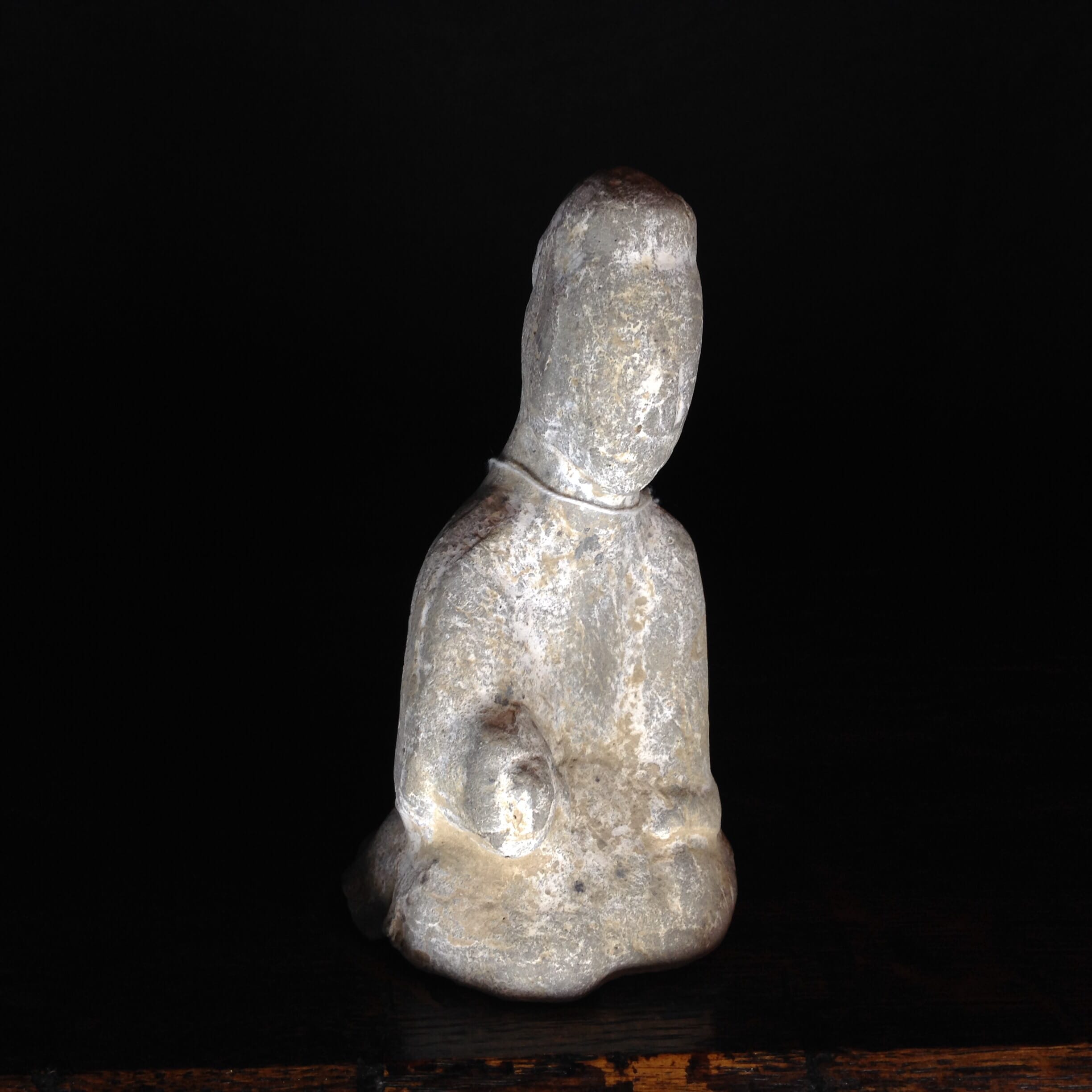
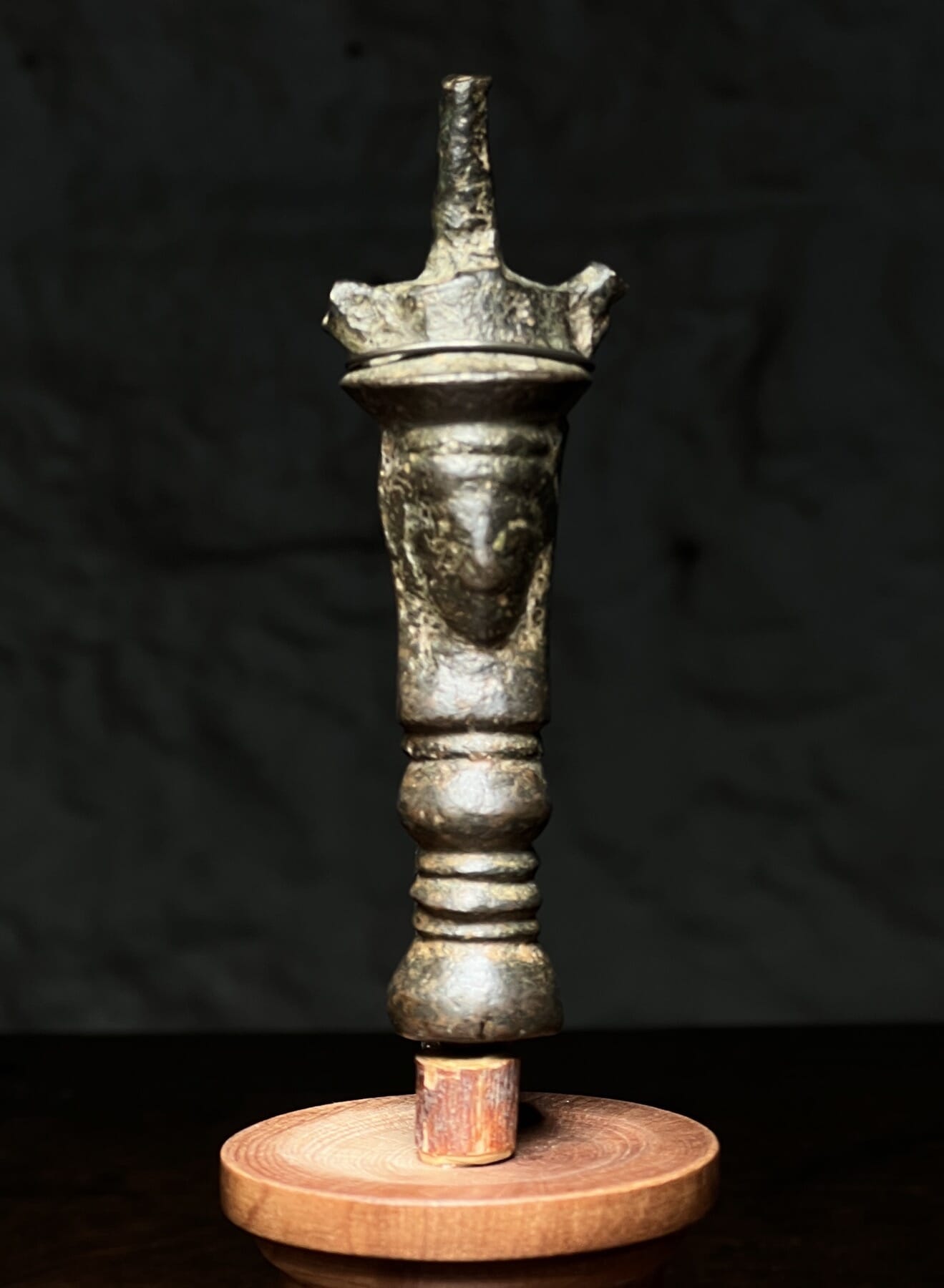
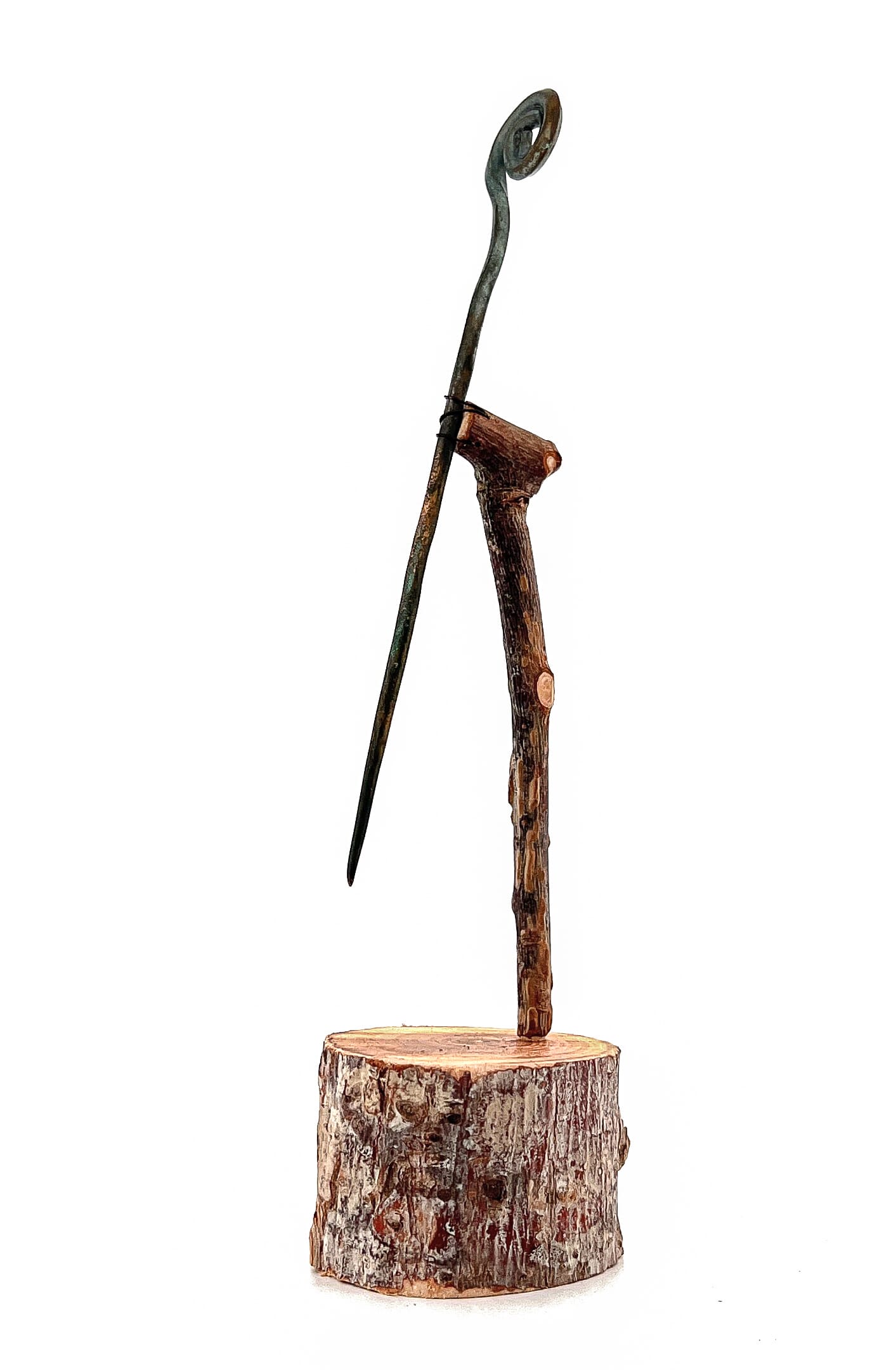
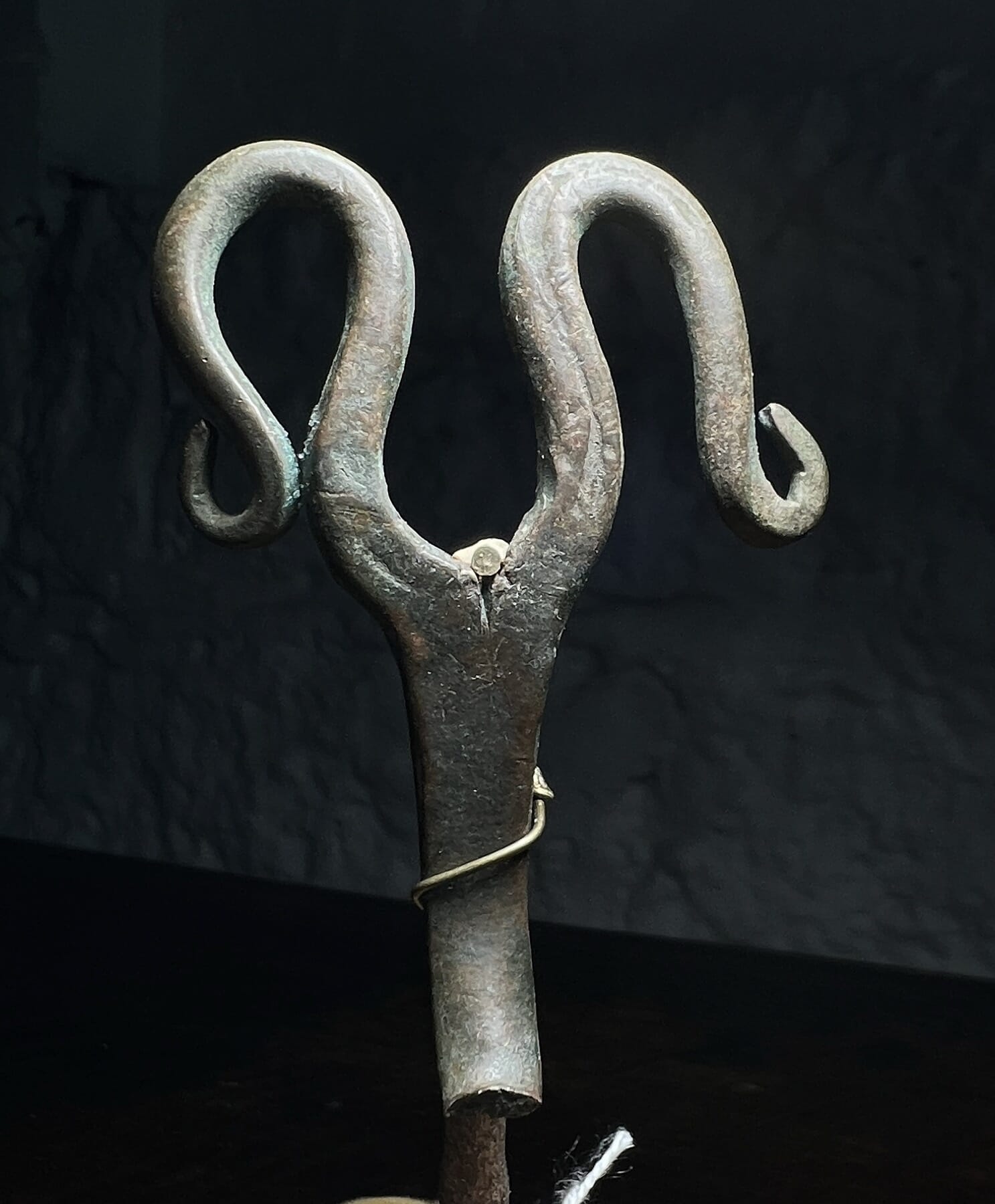
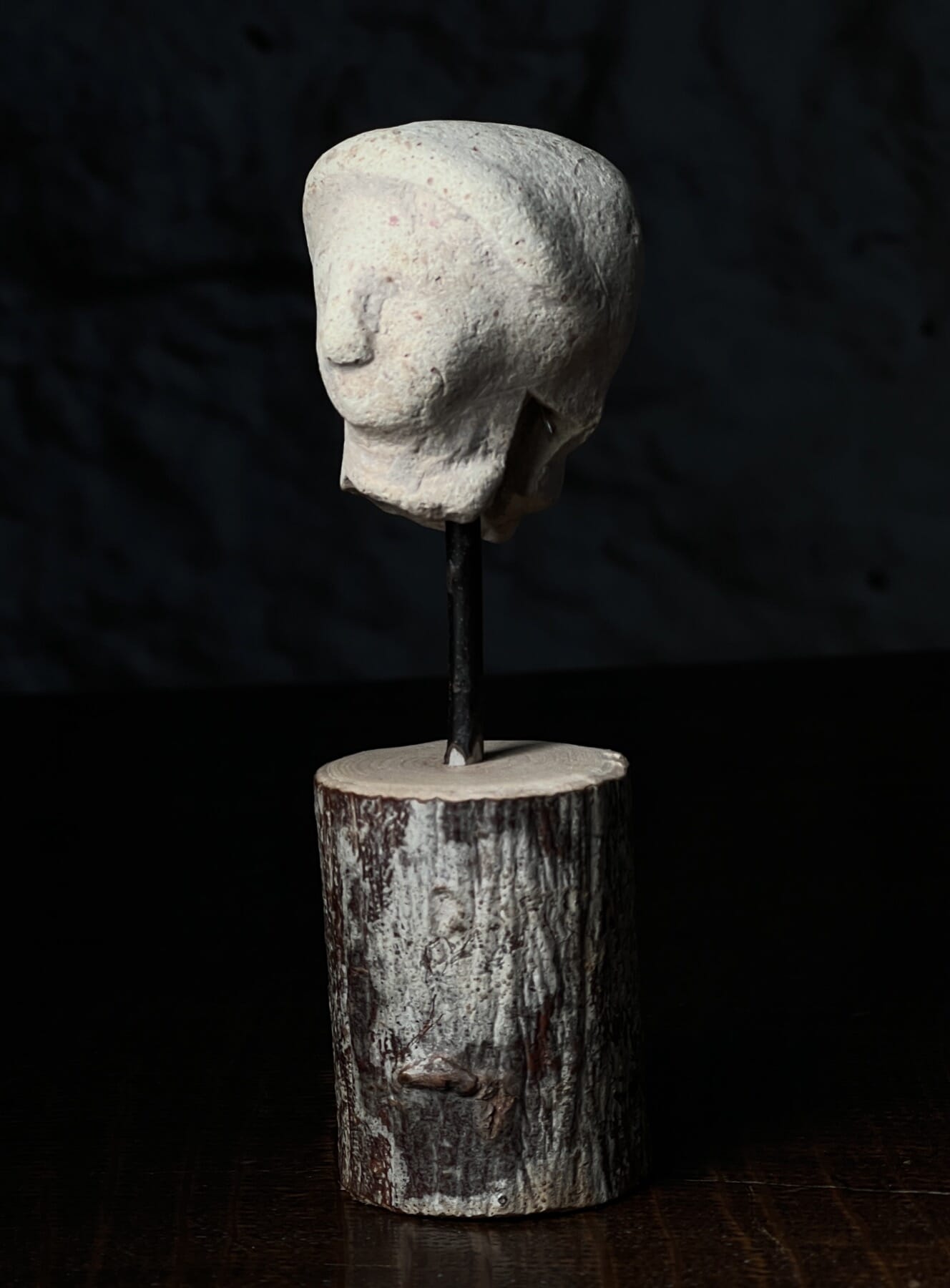
Antiquities, freshly mounted, including a group of American Indian stone arrowheads (one is 10,000 years old!), a small Egyptian bronze Osiris, a Greco-Roman head of Harpocrates, plus more.

Posted on

Fresh Stock – Fine Continental and English Ceramics

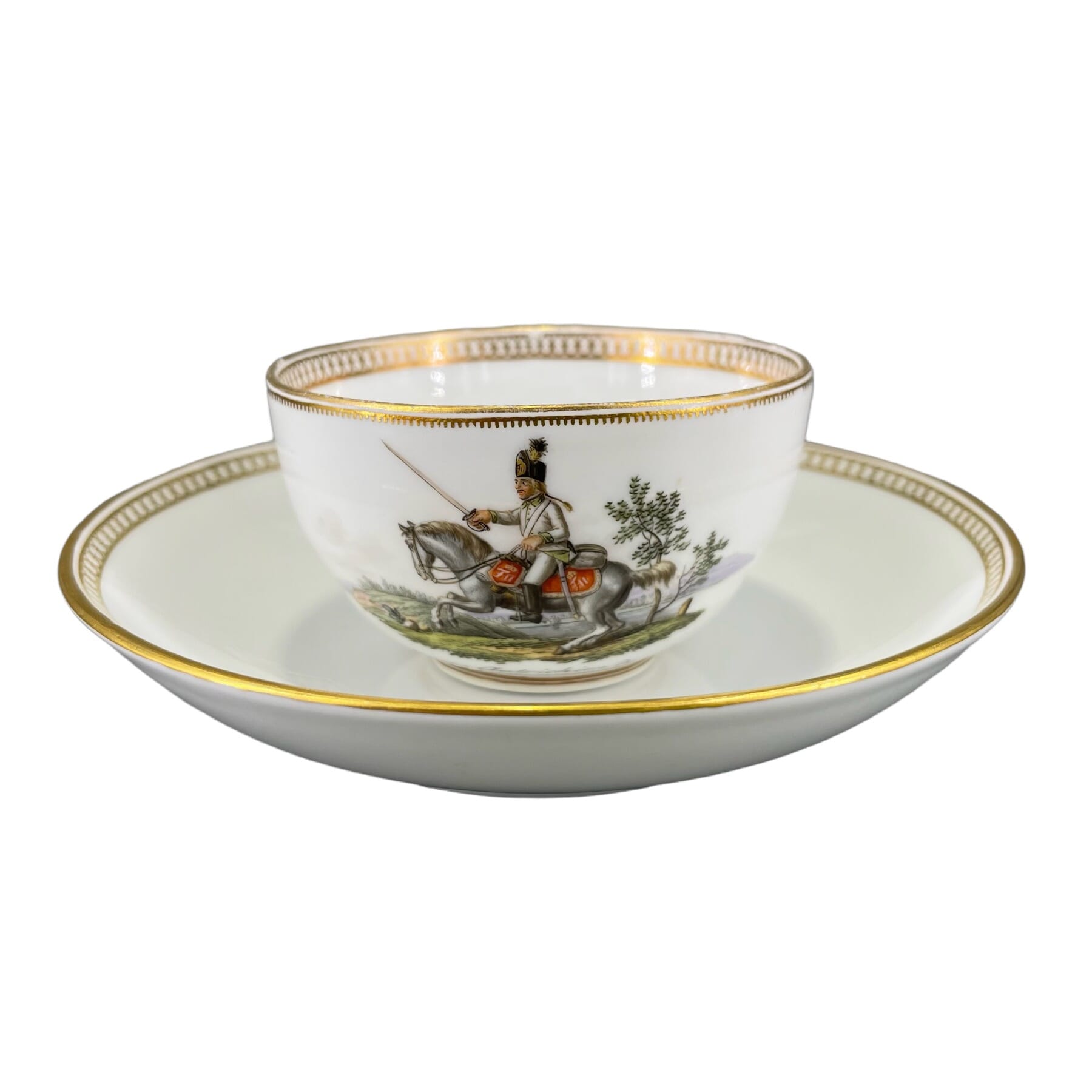
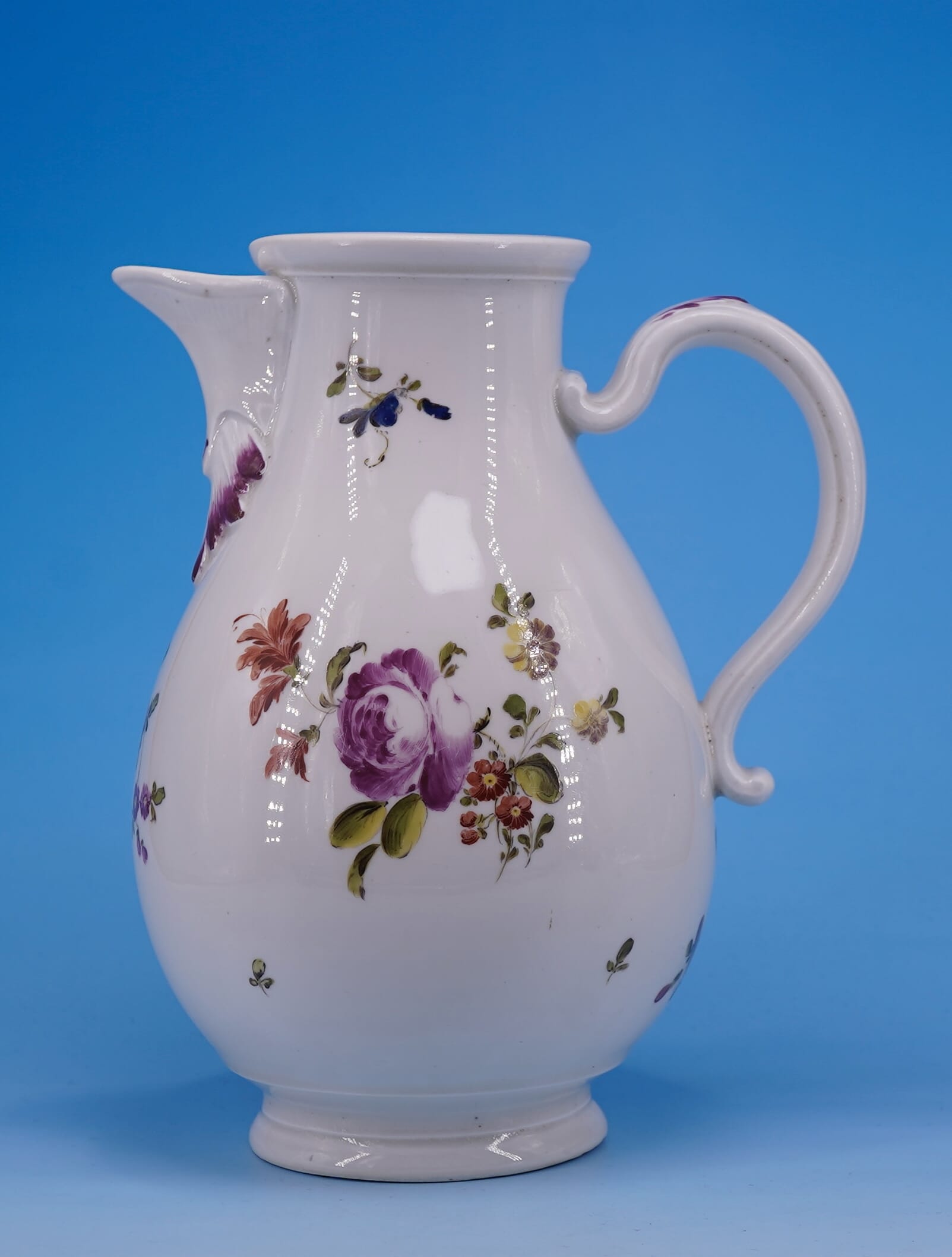
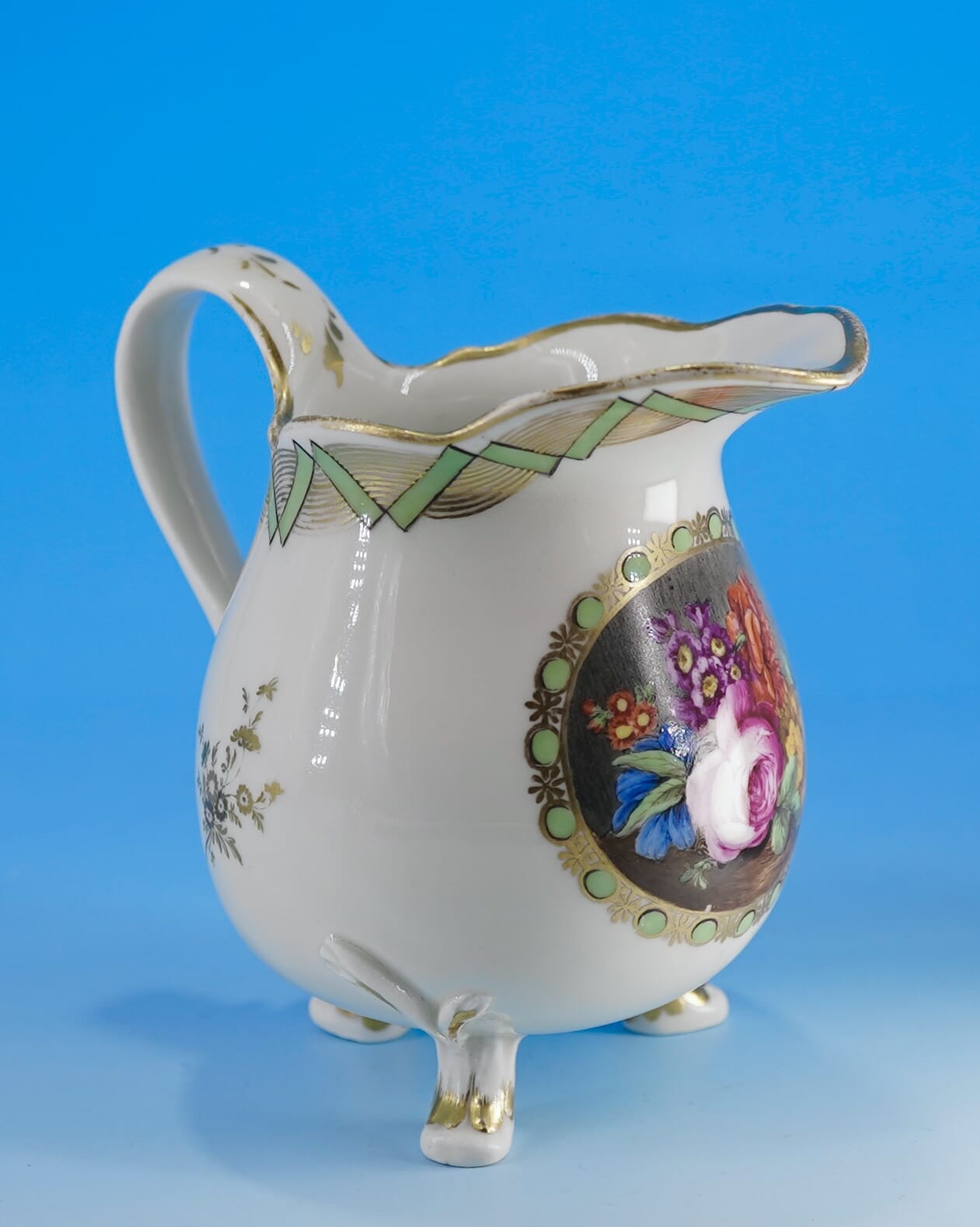
A wonderful selection of Vienna, Meissen, Sevres and other finely decorated ceramics for your perusal!
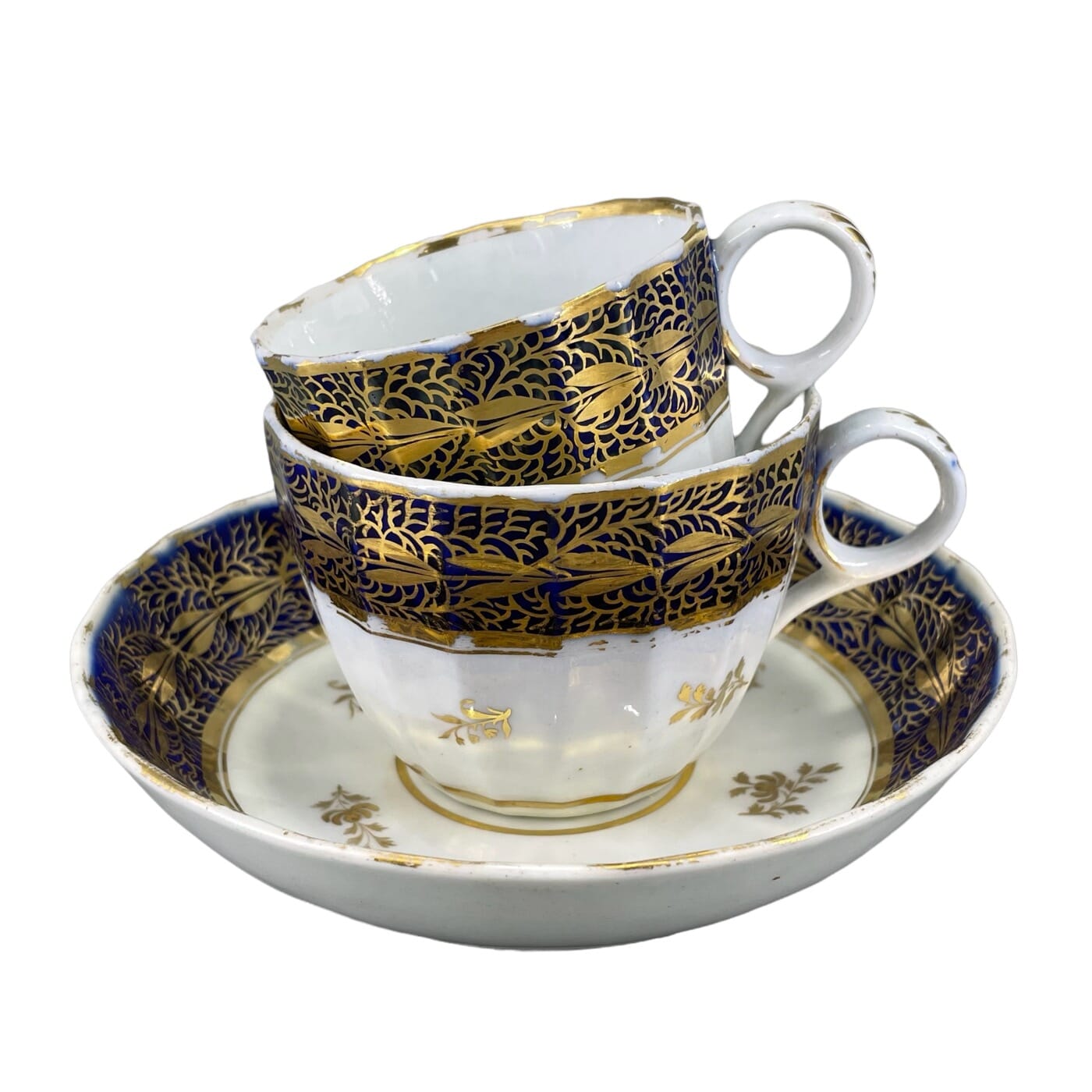
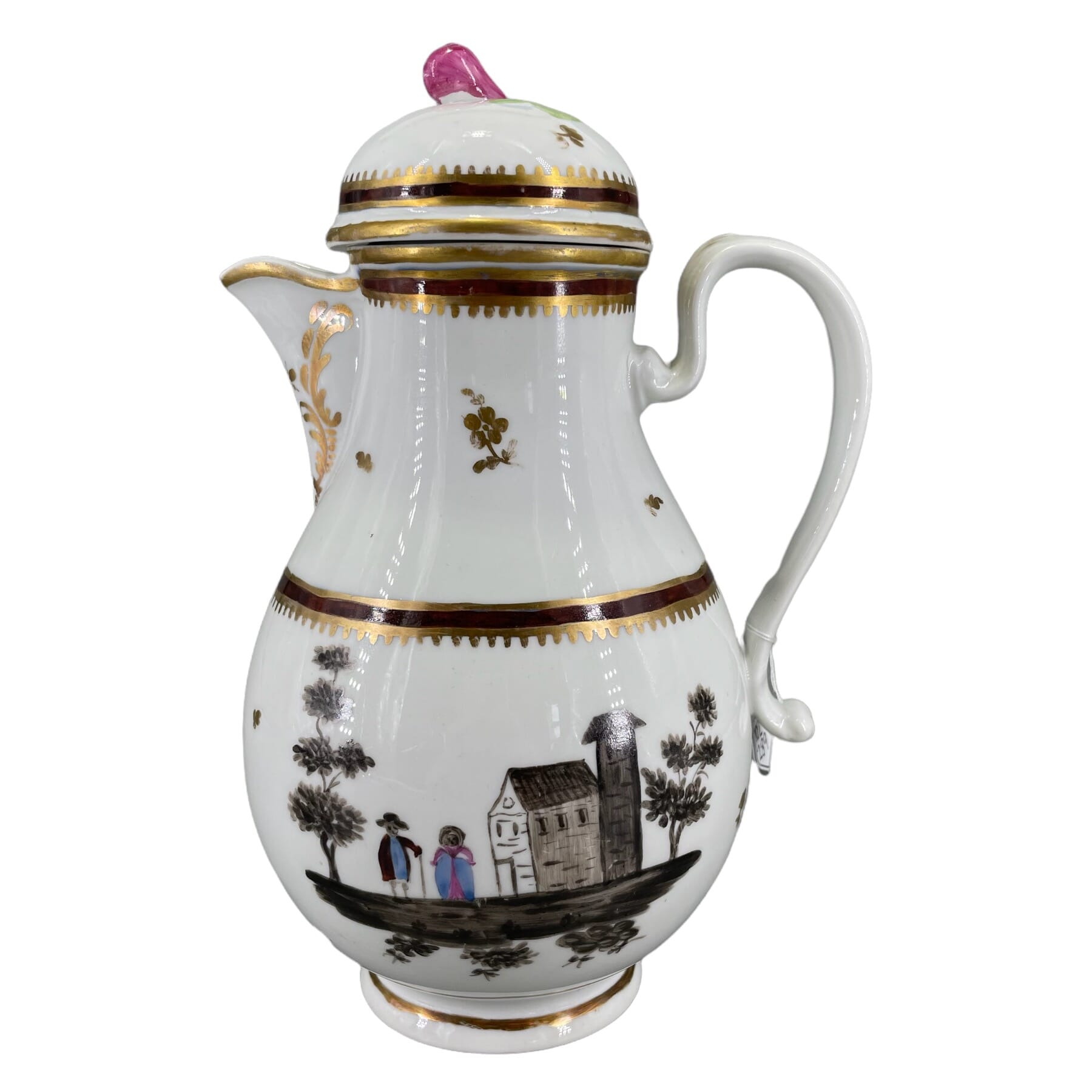
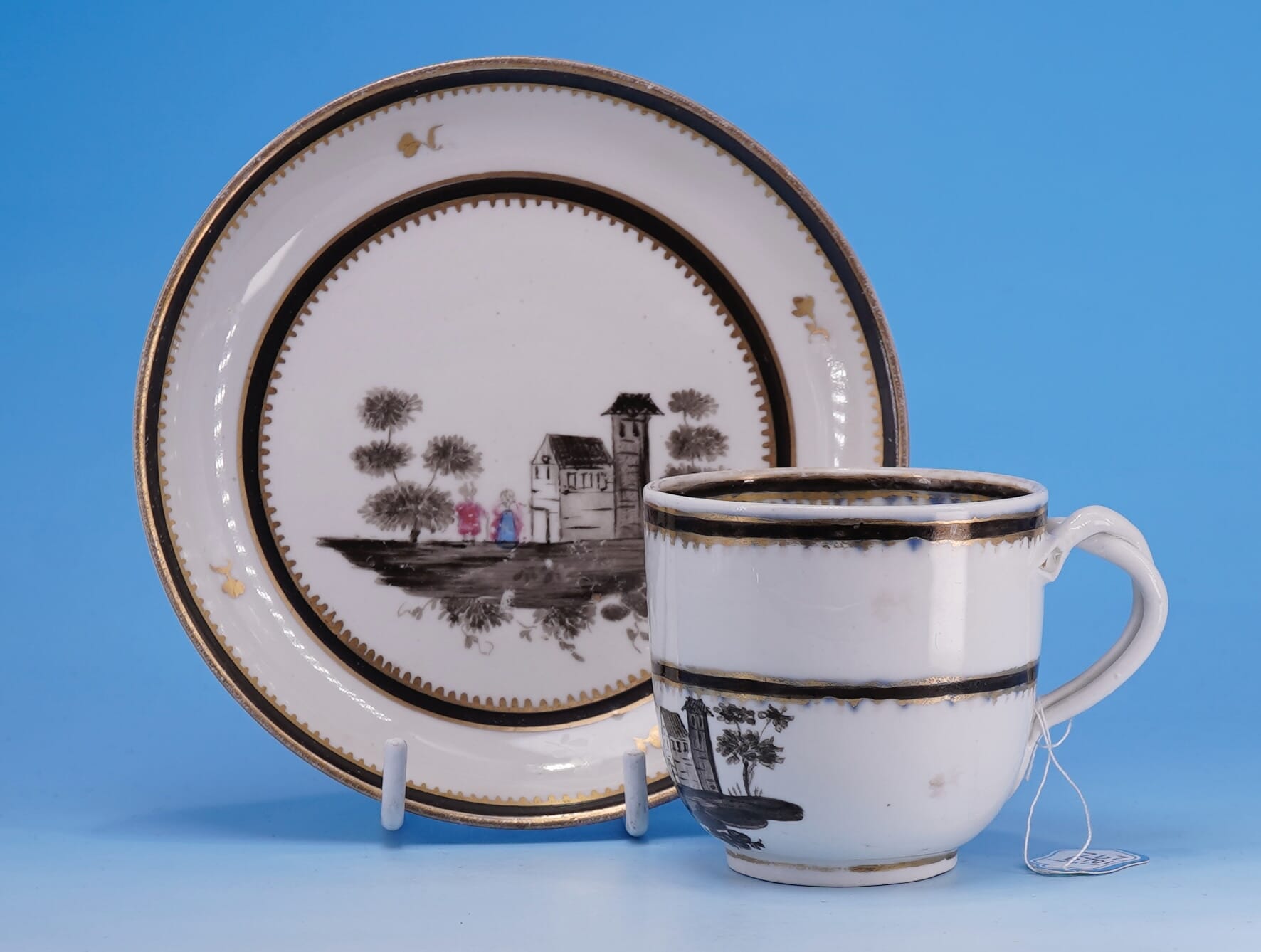
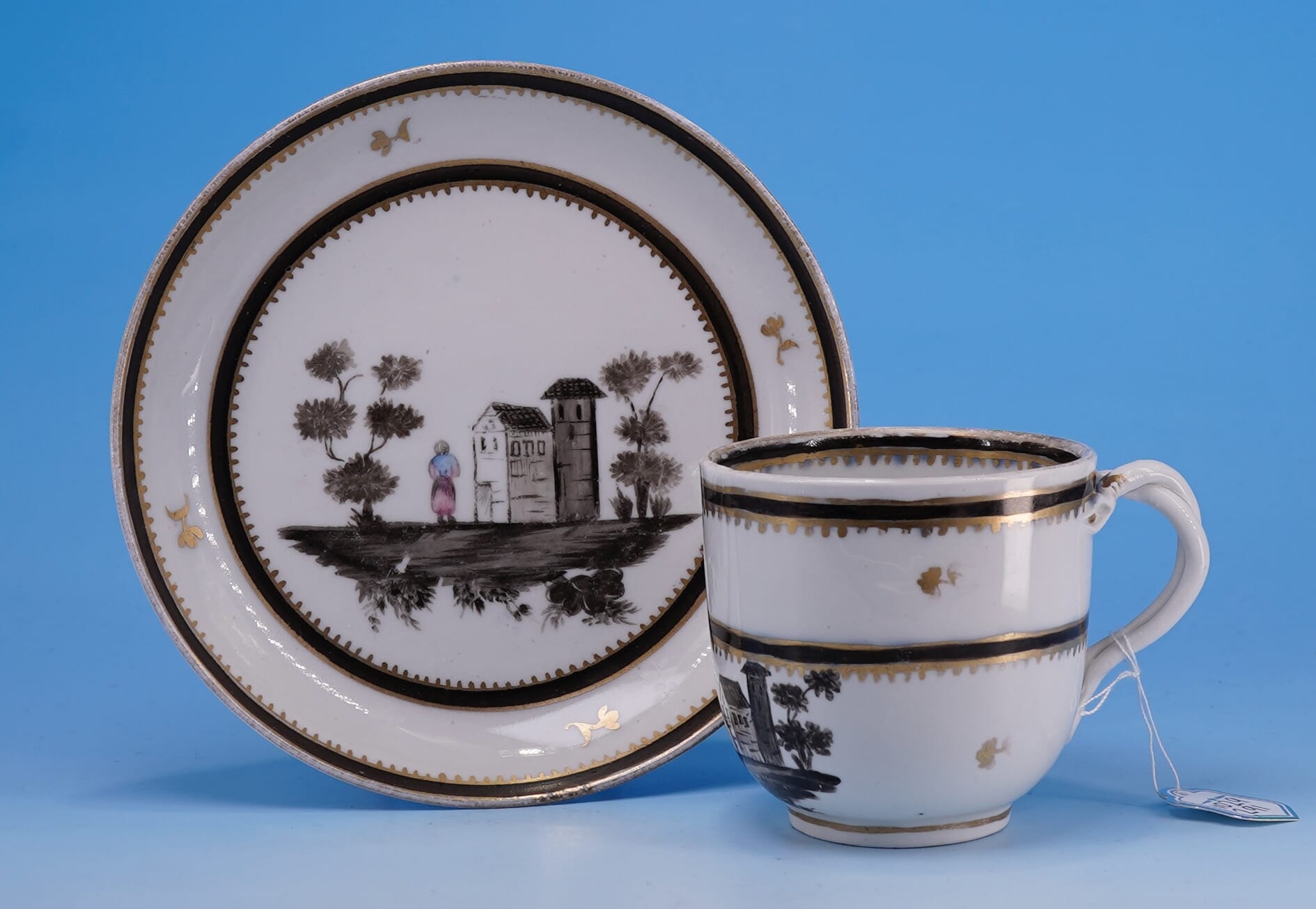
Mainly 18th century, you’ll find Bow, Worcester & Caughley, plus some French & German – but in particular, a fine selection of early Vienna porcelain.

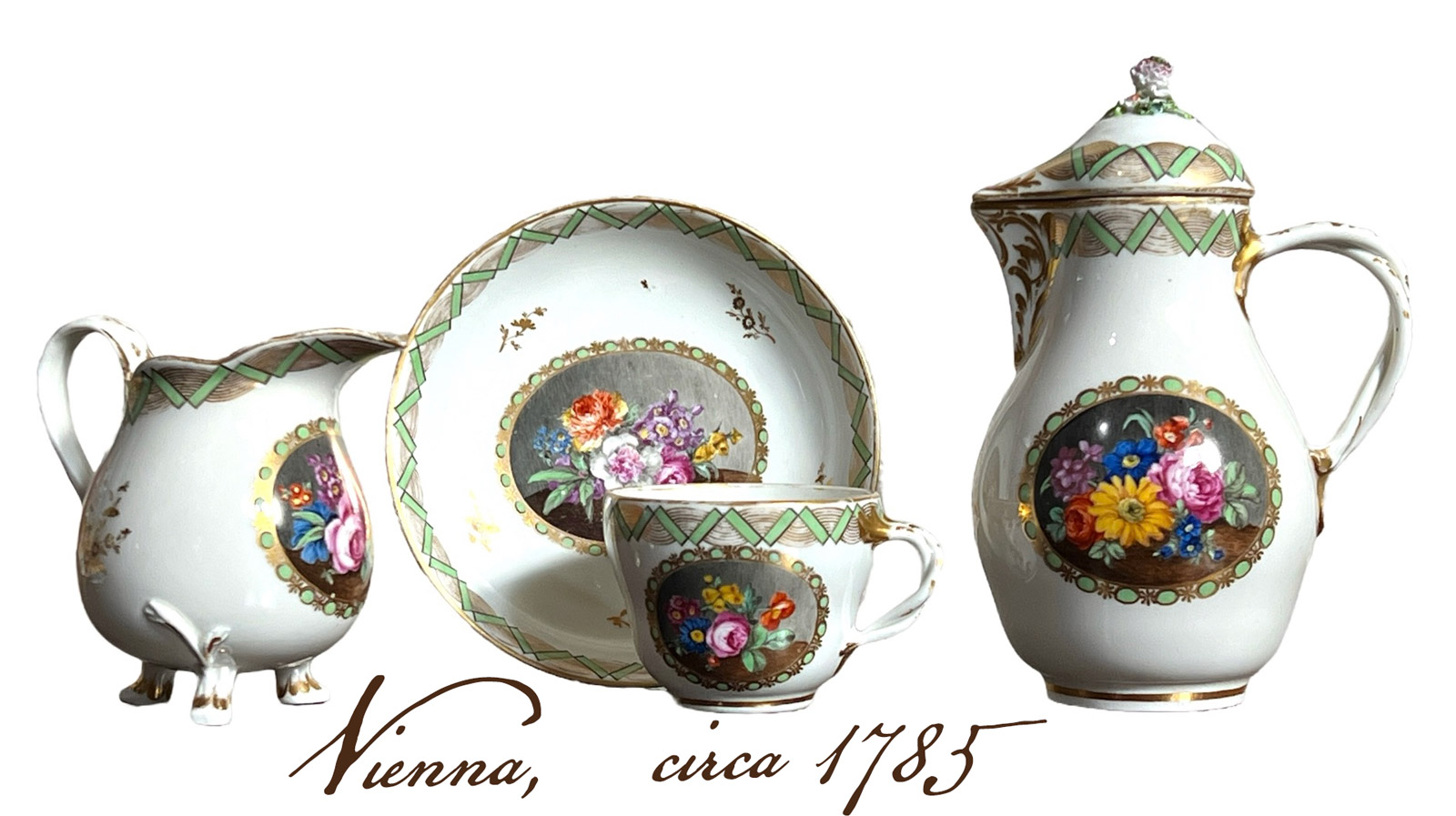
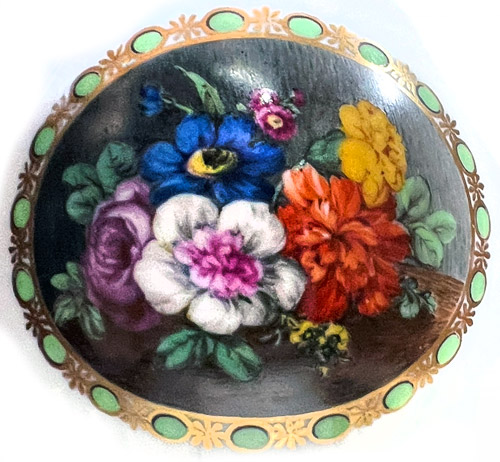
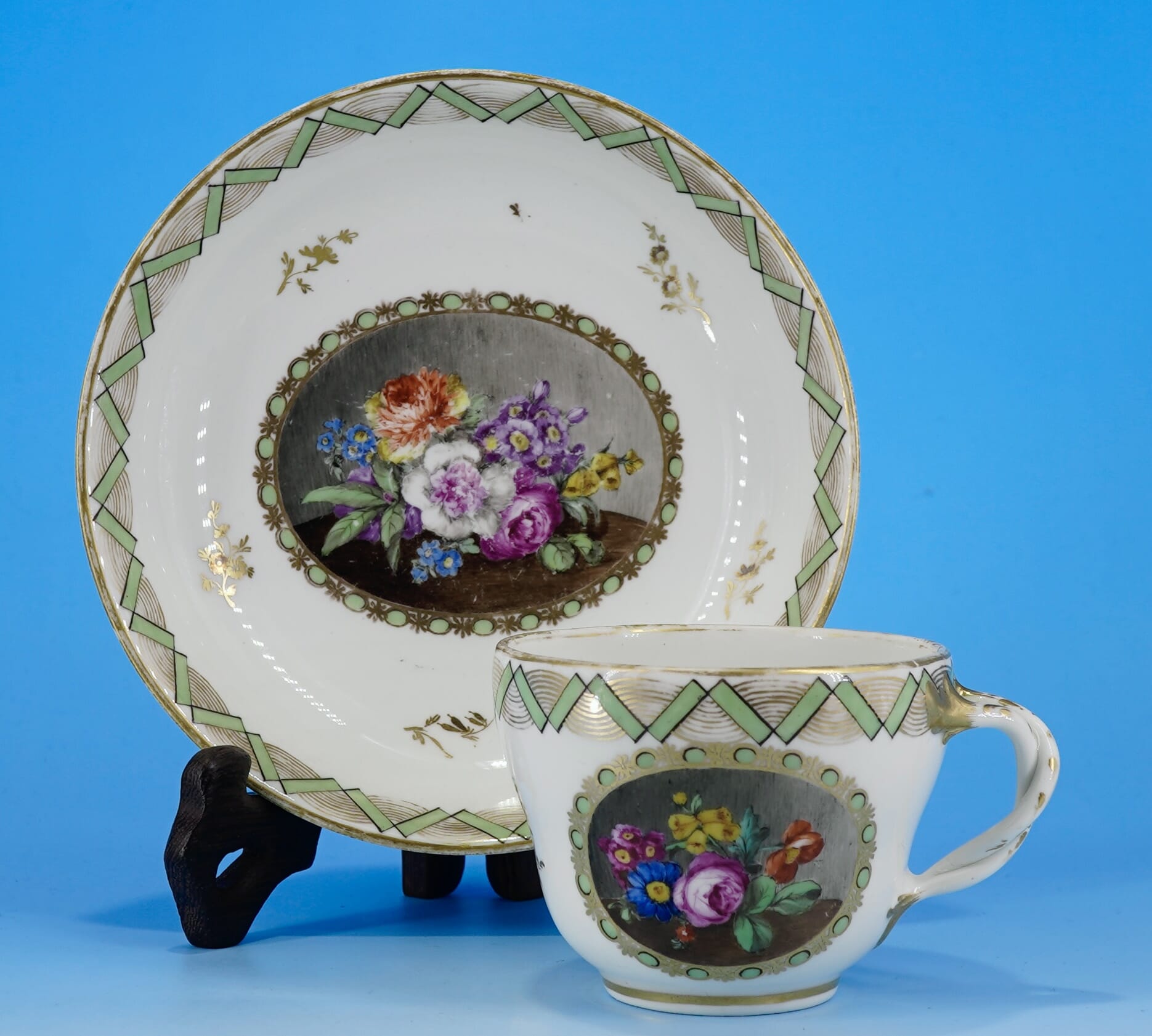
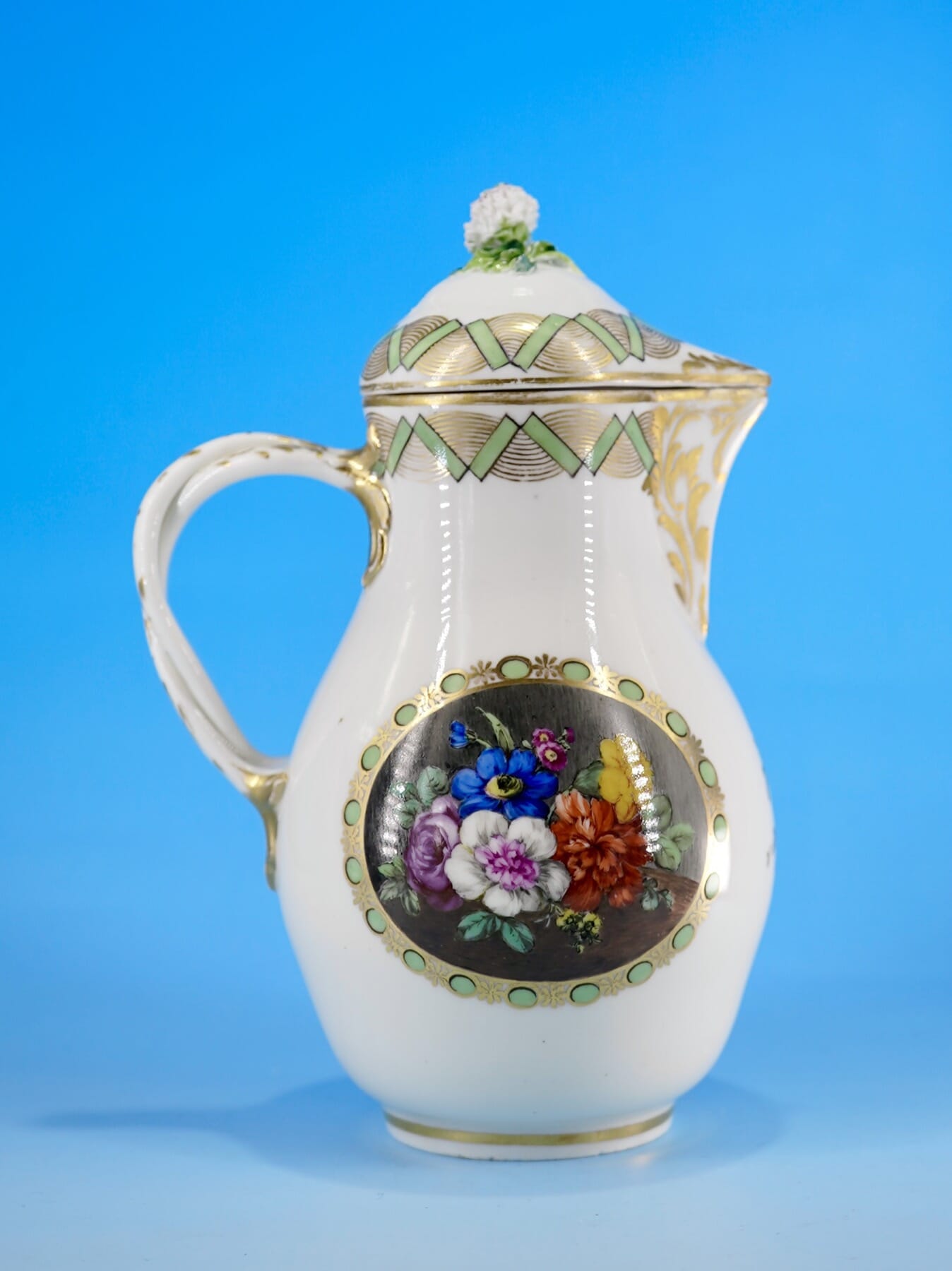
This group of Vienna is a part-set, with just 3 pieces remaining – beautifully painted with flower panels on dark ‘earthy’ grounds, they are individual masterpieces in their own right!

Vienna Flower Painting 1785

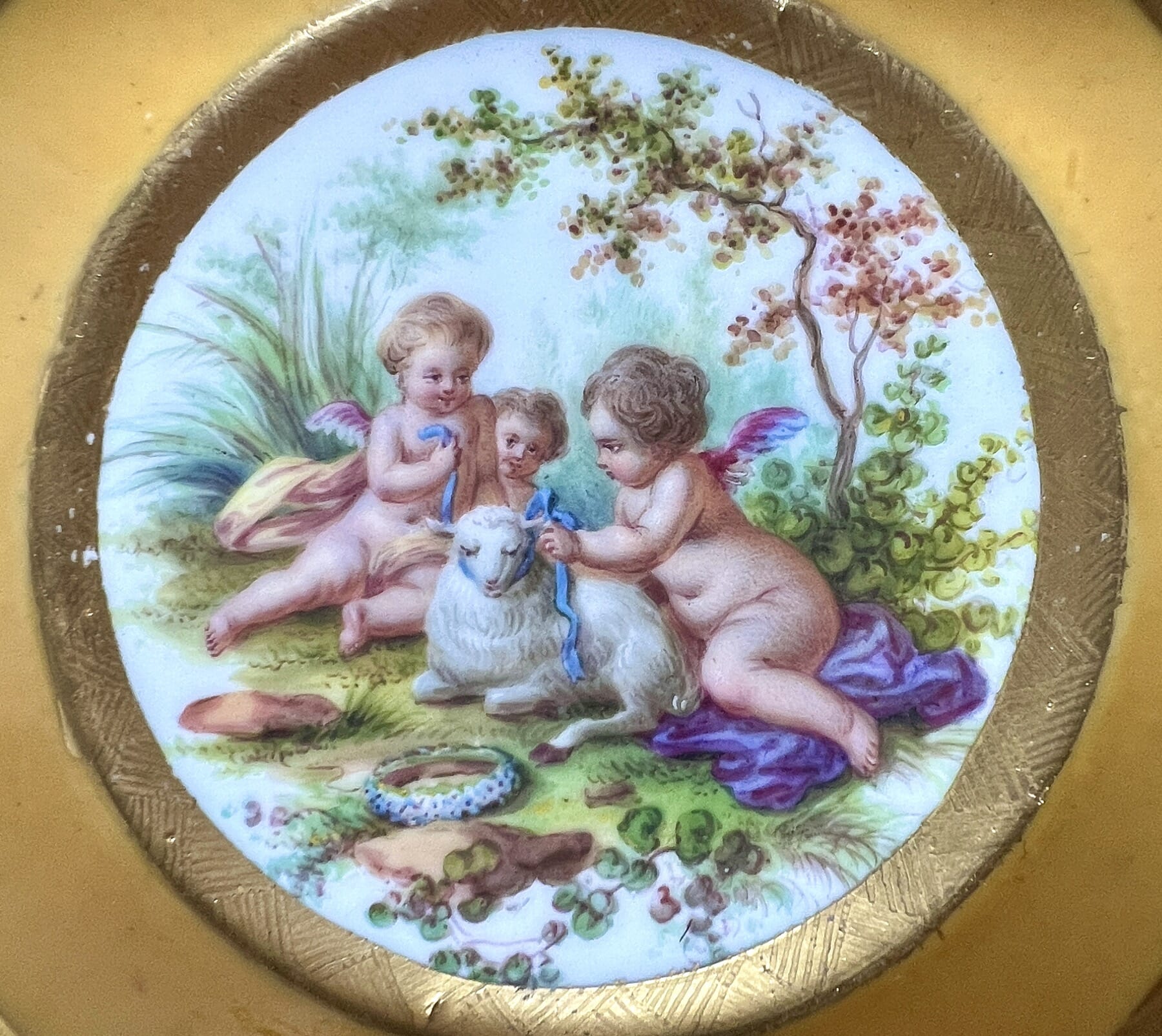
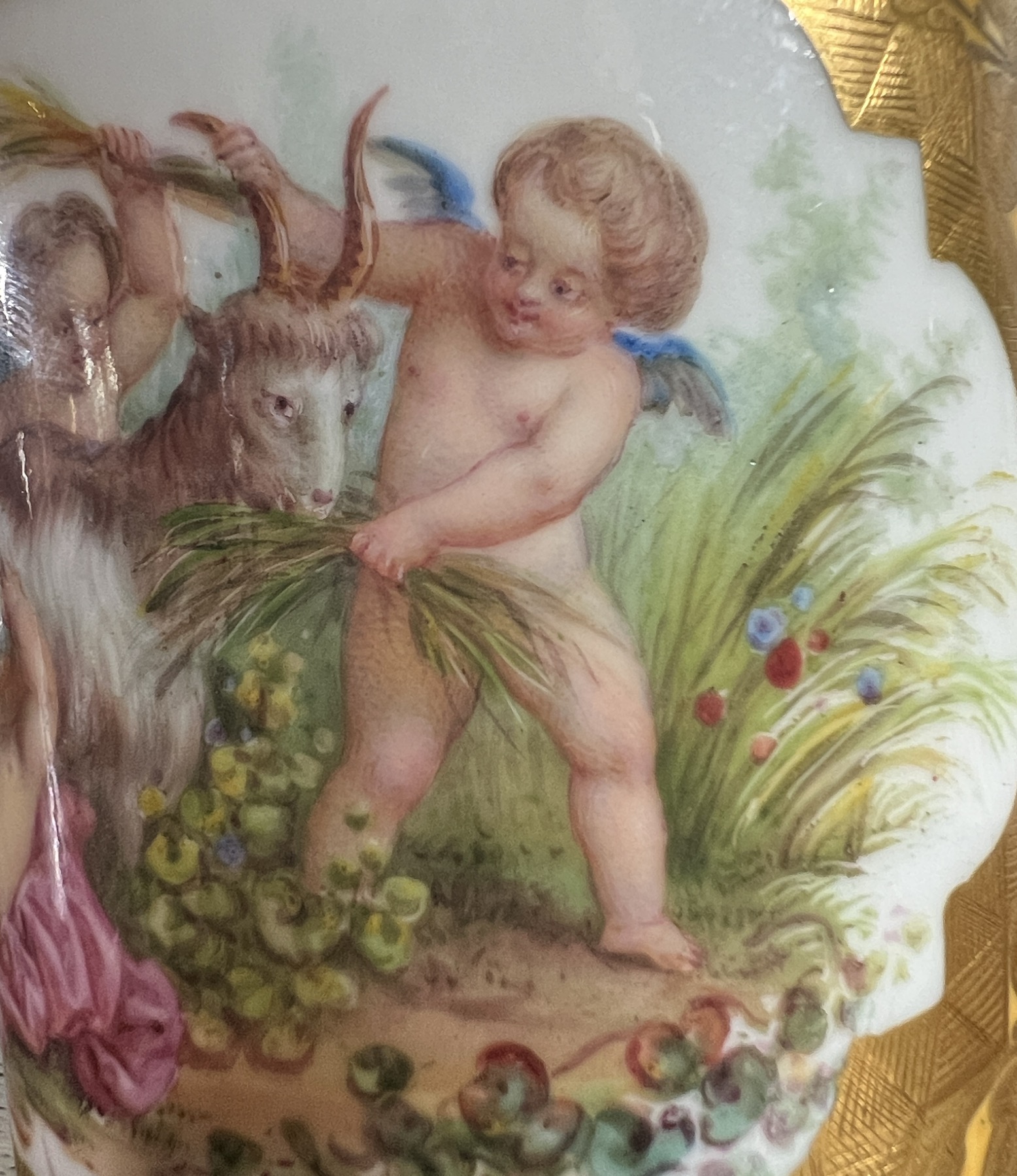
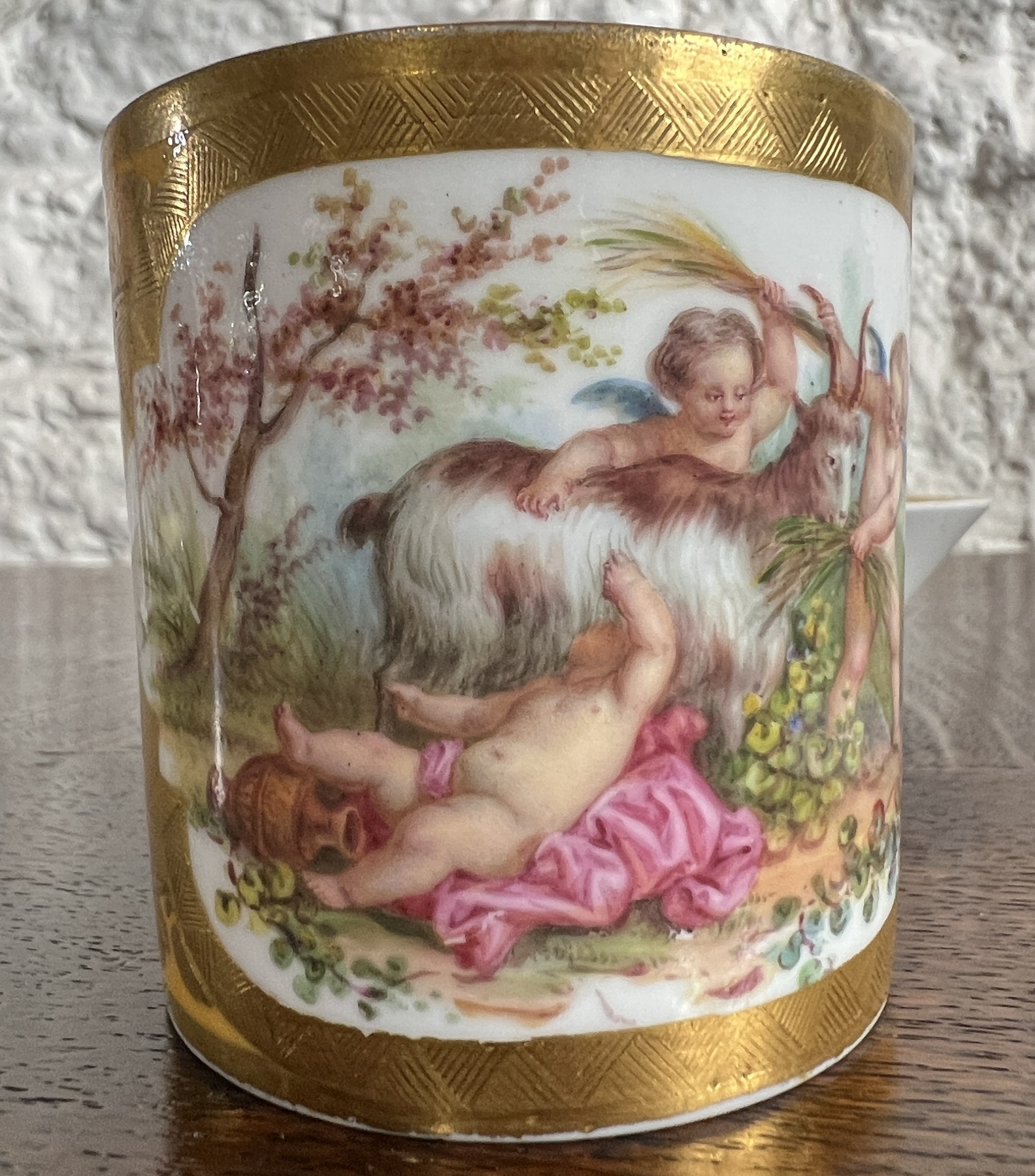
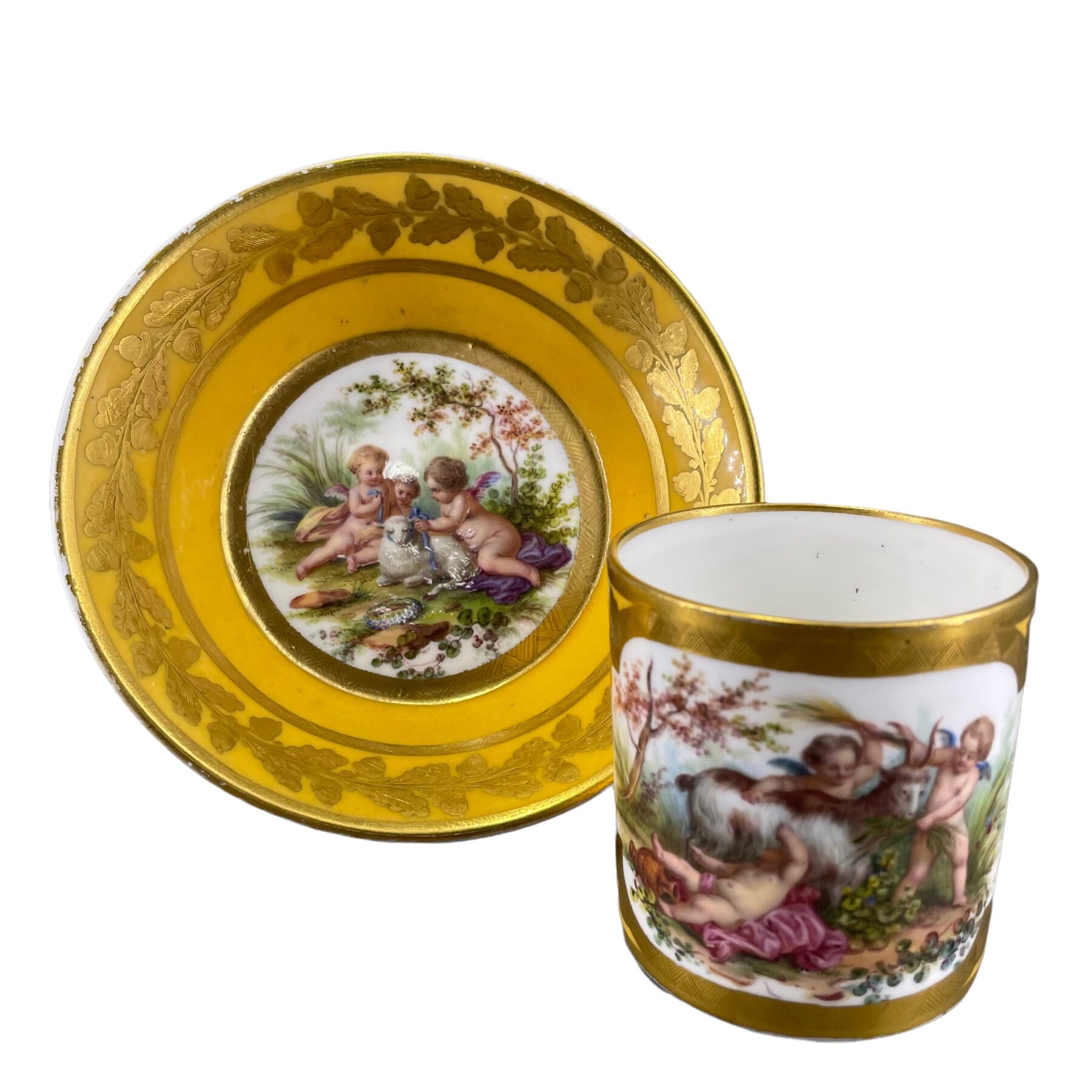
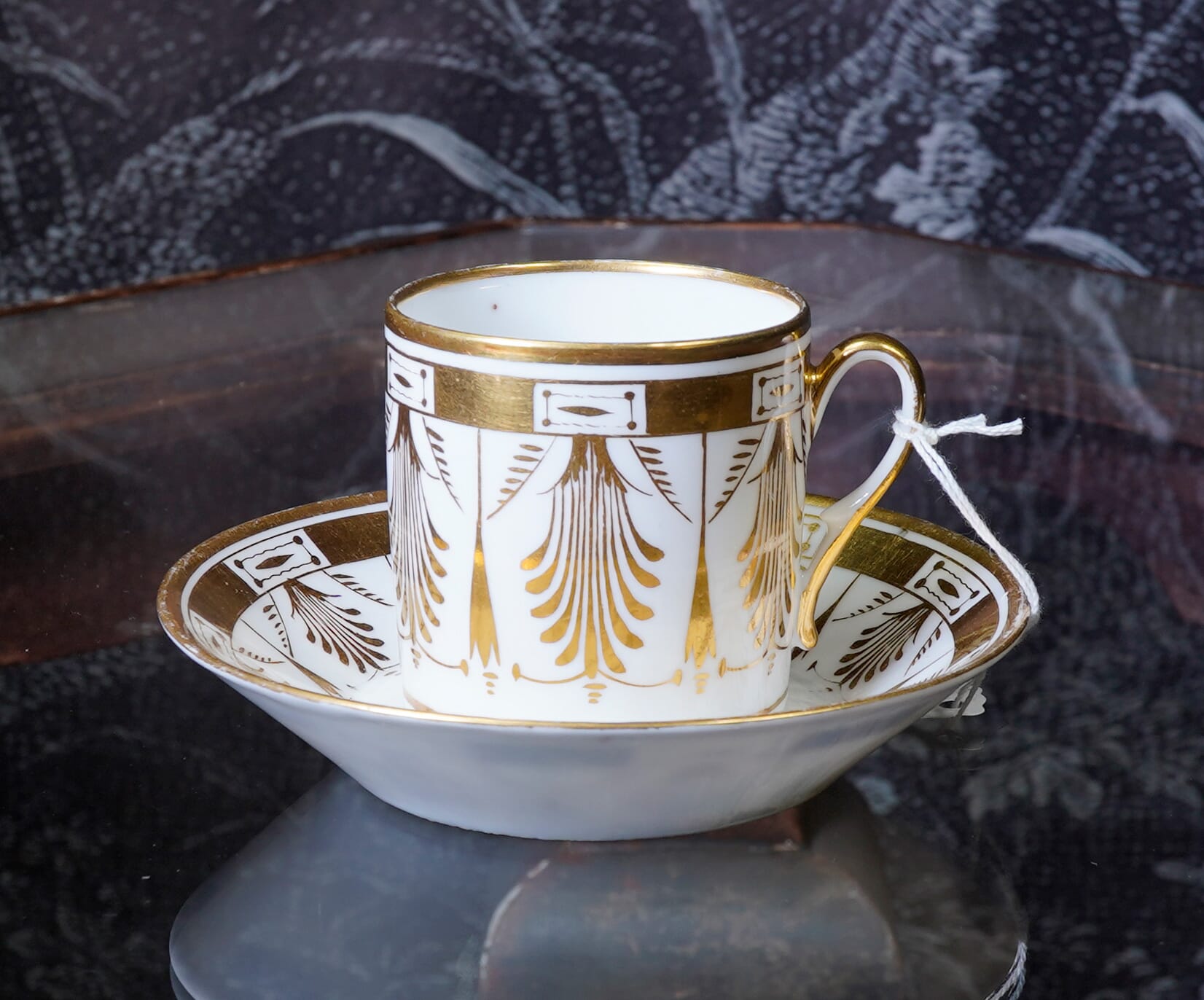
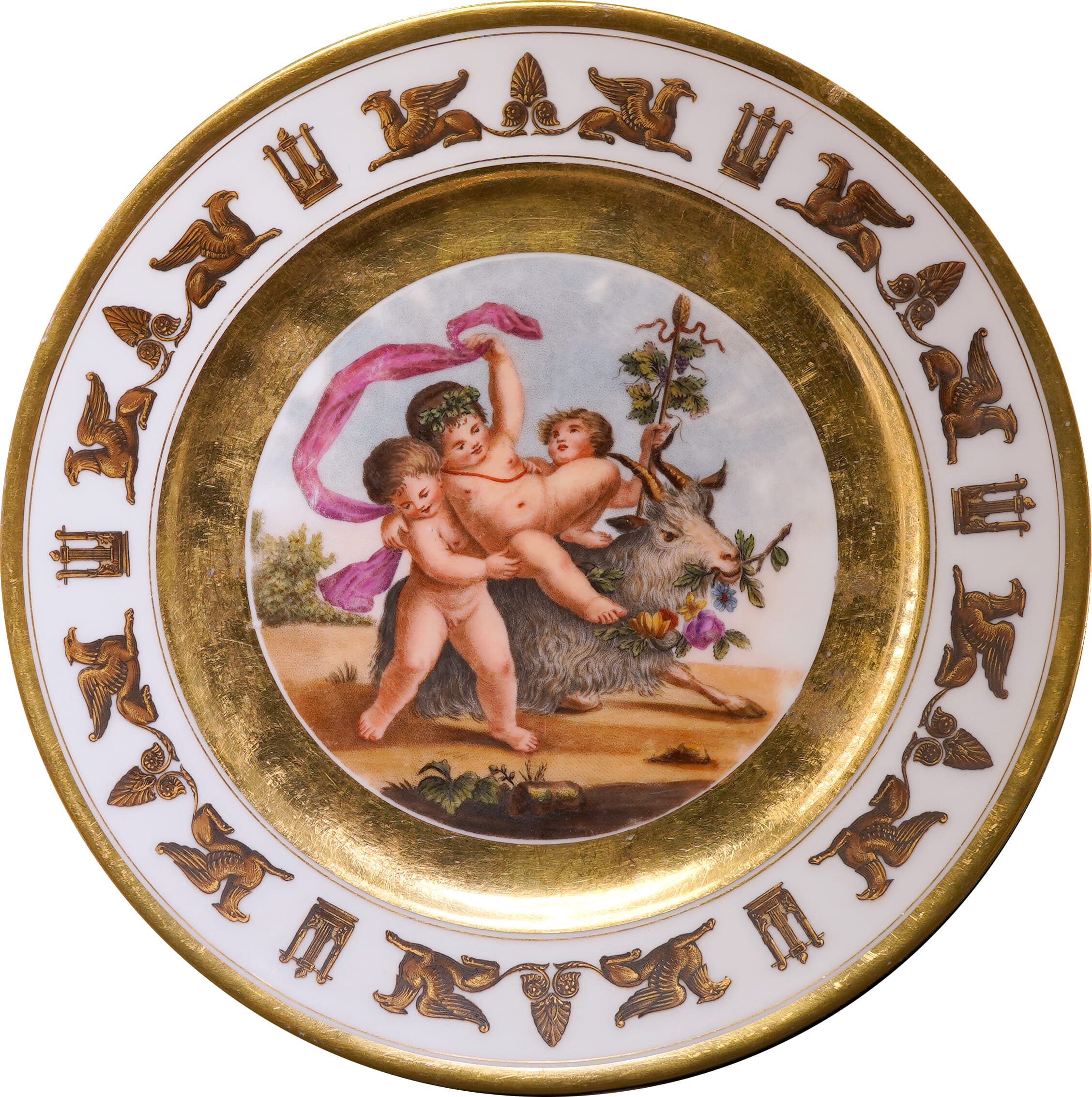
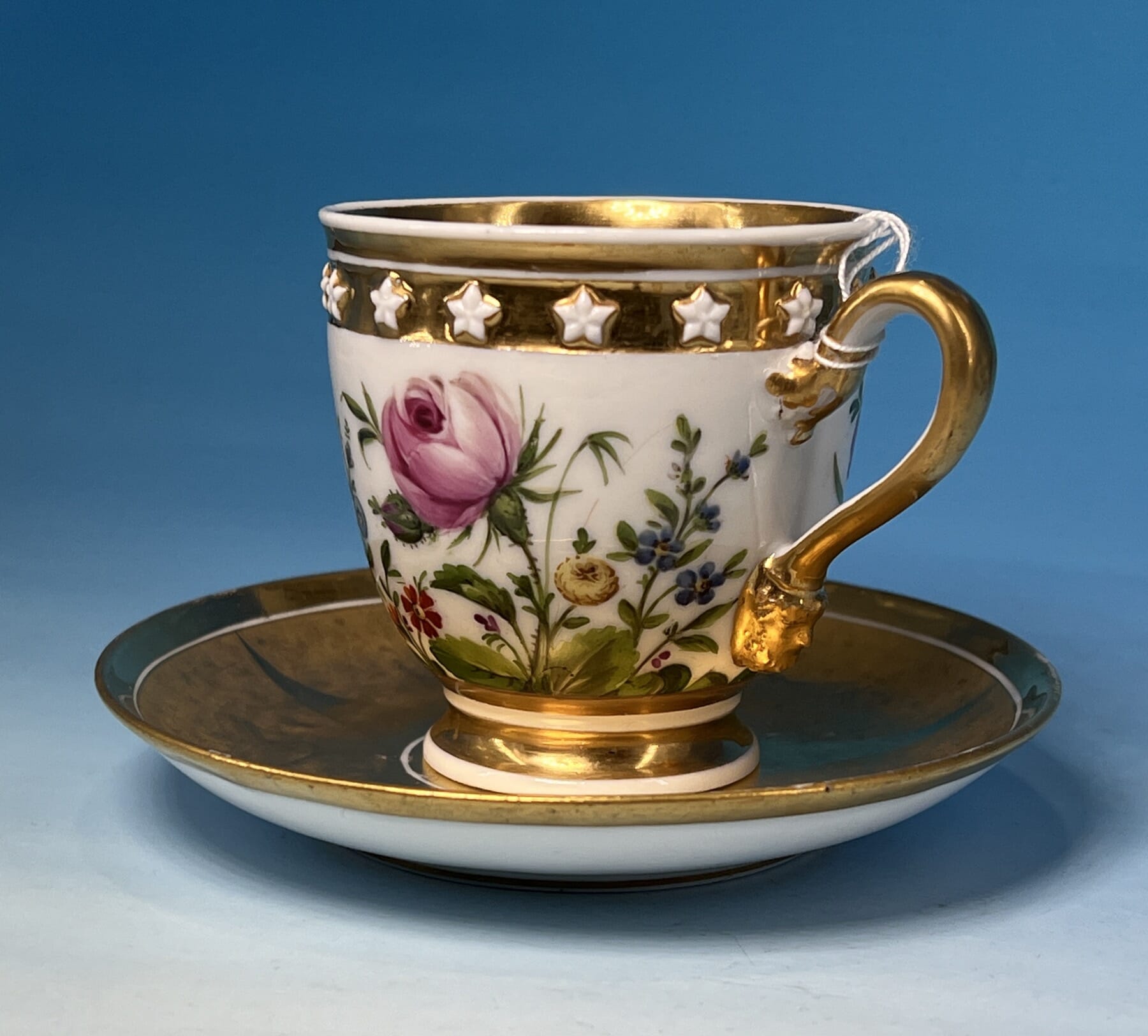
The vienna is original 18th century; the Sevres cup & saucer, shown at the top & in detail here, is 18th century porcelain, but was decorated in the 19th century – by a very skilled artist. Stunning!

Sevres Cup Saucer cherubs
Cherubs with a goat…. 19th century decoration
Sevres Cup Saucer
Superb quality.

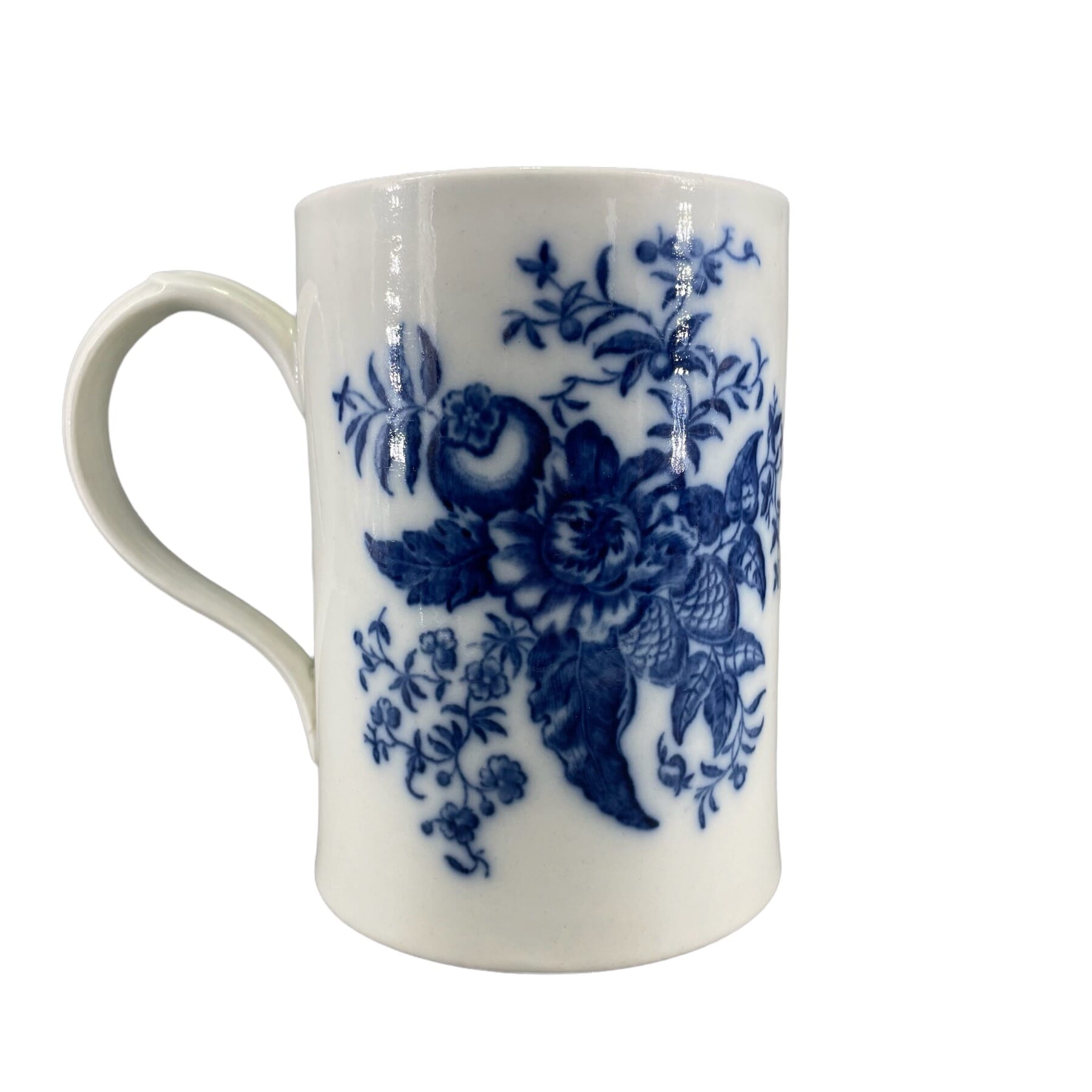
Bow Blue

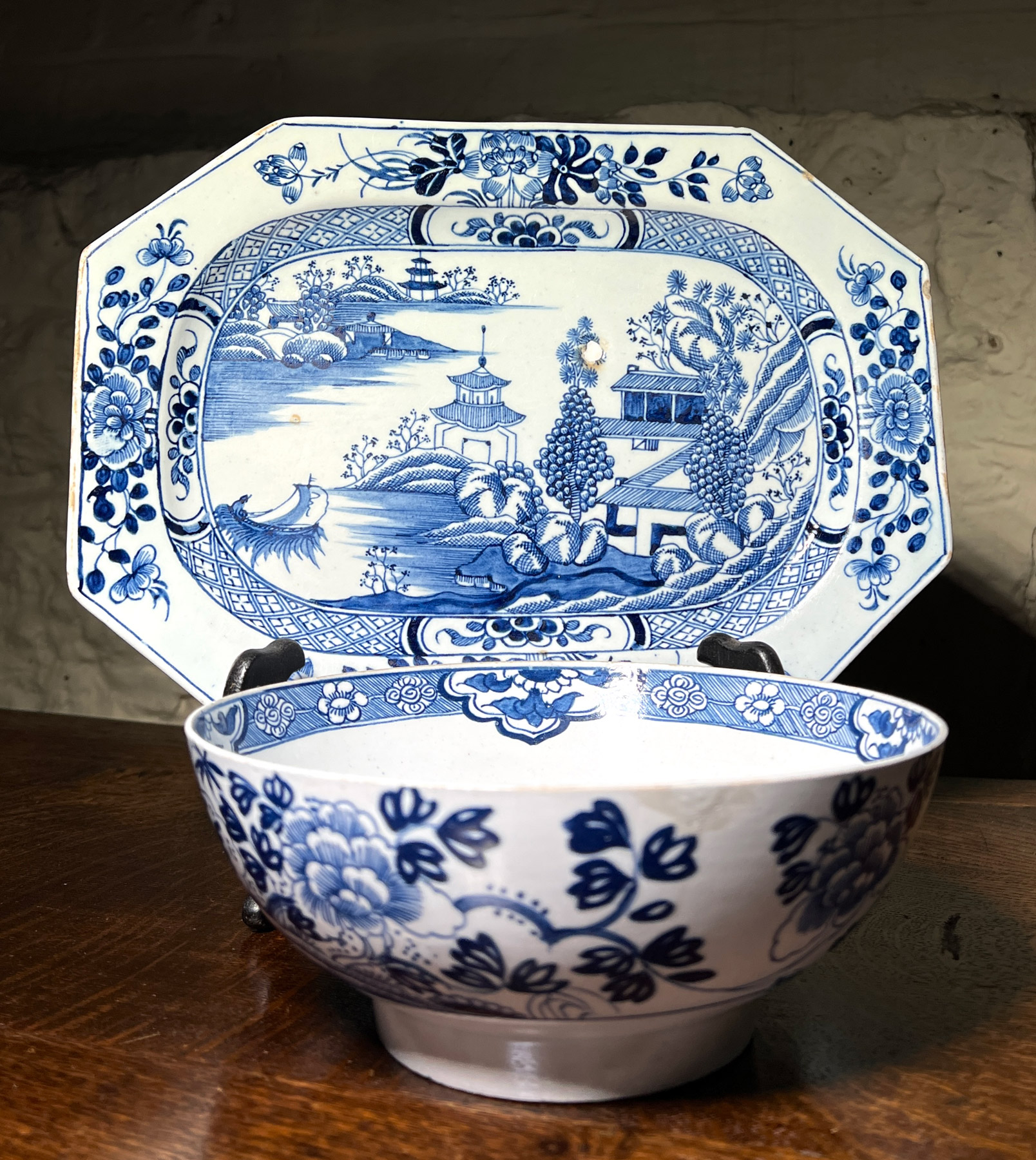
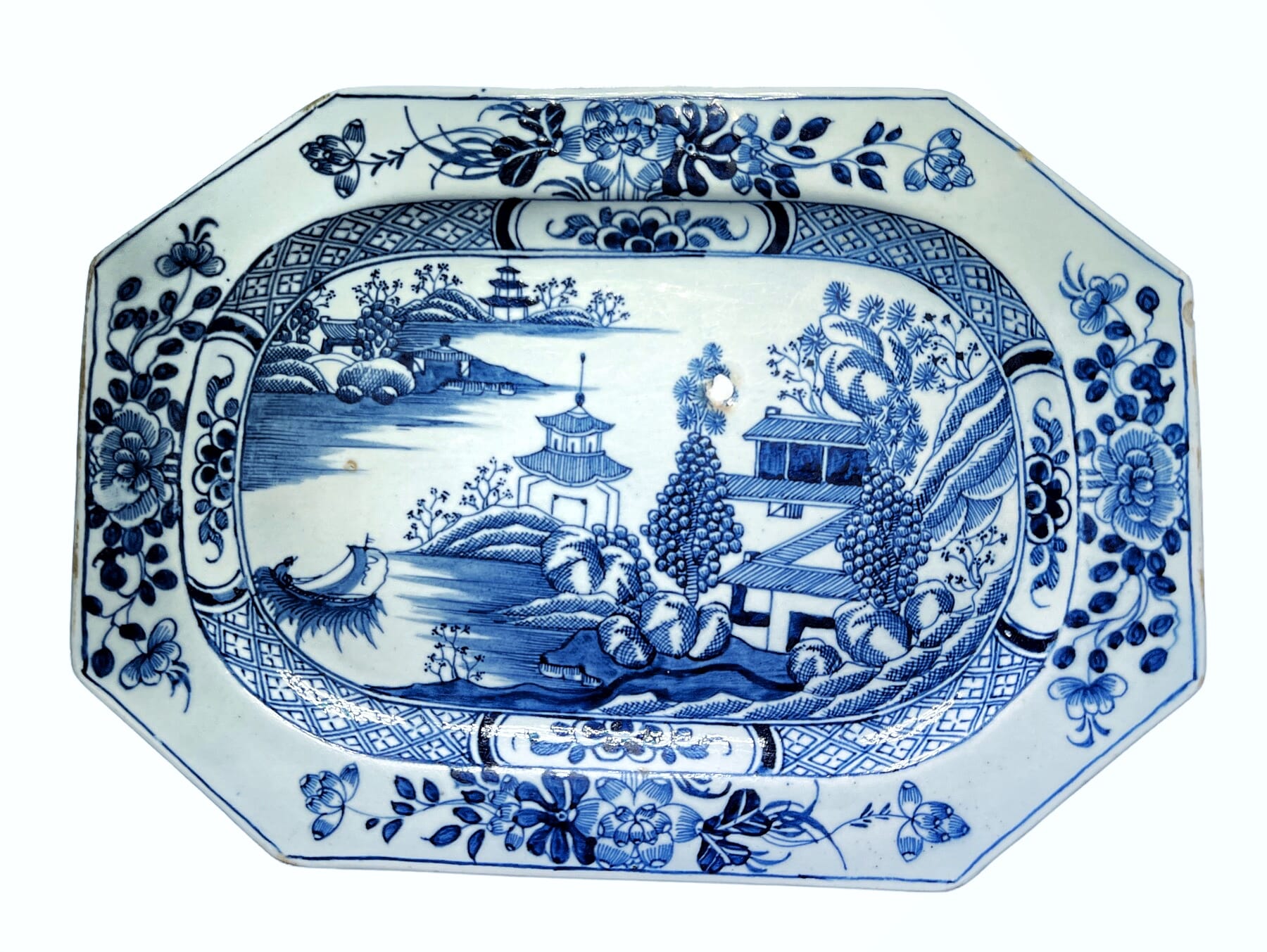
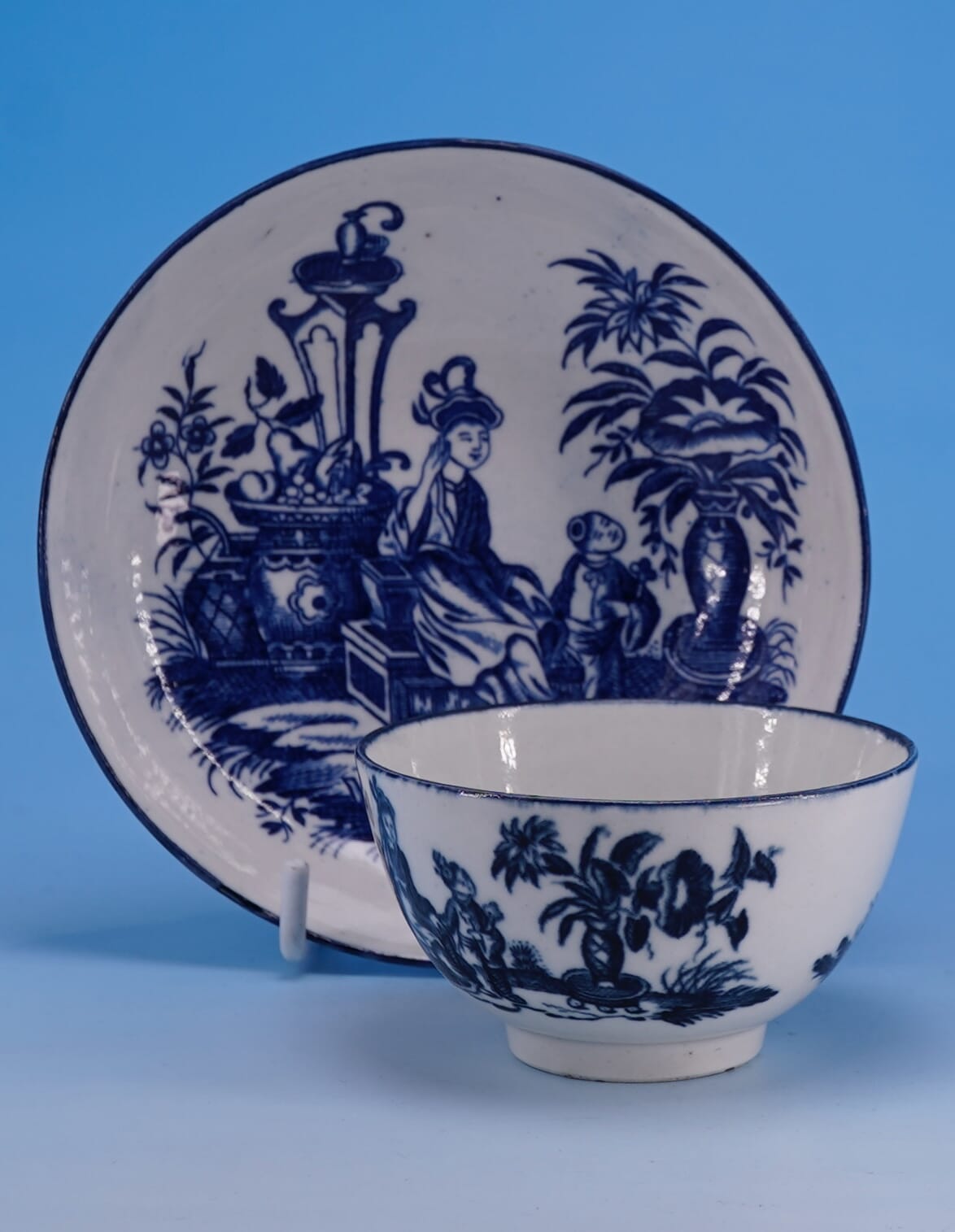
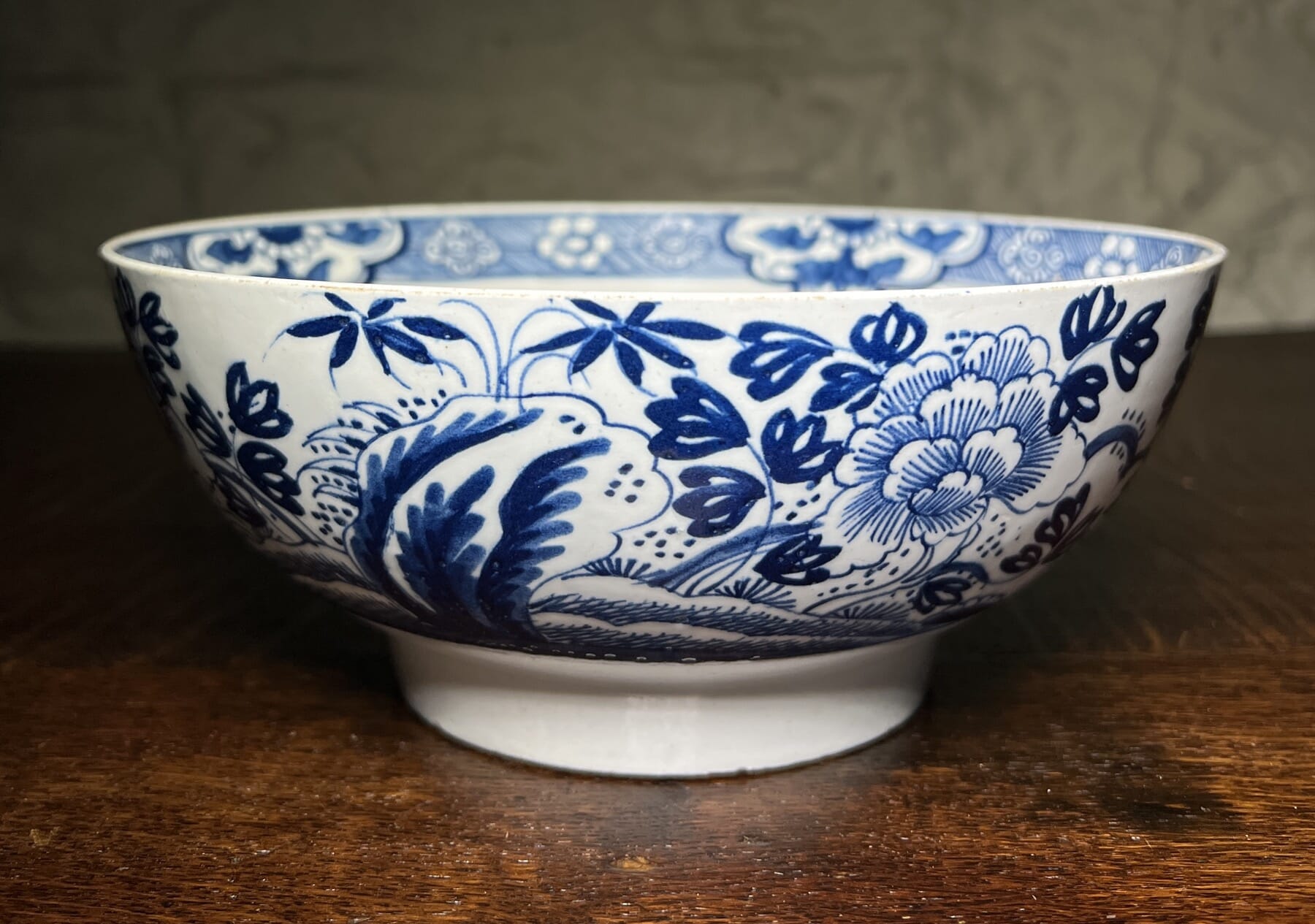
The Bow pieces in today’s ‘Fresh’ are rather fine examples of their early products of the 1750’s. The blue is a distinct lovely rich deep tone. The fluid quality of the painting is superb – echoing the imported Chinese Export wares of the period, but in their own way. The large charger has a number of very unusual features, including the central pagoda with its buttressed supports, and the speedy boat at lower left, piloted by a hunched over figure in the stern, the movement shown by a radiating wake!

Each piece has a damage – the charger a factory flaw to the central tree, the punchbowl a chip & crack to rim restored – hence their tempting prices, $1650 on the charger and $850 on the punchbowl.

Today’s Fresh Additions

Posted on

Antiquities – Recent Additions

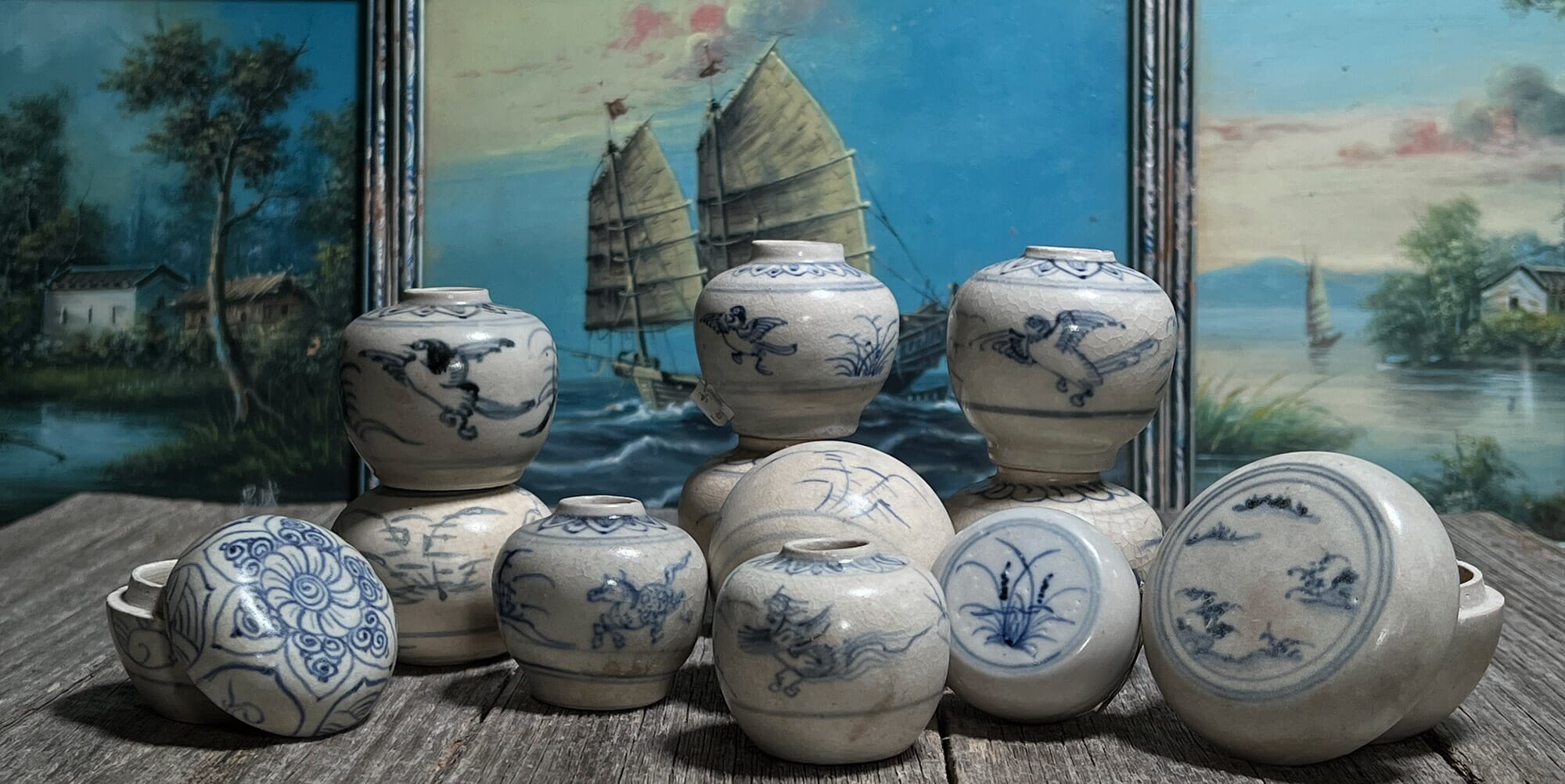
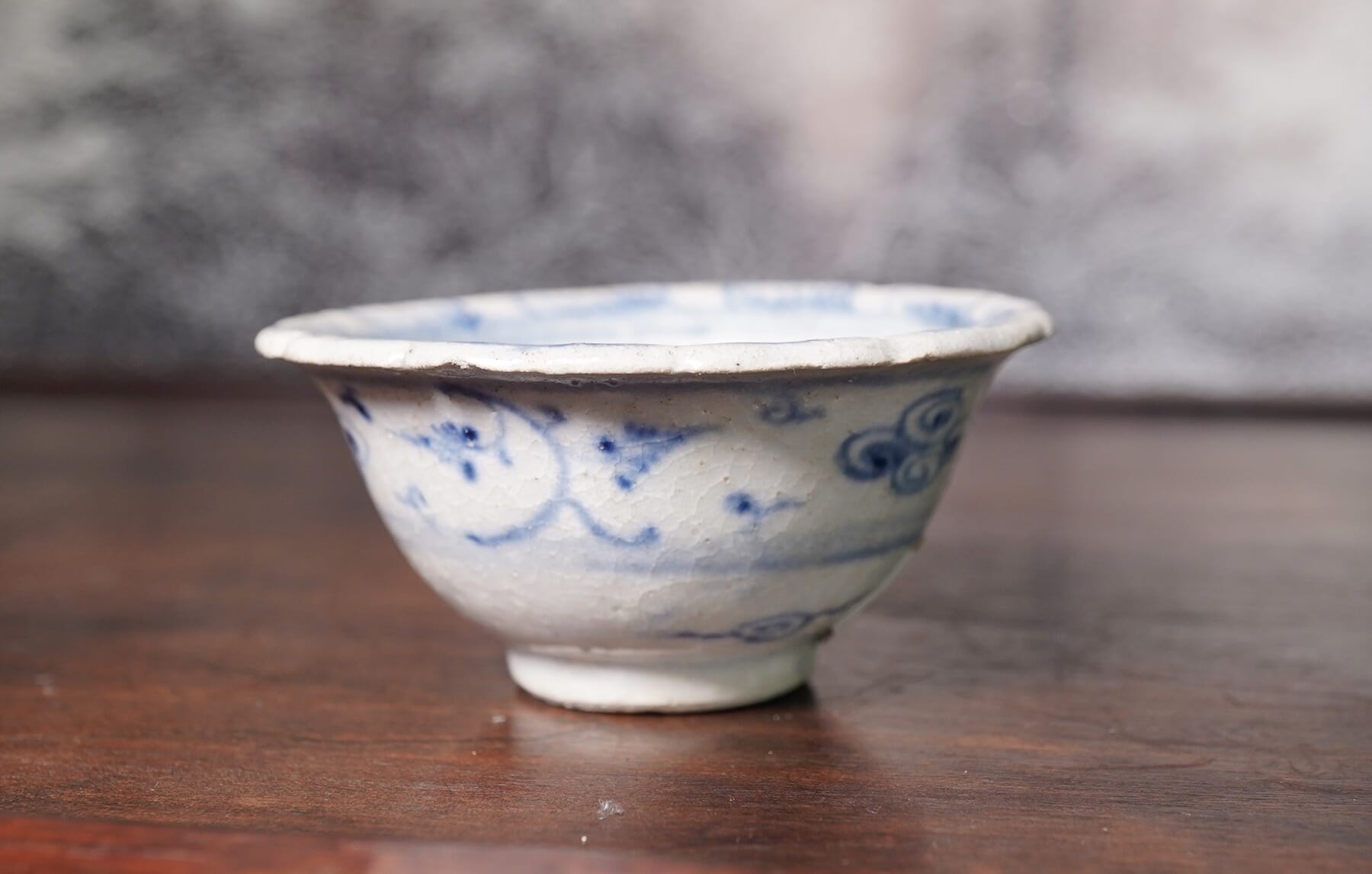
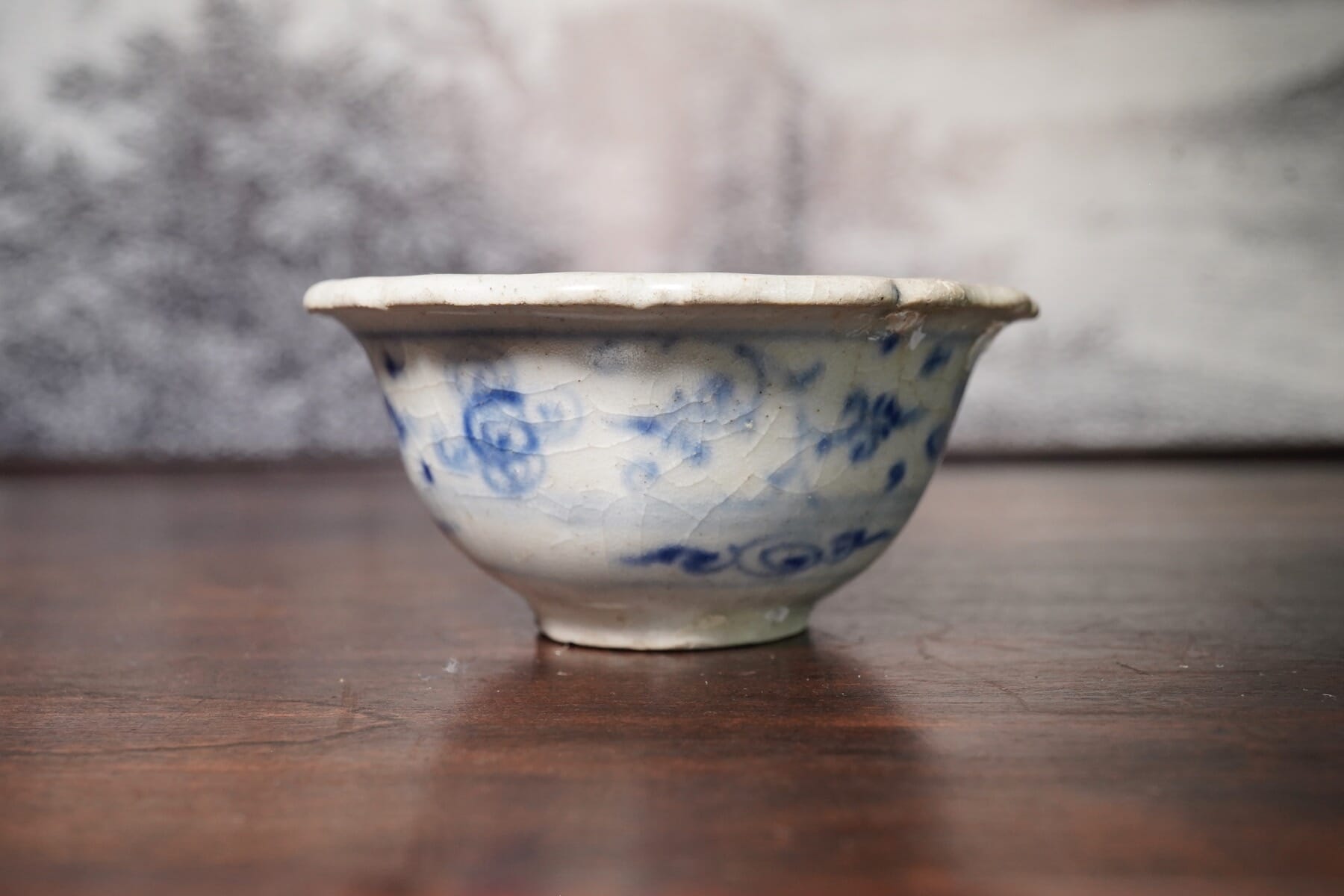
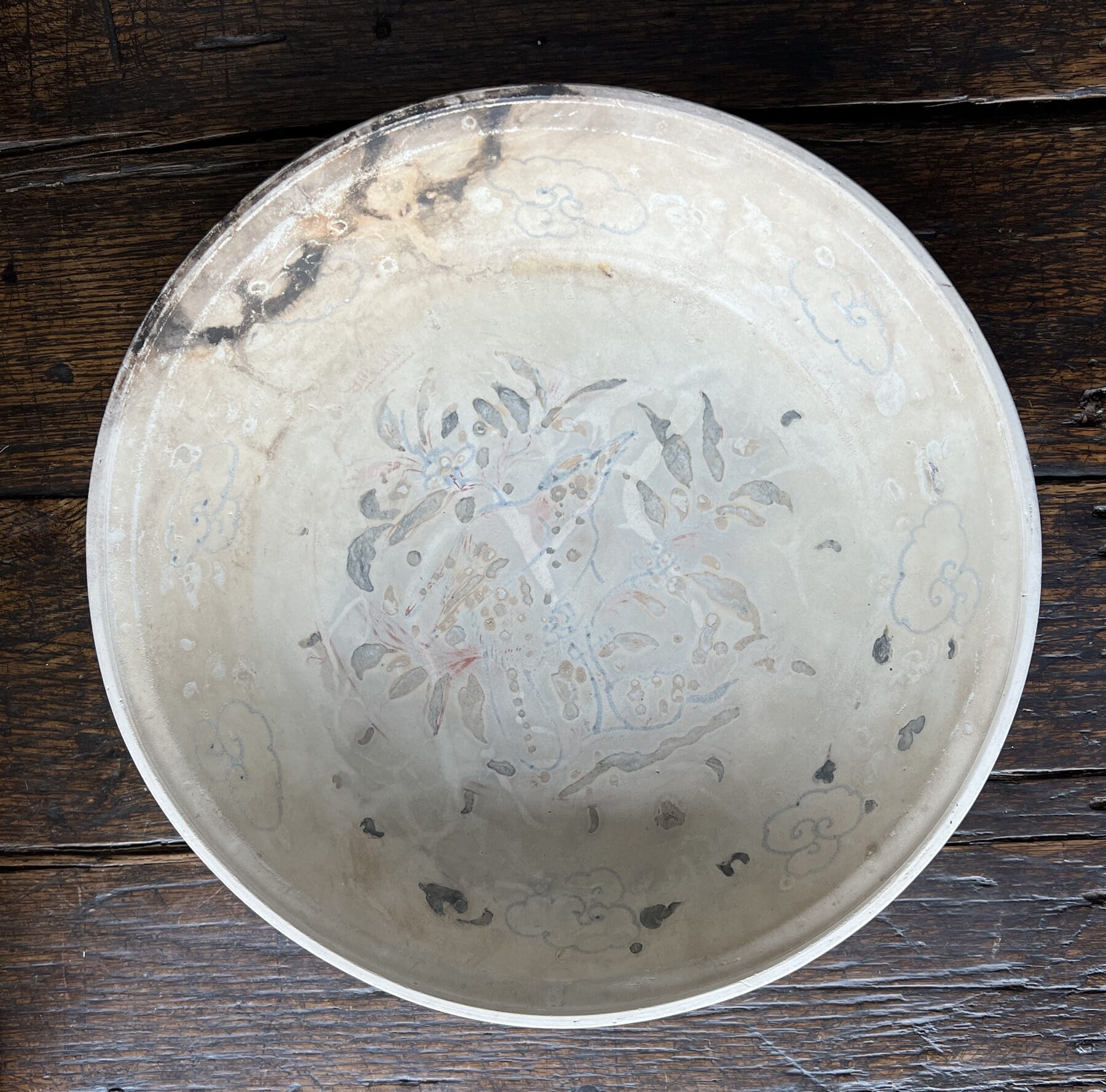
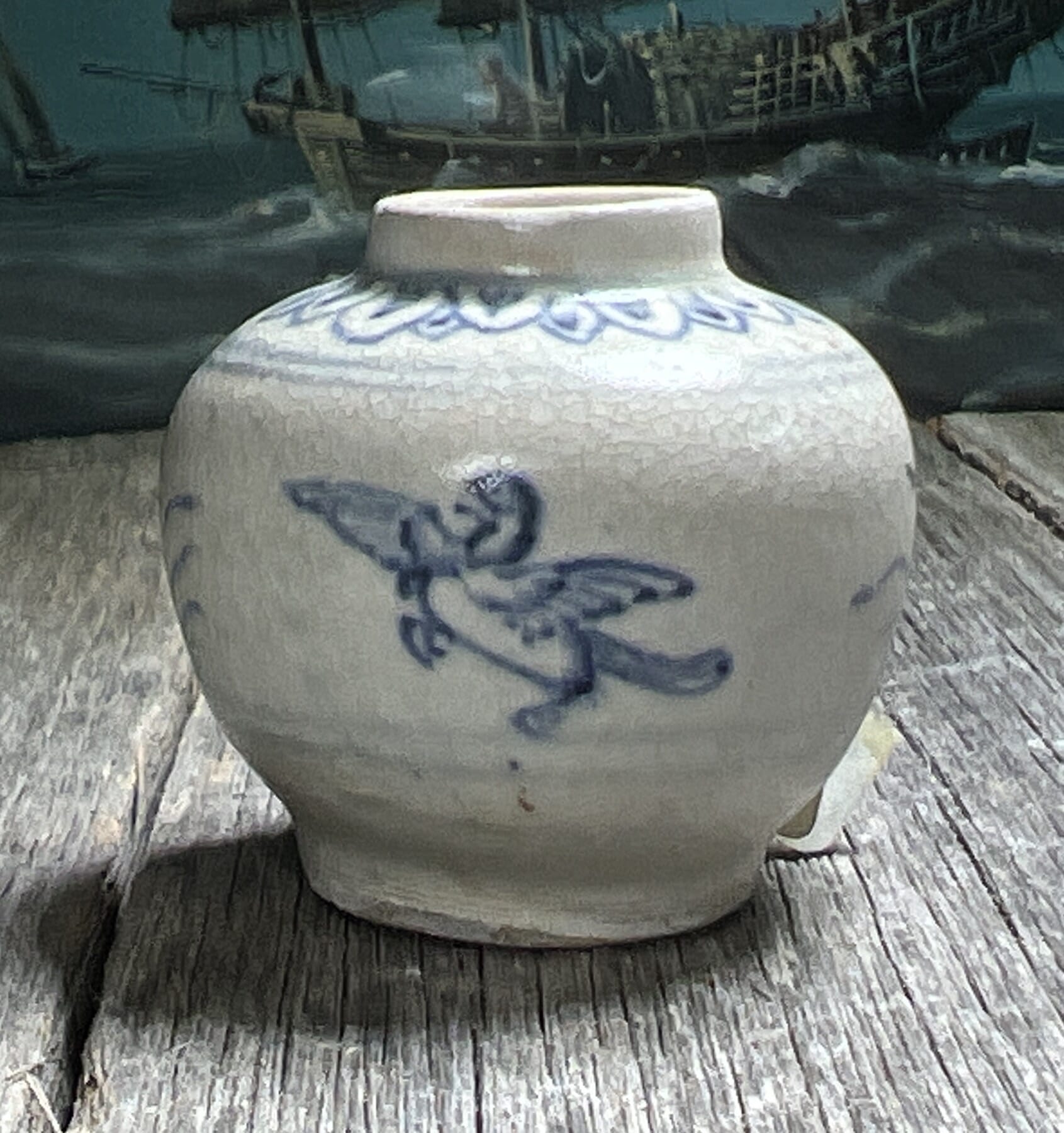
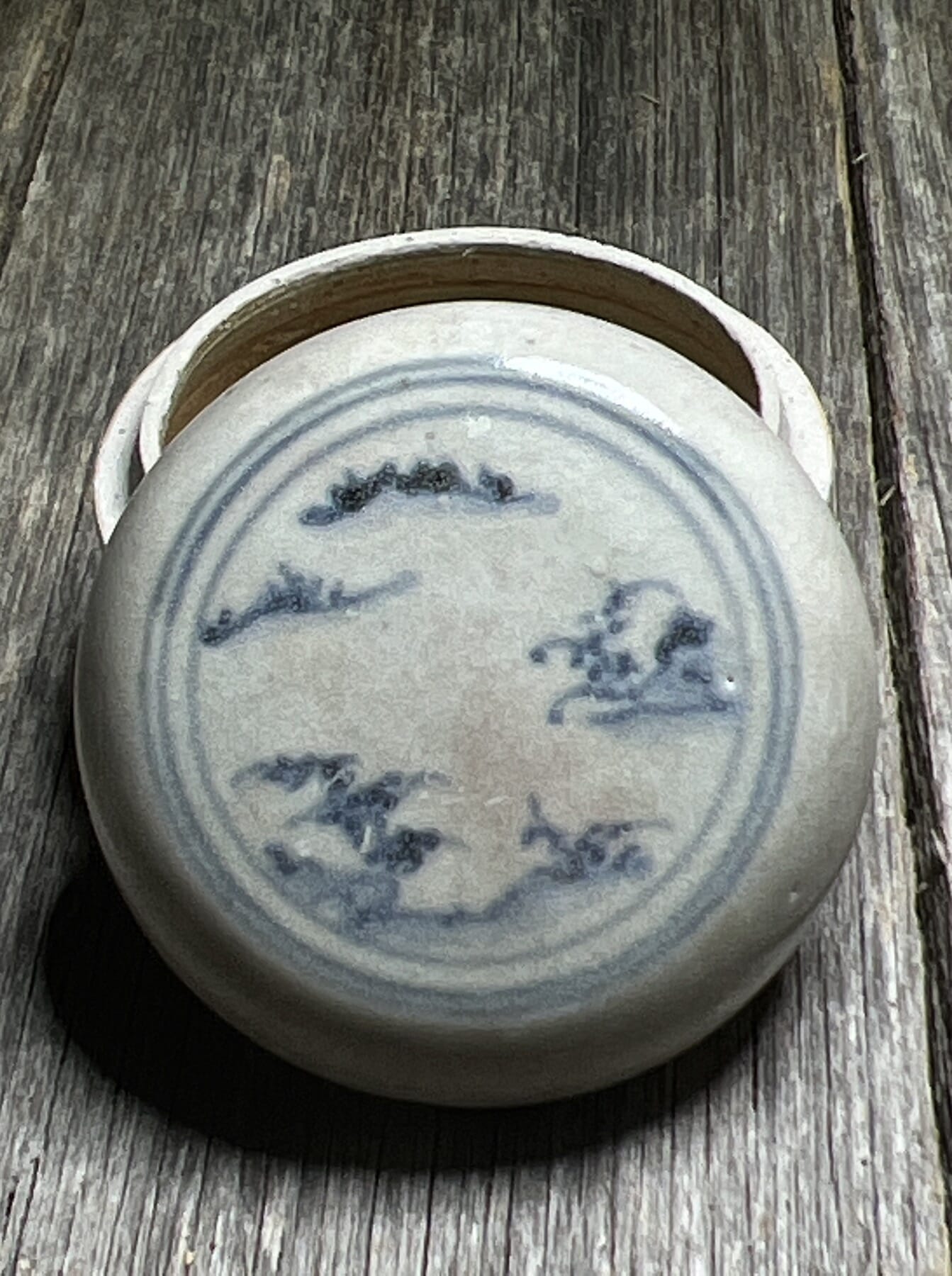
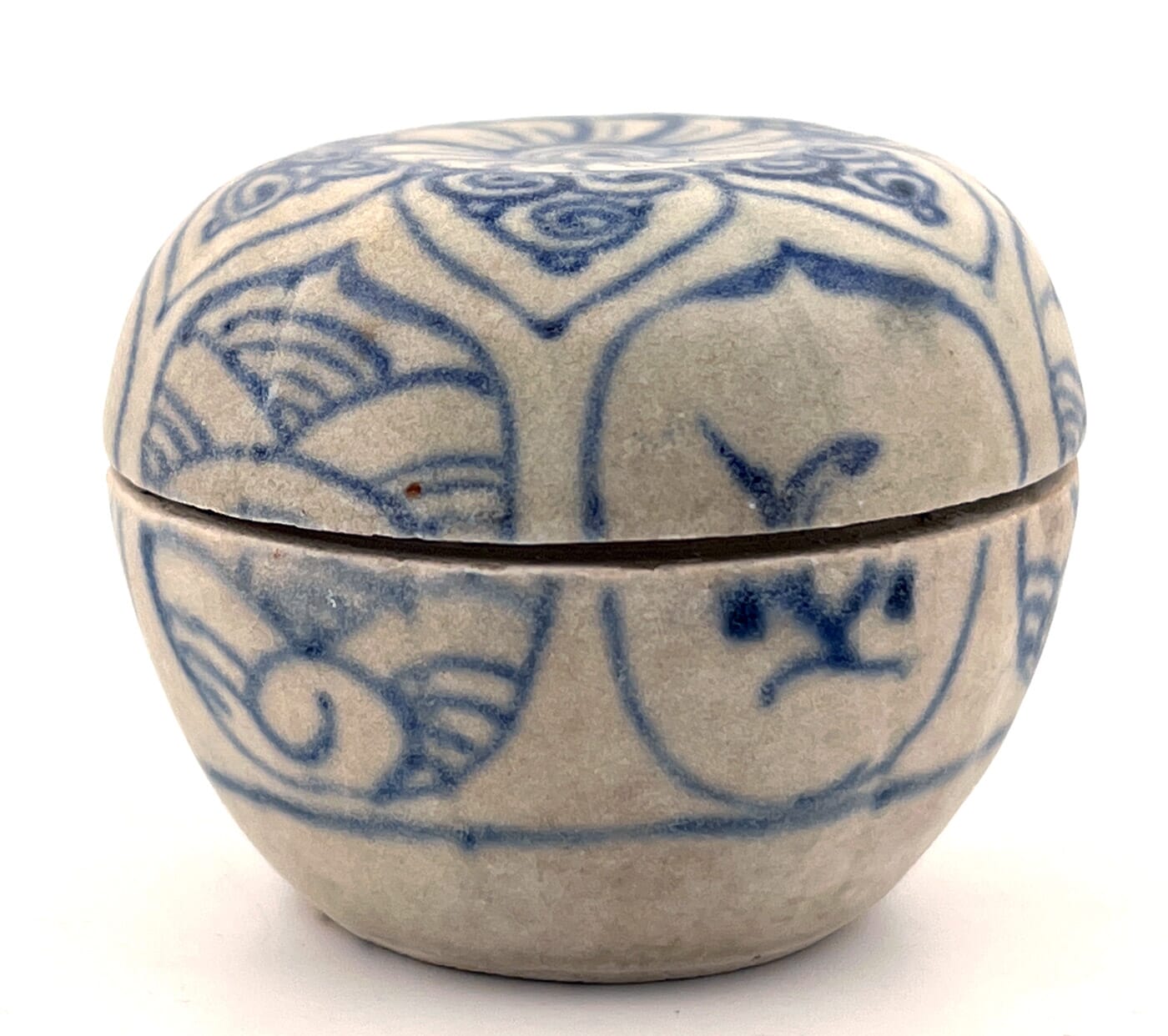
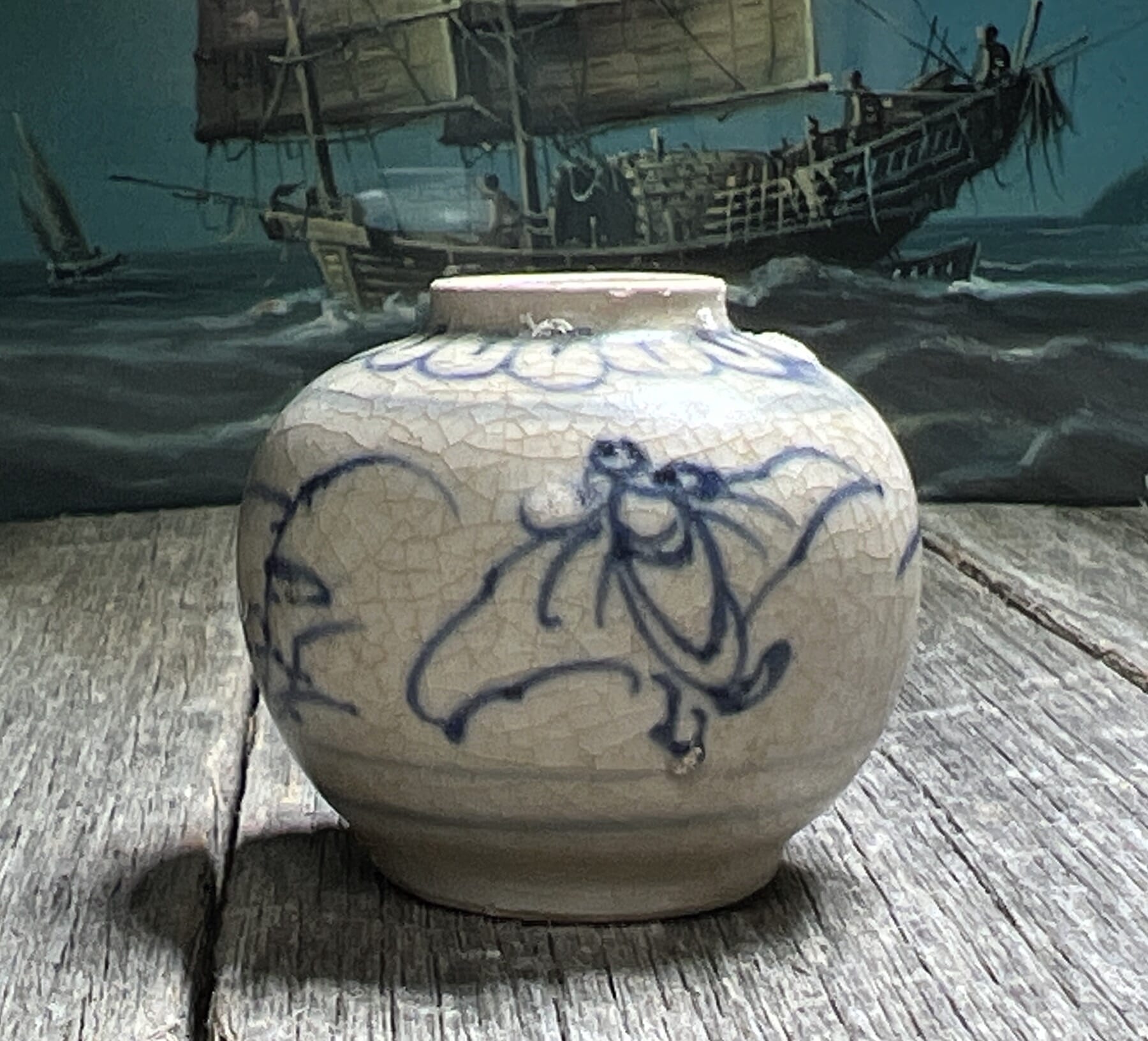
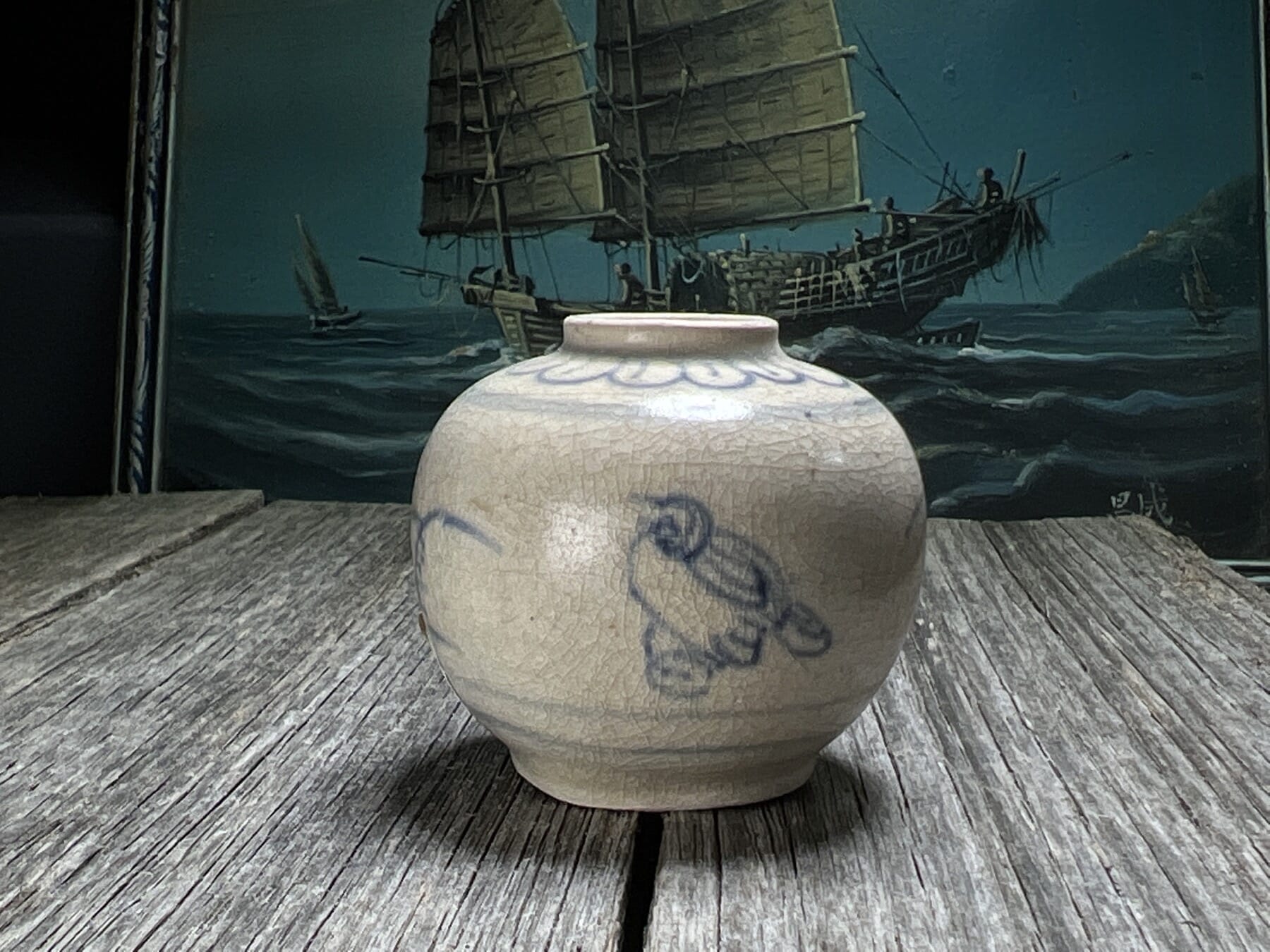
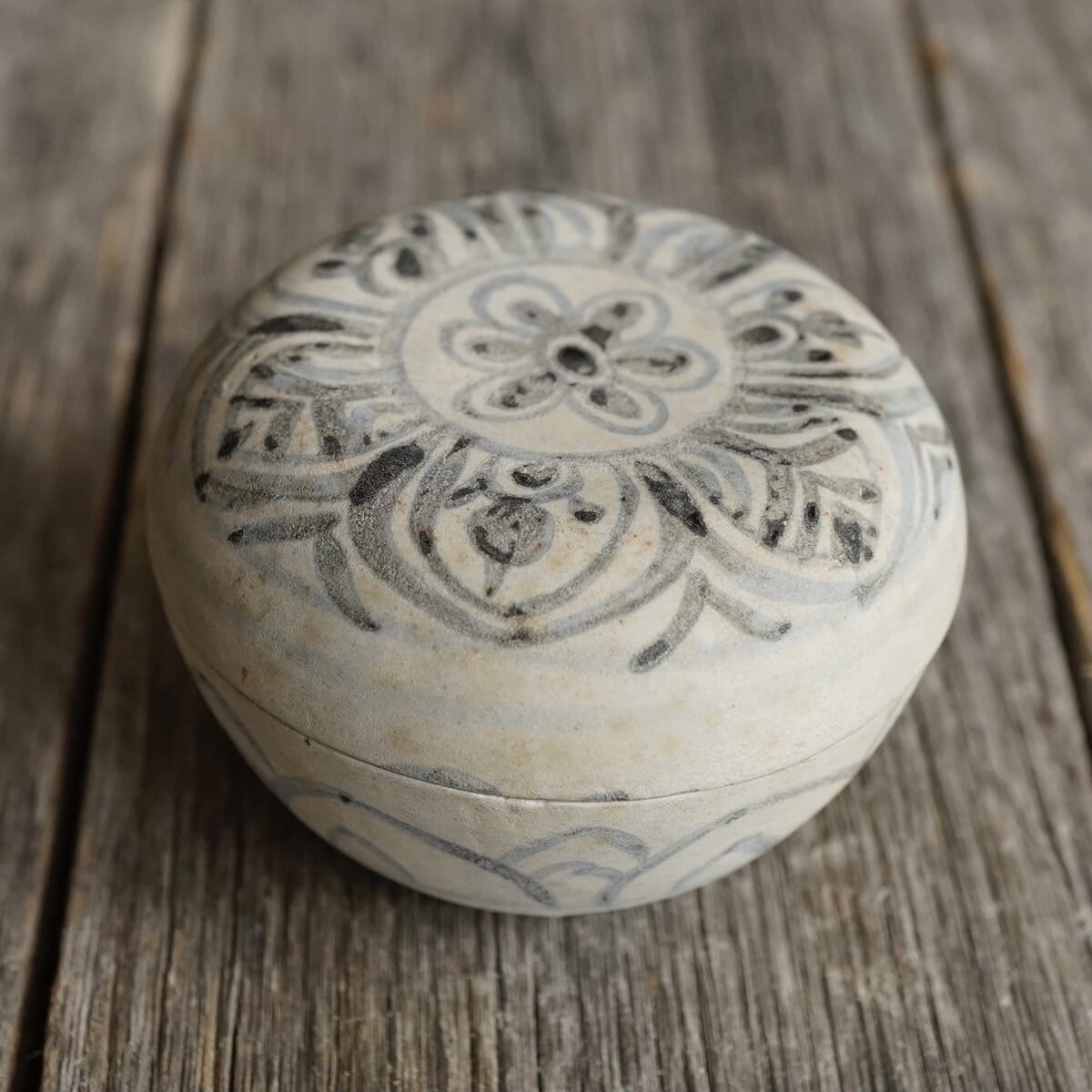
Hoi An Shipwreck Ceramics 1480
Antiquities
Antiquities – thousands of years, and surprisingly inexpensive!

We go back to the beginning in this stock release of Antiquities.
We’ve stocked Antiquities at Moorabool for many decades, beginning in the 1990’s when a young Paul Rosenberg studied the subject at University. When he lived in London and studied at Christies, he discovered the amazing world of the Antiquities Trade in London. Through good fortune, he befriended an elderly dealer who took him under her wing and taught him the ropes. This was a time when the Middle-East was opening up, and masses of items were flooding into Europe: one of the first lessons was to avoid such sources!
Firstly, they were illegal; the items had been ripped out of the ground and sold without provenance. The funds were flowing back to undesirable causes….
At the same time, there were workshops making ancient artifacts: many were very convincing, with even the large dealers being caught out by cunning fakery.
The best way to ensure authenticity, he was taught, was to find pieces from old collections. The thing about fakes is that they were pretty bad in historical times: there was not much understanding about technique and style, and things such as materials used and techniques of construction were not ‘faked’ – the fakers used materials at hand, and modern tools & techniques. They often look pretty bad when put alongside a genuine piece.
This all changed in the latter 20th century: publications explaining how to tell a genuine item – and then the internet – meant there was a resource for fakers to learn how to fool the experts. This is particularly apparent in the world of Chinese Antiquities.
Moorabool follows these lessons today – sourcing pieces from old collections when possible – and Melbourners of the past were great collectors of Antiquities.

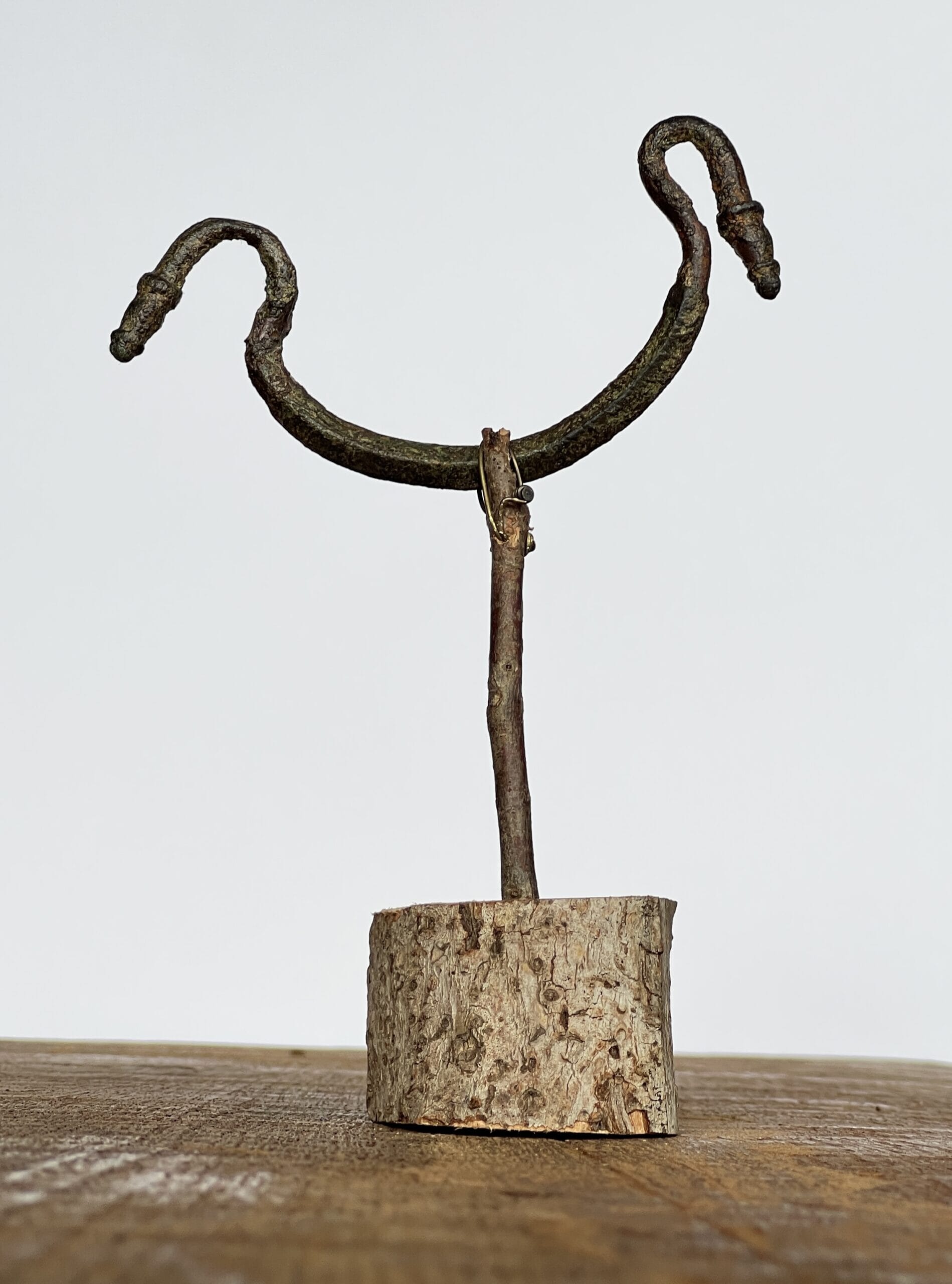
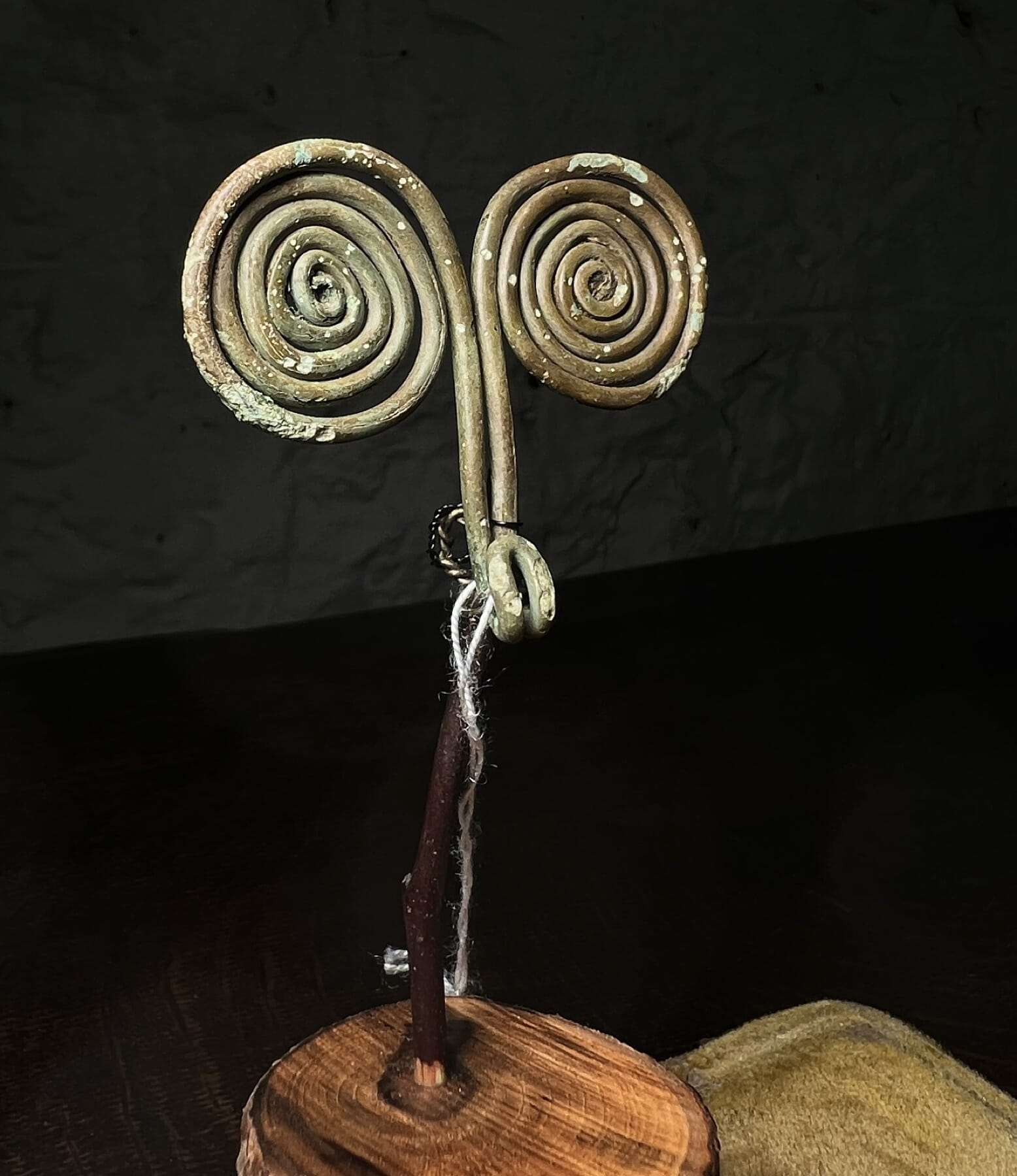
Today’s Fresh Stock release is a fine selection of interesting ancient artifacts.
All Guaranteed Genuine – we provide a certificate with each, and they prove to be very popular gifts.

Their fascination is universal, and the age alone astounds young & old: to hold one of these pieces is to hold a small part of our humanity. It’s where we all came from, and really puts the present into context.
Enjoy!

Roman Bronze Mirror

Mirrors on the Ancient World

The discovery of Bronze working gave rise to the introduction of the first mirrors: the shine of newly spelted bronze allowed the onlooker to see their image reflected, and so it was only natural that flat bronze surfaces were polished for that purpose. Egyptian mirrors emerged 6,000 years ago, and Chinese bronze workers independently developed very similar products shortly after. The Greeks followed, and then the Romans. During their empire, they were made all over Europe, and the example we have dates to this period, 2nd-1st century BC. As the Roman Empire faded into the so-called ‘Dark Ages’, mirror technology was forgotten in Europe – but never in China, and the Middle East. Their re-emergence in Europe coincides with the expansion of the ‘Viking’ trading networks across the continent, and their interactions with the Middle East. Mirrors appear again in the early Medieval period in Northern Europe, 9th-10th centuries AD. A topic for another blog!
The mirror in today’s Fresh is from the Roman period, dating to the first few centuries BC.

Chinese Antiquities

As you will notice, we have a good stock of early Chinese pieces.
These were purchased by Paul, mostly in Hong Kong, in the 1990’s and early 2000’s. At that time, there was a vast amount being uncovered in China, due in no small part to the rapid investment by the government in infrastructure: the network of roads, railways, and entire new cities throughout the regions that had 5,000 years of history just beneath the soil led to the inevitable destruction of a vast number of archaeological sites.

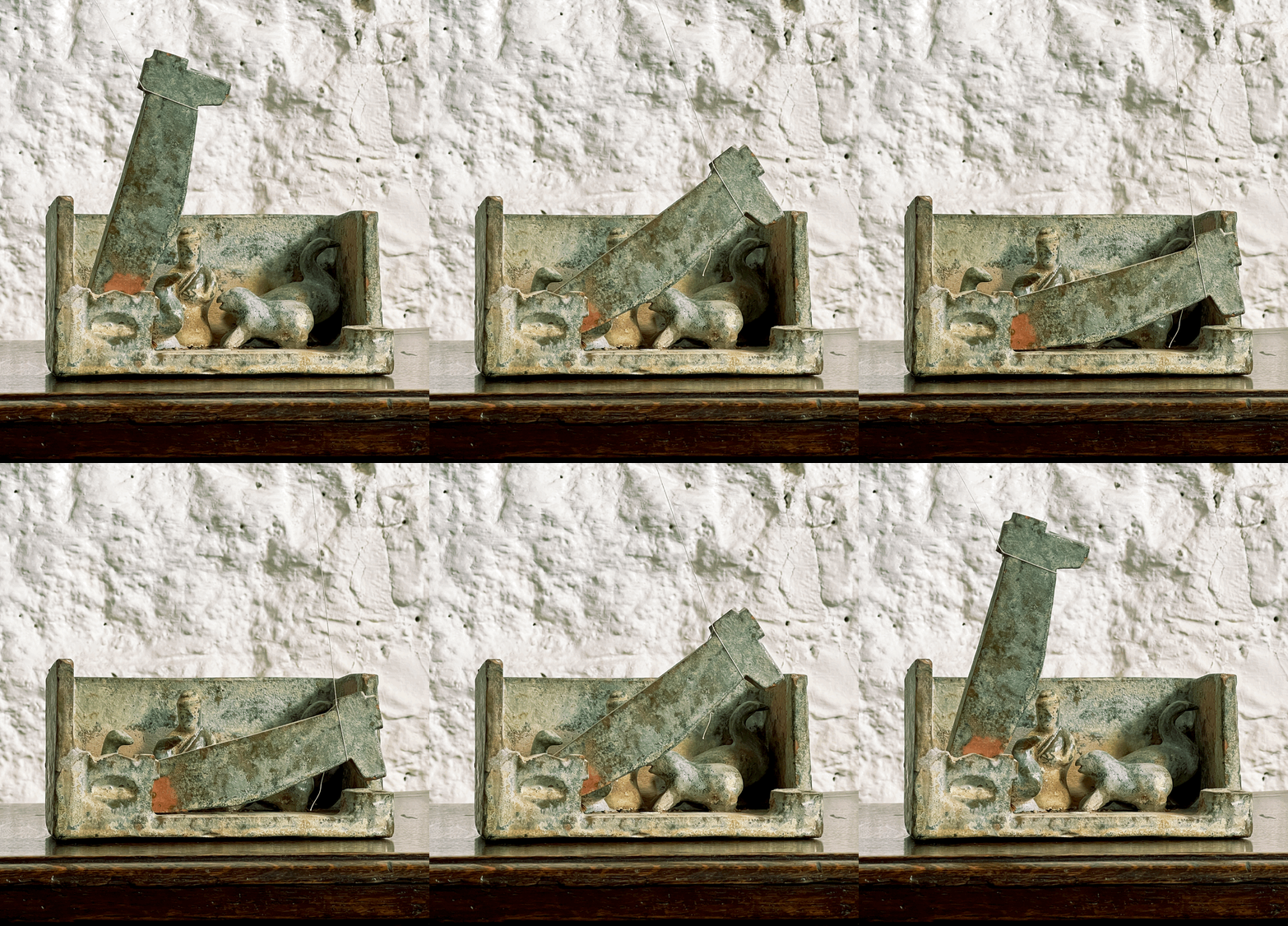
Han Dynasty Mill, 206BC-221AD
Han Dynasty pottery model of a Mill, 206BC-221AD

Case point: the Three Gorges Dam, the largest project of its kind ever undertaken, began construction in 1994. It flooded a very important part of the country, the river valleys where Chinese civilization had taken root from the Neolithic period 6,000 years ago through to the present. Over 2,000 modern-day towns and villages were destroyed, with the water level rising 91 meters to create a lake 600km long…. the quoted number of archaeological sites destroyed by this is 1,300, but this is unverifiable, and depends on the definition of ‘site’: an area as well populated for so many thousands of years would have been saturated with cultural remains. Some buildings were relocated, but the vast majority was left to the floodwaters – or recovered & sold. This process repeated itself all over China as their market capitalism experiment took root: the vast number of factories alone that were constructed, and the towns to house their workers, required a huge amount of land, which was often full of cultural artifacts. The scale of it meant that while archaeologists were involved with some – and hopefully the most important – recoveries, it was the developers and contractors who were responsible for collecting items from a project. These items were then sold, and made their way to the West.

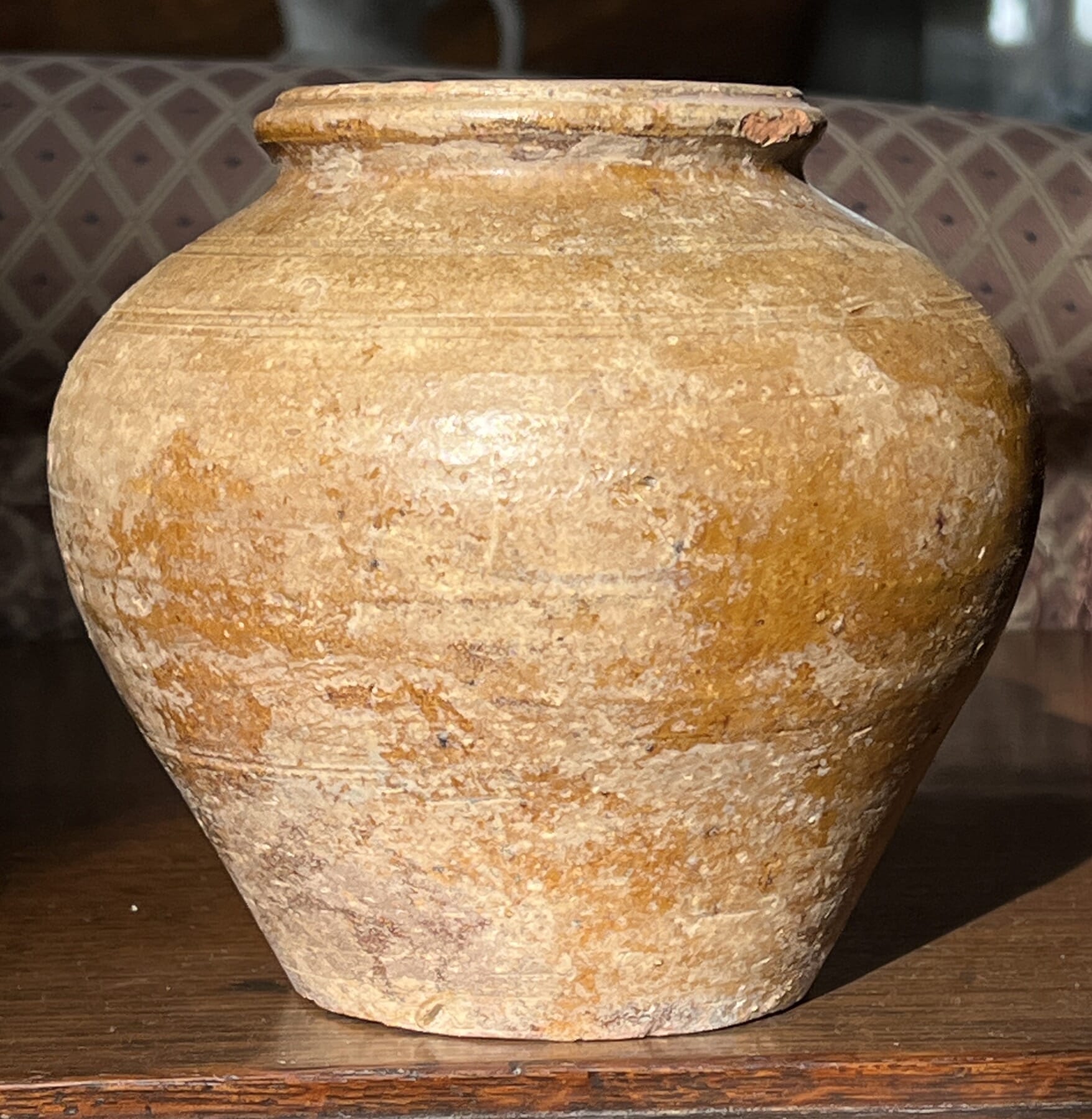
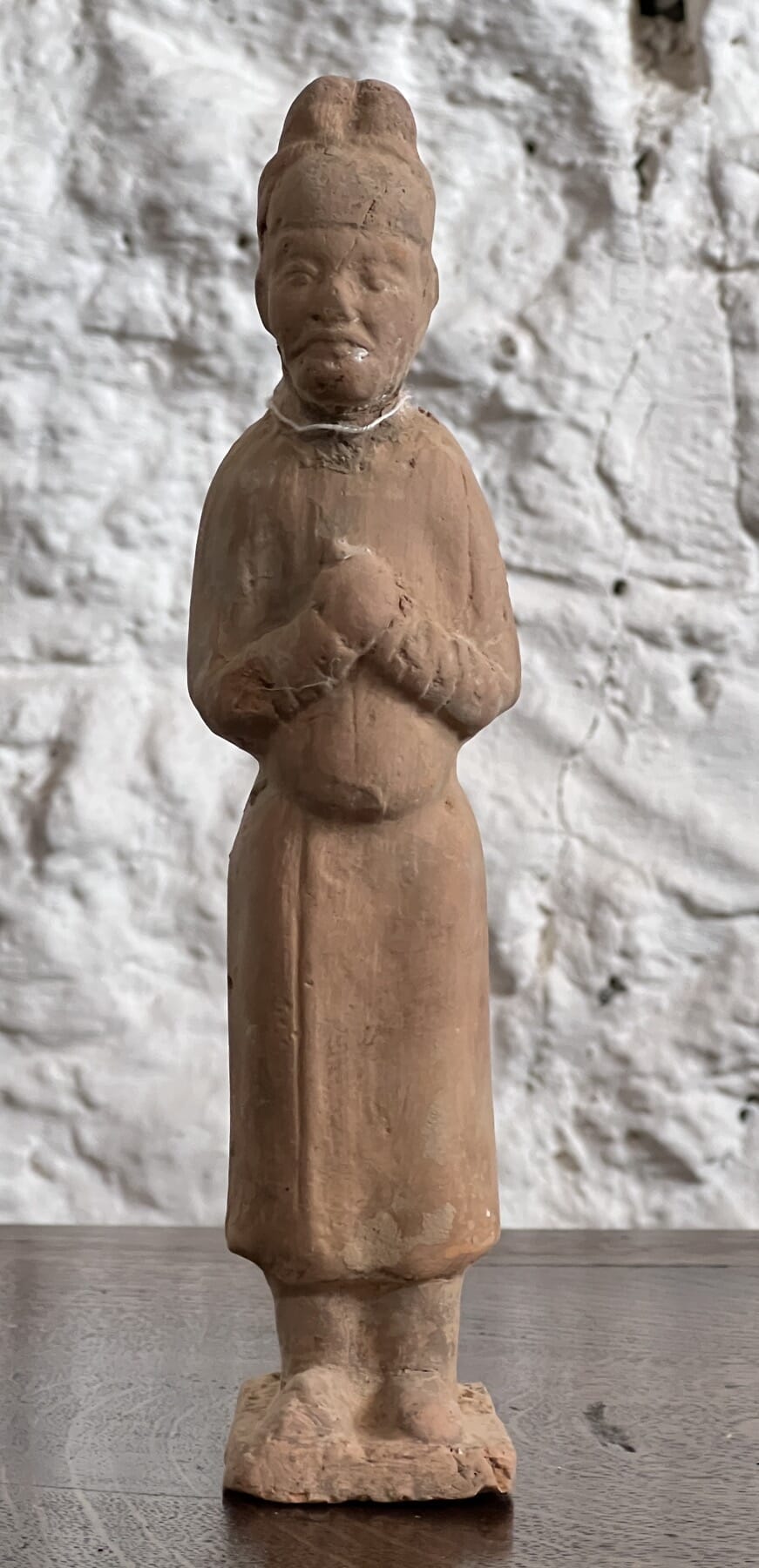
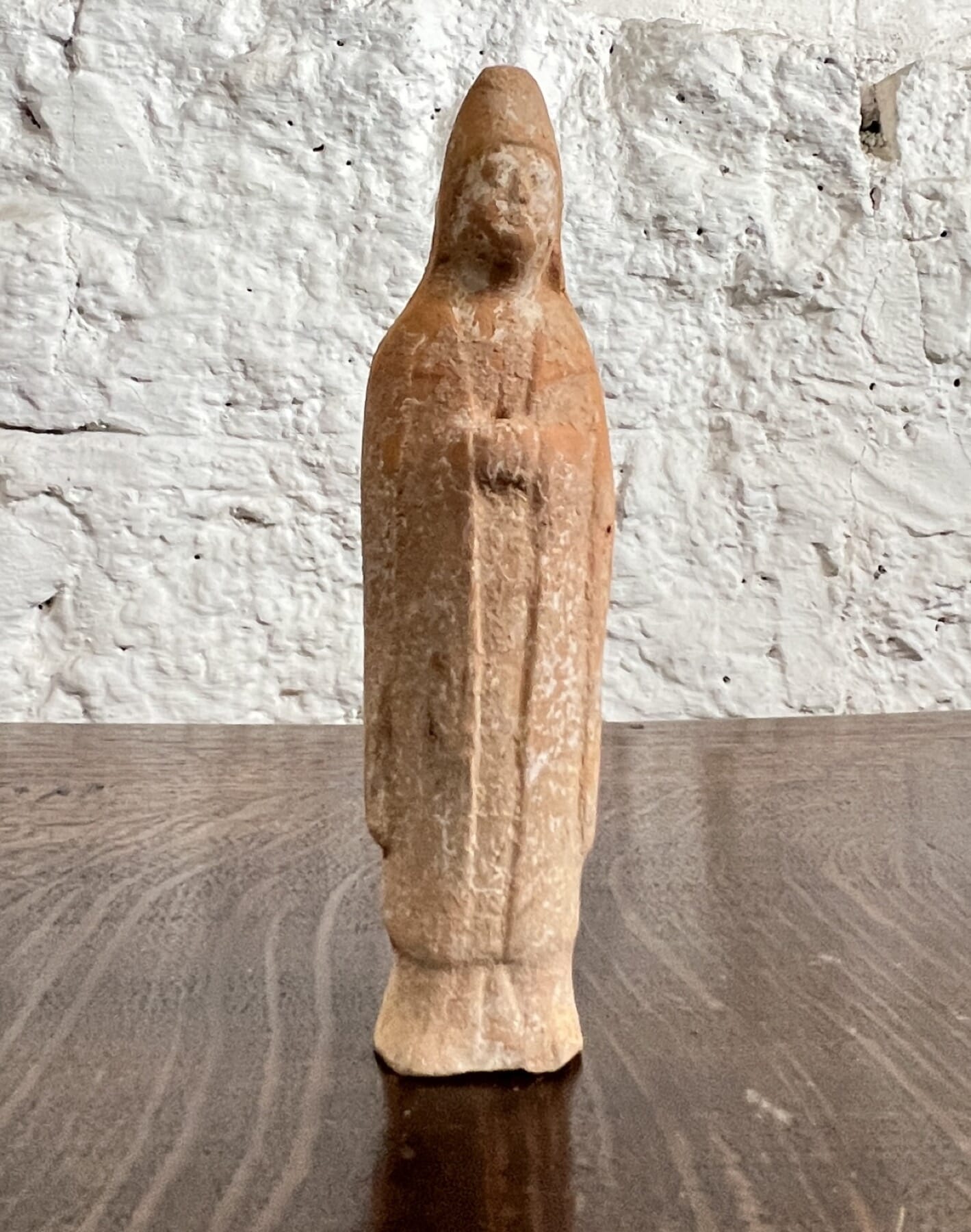
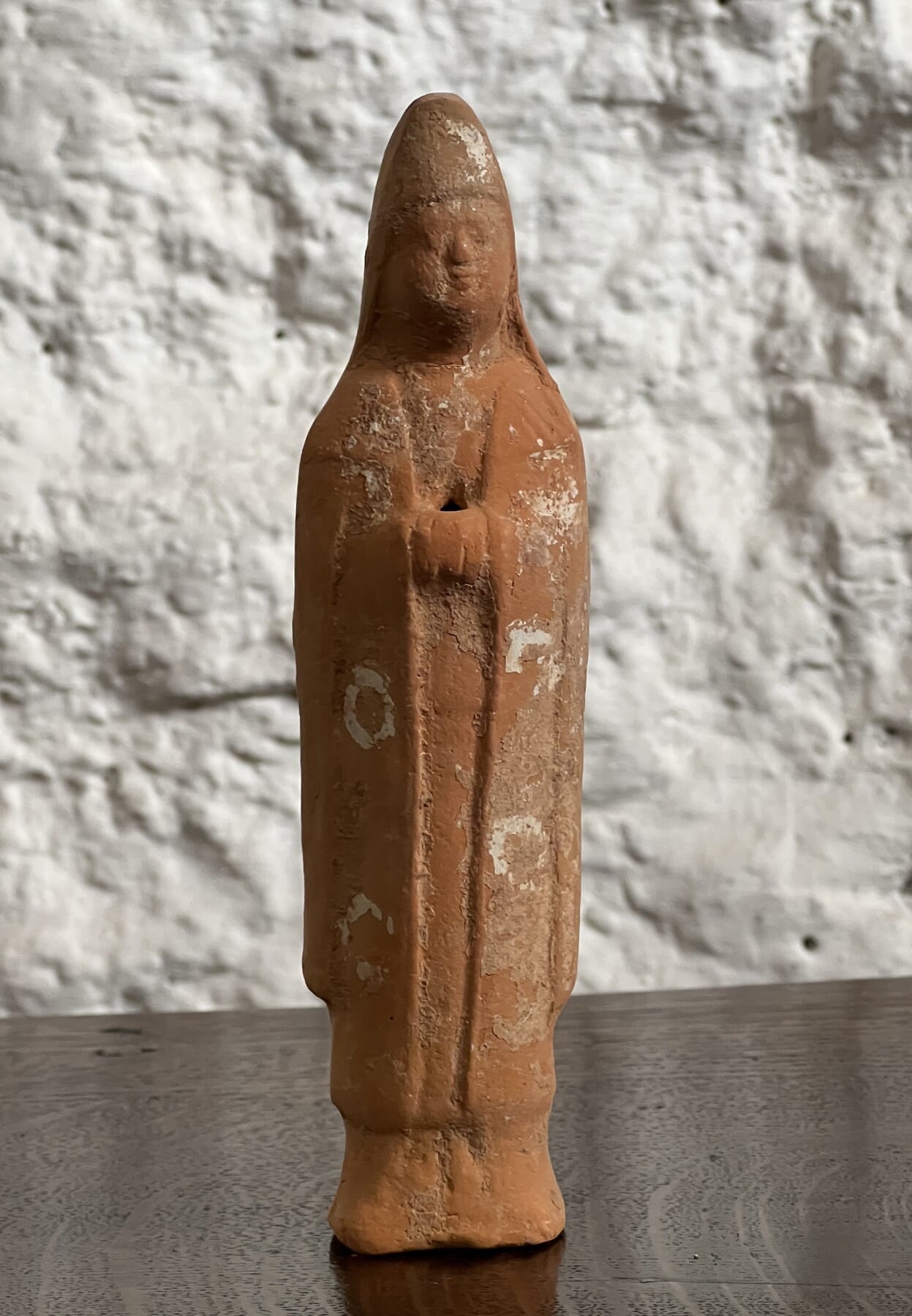
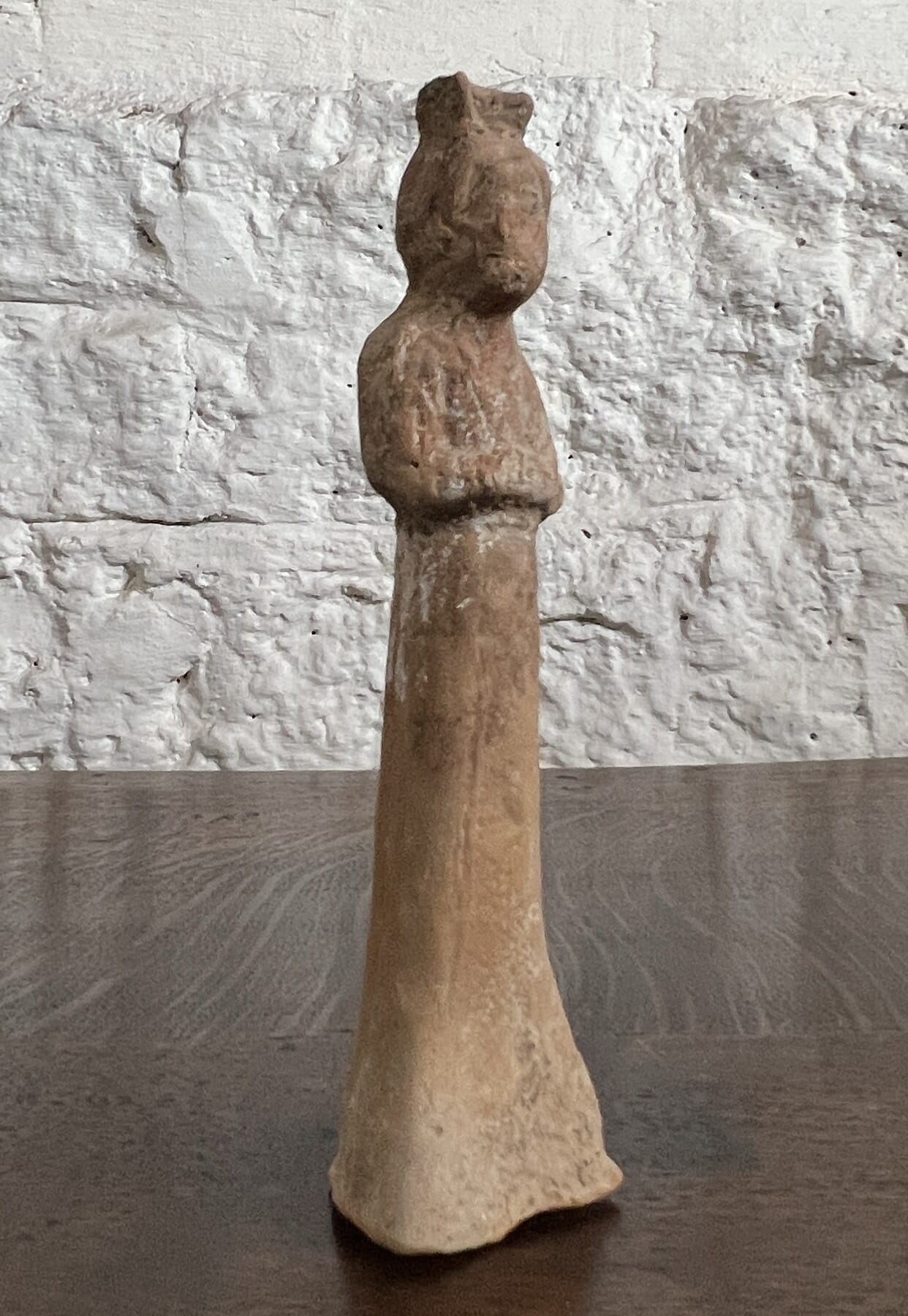
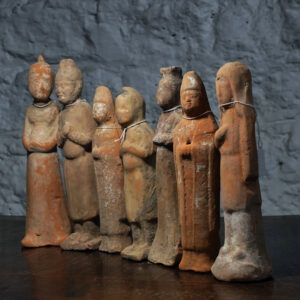
Tang Dynasty Figures, 8th century AD
Tang Dynasty pottery Figures, 8th century AD


This all changed by the end of the decade. China introduced strict laws, and Chinese Culture – which had been despised by the previous mindset of the ‘cultural revolution’ (responsible for the destruction of vast amounts of Chinese Art & Artifacts) – suddenly became a focus. The export of such items was halted, and Hong Kong suddenly became bare of Chinese Antiquities…
That is, until the fakers got to work. With the original Chinese source ceasing, the gap in the market became lucrative for brand-new antiquities. Ironically, many of these are probably made in China, and perfectly legitimately exported as copies. Unfortunately, they are often sold as original in the West; to see examples of this you have to look no further than the popular online sales platforms, awash in recent copies and impossible to tell from a photo in most cases.
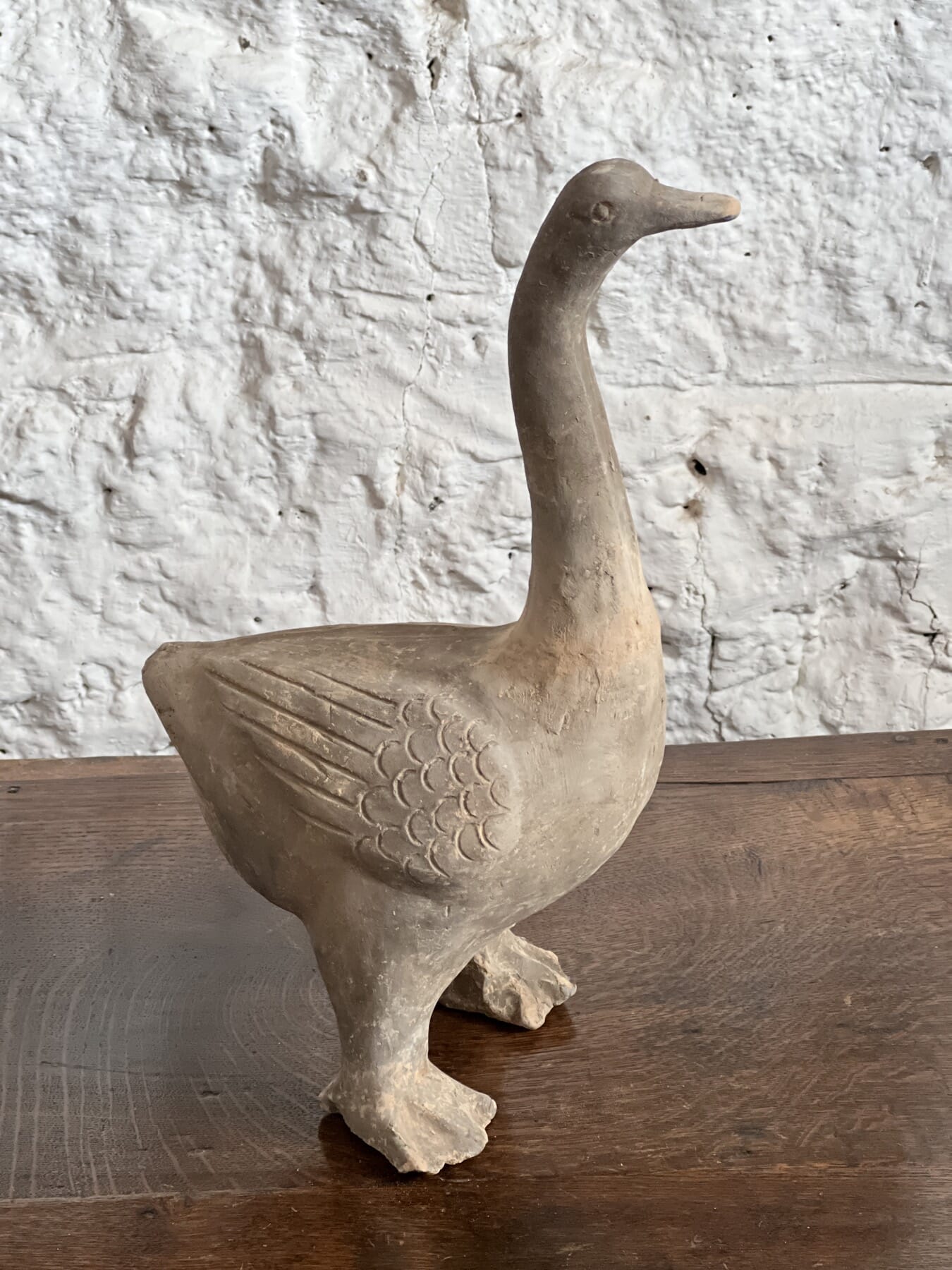
We have a stash of good original pieces, put aside over 20 years ago and only recently brought out to be catalogued.
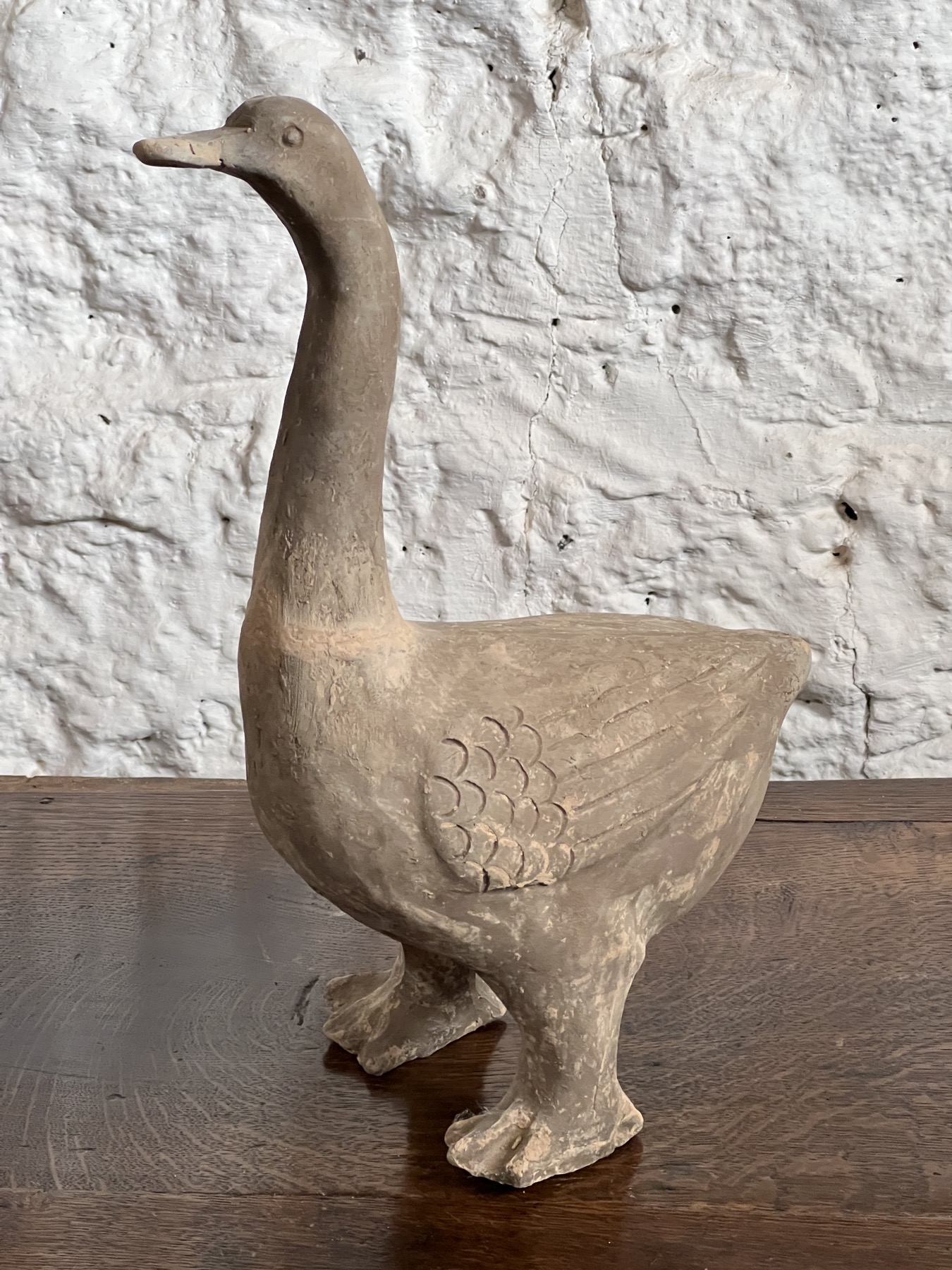
The best of these pieces is the duck below: he had a chipped beak, so had not been offered for sale – now his beak is fixed, he’s a handsome, large rarity, straight out of a Chinese farmyard 2,000 years ago.

Han Dynasty Tomb Model - Goose
Han Dynasty Model Duck (or Goose?), 206BC-221AD

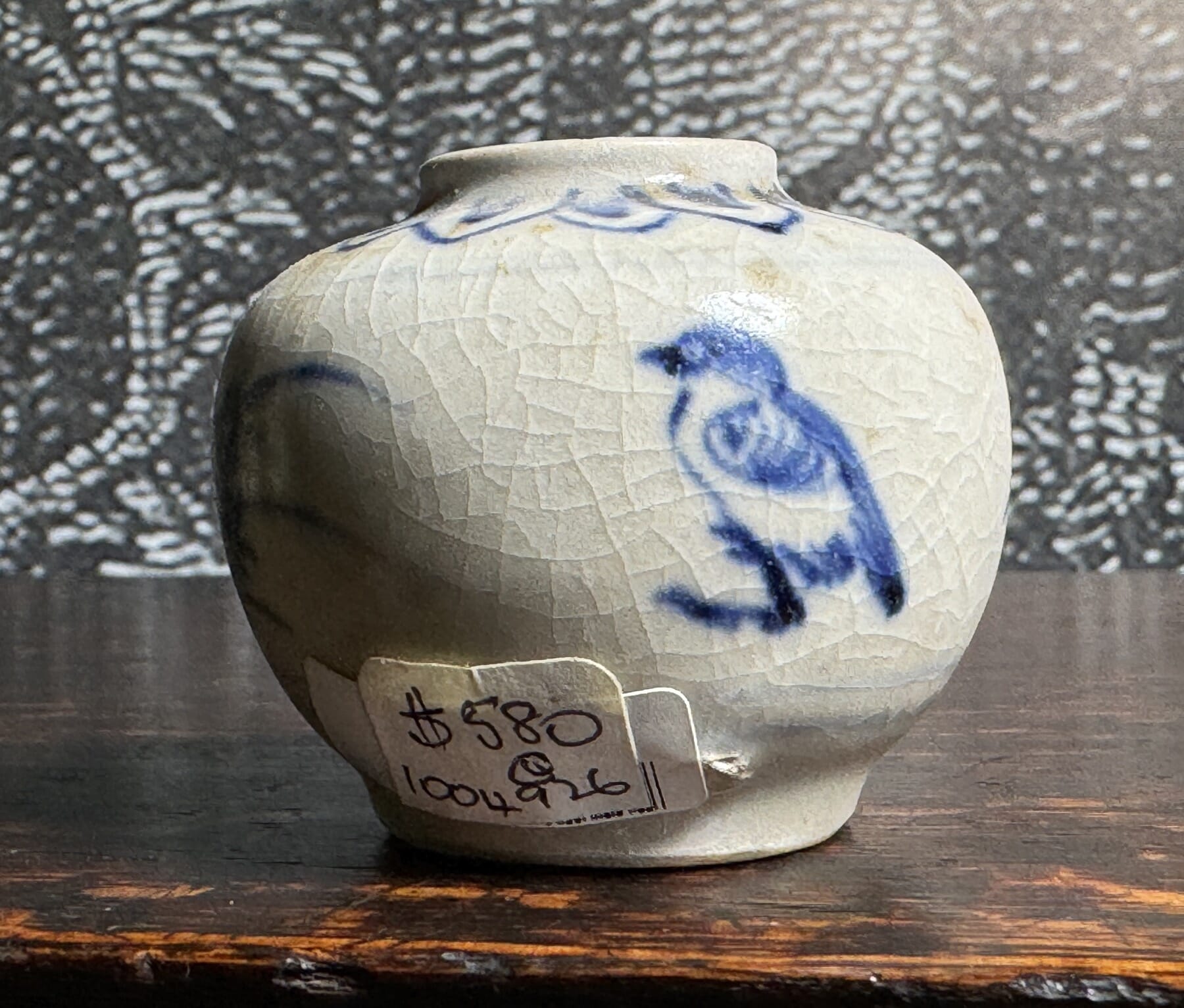
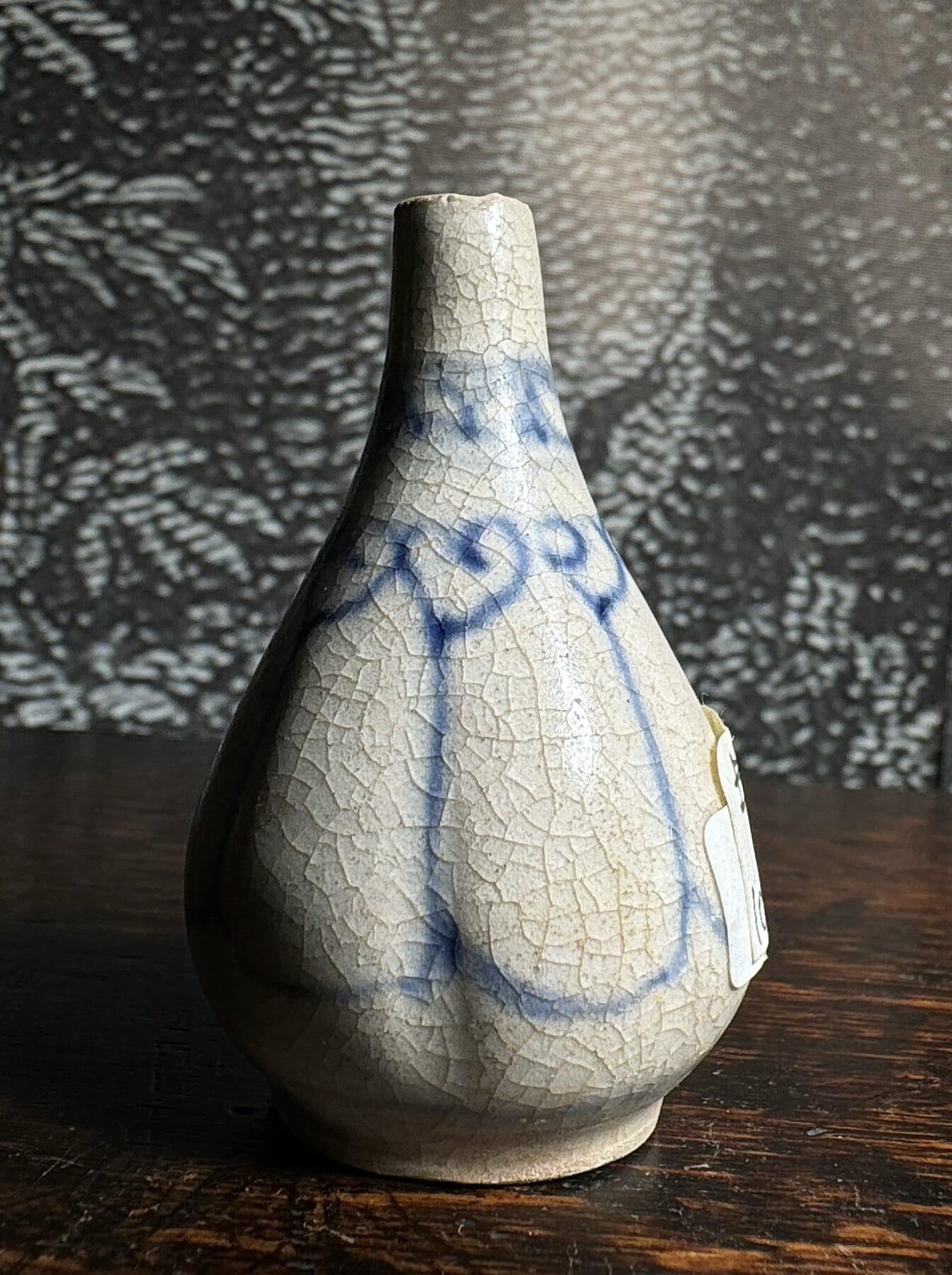
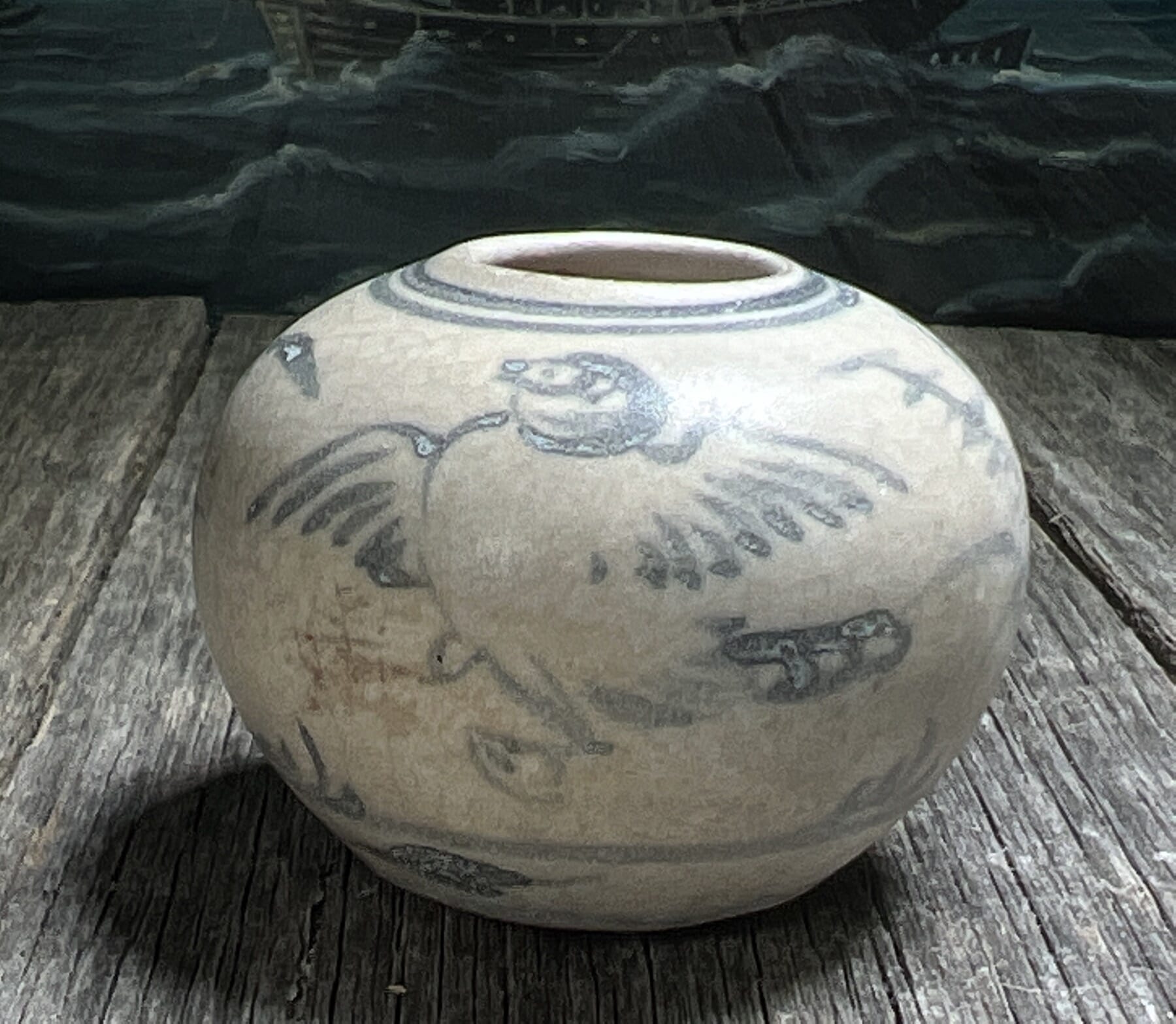
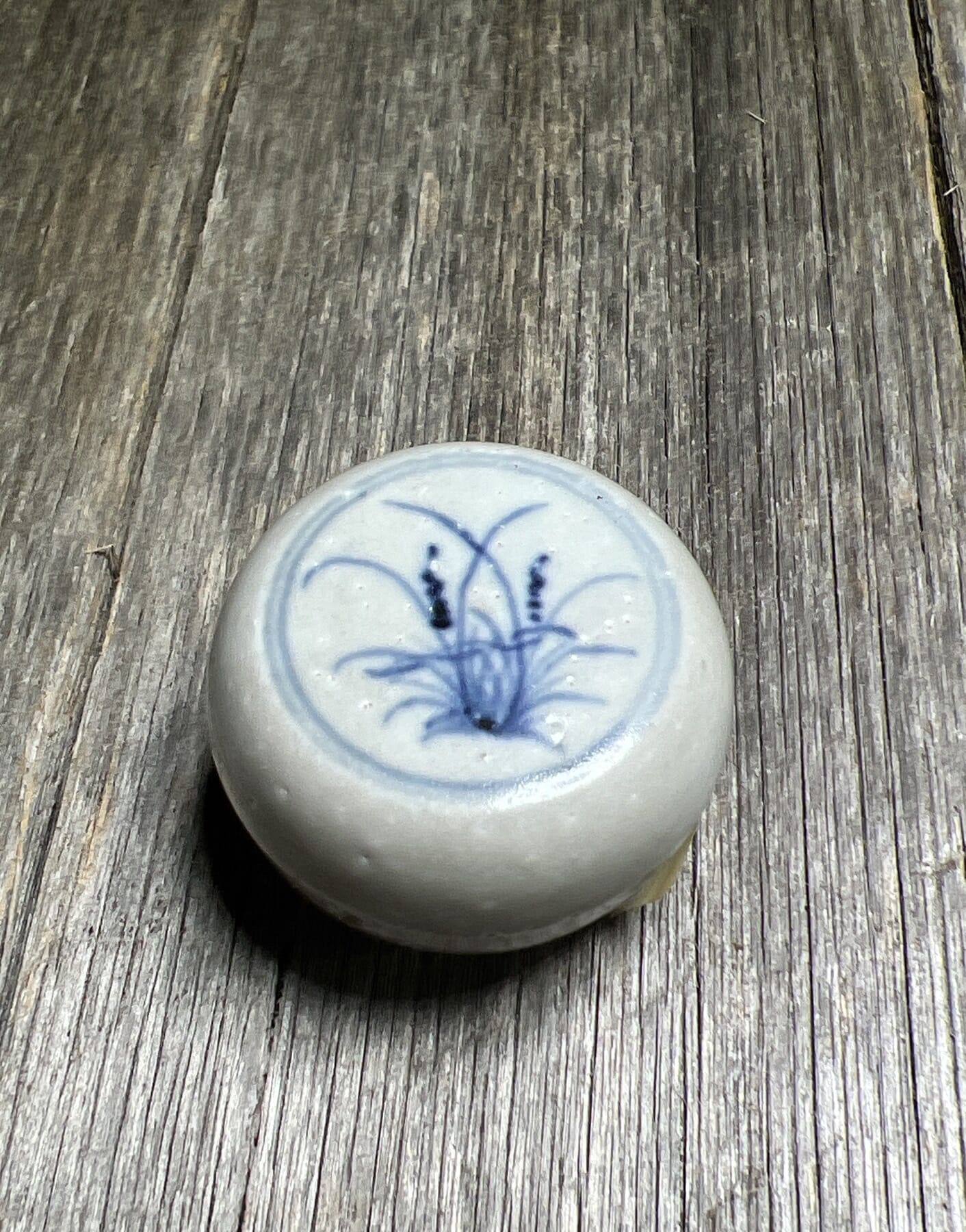
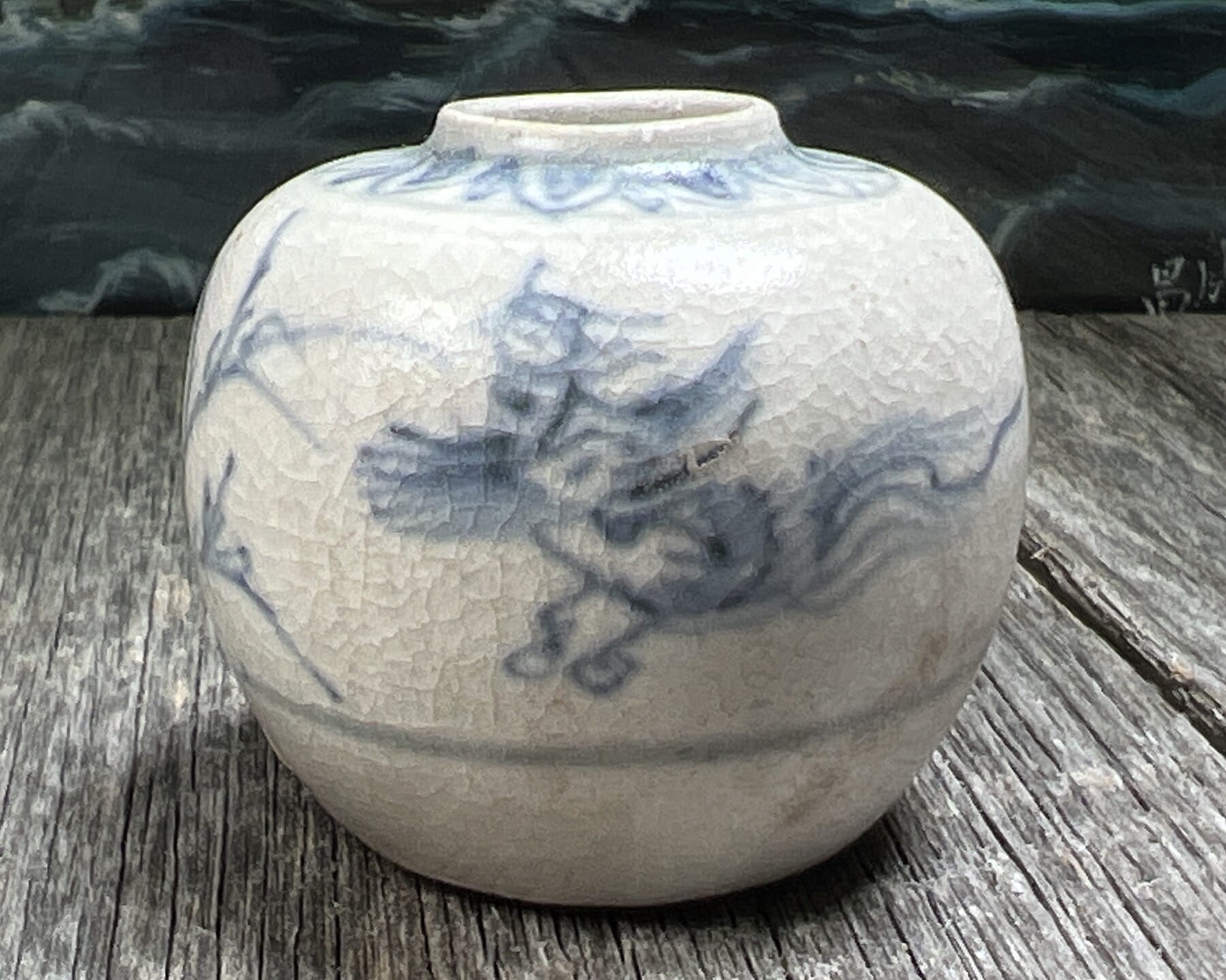
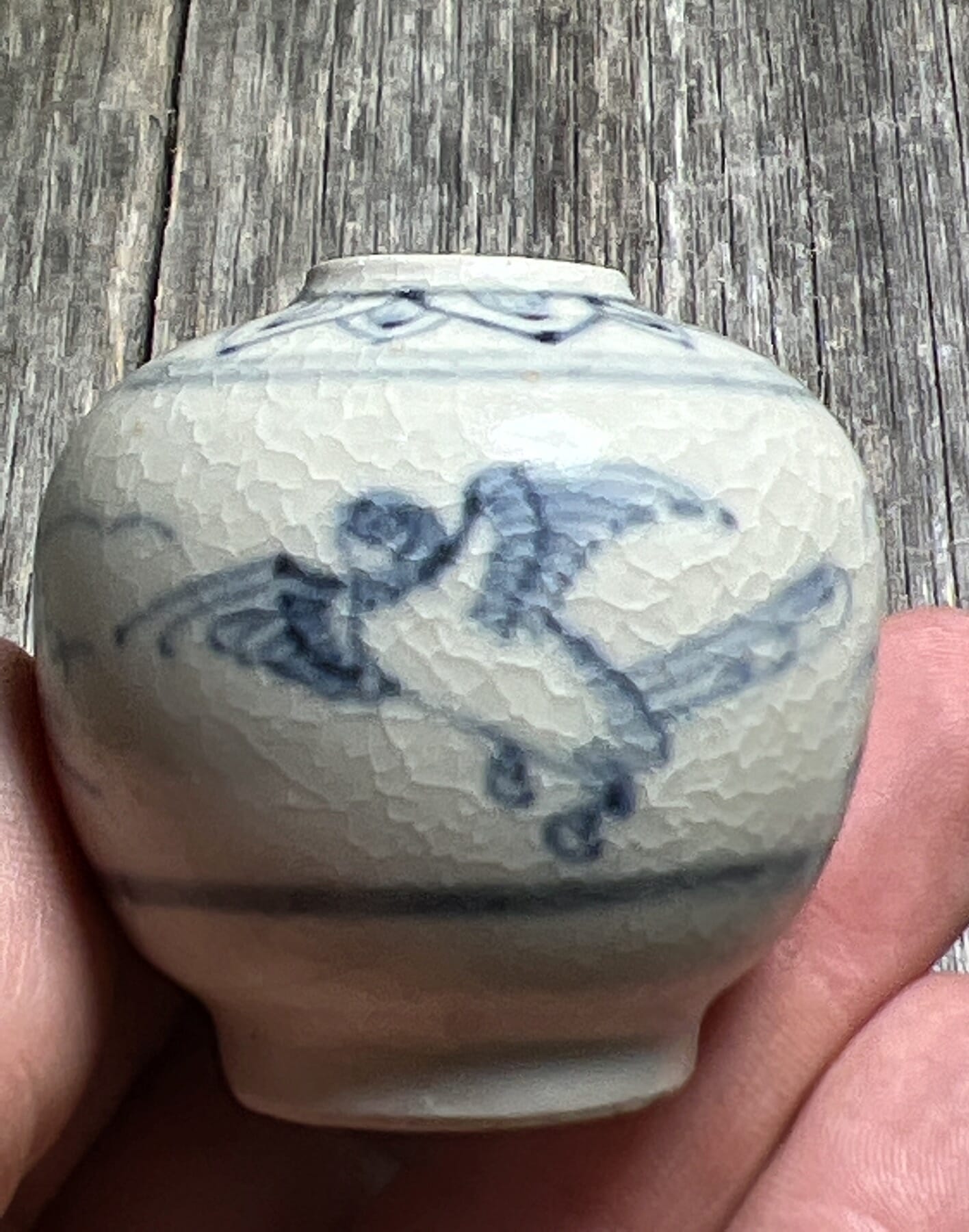
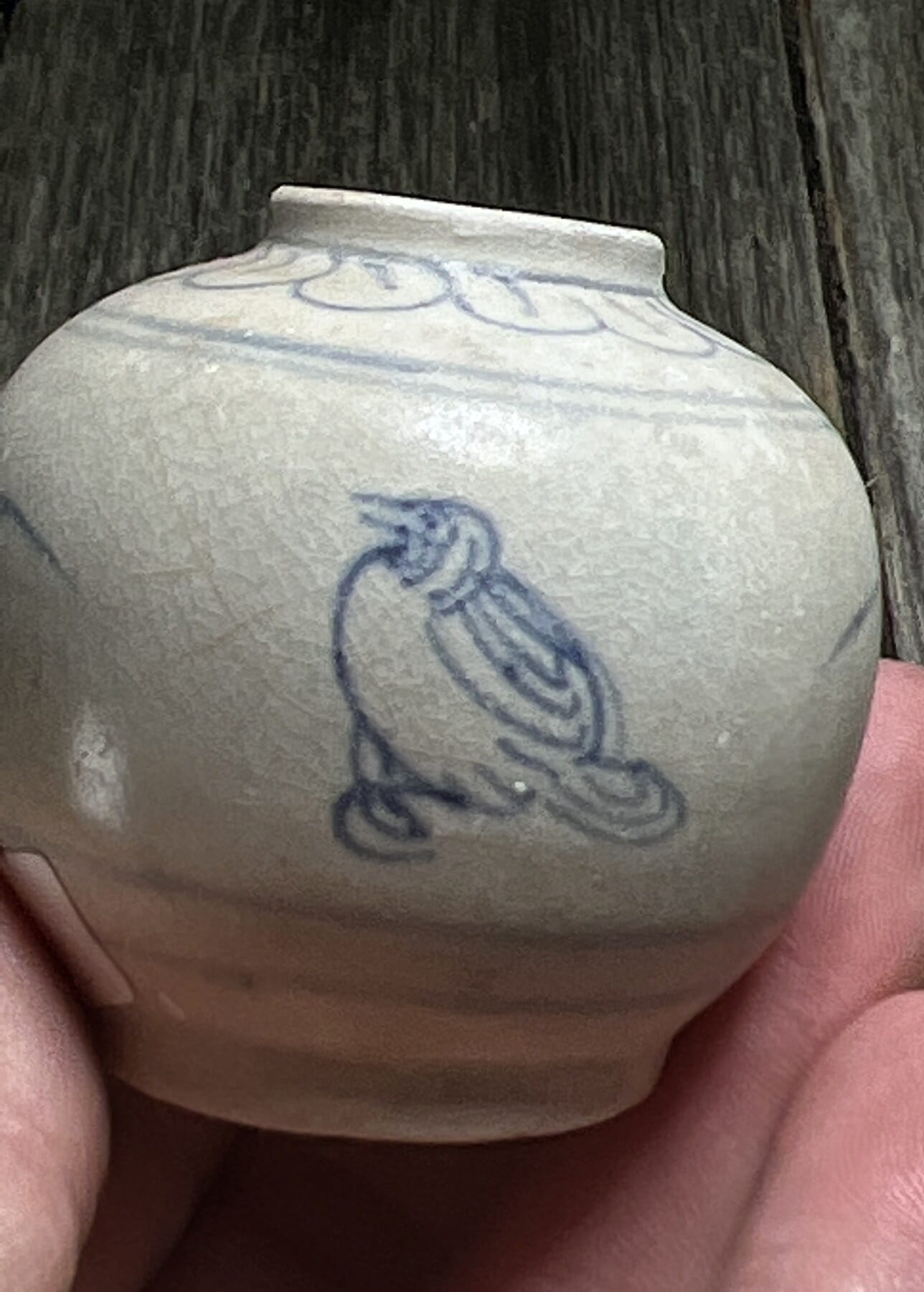
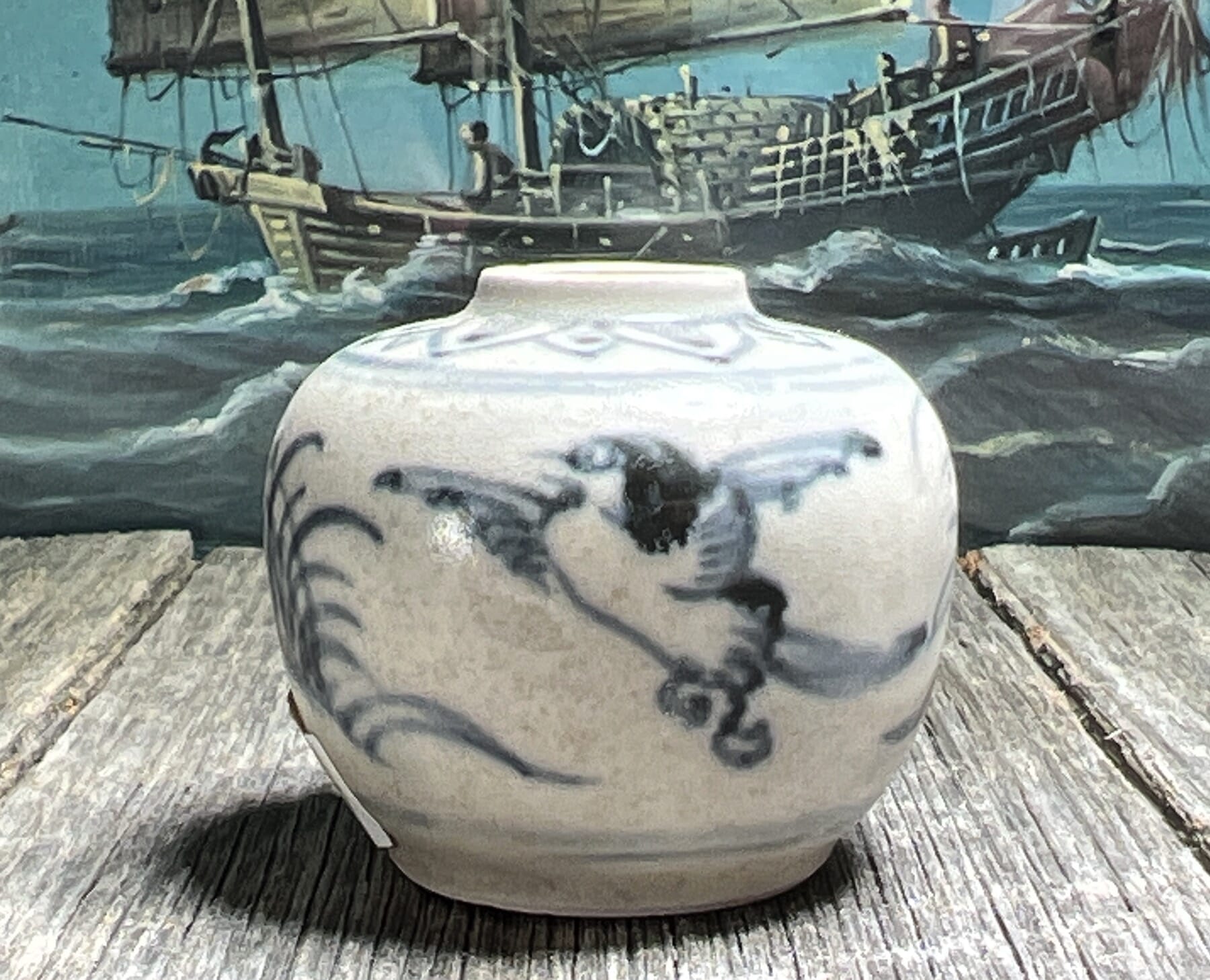
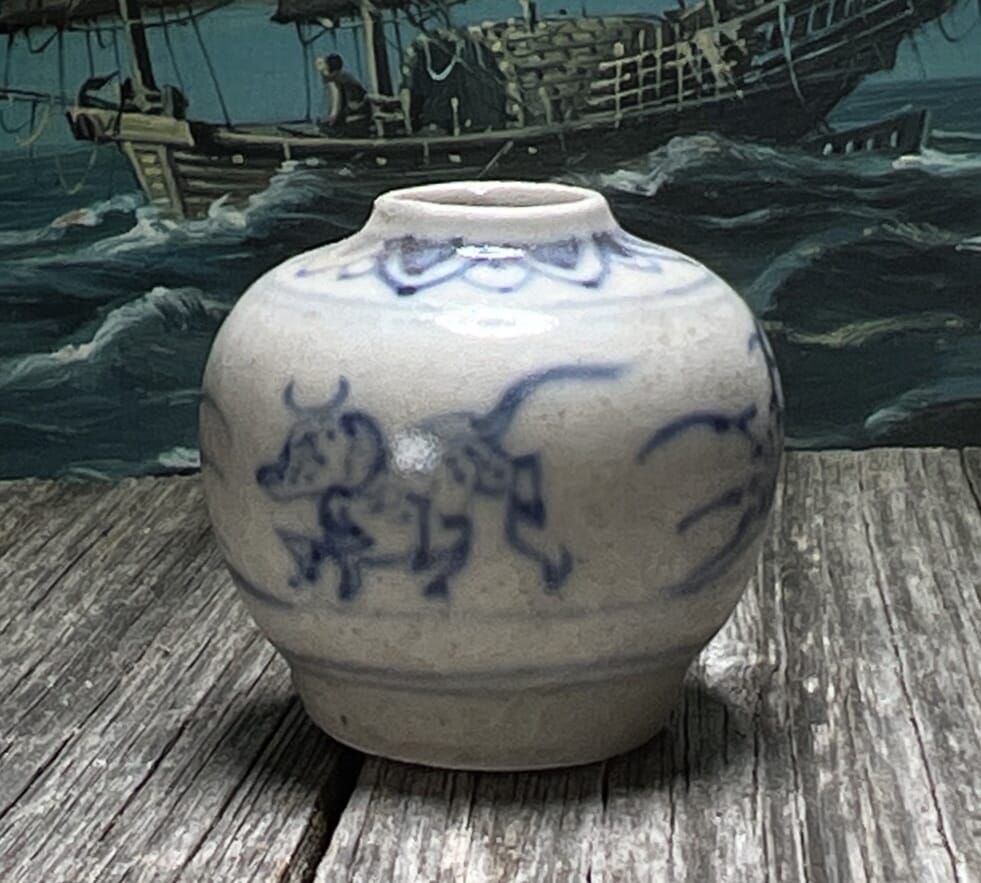
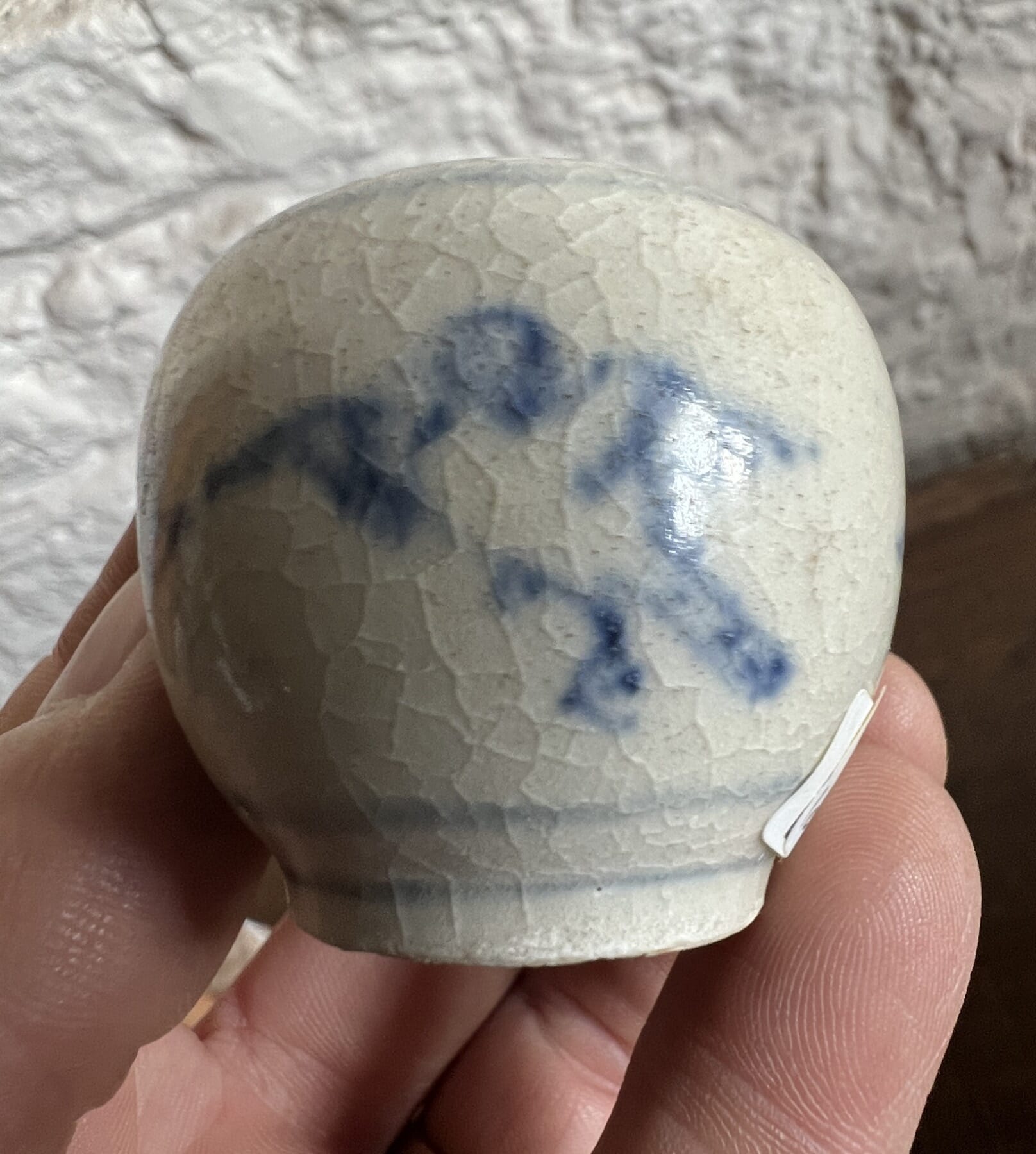
Hoi An Shipwreck Ceramics

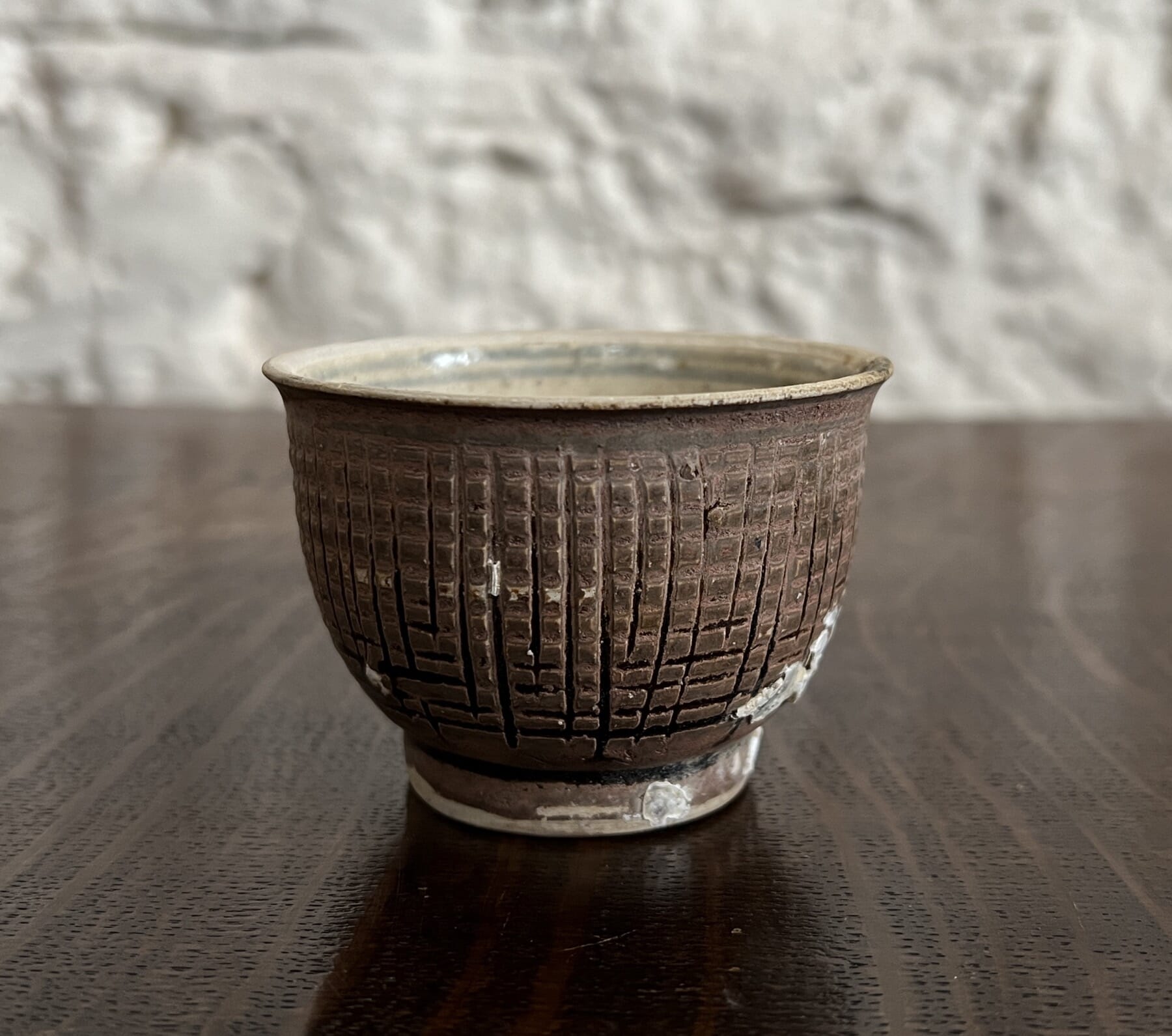
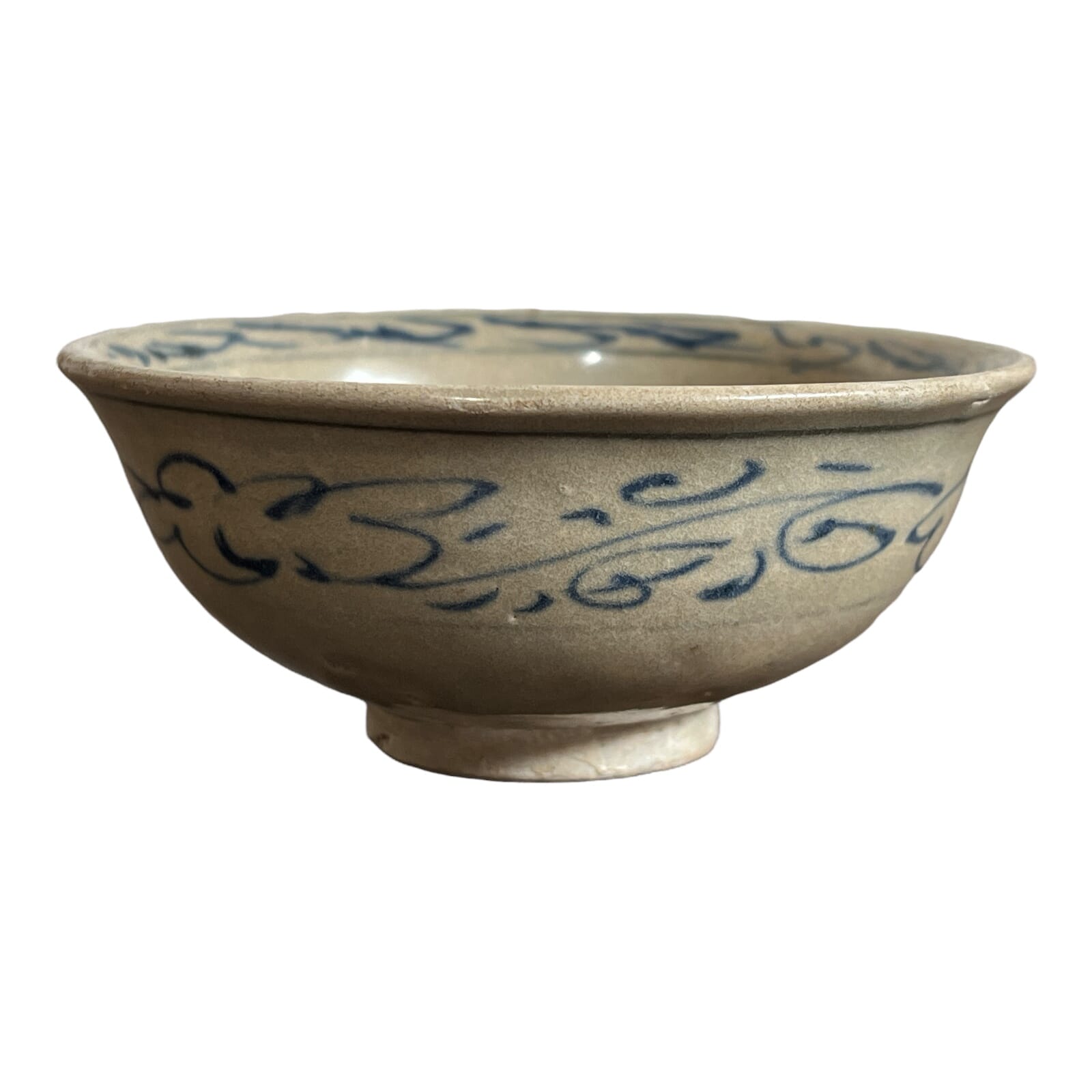
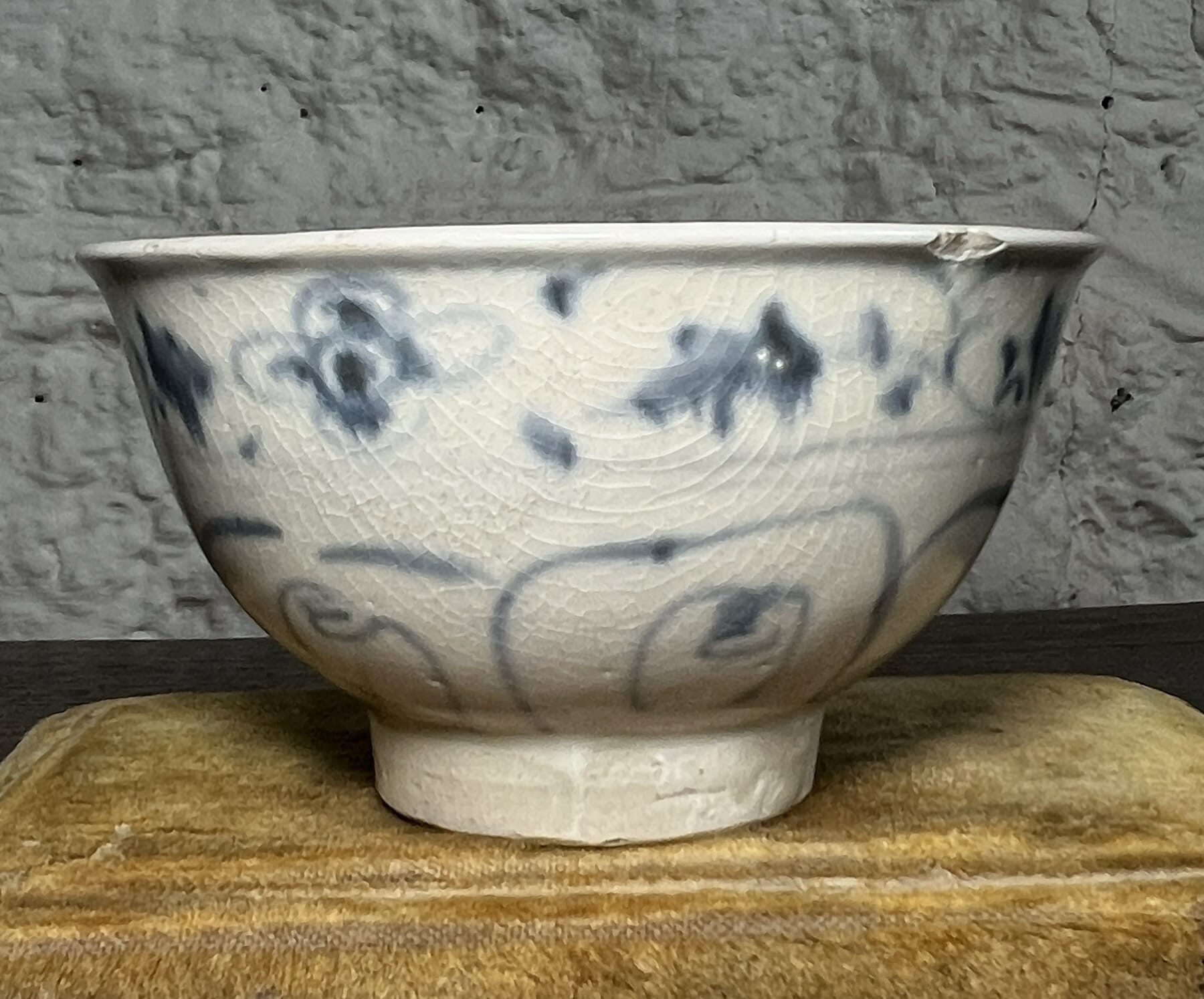
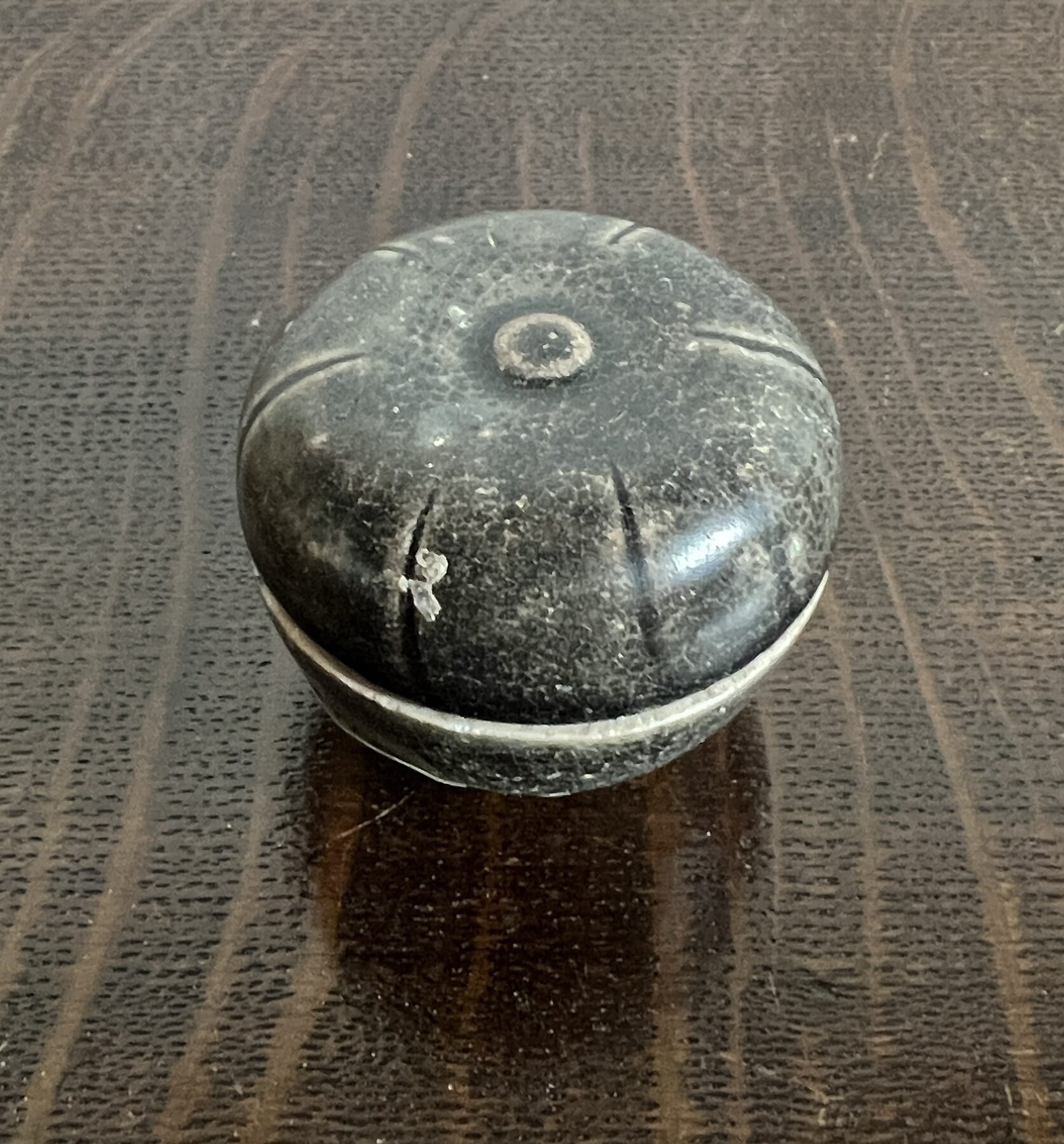
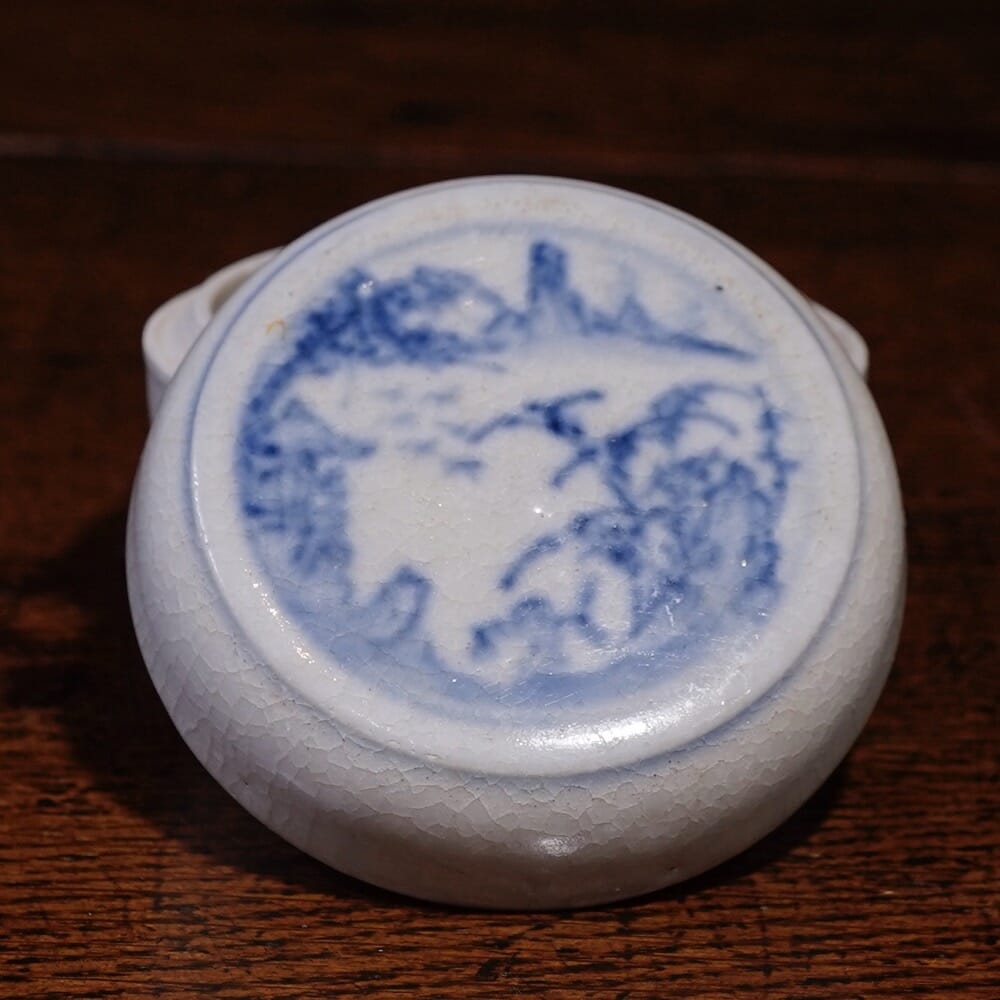
Back in the early 2000’s, a sensational shipwreck recovery hit the market. Under the sea for 500 years, these desirable little pieces of Annomese – meaning Vietnamese – ceramics are actually not even ‘second hand’ – they didn’t make it to their destination when originally made!
They were produced at Chu Dau, near Hanoi, where an excavated kiln site of the period matches the shipwreck finds exactly.  They were, of course, entirely hand-painted, and it is the calligraphic style of this brushwork that attracts the eye of the collector. They come from the ‘Golden Age’ of the Annamese ceramics tradition, a short period at the end of the 15th century when opportunity favoured the Vietnamese potters. China, with its immense trade network, had collapsed into civil war, and overseas trade was shut down for a period by decree of the Emperor.
Vietnam, with many Chinese traders & potters, already in place, was in the perfect position to take on this lucrative production & trade, with South-East Asia and the rich kingdoms of present-day Indonesia being the markets where there was high demand for ceramics. It is no coincidence therefore that they borrow heavily on Chinese design – and yet there is a distinct individuality to the products.

Posted on

Fresh Stock! Blue + White, Staffordshire, Chinese….

Victorian Staffordshire Figures

Welcome to our June 20th Fresh Stock.
Today, there’s a fine selection to browse, mostly pottery but with a few pieces of porcelain, and some Asian Antiques.

Blue & White

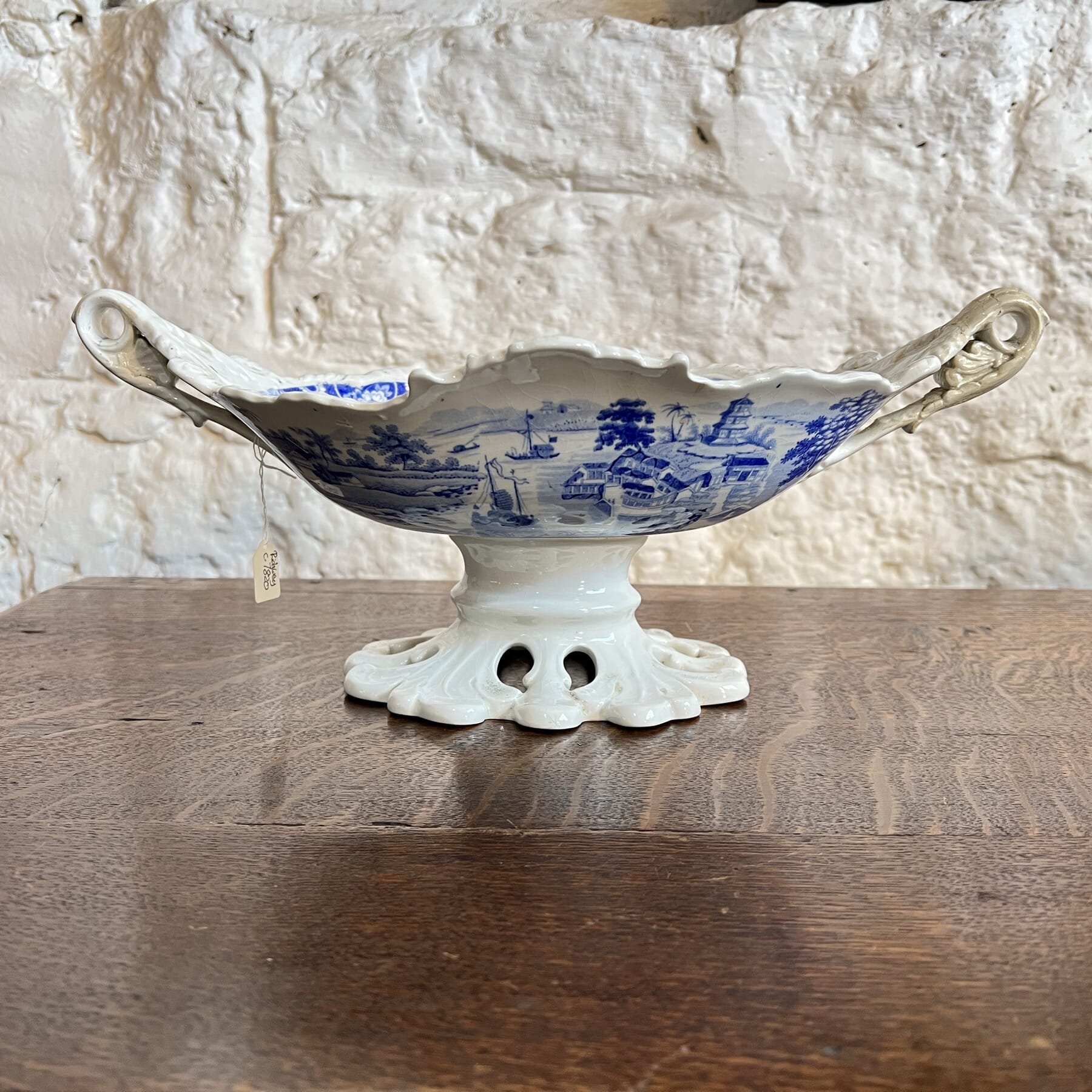
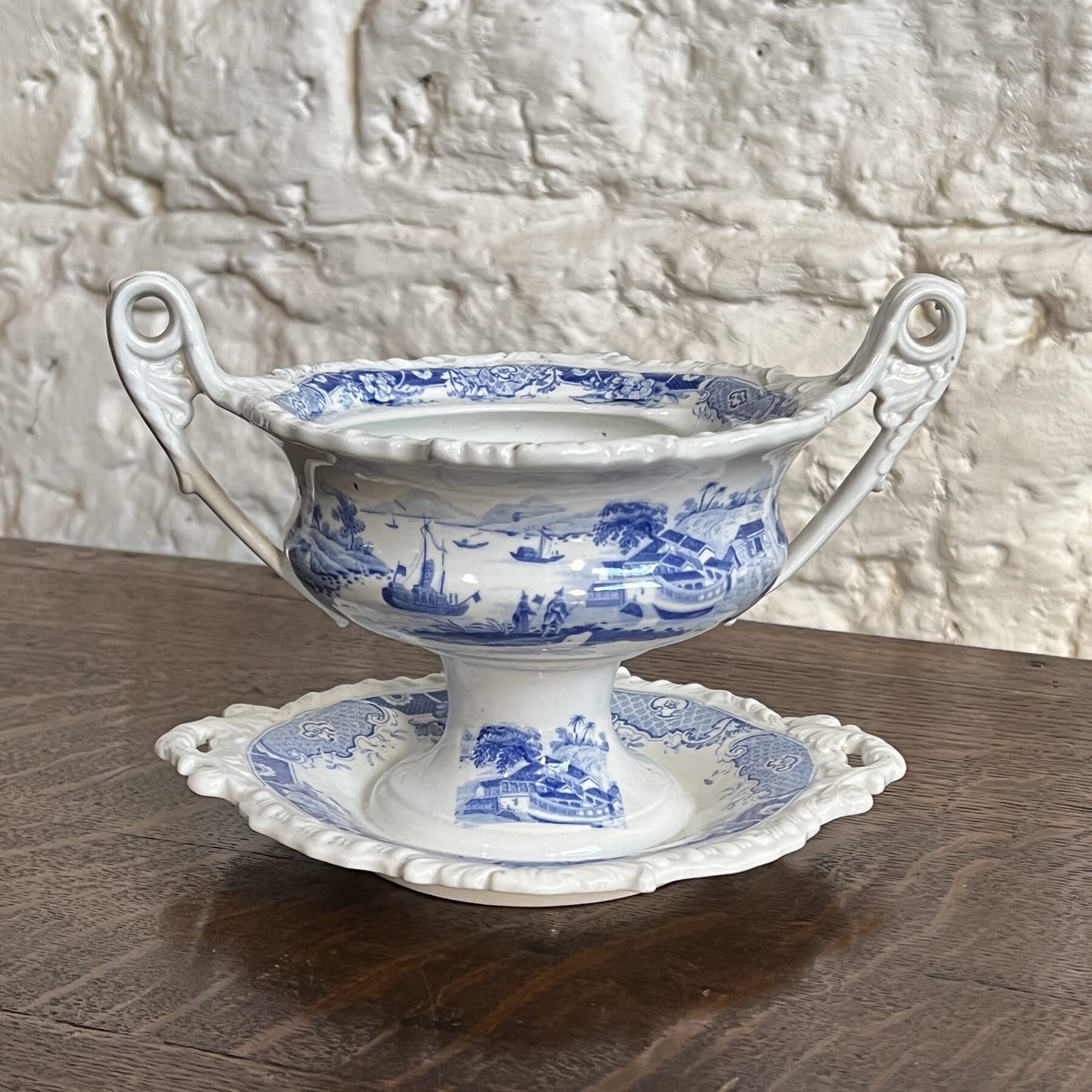
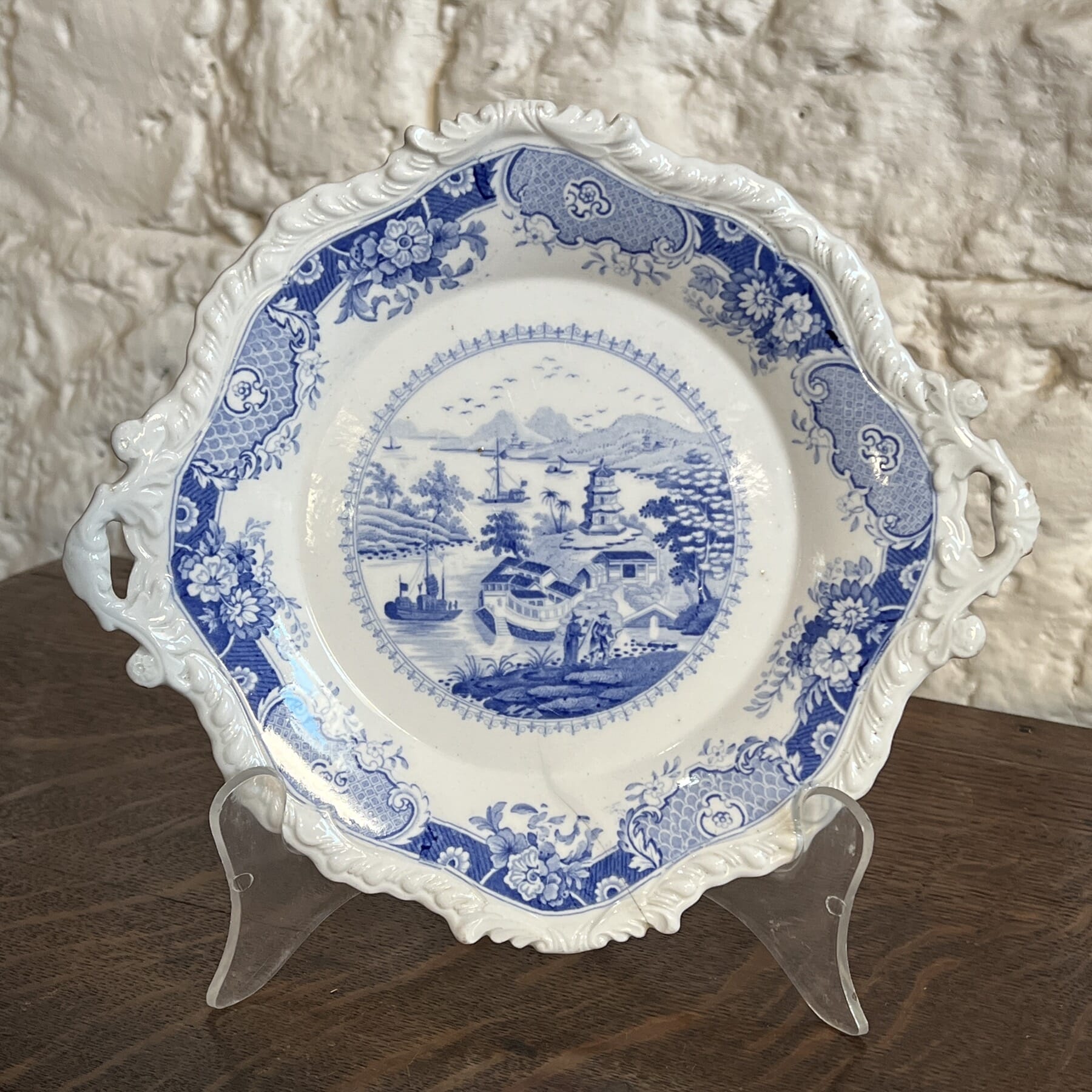
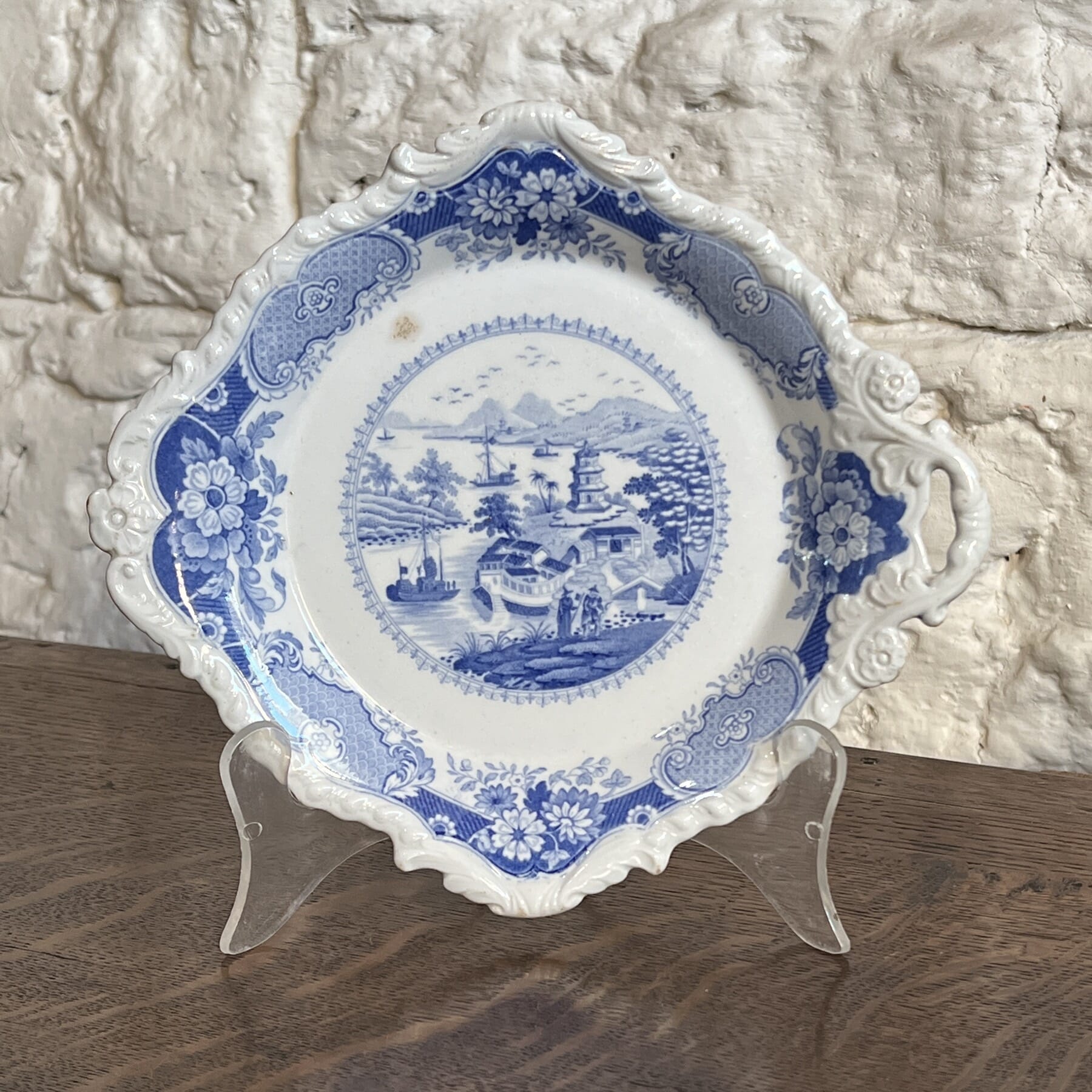
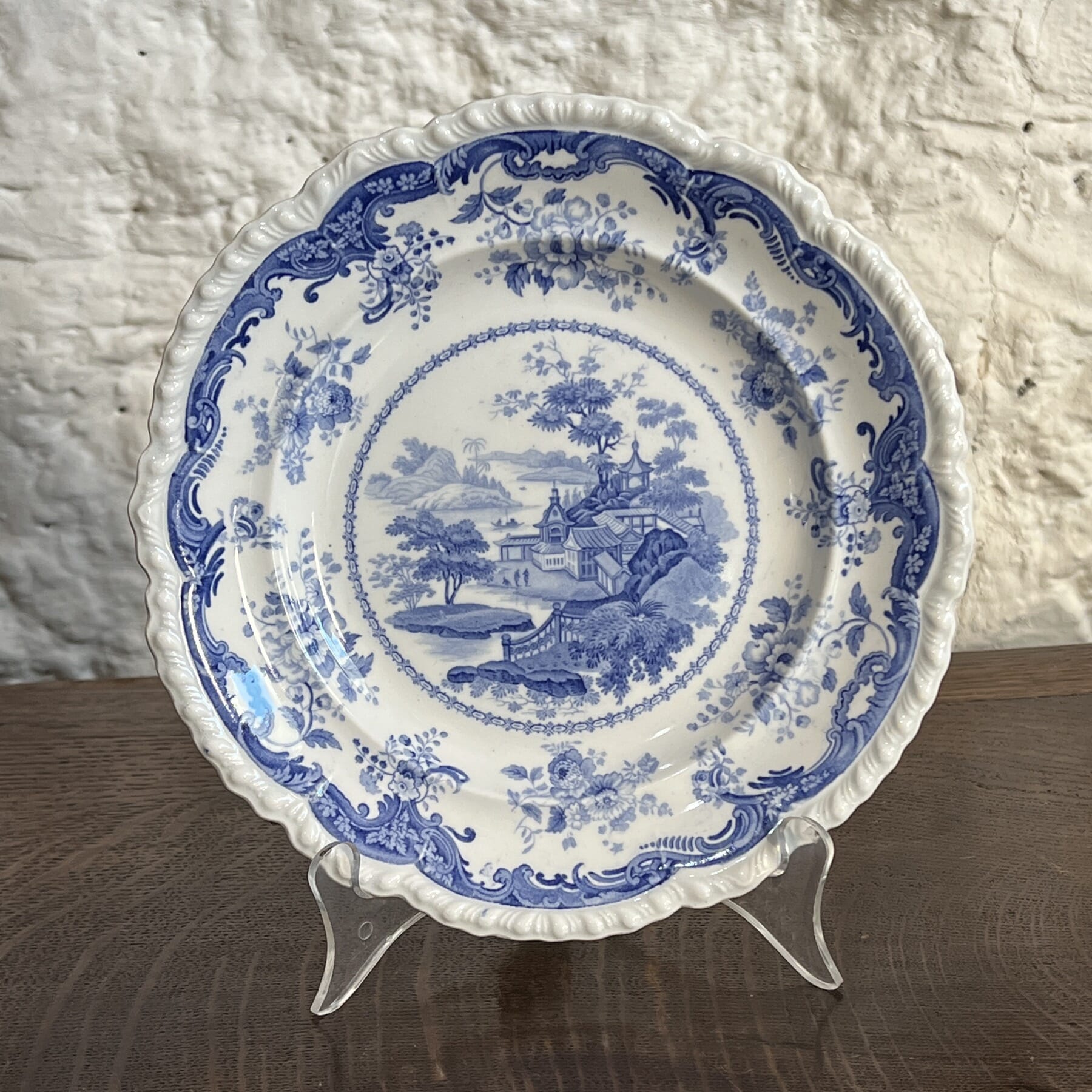
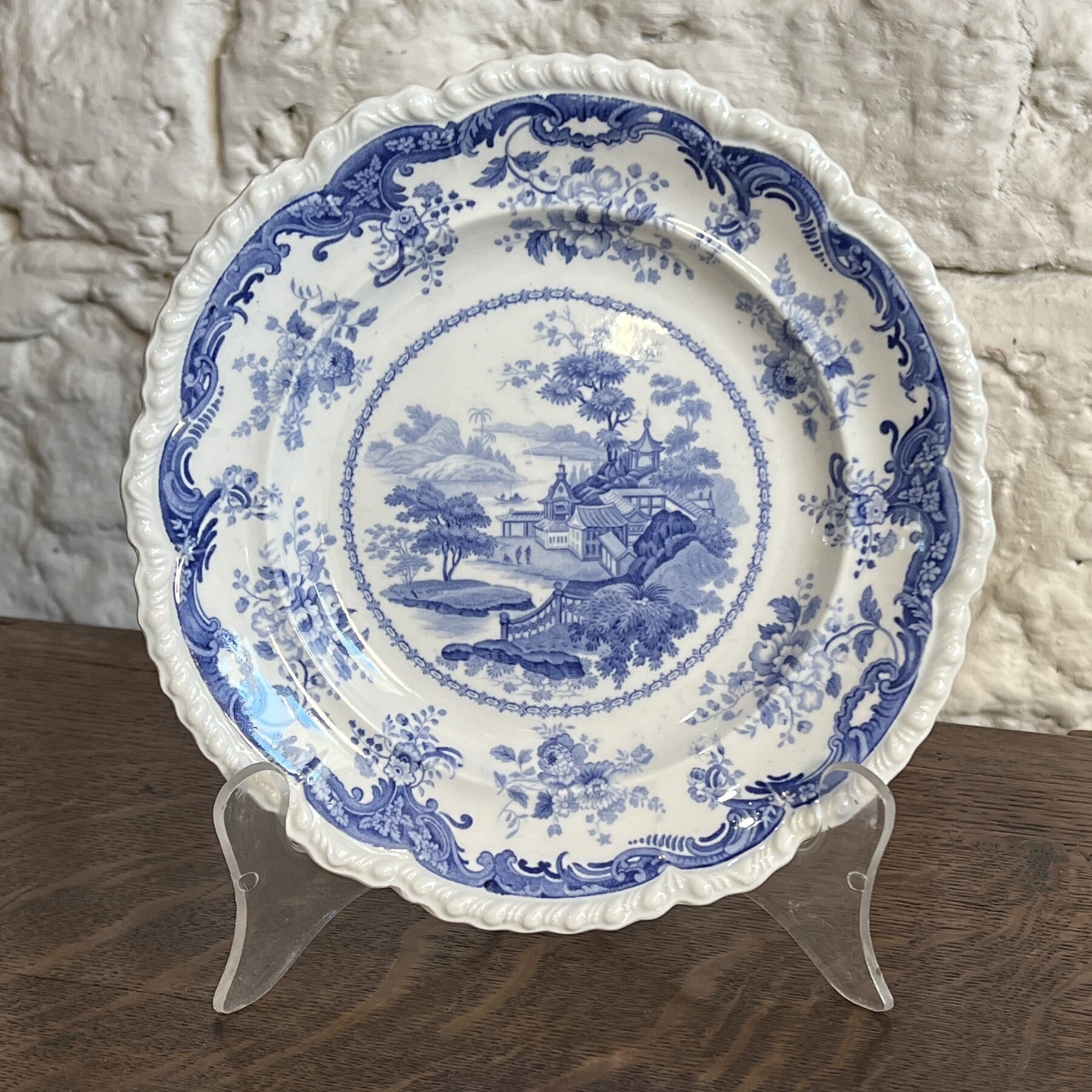
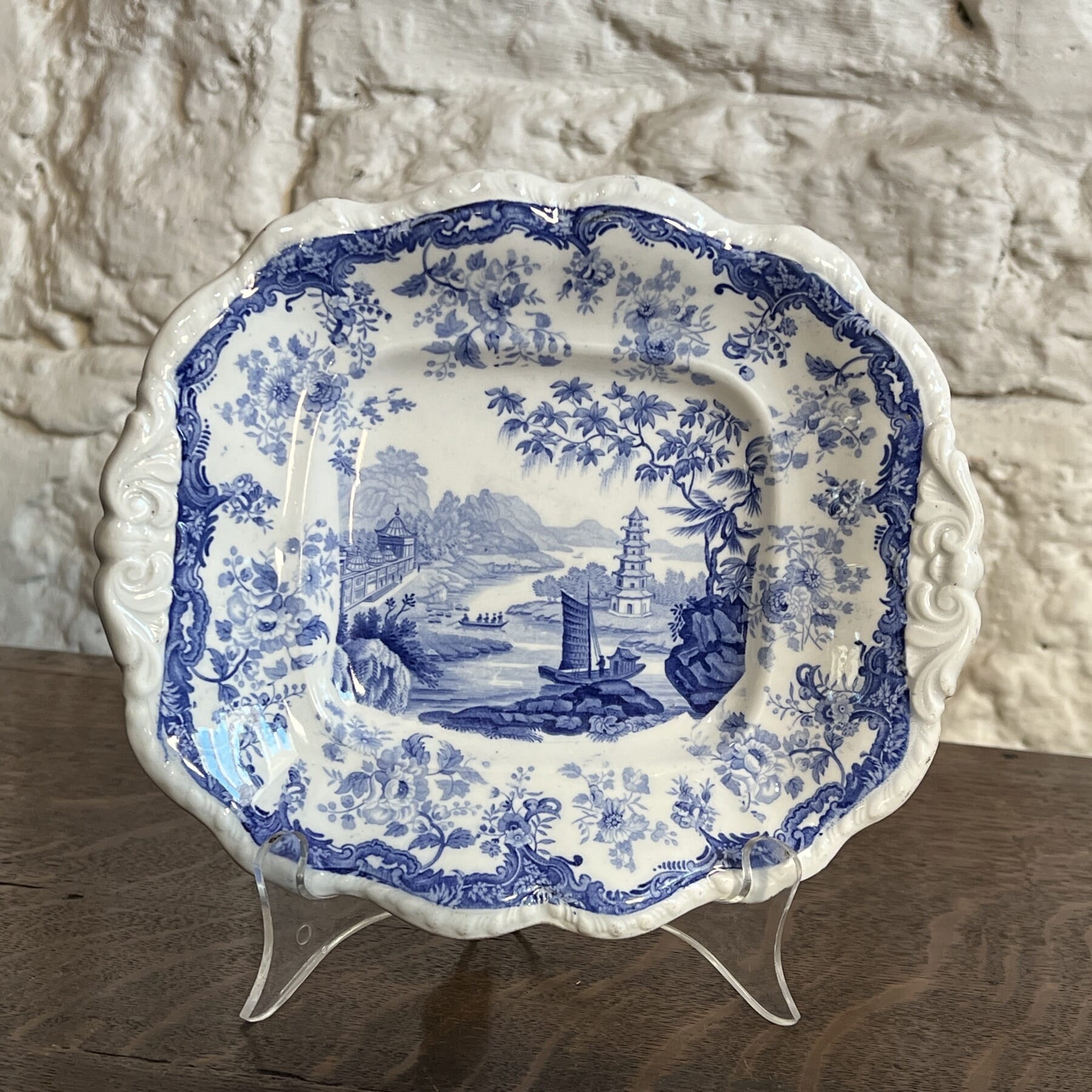
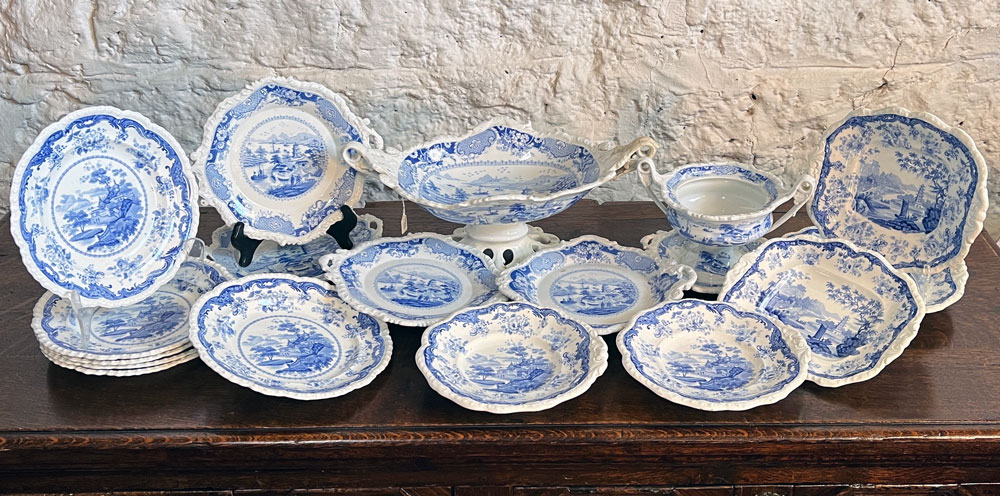
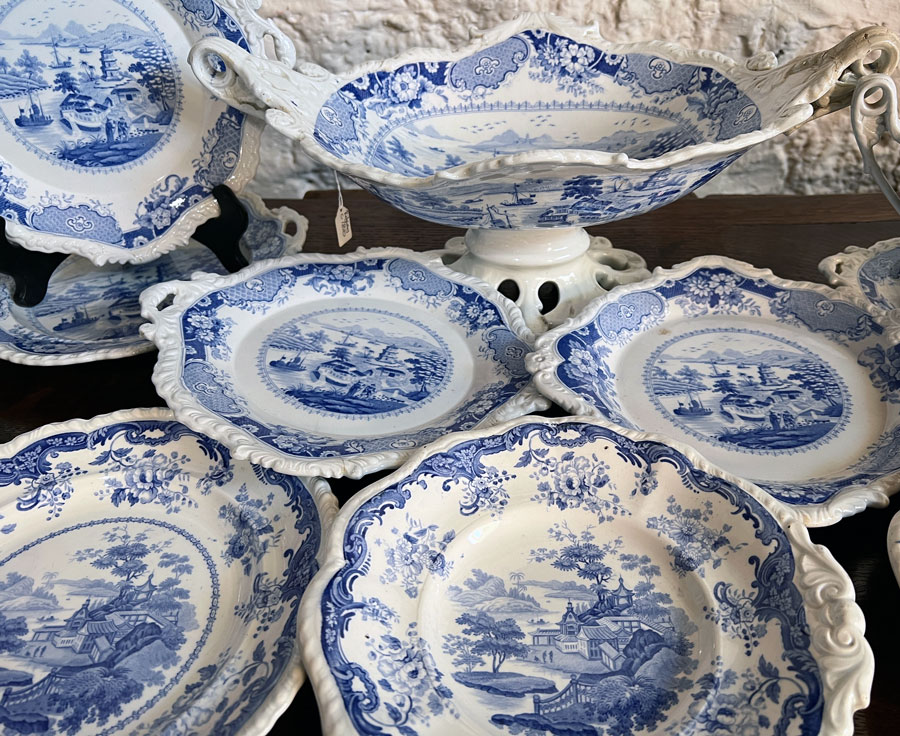
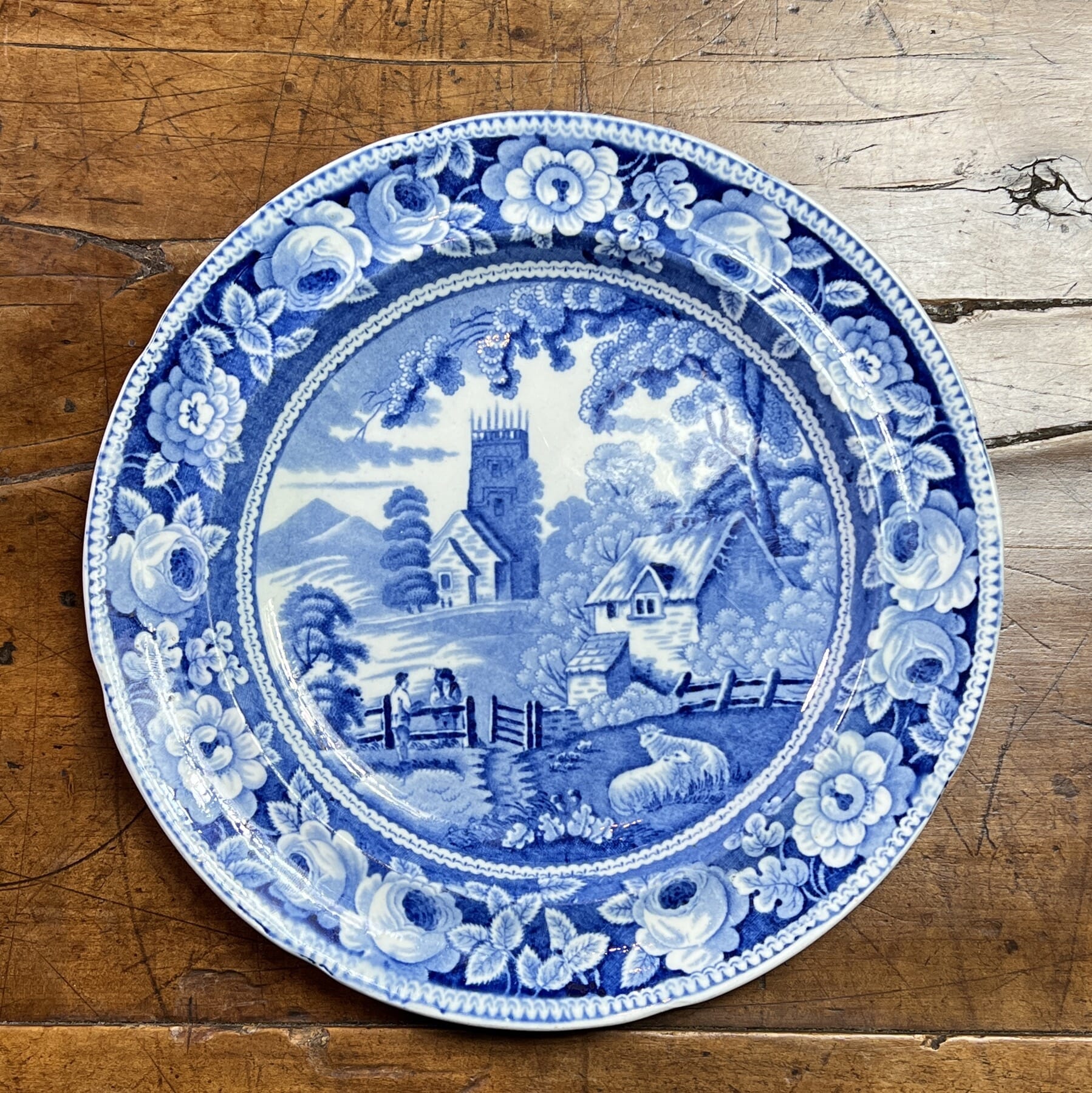
There’s a terrific group of printed English earthenware – at first, we thought it was a single service, the shapes and the patterns are so similar! One part is Ridgway’s ‘India Temple’ pattern, circa 1820. The other is Minton earthenware, and printed in blue with their ‘Chinese Marine’ pattern.

A selection of Ridgway’s ‘India Temple’ and Minton’s ‘Chinese Marine’, 1820’s & 30’s, mixed together & very similar in moulding & pattern.

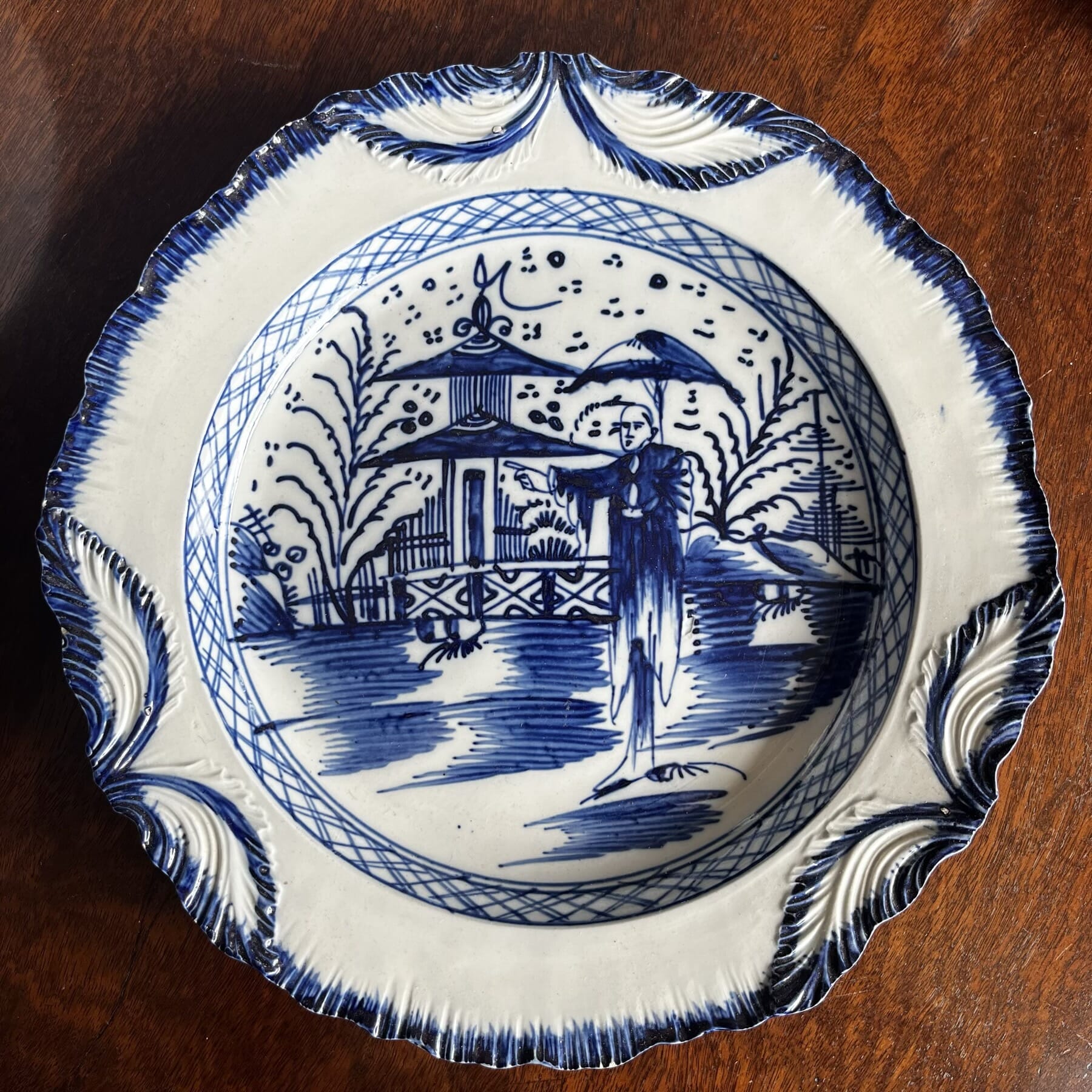
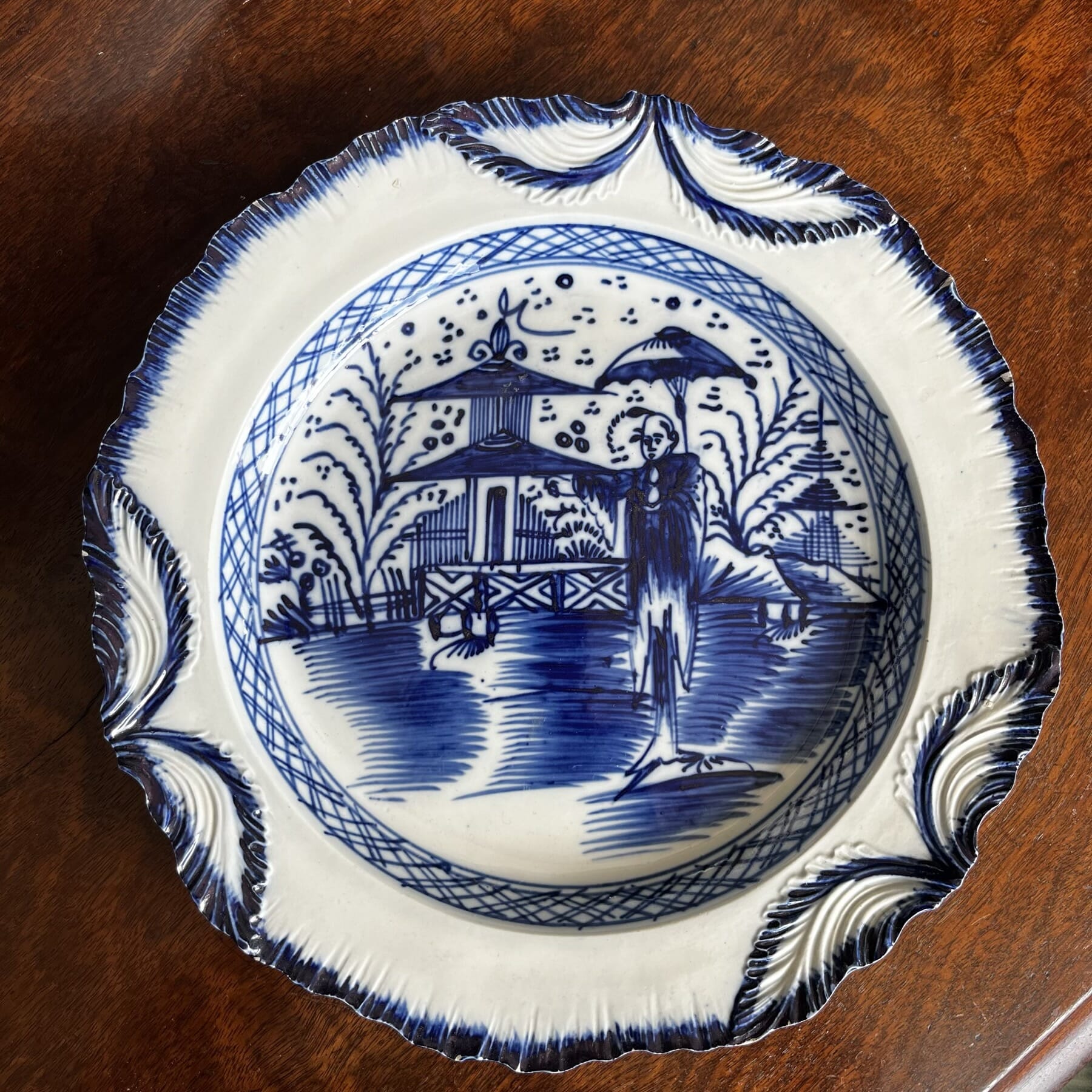
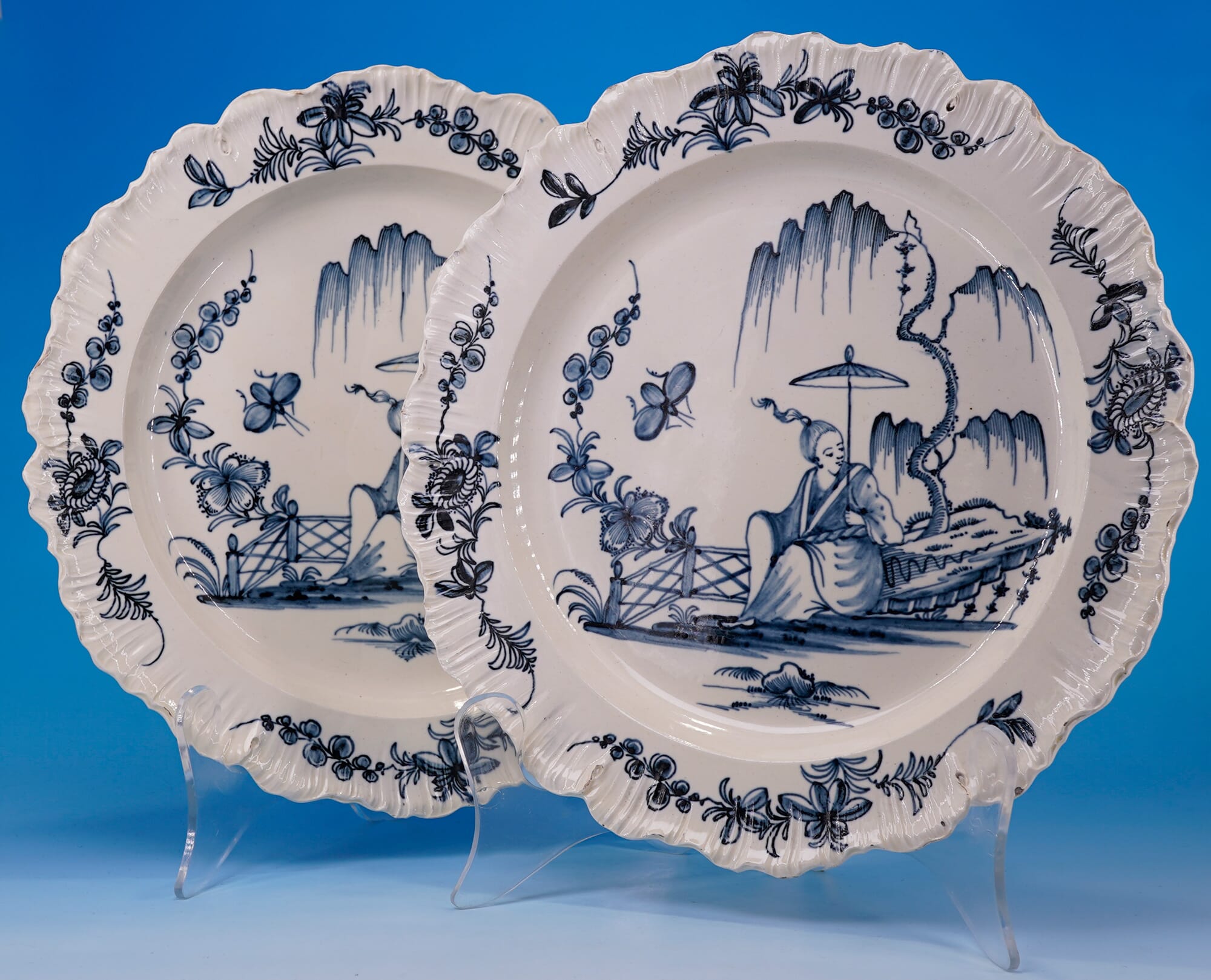
Earlier blue + white includes some interesting creamware plates, maker unknown, and some Liverpool ‘Pearlware’ plates. They make an interesting contrast: the Creamware lives up to its name, with the body having a distinct yellow tinge: the Pearlware, on the other hand, has had cobalt blue added to the lead glaze, which has the optical effect of making a pale colour look whiter. Where it pools along the footrim, there is a distinct blue tone, the required feature for classification as ‘Pearlware’.

Creamwares (top) and pearlwares (bottom) – favorite bodies for the Chinoiserie products in England in the latter 18th century.

Staffordshire Figures

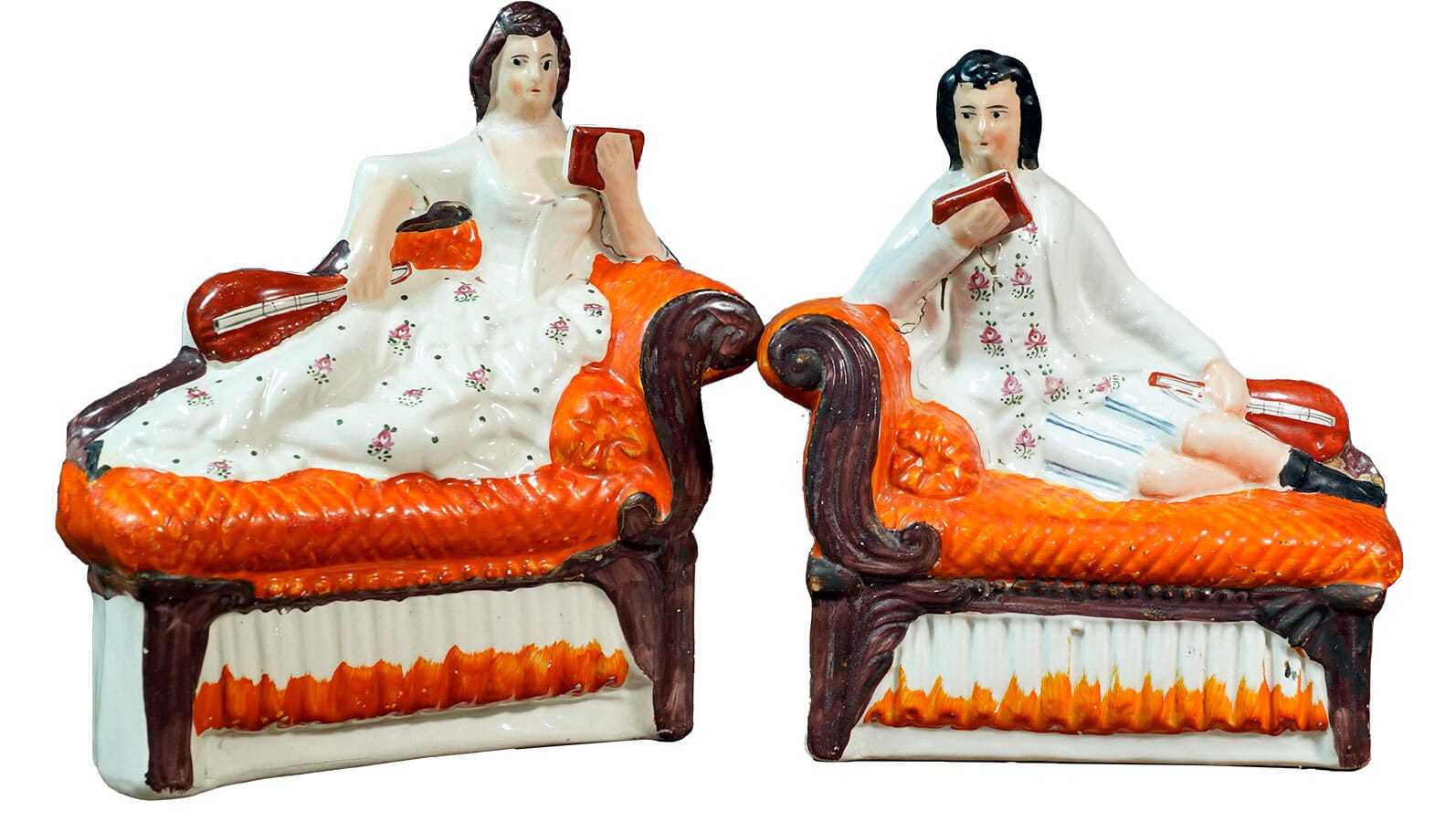
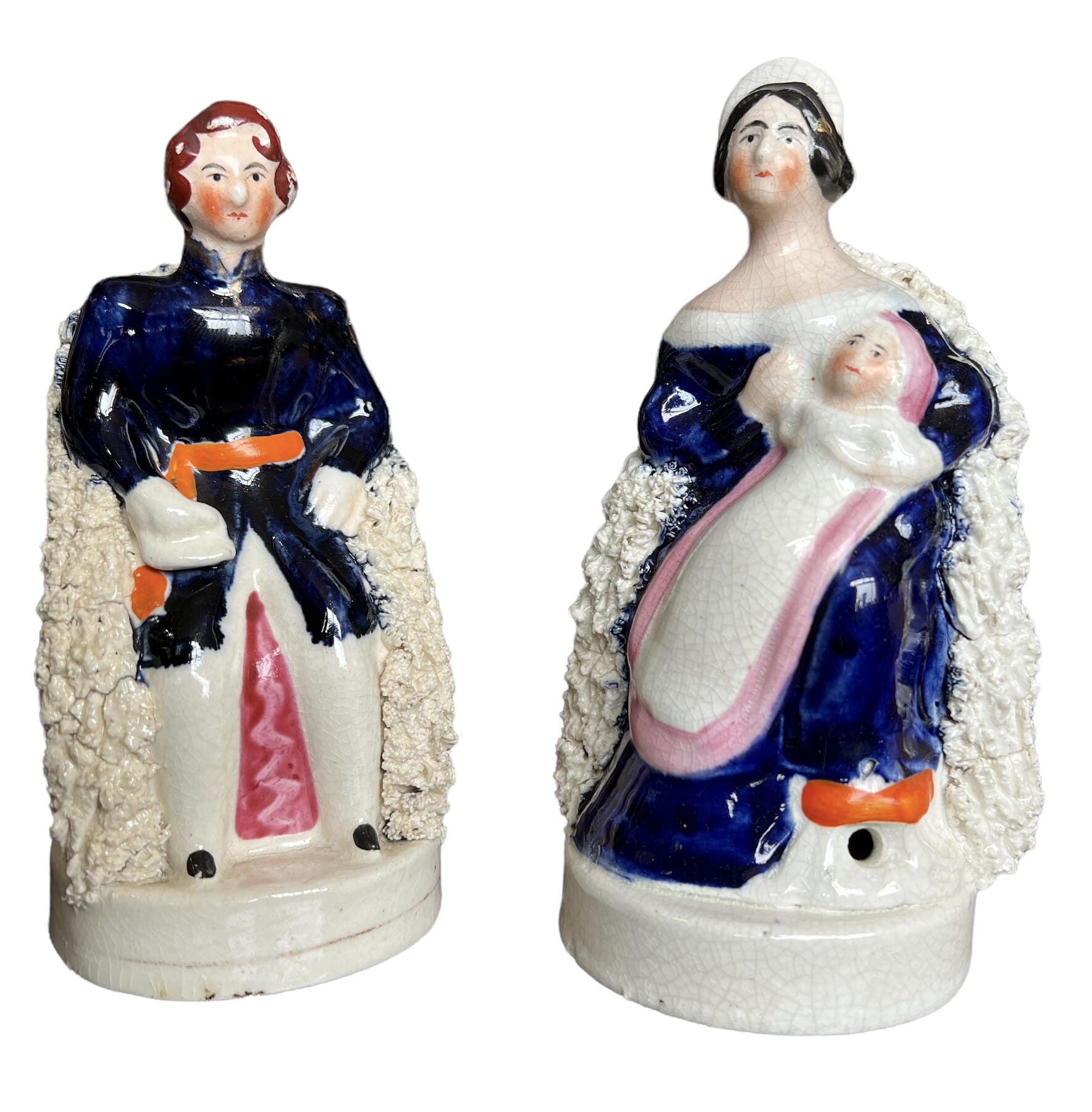
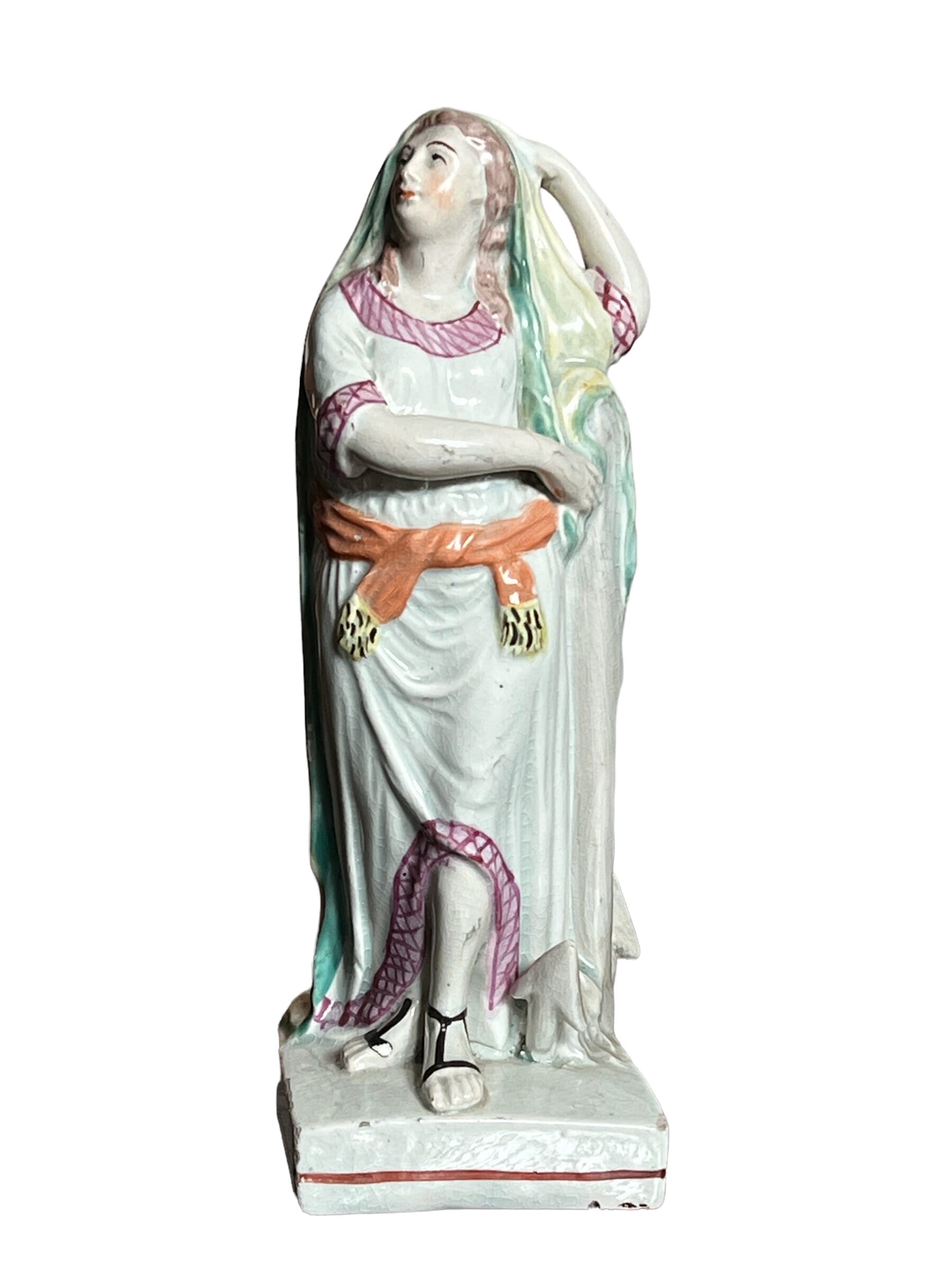
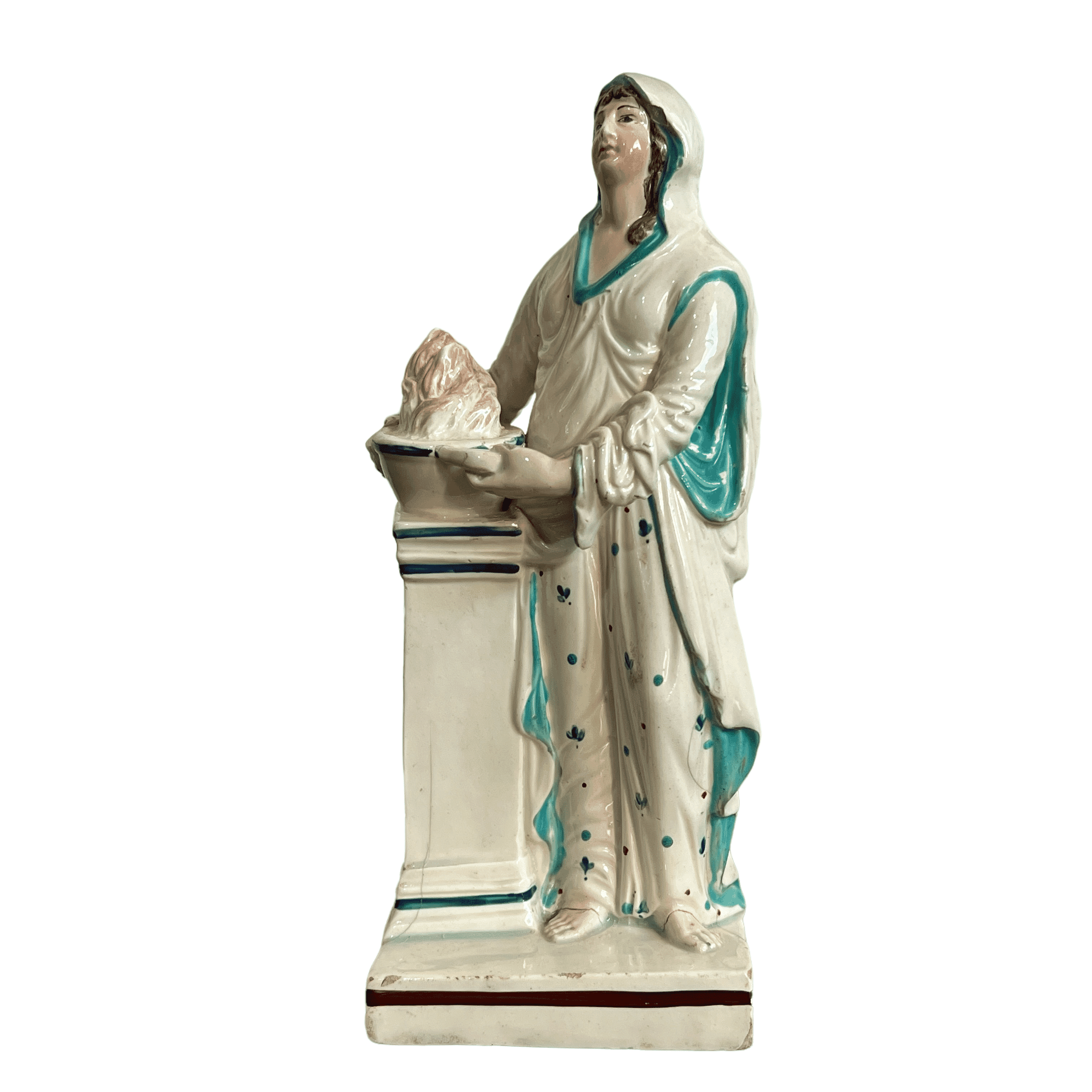
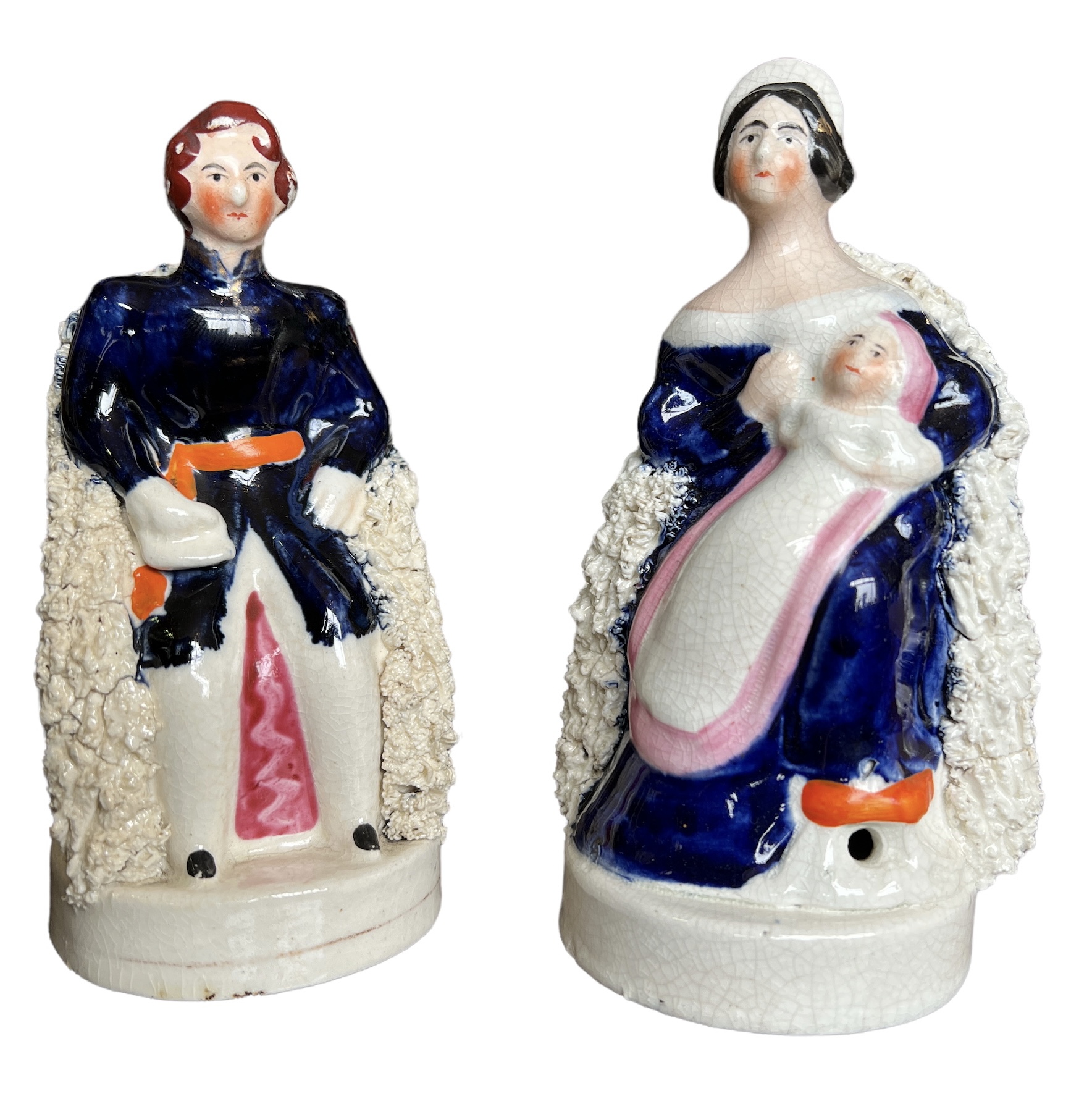
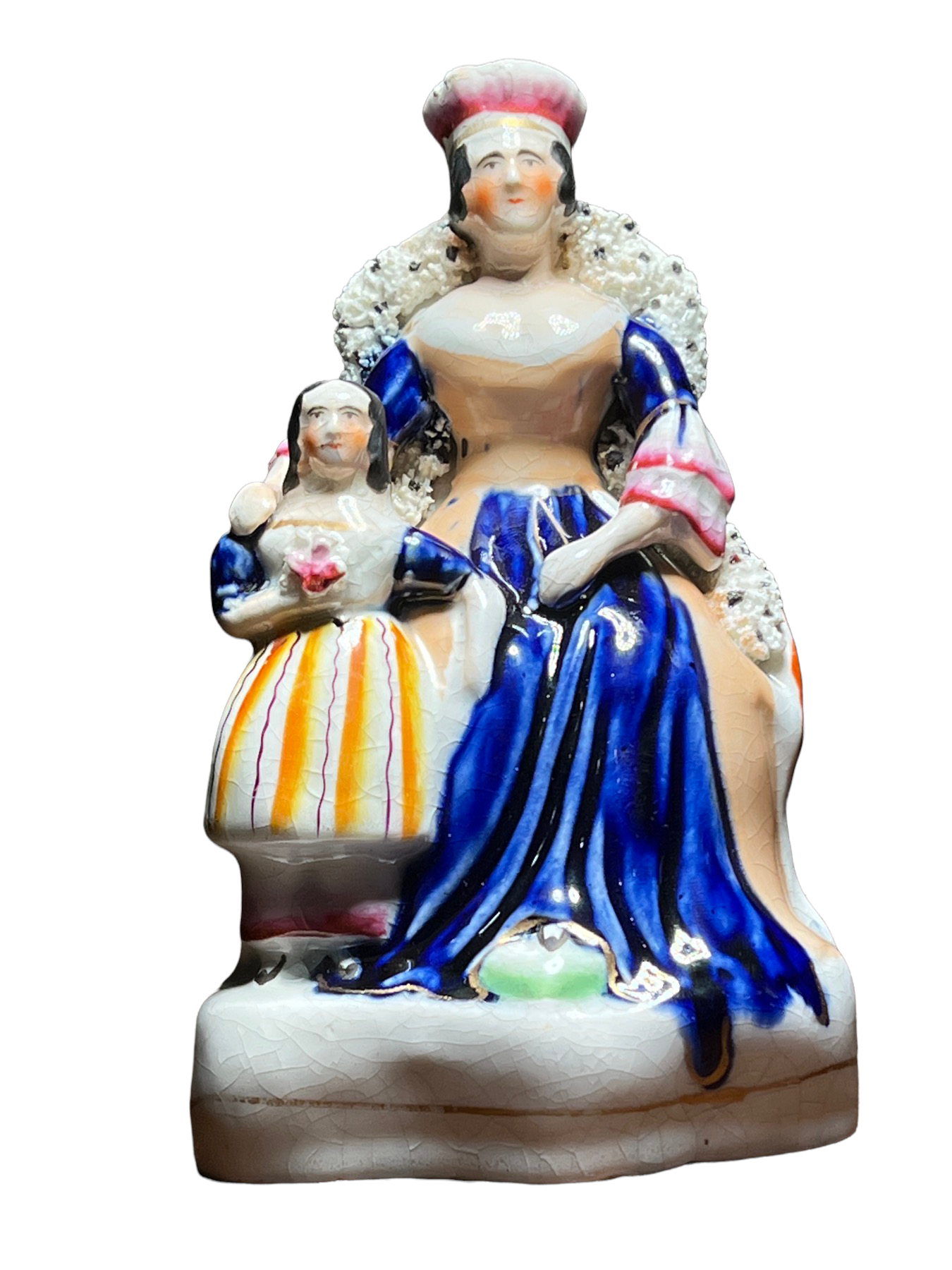
We have some fresh Staffordshire to share with you, just before Paul gives his presentation on the subject at Valentine’s, Bendigo. Queen Victoria is very well represented – as a mother – and there’s a number of earlier 19th century figures as well.

Victoria & Albert Staffordshire Figures
Victoria & Albert, with their firstborn child, the Princess Royal, born November 1840.
See them here >>
Staffordshire Pottery Princess Royal on a Goat c. 1865
Staffordshire Figure - Queen Victoria & Child c.1855
Staffordshire Figure – Queen Victoria & Child c.1855
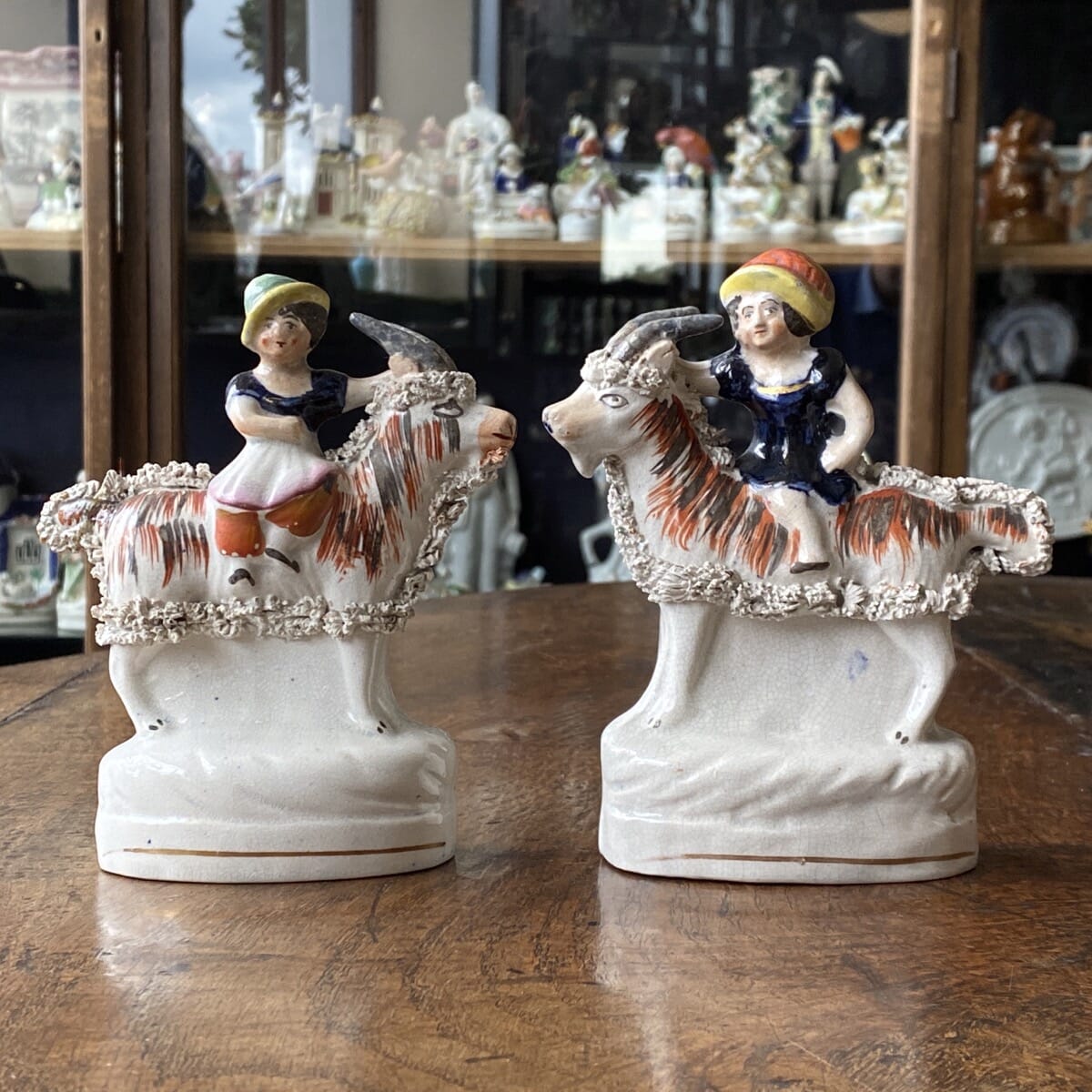
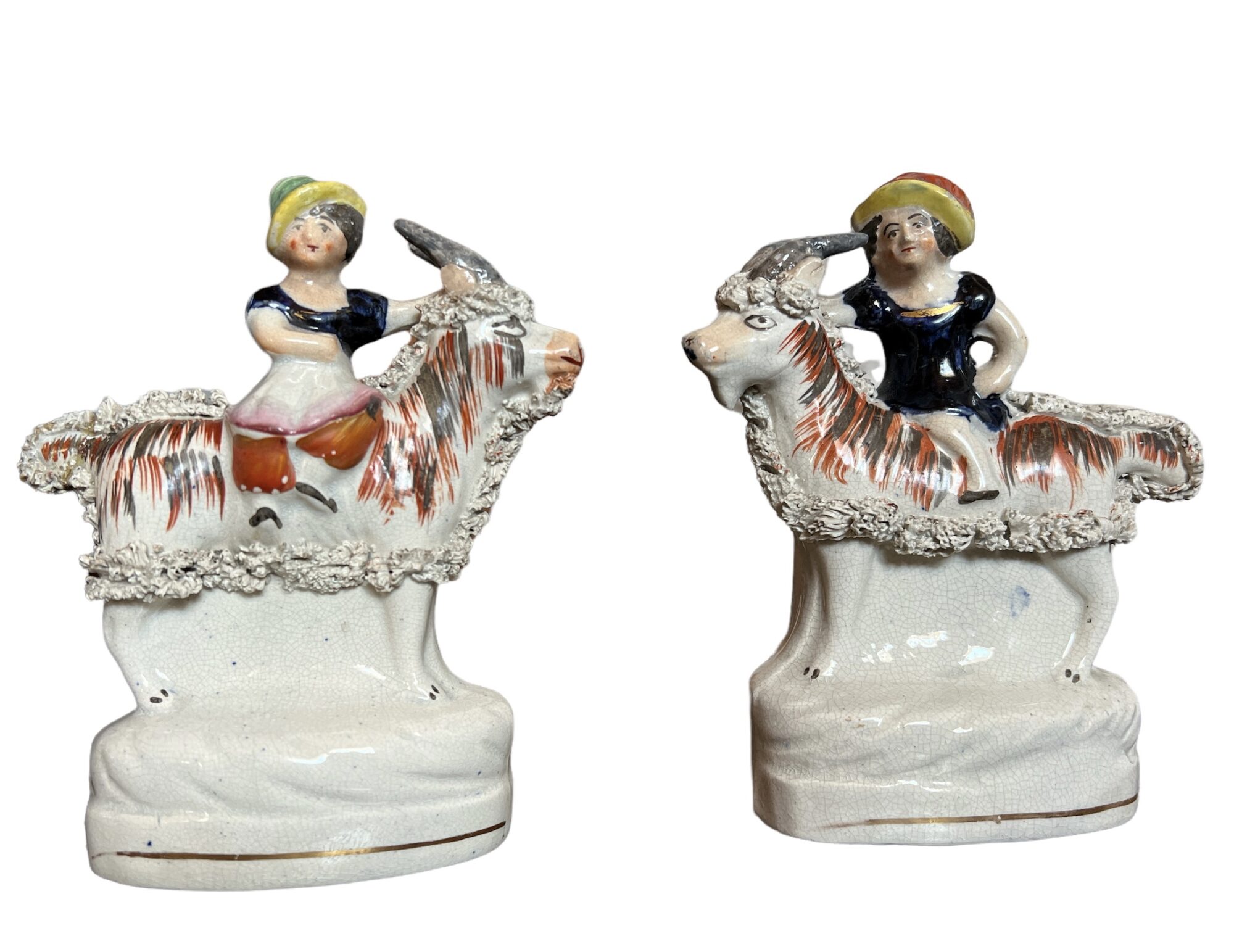
Dudson Staffordshire CHildren Riding Goats 1845

What’s the story of the goats?

When Queen Victoria ascended the British throne in 1837, she received a fine pair of Tibetan goats as a present from the Shah of Persia. From these, a ‘Royal Goatherd’ was bred at Windsor. By the time the children were born, the goats were used to tow a miniature carriage just big enough for them to drive – and this caught the public’s imagination. These figures of children riding goats were obviously a talking point about the young royals and their childhood at Windsor. 

This pair featuring in today’s Fresh Stock are fun – but different to the single example above in one important detail: they only have a single feather in their cap. The ‘Princess Royal’ above is identified by the three feathers in her hat, as in the ‘Prince of Wales’ symbol of three feathers.

Having single feathers may indicate thee are just what they appear to be – children riding goats! See this pair here >>

  • Early Staffordshire Figure Charity Children
  • Early English Staffordshire Pottery Figure Fire
  • Early Staffordshire Figure Hope & Anchor
  • Early Staffordshire figure - child with parrot c.1800
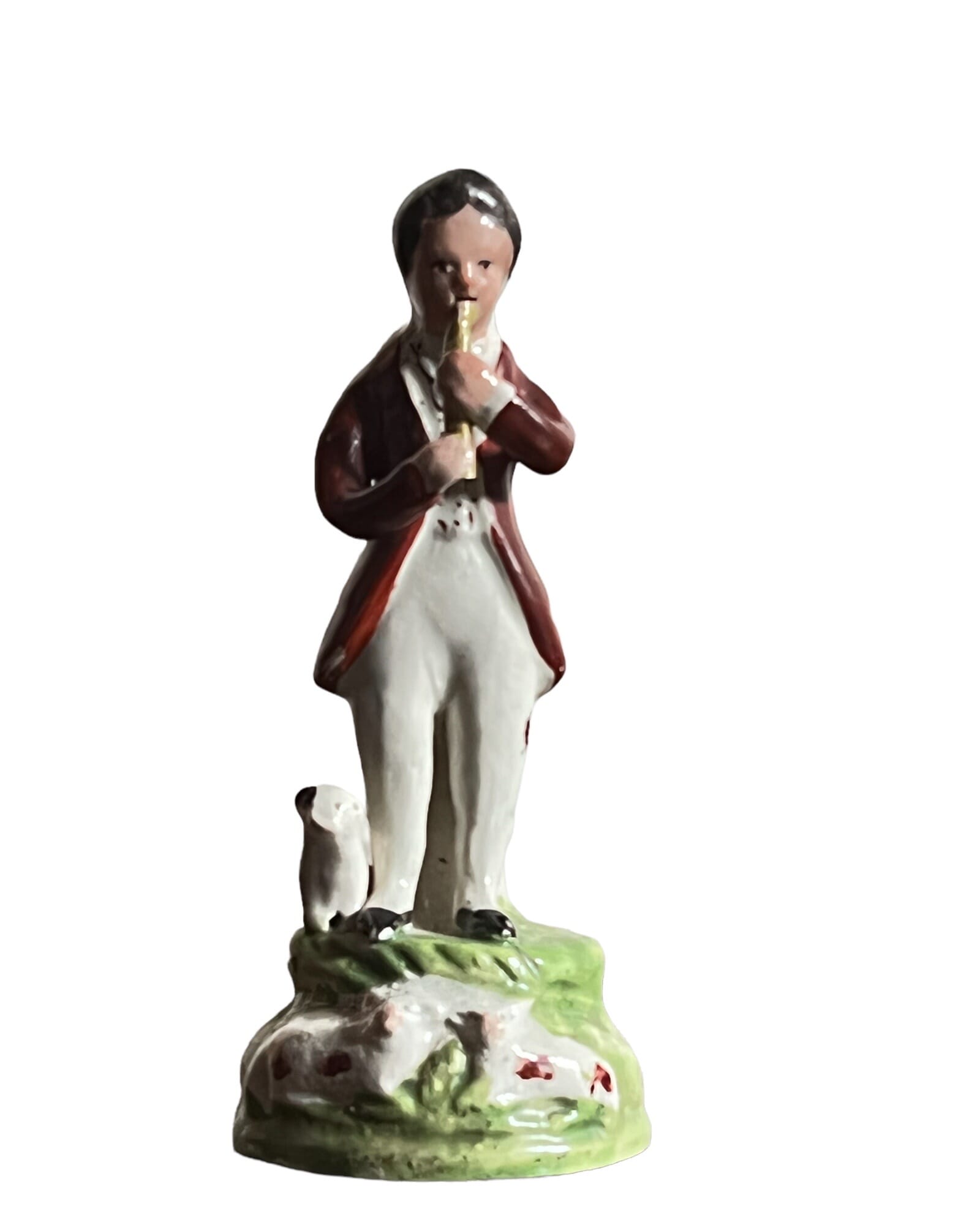
  • Staffordshire Figure - Piping shepherd with sheep
  • Early Staffordhsire figure - cupid as a pastry seller - c.1810

Asian Ceramics

There are some splendid fresh pieces of Chinese porcelain, mostly the ‘Nonya’ or Straights Chinese type – plus some other Asian items. There’s a superb collection of Ming and Kanxi just being prepared, expect it in the next few ‘Fresh Stock’ posts.

Botanical Illustrations

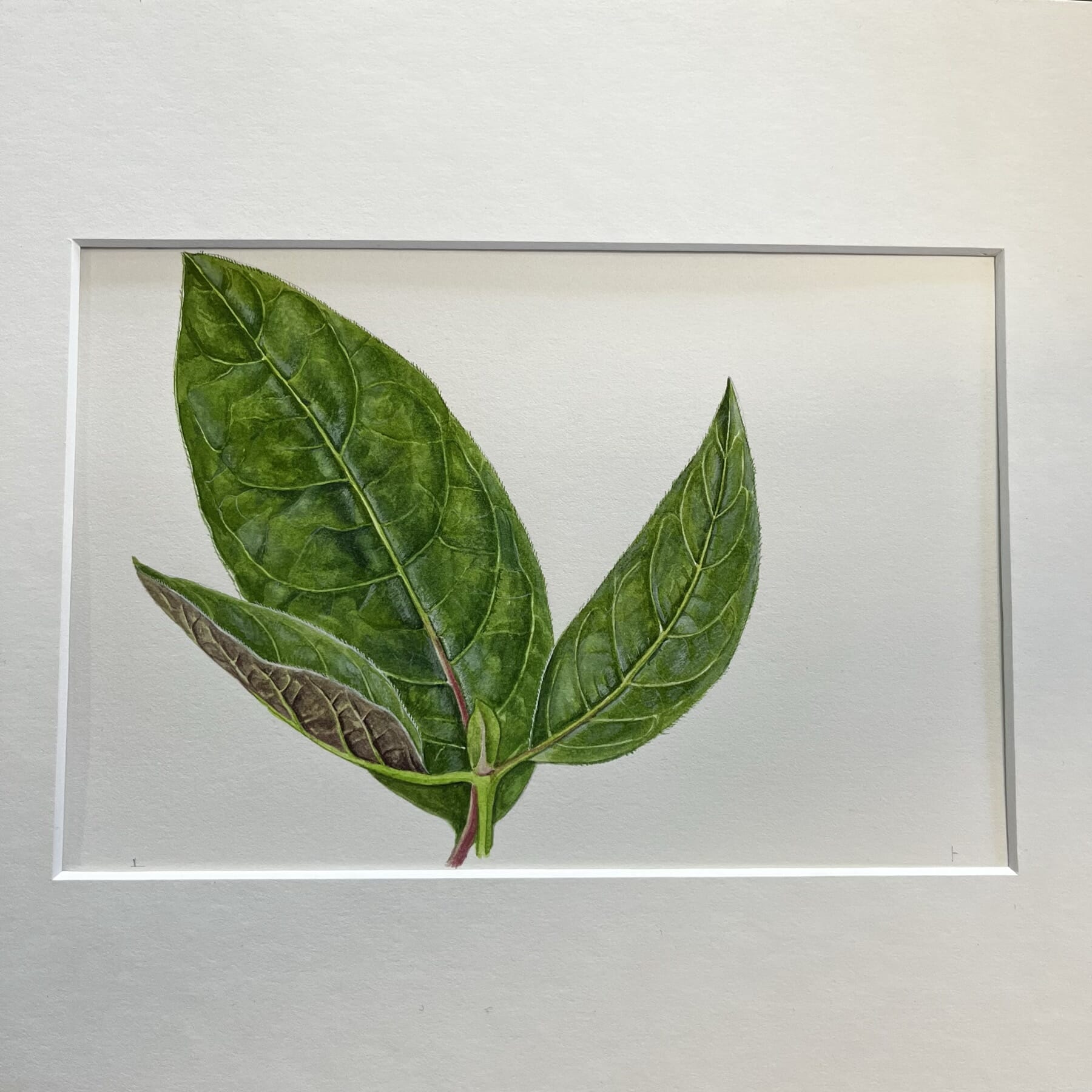
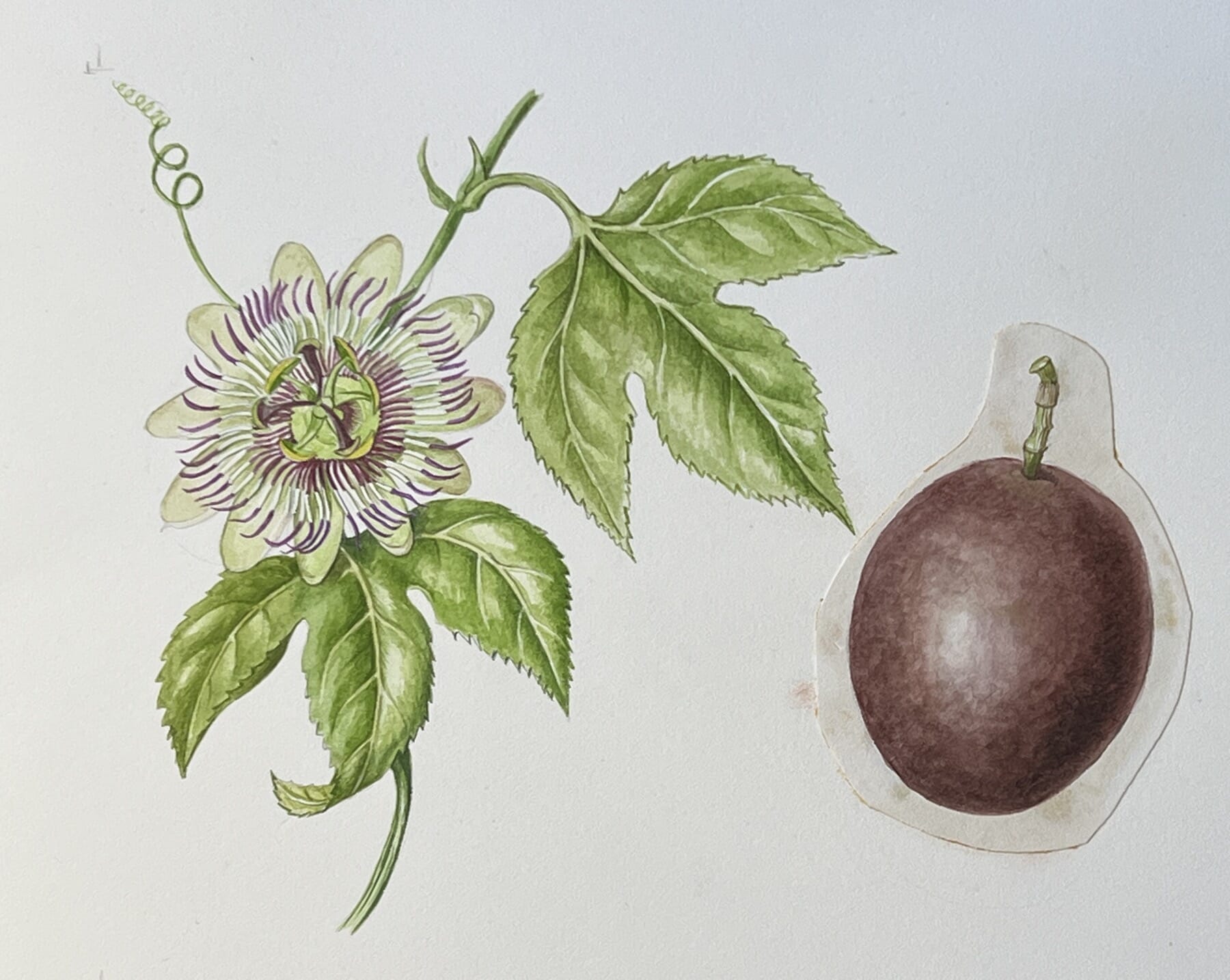
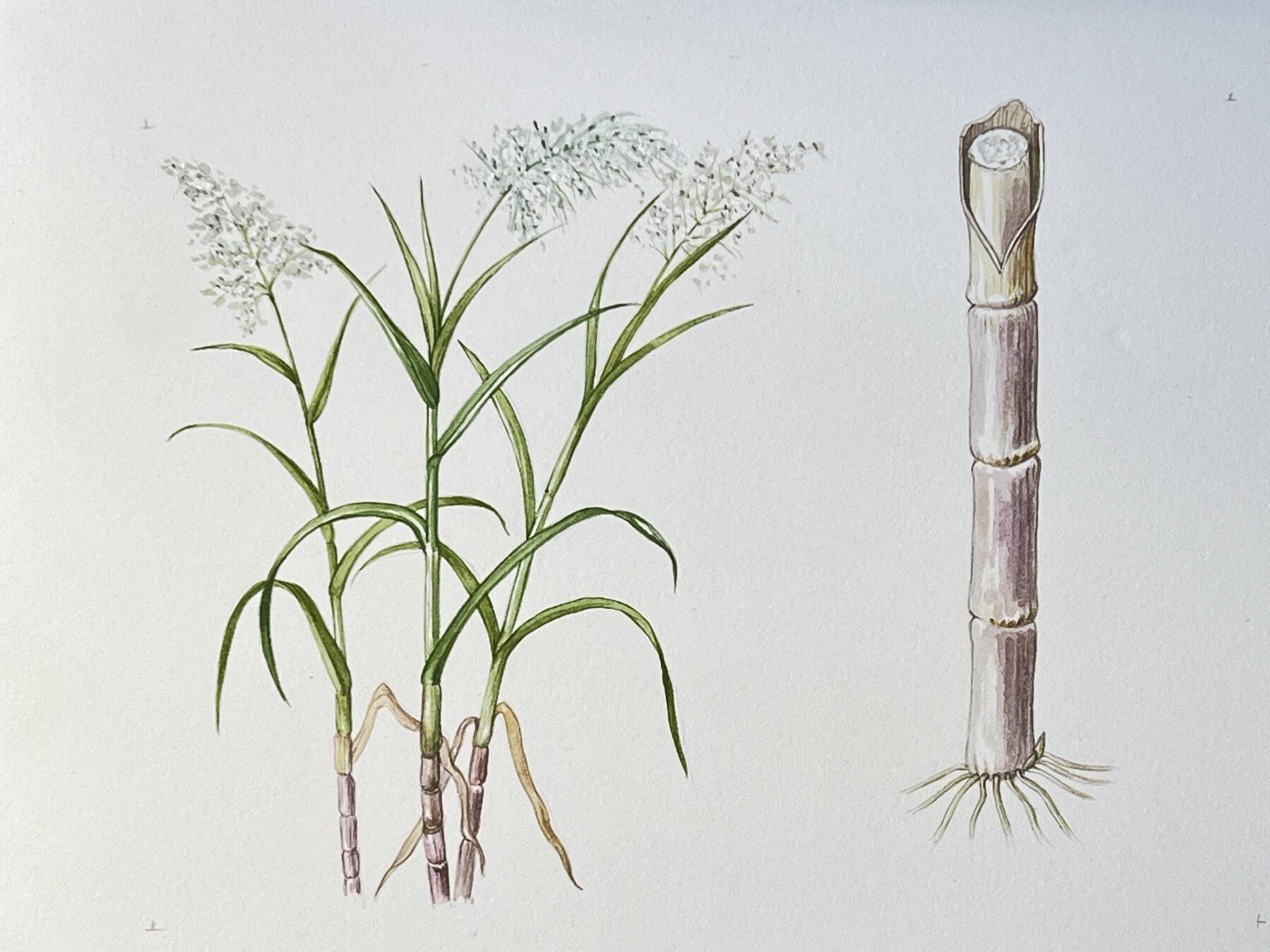
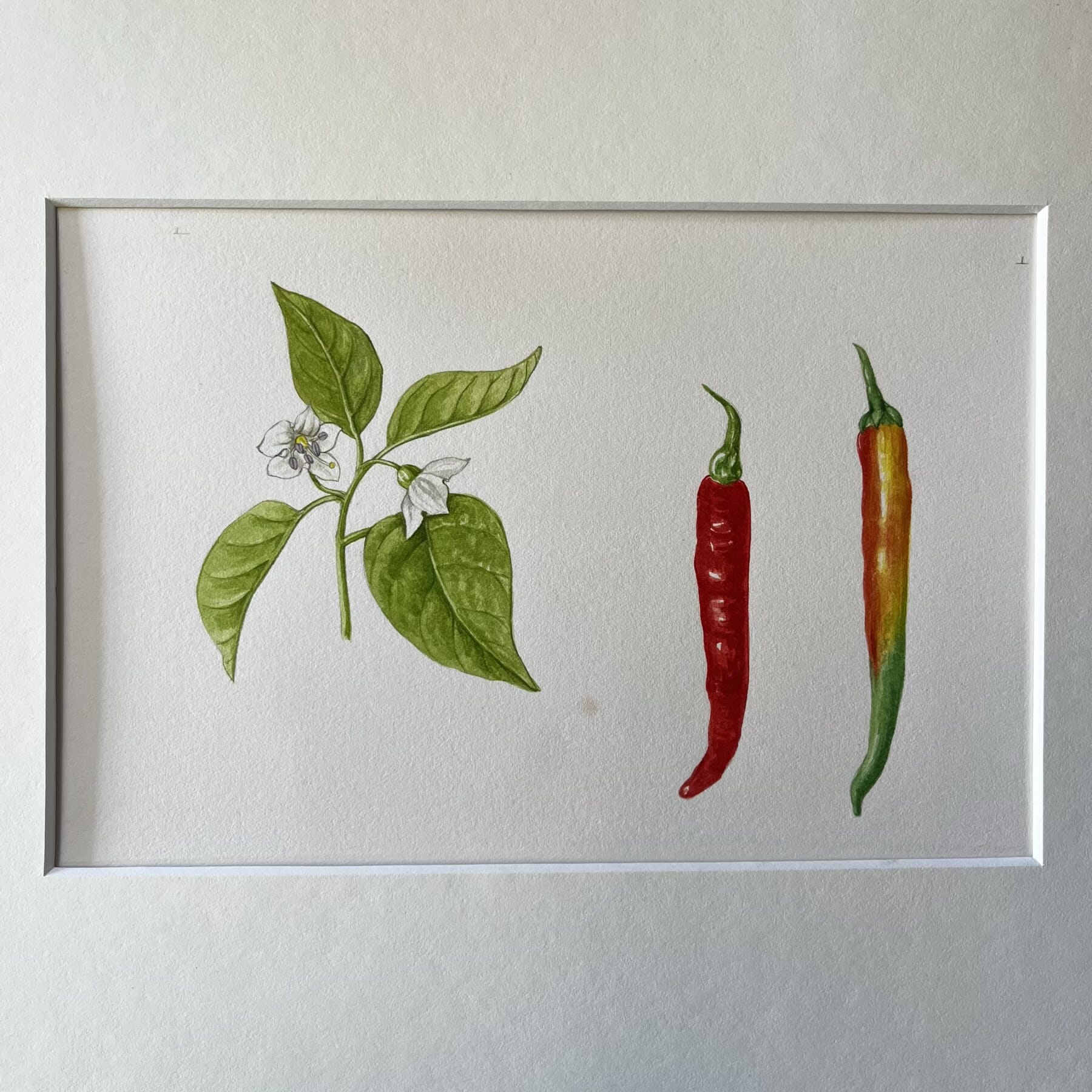
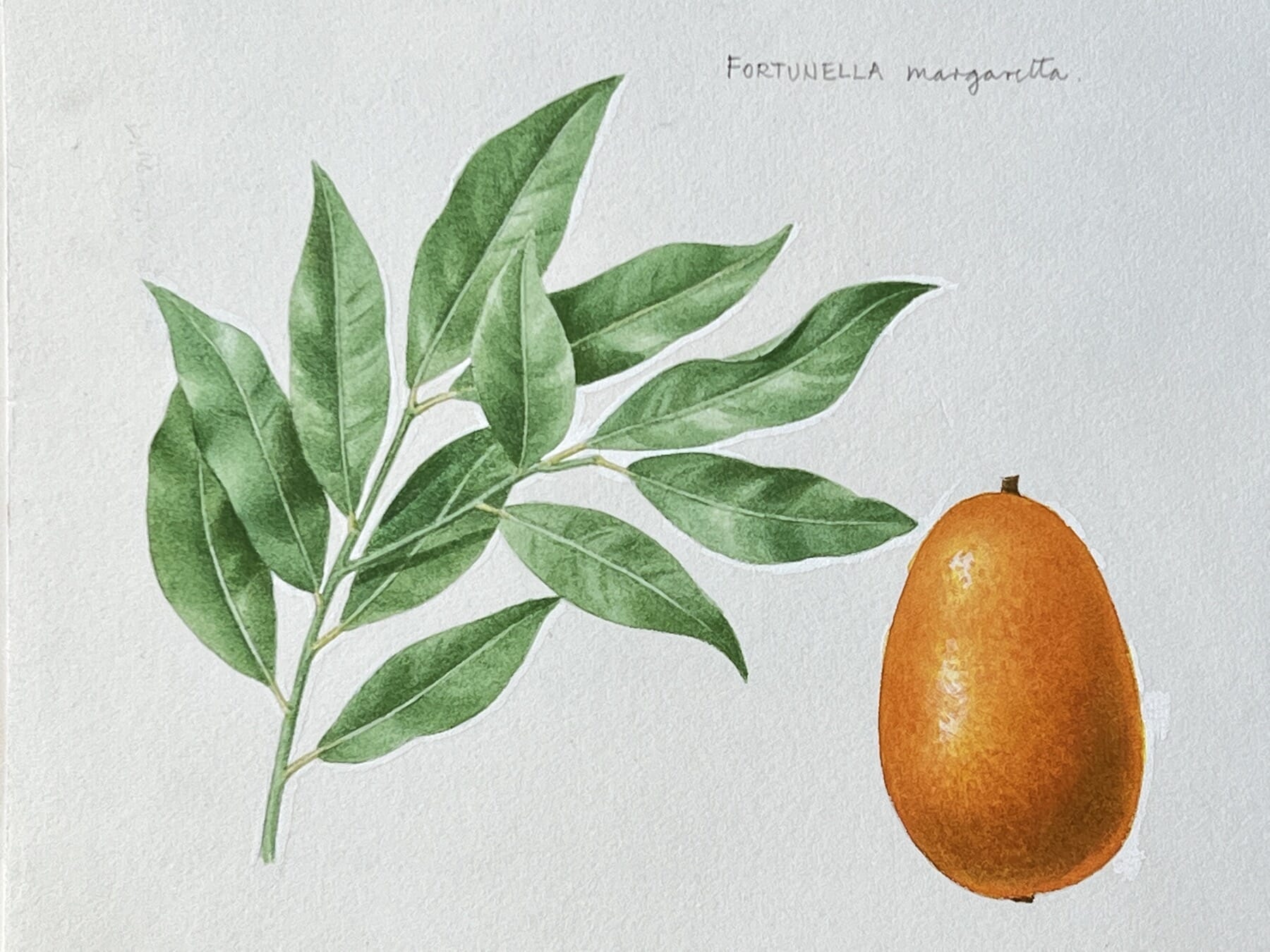
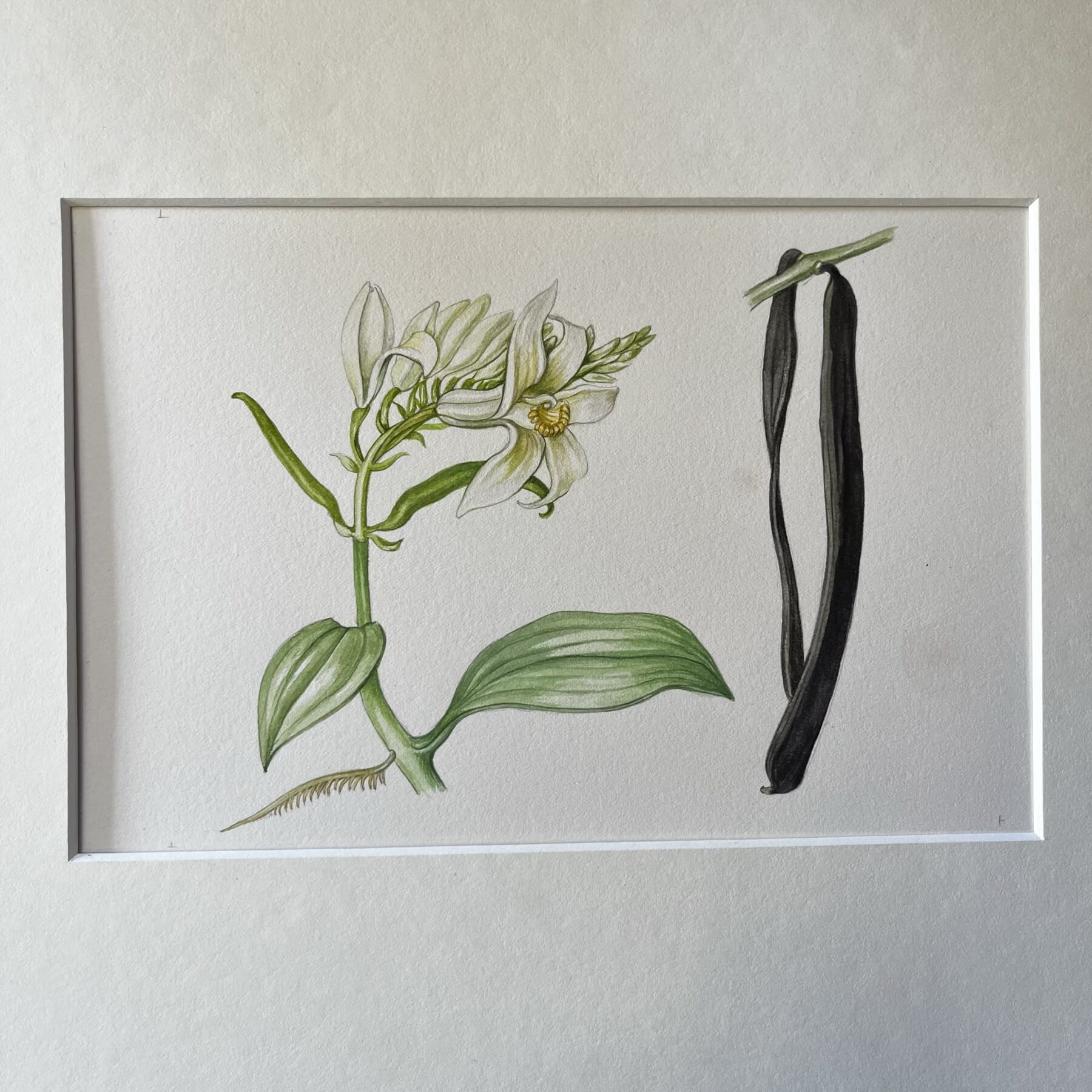
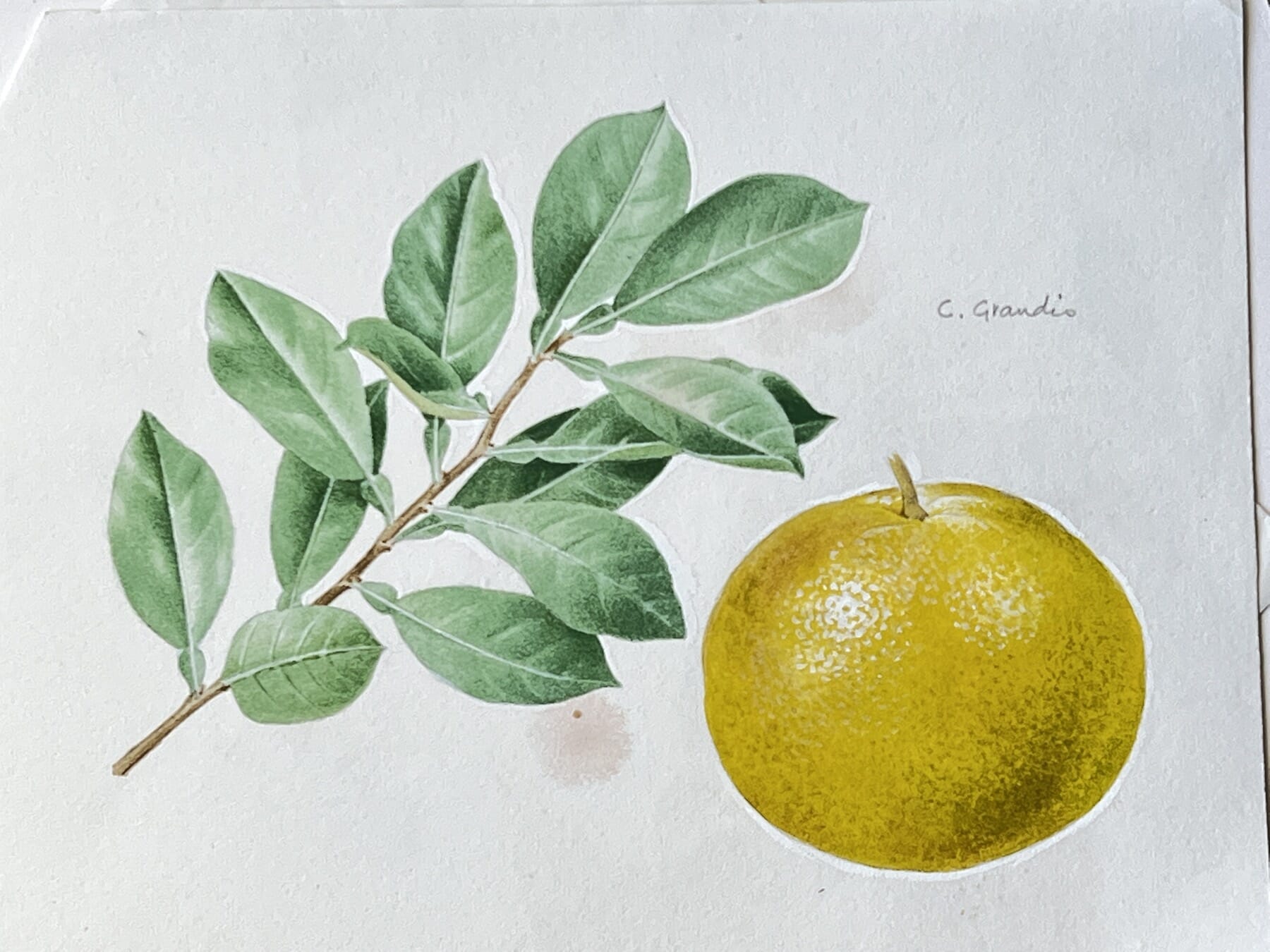
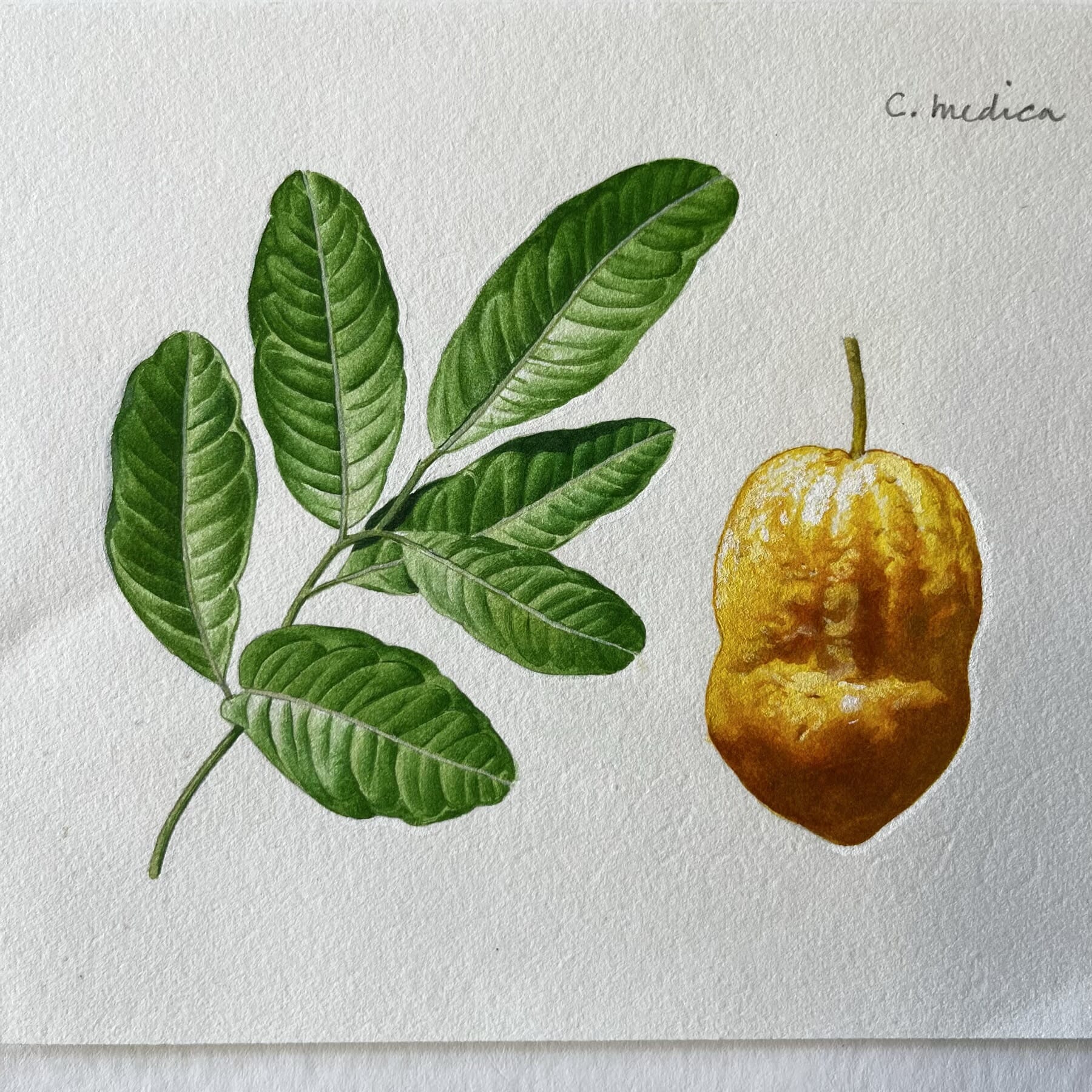
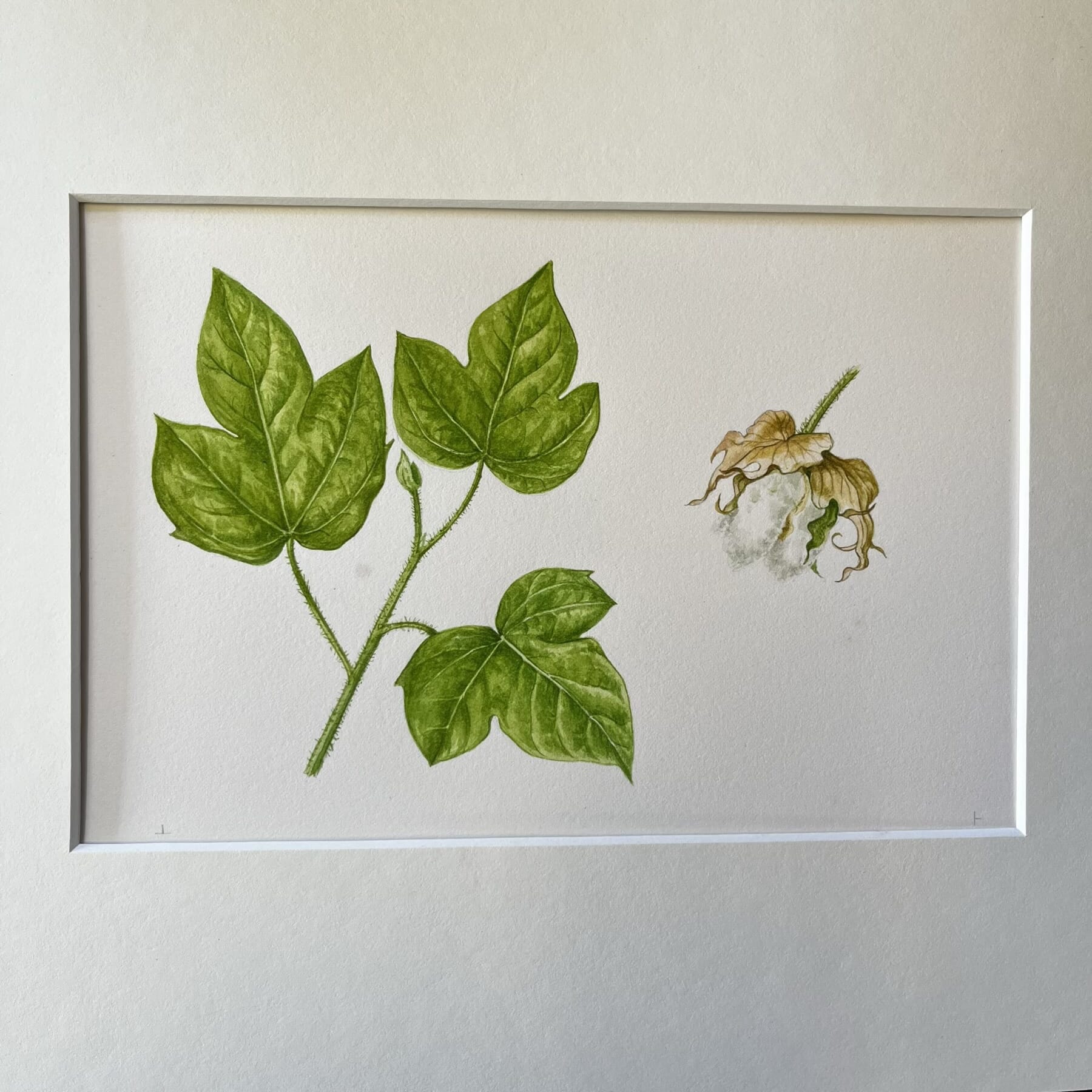
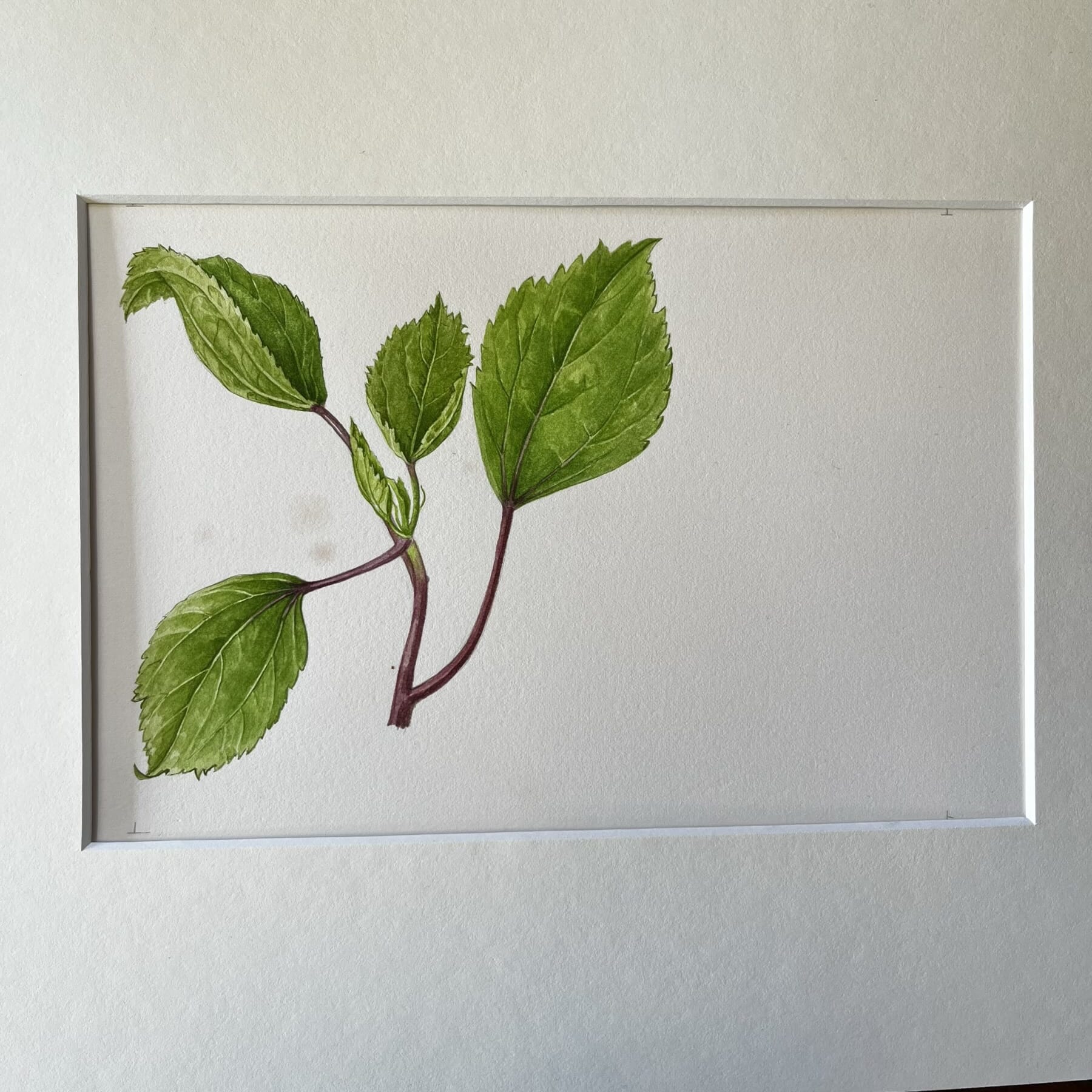
There’s a Fresh-to-stock group of superbly detailed watercolours, botanical studies for an unknown book. They would look wonderful framed & up on a wall as a group – ask for a price for the lot!

Posted on

Vive la France!

Bastille 1789

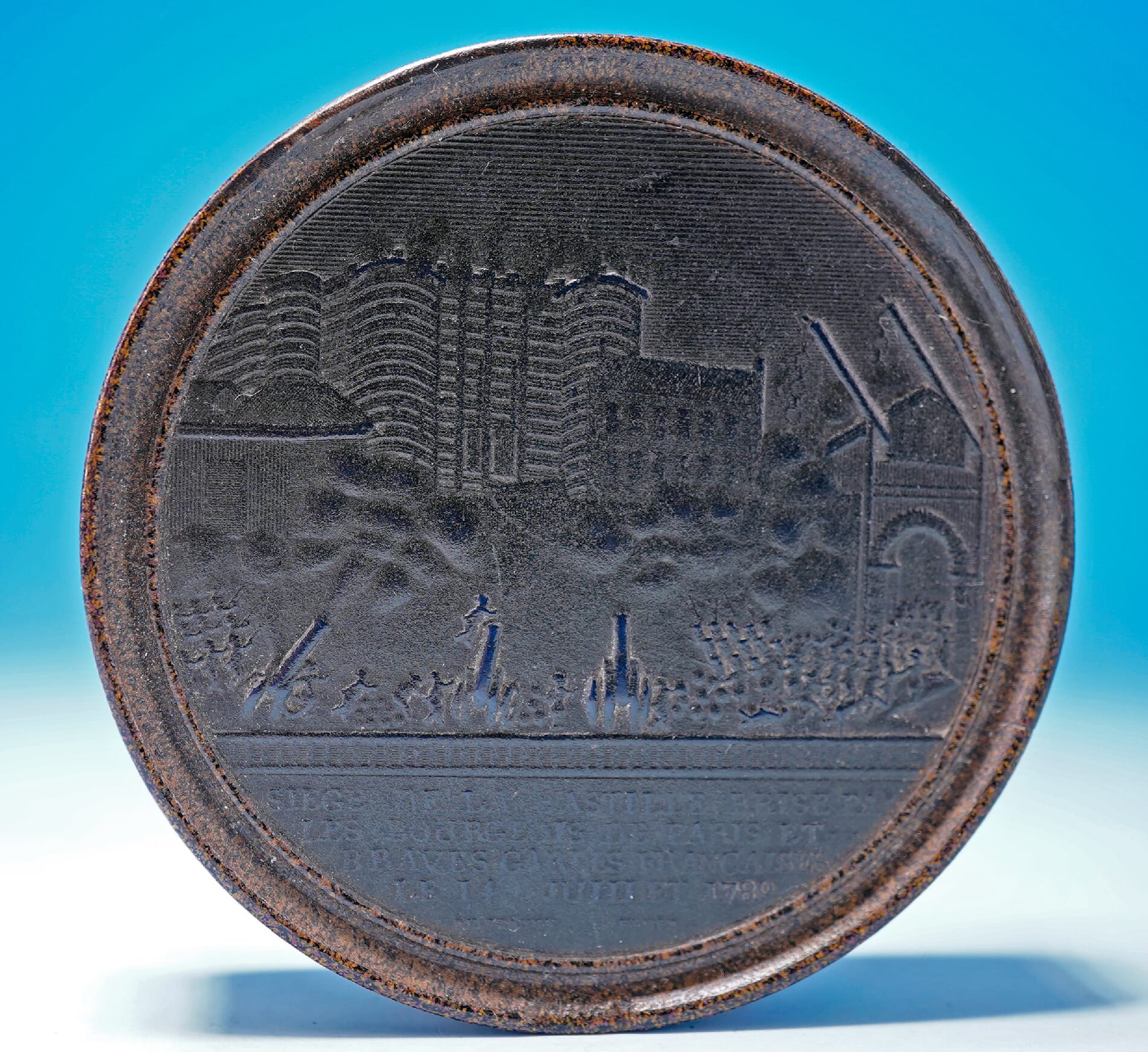
Welcome to another release of Fresh Stock. We have quite a backlog of fresh items to attend to – and don’t forget to take advantage of our current ‘FREE SHIPPING’ offer.

Bastille Day Special –
Vive la France!

Today, we’re looking at our French stock as France celebrates Bastille Day & all things French. We have
un grand choix d’antiquités Françaises. Savourer!

Posted on

Fresh @ Moorabool

Japanese Porcelain

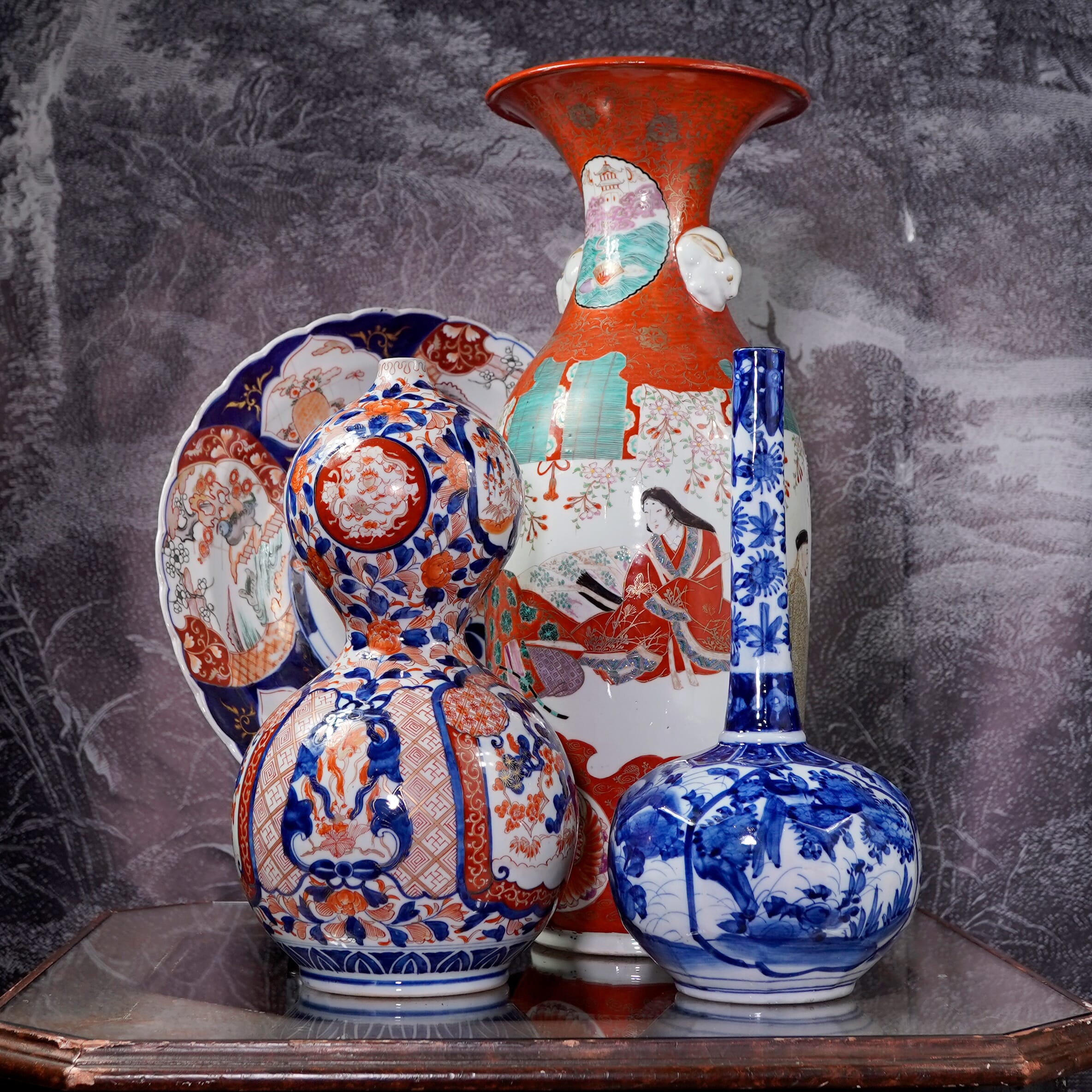
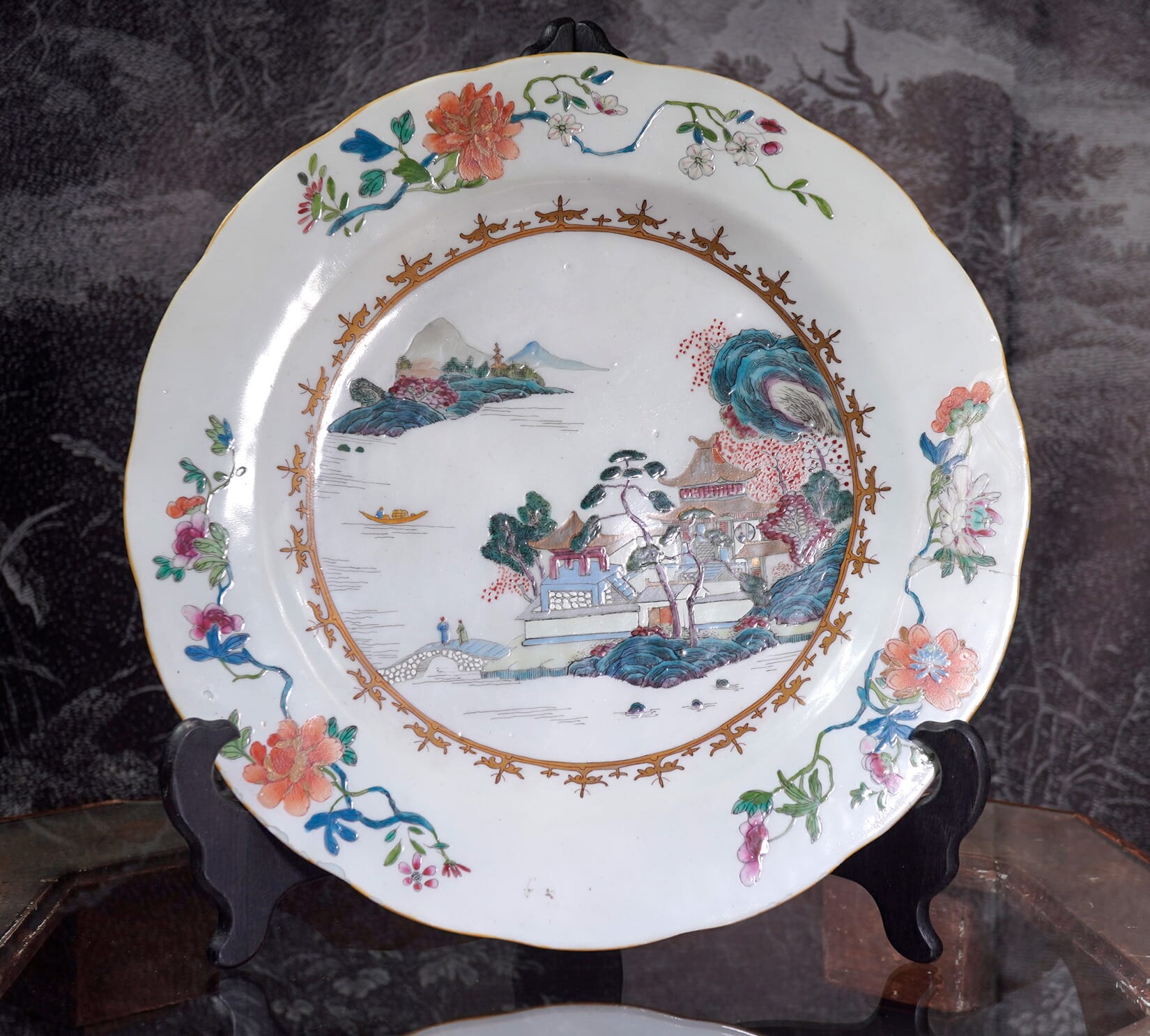
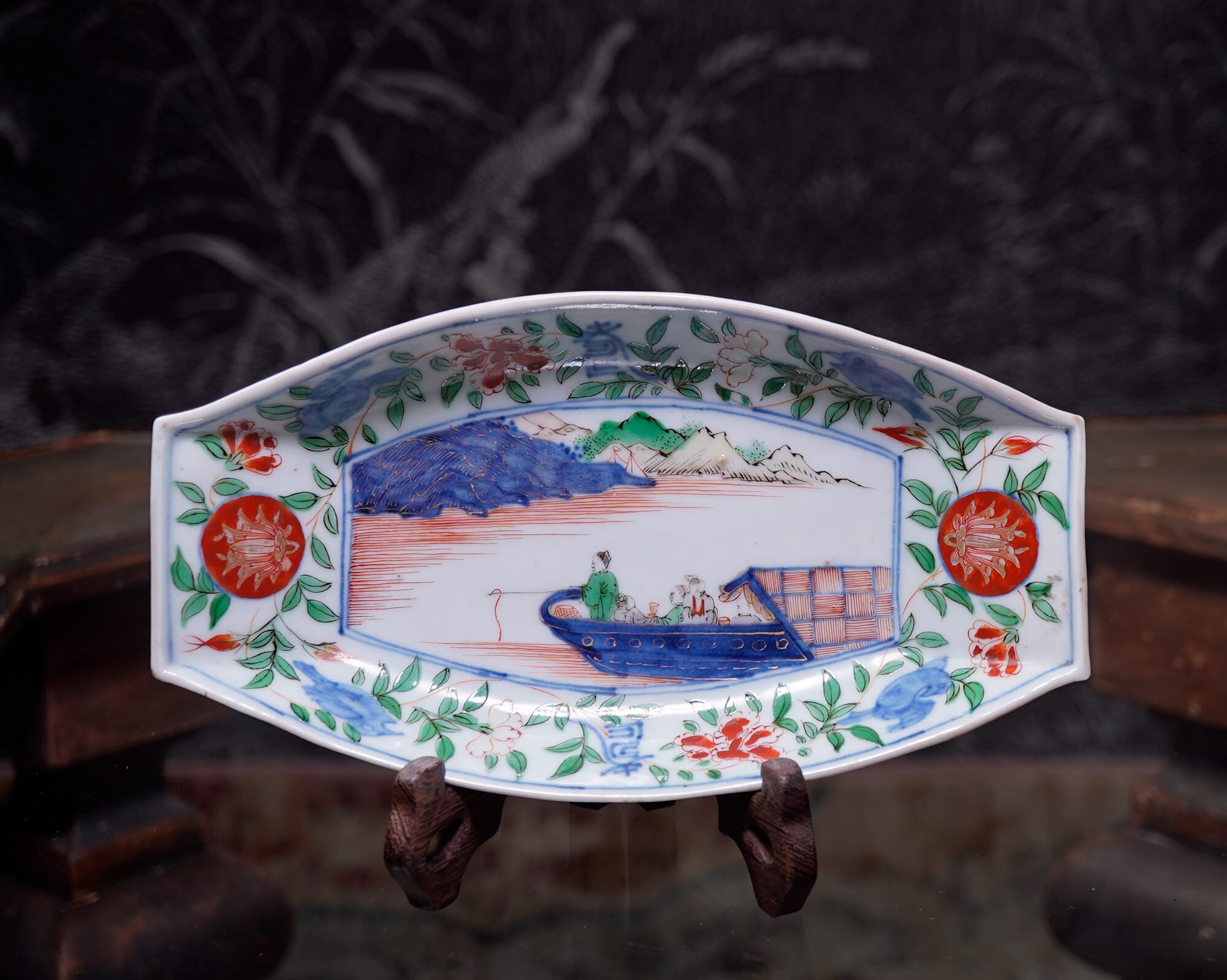
Today, there’s some fine Japanese porcelain & sculpture freshly posted to moorabool.com, including some lovely early 17th & 18th century Edo period pieces.

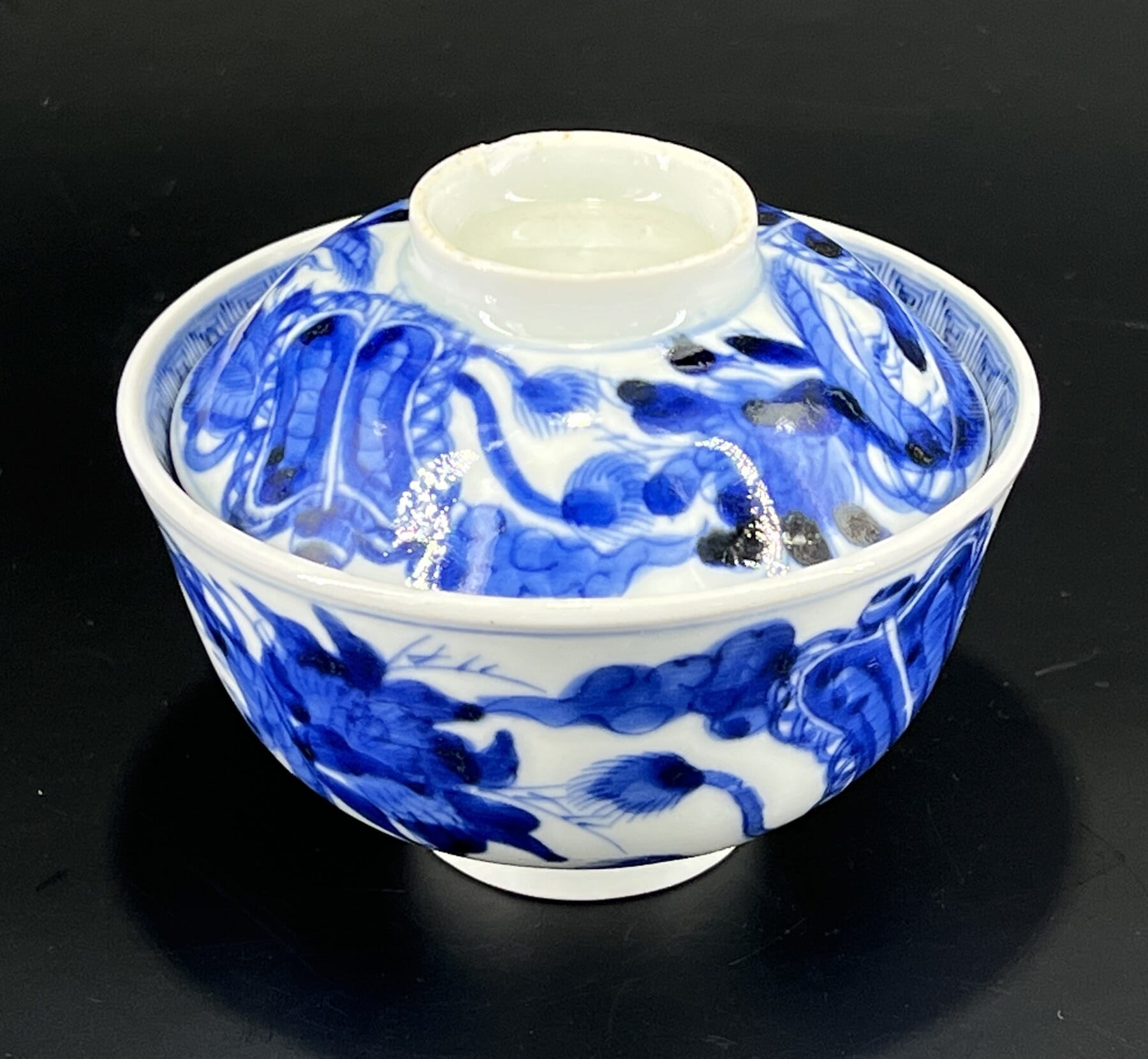
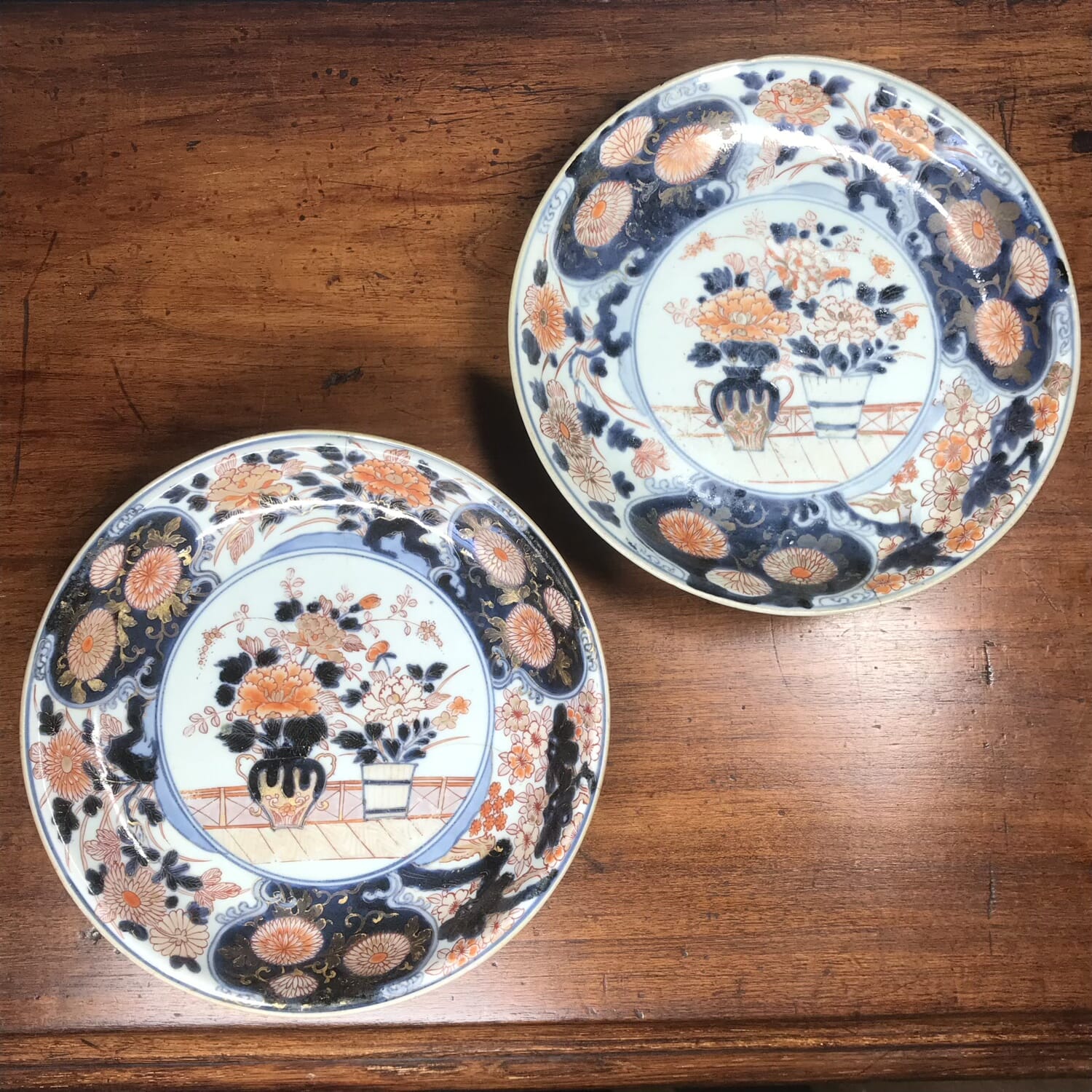
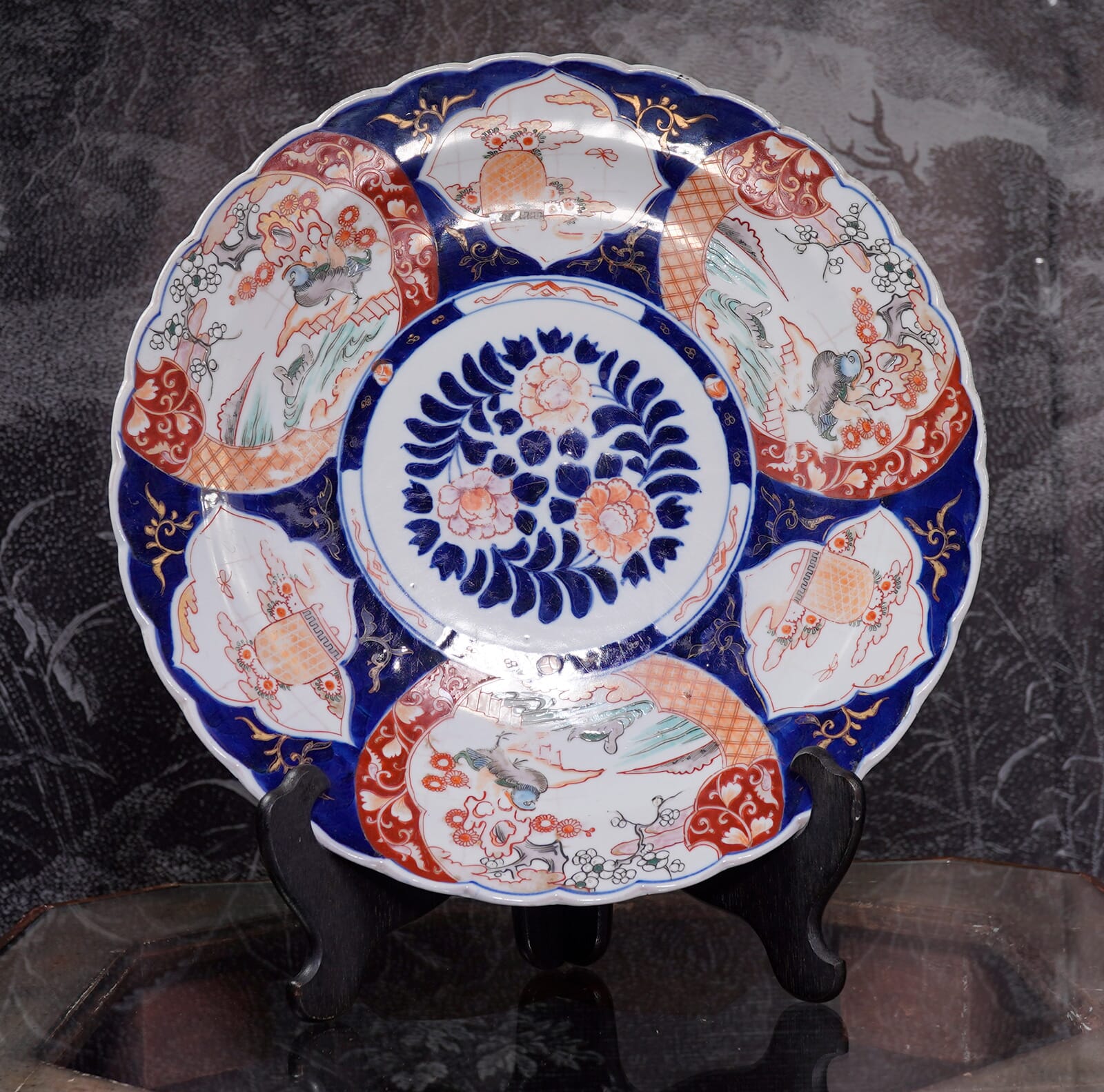
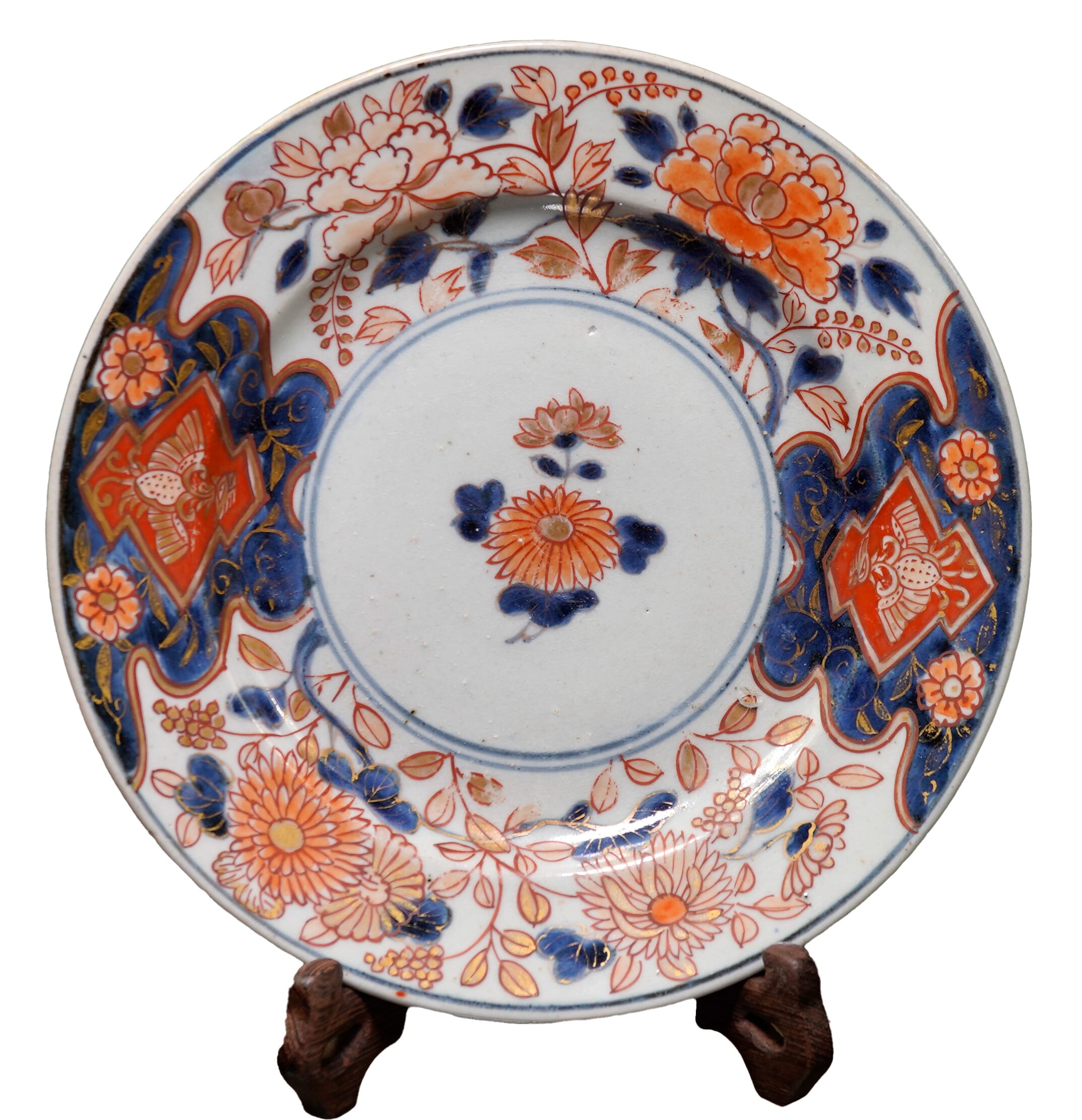
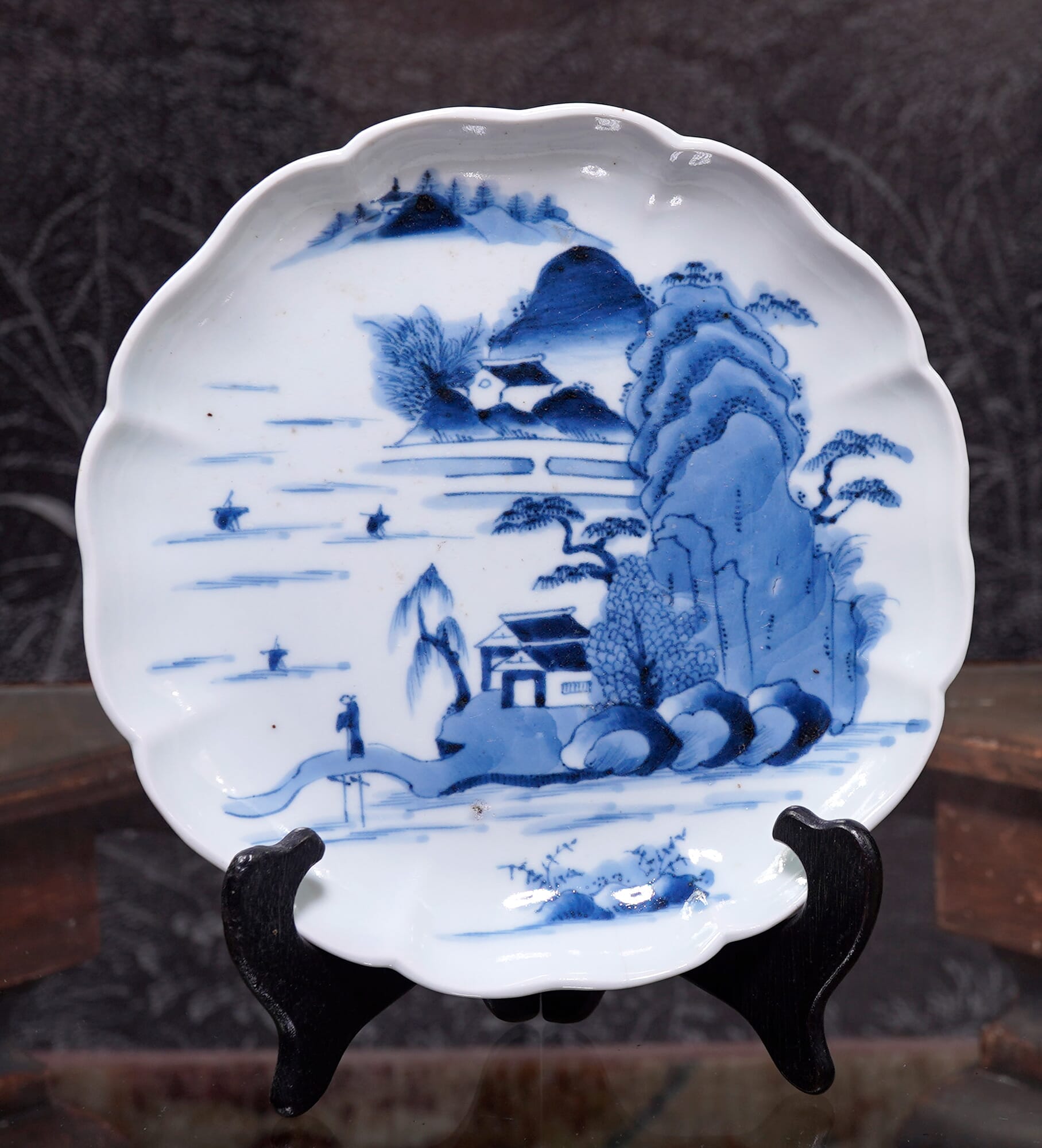
Three types of Japanese Porcelain, Edo Period (1603-1867) : Arita ‘Sometsuke‘ wares (underglaze blue), Imari ‘kinran-de‘ (gold brocade) wares with iron-red & gold as well as underglaze blue, and a Kakiemon-type enamelled dish, (no underglaze blue) Aritia, early 18th century.

A boat-shaped dish with a ‘boating’ scene…. Imari ware, Edo period , 18th century. SOLD

Japanese

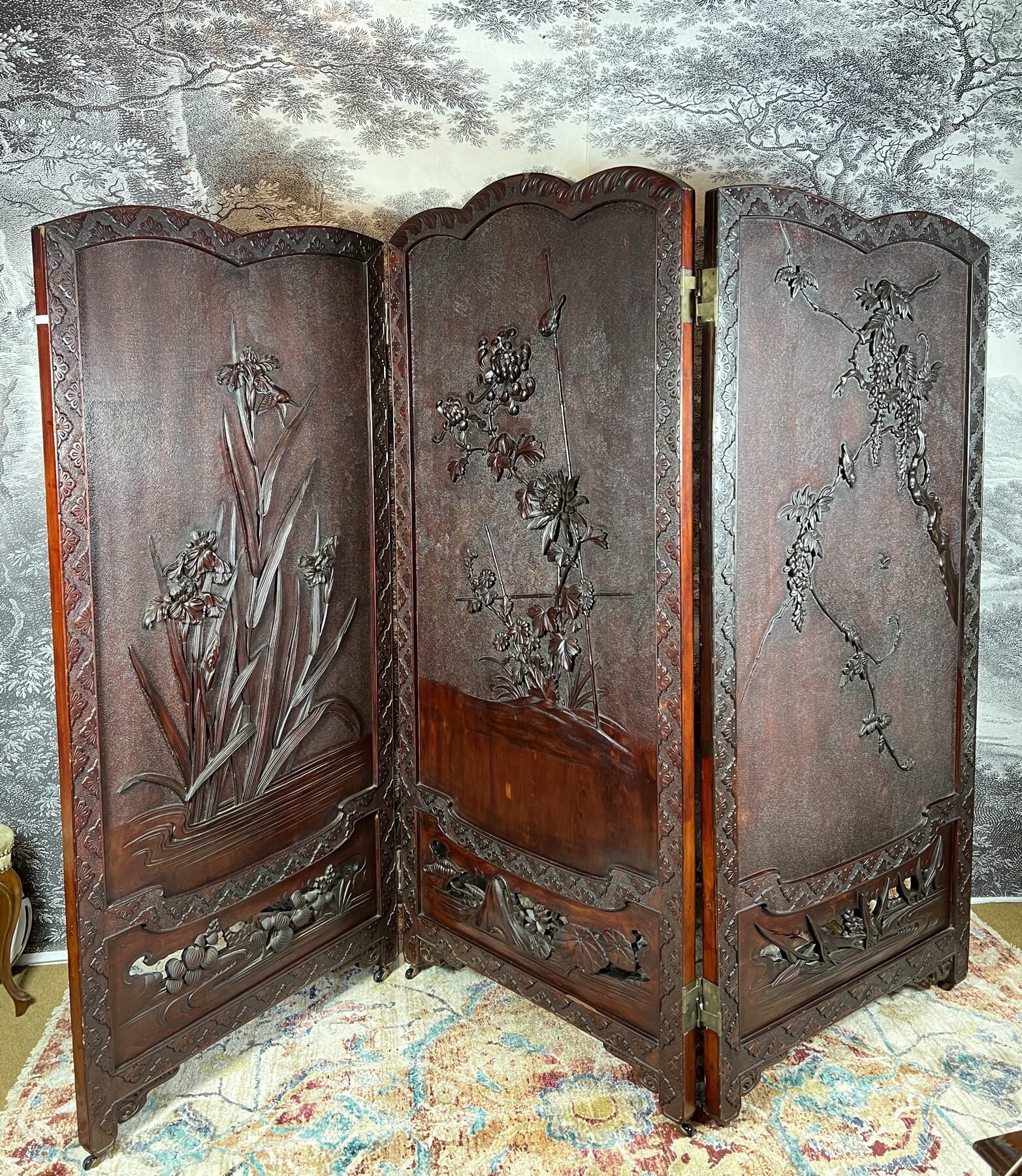
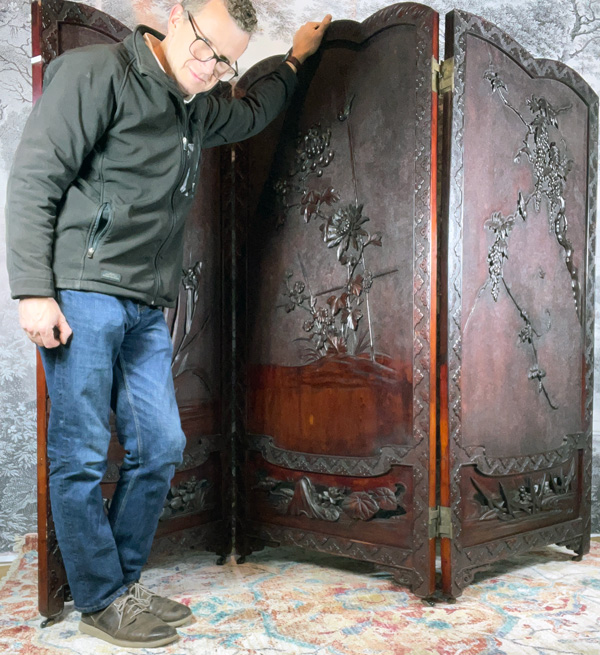
Japanese Screen

Japanese Screen from Purrumbete, Western District Victoria, c. 1890

This magnificent large room-screen is Japanese, and typical of the luxury goods imported from Japan for the wealthy Australian land-owners of the late 19th century. It was purchased at the clearing sale of the Purrumbete Homestead, near Camperdown in the Western District of Victoria, and part of the original Manifold family’s furnishings. This magnificent Arts & Crafts house had been created from a smaller 1850’s house for them in the very early 20th century. This screen was no doubt a fitting from that period, part of the ‘Country House’ look popular at that time, with Japanese & Chinese items mixed in with traditional furniture against the stunning Australian-timber panelled walls and decorative woodwork to the ceilings. See the screen here >>
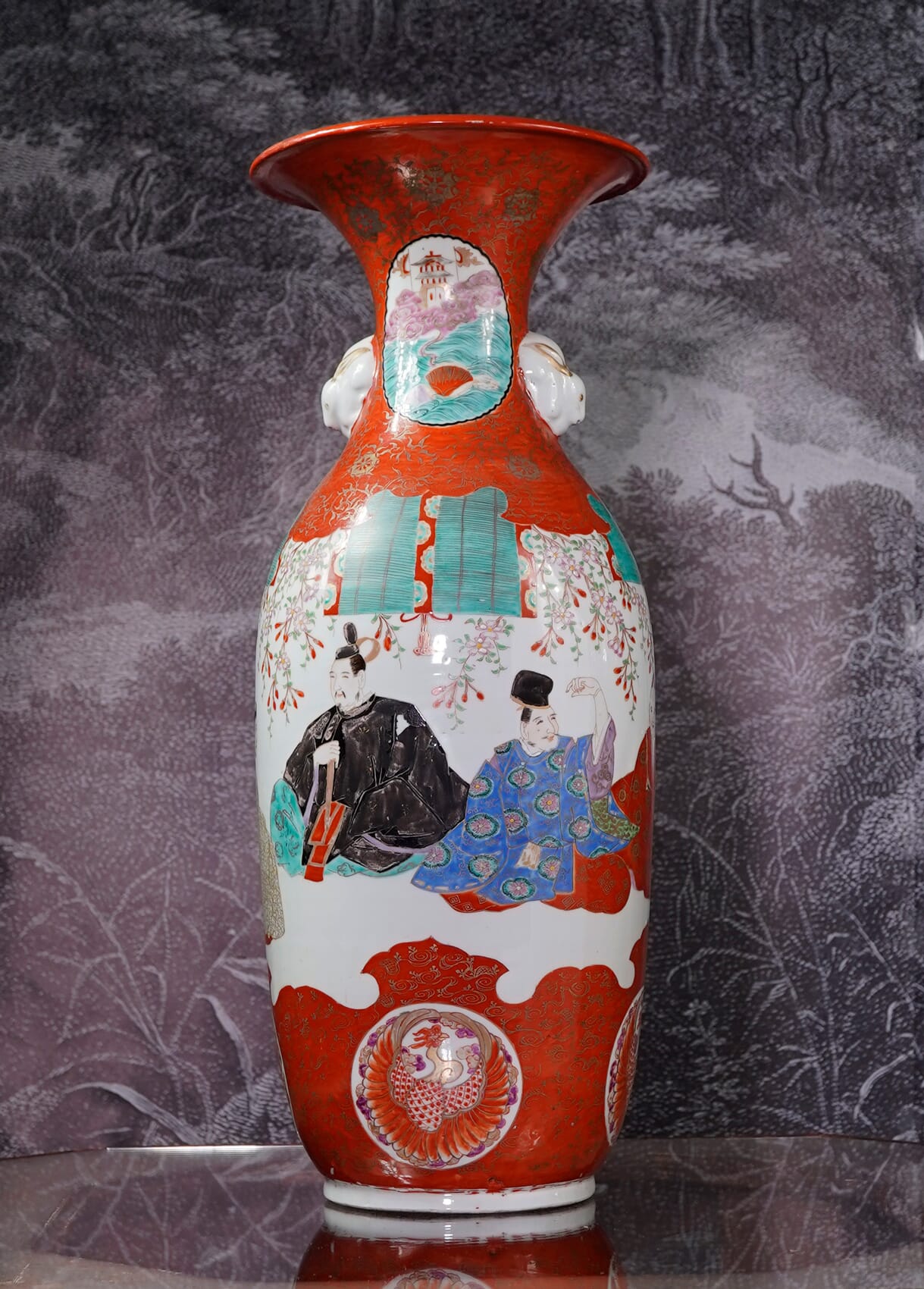
The large late 19th century Japanese vases included in today’s ‘Fresh Stock’ were also sourced in the Western District of Victoria, probably originating from another grand home of this period.

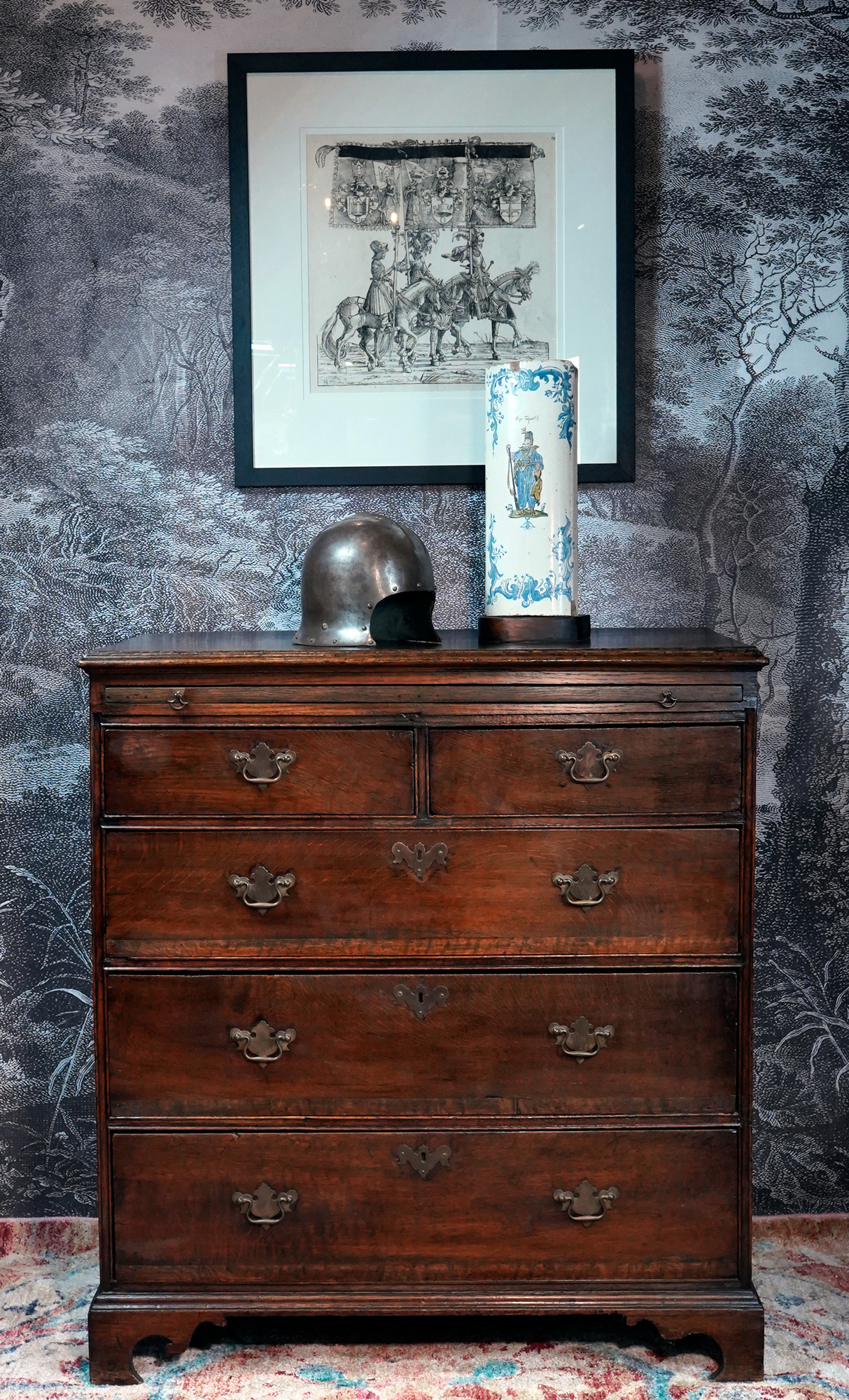
A handsome George III ‘bachelor’s chest’, the name given to these small useful pieces that often have a pull-out slide shelf at the top, like this example. C. 1780. $2400 See this piece here >>

Remember, we’re currently offering FREE shipping!*
(Australia only, some larger items & furniture excluded. Overseas, we can do a big discount on shipping, or free in some cases, please ask.)

Posted on

Fresh Stock + FREE shipping!

This week, we have some splendid Fresh Stock – and can offer FREE SHIPPING within Australia!

Overseas, we can offer a seriously reduced cost of shipping.

Some conditions apply – ie no furniture or large items.

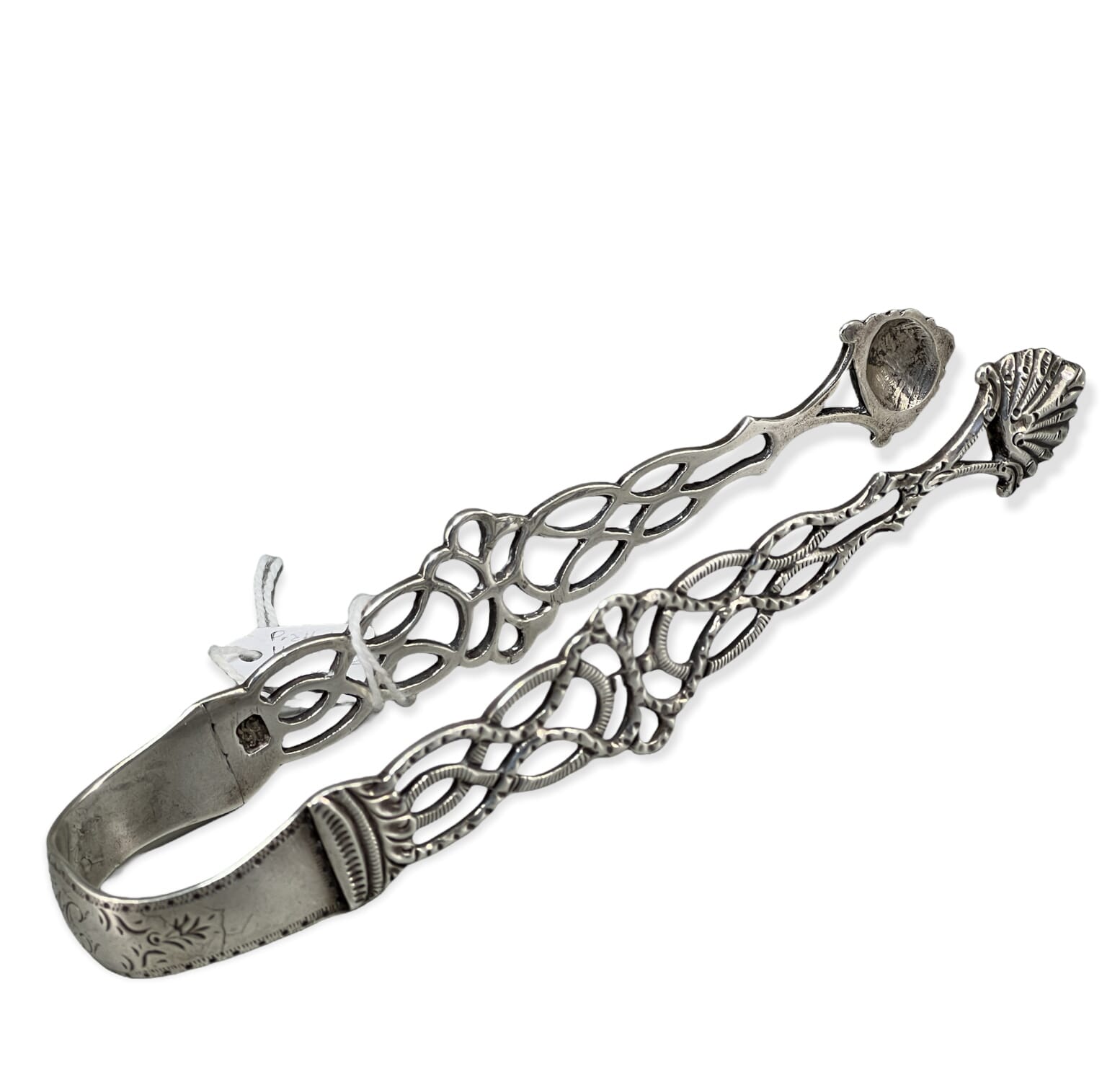
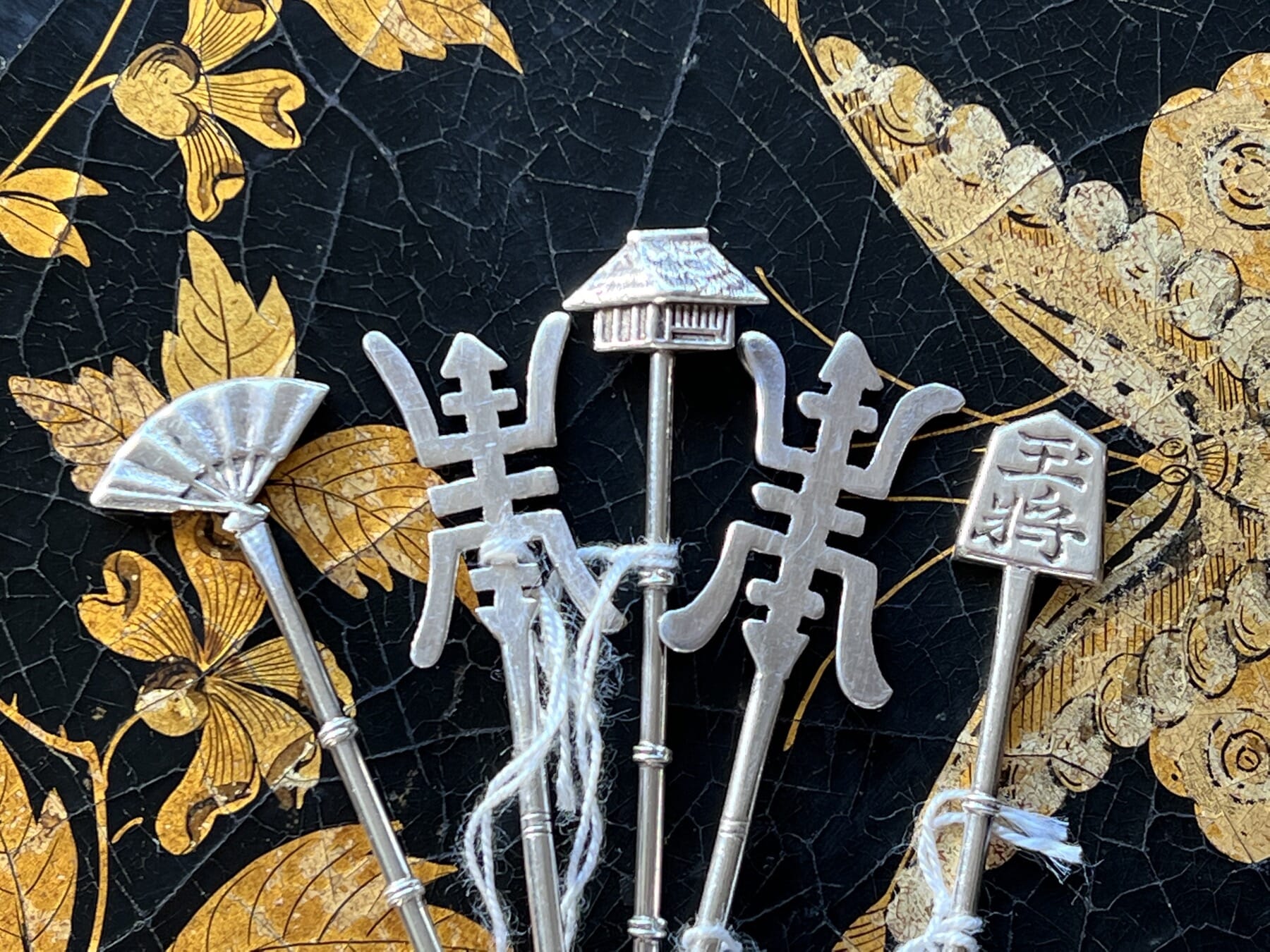
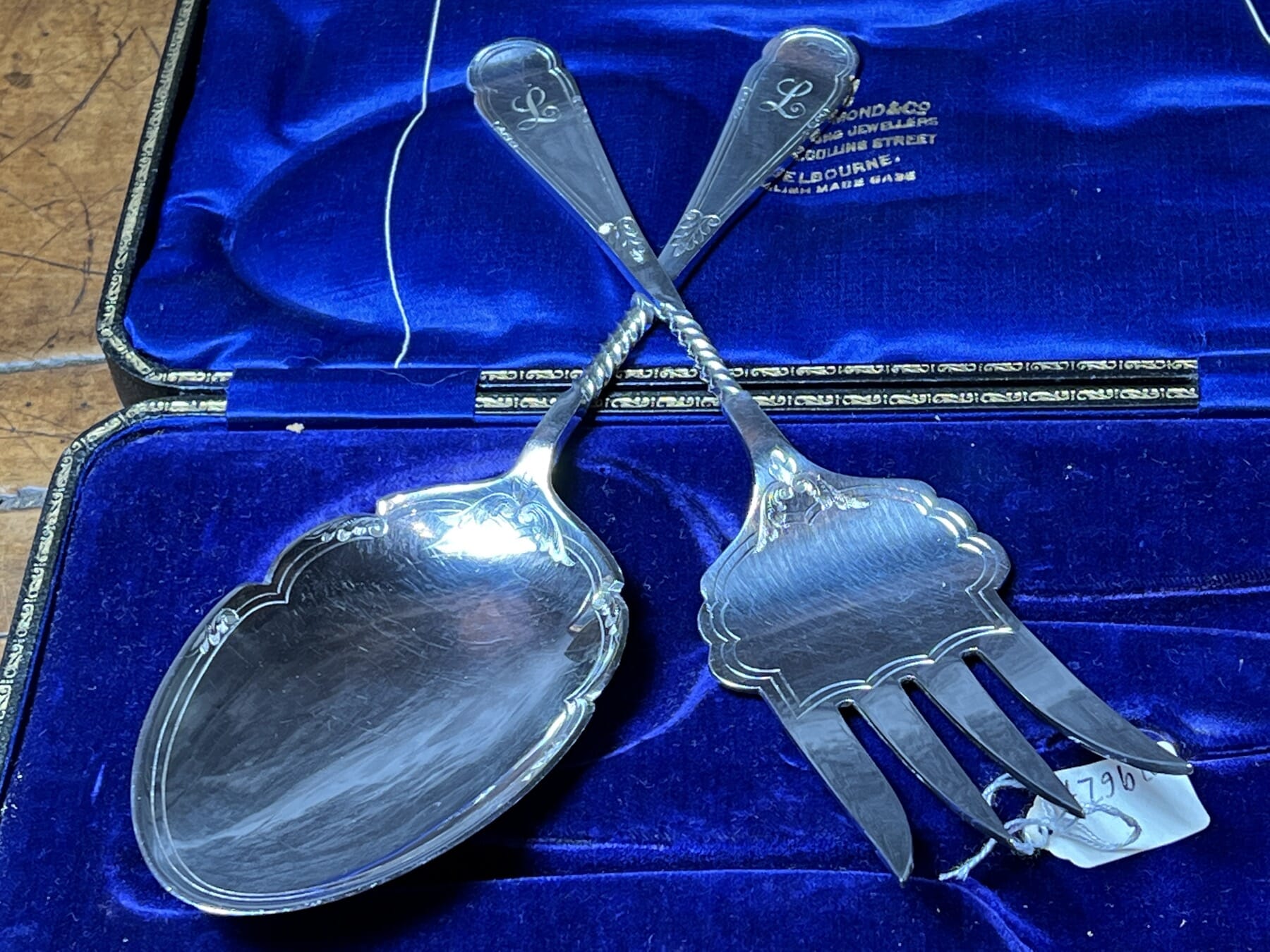
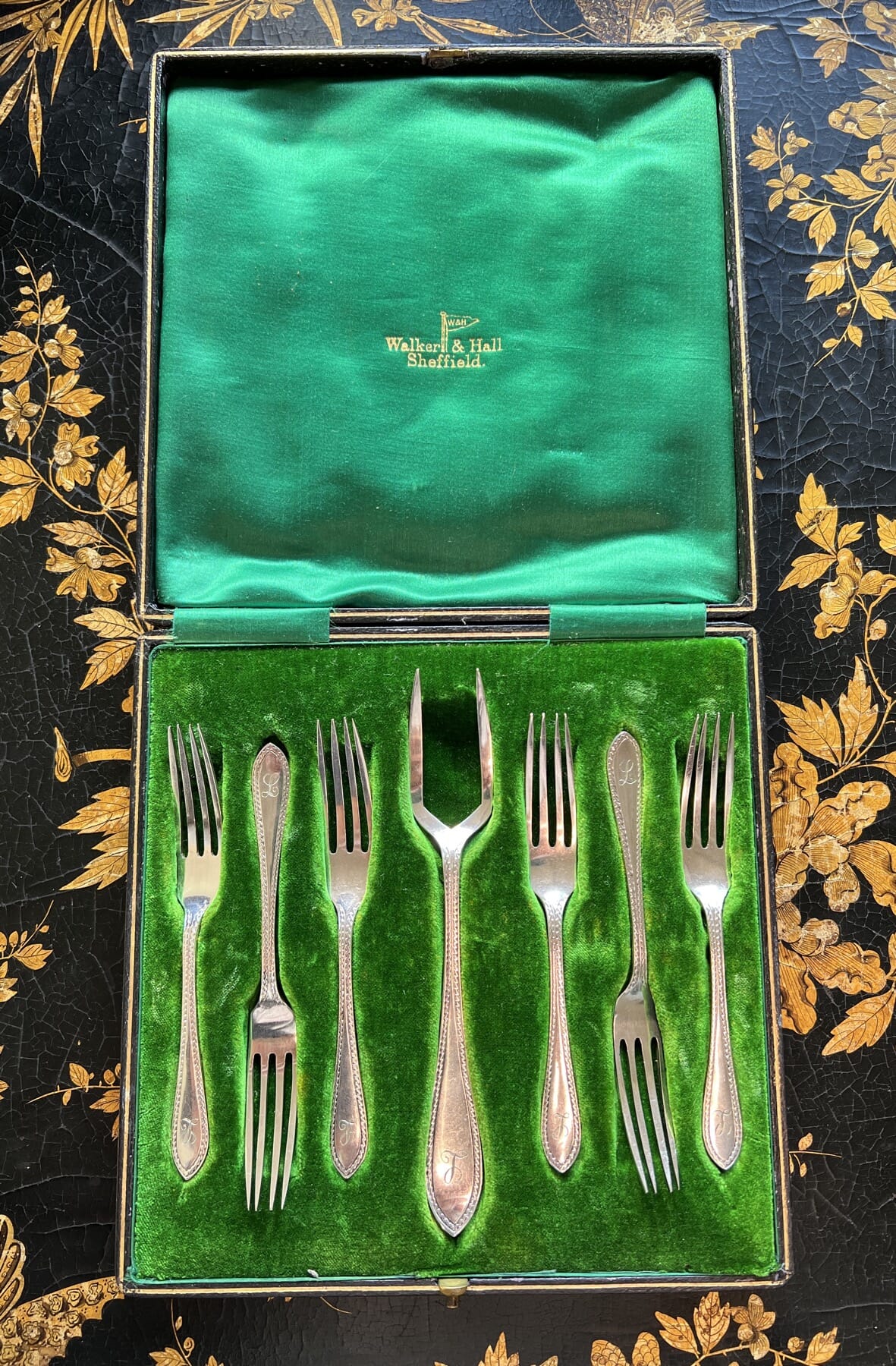
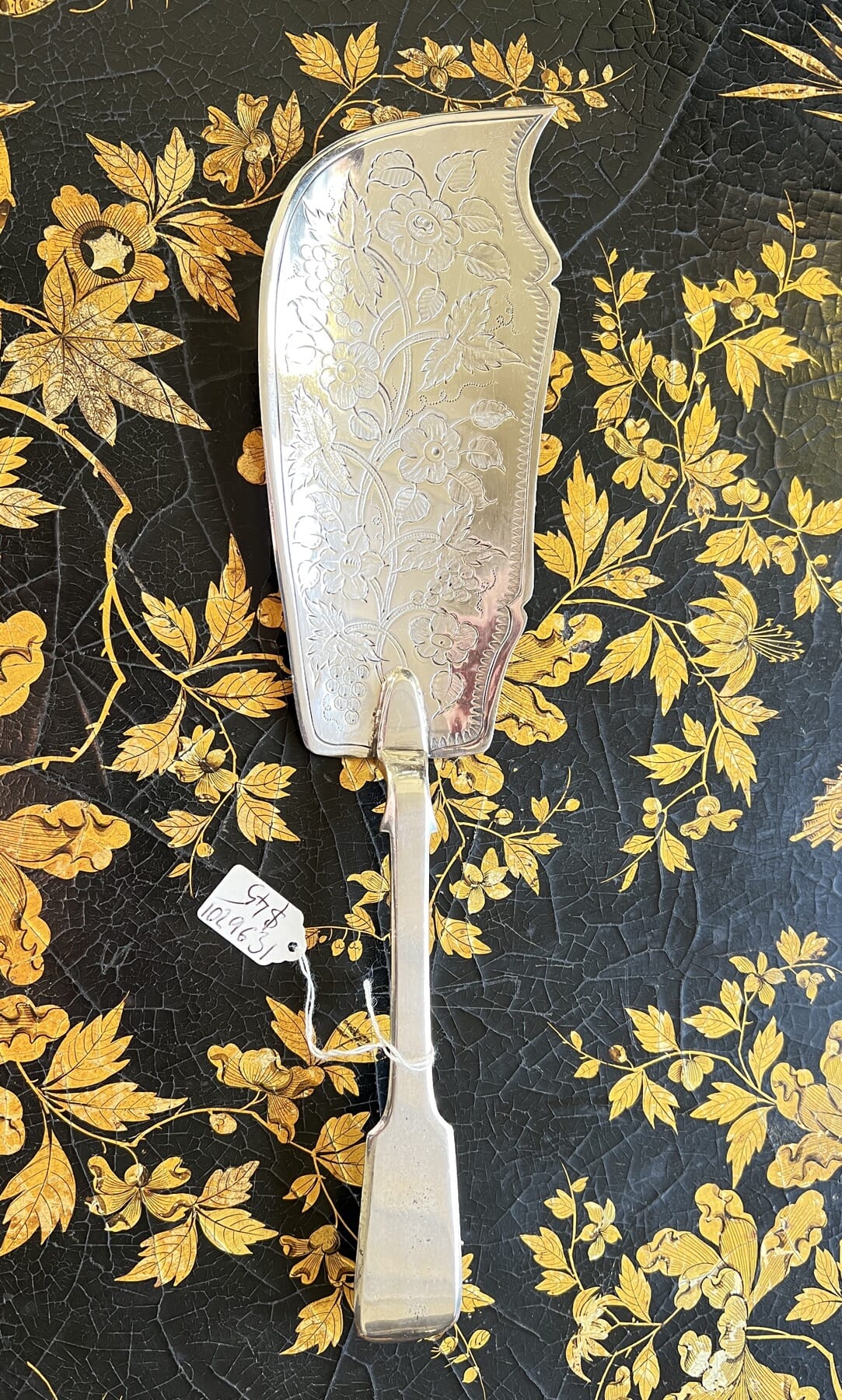
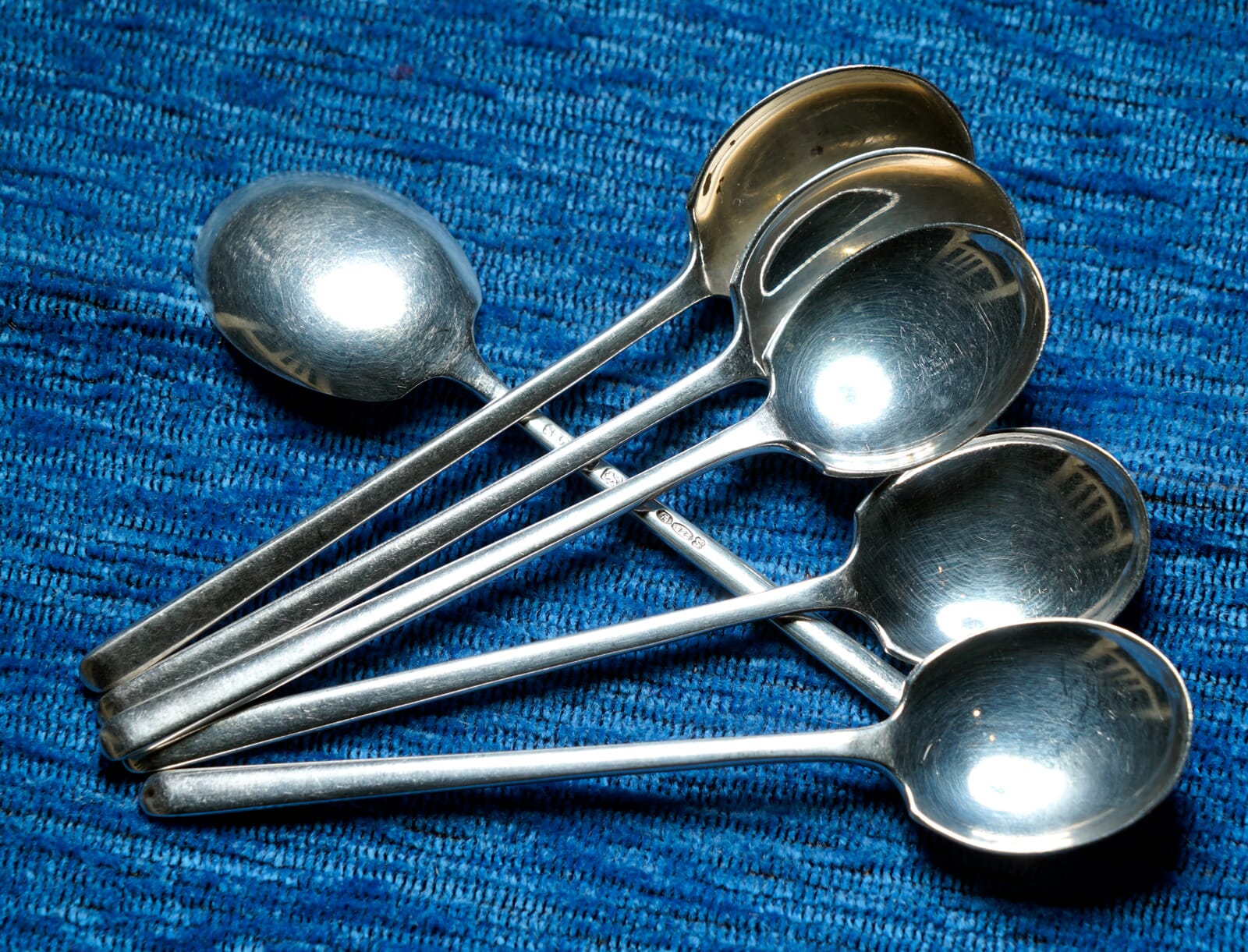
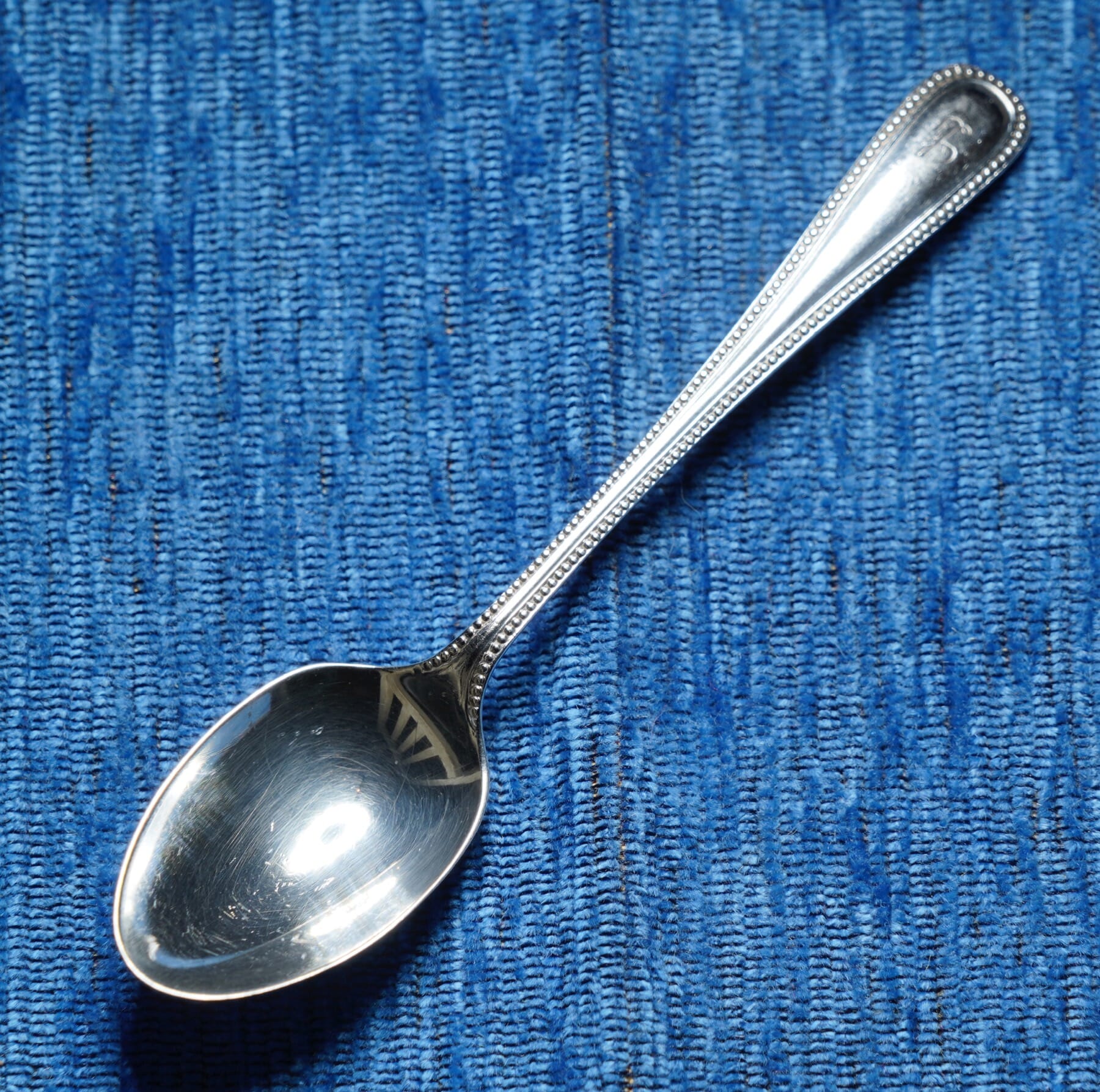
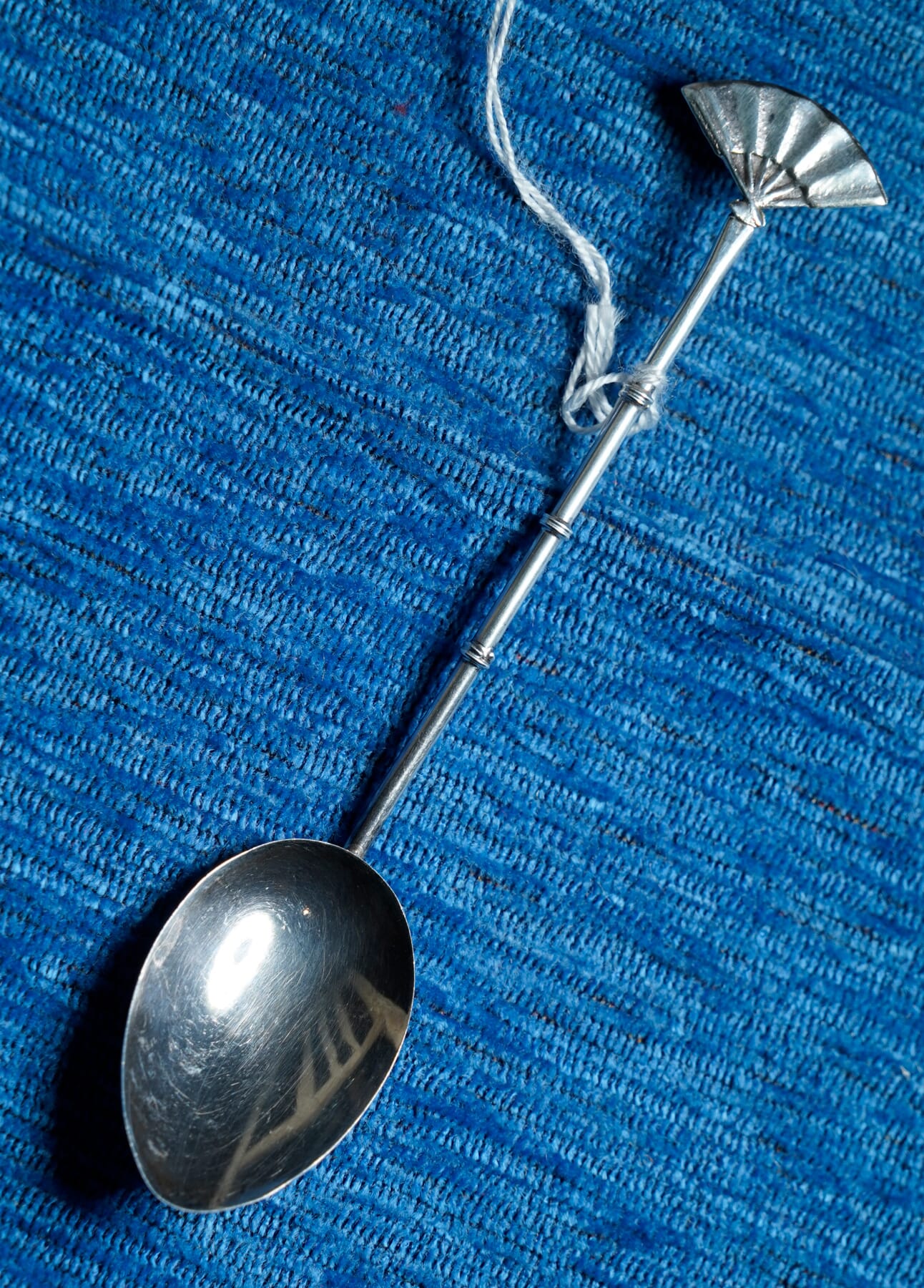
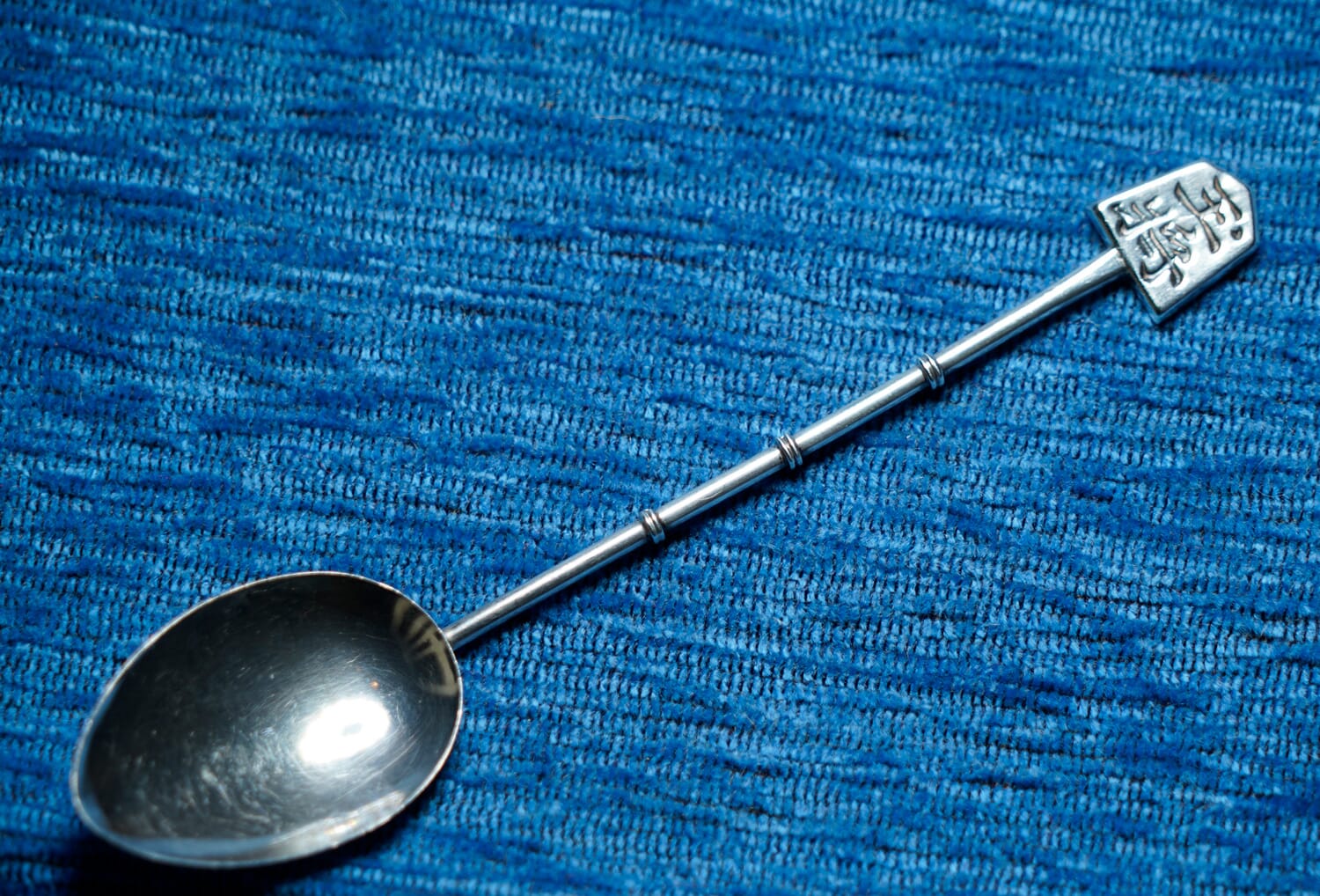
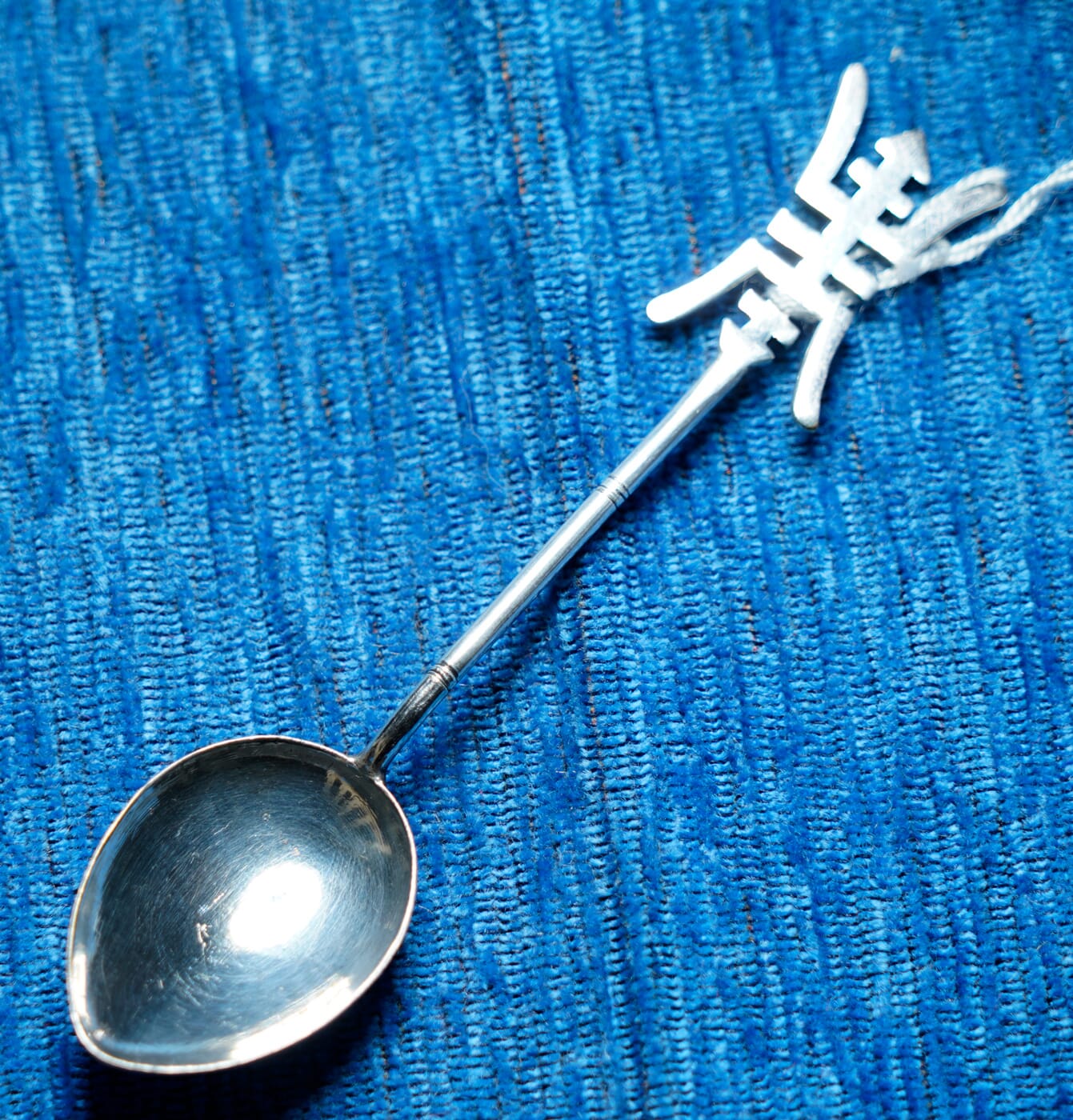
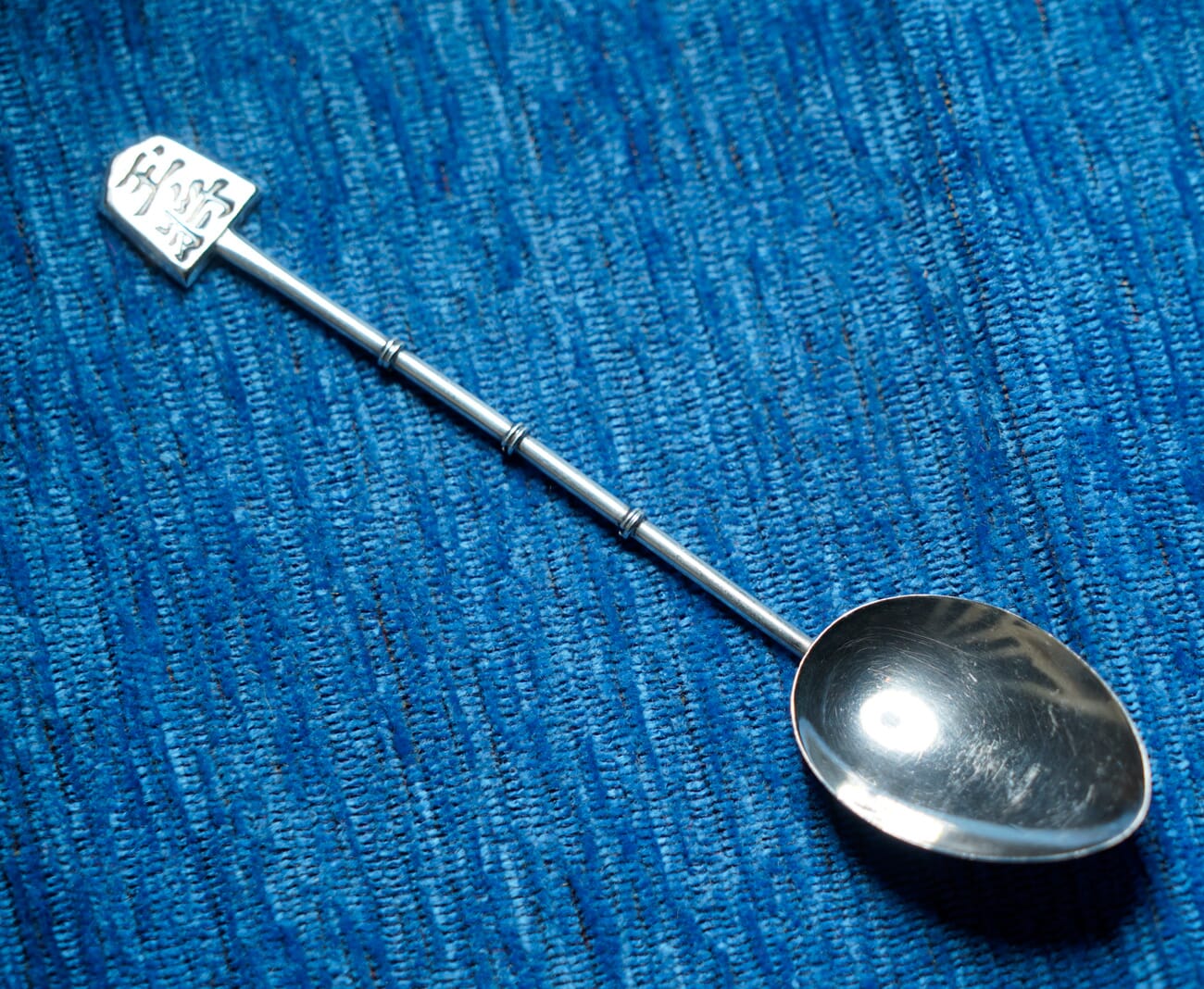
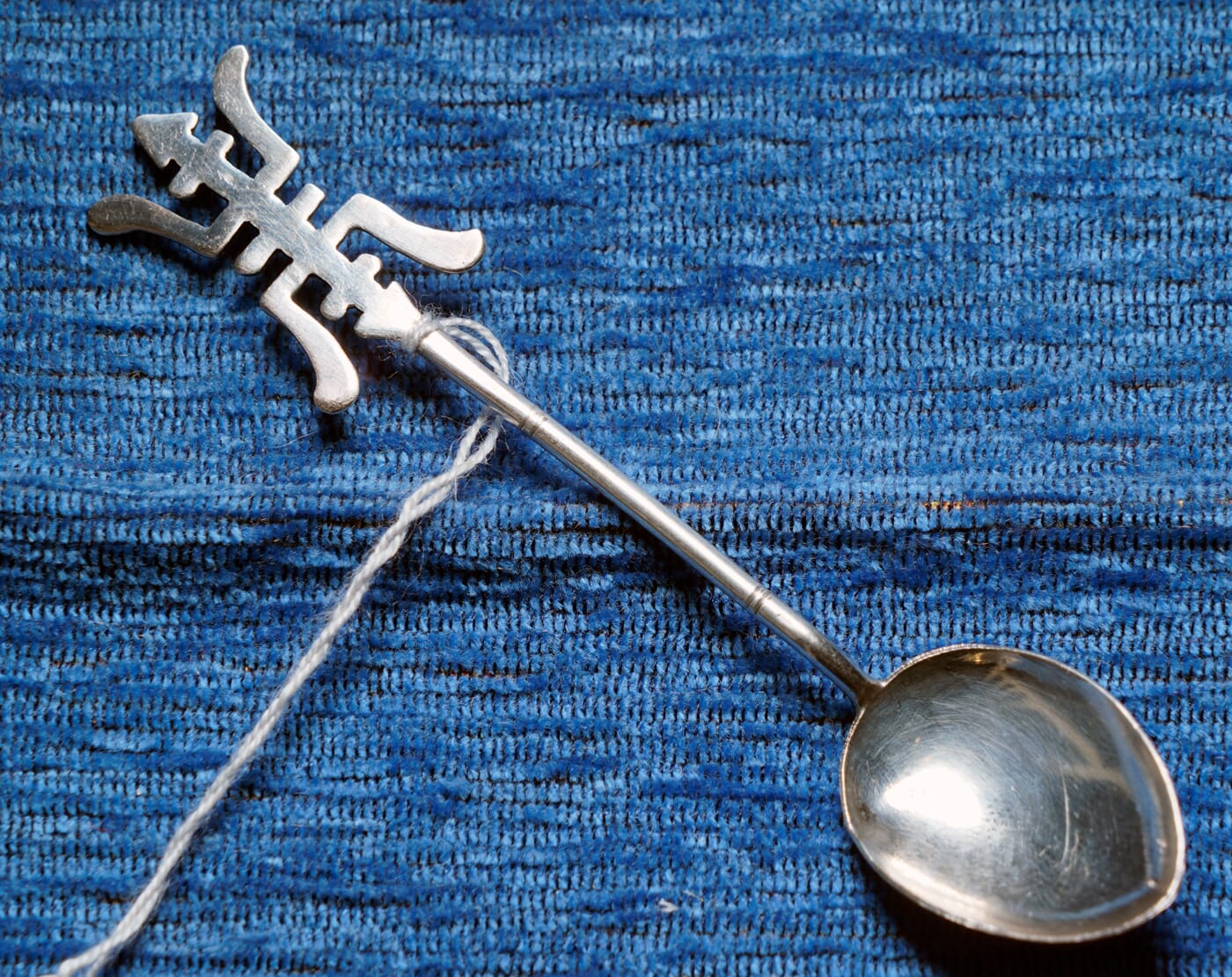
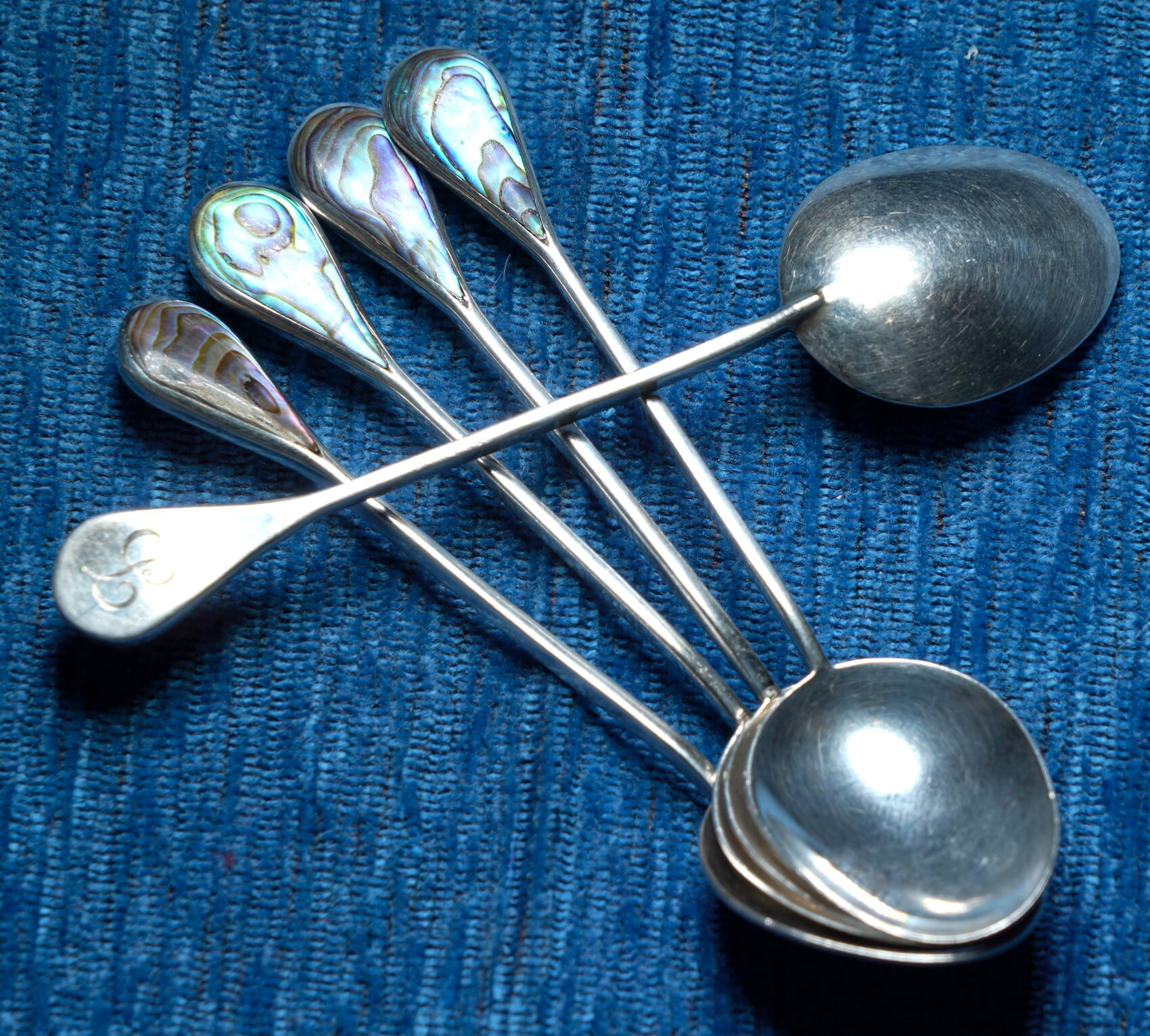
It’s a variety ‘Fresh Stock’ today, with a variety of silverware, from a superb quality Dutch Silver box dated 1822 (illustrated above), to a Japanese Silver Spoon with a Shogi ‘King’ chesspiece end, to some very usable serving implements.
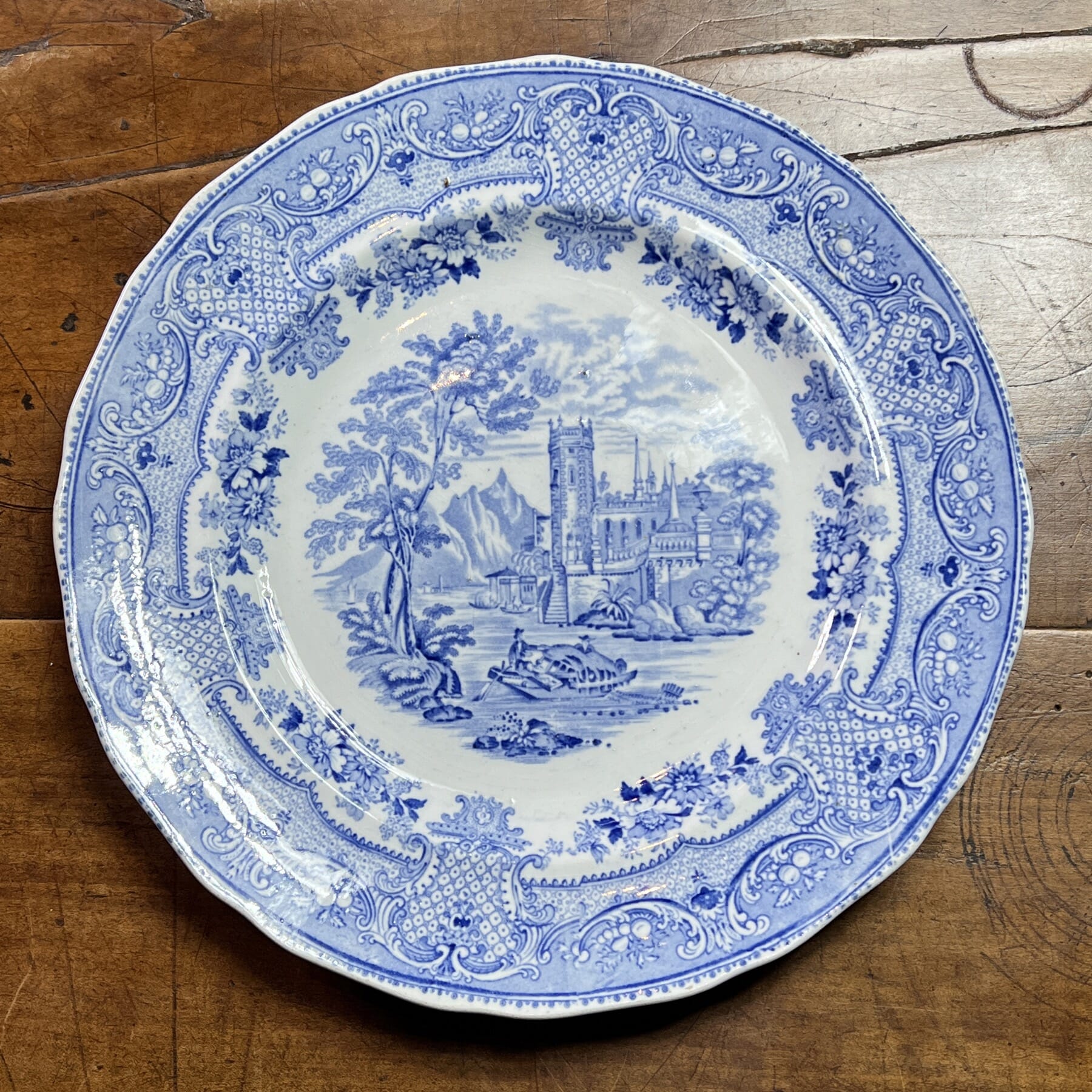
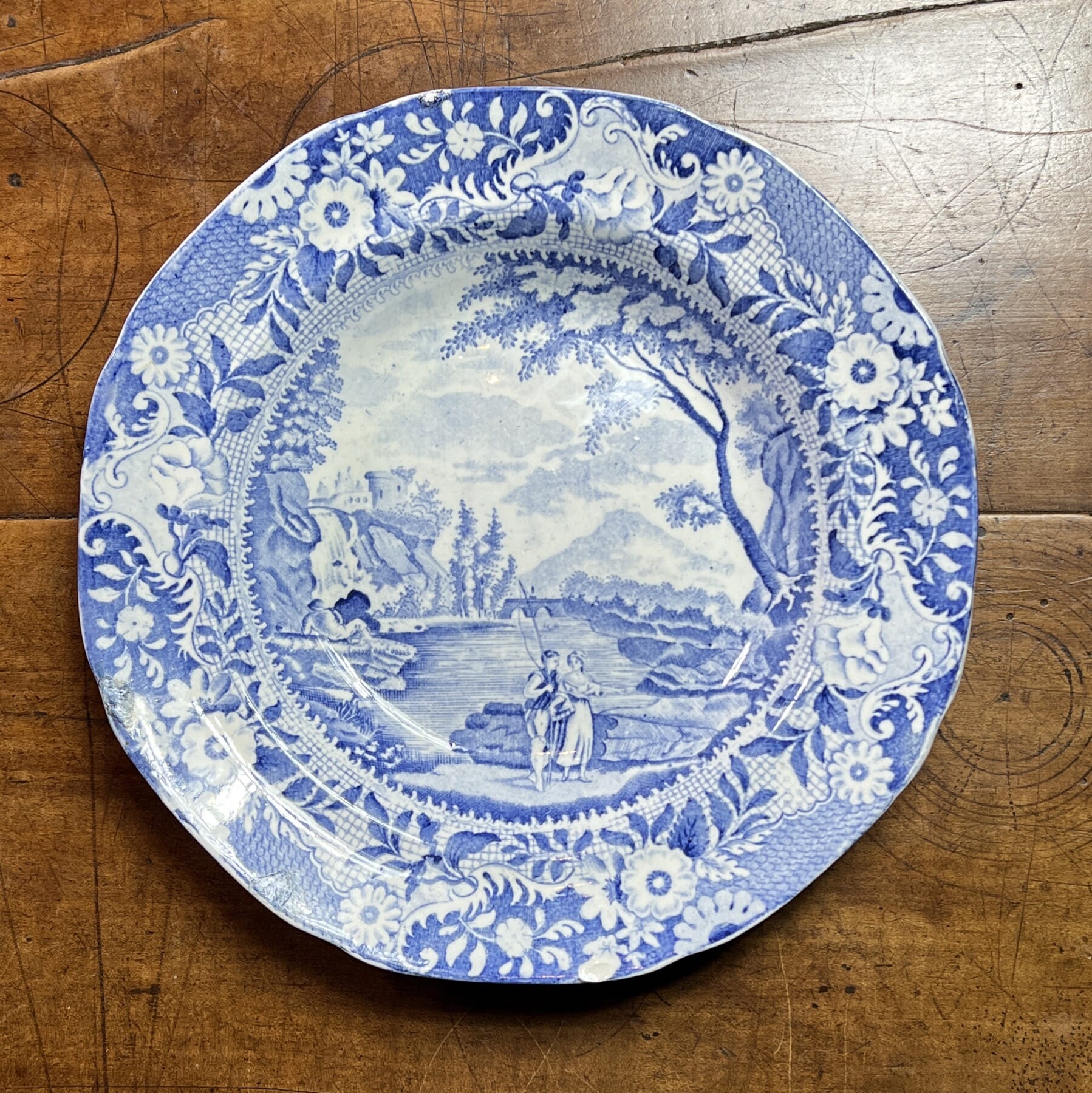
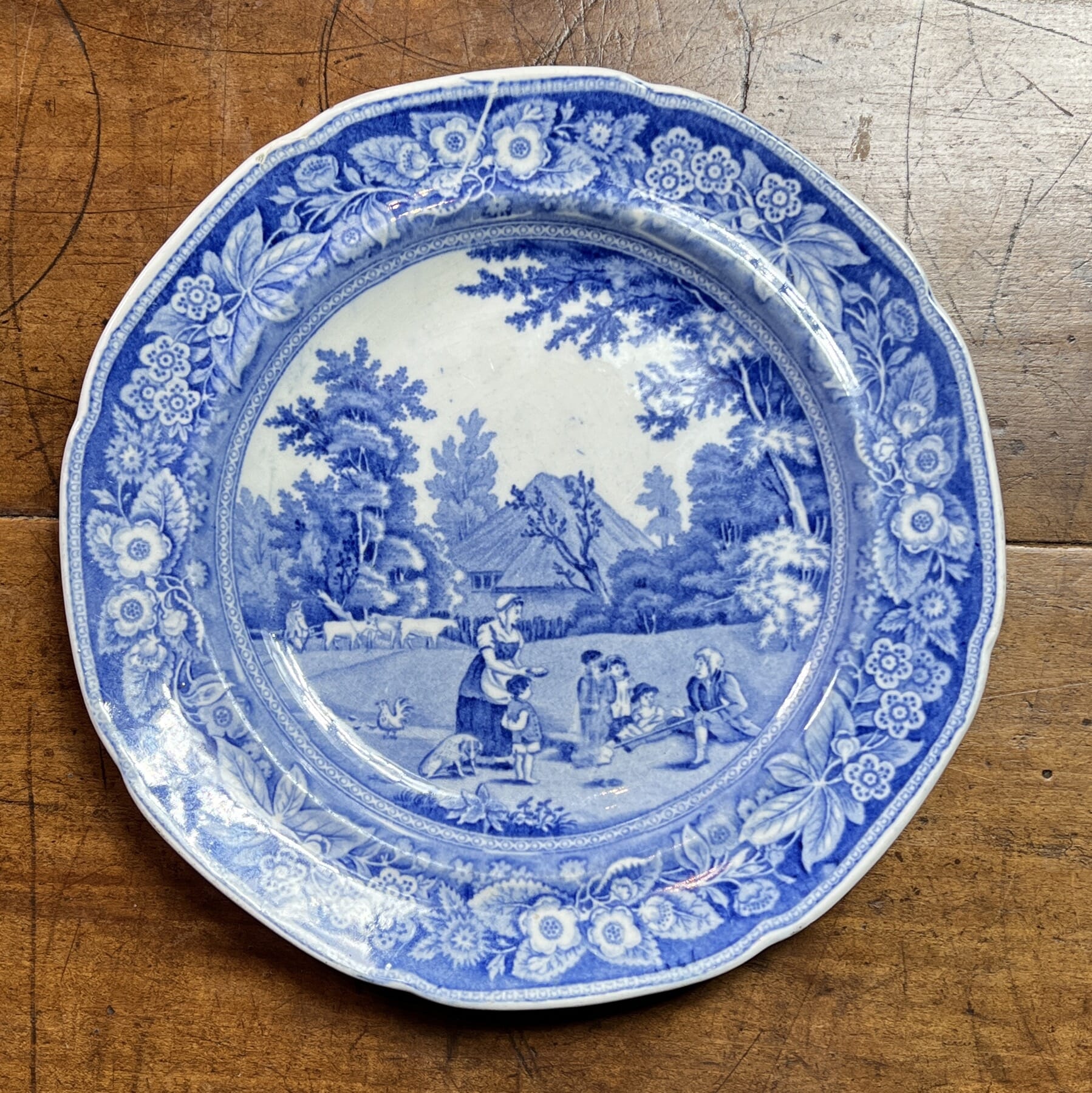
There’s more Staffordshire figures, some blue printed earthenwares, and some fine Furniture fresh to stock.

Fresh Items