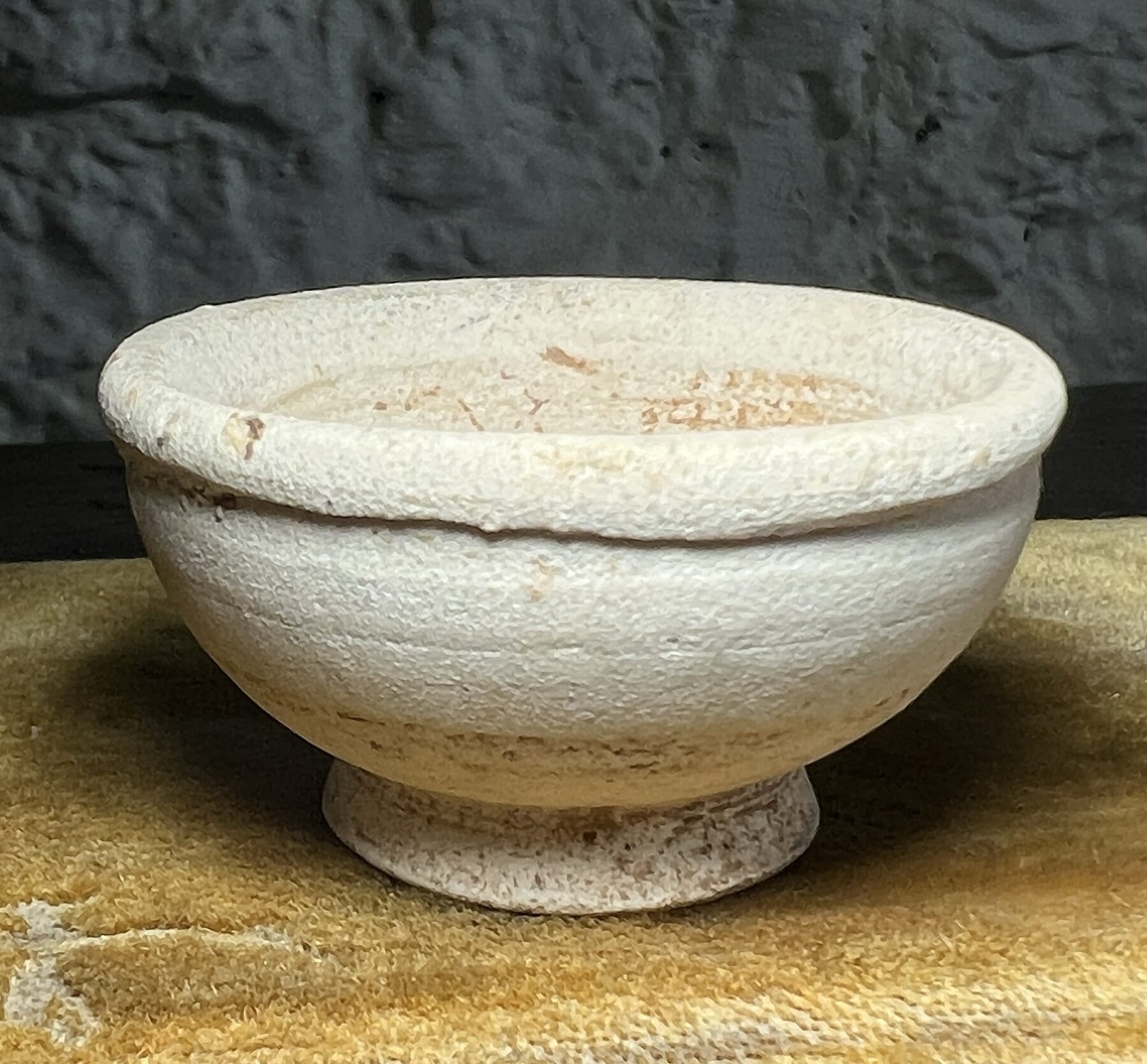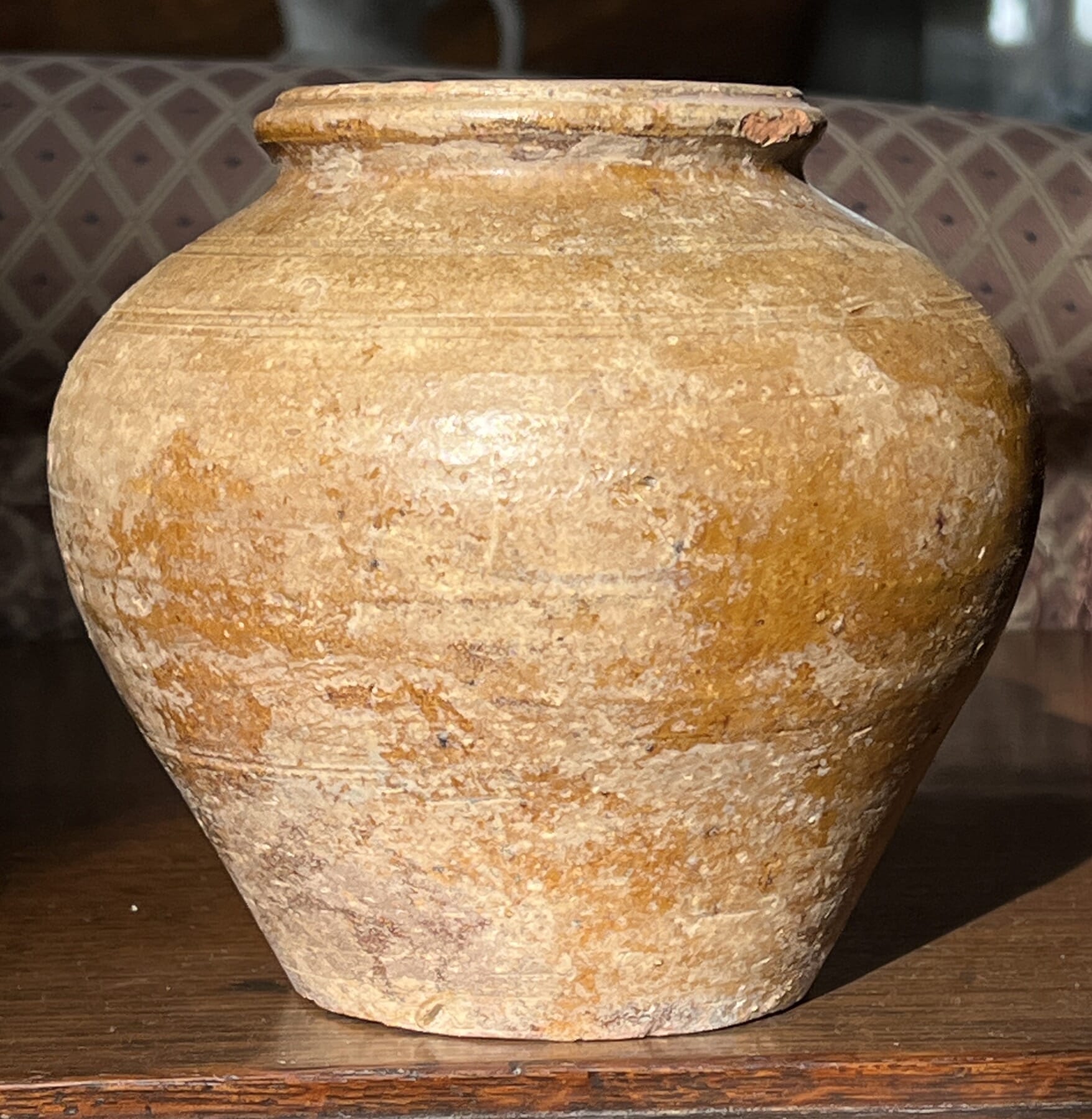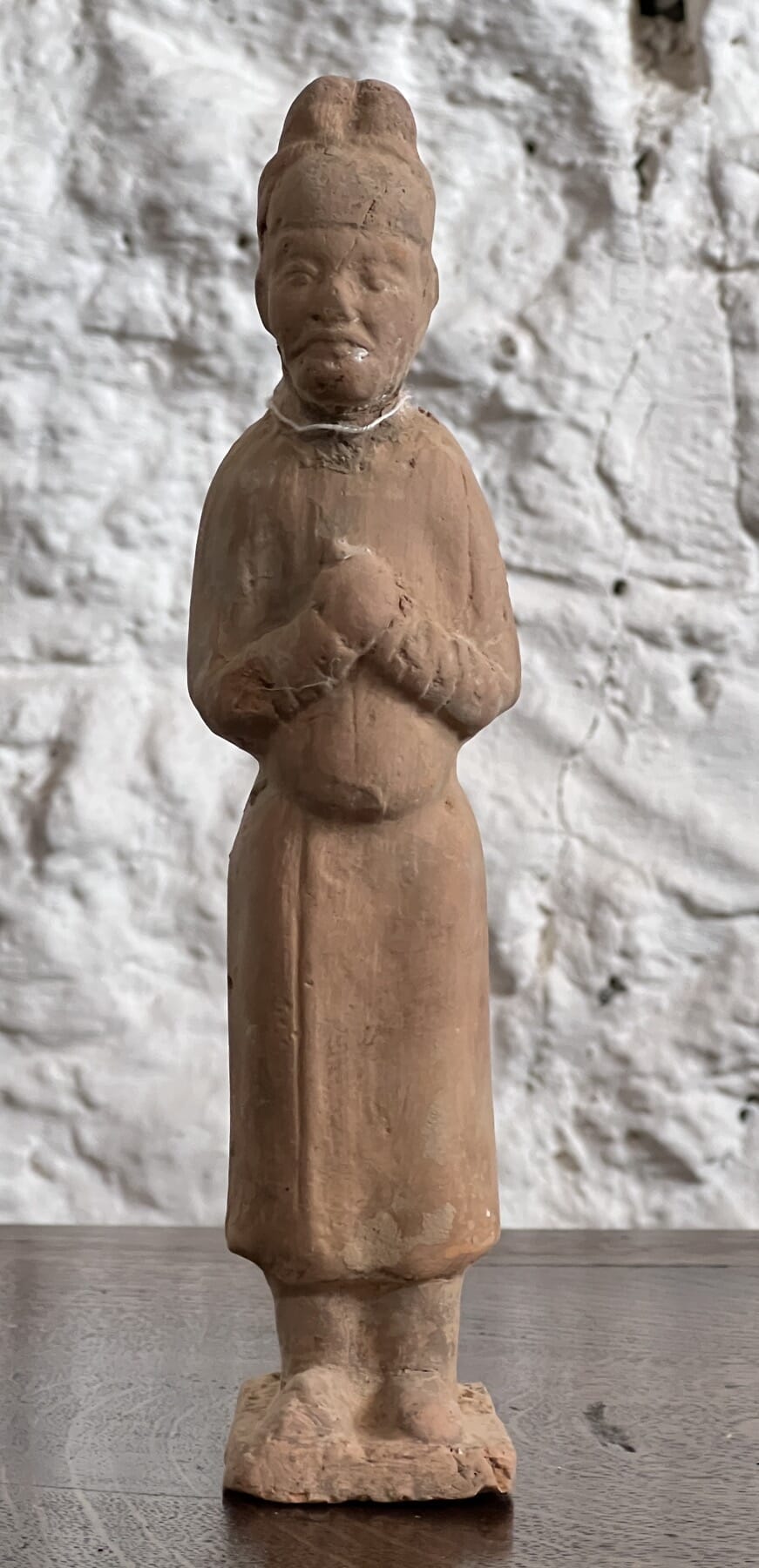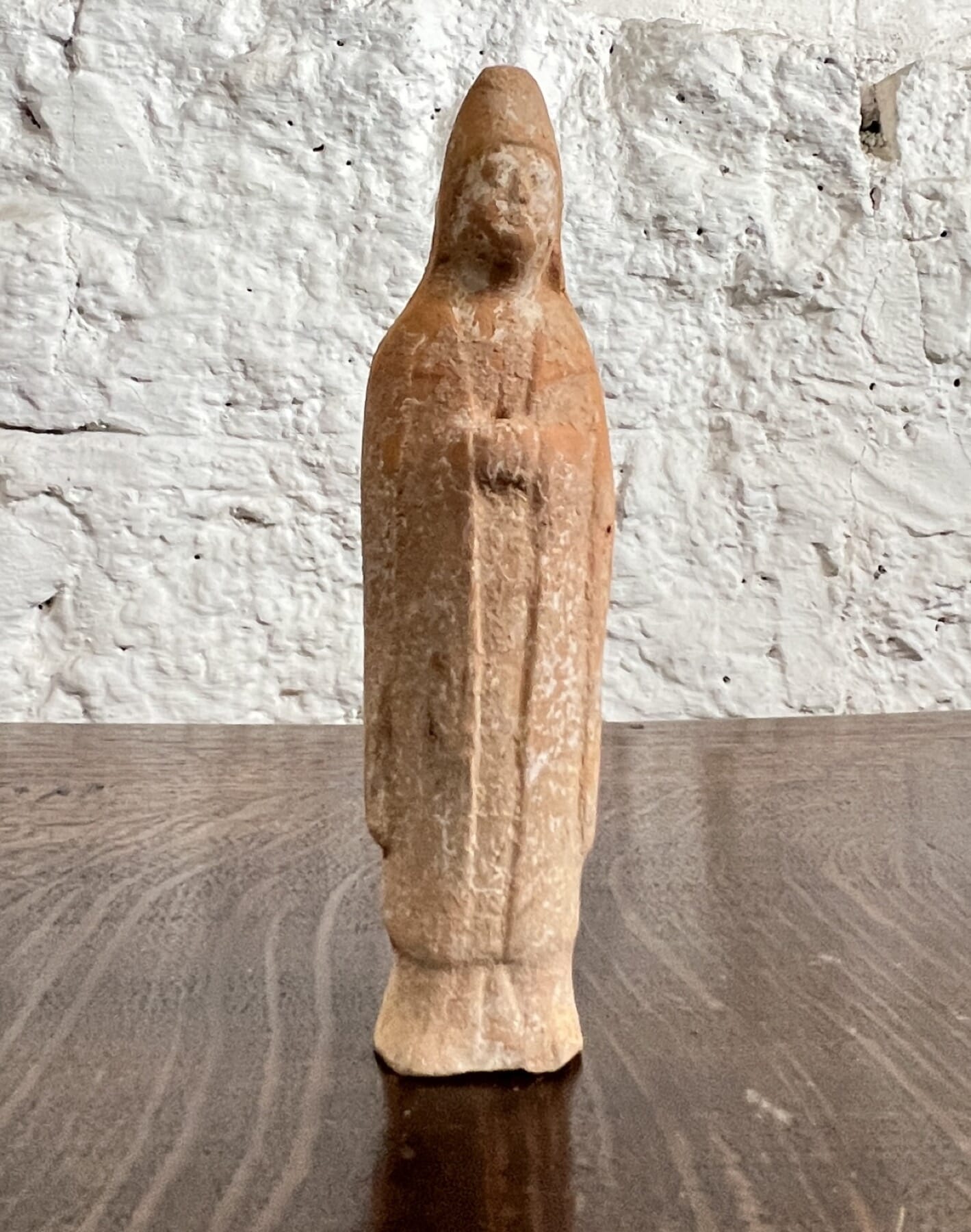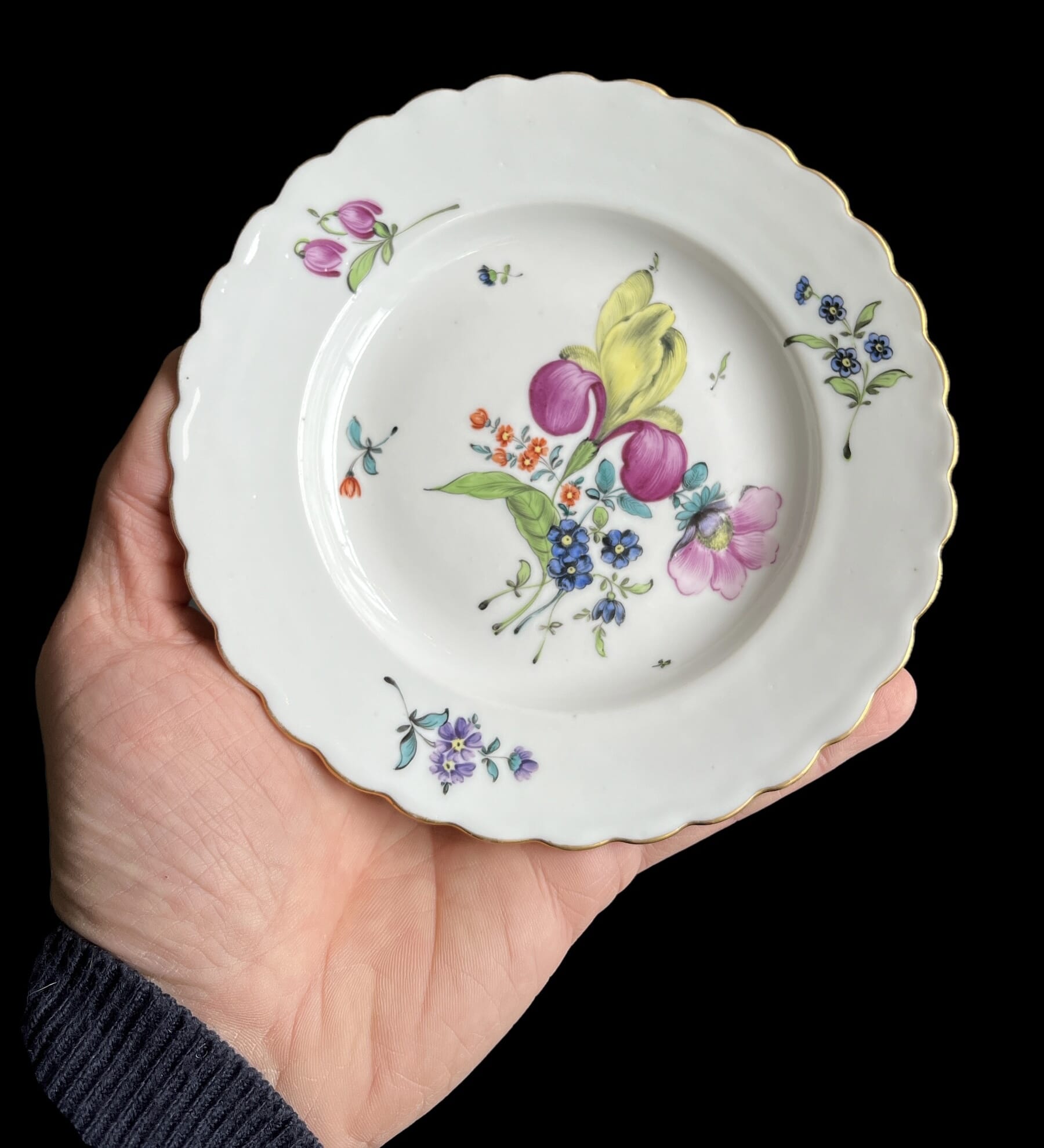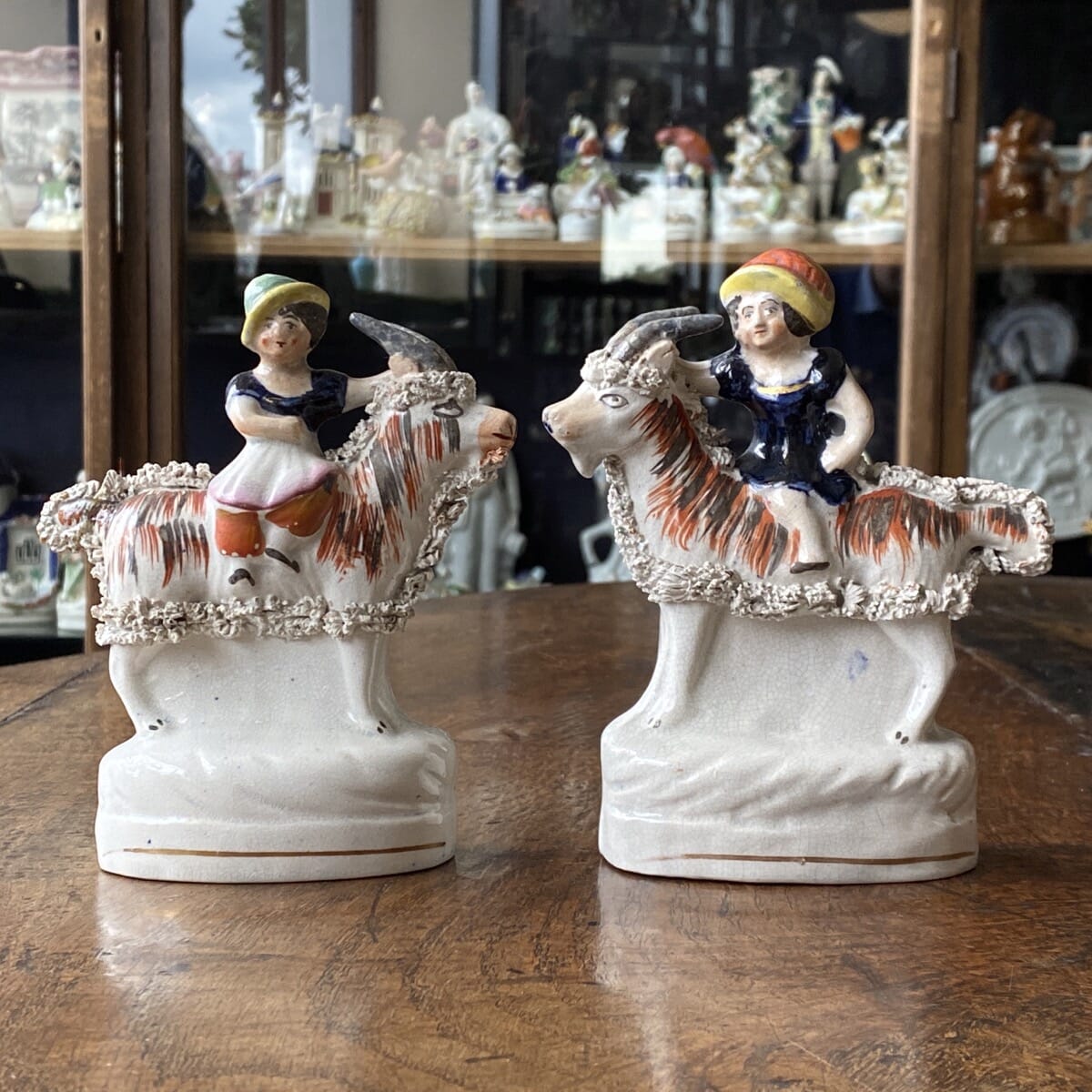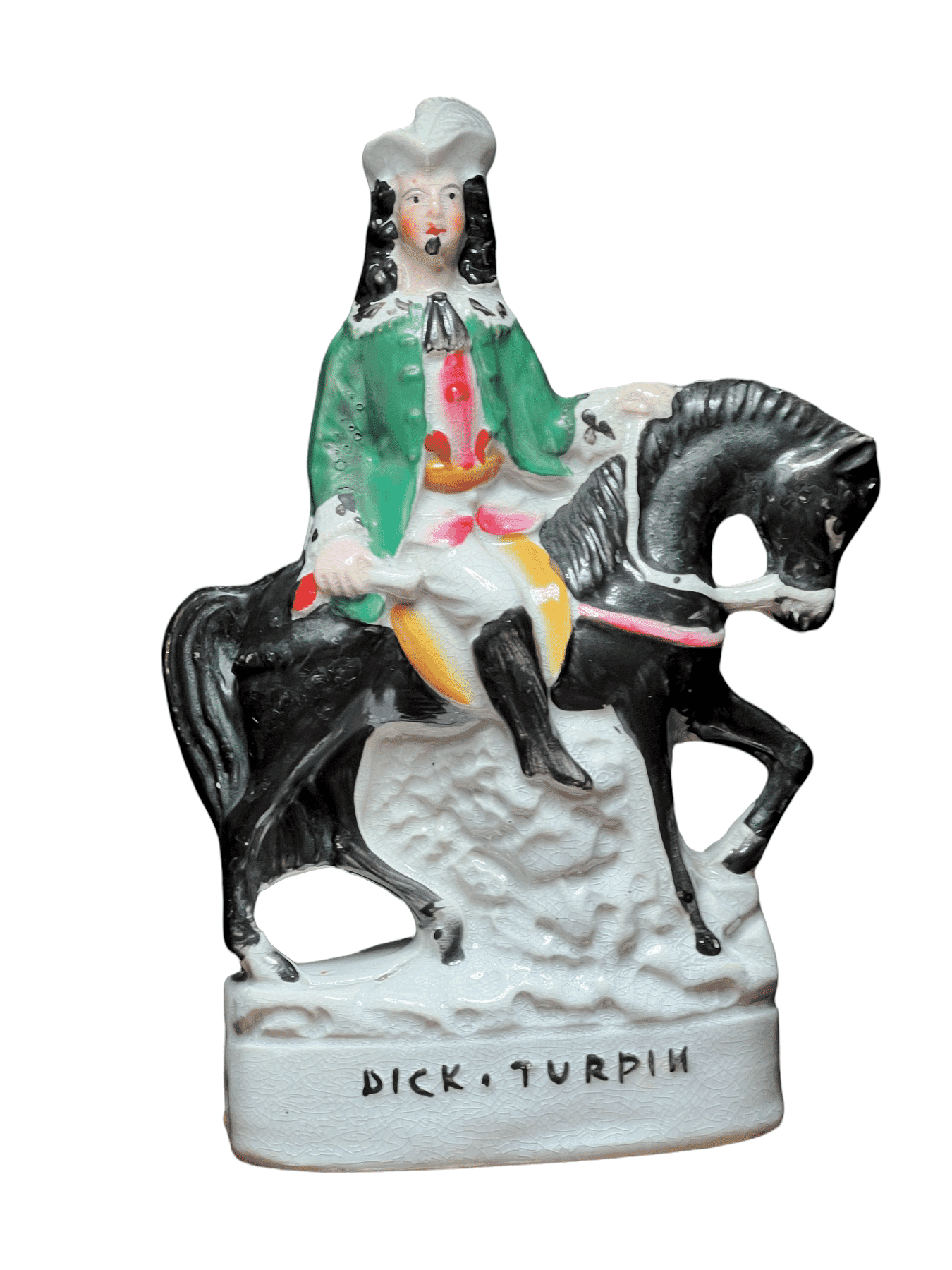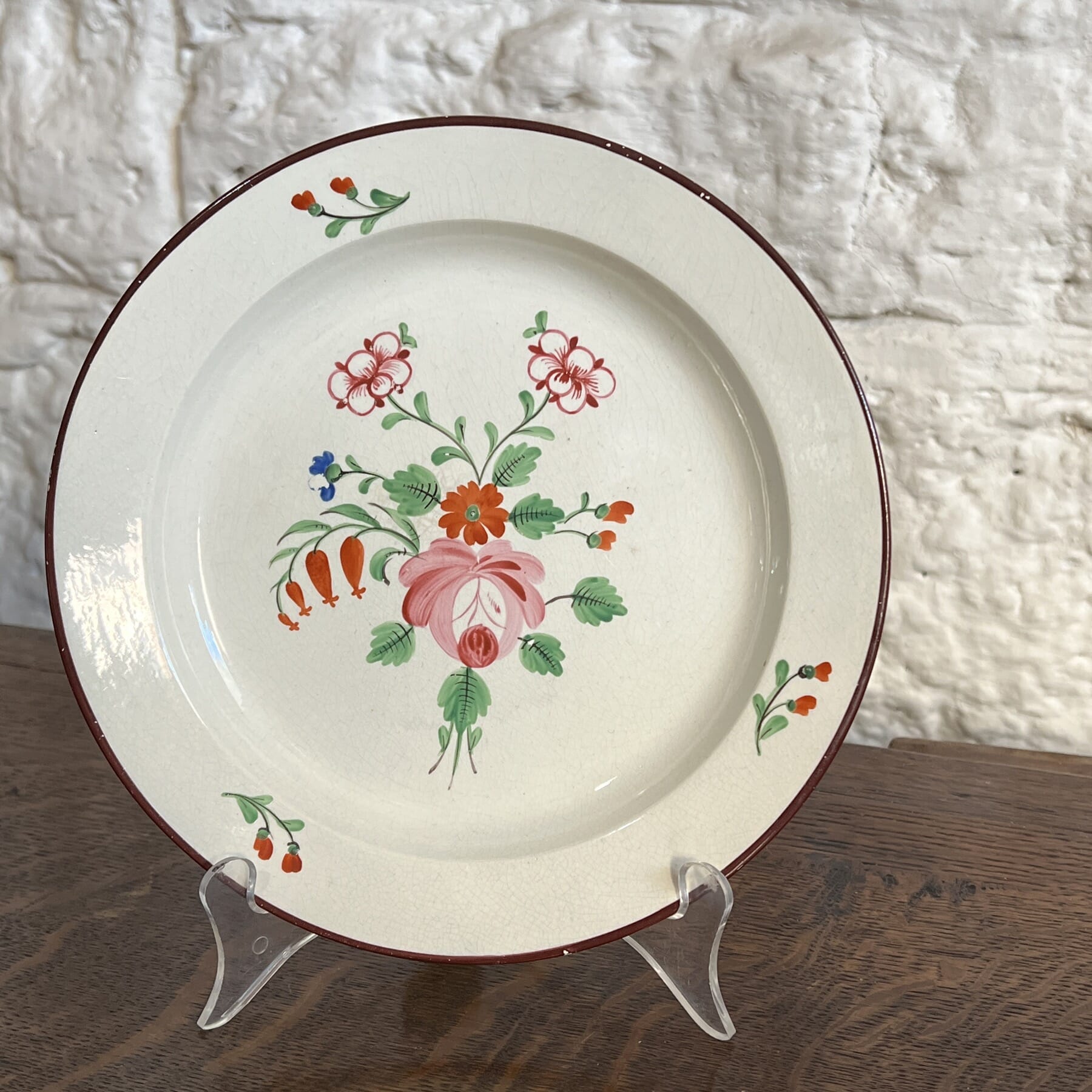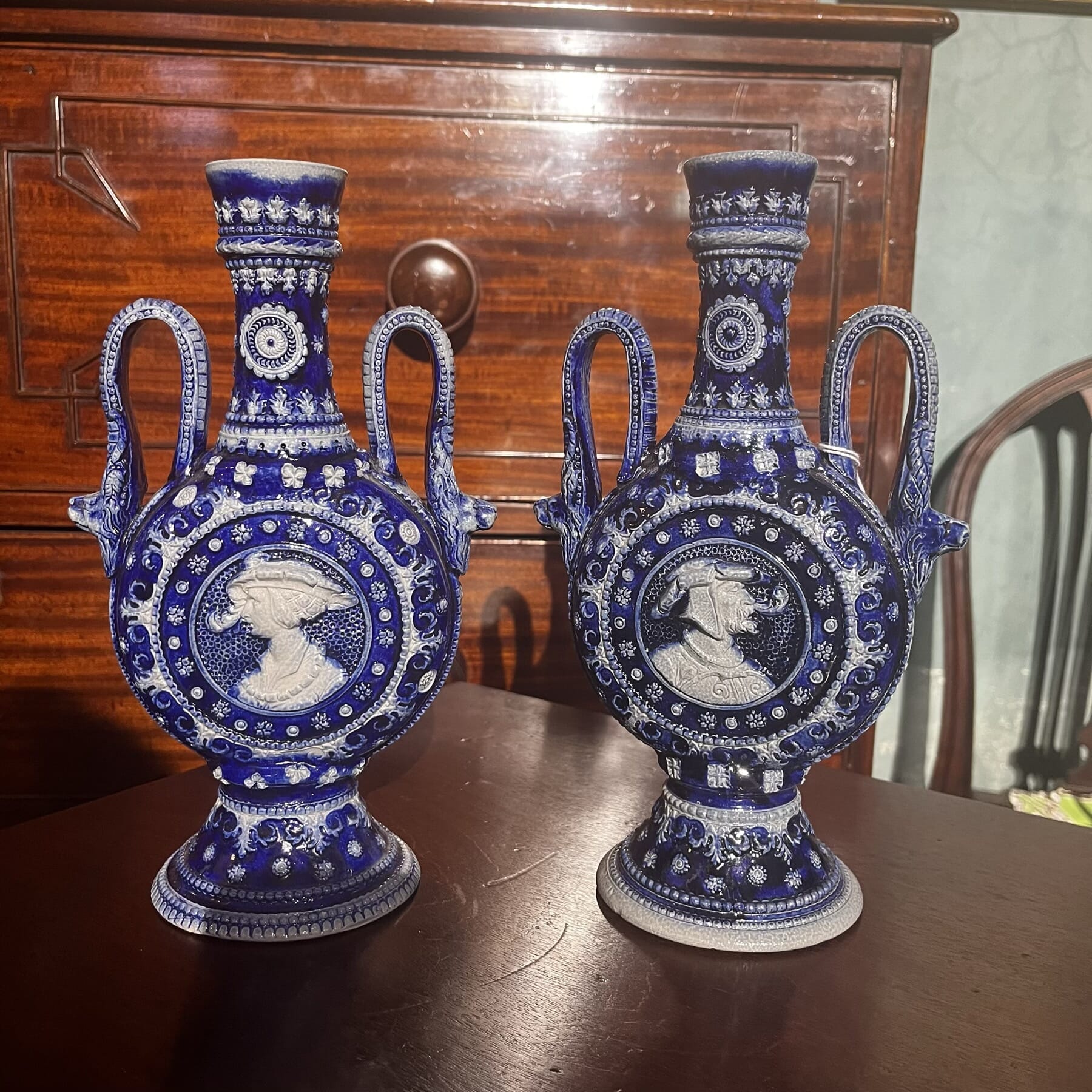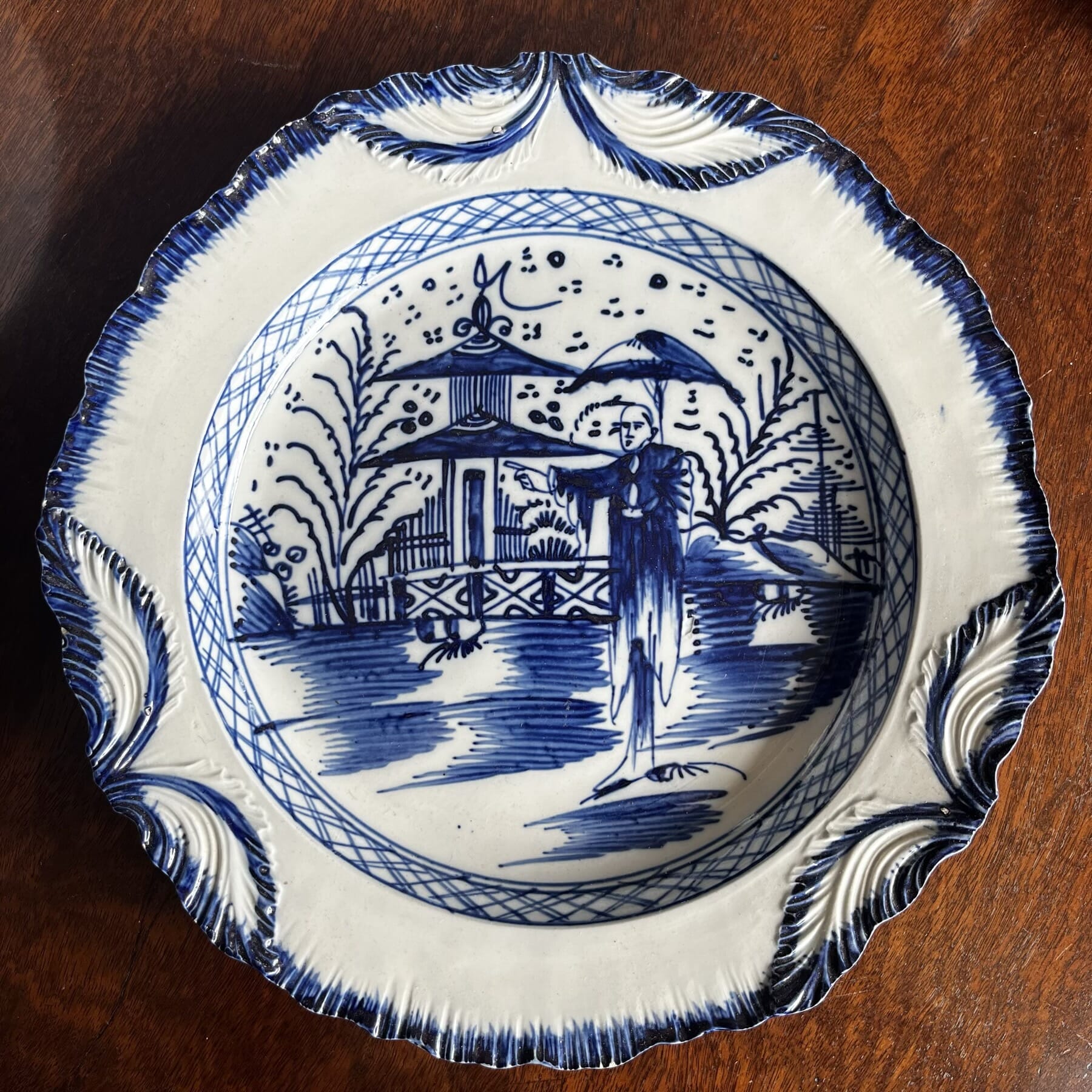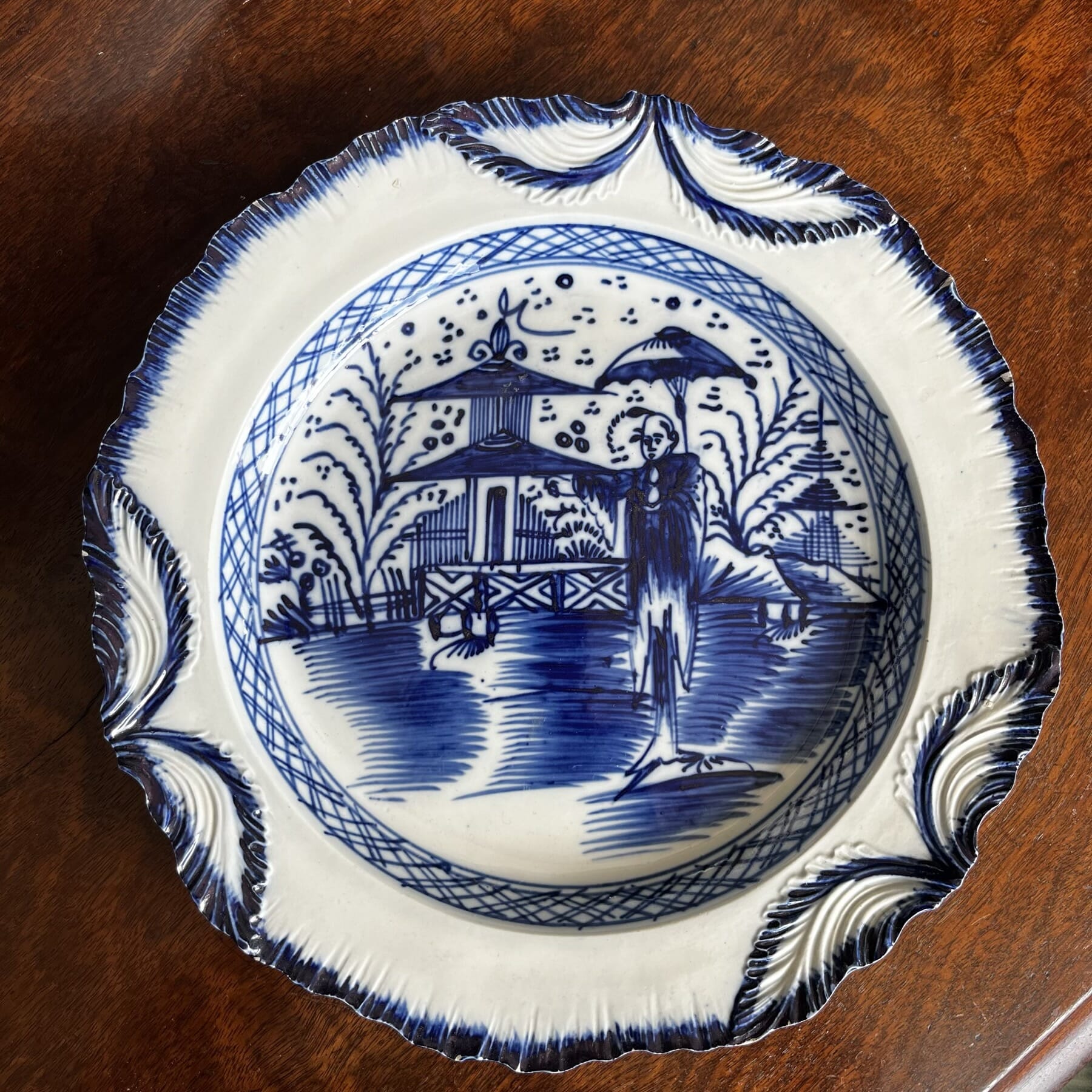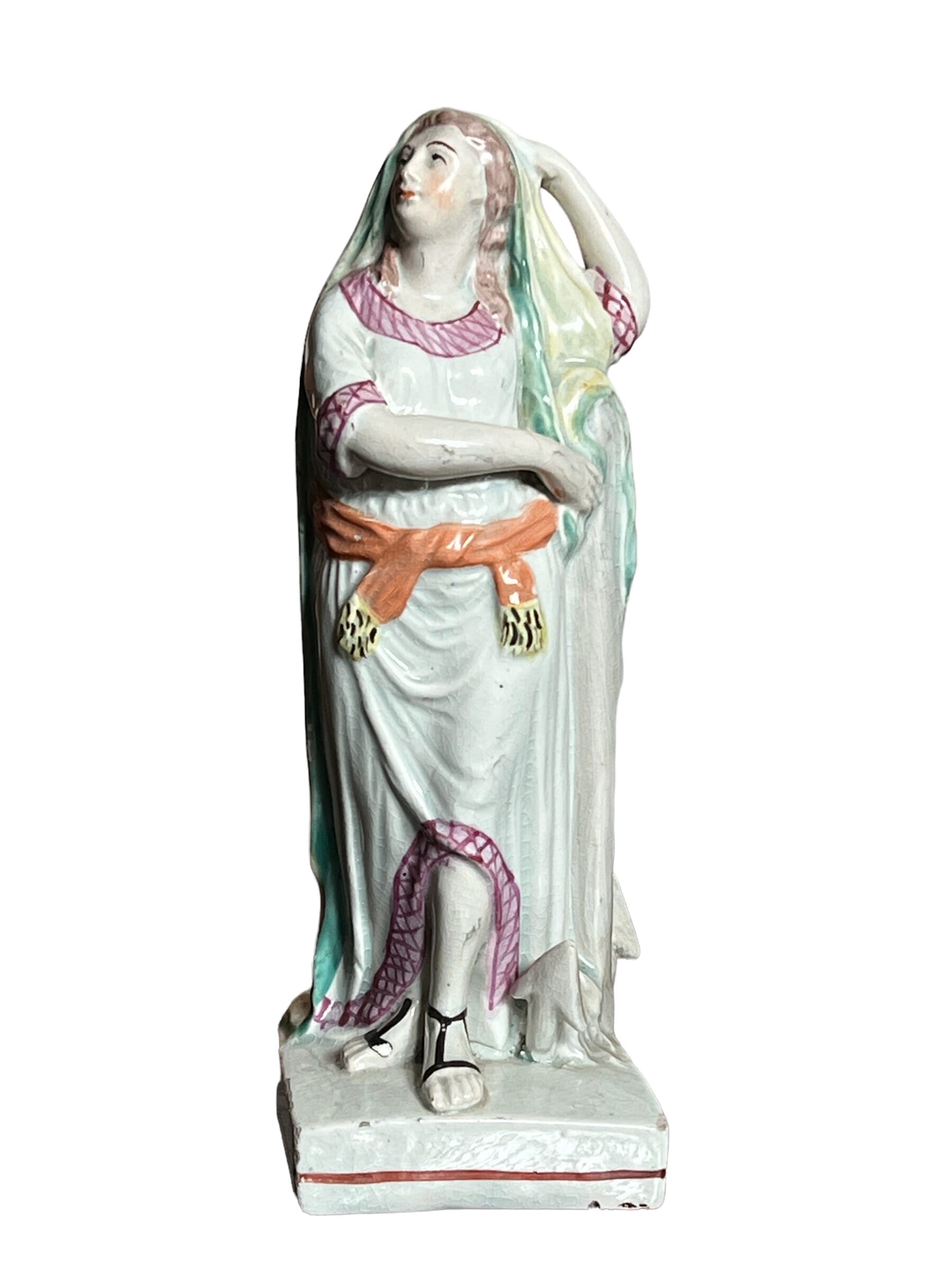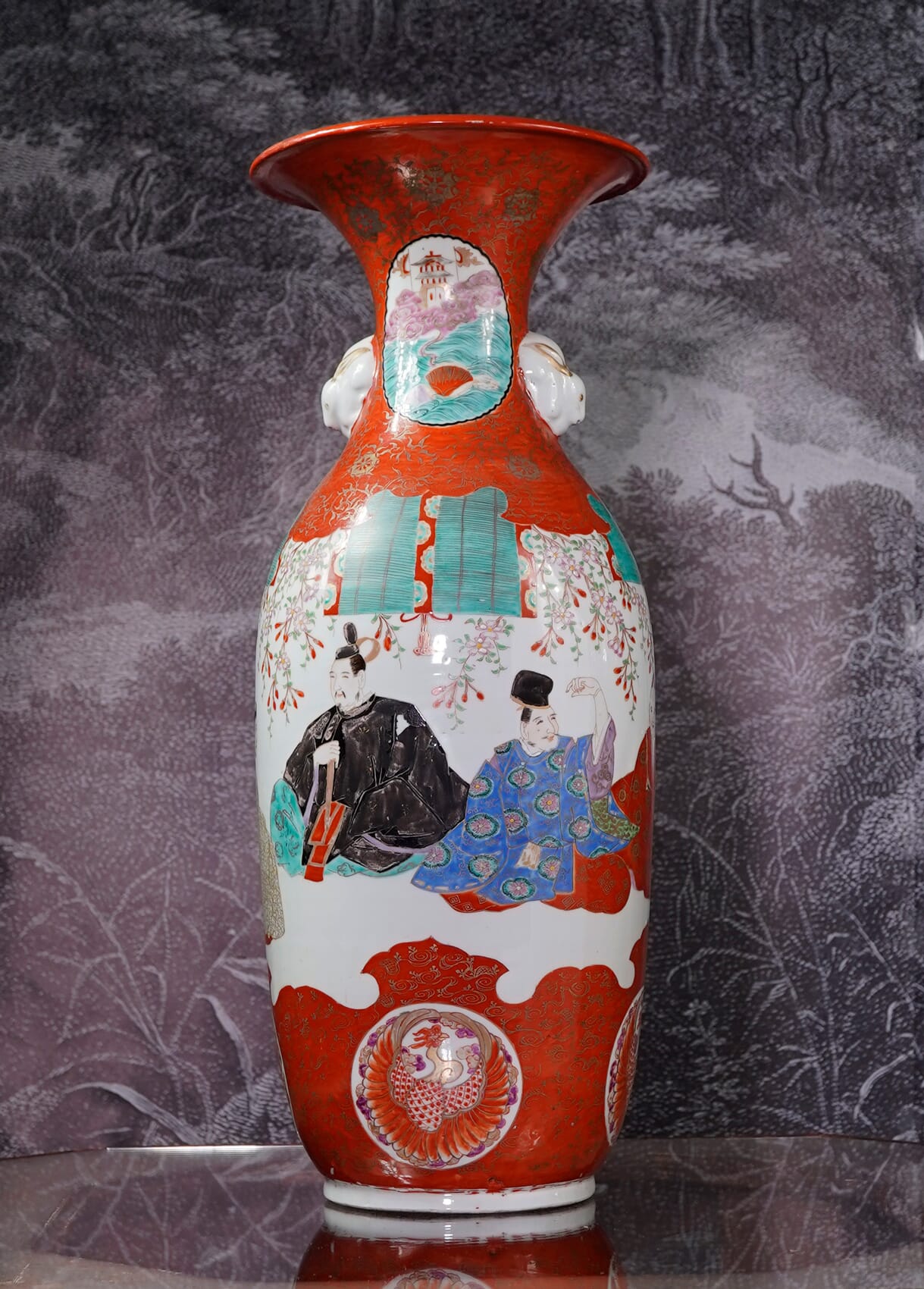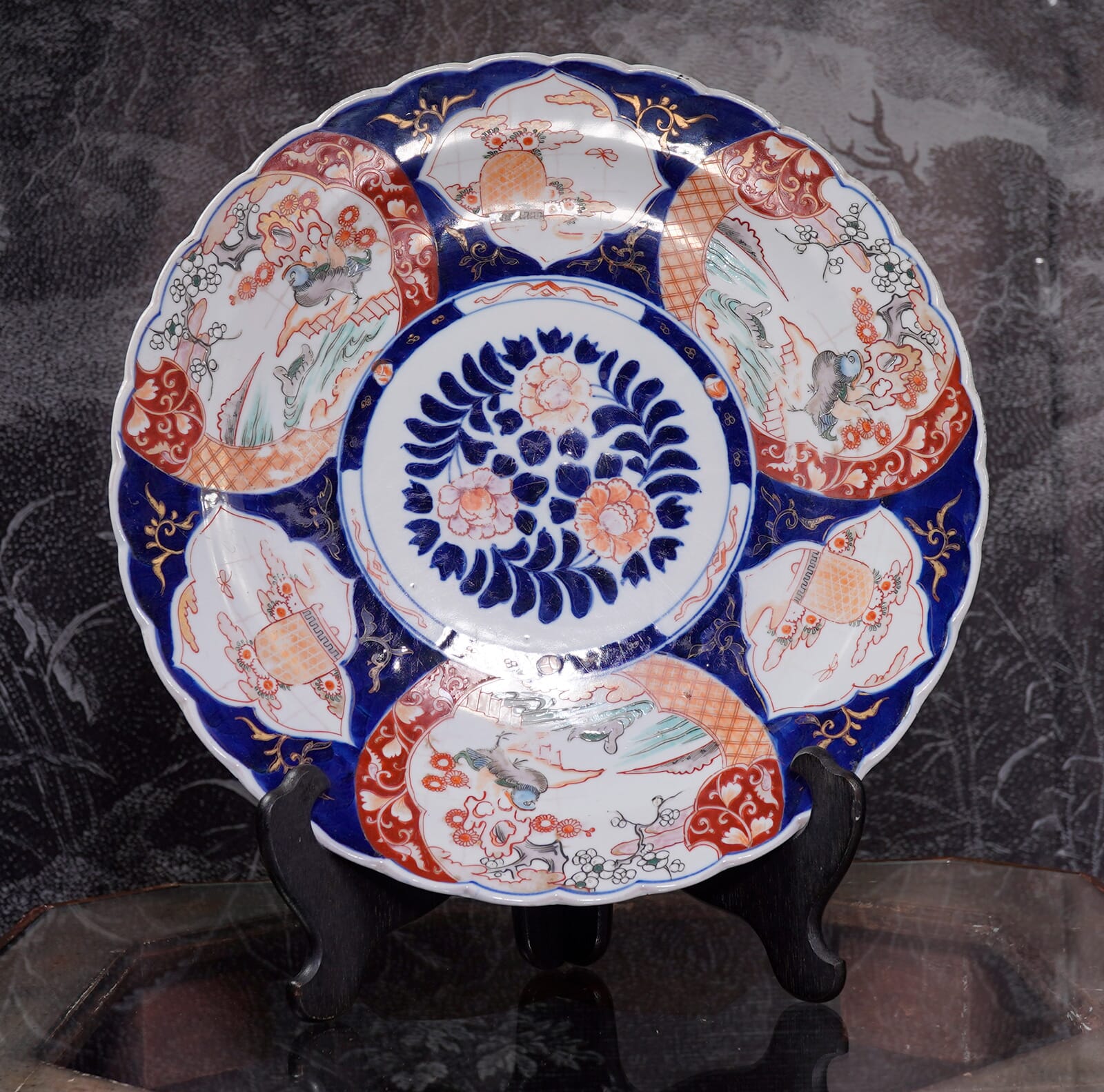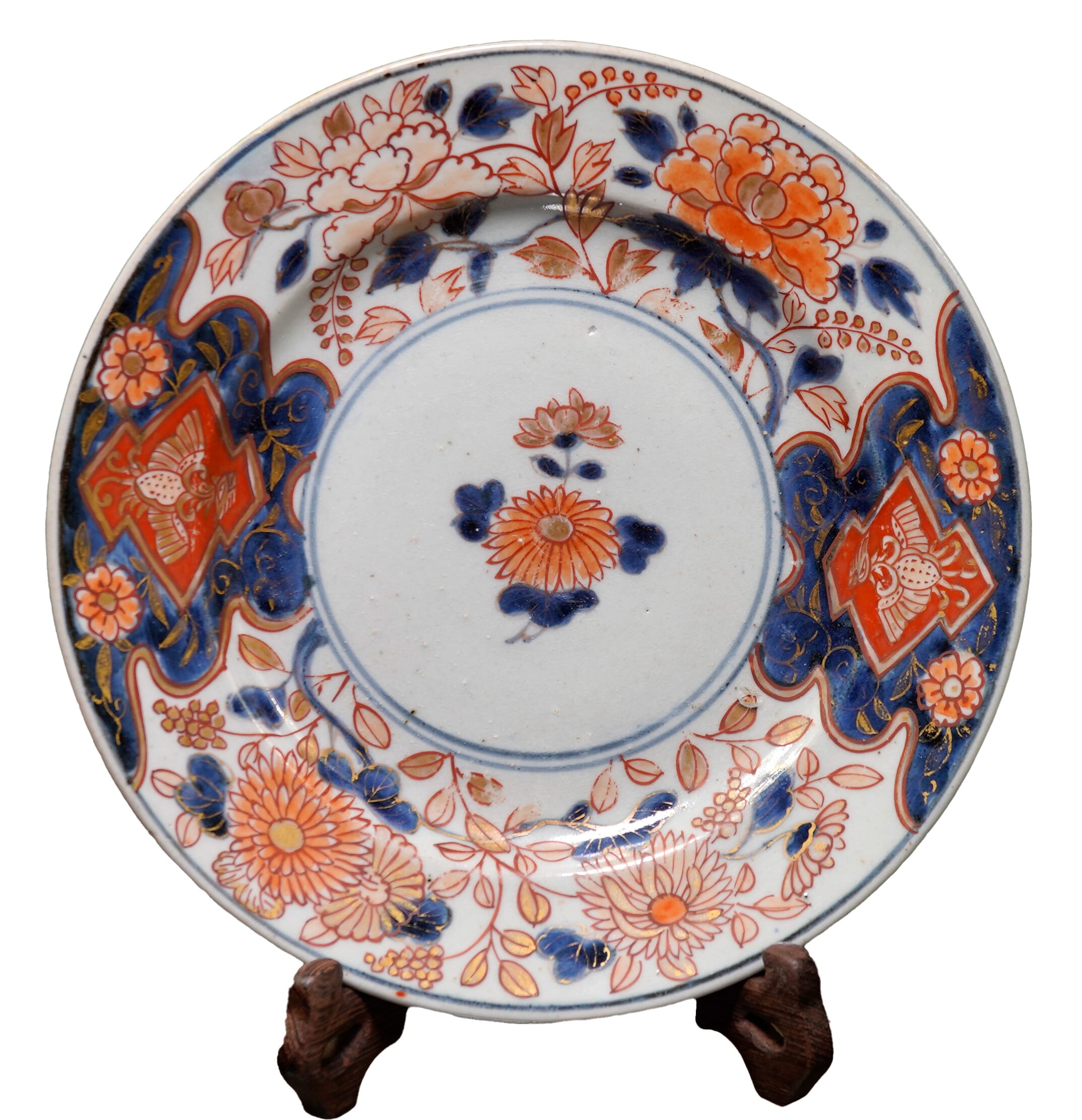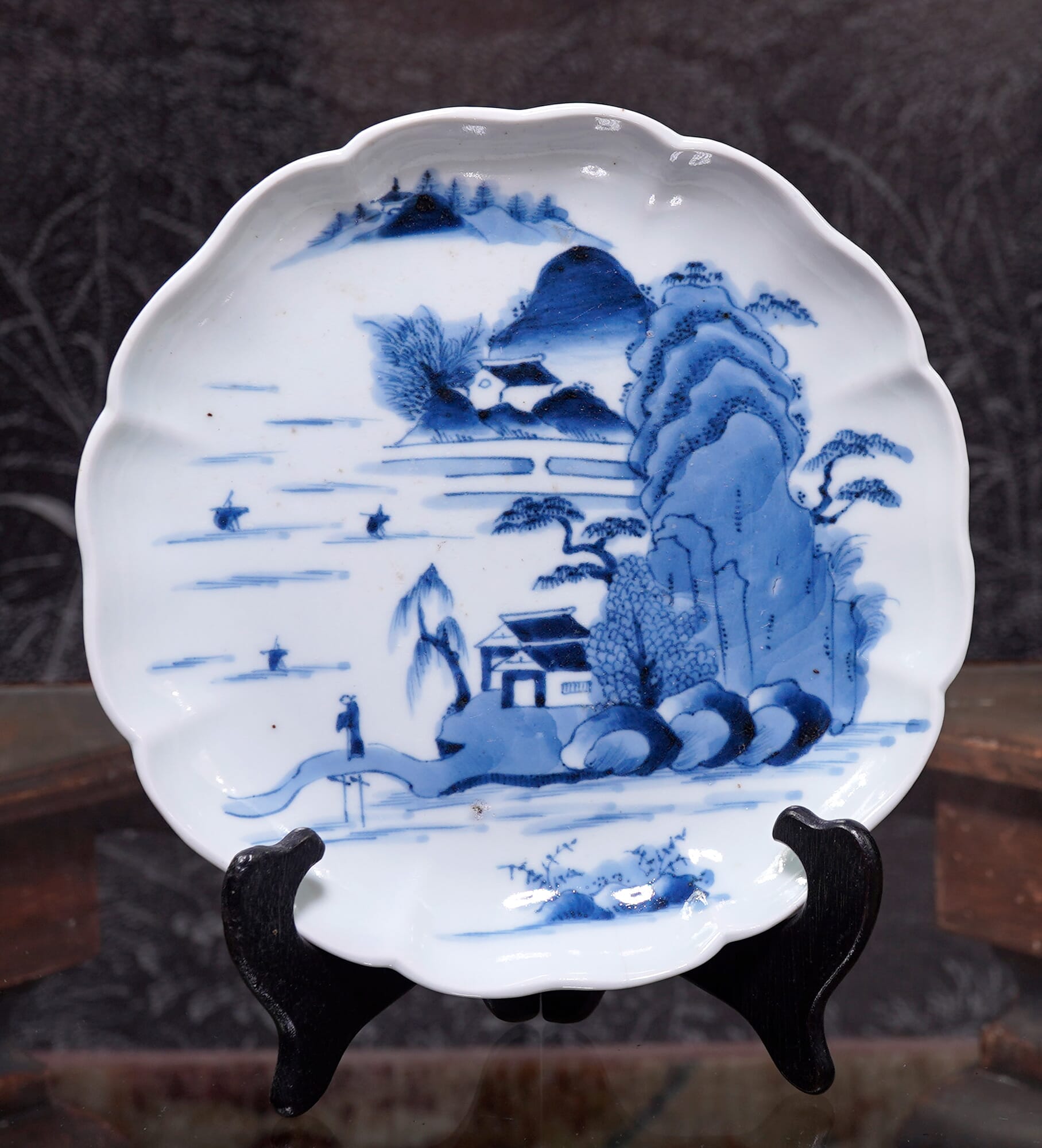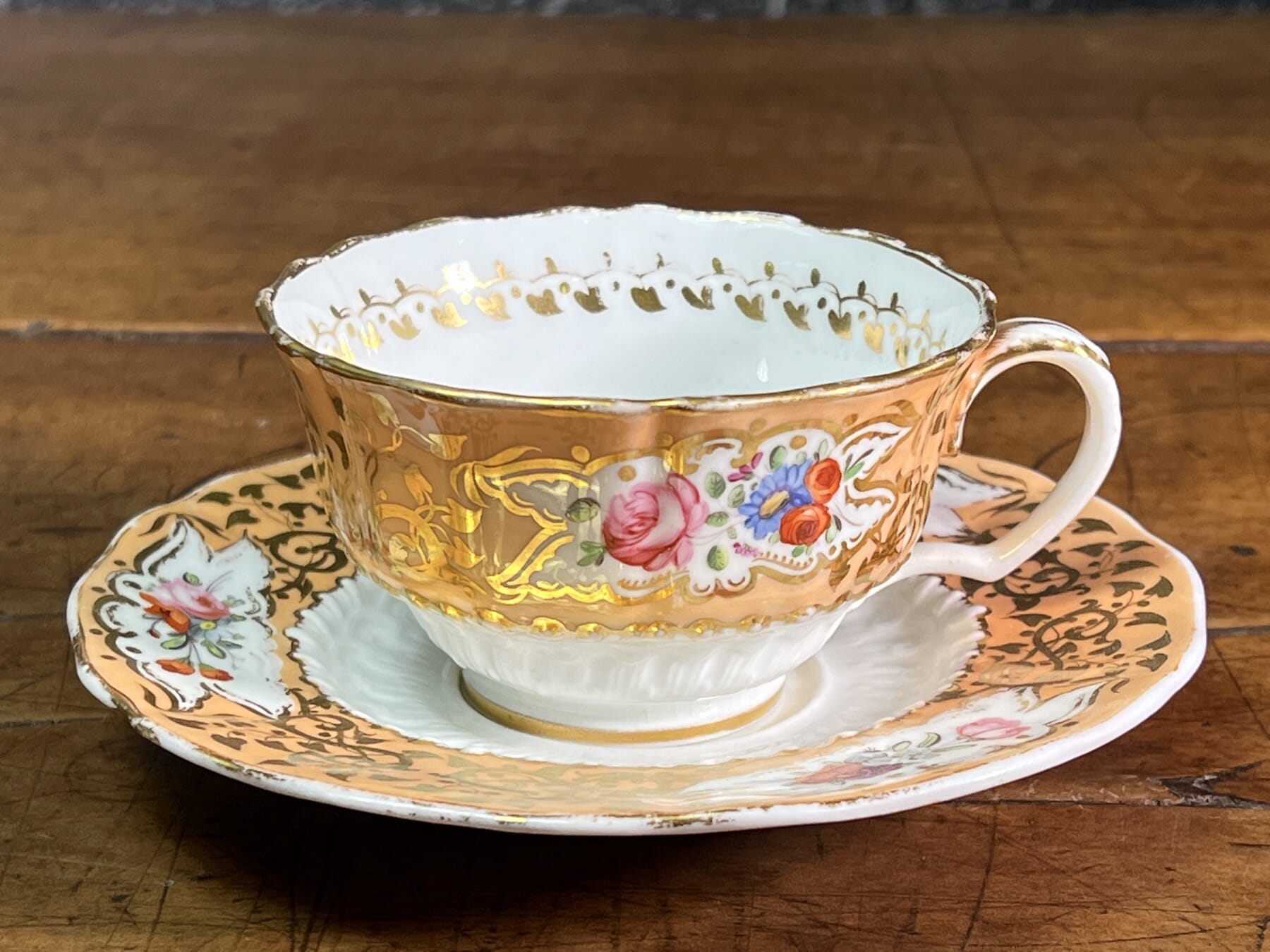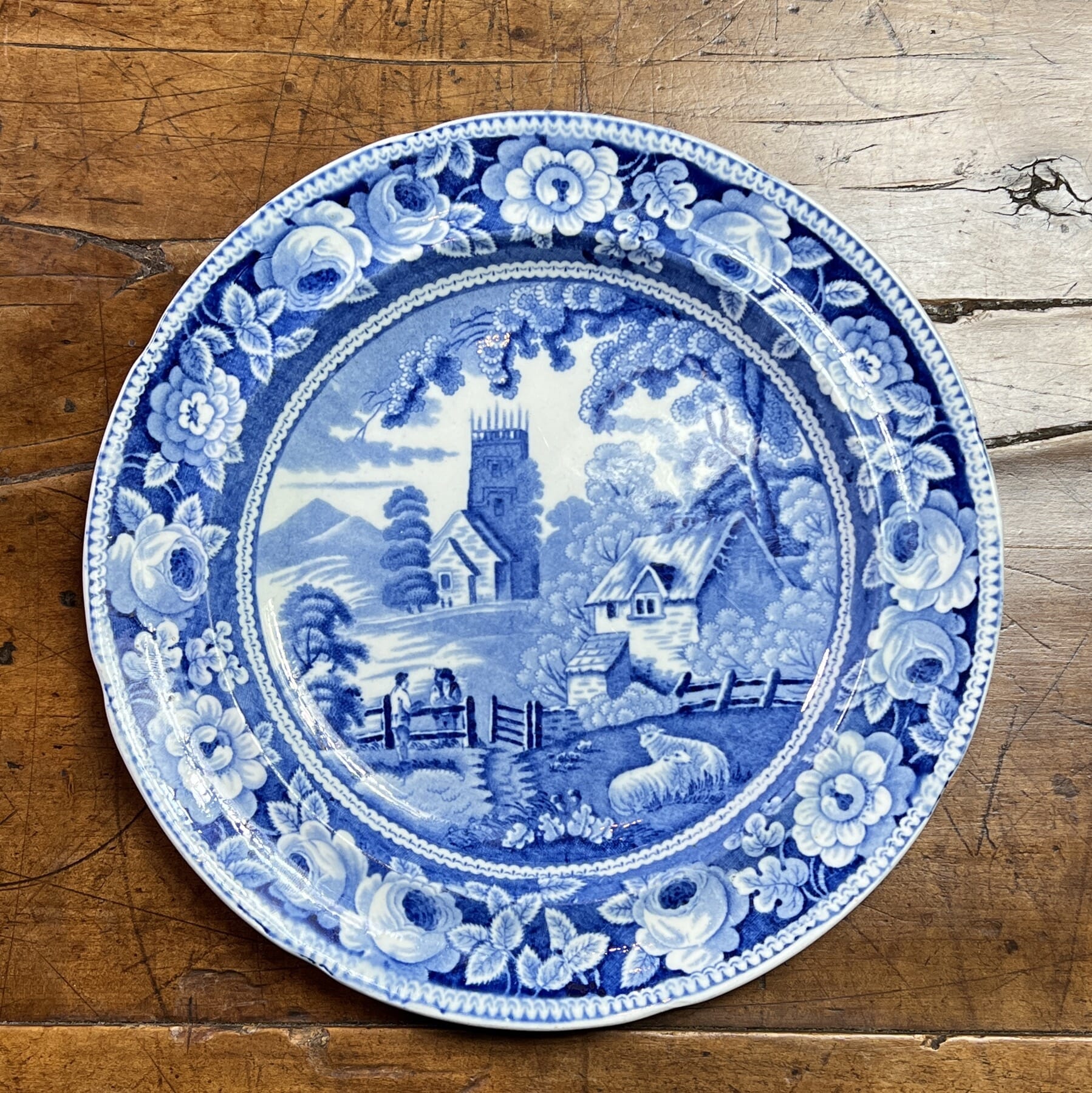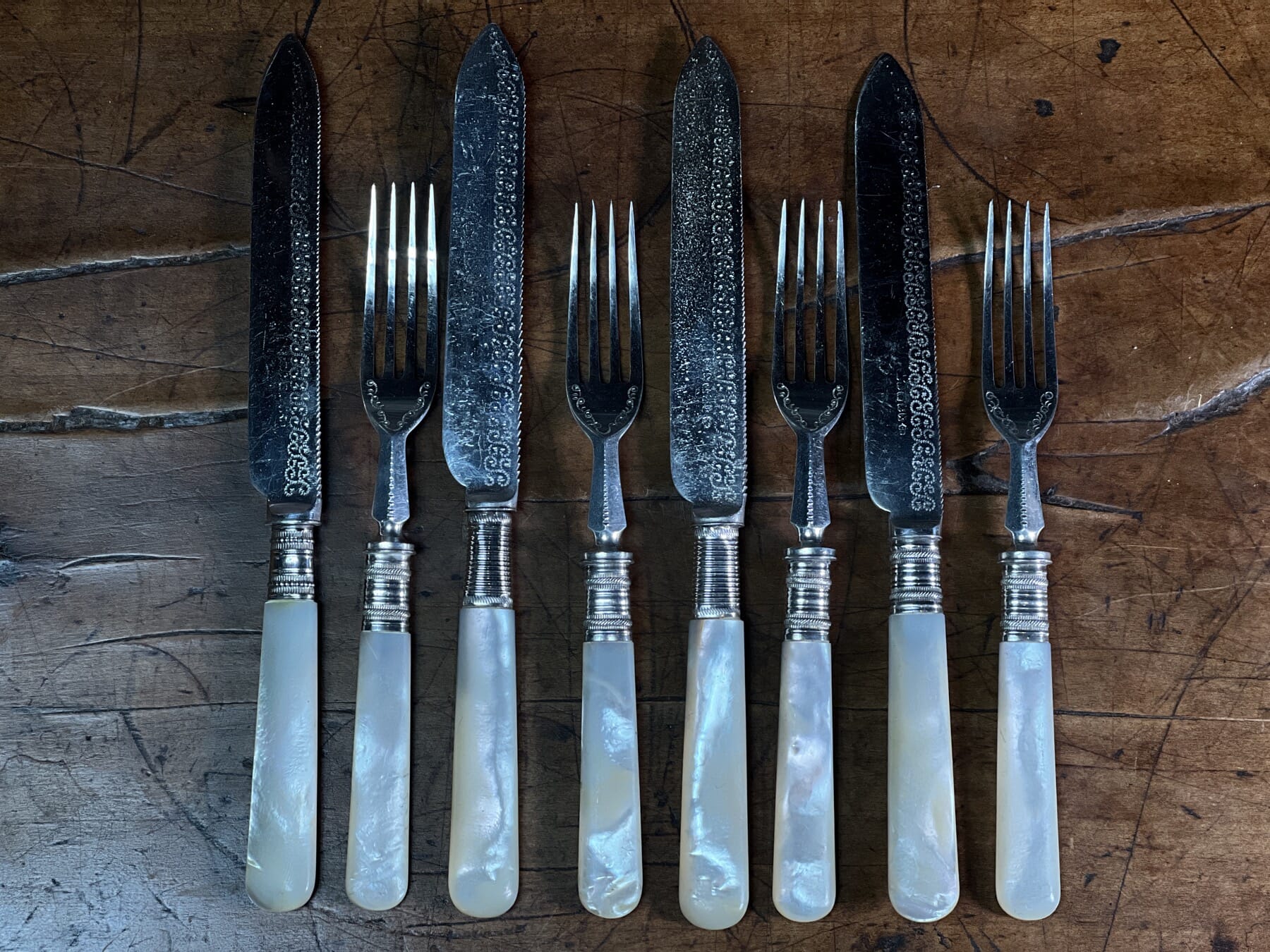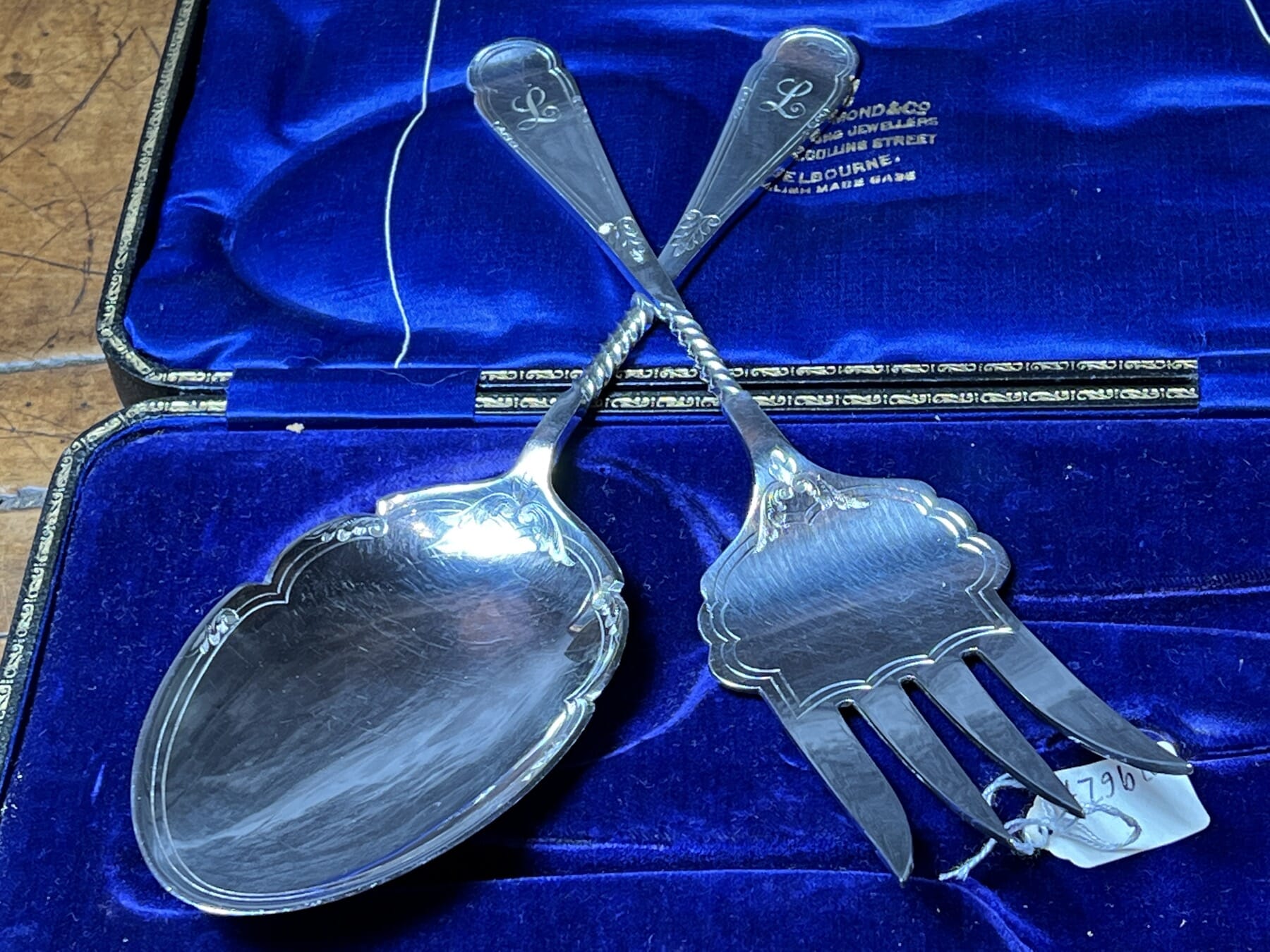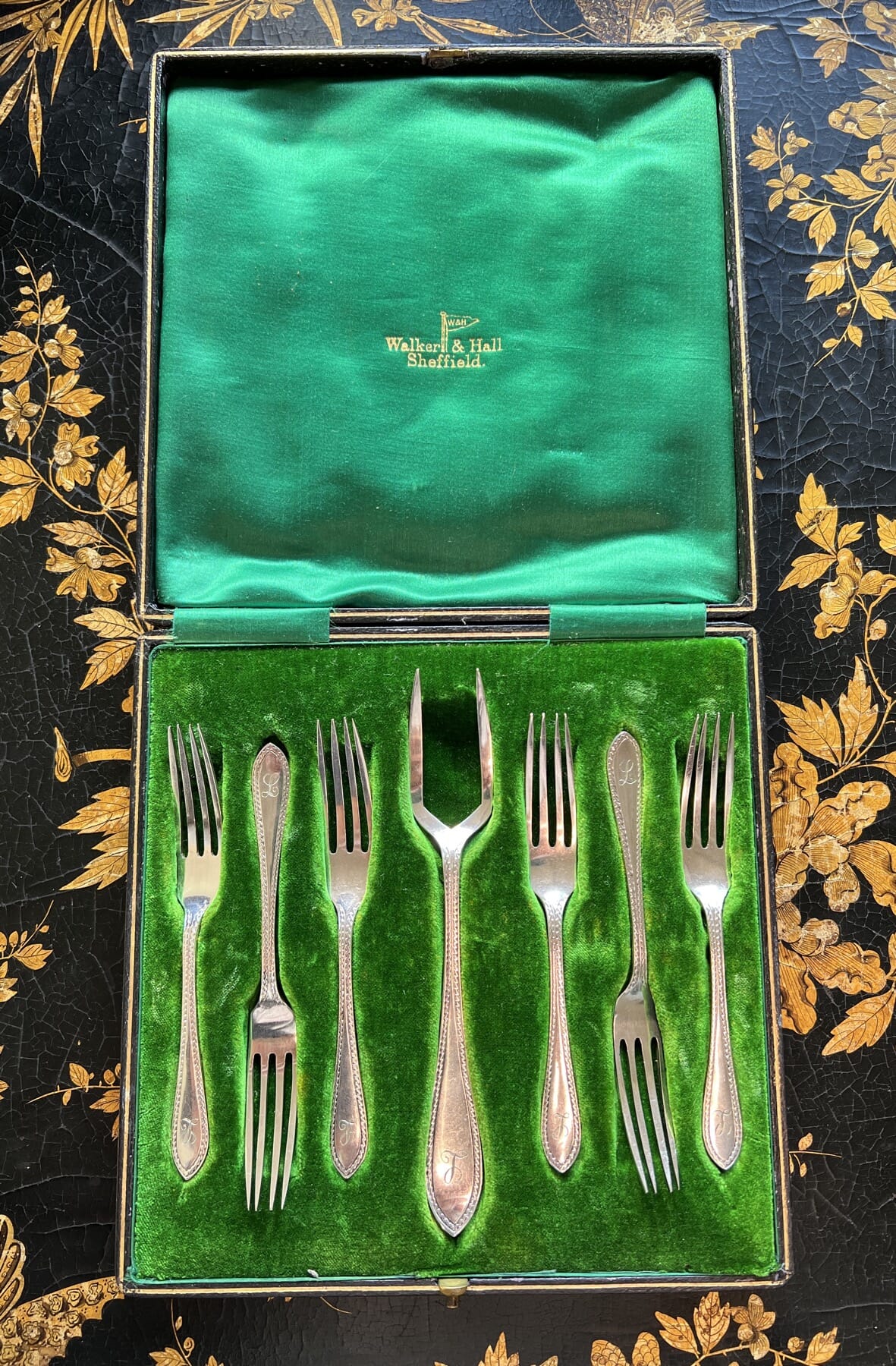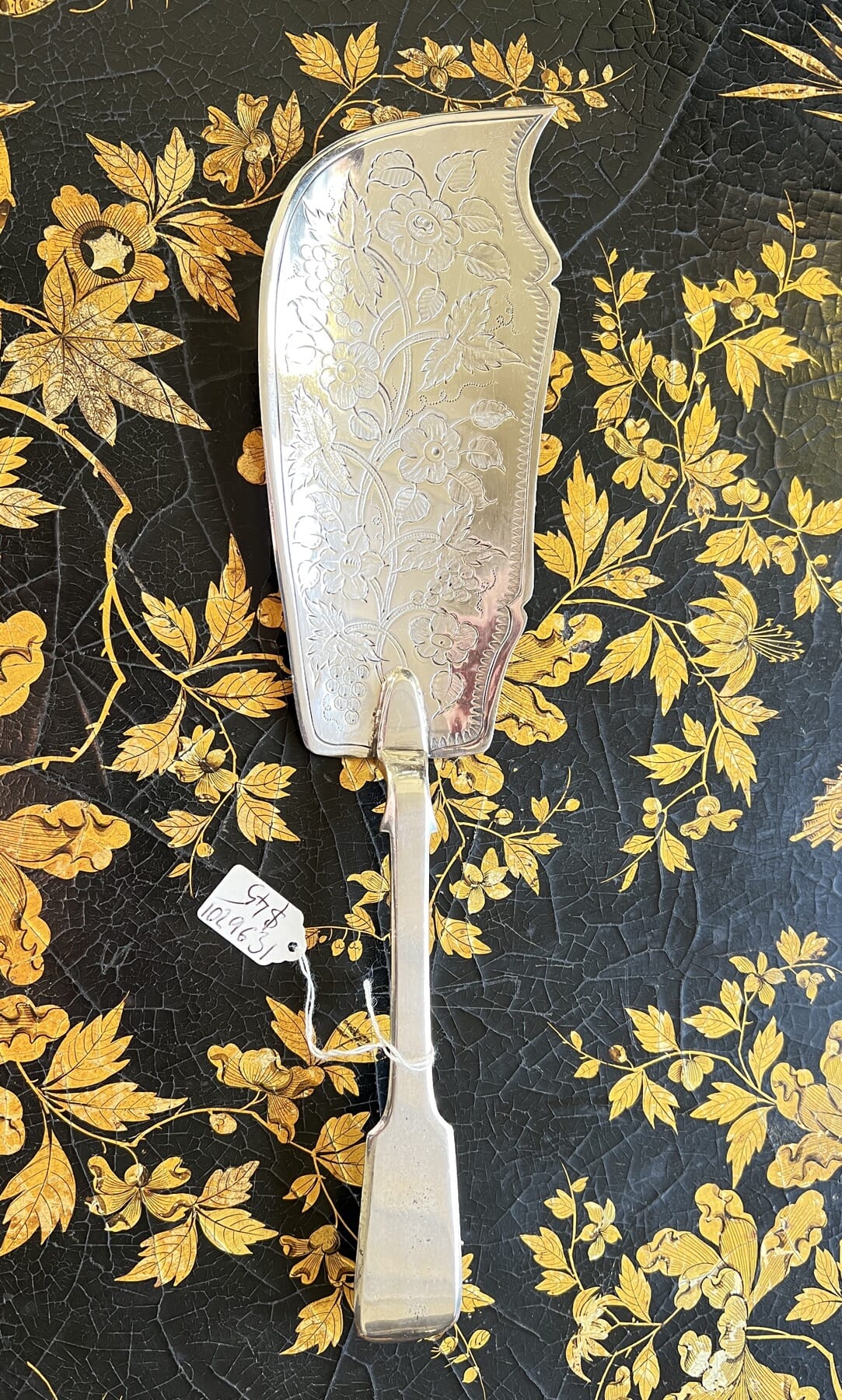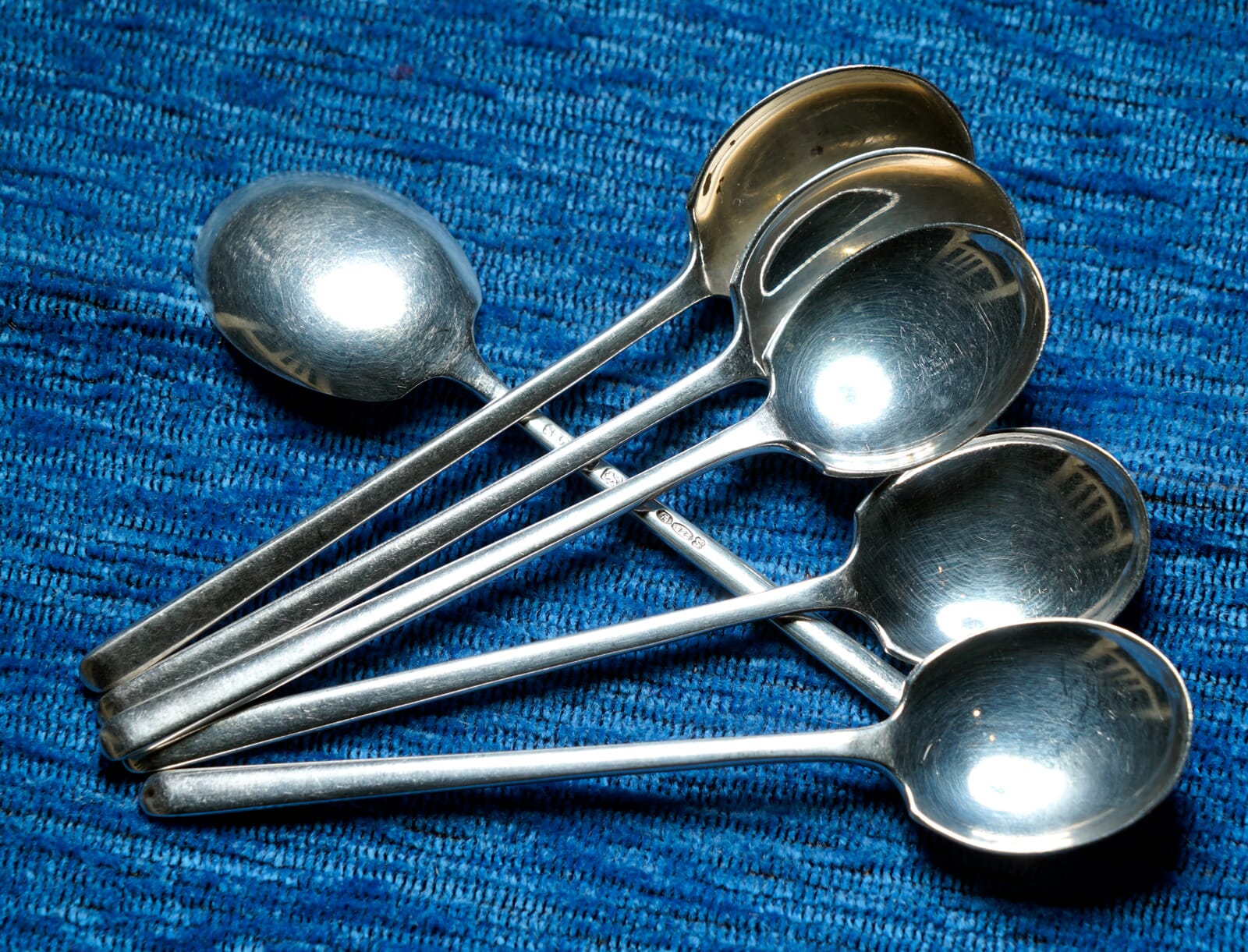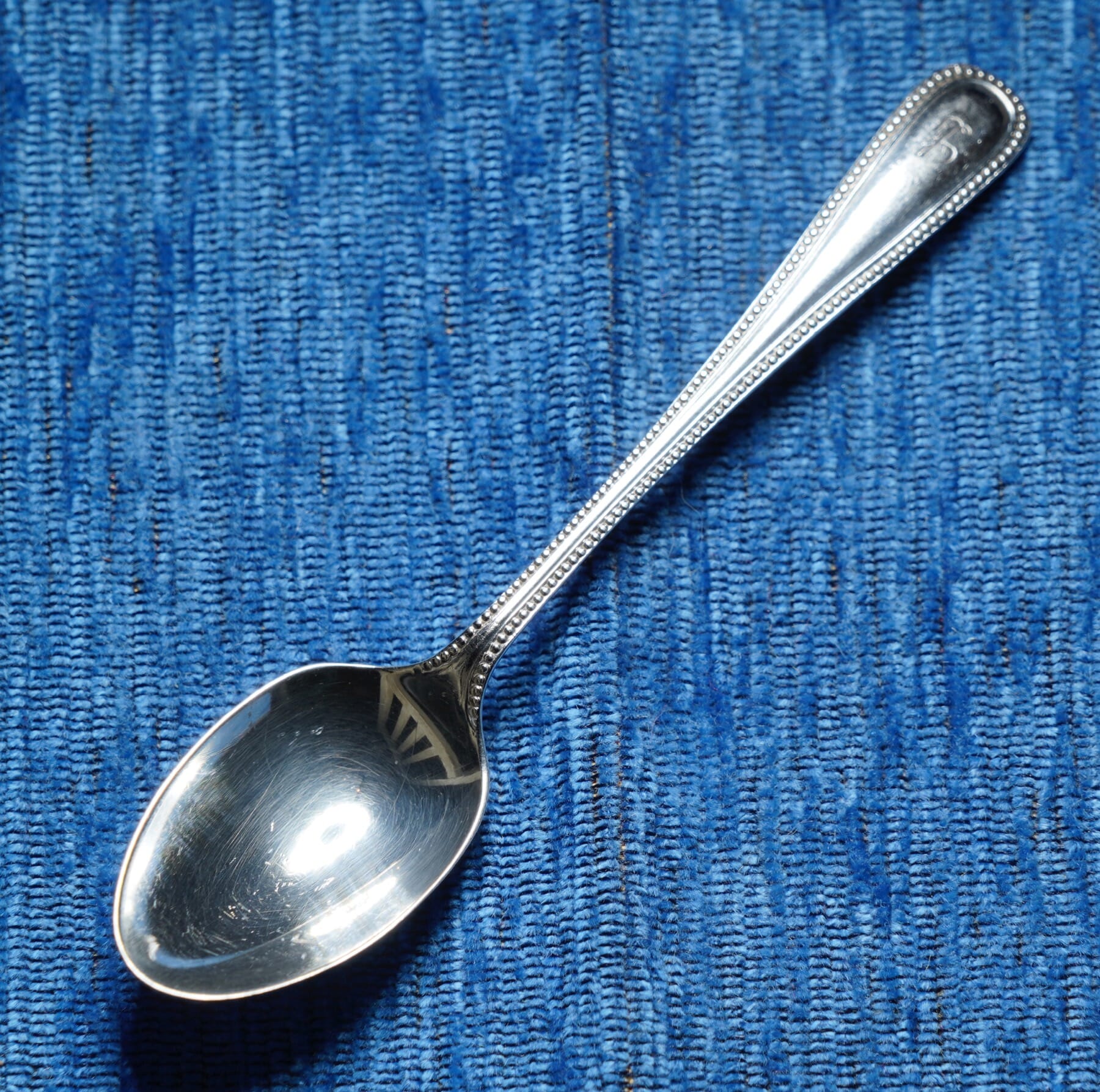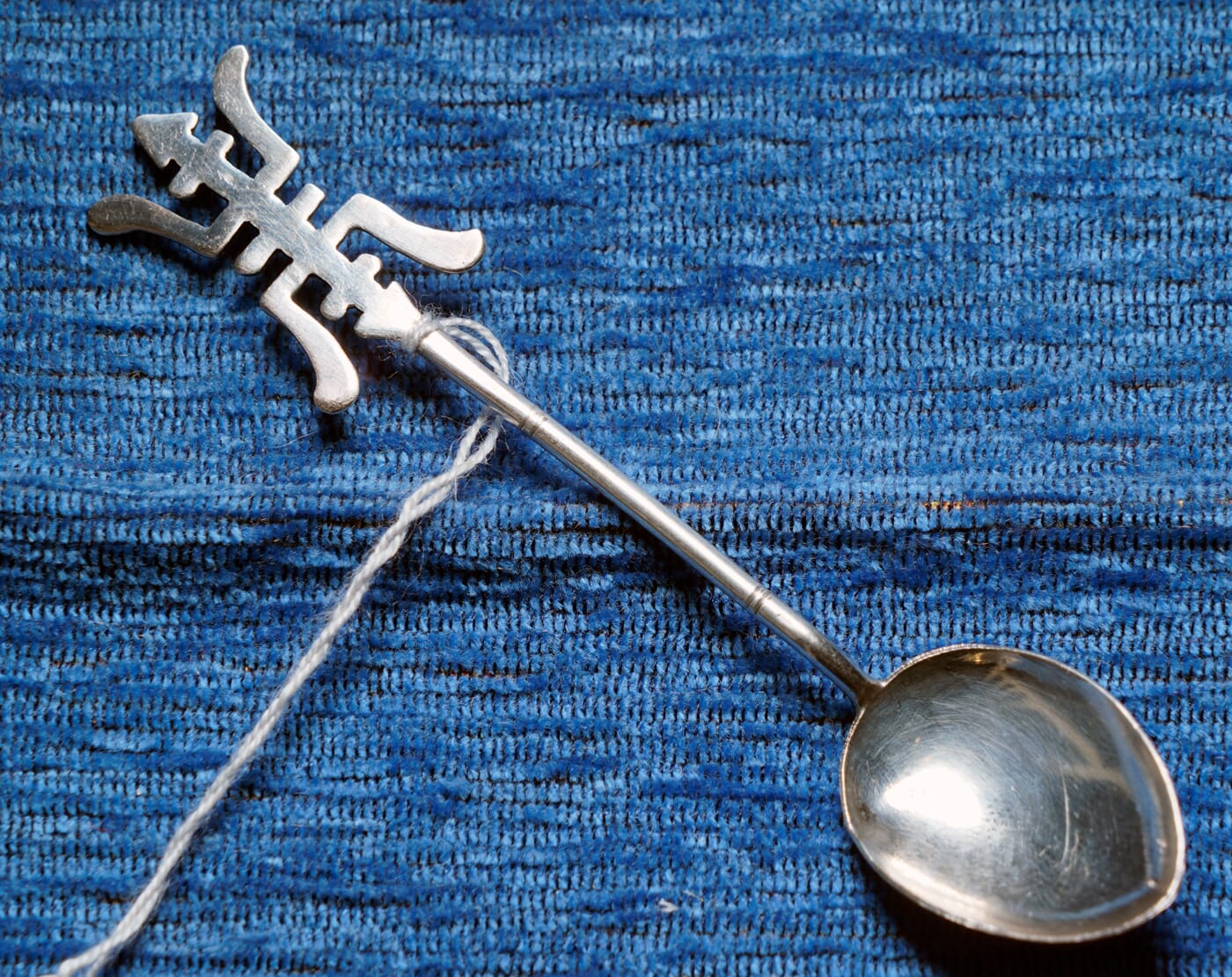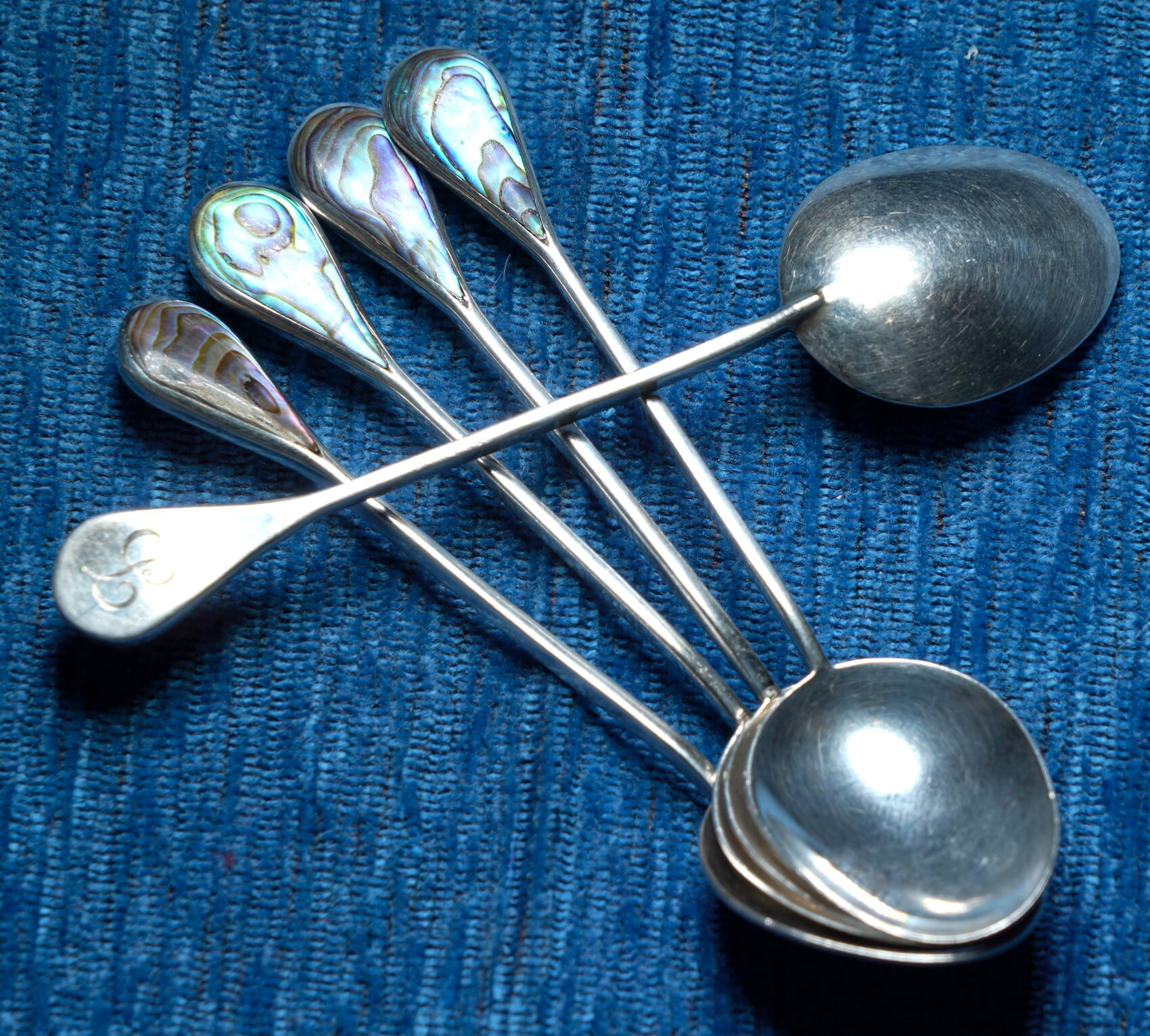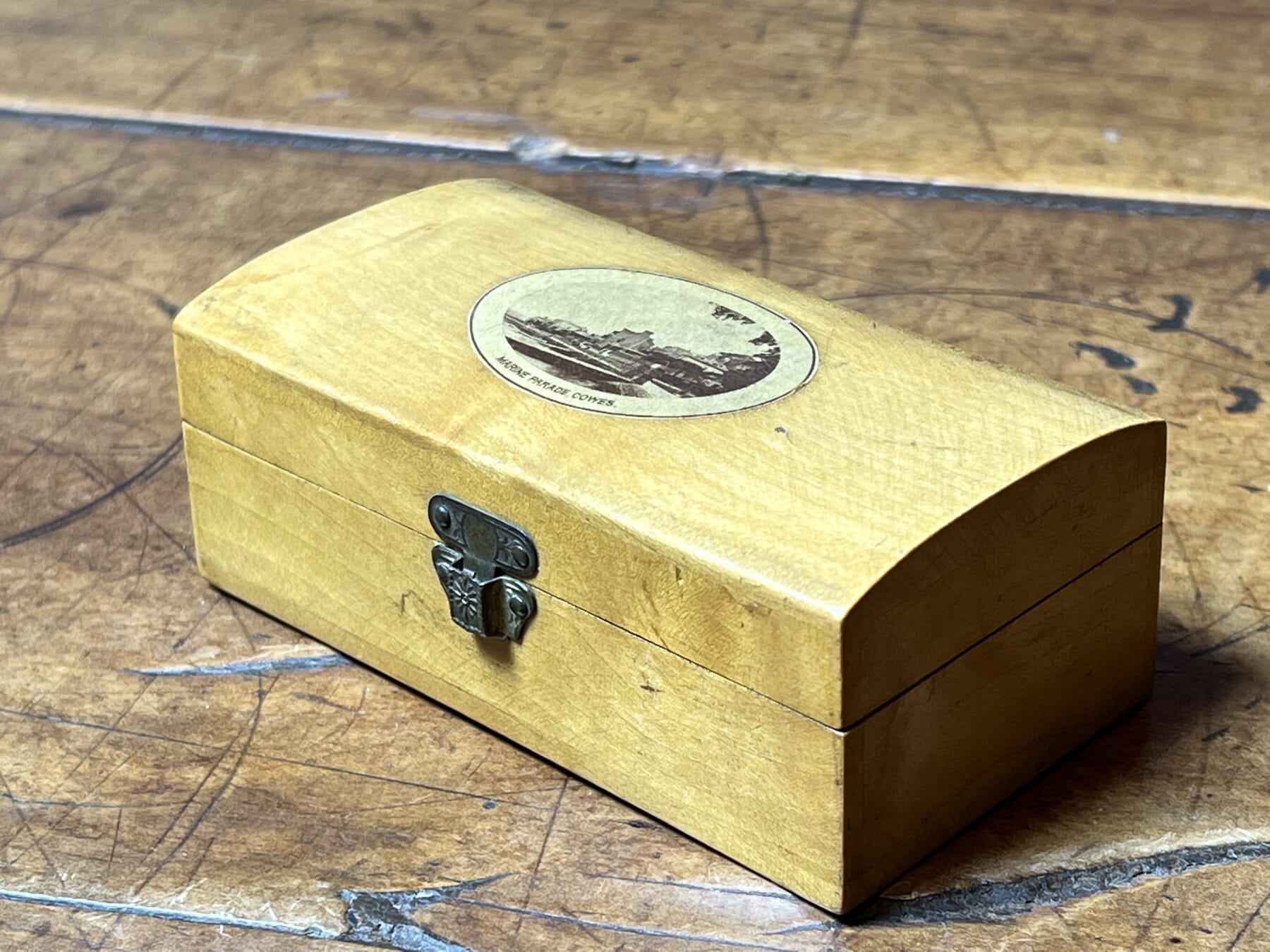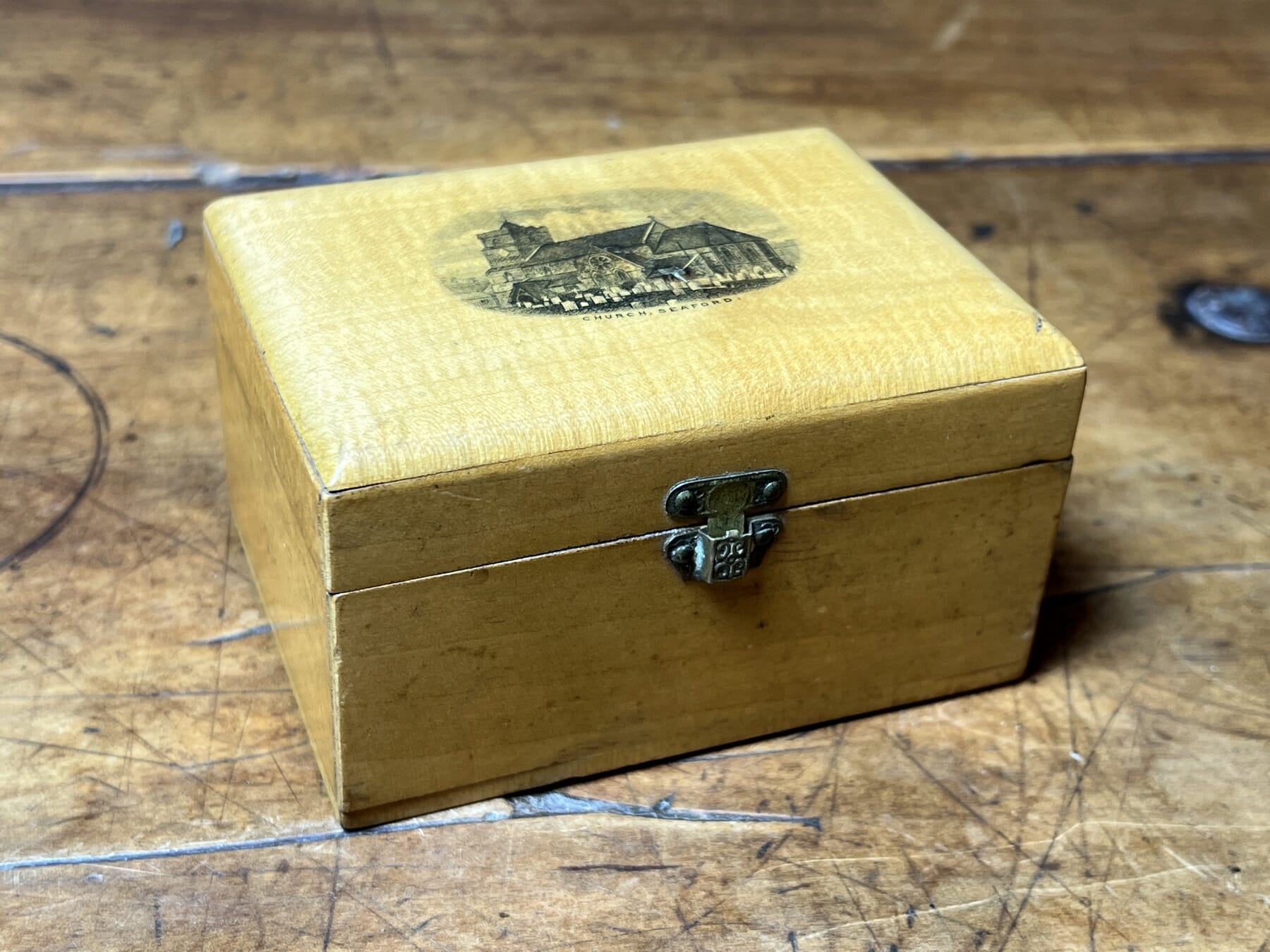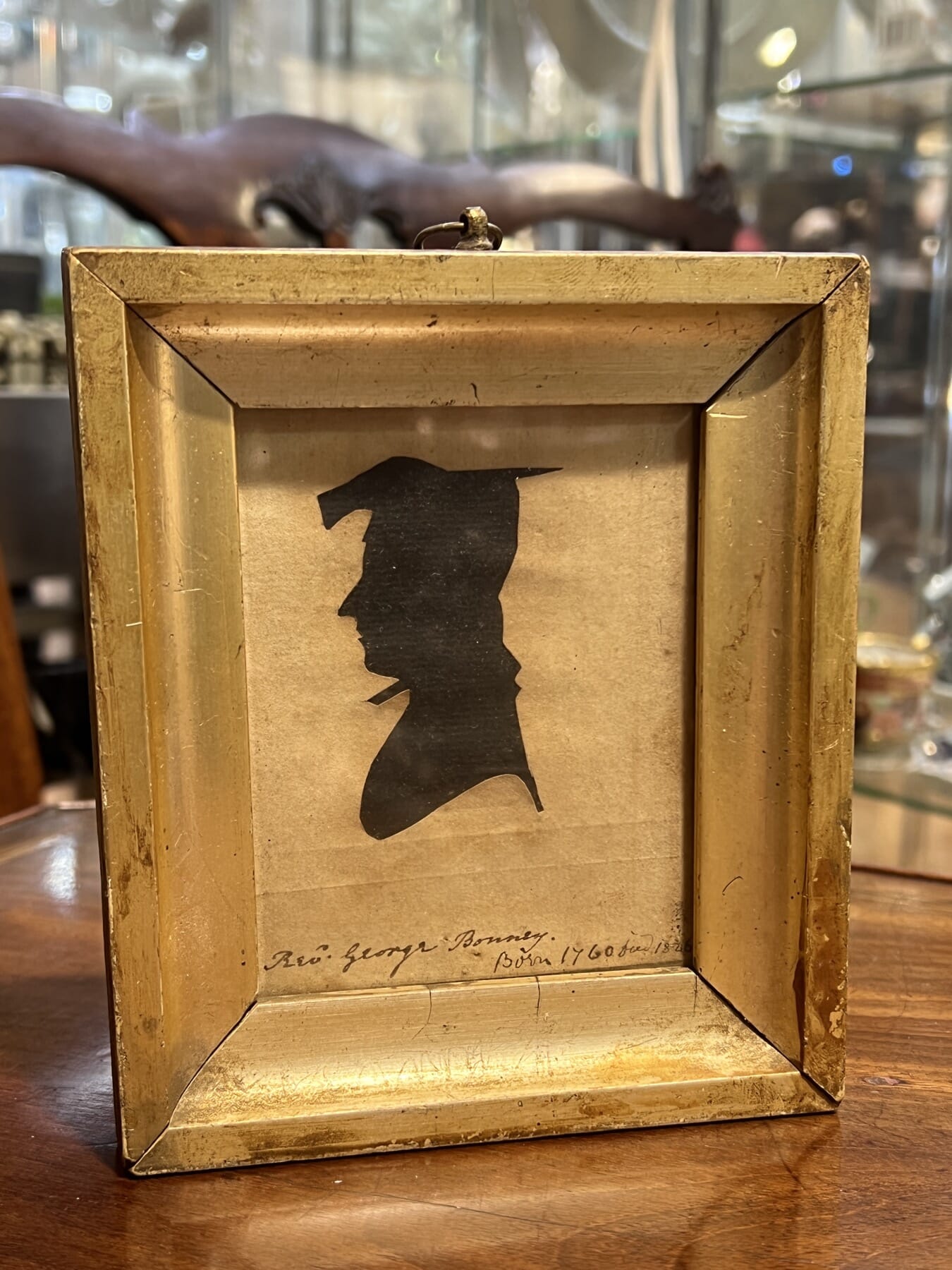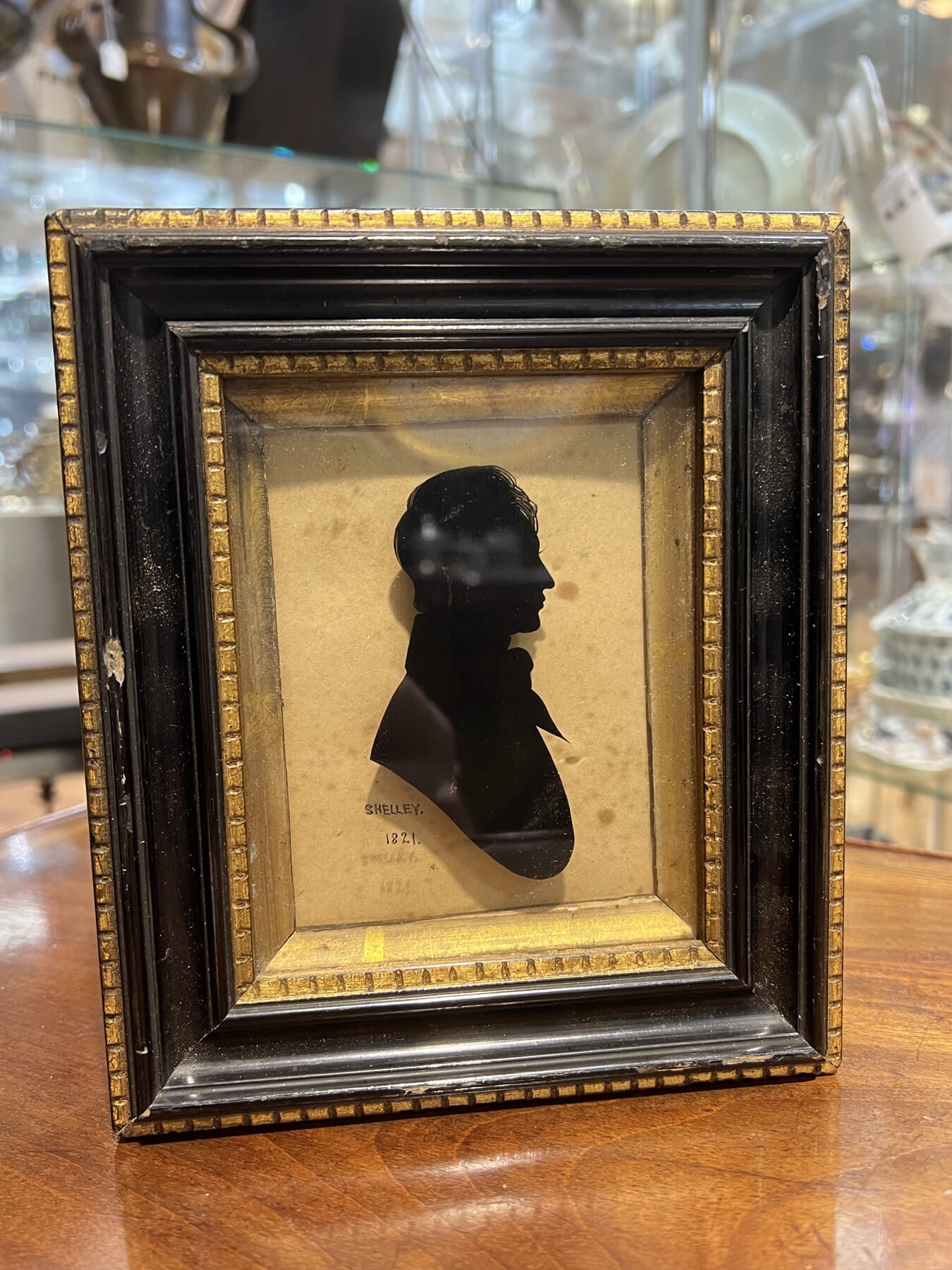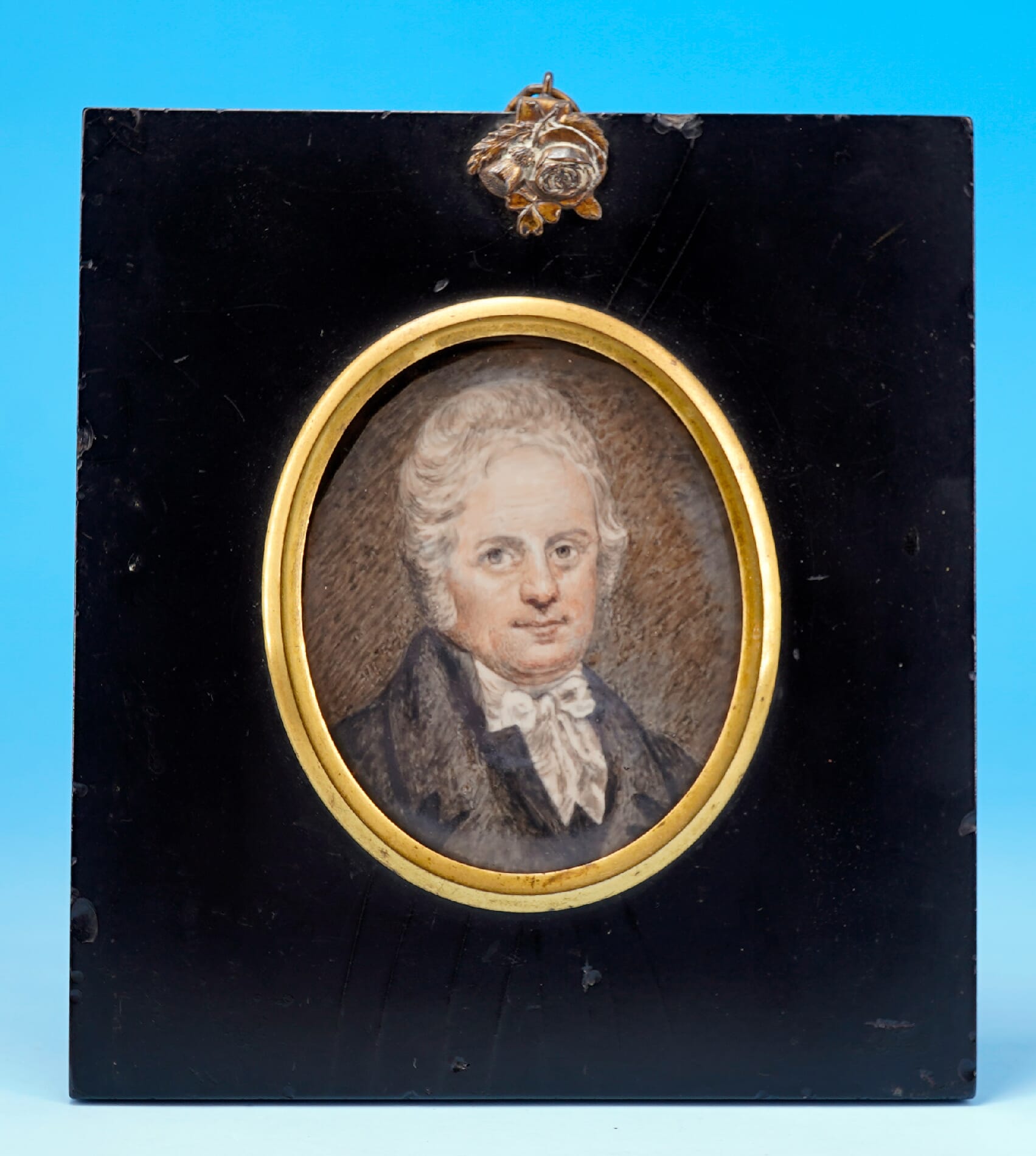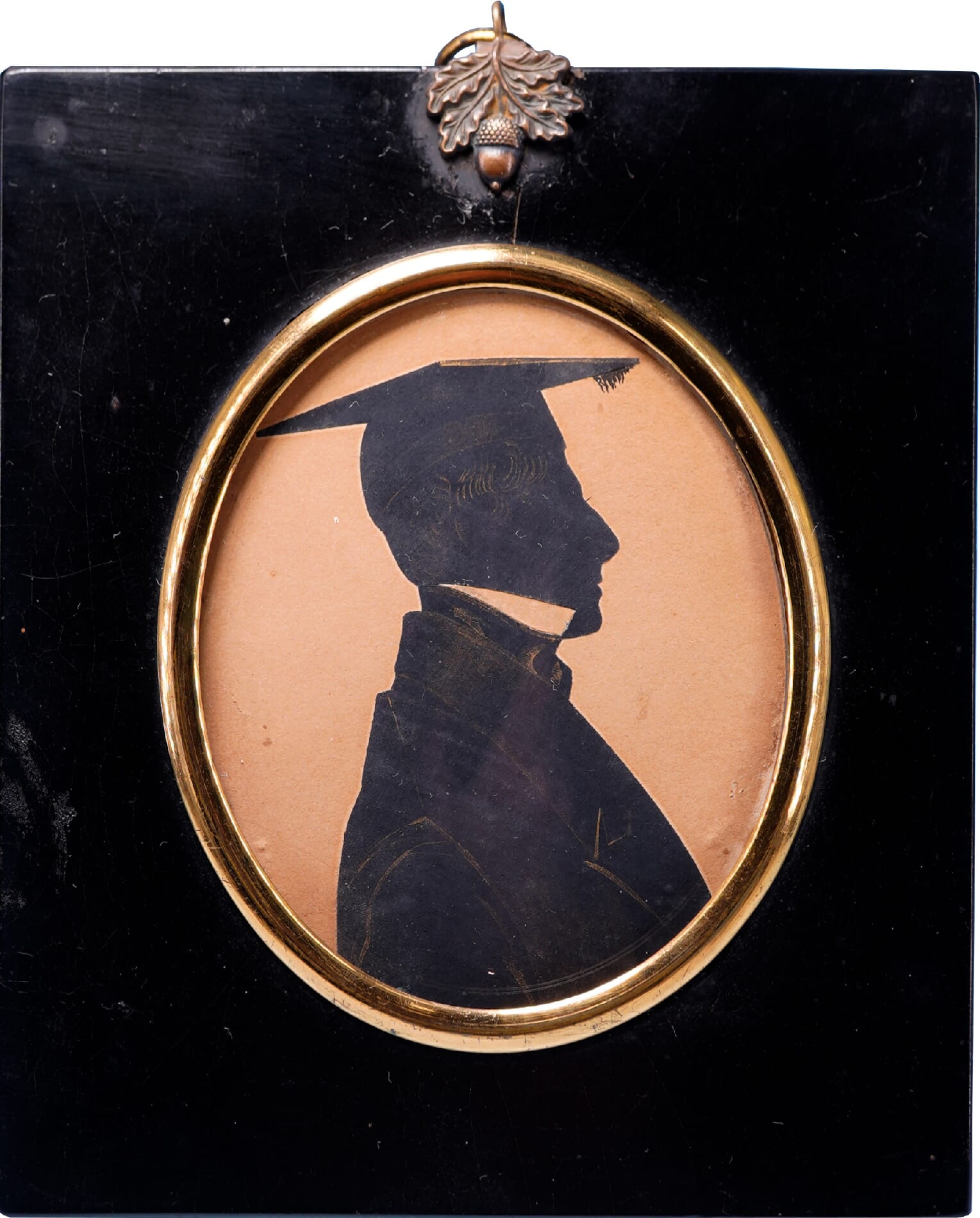
For Australia & New Zealand, it’s Fathers Day on the 4th September.
Time to find something unique for the ‘Father Bear‘!
101 Father’s Day Ideas
We have a huge number of potential presents – to make things a little easier, here’s a selection of pieces he may like, chosen by our expert present-giver….
-
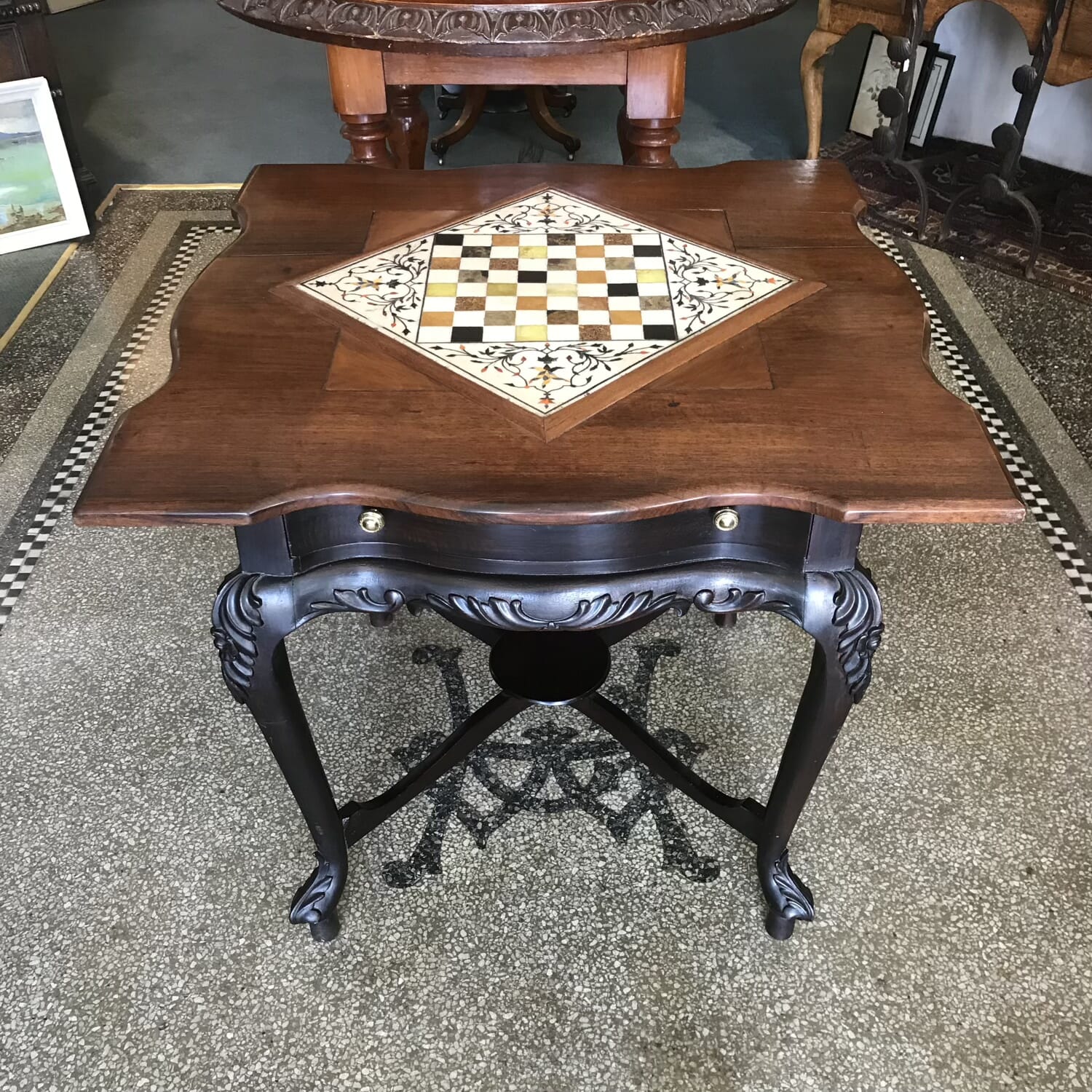
 Anglo-Indian Teak Chess table with inlaid alabaster board, twin drawers, c. 1895$1,945.00 AUD
 -
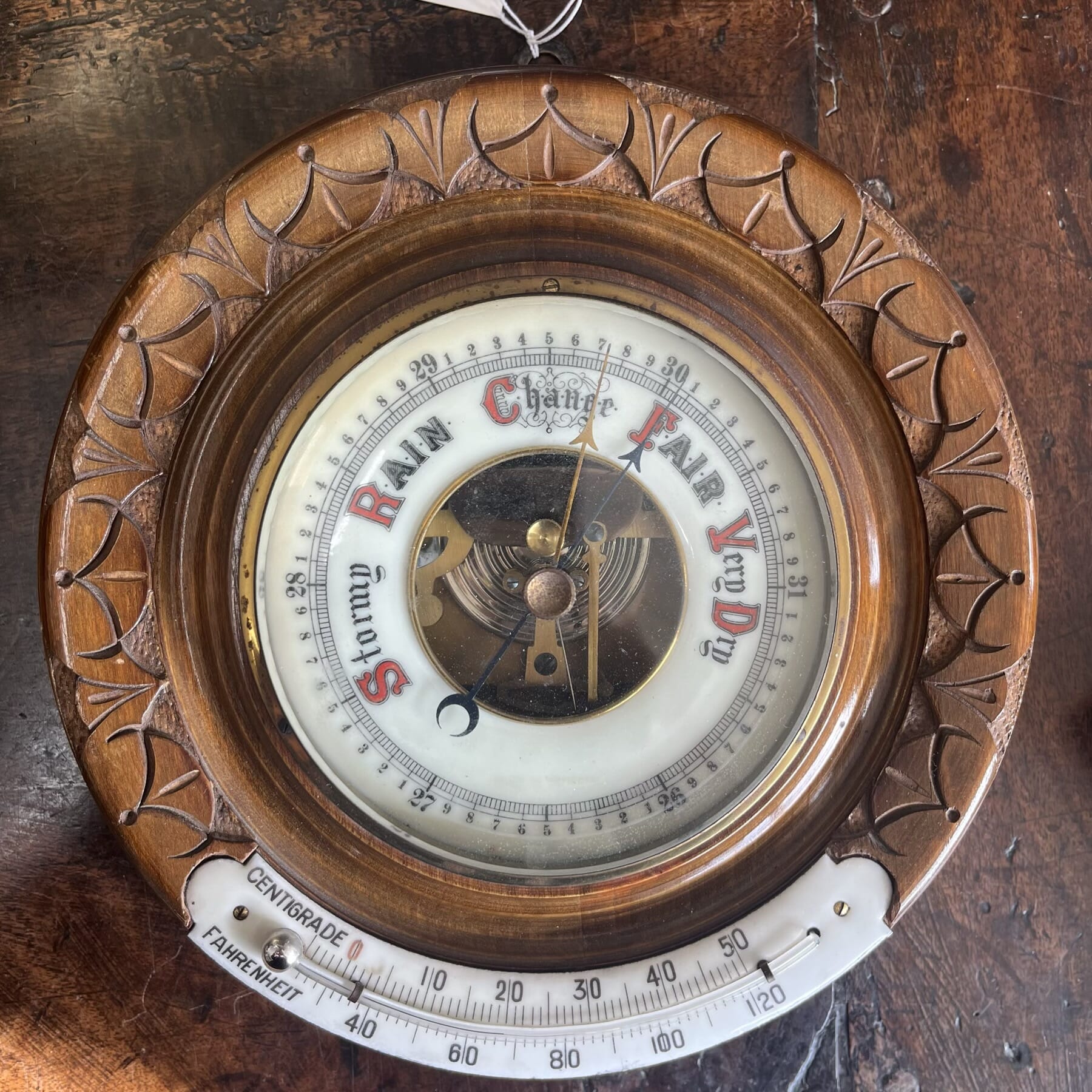
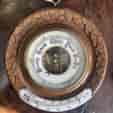 German Aneroid Barometer + Thermometer, carved case, c. 1910Sold
 -
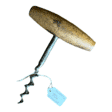 Direct-pull corkscrew with wooden handle, 19th/20th c.$34.00 AUD
 -
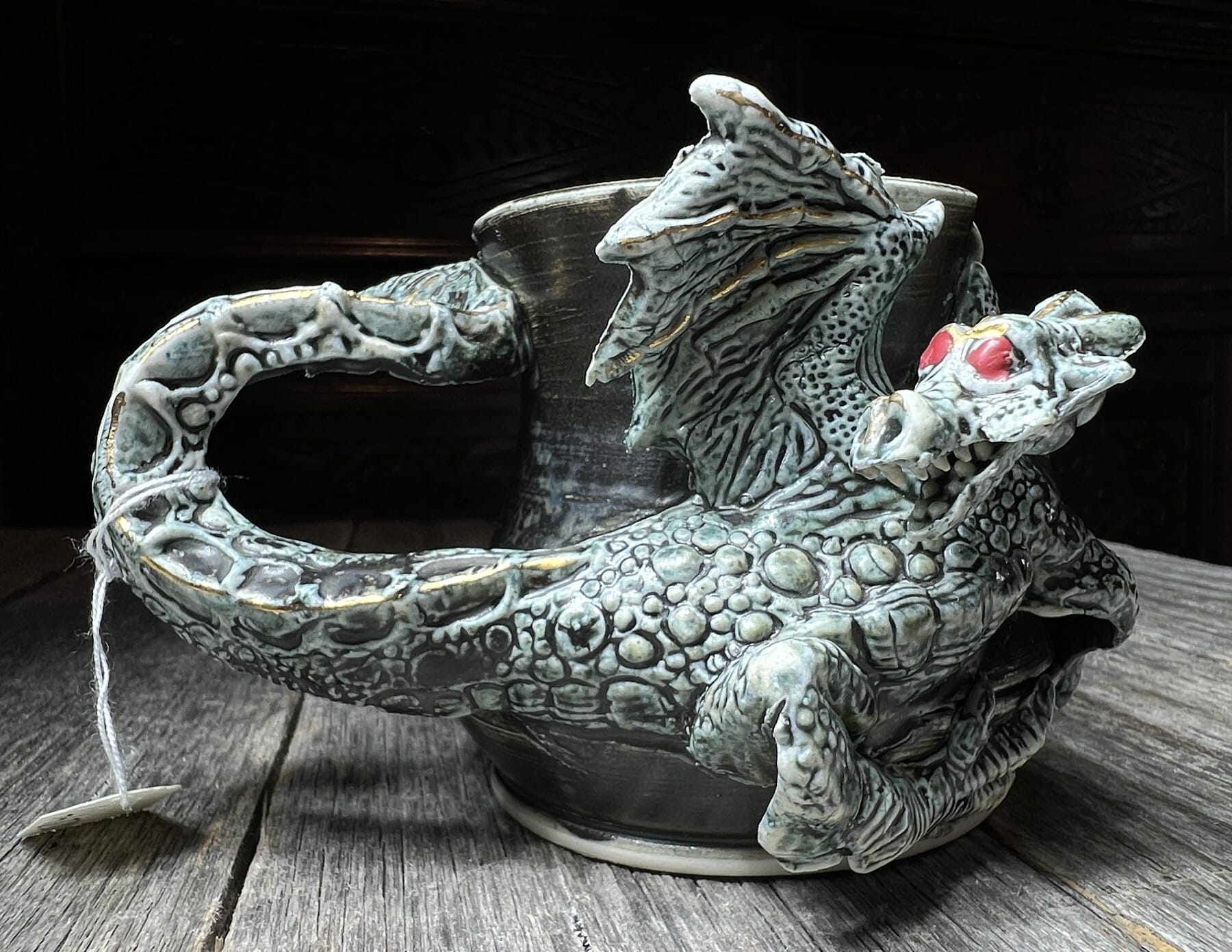
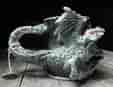 Dragon adorned Australian Pottery jug, Hellfire Pottery QLD, 20th century$285.00 AUD
 -
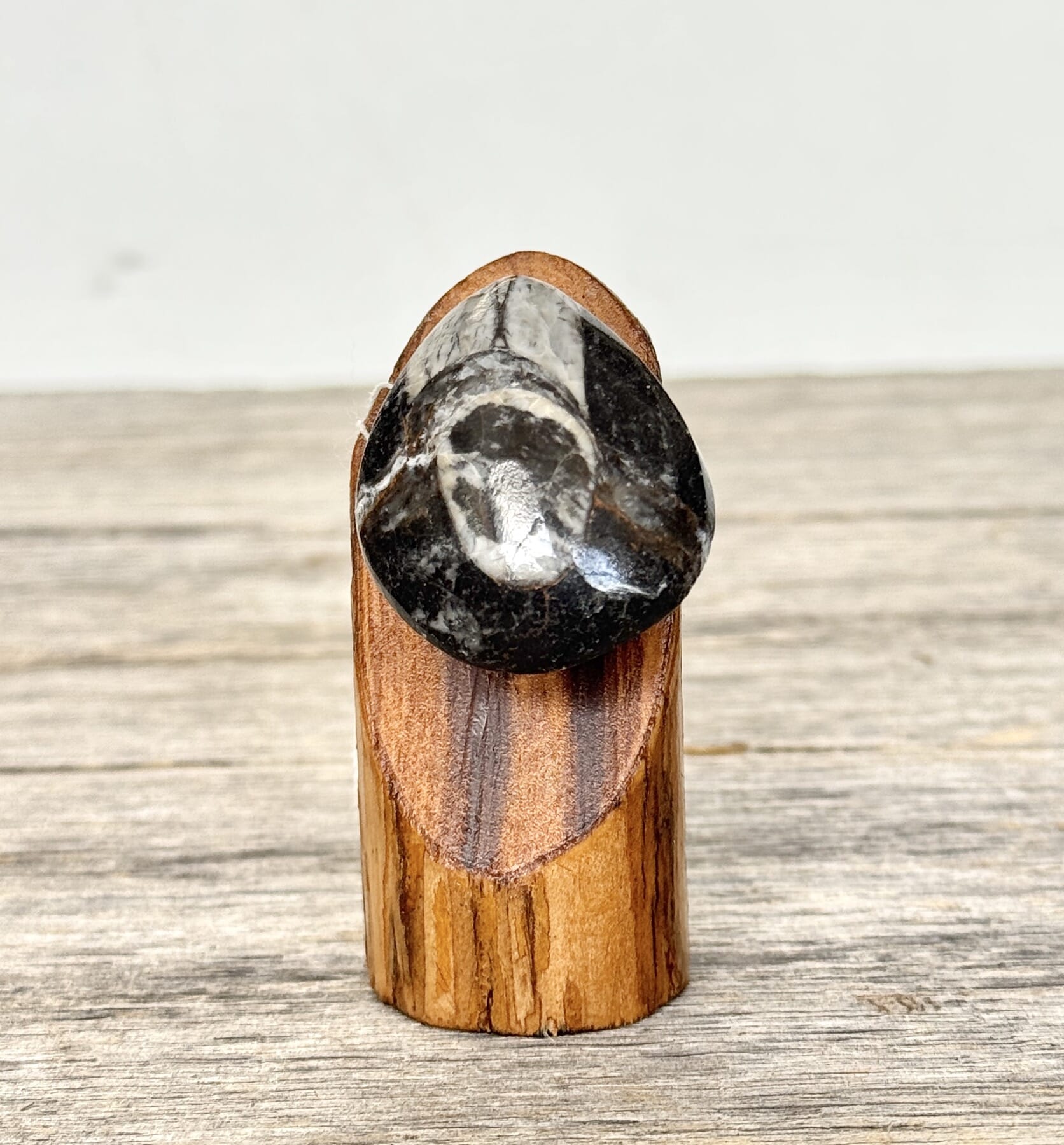
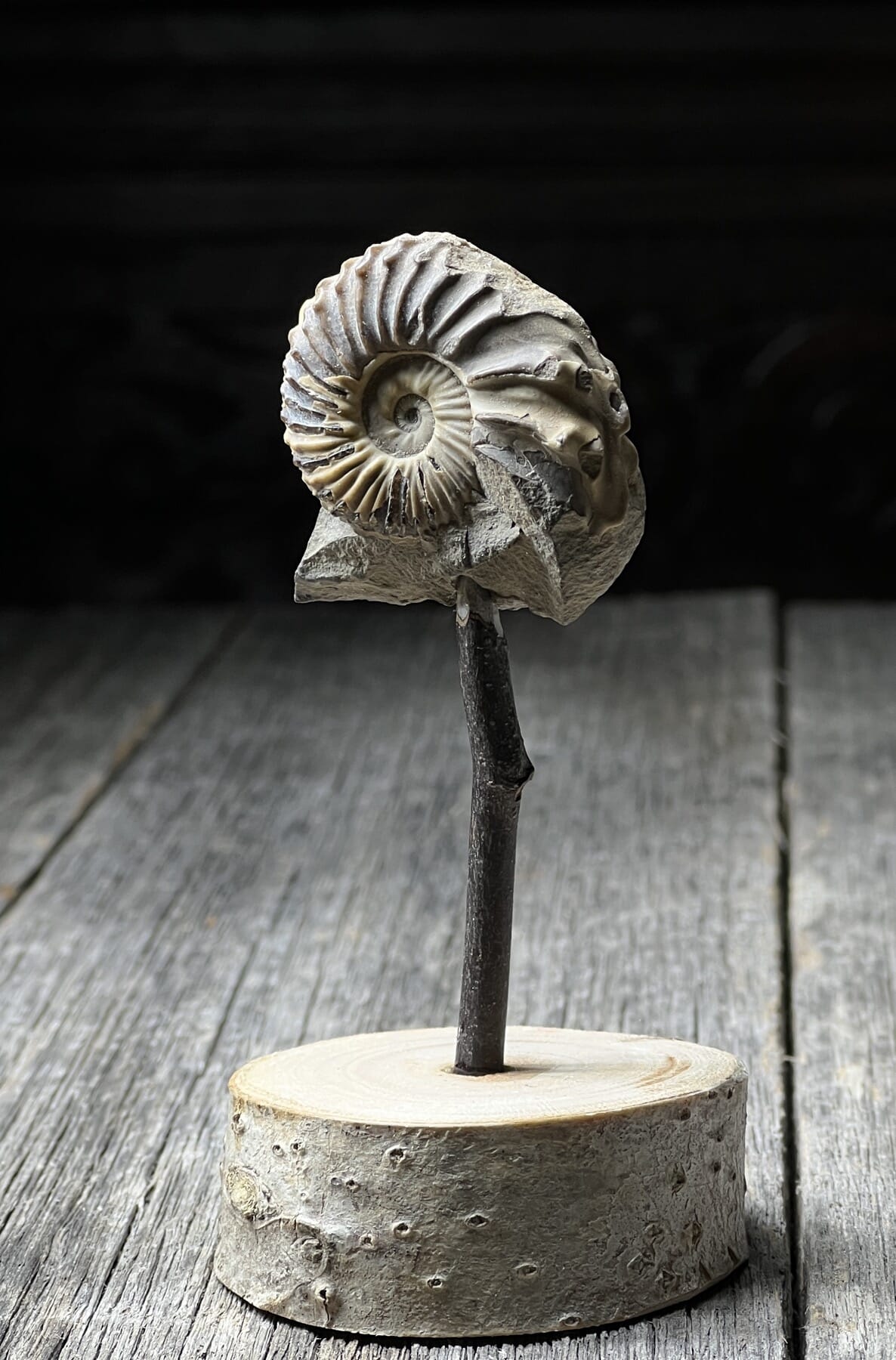
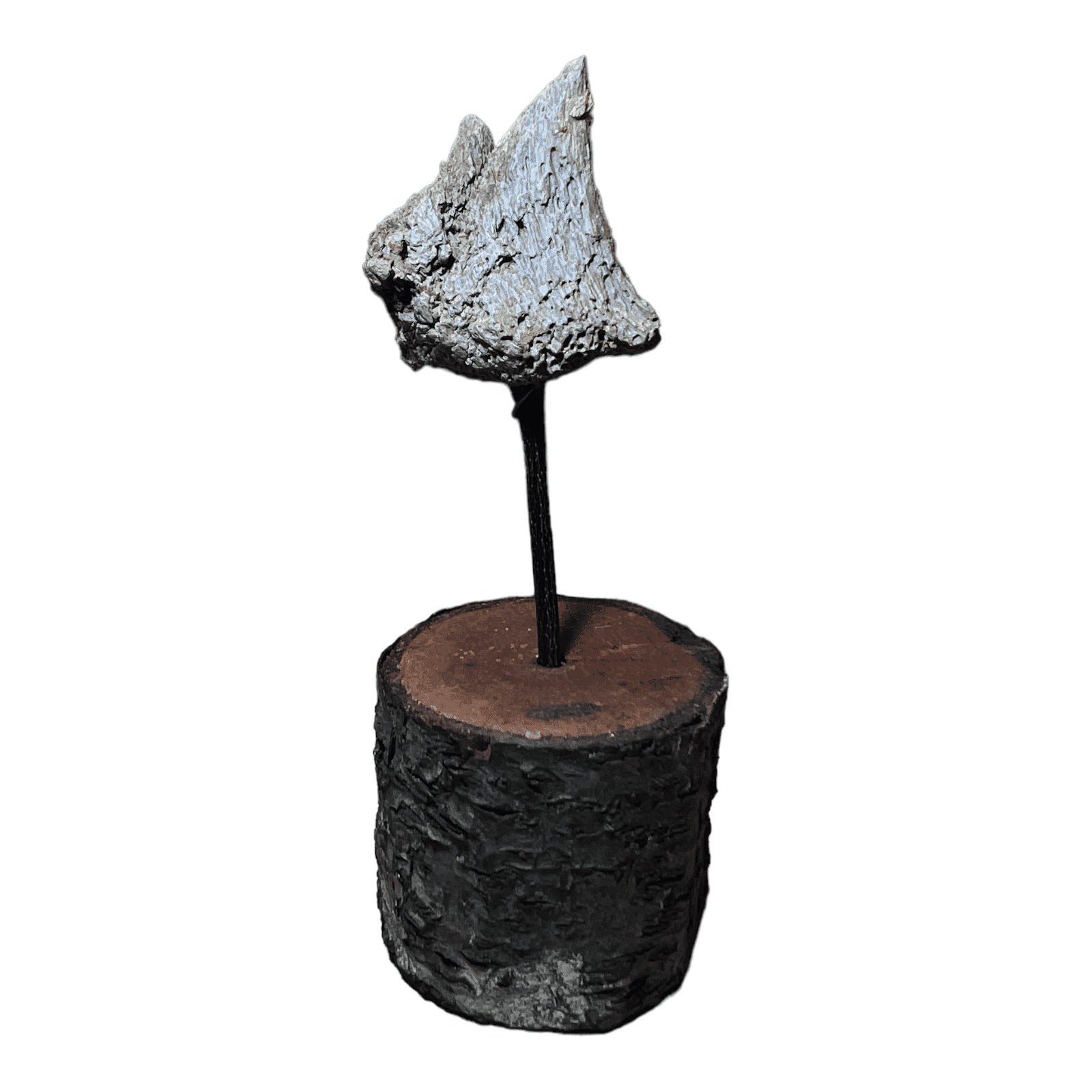
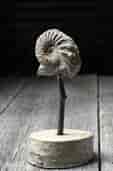 Fossil ammonite on stand, species unknown, late Jurassic UK 150 million years old$35.00 AUD
 -
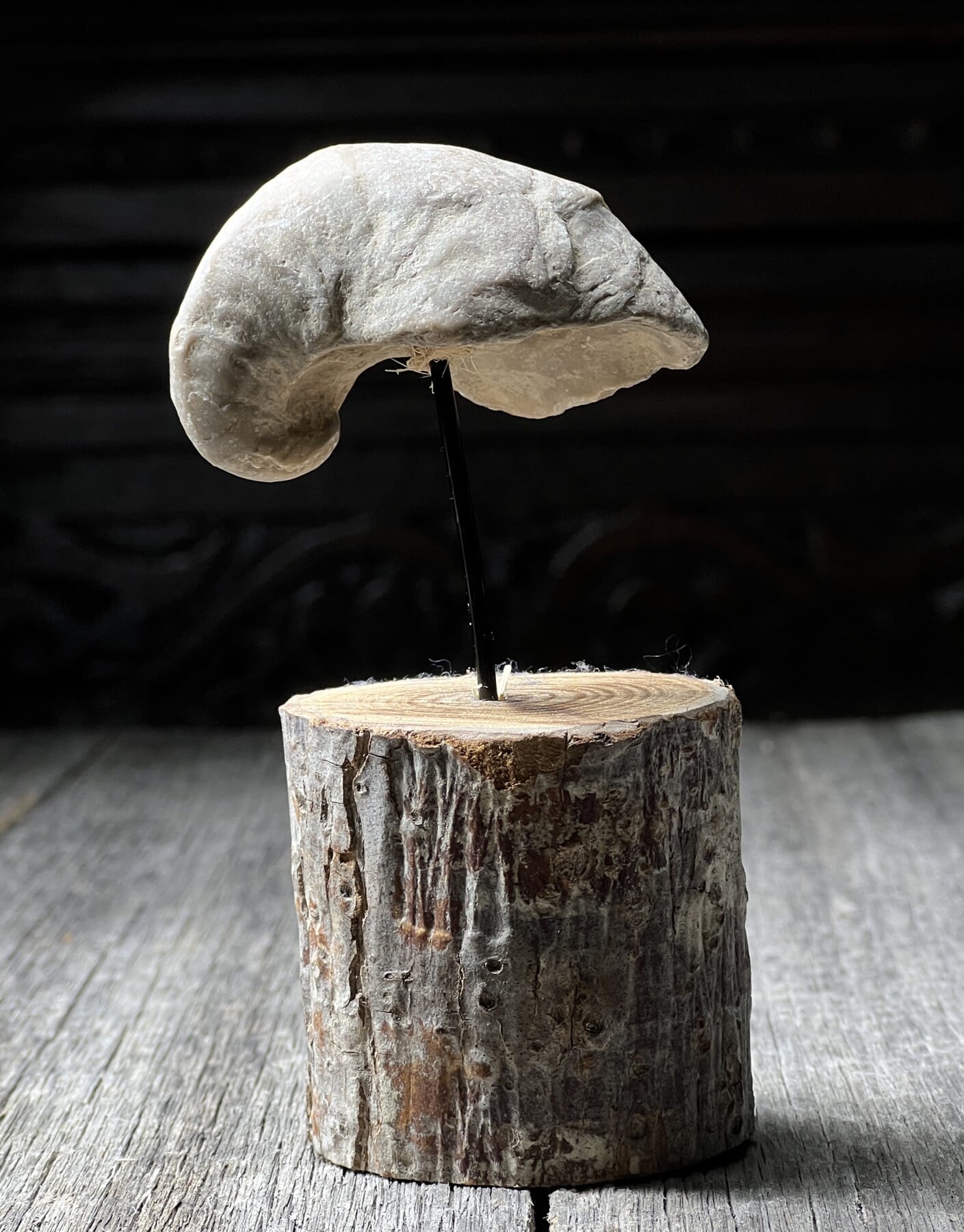
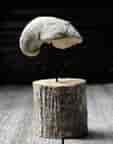 “Devil’s Toenail” Fossil, Gryphaea, Oyster Shell, on stand – 170 million years oldSold
 -
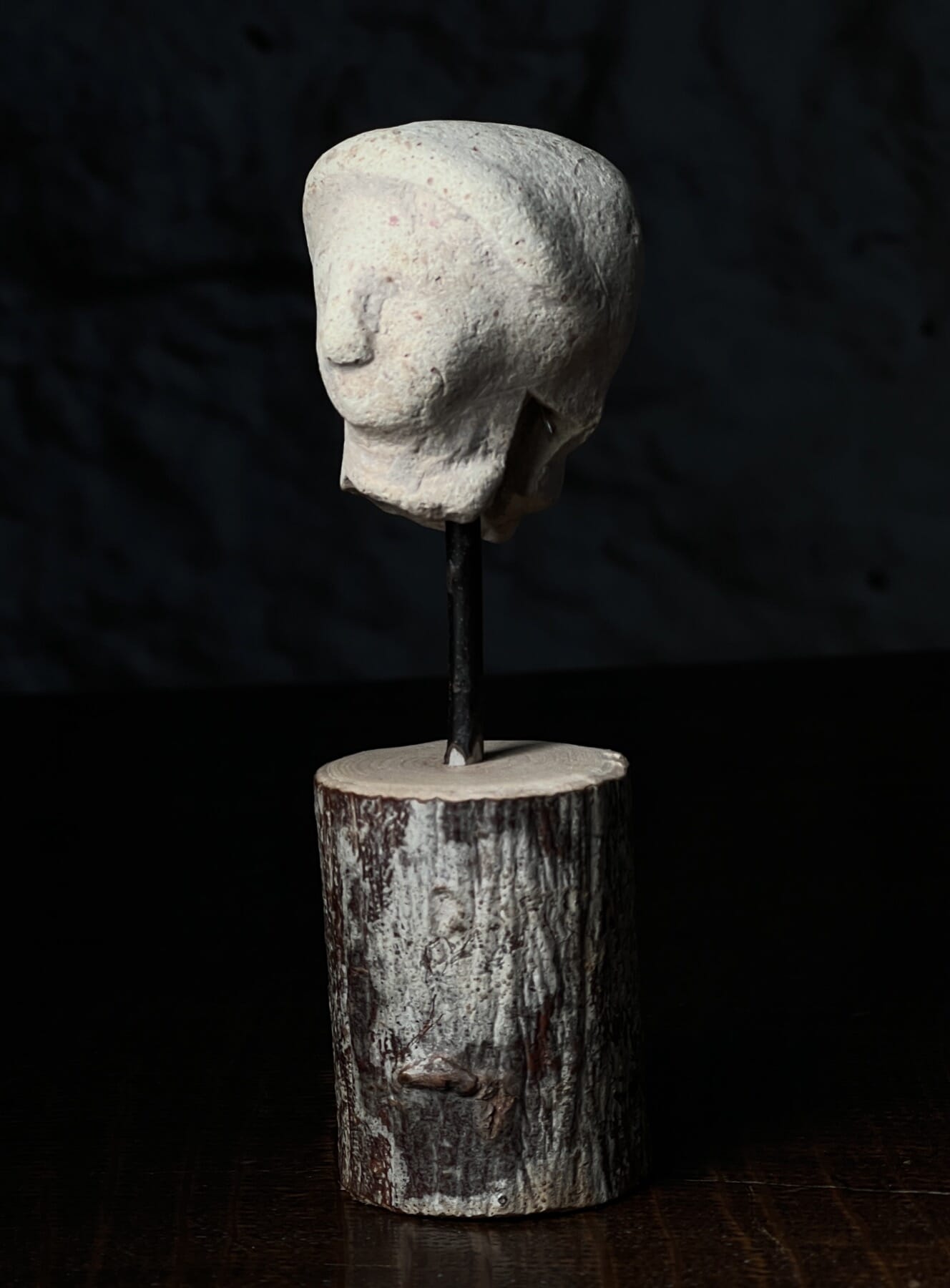
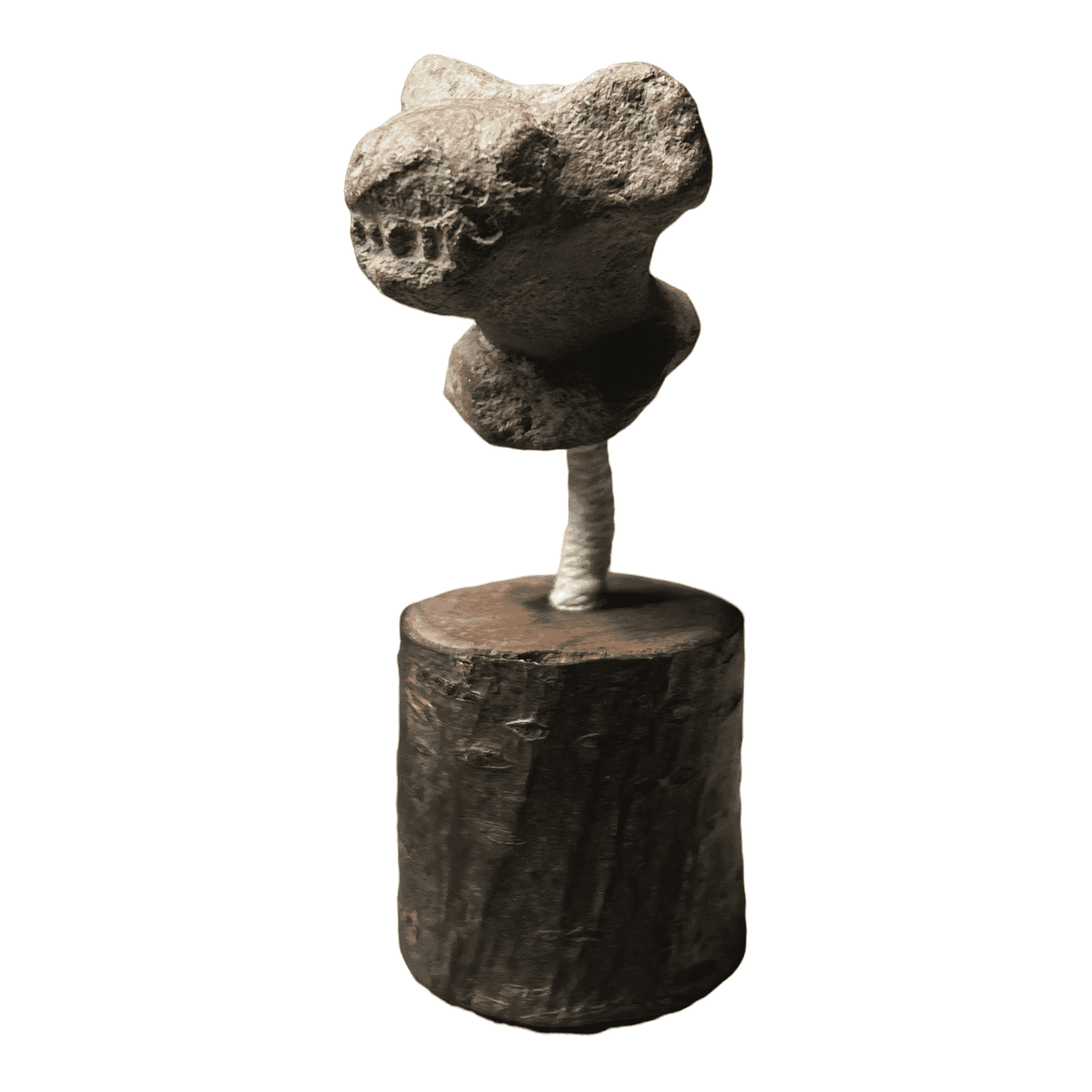
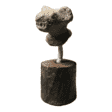 Cypriot pottery head of a ferocious beast, 750-475 BC$280.00 AUD
 -
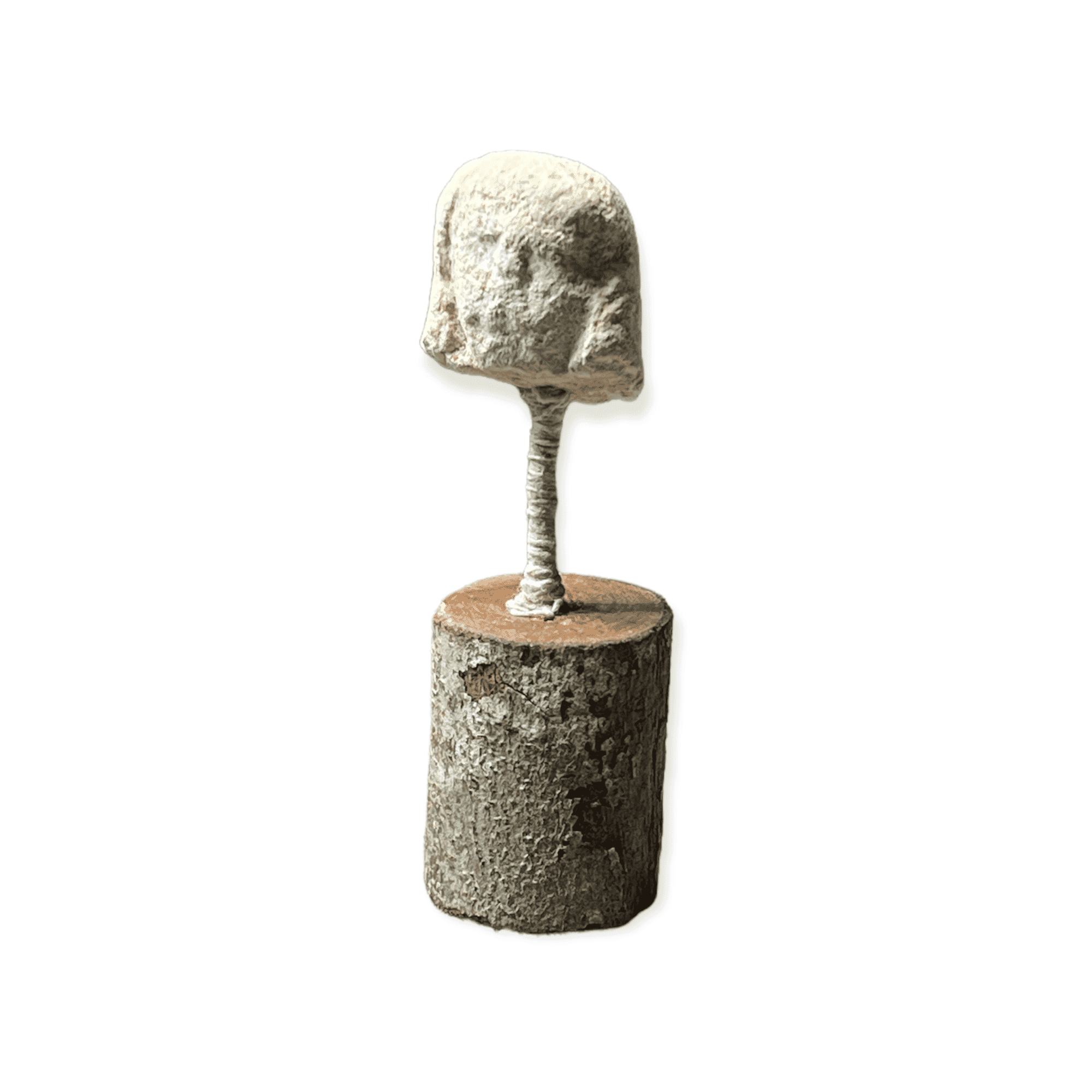
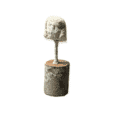 Cypriot carved limestone head, Egyptianising style, 750-475 BC$380.00 AUD
 -
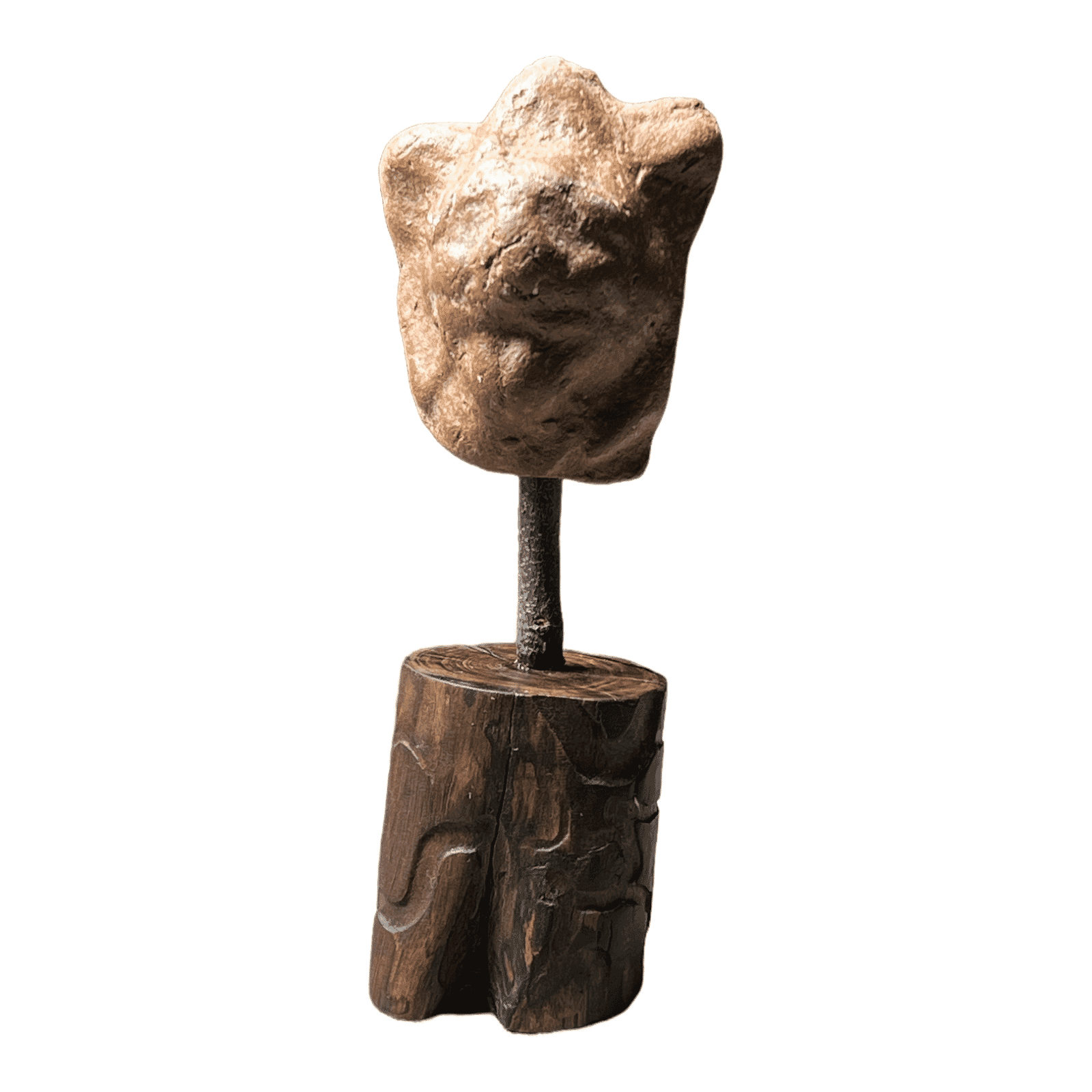
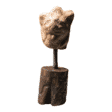 Pottery moulded head of a lion, Cyprus find, Graeco-Roman Egypt, 332 BC -4th c. AD$285.00 AUD
 -
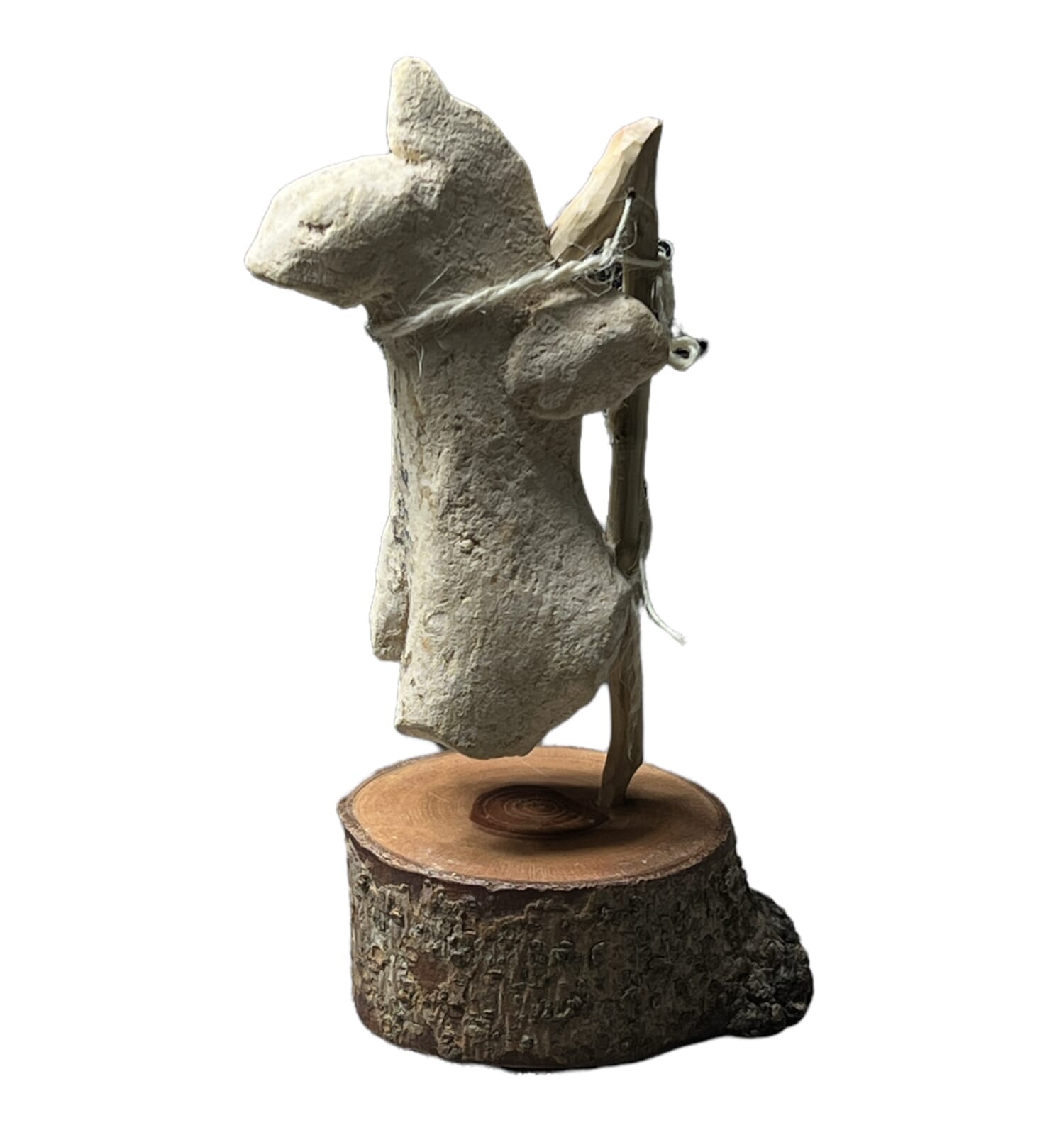
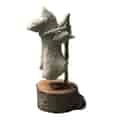 Cypriot pottery fragment of a horse & rider figure, 7th-6th century BC$265.00 AUD
 -
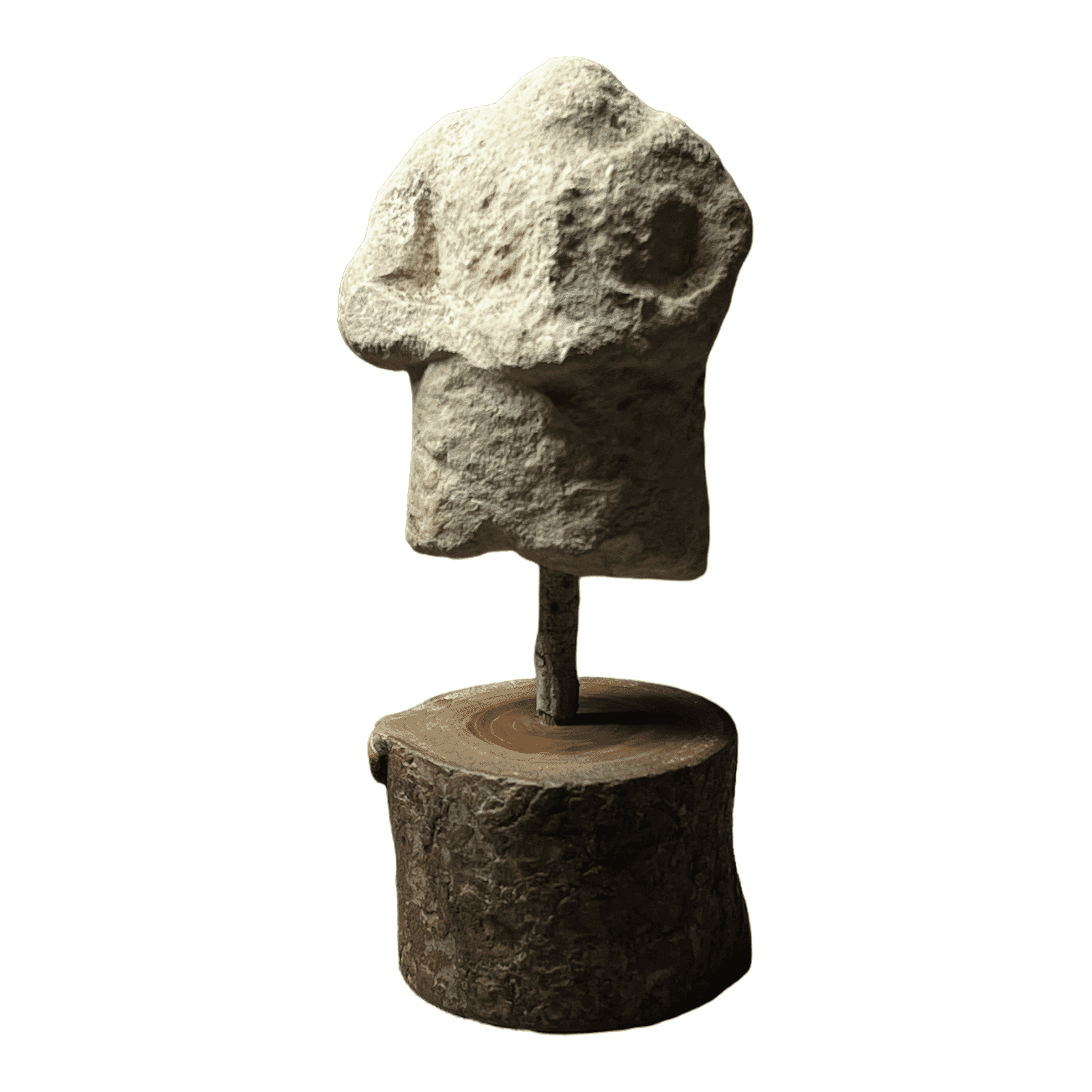
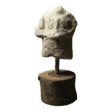 Cypriot carved limestone torso of a man, wearing armour (?), 750-475 BC$540.00 AUD
 -
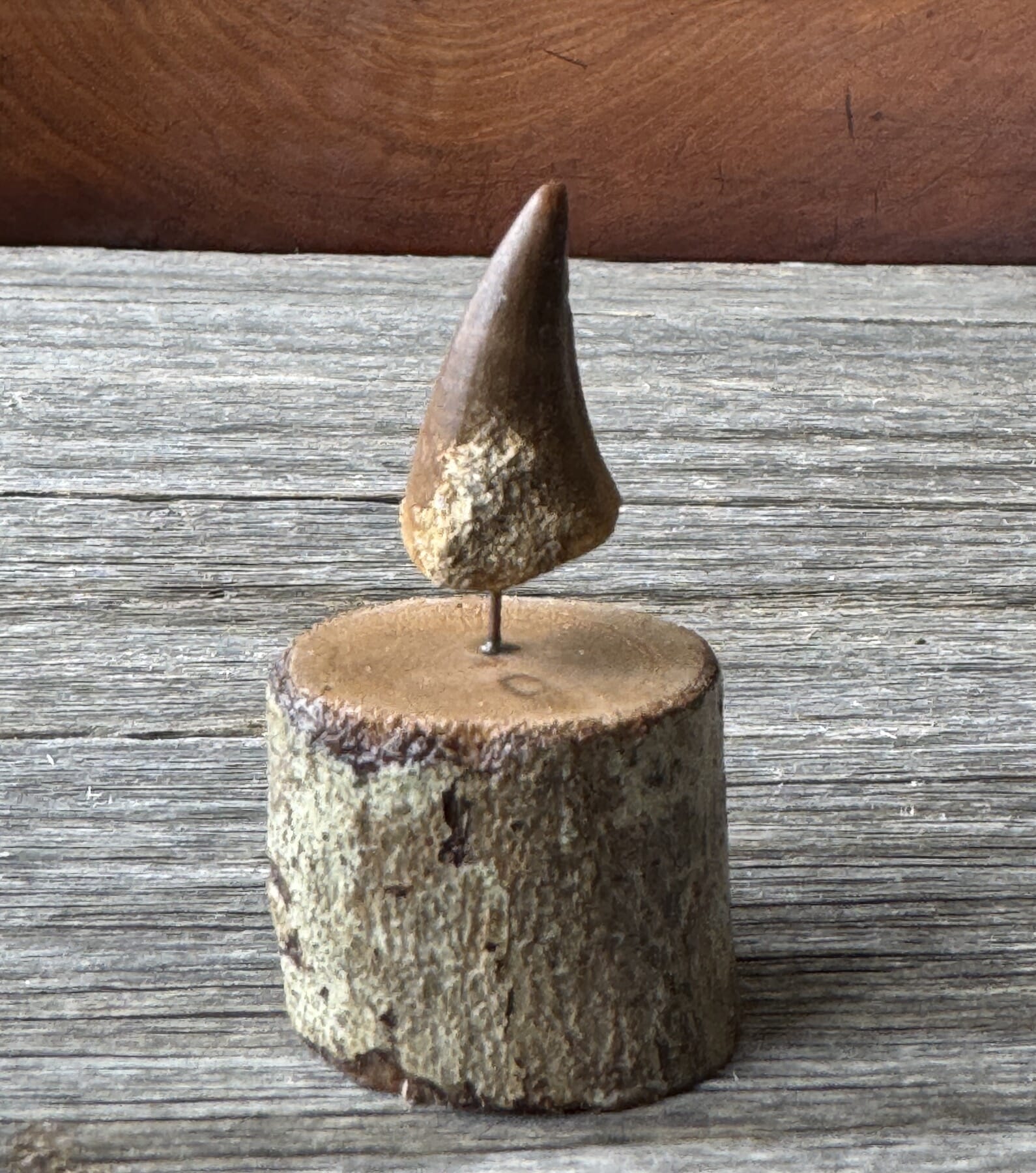
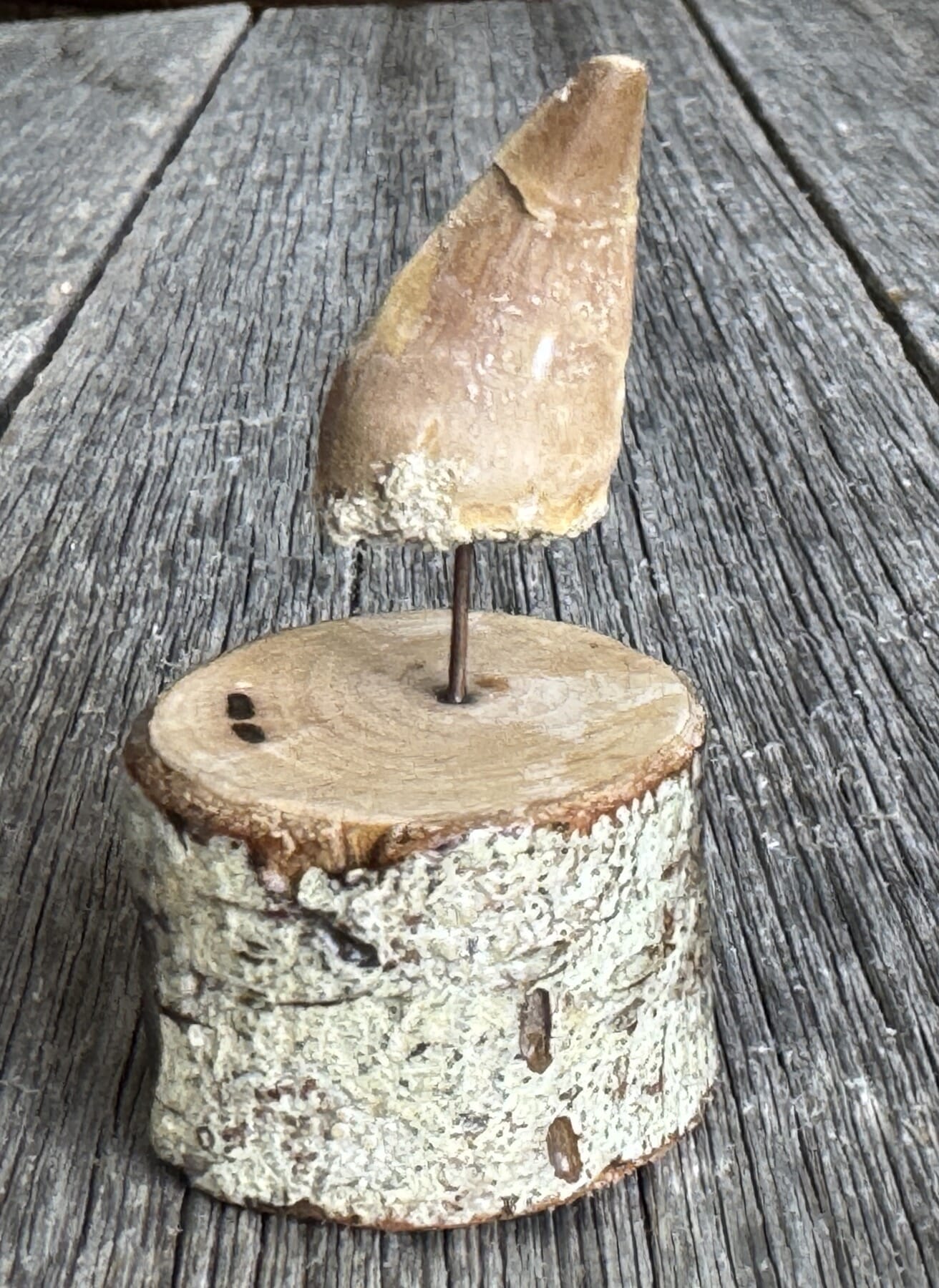
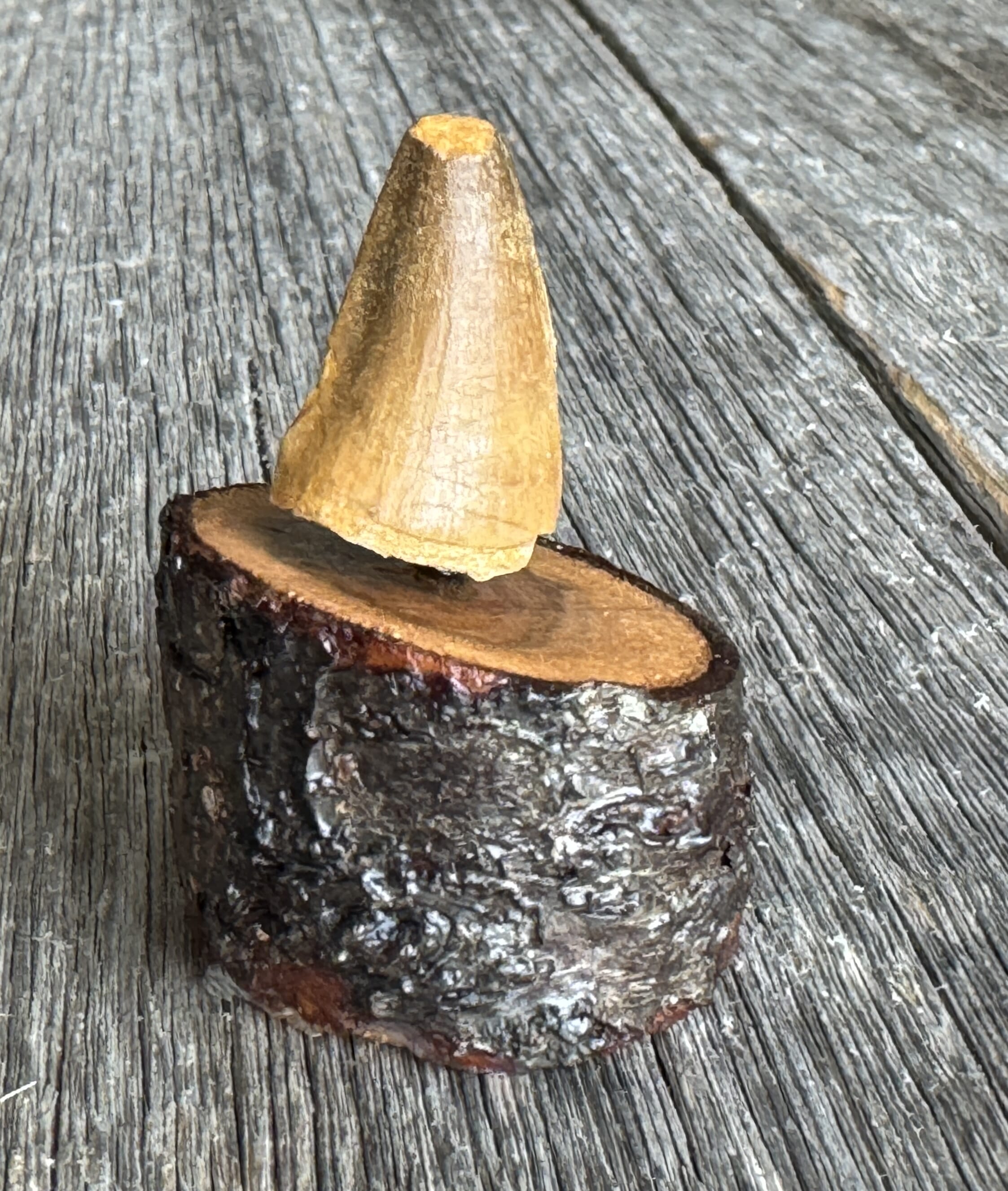
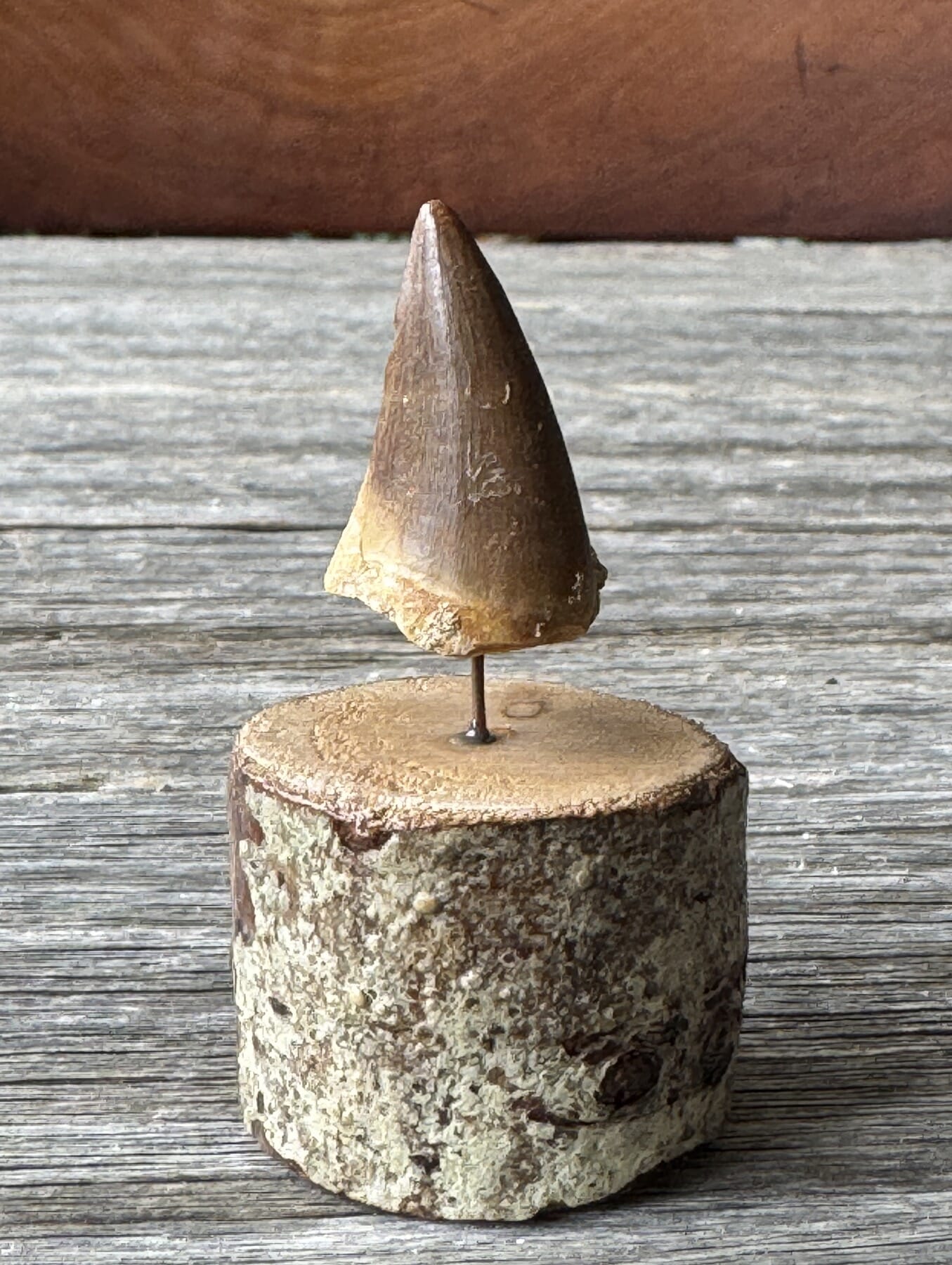
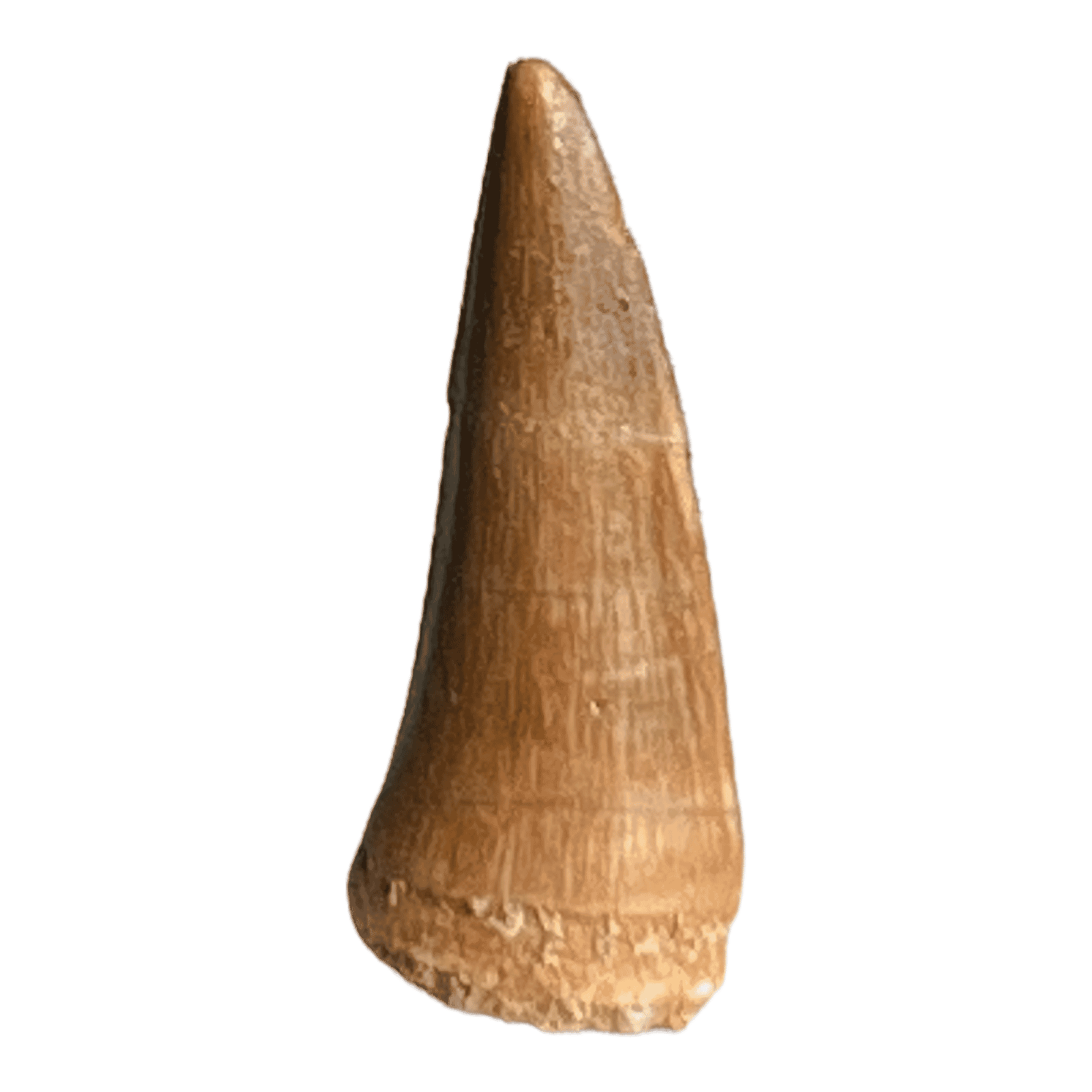
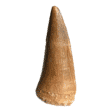 Mosasaur Tooth, Morocco, 100 Million Years OldSold
 -
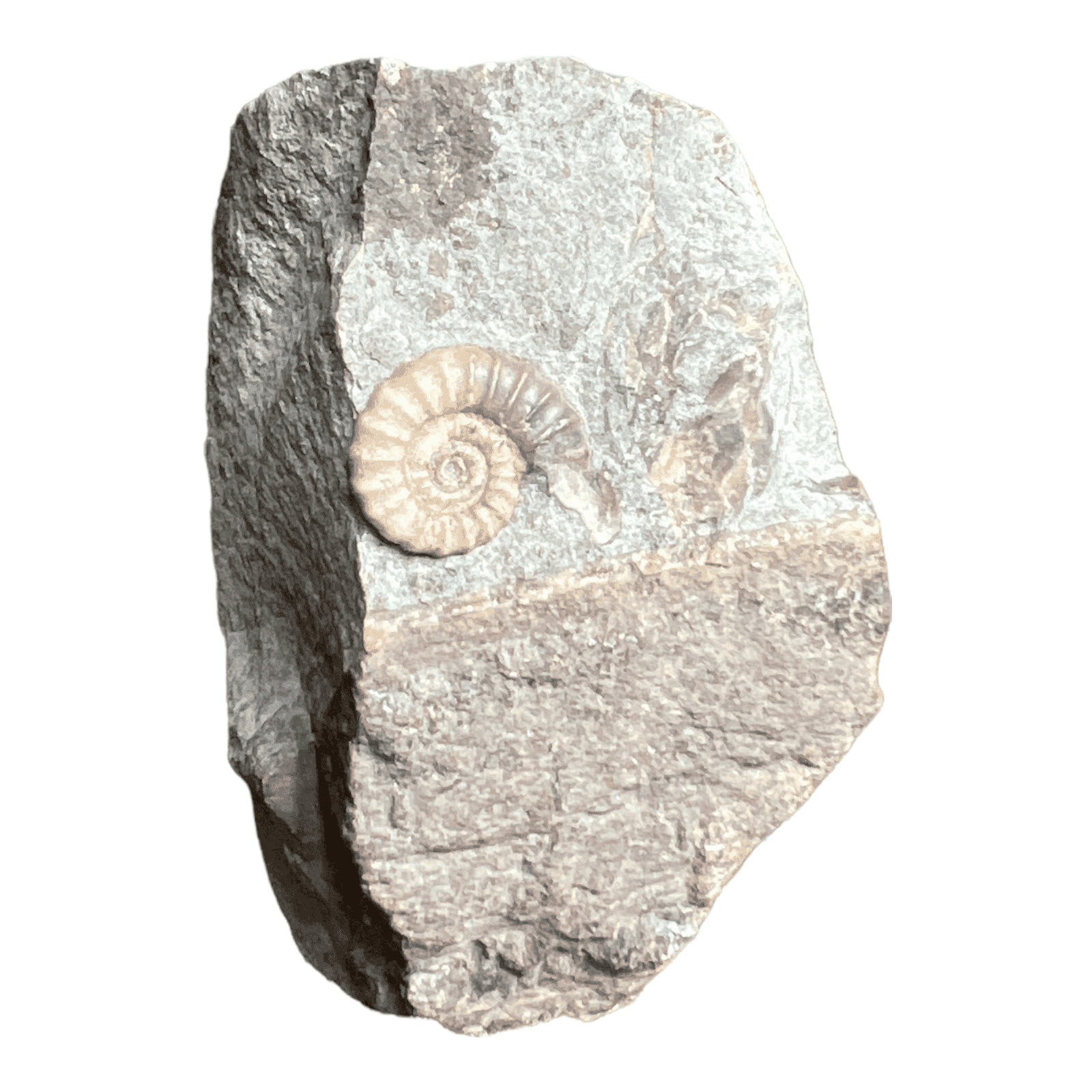
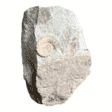 Fossil Ammonite, Jurassic Period Lyme Regis, UK, 180 million years$55.00 AUD
 -
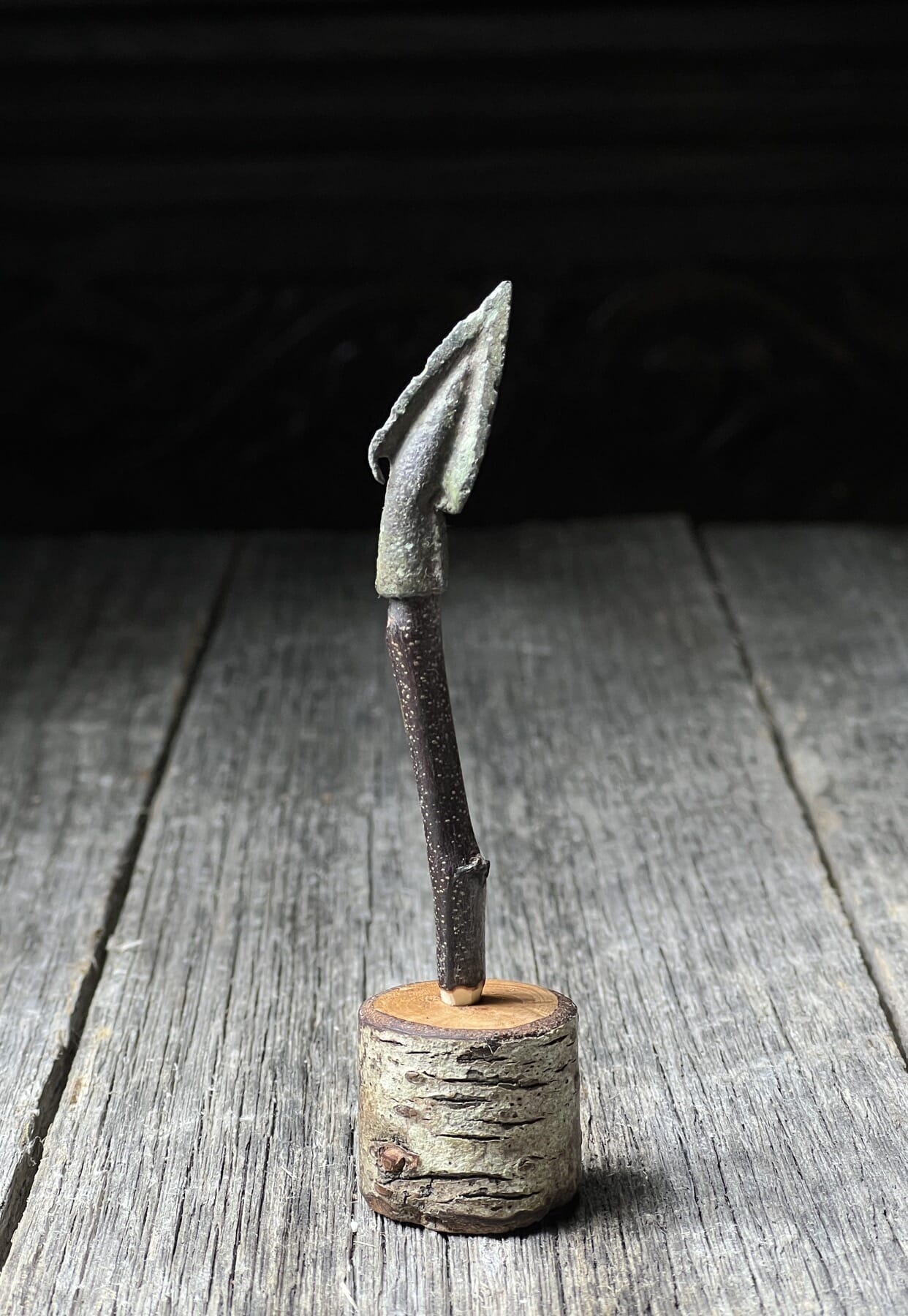
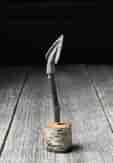 Ancient Parthian (Persian) bronze arrowhead, trilobate barbed form, 2nd century BC – 2nd century ADSold
 -
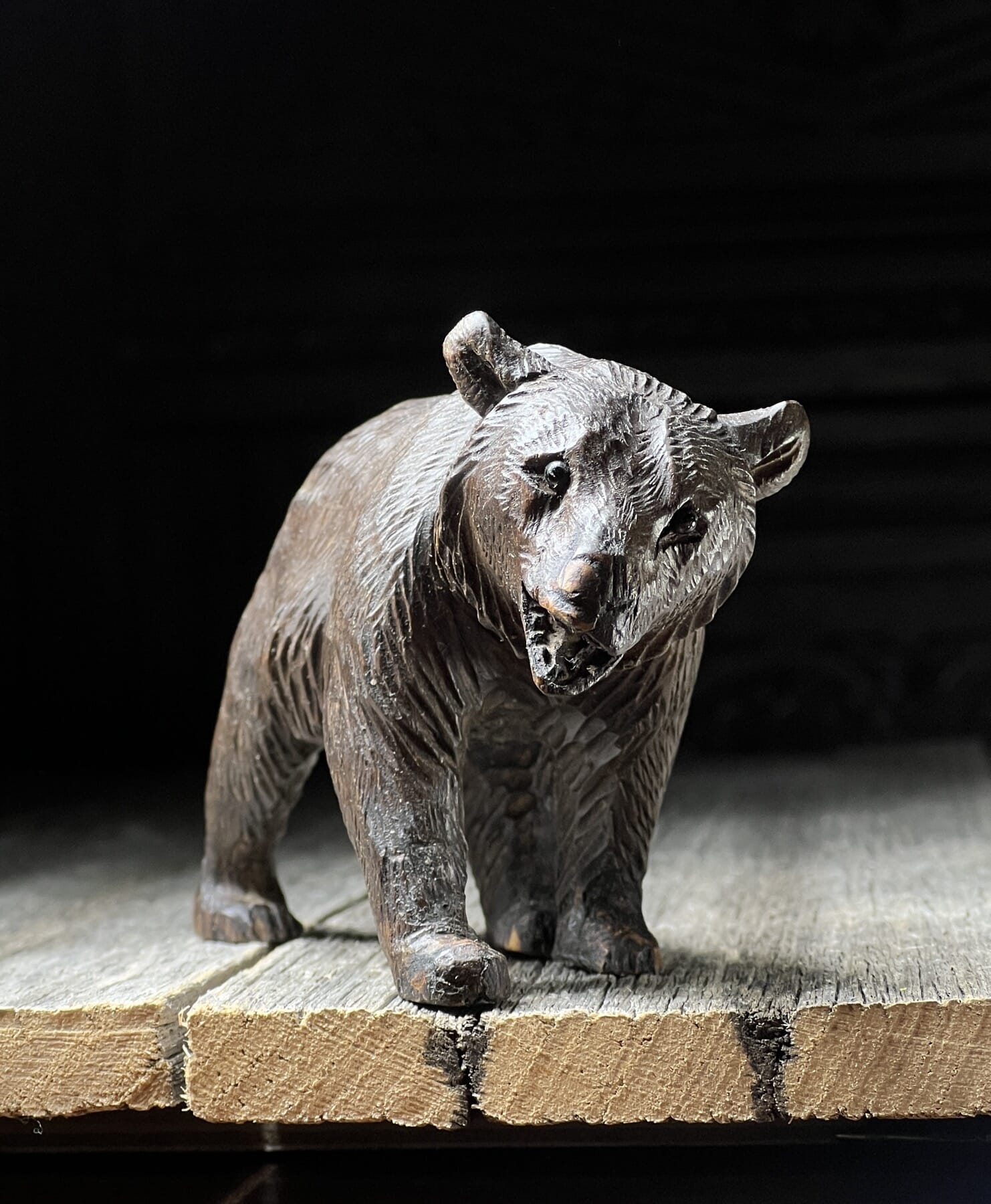
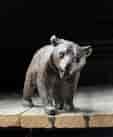 Black Forest carving of a Bear, very lifelike, c. 1870Sold
 -
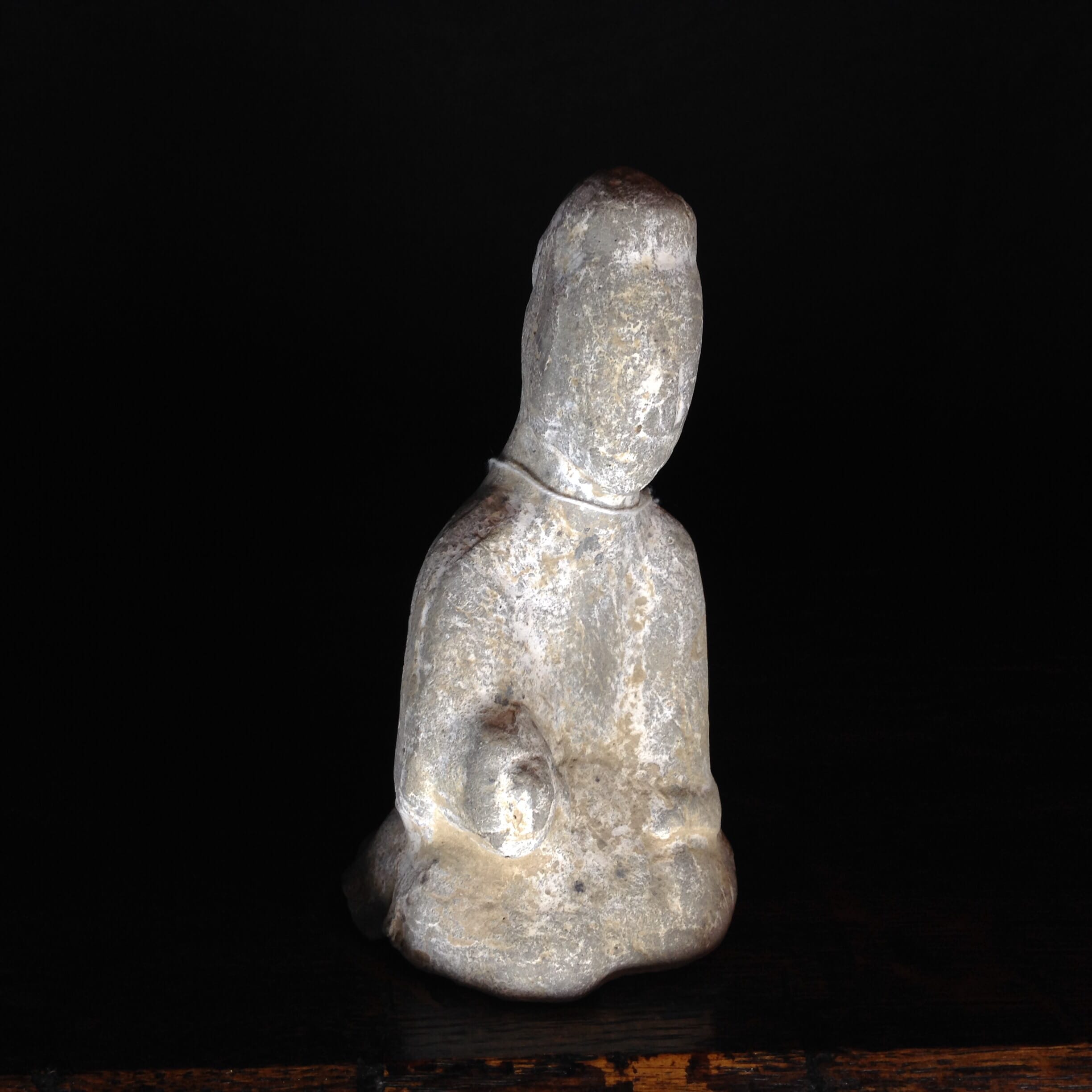
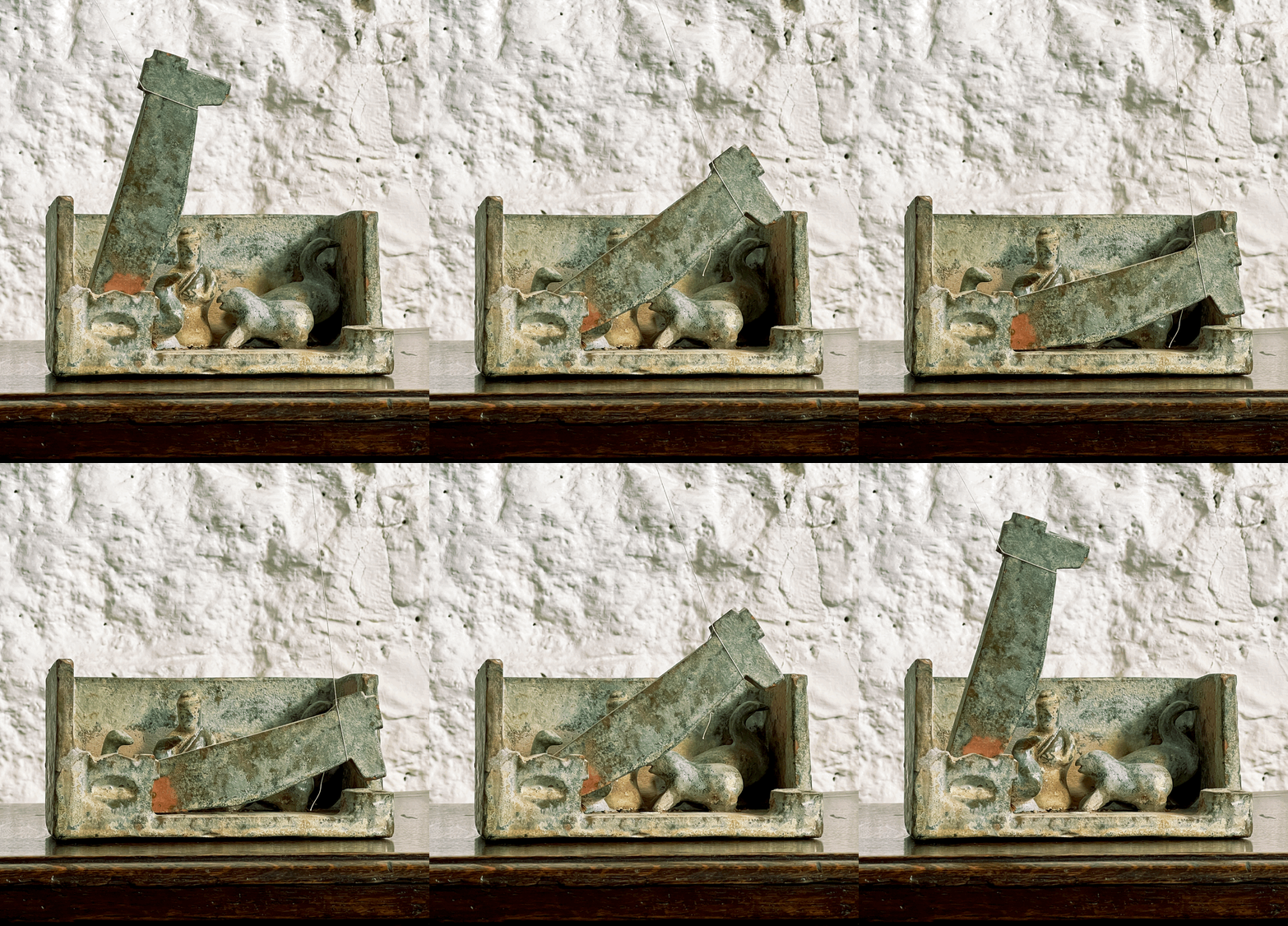
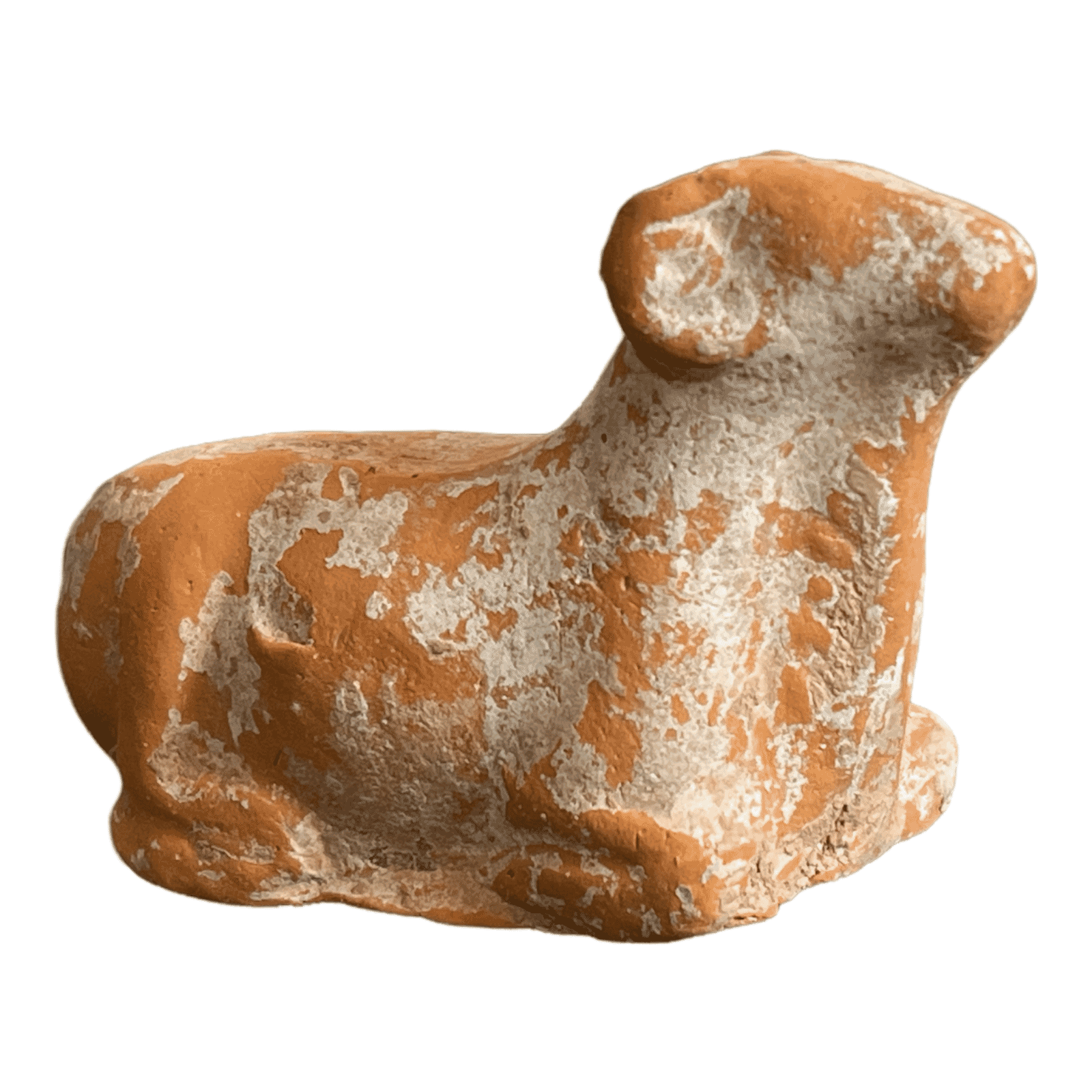
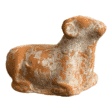 Tang Dynasty figure of a seated ram, 8th century ADSold
 -
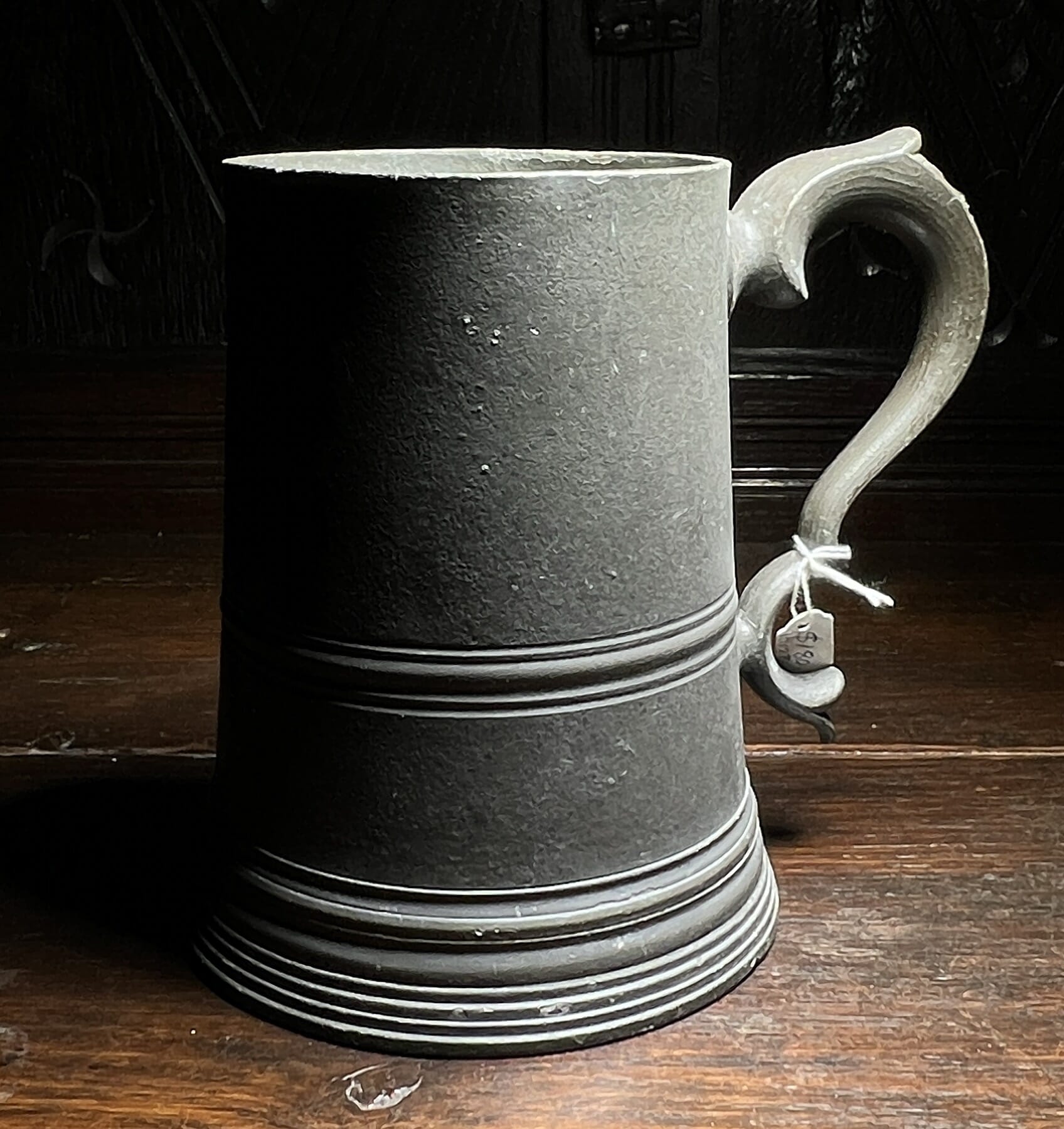
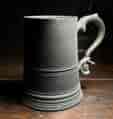 English pewter glass bottomed tankard, 19th century$180.00 AUD
 -
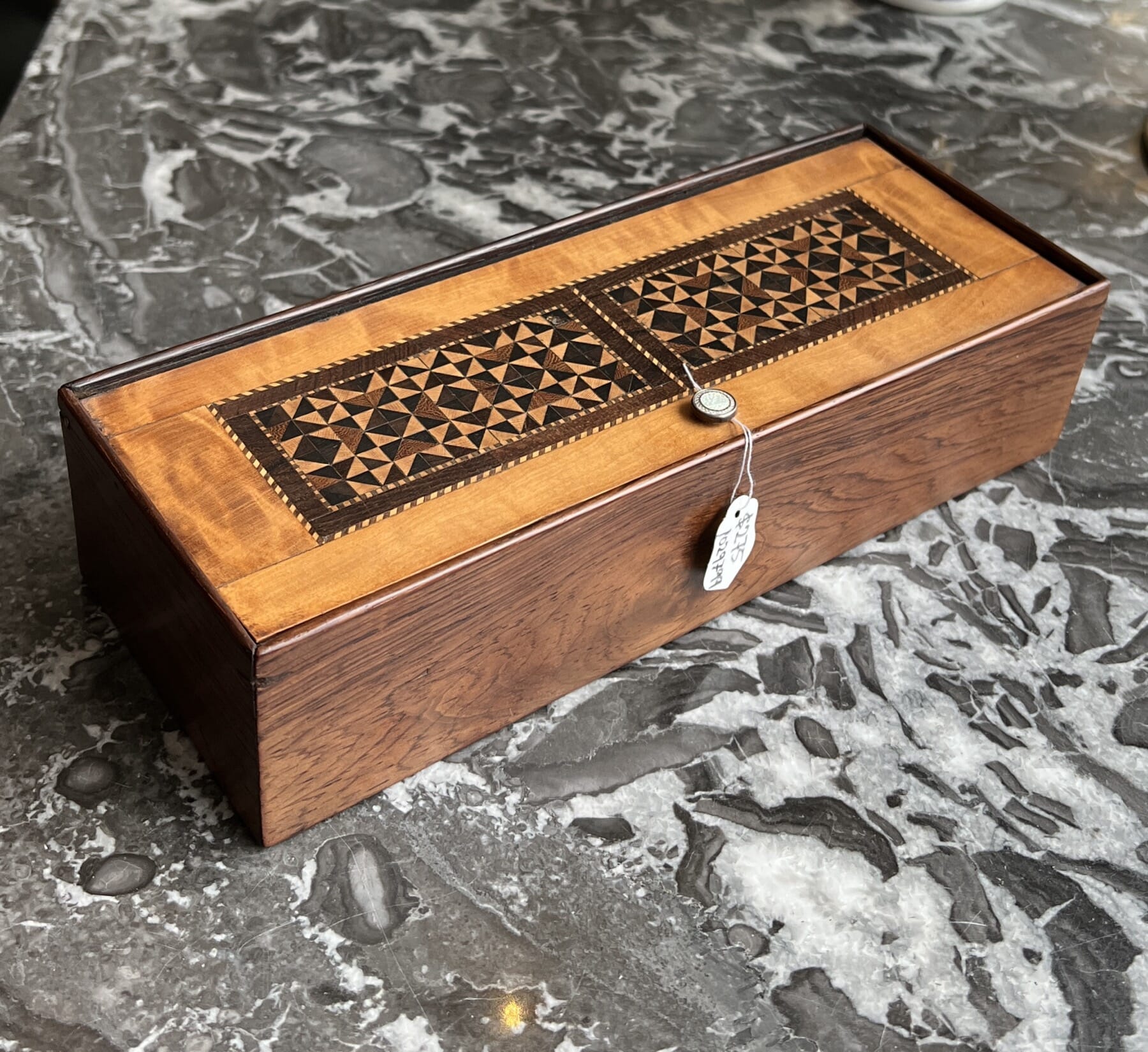
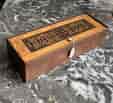 Fine quality Rosewood glovebox with exotic woods inlay, c. 1860$275.00 AUD
 -
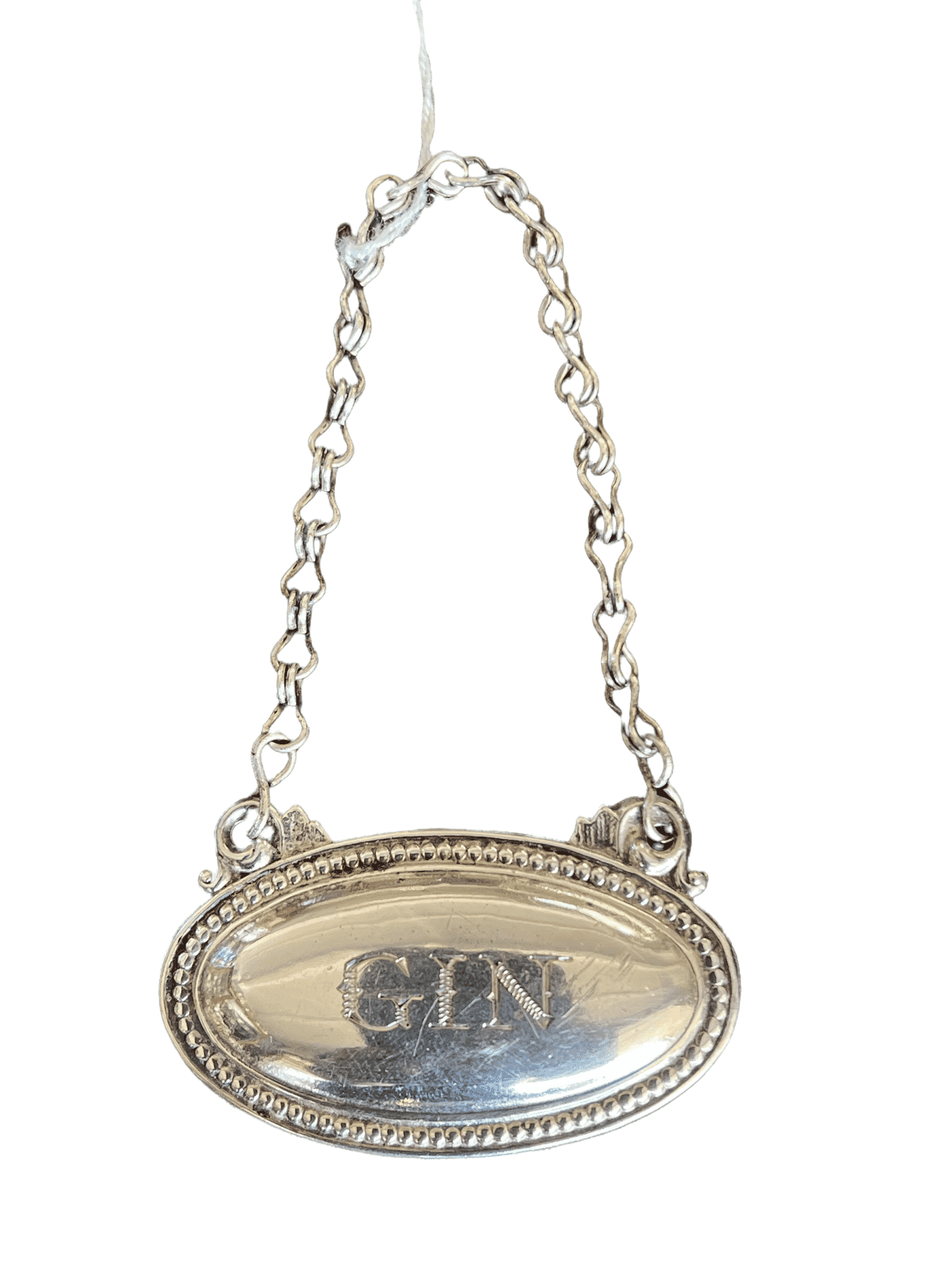
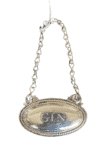 Silverplate ‘Gin’ decanter label, 20th centurySold
 -
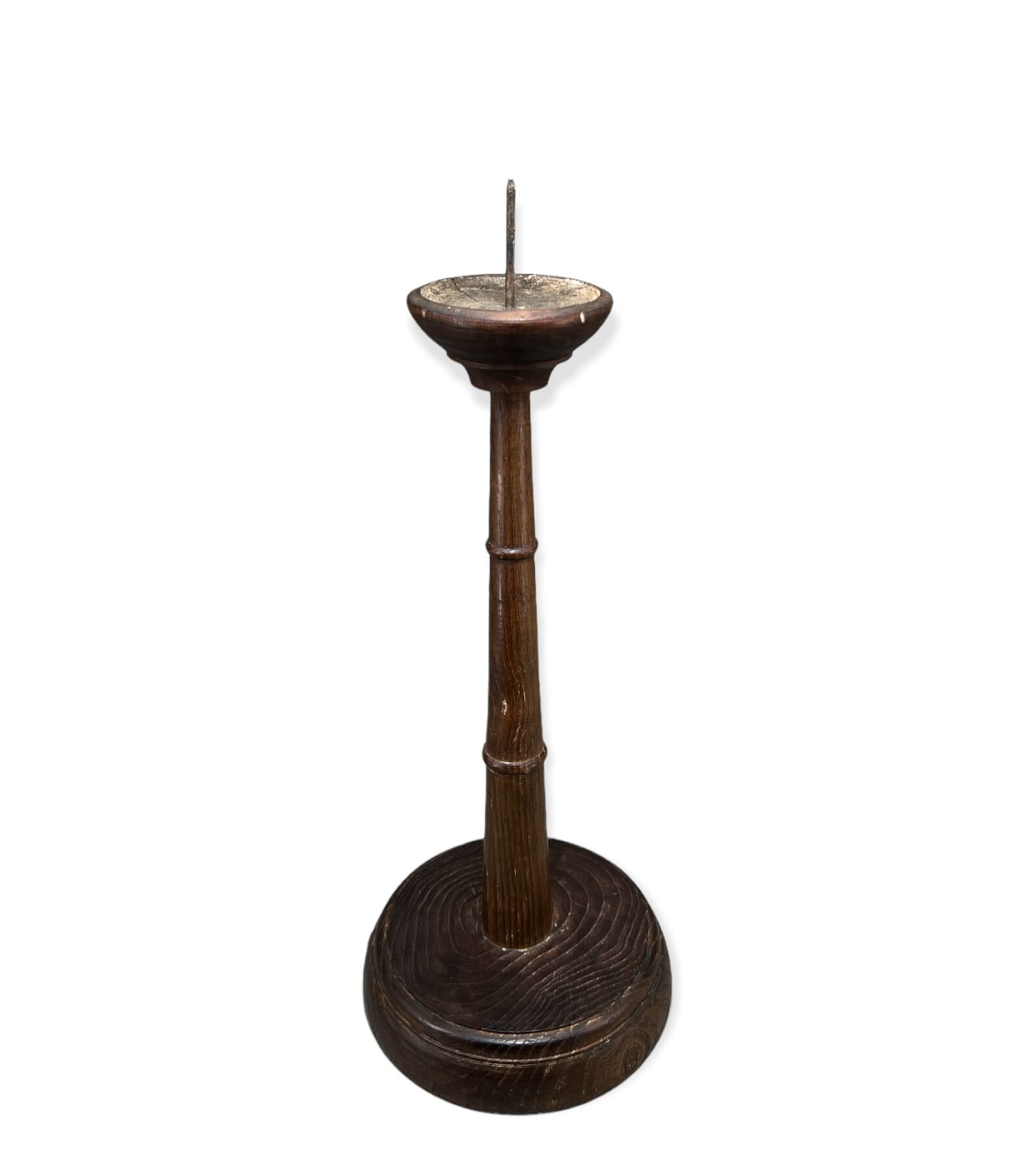
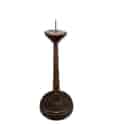 Turned elm pricket candle stick, 19th century$125.00 AUD
 -
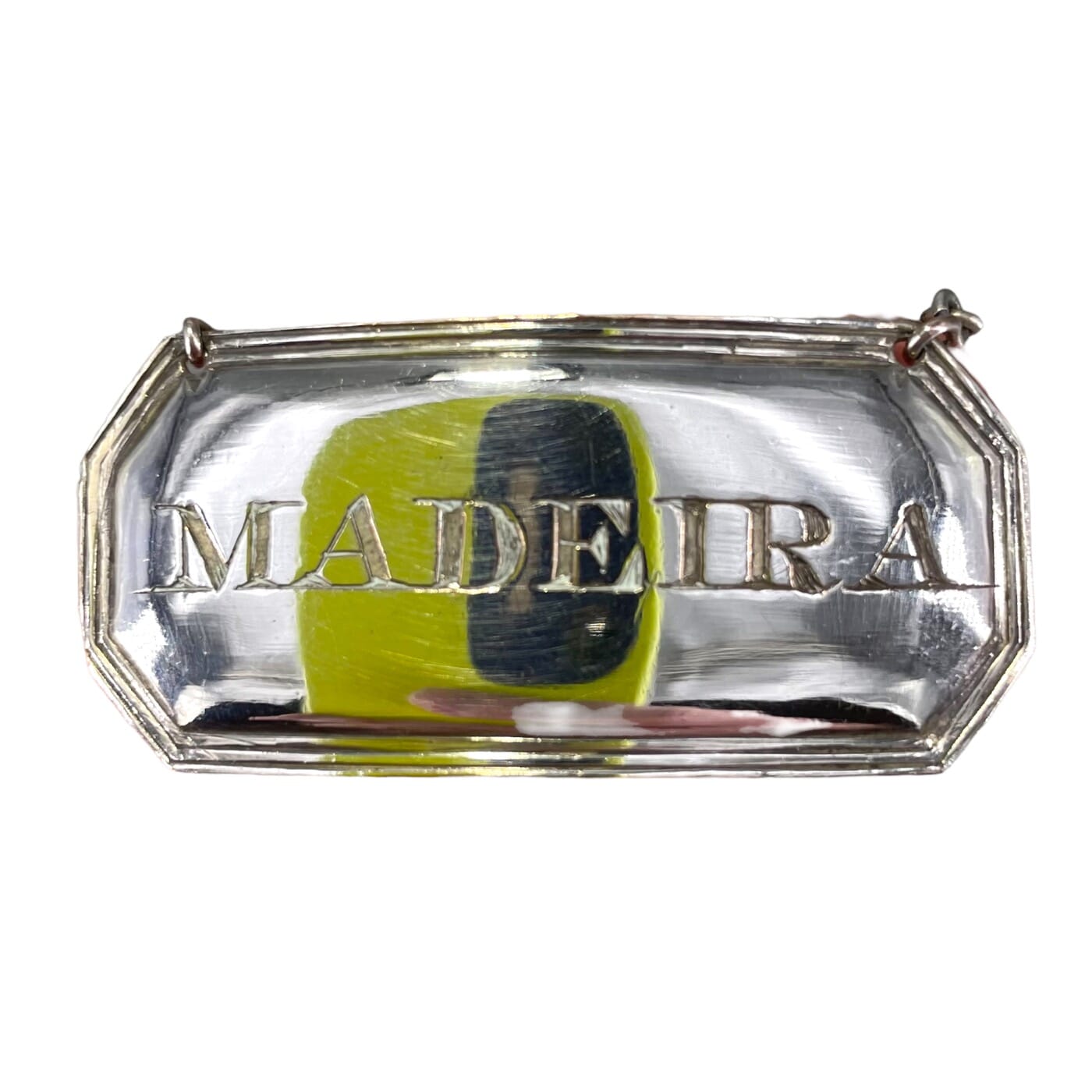
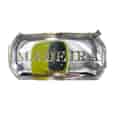 Fused plate wine decanter label, ‘MADEIRA’, circa 1820Sold
 -
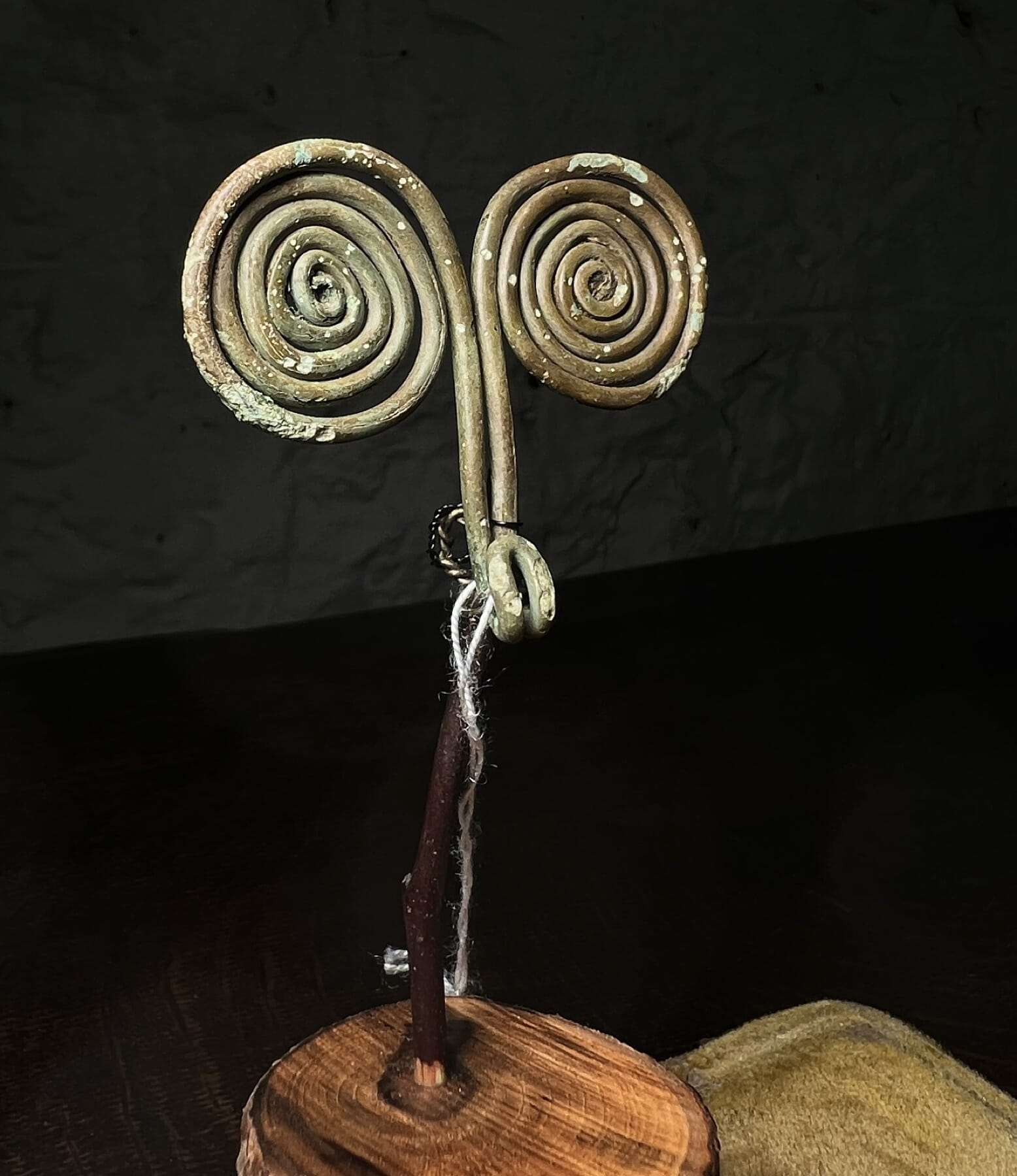
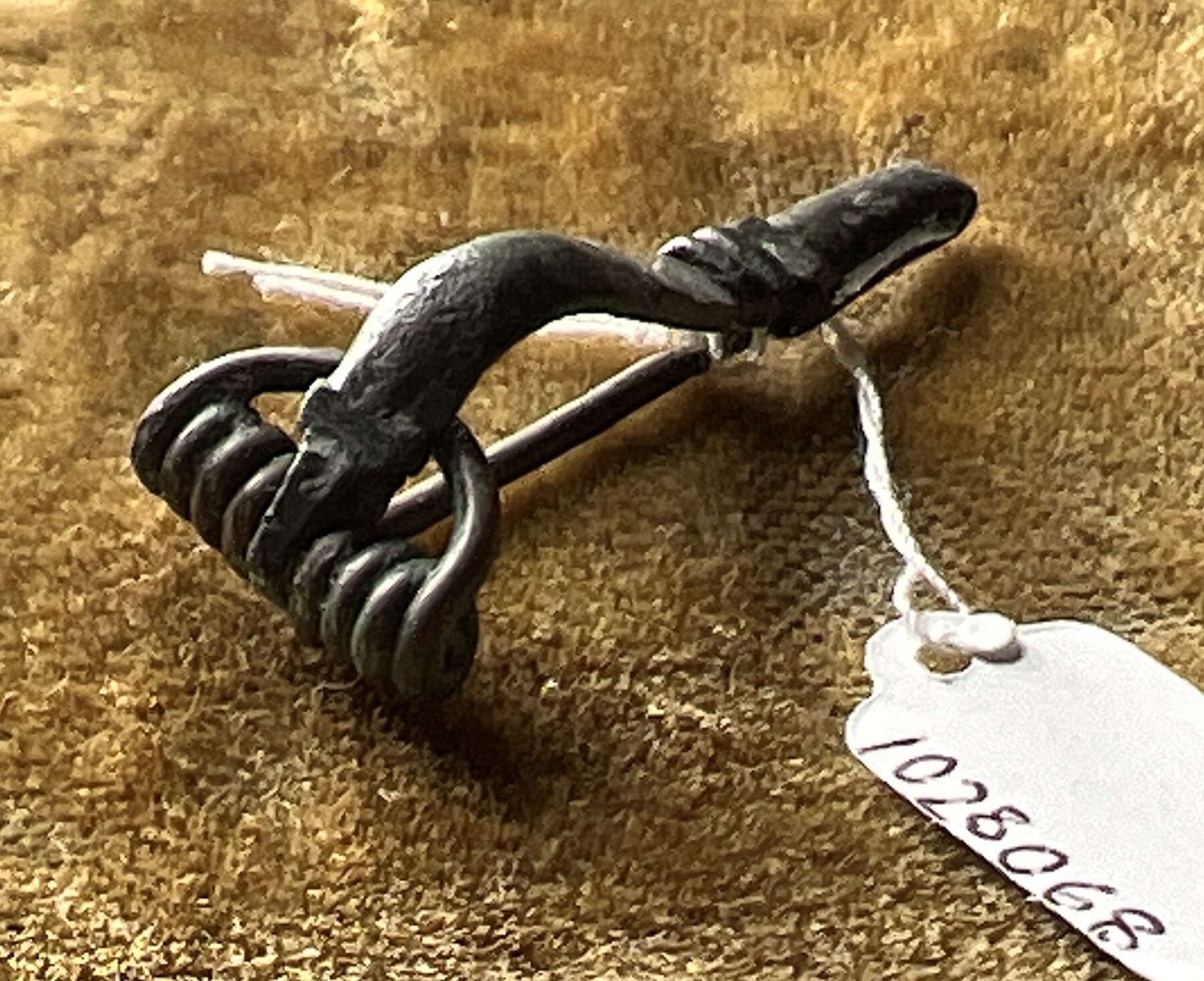
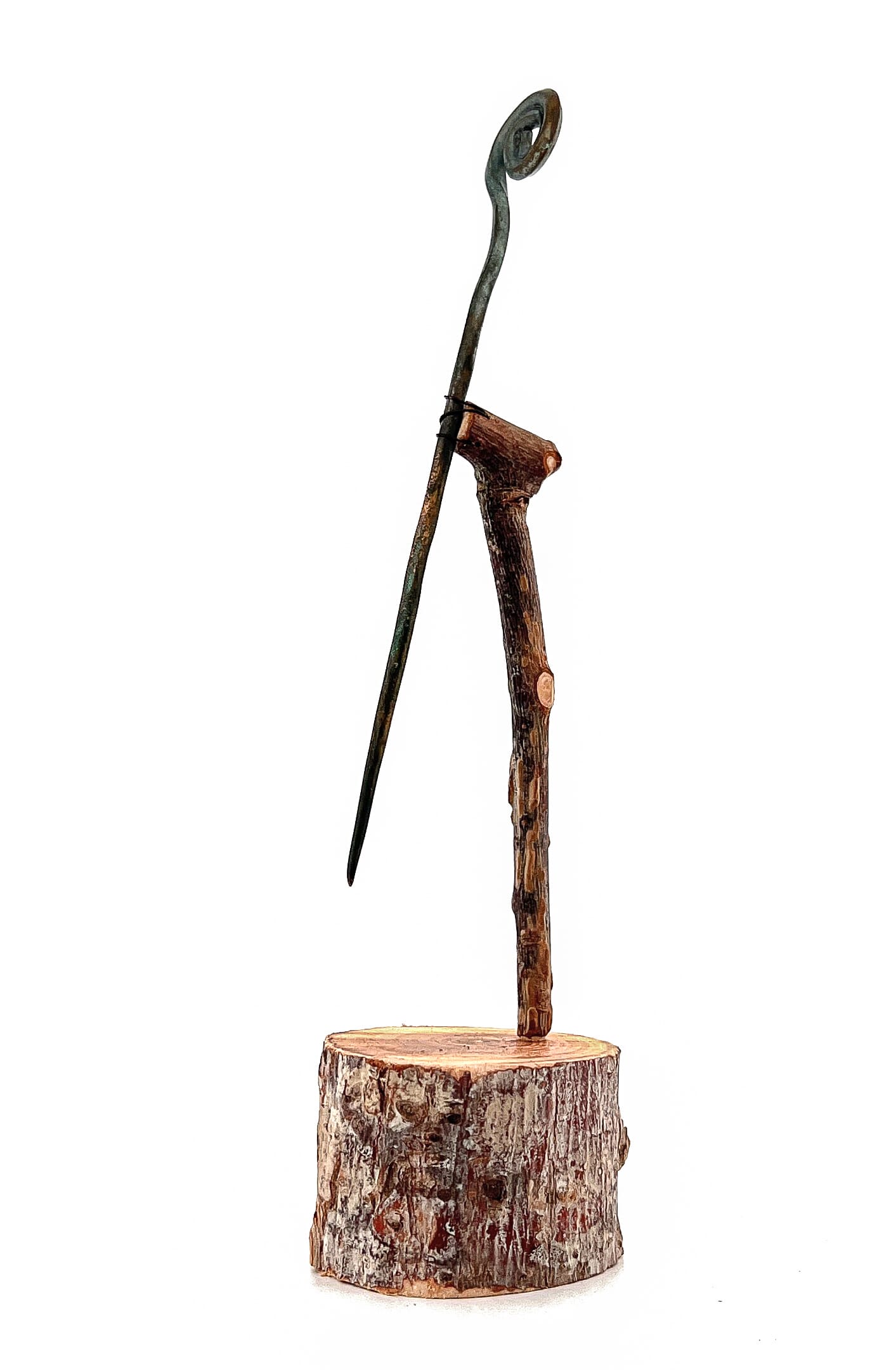
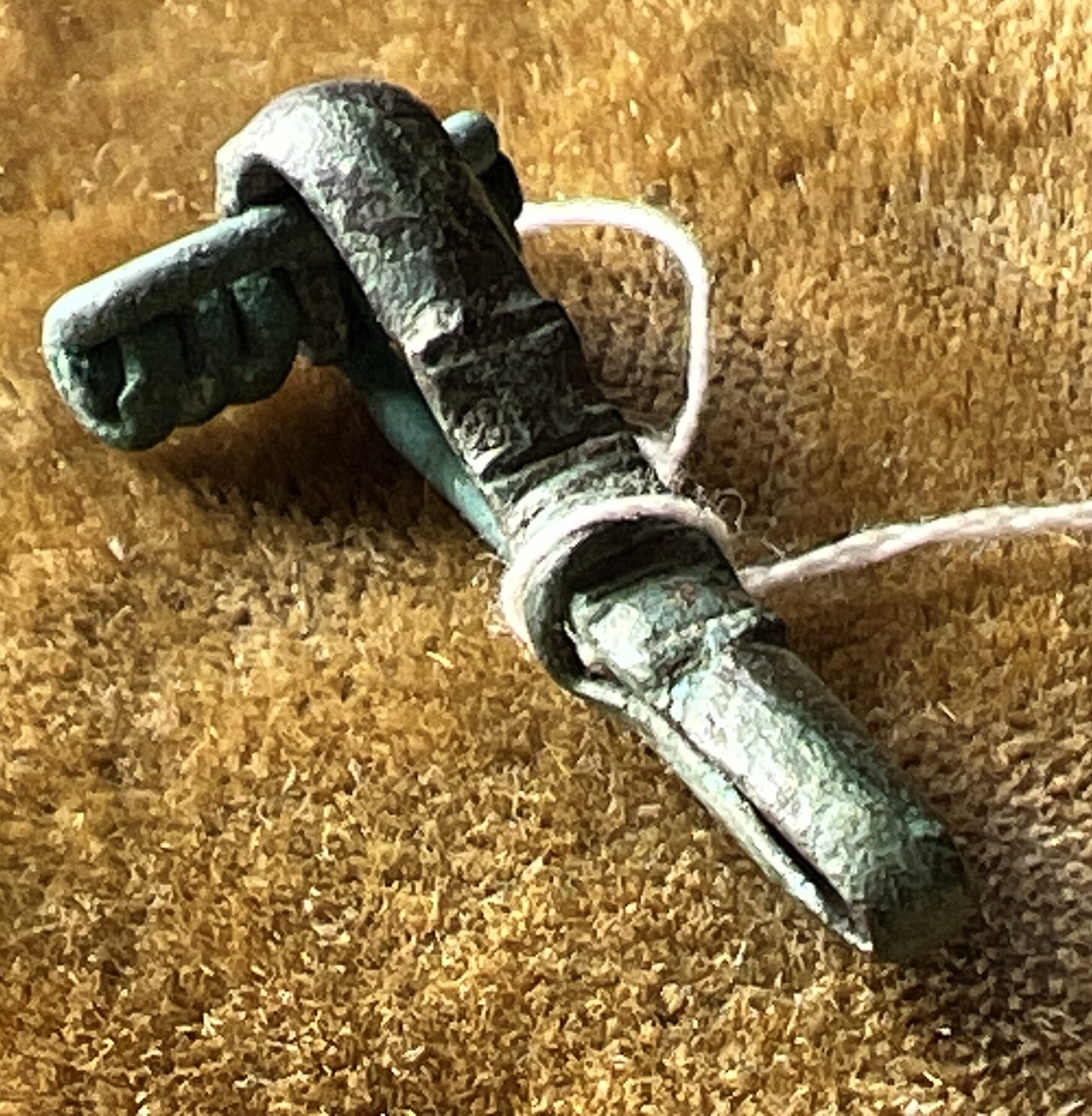
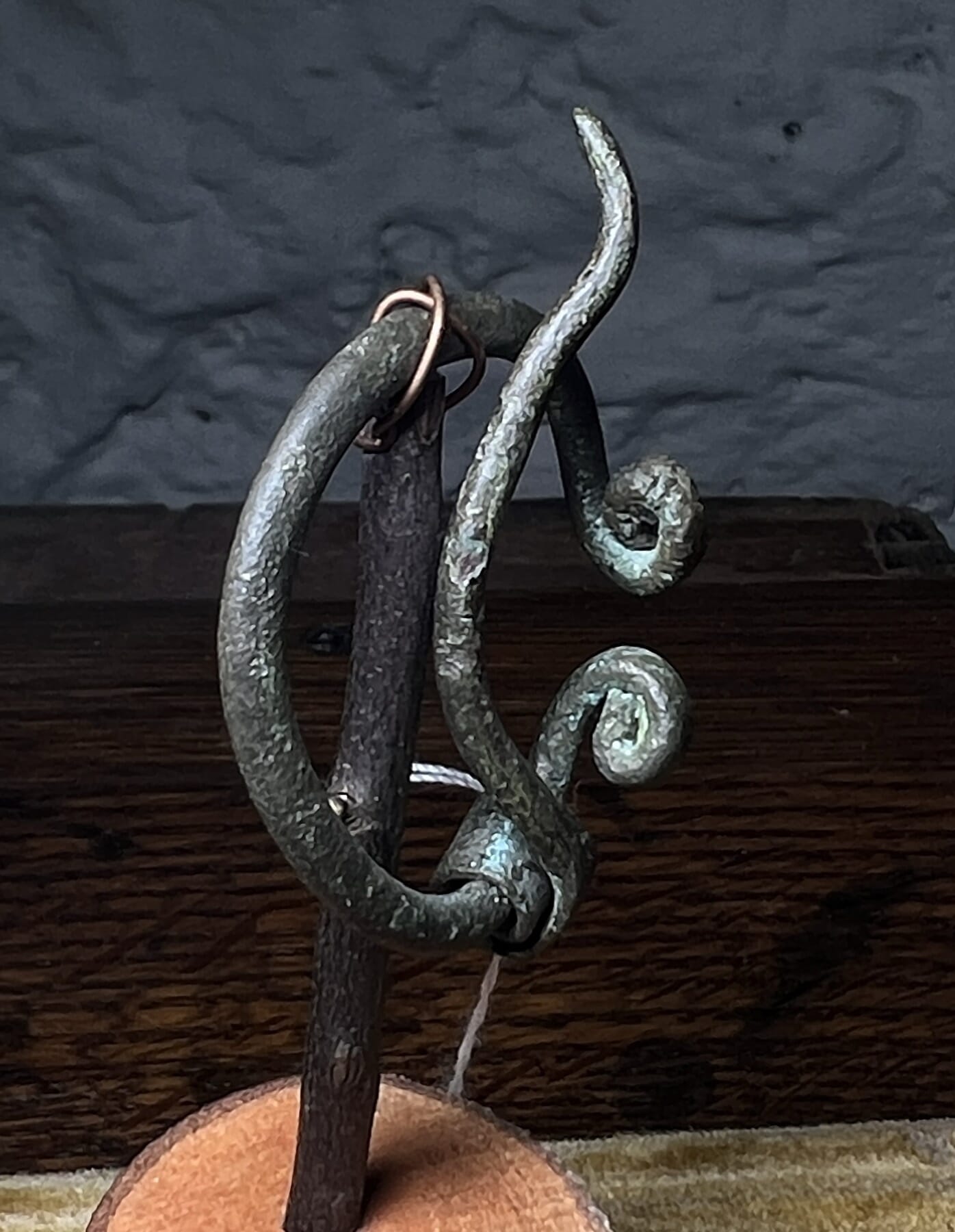
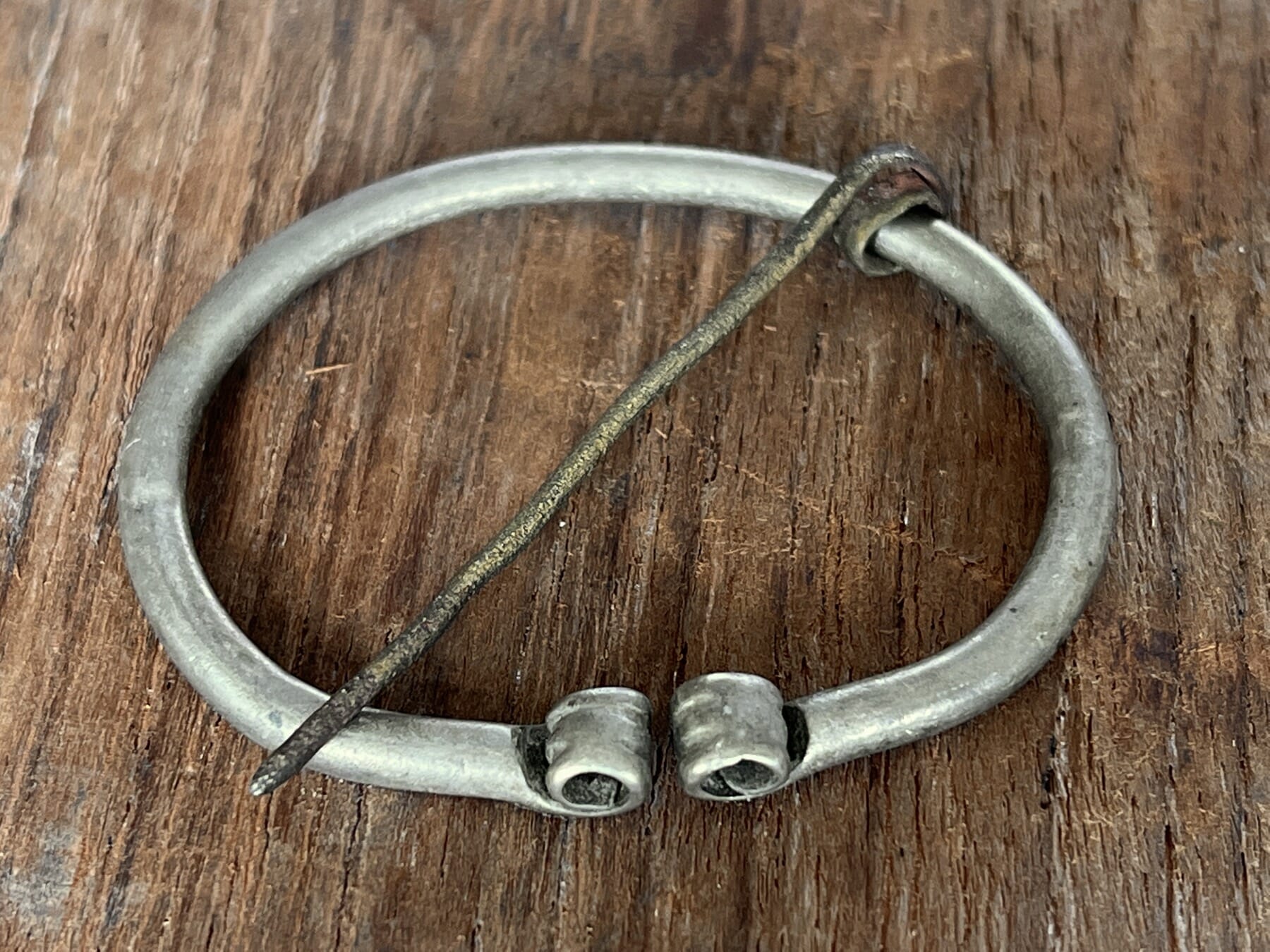
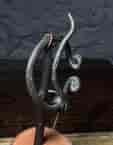 Bronze Pennanula Fibula with coiled terminals, Northern Europe 5th-8th century AD$395.00 AUD
 -
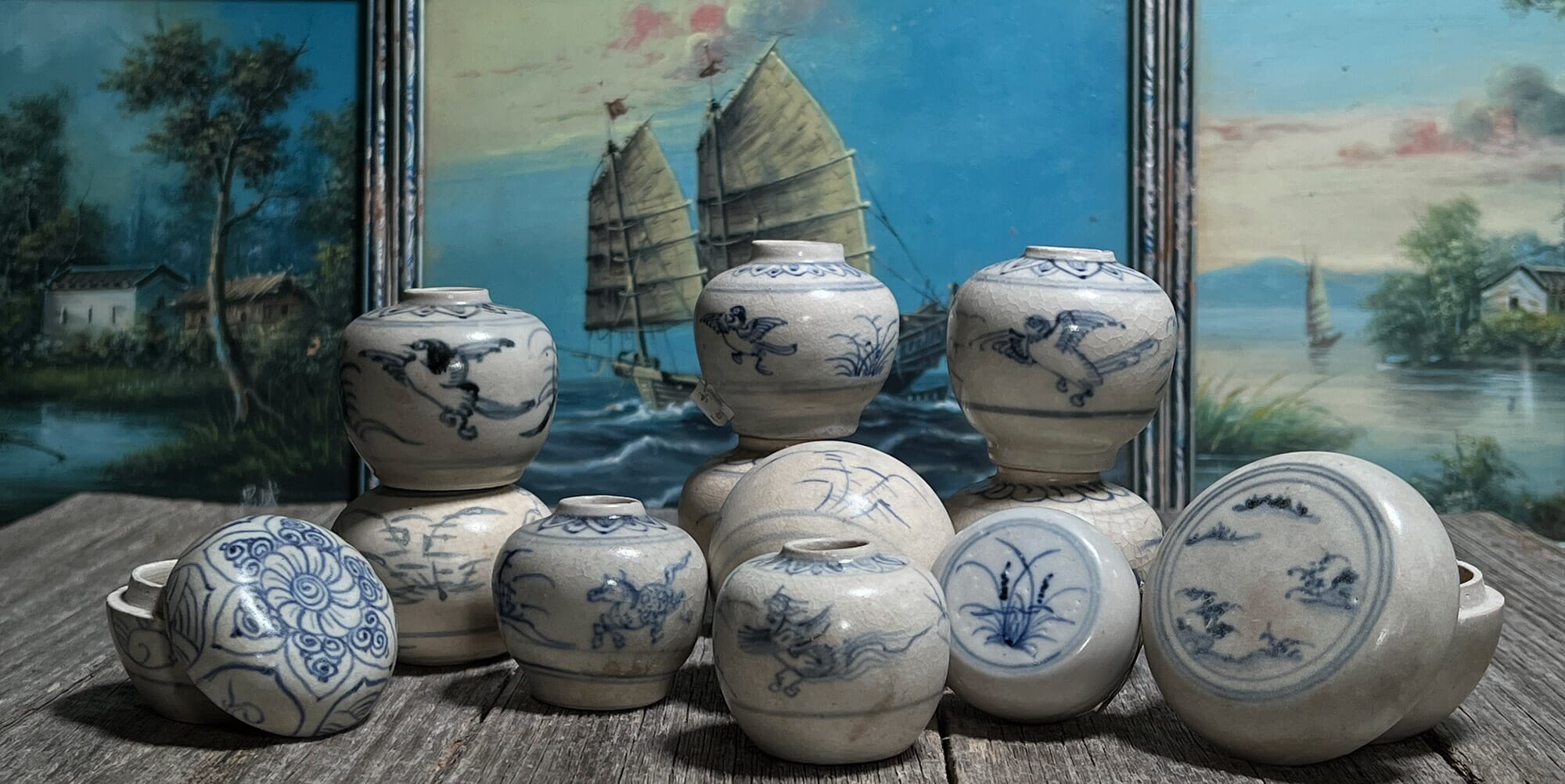
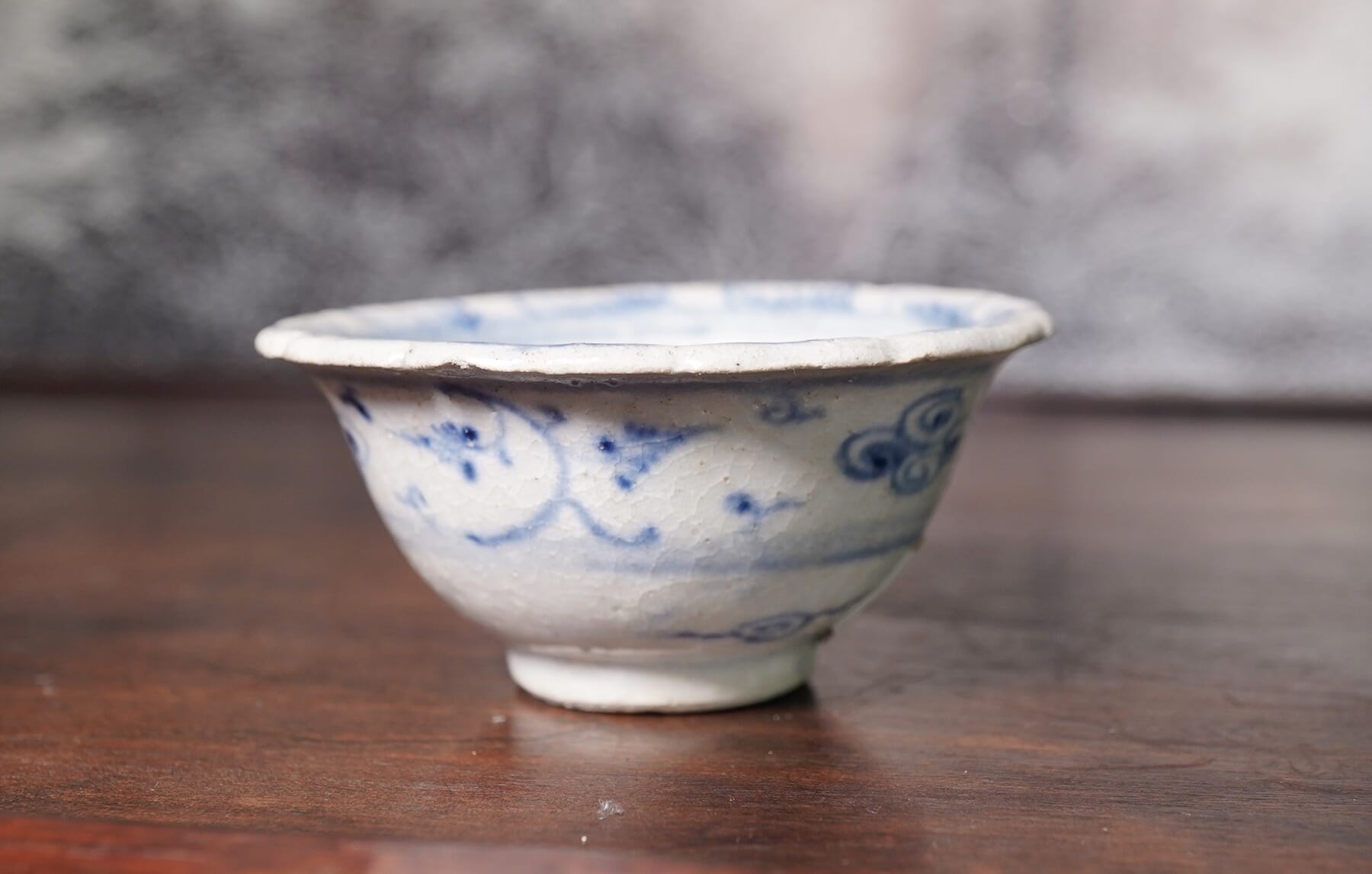
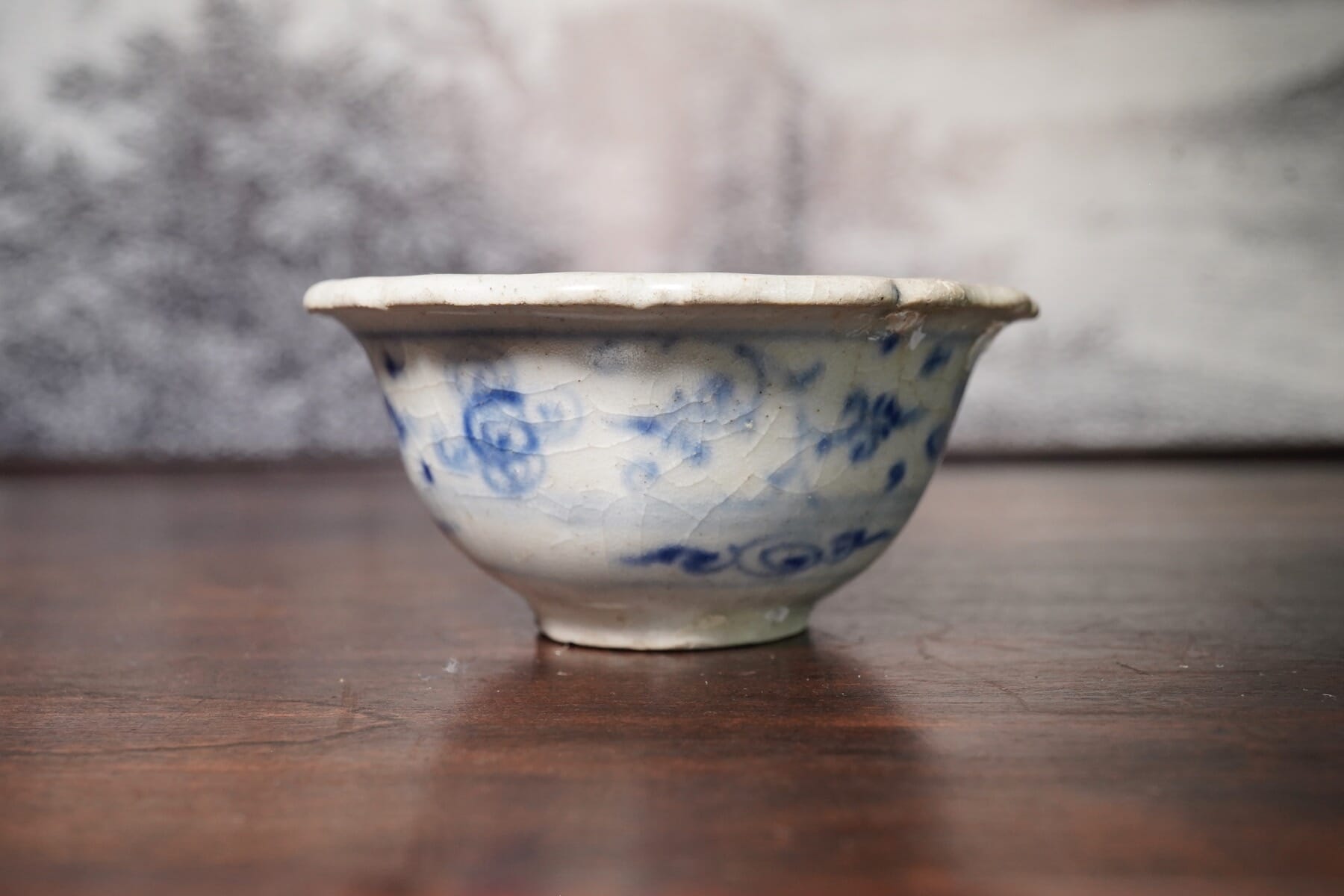
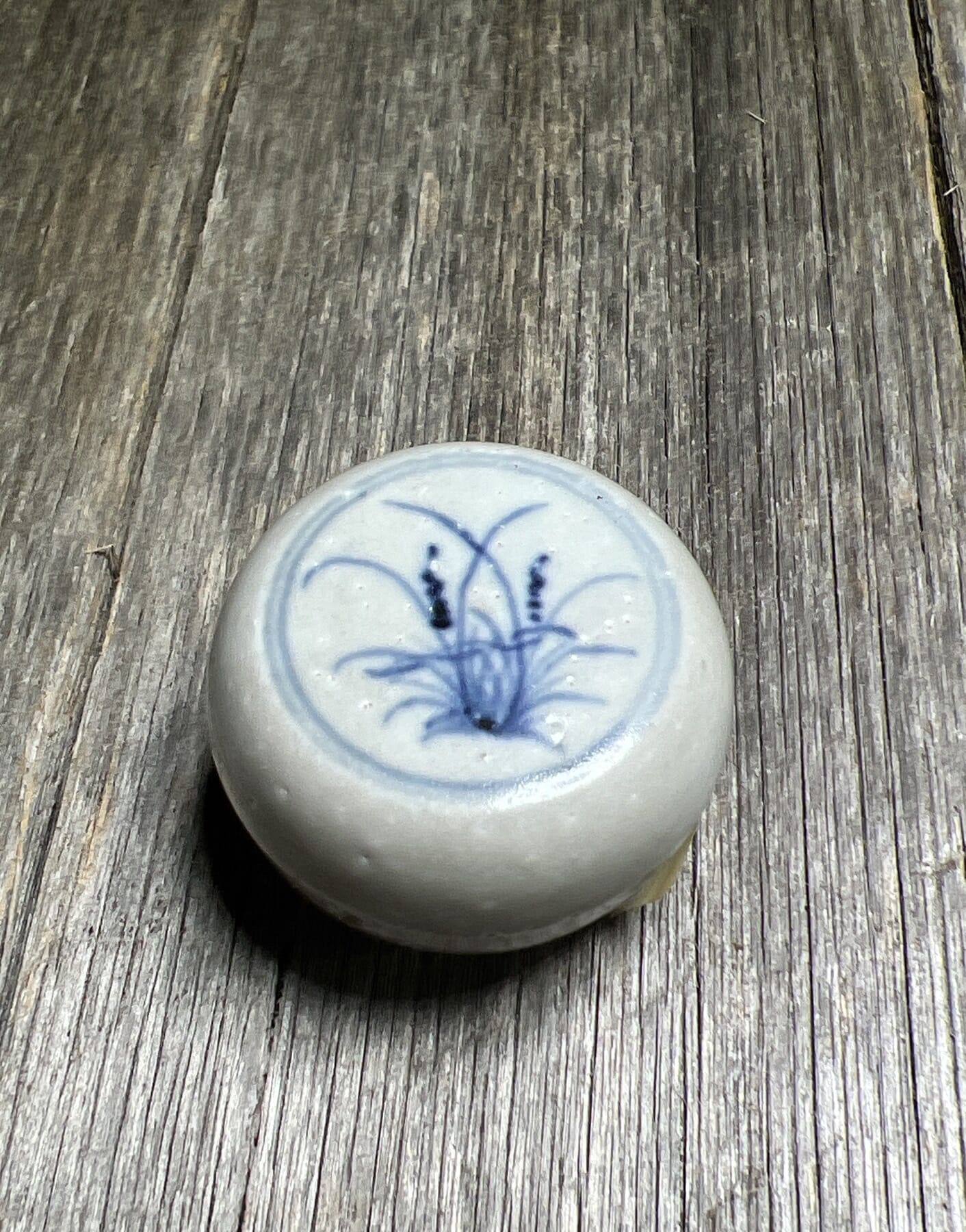
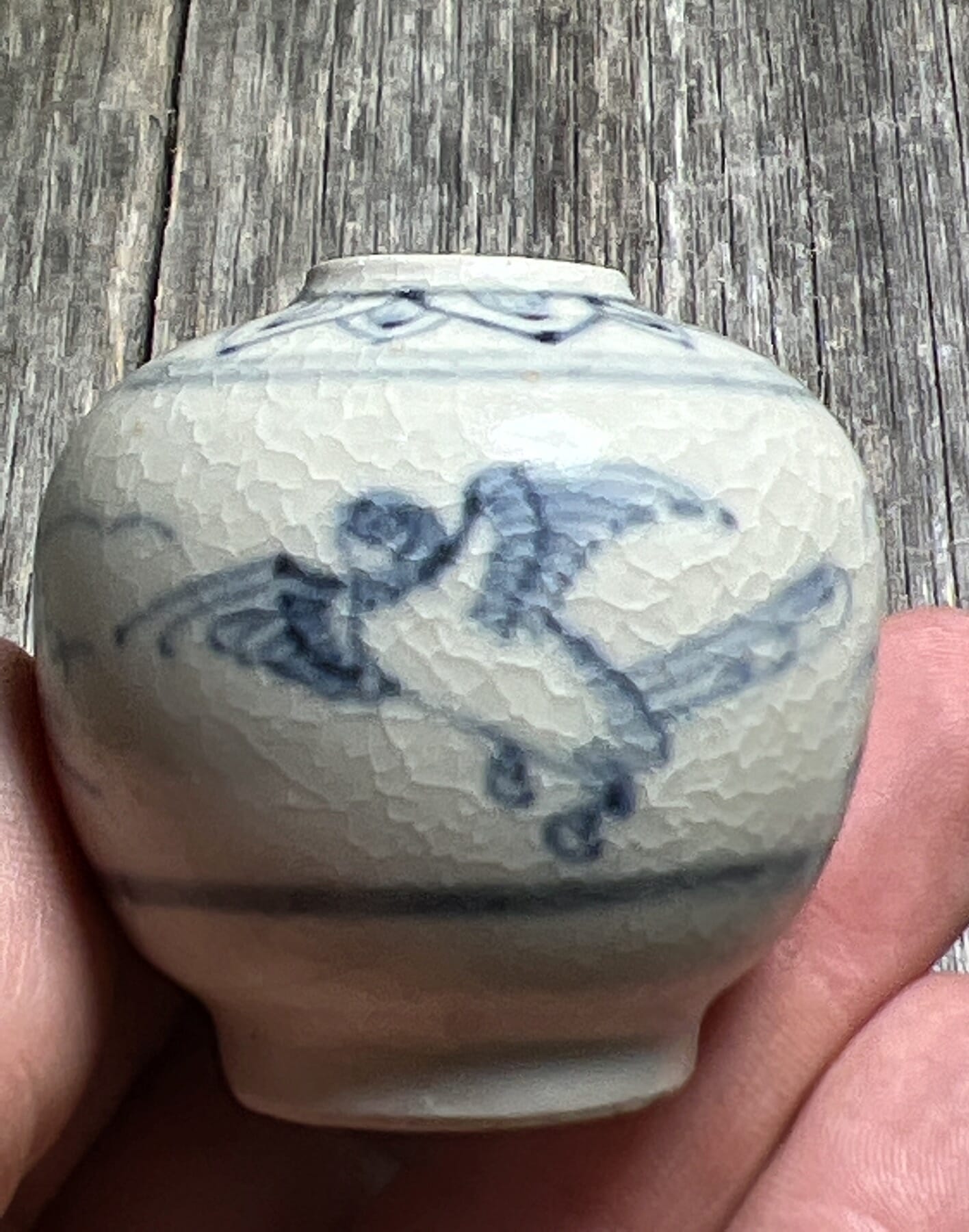
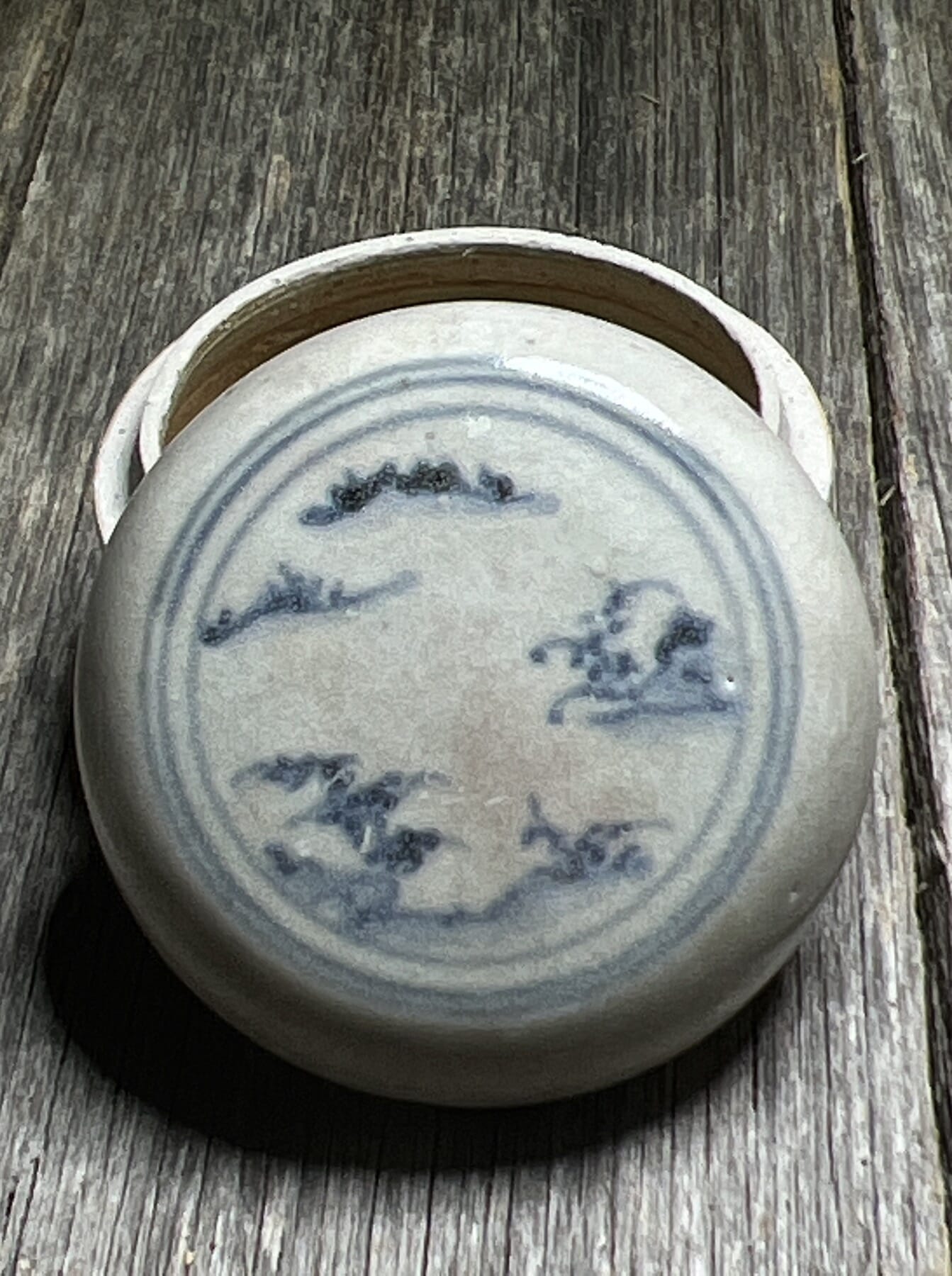
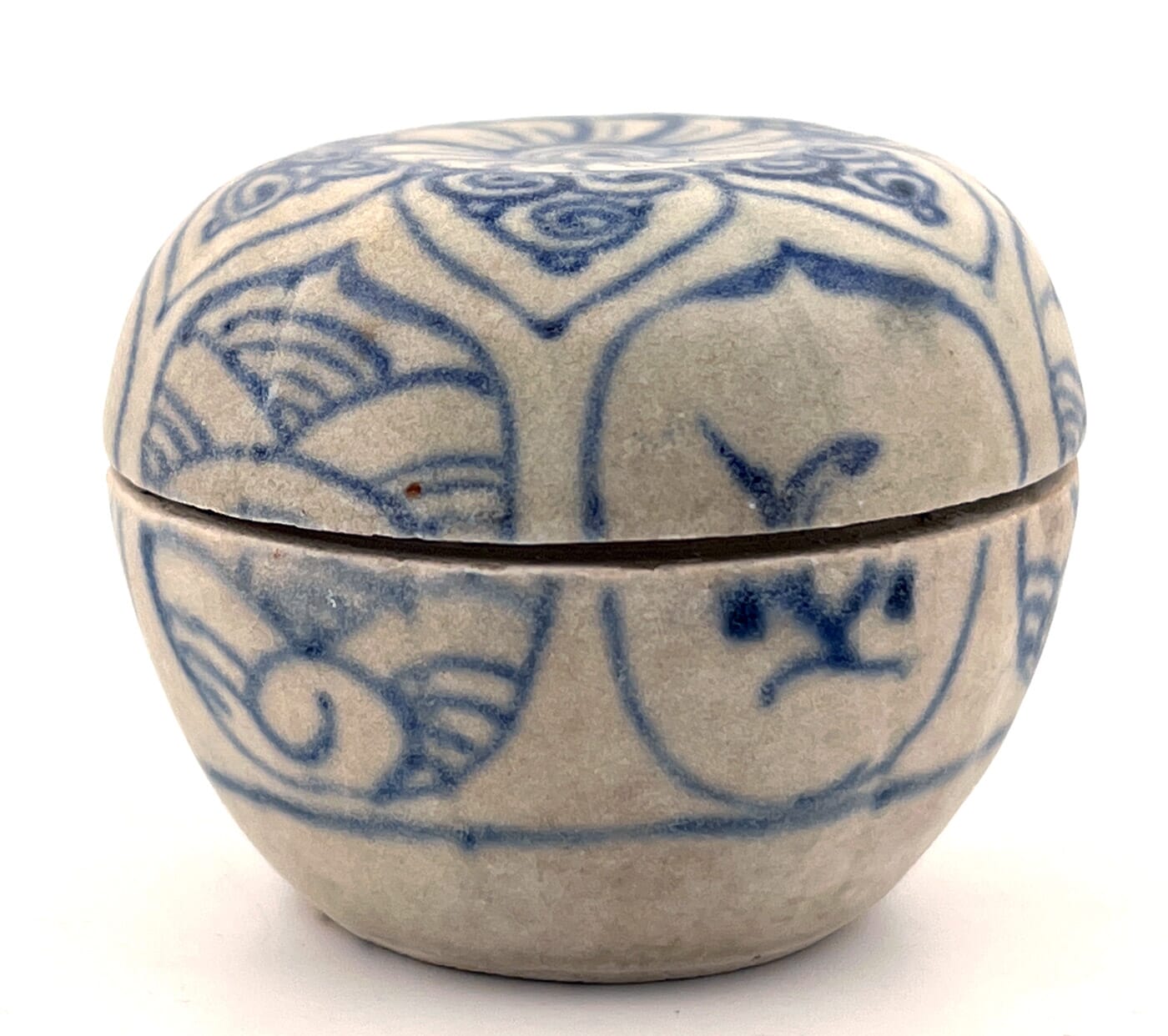
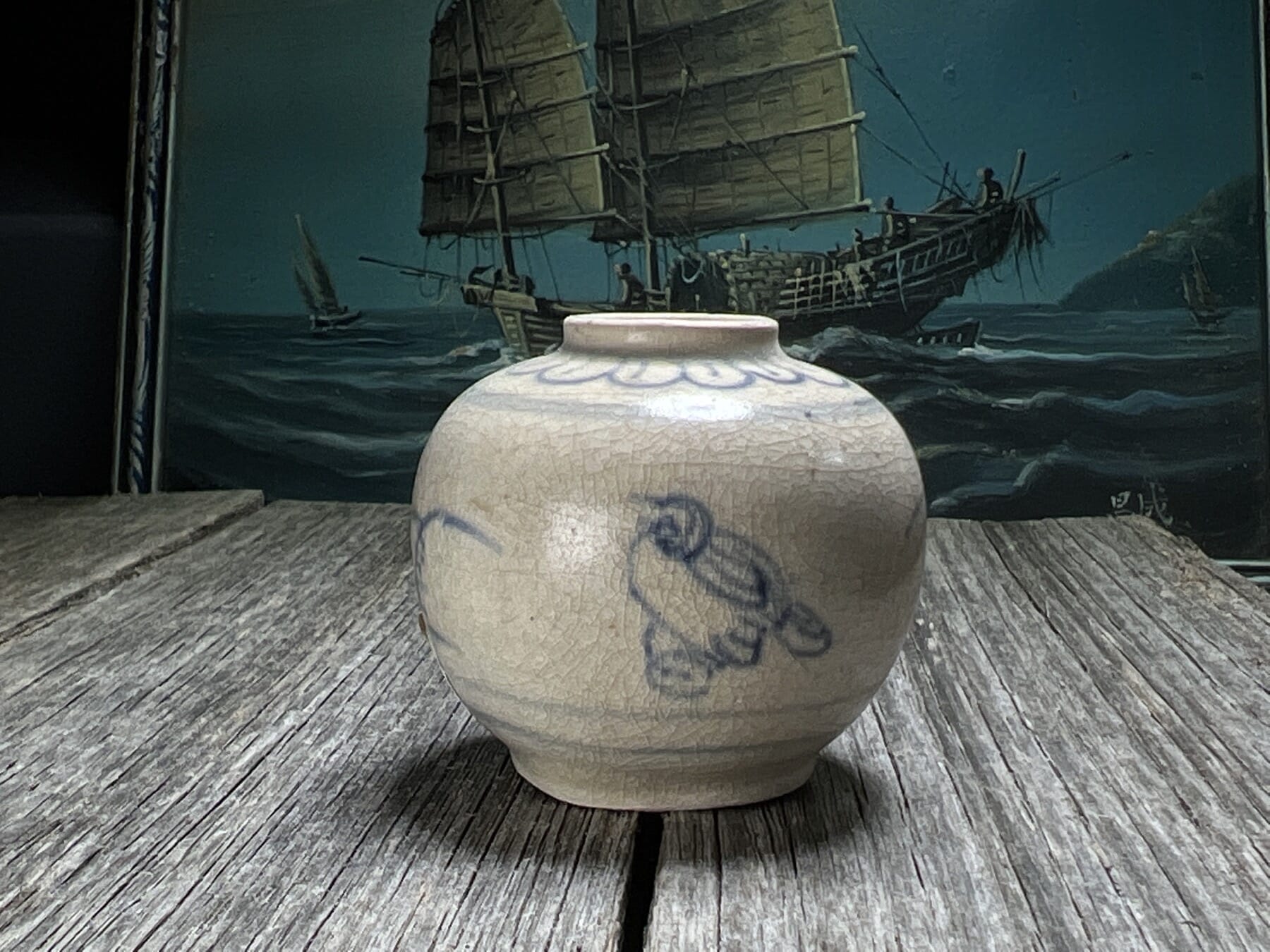
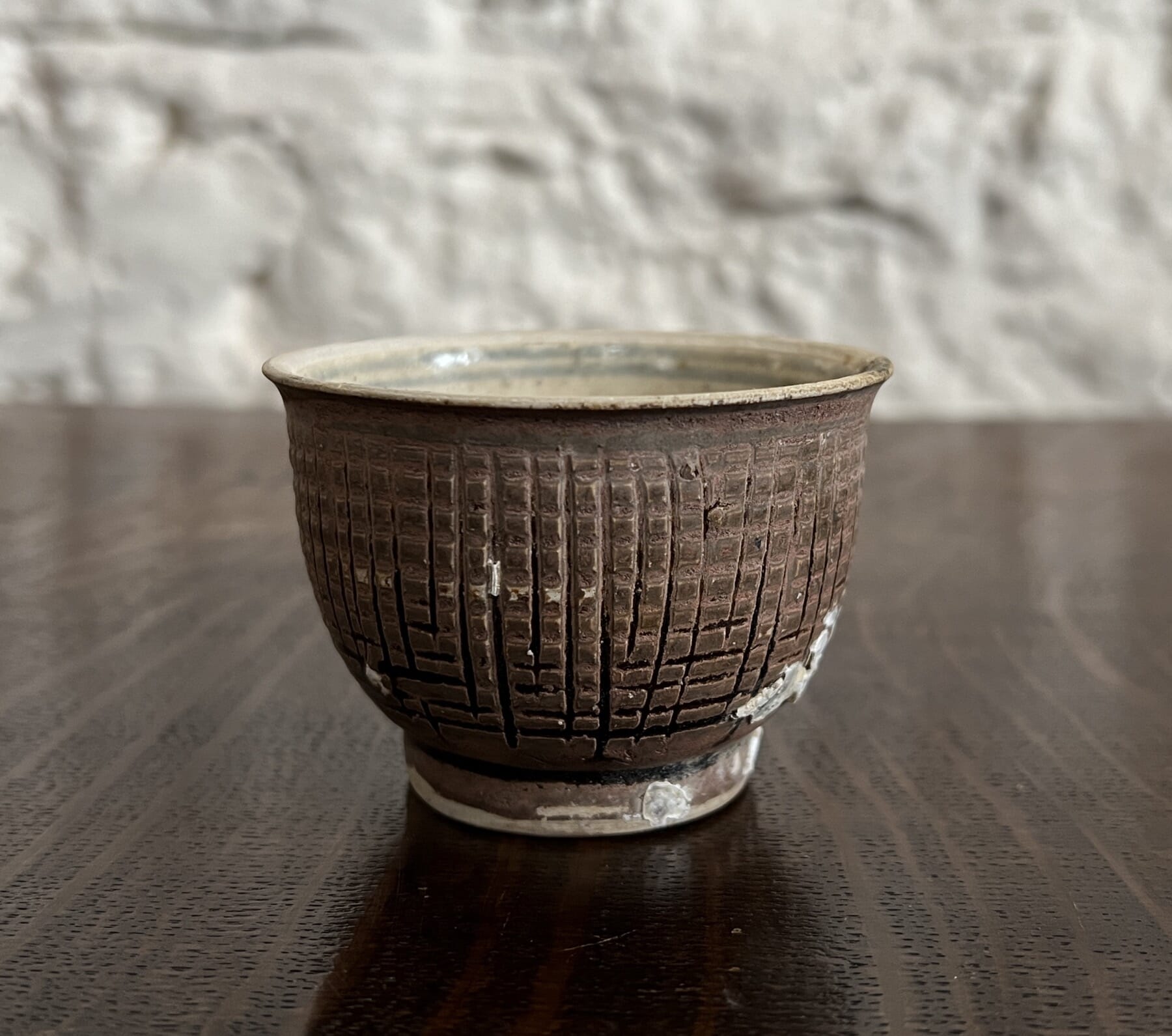
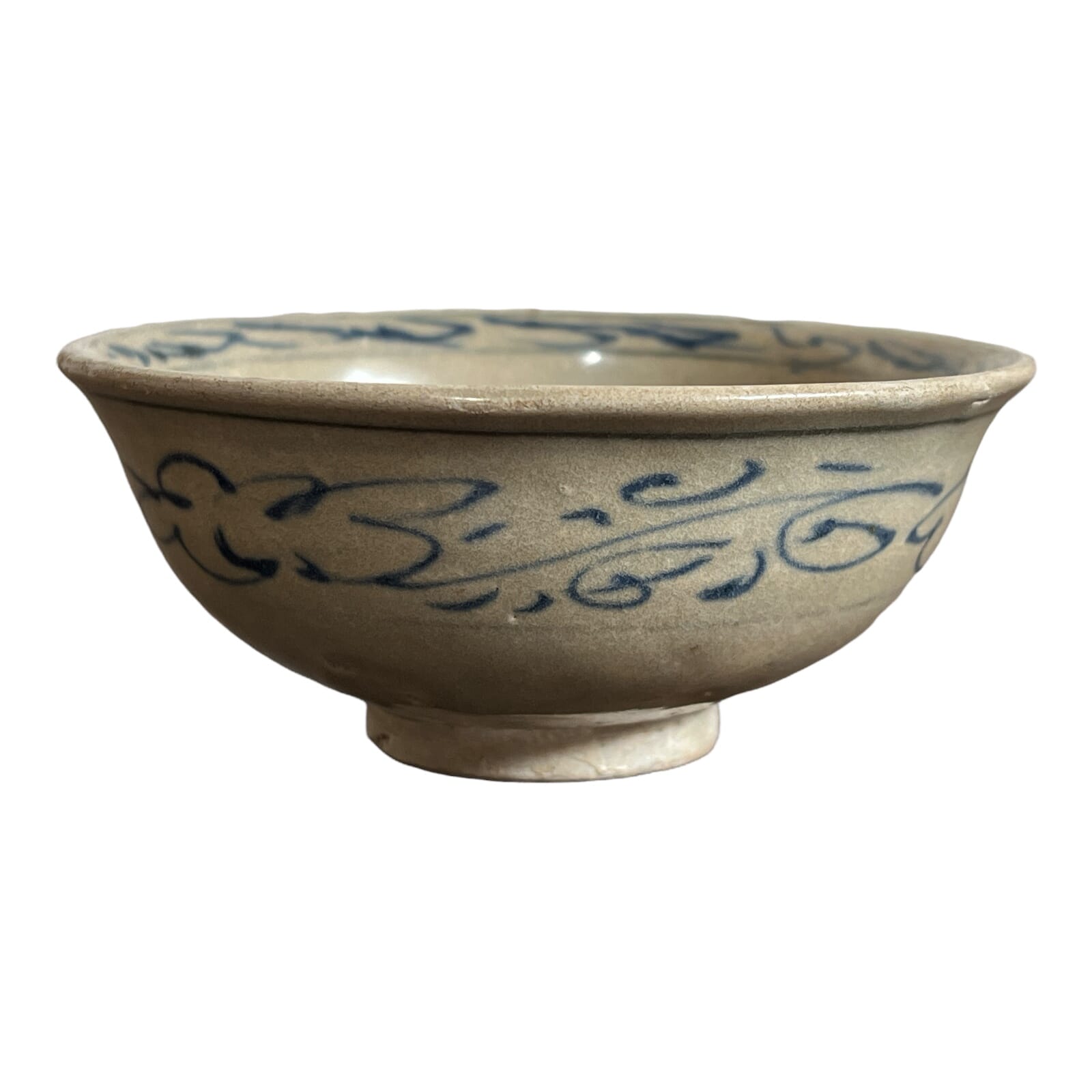
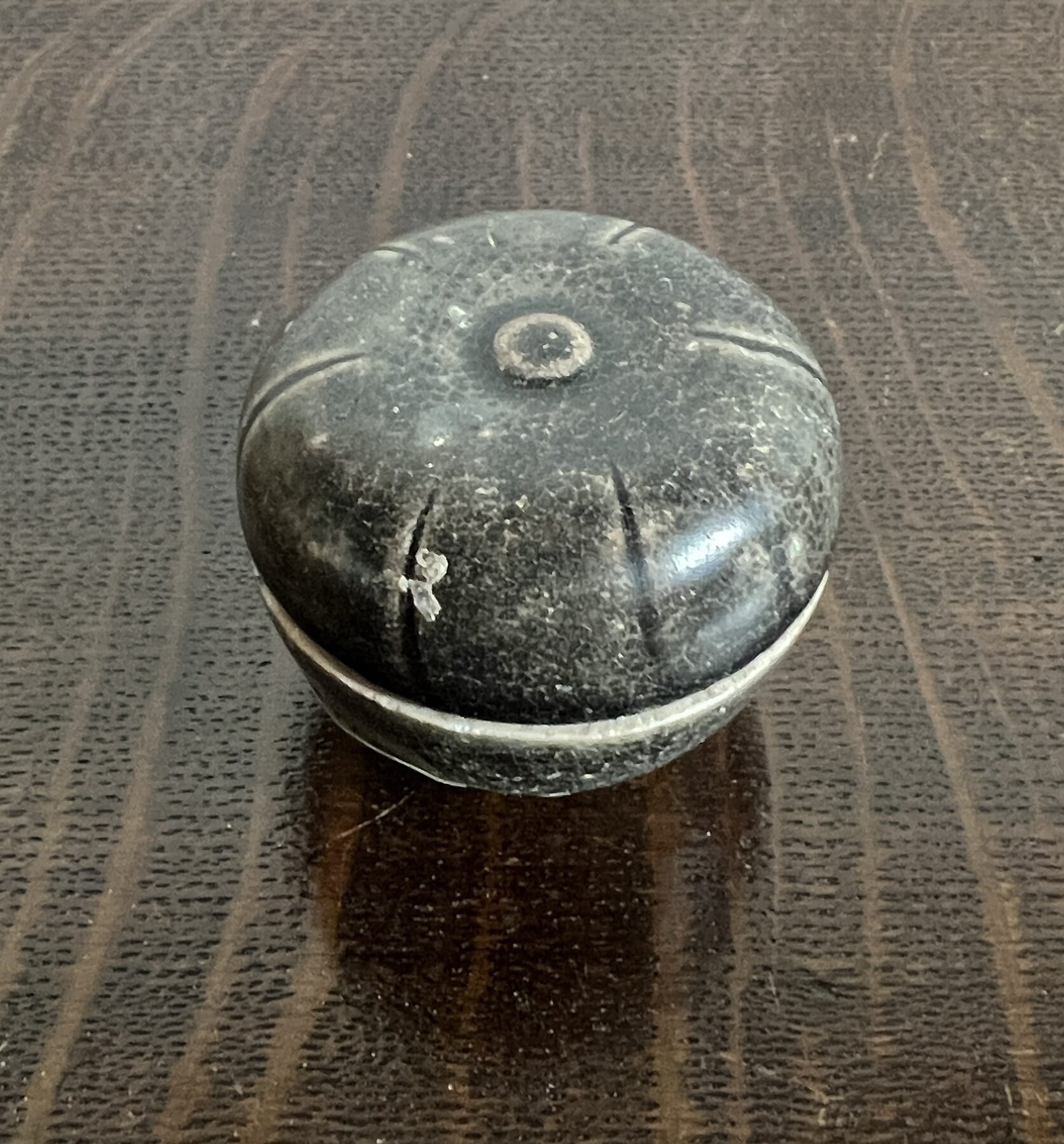
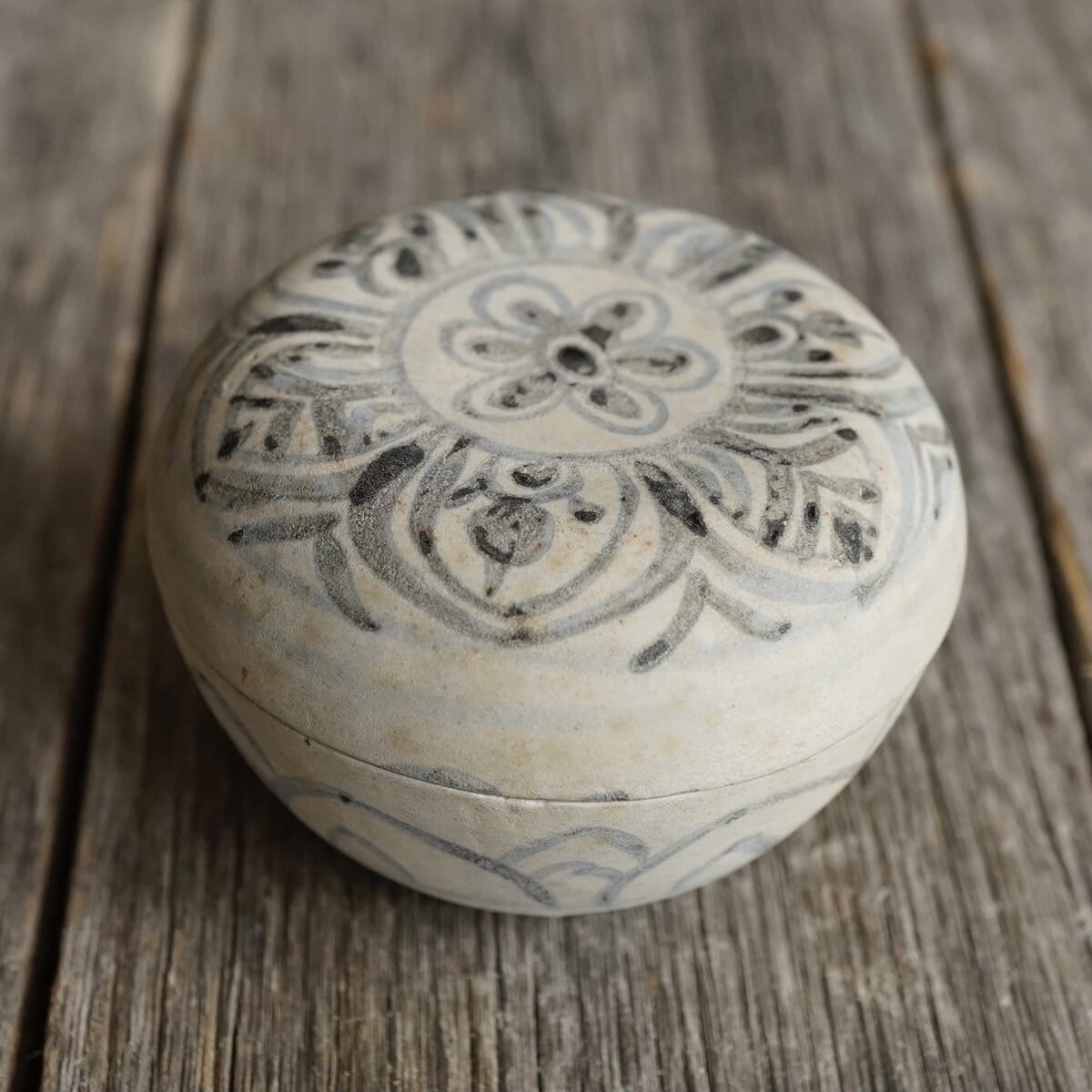
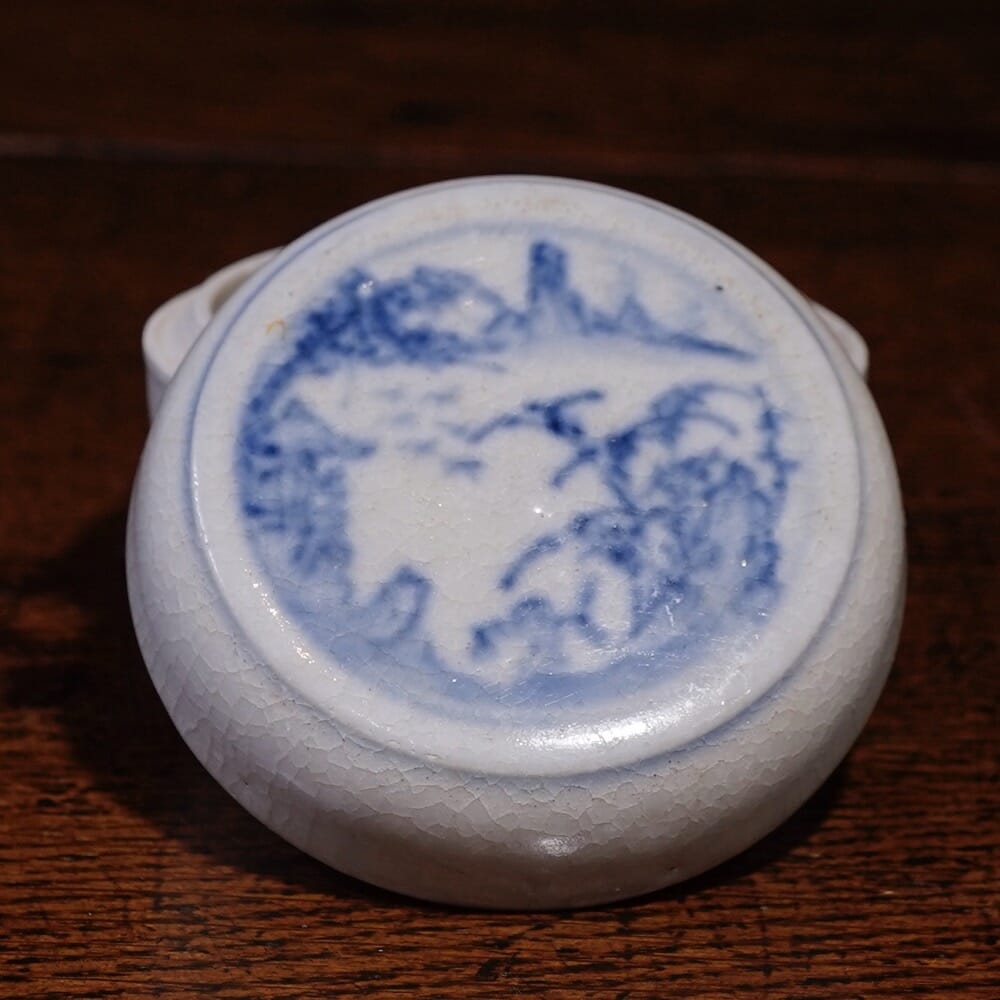
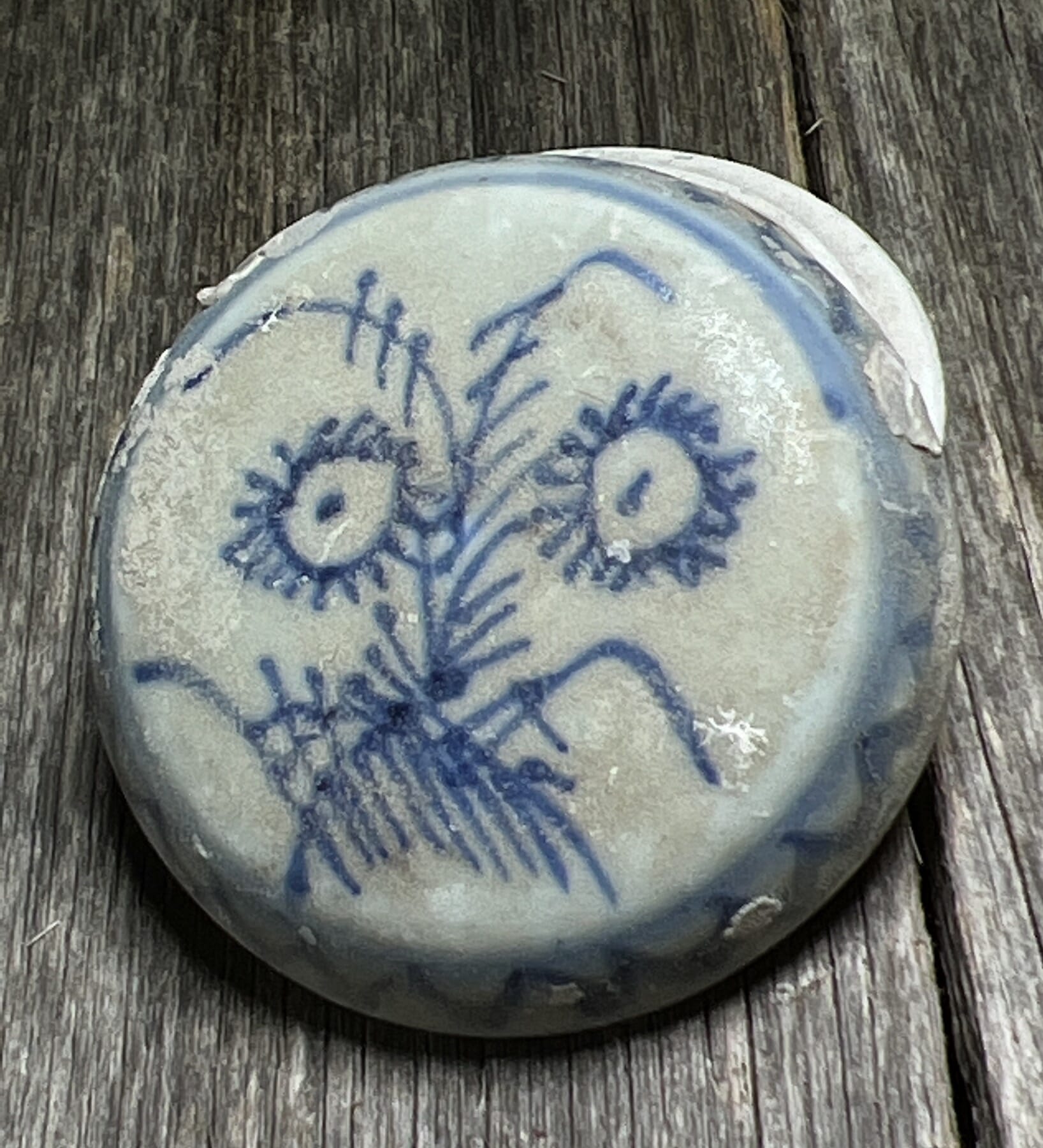
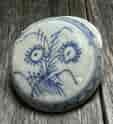 Shipwreck porcelain box, early 18th century$245.00 AUD
 -
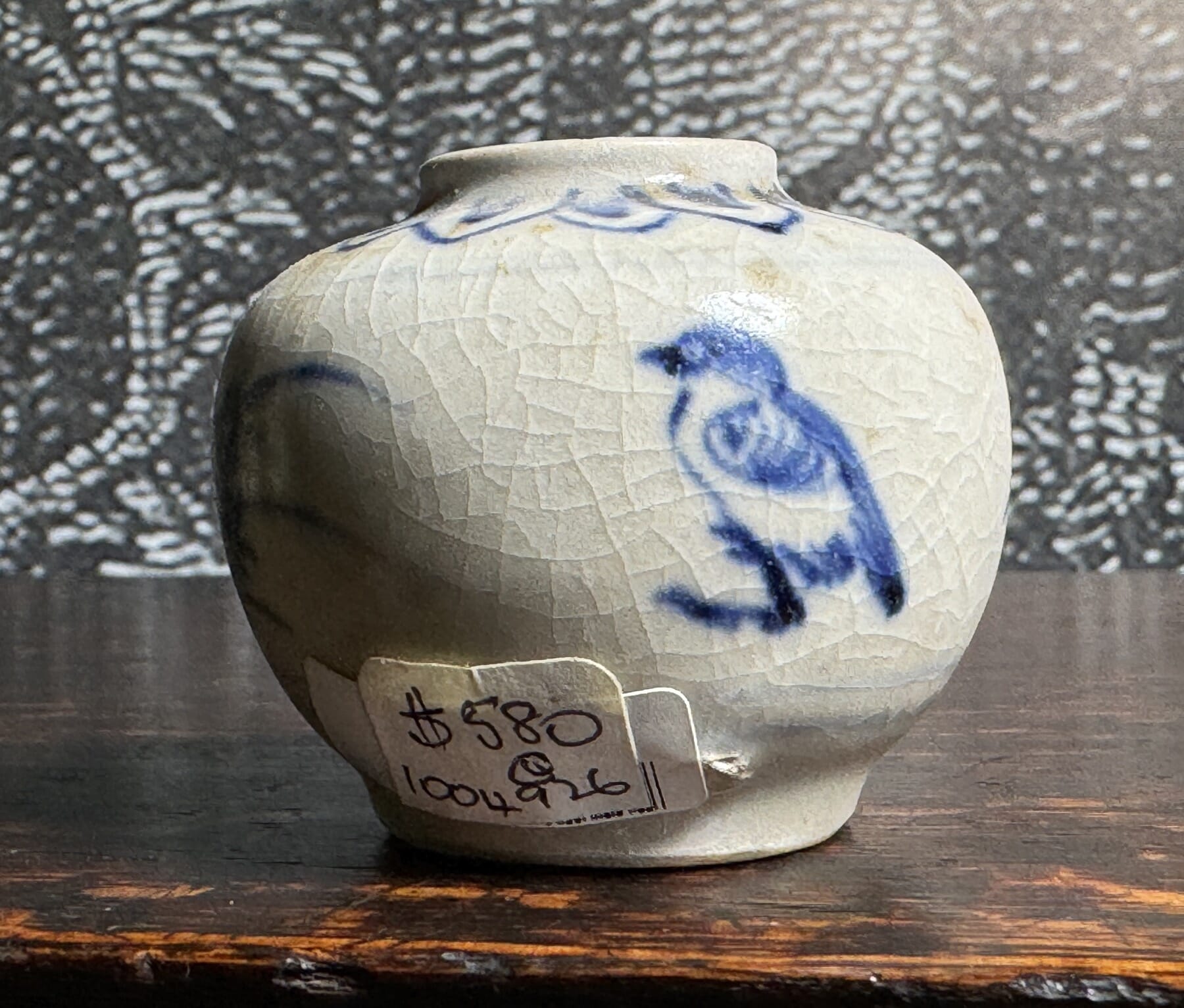
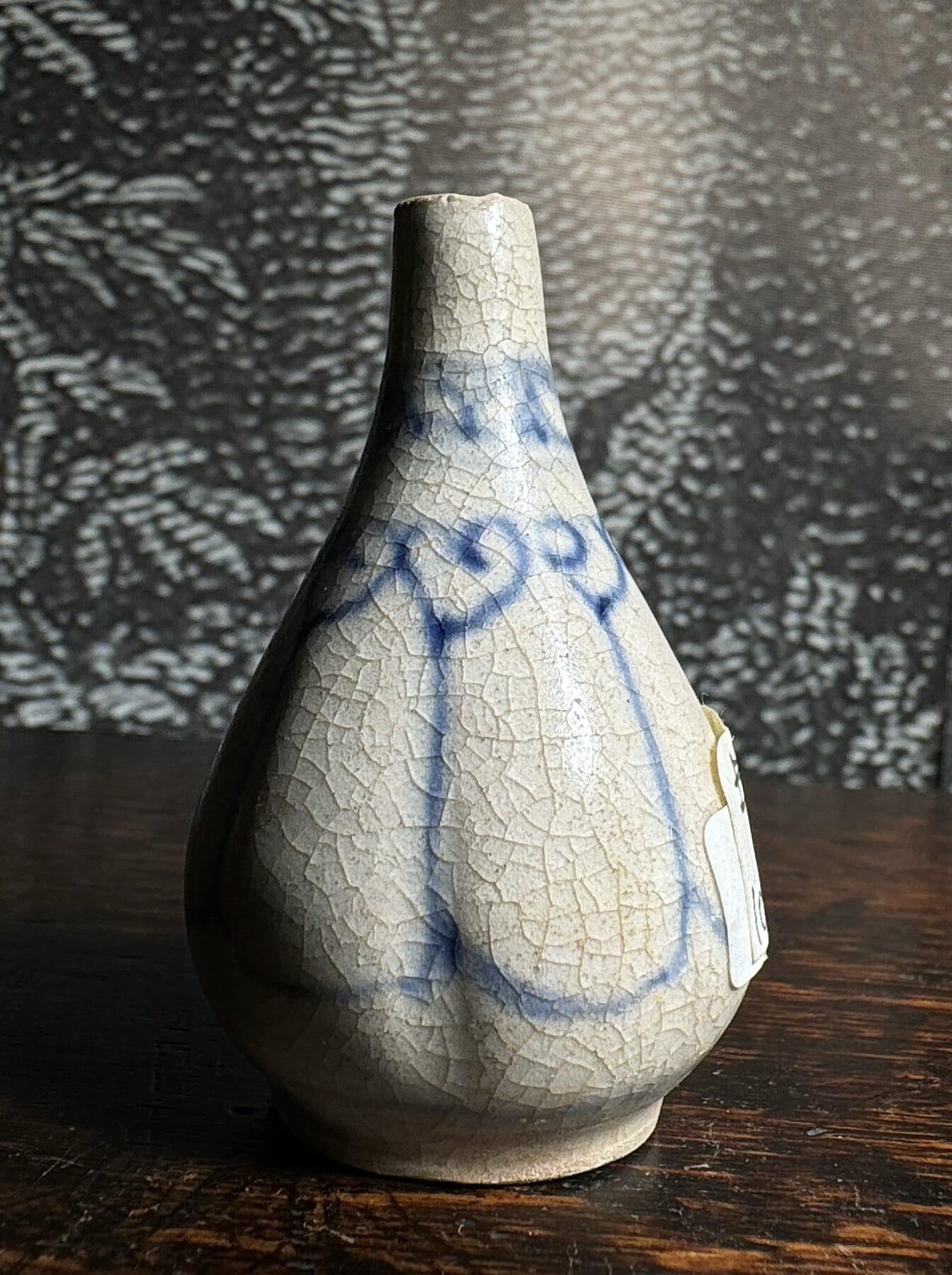
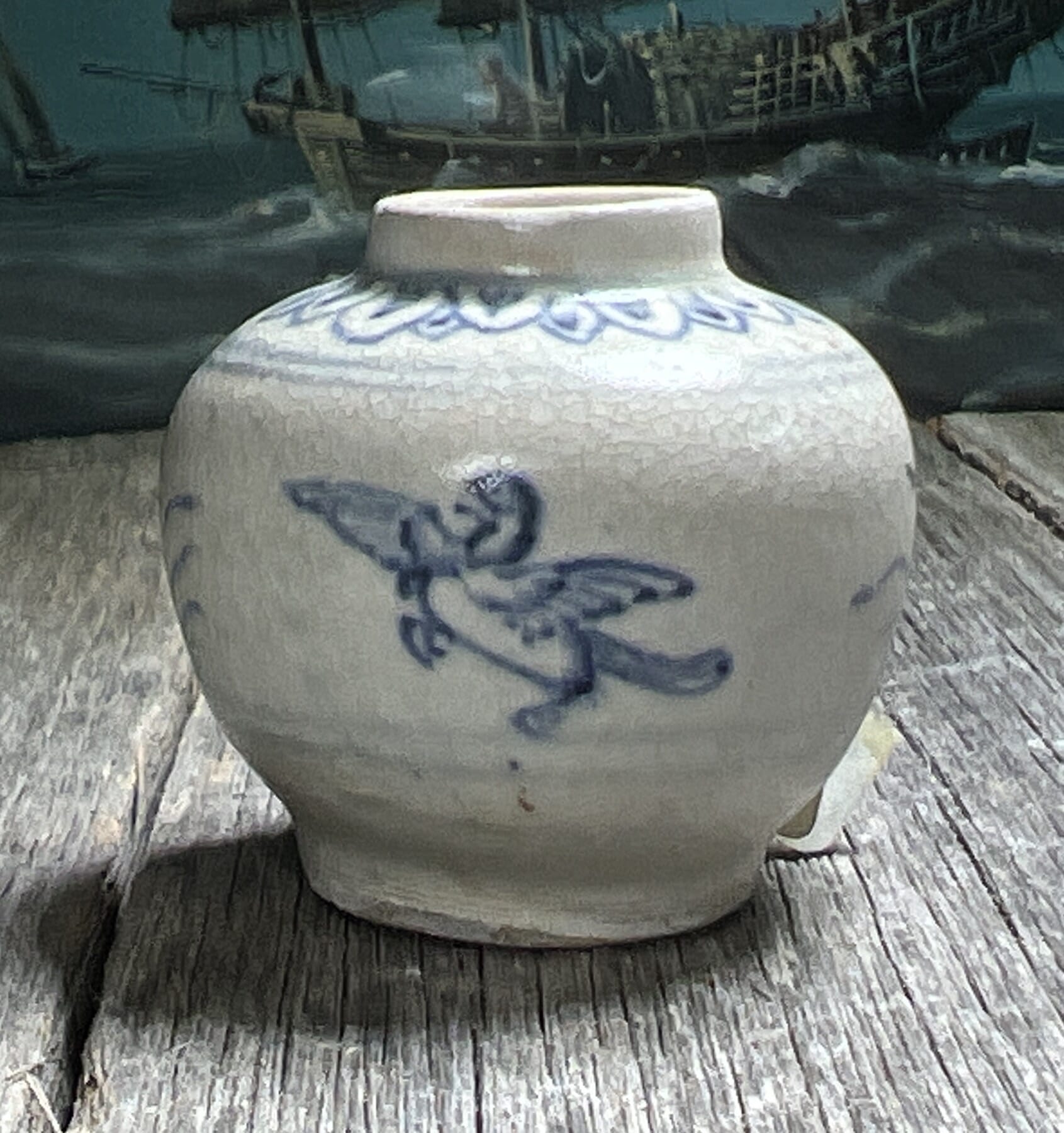
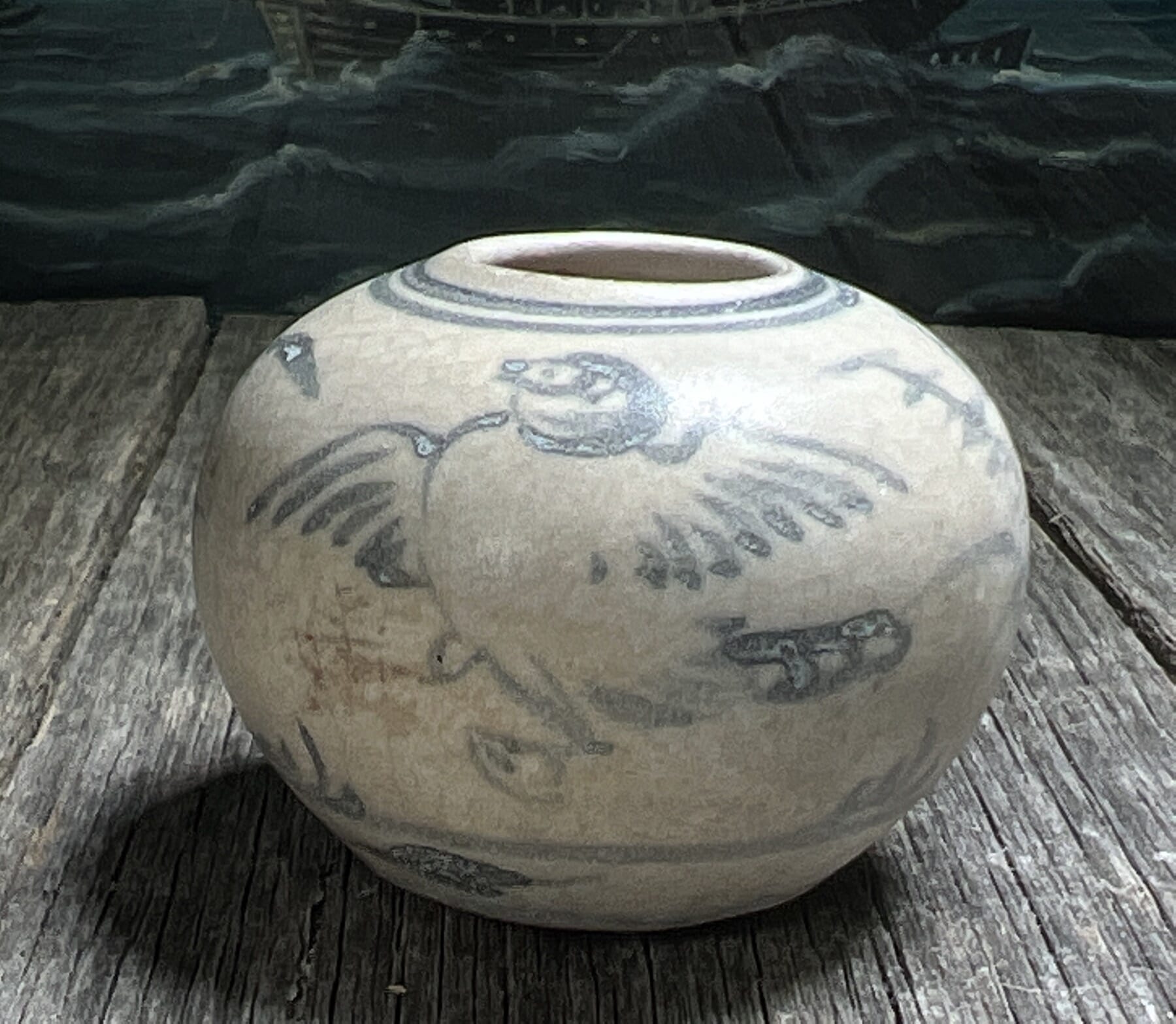
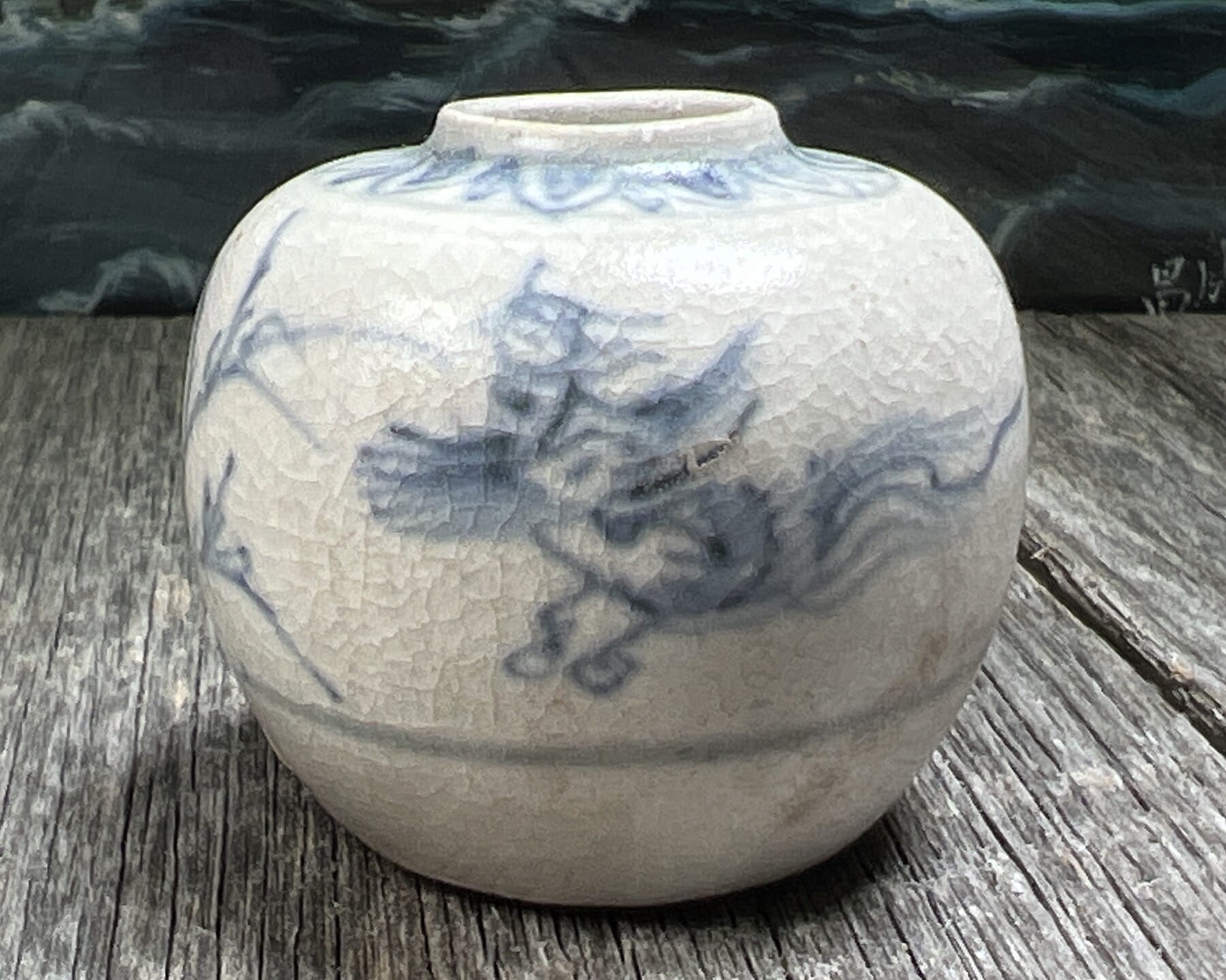
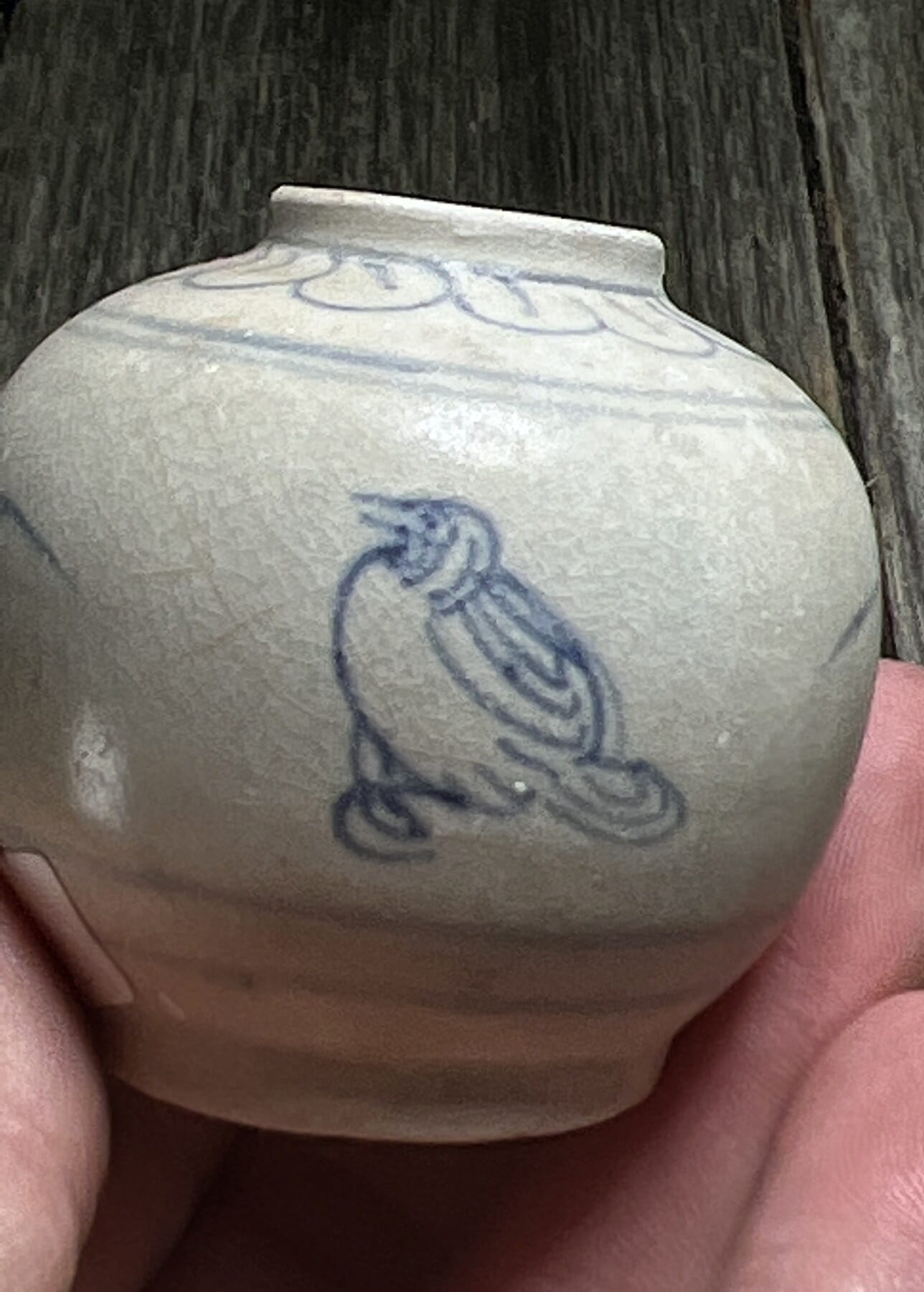
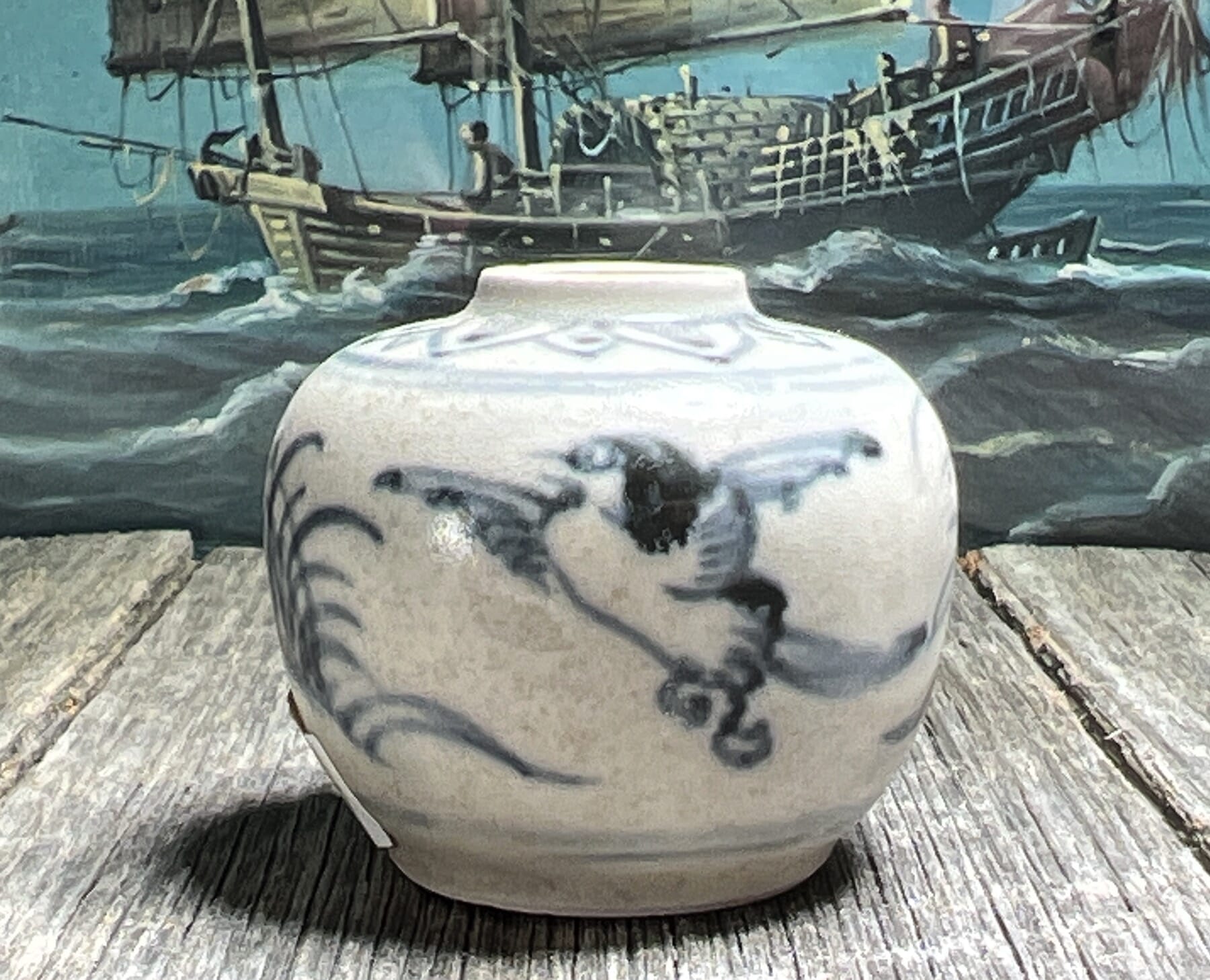
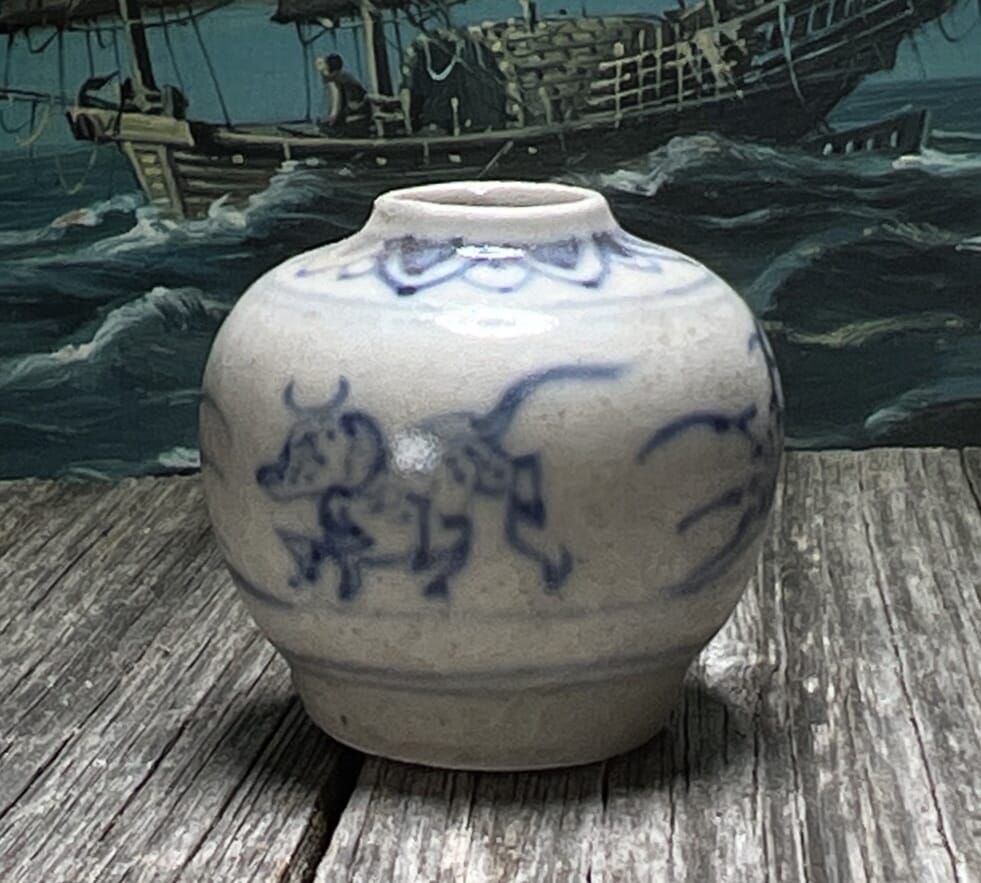
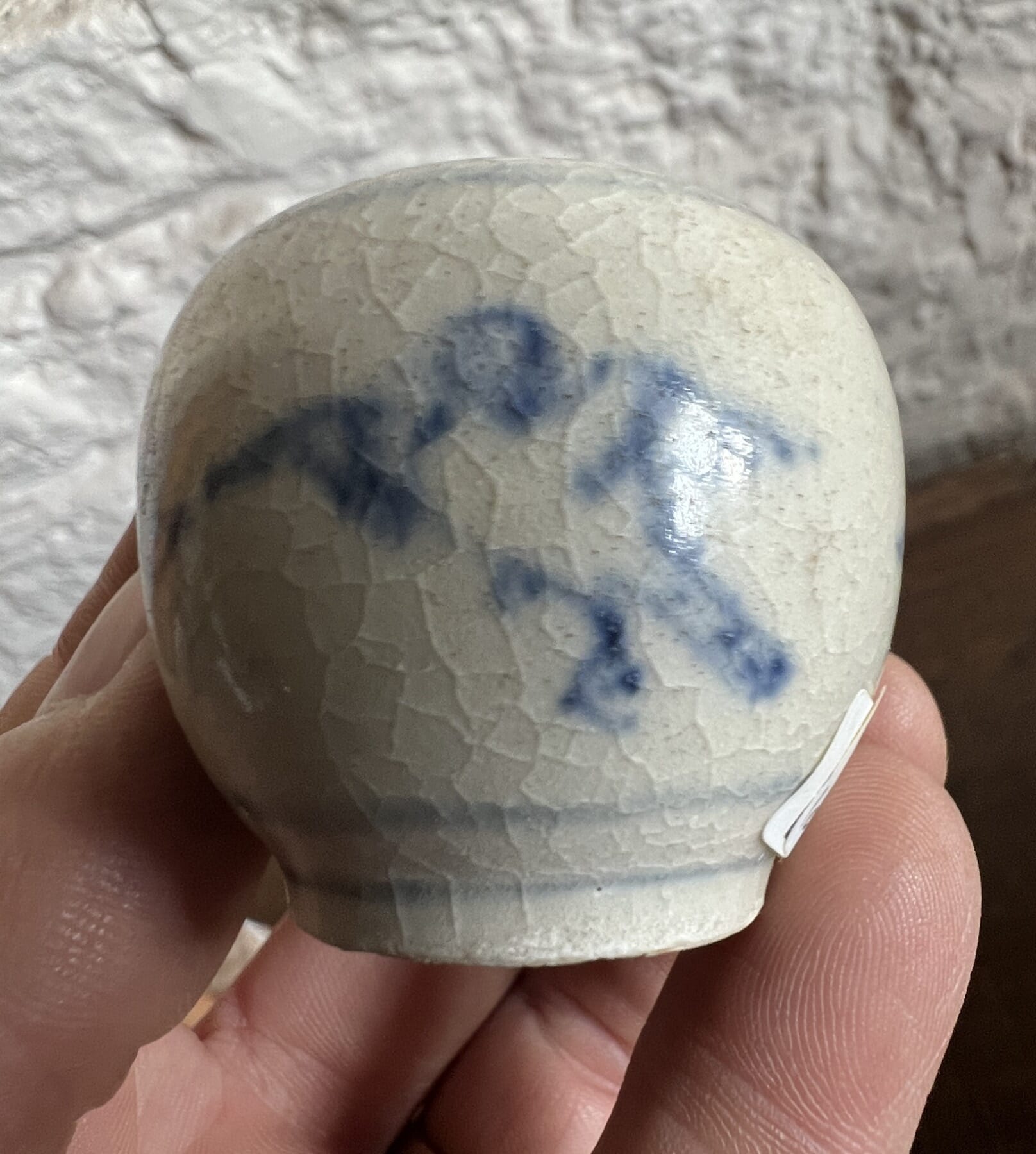
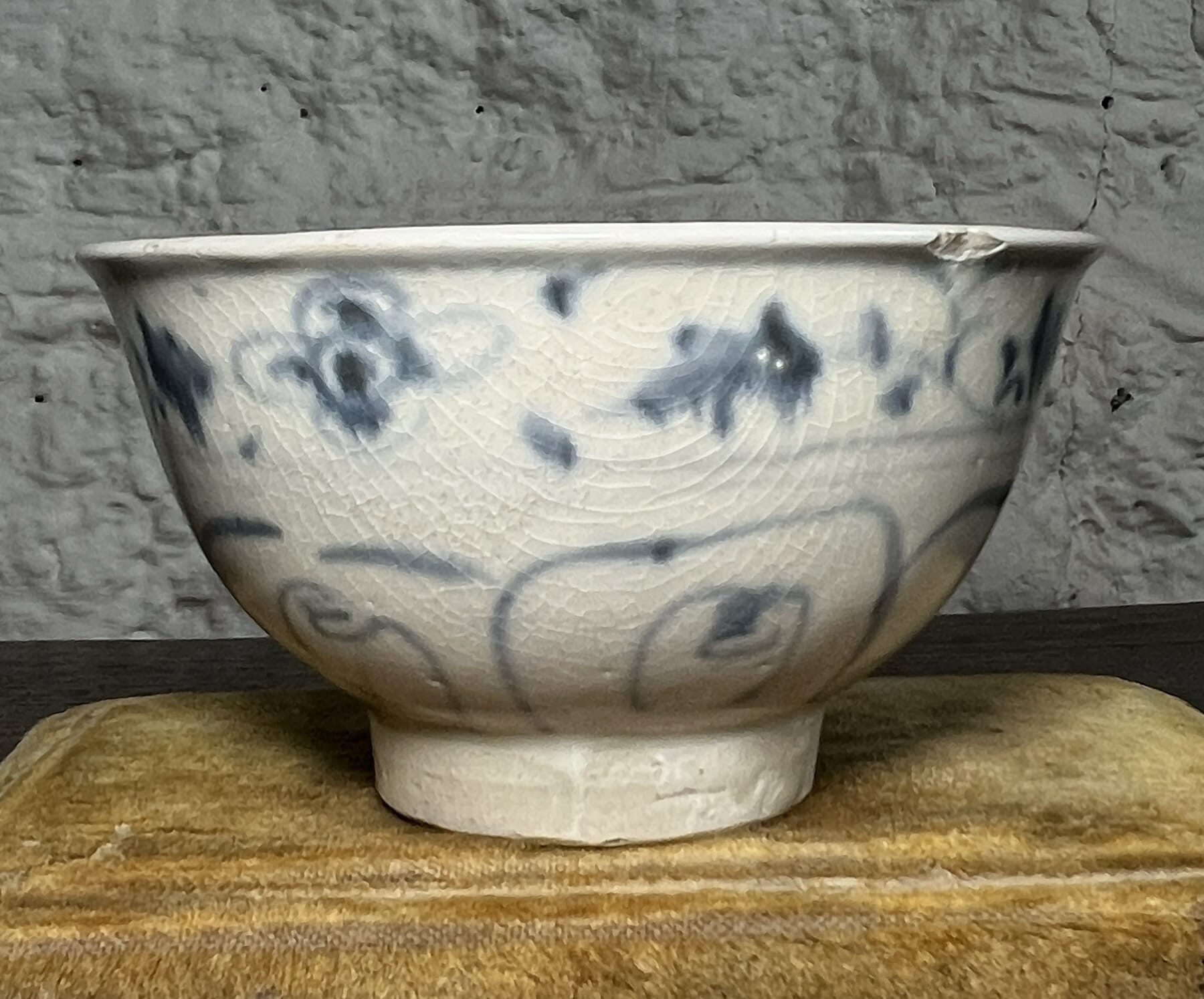
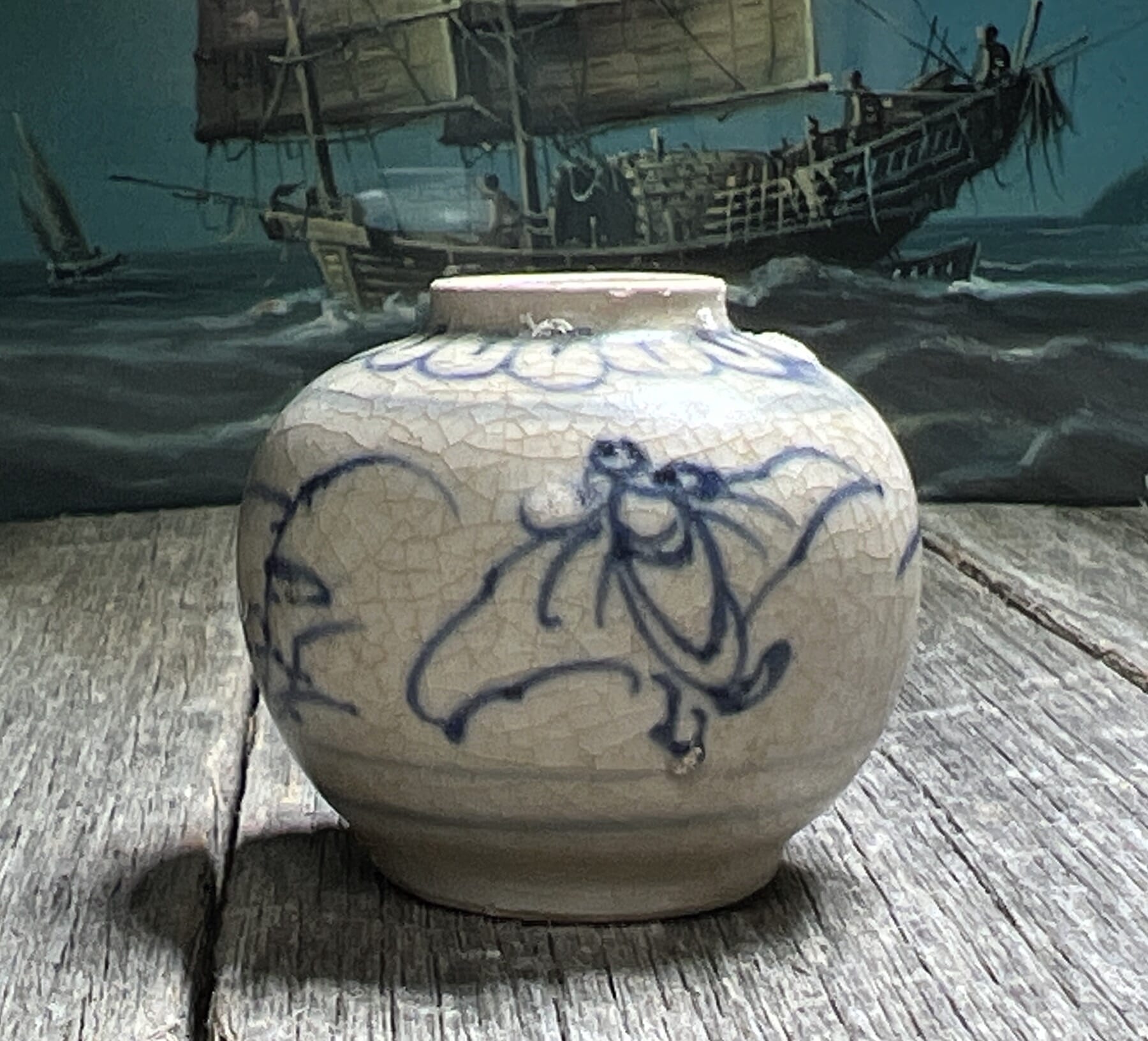
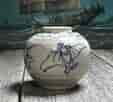 Hoi An Shipwreck blue & white jarlet, Bats, Vietnam, late 15th century$580.00 AUD

Antiquities
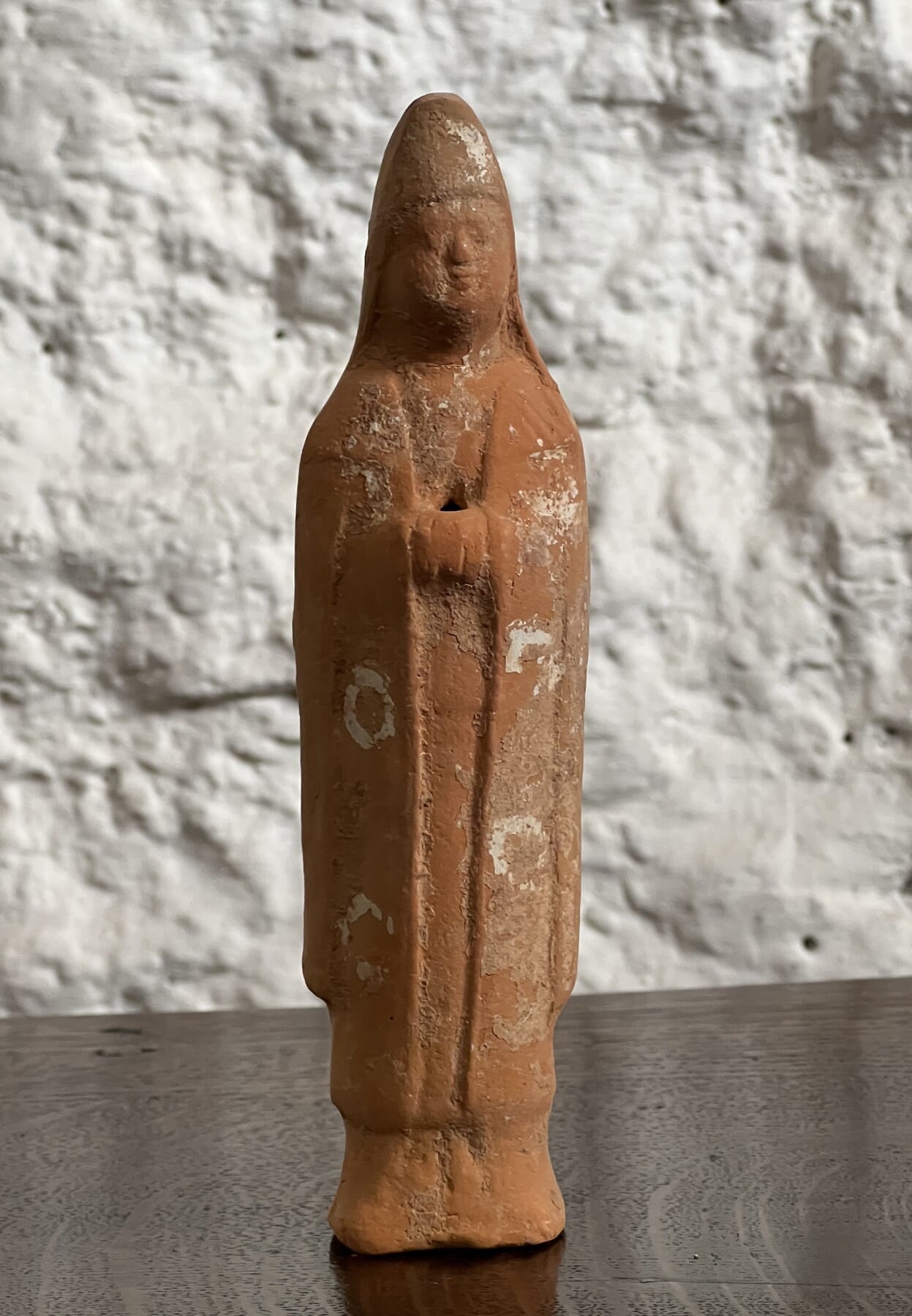
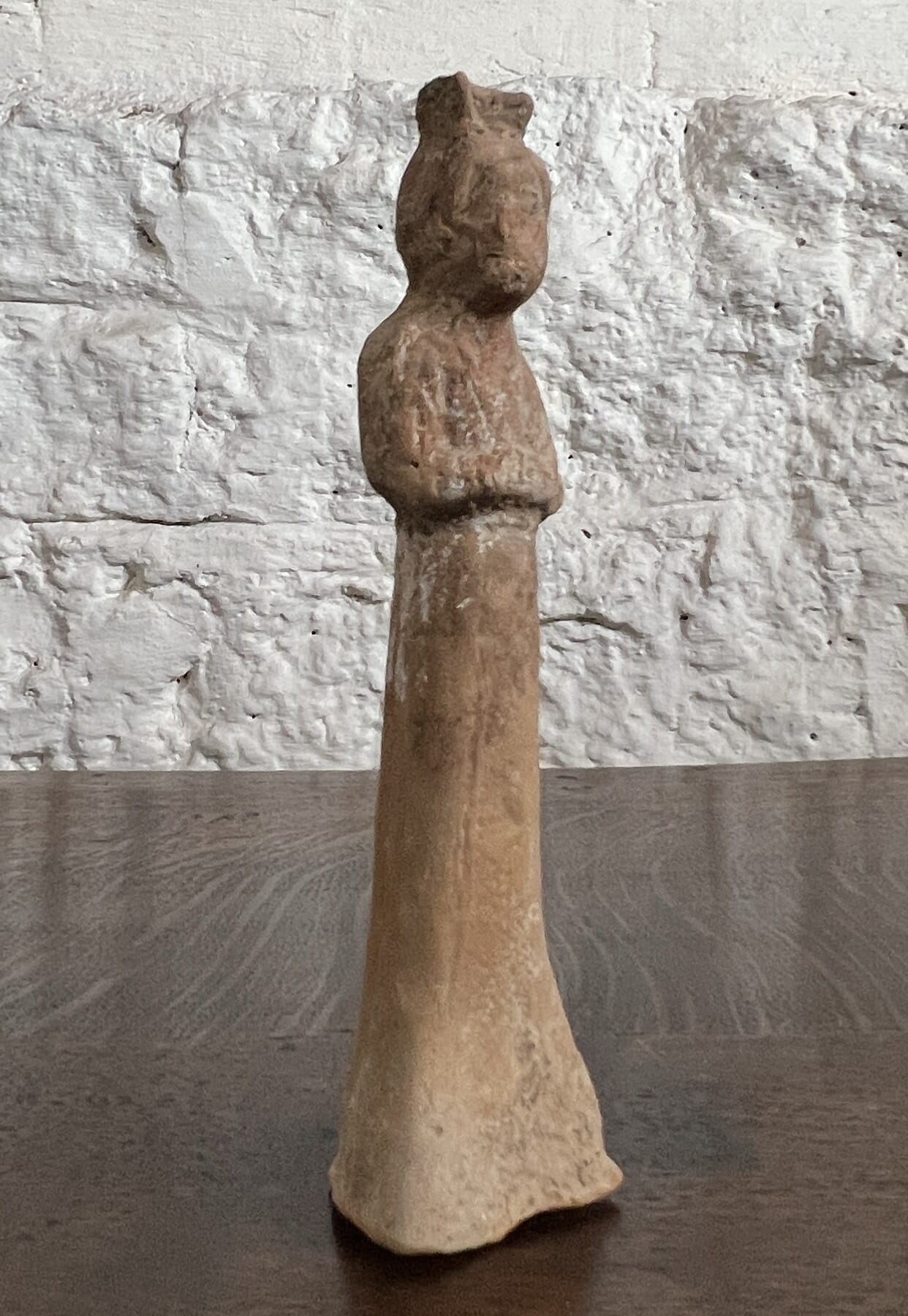
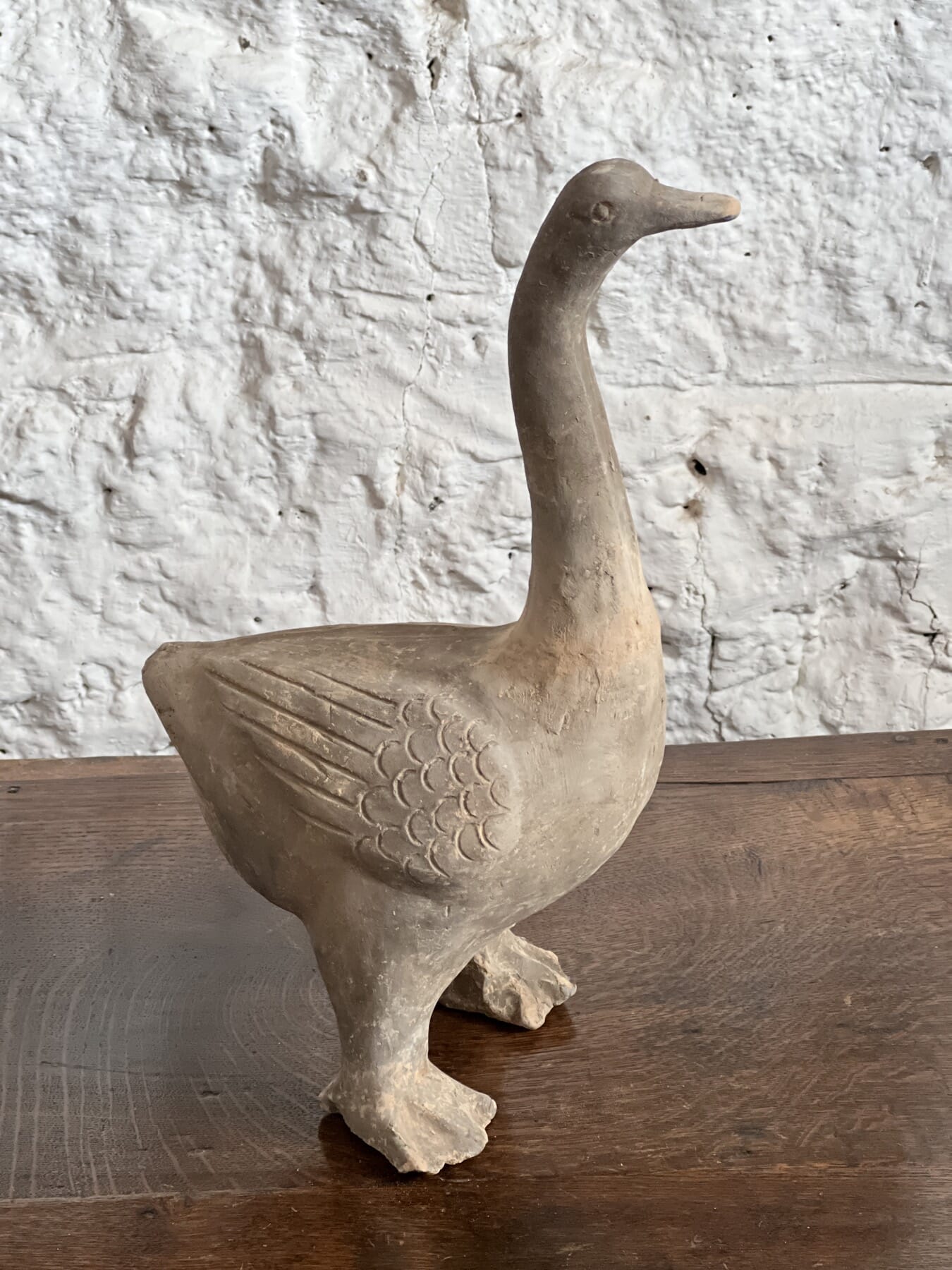
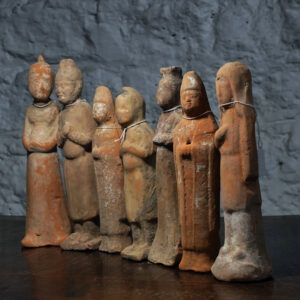
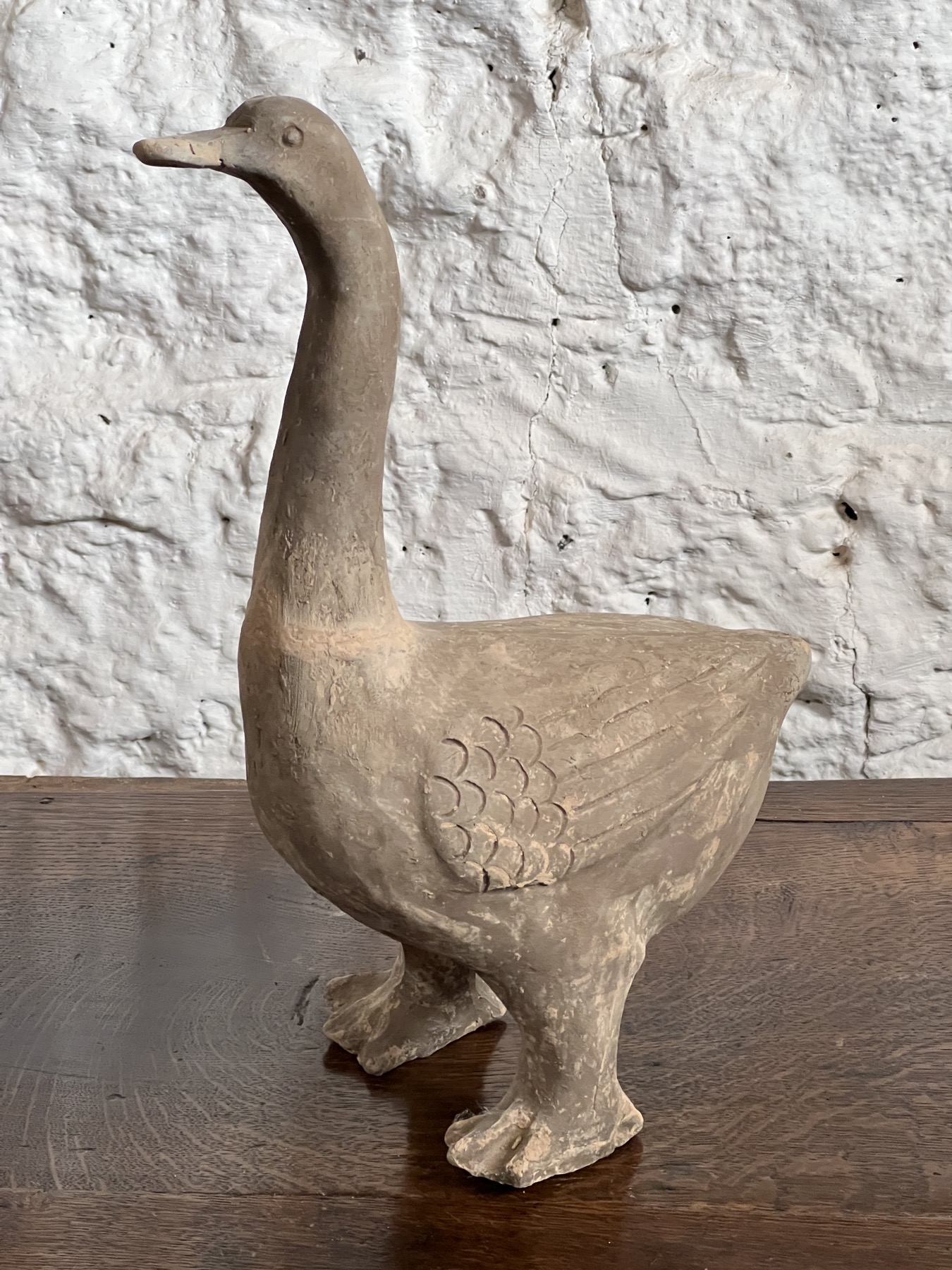
Ancient Objects are always popular with fathers, and we have a large selection of interesting items – from Indian Arrowheads to Chinese pottery Sheep, thousands of years old!
-
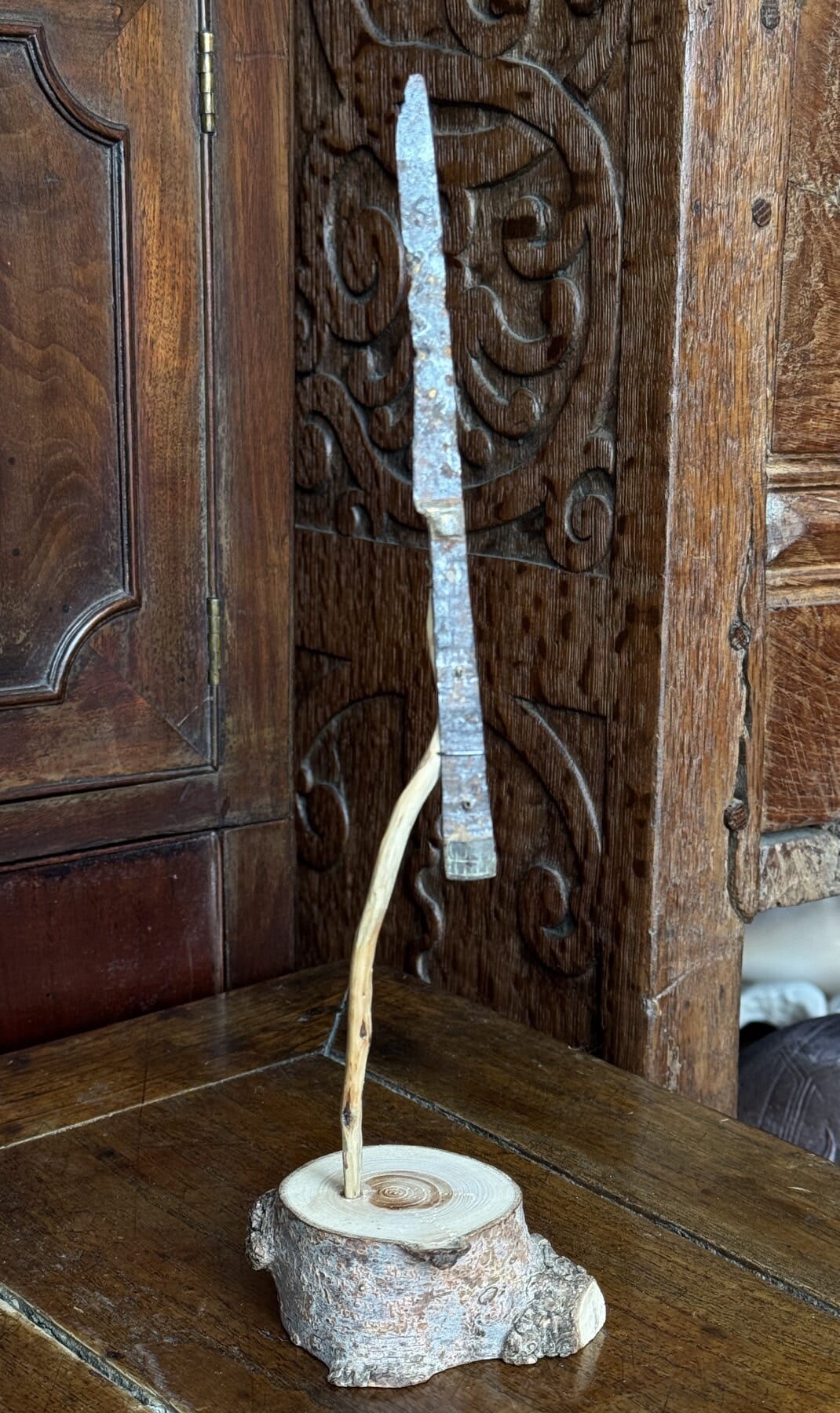
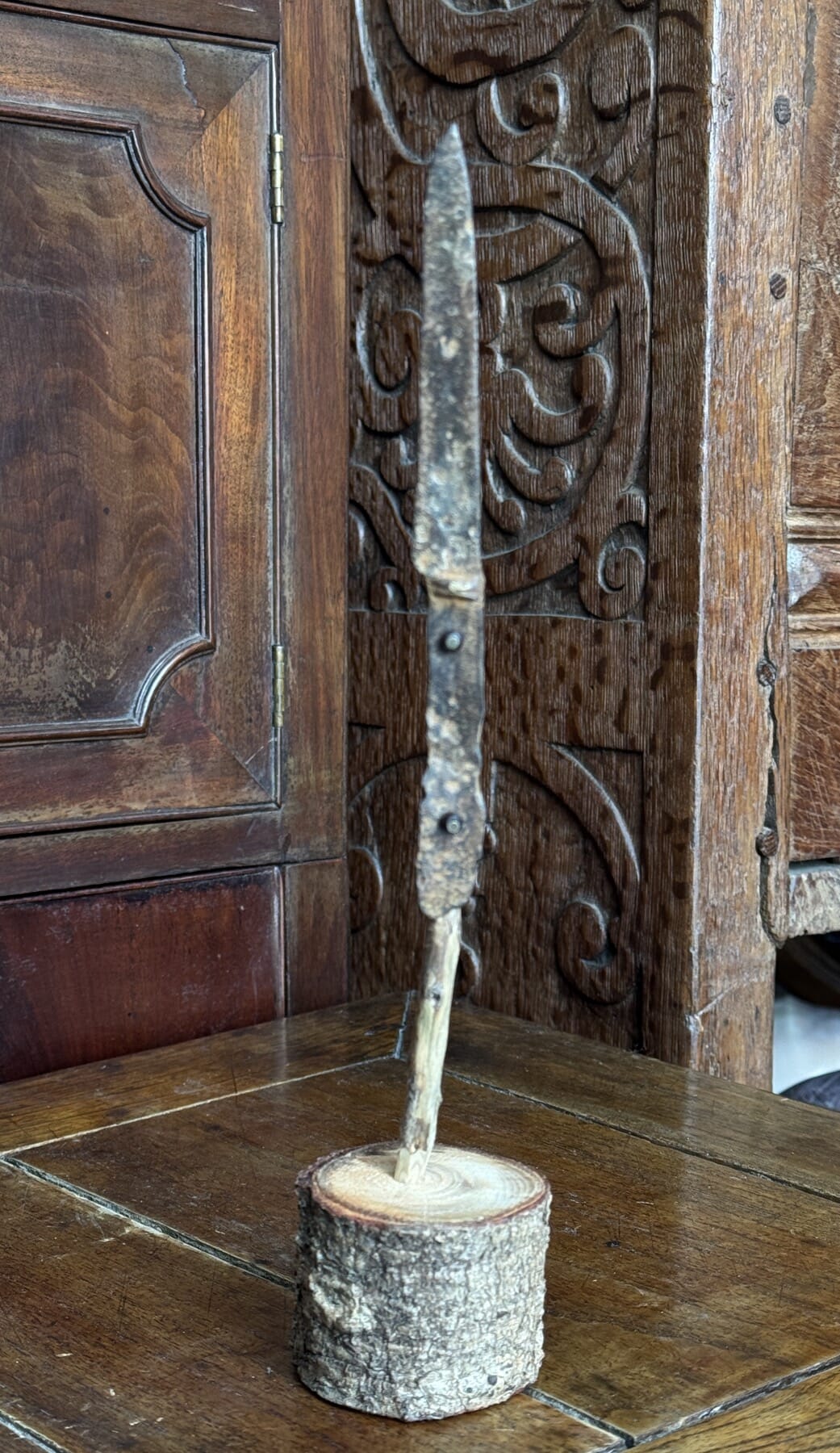
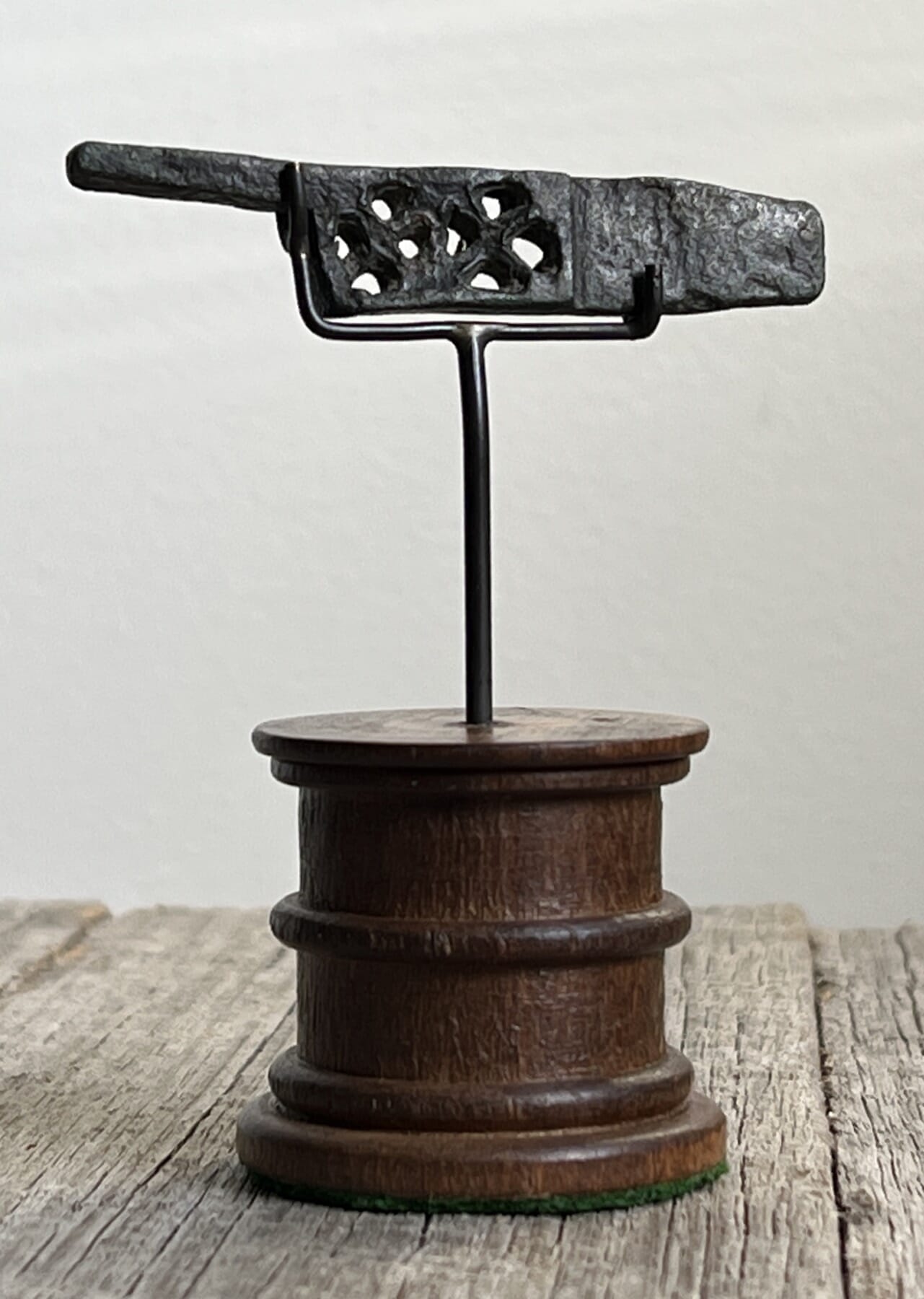
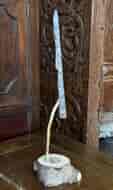 Early iron knife with integral handle, 15th-16th century$285.00 AUD
 -
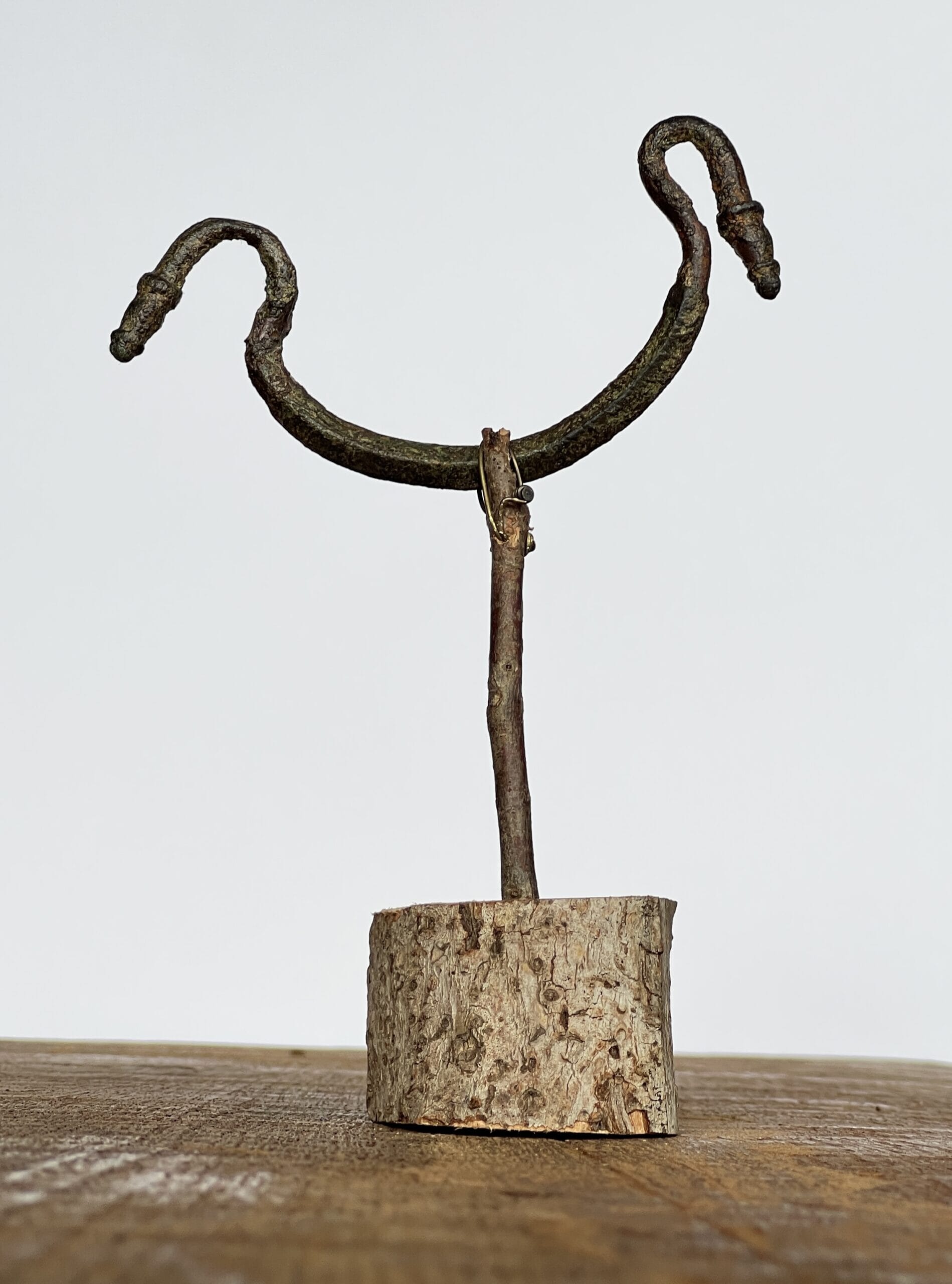
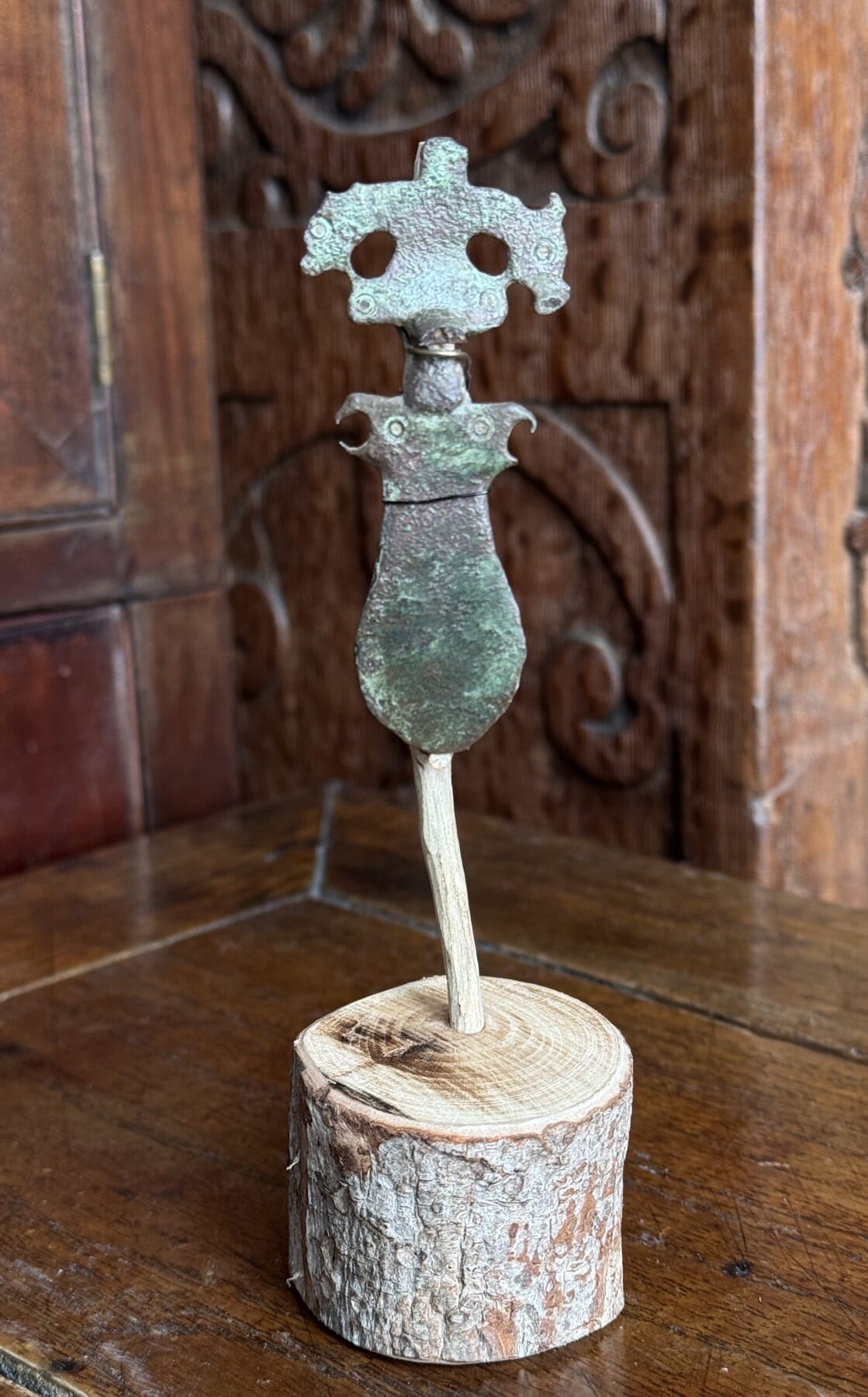
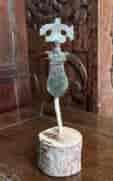 Baltic Viking Culture bronze brooch with horse/dragon heads, 8th-10th century AD$560.00 AUD
 -
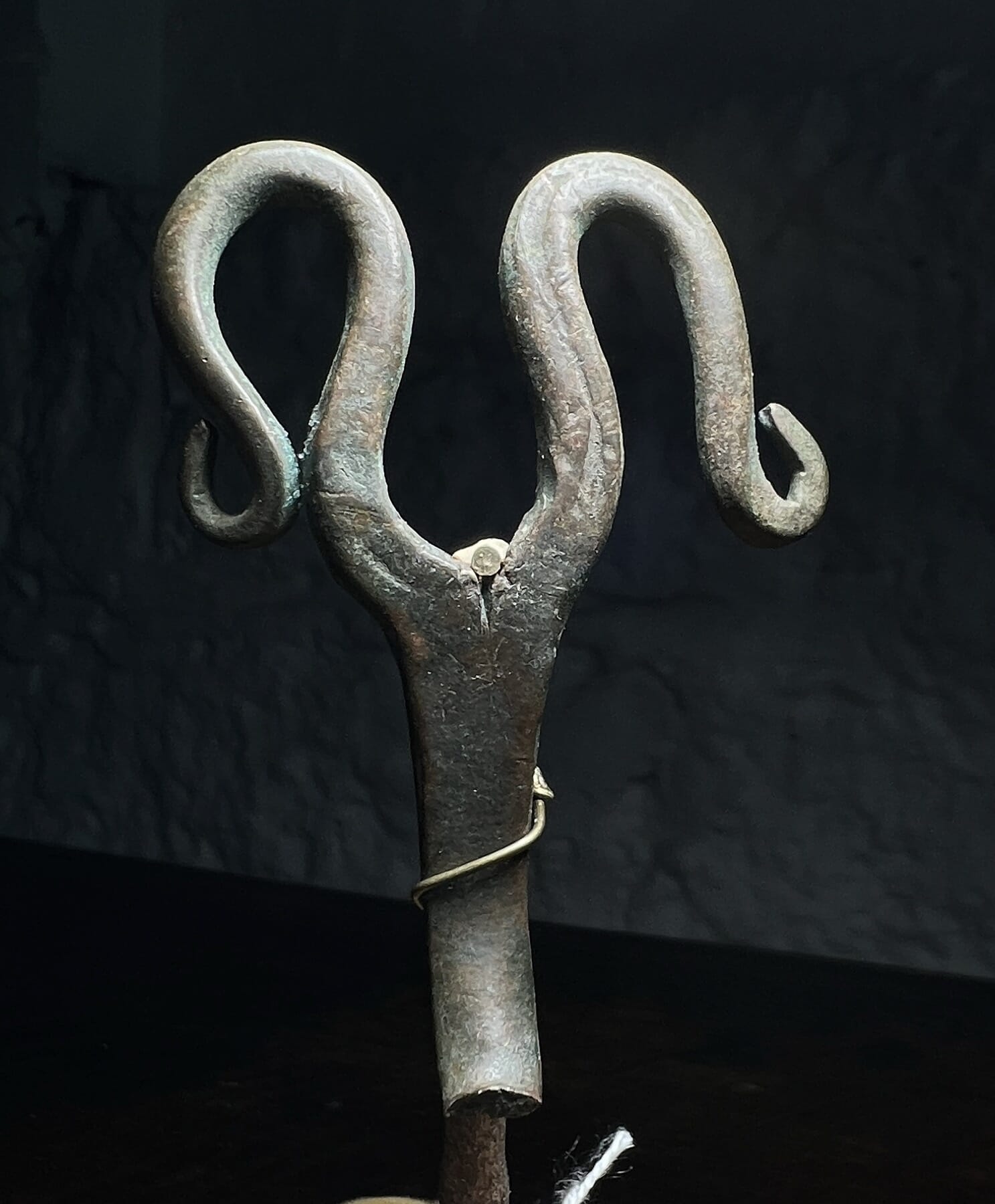
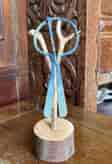 Baltic ‘Viking’ bronze penannular Omega brooch, 8th – 10th century$345.00 AUD
 -
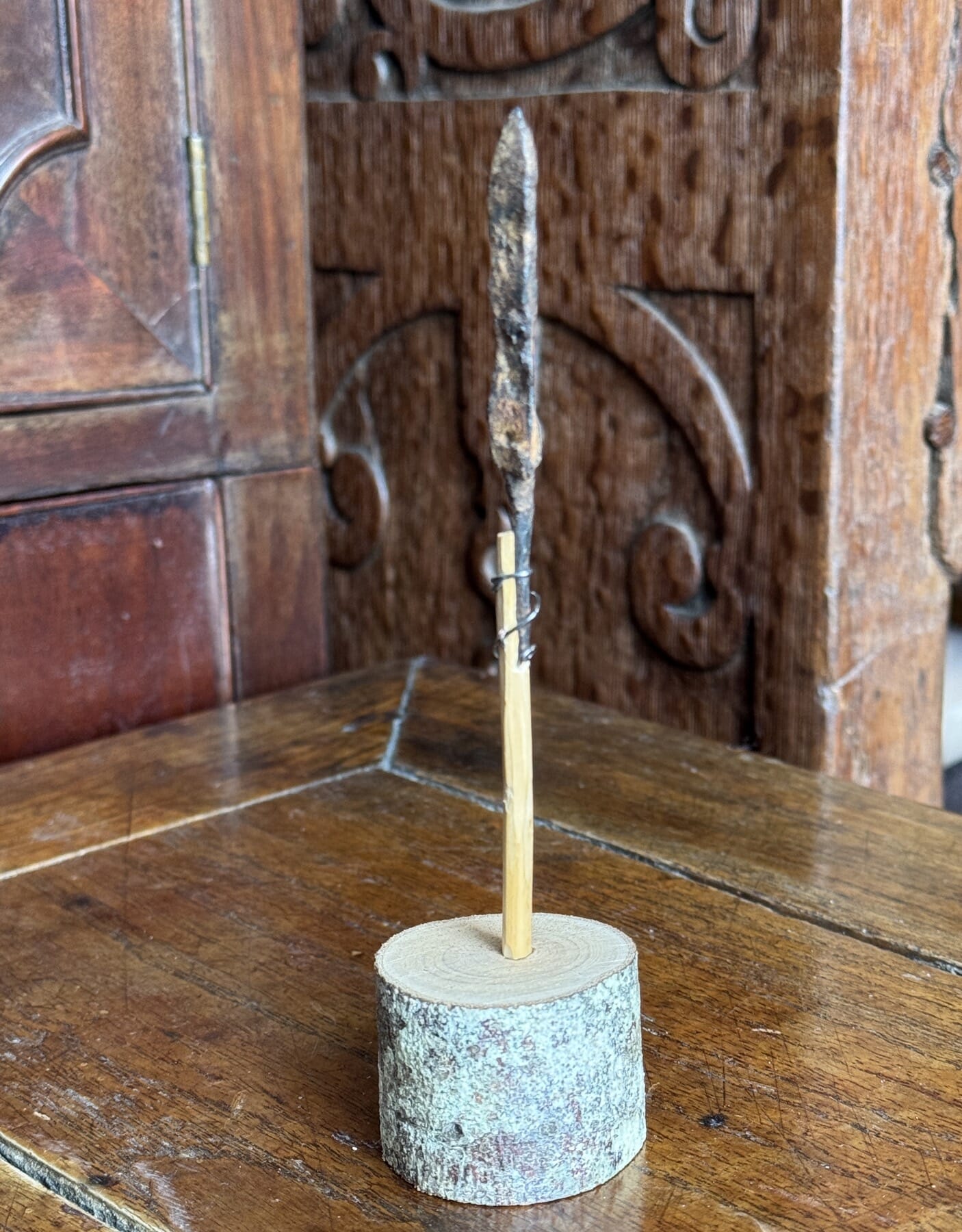
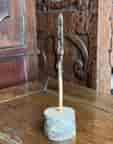 Medieval iron crossbow bolt head, 12th-15th century$95.00 AUD
 -
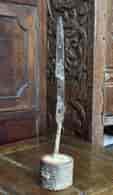 Early iron knife with integral handle, 15th-16th century$285.00 AUD
 -
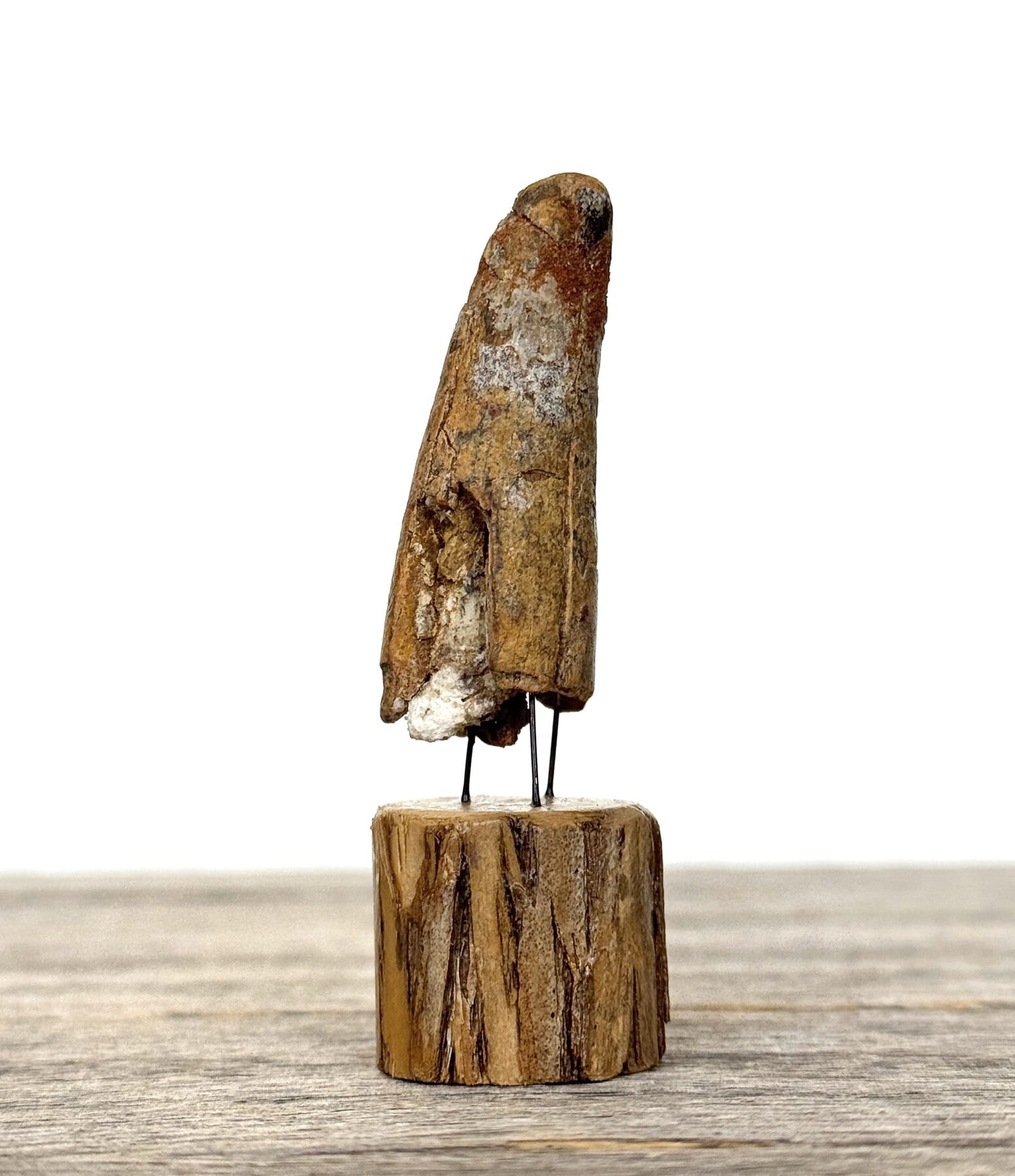
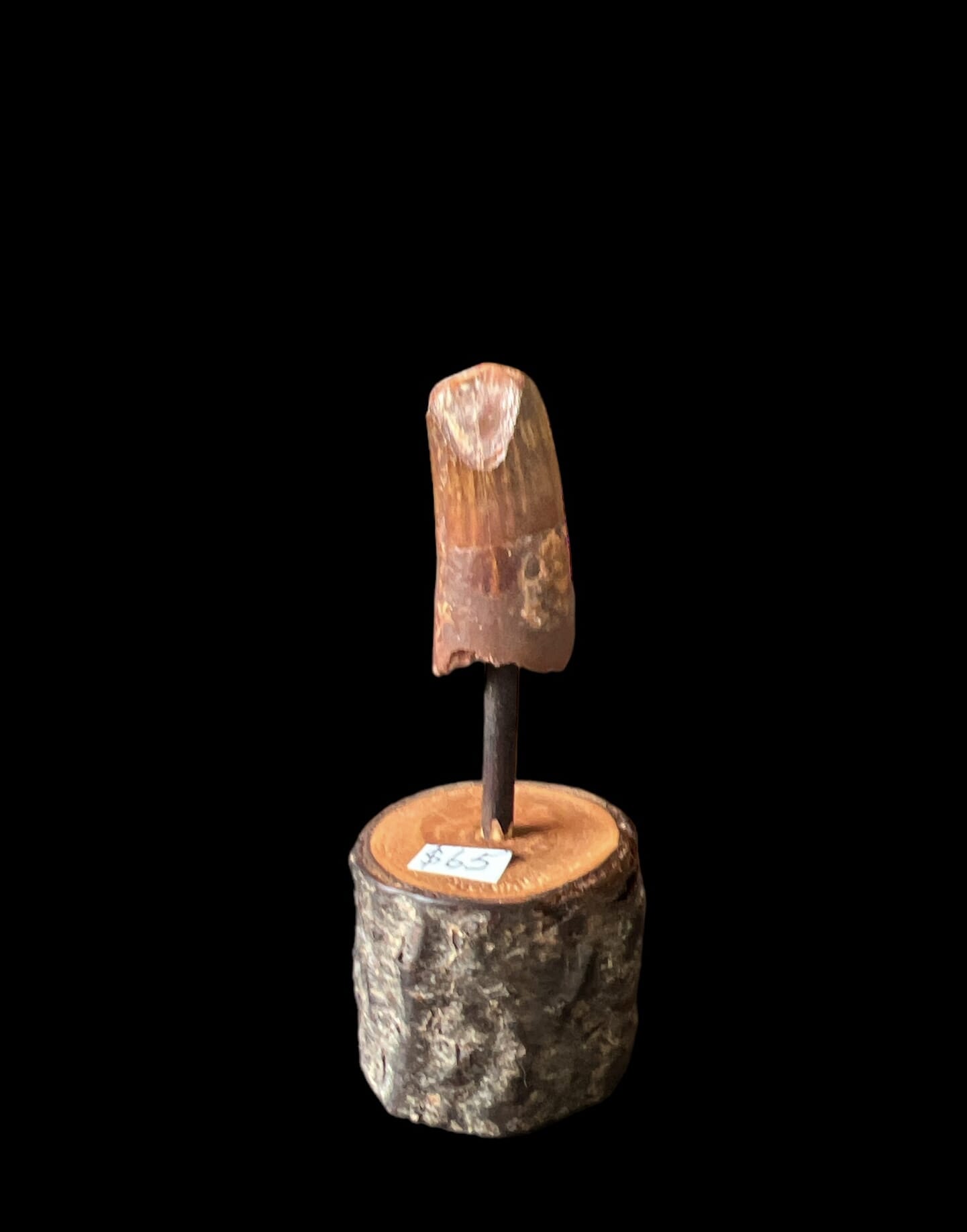
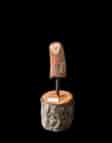 Fossil Dino Tooth on stand – Spinosaurus, Morocco, 99 million yrs$65.00 AUD
 -
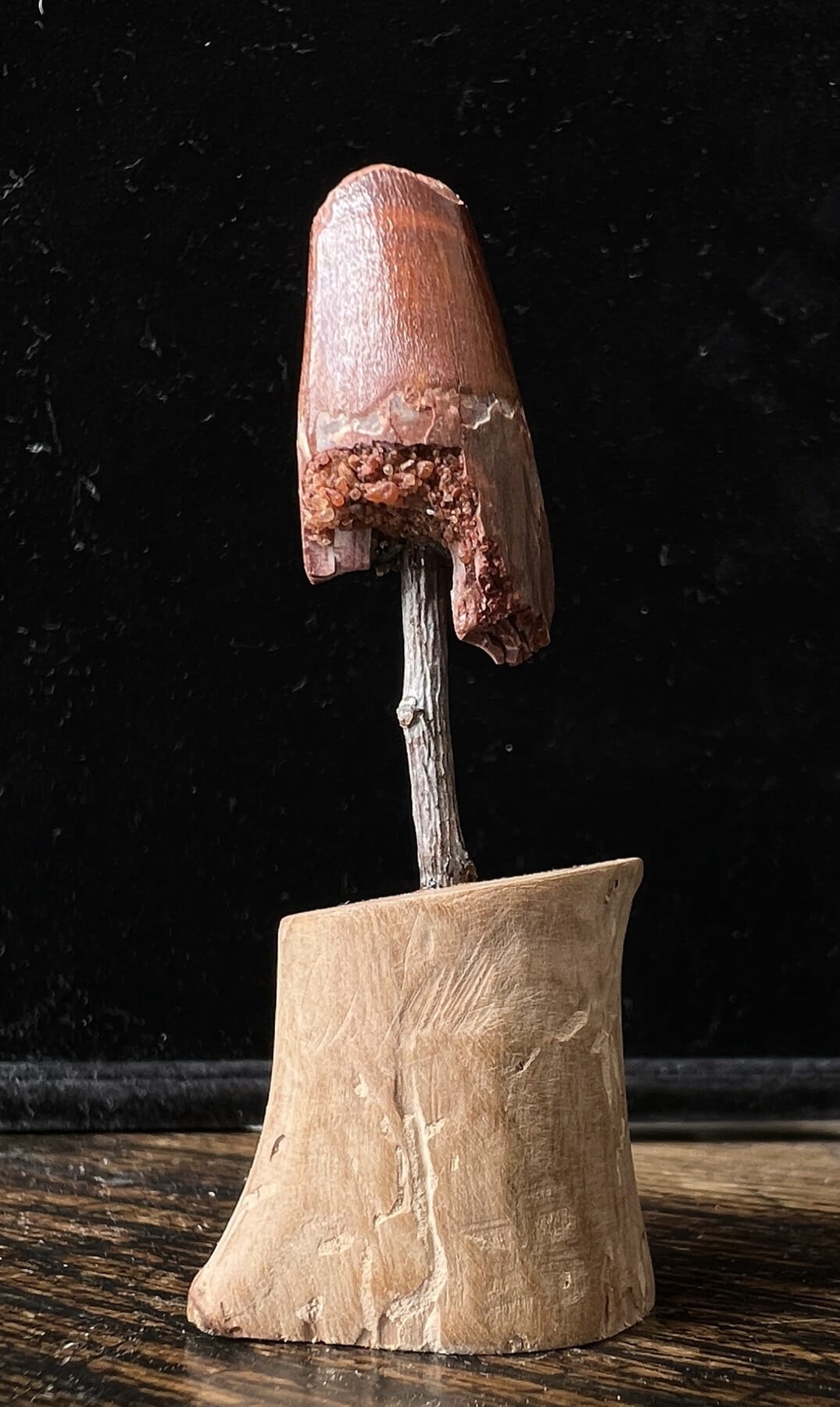
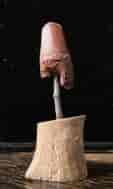 Large Fossil Spinosaurus Dinosaur Tooth, Morocco, 99 million yrs$65.00 AUD
 -
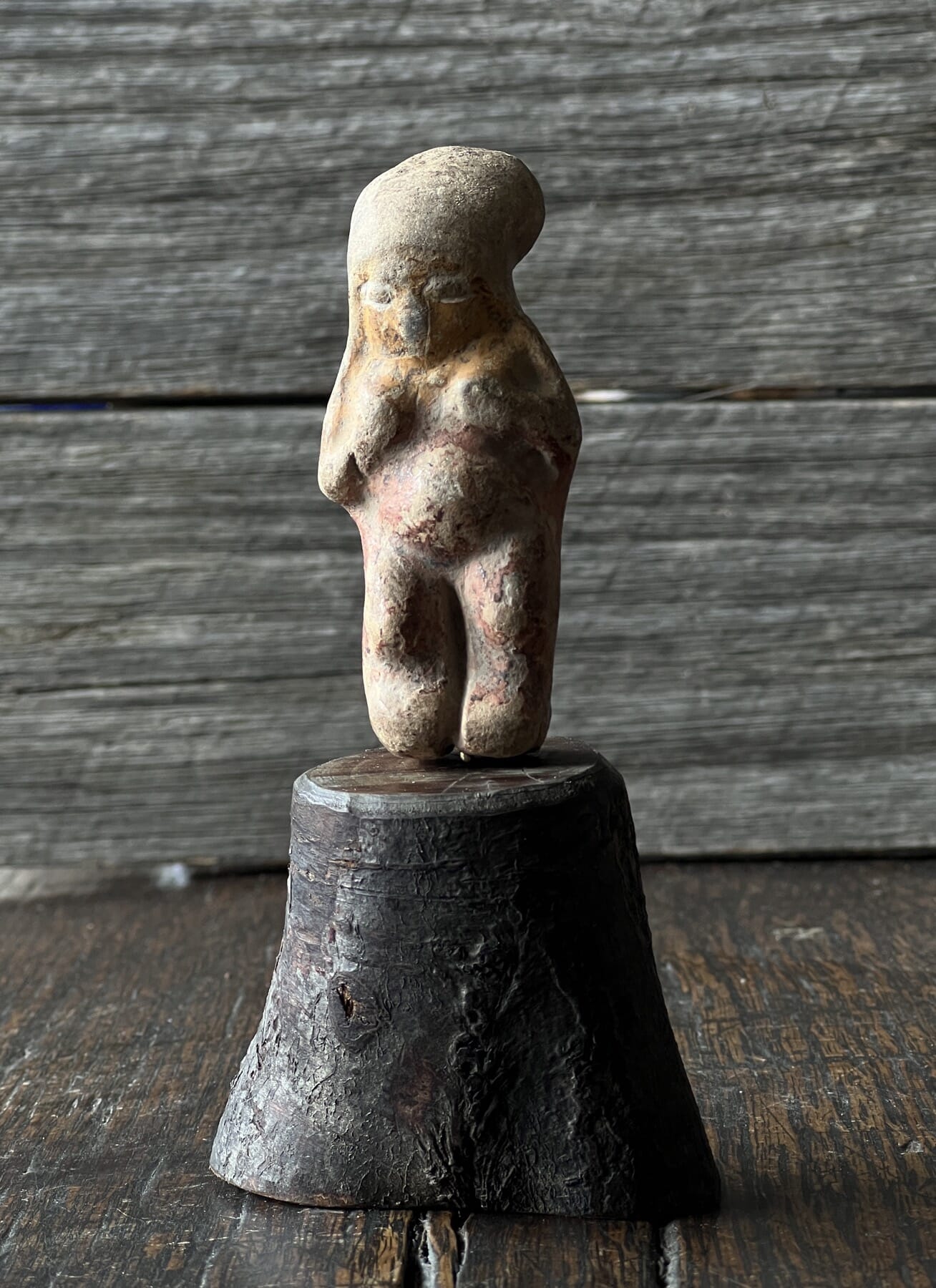
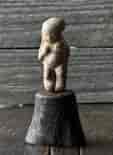 Pre-Columbian figure of a child, Chupicuaro, 5th – 2nd century BC$395.00 AUD
 -
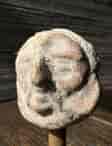 Hellenistic Greek pottery ‘Actor’s Mask’, Old Man, 4th century BC$345.00 AUD
 -
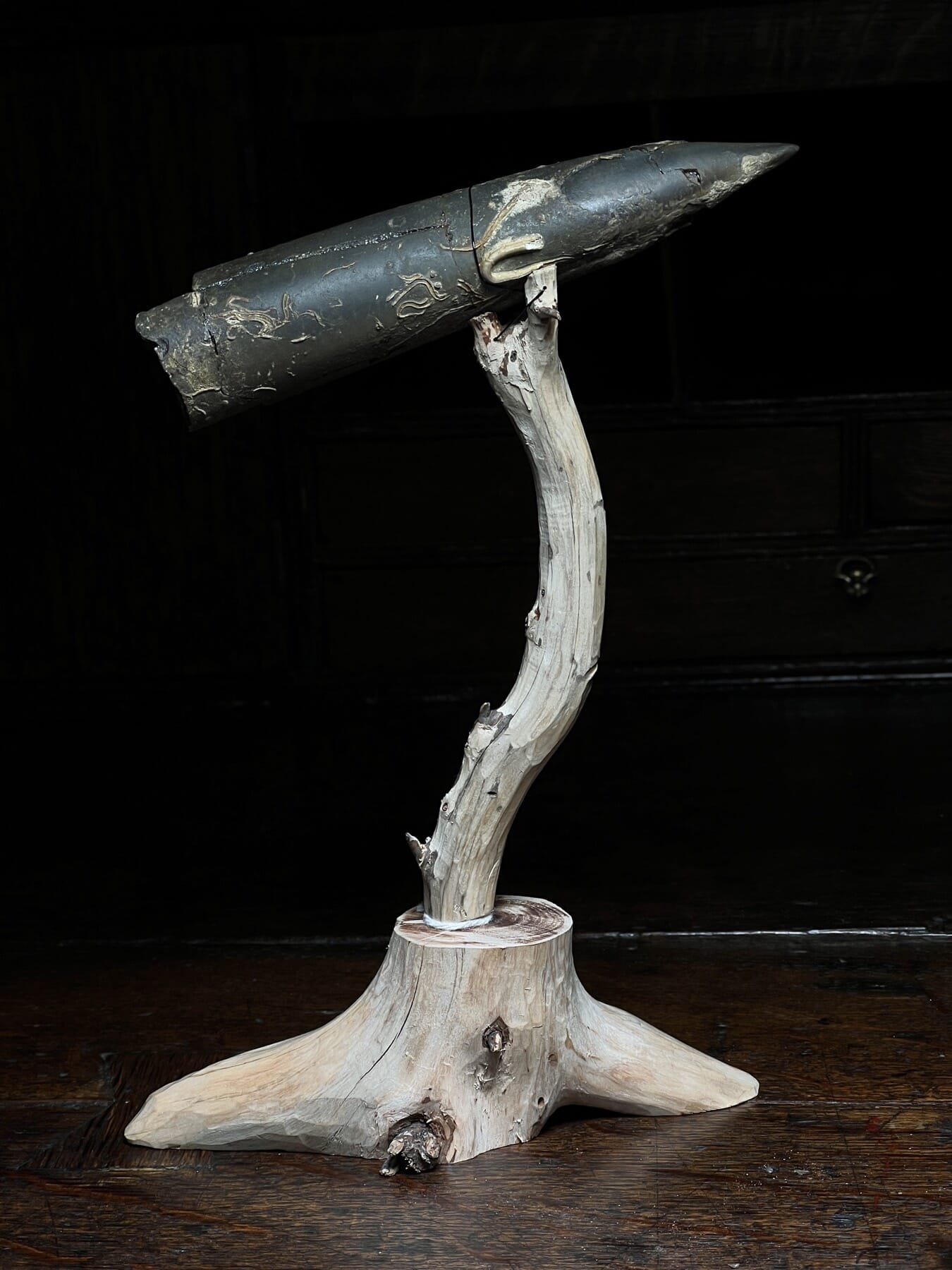
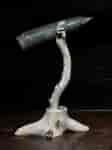 Fossil Belemite on mount, Whitby, Jurassic 200 million yearsSold
 -
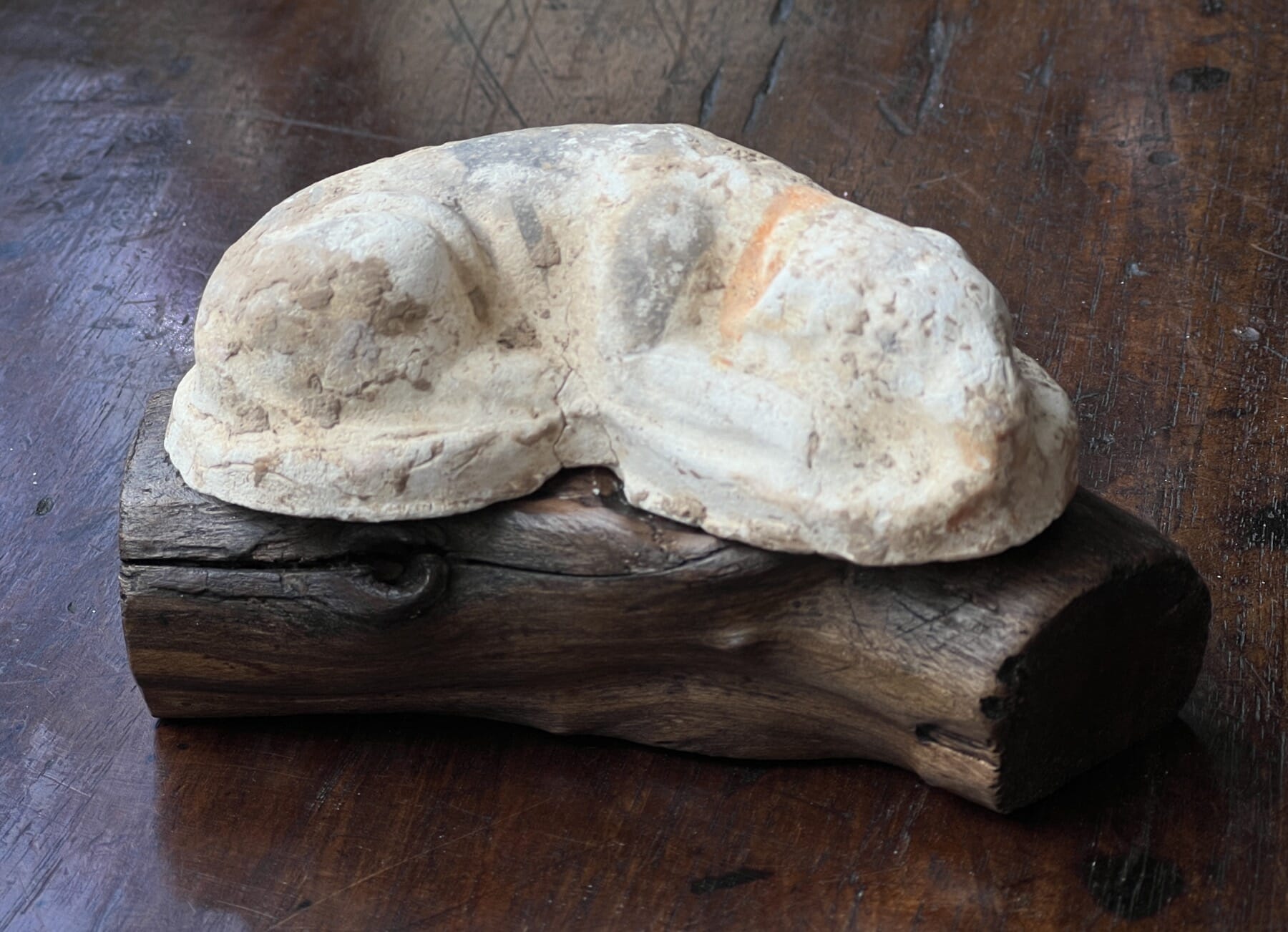
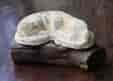 Tang model of a dog 8th century AD$365.00 AUD
 -
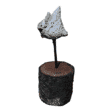 Fossil Dinosaur Bone, from Alberta, Cretaceous Period, 75 million years oldSold
 -
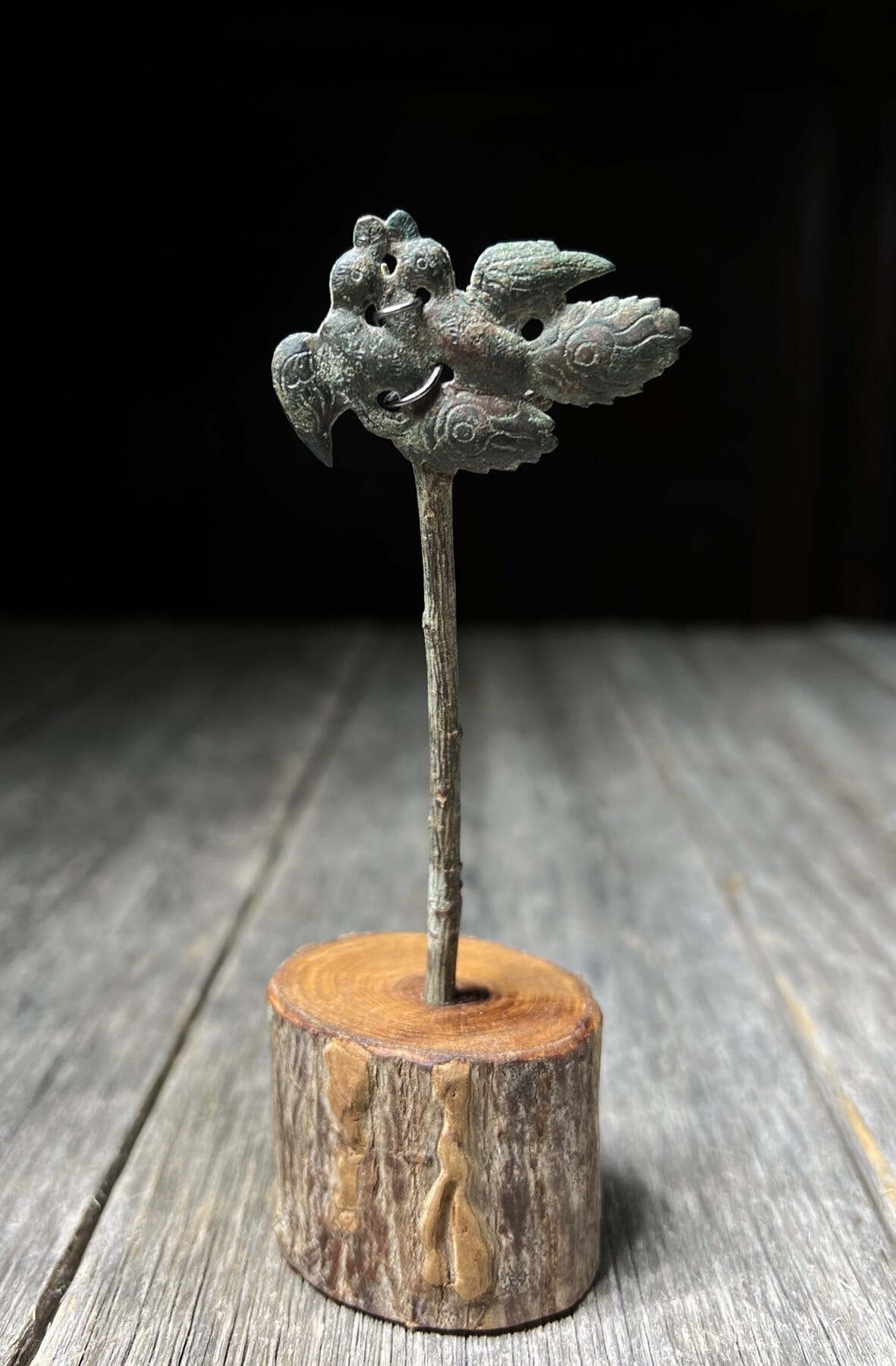
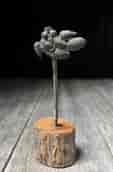 Chinese bronze plaque, birds in flight, Liao Dynasty, 10th-12th c. ADSold
 -
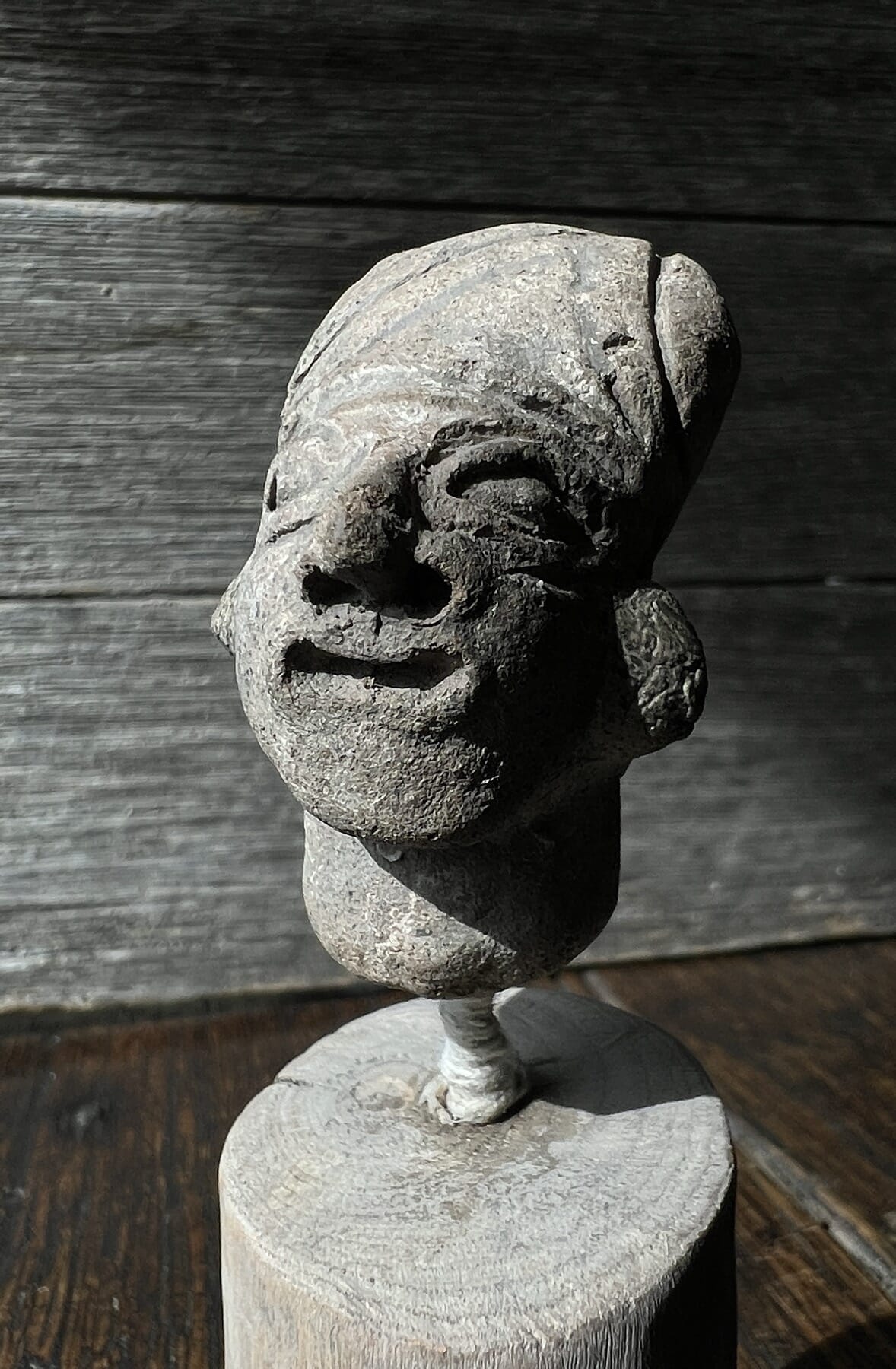
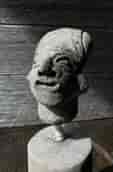 Precolumbian head with high headdress, Jama Coaque, Ecuador, 1st-5th century ADSold
 -
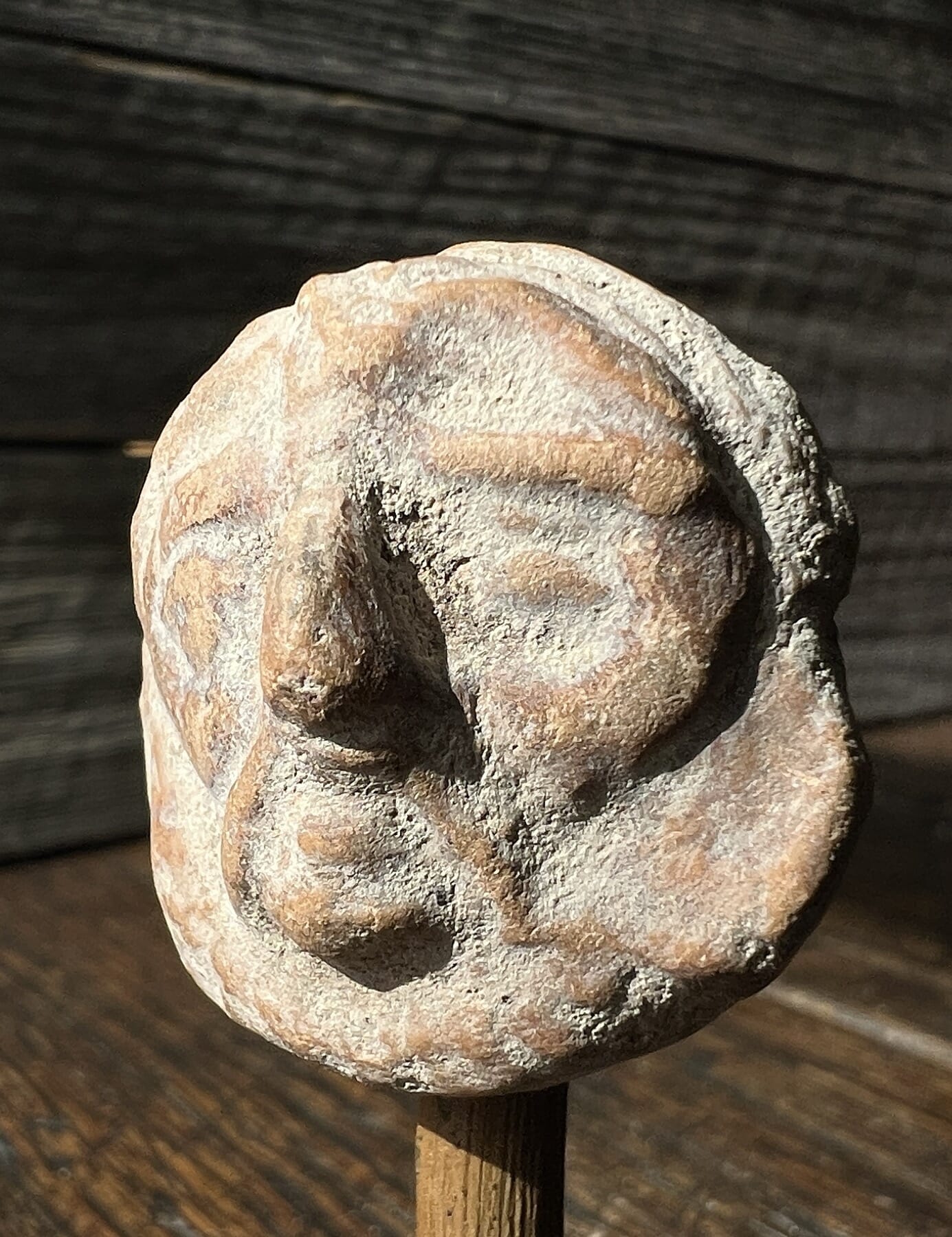
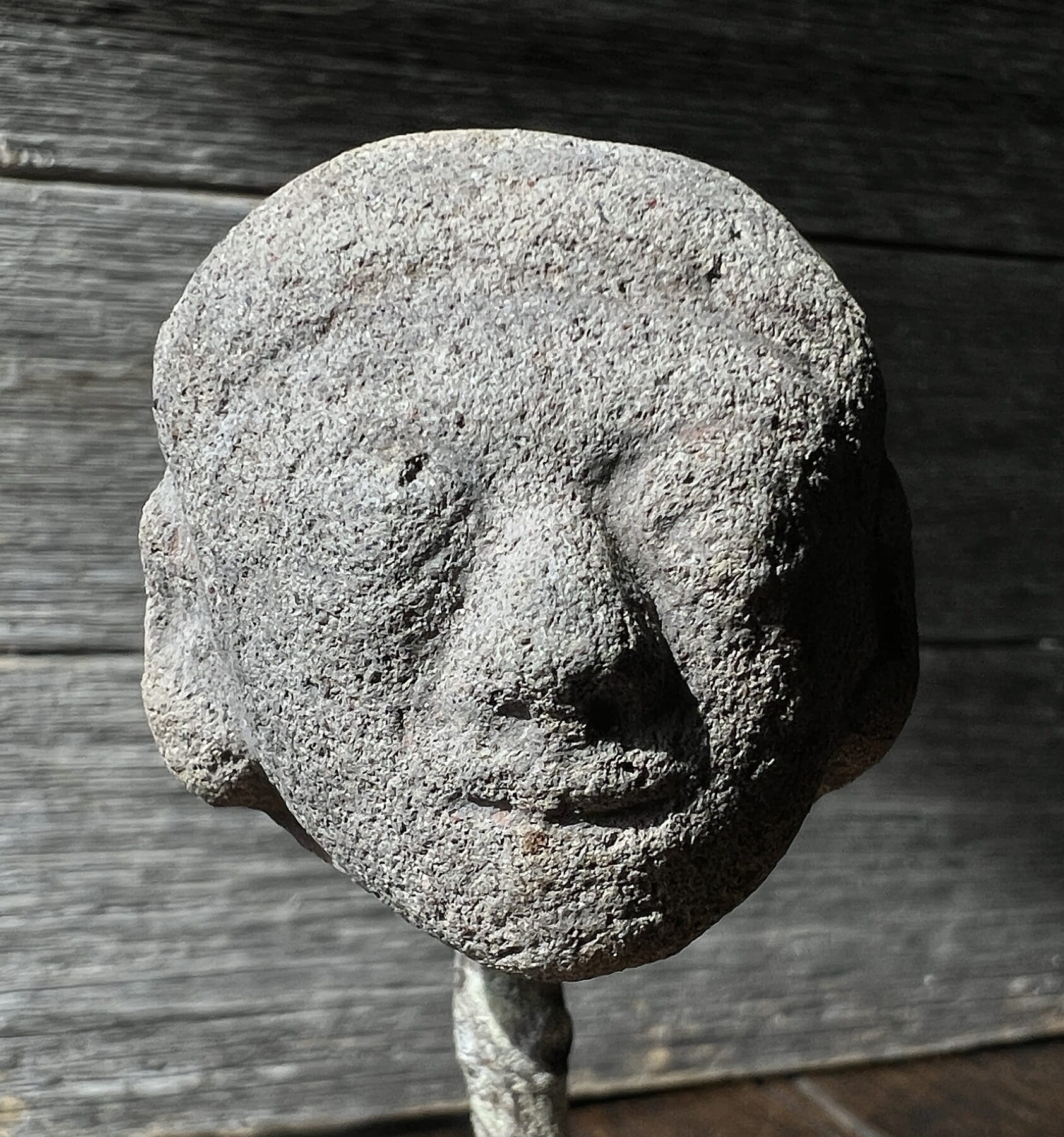
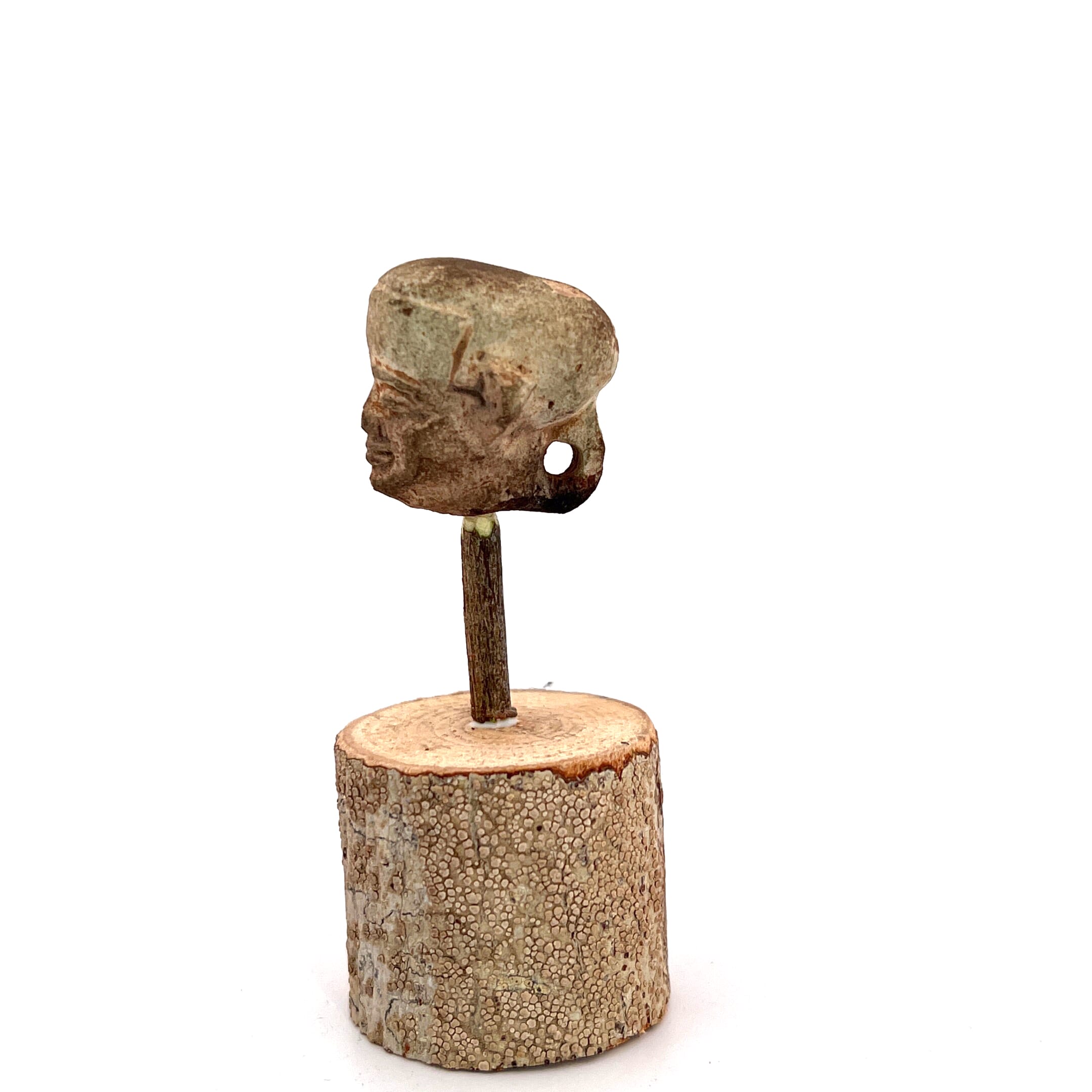
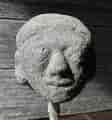 Pre-Columbian pottery head, Jama Coaque, Ecuador, 1st-5th century AD$295.00 AUD
 -
Fossil ammonite on stand, species unknown, late Jurassic UK 150 million years old$35.00 AUD
-
“Devil’s Toenail” Fossil, Gryphaea, Oyster Shell, on stand – 170 million years oldSold
-
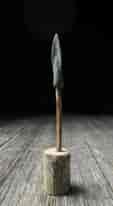 Ancient Roman bronze arrowhead, 2nd-1st century BCSold
 -
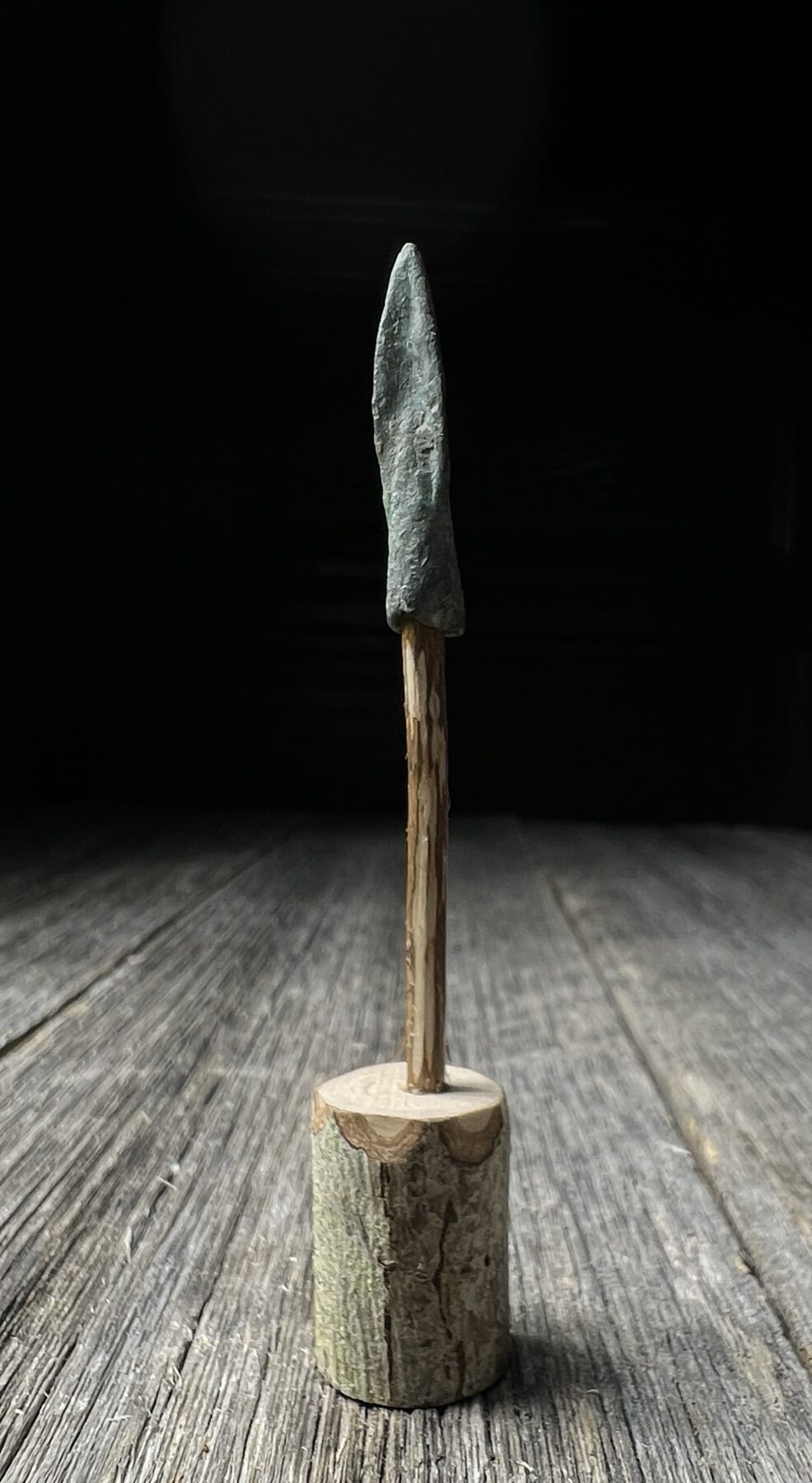
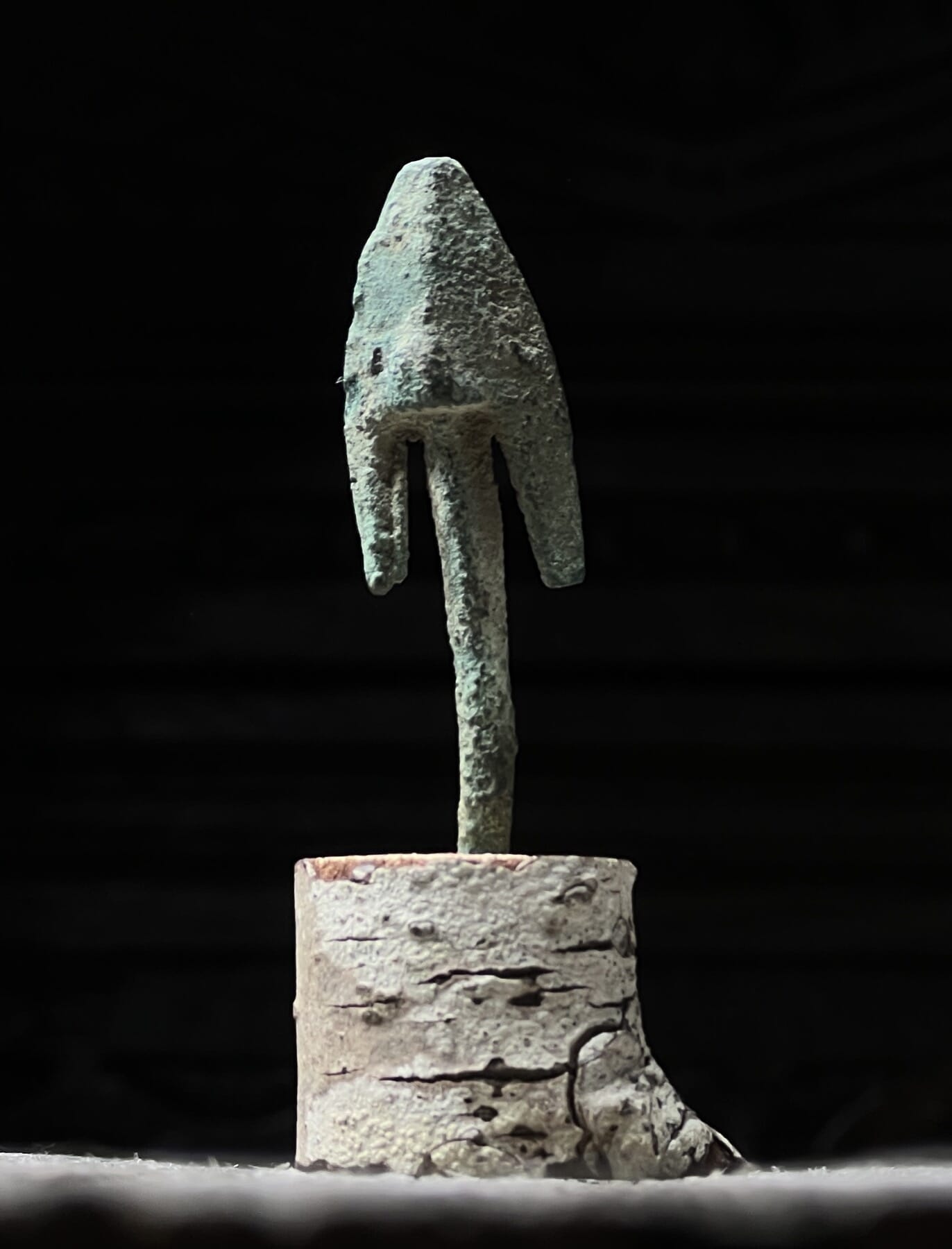
Ancient Parthian (Persian) bronze arrowhead, trilobate barbed form, 2nd century BC – 2nd century ADSold
-
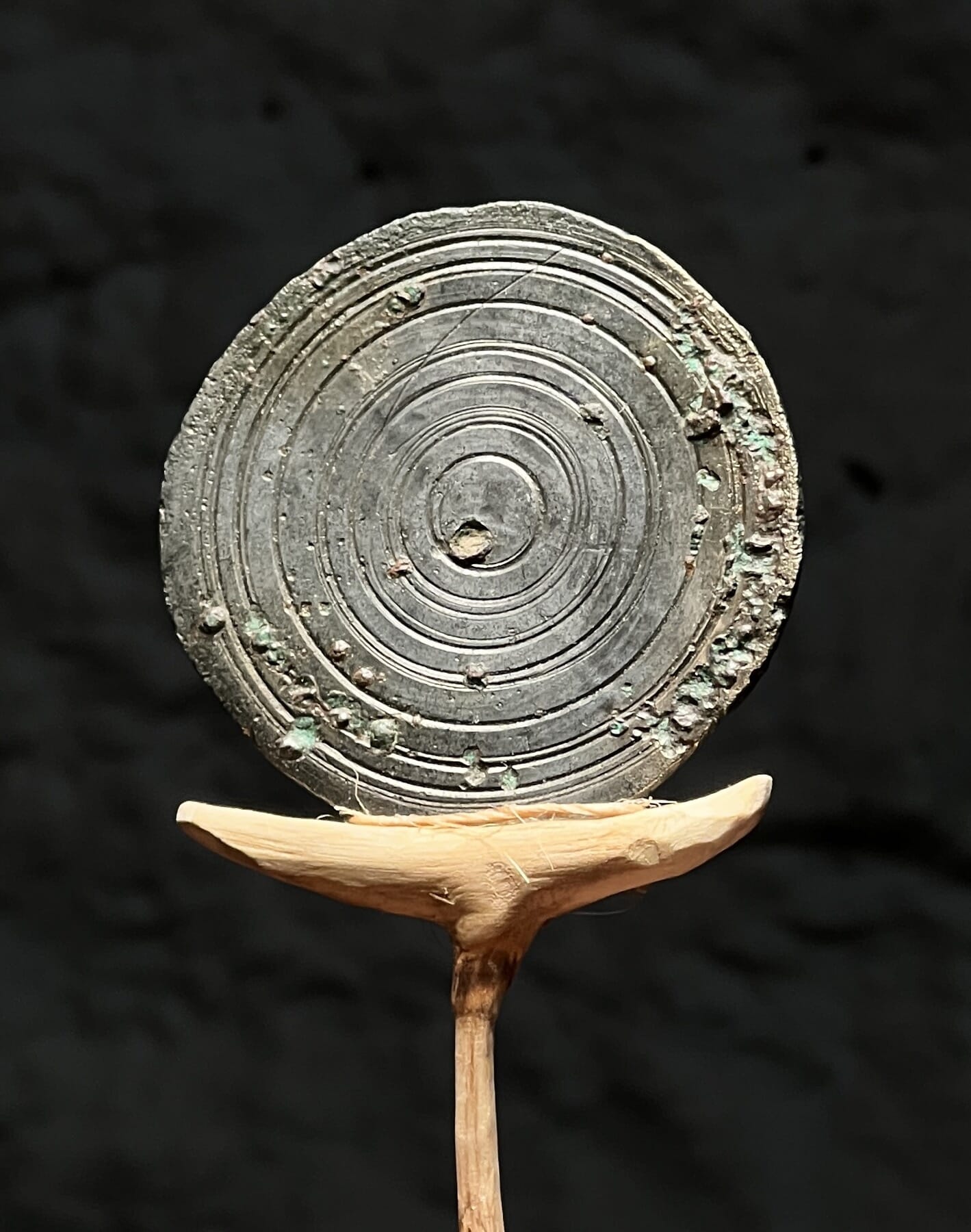
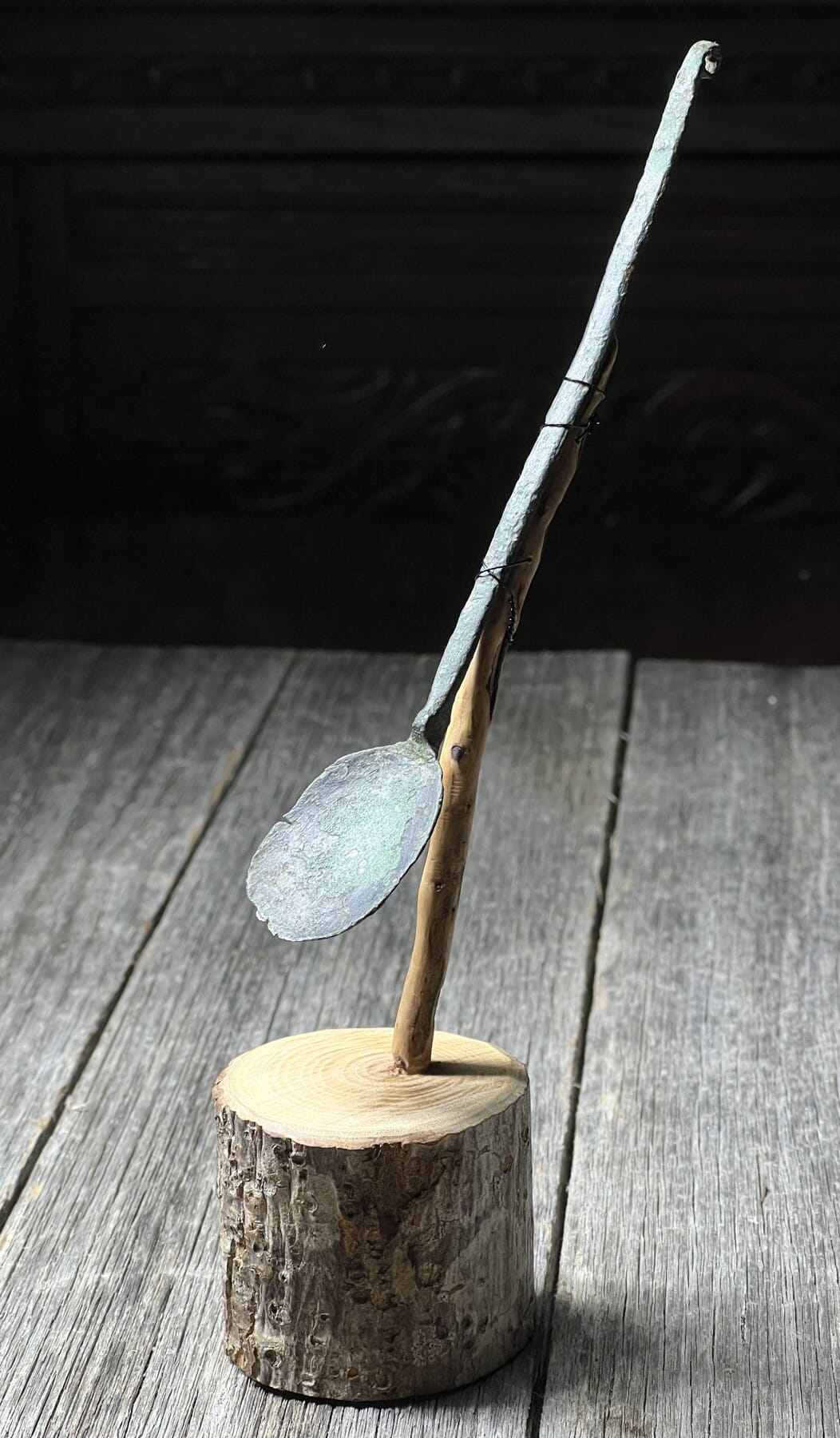
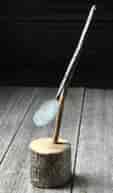 Roman bronze spoon, silvered surface, 1st-4th century AD$465.00 AUD
 -
Bronze Pennanula Fibula with coiled terminals, Northern Europe 5th-8th century AD$395.00 AUD
-
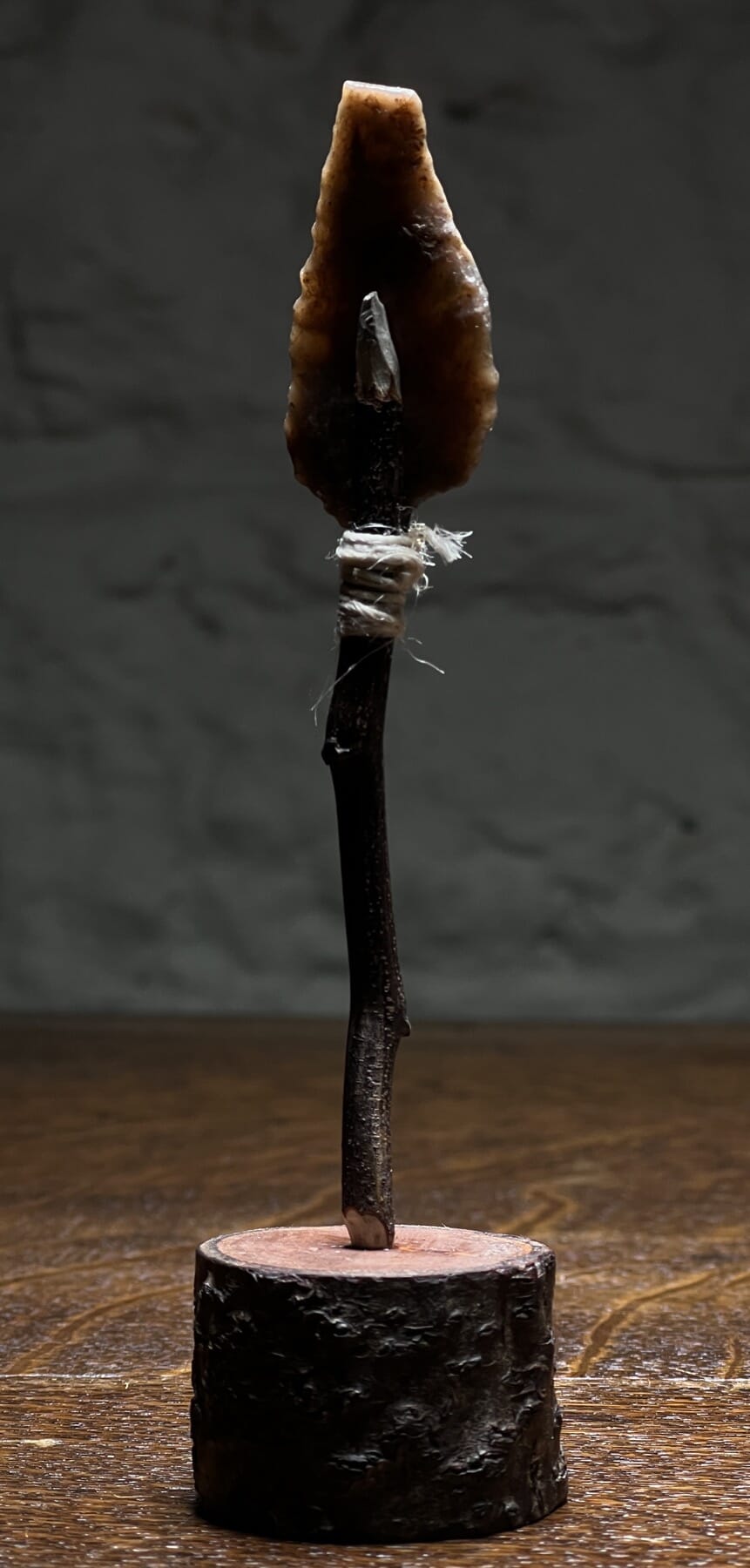
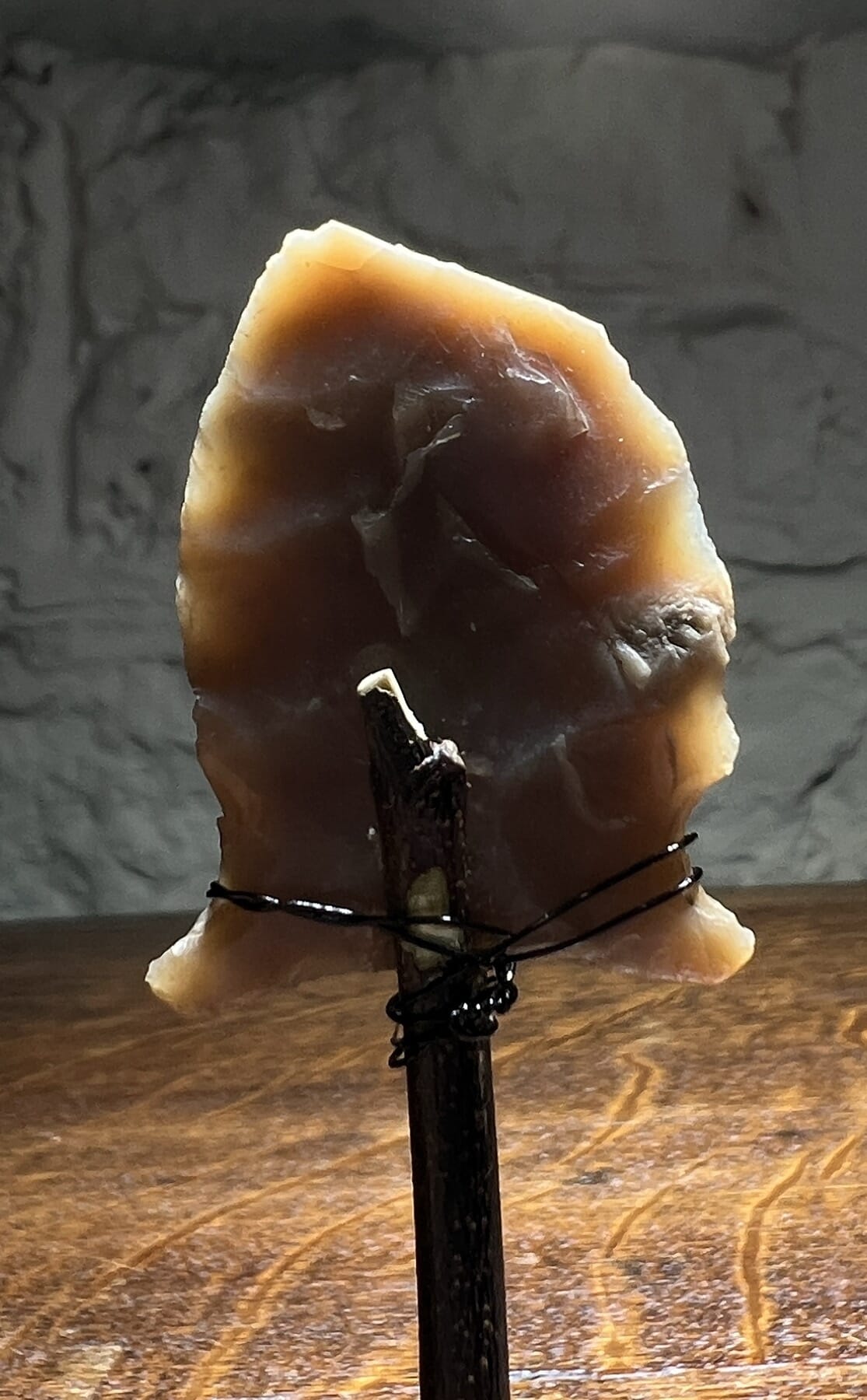
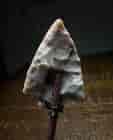 American Indian stone arrowhead, stemmed form, Woodland PeriodSold
 -
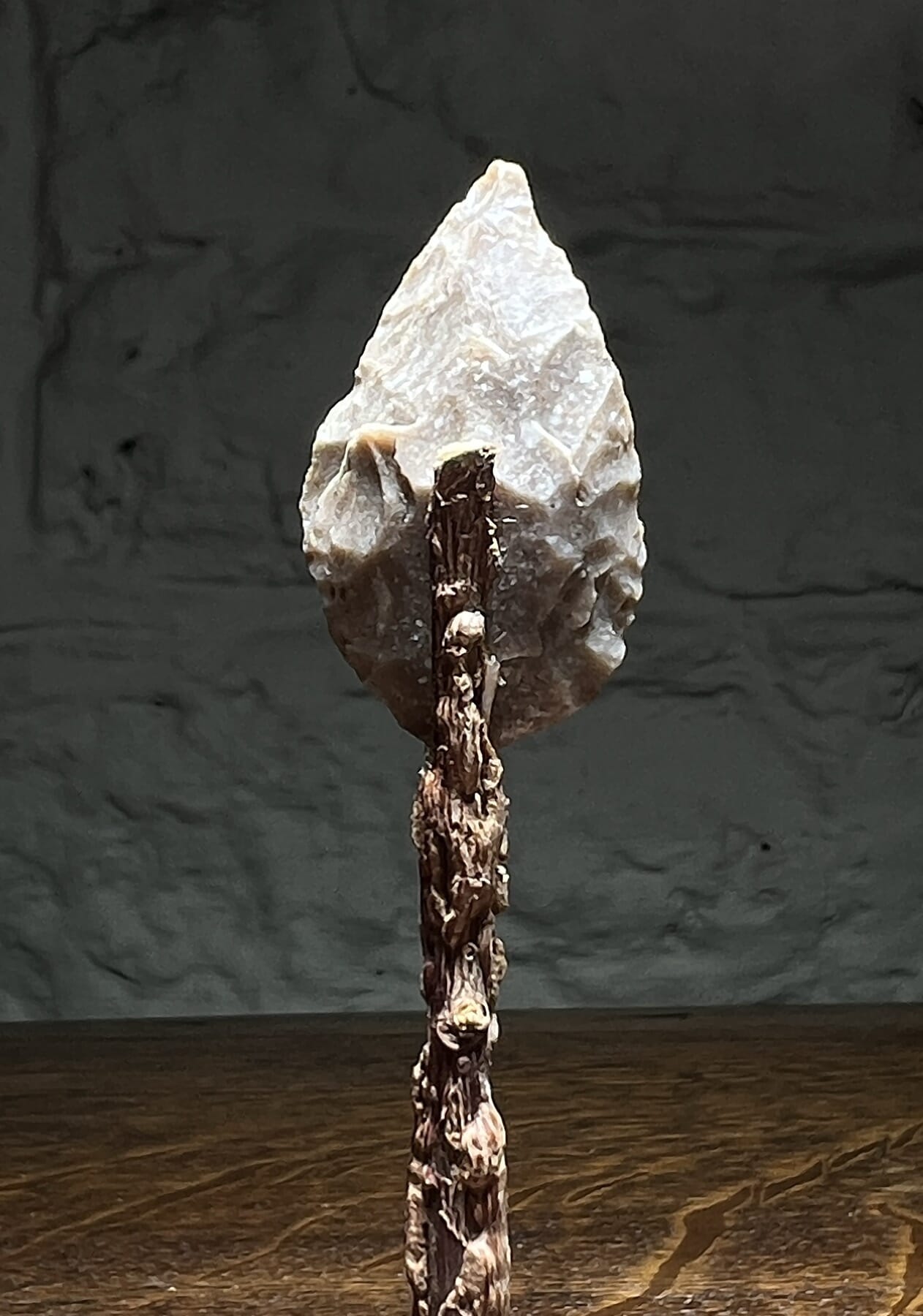
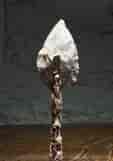 American Indian stone arrowhead, leaf form, Woodland PeriodSold
 -
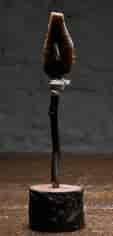 American Indian stone arrowhead, Woodland PeriodSold
 -
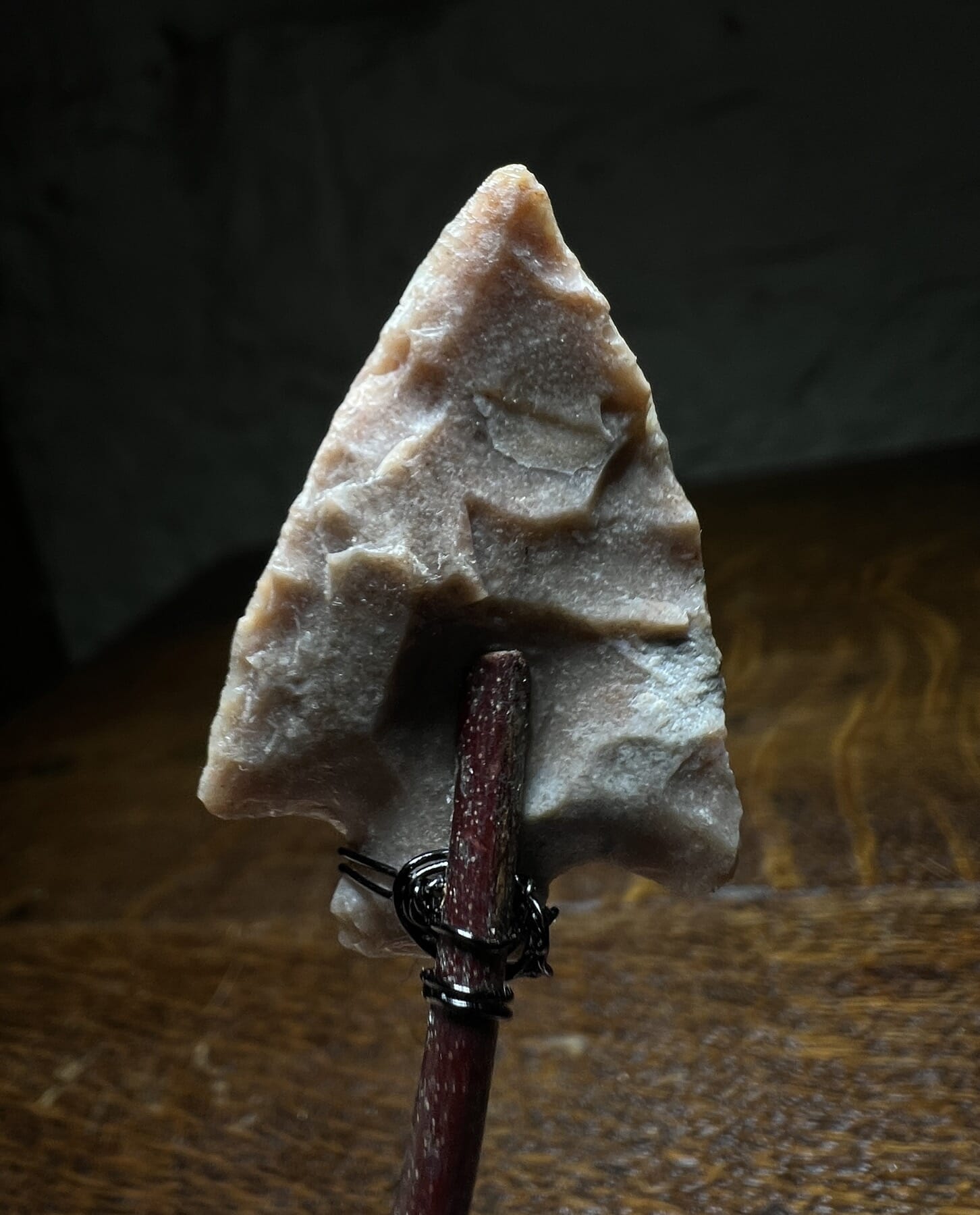
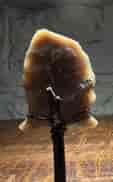 American Indian stone arrowhead, Dalton type, 8,500-8,000 BCSold
 -
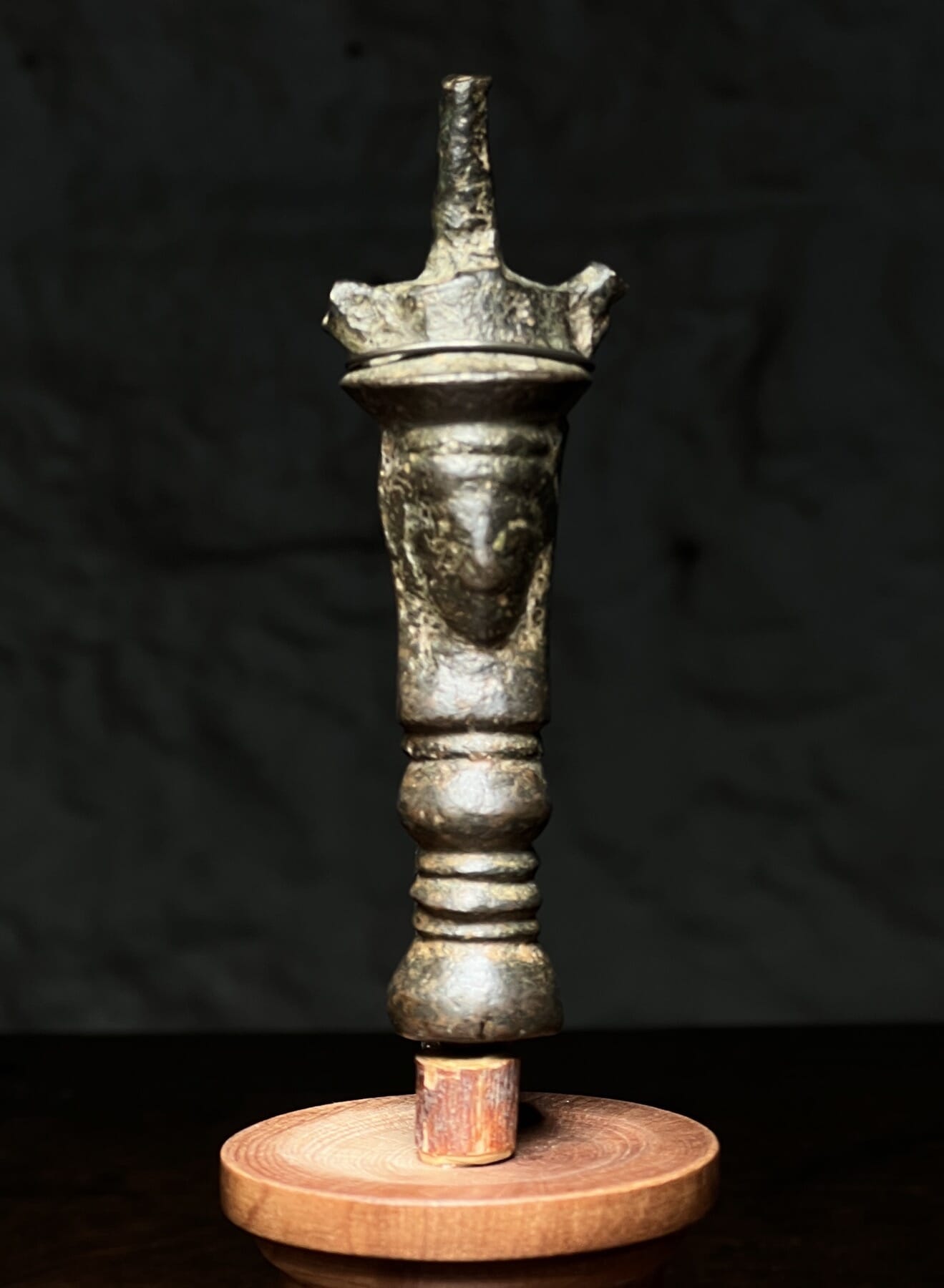
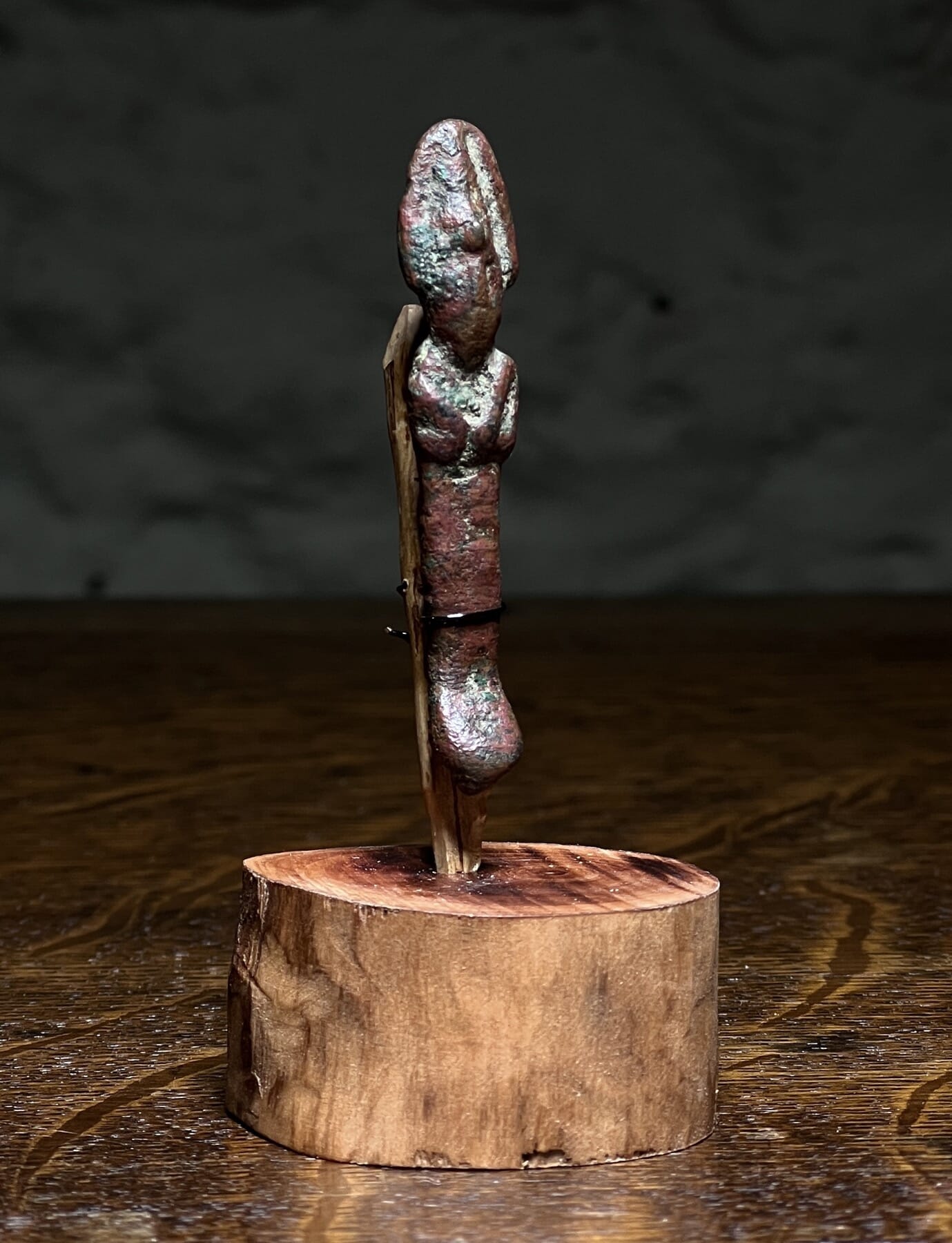
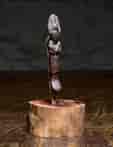 Small Egyptian bronze Osiris figure, Late Period, 700-300 BC$365.00 AUD
 -
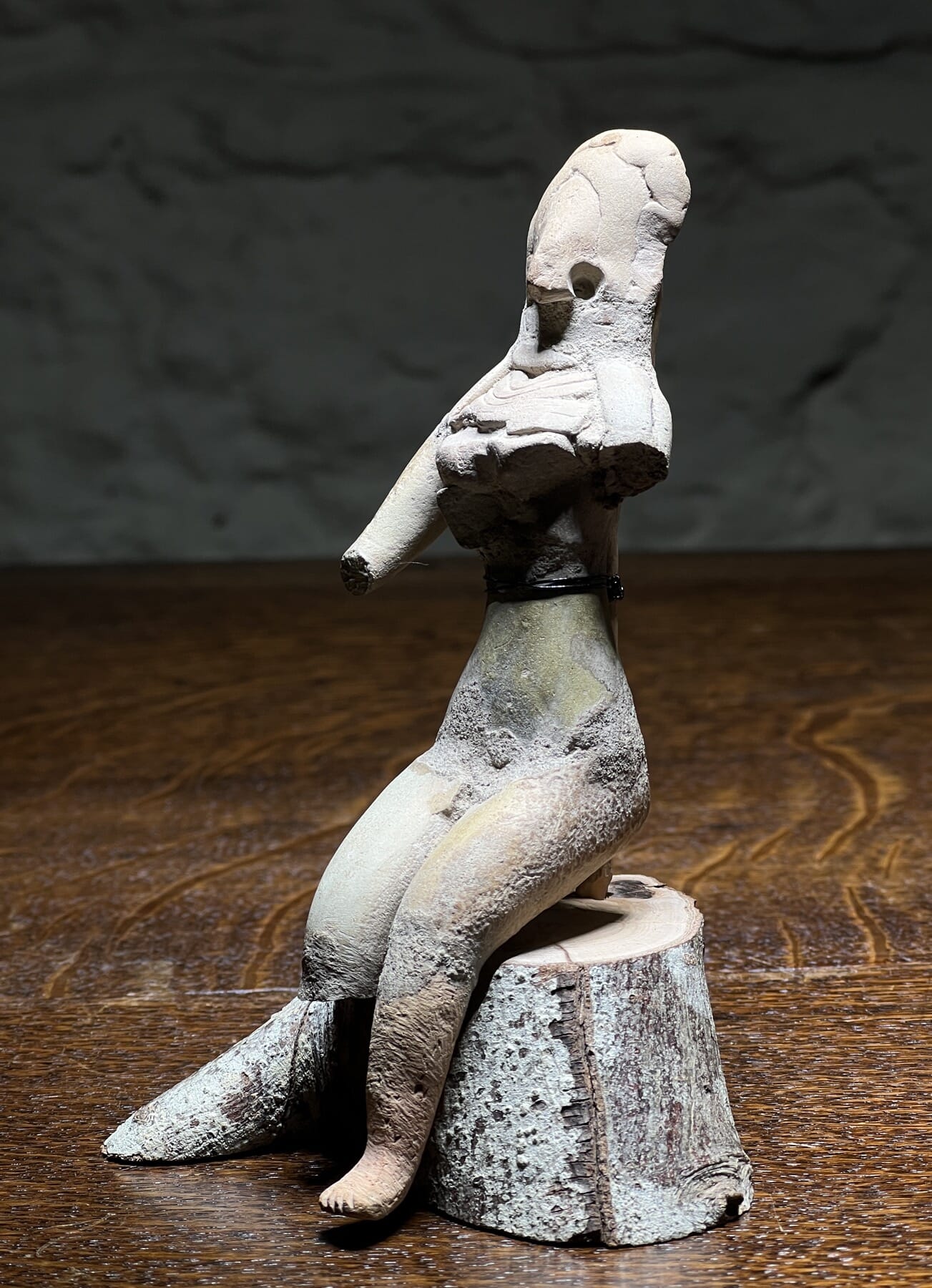
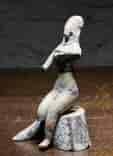 Indus Valley Culture Fertility figure, ‘Avian’ goddess, 3,000-2,500 BC$595.00 AUD
 -
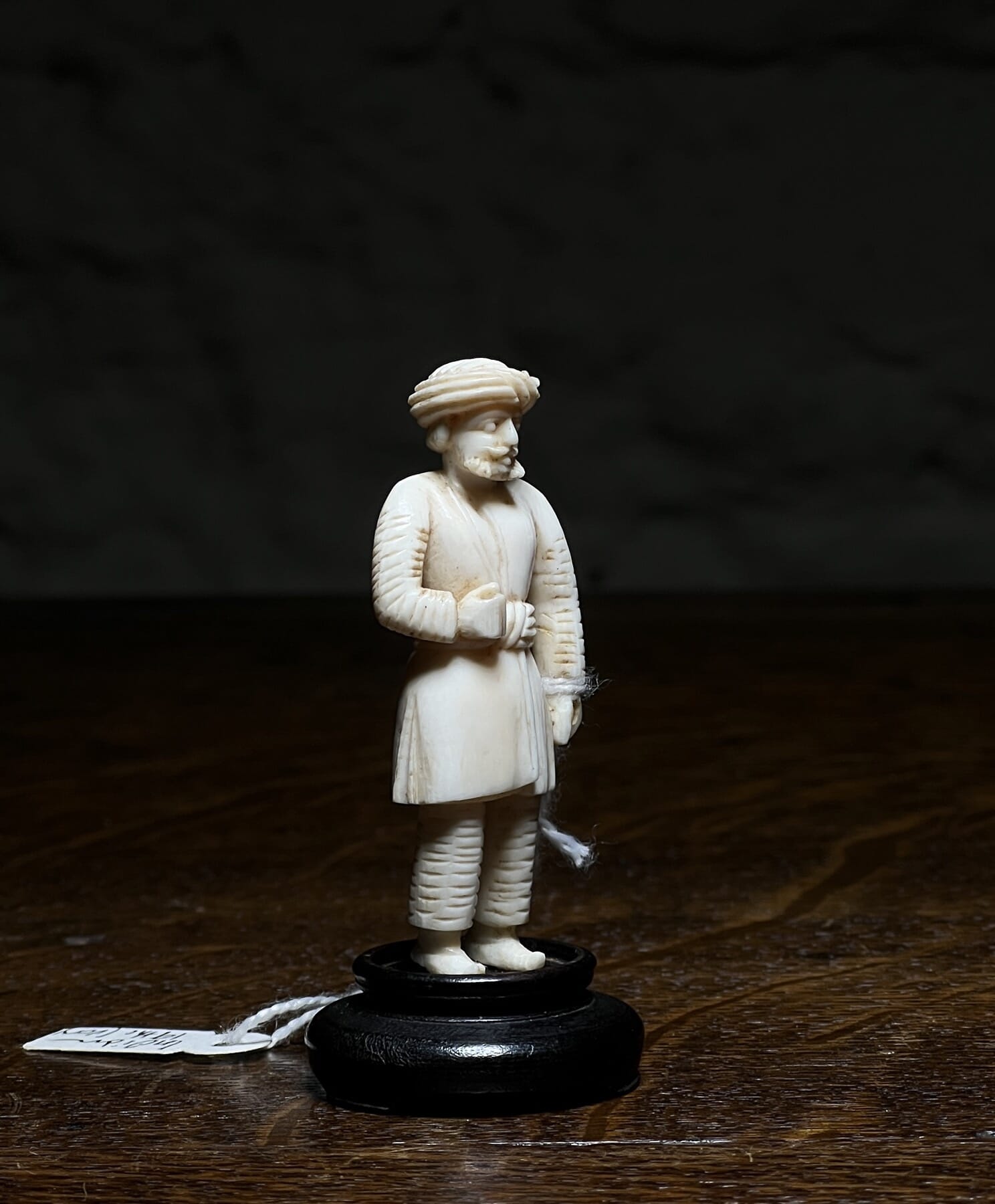
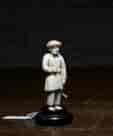 Indian Ivory figure of a man in turban, 19th centurySold
 -
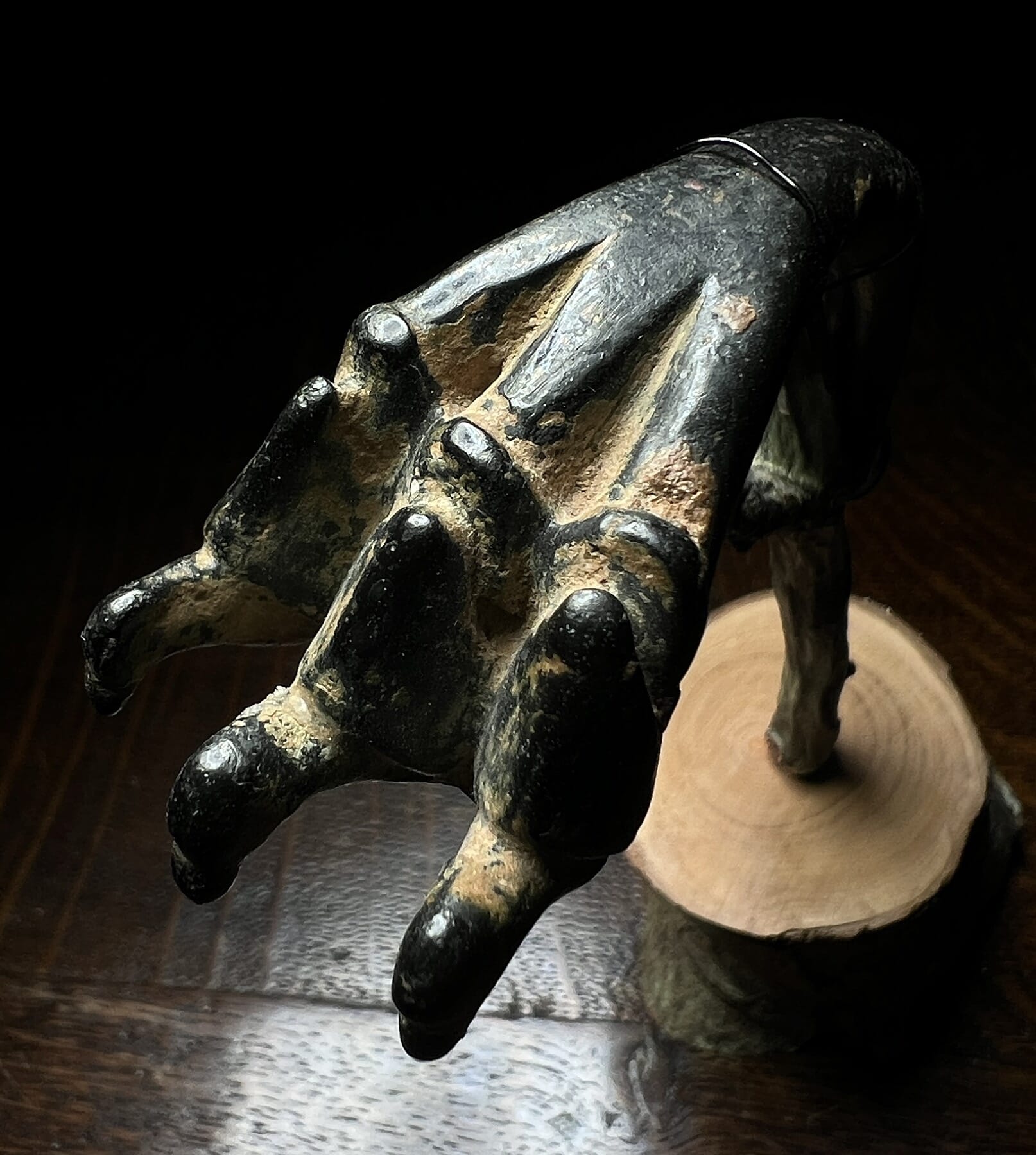
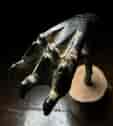 Large Roman bronze feline ‘claw’ fitting, 1st c. BC – 1st c. AD$585.00 AUD
 -
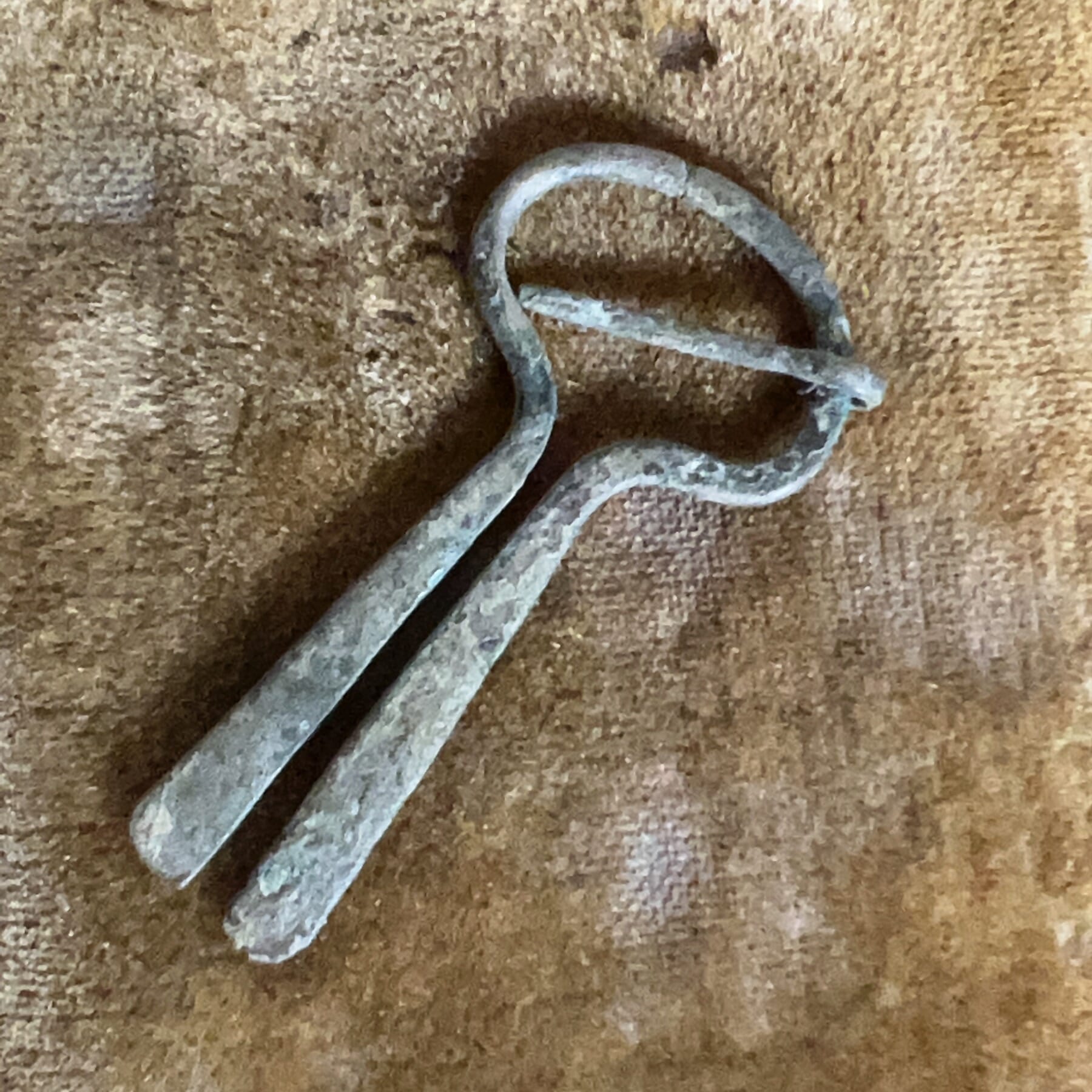
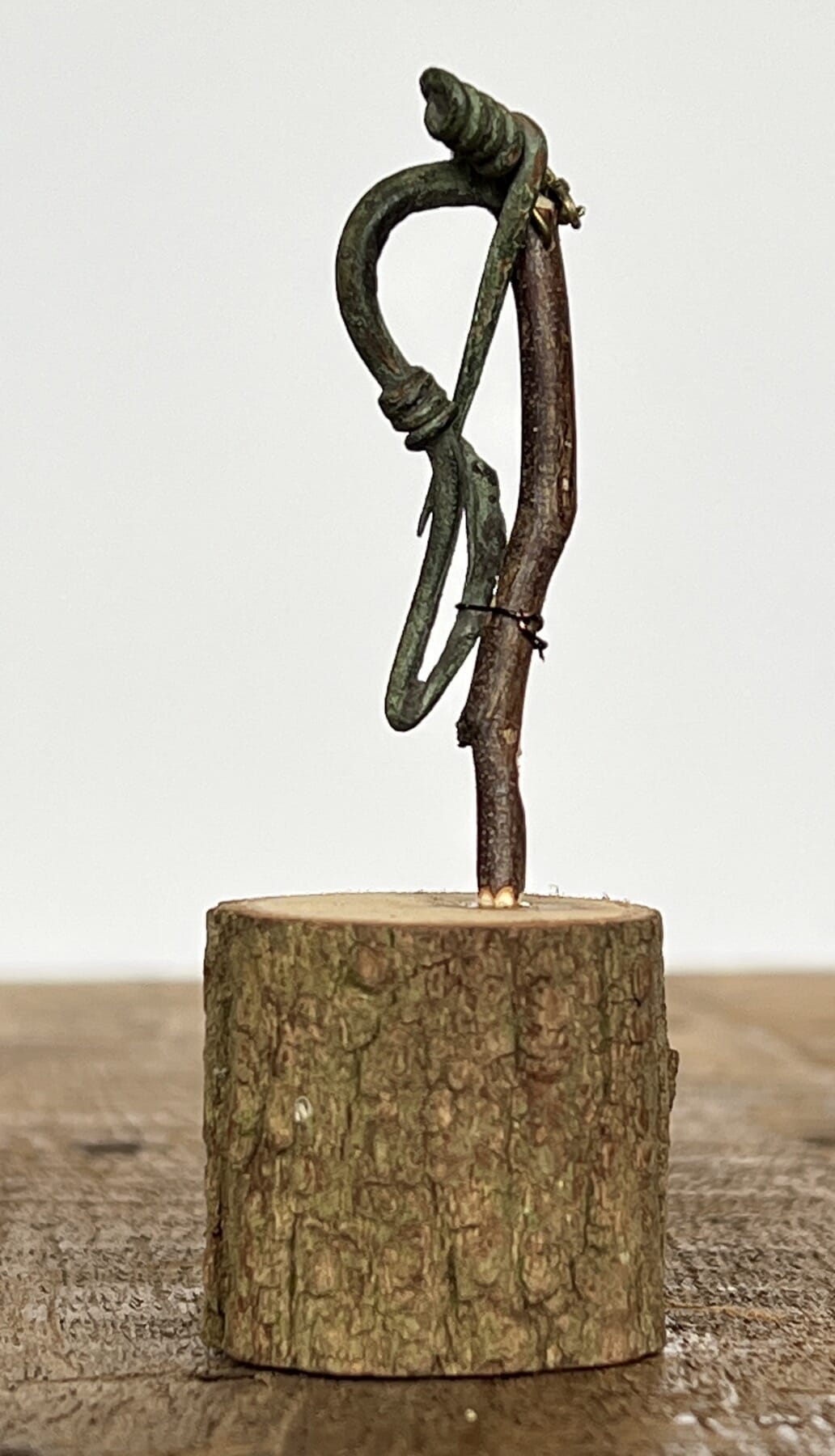
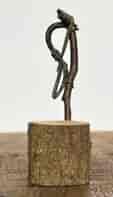 Roman bronze bow fibula, complete but bent, 2nd-4th century AD$185.00 AUD
 -
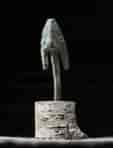 Rare Ancient Egyptian bronze tanged arrowhead, 20th-22nd Dynasty, 1200-800 BCSold
 -
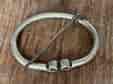 Rare ‘Viking’ Period Silver Penanular brooch, 5th-8th century AD$850.00 AUD
 -
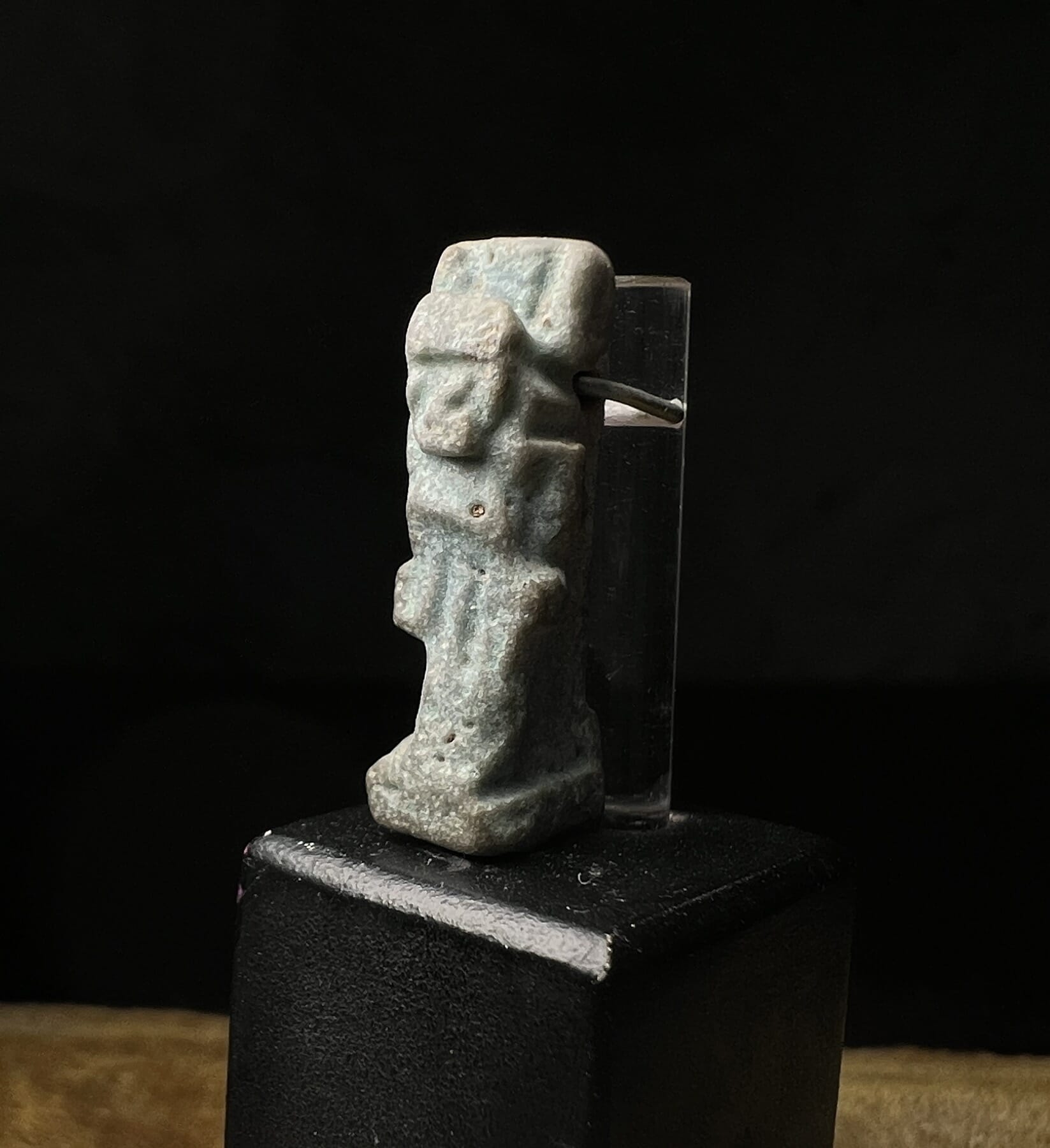
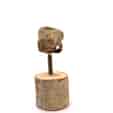 Faience head of Ptaikos, late period, 700-300 BC$380.00 AUD
 -
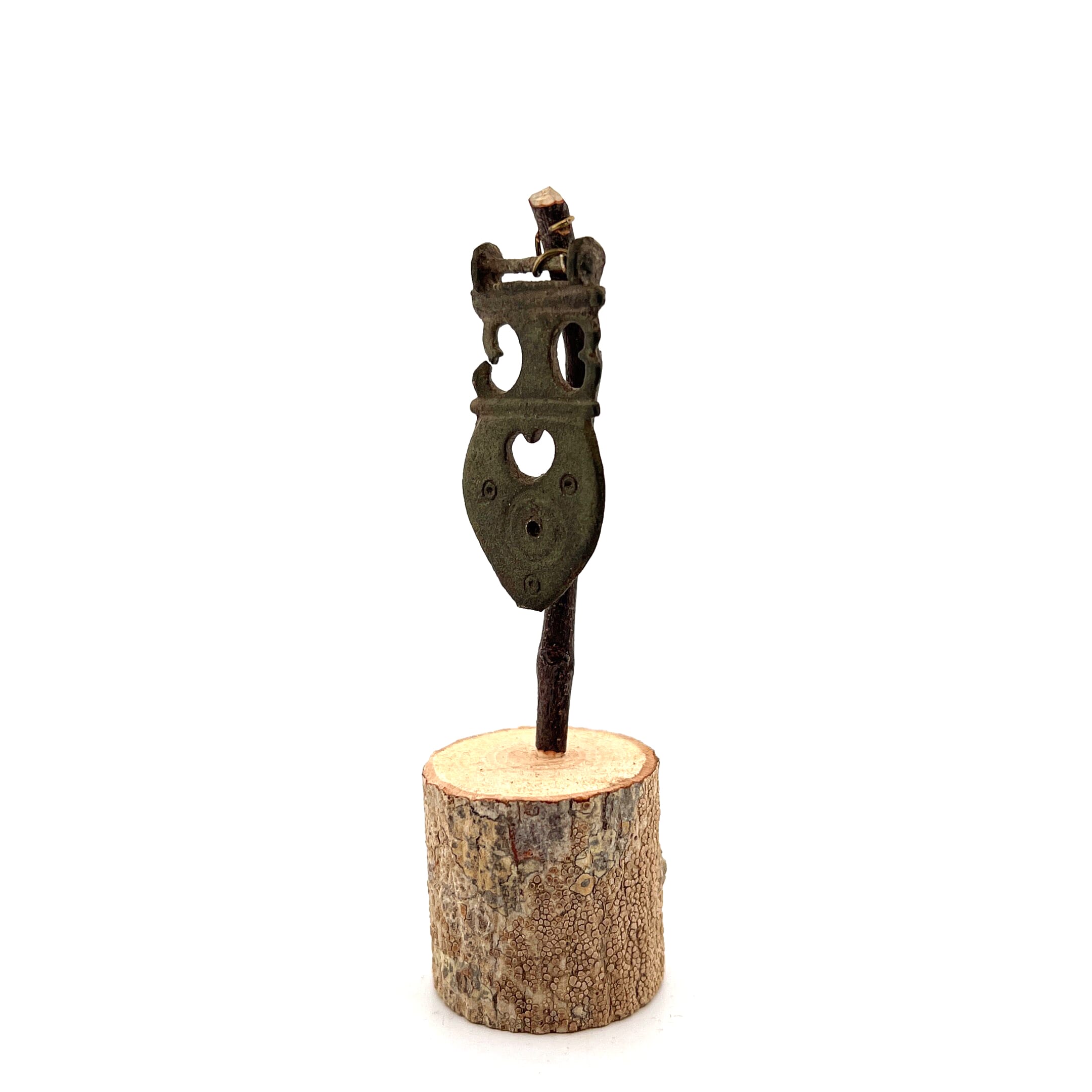
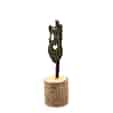 Roman bronze belt fitting, incised decoration, 2nd-4th century AD$195.00 AUD
 -
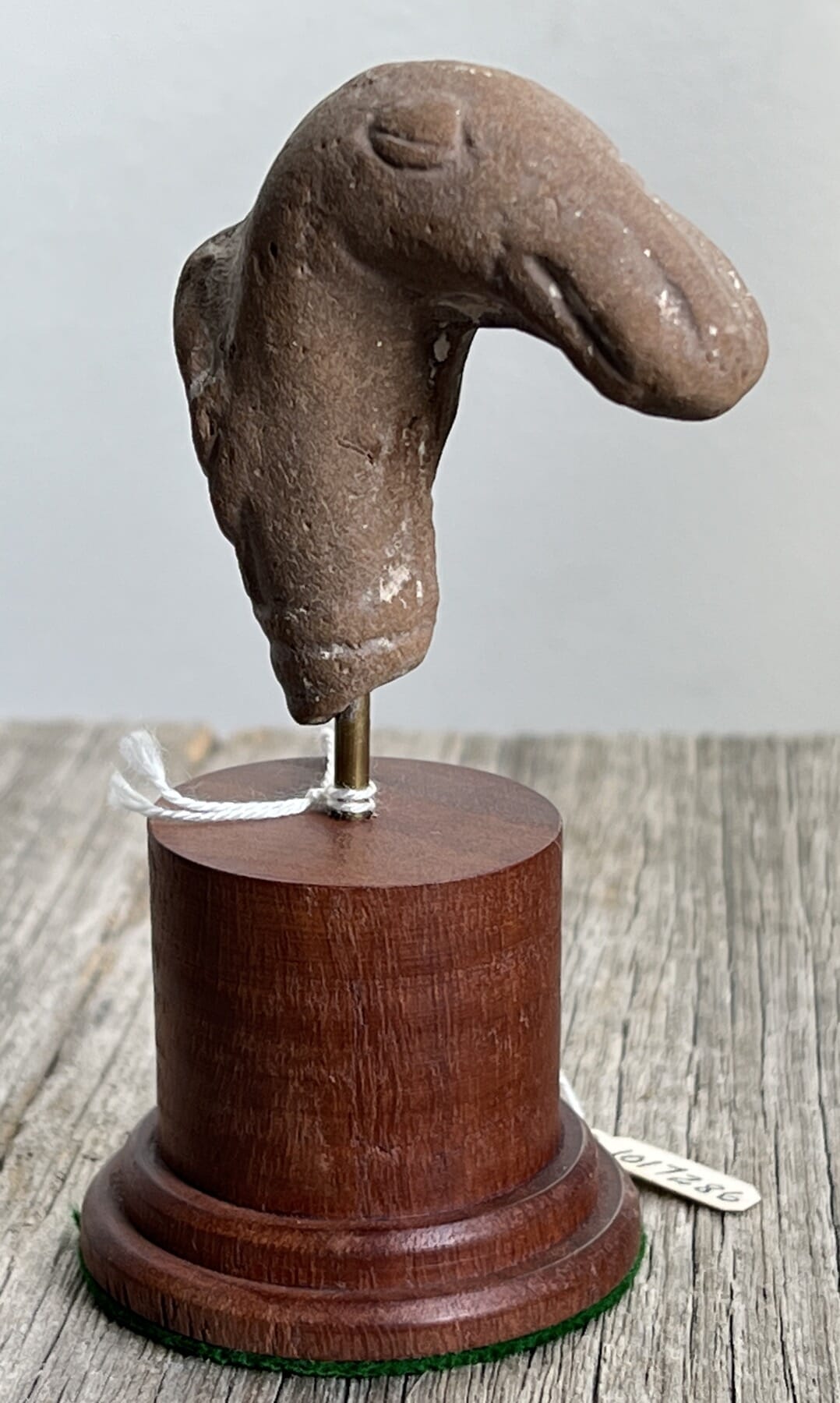
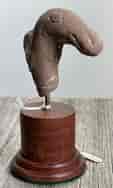 Pottery head of a camel, Middle East, 1st Millennium BC$285.00 AUD
 -
 Roman bronze lock bolt, 1st – 2nd century ADSold
Fossils
Really, really old! How about a Dinosaur Tooth? These are our oldest items – and also some of the cheapest!
Maps
Travel the world…. perfect for an office or study wall.
-
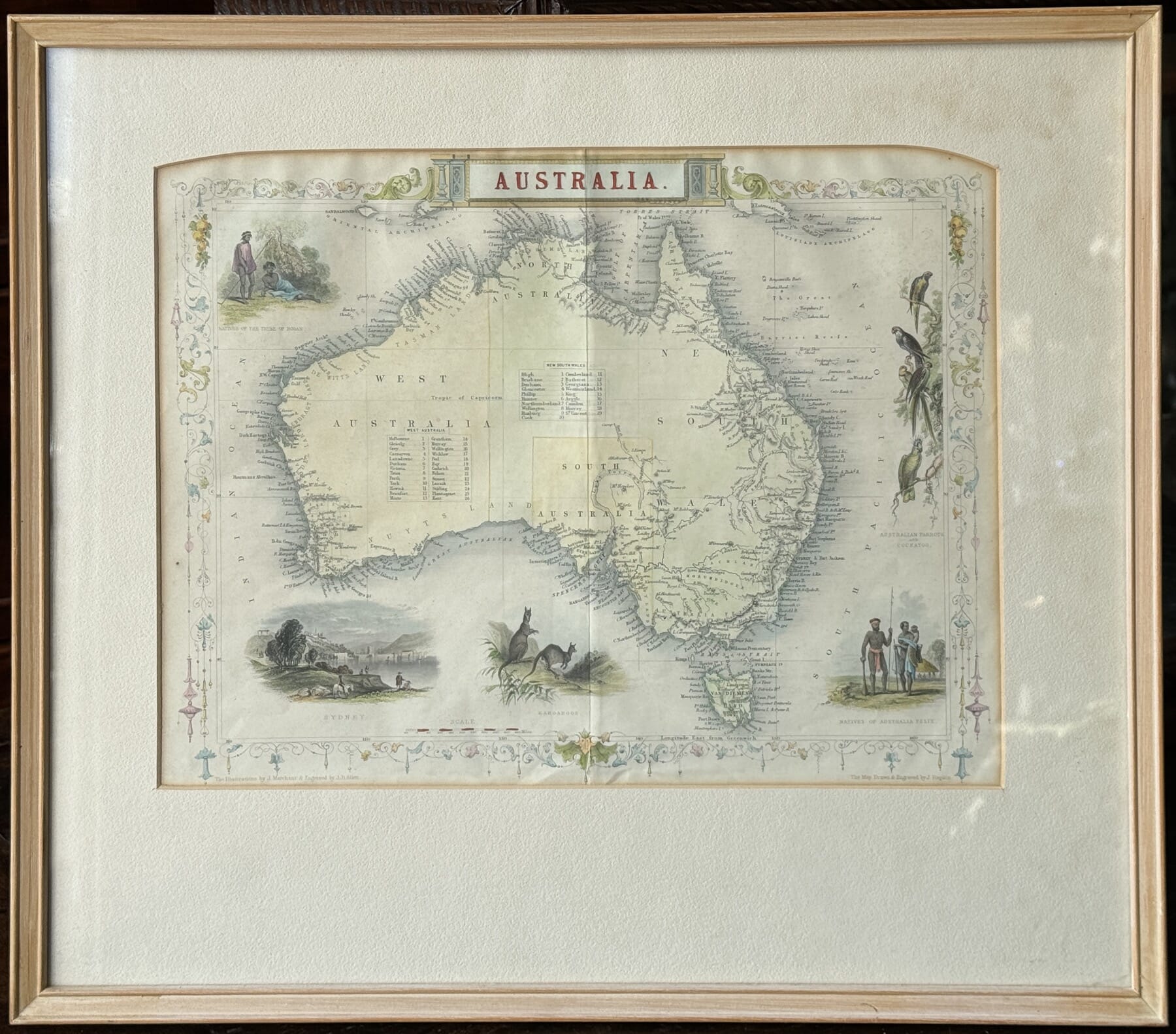
 1851 Illustrated Map of Australia, Aborigines, Parrots, Sydney view, by John Tallis 1851$850.00 AUD
 -
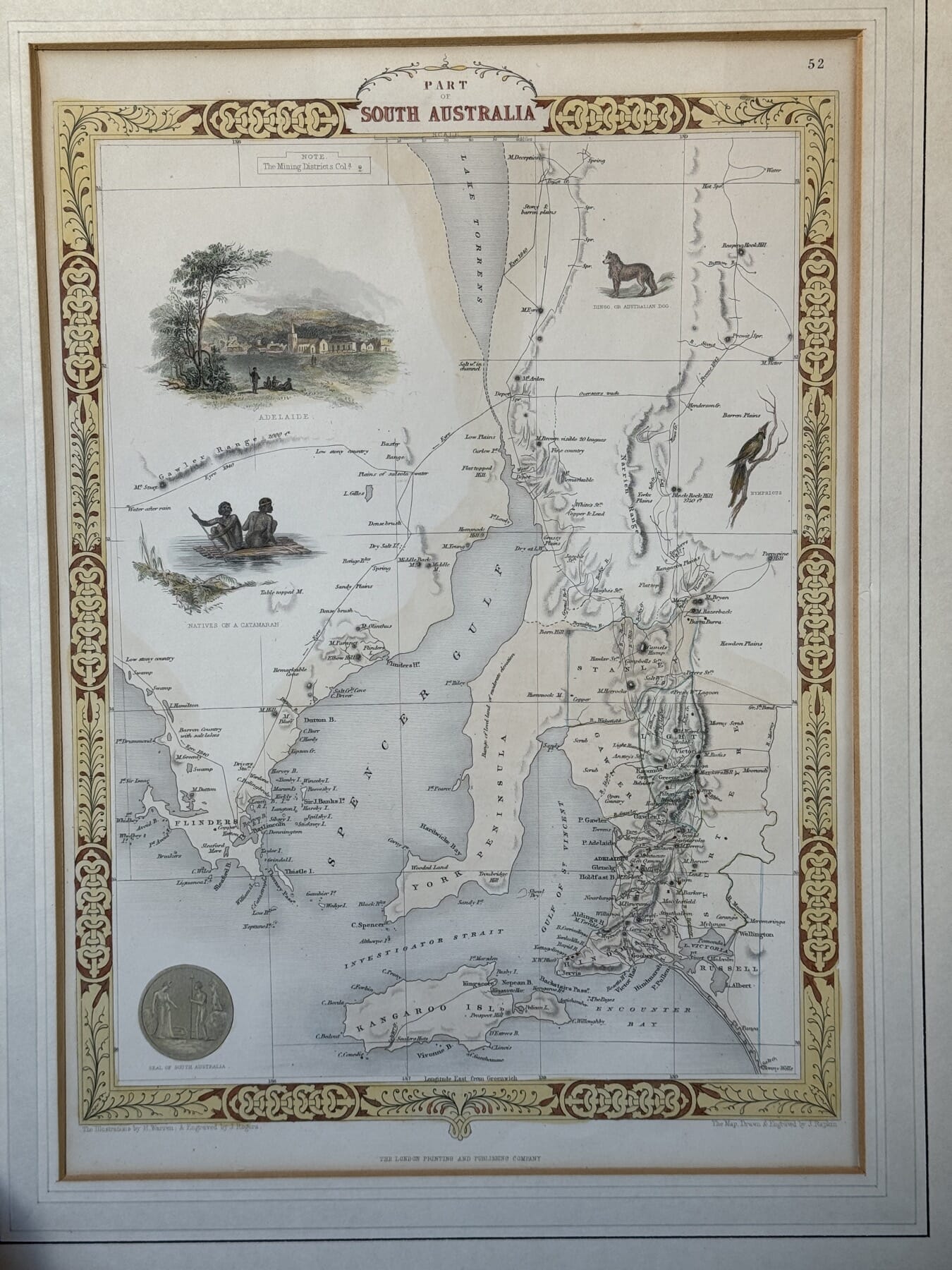
 Illustrated Map of South Australia, after John Tallis, c. 1860$385.00 AUD
 -
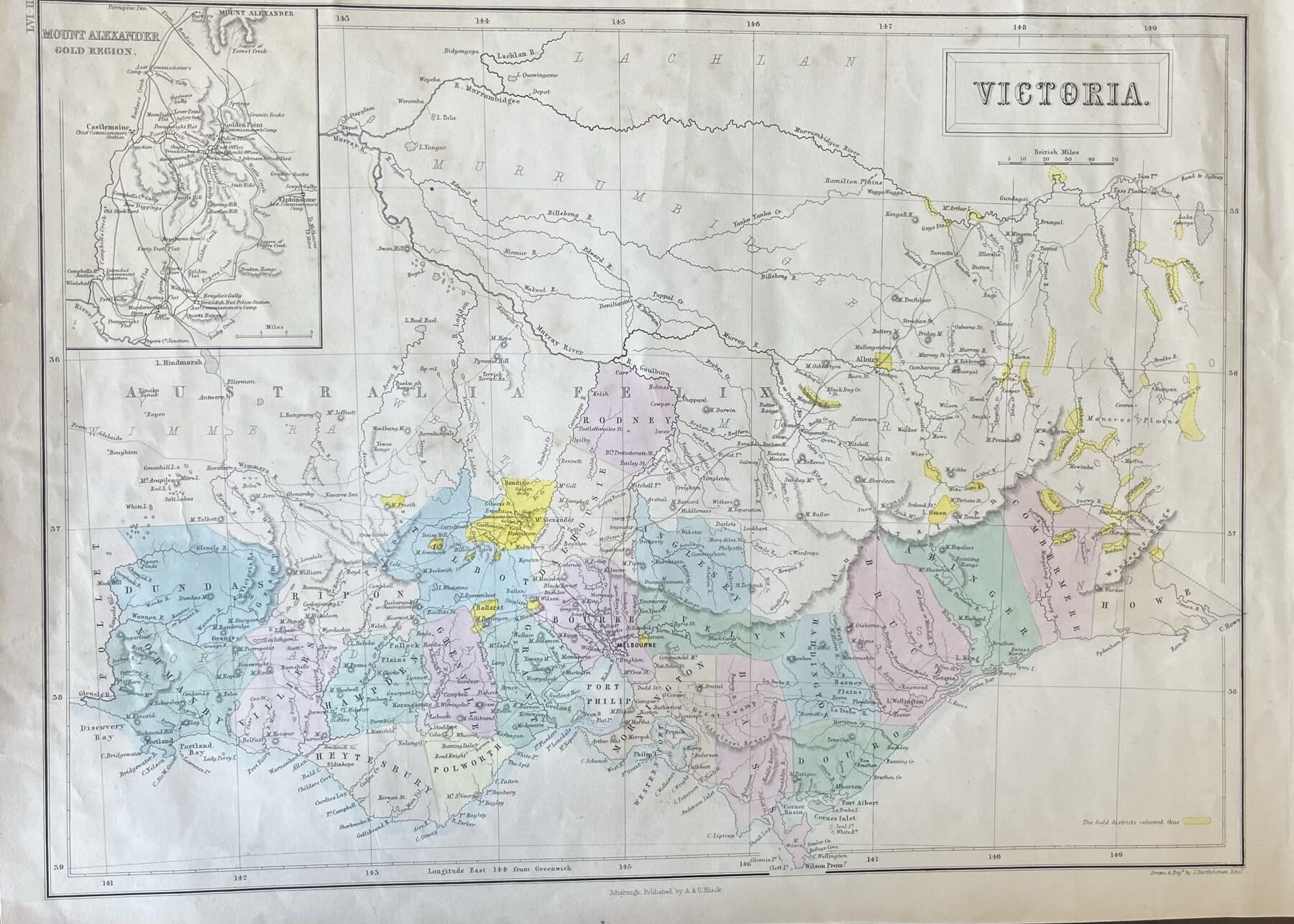
 Victoria Goldfields print, showing Counties, with close-up of Goldfields, published Edinburgh 1854Sold
 -
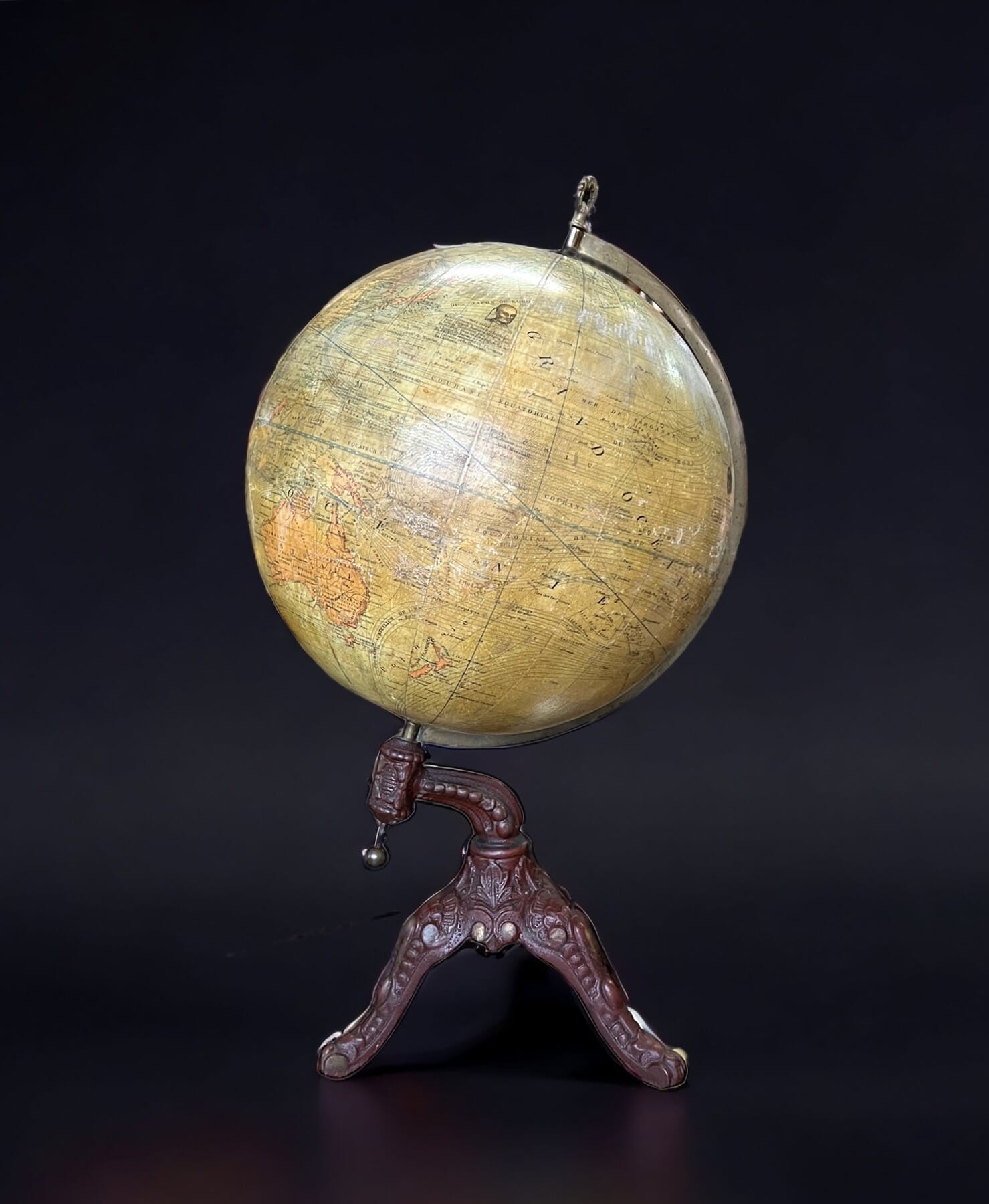
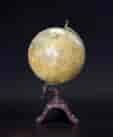 Brussels world globe on cast iron stand, by Balieus + Windels, 1920’s$1,450.00 AUD
Tankards
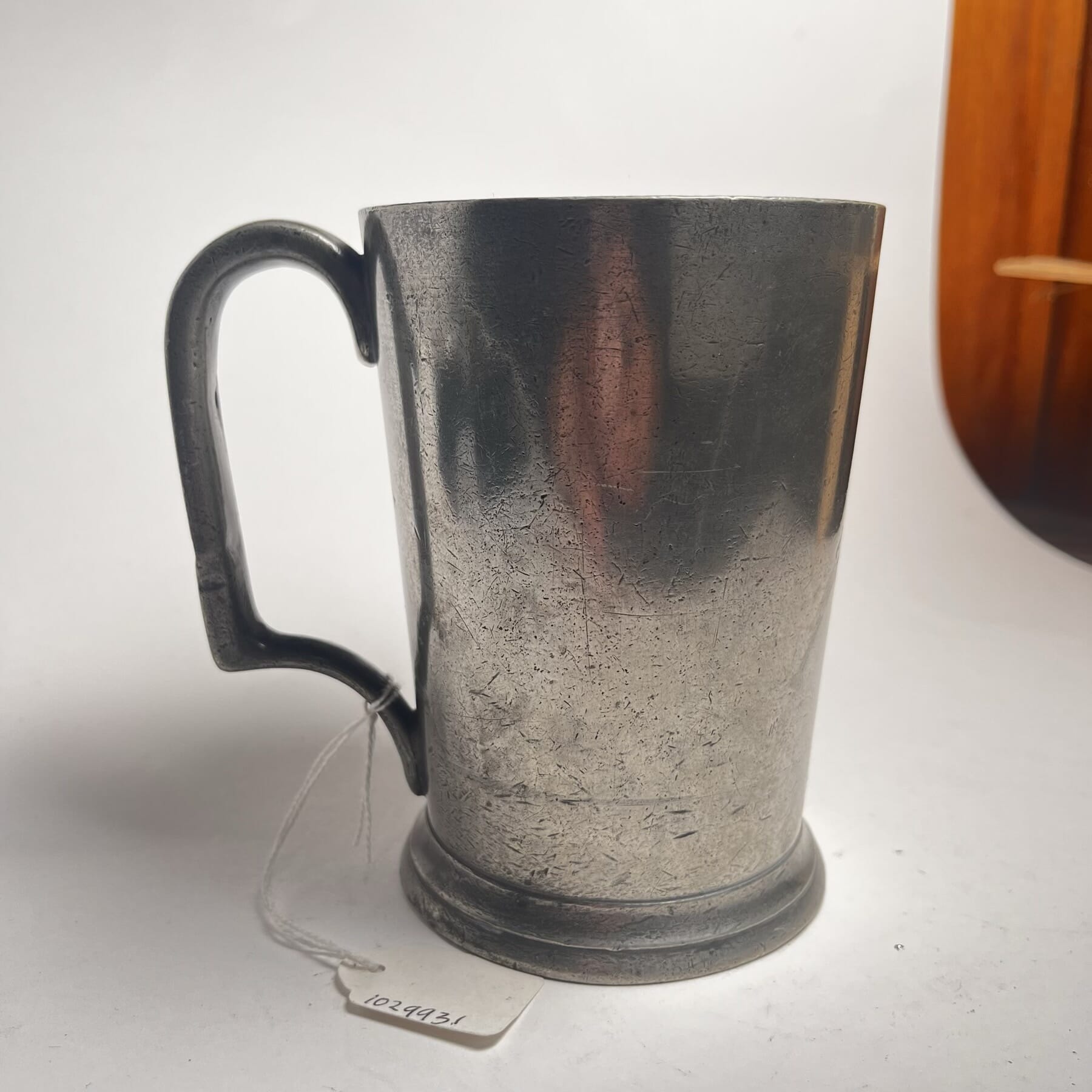
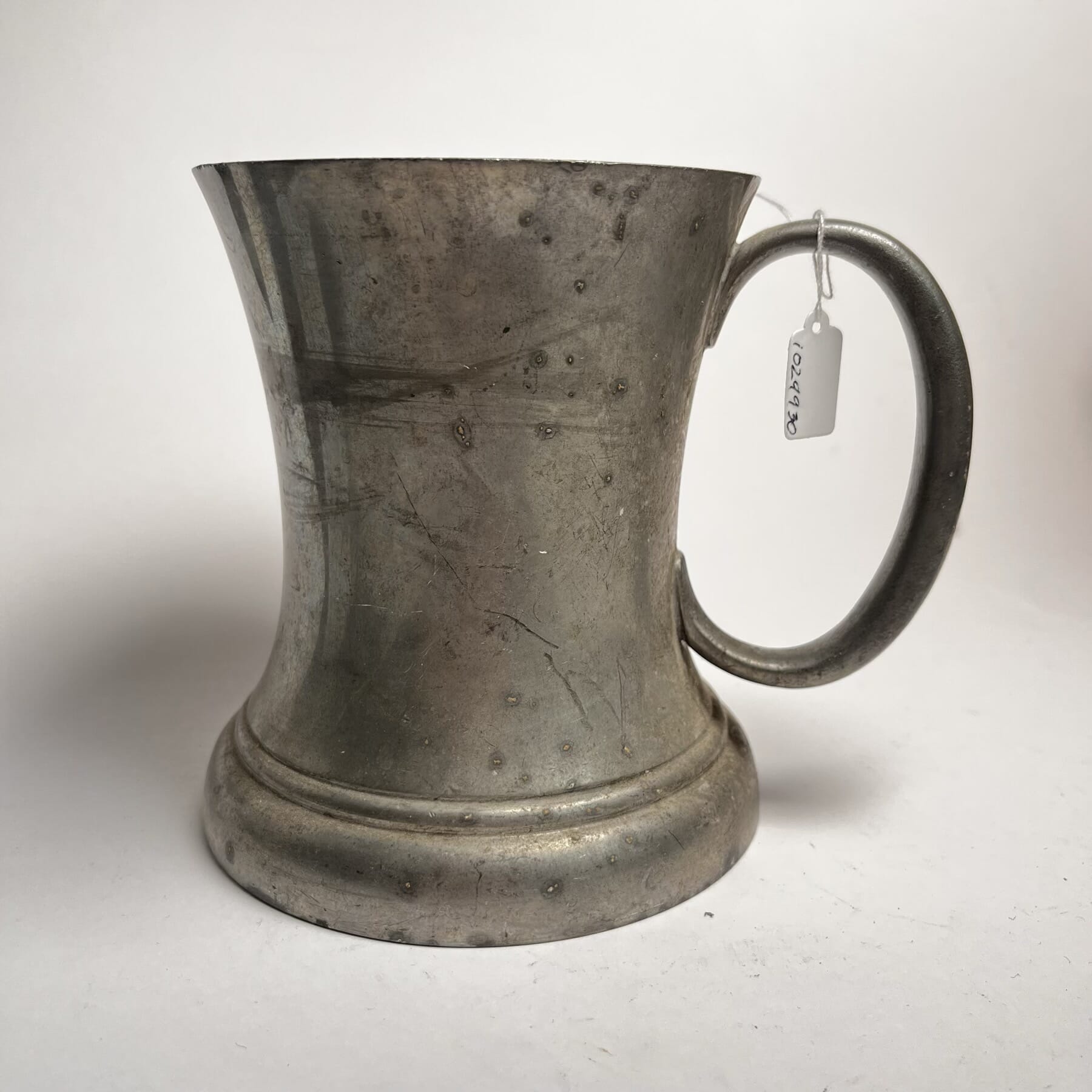
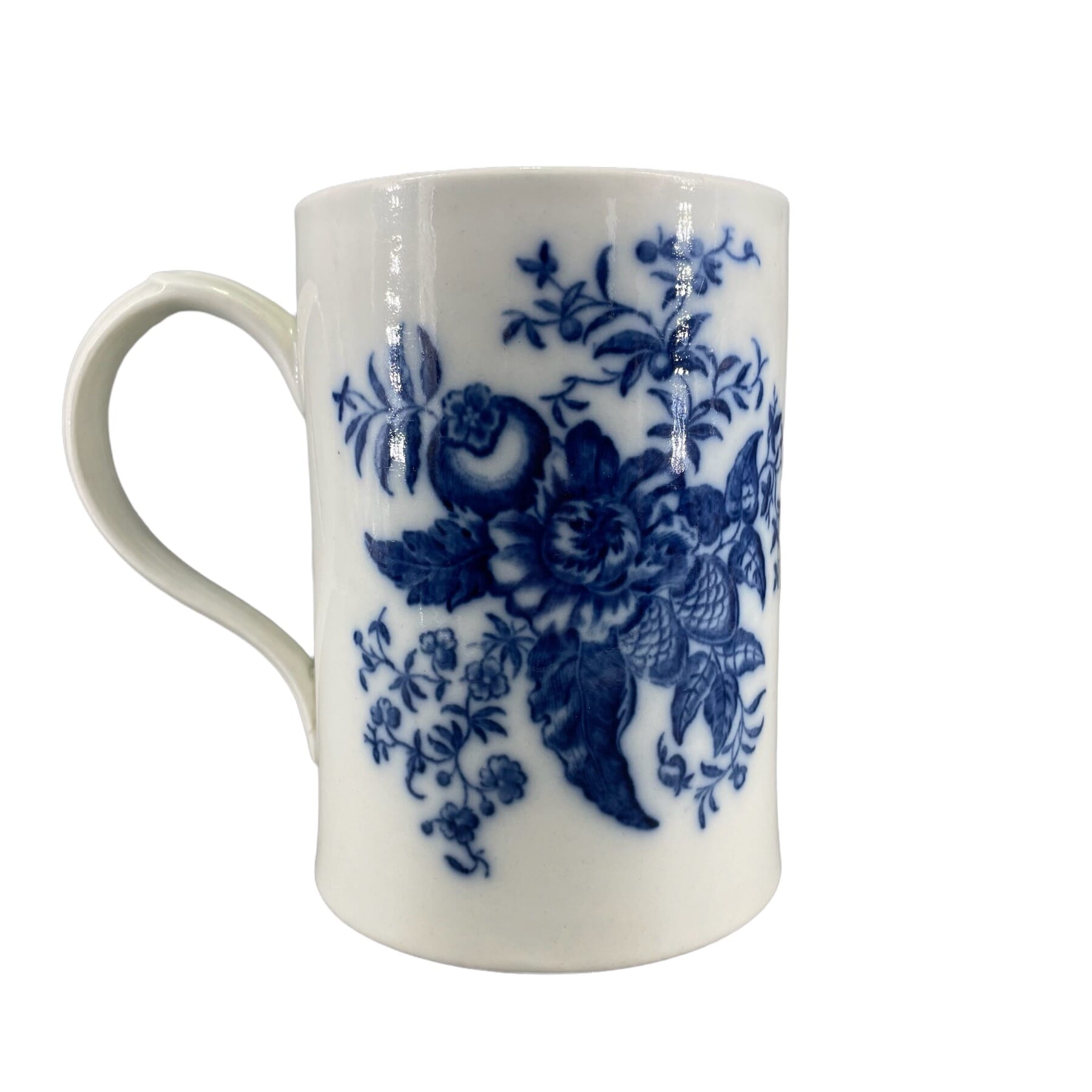
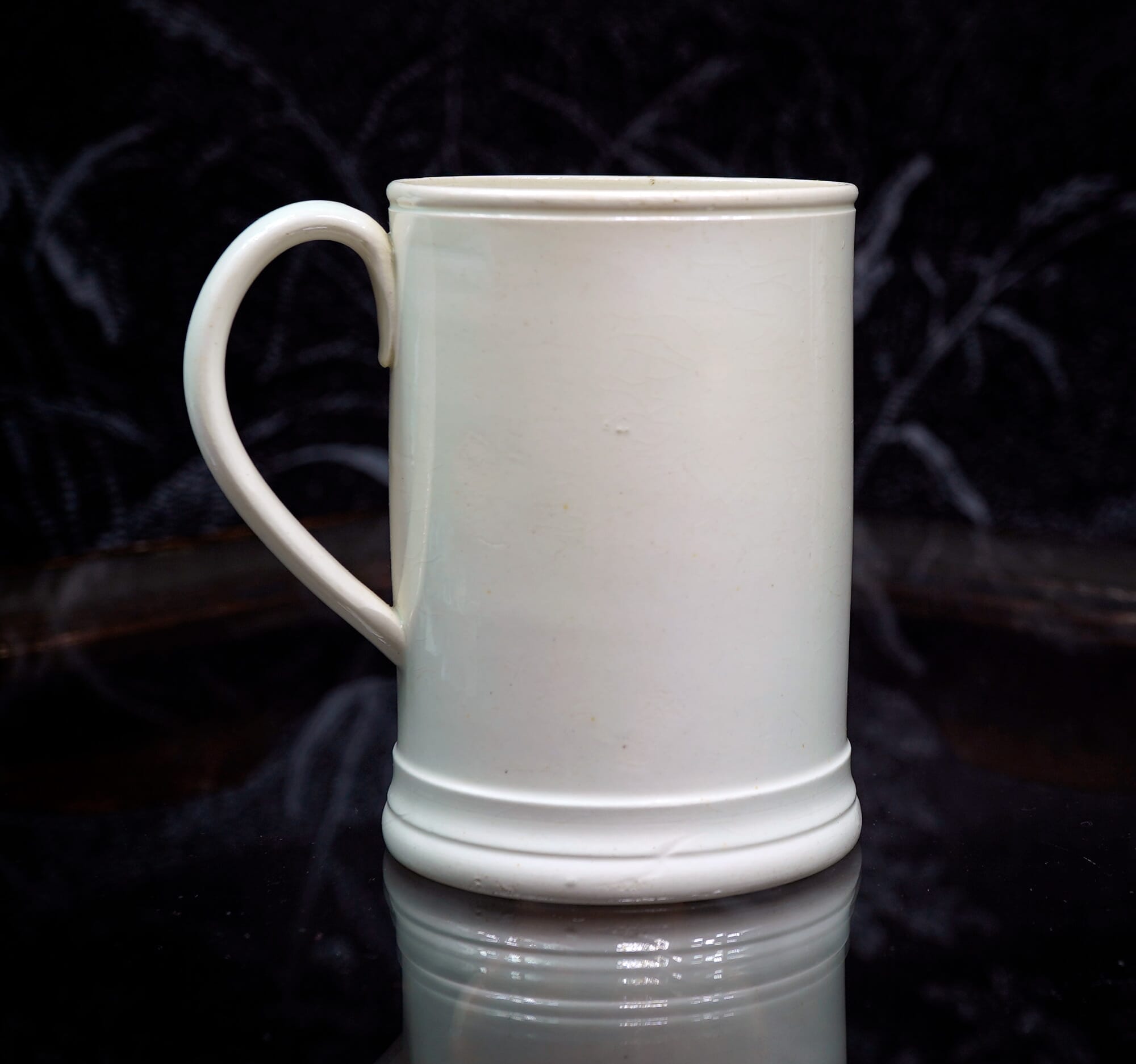
A pint or two…. these tankards are definitely on-theme, and some would even be usable! We’d advise the ceramic examples only as ‘usable’, as the older pewter examples do contain a certain amount of lead…
-
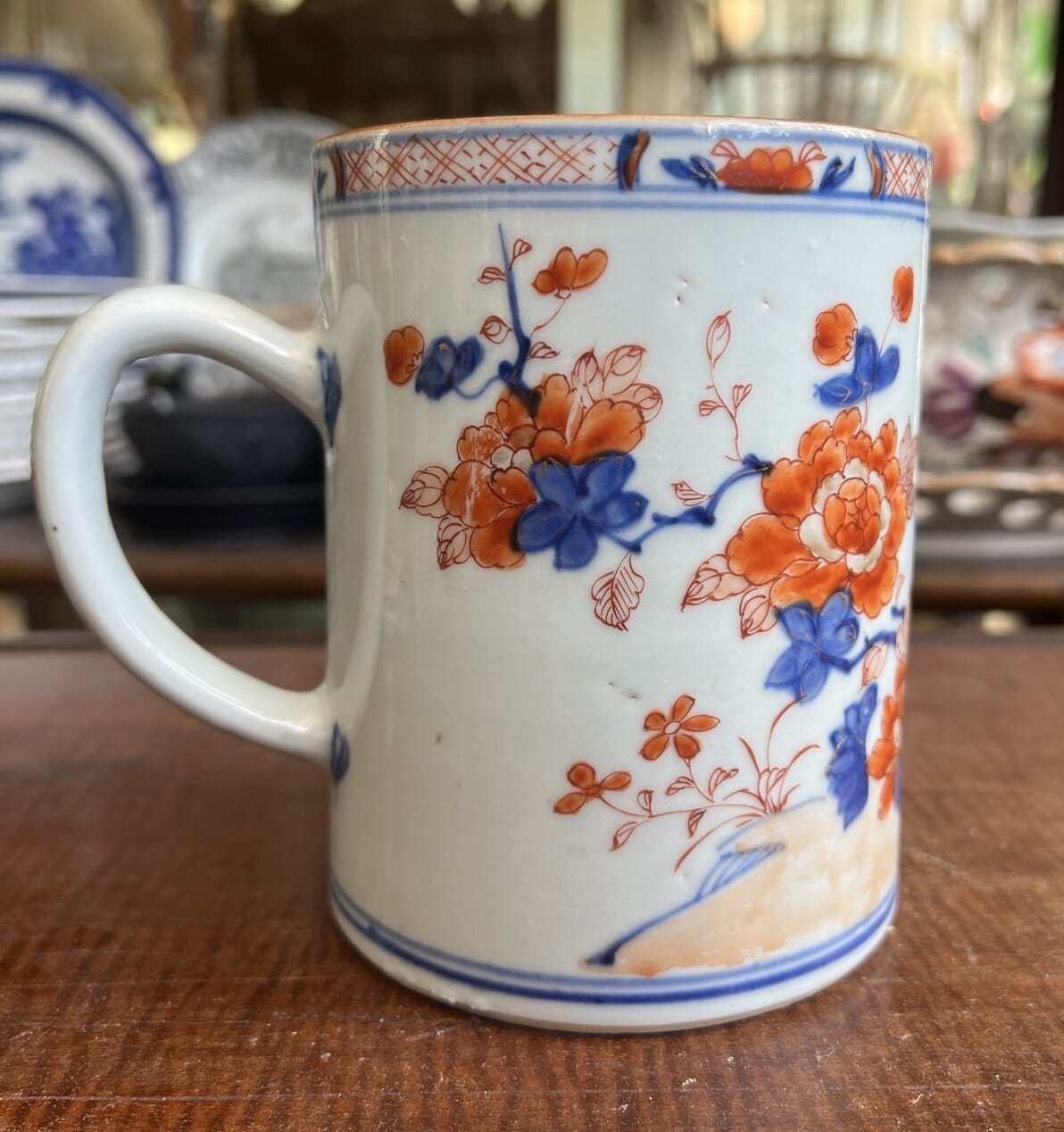
 Large Chinese Export ‘Imari’ tankard, Bird, Peony & Rock, c. 1755$1,450.00 AUD
 -
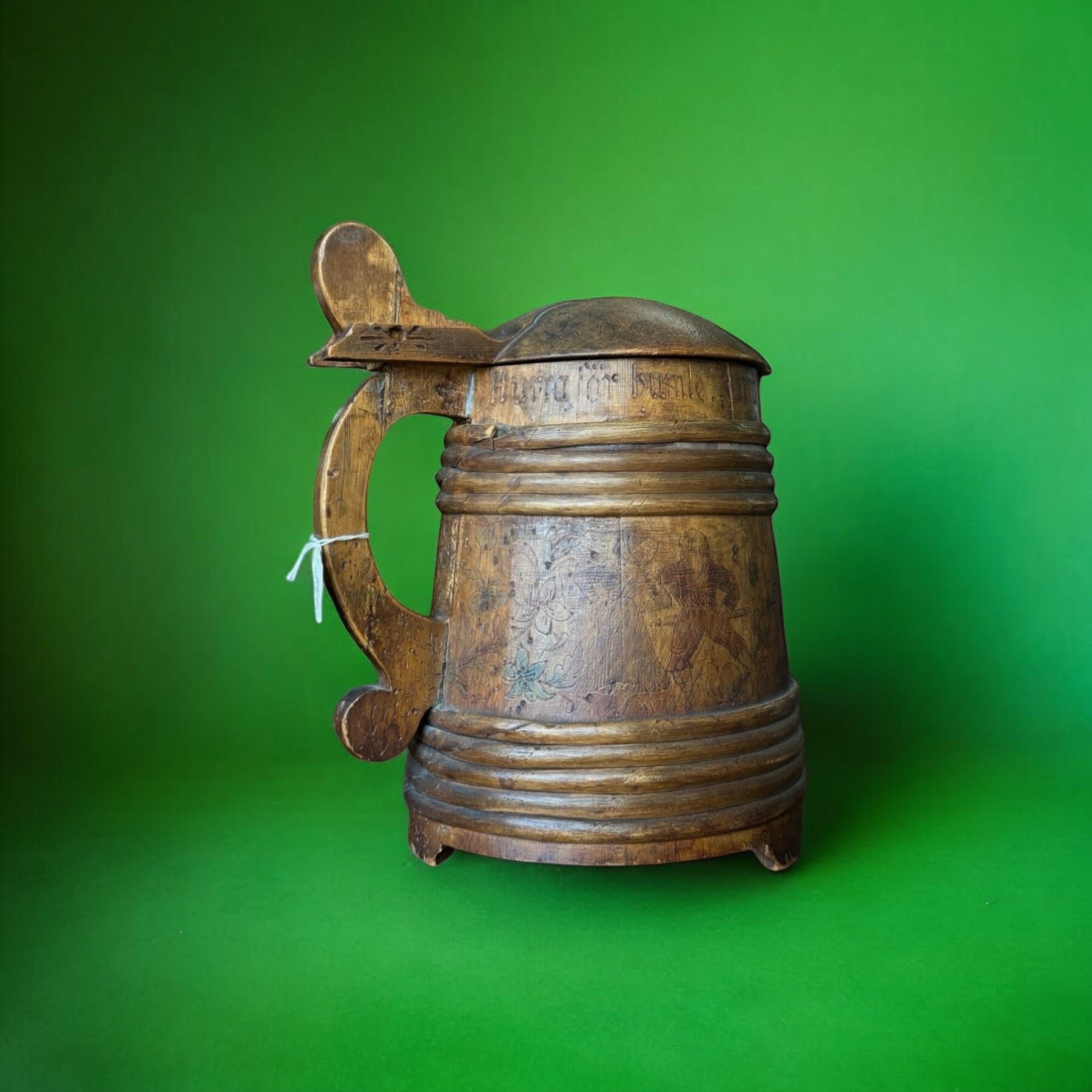
 Swedish Arts & Crafts wooden tankard, signed Selma Giöbel, dated 1891$880.00 AUD
 -
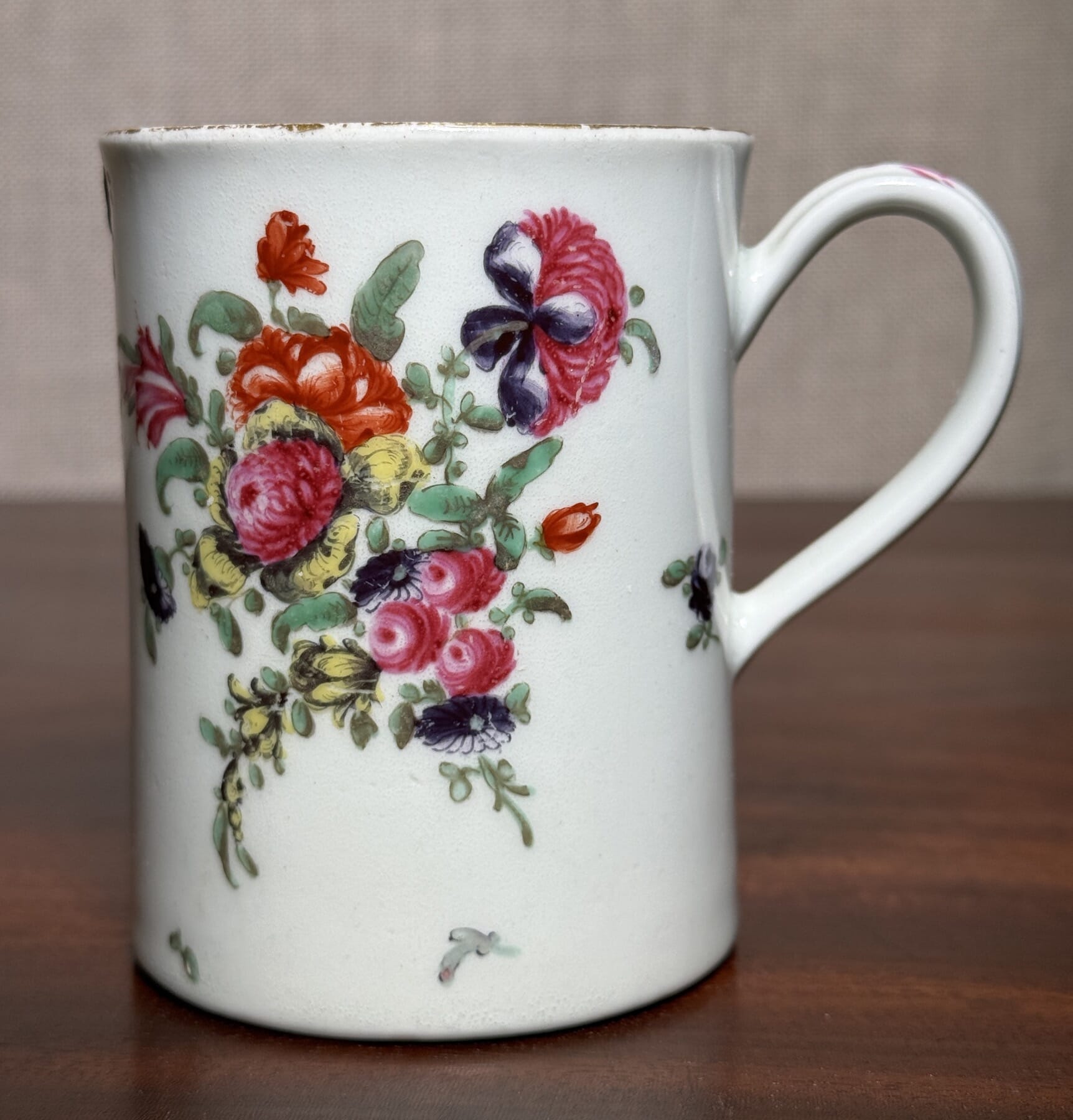
 Worcester small tankard, large flower groups, C. 1765$580.00 AUD
 -
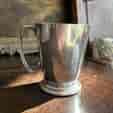 HMS Howe Nickel tankard, made from metal taken in 1958 scrapping, by Mappin & WebbSold
 -
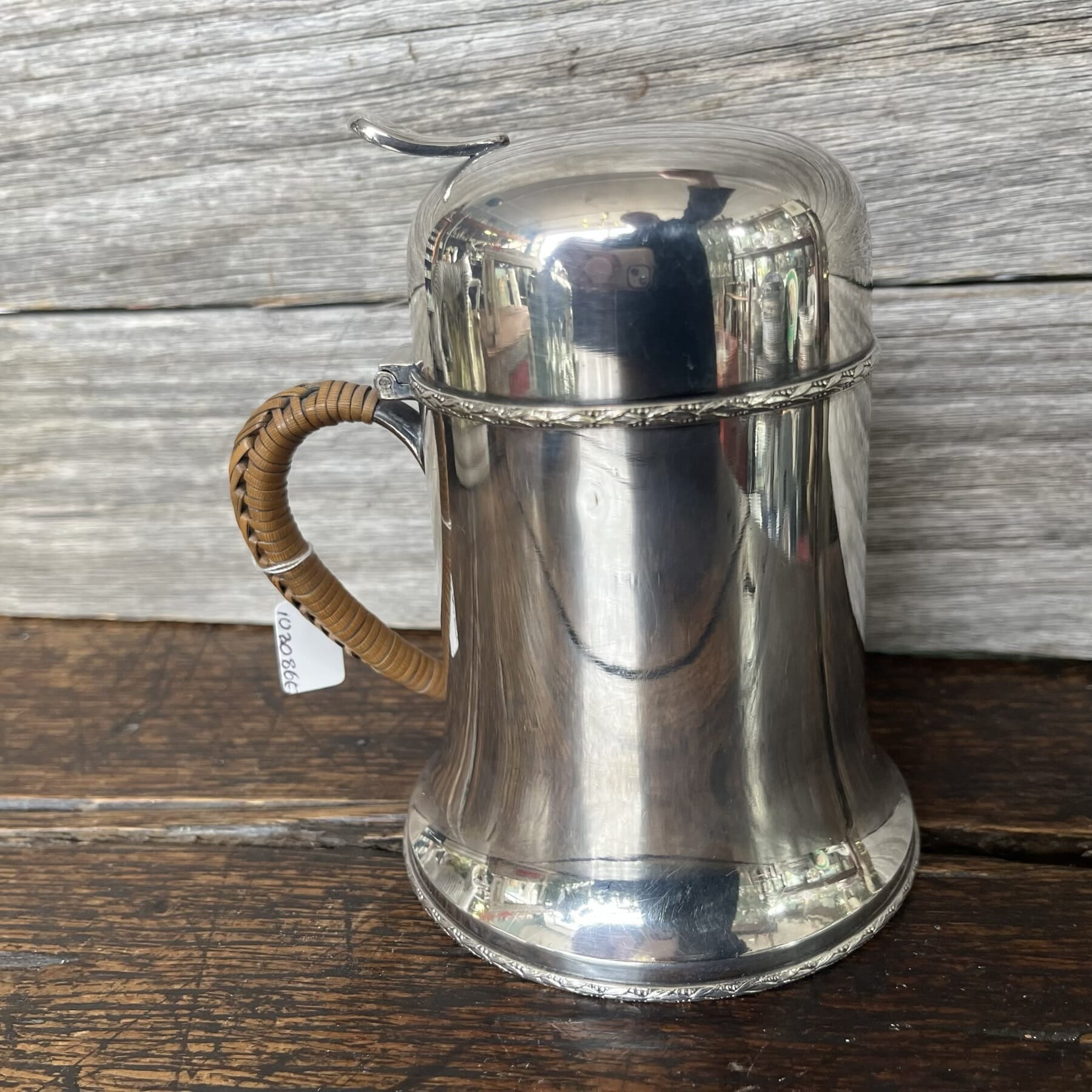
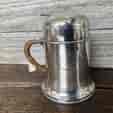 Silverplate covered tankard, hot milk jug, c. 1900$480.00 AUD
 -
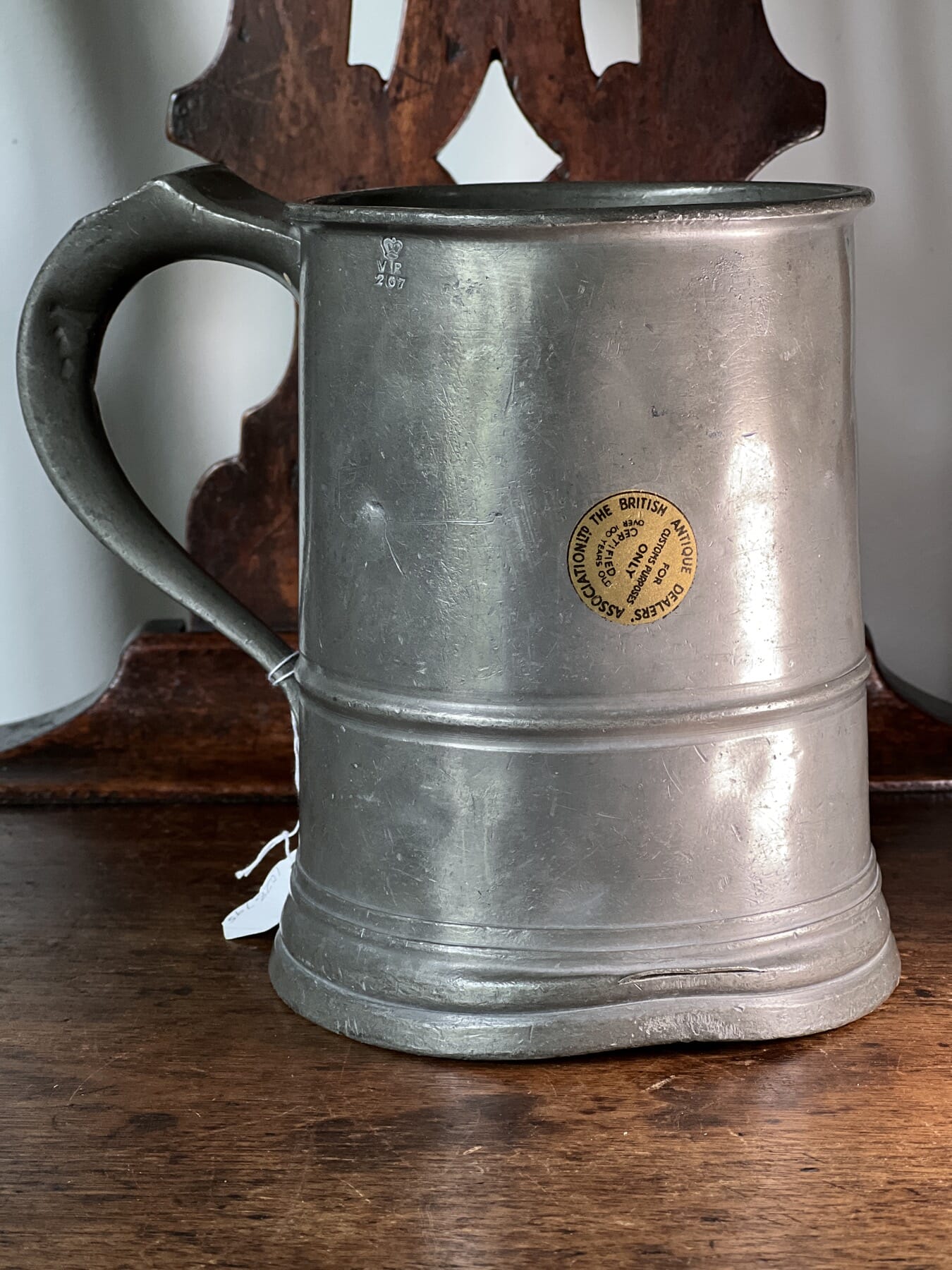
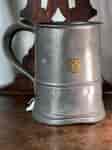 Victorian pewter straight-sided tankard, quart, circa 1850$195.00 AUD
 -
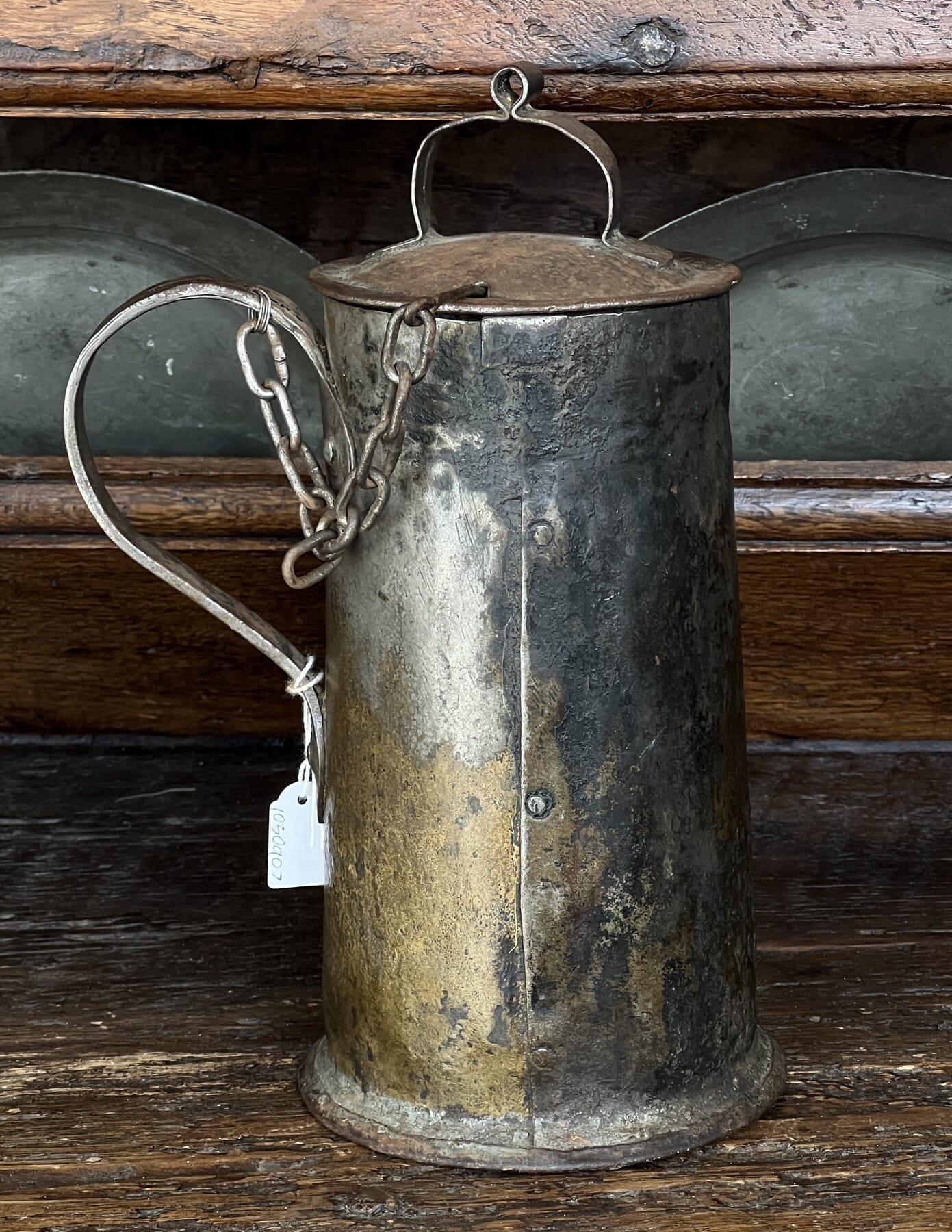
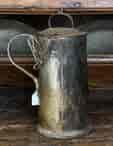 Iron tankard with lid, hand-forged, 19th century$580.00 AUD
 -
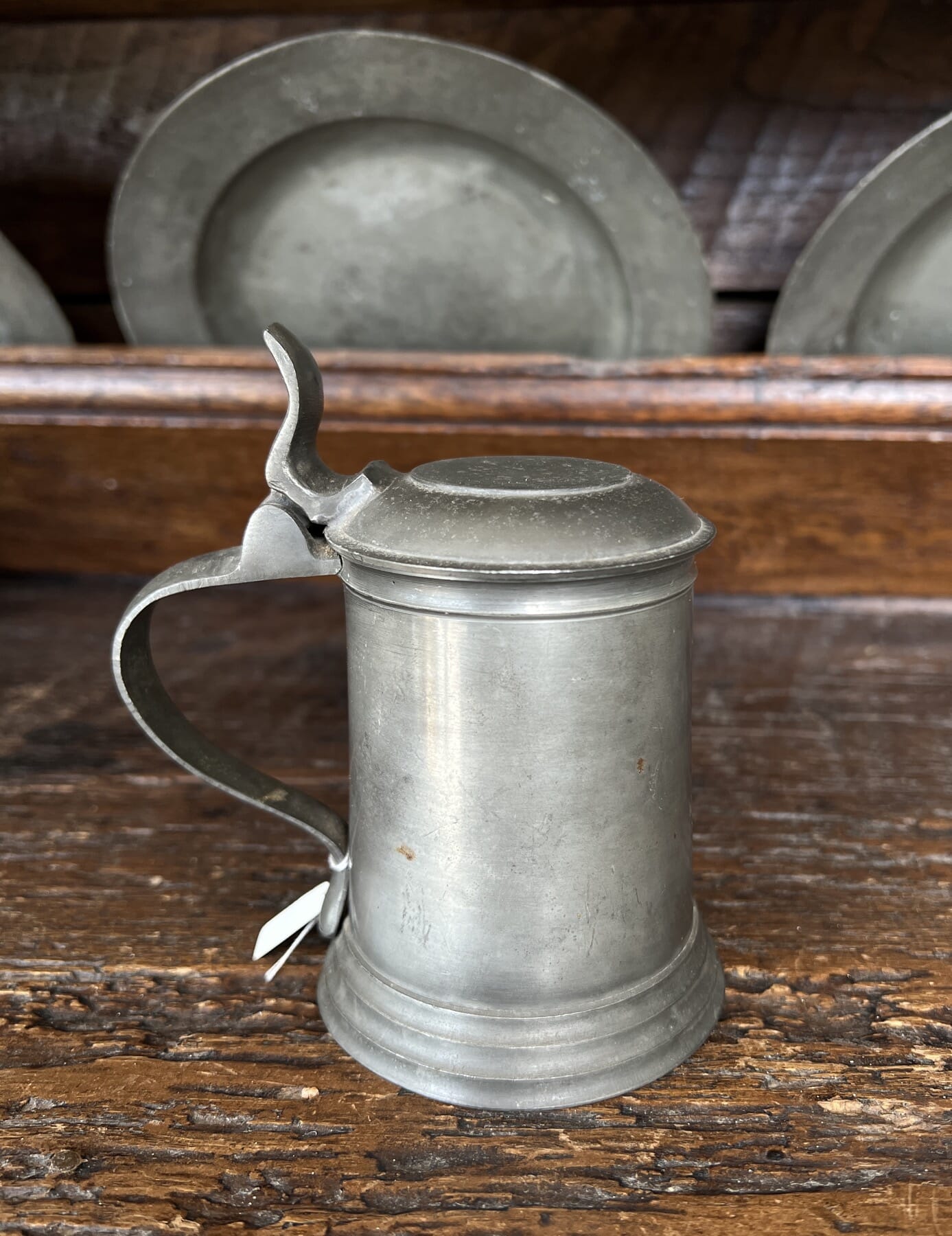
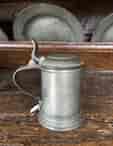 Small lidded pewter tankard, by AE Williams, 19th century$185.00 AUD
 -
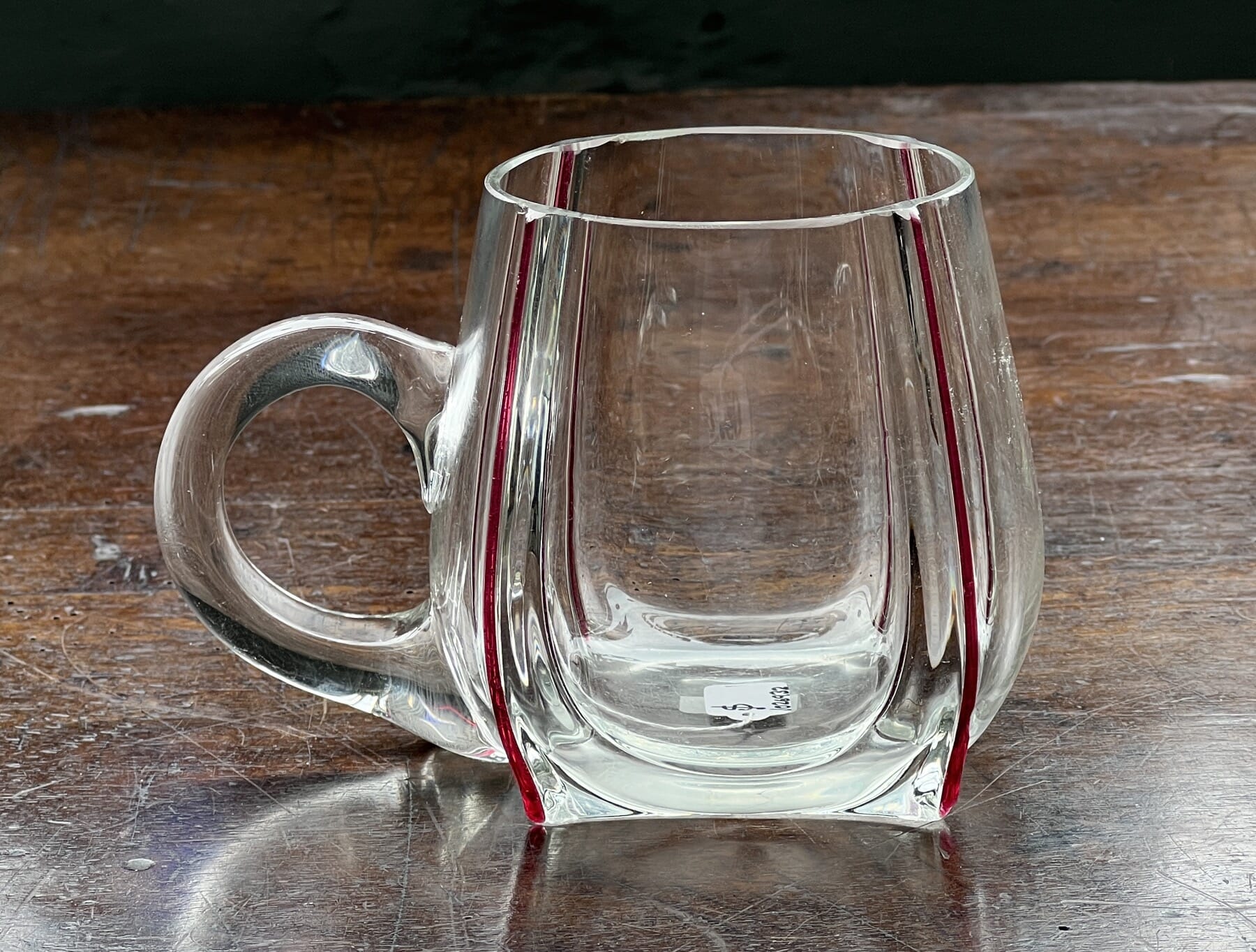
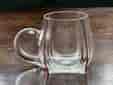 Bohemian Jugendstil glass tankard with ruby ribs, c.1910$65.00 AUD
 -
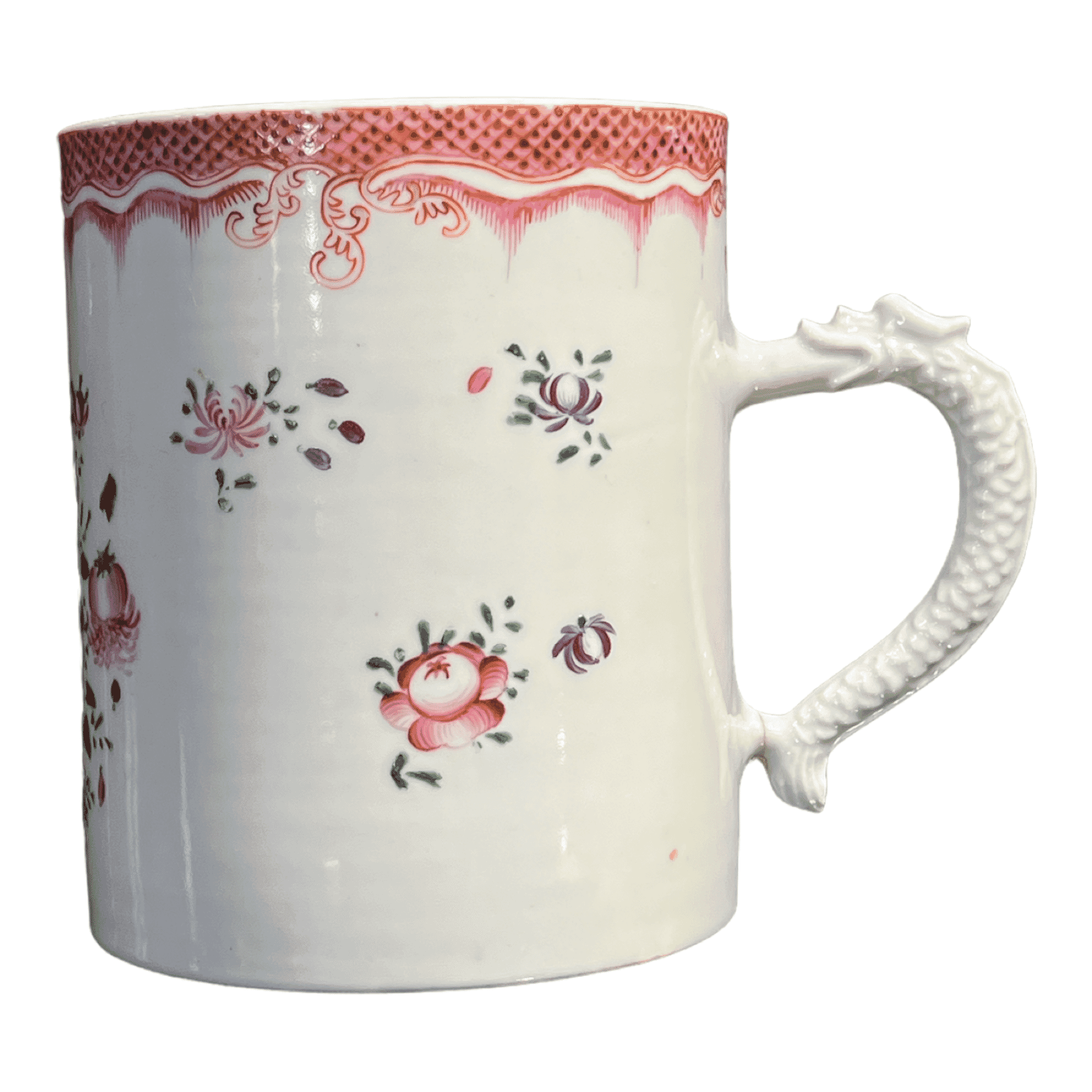
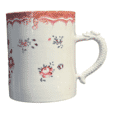 Chinese Export tankard with dragon handle, European flowers, c.1760$880.00 AUD
 -
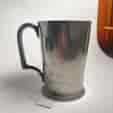 Heavy quality Pewter pub tankard, c.1890Sold
 -
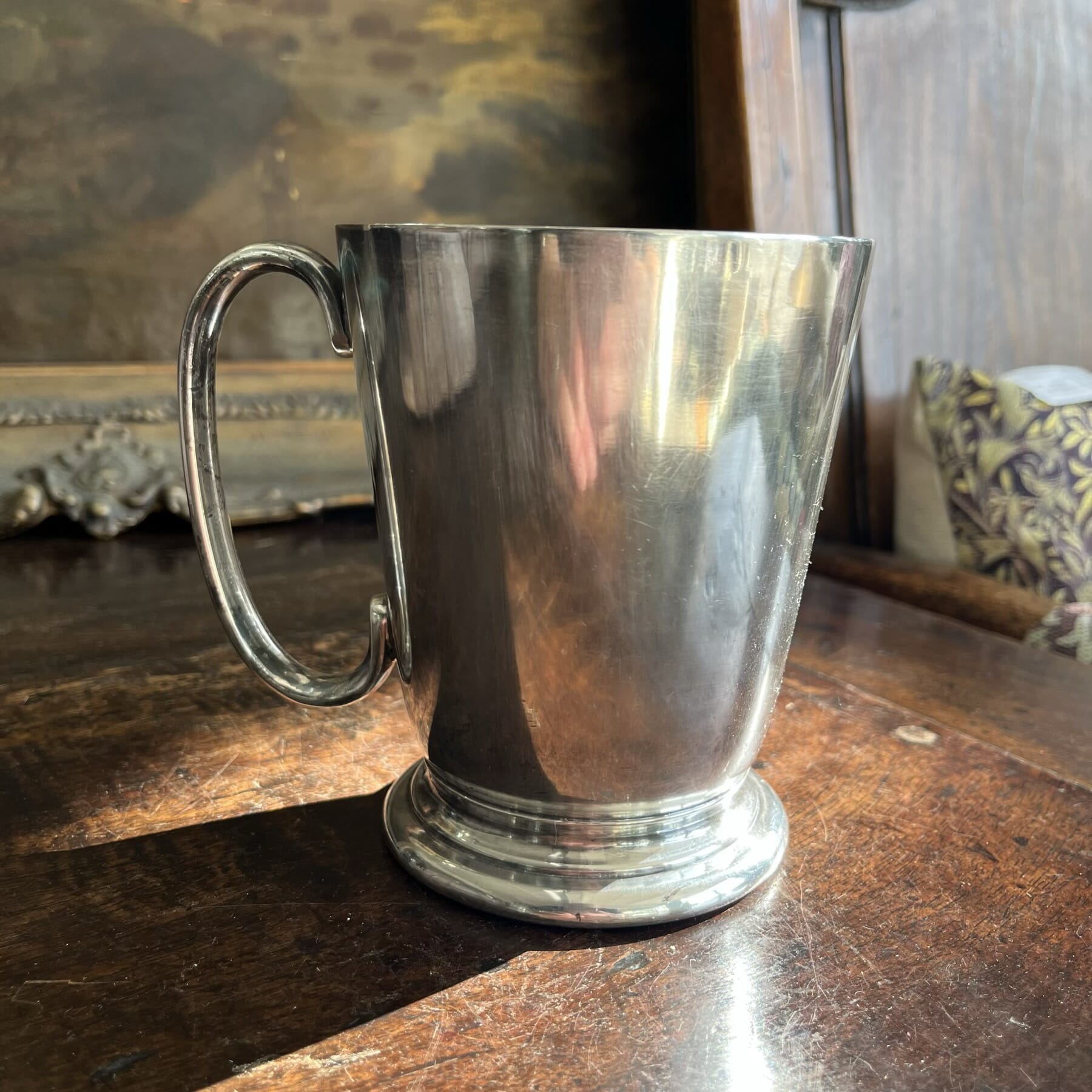
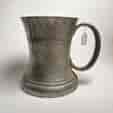 Pewter tankard with concave sides, engraved monogram ‘HCQ’ Early 20th C$45.00 AUD
 -
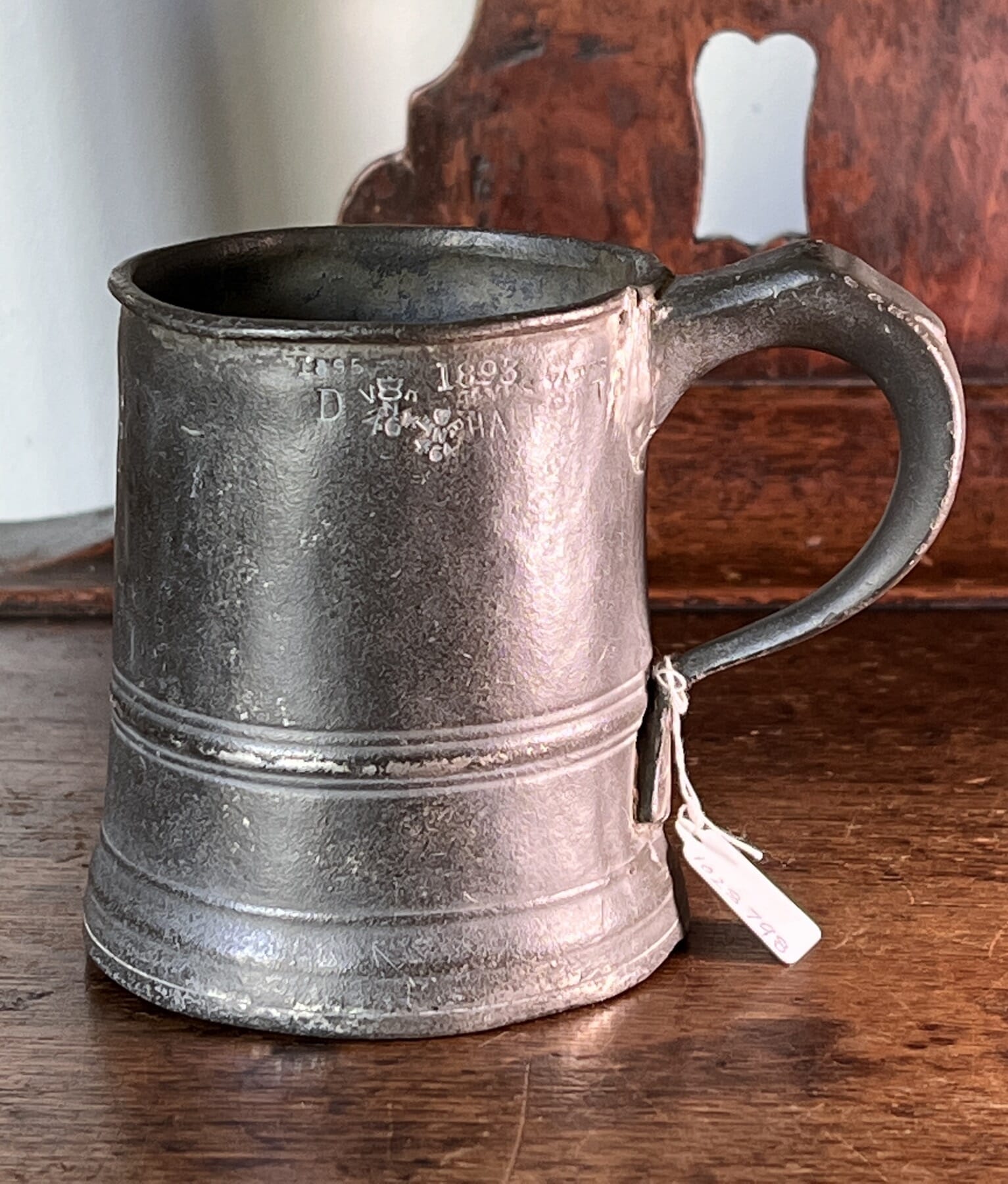
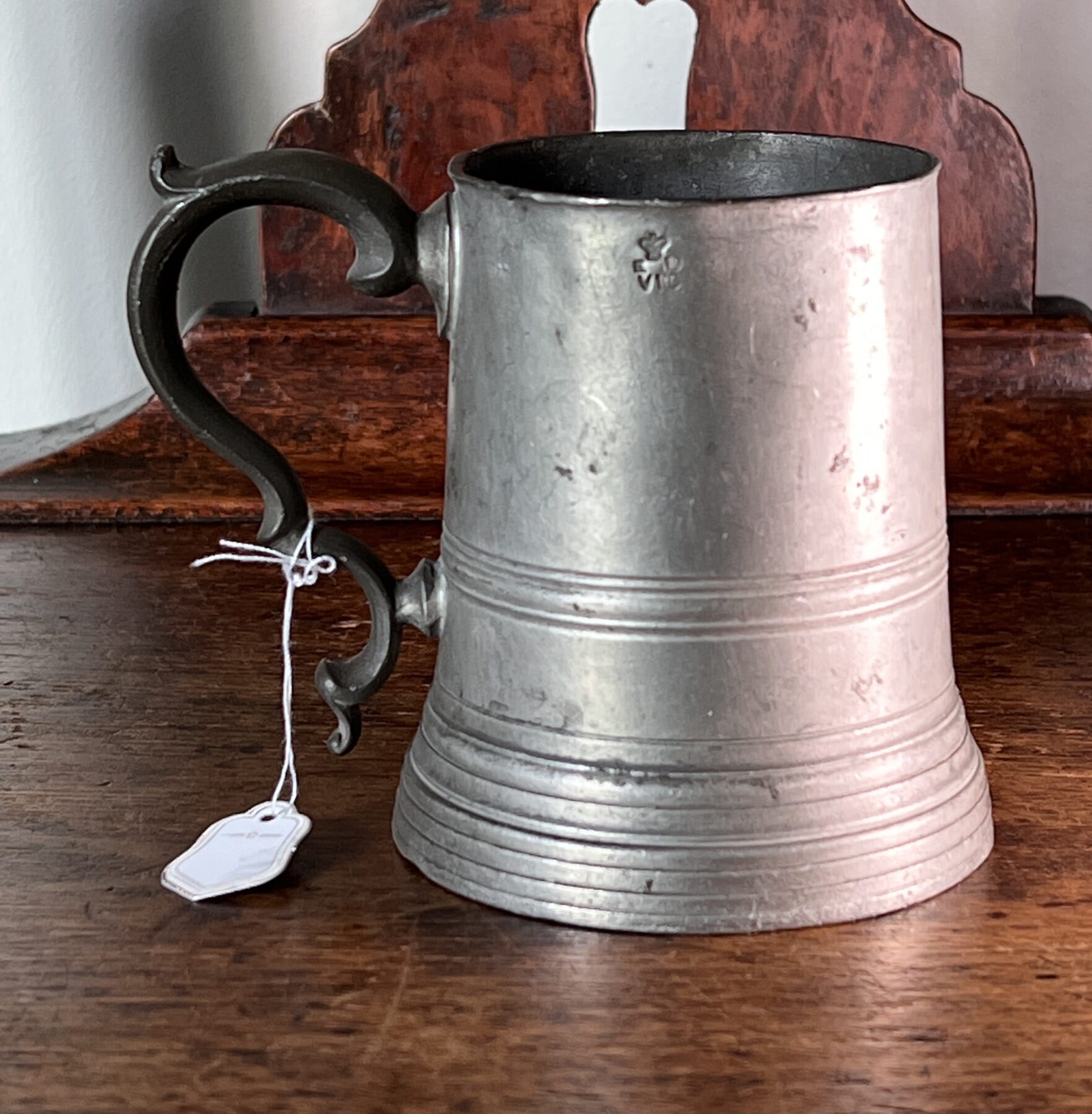
English pewter glass bottomed tankard, 19th century$180.00 AUD
-
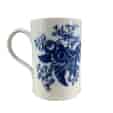 Large Caughley mug / tankard, ‘Pine Cone’ print, C. 1785$675.00 AUD
 -
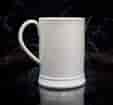 Rare creamware tankard, C. 1780$595.00 AUD
 -
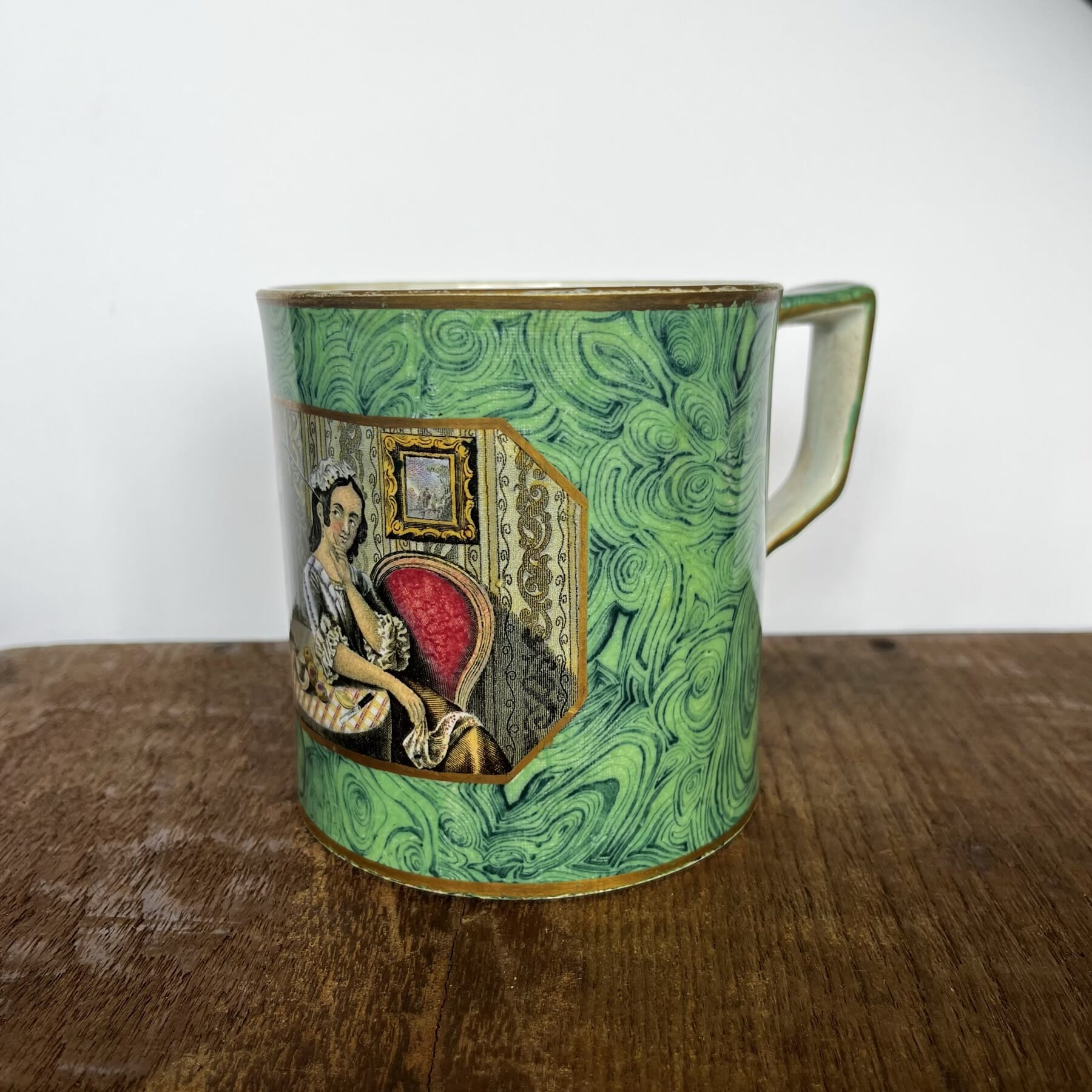
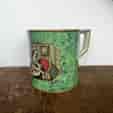 Pratt printed large mug, malachite ground, c.1850$165.00 AUD
 -
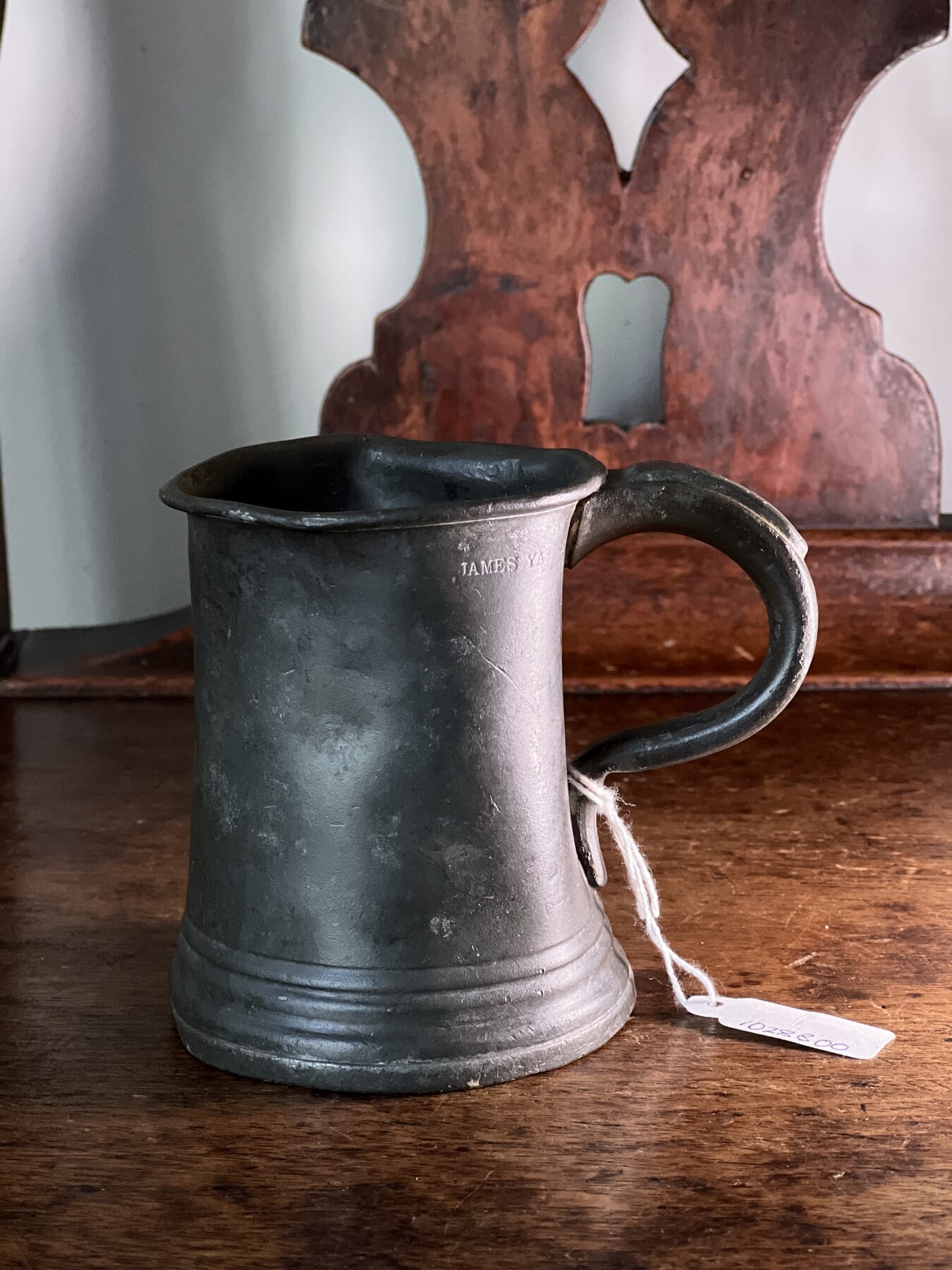
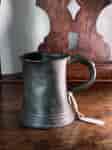 Victorian pewter straight-sided tankard, James Yates, circa 1870Sold
 -
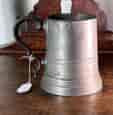 Victorian pewter straight-sided tankard, quart, circa 1850$65.00 AUD
Bargains!
Just after an extra little something? Here’s a selection ‘under $100’. We can also help with extra-low postage, send us a message before you pay, and let us be exact on the cost.
-
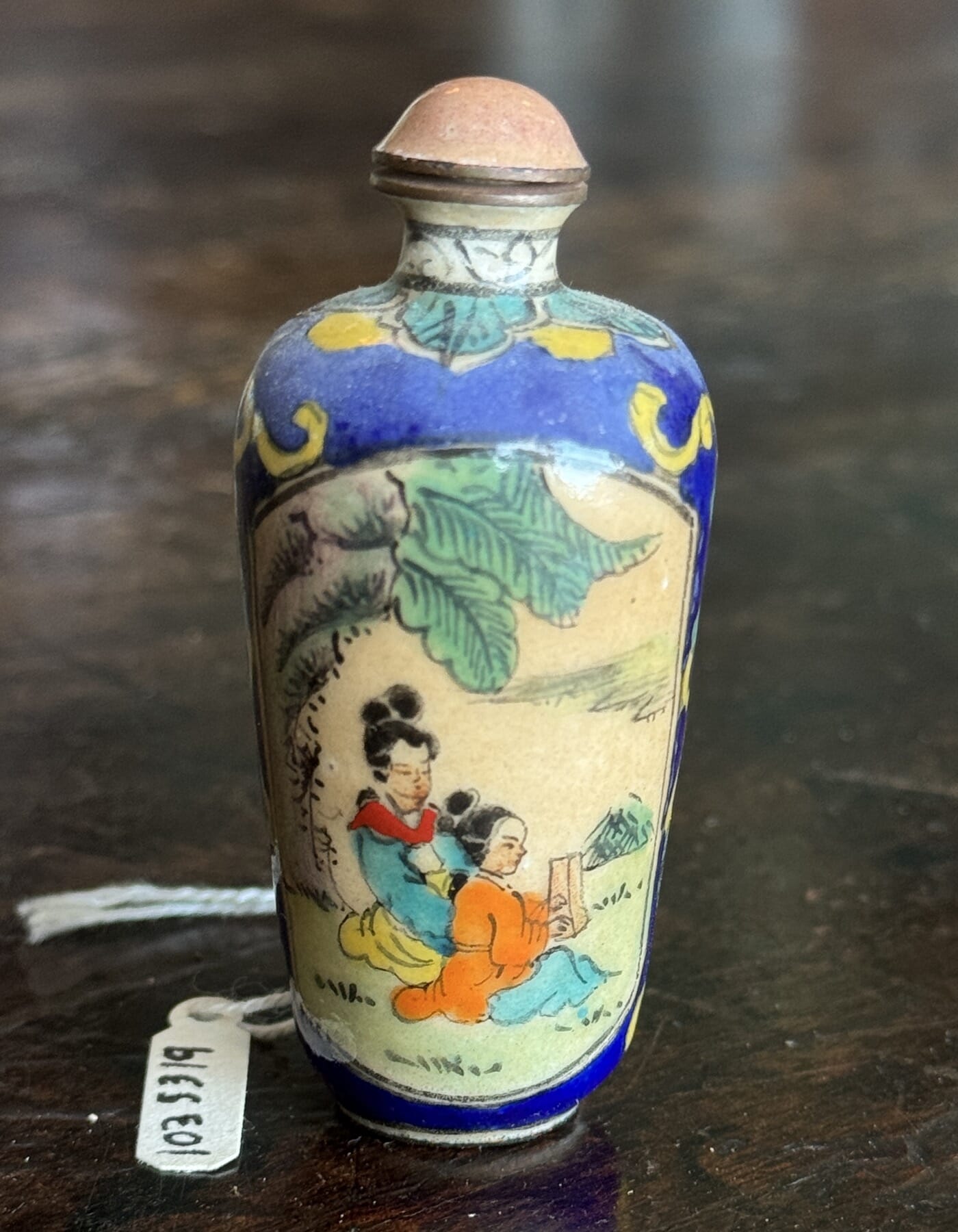
 Chinese Canton Enamel snuff bottle with family scenes, earlier 20th c.$85.00 AUD
 -
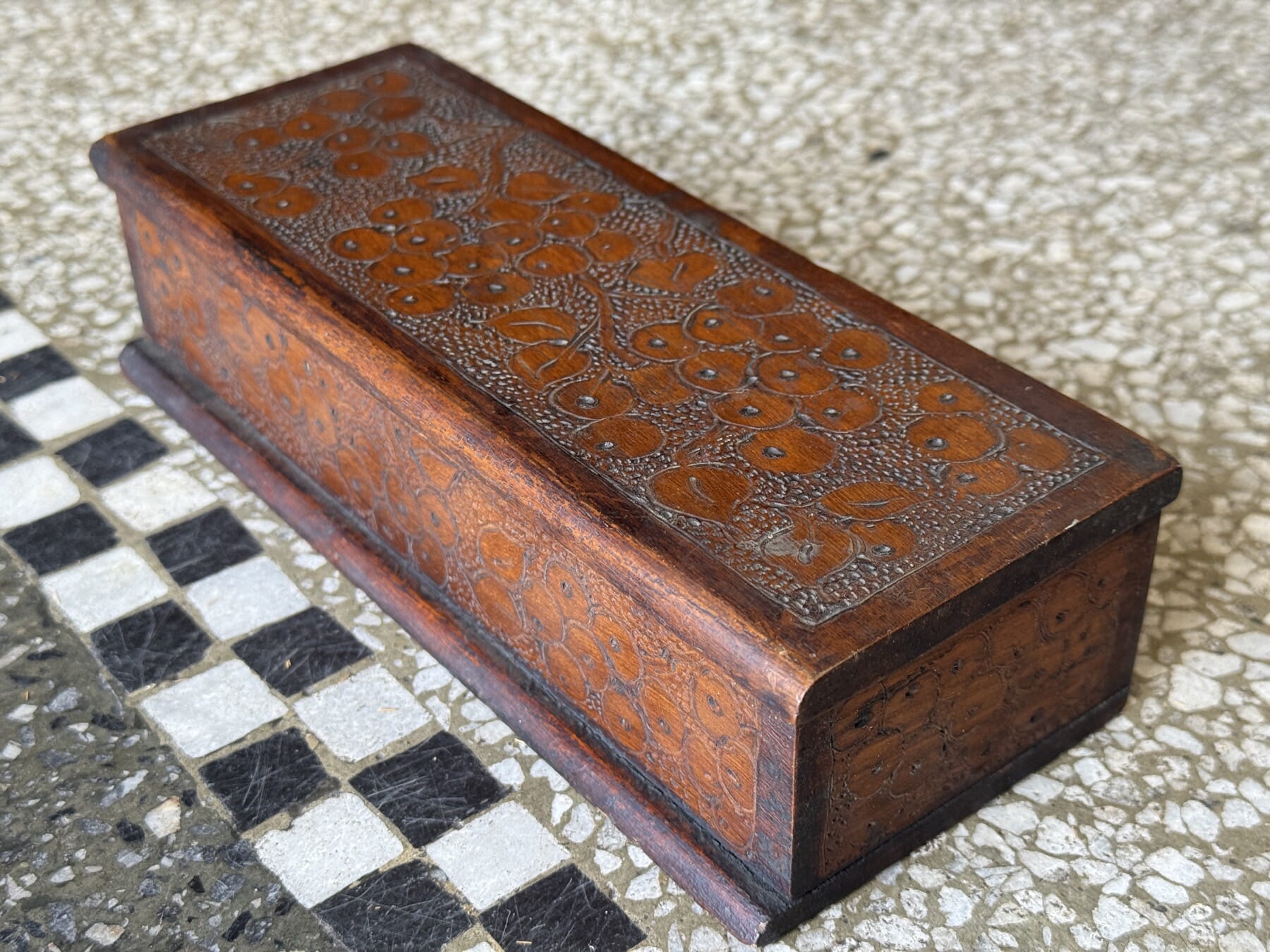
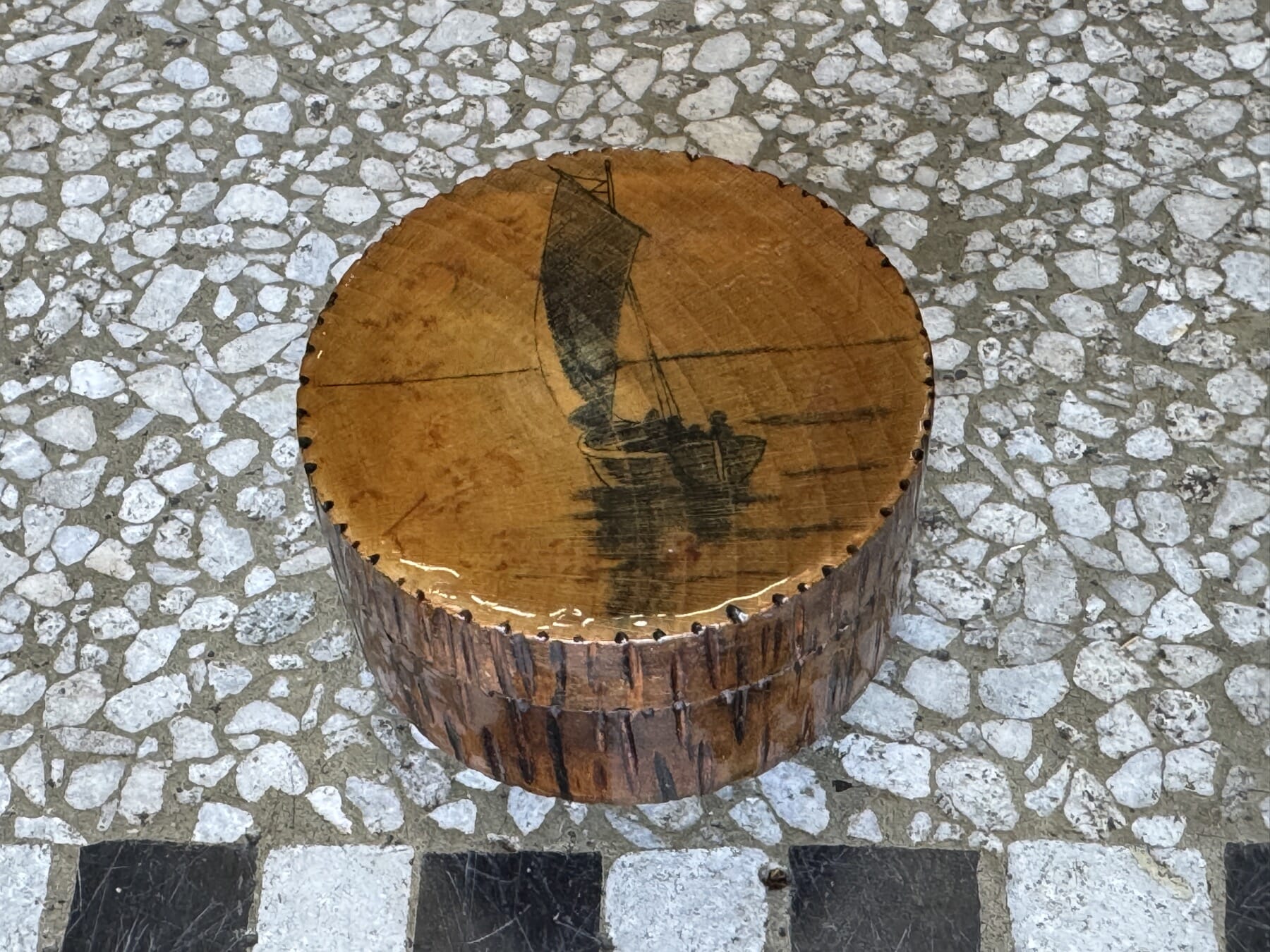
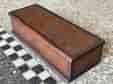 Pokerwork Box with berries pattern, c. 1920$45.00 AUD
 -
 Chinese Canton Enamel Miniature Meiping Vase, Lotus flowers, earlier 20th c.$95.00 AUD
 -
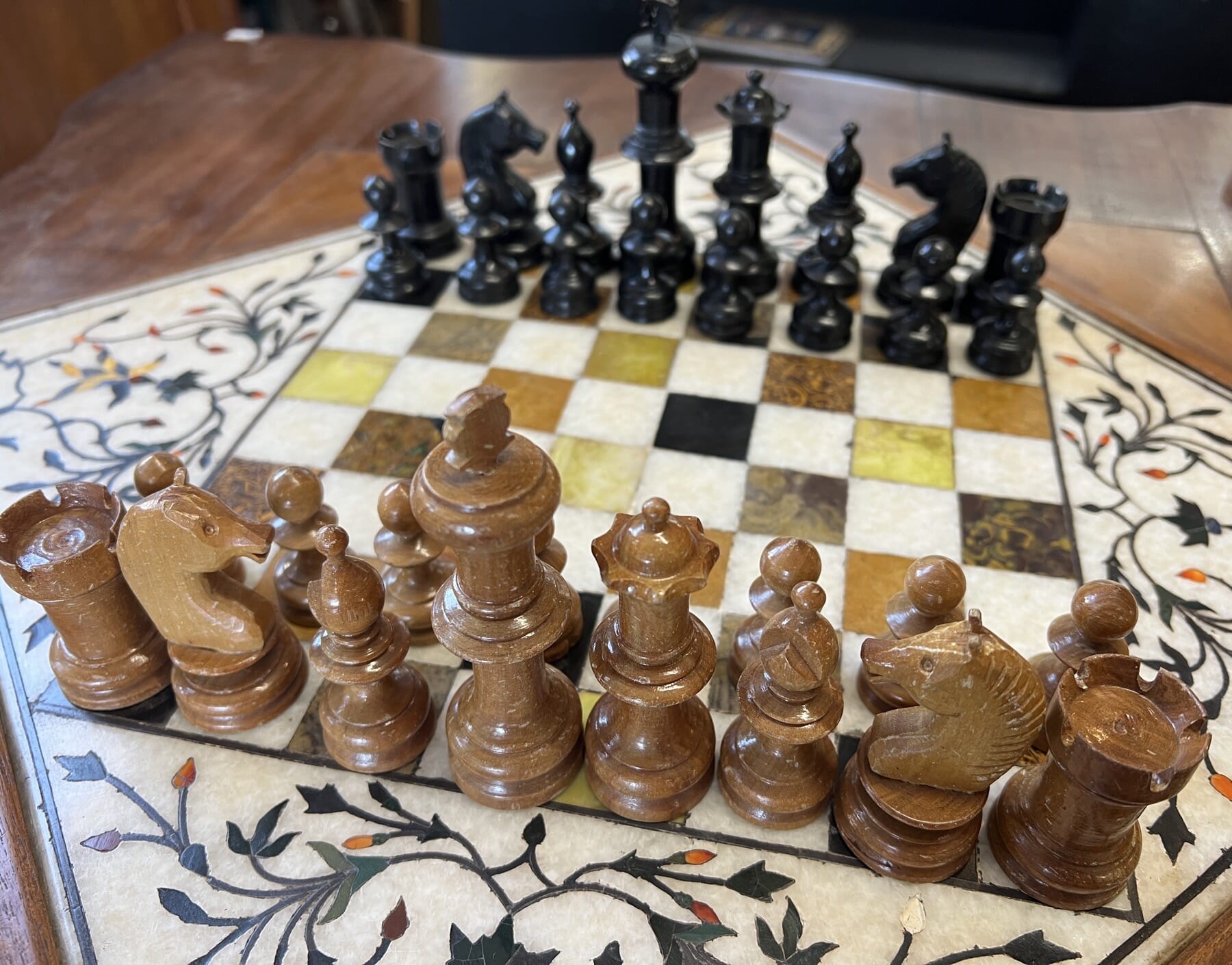
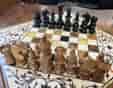 Carved Wood Chess Set in Box, 20th c.Sold
 -
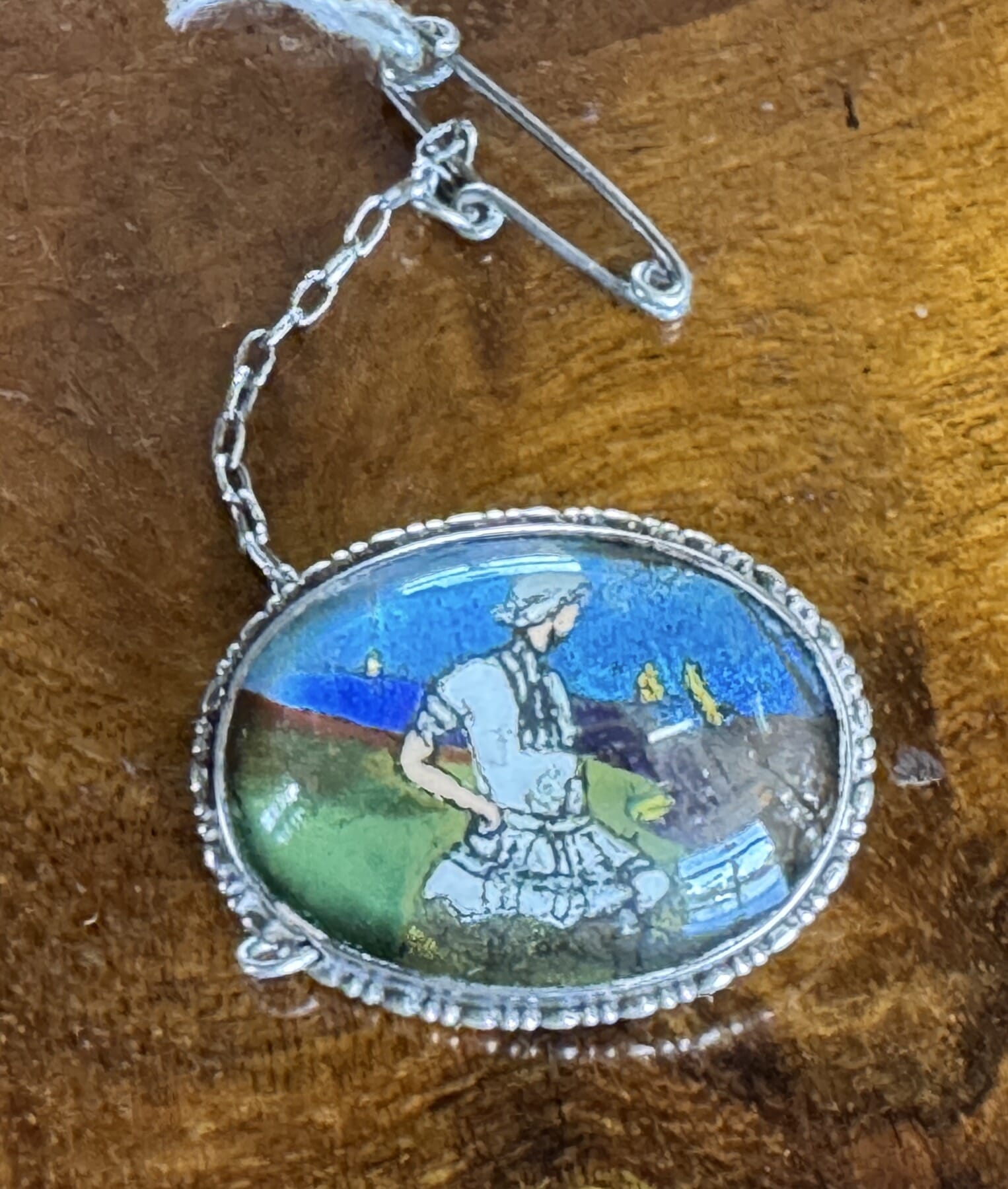
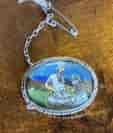 Hand Painted & Butterfly Wing ‘Dutch Girl’ brooch, Sterling Silver mounts, c. 1925$85.00 AUD
 -
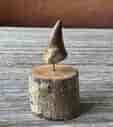 Genuine Fossil Dinosaur Tooth – Mosasaur, Morocco 100 million years$45.00 AUD
 -
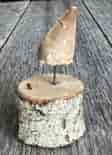 Genuine Fossil Dinosaur Tooth – Mosasaur, Morocco 100 million years$45.00 AUD
 -
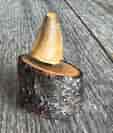 Genuine Fossil Dinosaur Tooth – Mosasaur, Morocco 100 million years$45.00 AUD
 -
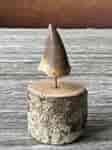 Genuine Fossil Dinosaur Tooth – Mosasaur, Morocco 100 million years$45.00 AUD
 -
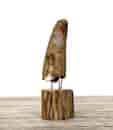 Fossil Dinosaur Tooth, Spinosaurus, Morocco 99 million years oldSold
 -
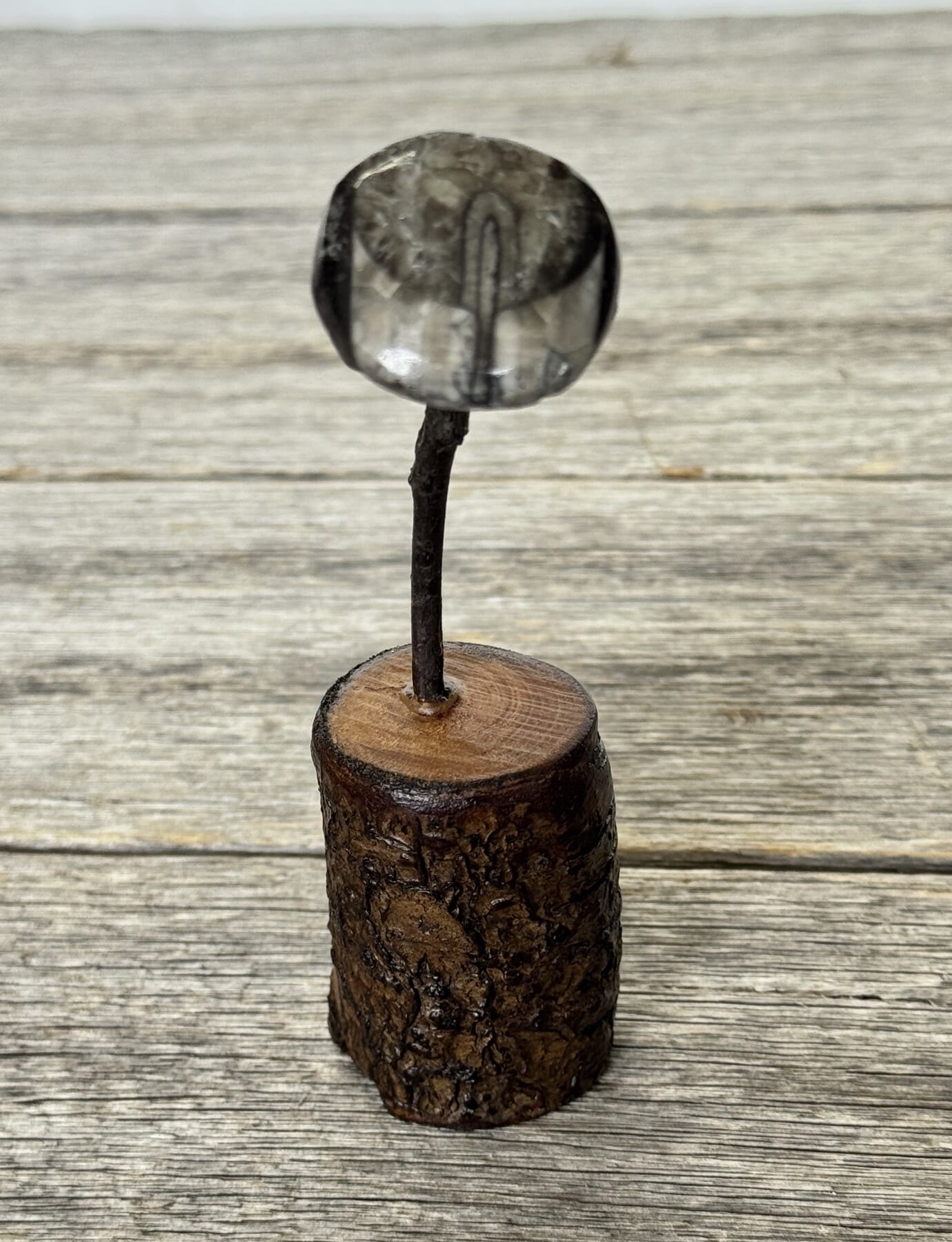
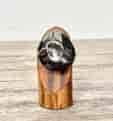 Fossil Nautiloid, Orthoceras sp., 350 Million Years , from Morocco$25.00 AUD
 -
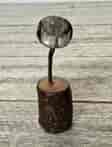 Fossil Nautiloid, Orthoceras sp., 350 Million Years , from Morocco$25.00 AUD